 An unsettled week with a variable wind direction, sporadic heavy showers, low cloud and drizzle. Against a backcloth of visible passerine migration, a Siberian Chiffchaff at Stanford Reservoir was arguably the week’s highlight.
This week’s wintering wildfowl numbers were on the up but unevenly distributed with, for example, Pitsford Res and Summer Leys LNR holding relatively good numbers, while in stark contrast the reservoirs at Ravensthorpe and Hollowell barely mustered a handful of common ducks between them. The adult Whooper Swan remained on Thrapston GP’s Town Lake and six flew north over Stanford Res on 8th, the latter site seeing the reappearance of the drake Ruddy Shelduck for one day only, on 6th, although the more regularly encountered female in the Hollowell/Ravensthorpe area failed to materialise this week.

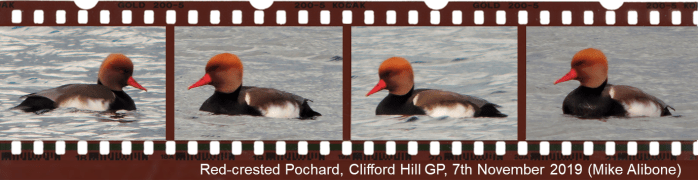
Up to four Red-crested Pochards continued to favour the northern section of Pitsford Res, three visited Stanford on 3rd and the Clifford Hill GP drake was still present on 7th.

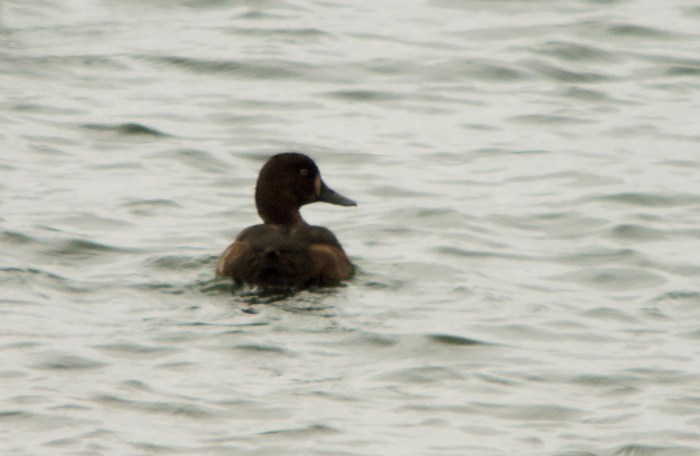
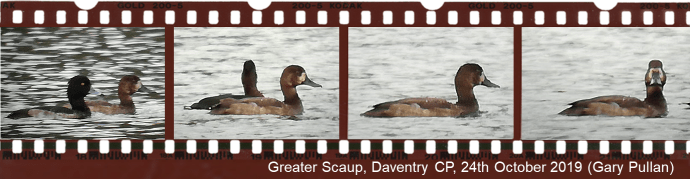
In the west of the county, at Daventry CP, an adult female and juvenile drake Greater Scaup were present on 4th-5th, the juvenile remaining until 7th, while the Summer Leys ‘redhead’ Smew remained on 2nd and then went missing before its reappearance there on 7th-8th.
Also at Summer Leys, what was presumably last week’s Bittern was again seen briefly in flight on 8th and further down the Nene Valley, at Stanwick GP, the five Cattle Egrets materialised once more on 4th. Stanwick again produced the week’s highest count of Great Egrets with three on 6th, while two were seen at both Pitsford and Thrapston and singles were at Ditchford GP, Stanford, Summer Leys and Maidwell.
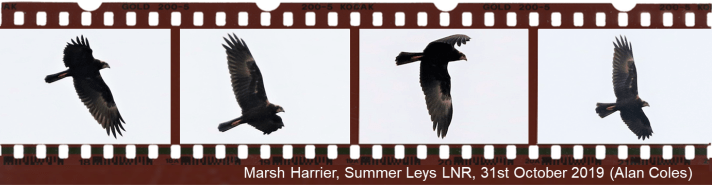
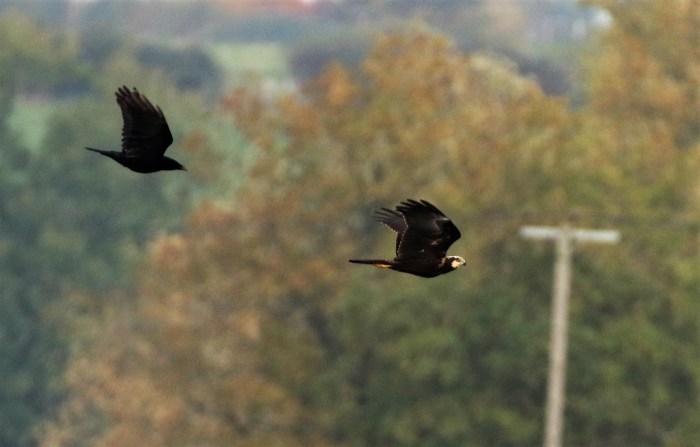
Last week’s Marsh Harrier reappeared at Stanford Res on 3rd, another flew west over Summer Leys’ scrape on 8th and for the second week running, a Jack Snipe at Hollowell on 7th was again the period’s only notable wader.
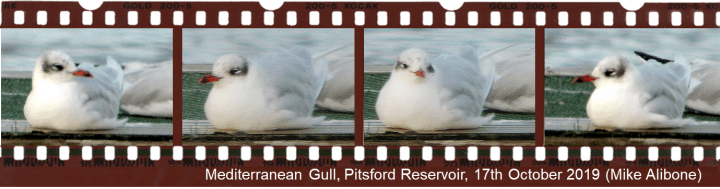
Just three Mediterranean Gulls included the Pitsford adult on 2nd, 4th-5th and 8th, a second-winter in the gull roost at Boddington Res on 5th and another adult in the roost at Stanford on 5th and 7th-8th. A third-winter Caspian Gull visited Daventry CP on 5th and a thin scattering of Yellow-legged Gulls included a third-winter and the usual one or two adults at Pitsford, single adults at Stanford on 3rd and Daventry on 5th and three adults in the roost at Boddington, also on 5th.
With numerous migrant ‘shorties’ recently logged ‘in-off’ on the east coast, more Short-eared Owls were found this week, with at least two at DIRFT 3 on 6th and one at the more traditional wintering site of Neville’s Lodge (Finedon) on the same date, followed by two there the following evening.
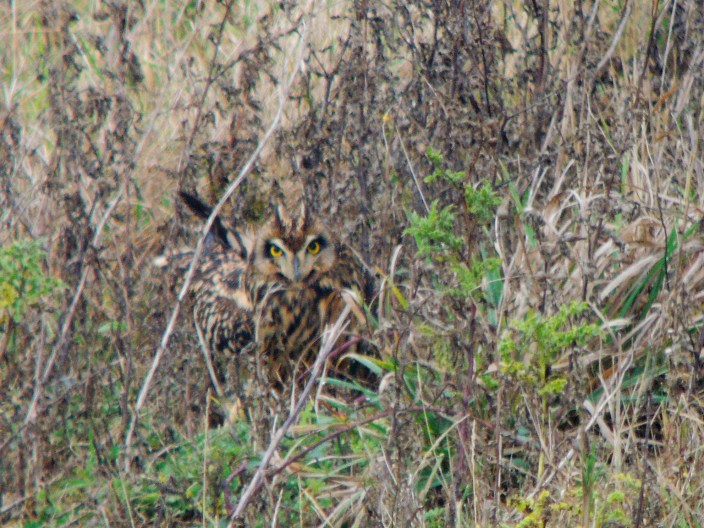
The lengthy North Sea crossings between Norway, Britain and Eire made by a satellite-tagged individual over two years, documented here, outlines just what an amazing traveller this species can be. One of last week’s Merlins was again at Harrington AF on 4th and 8th.

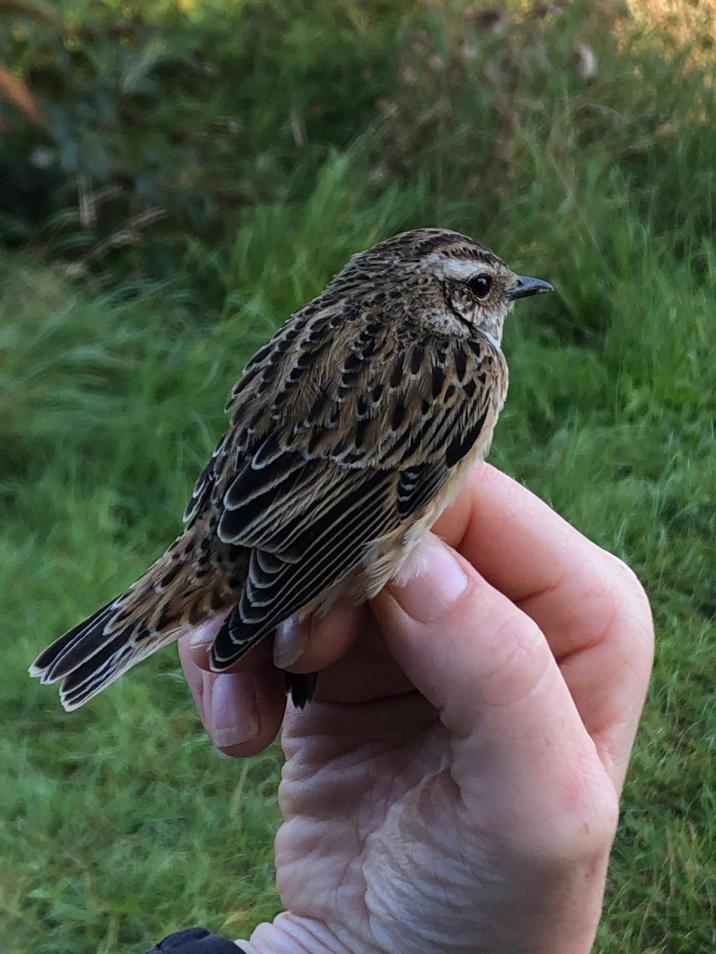
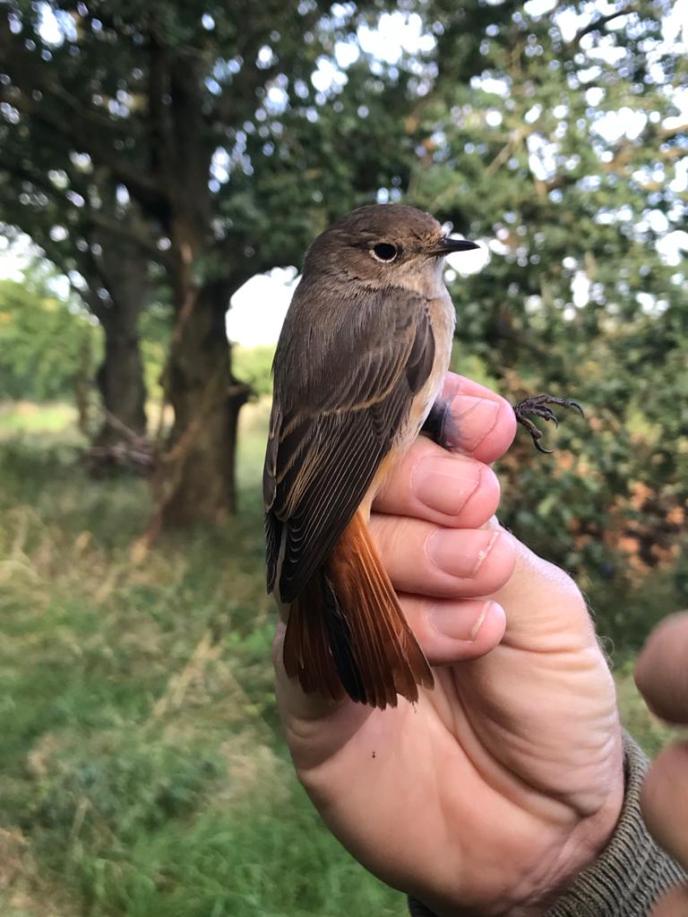
Another scarce late autumn migrant coming through on the east coast at present is Siberian Chiffchaff, one of which was trapped and ringed at Stanford on 6th. Hopefully one or two will be discovered locally as winter progresses. The Stanford ringers also trapped a very late Willow Warbler on the same date. This is probably the latest recorded in autumn in the county, notwithstanding three seen in December 1974, at Pitsford Res (2 on 15th) and Duston (one on 20th) which were considered to have been wintering.

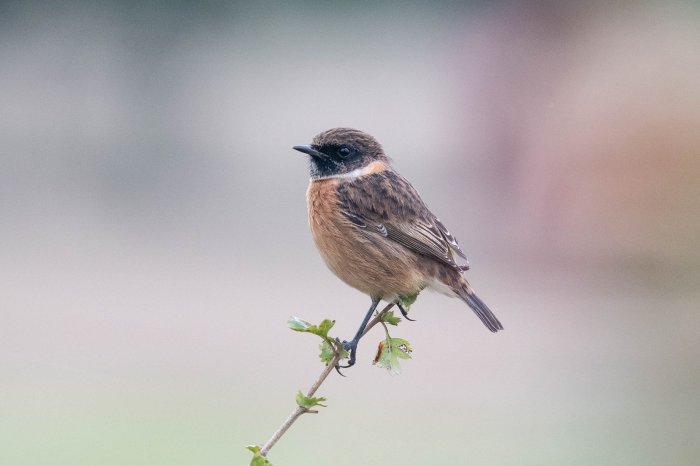
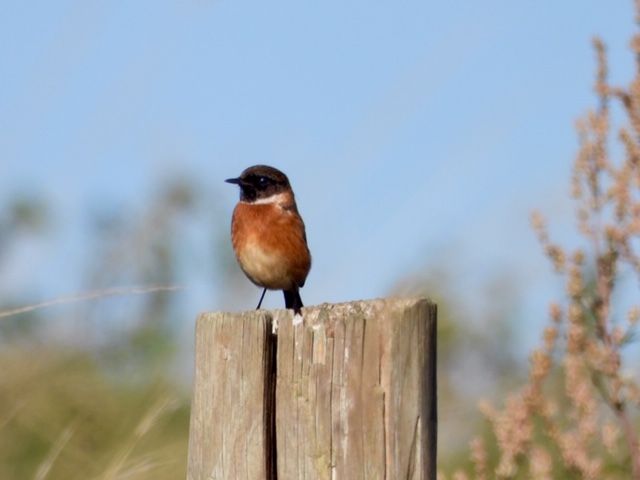
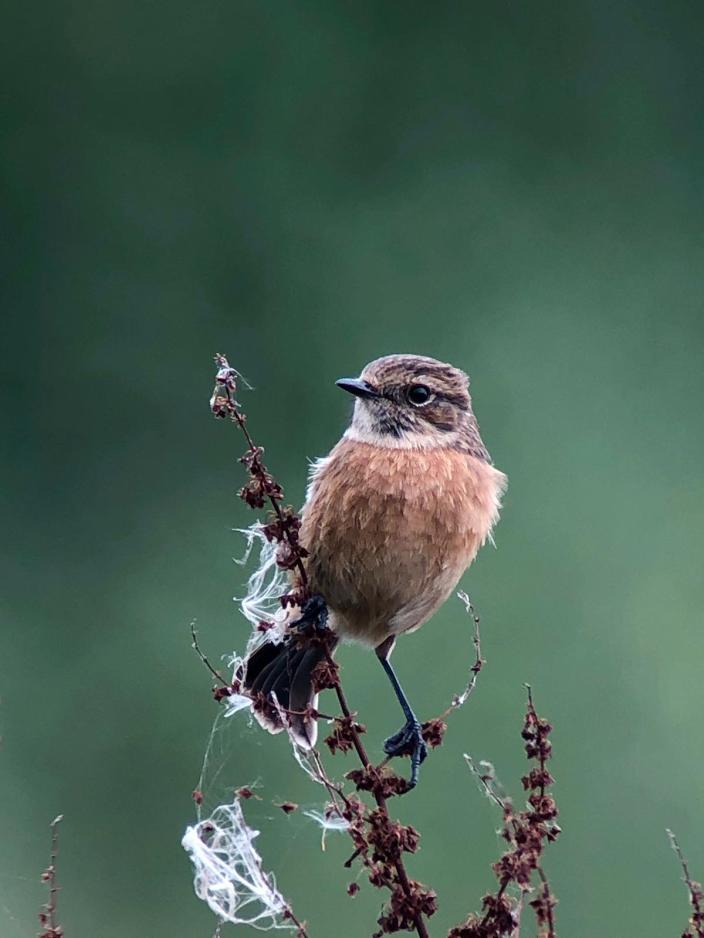
Lastly, Stonechats continued to be seen in ones and twos at DIRFT 3, Pitsford, Summer Leys and Thrapston, while four were at Hollowell on 7th.
 A change of month, a change of clocks and a change of wind direction back to easterlies resulted in a few new birds, the first autumnal frost on 28th and the arrival of the county’s first Smew of the ‘winter’ at Summer Leys on the last day of the week.





 With more unsettled weather afoot, chilly northerlies swung quickly to south-westerlies, bringing rain, bluster and birds. In the last week before taking the unwelcome plunge into late afternoon darkness for the next few months, leaf-fall accelerated and migration continued apace – especially where passerines were concerned – with the reservoirs at Pitsford and Stanford again delivering the best in class.



 The weather remained largely unsettled, with heavy rain and sporadic showers, backed by blustery south to south-westerly winds during the early part of the week. The period’s highlight was a Yellow-browed Warbler, trapped and ringed … where else other than at Stanford Reservoir.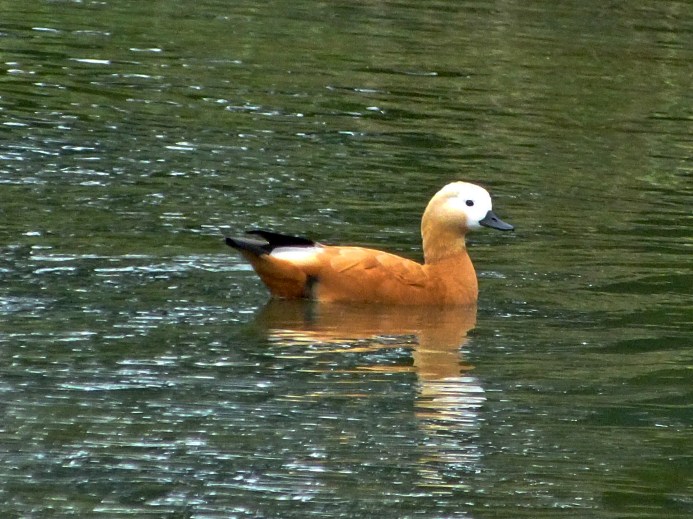
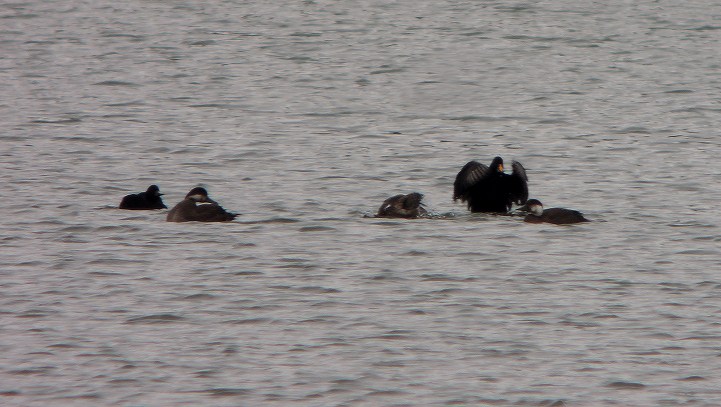


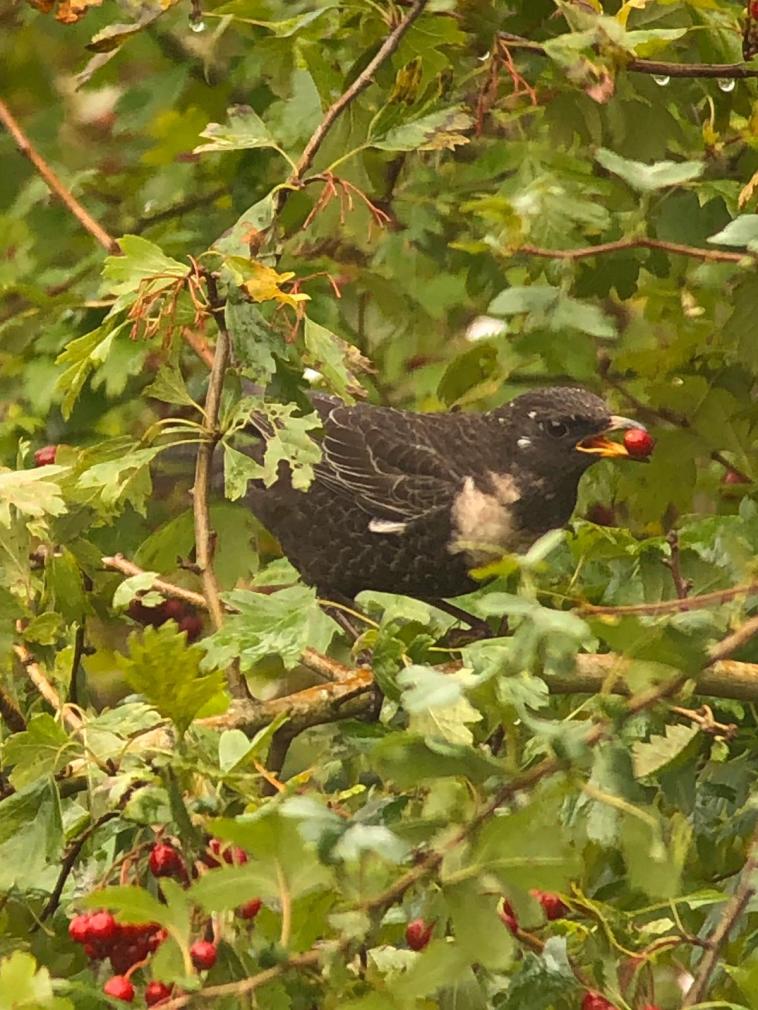
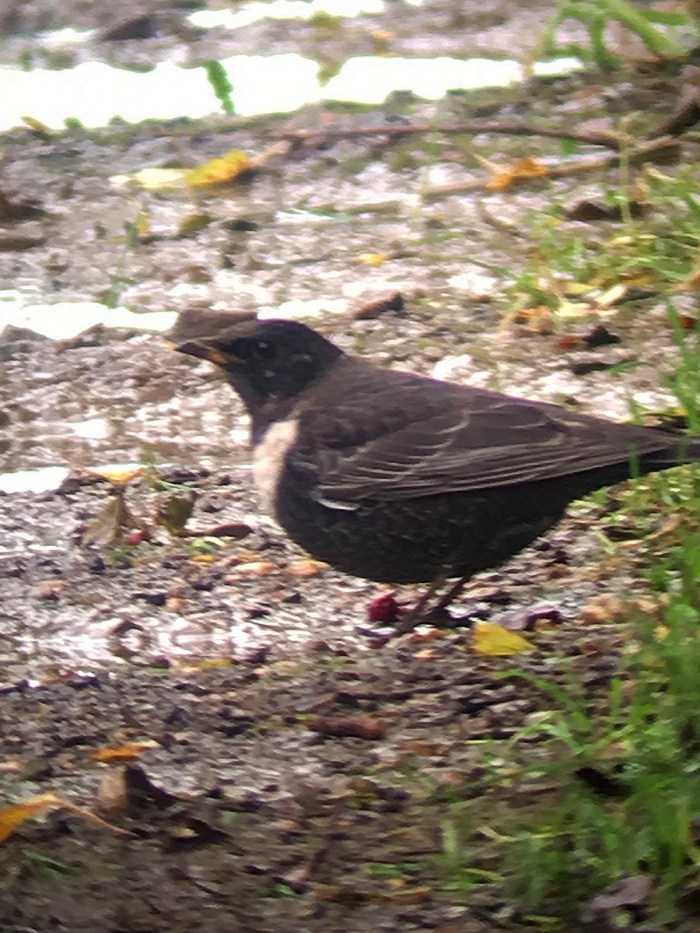
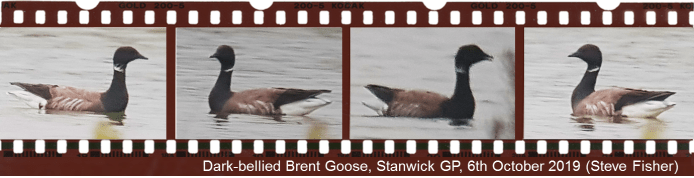 An unsettled week with a strong, predominantly westerly airflow saw a couple of potentially weather-related arrivals in the respective shapes of Dark-bellied Brent Goose and Gannet, amid more winter thrushes and the autumn’s first Bramblings.

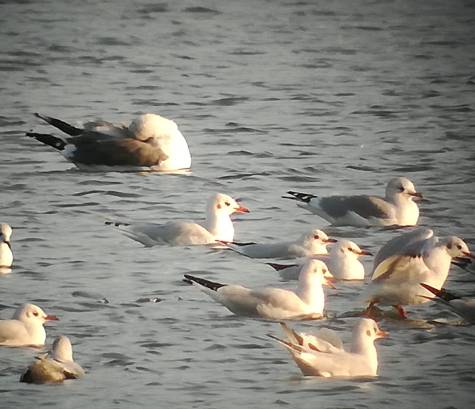
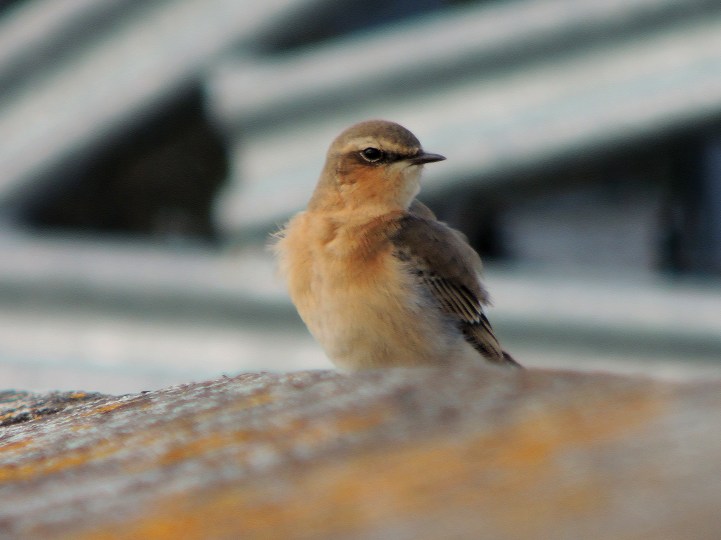
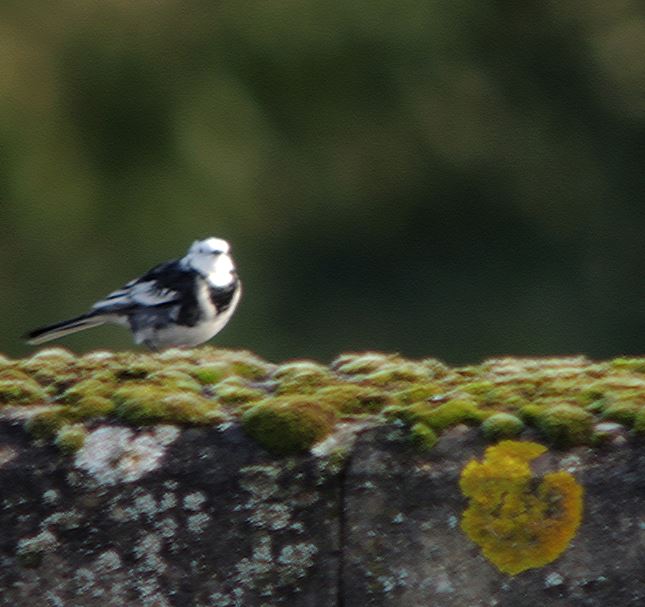
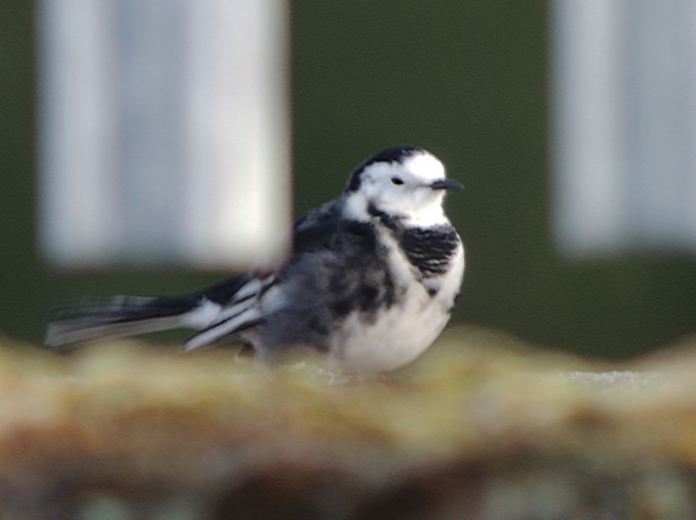 While the bird did indeed show a lot of white in the wing (formed by unusually broad white fringes to median coverts, greater coverts and tertials – probably freshly moulted and unworn) and an isolated, triangular black breast patch, it was the latter which lent the impression of a greater extent of white to the head. Although there are published images (see
 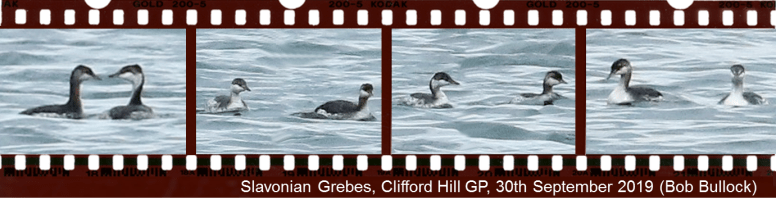 At the beginning of the period, things augured well for the end of the week, as ex-Hurricane Lorenzo looked set to deposit a scattering of inland seabirds. Unfortunately, by the time it reached the UK, it was full out of puff and brought only disappointment. As soon as September clicked into October, however, day one of the ‘magic month’ produced the first local Redwings of the autumn. Apart from that, Slavonian Grebe, Spoonbill and Spotted Redshank stole the show.

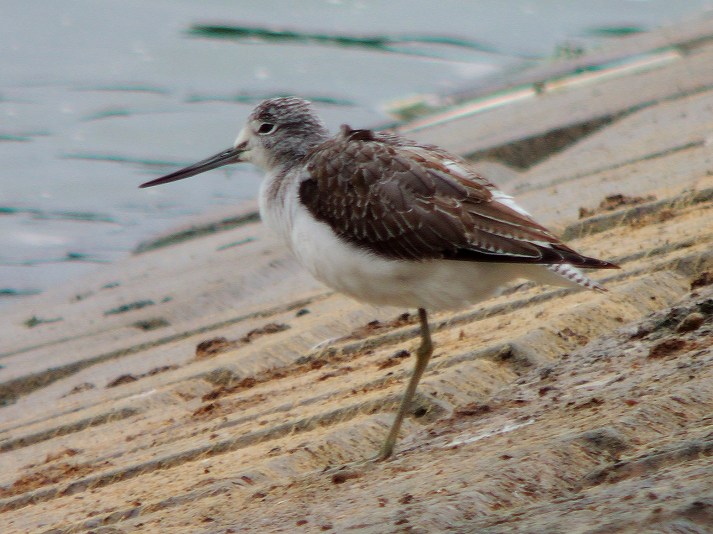

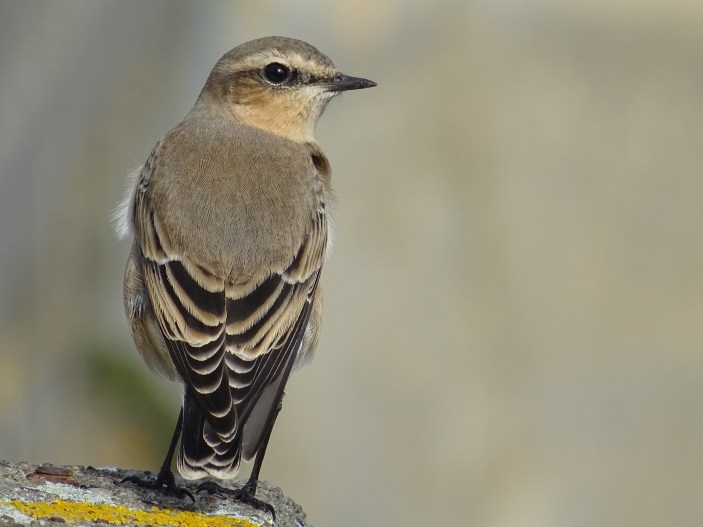
 South-easterlies, warm continental air and sunshine at the very beginning of the period quickly gave way to the more usual Atlantic low pressure systems, a westerly airflow and periods of gusty wind and rain throughout the week. Migrant passerine numbers dwindled, while bird of the week was undoubtedly the juvenile Little Stint, which graced Boddington Reservoir for the last three days of the period.
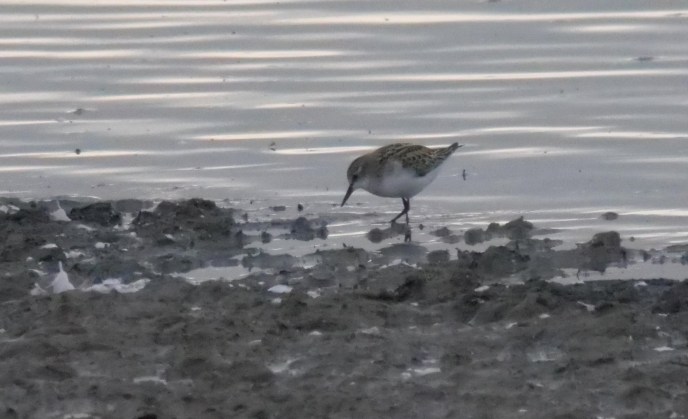


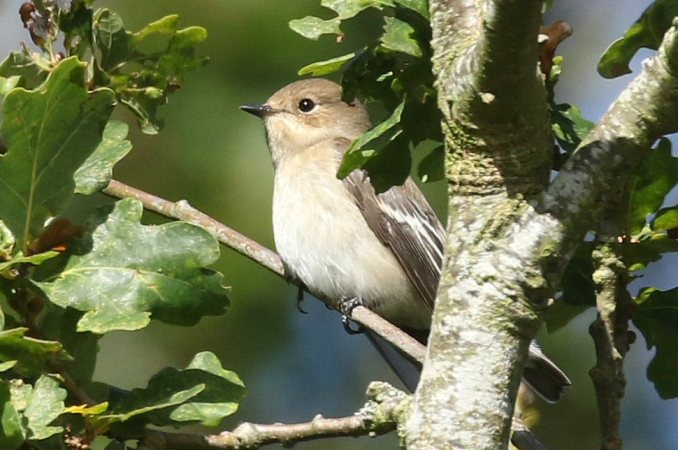

 If a week is a long time in politics then two weeks is an even longer time – not just double – when it comes to autumn birding. For the major part of the duration, the weather was dry and temperatures were unseasonally high, hitting the mid-twenties. Winds were largely westerly, alternating between the addition of northerly and southerly components, before swinging a decisive south-easterly at the end of the period. While wader numbers tailed off, passerine migrants maintained their prominence at a number of favoured localities.




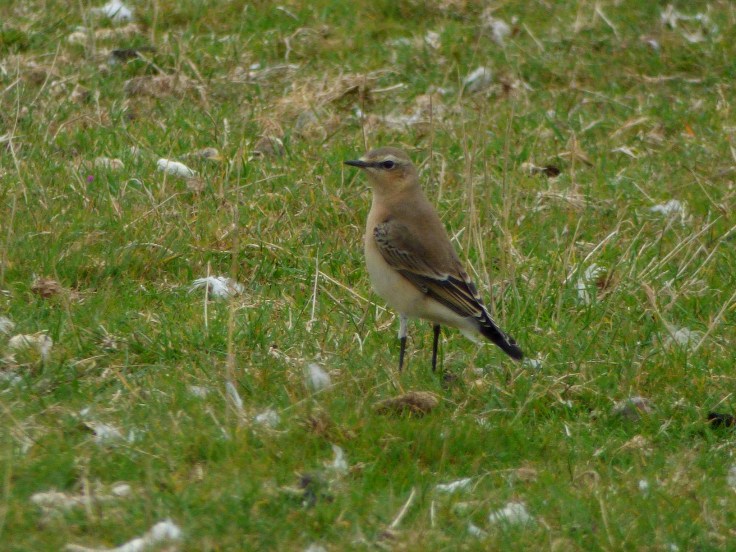
 Temperatures fell as the prevailing Atlantic airflow re-established itself, delivering brisk, breezy and mainly dry conditions on the back of variable northerly to south-westerly winds. Local birding survived on the remnants of last week’s migrant rush, the usual long-stayers were still in place, with the popular well-watched sites continuing to produce small numbers of new birds.



 Northants birds