The two weeks immediately following the winter solstice proved largely mild and dry, cooling down only after the winds swung northerly during the last two days of the period. A fair proportion of the birds present in the run up to Christmas made it into the New Year, the first ‘white-winged’ gull of the winter appeared and a locally sought-after species, usually considered a scarce migrant, ensured the first day of 2019 kicked off with a bit of class.
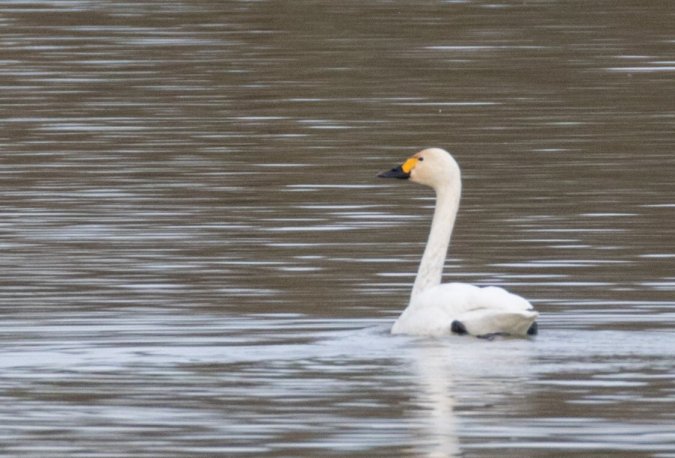
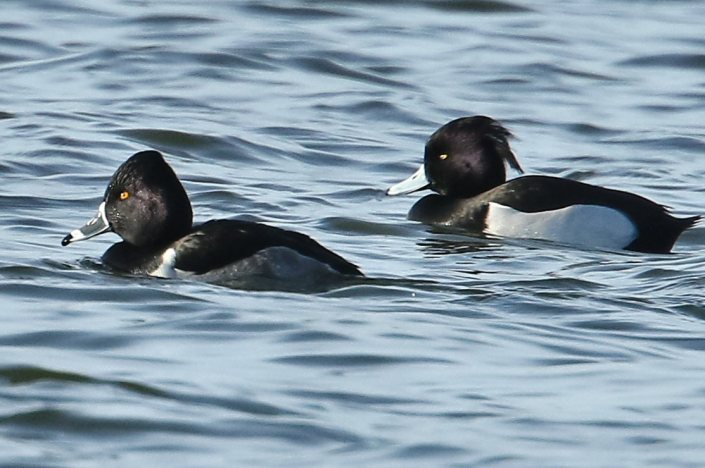
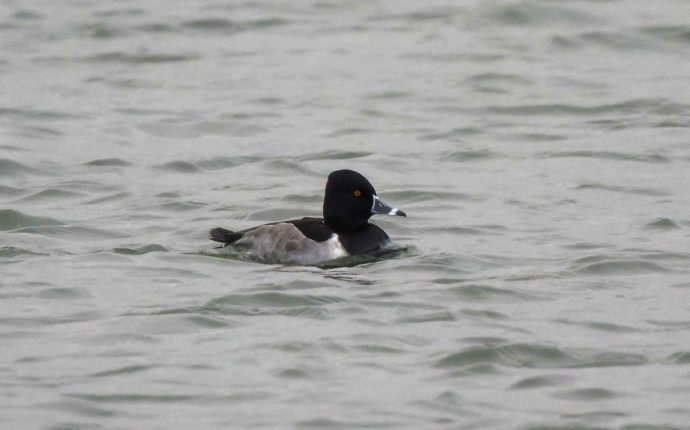
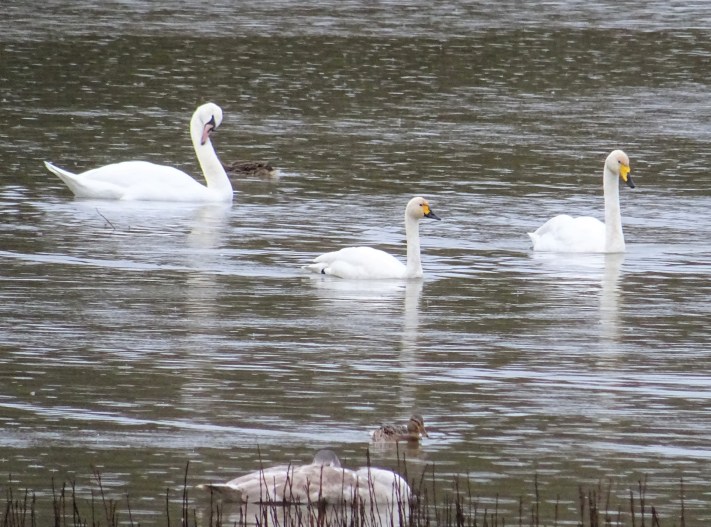
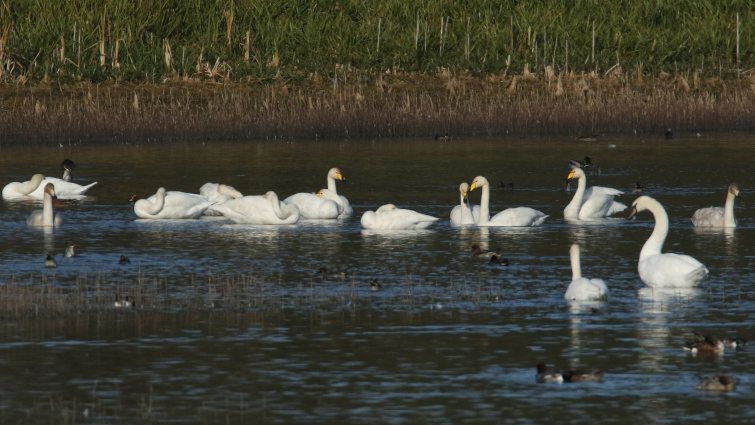
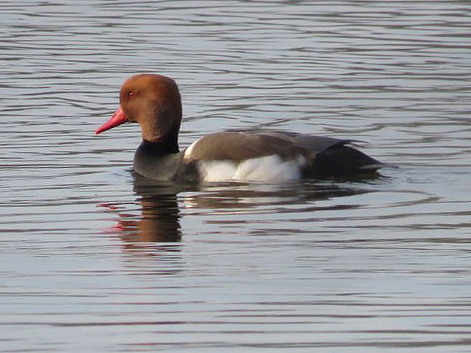
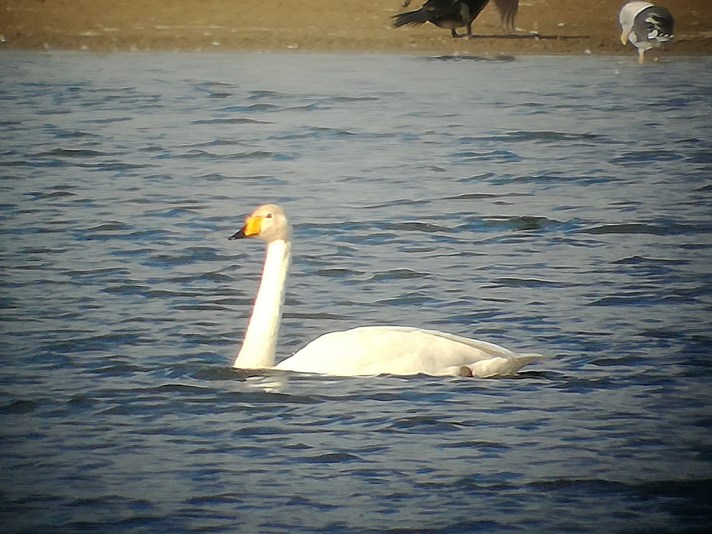
Bucking the trend of the long-stayers, the adult Bewick’s Swan, which had appeared settled at Pitsford Res after it first arrived on 5th December, did a bunk after the first day of the period, while reports of the similarly ensconced Whooper Swans at the same locality dried up beyond 29th. A first-winter Whooper paid a brief visit to a small lake near Purston, south of Farthinghoe NR, before flying off on the latter date, while the bird of the same age remained at Thrapston GP throughout. The only geese appearing during the period were a Barnacle Goose at Stanwick GP between 1st and 4th and a Pink-footed Goose there again on the latter date. Back at Pitsford, Red-crested Pochard numbers topped fourteen between 31st and 2nd, four were at Stanford Res on 27th with one remaining into the New Year, the drake was still at Hollowell Res on 22nd, two visited Thrapston GP on 30th,one was at Stanwick GP on 28th and another, or the same, at nearby Ringstead GP on 4th. Remaining faithful to Pitsford’s north side, the drake Ring-necked Duck continued its stay at the reservoir throughout the period and a female Scaup was also found there on 26th.
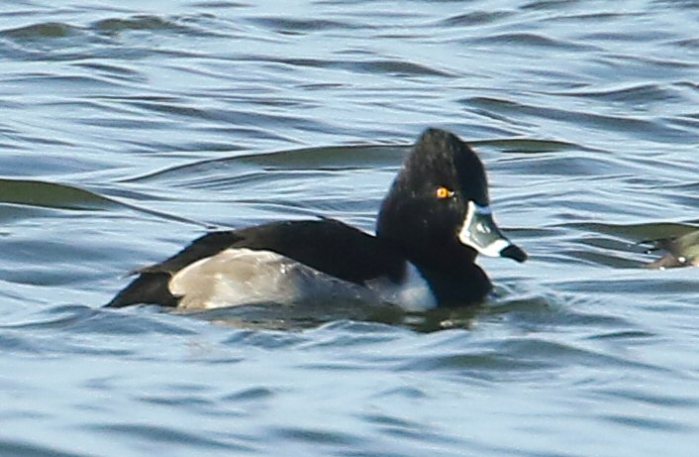
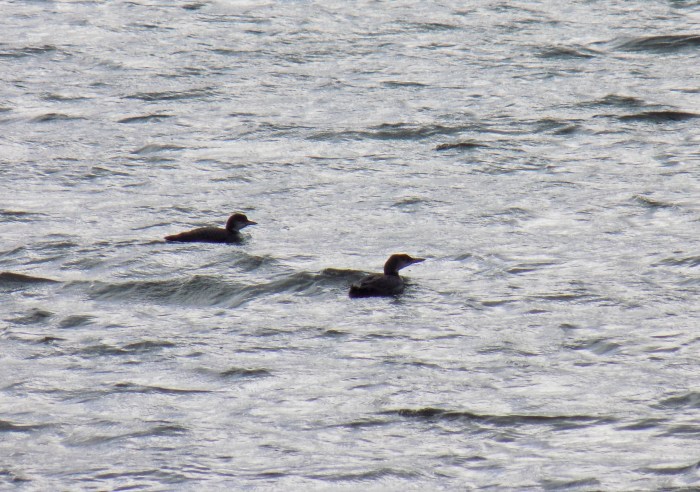
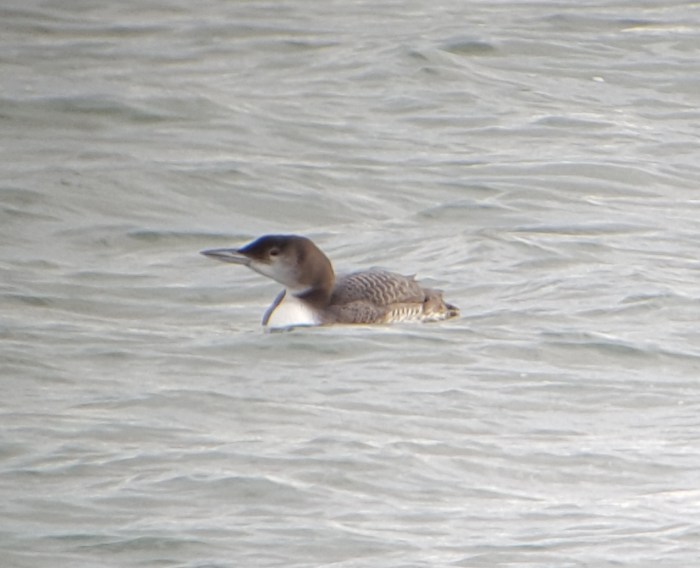
Elsewhere, the first-winter or hybrid Scaup was still at Ditchford GP on 2nd and the first-winter remained at Thrapston GP until at least 22nd. At Pitsford, the elusive drake Smew was seen again on 22nd and 26th, while the two young Great Northern Divers remained until at least 2nd with at least one until 4th.

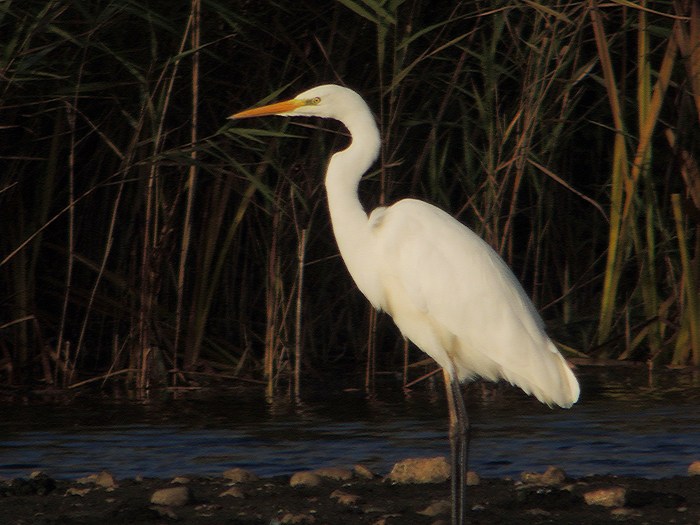
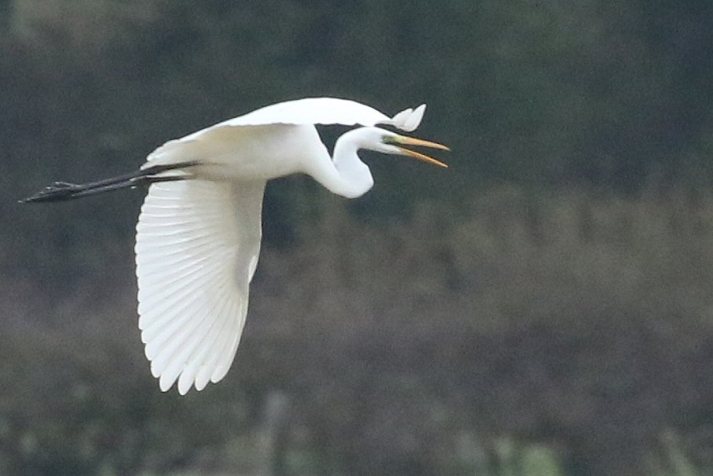
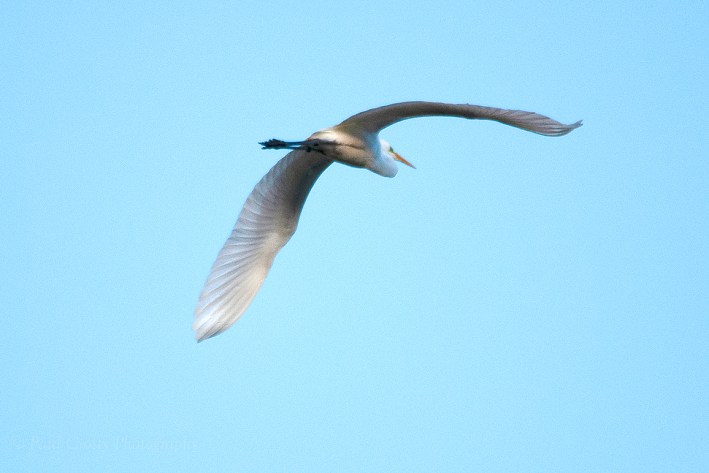
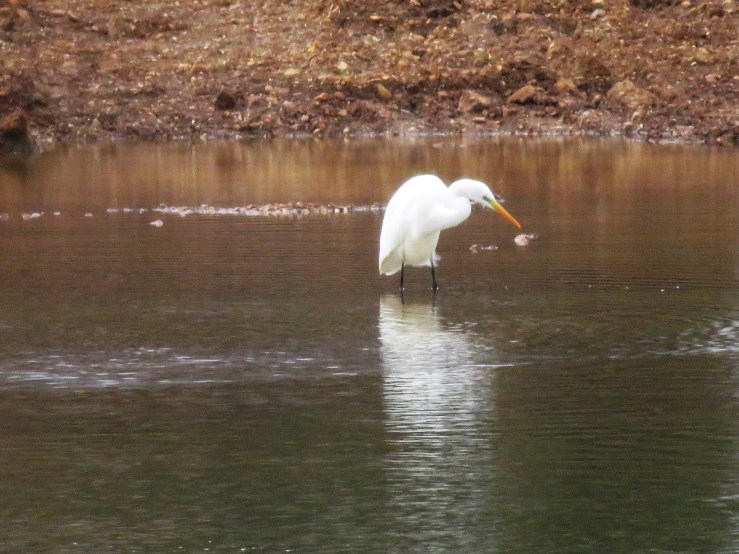
Up to five Great Egrets continued to be seen at Pitsford, while Thrapston GP hosted four – possibly five – Stanford Res and Summer Leys held three a piece and singles were found at Ditchford GP/Irthlingborough Lakes & Meadows, Earls Barton GP, Fawsley Park Lake, Foxholes Fisheries (Crick) and Hollowell Res.
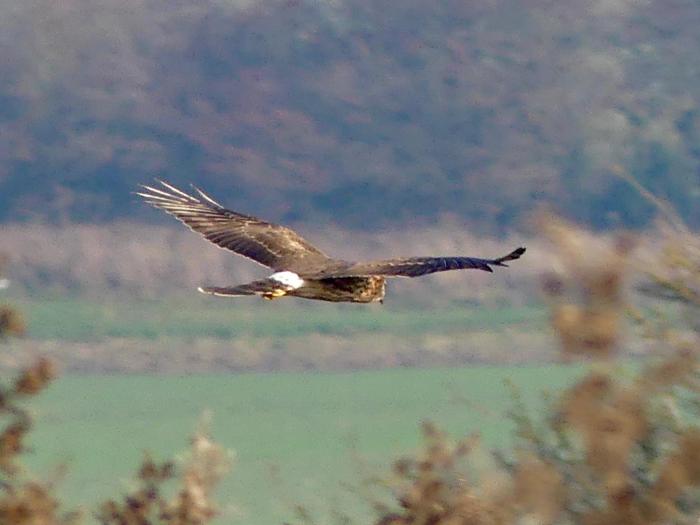
Stanwick’s second-winter male Hen Harrier disappeared over the Christmas period but was back on 1st, visiting nearby Irthlingborough Lakes & Meadows the following day before returning to Stanwick on 3rd-4th. The juvenile last seen at Stanford Res on 16th was back on 28th, remaining until at least 1st.
Bit of @StanwickLakes Hen Harrier footage from just now (13:30) Mega pleased to finally catch up with this bird ! #Northantsbirds pic.twitter.com/rwolT2E3HB
— Tom Green (@Green_Tom_) January 3, 2019
On the somewhat narrow wader front, Stanwick produced two Black-tailed Godwits on 28th, while Hollowell Res hung on to its Jack Snipe on 1st and one was found by the River Nene at Burton Latimer Pocket Park on 30th.
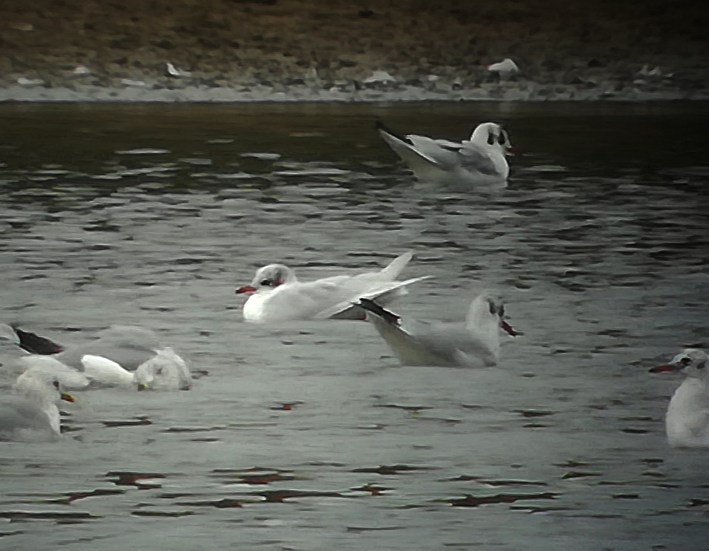
Winter is traditionally gulling time and the period gave rise to an adult Mediterranean Gull at Daventry CP on 27th and 31st, the wintering adult Yellow-legged Gull was remained at Pitsford throughout with further adults at Hollowell Res on 22nd and 1st and Daventry CP on 27th and a second-winter was found at the latter site on 31st. There were more Caspian Gulls than the previous species, with a second-winter at Hollowell Res on 22nd and a first-winter and fourth-winter at Daventry CP on 31st but Rushton Landfill produced the most, with a third-winter on 24th, a first-winter and a second-winter on 28th and a first-winter again on 4th. Rushton was also the site which produced the first ‘white-winger’ of the winter, a juvenile Iceland Gull on 28th. However, with the closure of many local landfills (remember Sidegate Lane, Weldon and Welford?) Glaucous and Iceland Gulls are destined to become more difficult to catch up with in the future.

In what many birders no doubt would regard as a more hospitable environment, the grasslands of Neville’s Lodge near Finedon produced a Short-eared Owl on Christmas Day, followed by two there on 4th. One was also seen at Stanford Res on 27th. Bird of the week, however, must surely be the Woodlark found on a BTO survey of farmland near Woodford on New Year’s Day. This species is by no means annual in the county and there has not been a twitchable one for many years. Also potentially rare but all too readily dismissed as ‘just a sub’, is Nordic Jackdaw, one of which put in a brief appearance at Daventry CP on 3rd. After a surge of interest back in the early 2000s, when they became all the rage, records of this eastern European form, monedula, seem, perplexingly, to elicit little attention these days. Ah well, c’est la vie …








 Another first for the winter, a juvenile Great Northern Diver, was discovered off the dam at Pitsford on 1st before promptly being joined by another there on 2nd. Although both were seen together on the latter date, only one has been reported subsequently, right through to the end of the period.




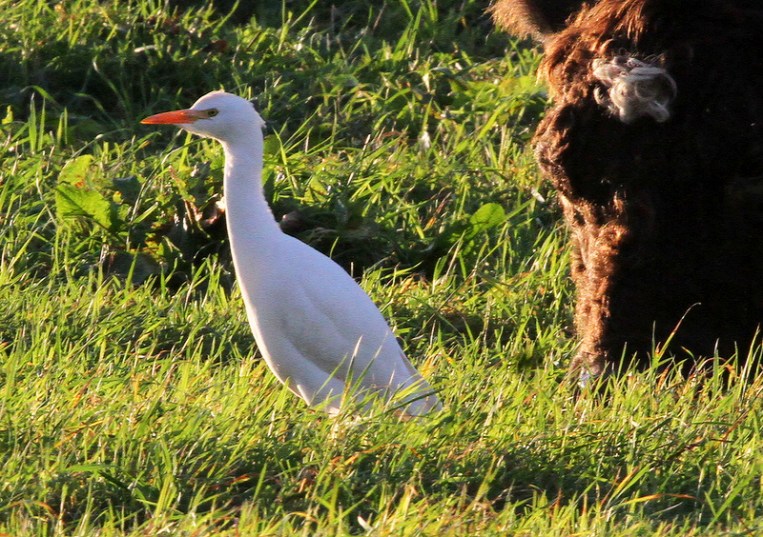
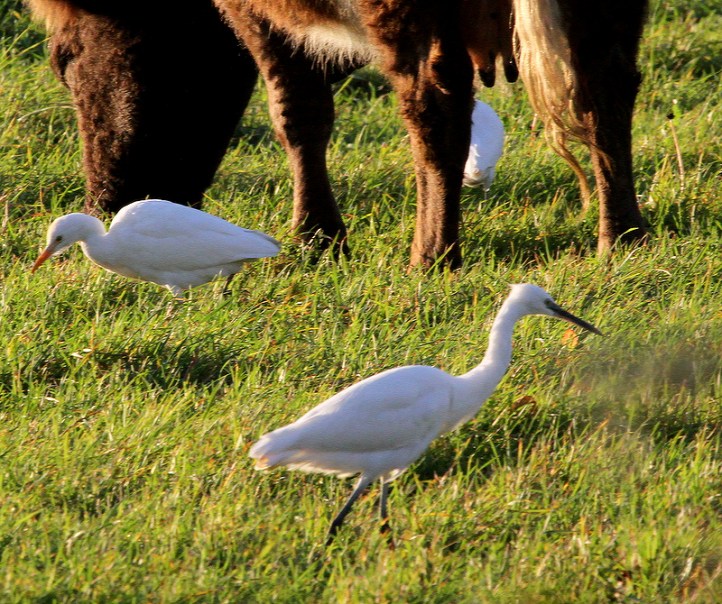
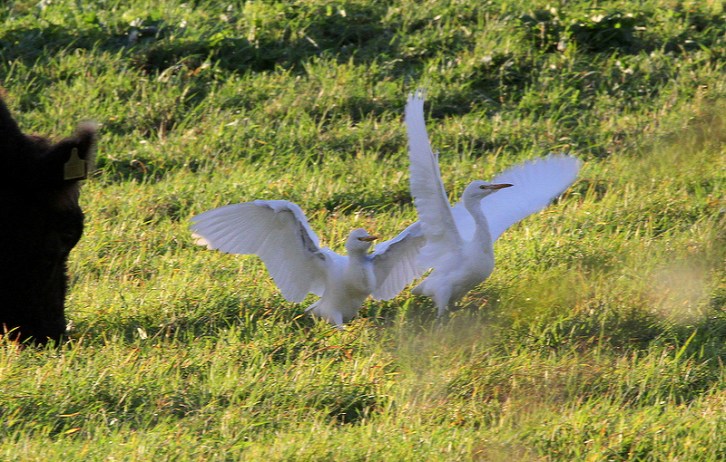
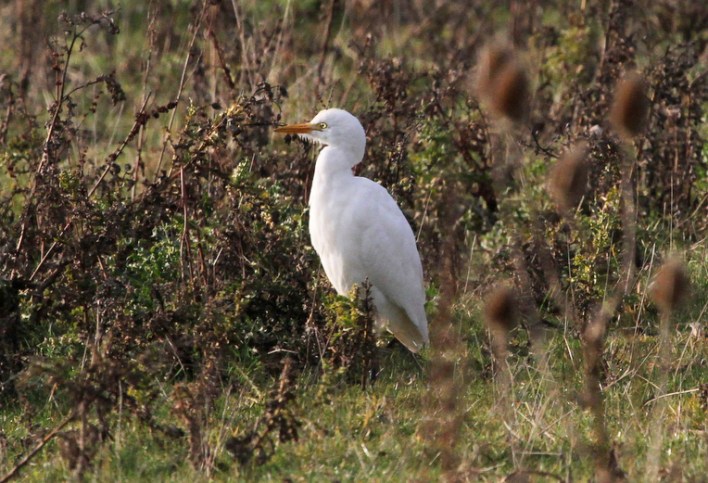
 The three Cattle Egrets at the north-east end of the Stanwick GP complex were once again joined by a fourth on 21st-22nd, while one or two Great White Egrets continued to be seen at this and six other locations, Pitsford topping the bill with four on 21st-22nd.






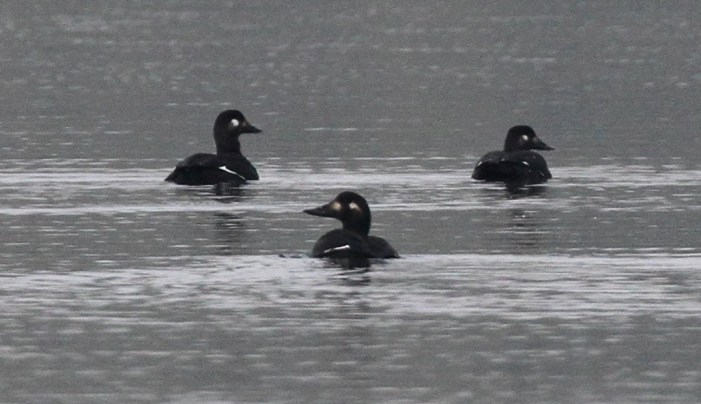

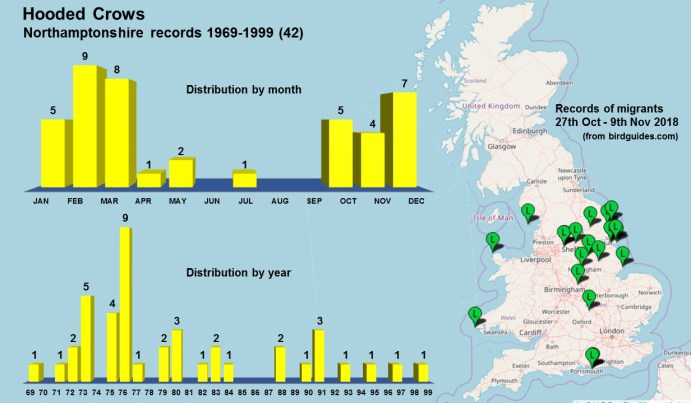 The species was formerly a more regular, though scarce, winter visitor to Northants but its appearance in the south, east and central parts of the UK is now much less frequent than it was during the last century. In fact, this is the first in the county since 1999. Others were seen inland during the period in Cambridgeshire, Leicestershire, Lincolnshire, Nottinghamshire and East, South and West Yorkshire. More readily accessible and guaranteed to delight, however, were two Bearded Reedlings, which were discovered at Stanwick on 4th and did the decent thing of posing well for photos until at least 6th.


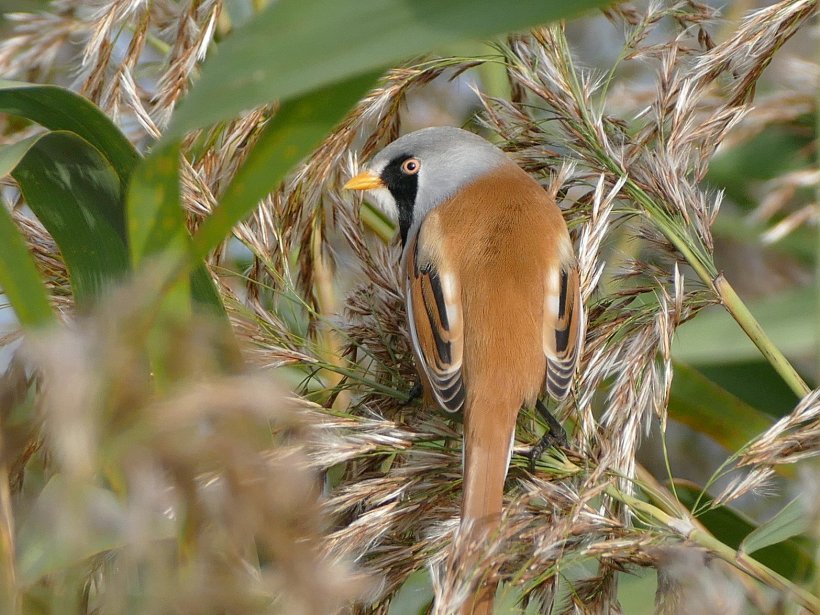
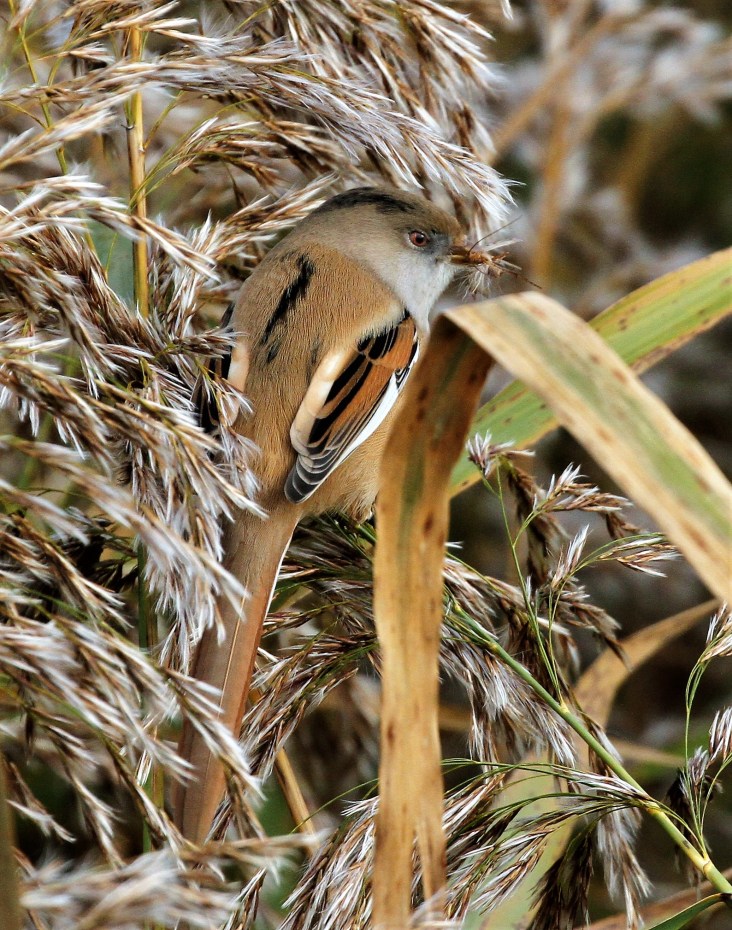


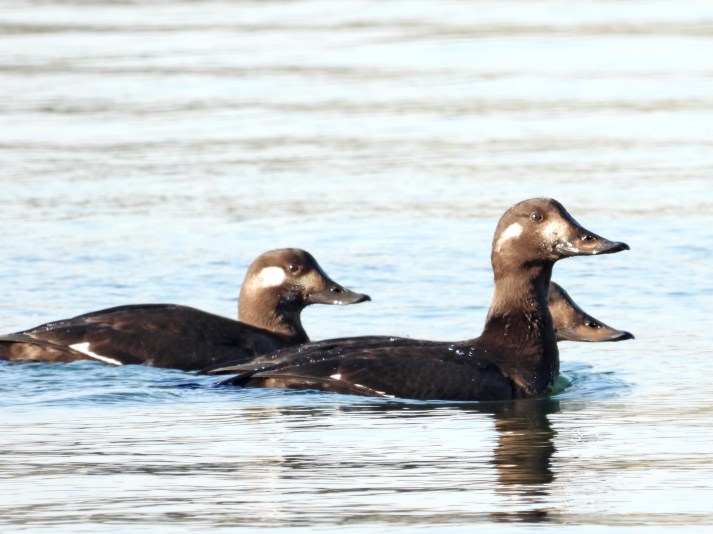
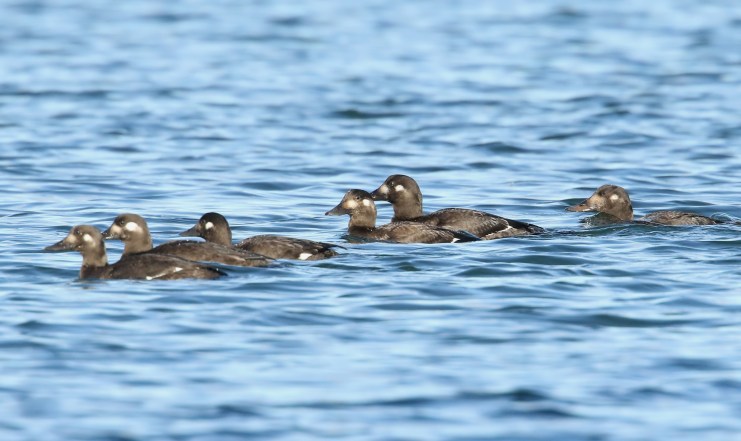
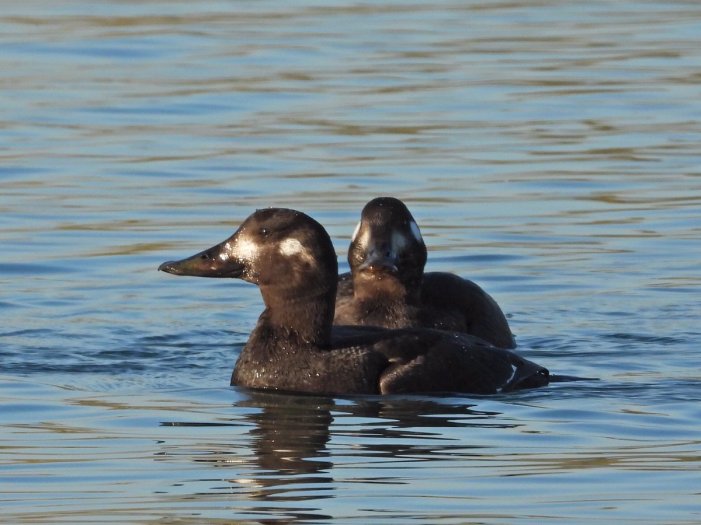
 Close examination of the excellent images obtained by Alan Boddington and Bob Bullock enables individuals to be readily identified by their head patterns, which are quite variable. Because of the broad, pale feather fringing on the wing coverts, the ‘long staying six’ (A to F) can be aged as first-winters and at least two of these (B, D) are young males, the dull yellow areas being visible on their bills. None of the other four shows the slightest hint of yellow but C, E and F are showing pale horn-coloured areas on, or around the sides of the nail. This is interesting because, according to Reeber (Wildfowl of Europe, Asia and North America, 1995), this is a characteristic associated with adult females and not present in first-winters.
 The ‘short staying two’ (G, H) are adult females with uniform dark plumage, which includes, most importantly, the belly – visible in the only flight shot (below) obtained so far. First-winters have a pale belly until adult plumage is acquired later in the winter or during their second calendar year. Hopefully, the remaining birds will continue their stay at Thrapston for some time to come.






 Nene Valley locations continued to provide the focus for more interesting birding, with Stanwick producing a Bittern on its A45 Lay-by Pit on 30th, while continuing to host the two the two Cattle Egrets until at least 31st. The same locality also held a Great White Egret from 27th to 29th and reports of singles seen intermittently came from Clifford Hill GP, Summer Leys LNR, Thrapston GP, Hollowell Res, Ravensthorpe Res, Stanford Res and Sywell CP but Pitsford claimed the lion’s share, with possibly as many as six on 27th and certainly at least four on 2nd.
 Northants birds