A change in the weather and the best part of a month’s rainfall in one day saw us aquaplaning our way out of a week in which we’ve once again been spoiled rotten with wild geese. That’s not to say there was nothing else on offer – quite the contrary, in fact, with the previous week’s delectable ducks and an obliging Ibis still to be had, as well as some choice passerines, one of which, clearly, was not …
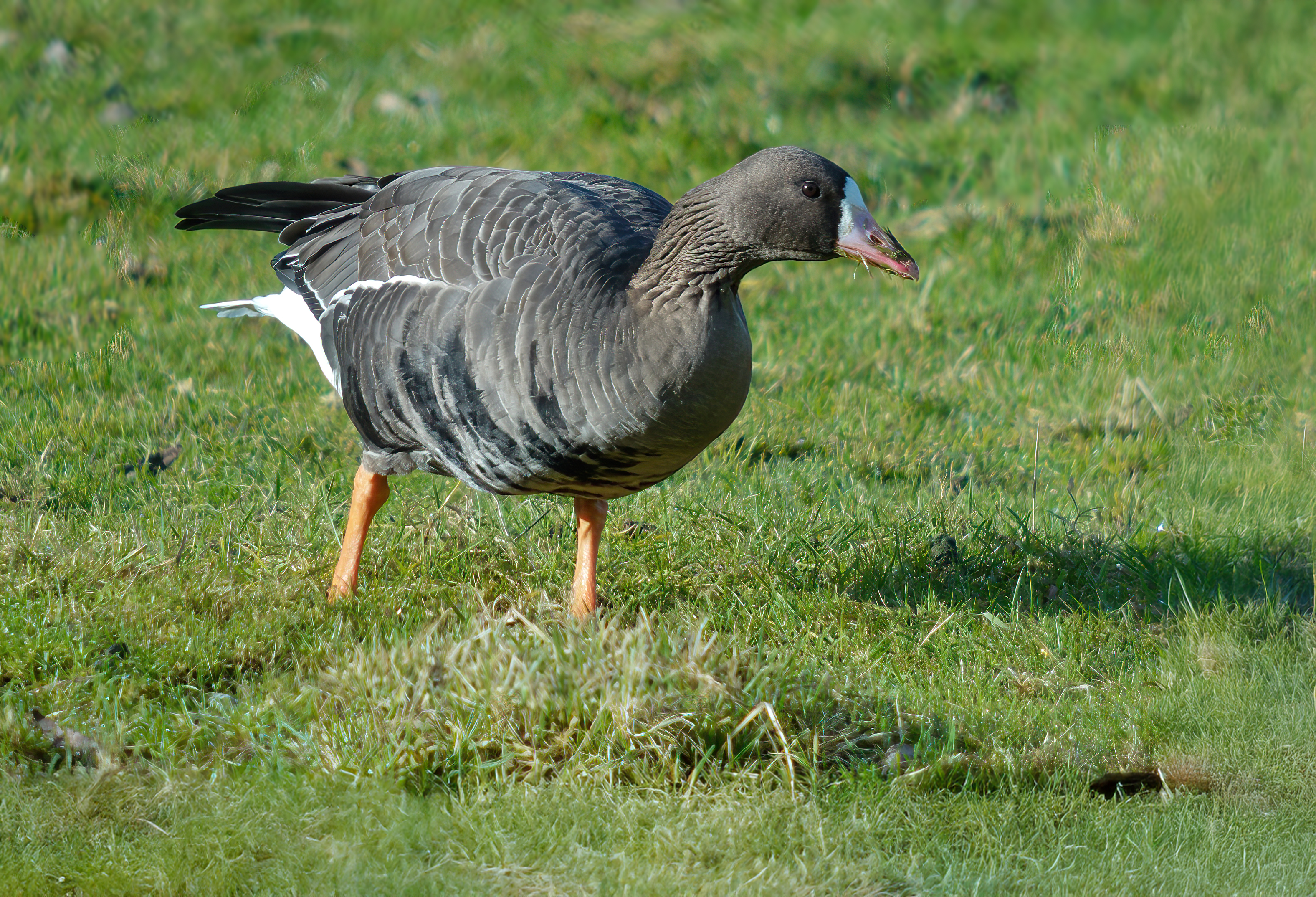
We start, as has recently become customary, with Tundra Bean Goose – this week seen at three localities. Previous speculation that last week’s birds at Stanwick GP and Thrapston GP/Islip Water Meadows were likely one and the same was quickly kicked into touch with the emergence of images showing two distinctly different individuals and flagged up as such by the photographers of the Islip Water Meadows bird, below. The latter shows distinct white feathering at the base of the bill, this feature being absent on the bird at Stanwick.
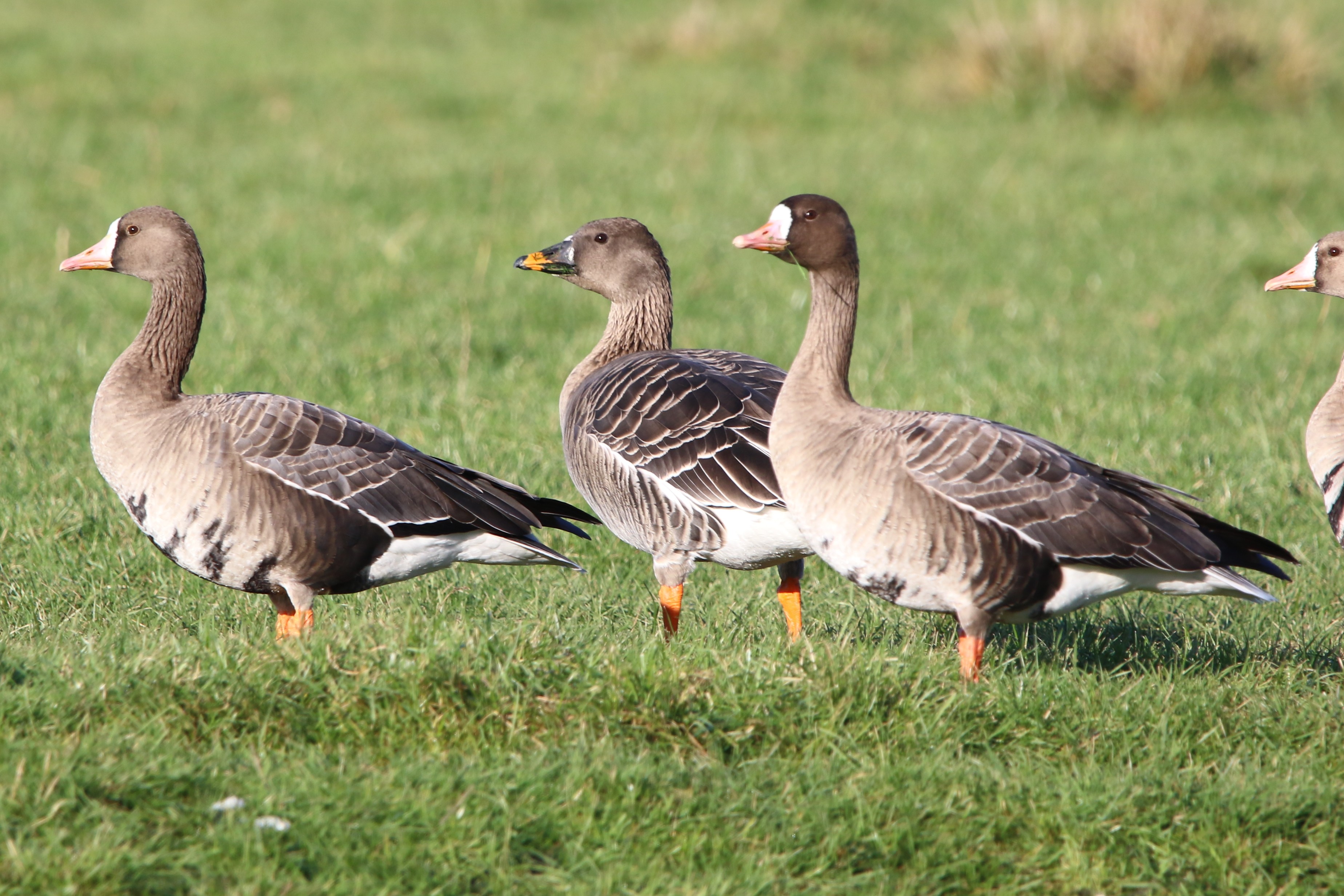
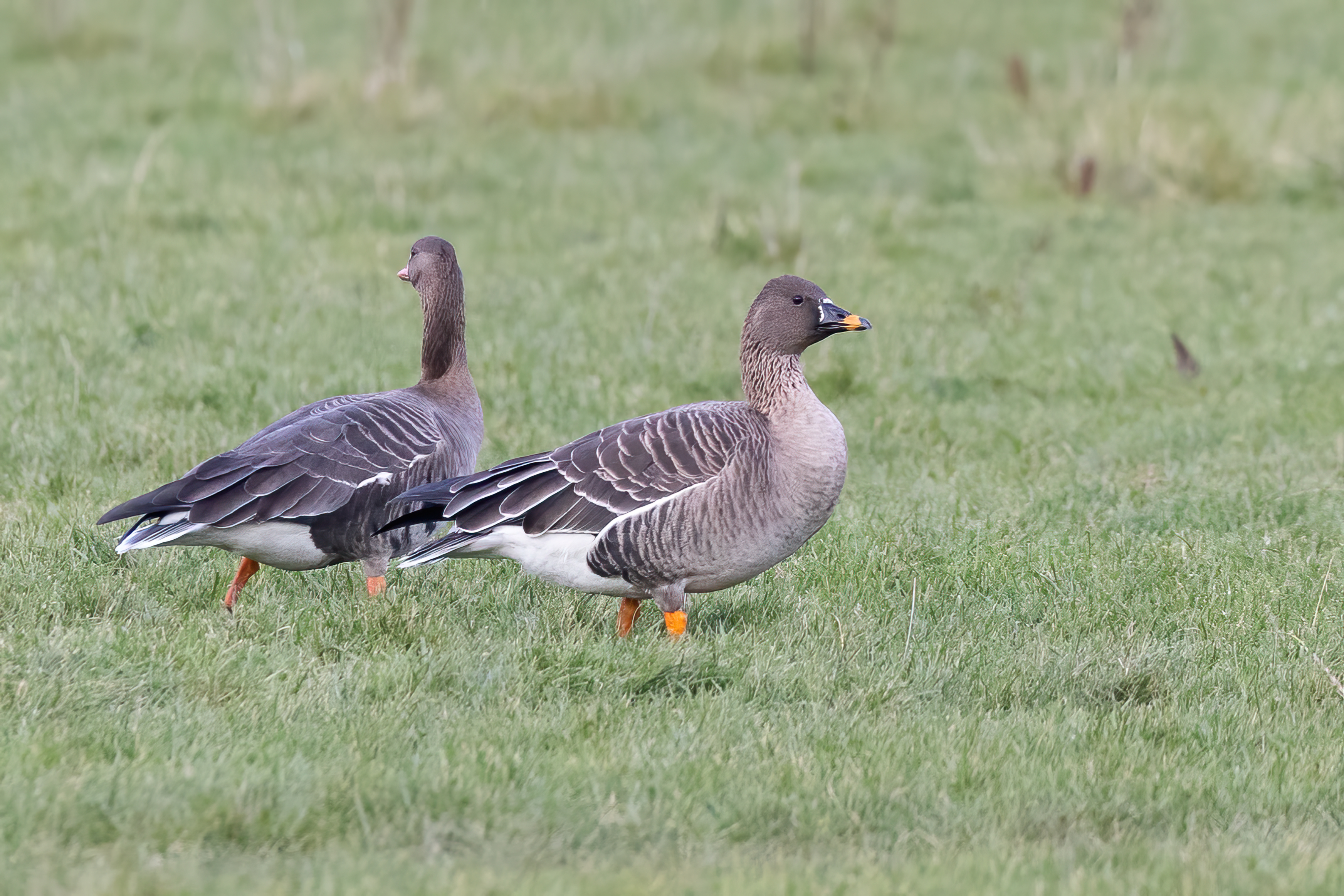
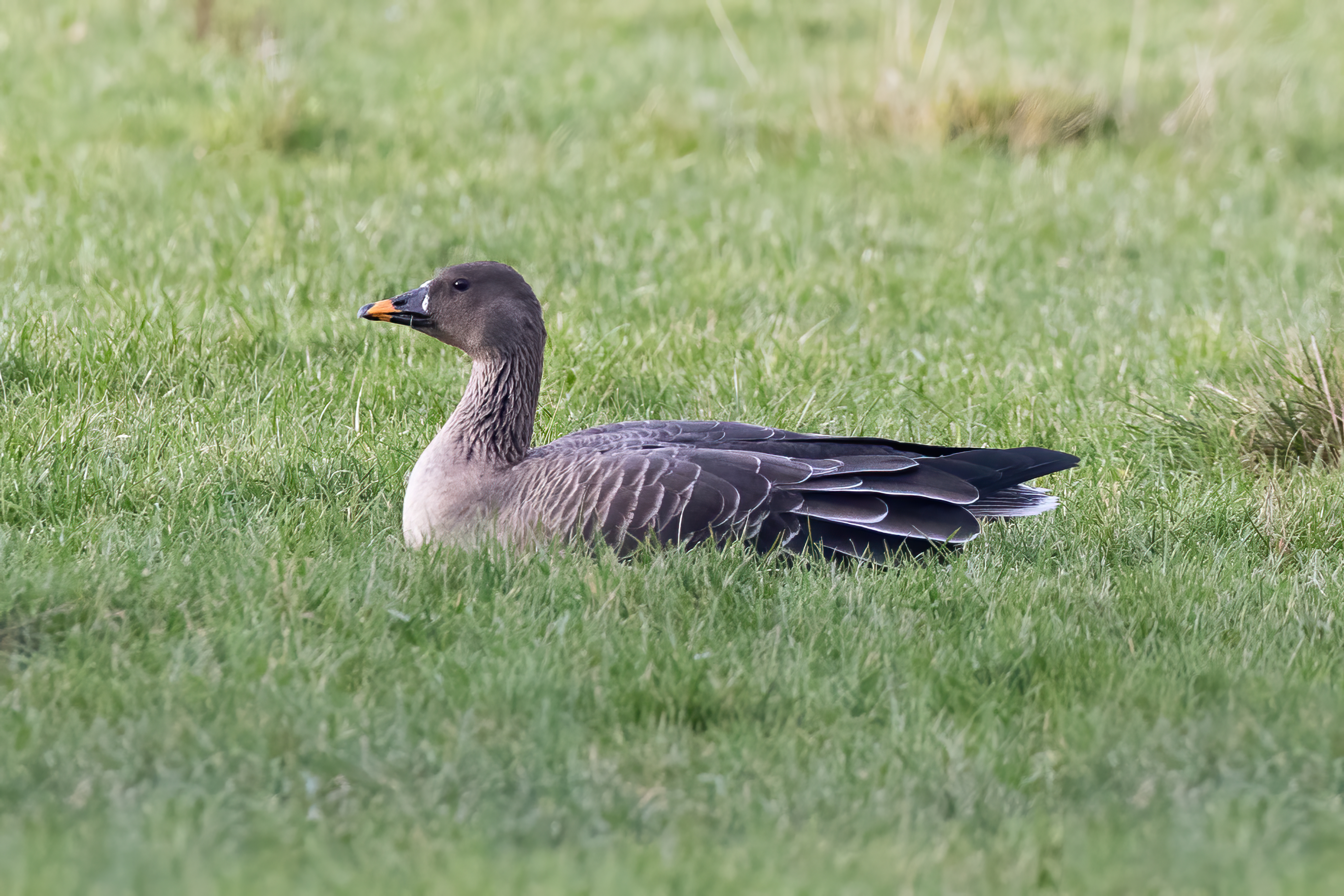
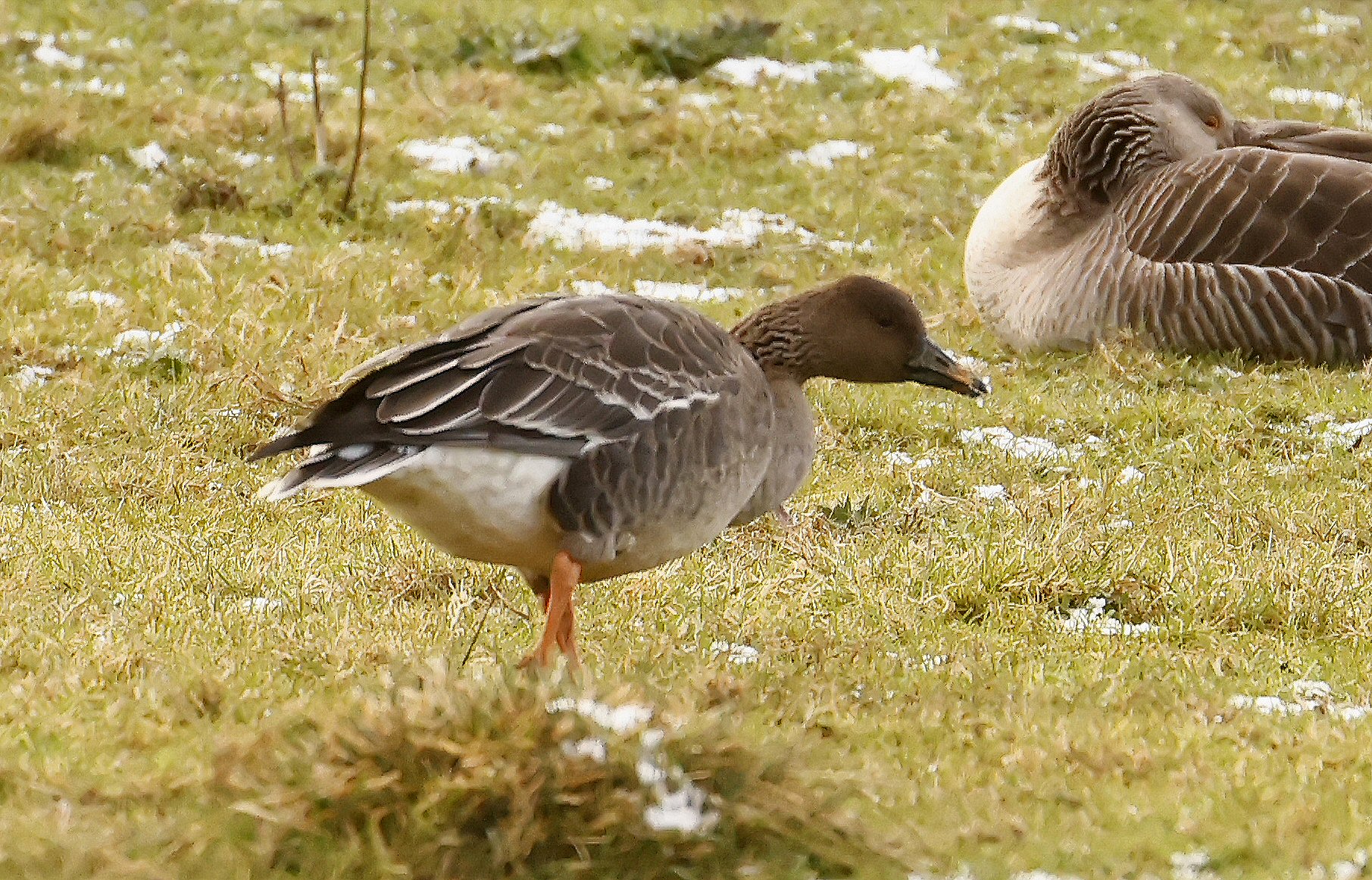
While the Stanwick bird remained until 13th, the Thrapston/Islip individual promptly vacated the area and was nowhere to be seen after 11th. Once again, however, one was found at Blatherwycke Lake among an eight hundred-strong gaggle of Greylags on 14th and was subsequently averred on 16th. A new bird? Or the same one from late December, keeping a low profile for the last couple of weeks?
The 16th also saw a Pink-footed Goose reported at Summer Leys LNR. But the week belonged to White-fronted Geese, numbers of which remained solid throughout the period. Top of the locality leaderboard was, once again, Stanford Res, where a slight increase took the total to an impressive seventy-five on 15th. Maximum counts at nine other sites consisted of fourteen at Islip on 10th-11th, up to ten at Pitsford Res between 13th and 16th, ten at Stanwick during the same period, ten at Warmington Mill on 10th, eight at Blatherwycke on 16th, four at Clifford Hill GP on 10th-11th, two at Thrapston on 16th and singles at Aynho on 10th and at Hollowell Res on 11th-12th.
After reappearing at Hollowell last week, the county’s long-serving female Ruddy Shelduck was still present there on 9th.
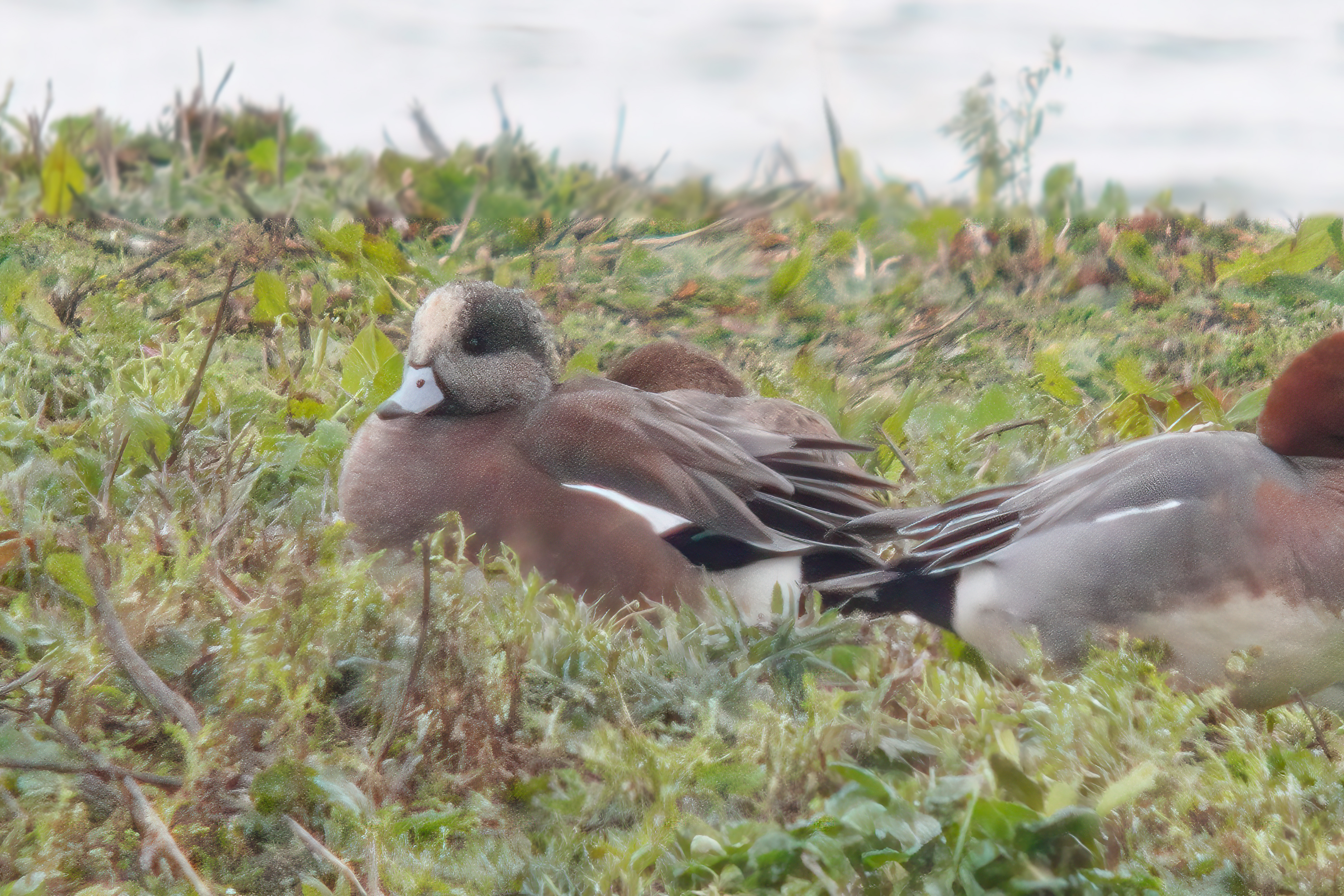
And anyone out for a duck need look no further than Thrapston, where having almost been relegated to part of the furniture, the drake American Wigeon extended its stay at Titchmarsh NR until at least 13th.
Thrapston’s Town Lake also held on to two Red-crested Pochards – seen daily from 11th – the same date on which the itinerant drake Ring-necked Duck was last reported there during the period. Remaining far easier to catch up with, though, were the two long-staying Greater Scaups, Town Lake now enjoying countywide exclusivity following the departure of the Stanford birds last week.
With Smew in mind, the same could be said about Pitsford, where a ‘redhead’ popped up again on 14th and a drake was also back on show on the last day of the week.
And staying with Pitsford, last week’s Black-necked Grebe remained there until at least 14th.
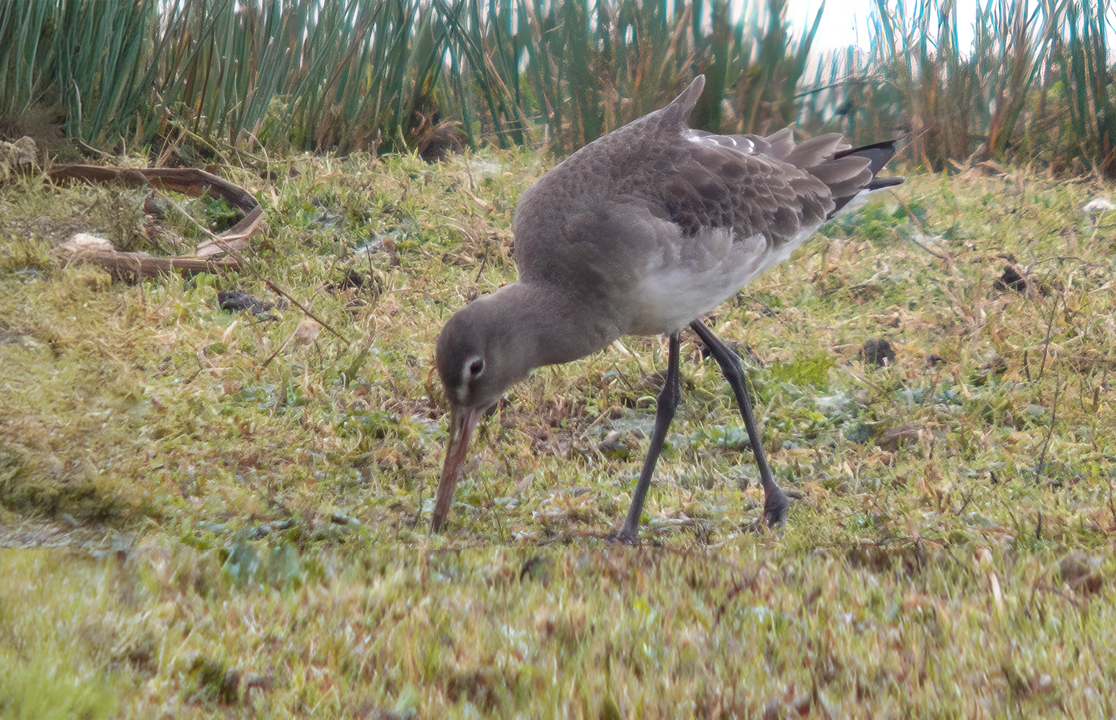
Seeing a slight increase, wader numbers were up on those from the previous week – particularly Black-tailed Godwits, of which there were multiples at two localities. Titchmarsh produced one on 10th, two on 12th and one again on 15th-16th. Just shy of hitting double figures, though, nine were present at Stanwick on 14th.
Pitsford’s winter visiting Common Sandpiper made it into the week, still to be seen on 10th, and two Jack Snipes were also present there on 14th, following one at Hollowell again on 12th.
Pitsford was also the prime producer of the period’s scarcer gulls, with an adult Caspian Gull present on 10th, two Yellow-legged Gulls on 10th and 14th and one on 11th – the latter date also seeing an adult Caspian in the gull roost at Stanford.
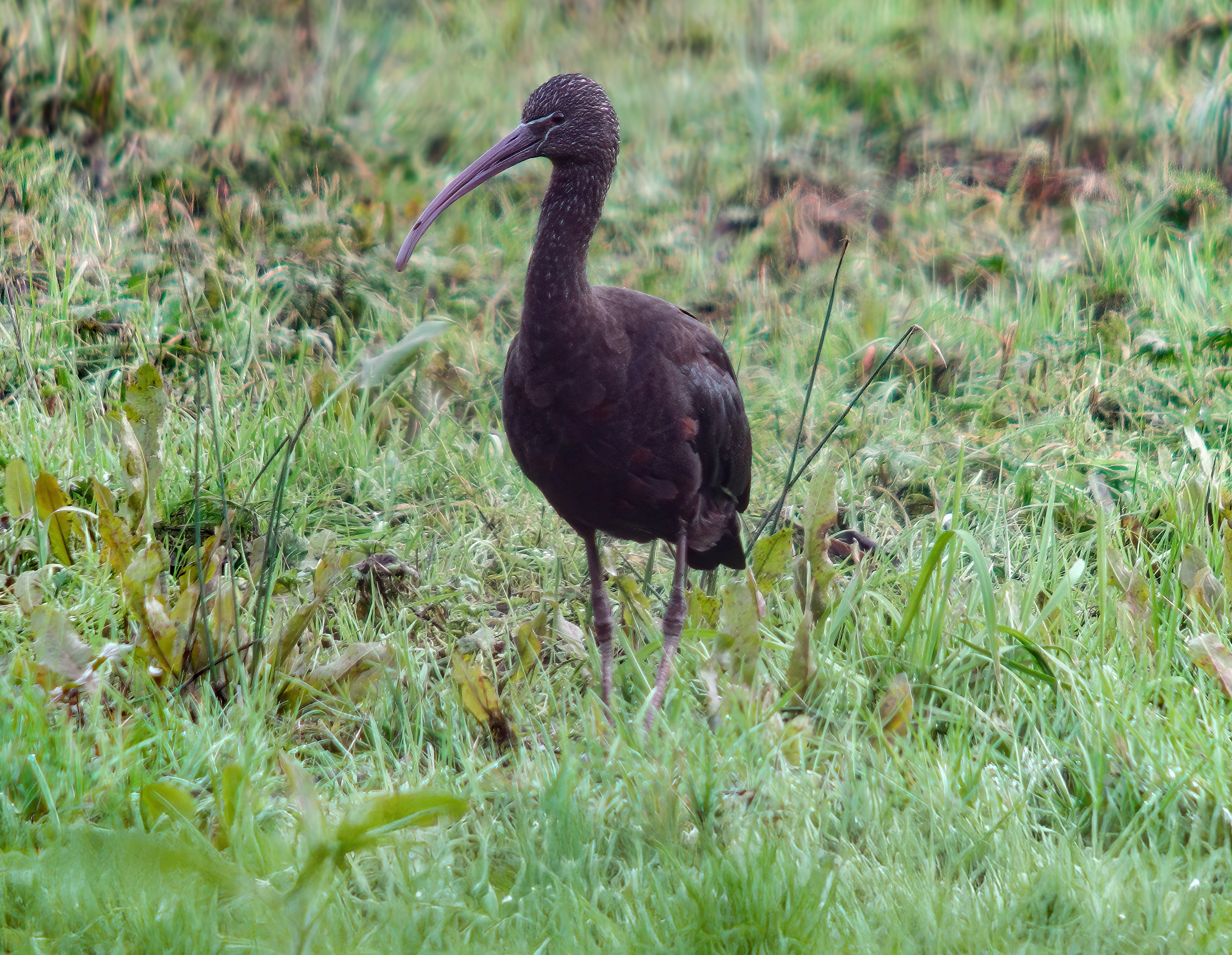
And after two flying over Summer Leys on 4th being the only record in the previous week, there was a welcome return of a Glossy Ibis to Wellingborough Embankment on 10th, where it remained settled until 14th, after which the area unsurprisingly suffered a significant rise in water level.
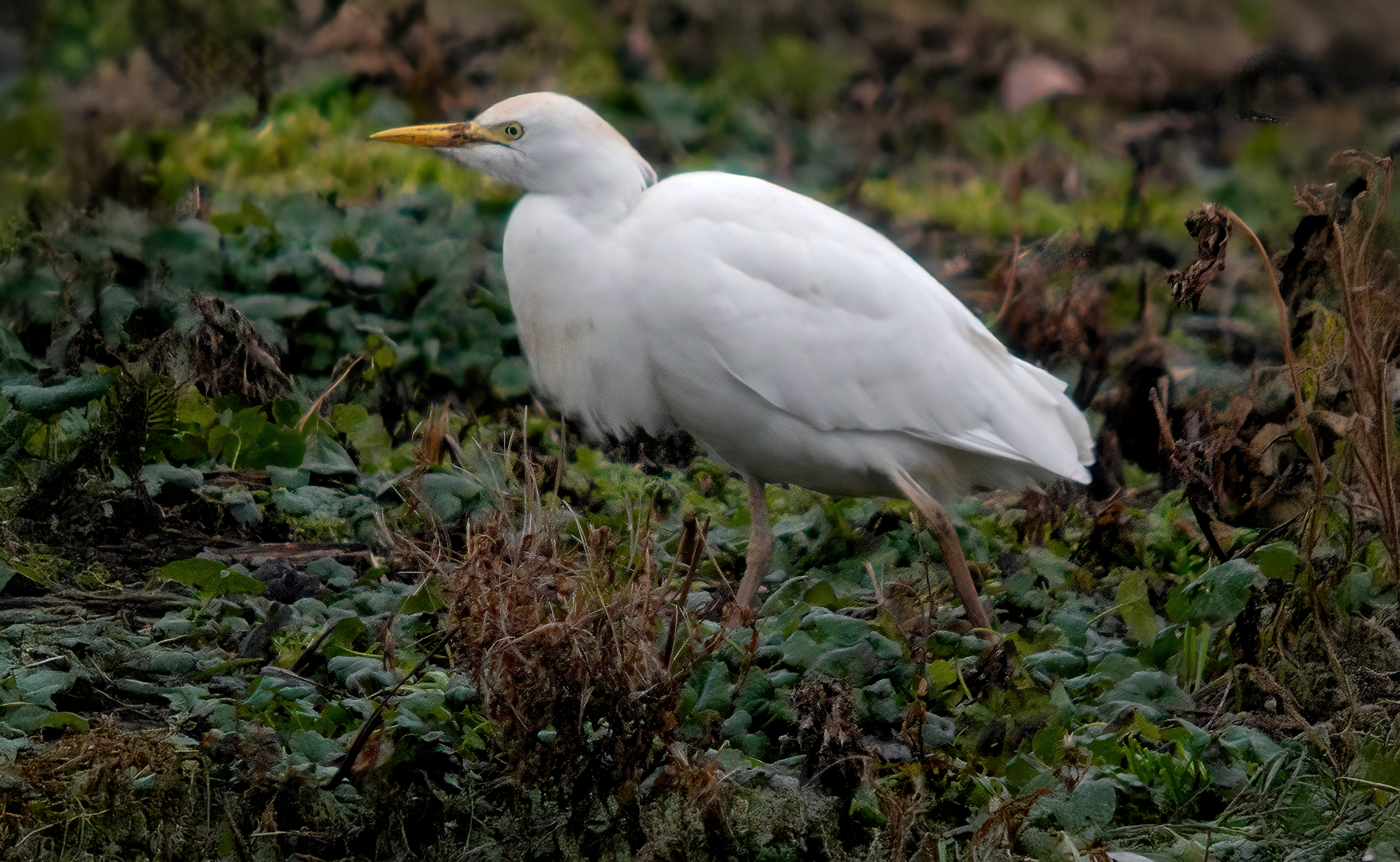
Cattle Egrets looked like they were on the up but only in terms of the number of localities visited. Singles flew low east over Duston and north-east over Stanwick on 11th while, on the ground, one spent the best part of the day at Wellingborough Embankment on 13th.
The week’s raptors were dominated by Marsh Harriers, although with their tendency to wander, it’s difficult to determine just how many birds were involved. On a day-by-day basis, the 10th saw twos at both Summer Leys and Titchmarsh – one of which at the latter locality was the Nene Valley rover, ‘J4’, the young male which has now been present in the county for the best part of a month. One was at Summer Leys on 11th while, on 12th, singles were at Ditchford GP and Stanwick and two were again at Titchmarsh. The 13th saw one again at Ditchford and two were at Stanwick on 15th. The period ended with singles at Blatherwycke and Stanwick and two at Summer Leys on 16th.
By contrast, just the one Merlin this week was the wintering bird still in residence in the Brampton Valley, between Cottesbrooke and Hanging Houghton, on 11th and 13th.
With increasing frequency – and headlining the period’s passerines – Yellow-browed Warblers are being found locally during winter and this one is no exception. A Raunds garden was the seasonal setting for the latest one to appear, on 15th, although its exact whereabouts remains undisclosed …
Hot on the heels of the New Year’s Day Duston Firecrest came another at Thrapston, first seen on 12th and still present in the same location on 16th, the latter date also giving rise to one mobile bird reported in Wakerley Great Wood.
With no more than three at any one site, the week’s Stonechats were seen in the Brampton Valley and at Clifford Hill GP, Hollowell, Pitsford and Summer Leys.
Crossbills were to be reliably found in double figures at Wakerley Great Wood, with a maximum of at least twenty-five on 16th, at Gamboro Plantation east of Cottesbrooke, where up to fifteen were present between 10th and 14th and at Harlestone Firs, where an unspecified number of mobile birds were present on the latter date.
And the area of dilapidated crop fields between Deanshanger and Wicken continued to be a popular pull for local birders looking to connect with Corn Buntings. Seen daily, numbers there peaked at twenty-two on 14th – a welcome resurgence in the county … but for how long?

 Northants birds