Newsround 17th to 23rd January 2026

Unsettled weather and continuing wet conditions were the hallmarks of a week which saw few surprises and an apparent thinning out in numbers of winter geese.

As in previous weeks, Pink-footed Goose made it into the period when a group flew over Desborough, calling, prior to first light on 19th, while a putative Tundra Bean Goose was retrospectively identified from photographs taken at Summer Leys LNR on 20th.

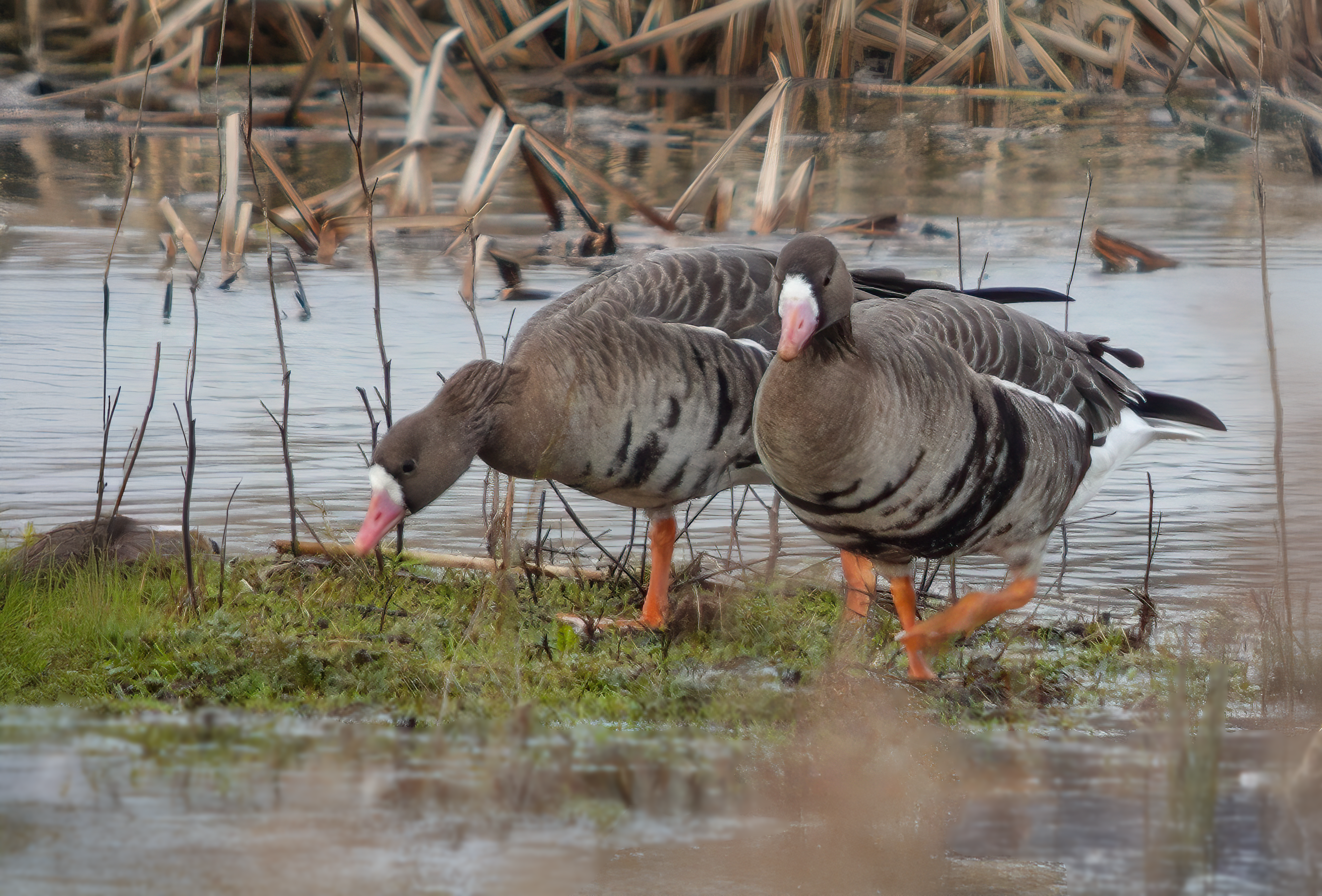
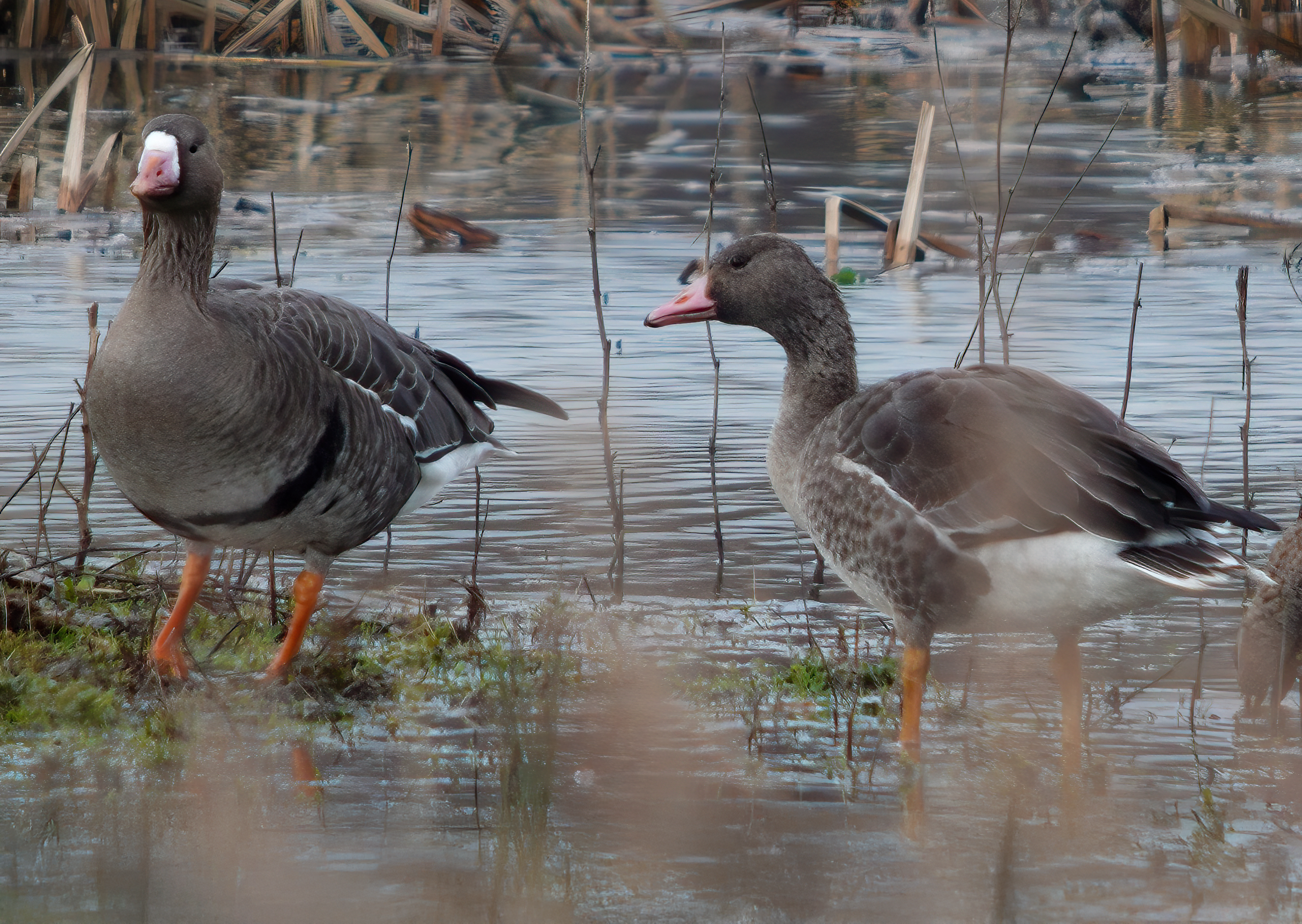
Compared to the previous week, fewer sites held White-fronted Geese, with the highest count coming again from Stanford Res, where fifty-seven were present on 20th. Elsewhere, nine were at Blatherwycke Lake on 17th, seven were at Summer Leys on 23rd following six there on 20th and four on 19th and 22nd. Pitsford Res held just two on 19th, while the lone adult with the local geese at Hollowell Res was still present there on 17th.
Thrapston’s Town Lake continued to hold two Red-crested Pochards and two Greater Scaups until at least 22nd and the frequently evasive drake Ring-necked Duck also resurfaced there on 20th, having last been seen on 11th. Further west along the valley, a bird believed to be a drake hybrid Ring-necked Duck x Tufted Duck was found at Ditchford GP’s Wilson’s Pits on the last day of the period.

Pitsford’s primary offering remained the Black-necked Grebe, still to be found in the general area of Pintail Bay and The Narrows on 18th.

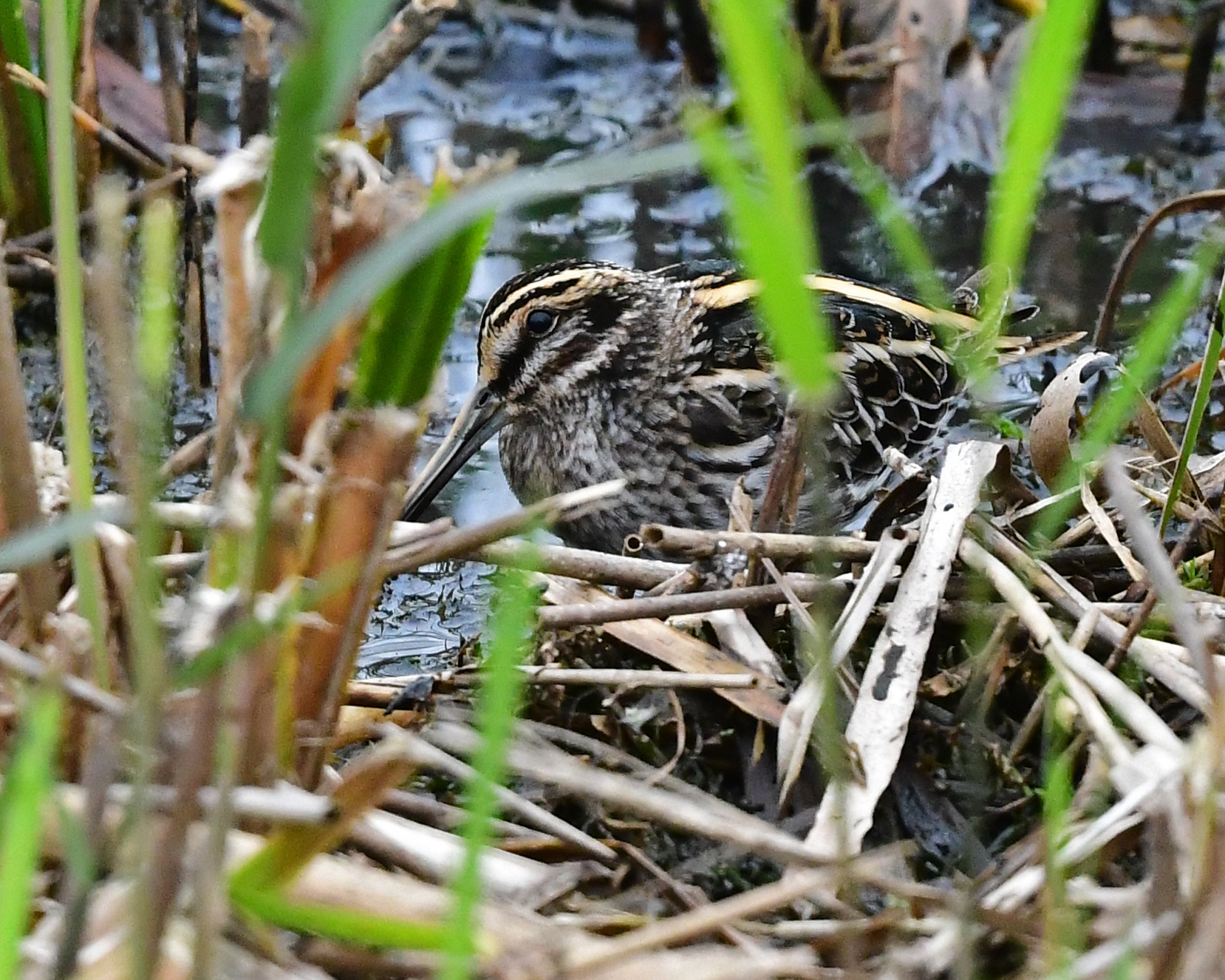
On the wader front, Black-tailed Godwits continued to feature as an unusual local winter visitor, with one continuing its occupation of Thrapston GP’s Titchmarsh NR until at least 19th, while one was seen again at Summer Leys on 22nd. A single Jack Snipe was also present at the latter site on 23rd.

And there was little on offer in the shape of gulls this week, an adult Caspian Gull being seen at Summer Leys on 19th, 20th and 22nd, while the roost at Stanford held an adult and a first-winter on 20th and a first-winter again on 23rd. Even thinner on the ground were Yellow-legged Gulls, with just a single adult at Pitsford on 22nd.

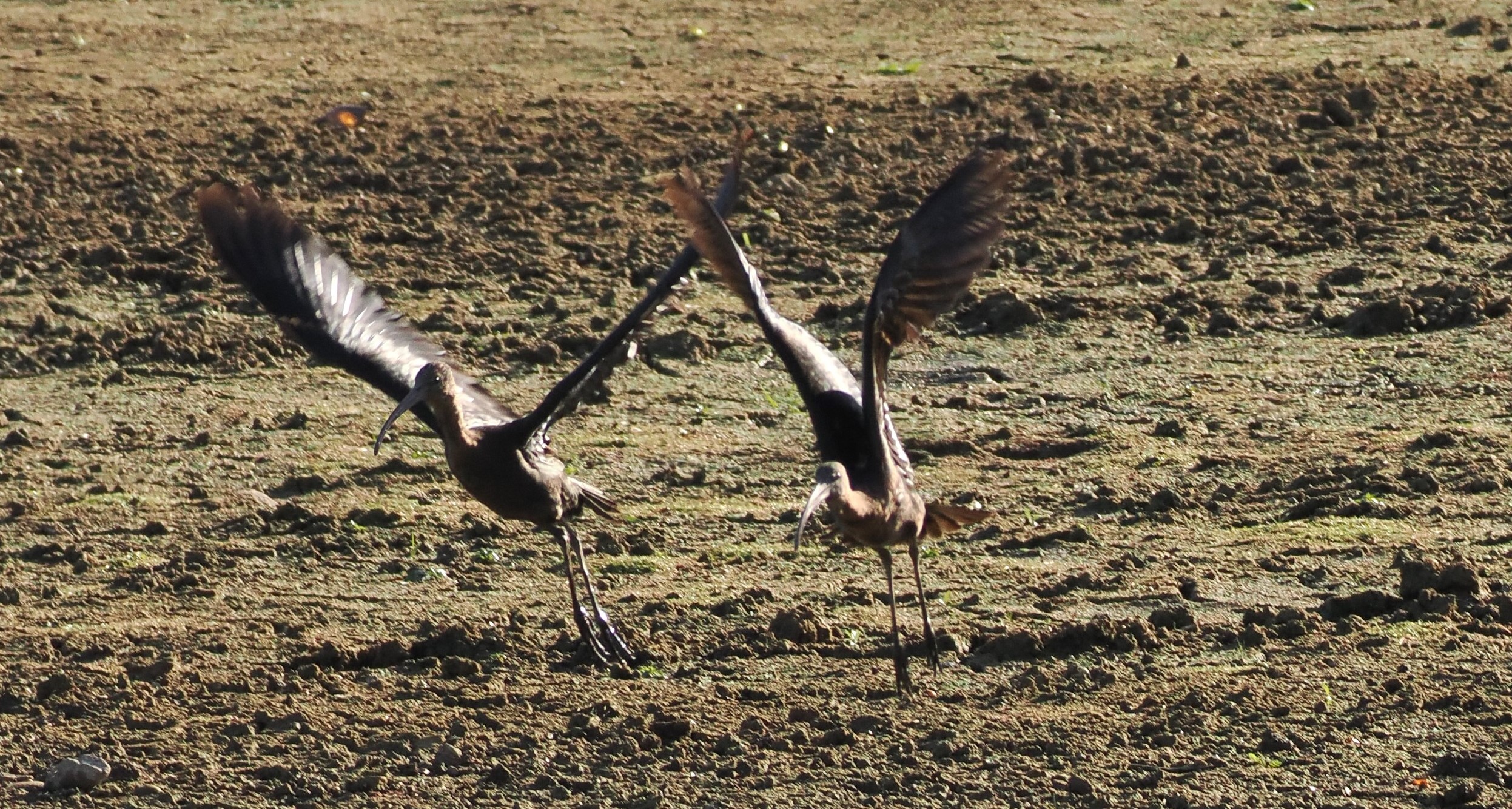
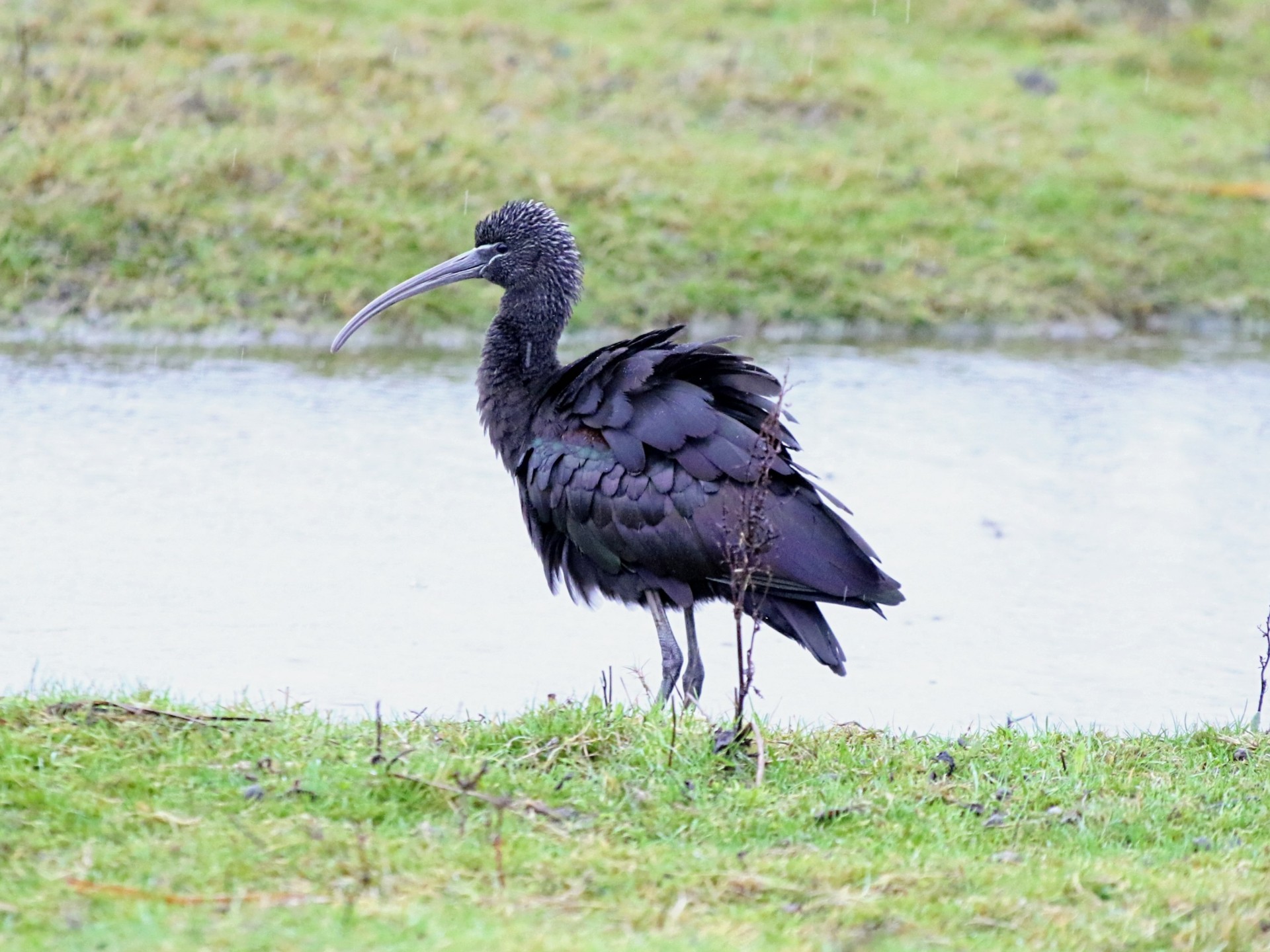
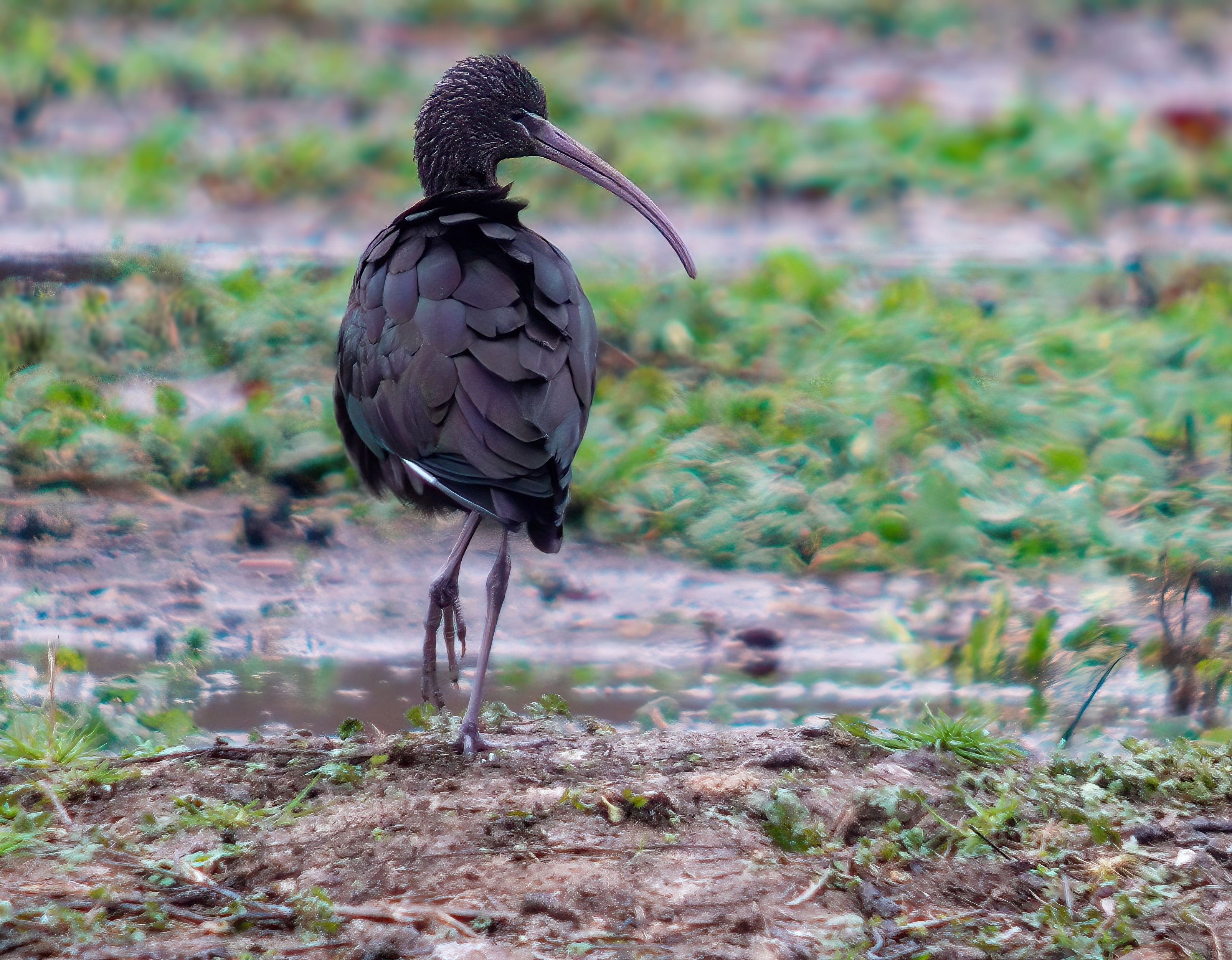
Last week’s end of period deluge likely accounted for the subsequent disappearance of the one remaining Glossy Ibis after its favoured area around Wellingborough Embankment became highly waterlogged. However, with water levels quickly subsiding, it was back there again, albeit intermittently, from 18th until the week’s end. Appearances of one at Summer Leys daily from 20th leads to the assumption that they are one and the same, as the two sites are little more than 3 km apart and they were not seen simultaneously. Some may beg to differ but until proven one way or the other, the jury’s still out …
Following the one-day bird in the previous week, the favoured marshy field at Wellingborough embankment was paid another visit by a Cattle Egret on 20th, although it wasn’t seen thereafter.

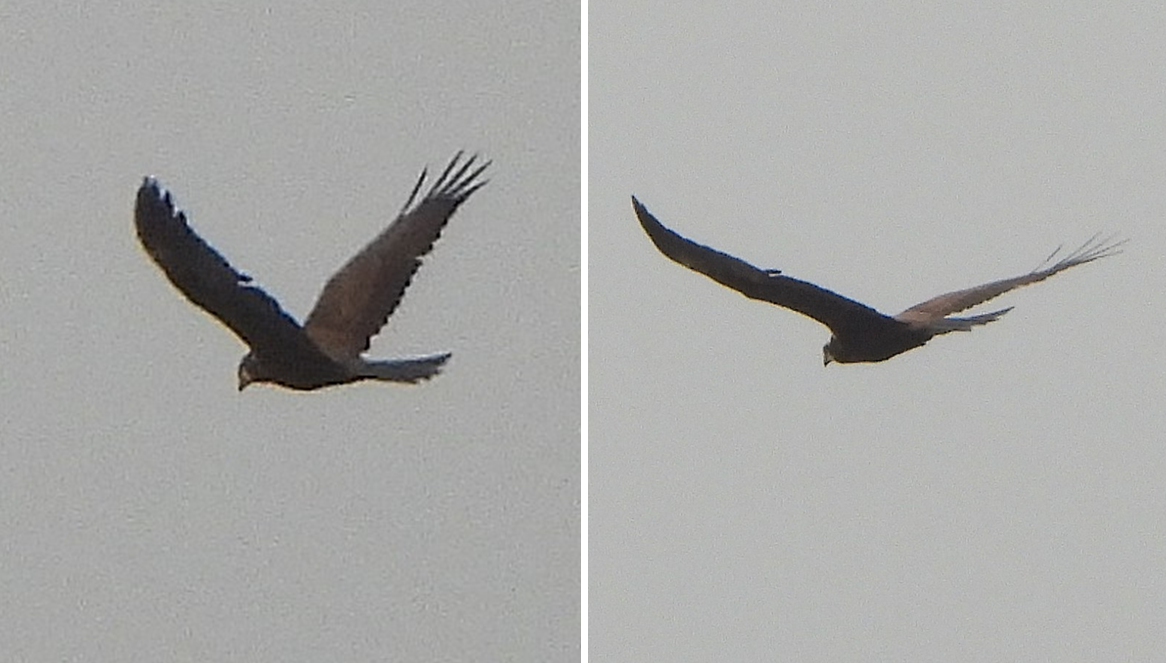
And more Marsh Harrier magic was always on the cards this week with five Nene Valley locations in the frame for supplying one or two throughout the period. One was at Titchmarsh on 19th and 20th, roosting there on the latter date while, on the same dates, Stanwick produced an immature male and a wing-tagged individual, respectively. Summer Leys came up trumps with three, including the wing-tagged ‘J4’ immature male on 20th, one on 21st and two (one tagged) on 22nd, while nearby Earls Barton GP’s New Workings (North) saw one flying west on 22nd and one or two were seen at Ditchford GP on 23rd.
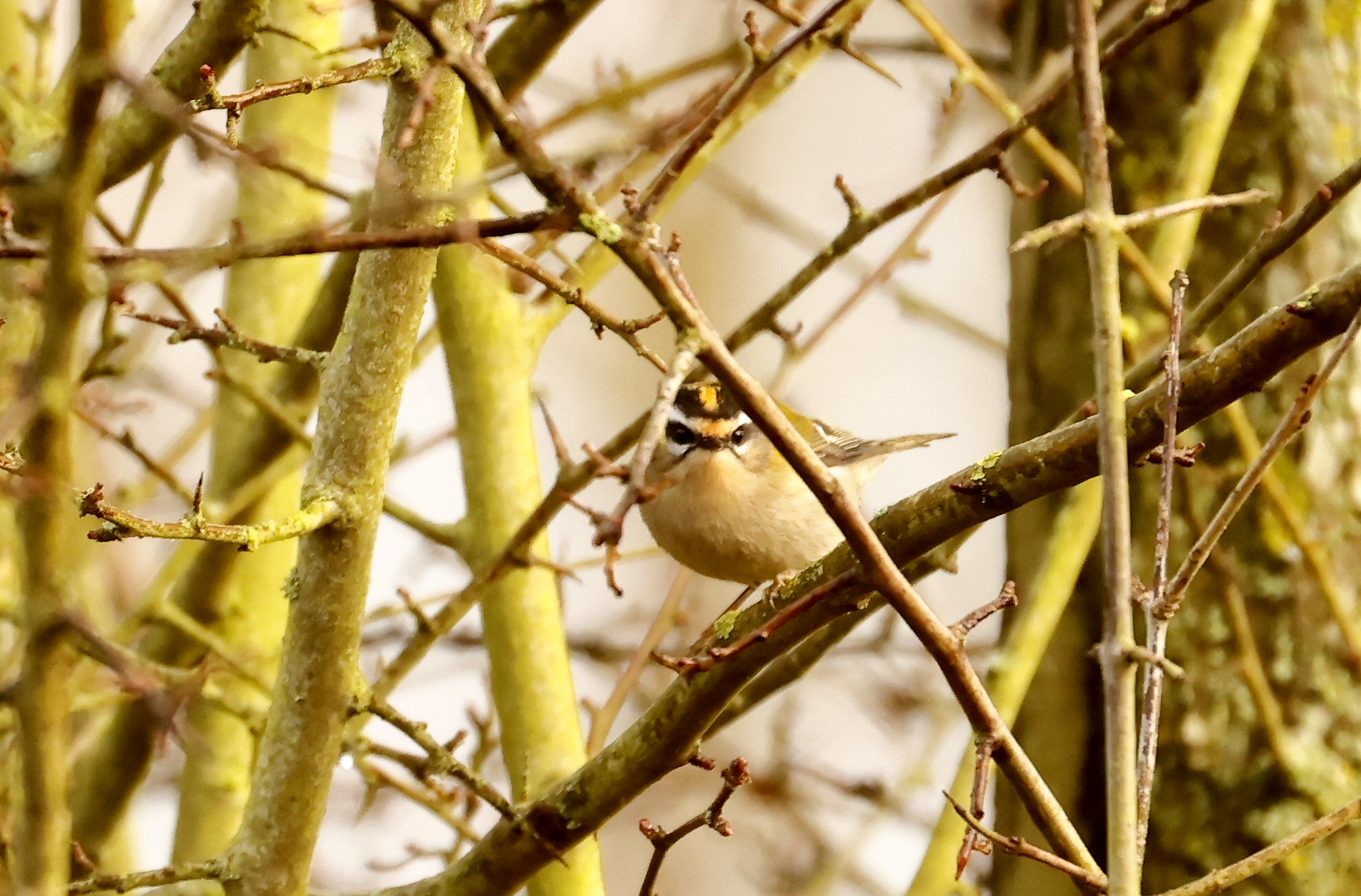
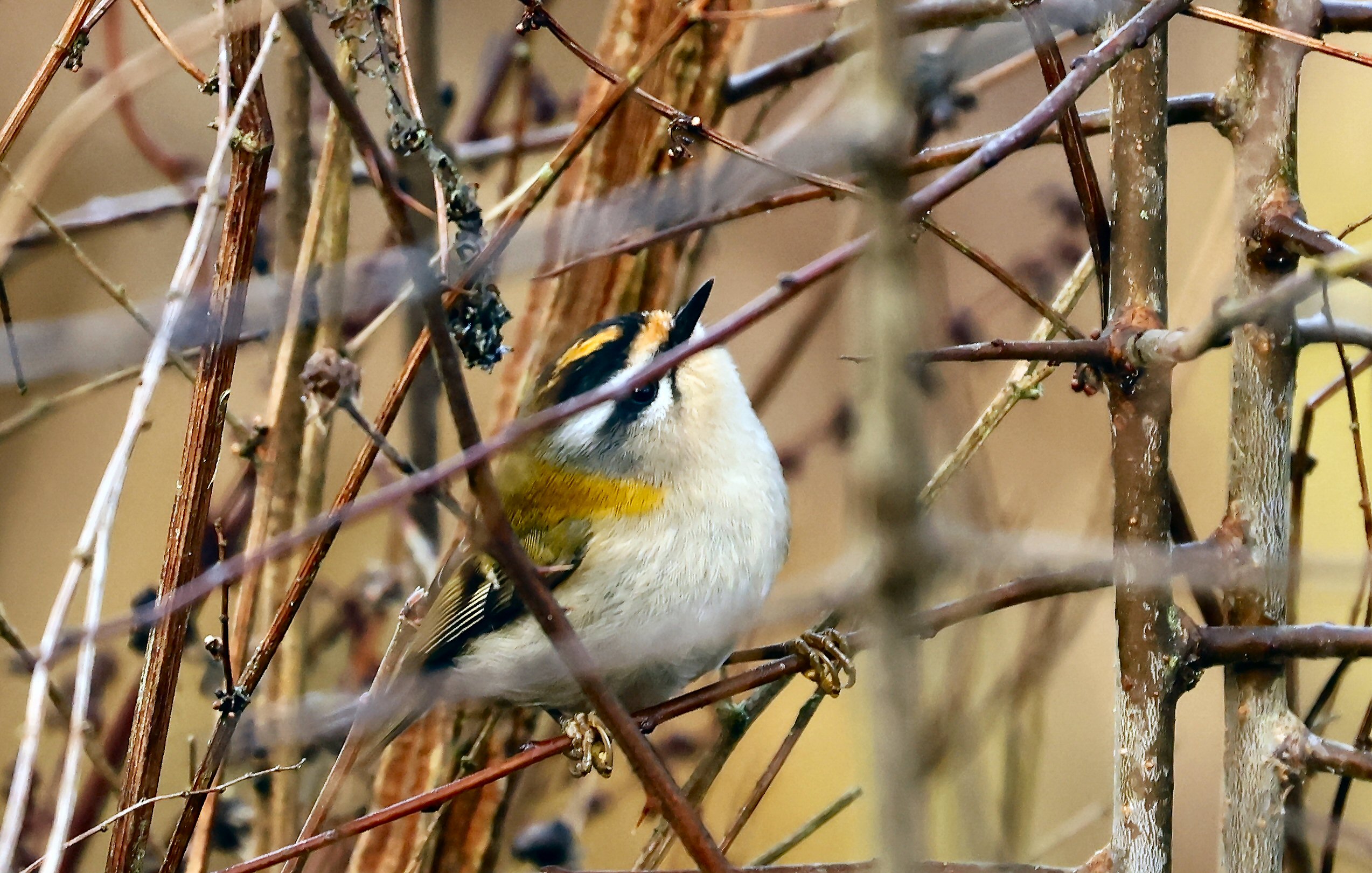
Heading up this week’s passerines was last week’s Firecrest at Thrapston GP, remaining faithful to the same area of scrub, on 17th-18th.
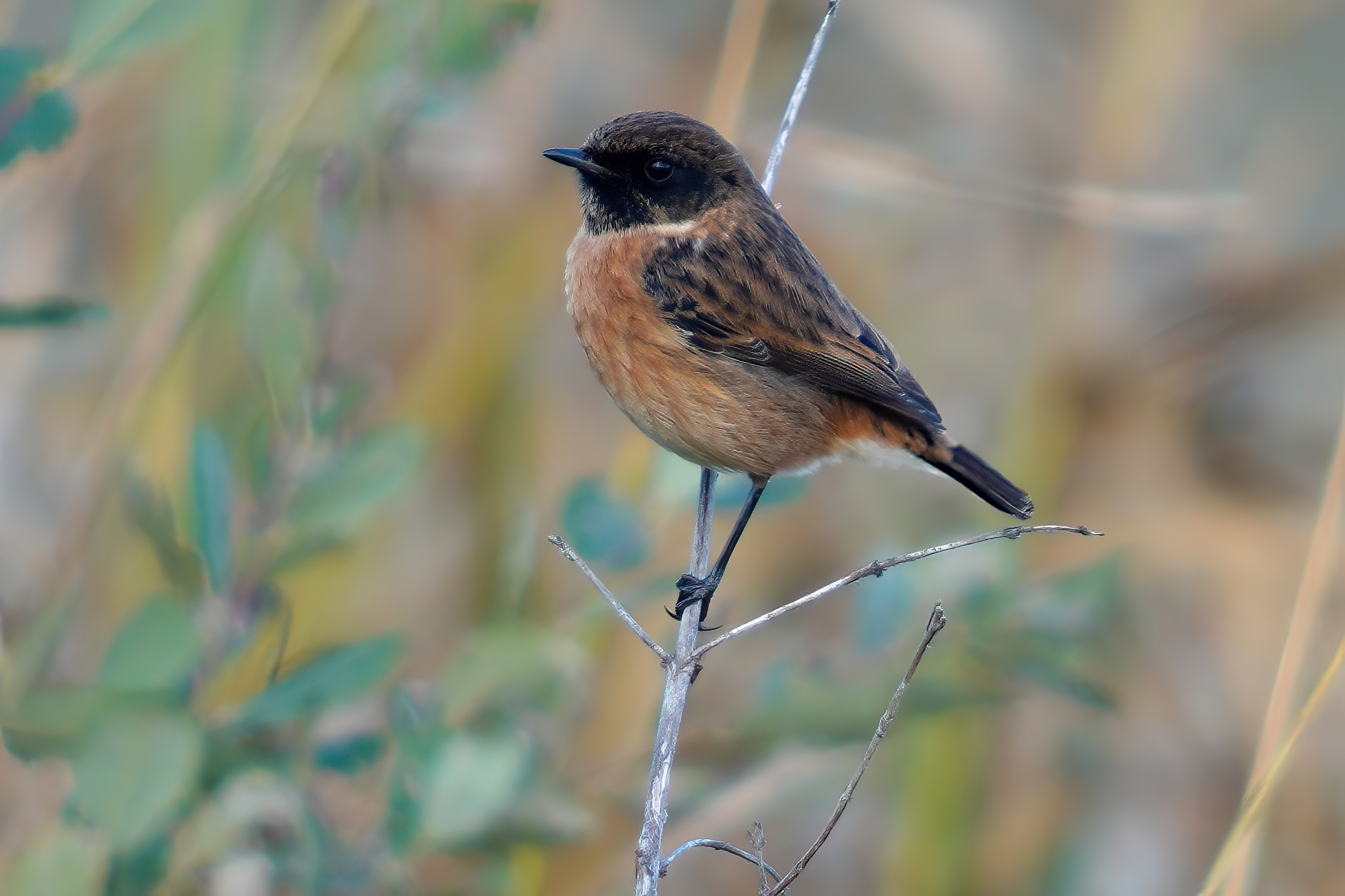
Eight Stonechats at Ditchford GP’s Townholme Meadows on 22nd is the highest single site total so far this year, with twos only in the Brampton Valley between Cottesbrooke and Hanging Houghton on 17th and 21st, at Deene Lake on 17th and at both Ditchford and Pitsford on 18th.

And aside from one in flight over Wellingborough Lock on 18th and six at Yardley Chase on 20th, the much-favoured areas of Wakerley Great Wood and the Brampton Valley’s Gamboro Plantation continued to produce Crossbills – the first of these locations holding up to fifteen between 17th and 20th, while the latter held up to ten between 17th and 21st.

And with Corn Buntings now hardwired into the area between Deanshanger and Wicken, a massive count of thirty-one there on 18th became the highest onsite total to date, single-figure tallies being made on 17th, 19th and 20th.
Newsround 18th to 24th October 2025

With autumn cooling down, on the penultimate day of the period, Storm Benjamin bore down on the country as it moved from the English Channel to the North Sea. There were high hopes for a wrecked seabird or two although, in this respect, nothing materialised in any way, shape or form … but the county did land another first for the year.

And we’re still at that time when wildfowl numbers are gradually building, including transient migrants such as Whooper Swans, three more of which appeared on 22nd, comprising two adults at Stanford Res and a juvenile at Pitsford Res.

Two drake Red-crested Pochards remained at Daventry CP until at least 23rd and a female was at Ravensthorpe Res on 22nd, while last week’s Common Scoter at Hollowell was seen there again on 18th.

Once more heading the cast of the week’s waders was the now long-staying, juvenile Pectoral Sandpiper, successfully chalking up another full seven days at Hollowell, although becoming increasing difficult to see as a result of its recent habit of lurking in vegetation away from the waterline.

Unsurprisingly, numbers of other waders continued to fall, with Ruffs now down to just one at Pitsford between 18th and 23rd, while the long-staying Greenshank at Earls Barton GP’s New Workings (North) stayed put until at least 22nd.

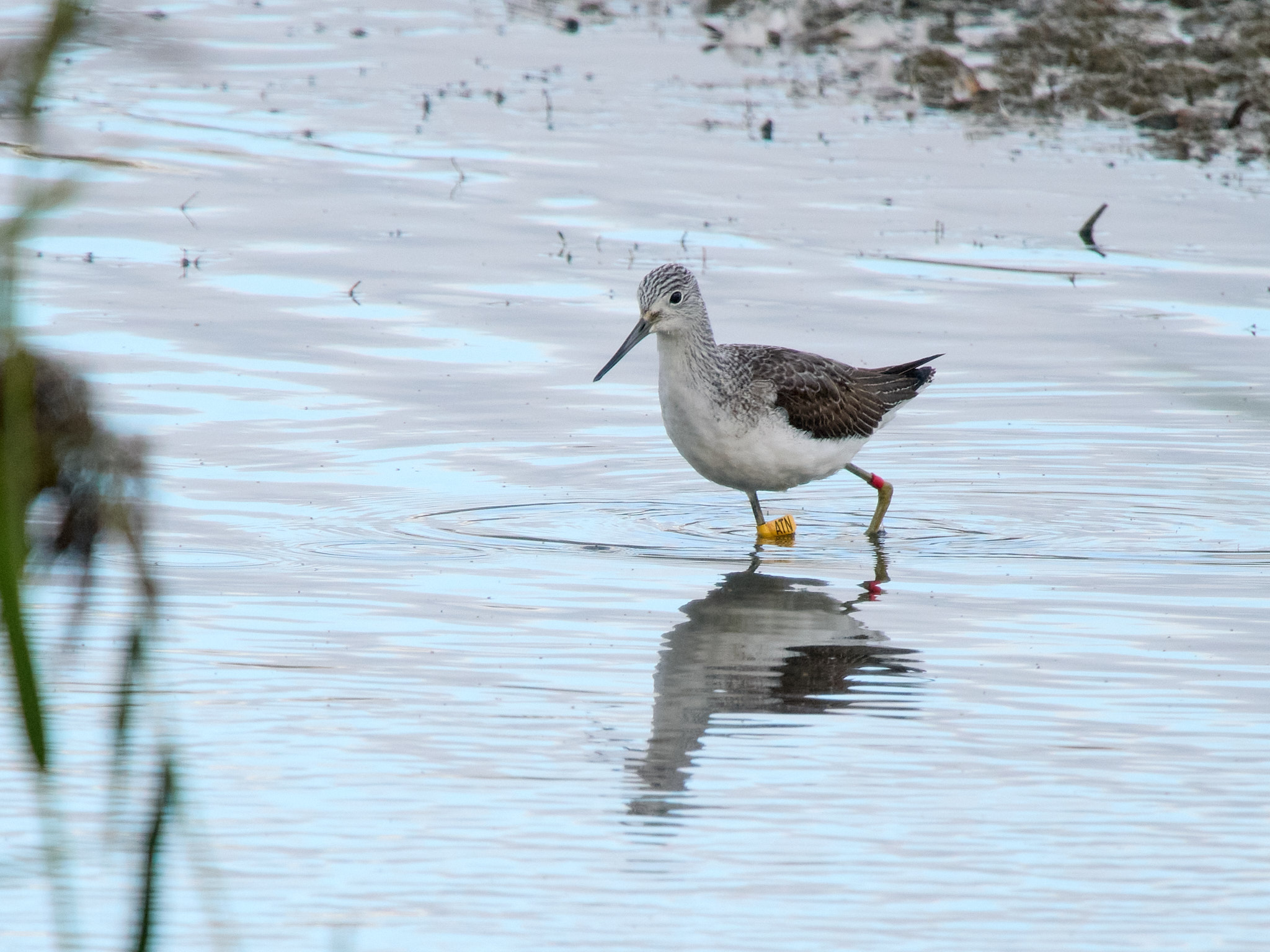
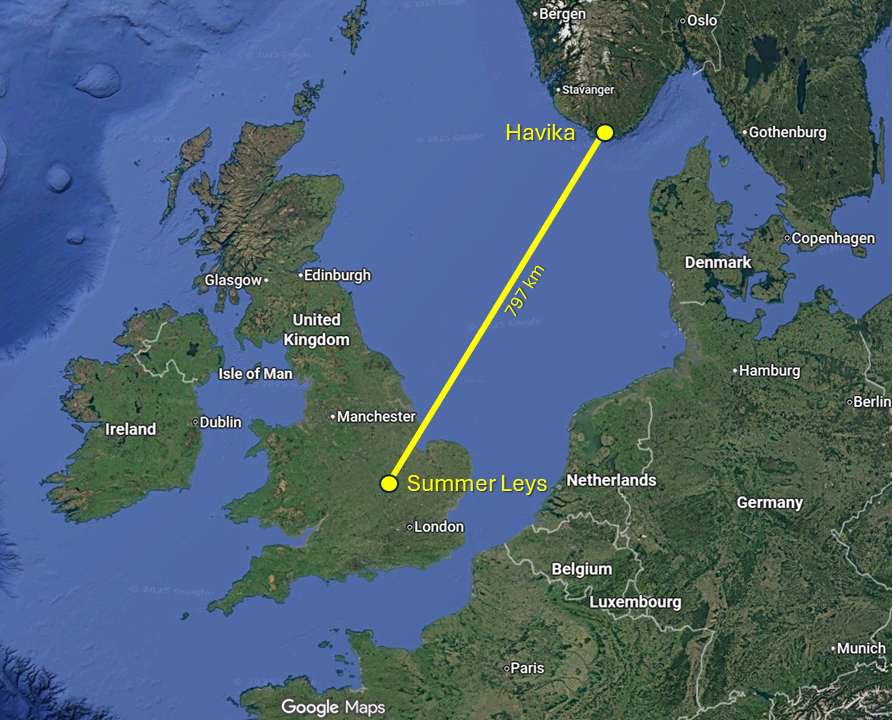
In addition to this, the Norwegian-ringed bird seen at New Workings (South) on 8th October appears to have remained in the area, being seen again at Summer Leys on 21st and 23rd before moving to nearby New Workings (North) the following day.

Roger Eads’ images of the bird’s tag enabled him to identify it as a first calendar year individual which was ringed at Havika, Farsund, Norway, 797 km distant, on 19th August.

Three Jack Snipes were present at Summer Leys on 18th, one being seen regularly until 21st, and another was found at Clifford Hill GP on the latter date.

Another good week for Caspian Gulls saw them present at seven localities, kicking off with a second-winter at Wicksteed Park Lakes, Kettering on 18th (the same bird having been present there on 8th), single adults at Pitsford, Stanford and Summer Leys on 19th, a third-winter at Hollowell on 21st, an adult at Naseby Res on 22nd, an adult at Hollowell on 23rd plus a second-winter at Pitsford on the same date and an adult at Earls Barton GP on 24th.

In contrast, there were only two reports of Yellow-legged Gulls – an adult at Pitsford on 23rd and two at Earls Barton GP the following day.

Seemingly bidding for residency, Summer Leys retained its three Glossy Ibises throughout the period, while one remained at Thrapston GP’s Titchmarsh NR until at least 18th and, becoming less reliable, two were seen again at Stanford on 18th and 21st.

The two Bitterns at Stanford continued their occupancy at Stanford throughout the period, although, again, predominantly on the Leicestershire side, while one was seen at Summer Leys on 18th and 21st. And, keeping a low profile of late, four Cattle Egrets were seen to leave a roost site at Stanwick GP’s Main Lake, heading off north-east, at first light on 18th.

There were even fewer raptors out there to be had than last week, with a late Osprey over Stanford on 18th and as Goshawk over Crick on the same date.

This week’s Short-eared Owl report came, unusually, from an unspecific location near Wootton, also on 18th, while the weekly Merlin was at Boddington Res on 24th.

Once again, the period’s passerines were of an admirable standard and included a couple of the scarcer phylloscs. A Northern Willow Warbler – showing characteristics of the race acredula – was trapped and ringed at Stanford on 18th, the same date on which a Siberian Chiffchafftristis – was found at Wicksteed Park Lakes. It did not hang around.

Similarly not staying put, a Firecrest was a brief visitor to Boddington Res on 23rd, while news emerged of a Ring Ouzel ‘on private land’ near Long Buckby the following day.

Respectable numbers of Stonechats came from the seven sites of Brampton Valley, Harrington AF, Hollowell, Pitsford, Stanford, Summer Leys and Wicksteed Park Lakes, the first of these producing the highest site total of six on 20th.

And it’s now getting late for Northern Wheatears, singles of which were found at Clifford Hill GP on 21st and between Cottesbrooke and Hanging Houghton in the Brampton Valley on 22nd.

Another first for the year turned up this week in the shape of a Water Pipit at Summer Leys, on 22nd. Found on the Scrape during the morning, its presence there was short-lived … and it was nowhere to be seen during the afternoon.

Water Pipit, Summer Leys LNR, 22nd October 2025 (Pete Marshall)

Over the last decade, including two blank years, Water Pipit records have averaged two per annum, of which 55% have been in autumn, 30% in spring and 15% in winter, making it a nice bird to catch up with.

The recent run of Rock Pipits spilled over into this week, with two at Hollowell on 18th, one there on 21st and another at Pitsford on 20th all contributing to a local standout year for this species.

Approaching the above in terms of a ‘good year’ are, of course, Crossbills, which have been in the running for some time now. This week’s quota included a maximum of fifteen over Salcey Forest on 20th, while several were at New Covert, Kelmarsh on 19th, three at Pitsford and one over Harrington on 18th and singles over Stanford on 19th and Harrington again on 24th.

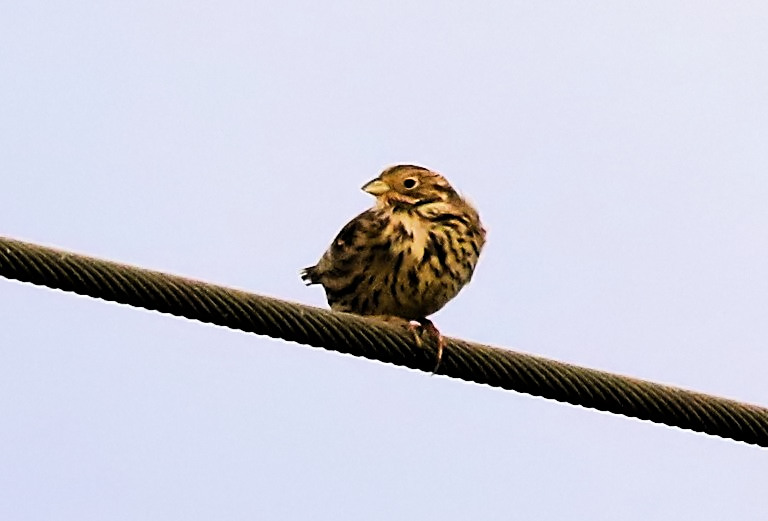
And five days on from last week’s sighting, the Corn Bunting resurfaced between Cottesbrooke and Hanging Houghton in the Brampton Valley on 20th.