Newsround 13th to 19th September 2025

Moving deeper into autumn saw temperatures take a tumble in the early part of the period, followed by a momentary reprieve on the last day as a south-westerly airstream up from the Azores warmed the cockles and put some extra gloss on the week.

Keeping their tribe afloat, two Red-crested Pochards at Pitsford Res on 16th were the only ducks of note over the last seven days.

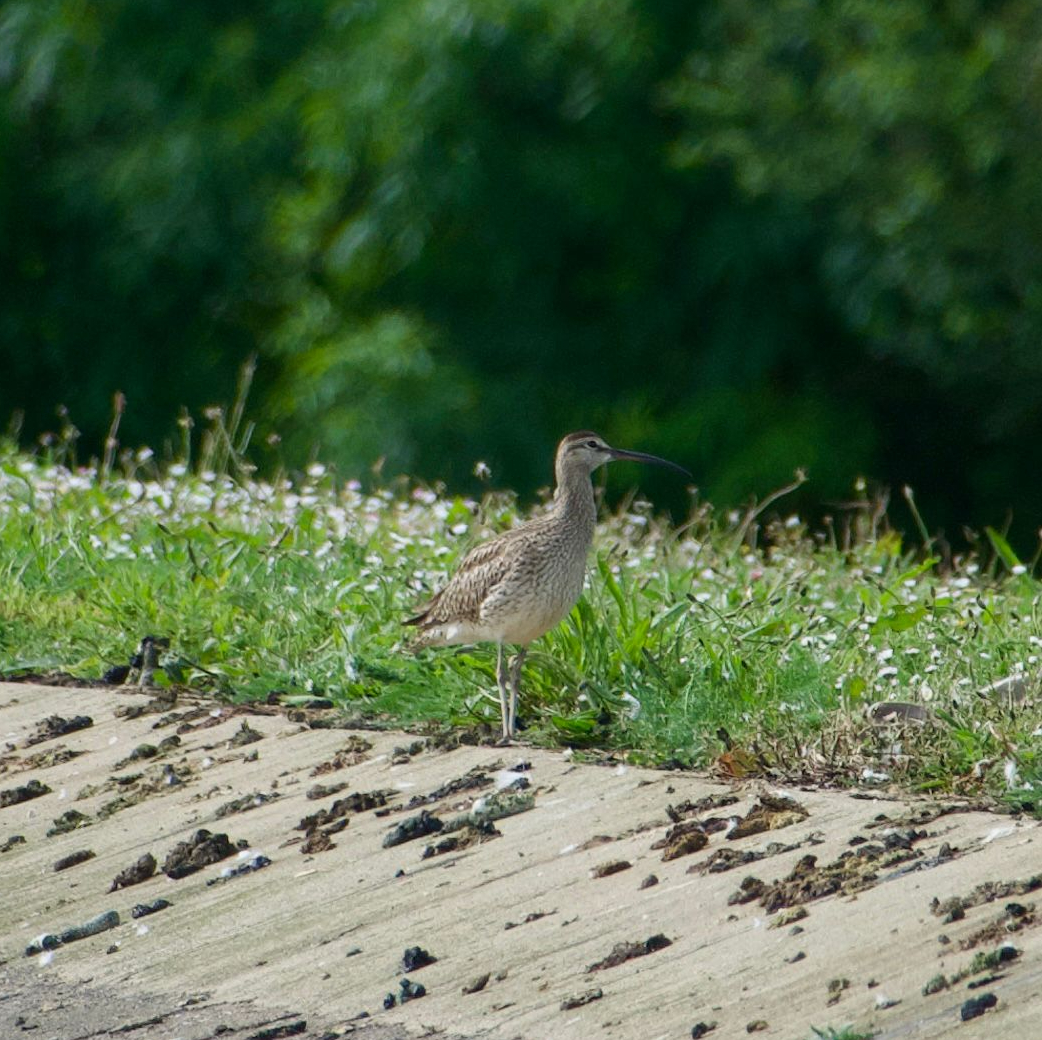
Waders continued to be well represented, however, with Boddington Res producing the pick of the bunch, kicking off with a Tundra Ringed Plover on 14th. Much further north, a Whimbrel flew over Harrington AF on 14th and a Curlew was similarly picked up in flight over Stanford Res on 16th.

Black-tailed Godwits continued to feature throughout the week with the largest number comprising a flock of twelve flying south-west over Clifford Hill GP on 14th. Two other localities held on to some longer-stayers, with one at Naseby Res from 13th until 18th and two at Pitsford on 17th.

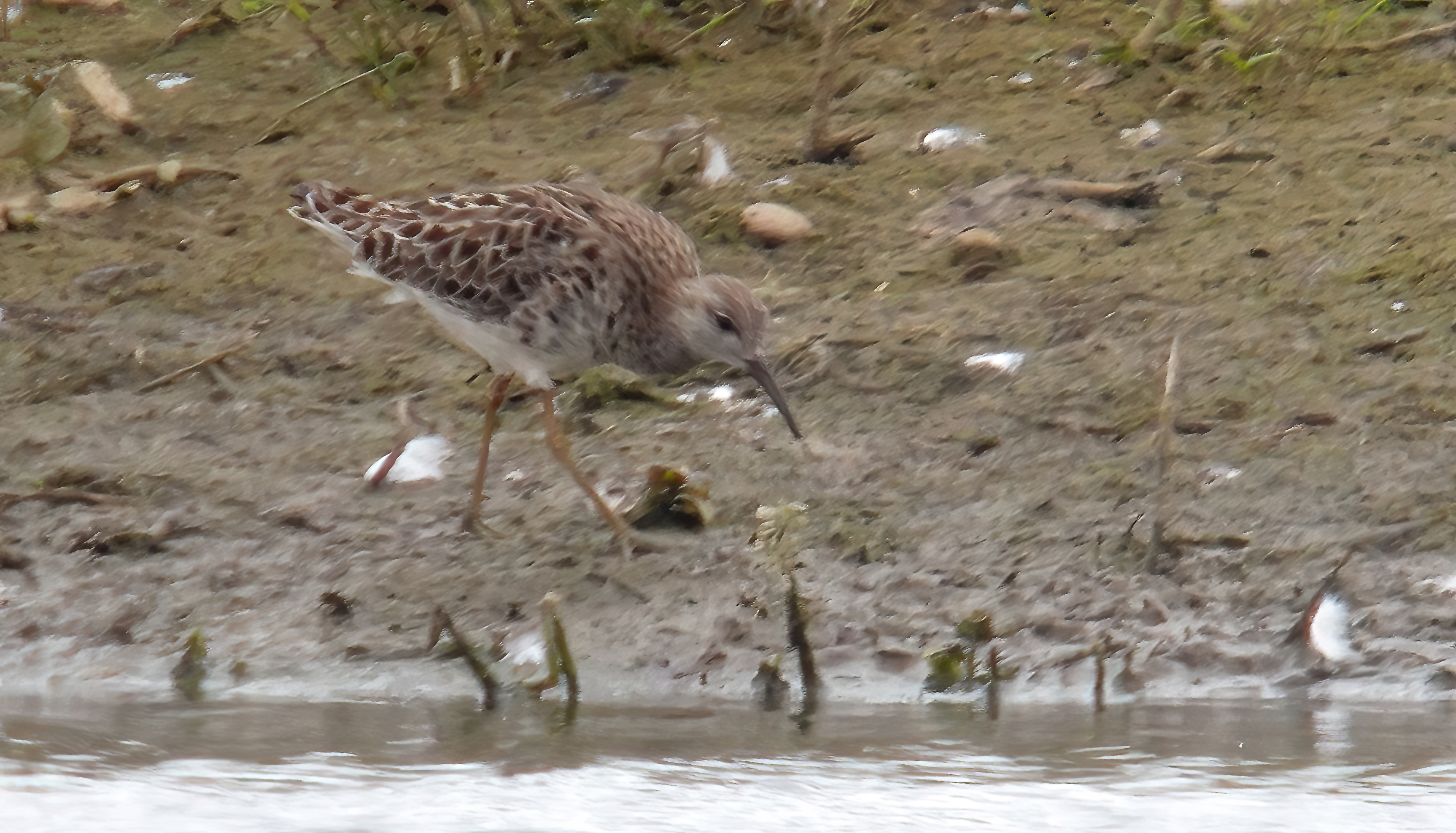
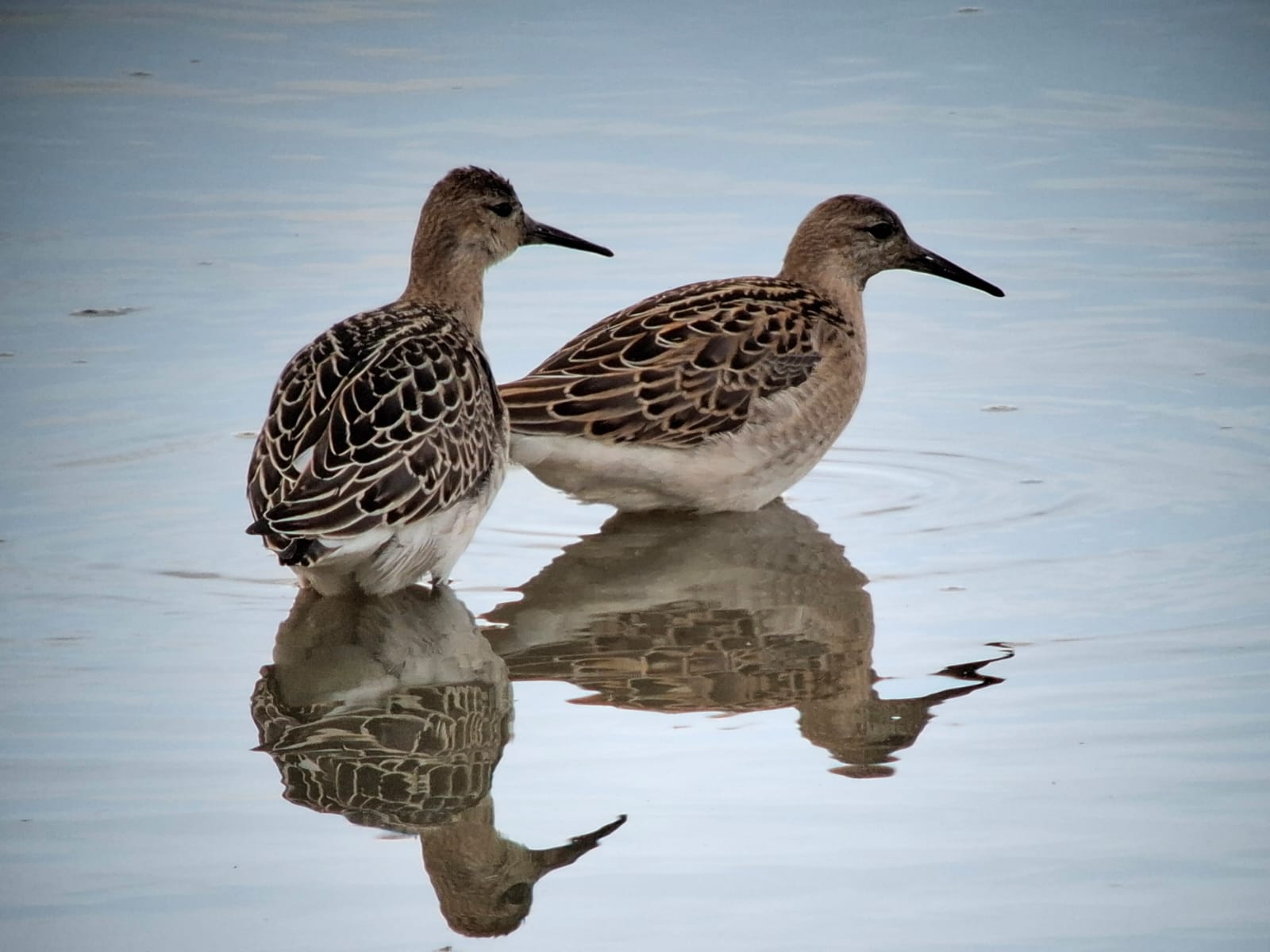
Maintaining their stand, Ruffs were to be found at five localities – Pitsford holding on to five throughout the period, while Boddington held two from the beginning of the week, increasing to three there on 18th. Elsewhere, two were present at Clifford Hill on 13th-14th with one remaining until 16th and singles were at Summer Leys LNR on 13th and at Naseby on 13th and 17th-18th.
Strong winds and heavy rain delivered Boddington’s best on 14th, when a Sanderling and the county’s fourth Little Stint of the year dropped in, the latter remaining until 16th, with the former also being reported again briefly on 15th.

Getting late now for Wood Sandpiper, last week’s individual remained at Naseby until 16th and another was reported at Cransley Res on the last day of the period.

And after last week’s double-figure peak at Pitsford, Greenshanks were down to three there between 14th and 19th, while singles were at Clifford Hill and Summer Leys on 13th, Naseby on 15th and Earls Barton GP’s New Workings (North) on 19th.

On the larid front, the best of the bunch this week was a first-winter Mediterranean Gull at Daventry CP on the last day of the period.

The same site also produced three different Caspian Gulls, with a first-winter on 16th, an adult on 17th and a third-winter on 18th, while Boddington delivered a first-winter on 14th and the regular German-ringed adult was present at Naseby all week, accompanied by a juvenile/first-winter on 15th and a second adult on 17th and again on 19th.

Single Yellow-legged Gulls were at Daventry on 14th and Pitsford on 16th, the latter site holding four on 18th.
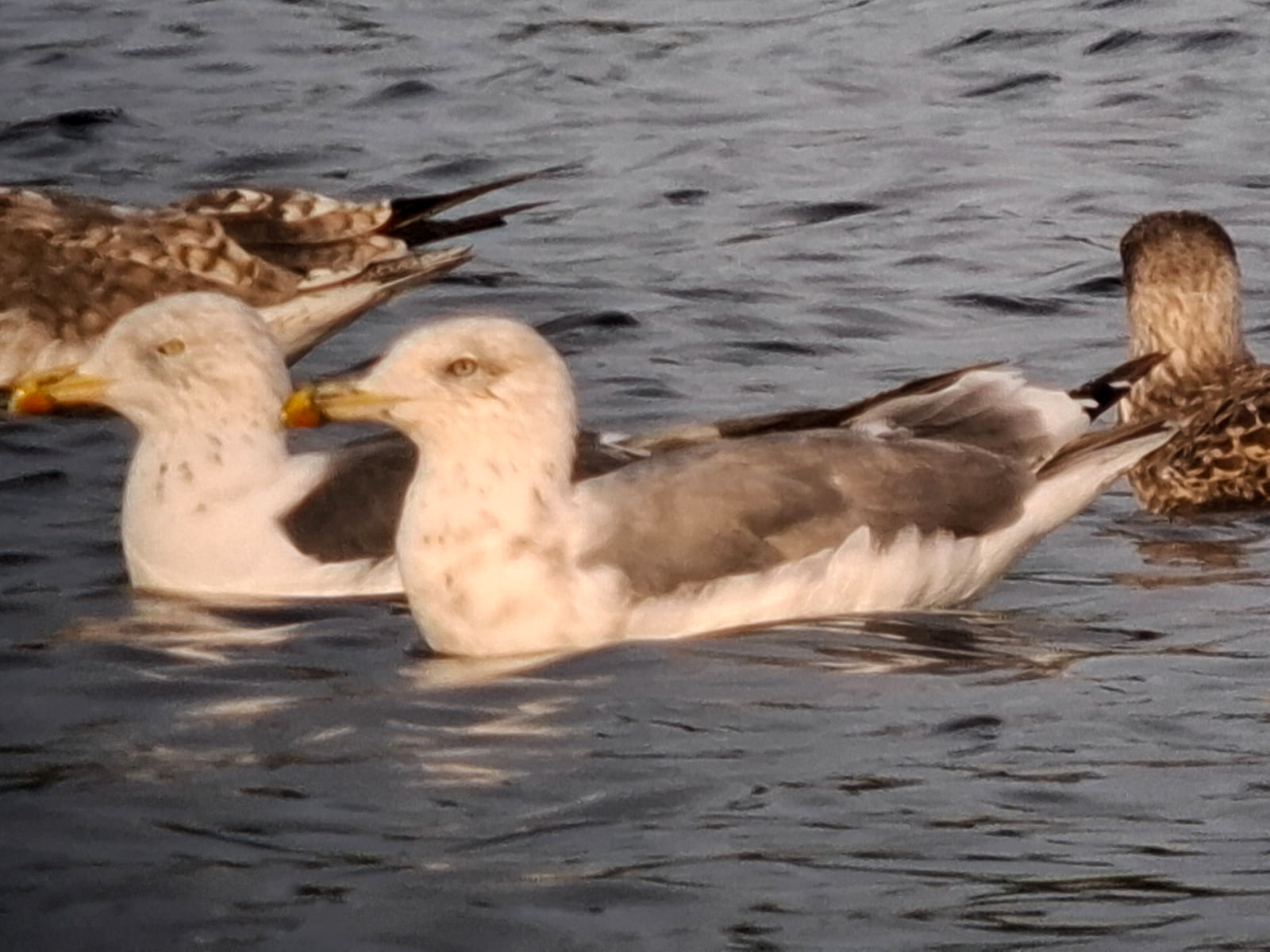
Daventry also hosted an adult Herring Gull x Lesser Black-backed Gull – resembling an Azores Gull, no less – on 18th.

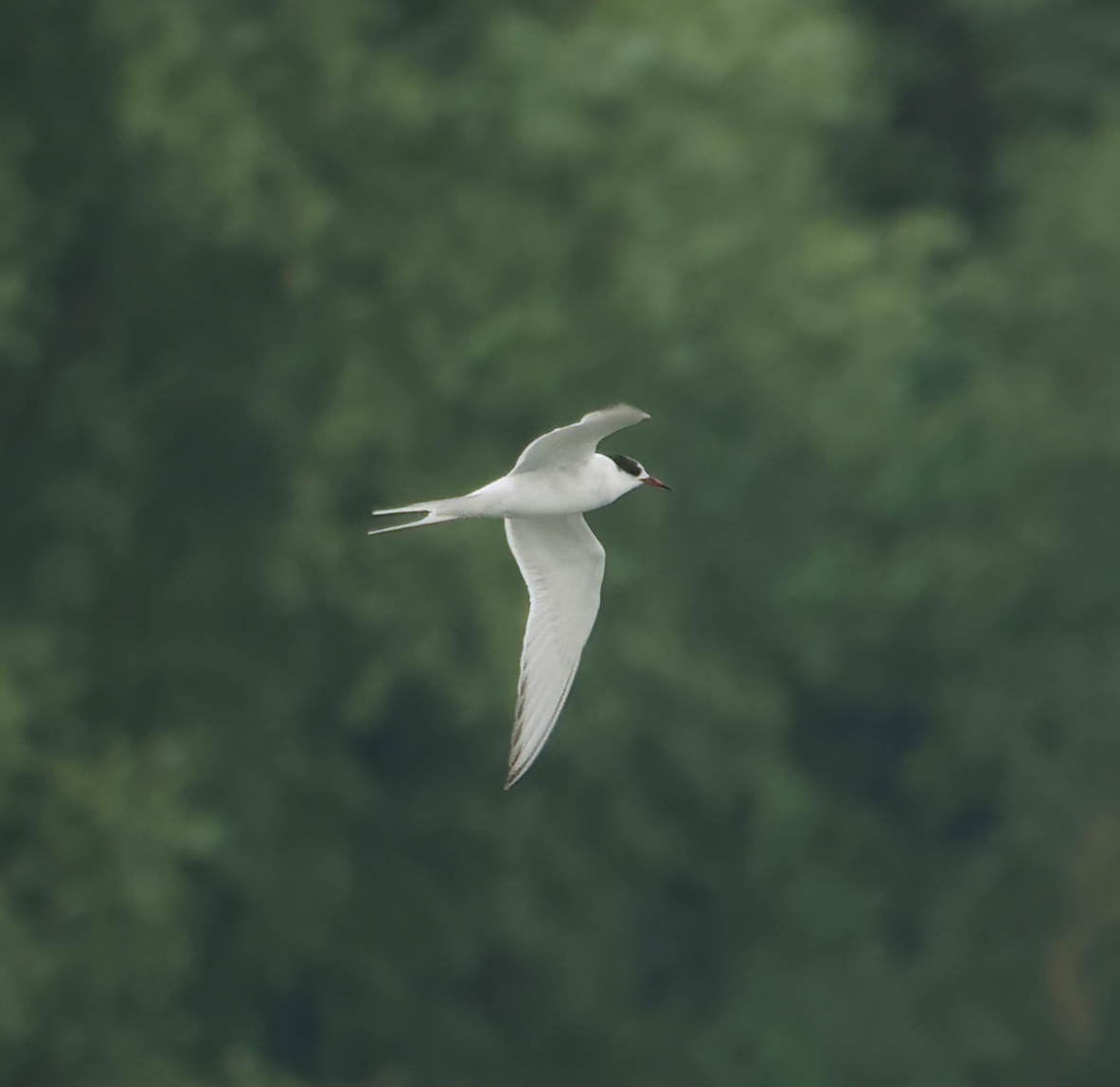
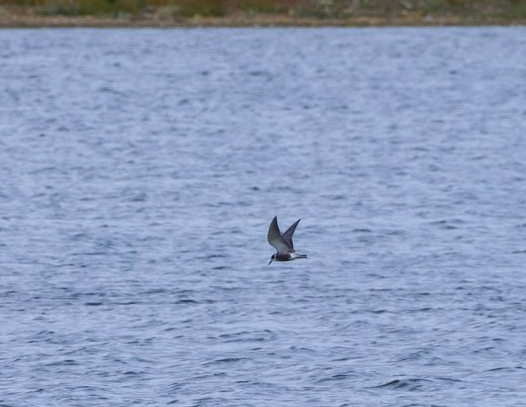
Downsizing, three species of tern were reported during the period – a Sandwich Tern at Boddington on 15th and an Arctic Tern at Hollowell Res on the same date, while the continuing trickle of Black Terns saw last week’s individual lingering at Ditchford GP’s Irthlingborough Lakes and Meadows NR on 13th, the same date producing two at Ravensthorpe Res and two at Hollowell – perhaps last week’s four, divided. One, or another, was at the latter site on 15th.
With UK numbers still well into the hundreds this week, more Glossy Ibises were again likely to be on the cards – or so one would think – and, yes, there were new arrivals. Both individuals from last week remained throughout at Pitsford and Summer Leys but, in addition to these, one flew west over Wollaston Motors Prep Centre car park and on over Earls Barton GP’s New Workings (North) on 17th, although there is a fair chance it may have been the Summer Leys individual. Undoubtedly new in, however, were three adjacent to Stanford’s Settling Pool, briefly, during the morning of 19th, before flying north-east. Another, or one of the above trio, was seen in flight going north over Stanford during the afternoon of the same date.

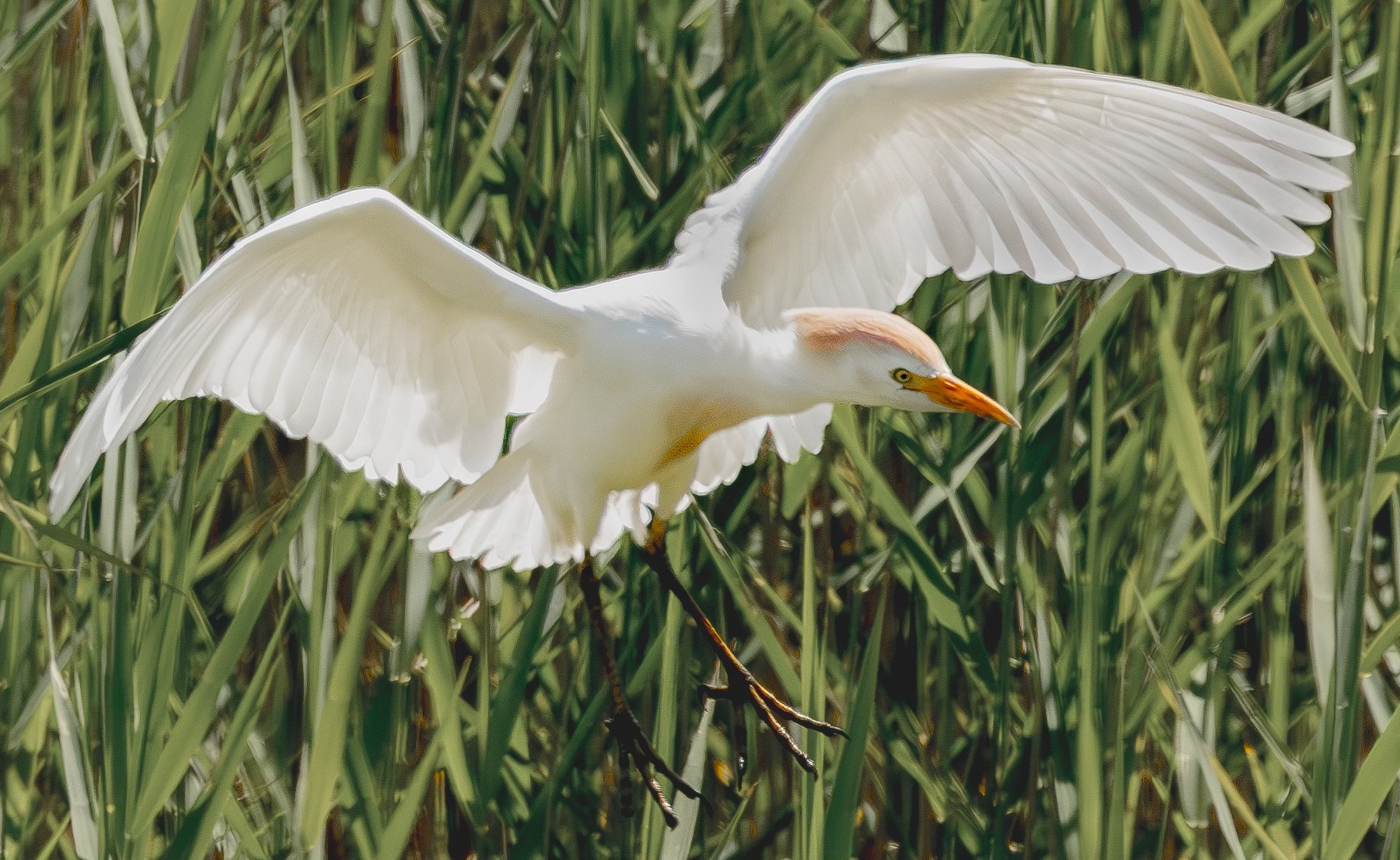
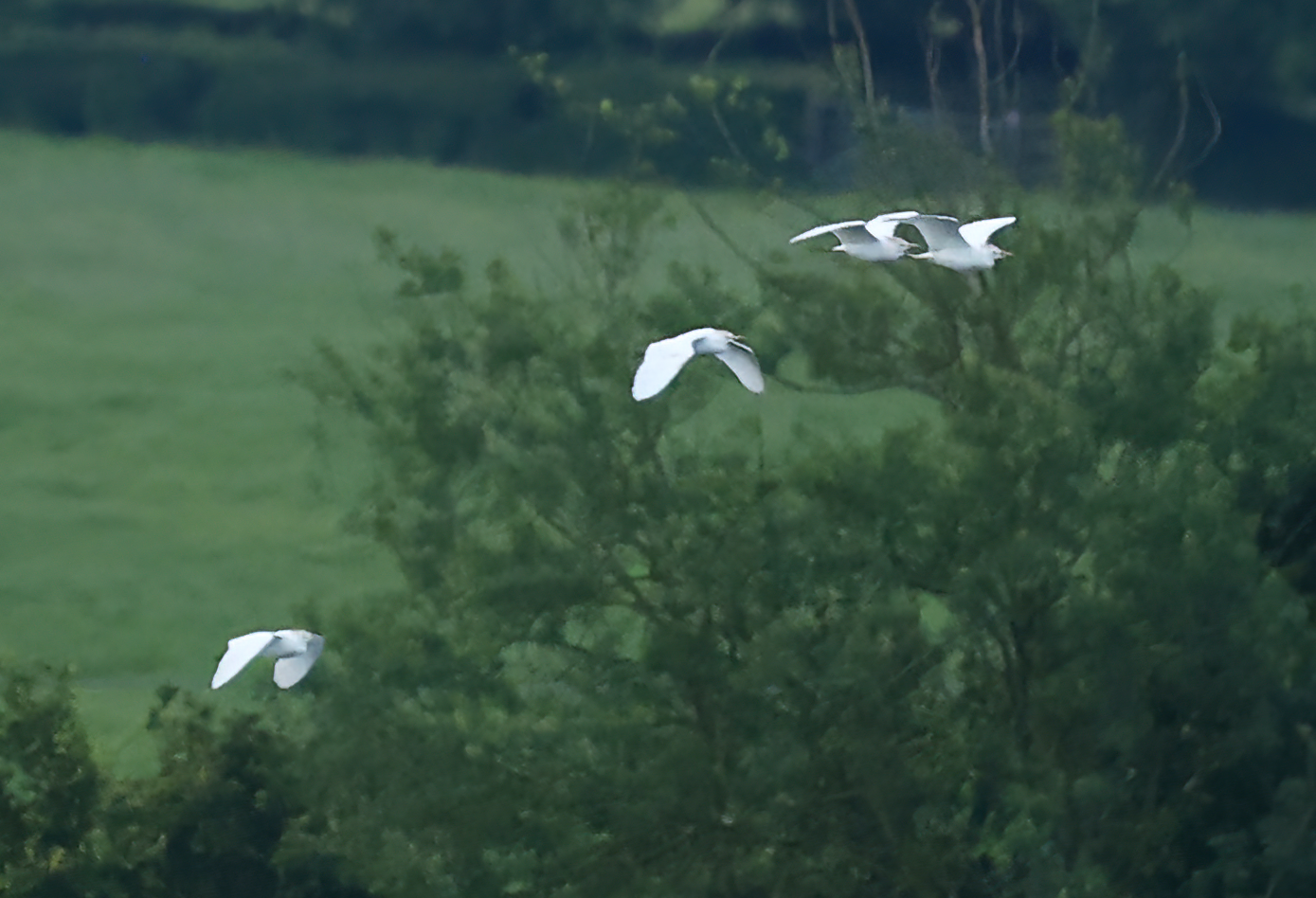
One each of Bittern and Cattle Egret were again at Summer Leys on 13th and Stanford on 19th, respectively.

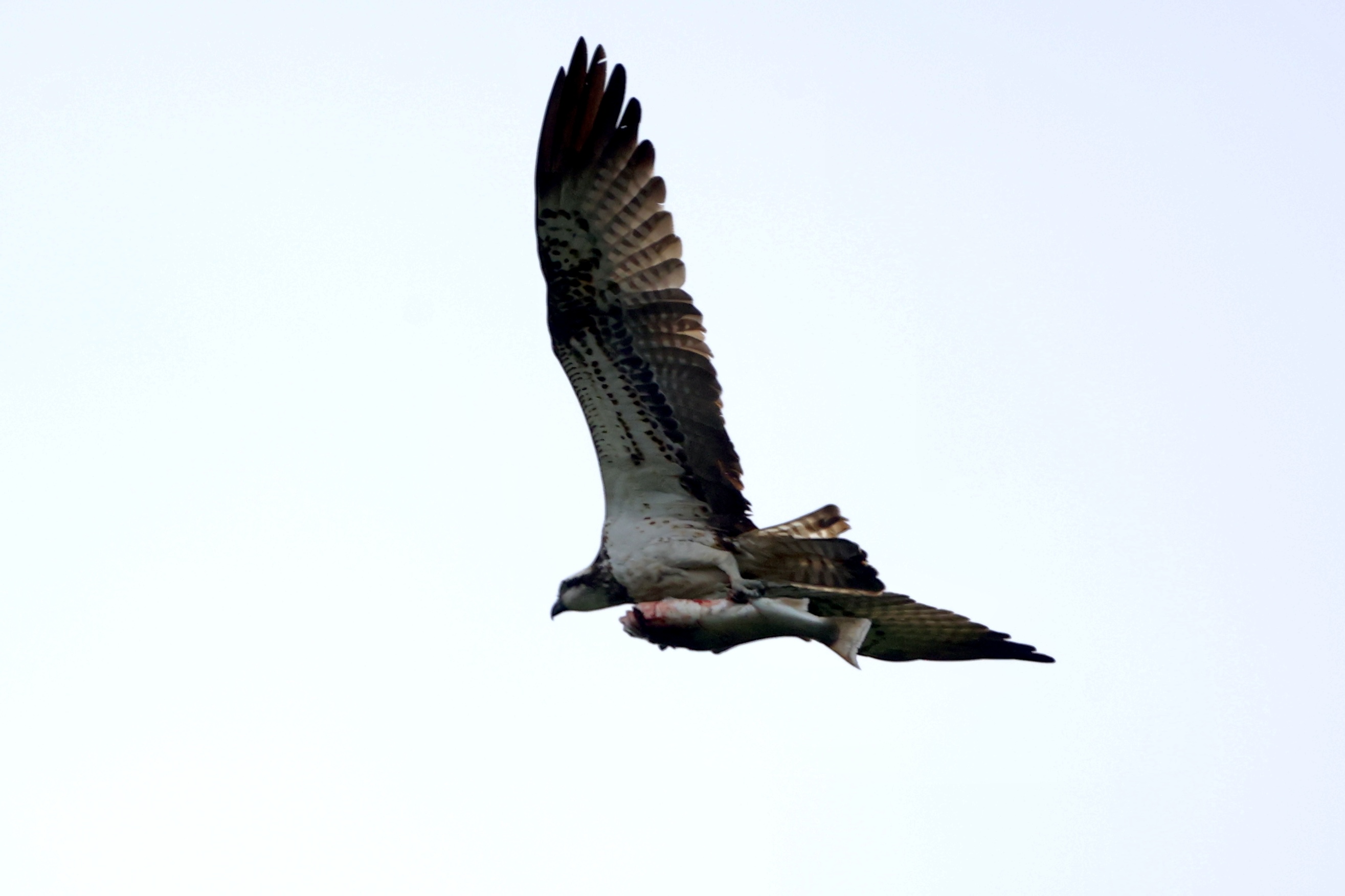
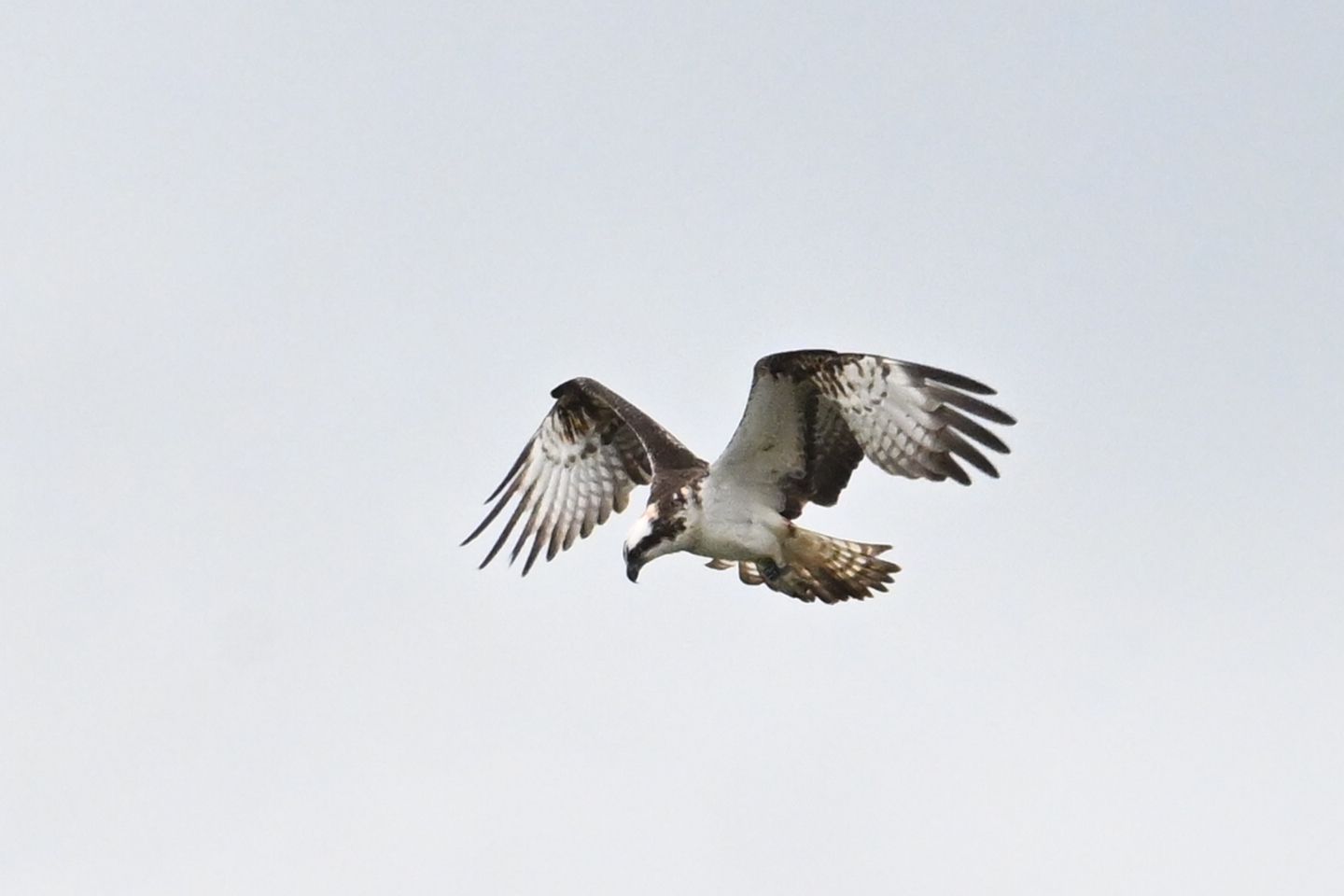
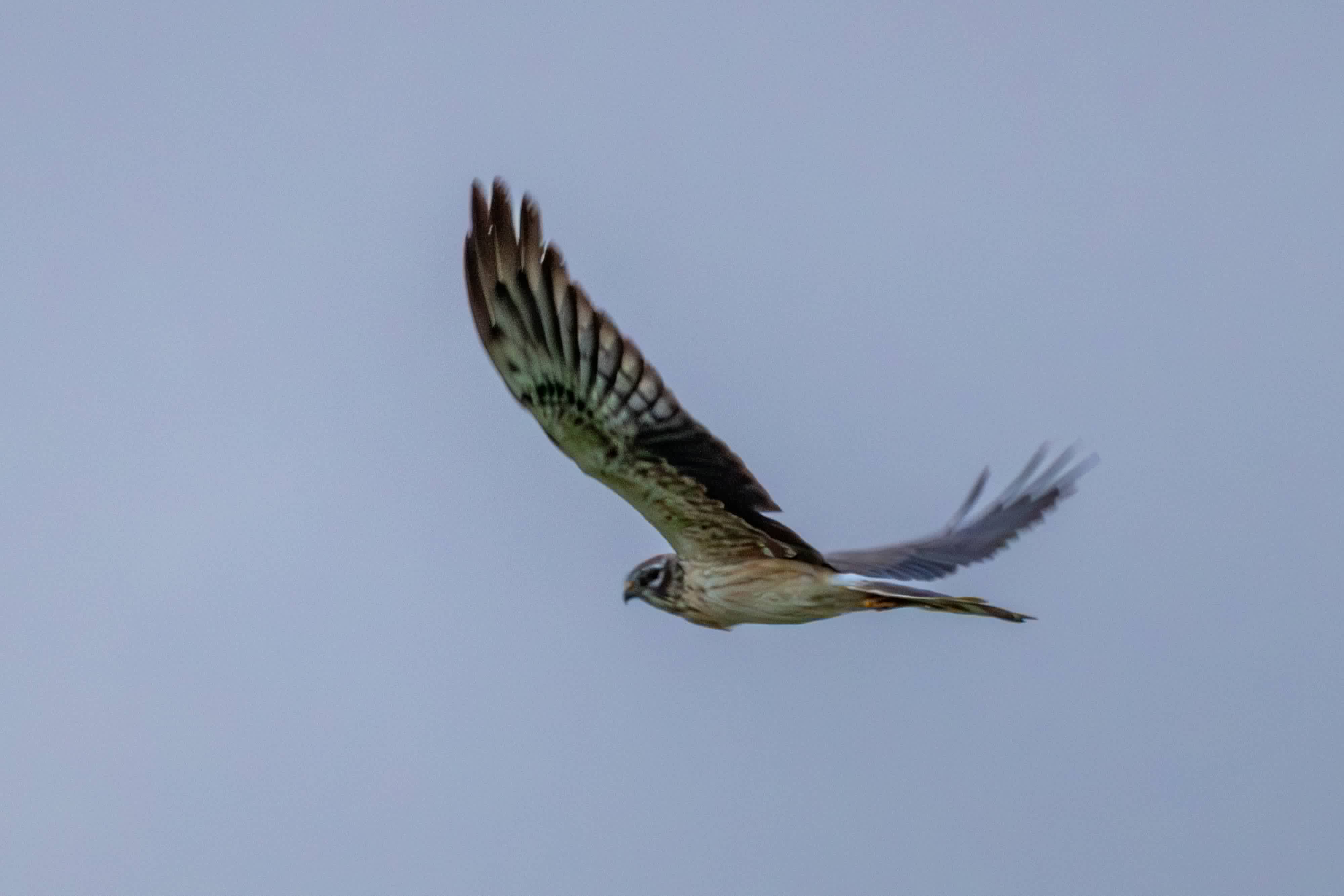
Raptors comprised the usual suspects of late, with daily sightings of Ospreys at Pitsford, including two on 16th, while singles flew south and west over Hollowell on 13th and 16th, respectively. Single Marsh Harriers were also on offer at Pitsford, where singles were present on 13th, 14th, 15th and 18th, with two there on 19th. Further singles graced Harrington AF on 14th, Summer Leys on 15th-16th and Earls Barton GP’s New Workings (South) on 19th. Last week’s ‘ringtail’ Hen Harrier made a return visit to Blueberry Farm, Maidwell on 14th.

And, on the passerine front, Common Redstarts enjoyed a mini-resurgence with three at Borough Hill on 13th, 2 at Glassthorpe Hill, Harpole on 14th and singles at Pitsford on 13th, Blueberry Farm on 14th, Harrington on 14th and 17th and in the Brampton Valley between Cottesbrooke and Hanging Houghton on 16th.

The same area of the Brampton Valley continued to produce Whinchats, with a maximum of six there on 16th, 2 on 14th and one on 17th, two were at Harrington on 14th and one was again at Thrapston GP’s Elinor Trout Lake on 17th. And while Whinchats may be on the wane, numbers of Stonechats were on the up – this week seeing a maximum of four at Hollowell on 19th, while ones and twos were found in the Brampton Valley, at Harrington, Pitsford and Yardley Chase.

Northern Wheatears continued to trickle through, with singles at Harrington on 14th and in the Brampton Valley between 14th and 16th, while two were found at Clifford Hill GP on 17th with one remaining the following day.

Newsround – 8th to 14th June 2024

The second week in June comprised a largely lacklustre seven days, with nothing new and very little to shout about. ‘Ornithological autumn’ is, however, only a couple of weeks away for those prepared to sit things out …

The Stanford Res Pink-footed Goose remained until at least 11th while, in terms of this week’s waders, the same site was the only one to pull the rabbit out of the hat by delivering a ‘Tundra’ Ringed Plover on 8th and a Whimbrel on 11th.

At least one locality produced a Bittern but Cattle Egrets were unusually lacking.

The same cannot be said for Ospreys this week, during which there was a surprise discovery of a new Northamptonshire breeding pair and wandering birds assumed a high profile. Individuals visited Pitsford Res on 8th, 9th, 10th and 13th, while further singles were seen over the River Nene between Achurch and Wadenhoe on 9th, over the River Ise near Desborough on 11th and flying east over the Brampton Valley below Brixworth on the same date.

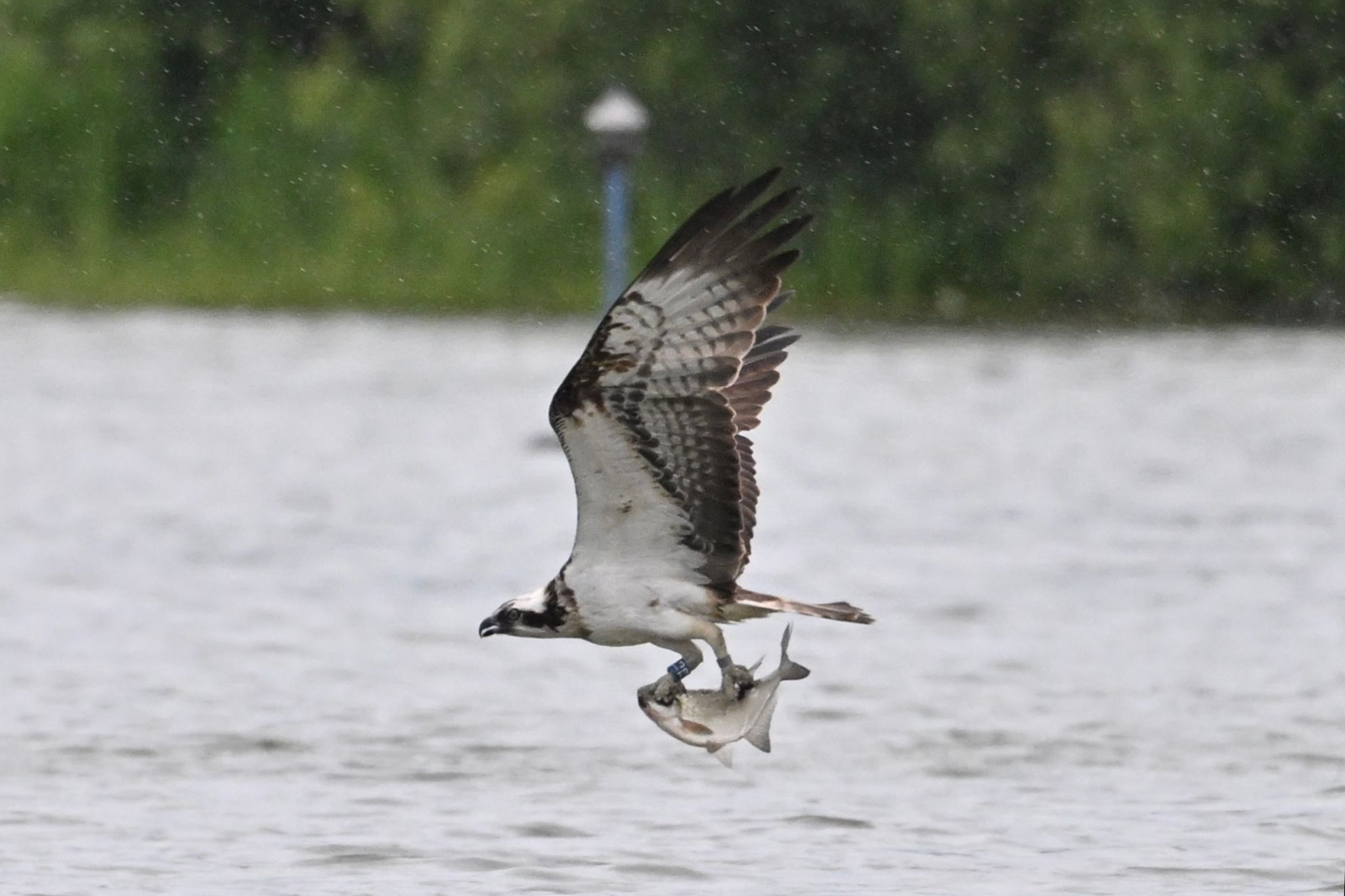
Back to Stanford again where some interesting information was unravelled regarding a visiting Osprey on 13th. Photographed as it drifted east during the first half of the morning, it was wearing a blue ring inscribed with ‘5H1’, making it a two-year-old female which had been seen last month in the River Usk Valley in South Wales. Later the same day, an unringed female also paid a visit to Stanford.

Ending the Osprey week was an 8-year-old male, blue-ringed ‘T3’, successfully fishing at Hollowell Res on 14th.

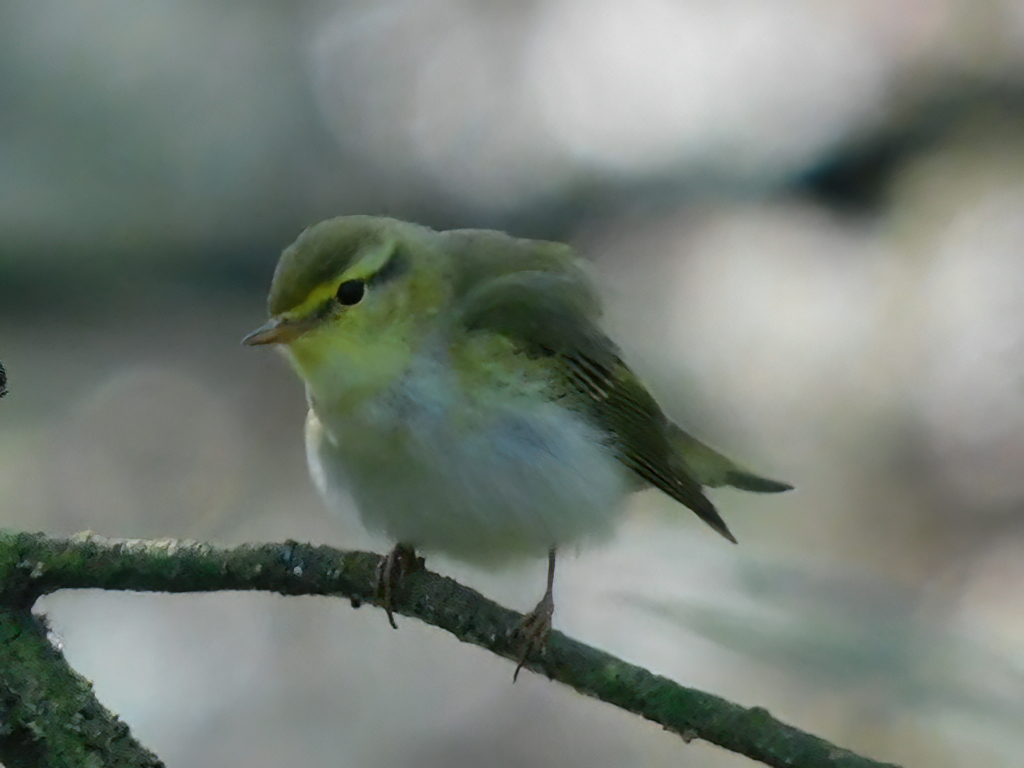
And then there was the Wood Warbler. Remaining faithful to the same spot, the popular singing male saw a third week out at Harry’s Park Wood near Weldon, although it has attracted less attention in recent days.

Newsround – 1st to 7th June 2024

As we embarked upon meteorological summer, a polar airmass situated to the north delivered below-average temperatures from mid-week onwards. And with the weather a little on the dull side, this was reflected to some extent in the birding, although the first week of June is rarely awash with migrants …

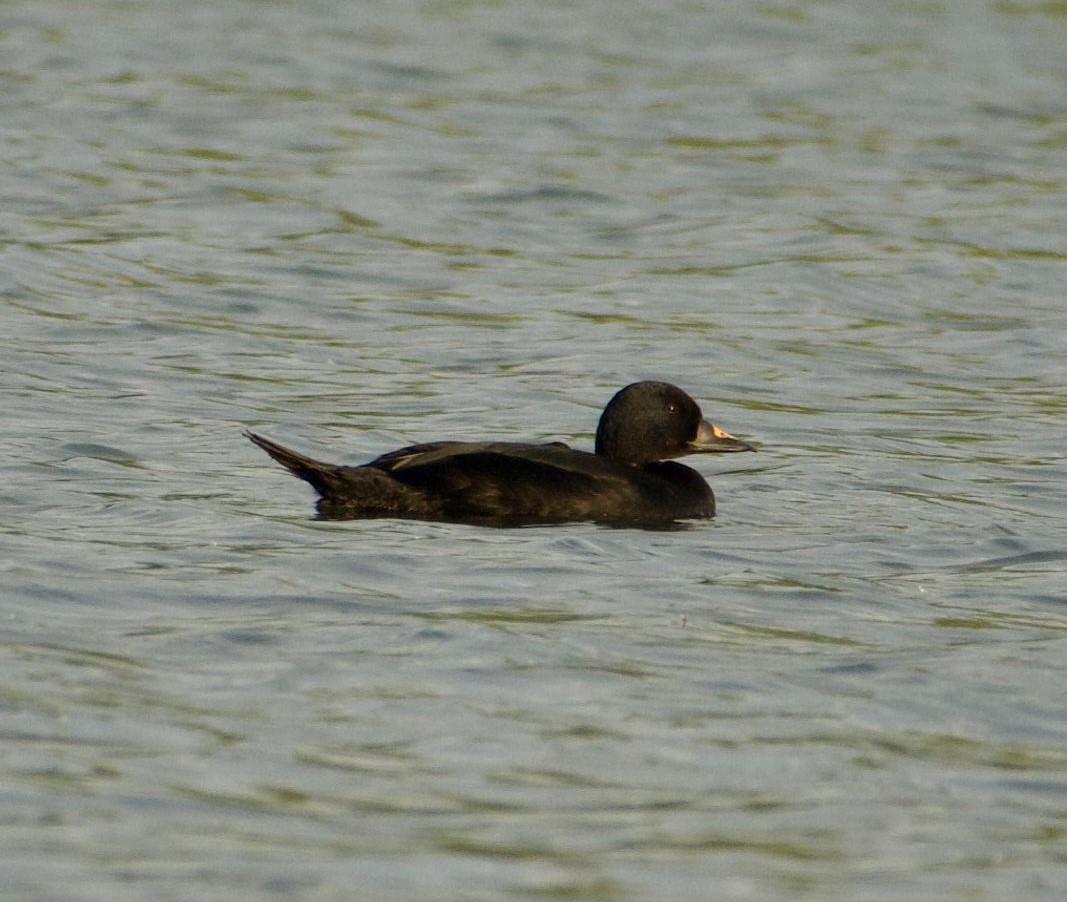
At Stanford Res this week, the unseasonal, rogue Pink-footed Goose was again present on 5th and again on 7th but it was easily overshadowed by a drake Common Scoter discovered there during the evening of 3rd.

A stone’s throw to the southwest, last week’s drake Garganey remained at Lilbourne Meadows NR until at least 4th.

Wader passage rallied after last week’s disappointing low, with the Nene Valley unsurprisingly producing all but one of the best birds. The highlight was the appearance of two Avocets at Summer Leys LNR for a half-day on 4th.

The same day also saw three ‘Tundra’ Ringed Plovers drop in to Stanwick GP, an early morning Whimbrel in flight over Hanging Houghton and a Ruff at Summer Leys, where a Wood Sandpiper also put in an appearance on 2nd.

Bitterns continued to be seen in at least two locations but, this week, Cattle Egret numbers were restricted to single birds at Stanwick on 1st, Summer Leys and Thrapston GP’s Titchmarsh LNR on 2nd and between Ecton and Earls Barton on 7th.

Reports of Ospreys were down, with two birds at Pitsford Res on 3rd, followed by one there on 7th, while the Marsh Harrier slot was filled this week by one over Summer Leys on the last day of the period.

And still the Short-eared Owls rumble on. Making it into summer, one lingered in the Brampton Valley, mobile between Cottesbrooke, Hanging Houghton and Blueberry Farm from 1st to 5th and another remained at Harrington AF until at least 3rd.

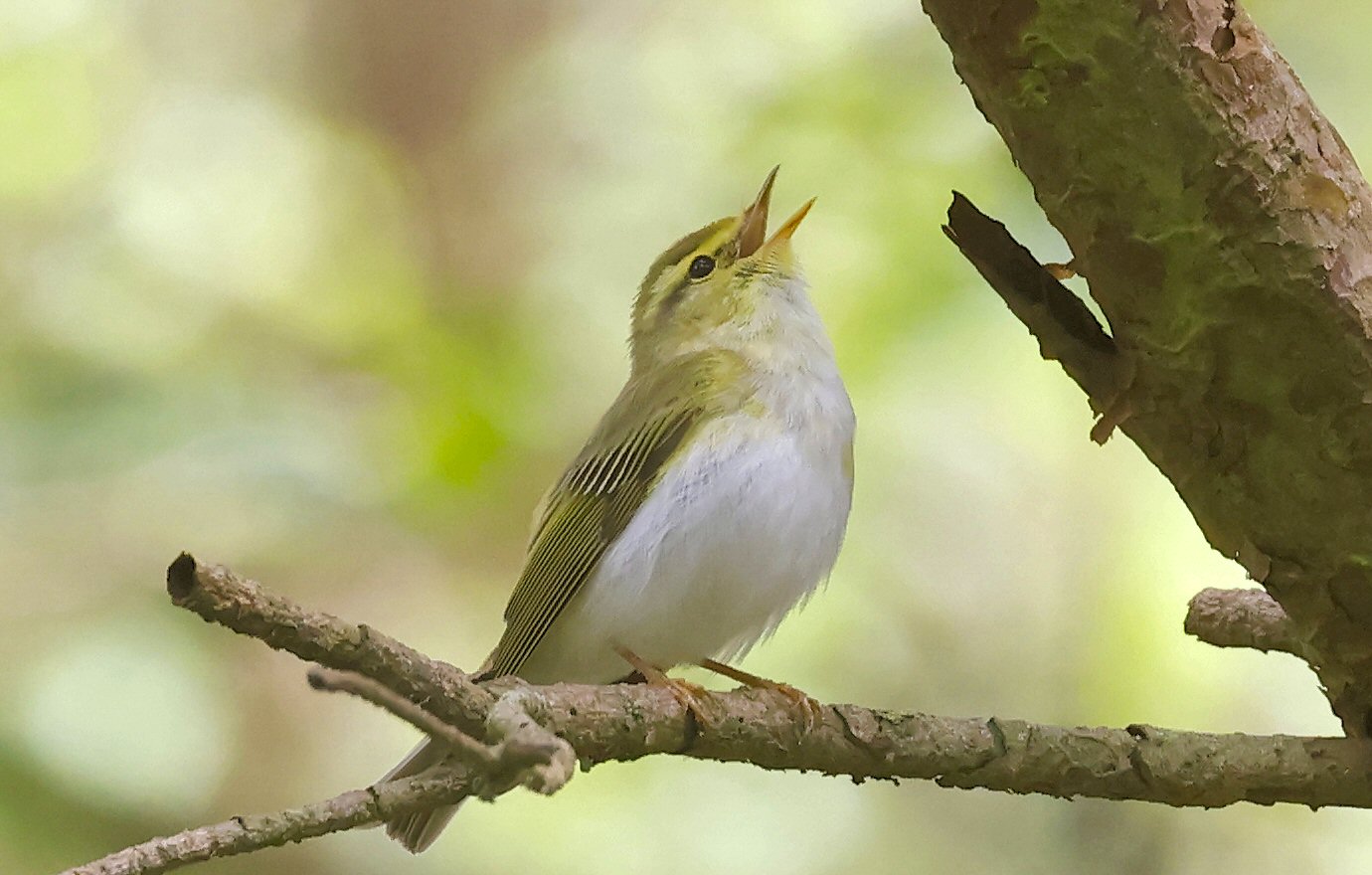
Unsurprisingly, the sole representative of this week’s passerines was the singing male Wood Warbler, now having completed a two-week stint at Harry’s Park Wood. Will it remain throughout the summer? We’ll see …

Singing male Wood Warbler, Harry’s Park Wood, 3rd June 2024 (Dave James)

Newsround – 25th to 31st May 2024

While stuck mournfully under a slow-moving low pressure system, there were still birds out there to brighten up an otherwise dull week. Among these were two at opposite ends of the spectrum: a settled, singing male Wood Warbler throughout the period and, by contrast, a fleeting visit by Britain’s rarest breeding raptor – if it can still be called that …

We can, however, afford to gloss over the well out of season appearance of a Pink-footed Goose at Stanford Res on 28th and move swiftly on to the discovery on 25th of a smart drake Garganey at Lilbourne Meadows NR, where it remained throughout the week. Another – or perhaps the same individual on an awayday – visited Stanford, only 5.5 km distant as the duck flies, on 30th.

Meanwhile, Earls Barton GP’s long-staying drake Red-crested Pochard remained at the site’s New Workings (North) on 25th.

In stark contrast to the previous one, this week was left wanting, though, when it came to waders. It was down solely to just two Sanderlings at Ditchford GP’s Irthlingborough Lakes & Meadows NR (IL&M) on 30th to prop up the group over the period.

Continuing to prove difficult to catch up with so far this year, another fly-through Sandwich Tern – the third for 2024 – cruised south over Hollowell Res without stopping on 26th, while late in to Stanford on 31st was a first-summer Arctic Tern.

Characteristically more obliging, however, were two Black Terns – one at Summer Leys LNR on 30th and the other at IL&M on 30th-31st.

While Bitterns were again at two localities during the week, Cattle Egrets put in appearances at four, which included singles at Stanwick GP, Summer Leys and Thrapston GP’s Titchmarsh LNR – all on 27th, four over Clifford Hill GP on 29th and two again at Summer Leys on 30th. Breeding seems likely to be on the cards … somewhere.

Now becoming fashionably late, Short-eared Owls maintained their unseasonally high profile as they continued to linger into the final days of spring. One was up and about at Harrington AF on 25th and 28th, another put in daily appearances at Summer Leys between 27th and 30th and a third bird was seen at Blueberry Farm, Maidwell on 28th.

And this week’s raptors were thin on the ground or, more precisely, in the air. But what was missing in quantity was made up for handsomely by quality. A Marsh Harrier was an unusual site visitor to Hollowell Res on 30th.

While this species may seem somewhat run-of-the-mill these days, a significant turn-up for the books this week emerged in the form of a nifty Montagu’s Harrier winging its way over farmland, just east of Bozeat, on the evening of 26th. Caught on camera by just one lucky observer, it was not seen again, despite subsequent visits to the area.

This bird, only the eighteenth record for Northamptonshire, ties in nicely with a number of reports of others seen in the UK this year from late April and throughout May.

The overwhelming majority of previous county records have fallen into the same fly-by category but local birders of a certain vintage will no doubt have vivid recollections and fond memories of the bird which stuck around in the vicinity of Harrington AF for a week during May 1994. The presence of a male just over the border at Juniper Hill, Oxfordshire was hushed up during its stay in 2008 but it was seen in Northants on at least 4 dates in May of that year. Montagu’s Harrier is now Britain’s rarest ‘breeding’ raptor although, despite significant conservation efforts, it has not bred in the UK since 2019.

Unlike the above species, however, the bird of the week in terms of sheer popularity was a singing male Wood Warbler, on show to all comers at Harry’s Park Wood throughout the period.

Having bred locally on occasions in the past, records over the last quarter century throw up a pattern of occurrence depicting a bird of consistent rarity, averaging less than two per year in the county.

Furthermore, the outlook for this species is bleak. The national Breeding Birds Survey shows a considerable and continuing decline, with a 76% decrease in the UK breeding population between 1995 and 2020 and declines also evident across northern and western Europe since 1980. It is now red-listed in the UK (BTO).