Newsround – 22nd to 28th February 2025

February, now done and dusted, ended cleanly on the last day of the review period. But even before the first day of meteorological spring was upon us, the county notched up two new spring migrants for the year – well ahead of when we would normally expect to see them …

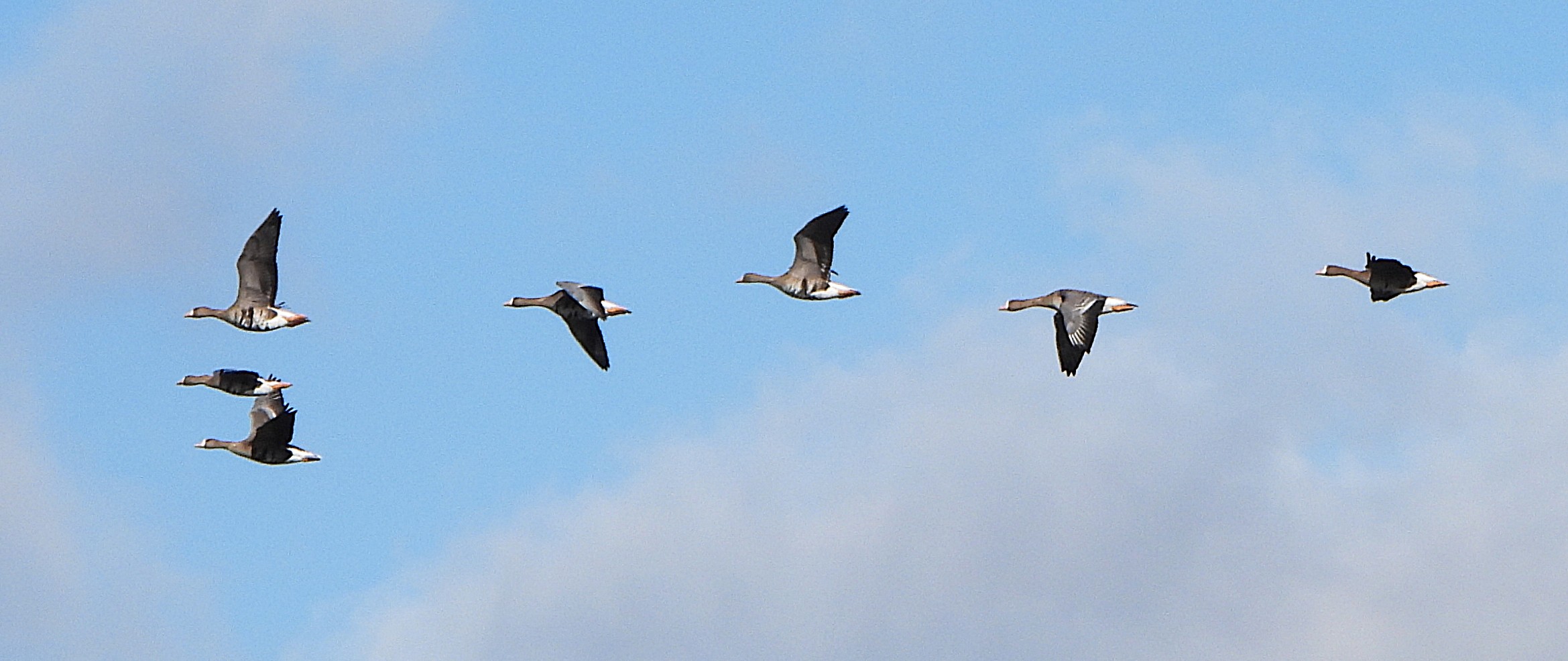
Aside from these, all of the winter wildfowl appeared to remain settled throughout the week and, although the Pink-footed Goose in the vicinity of Cogenhoe Mill was reported only on day one, the seven White-fronted Geese in the same area were seen almost daily. Away to the north, the county’s other two wintering whitefronts saw another week out at Ravensthorpe Res.

A mere stone’s throw away from the latter locality, the long-standing female Ruddy Shelduck was still present at Winwick Pools on 27th and, as the week progressed, it appears we became awash with Red-crested Pochards. Two made a short stopover at Ravensthorpe on 24th, the same date on which two were also seen at Clifford Hill GP and a drake appeared on the River Nene between Cogenhoe and Whiston on 25th, moving to Earls Barton GP on 27th. Meanwhile, the long-staying female remained at Daventry CP until at least 26th.

With no sign last week of the drake Ring-necked Duck at Thrapston GP – or anywhere else, for that matter – it was back there at Heronry Lake on the last day of the period. Further up the Nene Valley, the year’s third Greater Scaup, an advanced first-winter drake, was found at Summer Leys LNR on 23rd before relocating to adjacent Mary’s Lake on 25th, where it remained until at least the following day. Further north, the first-winter female remained at Blatherwycke Lake until at least 23rd.

The drake Smew chose to bide its time all week at Clifford Hill GP.

Fronting this week’s waders was a first for the year in the shape of a very early migrant Avocet at Summer Leys, first thing on 26th. But its stay was brief, moving on in haste as soon as the rainclouds lifted … Aside from this, two Jack Snipes were at Barnes Meadow NR on 22nd followed by up to two at Hollowell Res between 25th and 27th, while the wintering Common Sandpiper once more raised its head at Earls Barton GP’s New Workings (South) on the last of these two dates.

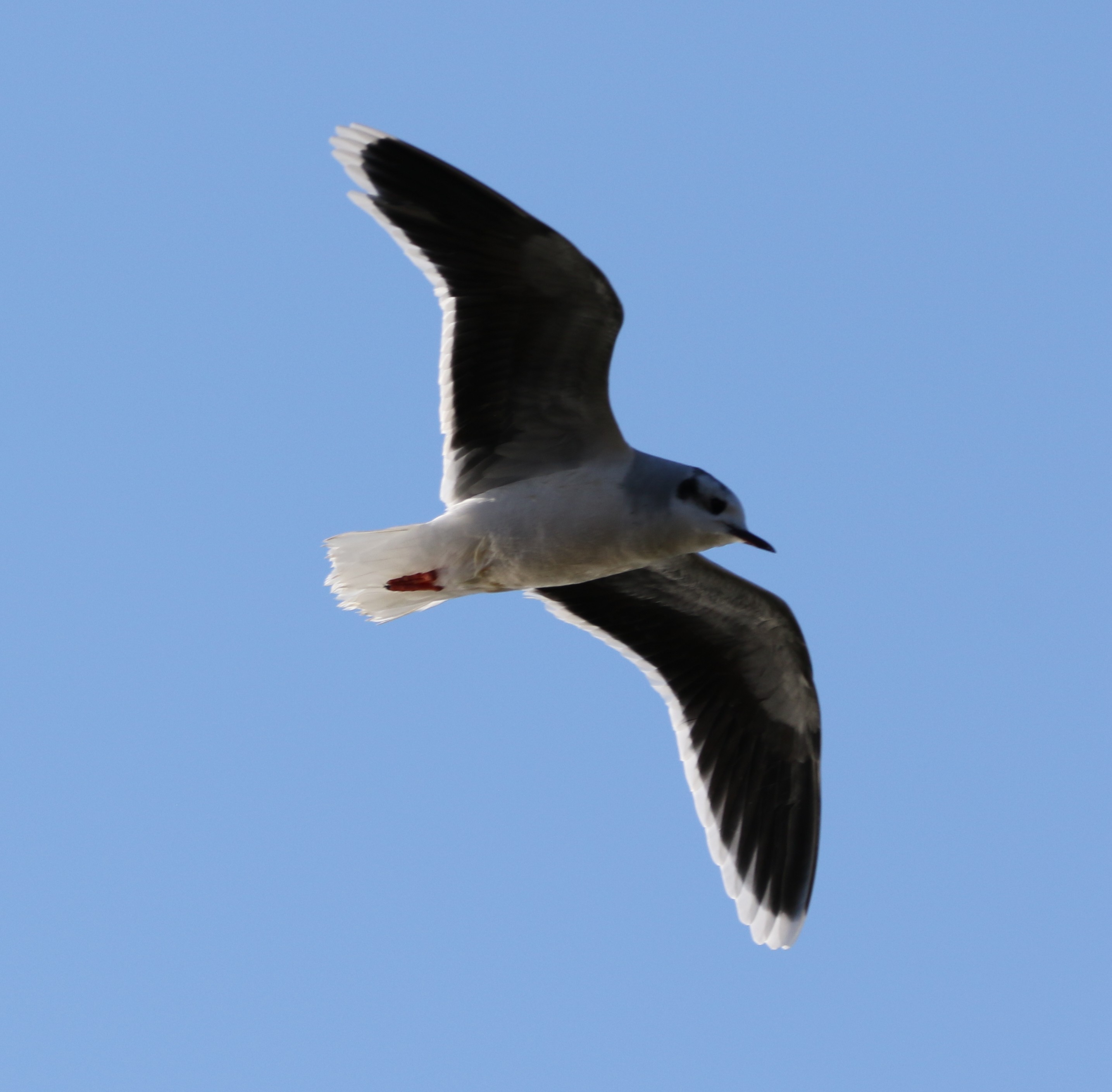
Another early bird – and the second new one for the year this week – was an adult Little Gull that clearly found Ravensthorpe to its liking, making an extended stay of five days between 23rd and 27th, during which it proved a popular draw.

Otherwise, scarce larids were well down in numbers with just two adult Mediterranean Gulls appearing in the gull roost at Boddington Res on 28th – another sure sign of spring movement – and a first-winter Caspian Gull at Hollowell Res on 25th.
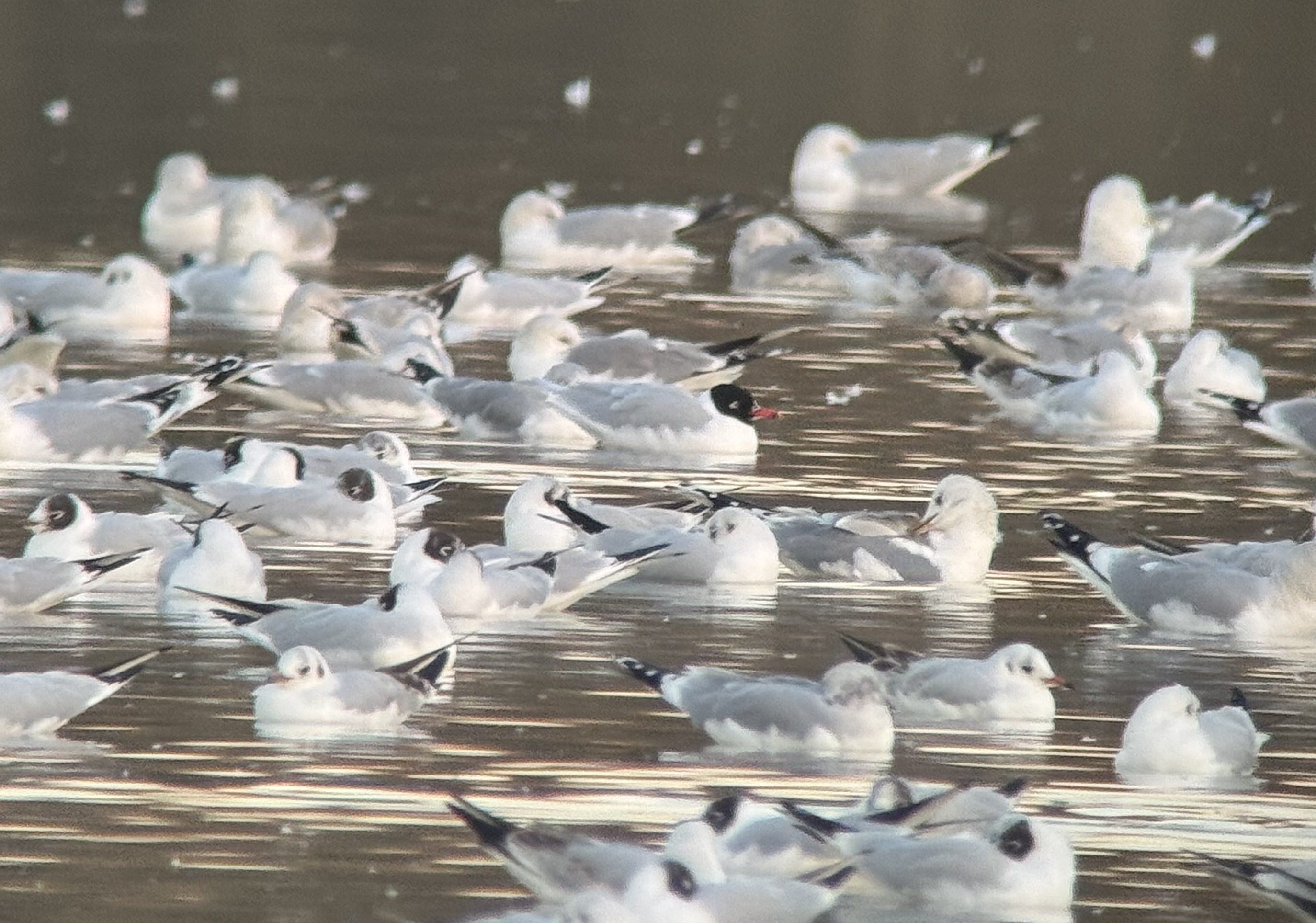
Meanwhile, the Summer Leys Glossy Ibis extended its five-month stay by another week …

A Cattle Egret also appeared at Summer Leys on 23rd and three were again in the vicinity of Stanwick GP’s North Lake two days later, on 25th.

With nothing to shout about on the raptor front, single Short-eared Owls – most likely just the one – were again on private land near Blueberry Farm, Maidwell on 22nd-23rd and at the adjacent site that is the Brampton Valley, between Cottesbrooke and Hanging Houghton, on 27th-28th, where a Merlin was also reported on 27th.

And it was left to Stonechats to prop up this week’s passerines, with Earls Barton producing the highest count of six on 27th, while Hollowell mustered five, Borough Hill two and Harrington AF one.

Newsround – 31st July to 6th August 2021

With temperatures a touch below average, the week shaped up to be rather unsettled, with low pressure systems feeding cooler Atlantic air into the UK. Migrants continued to trickle through in small numbers but the period was otherwise uneventful.

The sole wildfowl representative of the week can be summed up in a single word: Garganey. One was on show at Stanwick GP from 31st until at least 5th and last week’s Daventry CP bird was still present on 1st.

Just one Cattle Egret was present at Stanwick GP on 2nd-3rd, while Pitsford Res produced a Great Egret on 31st plus two there on 4th and singles also visited Summer Leys LNR on 1st and Blatherwycke Lake on 5th.  

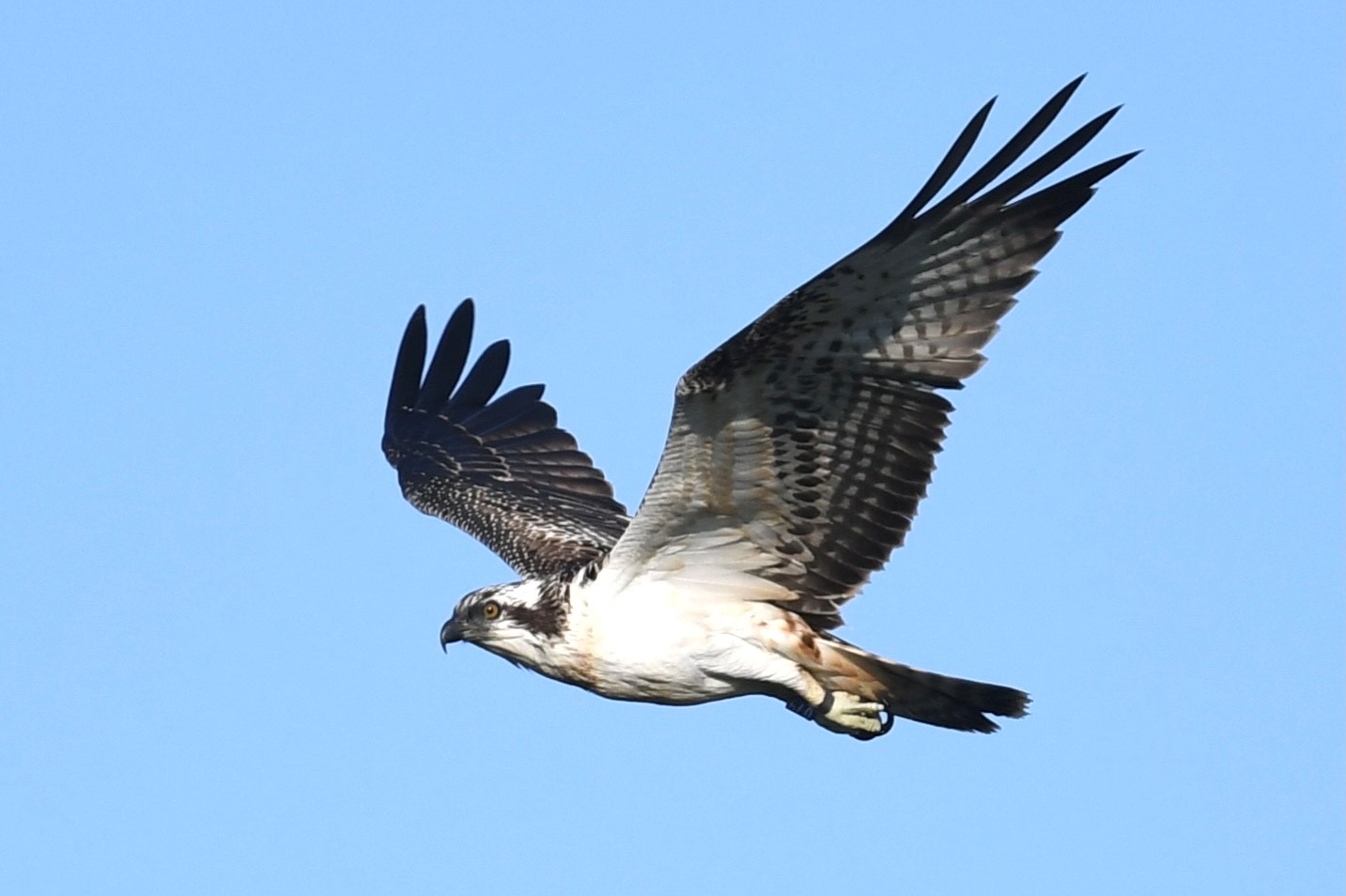
After no reports at all last week, Ospreys made a bit of a comeback, with single birds at Stanford Res on 2nd, over Cottesbrooke on 3rd, Pitsford on 4th and at both Deene Lake and Hollowell Res on 5th.

Juvenile Osprey, Hollowell Res, 5th August 2021 (Jon Cook)

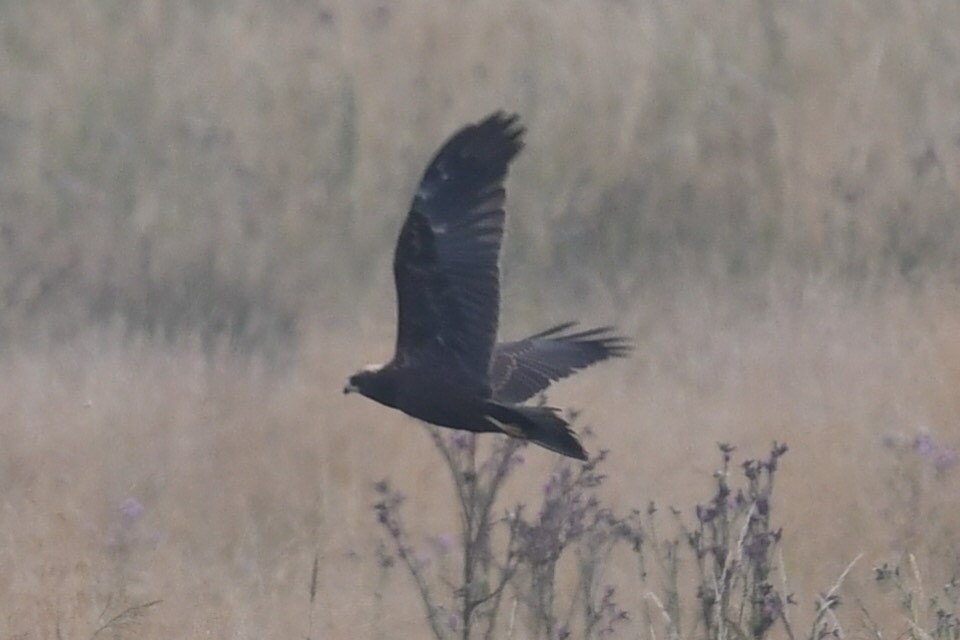
Hollowell also produced an early morning Marsh Harrier on 3rd – they are rarely recorded from this site – and further individuals were seen briefly at Stanford on 2nd and Thrapston GP on 4th.

Juvenile Marsh Harrier, Hollowell Res, 3rd August 2021 (Jon Cook)

Last week’s Harris Hawk remained in Duston, Northampton on 1st, local intel revealing that it has escaped from a Daventry-based falconer and has been on the loose for the last twelve months!

On the wader front, Black-tailed Godwits dominated the week’s proceedings, with eight at Clifford Hill GP on 31st followed there by four on 6th. Elsewhere, six flew over Stanford on 31st and one was at Daventry CP on 1st. Curlews away from breeding sites were limited to two at DIRFT 3 A5 Pools on 31st and 3rd and a Ruff was also present there on 4th. Greenshank numbers were again surprisingly low, with just one at Stanford on 4th.

As we head into autumn proper, gull numbers are visibly on the up and, among them, the first juvenile Mediterranean Gull of the season appeared at Stanwick on 2nd. A count of thirty-two Yellow-legged Gulls at the latter site on 5th was considered to be conservative as prolific late summer vegetation on site considerably hampered viewing of some four to five hundred large gulls there at the time. Smaller numbers elsewhere throughout the period included up to eleven at DIRFT 3, up to three at Pitsford and one at Daventry. This week’s Caspian Gulls were equally divided between DIRFT 3 and Stanwick, the first of these two sites providing two different adults on 1st and 3rd – the latter bearing a German ring. Stanwick’s two consisted of a third- or fourth-summer from 3rd to 5th, joined by an adult there on the latter date.

Adult Caspian Gull, DIRFT 3, 1st August 2021 (Mike Alibone)
German-ringed adult Caspian Gull, DIRFT 3, 3rd August 2021 (Mike Alibone)

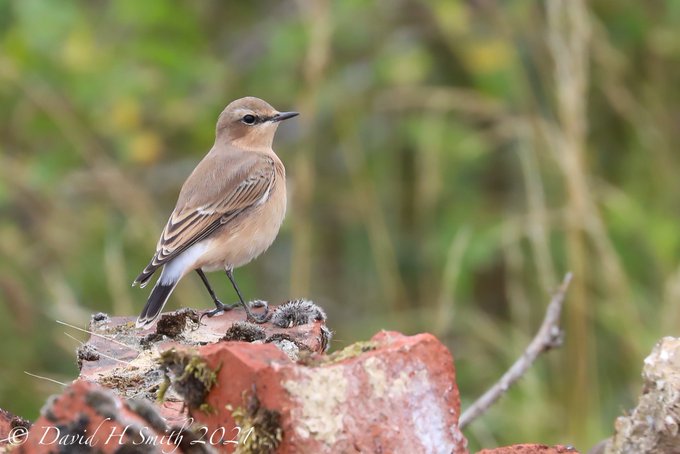
To passerines … and four sites produced Common Redstarts this week, starting off with the long-staying female remaining at Lilbourne Meadows LNR until at least 4th. Elsewhere, up to three were seen at Blueberry Farm throughout the period, as was the same number at Harrington AF, where three were trapped and ringed on 2nd, and two were at Lamport on 5th. Other passerines reported were two Whinchats in the Brampton Valley below Hanging Houghton, between 2nd and 4th and one at nearby Blueberry Farm on 5th and, hot on the heels of last week’s first, came more Northern Wheatears.

Northern Wheatear, Harrington AF, 3rd August 2021 (David Smith)

One was in the Brampton Valley on 2nd and 4th, one lingered at Harrington AF from 3rd to 6th and one was found at Blueberry Farm on 5th.