Another dry week, weatherwise, saw a largely southerly airflow across the UK – indeed in the last few days all four nations of the UK experienced their hottest temperatures of 2025 so far. On the penultimate day, we saw the UK’s highest ever 1st May temperature of 29.3°C at Kew Gardens, London, while Northamptonshire mustered a decent 26°C – all of which facilitated the continued passage of spring migrants and the arrival of more summer visitors …
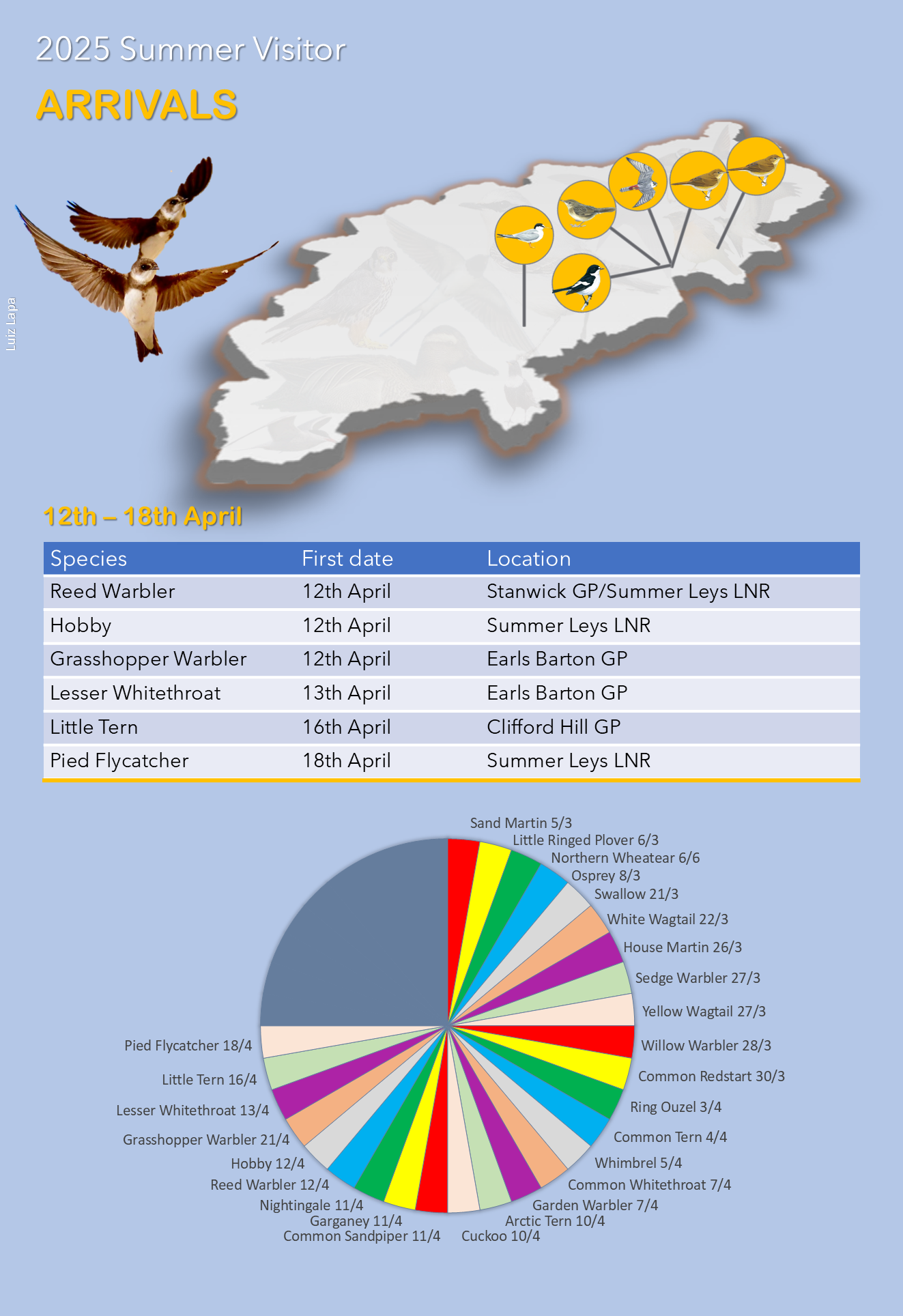
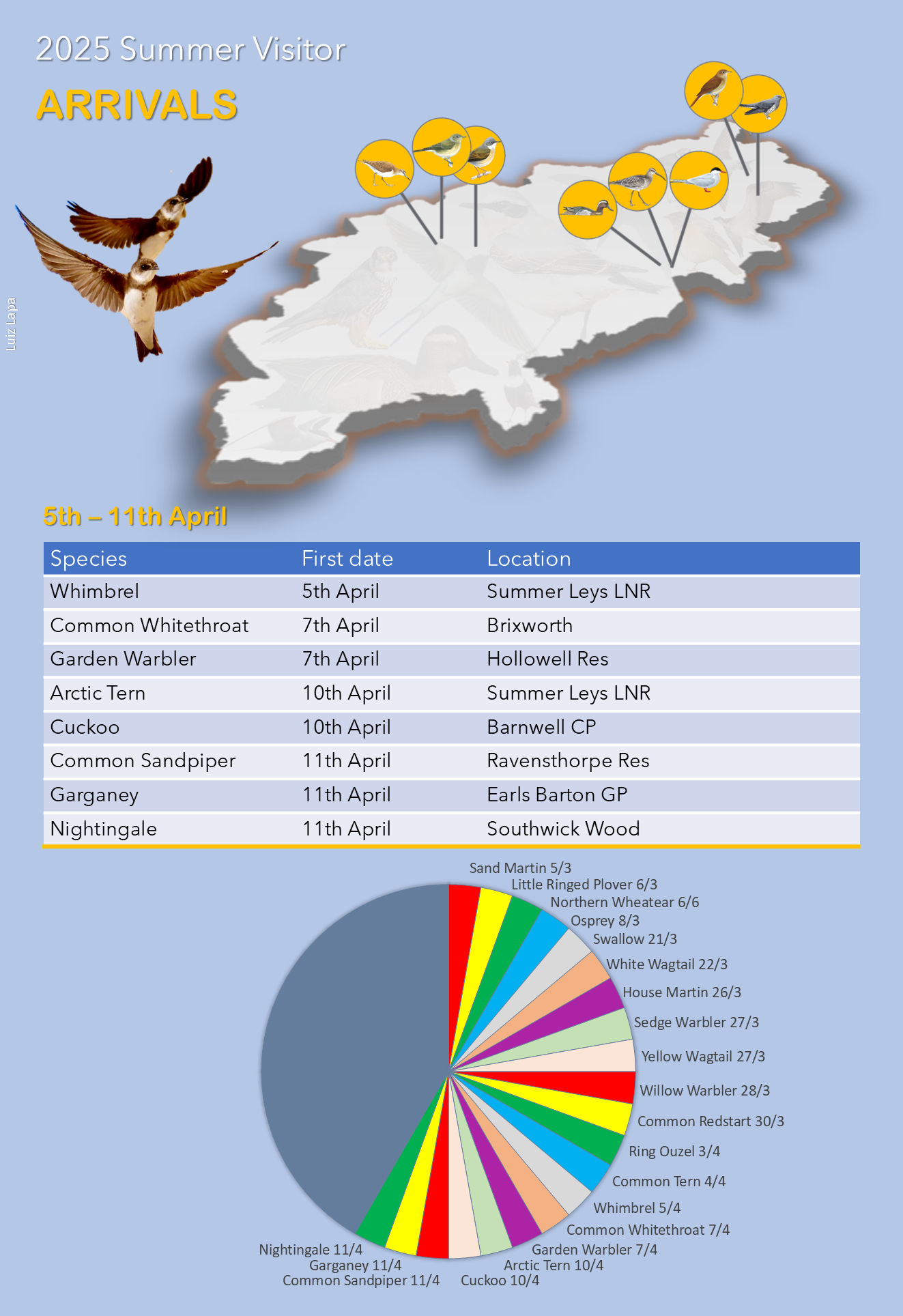
Two new summer visitors were logged during the week, with Whinchat and Spotted Flycatcher making it onto the clock before April was out.

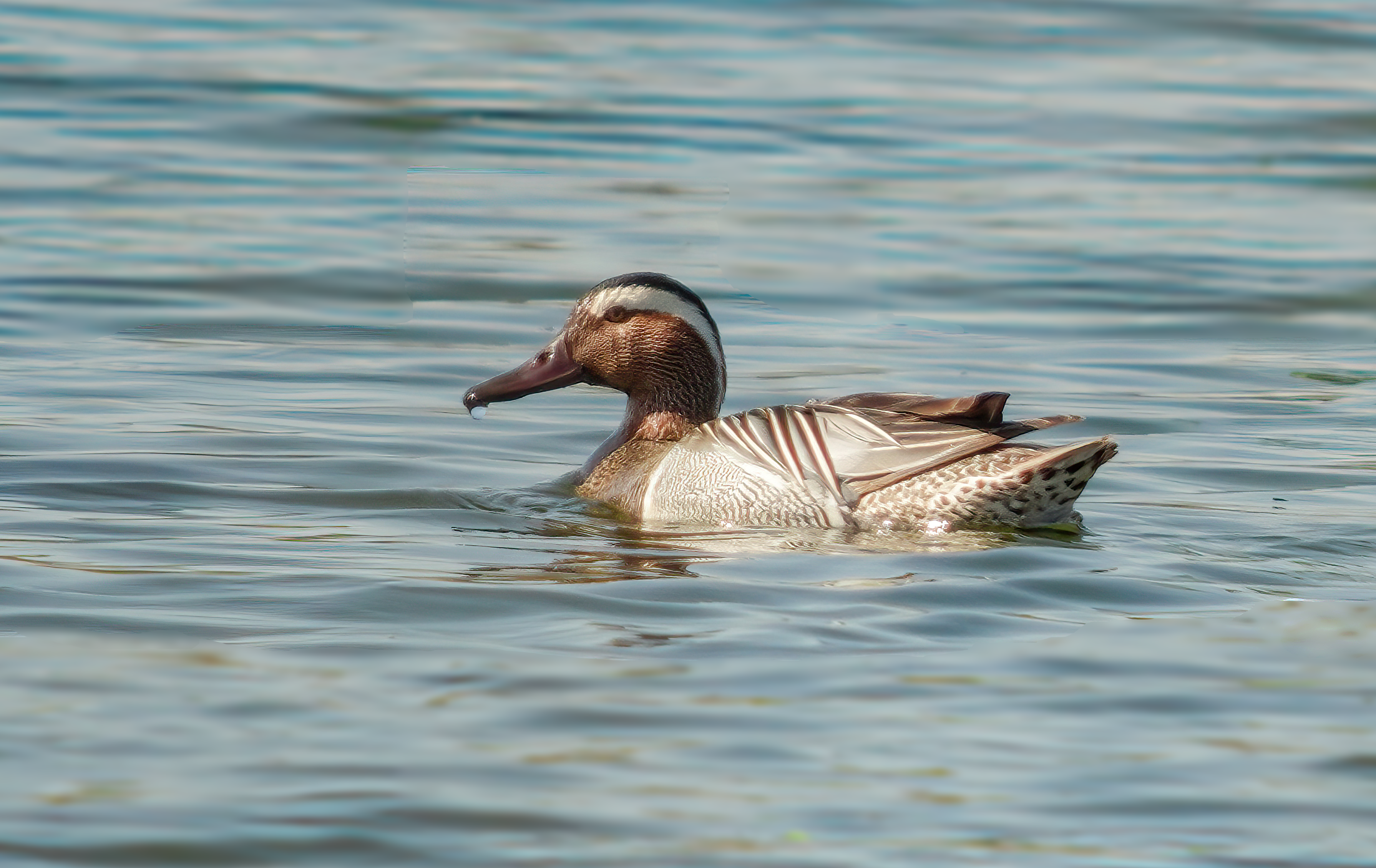
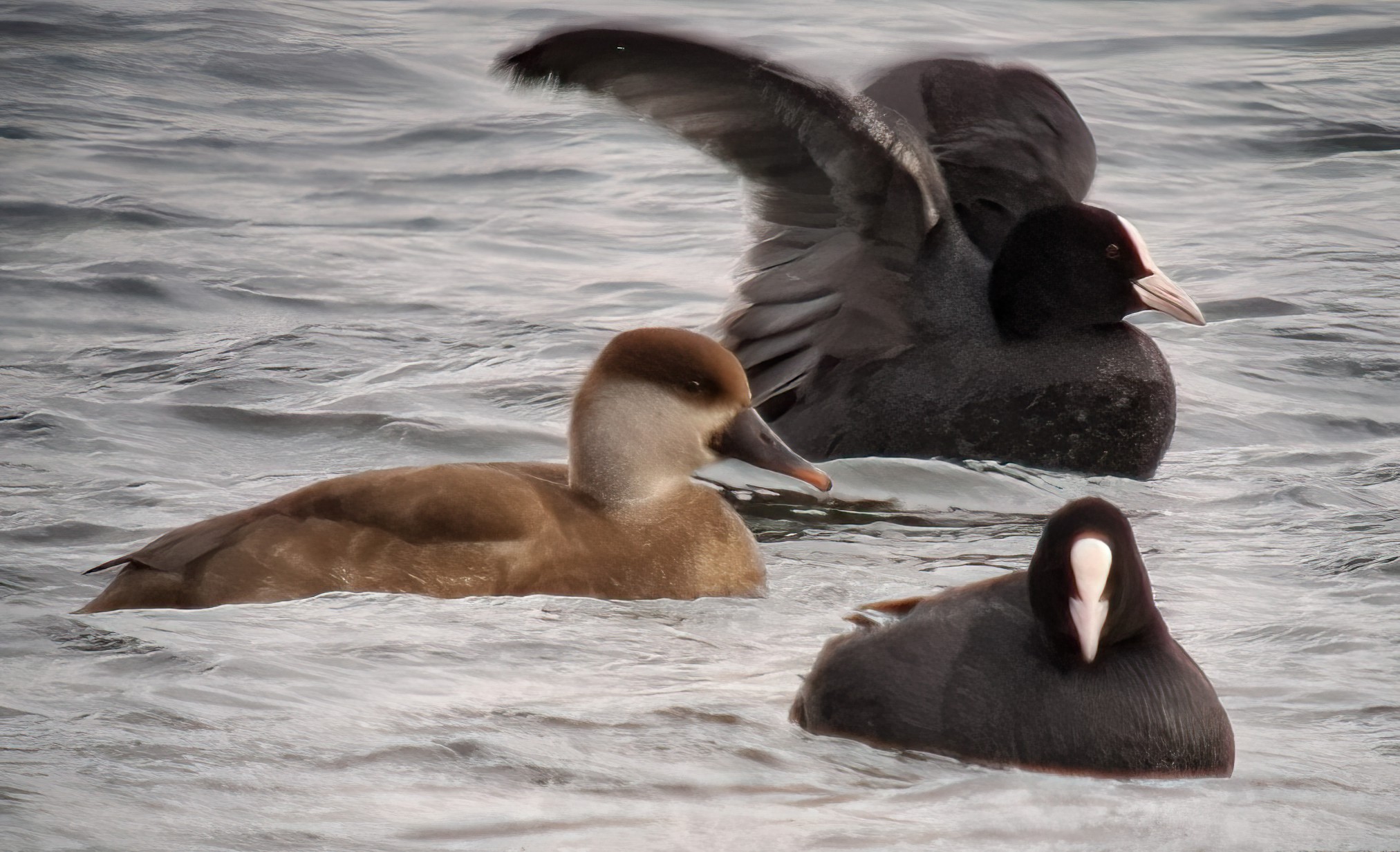
As the number of wildfowl continued to wane, a female Smew found at Thrapston GP’s Titchmarsh NR on 2nd was likely the first May record for the county and only the fourth for the year. A single drake Garganey in the Brampton Valley between Brixworth and Spratton, on 26th, was only the third this year in what has turned out to be a rather lacklustre spring for the species so far. Lest we should forget, the drake Red-crested Pochard remained on the River Nene in the Earls Barton GP’s New Workings (South) area throughout the period.
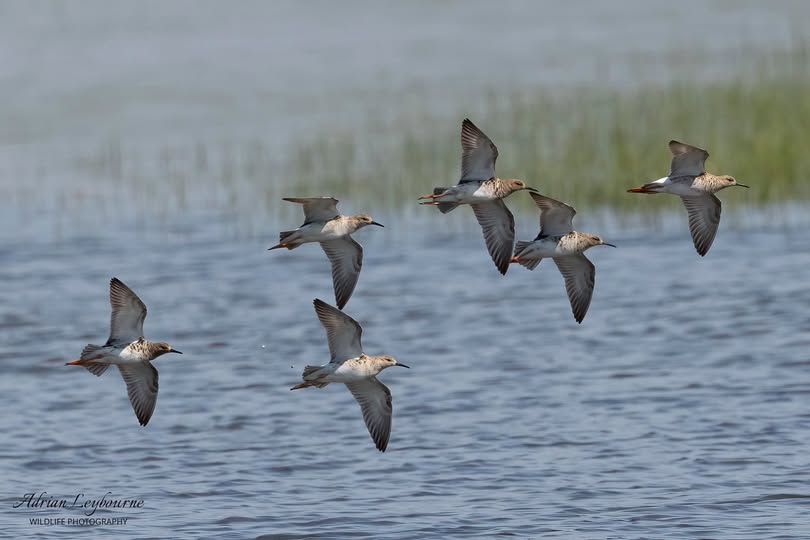
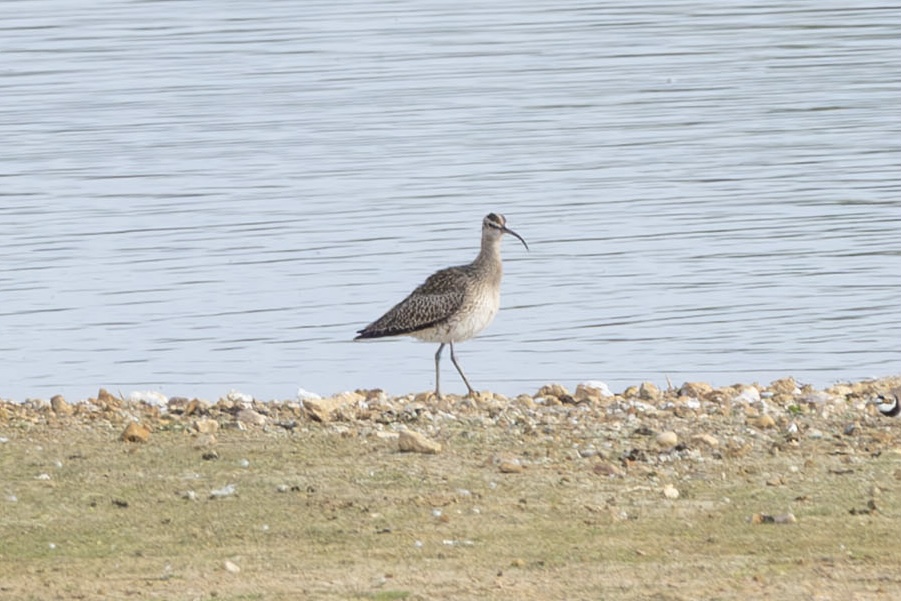
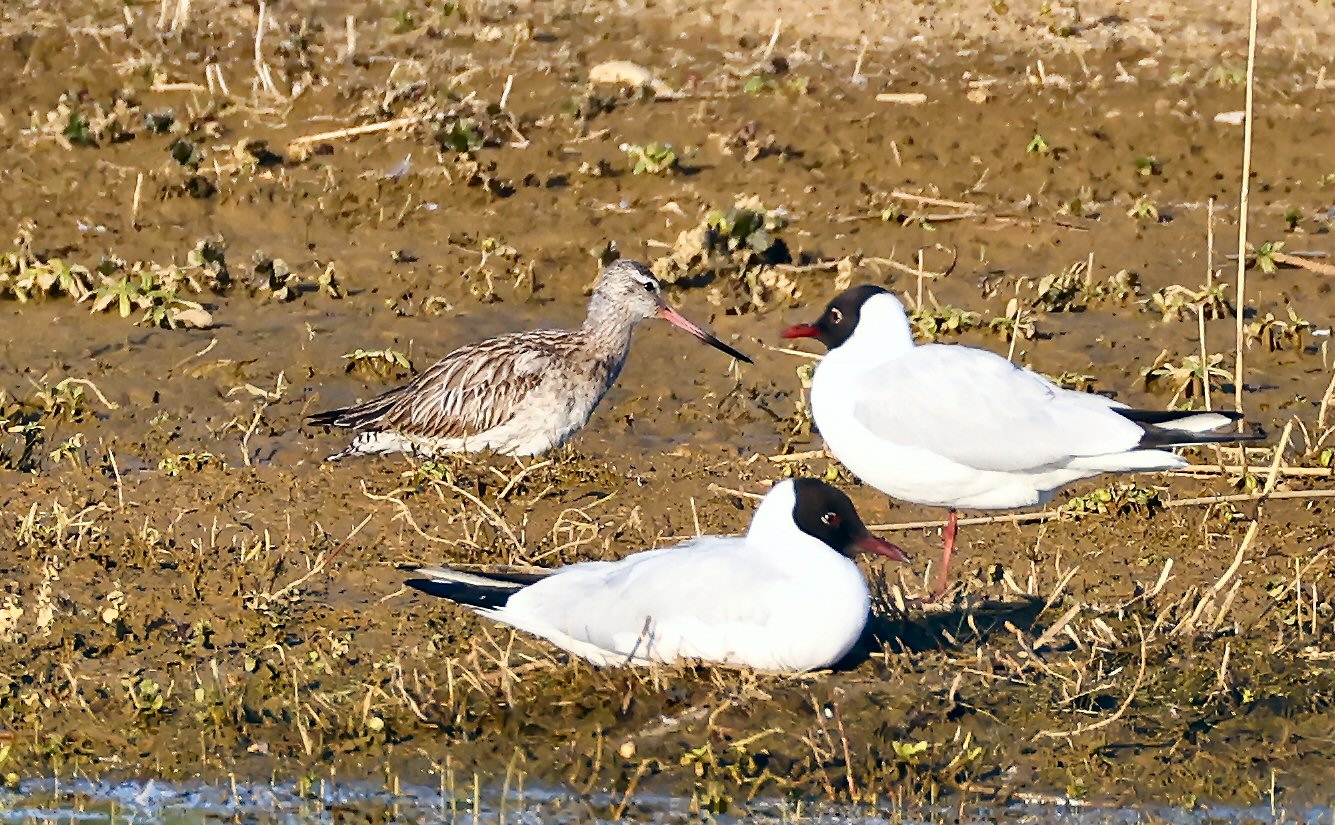
Avocets notwithstanding, the week’s waders comprised five species that were readily accessible and yielded no surprises. Five Whimbrels flew low east over Earls Barton’s New Workings on 28th, followed by singles over Stanford Res on the same date, at Titchmarsh NR on 29th, over Stanwick GP on 30th, at Clifford Hill GP on 1st and at Summer Leys LNR on 2nd. The latter site also produced single Black-tailed Godwits on 27th and 29th, as well as a run of Ruffs, with four on 26th, one on 28th, six on 29th and two on 30th, on which there was also one at Lilbourne Meadows NR and a remarkable fifteen at Titchmarsh NR.
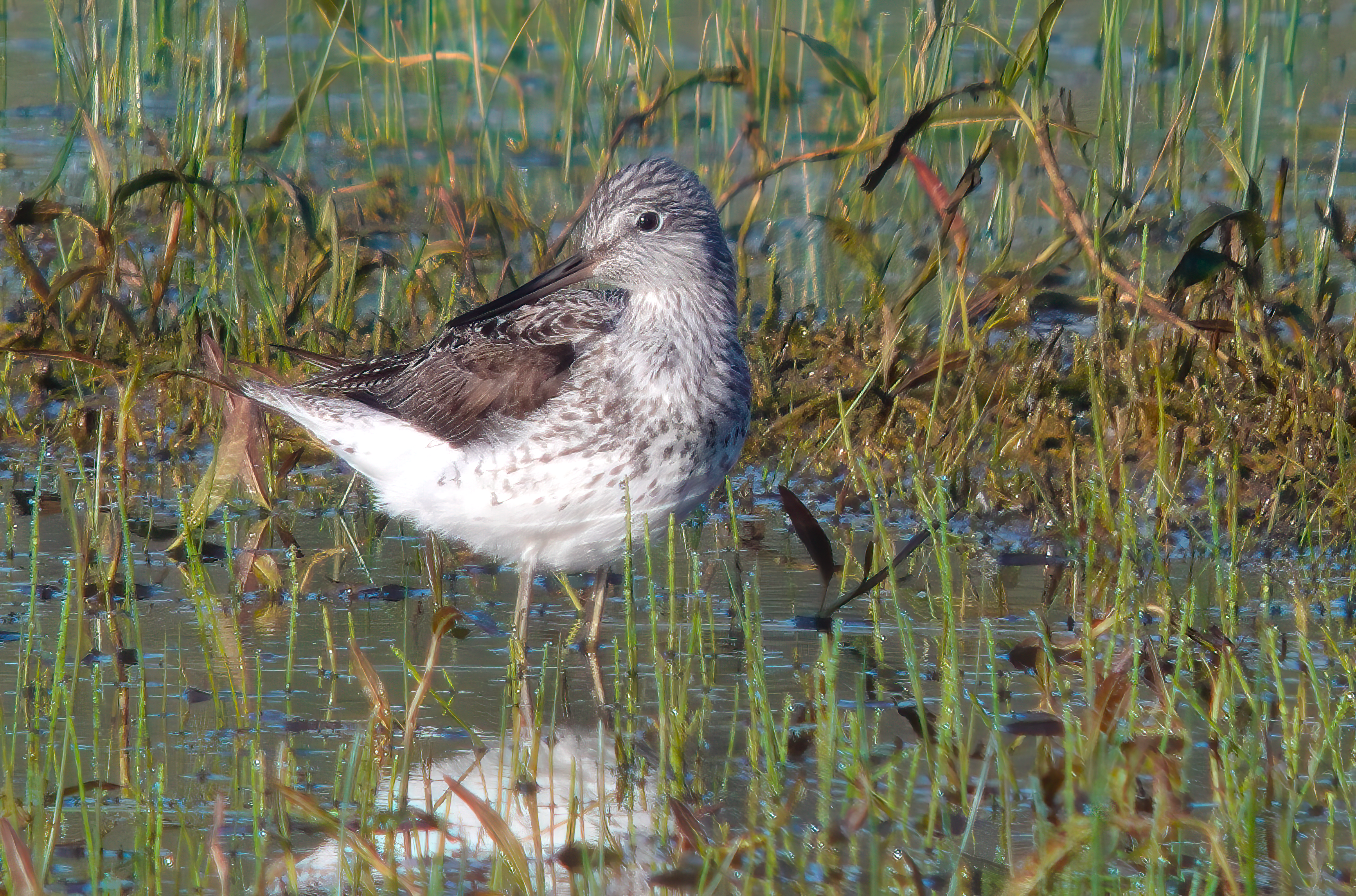
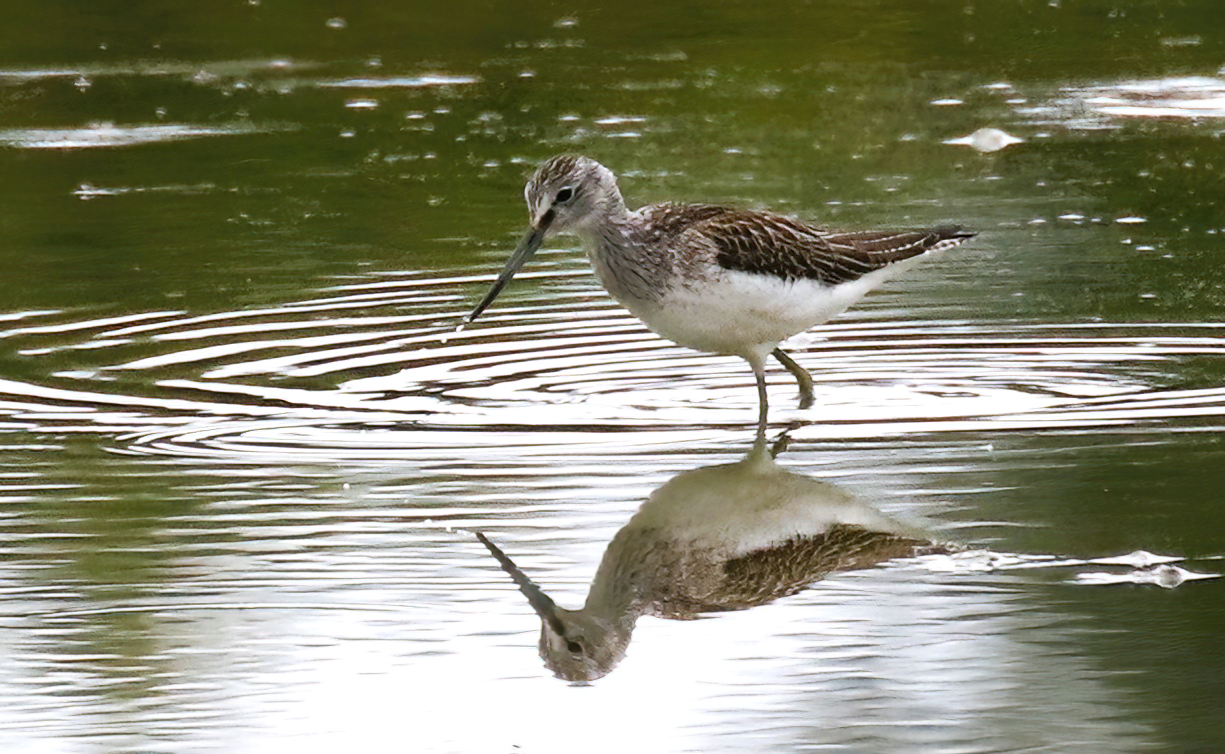
That just leaves the period’s Tringas to deal with – this week’s in the form of Greenshanks and Wood Sandpipers. In the first instance, Summer Leys was the standout site, producing a respectable five on 29th, singles on 28th and 30th and two on 1st. Elsewhere, two were at Ditchford GP’s Irthlingborough Lakes & Meadows NR on 2nd and singles were at Earls Barton on 26th, 30th and 2nd and one lingered at Lilbourne Meadows from 30th until 2nd.
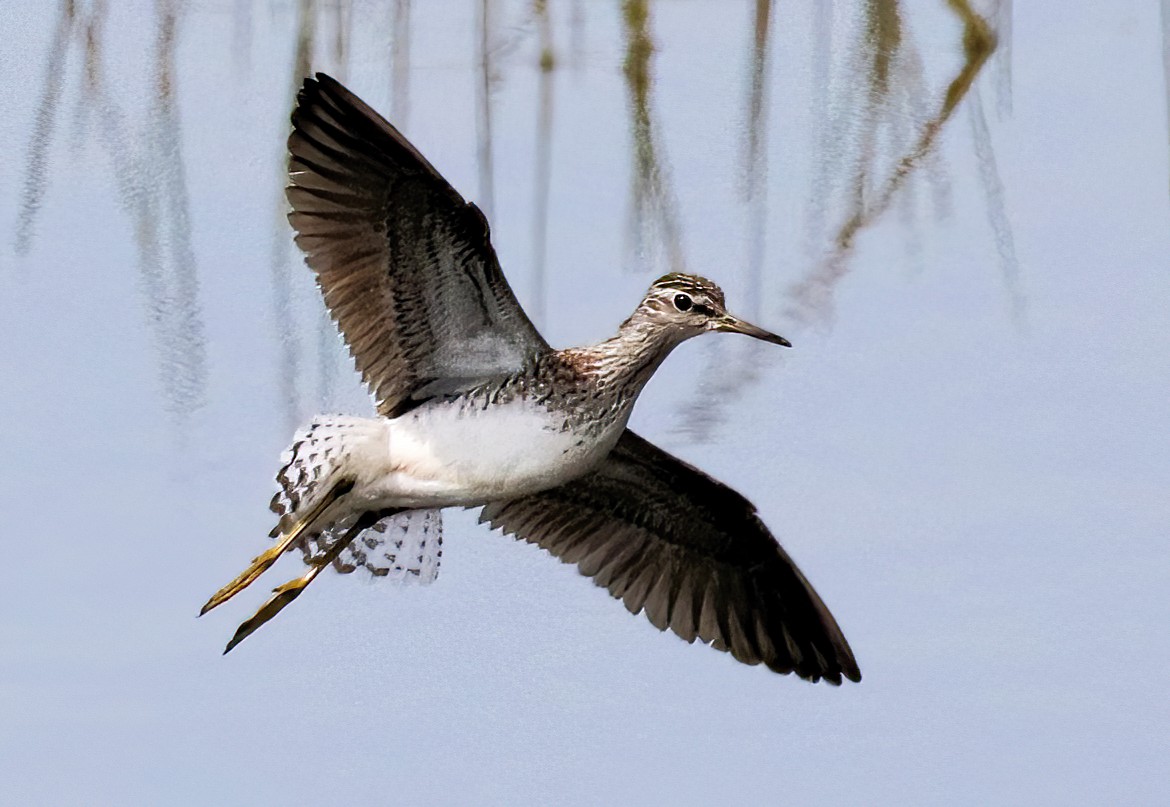
Summer Leys was also the prime site for Wood Sandpipers, holding two on 29th, three on 1st and two on 2nd while, way out west, one was present on floodwater by the canal at Braunston on 1st-2nd.



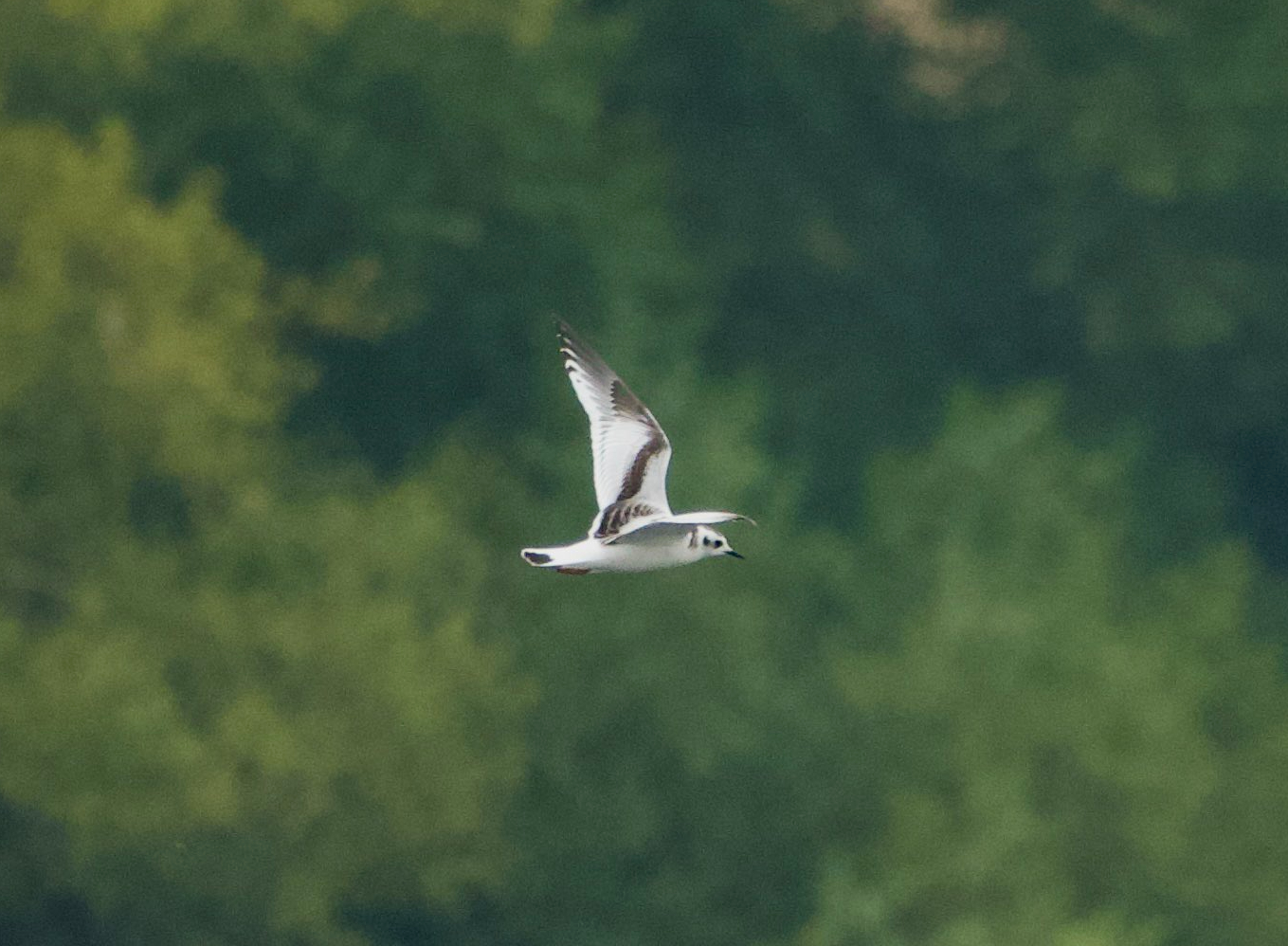
A minor resurgence of Little Gulls occurred mid-week, when a first-summer was mobile around Summer Leys and adjacent Mary’s Lake on 29th and 30th and three visited Clifford Hill on the first of these two dates.

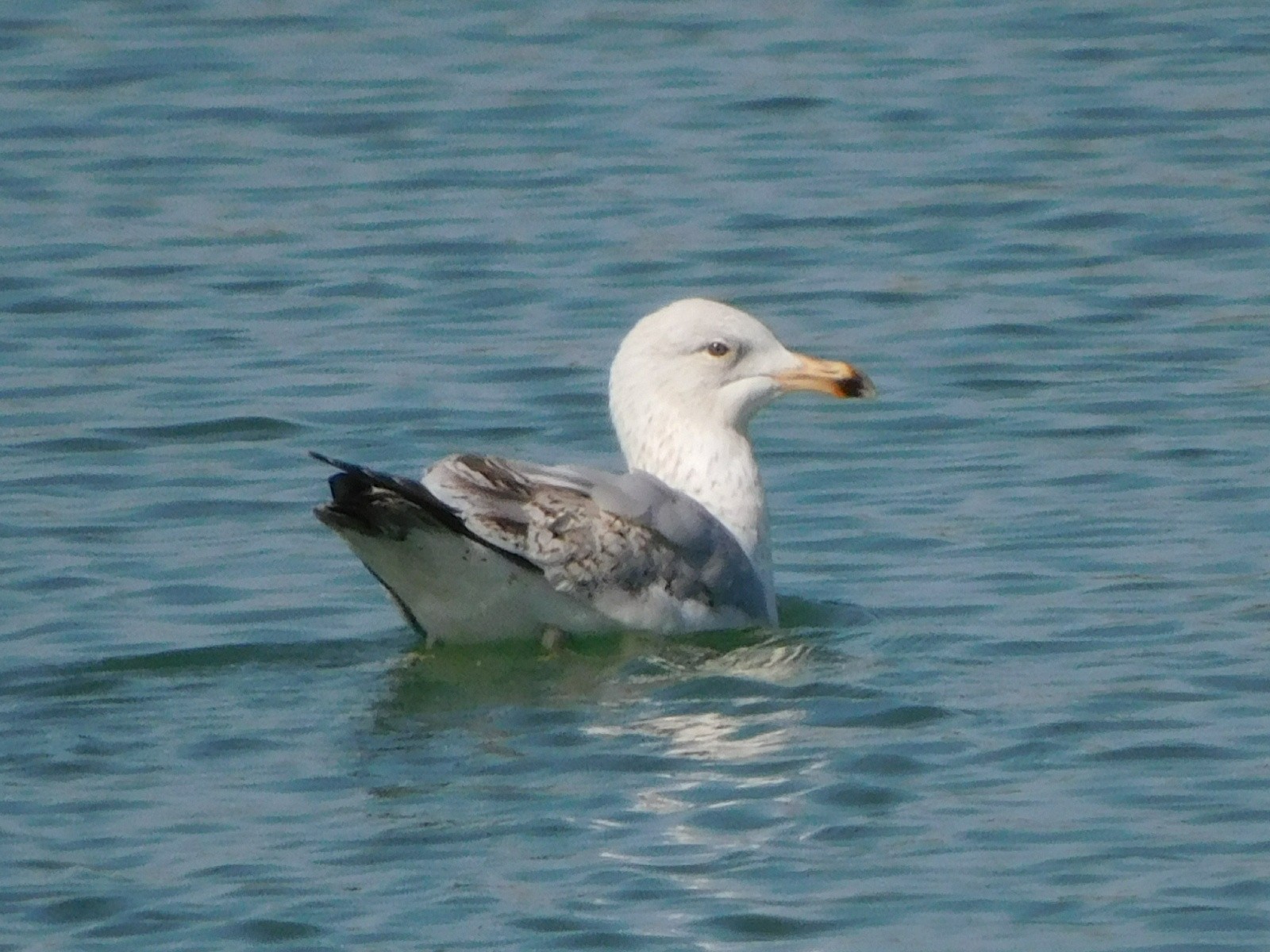
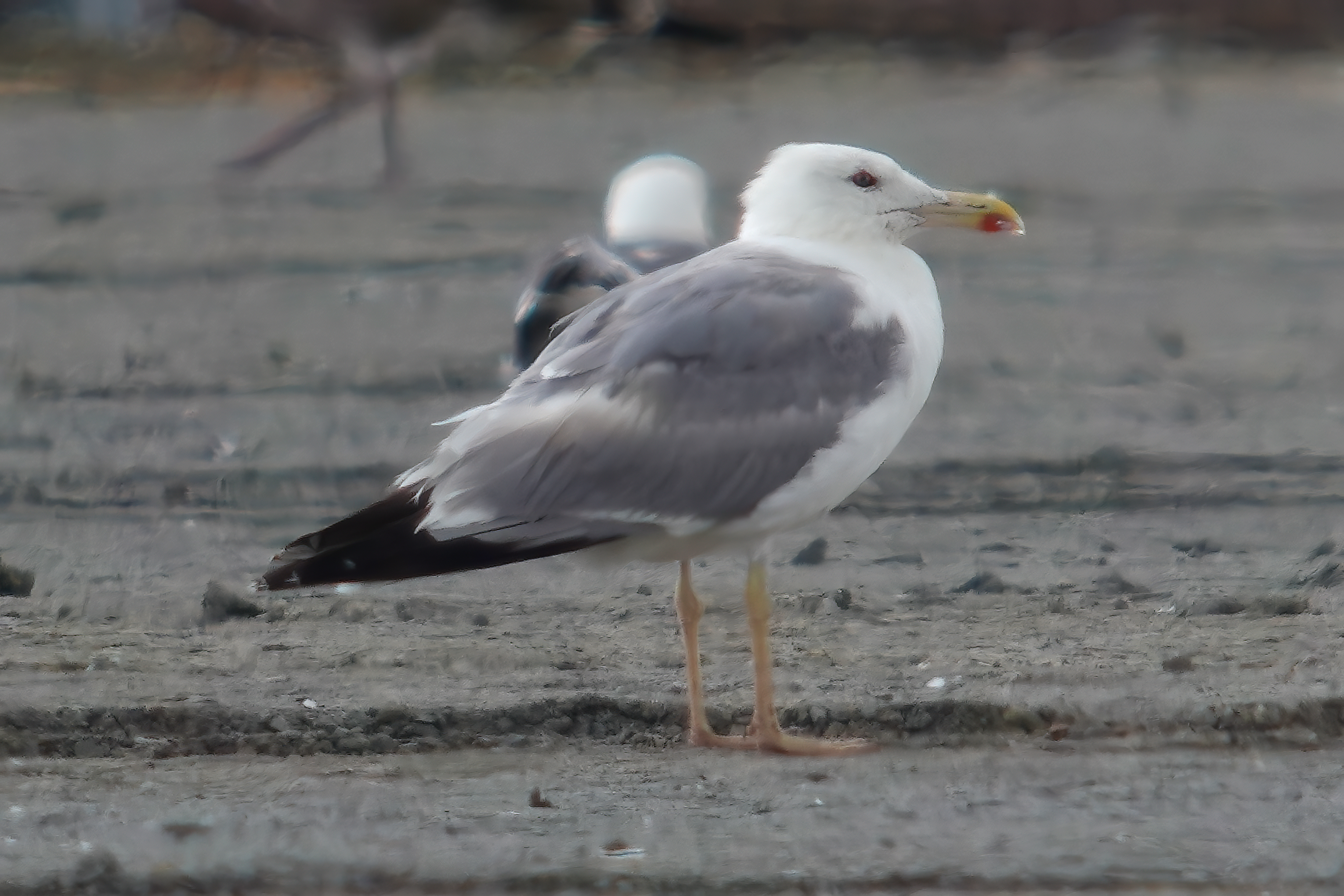
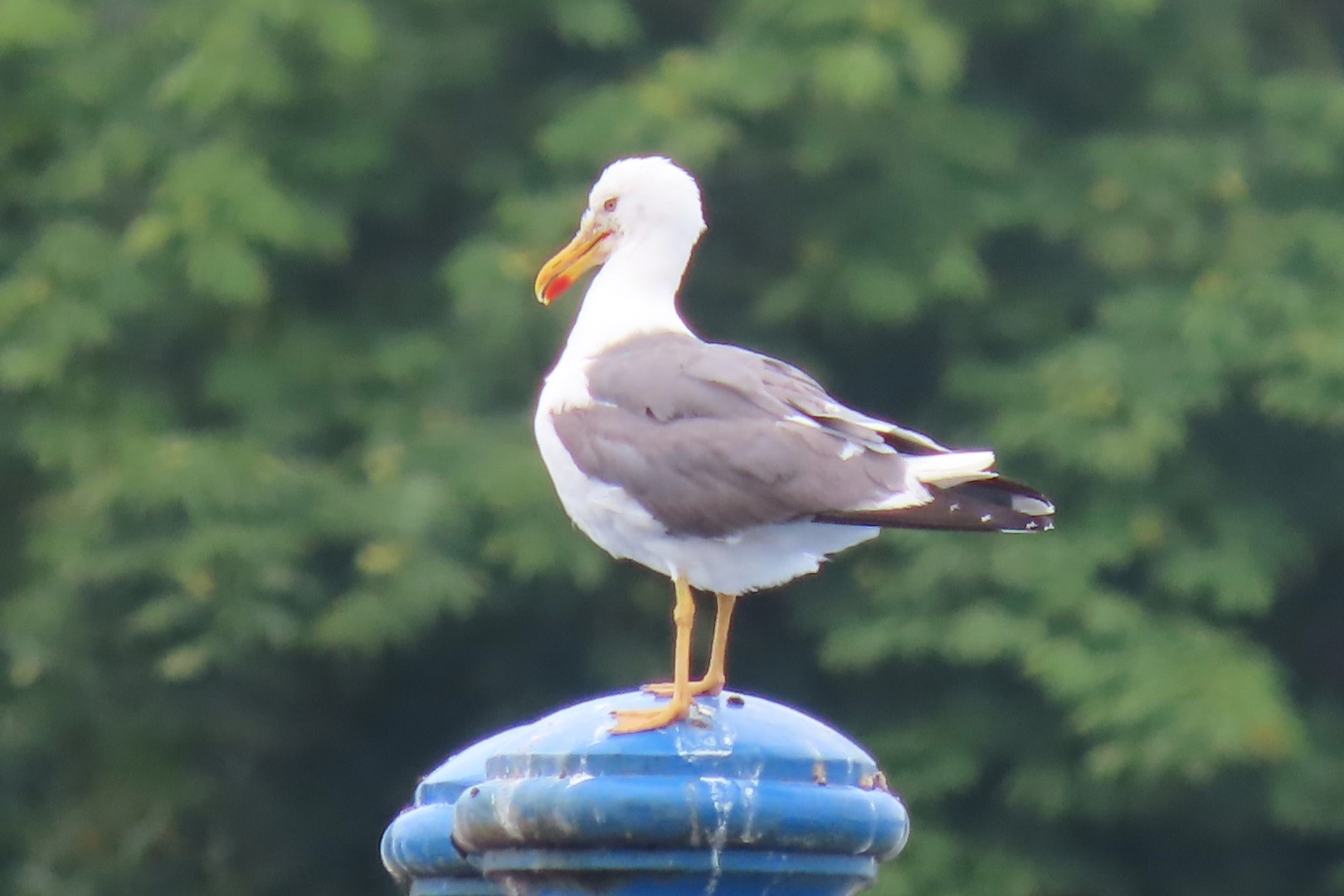
And last week’s two adult Mediterranean Gulls managed another Nene Valley flypast when they cruised over Earls Barton GP’s New Workings before taking in the delights of Summer Leys and adjacent Mary’s Lake on 27th. Meanwhile, Yellow-legged Gulls were down to just the one at Ravensthorpe Res on 30th and three at Pitsford on the same day.
The week’s tern highlight was provided by two the Little Terns that stuck around at Earls Barton GP’s Hardwater Lake, putting on a decent show for most of the day on 29th, also commuting to, and from, Summer Leys Main Lake. One also paid a fleeting visit to Titchmarsh NR on the morning of the same date.


The busy proceedings of the 29th also extended to include three Black Terns at Summer Leys, followed by six at Stanford Res one the following day.
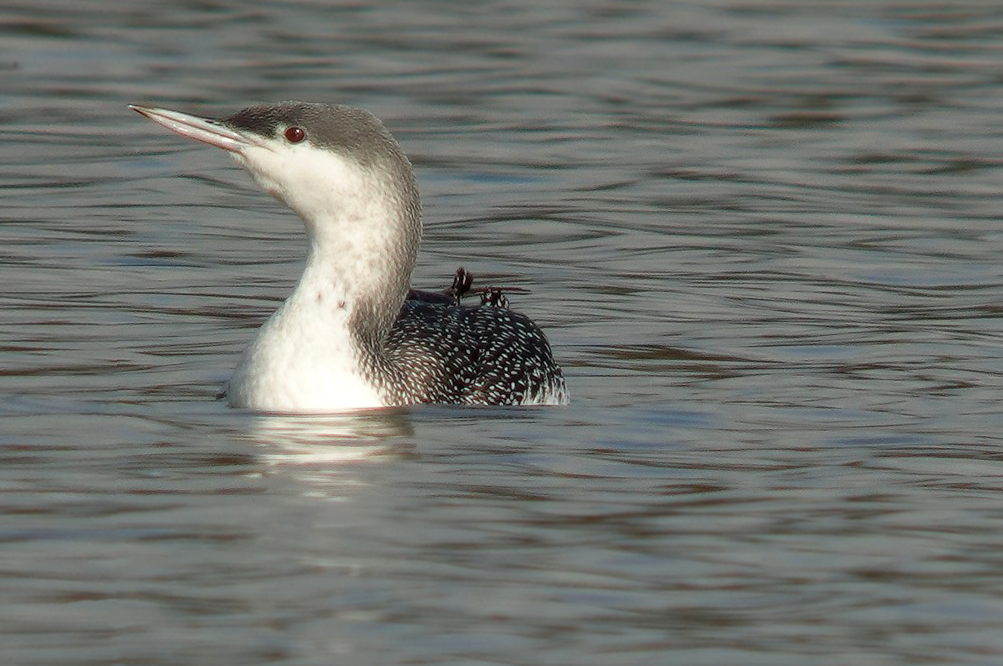
Meanwhile, Pitsford’s long-staying Great Northern Diver enjoyed a resurgence in popularity as it was flagged up as still being present in its much favoured area of The Narrows on 29th, remaining there until at least 1st.
After two flying high north-east over Summer Leys on 21st, the second Spoonbill sighting of the year was, this time, one on the ground at Stanwick in the early morning of 2nd. Nothing good lasts for ever, though, and it was up, up and away to the south-west only 35 minutes after its discovery. What was presumably the same bird was seen heading west over Summer Leys some 90 minutes later.


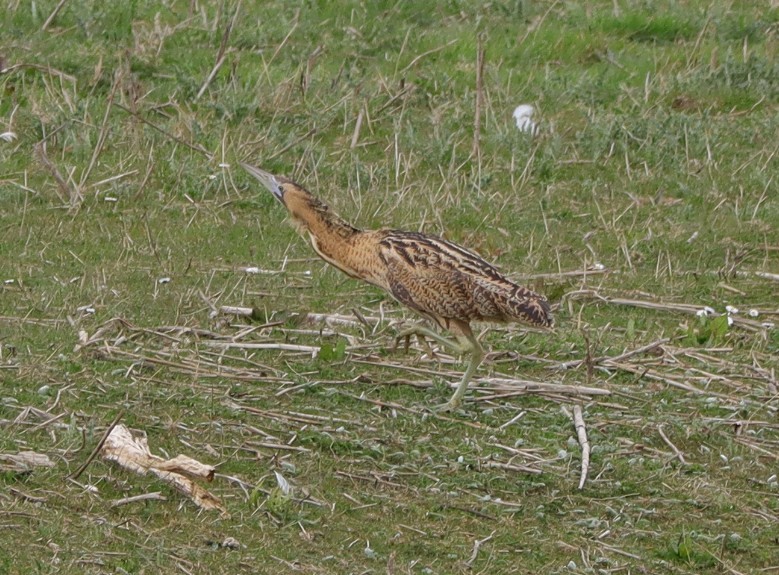
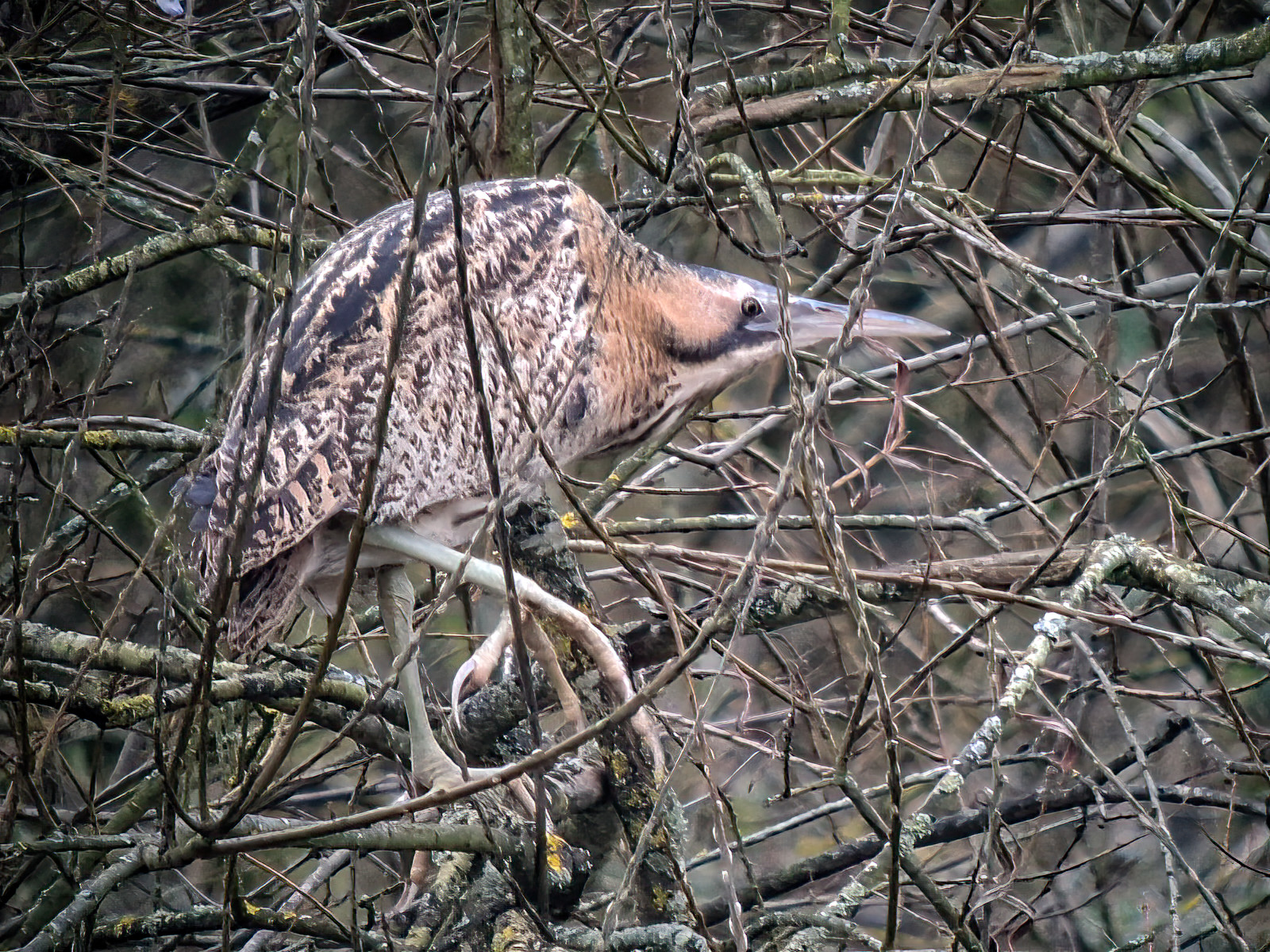
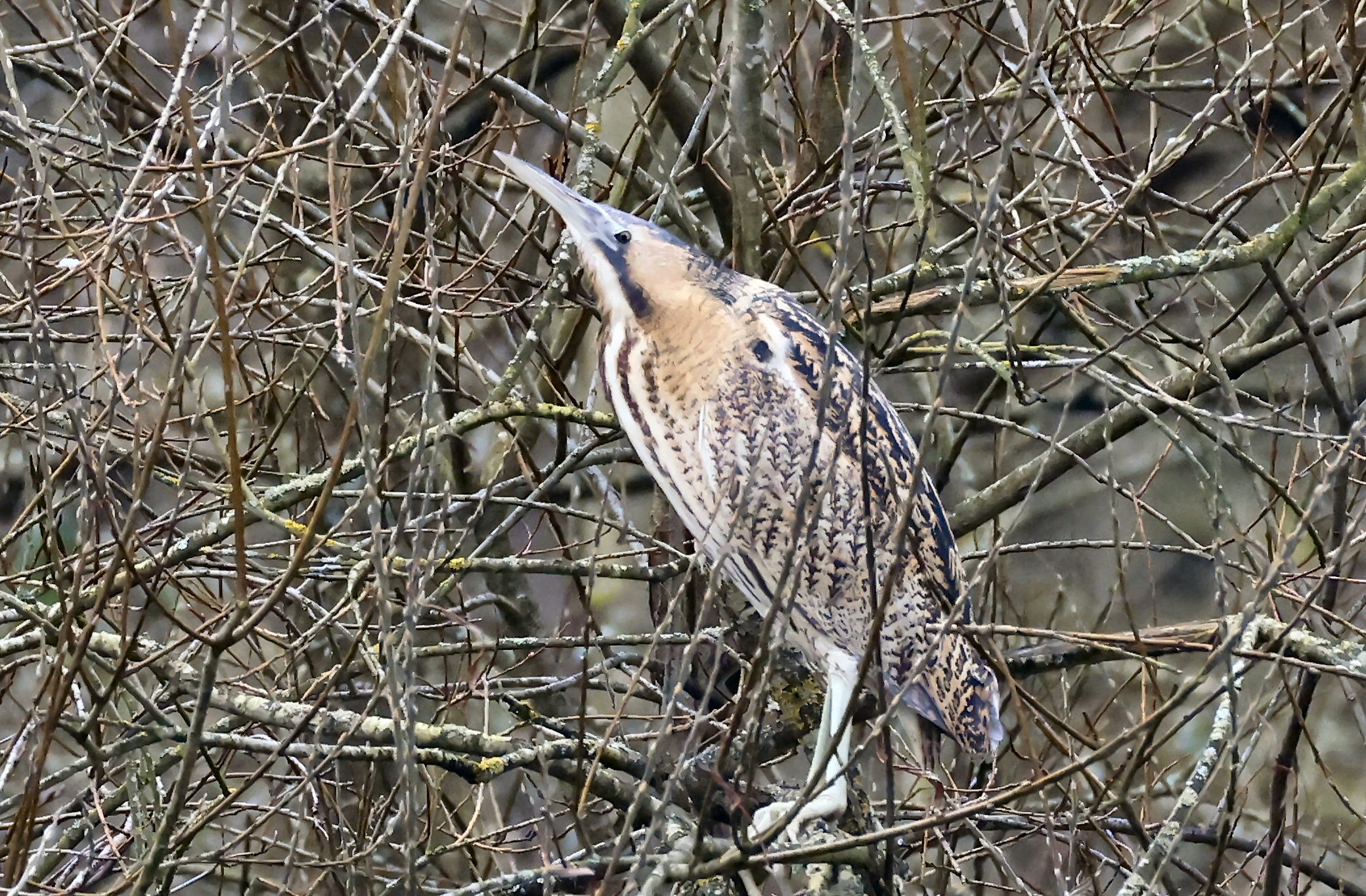
And while single Bitterns were again seen and heard around the Summer Leys/Earls Barton area during the period, they were undoubtedly totally overshadowed by a Purple Heron in flight over the reserve on 27th. It was believed likely to have landed in the vicinity and, adding credence to this, it was seen again briefly in flight before undeniably landing there on 1st. Interestingly, one was seen in flight over Pitsford during the intervening period, on 29th. This represent only the twenty-third Northamptonshire record, as well as being the third consecutive year that this scarce, slinky Ardea has been clocked in the county …

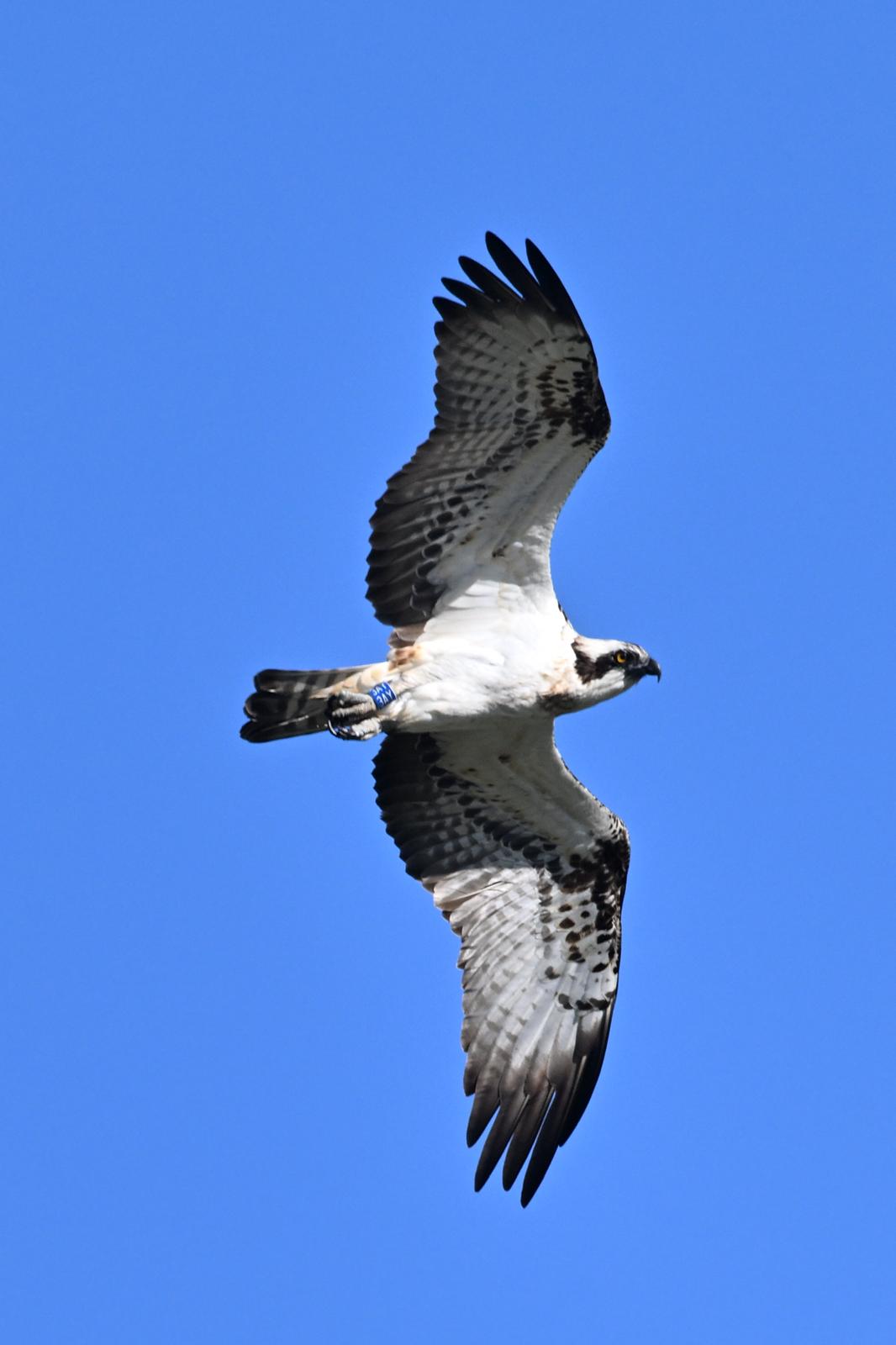
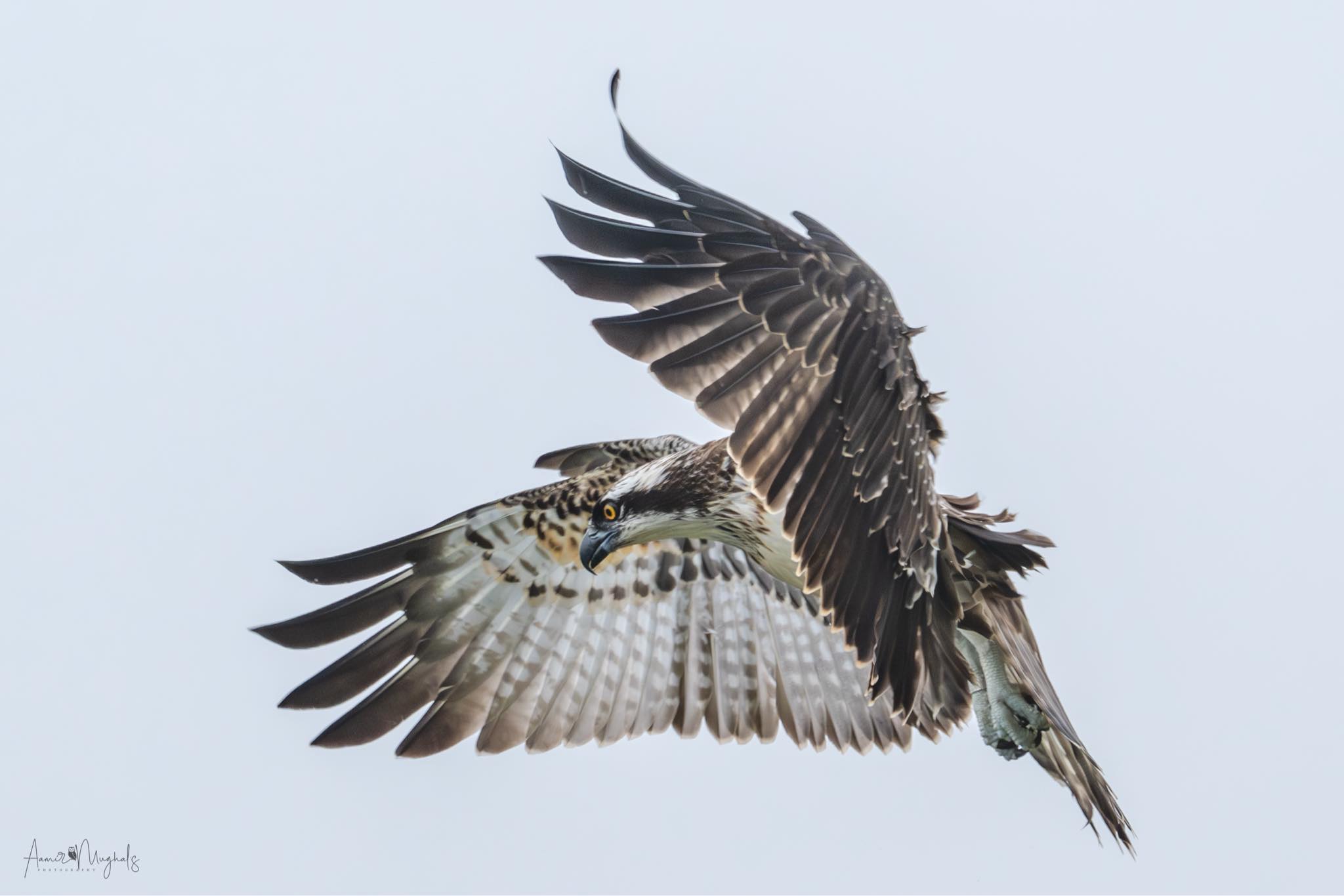
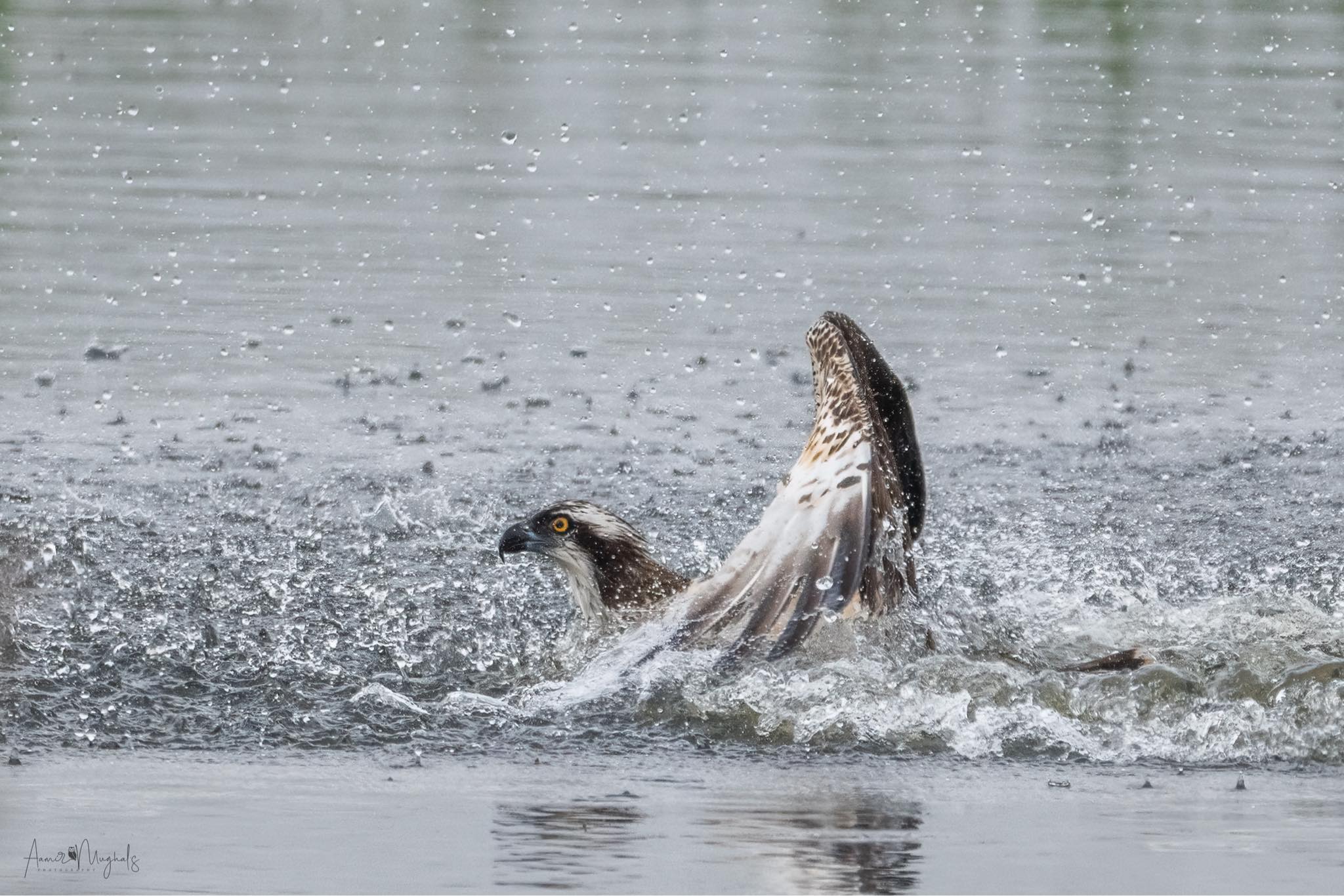
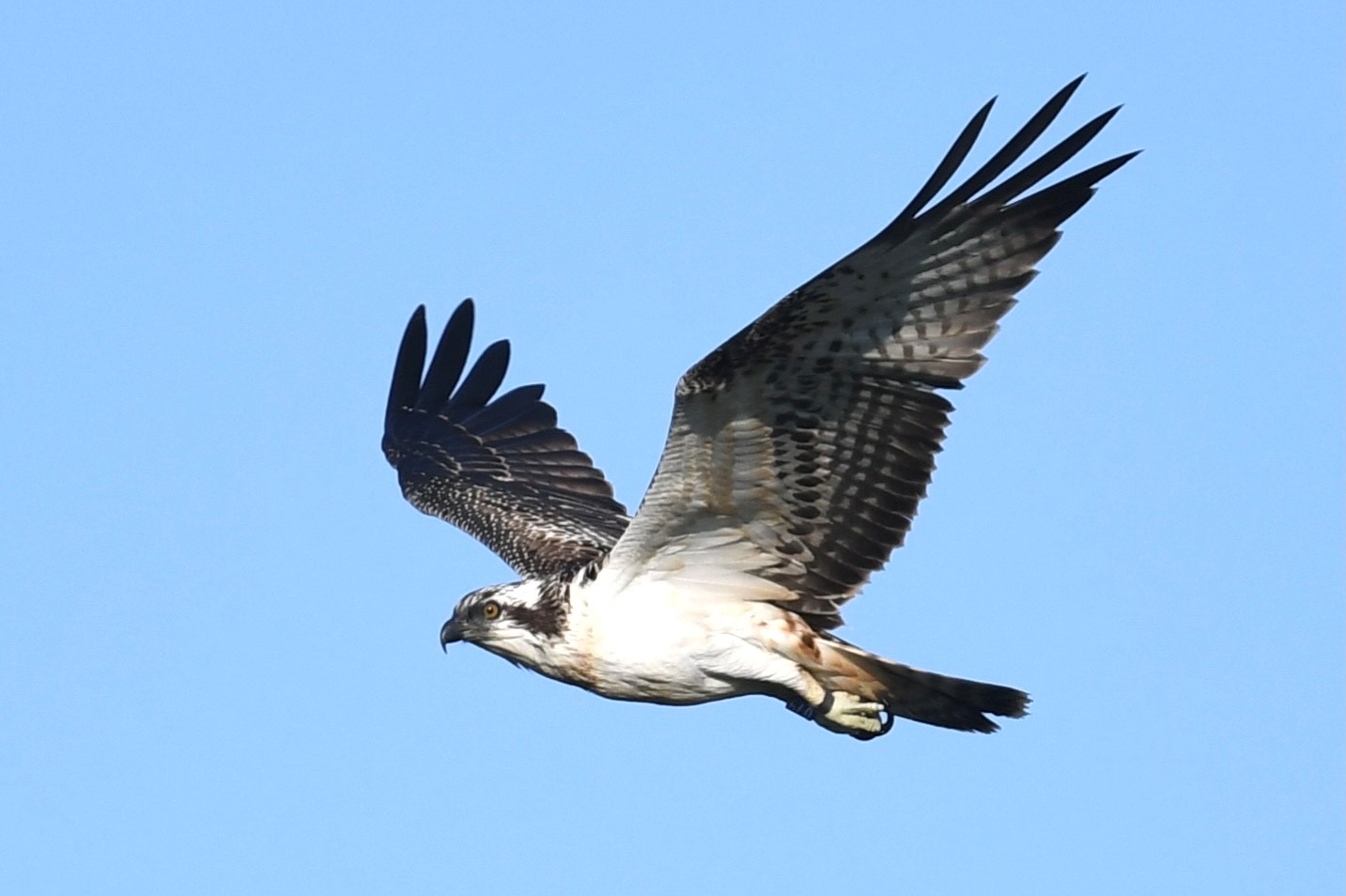
As far as raptors were concerned, Osprey was the sole representative of the tribe this week, with singles on 26th at Hollowell, Pitsford and Stanford Reservoirs, on 27th over Earls Barton and Glapthorn Cow Pasture, again at Pitsford on 29th and at both Hollowell and Ravensthorpe the following day.
Passerines were really rather thin on the ground during the period with the best being a female Ring Ouzel left over from last week at Harrington AF on 26th.

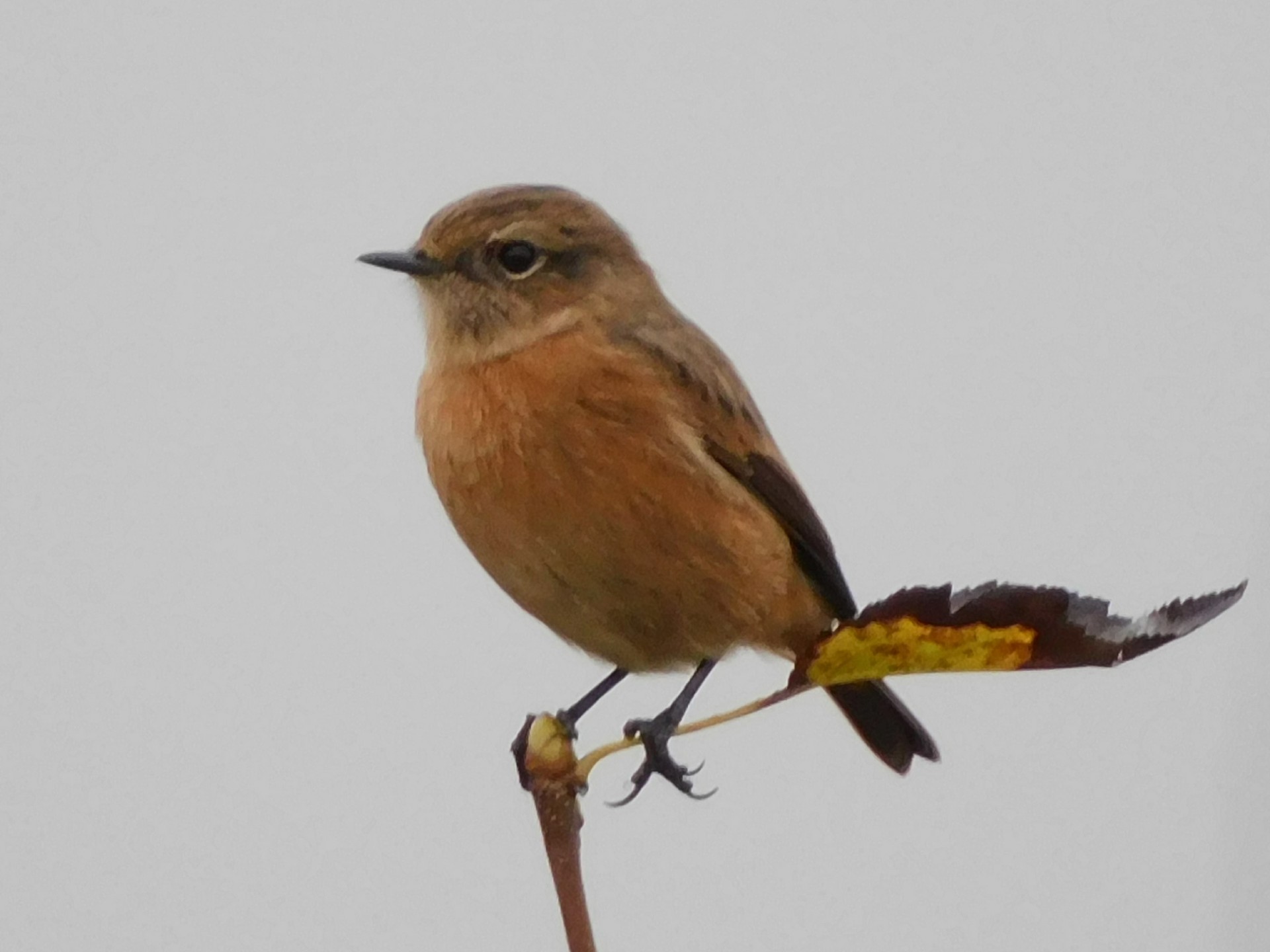
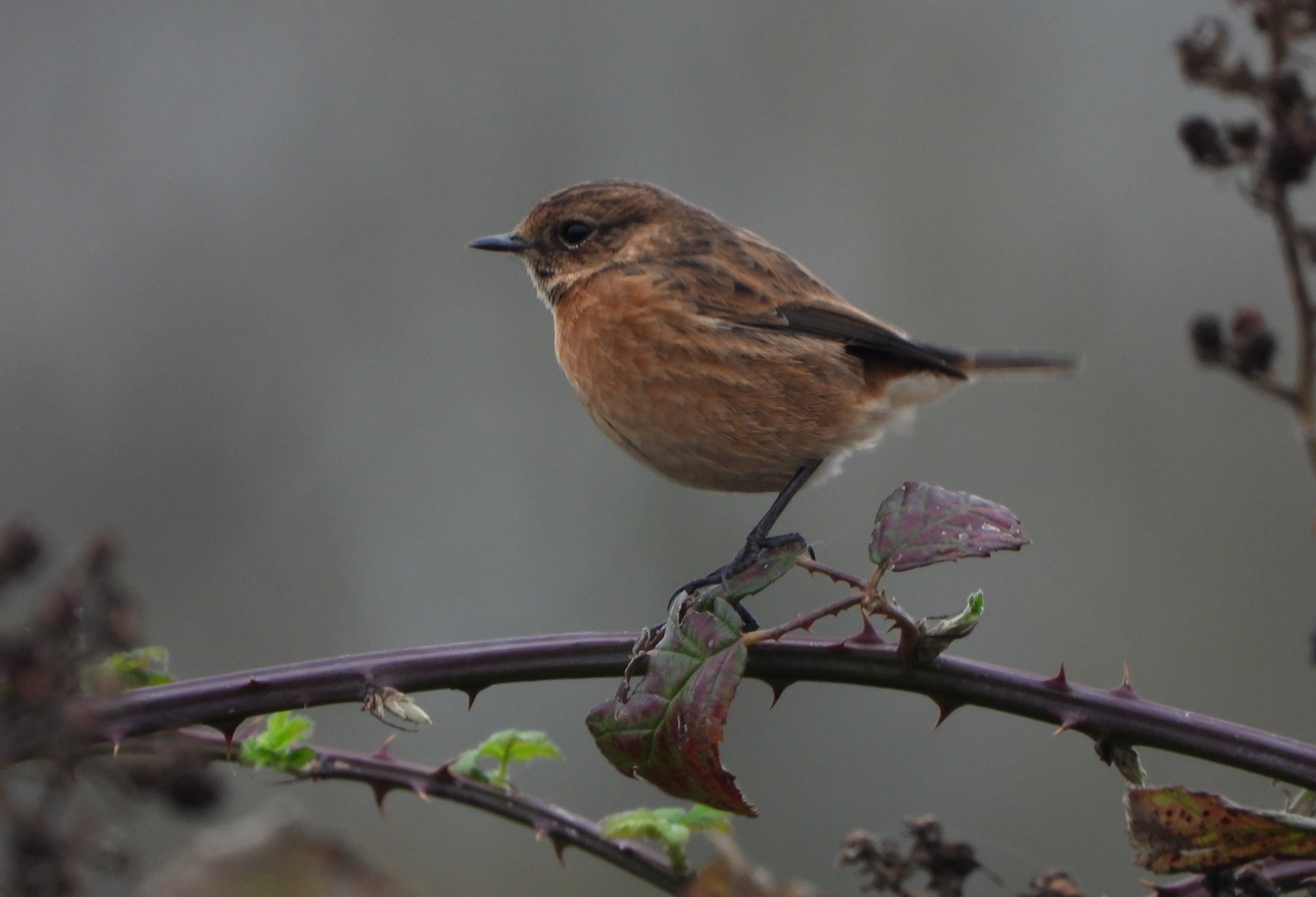
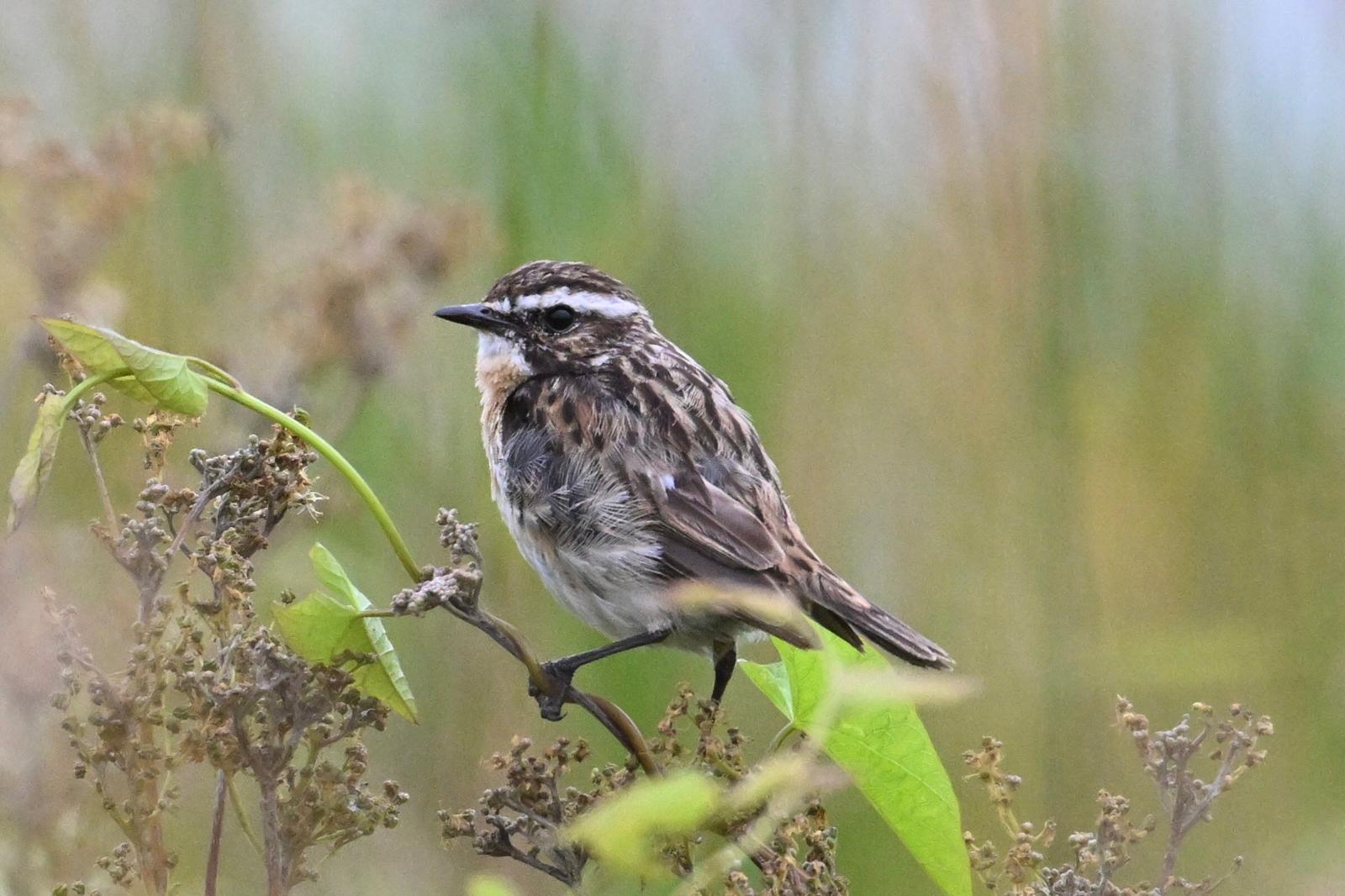
The same site produced the year’s first Whinchat, two days later, on 28th, followed by further singles in the Brampton Valley between Cottesbrooke and Hanging Houghton on 29th, Blueberry Farm, Maidwell on 1st and Hollowell on 2nd.


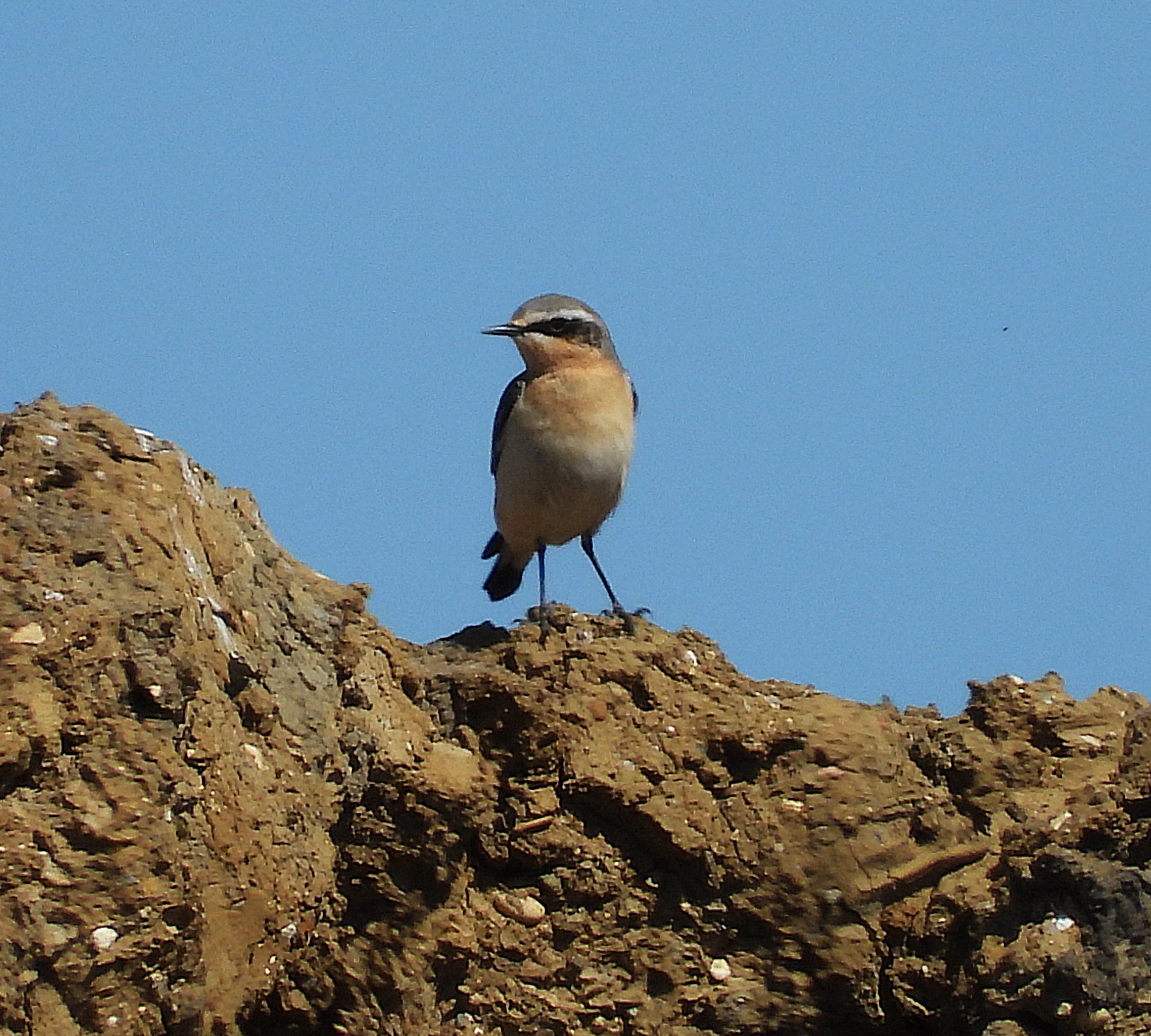
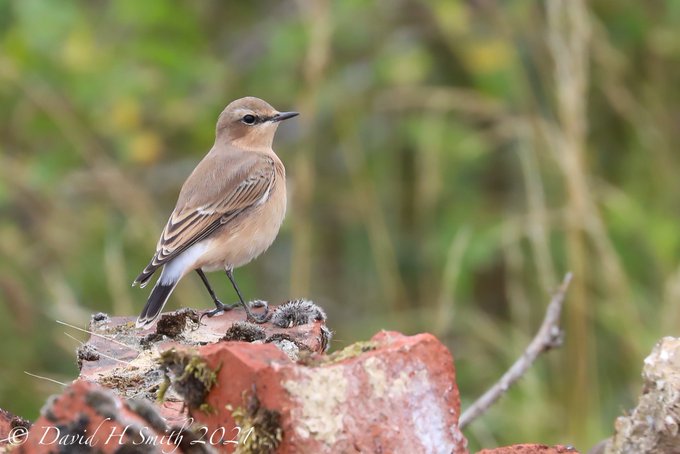
And in line with the maturity of the spring, the number of Northern Wheatears tailed off, with Harrington producing up to two between 26th and 28th and Summer Leys one on 1st. The same also applies to White Wagtail, just one of which was found at Summer Leys on 2nd. Back at Harrington, a flyover Corn Bunting was only the second of the year of this sadly declining species.









































 Northants birds