Newsround – 4th to 10th January 2025

The week kicked off with a messy mix of precipitation – snow, quickly followed by rain and gloomy conditions – before a sinking Arctic airmass brought below-average temperatures to the country as a whole. And with it came a few new birds …

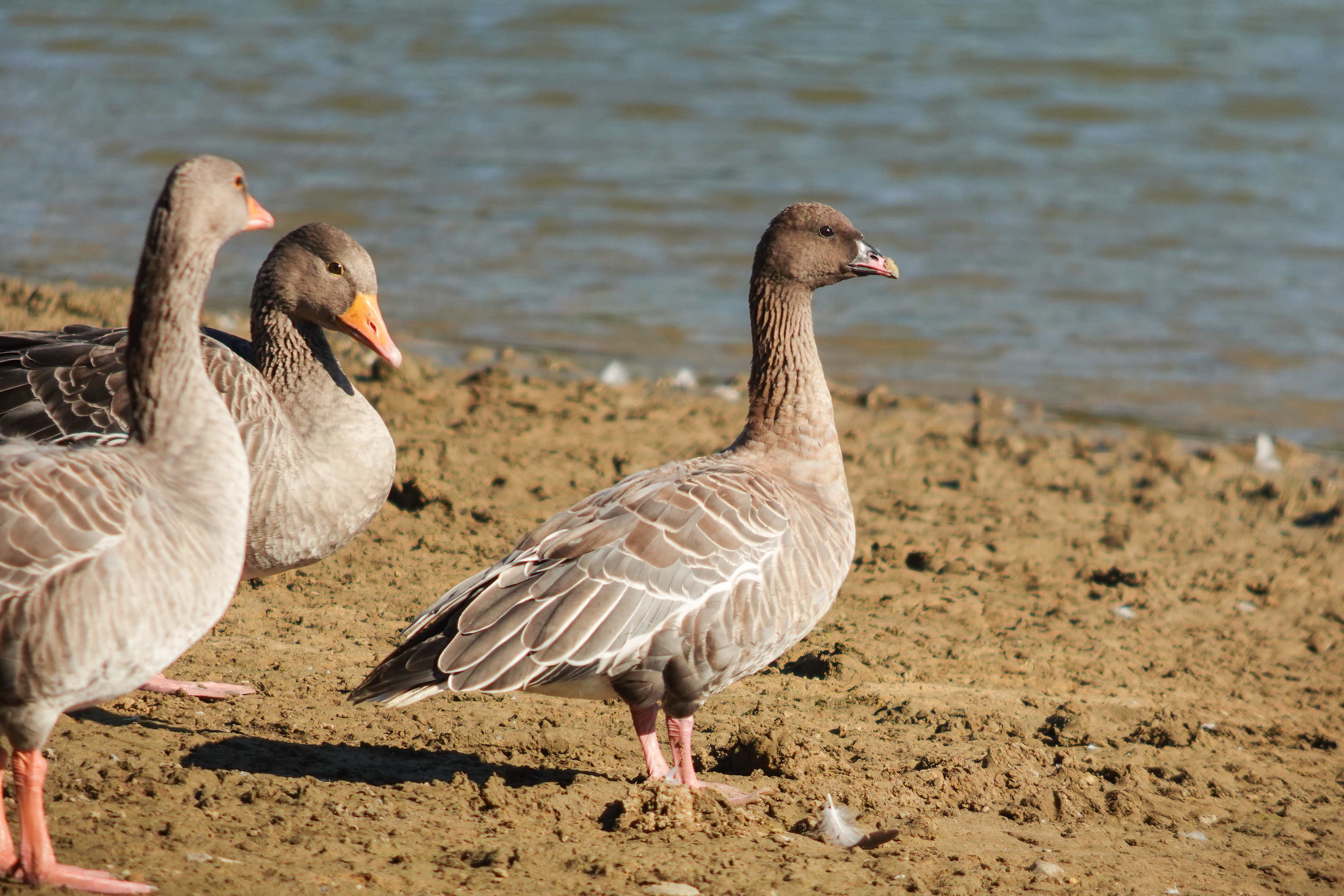
Geese were very much in evidence this week with the occurrence of a Barnacle Goose on floodwater at Oundle on 9th and the reappearance on 4th and 7th of the Pink-footed Goose at Clifford Hill GP, following its initial discovery there last year on 16th December. What was clearly the same individual subsequently appeared within spitting distance accompanying the sizeable Greylag flock further down the Nene Valley, at Cogenhoe Mill, on 9th.

The long staying adult and first-winter White-fronted Geese saw another week out at Ravensthorpe Res but their exclusivity came to an end with the discovery on 9th of a new bird – an adult – again with the Greylags at Cogenhoe, where it was still present the following day.

Stanford Reservoir’s run of Whooper Swans continued this week when two adults dropped in on 9th.

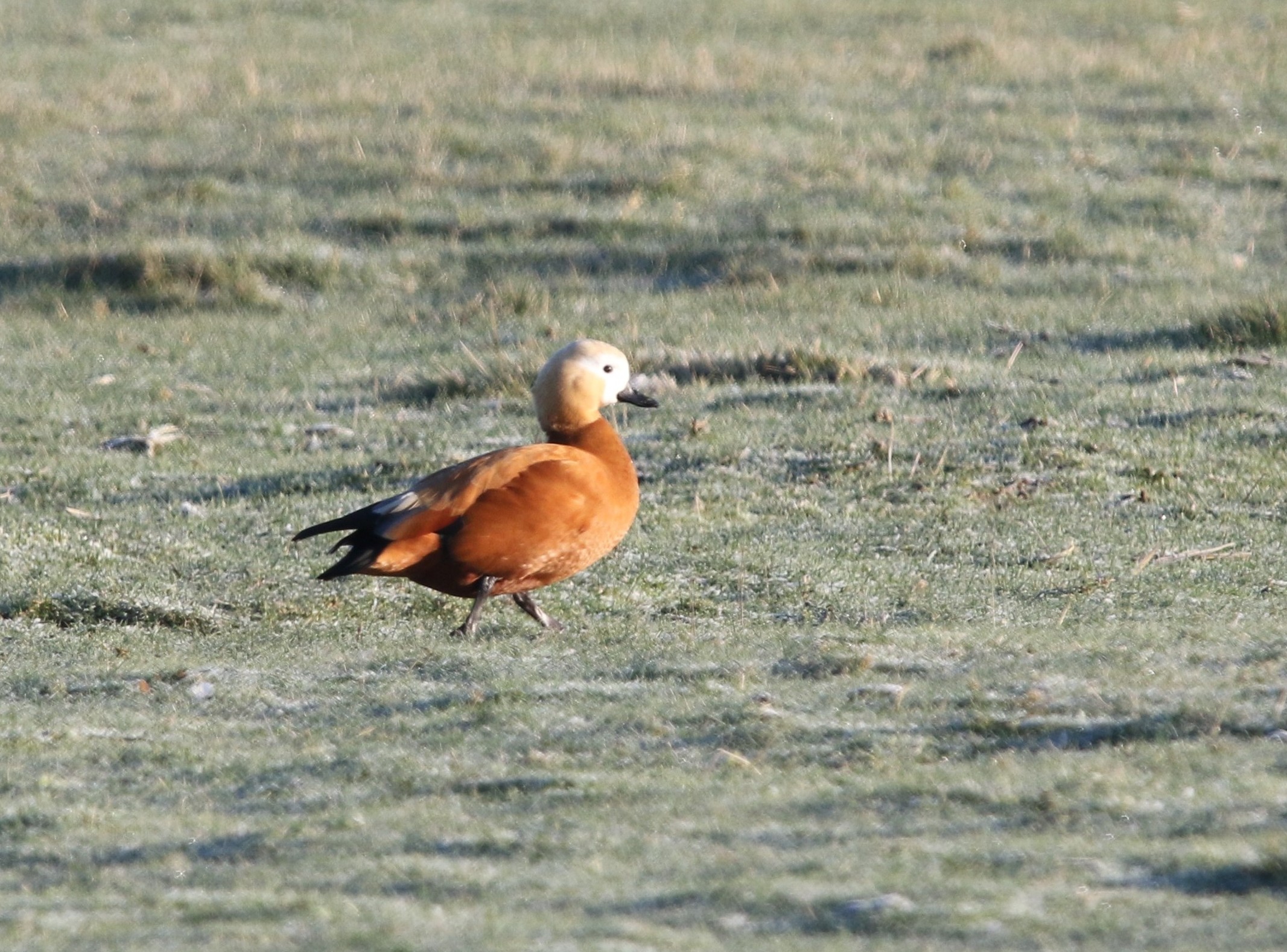
After a week with no reports, the female Ruddy Shelduck was seen daily at Winwick Pools until 9th, after which it moved to Hollowell Res following the freezing over of its highly favoured site.
Diving ducks were in short supply with the female Red-crested Pochard seeing out another week at Daventry CP, while a ‘new’ drake was found at Barnwell CP on 5th.

Scarce waders hit rock bottom with a Jack Snipe at Stortons GP on 4th.

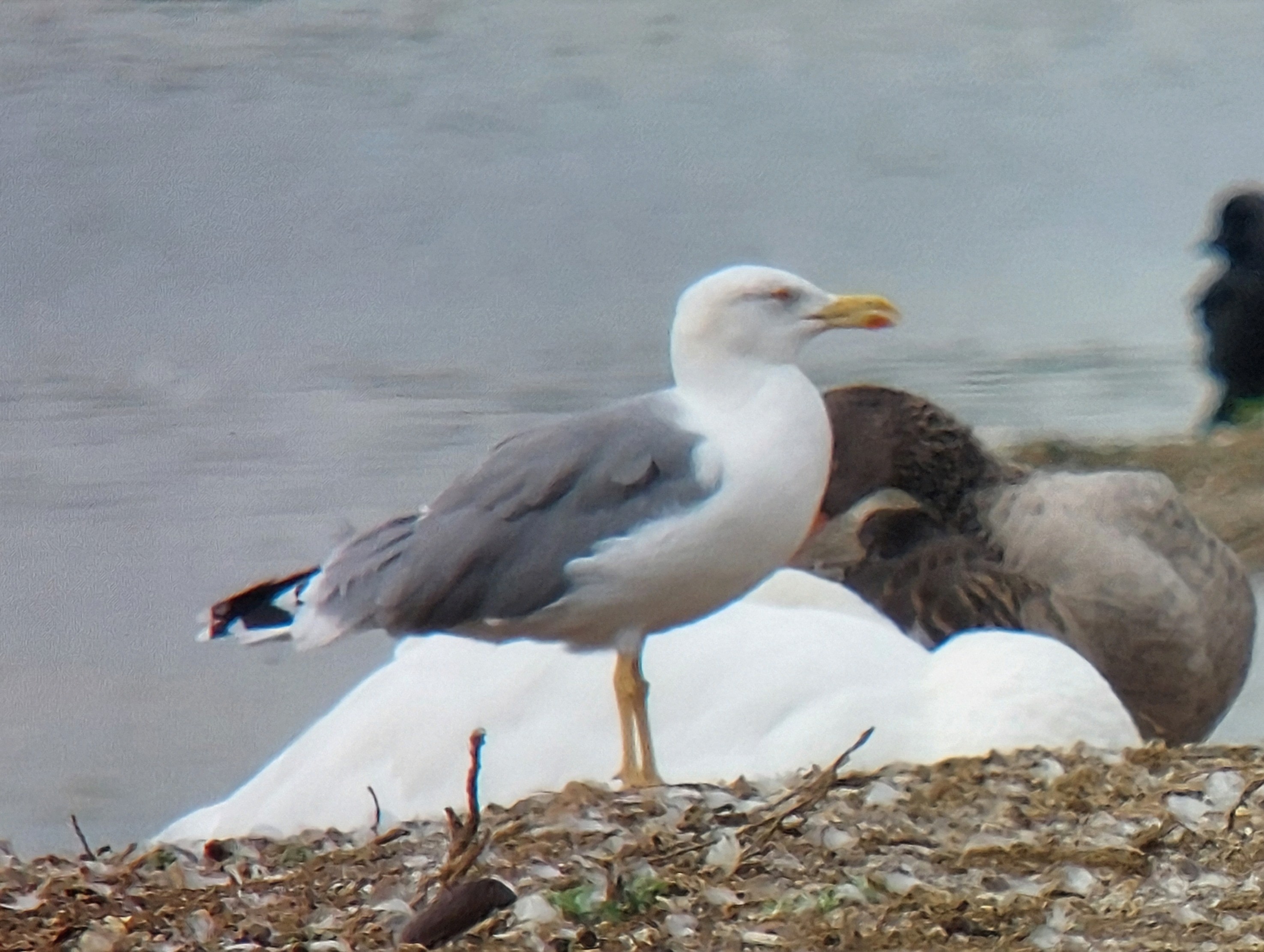
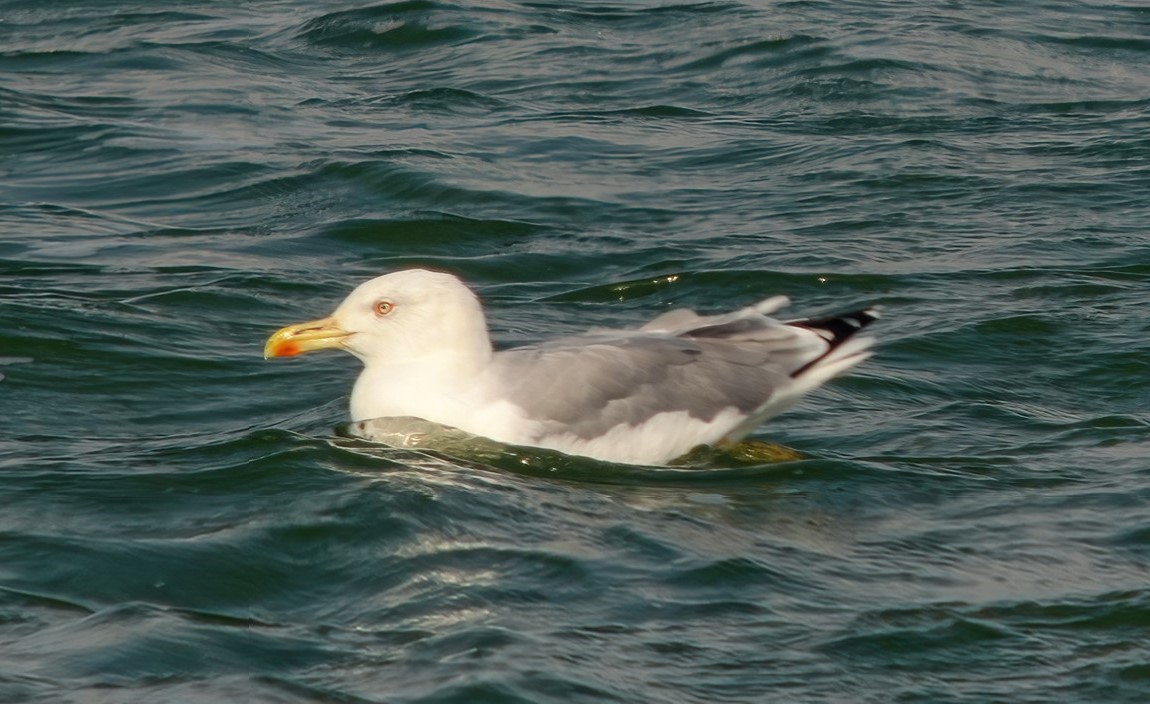
The gull roost at Stanford continued to attract a first-winter Mediterranean Gull, which was also present briefly on the reservoir’s partly frozen surface first thing in the morning on 10th. The roost there also produced a first-winter Caspian Gull on 4th, while single adult Caspians were present at Hollowell on the same date and at Summer Leys LNR and Earls Barton GP on 10th. Two Yellow-legged Gulls were at Pitsford Res on 5th, followed by one there on 9th and one was present at Daventry CP on 6th.

Pitsford also held on to its wintering juvenile Great Northern Diver, which remained there throughout the period.

Copy that for the Summer Leys Glossy Ibis, although it seems to have become a little more flighty since the colder weather kicked in. With just the one reported at Stanwick GP on 4th, Cattle Egret numbers now appear to be at a low ebb.

It’s been a while – exactly seven weeks, in fact – since we’ve seen a local Marsh Harrier and that situation remains unchanged, but single ‘ringtail’ Hen Harriers at Summer Leys on 4th and at Harrington AF on 4th and 10th represented rather more typical winter fare.  

Two Short-eared Owls on private land near Blueberry Farm, Maidwell were present throughout the week, while single Merlins were seen nearby in the Brampton Valley on 5th and at Irthlingborough on 8th.

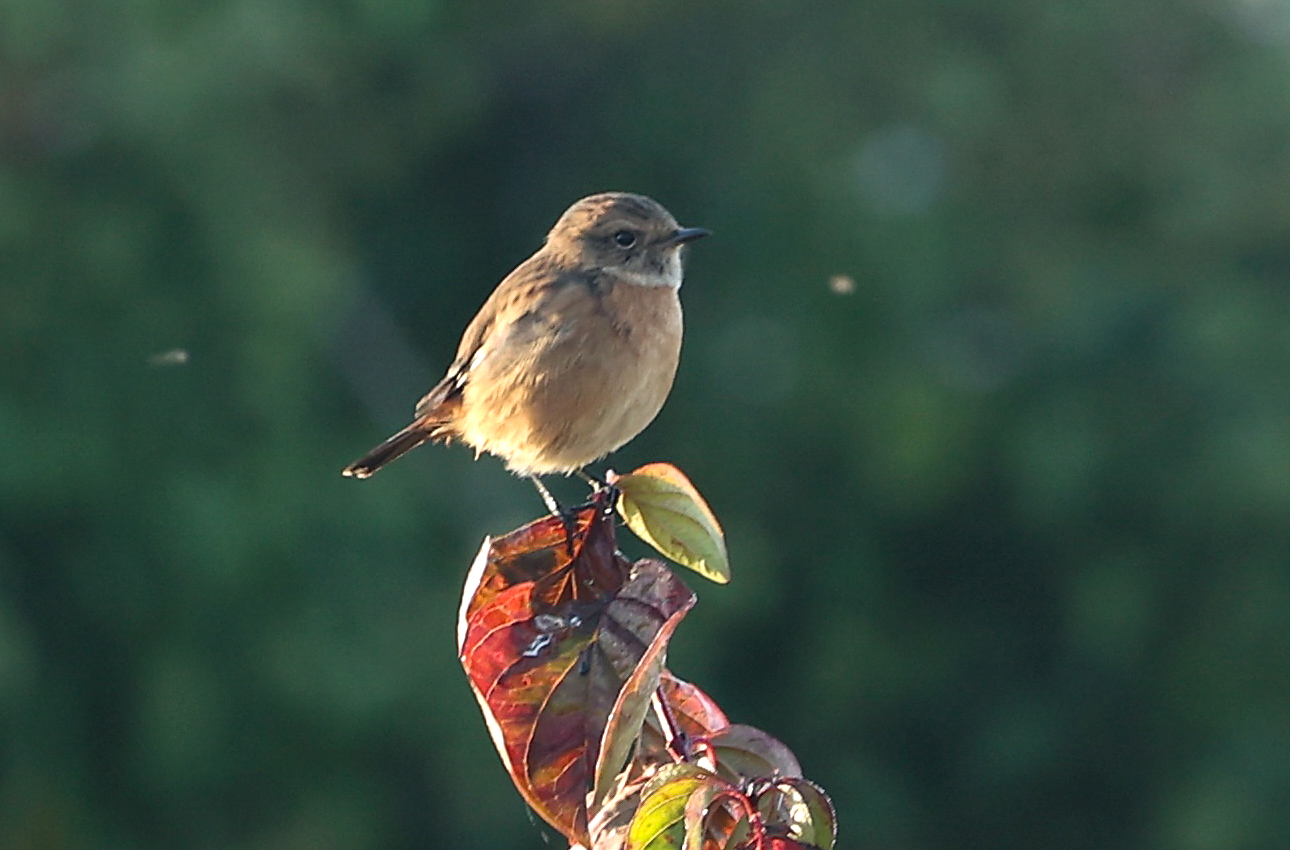
The week’s passerines were limited to just two species. In ones and twos, Stonechats were to be found at Borough Hill, Cogenhoe, Catesby, Deene Lake, Oundle, Stanford, Summer Leys, Towcester and Upton CP, while four were seen at both Earls Barton and Hollowell.

Hawfinches remained on the weekly birding agenda, the largely reliable locality of the churchyard at Blatherwycke delivering four on 4th ahead of singles found at both Greens Norton and St Lawrence Churchyard, Towcester on 7th.

Newsround – 14th to 20th September 2024

A warm, southerly airstream in the early part of the week was followed by sustained, cool northeasterlies and easterlies in the latter part of the period, although the weather appeared to make little difference to what was on offer on this week’s birding platter …

New in for the back end of the year, though, was a Pink-footed Goose with Greylags at Naseby Res on 17th. It was not seen subsequently. There is always some doubt over the provenance of lone individuals in the county, so should it be considered a wild bird? Why not! With arrivals touching down in the UK as early as late August, Pinkfeet have been returning for the winter in considerable numbers over the past week or so, including some stragglers well inland. Birdtrack had also seen a big spike in reporting rates by mid-month.

Another bird frequently kicked into touch by some is the annually returning female Ruddy Shelduck – this week having now apparently vacated Stanford Res for Ravensthorpe Res, where it was seen on 15th. Stanford’s two Red-crested Pochards, found on the last day of the previous week, quickly tripled to six during the period, all of which remained until the week’s end.

A Common Quail was reportedly flushed in a field west of the River Nene between Nassington and Elton on 14th.

Having notched up almost four weeks at Clifford Hill GP, the moulting adult Black-necked Grebe remained there until at least 15th. Another – in full winter plumage – was found at Daventry CP on 19th but was not seen thereafter.

This week’s waders were in short supply. Stanwick GP produced a Black-tailed Godwit from 15th until 19th, two being present on 18th. Further up the Nene Valley, three Greenshanks dropped into Summer Leys LNR on 15th.

With only five so far this autumn, Mediterranean Gulls have to date proven scarce, so one flying over Raunds on 16th was a welcome addition to the seasonal tally. Apart from that, the usual two larger larids continued to provide some interest. The week’s Caspian Gulls comprised a first-winter at Boddington Res on 16th, an adult at Stanwick on 17th, a juvenile at Daventry on 19th and the habitual German-ringed adult at Naseby on 17th and 20th. Easier to catch up with, Yellow-legged Gulls maxed out at nine in the roost at Boddington on 16th, while five were at Stanwick on 17th with just one there on 18th and Pitsford Res held up to four between 17th and 20th. Elsewhere, single adults visited Thrapston GP’s Titchmarsh LNR on 17th-18th and Daventry on 19th.

Compared to last week it was a different one altogether for Bitterns, with reports from three – dare we say ‘widely spread’ – localities. On 15th, two were together on Summer Leys’ Scrape while, four days later on 19th, one was found at Stanwick, followed by another at Stanford the next day – a ‘patch tick’ even for some seasoned birders over that way.

Meanwhile, Cattle Egrets seem to have slumped back into their periodic low profile status, with one in flight over Raunds on 15th, followed by two at nearby Stanwick on 17th-18th.

And in the first week with no Ospreys for a long, long time, numbers of Marsh Harriers were also down. One flew over Titchmarsh LNR on 15th, Summer Leys hung on to one, seen on 15th and 20th, one was at Wadenhoe Water Meadows on 16th and another in the Brampton Valley between Cottesbrooke and Hanging Houghton on 16th and again on 18th. After one last week, sightings of Hen Harriers increased to three, with an adult male flying east at Blueberry Farm, Maidwell on 14th, a ‘ringtail’ west over Borough Hill on the same date and another ‘ringtail’ over Harrington AF on 16th.

The first Merlin of the autumn, a juvenile, was seen at Boddington on 16th.

On the passerine front, Common Redstarts continued to melt away steadily, with singles at Borough Hill on 15th, in the Brampton Valley on 16th and at Boddington on 17th. Whinchats were still very much in evidence, though, with six localities producing numbers between one and four during the period. Top sites in the latter respect were Borough Hill, where four were present on 16th and at least one the following day, and the Brampton Valley, which produced a maximum of four on two dates between 14th and 18th. Elsewhere, Clifford Hill GP held on to at least three from last week between 14th and 16th, two were at Harrington AF on 14th, two were found at Priors Hall, Corby on 16th and one was at Pitsford Res on 14th. The number of Stonechats continued to rise, although no more than two were seen at each of the six localities of Borough Hill, Brampton Valley, Clifford Hill, Harrington, Priors Hall and Summer Leys.

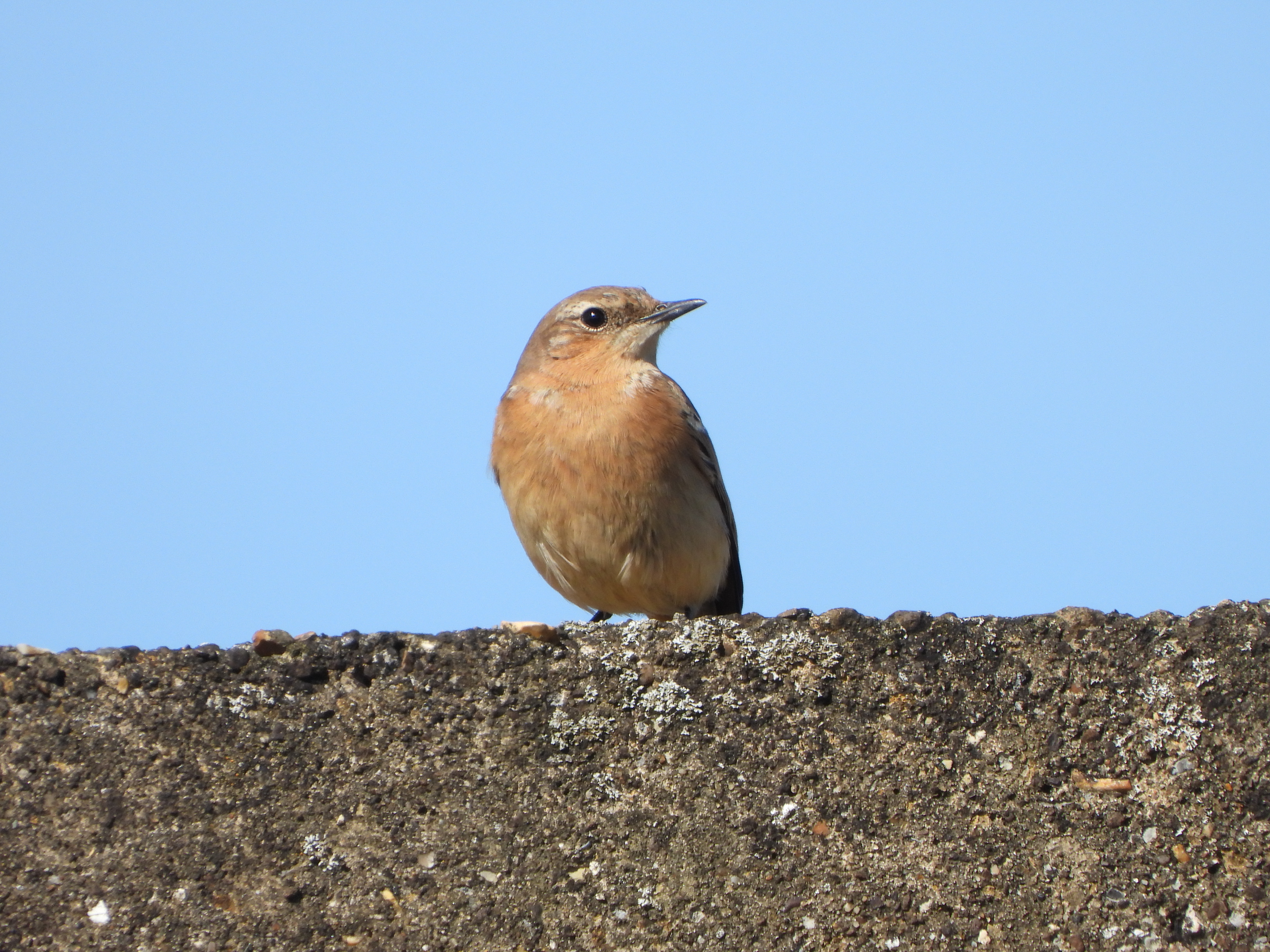
Northern Wheatears reverted to their former scarcity with one at Borough Hill on 15th and 16th and one at Harrington on the latter date.