An ‘omega block’ saw high pressure stationed over the country for much of the week, with virtually no wind, some light rain and predominantly dull and murky conditions, resulting in the much welcomed arrival of some ‘must see’ species …
Rubber-stamping the autumn/winter period, the first Pink-footed Geese were incoming when a skein of five was seen flying north-east over Lilbourne Meadows NR on 17th. Last week’s five Whooper Swans remained at Clifford Hill GP into the early part of the morning of the first day of the period, while two more flew east along the Nene Valley at Ditchford GP on 17th.
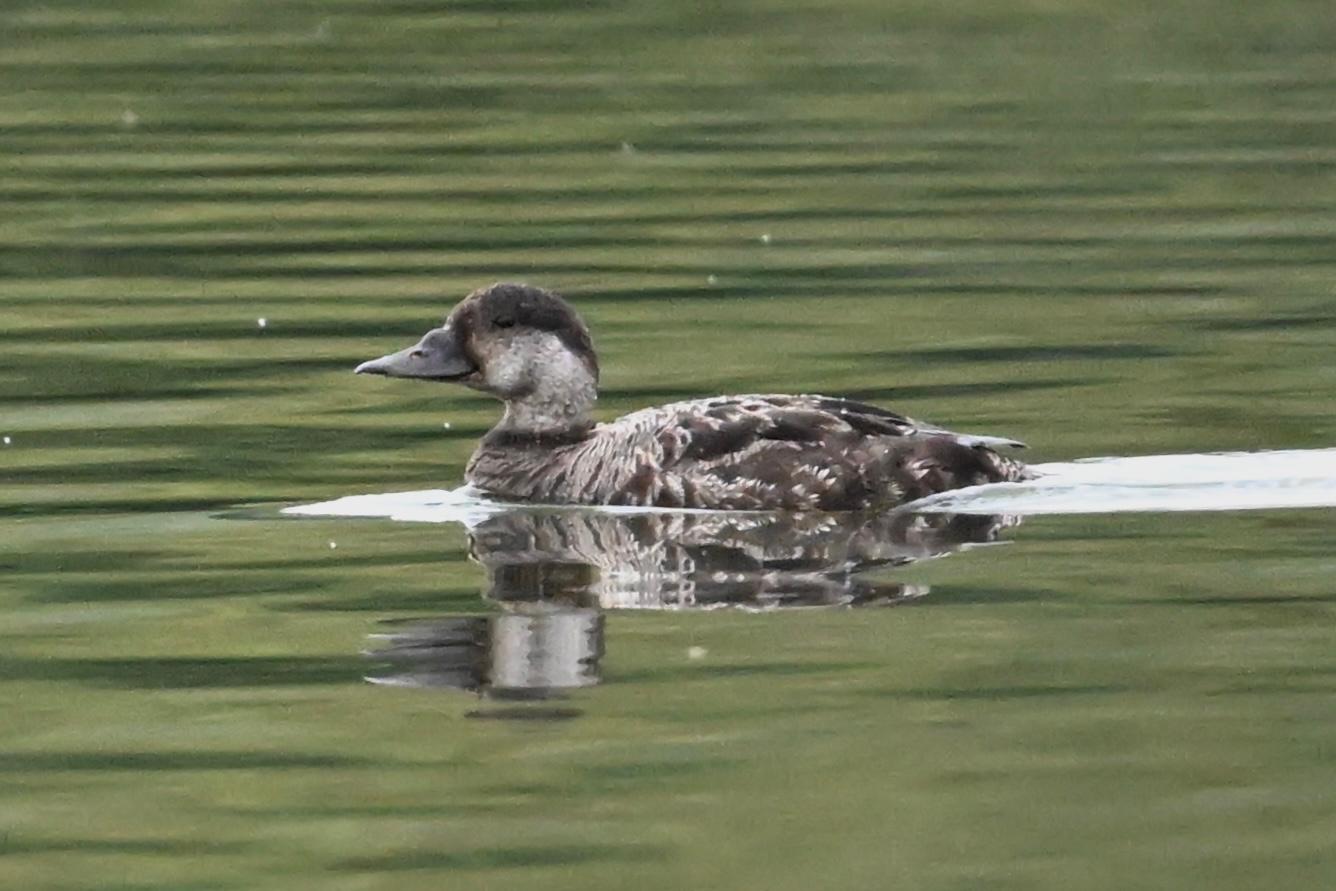
The early part of the week saw an arrival of Common Scoters, with four at Clifford Hill and two at Thrapston GP’s Town Lake on 13th, followed by one at Hollowell Res the next day – the latter remaining until 16th.
Other wildfowl were also available in the shape of Red-crested Pochards, five of which appeared at Hollowell on 12th, six at Stanford Res on 13th and one at Ravensthorpe Res on 14th, while two remained at Daventry CP from 13th until the week’s end.

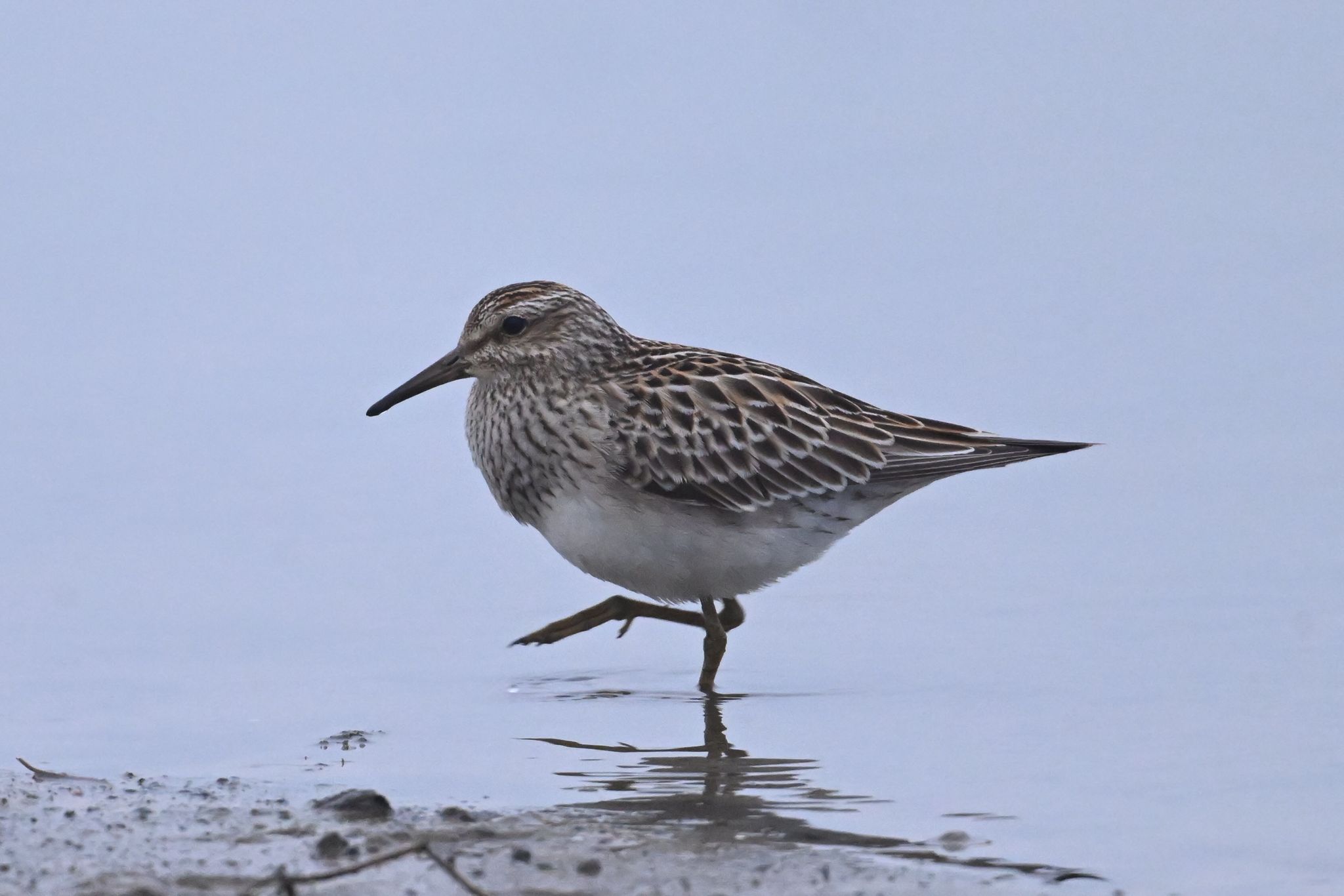
Looking at waders, one in particular continued to delight and that was Hollowell’s crisp, juvenile Pectoral Sandpiper, still in residence at close of play on 17th.

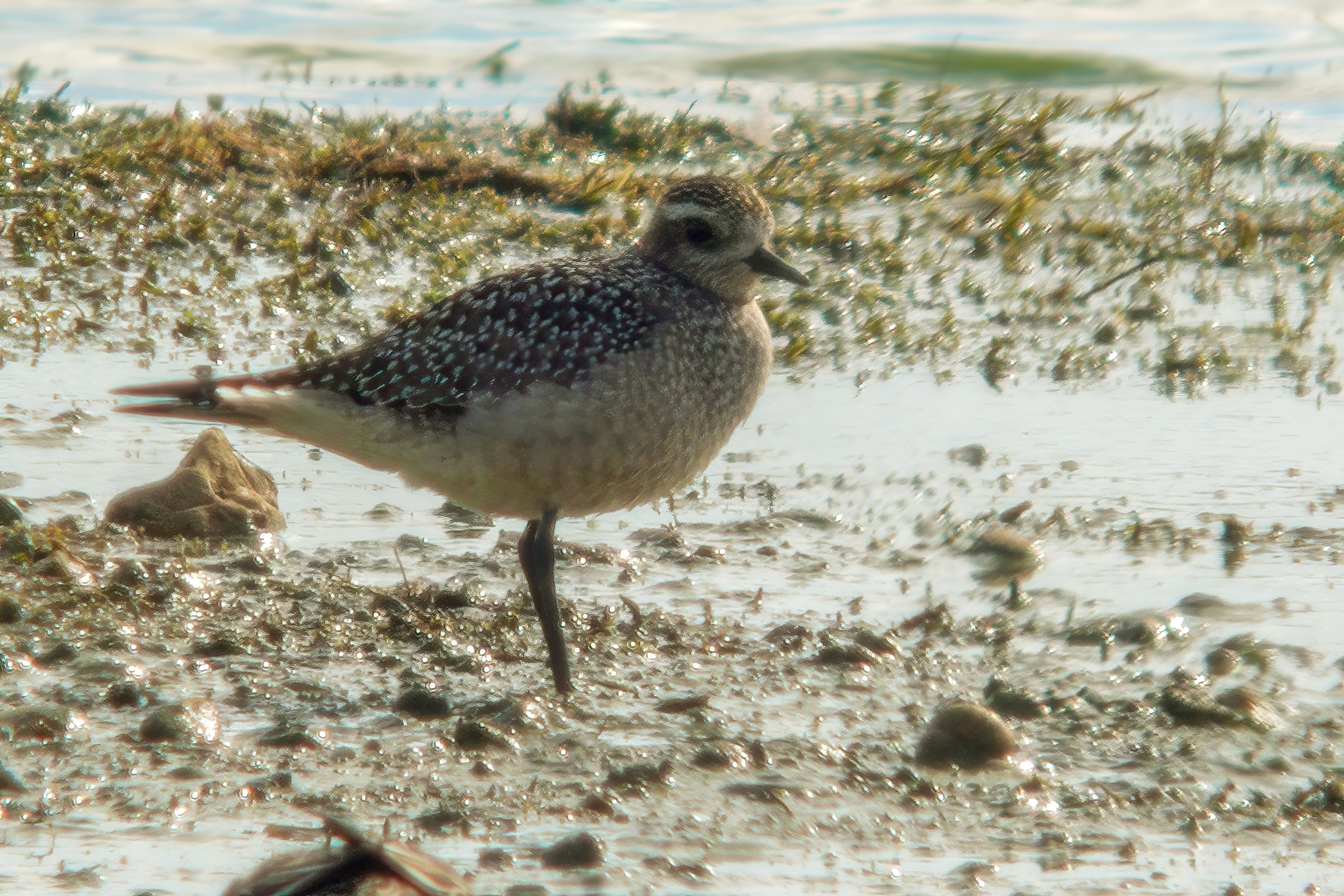
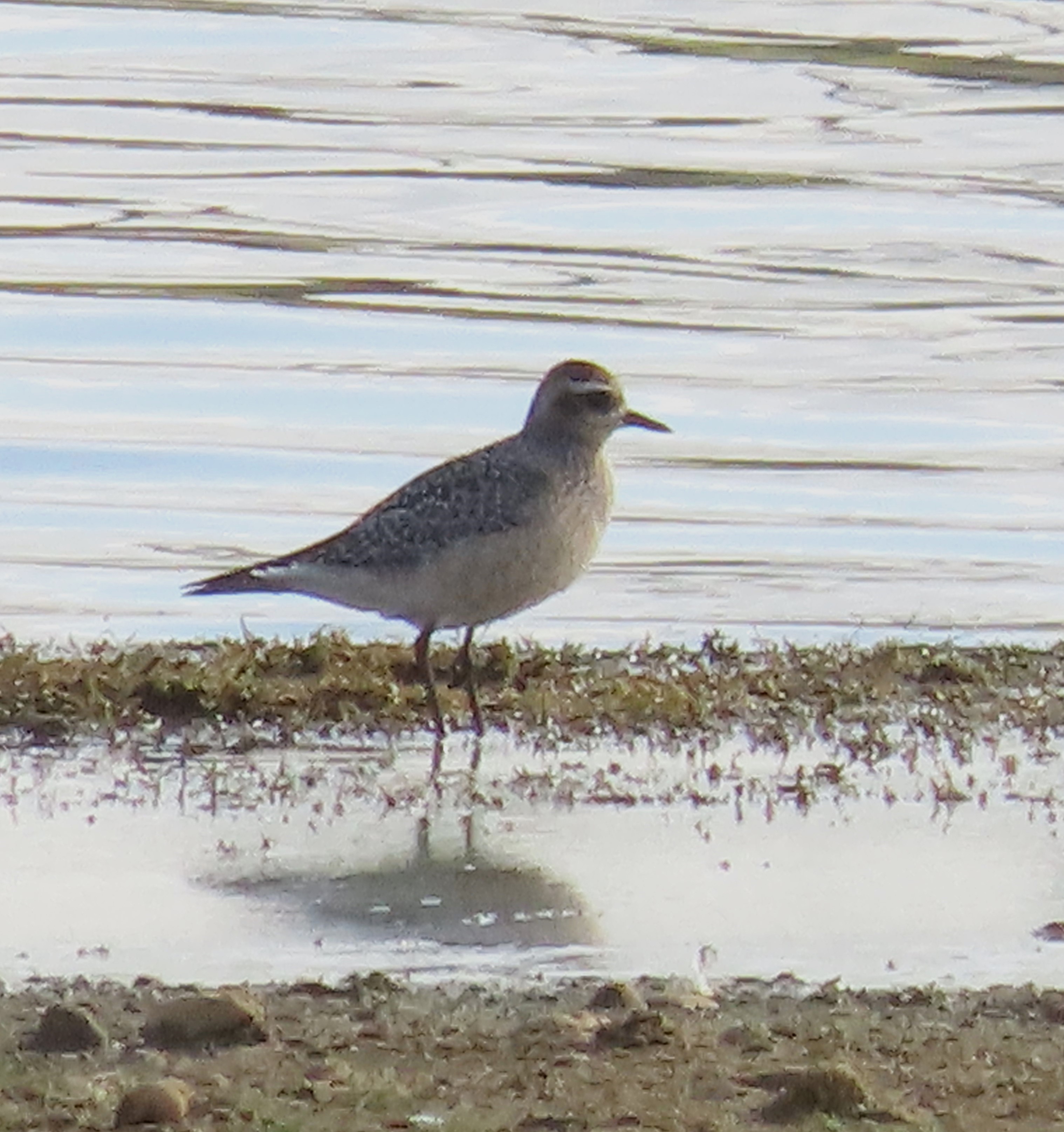
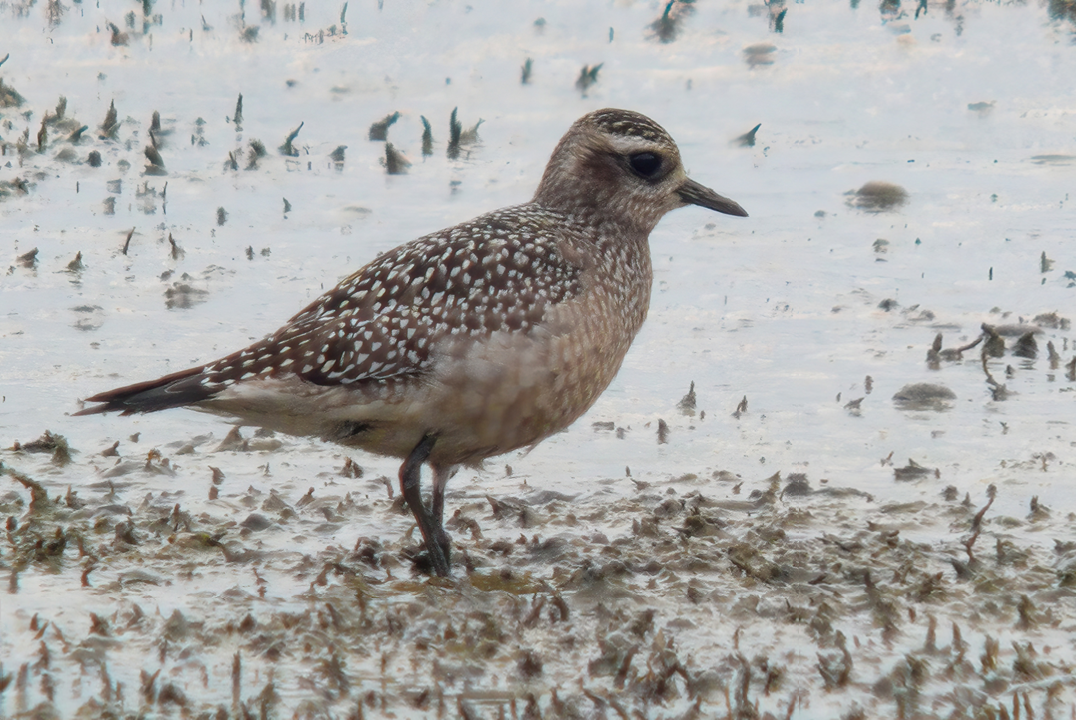
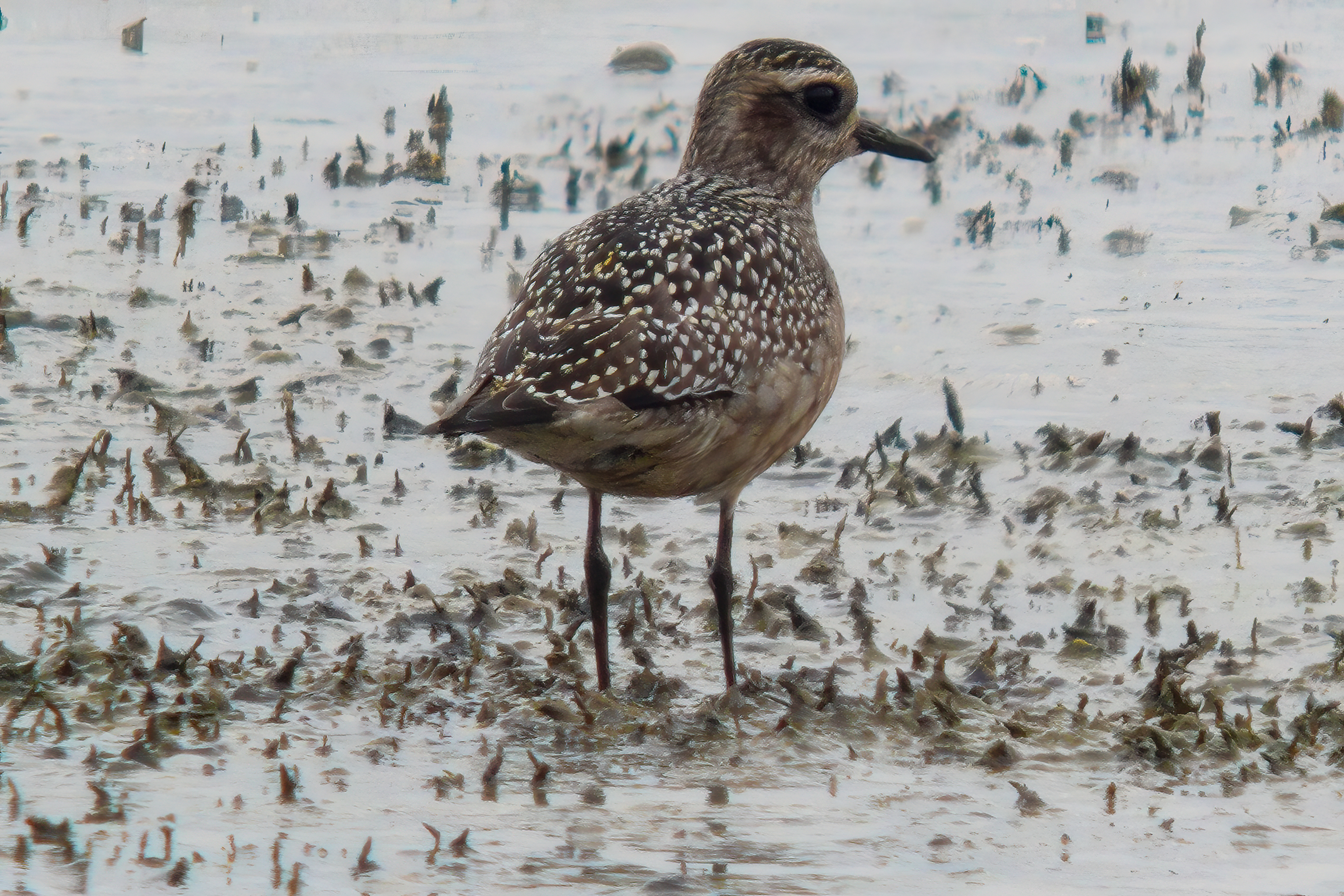
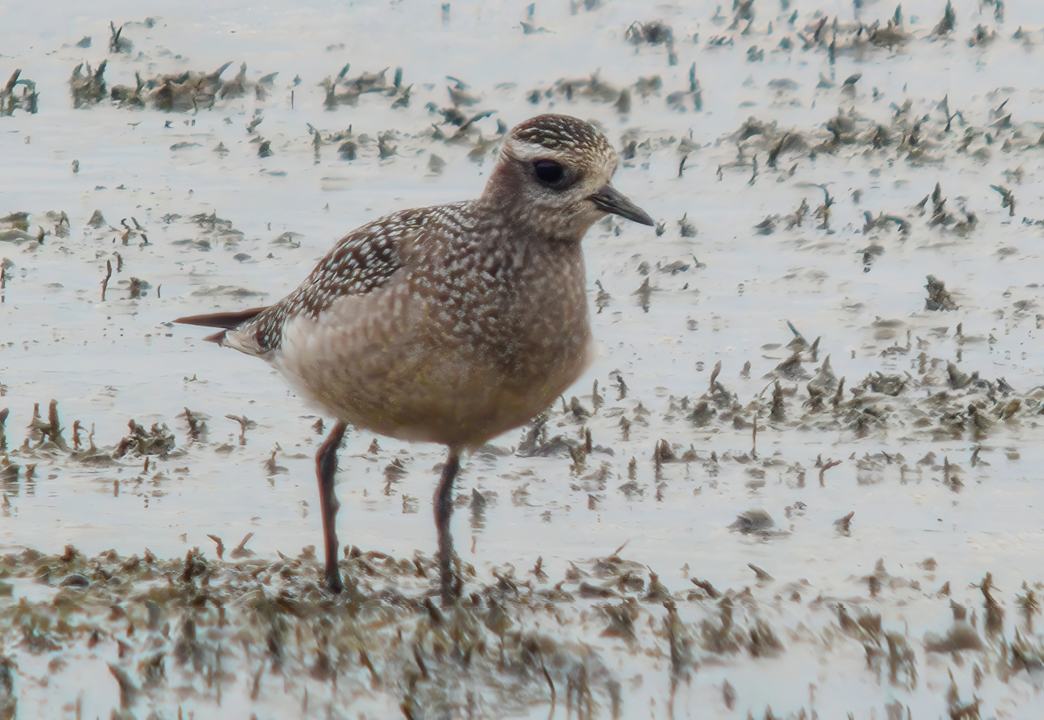
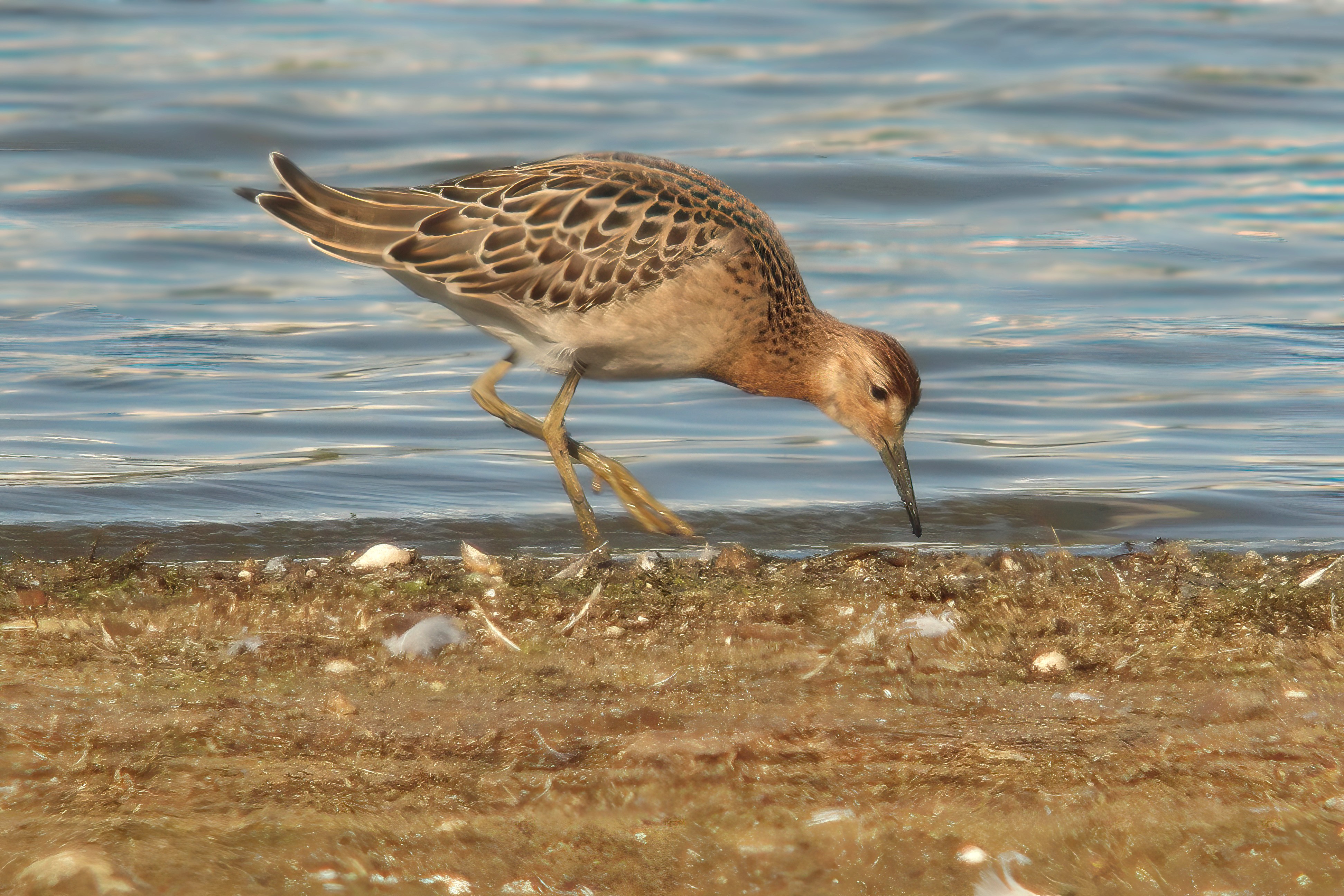
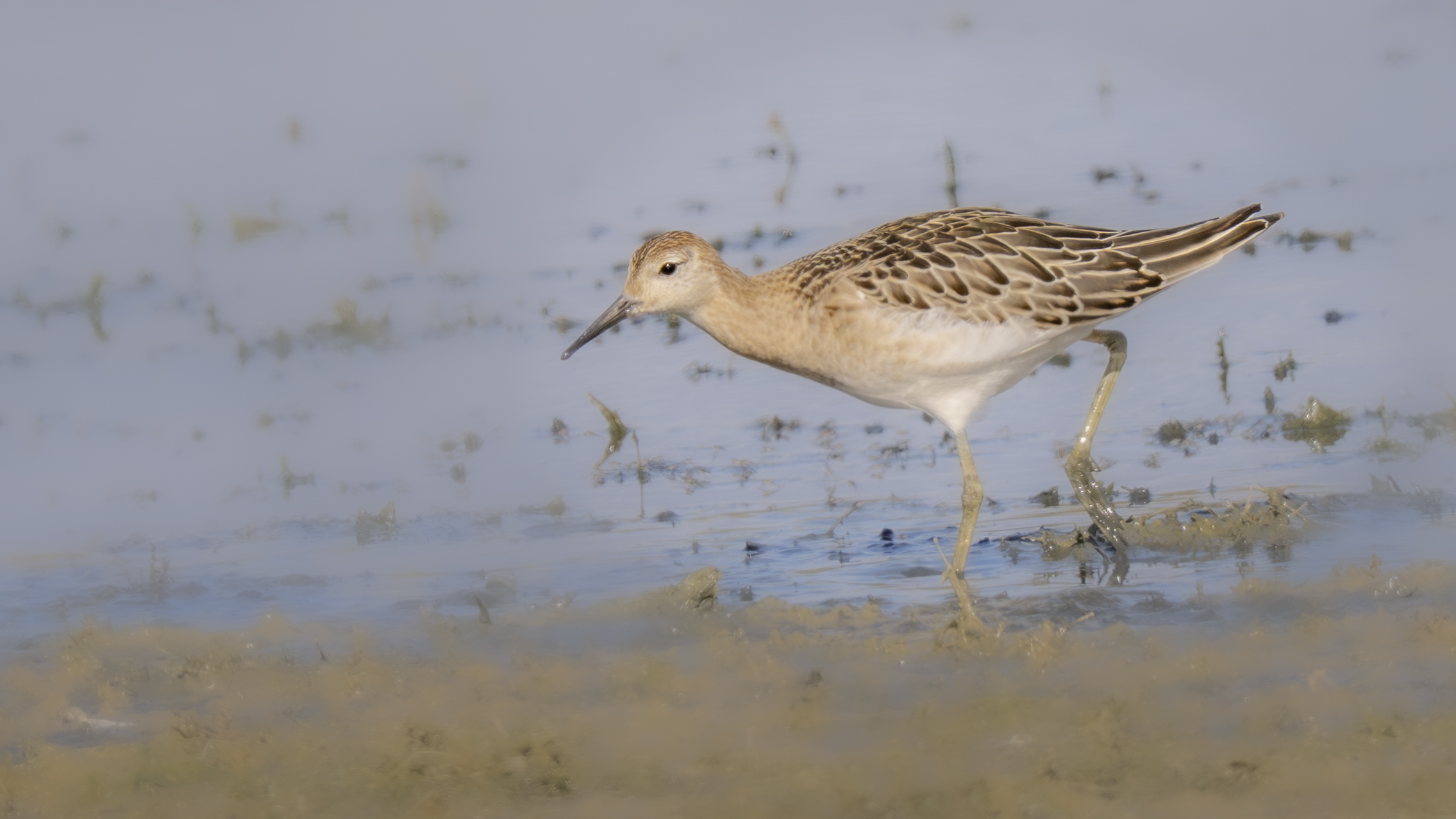
Not a million miles away, a Grey Plover was reported at Pitsford Res on 16th, the same site having produced a Ruff the day before, while one of the latter remained from last week at Thrapston GP’s Titchmarsh NR until 13th. Pitsford also delivered a Greenshank on 14th, while the long-lingering bird was still present at Earls Barton GP’s New Workings (North) the next day. And following the season’s first, last week, a Jack Snipe remained at Summer Leys LNR from 11th until 13th and another was found at Ditchford on 17th.
It wouldn’t be October without, at some point, a decent surge in Mediterranean Gulls and this week experienced just that, with Hollowell producing an adult and a first-winter on 12th and, presumably, the same first-winter again present on 14th. Elsewhere, an adult turned up in Stanford’s gull roost on 13th, followed there by a second-winter on 16th, another second-winter was a brief visitor to Earls Barton GP’s Mary’s Lake on 13th and Titchmarsh produced an adult on 15th.

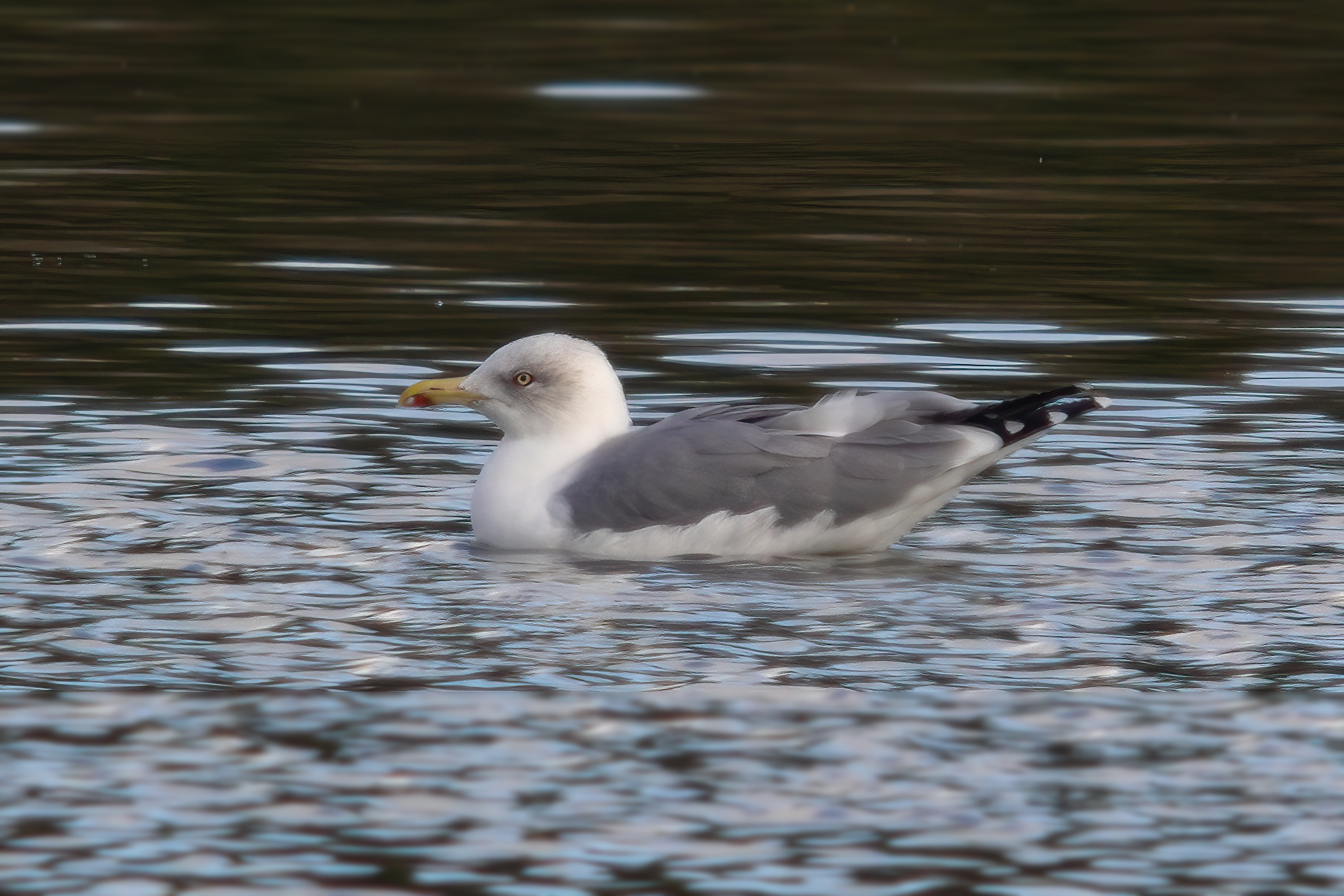
Caspian Gulls were also out there to be found, five localities producing birds this week which included an adult at Stanford on 12th, two adults at Naseby Res on 13th with one there on 16th, single adults at Pitsford on 13th and 16th, at Ravensthorpe Res on 13th and at Earls Barton GP on 15th. And the highest number of Yellow-legged Gulls occurred at the favoured locality of Pitsford, where five were present in the gull roost on 16th, with two there on 13th, 14th and 17th. Elsewhere, three adults were at Earls Barton GP’s Mary’s Lake on 15th following one there on 13th and singles visited Hollowell on 12th and both Naseby and Thrapston on 13th.

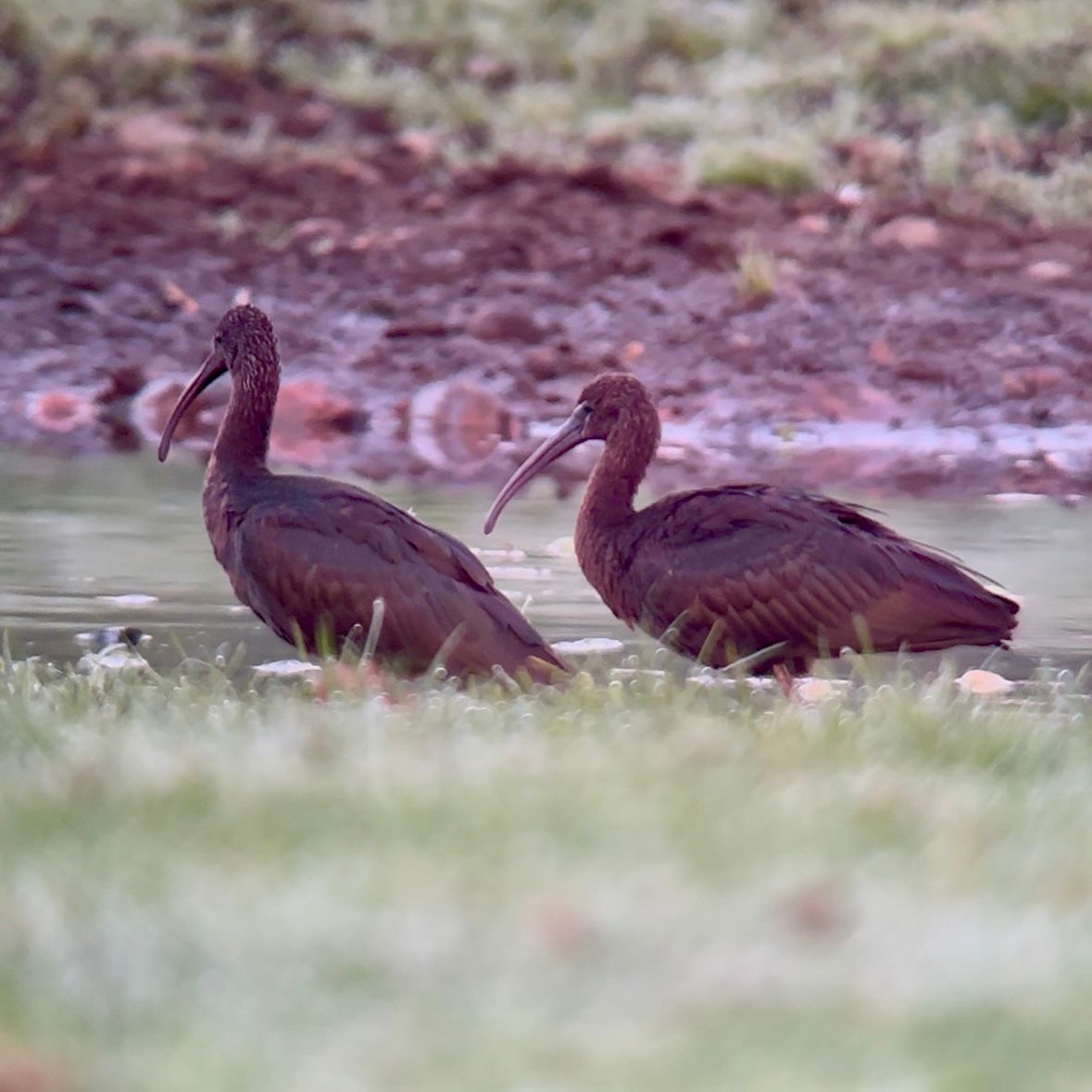
Meanwhile, last week’s Glossy Ibises were this week’s Glossy Ibises – three remaining at Summer Leys, two dropping in daily at Stanford and one at Titchmarsh. No longer the centre of attention as they were in days gone by …


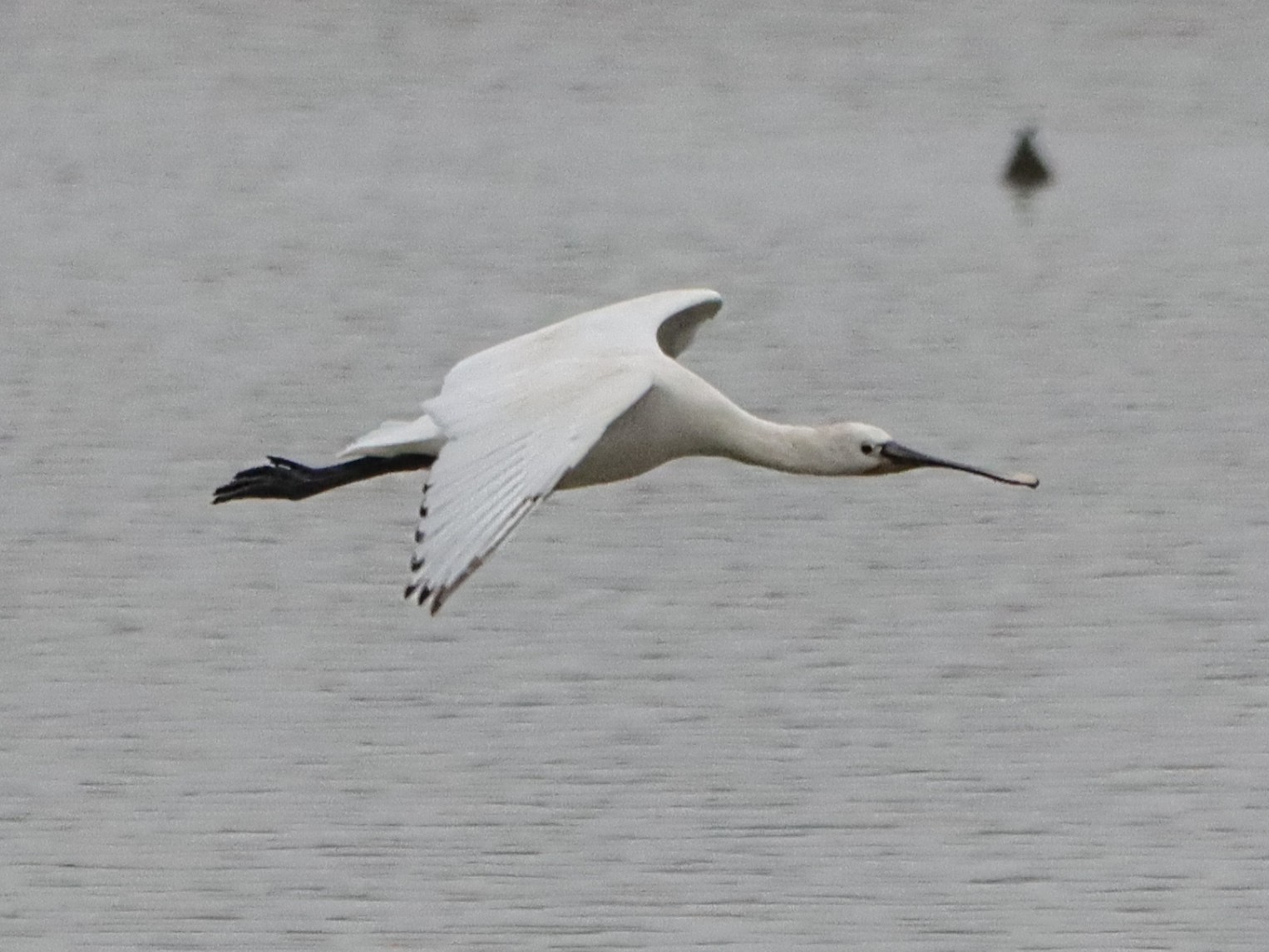
Up for grabs and stealing the limelight this week, however, was an immature Spoonbill found north of the Causeway at Pitsford late in the afternoon of 15th, remaining until early afternoon on 17th. One was also reported flying west over the Brampton Valley toward Cottesbrooke on 16th. Earlier this year there had been four records – all in the Nene Valley and all of which were fairly short-stayers.
Two Bitterns were again present at Stanford and, again, they were predominantly seen on the Leicestershire side of the reservoir.

The week’s raptors were thin on the ground – and in the air, for that matter – with single Marsh Harriers at Titchmarsh on 11th and in the Brampton Valley between Cottesbrooke and Hanging Houghton on 14th and 17th. A male Hen Harrier flew north-east over Harrington AF on 16th.
The weekly Short-eared Owl report came from Blueberry Farm, Maidwell, while single Merlins were at Stanwick GP on 12th and Harrington on 12th-13th.
Another year, another Yellow-browed Warbler – this time not in a mist net, although it might as well have been as it was both heard and seen fleetingly with a mobile tit flock at Daventry CP on 13th, after which there was no further sign. Also wrapped up in a tit flock, a Firecrest was flagged up at Summer Leys on 15th. The autumn’s second Ring Ouzel was ultra brief, and like the last one, seen at Harrington AF, on 13th.
But what’s going on with Black Redstarts this year? One at Rectory Farm, Old on 13th was inaccessible, blocked by the ‘private site’ caveat and therefore out of bounds. The six previous records this year – two in winter and four in spring – have all been one-day birds and, like this one, they have been unavailable to the masses. The 2025 clock continues to tick but time is running out …
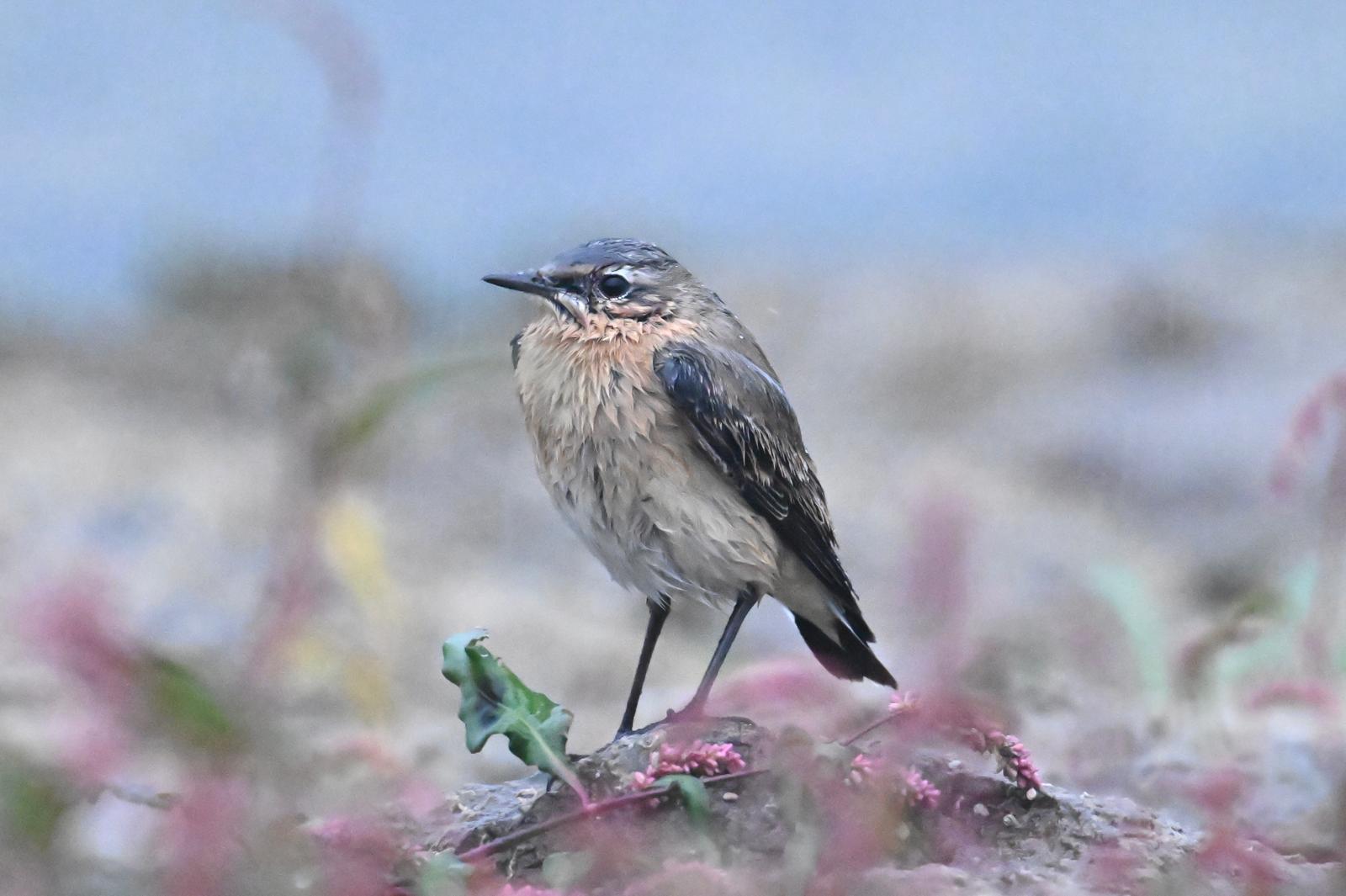
There were, however, Stonechats aplenty. Blueberry Farm, Brampton Valley, Clifford Hill, Ditchford, Harrington, Hollowell, Lilbourne Meadows, Pitsford and Upton CP all produced birds with top counts on the last day of the period, when six were in the Brampton Valley and the same number at Hollowell. Northern Wheatears were, this week, down to just the one, this being at Hollowell on 17th.
In the wake of one last week and two the week before – all exclusive to Daventry CP – a rush of Rock Pipits ensued, allowing other localities to get in on the action. First up was one at Boddington and three at Hollowell on 12th, followed on 14th by another at Boddington and two again at Daventry. One was then found at the unusual locality of the Brampton Valley on 16th and one – possibly two – appeared at Hollowell on 17th. Representing a welcome return, these are the highest numbers to be recorded in the county in recent years and formed part of a sizeable inland movement across the UK, including an impressive fifteen at Farmoor Res in Oxfordshire on 14th.

The week’s Crossbills comprised five at Ashton Wold on 11th and, on 16th, three over Penvale Park, East Hunsbury, Northampton and two at Hollowell.
And a species still proving not so easy to catch up with locally at present, a Corn Bunting was again in the Brampton Valley on 15th.










 Northants birds