Newsround 11th to 17th October 2025

An ‘omega block’ saw high pressure stationed over the country for much of the week, with virtually no wind, some light rain and predominantly dull and murky conditions, resulting in the much welcomed arrival of some ‘must see’ species …

Rubber-stamping the autumn/winter period, the first Pink-footed Geese were incoming when a skein of five was seen flying north-east over Lilbourne Meadows NR on 17th. Last week’s five Whooper Swans remained at Clifford Hill GP into the early part of the morning of the first day of the period, while two more flew east along the Nene Valley at Ditchford GP on 17th.

The early part of the week saw an arrival of Common Scoters, with four at Clifford Hill and two at Thrapston GP’s Town Lake on 13th, followed by one at Hollowell Res the next day – the latter remaining until 16th.
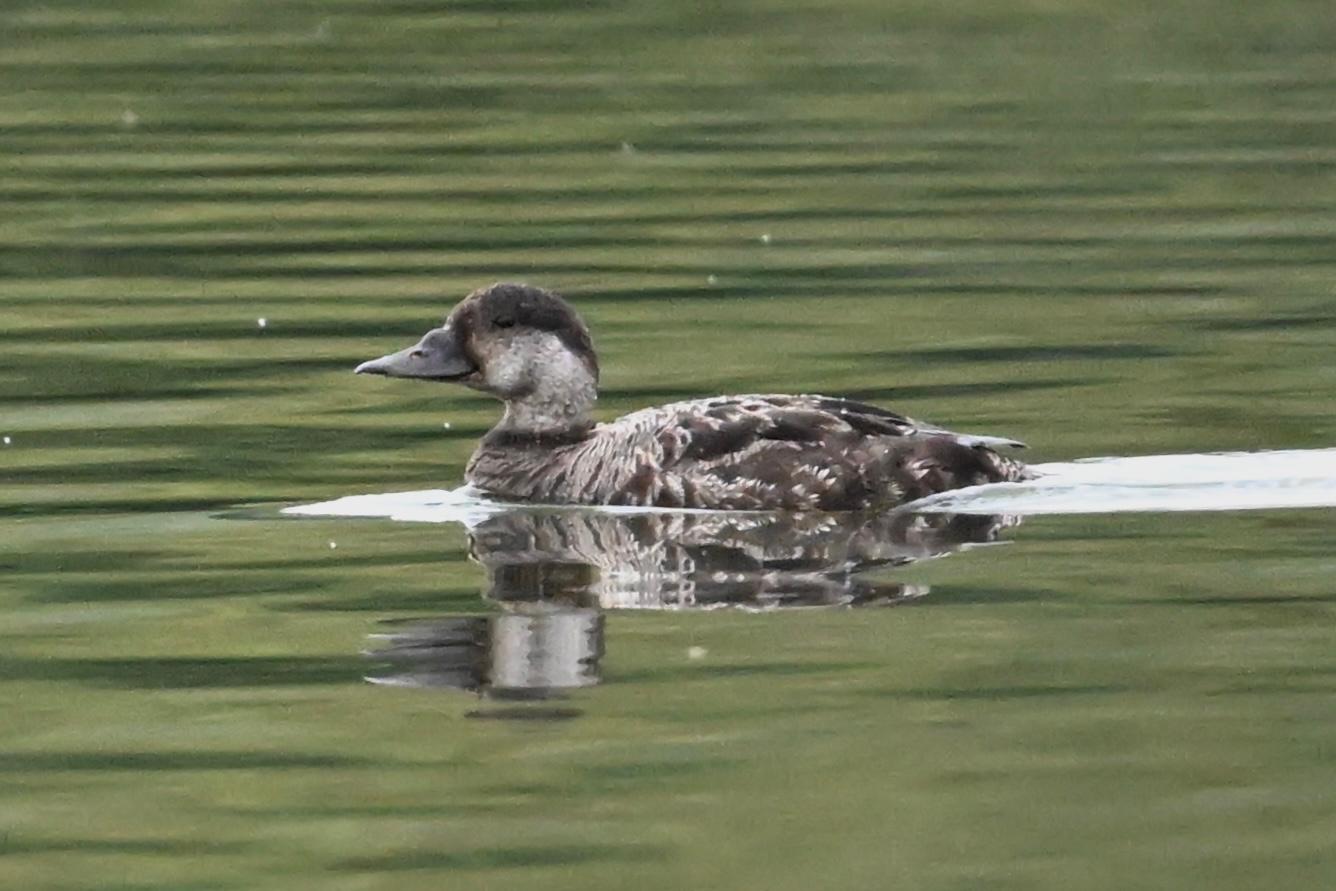
Other wildfowl were also available in the shape of Red-crested Pochards, five of which appeared at Hollowell on 12th, six at Stanford Res on 13th and one at Ravensthorpe Res on 14th, while two remained at Daventry CP from 13th until the week’s end.

Looking at waders, one in particular continued to delight and that was Hollowell’s crisp, juvenile Pectoral Sandpiper, still in residence at close of play on 17th.

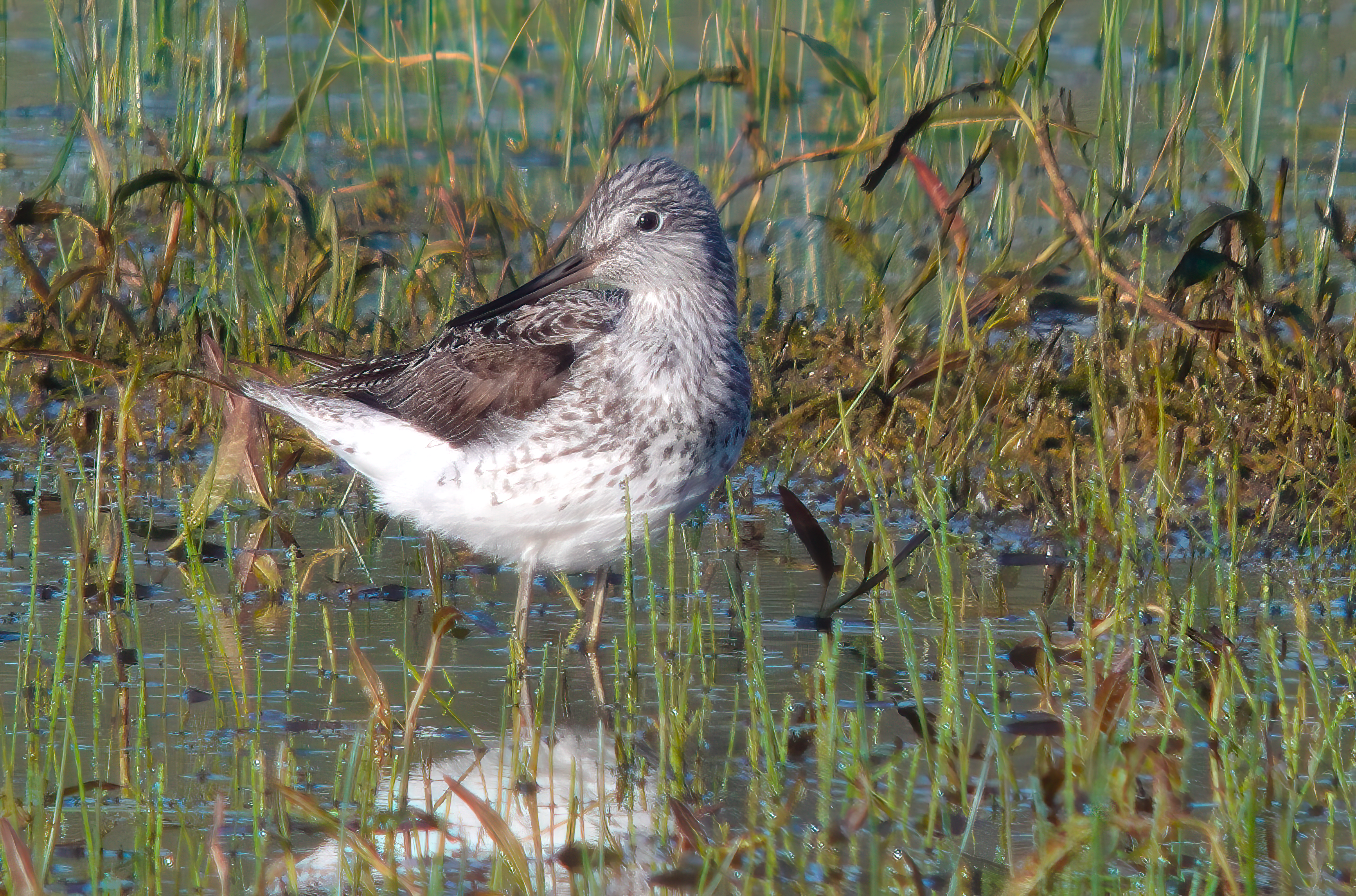
Not a million miles away, a Grey Plover was reported at Pitsford Res on 16th, the same site having produced a Ruff the day before, while one of the latter remained from last week at Thrapston GP’s Titchmarsh NR until 13th. Pitsford also delivered a Greenshank on 14th, while the long-lingering bird was still present at Earls Barton GP’s New Workings (North) the next day. And following the season’s first, last week, a Jack Snipe remained at Summer Leys LNR from 11th until 13th and another was found at Ditchford on 17th.

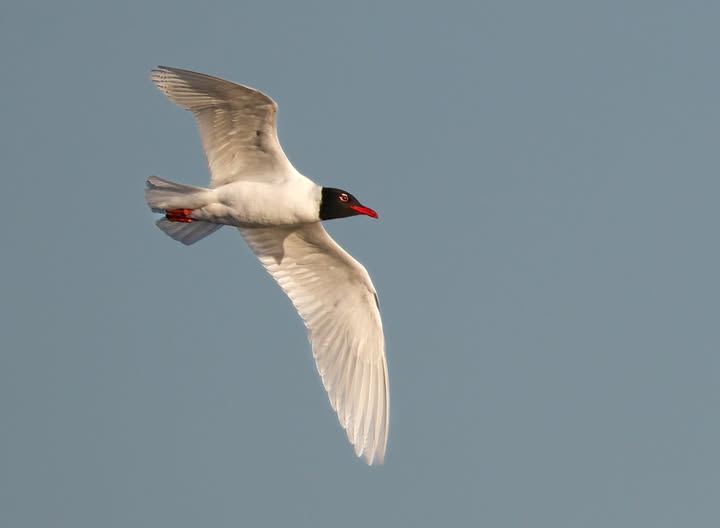
It wouldn’t be October without, at some point, a decent surge in Mediterranean Gulls and this week experienced just that, with Hollowell producing an adult and a first-winter on 12th and, presumably, the same first-winter again present on 14th. Elsewhere, an adult turned up in Stanford’s gull roost on 13th, followed there by a second-winter on 16th, another second-winter was a brief visitor to Earls Barton GP’s Mary’s Lake on 13th and Titchmarsh produced an adult on 15th.

Caspian Gulls were also out there to be found, five localities producing birds this week which included an adult at Stanford on 12th, two adults at Naseby Res on 13th with one there on 16th, single adults at Pitsford on 13th and 16th, at Ravensthorpe Res on 13th and at Earls Barton GP on 15th. And the highest number of Yellow-legged Gulls occurred at the favoured locality of Pitsford, where five were present in the gull roost on 16th, with two there on 13th, 14th and 17th. Elsewhere, three adults were at Earls Barton GP’s Mary’s Lake on 15th following one there on 13th and singles visited Hollowell on 12th and both Naseby and Thrapston on 13th.

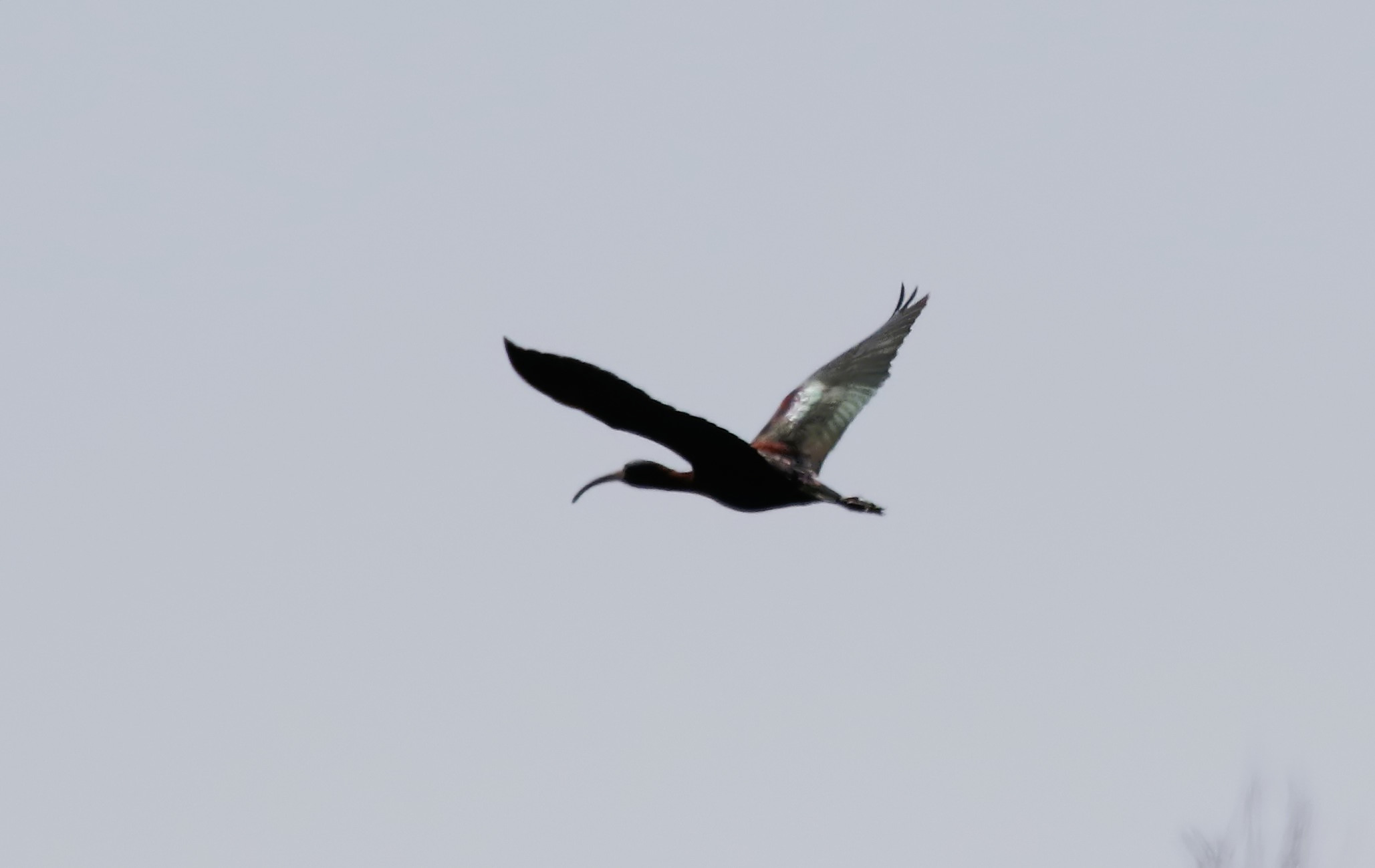
Meanwhile, last week’s Glossy Ibises were this week’s Glossy Ibises – three remaining at Summer Leys, two dropping in daily at Stanford and one at Titchmarsh. No longer the centre of attention as they were in days gone by …

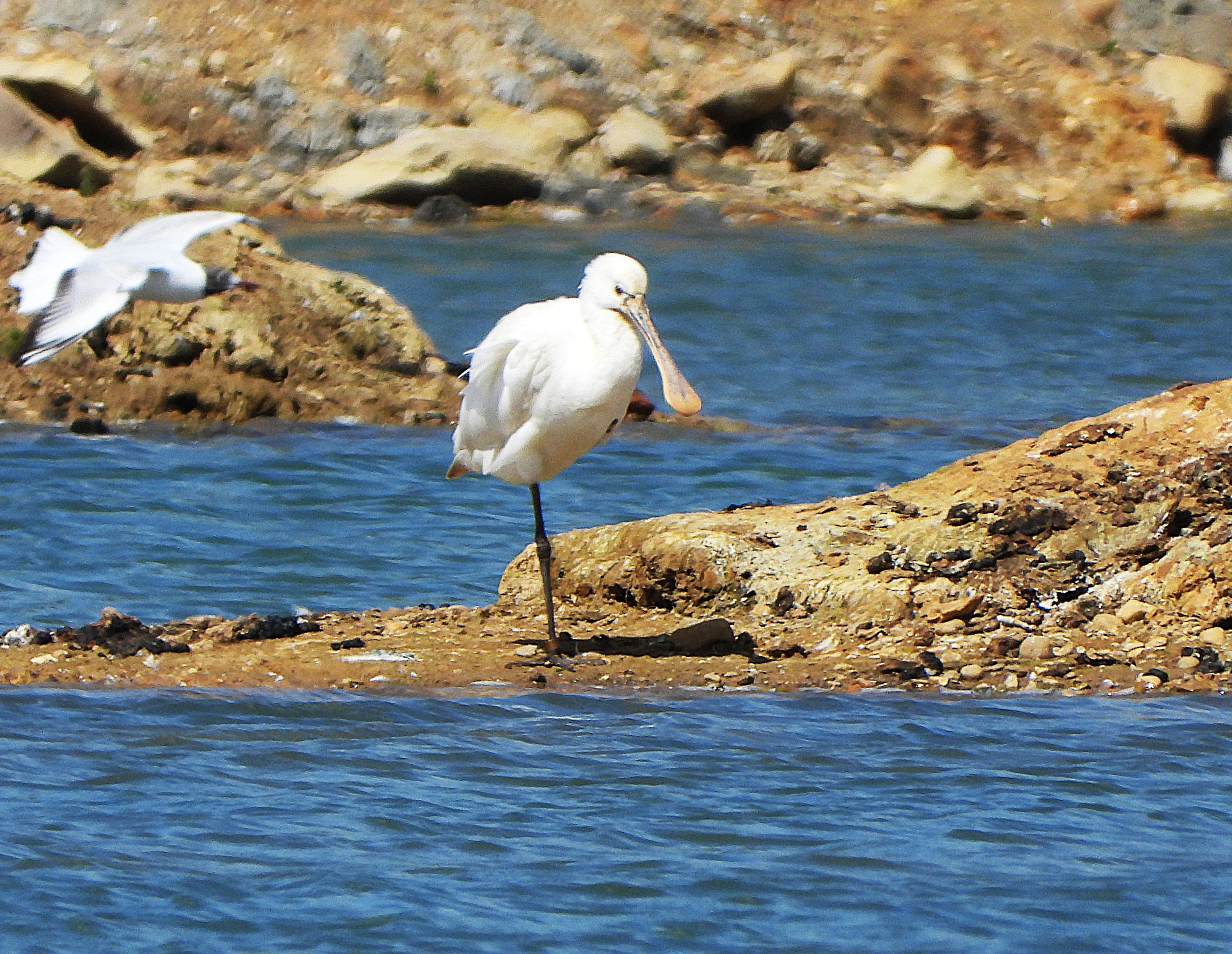
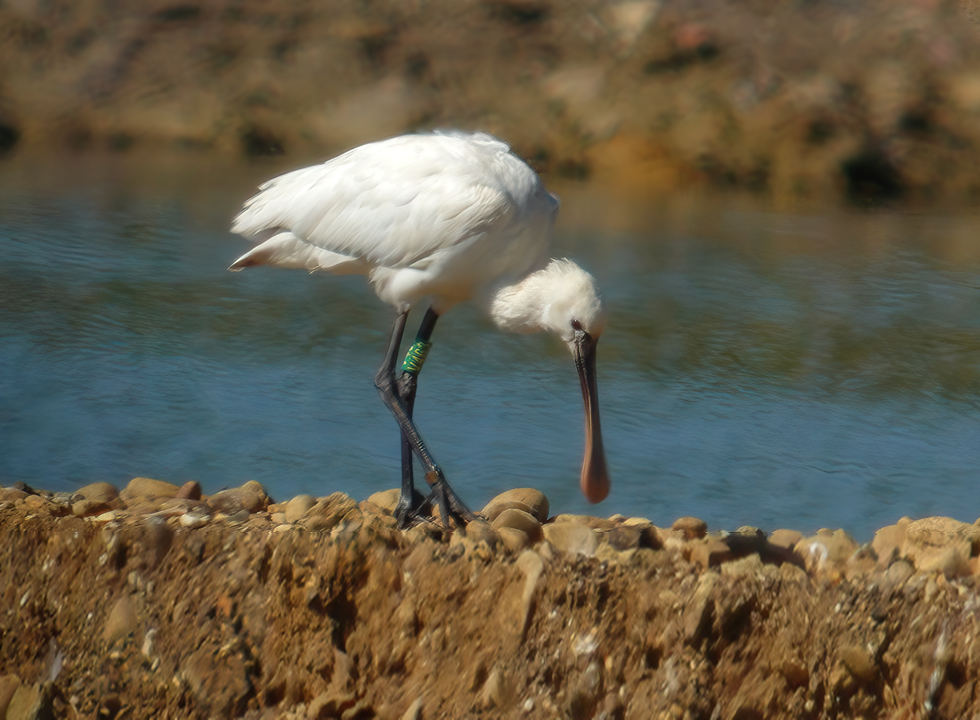
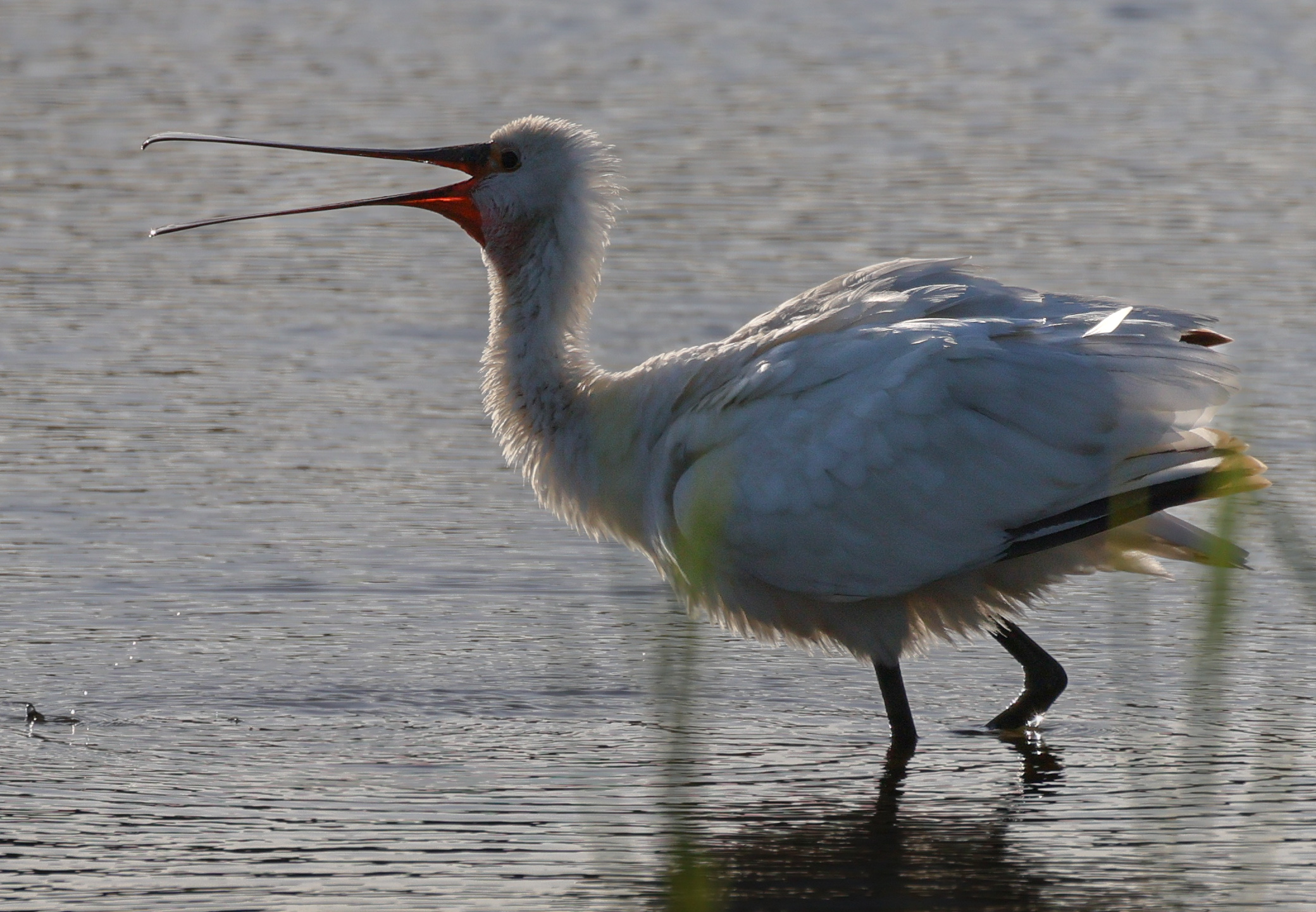
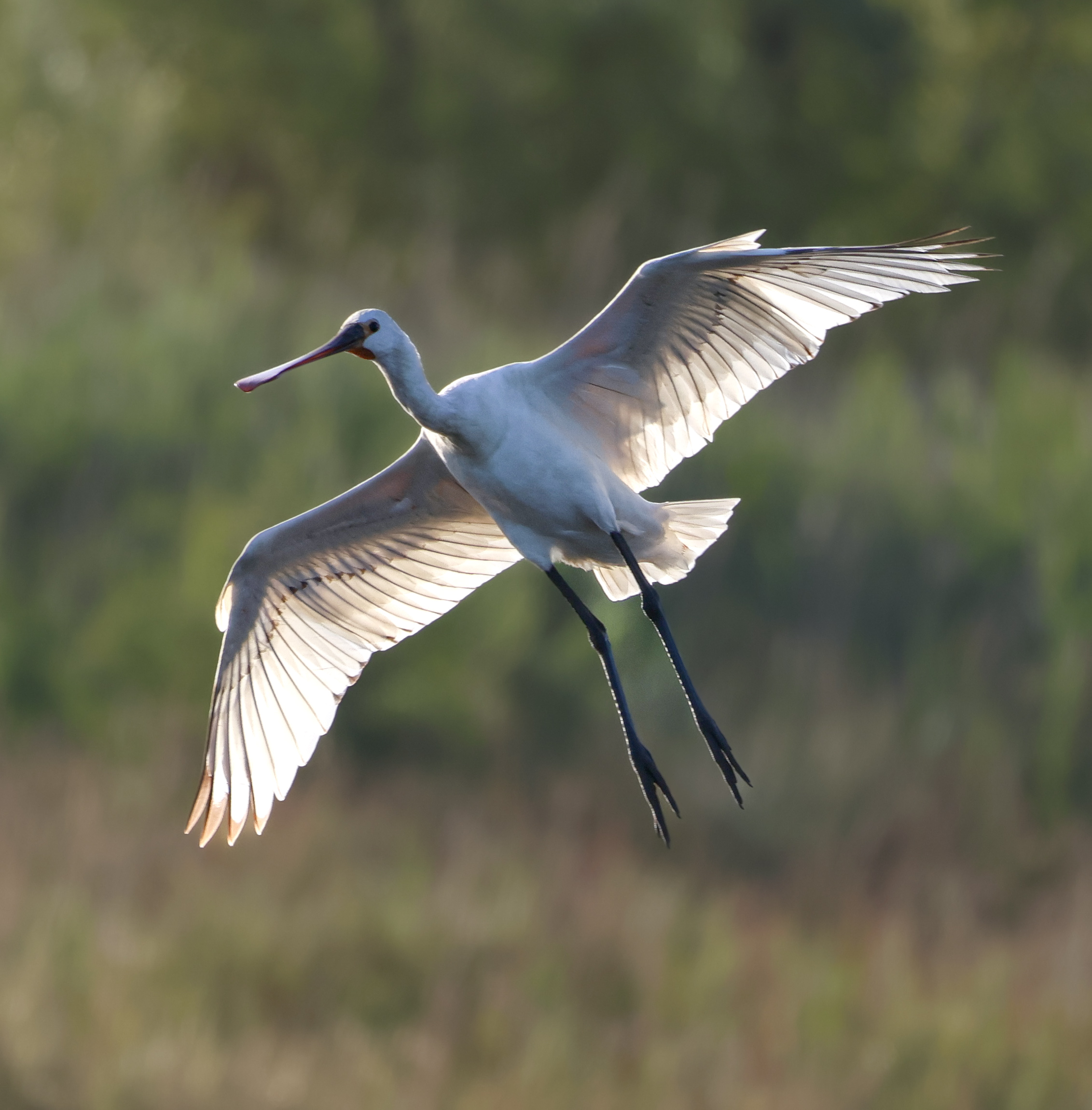
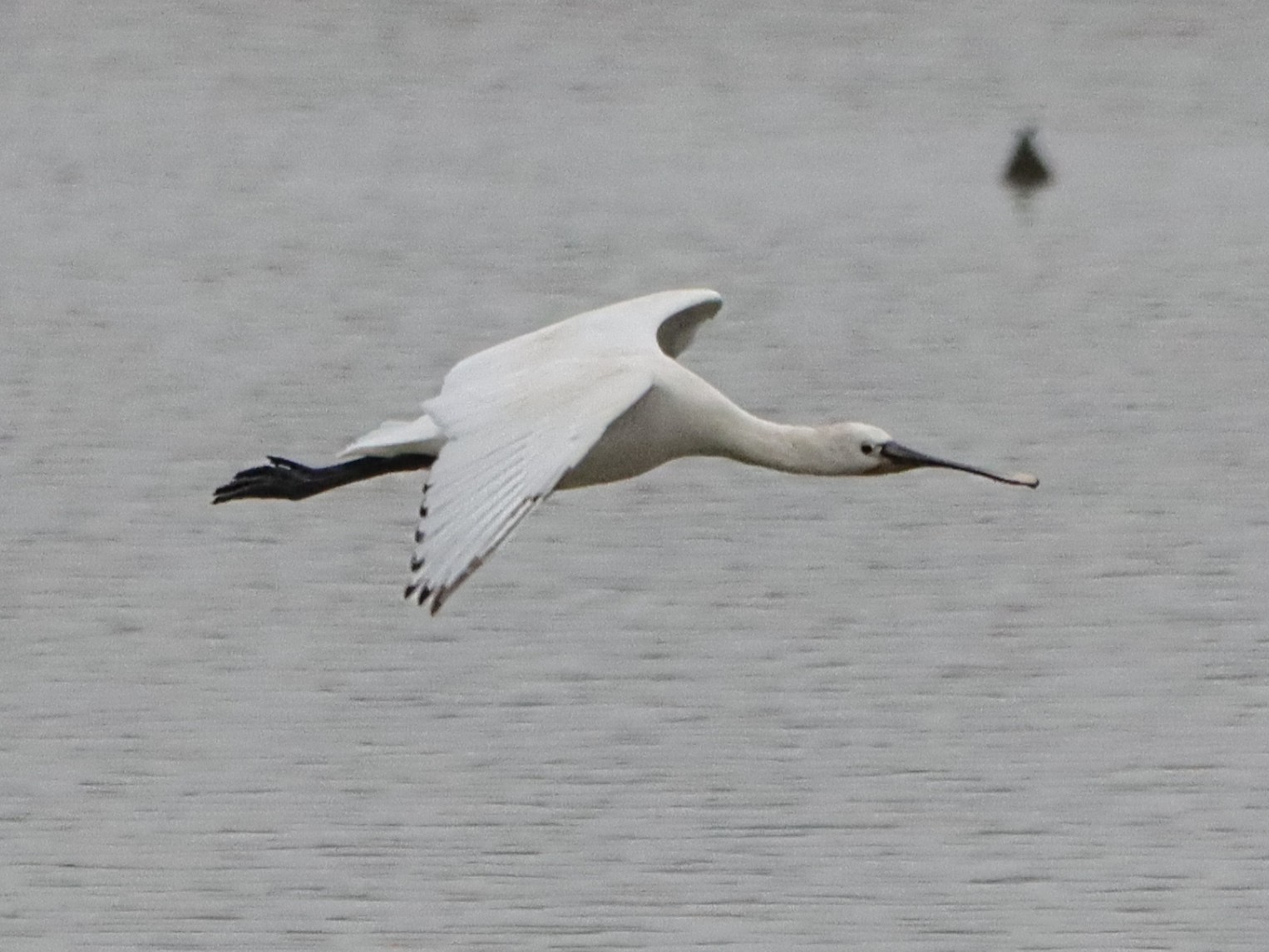
Up for grabs and stealing the limelight this week, however, was an immature Spoonbill found north of the Causeway at Pitsford late in the afternoon of 15th, remaining until early afternoon on 17th. One was also reported flying west over the Brampton Valley toward Cottesbrooke on 16th. Earlier this year there had been four records – all in the Nene Valley and all of which were fairly short-stayers.
Two Bitterns were again present at Stanford and, again, they were predominantly seen on the Leicestershire side of the reservoir.

The week’s raptors were thin on the ground – and in the air, for that matter – with single Marsh Harriers at Titchmarsh on 11th and in the Brampton Valley between Cottesbrooke and Hanging Houghton on 14th and 17th. A male Hen Harrier flew north-east over Harrington AF on 16th.

The weekly Short-eared Owl report came from Blueberry Farm, Maidwell, while single Merlins were at Stanwick GP on 12th and Harrington on 12th-13th.

Another year, another Yellow-browed Warbler – this time not in a mist net, although it might as well have been as it was both heard and seen fleetingly with a mobile tit flock at Daventry CP on 13th, after which there was no further sign. Also wrapped up in a tit flock, a Firecrest was flagged up at Summer Leys on 15th. The autumn’s second Ring Ouzel was ultra brief, and like the last one, seen at Harrington AF, on 13th.

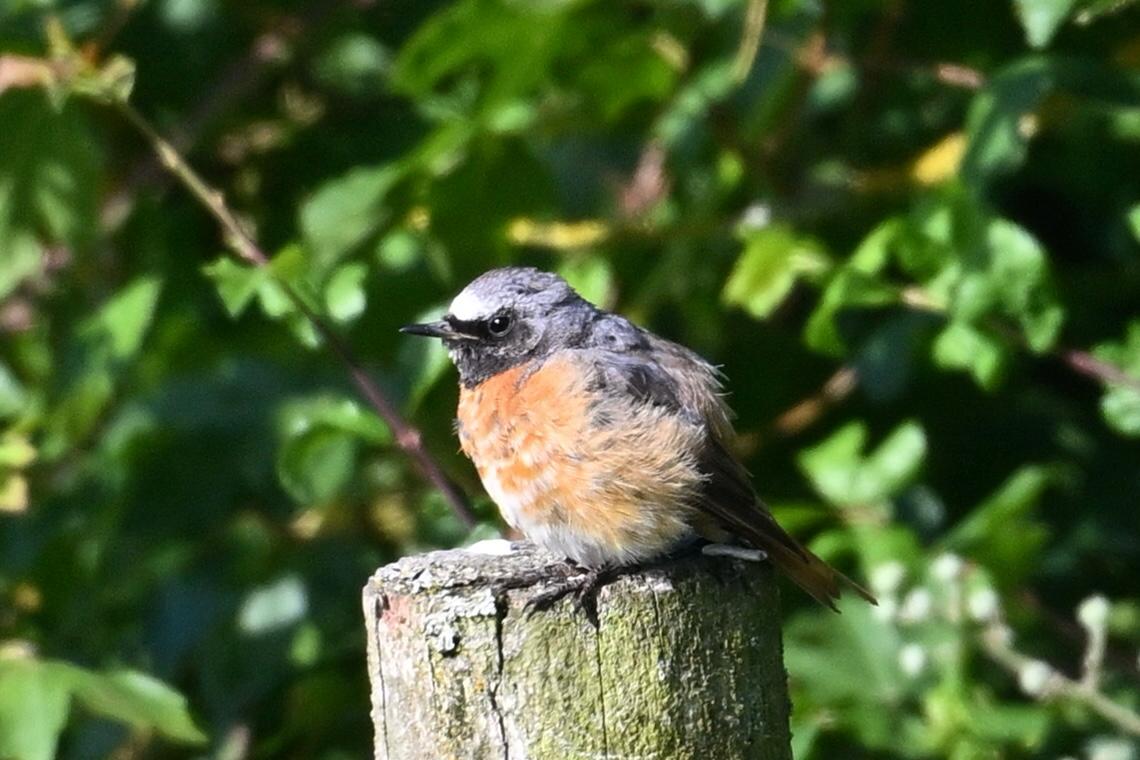
But what’s going on with Black Redstarts this year? One at Rectory Farm, Old on 13th was inaccessible, blocked by the ‘private site’ caveat and therefore out of bounds. The six previous records this year – two in winter and four in spring – have all been one-day birds and, like this one, they have been unavailable to the masses. The 2025 clock continues to tick but time is running out …

There were, however, Stonechats aplenty. Blueberry Farm, Brampton Valley, Clifford Hill, Ditchford, Harrington, Hollowell, Lilbourne Meadows, Pitsford and Upton CP all produced birds with top counts on the last day of the period, when six were in the Brampton Valley and the same number at Hollowell. Northern Wheatears were, this week, down to just the one, this being at Hollowell on 17th.

In the wake of one last week and two the week before – all exclusive to Daventry CP – a rush of Rock Pipits ensued, allowing other localities to get in on the action. First up was one at Boddington and three at Hollowell on 12th, followed on 14th by another at Boddington and two again at Daventry. One was then found at the unusual locality of the Brampton Valley on 16th and one – possibly two – appeared at Hollowell on 17th. Representing a welcome return, these are the highest numbers to be recorded in the county in recent years and formed part of a sizeable inland movement across the UK, including an impressive fifteen at Farmoor Res in Oxfordshire on 14th.

The week’s Crossbills comprised five at Ashton Wold on 11th and, on 16th, three over Penvale Park, East Hunsbury, Northampton and two at Hollowell.

And a species still proving not so easy to catch up with locally at present, a Corn Bunting was again in the Brampton Valley on 15th.

Newsround 10th to 16th May 2025

Seeing out another dry week with, initially, a warm, southerly airstream swinging round to a more northerly flow from mid-period, amid a not insignificant wader rush the county picked up two new birds for the year.

Another week, another Pink-footed Goose – or, more likely, one of last week’s, dropping into Clifford Hill GP on 12th – while the long staying drake Red-crested Pochard saw another week out on the River Nene in the vicinity of Earls Barton GP’s New Workings (South).

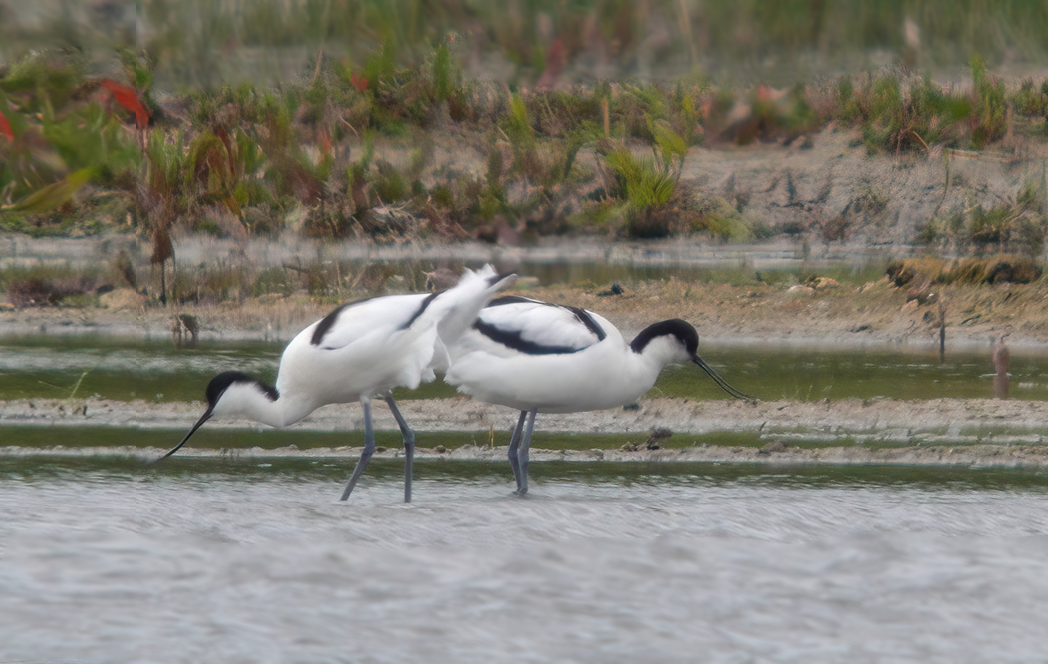
Apart from that, it was waders all the way and with Avocets now seemingly run of the mill – but always a pleasure, of course – it came as little surprise that more were to follow. New in were two at Ditchford GP’s Irthlingborough Lakes & Meadows NR on 13th, lingering there on Dragonfly Lake throughout the day, the same date seeing one at Clifford Hill, where it remained until the week’s end.

And after almost three weeks with none, two more Grey Plovers made it into the county, with one at Thrapston GP’s Titchmarsh NR on 10th and the second … where else but what seems to be the main attraction for the species this year, Clifford Hill, on 12th. Single Whimbrels were again to be had at Thrapston GP’s Elinor Trout Lake, where last week’s bird extended its stay until 13th, at Stanwick GP on 15th and at Titchmarsh NR the following day.

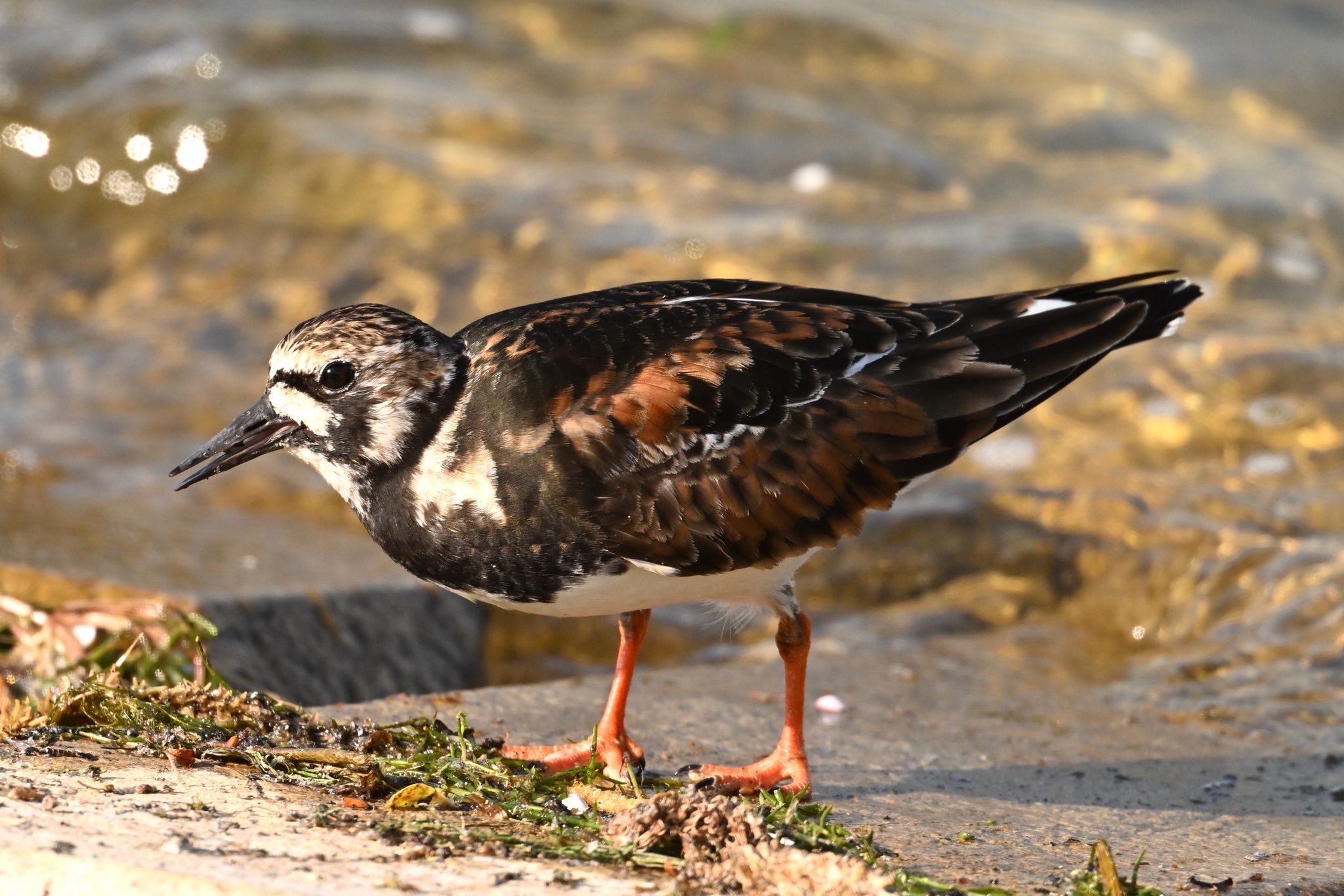
New for the year and constituting the very essence of mid-May, Turnstones and Sanderlings arrived on cue – the first of these two species being represented by a very confiding individual on the dam at Pitsford Res on 12th. This was followed the next day by one at Stanwick and three at Clifford Hill, two more turning up at the latter location on 15th, when two also visited Summer Leys LNR. To round the week off, one was found at Titchmarsh on 16th.

Sanderlings were in short supply, however, with just single birds at Titchmarsh on 12th and Irthlingborough Lakes & Meadows the following day.

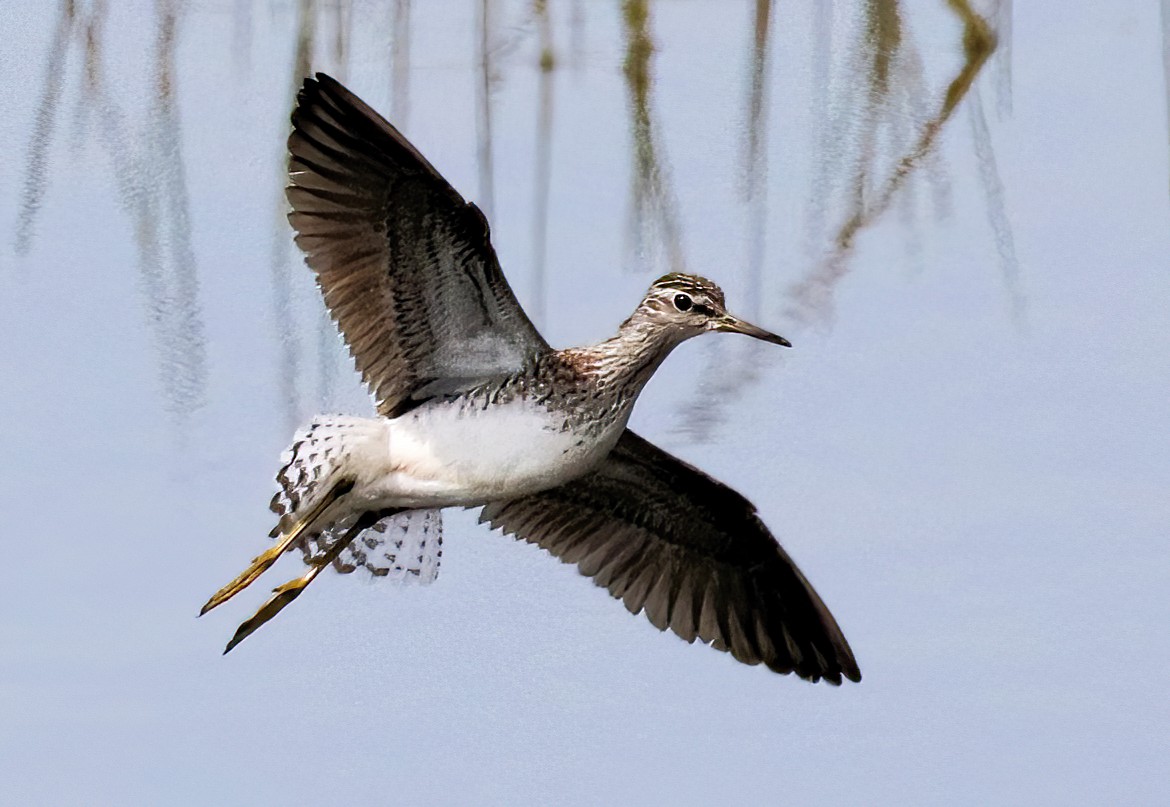
Very much on its own this week, a Ruff made it onto the list for the period when one visited Lilbourne Meadows NR on 12th, while an already decent run of Wood Sandpipers this spring saw two more added, which included one at Lilbourne Meadows on 14th-15th followed by another at Summer Leys on 16th.

Scarce larids were at a premium, their sole representative being a fine adult Mediterranean Gull over Summer Leys on 10th.

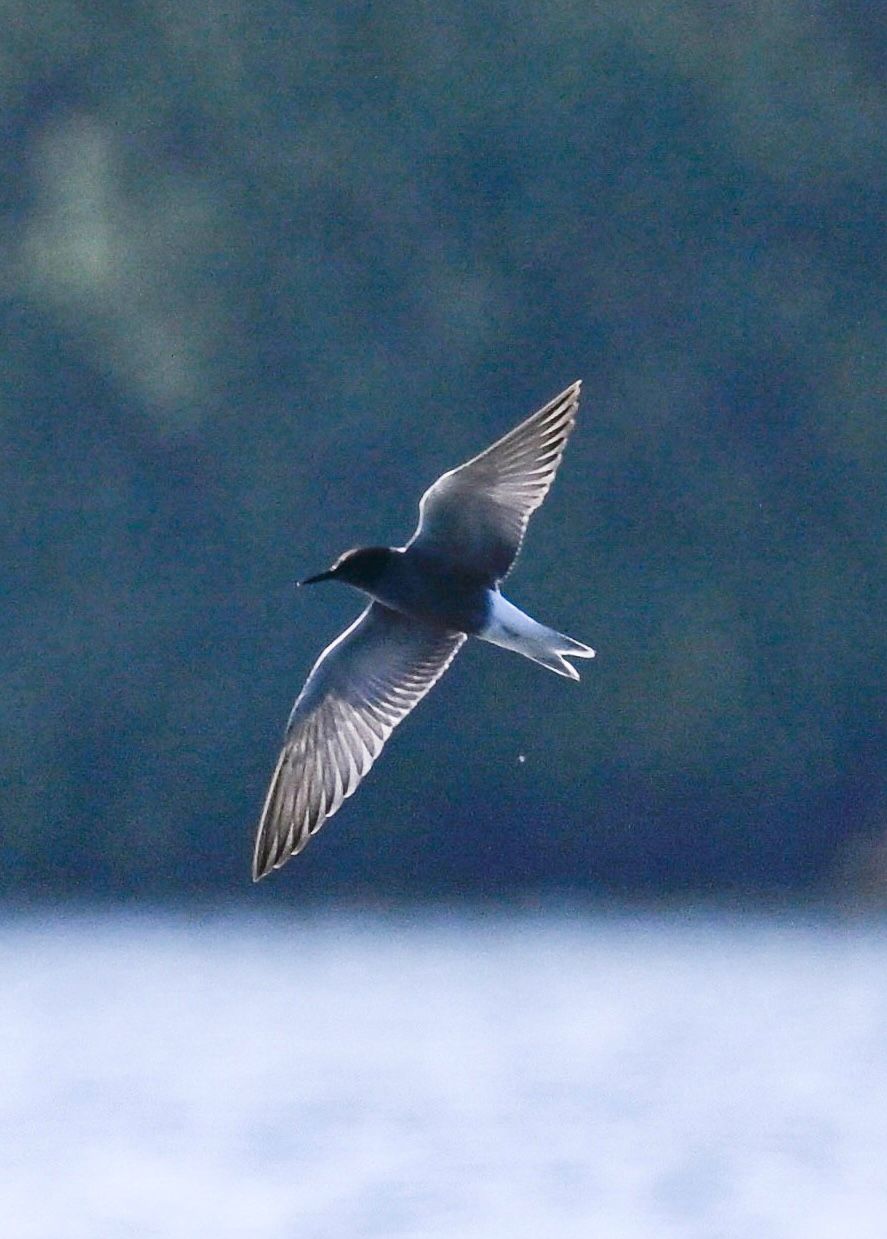
Made of sterna stuff, the same did not apply to terns, however, and a remarkable flock of five Little Terns flying north-east through Irthlingborough Lakes & Meadows on 12th was, unfortunately, not picked up elsewhere along the Nene Valley. An Arctic Tern at Summer Leys on 15th was the only one of the week but Black Terns did a little better with singles at Stanford Res on 10th and Clifford Hill on 12th, when four were also found on Earls Barton GP’s Mary’s Lake.

And just when we thought it was all over as far as Glossy Ibis is concerned – the Summer Leys long stayer now long gone – one pitched up at Lilbourne Meadows on 12th, remaining into the afternoon of the following day. On 14th it was no longer on site there but what was surely the same individual was discovered at Stanwick’s Main Lake, early in the morning on that date. Fidgety and flighty, by late morning it had made its way up the valley to Summer Leys, where it was equally skittish and difficult to pin down, before it was last seen flying off north-east in the evening.

It was subsequently seen again at Stanwick early in the mornings of 15th and 16th, after which there was no further sign. All this begs the question … was it our wintering bird from Summer Leys which, prior to this week, was last seen there on 20th April, or was it a new one entirely?

Given the latter’s showy, long winter stay, more desirable in view of its timing and brevity of visit was last week’s Spoonbill, which also made it into this week, hopping from Earls Barton’s New Workings (South) across the river to New Workings (North) on 10th.

Meanwhile, Titchmarsh logged a Bittern on 10th-11th and 16th and one was in the vicinity of Summer Leys on 14th. Cattle Egrets popped up in two unexpected locations which included Upton CP, where there were two on 10th, and Thrapston GP, where one was present between Elinor Trout Lake and Harper’s Brook on 14th.

The period’s large raptor slot was again filled by Ospreys, singles of which were over both Earls Barton GP and Summer Leys on 11th, Stanford on 15th and Hollowell Res on 16th.

Another Hoopoe – the fourth to be found in the county this year – came to post-observational light this week when one was reportedly flushed from the roadside just north of Watford, on the road to West Haddon, in the early evening of 16th. Another one that got away, leaving birders short-changed once again. One found in an accessible locality, combined with timely reporting, would be most welcome …

Late spring migrant passerines were restricted this week to 11th, when a Whinchat was in the Brampton Valley between Cottesbrooke and Hanging Houghton and a Northern Wheatear was found at Blueberry Farm, Maidwell.

Newsround 3rd to 9th May 2025

A high pressure system stationed over the UK pulled in an easterly airstream off the continent for much of the period, turning north-easterly for a time during the latter part of the week. There were no new summer visitors recorded but this was more than made up for by some quality birds, topped by the county’s eleventh ever Red-footed Falcon …

Back on the week’s agenda, though, was Pink-footed Goose, appearing at three different locations but, in reality, it’s likely only two birds were involved. The Earls Barton GP’s New Workings (South) individual was again present on 6th, the date on which one was also found at Thrapston GP’s Titchmarsh NR before Summer Leys LNR produced one on 9th.

Equally enthralling was the now seemingly resident drake Red-crested Pochard still at the first of these three sites throughout the period.

In what has undeniably become the best ever year for the numbers of Avocets in Northamptonshire, two more turned up, spending the day at Summer Leys on 6th.

Conversely, it’s been a poor spring so far for Bar-tailed Godwits, the year’s 6th being seen at Stanwick GP on the last day of the week. All have been single birds. A steady trickle of Whimbrels – mainly flyovers – continued throughout and included singles at Titchmarsh and Summer Leys on 4th, Stanwick GP on 5th and 8th where two also flew north-east on 6th. One flew over Clifford Hill GP on 7th and one was on the ground at Thrapston GP’s Elinor Trout Lake on 8th-9th.

And to date, it’s been a great spring for Wood Sandpipers, most of which have been at Summer Leys, which produced two on 3rd, at least four – if not five – on 4th, one on 5th and two on 6th. Greenshanks, too, have been above the usual spring level of abundance with, aside from a long staying bird at Lilbourne Meadows NR from 30th April until at least 9th and up to two at Earls Barton GP all week, three were at Stanwick on 3rd with one there on 4th, one was found at Ditchford GP’s Irthlingborough Lakes & Meadows NR on 5th and another at Pitsford Res on 9th.

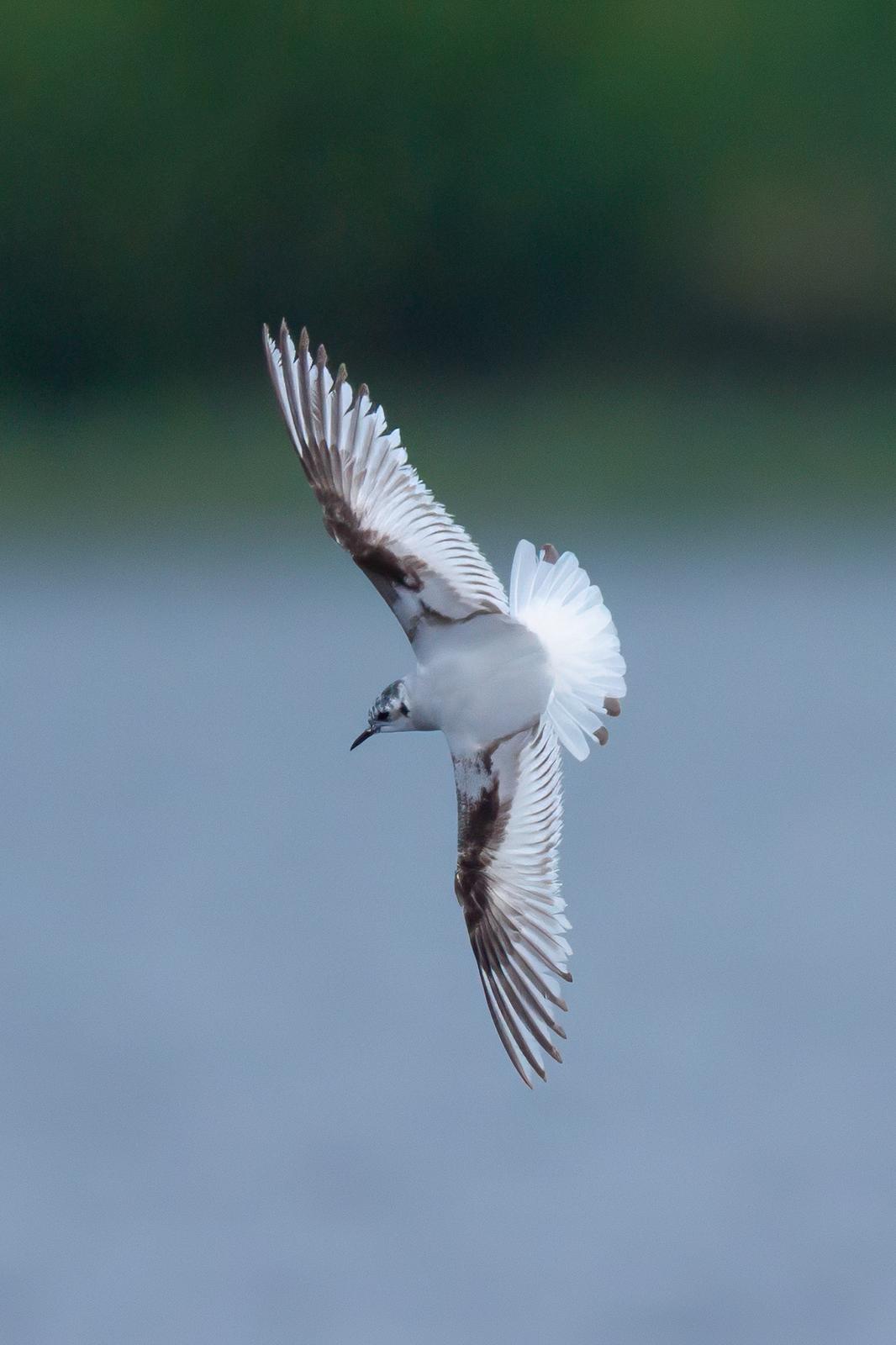
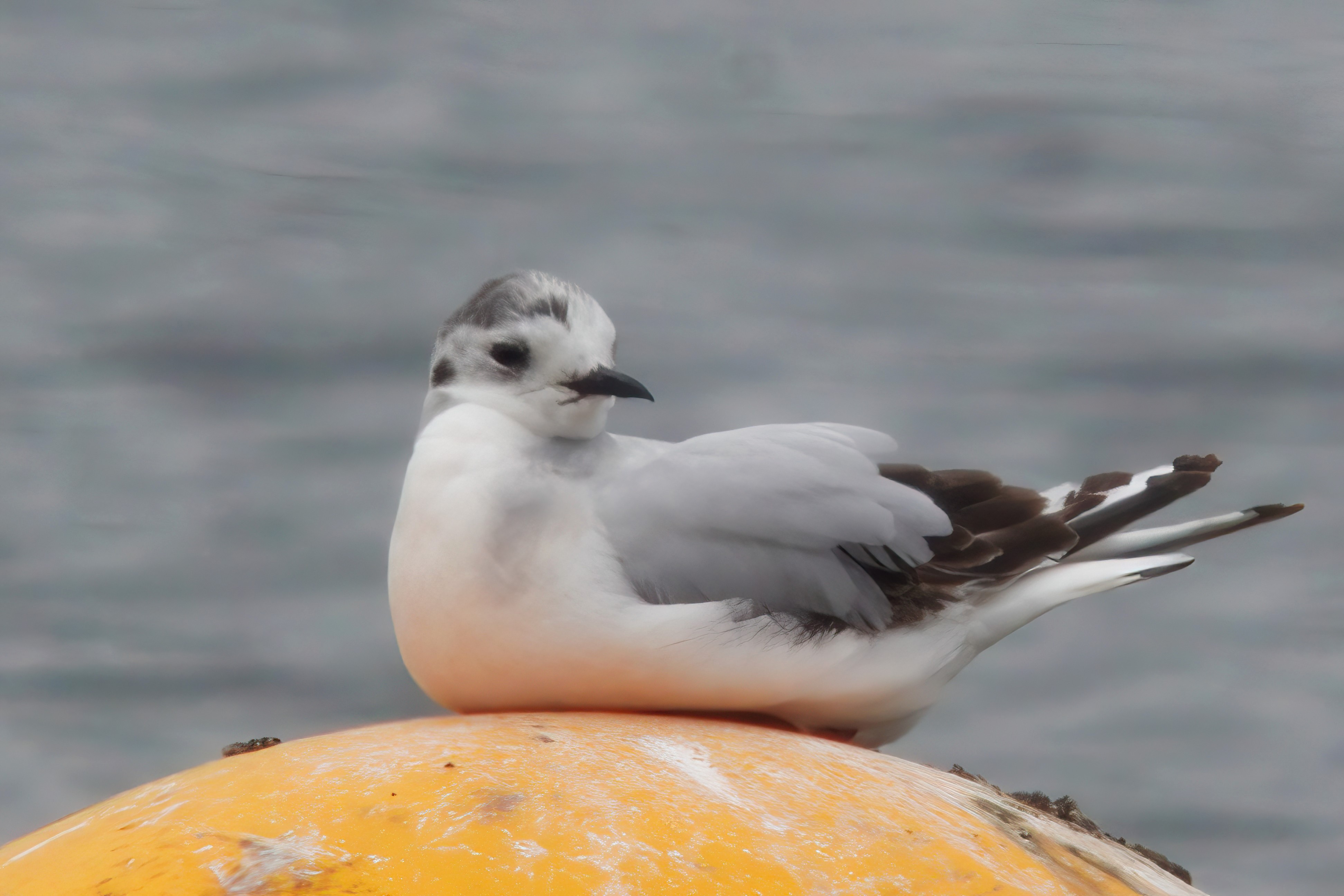
While we were almost running on empty this week, as far as Little Gulls were concerned, with just single first-summers at Stanford Res on 7th and at Daventry CP on 8th-9th, there were even fewer Yellow-legged Gulls, with just a second-summer at Pitsford on 6th.

This was not the case for Arctic Terns however, with, after none last week, a decent passage during the early half of the period comprising, on 5th, flocks of twenty-seven and two separate individuals at Stanford, approximately twenty at Summer Leys, eleven at Stanwick, six at Thrapston and two at Earls Barton. Two were at Summer Leys on 6th and 8th, with one at Earls Barton on the first of these two dates.

Summer Leys also produced the week’s Black Terns, with one on 4th-5th and four on 8th.

And following last week’s short-stayer, local birders were offered a second bite of the cherry when it came to catching up with a Spoonbill on the ground. After one seen flying west over Earls Barton’s New Workings during the morning of 9th, it appears the same bird surreptitiously doubled back and landed to roost awhile there, only to be discovered by visiting birders mid-afternoon. It was present for a shade over two hours before taking to the air once again, after which it wasn’t relocated.

But the story on this individual continues, as a peek at it stretching its left leg – the latter tucked up while roosting – revealed a green colour ring inscribed with the white alphanumeric code V463, identifying it as a bird from Denmark, where it was ringed as a nestling at Høje Sande, Ringkøbing Fjord on 10th June 2023. It subsequently appeared at Marazion Marsh, Cornwall on 28th September of the same year, before moving north to Potteric Carr, South Yorkshire, where it was seen on 10th-15th October, and then returning to Marazion Marsh four days later, commuting between there and the Hayle Estuary and remaining in the area until March 2024. It again returned to the Hayle in September 2024.

Single Bitterns were again seen and heard around the Summer Leys/Earls Barton area on 5th and 7th and the week’s Cattle Egrets were limited to a group of four at Stanwick on 3rd.

The period’s large raptor slot was filled by Ospreys including two together at Hollowell Res on 3rd and 9th, plus singles at Summer Leys on 3rd, Pitsford on 5th and 6th, Stanford on 8th and 9th and Earls Barton on the last of these dates.

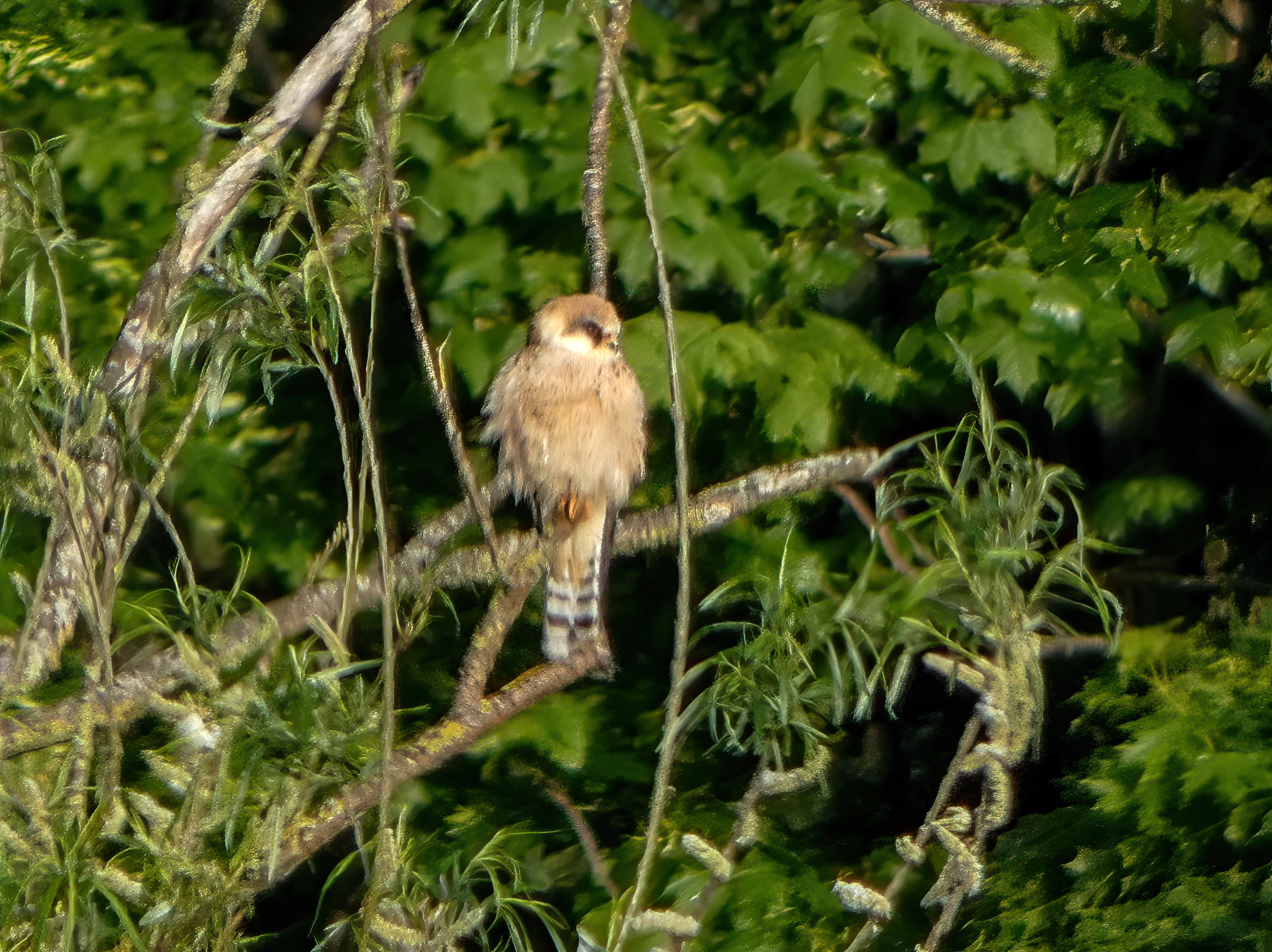
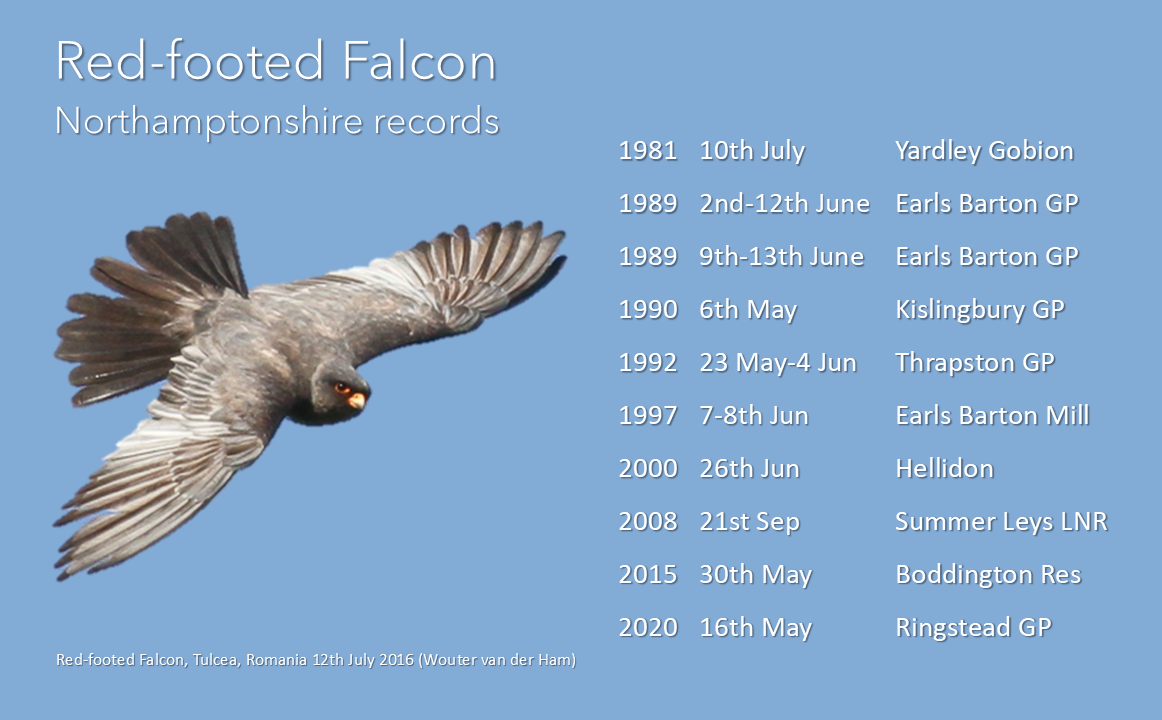
But occupying the week’s prime slot was the first Red-footed Falcon for five years – and rightly so as the county has done nothing to deserve being excluded from the nation’s hefty influx of at least fifty birds over the last week … which makes a refreshing change for Northamptonshire. The bird, a female, was found at Clifford Hill GP early in the day on 7th and remained in the area for nearly two and a half hours, allowing those quick off the mark to reap the benefit of its presence before it spiralled up, up and away … This is only the eleventh Redfoot for Northants, following the last, at Ringstead GP, in May 2020.

And then there were passerines … just. A male Pied Flycatcher was reported fleetingly from Summer Leys on 8th and what might just turn out to be the last Common Redstart of the spring was at Cransley Res on the same date. More to come? We’ll see soon enough …

Newsround – 26th April to 2nd May 2025

Another dry week, weatherwise, saw a largely southerly airflow across the UK – indeed in the last few days all four nations of the UK experienced their hottest temperatures of 2025 so far. On the penultimate day, we saw the UK’s highest ever 1st May temperature of 29.3°C at Kew Gardens, London, while Northamptonshire mustered a decent 26°C – all of which facilitated the continued passage of spring migrants and the arrival of more summer visitors …

Two new summer visitors were logged during the week, with Whinchat and Spotted Flycatcher making it onto the clock before April was out.

As the number of wildfowl continued to wane, a female Smew found at Thrapston GP’s Titchmarsh NR on 2nd was likely the first May record for the county and only the fourth for the year. A single drake Garganey in the Brampton Valley between Brixworth and Spratton, on 26th, was only the third this year in what has turned out to be a rather lacklustre spring for the species so far. Lest we should forget, the drake Red-crested Pochard remained on the River Nene in the Earls Barton GP’s New Workings (South) area throughout the period.

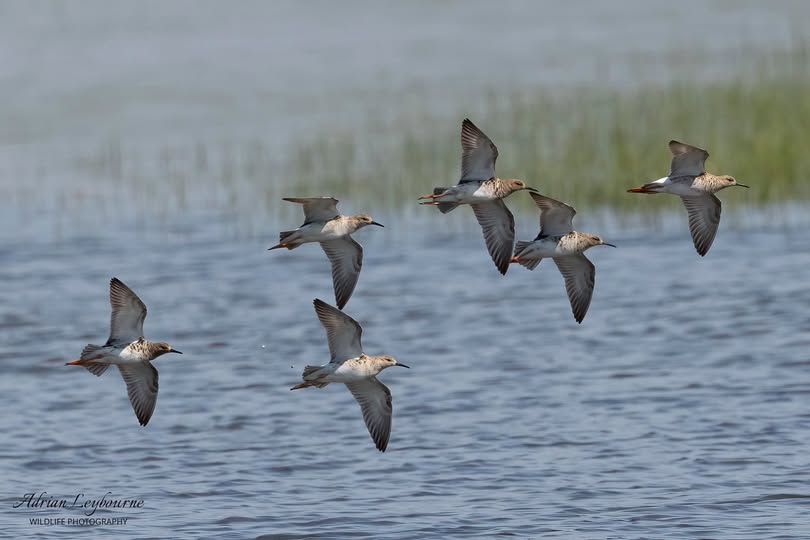
Avocets notwithstanding, the week’s waders comprised five species that were readily accessible and yielded no surprises. Five Whimbrels flew low east over Earls Barton’s New Workings on 28th, followed by singles over Stanford Res on the same date, at Titchmarsh NR on 29th, over Stanwick GP on 30th, at Clifford Hill GP on 1st and at Summer Leys LNR on 2nd. The latter site also produced single Black-tailed Godwits on 27th and 29th, as well as a run of Ruffs, with four on 26th, one on 28th, six on 29th and two on 30th, on which there was also one at Lilbourne Meadows NR and a remarkable fifteen at Titchmarsh NR.

That just leaves the period’s Tringas to deal with – this week’s in the form of Greenshanks and Wood Sandpipers. In the first instance, Summer Leys was the standout site, producing a respectable five on 29th, singles on 28th and 30th and two on 1st. Elsewhere, two were at Ditchford GP’s Irthlingborough Lakes & Meadows NR on 2nd and singles were at Earls Barton on 26th, 30th and 2nd and one lingered at Lilbourne Meadows from 30th until 2nd.

Summer Leys was also the prime site for Wood Sandpipers, holding two on 29th, three on 1st and two on 2nd while, way out west, one was present on floodwater by the canal at Braunston on 1st-2nd.

A minor resurgence of Little Gulls occurred mid-week, when a first-summer was mobile around Summer Leys and adjacent Mary’s Lake on 29th and 30th and three visited Clifford Hill on the first of these two dates.

And last week’s two adult Mediterranean Gulls managed another Nene Valley flypast when they cruised over Earls Barton GP’s New Workings before taking in the delights of Summer Leys and adjacent Mary’s Lake on 27th. Meanwhile, Yellow-legged Gulls were down to just the one at Ravensthorpe Res on 30th and three at Pitsford on the same day.

The week’s tern highlight was provided by two the Little Terns that stuck around at Earls Barton GP’s Hardwater Lake, putting on a decent show for most of the day on 29th, also commuting to, and from, Summer Leys Main Lake. One also paid a fleeting visit to Titchmarsh NR on the morning of the same date.

The busy proceedings of the 29th also extended to include three Black Terns at Summer Leys, followed by six at Stanford Res one the following day.

Meanwhile, Pitsford’s long-staying Great Northern Diver enjoyed a resurgence in popularity as it was flagged up as still being present in its much favoured area of The Narrows on 29th, remaining there until at least 1st.

After two flying high north-east over Summer Leys on 21st, the second Spoonbill sighting of the year was, this time, one on the ground at Stanwick in the early morning of 2nd. Nothing good lasts for ever, though, and it was up, up and away to the south-west only 35 minutes after its discovery. What was presumably the same bird was seen heading west over Summer Leys some 90 minutes later.

And while single Bitterns were again seen and heard around the Summer Leys/Earls Barton area during the period, they were undoubtedly totally overshadowed by a Purple Heron in flight over the reserve on 27th. It was believed likely to have landed in the vicinity and, adding credence to this, it was seen again briefly in flight before undeniably landing there on 1st. Interestingly, one was seen in flight over Pitsford during the intervening period, on 29th. This represent only the twenty-third Northamptonshire record, as well as being the third consecutive year that this scarce, slinky Ardea has been clocked in the county …

As far as raptors were concerned, Osprey was the sole representative of the tribe this week, with singles on 26th at Hollowell, Pitsford and Stanford Reservoirs, on 27th over Earls Barton and Glapthorn Cow Pasture, again at Pitsford on 29th and at both Hollowell and Ravensthorpe the following day.

Passerines were really rather thin on the ground during the period with the best being a female Ring Ouzel left over from last week at Harrington AF on 26th.

The same site produced the year’s first Whinchat, two days later, on 28th, followed by further singles in the Brampton Valley between Cottesbrooke and Hanging Houghton on 29th, Blueberry Farm, Maidwell on 1st and Hollowell on 2nd.

And in line with the maturity of the spring, the number of Northern Wheatears tailed off, with Harrington producing up to two between 26th and 28th and Summer Leys one on 1st. The same also applies to White Wagtail, just one of which was found at Summer Leys on 2nd. Back at Harrington, a flyover Corn Bunting was only the second of the year of this sadly declining species.

Newsround – 29th June to 5th July 2024

With a new week, a new month and a mounting backdrop of migrants, there can be little doubt that we are now in ‘ornithological autumn’ …

Just one bird keeping wildfowl afloat this week was the drake Common Scoter that dropped into Stanford Res on 3rd, no doubt a component of this species’ moult migration that takes place annually at this time of the year.

North of Walgrave at least one male Common Quail was still present, singing until at least 2nd.

But it’s now July and more waders are on the move. In terms of numbers, Black-tailed Godwits were, unsurprisingly, well in evidence with, chronologically, two at Ditchford GP on 29th, eight at Summer Leys LNR on 30th and two at Stanwick GP on the same date, two at Summer Leys on 2nd followed by one there on 5th, the latter date seeing six at Clifford Hill GP and one at Pitsford Res. Single Greenshanks visited Stanwick on 30th and Summer Leys on 5th.

The week’s larids were represented by lone Yellow-legged Gulls at Pitsford on 30th and Stanwick on 4th.

And bird of the week? Well, that accolade fell firmly to the Spoonbill that paid a brief, early morning visit to Summer Leys on 4th. Following an unconfirmed report of one in flight over Wood Burcote on 17th April and another short-stayer at Clifford Hill GP four days later, this week’s is only the third to grace the county so far this year.

Bitterns were again at one site, while single Cattle Egrets were at Earls Barton GP’s New Workings (North) on 29th and Summer Leys the following day, with four at Stanwick GP on 2nd.

The week’s fly-over Ospreys were widely spread across four localities in the county, namely Irthlingborough on 29th, Pitsford on 2nd, Stanford on 3rd and Thrapston GP’s Titchmarsh LNR on 4th.

And they’re back! We’re talking Common Redstarts. It was late April since we last saw one but this week Lilbourne Meadows NR dished up the first one of the autumn on 29th-30th and three males had accrued there by 4th.

The same date also delivered one apiece to Harrington AF and Pitsford, the latter site also producing a juvenile Stonechat, which was trapped and ringed there on 29th.