Not normally hot on the birding front, sliding into the latter half of August, for once, caused a phenomenal stir. From mid-week the winds turned favourably easterly, quickly followed by northeasterlies and then northerlies. Off the back of this came a first for Northamptonshire, as well as a second, and then two more firsts for the year. On the downside, being trapped and ringed, those apical birds were, sadly, not widely available to the masses, having apparently vanished into thin air immediately upon being released …
Having now moved from Ravensthorpe Res, the female Ruddy Shelduck was relocated at nearby Hollowell Res on the last day of the period.
With the overwhelming majority of water bodies now at a low level, waders were the main focus of the week for many local birders. Single Curlews visited Lilbourne Meadows NR on 17th and Hollowell on 22nd, while the only other ‘large’ waders in evidence were Black-tailed Godwits, which included one at the latter locality on 18th and three at Thrapston GP’s Titchmarsh NR on 21st.
The second Turnstone of the autumn appeared at Summer Leys LNR on 17th and there was a decent run of Ruffs this week with birds present at eight sites. Pitsford Res was the standout locality, producing daily sightings, with three from 16th to 20th, five on 21st and four on 22nd. Stanwick GP held three on 21st, one remained at Boddington Res from 18th to 21st with two present on 22nd, one was at Summer Leys on 17th-18th and two were there on 21st. Elsewhere, singles were at Stanford Res from 18th to 21st, Clifford Hill GP from 18th to 22nd, Naseby Res on 21st-22nd and Hollowell Res on 22nd.
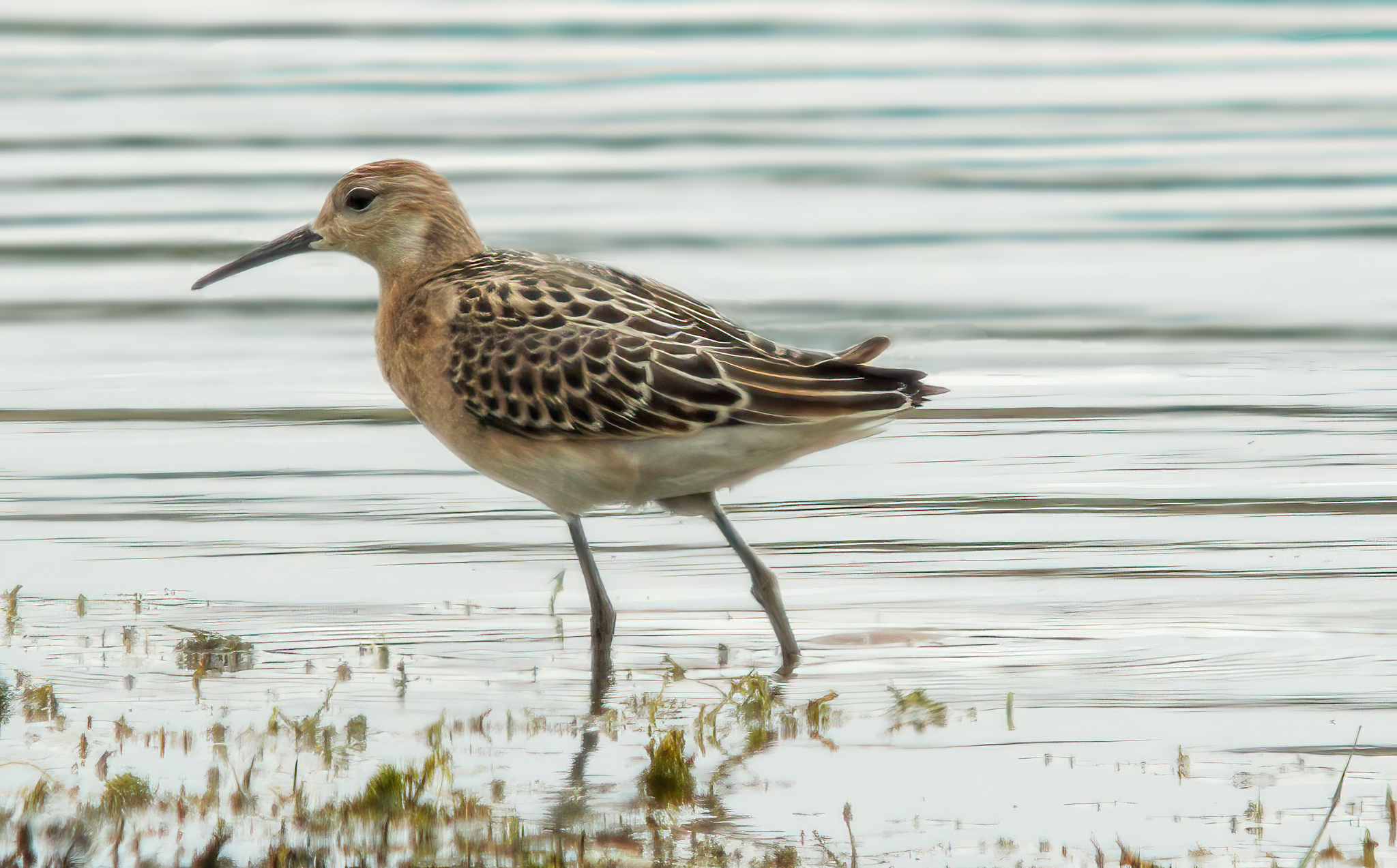
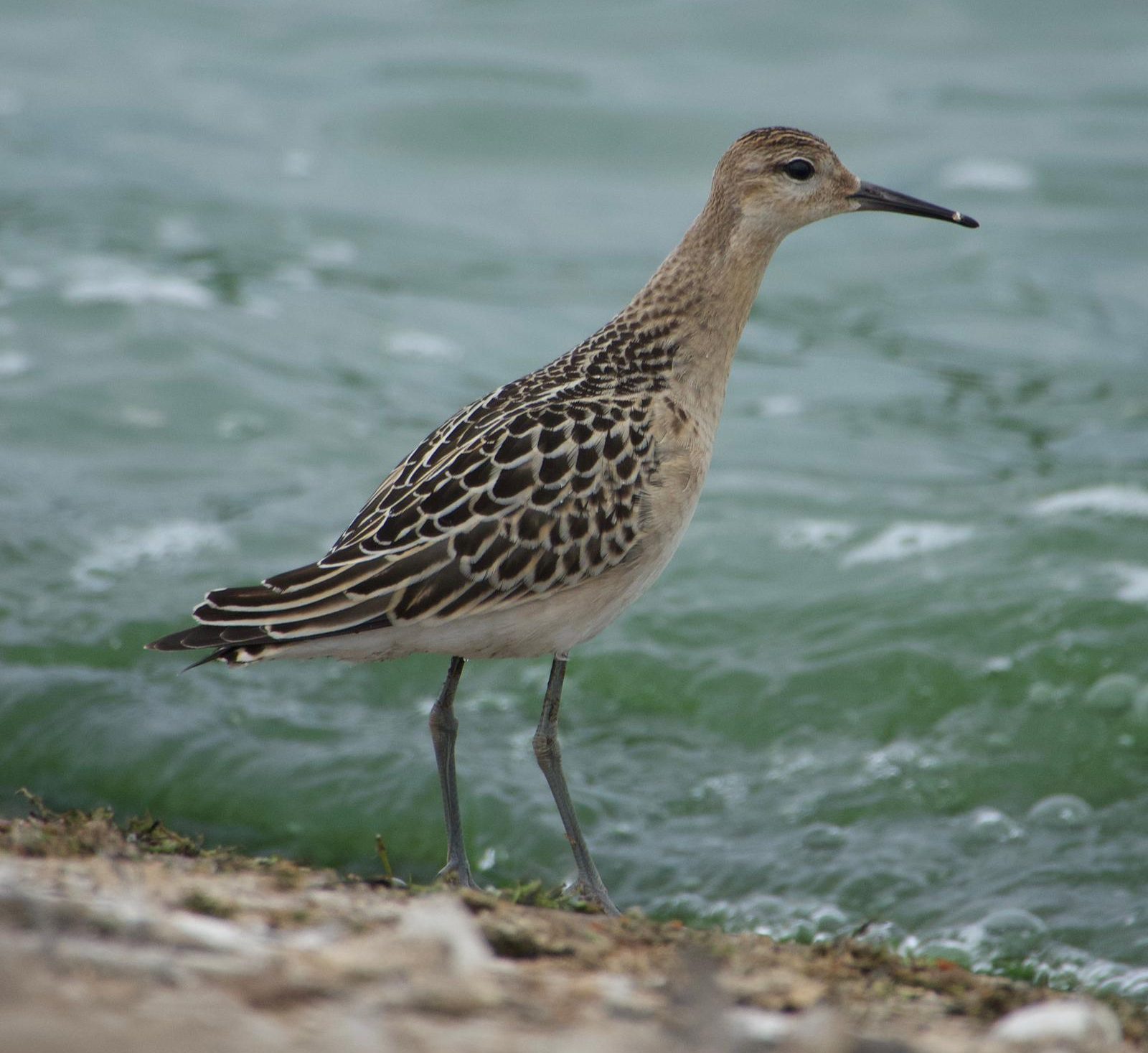

Upping the quality, somewhat, a Sanderling visited Naseby on 19th and the year’s first Little Stint was found at Clifford Hill the following day.

And then there were Wood Sandpipers. Following an exceptional spring, the autumn run continued with daily sightings from Pitsford, where one was present throughout the week, joined by a second individual on 17th. Earls Barton GP’s New Workings (South) produced one on the latter date, while Summer Leys held on to singles on 16th-17th and 22nd.

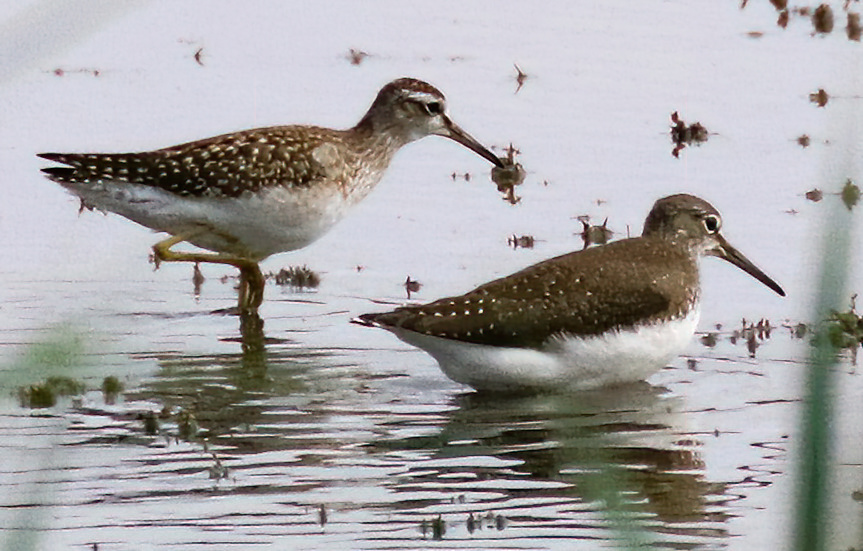
Keeping up appearances, too, were Greenshanks with numbers hitting double figures at one site – that locality being Pitsford, where birds were present daily, numbers peaking at eleven on 19th. Summer Leys held up to four between 16th and 19th and one on 22nd, while Naseby produced three on 19th-22nd after two there on 18th. Two at Earls Barton GP on 16th preceded three there the following day and one on 20th, three were at Ditchford on 19th, two visited Clifford Hill on 18th and singles were present at Boddington on 16th-17th and Hollowell on 18th.
Boddington also produced a juvenile Kittiwake, briefly, on 18th before it headed off south. This unfortunately short-stayer is only the second record for the county this year.

This week’s standard showing juvenile Mediterranean Gull was found at Stanwick on 21st, while the German-ringed adult male Caspian Gull continued its stay at Naseby throughout, being joined there by a first-summer on 18th. A juvenile (or hybrid) was also seen at Pitsford on 20th. By contrast, Yellow-legged Gulls were found at five localities, with Pitsford holding the highest total of five on 20th. Twos were at Thrapston on 18th and Stanwick on 20th, while singles visited Hollowell and Boddington on 18th and 19th, respectively.
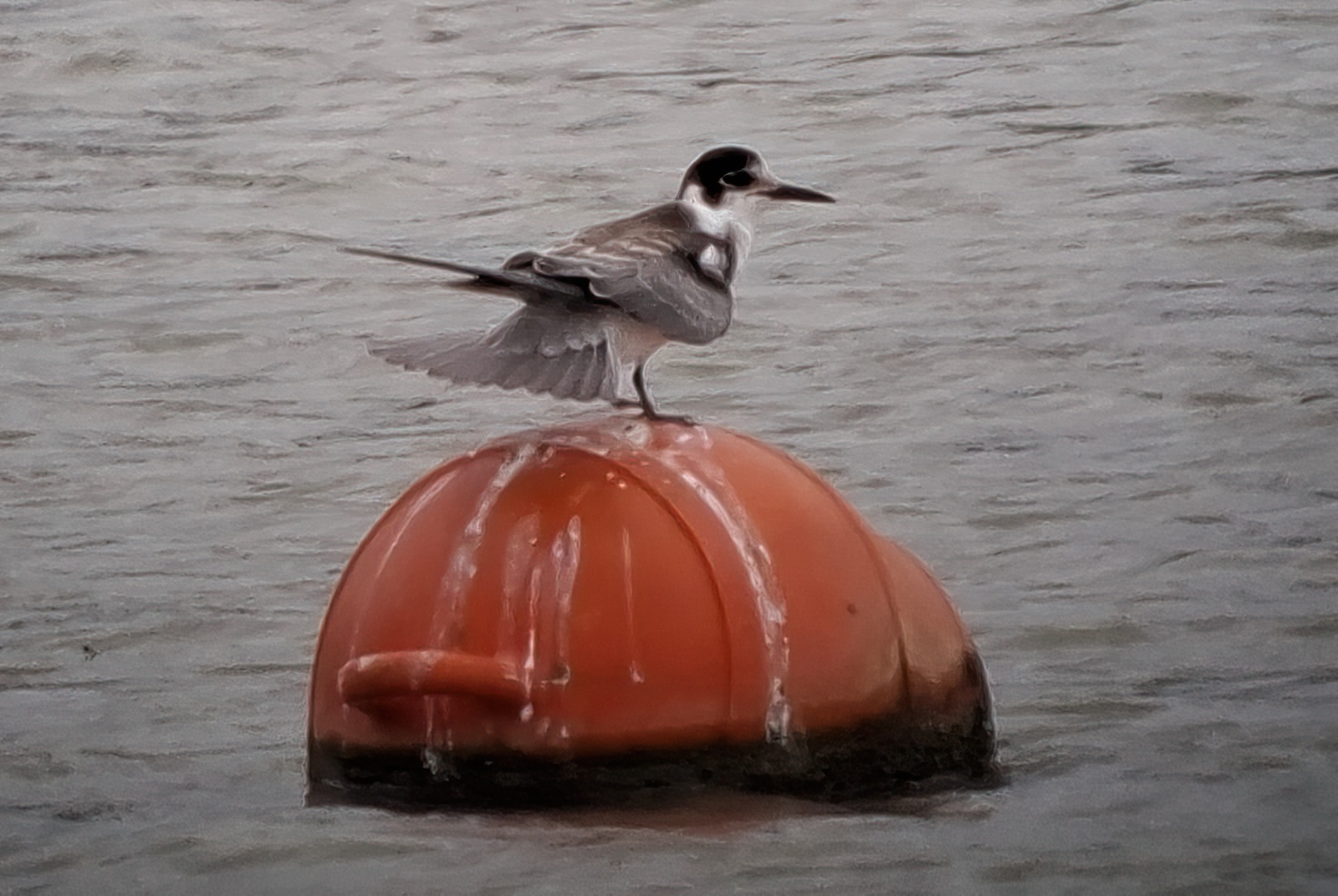
Terns were back on the books this week, with single juvenile Arctic Terns at Daventry CP on 16th and Naseby on 20th – both remaining for only a few minutes at each locality. Black Terns also put in an appearance, one being at Boddington on 16th and two spending a short time at Stanford on 19th.
Stanford birders also welcomed an unusual visitor to the site in the shape of a Bittern on 20th-21st, while further singles were at the more traditional Nene Valley localities of Stortons GP on 17th and Titchmarsh NR on 18th. The latter site also produced three of the period’s four Cattle Egrets on 16th, followed by a lone bird at Stanwick two days later, on 18th.
Raptors continued to feature throughout. Once again, Pitsford was the standout locality for Ospreys which were seen there on multiple occasions on at least four days during the period. Hollowell laid claim to two – possibly three – on 19th, followed by one there on 22nd, single birds flew over Stanwick on 16th and 18th, while Stanford and Titchmarsh logged one apiece on 18th and 22nd, respectively. And hardly a week now goes by without the presence of Marsh Harriers, the glut of which continued with what was presumably the same bird seen between 16th and 18th at Summer Leys and further singles at both Boddington and Titchmarsh on 16th, Stanford on 17th-18th and 21st, Pitsford on 19th, Stanwick on 20th, Harrington AF on 20th and in the Brampton Valley between Cottesbrooke and Hanging Houghton on 22nd. The latter site also produced a juvenile female Hen Harrier, showing well periodically, often toward Blueberry Farm, between 18th and 21st.

But it was up on the northern border of the county where this week’s action played out, as the hallowed nets of Stanford once again delivered … big time. With the way events unfolded at Stanford Res this week, the local ringers could be forgiven for thinking they were operating on the UK’s east coast. It wasn’t so long ago – 8th September 2022, in fact – that Northamptonshire’s first and only Blyth’s Reed Warbler was trapped and ringed there and, this week, the story was to be repeated with another Blyth’s extracted from the nets and ringed on 16th. A shock and a mega in no uncertain terms.
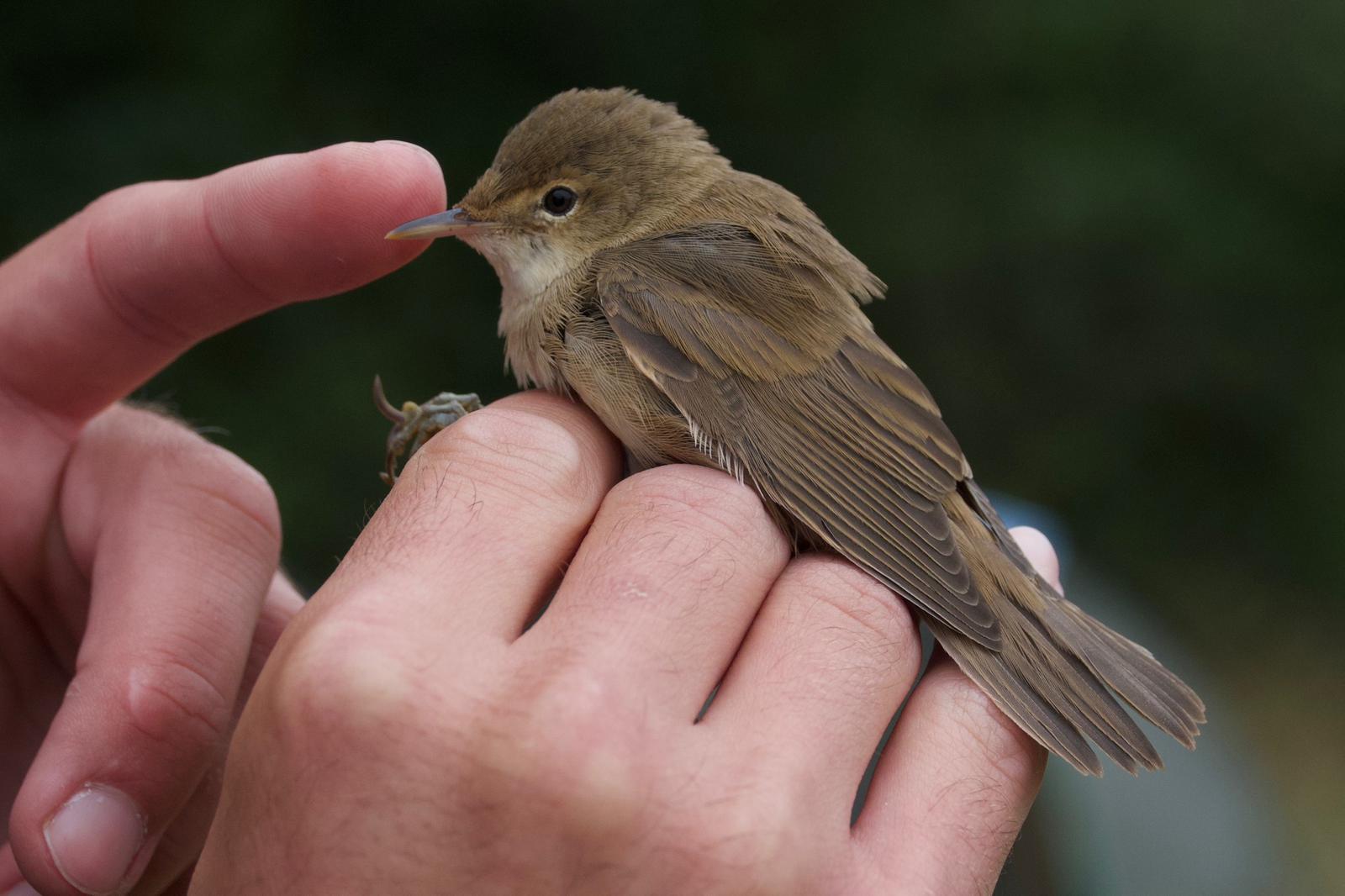

But as the week rolled out, the site was to become a warbler wonderland as, some four days later on 20th, during a somewhat drizzly spell, an early round of the nets yielded a rather meagre twenty-two birds, twenty-one of which were, shall we say, standard fare. Bird number twenty-two, however, was a different kettle of fish entirely. And there it was … Northamptonshire’s first-ever Barred Warbler – a sight to behold indeed. After being released it rapidly disappeared into the extensive swathe of waterside vegetation and largely impenetrable scrub that borders Blowers Lodge Bay and that, as they say, was that. It was never seen again, despite being searched for on and off throughout the day.


More was to come. The week went out with a bang as, on 22nd, a Wood Warbler – a latter-day local rarity – was also trapped and ringed, this being only the fifth for the site after previous records in 1977, 1982, 1999 and 2020. It’s also a first for the year in Northants.

And just for good measure, a Willow Warbler showing characteristics of the Northern race acredula was also trapped and ringed on 16th. Stanford has produced all of the county’s records of this race to date.

All of the above are arguably just reward for a week’s concerted effort on site by the Stanford Ringing Group.
Following one in a suburban Northampton setting last week, another Firecrest was found – this time at Hinton AF on 17th.
Back at Stanford the ringers were busy with Common Redstarts, at least a dozen of which were trapped and ringed during the period. Elsewhere, up to three were at Blueberry Farm (Maidwell), the same number in the Brampton Valley and singles at Harrington AF, Lamport Hall and Yardley Chase, on and off, throughout the week.
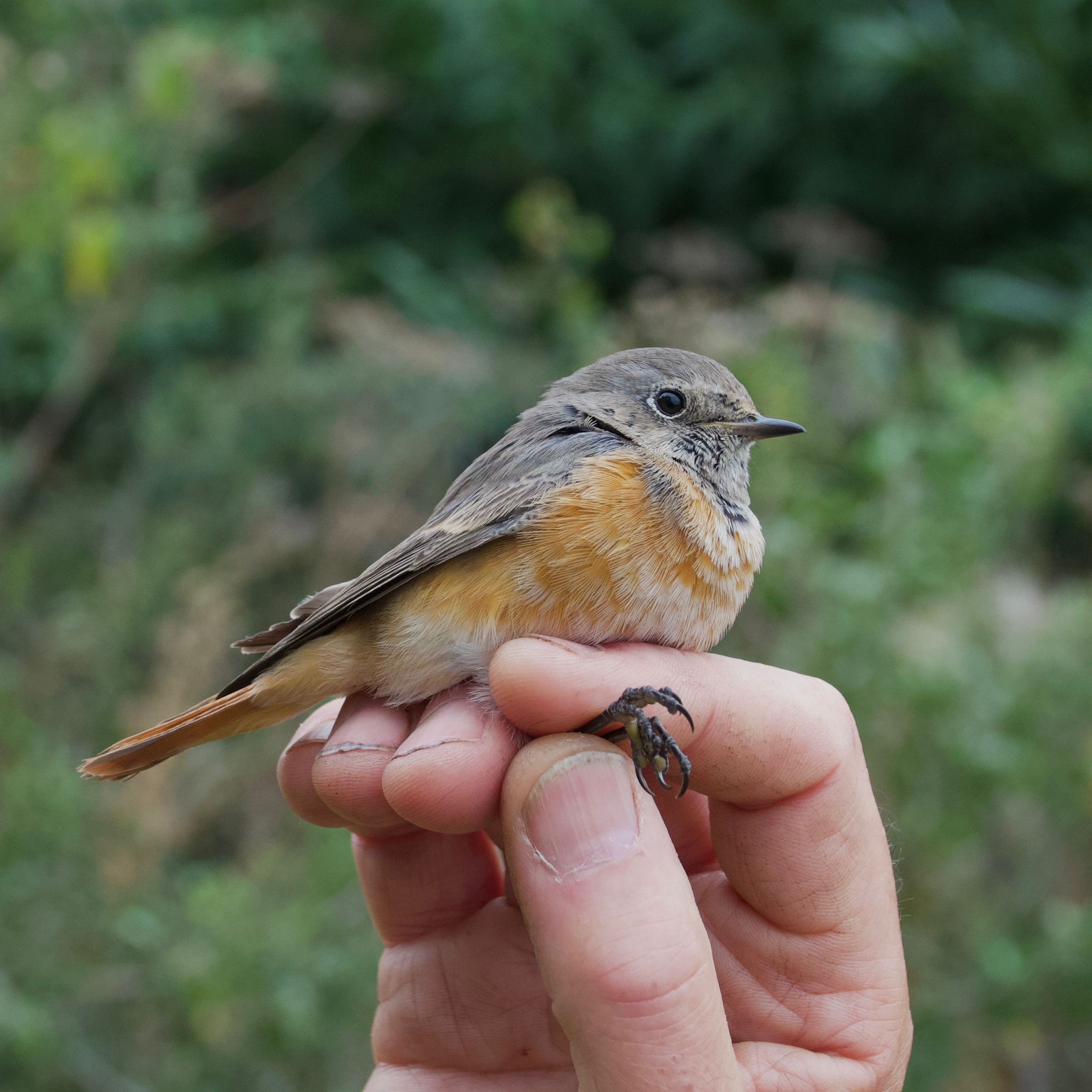
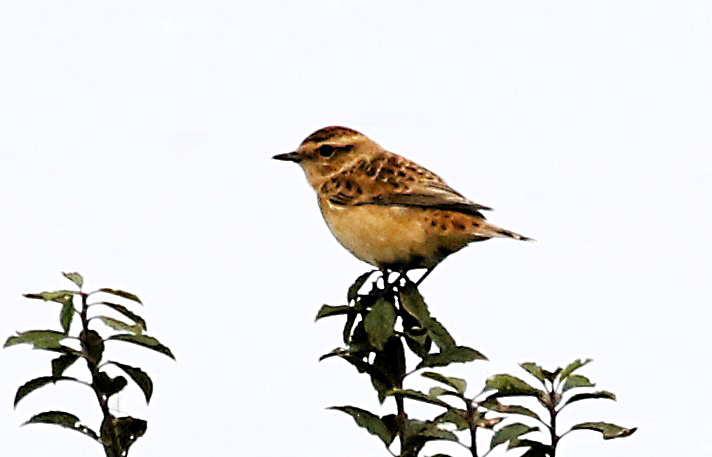
Whinchats were present at Blueberry Farm, Brampton Valley, Hollowell, Stanford and Thrapston with no more than two at any one site, while the week’s Northern Wheatears were limited to singles at Daventry CP on 16th, Lilbourne Meadows on 17th, Blueberry Farm on 21st, Pitsford on 22nd and two in Brampton Valley on the latter date.
Crossbills were poorly represented during the period, with just one just scraping in over Cavendish Drive, Northampton on 17th and, once again, still proving difficult to catch up with, Corn Buntings popped unexpectedly at Ditchford GP, where two were present briefly on 19th.

 Northants birds