The movement of the jet stream to the north of the UK brought us a settled and dry week with temperatures reaching the high twenties for three consecutive days, thereby designated a heatwave. But one bird in particular generated heat of a different kind in the northern reaches of the county, up on the border with Leicestershire …
And it certainly wasn’t the female Ruddy Shelduck which, after its usual protracted absence at this time of the year, was back at Hollowell Res on 28th. Nor was it the Red-crested Pochard at Pitsford Res on the same date.
Following last week’s call for a Common Quail in the county, and after the suggestion that there may potentially be a long wait in the offing, as if by magic, three came along at once. Unlike buses, though, they were not easy to catch up with, or so it seems. On the evening of 25th, two males were singing north of Walgrave with one reportedly still present the following evening and two again on 28th. Meanwhile, another was discovered singing less than 5 km to the north-west, at Harrington AF, also on 26th.

A quick review of past occurrences suggests they are holding steady after a sharp peak in records between the late ‘80s and late ‘90s and there have been only four blank years in the last 55 years, namely 1985 and a run in 1973-75.
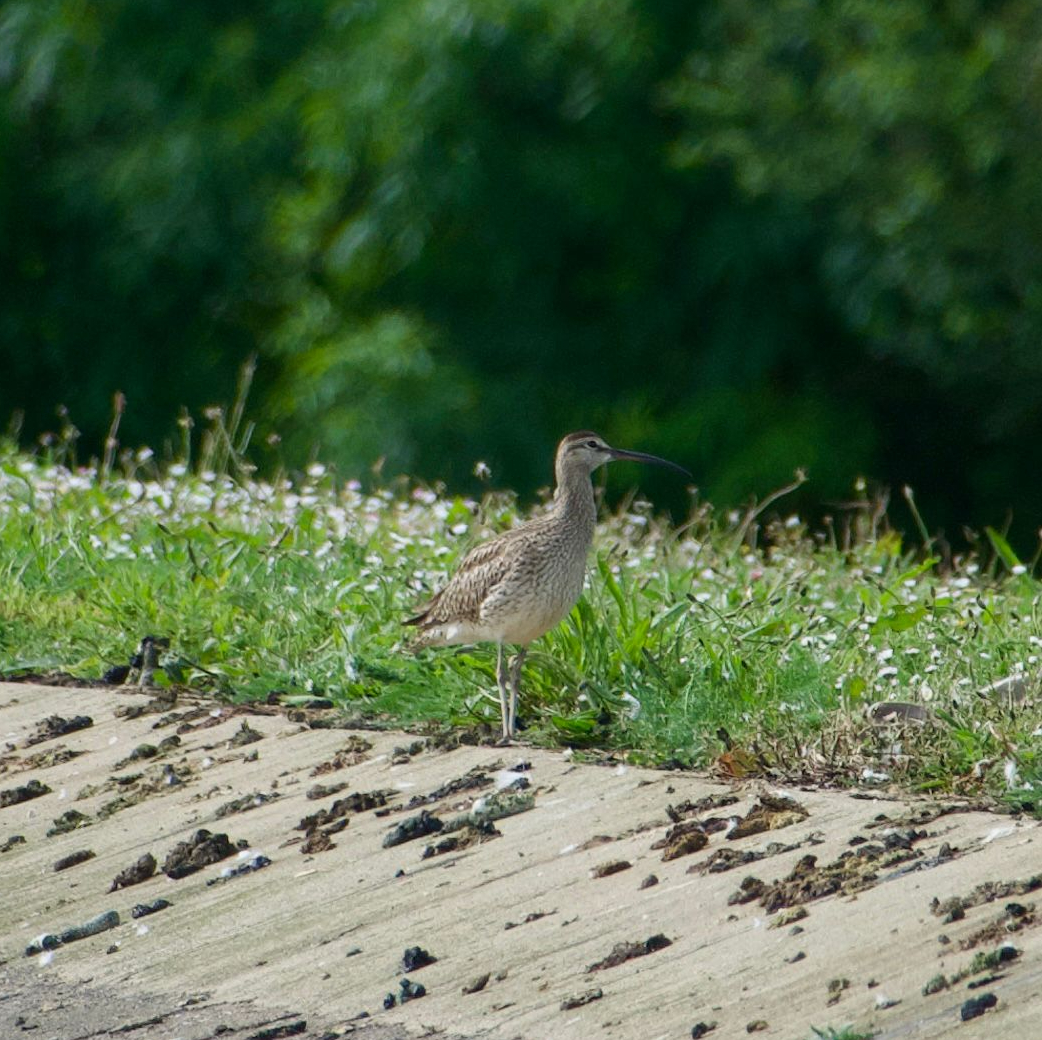
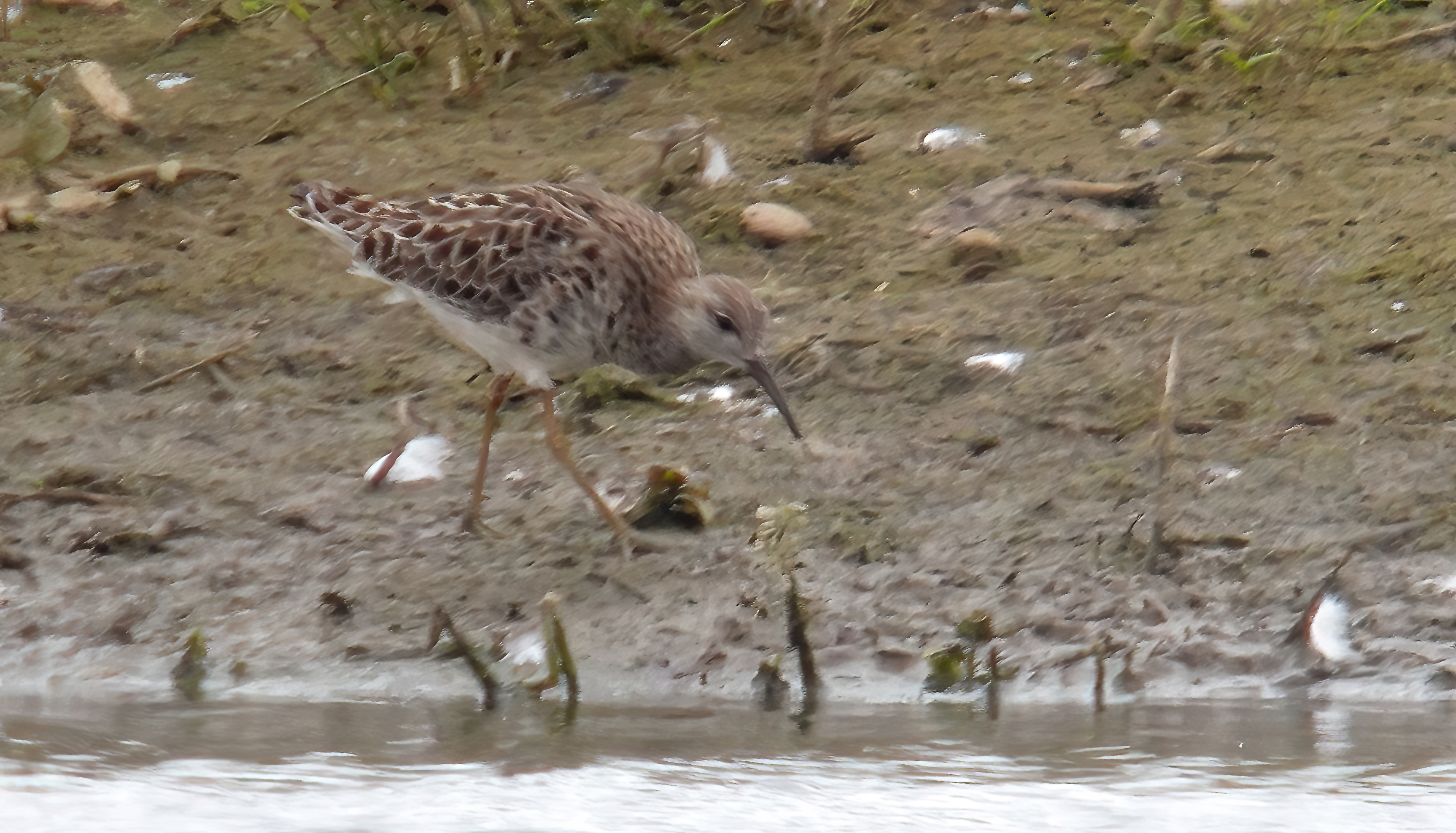
And while the aforementioned species is arriving, waders are on their way back. Against a countywide backcloth of smaller numbers of Green Sandpipers, Common Sandpipers and Dunlin, an impressive flock of thirty summer-plumaged Black-tailed Godwits dropped in at Stanwick GP’s Main Lake on the last day of the week.
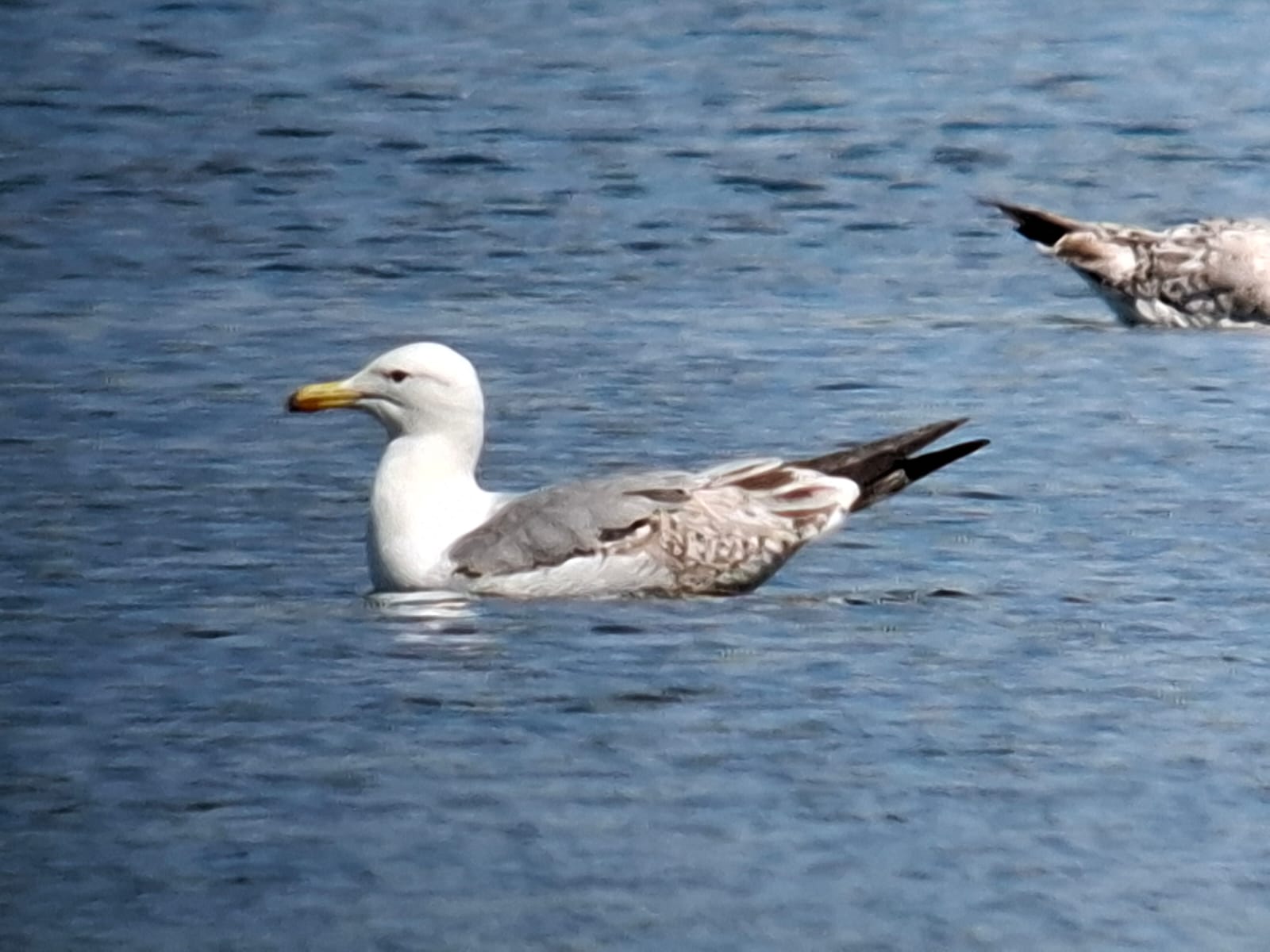
Sticking with Stanwick, three Mediterranean Gulls – two adults and a first-summer – flew south-west over the site on 25th, while a sub-adult Yellow-legged Gull visited Stanford Res on the same date.
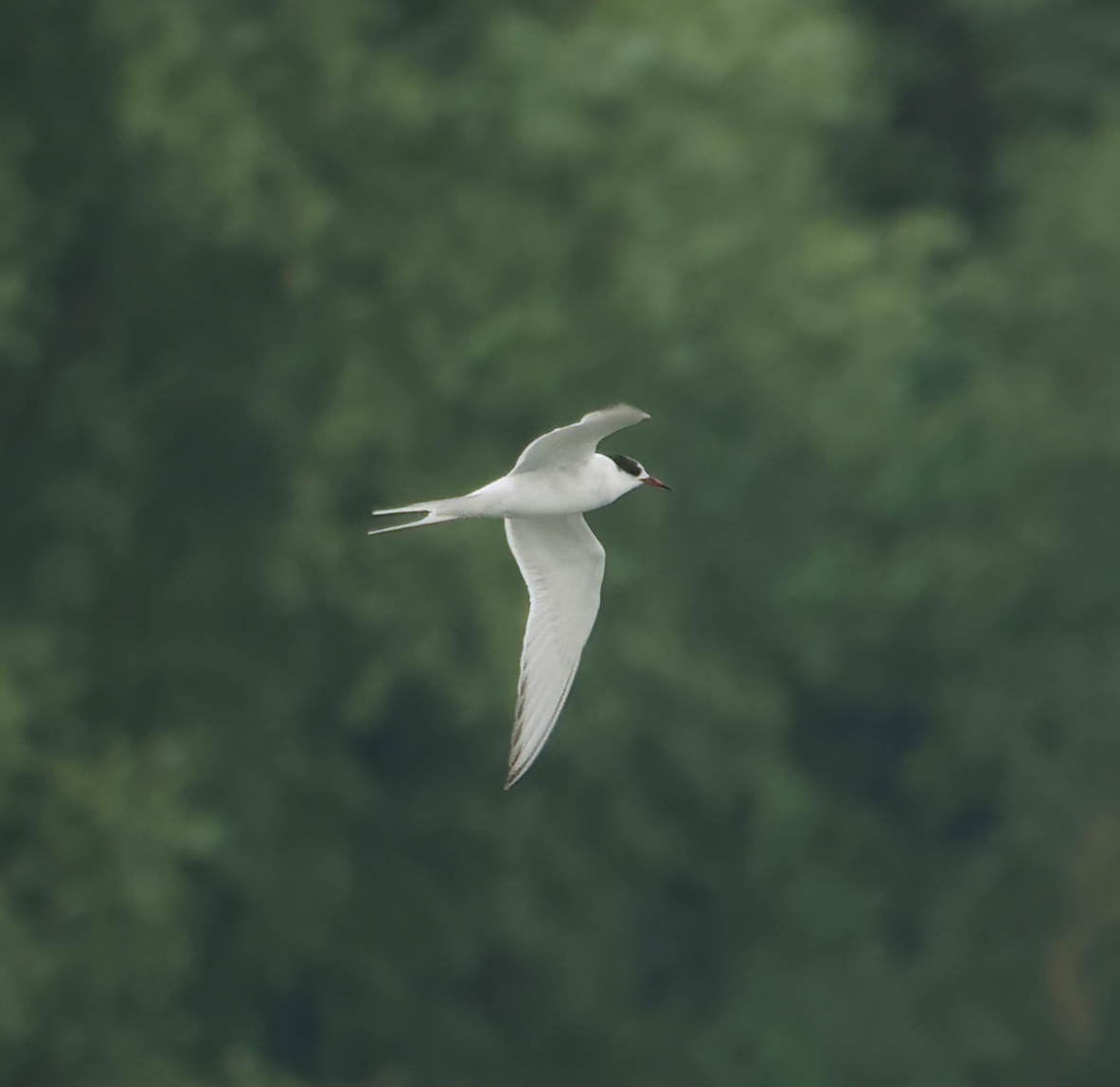
It’s not too late for a spring Little Tern and, to prove it, one was found mobile around Hollowell on 22nd – the fifth for the county this year.


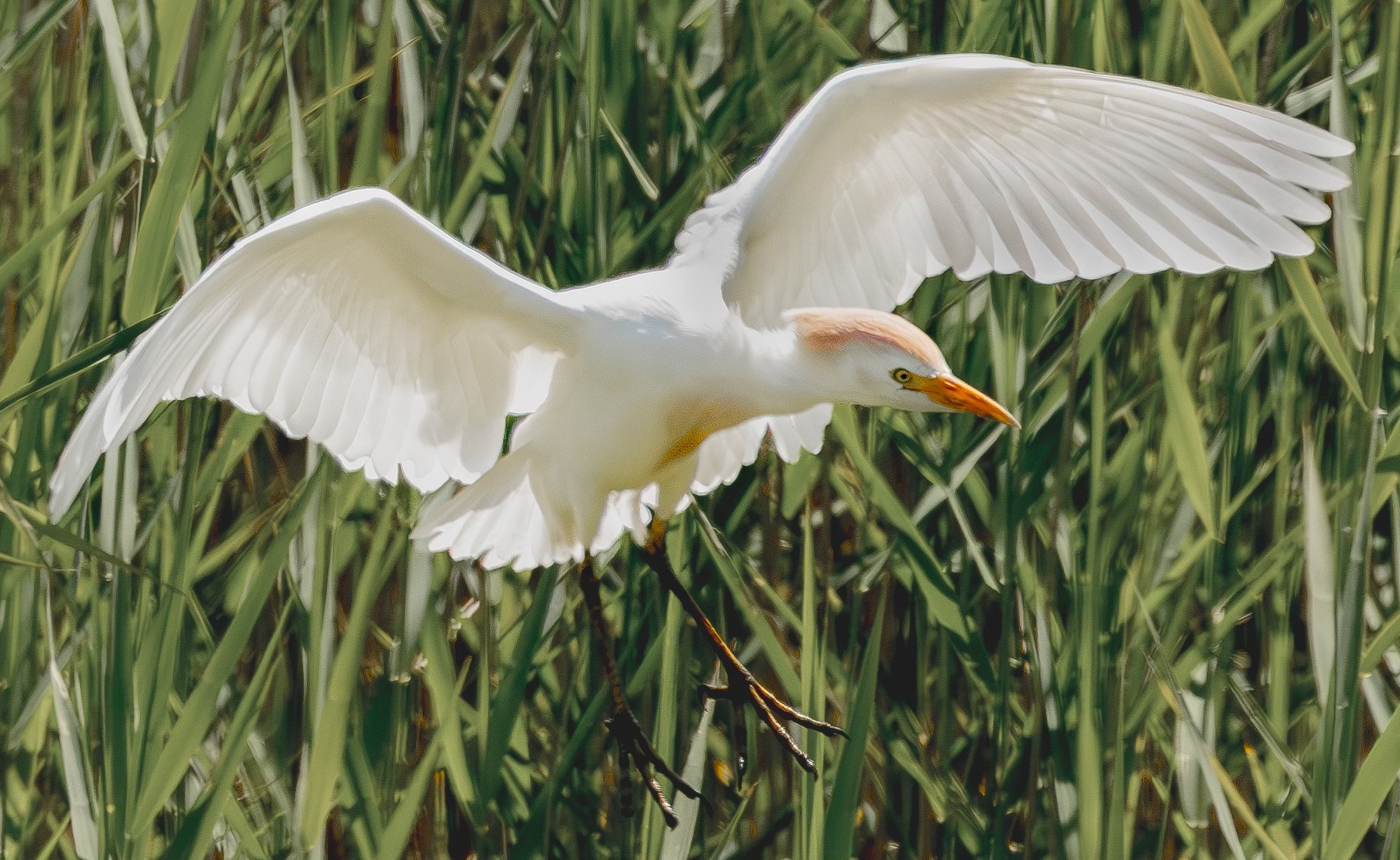
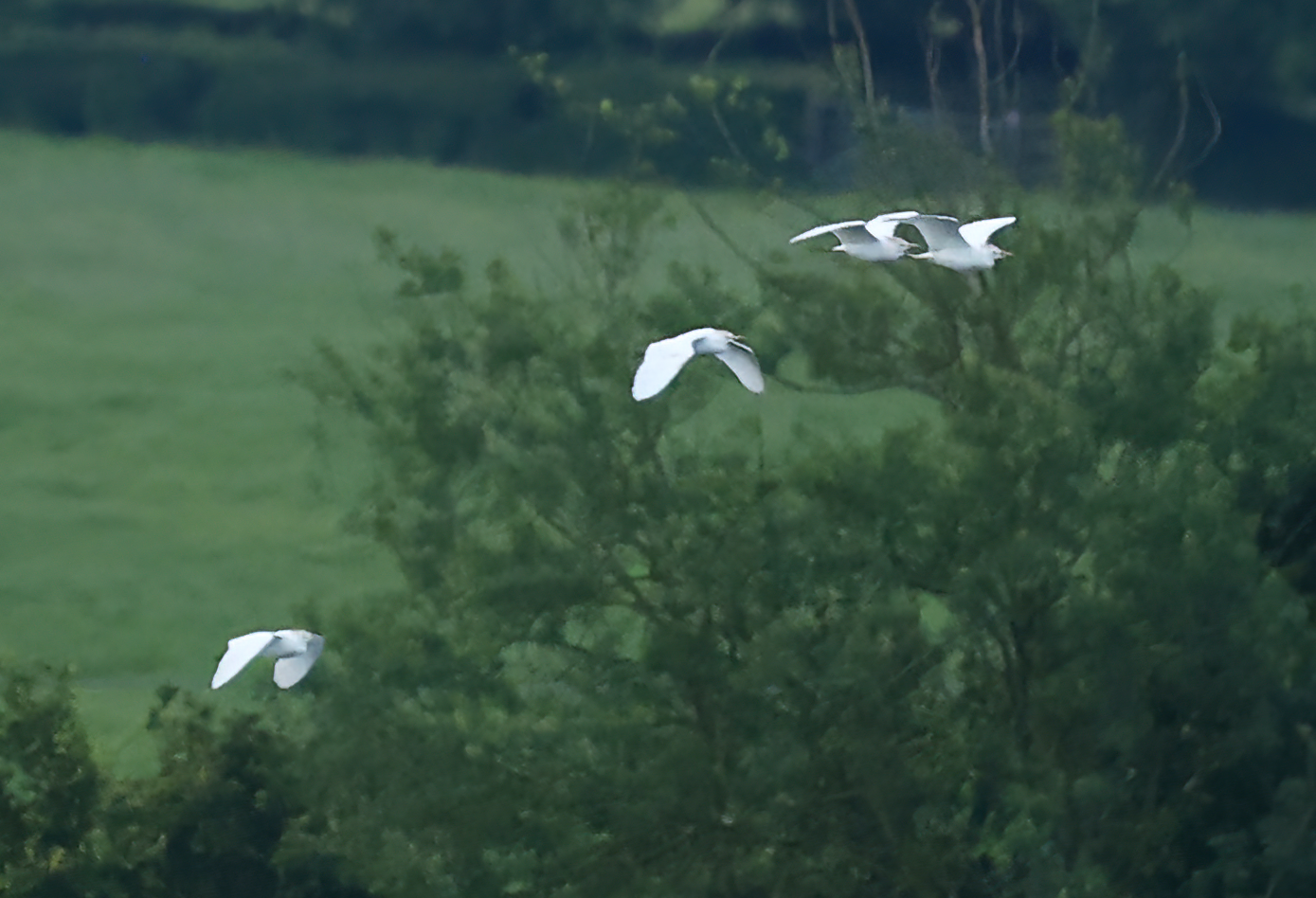
Bitterns continued to be seen at two sites, while Cattle Egrets maintained a low profile with singles at Stanwick on 27th and Earls Barton GP the following day.
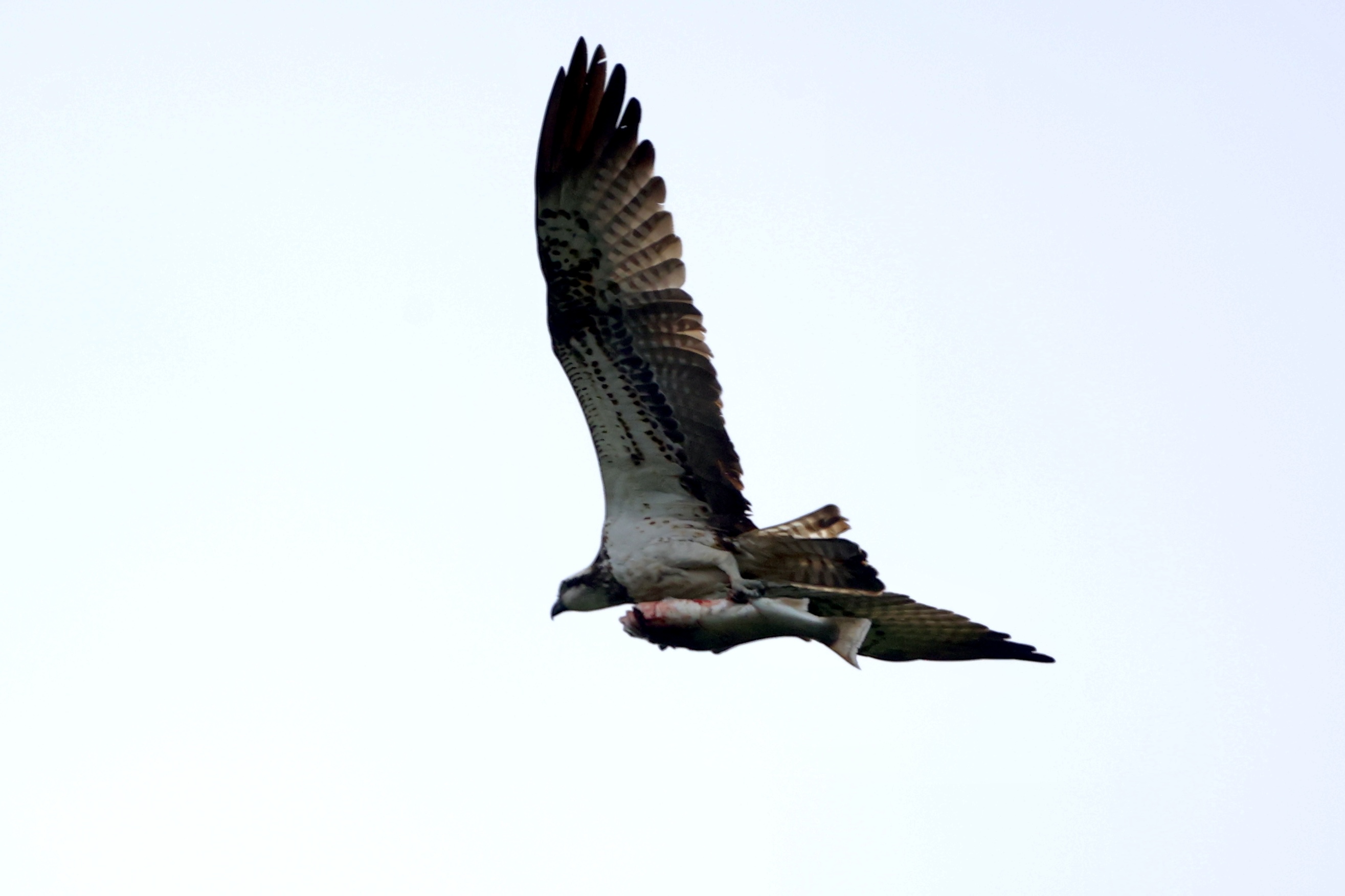
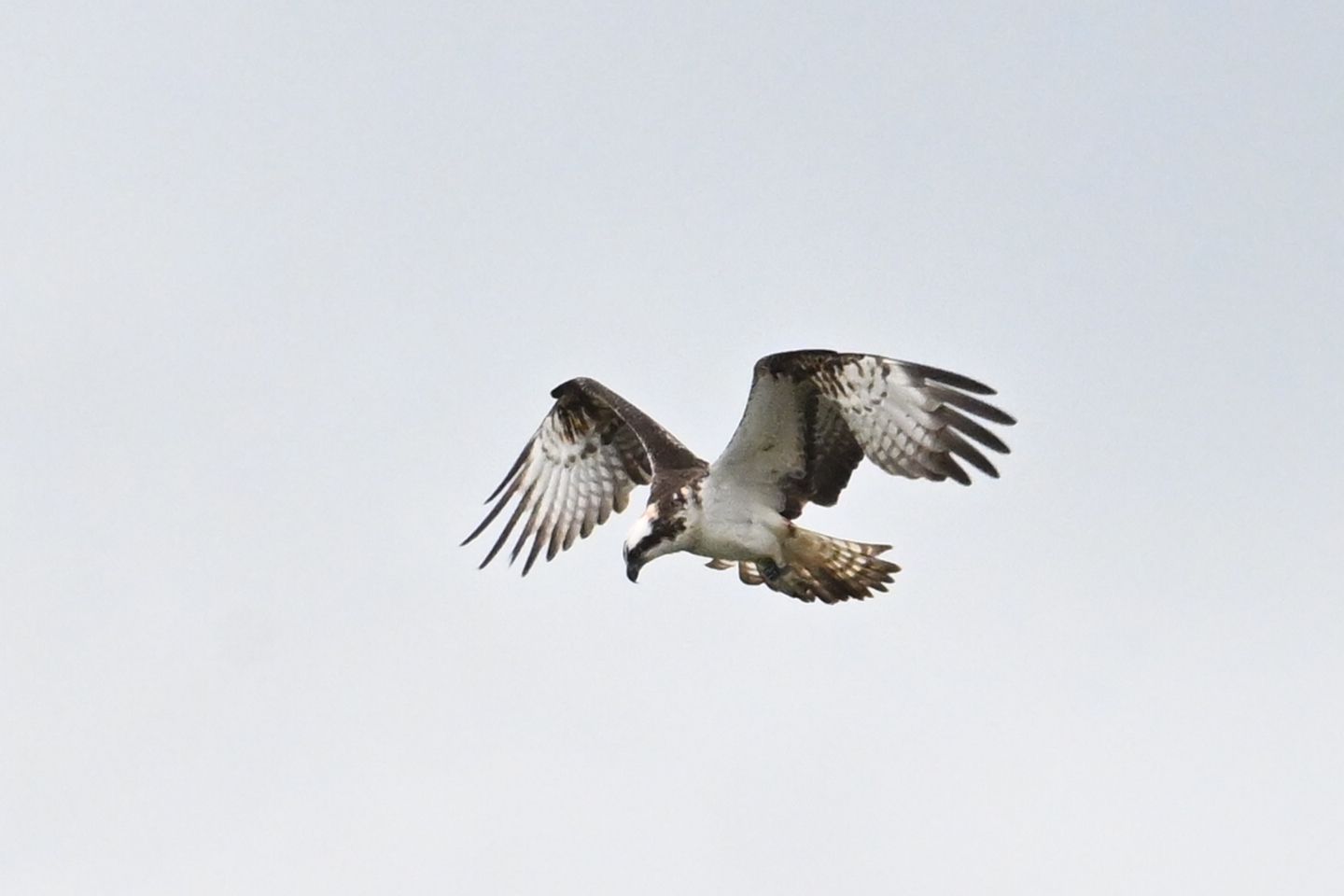
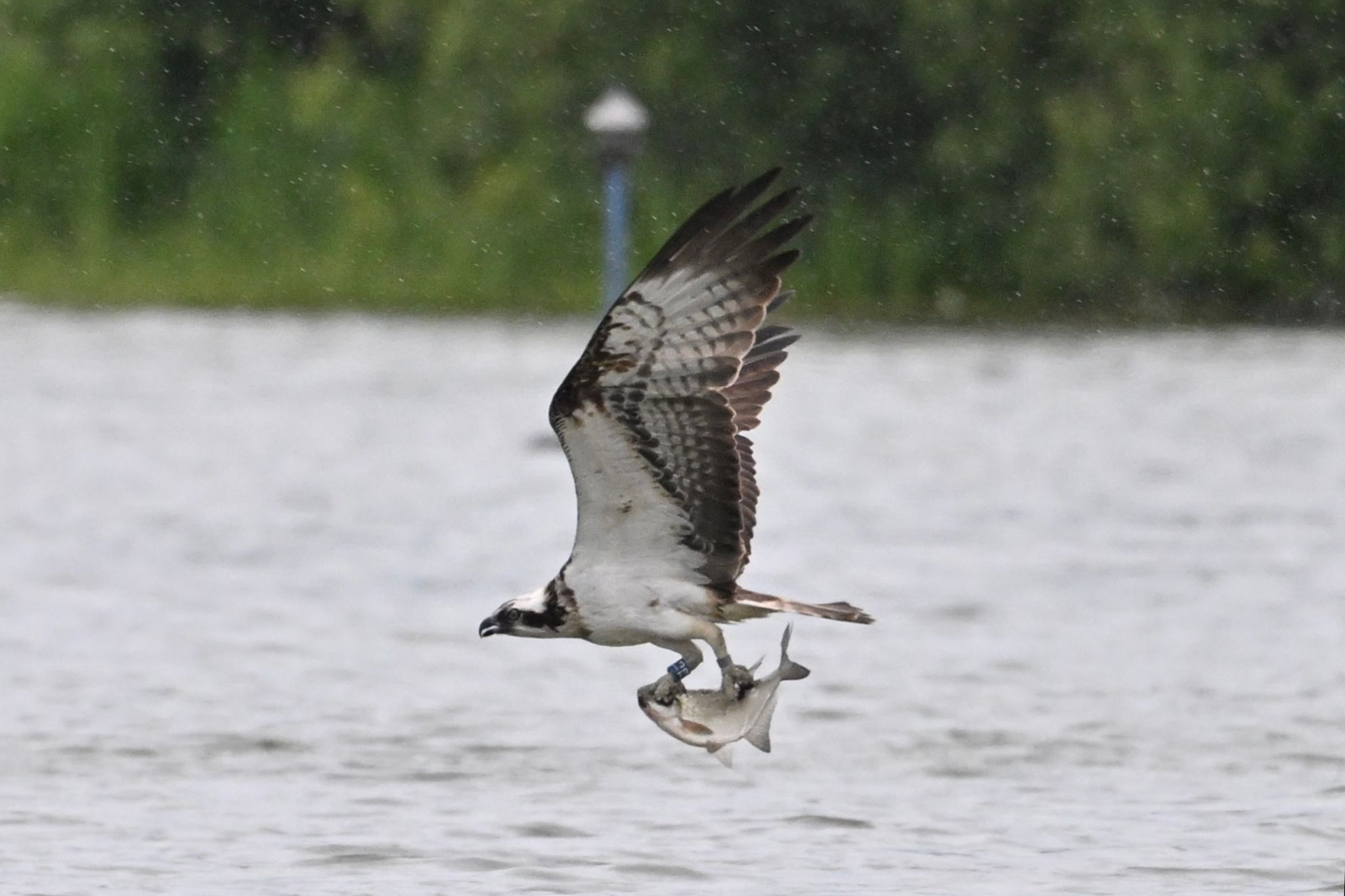
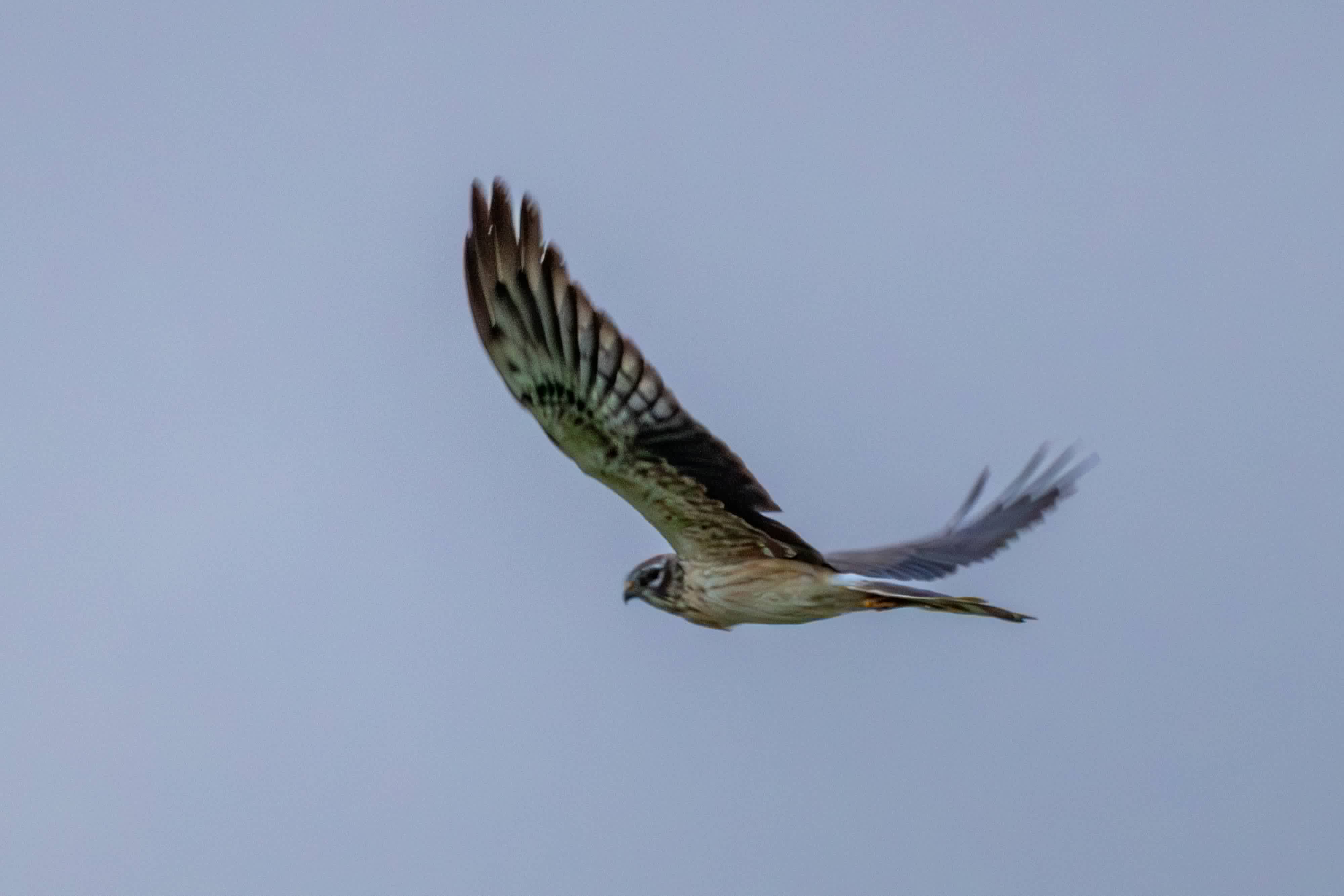
It was all quiet on the Osprey front, too, with singles at Pitsford on 25th-26th and 28th, and at Hollowell on the latter date, while a total of six young birds from nests in the county were ringed on 26th. This week’s Marsh Harrier was last week’s Marsh Harrier – a standout, abraded individual that again visited Stanwick GP on 24th.
Although set to tantalise and tease, the birding gods smiled on Northamptonshire – albeit momentarily – this week when a female Red-backed Shrike was found in the southern extremity of Leicestershire, just north of Cottingham. Discovered early in the morning of 23rd, it remained on the wrong side of the line until mid-afternoon, when it briefly border-hopped into our own good county before promptly returning to Leicestershire.


Following the popular 2022 juvenile at Duston, this is only the fifteenth record for the county since 1971. In some respects, the occurrence of this week’s bird is not really out of context, given the phenomenal numbers recorded in the UK during late spring. The overwhelming majority were along the east coast, from Kent to Shetland, with more than 350 being recorded during the last ten days of May alone.
















 Northants birds