Newsround – 21st to 27th September 2024

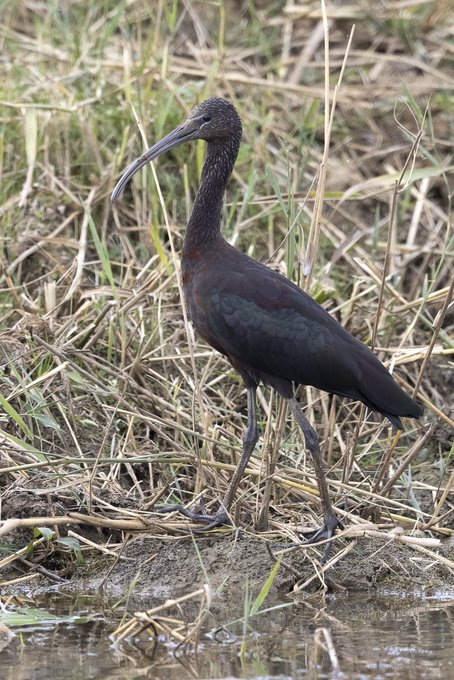
The last full week of September kicked off nicely with a Glossy Ibis at Summer Leys and ended on the same note. However, from the get-go, heavy downpours off the near continent and in from the Atlantic persisted throughout the period, resulting in all-out flooding of the Nene Valley, considerably widening the choice of wetlands for any visiting birds associated with them. Conversely, the choice for birders became more limited as rising water levels effectively cut off access to a number of favoured areas.

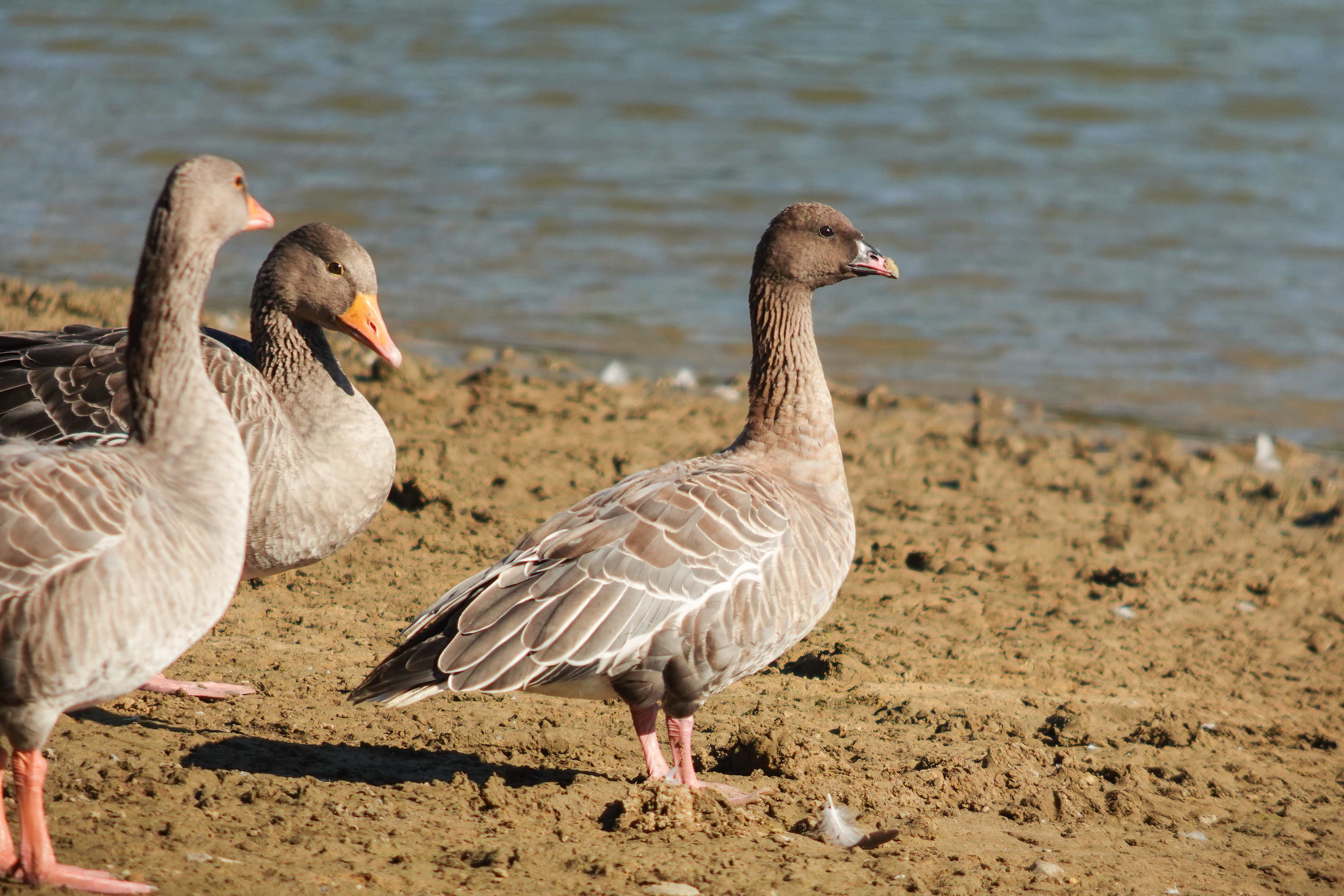
Despite being nice weather for ducks, as they say, there was little new in the way of dabblers and divers this week and it’s overwhelmingly likely that the Pink-footed Goose found with Greylags, at Hollowell Res on 24th, was last week’s bird from not-too-distant Naseby Res. Once again, the female Ruddy Shelduck was seen on the dam at Ravensthorpe Res on 22nd and, at Stanford Res, the number of Red-crested Pochards had nudged up to seven well before the end of the week. A new Red-crested Pochard appeared at Boddington Res on 26th and was still present the next day.

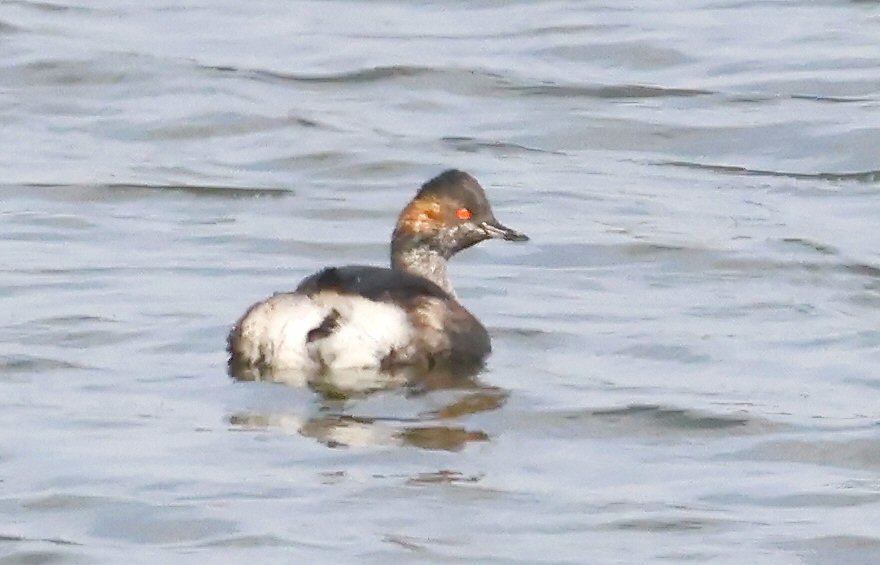
Sticking with Boddington, the reservoir was added to the list of sites producing Black-necked Grebes this autumn when one was found there on 24th. Like last week’s bird, though, it had disappeared by the following day.

It’s late September and we’re now seeing a wind-down in wader passage with just two species featuring in the week’s tally. Two Black-tailed Godwits visited Stanwick GP on 22nd, the same date seeing two Ruffs fly over Stanford, followed by one discovered at an extensively flooded Summer Leys on 27th.  

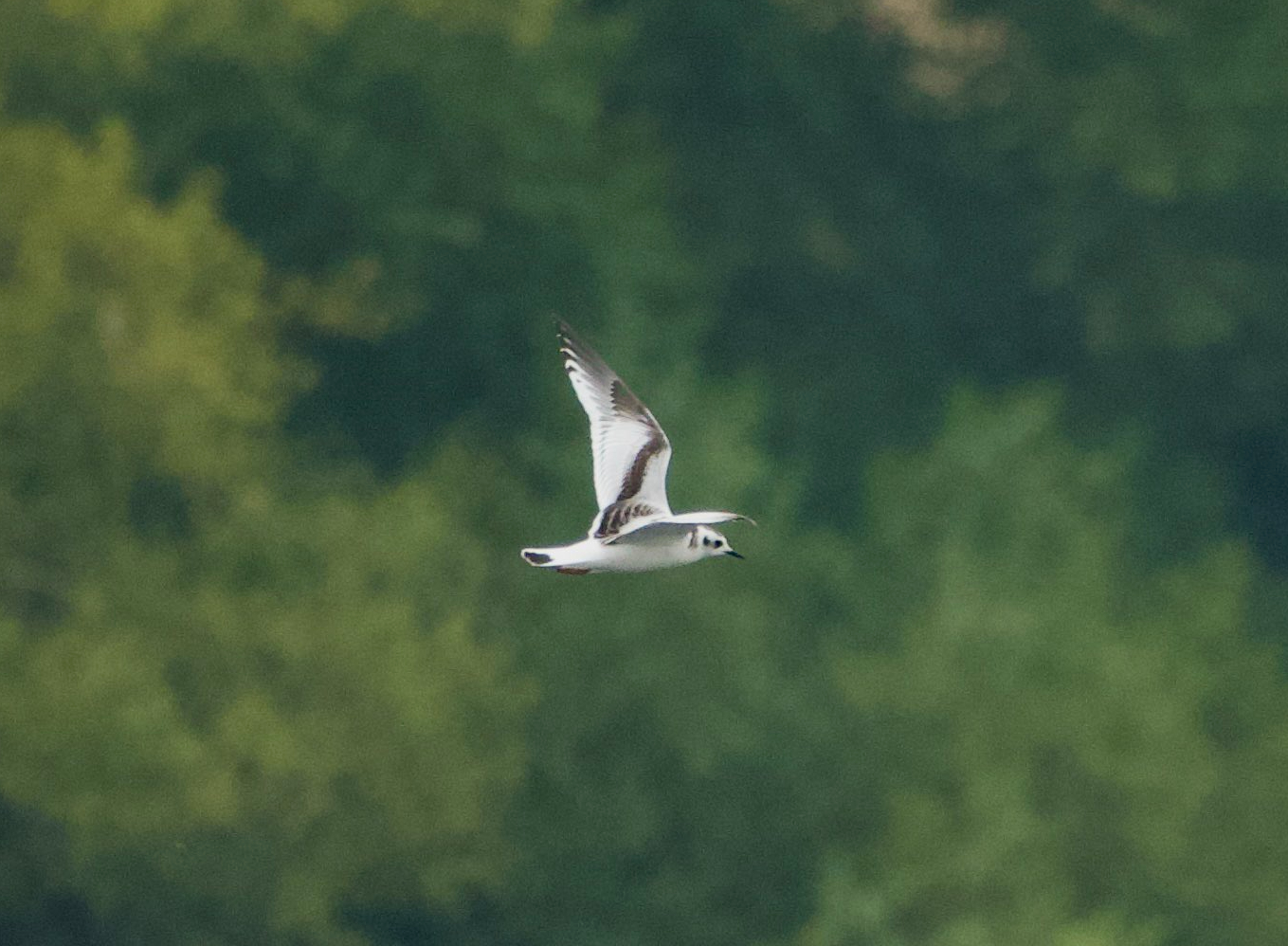
More was to unfold at Stanwick where, as we moved into day 2 of the period, a gull passing through, initially identified as a first-winter Kittiwake, is now believed more likely to have been a juvenile Sabine’s Gull. With one in Leicestershire on the same date and another in Derbyshire two days later, it would seem in all probability that this was, frustratingly, the one that got away …

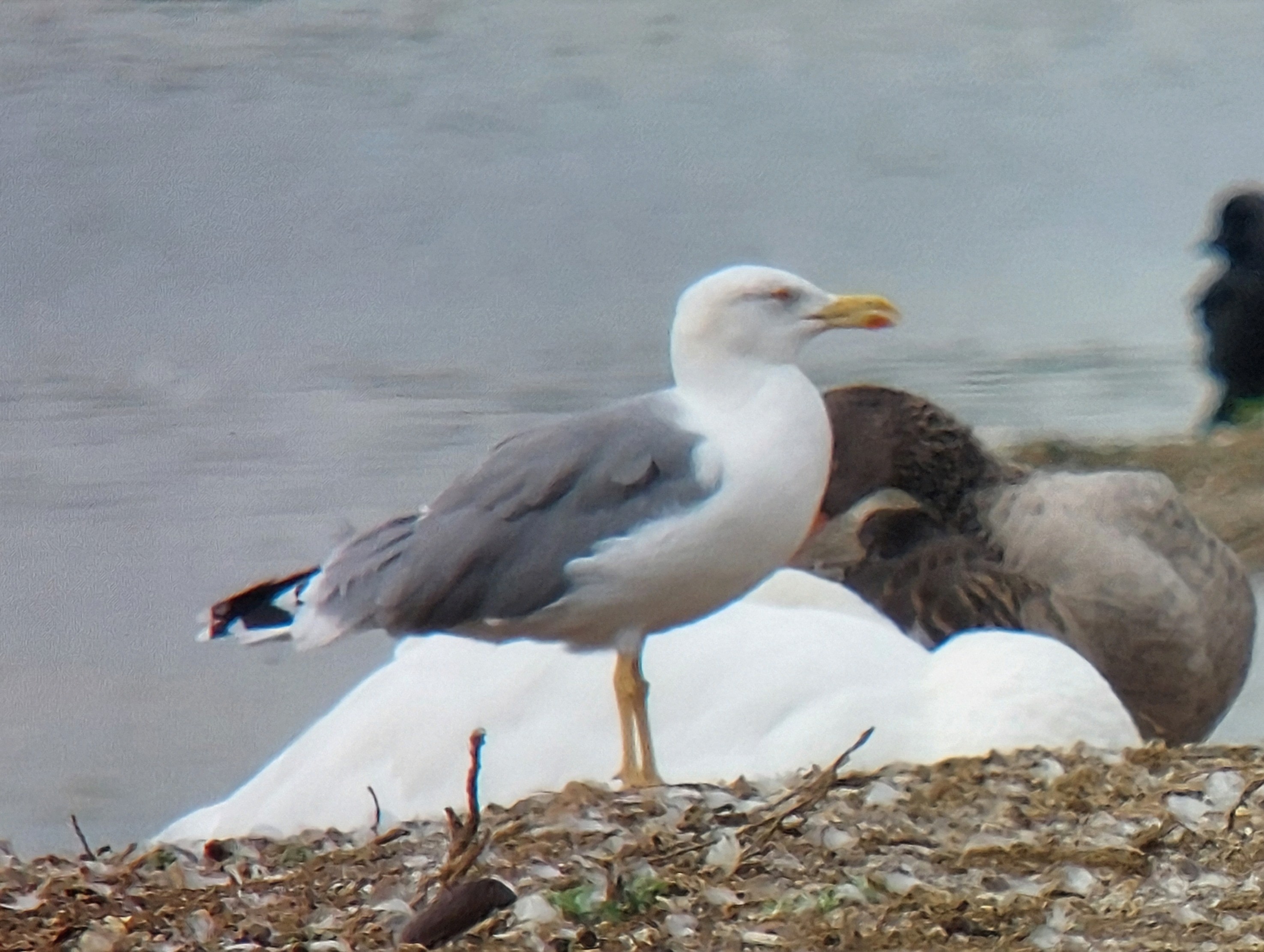
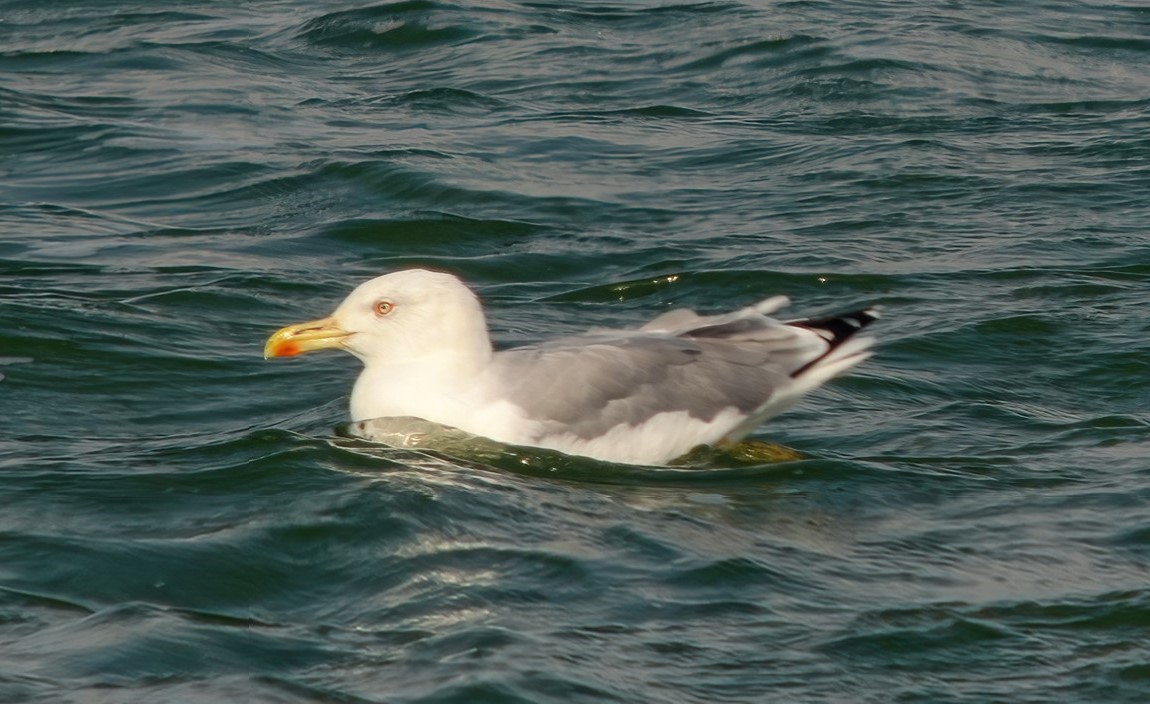
Not quite measuring up to the above but certainly in no shadow of a doubt, a first-winter Little Gull visited Boddington on 23rd. Two first-winter Mediterranean Gulls also appeared this week, although both moved quickly on. The first was at Stanford on 22nd, the second at Daventry CP three days later, on 25th. The period’s Caspian Gulls comprised a first-winter and near-adult at Daventry on 23rd and two adults – including the regular, loitering, German-ringed individual – at Naseby Res on 24th, one of which remained the next day. Pitsford held up to two adult Yellow-legged Gulls between 21st and 24th, while a first-winter appeared at Boddington on 26th.

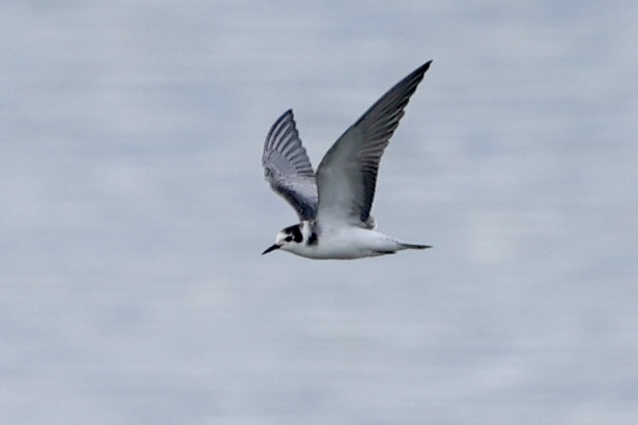
Following a recent run of records from several localities, including Clifford Hill GP, during the second week of September, Black Terns were back in the frame at the latter locality with three juveniles there on 24th being joined by a fourth individual from 25th to 27th.
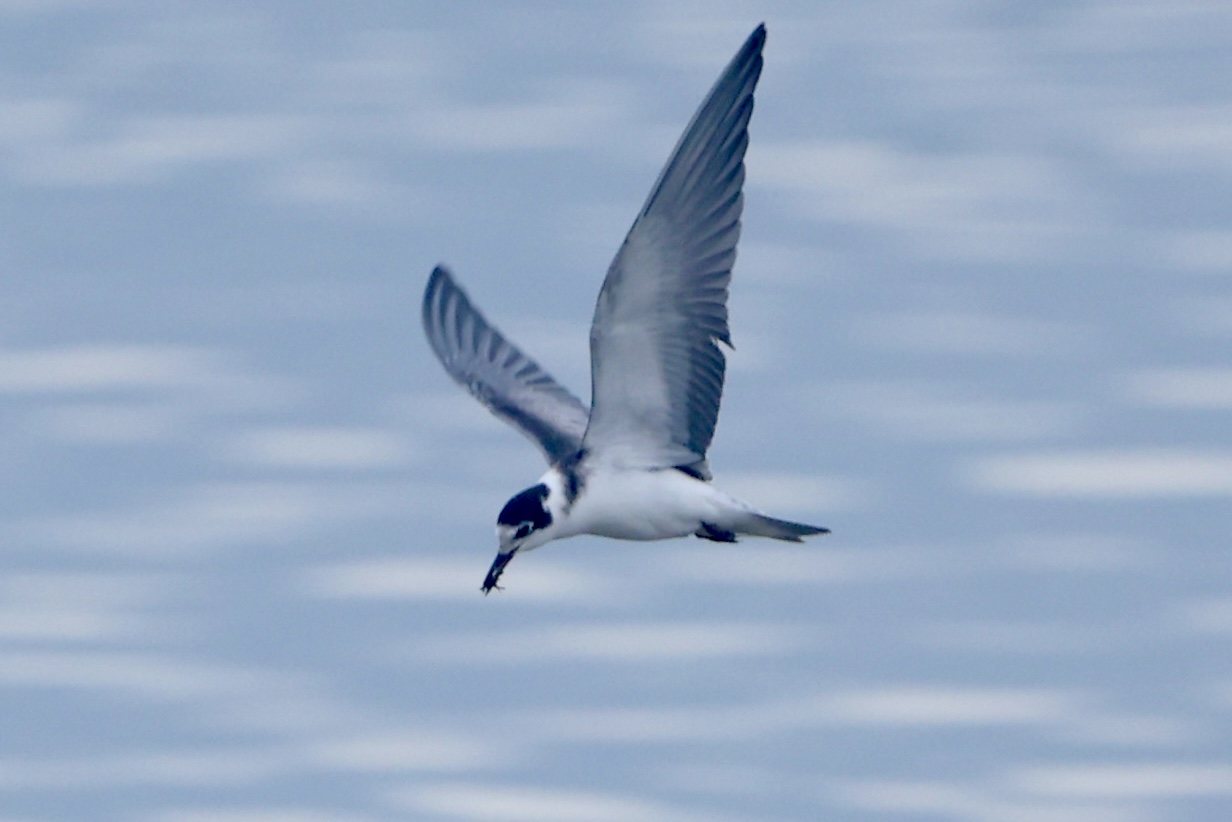
But the star prize was discovered further down the Nene Valley at Summer Leys, just as the week commenced, on 21st. Enter Northamptonshire’s eleventh-ever Glossy Ibis. After spending little more than three hours on the Scrape there, it flew off and that was that – or so it was believed. Early on 22nd, though, it was back for a matter of minutes before again vanishing and reappearing as a fly-past on 24th. Three more days elapsed before it was again seen there on the ground in a landscape drastically changed by extensive flooding. In the meantime, one was reported flying over the A5 north of Towcester at Foster’s Booth, on 23rd.  

Far less rare nowadays, the period’s Bitterns were divvied up between Summer Leys, where there were up to two, and Stanford, which held on to its newly acquired individual found last week. All remained throughout. Continuing to maintain a low profile, Cattle Egrets were reduced to two at Stanwick on 21st.

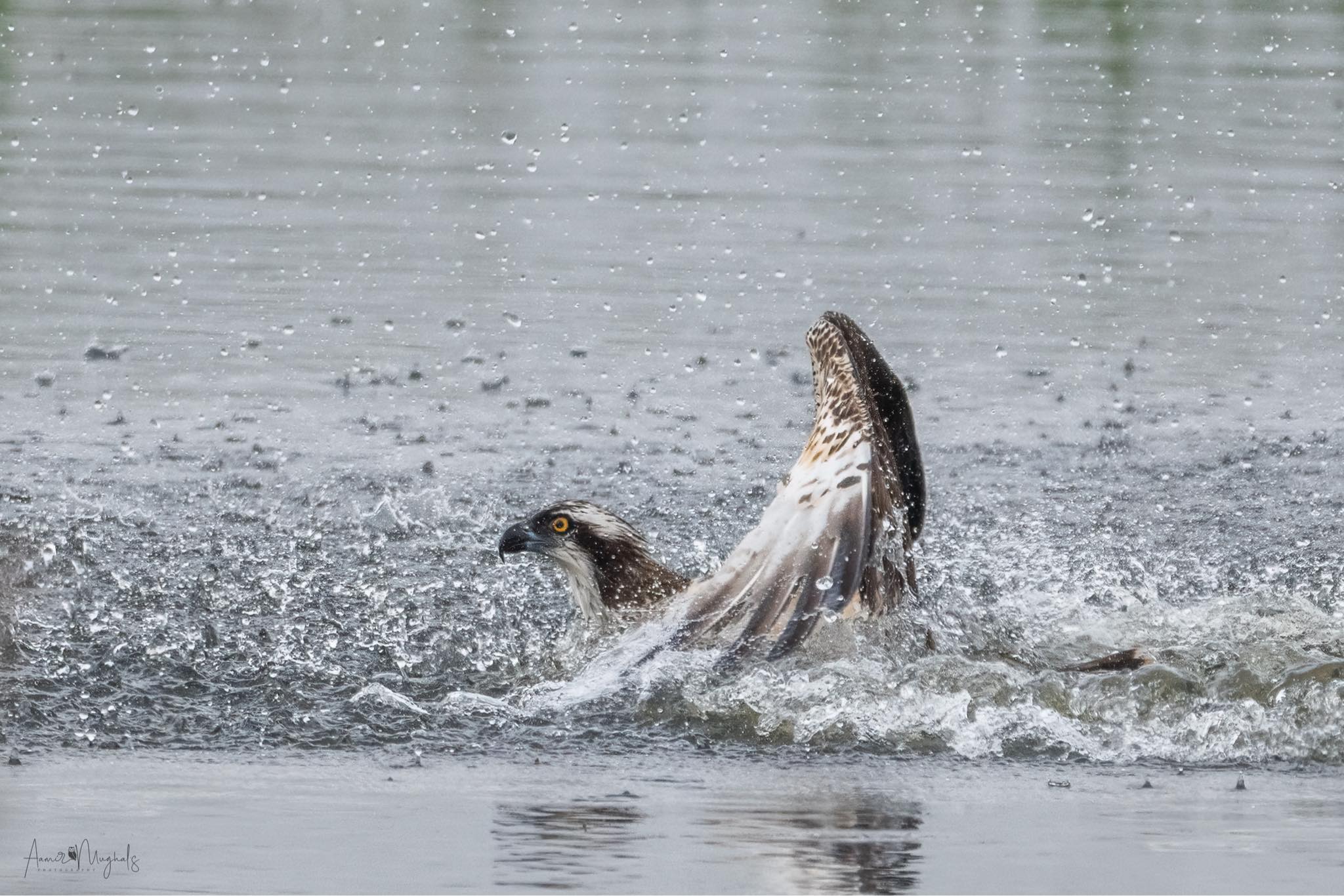
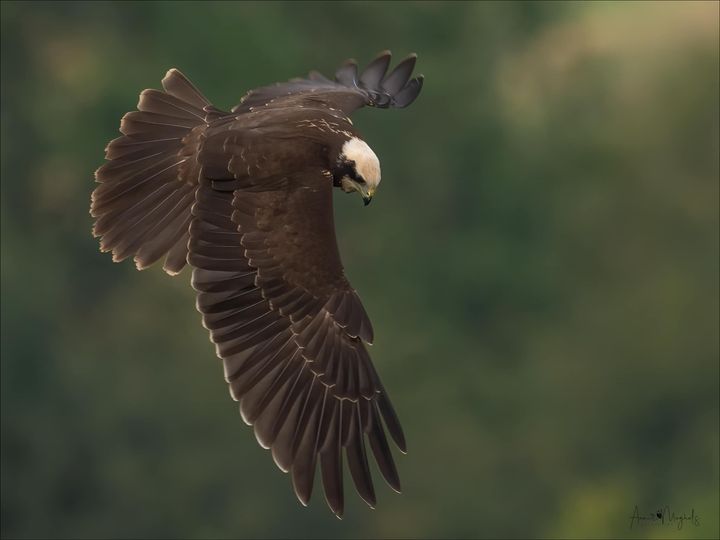
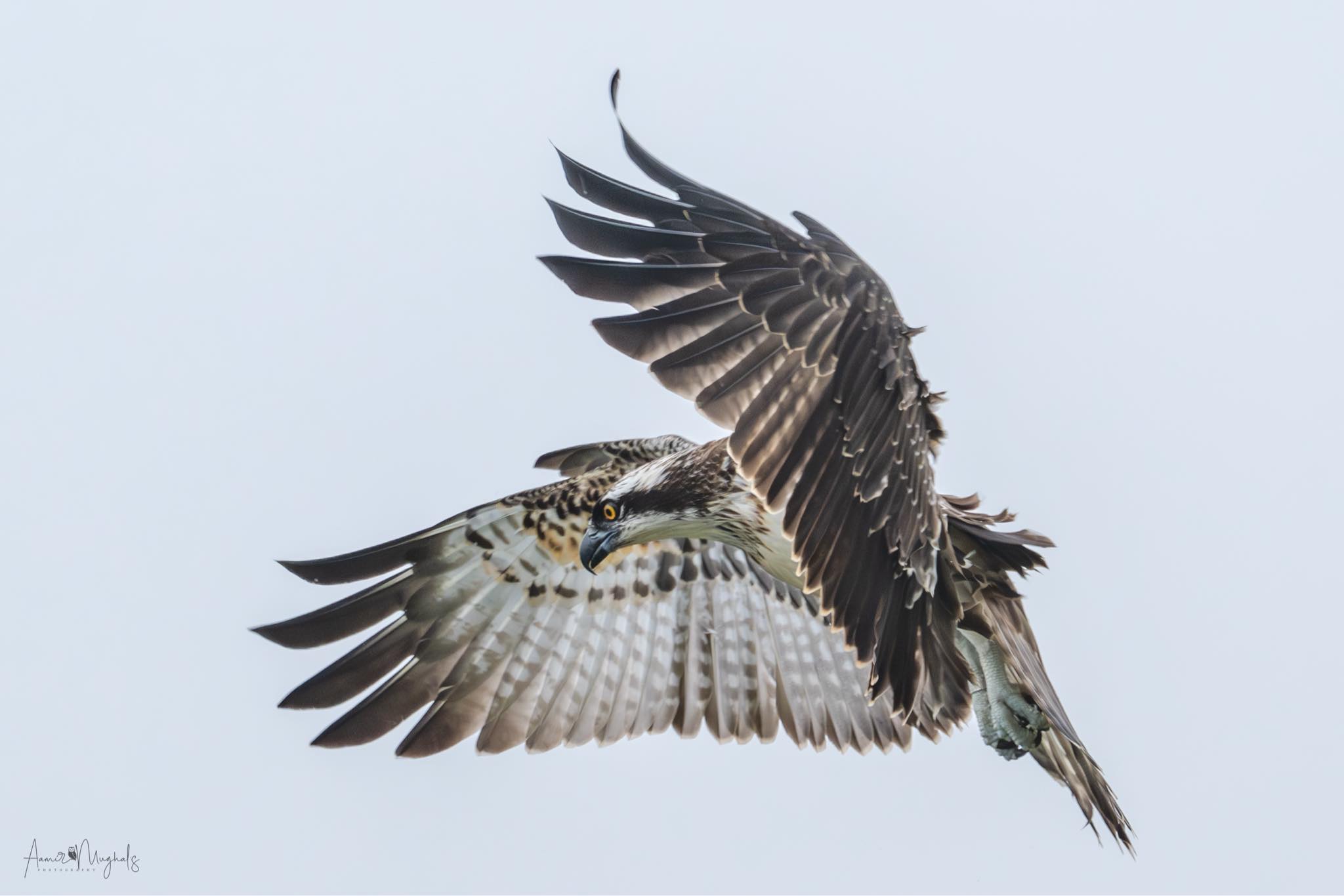
And after none last week, an Osprey drifted over Stanford on 27th, while Marsh Harriers took a tumble down to just the one, regularly visiting Summer Leys throughout the period.

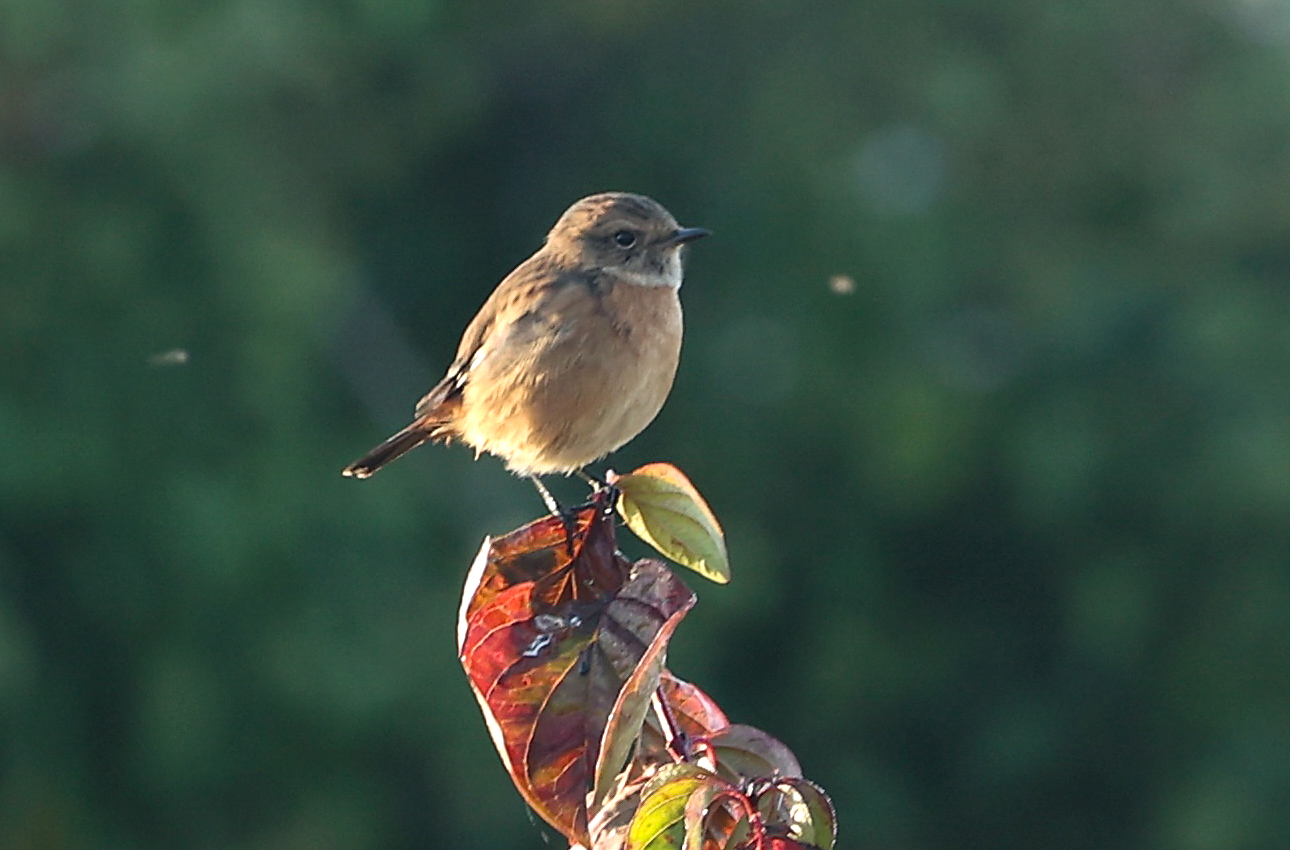
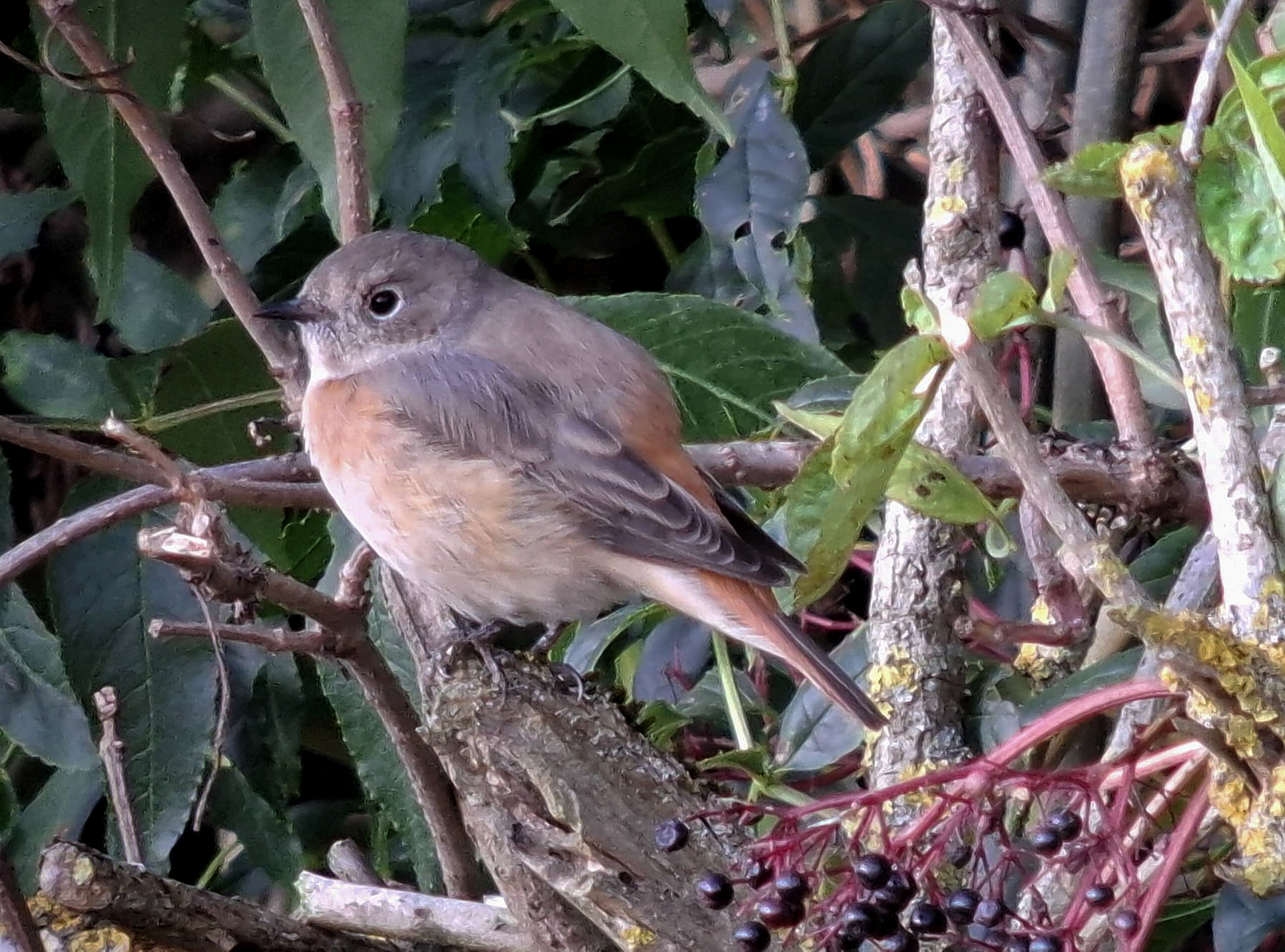
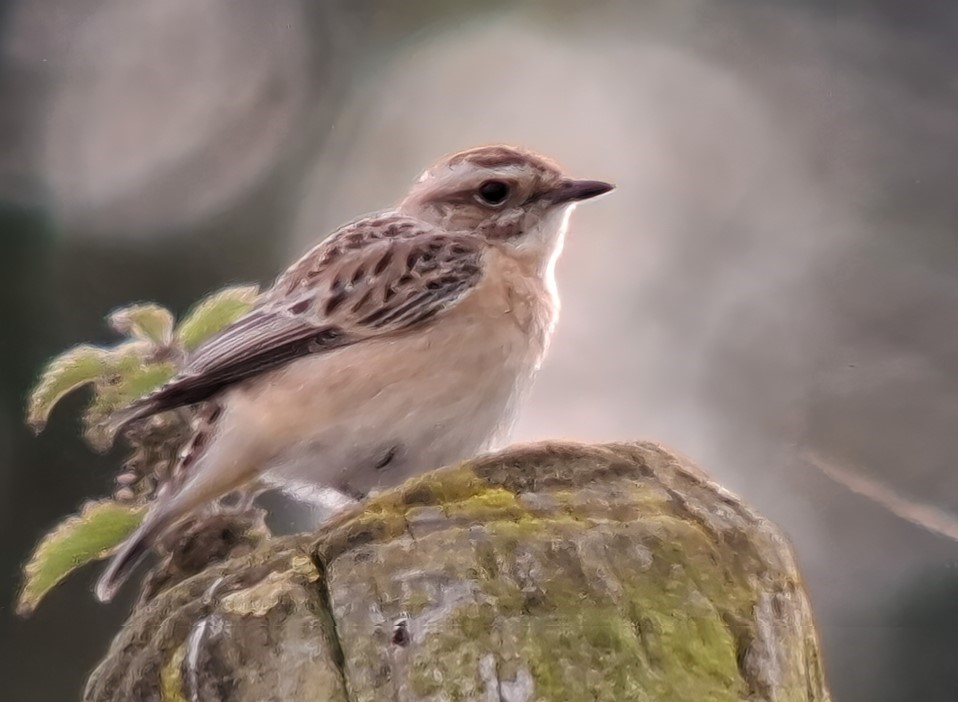
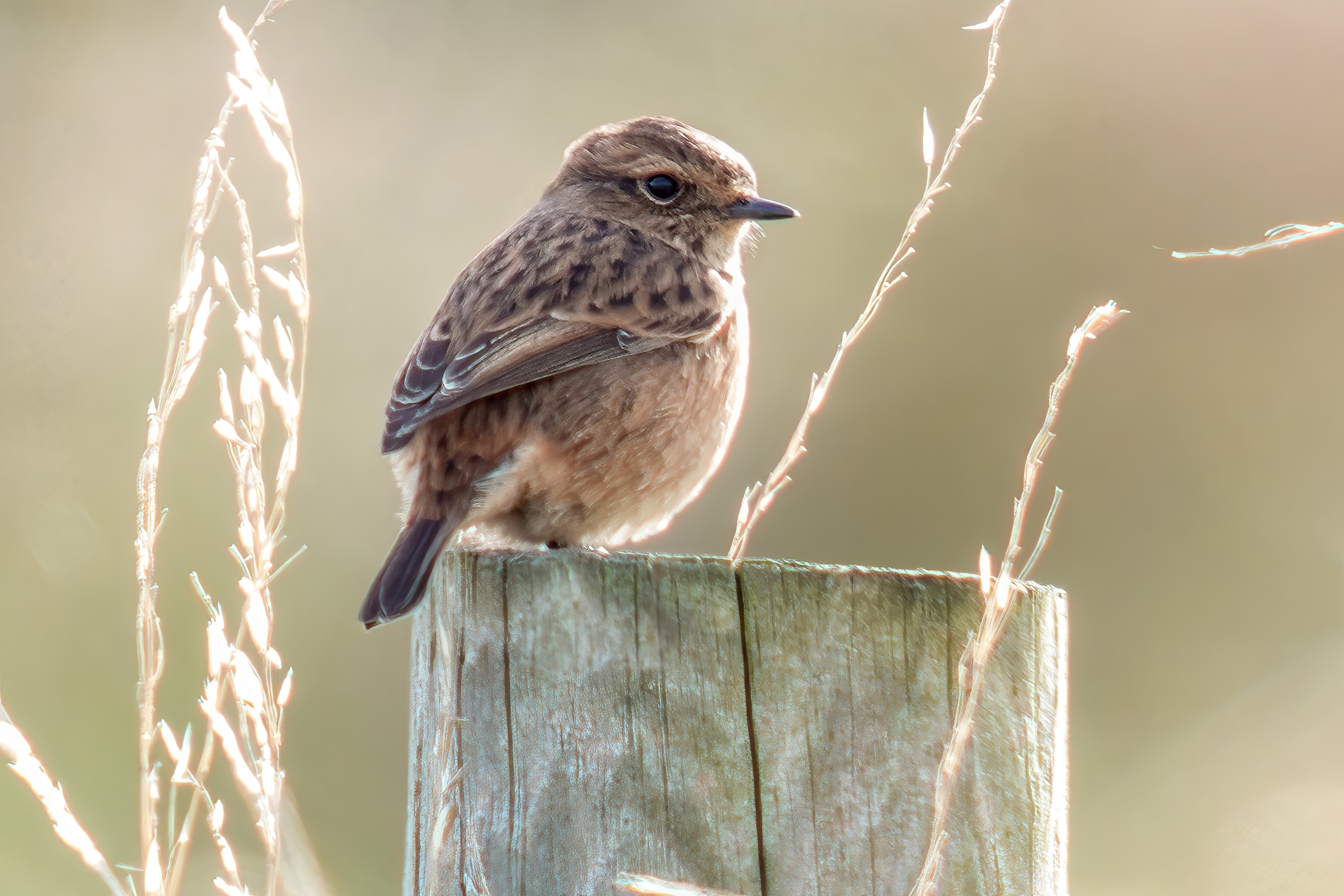
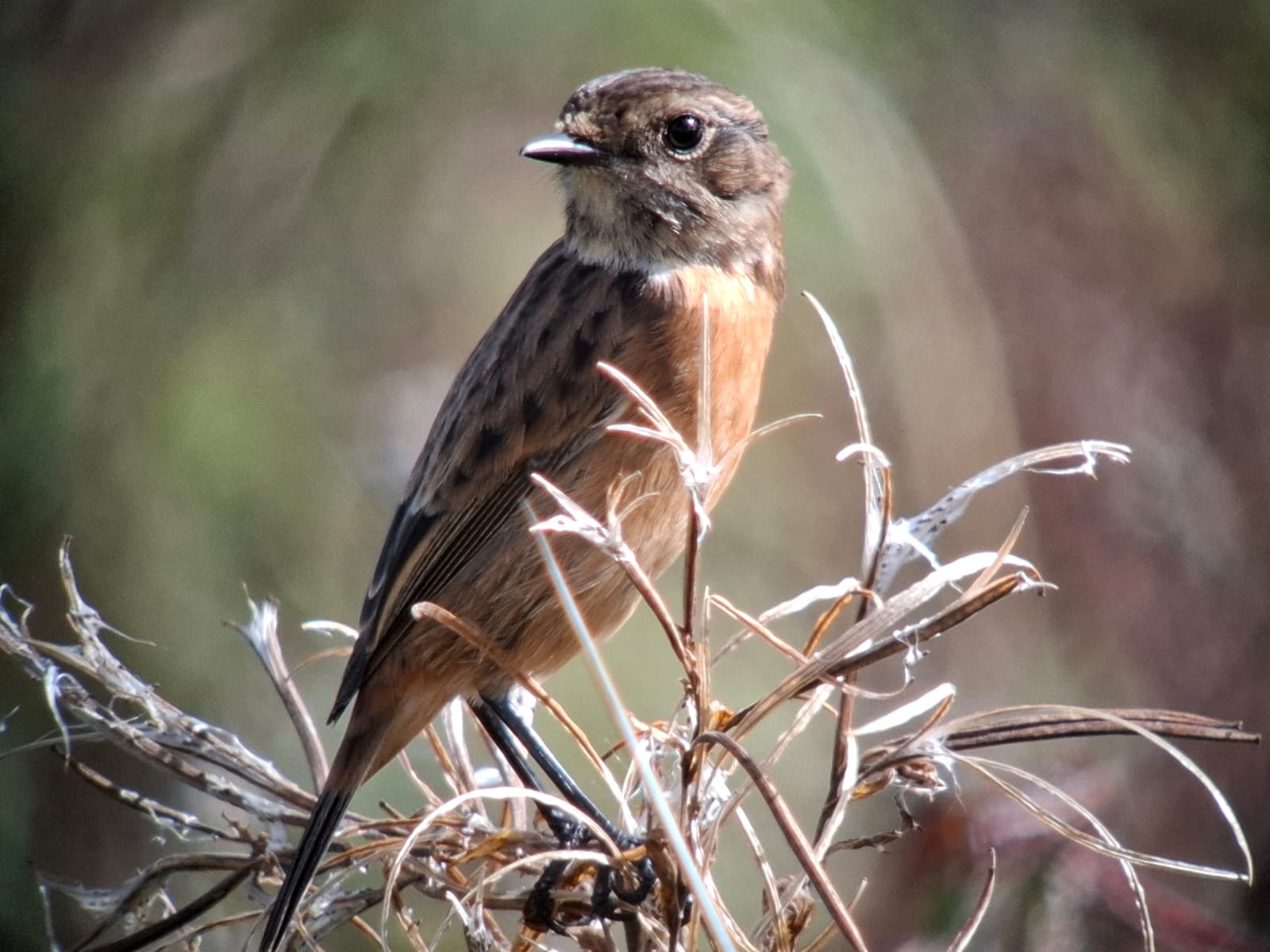
A Whinchat at Hollowell on 25th might well be the last we see of the species this year, having been replaced by Stonechats both moving through and moving in for the winter. Examples of the latter were singles at Summer Leys on 23rd and Boddington on 26th, while two were at Hollowell on 24th-25th.

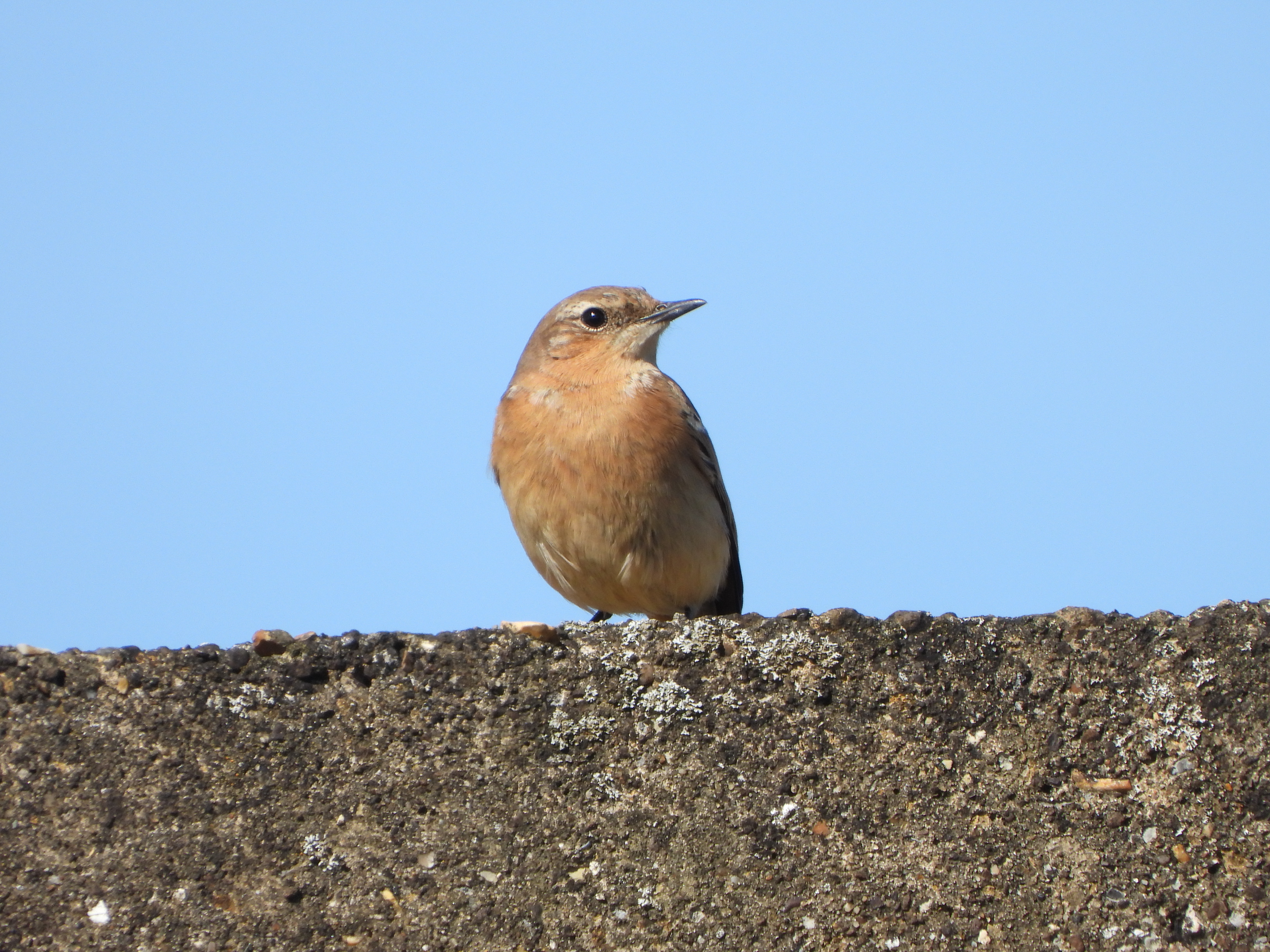
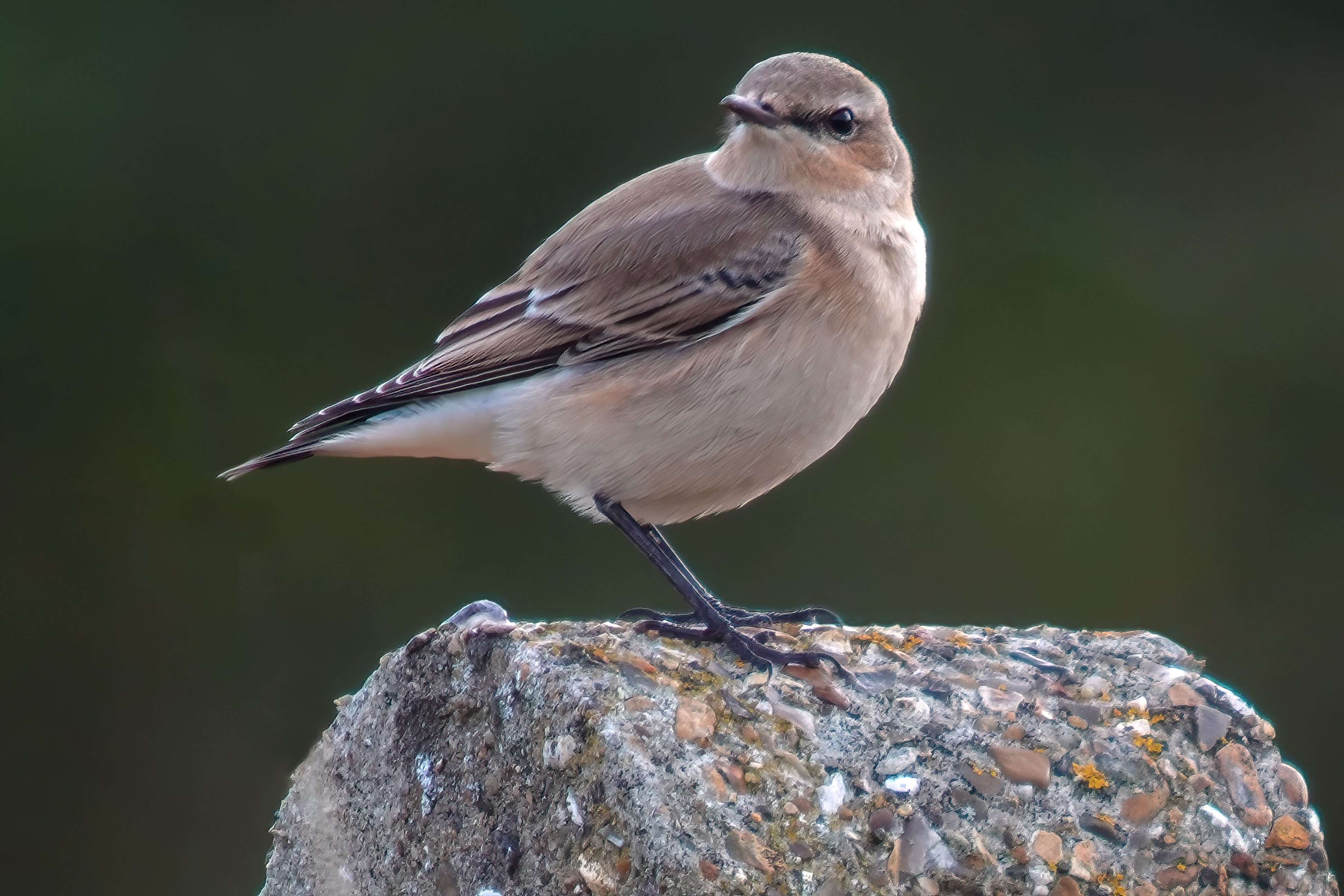
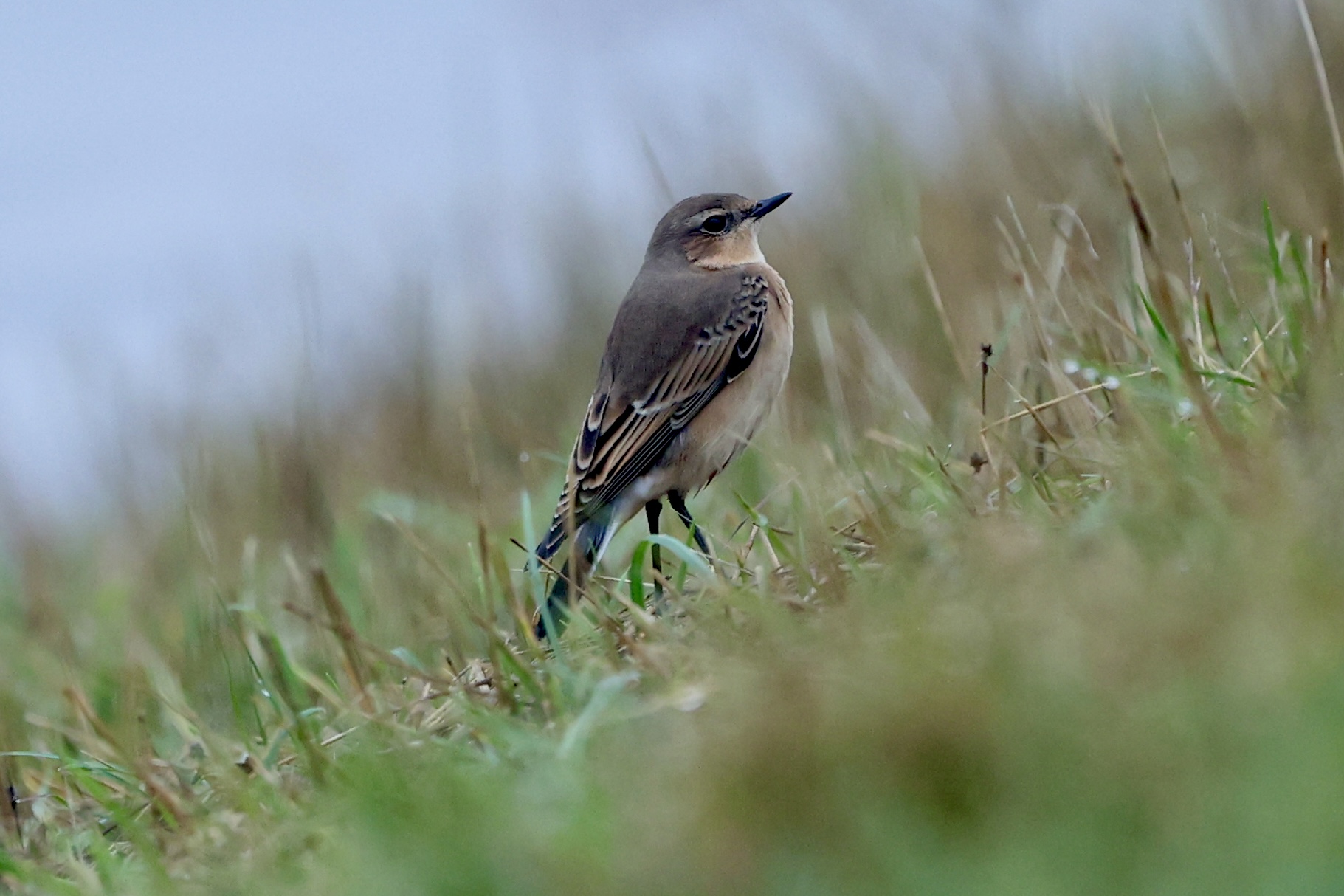
Northern Wheatears were also on the wane, with up to two – possibly three – at Clifford Hill between 24th and 26th.
Newsround – 14th to 20th September 2024

A warm, southerly airstream in the early part of the week was followed by sustained, cool northeasterlies and easterlies in the latter part of the period, although the weather appeared to make little difference to what was on offer on this week’s birding platter …

New in for the back end of the year, though, was a Pink-footed Goose with Greylags at Naseby Res on 17th. It was not seen subsequently. There is always some doubt over the provenance of lone individuals in the county, so should it be considered a wild bird? Why not! With arrivals touching down in the UK as early as late August, Pinkfeet have been returning for the winter in considerable numbers over the past week or so, including some stragglers well inland. Birdtrack had also seen a big spike in reporting rates by mid-month.

Another bird frequently kicked into touch by some is the annually returning female Ruddy Shelduck – this week having now apparently vacated Stanford Res for Ravensthorpe Res, where it was seen on 15th. Stanford’s two Red-crested Pochards, found on the last day of the previous week, quickly tripled to six during the period, all of which remained until the week’s end.

A Common Quail was reportedly flushed in a field west of the River Nene between Nassington and Elton on 14th.

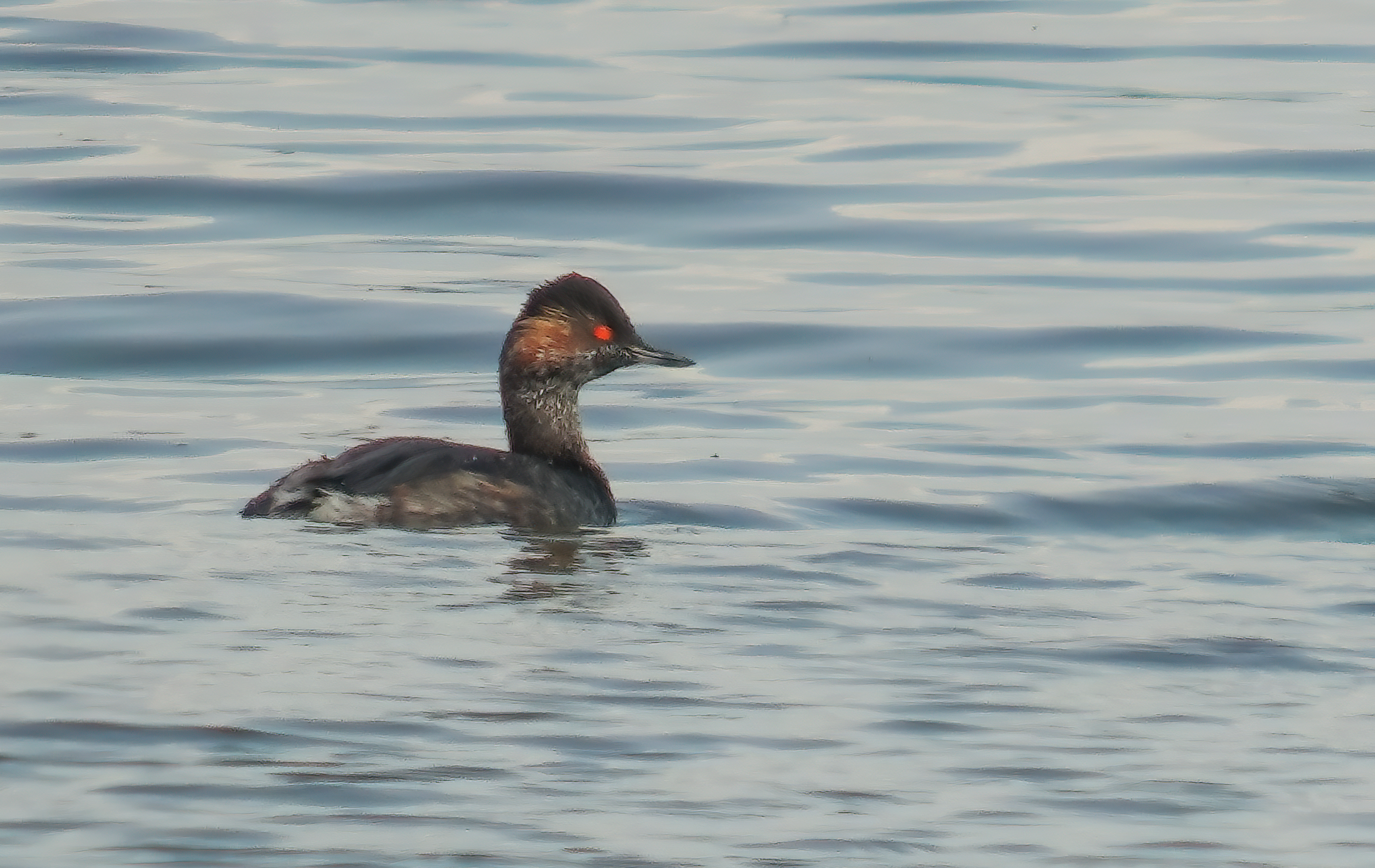
Having notched up almost four weeks at Clifford Hill GP, the moulting adult Black-necked Grebe remained there until at least 15th. Another – in full winter plumage – was found at Daventry CP on 19th but was not seen thereafter.

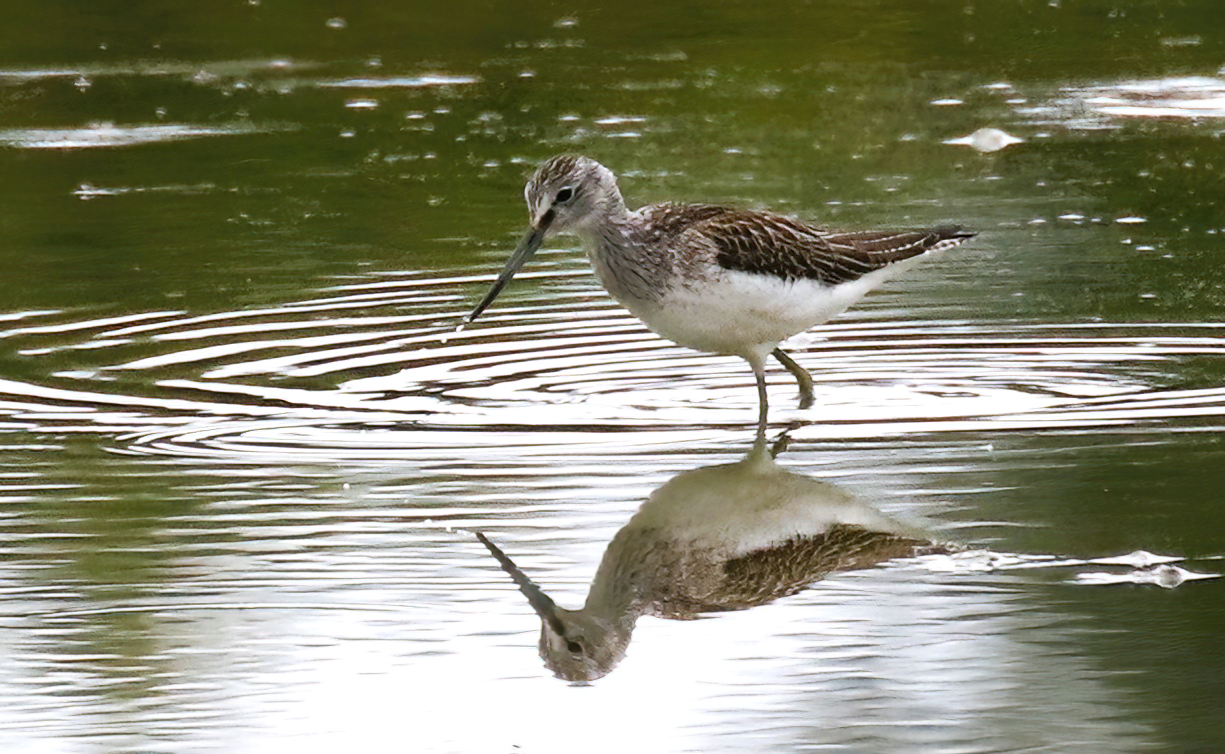
This week’s waders were in short supply. Stanwick GP produced a Black-tailed Godwit from 15th until 19th, two being present on 18th. Further up the Nene Valley, three Greenshanks dropped into Summer Leys LNR on 15th.

With only five so far this autumn, Mediterranean Gulls have to date proven scarce, so one flying over Raunds on 16th was a welcome addition to the seasonal tally. Apart from that, the usual two larger larids continued to provide some interest. The week’s Caspian Gulls comprised a first-winter at Boddington Res on 16th, an adult at Stanwick on 17th, a juvenile at Daventry on 19th and the habitual German-ringed adult at Naseby on 17th and 20th. Easier to catch up with, Yellow-legged Gulls maxed out at nine in the roost at Boddington on 16th, while five were at Stanwick on 17th with just one there on 18th and Pitsford Res held up to four between 17th and 20th. Elsewhere, single adults visited Thrapston GP’s Titchmarsh LNR on 17th-18th and Daventry on 19th.

Compared to last week it was a different one altogether for Bitterns, with reports from three – dare we say ‘widely spread’ – localities. On 15th, two were together on Summer Leys’ Scrape while, four days later on 19th, one was found at Stanwick, followed by another at Stanford the next day – a ‘patch tick’ even for some seasoned birders over that way.

Meanwhile, Cattle Egrets seem to have slumped back into their periodic low profile status, with one in flight over Raunds on 15th, followed by two at nearby Stanwick on 17th-18th.

And in the first week with no Ospreys for a long, long time, numbers of Marsh Harriers were also down. One flew over Titchmarsh LNR on 15th, Summer Leys hung on to one, seen on 15th and 20th, one was at Wadenhoe Water Meadows on 16th and another in the Brampton Valley between Cottesbrooke and Hanging Houghton on 16th and again on 18th. After one last week, sightings of Hen Harriers increased to three, with an adult male flying east at Blueberry Farm, Maidwell on 14th, a ‘ringtail’ west over Borough Hill on the same date and another ‘ringtail’ over Harrington AF on 16th.

The first Merlin of the autumn, a juvenile, was seen at Boddington on 16th.

On the passerine front, Common Redstarts continued to melt away steadily, with singles at Borough Hill on 15th, in the Brampton Valley on 16th and at Boddington on 17th. Whinchats were still very much in evidence, though, with six localities producing numbers between one and four during the period. Top sites in the latter respect were Borough Hill, where four were present on 16th and at least one the following day, and the Brampton Valley, which produced a maximum of four on two dates between 14th and 18th. Elsewhere, Clifford Hill GP held on to at least three from last week between 14th and 16th, two were at Harrington AF on 14th, two were found at Priors Hall, Corby on 16th and one was at Pitsford Res on 14th. The number of Stonechats continued to rise, although no more than two were seen at each of the six localities of Borough Hill, Brampton Valley, Clifford Hill, Harrington, Priors Hall and Summer Leys.
Northern Wheatears reverted to their former scarcity with one at Borough Hill on 15th and 16th and one at Harrington on the latter date.

Newsround – 7th to 13th September 2024

From mid-week, an Arctic air mass stationed north of the UK delivered some brisk northerlies bringing an unseasonal drop in temperature, resulting in the coldest second week in September for five years. Donning their first woollies of the autumn, local birders headed out with high expectations – the second week of September has, after all, had some class birds associated with it in years gone by. While there was little to quicken the pulse appreciably, there was still a continuing run of migrants, once again seasoned with a sprinkling of Sandwich Terns and Common Scoters …

The week’s wildfowl consisted primarily of what has gone before, namely the female Ruddy Shelduck remaining at Stanford Res and up to three Garganeys mobile around Summer Leys LNR until at least 9th. Two new Red-crested Pochards were found at Stanford on the last day of the period.

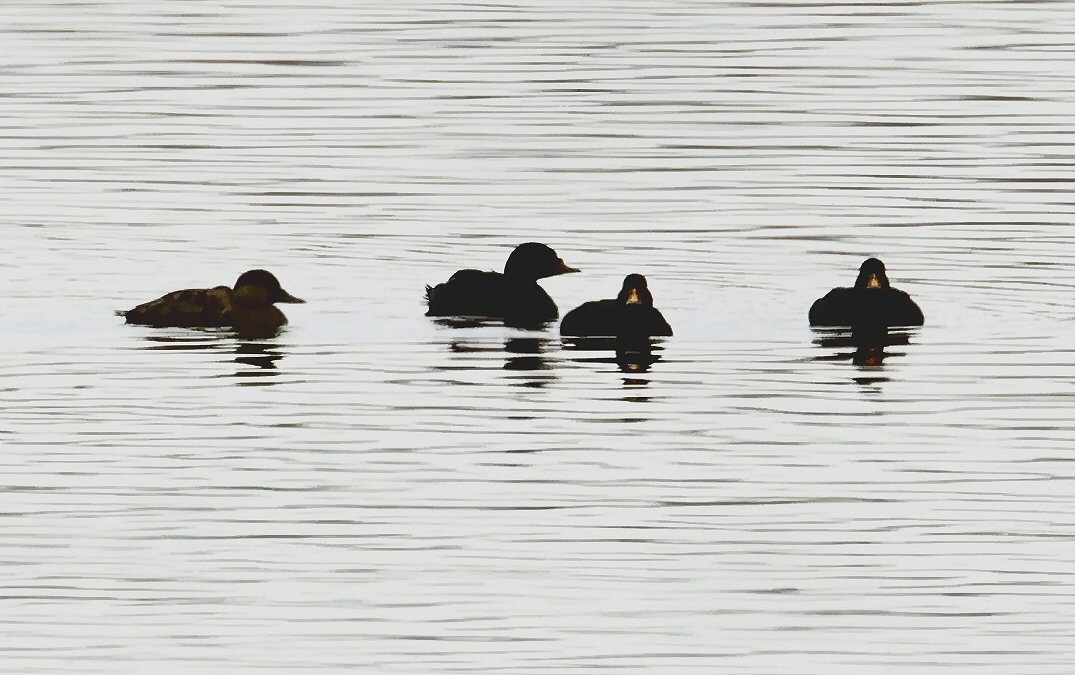
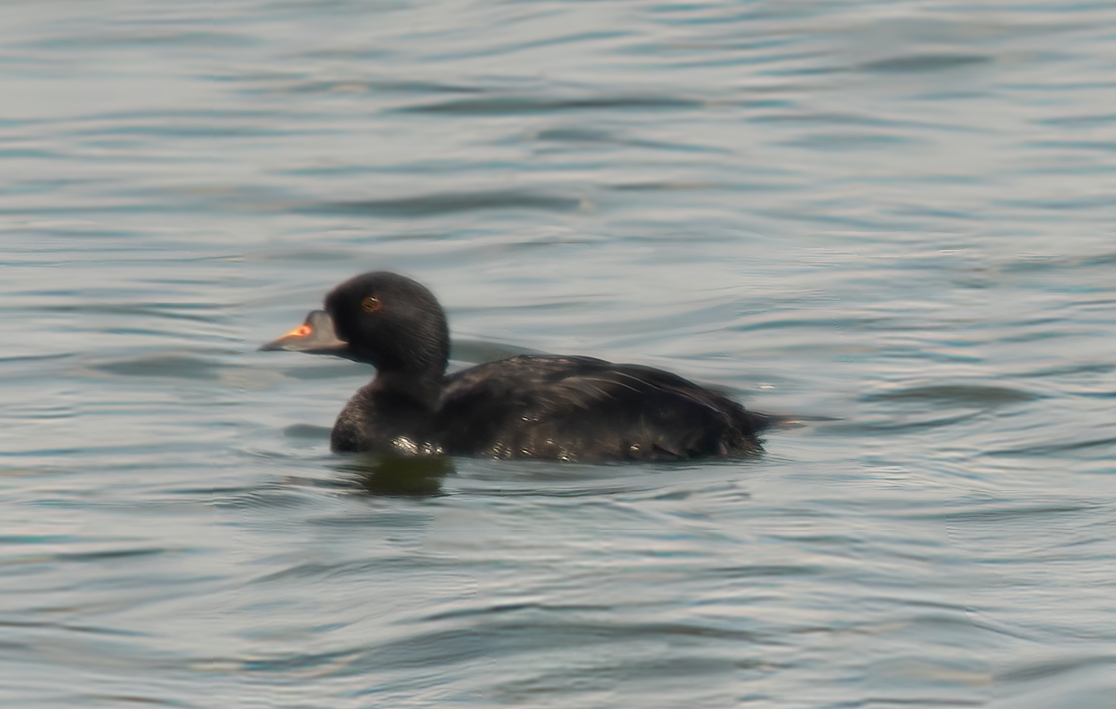
The run of Common Scoters continued, with the first day of the week seeing a hefty fifteen at Thrapston GP’s Titchmarsh LNR – albeit briefly before they headed off north. On the same day, four were found at Clifford Hill GP, while the last day of the week saw a lone drake, again at Titchmarsh.

Now beginning to look decidedly grey, the adult Black-necked Grebe stuck it out for another week at Clifford Hill GP.

The latter site also produced the pick of this week’s waders, when four Avocets, a Black-tailed Godwit and two Turnstones dropped in on 7th. Another Black-tailed Godwit appeared at Summer Leys on the same date, followed by further singles at Stanwick GP on 10th-11th and over Hollowell Res on 13th.

A Ruff remained at Summer Leys until 9th, while the period’s only Greenshank was found at Titchmarsh on 7th.

And then there were gulls … Just one Mediterranean Gull – a first-winter at Daventry CP on 7th and 9th – was a poor representation for this species, given the time of year. Otherwise, the larger larids – Caspian and Yellow-legged – were running at about average. Apart from two second-winters at Boddington Res on 11th, all sightings of Caspian Gulls referred to singles, with a juvenile at Boddington on 7th, the returning German-ringed ‘XLVH’ adult at Naseby Res on 9th and 13th and further adults at Stanwick on 10th-11th and at Hollowell on 12th.

Yellow-legged Gulls comprised a maximum of up to eight at Boddington on 11th-12th and up to three at Pitsford Res between 7th and 10th.

It appears that it’s not yet all over for Sandwich Terns, with this autumn’s run continuing into the week. One paid a brief visit to Ditchford GP’s Irthlingborough Lakes & Meadows LNR before flying east on 9th, while three were mobile around Boddington Res on 11th, moving off high south-west after a heavy rain shower on 11th. A fly-through Little Tern was an unexpected find at Summer Leys as it moved rapidly east on 8th.

Apart from one at Stanford on 11th-12th, the week’s Black Terns were all confined to locations in the Nene Valley, commencing with one at Clifford Hill GP on 7th with three there over the following two days and one again on 12th. Three also visited Stortons GP on 8th and further singles were seen at Summer Leys on 8th and Irthlingborough Lakes & Meadows on 11th.

Once again, for those with the patience to sit it out, Summer Leys was the place to be for almost daily appearances of the Bittern on the Scrape.

The week’s only Cattle Egret visited Clifford Hill on 7th and 10th.

On the raptor front, as we move deeper into autumn, the number of Ospreys dwindled to just two, or possibly three: one at Thrapston GP’s Elinor Trout Lake on 9th and another at Pitsford on 9th and 11th. Conversely, though, Marsh Harriers were on the up, being seen this week at seven localities, top of which was, of course, Summer Leys, where there were daily sightings throughout the period. Elsewhere, one flew east at Clifford Hill on 7th, one frequented the Brampton Valley between Cottesbrooke and Hanging Houghton between 8th and 12th and further singles were seen at both Boddington and Stanford on 8th, Pitsford on 11th and at Harrington AF and Titchmarsh on 12th.

A ‘ringtail’ Hen Harrier was reported flying over Brixworth and Brixworth CP on 8th.

This week’s passerines followed pretty much the same course as last week’s, with dwindling Common Redstarts, Whinchats levelling out and an increase in the number of Stonechats and Northern Wheatears.

Common Redstarts were still present at a couple of the some of the usual localities – Blueberry Farm held up to two on 8th-9th and one was at Harrington on 12th, but Borough Hill produced four on 7th, at least one still being present on 13th. Pitsford held one on 11th and one was at Boddington Res on 11th-12th.

Whinchats held their own with Clifford Hill proving the top locality having maxed out with six present there on 9th. The Brampton Valley was runner-up with four between 7th and 12th, three were at Pitsford Res on 11th-12th, Borough Hill held two throughout the period, while singes were at Hollowell on 9th and Boddington on 12th.

Stonechats were on the up, Hollowell holding the maximum of three on 12th, while two were in the Brampton Valley and at Borough Hill on 12th and 13th, respectively and one was at Pitsford on 9th.

And last but not least, Northern Wheatears became more conspicuous than of late, with one at Borough Hill on 7th-8th increasing to three there on 13th, two at Harrington on 12th and singles at Clifford Hill on 7th and 13th, Pitsford on 9th, in the Brampton Valley on 10th and 12th, and at Boddington, Hollowell and Orlingbury on the latter date.

Newsround – 31st August to 6th September 2024

As we crossed the line into meteorological autumn, a humid week kicked off with a strong southerly airstream from the continent, swiftly being replaced by sustained north-easterlies out of Scandinavia. The weather’s influence on the birds occurring may have been difficult to gauge and while Stanford Res scored its, and the county’s, second Ferruginous Duck of the year, there was plenty afoot to keep local birders on their toes.

And in terms of locale, that’s precisely where we start, with the female Ruddy Shelduck keeping up appearances as the week duly unfolded. The only other dabbling duck to make it into the Newsround was Garganey, with up to three extending their stay, and still mobile, around Summer Leys LNR throughout.

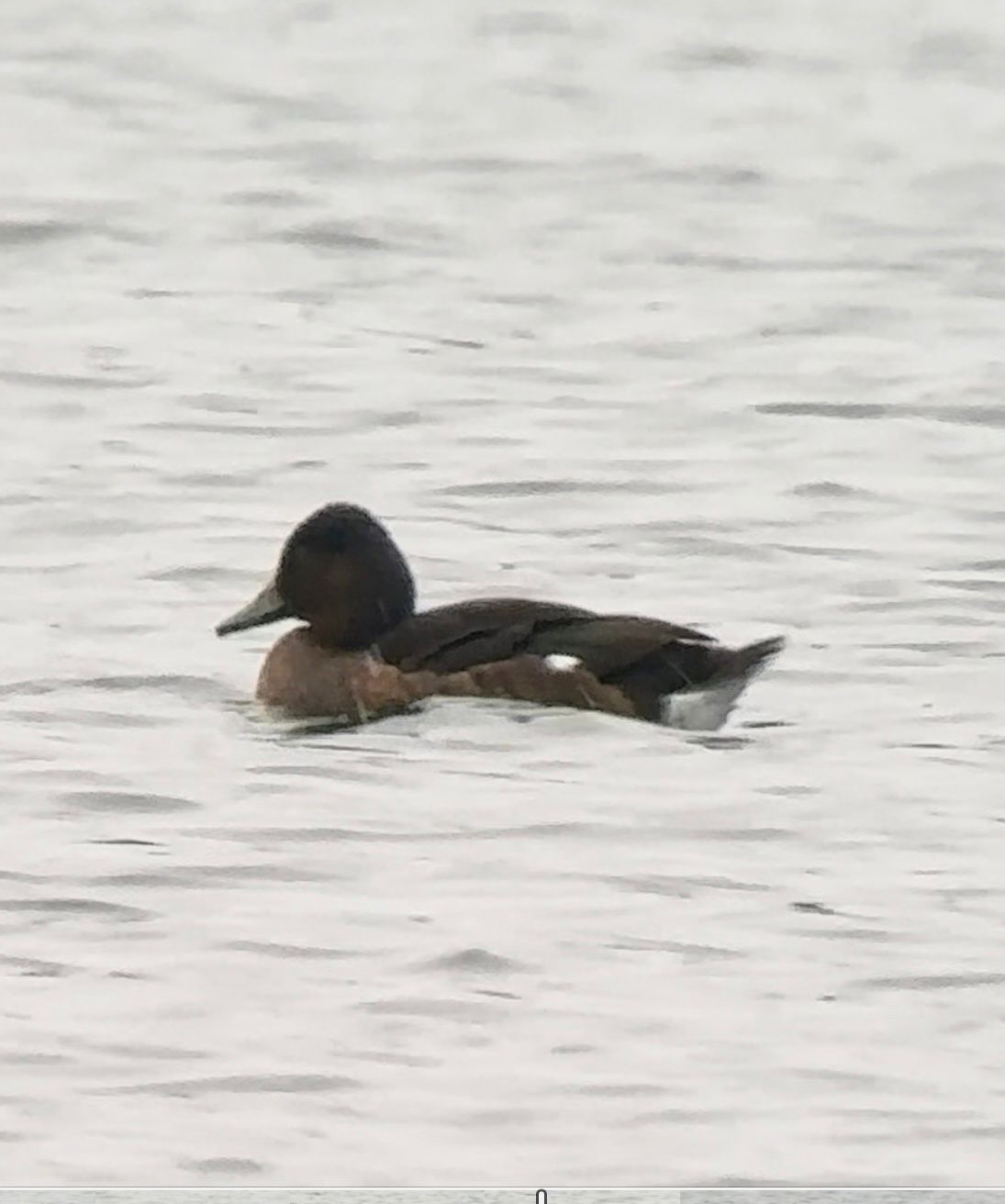
But the wildfowl of the week occurred when Stanford laid claim to its second Ferruginous Duck of the year – this time a female. Found during the morning of 3rd, it proved itself a slippery customer, evading further observation until putting in a brief reappearance during the evening. It was not seen subsequently …

More usually associated with spring rather than autumn, Common Scoters were making news on the last day of the period when Stanford again delivered, producing two drakes, while a drake was also found at Clifford Hill GP. These formed part of a wider inland movement through Central England, from West Yorkshire to Surrey, with records from nineteen localities during the latter half of the week.

Also at Clifford Hill, the now long-staying Black-necked Grebe chalked up another week in residence, attracting a steady procession of observers – some apparently making a special trip from as far away as Luton …

And as for waders it was down to just four species to keep the wheels turning, top of which was a single, short-staying Whimbrel on the dam at Pitsford Res on 2nd. With the peak passage period for Black-tailed Godwits long gone, this week’s stragglers were made up of three at Summer Leys on 31st, followed by one there on 6th, the latter date also seeing one at Wicksteed Park Lake, Kettering. Summer Leys also held on to last week’s juvenile Ruff throughout the period, while five were present there briefly on 1st. A juvenile female also visited Daventry CP on 3rd.

Also at Summer Leys, a Greenshank remained throughout and another was found at Thrapston GP’s Titchmarsh LNR on 5th.

The autumn’s first Little Gull – a first-winter – dropped in at Stanford on 5th.

Two more Mediterranean Gulls hopefully laid the ground for more to come – a juvenile at Ravensthorpe Res on 1st, followed by a first-winter at Boddington Res over the three days of 4th, 5th and 6th.

Boddington also produced three out of this period’s four Caspian Gulls with a juvenile on 2nd and two different second-year birds on 5th and 6th, while another juvenile was found at Daventry CP on 5th.

With reports from seven localities the number of Yellow-legged Gulls climbed this week, Pitsford producing the highest day total of seven on 1st. Three were present there on 3rd and four on 5th and 6th. The second highest total came from Boddington, where there were six on 5th, two on 2nd and three on 6th. Elsewhere, four were found at Ravensthorpe on 1st with the same number also at Wicksteed Park Lake the following day, the latter site again producing two on 4th. Single birds were also present at Hollowell Res on 2nd, Daventry on 3rd and Titchmarsh on 4th.

There were further appearances this week in the shape of Sandwich Terns, the surprising autumn run of which is clearly far from over, the last two days of the period delivering birds to three different sites. Single fly-overs were clocked at Stanford on 5th and 6th, the latter date also seeing another over Daventry and a respectable six at Summer Leys. Unlike last week’s obliging three at Clifford Hill, none saw fit to stick around. In common with the aforementioned scoters, these formed part of a wider inland movement through Central England, from South Yorkshire to Surrey, with records from at least twenty-five localities during the last two days of the week.

Not to be sniffed at, a notable supporting cast comprised three juvenile Arctic Terns at Stanford on 2nd-3rd and single Black Terns at Pitsford on 1st and Boddington on 2nd.

Following one on Summer Leys Scrape last week, a Bittern was seen at Titchmarsh on 4th. Long gone are the days when this was the standout site for this species during the winter months.

In stark contrast to last week, Cattle Egret numbers took a tumble to just seven at Ditchford GP’s Irthlingborough Lakes and Meadows LNR on 31st, one between Earls Barton and Ecton on 1st and at least one at Stanwick GP on 6th.

And for those in need of a showy raptor fix, Summer Leys again proved its worth –firstly for Ospreys, two of which were present on 3rd, one straying to adjacent Mary’s Lake at Earls Barton GP. Two were also reported from Titchmarsh on 2nd, followed by one there on 3rd and 6th, while singles visited Pitsford on 31st, 1st and 4th, Stanford on 1st and 5th and Hollowell on 4th.

And secondly, with multiple daily sightings, Summer Leys simply oozed Marsh Harriers, three different birds having visited the reserve this week. Four other localities also produced singles, including the Brampton Valley between Cottesbrooke and Hanging Houghton on 1st and 6th, Boddington on 2nd, Harrington AF on 1st-2nd and Stanford on 1st.

Set against a backcloth of increasing numbers of common migrants, the week’s passerines saw the movement of Common Redstarts begin to fall. Three were trapped and ringed at Stanford on 31st and the same number was seen at Harrington on 2nd, followed by one there the next day. Elsewhere, singles were found at both Clifford Hill and Lamport on 1st and at Blueberry Farm, Maidwell on 2nd.

While Common Redstarts were on the wane, Whinchats were on the up, with birds seen daily across a collective eight localities. The highest numbers were six at both Stanford on 1st and Clifford Hill GP on 6th. Other site maxima were four in the Brampton Valley on 4th-6th, three at Hollowell on 31st, two at Harrington on 2nd and singles at Orlingbury on 4th and at both Boddington and Brackley on 6th.

A Stonechat remained at Hollowell on 1st-3rd and one was present at Harrington on 2nd, while Northern Wheatears again remained low in numbers with just singles at Harrington on 2nd-3rd, in the Brampton Valley on 3rd-5th, at Hollowell on 3rd and at both Clifford Hill and Pitsford on 4th.