Newsround – 15th to 21st February 2025

Temperatures had leapt up to a balmy 15°C by the week’s end – the result of a south to south-westerly airstream off the near continent and, with the UK’s first Northern Wheatear of the year appearing in Avon on 18th, it appears that we are well and truly on the cusp of spring.

While the aforementioned wheatear seems, and is, early, in 2023 we went one better in our own good county when one put in an appearance near Lyveden New Bield on 15th February, the earliest-ever county record. In the meantime, we’ll just have to be content with the usual array of winter birds as the wait goes on for the first summer visitor to arrive locally …

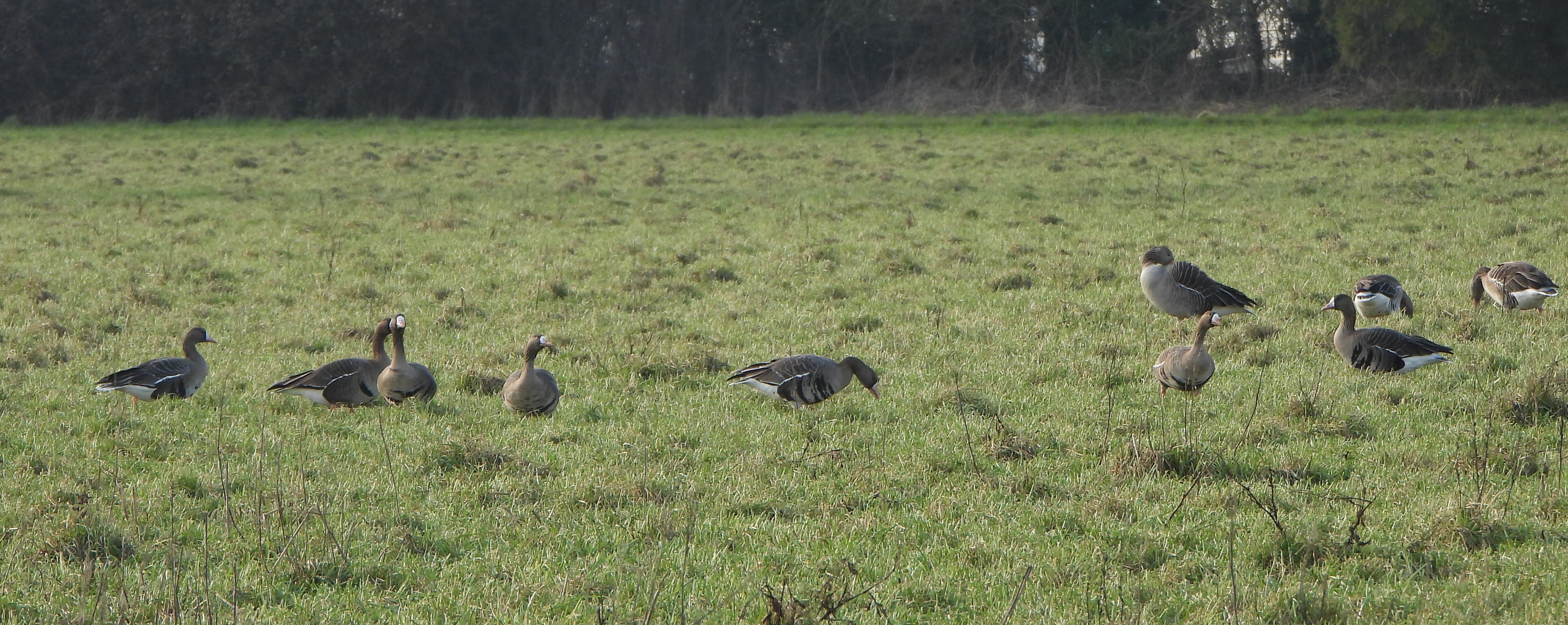
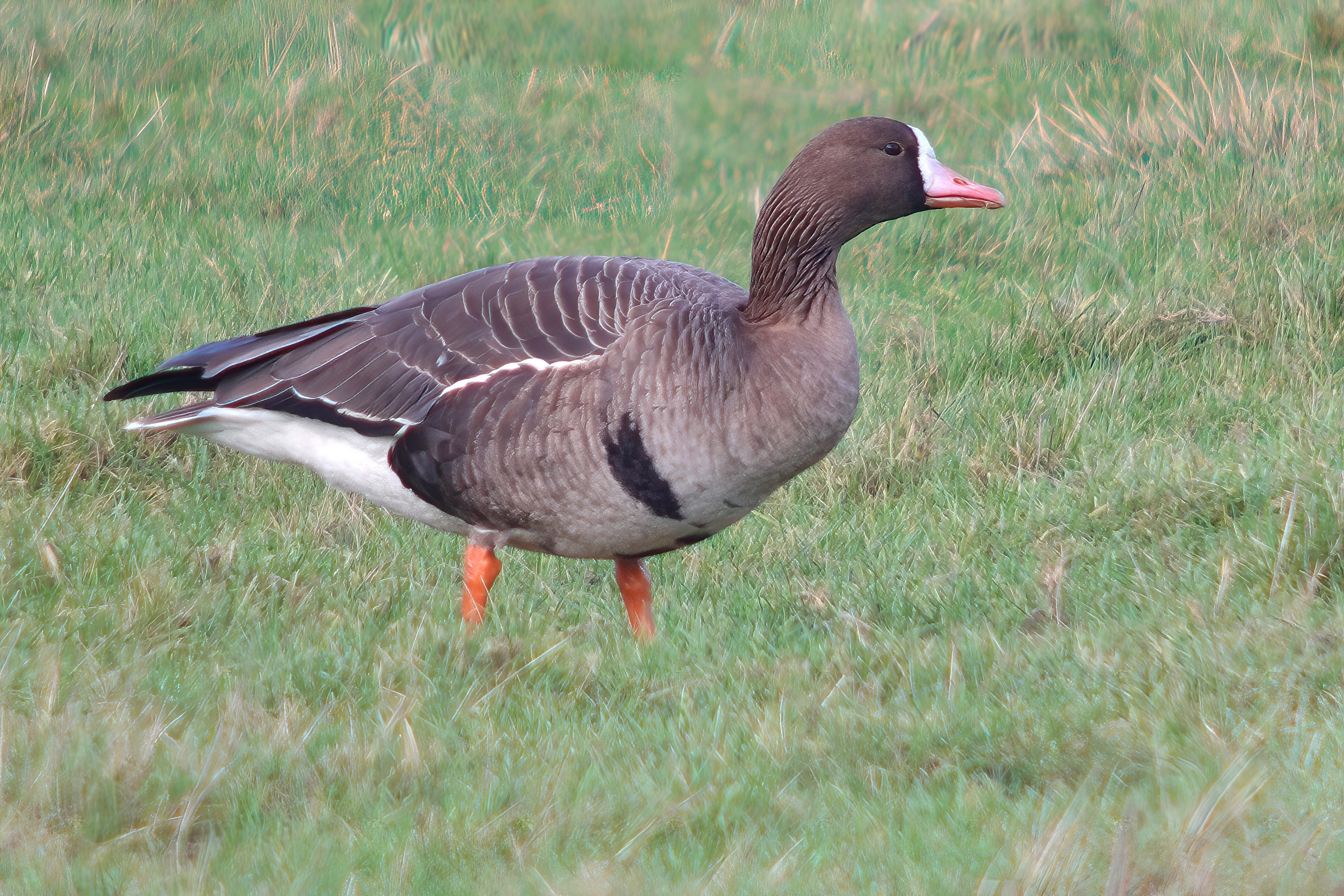
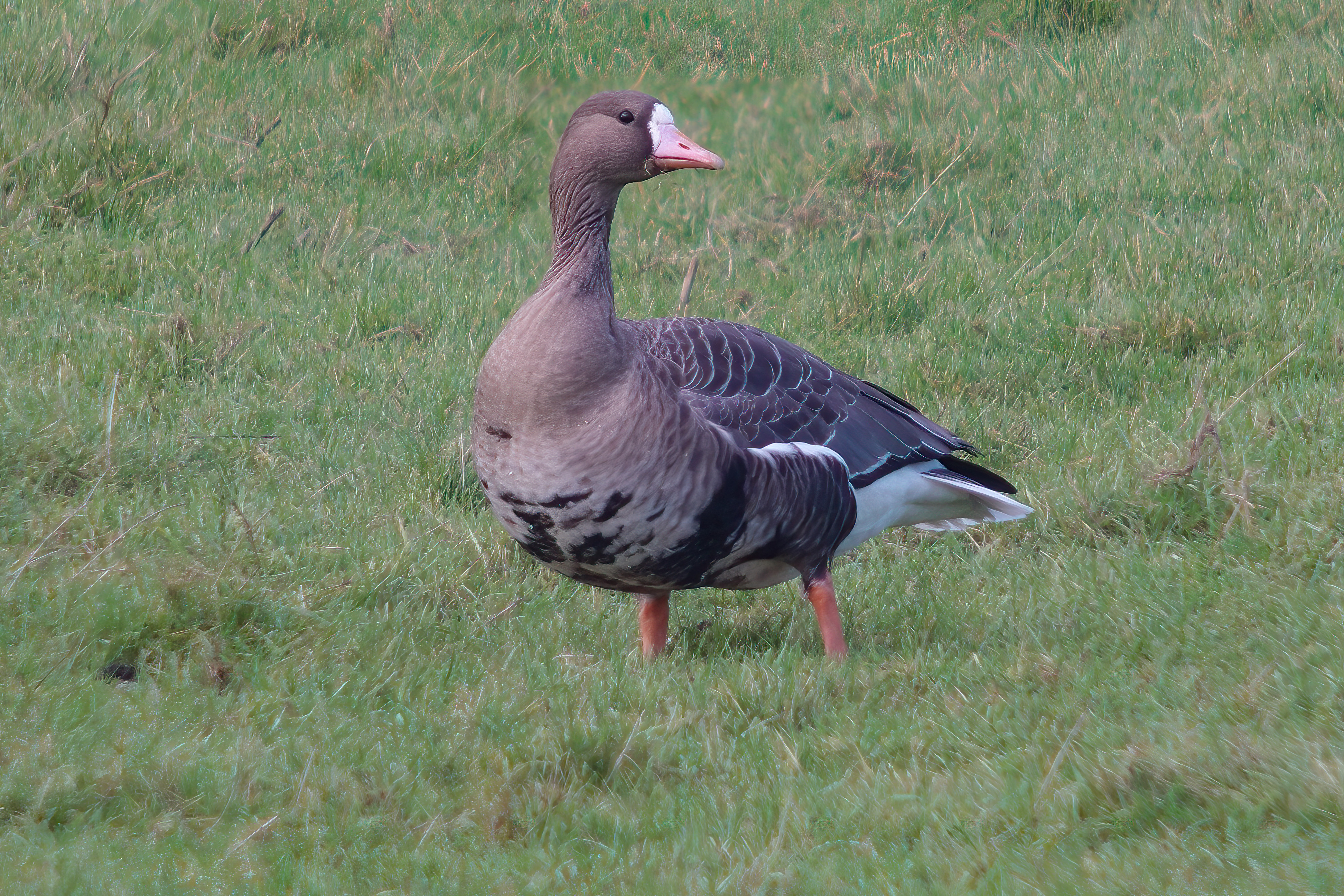
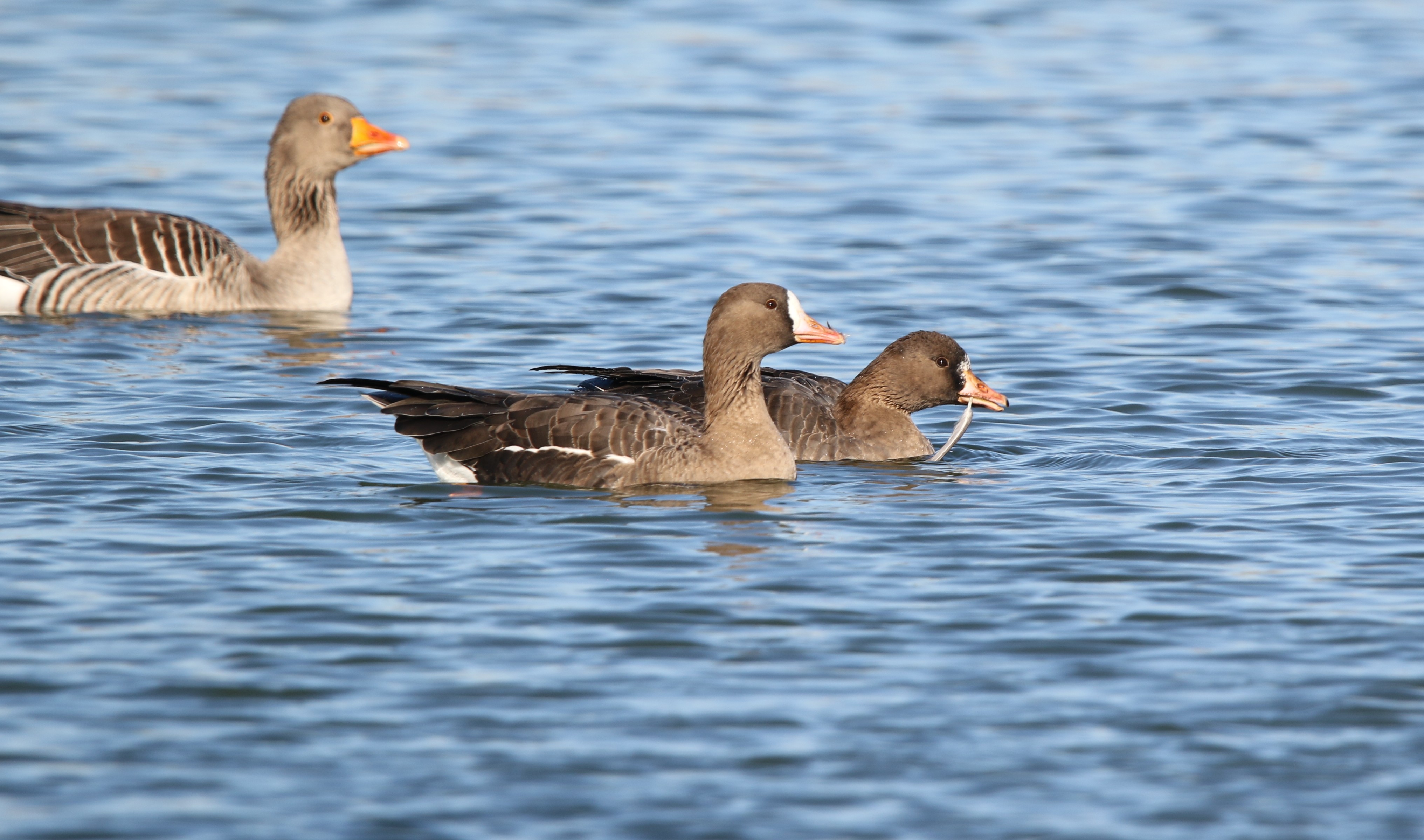
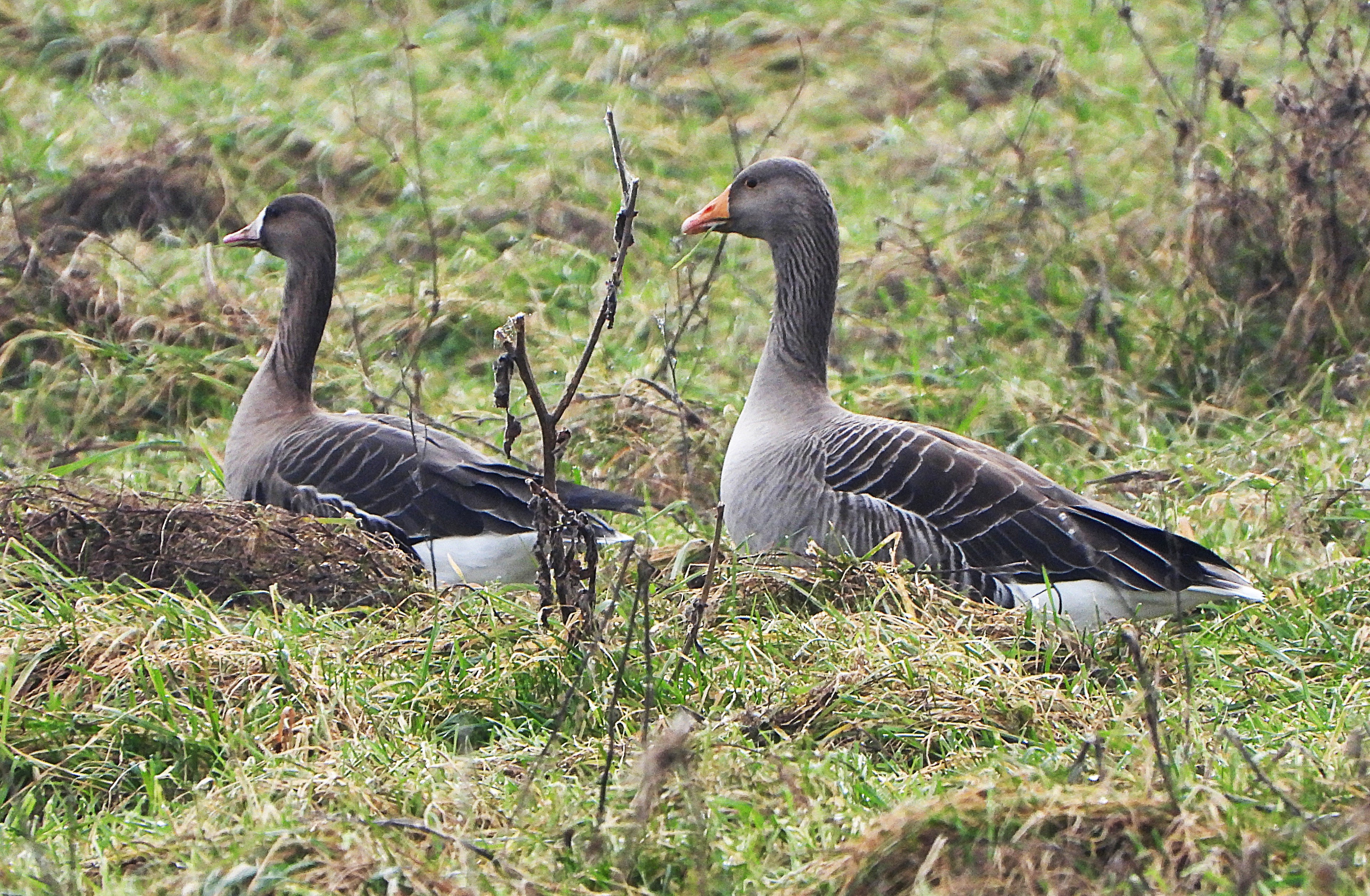
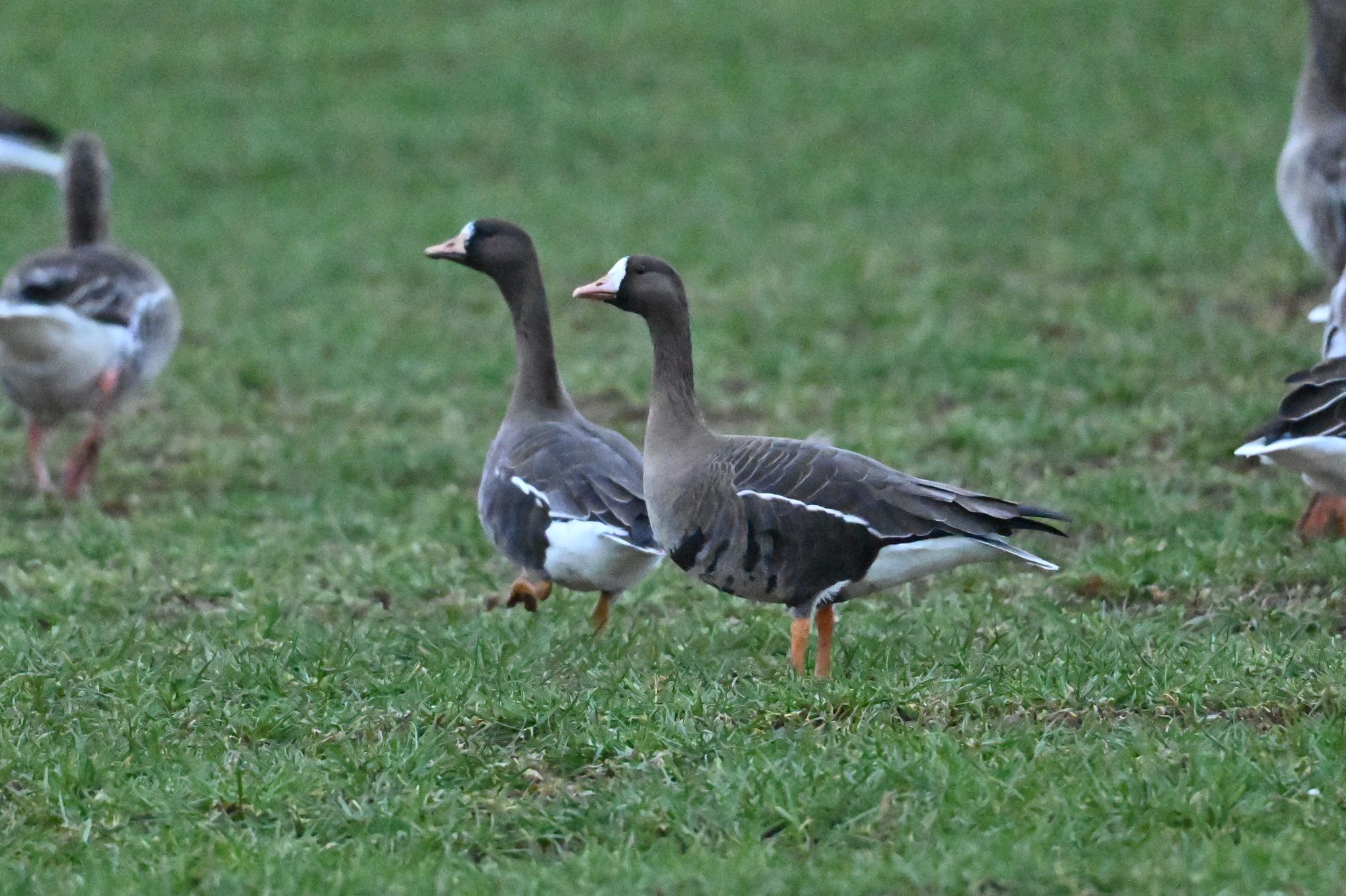
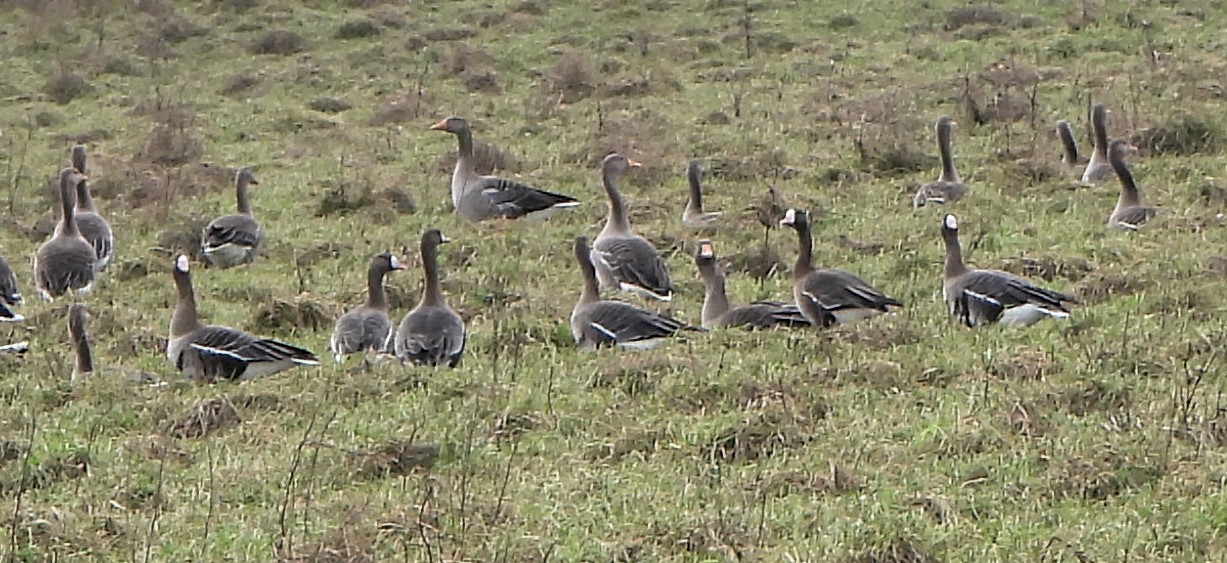
And that array includes what has become part of the furniture of late: grey geese. For another week the Earls Barton GP/Cogenhoe Greylags held on to the visiting Pink-footed Goose, along with the seven White-fronted Geese which allow easy viewing in the riverside fields in this small area of the Nene Valley. Following an absence of reports the previous week, the two long-staying White-fronted Geese were still to be found at and around Ravensthorpe Res until at least 18th.
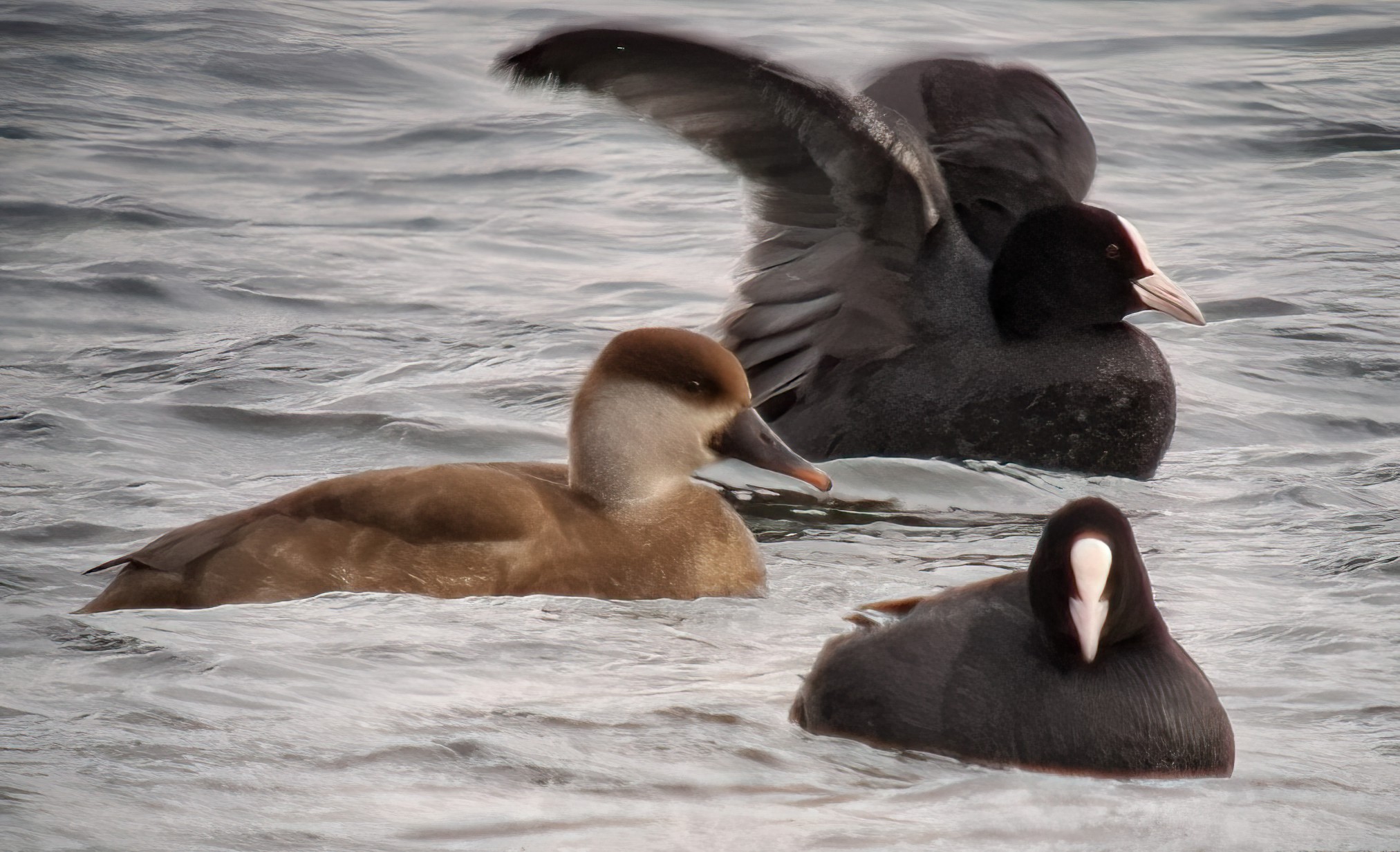
Still in place this week was the female Red-crested Pochard at Daventry CP, remaining there throughout the period.
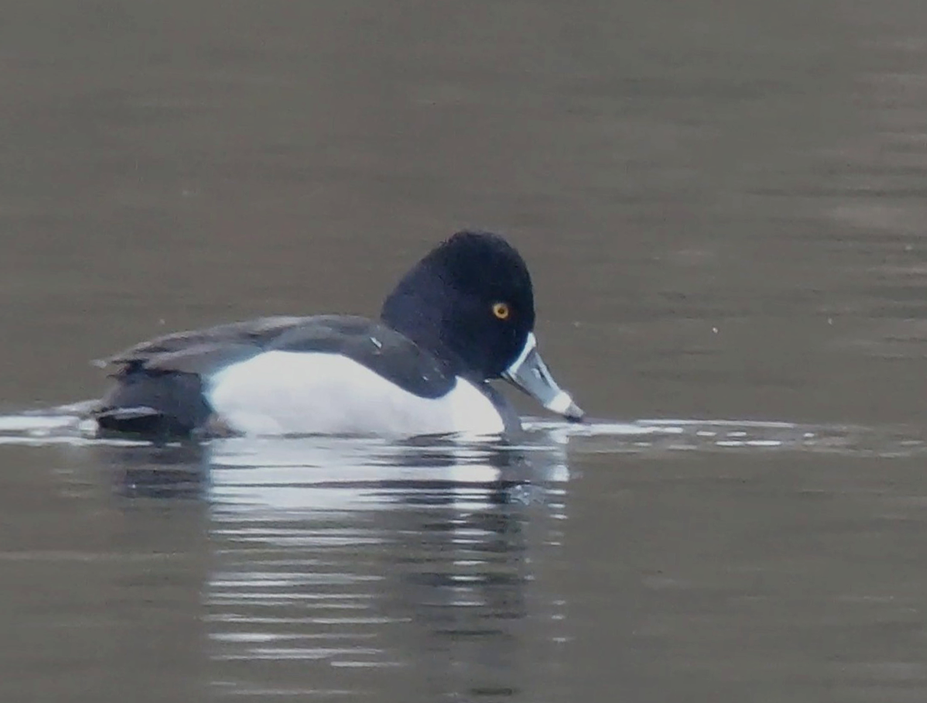
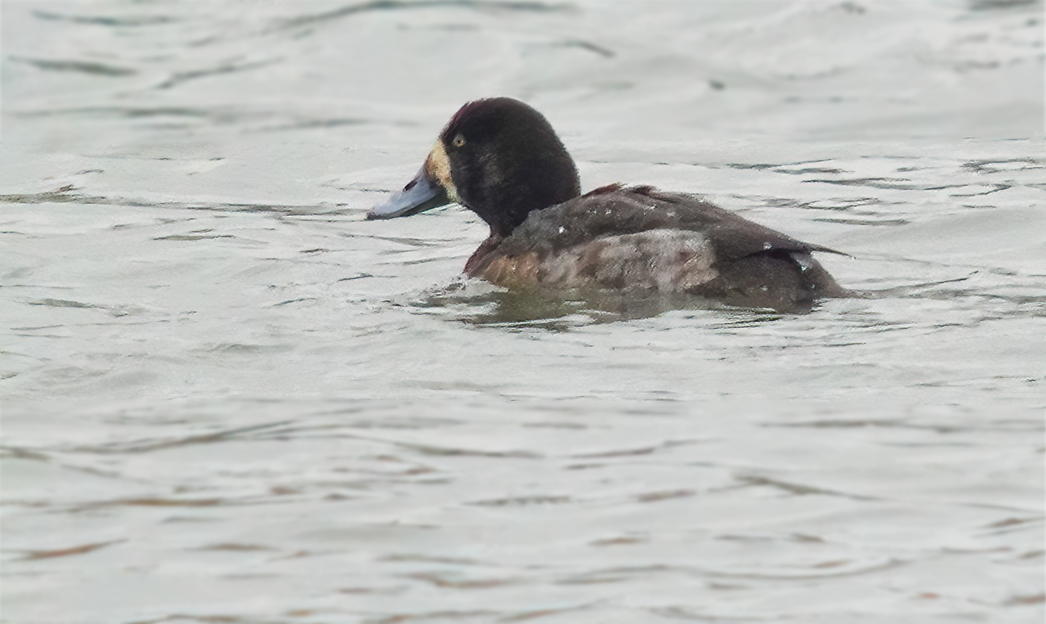
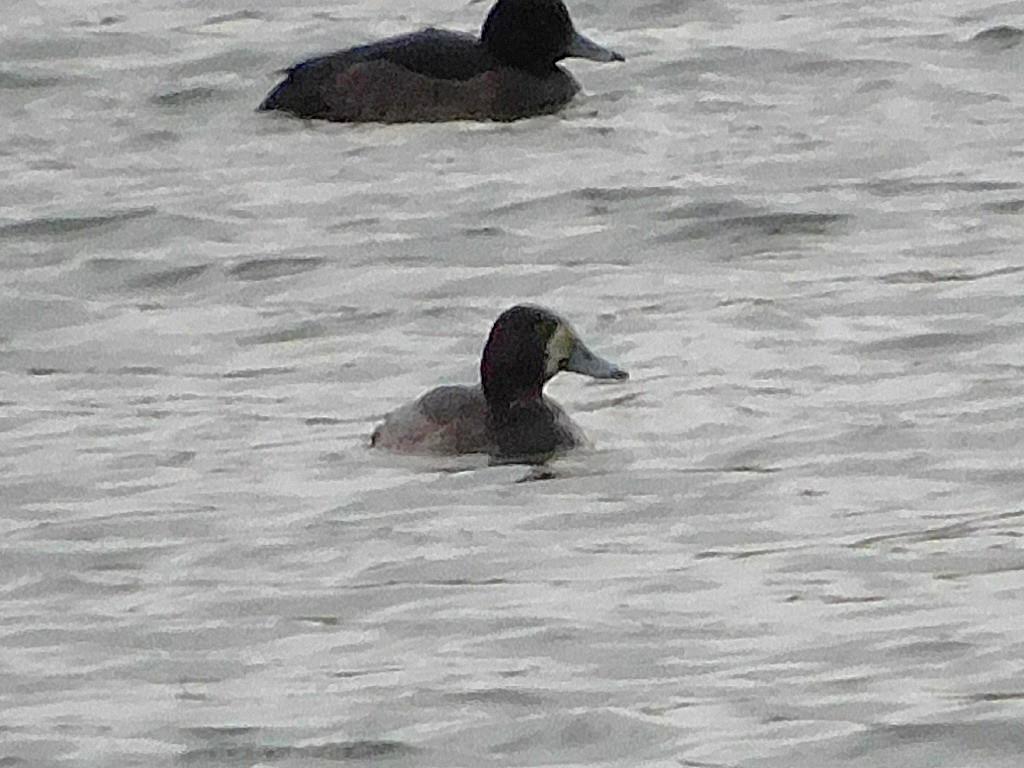
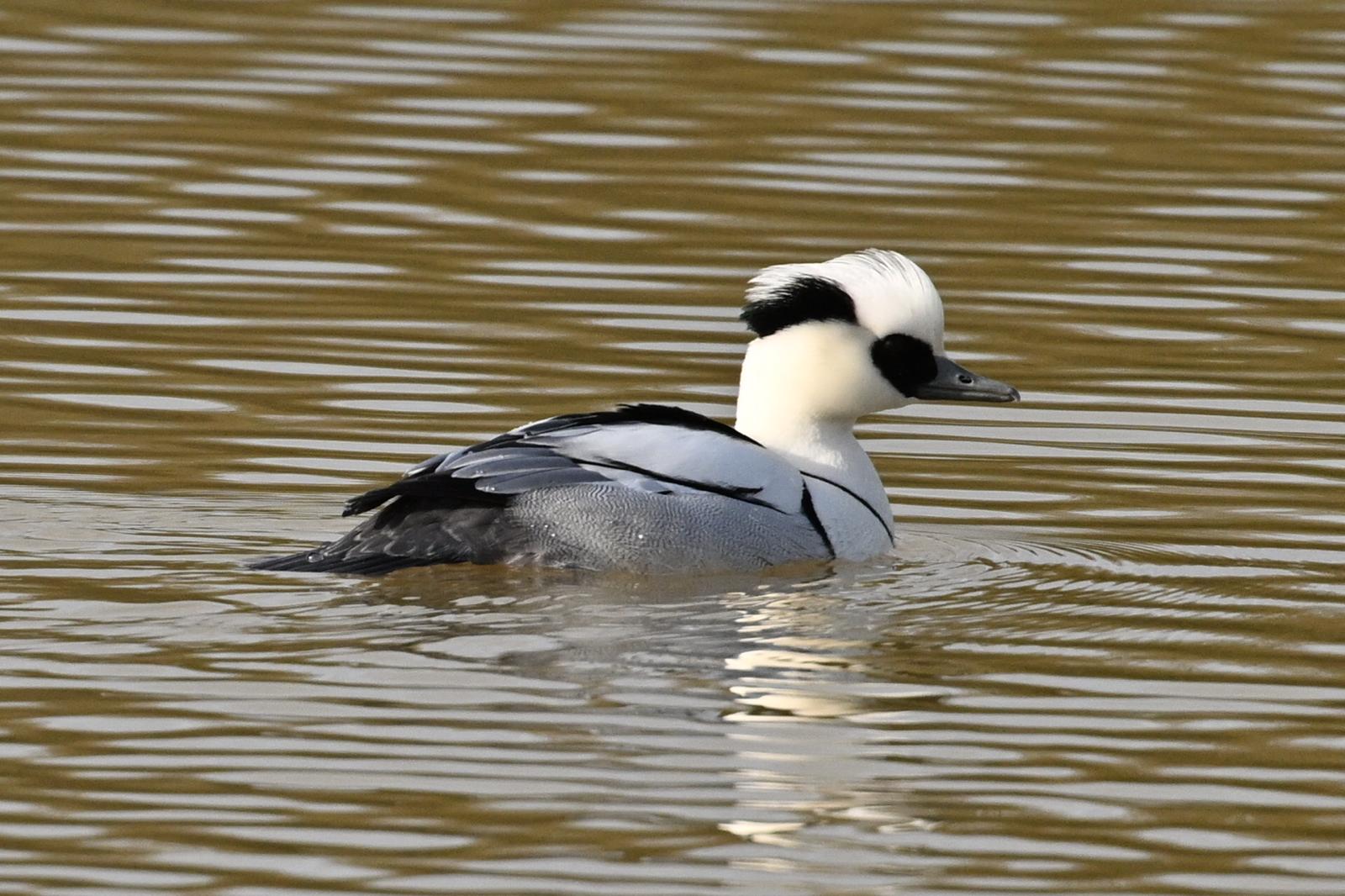
With the trail for last week’s Ring-necked Duck now having gone cold, we were left with the first-winter female Greater Scaup at Blatherwycke Lake on 16th and the drake Smew at Clifford Hill GP throughout to keep the best of the wildfowl afloat.

And this week’s waders appeared in the same guise as last week’s, with two Black-tailed Godwits visiting Summer Leys LNR on 15th and Jack Snipes again at Hollowell Res, where there were two on 17th and three on 19th, while two were at Ditchford GP on 18th.

An adult Caspian Gull at Hollowell Res on 17th was the only one of its kind during the period, while Yellow-legged Gulls were present at Summer Leys, where there were singles on 15th and 21st, Earls Barton GP with an adult on 18th, Pitsford Res where there were two adults on 20th and Daventry CP, where there was a third-winter on 21st.

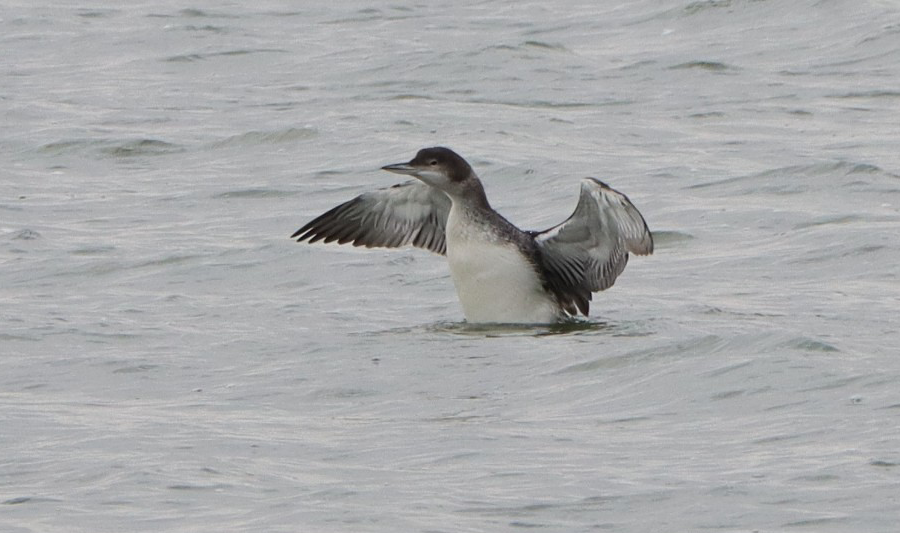
The juvenile Great Northern Diver continued its stay at Pitsford until at least 17th.

And what more can we say about the Glossy Ibis, other than it saw out another week at Summer Leys.

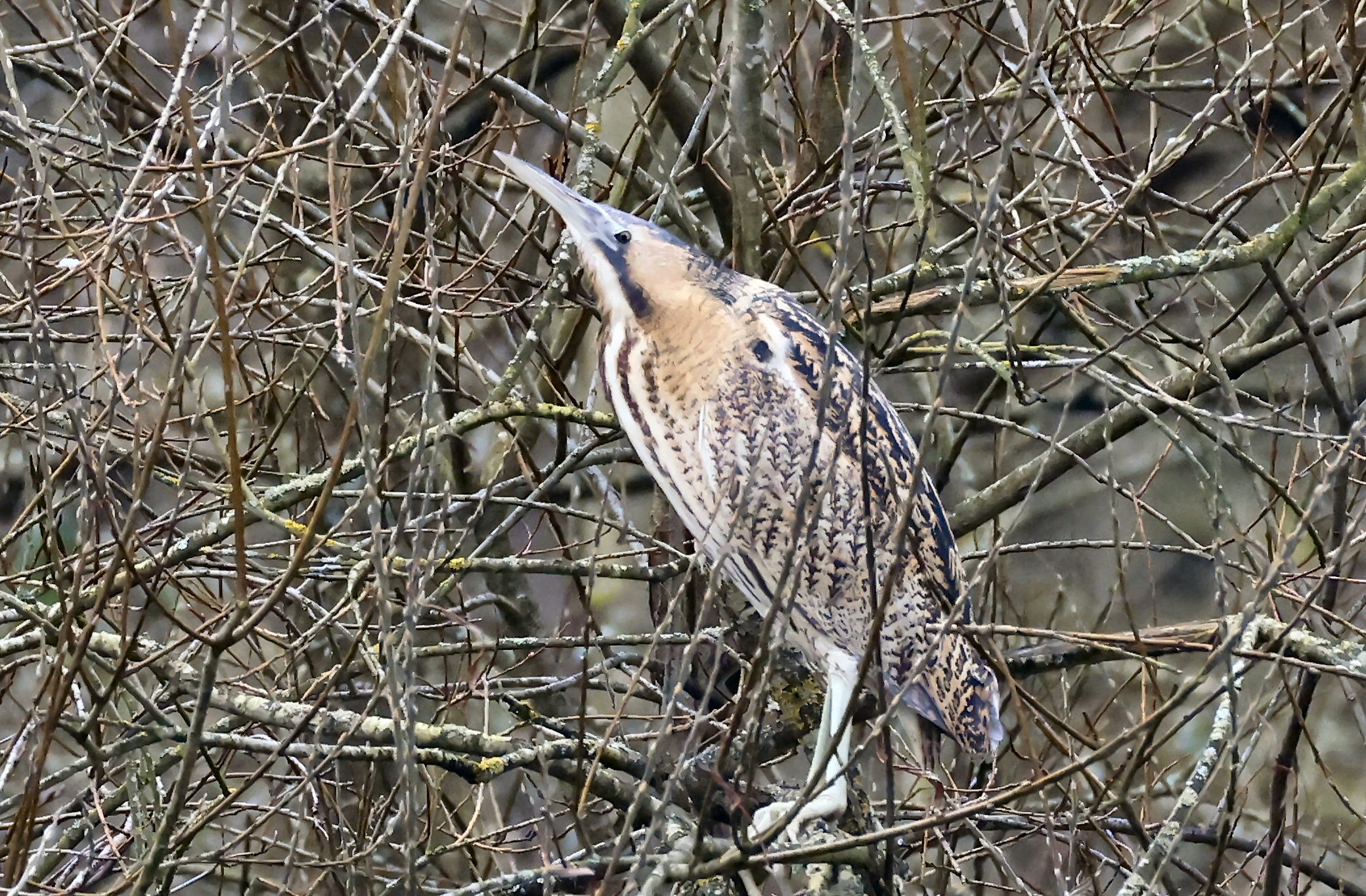
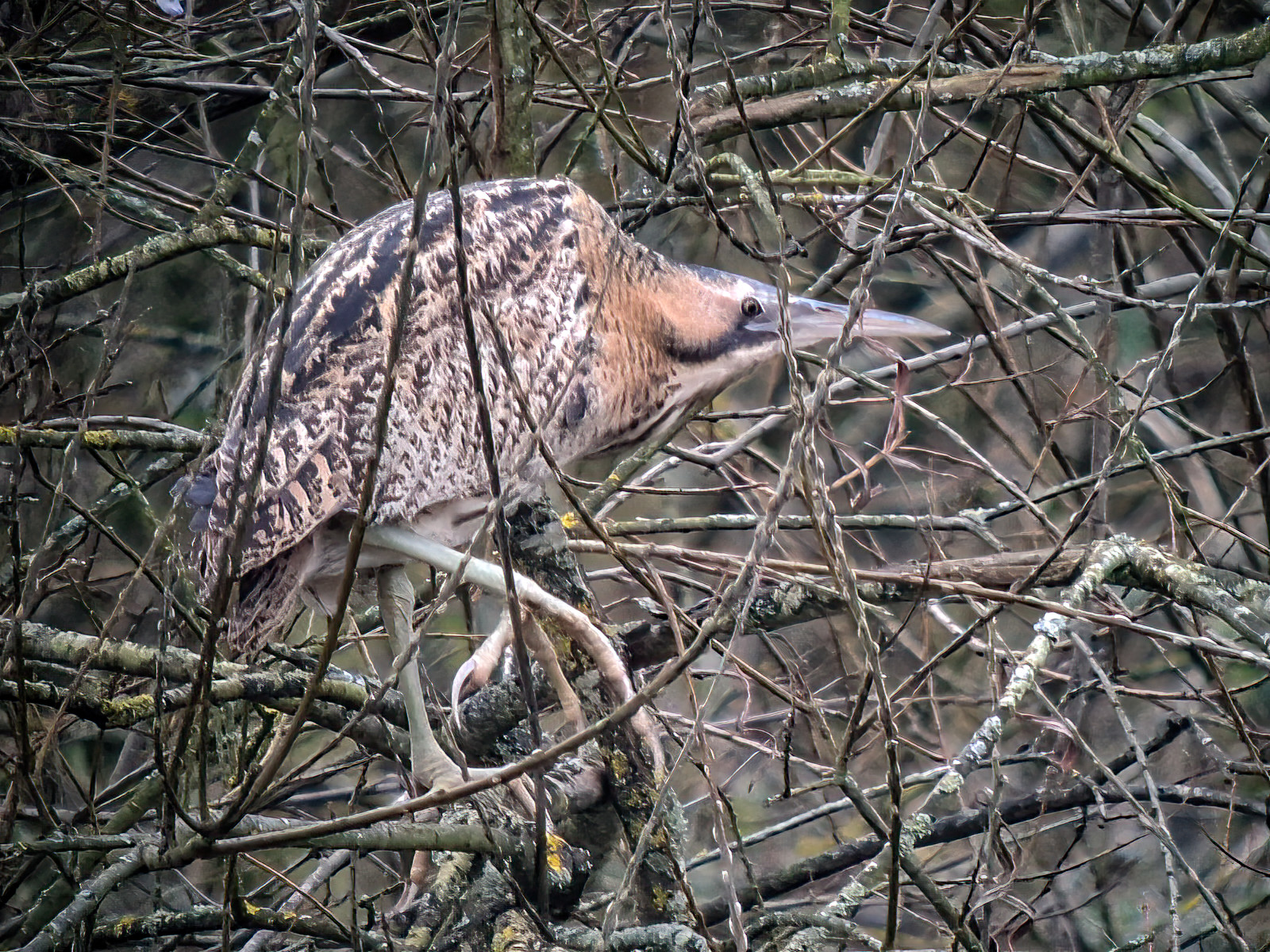
New in during the period, though, was a couple of Bitterns – one at Summer Leys on 17th and the other at Daventry CP, showing well for one day only, on 19th. The latter has the prestigious honour of being the first record for the site.

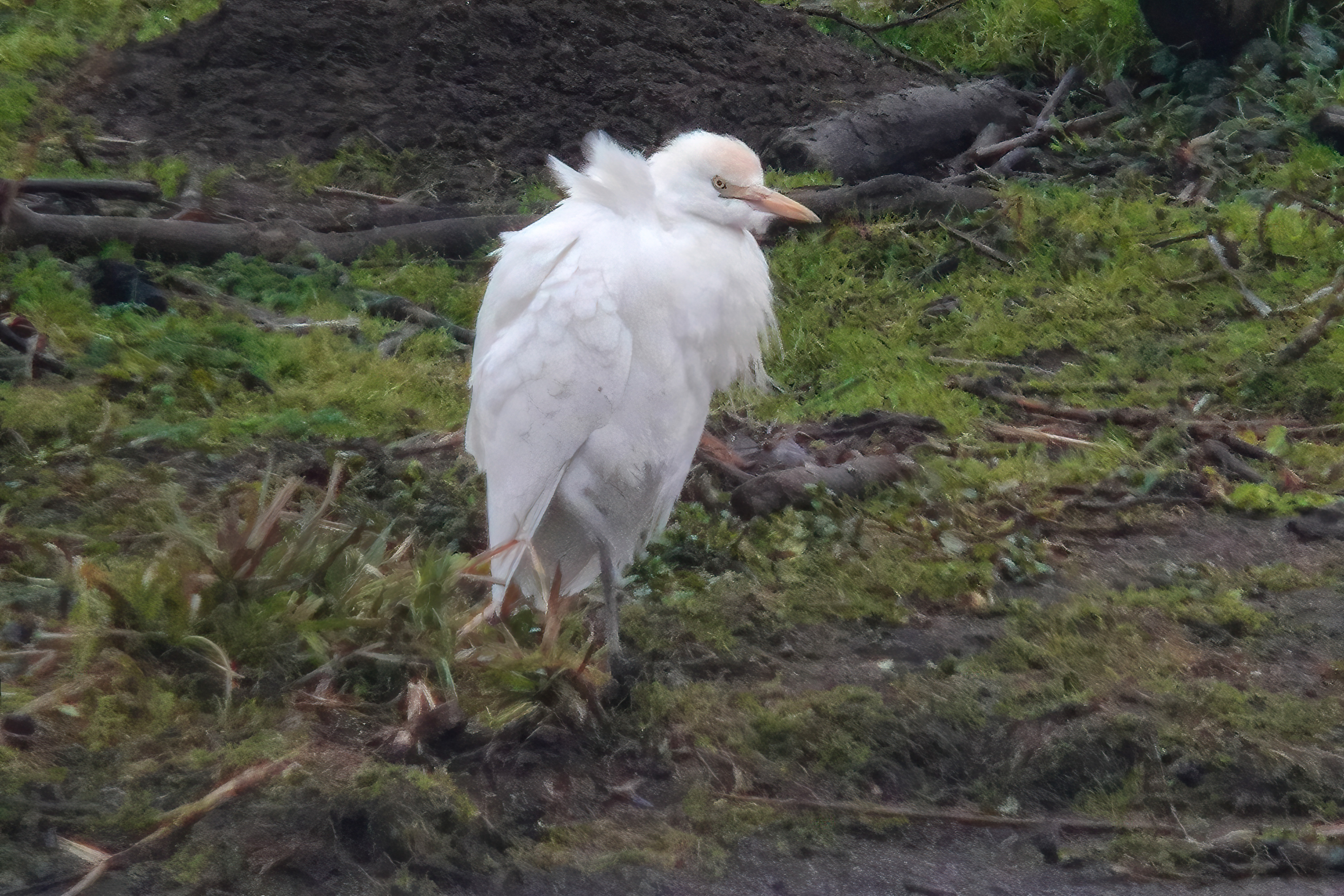
The Blatherwycke Lake Cattle Egret remained until at least 16th, constituting the sole representative of its tribe this week.

Raptors fared a little better with at least two Marsh Harriers on show – one still roaming Titchmarsh NR and the wider environs of Thrapston GP until 19th, the other at Summer Leys on 18th, with likely the same individual close by at Earls Barton GP’s New Workings (South) on 20th.

A ‘ringtail’ Hen Harrier was at Blueberry Farm, Maidwell before flying toward nearby Cottesbrooke on 19th and the week’s only Short-eared Owl was seen at one of the species’ favoured localities, Harrington AF, on the same date.

On the passerine front, new in this week was Siberian Chiffchaff, found where else but at the famous ‘Bridge of Sibes’ – more formally known as bridge K121 – which runs over the processed sewage outflow from Ecton SF into the River Nene. Two were present on 16th with at least one remaining from 17th to 19th.

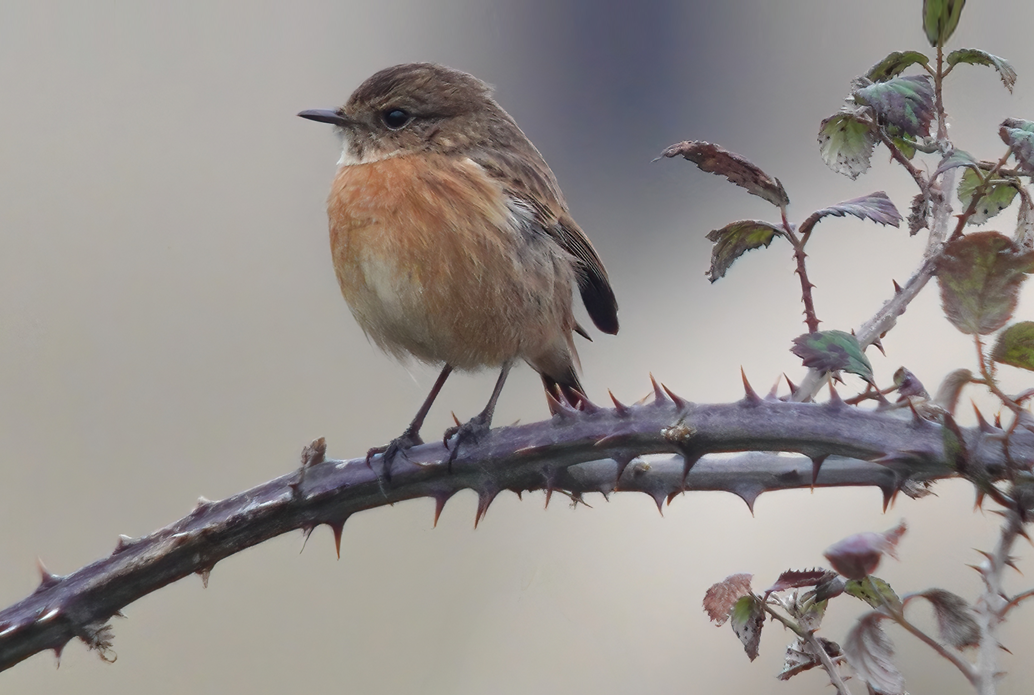
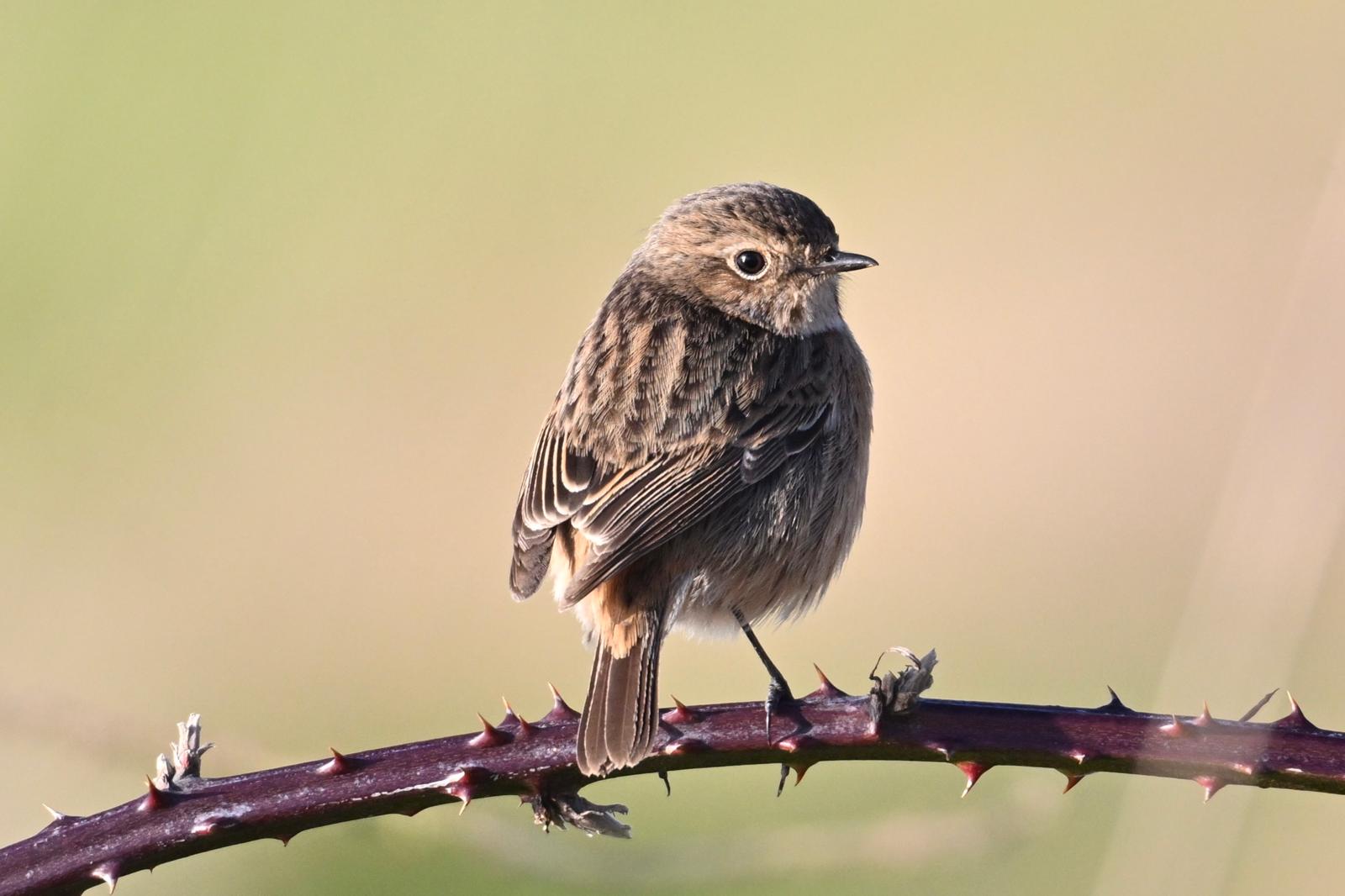
Adding further spice to the passerine mix, a male Black Redstart found on farm buildings near Creaton on 20th was the second of the year and, like the first, was at a location with no public access. This week’s Stonechats were to be found at Barnes Meadow NR, Borough Hill, Cogenhoe, Ditchford, Earls Barton, Hollowell and Stanford Res, with a maximum of five at Borough Hill on 15th.

Newsround – 8th to 14th February 2025

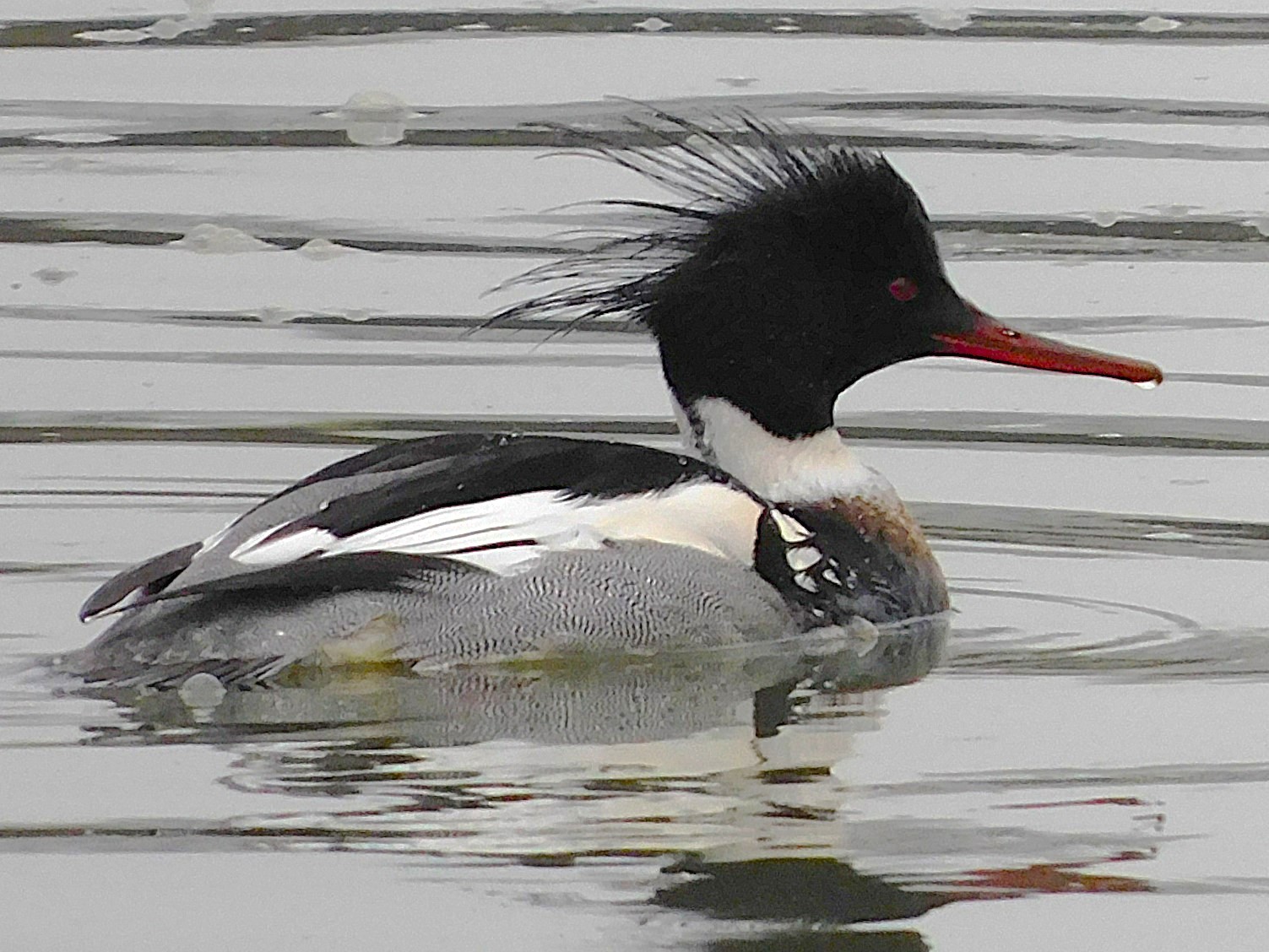
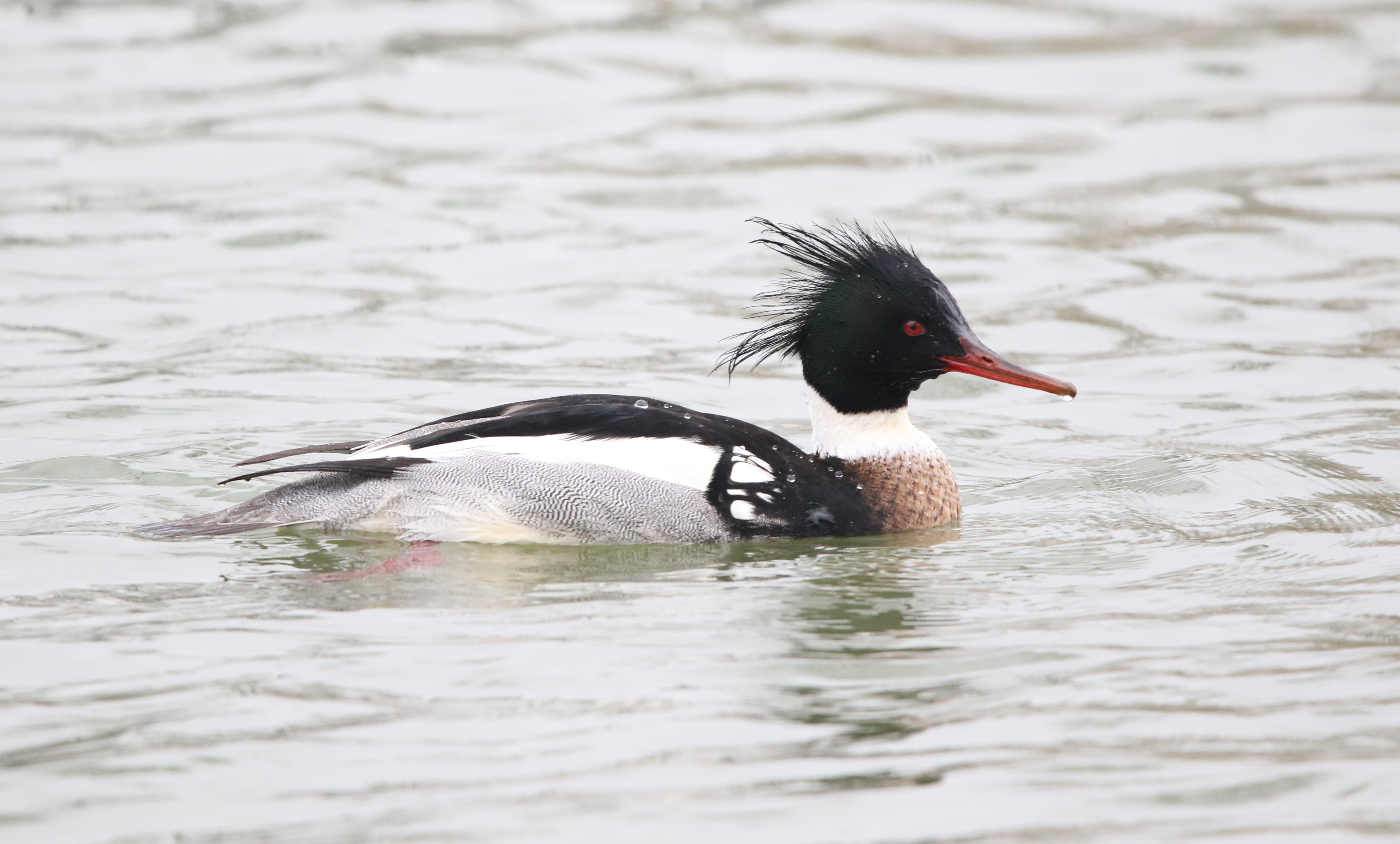
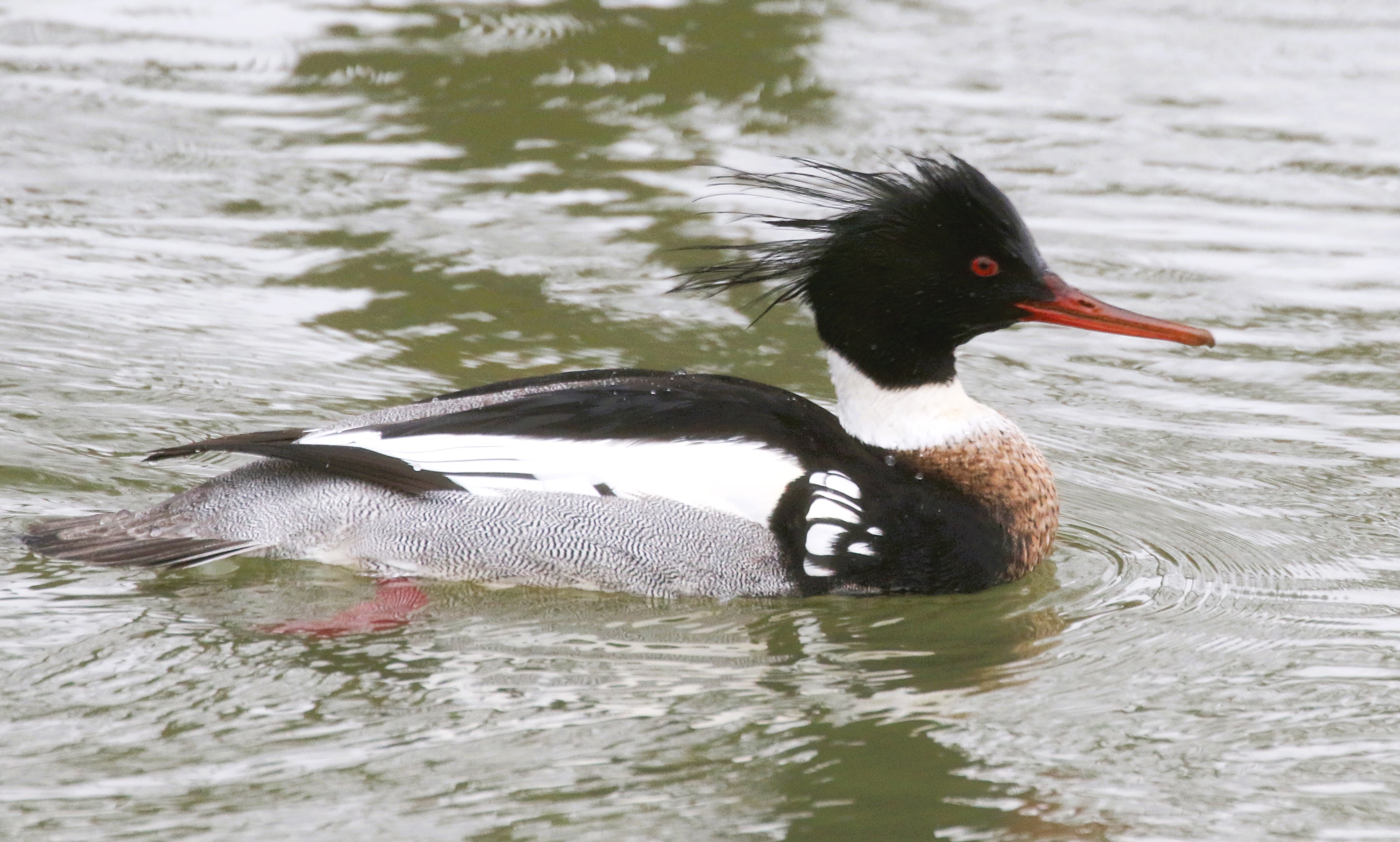
As we entered the second week of February, the cool, easterly influence carried over from the week before continued to keep temperatures low, while rain remained never too far away, with frequent, sporadic showers. Just what influence this had on the period’s avian mix may well remain the subject of conjecture but, whatever it was, the week kicked off nicely with the discovery of a splendid drake Red-breasted Merganser in the north of the county.

And it would seem that the focus this week was very much on wildfowl, whichever way you cut it, kicking off again with the lone Pink-footed Goose remaining in the thick of it among the sizeable Greylag and Canada Goose flock in the Cogenhoe Mill/Earls Barton GP area.

The same flock clearly proved attractive to more White-fronted Geese, numbers of which had increased to eight by the week’s end, although there were no reports of the previously long-staying two at Ravensthorpe Res during the period.

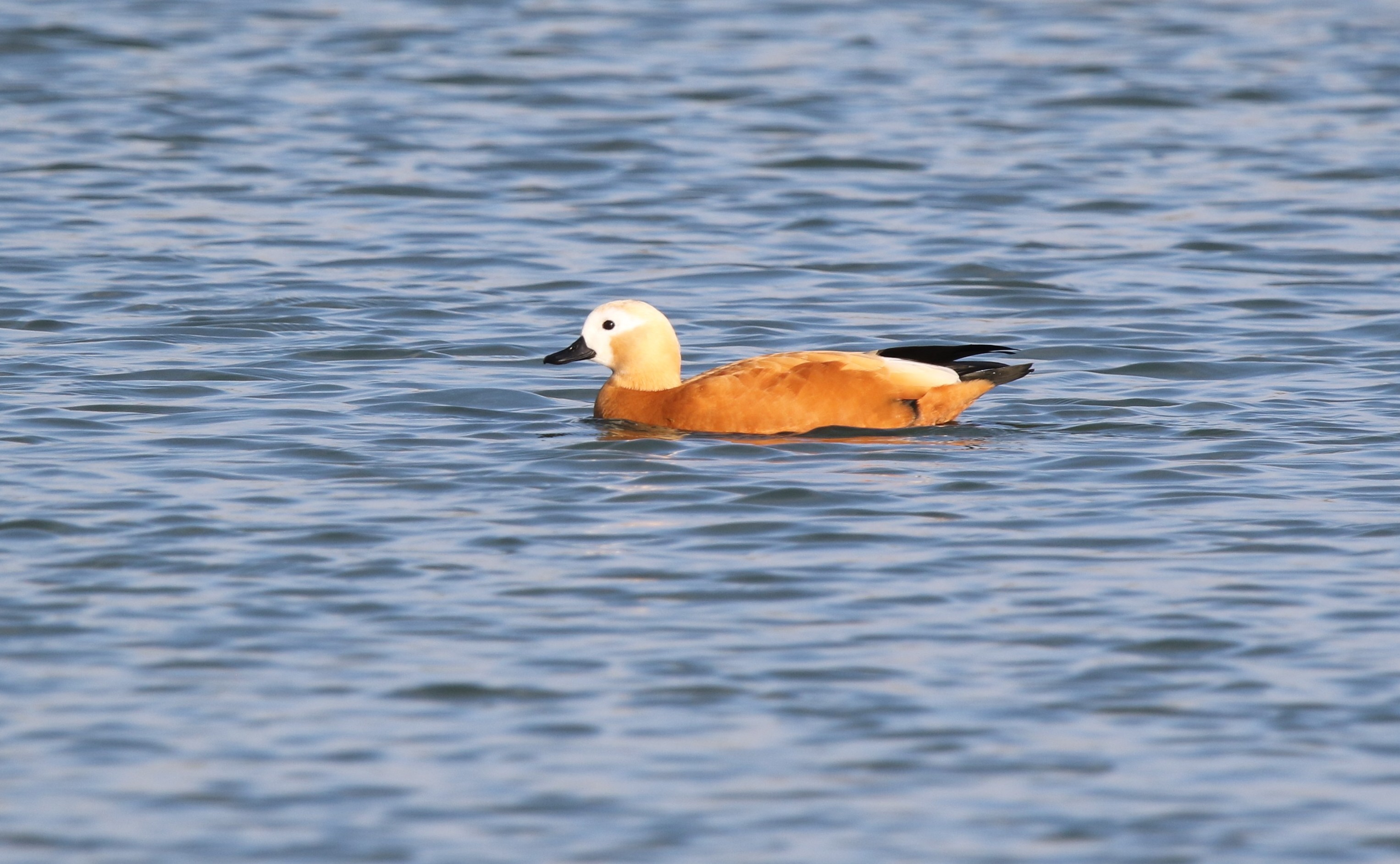
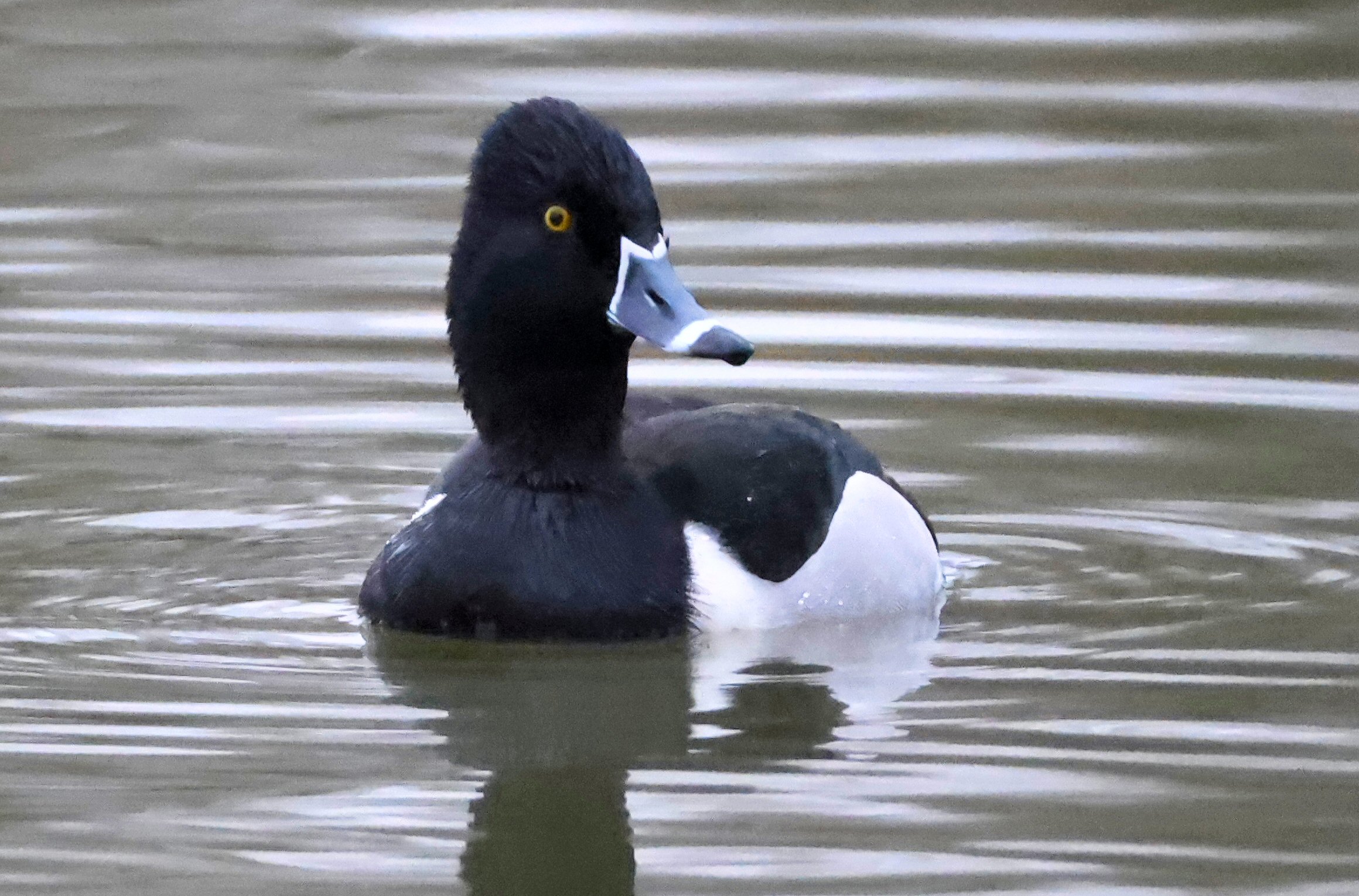
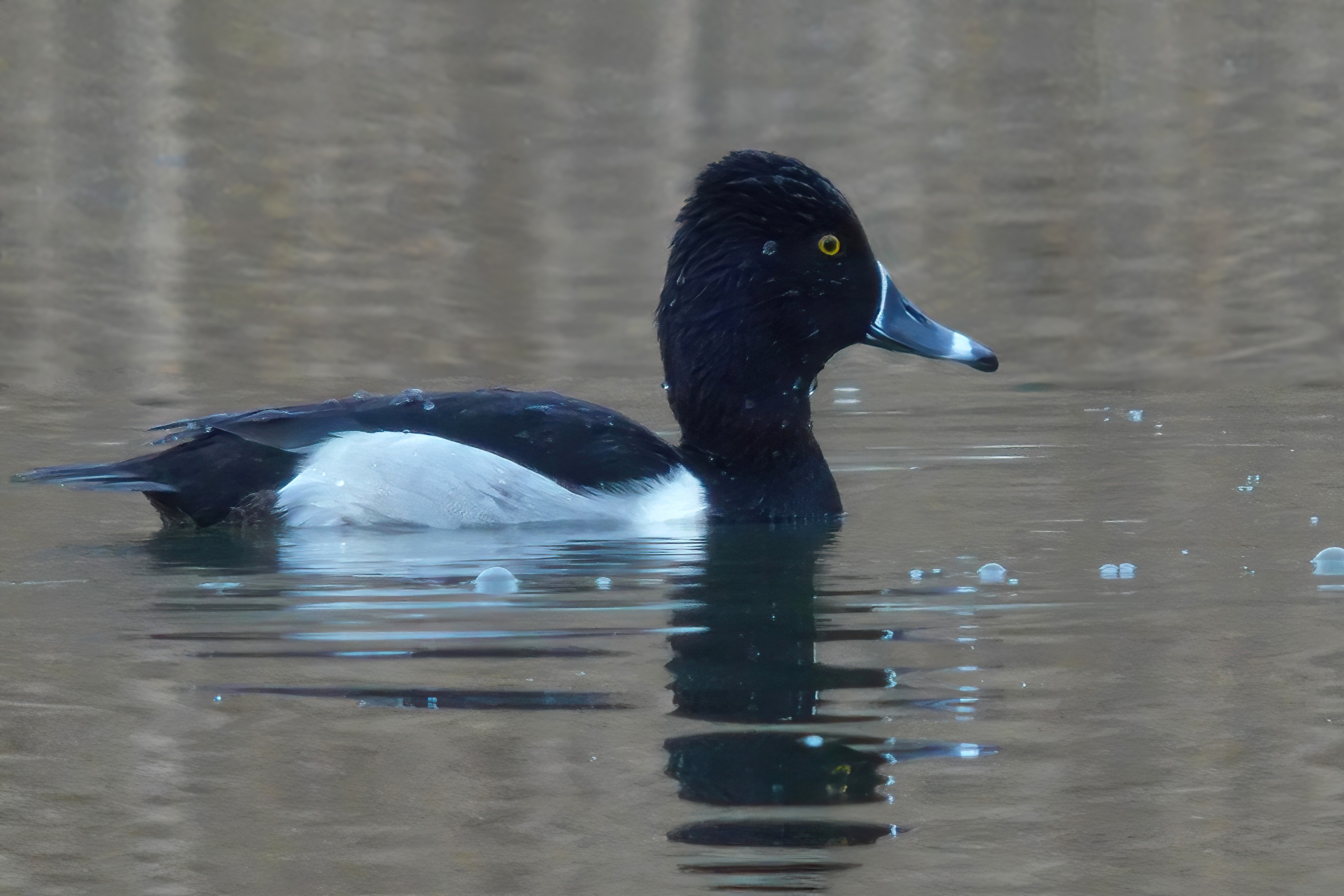
At Winwick Pools, the female Ruddy Shelduck was still present on 9th but there were no subsequent reports, while the county’s only known Red-crested Pochard, the female at Daventry CP, extended its presence there until at least 12th. And after appearing settled at Thrapston GP’s Titchmarsh NR through until the end of the previous week, the drake Ring-necked Duck was nowhere to be seen as the week opened on 8th. It subsequently resurfaced there on 12th, before moving up the Nene Valley to nearby Ringstead GP the following day – after which it again disappeared …

There were no reports of the first-winter female Greater Scaup at Blatherwycke Lake during the previous week but there she was again on 9th, remaining on site throughout the period.

And we’re not done with ducks just yet – far from it, in fact – as down in the Nene Valley it was the turn of Clifford Hill GP to offer up something new. Discovered first thing in the morning, the year’s first Common Scoters – three of them – spent the greater part of the day on 9th asleep on the Main Barrage Lake, clearly a short stopover before having moved on by the next day.

Clifford Hill also continued to host last week’s drake Smew throughout the period but, saving the best until last, it was a bird which is, arguably, the most flamboyant of its tribe, that left all others in the shade this week. Conjuring up thoughts of a daft punk, a drake Red-breasted Merganser found at Blatherwycke on 9th put on the best show in recent history for this dapper duck in the county. Seemingly oblivious to its many observers, it remained throughout the week, sometimes showing at point-blank range. With just six records over the past five years (none in both 2020 and 2022), Red-breasted Merganser remains a scarce visitor to the county.

The week’s waders comprised a Black-tailed Godwit at Clifford Hill GP on 12th and single Jack Snipes at both Hollowell Res and Stanford Res on 9th, followed by four at the first of these two sites on 11th and two-three at Pitsford Res on 12th.

Scarce gulls remained just that, with an adult Caspian Gull at Clifford Hill on 10th and an adult plus a third-winter at Hollowell the following day. Yellow-legged Gulls were down to single adults at Clifford Hill on 9th-10th, Stanford on 11th and Pitsford on 12th.

Meanwhile, Pitsford retained its long-staying Great Northern Diver throughout the period.

Summer Leys, too, held on to its Glossy Ibis

Also hanging on were our now depressed numbers of Cattle Egrets, with single birds at Blatherwycke Lake throughout the week, Ditchford GP on 10th and Stanwick GP the next day, the latter site hosting three on 14th.

Thrapston GP’s Marsh Harrier continued to be seen intermittently during the period while, similarly, a single Short-eared Owl remained on private land near Blueberry Farm, Maidwell.

Passerines continued their backseat ride with two Stonechats apiece at Earls Barton GP on 8th, Hollowell on 9th and Clifford Hill on 11th, while Earls Barton produced three on 14th.

And a single Hawfinch remained at Cottesbrooke on 8th.

Newsround – 1st to 7th February 2025

A moist and mild, westerly airstream had flipped to a cold easterly by the week’s end but it was the early part of the week that produced the goods, in the shape of a fine drake Ring-necked Duck …

This was, of course, in addition to the ongoing supporting cast of wildfowl we have become familiar with and grown accustomed to seeing since the turn of the year. There was little change in this respect, with the mobile Pink-footed Goose now seemingly more settled in the Cogenhoe Mill/Earls Barton GP area, where the adult White-fronted Goose also saw another week out with the local Greylags. The two long-staying Whitefronts at Ravensthorpe Res also put in another seven days on site.

Likewise, the female Ruddy Shelduck did another week at Winwick Pools, as did the female Red-crested Pochard at Daventry CP.

Thrapston GP’s reputation for delivering Ring-necked Ducks was upheld and brought into sharp focus this week, though, with the discovery of a splendid drake showing nicely there on 3rd. Bizarrely, despite a thorough search, it was nowhere to be seen the following day but it reappeared on 5th, favouring Heronry Lake until the end of the period.

Allowing for highly mobile individuals – particularly along the chain of Nene Valley wetlands – this bird would appear to be the 14th county record, Thrapston laying claim to at least four, if not five, of these, including a run of four consecutive years between 2021 and 2024. With some forty individuals currently present across Britain and Ireland, this species has shed its former rarity status, now having been replaced by Lesser Scaup – seen as the ‘new Ring-necked Duck’ – the first of which is eagerly awaited in Northants …

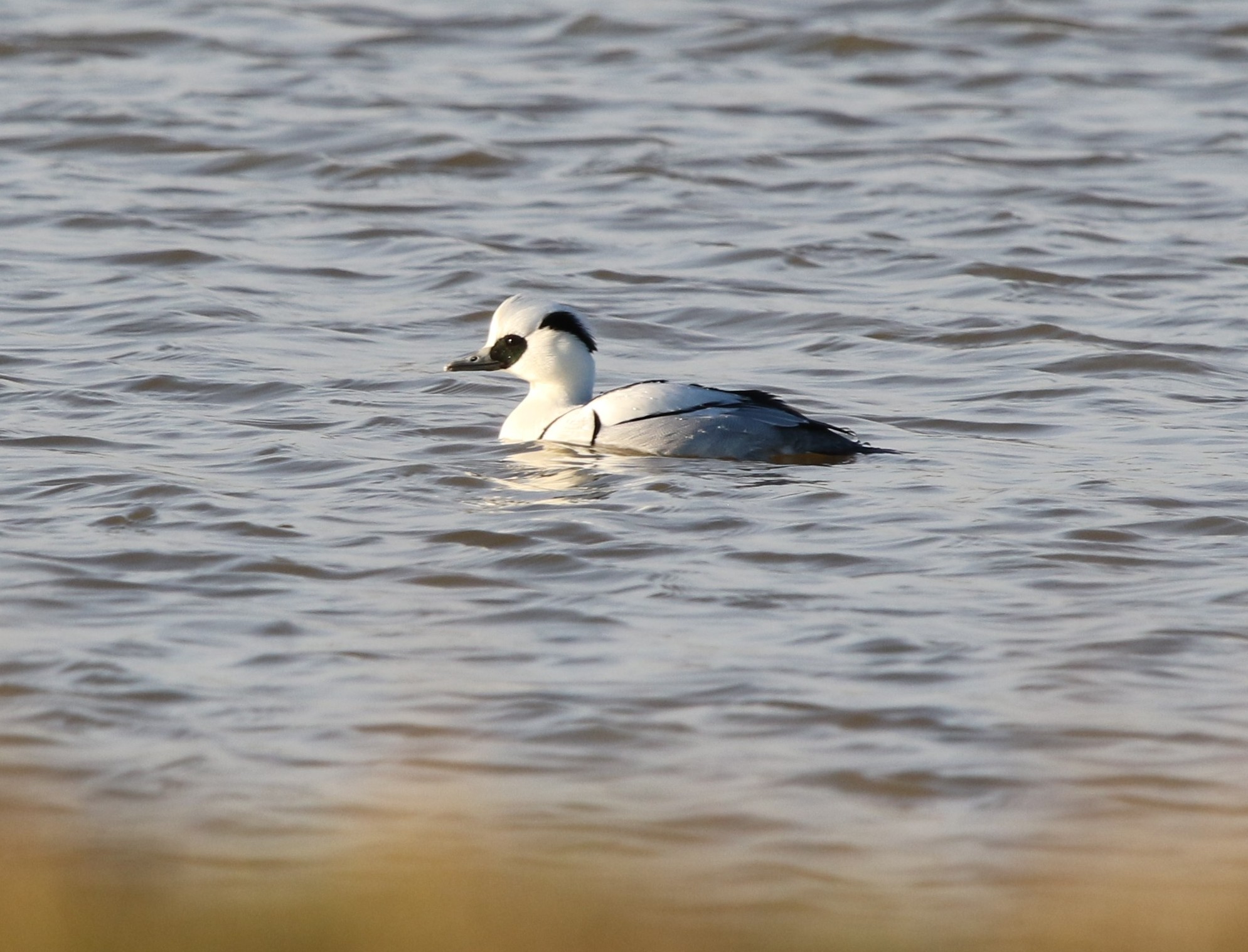
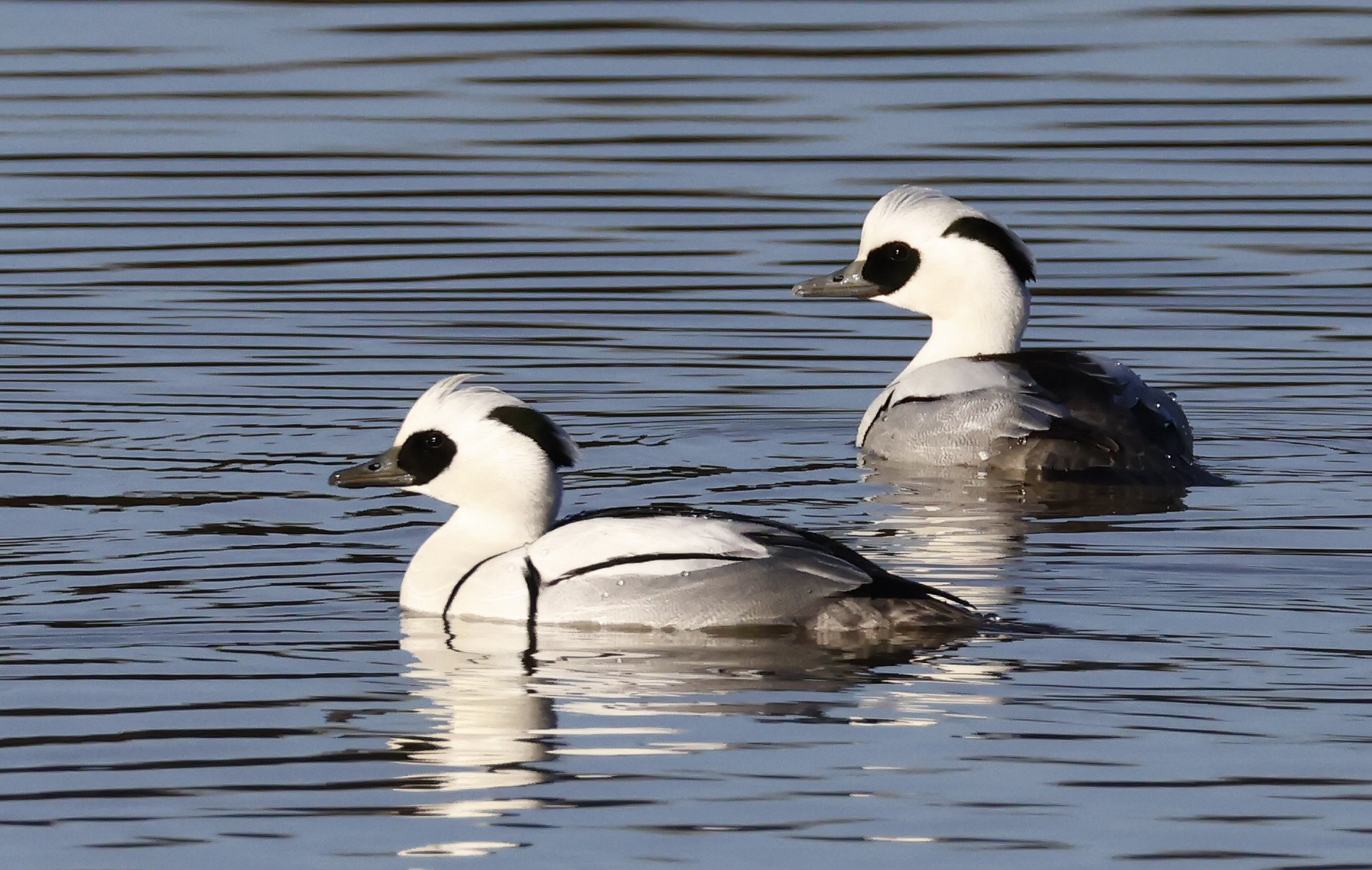
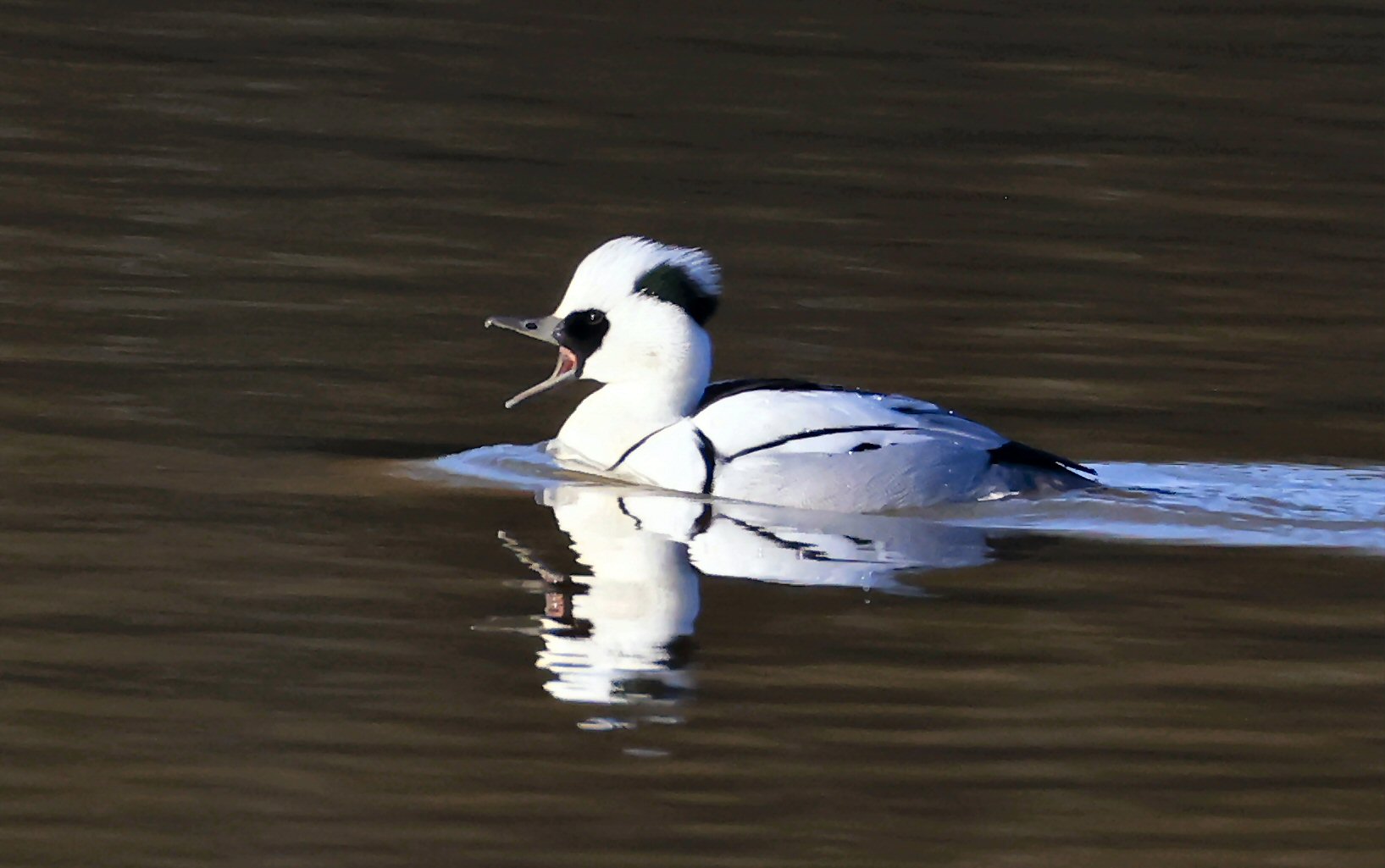
Not as rare but a whole lot smarter, drake Smews were available for the second week running, although with a pronounced tendency to be mobile they were not easy to catch up with. Ravensthorpe again produced one on 1st and one was at Clifford Hill GP on 2nd and 7th. Conceivably, only one bird may have accounted for all three sightings.

And things were looking up for waders this week with the pick of them coming from Earls Barton GP’s New Workings (South), where a Black-tailed Godwit and an unseasonal Common Sandpiper were photographed on 1st and a Greenshank was heard calling in flight on 2nd. As ever, Jack Snipes were also to be found during the period, including one at Stanford Res on 2nd, while twos were at Hollowell Res on 3rd and 6th, at Stanwick GP on 4th and Barnes Meadow NR (Northampton) on 7th.

Numbers of the scarcer gulls were also up, with an adult Caspian Gull at Ravensthorpe, briefly, on 4th, one at Boddington Res the next day and a first-winter at Daventry CP on 7th. Meanwhile, the Yellow-legged Gull collective comprised an adult at Hardingstone GP on 4th, two at Pitsford Res on 5th and a single adult there on 6th-7th.

Pitsford also retained its wintering juvenile Great Northern Diver throughout, interestingly being joined by another, with both birds seen together in Catwalk Bay on 5th.

Northamptonshire’s longest ever staying Glossy Ibis remained at and around Summer Leys LNR until at least 5th.

The period’s Cattle Egrets were restricted to the one remaining from last week at Blatherwycke Lake on 2nd and two at Stanwick on the same date, followed by three there on 3rd.

And a ‘new’ Marsh Harrier was seemingly taking up temporary residence at Thrapston, where it was present between 4th and 7th, while the one floating around the Summer Leys/Earls Barton area was again seen on the latter date.

Those Short-eared Owls whose whereabouts were disclosed this week included the two on private land near Blueberry Farm, Maidwell between 1st and 5th and one at Harrington AF on 6th – the latter believed to be one of the Blueberry birds, this being based upon a plumage anomaly visible in one of its wings.

With passerines few and far between, Stonechats were seen at Earls Barton, Hollowell, Pitsford and Towcester, with a maximum of four present at the first of these localities on 2nd, while Hawfinches were down to the bare minimum of one, at Cottesbrooke on 5th.

Newsround – 25th to 31st January 2025

Well, that’s January done and dusted and, with the birds it produced, as well as the hangers-on, it can be argued that it wasn’t a bad start to the year. The concluding week, while not explosively exciting, did deliver some class birds … in black and white.
There was little change when it came to the week’s geese, all of which appear to be steadfastly tucked in for the winter. At Clifford Hill GP, the Pink-footed Goose extended its stay until at least 29th, as did the two White-fronted Geese at Ravensthorpe Res and the lone adult at Cogenhoe Mill/Earls Barton GP.

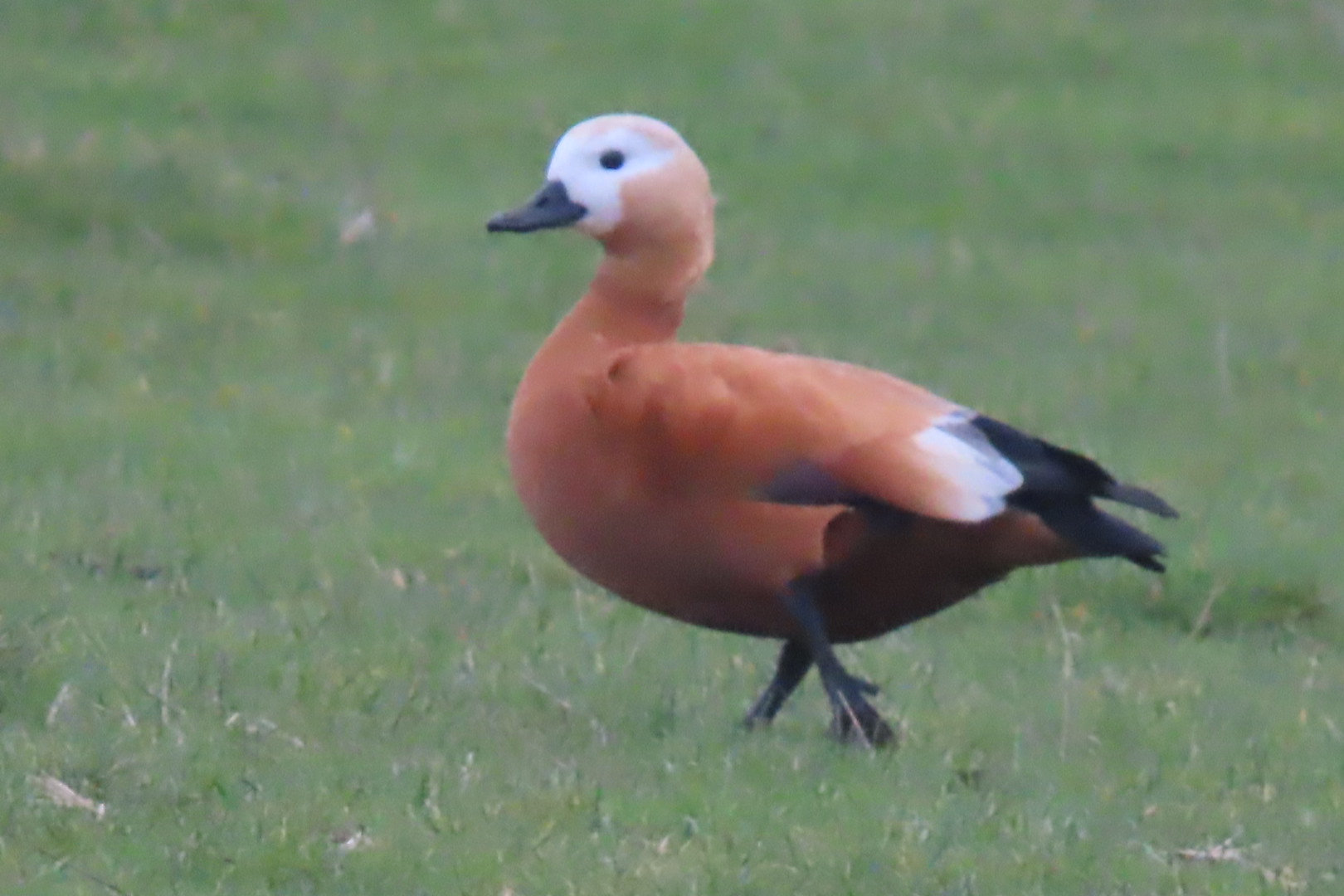
And let’s not forget the now vintage female Ruddy Shelduck, still at Winwick Pools this week. It has evoked much discussion regarding its origin since its pattern of disappearing in spring and returning in autumn has become established over the last five years or so. While some thoughts on the status of Ruddy Shelduck in Northants and the UK in general are given here, we await the final conclusion from what seems to have become a rather long-winded, ongoing national review, after which birds from the large feral population in central Europe could become acceptable as vagrants from an external established population and added to Category C. We’ll see …

Not batting any eyelids anytime soon, the female Red-crested Pochard remained at Daventry CP until at least 29th. Also making it into the week once again was the first-winter female Greater Scaup, still present at Blatherwycke Lake on 26th, while an adult drake put in a brief appearance at Pitsford Res on 30th but was no longer on offer to those who looked the following day.

Indisputably topping the charts this week, though, were the two drake Smews found at Ravensthorpe on 29th. After one there on 12th, which had gone in a flash, found in the morning, this dynamic duo saw the day out, providing more than ample views and the opportunity for those with time on their hands to catch up with them. Alas, they had departed by the following day. Back in the day – and we’re talking ‘70s and 80’s – Ravensthorpe was the place for Smew, uncannily always turning up on the north-west side of the causeway in the same manner as this week’s birds.

A single Jack Snipe in the same place at Stanford Res on 28th and 31st served to keep this week’s waders afloat.

And the same can be said with regard to gulls – a single adult Yellow-legged Gull at Clifford Hill GP on 25th was the sole representative of their type during the period.

Once again, Pitsford retained its long-staying Great Northern Diver throughout.

The Summer Leys Glossy Ibis, too, remained in place, frequently commuting between the reserve and nearby fields close to the River Nene.

Cattle Egrets continued to be seen, this week branching out to Blatherwycke Lake, where one – likely to be a site first – was present on 26th. Two remained faithful to the sheep field and surrounding area close to Stanwick GP’s North Lake until at least 29th and one flew west over the A45 toward this area on the latter date.

The mid-Nene Marsh Harrier was again seen over Summer Leys on 27th.

So far this winter, Short-eared Owls have not been as easy to connect with as they have been in the past. A combination of some observers keeping shtum and others playing the ‘private land’ card continues to contribute to this, understandably so in the light of increasing disturbance to this hugely popular species by those keen to get up close and personal. So, like last week and the week before, they were again to be found in the Maidwell locale with two to the west, on private land near Blueberry Farm on 29th-31st, and one to the east, at Harrington AF on 25th-28th. One flew over the A45 Wilby roundabout on 26th and three were also at an undisclosed locality in the north of the county, apparently having been regularly present in recent weeks.

The period’s only Merlin was a female in flight over Milton Malsor on 31st.

And Stonechats were seemingly reduced to singles at Clifford Hill on 25th, Ditchford GP on 26th and Hollowell Res on 30th, while two were still at Earls Barton GP on the first of these dates.

After a lull in records, Hawfinches were back on this week, with one at Holy Trinity Churchyard, Blatherwycke on 25th and two at Cottesbrooke on 29th and 31st.