A moist and mild, westerly airstream had flipped to a cold easterly by the week’s end but it was the early part of the week that produced the goods, in the shape of a fine drake Ring-necked Duck …
This was, of course, in addition to the ongoing supporting cast of wildfowl we have become familiar with and grown accustomed to seeing since the turn of the year. There was little change in this respect, with the mobile Pink-footed Goose now seemingly more settled in the Cogenhoe Mill/Earls Barton GP area, where the adult White-fronted Goose also saw another week out with the local Greylags. The two long-staying Whitefronts at Ravensthorpe Res also put in another seven days on site.


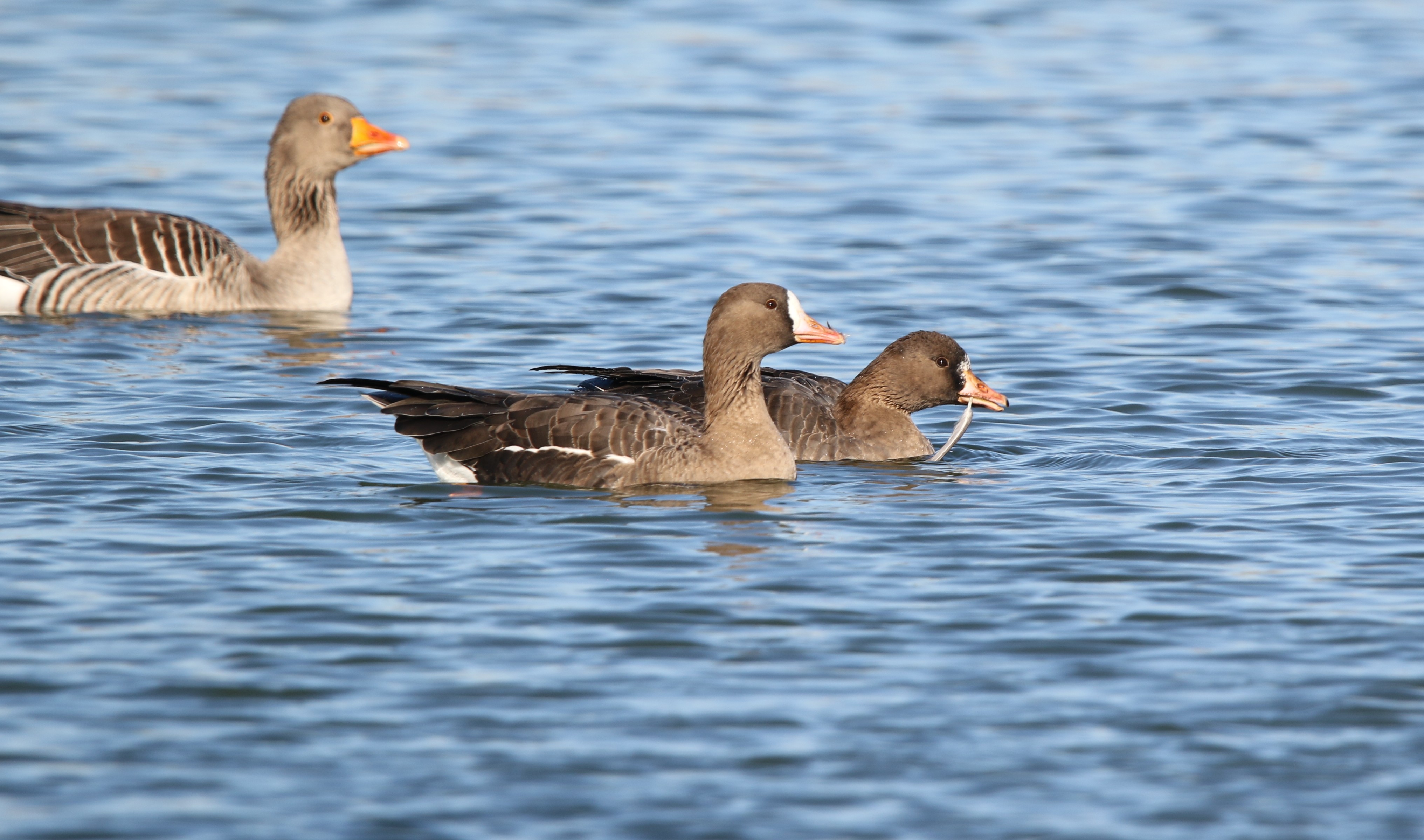
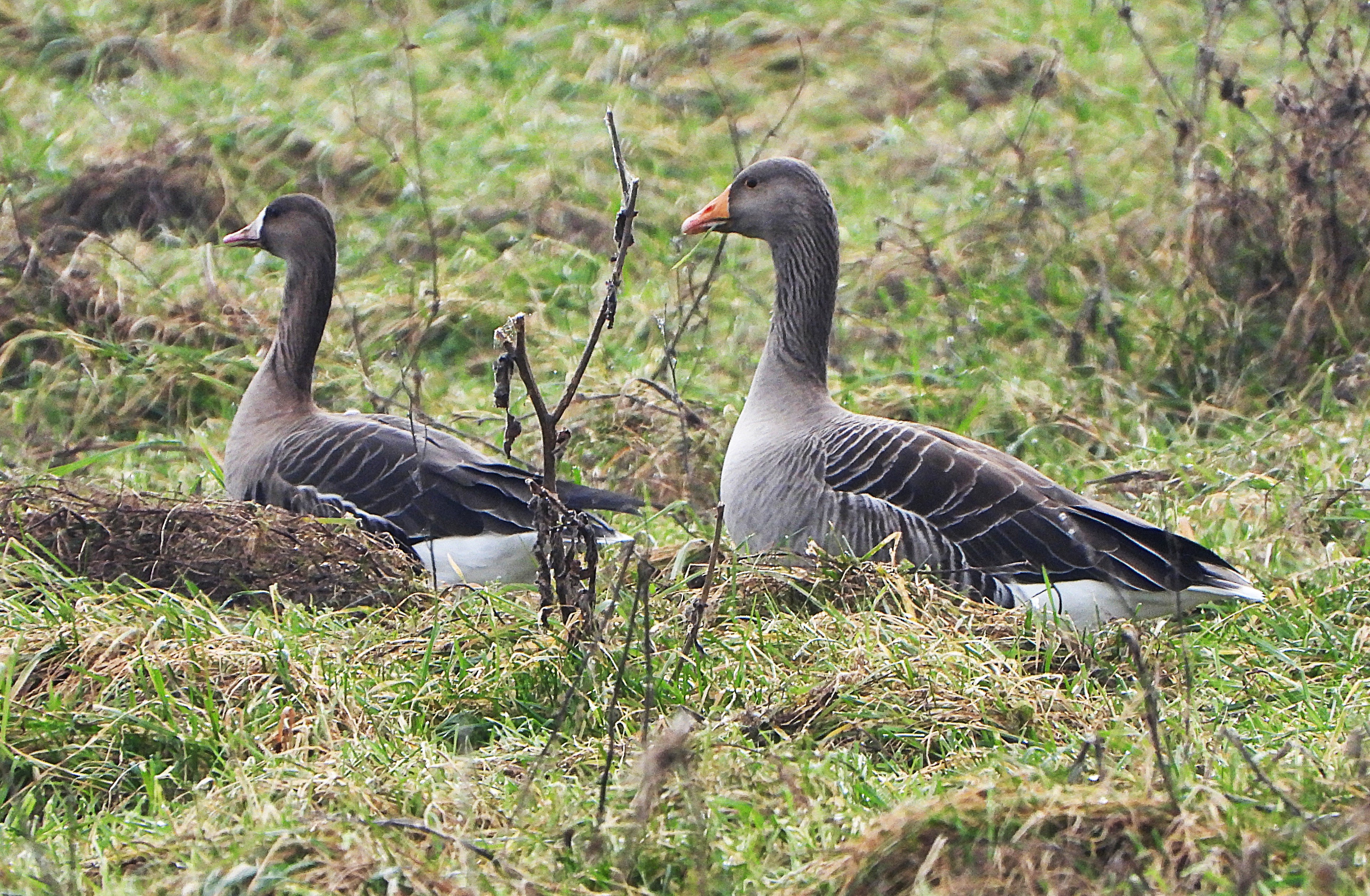
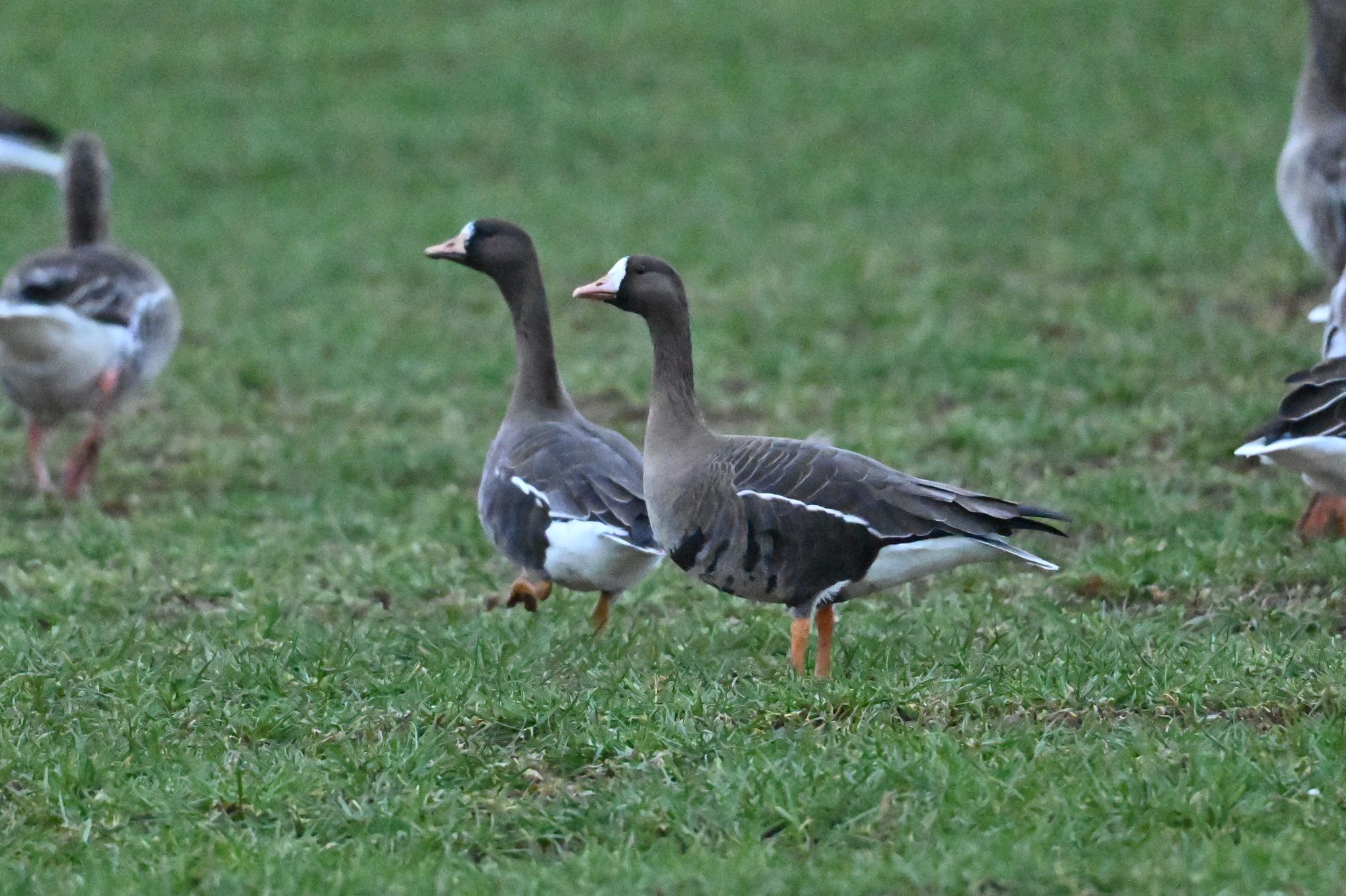
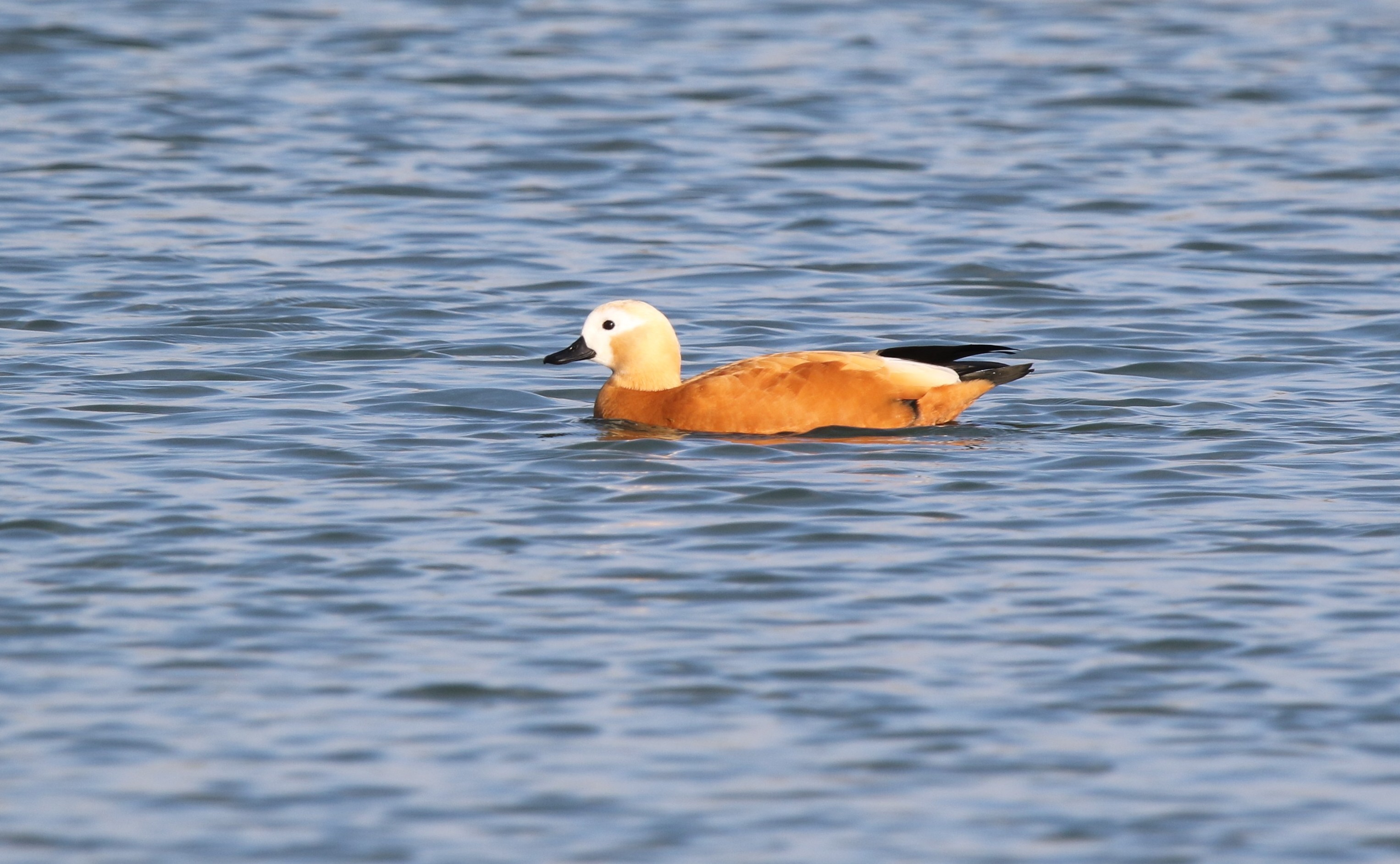
Likewise, the female Ruddy Shelduck did another week at Winwick Pools, as did the female Red-crested Pochard at Daventry CP.

Thrapston GP’s reputation for delivering Ring-necked Ducks was upheld and brought into sharp focus this week, though, with the discovery of a splendid drake showing nicely there on 3rd. Bizarrely, despite a thorough search, it was nowhere to be seen the following day but it reappeared on 5th, favouring Heronry Lake until the end of the period.

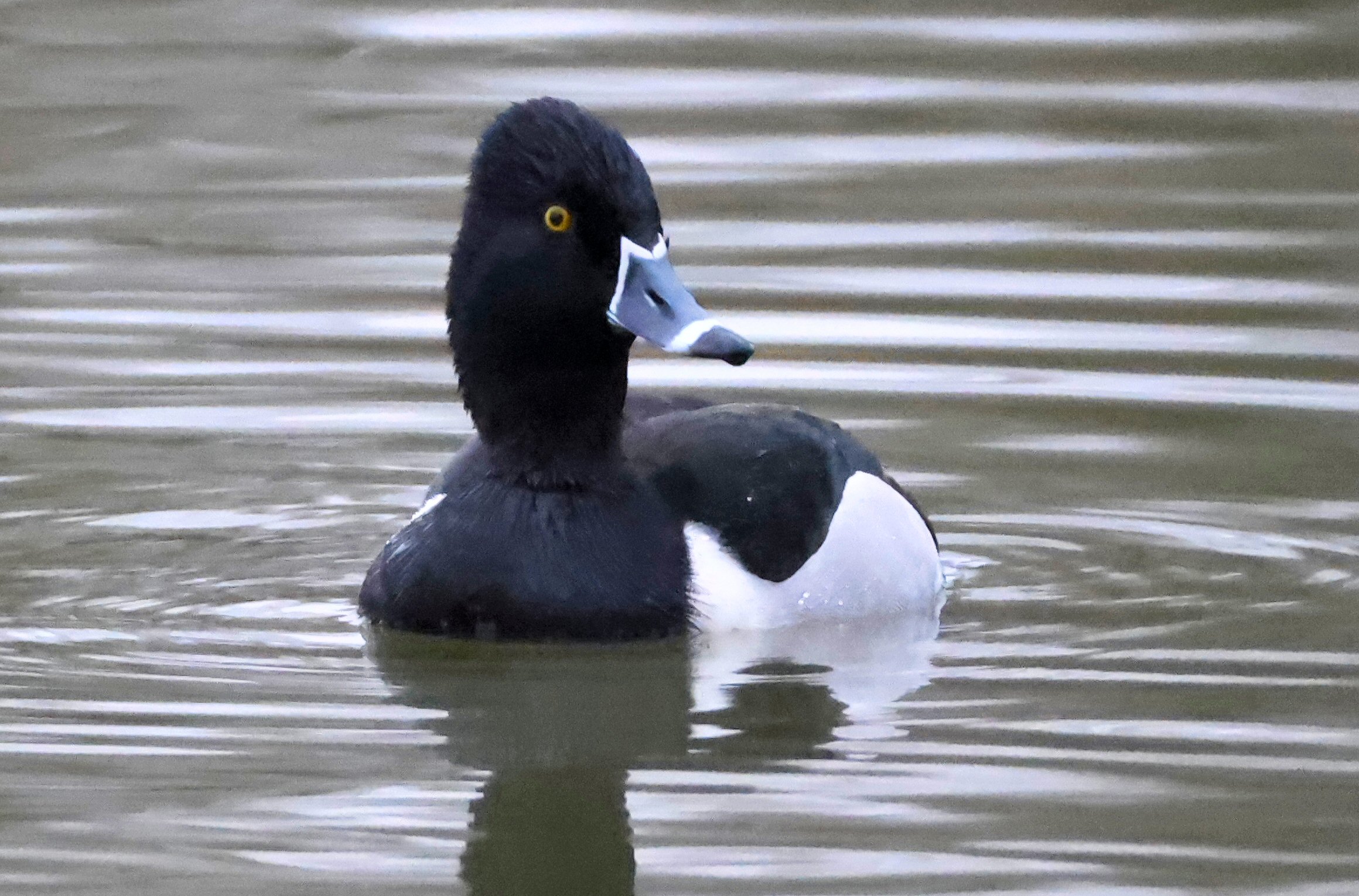

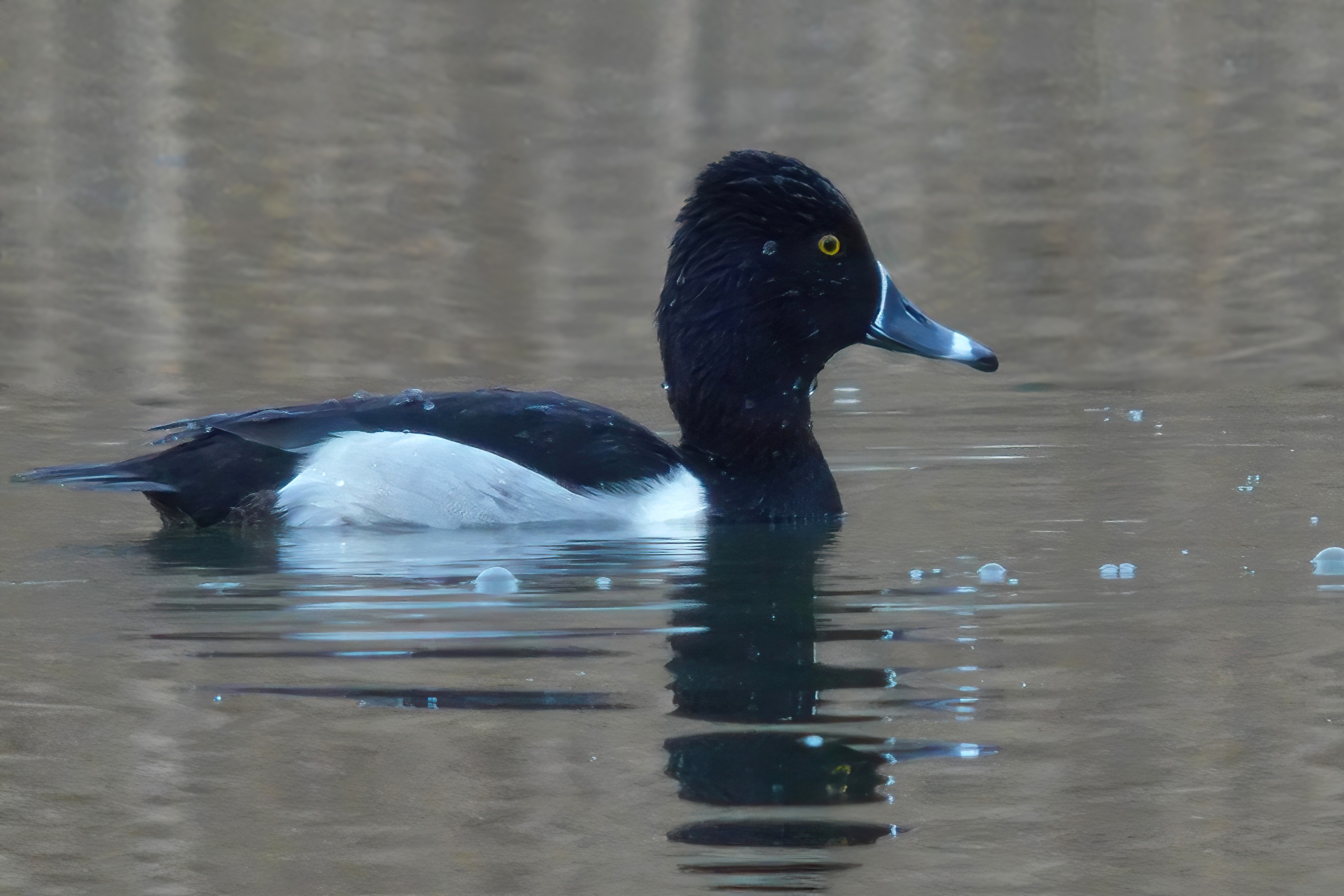
Allowing for highly mobile individuals – particularly along the chain of Nene Valley wetlands – this bird would appear to be the 14th county record, Thrapston laying claim to at least four, if not five, of these, including a run of four consecutive years between 2021 and 2024. With some forty individuals currently present across Britain and Ireland, this species has shed its former rarity status, now having been replaced by Lesser Scaup – seen as the ‘new Ring-necked Duck’ – the first of which is eagerly awaited in Northants …
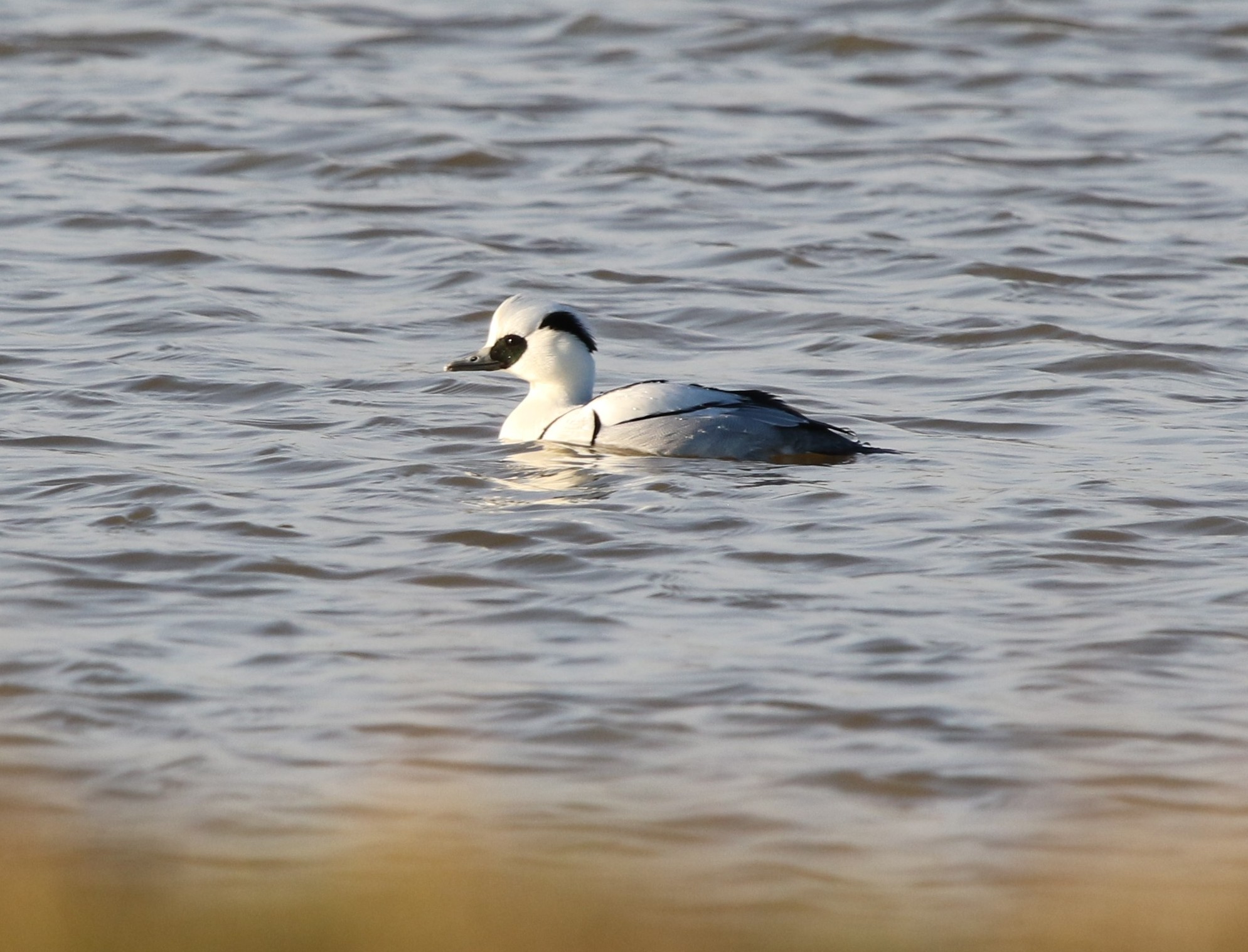
Not as rare but a whole lot smarter, drake Smews were available for the second week running, although with a pronounced tendency to be mobile they were not easy to catch up with. Ravensthorpe again produced one on 1st and one was at Clifford Hill GP on 2nd and 7th. Conceivably, only one bird may have accounted for all three sightings.

And things were looking up for waders this week with the pick of them coming from Earls Barton GP’s New Workings (South), where a Black-tailed Godwit and an unseasonal Common Sandpiper were photographed on 1st and a Greenshank was heard calling in flight on 2nd. As ever, Jack Snipes were also to be found during the period, including one at Stanford Res on 2nd, while twos were at Hollowell Res on 3rd and 6th, at Stanwick GP on 4th and Barnes Meadow NR (Northampton) on 7th.
Numbers of the scarcer gulls were also up, with an adult Caspian Gull at Ravensthorpe, briefly, on 4th, one at Boddington Res the next day and a first-winter at Daventry CP on 7th. Meanwhile, the Yellow-legged Gull collective comprised an adult at Hardingstone GP on 4th, two at Pitsford Res on 5th and a single adult there on 6th-7th.
Pitsford also retained its wintering juvenile Great Northern Diver throughout, interestingly being joined by another, with both birds seen together in Catwalk Bay on 5th.

Northamptonshire’s longest ever staying Glossy Ibis remained at and around Summer Leys LNR until at least 5th.
The period’s Cattle Egrets were restricted to the one remaining from last week at Blatherwycke Lake on 2nd and two at Stanwick on the same date, followed by three there on 3rd.
And a ‘new’ Marsh Harrier was seemingly taking up temporary residence at Thrapston, where it was present between 4th and 7th, while the one floating around the Summer Leys/Earls Barton area was again seen on the latter date.
Those Short-eared Owls whose whereabouts were disclosed this week included the two on private land near Blueberry Farm, Maidwell between 1st and 5th and one at Harrington AF on 6th – the latter believed to be one of the Blueberry birds, this being based upon a plumage anomaly visible in one of its wings.
With passerines few and far between, Stonechats were seen at Earls Barton, Hollowell, Pitsford and Towcester, with a maximum of four present at the first of these localities on 2nd, while Hawfinches were down to the bare minimum of one, at Cottesbrooke on 5th.


Discover more from Northants birds
Subscribe to get the latest posts sent to your email.

 Northants birds