Newsround – 22nd to 28th March 2025

A largely dry week, weatherwise, delivered more inbound migrants which included another set of firsts for the year. While some winter visitors stubbornly refused to shift, however, there was the first hint that a number had upped sticks and moved on by the week’s end …

This week’s new summer visitors comprised White Wagtail, House Martin, Sedge Warbler, Yellow Wagtail and Willow Warbler.

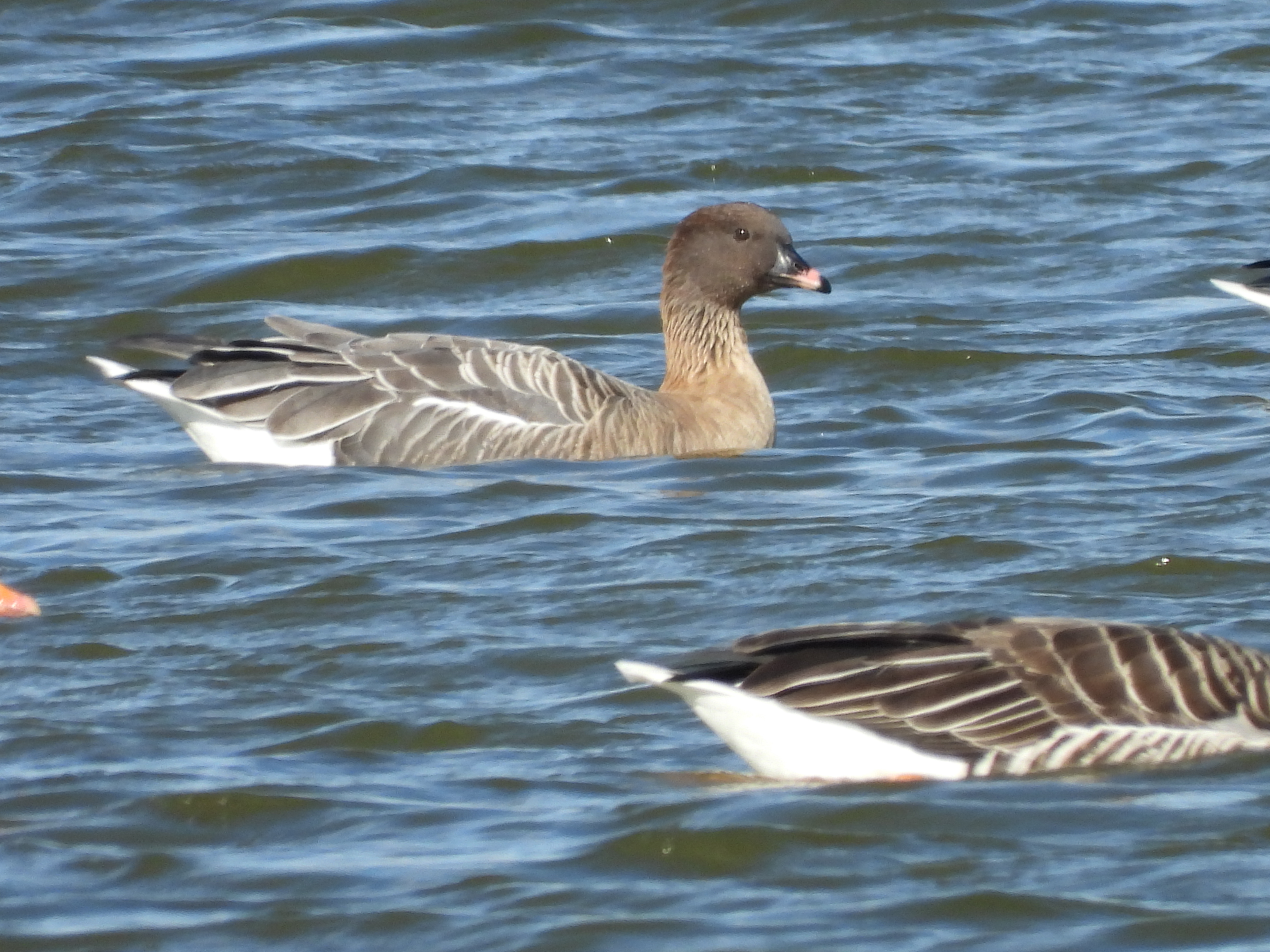
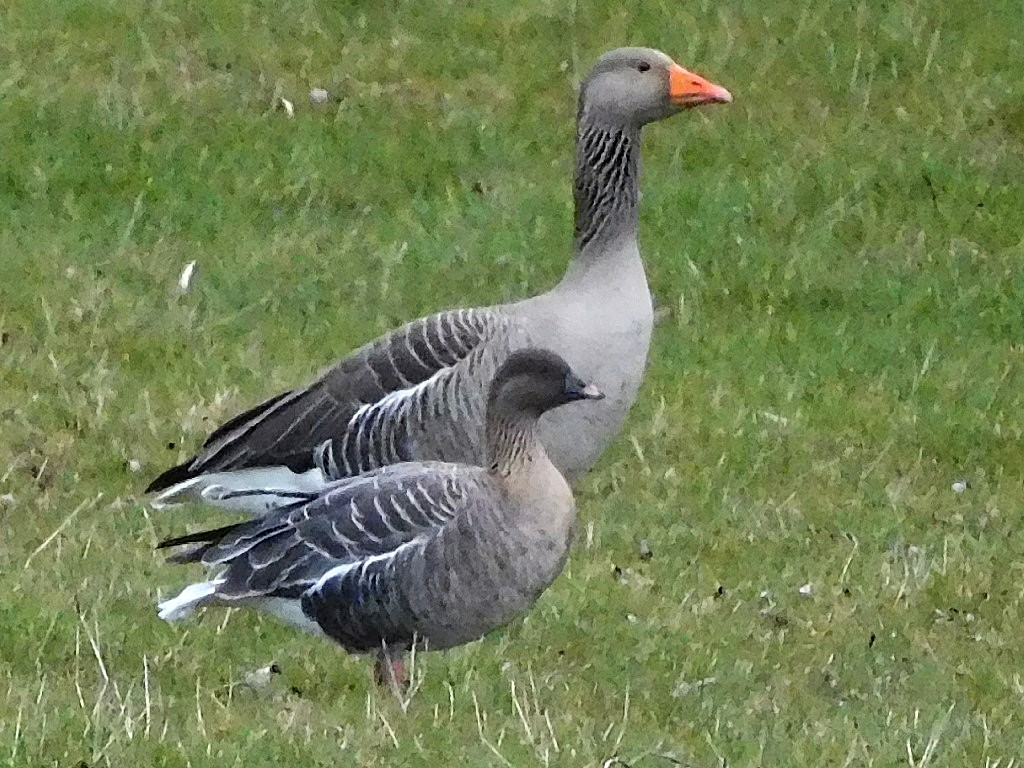
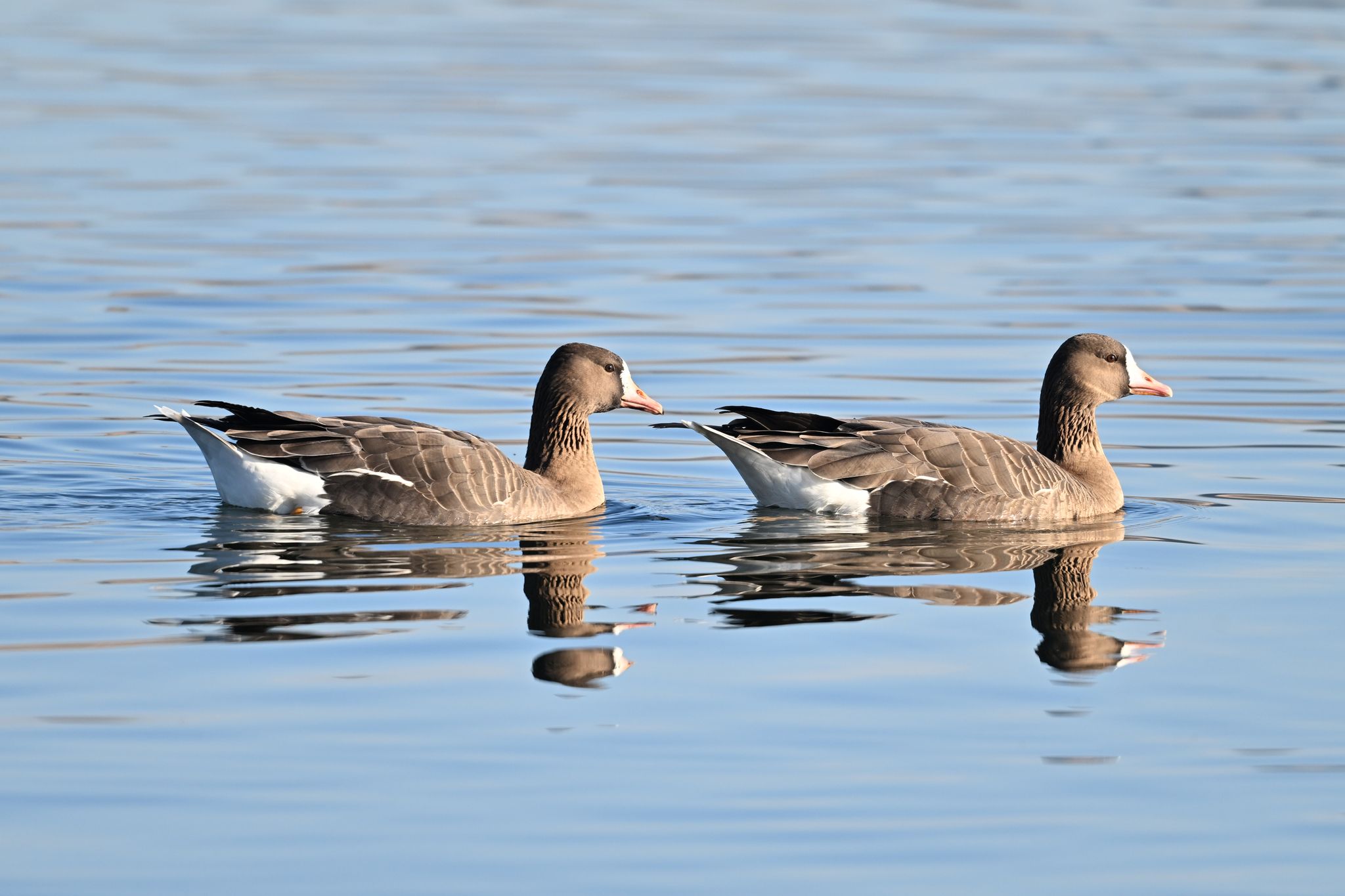
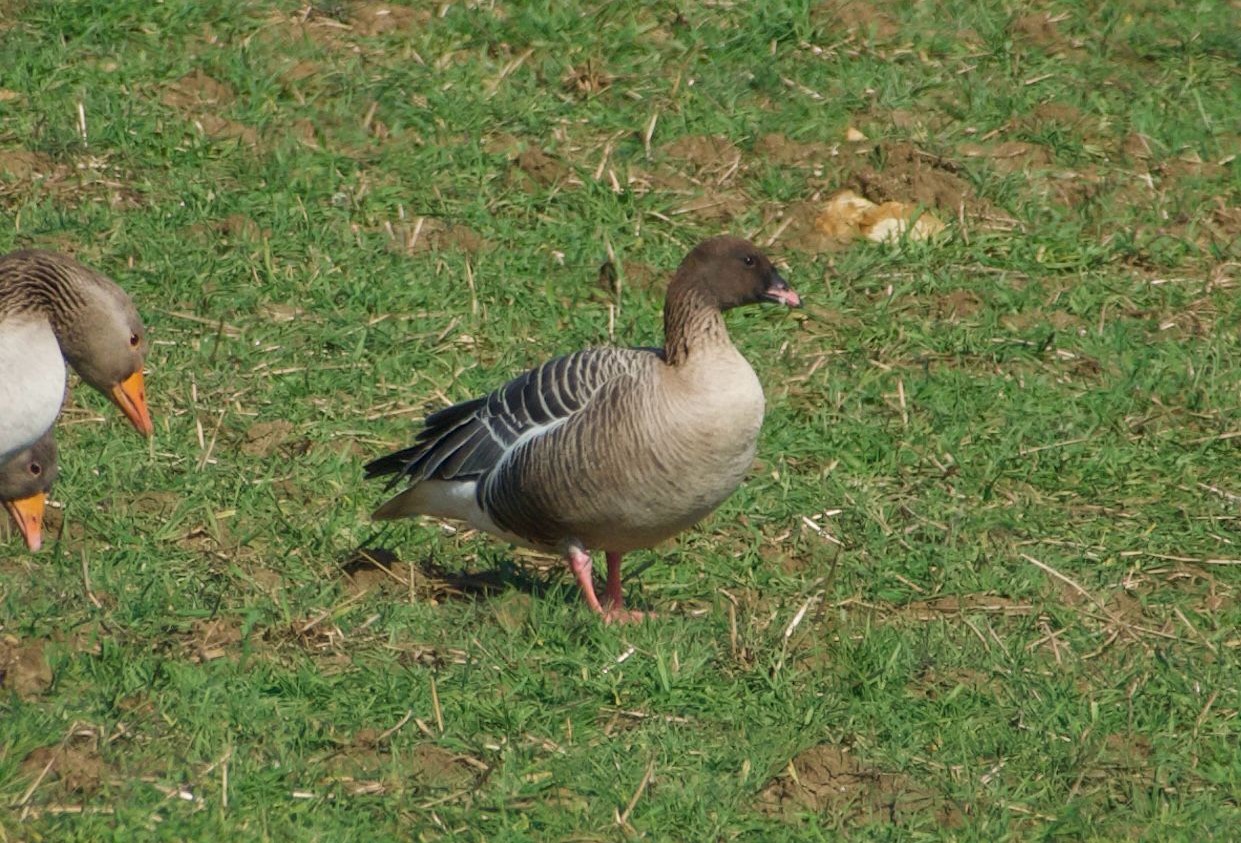
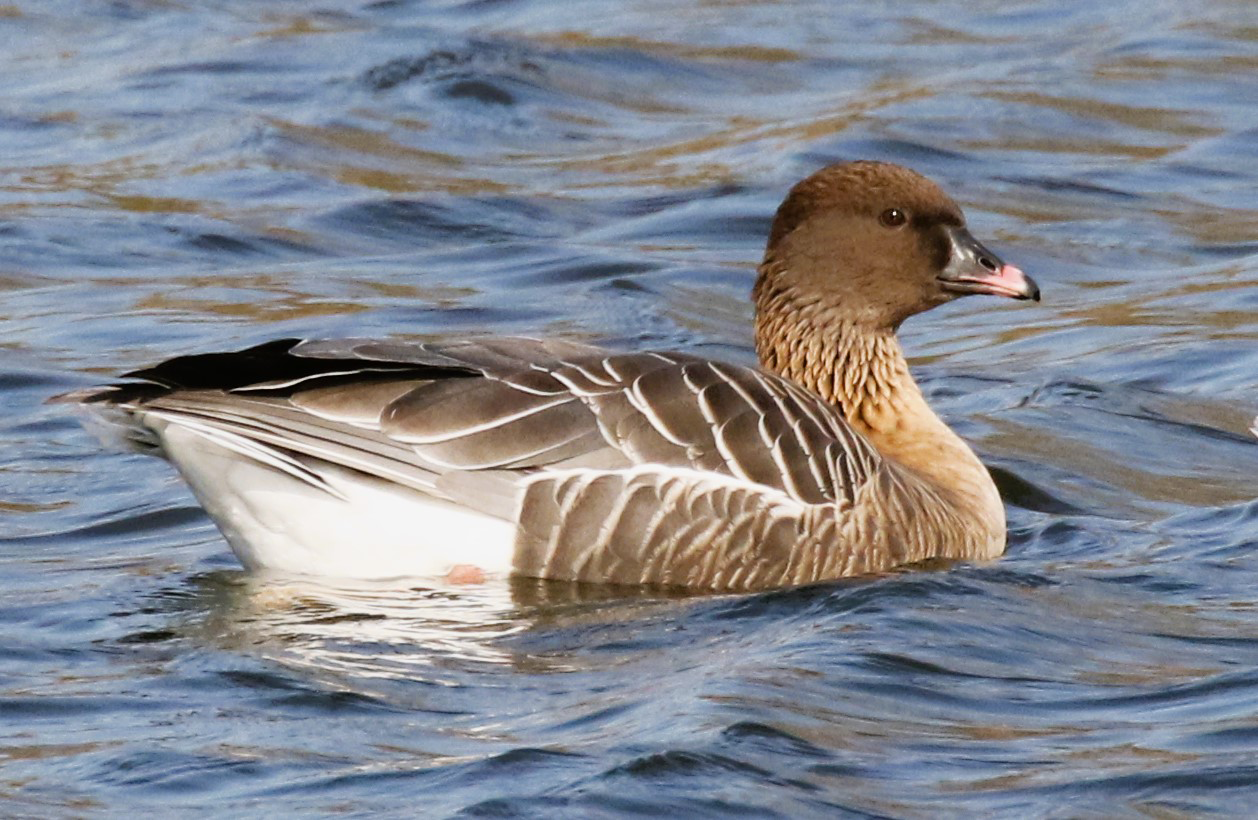
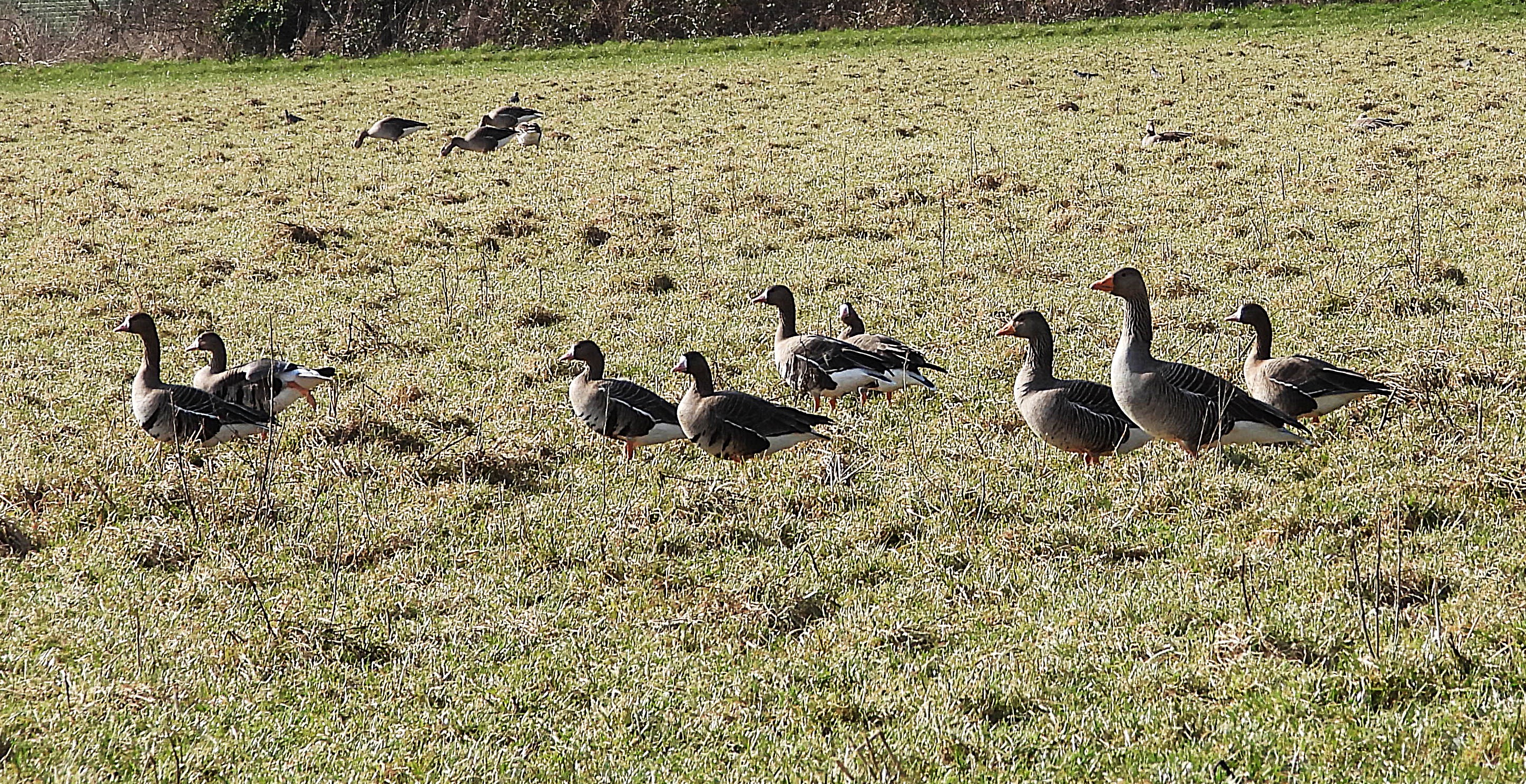
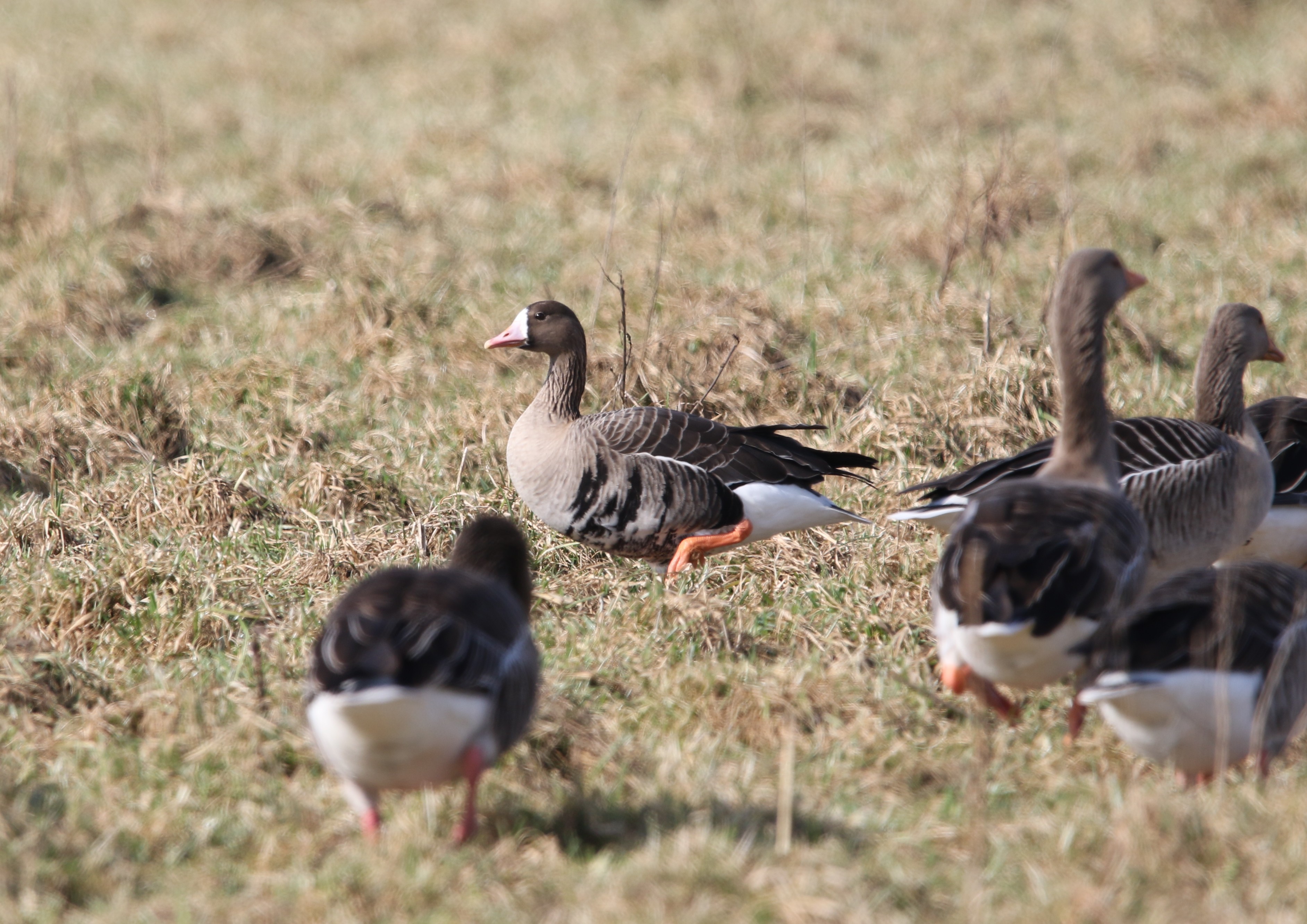
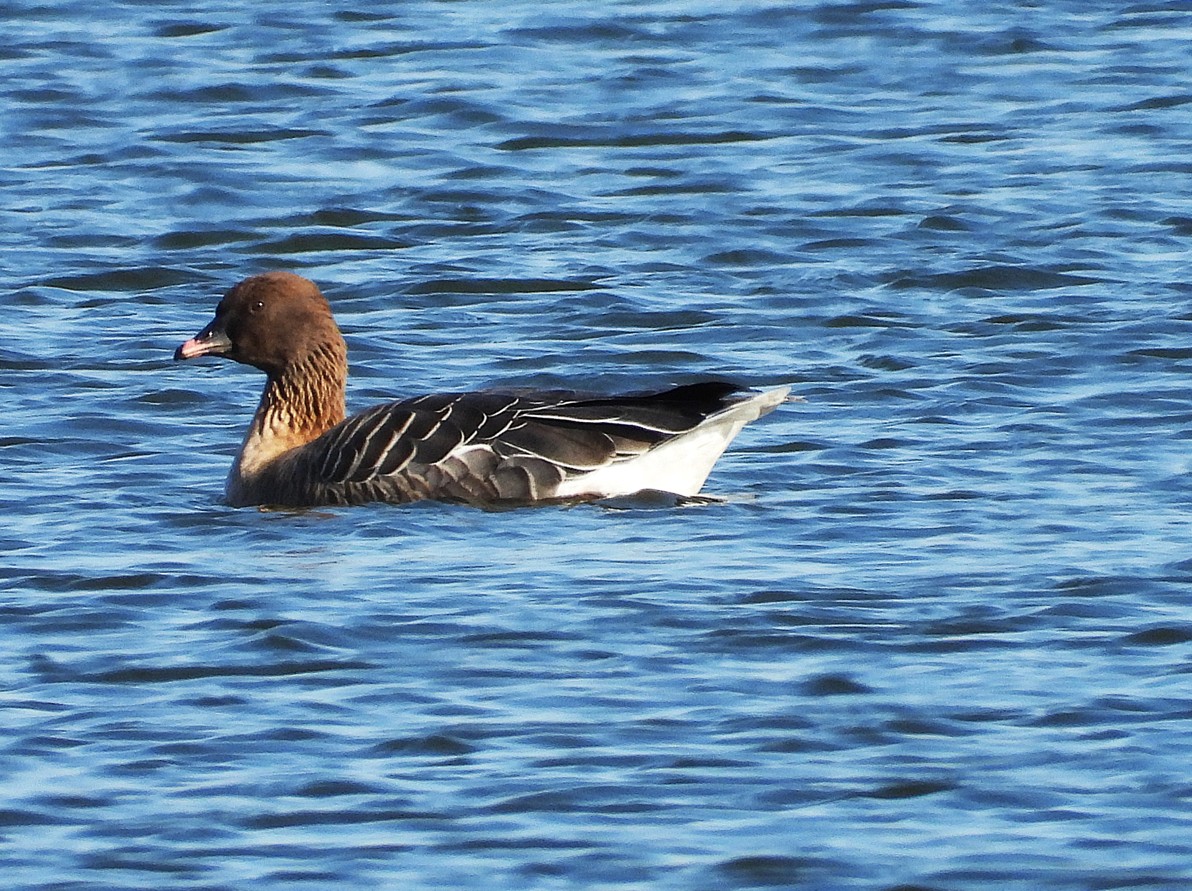
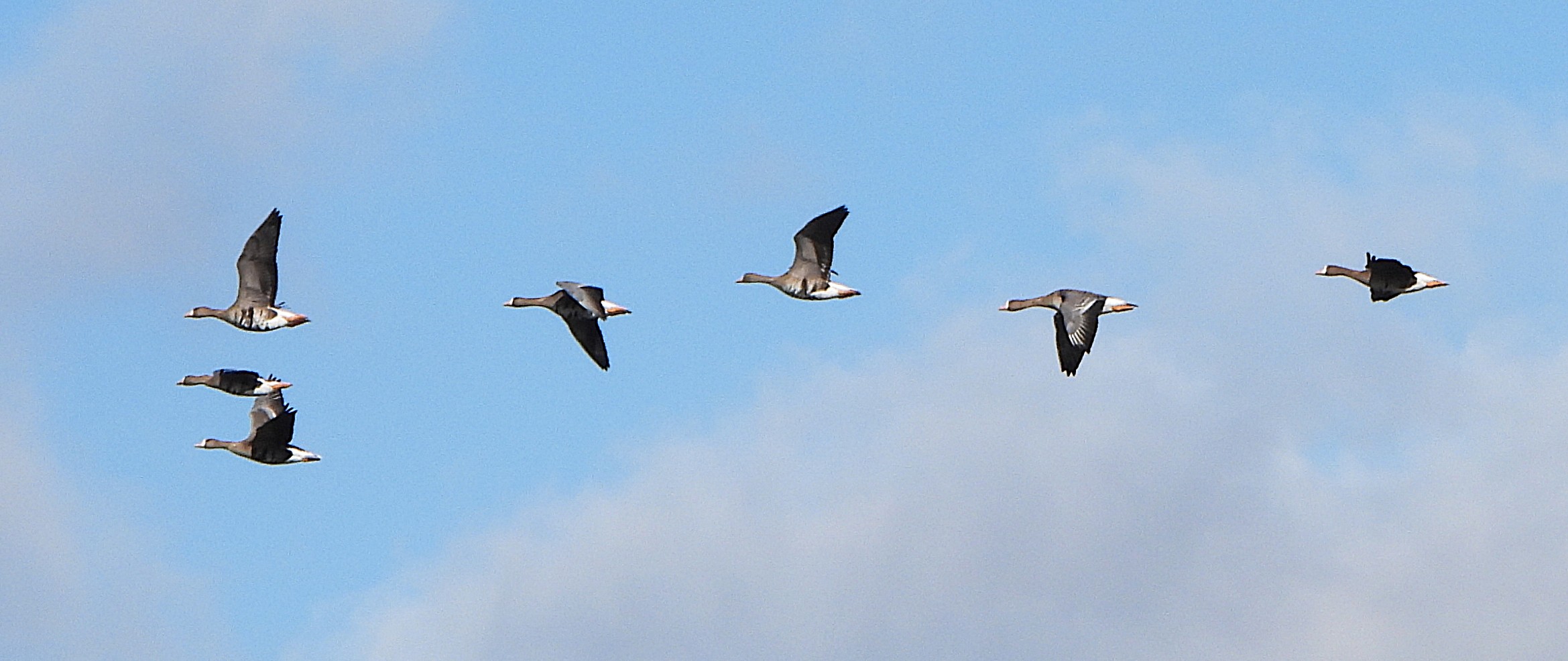
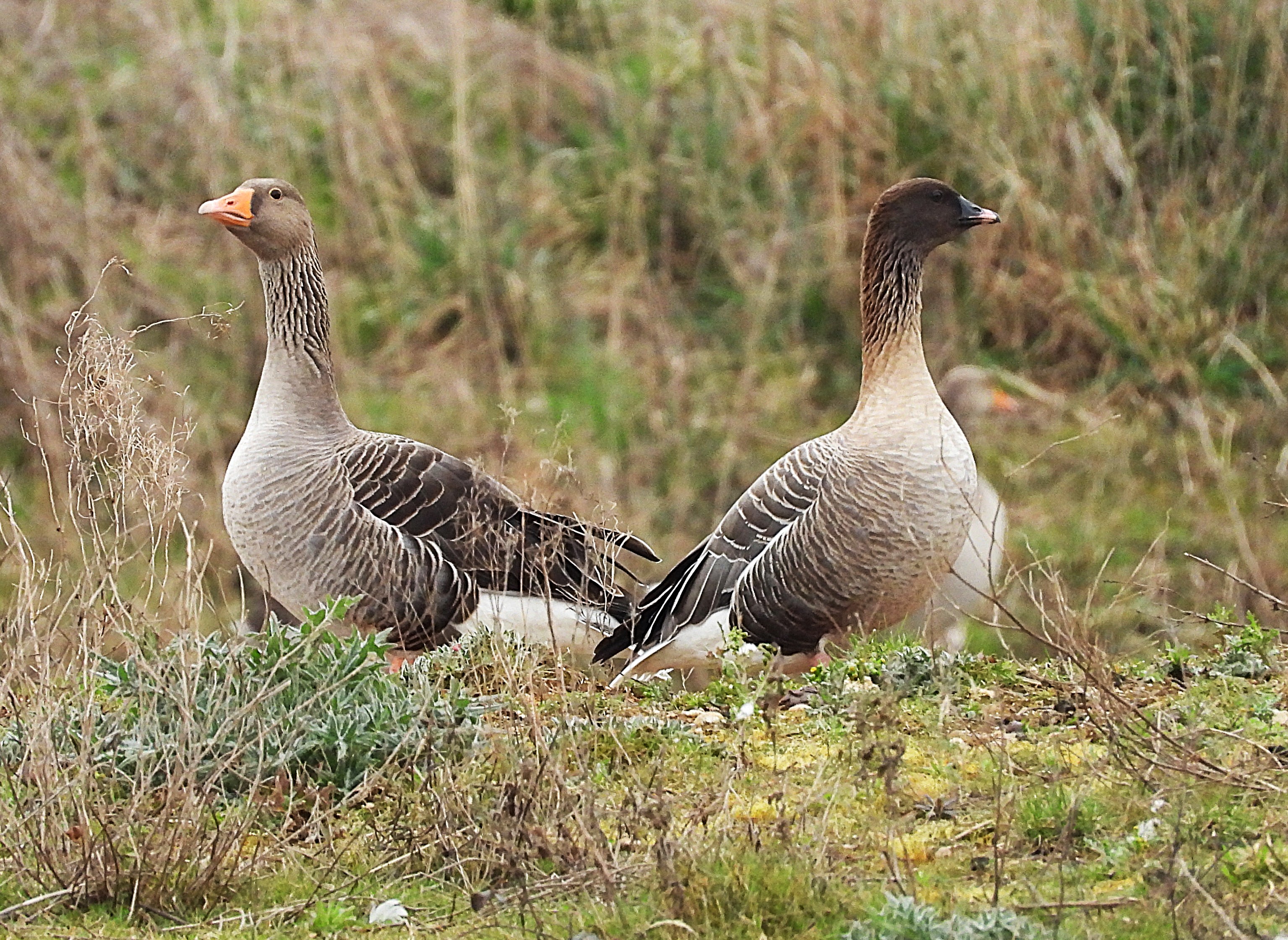
While a Pink-footed Goose was seen at Stanford Res on 24th, the Nene Valley’s geese remained for different durations – the regular Pinkfoot in the Cogenhoe Mill/Earls Barton GP area extended its stay throughout the period but the seven wintering White-fronted Geese in the same area went unreported after 24th, as did the two at Ravensthorpe Res.
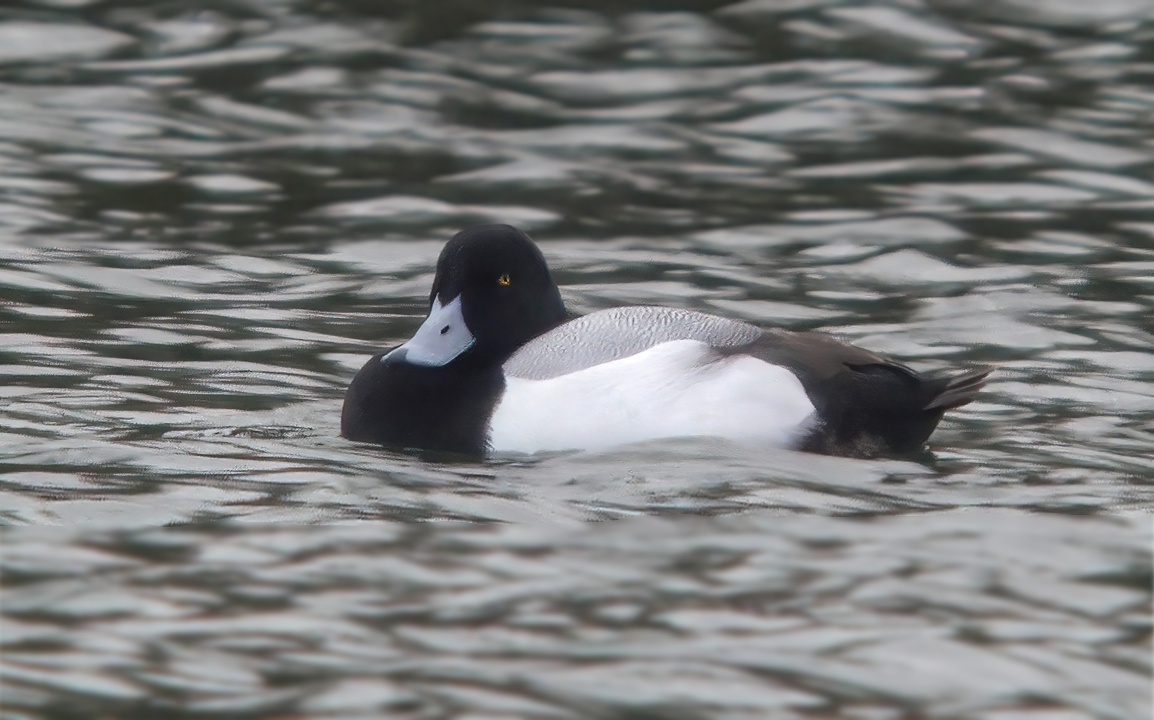
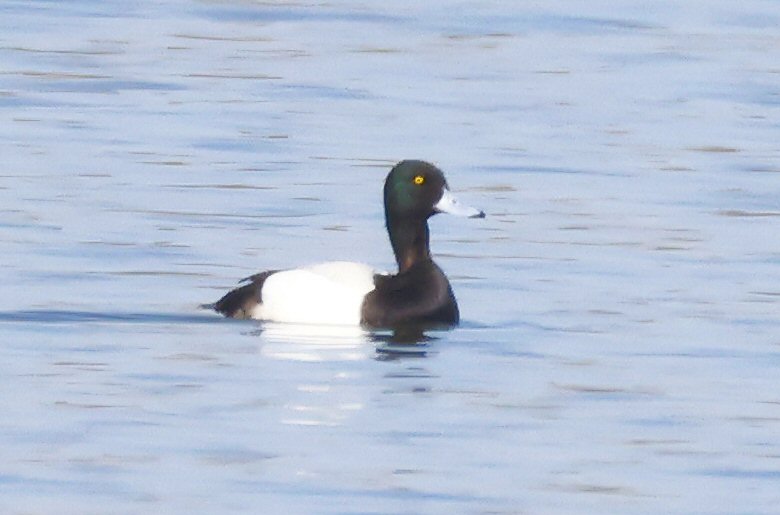
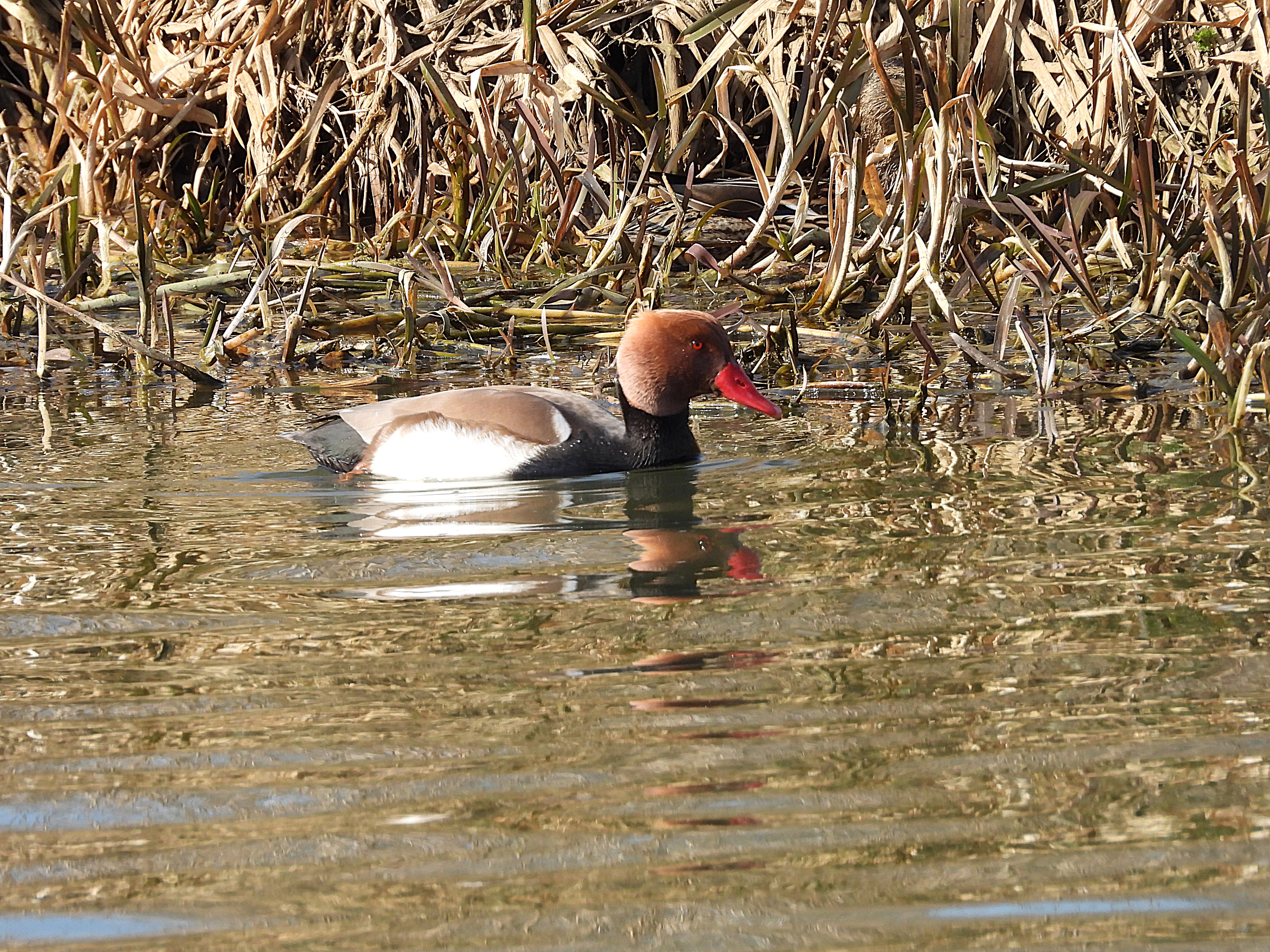
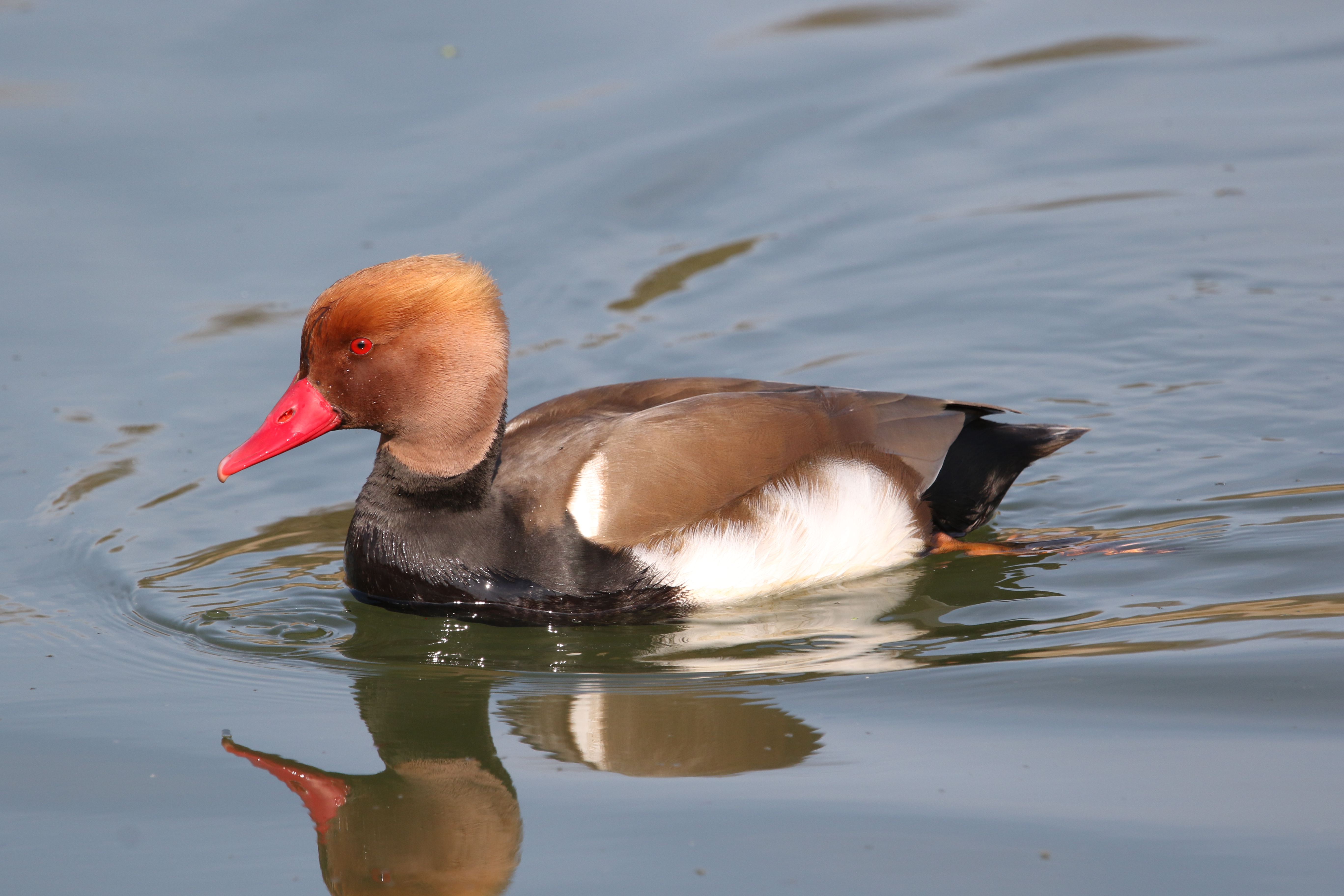
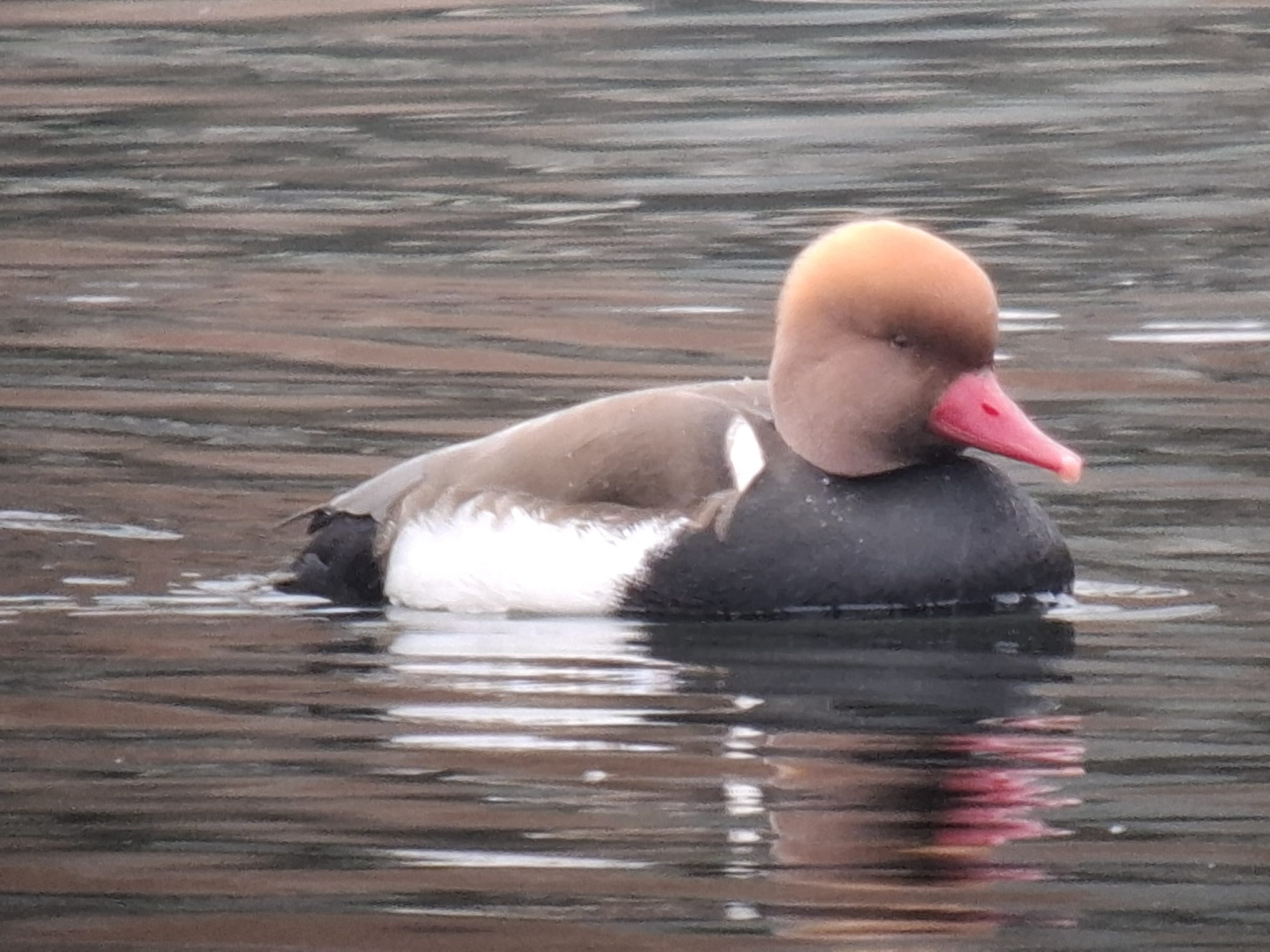
The drake Red-crested Pochard at Earls Barton GP and on the River Nene between Cogenhoe and Whiston Lock remained throughout the period but the drake Greater Scaup on Mary’s Lake at Earls Barton GP was not seen after 25th.

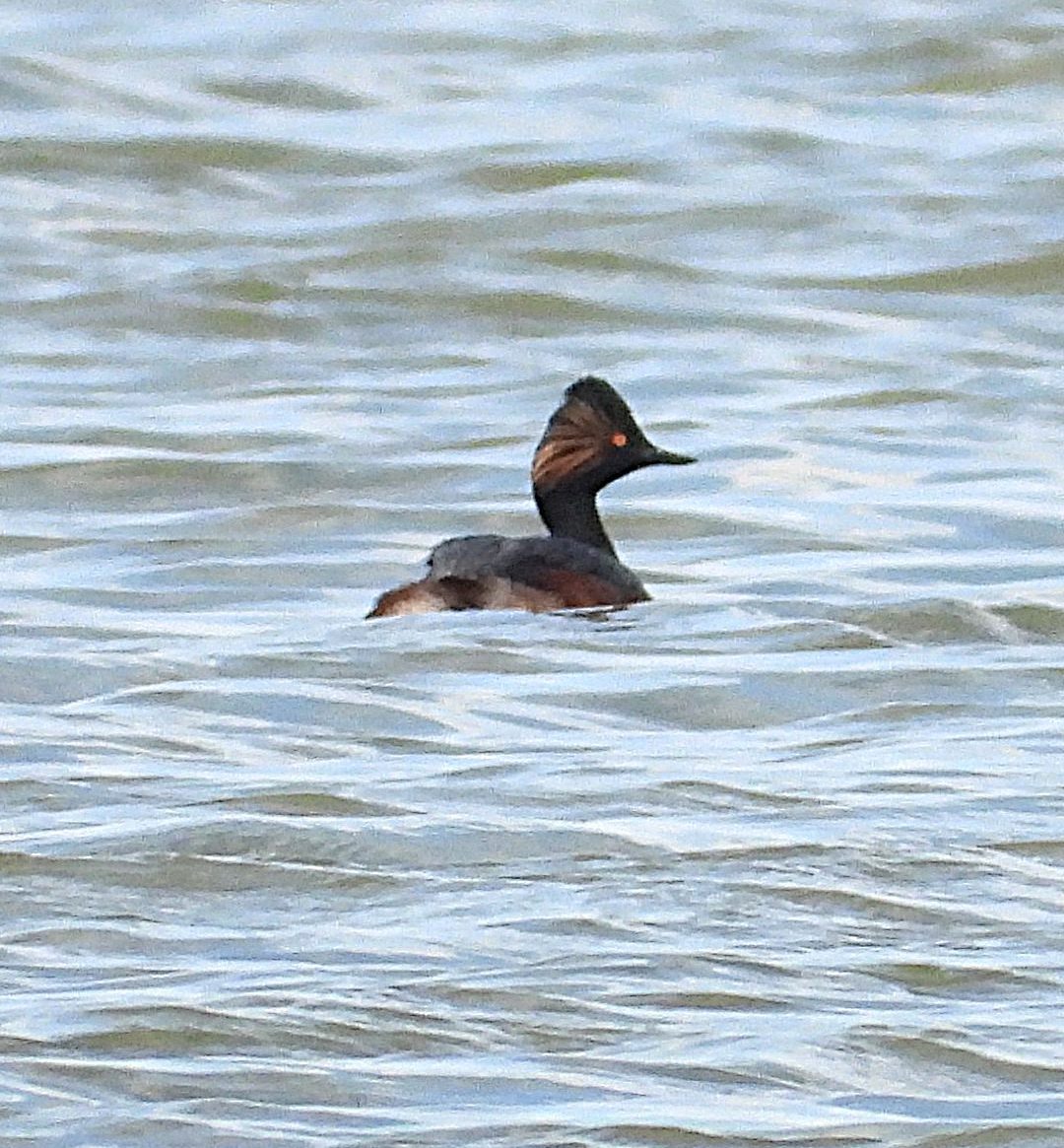
Though not a summer visitor, a new bird for the year was the Black-necked Grebe that turned up on 25th at Clifford Hill GP, where it was still to be found the following day.
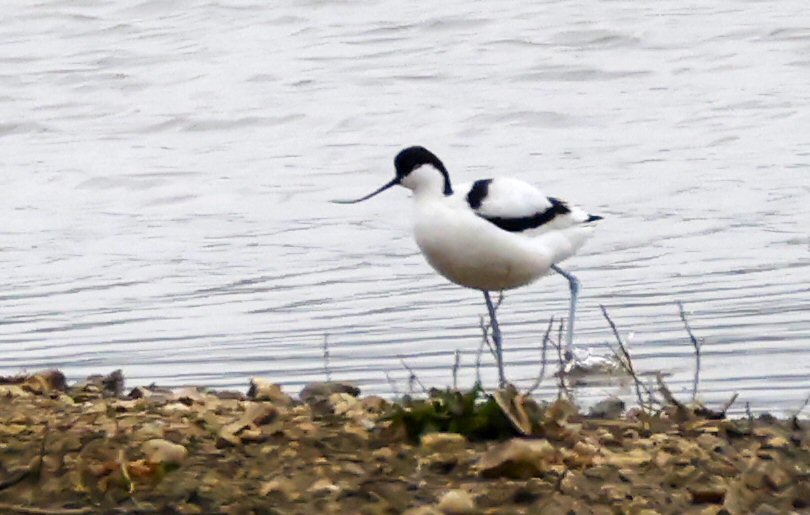
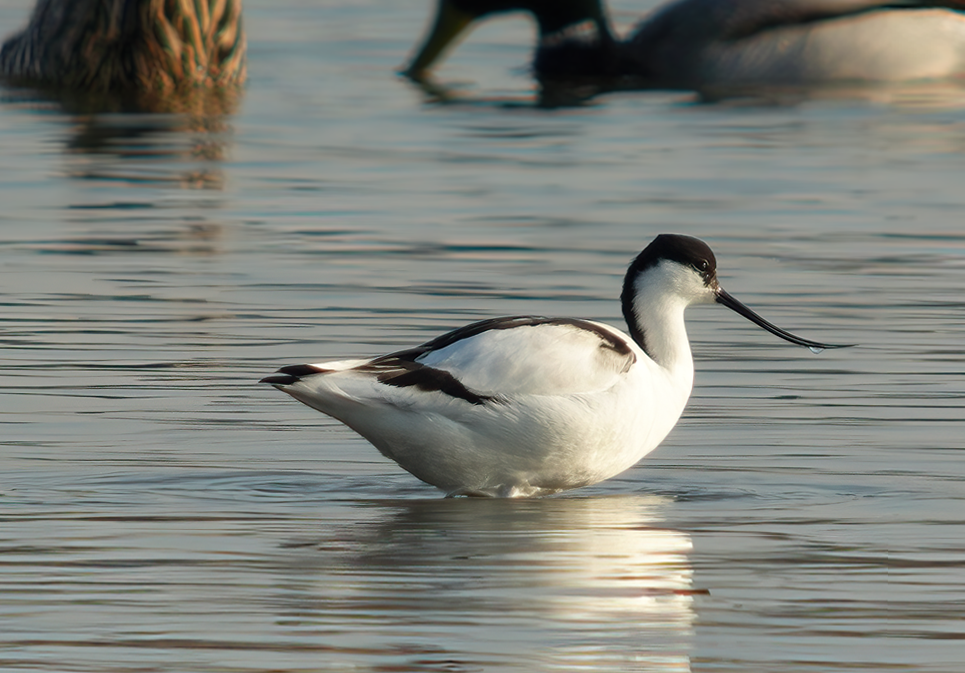
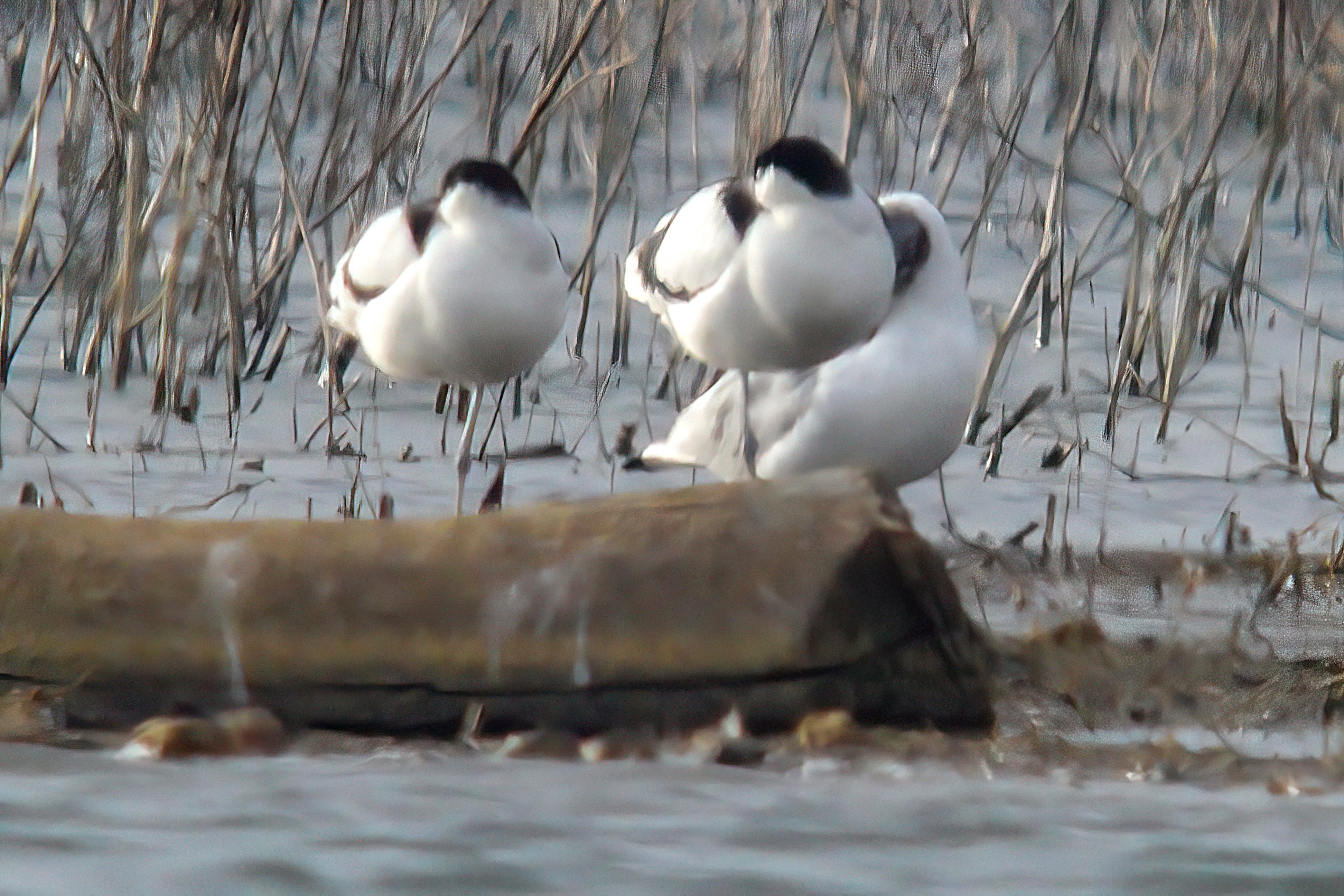
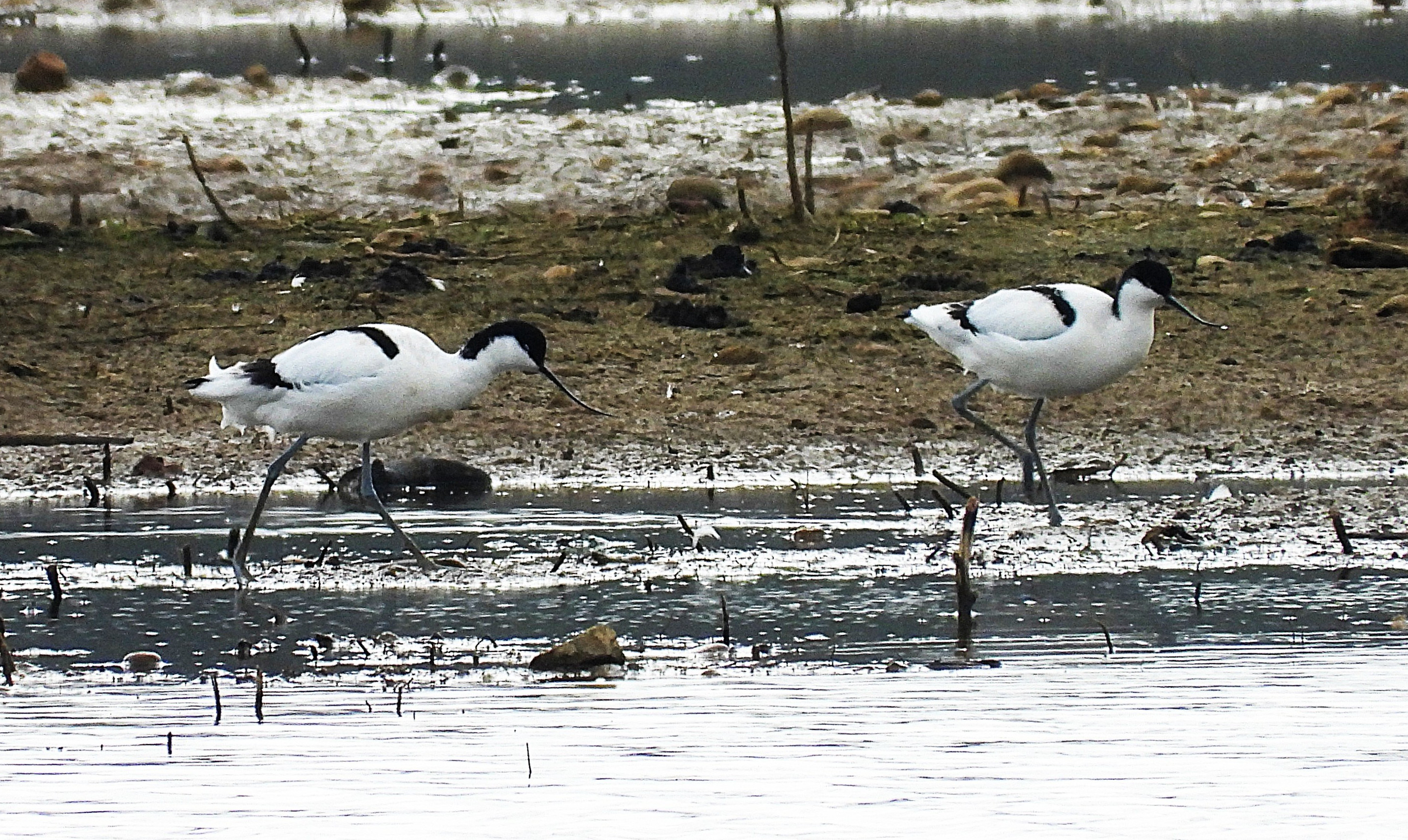
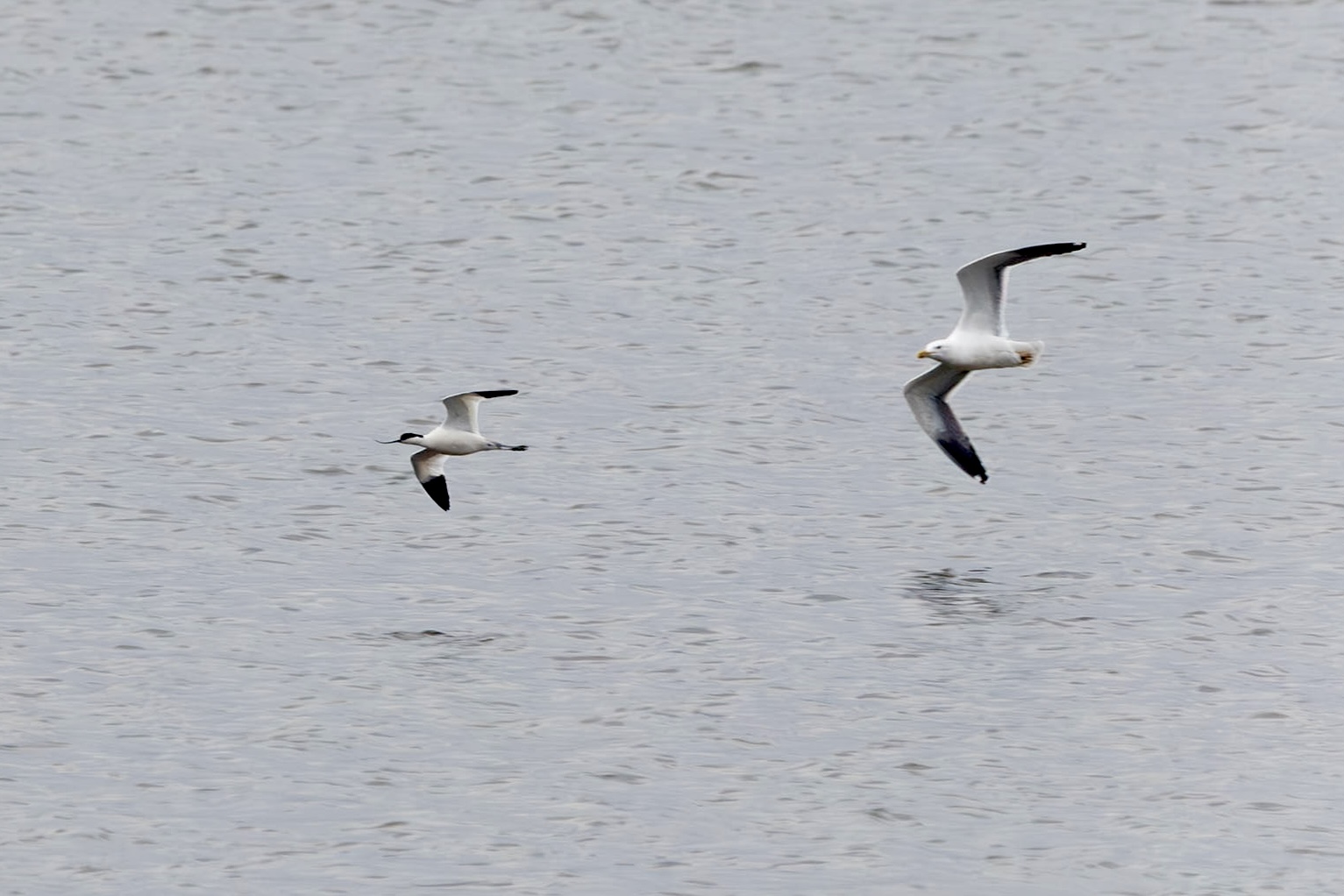
The week’s waders were limited to three species, top of which again were Avocets at three gravel pit locations in the Nene Valley. Last week’s duo remained settled at Earls Barton throughout the period, while Clifford Hill GP hosted another two new arrivals on 22nd and one on 24th.
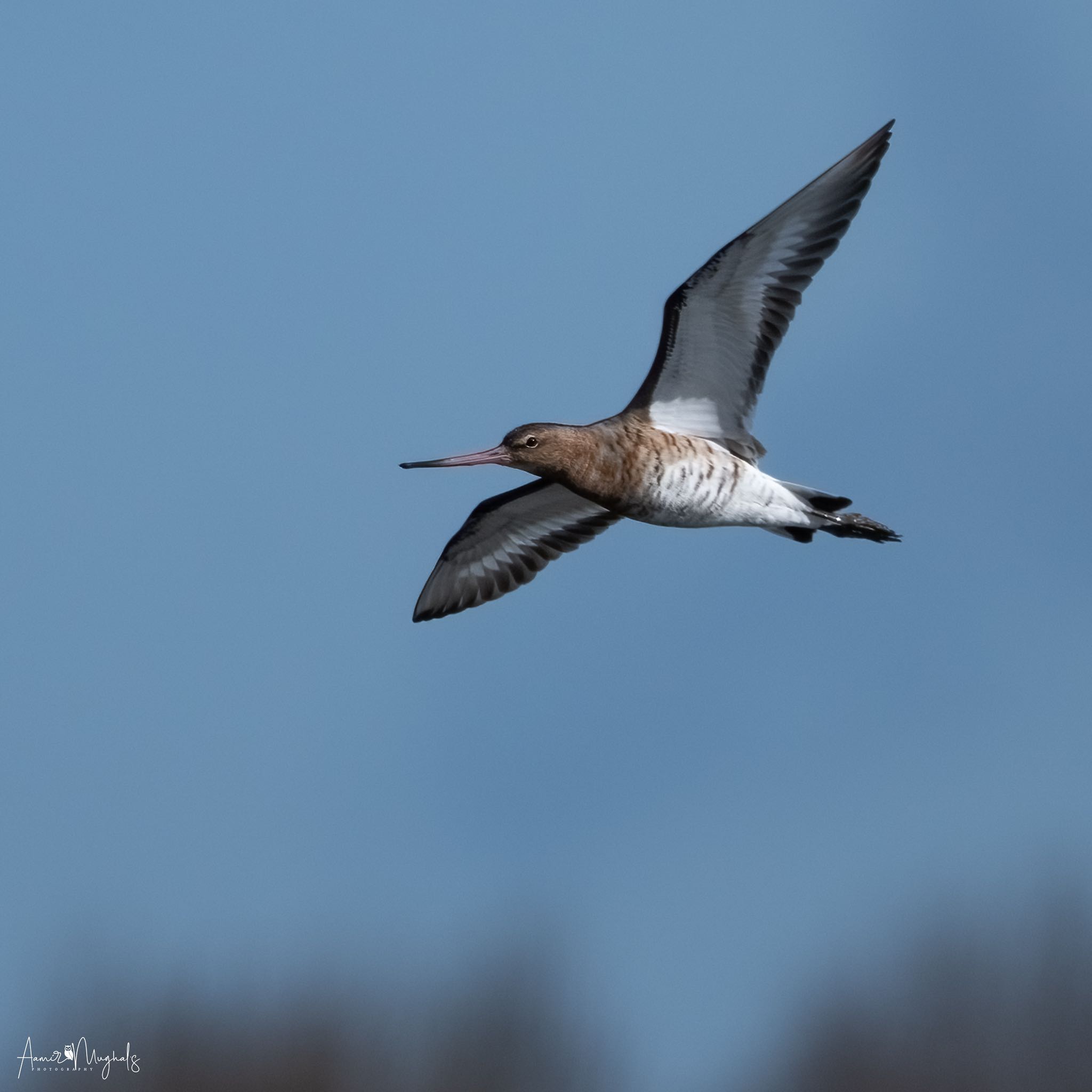
Summer Leys was the prime site for Black-tailed Godwits, with five there on 23rd and one on 27th-28th, while two visited floodwater at Lower Barnwell Lock, Oundle on 24th.

Aside from one at Ditchford GP on 24th, Jack Snipes continued to be seen at Hollowell Res, where up to two were present throughout the week.

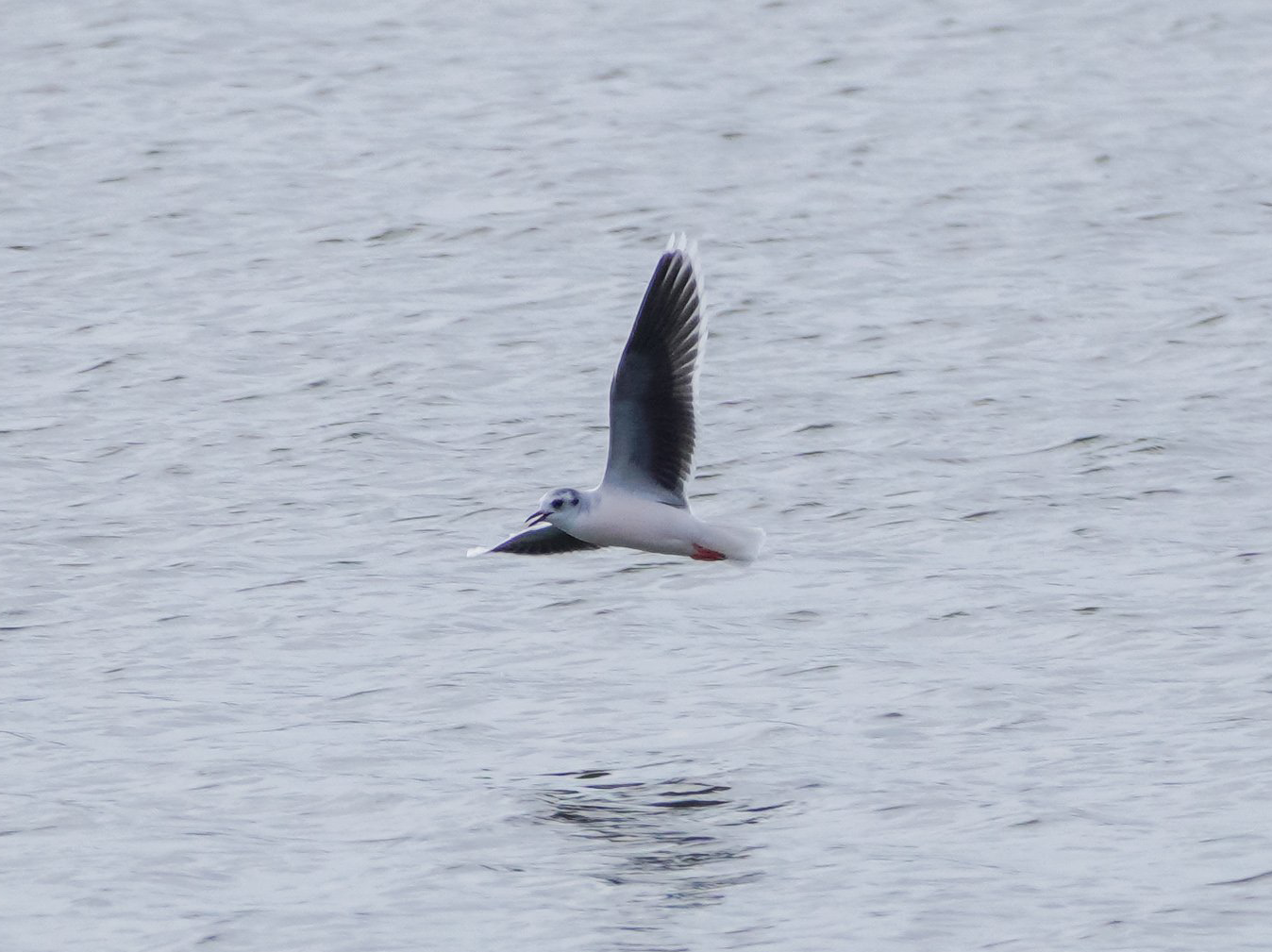
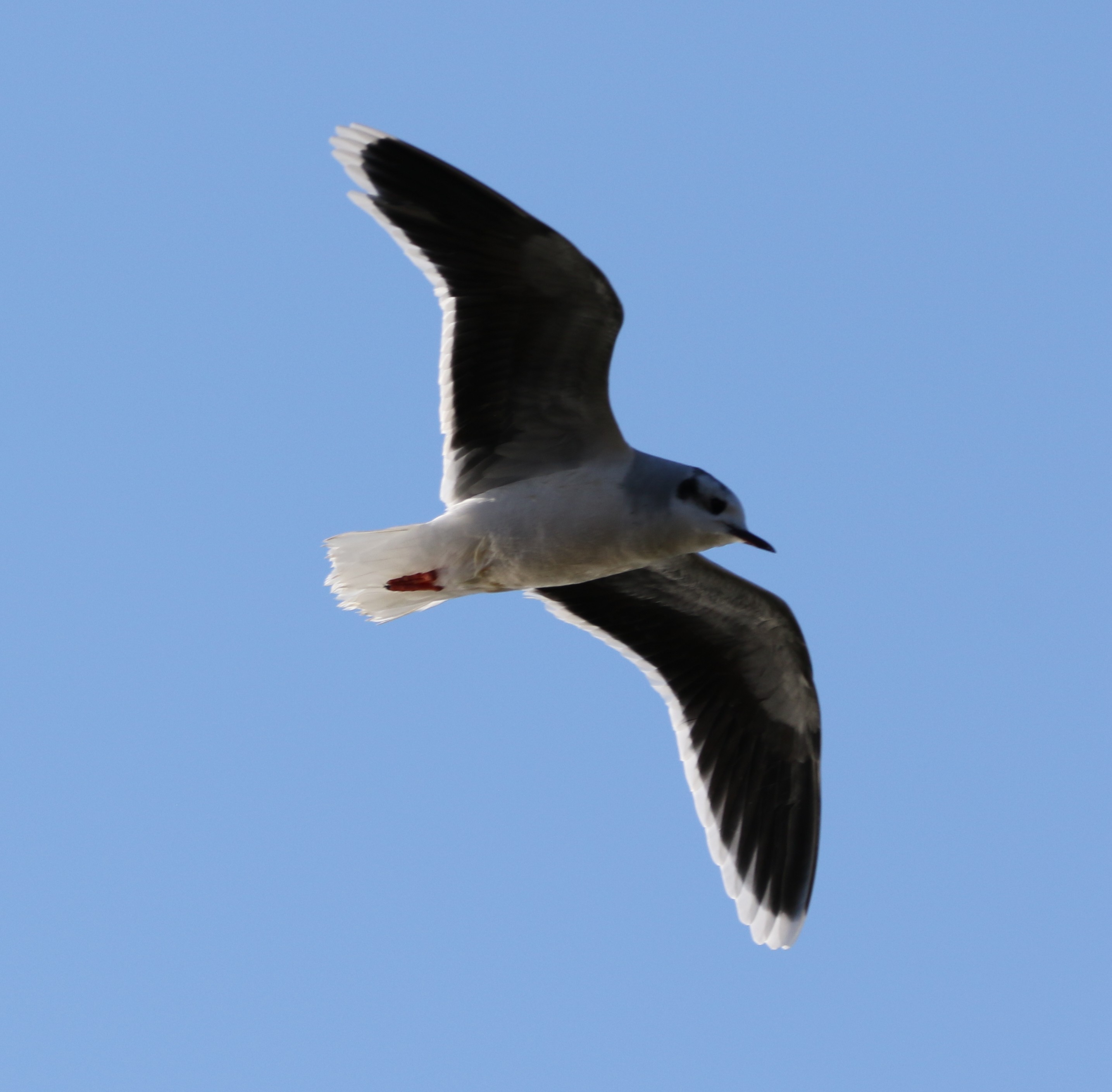
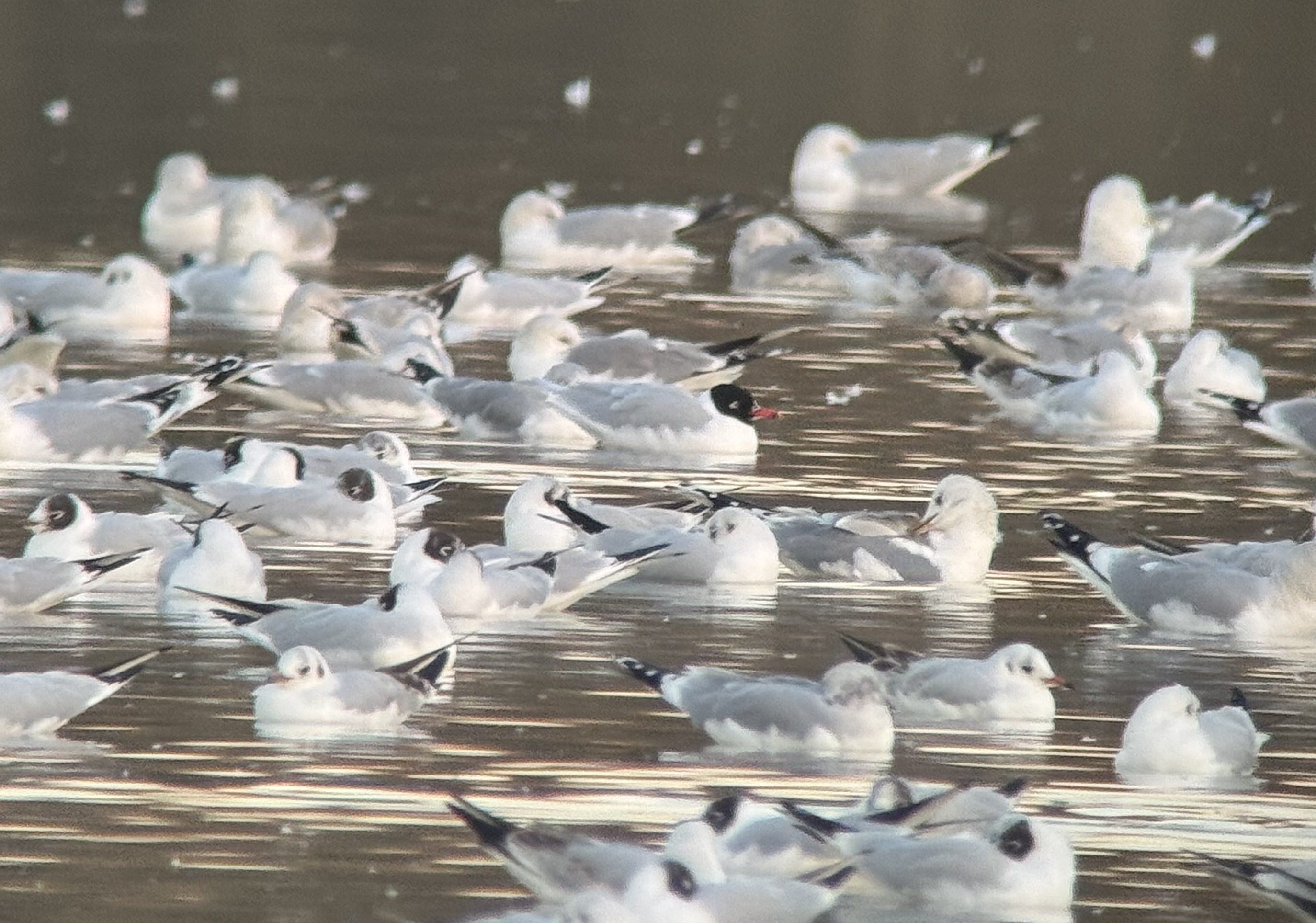
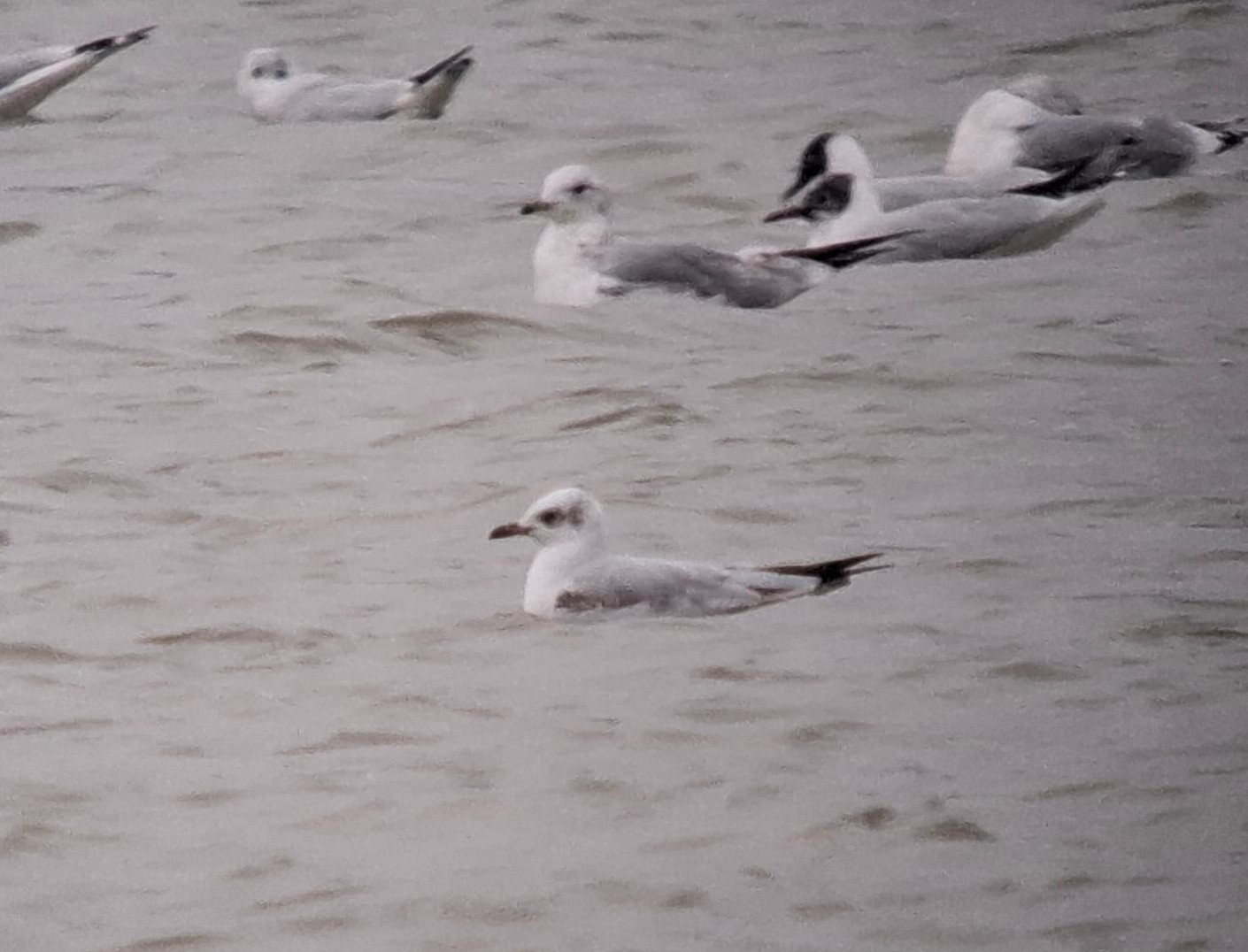
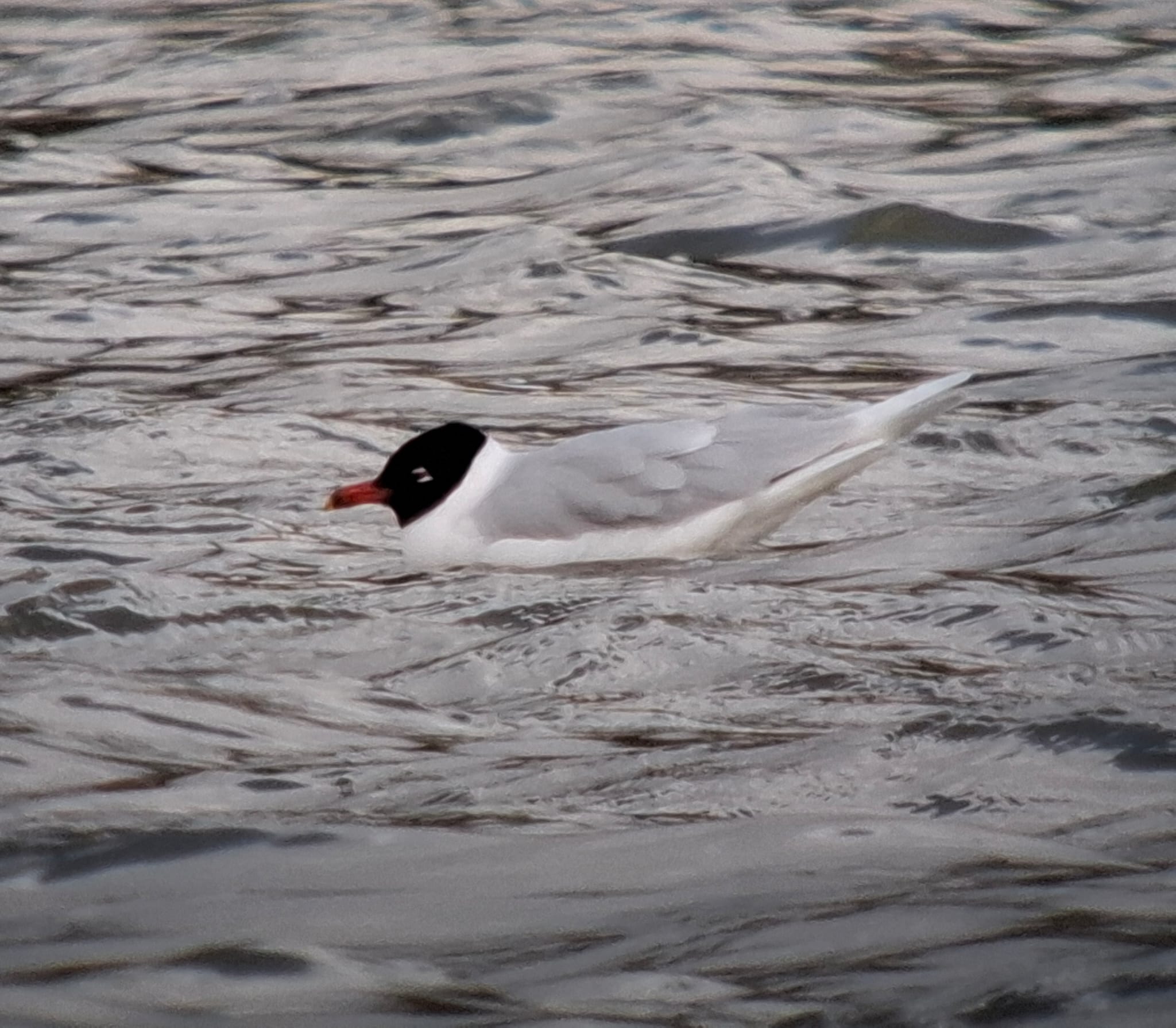
In the scarce larid category, last week’s six Little Gulls at Earls Barton GP roosted overnight and were still to be found there, on New Workings (South), mid-afternoon on 22nd. An adult Mediterranean Gull flew east at Clifford Hill on 24th, while more typical fare in the shape of Yellow-legged Gulls included up to three at Pitsford Res between 22nd and 25th and an adult at Clifford Hill on 28th. Single first-winter Caspian Gulls visited Stanford on 23rd and Hollowell on 25th.

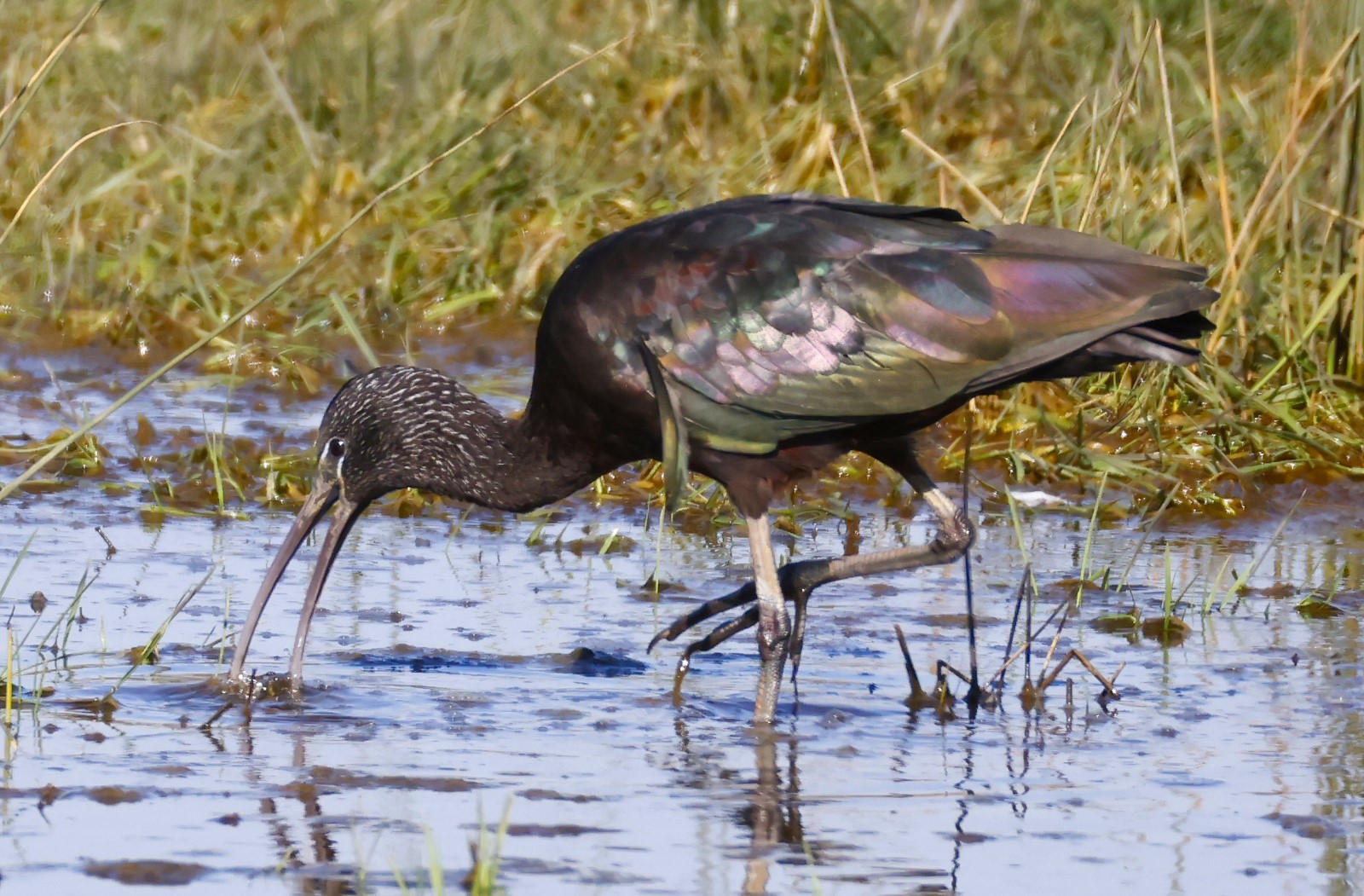
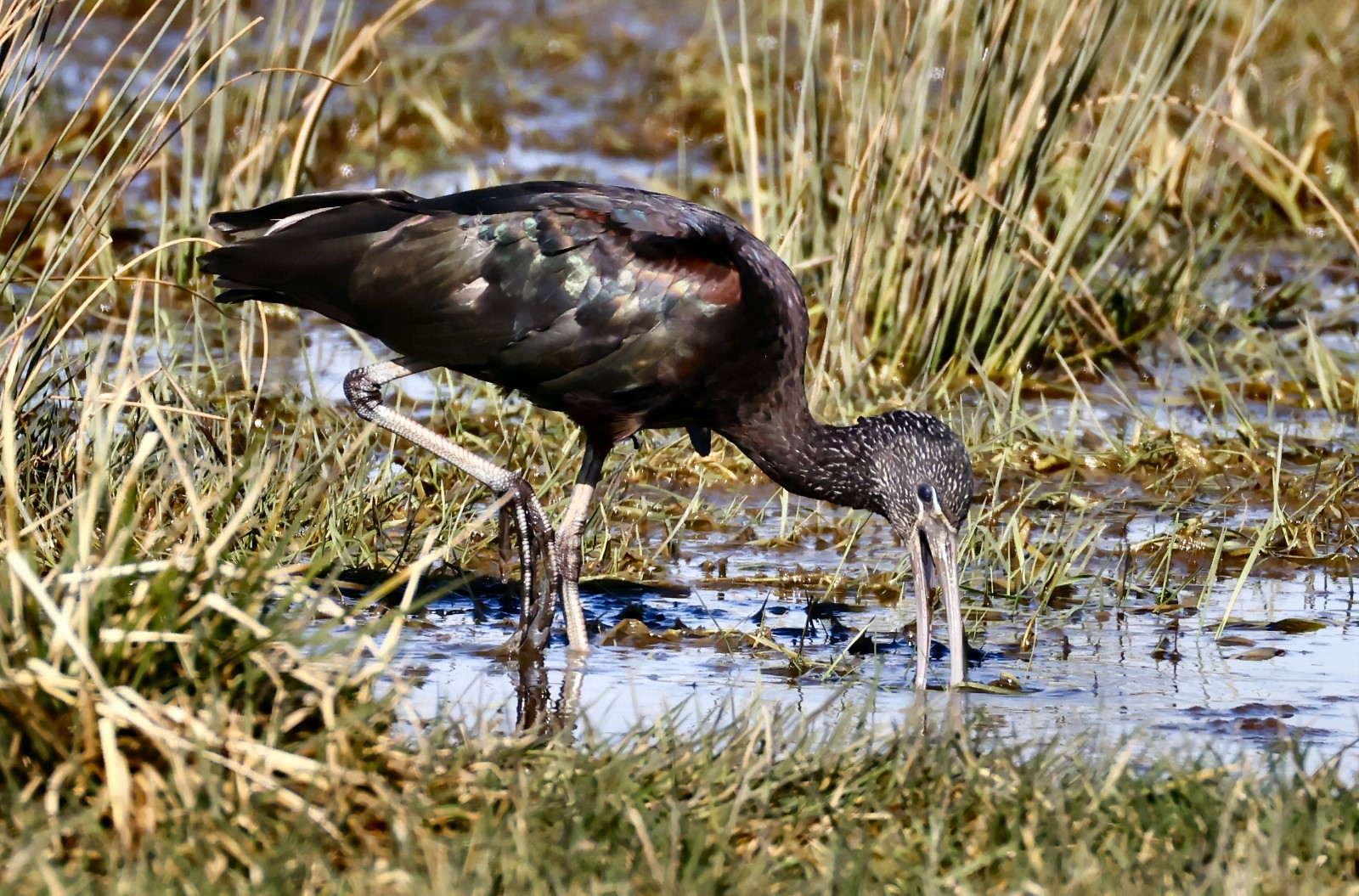
Long stayers from last year included the Great Northern Diver still at Pitsford on 25th and the somewhat relaxed Glossy Ibis at Summer Leys for yet another week …

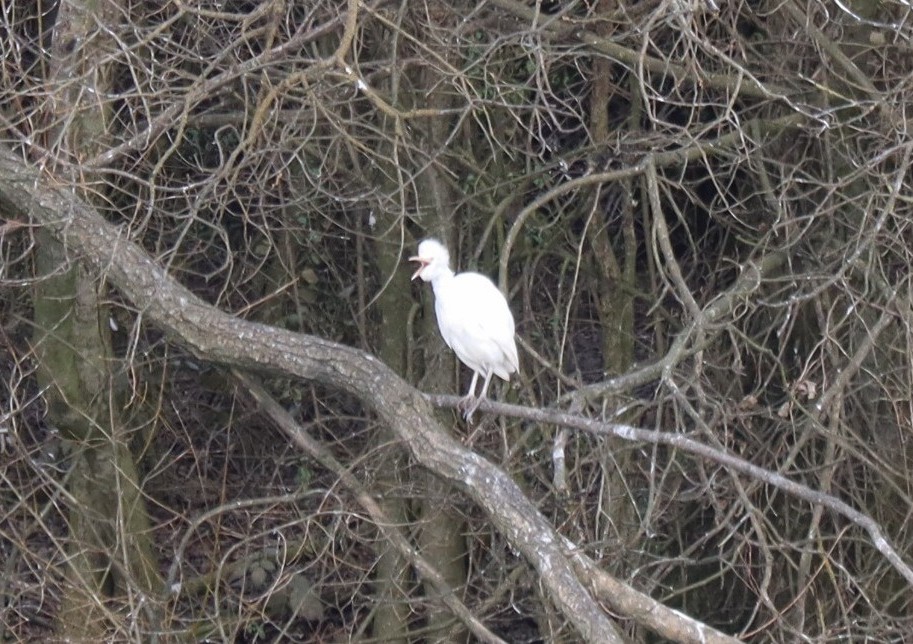
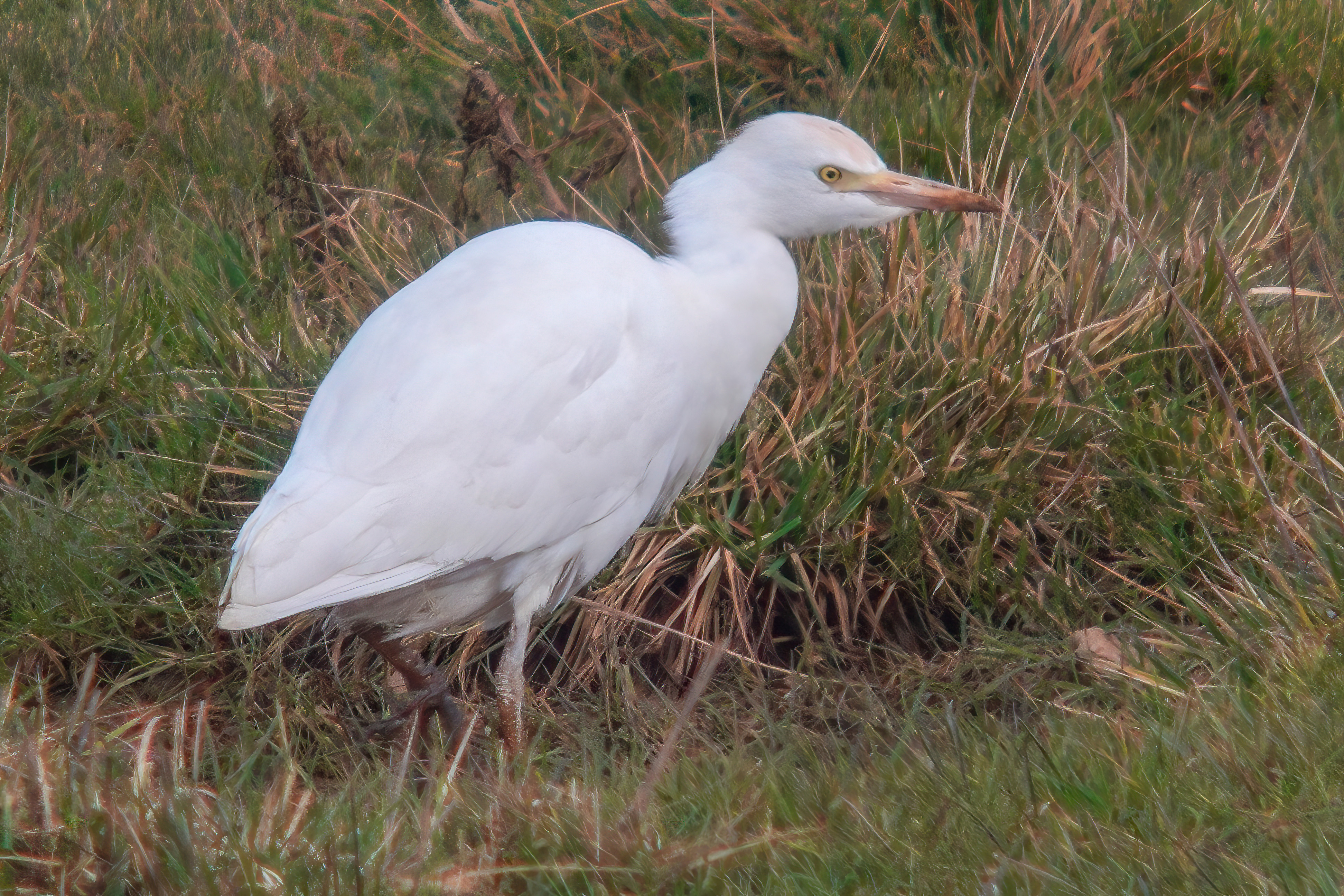
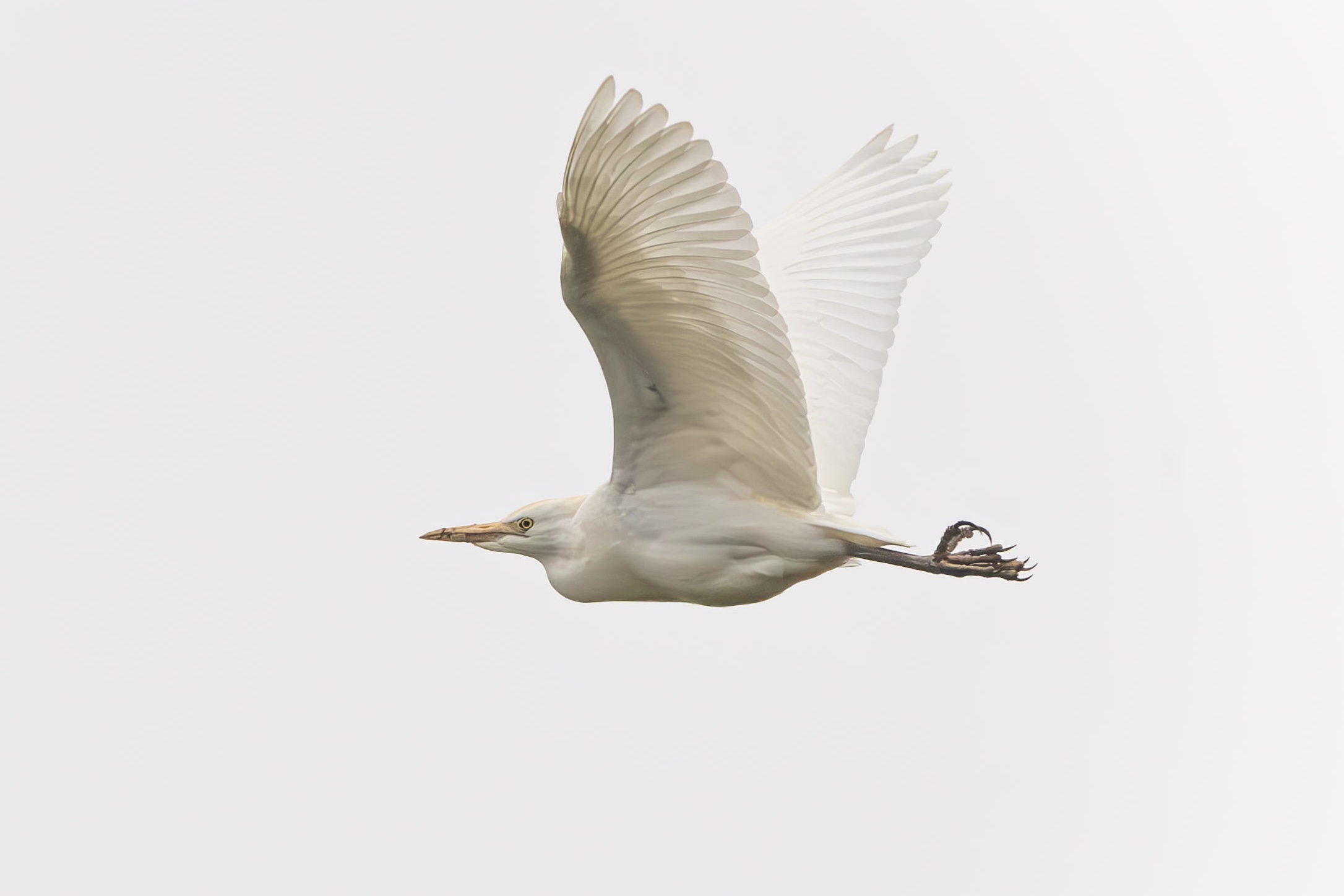
Apparently having decided to move on after spending the last two and a half weeks at Clifford Hill, the Cattle Egret was nowhere to be seen after 26th. Elsewhere, four flew north-east from Stanwick GP’s Main Lake early on 25th.
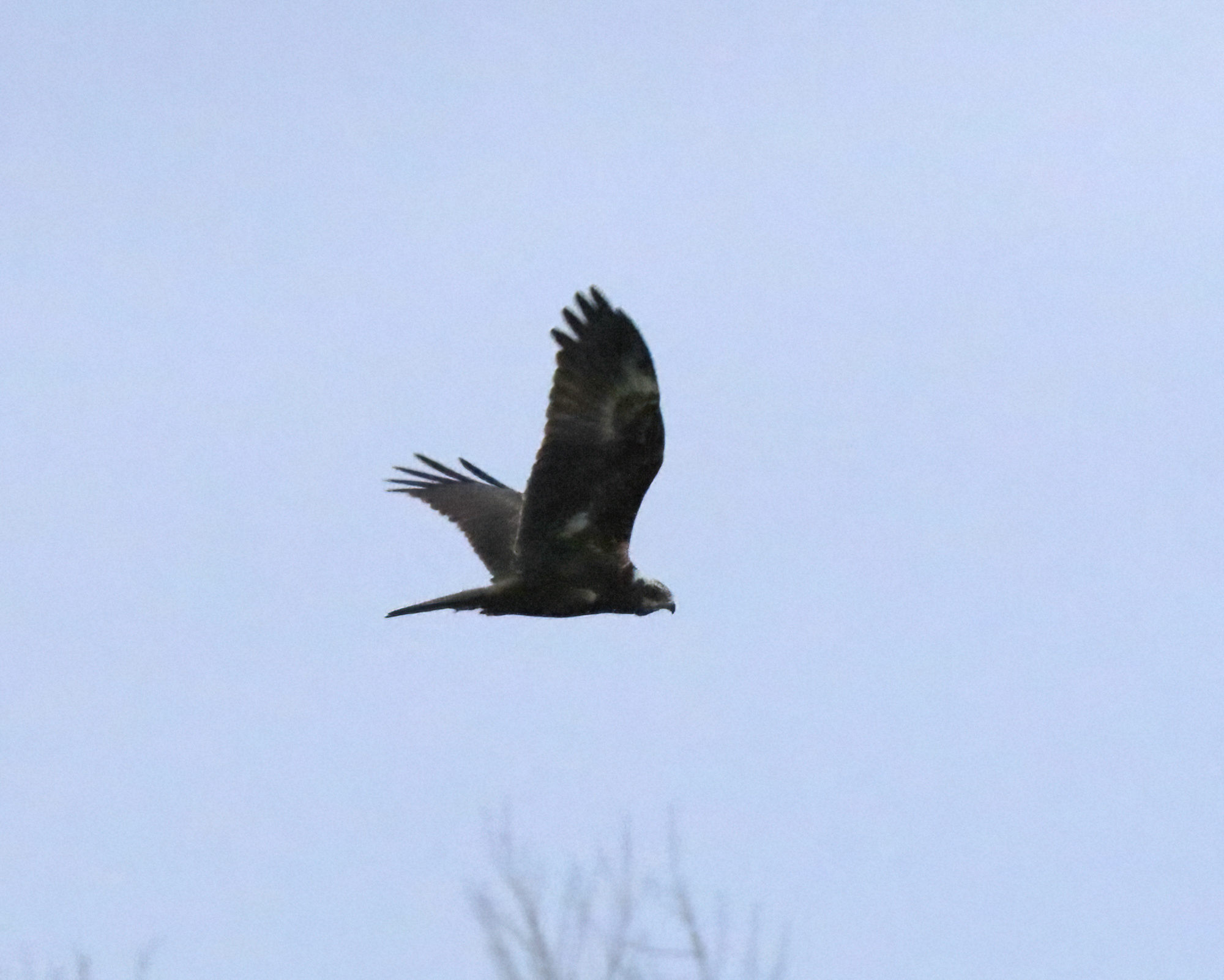
And so to raptors, with Osprey sightings coming thick and fast from the Hollowell area, where one was seen daily from 26th to 28th and one flew east between Ravensthorpe and the Guilsborough to Teeton road on 25th. Another flew north over Boddington Res on 26th. The period’s Marsh Harriers were about par for the course, with singles at Stanwick on 22nd, Earls Barton on 24th and Summer Leys on 27th, while a ‘ringtail’ Hen Harrier spent some time at Boddington Res on 24th.

On the passerine front … Single Northern Wheatears occurred in four locations with the Brampton Valley producing one on 22nd and 28th, Borough Hill hosting one on 24th, Clifford Hill retaining one from 24th to 28th, and Harrington AF delivering one on 22nd and 26th. And in addition to the aforementioned individuals on 22nd, single White Wagtails were found at Stanford and Summer Leys – both on 23rd. A Crossbill was present at Irchester CP on 28th.

As a postscript, first-ever record for Northants in the shape of a Northern Treecreeper (the north and east European nominate race, familiaris which also extends well into western Siberia) was present at Summer Leys during the preceding week. It transpires it was also first seen (and photographed) there on 23rd December 2024 and so has overwintered on site under the radar. It may still be present …

Northern Treecreeper: The First Record for Northamptonshire

Currently considered a national rarity based on statistics, a Treecreeper showing characteristics of the northern European race familiaris – more commonly known as ‘Northern Treecreeper’ was found, photographed, and subsequently identified, by Julie Roe at Summer Leys LNR on 20th March. It was present in trees on the west side of the path between the Feeding Station and Screen Hide.

The bird, first noticed by its ‘frosty’ appearance, exhibited all the key identification features including the obvious white spots on the mantle, pale scapular feathers with white shafts and a warmer rump.

Its broad and startlingly white supercilium extended and flared into the upperparts as well as extending in front of the eye and over the lores. The underparts were gleamingly snow-white with only a slight buff tinge limited to rear flanks and undertail coverts.

The above features are spot-on for this race which occurs in Fennoscandia, eastern Europe and northern Russia as far east as western Siberia, while our own race britannica is restricted to Britain & Ireland.

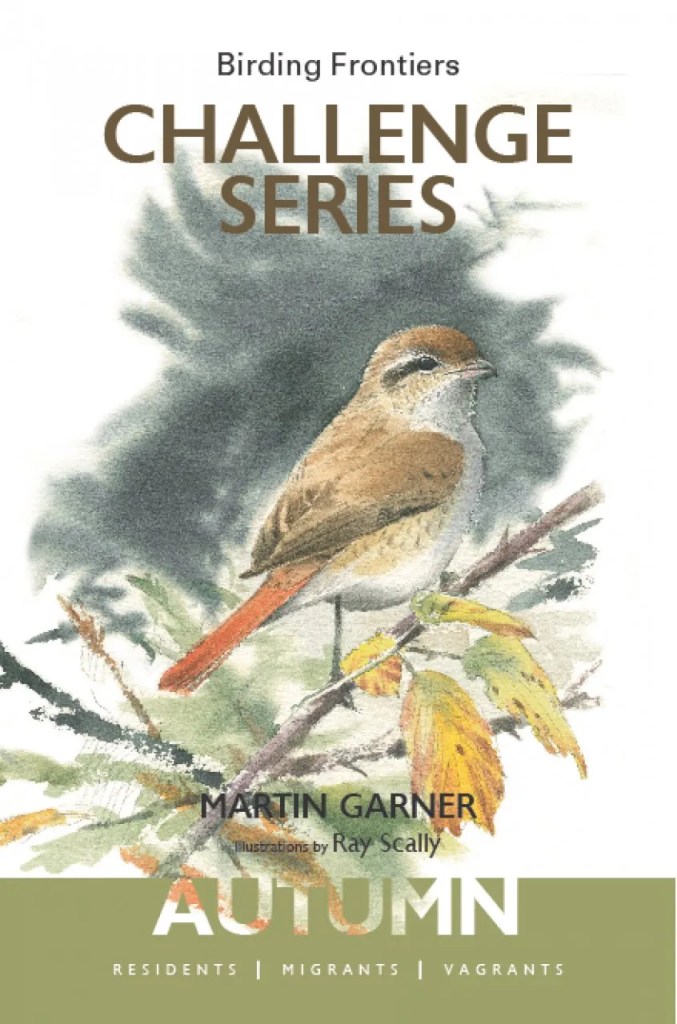
One further feature outlined by the late, great Martin Garner in his Birding Frontiers Challenge Series – Autumn (2014) is that the forward-pointing claws of Northern Treecreeper are wholly pale/translucent compared to the usually slightly darker sides to the same claws on britannica. This feature is clearly evident in the images captured by Julie.

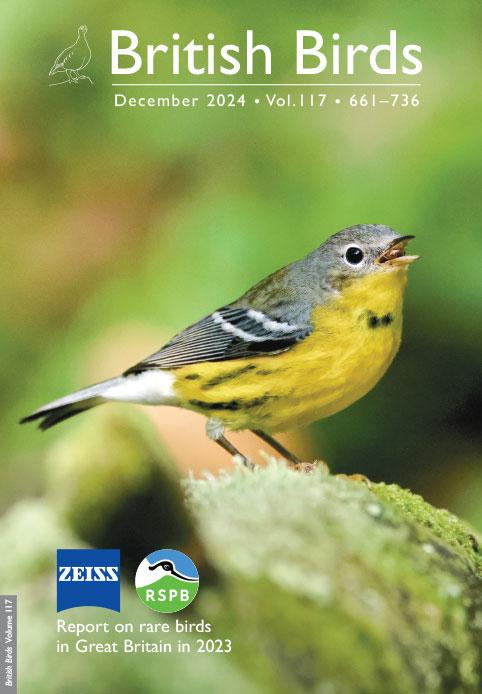
With only 36 accepted UK records up to 2022 and a further 11 in 2023 – deemed a bumper year for the occurrence of this race in the UK – records of Northern Treecreeper are currently considered by the British Birds Rarities Committee, although its national status is recognised as uncertain but possibly more common than statistics suggest.

The Northern Isles have accounted for the majority of records but they have also occurred further south along the east coast. Our bird in Northants is likely to be the only one to have knowingly occurred this far inland. The record will be submitted to BBRC in due course.

Suggested reading for further information on Northern Treecreeper identification and status

Newsround – 15th to 21st March 2025

The week just gone saw a flip back to warmer conditions as a southerly airmass moved in from the continent, giving rise to the UK’s warmest day of the year so far, with local temperatures reaching 18°C, while the wind took on an easterly vector during the final two days. Perfect conditions for northbound migrants … and in they came.

There were, however, some winter visitors that were simply refusing to budge and we’re referring here to the Pink-footed Goose, still with the Nene Valley Greylags in the Cogenhoe Mill/Earls Barton GP area all week, although there were no further reports of the two at Thrapston GP/Titchmarsh NR beyond 15th.

Also seeing the week out were the seven (eight on 18th) White-fronted Geese with the above Greylags, as did the two at Ravensthorpe Res, while last week’s three remained at Titchmarsh until at least 17th.

Seemingly settled, too, was the drake Red-crested Pochard at Earls Barton GP and on the River Nene between Cogenhoe and Whiston Lock, where it was still to be found at the period’s end.

Greater Scaup was still on the radar this week, with the first-winter female remaining at Blatherwycke Lake until at least 15th and the drake continued to rub along with the Tufted Ducks on Mary’s Lake at Earls Barton throughout.

Perhaps having now vacated the area, the drake Smew was still to be seen at Clifford Hill GP until 19th, after which there were no further reports.

Following three in flight over Stanford Res the previous week, a Crane was reported flying west at Titchmarsh NR on 16th, although no further details were forthcoming.

However, the waders on offer during the period served to lift the spirits, underlining that spring is now firmly established, if not yet in full flow. Four Avocets dropped into Clifford Hill early in the morning of 18th before swiftly moving east, after which they also paid a brief visit to Summer Leys LNR, some fifteen minutes later. For those – and that’s nigh on everyone – unable to catch up with them, two more were found on floodwater at Lower Barnwell Lock, Oundle, where they spent at least two and a half hours on 20th. More were still to follow, two subsequently being located at Earls Barton GP’s New Workings (South), mid-afternoon on 21st, seeing the rest of the day out asleep and choosing to extend their roost there. These are, so far, only the second, third and fourth records of the year, following one at Summer Leys on the unusually early date of 26th February.

Other waders were, of course, available and three Black-tailed Godwits dropped in at Summer Leys for a brief spell on 20th, followed by two at Ditchford GP’s Irthlingborough Lakes & Meadows NR the next day.

Summer Leys also produced a couple of Ruffs – one on 17th-18th, joined by a second bird on 19th-20th.

Aside from up to three Jack Snipes seeing out the back end of winter at Hollowell this week, two additional localities produced further singles, these being at Pitsford Res on 16th and Summer Leys on 19th.

And we were to be treated to a new wave of Little Gulls as the week drew to a close on 21st. Ditchford produced at least three, while a respectable six turned up at Earls Barton GP’s New Workings (South), mid-afternoon, providing some prime viewing opportunities before choosing to roost there.

Though arguably less entertaining, other scarce larids showed up in the form of four transient adult Caspian Gulls – considered two be two pairs – at Ravensthorpe on 17th, followed by another adult at Summer Leys the following day. And aside from a first-summer at Hollowell on 21st, Yellow-legged Gulls were down to just the one adult at Pitsford between 17th and 20th.

Pitsford also continued to play host to the wintering Great Northern Diver, the latter clearly in no hurry to move on.

And the same applied to the Summer Leys Glossy Ibis … still there at the week’s end.

Bitterns are booming, or so it seems, with one heard on several days at an undisclosed locality and one was seen again at Hollowell Res, where it’s clearly keeping a low profile, on 17th. The same cannot be said for Cattle Egrets, numbers of which remain low in comparison to a couple of years ago. Aside from singles extending their stays at Blatherwycke and Clifford Hill, until at least 15th and 21st, respectively, up to four were seen exiting a roost site at Stanwick GP, early doors on 15th and on 19th-21st.

What was set to have been the county’s first Osprey of the year, at Pitsford on 17th, was superseded by belated news of an earlier one at Fawsley Park Lakes on 11th. One was also seen at Hollowell on 18th and on 20th-21st.

The period’s Marsh Harriers were limited to localities beginning with ‘S’, with one at Stortons GP on 15th, what was presumably last week’s individual continuing to put in appearances at Stanwick on 17th and 21st, and one also visiting Summer Leys on the last of these dates.

And another summer visitor crossed the line to become the first of its kind to enter the county this year in the shape of a Swallow at Hollowell on 21st.

The year’s second Northern Wheatear was also found on the same date at Earls Barton GP’s New Workings (South), a location which has more than proven itself attractive to wetland species of late and is becoming increasingly popular with birds and birders alike.

And in common with many of the winter visitors stubbornly refusing to up sticks and go, two Hawfinches remained in Cottesbrooke until at least 16th.

Newsround – 8th to 14th March 2025

In a striking about-turn, the week’s main weather feature consisted of a considerable drop in temperature, the wind direction doing a one-eighty as a significantly cold airstream slid down from the high Arctic in a bid to engulf the country. While this did not completely put the mockers on migration, there were no new summer visitors and although Sand Martins and Little Ringed Plovers continued to trickle through in small numbers, two much larger birds were to make the week’s headlines …

The regular collection of wildfowl remained in place and their numbers swelled this week, commencing with Pink-footed Geese, which saw two new individuals arrive on the scene – one at Thrapston GP’s Titchmarsh NR on 8th, remaining throughout the period and the other at Stanford Res on 8th-10th.

The long-staying individual saw another week out in the Cogenhoe Mill/Whiston/Earls Barton GP area, alongside the seven White-fronted Geese amid the local Greylag flock there. Three new Whitefronts were also found at Titchmarsh on 13th and were still present the following day, while the Ravensthorpe Res duo extended their stay there by another week.

While the drake Red-crested Pochard from the previous week spent most of its time on the River Nene between Cogenhoe and Whiston Lock throughout, another drake turned up at Daventry CP on 10th.

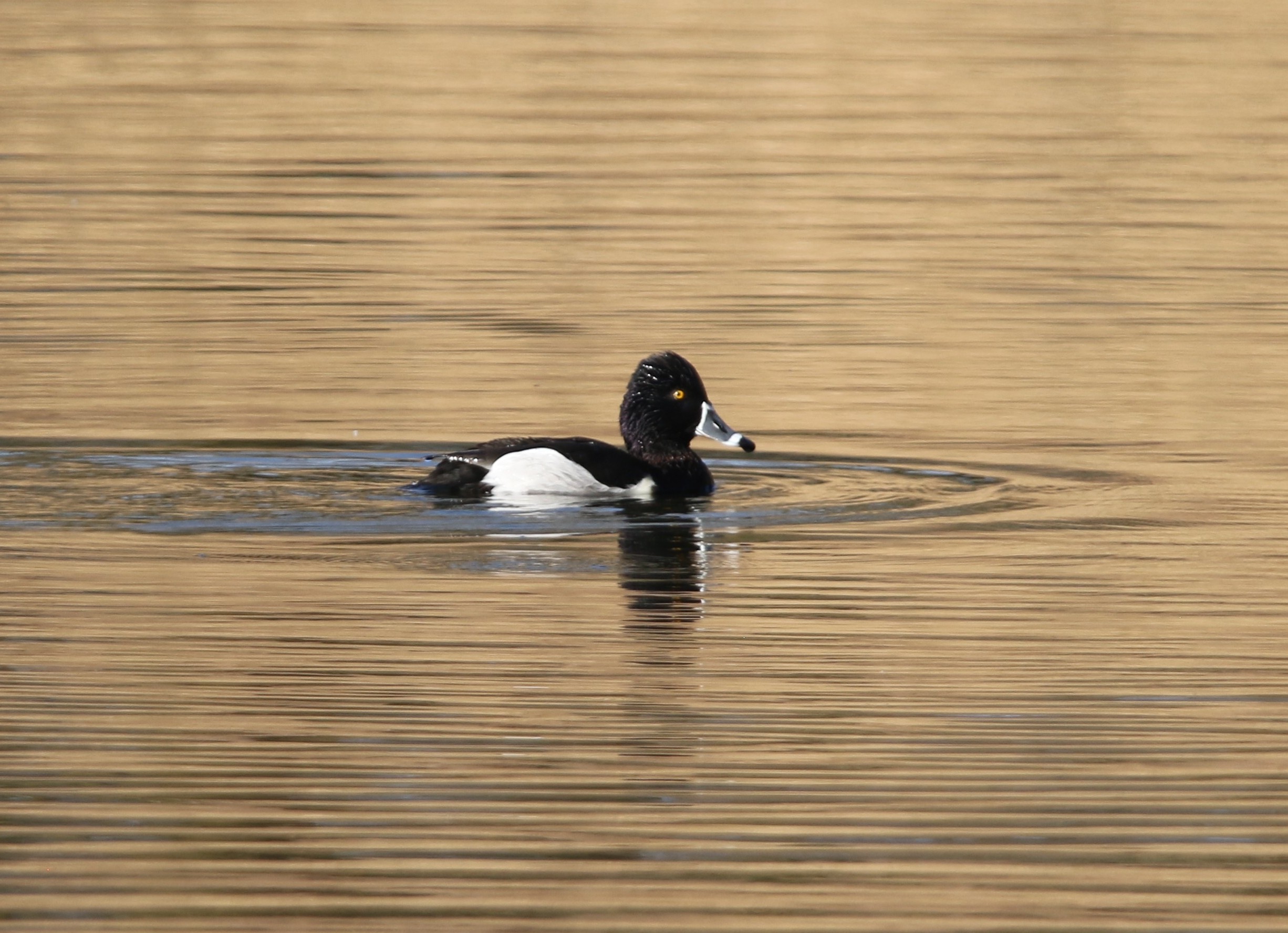
The drake Ring-necked Duck again remained at Titchmarsh until the period’s end, while the ever-popular drake Smew extended its stay by another week at Clifford Hill GP.

Eclipsing all of the above by size alone, though, were the three Cranes (no, not the pub in Cransley) that flew low over Stanford Res during the late morning of 9th. A subsequent search of the surrounding area unfortunately drew a blank. These were the first to be recorded since 2023, a year when there were three records, including two very accommodating birds at Summer Leys LNR.

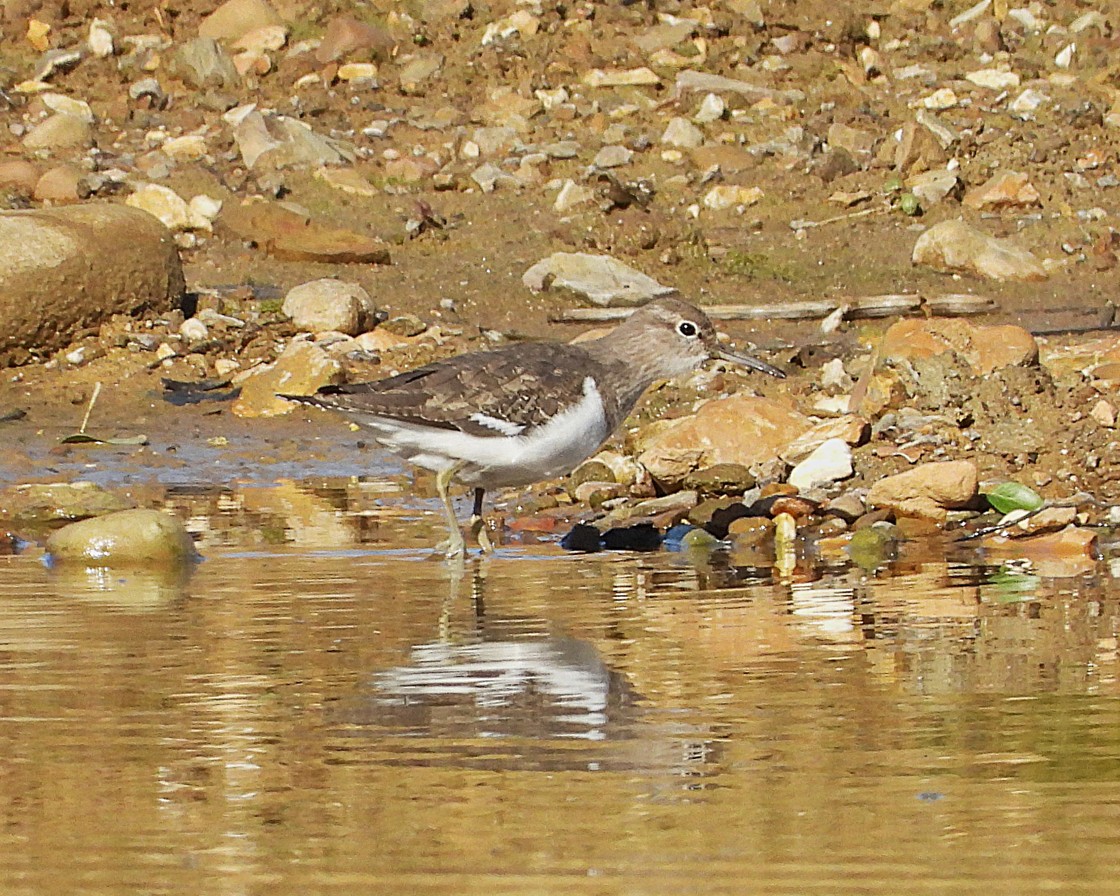
Aside from a further dusting of migrant Little Ringed Plovers, waders were limited to up to four Jack Snipes at Hollowell Res between 10th and 14th and the wintering Common Sandpiper that remained at Earls Barton GP’s New Workings (North), where it was seen on 8th, 9th and 14th.

March is traditionally the month in spring for Mediterranean Gulls moving through the county, as exemplified this week by birds found at three localities. Boddington Res produced the biggest haul with an adult on 10th, 12th and 13th, joined by a first-winter on 10th and a second-summer on 12th, while an adult visited Pitsford Res on 11th and a first-winter was at Hollowell on 14th.

Aside from a first-winter in the Boddington gull roost on 12th, the week’s Yellow-legged Gulls were restricted to Pitsford Res, where there was one on 9th, five in the gull roost there on 10th, three on 11th, four on 12th and two on 14th.

Pitsford also continued to hang on to its Great Northern Diver until at least 11th.

Seeing out yet another week at Summer Leys, the Glossy Ibis appeared to be in no hurry to move on, yet …

The period’s Cattle Egrets included last week’s individual at Clifford Hill extending its stay there for a further seven days, while two flew north-east over Stanwick GP in the early mornings of 11th and 13th.

Stanwick also appeared to be the place of choice for a roosting Marsh Harrier, first seen on 11th and again leaving the reedbed there first thing in the morning on the following day. Another was again seen further up the Nene Valley as it flew south across the A45 toward the Cogenhoe/Whiston area on 8th.

Expanding the harrier tally, a ‘ringtail’ Hen Harrier was present briefly at Hollowell on 13th.

And then things went decidedly large on the raptor front …
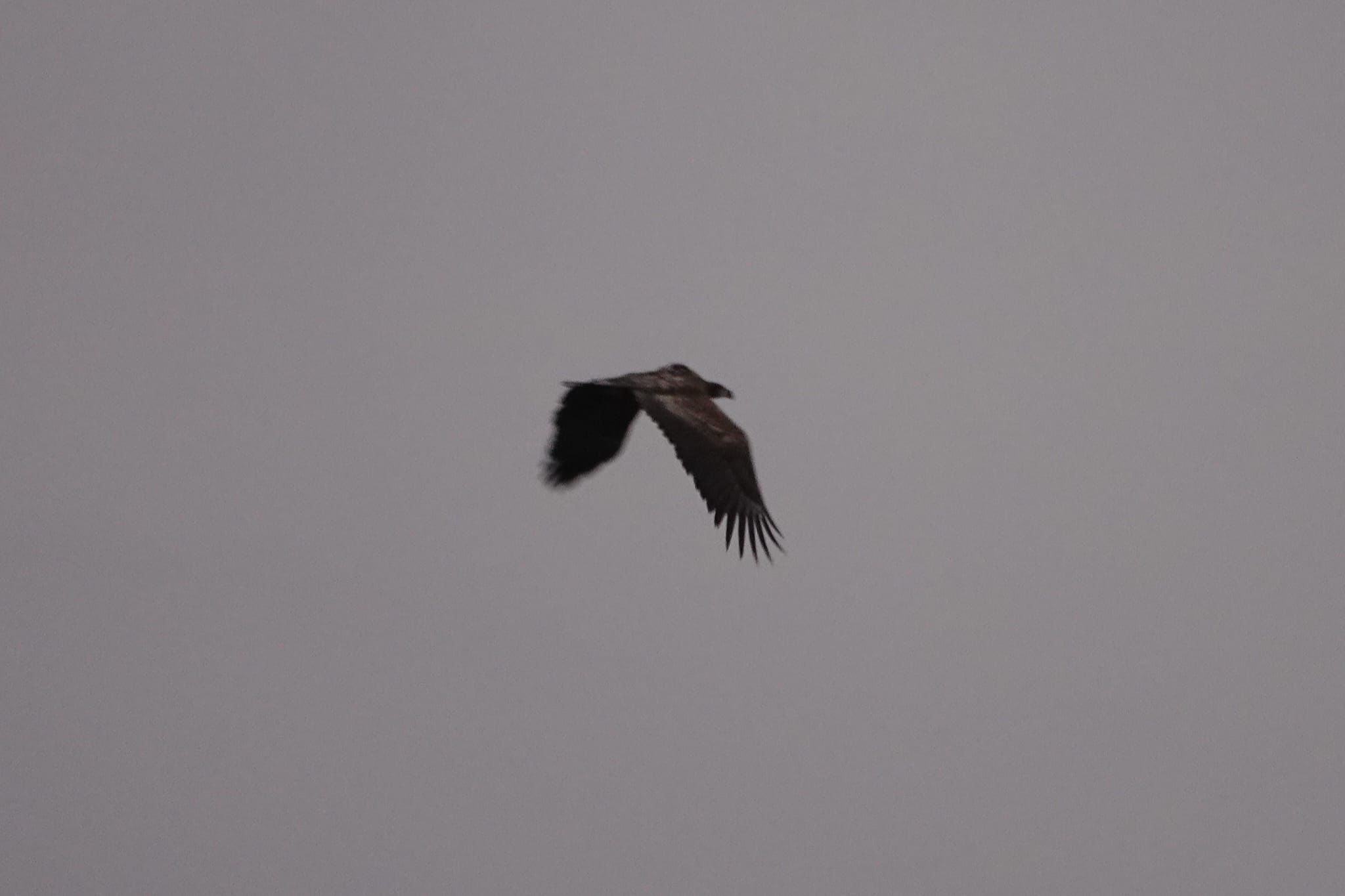
Although not 100% wild, a British born and bred White-tailed Eagle was GPS-tracked in flight over Hollowell Res on the afternoon of 10th, after having visited Rutland Water and roosting near Bruntingthorpe, Leicestershire, 20 km to the north-east, the previous night. It was identified as ‘G602’, a second calendar year male translocated from a nest in the Isle of Skye to the Isle of Wight as a pullus last summer. Not travelling overly far, it subsequently roosted near Church Brampton and was seen early on 11th between there and Althorp before flying over north Northampton and then south-east to Yardley Chase, where it chose to linger for several hours. Further tracking indicated that it then left Northamptonshire and was south of Milton Keynes by early afternoon on 12th.

With very little new on offer, passerines took very much a back seat in the week’s proceedings and were limited to a single Hawfinch at Blisworth on 9th and two in the established environs of Cottesbrooke on 9th-10th, while just the one Crossbill was seen at Bucknell Wood on 9th.

Newsround – 1st to 7th March 2025

A high pressure system over eastern Europe and a low over the North Atlantic between them delivered a substantial and sustained, warm southerly airstream, providing what was no doubt a considerable catalyst for northward migration. No less than three summer visitors opened the gates of spring and set the clock ticking for more to follow as we headed into March …
Before the first of these though, the usual scattering of wildfowl served as a reminder that we’re not quite done with winter, yet. All present and correct, then, were the geese we have been lucky to pull in and retain over the past few months, starting with the Pink-footed Goose with Greylags in the Cogenhoe Mill/Earls Barton GP area, which saw another week out there, along with the seven White-fronted Geese – the latter still present on 7th. The two longest staying Whitefronts also remained at Ravensthorpe Res until at least 5th.

Remaining all week within spitting distance of the of the Cogenhoe cluster, the week’s sole Red-crested Pochard – a fine drake – was mobile along the River Nene as well as on the adjacent Earls Barton GP New Workings (South). More upmarket diving ducks were still to be had throughout the week in the shape of the drake Ring-necked Duck, seemingly now settled at Titchmarsh NR, and the drake Smew tucked in at the western end of Clifford Hill GP’s Main Barrage Lake.

And now the first of those summer visitors to get a mention in this week’s lineup is Little Ringed Plover, one of which dropped into Clifford Hill GP. Its visit was brief, however, moving on shortly after its discovery there on 6th. Other waders were also available and included up to three Jack Snipes at Hollowell Res between 3rd and 7th and singles at Harrington AF on 4th and Stanford Res on 7th. The wintering Common Sandpiper was also still mobile around Earls Barton GP’s New Workings, being seen there on 4th and 7th.

A Yellow-legged Gull at Clifford Hill on 5th was the sole representative of its kind during the period.

And the Pitsford Great Northern Diver? Still there until at least 6th.

Meanwhile, back in the Nene Valley, the Glossy Ibis notched up another week at Summer Leys LNR. Its days on site must now surely be numbered …

A Bittern was an unusual site record – but not the first – for Ravensthorpe Res on 3rd. Leaning toward standard patter, though, was a Cattle Egret at Clifford Hill on 6th and 7th.

The week’s Marsh Harriers were widely spread, with single birds at Cransley Res on 6th and at both Earls Barton and Thrapston on the following day. Harrington AF delivered the week’s only Short-eared Owl on 4th and a Merlin was clocked in hot pursuit of Goldfinches over Sixfields, Northampton on 2nd.

The second of the period’s summer visitors appeared in the shape of two Sand Martins at Quarry Hall Lake, Priors Hall, Corby on 5th. There will no doubt be many more to come over the following weeks …

And with singles at Clifford Hill on 3rd and Earls Barton on 7th, Stonechats are seemingly melting away, being replaced by one of the most iconic of summer visitors, Northern Wheatear, a male of which was found at Clifford Hill on 6th. Like the Little Ringed Plover at the same site on the same date, its stay there was, however, somewhat short-lived …

And, as a final reminder of the winter’s Hawfinch invasion, at least one was still in and around Cottesbrooke on 1st.

Newsround – 22nd to 28th February 2025

February, now done and dusted, ended cleanly on the last day of the review period. But even before the first day of meteorological spring was upon us, the county notched up two new spring migrants for the year – well ahead of when we would normally expect to see them …

Aside from these, all of the winter wildfowl appeared to remain settled throughout the week and, although the Pink-footed Goose in the vicinity of Cogenhoe Mill was reported only on day one, the seven White-fronted Geese in the same area were seen almost daily. Away to the north, the county’s other two wintering whitefronts saw another week out at Ravensthorpe Res.

A mere stone’s throw away from the latter locality, the long-standing female Ruddy Shelduck was still present at Winwick Pools on 27th and, as the week progressed, it appears we became awash with Red-crested Pochards. Two made a short stopover at Ravensthorpe on 24th, the same date on which two were also seen at Clifford Hill GP and a drake appeared on the River Nene between Cogenhoe and Whiston on 25th, moving to Earls Barton GP on 27th. Meanwhile, the long-staying female remained at Daventry CP until at least 26th.

With no sign last week of the drake Ring-necked Duck at Thrapston GP – or anywhere else, for that matter – it was back there at Heronry Lake on the last day of the period. Further up the Nene Valley, the year’s third Greater Scaup, an advanced first-winter drake, was found at Summer Leys LNR on 23rd before relocating to adjacent Mary’s Lake on 25th, where it remained until at least the following day. Further north, the first-winter female remained at Blatherwycke Lake until at least 23rd.

The drake Smew chose to bide its time all week at Clifford Hill GP.

Fronting this week’s waders was a first for the year in the shape of a very early migrant Avocet at Summer Leys, first thing on 26th. But its stay was brief, moving on in haste as soon as the rainclouds lifted … Aside from this, two Jack Snipes were at Barnes Meadow NR on 22nd followed by up to two at Hollowell Res between 25th and 27th, while the wintering Common Sandpiper once more raised its head at Earls Barton GP’s New Workings (South) on the last of these two dates.

Another early bird – and the second new one for the year this week – was an adult Little Gull that clearly found Ravensthorpe to its liking, making an extended stay of five days between 23rd and 27th, during which it proved a popular draw.

Otherwise, scarce larids were well down in numbers with just two adult Mediterranean Gulls appearing in the gull roost at Boddington Res on 28th – another sure sign of spring movement – and a first-winter Caspian Gull at Hollowell Res on 25th.

Meanwhile, the Summer Leys Glossy Ibis extended its five-month stay by another week …

A Cattle Egret also appeared at Summer Leys on 23rd and three were again in the vicinity of Stanwick GP’s North Lake two days later, on 25th.

With nothing to shout about on the raptor front, single Short-eared Owls – most likely just the one – were again on private land near Blueberry Farm, Maidwell on 22nd-23rd and at the adjacent site that is the Brampton Valley, between Cottesbrooke and Hanging Houghton, on 27th-28th, where a Merlin was also reported on 27th.

And it was left to Stonechats to prop up this week’s passerines, with Earls Barton producing the highest count of six on 27th, while Hollowell mustered five, Borough Hill two and Harrington AF one.