Newsround 17th to 23rd January 2026

Unsettled weather and continuing wet conditions were the hallmarks of a week which saw few surprises and an apparent thinning out in numbers of winter geese.

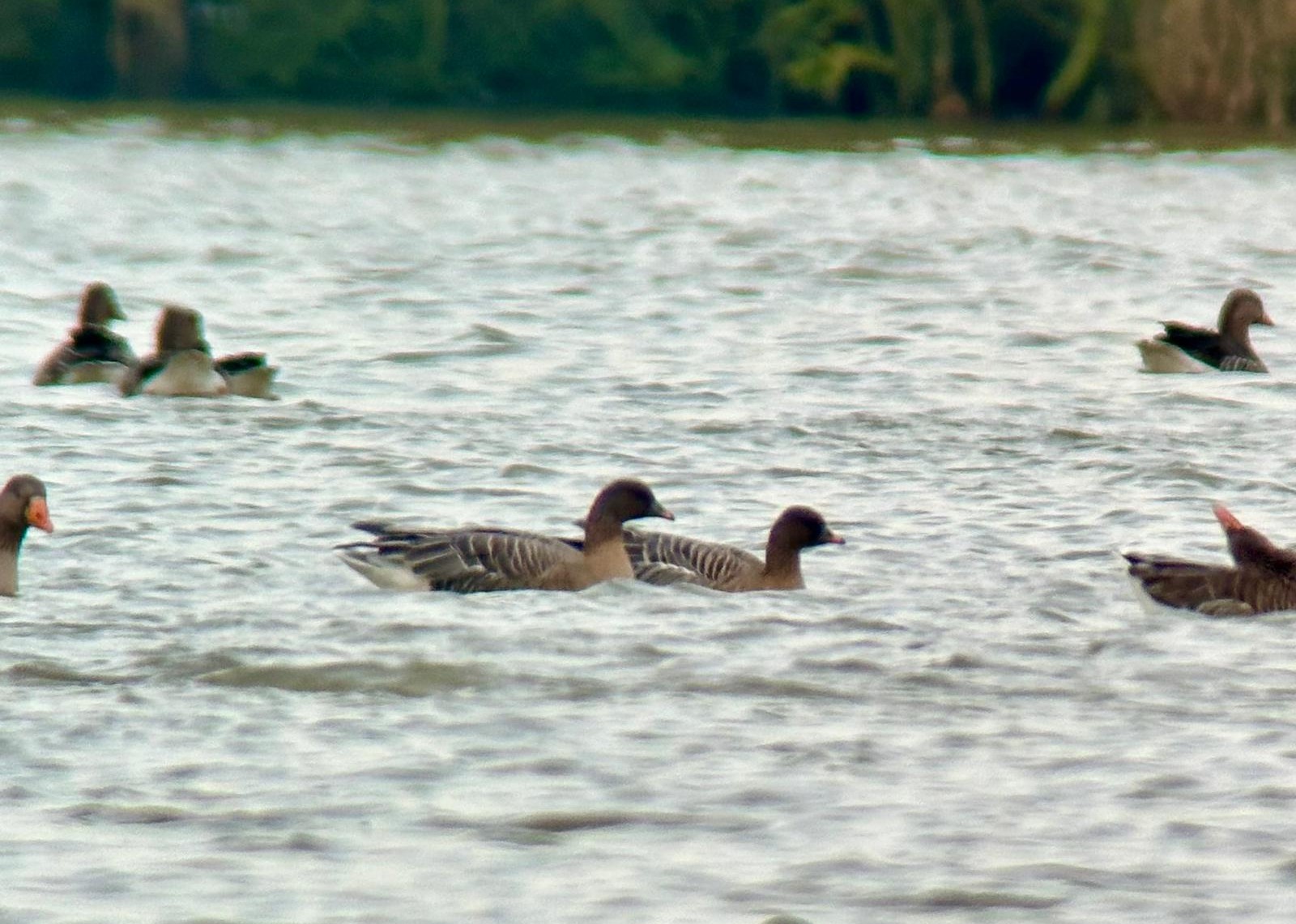
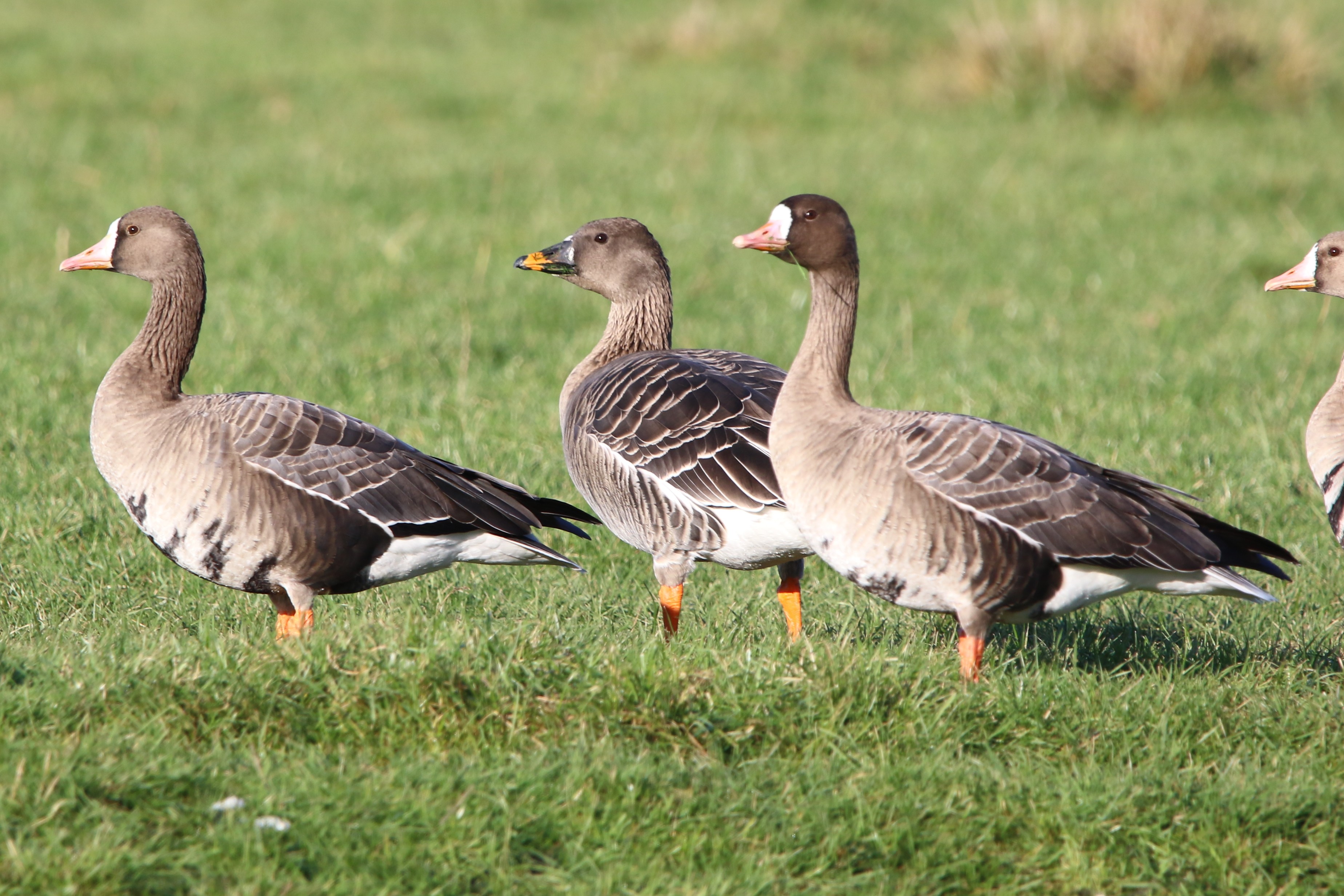
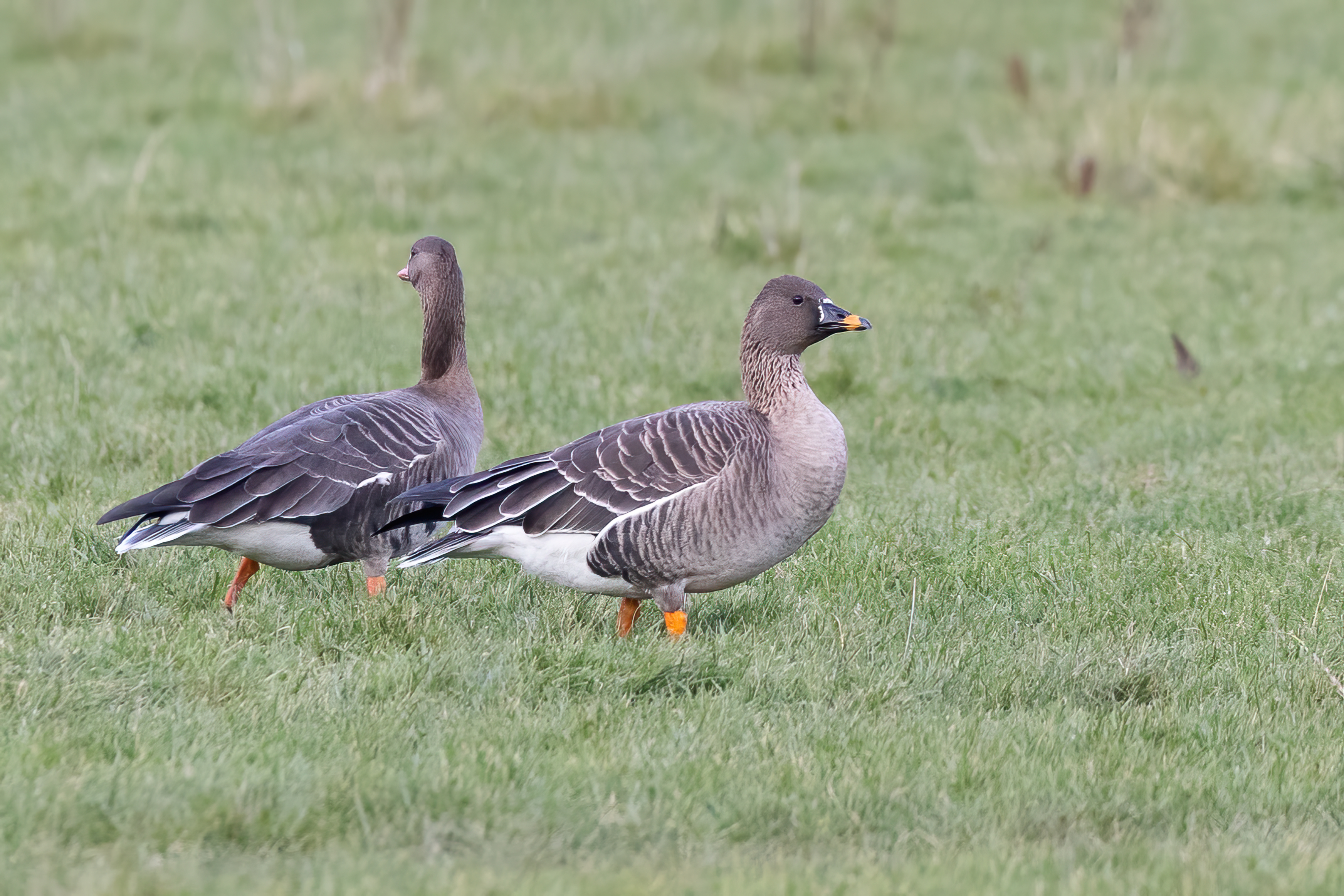
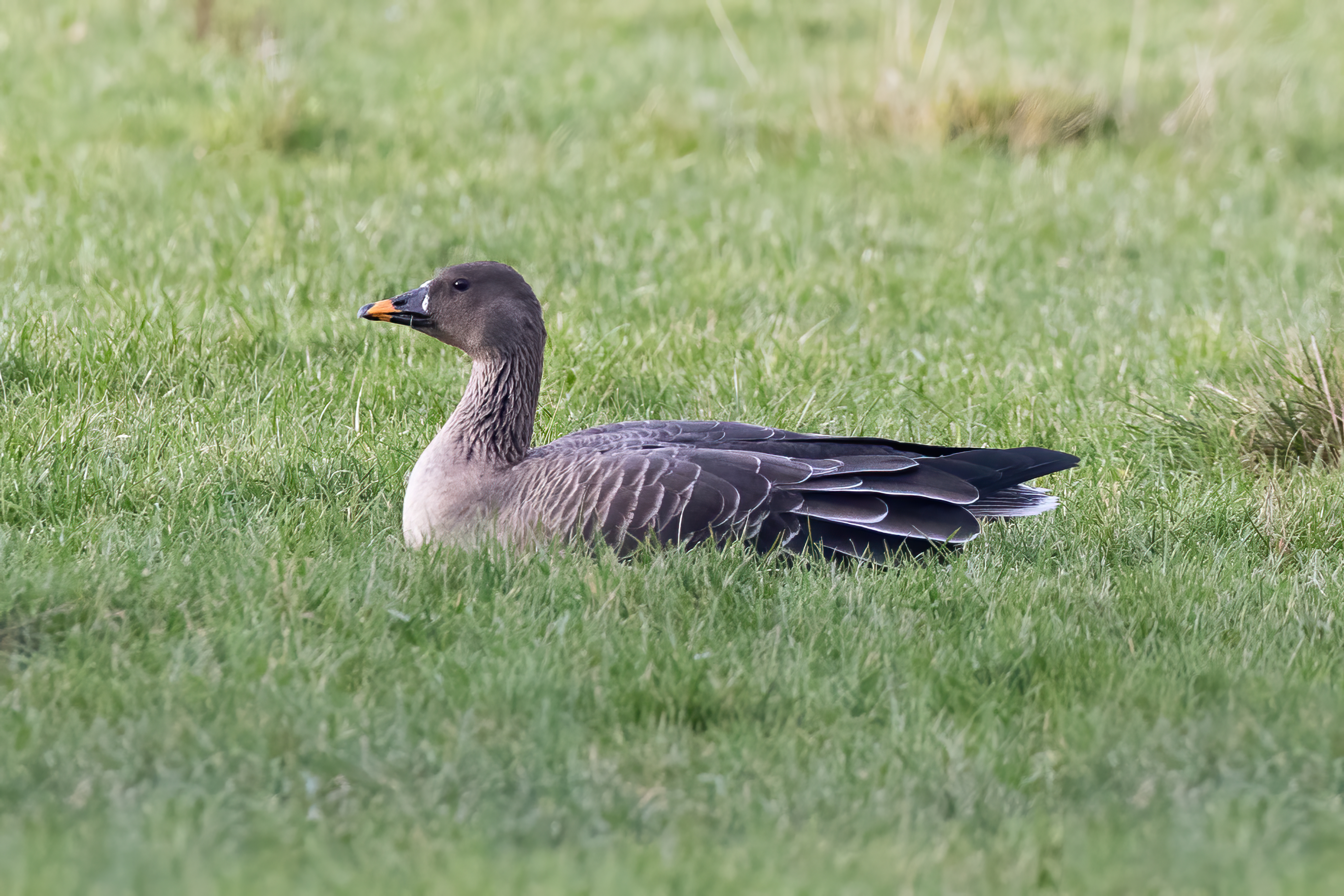
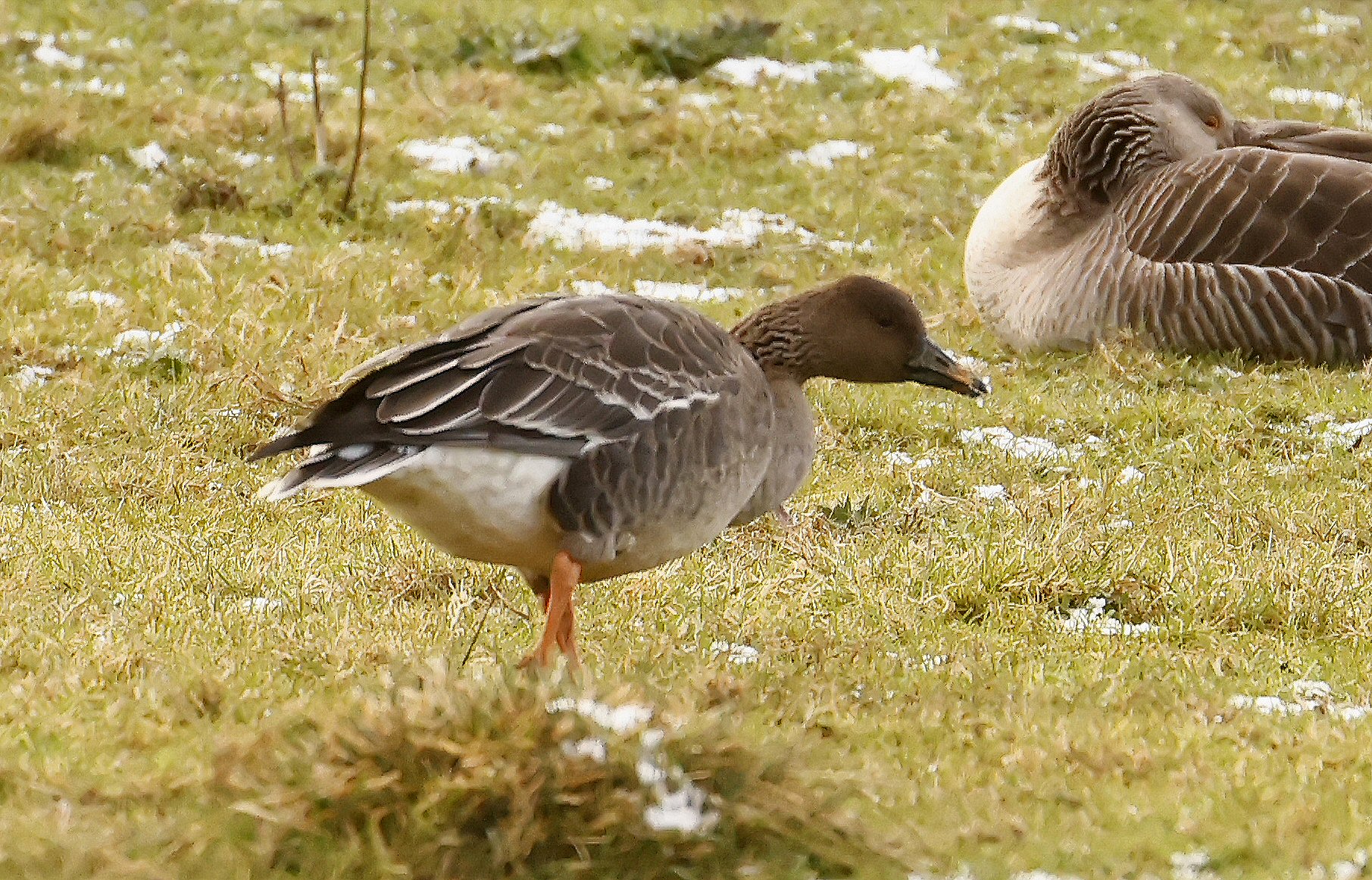
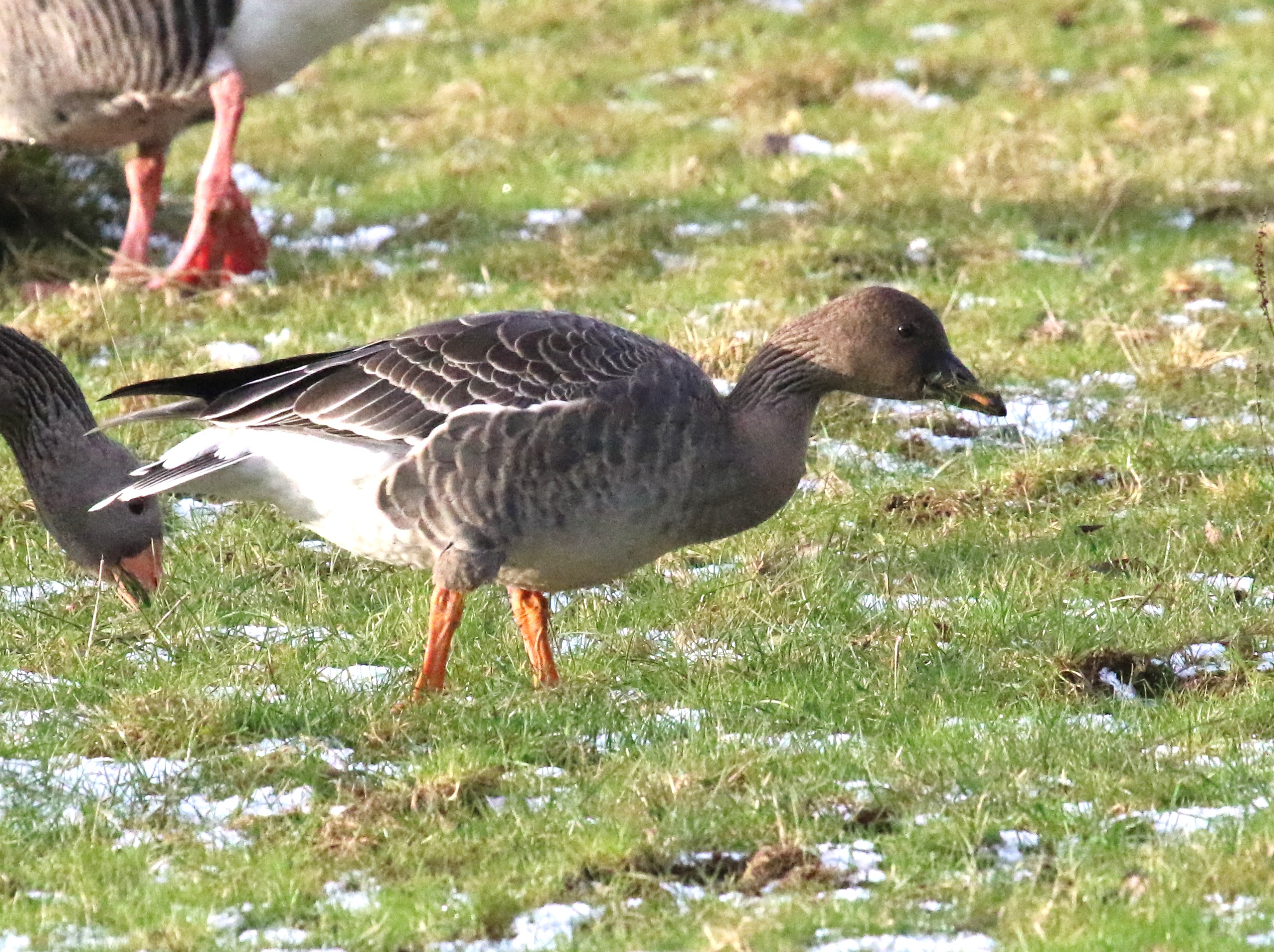
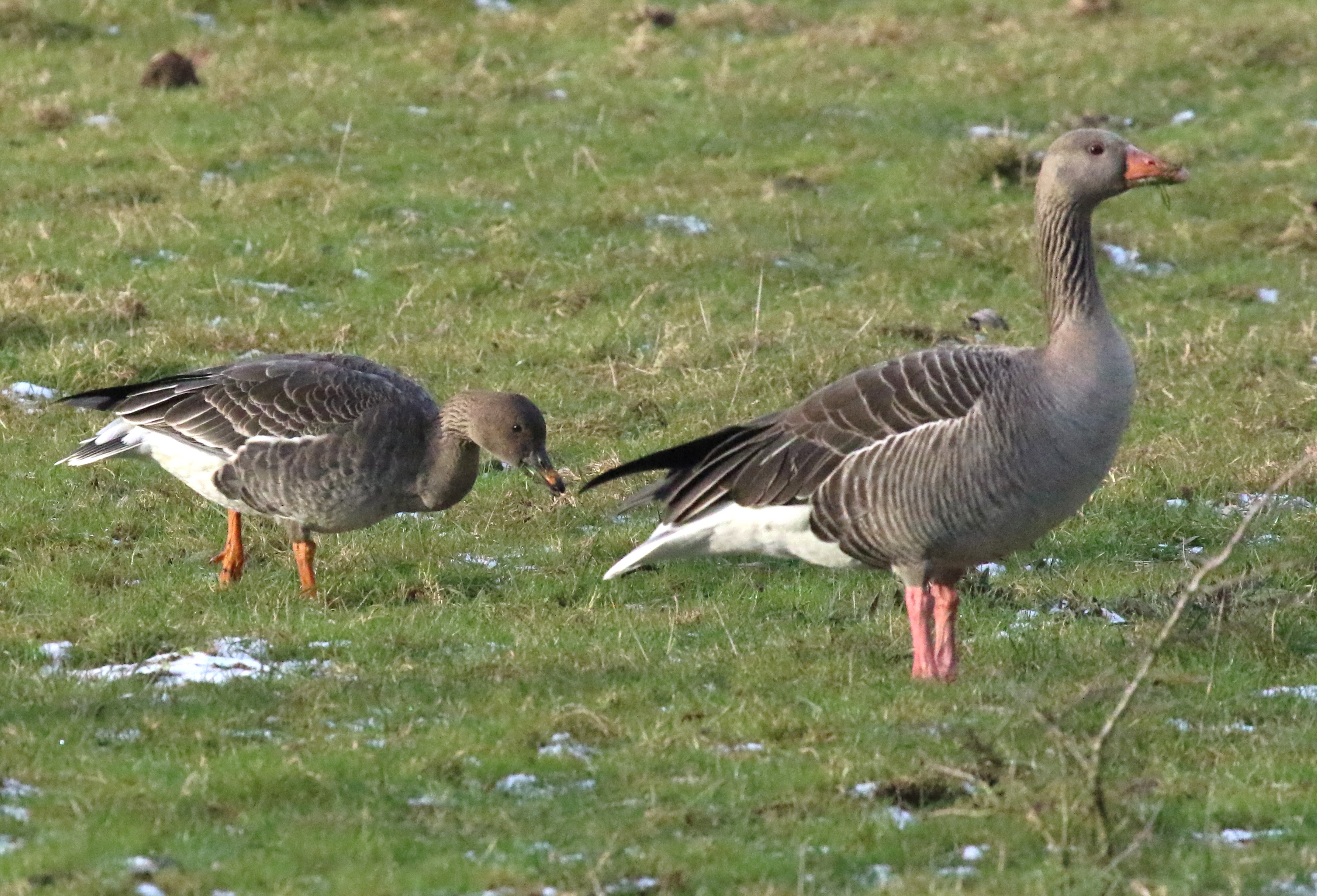
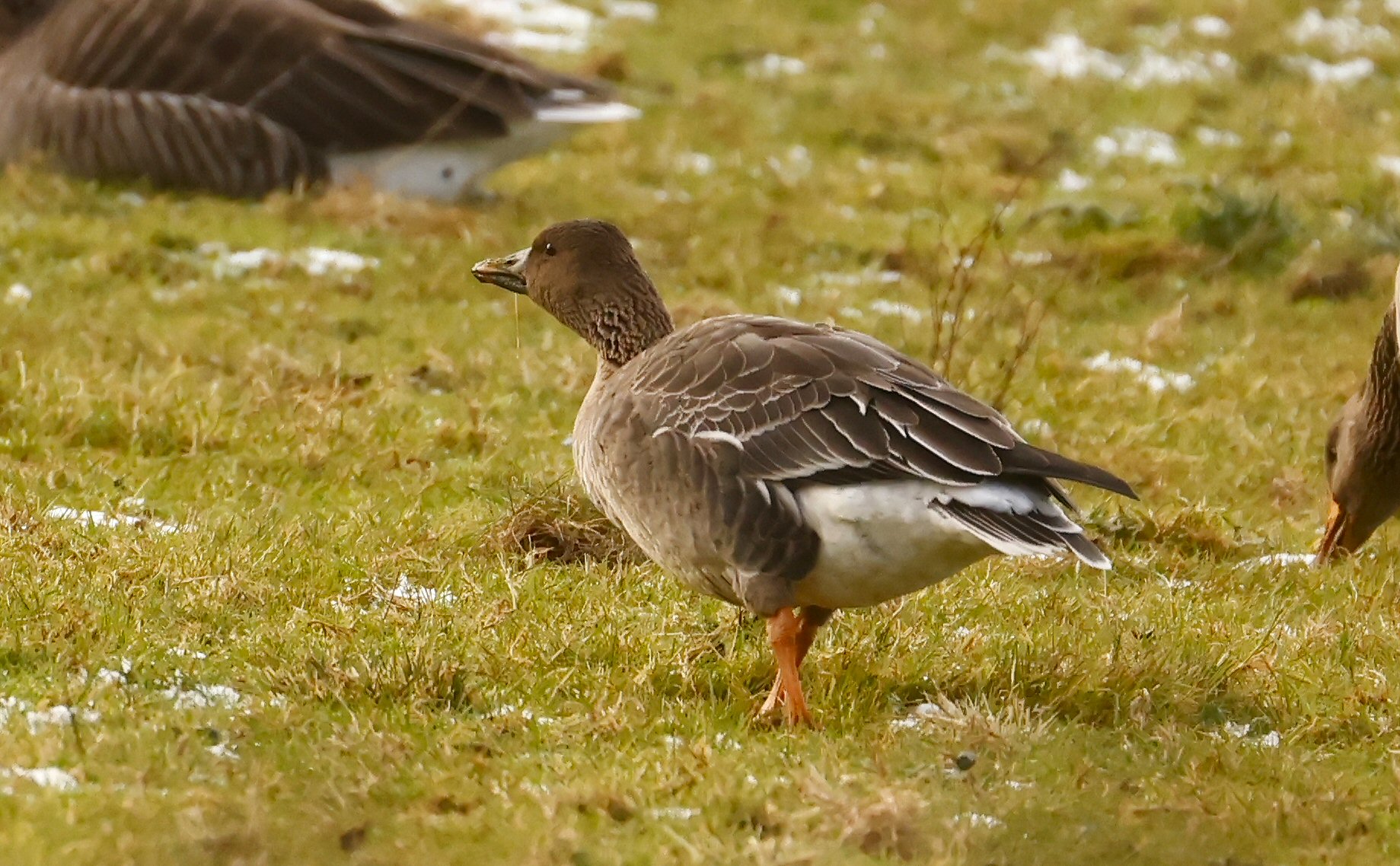
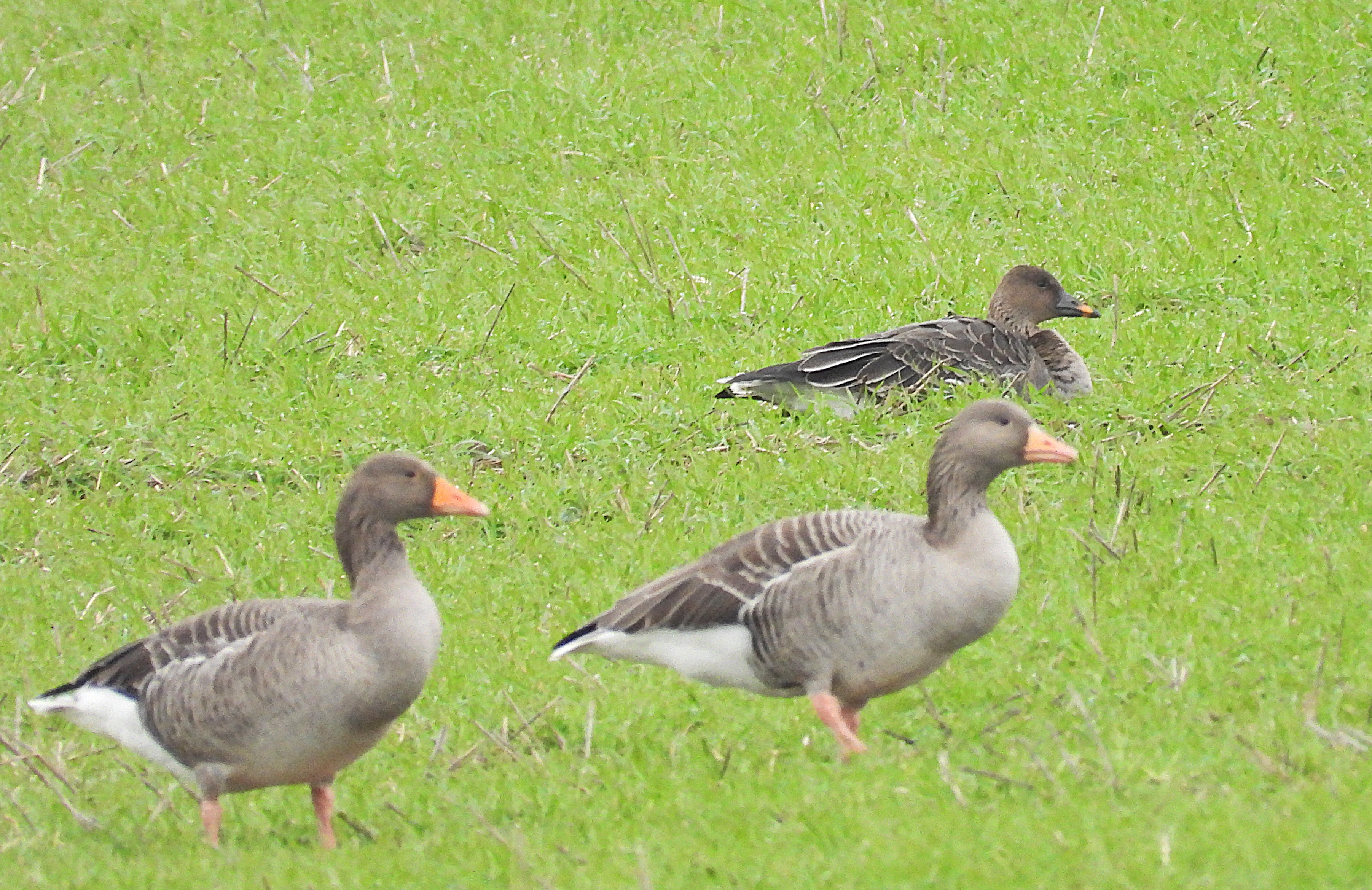
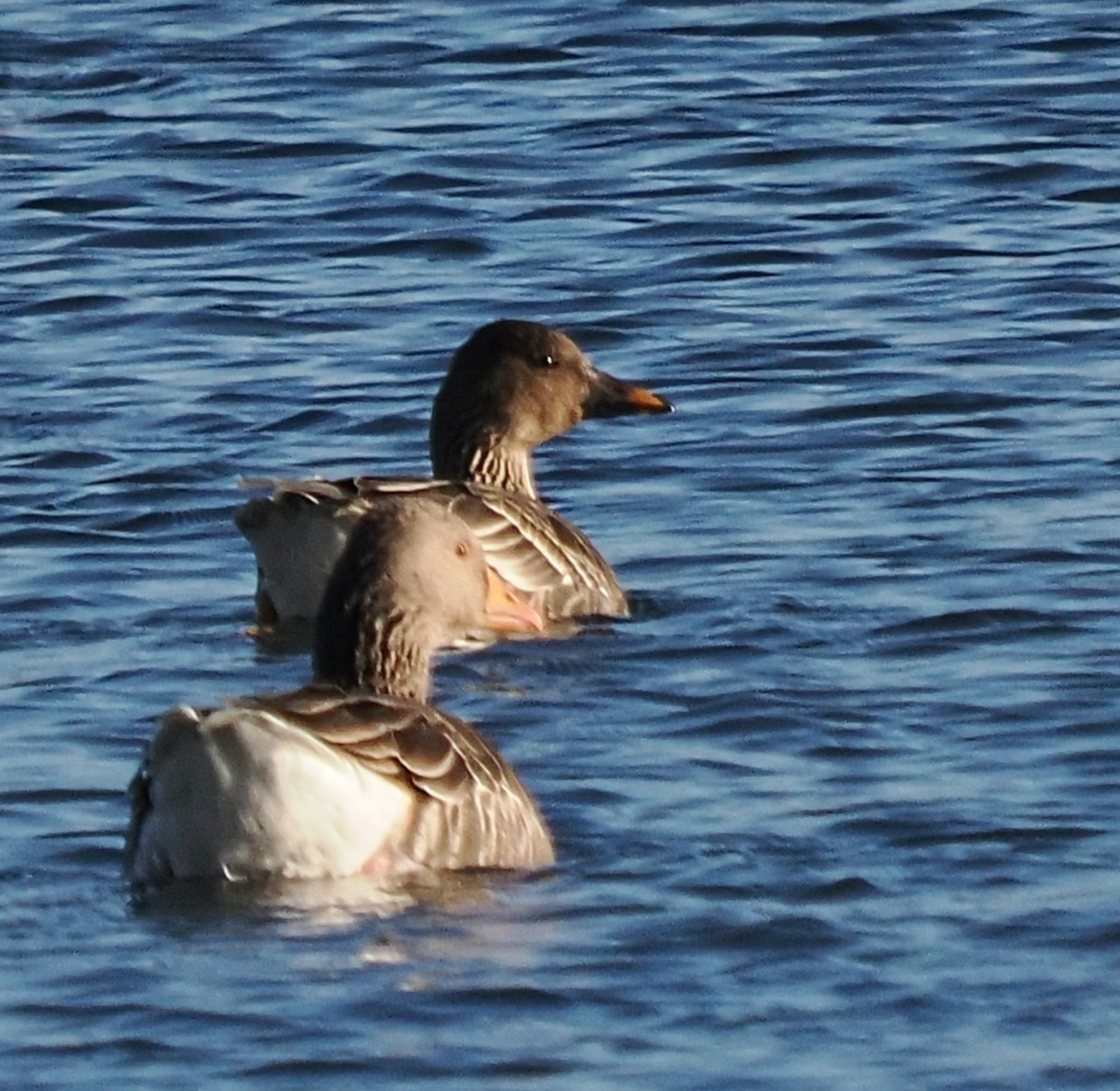
As in previous weeks, Pink-footed Goose made it into the period when a group flew over Desborough, calling, prior to first light on 19th, while a putative Tundra Bean Goose was retrospectively identified from photographs taken at Summer Leys LNR on 20th.

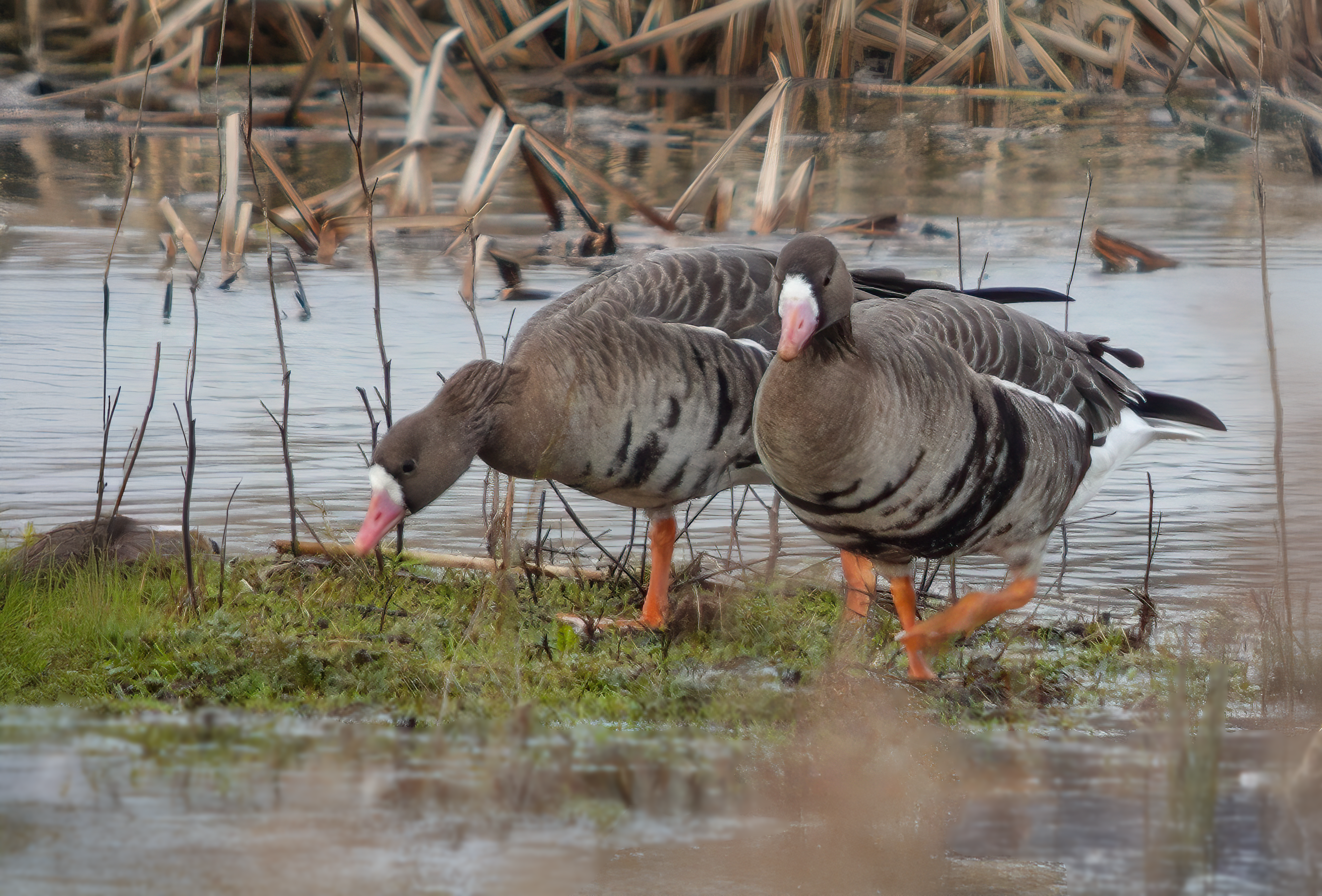
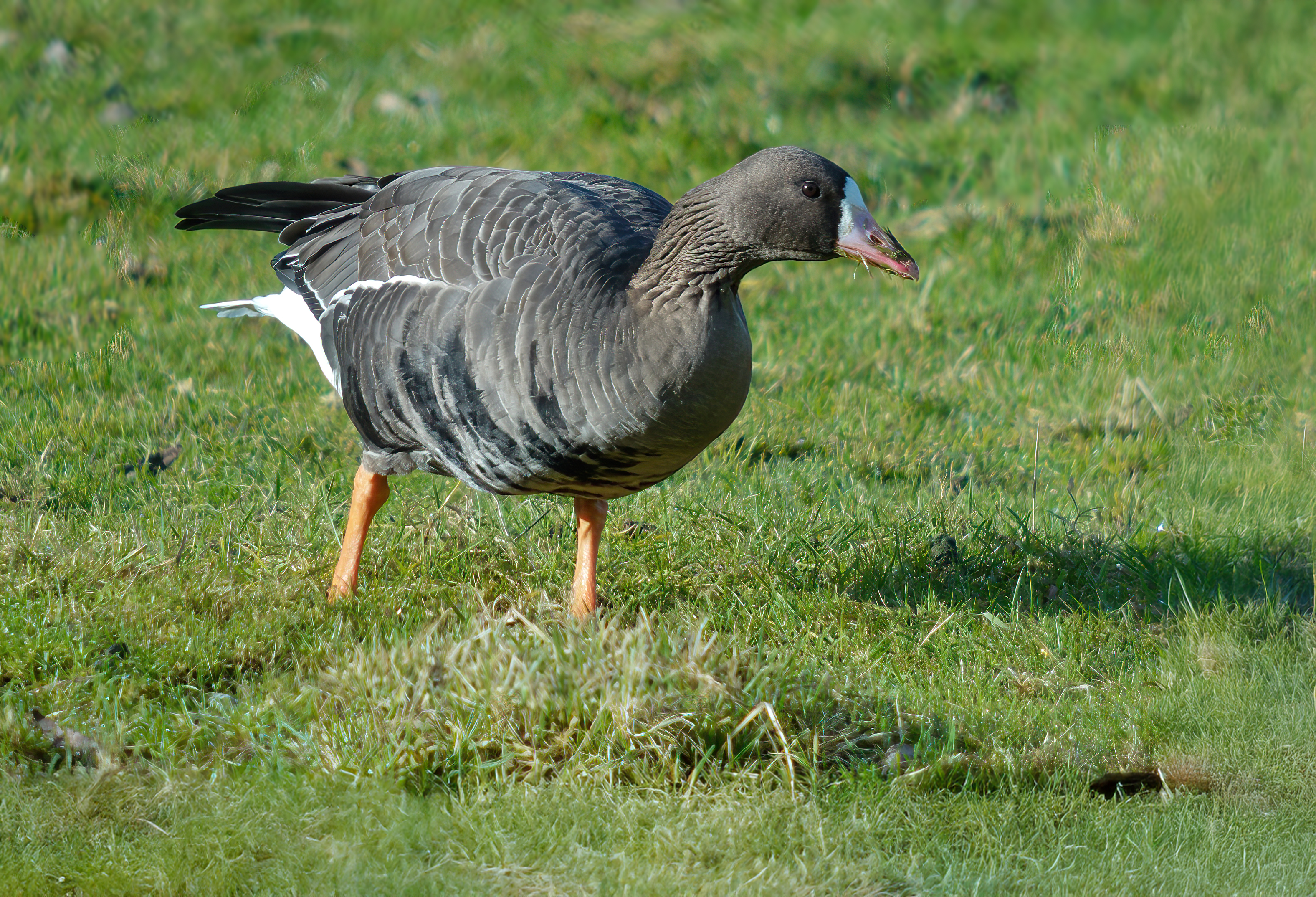
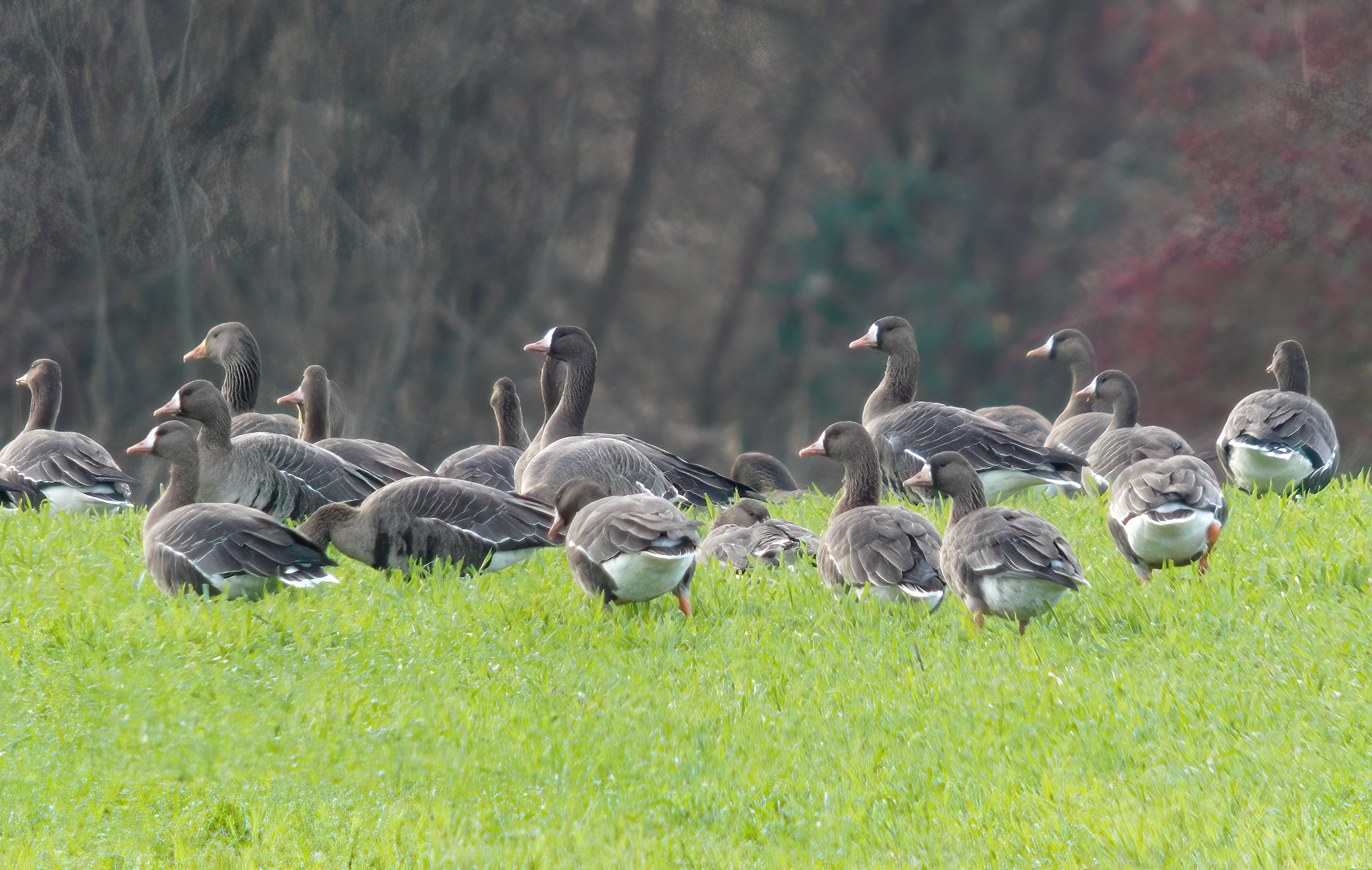
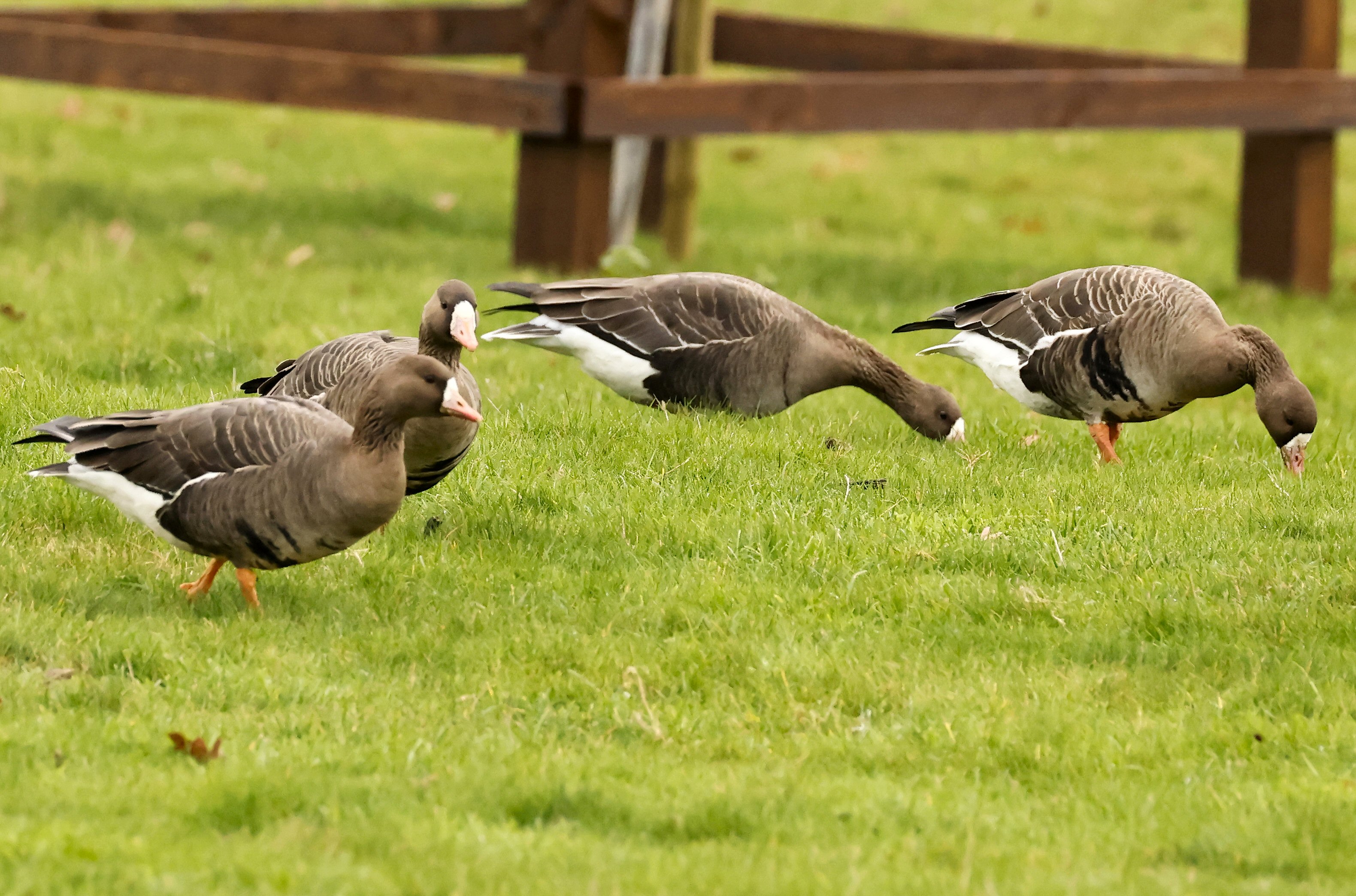
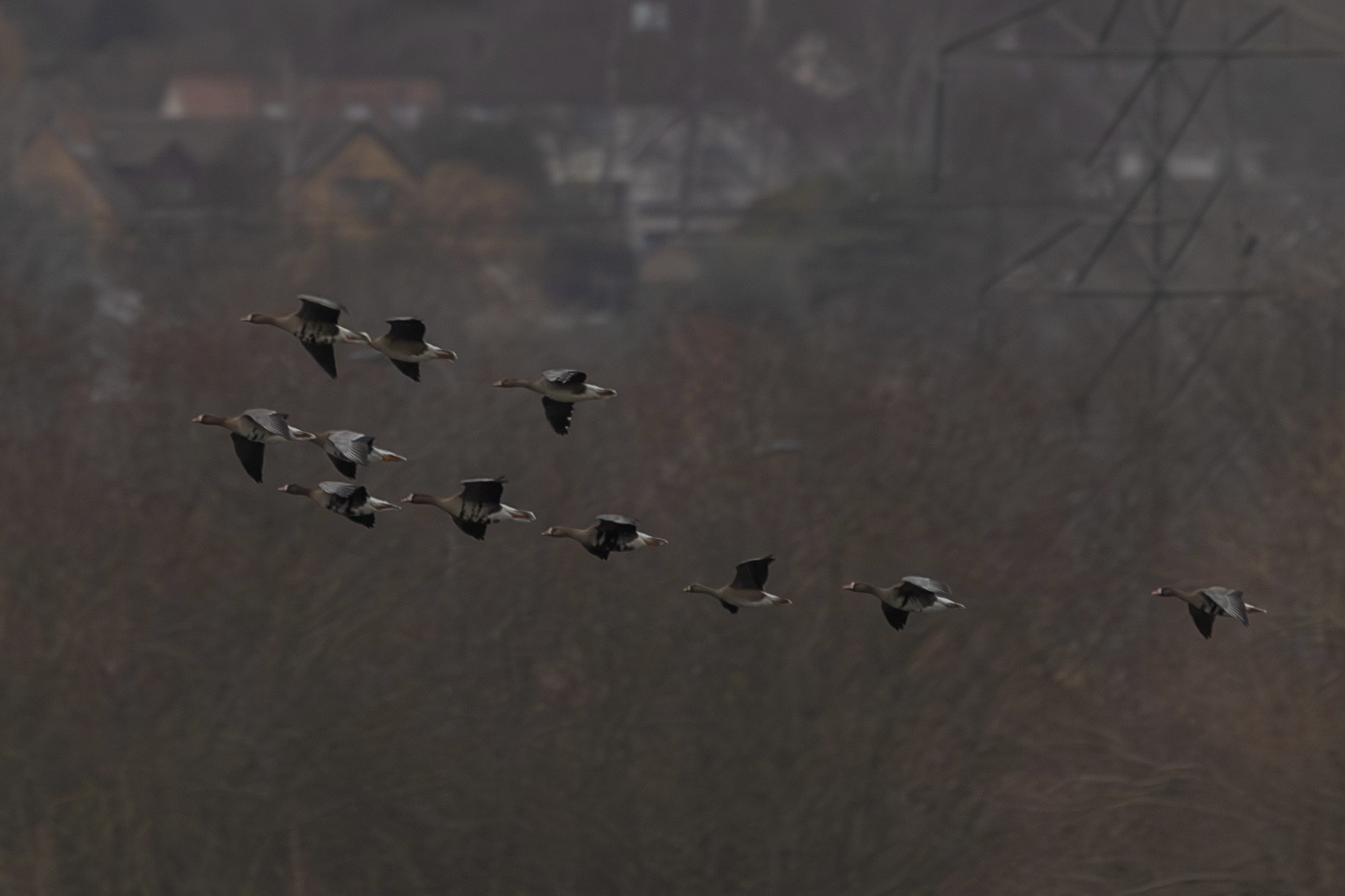
Compared to the previous week, fewer sites held White-fronted Geese, with the highest count coming again from Stanford Res, where fifty-seven were present on 20th. Elsewhere, nine were at Blatherwycke Lake on 17th, seven were at Summer Leys on 23rd following six there on 20th and four on 19th and 22nd. Pitsford Res held just two on 19th, while the lone adult with the local geese at Hollowell Res was still present there on 17th.

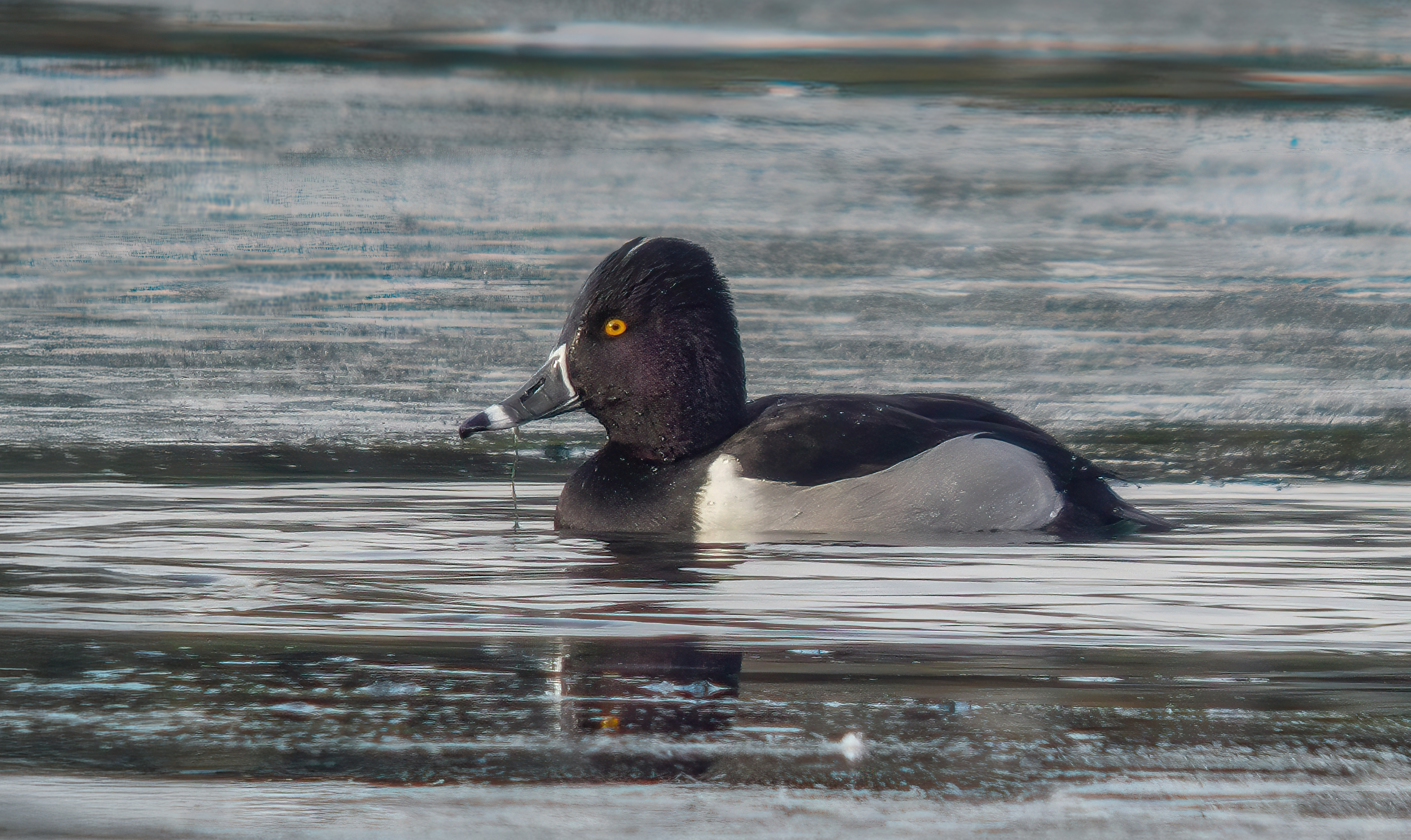
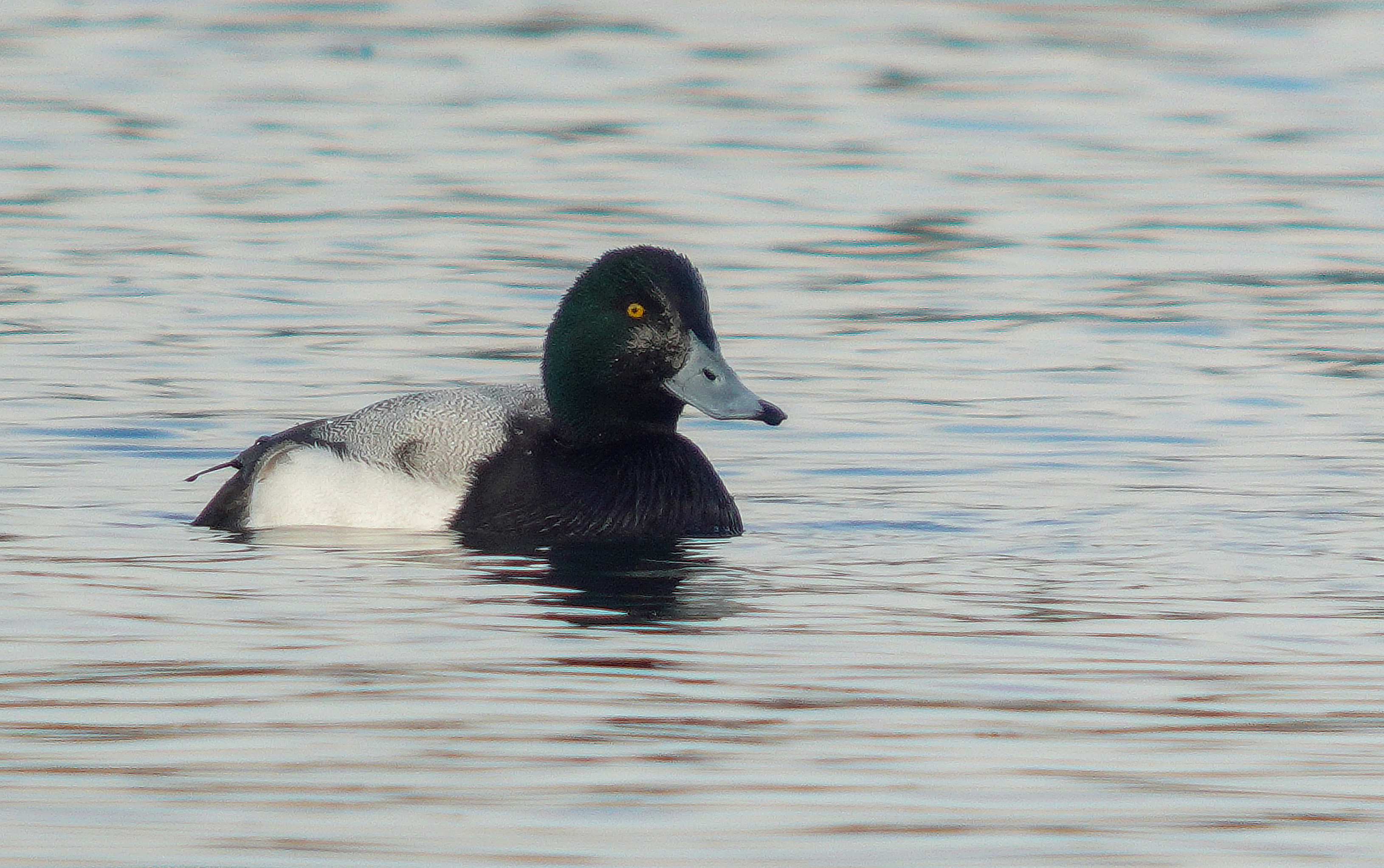
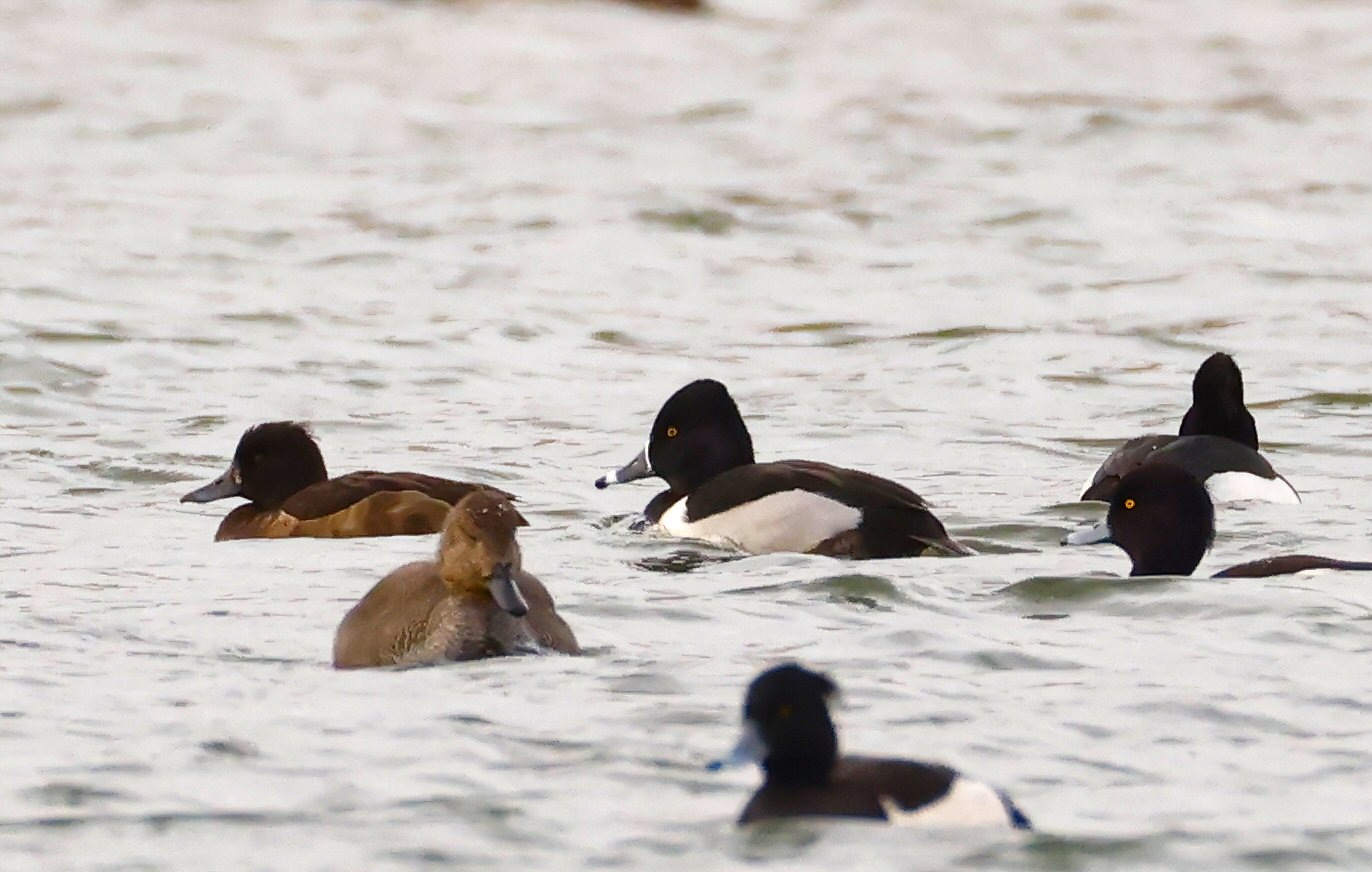
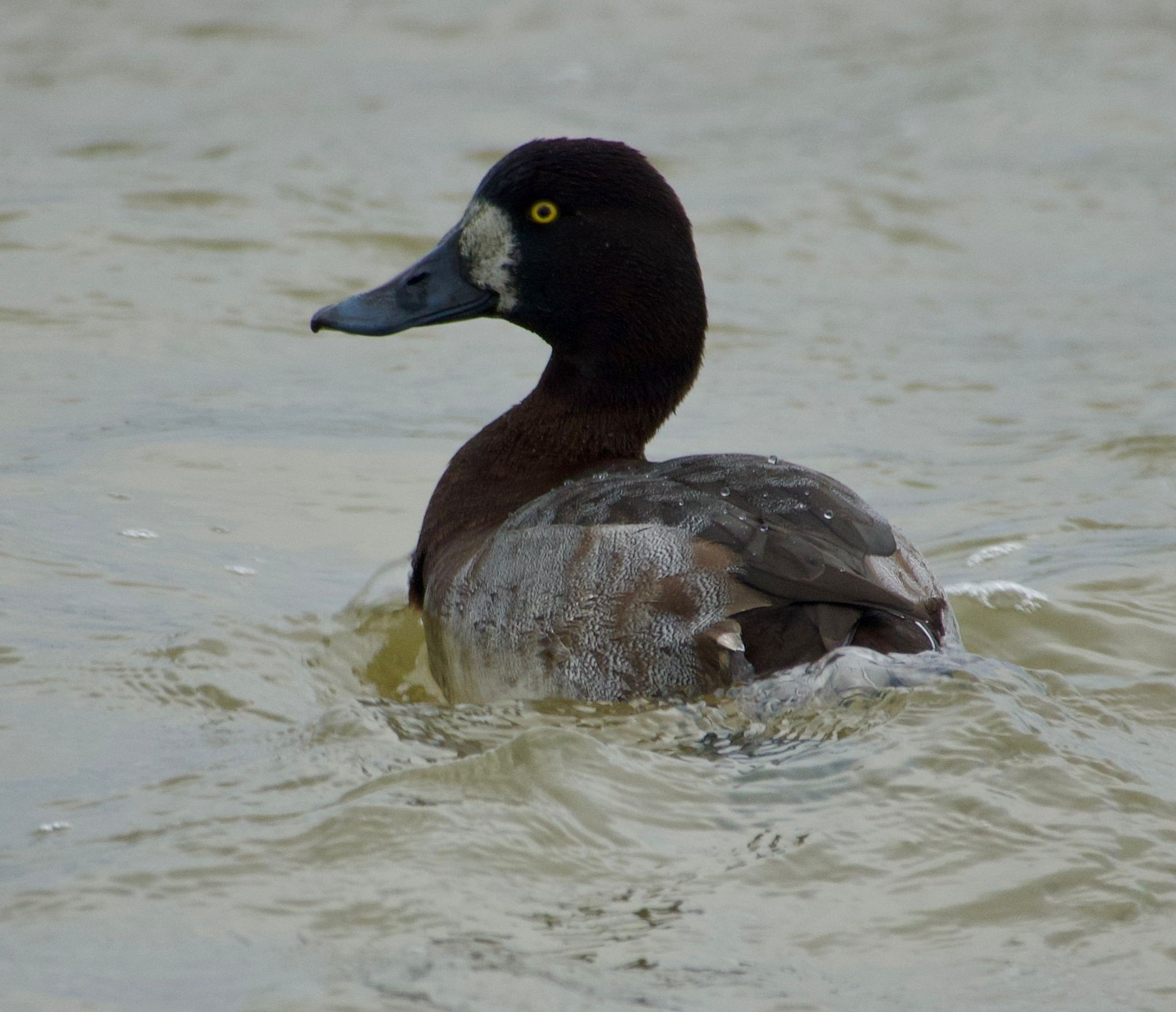
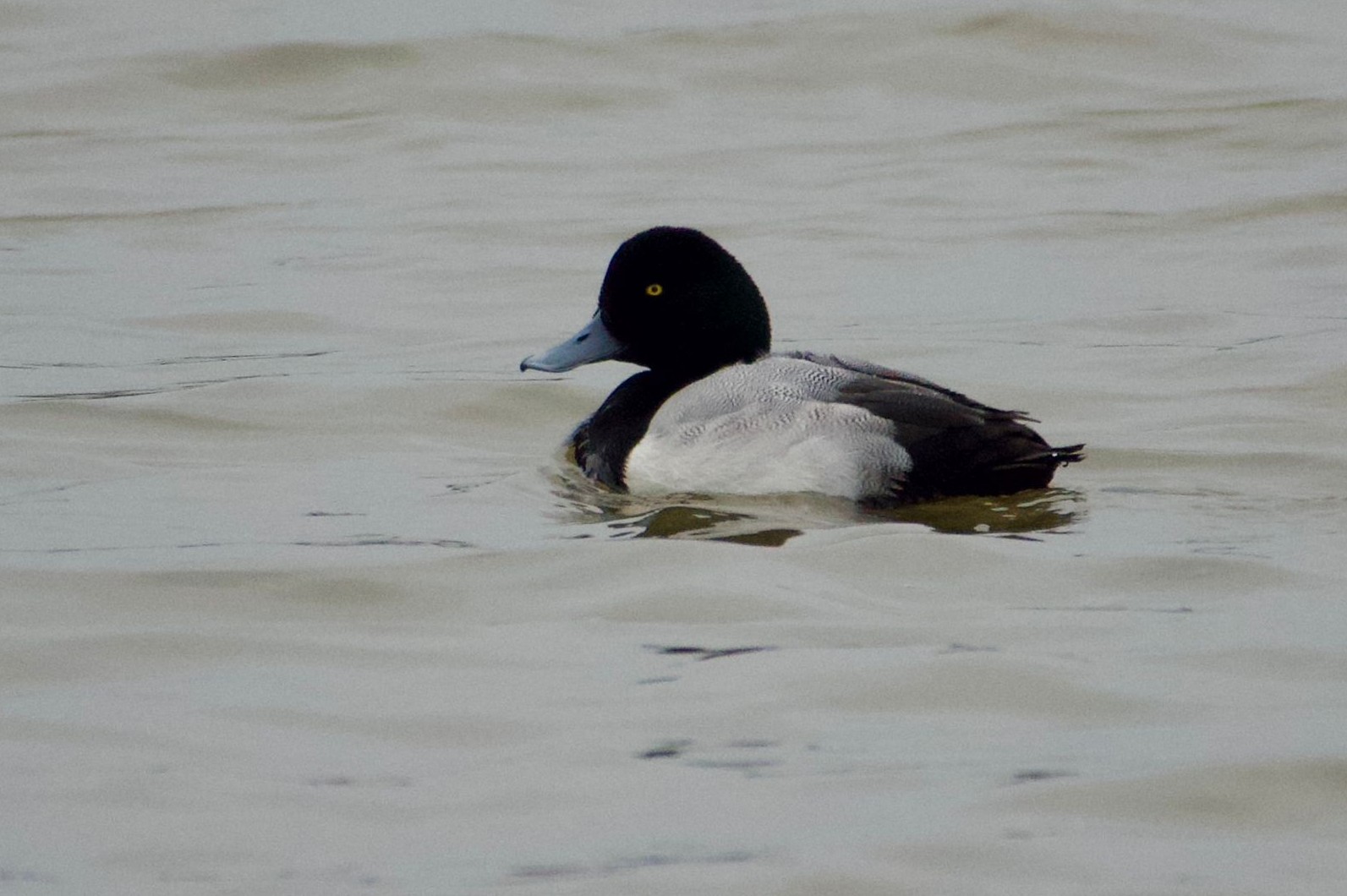
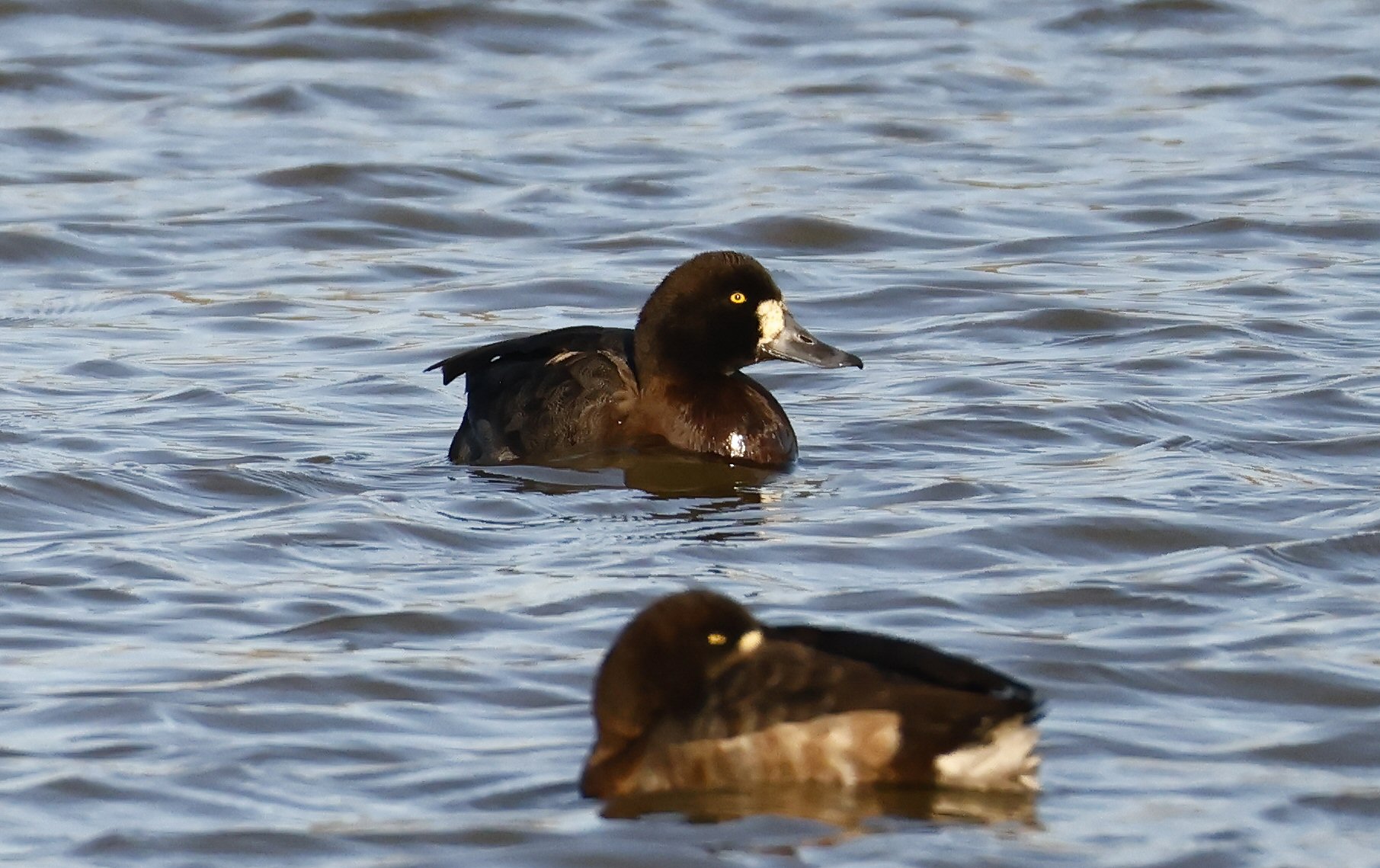
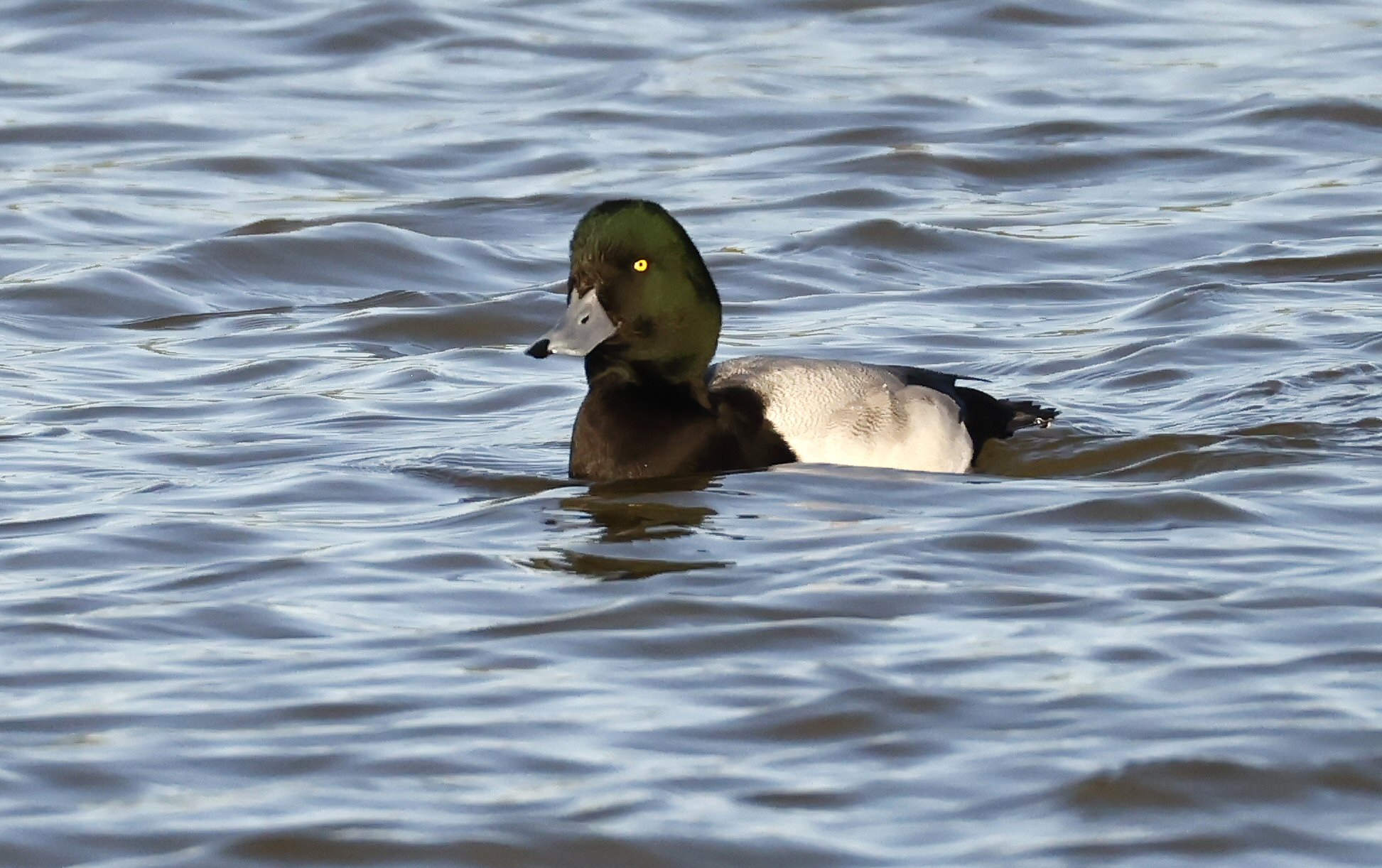
Thrapston’s Town Lake continued to hold two Red-crested Pochards and two Greater Scaups until at least 22nd and the frequently evasive drake Ring-necked Duck also resurfaced there on 20th, having last been seen on 11th. Further west along the valley, a bird believed to be a drake hybrid Ring-necked Duck x Tufted Duck was found at Ditchford GP’s Wilson’s Pits on the last day of the period.

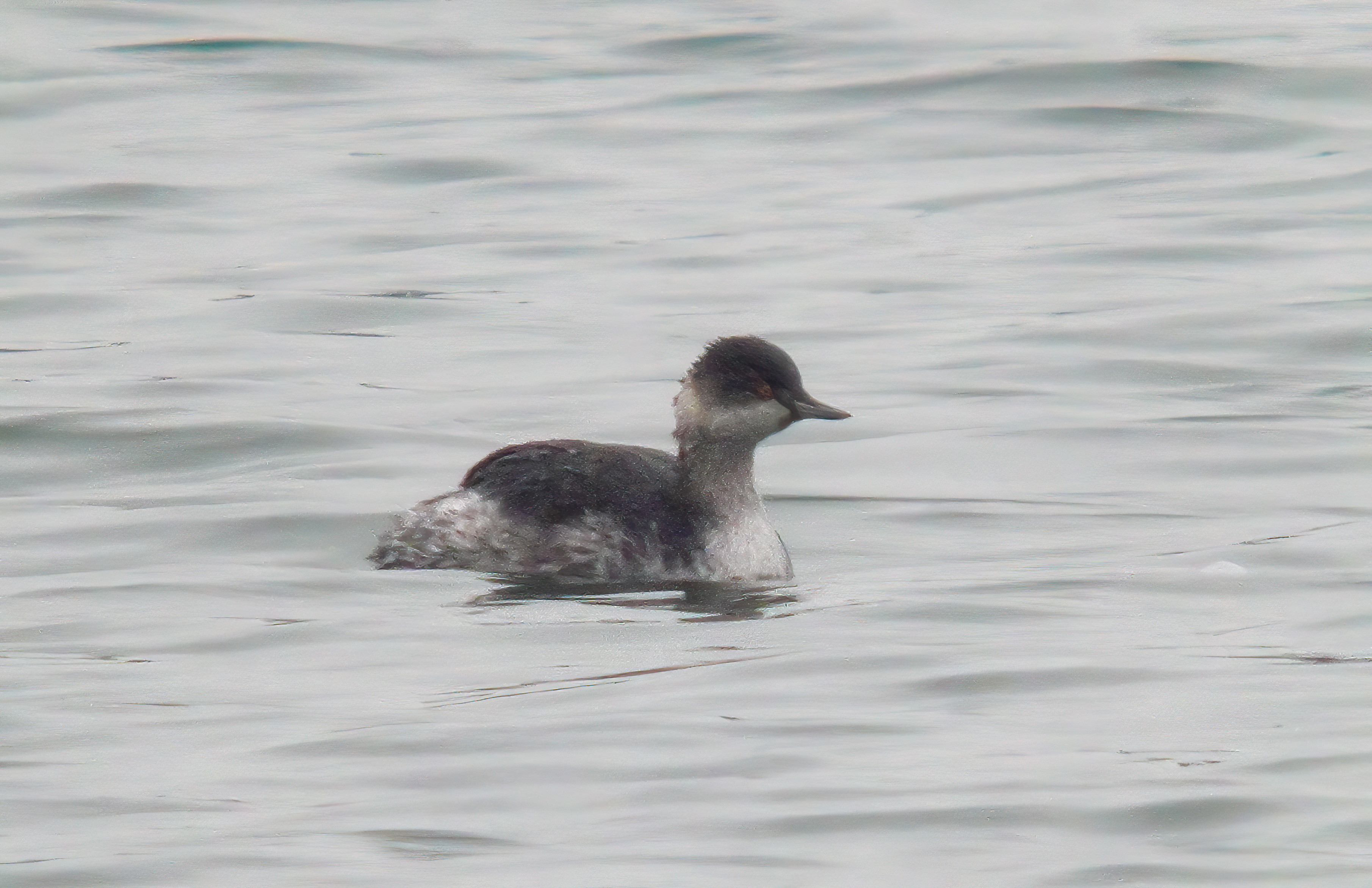
Pitsford’s primary offering remained the Black-necked Grebe, still to be found in the general area of Pintail Bay and The Narrows on 18th.

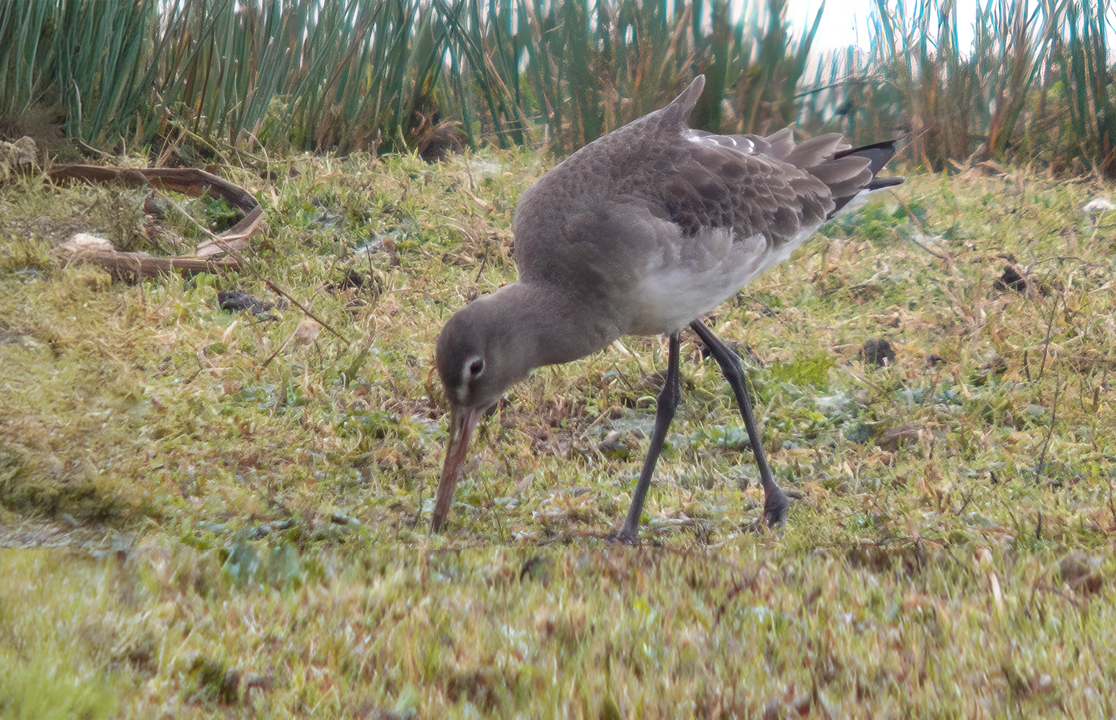
On the wader front, Black-tailed Godwits continued to feature as an unusual local winter visitor, with one continuing its occupation of Thrapston GP’s Titchmarsh NR until at least 19th, while one was seen again at Summer Leys on 22nd. A single Jack Snipe was also present at the latter site on 23rd.

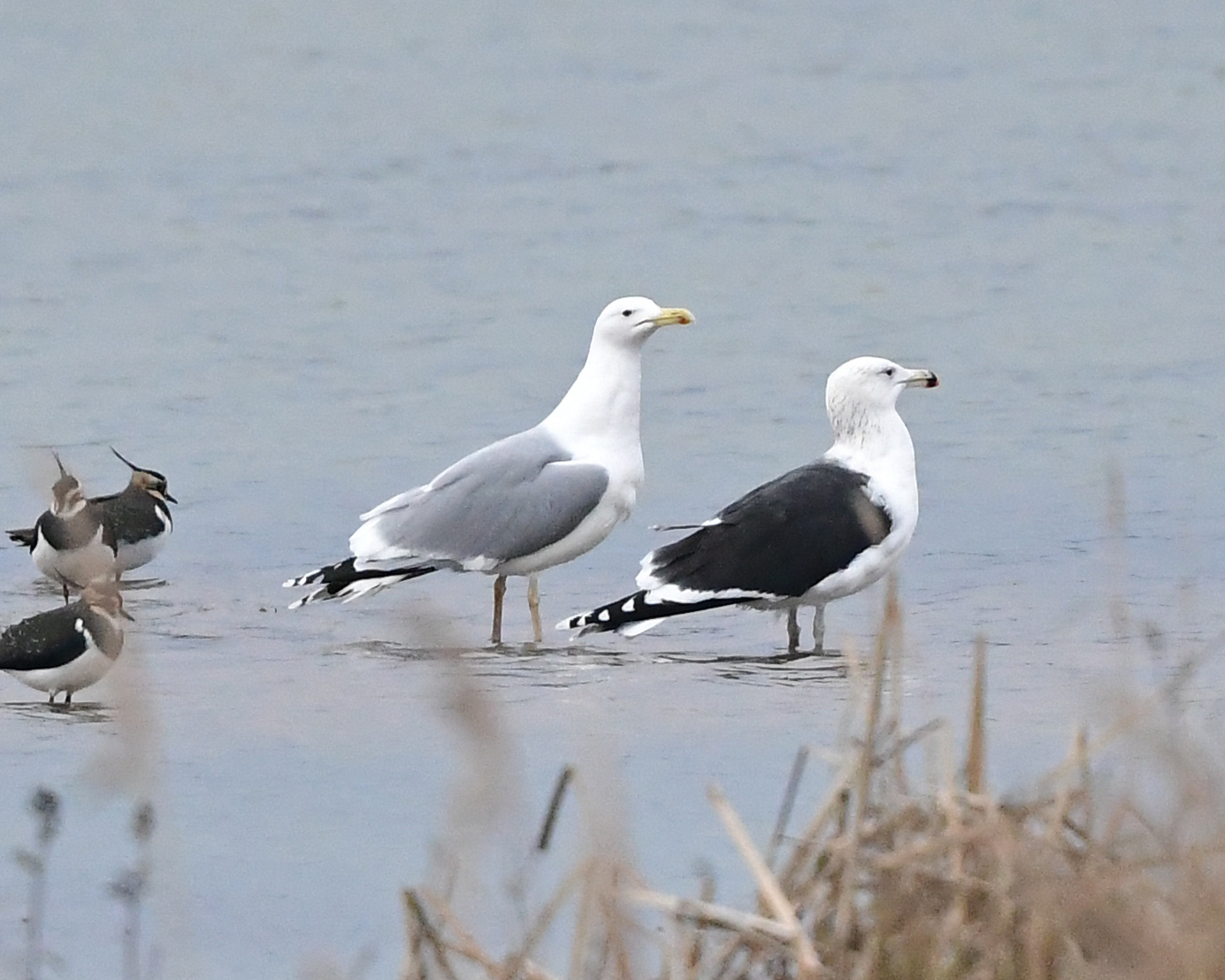
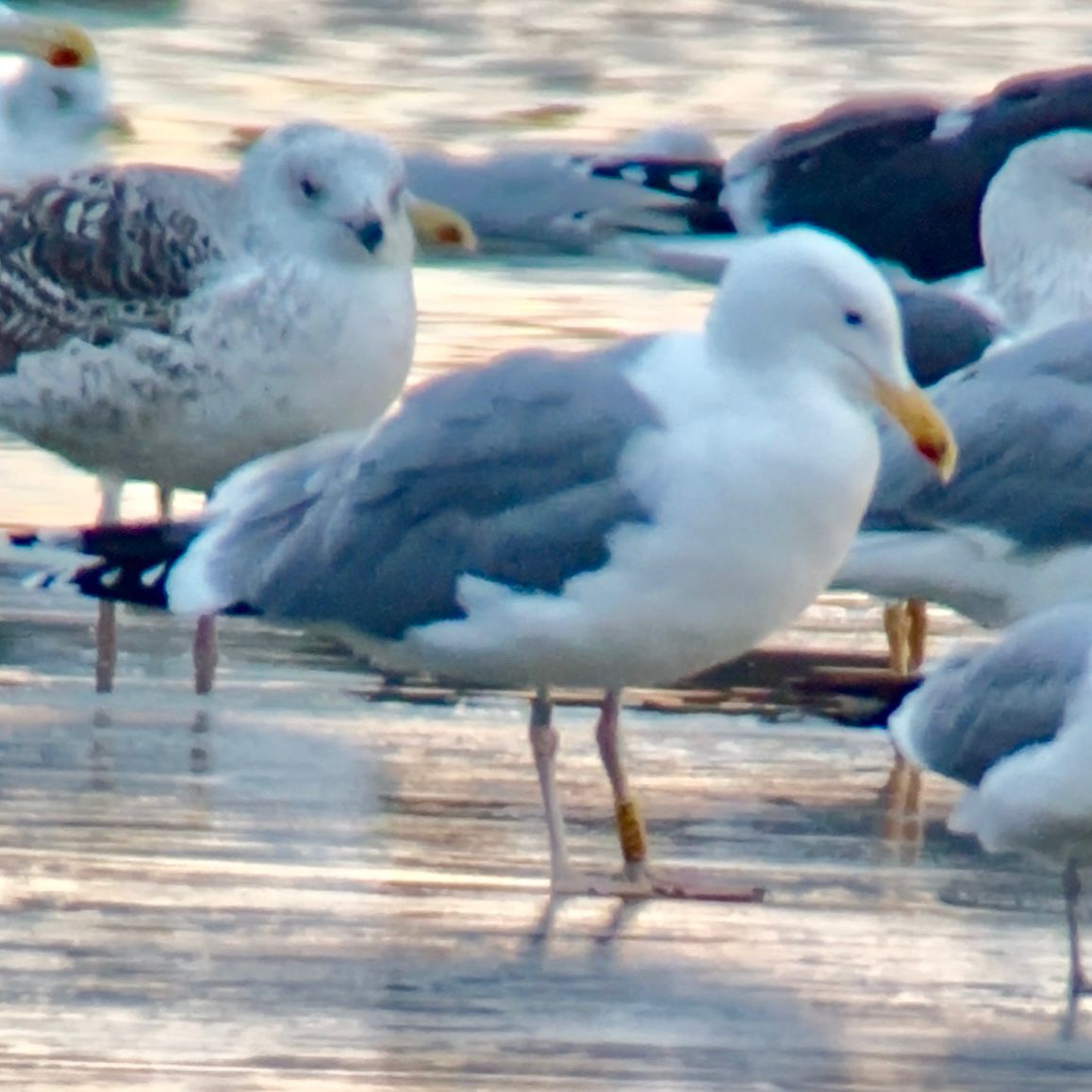
And there was little on offer in the shape of gulls this week, an adult Caspian Gull being seen at Summer Leys on 19th, 20th and 22nd, while the roost at Stanford held an adult and a first-winter on 20th and a first-winter again on 23rd. Even thinner on the ground were Yellow-legged Gulls, with just a single adult at Pitsford on 22nd.

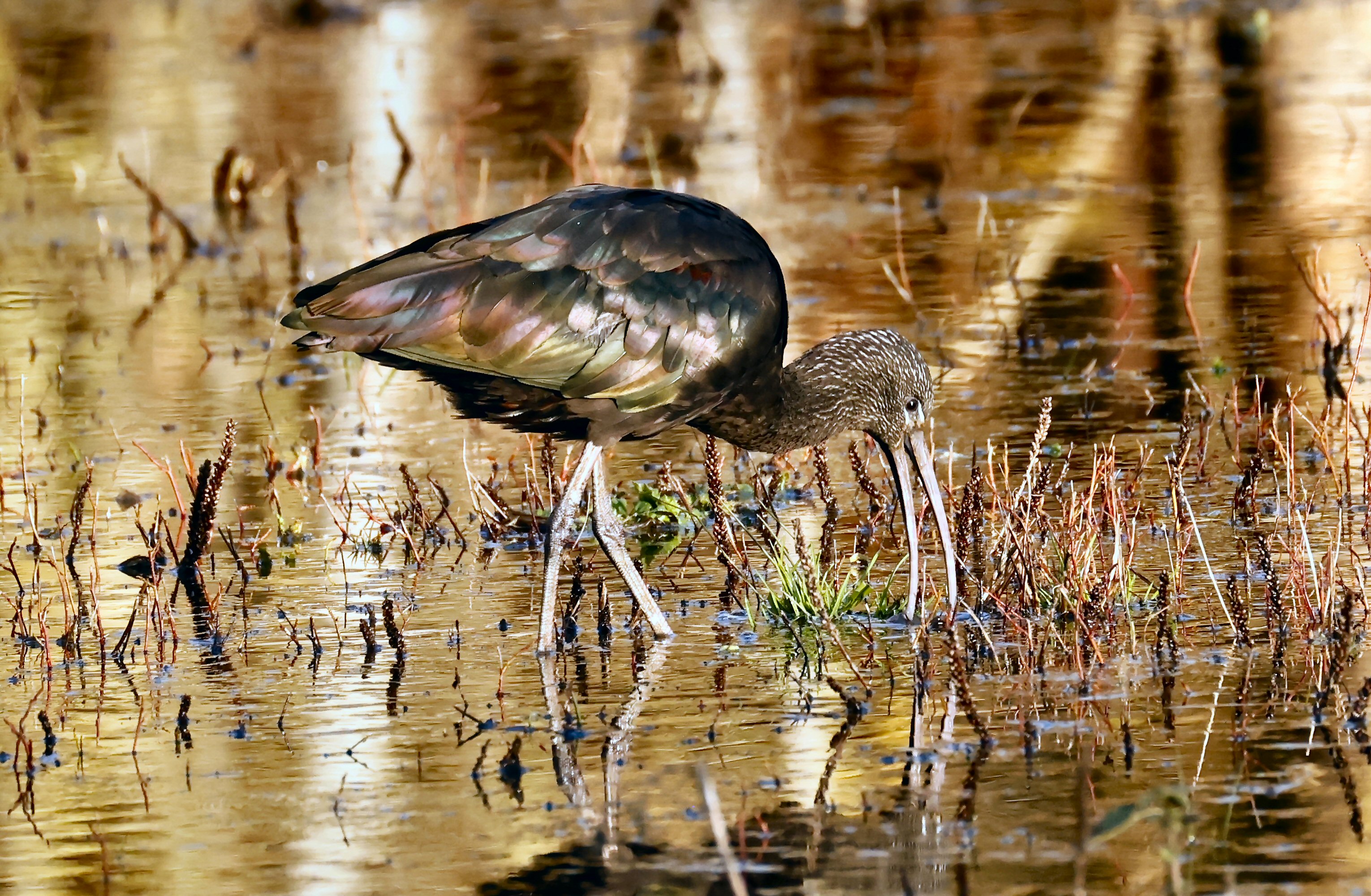
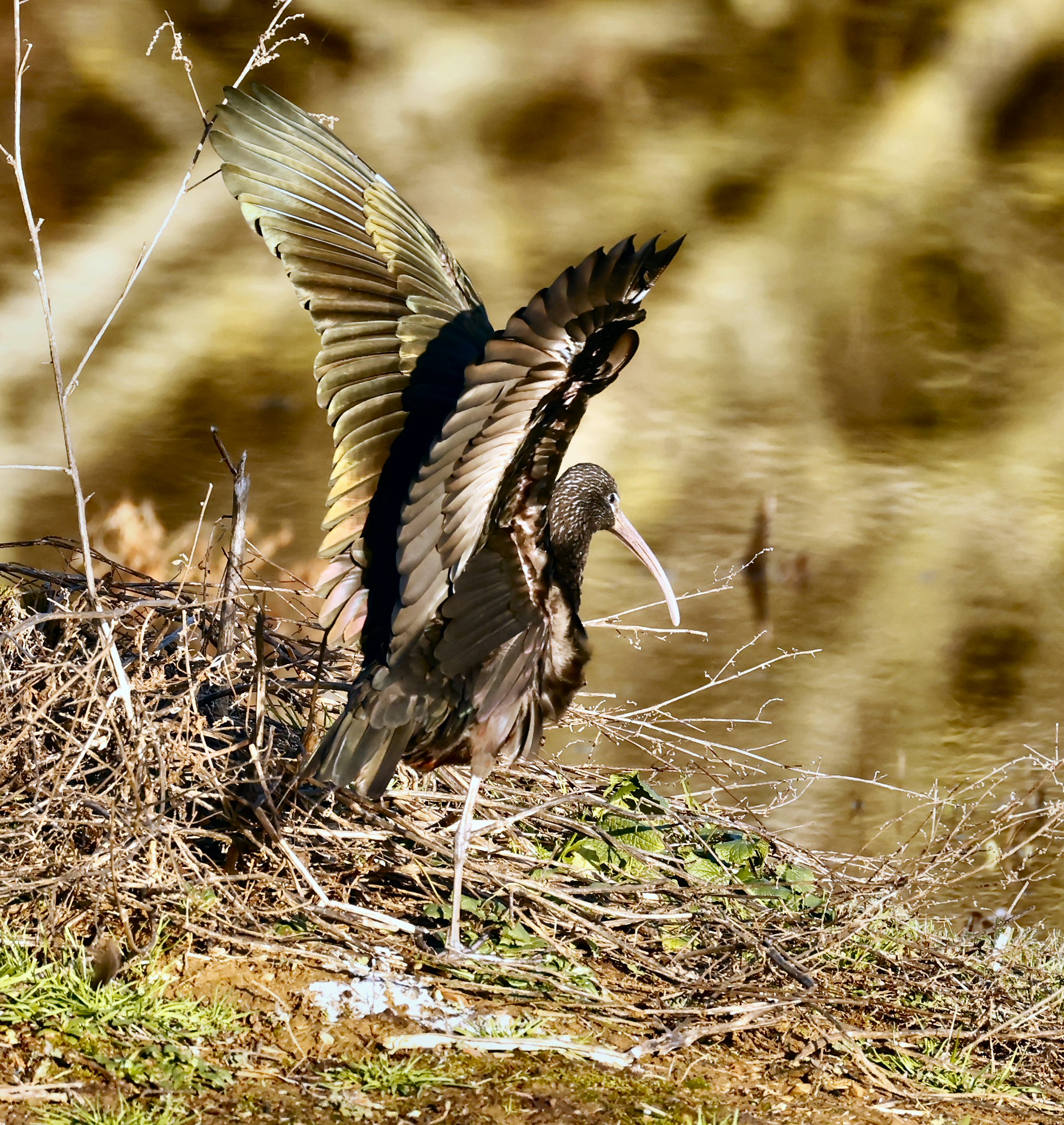
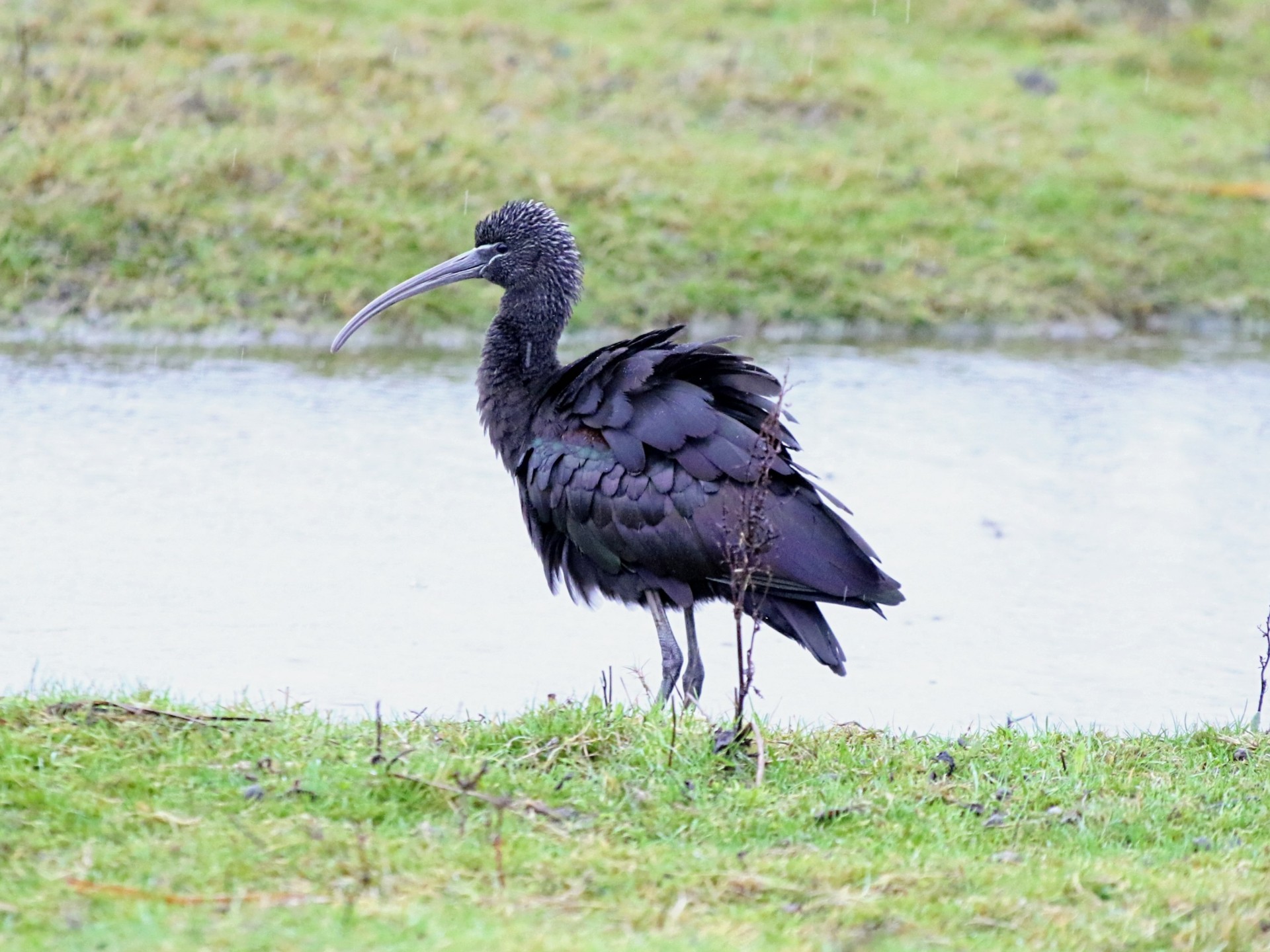
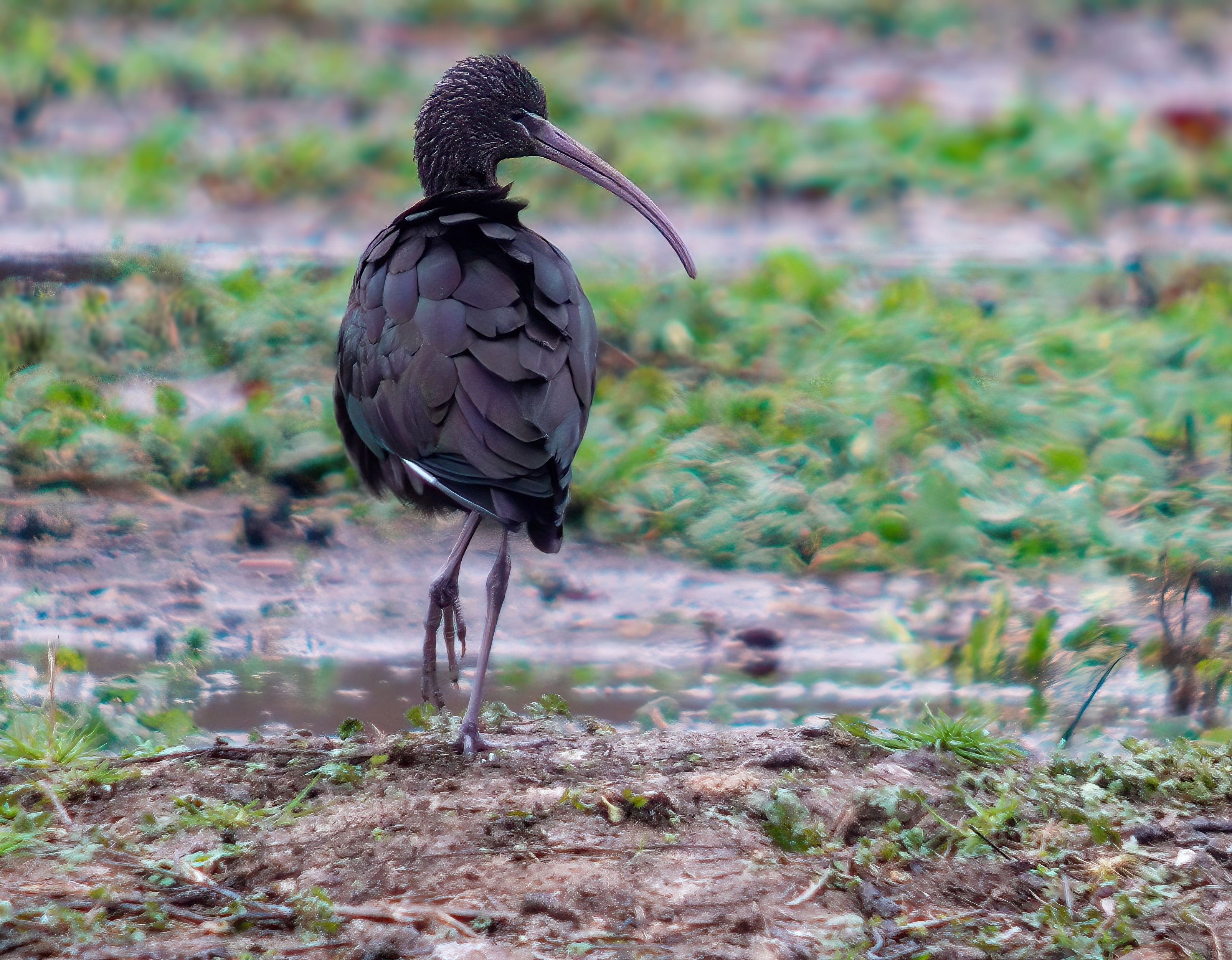
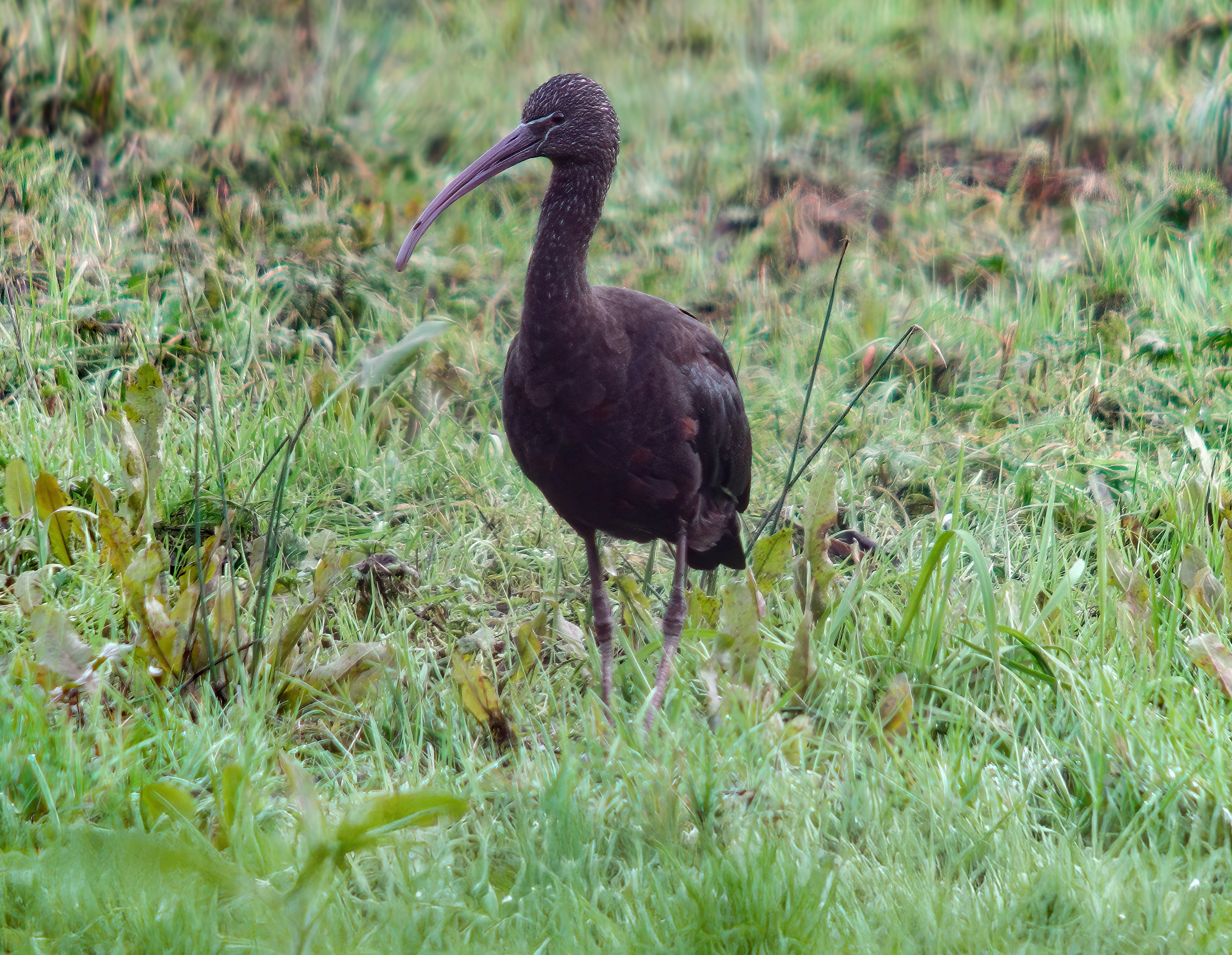
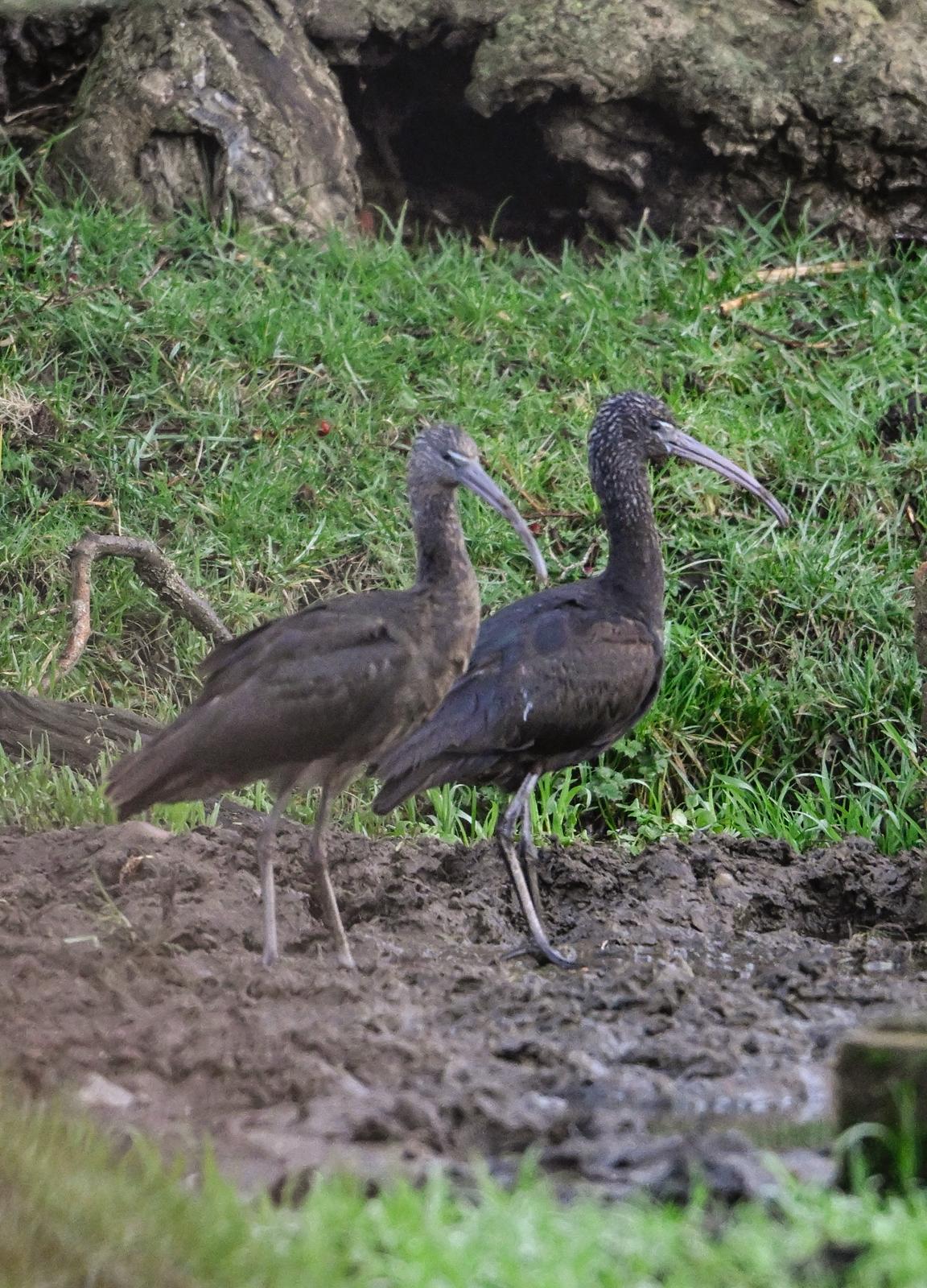
Last week’s end of period deluge likely accounted for the subsequent disappearance of the one remaining Glossy Ibis after its favoured area around Wellingborough Embankment became highly waterlogged. However, with water levels quickly subsiding, it was back there again, albeit intermittently, from 18th until the week’s end. Appearances of one at Summer Leys daily from 20th leads to the assumption that they are one and the same, as the two sites are little more than 3 km apart and they were not seen simultaneously. Some may beg to differ but until proven one way or the other, the jury’s still out …
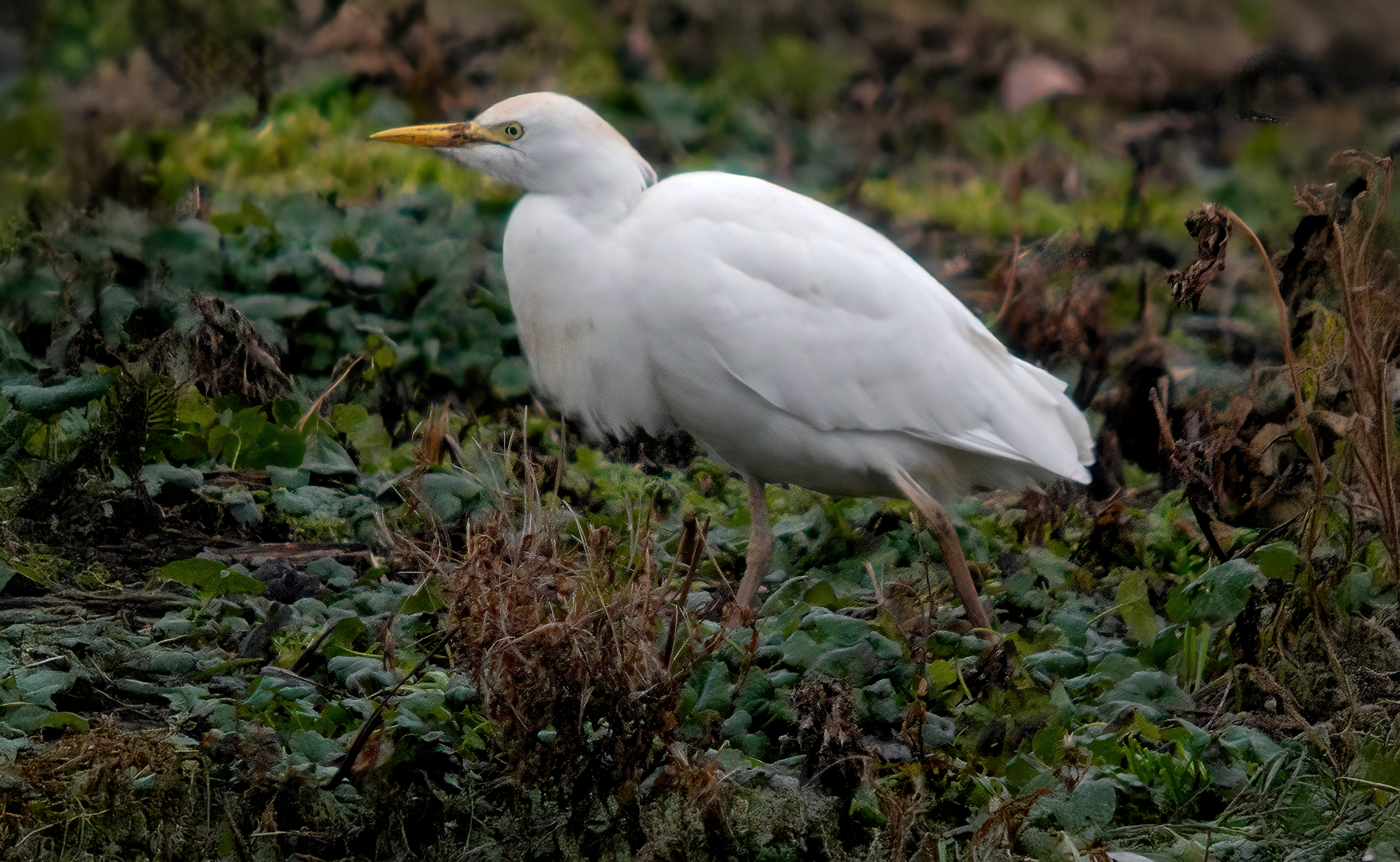
Following the one-day bird in the previous week, the favoured marshy field at Wellingborough embankment was paid another visit by a Cattle Egret on 20th, although it wasn’t seen thereafter.

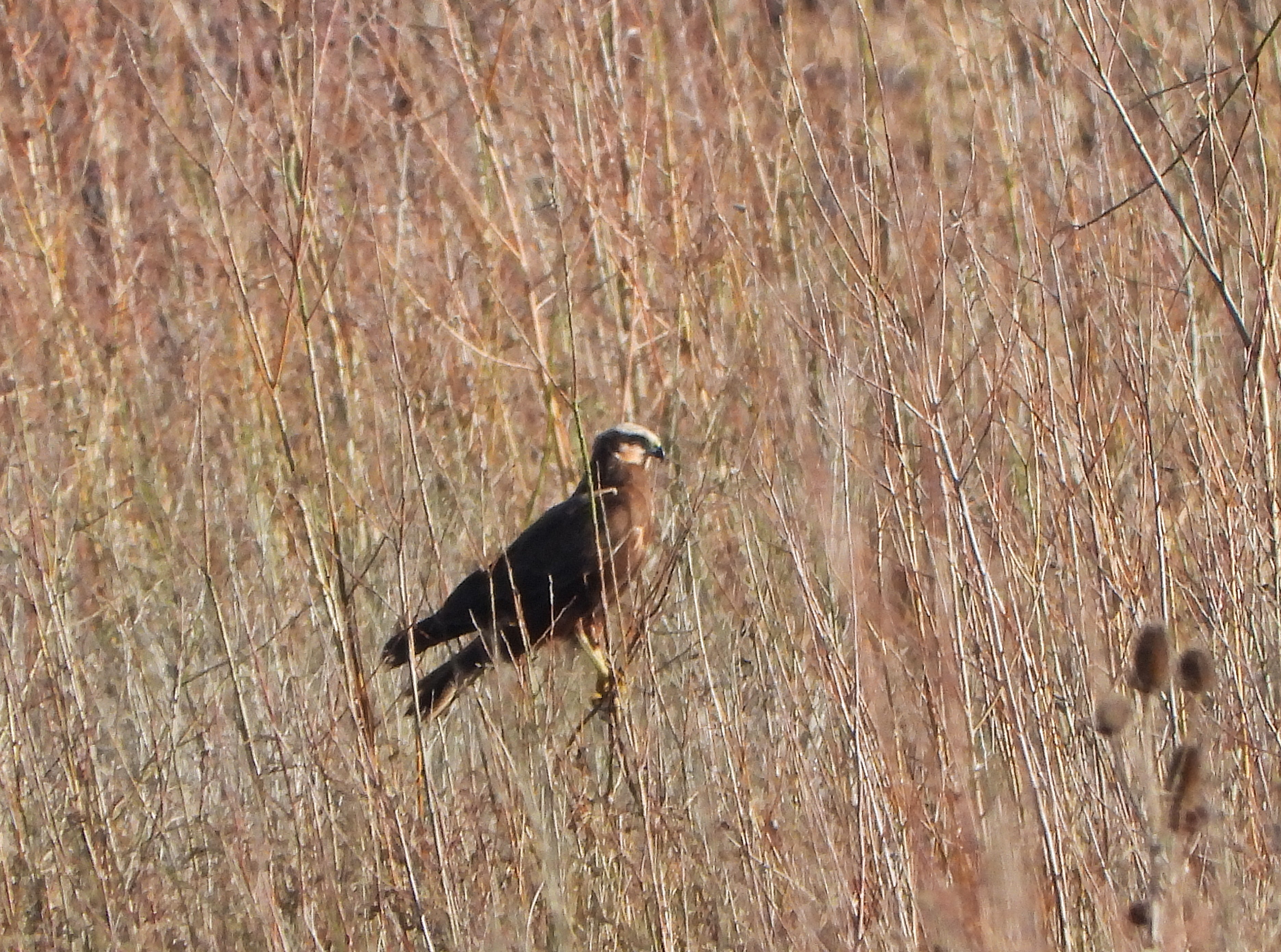
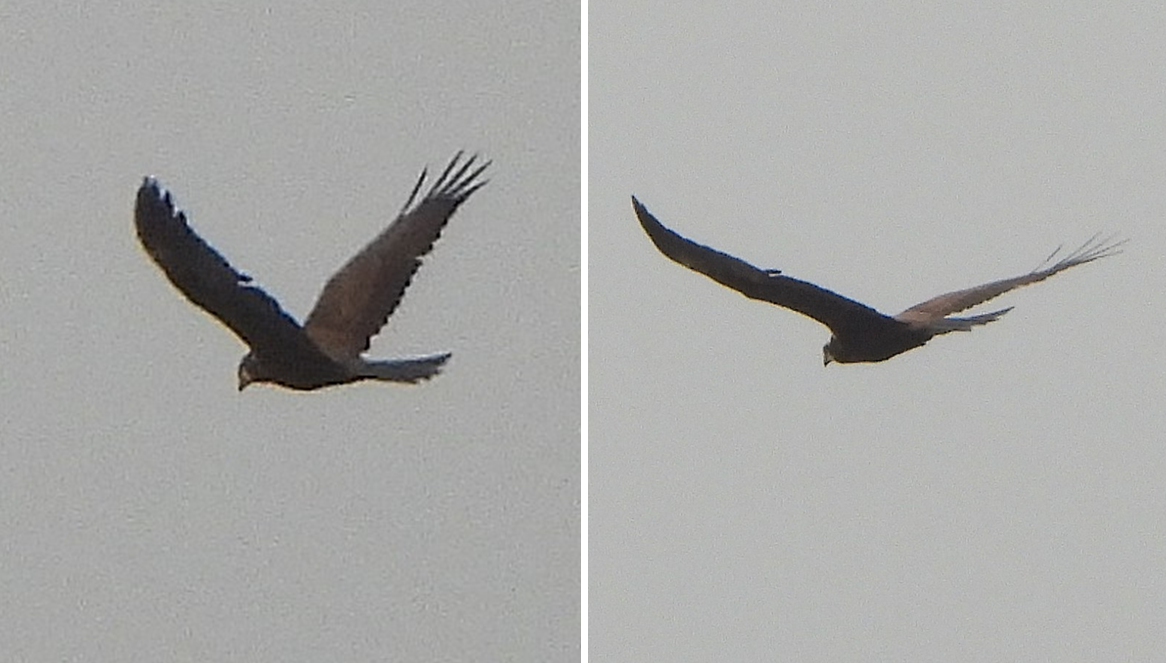
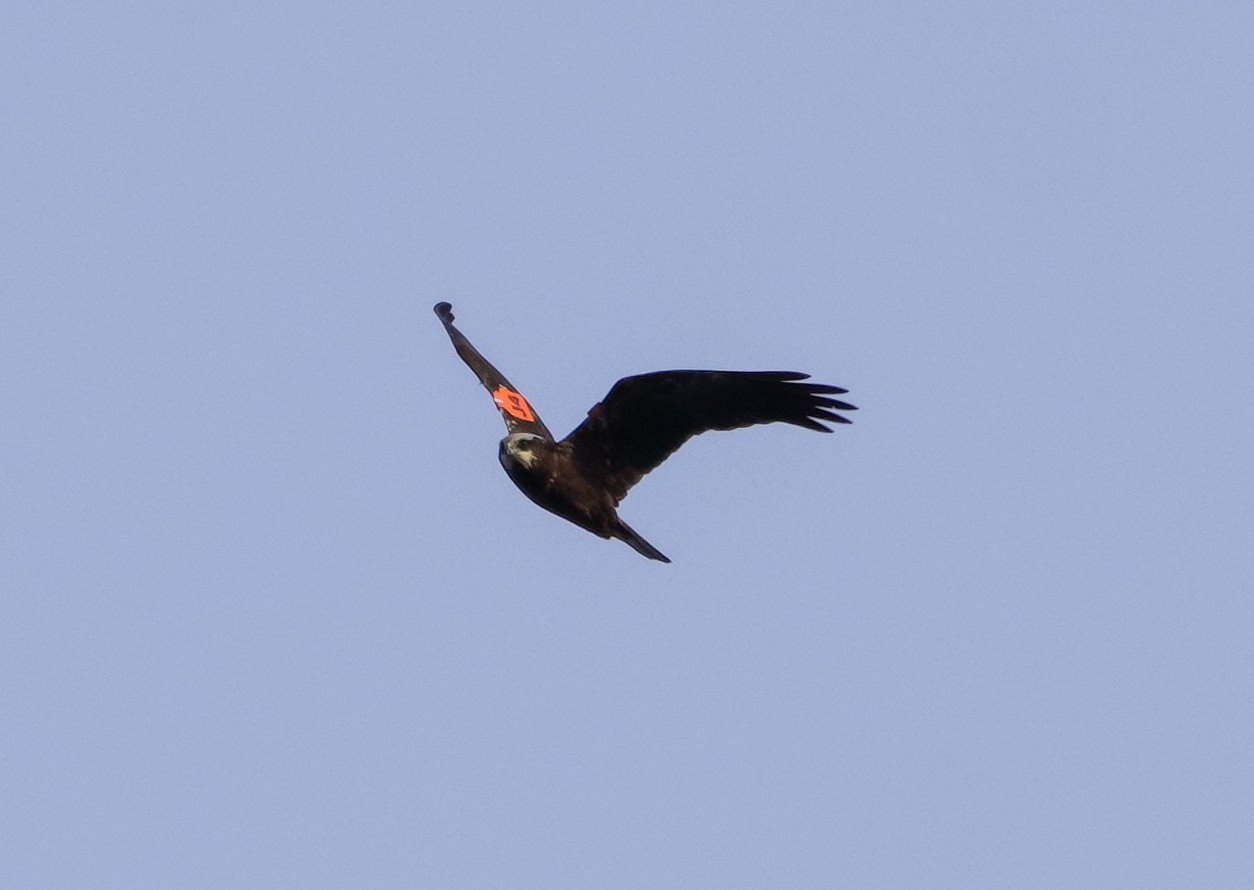
And more Marsh Harrier magic was always on the cards this week with five Nene Valley locations in the frame for supplying one or two throughout the period. One was at Titchmarsh on 19th and 20th, roosting there on the latter date while, on the same dates, Stanwick produced an immature male and a wing-tagged individual, respectively. Summer Leys came up trumps with three, including the wing-tagged ‘J4’ immature male on 20th, one on 21st and two (one tagged) on 22nd, while nearby Earls Barton GP’s New Workings (North) saw one flying west on 22nd and one or two were seen at Ditchford GP on 23rd.

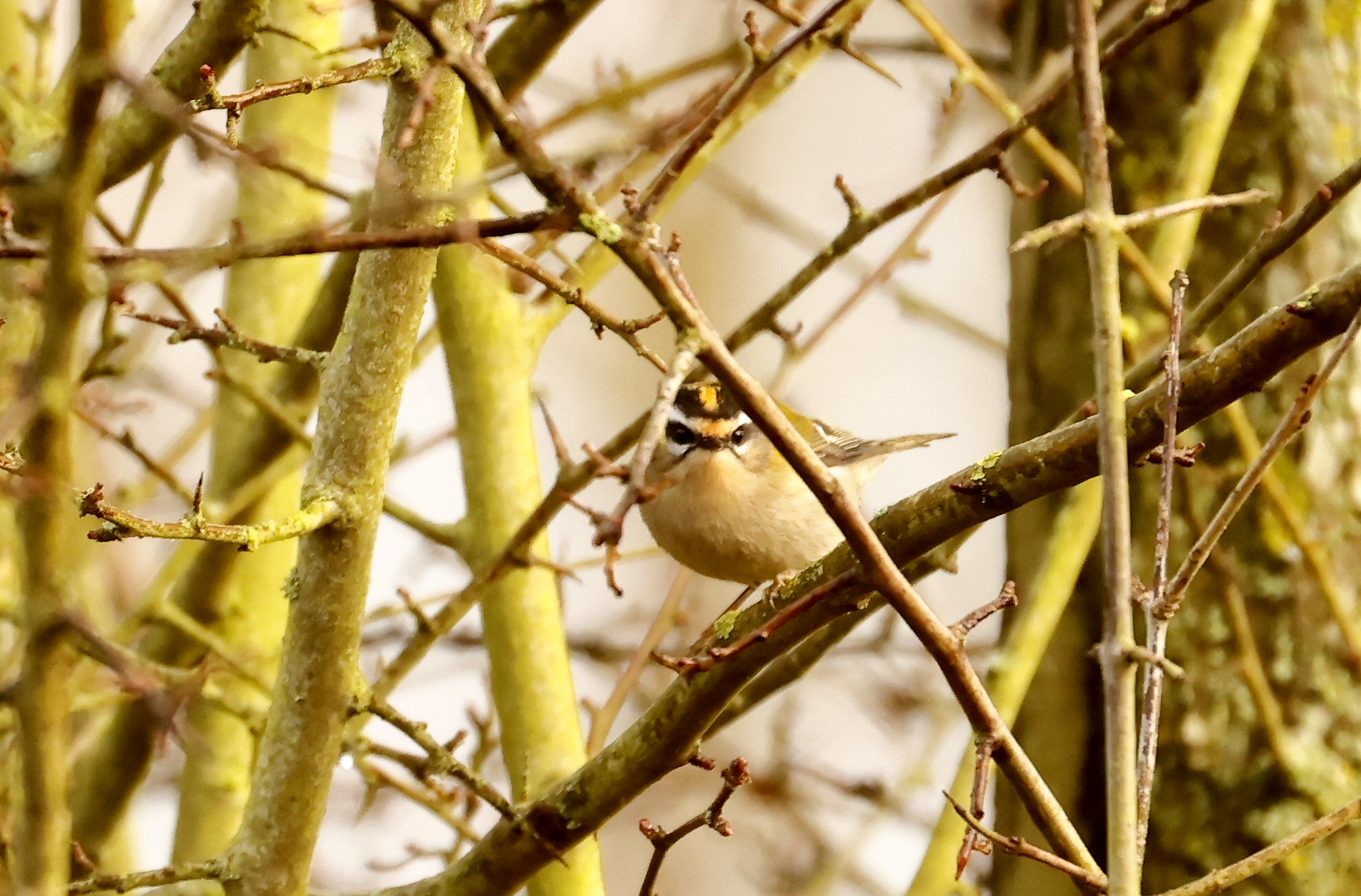
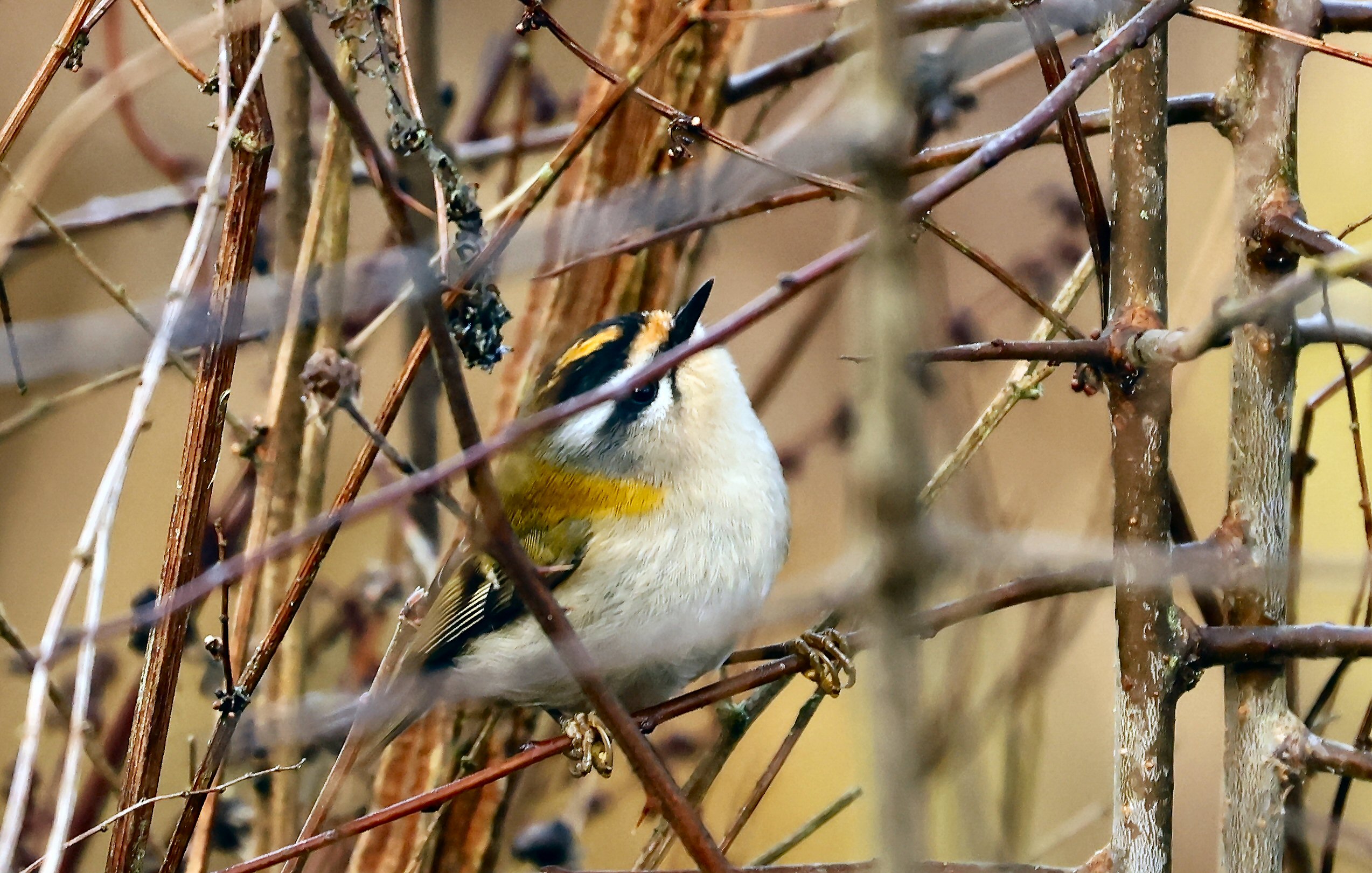
Heading up this week’s passerines was last week’s Firecrest at Thrapston GP, remaining faithful to the same area of scrub, on 17th-18th.

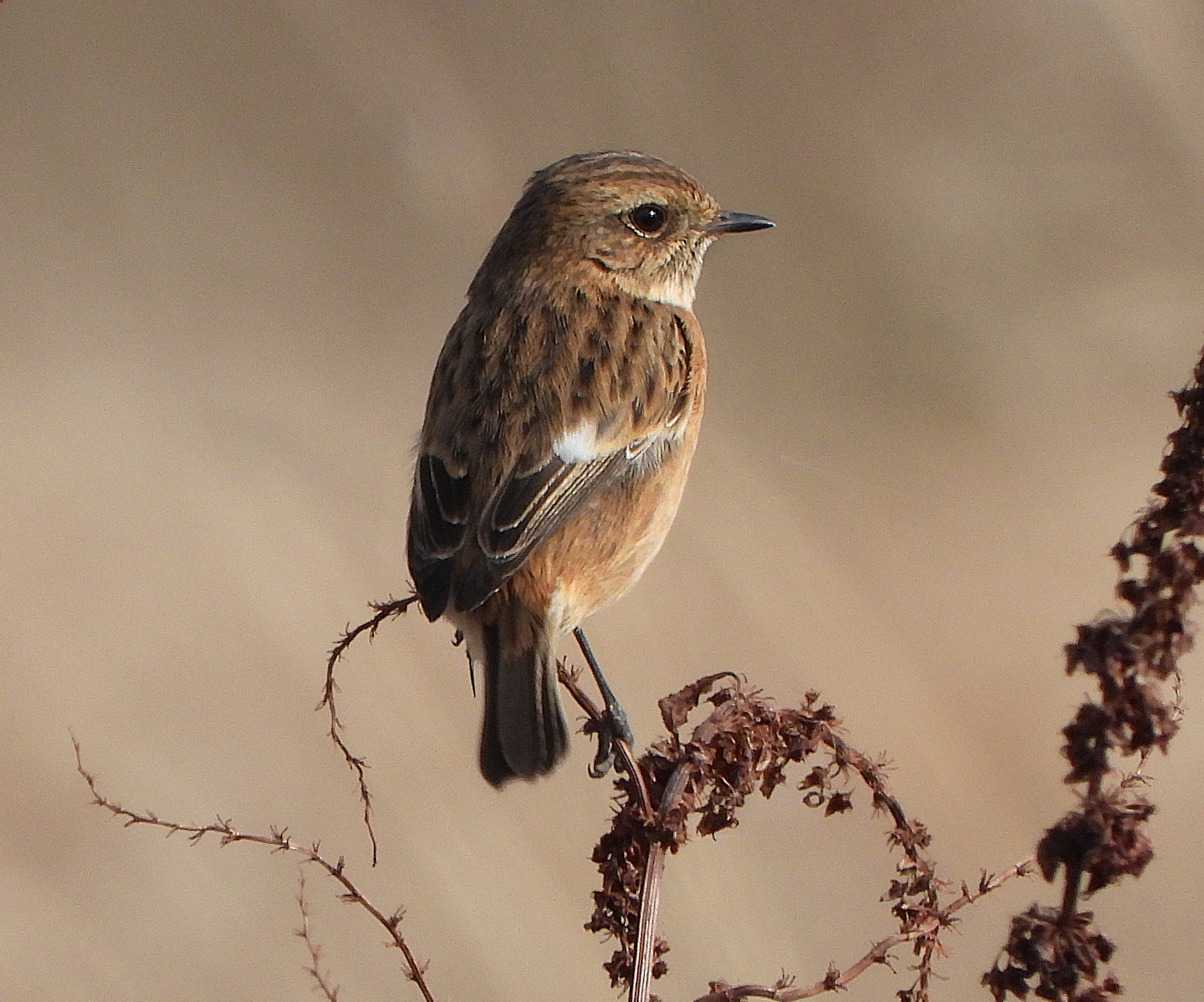
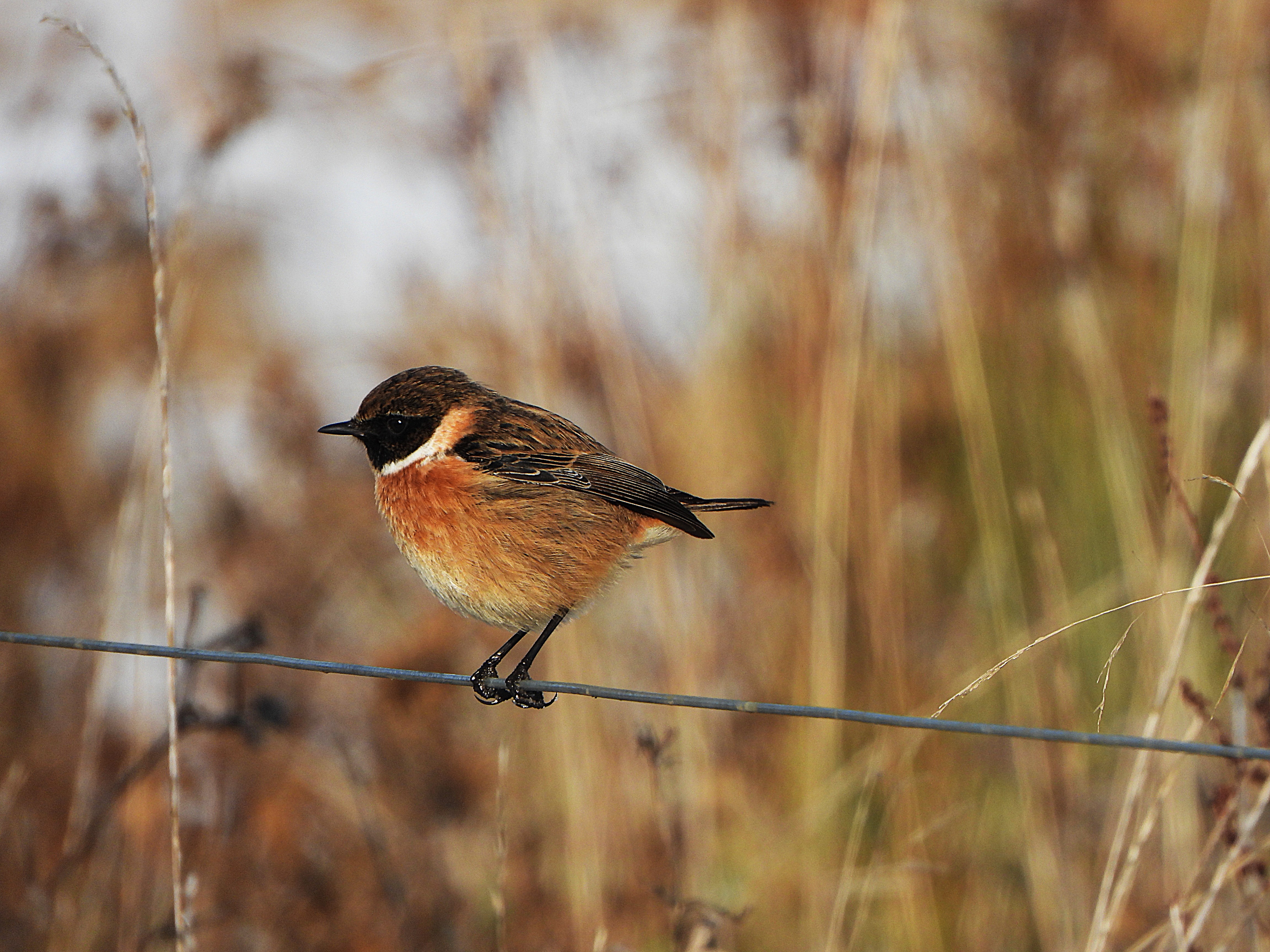
Eight Stonechats at Ditchford GP’s Townholme Meadows on 22nd is the highest single site total so far this year, with twos only in the Brampton Valley between Cottesbrooke and Hanging Houghton on 17th and 21st, at Deene Lake on 17th and at both Ditchford and Pitsford on 18th.

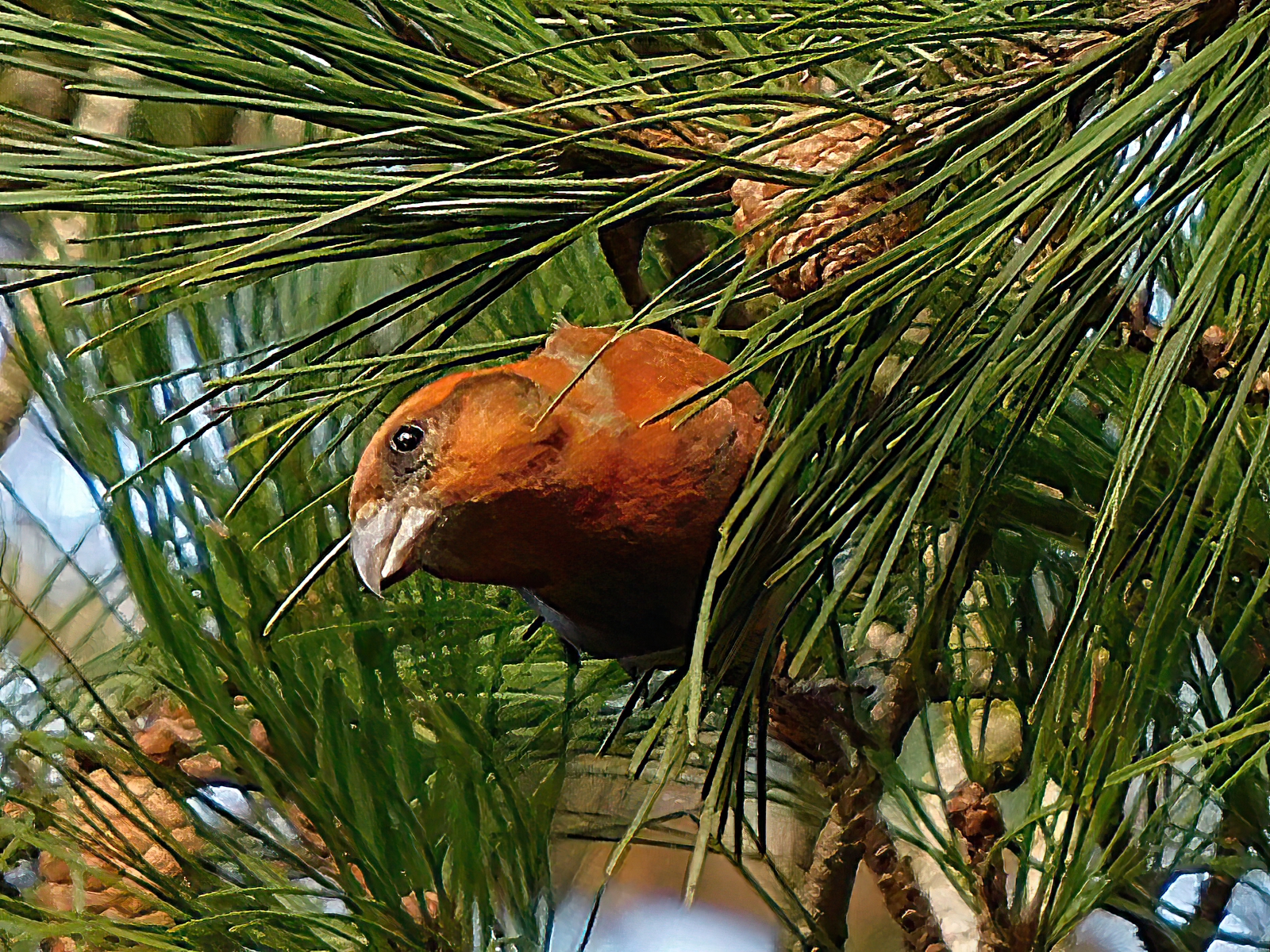
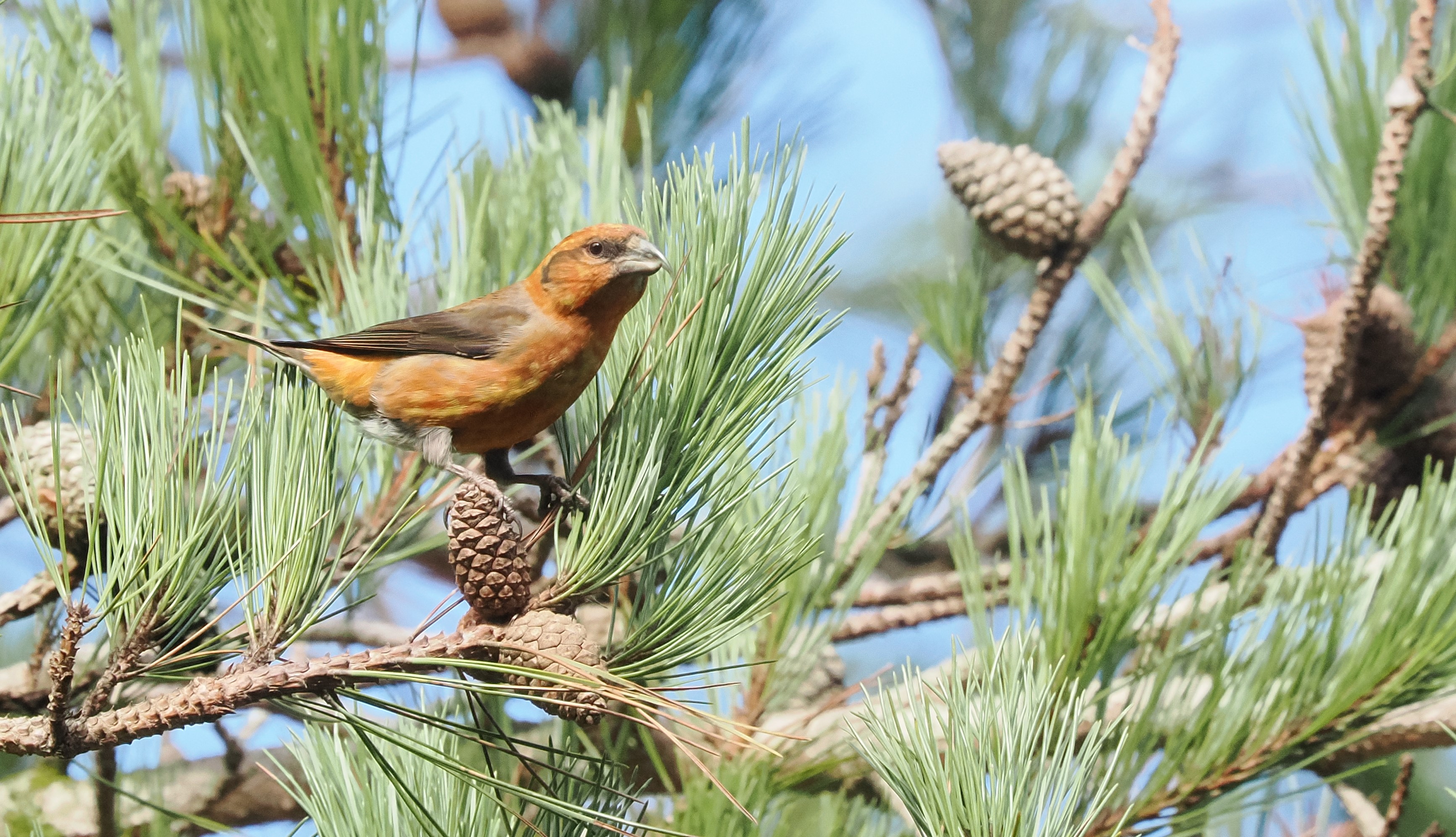
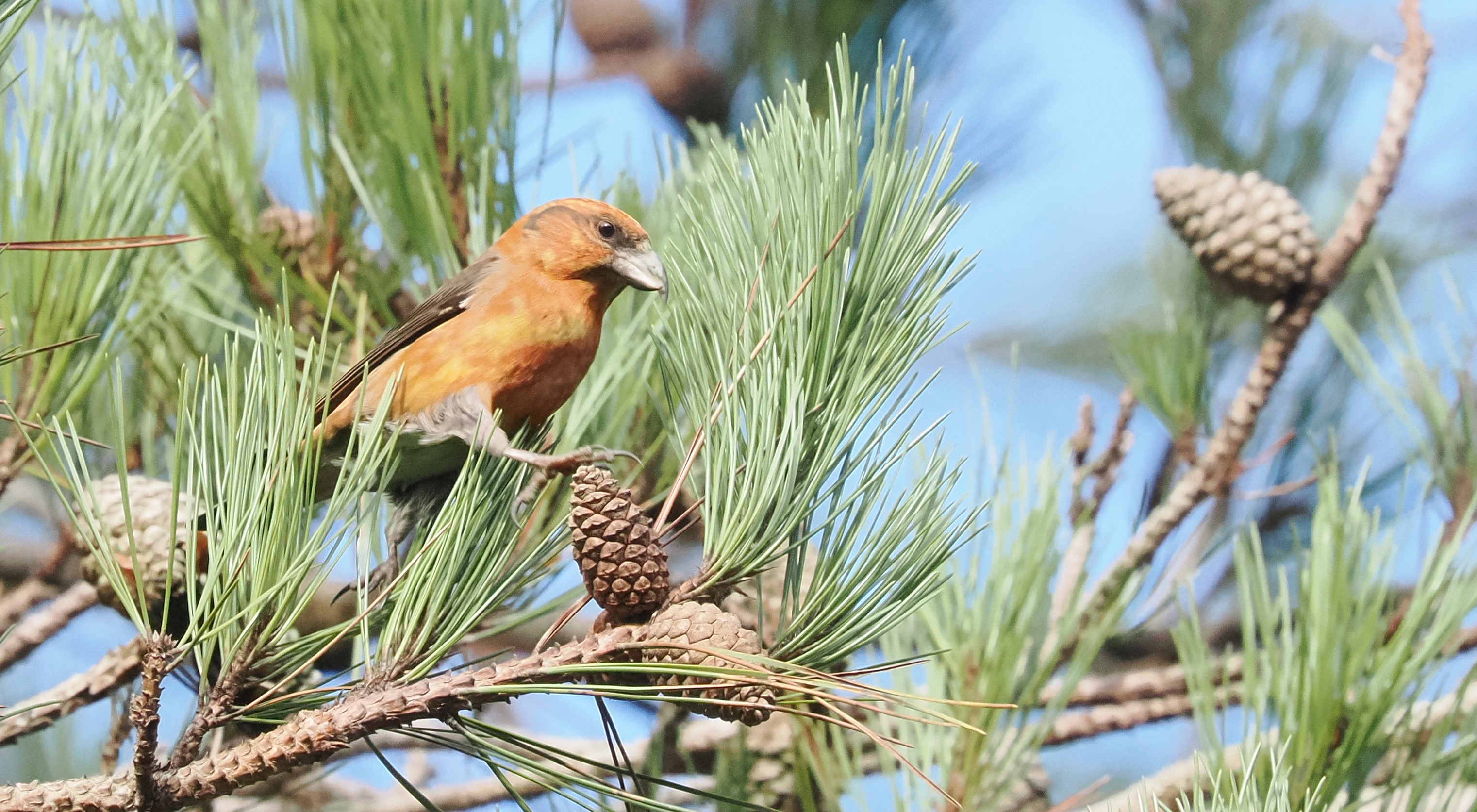
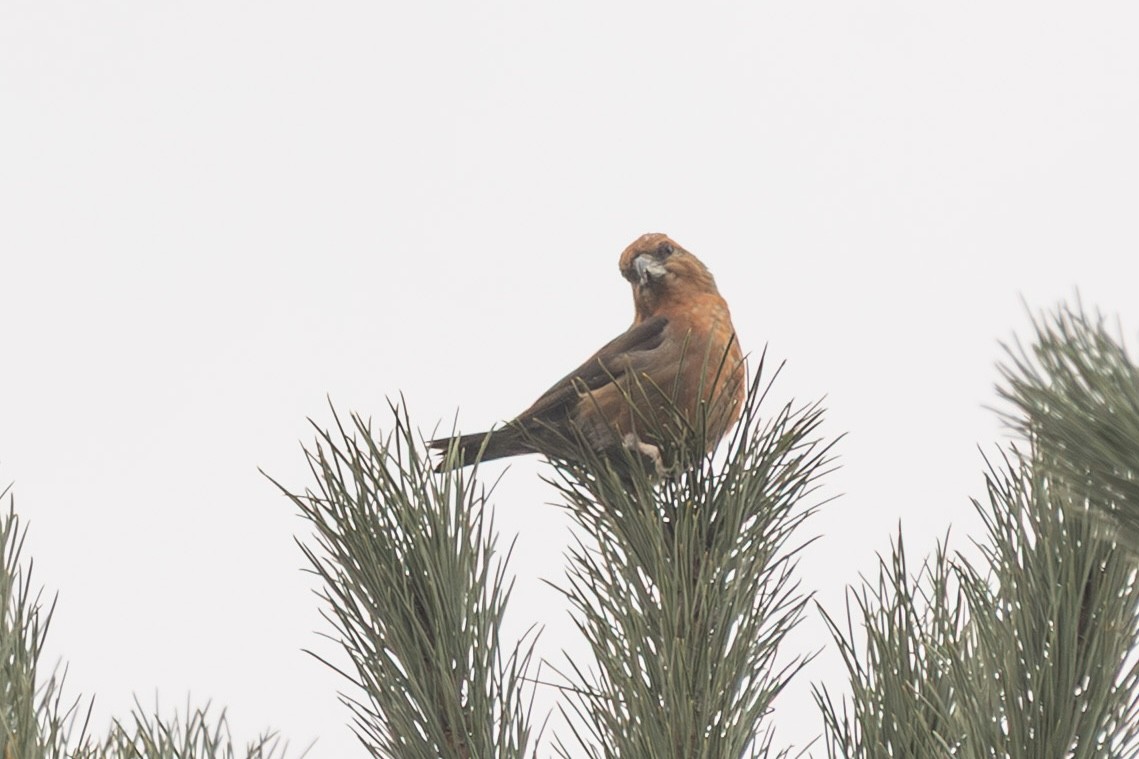
And aside from one in flight over Wellingborough Lock on 18th and six at Yardley Chase on 20th, the much-favoured areas of Wakerley Great Wood and the Brampton Valley’s Gamboro Plantation continued to produce Crossbills – the first of these locations holding up to fifteen between 17th and 20th, while the latter held up to ten between 17th and 21st.

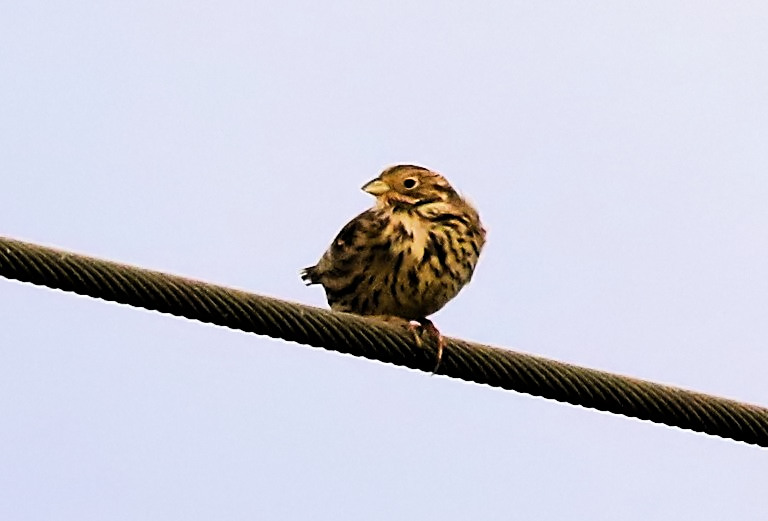
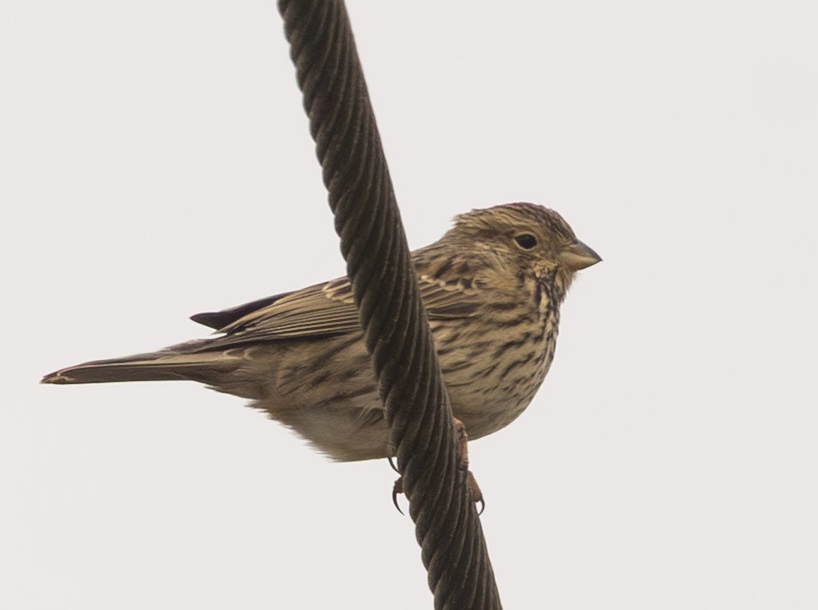
And with Corn Buntings now hardwired into the area between Deanshanger and Wicken, a massive count of thirty-one there on 18th became the highest onsite total to date, single-figure tallies being made on 17th, 19th and 20th.

Newsround 10th to 16th January 2026

A change in the weather and the best part of a month’s rainfall in one day saw us aquaplaning our way out of a week in which we’ve once again been spoiled rotten with wild geese. That’s not to say there was nothing else on offer – quite the contrary, in fact, with the previous week’s delectable ducks and an obliging Ibis still to be had, as well as some choice passerines, one of which, clearly, was not …
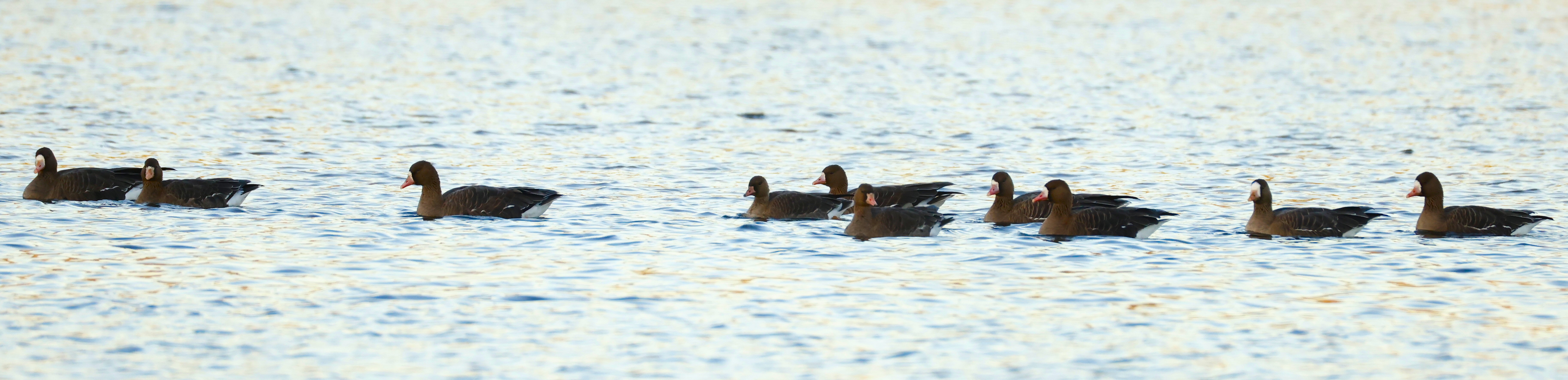
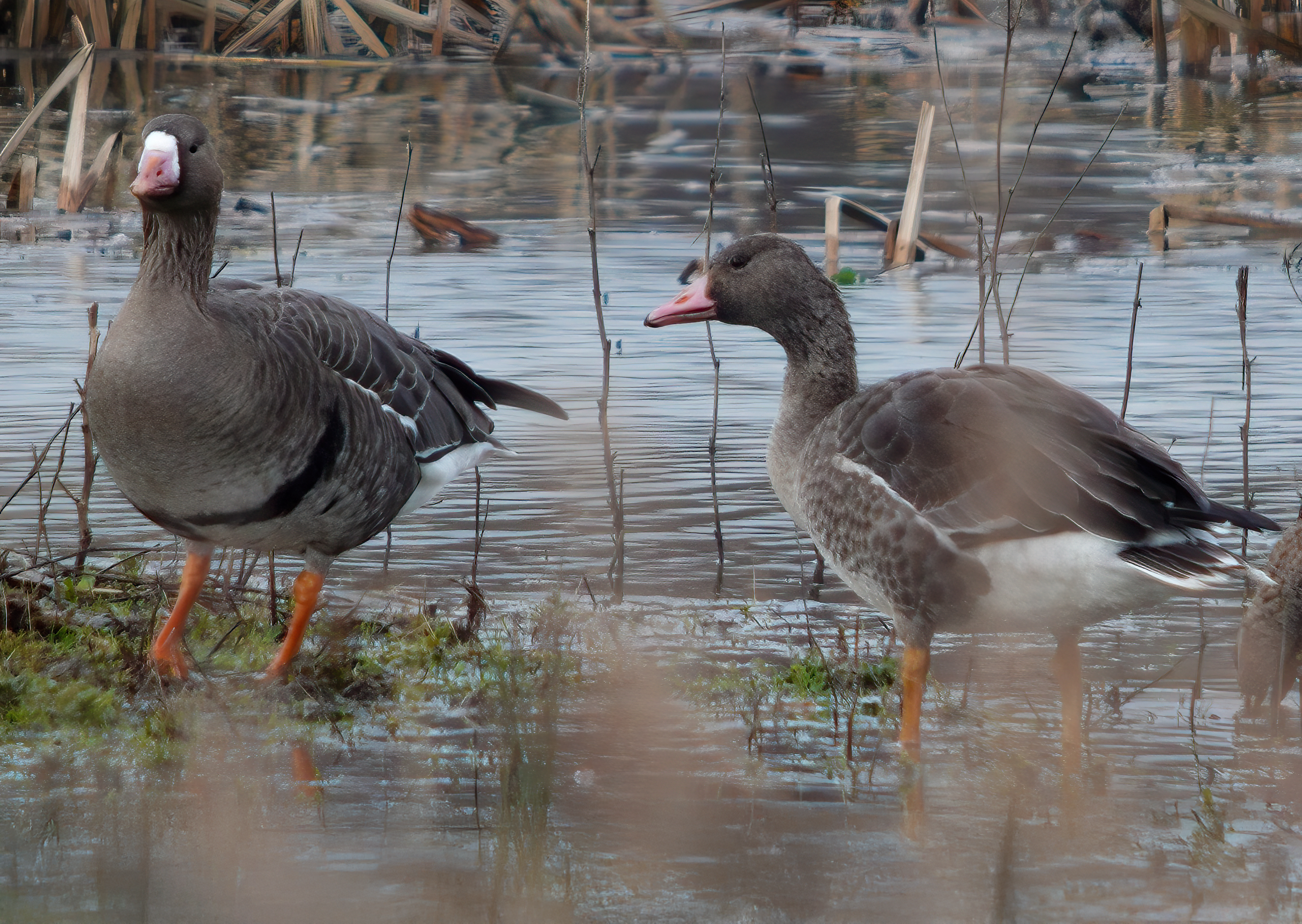
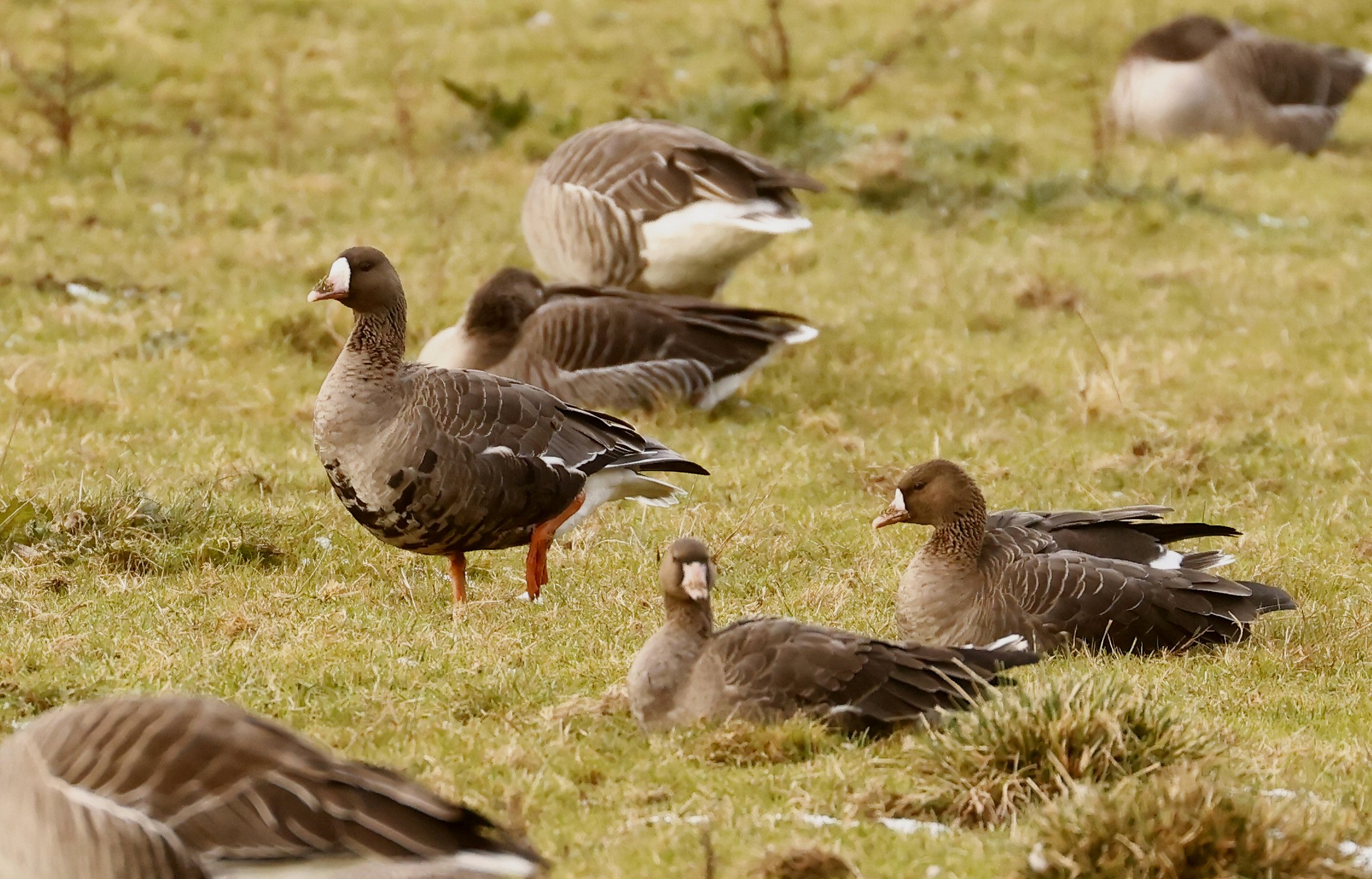
We start, as has recently become customary, with Tundra Bean Goose – this week seen at three localities. Previous speculation that last week’s birds at Stanwick GP and Thrapston GP/Islip Water Meadows were likely one and the same was quickly kicked into touch with the emergence of images showing two distinctly different individuals and flagged up as such by the photographers of the Islip Water Meadows bird, below. The latter shows distinct white feathering at the base of the bill, this feature being absent on the bird at Stanwick.

While the Stanwick bird remained until 13th, the Thrapston/Islip individual promptly vacated the area and was nowhere to be seen after 11th. Once again, however, one was found at Blatherwycke Lake among an eight hundred-strong gaggle of Greylags on 14th and was subsequently averred on 16th. A new bird? Or the same one from late December, keeping a low profile for the last couple of weeks?

The 16th also saw a Pink-footed Goose reported at Summer Leys LNR. But the week belonged to White-fronted Geese, numbers of which remained solid throughout the period. Top of the locality leaderboard was, once again, Stanford Res, where a slight increase took the total to an impressive seventy-five on 15th. Maximum counts at nine other sites consisted of fourteen at Islip on 10th-11th, up to ten at Pitsford Res between 13th and 16th, ten at Stanwick during the same period, ten at Warmington Mill on 10th, eight at Blatherwycke on 16th, four at Clifford Hill GP on 10th-11th, two at Thrapston on 16th and singles at Aynho on 10th and at Hollowell Res on 11th-12th.

After reappearing at Hollowell last week, the county’s long-serving female Ruddy Shelduck was still present there on 9th.

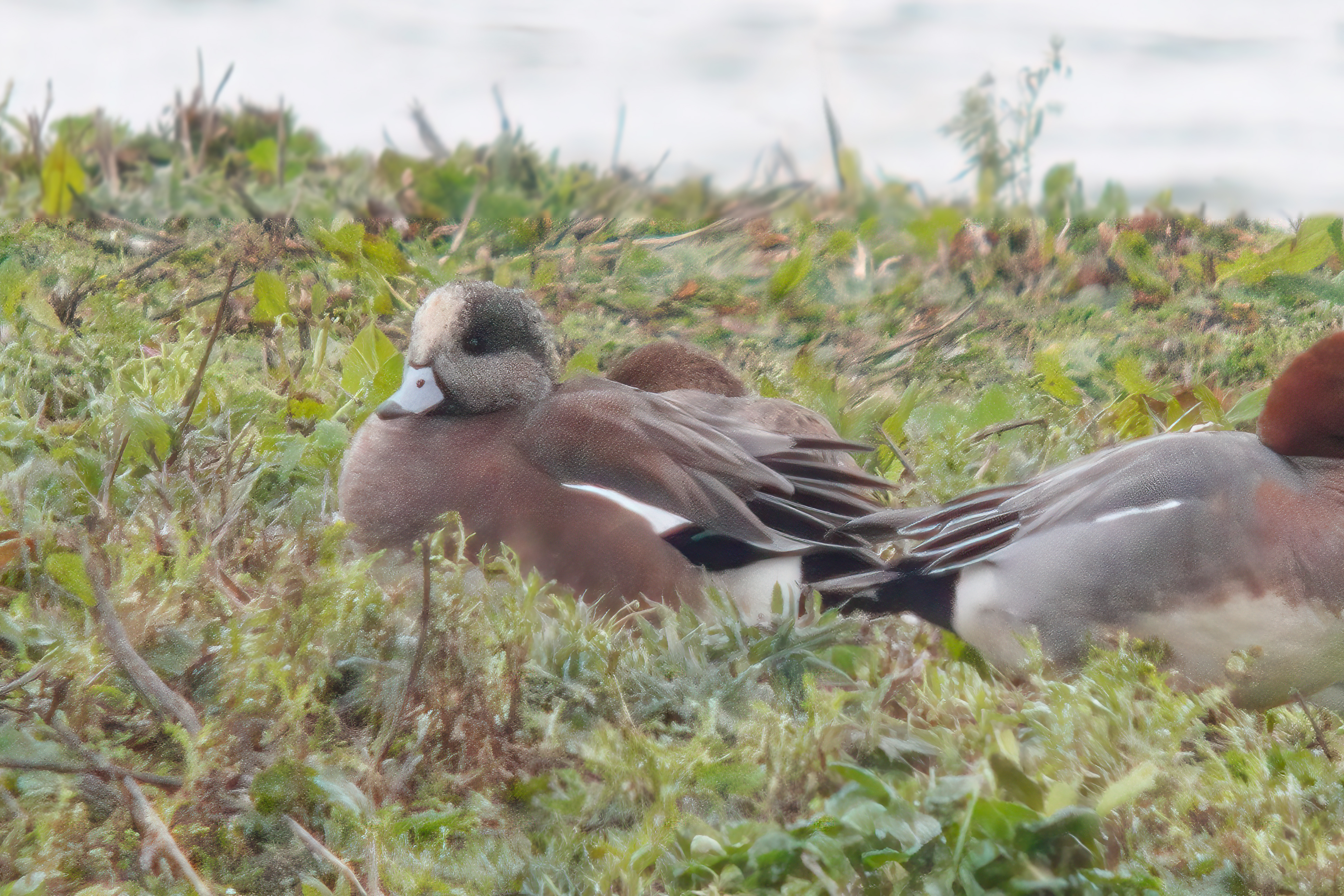
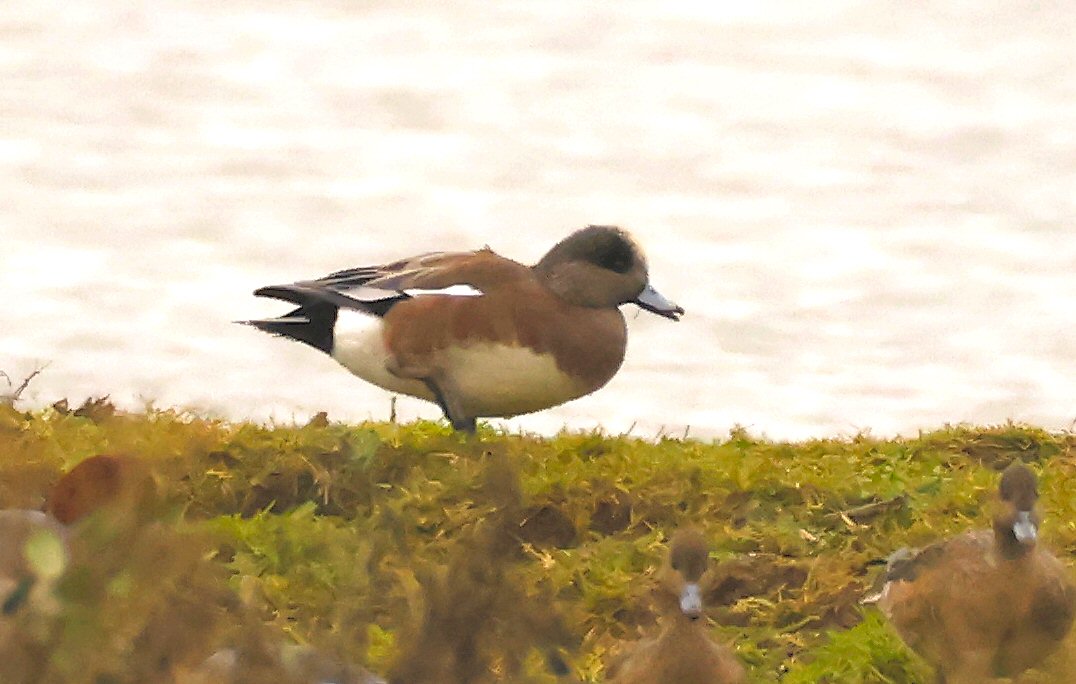
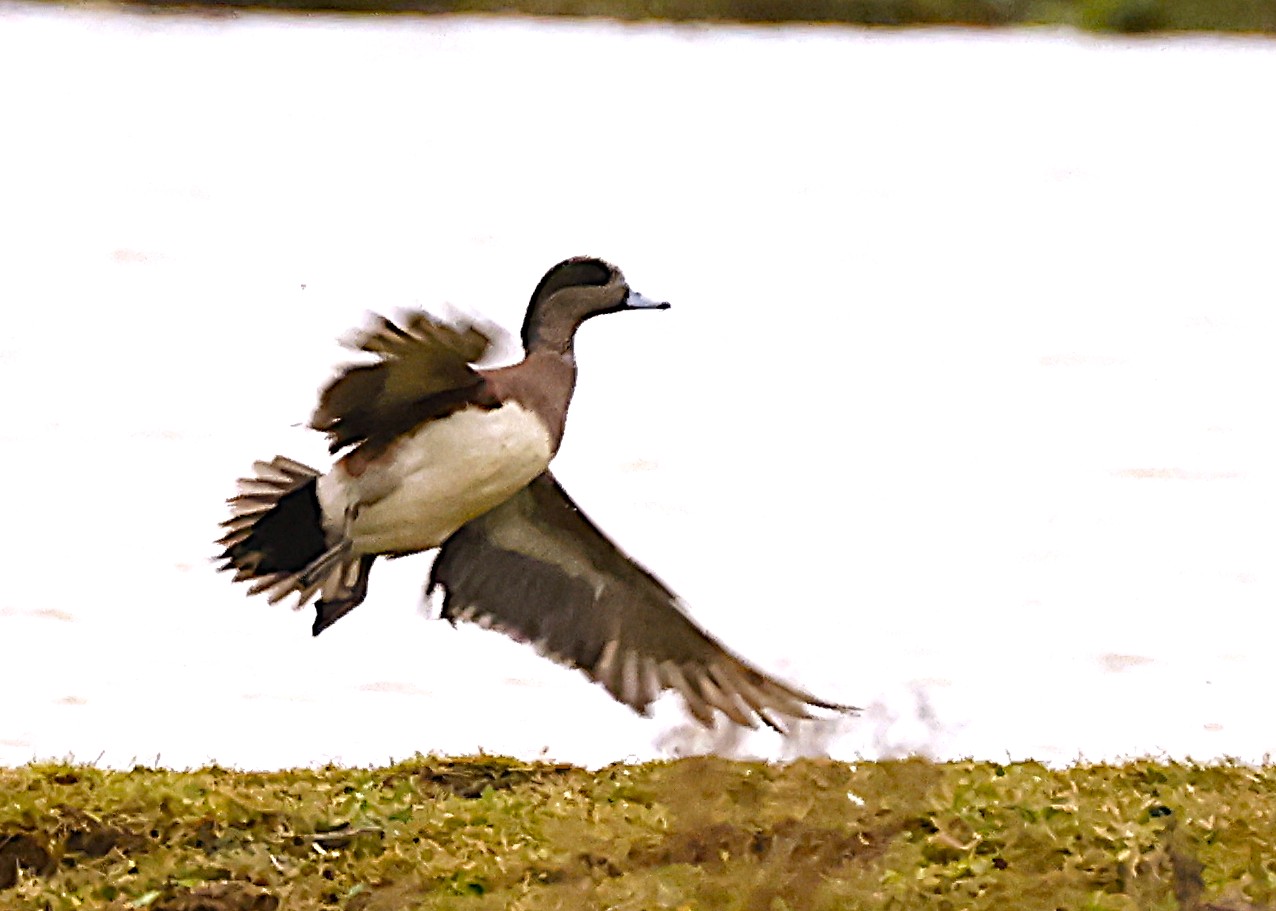
And anyone out for a duck need look no further than Thrapston, where having almost been relegated to part of the furniture, the drake American Wigeon extended its stay at Titchmarsh NR until at least 13th.

Thrapston’s Town Lake also held on to two Red-crested Pochards – seen daily from 11th – the same date on which the itinerant drake Ring-necked Duck was last reported there during the period. Remaining far easier to catch up with, though, were the two long-staying Greater Scaups, Town Lake now enjoying countywide exclusivity following the departure of the Stanford birds last week.  

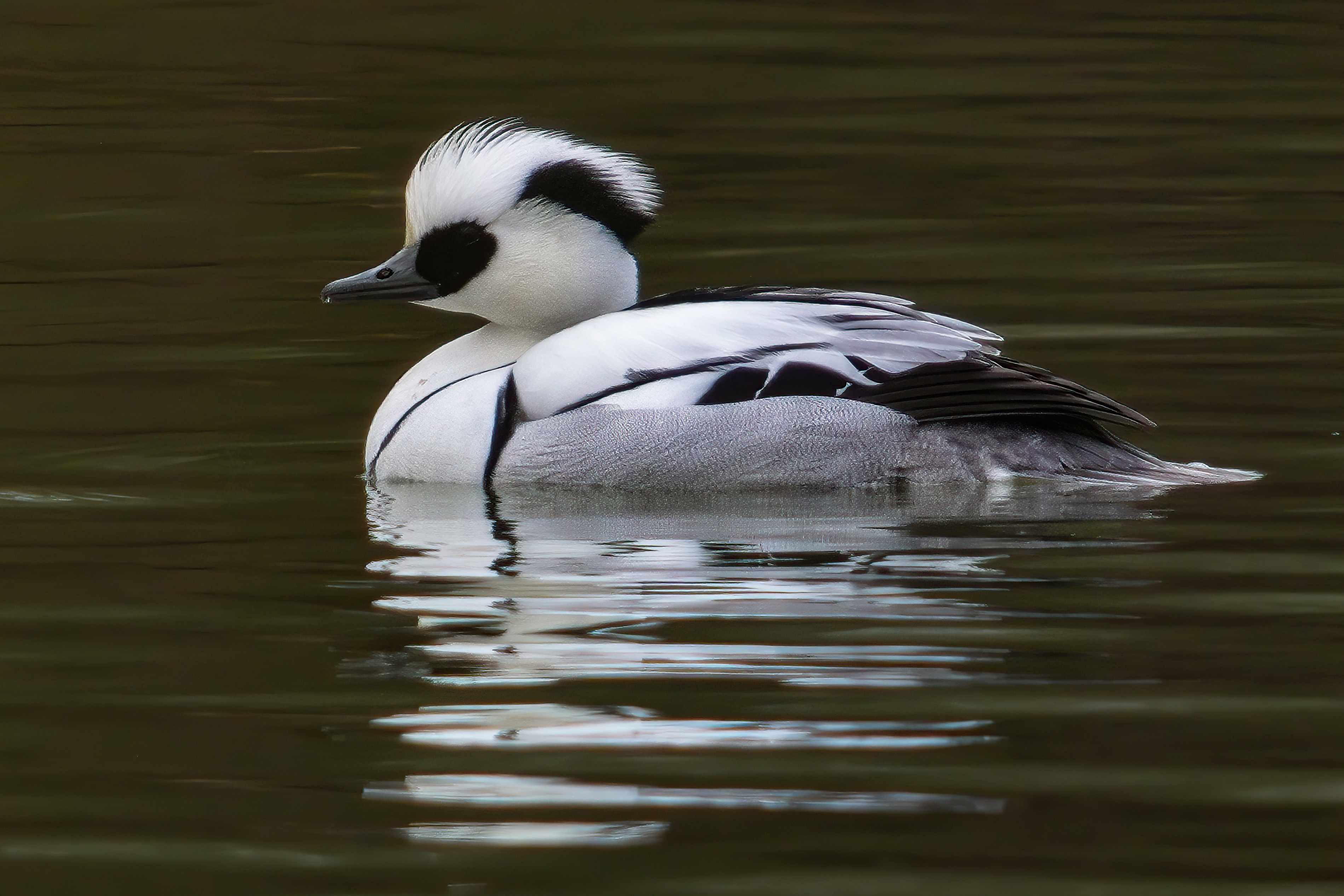
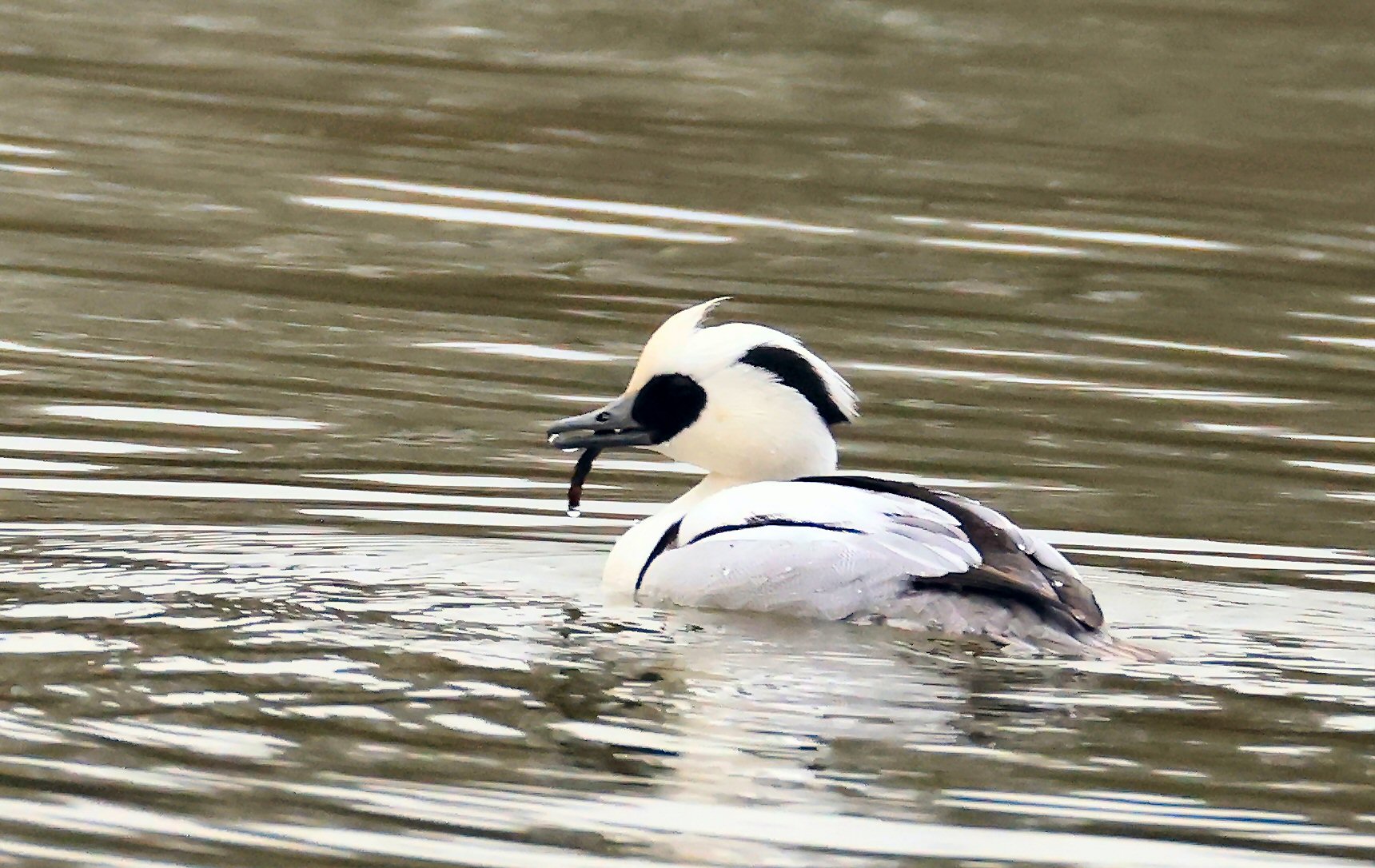
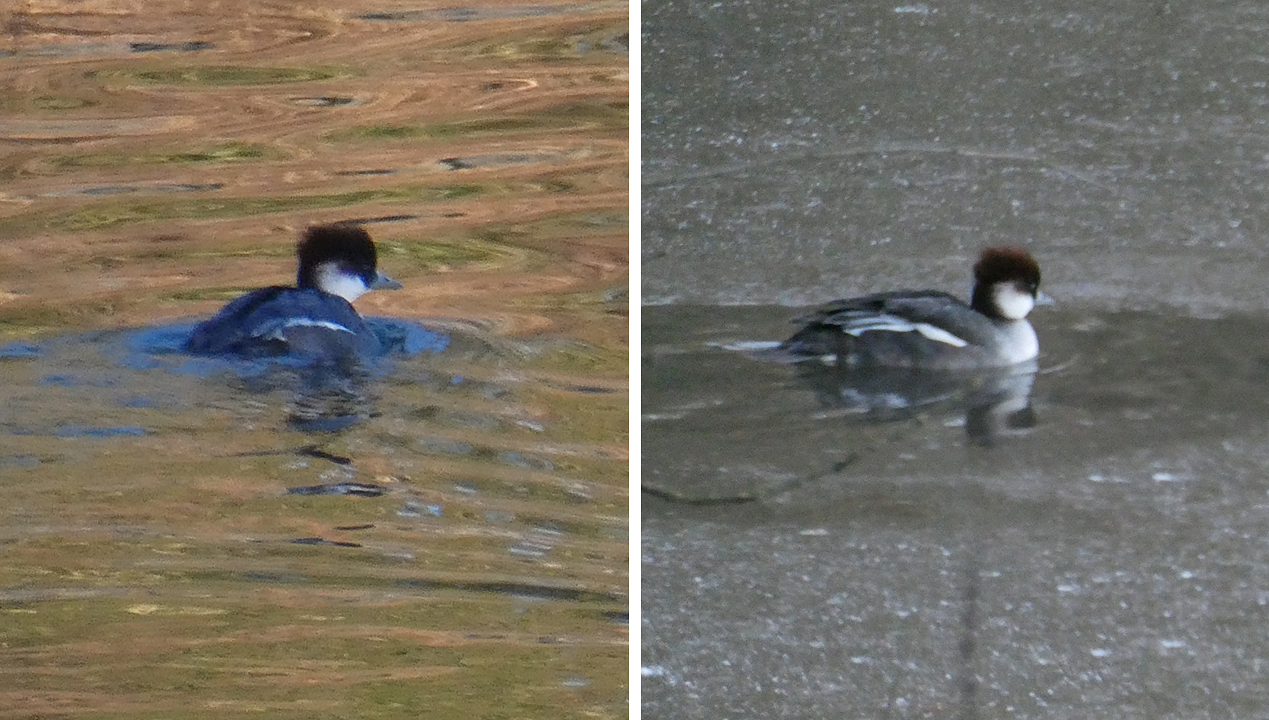
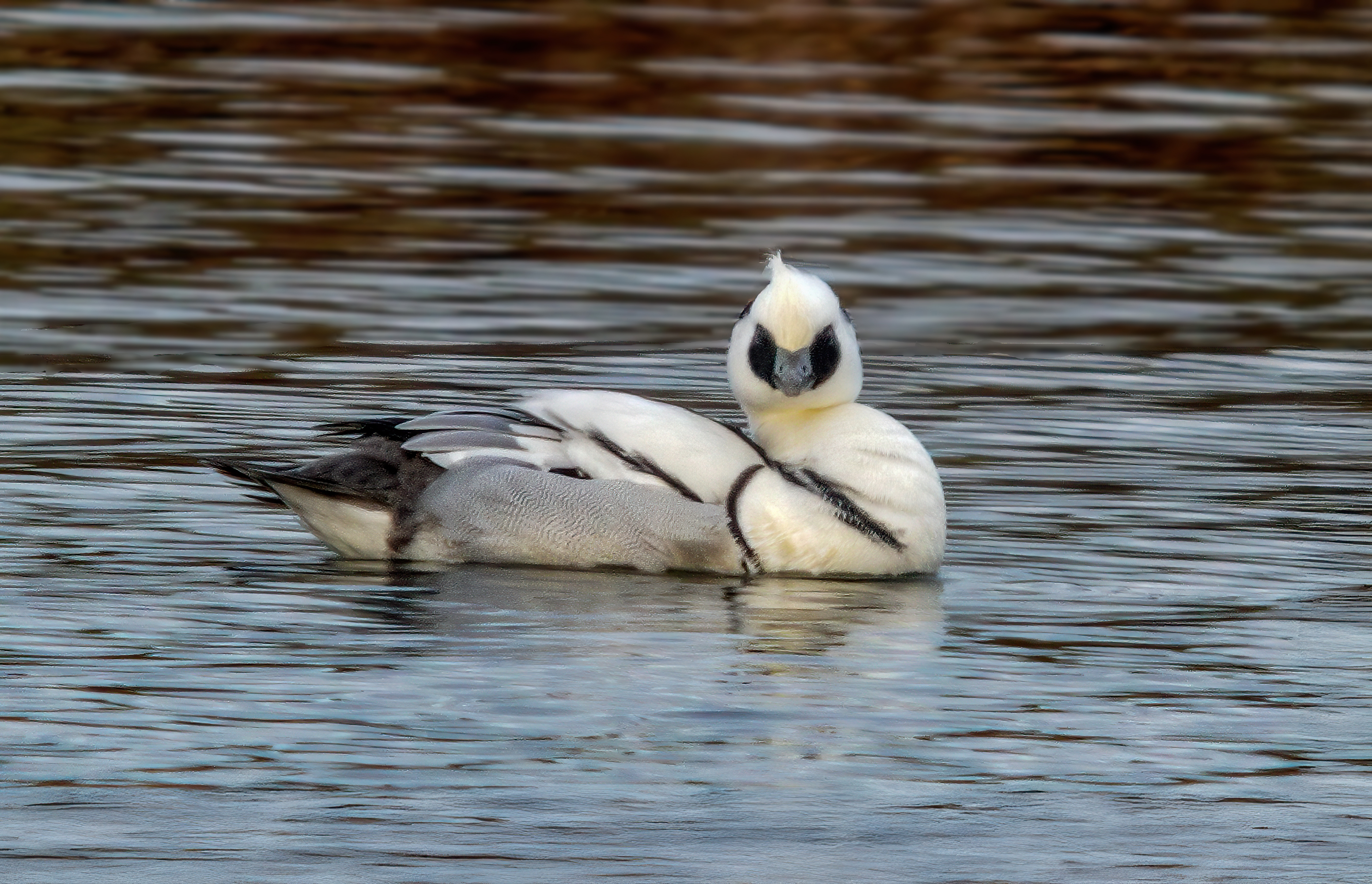
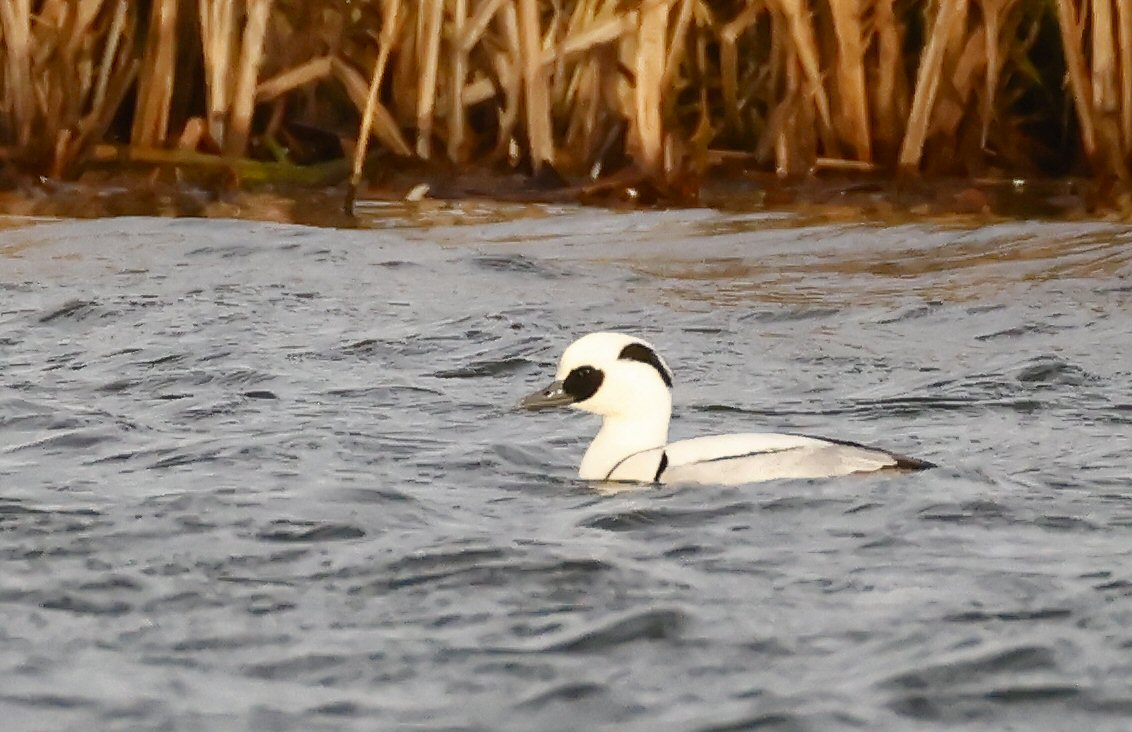
With Smew in mind, the same could be said about Pitsford, where a ‘redhead’ popped up again on 14th and a drake was also back on show on the last day of the week.

And staying with Pitsford, last week’s Black-necked Grebe remained there until at least 14th.

Seeing a slight increase, wader numbers were up on those from the previous week – particularly Black-tailed Godwits, of which there were multiples at two localities. Titchmarsh produced one on 10th, two on 12th and one again on 15th-16th. Just shy of hitting double figures, though, nine were present at Stanwick on 14th.

Pitsford’s winter visiting Common Sandpiper made it into the week, still to be seen on 10th, and two Jack Snipes were also present there on 14th, following one at Hollowell again on 12th.

Pitsford was also the prime producer of the period’s scarcer gulls, with an adult Caspian Gull present on 10th, two Yellow-legged Gulls on 10th and 14th and one on 11th – the latter date also seeing an adult Caspian in the gull roost at Stanford.

And after two flying over Summer Leys on 4th being the only record in the previous week, there was a welcome return of a Glossy Ibis to Wellingborough Embankment on 10th, where it remained settled until 14th, after which the area unsurprisingly suffered a significant rise in water level.

Cattle Egrets looked like they were on the up but only in terms of the number of localities visited. Singles flew low east over Duston and north-east over Stanwick on 11th while, on the ground, one spent the best part of the day at Wellingborough Embankment on 13th.

The week’s raptors were dominated by Marsh Harriers, although with their tendency to wander, it’s difficult to determine just how many birds were involved. On a day-by-day basis, the 10th saw twos at both Summer Leys and Titchmarsh – one of which at the latter locality was the Nene Valley rover, ‘J4’, the young male which has now been present in the county for the best part of a month. One was at Summer Leys on 11th while, on 12th, singles were at Ditchford GP and Stanwick and two were again at Titchmarsh. The 13th saw one again at Ditchford and two were at Stanwick on 15th. The period ended with singles at Blatherwycke and Stanwick and two at Summer Leys on 16th.

By contrast, just the one Merlin this week was the wintering bird still in residence in the Brampton Valley, between Cottesbrooke and Hanging Houghton, on 11th and 13th.

With increasing frequency – and headlining the period’s passerines – Yellow-browed Warblers are being found locally during winter and this one is no exception. A Raunds garden was the seasonal setting for the latest one to appear, on 15th, although its exact whereabouts remains undisclosed …

Hot on the heels of the New Year’s Day Duston Firecrest came another at Thrapston, first seen on 12th and still present in the same location on 16th, the latter date also giving rise to one mobile bird reported in Wakerley Great Wood.

With no more than three at any one site, the week’s Stonechats were seen in the Brampton Valley and at Clifford Hill GP, Hollowell, Pitsford and Summer Leys.

Crossbills were to be reliably found in double figures at Wakerley Great Wood, with a maximum of at least twenty-five on 16th, at Gamboro Plantation east of Cottesbrooke, where up to fifteen were present between 10th and 14th and at Harlestone Firs, where an unspecified number of mobile birds were present on the latter date.

And the area of dilapidated crop fields between Deanshanger and Wicken continued to be a popular pull for local birders looking to connect with Corn Buntings. Seen daily, numbers there peaked at twenty-two on 14th – a welcome resurgence in the county … but for how long?

Newsround 3rd to 9th January 2026

Seeing out the first full week of January was a host of last year’s leftovers, still on tap for those keen to kick off the New Year with a splash of quality. Perhaps unsurprisingly, wildfowl continued to top the bill, despite temperatures continuing to fall and many local bodies of water becoming ice-bound as a consequence. Being made of sterner stuff, they were clearly not for turning …

Tundra Bean Geese – or more likely one mobile bird – again proved a popular pull following the initial disappearance of the individual that briefly visited Ringstead GP, last week, on 2nd. Within spitting distance, just up the valley, it was Stanwick GP’s turn to deliver the goods on 6th, when one was found in company with ten White-fronted Geese. It remained there, between the northern end of the complex and the southern end of Ringstead over the next three days, the last of which also saw one, or it, during the afternoon at Islip Water Meadows, adjacent to Thrapston GP.

With eight briefly visiting Clifford Hill GP on 3rd and one at Pitsford Res on 5th, Pink-footed Geese were again overshadowed and outnumbered, thus proving hard to catch up with. Based on their current status, this scenario will no doubt change in due course. The same cannot be said for White-fronted Geese, which seem set to see the winter out at a number of localities. Once again, Stanford Res offered up the greatest number with a sizeable flock present there throughout the period, peaking at a maximum of sixty-four on 4th. Elsewhere, fifteen were found at Pitsford on 5th, subsequent counts dropping to eleven on 6th and nine on 7th-8th. Islip Water Meadows also produced fifteen on 9th, Stanwick ten on 3rd, 6th, 7th and 8th, Ringstead nine on 3rd (believed to have originated from Stanwick), Blatherwycke Lake six on 4th, Warmington Lock four on 3rd, Clifford Hill four between 3rd and 5th and Hollowell Res one on 4th.

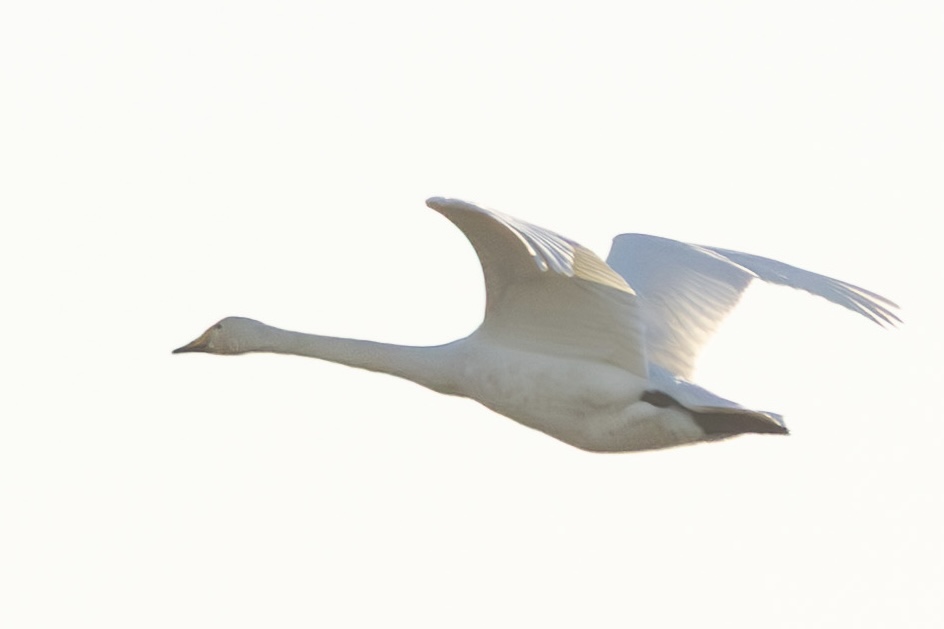
Keeping up appearances, a Whooper Swan paid a brief visit to Clifford Hill on 3rd.

And last seen on 13th November at Stanford, the now ageing female Ruddy Shelduck popped up again at Hollowell, where it was seen on 6th and 9th.

After its initial appearance at Titchmarsh NR last week, the drake American Wigeon was clearly in no hurry to move on, still to be found there at close of play on 9th, the hubbub surrounding it having died down.

Also in the wider reaches of Thrapston GP, the drake Ring-necked Duck remained settled on Town Lake until at least 8th.

The four Greater Scaups at Stanford also stayed until 4th, after which a single female remained on 5th, while Thrapston’s first-winter drake and female saw another week out on Town Lake.

And believed to be last week’s individual from Clifford Hill, a drake Smew was found at Pitsford on 3rd after its apparent absence from the aforementioned location on the same date. Further sightings came again from Clifford Hill on 5th and again from Pitsford on 8th. Additionally, a ‘redhead’ Smew gave some birders the runaround at Pitsford between 5th and 7th.

Pitsford was also the site chosen by the first visiting Black-necked Grebe of the year, a species which has produced a noteworthy run of records of late. Found and photographed on 6th, it was still present there at the week’s end.

Few waders are normally up for grabs at this early stage in the new year, so a Black-tailed Godwit at Summer Leys LNR briefly on 6th was unusual, as was an apparent wintering Common Sandpiper found at Pitsford on the same date, the latter still being present at the week’s end. More in keeping with the time of year, however, were single Jack Snipes at Thrapston on 5th and at both Hollowell and in the Brampton Valley between Cottesbrooke and Hanging Houghton on 9th.

And the gull roost at Stanford continued to bear fruit, dishing up two adult Caspian Gulls on 4th and 6th, one of which was the old favourite, German-ringed male ‘XLVH’, more often than not to be found loafing along the muddy shoreline of Naseby Res over the past few autumns. An adult also flew over Hollowell on 9th.

The above roost also produced an adult Yellow-legged Gull on 5th, while further sightings were confined to Pitsford, where one was seen on 5th-7th and 9th.

The week’s cold snap seems likely to have had an adverse effect on Glossy Ibis, numbers of which were down to two seen in flight over Summer Leys on 4th – Stanford’s puddle by the Settling Pond there having frozen solid, rendering it unattractive to the hitherto reliable one or two that have visited the site almost daily in recent weeks.

On the 8th, a Bittern was seen in flight at Ravensthorpe Res – not for the first time but previous sightings there have been few and far between.

Back in the Nene Valley and Summer Leys bagged a Cattle Egret on 5th, a bird whose numbers appear to have dropped considerably over the past year.

And carving up the week’s Marsh Harriers between them, Summer Leys/Earls Barton GP and Titchmarsh produced single birds on 3rd, 4th, 5th and 9th – one at the former locality was the wandering young male, wing-tagged ‘J4’.

In the nether reaches of Finedon, Neville’s Lodge had the honour of producing the first Short-eared Owl of the year, on 3rd.

In a wider context than normal, Merlins were to be found this week in the Brampton Valley on 4th and 8th, at Summer Leys on 5th and at Stanwick on 7th.

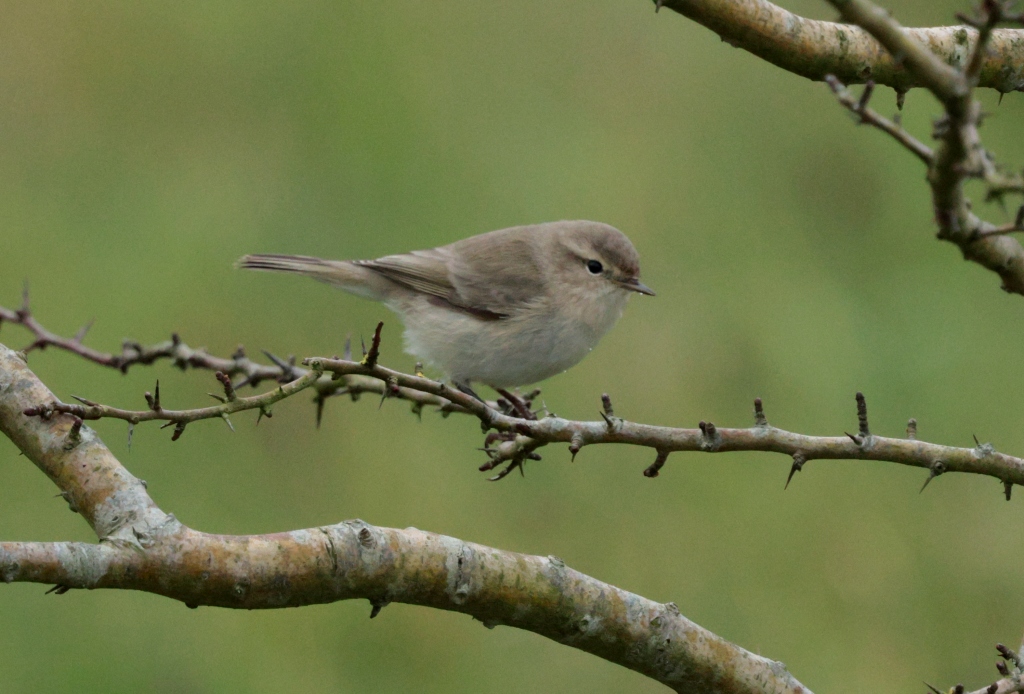
And the week’s top passerines kicked off with a Siberian Chiffchaff at Duston’s New Sandy Lane Attenuation Pond on 7th-8th, following what was presumably the same bird being present there in December last year.

Wintering Stonechats were present at Pitsford, where there was a maximum of six on 5th, followed by two on 8th, two were in the Brampton Valley on 4th and singles were present at Clifford Hill on 3rd, at both Earls Barton GP and Upton CP on 6th and at Hollowell on 9th.

And while 2025 proved to be a good year for Crossbills, the new year looks set to continue in the same vein, with at least ten at Fineshade Wood on 6th and 8th, up to eight at Gamboro Plantation east of Cottesbrooke between 3rd and 8th, six at Salcey Forest and four at Wakerley Great Wood on 4th and one at Harlestone Firs on 5th.

Meanwhile, the fields along the footpath between Deanshanger and Wicken continued as the only site in the county currently to deliver Corn Buntings, nine being present there on 6th.

Newsround 27th December 2025 to 2nd January 2026

Along with a prolonged Arctic airstream delivering non-stop northerlies, low temperatures and the first settling snow of the winter, 2025 certainly didn’t run out of steam when it came to quality birds – one of which was the first of its kind in the county for more than twenty years. And, as we stepped into the new year, there was plenty to keep the birding fire burning …

Once again, wildfowl were the main attraction – even more so than last week, with the arrival of more geese as well as a certain delectable duck. Once again, top of the tribe as far as geese are concerned was Tundra Bean Goose, with the one discovered at Blatherwycke Lake on the final day of the previous week remaining there until 29th. This was quickly followed by another – or most likely the same individual – being found at Ringstead GP’s Kinewell Lake on 2nd, although it moved on swiftly after its discovery. Blatherwycke to Ringstead is a mere 21 km as the goose flies …

While we’re used to seeing Pink-footed Geese annually in small numbers, a skein of forty-seven heading north over Desborough on the first day of the new year was quite exceptional although unsurprisingly, given current circumstances, they were outnumbered by this week’s White-fronted Geese. Recorded daily throughout the period, nine localities held varying numbers with, once again, Stanford Res producing the highest count of seventy on 1st. Maximum site numbers elsewhere included twenty at Stanwick GP on 28th, sixteen at Blatherwycke on 28th, eleven at Clifford Hill GP on 27th-28th, ten at Pitsford Res between 30th and 1st, ten at Ringstead on 1st-2nd, six in the Cherwell Valley near Aynho on 27th, at least four at Summer Leys LNR on 29th and four in the Nene Valley near Woodford on 31st.

Still a local winter scarcity, two Whooper Swans flew south-east over the Brampton Valley between Cottesbrooke and Hanging Houghton on 31st and one visited Hollowell Res on 2nd.

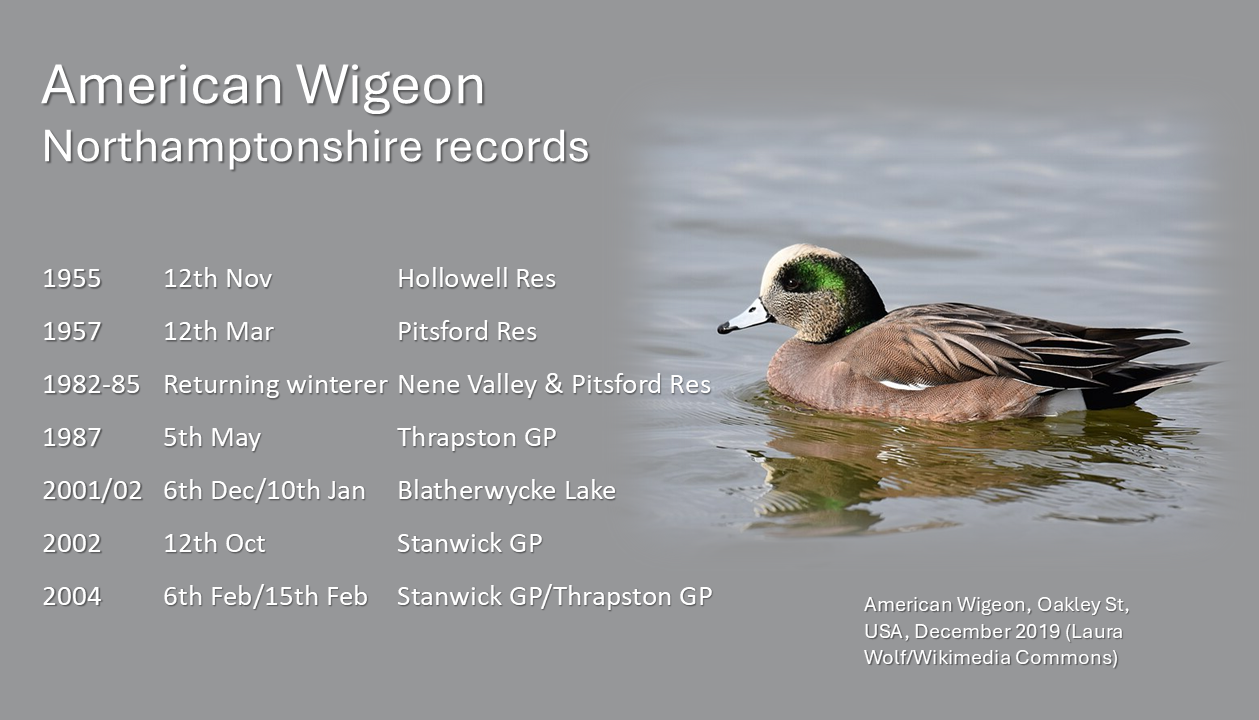
Discovered at Thrapston GP’s Titchmarsh NR on 27th and leaving all of the aforementioned in the shade, however, was Northamptonshire’s first American Wigeon for twenty-one years. Long overdue, it’s only the eighth county record and, remaining settled throughout the week, it duly attracted a steady stream of admirers, both local and from further afield.

Following its apparent eleven-day absence and further escalating the attraction of Thrapston was the reappearance there of the dapper drake Ring-necked Duck on 28th. Rather more mobile than the American Wigeon, it divided its time between Town Lake, North Lake and Aldwincle Lake, being seen at the latter on 1st in close proximity to its fellow compatriot. Should we now be referring to Titchmarsh as ‘Little America’ and, if so, what else can we look forward to seeing there before the winter is out?

Other ducks deluxe consisted of the long-staying female and first-winter drake Greater Scaups at Thrapston/Titchmarsh throughout the week and a drake joined the previous week’s three females at Stanford from 27th until the week’s end.

Becoming easier to see as time went by and looking as crisp as winter snow, last week’s drake Smew remained at Clifford Hill throughout the period.

Only the sixth found in the county this year, and a surprise for one observer at Blatherwycke Lake on 27th, was a fly-over Common Crane – a likely wanderer from the small wintering population in nearby Cambridgeshire. The five previous records in 2025 have all been in spring.

Last week’s Black-necked Grebe was also present at Blatherwycke on the same date but went unreported thereafter.

And while we’re used to seeing small numbers of Sanderlings passing through the county in spring, they are rare inland at this time of the year so, bucking the trend, one was found at Titchmarsh on 27th, remaining there until at least 30th. A Jack Snipe at Hollowell Res on 1st-2nd was the only one reported during the period.

The larid landscape was largely the same as last week, with Stanford’s gull roost holding a first-winter Mediterranean Gull on 28th, 30th, 31st and 2nd and an adult was in the roost at Pitsford on the first of these dates. Summer Leys produced single Caspian Gulls on 27th and 1st, plus two there on 30th, while single adults visited Hollowell and Stanford on 29th and 1st, respectively. Yellow-legged Gull sightings were restricted to an adult at Stanford on 29th and one at Summer Leys the following day.

The week would not be complete without the continued presence of Glossy Ibises, of course, although the Nene Valley duo became more fidgety as the cold weather set in, being seen in the wider reaches of Earls Barton GP, briefly, on 27th, at Wellingborough Embankment – equally briefly on 28th and at Summer Leys the following day. Two continued to visit the Settling Pond area at Stanford from 27th until at least 1st.

Marsh Harriers extended their occupation of the Nene Valley, with certain individuals’ movements being handily tracked through wing-tag identification. Falling into the latter category was the first-year male, ‘J4’, which flew over Ditchford GP’s Irthlingborough Lakes & Meadows NR on 1st, appearing less than an hour later at Summer Leys, where it was also seen the following day, along with an untagged bird. Untagged individuals were also present at Summer Leys on 28th and 30th   while an unidentified tagged bird flew over Ringstead GP on 2nd. Sightings also came from Ditchford on 27th and Titchmarsh on 27th-28th.

And while the Brampton Valley ‘ringtail’ Hen Harrier was still present there on 1st, another ‘ringtail’ was found between Wakerley Great Wood and the nearby A43 on 27th, with undoubtedly the same bird at Laxton Park Farm, 1 km to the south, on 2nd.

Missing from last week’s summary, but back this week, was the Brampton Valley Merlin, seen again between Cottesbrooke and Hanging Houghton on 2nd.

Kicking off the new year on the passerine front was a Firecrest at New Sandy Lane Attenuation Pond, Duston on the morning of the 1st and, going back to black in more ways than one, a Black Redstart was found on ‘private farmland’ between Lamport and Scaldwell on the same day. Looks like the yearlisters will have to wait … Stonechats were again at a low ebb, with twos at Clifford Hill and Titchmarsh on 28th, one at Hollowell on 29th, two at Lilbourne Meadows NR on 30th, one at Achurch on 31st, and two in the Brampton Valley between Cottesbrooke and Hanging Houghton on 2nd.

Continuing with Crossbills, at least ten were at Wakerley Great Wood on 27th, eight were found at Salcey Forest on 29th, six at Harlestone Firs on 31st and ten opened the new year, first-footing at Fineshade Wood on 2nd.

And following the recent run of Corn Buntings at the newly discovered site between Deanshanger and Wicken, a substantial total of twenty-two was an eye-watering count there on 27th, dropping to eight the following day.