Another late winter week saw cold, mostly overcast and foggy conditions with temperatures barely breaking 5°C, although the final day marked the beginning of something warmer to come. But the selection of birds on offer was not weather dependent and the surprise appearance of a certain duck at the week’s end went some considerable way toward breaking the ice …
The beginning of the week, however, was still owned largely by wintering geese. Following last week’s three at Stanford Res, a lone Pink-footed Goose was found with local Greylags alongside Thrapston GP at Islip Water Meadows on 15th, remaining there until 18th.
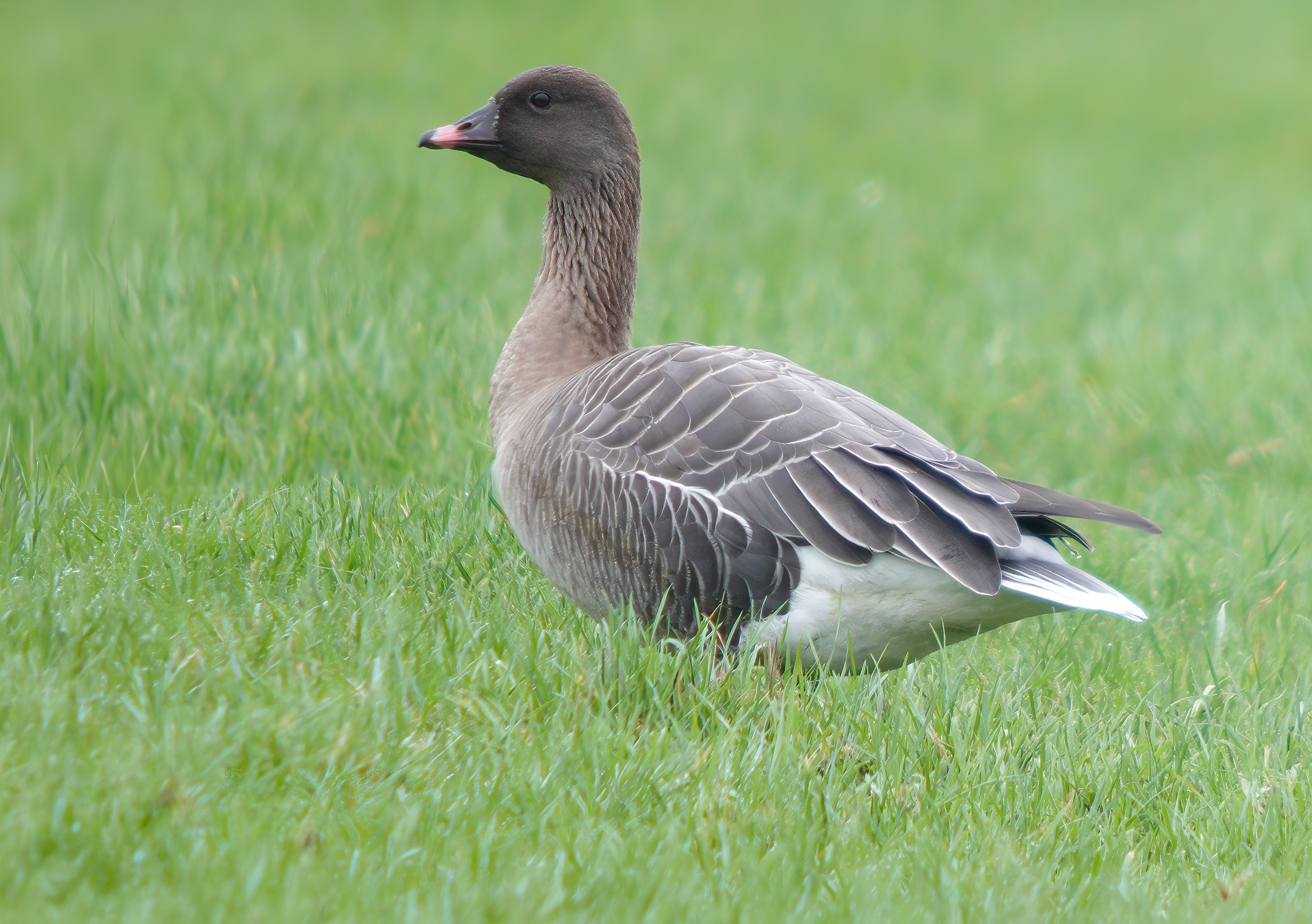
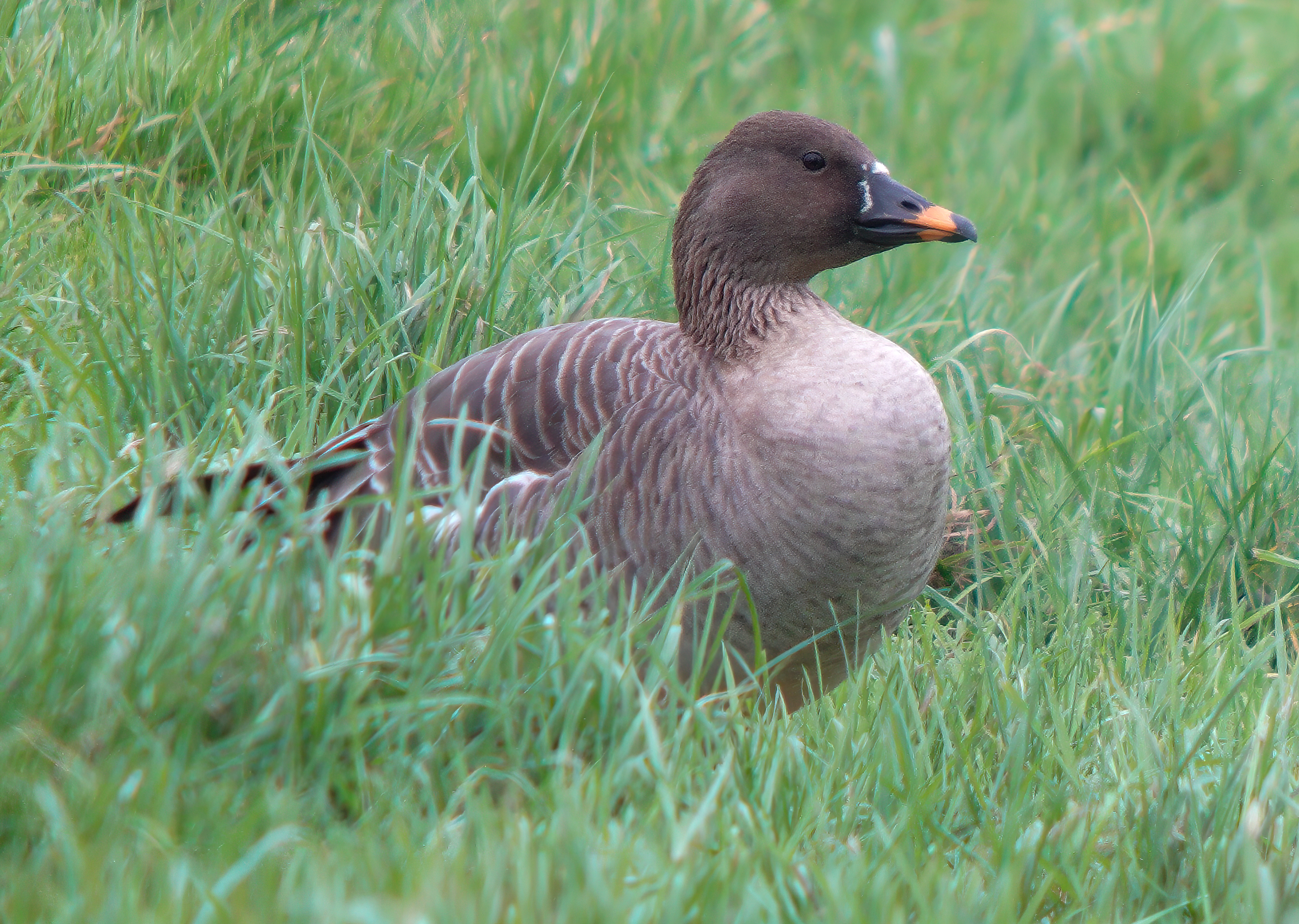
And Tundra Bean Goose was again on the week’s menu when two distinctly separate birds were present in the northern reaches of the Nene Valley. Based on its unique pattern of white at the base of the bill, the first was the same individual which has been kicking around in the Thrapston GP area since early January, although remaining under the radar for a significant amount of time. Keeping company with twenty-three White-fronted Geese, it appeared at Ringstead GP on 14th before settling in fields at nearby Denford from 16th until the end of the period. The second bird paid the briefest of visits to Islip Water Meadows with Greylags on 16th and was not seen subsequently.
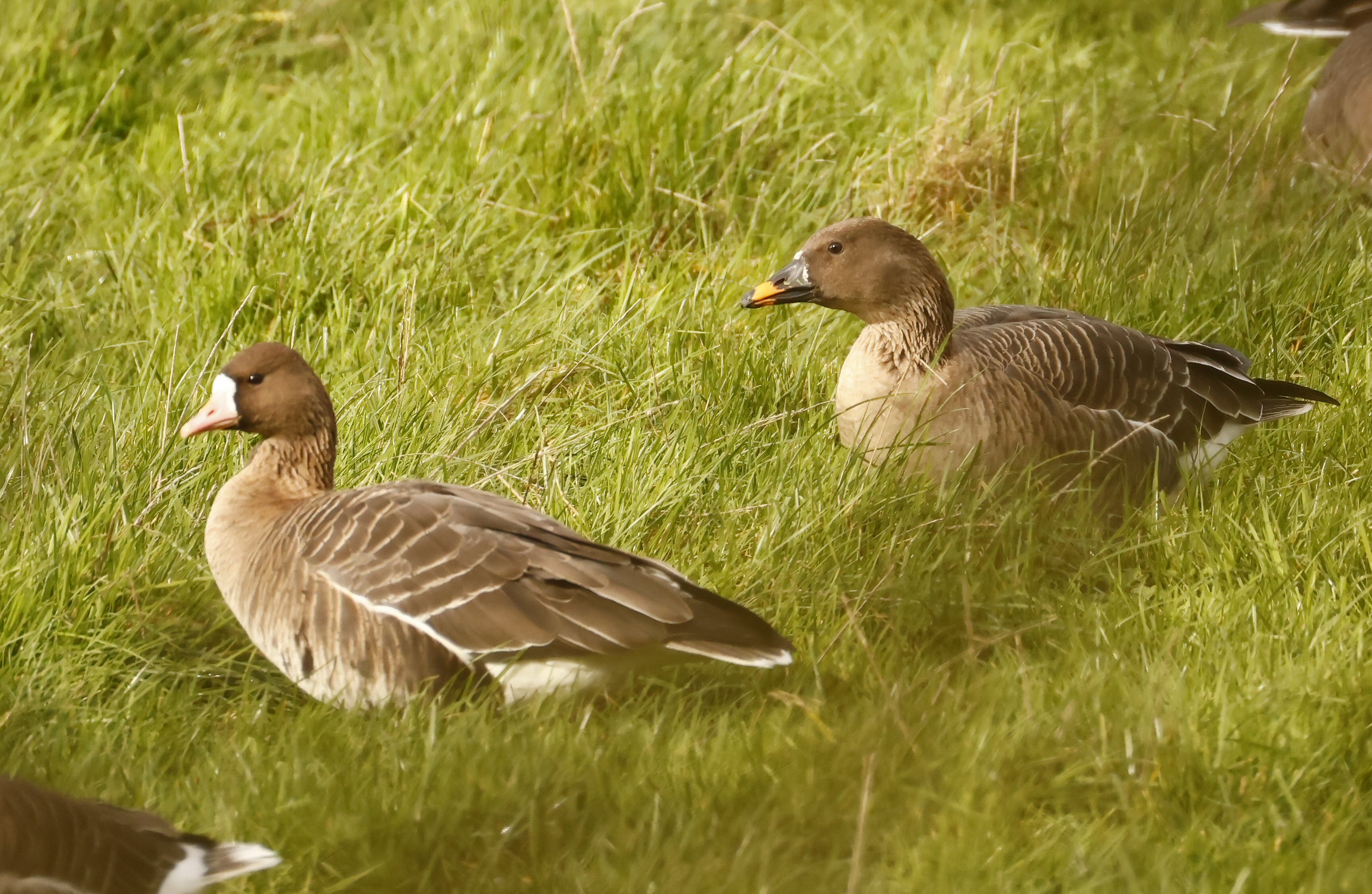
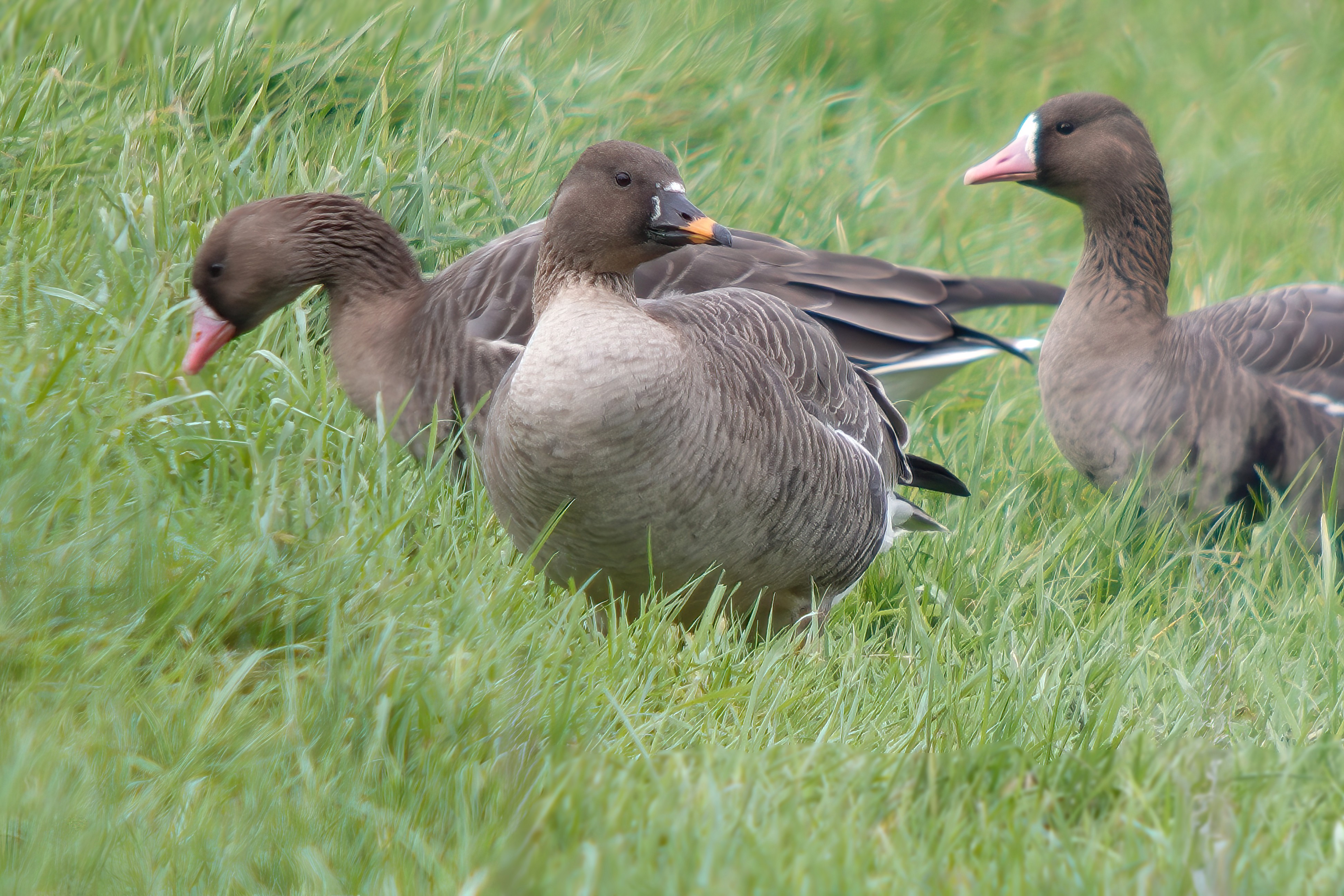
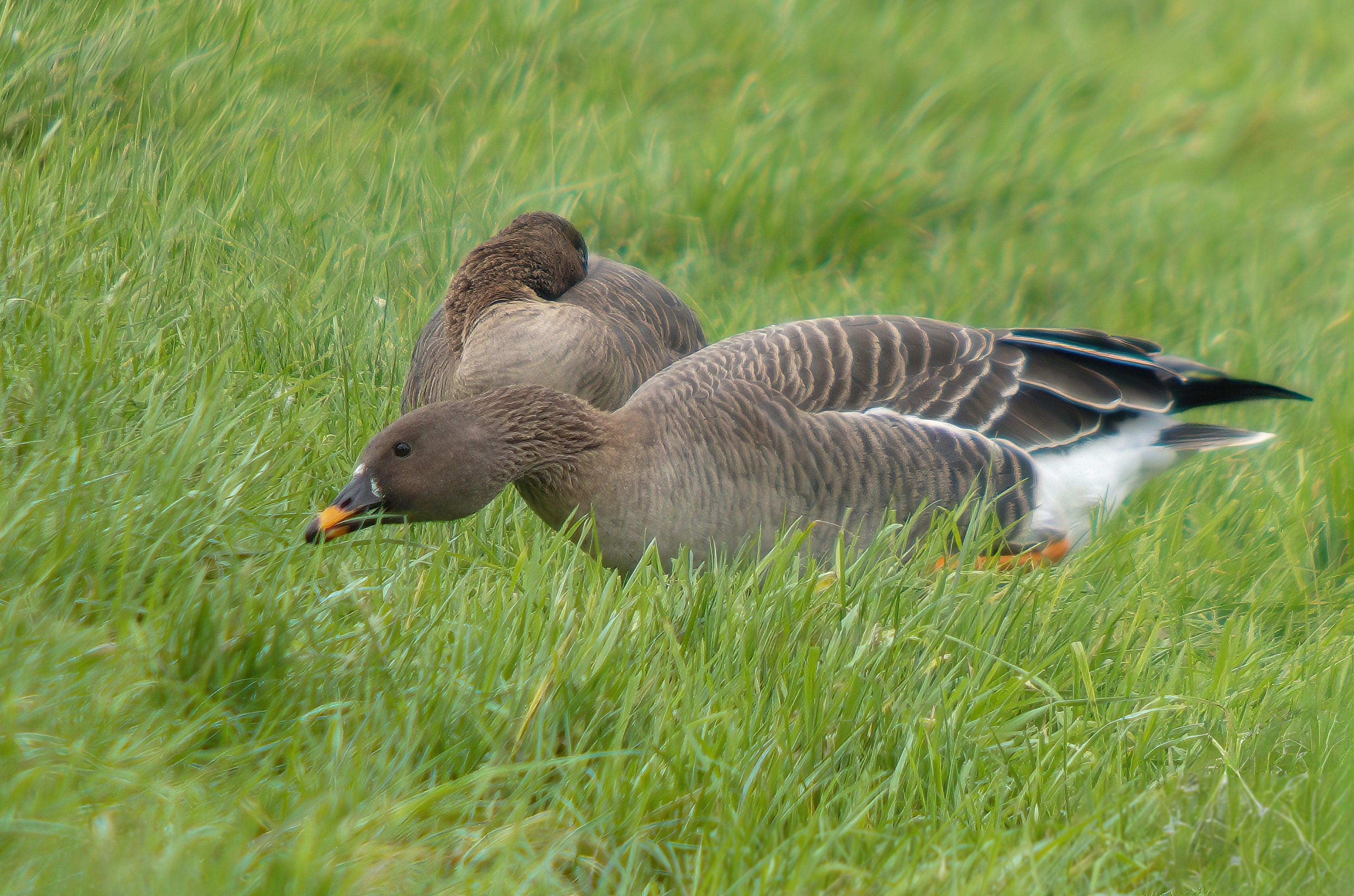
In addition to the aforementioned twenty-three, Stanford’s White-fronted Goose numbers remained high with at least forty mobile around fields between Stanford on Avon and the reservoir, on 15th. Lower numbers elsewhere included eight at Thrapston from 14th to 17th, visiting fields north of nearby Thorpe Waterville on 15th, and four at Stanwick GP between 15th and 18th.
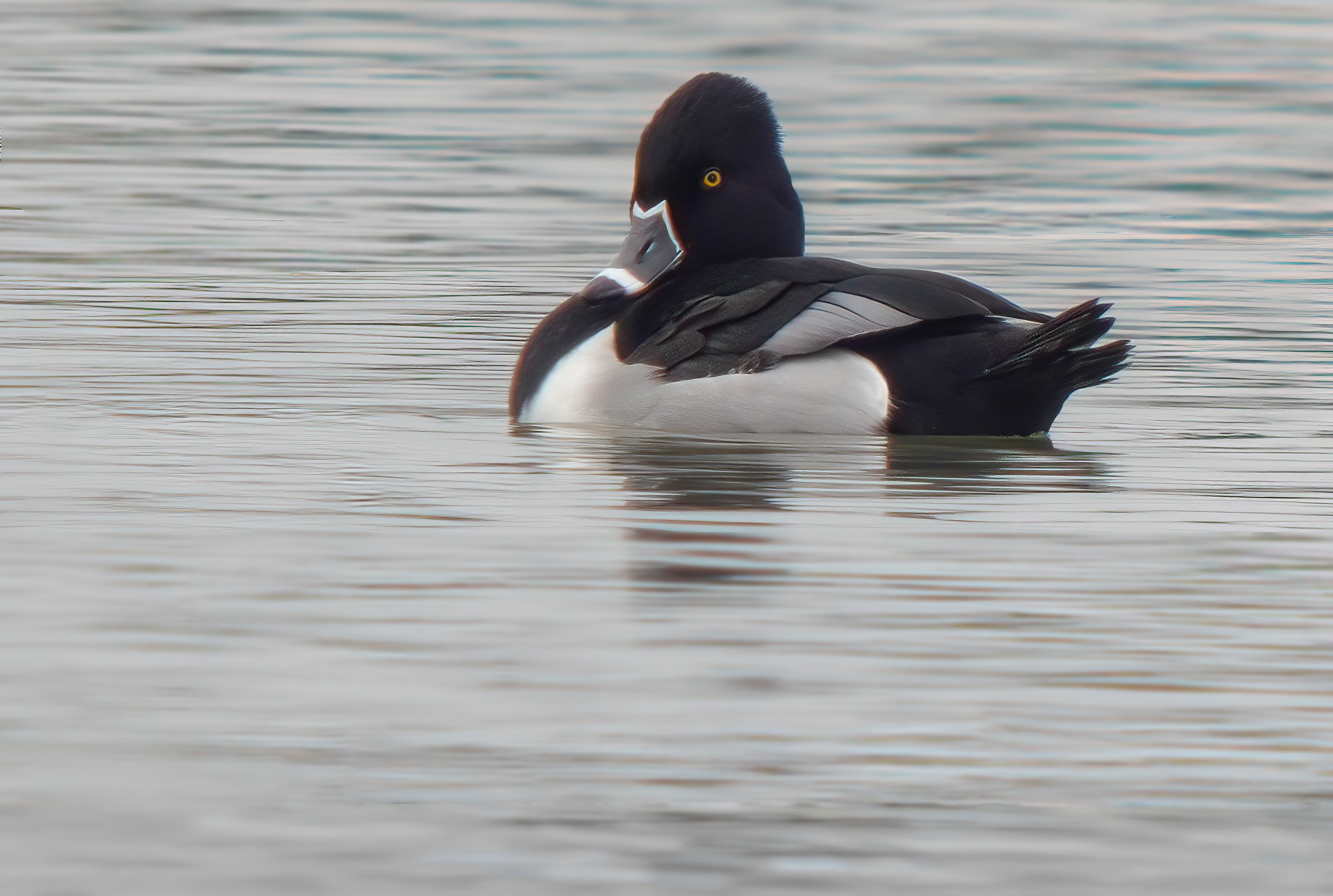
Now seemingly settled on the Rosewater Fishing Lake at Ringstead, the drake Ring-necked Duck remained there from 14th until at least 18th and a Greater Scaup was reported on adjacent Kinewell Lake on 16th.
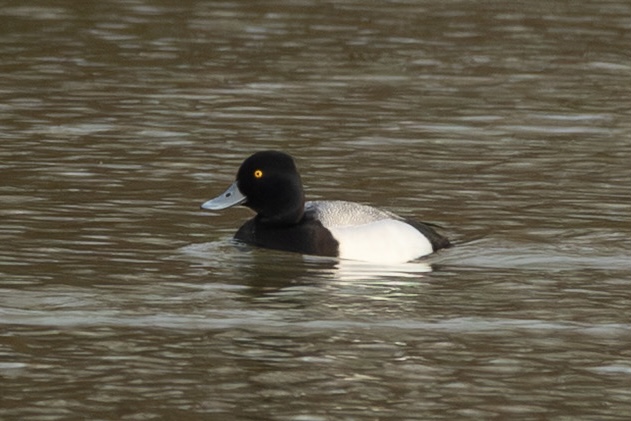
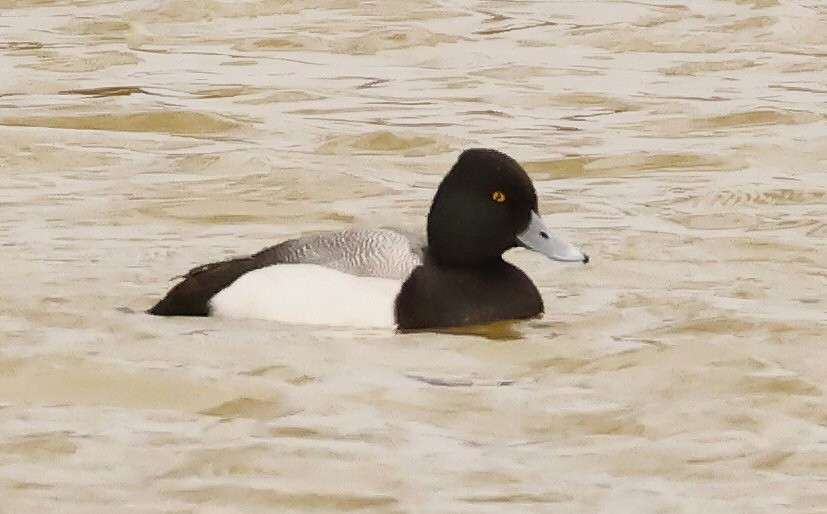
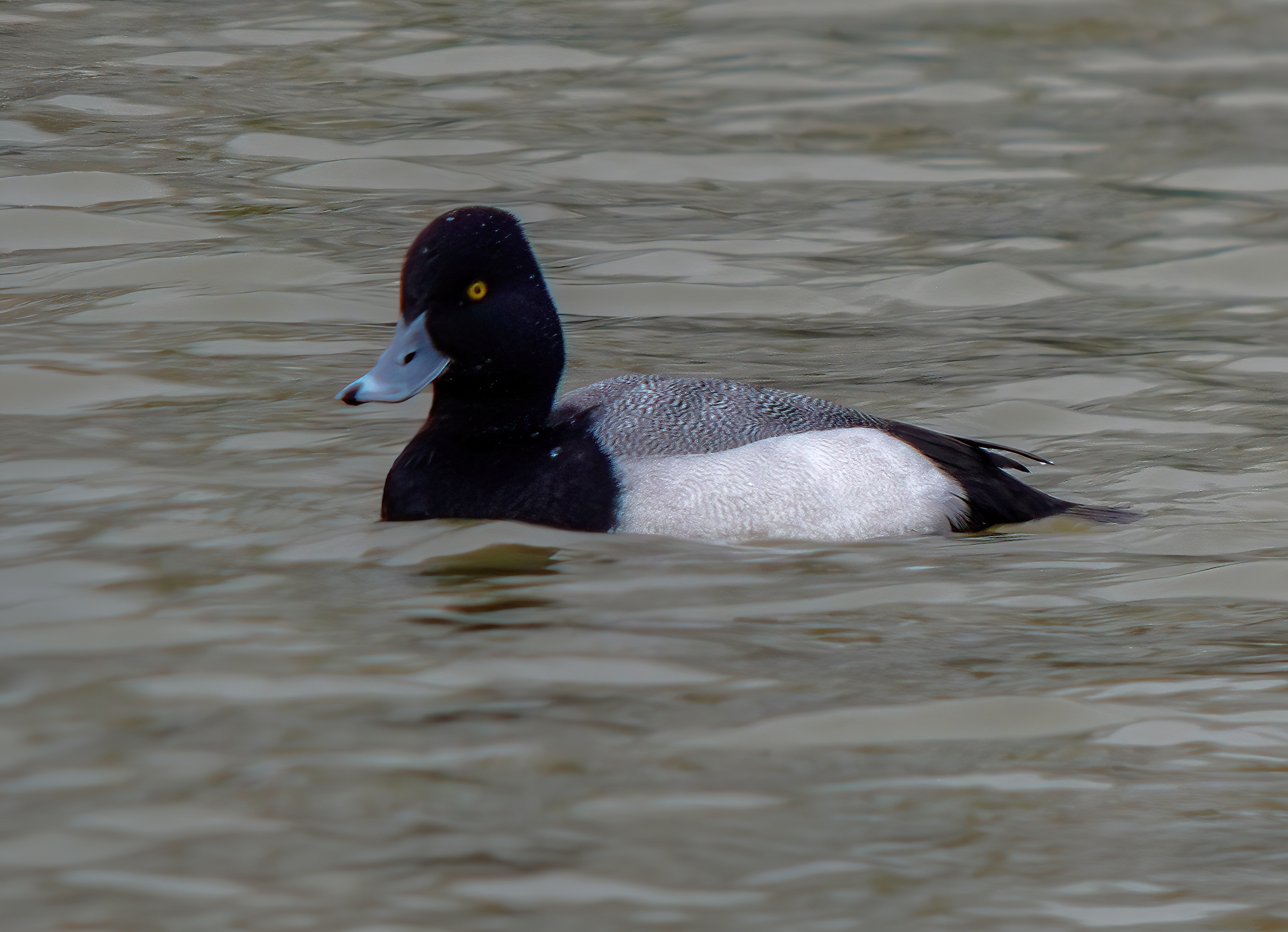
But the period’s highlight was found on the last day of the week, when a dapper drake Lesser Scaup broke water on the River Nene alongside Clifford Hill GP. Had it been Northamptonshire’s first – and maybe it is the same individual from last autumn – it would have drawn a sizeable crowd, given the easily accessible location and prime viewing conditions. As it was, a trickle observers dropped in to soak up the good views on offer.
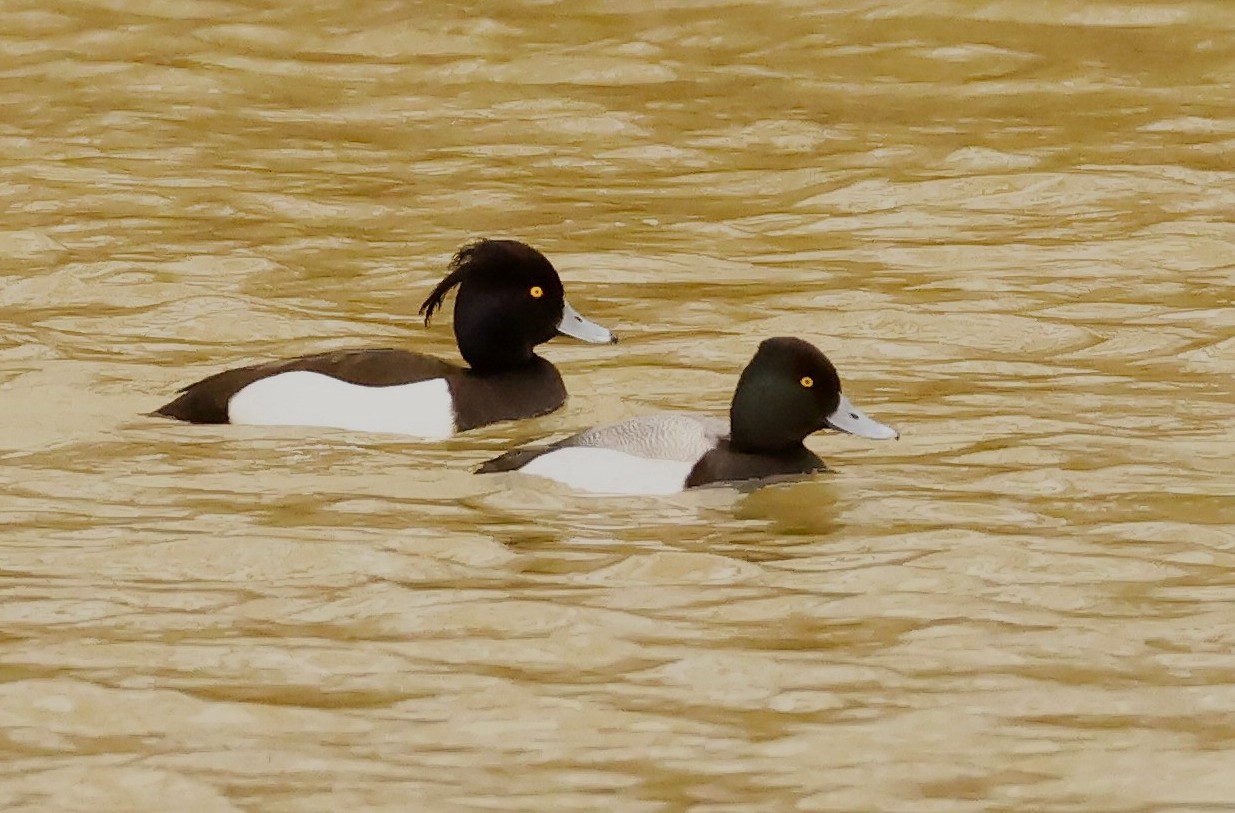
Dramatically overshadowed by the above – at least in terms of rarity – was the drake Smew which saw out another week at the same location.
And hybrids? The drake Pochard x Tufted Duck remains also at Clifford Hill, as does the presumed female Pochard x Tufted Duck at Daventry CP.
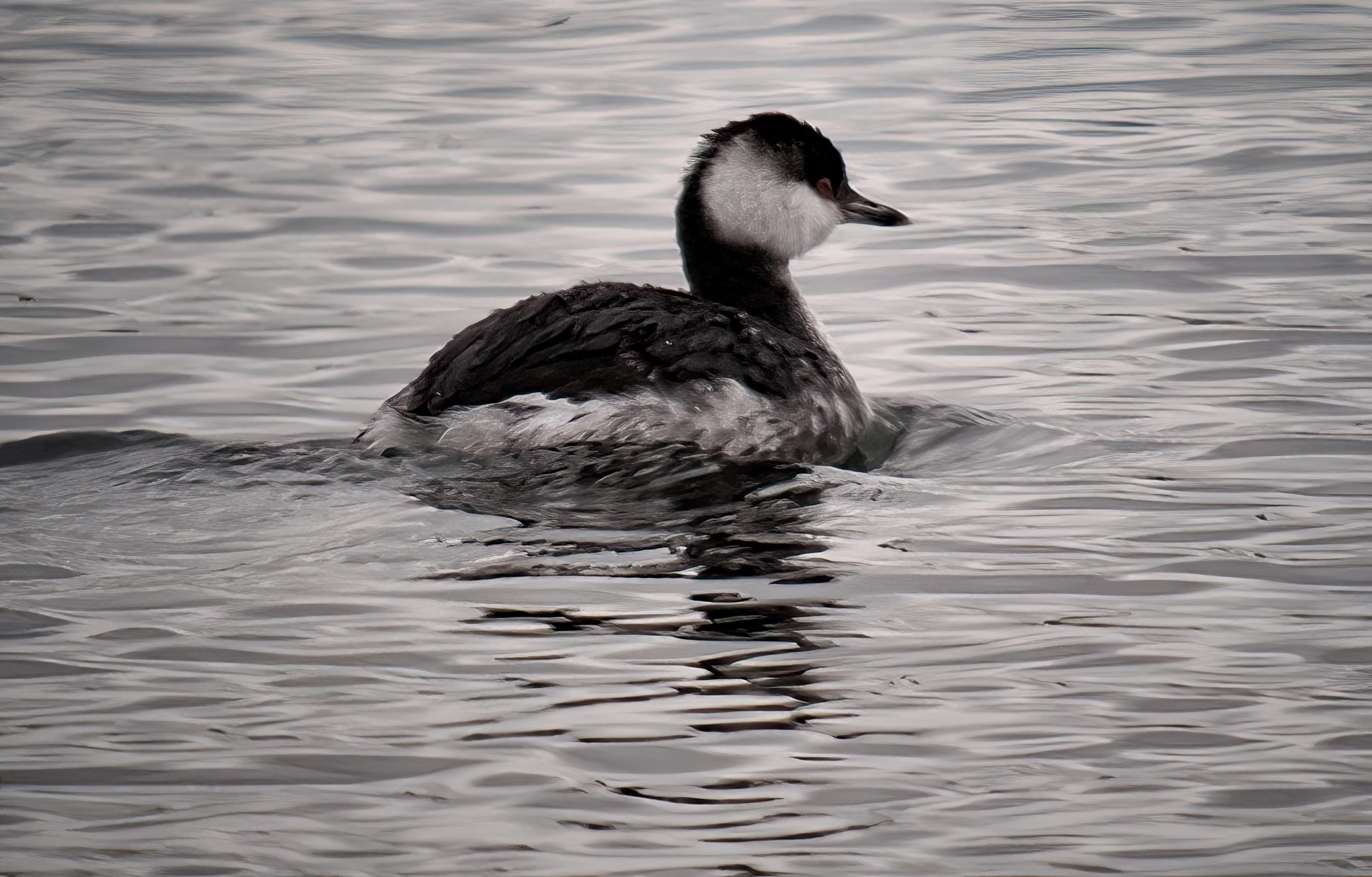
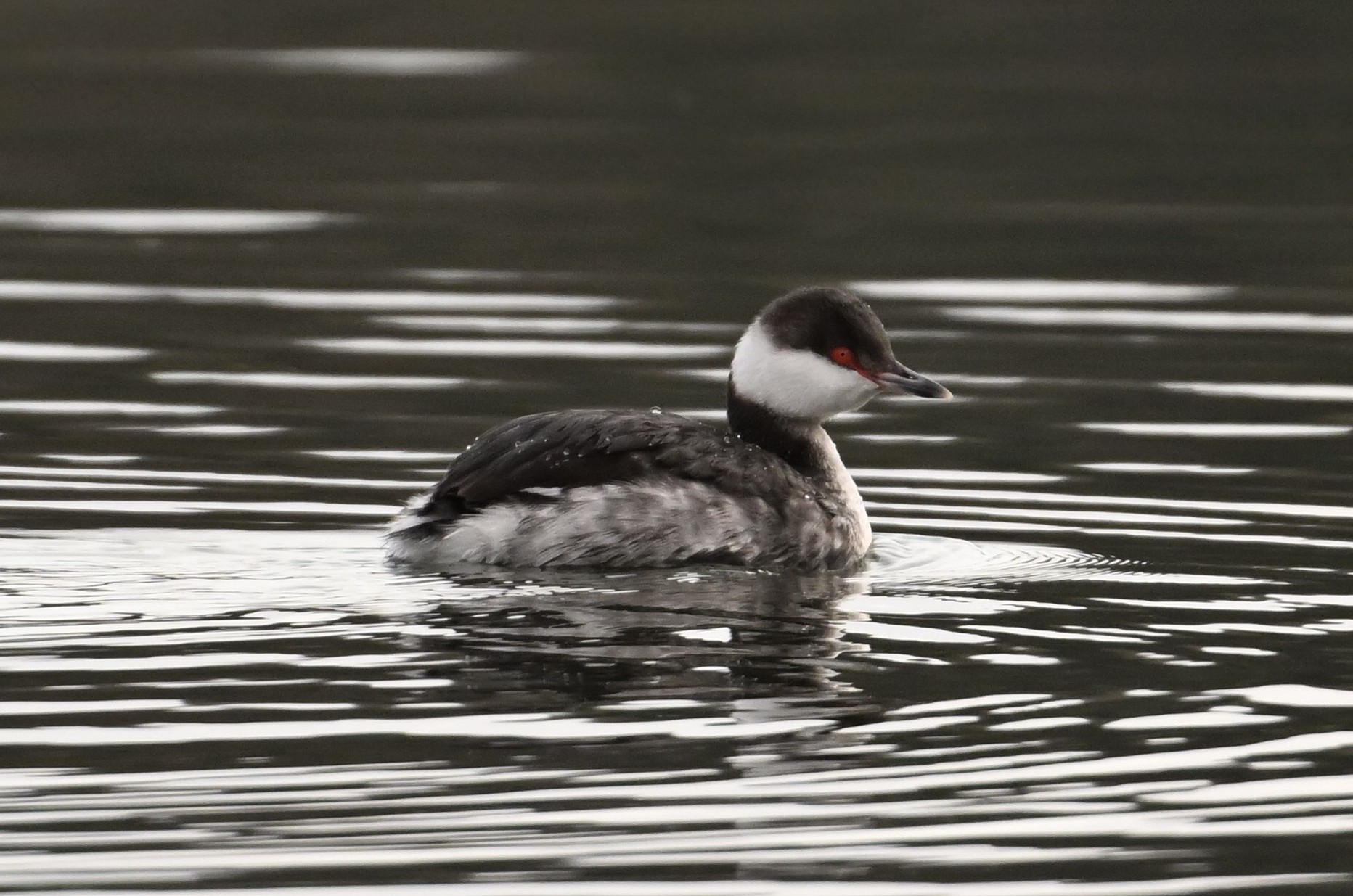
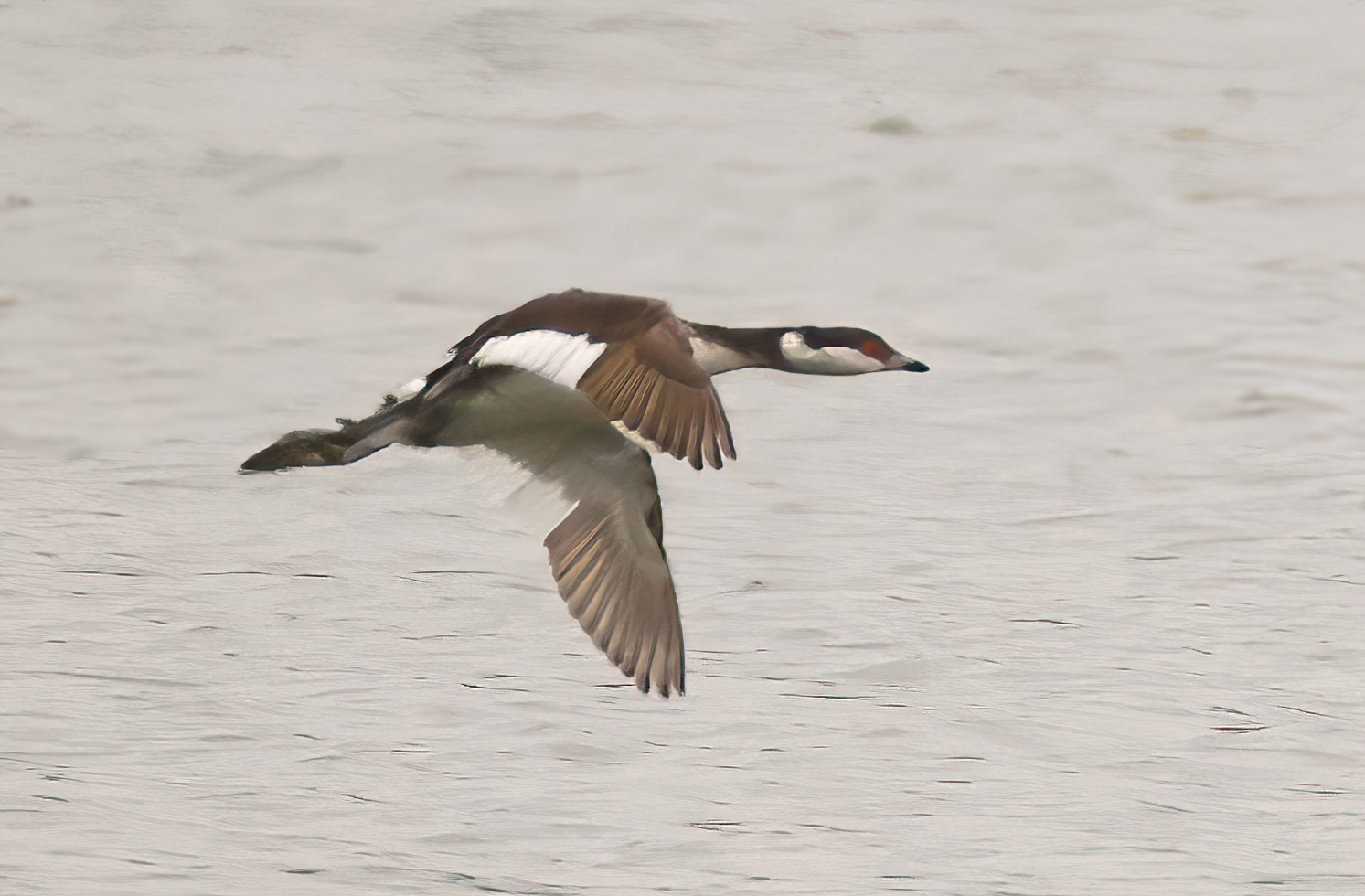
Moving swiftly on … and following a recent uptick in records in the UK, another new bird for the year this week was a Slavonian Grebe. First seen at Daventry on 19th, it moved to Ravensthorpe Res on 20th, where it was still present at close of play. Hard evidence in the form of a unique, small dark stripe on the left side of its head identifies it as the same bird at both locations.
Two Jack Snipes at Hollowell Res on 16th sums up the week’s scarcer waders.
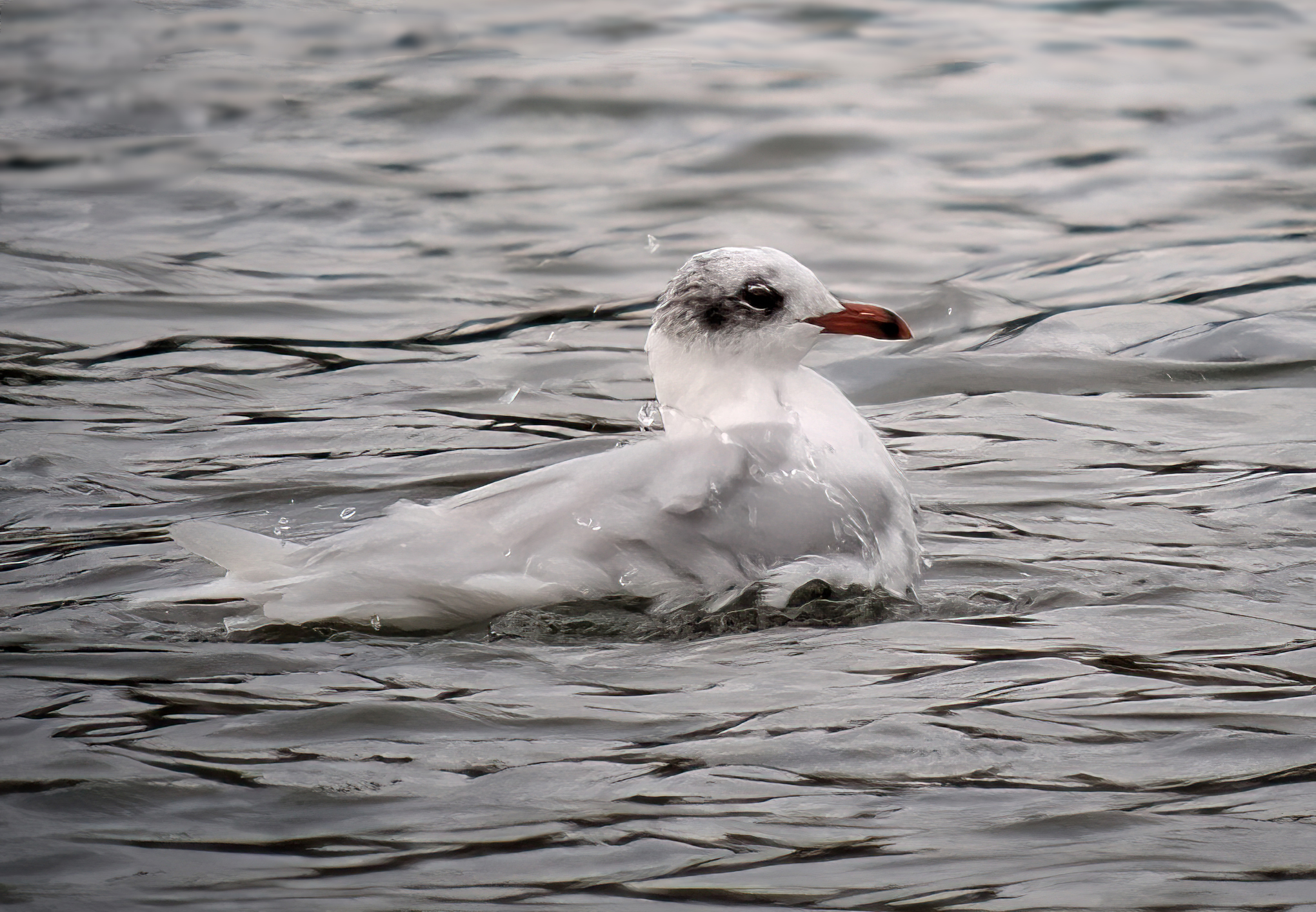
The week’s gulls once again comprised two adult Mediterranean Gulls – one at Daventry on 16th and the other in the roost at Stanford three days later, on 19th, with two adult Caspian Gulls at Hollowell on the same dates.
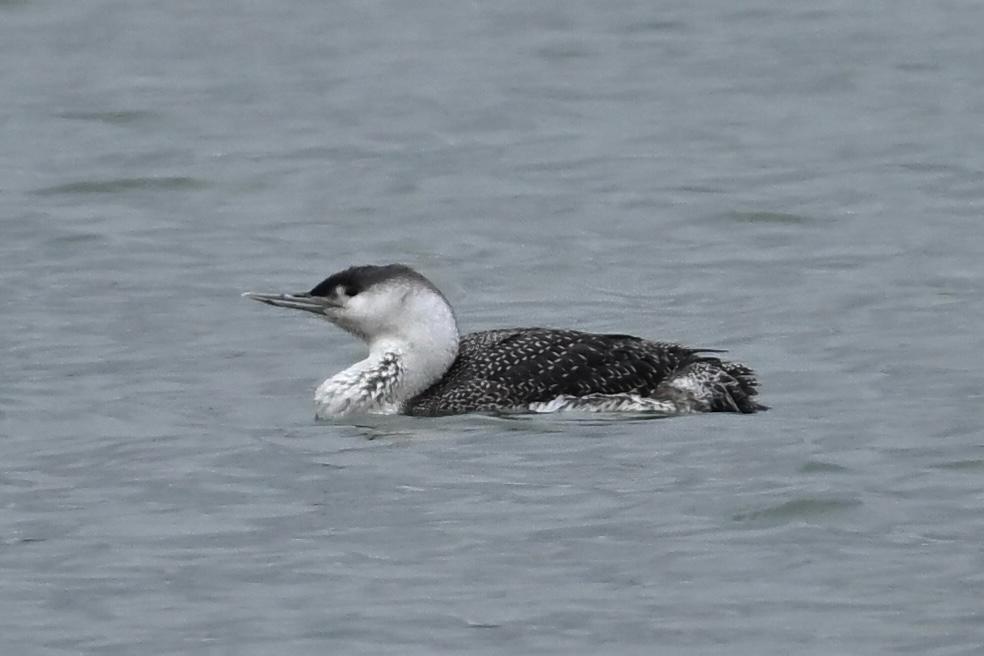
Hollowell also played second locality fiddle to the Red-throated Diver, which upped sticks from Ravensthorpe on 16th but returned to the latter site on 19th, still being in residence there at the week’s end. It attracted far less attention than in the previous week, the novelty likely having worn off …
Also, considered part of the winter furniture, the Glossy Ibis remained at Summer Leys LNR throughout.
Once again, a Cattle Egret dropped into the flooded area at Wellingborough Embankment on 15th.
Also in the Nene Valley, Marsh Harriers continued their right to roam, Summer Leys producing sightings on 14th, 15th and 17th that included the first-year male ‘J4’. Elsewhere, singles were at both Ditchford GP and Earls Barton GP’s New Workings (South) on 14th. A ringtail Hen Harrier in the Brampton Valley/Blueberry Farm area on 17th was the third of the year so far, one having been seen there on 1st January, followed the next day by one near Laxton.
There was close to nothing new on the passerine front this week. Daventry’s Siberian Chiffchaff extended its stay until at least 19th, while a Firecrest was reported from Thrapston on 17th.
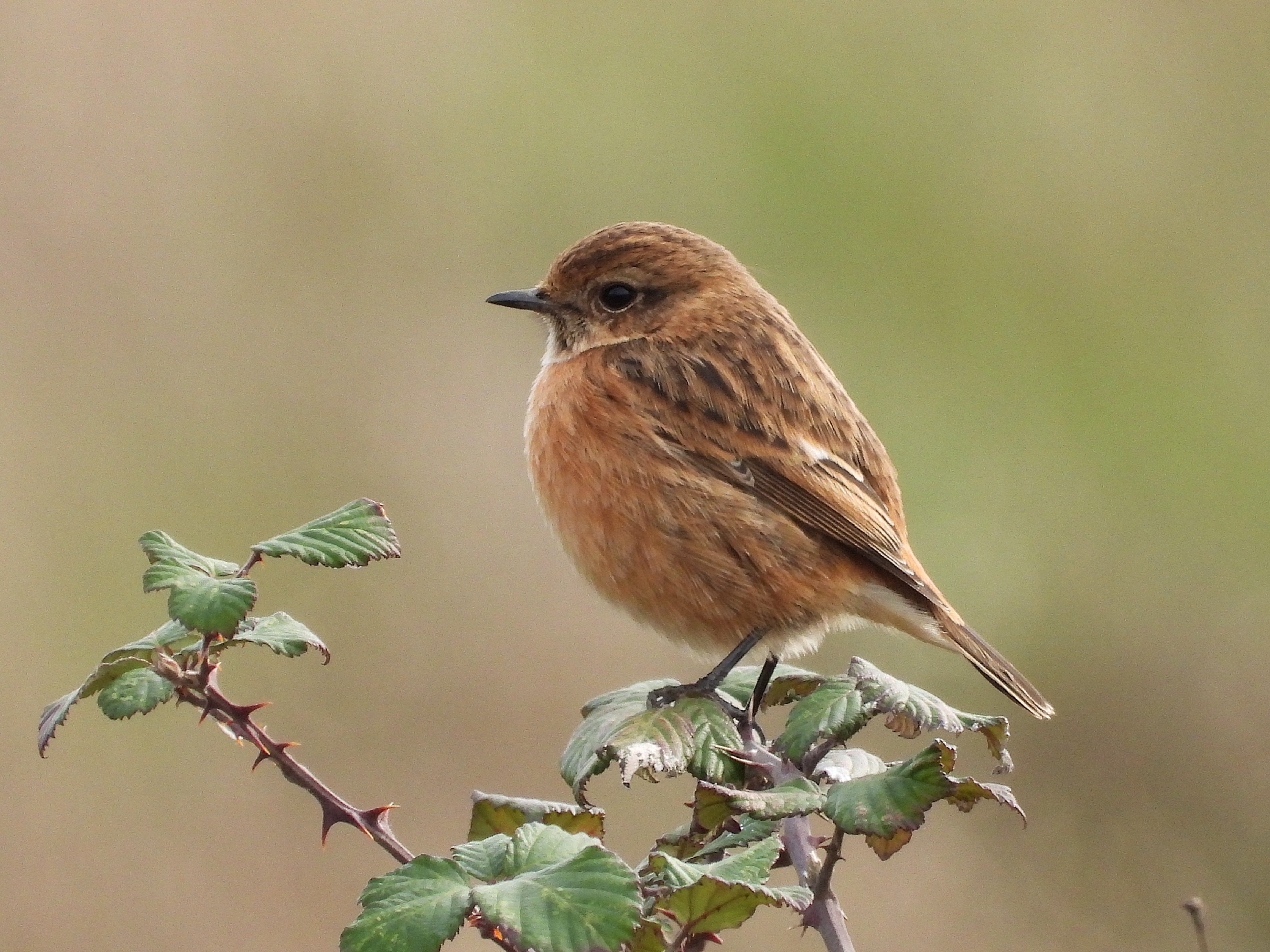
Stonechat numbers were down, with twos seen at Earls Barton GP on 14th and 17th, in the Brampton Valley on 15th, at Hollowell on 16th and at Stanwick on 18th.
Up to eight Crossbills were still present at Gamboro Plantation near Cottesbrooke throughout the week and singles were at Scotland Wood, Kelmarsh on 16th and 20th.
Two Corn Buntings reappeared briefly in the Brampton Valley between Cottesbrooke and Hanging Houghton on 16th.

Discover more from Northants birds
Subscribe to get the latest posts sent to your email.

 Northants birds