Newsround 20th to 26th December 2025

With temperatures dropping to well below zero in eastern Europe there’s a lot to be said for taking advantage of this week’s easterly airflow and heading west to make the most of less inclement conditions. And with many birds doing just that, things lined up nicely, with some startling results to boot …

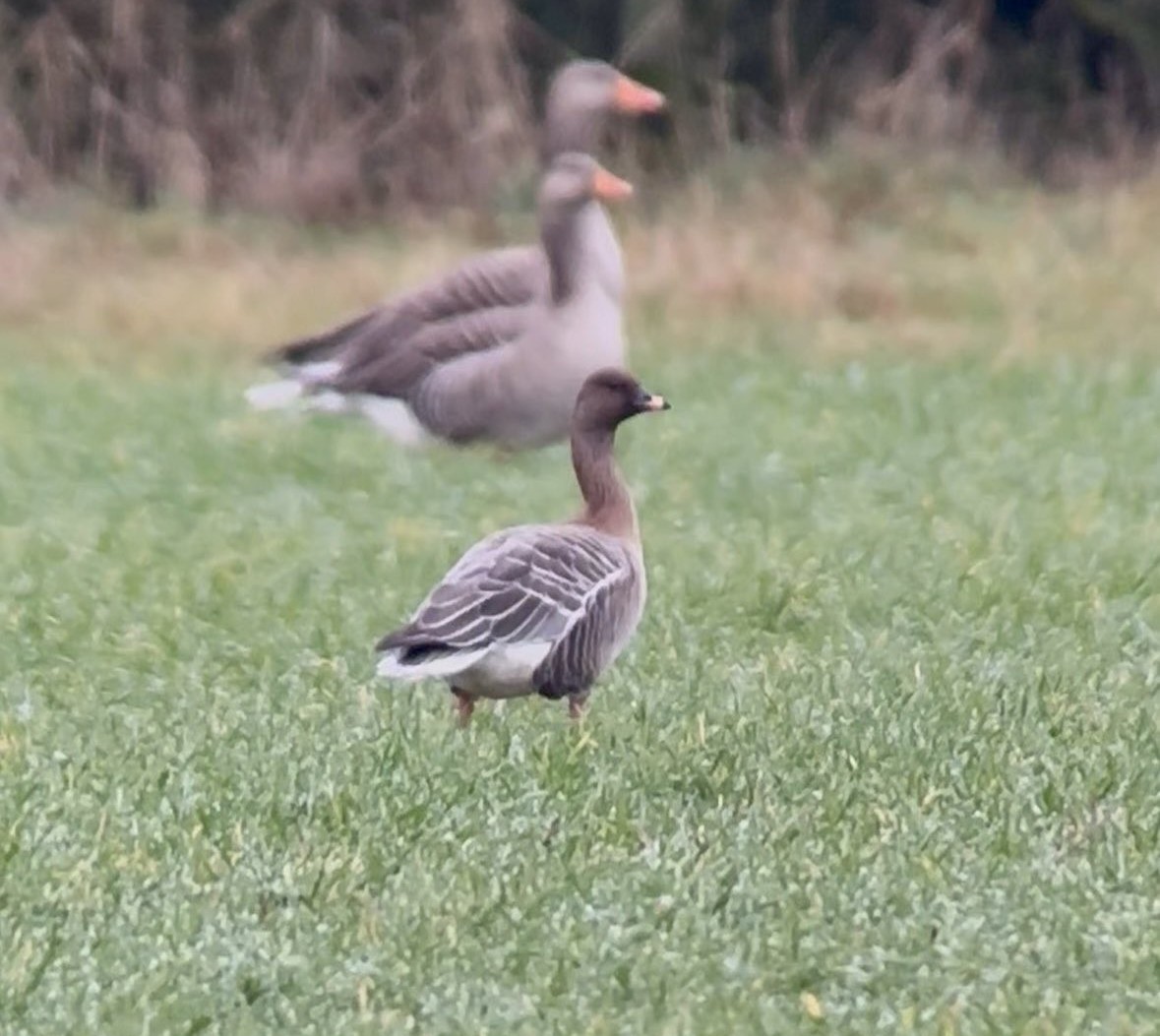
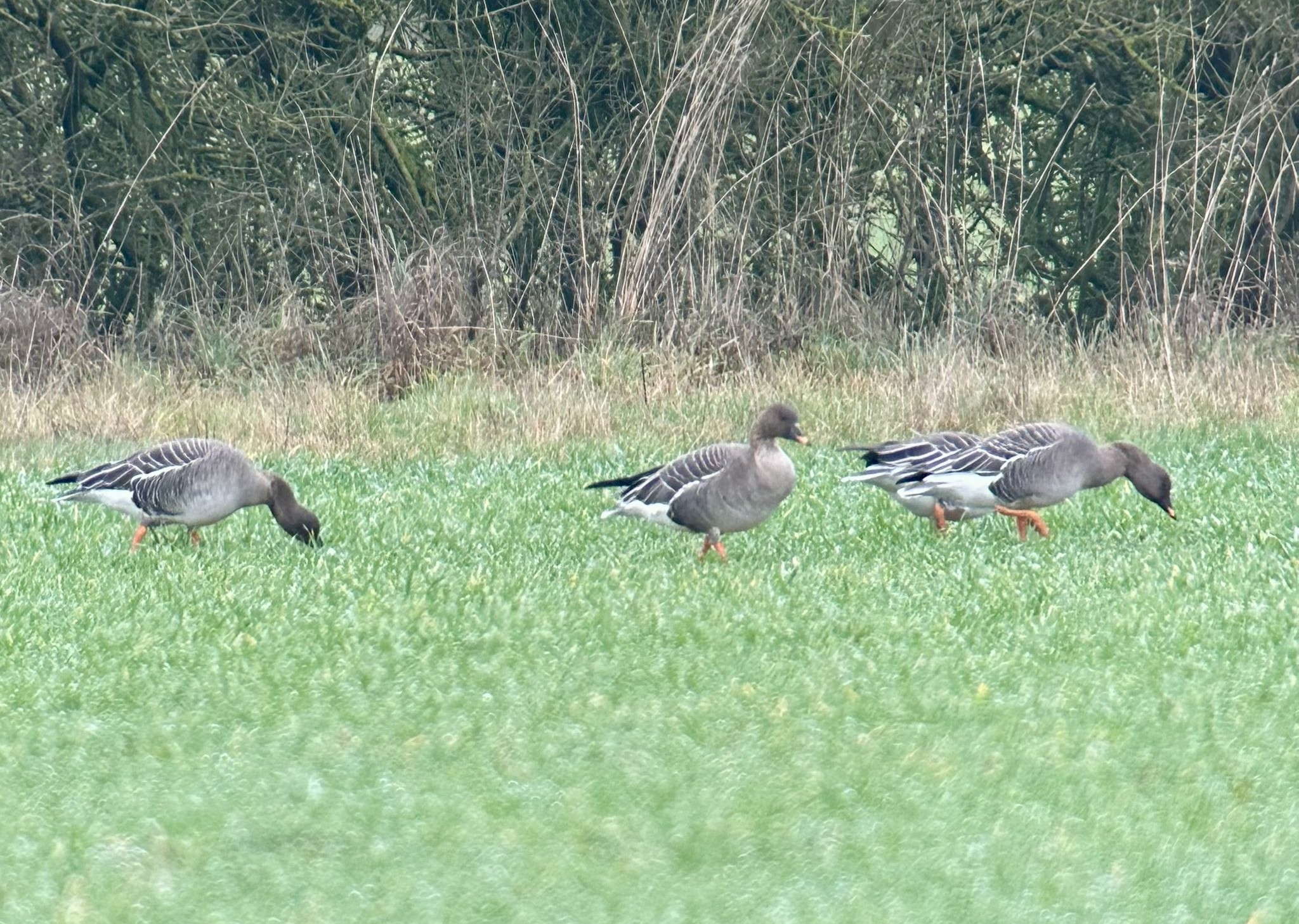
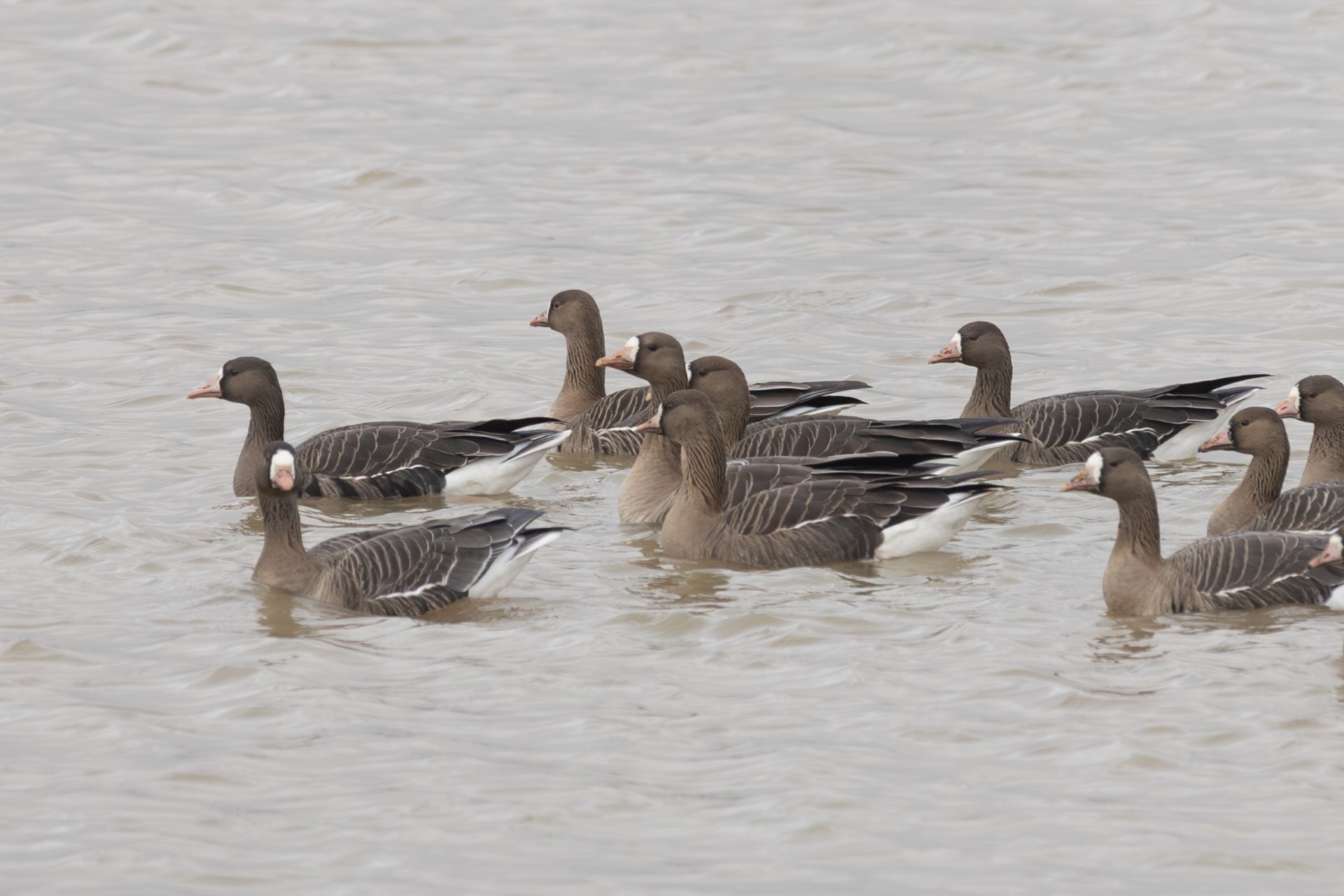
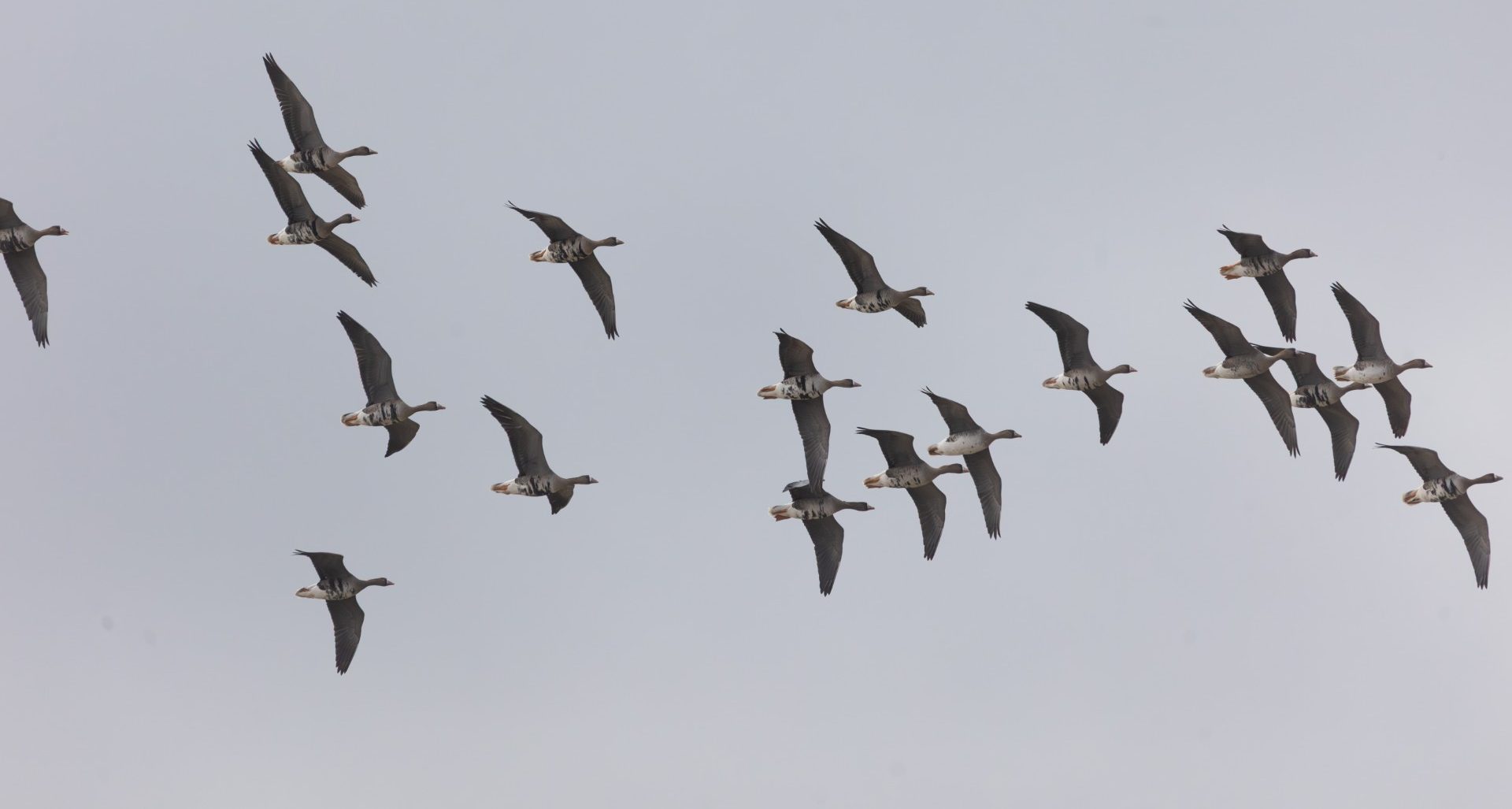
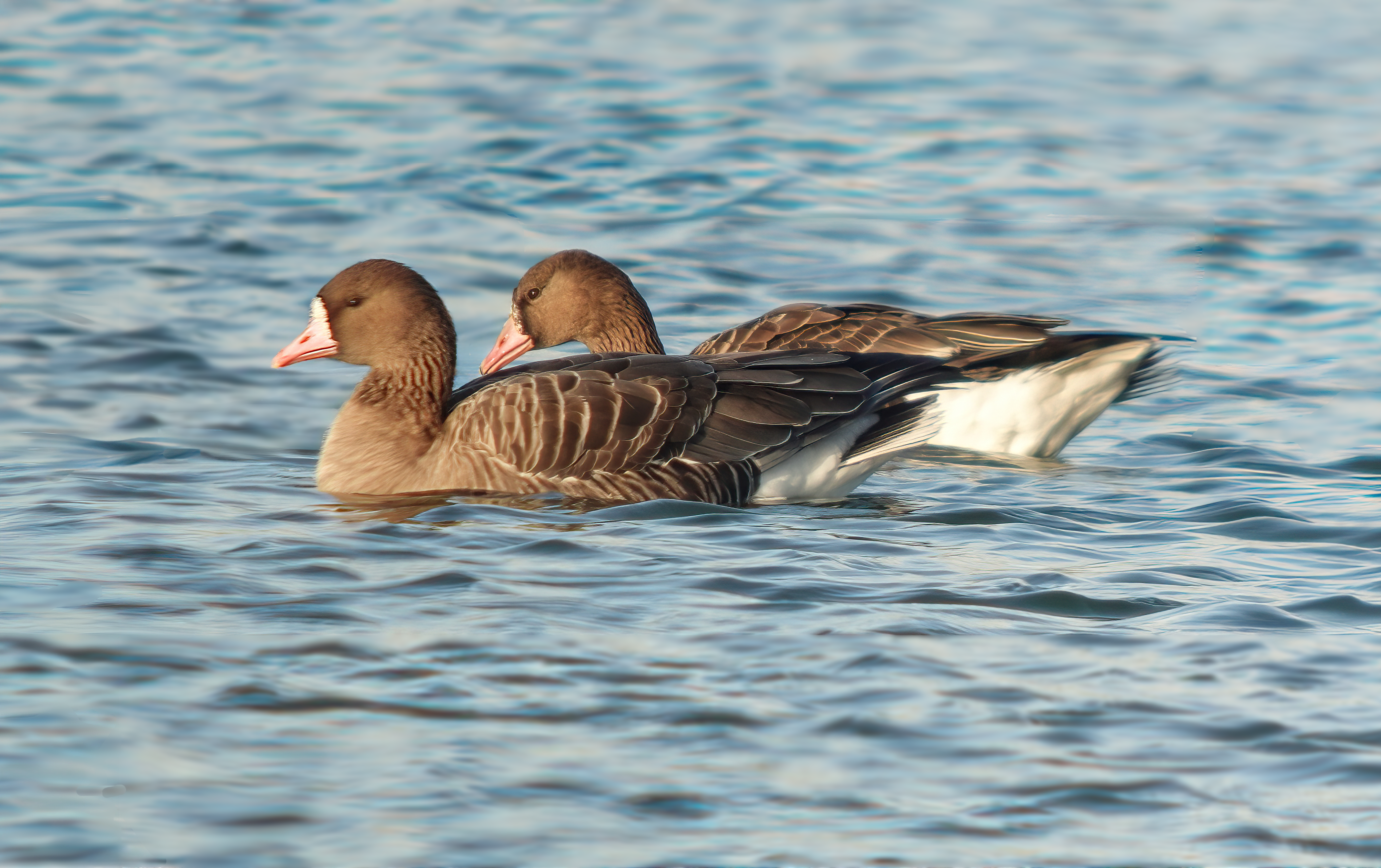
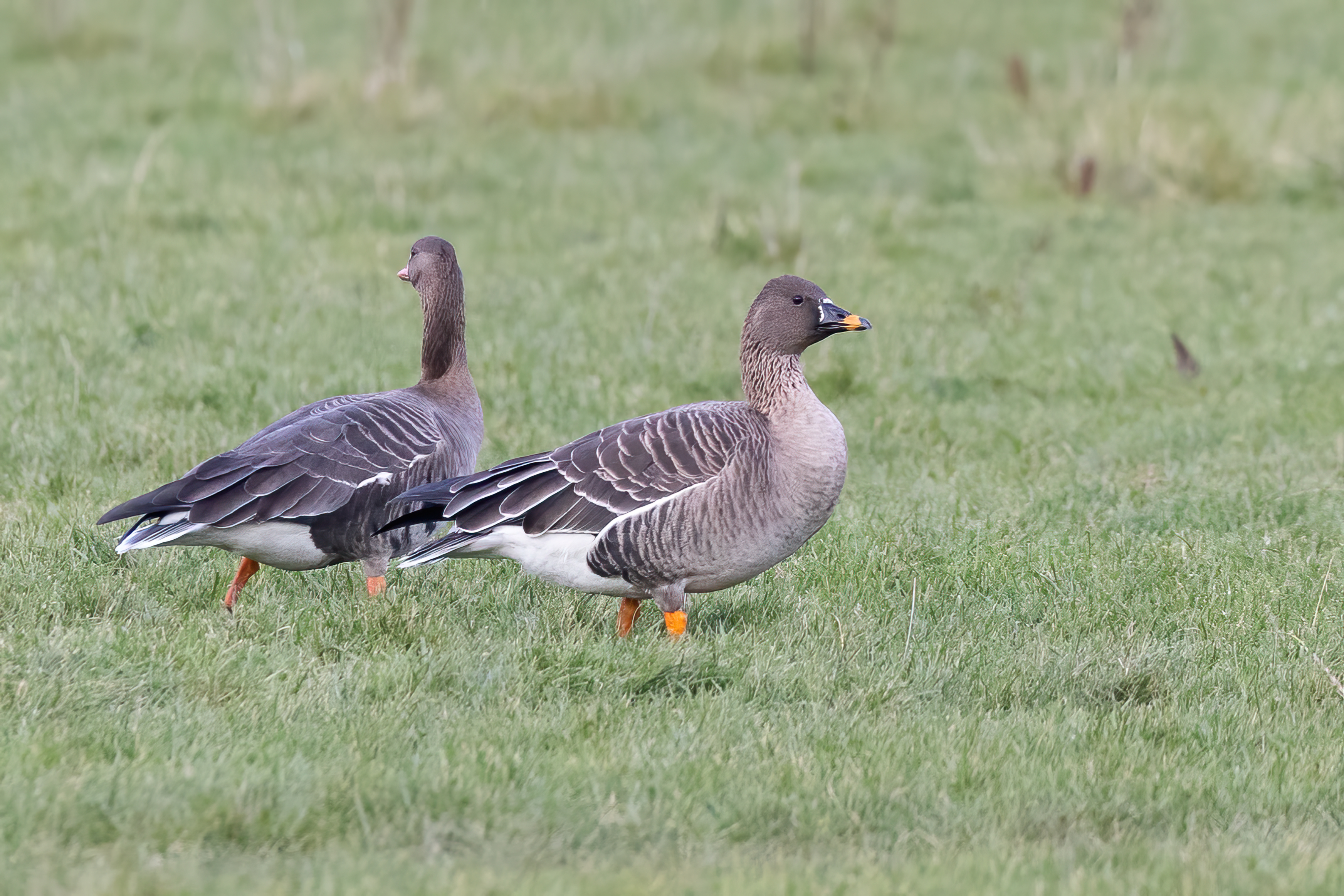
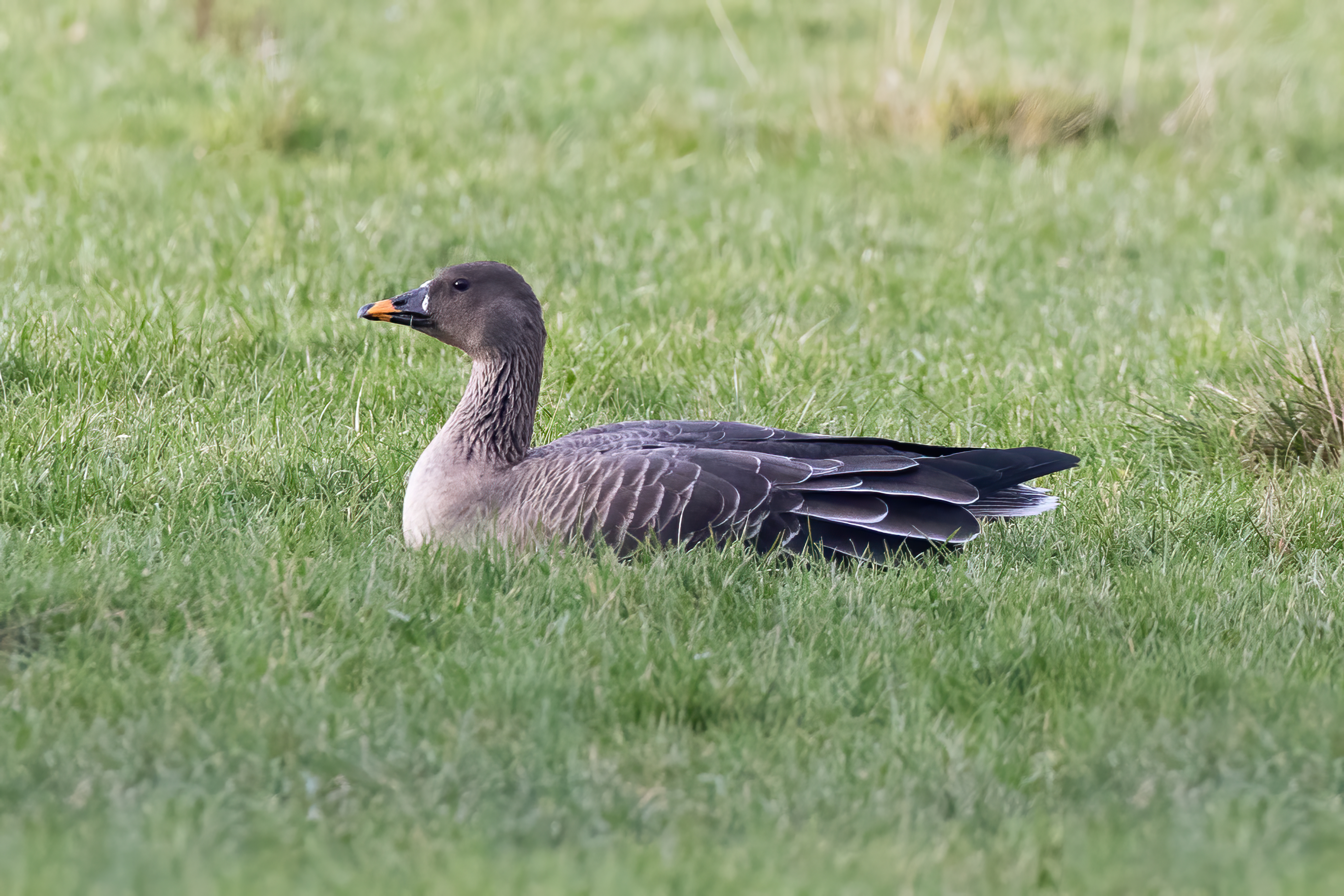
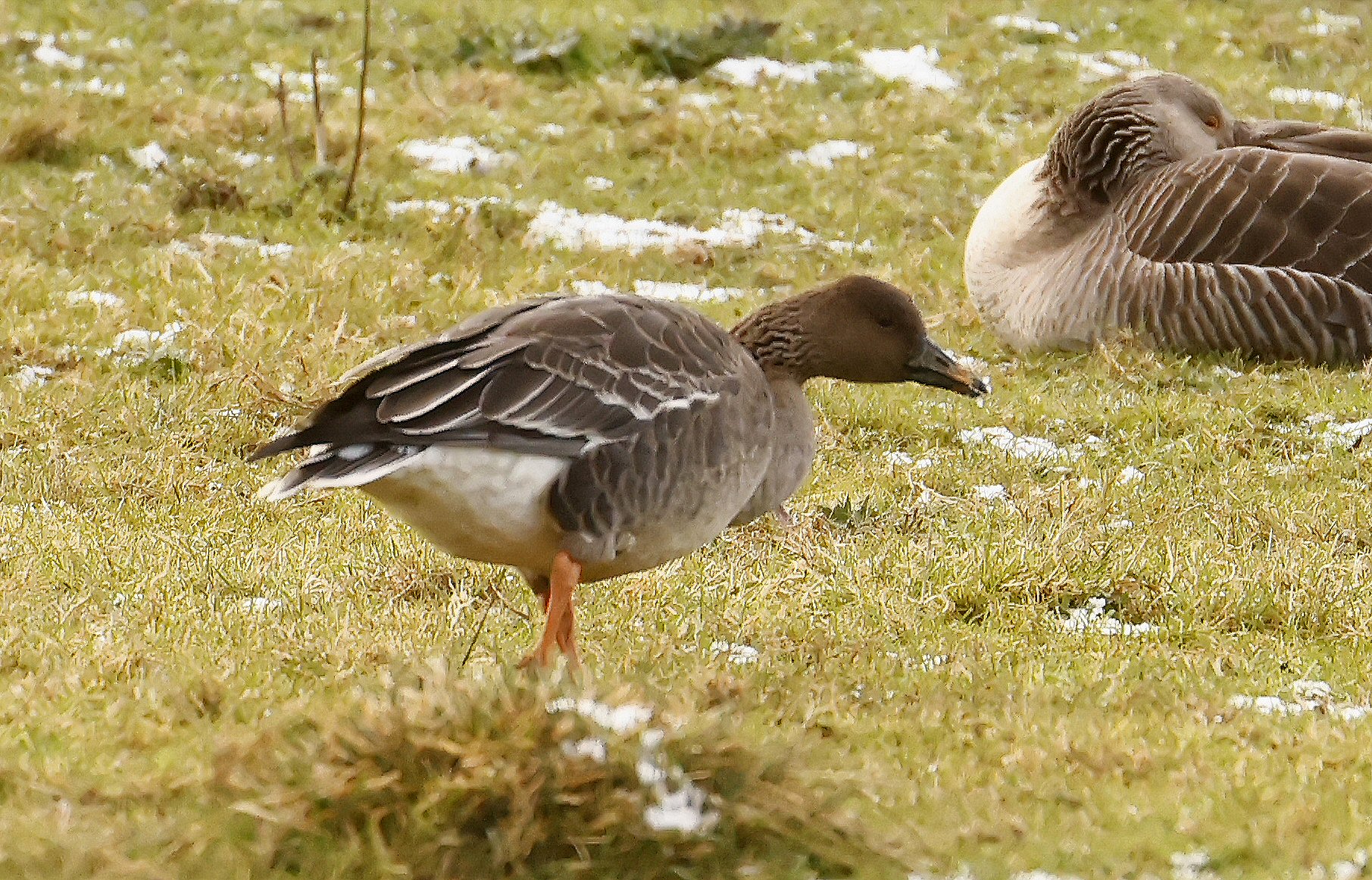
So it came to pass as Christmas Eve unfolded, a veritable Goose fest began to take shape, with a significant influx of Tundra Bean and White-fronted Geese into the UK. The week, it seems, belonged to wildfowl … and we weren’t left out.

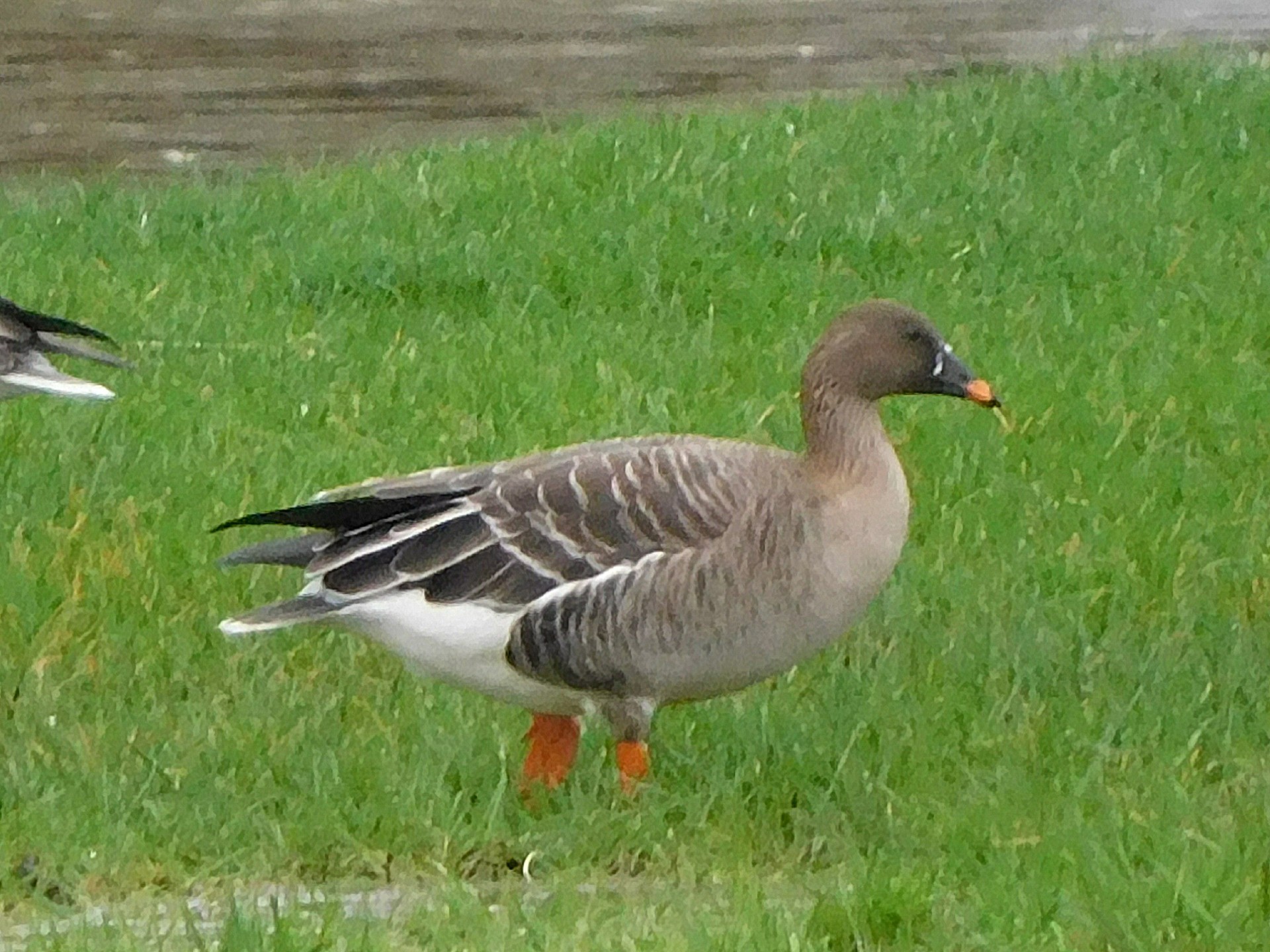
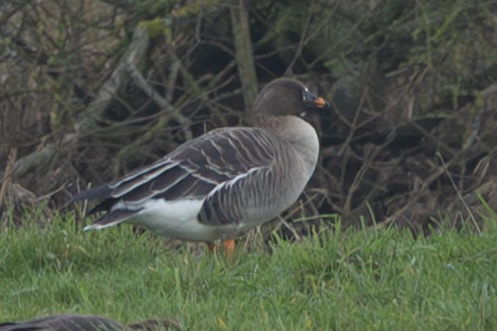
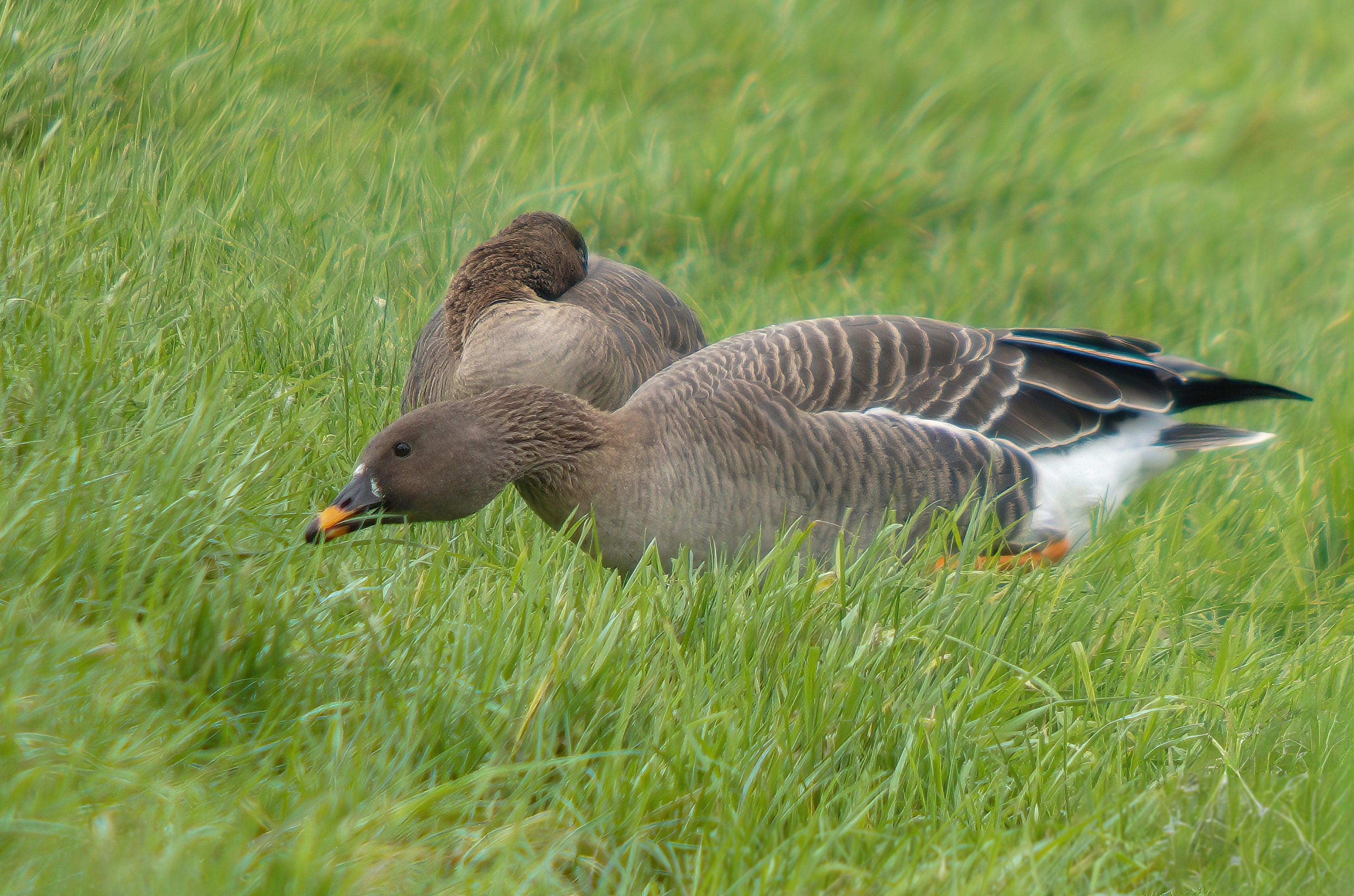
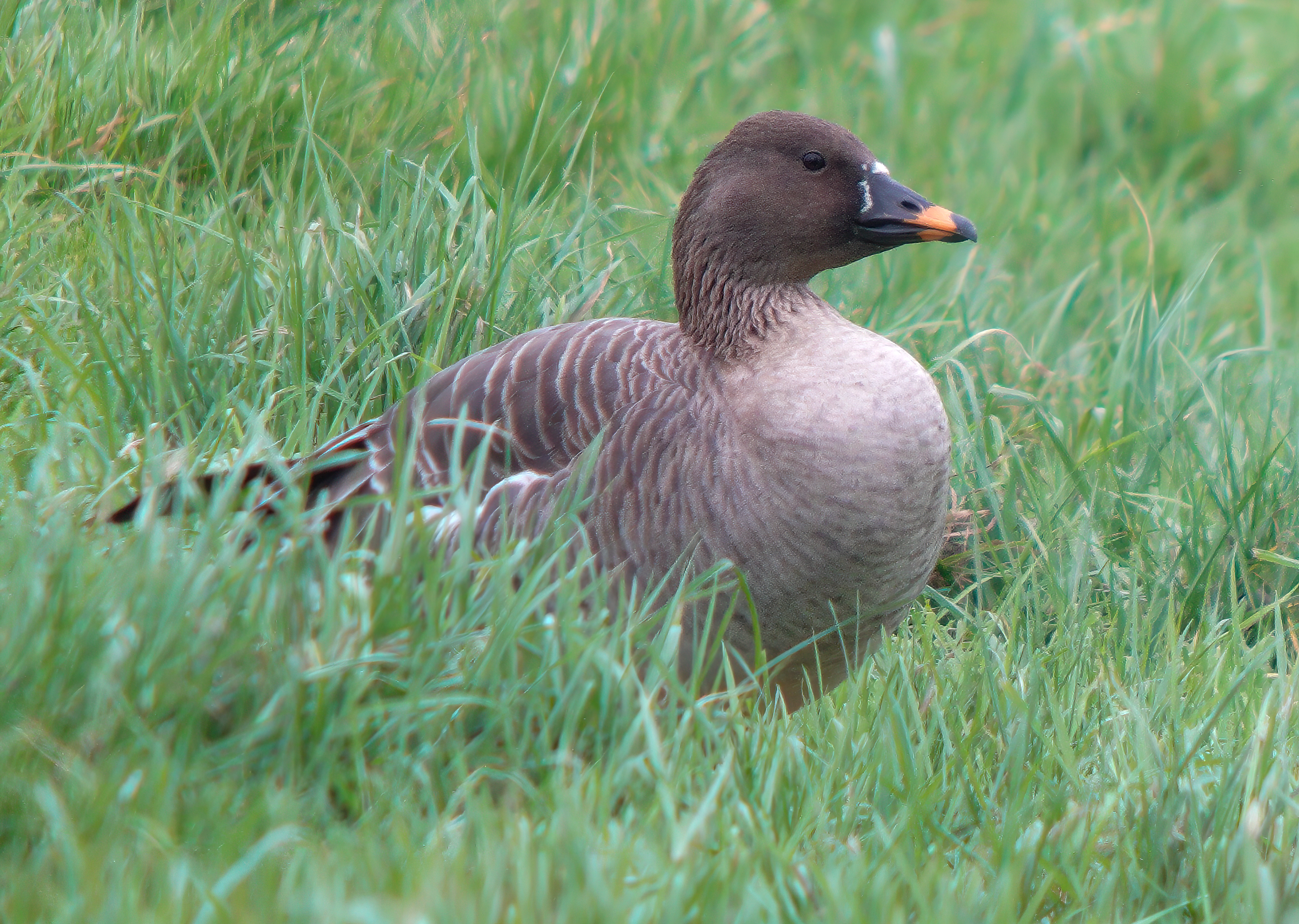
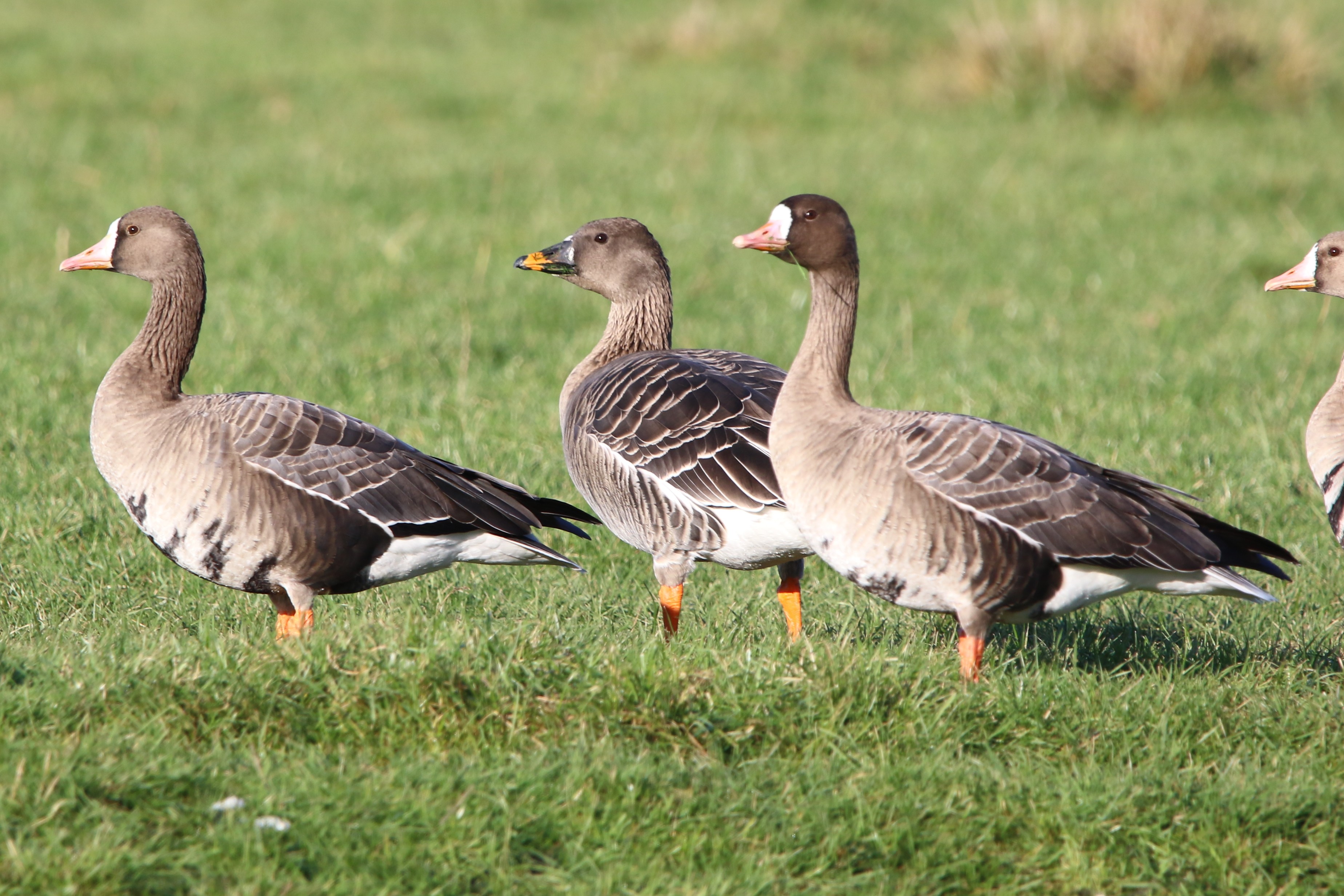
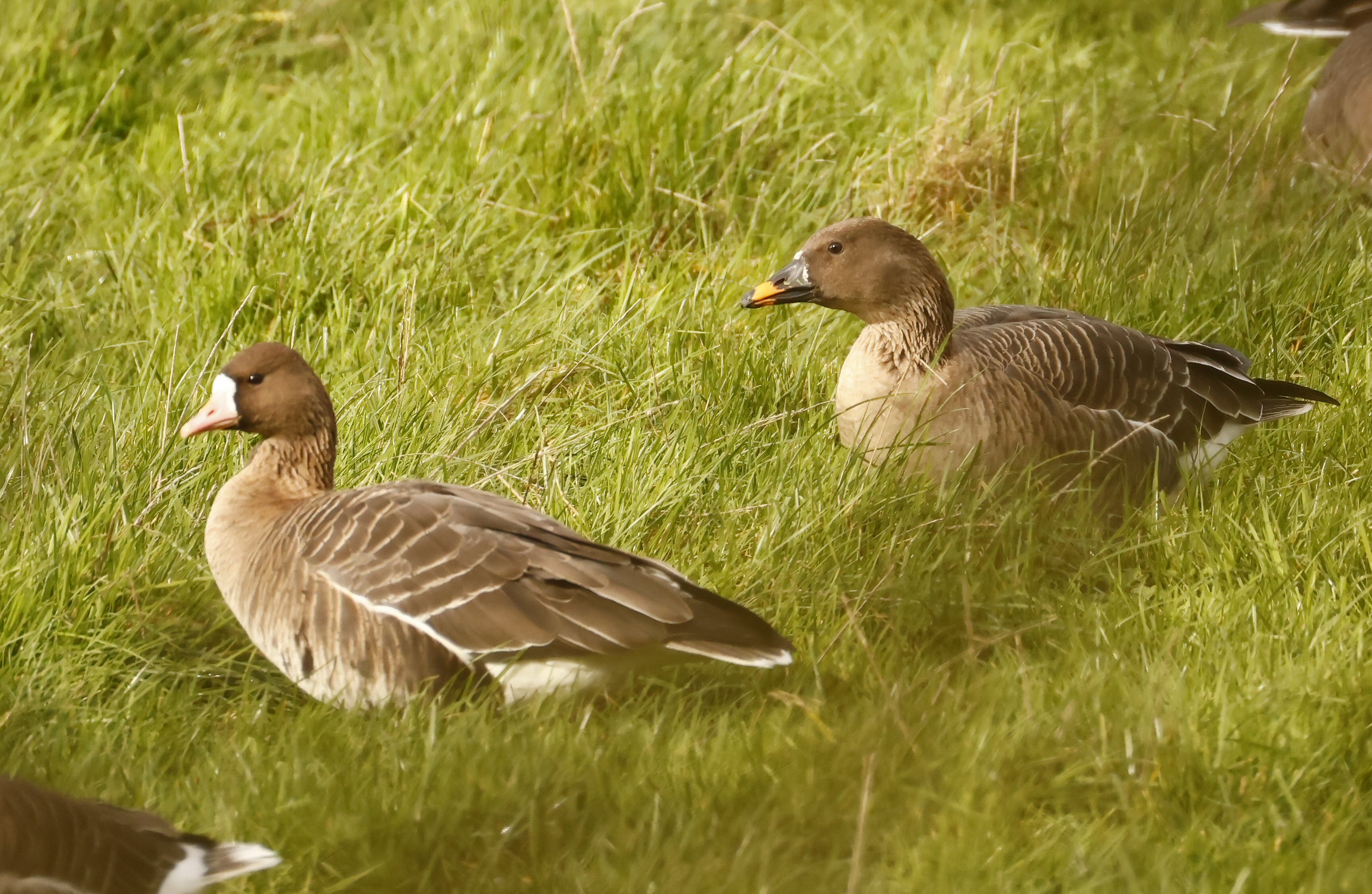
It’s been a good while since Northamptonshire has been blessed with the presence of a Tundra Bean Goose – almost seventeen years in fact, when one joined the local Greylags at Ditchford GP for one day only, on 19th January 2009. Fast forward to the present day and Pitsford Res did the honours, delivering at least four on 24th which became part of a line up of four grey goose species north of the causeway there in the early afternoon. They didn’t stay long though, departing to the south less than two hours after being found. But they were not alone, the 26th producing another, single individual at Blatherwycke Lake during the afternoon of that date.

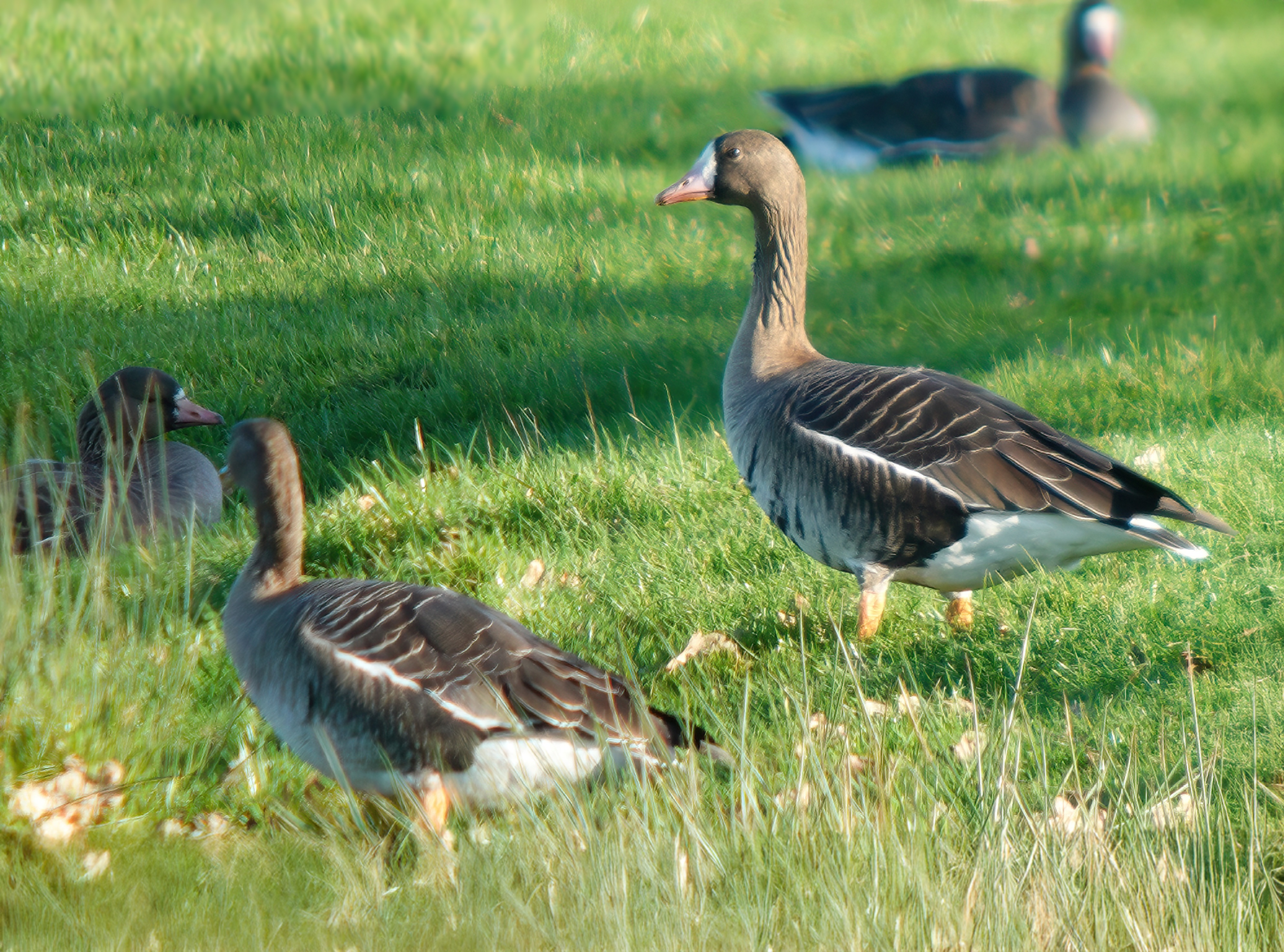
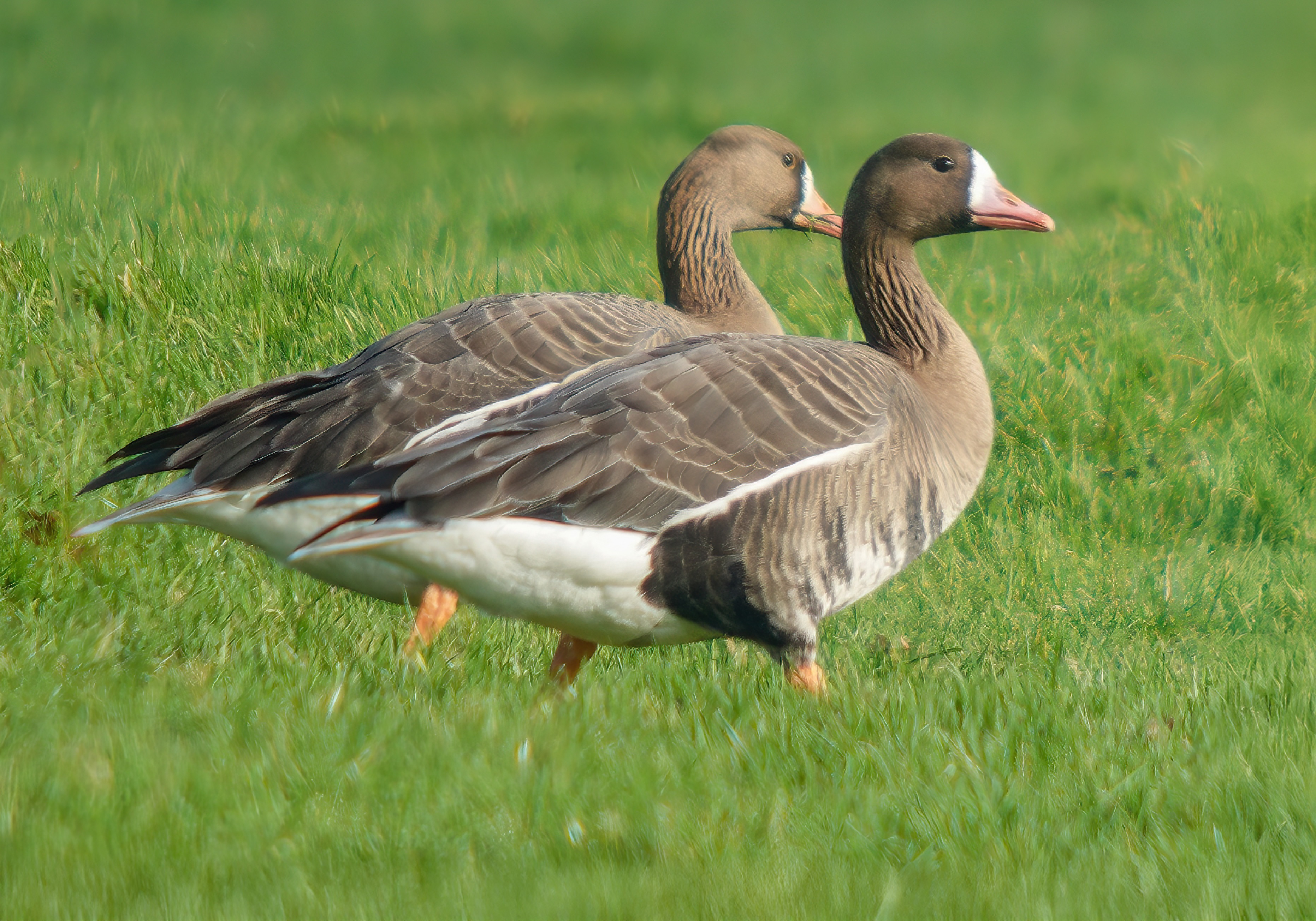
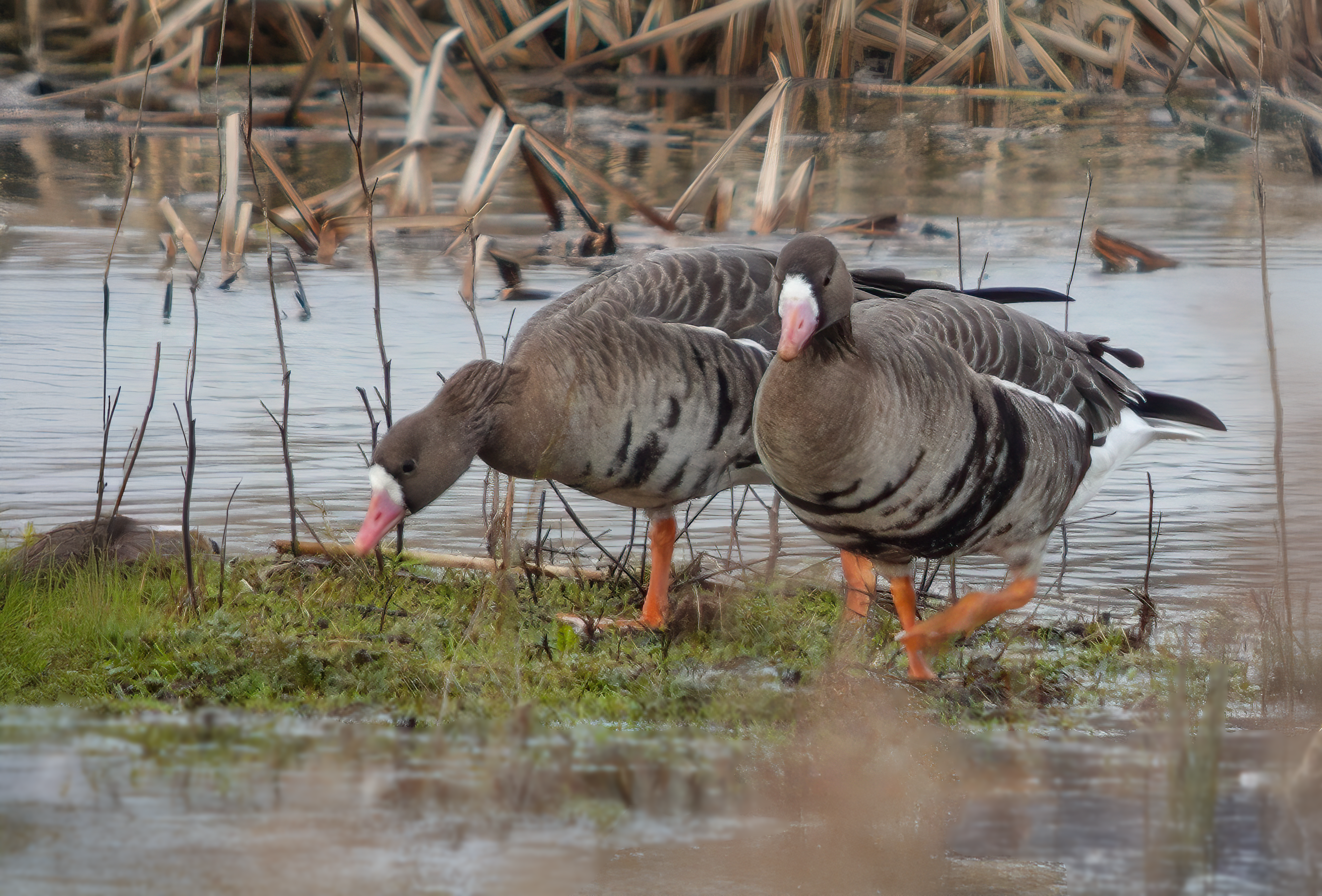
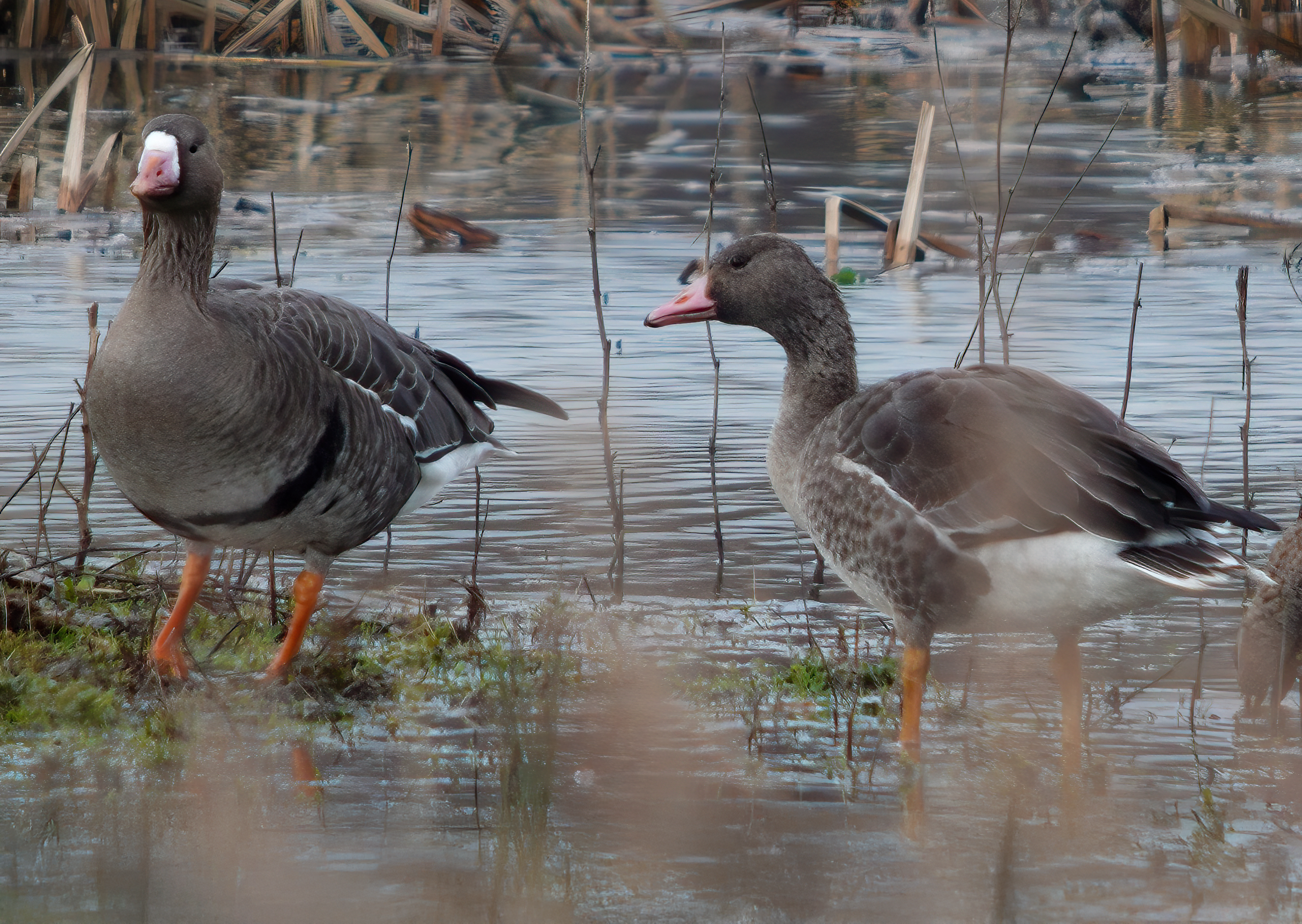
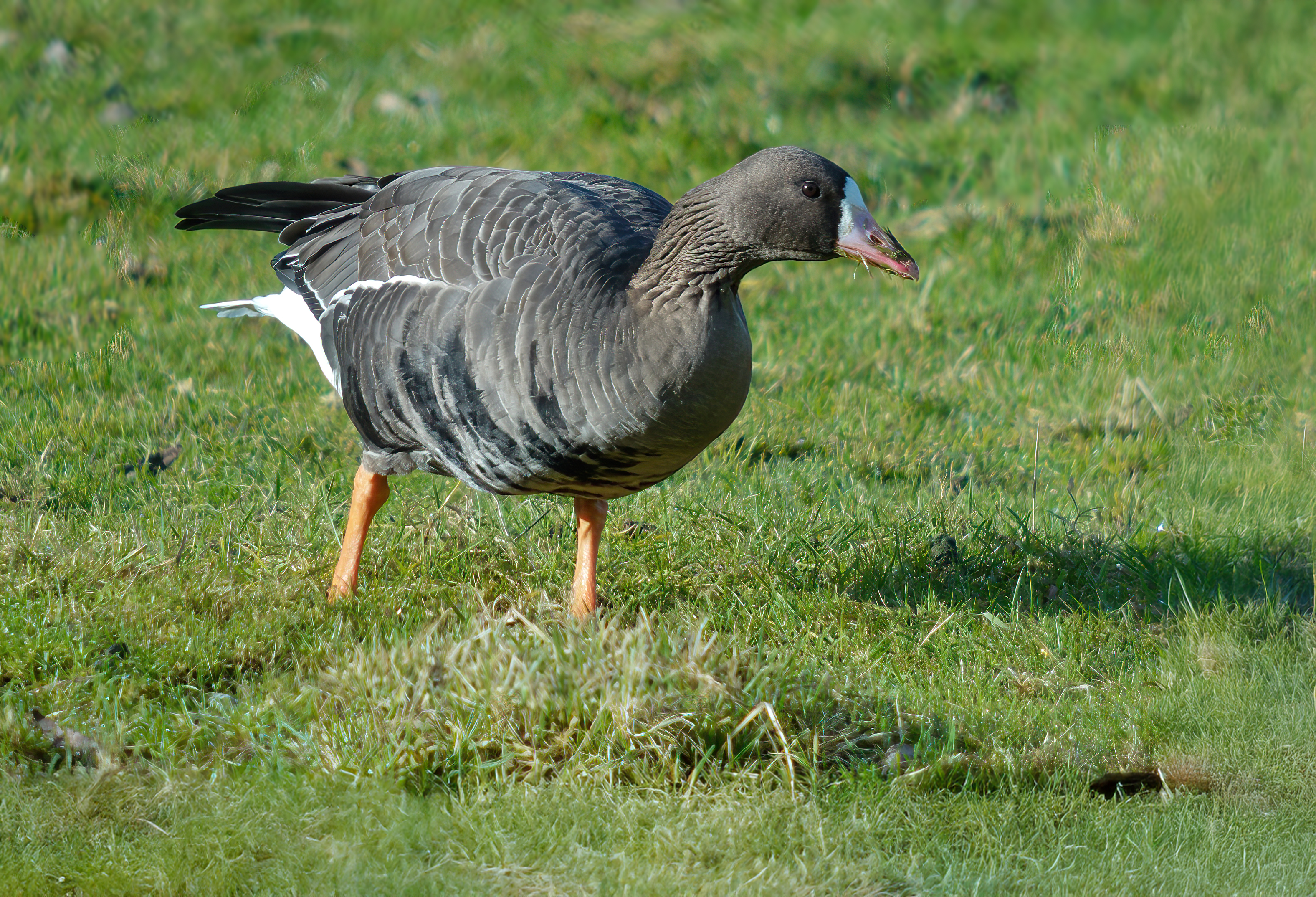
Taking a back seat in terms of comparative rarity, but not to be sniffed at, White-fronted Geese made their presence strongly felt, beginning with the arrival of an awesome flock of fifty-six at Stanford Res on 24th. This was followed by a total of thirty-one flying north-east over Irthlingborough Lakes & Meadows NR in small groups during a fifteen-minute period on the same date, on which a dozen appeared at Blatherwycke and seven were also found at Pitsford, at least four of which remained on 25th. More were to come on the latter date, Clifford Hill GP producing eleven, while Stanford retained its fifty-six through to the 26th and the final day of the period also saw twenty-one at Ringstead GP, fourteen at Blatherwycke, at least six at Clifford Hill and two at Hollowell Res.

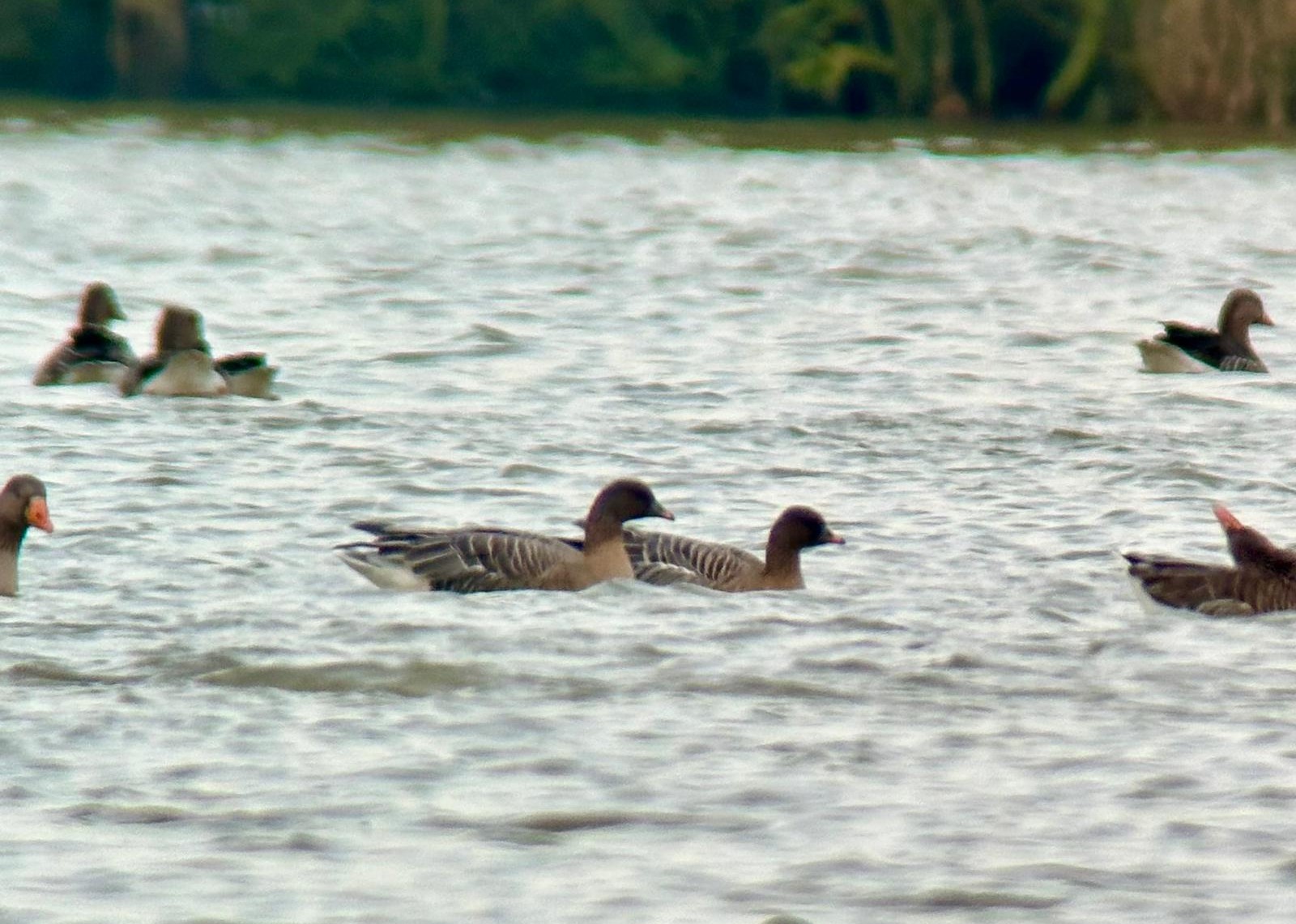
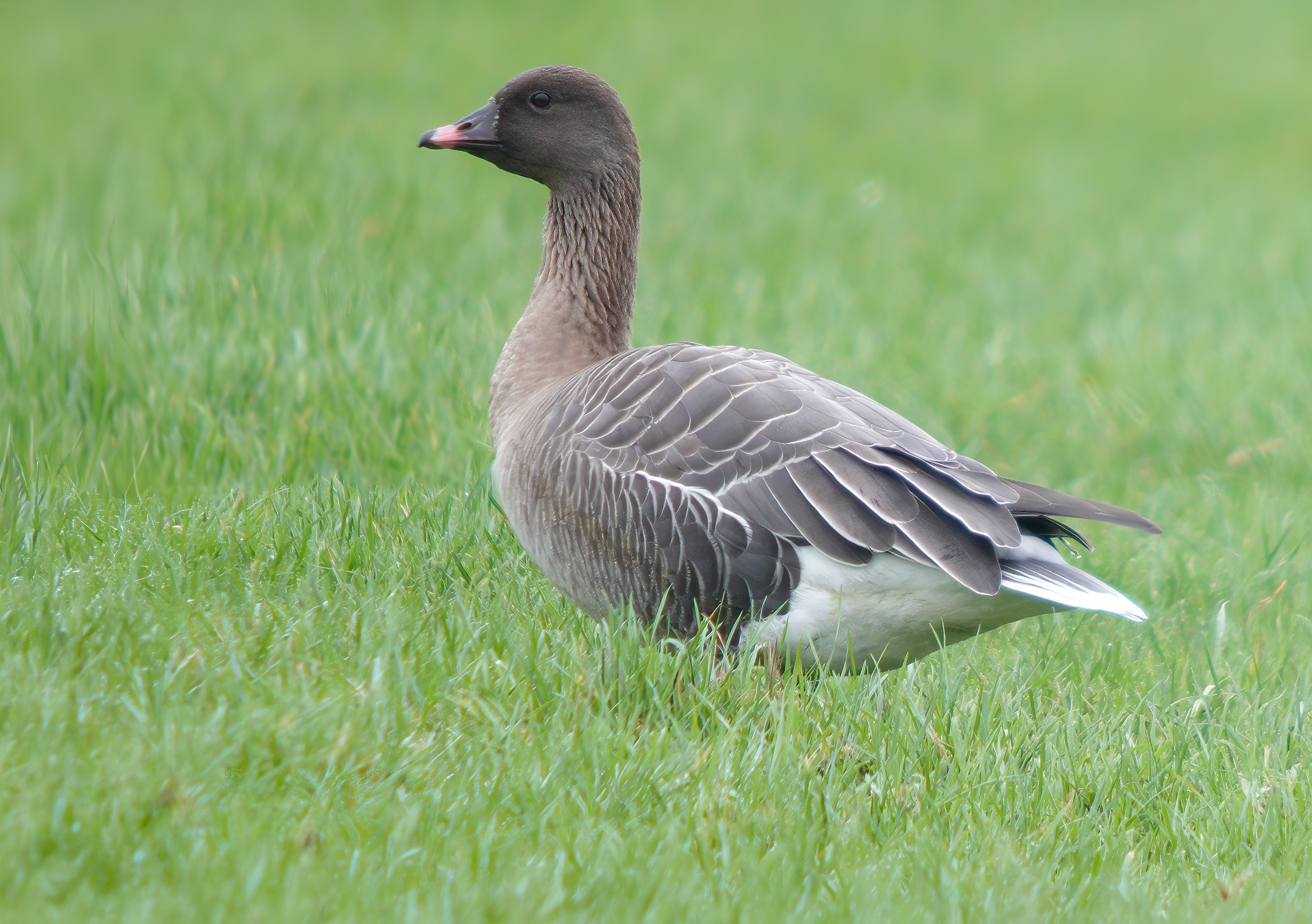
Considered pretty much standard fare these days and completely outnumbered, Pink-footed Geese mustered three at Pitsford on 24th and at least one at Summer Leys LNR on the same date.

More birds in from the east constituting a pleasant surprise were four Bewick’s Swans found at Ringstead on 26th. Unsurprisingly, these were the first of their kind in the county for 2025, the numbers visiting Britain having tumbled in recent years following a significant population decline between 1995 and 2020, along with many now choosing to winter in mainland Europe.

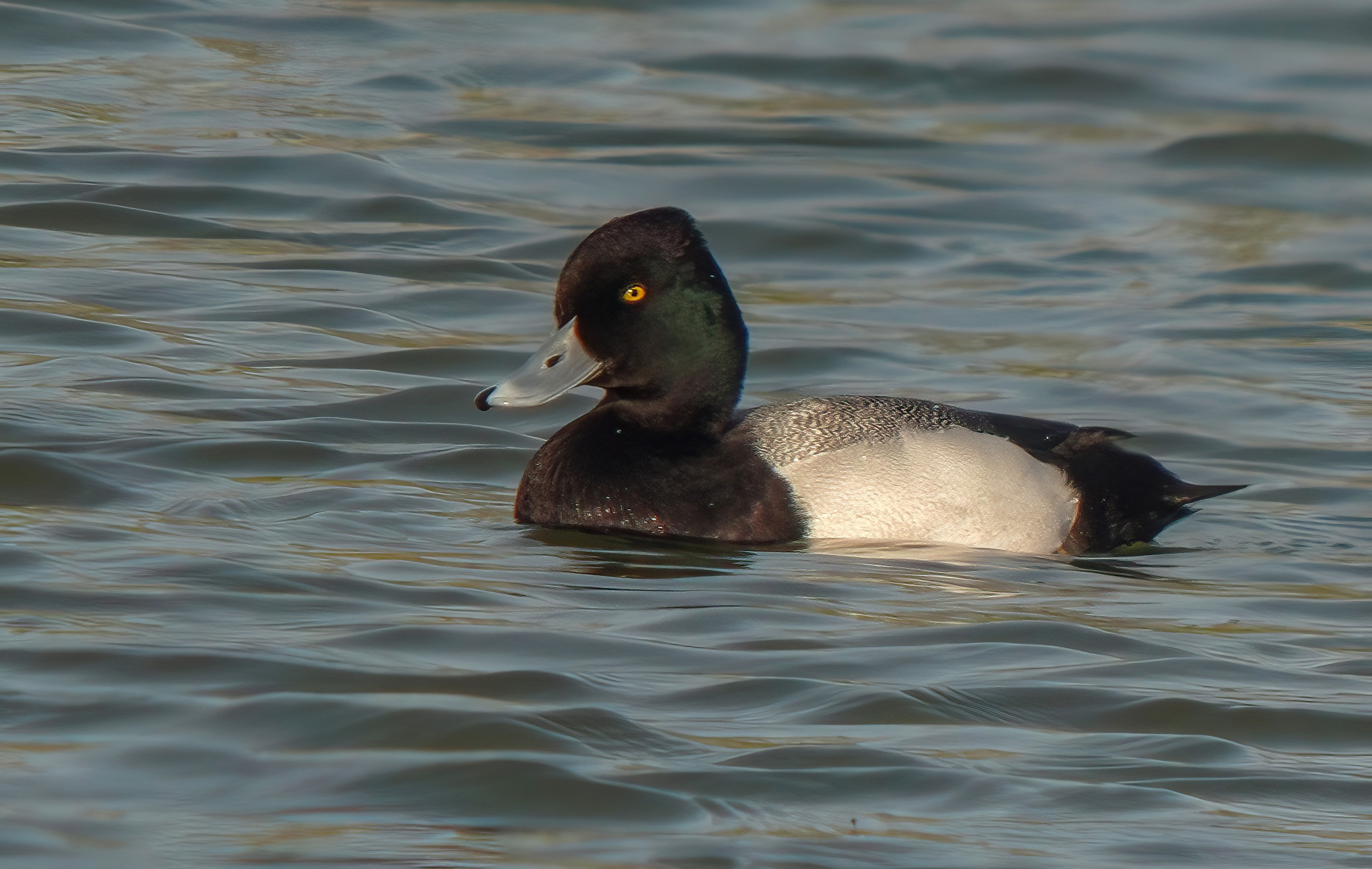
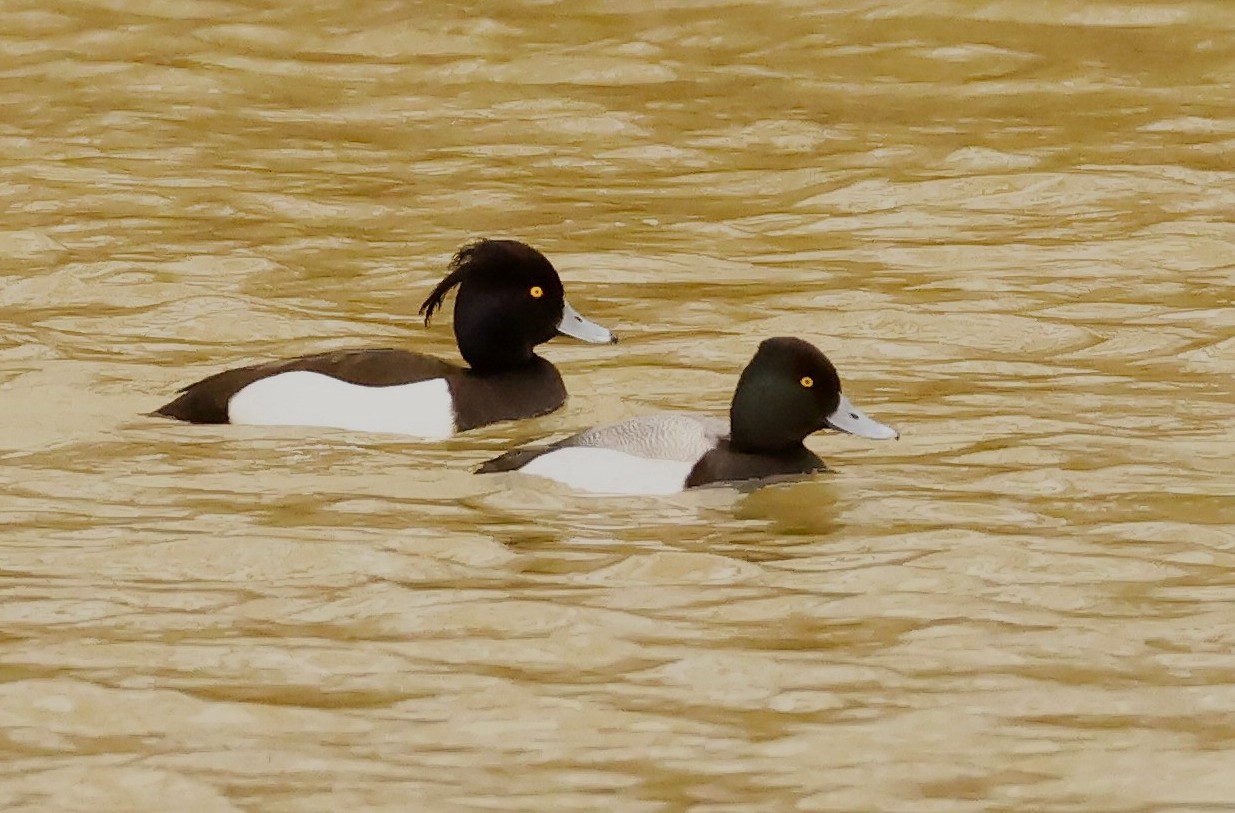
And it’s been almost seven weeks without a local Red-crested Pochard, their absence being broken by two at Kislingbury GP on 23rd. More desirable ducks were on offer during the period, though, with the first-winter drake and female Greater Scaups remaining at Thrapston GP until at least 24th, while three new females were discovered at Stanford on the latter date.

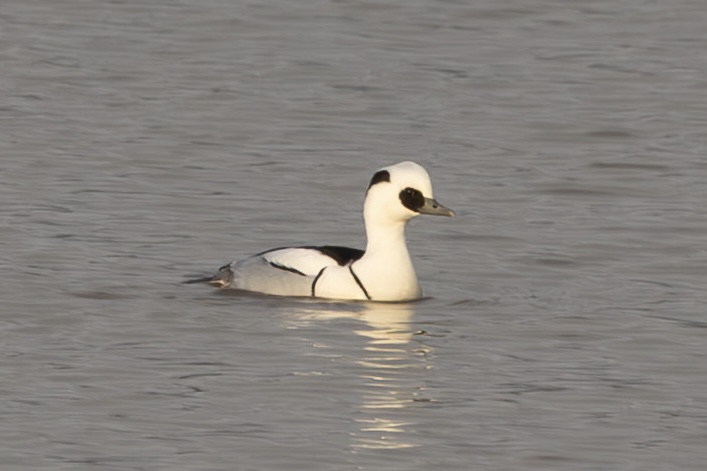
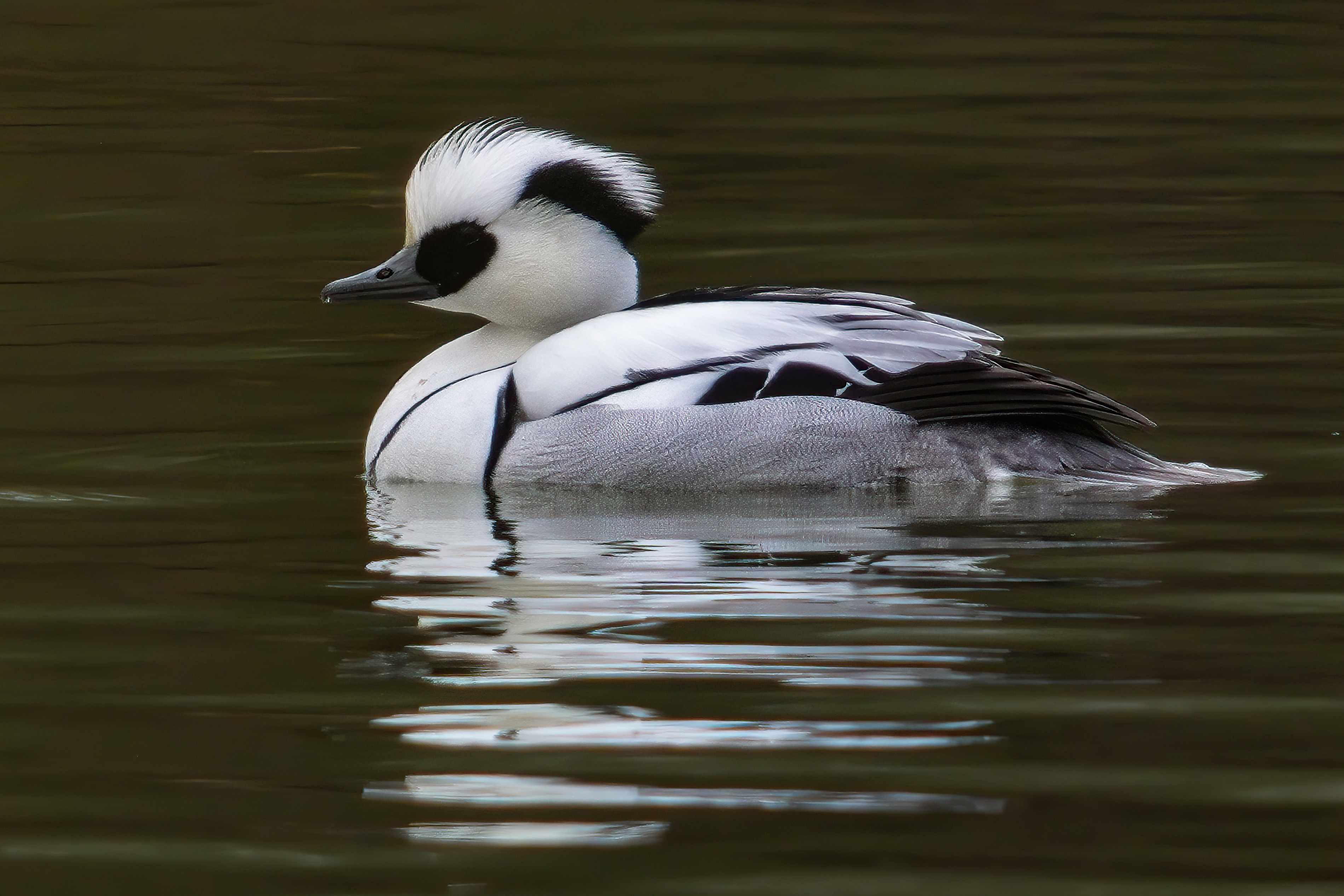
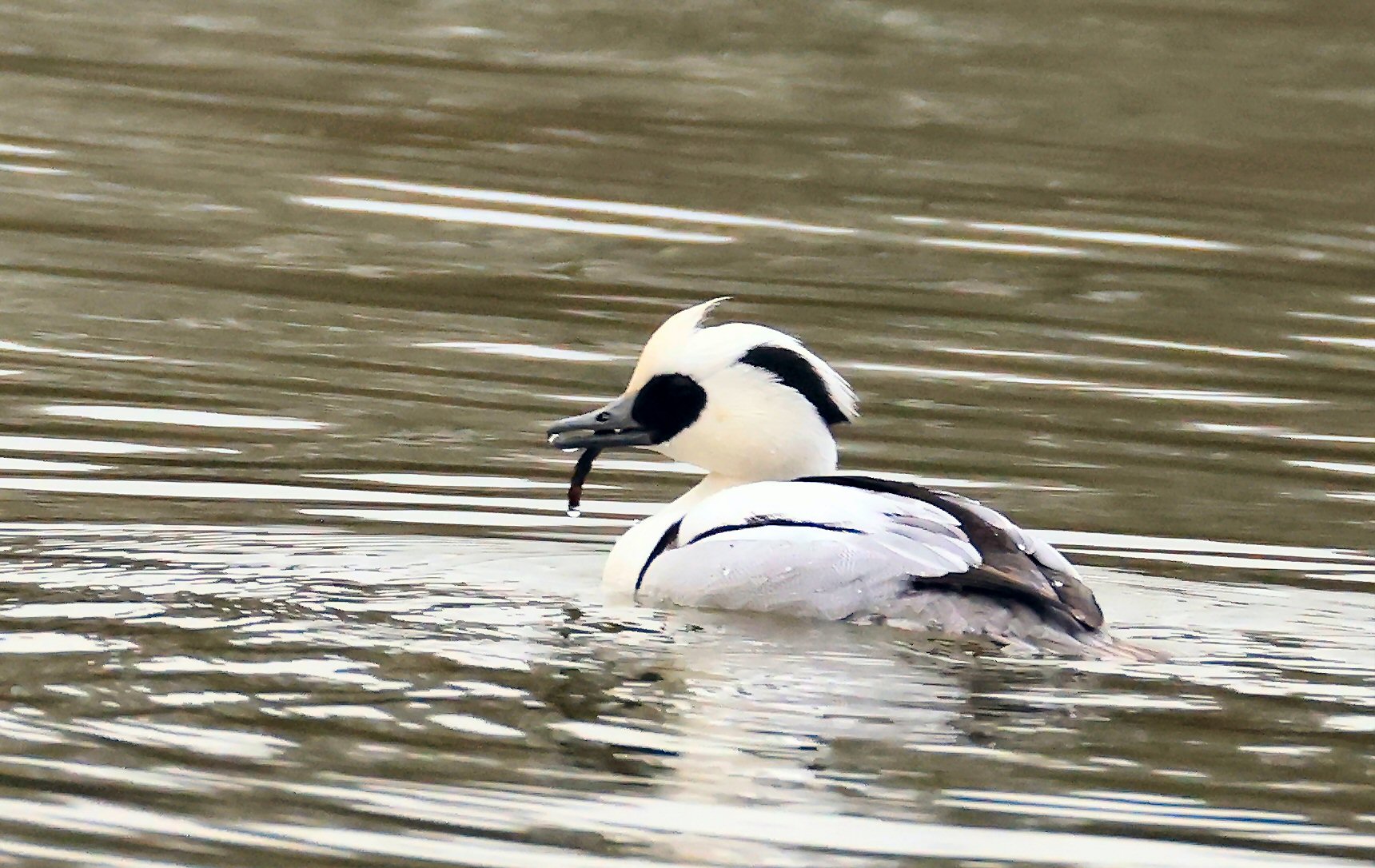
Better still, a drake Smew appeared at Clifford Hill on 22nd, being seen again there on 26th. Single drake Red-breasted Mergansers – another much sought-after sawbill, locally – paid the briefest of visits to Clifford Hill also on 22nd and to Ravensthorpe Res the following day.

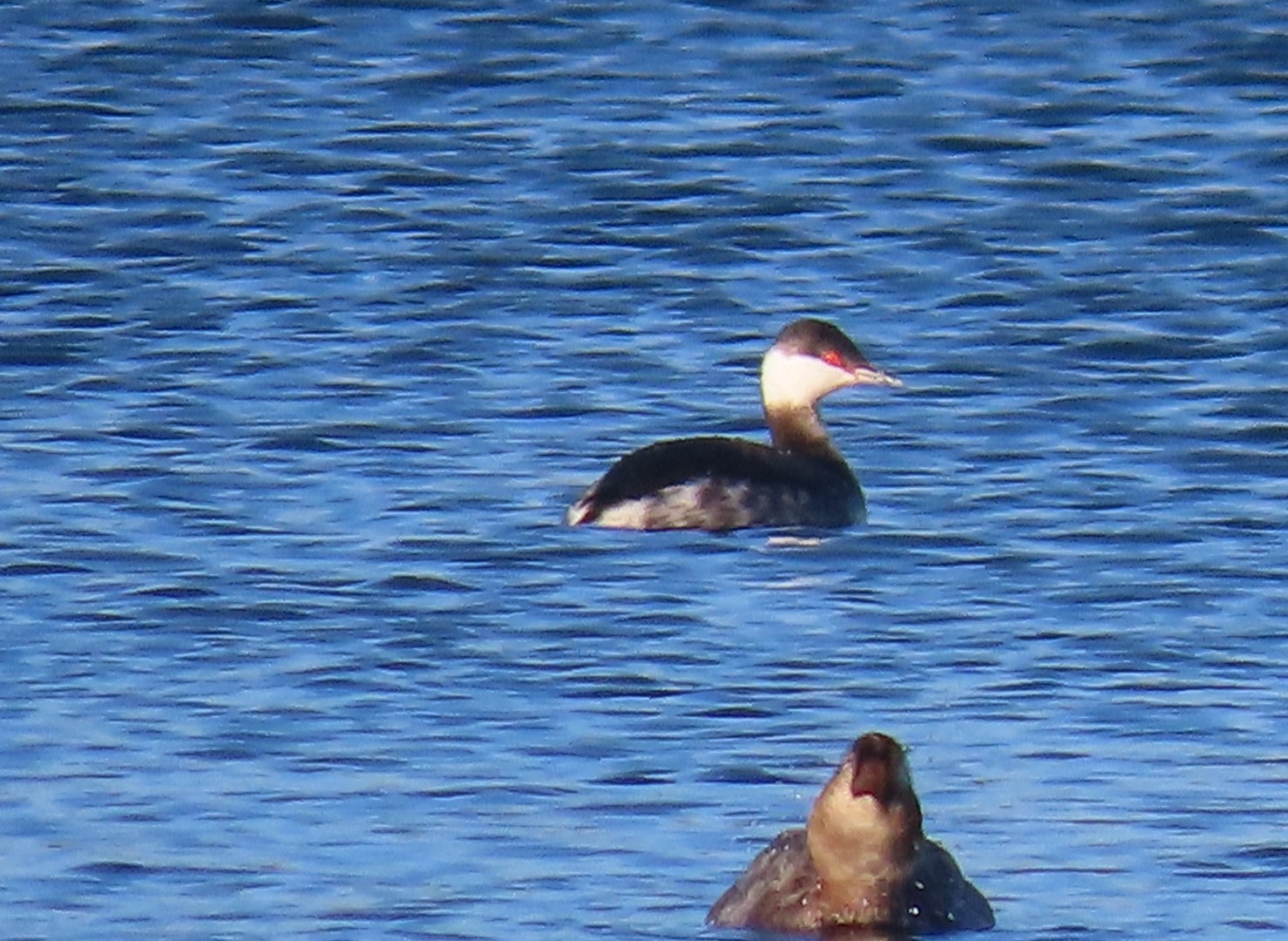
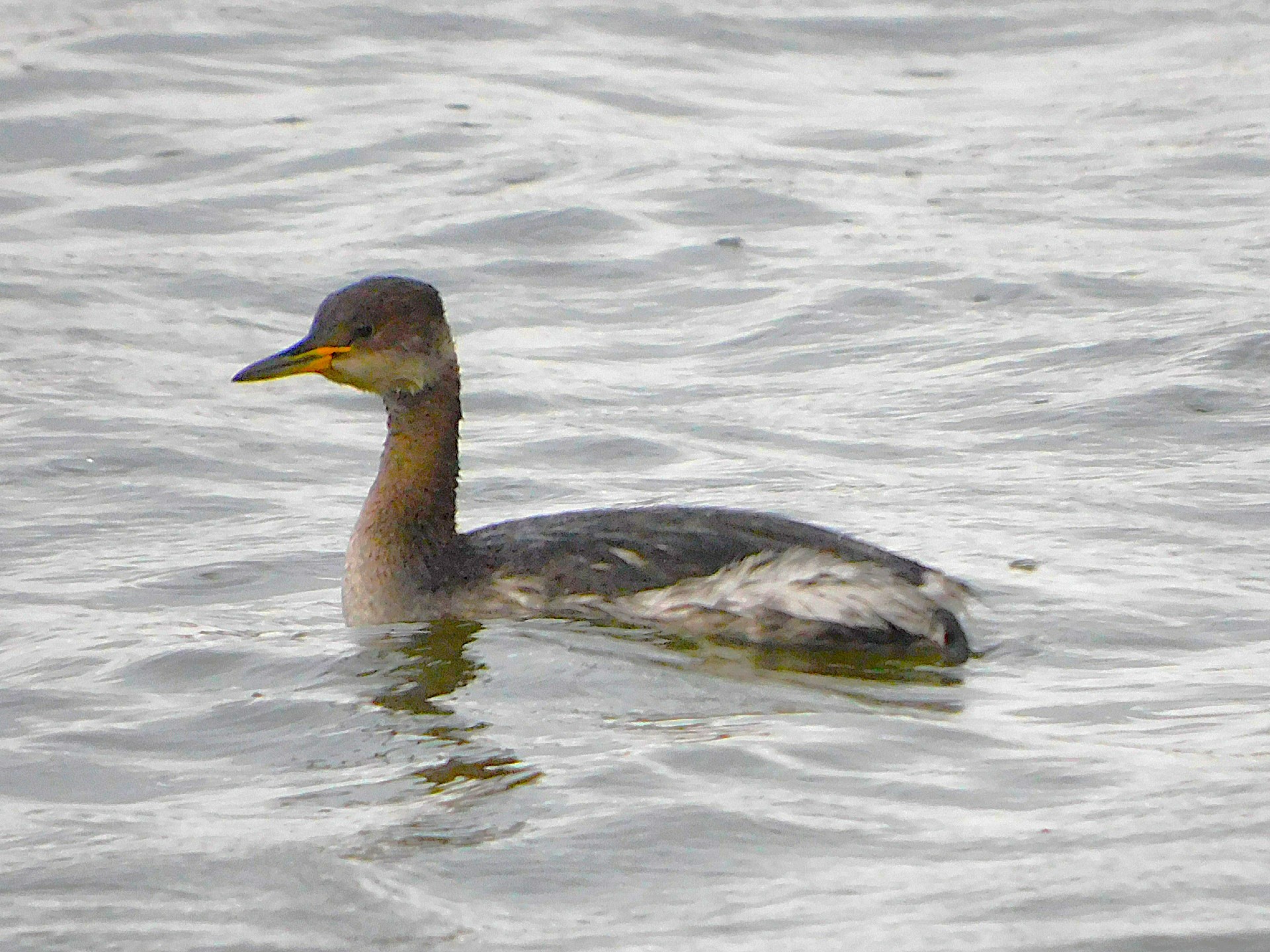
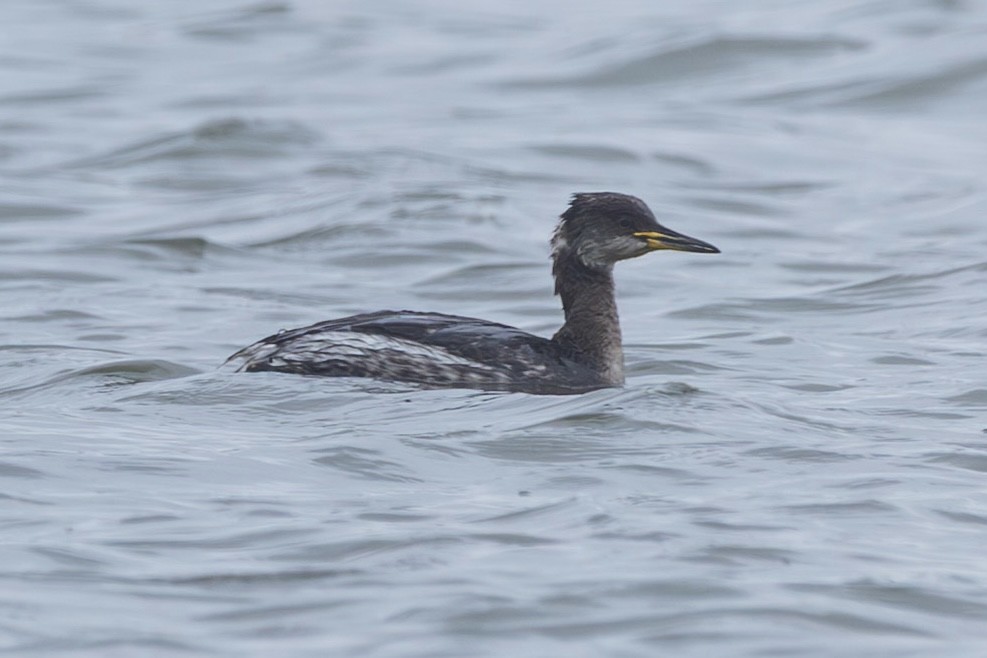
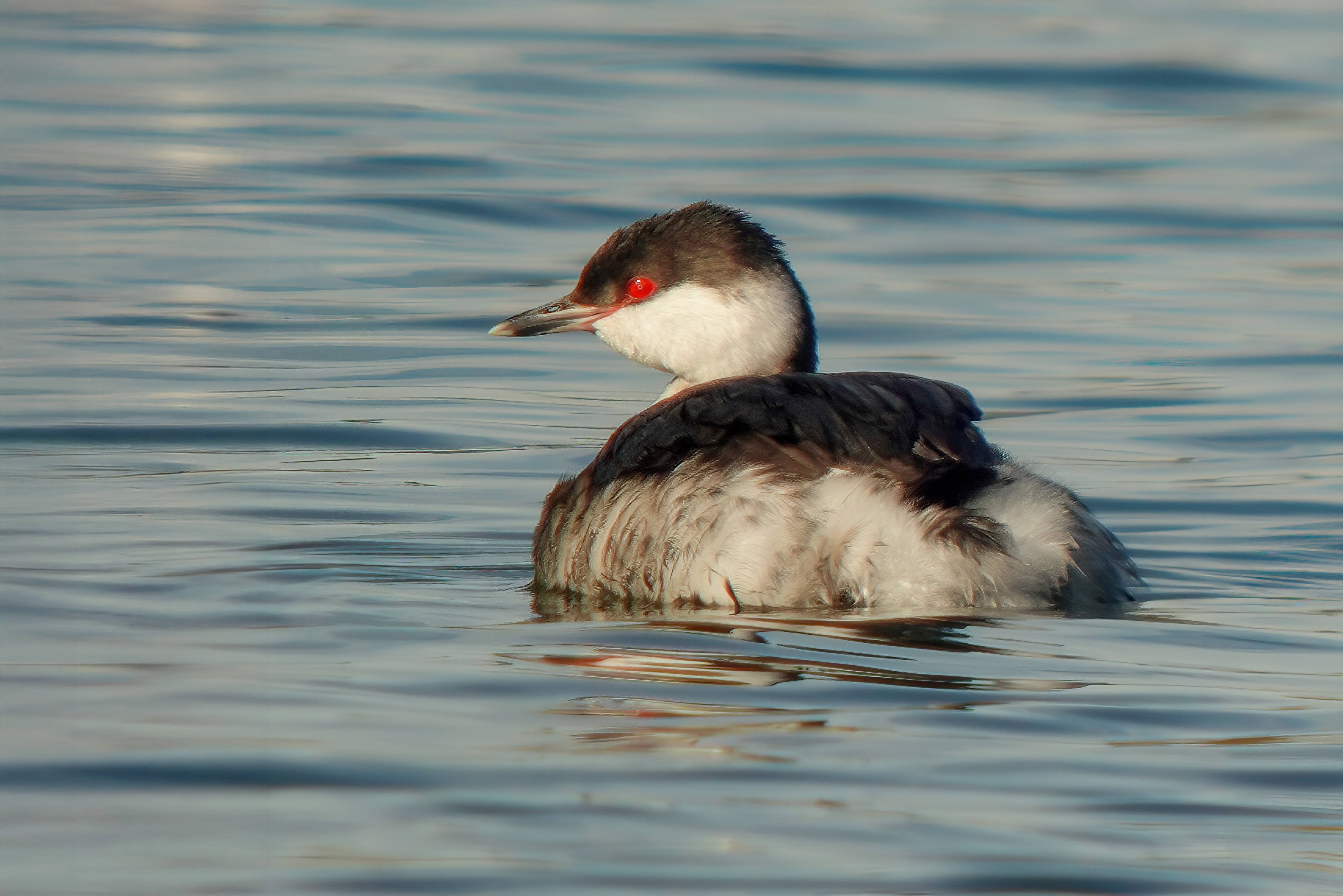
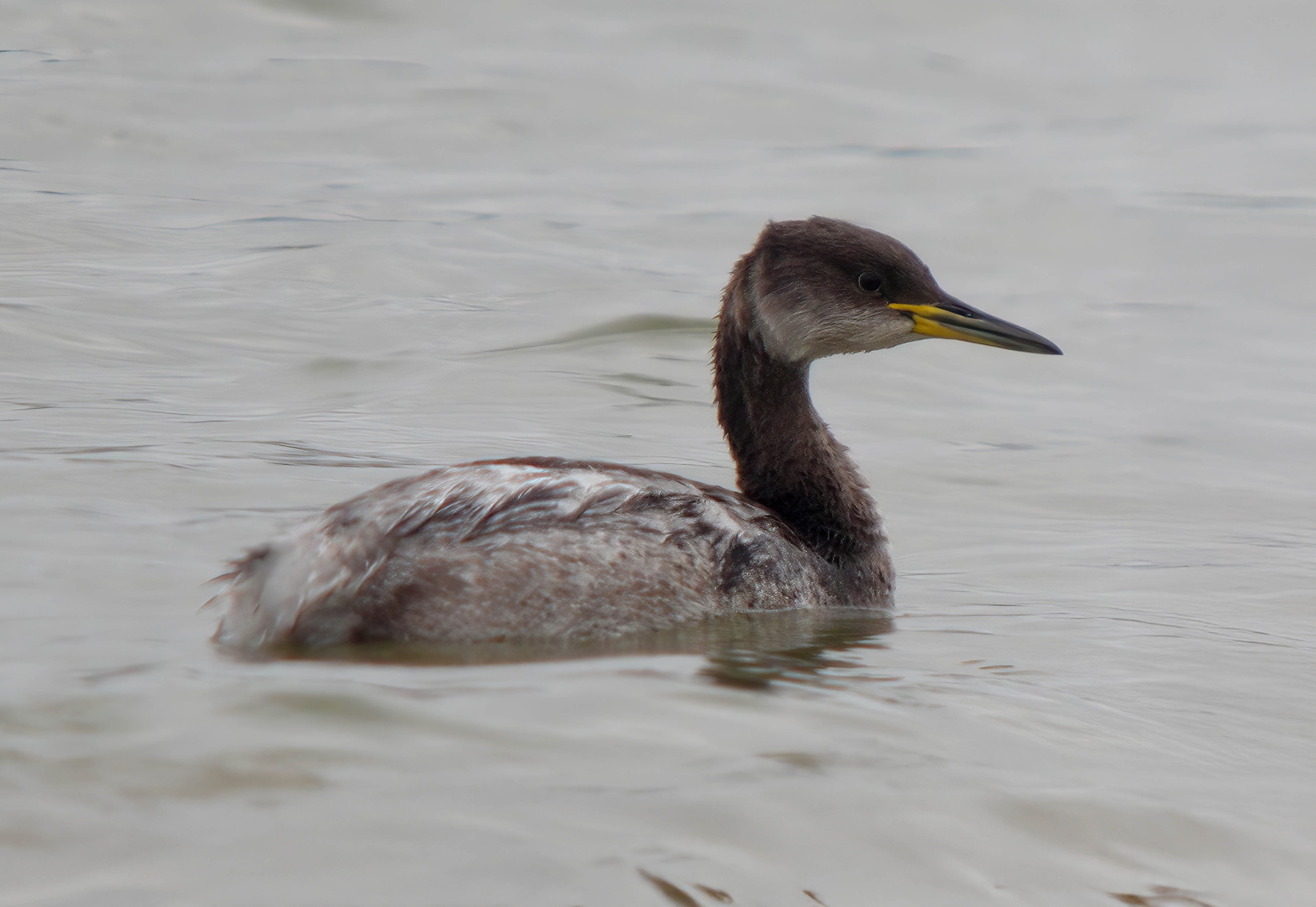
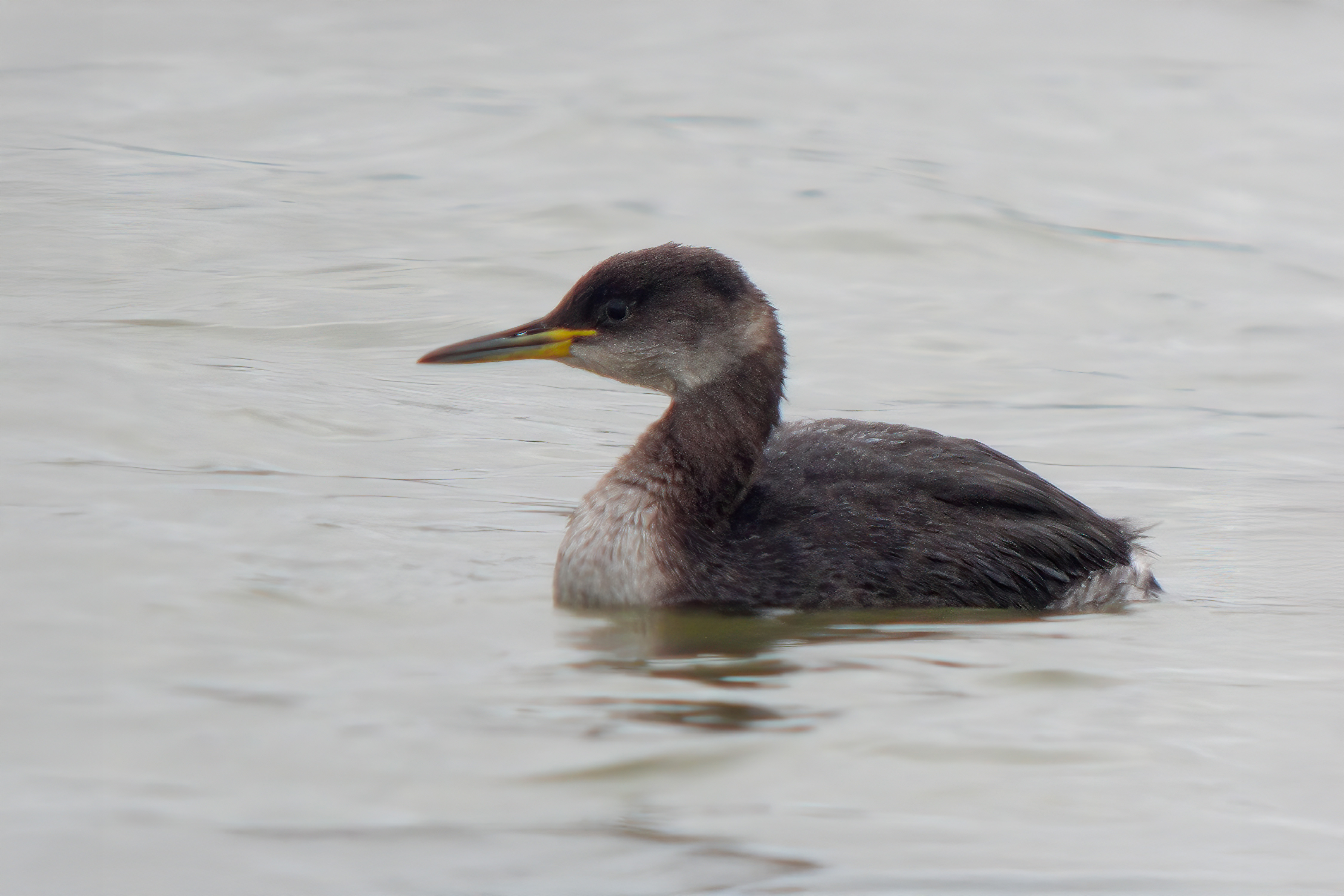
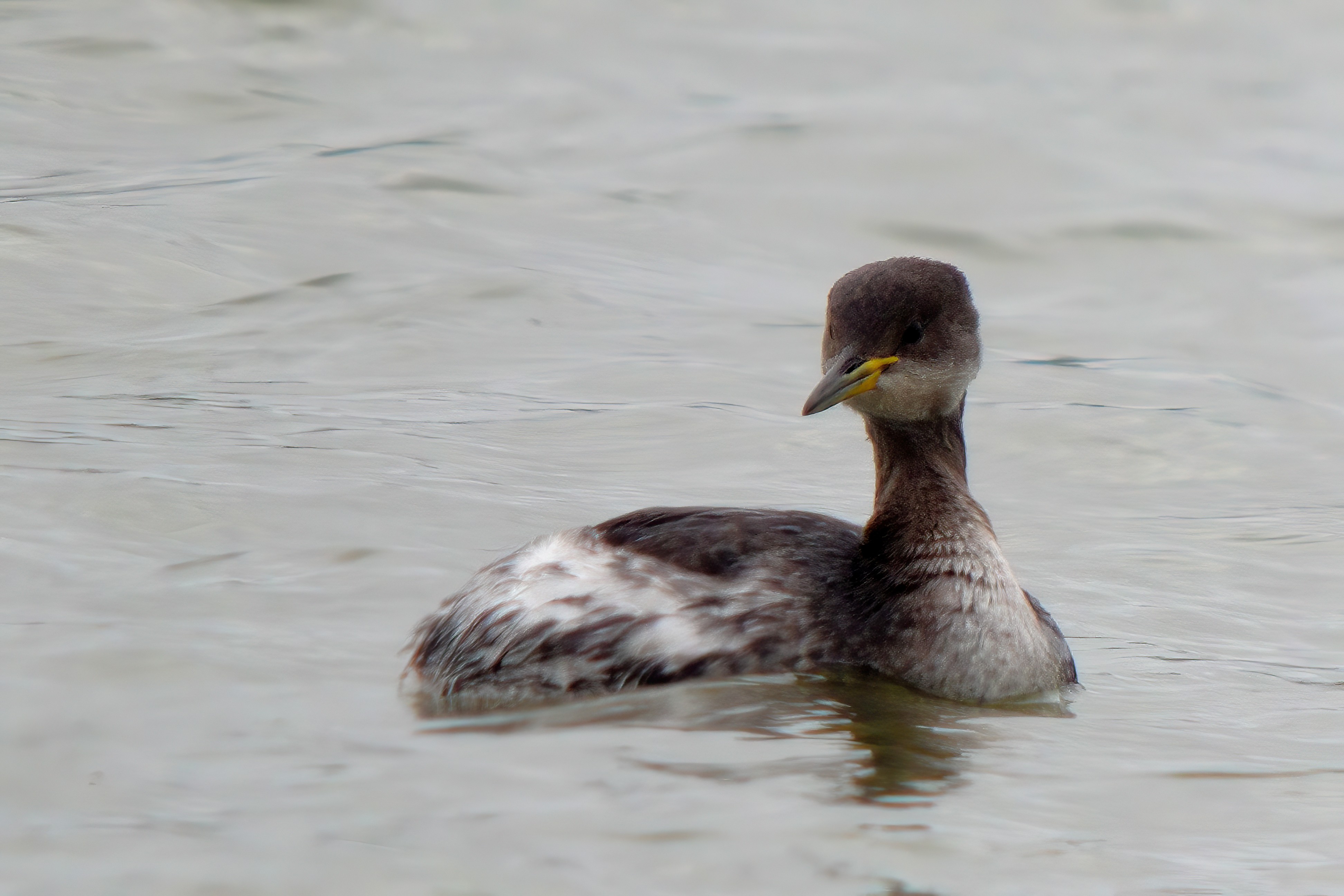
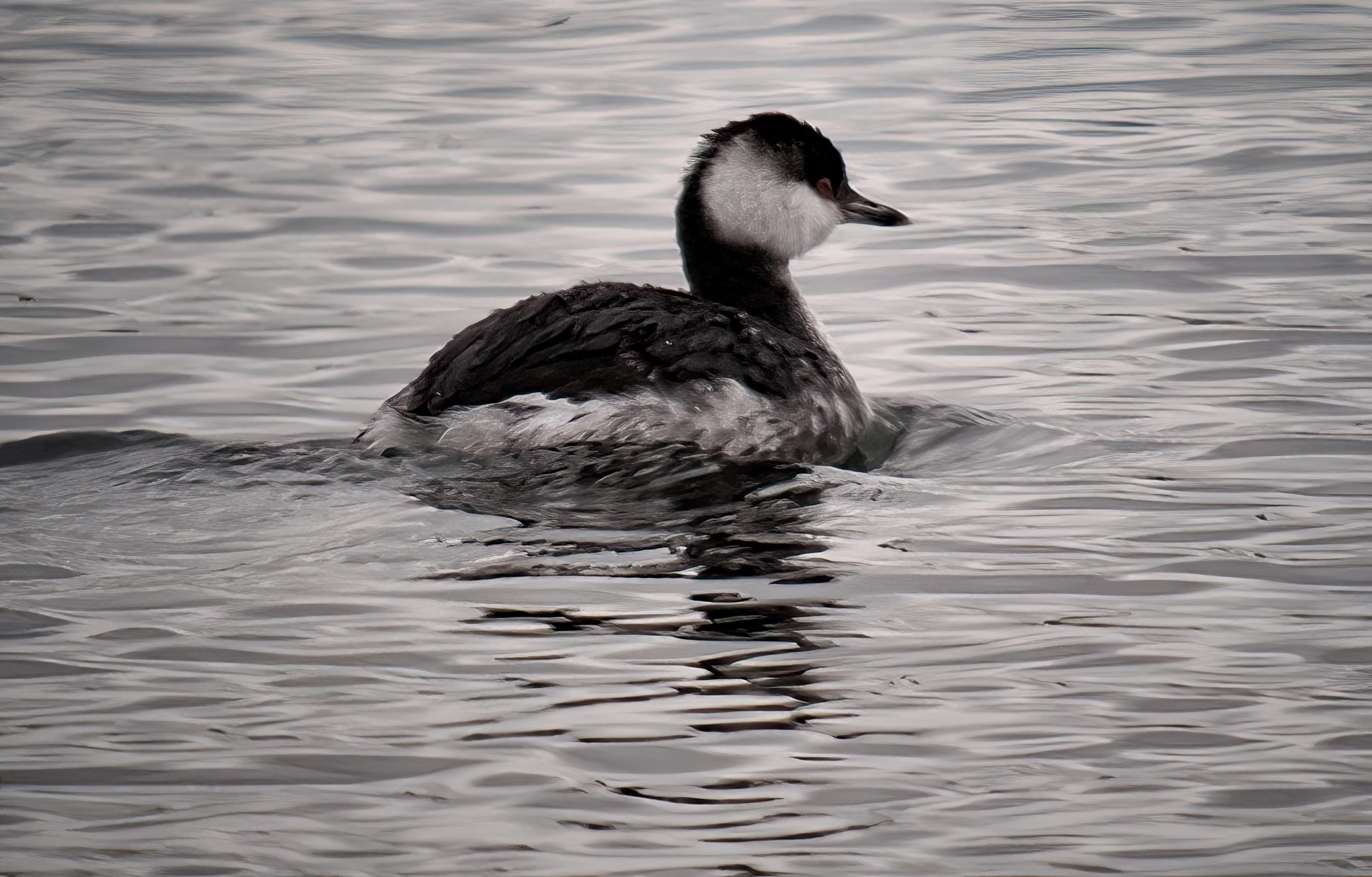
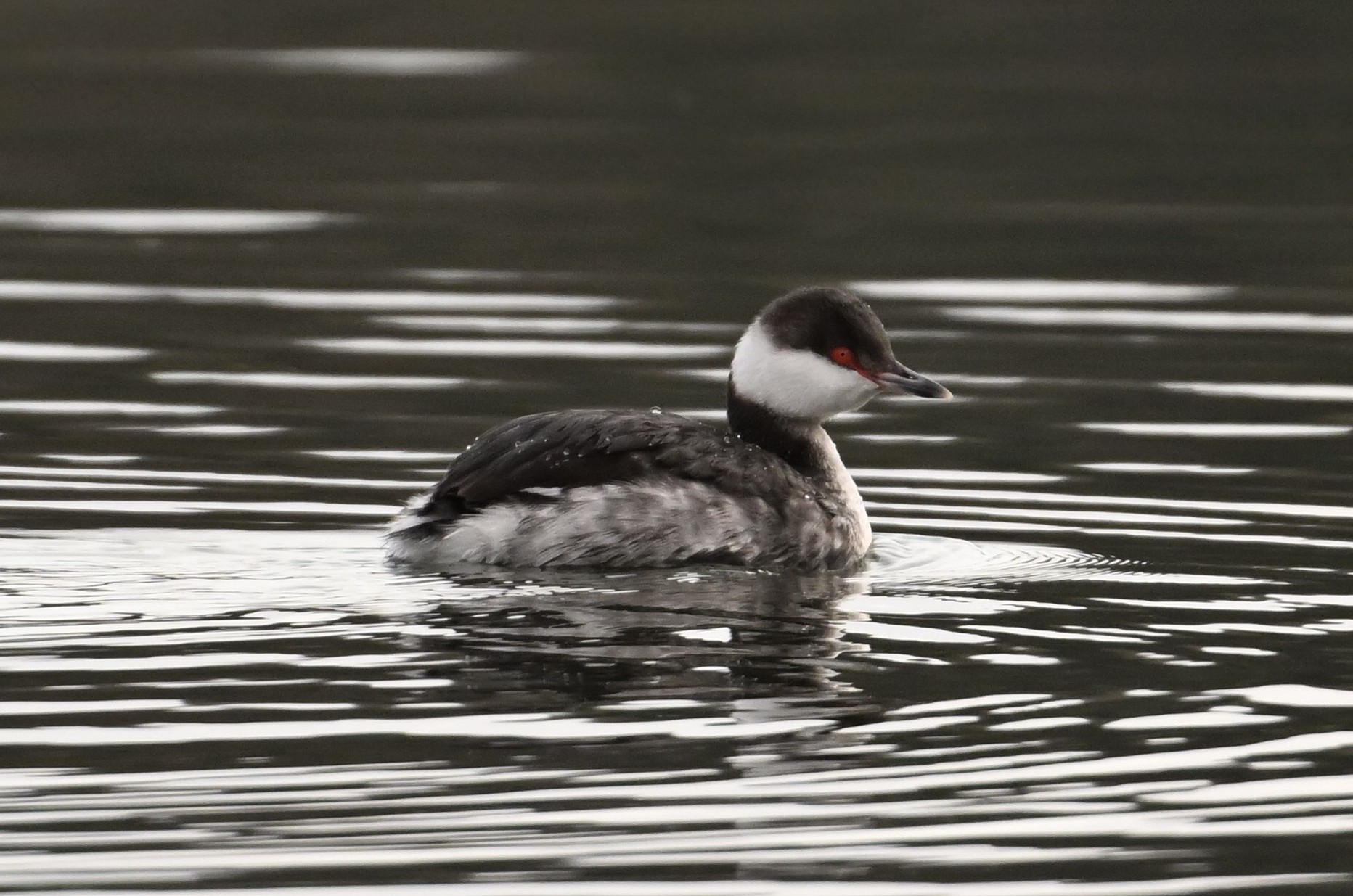
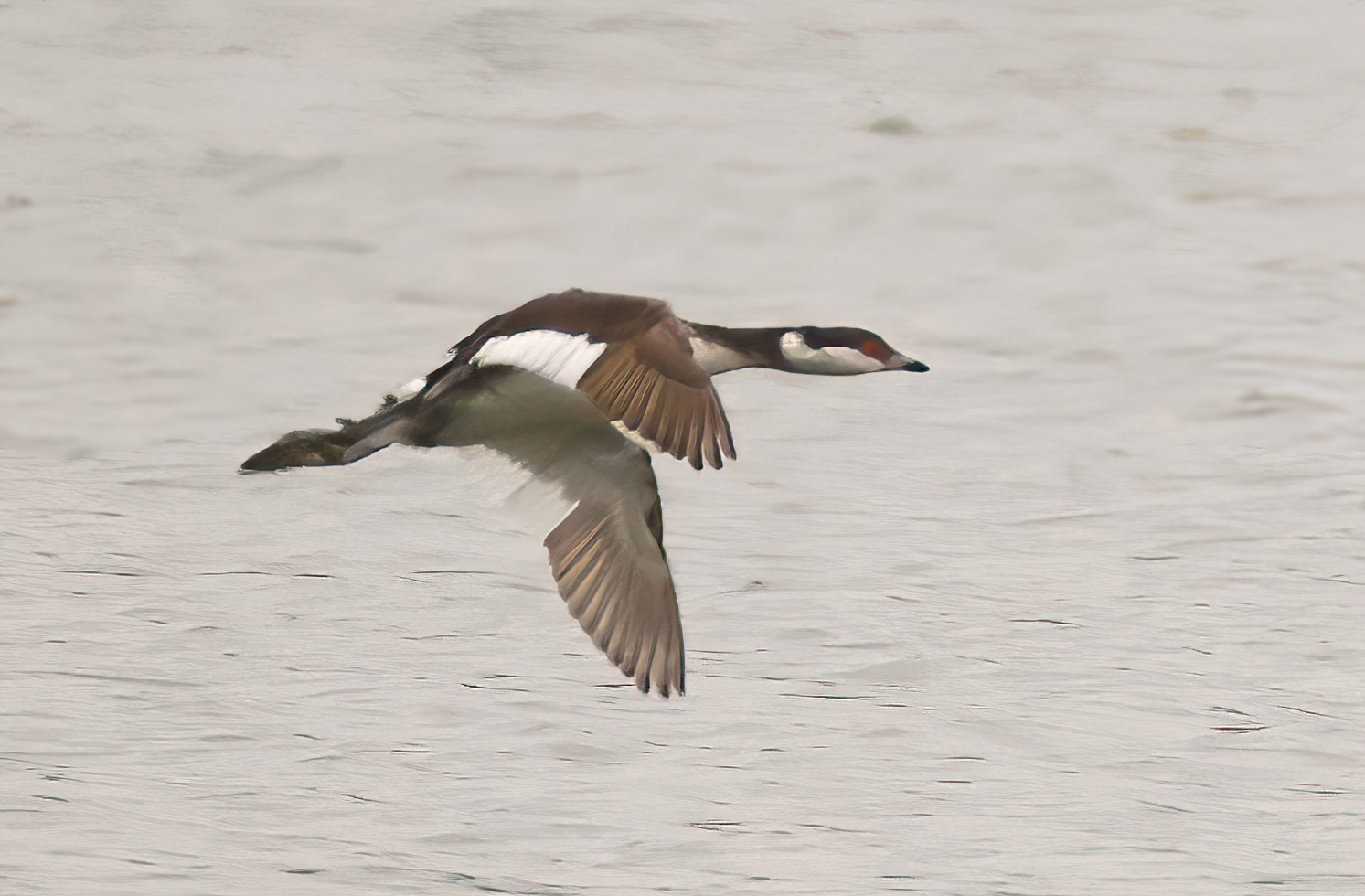
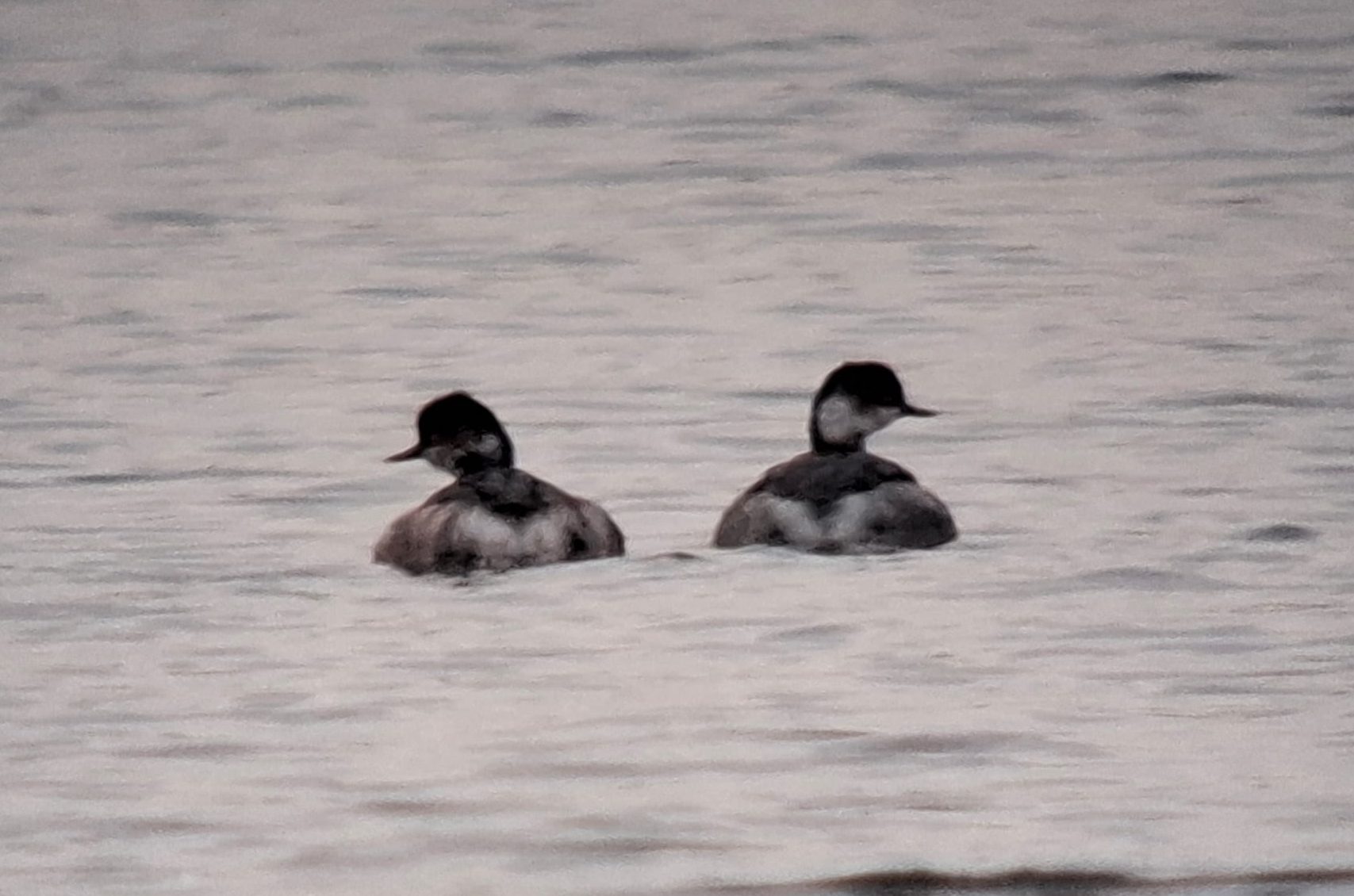
With no consistent reports of the Pitsford Black-necked Grebe since 15th December, it seems likely that its visit there has come to an end. Step forward Blatherwycke, where one was located on 21st and was still to be found there at the week’s end.

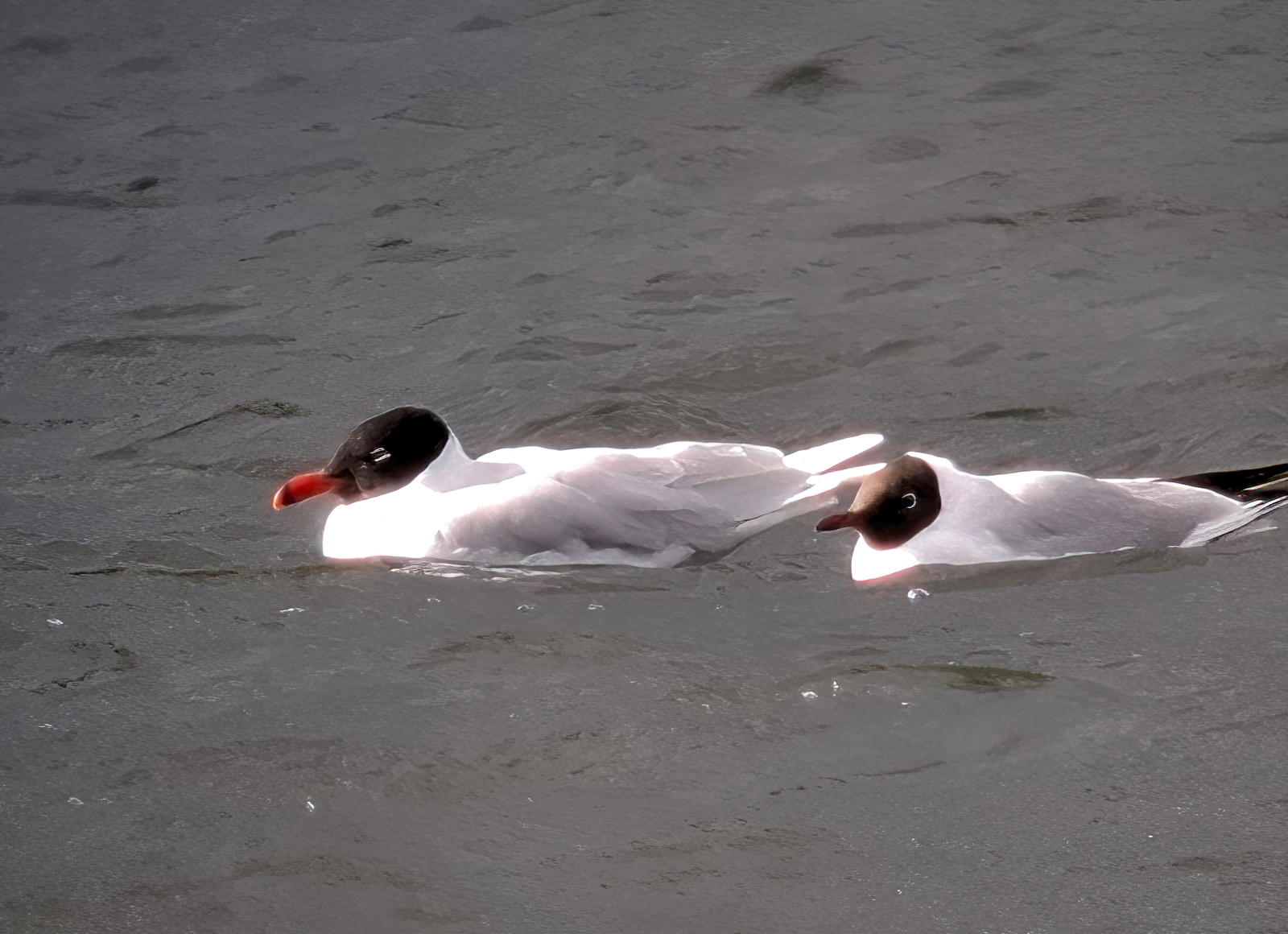
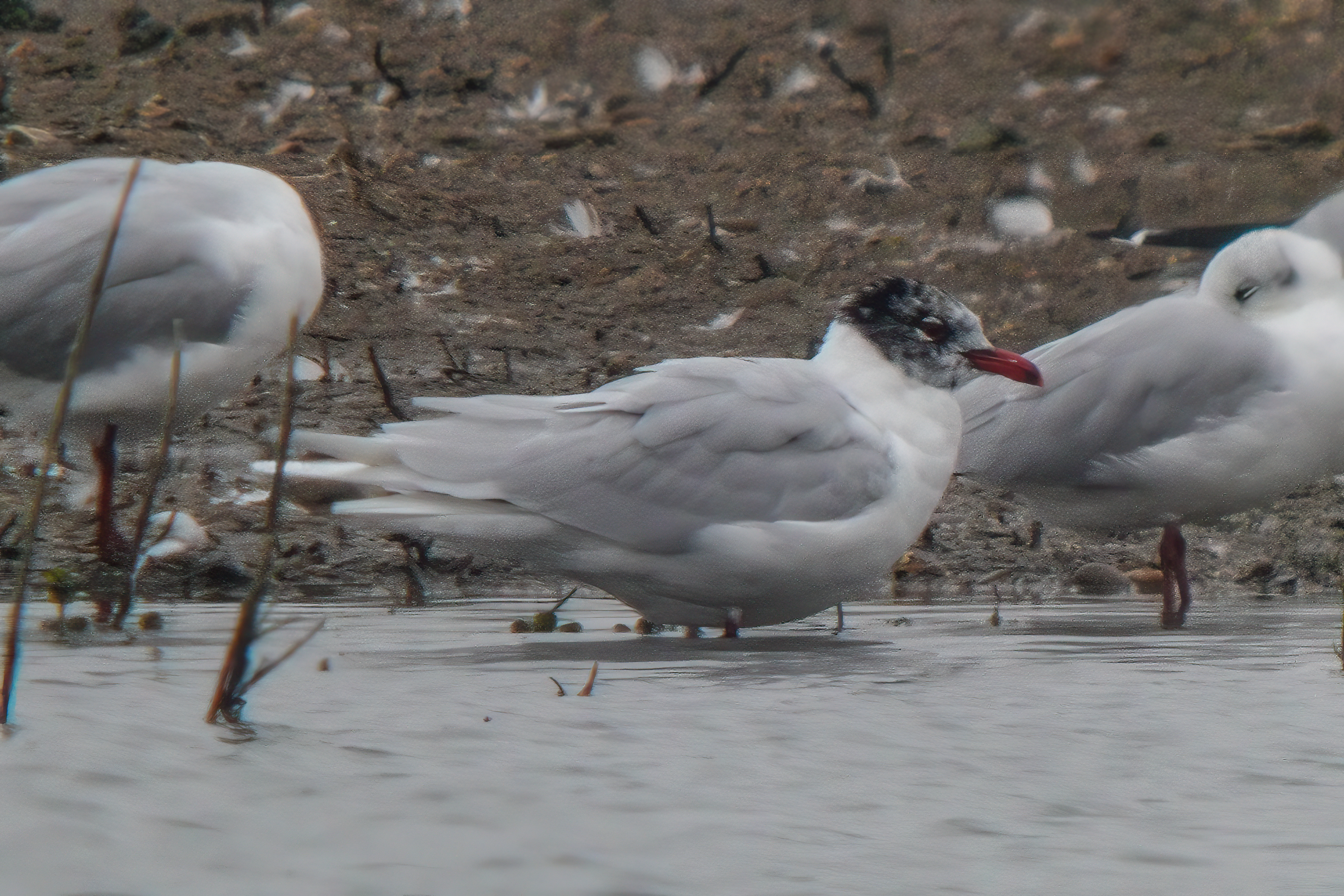
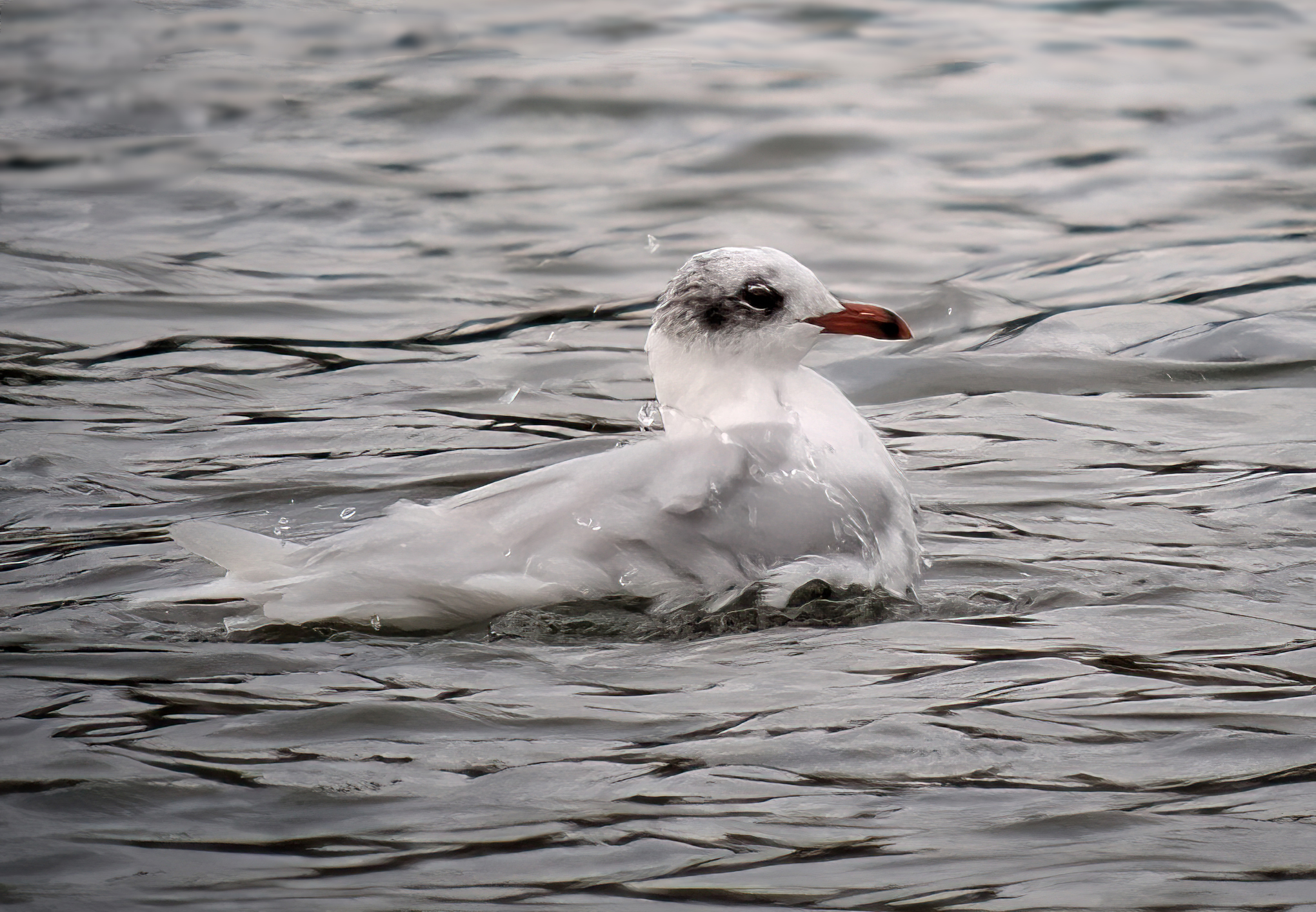
This week also proved good for Mediterranean Gulls, with 22nd producing an adult at Daventry CP, followed the next day by an adult at Pitsford and two first-winters at Stanford and then by an adult at Clifford Hill on 26th.

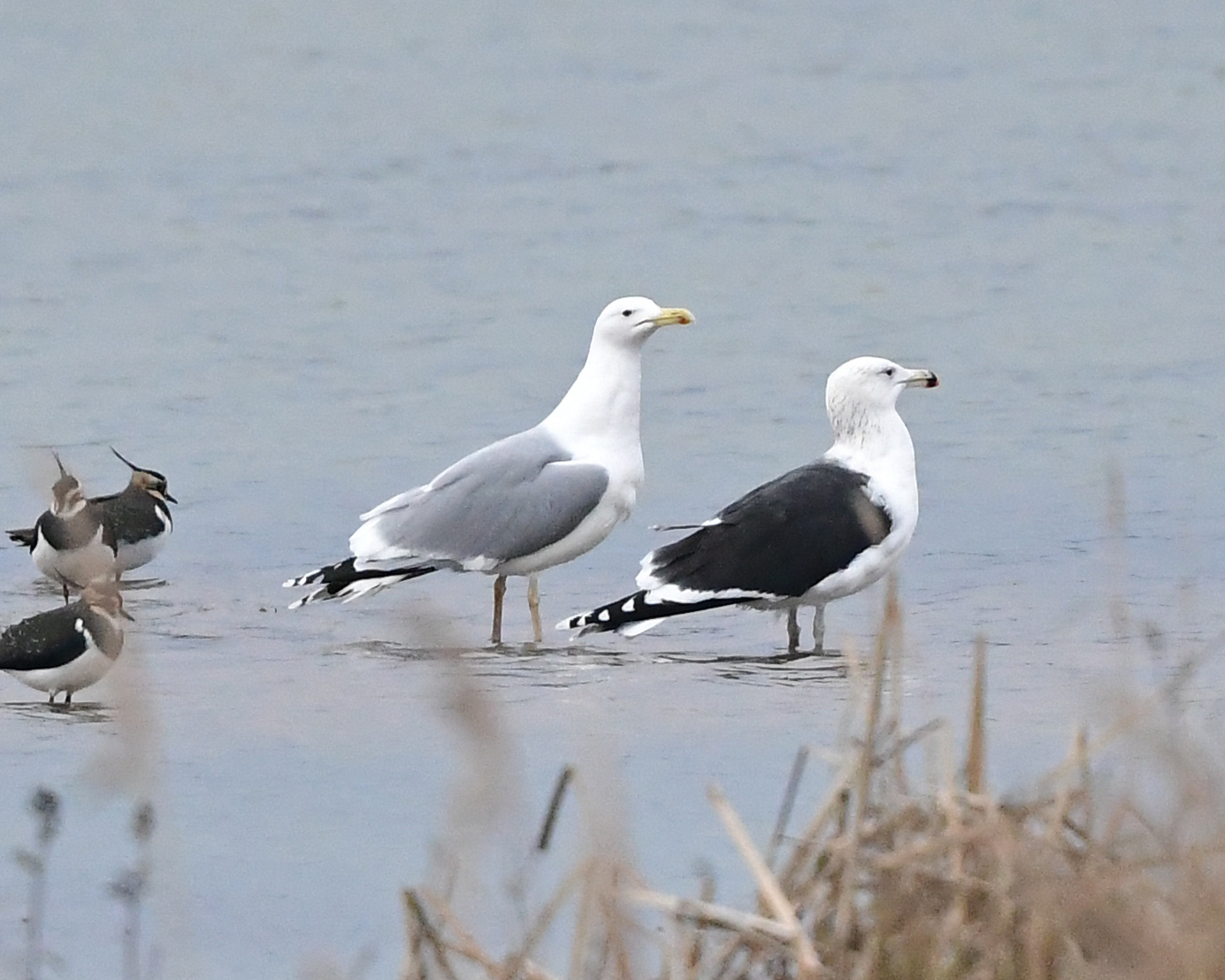
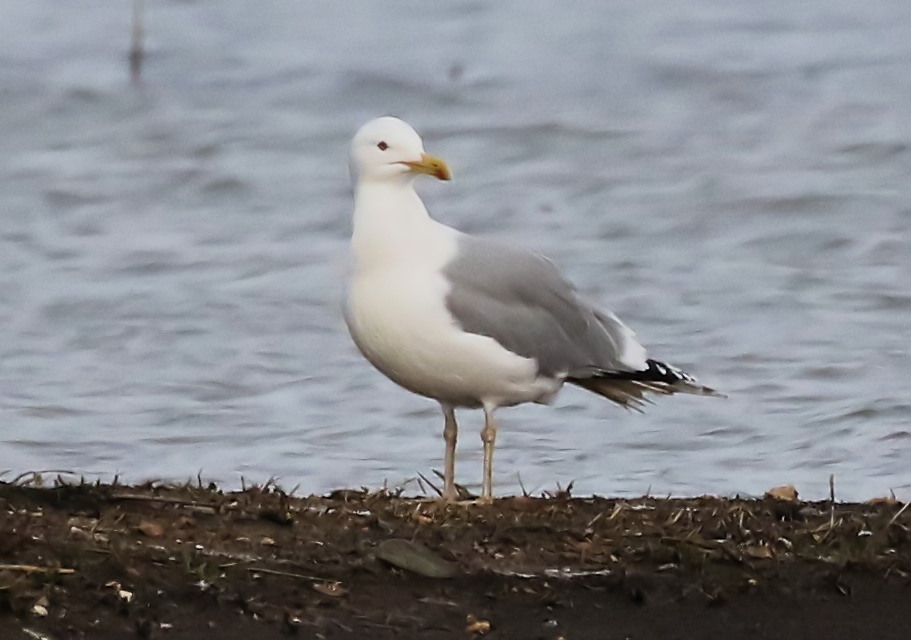
The period’s Caspian Gull quota comprised a first-winter in the roost at Stanford on 22nd, followed by an adult there the next evening and single adults at both Daventry and Naseby Res, also on 22nd. The same two days accounted for the week’s Yellow-legged Gulls, with two adults in the Stanford roost on 22nd and one on 23rd, the latter date producing a first-winter at Clifford Hill and two adults at Pitsford.

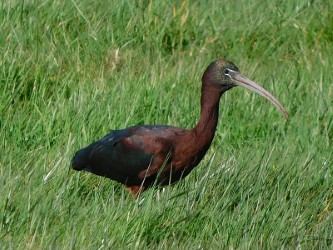
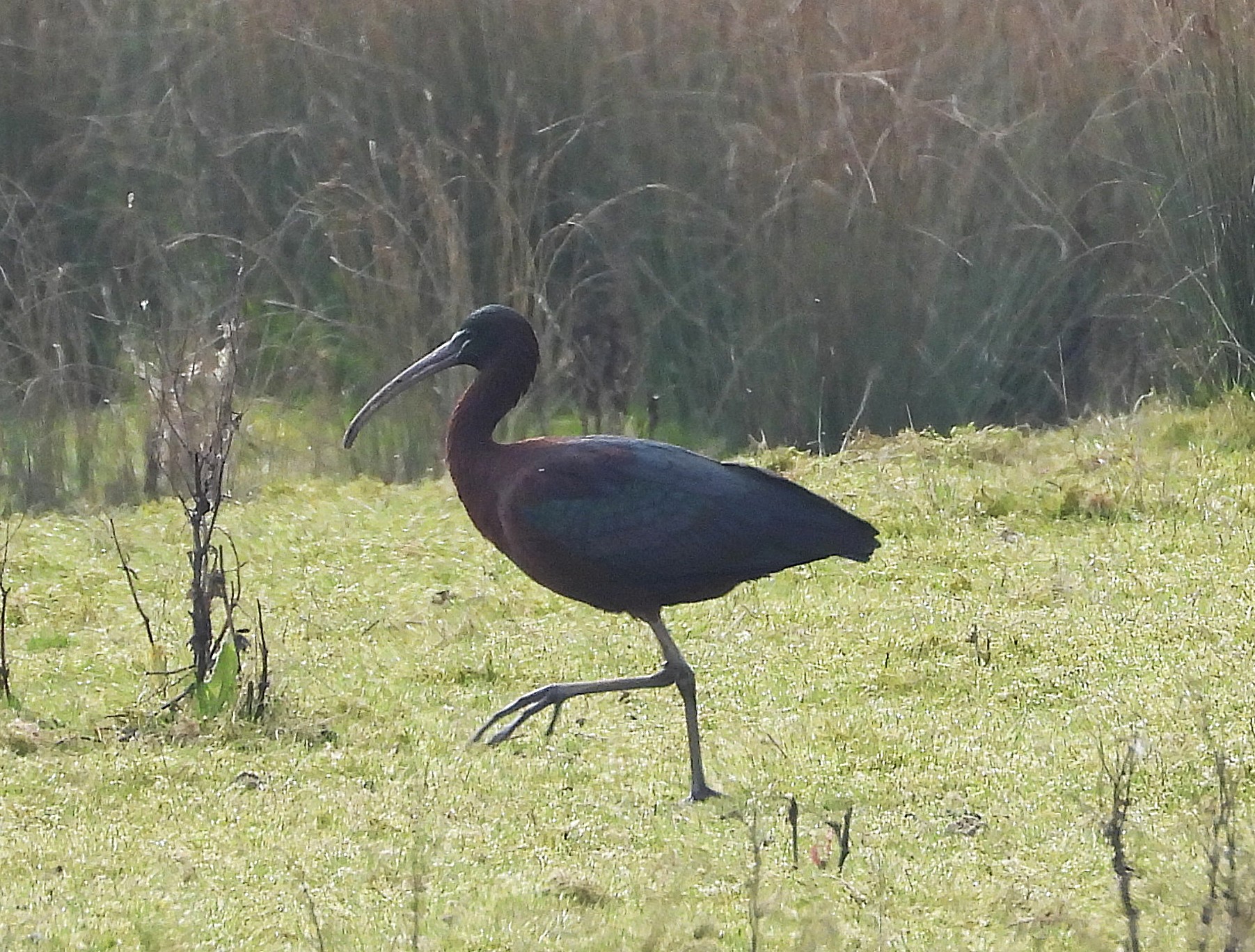
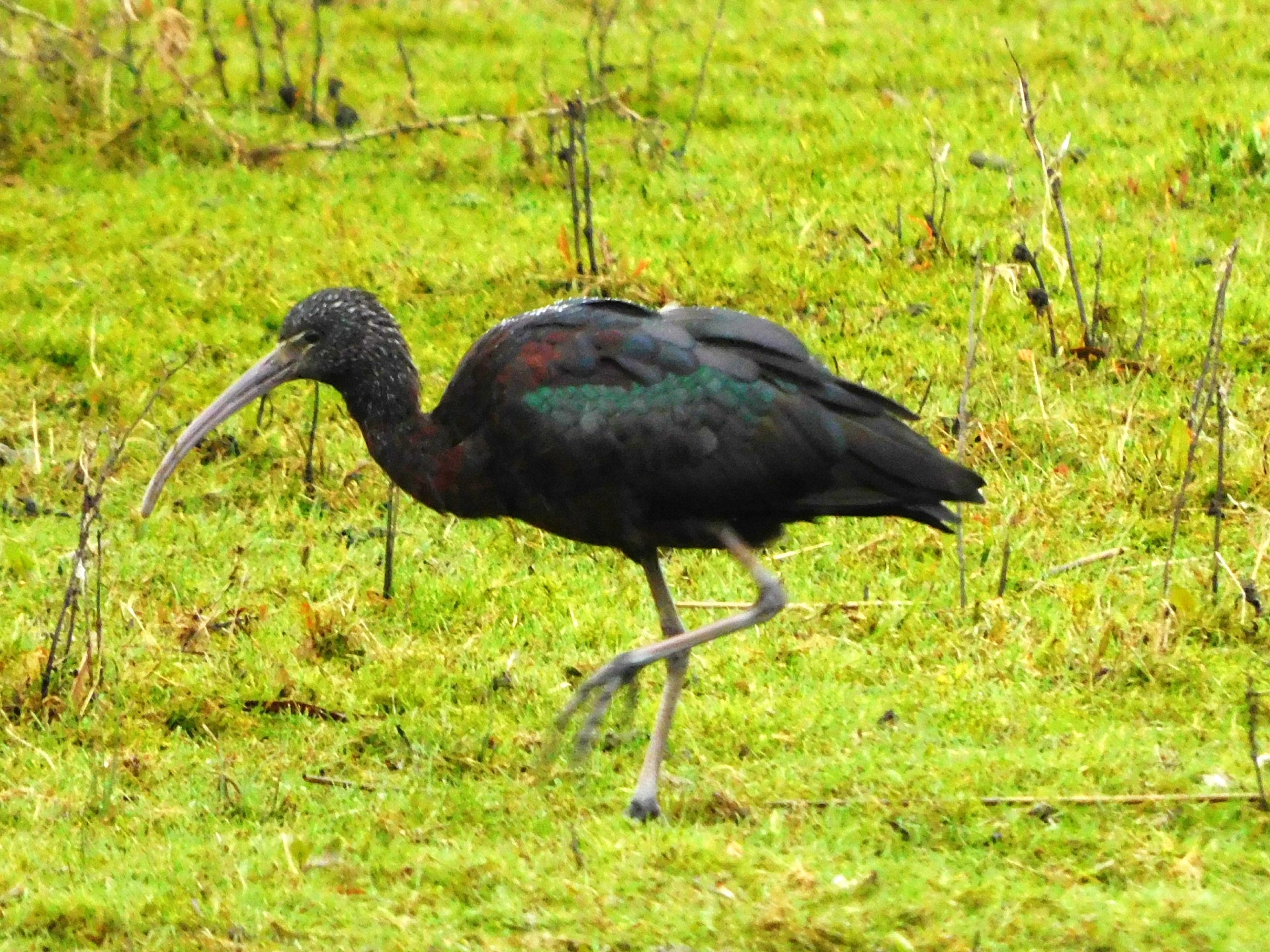
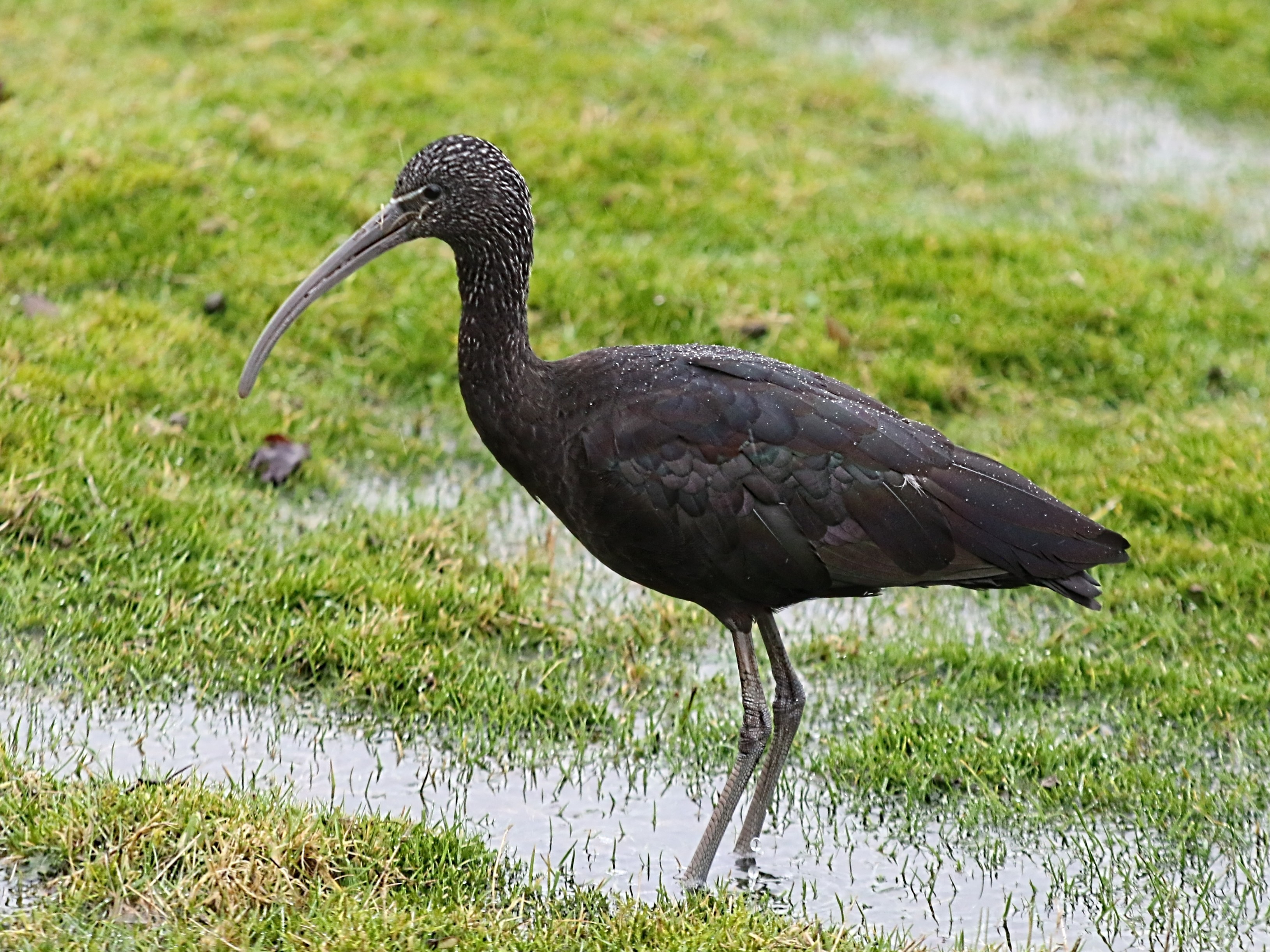
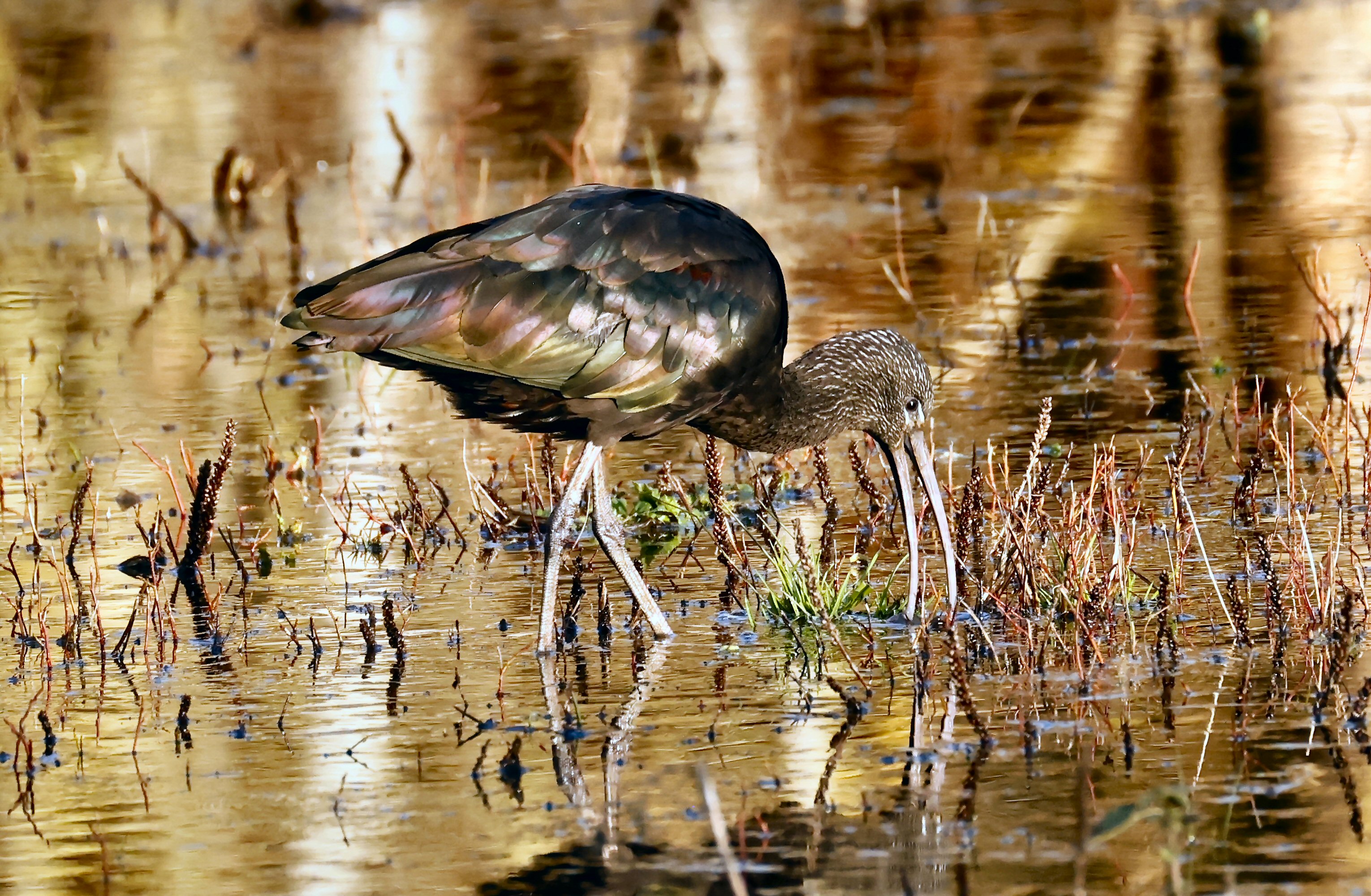
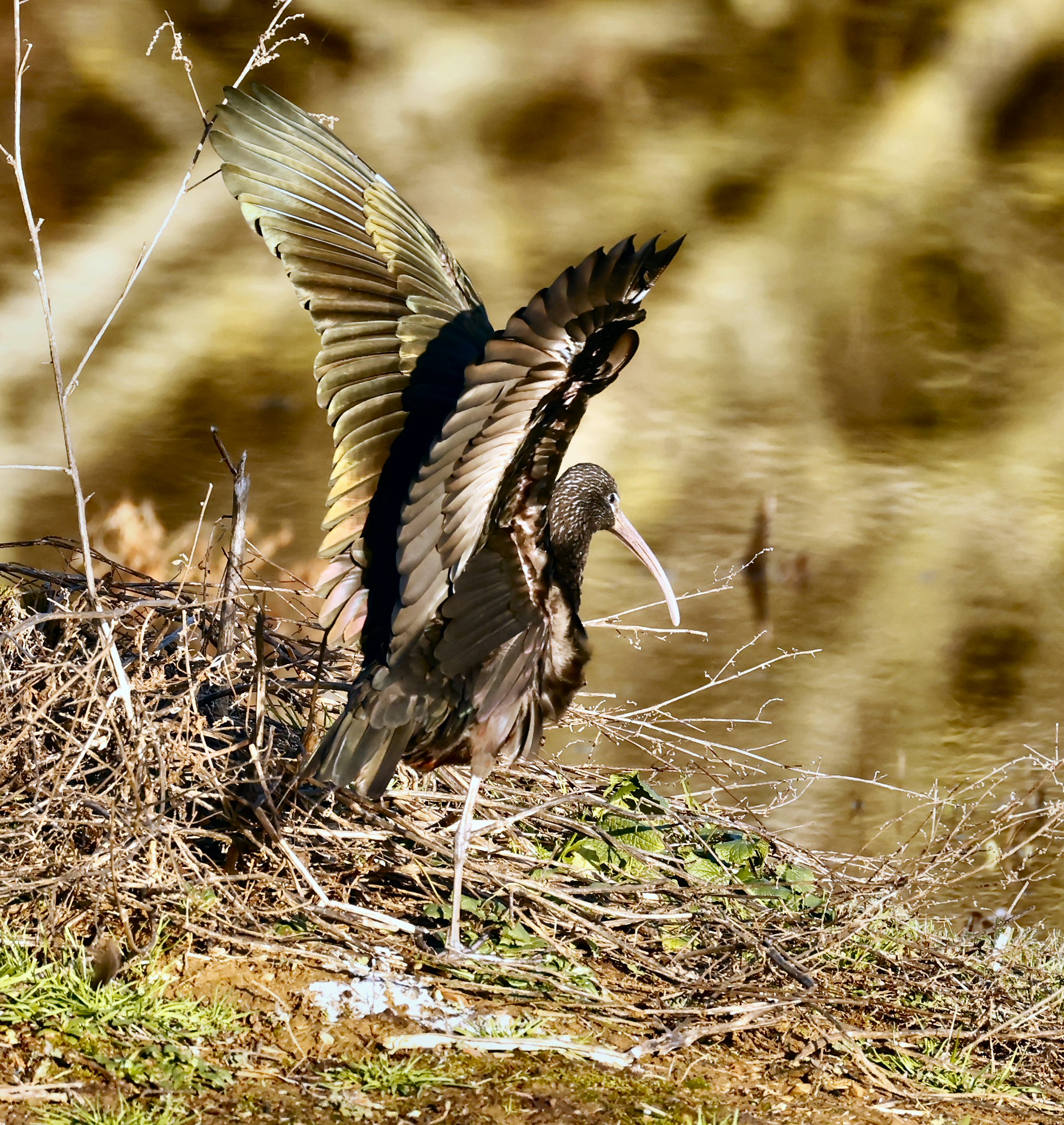
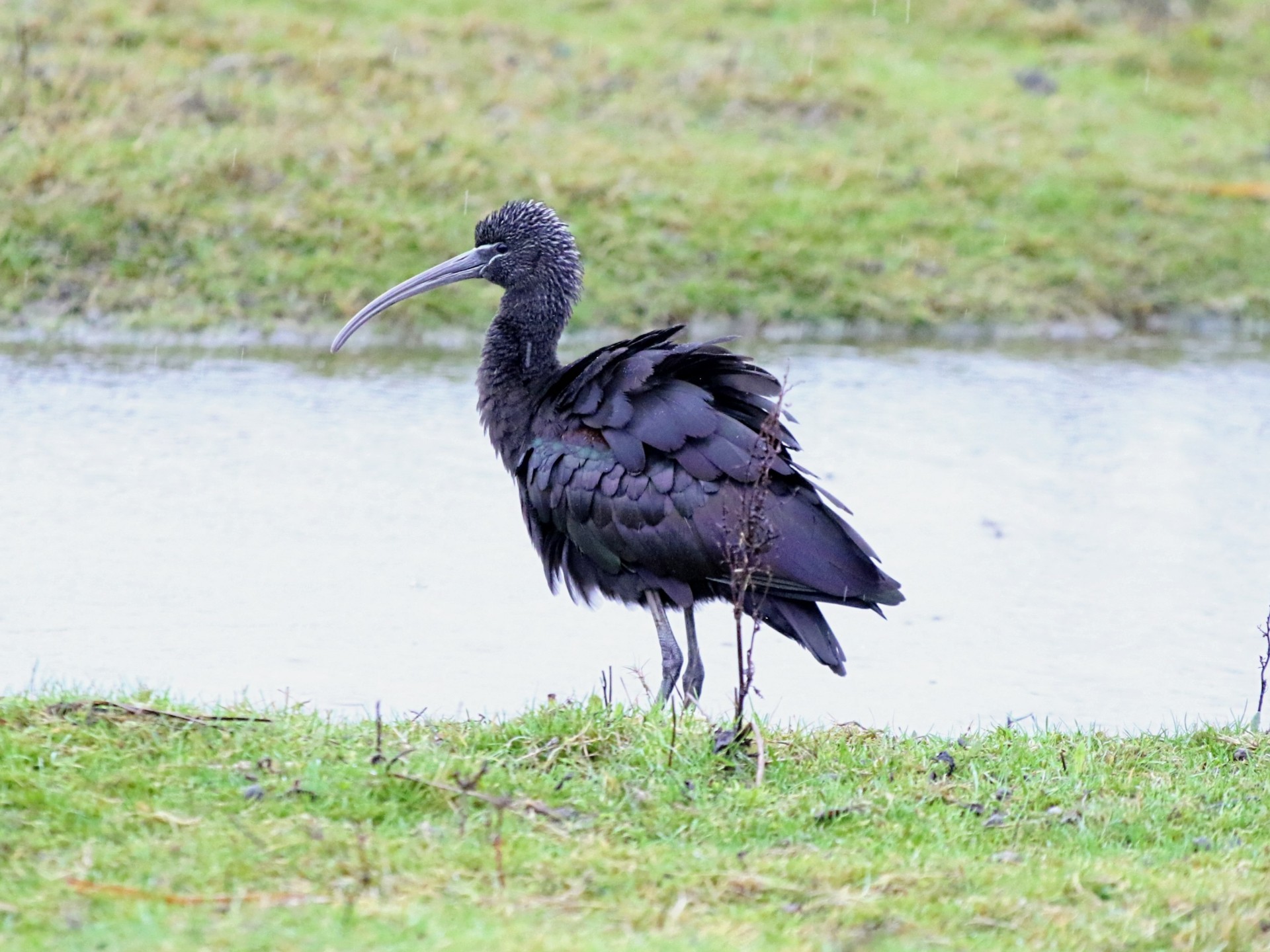
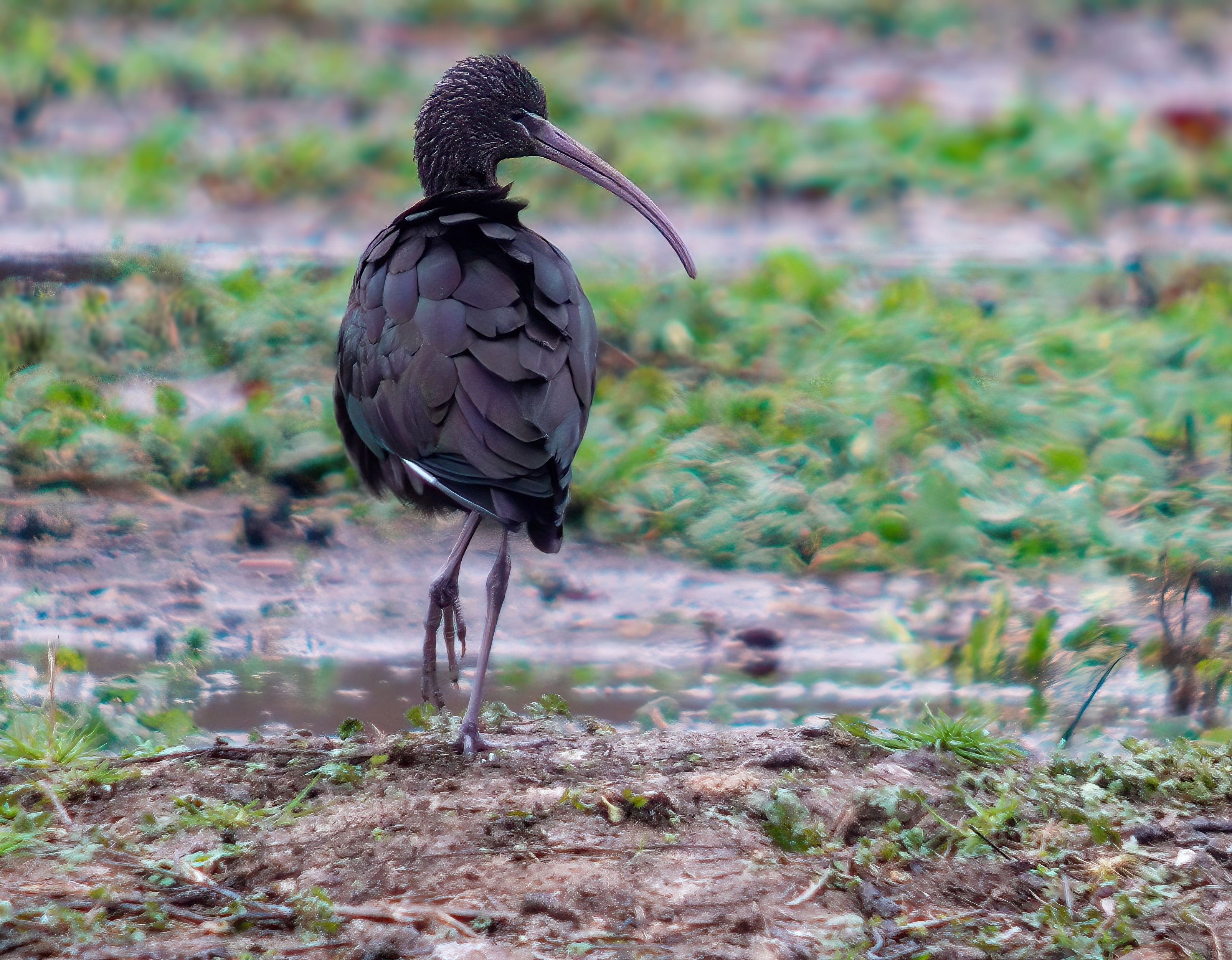
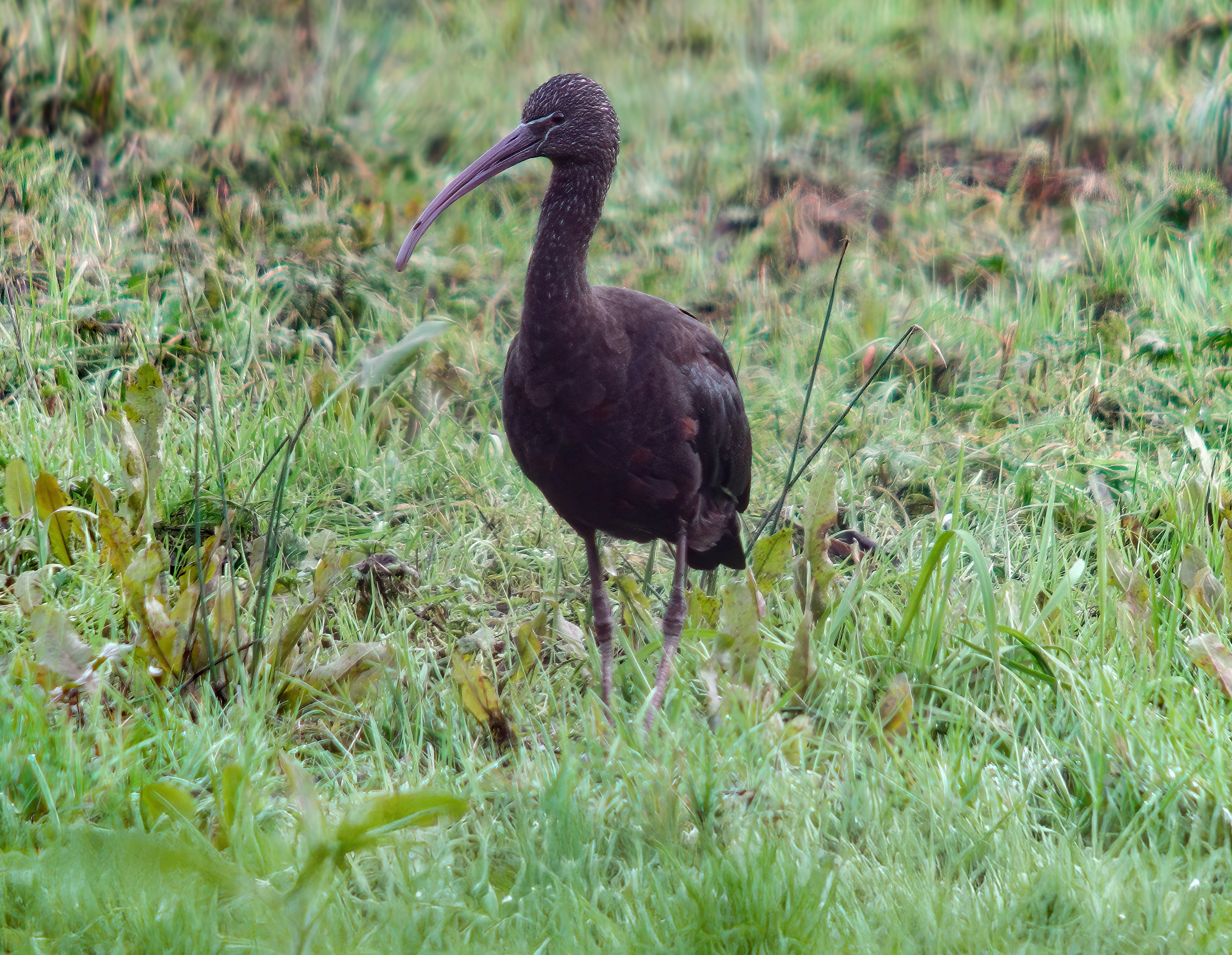
As for Glossy Ibises … Notching up another week, the Wellingborough Embankment duo extended their stay, while one continued to be a regular visitor to the settling pond at Stanford throughout the period.

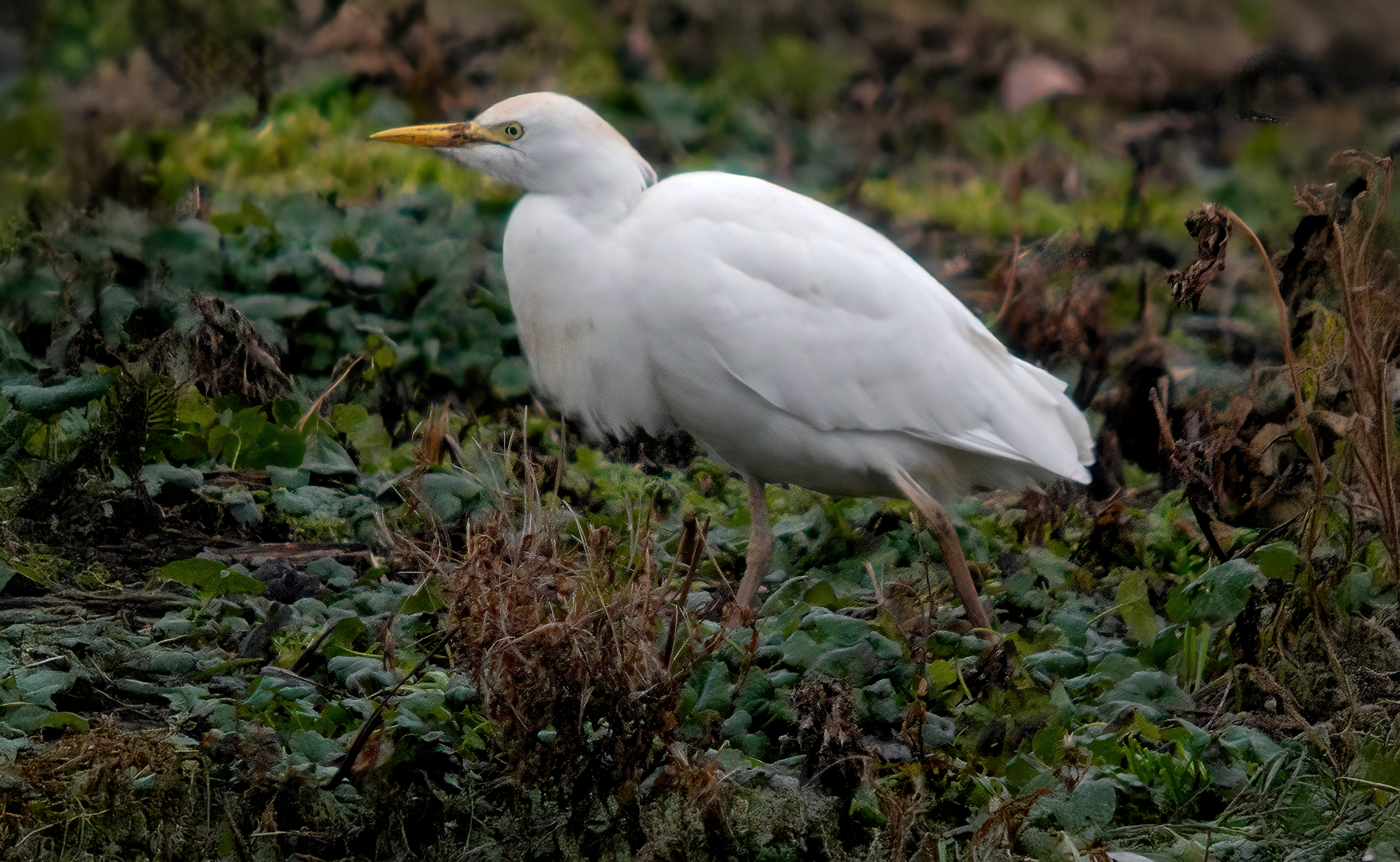
A Cattle Egret was reported in a flooded field at Little Irchester on 21st.

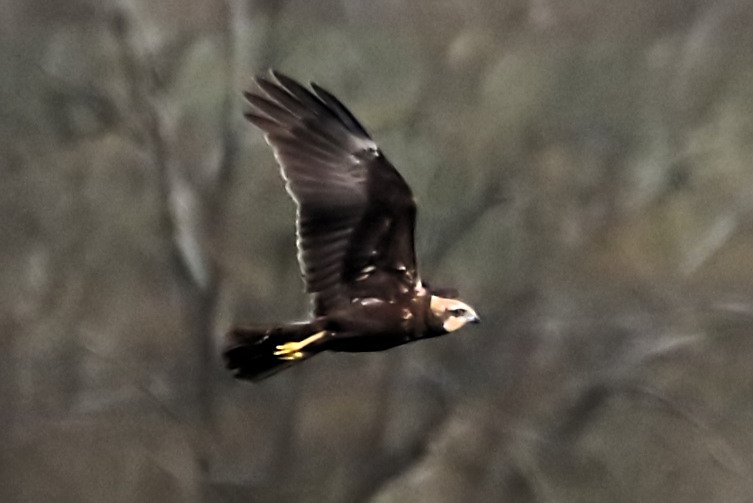
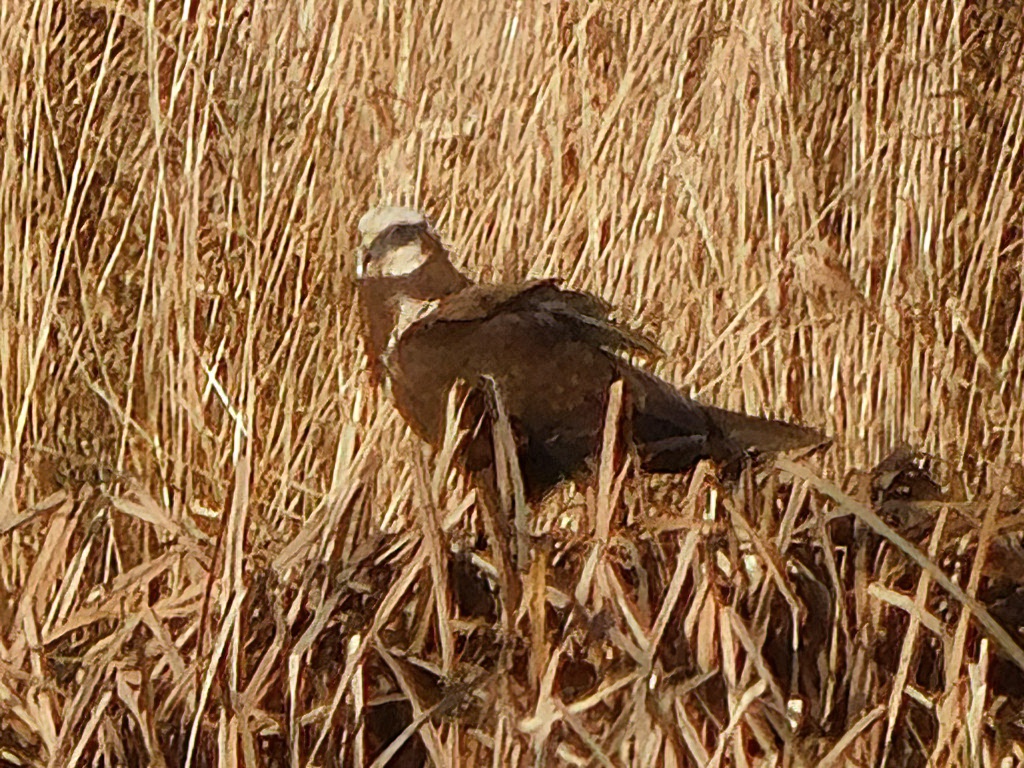
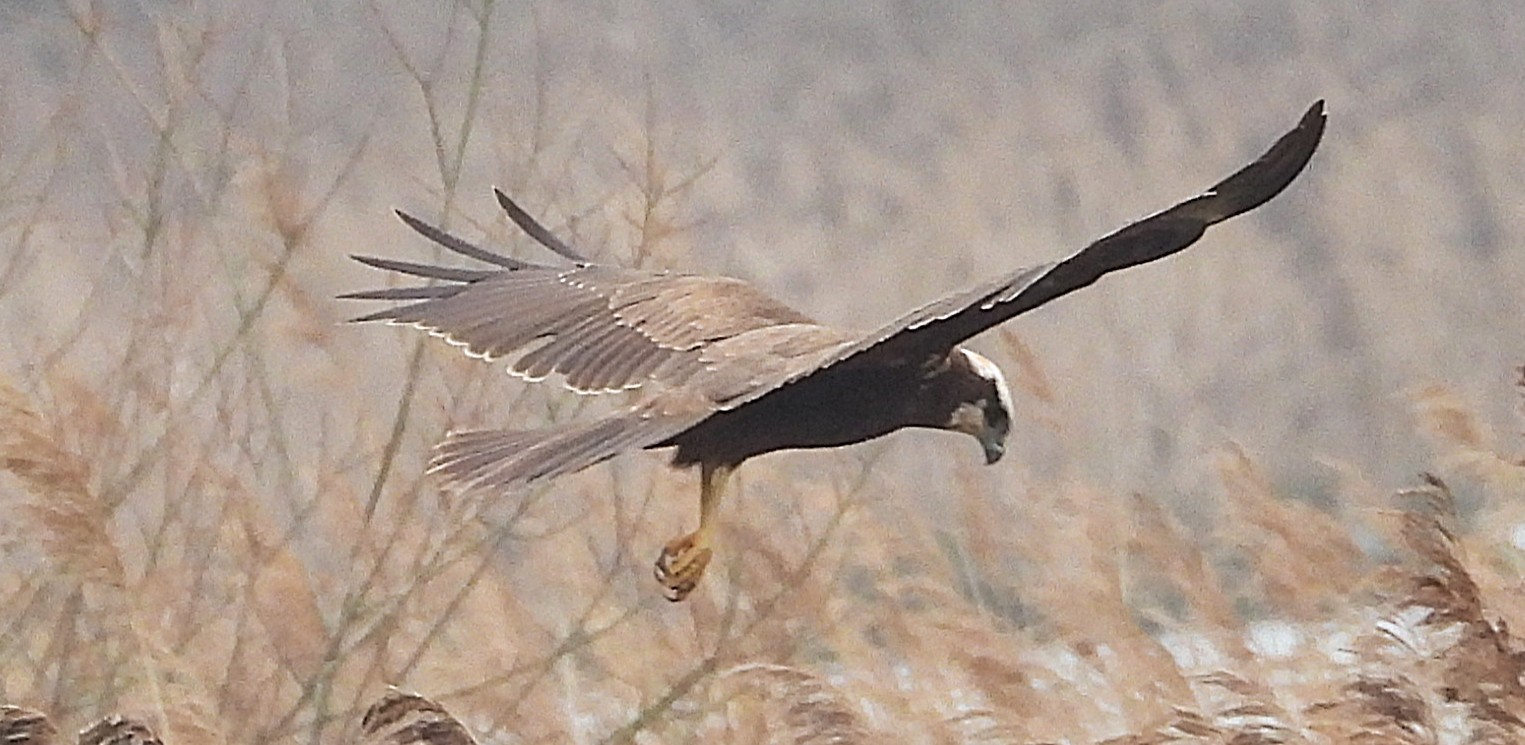
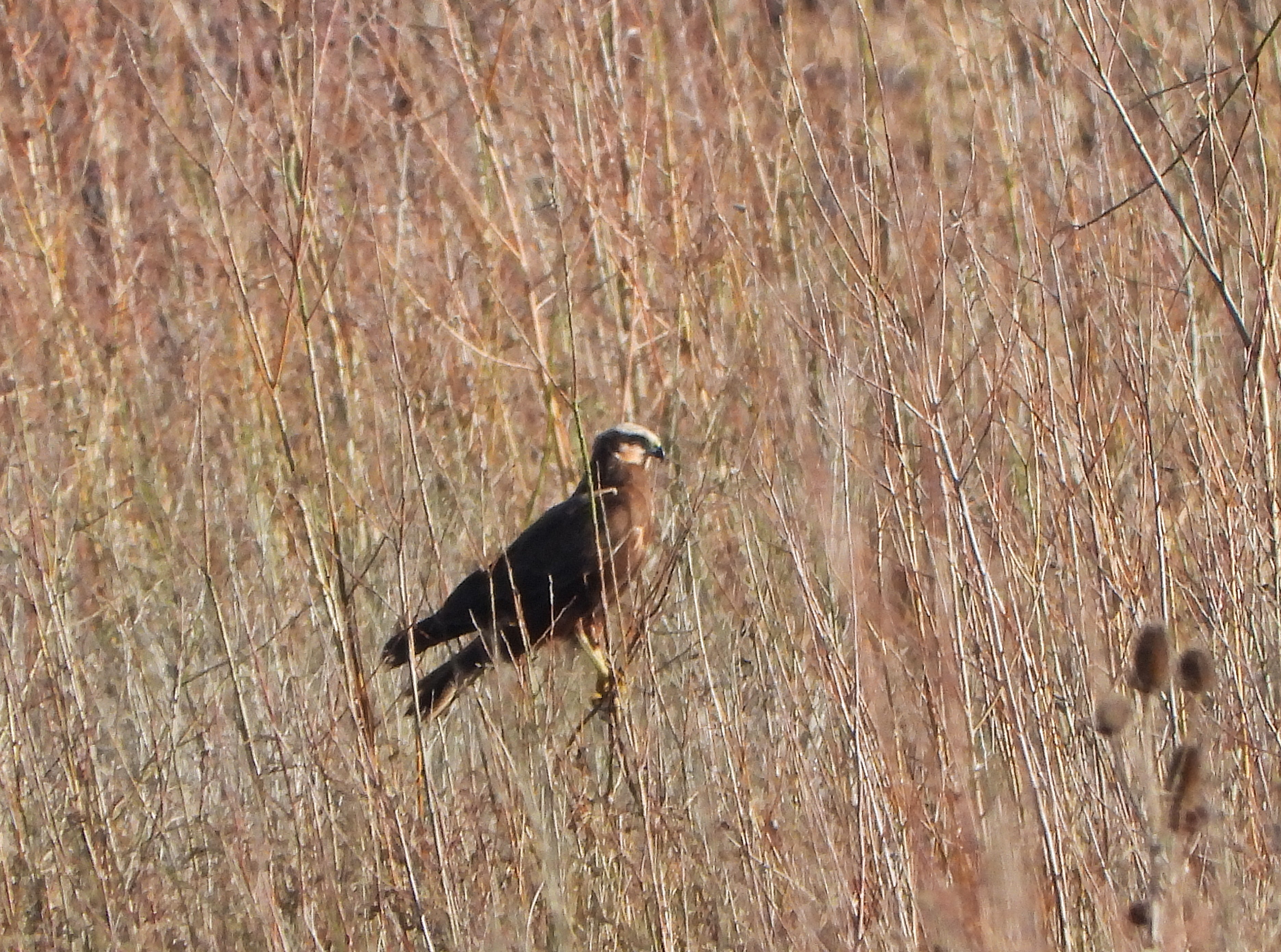
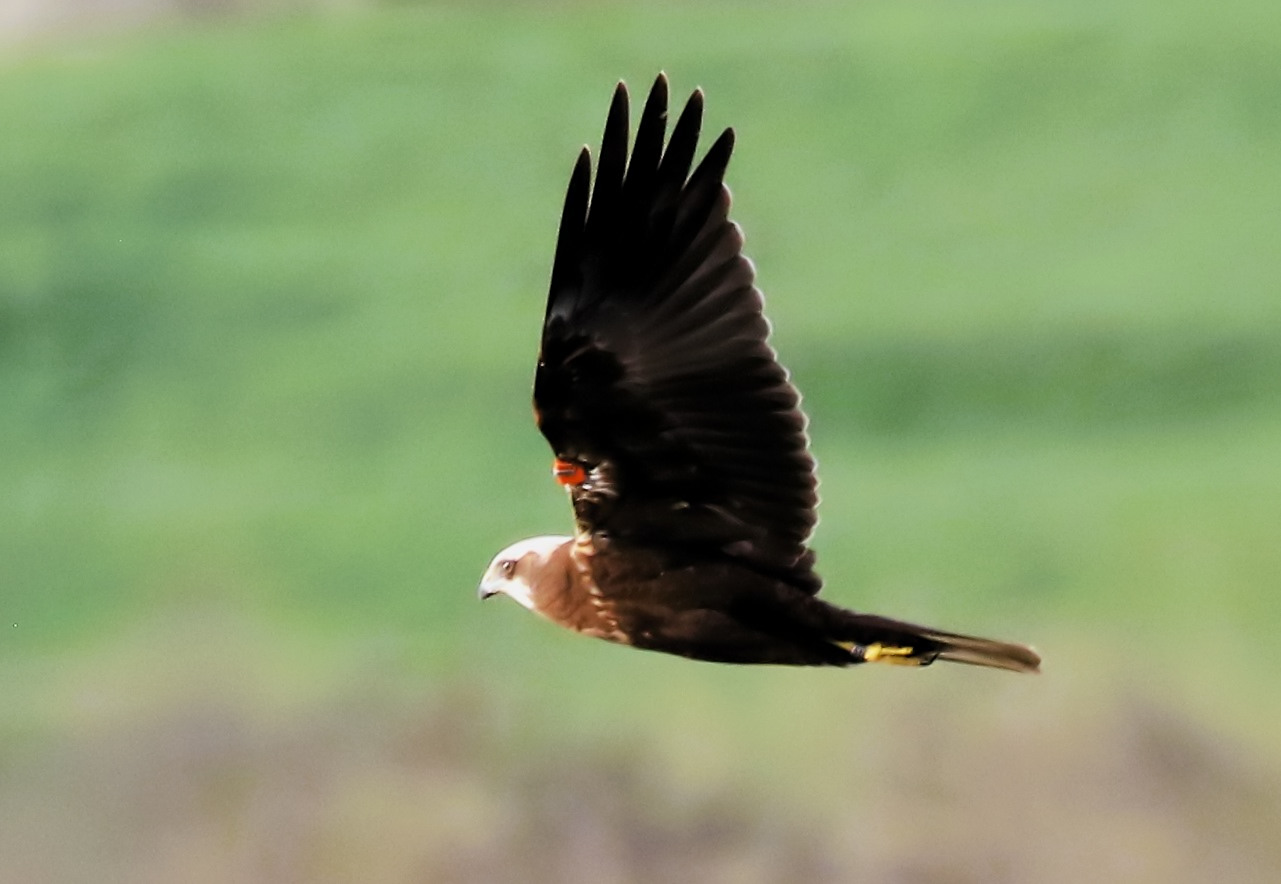
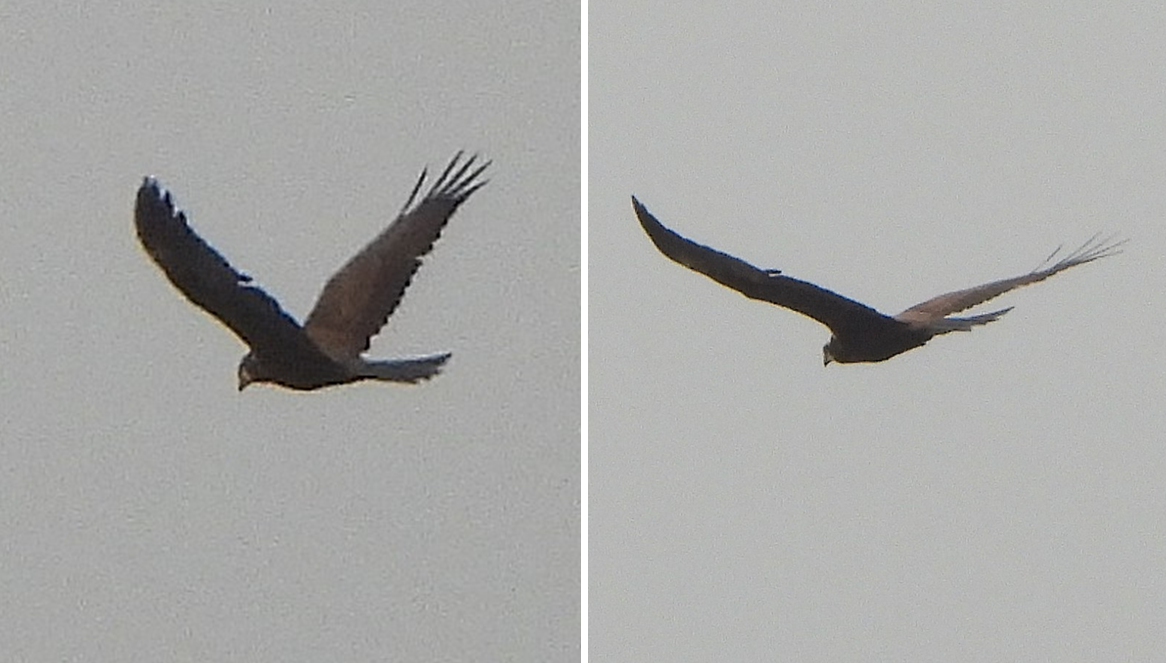
And as we continue to enjoy the presence of wintering Marsh Harriers in the county, another wing-tagged individual made it to the Nene Valley this week. Enter yellow ‘FL’ photographed at Titchmarsh NR on 20th. Research by the photographer, below, reveals it to be a first-year female, ringed and tagged on 13th June 2025 near Carlton Marshes, Suffolk, a bird which has subsequently been seen at the following locations in Norfolk: Salthouse on 7th October, Cley NWT on 15th and 25th October and Titchwell RSPB on 4th November.
Last week’s orange-tagged ‘J4’ was again present at Summer Leys, also on 20th, while sightings of individuals presumably without tags included singles at both Titchmarsh and Ditchford GP on 24th and at Summer Leys on 25th.

The Brampton Valley ‘ringtail’ Hen Harrier was again seen in the area between Cottesbrooke, Hanging Houghton and Blueberry Farm on 20th, as was a Short-eared Owl on 20th and 22nd, with another west of the A14, near Kettering Golf Course on 23rd.

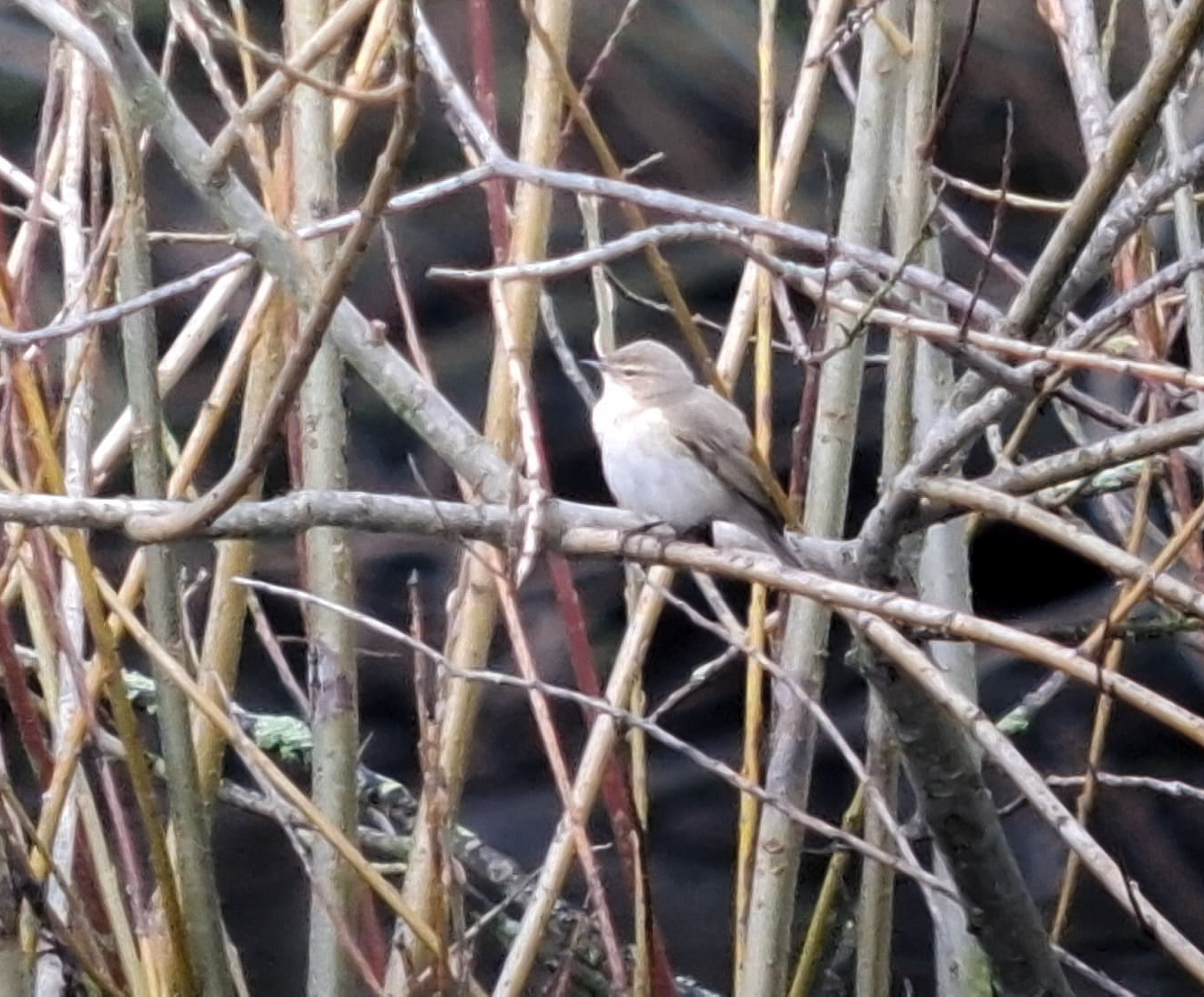
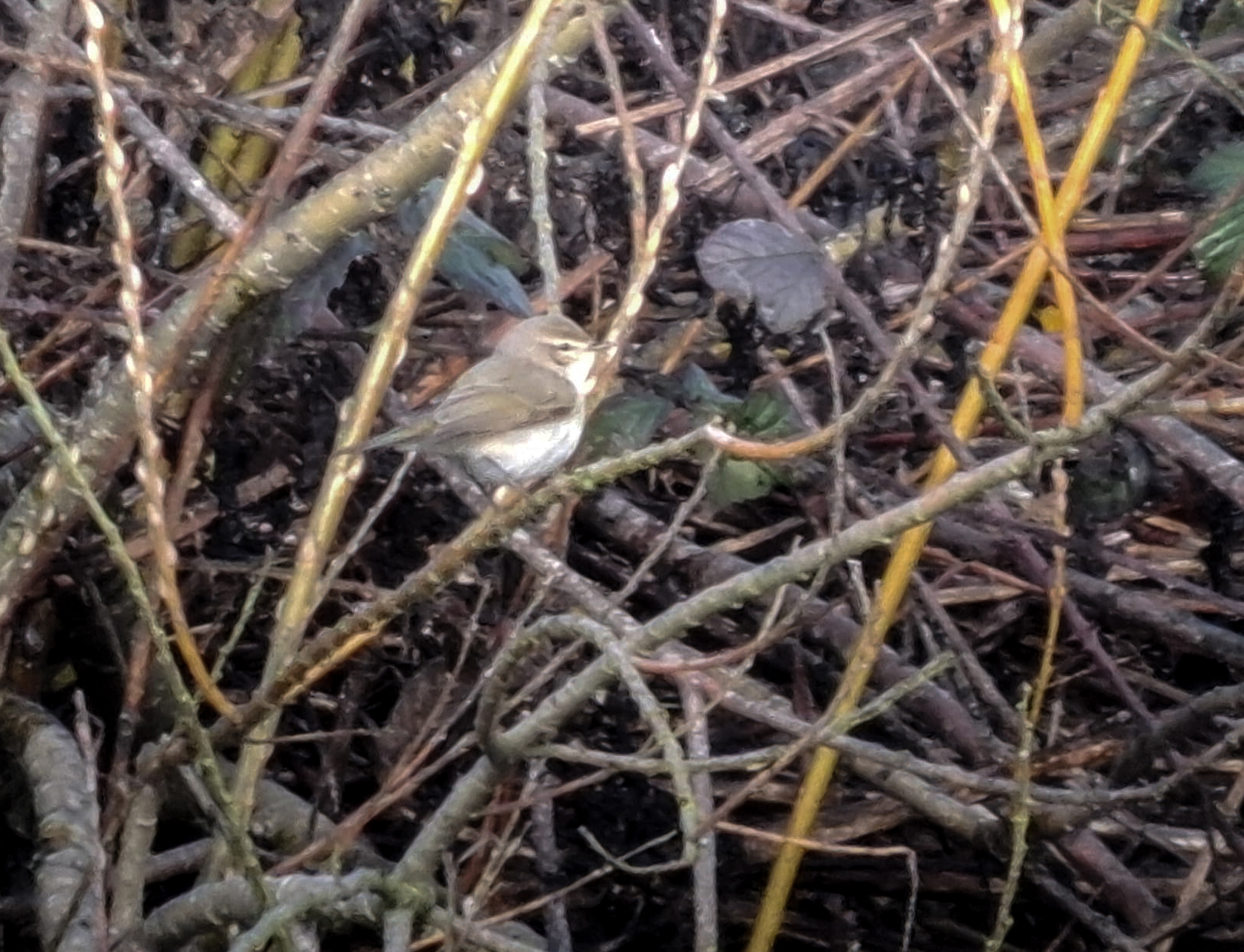
The period’s passerines of note kicked off with a Siberian Chiffchaff at Daventry CP on 22nd – possibly the same individual as that seen there on 21st November.

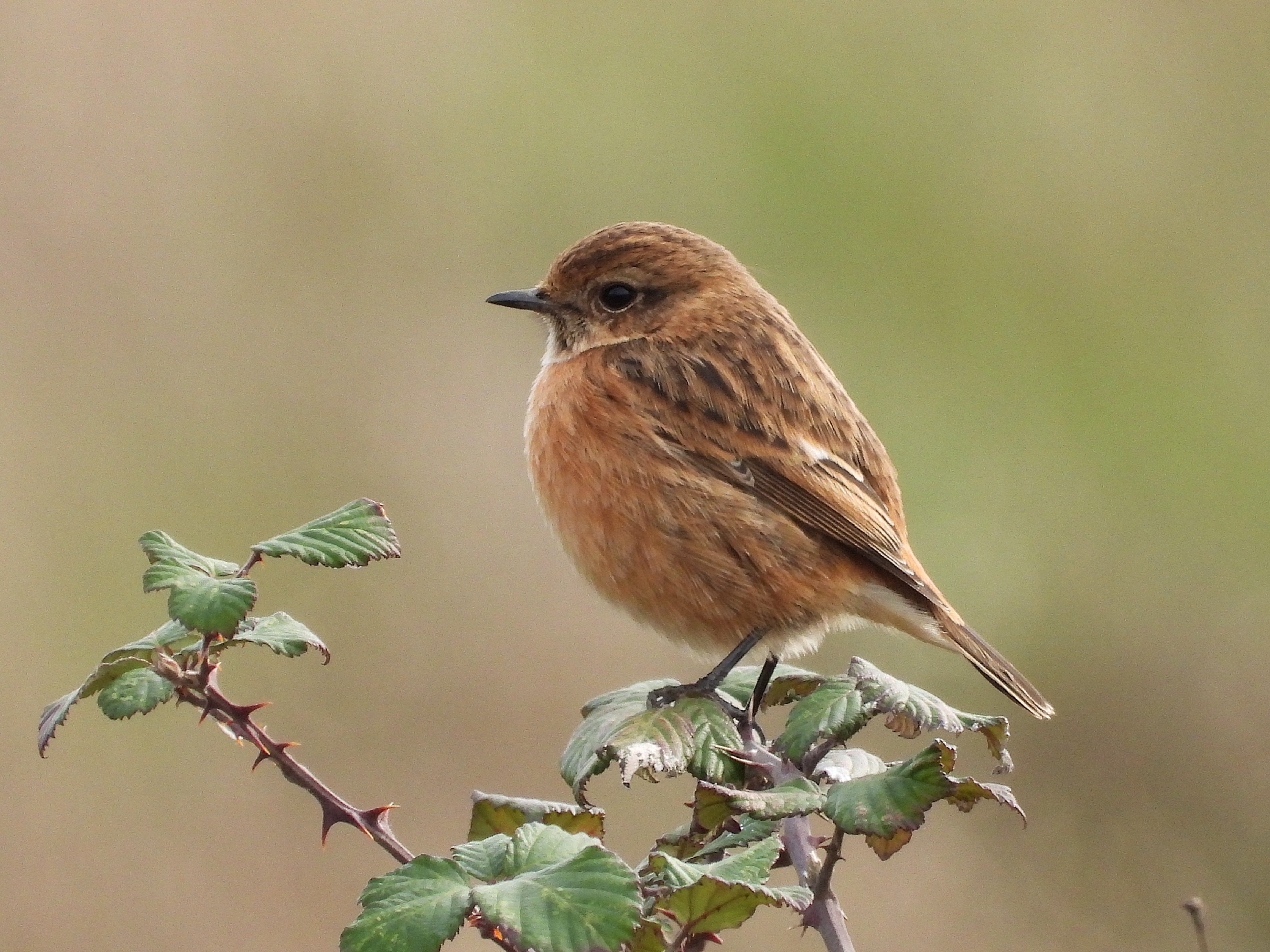
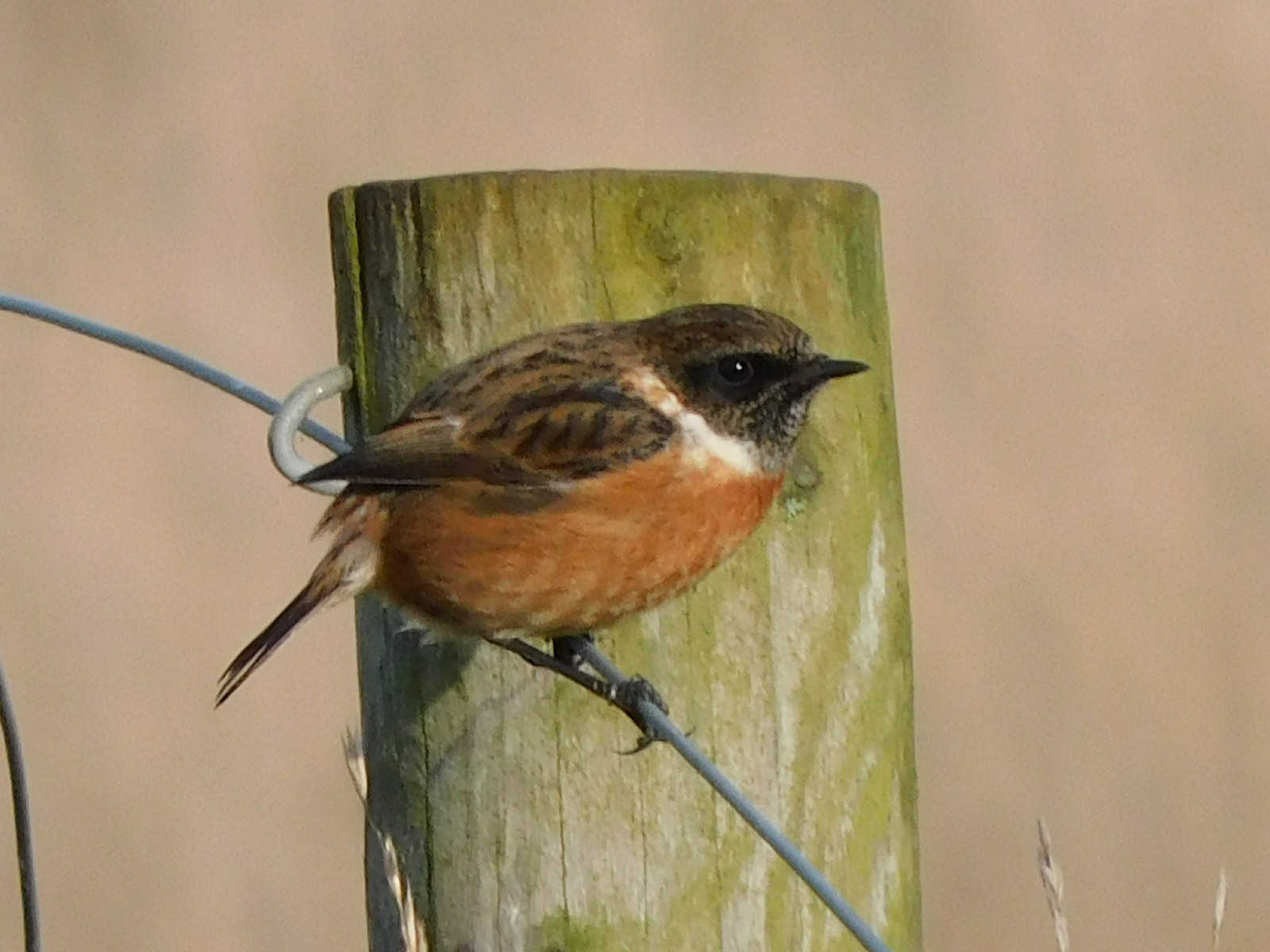
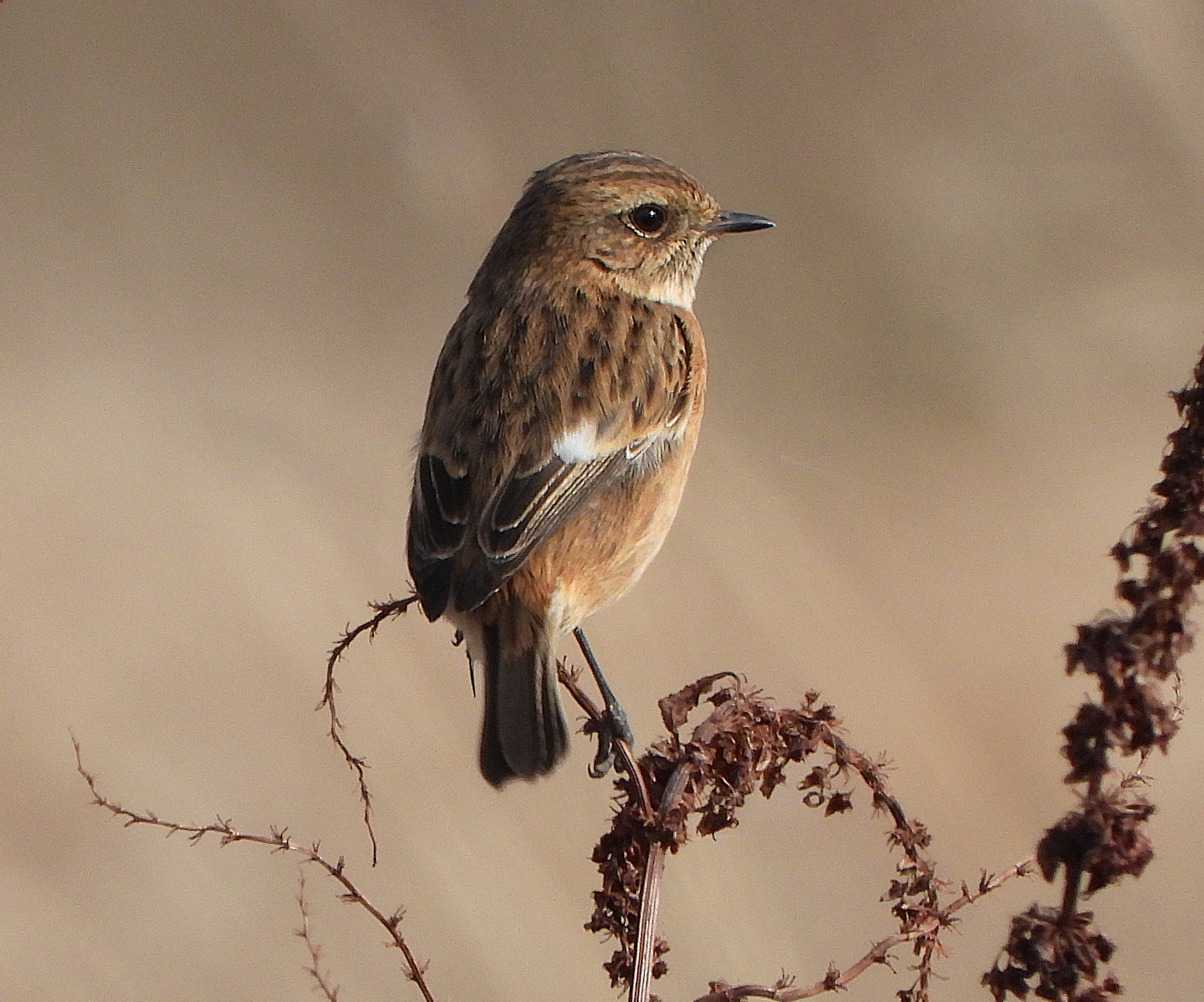
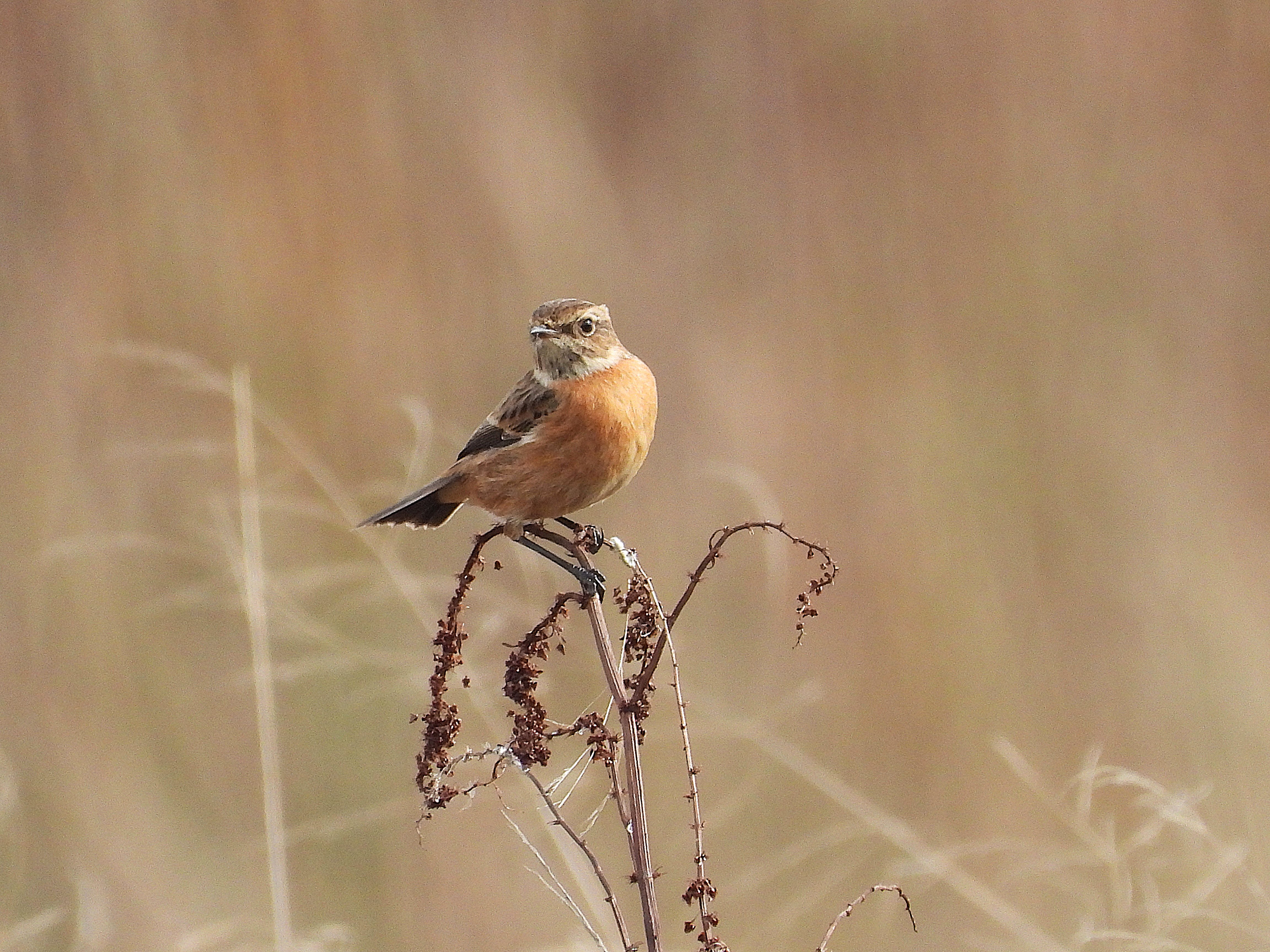
There were fewer Stonechats on offer, this week’s birds consisting of one at Clifford Hill on 22nd-23rd, two in the Brampton Valley on 22nd and two at Neville’s Lodge, Finedon on 26th.

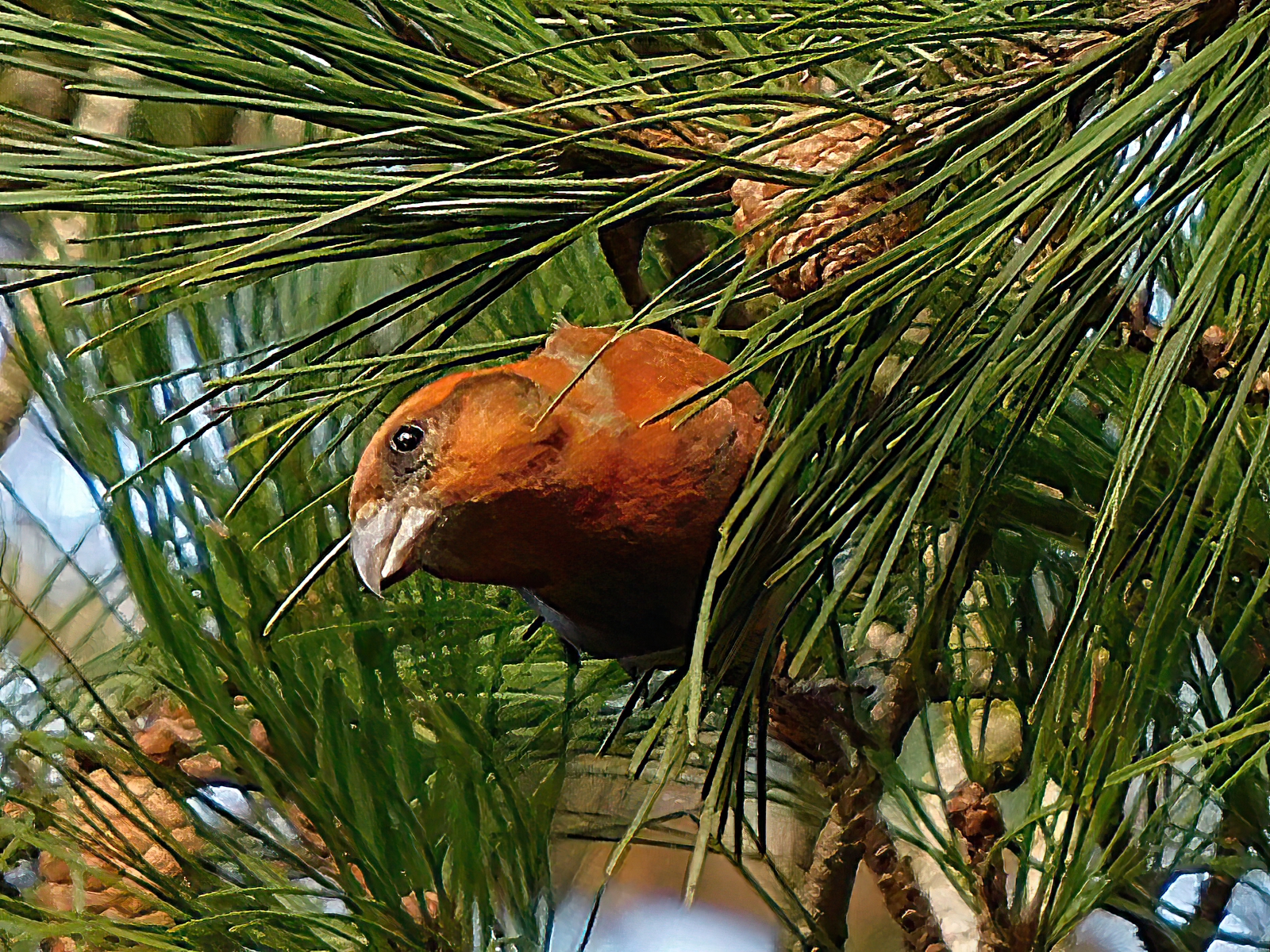
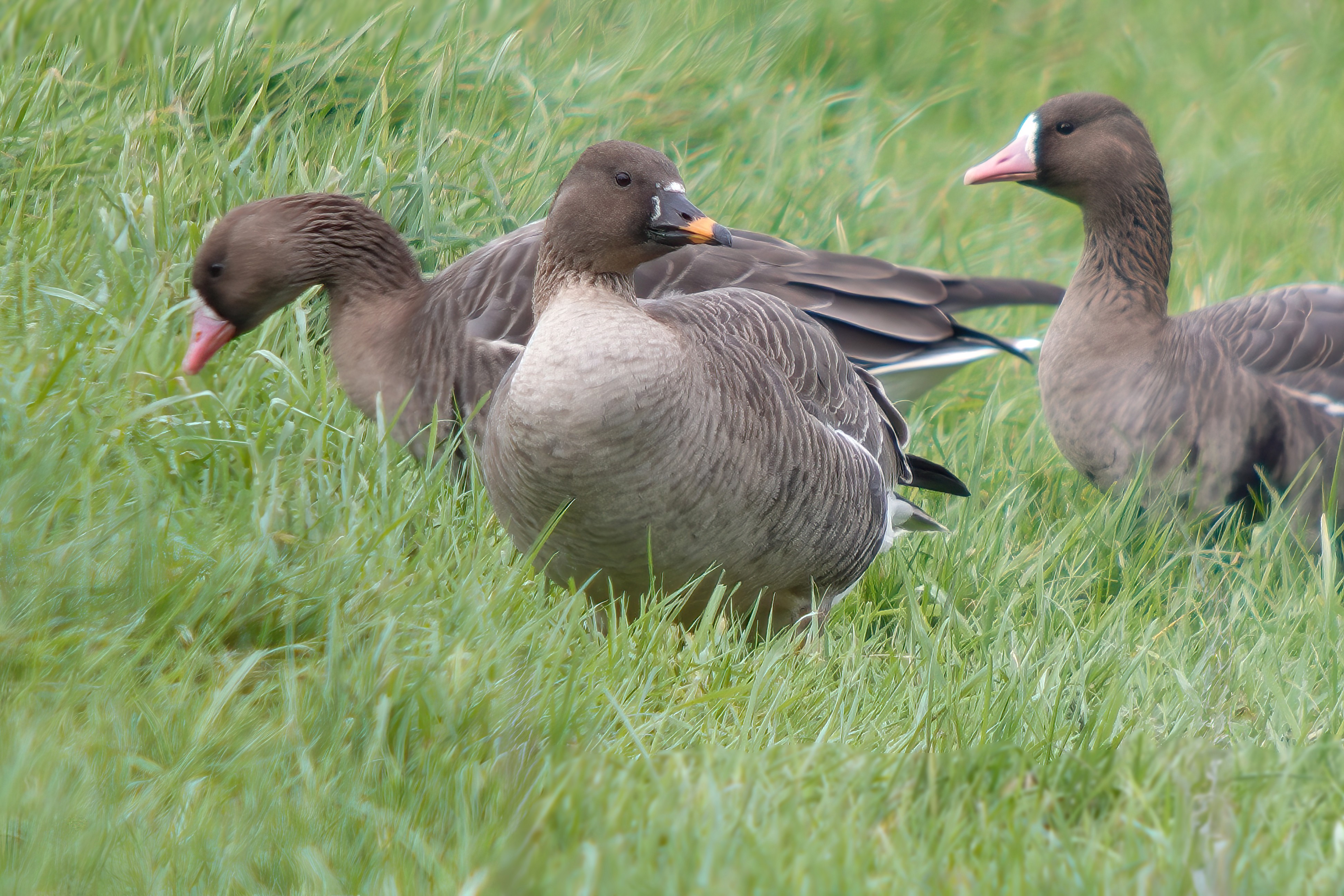
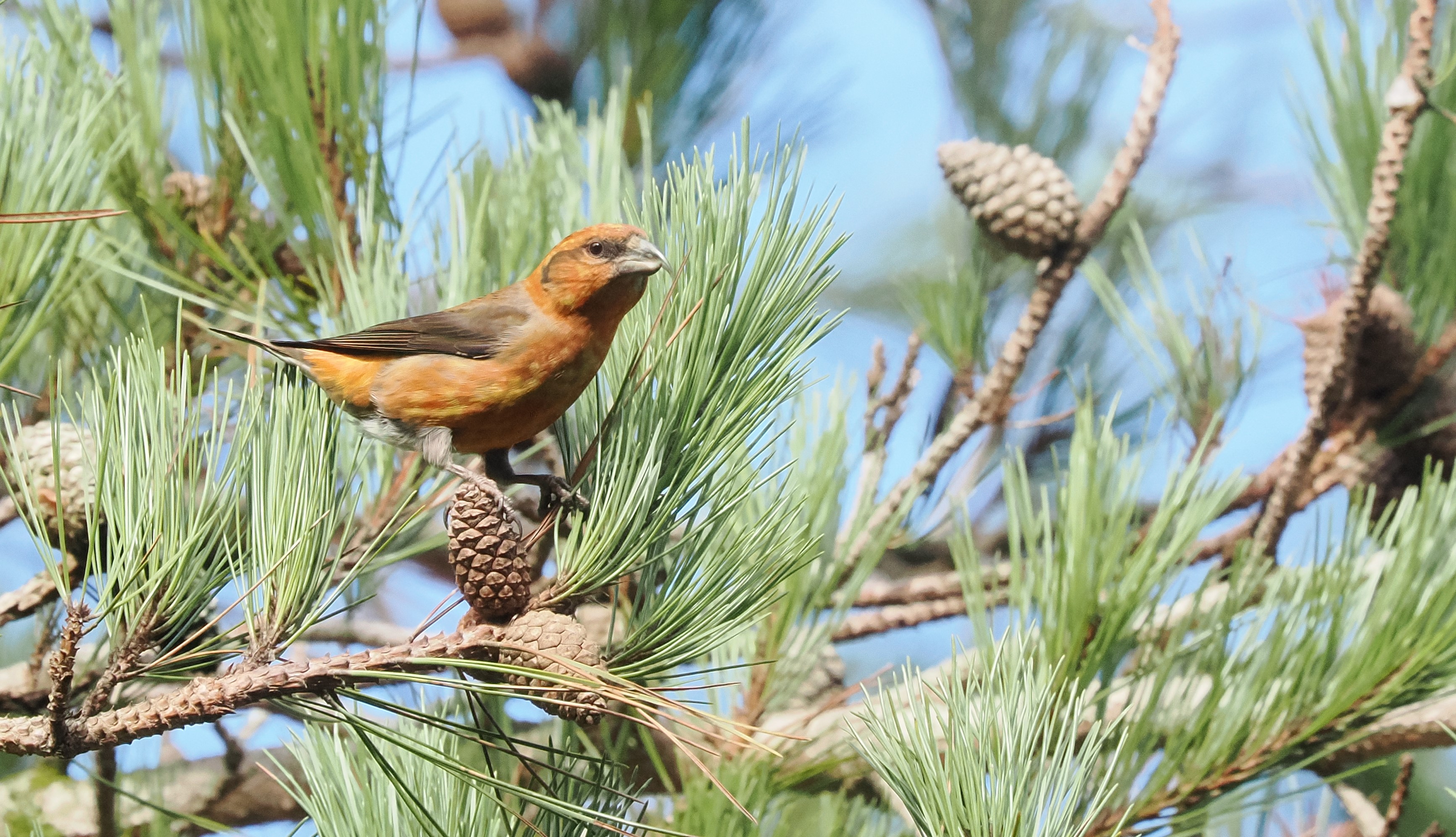
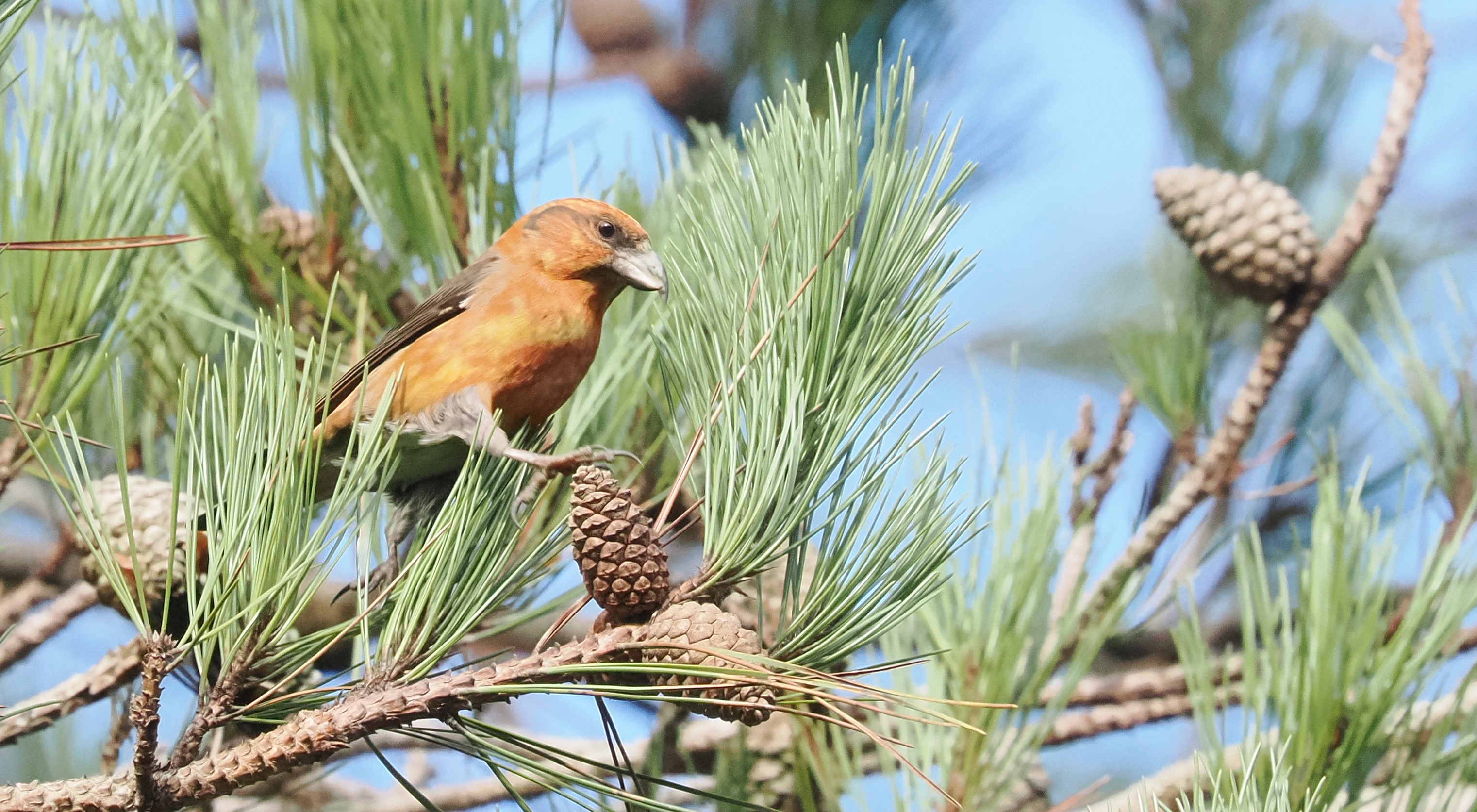
And is Cottesbrooke now on the radar for Hawfinches in non-invasion years? One was present there on 22nd. Crossbills, too, were to be found not far away from the latter site, with two or three at Gamboro Plantation on 20th, while seven were mobile around Harlestone Firs on 21st.

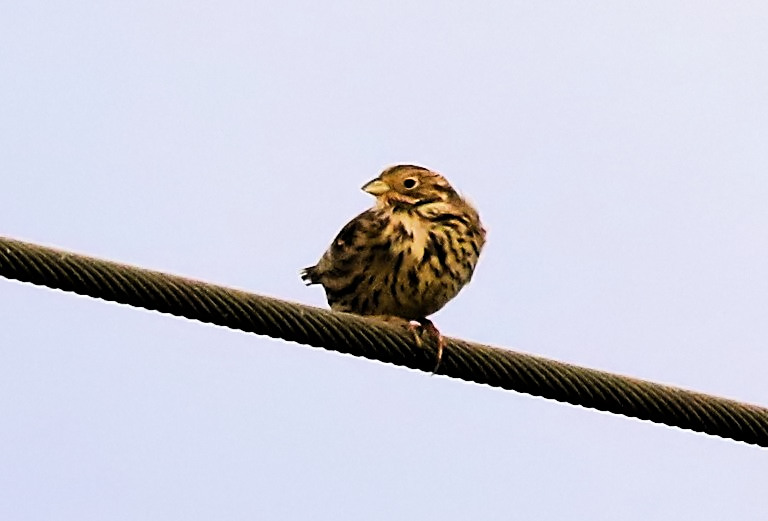
Last week’s hefty total of fifteen Corn Buntings between Deanshanger and Wicken couldn’t be matched. Just two were to be found in the same locality on 21st.

Newsround 13th to 19th December 2025

With 2025 now entering the home straight, it has yet to run out of steam. And, against a backcloth of moderate surprises, came another first for the year …

The majority of last week’s top birds remained settled, kicking off with the solitary juvenile Whooper Swan still on site at Pitsford Res on 15th.

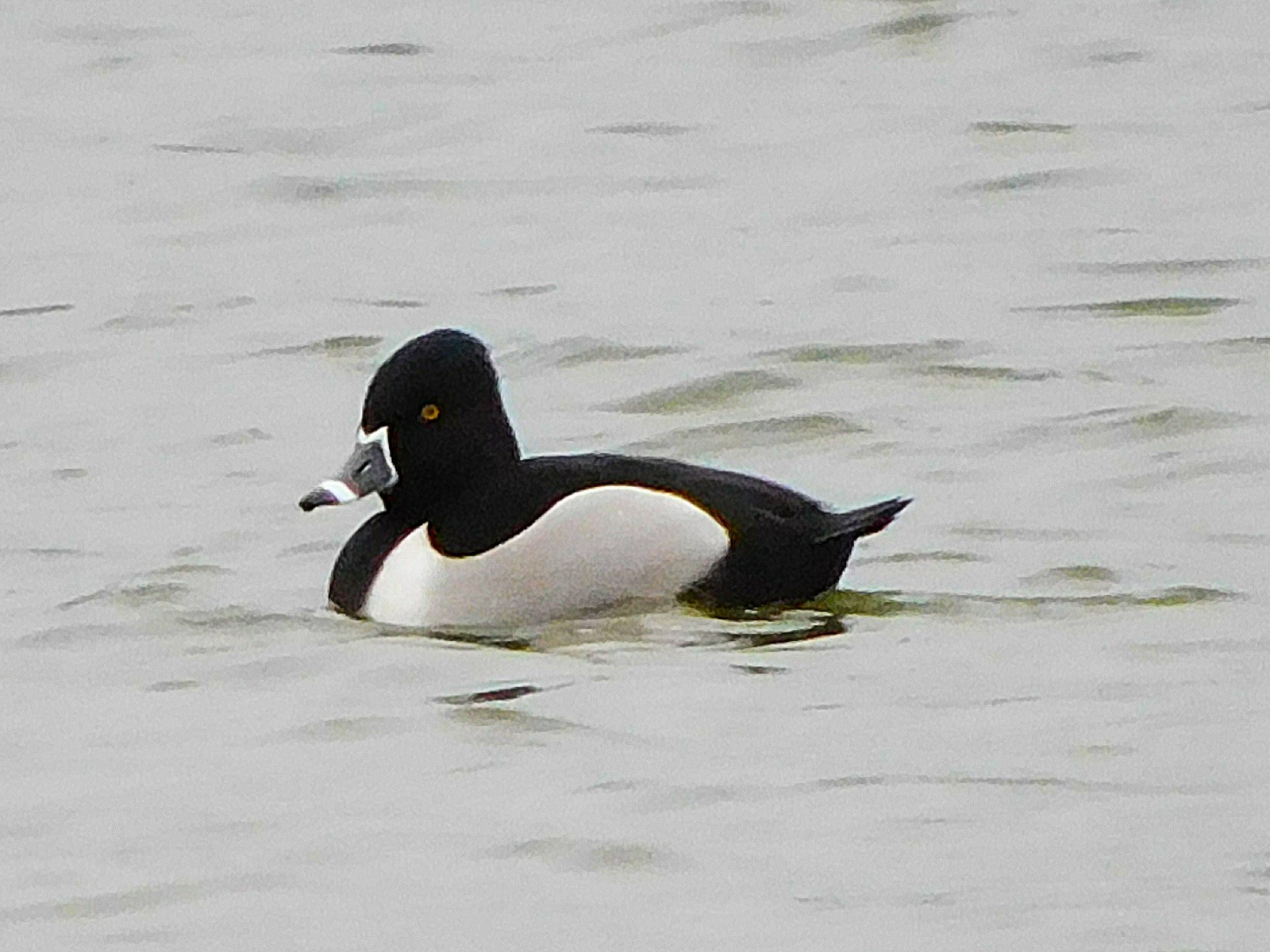
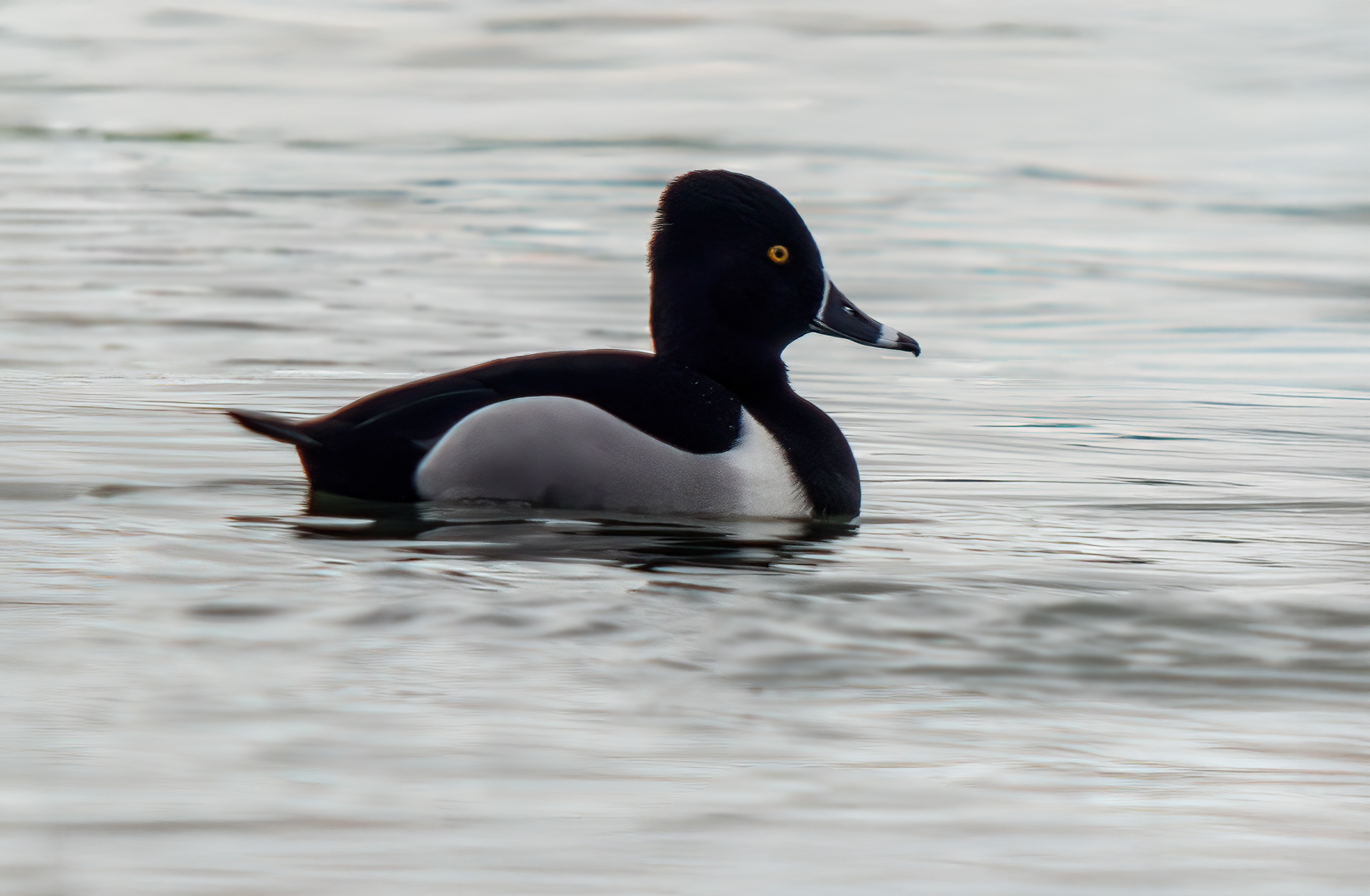
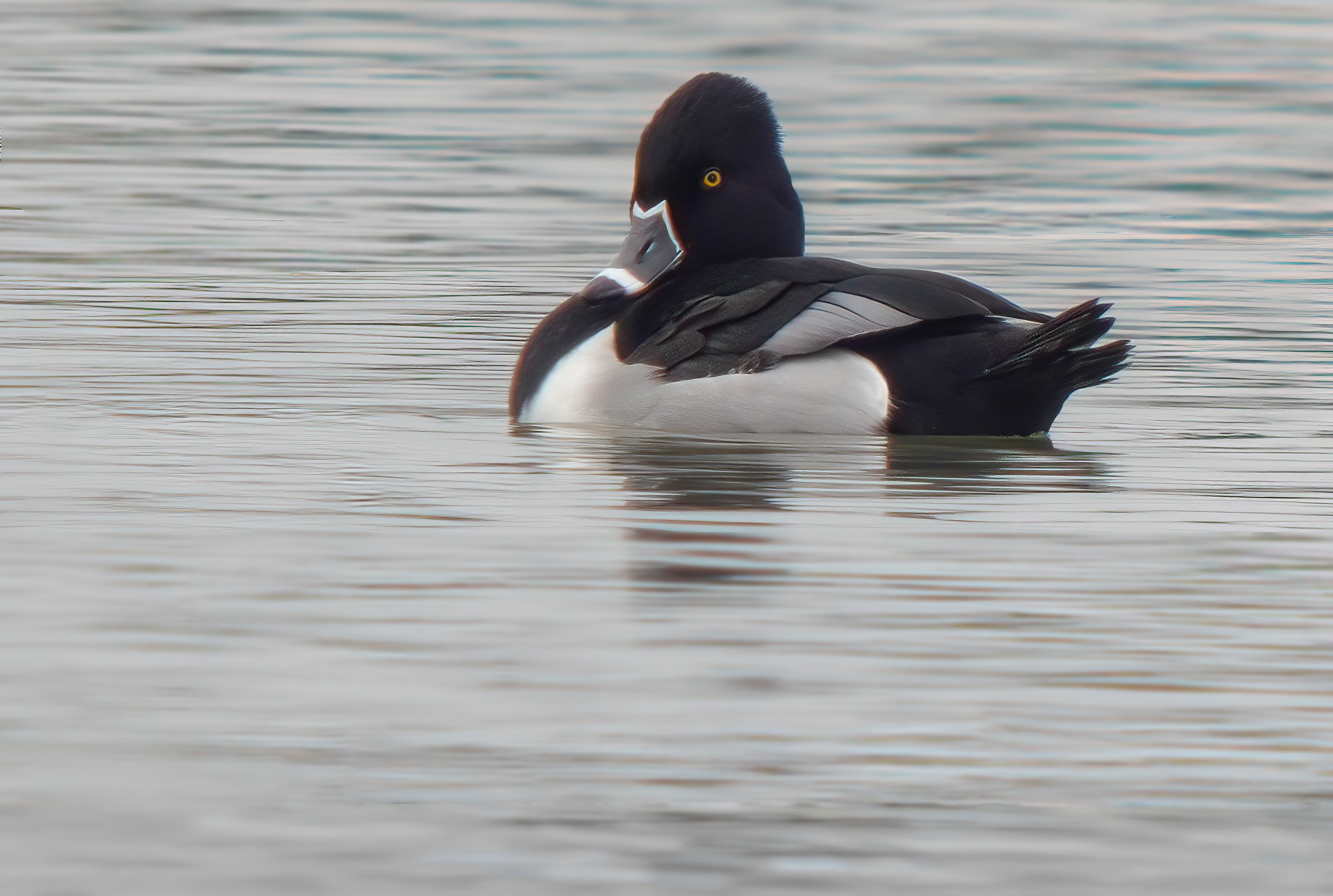
Thrapston GP held on to its drake Ring-necked Duck, although its tendency to mysteriously vanish resulted in it being seen on only 14th and 17th, despite being searched for on most days throughout the period. Far more reliable were the first-winter drake and female Greater Scaups which saw another week out at the same locality, to be found with relative ease off the Sailing Club at the southern end of Town Lake.

Back at Pitsford, the Black-necked Grebe entered its fourth week, remaining until at least 15th.

And scarcer waders are always thin on the ground at this point in the year, this week being restricted to just two Jack Snipes – one at Upton CP on 14th, the other being at Pitsford the following day.

Also keeping Pitsford on the map and adding a little spice to the proceedings was a first-winter Little Gull making its way south on 15th while, not too far away, a first-winter Mediterranean Gull was found at Hollowell Res on the same date. More standard fare was on offer in the form of Caspian Gulls, the 15th seeing single adults at Hollowell Res and Stanford Res, two adults at Ravensthorpe Res and a first-winter and second-winter at Daventry CP. A third-winter also visited Hollowell on 19th and an adult was at Naseby Res on the same date. By contrast, only two Yellow-legged Gulls were seen, both on 15th, when a first-winter visited Daventry and an adult was at Pitsford.

Now on to the bird of the week and there’s nothing like a festive Shag, with December having been proven to be the second most popular month for occurrences in the county over the last 25 years. Found on 17th in the somewhat bizarre location of the Grand Union Canal, up close to the busy A43/M1 junction 15A, it represents the only one of its kind for 2025 and, after apparently going missing the following day, there it was again, still on the canal, some 1.8 km further north on 19th. While the vast majority of Shags have expectedly turned up at well-watched, sizeable bodies of water in rural settings, some are occasionally found ‘wrecked’ in areas far removed from water and others occasionally buck the trend, appearing in urban localities. One that turned up at the unlikely location of Abington Park Lakes, Northampton in mid-December 2006 is a prime example. It stayed until February 2007 and was seen by many local birders. Shocking to think that was nearly 20 years ago. Tempus fugit, as they say …

And, while continuing their winter presence, Glossy Ibises were down to just two localities this week with the Wellingborough Embankment duo still in residence throughout and one at Stanford’s Settling Pond until at least 17th.

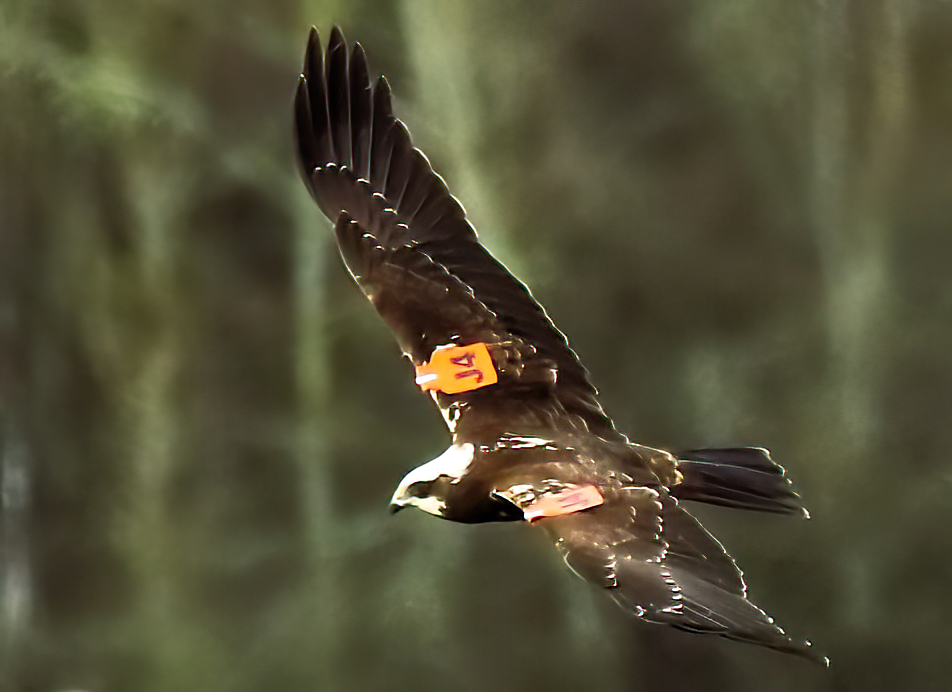
Two Marsh Harriers were present this week, one of which ‘has history’, so to speak. The first was mobile about the Ditchford GP/Stanwick GP area, initially seen close to Ditchford’s Chester House Lake on 13th, then in flight over Irthlingborough on 14th before appearing at Stanwick the next day. In addition to this, one with obvious orange wing-tags, labelled ‘J4’, arrived at Summer Leys LNR on 17th, remaining there until 19th.

Research by the photographer, above, revealed that it was ringed and tagged at Nosterfield NR, Yorkshire (224 km distant from Summer Leys) on 23rd June this year, being sexed as a male and one of a brood of three. Prior to its arrival in Northants, it moved further north to Rainton Meadows NR in Durham, where it was seen on 15th August, before subsequently moving south to Willow Tree Fen NR, Lincolnshire (65 km from Summer Leys) on 26th November.

The Brampton Valley ‘ringtail’ Hen Harrier also continued to range between Cottesbrooke, Hanging Houghton and Blueberry Farm on 17th and 19th.

And the week’s only Short-eared Owl flew over the A5, heading west, just south of Foster’s Booth on 14th.

Similarly, the only Merlin was a male at Stanford on 18th.

Perhaps a measure of the winter’s mild weather conditions so far was the occurrence of a Swallow over Islip STW on 14th, which may well be the first December record for the county.

With interest tailing off, the previous week’s Black Redstart in Abington, Northampton was also last reported on the above date. Stonechat numbers were up on last week with reports from six localities – the Brampton Valley, Ditchford, Earls Barton GP, Hollowell, Pitsford and Upton – with the highest count of nine at Pitsford on 15th.

And Crossbills were still on the menu with a respectable eighteen at Wakerley Great Wood on 14th and two or three at Gamboro Plantation in the Brampton Valley on 16th.

But especially surprising was a huge total of at least fifteen Corn Buntings between Deanshanger and Wicken on the last day of the week. It’s been a good few years since we’ve seen more than two at any locality in the county, so this is very encouraging indeed. Are we in for a comeback of this significantly declining species?

Newsround 6th to 12th December 2025

There was – perhaps unsurprisingly, given the time of year – no fallout from Storm Bram as it barrelled towards the far north in the early part of the week. However, a set of seasonal goodies remained on tap, including the first properly twitchable Black Redstart of the year.

With the passing through of respectable numbers of Whooper Swans earlier in the autumn, it appears that a lone juvenile, discovered on 8th November at Pitsford Res, has found the site to its liking, having chosen to remain there now for five weeks. Will it stay to see the winter out?

Now one of fifty present in Britain and Ireland during the past week, the drake Ring-necked Duck notched up another seven days at Thrapston GP’s Town Lake, bringing its time there to almost three weeks, while the first-winter drake and female Greater Scaups also remained at the above locality throughout the period.

Seeing out another week, Pitsford’s Black-necked Grebe also appeared settled, alternating between Pintail Bay and Yacht Bay, but its exclusivity in the county was upstaged by the arrival of three more at Daventry CP on the penultimate day of the week, although they had apparently moved on by the following morning.

The period’s gulls continued in the same vein as last week with five localities producing Caspian Gulls, headed up by Daventry, which delivered three on 8th, one on 11th and two on 12th. Elsewhere, Ravensthorpe Res held two on 8th and singles appeared at Naseby Res on 7th, Hollowell Res on 11th and 12th and at Summer Leys LNR on the latter date. Single adult Yellow-legged Gulls were to be found at Clifford Hill GP on 6th, Stanford Res on 7th, Daventry on 8th and 12th and Pitsford on 10th.

The same four Glossy Ibises divided their time between four localities this week, with the original Summer Leys three still to be found at the flood pools in the usual field at Little Irchester on 7th, after which two moved a short distance to a similarly wet area next to Wellingborough Embankment, remaining there until the end of the period. One was also seen on occasions back at Summer Leys and the Stanford individual was still visiting the settling pond there at the week’s end.

Like last week, a Bittern broke cover at Summer Leys again on 6th.

And, in almost a carbon copy of the week before, single Marsh Harriers were again at Summer Leys on 6th, at Thrapston GP’s Titchmarsh NR on 10th and over Irthlingborough heading toward Ditchford GP on 12th, while the Brampton Valley ‘ringtail’ Hen Harrier put in another appearance between Cottesbrooke and Hanging Houghton on 11th.

Recent winters have seen Short-eared Owls over fields close to Neville’s Lodge, Finedon and, continuing the theme, one was back there on 7th, while another appeared in the above area in the Brampton Valley on 10th.

The latter site also saw the continuation of a wintering Merlin on 6th and 10th and another was present in the south of the county at Hinton AF on 11th.

Answering last week’s question on what we might be missing in suburbia and heading up the week’s cast of passerines was a neat, young, male Black Redstart, found in the avenues and alleyways of the Abington area of Northampton on 7th. While it’s the eighth to be discovered in the county this year, it was, at long last, the first to be readily accessible, obligingly sticking around until the period’s end for those who were keen to catch up with one locally.

Returning to more open country, numbers of Stonechats were down on recent totals with three at Hollowell on 12th, duos at Neville’s Lodge on 7th and in both the Brampton Valley and Upton CP on 10th, while singles were to be found at Clifford Hill on 6th and Pitsford on 10th.

And in a non-invasion year, Northampton’s most reliable winter location for Hawfinches – Holy Trinity Churchyard, Blatherwycke – delivered on cue with two on 7th. The period’s Crossbills comprised seven at Bucknell Wood on 7th, while the Brampton Valley Corn Bunting was again seen on 6th.

Newsround 29th November to 5th December 2025

The move into ‘winter proper’ was a transition largely without incident but a growing assortment of seasonal goodies was out there to keep the birding fires burning.

Stoking the coals, quality ducks were on offer this week, kicking off with a drake Ring-necked Duck, first found on 24th November at Thrapston GP’s Titchmarsh NR and remaining in the general vicinity, being seen on Town Lake at the week’s end. Odds on it’s last winter’s returning bird and, if so, it seems likely it will be in it for the long haul. The same site also produced three Greater Scaups which consisted of an adult female on 28th followed by a first-winter drake from 30th to 5th, along with a first-winter female on the latter date. Scarcer than Scaup, though, was a ‘redhead’ Red-breasted Merganser found at Boddington Res on 28th. Prone to flying off and returning, it was not constantly on show but was present daily until flying north-west just prior to dusk on 2nd. This was only the second to be seen in the county this year, the previous one being a dapper drake at Blatherwycke Lake from 9th to 14th February, and so maintains the average of two (actually 1.75) per year over the 20-year period 2004 to 2023, during which there were 5 blank years.

On site since 21st, and more reliably showy, was the Black-necked Grebe extending its presence at Pitsford Res throughout the week.

Back at Boddington, a second-winter Caspian Gull joined the gull roost there on 30th, while a third-winter was at Daventry CP on 1st, single adults were at Hollowell Res on 2nd and 5th and at Ravensthorpe Res on the latter date. Fewer than of late, single Yellow-legged Gulls were present in Boddington’s roost on 2nd, at Pitsford on 2nd and at Clifford Hill GP on 5th.

And there can be little more to add to the Glossy Ibis diary this week. Three, sometimes two, remained on their favoured flooded field at Little Irchester throughout the period, one of which also put in an occasional appearance at nearby Summer Leys LNR. At Stanford Res, two dropped to one which was present for varying periods of time on 29th, 30th, 2nd, 4th and 5th.

A Bittern broke cover at Summer Leys again on 4th.

And while Summer Leys/Earls Barton GP and Thrapston produced single Marsh Harriers, on and off, throughout the week, a ‘ringtail’ Hen Harrier flew south at Blueberry Farm, Maidwell on 29th.

The 29th also produced Short-eared Owls – two at Harrington AF and one hunting alongside the Rive Nene below Great Doddington.

Once again, the week’s only Merlin was in the Brampton Valley between Cottesbrooke and Hanging Houghton on 29th, 2nd and 3rd.

And we’ve done well for Firecrests of late – one in Abington Park, Northampton making headlines on 2nd as the first for the site. What else are we missing in urban and suburban locations?

Taking a backseat, other passerines included Stonechats in the Brampton Valley, at Clifford Hill, Earls Barton GP, Hollowell Res, Thrapston and Upton CP, with a maximum of five at Hollowell on 2nd and 5th.

The week’s Crossbills were represented by single birds at Harlestone Heath on 30th and Pitsford Res on 2nd and the Brampton Valley Corn Bunting was still present in the same area, being seen on 29th and 3rd.

Newsround 15th to 21st November 2025

The early part of the week saw northerly winds ushering in an Arctic air mass, resulting in plummeting temperatures and giving rise to frosty conditions. This was, of course, preceded by the fallout from Storm Claudia which, on day one, delivered some unexpected waders and the first Dark-bellied Brent Geese of the year.

The first of these was a first-winter found on floodwater near Aynho on 16th, followed by an adult at, and around, the general area of Summer Leys LNR two days later, on 18th. It was also reported on the recreation ground at nearby Great Doddington on 19th but not seen subsequently.

Last week’s juvenile Whooper Swan remained at Pitsford Res throughout the period, latterly favouring ‘The Pines’ area, north of the dam.

A drake Green-winged Teal, now relegated to subspecific status by AviBase was, nevertheless, a nice find on 18th at Stanwick GP, where it remained the following day but was not seen thereafter.

And a Black-necked Grebe found at Pitsford Res on the last day of the week is only the fifth record of the year for this species, the last being at Stanford Res on 20th September.

With Clifford Hill GP as the hotspot, the first day of the period produced the aforementioned unexpected waders, which consisted of two Grey Plovers and a Sanderling – both unusual for mid-November, while Daventry CP’s first-winter Black-tailed Godwit made it into the week, just, on 15th.

Clifford Hill also delivered an adult Mediterranean Gull, also on 15th, as well as a first-winter Caspian Gull throughout the period. Another first-winter was on a flood pool by the River Welland near Cottingham on 20th, the same date producing a third-winter at Hollowell Res, while two adults were at Hollowell the following day. Yellow-legged Gulls were fewer in number, with single adults at Pitsford on 16th and 18th and at Clifford Hill on 21st.

There was little change in the week’s status of Glossy Ibis, with the Summer Leys three moving within spitting distance of the reserve, having found a flooded field close to Little Irchester to their liking from 18th until the week’s end. Visits to Stanford Res became more sporadic, however, with the previously regular duo being seen at the settling pond there on 16th only.

Single Bitterns were present at Thrapston GP’s Titchmarsh NR on 15th and at Summer Leys on 15th and 17th, while two Cattle Egrets were on site at Stanwick on 18th.

Surprisingly for mid-November, Marsh Harriers appeared at five localities, commencing with two hanging on at Titchmarsh on 15th, followed by single birds at Summer Leys on 16th and 21st, Ditchford GP’s Irthlingborough Lakes & Meadows NR on 17th, nearby Stanwick GP on 18th and at Blatherwycke Lake on 20th.
And it’s no surprise that the week’s only Merlin was in the Brampton Valley between Cottesbrooke and Hanging Houghton on 20th.
In an absence of recent records in the county, a Jackdaw showing characteristics of the nominate race monedula, colloquially know as Nordic Jackdaw, was present among a mixed corvid flock at Blatherwycke Lake on 20th. Surely under-recorded, there appears to have been none since 2020, when one was at Stanwick on 30th October.
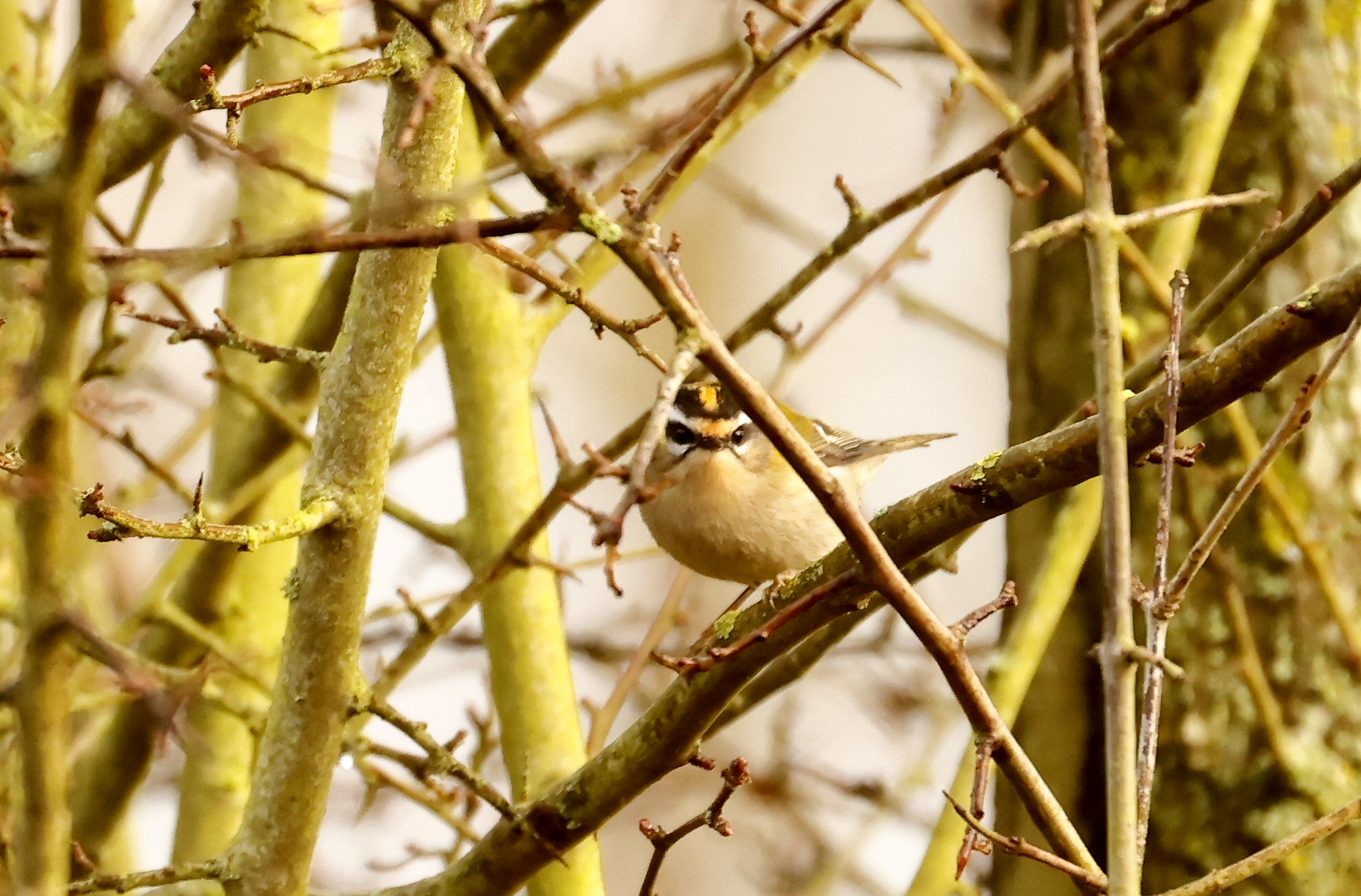
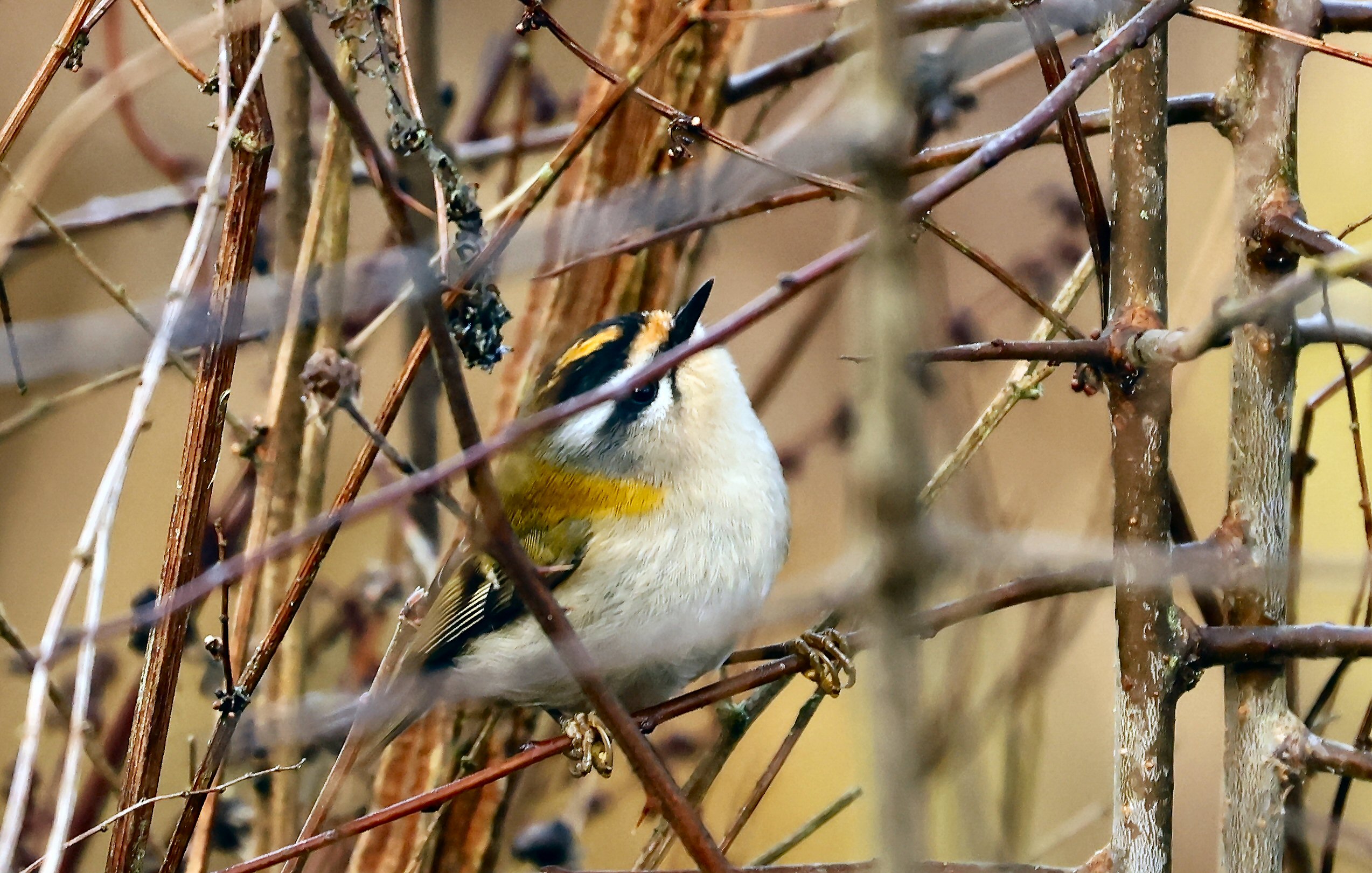
Following one last month, the second Siberian Chiffchaff of the autumn was found at Daventry CP on 21st before melting away into the mass of scrub surrounding the site. And another week, another Firecrest – this one trapped and ringed at Stanford Res on 16th.

Hollowell produced the highest count of Stonechats this week, with six there on 15th, while the Brampton Valley, Deene Lake and Pitsford held between two and four birds apiece.

And Crossbills were present at Hollowell, where there were two on 16th and one on 20th and Pitsford, where at least two were seen on 17th.

Back in the Brampton Valley, the occasionally obliging Corn Bunting popped up again on 20th.
Newsround 8th to 14th November 2025

Mild weather with above average temperatures persisted throughout the week, culminating in the arrival of Storm Claudia, bringing relentless, increasingly torrential rain, backed by strong easterly winds as the final day concluded. This murky, wet backdrop proved no deterrent to the determined, although the bucketloads of rain provided very little gain for stalwart birders braving the wholly inclement conditions.

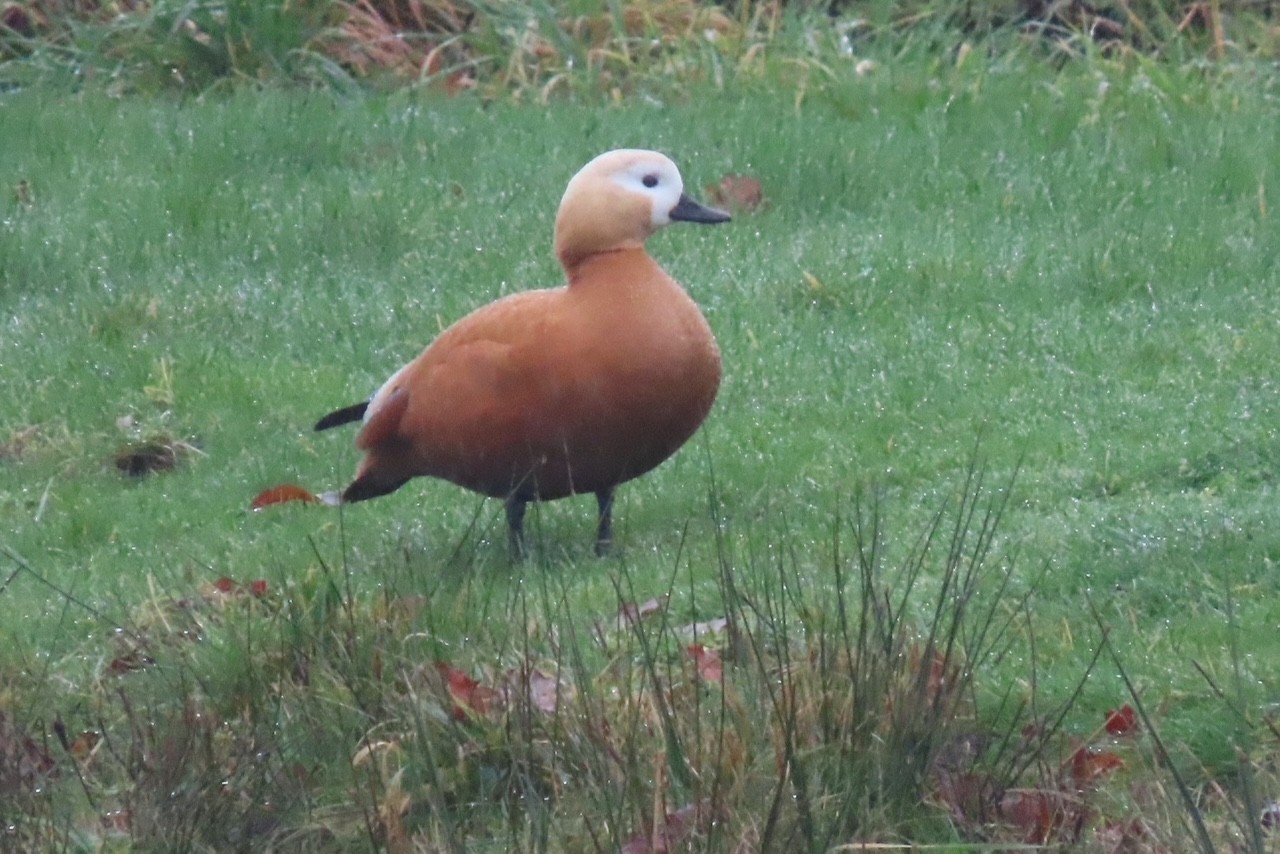
New birds on the block in the wildfowl camp kicked off on the 8th with an immature Whooper Swan at Pitsford Res, with what was assumed to be the same bird still present there on 12th. And, after its apparent absence for more than two weeks, the female Ruddy Shelduck again appeared at Stanford Res on 13th. It was also Pitsford’s privilege to produce the first Greater Scaup of the autumn/winter period, two turning up there on 10th but nowhere to be seen subsequently.

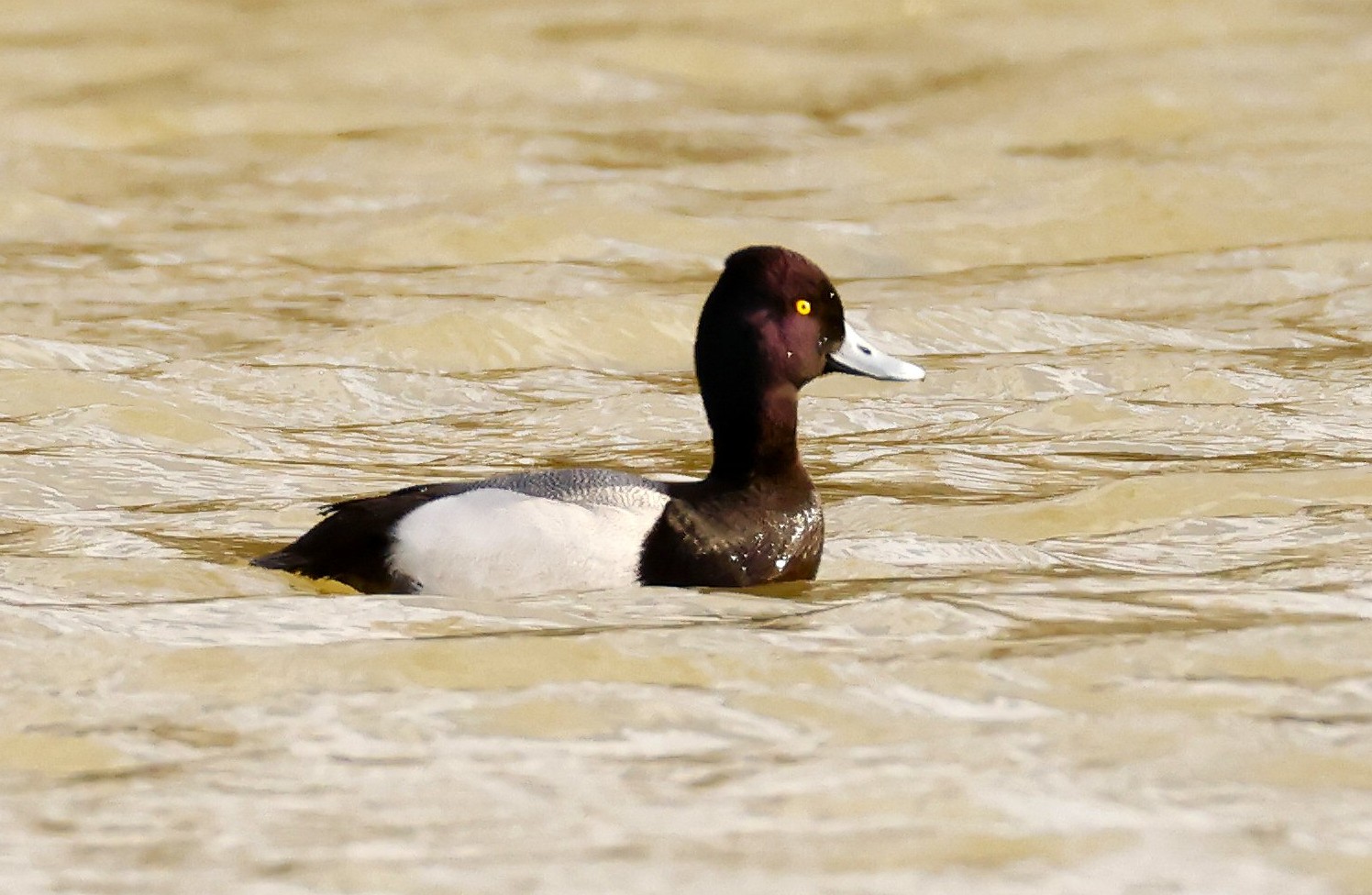
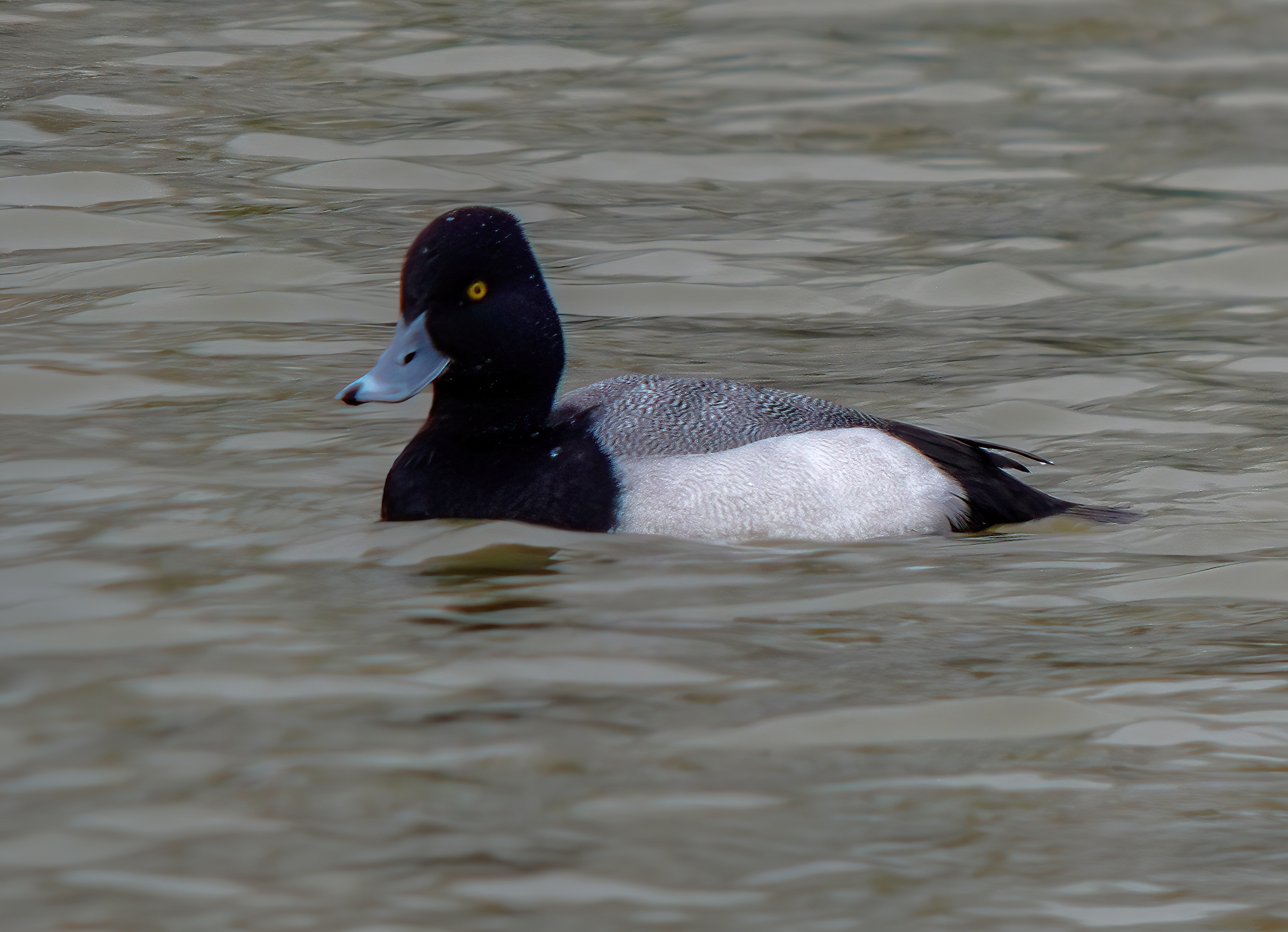
And following last week’s speculation that Ditchford’s drake Lesser Scaup seemed settled enough to see the winter out, it was clearly not in it for the long haul, seemingly abandoning the site for pastures new after 11th. Further conjecture suggests that this short-term celebrity is likely to be the same drake that turned up at Staines Reservoir, London on 12th – a mere 96 km distant as the scaup flies …

With the spotlight firmly on Ditchford this week, another first for the autumn/winter period was found there on 8th in the shape of a ‘redhead’ Smew. Its stay, however, was short and sweet and it was nowhere to be seen the following day.

Aside from a Grey Plover in flight over Blueberry Farm, Maidwell on 9th, waders on the ground included the first-winter Black-tailed Godwit seeing the week out at Daventry CP, along with a Ruff there from 8th to 13th and another Ruff at Pitsford, also on 8th.

A Jack Snipe was seen at Clifford Hill GP on 8th and, despite the date, a late Common Sandpiper at Stanford on 13th was just that, although at this time of the year Spotted Sandpiper is at the forefront of many a hopeful birder’s mind.

On the last day of the period, at Summer Leys, a Little Gull was little more than a token gesture on the back of Storm Claudia, given the hefty ninety-three plus counted over the border at Grafham Water on the same day.

With further respect to gulls, the more usual fare on offer included two first-winter Mediterranean Gulls in the roost at Stanford on 10th, followed by just one the next evening. Caspian Gulls comprised an adult and a second-winter at Earls Barton GP’s Mary’s Lake on 8th and single adults at Pitsford on 9th and in the Stanford roost on 12th. A bird considered to be a Caspian Gull x Herring Gull hybrid was present at Daventry, also on 12th. Pitsford produced the week’s highest count of four Yellow-legged Gulls on 10th, followed by one there on 12th. Elsewhere, an adult was at Mary’s Lake on 8th, one was at Clifford Hill on 9th-10th and a first-winter visited Daventry on 14th

And while the three Glossy Ibises saw another week out at Summer Leys, it appears that the Stanford duo was back, being seen on all but one day, flying east in the early morning and west toward Stanford Hall in the evening, as well as on the ground behind the Settling Pond on a couple of occasions.

Summer Leys also produced a Bittern on 14th and a male Marsh Harrier on 8th-9th, while one was also seen nearby at Earls Barton GP’s Quarry Walk on the latter date. Elsewhere, one flew east over Blueberry Farm, Maidwell on 8th and two were again at Thrapston GP’s Titchmarsh NR on 9th.

Harrington AF produced a Short-eared Owl, flying high south, also on 9th, as well as a Merlin on the same date, while further single Merlins were in the Brampton Valley between Cottesbrooke and Hanging Houghton and between Brockhall and Great Brington on 8th and 11th, respectively.

Heading the cast of the period’s passerines was a Firecrest, mobile with a Long-tailed Tit flock in the vicinity of Rotary Hide at Summer Leys, on 12th.

And the weekly Stonechat quota included a double-figure count of eleven at Pitsford Res on 10th, while between two and four birds were logged at Borough Hill, Brampton Valley, Clifford Hill, Ditchford GP and Harrington AF during the period.

There was an unconfirmed report of 5 Twites at Sywell CP on 9th and, with the source unknown, it remains exactly that. The last record in the county was of two near Yardley Gobion on 9th January 2023, which were the first to be recorded since 2014 while, prior to that, the last occurrences were in 2011 and 2000.

Less contentious, however, were Crossbills – of which two were at Pitsford on 8th, several at Gamboro Plantation in the Brampton Valley on 9th and 12th, followed by three in flight over Daventry on 13th.

Newsround 1st to 7th November 2025

A sustained southerly airstream rendered the first week of November considerably mild, weatherwise, and arguably, the same could be said regarding the period’s birds – certainly from a new arrivals perspective. However, there was still plenty to see in terms of hangers-on, including the Lesser Scaup – now seemingly settled at Ditchford – continuing as the main attraction, proving popular with locals and visitors alike.

Yes, bold as brass on Ditchford GP’s ‘Big Lake’, little more than a hop, skip and a jump from the busy Rushden Lakes Shopping Centre car park, the drake Lesser Scaup remained throughout the week, currently looking like it could be set to see the winter out. In the world of birds, though, unpredictability reigns supreme, so only time will tell …

There were surprisingly few wildfowl in this week’s supporting cast, though, with four Whooper Swans appearing momentarily at Clifford Hill GP on the morning of 3rd and a small number of reservoir-based Red-crested Pochards, comprising four at Stanford on 2nd, with two there from 3rd to 5th, and one at Ravensthorpe on the last of these two dates.

With migration pretty much flatlining in the wader camp, the lingering Black-tailed Godwit saw another week out at Daventry CP and a Jack Snipe still showed occasionally at Summer Leys LNR, while two of the latter were at Ditchford on 7th. A single Dunlin at Clifford Hill GP on 6th is perhaps scraping the barrel these days but serves as a stark reminder that, back in the day, it was a regular occurrence for a flock exceeding two hundred to spend late autumn and winter at a water-depleted Pitsford Res. How times have changed …

On par for the course, though, a second-winter Mediterranean Gull was present at Earls Barton GP’s Mary’s Lake on 7th, this site now regularly pulling in respectable numbers of larger gulls with two recent individuals showing some signs of hybridisation displaying a Caspian Gull influence. However, examples of the real McCoy were to be found in the gull roost at Stanford on 1st and 3rd, a third-winter visited Daventry CP on 3rd and 6th, a first-winter was at Summer Leys on 4th and two adults and a first-winter were at Hollowell Res on 5th. The week’s Yellow-legged Gull quota included one at Clifford Hill GP from 1st to 6th, an adult at Mary’s Lake on 5th, a first-winter at Daventry on 5th followed by an adult there on 6th and three at Pitsford on 7th.

The three Glossy Ibises held out at Summer Leys throughout the week.

Summer Leys also produced single Marsh Harriers on 2nd-3rd and again on 7th, while two were at Thrapston GP’s Titchmarsh NR on 2nd.

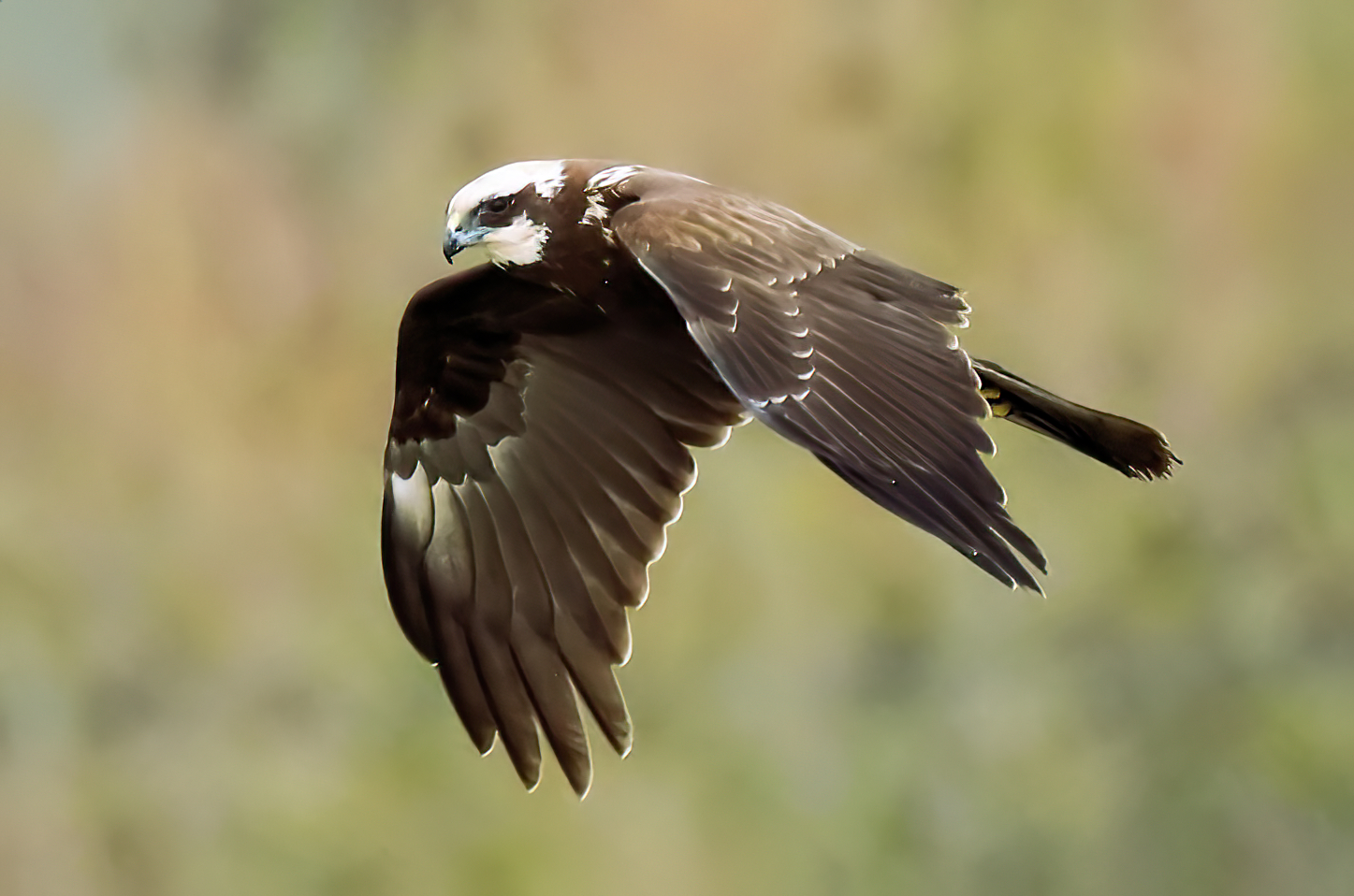
Marsh Harriers, Titchmarsh NR, 2nd November 2025 (Kev Jeffries)

And heading the cast of the week’s passerines was a Black Redstart on 5th at Harrington AF, a site which has become increasingly steeped in disquiet of late as a result of dubious and illicit activities, including hare coursing, shooting and wanton damage to a parked vehicle. All perhaps enough to discourage birders from going to look for it … as there were no further reports.

Stonechats were found at Clifford Hill, Ditchford, Earls Barton, Harrington, Hollowell, Pitsford and Summer Leys, with Earls Barton and Pitsford producing the highest counts of five apiece.

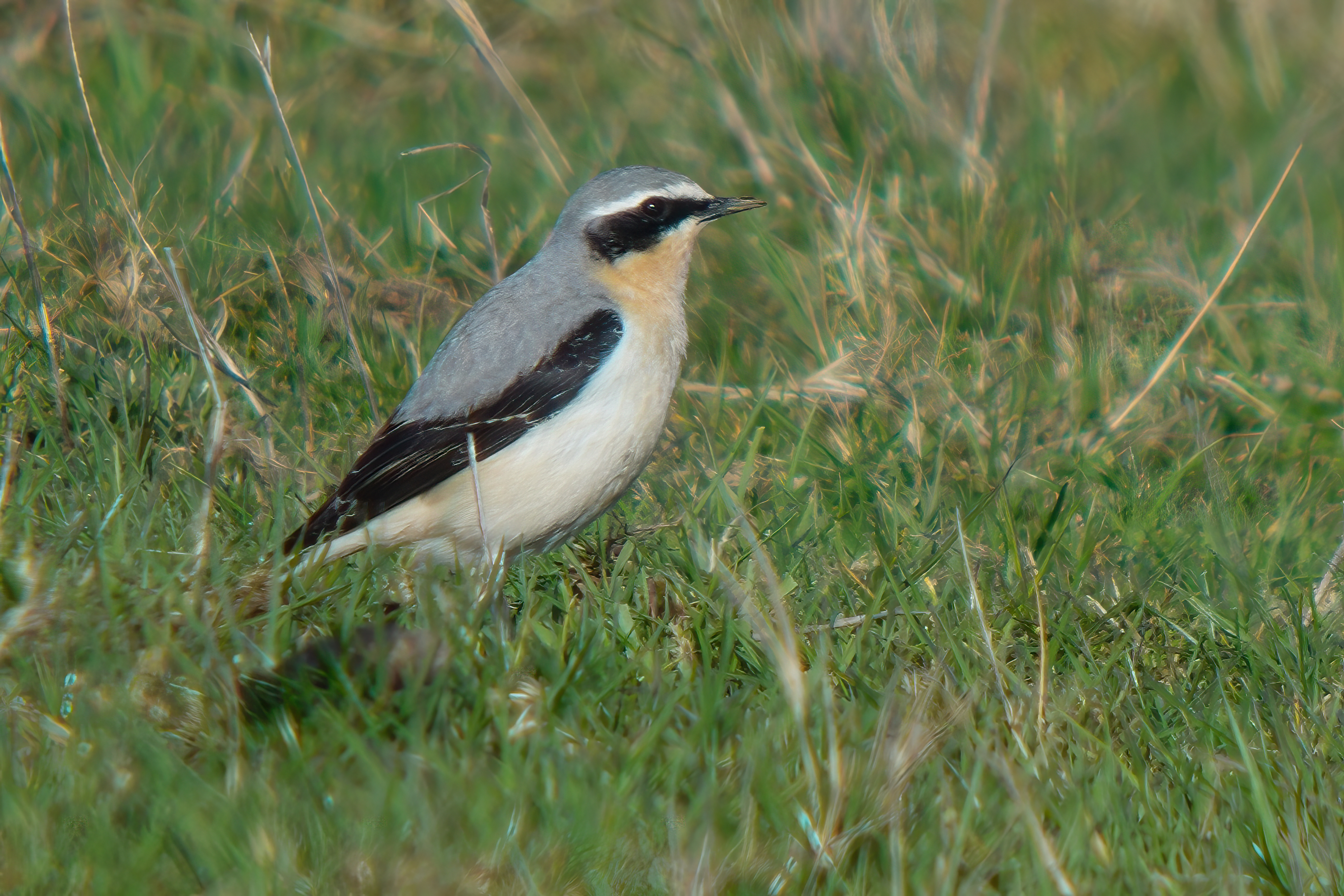
Apparently in no hurry to move on, last week’s late-showing Northern Wheatear remained at Clifford Hill until at least 6th.

And the period’s Crossbills were made up of ten at Salcey Forest on 1st, one in Kettering on 4th and five at Ravensthorpe Res the following day.

Newsround 25th to 31st October 2025

Never mind the weather – its impact on the local birding scene this week was, in all respects, null and void, paling into insignificance after a surprise reappearance by last month’s long-awaited county first.

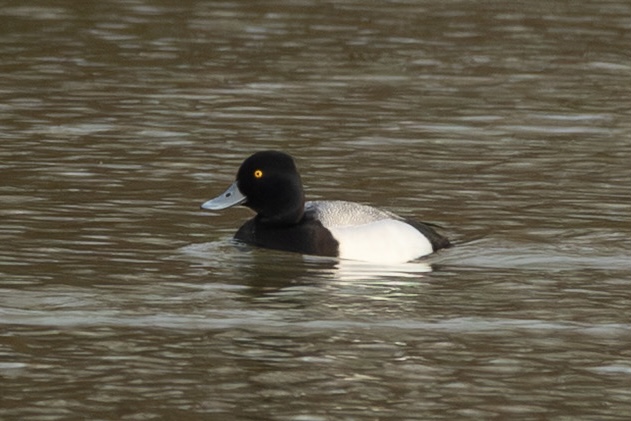
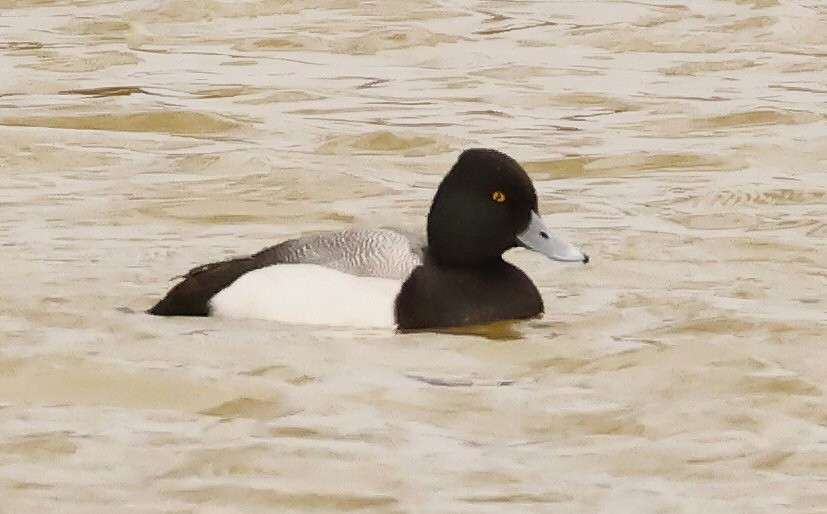
We are, of course, referring to the fine drake Lesser Scaup which resurfaced at, of all places, Ditchford GP, offering local birders a second bite of the cherry and giving what turned out to be a lengthy encore after its initial short showing at Stanford Res in late September.

Found on 27th, there can be little doubt that this and the Stanford bird are one and the same, given that this week saw only two others in the UK – one on the Outer Hebrides and the other in the Greater Manchester area. Now showing only remnants of eclipse plumage, it was still present at the week’s end, with a multitude of much-relieved locals luxuriating in it during its (so far uncapped) five-day stay.

All other wildfowl were, of course, left in the shade. The second appearance of the autumn for Pink-footed Goose took the form of six in flight over Hanging Houghton on 26th, while Whooper Swans continued to arrive, all be they short-stayers. The latter were represented by eight in flight over Pitsford, heading toward the reservoir on 25th, followed by six in Scaldwell Bay there on 26th, when five were also at Stanford and three at Clifford Hill GP.

After last being seen at Stanford on 7th September, the locally-roaming Ruddy Shelduck was reported again at Hollowell Res on 27th, while the two drake Red-crested Pochards continued their sojourn at Daventry CP throughout the period.

New in – and out – on the wader front was a Grey Plover, passing through Hollowell without stopping, on 31st.

And having chalked up a lengthy stay of four weeks on site, Hollowell also retained its juvenile Pectoral Sandpiper until 29th, after which it had seemingly departed. Other waders this week included a lingering Black-tailed Godwit at Daventry CP from 27th to 31st and two Jack Snipes at Clifford Hill on 26th, plus one at Summer Leys LNR on the same date, being seen there again on 30th.
Mediterranean Gull was back on this week’s larid menu with the arrival of a first-winter in the gull roost at Stanford on 28th with a repeat showing there the following evening. Also keeping up appearances were Caspian Gulls, the early part of the period seeing a run at Earls Barton GP’s Mary’s Lake, where there was an adult on 25th and two adults plus a second-winter the following day. Four other sites contributed to the week’s quota, with Ravensthorpe Res hosting a third-winter on 27th, Stanford’s roost holding an adult on 28th, while single first-winters visited Hollowell and Daventry on 29th and 30th, respectively.

With sightings from four localities, Yellow-legged Gulls were up on last week’s tally, the period’s birds including two at Pitsford – the county’s most reliable site for the species – on 25th, up to two adults at Mary’s Lake on 25th-26th, an adult in the roost at Stanford on 28th and 29th and one at Clifford Hill GP on the last of these two dates.

October is one of two prime autumn months for the appearance of disoriented Gannets in the county and this year’s 10th month duly obliged – albeit at the eleventh hour – when one was caught in flight moving east over Summer Leys, late in the morning of 31st. Following records in October last year and, prior to that, in October 2021, this would appear to be about the 45th for Northants.

Back to current day normality at Summer Leys, three Glossy Ibises were still present on 26th, dwindling to two by 28th and one from 29th.
A Bittern was also present there on 31st, one also being seen at Thrapston GP’s Titchmarsh NR on the same date.

The on and off appearances of a Marsh Harrier also continued at Titchmarsh this week with sightings on 28th and 31st, while one was over Summer Leys again on 26th. Merlins, too, were clearly in evidence and included singles at Stanford on 25th, Gayton and Harrington AF on 26th and in the Brampton Valley between Cottesbrooke and Hanging Houghton on 28th and 31st.
Passerine numbers were down on last week’s and an unconfirmed report, lacking any detail, of a Yellow-browed Warbler emerged late on 31st of one at Earls Barton GP’s New Workings sometime on the same date is probably not the best to end the week on.

A Ring Ouzel at Harrington AF on 29th is about par for the course …

And the period’s Stonechats consisted of no more than six at any one site, that locality being Hollowell Res on 29th. Between two and four were seen in the Brampton Valley, at Earls Barton GP, Pitsford Res, Summer Leys and Titchmarsh as the week came to a close.

A late Northern Wheatear remained at Clifford Hill from 25th until the week’s end, an unfortunate foot injury perhaps accounting for its prolonged presence there.

Crossbills were few and far between and included two at Salcey Forest on 25th and four in flight over the urban setting of Allen Road, Northampton the following day.

Which just leaves Corn Bunting, the recent Brampton Valley bird remaining faithful to its chosen site between Cottesbrooke and Hanging Houghton , being seen there daily from 28th until 31st.

Newsround 18th to 24th October 2025

With autumn cooling down, on the penultimate day of the period, Storm Benjamin bore down on the country as it moved from the English Channel to the North Sea. There were high hopes for a wrecked seabird or two although, in this respect, nothing materialised in any way, shape or form … but the county did land another first for the year.

And we’re still at that time when wildfowl numbers are gradually building, including transient migrants such as Whooper Swans, three more of which appeared on 22nd, comprising two adults at Stanford Res and a juvenile at Pitsford Res.

Two drake Red-crested Pochards remained at Daventry CP until at least 23rd and a female was at Ravensthorpe Res on 22nd, while last week’s Common Scoter at Hollowell was seen there again on 18th.

Once more heading the cast of the week’s waders was the now long-staying, juvenile Pectoral Sandpiper, successfully chalking up another full seven days at Hollowell, although becoming increasing difficult to see as a result of its recent habit of lurking in vegetation away from the waterline.

Unsurprisingly, numbers of other waders continued to fall, with Ruffs now down to just one at Pitsford between 18th and 23rd, while the long-staying Greenshank at Earls Barton GP’s New Workings (North) stayed put until at least 22nd.

In addition to this, the Norwegian-ringed bird seen at New Workings (South) on 8th October appears to have remained in the area, being seen again at Summer Leys on 21st and 23rd before moving to nearby New Workings (North) the following day.

Roger Eads’ images of the bird’s tag enabled him to identify it as a first calendar year individual which was ringed at Havika, Farsund, Norway, 797 km distant, on 19th August.

Three Jack Snipes were present at Summer Leys on 18th, one being seen regularly until 21st, and another was found at Clifford Hill GP on the latter date.

Another good week for Caspian Gulls saw them present at seven localities, kicking off with a second-winter at Wicksteed Park Lakes, Kettering on 18th (the same bird having been present there on 8th), single adults at Pitsford, Stanford and Summer Leys on 19th, a third-winter at Hollowell on 21st, an adult at Naseby Res on 22nd, an adult at Hollowell on 23rd plus a second-winter at Pitsford on the same date and an adult at Earls Barton GP on 24th.

In contrast, there were only two reports of Yellow-legged Gulls – an adult at Pitsford on 23rd and two at Earls Barton GP the following day.

Seemingly bidding for residency, Summer Leys retained its three Glossy Ibises throughout the period, while one remained at Thrapston GP’s Titchmarsh NR until at least 18th and, becoming less reliable, two were seen again at Stanford on 18th and 21st.

The two Bitterns at Stanford continued their occupancy at Stanford throughout the period, although, again, predominantly on the Leicestershire side, while one was seen at Summer Leys on 18th and 21st. And, keeping a low profile of late, four Cattle Egrets were seen to leave a roost site at Stanwick GP’s Main Lake, heading off north-east, at first light on 18th.

There were even fewer raptors out there to be had than last week, with a late Osprey over Stanford on 18th and as Goshawk over Crick on the same date.

This week’s Short-eared Owl report came, unusually, from an unspecific location near Wootton, also on 18th, while the weekly Merlin was at Boddington Res on 24th.

Once again, the period’s passerines were of an admirable standard and included a couple of the scarcer phylloscs. A Northern Willow Warbler – showing characteristics of the race acredula – was trapped and ringed at Stanford on 18th, the same date on which a Siberian Chiffchafftristis – was found at Wicksteed Park Lakes. It did not hang around.

Similarly not staying put, a Firecrest was a brief visitor to Boddington Res on 23rd, while news emerged of a Ring Ouzel ‘on private land’ near Long Buckby the following day.

Respectable numbers of Stonechats came from the seven sites of Brampton Valley, Harrington AF, Hollowell, Pitsford, Stanford, Summer Leys and Wicksteed Park Lakes, the first of these producing the highest site total of six on 20th.
And it’s now getting late for Northern Wheatears, singles of which were found at Clifford Hill GP on 21st and between Cottesbrooke and Hanging Houghton in the Brampton Valley on 22nd.

Another first for the year turned up this week in the shape of a Water Pipit at Summer Leys, on 22nd. Found on the Scrape during the morning, its presence there was short-lived … and it was nowhere to be seen during the afternoon.

Water Pipit, Summer Leys LNR, 22nd October 2025 (Pete Marshall)

Over the last decade, including two blank years, Water Pipit records have averaged two per annum, of which 55% have been in autumn, 30% in spring and 15% in winter, making it a nice bird to catch up with.

The recent run of Rock Pipits spilled over into this week, with two at Hollowell on 18th, one there on 21st and another at Pitsford on 20th all contributing to a local standout year for this species.

Approaching the above in terms of a ‘good year’ are, of course, Crossbills, which have been in the running for some time now. This week’s quota included a maximum of fifteen over Salcey Forest on 20th, while several were at New Covert, Kelmarsh on 19th, three at Pitsford and one over Harrington on 18th and singles over Stanford on 19th and Harrington again on 24th.

And five days on from last week’s sighting, the Corn Bunting resurfaced between Cottesbrooke and Hanging Houghton in the Brampton Valley on 20th.
Newsround 11th to 17th October 2025

An ‘omega block’ saw high pressure stationed over the country for much of the week, with virtually no wind, some light rain and predominantly dull and murky conditions, resulting in the much welcomed arrival of some ‘must see’ species …

Rubber-stamping the autumn/winter period, the first Pink-footed Geese were incoming when a skein of five was seen flying north-east over Lilbourne Meadows NR on 17th. Last week’s five Whooper Swans remained at Clifford Hill GP into the early part of the morning of the first day of the period, while two more flew east along the Nene Valley at Ditchford GP on 17th.
The early part of the week saw an arrival of Common Scoters, with four at Clifford Hill and two at Thrapston GP’s Town Lake on 13th, followed by one at Hollowell Res the next day – the latter remaining until 16th.
Other wildfowl were also available in the shape of Red-crested Pochards, five of which appeared at Hollowell on 12th, six at Stanford Res on 13th and one at Ravensthorpe Res on 14th, while two remained at Daventry CP from 13th until the week’s end.

Looking at waders, one in particular continued to delight and that was Hollowell’s crisp, juvenile Pectoral Sandpiper, still in residence at close of play on 17th.

Not a million miles away, a Grey Plover was reported at Pitsford Res on 16th, the same site having produced a Ruff the day before, while one of the latter remained from last week at Thrapston GP’s Titchmarsh NR until 13th. Pitsford also delivered a Greenshank on 14th, while the long-lingering bird was still present at Earls Barton GP’s New Workings (North) the next day. And following the season’s first, last week, a Jack Snipe remained at Summer Leys LNR from 11th until 13th and another was found at Ditchford on 17th.

It wouldn’t be October without, at some point, a decent surge in Mediterranean Gulls and this week experienced just that, with Hollowell producing an adult and a first-winter on 12th and, presumably, the same first-winter again present on 14th. Elsewhere, an adult turned up in Stanford’s gull roost on 13th, followed there by a second-winter on 16th, another second-winter was a brief visitor to Earls Barton GP’s Mary’s Lake on 13th and Titchmarsh produced an adult on 15th.

Caspian Gulls were also out there to be found, five localities producing birds this week which included an adult at Stanford on 12th, two adults at Naseby Res on 13th with one there on 16th, single adults at Pitsford on 13th and 16th, at Ravensthorpe Res on 13th and at Earls Barton GP on 15th. And the highest number of Yellow-legged Gulls occurred at the favoured locality of Pitsford, where five were present in the gull roost on 16th, with two there on 13th, 14th and 17th. Elsewhere, three adults were at Earls Barton GP’s Mary’s Lake on 15th following one there on 13th and singles visited Hollowell on 12th and both Naseby and Thrapston on 13th.

Meanwhile, last week’s Glossy Ibises were this week’s Glossy Ibises – three remaining at Summer Leys, two dropping in daily at Stanford and one at Titchmarsh. No longer the centre of attention as they were in days gone by …

Up for grabs and stealing the limelight this week, however, was an immature Spoonbill found north of the Causeway at Pitsford late in the afternoon of 15th, remaining until early afternoon on 17th. One was also reported flying west over the Brampton Valley toward Cottesbrooke on 16th. Earlier this year there had been four records – all in the Nene Valley and all of which were fairly short-stayers.

Two Bitterns were again present at Stanford and, again, they were predominantly seen on the Leicestershire side of the reservoir.

The week’s raptors were thin on the ground – and in the air, for that matter – with single Marsh Harriers at Titchmarsh on 11th and in the Brampton Valley between Cottesbrooke and Hanging Houghton on 14th and 17th. A male Hen Harrier flew north-east over Harrington AF on 16th.

The weekly Short-eared Owl report came from Blueberry Farm, Maidwell, while single Merlins were at Stanwick GP on 12th and Harrington on 12th-13th.

Another year, another Yellow-browed Warbler – this time not in a mist net, although it might as well have been as it was both heard and seen fleetingly with a mobile tit flock at Daventry CP on 13th, after which there was no further sign. Also wrapped up in a tit flock, a Firecrest was flagged up at Summer Leys on 15th. The autumn’s second Ring Ouzel was ultra brief, and like the last one, seen at Harrington AF, on 13th.

But what’s going on with Black Redstarts this year? One at Rectory Farm, Old on 13th was inaccessible, blocked by the ‘private site’ caveat and therefore out of bounds. The six previous records this year – two in winter and four in spring – have all been one-day birds and, like this one, they have been unavailable to the masses. The 2025 clock continues to tick but time is running out …

There were, however, Stonechats aplenty. Blueberry Farm, Brampton Valley, Clifford Hill, Ditchford, Harrington, Hollowell, Lilbourne Meadows, Pitsford and Upton CP all produced birds with top counts on the last day of the period, when six were in the Brampton Valley and the same number at Hollowell. Northern Wheatears were, this week, down to just the one, this being at Hollowell on 17th.

In the wake of one last week and two the week before – all exclusive to Daventry CP – a rush of Rock Pipits ensued, allowing other localities to get in on the action. First up was one at Boddington and three at Hollowell on 12th, followed on 14th by another at Boddington and two again at Daventry. One was then found at the unusual locality of the Brampton Valley on 16th and one – possibly two – appeared at Hollowell on 17th. Representing a welcome return, these are the highest numbers to be recorded in the county in recent years and formed part of a sizeable inland movement across the UK, including an impressive fifteen at Farmoor Res in Oxfordshire on 14th.

The week’s Crossbills comprised five at Ashton Wold on 11th and, on 16th, three over Penvale Park, East Hunsbury, Northampton and two at Hollowell.

And a species still proving not so easy to catch up with locally at present, a Corn Bunting was again in the Brampton Valley on 15th.