The week which straddled two decades and contained the magic ingredient – a bank holiday – saw renewed vigour among local birders keen to kick off their yearlists with the overspill from 2019. The weather was not a key influencer in this respect and remained mild and dry throughout. However, curious things were afoot …
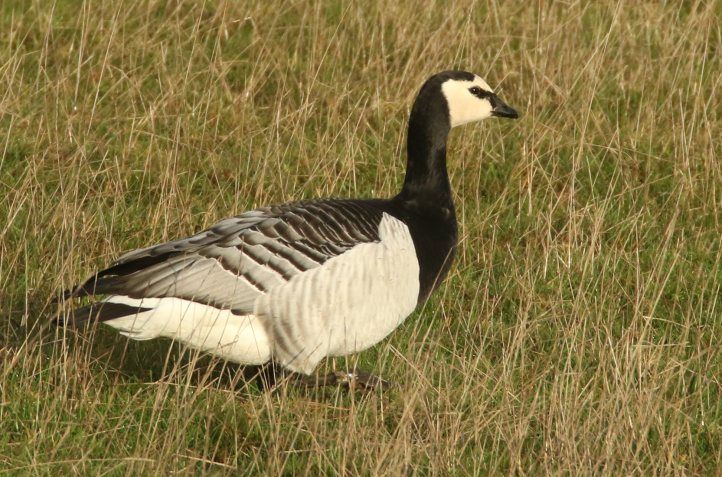
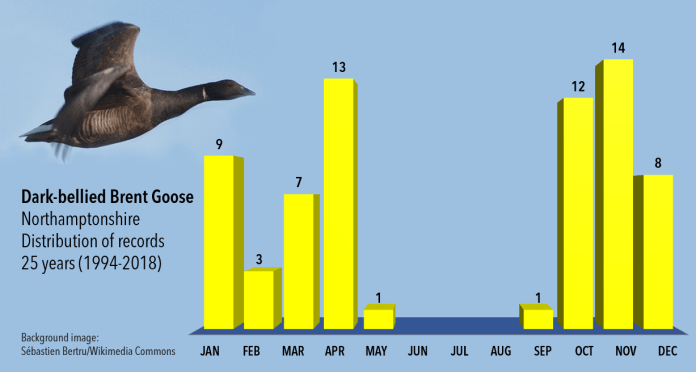
Wildfowl again featured heavily during the period, kicking off with two Dark-bellied Brent Geese paying a brief visit to Hollowell Res on the morning of 31st before quickly departing. A Barnacle Goose bearing what could be a genuine ‘ringer’s ring’ at Clifford Hill GP between 1st and 3rd gave rise to suggestions that it might just be wild as opposed to one from the ever-growing UK feral population.
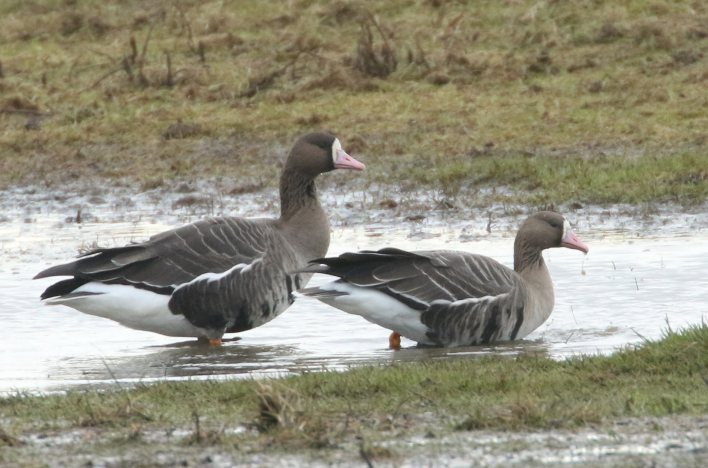
Also on site there, two adult Russian/European/Eurasian White-fronted Geese (capricious nomenclature, so choose your own name) were present from 2nd until mid-morning on 3rd while, just like buses, more Bewick’s Swans came along this week when two flew south-west over Ditchford GP on 28th.
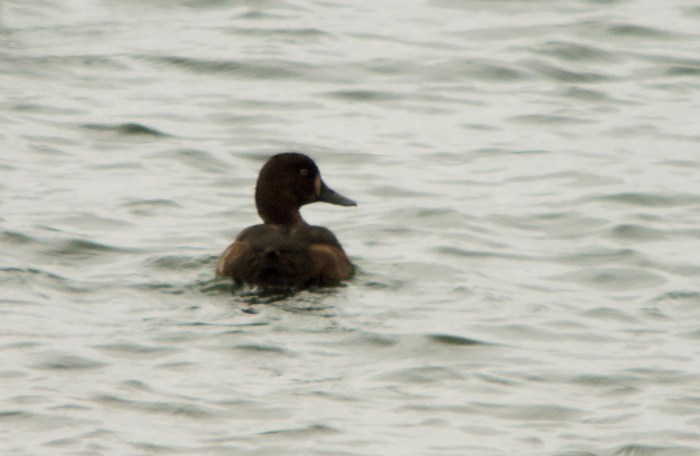
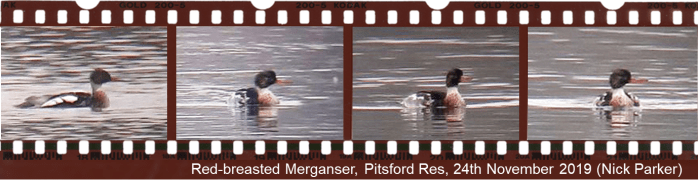
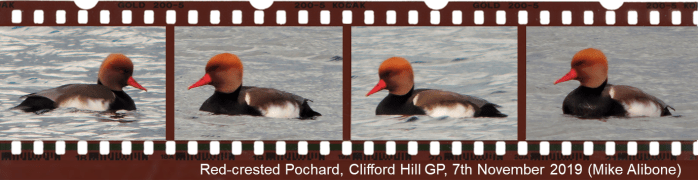
The itinerant female Ruddy Shelduck reappeared briefly at Hollowell on 31st before quickly relocating to Foxholes Fisheries (Crick) later in the day, remaining there until 1st, while similarly making it into the New Year was the drake Red-crested Pochard at Summer Leys LNR, on 1st-3rd. Two more drakes were subsequently found at Pitsford Res on 1st, remaining until at least 2nd. The last day of 2019 produced a first-winter female Scaup at Daventry CP ahead of another female found at Stanwick GP on 1st, remaining there until the week’s end.
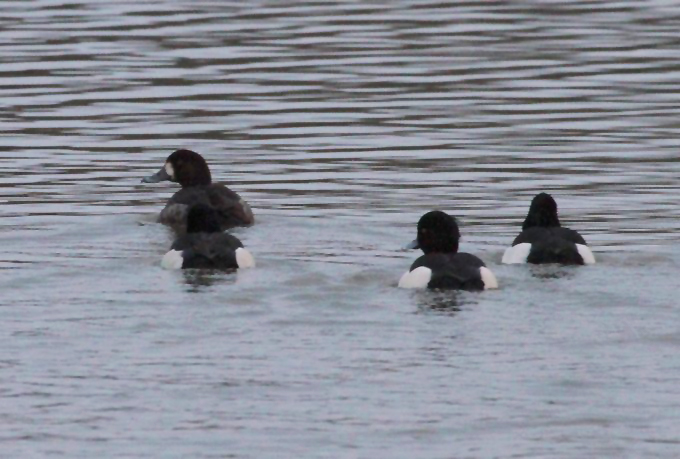
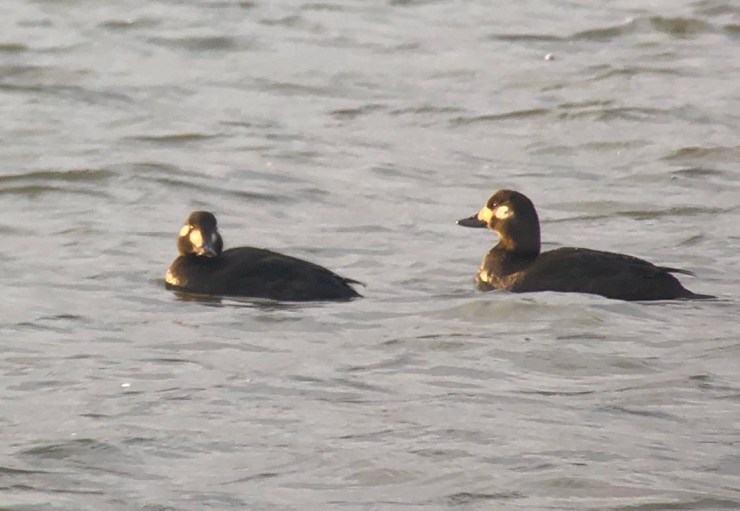
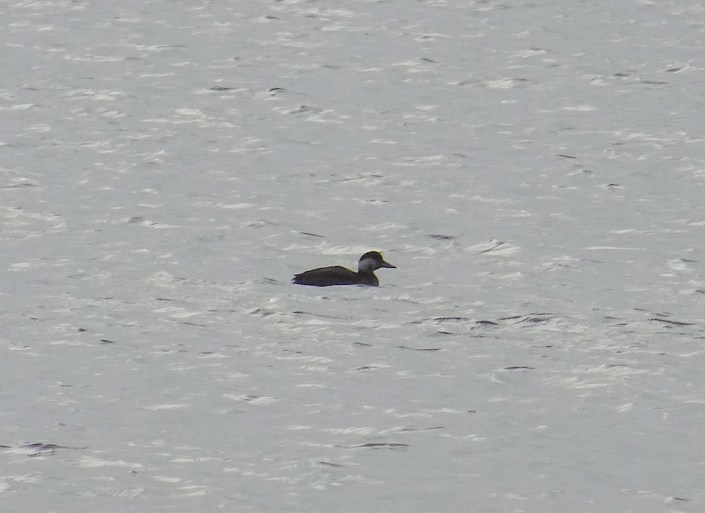
Smew numbers dwindled to just one, last week’s drake, still at Pitsford on 30th but inconveniently going AWOL just before the New Year and, adopting the same tack, Hollowell’s two Velvet Scoters did a bunk after 28th.
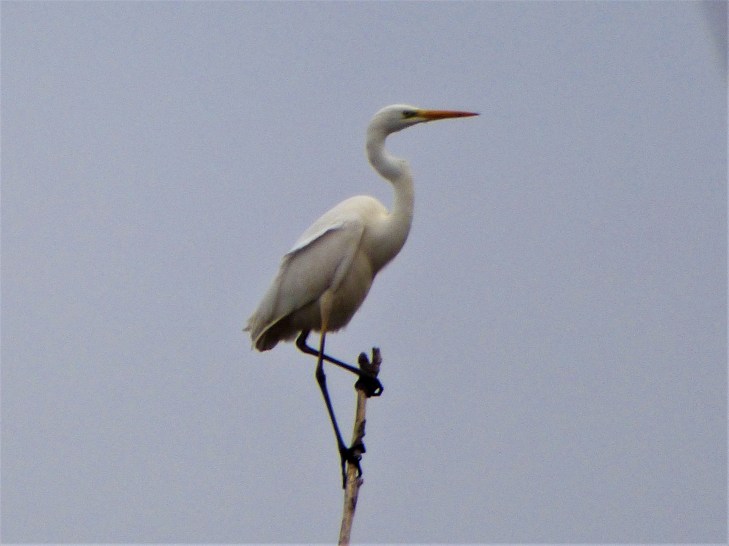
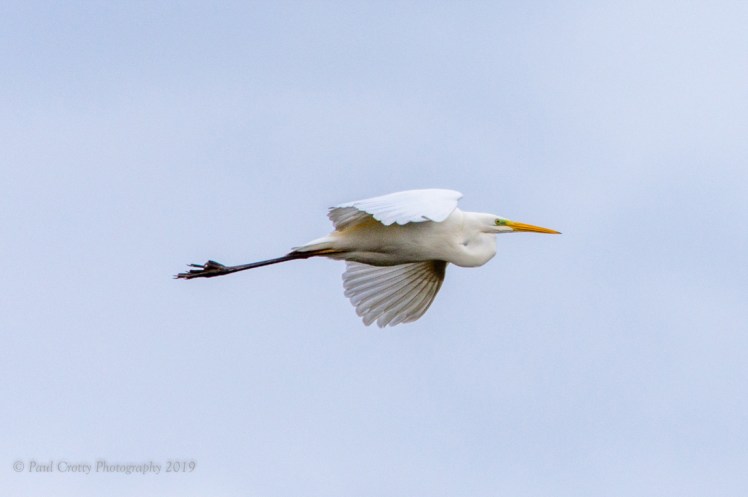
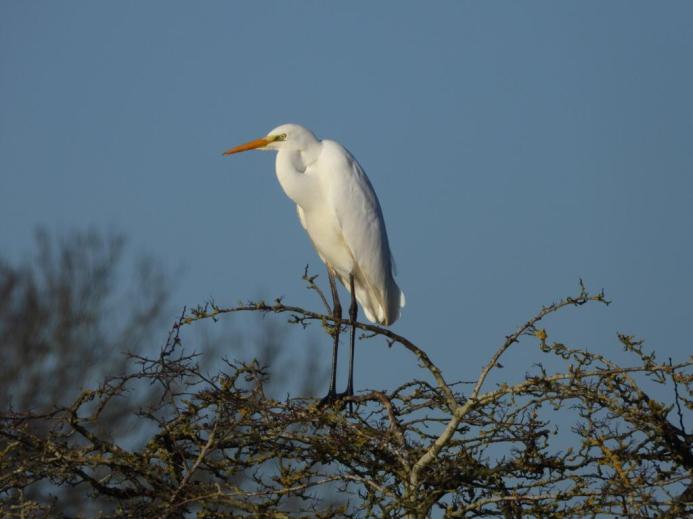
With no more than two at any single location, Great Egrets were liberally sprinkled throughout the county being noted at Billing GP, Clifford Hill, Daventry CP, Ditchford GP, Earls Barton GP, Foxholes Fisheries, Hollowell, Pitsford, Stanford Res, Stanwick, Summer Leys and Thrapston GP.

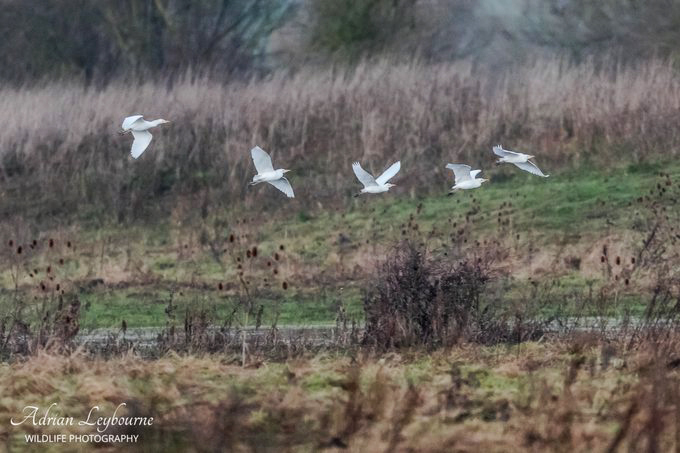
After their rediscovery at Ditchford GP last week, up to five Cattle Egrets were mobile between the latter site and Stanwick throughout the period, having apparently chosen Wilson’s Pits at Ditchford as a roost site. Will they breed again in 2020?
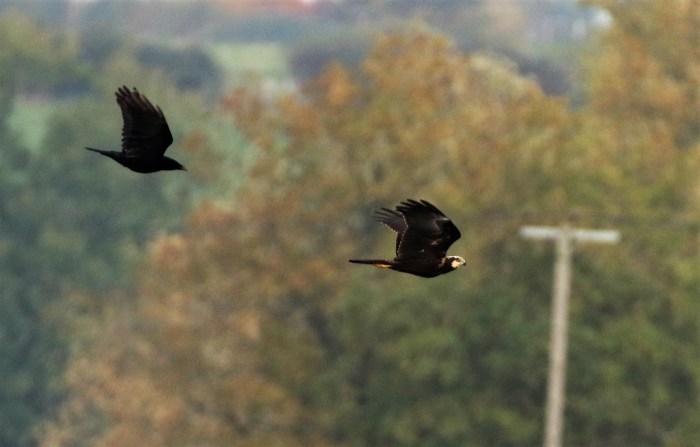
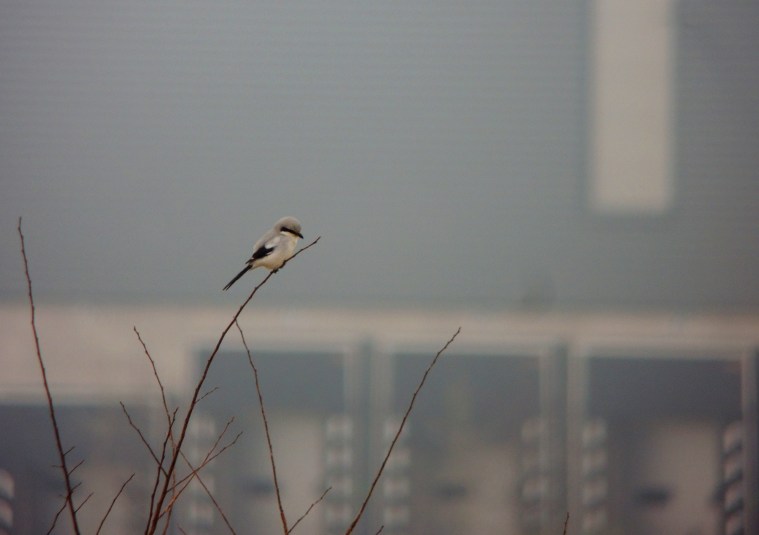
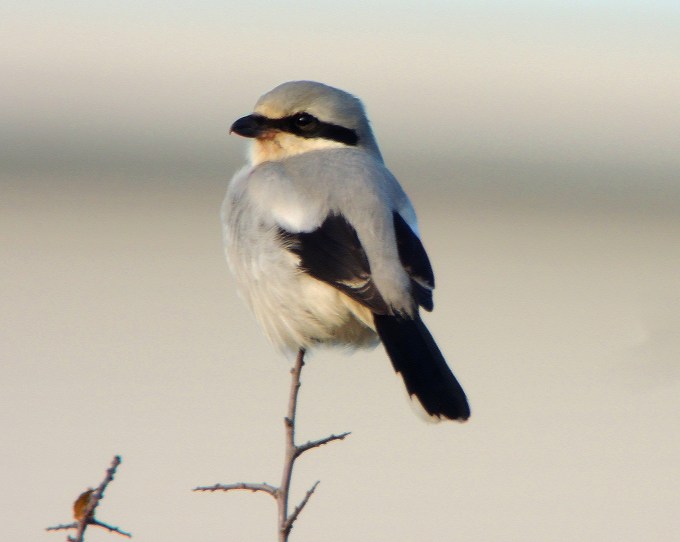
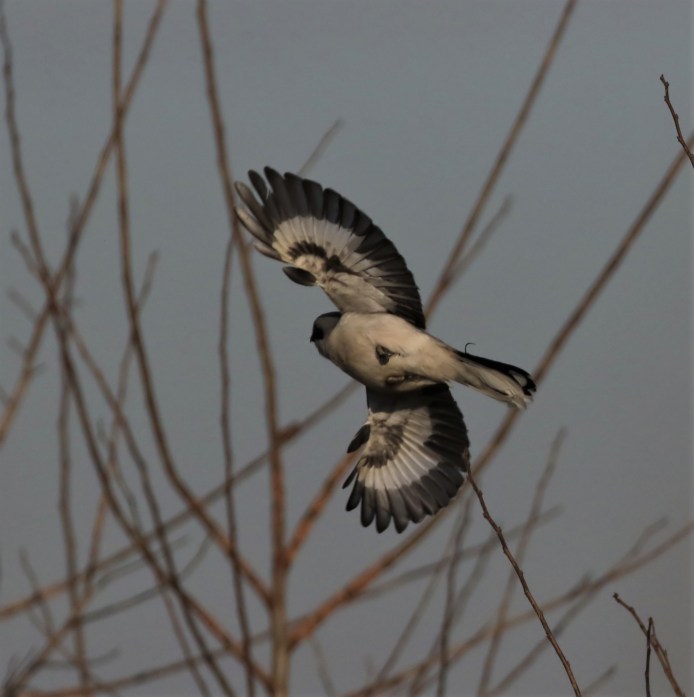
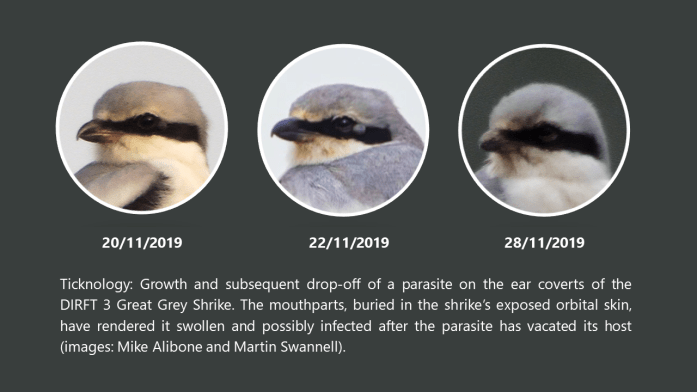
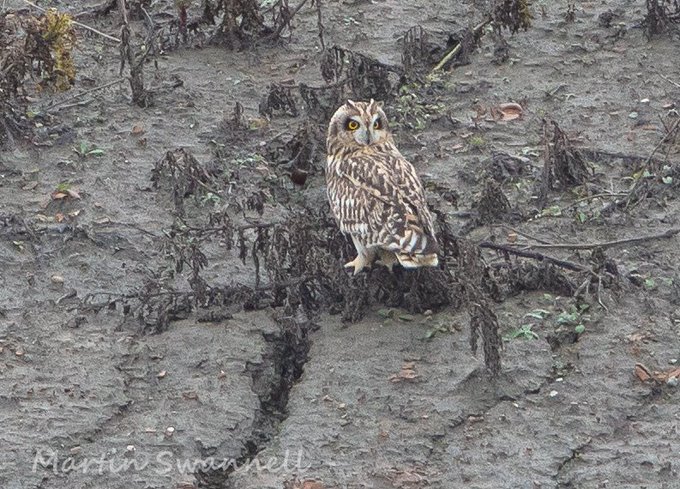
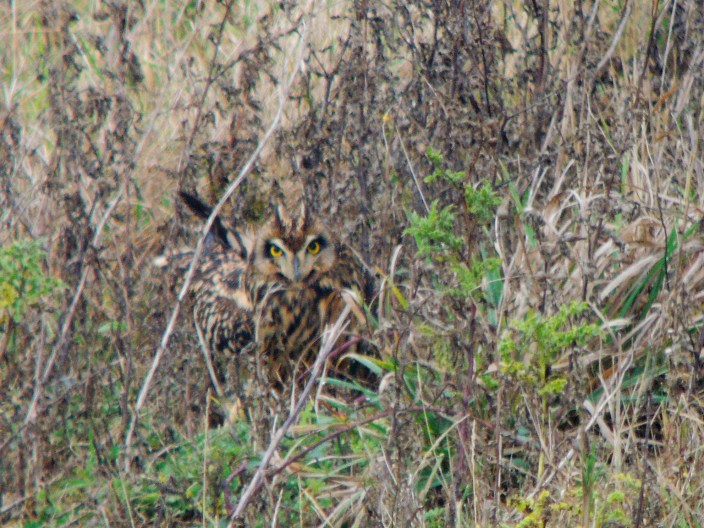
Far away from the Nene Valley, an eclectic collection of birds included a ‘ringtail’ Hen Harrier at DIRFT 3/Lilbourne Meadows on 30th, up to five Jack Snipes at Hollowell between 28th and 1st and an adult Caspian Gull at Rushton Landfill on 31st while, somewhat vexingly, the Leicestershire gull mecca of Shawell, a mere five kilometres north of Lilbourne Meadows, was enjoying the likes of Glaucous Gull, Iceland Gull and Kumlien’s Gull during the same period. Two sites produced single Short-eared Owls – Harrington AF on 31st and DIRFT 3 the following day, with the latter site continuing to host the highly amenable Great Grey Shrike, enjoying a resurgence in popularity as the New Year broke.
Which brings us to the curious case of the ‘might be’ Penduline Tit, photographed in vegetation around the Ditchford flood pool in which the aforementioned Cattle Egrets had set up temporary home. The blurry photo taken at some distance had all the makings of a monster rare and the suggestion that it was simply an empty drinks can just didn’t hold water.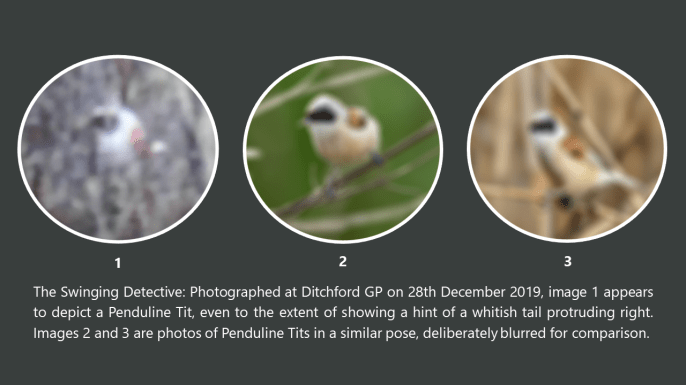
An investigations team was duly parachuted in the next day, recordings were played and forensics deployed but there was neither sight nor sound of the cameo culprit. While the jury is still out on this one, it’s worth noting that Northamptonshire’s one and only accepted Penduline Tit also occurred at Ditchford, on 22nd October 1983, barely 1,500 metres from the very spot …

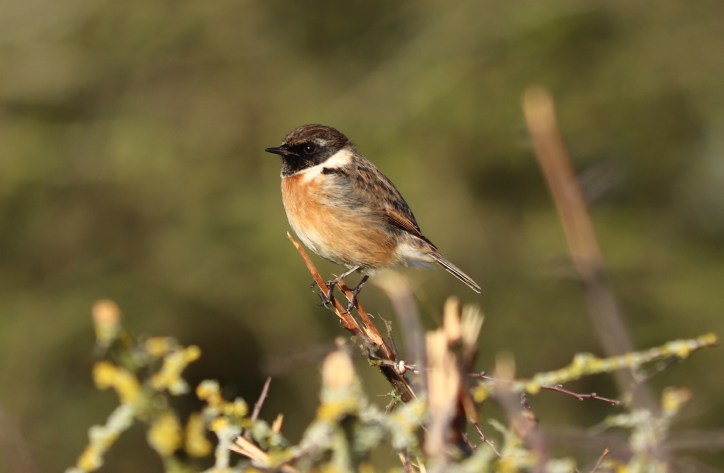
Back down to earth, this week’s Stonechats were singles at Billing GP (Whiston Locks), Clifford Hill, DIRFT 3, Hollowell, Pitsford, Stanford, Thrapston and Wicksteed Water Meadows (Kettering), with a maximum of four at Hollowell Res on 30th.
Will 2020 prove to be a record-breaking year on the rarity front? This can only be determined by local birders’ activities in the field, so get out there and pioneer some new sites – you never know what you may find!
 The week kicked off with the winter solstice, the 24-hour period with the fewest daylight hours of the year. Not that there was anything new to be missed during this year’s shortest day and, despite being the holiday season, birding activities across both county and country were understandably curtailed by mid-week festive celebrations. Wildfowl took centre stage during the period, although Cattle Egrets made a welcome return after a prolonged absence.


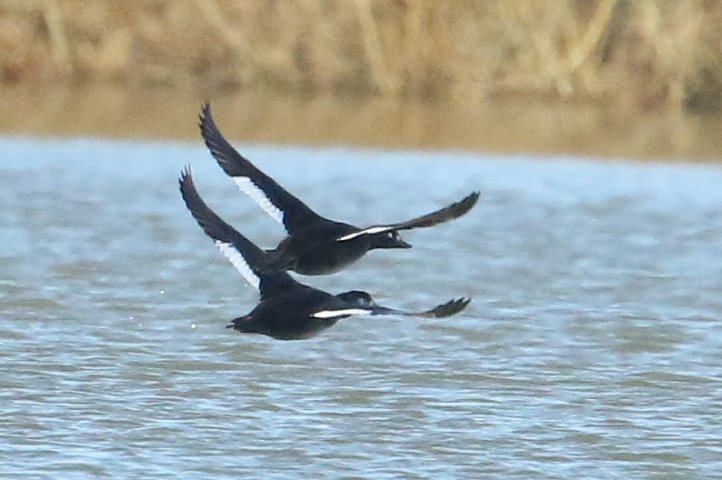


 A mixed bag of weather included strong westerly winds, sunshine, heavy rain, fog and a range of temperatures culminating in an unseasonally mild 13°C, as a result of southerly winds at the week’s end. New in, a couple of Velvet Scoters provided the week’s highlight, while the long-staying Great Grey Shrike remained as obliging as ever.

 Storm Atiyah’s brush with the UK did little for Northants as the cold, bright conditions at the beginning of the period were subsequently replaced by more rain, bluster and ever-changing wind direction. A lingering Dark-bellied Brent Goose and the well-installed Great Grey Shrike continued to provide the main attractions.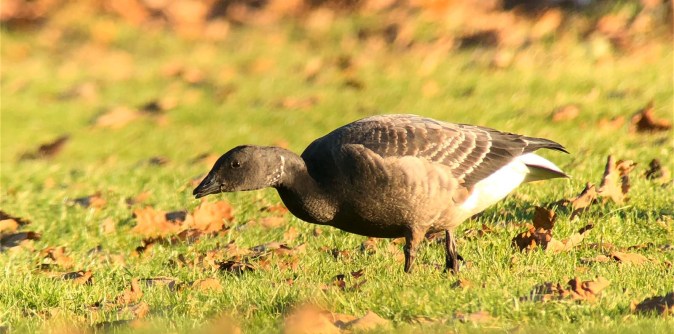
 In the east of the county, the adult Whooper Swan was still in place at Thrapston GP on 9th, while the female Ruddy Shelduck – seemingly absent for three weeks – again visited Ravensthorpe Res on 7th. At Summer Leys LNR, the drake Red-crested Pochard seemed settled throughout the period and the ‘redhead’ Smew was present until at least 7th, although there was a report of two there the following day.







 Dull, dank, murky drizzle dominated the week’s weather as low pressure once again dragged in copious moisture off the Atlantic. Notable wildfowl were back on the menu, while scarce passerines maintained their prominence.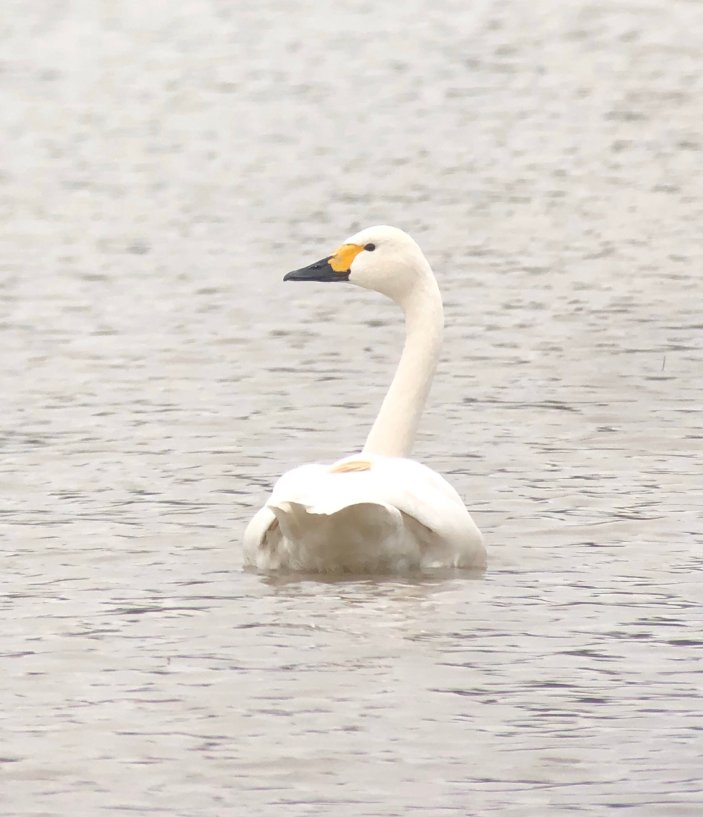


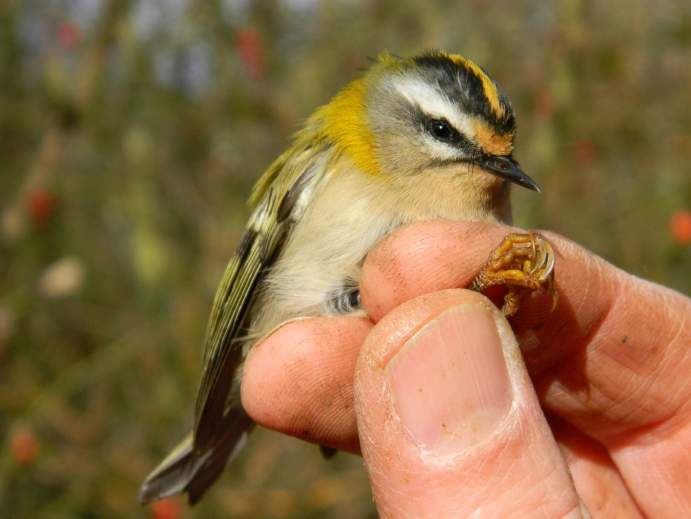
 A Firecrest showed well, if only briefly, to members of the Peterborough Bird Club on an awayday to Summer Leys on 24th. There must surely be more of these little gems just waiting to be found wintering in the extensive river valley scrub along the Nene. Meanwhile, Stonechats were reduced to just singles seen at Stanford, Summer Leys, Thrapston and Wicksteed Water Meadows (Kettering) and Hawfinch once again made it into the week’s round-up, with one in flight at Salcey Forest on 27th.
 Although the weather was again largely dominated by Atlantic low pressure systems, last week’s heavy rain subsided, allowing local floodwater a chance to drain away – at least in part. The end of the period saw milder conditions resulting from a warmer, continental airstream from the south-east. This week’s top birds were again all based on terra firma, further extending this great autumn’s run of passerines.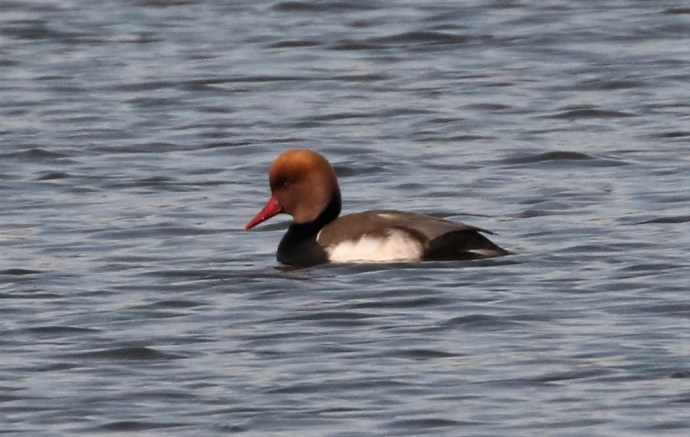






 An unsettled week with a variable wind direction, sporadic heavy showers, low cloud and drizzle. Against a backcloth of visible passerine migration, a Siberian Chiffchaff at Stanford Reservoir was arguably the week’s highlight.



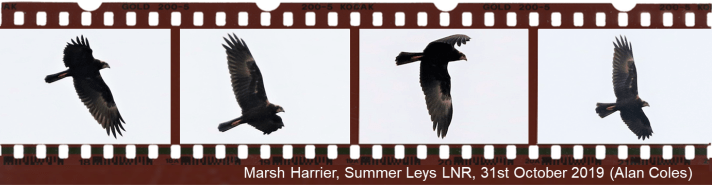 A change of month, a change of clocks and a change of wind direction back to easterlies resulted in a few new birds, the first autumnal frost on 28th and the arrival of the county’s first Smew of the ‘winter’ at Summer Leys on the last day of the week.