The period’s weather comprised similar conditions to those of the previous week, with a variable easterly airflow and temperatures around, or above, the seasonal norm. Storms and heavy showers continued to work their way up and over from the continent during the first half of the week, giving rise to localised flooding in the county. Indeed, Northampton experienced 16 mm of rainfall in just two hours during the evening of 27th, jeopardising island-nesting birds at local water bodies, some of which had their nests flooded out. Migrant waders and Black Terns dominated the birdscape with, apart from a certain seabird, the week ending somewhat uneventfully on a quiet note.
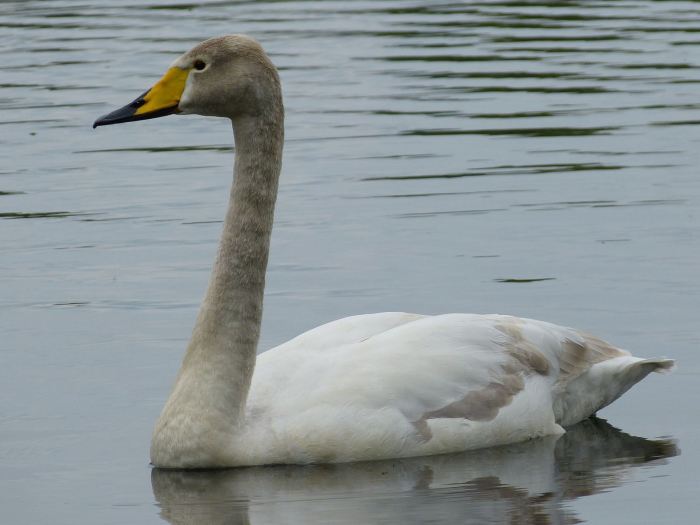
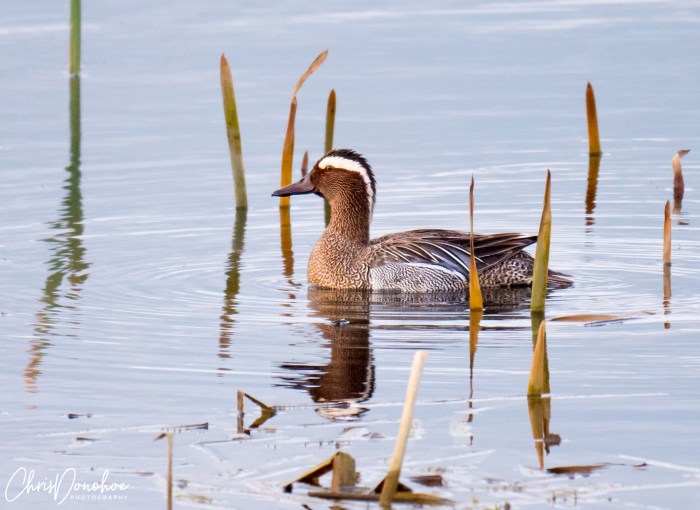
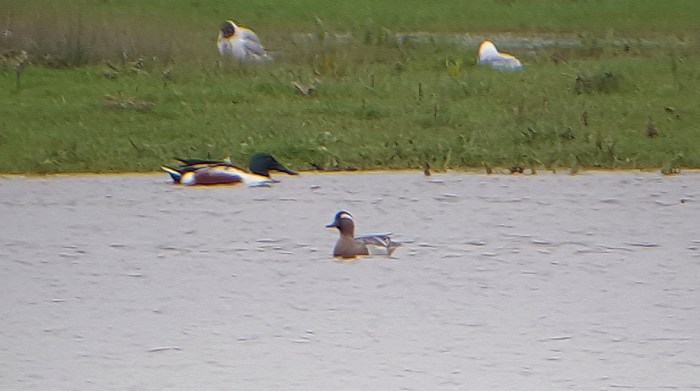
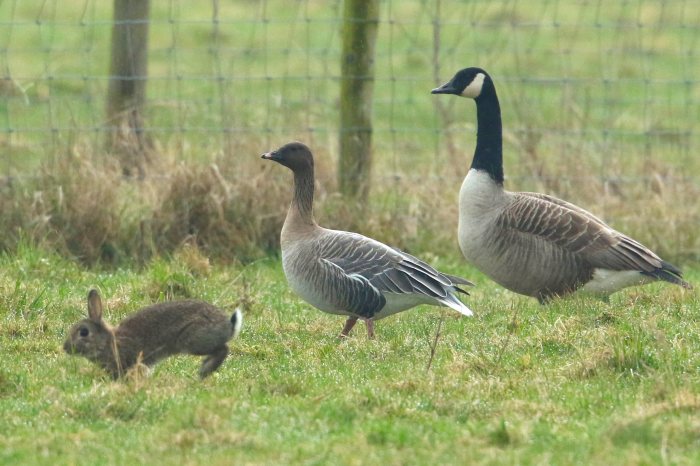
After a first-summer paid a brief visit to Stanford Res on 12th, another Whooper Swan appeared two weeks later, at Lower Barnwell flood, on 26th. Its origins are perhaps suspect, as are those of the Pink-footed Goose found feeding with Canadas at Clifford Hill GP on 29th, with the same site continuing to host the roaming, presumed escaped female Bufflehead still, on 26th. Dodgy wildfowl notwithstanding, a pukka drake Garganey spent the week at Stanwick GP, while a drake and a female dropped in to Summer Leys LNR on 26th.
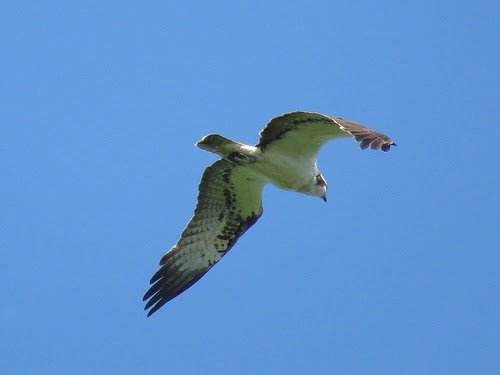
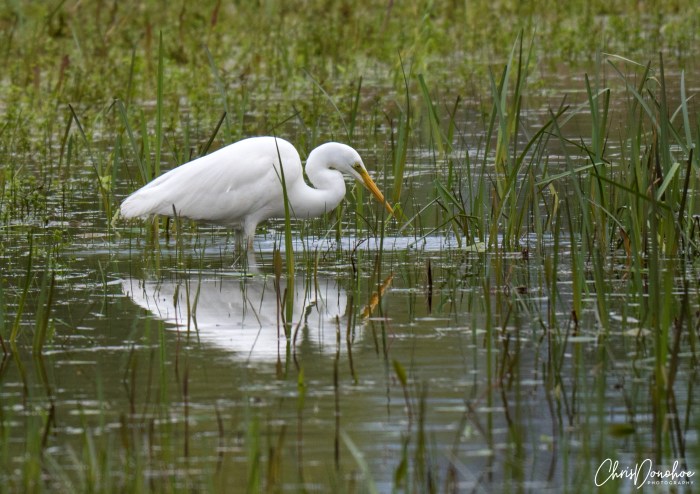
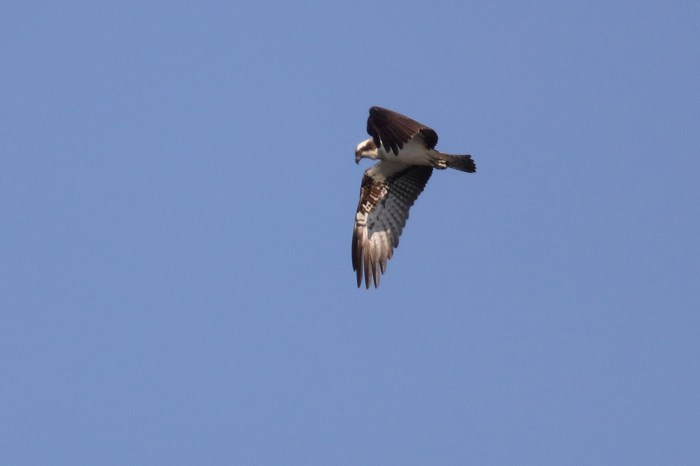
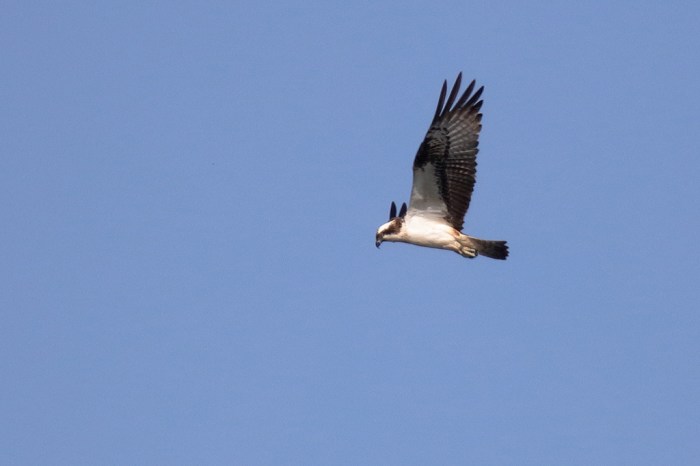
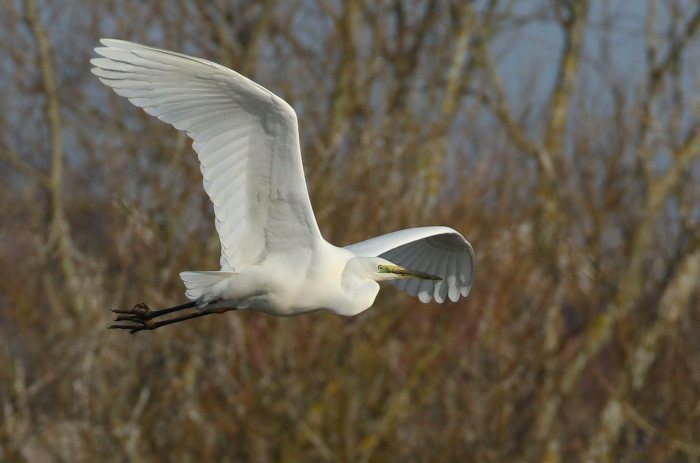
Indisputably ‘bird of the week’ – another Friday night special – was an adult Gannet, which was seen flying north over Mary’s Lake at Earls Barton GP and also north-west over the A6 near Rushden on 1st. It seems highly likely to have been the same bird reported in Bedfordshire, at Great Barford GP, earlier in the afternoon. A Great White Egret was again at Thrapston GP on 27th and 30th-31st, a different individual the one present on 25th and presumably a first-summer. The week’s only Osprey also lingered there on 30th but not too far away and dripping with intrigue, was the report of a ‘ringtail’ harrier sp. flying west over the A43, north of Hardwick Wood on the evening of 29th. At this time of the year we potentially have four species to choose from, so take your pick …
The fall-out from flood of water and waders at the end of last week resulted in more waders, which included twenty-nine, mainly ‘tundra’, Ringed Plovers at Stanwick on 27th (with smaller numbers elsewhere) and a continued run of Sanderlings, with one at Clifford Hill GP on 26th and two at both Summer Leys and Stanwick on 27th, plus two more visiting the latter site on 30th.
A bit of phonescoped video of the 2 sanderling this morning #northantsbirds pic.twitter.com/EUL8MRYCdl
— Steve Fisher (@stanwicktramp) May 30, 2018
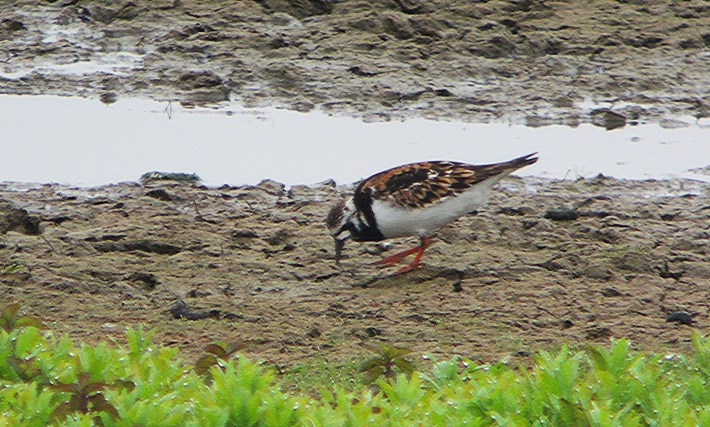
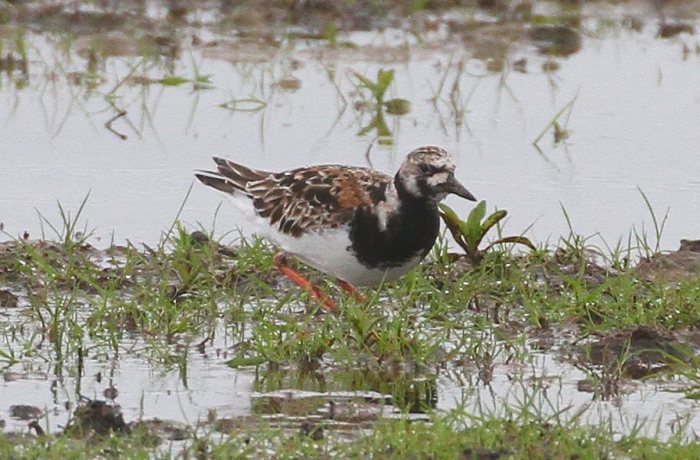
These were shadowed by Turnstones – three at Summer Leys on 27th, dropping to two on 28th, also two at Stanwick on the same dates. The four Greenshanks remained at Lower Barnwell flood on 26th and one visited Summer Leys the following day.

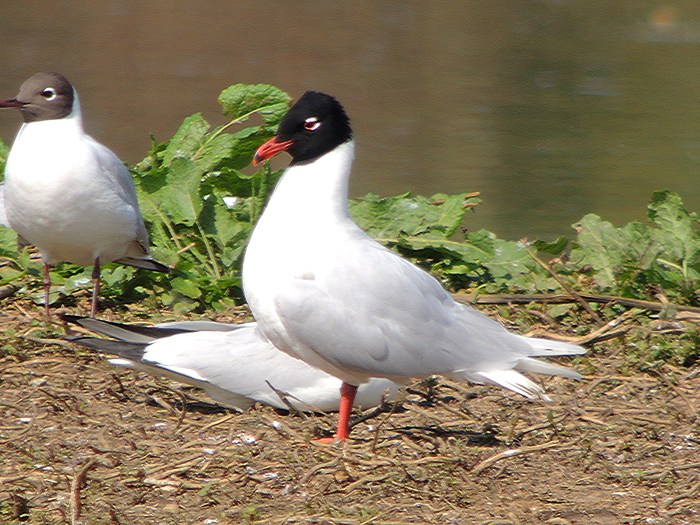
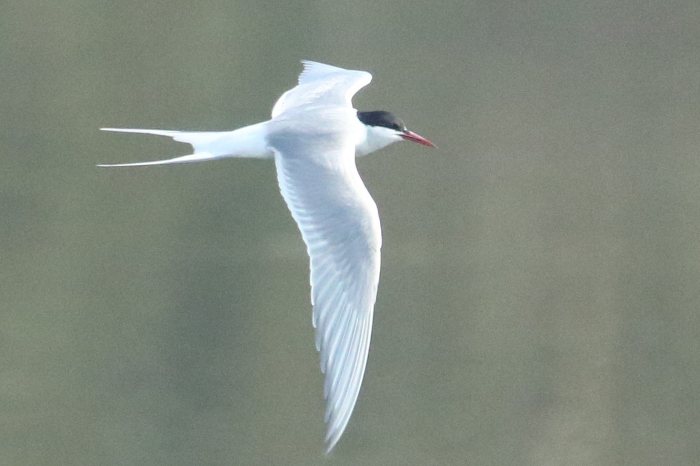
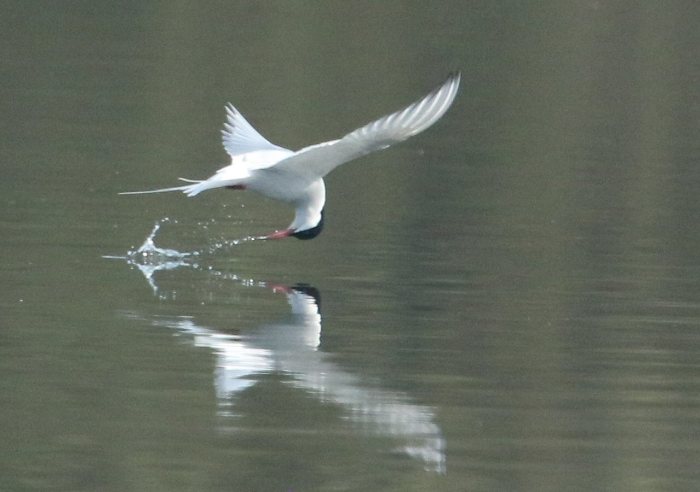
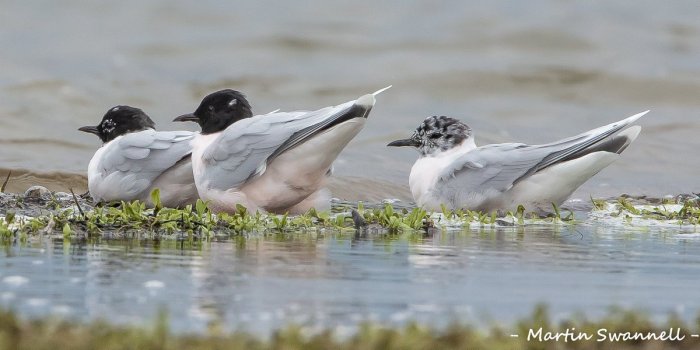
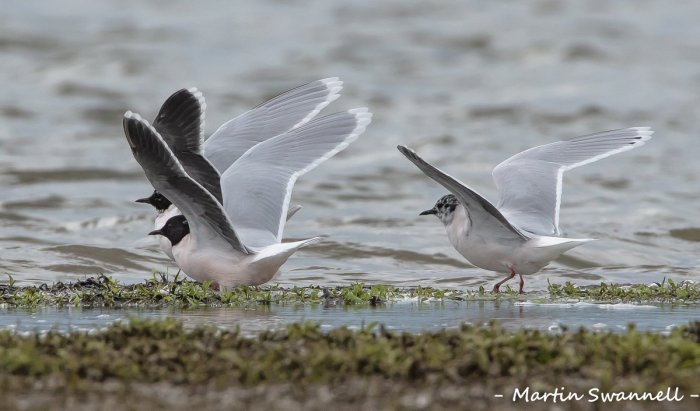
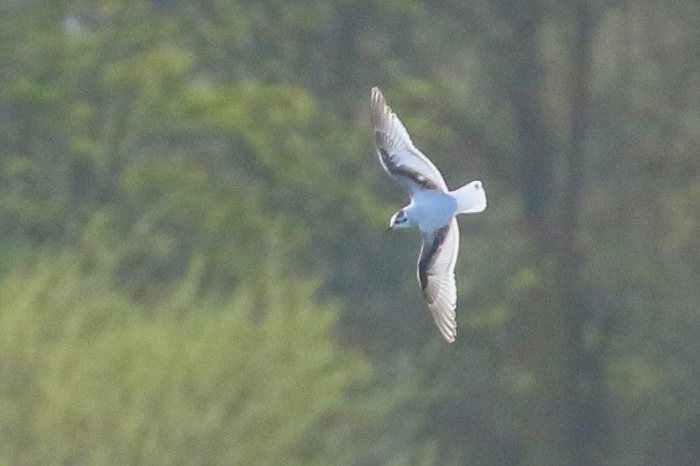
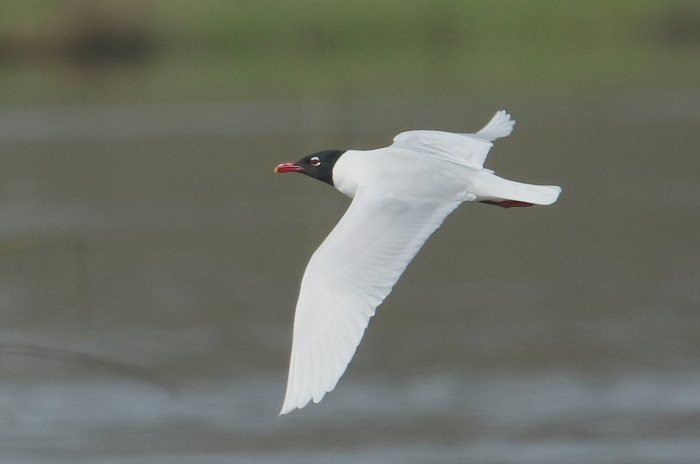
The arrival of Black Terns continued with 26th producing singles at Daventry CP, Earls Barton GP and Stanwick plus seven at Summer Leys, followed the next day by singles at Clifford Hill GP and Pitsford Res, two at Boddington Res and three at each of Ditchford, Stanwick and Thrapston GPs. The last two of these sites also held two a piece on 30th. What would have been the rarest bird of the week, had it not been pipped to the post by the Gannet, was the Little Tern which visited Pitsford’s Scaldwell Bay during the afternoon of 30th. Beyond this, the adult Mediterranean Gull was again at Stanwick on 26th-27th.














 Another fine, summer-plumaged Black-necked Grebe was discovered this week – this time at Pitsford Res, where it was present south of the causeway on 24th-25th and after a scattering of Ospreys last week, a single ‘ringtail’ Hen Harrier flying east at Borough Hill on 25th was the only notable raptor during the period.
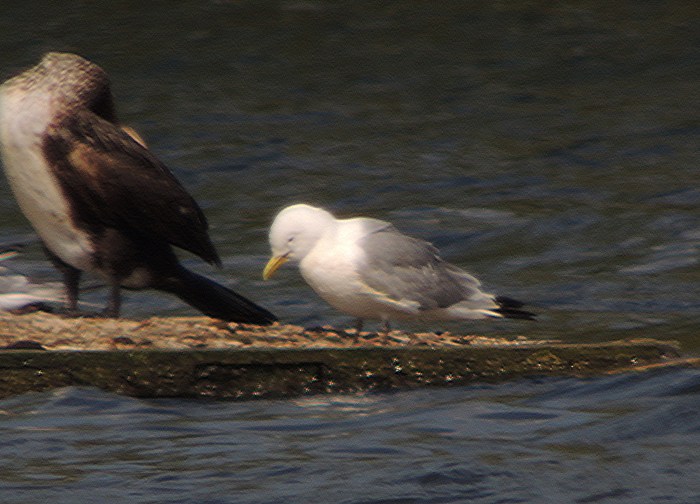
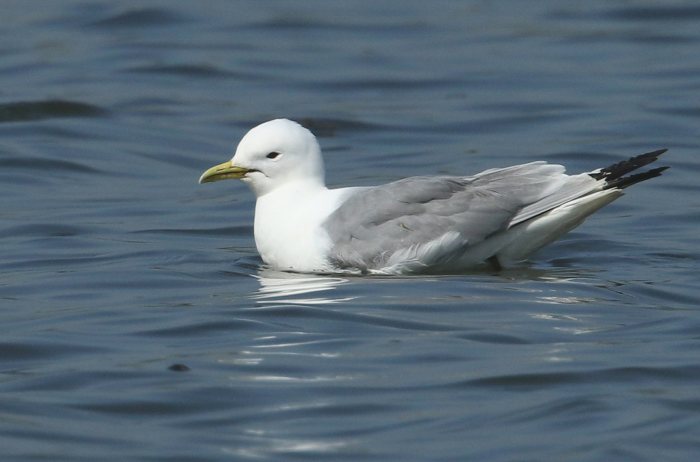
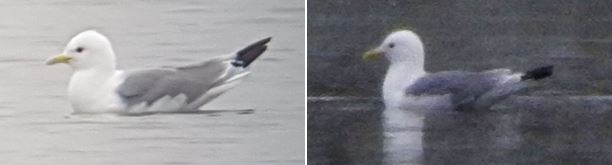
 Sometimes appearing moribund but clearly able to fly, the adult Kittiwake at Thrapston GP remained until 22nd, after which it could not be found. A three-day stay at one locality is extremely unusual, if not unprecedented, and this individual may well be the last record for the spring. The two adult Mediterranean Gulls, previously seen at Stanwick, visited Summer Leys on 24th with one of these remaining there the following day.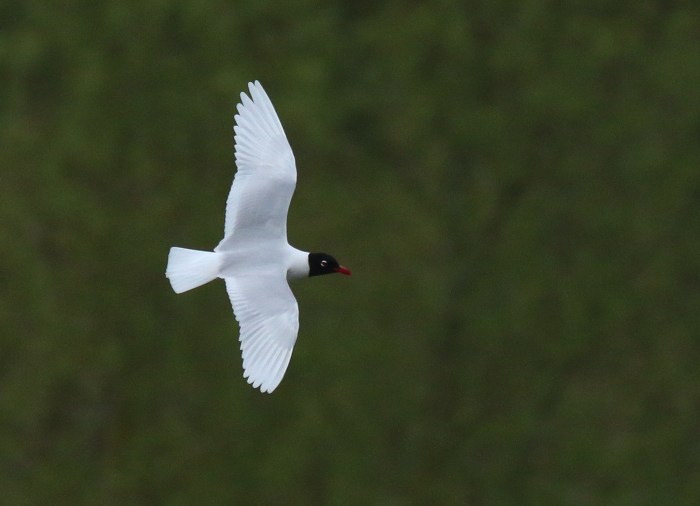

 This individual was singing like a Yellowhammer and BWP states that isolated males, which mix regularly with Yellowhammers, away from other Corn Buntings, pick up and sing a Yellowhammer-type song. This is a sad state of affairs and just goes to show how low the Corn Bunting population has fallen locally
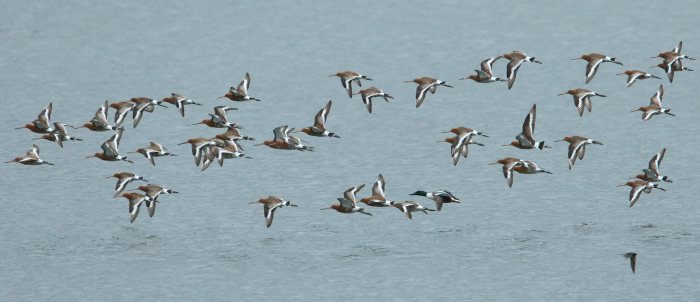
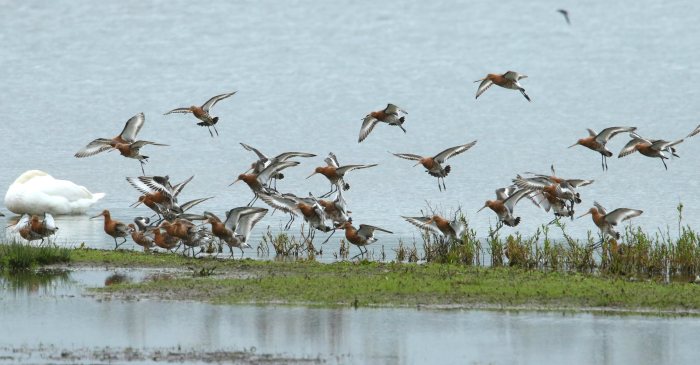
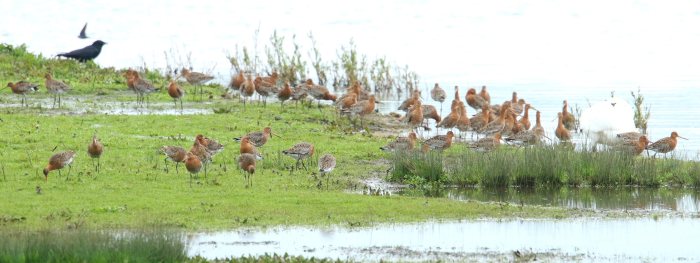
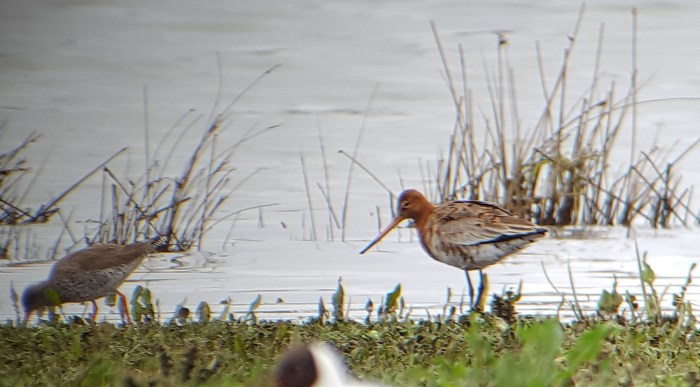
 Wader passage begins to ramp up from hereon but, apart from a Knot at Stanwick GP on 8th, there was little change to last week’s line up, with a Black-tailed Godwit at the aforementioned Stanwick on 7th-8th, followed by another there on 13th and one on floodwater near Oundle on 9th. Stanford Res notched up its second Greenshank of the spring, with one on 8th and a Jack Snipe remained at Hollowell Res on 7th.





 Northants birds