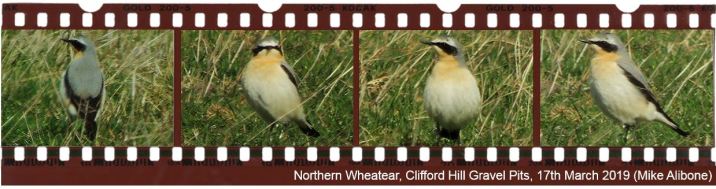
 The storm before the calm saw a continuation of last week’s gale force westerlies for the first two days of the period, before high pressure built over the country to deliver conditions more conducive to migration. On that theme, the first Osprey was seen cruising north and Northern Wheatears made landfall at three localities.
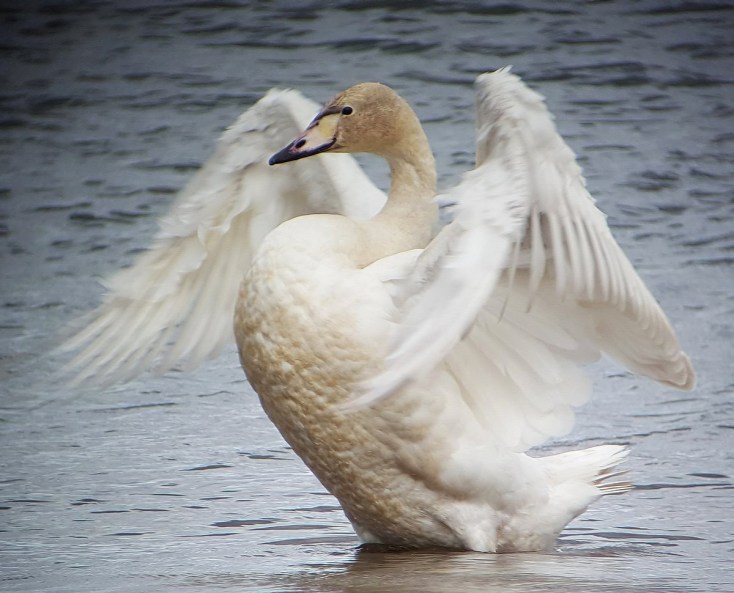
Maintaining the status quo, the first-winter Whooper Swan – now developing some yellow bill pigmentation – and the three Pink-footed Geese remained at Thrapston GP all week, as did the two Pink-footed Geese at Stanford Res.
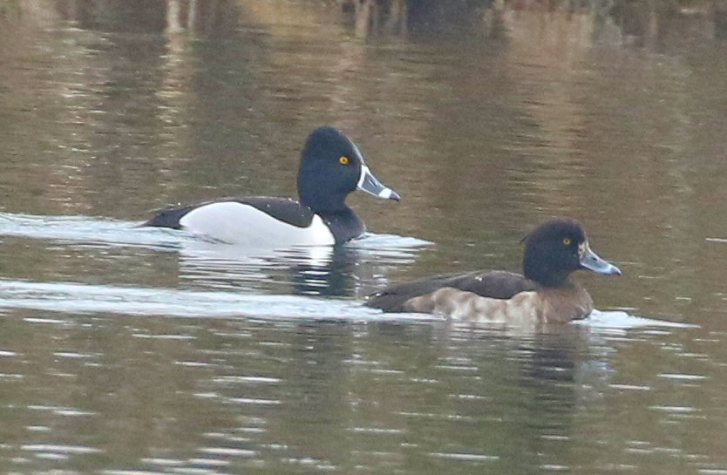
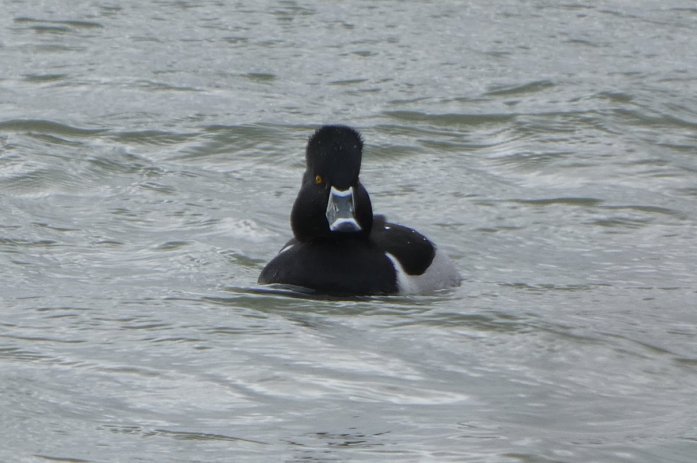
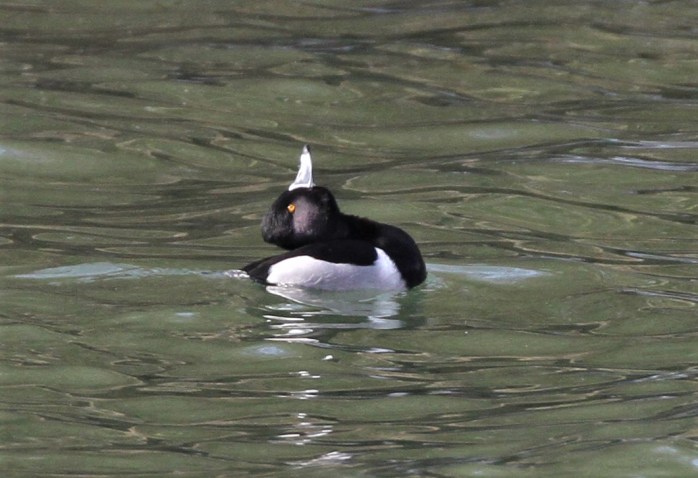
A drake Red-crested Pochard was present at Pitsford Res between 18th and 21st and a drake Ring-necked Duck paid a fleeting visit to Thrapston GP on the latter date. Tempting, though it is, to believe this was a reappearance of the Earls Barton/Summer Leys/Stanwick bird, with more than twenty individuals scattered across a dozen sites this winter, the fact that remains that it could simply be another of its kind on the move.


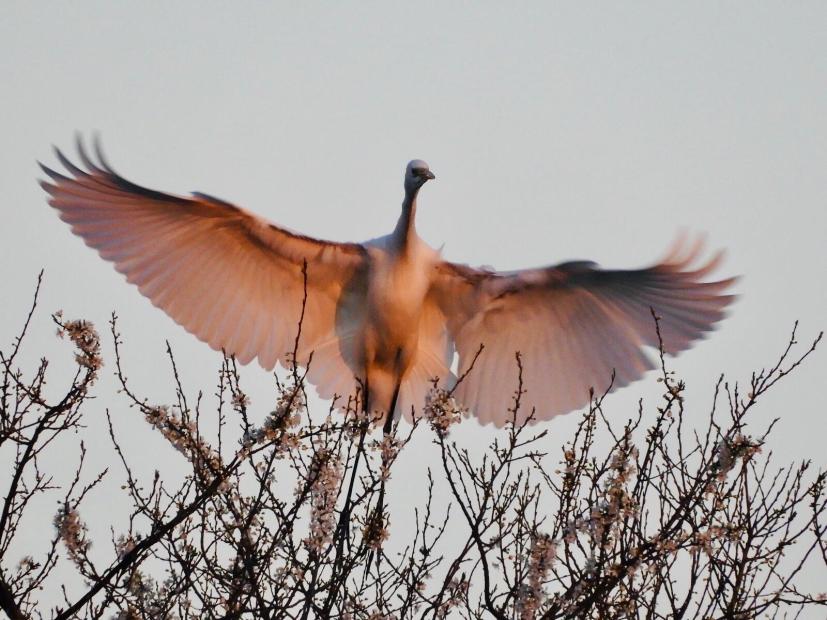
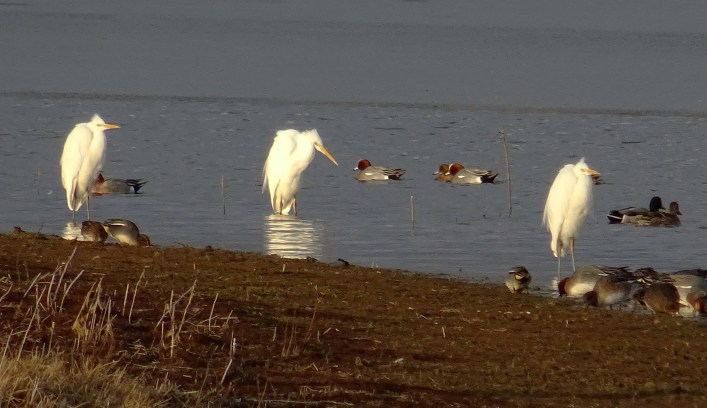
Pitsford’s two juvenile Great Northern Divers, now having moulted a good proportion of their pale-fringed juvenile feathers, stayed all week, ranging widely between the causeway and the dam, while dwindling top counts of Great Egrets were restricted to three at Stanford Res, two at each of Summer Leys and Thrapston, and singles at Ditchford GP and Welton.
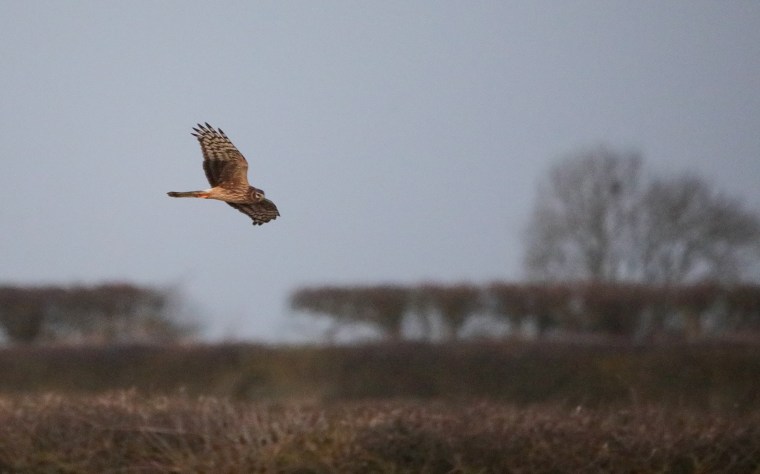
Back at Pitsford, an Osprey flew north over Brixworth CP on 18th and a fly-by Merlin was seen south of the causeway the following day. At the time of compiling this report, five Ospreys have now returned to their Rutland Water breeding site.
Aside from the first spring migrant Little Ringed Plovers at Stanwick on 18th and at both Clifford Hill GP and DIRFT3 on 21st, other waders on the move this week were single Black-tailed Godwits at Stanwick on 18th and Summer Leys the following day, while Hollowell’s wintering Jack Snipe was still present on 17th and further singles were discovered at Pitsford Res on 18th-20th and at Stortons GP on 21st.

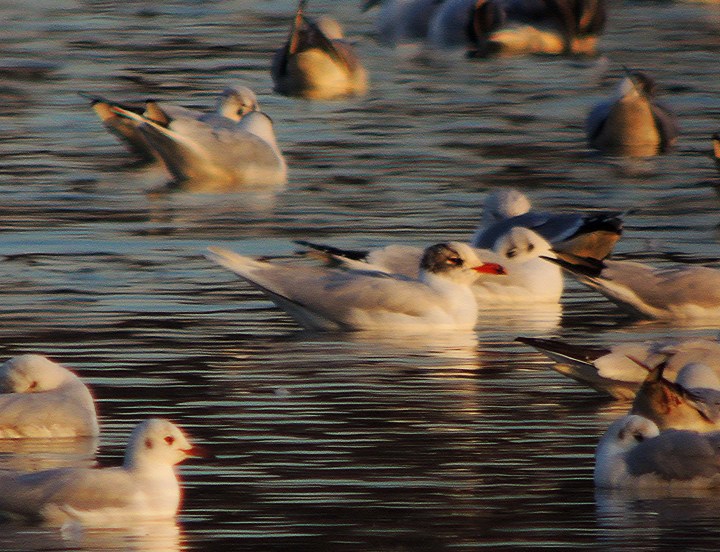
More Mediterranean Gulls came through this week, including single adults at both Clifford Hill GP and Stanford Res on 17th and at Daventry CP the following day. Two days later, on 20th, Daventry also hosted a juvenile Glaucous X Scandinavian Herring Gull hybrid, commonly dubbed ‘Viking Gull’ but it did not linger. Elsewhere, the first-winter Caspian Gull was again at Hollowell on 17th, while a first-winter Yellow-legged Gull visited Pitsford on 16th and a second-winter dropped in at Hardingstone GP on 18th.

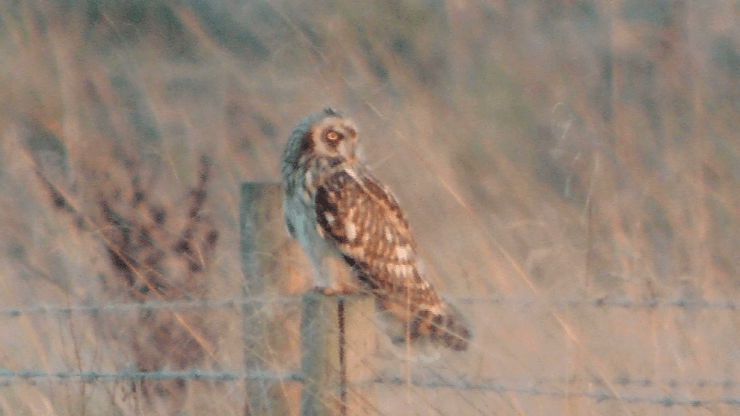
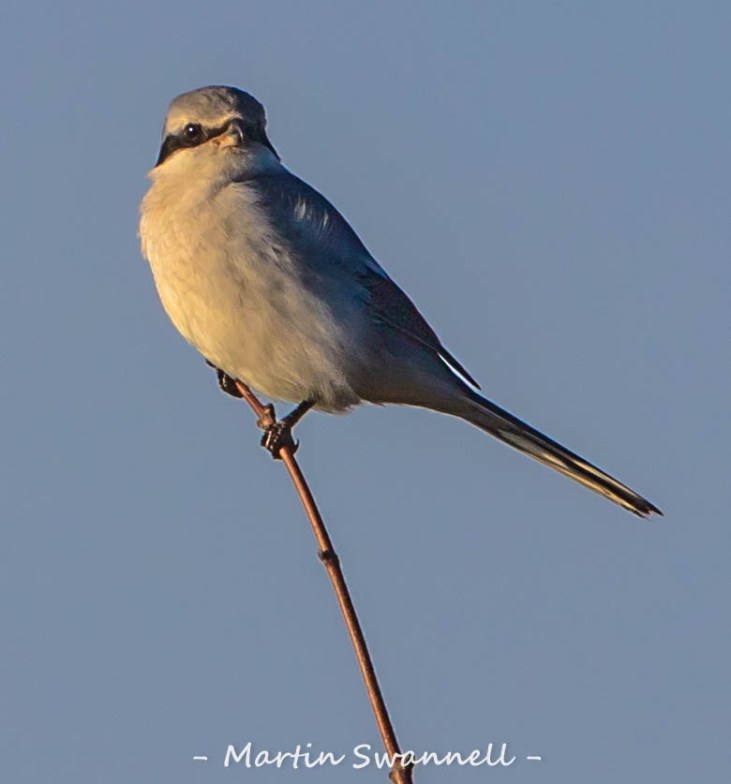
Remaining site-faithful, two Short-eared Owls were still at the regular location of Neville’s Lodge (Finedon) on 21st and one was still at Lilbourne Meadows on 20th, while the Great Grey Shrike remained in the Blueberry Farm area, becoming even more mobile and elusive towards the week’s end. The spring’s first Northern Wheatear was discovered on 17th at Clifford Hill GP, where it remained the following day, while the second appeared at Blueberry Farm on 20th, followed by a third at Borough Hill on 21st.

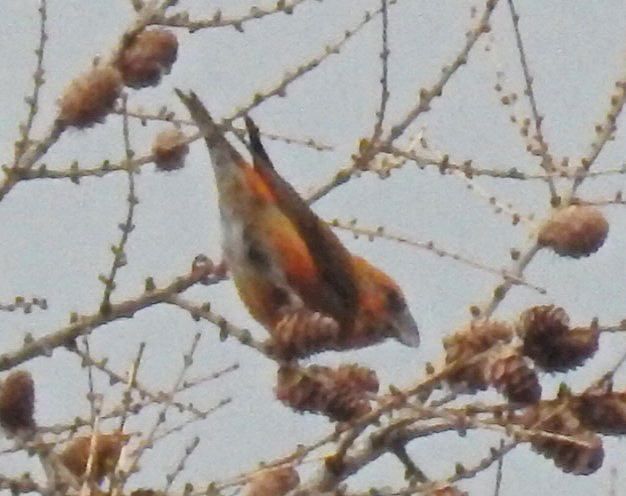
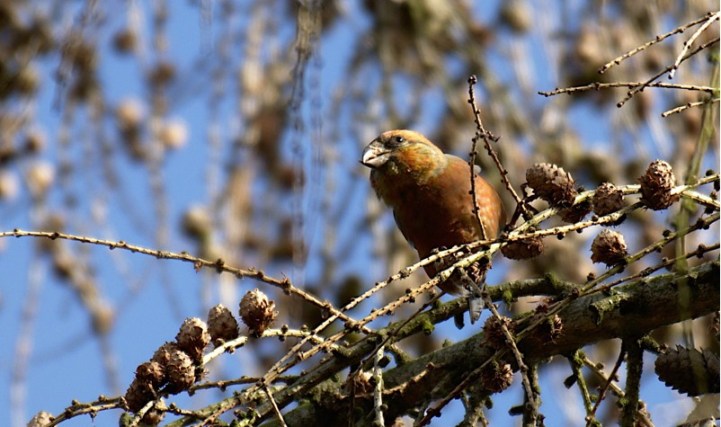
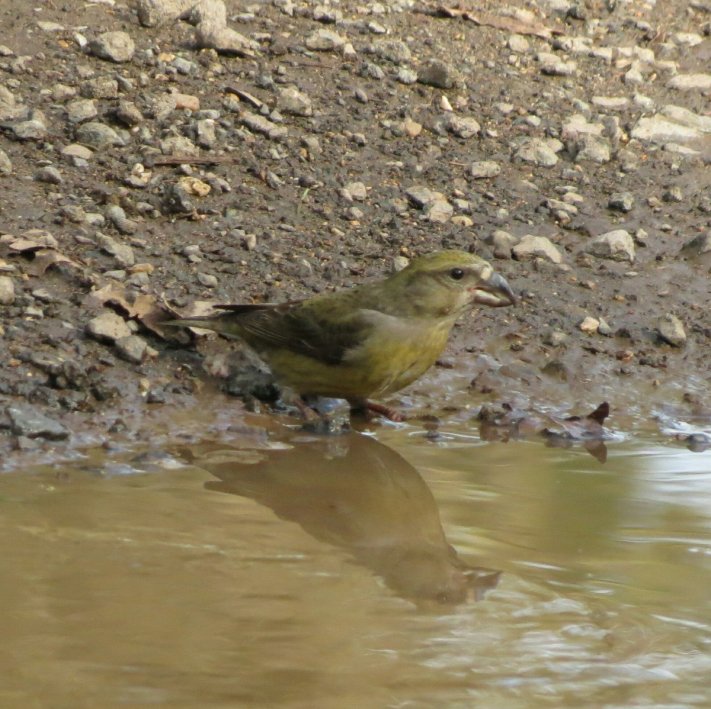
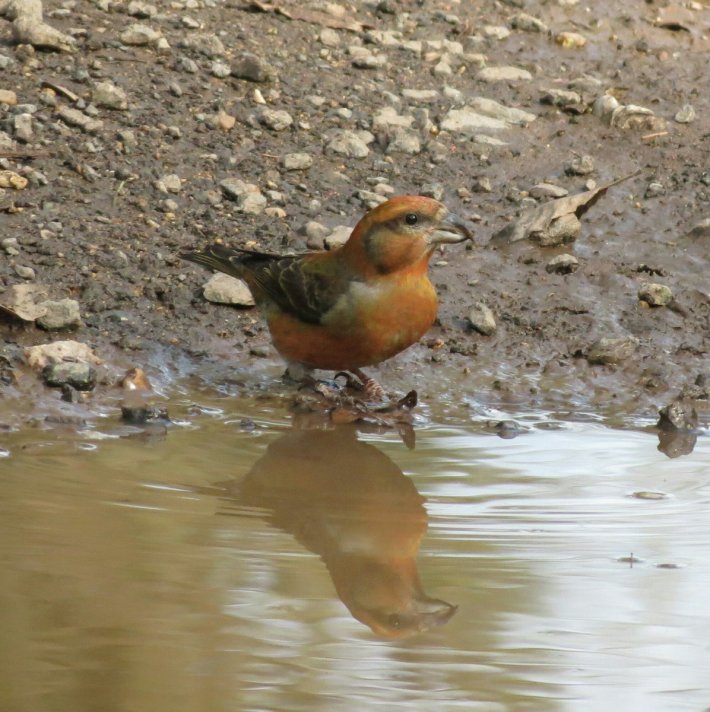
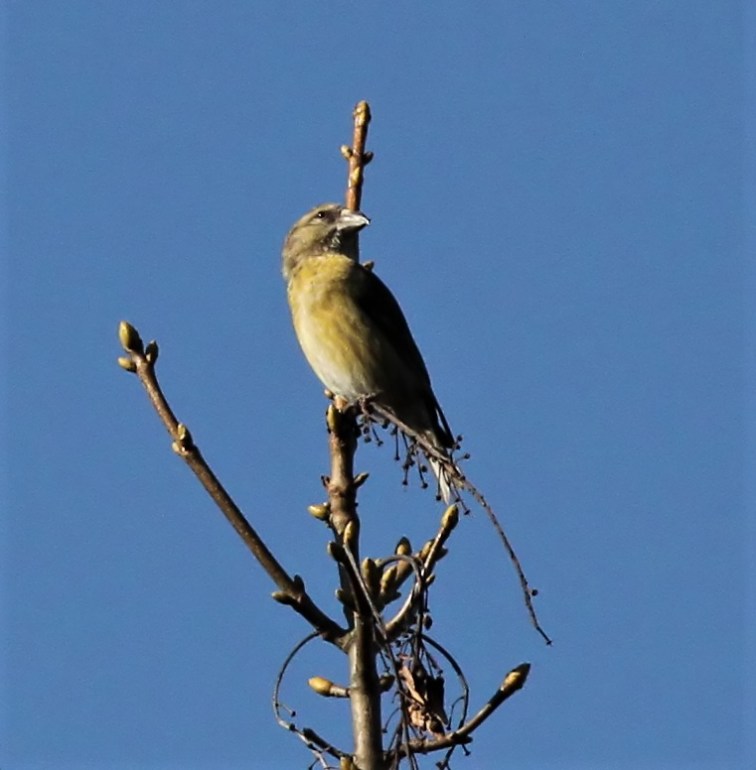
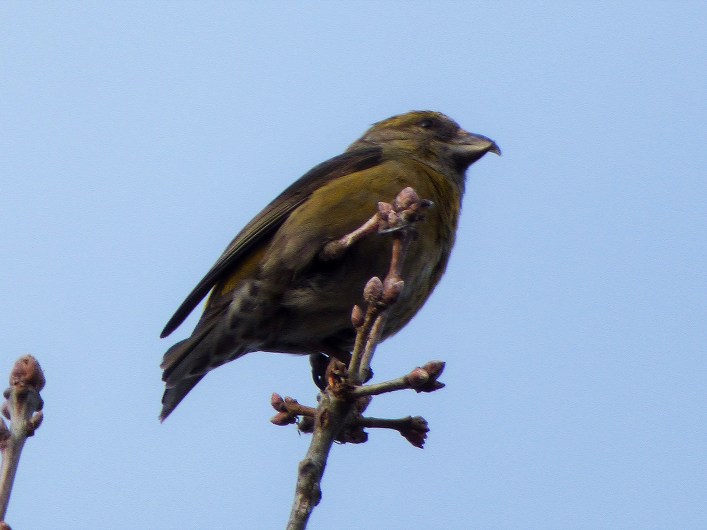
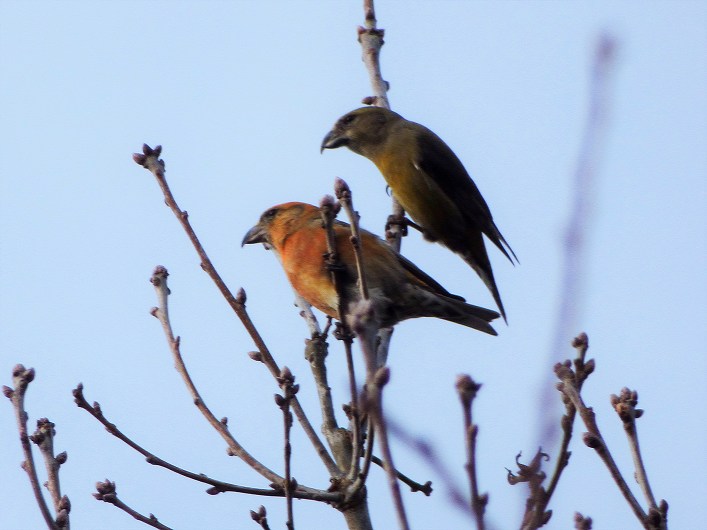
After last week’s White Wagtails at Hollowell, further singles appeared at Clifford Hill GP on 17th and at nearby Hardingstone GP the next day and Crossbills were back on the menu at Wakerley Great Wood, where seven or eight were present on 18th, including one noticeably large-billed individual. Two Corn Buntings remained in the Blueberry Farm area all week, fuelling speculation that they might breed locally. Let’s hope so …

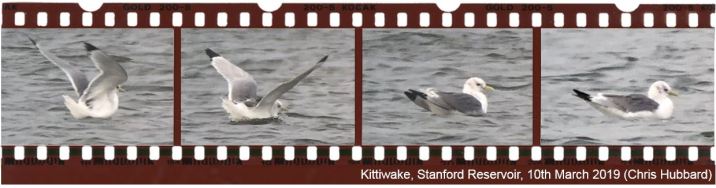 A succession of low-pressure systems, scudding rapidly across the North Atlantic, brought intermittent gales and rain on predominantly north-westerly winds. A fallout from this was the year’s first Kittiwake – one of a series of inland records during the period.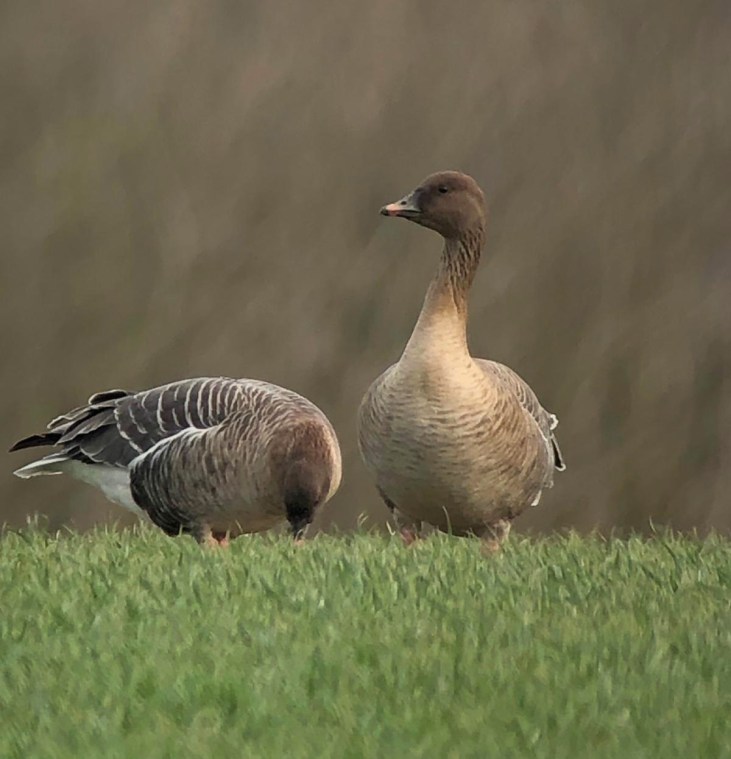

 Winds this week remained south-westerly to westerly and frequently blustery, with sporadic showers, although temperatures were still above average for the time of year. Highlights included an Iceland Gull in the north-west of the county and more Crossbills in the north-east and close to the county town while, apart from a certain roving Ring-necked Duck, the reservoirs and the Nene Valley remained cool, calm and collected …




 The spring-like weather continued, remaining dry, with southerly winds again bringing warm air up from well beyond south-west Europe and local temperatures hitting a balmy 15°C on 21st and 22nd. Notable birds during the period were a likely Glossy Ibis and a new Cattle Egret, while nearly all of last week’s scarce winter visitors remained in place.



 After the first two days, Storm Erik’s wind and rain ultimately gave way to southerly winds bringing warm air to the country from as far south as the Azores. The resultant ‘warm’ conditions were positively spring-like, with temperatures hitting a local daytime high of 14ºC. Some movement took place on the wader front, with Oystercatchers returning to three Nene Valley sites and an Avocet appearing at Hollowell Reservoir.
 Meanwhile, the two juvenile Great Northern Divers remained at Pitsford all week, occasionally showing well together, some distance south of the causeway. Great Egrets were a little down on last week and although Thrapston continued to hold four or five and Earls Barton GP/Summer Leys two or three, elsewhere the picture was different, with only singles at Cransley Res, Ditchford GP/Irthlingborough Lakes & Meadows, Pitsford Res and Stanford Res.




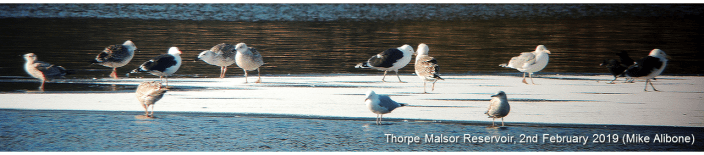 Frozen conditions continued for the first two days of the period, with continuing cold northerlies and temperatures bottoming out at -5ºC early on 3rd. After this it was all change, the winds swung round to the westerly quarter and daytime temperatures rose to 9ºC, rapidly melting ice and remnant snow. By the week’s end, Storm Erik’s gale-force winds and rain put the dampeners on things across the Midlands but none of this, it seems, made any significant difference to the birds on offer.
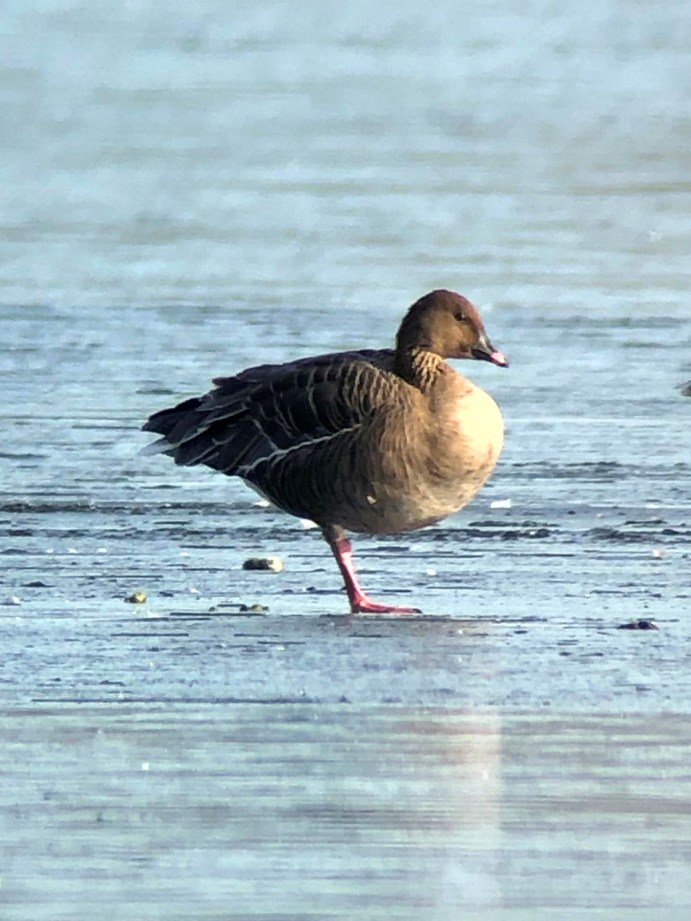



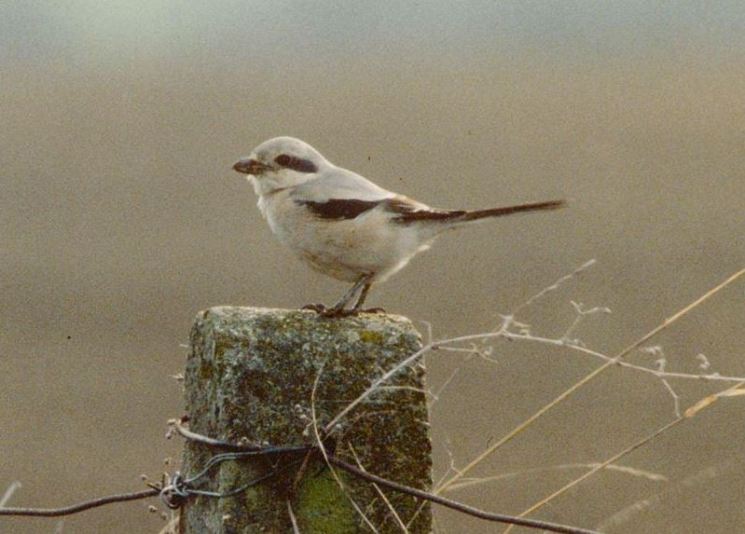
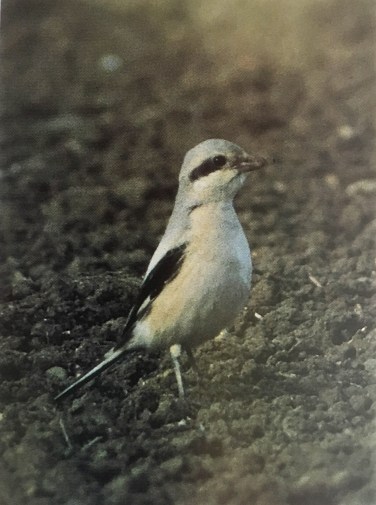
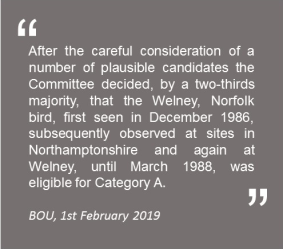 Found by Dave Burges and Matthew Rodgers on 15th February 1987, it remained at Pitsford until 5th April and the record was duly submitted to, and accepted by, the British Birds Rarities Committee. It reappeared the following winter, when it turned up at Thrapston GP on 12th December, remaining there until 24th, before relocating to nearby Ringstead GP, from where it commuted to and from Thrapston between 16th January and 6th March.
 Northants birds