 The generally easterly airstream continued to dominate, moving round to the south-east before eventually swinging south-west as ‘Storm Hannah’ approached at the week’s end. Local temperatures hit 24°C on 22nd, after which they fell away and showers ensued from 24th. Little Gulls and passage waders took centre stage, while summer visitors continued to arrive in small numbers.
 Summer visitors recorded arriving for the first time during the past week include:
22nd April – Hobby, Blisworth
25th April – Common Swift, Daventry CP and Pitsford Res

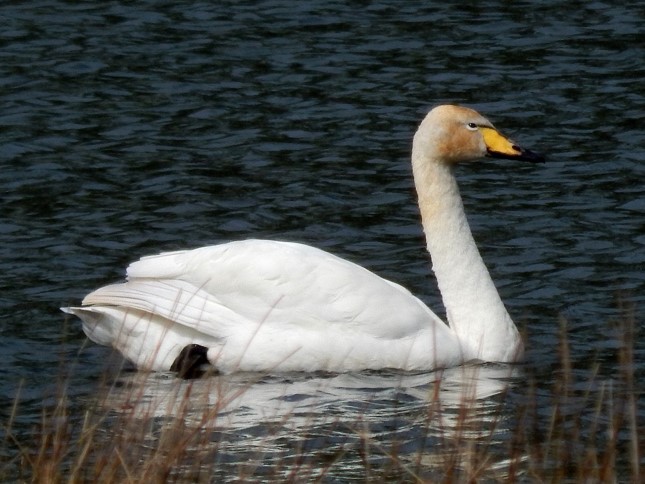
Still there … the first-summer Whooper Swan entered another great week at Thrapston GP by remaining throughout, and the equally pitbound three Pink-footed Geese also nudged in on 20th, at least two of them still being present on 26th, while another pinkfoot visited Clifford Hill GP on 22nd. Summer Leys LNR again claimed exclusivity on the Garganey front, the drake there being joined by a female from 22nd – both appearing settled and staying throughout the week. The period’s token Red-crested Pochard – a drake – was at Clifford Hill GP on 23rd.
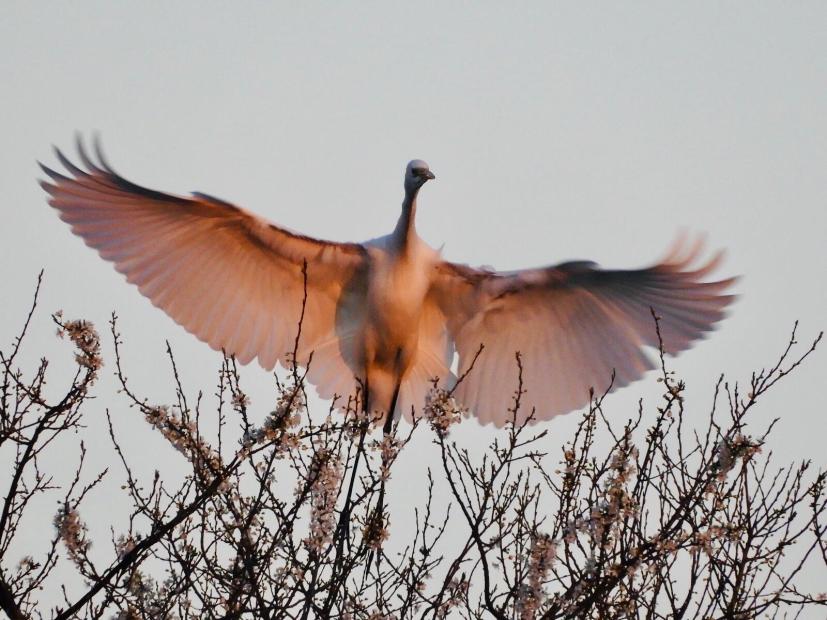
Last week’s Cattle Egret remained with the herd of cows at the northern end of the Stanwick GP complex until at least 23rd and three Great Egrets were pushing the envelope at Thrapston on 20th and 26th, in contrast to singles only at Stanwick on 20th-21st, Grafton Regis on 21st, Stanford Res on 25th and Daventry CP on 26th.
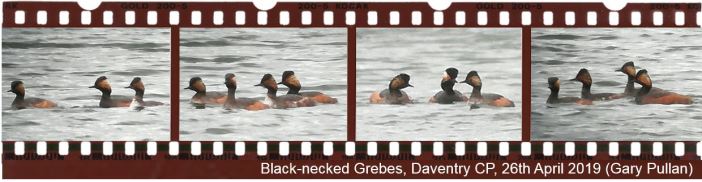
From plain white to full kaleidoscope colour – well, almost – unarguably the most attractive find of the week was four gorgeous summer-plumaged Black-necked Grebes at the southern of Daventry CP on 26th. Ones and twos have occurred before but four together is unheard of in recent times, if not unprecedented.

On the raptor front, Marsh Harriers appeared in the Nene Valley at Summer Leys and adjacent Mary’s Lake on 20th and 22nd respectively – the first of these sporting green wing-tags, indicating it had been ringed as a nestling in Norfolk, by the North West Norfolk Ringing Group, sometime between 2011 and 2017.


Single Ospreys were seen in flight on 22nd at Pitsford Res, Ravensthorpe Res, Stanford Res and Stanwick GP, on 23rd, 24th and 26th at Hollowell Res and on 25th again at Pitsford Res.

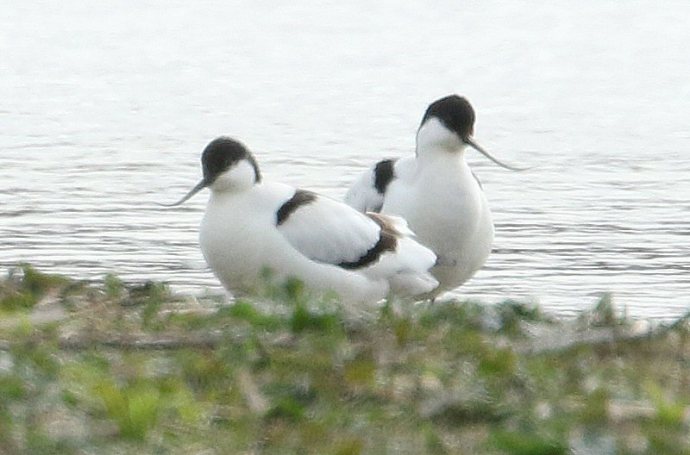
Wader numbers ramped up with, as usual, the Nene Valley Flyway offering the most attractive habitat for pit stops. Heading the species cast, two Avocets arrived at Summer Leys on 20th and two also visited Ditchford GP’s Irthlingborough Lakes & Meadows LNR the following day.
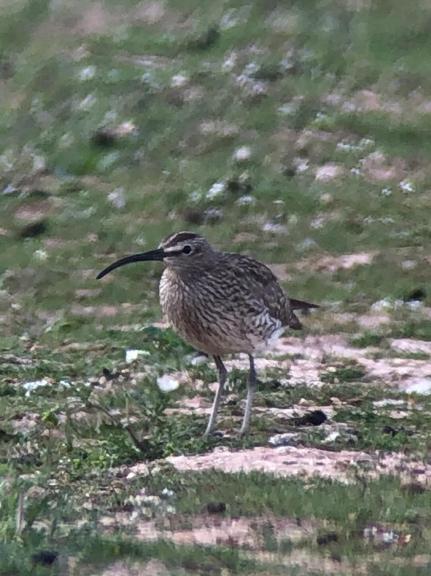
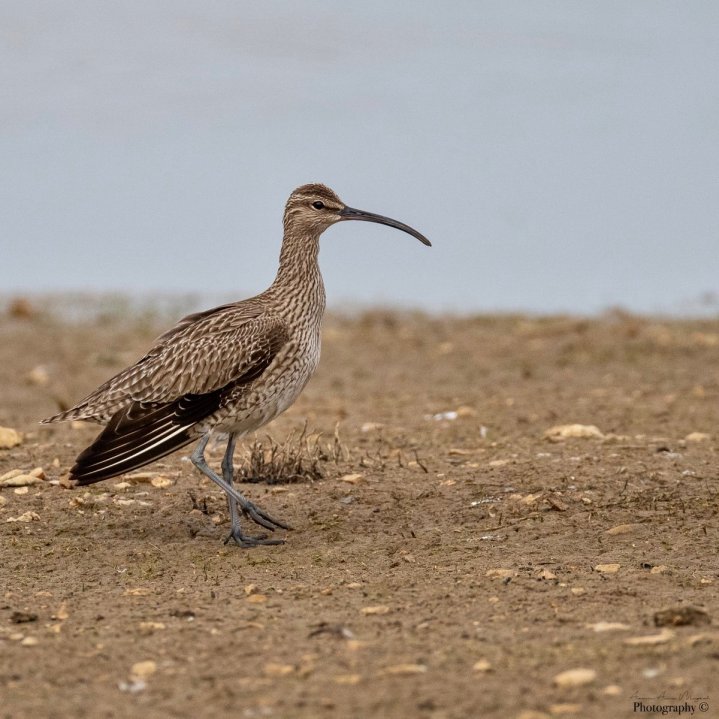
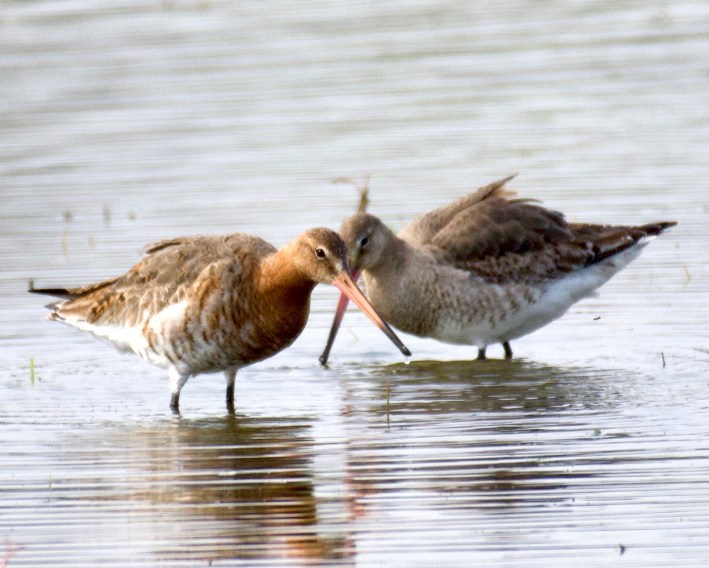
More Whimbrels came through, with twos at Clifford Hill GP and Summer Leys on 23rd, followed by three different individuals at Stanford Res on 25th and two again at Hollowell Res on 26th. In terms of sheer numbers of waders, Summer Leys had the lion’s share, with a single Black-tailed Godwit on 22nd, two on 23rd and a rather regal forty-seven, briefly, on 24th. Elsewhere, there were two at Thrapston GP on 23rd. Similarly, Bar-tailed Godwits at Summer Leys followed suit, with twenty-eight through east on 22nd, up to three different individuals on 23rd and two more on 24th. The 24th also saw two at Stanwick GP and singles at Hollowell Res and Clifford Hill GP, while the latter site produced a different, lingering bird on 25th-27th.
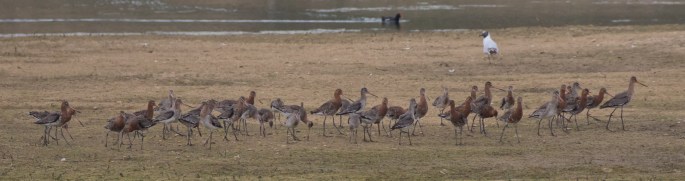

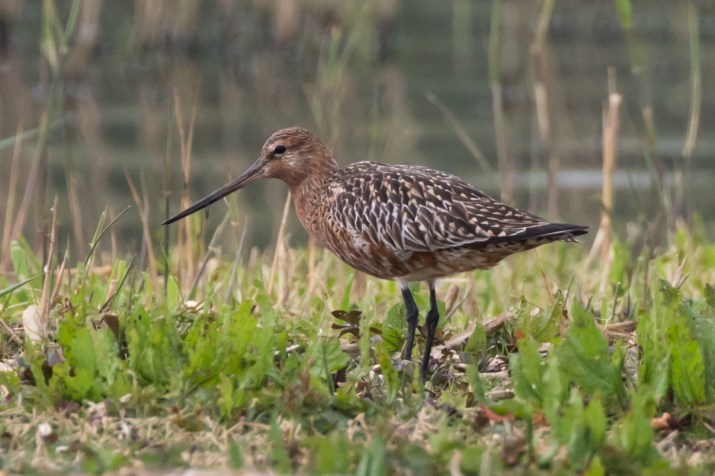

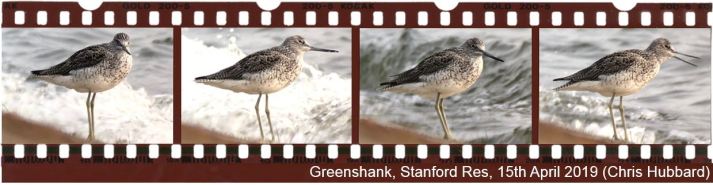
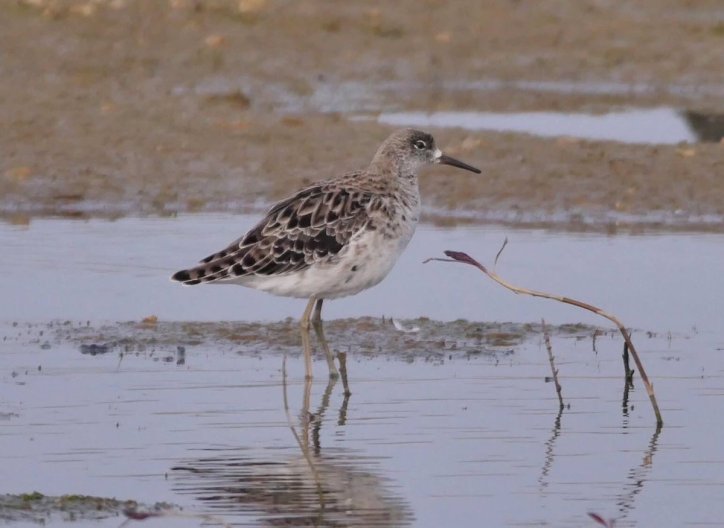
Back at Summer Leys, the spring’s first Turnstone was found, along with a Ruff on 25th and, hot on the heels of the first last week, four more Greenshanks comprised singles at Pitsford Res on 20th, Stanford Res on 21st and Clifford Hill GP on 23rd and 25th.
No late April would be complete without the appearance of at least one Little Tern and so it was, on 25th, two appeared – one at Boddington Res, hanging around long enough to be photographed and the other putting in a brief appearance at Thrapston GP.
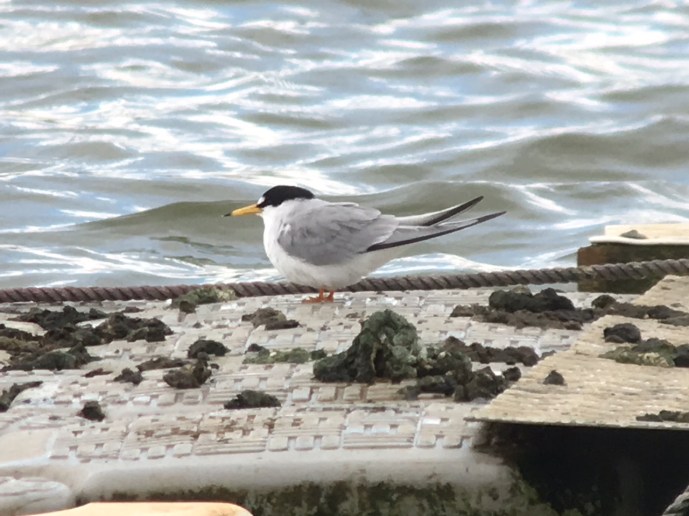
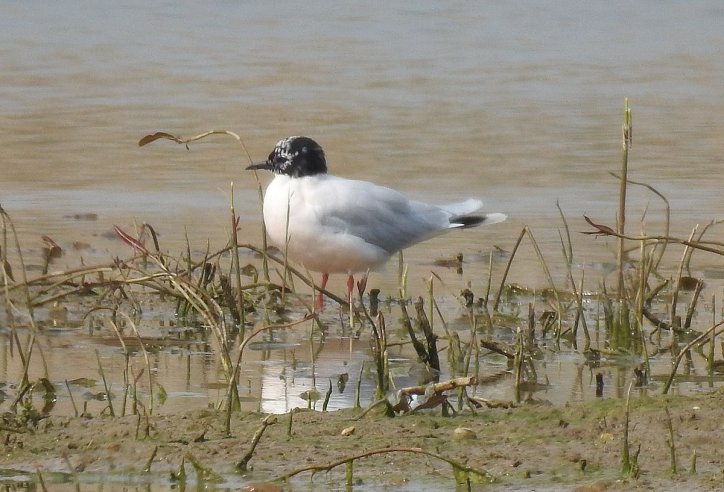
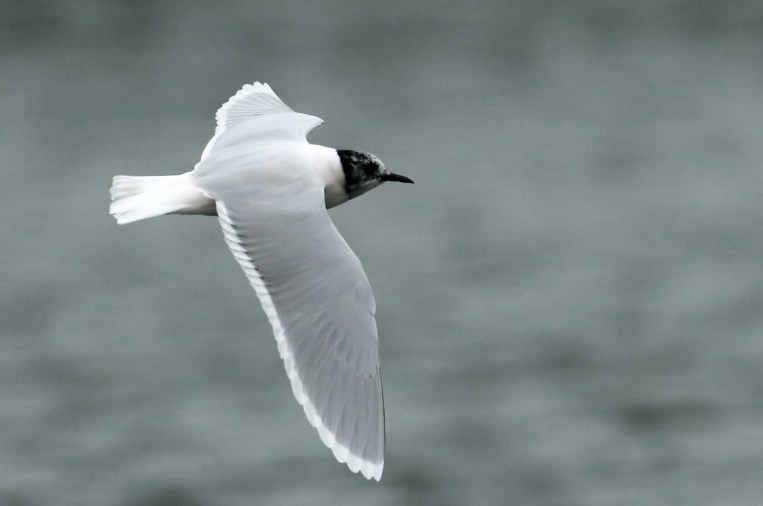
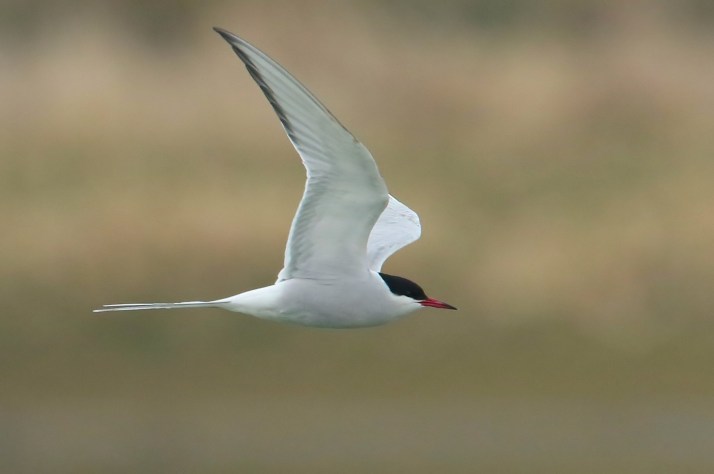
More Black Terns continued to trickle through with two at Clifford Hill GP on 20th, followed by two at Thrapston GP on 22nd-23rd and singles at Stanford Res and again at Clifford Hill GP on 25th. Small numbers of Arctic Terns also made their way through the county in small numbers, with Thrapston GP producing one on 22nd while, on 23rd, Summer Leys produced two, Clifford Hill GP two, Stanwick two and Hollowell two and, on 25th, two were at Boddington and three at Pitsford. The 22nd-23rd delivered this week’s quota of Little Gulls with the first of these two dates seeing seven at Summer Leys, four at Clifford Hill and two at Thrapston, while the following day the same sites held twelve, four and one, respectively.
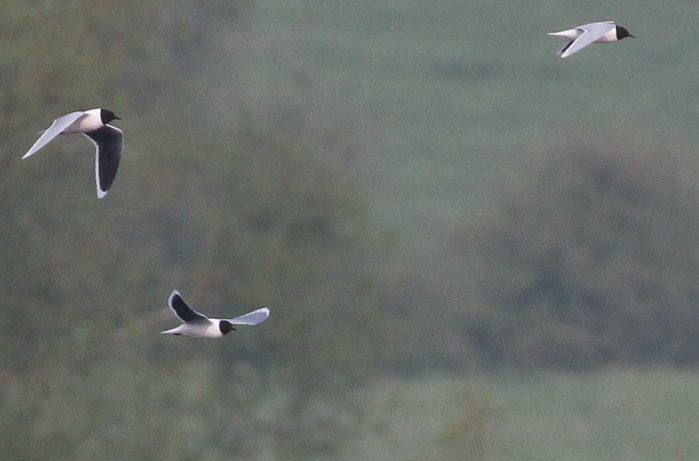
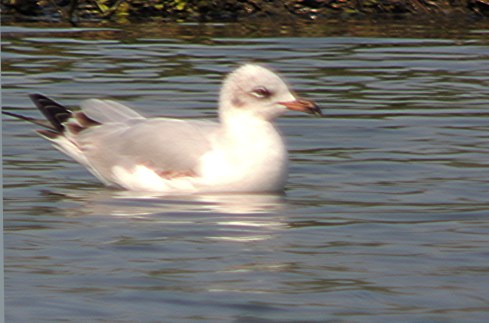
Meanwhile, the roving pair of adult Mediterranean Gulls cruised over Stanwick twice on 22nd before again moving to Summer Leys later the same day, prior to being observed copulating there on 23rd. A lone, first-summer dropped into the Black-headed Gull colony at Stanwick, briefly, on 22nd.

Passerines took a bit of a back seat this week. Northern Wheatears were reduced to two at Harrington AF on 20th and one there on 25th, plus singles at Summer Leys on 23rd and near Upper Benefield on 26th.

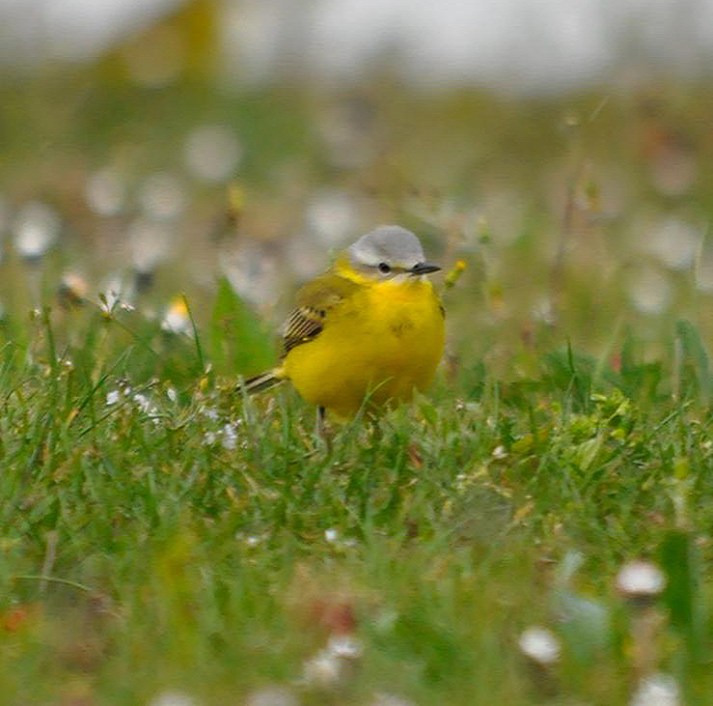
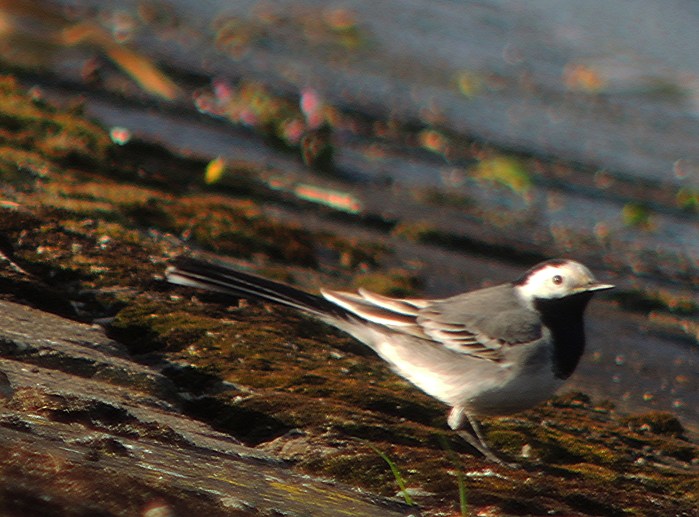
The undoubted star, however, was a smart ‘Channel’ Wagtail, which graced the dam at Stanford Res during the evenings of 23rd-25th, while the number of White Wagtails logged fell again to just two – one at Hollowell on 23rd and the other at Clifford Hill on 25th.
 The prolonged easterly airstream continued as the Scandinavian high pressure system filled and slipped further south, dragging warm air up from the continent as it did so. By the week’s end, local temperatures had hit 22°C and migrants continued to arrive in significant numbers throughout the period.







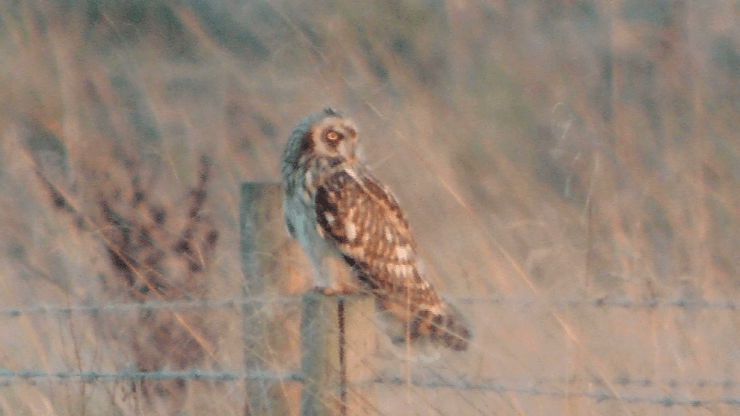
 Late in the season but not unprecedented, a Short-eared Owl was out at the northern end of the Stanwick complex during the evening of 19th and the wintering Great Grey Shrike remained in the Brampton Valley below Hanging Houghton until at least 17th. The second Woodlark to be found in the county this year flew east over the dam at Pitsford Res on 15th. Surprisingly, for a species which breeds only tens of kilometres from Northamptonshire and is also a migrant, there have been only three previous records this century (2001, 2014 and 2016) as well the aforementioned individual in January this year, if accepted.

 Following last week’s swing to a south-easterly airstream, the period began with more of the same, the wind quickly turning east to north-east as a high pressure system became anchored over Scandinavia for much of the week. Low cloud, mist and occasional drizzle ensued – such conditions being the stuff of dreams on the east coast in autumn. This was, however, Northamptonshire in early April but the birds did not disappoint, with Little Gulls once again rising to prominence alongside early Black Terns and the arrival of more summer visitors.













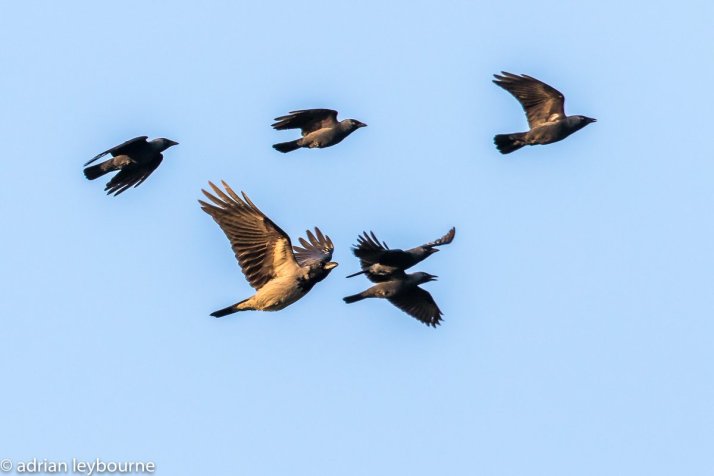
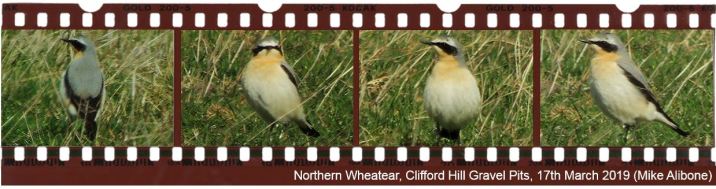 The storm before the calm saw a continuation of last week’s gale force westerlies for the first two days of the period, before high pressure built over the country to deliver conditions more conducive to migration. On that theme, the first Osprey was seen cruising north and Northern Wheatears made landfall at three localities.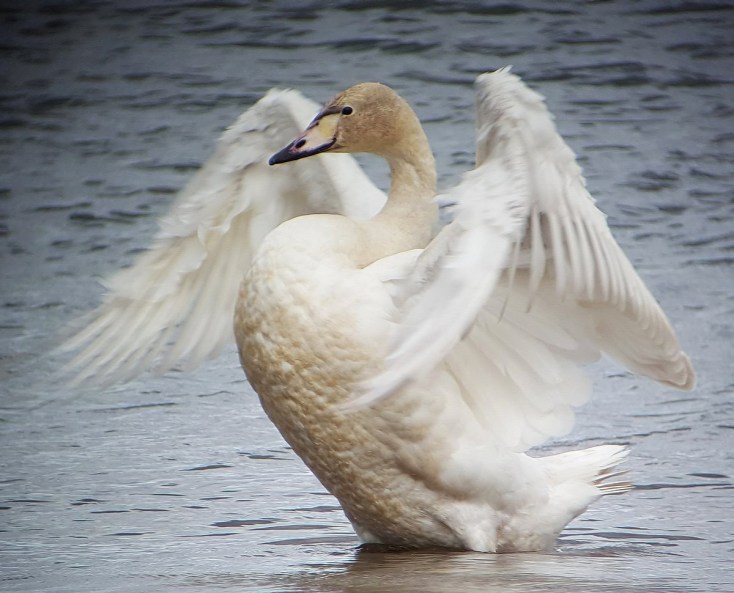



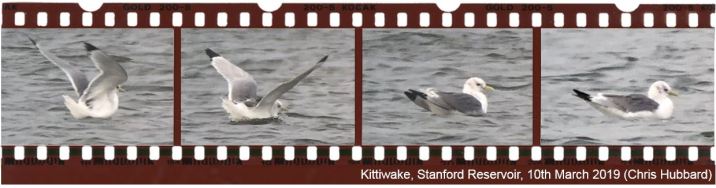 A succession of low-pressure systems, scudding rapidly across the North Atlantic, brought intermittent gales and rain on predominantly north-westerly winds. A fallout from this was the year’s first Kittiwake – one of a series of inland records during the period.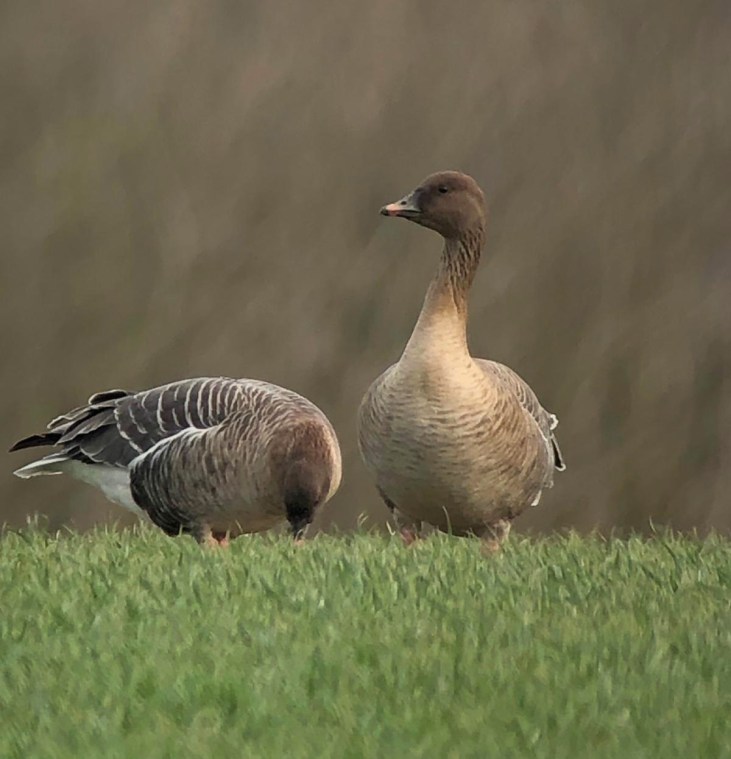

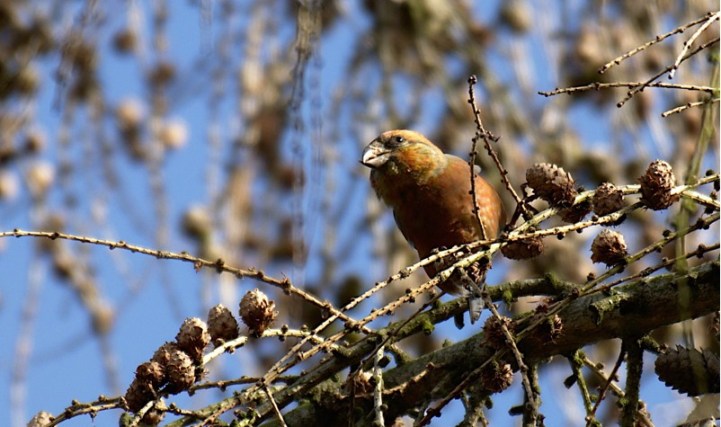
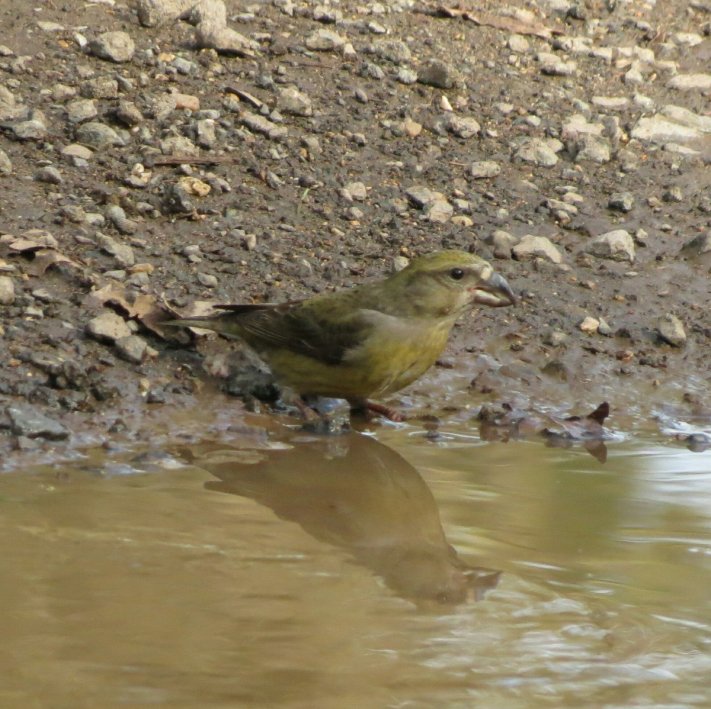
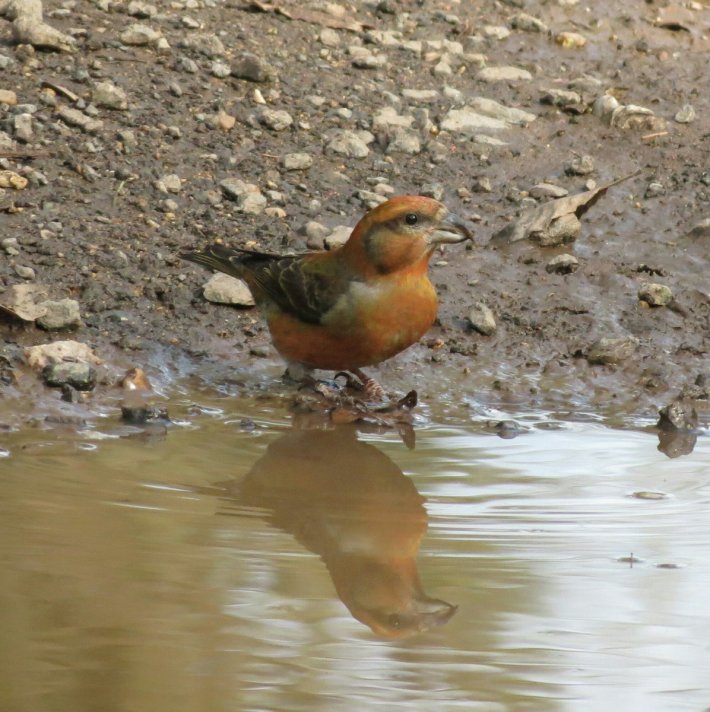
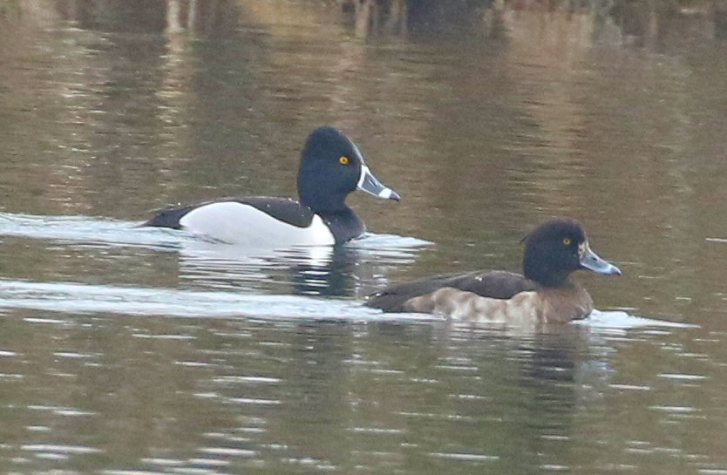
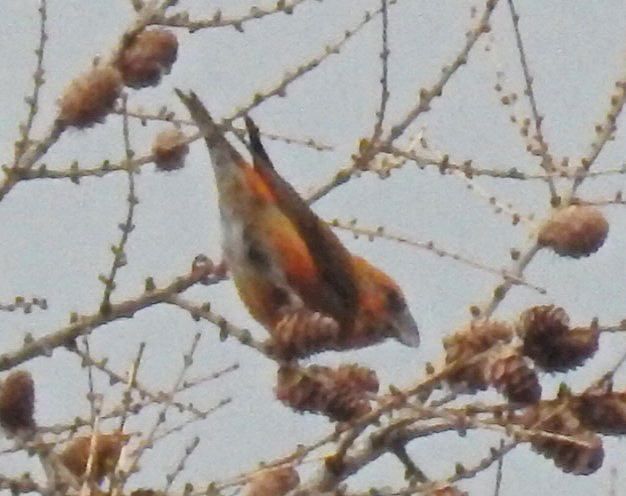
 Winds this week remained south-westerly to westerly and frequently blustery, with sporadic showers, although temperatures were still above average for the time of year. Highlights included an Iceland Gull in the north-west of the county and more Crossbills in the north-east and close to the county town while, apart from a certain roving Ring-necked Duck, the reservoirs and the Nene Valley remained cool, calm and collected …