The Week in Focus: 12th to 18th December 2015

Bolstered by winds from the south-west and again largely dry, the unseasonally mild weather continued throughout the week, with this month on course to enter the record books as the mildest December for seventy years, if not the mildest ever.

Three Bewick’s Swans flew west over Blueberry Farm, Maidwell on 12th and two – which appeared to be a pair – arrived in Scaldwell Bay at Pitsford Res, four days later, on 16th. In decline, it is now a rare visitor to the county, with wintering flocks regularly exceeding sixty at this site in the 1970s now sadly consigned to history. An exciting new conservation initiative for this species will be announced by the Wildfowl & Wetlands Trust next week.
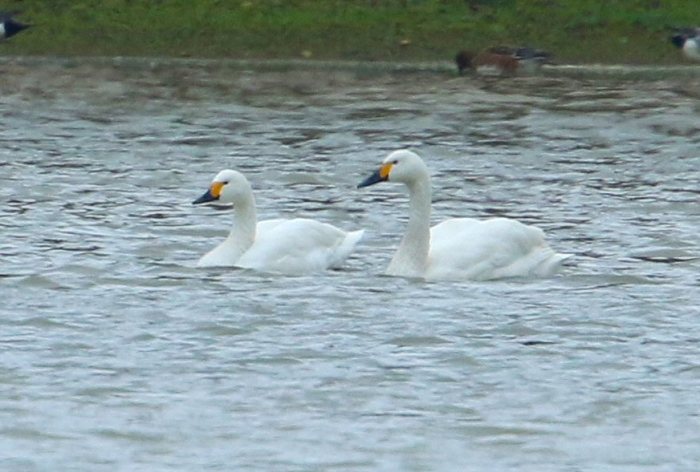
Bewick's Swans, Pitsford Res, 16th December 2015 (Bob Bullock)
Bewick’s Swans, Pitsford Res, 16th December 2015 (Bob Bullock)

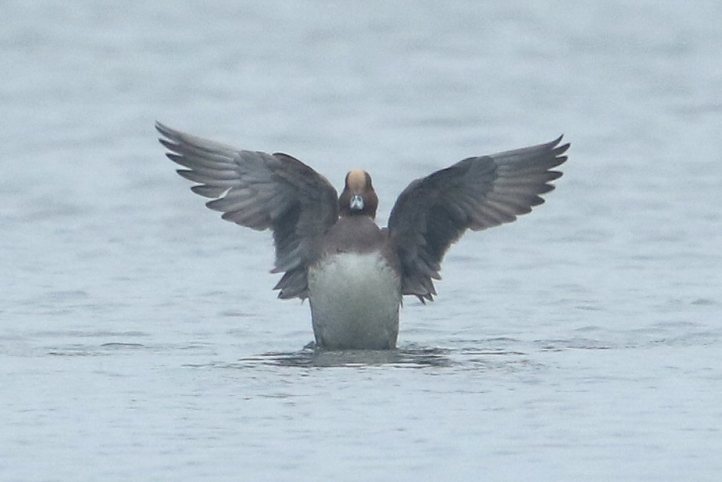
The Pitsford Ruddy Shelduck was still present on 16th and same site held six Pintails on the same date. Stanford Res again produced the week’s only Red-crested Pochard – a male on 13th, with the first-winter Scaup still present on the same date, and Pitsford Res’s drake Smew still on site on 14th.

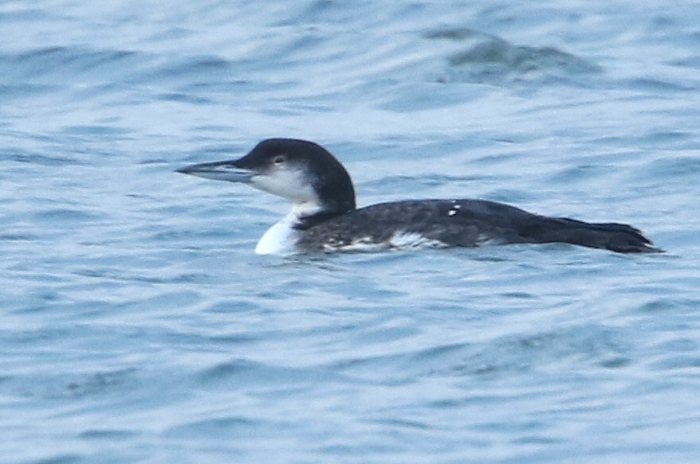
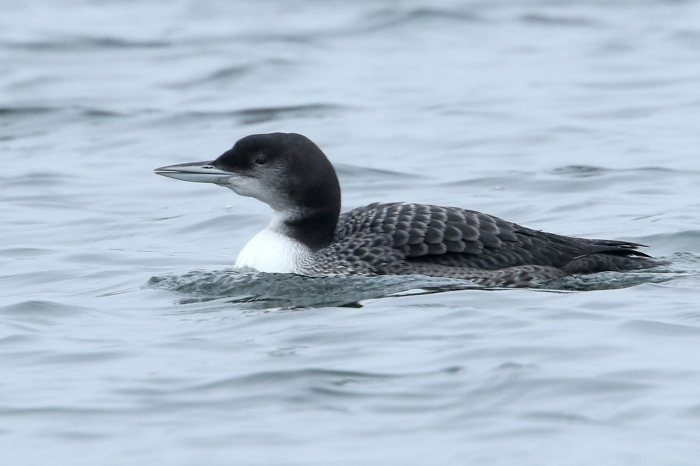
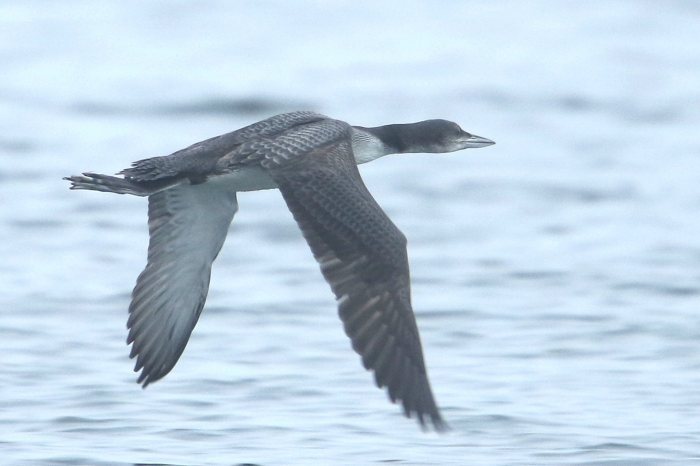
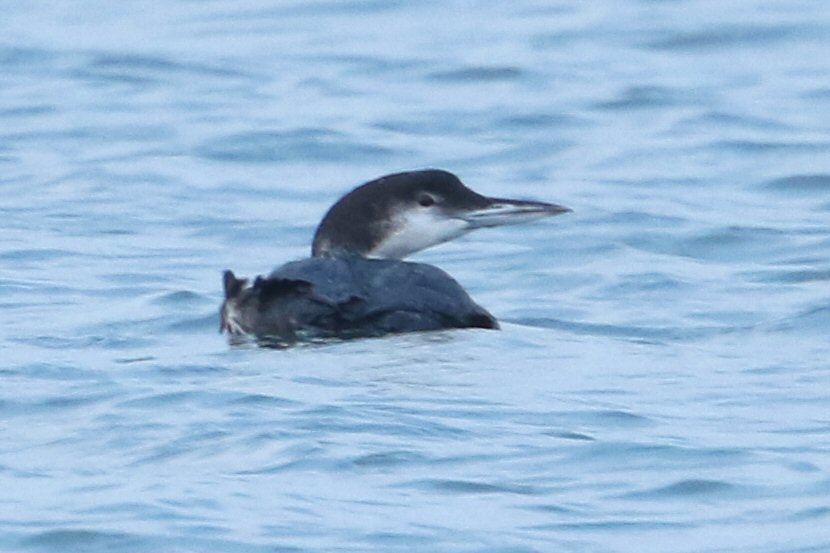
After two uncharacteristically short-stayers, it would have been surprising if the larger part of the winter had passed by diverless so the discovery of another juvenile Great Northern at Ditchford GP on 13th was welcomed, if not entirely unexpected, as it remained throughout the week.

Juvenile Great Northern Diver, Ditchford GP, 14th December 2015 (Bob Bullock)

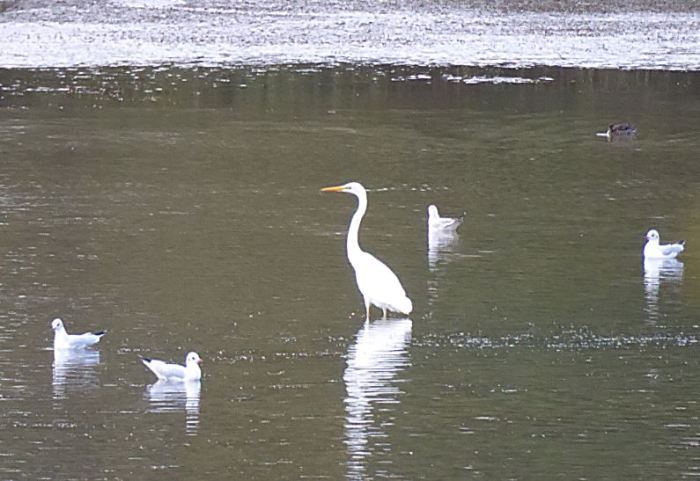
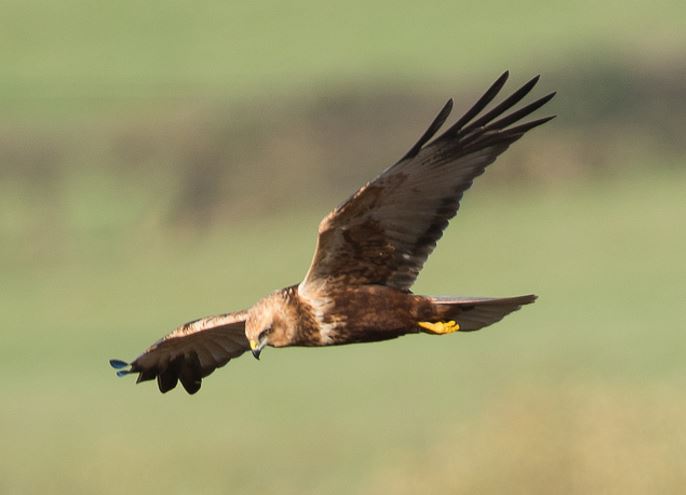
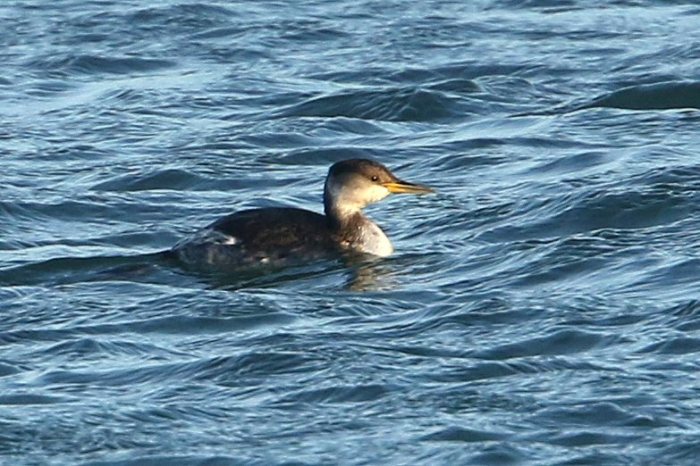
Also remaining were up to two Great White Egrets at Pitsford Res, one at Ravensthorpe Res and another in the mid-Nene Valley, which visited Wellingborough on 14th, Ditchford GP on 17th and Summer Leys LNR the following day. By comparison, Bittern is a ‘rarity’, with only one being seen at the regular wintering site of Stortons GP on 16th. The Red-necked Grebe, discovered at Pitsford Res at the end of last week, appeared settled, remaining just off the dam, by the overflow, throughout. However, it has a long way to go to equal the length of stay of the second calendar year male Marsh Harrier which was still in the Summer Leys area at the end of the week. The only other raptors on the radar during the period were Peregrines at Ditchford GP on 13th, Daventry CP on 14th (two) and Higham Ferrers on 18th.

Golden Plovers counts this week were restricted to approximately five hundred between Pitsford Res and Sywell Airfield on 16th and the same number at Summer Leys two days later. The only Redshank was again one at Pitsford Res on 12th with three Green Sandpipers there on 16th and up to two at Ravensthorpe Res on 14th-18th. Two Common Snipes were also at Ravensthorpe Res on 15th and 18th and a Curlew visited Pitsford Res the following day.

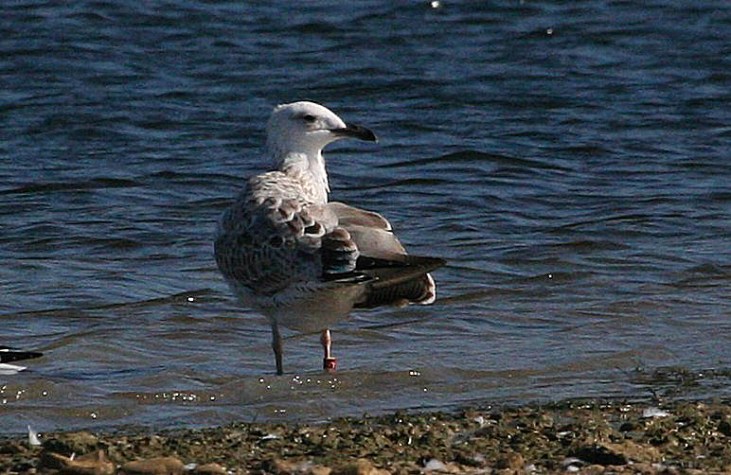
This week’s rare larids were represented by adult Caspian Gulls at Stanford Res on 13th and Pitsford Res on 14th with a first-winter at Daventry CP the following day and the only Yellow-legged Gulls were single adults at Daventry CP and Ravensthorpe Res on 14th and 15th respectively.
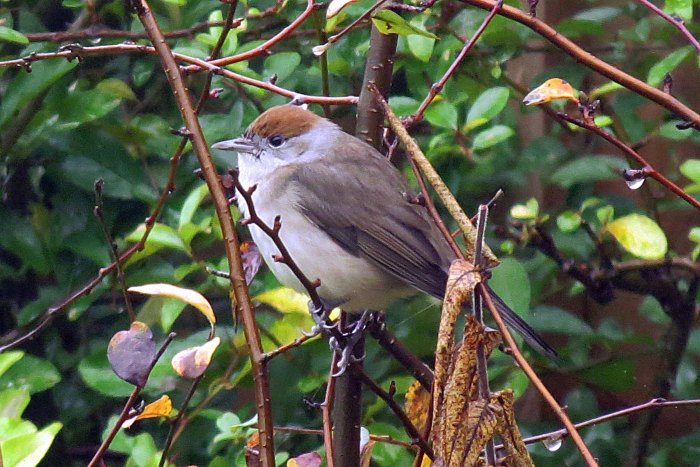
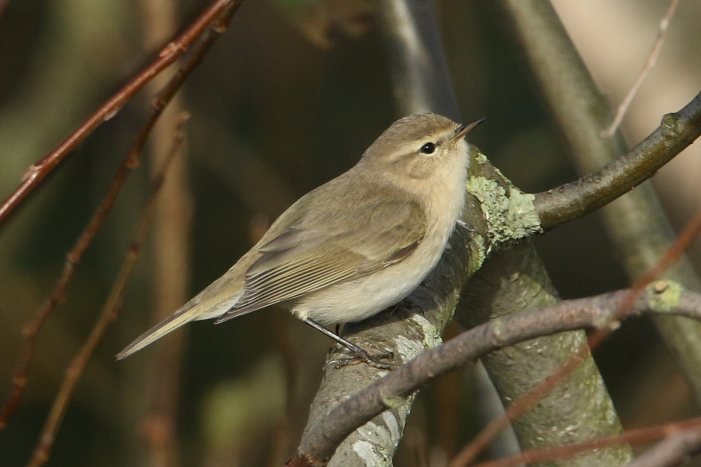
Female Central European Blackcap, Sywell, 15th December 2015 (Jim Dunkley)

Two Short-eared Owls remained into the week at Blueberry Farm, Maidwell while the bird in the set-aside area, east of the feeder stream at Stanford Res, continued to be reported almost daily and was joined by another there on 16th. Feeding on halved apples and fatballs, Central European Blackcaps visited gardens in Barton Seagrave, Corby, Sywell and Wellingborough, while a Siberian Chiffchaff was found with Chiffchaffs along the outfall stream at Ecton SF on 14th and the only Stonechats reported were two at Ditchford GP on 13th and one at Thrapston GP on 18th.

The Week in Focus: 5th to 11th December 2015

Strong south-westerly winds dominated the first two days of the period as ‘Storm Desmond’ dumped significant rain on northern Britain, leaving the Midlands relatively unscathed. The following five days saw sporadic rain and continuing above average temperatures, albeit lower than those of the previous week.

Three Pink-footed Geese flew east over Blueberry Farm, Maidwell on 5th; none has yet been found on the ground so far this winter. The Pitsford Ruddy Shelduck was seen twice – on 9th and 11th and the same site hosted up to four Pintails on 6th, while two were seen flying over Burton Latimer on 11th. Stanford Res produced the week’s only Red-crested Pochard – a female on 5th, along with last week’s first-winter Scaup, still present on the same date, and Pitsford Res’s drake Smew reappeared on 6th and was later joined by a ‘redhead’ from 9th.

Smew, Pitsford Res, 9th December 2015 (Clive Bowley)

Pitsford also continued to hold up to two – possibly three – mobile Great White Egrets throughout the period, while singles remained at Summer Leys LNR until at least 7th and at Ravensthorpe Res until 8th. The first in the county this year, a Red-necked Grebe just off the dam at Pitsford was a nice end of week find on 11th and will hopefully remain for birders to catch up with over the weekend.

Red-necked Grebe, Pitsford Res, 11th December 2015 (Bob Bullock)

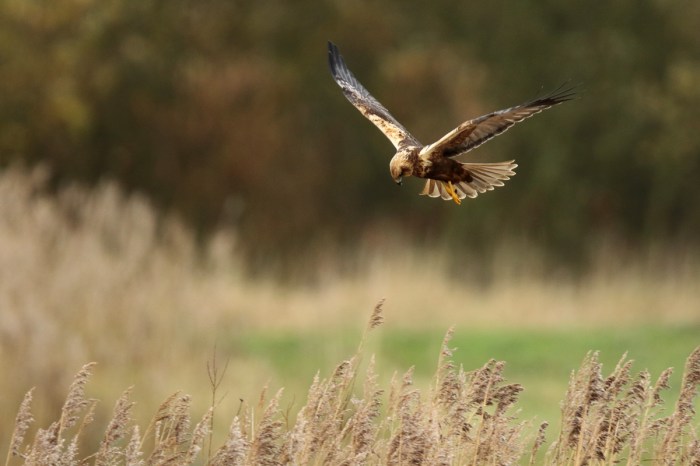
Showing no signs of departing any time soon, the second calendar year male Marsh Harrier remained in the Summer Leys area until at least 9th but no other scarce raptors were reported during the week.

Second calendar year male Marsh Harrier, Summer Leys LNR, 9th December 2015 (Clive Bowley)

Approximately one thousand Golden Plovers at Ditchford GP’s Irthlingborough Lakes & Meadows LNR on 6th represents the best count for this species so far this autumn, while the only other record for the week was eleven at Pitsford Res. The only Redshanks were one at Pitsford Res on 6th and six at Stanwick GP on 8th, while up to two Green Sandpipers were Daventry CP on 5th, singles were at Ravensthorpe Res on 5th and 8th and two were at Pitsford Res on 6th. Twenty-one Common Snipe were counted at Pitsford Res on 6th and two were at Ravensthorpe Res on 8th.
Scarce gulls were few and far between this week and included a first-winter Mediterranean Gull at Daventry CP on 5th, adult Caspian Gulls again it the gull roost at Pitsford Res on 5th and 9th and another adult at Daventry CP on 10th and a Yellow-legged Gull at Stanwick GP on 8th.

Four localities produced this week’s Short-eared Owls which comprised singles at Stanford Res, Harrington AF and in the Brampton Valley on 7th plus one at Stanwick GP the following day. Central European Blackcaps visited gardens in Maidwell on 6th, Wellingborough on 7th (two) and Duston, Northampton on 8th but of more interest was a Lesser Whitethroat – possibly of eastern origin – in a garden at Adstone on 11th. Two Stonechats remained at Blueberry Farm, two were nearby in the Brampton Valley and one was at Summer Leys on 8th-9th, while the only Bramblings reported were three at

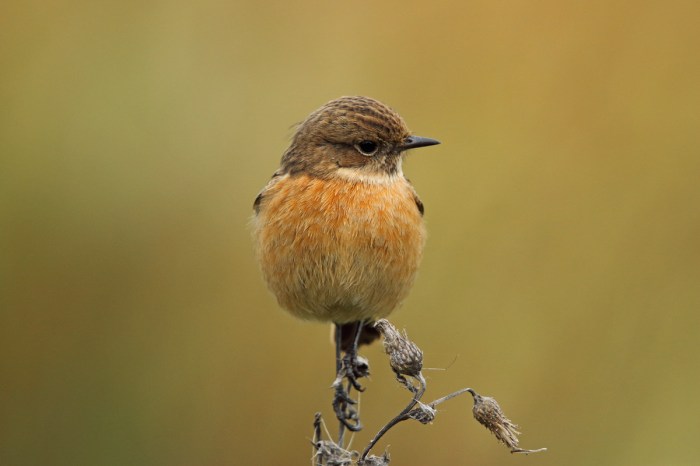
Stonechat, Summer Leys LNR, 9th December 2015 (Bob Bullock)

Stanford Res on 5th and singles at Pitsford Res and Guilsborough on 6th and 10th respectively. Between seven and ten Crossbills were seen near the dam at Pitsford Res on 7th.

The Week in Focus: 28th November to 4th December 2015

This week saw the official commencement of winter – at least in meteorological terms – although temperatures here and in northern Europe remained well above the seasonal norm, effectively delaying any new arrivals of wildfowl from the continent.

Ducking and diving, the Pitsford Ruddy Shelduck reappeared in field south of the causeway on 2nd; it has not been easy to keep track of this autumn.

Ruddy Shelduck, Pitsford Res, 2nd December 2015 (John Nicholls)

The only Pintails were three at Earls Barton GP on 28th and the same date saw three Red-crested Pochards at Stanford Res, dropping to one by 3rd and four were at Pitsford Res on 30th with five there on 4th, while last week’s first-winter Scaup remained at Ravensthorpe Res until 28th, before moving to Stanford Res on 4th.

The following day produced a Bittern at Stanford Res and the count of Great White Egrets at Pitsford Res fell to just one between 28th and 30th although two were there on 4th, while singles remained throughout the week at Ravensthorpe Res and Summer Leys LNR.

Great White Egret, Summer Leys LNR, 28th November 2015 (Mark Hill)

At the latter site the second calendar year male Marsh Harrier made it into December, still being present there on 3rd but the only Peregrine reported was one at Blueberry Farm, Maidwell on 2nd and a Merlin flew west at Stanwick GP on 4th.

Second calendar year male Marsh Harrier, Summer Leys LNR, 28th November 2015 (Mark Tyrrell)

Golden Plover numbers were up on last week’s, however, with records from Clifford Hill GP, Daventry CP, Harrington AF, Milton Malsor, Summer Leys LNR and Stanwick GP with the latter site producing the maximum count of six hundred on 30th, 3rd and 4th. The only Redshanks were one at Pitsford Res and three at Stanwick GP on 30th and five at the latter locality on the following day, while four Green Sandpipers were at Broadholme STW (Ditchford GP) on 28th, with singles at Ecton SF and Ravensthorpe Res on the same date and at Pitsford Res on 30th, with two again at Ravensthorpe Res on 1st and 4th, where a Common Snipe was present on the same dates and one was at Hollowell Res on 4th.

Scarce gulls were more in evidence this week with a second-winter Mediterranean Gull at Daventry CP on 30th followed by an adult (complete with green ring on left leg) there on 2nd and an adult Caspian Gull was present it the gull roost at Pitsford Res on 28th-29th, another adult was at Stanford Res on 4th, while a second-winter visited Stanwick GP on 1st-3rd and a first-winter was there on 2nd. Up to two Yellow-legged Gulls were reported from Daventry CP, Hollowell Res, Stanford Res and Stanwick GP with the latter locality producing an adult Glaucous Gull on the Visitor Centre Pit on 3rd, while a fly-over adult ‘white-winged’ gull there the following evening was almost certainly the same individual.

One or two Short-eared Owls were discovered in fields immediately north of the church at Long Buckby on 1st and one remained around the southernmost field of the Blueberry Farm complex until at least 2nd.  Wintering Central European Blackcaps visited gardens in Barton Seagrave on 28th and Scaldwell on 1st and another Siberian Chiffchaff was discovered – this time at Stanwick GP – on 30th, being seen there again on 1st.

Stonechat, Summer Leys LNR, 28th November 2015 (Mark Tyrrell)

Four Stonechats remained at Blueberry Farm until at least 2nd, the same  number was at Hollowell Res on 1st and one remained at Summer Leys all week, while the only Bramblings reported were four at Hanging Houghton on 30th and one over Harrington AF on 2nd.

The Week in Focus: 21st to 27th November 2015

Largely dry conditions prevailed although a strong, northerly airstream was in place on 21st, temporarily displacing the hitherto mild autumn weather and delivering the first local frost of the autumn on 22nd.

A herd of fourteen Whooper Swans flying north over Warmington on 21st was perhaps unsurprising as this village is close to the border with Cambridgeshire where this species regularly winters. At least two Pintails were still at Earls Barton GP on 25th and the same number of Red-crested Pochards at Pitsford Res on 22nd, when there was also a female Scaup there, followed by a first-winter Scaup at Ravensthorpe Res on 24th.

Pintails, Earls Barton GP, 25th November 2015 (Bob Bullock)

Back at Pitsford, the first Smew of the winter – a drake – was found north of the causeway on 23rd, the same site also continuing to host up to four Great White Egrets. Single Great Whites remained at Ravensthorpe Res until at least 25th and at Summer Leys LNR all week.

The second calendar year male Marsh Harrier continued its regular visits to the latter site until 25th, while other scarce raptors included single Merlins at Blueberry Farm, Maidwell on 22nd and Ravensthorpe Res on 24th and two – possibly three – Peregrines visited Fawsley Park on 25th, attracted to the large Starling roost which is currently building there.

Waders were thin on the ground this week with Golden Plovers reported only from Harrington AF, where there were approximately twenty-five on 21st and sixty-three on 25th while the only Dunlins were singles at Pitsford Res on 22nd and Daventry CP the following day. Pitsford produced the only Redshank, one on 22nd, and one of two Green Sandpipers on the same date, while the other was at Ravensthorpe Res on 25th.  The only Common Snipe were seven at Daventry CP on 23rd and three at Pitsford Res on the same date.

Hot on the heels of the two at Stanford Res last week, a first-winter Kittiwake appeared at Earls Barton GP during the northerly gales of 21st and an adult Mediterranean Gull visited Daventry CP on 23rd. Single Yellow-legged Gulls at Stanford Res on 21st and Daventry CP on 23rd represented the lowest number reported in a long time.

Up to two Short-eared Owls remained at Blueberry Farm until at least 22nd and another was near Little Harrowden on the same date but it is not (yet) looking good for a big shortie winter.

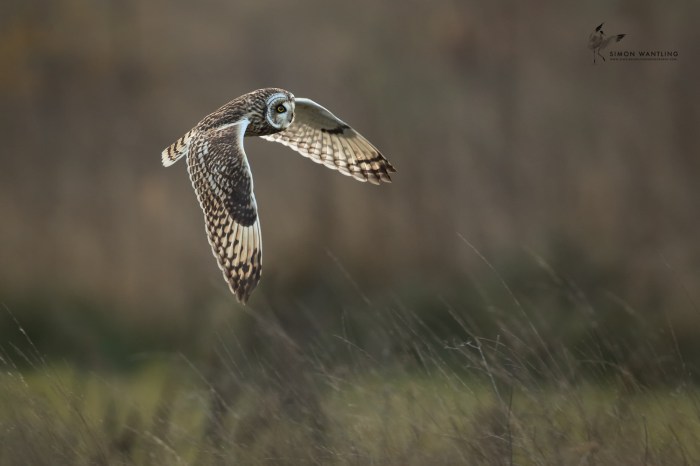
Short-eared Owl, Blueberry Farm, Maidwell, 22nd November 2015 (Simon Wantling)

Although there have been several around during late autumn, it would now surely be safe to say that single males visiting gardens in Greens Norton on 23rd and Northampton on 25th are Central European Blackcaps which are set to overwinter. How long will it be before they are granted full subspecific status? Another warbler still climbing the ladder to specific rank is Siberian Chiffchaff, two of which were identified this week – one at Ravensthorpe Res on 24th and the other at Pitsford Res the following day, the latter individual likely to have been present since 20th.

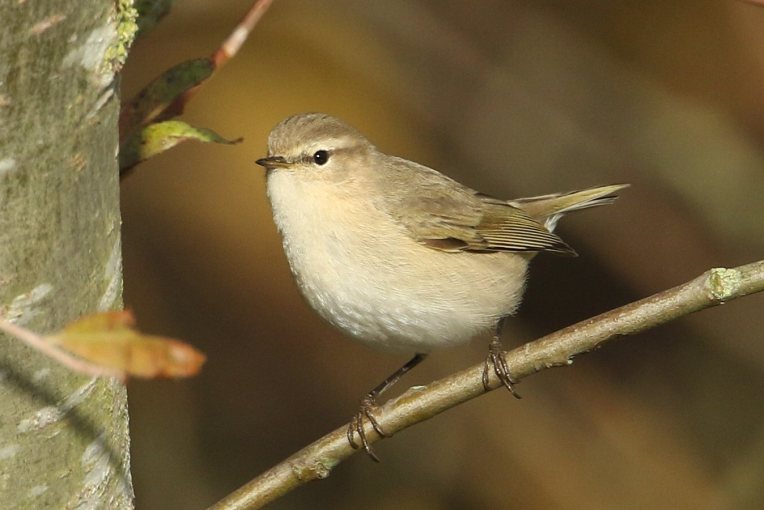
Siberian Chiffchaff, Pitsford Res, 25th November 2015 (Bob Bullock)

Up to ten Stonechats remained at Blueberry Farm and two further singles were at Ditchford GP on 22nd and Summer Leys from 24th to 27th. The only Brambling reported was one at Kelmarsh on 22nd.

Siberian Chiffchaffs

It’s still there! After Doug McFarlane had brief views, and managed a long range shot, of a greyish ‘Chiffchaff’ in the willows between the yacht club and the dam at Pitsford last Friday, I decided to have a look at the weekend – unfortunately to no avail.

Doug’s image, posted on Twitter the same day, did look pretty good for Siberian Chiffchaff, though. Fortunately, Bob Bullock rediscovered it in the same place only yesterday afternoon. This time it offered more prolonged views and allowed a closer approach, enabling some rather more detailed images to be taken. It still has yet to be heard calling, though …

Siberian Chiffchaff, Pitsford Res, 25th November 2015 (Bob Bullock)

One was also found by Gary Pullan in willows by the causeway at Ravensthorpe Reservoir on Tuesday (24th).  This race is still a rare visitor to Northants but it appears to be being seen with increasing frequency, with Ecton Sewage Farm a hot favourite for harbouring them among numerous Common Chiffchaffs in mid-winter. At this time the sewage farm outfall to the River Nene provides a slightly warmer micro-climate favourable to insects on which they feed. More about this, along with further images from Bob, here.

Two Weeks in Focus: 7th to 20th November 2015

The mild weather of the previous two weeks continued unabated as west to south-westerly winds helped to maintain unseasonally high temperatures, while also producing storm-force winds halfway through the review period.

The first Pink-footed Geese of the winter appeared on 20th, when five flew over Blueberry Farm, Maidwell. Having last been seen on 3rd, the Pitsford Ruddy Shelduck was again present on 17th, while up to five Pintails remained in the Summer Leys/Earls Barton GP area between 7th and 19th, one was still at Ravensthorpe Res on 9th and six at Pitsford Res on 20th.

Drake Pintail, Earls Barton GP, 14th November 2015 (Bob Bullock)

The two Garganeys remained, with the first-winter female at Pitsford Res until 8th and the young drake at Ravensthorpe Res until the following day, while a glut of hybrid ducks included a drake Tufted Duck x Pochard hybrid (resembling a drake Lesser Scaup) at

Drake Tufted Duck x Pochard hybrid, Summer Leys LNR, 8th November 2015 (Bob Bullock)

Summer Leys LNR on 8th, a drake Gadwall x Eurasian Wigeon hybrid at Stanwick GP on 9th and a drake Chiloe Wigeon x Eurasian Wigeon hybrid (resembling a drake American Wigeon) at Earls Barton GP on 14th-15th. Seven Red-crested Pochards visited Summer Leys on 7th, while four were at Stanford Res on the same date and three there on 18th, while five remained at Pitsford Res between 9th and 12th, rising to thirteen there on 20th.

An adult Great Northern Diver which made a surprise visit to Stanwick GP on 11th was the first record for the site but it had departed by the following day. It would seem likely, then, that one found not too far away on Mary’s Lake at Earls Barton GP, just two days later, was the same individual. Amazingly, however, the latter proved to be a juvenile which stayed until the morning of 14th before departing south.

Adult Great Northern Diver, Stanwick GP, 11th November 2015 (Bob Bullock)
Juvenile Great Northern Diver, Earls Barton GP, 14th November 2015 (Bob Bullock)

In the same general area, the Summer Leys Bittern showed itself again on, or over, the scrape on 7th, 18th, 19th and 20th the same site also hosting a Great White Egret on 14th and 19th-20th, while another remained at Ravensthorpe Res between 16th and 19th. Pitsford Res also held up to four throughout the period and one visited Ditchford GP on 15th.

Great White Egret, Ravensthorpe Res, 16th November 2015 (Mike Simon)

The second calendar year male Marsh Harrier, present at Summer Leys LNR since at least mid-October, remained throughout the period, while Peregrines were also seen here as well as at Higham Ferrers, Pitsford Res, Blueberry Farm and in the Brampton Valley. At least five Merlins were seen and included singles at Harrington AF, Pitsford Res and Stanford Res on 7th, Blueberry Farm Maidwell on 9th and 17th, Stortons GP on 15th and near Chapel Brampton on 20th.

Second calendar year male Marsh Harrier, Summer Leys LNR, 20th November 2015 (John Nicholls)

There were fewer Golden Plovers reported during the period with just over one hundred at Thrapston GP on 9th, at least twenty-five over Blueberry Farm on the same date, thirty-five between Moulton and Holcot on 20th and two at Pitsford Res on the same date. The only Common Snipe reported were eight at Earls Baron GP and one at Moulton Quarry – both on 15th – and forty-eight at Pitsford Res on 20th, where a Jack Snipe was also present at the same time. Other waders included a Curlew over Summer Leys on 19th, a Redshank at Pitsford Res between 14th and 20th and two Green Sandpipers at both Daventry CP on 7th and Ravensthorpe Res on 7th-9th, with one at Pitsford Res on 8th and four there on 20th.

Common Snipe, Earls Barton GP, 15th November 2015 (Martin Swannell)

November is often a good month for the appearance inland of Kittiwakes and this one was no exception with two adults turning up at Stanford Res on the afternoon of 20th. An adult Mediterranean Gull also visited the same site on 16th, a first-winter was in the roost at Boddington Res on 10th and another adult appeared at Pitsford Res the following day. There were just two Caspian Gulls during the period – a first-winter at Stanwick GP on 15th, followed by an adult at Stanford Res on 16th and 18th, while the usual small numbers of Yellow-legged Gulls continued to linger, these including up to two adults at Pitsford Res on 9th and 14th, one at Ravensthorpe Res and two at Hollowell Res on 9th, eight in the Boddington Res roost on 10th with one there on 18th and two at Stanwick GP on 15th.

Short-eared Owl, Blueberry Farm, Maidwell, 20th November 2015 (Martin Swannell)

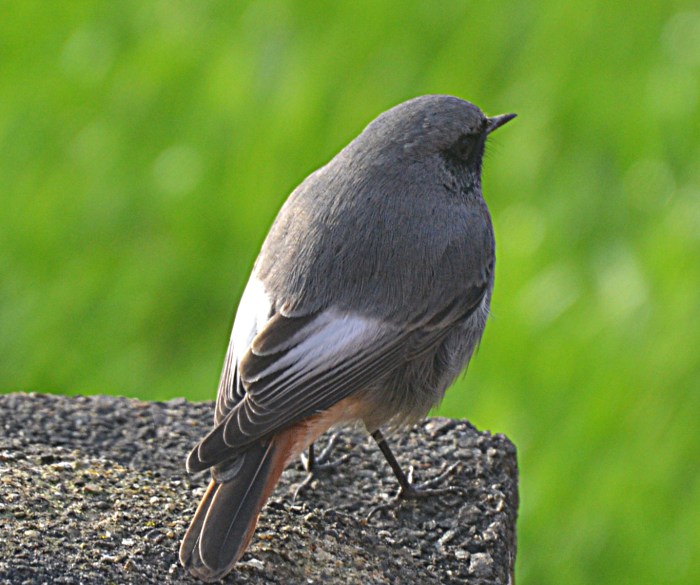
Short-eared Owls are now becoming more regularly seen at Blueberry Farm where up to two have been present between 10th and 20th, while a late House Martin was seen flying over the A509 on the county boundary near Warrington on 9th. A male Black Redstart appeared in Kettering, north of the town centre, on 19th but appeared not to be

Male Black Redstart, Kettering, 19th November 2015 (Andrew Briggs)

present the following day and, looking like they are set to winter in the area, the number of Stonechats at Blueberry Farm reached double figures with ten there on 9th and 20th. Smaller numbers elsewhere included four at Hollowell Res, two at Pitsford Res and two near Harlestone Heath.

Stonechat, Pitsford Res, 16th November 2015 (Alan Francis)
Stonechat, Blueberry Farm, Maidwell, 20th November 2015 (Martin Swannell)

Several Bramblings were noted at Scaldwell, Pitsford Res/Brixworth CP and Blueberry Farm, while single Crossbills were seen over Scaldwell on 8th and 16th and at Brixworth CP on 20th.

Hybrid Wigeon

This very striking drake, found yesterday on Earls Barton GP’s Mary’s Lake by Kim Taylor, looked initially like it might be an American Wigeon x Eurasian Wigeon hybrid but it soon became clear it is actually a Chiloe Wigeon x Eurasian Wigeon.

Chiloe Wigeon x Eurasian Wigeon hybrid, Earls Barton GP, 14th November 2015 (Bob Bullock)

It’s an amazing-looking bird which matches known hybrids. A potential pitfall for American Wigeon, perhaps, but green area too extensive, crown yellowish and inextensive and flanks heavily suffused grey.

Chiloe Wigeon x Eurasian Wigeon hybrid, Earls Barton GP, 14th November 2015 (Bob Bullock)
Eurasian Wigeon, Earls Barton GP, 14th November 2015 (Bob Bullock)

But what would it look like in eclipse? Check the axillary colour: white in American, grey in Eurasian and in this individual, as Bob’s images, above, so neatly illustrate.

Great Northern Diver

At Stanwick GP on 11th November and uncharacteristically short-staying. They are not annual but November is the peak month for arrivals in the county and this one’s a bit special on two counts. Firstly it’s a first for Stanwick, which appears never to have been visited by any species of diver before. Secondly, it’s an adult.

Adult Great Northern Diver, Stanwick GP, 11th November 2015 (Bob Bullock)

Pretty plain upperparts without all those neatly pale-fringed feathers.  Nearly all those which visit the county are juvenile/first-winters and they frequently linger on into the winter, with Pitsford Reservoir producing 53% of the records over the past 30 years.

Northamptonshire Great Northern Divers. Occurrence pattern for the past 30 years, based upon arrival date. November is the peak month for arrivals.
Northamptonshire Great Northern Divers. Occurrence pattern for the past 30 years, based upon arrival date. November is the peak month for arrivals. Background image: juvenile Great Northern Diver, Pitsford Res, 24th December 2013 (Mike Alibone)

This one did a moonlight flit. Where is it now? Bizarrely, a juvenile was discovered today on Mary’s Lake at Earls Barton GP. These two will be about the 42nd and 43rd records for the county.

Stanwick Caspian Gull does Dunge!

Remember this juvenile Caspian Gull at Stanwick in September? Steve Fisher, the observer, has just had the news back on its origin.

Polish-ringed juvenile Caspian Gull in moult to first-winter, Stanwick GP, 10th September 2015 (Steve Fisher)

20150910_151423Its red ring, numbered 85P5, indicates it was ringed as a nestling in a Caspian Gull colony at ZB.KOZIELNO, PACZKÓW, OPOLSKIE, POLAND on 21st May this year by Jacek Betleja and Jakub Szymczak – a distance of 1230 km east-south-east from Stanwick. Even more interestingly, we know it’s still in the UK. It was seen only yesterday by Rich Bonser at Dungeness!

Starling murmurations

A number of people have been in touch to ask about the best place to see Starling murmurations in Northamptonshire. At present there appears to be only two sites – Titchmarsh LNR at Thrapston Gravel Pits, where one is currently building, and Summer Leys LNR, which produced a huge, swirling mass yesterday evening.  Simon Hales’ video, below, captures the Titchmarsh birds nicely and the Summer Leys flock, videoed by Matt Hazleton, can be viewed at http://bit.ly/1HmtQYo  Access to Titchmarsh via the track from the small car park at Aldwincle TL006814 and at Summer Leys view from main car park SP885634. Visit https://t.co/IRwvGXZTNs to complete Starling survey.