Largely dry and settled with above average temperatures at the start of the week, falling to average or below average with south-westerly gales at the week’s end.
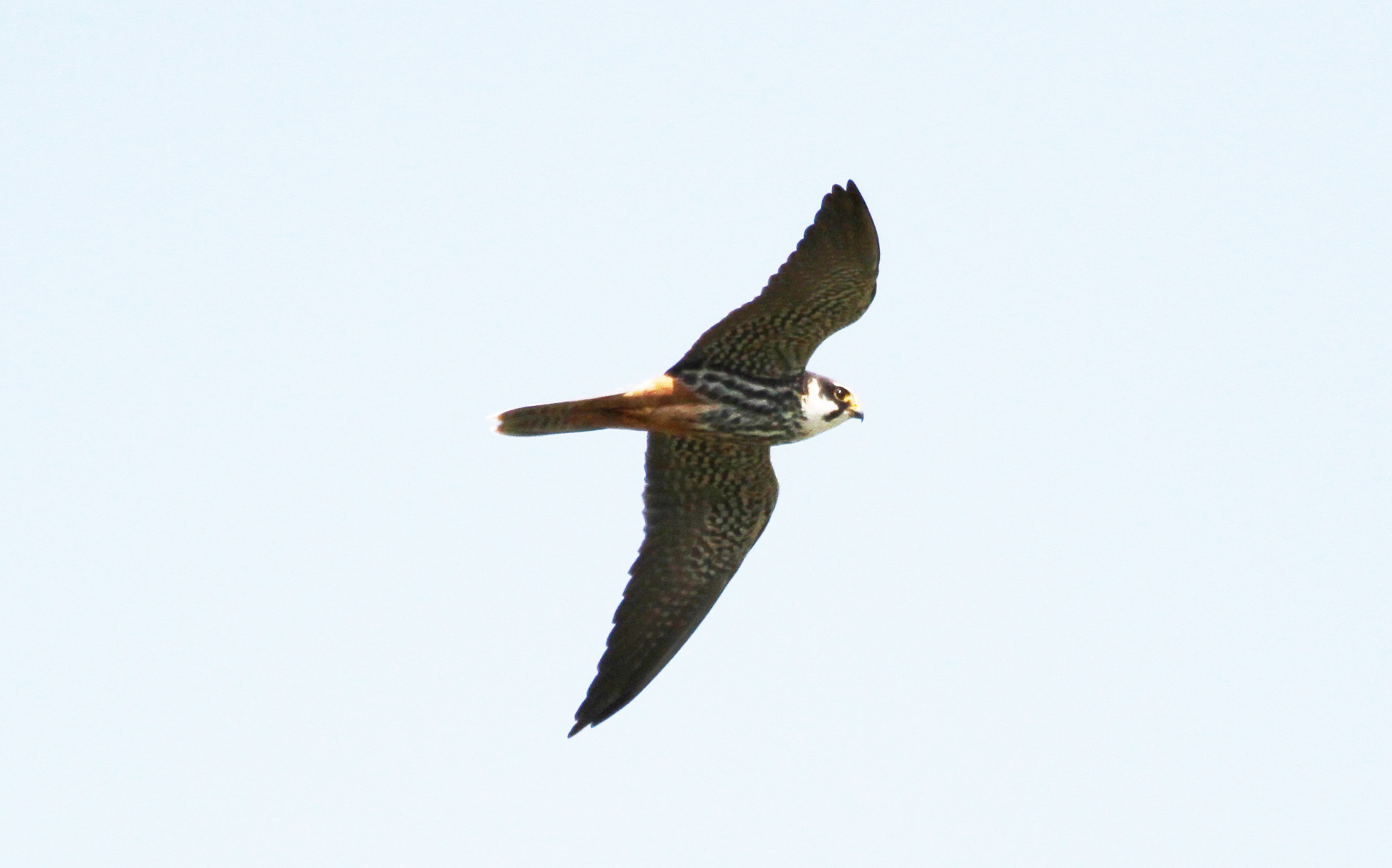
On 6th an Egyptian Goose was at Summer Leys LNR and drake Garganeys visited Stanwick GP and Thrapston GP and another was at Summer Leys the following day. Nearby Mary’s Lake held a female Goldeneye also on 6th. Single Ospreys were seen at Thrapston GP on 5th, over Moulton on 6th, at Blueberry Farm, Maidwell on 8th and near Boddington Res on 10th when six Hobbies were together at Earls Barton GP.
Hobby, Earls Barton GP, 9th May 2013 (Alan Coles)
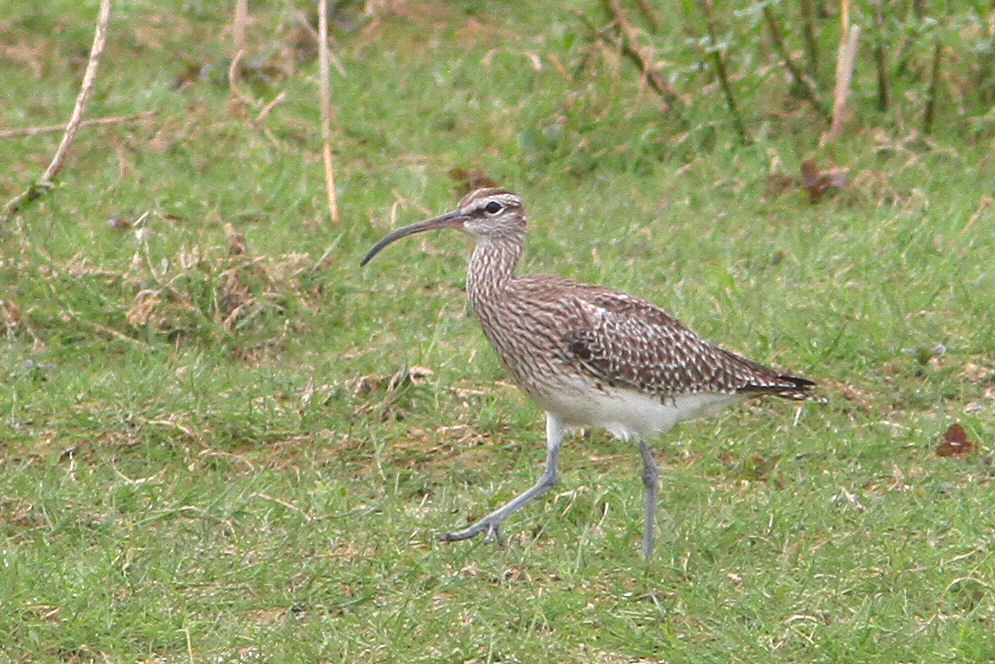
An Avocet spent a day at Stanwick GP on 4th and the dearth of Ringed Plovers continued with again just one seen in the period – at Summer Leys on 4th. The same site hosted Sanderlings on 7th and 10th and single-figure counts of Dunlins were made at Clifford Hill GP and Stanwick GP, while twelve visited Summer Leys on 9th. Four Black-tailed Godwits at Stanwick GP on 4th was the only record of this species this week and Whimbrel numbers also remained low with singles at Summer Leys LNR on 8th and at
Whimbrel, Summer Leys, 8th May 2013 (Bob Bullock)
Daventry CP on 10th. Common Sandpipers were found at just two localities – one at Deene Lake on 7th and up to four at Summer Leys throughout the week while a single Green Sandpiper was at the latter site on 6th, a Greenshank appeared at Clifford Hill GP on 5th and Wood Sandpipers visited Stanwick GP on 7th and Summer Leys on 8th.
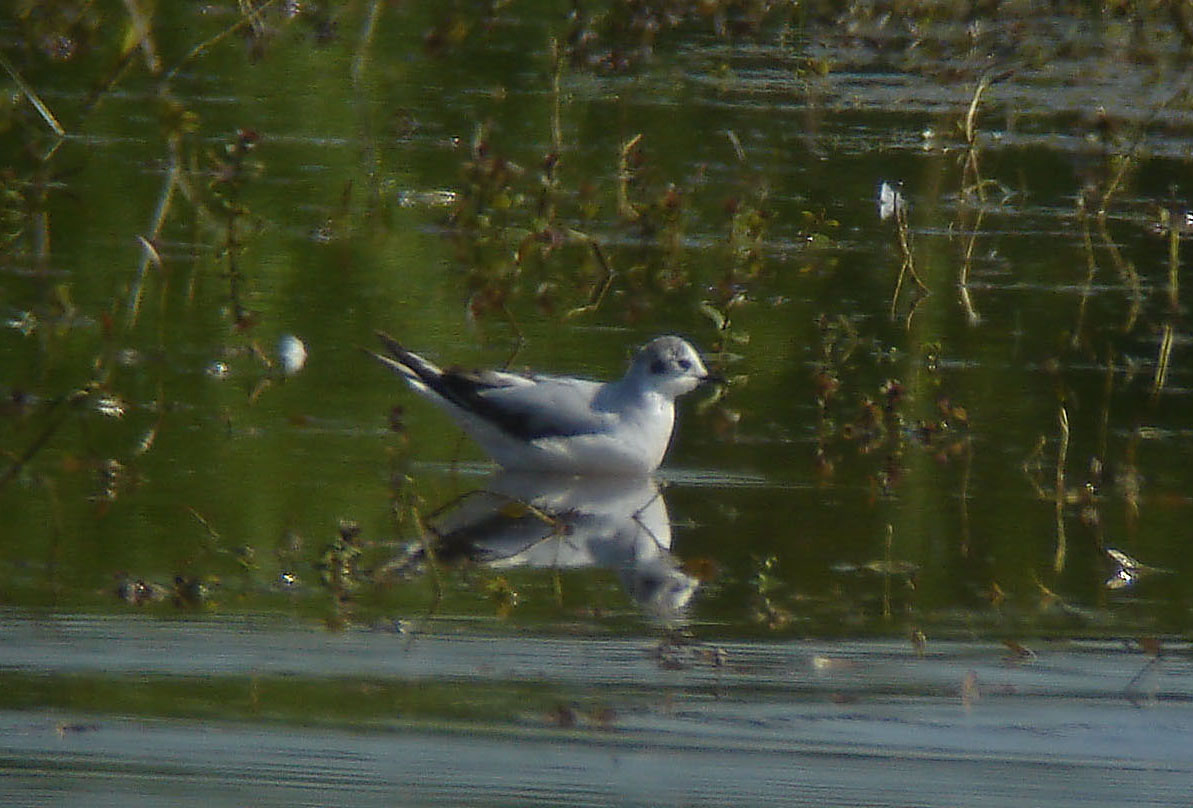
The only scarce gulls this week were a second-summer Yellow-legged at Summer Leys on 9th with the same site hosting an adult and a first-summer Little Gull on 6th, when an adult was also at Stanwick GP.
First-summer Little Gull, Summer Leys LNR, 6th May 2013 (Dave Warner)
Also at Stanwick GP was a Little Tern briefly on 4th and a Sandwich Tern paid an equally brief visit to Summer Leys on 9th, while the only Arctic Terns this week were singles at Stanford Res on 4th and Daventry CP on 10th.
A rufous morph Cuckoo was found at Summer Leys on 10th and a Short-eared Owl was seen hunting at Blueberry Farm, Maidwell on 5th and 6th – the same dates that singing male Wood Warblers were discovered near Badby and at Old Sulehay; needless to say they did not linger. The first Spotted Flycatcher of the year was at Duston on the early date of 4th, a Black Redstart appeared briefly in a garden in Kingsley, Northampton on 8th, single Whinchats were at Shutlanger Sewage Works on 4th and at Summer Leys on 6th while a Northern Wheatear was at Tywell Hills and Dales on 6th and a Greenland Wheatear visited Harrington AF on 10th.
A very dry and settled week with predominantly clear skies conducive to non-stop migration. The week was very quiet, the hoped-for rush of Bar-tailed Godwits, Whimbrels and Little Gulls, which have been the hallmark of late April/early May in recent years simply did not materialise … and neither did anything else.
A drake Garganey was at Summer Leys LNR also on 29th and again on 2nd and a pair of Goldeneye at Pitsford Res on 30th were the only ones recorded during the period. Three Marsh Harriers included a male at Blueberry Farm, Maidwell on 27th and single ‘cream crowns’ over Stanwick GP on the same day and at Thrapston GP on 29th while an unidentified ‘ringtail’ harrier sp. was at Harrington AF briefly on the evening of 1st. An Osprey flew north along the River Nene at Oundle on 27th and another visited the trout lake at Thrapston GP on the evenings of 30th and 1st.
Osprey, Thrapston GP, 30th April 2013 (Sue Ware)
Again, just one Ringed Plover was seen in the period – at Summer Leys LNR on 29th, and the only Dunlins were two at Summer Leys LNR on 27th and up to three at Clifford Hill GP between 27th and 30th while a Black-tailed Godwit was at Summer Leys LNR on 27th, two were at Clifford Hill GP on the same date with one there until 1st and singles were at Pitsford Res on 30th and Stanwick GP on 2nd and 3rd. Just one Whimbrel paid a brief visit to Clifford Hill GP on 30th and a Curlew was at the same site on 28th. Common Sandpipers were found at seven localities and a single Green Sandpiper was at Summer Leys LNR on 2nd, while the same site hosted a Greenshank on 28th with others at Clifford Hill GP on 27th, Stanwick GP on 29th, 1st and 3rd and two visited Daventry CP briefly on 1st.
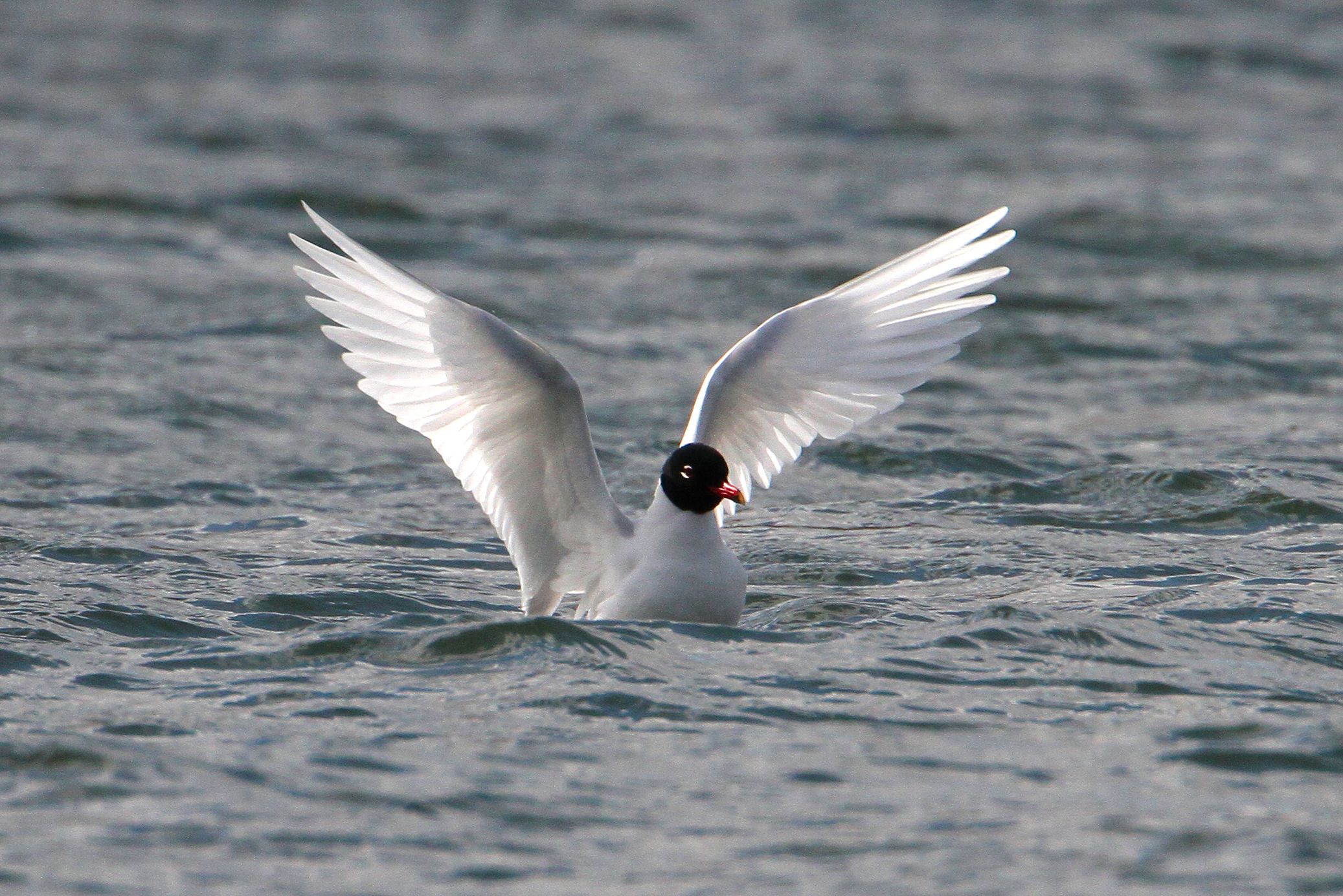
The only scarce gulls this week were an adult Mediterranean at Summer Leys LNR on 29th and an adult Yellow-legged at Ravensthorpe Res on 30th and the number of Arctic Tern records were down on last week with one at Thrapston GP on 29th followed by thirteen briefly at Pitsford Res the following day and seventeen at Stanwick GP on 2nd. A Short-eared Owl was a surprise find for one would-be Osprey watcher at Thrapston GP on the latter date and another surprise was the winter’s final fling of Waxwings with eight present in Wootton on 30th and 1st.
Waxwings, Wootton, 30th April 2013 (Alex Allen)
The long-staying male Ring Ouzel at Harrington AF made it into this week by still being present there on 27th, the same date producing the week’s only Common Redstart – a female at Quinton. Two Whinchats were at Hollowell Res on 30th but more interesting was a male Stonechat possibly of the continental race rubicola at Boddington Res on 2nd, while Northern Wheatears were found at five localities with a maximum of nine – two of which showed characteristics of the Greenland race leucorhoa at Borough Hill on 30th. A Tree Pipit was also present there briefly at the same time. A White Wagtail remained at Upton Valley (Northampton) from 27th to 29th and two were at Stanwick GP on 29th, while ‘finch of the week’ was a Crossbill at Kelmarsh on 27th.
The week remained relatively warm and dry with light winds predominantly from the south and west – ideal conditions for spring migrants moving through the UK.
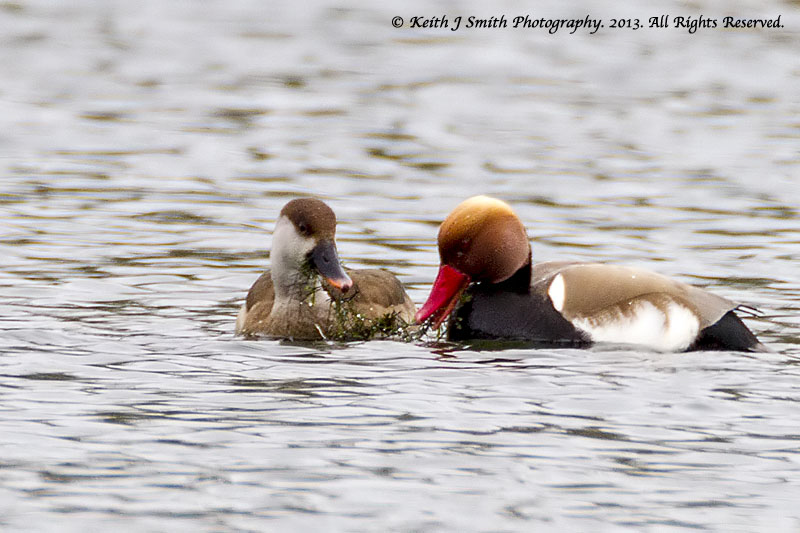
With the wintering duck all but departed drake Mandarin Ducks were found at Ashton Wold on 24th and Salcey Forest on 26th, a drake Garganey was at Summer Leys LNR also on 26th and the pair of Red-crested Pochards remained at Hardingstone GP until at least 24th with the drake still present on 26th. Small numbers of Goldeneye remained at Hollowell, Pitsford, Ravensthorpe and Stanford Reservoirs on 20th while two Goosanders were still at Thrapston GP on 21st and another was at Stanwick GP on 24th.
Male and female Red-crested Pochard, Hardingstone GP, 22nd April 2013 (Keith J Smith)
Although Marsh Harriers flying west at Little Irchester on 22nd, over Brampton Heath Golf Course and near Kentle Woods (Daventry) on 26th were noteworthy, they were just outnumbered by Ospreys which were seen at Stanford Res and Stoke Albany on 20th, Thrapston GP on 23rd, over Borough Hill on 24th and at Pitsford Res the following day. The first Hobby of the year was found at Stanford Res on 20th, while Peregrines were recorded at three localities, two of which appeared to be pairs at potential breeding sites.
Two Avocets dropped in briefly at Clifford Hill GP mid-morning on 20th and, after departing, they were seen just eleven minutes later at Summer Leys LNR, where they also did not linger. Just one Ringed Plover was seen in the period – at Clifford Hill GP on 22nd, 23rd and 25th and the same site again hosted a Grey Plover, which came in to roost on the evenings of 22nd and 24th with up to 158 Golden Plovers; elsewhere, two Golden Plovers were at Chelveston AF on 20th and eighteen were near Tiffield the following day. The only Dunlins were one at Summer Leys LNR on 21st with two there on 26th, up to four at Clifford Hill GP between 22nd and 26th and one at Hollowell Res on the latter date, where surely now the last of the winter’s Jack Snipe was seen on 20th. Black-tailed Godwits were still being logged with one at Summer Leys LNR on 21st and another at Clifford Hill GP from 22nd to 25th with two there and a high count of 38 at Summer Leys LNR the following day. Just one Whimbrel also paid a brief visit to the latter site on 23rd, two Curlews flew over Stoke Albany on 21st and singles were at Thrapston GP and Pitsford Res on 21st and at Stanwick GP on 24th. Common Sandpipers were found at seven localities and single Green Sandpipers were at Upton Valley on 20th and Pitsford Res on 22nd while a Greenshank visited Summer Leys LNR on 21st.
Rarity of the week came in the shape of a first-summer Ring-billed Gull – only the 12th record for the County – at Stanwick GP on 22nd and again on 26th and an adult Little Gull visited Daventry CP on 25th. More Arctic Terns arrived this week with Hollowell Res producing one on 20th and three on 22nd and 25th, Boddington Res hosting singles on 21st and 25th with three there on 26th, Thrapston GP had two on 22nd and four were at Daventry CP on 22nd with one there on 25th.
The first of the year’s Turtle Doves was found at Polebrook AF on 24th and was quickly followed by another at Harrington AF the next day. Similarly, Common Swifts appeared to arrive en masse on 25th, being reported from Borough Hill, Clifford Hill GP, Spratton and Stanwick GP. The first Garden Warbler was at Stanwick GP on 24th and the first Grasshopper Warbler was at Summer Leys LNR on 20th – a rather late arrival date for this species. A singing male Wood Warbler was at Salcey Forest on 26th.
What was assumed to be the same long-staying male Ring Ouzel remained at Harrington AF from 20th to 26th, while the first of these dates saw two at Blueberry Farm, Maidwell and further singles at Chelveston AF, Stanford Res (staying until 23rd) and Hellidon (staying until 21st) where presumably the last ten Fieldfares of the winter were also present at the same time. In contrast to last week only two Common Redstarts were found, both on 24th and included a female at Borough Hill and a male at Fawsley Park while Whinchats were more numerous with singles at Harrington AF on 24th, Borough Hill on 26th and three at the latter locality on 25th and another at Wollaston Sewage Works on 26th. Northern Wheatears were found this week at ten localities with a maximum of fifteen at Chelveston AF on 20th and the same number at Borough Hill on 25th.
Similarly, Yellow Wagtails were found at seven sites with a maximum of sixteen at Hollowell Res on 22nd and the same number at Upton Valley (Northampton) on 24th. Thrapston GP hosted a male Blue-headed Wagtail on 21st and an intriguing ‘grey’ individual was there the following day.
Male Blue-headed Wagtail, Thrapston GP, 21st April 2013 (Adrian Borley)
Fewer White Wagtails were in evidence than last week with singles at Thrapston GP on 20th, Upton Valley on 20th and 26th (with 2 there on 23rd-24th), Summer Leys LNR and
White Wagtail, Upton Valley, April 2013 (Mike Alibone). Note the dark grey/blackish feathering in the centre of the rump. Although there is a chance this could be an intermediate individual (hybrid Pied x White Wagtail is not uncommon) the colour and extent of dark feathering appears to fall within the range of normal variation for White Wagtail.
White Wagtail, Upton Valley, April 2013 (Mike Alibone)
Rushden on 21st and two at Hollowell Res on 22nd with one there on 25th. The last Bramblings were singles at Pitsford Res and East Hunsbury (Northampton) on 20th and two or three Crossbills were at Pitsford Res on the same date.
During late afternoon on Monday 22nd April, Steve Fisher was birding at his local patch, Stanwick Gravel Pits, when, at about five o’clock, he discovered a second calendar year (first-summer) Ring-billed Gull in the north-east corner of the main lake. Accompanying Lesser Black-backed and Common Gulls it was on the water and in the shallows only briefly, some distance from the hide. Steve managed a few distant record shots just before it got up and flew east.
First-summer Ring-billed Gull, Stanwick GP, 22nd April 2013 (Steve Fisher)
The images give a little of what was seen well in the field when compared with Common Gull, i.e. the fuller head with flatter crown, less placid appearance contributed to in part by the heavier, light pink bill with sharply demarcated dark tip (recalling first-winter Glaucous Gull) and paler grey mantle than Common Gull.
This is only the 12th record of Ring-billed Gull for Northants and, interestingly enough, Steve found the first – an adult – way back in 1984 at nearby Ditchford GP. The previous records are:
1984 29th March, adult, Ditchford GP 1991 28th November, first-winter, Stanford Res 1993 30th October & 4th November, first-winter, Boddington Res 1994 12th November, first-winter, Daventry CP 1998 24th February-2nd March, adult, Welford Tip 2000 13th January-3rd February, adult, Welford Tip 2000 8th March, second-winter, Daventry CP 2001 31st January, adult, Daventry CP 2001 9th-16th February, adult, Naseby Res/Welford Tip 2008 27th February & 7th-9th March, adult, Boddington Res 2011 9th March, adult, Boddington Res
A strong southerly airstream prevailed throughout the week, the floodgates opened and spring migrants and summer visitors poured in.
A Barnacle Goose at Deene Lake on 15th was no doubt feral, nevertheless a ‘C list’ bird, as were the 2 Egyptian Geese at Stanwick GP on the same date along with the usual six at Ditchford GP all week. Continuing the theme, a female Mandarin Duck was on a brook below Hanging Houghton on 13th and 15th and two drakes were seen at Blatherwycke Lake on the latter date, while a pair of Garganey was at Ditchford GP on 13th and a drake Pintail visited Hollowell Res on 18th. Single Drake Scaup were at Ditchford GP and Stanwick GP on 14th, the latter remaining the following day, and a pair of Red-crested Pochards was found at Hardingstone GP on 19th, while Goosander numbers dwindled to just one at Clifford Hill GP on 15th and three at Stanwick GP on 16th and 17th with two there on 19th. The Daventry CP Black-necked Grebe remaineduntil 14th.
Raptor counts were up on last week with a Marsh Harrier flying west at Summer Leys LNR on 17th, single Ospreys over Clifford Hill GP and Pitsford Res on 13th and over Hanging Houghton on 16th, a Merlin at the latter locality on 17th and a Peregrine there on 16th with singles also at Clifford Hill GP on 13th and Pitsford Res on 19th.
Marsh Harrier, Summer Leys LNR, 17th April 2013 (Alan Coles)
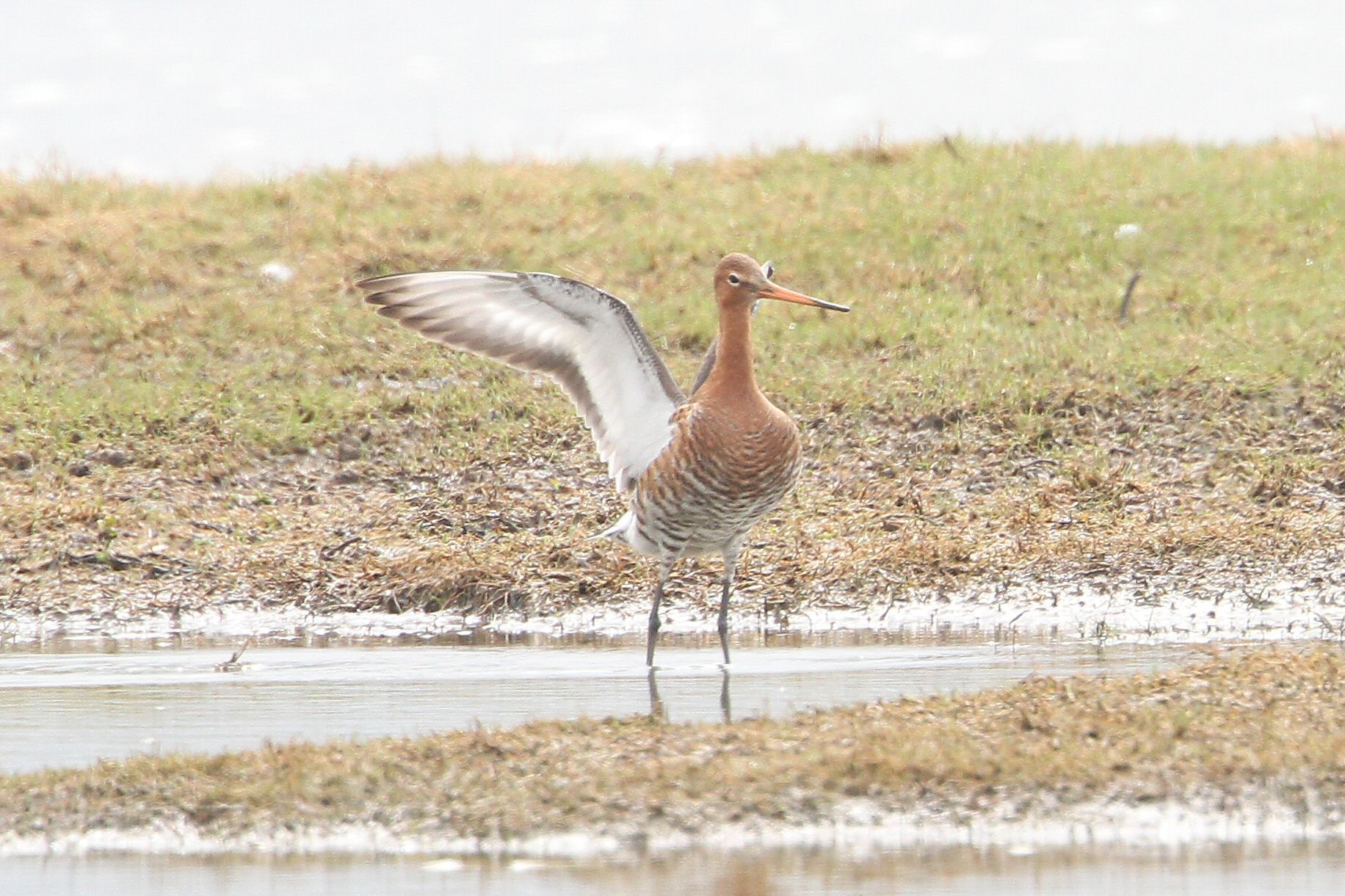
Although Little Ringed Plovers were present at six localities, Ringed Plovers remained scarce with singles only at Stanwick GP on 15th and at Clifford Hill GP on 18th. Perhaps surprisingly there were still plenty of Golden Plovers around with approximately forty-five at Harrington AF on 15th, twenty-eight at Stanwick GP and seventy-three near Naseby Res on 16th and sixty-one at Clifford Hill GP on 17th with ninety-six there the following day. The latter site hosted a Grey Plover on 17th and 18th, while last week’s Knot was still present there on 13th. The only Dunlins were two at the latter site on 13th and 18th and singles at Stanwick GP on 14th and 19th and what were presumably the last of the winter’s Jack Snipe, a trio, were at Hollowell Res on 15th. The recent run on Black-tailed Godwits slowed, with last week’s Clifford Hill bird remaining until 13th and a group of five visited Stanwick GP on 17th, when seven Whimbrel also
Black-tailed Godwit, Clifford Hill GP, April 2013 (Bob Bullock). The extensive rusty underparts and relatively short bill indicate this individual is of the Icelandic race, which occurs commonly in Northants.
paid a brief visit to Clifford Hill GP. Curlews similarly were in short supply with singles at Stanford Res on 13th and at Summer Leys LNR the following day, while Common Sandpipers were found at six localities and single Green Sandpipers were at Stanwick GP on 14th and Pitsford Res on 16th and two were on flood pools at Upton Valley from 15th to 17th and two again at Stanwick on 19th.
With most of the wintering gulls having departed the only scarce larids were a second-year Yellow-legged Gull at Stanwick GP on 14th and two adults visited Clifford Hill GP the following day but the year’s first Arctic Terns arrived this week with three at Daventry CP on 14, singles at Boddington Res on 17th and at Bozeat GP on 18th, sixteen at Daventry CP and five at Clifford Hill GP on 18th and three at Stanwick GP, two at Boddington Res, five at Daventry CP and five at Pitsford Res – all on 19th.
Arctic Tern, Bozeat GP, 18th April 2013 (Bob Bullock)
A ‘small flock’ of Ring-necked Parakeets flew over Stoke Bruerne on 14th. The number of records in recent years suggests the likelihood of breeding in this area but this has never been proven. The first Cuckoo of the year was seen at Summer Leys LNR on 14th followed closely by the second at Old Sulehay the next day. The first Common Whitethroat appeared at Stanwick GP on 15th followed by the first Lesser Whitethroat at the same locality on 17th and the first Reed Warbler was at Summer Leys LNR the next day. A male Ring Ouzel was at Harrington AF on 13th, followed by two females there two days later, none of which lingered, while more than one hundred Redwings were still at East Haddon on the first of these two dates. The first Nightingale of the spring was singing at the traditional location of Glapthorn Cow Pasture on 17th and, on the same date, a Black Redstart paid three brief visits to a garden in Sywell.
Black Redstart, Sywell, 17th April 2013 (Jim Dunkley)
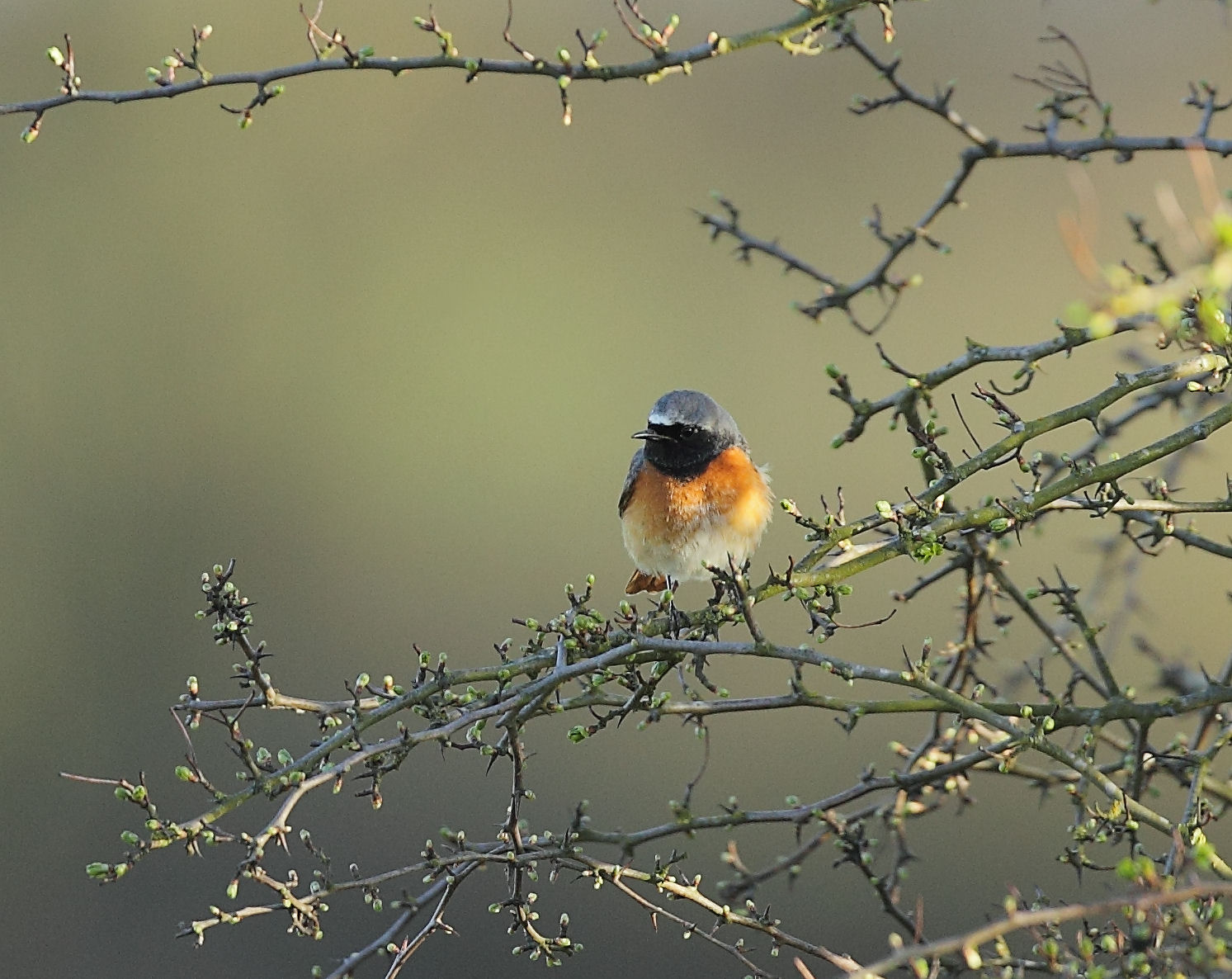
A nationwide influx of Common Redstarts resulted in records of up to five at Clifford Hill GP on 15th-16th, four at Borough Hill on 19th and twos at Woodford Halse on 16th and Corby Sewage Works and Collyweston Quarry on 19th and singles at Brackmills (Northampton) on 16th-17th and 19th, Borough Hill on the same dates and again at Clifford Hill on 17th-18th.
Male Common Redstart, Clifford Hill GP, 16th April 2013 (Jonathan Philpot)
Male Whinchats at Pitsford Res and Brackmills (Northampton) on 16th were the second earliest in the County since 1969 (the earliest was on 15th April 1984) and further singles wereat Summer Leys LNR and again at Brackmills on 19th, while more Northern Wheatears were found this week with records from eight sites and a maximum of nine at Brackmills on 16th. A male Pied Flycatcher paid a very brief visit to the same Sywell garden as the Black Redstart, above, on 15th providing the homeowner with two excellent ‘garden ticks’ within forty-eight hours!
Male Pied Flycatcher, Sywell, 15th April 2013 (Jim Dunkley)
After a light sprinkling of Yellow Wagtails last week, this week’s picture was entirely different with records from ten sites with double-figure counts from three of these and a maximum of forty-four at Upton Valley (Northampton) on 19th.
Yellow Wagtail, Hollowell Res, 17th April 2013 (Bob Bullock). Note the parasite attached above the eye.
The same site hosted a male Blue-headed Wagtail on 17th and another male was at Hollowell Res on 14th and 15th. There were also good numbers of White Wagtails recorded, reflecting the national picture, with records of mainly singles from seven localities but twelve were at Upton Valley on 19th, 8 at Stanwick GP on 16th and at least six at Bozeat GP on 18th. A Tree Pipit flying north over Stanford Res on 13th was noteworthy as a scarce passage migrant in Northants in recent years. Brambling numbers dwindled with singles at Borough Hill on 13th, Pitsford Res on 13th, 14th and 19th, East Hunsbury (Northampton) on 14th and Harrington AF on 14th with two there the following day. The only Crossbills this week were a flock of approximately sixteen at Showsley on 14th.
The sustained high pressure system responsible for the prolonged easterly airstream finally gave way to an Atlantic low, adding a southerly element to the wind direction, raising temperatures and delivering rain at the week’s end. More migrants appeared.
The relatively long-staying drake Green-winged Teal was still being seen intermittently on Irthlingborough water meadows, just west of Stanwick GP, until 11th, while a female Pintail visited Summer Leys LNR on 10th-12th and last week’s drake Garganey remained at Ecton SF, being joined there by a pair on 9th and at least two were still present on 11th. Single-figure counts of Goosander were made at Blatherwycke Lake, Daventry CP and Stanwick GP although there were still thirteen at Clifford Hill GP on 6th. Single Great White Egrets were again at Pitsford Res and at Summer Leys LNR
Bittern, Stortons GP, 6th April 2013 (Dan O’Sullivan)
on 12th and the elusive Storton’s GP Bittern broke cover on 6th while the County enjoyed a run on summer-plumaged Black-necked Grebes with one at Stanwick GP on 9th, two at Summer Leys LNR on 12th and the Daventry CP individual remaining all week.
Black-necked Grebe, Stanwick GP, 9th April 2013 (Dave James)
Raptors were poorly represented by just a Marsh Harrier flying north-east at Pitsford Res on 9th and single Ospreys north over Corby on 6th and east over Sywell CP on 12th.
Waders, however, fared better with Little Ringed Plovers at five localities and a solitary Ringed Plover at Clifford Hill GP on 7th, with thirty Golden Plovers there on 9th and one on 11th and approximately ten at Harrington AF on the same day. A Grey Plover flew north-east over Daventry CP on 7th, a Knot visited Clifford Hill GP on 12th, while the only Dunlins were singles at the latter site on 6th and at Stanwick GP on 9th with two again at Clifford Hill GP on the same date, again on 12th and two at Summer Leys also on 12th. Six Jack Snipe were found at Hollowell Res on 12th. Clifford Hill GP hosted a Black-tailed Godwit all week, being joined by a second individual on 9th, while four Curlews were there on 6th, the same number visited Thrapston GP on 9th and one was at Summer Leys LNR on 12th. Two Whimbrels flew east at Stanwick GP on 11th, the first spring migrant Common Sandpiper appeared at Clifford Hill GP on 12th and single Green Sandpipers were at Pitsford Res on 8th and 12th, Stanwick GP from 9th to 11th and at Ecton SF on 10th.
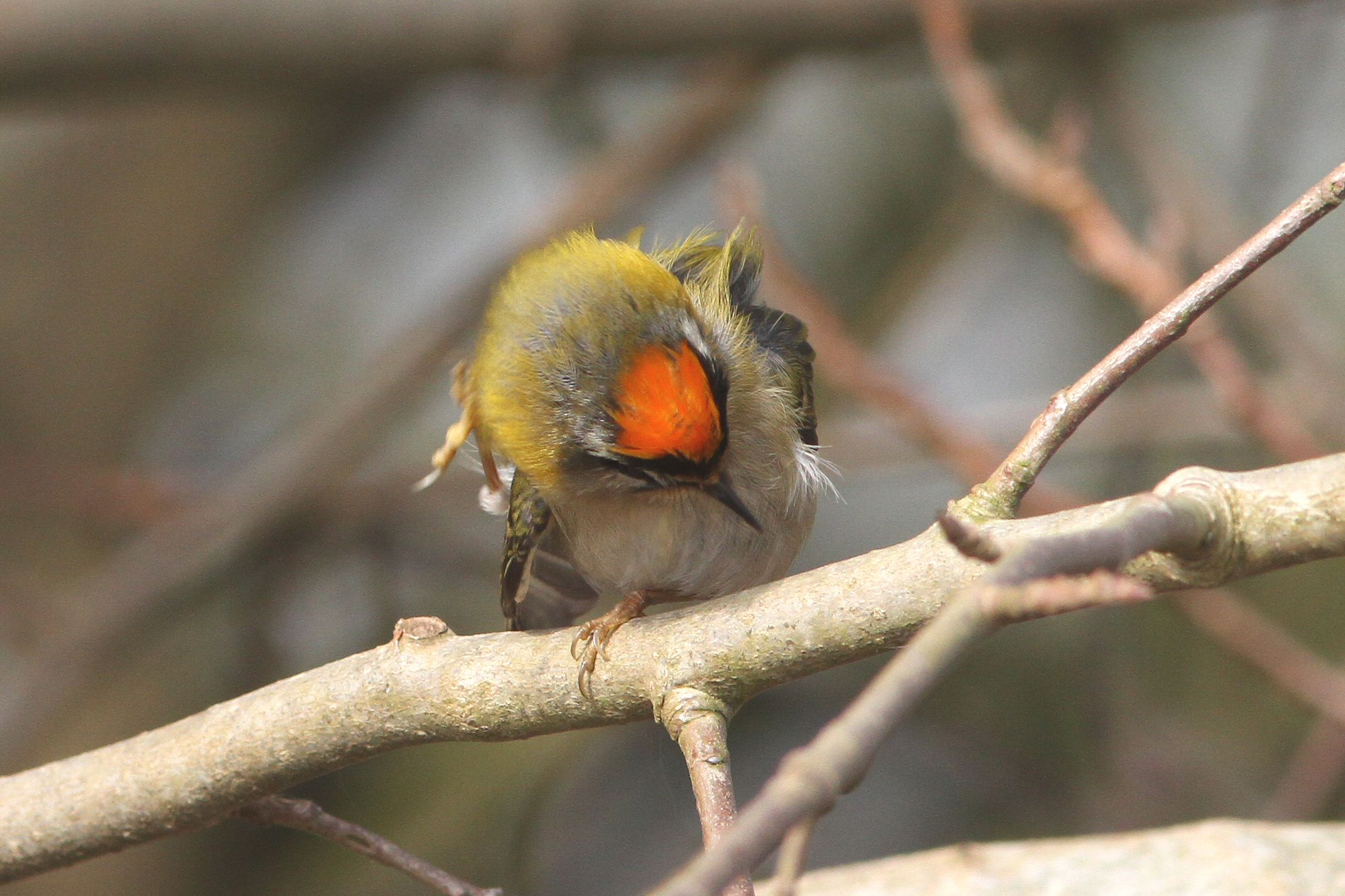
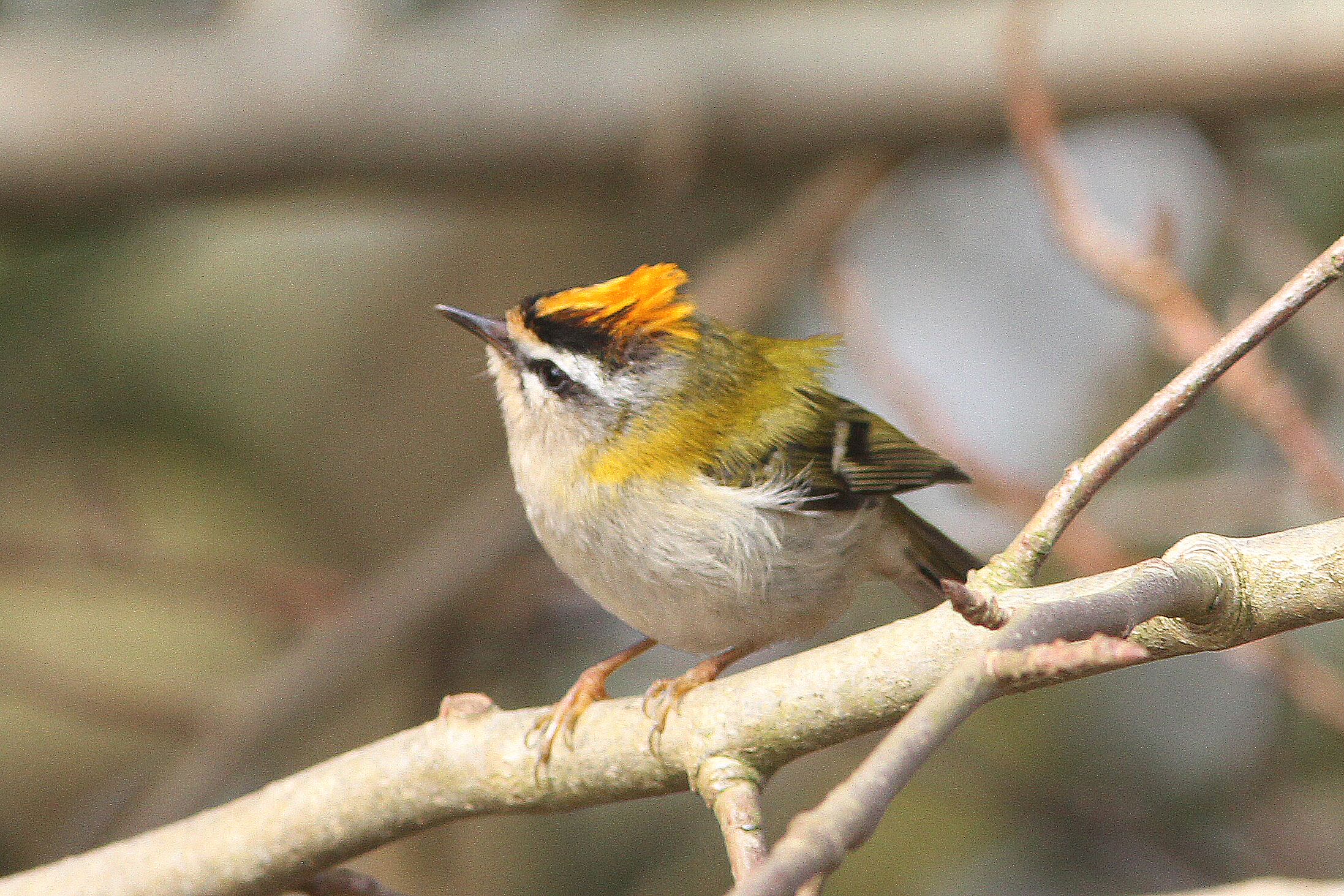
The number of gulls was unsurprisingly low with most winterers having departed. A first-winter presumed hybrid Glaucous x Herring Gull visited Daventry CP on 10th at which time there was also a second-year Yellow-legged Gull present. The same date also produced the spring’s first Common Terns at Stanwick GP and Summer Leys LNR, followed by more over the next two days at Clifford Hill GP, Sywell CP and Thrapston GP. Singing and showy, a male Firecrest was present for just one day at Ditchford GP on 9th.
Male Firecrest, Ditchford GP, 9th April 2013 (Alan Coles)Male Firecrest, Ditchford GP, 9th April 2013 (Bob Bullock)Male Firecrest, Ditchford GP, 9th Ap 2013 (Bob Bullock)Male Firecrest, Ditchford GP, 9th Apr 2013 (Bob Bullock)
Sand Martins were seen in better numbers with reports from Billing Aquadrome, Brackmills Industrial Estate (Northampton), Daventry CP, Stanwick, GP and Thrapston GP, Swallows from 9th at Billing Aquadrome, Clifford Hill, Ecton SF, Harrington AF, Stanwick GP and Thrapston GP and House Martins at Billing Aquadrome, Cogenhoe Mill, Stanwick GP, Summer Leys and Thrapston GP from 11th. The first Sedge Warbler appeared at Stanwick GP on 12th and presumed new Blackcap arrivals from the south were two or three at Hanging Houghton, and singles at Barton Seagrave and at East Hunsbury (Northampton), all on 10th and another at Clifford Hill GP and three at Stortons GP on 12th, while presumed Central EuropeanBlackcaps remained in gardens in Barton Seagrave, Duston (Northampton), Kettering and Wellingborough. A Black Redstart was found at ‘Rigid Containers’ in Desborough on 12th and Northern Wheatears were found at five sites during the week, while a male Ring Ouzel was at Harrington AF on 11th with one Yellow Wagtail there on the same date, and others at Broadholme STW (Ditchford), Pitsford Res, Sywell CP and ten at Hollowell Res and two White Wagtails at Hollowell Res and one at Stanwick GP – all on 12th. A Brambling was at Pitsford Res, two were at Harlestone Heath and Harrington AF, three were at Kelmarsh and four at East Hunsbury (Northampton) while a singing male Crossbill was located at Borough Hill on 10th.
The easterly airstream continued with temperatures remaining well below average. It was difficult to ascertain if the paucity of records of common summer migrants was a product of the adverse weather or the result of birders not venturing out to find them …
The drake Green-winged Teal, discovered at Stanwick GP on 24th before moving to nearby floodwater at Irthlingborough on 29th, appeared at the latter site intermittently until at least 4th, while a Pintail was found at adjacent Ditchford GP on 31st and two were at Clifford Hill GP on 30th. A confiding drake Garganey appeared on the Nene outfall stream at Ecton SF on 31st remaining until the next day and reappearing there on 5th and other drakes were discovered at both Irthlingborough and Pitsford Res on 2nd. Up to seven Smew (two drakes) were still at Pitsford Res on 1st and small numbers of Goosander hung on at gravel pits at Clifford Hill, Ditchford, Stortons and Thrapston with a maximum of twelve at the first of these on 1st and 5th.
Drake Garganey, Ecton SF, 31st March 2013 (Mike Alibone)
A Bittern was at Stanwick GP on 1st and the long-staying individual at Ravensthorpe Res was still present on 4th but there was only one record of Great White Egret this week when one appeared again at Summer Leys LNR on 1st. A fine, summer-plumaged Black-necked Grebe was found at Daventry CP on 5th.
Black-necked Grebe, Daventry CP, 5th April 2013 (Bob Bullock)
A ‘ringtail’ Hen Harrier flew north over Duston on 30th and an adult male flew east at Wollaston on 2nd, while single Ospreys flew over Sulby on 29th, Harrington AF on 31st and Pitsford Res on 2nd. Peregrines were reported at Blueberry Farm (Maidwell), Corby, Kettering, Pitsford Res and Rushden.
More Little Ringed Plovers arrived this week with one at Irthlingborough on 31st and two at Ditchford GP the following day while a Knot visited Pitsford Res briefly on 5th and two Dunlins appeared at Stanwick GP on 1st and one was at Clifford Hill GP on 2nd. Two Jack Snipe remained at Hollowell Res on 5th, three Ruff (from Stanwick GP) were at Irthlingborough on 31st with two remaining the next day and the same site hosted up to nine Black-tailed Godwits throughout the week, while thirteen had been at nearby Stanwick GP during the evening of 29th and one visited Clifford Hill GP on 5th. Five Bar-tailed Godwits flying west over Ravensthorpe Res on 4th were unusually early but the only Curlew this week was one at Summer Leys LNR on 3rd and 4th and single Green Sandpipers were at Ecton SF on 1st and 2nd, Pitsford Res on 2nd, 4th and 5th and at Upton Valley on 4th.
Single adult Mediterranean Gulls appeared at Ravensthorpe Res on 4th and at Daventry CP the following day while two Caspian Gulls were reported on floodwater at Irthlingborough on 1st and two adult Yellow-legged Gulls visited Ravensthorpe Res on 4th.
Adult Mediterranean Gull, Daventry CP, 5th April 2013 (Bob Bullock)
A Short-eared Owl put in an appearance at Blueberry Farm (Maidwell) on 30th and, again, just one Sand Martin was seen this week with one at Ecton SF on 5th. The latter site continued to host at least one very silent Siberian Chiffchaff throughout the week. Despite a couple of presumed new Blackcap arrivals from the south – at Summer Leys on 30th and Northampton on 4th – Central EuropeanBlackcaps appeared reluctant to move and continued to hang on in two gardens in Duston (Northampton), Irthlingborough, Kettering, Spratton and Wellingborough. A Black Redstart was discovered in Pattishall on 31st and Northern Wheatears were found at four sites during the week, while the year’s first Yellow Wagtail was at Harrington AF on 4th.
Siberian Chiffchaff, Ecton SF, 2nd April 2013 (Doug Goddard)
Bramblings hung on all week at East Hunsbury (Northampton), Harrington AF, Hanging Houghton and Spratton and a Mealy Redpoll visited a garden feeder in east Hunsbury on 3rd.
The cold easterly blast, which brought well below average temperatures to most of Britain continued, although things began to hot up as spring migrants appeared undeterred by the adverse weather.
Having disappeared last week, the five Egyptian Geese were back at Ditchford GP on 23rd with two remaining the following day and one on floodwater at nearby Irthlingborough on 26th was likely to have been the same individual seen at adjacent Stanwick GP on 29th. A drake Green-winged Teal – the fourteenth for Northamptonshire – was discovered at the latter site on 24th, remaining there until at least 27th before relocating to nearby floodwater at Irthlingborough on 29th.
Drake Green-winged Teal, Stanwick GP, 26th March 2013 (Bob Bullock)Drake Green-winged Teal, Stanwick GP, 26th March 2013 (Bob Bullock)
Pintail remained scarce with two at Summer Leys LNR on 23rd and a drake at Thrapston GP on 29th while the drake Scaup was still present at Ditchford GP until at least 26th. A drake Pochard x Tufted Duck hybrid provided some additional interest at Summer Leys LNR on 28th and 29th, the ‘redhead’ Smew was still at Stortons GP on 24th and six (two drakes) remained at Pitsford Res on 26th while Goosanders continued to be recorded from six localities, with a maximum of twenty-five at Thrapston GP on 27th.
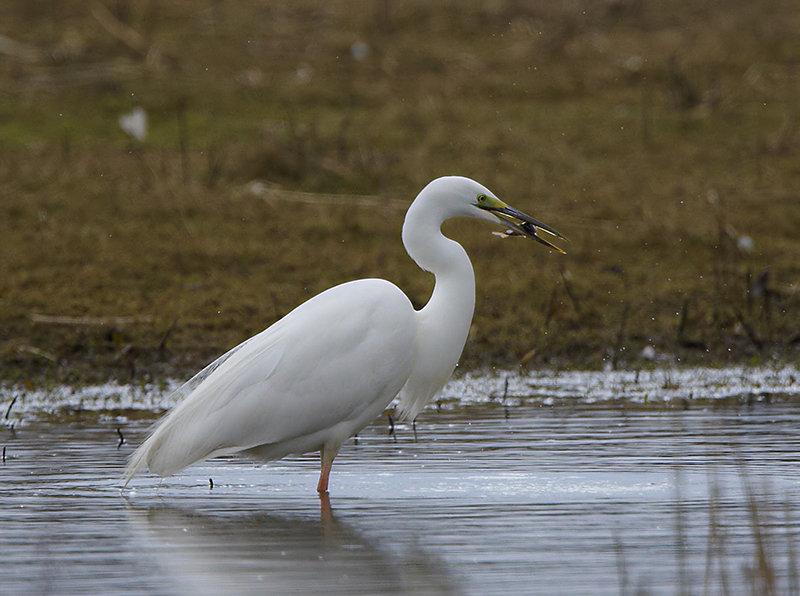
A Bittern was seen flying into the reedbed at Stortons GP on 24th and the Ravensthorpe Res individual was still present on 25th and again on 28th but Great White Egrets provided one of the biggest surprises of the week when single birds were seen at Summer Leys LNR on 23rd and 27th and no less than three were present together there on 28th.
Great White Egret, Summer Leys LNR, 28th March 2013 (Doug McFarlane)Great White Egret, Summer Leys LNR, 28th March 2013 (Bob Bullock)
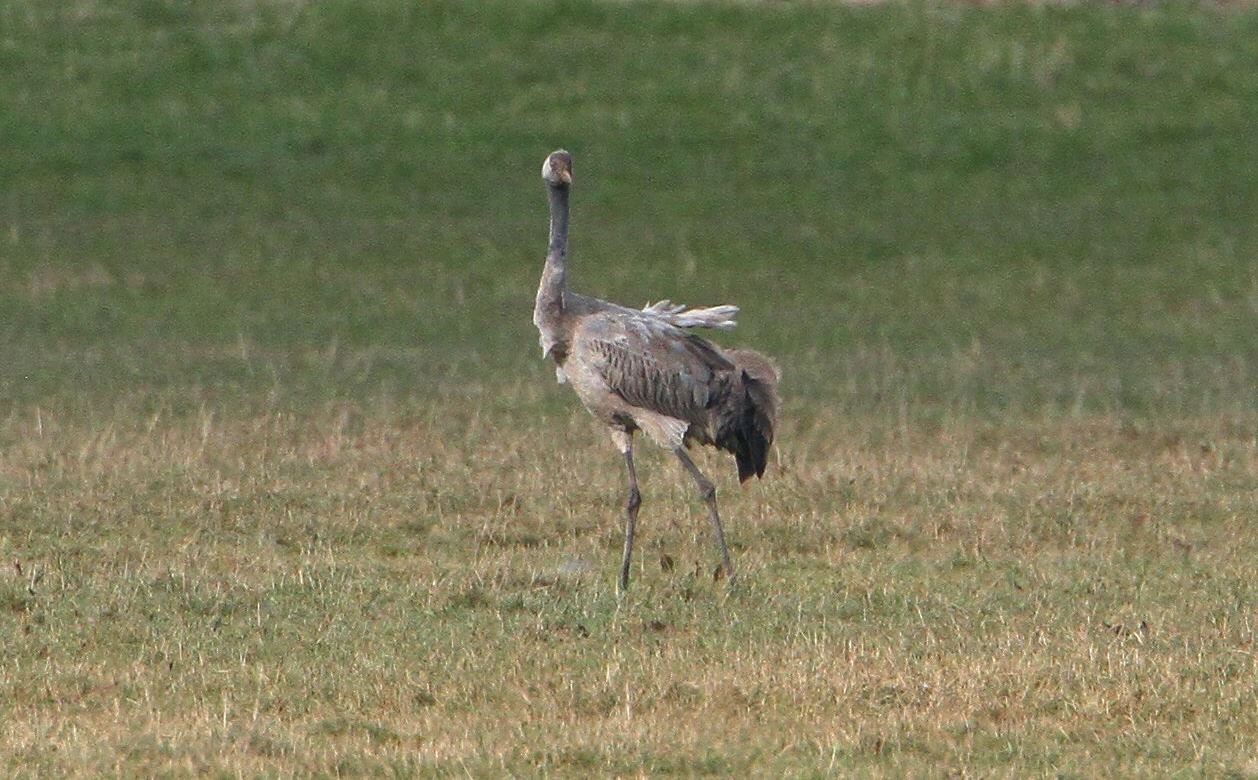
Also at Summer Leys a male Marsh Harrier went straight through on 26th and another was seen flying over Spratton on 28th, while the only Peregrines reported were singles at Earls Barton GP on 24th and at Thrapston GP on 27th. The discovery of two first-year Common Cranes at Thorpe Waterville on 28th allowed a handful of local birders to catch up with this species which has been recorded only thirteen times before in Northamptonshire; they departed high to the north-east at 05.45 the following morning.
First-year Common Crane, Thorpe Waterville, 28th March 2013 (Bob Bullock)First-year Common Crane, Thorpe Waterville, 28th March 2013 (Bob Bullock)
An Avocet was present for one day only on floodwater at Irthlingborough on 24th and the first Little Ringed Plover of the year appeared at Pitsford Res on the same date, followed by two further individuals at Stanwick GP and Summer Leys LNR on 28th. The only Ringed Plover was one at Ditchford GP on 26th and Golden Plovers were recorded at Clifford Hill GP, Harrington AF and Summer Leys LNR with a maximum of 500 at the first of these localities on 23rd. Dunlins were seen in ones and twos at Stanwick GP, Ditchford GP and Clifford Hill GP although thirteen were present at the latter site on 23rd, while three Ruff paid a brief visit to Stanwick GP on 26th. Three Jack Snipe remained at Hollowell Res on 27th and Common Snipe passage continued to produce reasonable numbers with a maximum of fifty at Stanwick GP on 25th and 26th. Summer Leys produced a Black-tailed Godwit, which remained from 23rd to 27th and eleven visited Stanwick GP on 28th with four there the following day. The year’s first Whimbrel appeared on 28th, when two flew over Sywell CP, while single Curlews were seen at Summer Leys on 23rd and 27th, Ditchford GP on 26th and Pitsford Res on 29th when two were also seen near Thrapston GP. Redshanks were reported from Summer Leys, Clifford Hill GP and Stanwick GP with a maximum of fourteen at the latter site on 28th.
Boddington Res produced an adult Mediterranean Gull in the roost on 26th and two adults on 29th while a second-winter was at Blatherwycke Lake on 28th. A near-adult Caspian Gull was on floodwater at Irthlingborough on 24th and, nearby, juvenile Glaucous Gulls continued to be seen at Ditchford GP on 26th and at Stanwick GP on 28th with a juvenile Iceland Gull at the latter site on 27th and a second-summerYellow-legged Gull at Clifford Hill GP the following day.
Again, just one Sand Martin was seen this week at Summer Leys LNR on 28th but an arrival of Chiffchaffs was evident with new birds at Ditchford GP (six), Stanwick GP, Clifford Hill GP (three) and in the Brampton Valley (three) while the first Willow Warbler was at Thrapston GP on 27th. Long staying Central EuropeanBlackcaps remained in two gardens in Duston (Northampton), Kettering, Wellingborough and Sywell but there was no evidence of any new arrivals from the south. The first migrant Ring Ouzel was discovered in a horse paddock at Wicken on 24th and hot on the heels of last week’s Northern Wheatear at Pitsford Res came more this week with one at Clifford Hill GP from 23rd to 28th (being joined there by another on the latter date), one at Wicken
First summer male Northern Wheatear, Clifford Hill GP, 26th March 2013 (Michael Hedge)
on 24th and singles at Harrington AF and Sywell CP on 27th and 28th respectively. Bramblings hung on at East Hunsbury (Northampton), Harrington AF, Hanging Houghton and Kelmarsh and a Mealy Redpoll was again visiting a garden feeder in Polebrook on 27th.
A high pressure system located to the north-east of the UK ensured a constant, cold easterly airstream, suppressing temperatures and producing snow as it collided with the warmer, moist Atlantic air at both the beginning and the end of the week. The ‘Siberian Spring’ seems set to continue …
Migration continued despite the unseasonal weather conditions and fewer winter ducks were in evidence with two Smew at Pitsford Res on 19th and six there on 22nd with a ‘redhead’ at Thrapston GP on 20th. Goosanders were recorded at Stanford Res, Clifford Hill GP, Stortons GP and Thrapston GP with a maximum of thirteen at the latter site on 17th.
The only Bittern found this week was one at Earls Barton GP’s Quarry Walk on 18th while the wintering Great White Egret was still present at Pitsford Res on 21st and another Osprey was present at the same site on 19th, 20th and 21st. Peregrines were seen at both Thrapston GP and Northampton on 20th while the immature male Merlin was still present at Harrington AF on the same date.
Waders on the move included a high count of approximately sixty-five Common Snipe at Pitsford Res on 19th and two Jack Snipe at Hollowell Res on 16th and 22nd with another trapped and ringed at Stortons GP on 17th. The only Redshanks reported were two at Summer Leys LNR on 17th with a Curlew there and two more at Clifford Hill GP on the same date. ‘New’ Green Sandpipers were two at Earls Barton GP on 17th and three at Pitsford Res on 21st.
A fourth-winter Glaucous Gull at Finedon Road, Wellingborough on 16th had been present there the previous day and was not the same individual, an adult, which was seen at nearby Ditchford GP last week, while a juvenile circled Boddington Res for five minutes on 19th before drifting west.
Fourth-winter Glaucous Gull, Wellingborough, 15th March 2013 (Martin Dove). The washed-out bill colour with dark subterminal markings are remnants of immaturity.
Other relatively scarce larids included a second-winter Yellow-legged Gull at Pitsford Res on 19th and two adults at Ravensthorpe Res on 22nd, an adult Kittiwake at Boddington Res on the same date with the same site hosting three Mediterranean Gulls (two adults and a first-winter) on 19th and an adult on 21st.
One or two Bearded Tits remained in the reedbed at Ecton SF on 17th and another was still at Earls Barton GP’s Quarry Walk the following day. Just one Sand Martin was discovered battling against the elements this week at Pitsford Res on 19th, while a Siberian Chiffchaff remainedat Ecton SF on 18th along with up to four Chiffchaffs and another Chiffchaff was singing at Thrapston GP on 20th. Central EuropeanBlackcaps remained in two gardens in Duston (Northampton), Kettering, Northampton, Rothwell and Wellingborough, with a maximum of three males in one of the Duston gardens on 17th and eleven Waxwings put in a brief appearance in a Woodford Halse garden on 22nd.
The first Northern Wheatear of the spring was below the dam at Pitsford Res on 21st and other spring passerine migrants included a White Wagtail at Hollowell Res on 16th and a Rock Pipit at Pitsford Res on 19th and 20th. Two Bramblings continued to be seen at East Hunsbury (Northampton), one at Pitsford Res and up to twelve at Harrington AF, while seven Crossbills were at Bucknell Wood on 18th.
A dramatic return to sub-zero overnight temperatures and snow flurries did not appear to stop the first spring migrants pushing through the County, although the few summer visitors recorded this week will have struggled to make significant progress against the biting easterlies which have so far characterised the ‘Siberian Spring.’ The five Egyptian Geese were still in fields by the watersports pit at Ditchford GP until at least 11th, Pintail maintained a low profile with just two at Stanford Res on 9th and the number of Smew remained low, with long staying pairs at Pitsford Res and Ravensthorpe Res on 9th and a ‘redhead’ at the latter locality on 11th, plus a ‘new’ pair at Stanwick GP from 12th to 14th and a ‘redhead’ at Stortons GP from 9th to 13th. Numbers of Goosanders similarly remained lower than in previous weeks with between two and eight at eight localities but eleven were at Clifford Hill GP and twelve at Stanwick GP on 14th. The drake Ferruginous Duck x Pochard hybrid was back again at Daventry CP on 14th and the drake Scaup was still present on the watersports pit at Ditchford GP on 15th.
The Ravensthorpe Bittern remained at the reservoir until at least 13th and the Pitsford Great White Egret continued its protracted stay throughout the week. A ‘new’ Slavonian Grebe appeared at Daventry CP on 10th but it did not linger; conceivably it could have been the same individual which had been at Clifford Hill GP the previous week and perhaps at Pitsford Res prior to that.
An Osprey flying north at Pitsford Res on 13th was no doubt the first of many Northants migrants to come, the vanguard having already arrived in Scotalnd a few days previously. Peregrines were seen at Harrington AF on 9th and in the Brampton Valley on 13th while the immature male Merlin was seen again at Harrington AF on the latter date.
More waders were in evidence than last week and the first migrants beginning to trickle through included a Ringed Plover at Hollowell Res on 9th with three more at Clifford Hill GP on 12th. Golden Plover numbers were up on last week with seventeen flying south over Stortons GP on 9th and fifteen at Harrington AF and approximately eighty at Stanford Res on the same date, two hundred and twenty at Clifford Hill GP on 12th and more than three hundred at Sywell AF the same day. Single Dunlins were found at Ditchford GP and at Hollowell Res on 9th, four Jack Snipe were at the latter locality on the same day and the only Redshank reported was a group of four at Stanwick GP on 10th. Single migrant Curlews flew over Old Pastures Wood on 7th, Great Brington on 9th and Boddington Res on 15th and three were on fields at Ecton SF on 10th, the latter site also continuing to host the regular wintering Green Sandpiper on the same date.
One juvenile Glaucous Gull was again at Finedon Road, Wellingborough on 9th and an adult commuted between there and Ditchford GP’s Viaduct Pit on 15th while single adult Yellow-legged Gulls visited Hollowell Res and Stanford Res on 9th and second-winters visited Ravensthorpe Res on 11th and Pitsford Res on 14th. Kittiwakes are almost guaranteed in March and one visited the gull roost at Boddington Res on 9th and the same site hosted a first winter Mediterranean Gull on 15th.
A Ring-necked Parakeet was seen again at Stoke Bruerne on 13th and two Sand Martins – the first of the ‘summer’ – were at Ditchford GP on 9th, while a Chiffchaff was at Ravensthorpe Res on 11th and seven were still frequenting the outflow stream at Ecton SF on 12th along with one Siberian Chiffchaff. Numbers of Central EuropeanBlackcaps were lower this week with just a female in a Wellingborough garden on 10th, a male in a Kettering garden on 11th, a pair in a Duston (Northampton) garden on 13th and two males in a Northampton garden on 10th and 13th.
During the first four days of the week there was a flush of Rock Pipits involving singles at Hollowell Res on 9th, Boddington Res on 10th and Clifford Hill GP on 12th and a Scandinavian Rock Pipit was at Stanwick GP on 10th. Bramblings continued to be seen at East Hunsbury (Northampton), Pitsford Res and Harrington AF with a maximum of twelve at the latter site on 14th, while approximately twenty Crossbills were still at Wakerley Great Wood on 9th.














 Northants birds