After the driest March since 1961, April continued in the same vein, kicking in with a lingering spell of high pressure and a hearty dose of easterlies. These near-perfect conditions resulted in a decent number of migrants, including a hefty passage of Little Gulls and another dollop of firsts for the year.
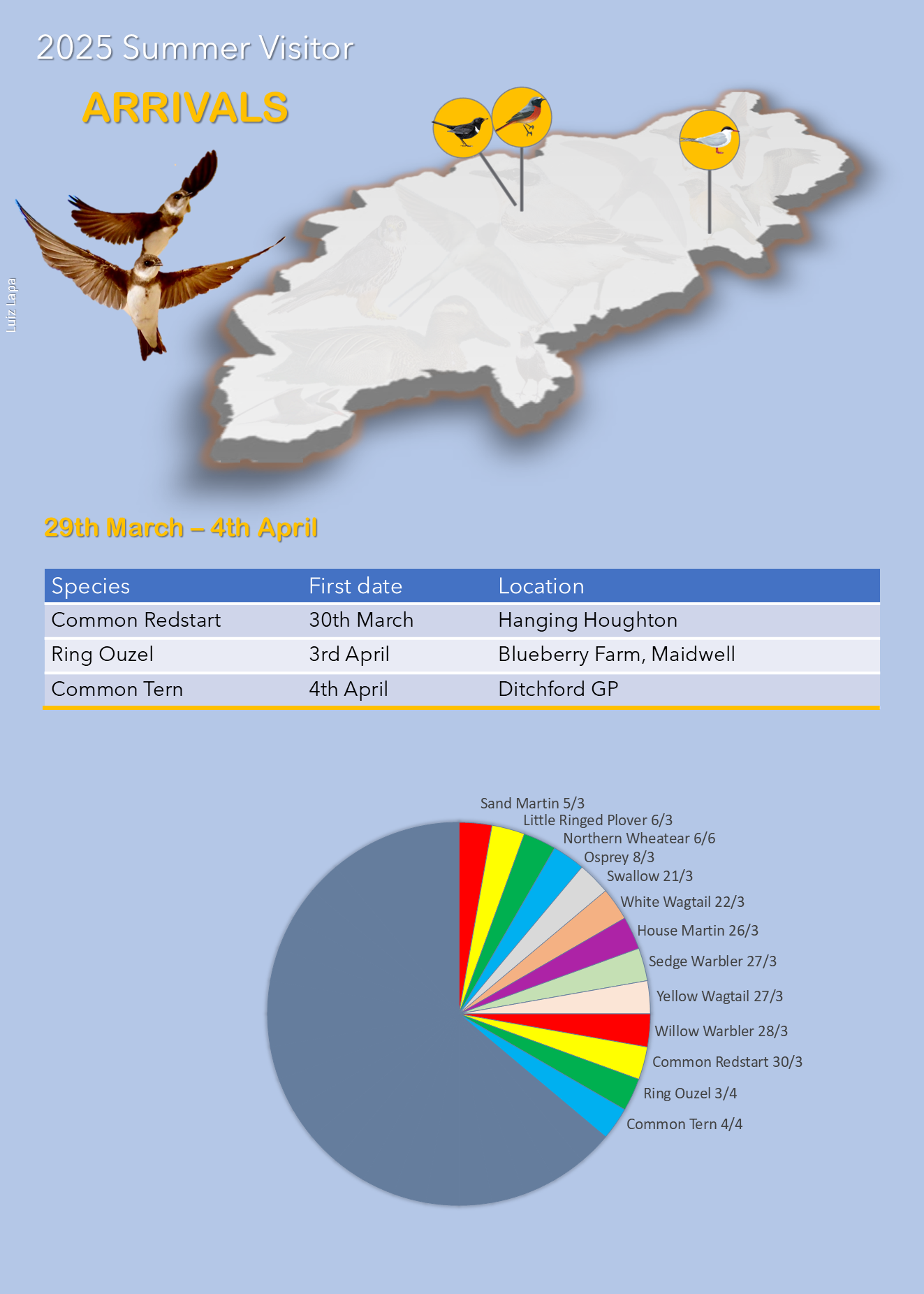
The week’s new-in summer visitors kicked off with a smart male Common Redstart on day 2, followed by a Ring Ouzel on day 6 and Common Tern on the final day of the week.
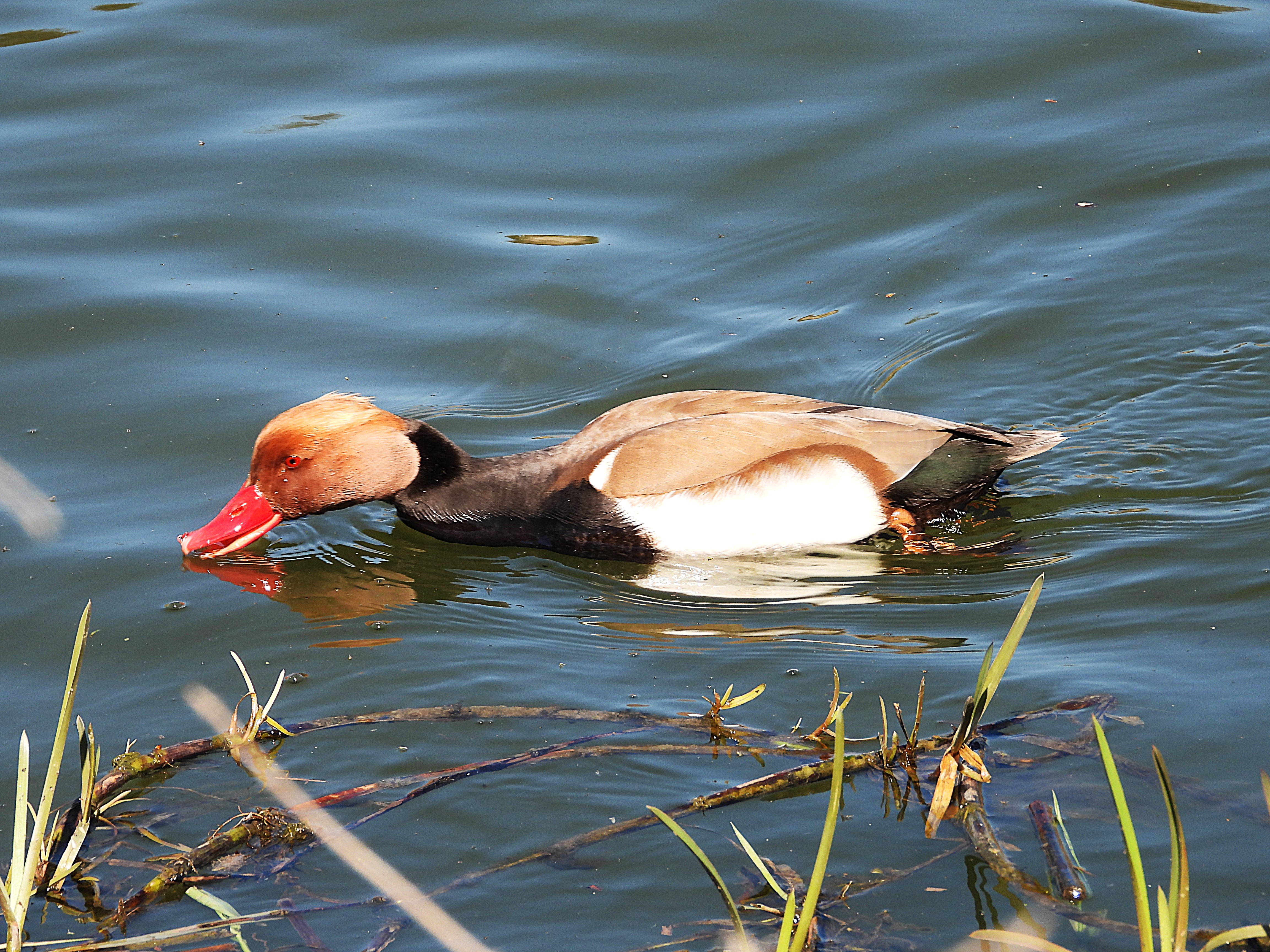
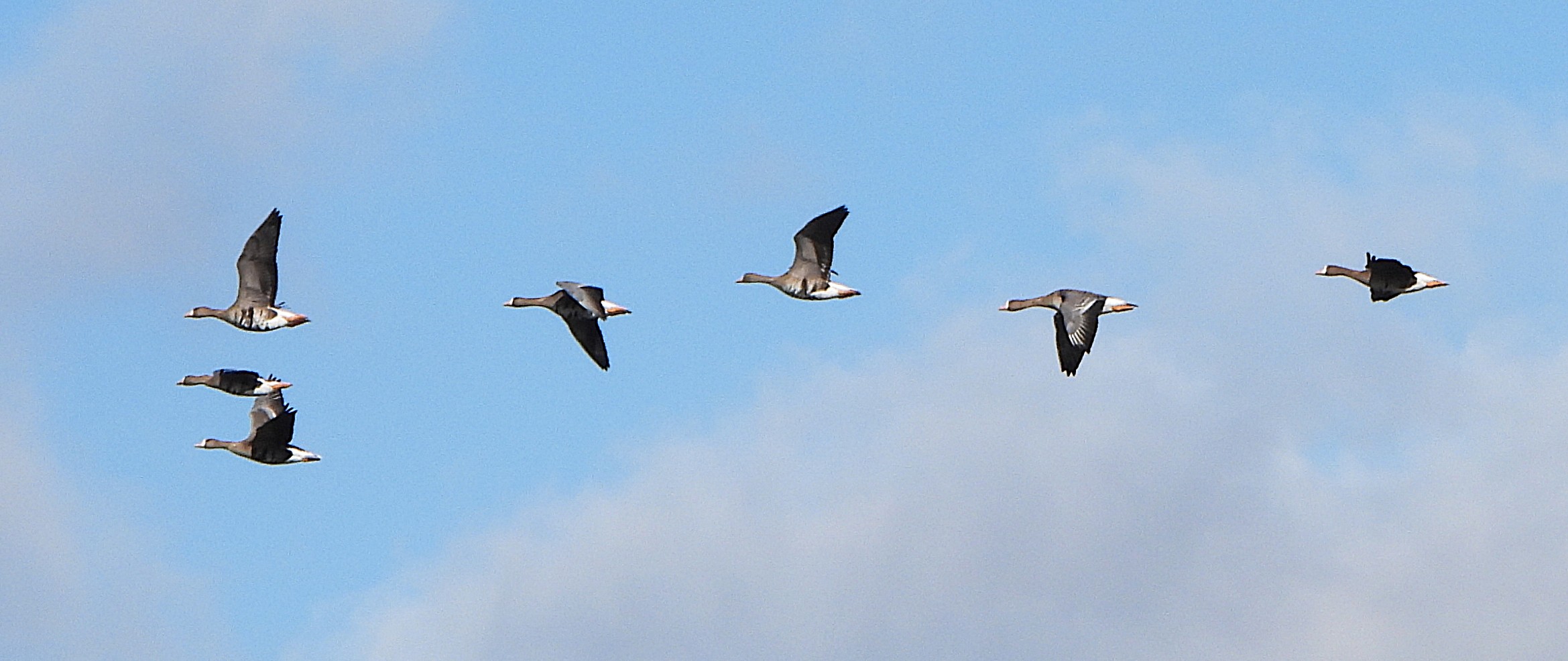
Otherwise, it was a week of unsurprisingly diminishing returns as far as wildfowl were concerned, with the long-staying Pink-footed Goose still in the Cogenhoe Mill/Earls Barton GP area until at least 3rd, the drake Red-crested Pochard still in the same vicinity on the River Nene until 1st and the first-winter female Greater Scaup hanging on at Blatherwycke Lake until at least 29th.

After two flyover records in the first half of March, Common Cranes were again on the radar this week as a group of four flew south over Whitfield, in the deep south of the county, on the last day of the period. One on the ground would surely prove itself extremely popular …
In terms of number of species, the week’s waders widened out to include the year’s first Grey Plover at Clifford Hill GP, for one day only, on 3rd. Avocets were again to be found at three Nene Valley localities, Thrapston GP’s Titchmarsh NR delivering two on 30th while, on 3rd, two visited Clifford Hill GP and Earls Barton GP dished up six.


Black-tailed Godwits were the sole preserve of Summer Leys LNR, where one lingered from last week until 30th, the number then swelling to four there from 31st until the week’s end on 4th.

Just one Jack Snipe made it into April, still on site at Hollowell Res on 1st.
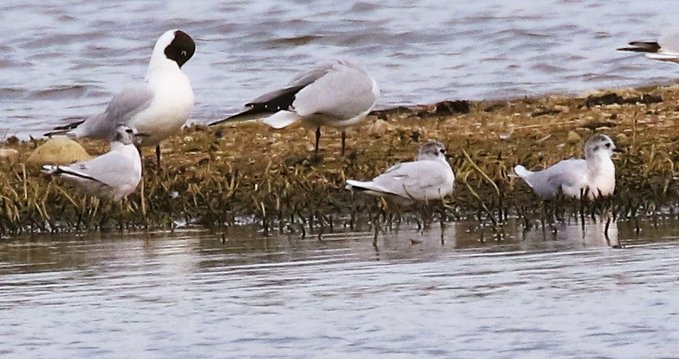
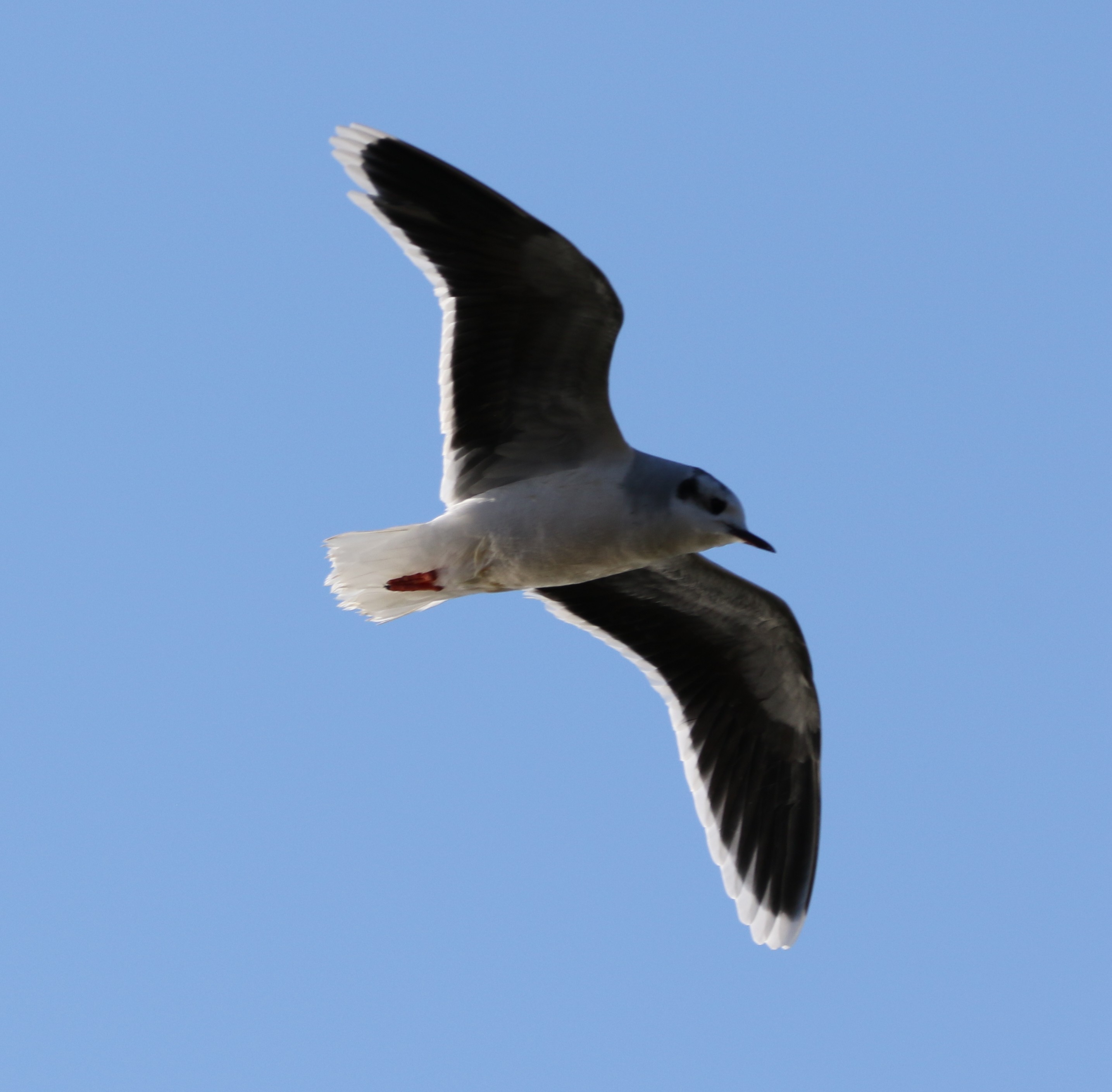
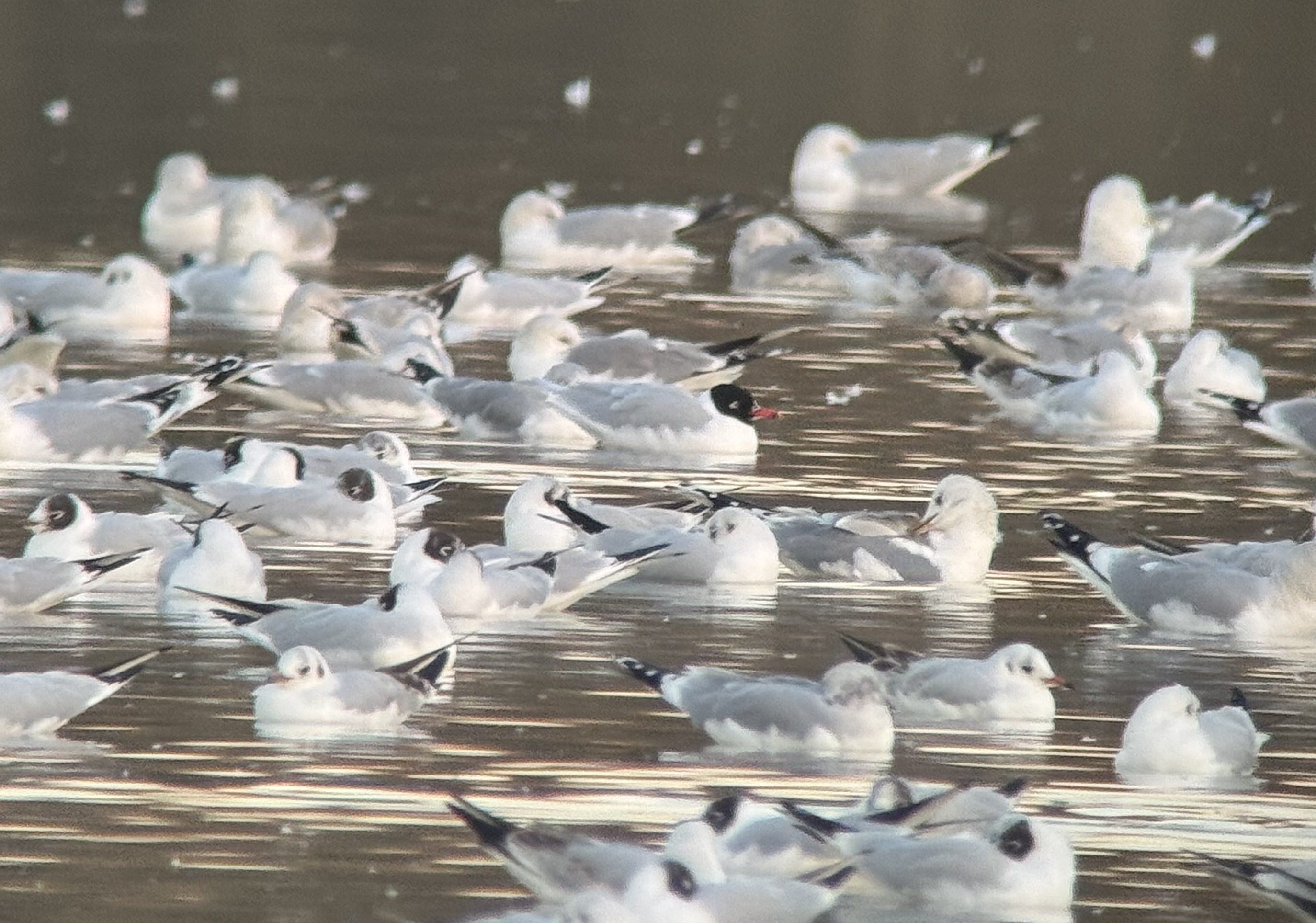
Following the previous mini-run of Little Gulls on 21st-22nd March, two appeared at Thrapston GP’s Town Lake on 31st, ahead of three at Pitsford on 3rd, preceding a build-up of numbers across 8 localities the following day. The latter saw site maxima of at least thirty-four at Stanford Res, at least nineteen at Summer Leys, fourteen at Clifford Hill, thirteen at Earls Barton, nine at Stanwick GP, seven at Daventry CP, three at Pitsford and two flying north-east over Irthlingborough. All in all, a great start to April for this diminutive, much admired, pocket rocket of a gull.

Other gulls were, of course, available – only if you were at Pitsford, that is, where a third-winter Caspian Gull was present on 31st, as were up to two Yellow-legged Gulls throughout the period.
And another first for the year was inbound this week in the shape of Common Tern, four of which got themselves noticed at Ditchford GP on 4th.
Still hanging on in there was the juvenile Great Northern Diver, which saw another week out at Pitsford.
Copy that for the Summer Leys Glossy Ibis …
Up to five Cattle Egrets were still to be found at Stanwick GP between 29th and 1st, while one put in an appearance by the River Nene at Cogenhoe Mill on the latter date.
The week’s Ospreys were to be seen at five localities and included two over Deene Lake on 29th, singles at Summer Leys on 29th and 4th and at Thrapston on 30th, Hollowell on 31st and Pitsford on 3rd.

The only Marsh Harriers, however, were at Summer Leys on 31st and 2nd.
The Northern Treecreeper, last photographed at Summer Leys on 20th, was reported there again on 30th-31st.
Returning once more to firsts for the year, a male Ring Ouzel was clearly ‘old hat’ for a local patch watcher at Blueberry Farm, Maidwell on 3rd and the first Common Redstart to break cover was a male at nearby Hanging Houghton on 30th, with the second one not far behind it at good old Blueberry Farm again the following day. These were followed by two more males – one in the Nene Valley near Great Doddington and the other at Harrington AF – both on 4th.
Other migrant passerines of note included single Northern Wheatears at Clifford Hill on 29th and 31st with two there on 30th, singles at Harrington on 29th and 31st with two there on 4th, one at Earls Barton on 29th and two at Blueberry Farm on 31st and one there on 3rd.
And in the grey area of the spectrum, two White Wagtails were found at Earls Barton GP on 29th, followed by singles at Lower Barnwell Lock on 30th and Hollowell on 31st.






 Northants birds