A westerly to south-westerly bias to the wind direction this week may not have been in the best interest of migrants from the deep south but there were signs of the beginning of a winter goose clear-out, while some of the county’s recent scarcer visitors sat tight.
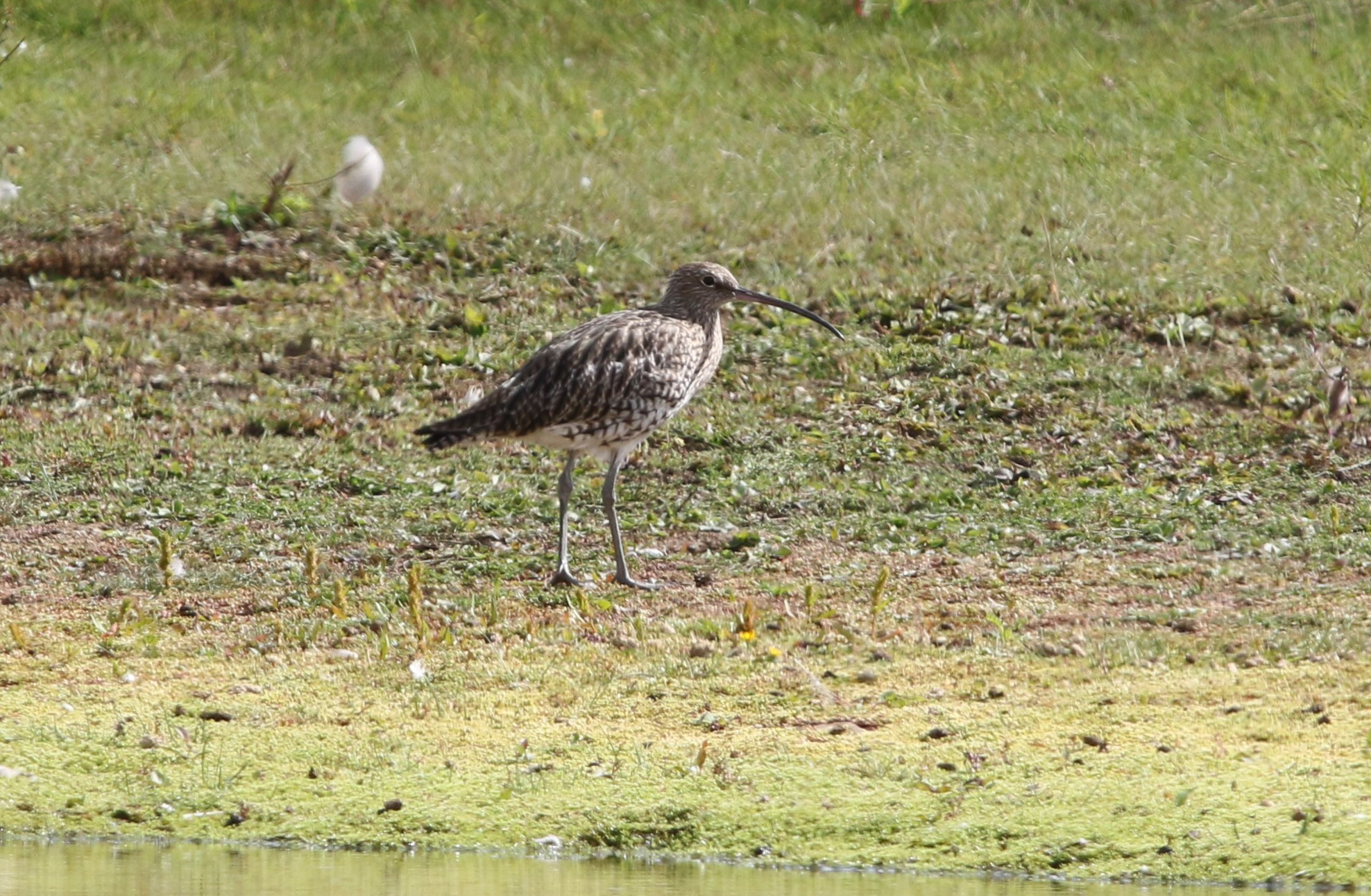
New in, however, was an early bird in the shape of a Whimbrel – the first of the year – at Clifford Hill GP on 7th.
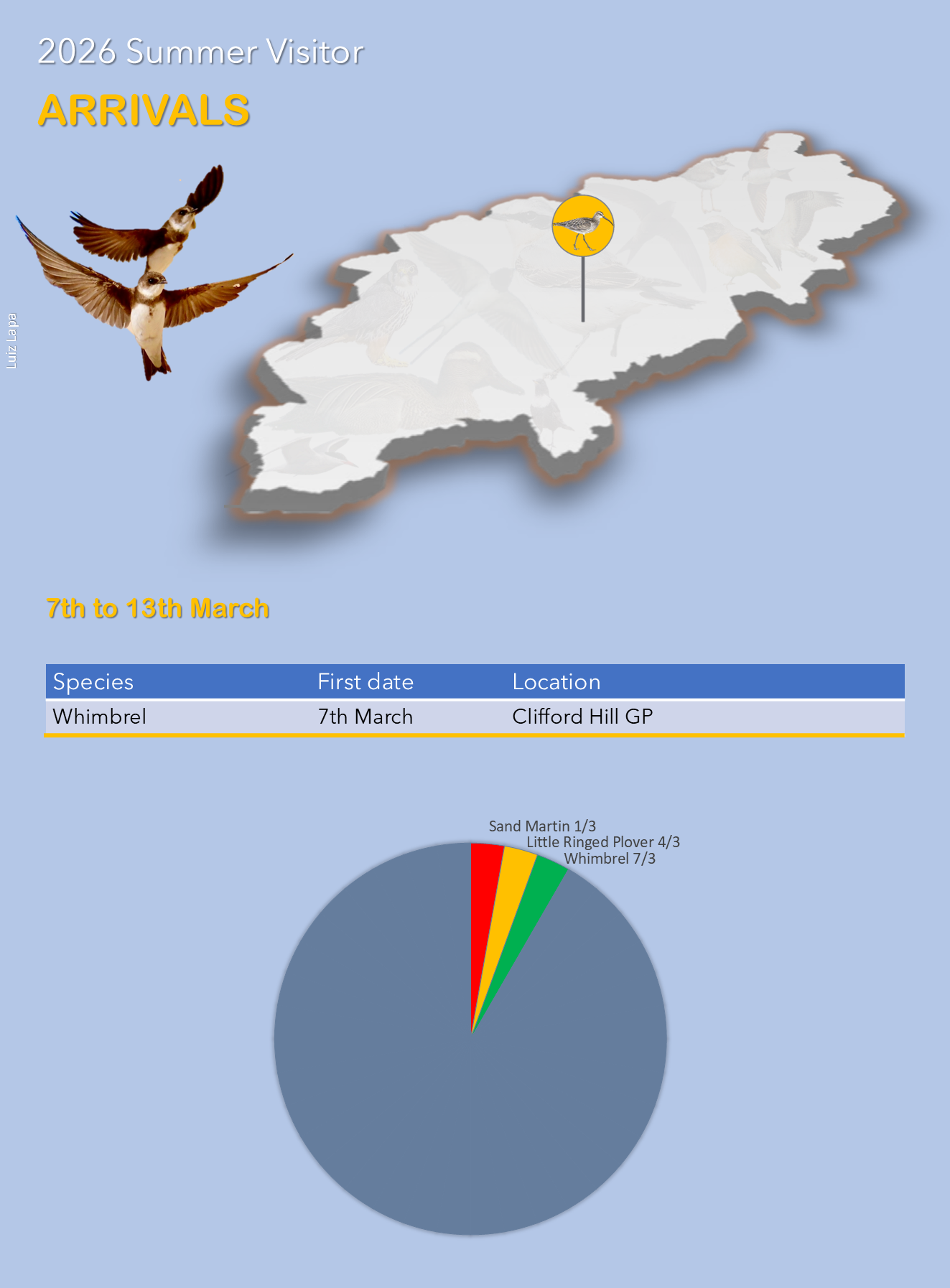
This individual proved itself a record-breaker, comfortably beating the county’s previous earliest of one over Ravensthorpe Res on 10th March 2012. While by and large classed as a summer visitor, the UK supports a very small, but growing, wintering population with a concentration along the south coast of England, as well as some in Southern Ireland.
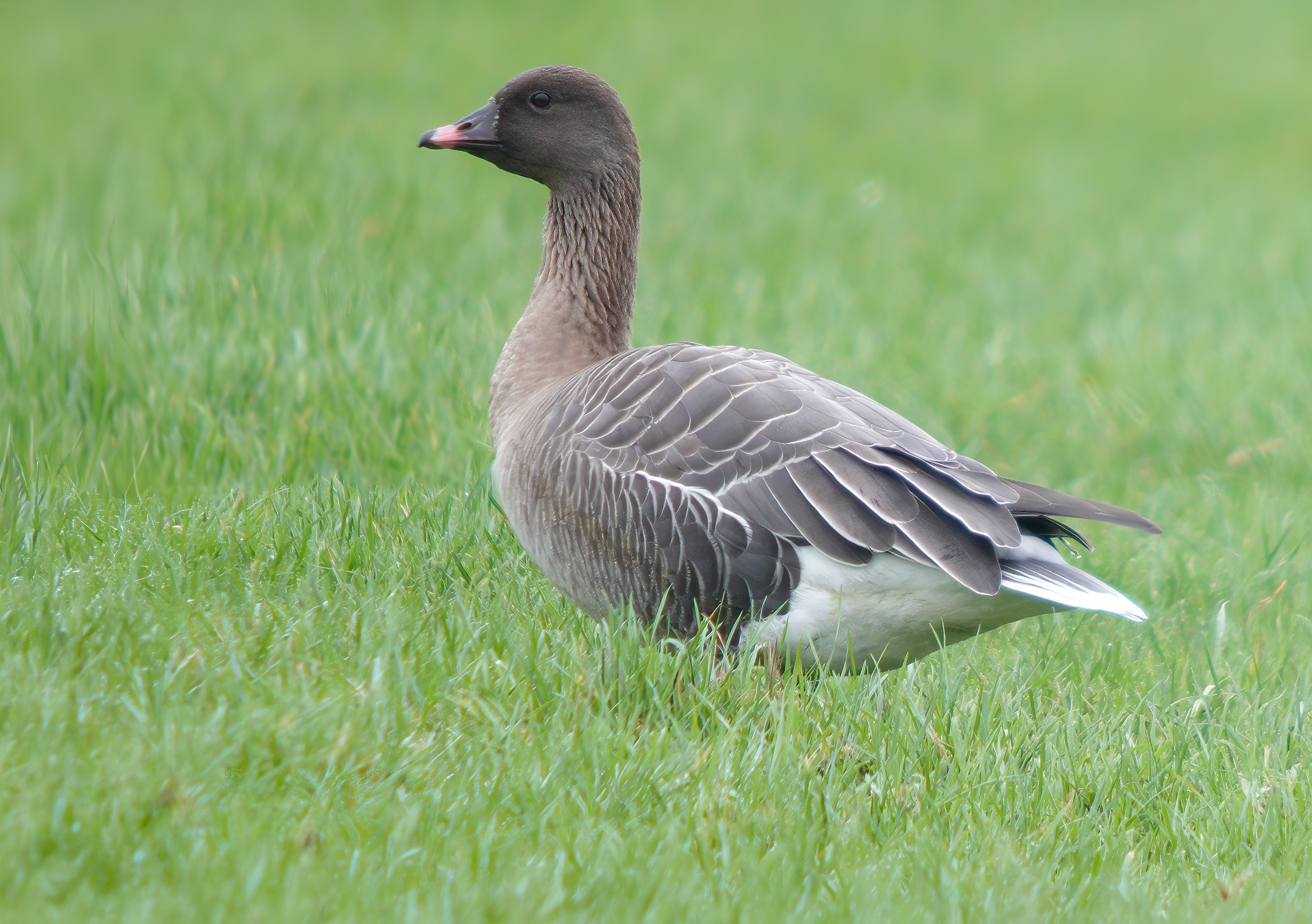
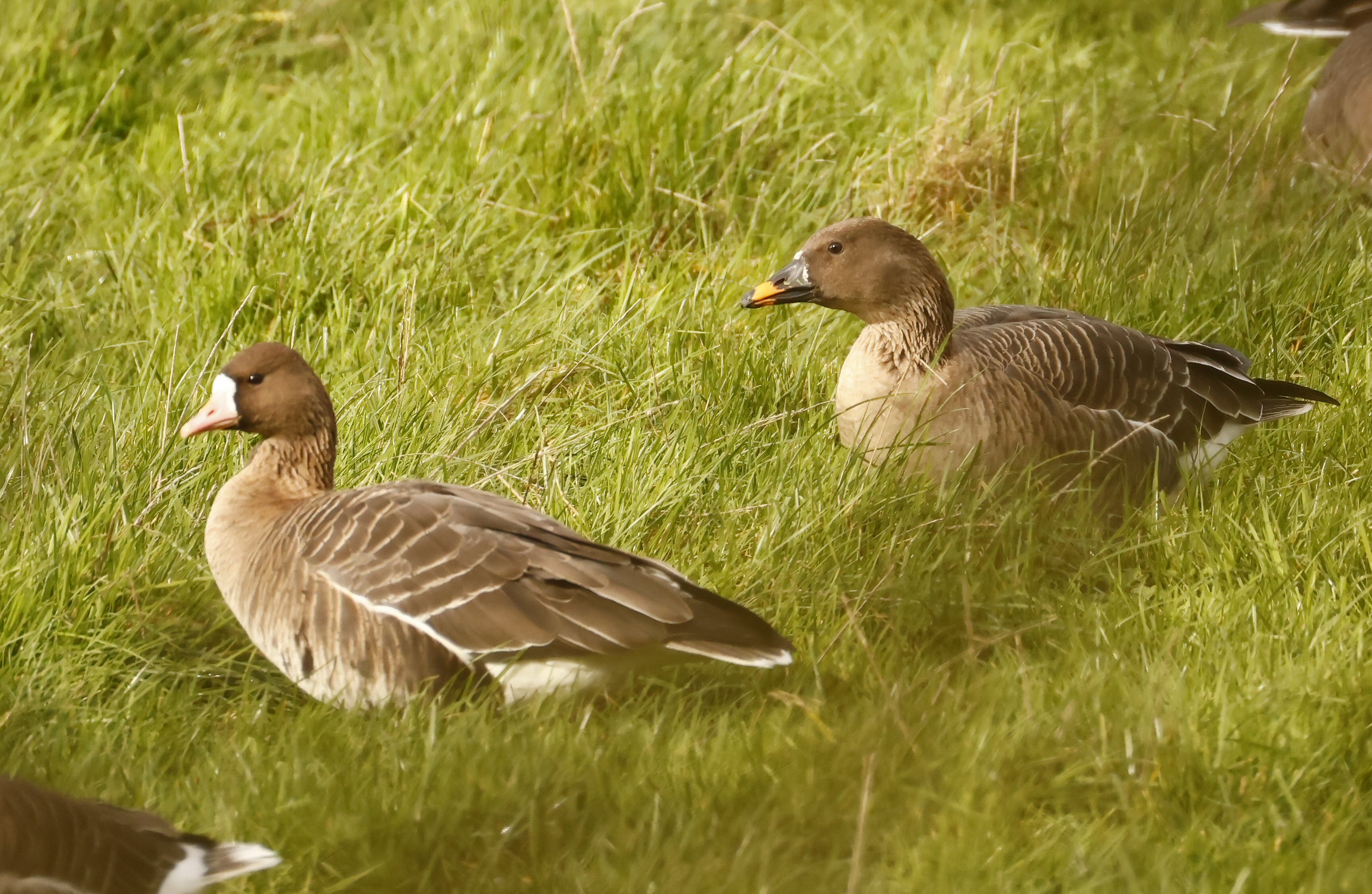
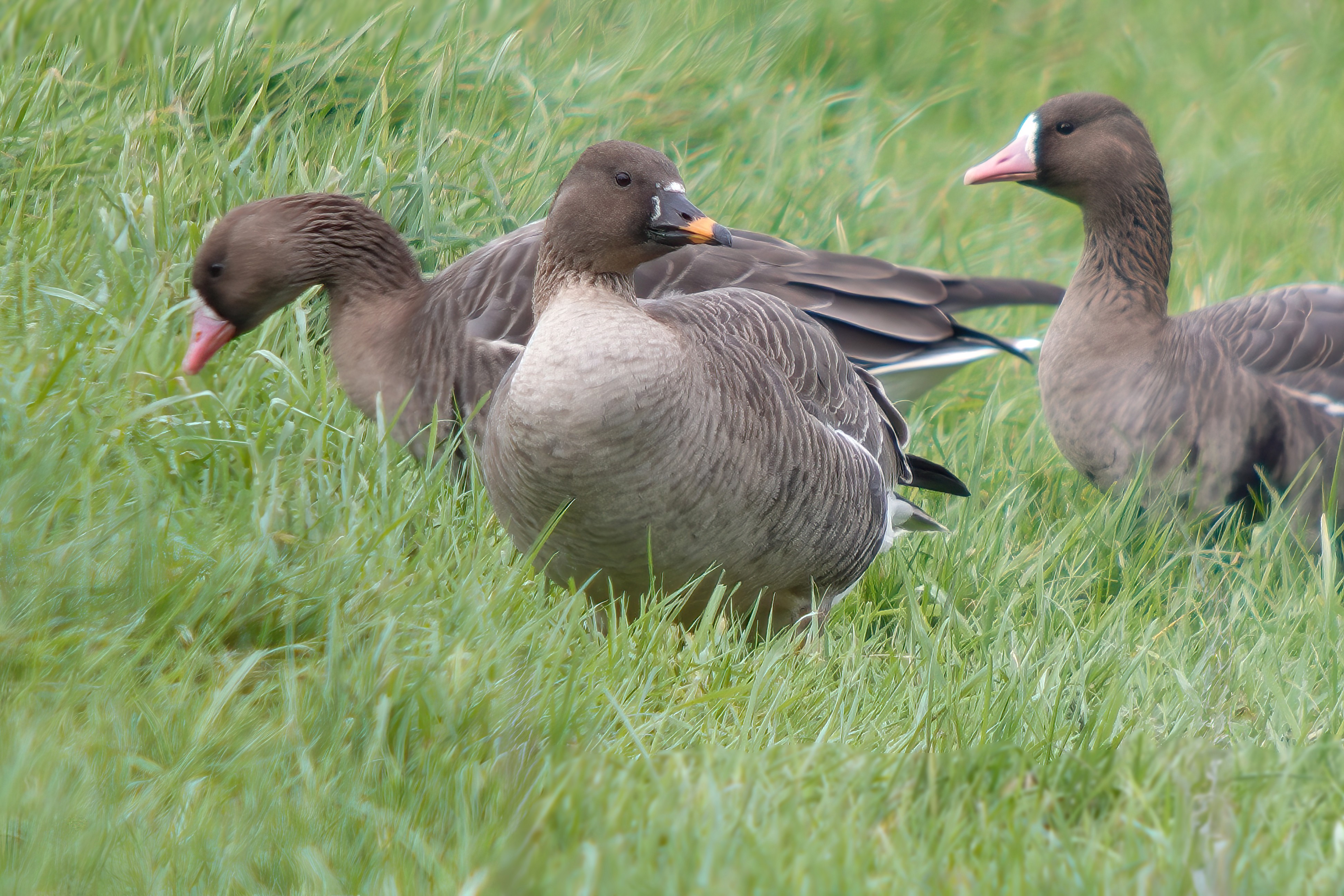
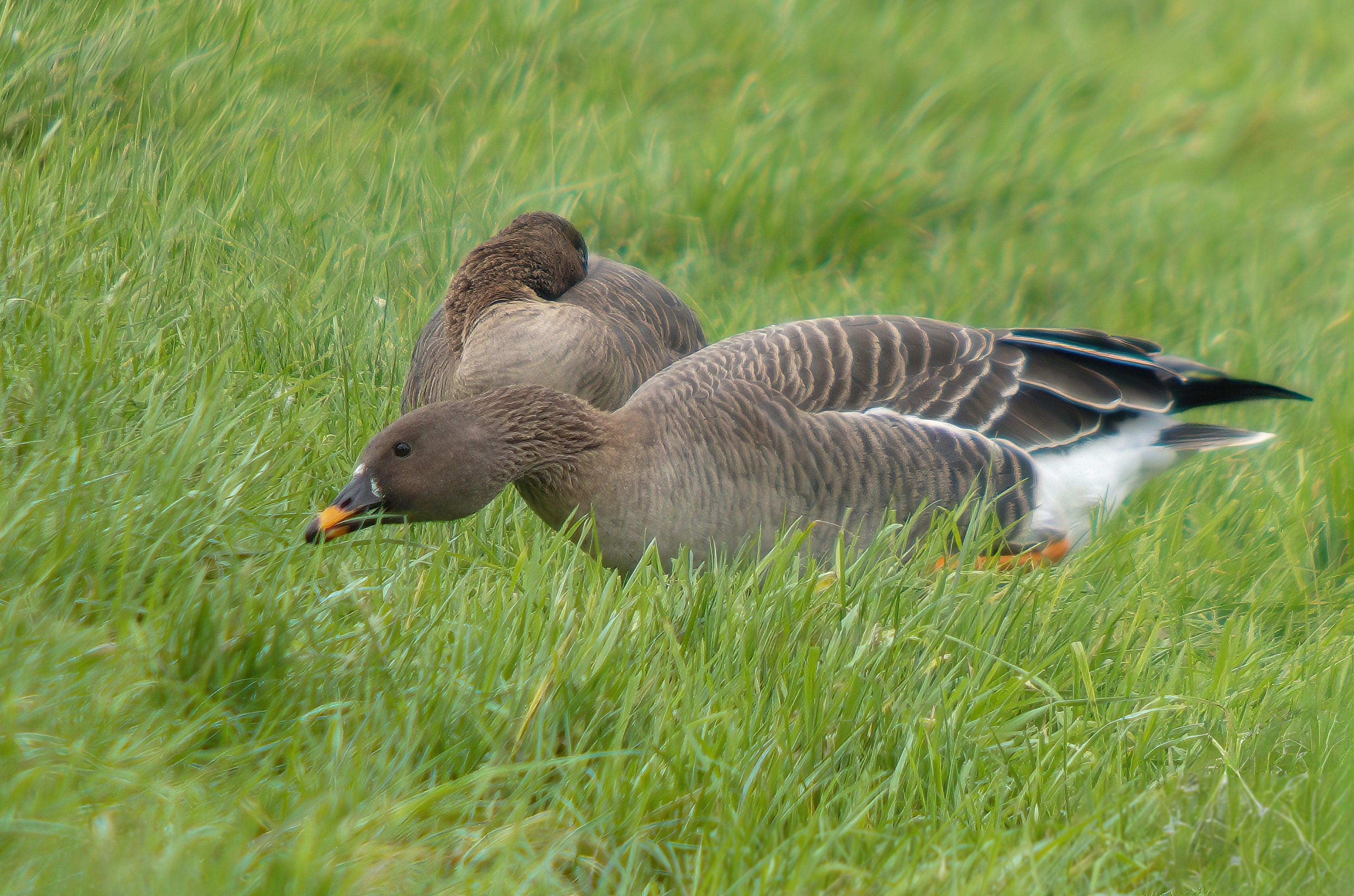
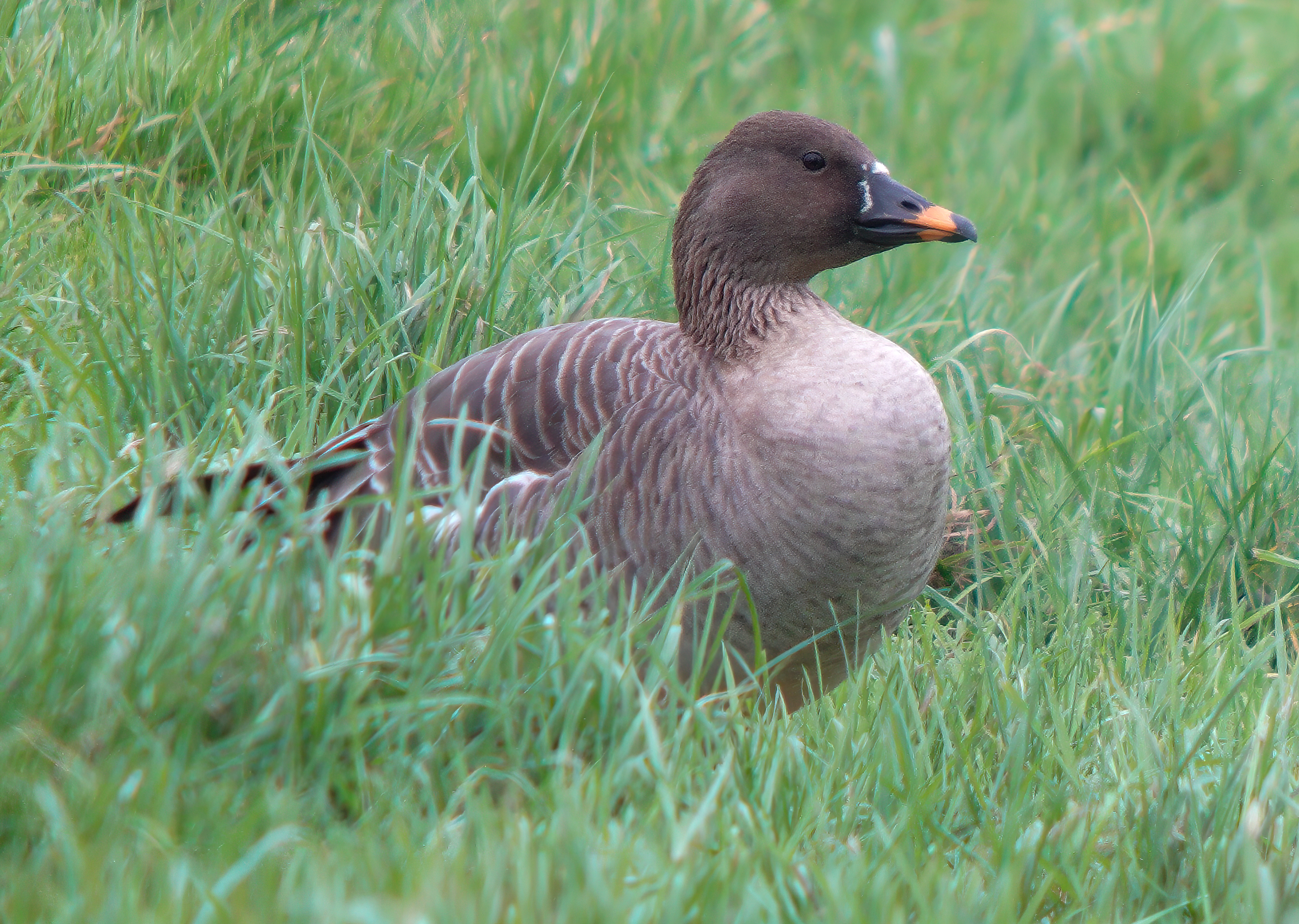
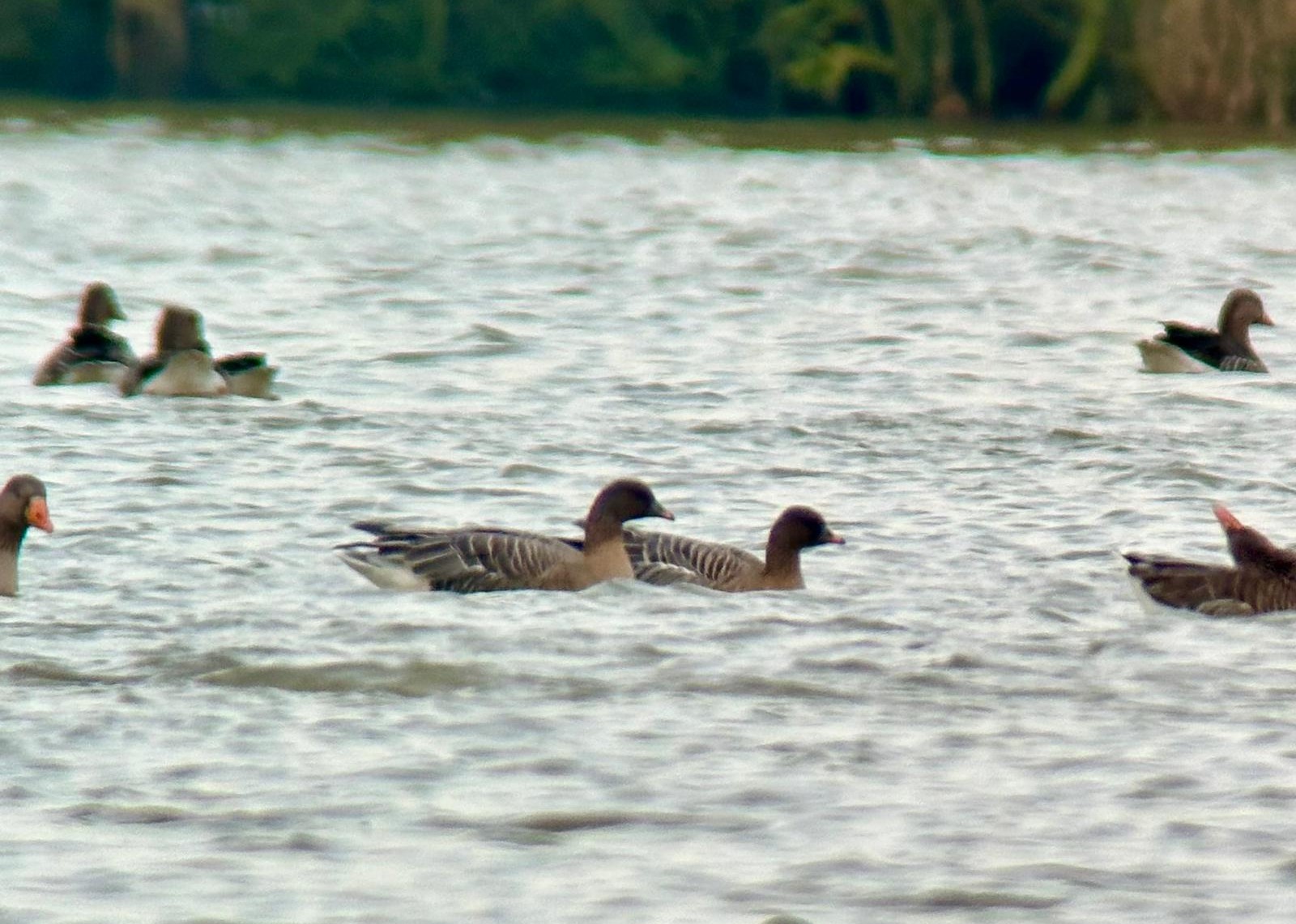
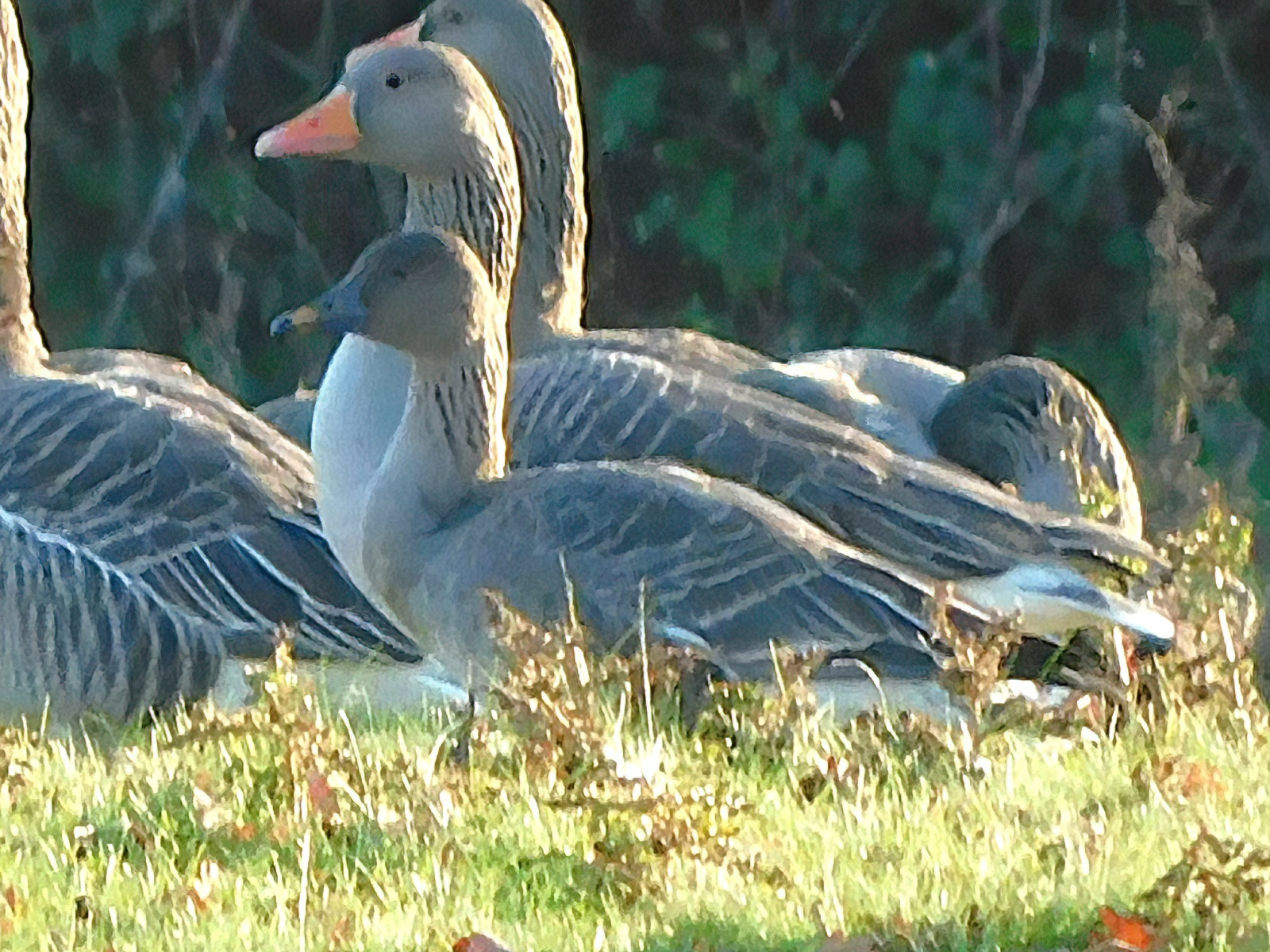
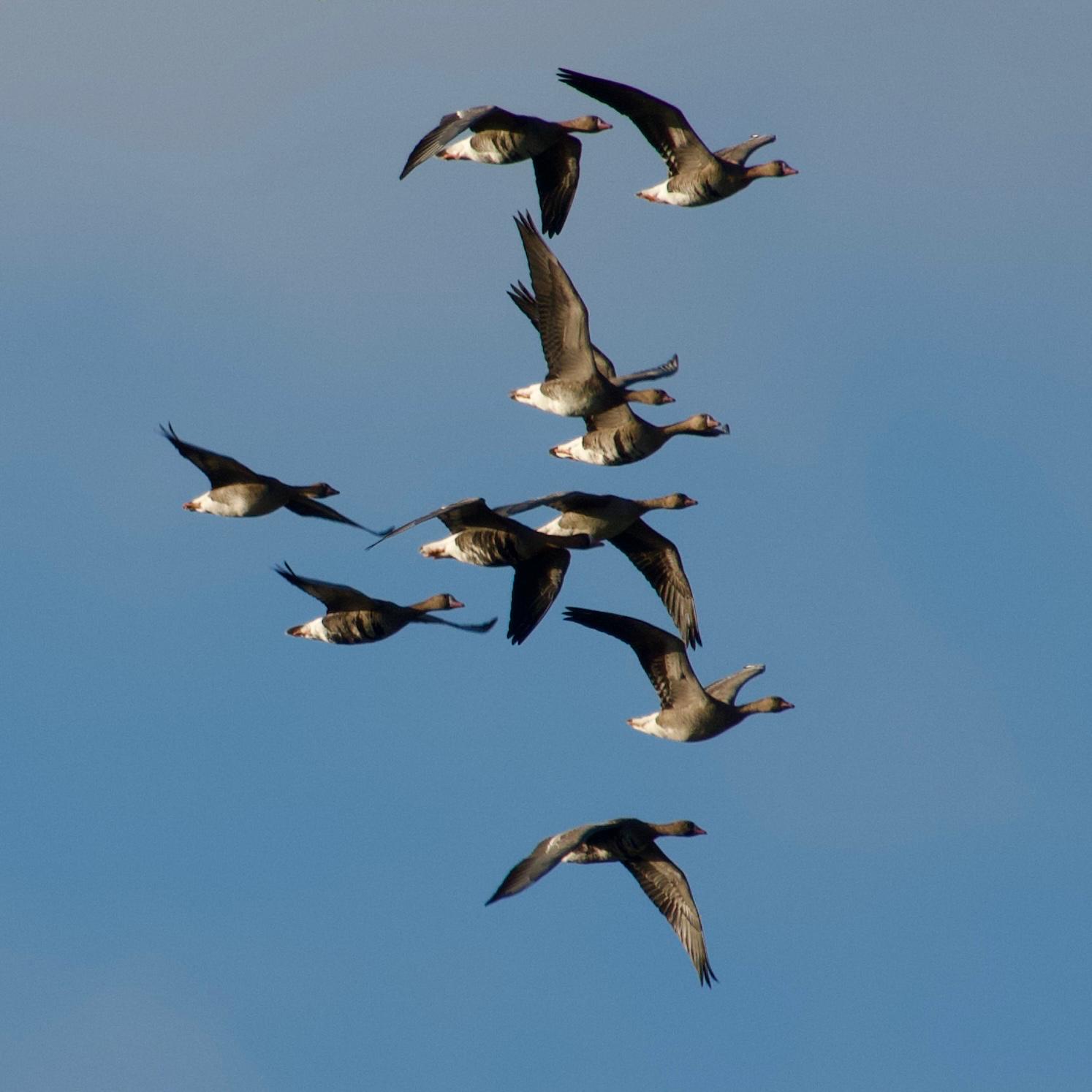
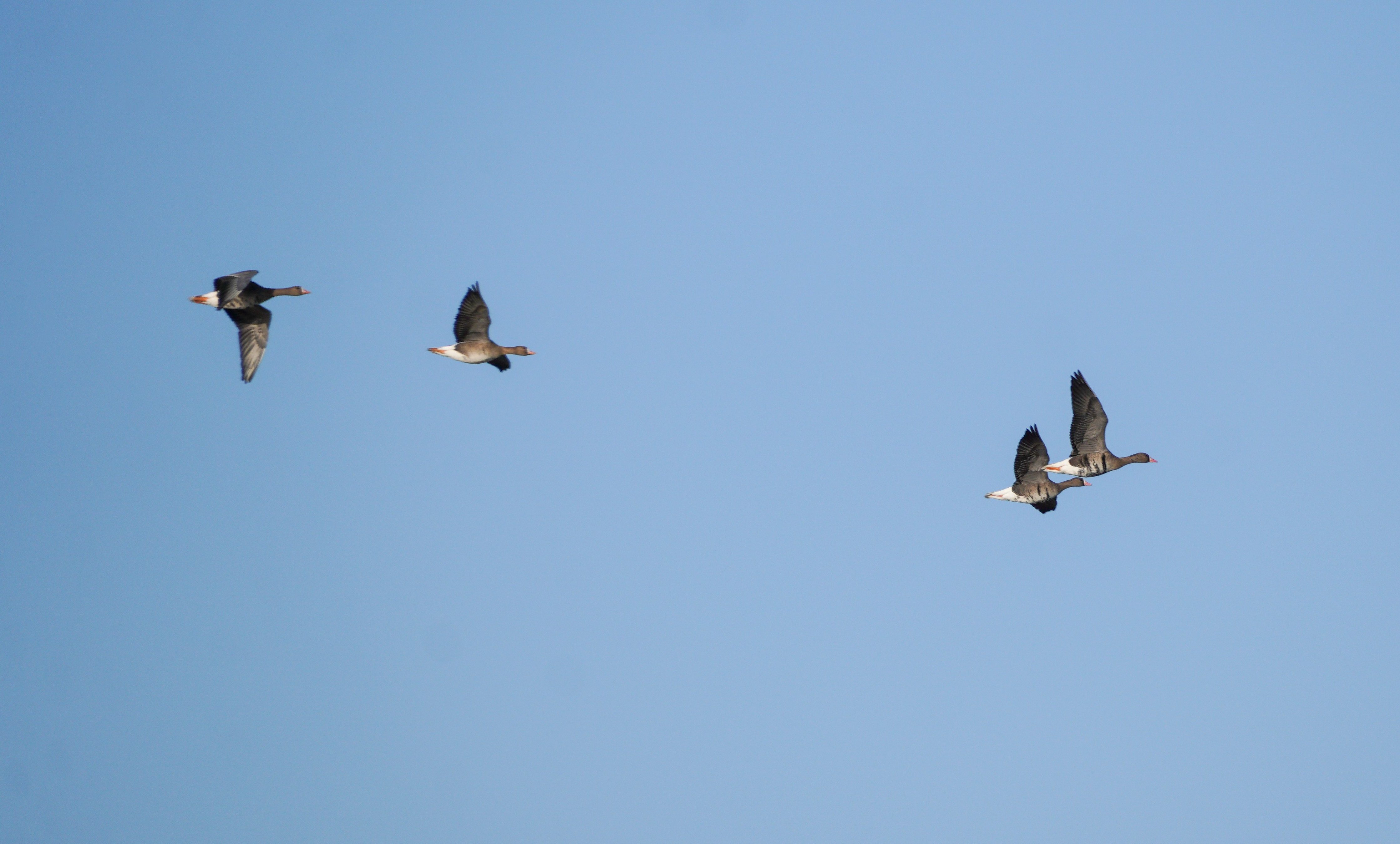
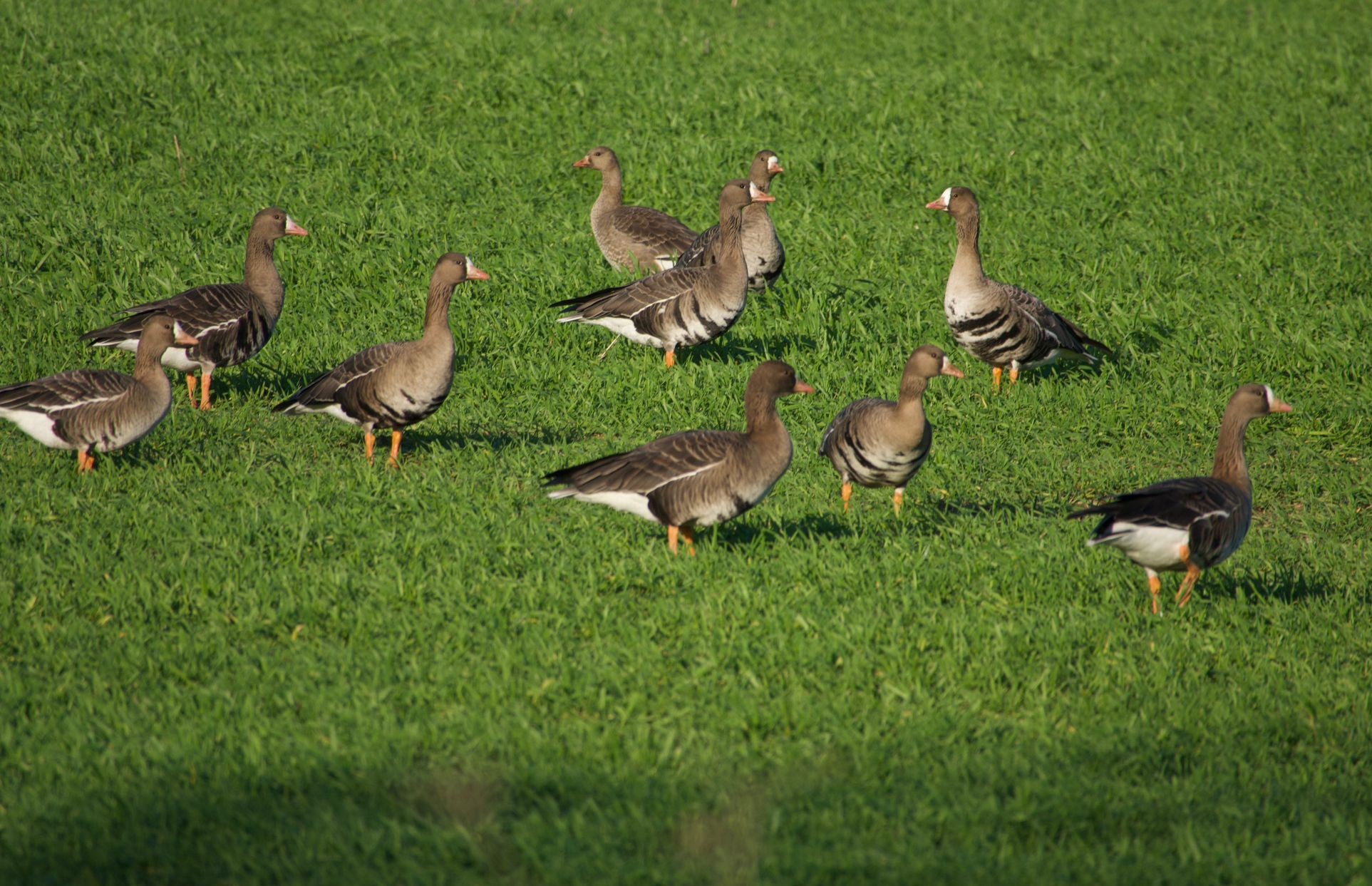
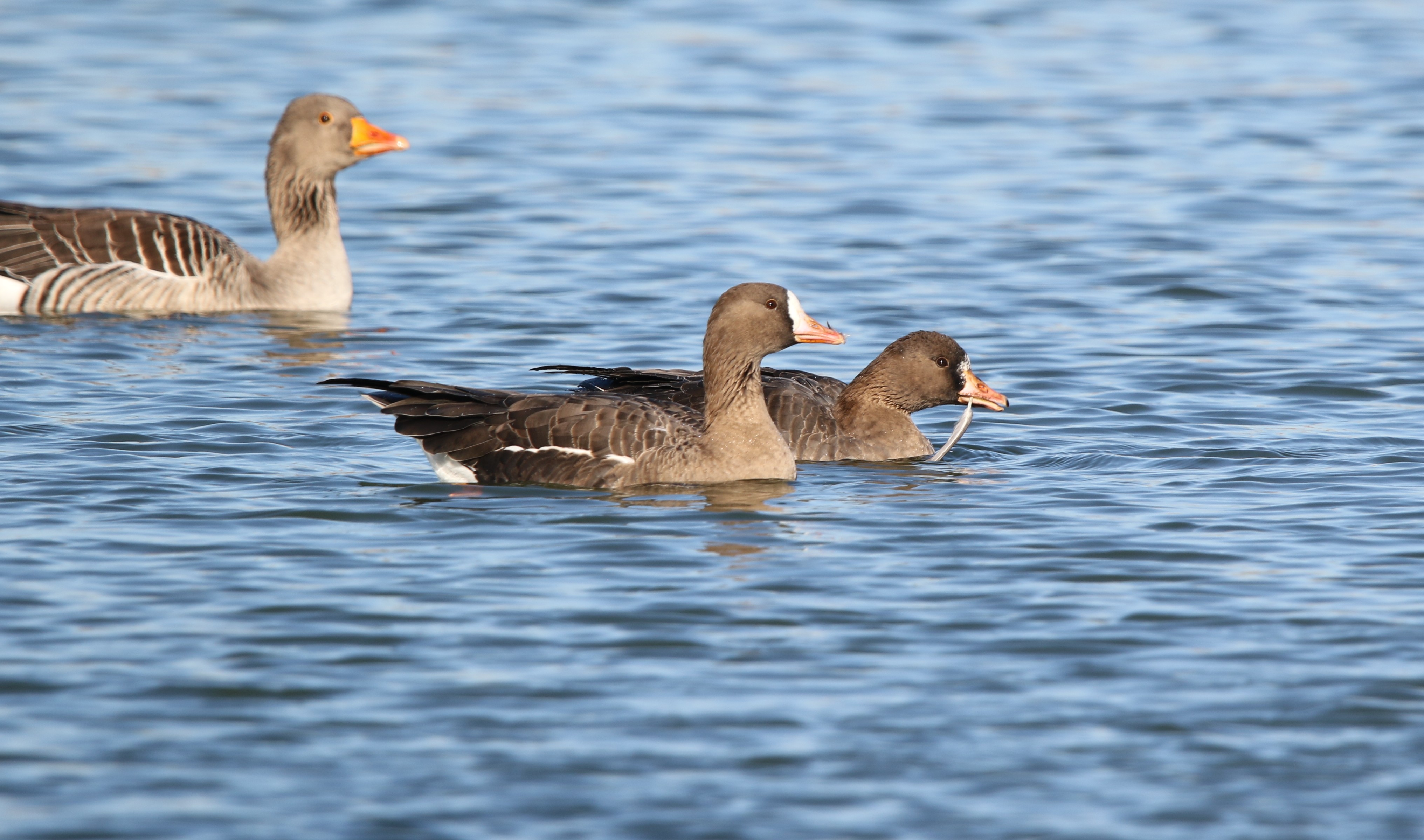
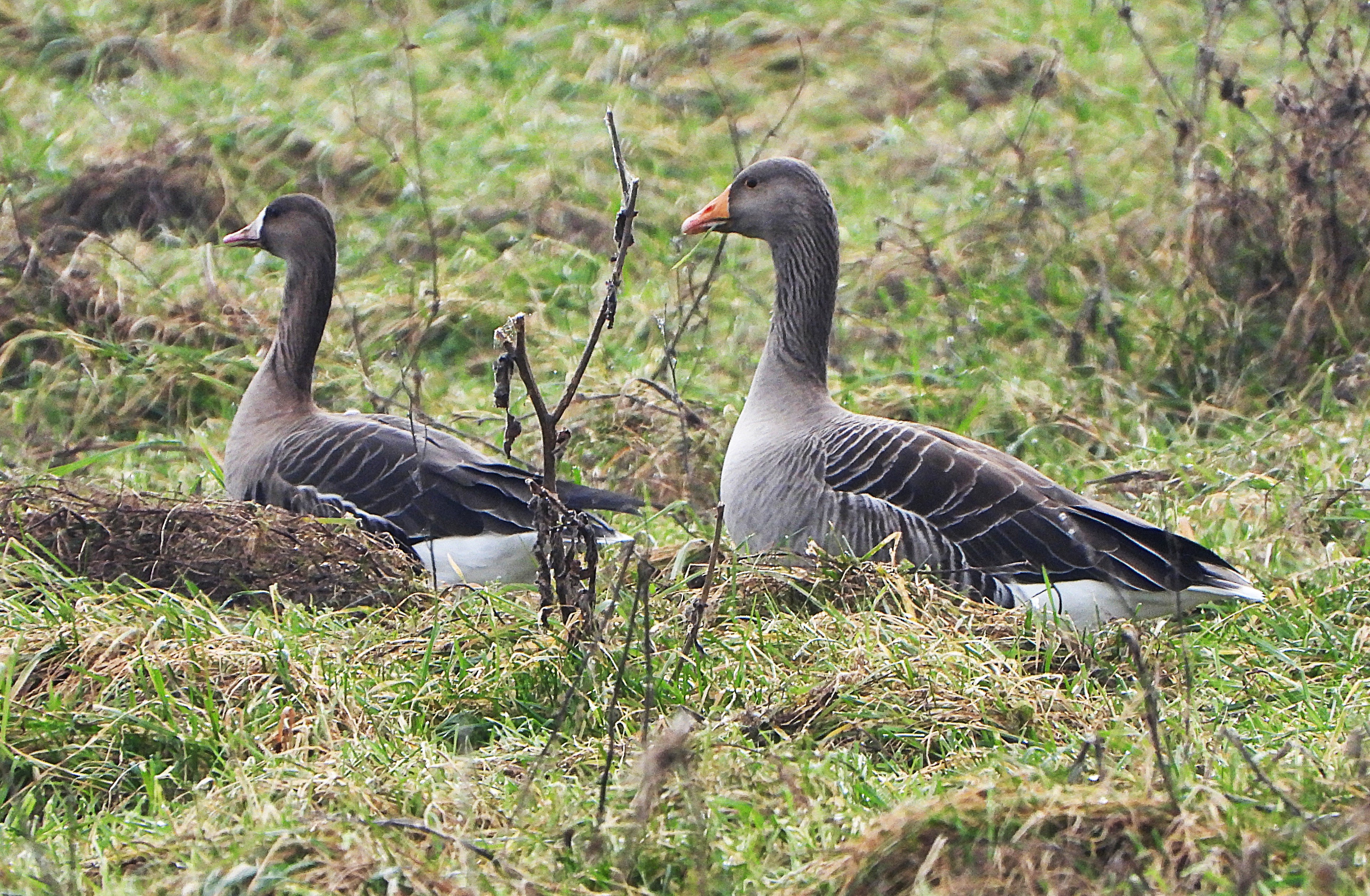
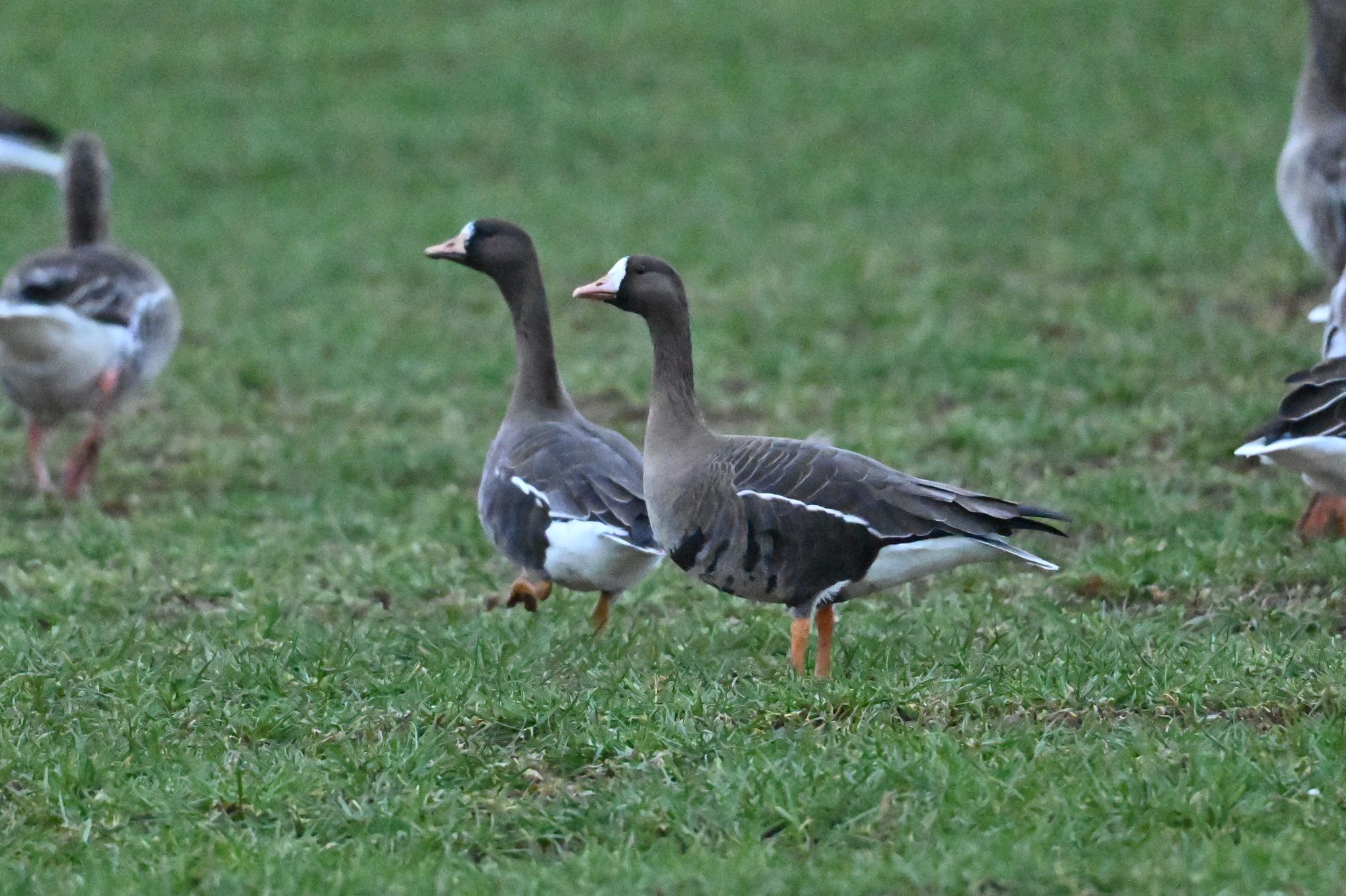
The week’s geese included a Pink-footed Goose found between Chipping Warden and West Farndon on 8th – the same date being the last on which the long-staying Tundra Bean Goose, along with its supporting cast of up to twenty-three White-fronted Geese, was seen at Ringstead GP. With regard to the latter species, the Stanwick seven were, appropriately enough, last seen on 7th, while the settled flock of up to thirty-seven remained in the vicinity of Stanford on Avon until the week’s end.
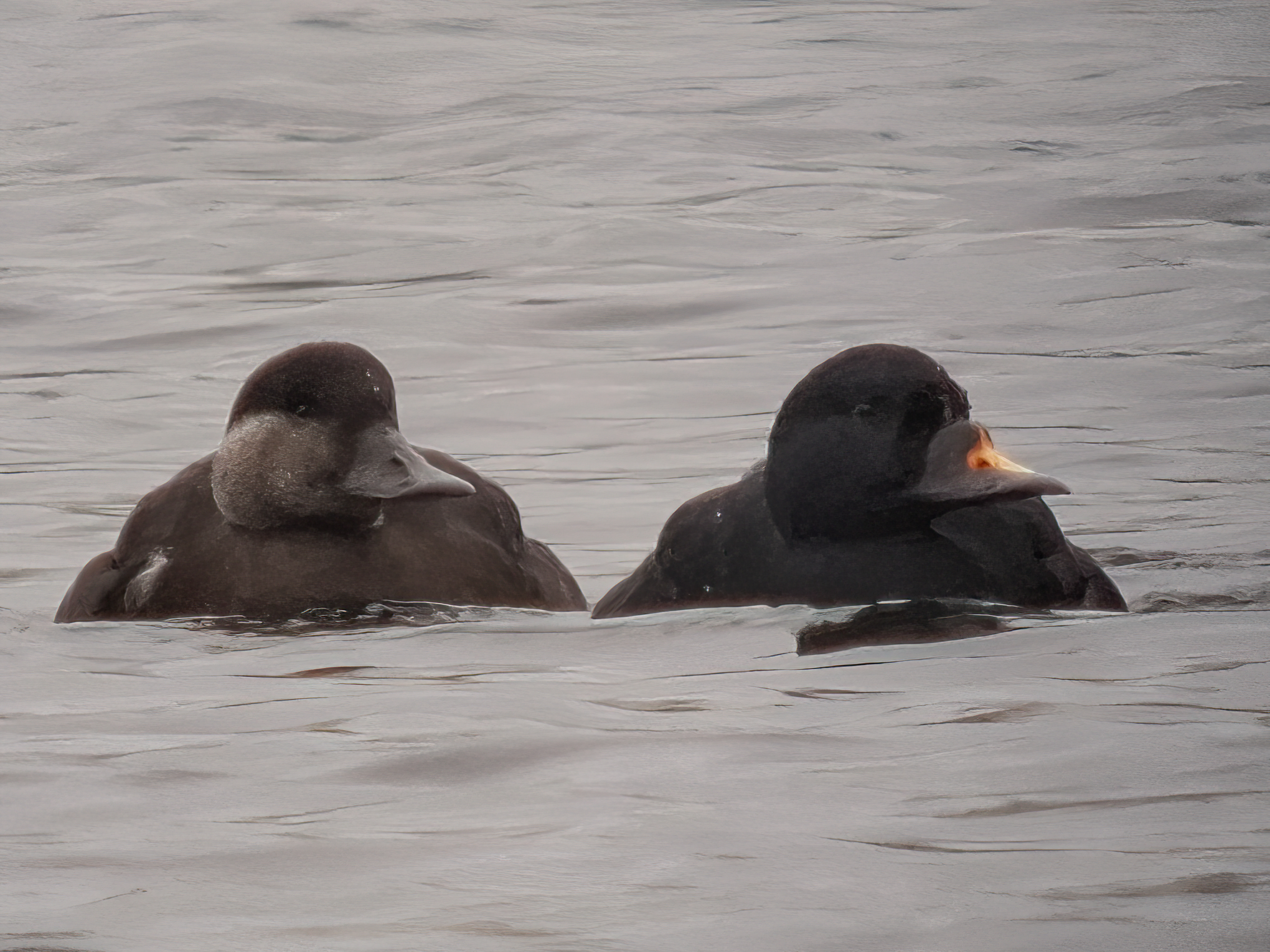
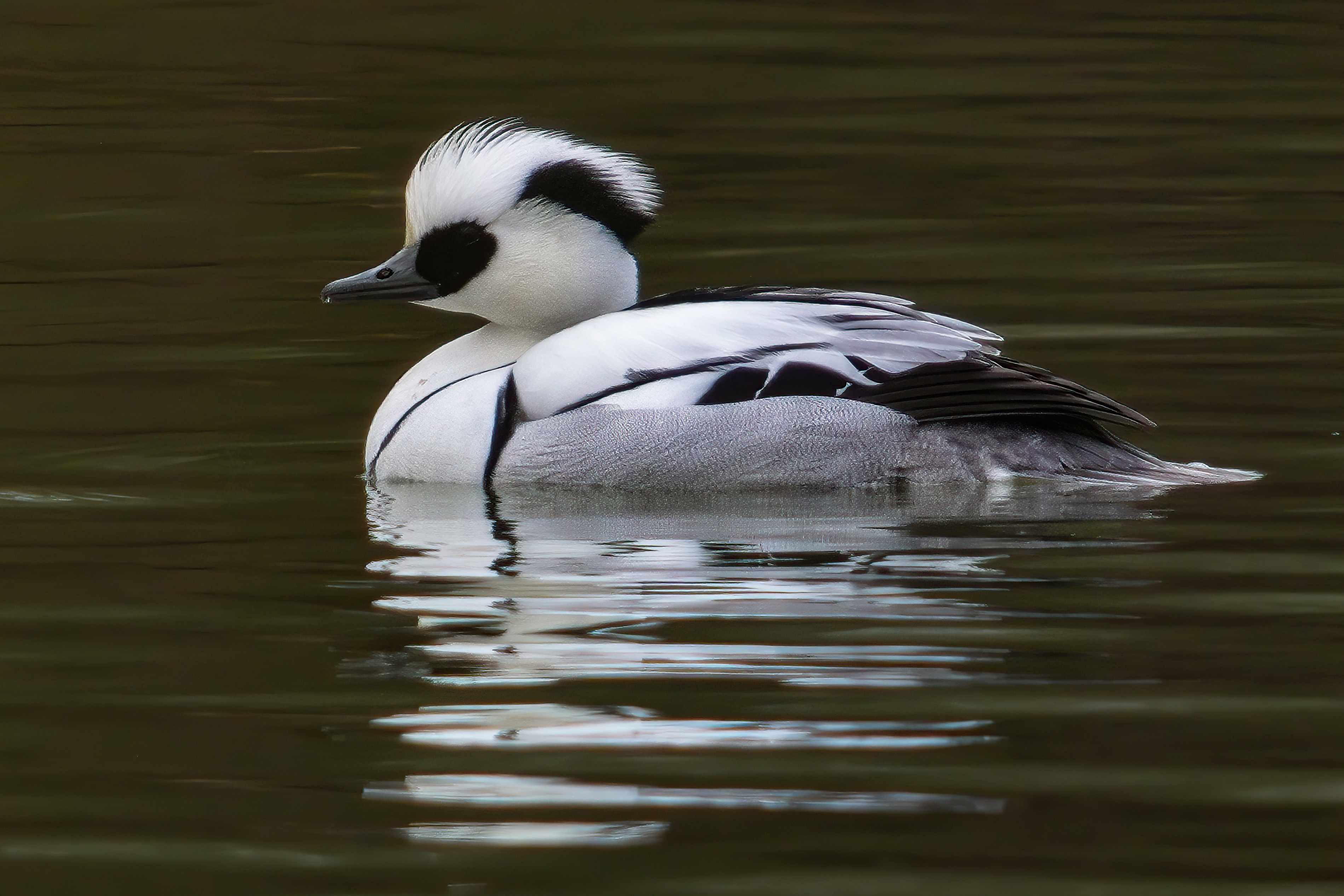
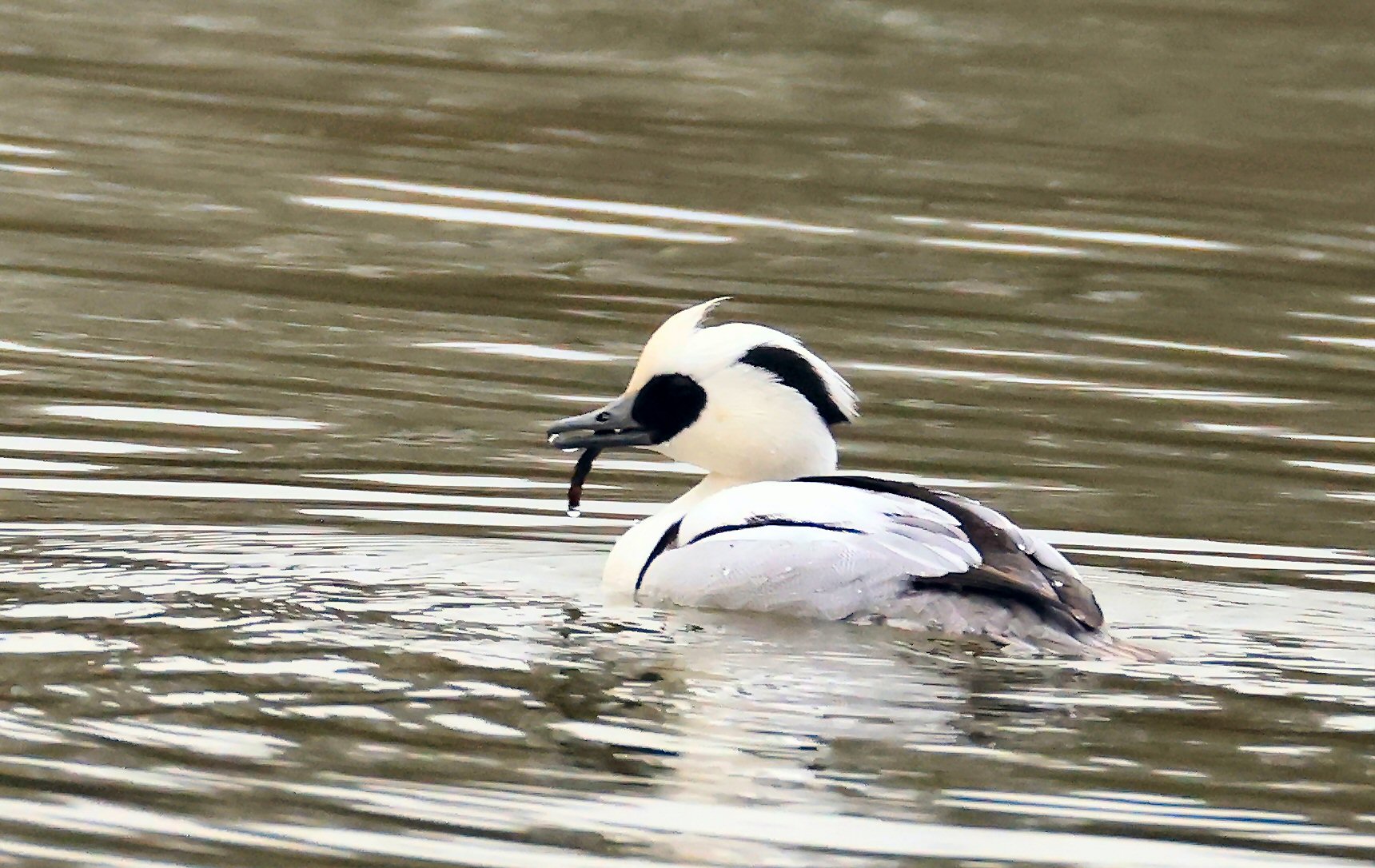
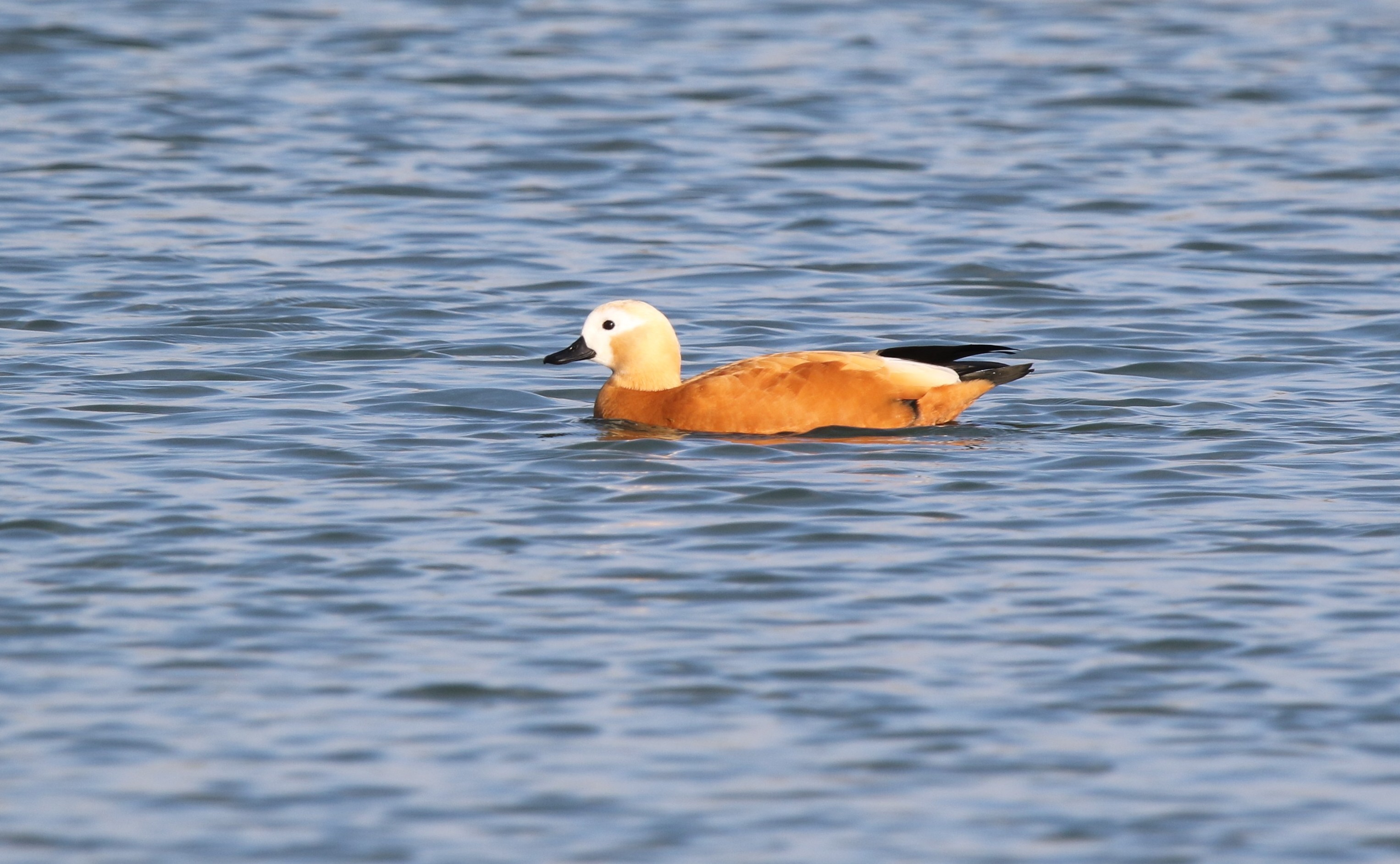
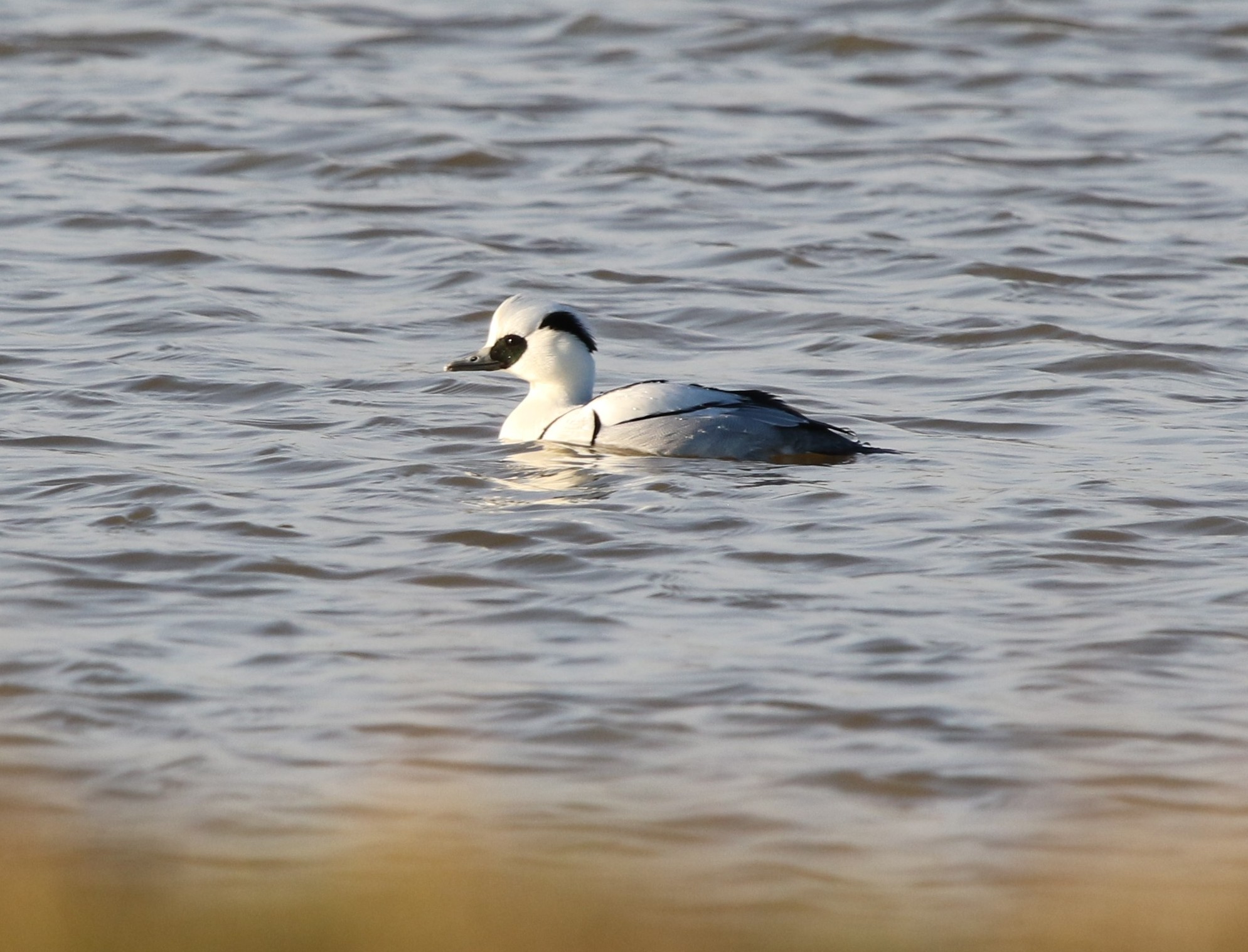
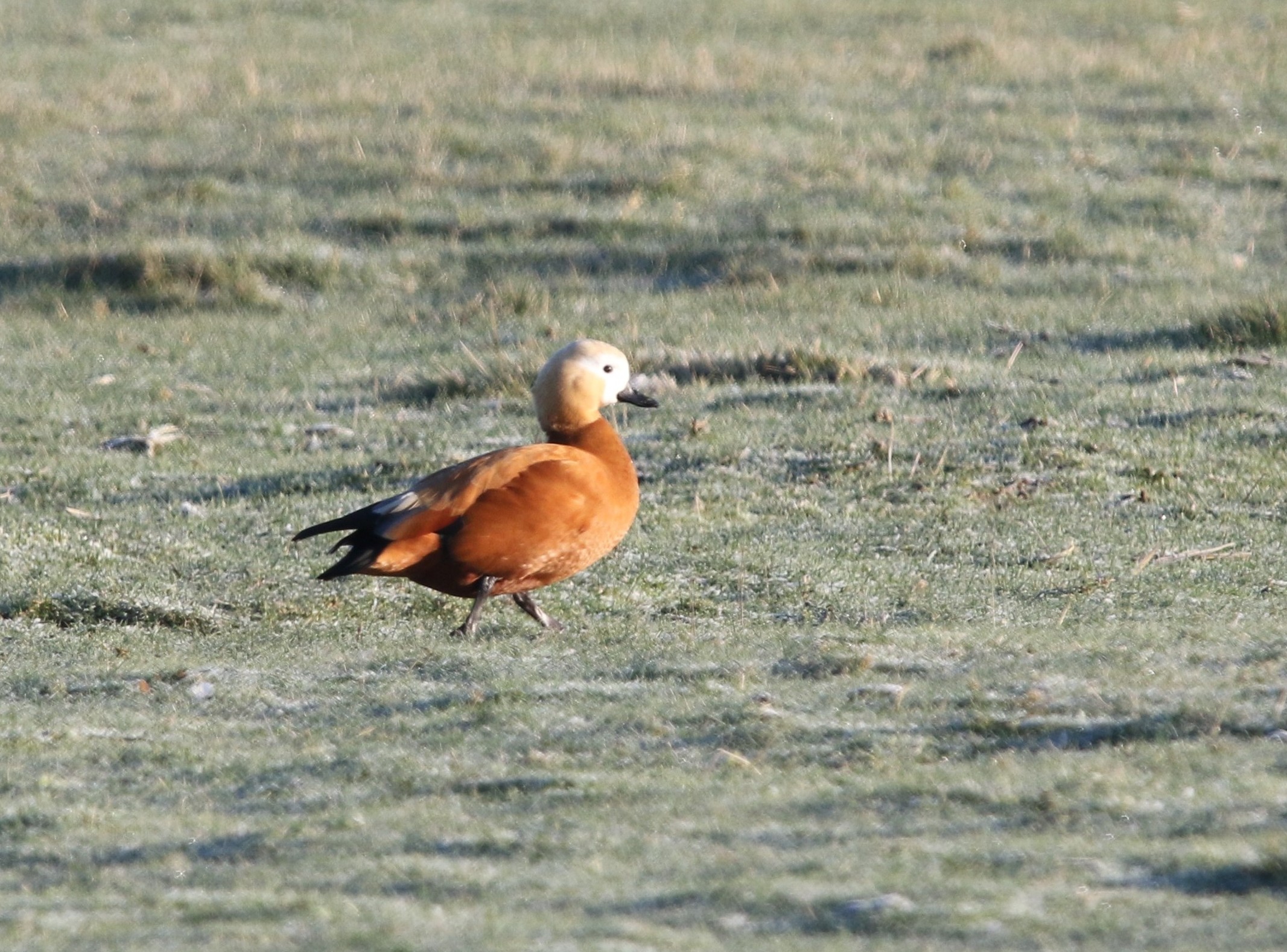
The female Ruddy Shelduck was still present at Lilbourne Meadows up to 9th but was not reported thereafter, the same being applicable to the drake Smew at Clifford Hill GP. New in, however, were two Common Scoters making a short stopover at Daventry CP, also on 9th and on the back of an inland movement across the Midlands and Northern England.
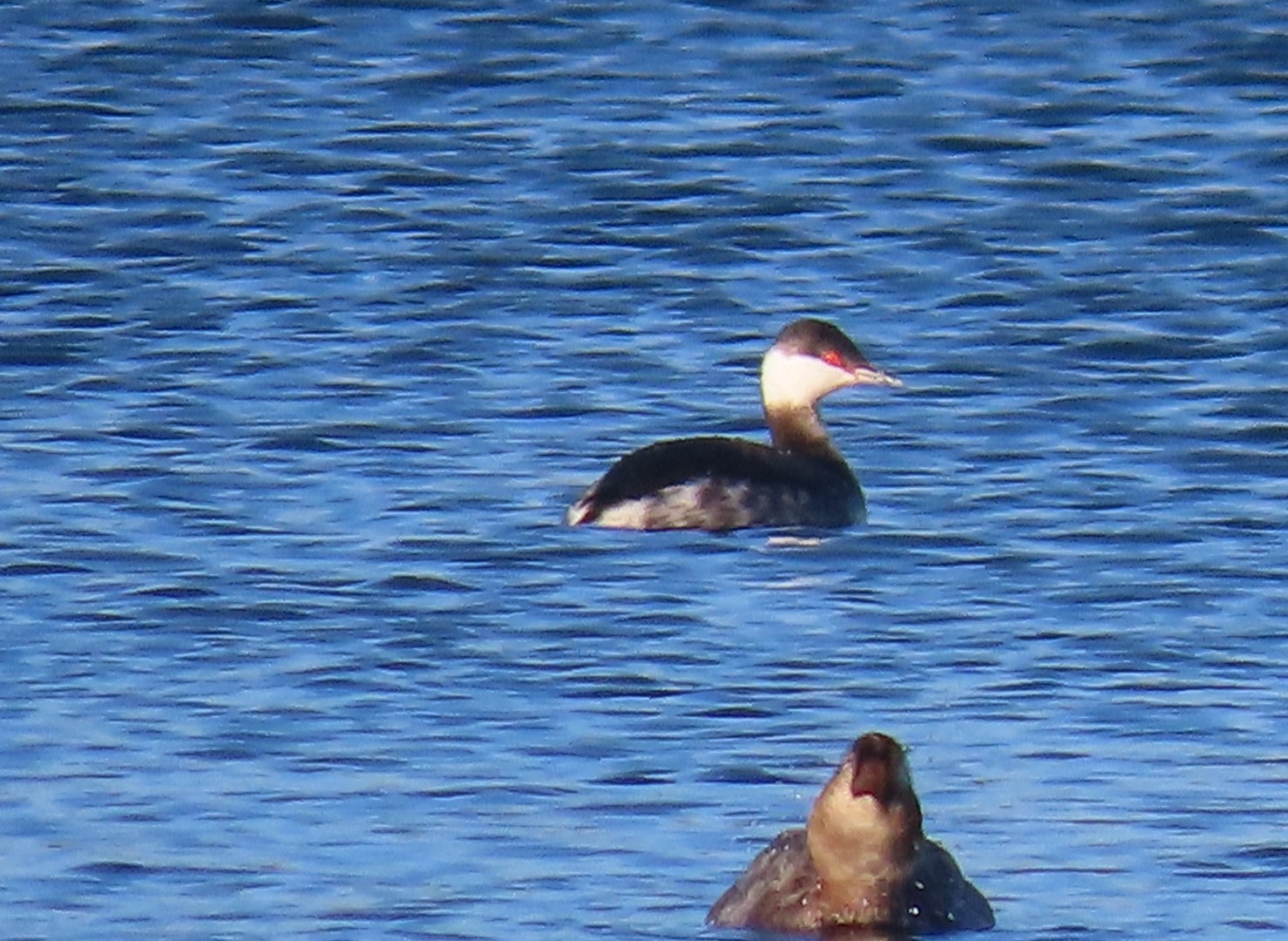
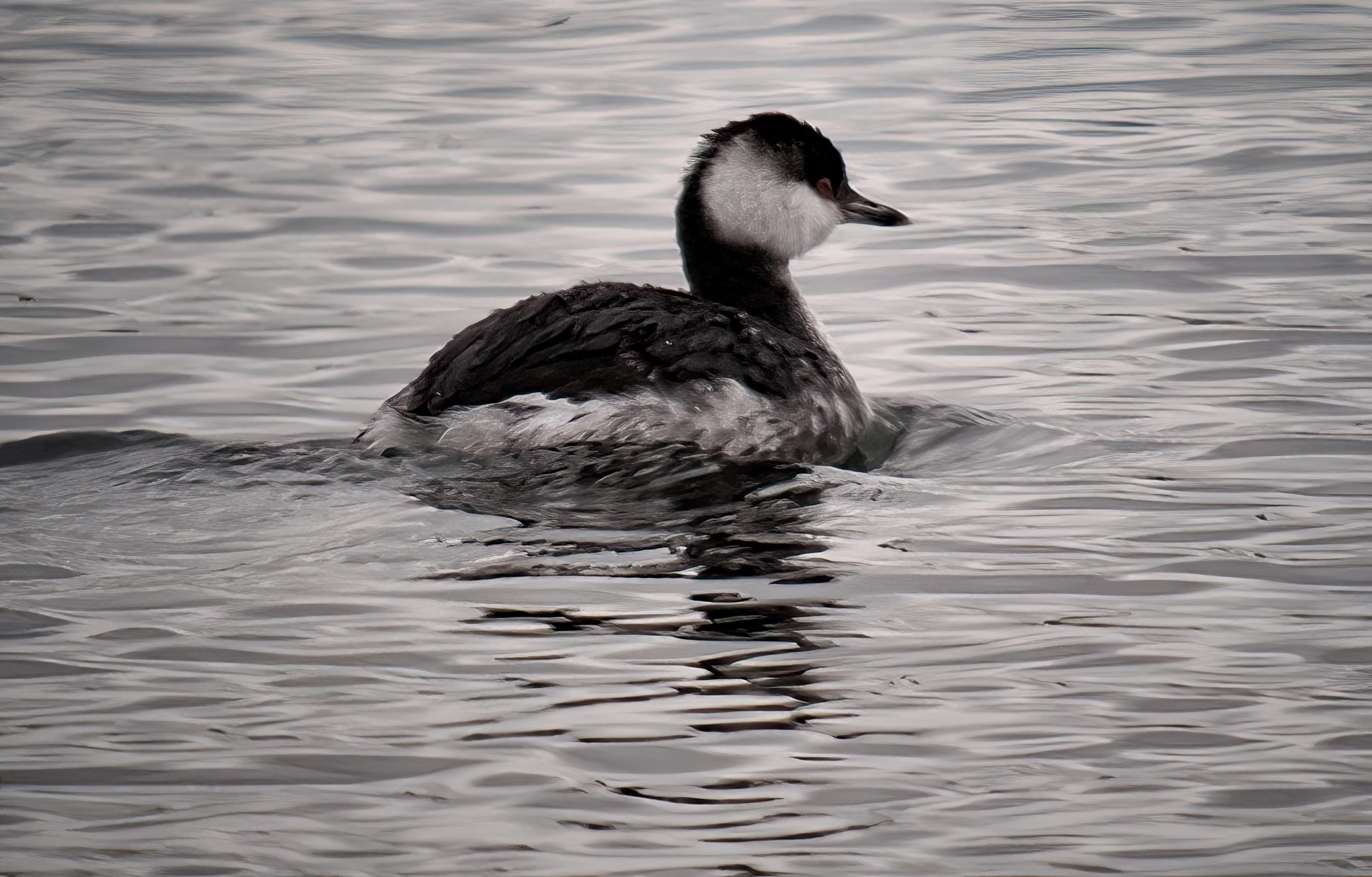
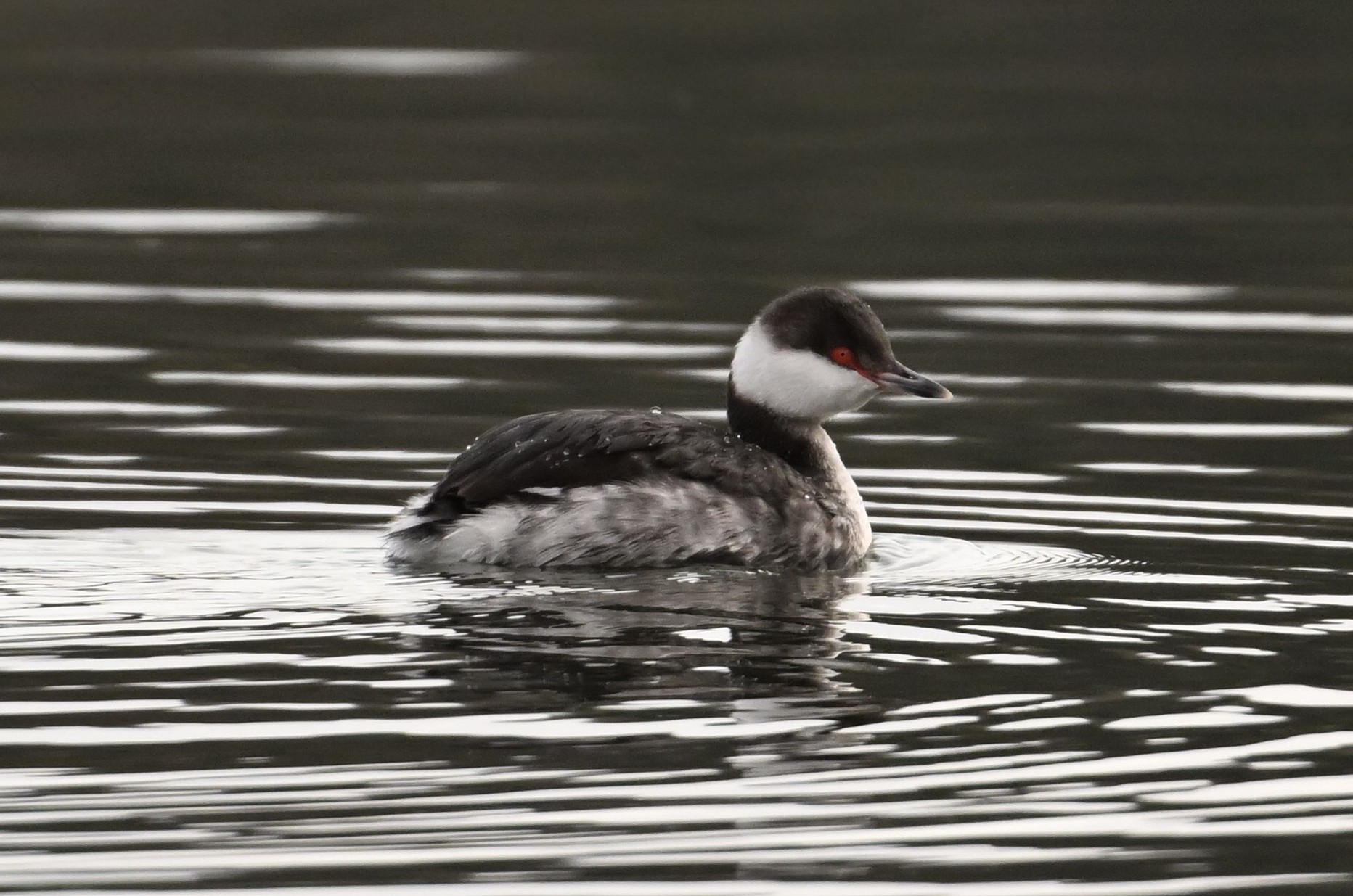
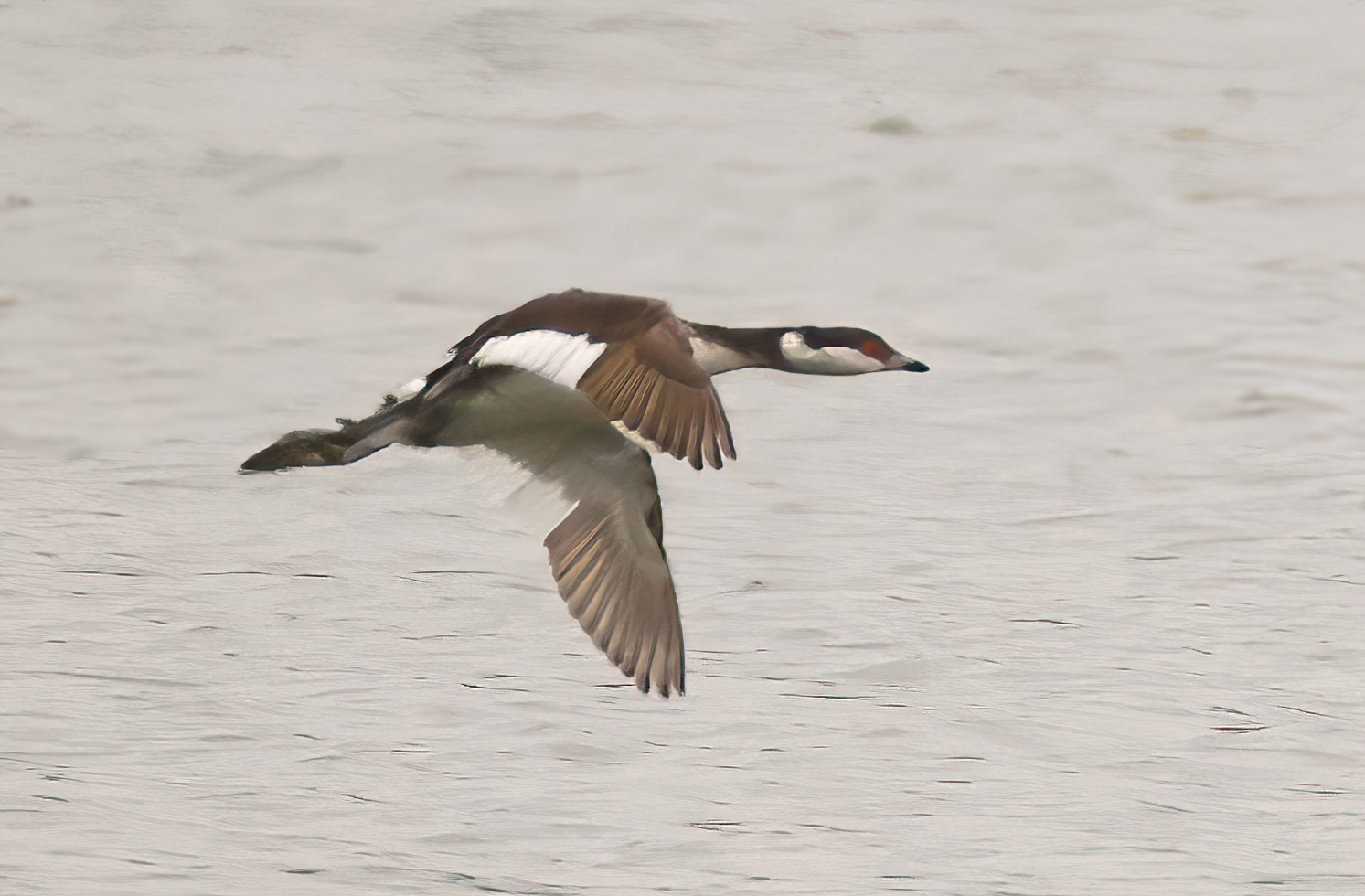
Having moved to Ditchford GP, last week’s Red-necked Grebe continued to prove elusive, having shifted to Big Lake there on 10th, the week’s only sighting, and there were no subsequent reports. By stark contrast, Ravensthorpe’s Slavonian Grebe extended its stay, being seen daily throughout the period.
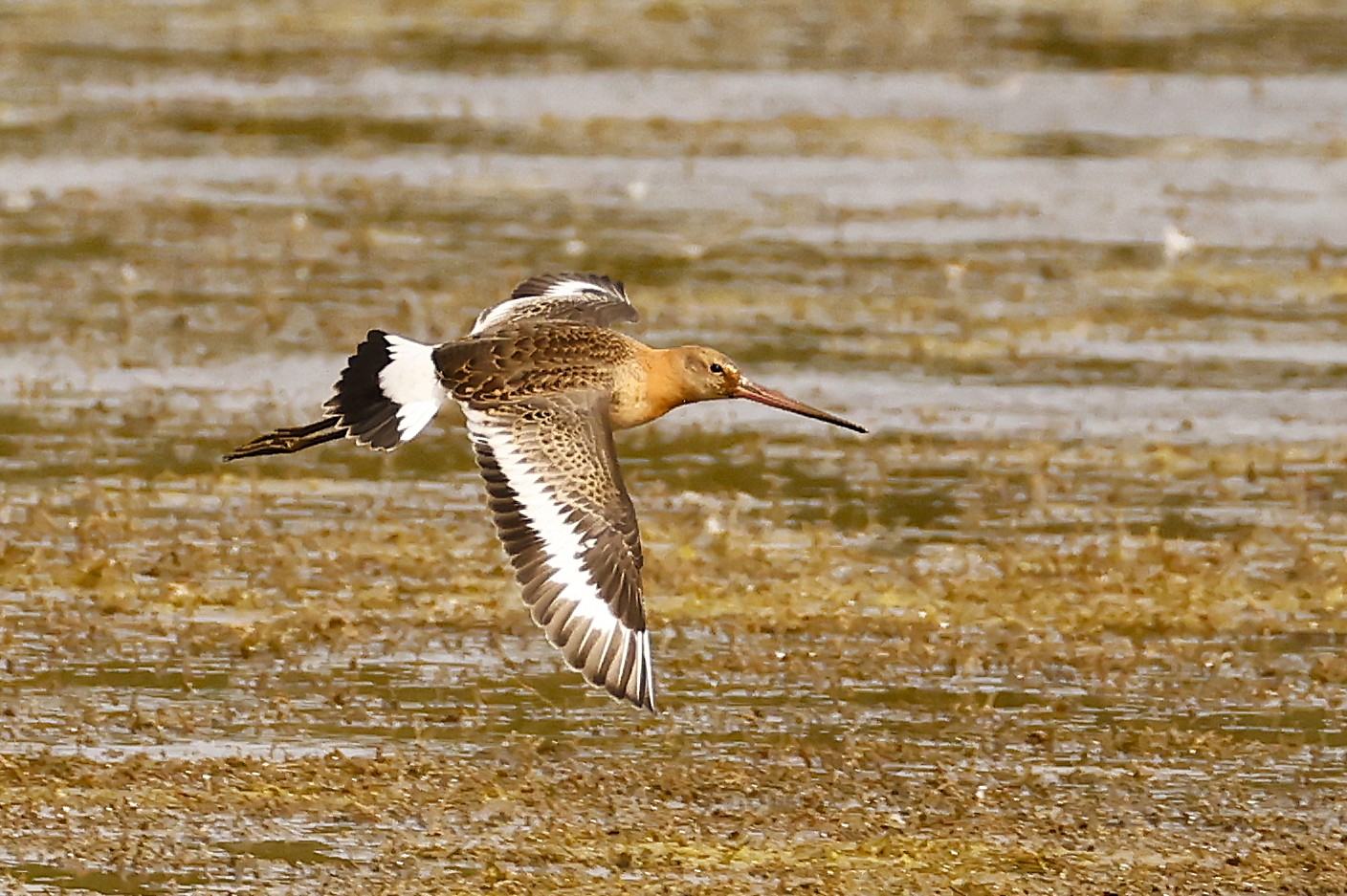
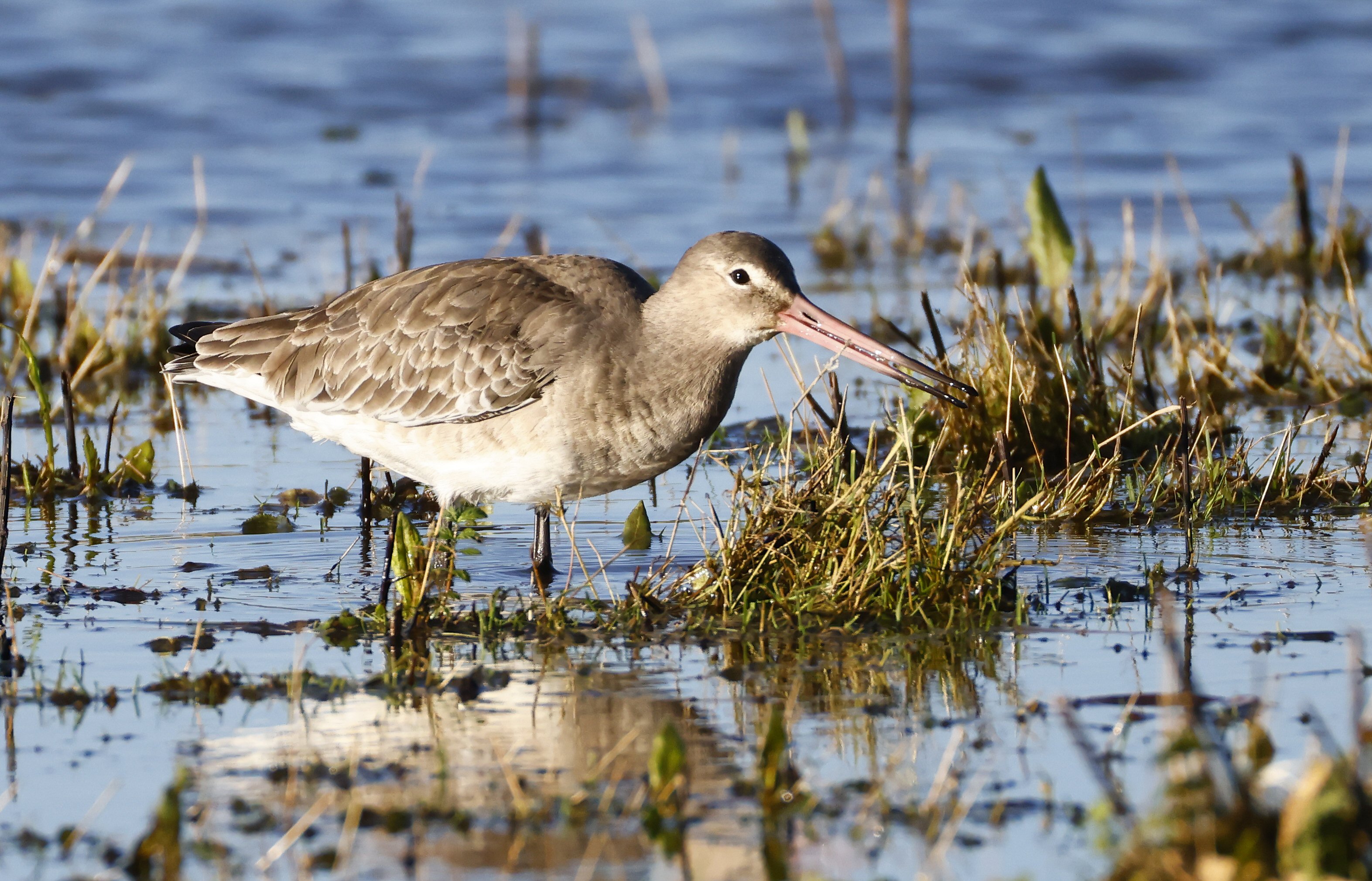
And aside from the aforementioned Whimbrel, the week’s prime waders were limited to a Black-tailed Godwit on floods in the Welland Valley near Harringworth on 7th and a Jack Snipe at Hollowell Res on 9th.
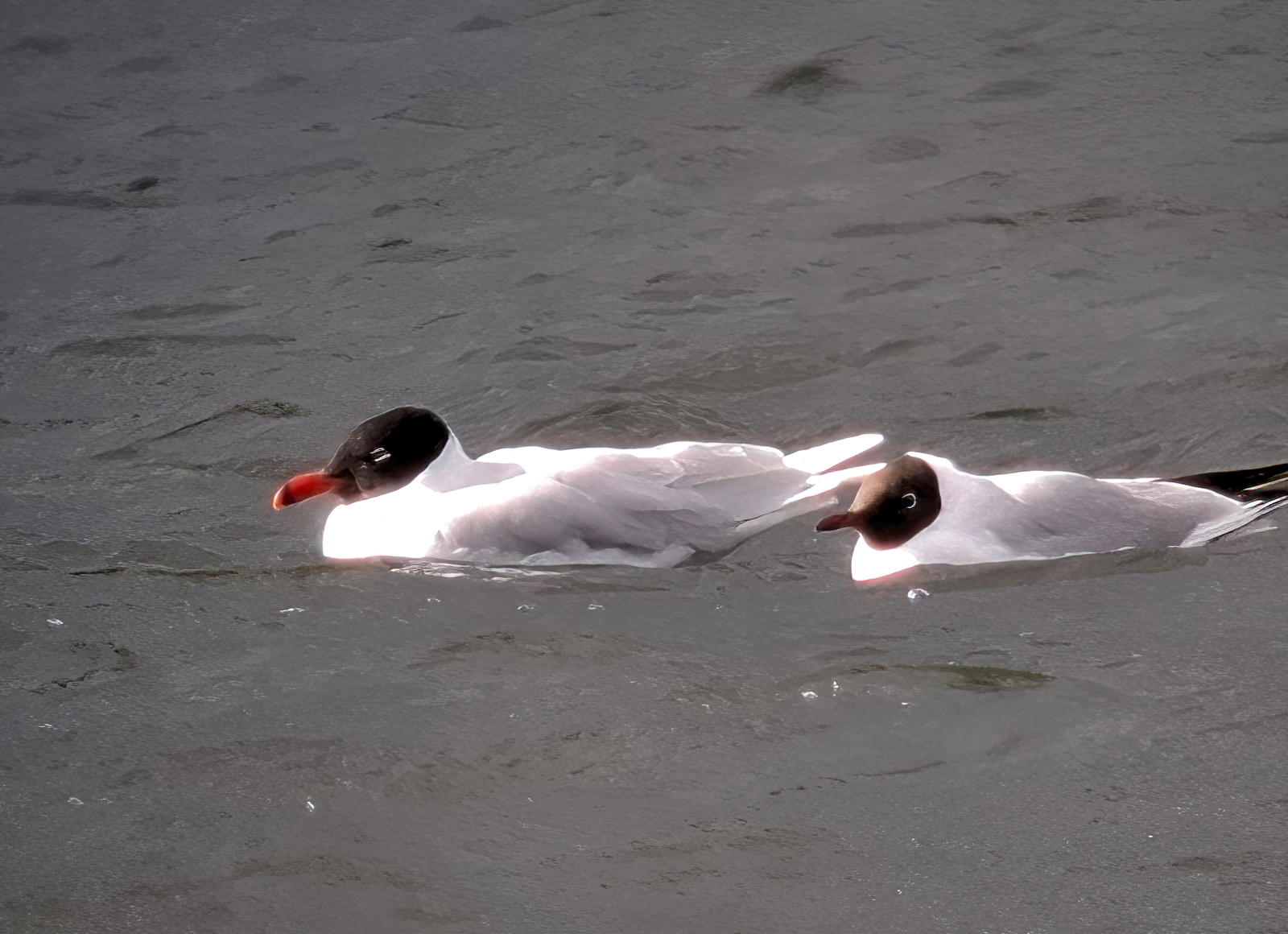
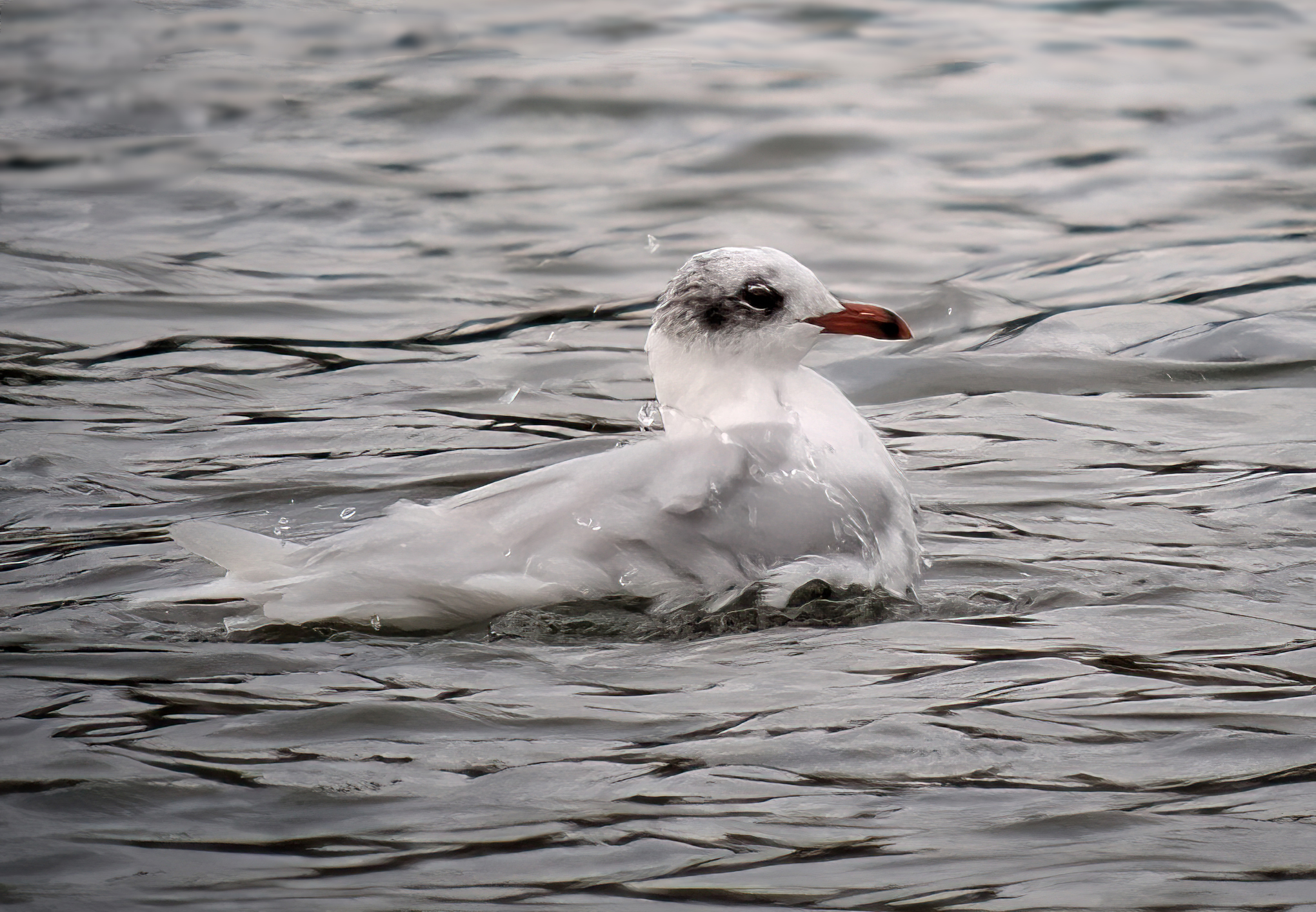
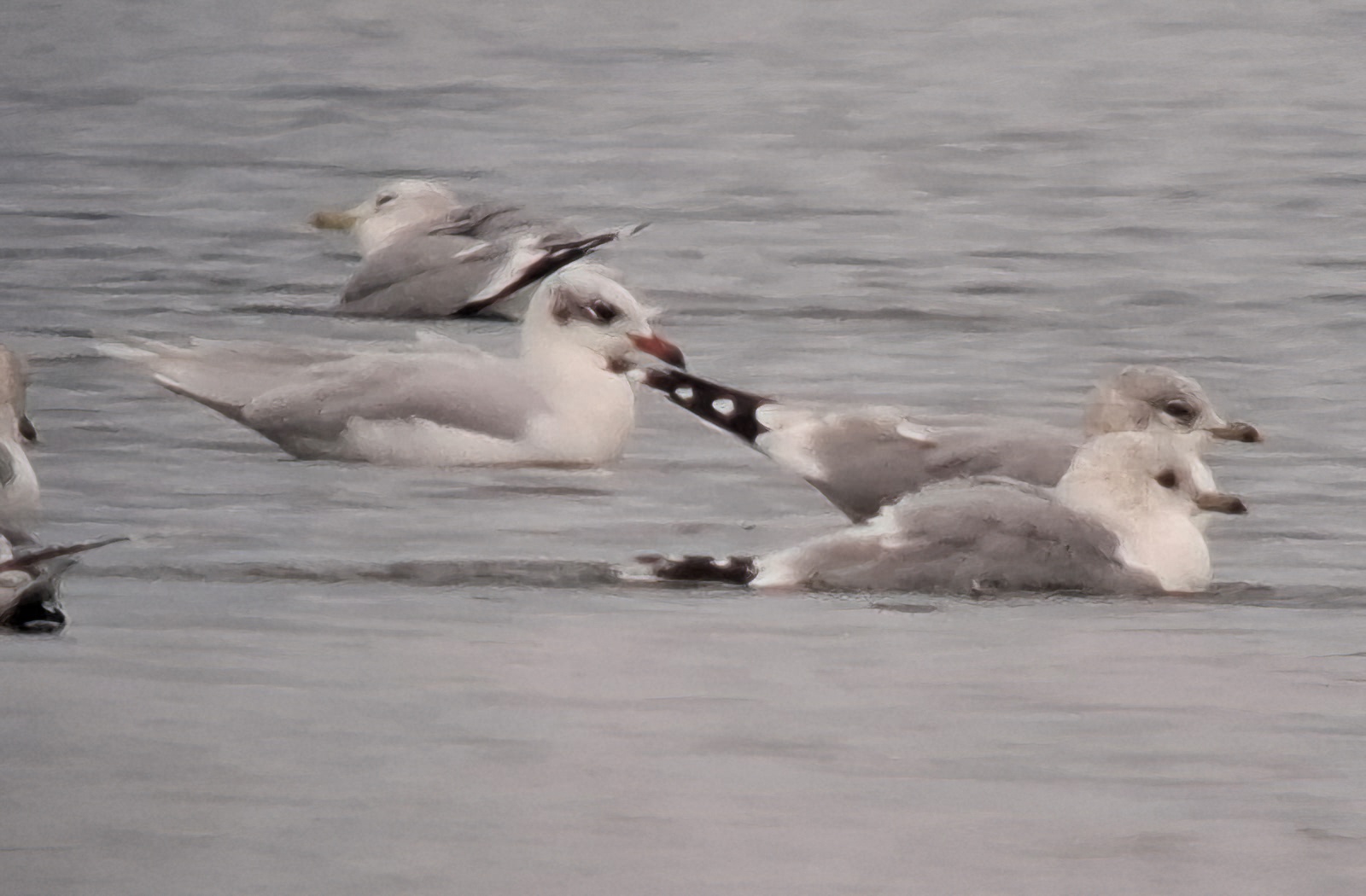
Mediterranean Gulls, part of the March movement menu, included a first-winter in the roost at Stanford Res on 8th-9th, an adult at Daventry on 10th and 12th and a first-winter at Hollowell on 13th.
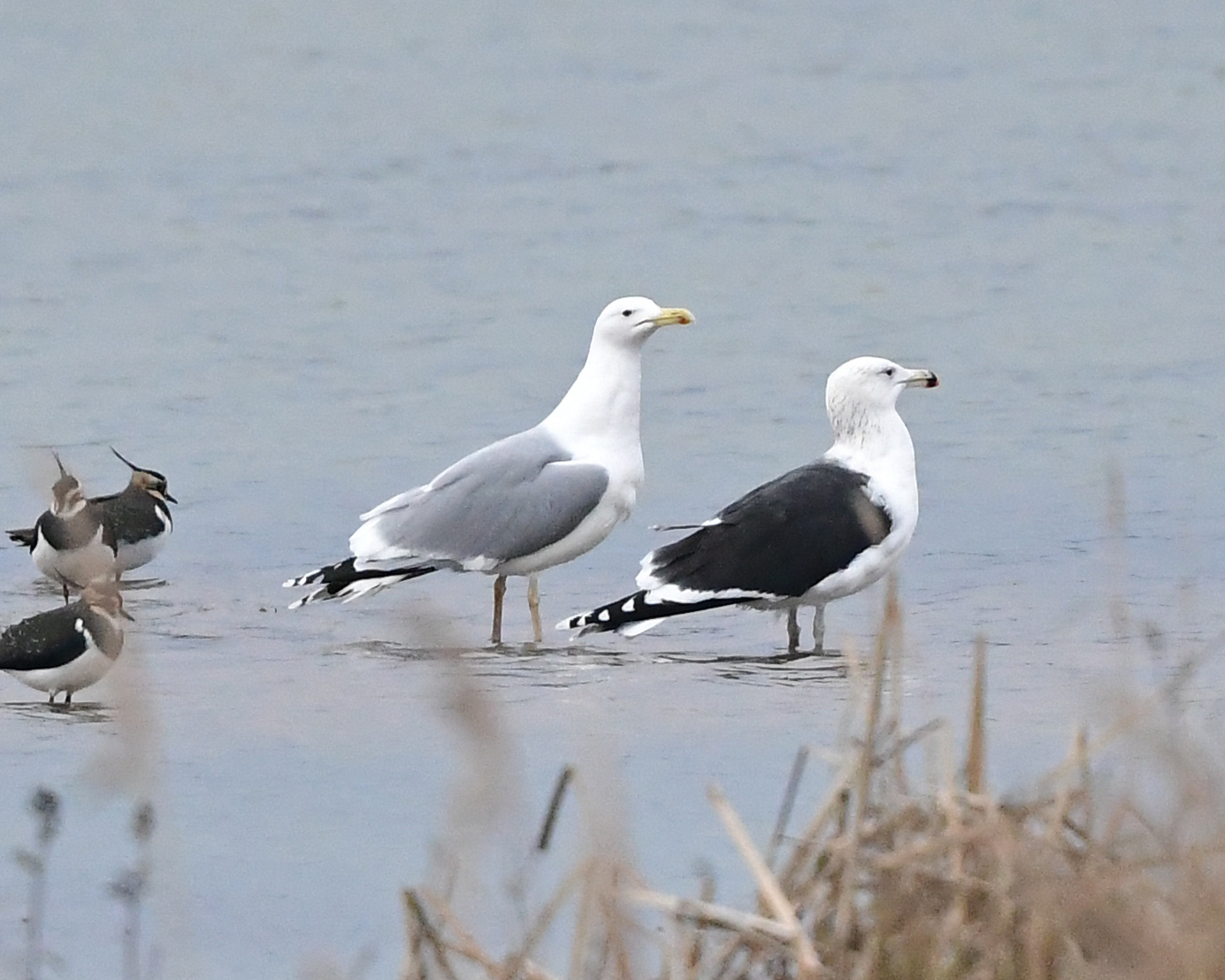
Three Caspian Gulls – an adult and two third-winters – were at Clifford Hill GP on 7th, followed by a second-winter there on 9th, while an adult visited Earls Barton GP’s New Workings on 13th. The week’s sole Yellow-legged Gull was an adult at Clifford Hill on 7th.
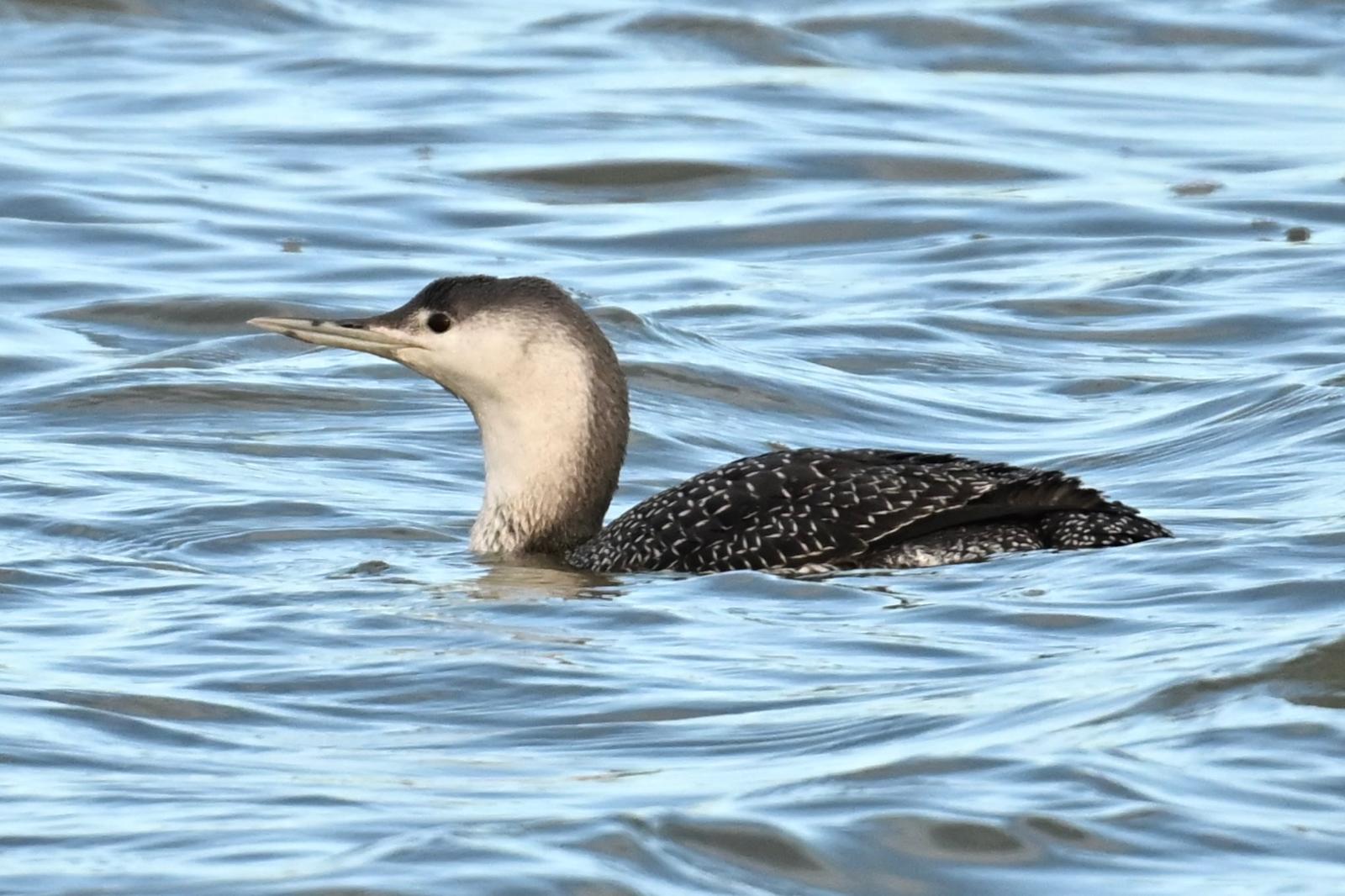
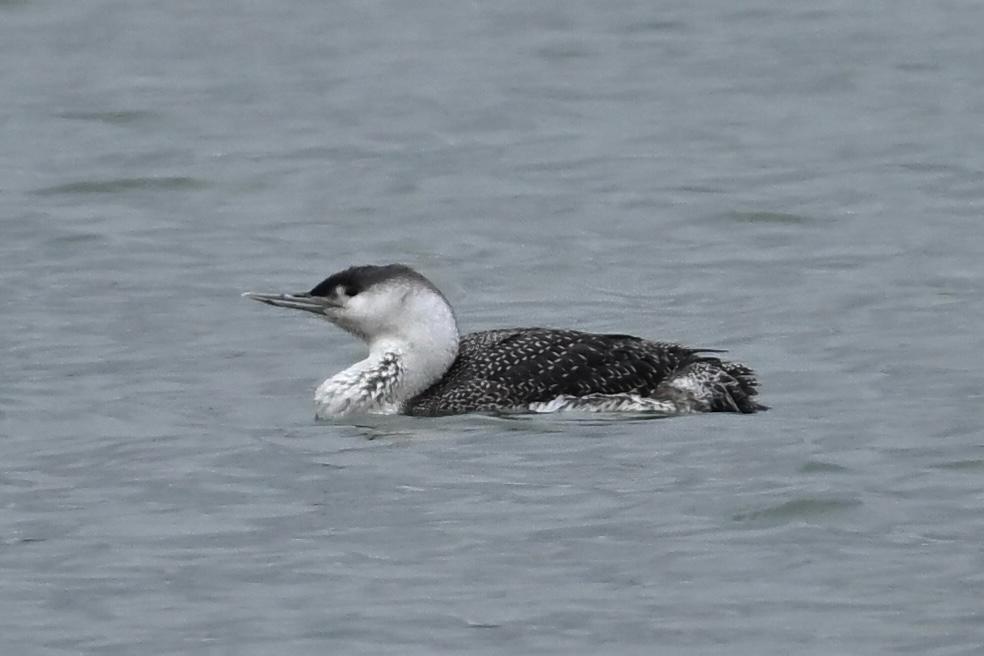
Attracting scant attention after nearly five weeks in residence, the Red-throated Diver remained settled at Hollowell throughout the period.
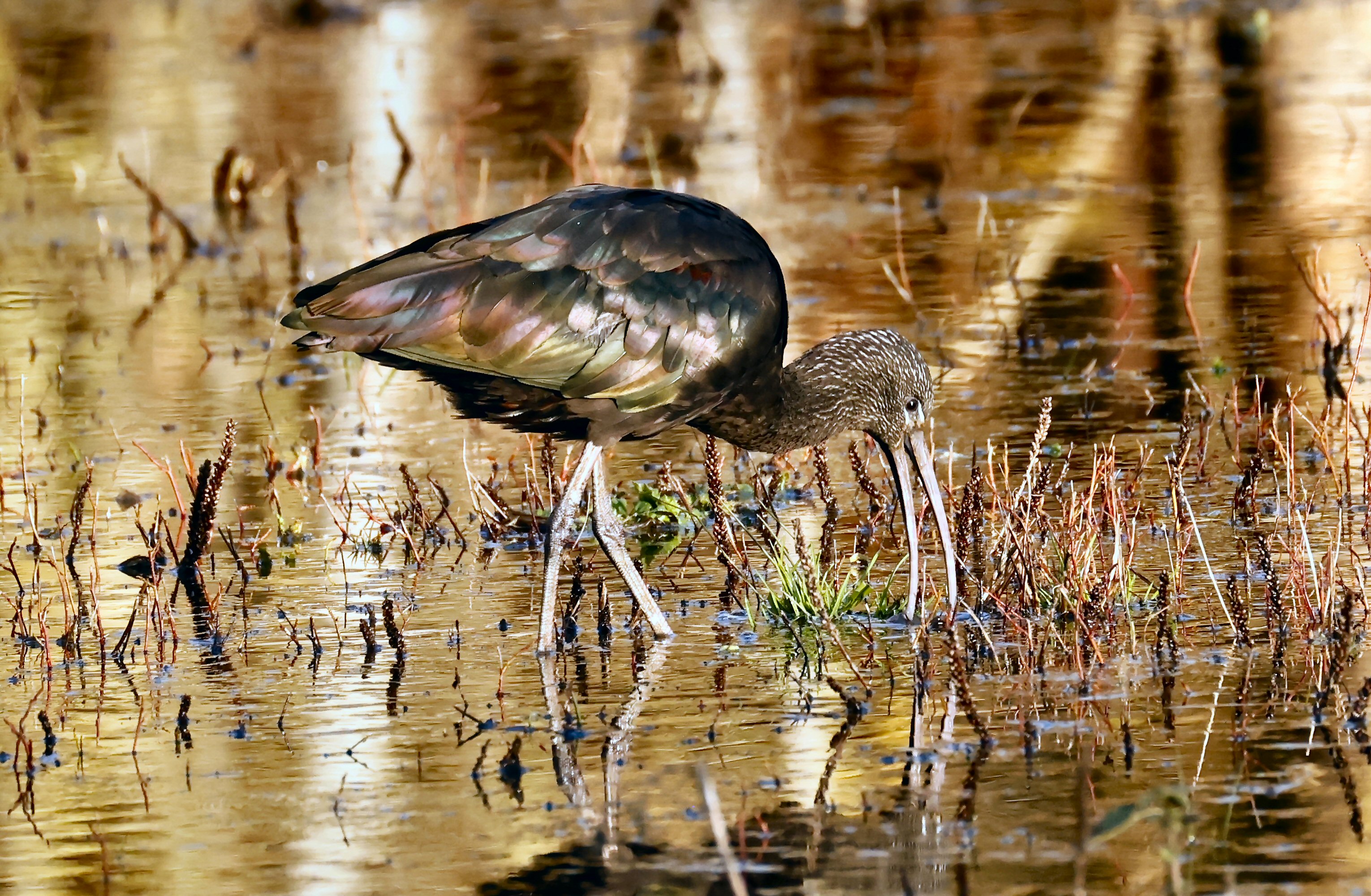
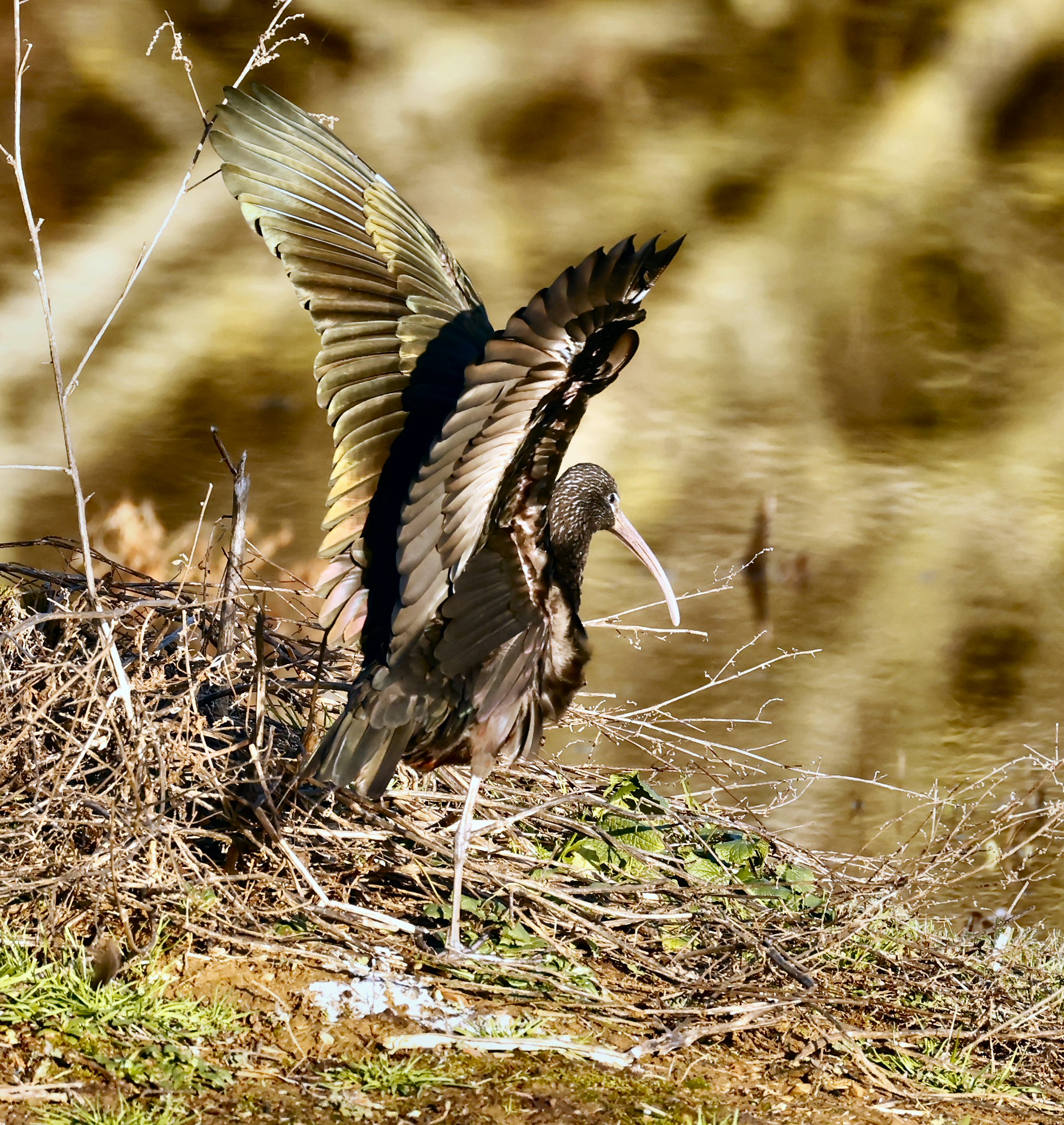
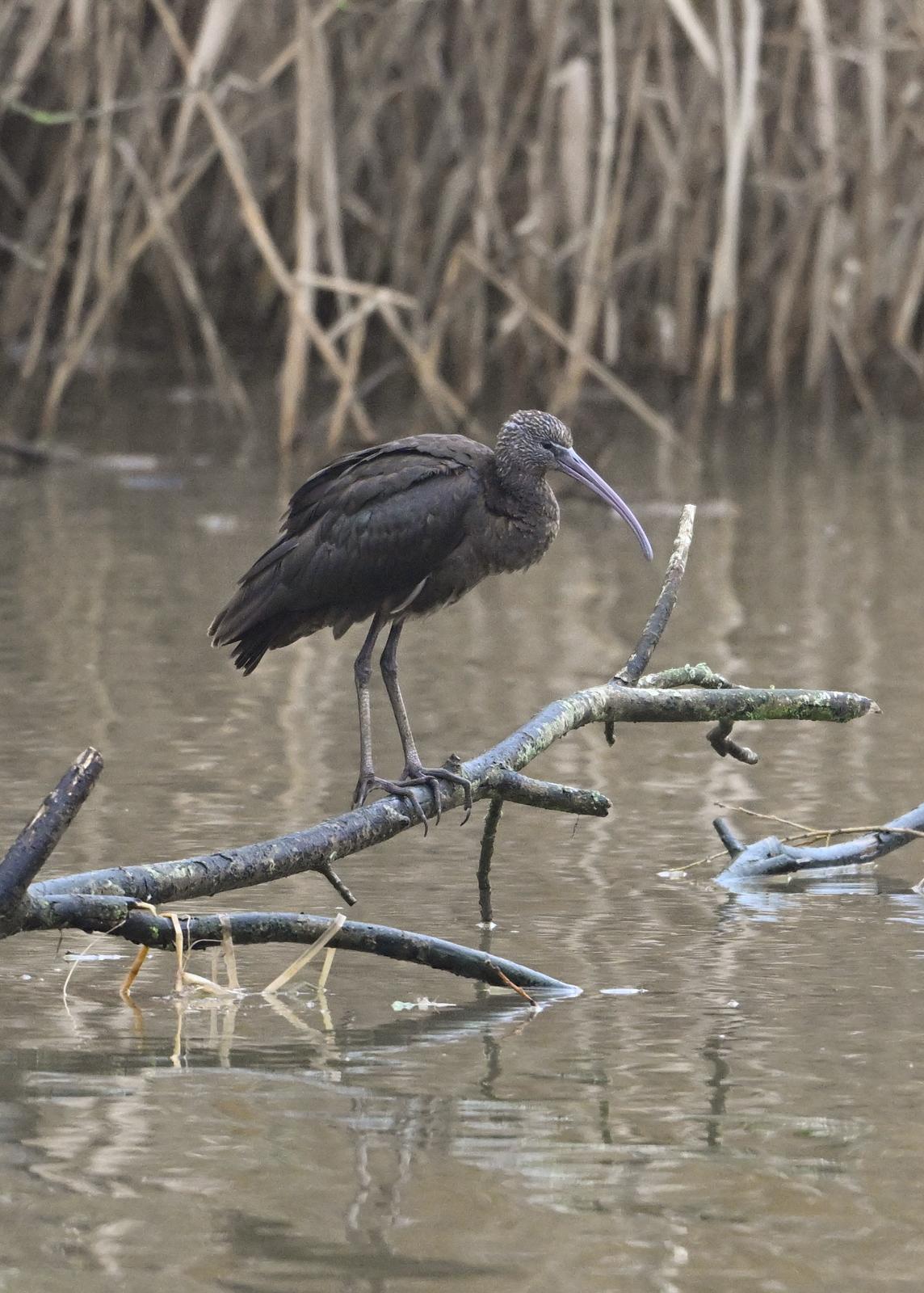
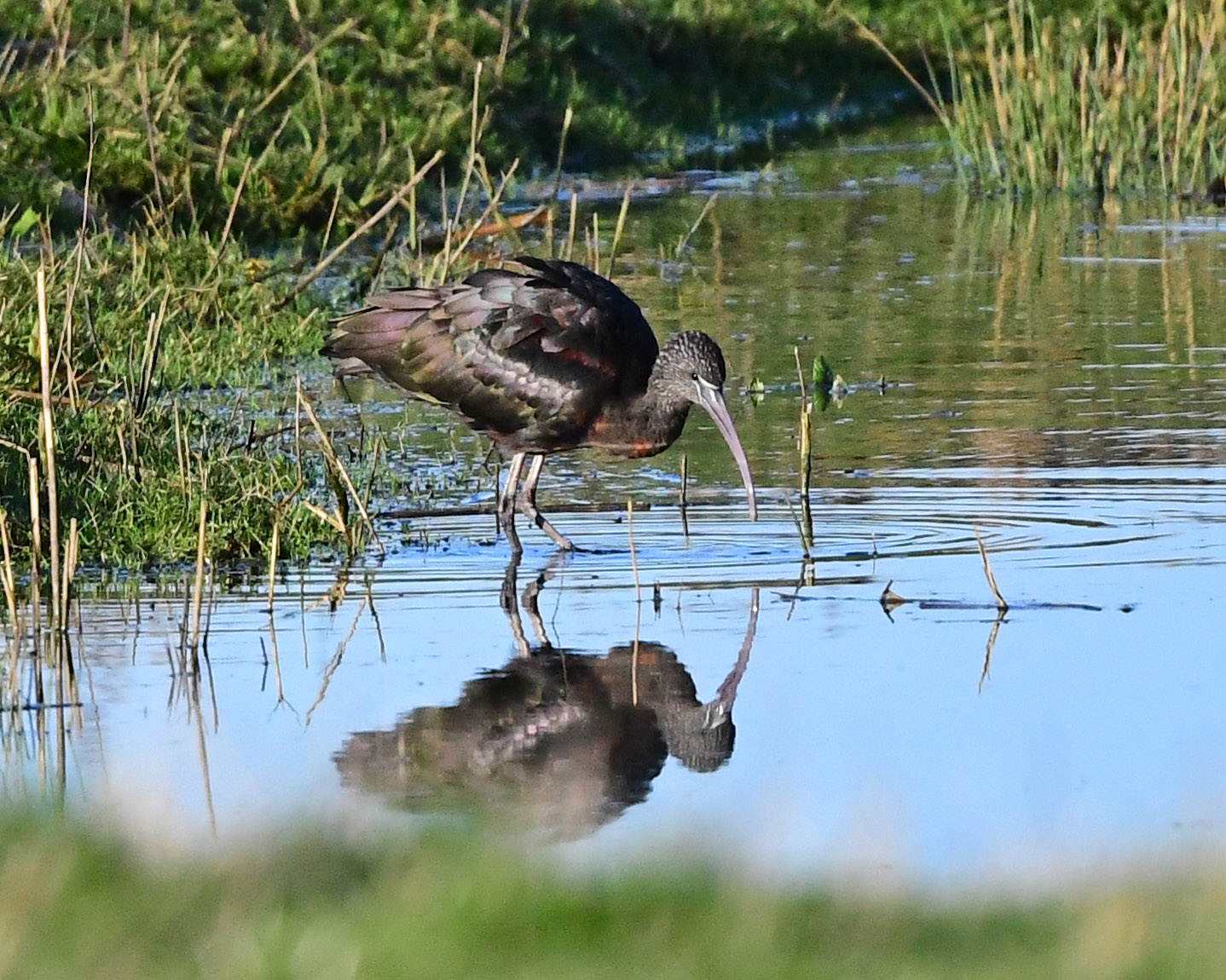
And while the Glossy Ibis continued to busy itself at Summer Leys for yet another week, further down the Nene Valley three Cattle Egrets turned up at Stanwick on 7th before one was subsequently found on floodwater at Oundle on 13th.
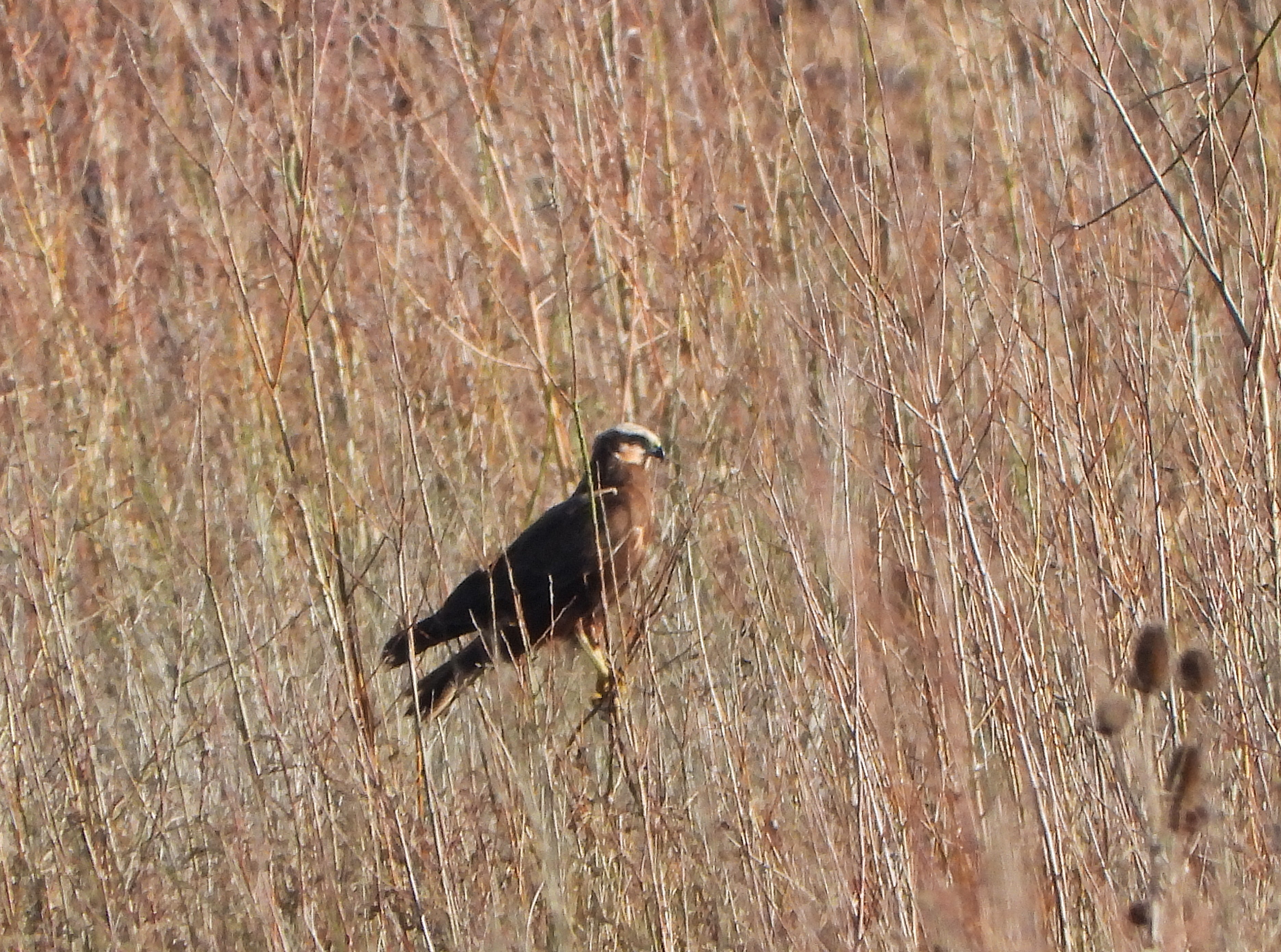
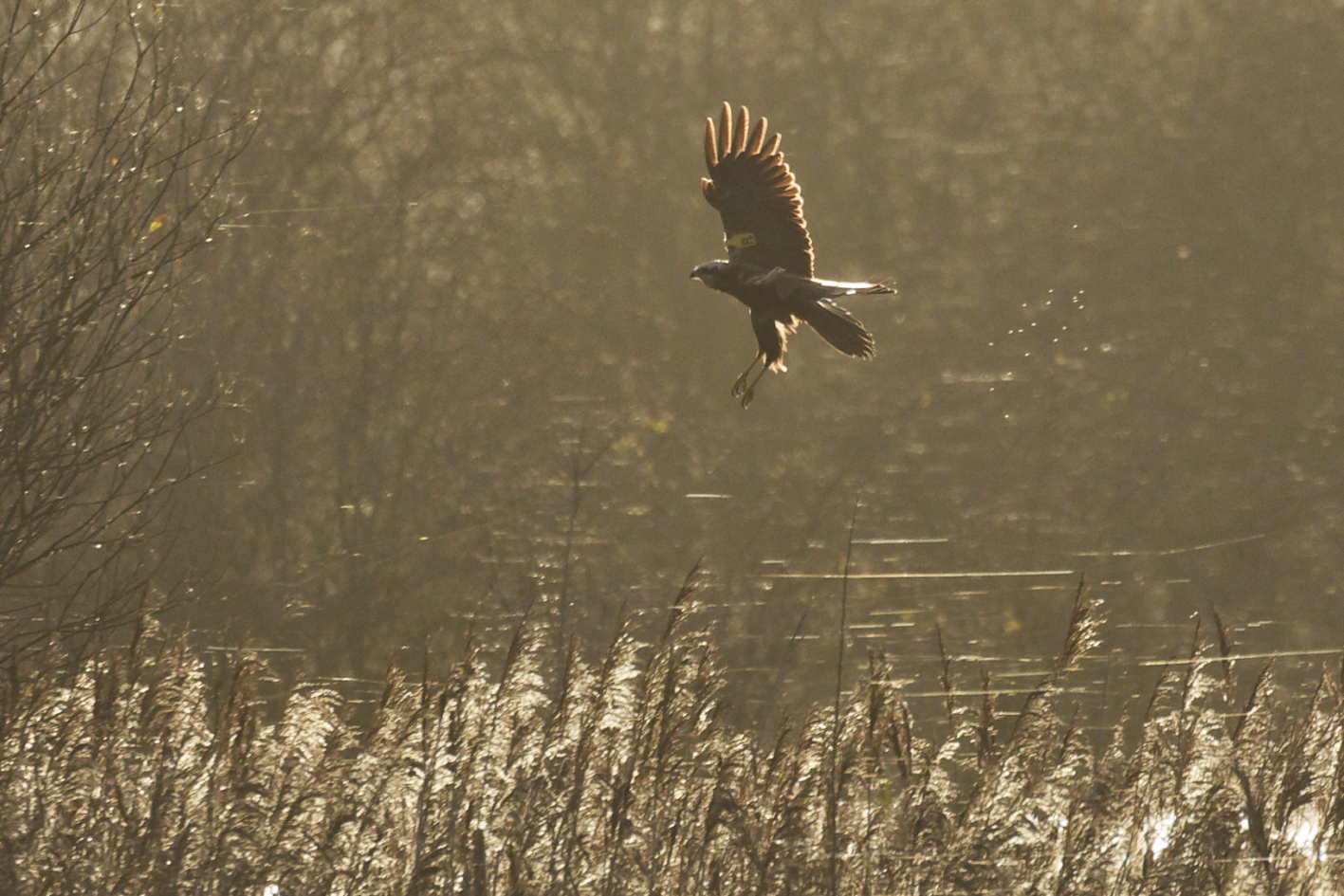
Sticking with said valley, Marsh Harriers continued their presence at the hub which is Summer Leys, where at least two were seen – including the frequently present first-year male, wing-tagged ‘J4’ – between 10th and 12th. Elsewhere, singles were found at nearby Earls Barton GP’s New Workings on 9th and at Stanwick on 7th.
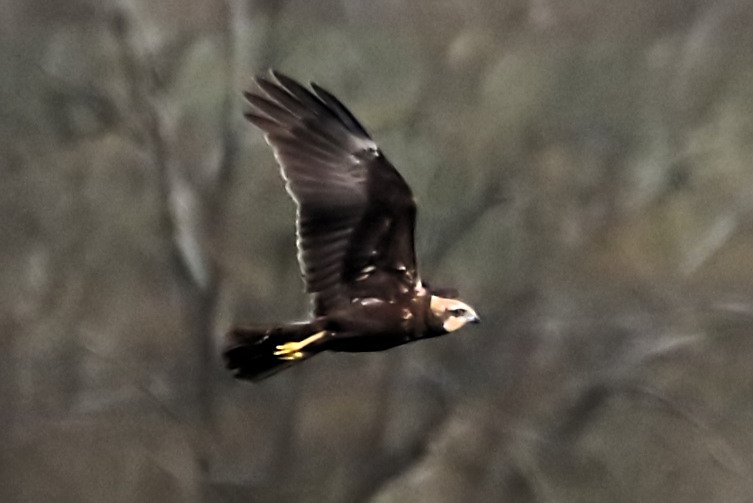
In the Brampton Valley, a ‘ringtail’ Hen Harrier flew south-east between Cottesbrooke and Hanging Houghton on 8th.
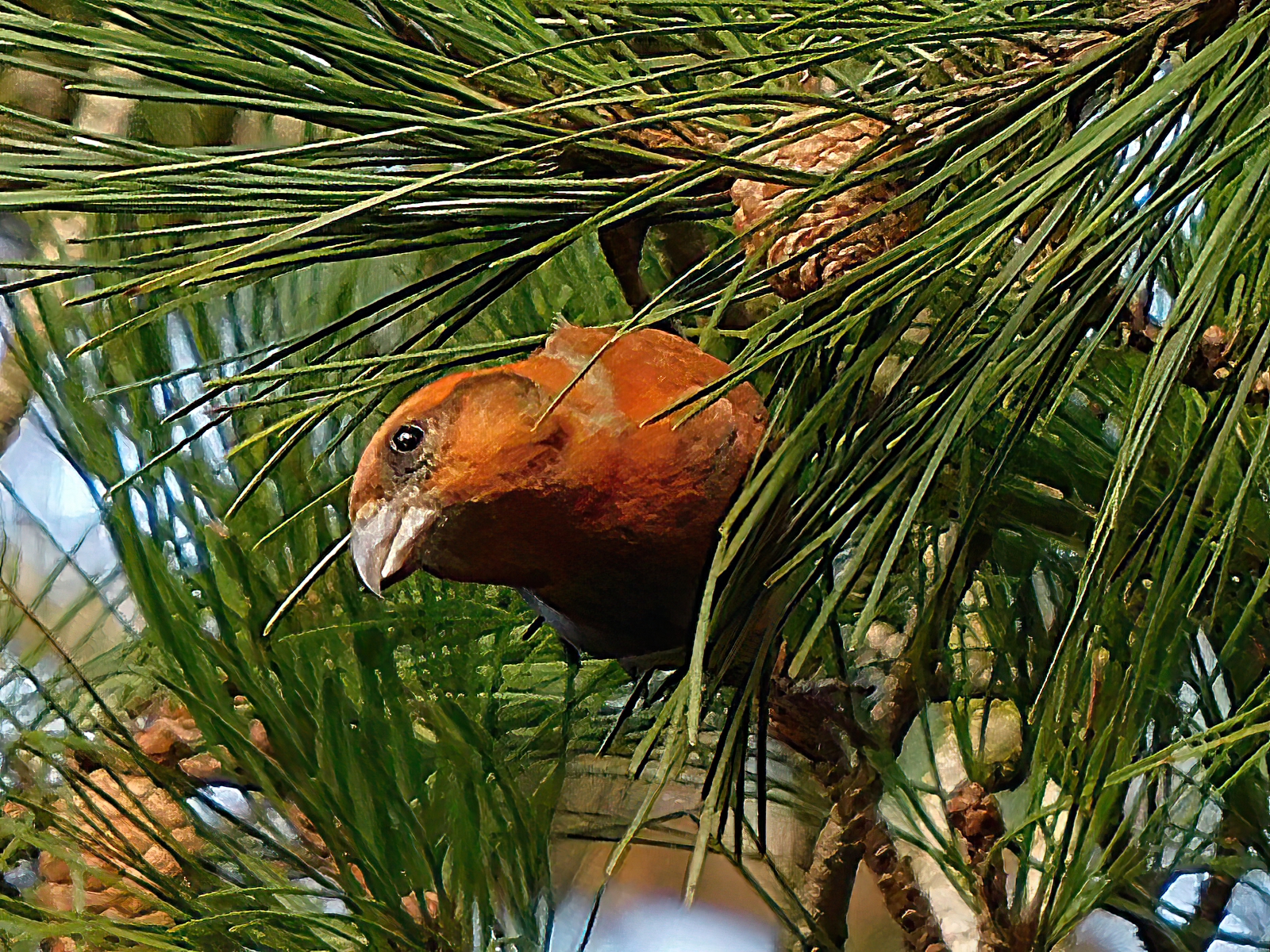
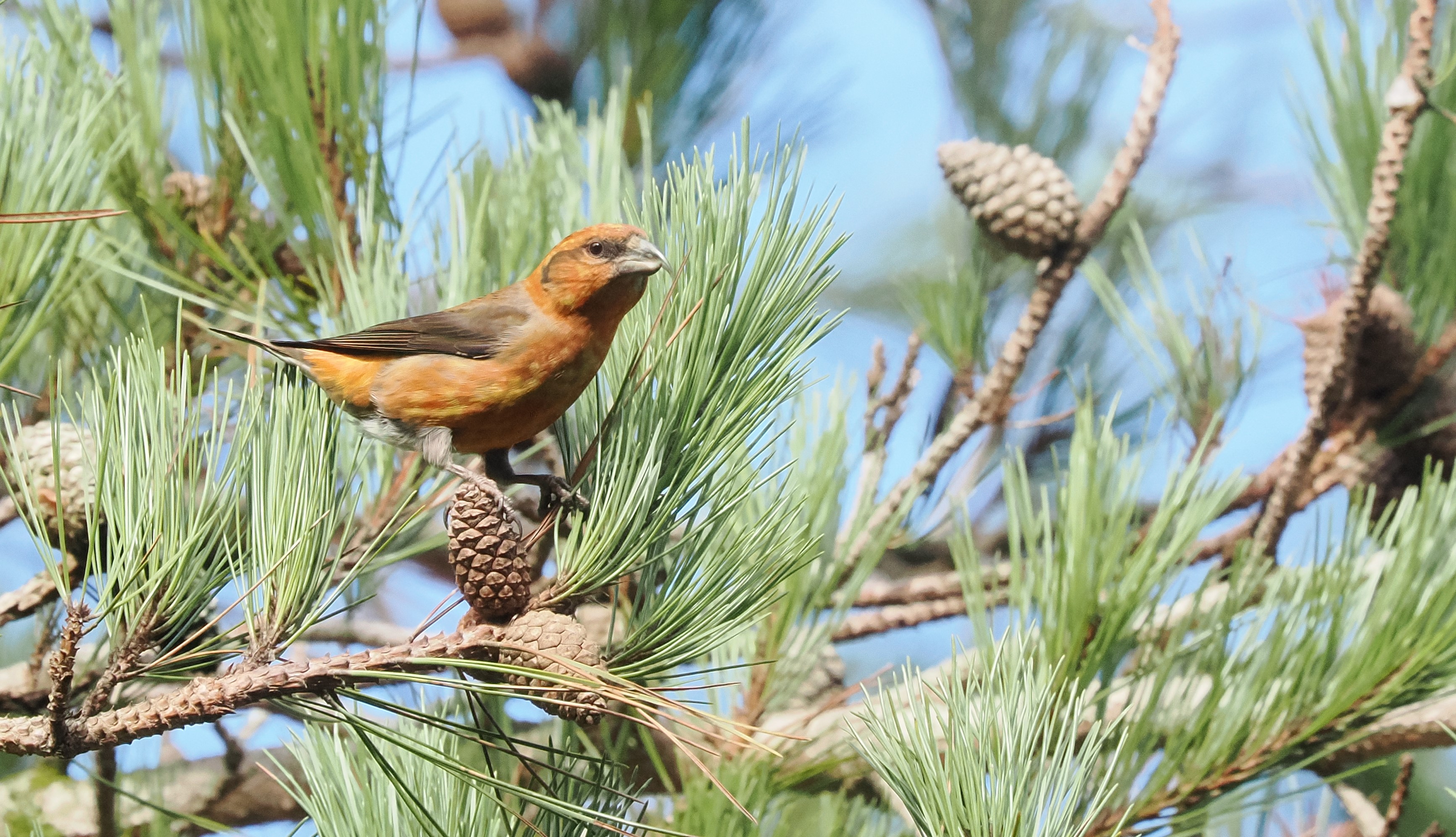
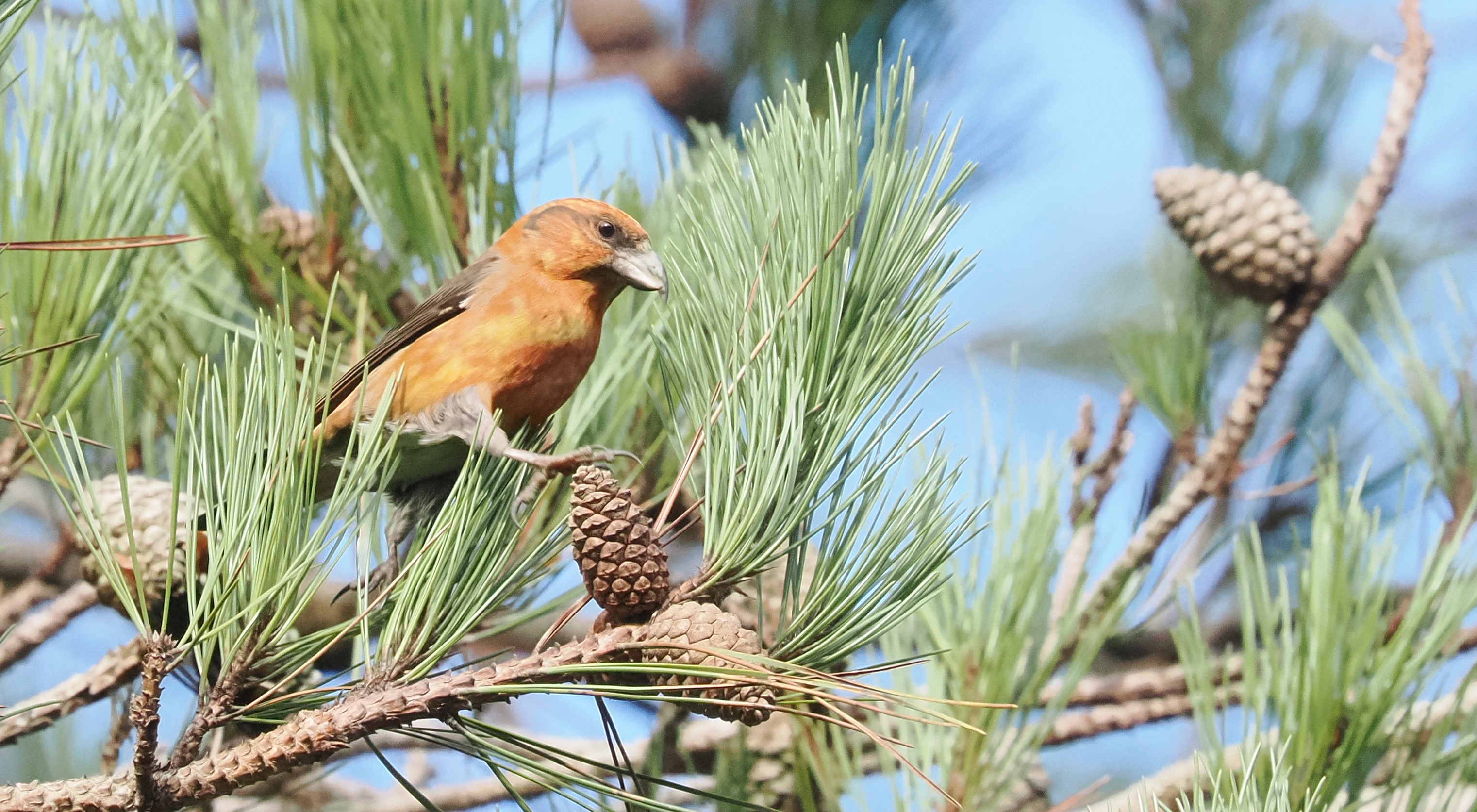
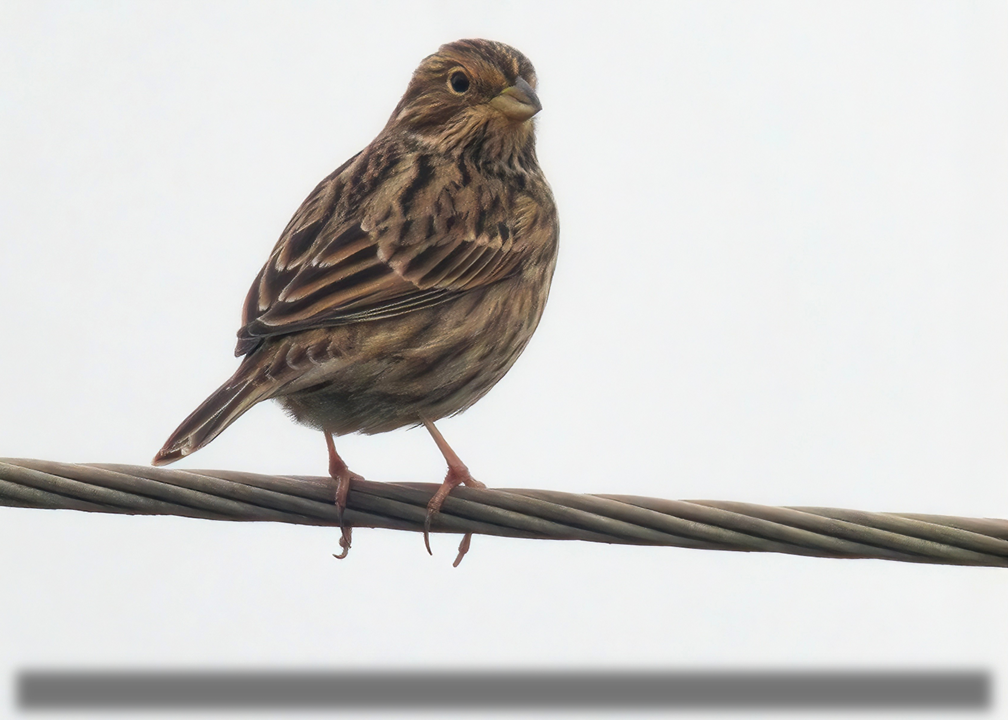
The week’s passerines were seriously thin on the ground, with just a small number of Crossbills at Harlestone Firs on 7th and five Corn Buntings between Deanshanger and Wicken on 9th.
























 Northants birds