We crossed the line into meteorological spring this week and to mark it came the first summer visitors of the year, aided and abetted by the continuing southerly airstream. Two additional firsts for the year also made their way to the county and with winter now firmly in recession, it’s time to reflect on some quality birds while at same time looking forward to what’s on the immediate horizon.
Yes, the summer visitor clock has again started ticking, spring is beginning to unfold …and not a moment too soon.
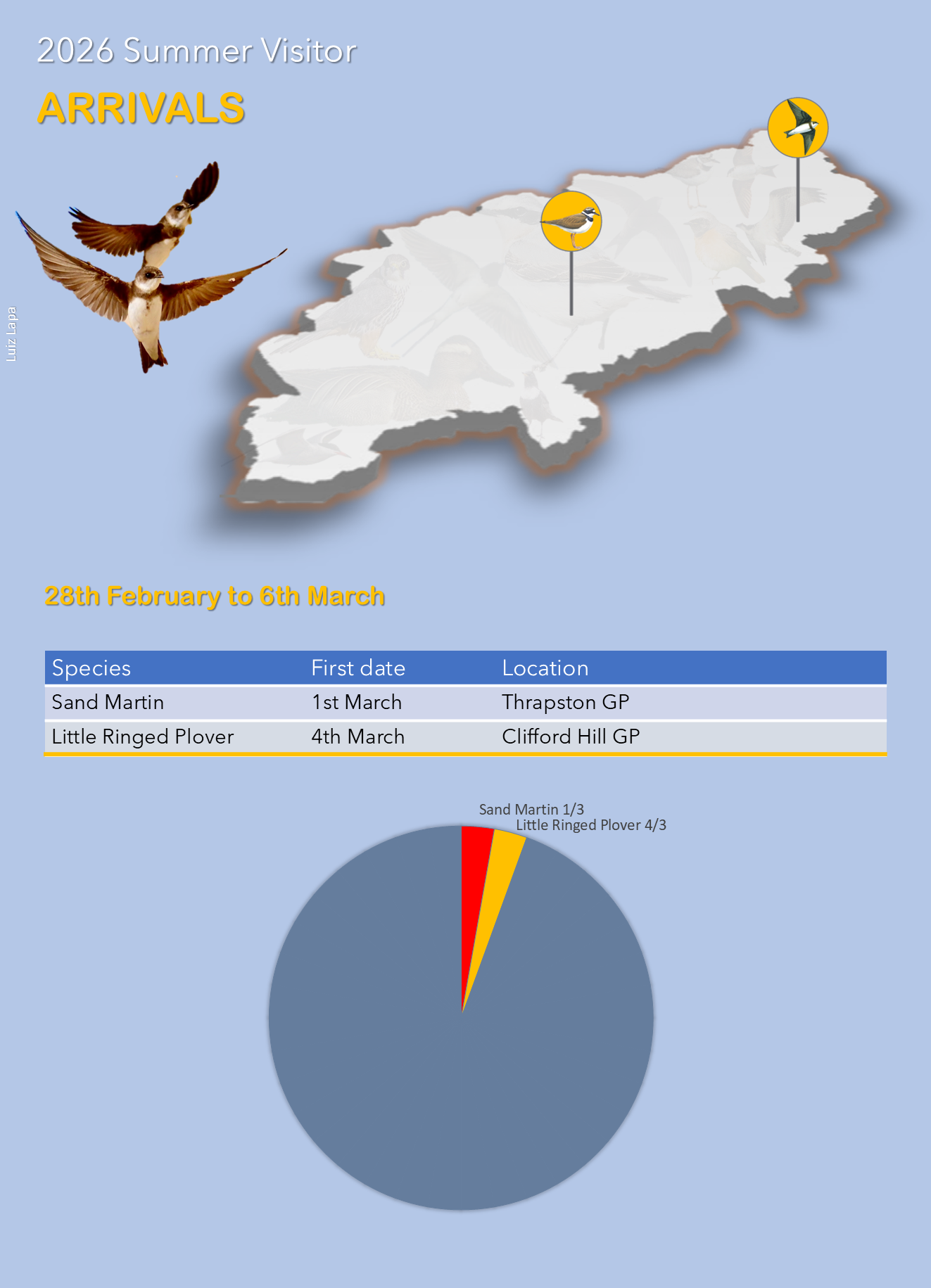
First up, predictably, was Sand Martin, with the initial arrival of three at Thrapston GP on 1st, quickly followed by one at Priors Hall, Corby on 3rd, two at Pitsford Res on 5th and, on 6th, three near Oundle and sixteen at Thrapston. But no sooner had this initial rush began than we saw a record-breaker in the shape of two Little Ringed Plovers at Clifford Hill GP on 4th, beating the county’s previous earliest, on 7th March in 2021, by a clear three days.
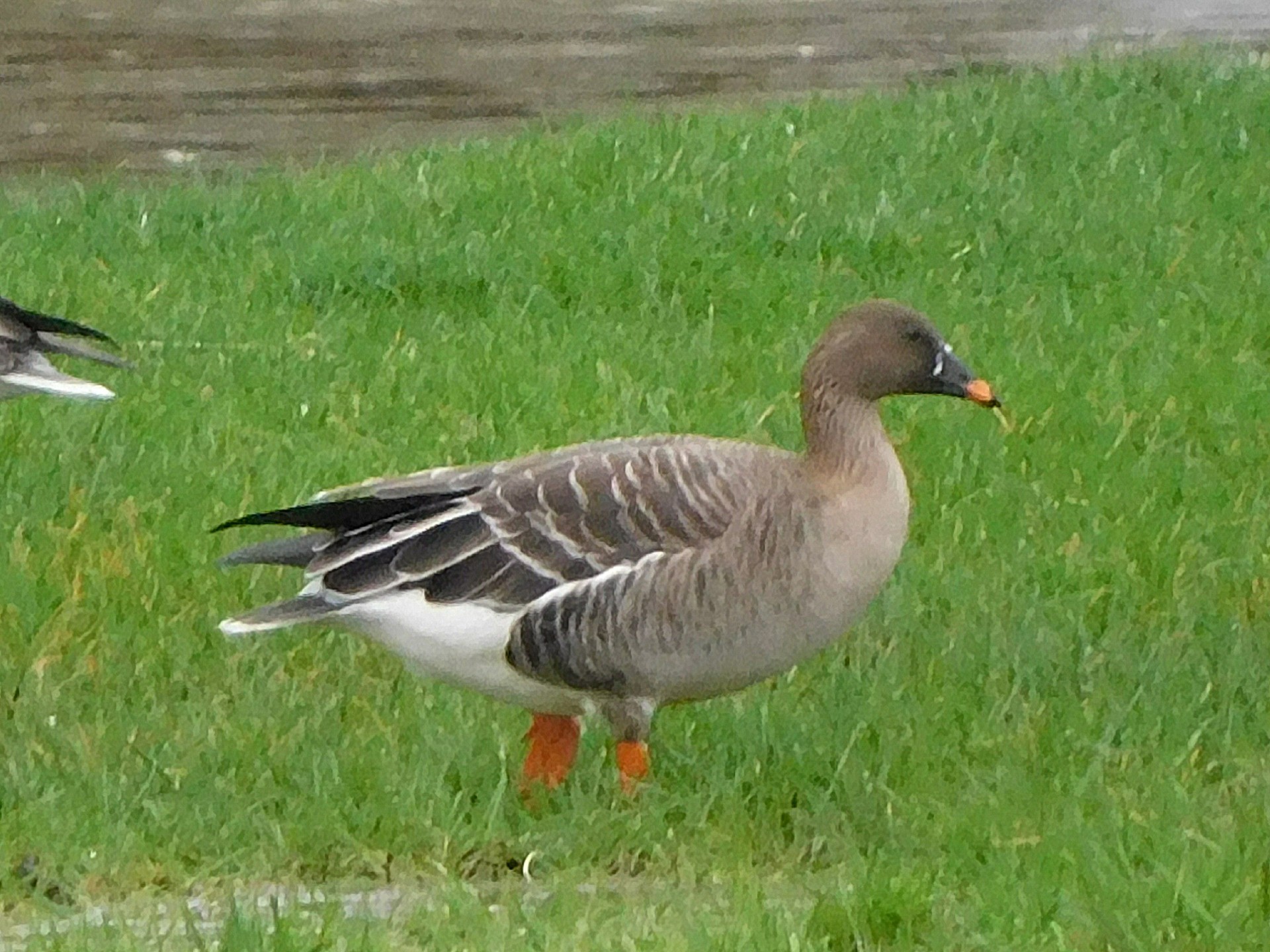
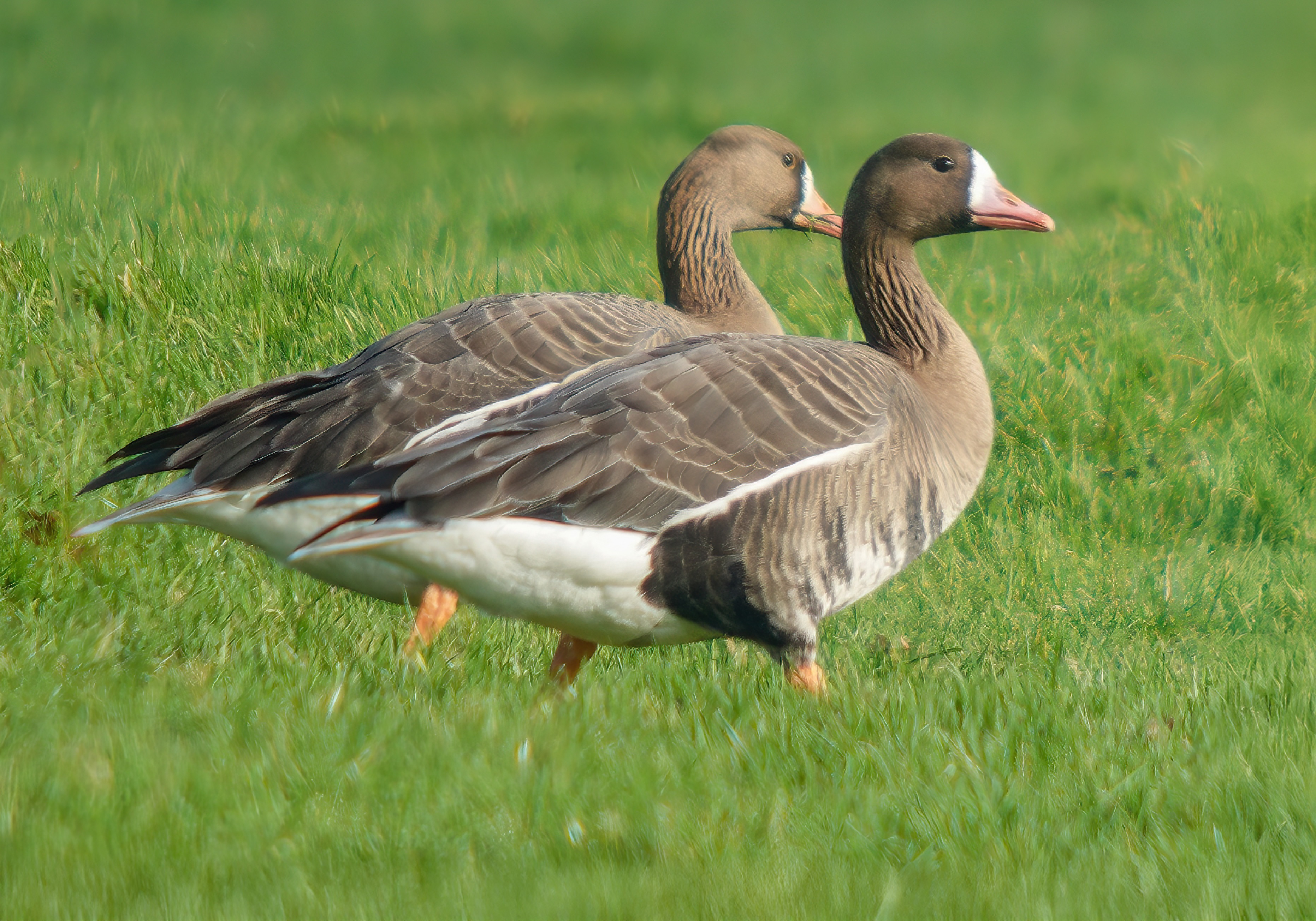
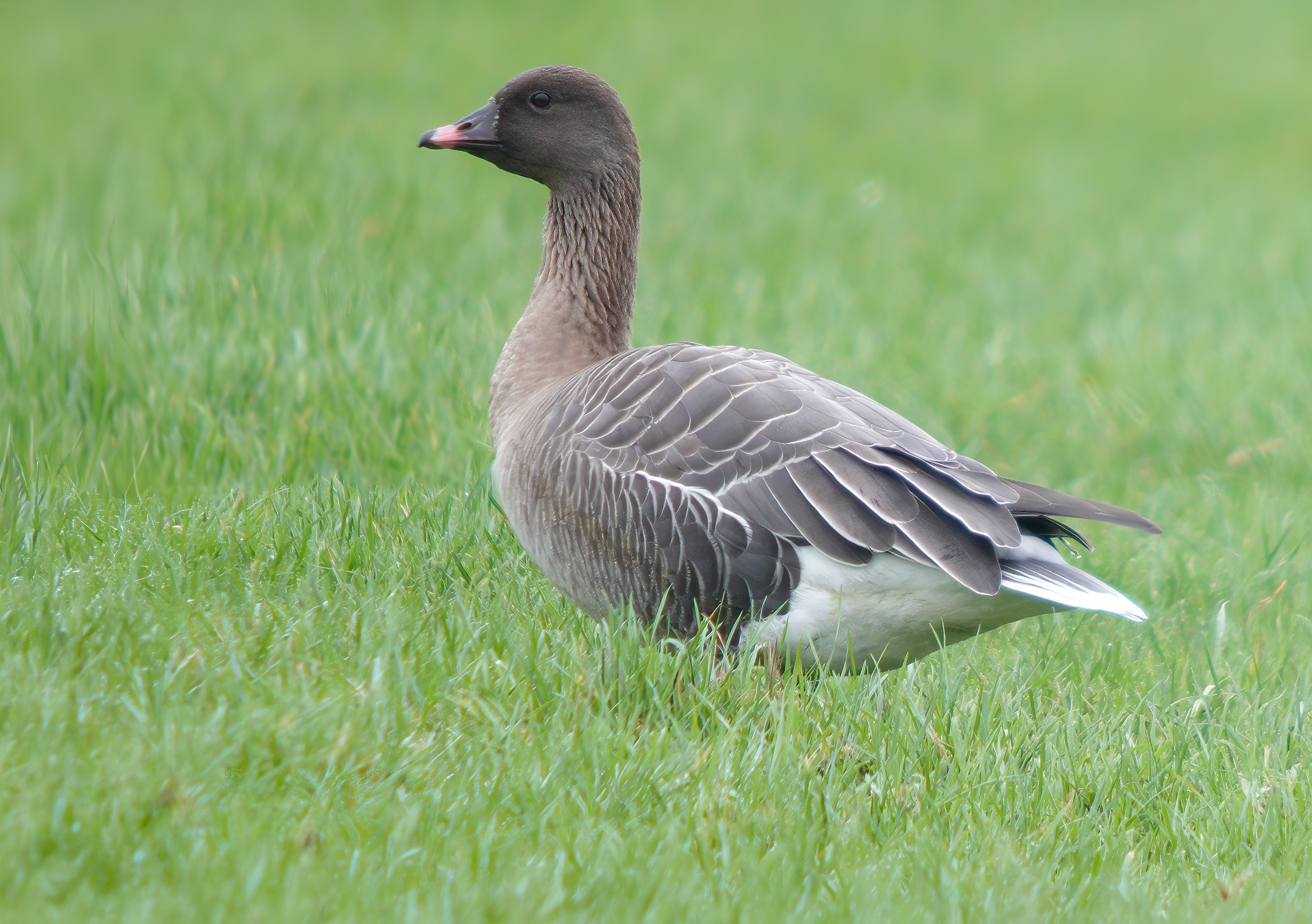
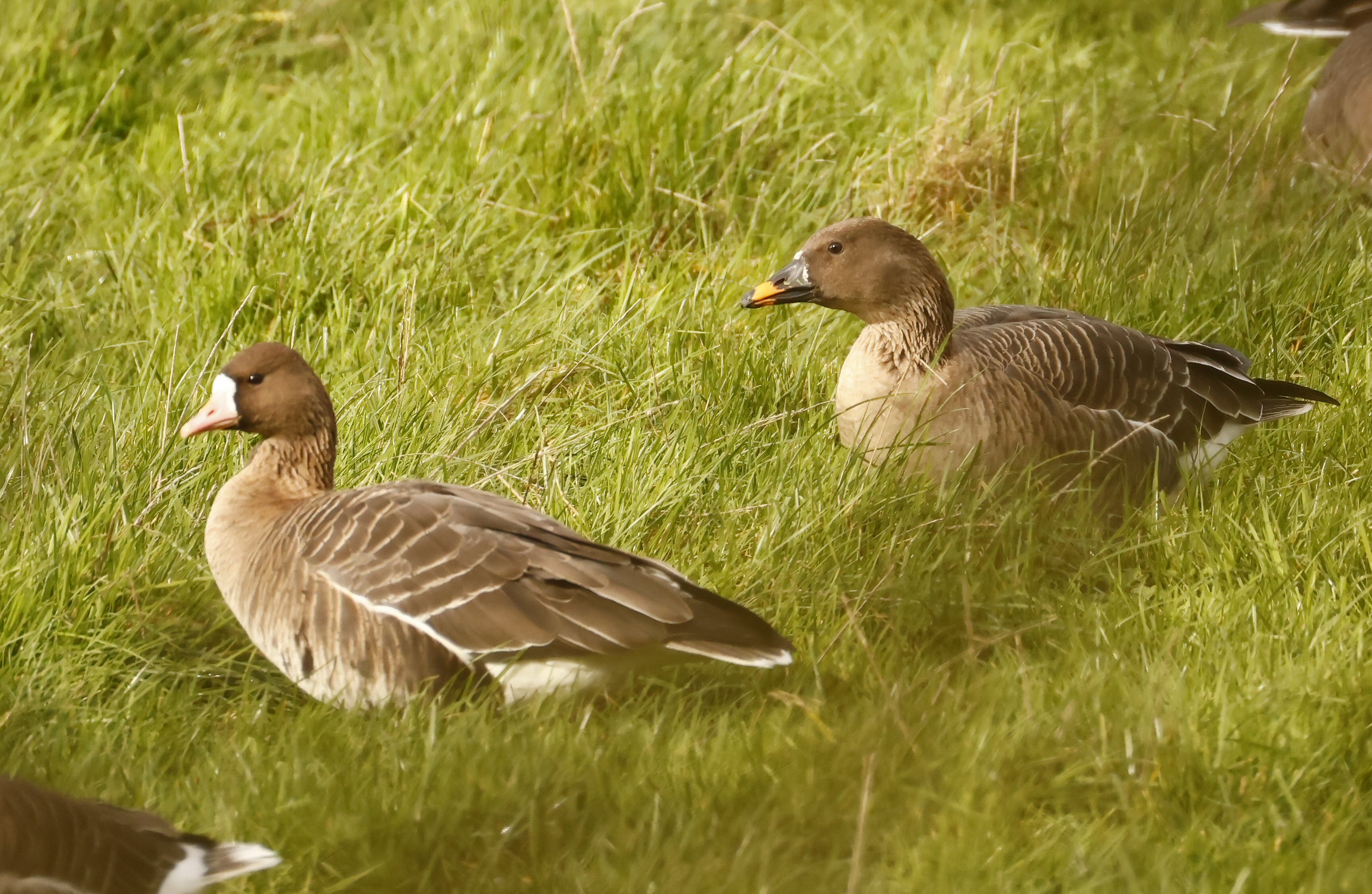
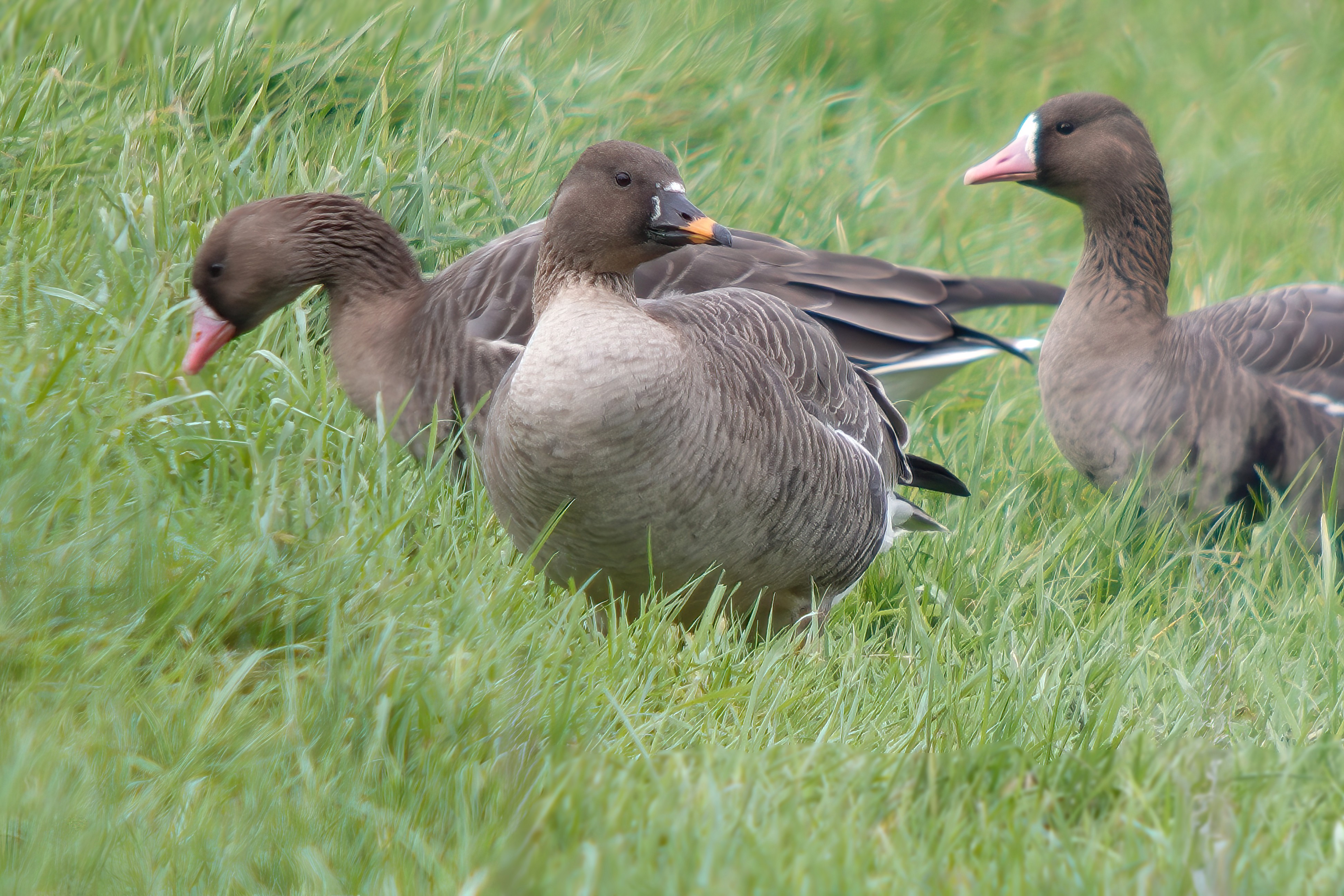
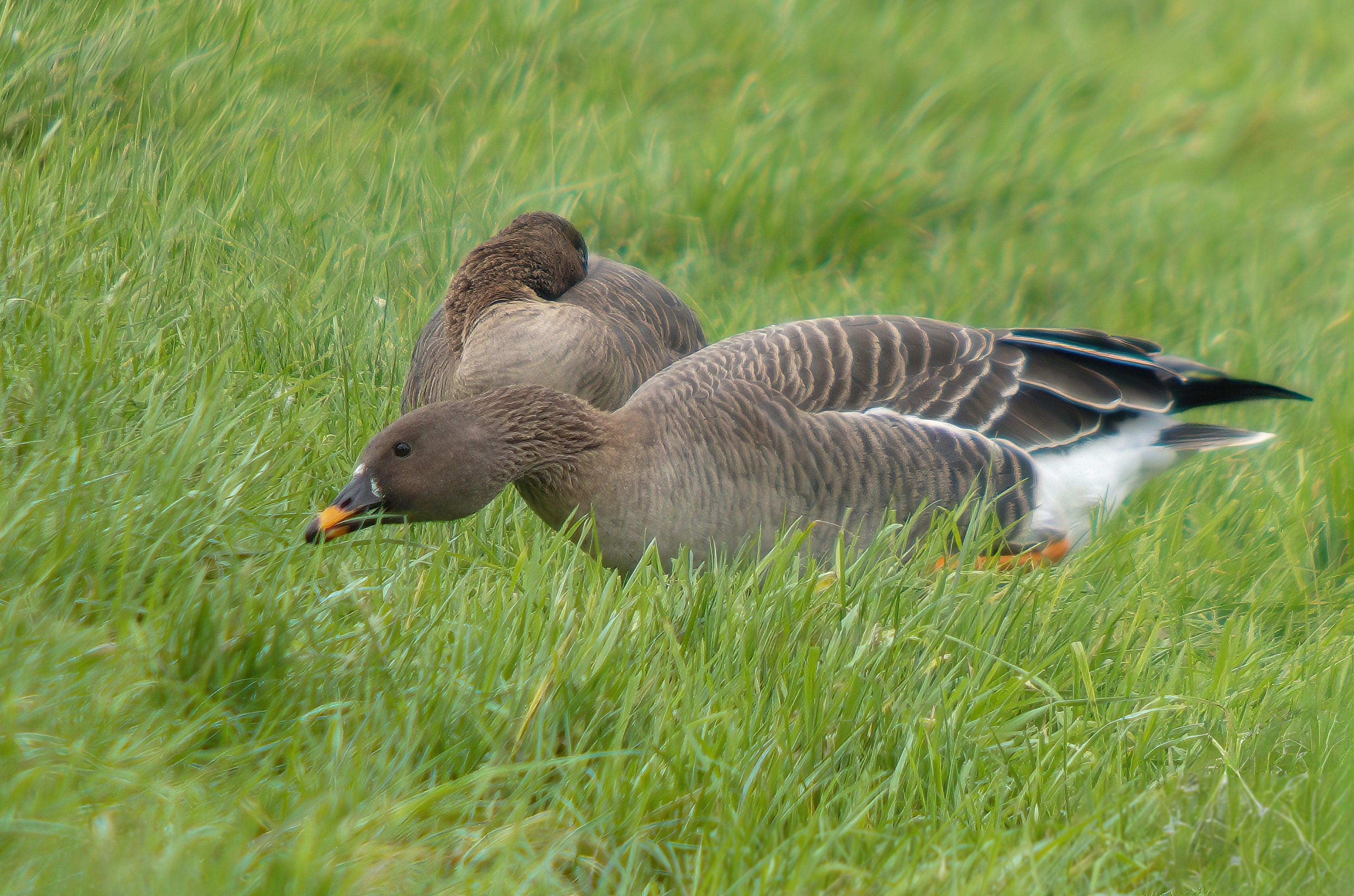
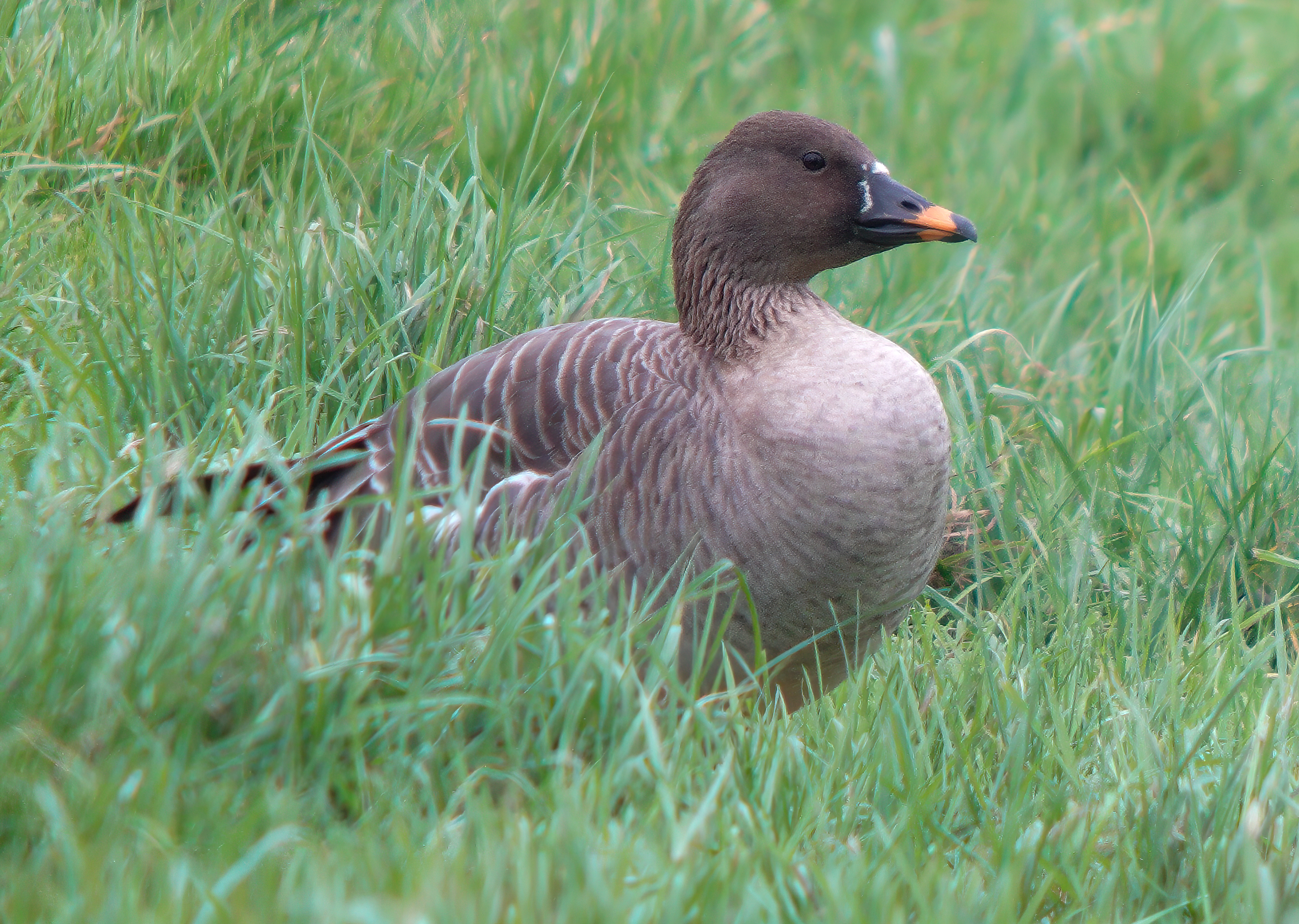
However, we’re not done with winter just yet – and what a winter it’s been. Class wildfowl continue to dominate with the Tundra Bean Goose seeing out another week in company with twenty-three White-fronted Geese in the Denford/Ringstead area.
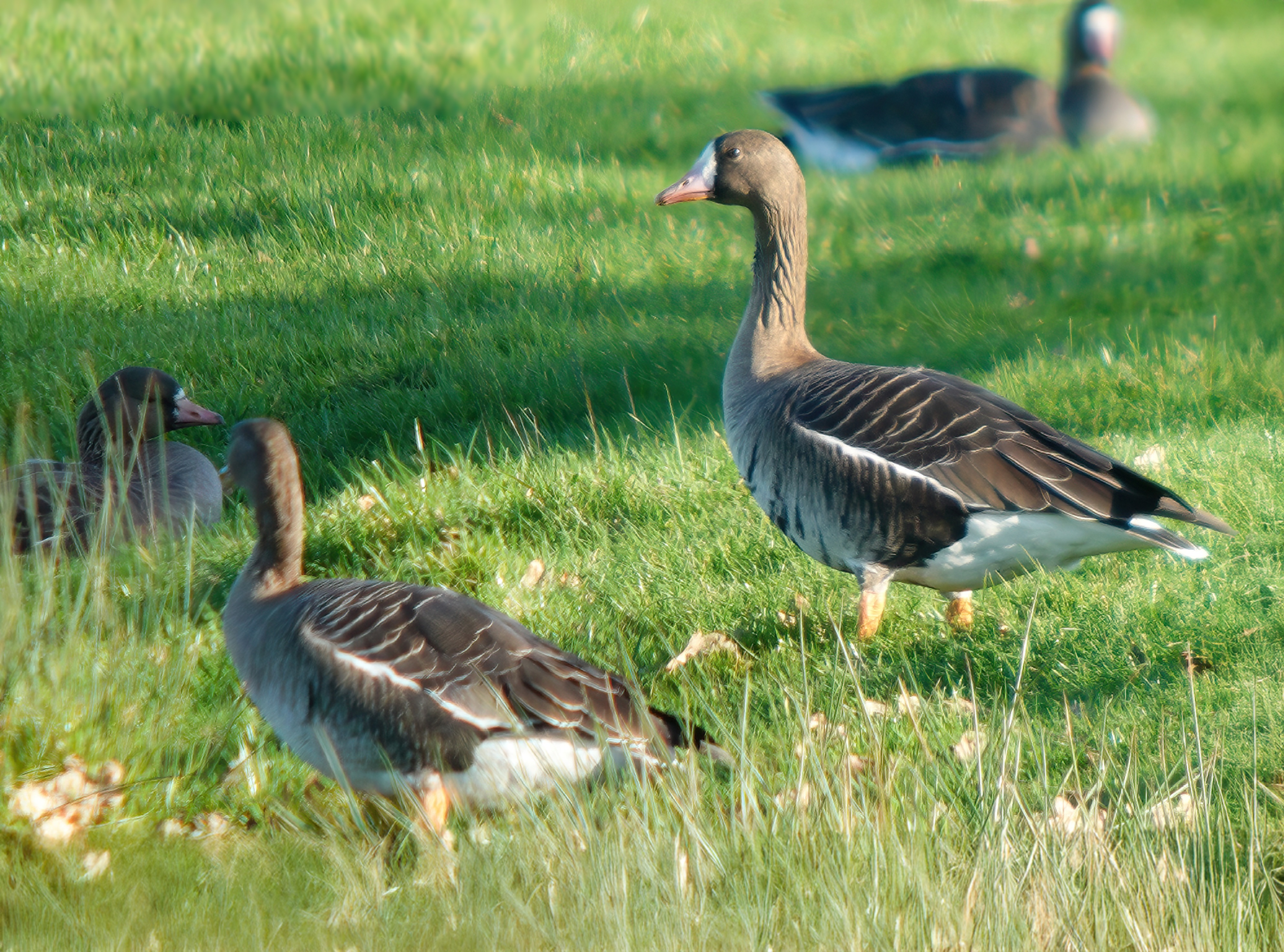
Other White-fronted Geese also remained settled in certain favoured localities, the largest concentration being up to thirty-eight at Stanford on Avon throughout the period. Eighteen lingered by the River Nene at Warmington Mill until at least 1st and seven extended their stay by another week at Stanwick GP.
Appearing on and off across a range of sites in northwestern Northants, the annually wintering female Ruddy Shelduck dropped into Lilbourne Meadows NR on 4th, remaining there until the end of the week.
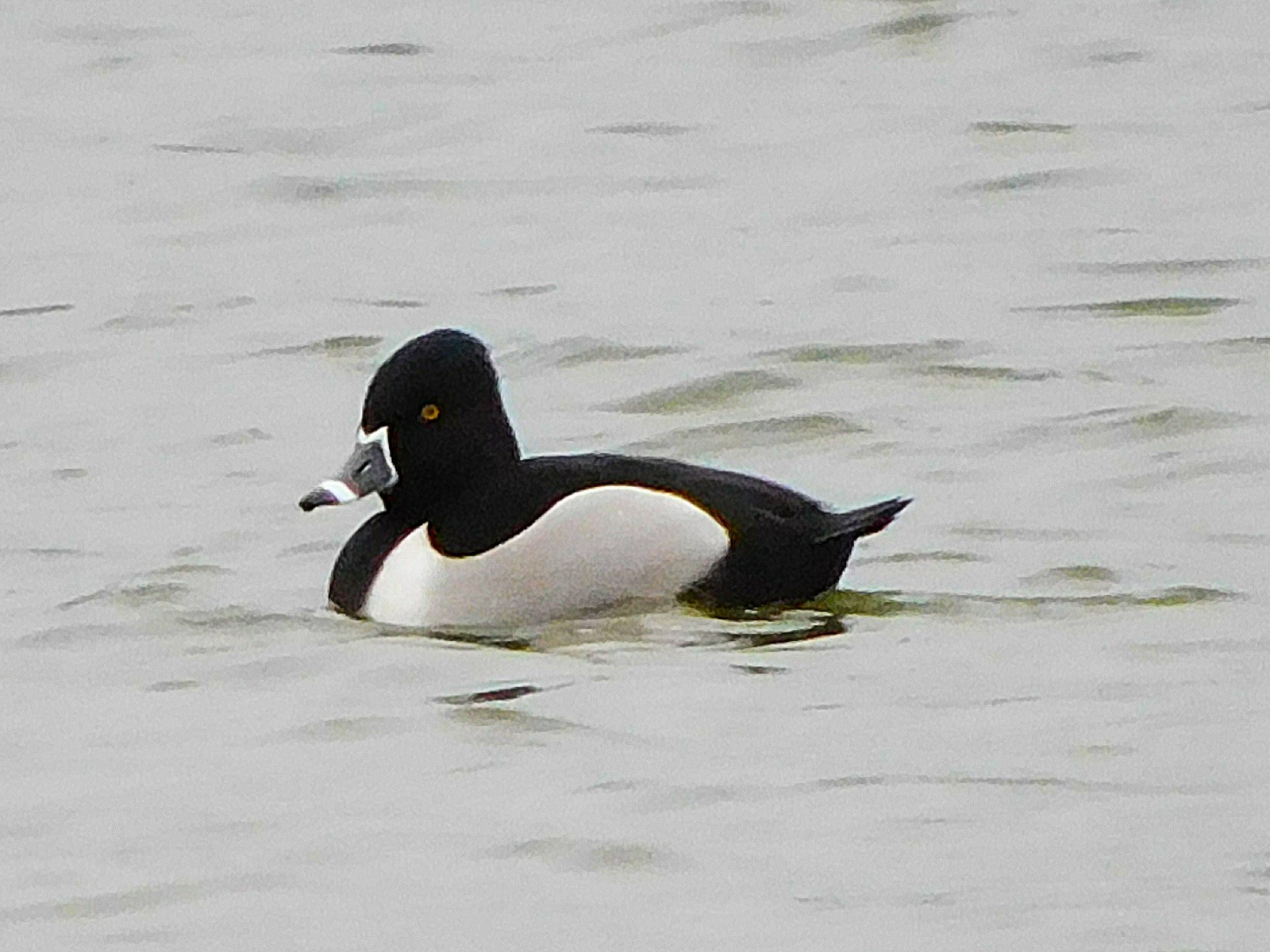
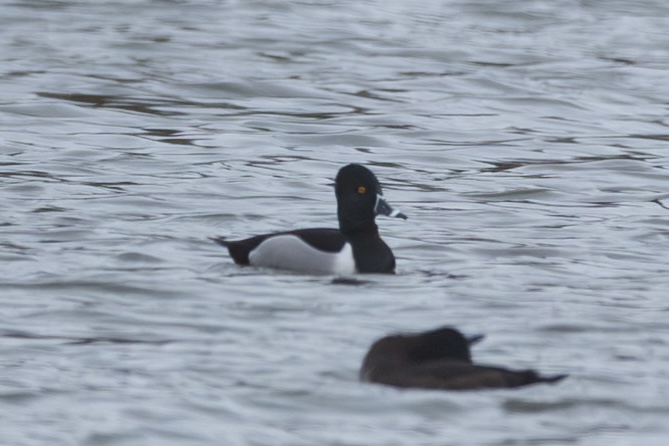
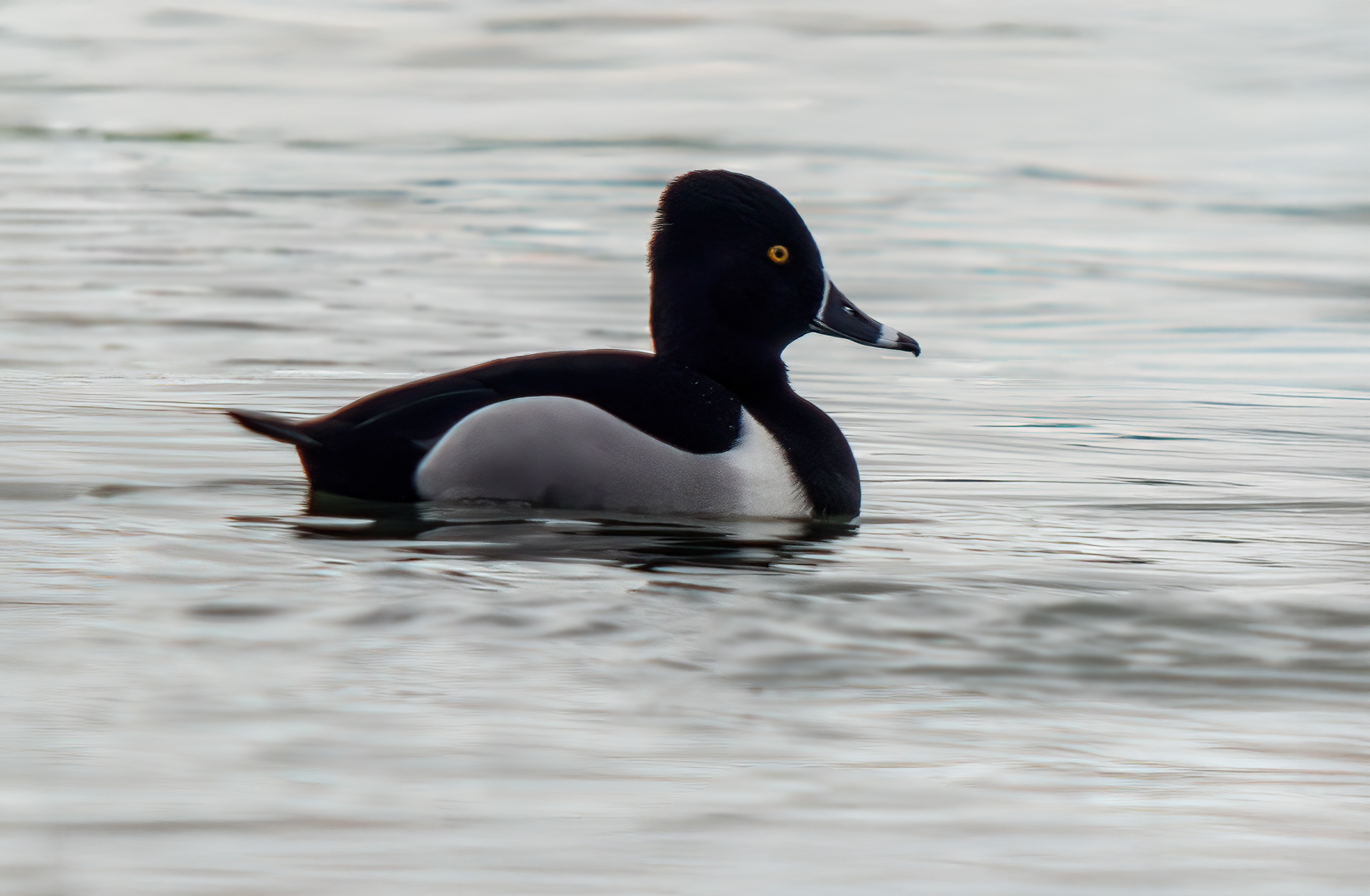
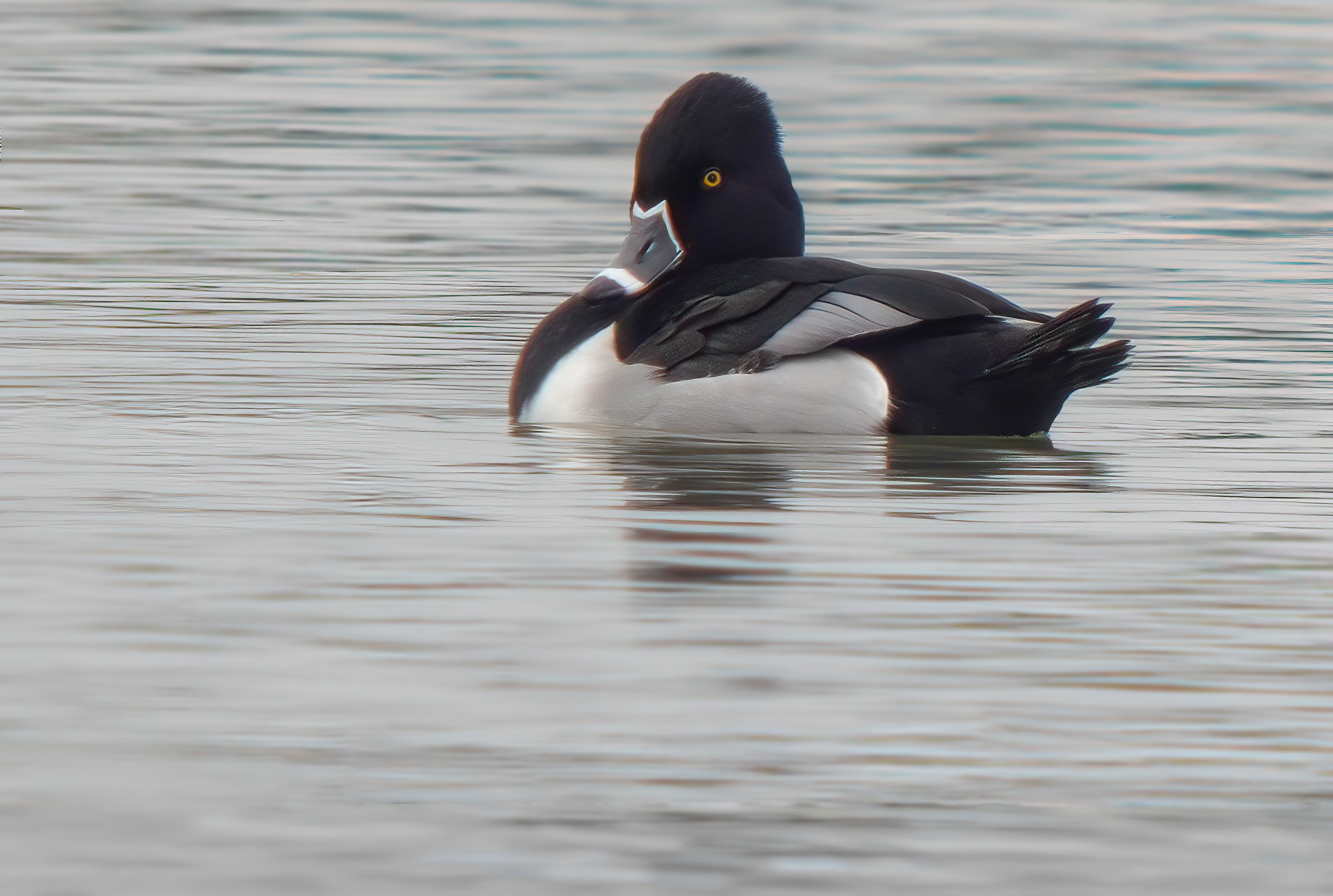
The drake Ring-necked Duck continued to attract interest at Ringstead GP, where it was showing until at least 5th.
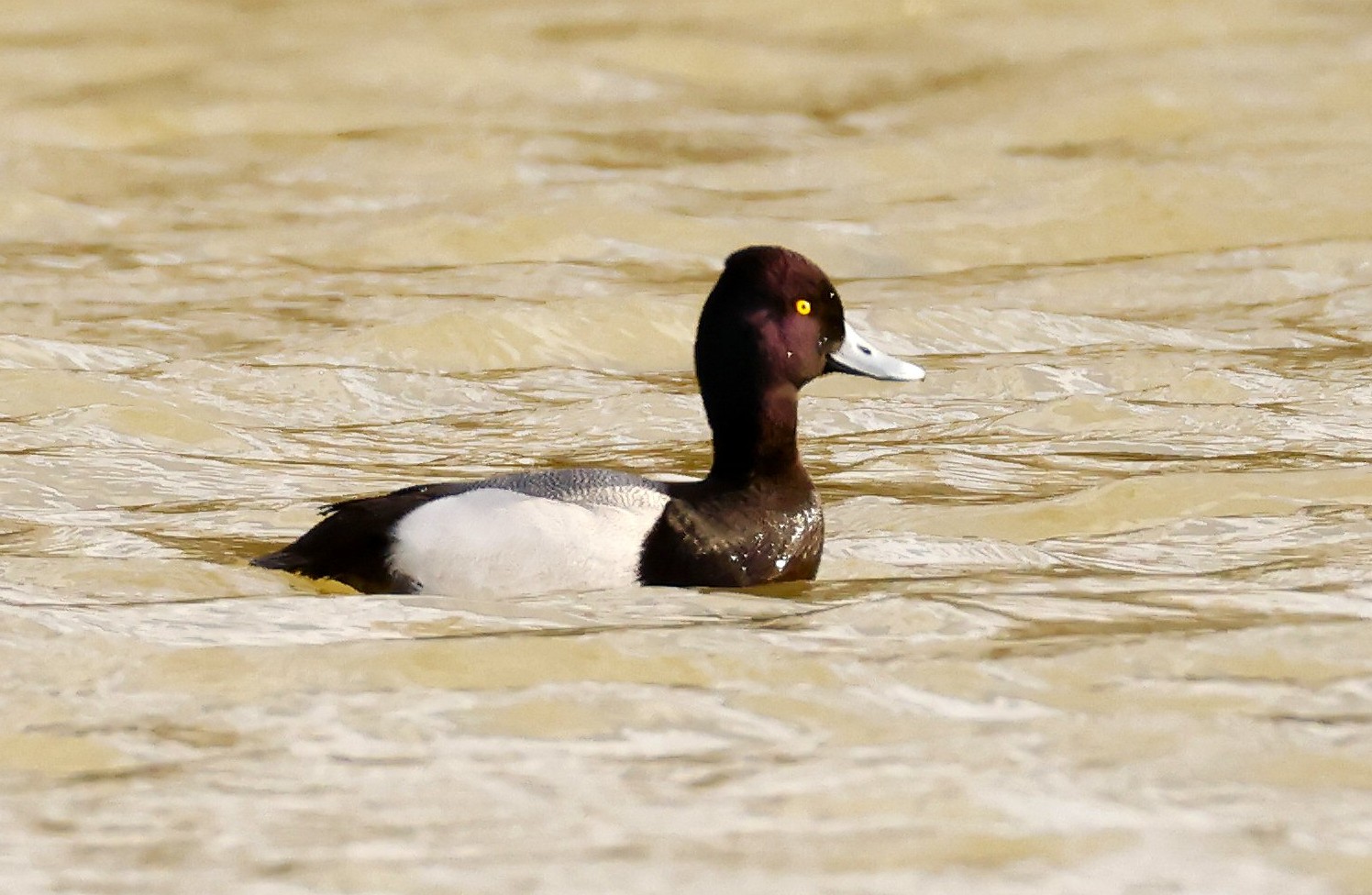
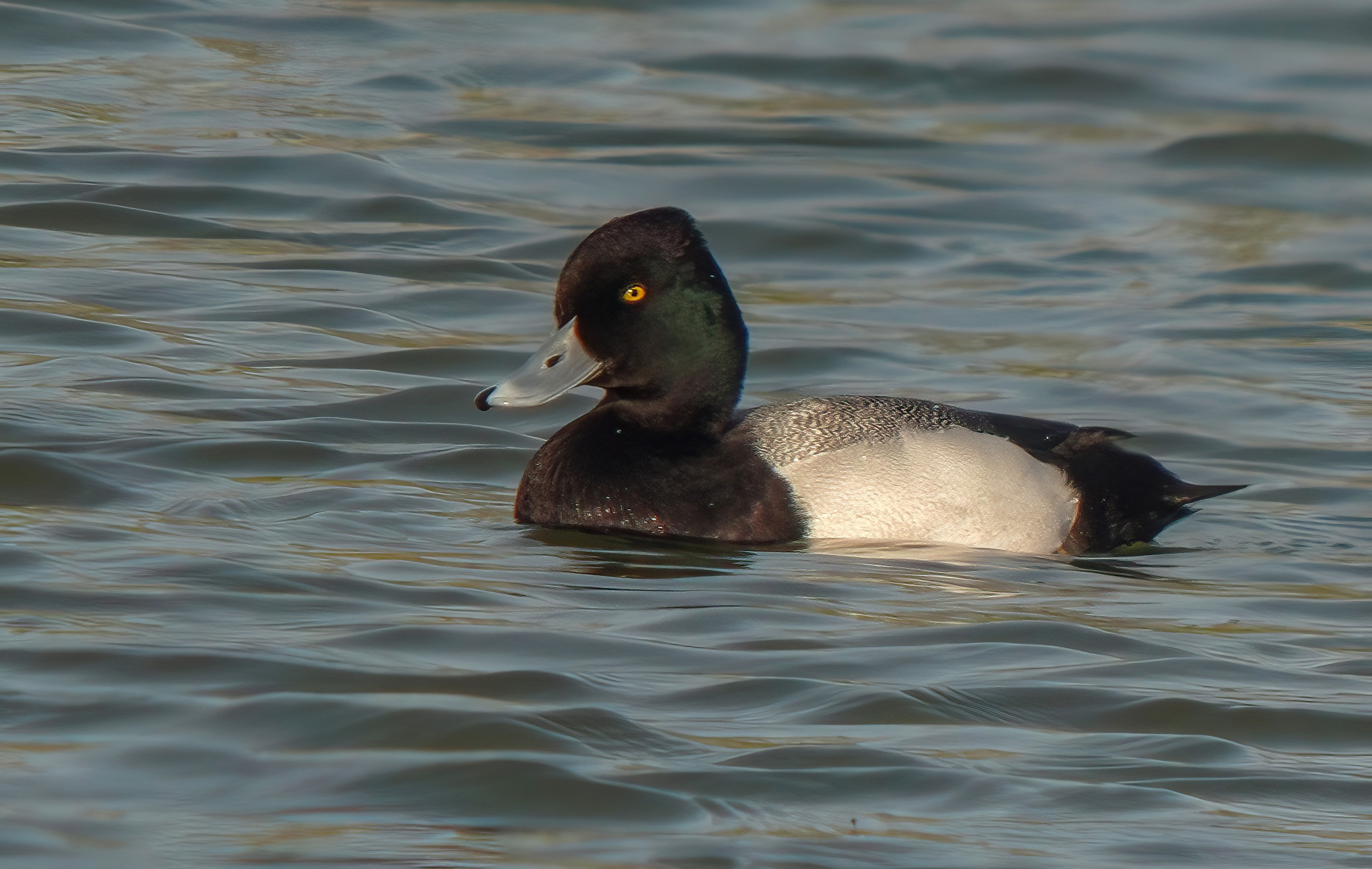
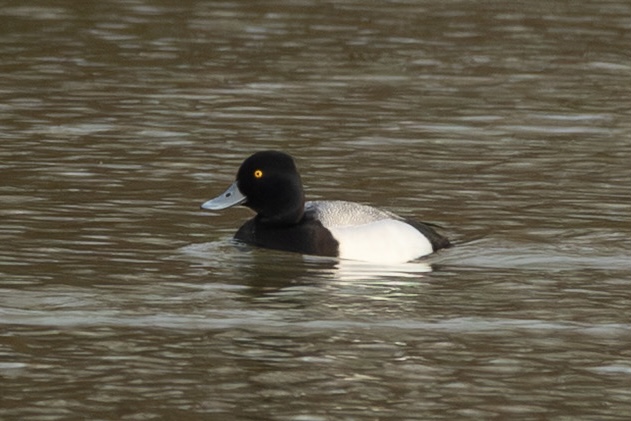
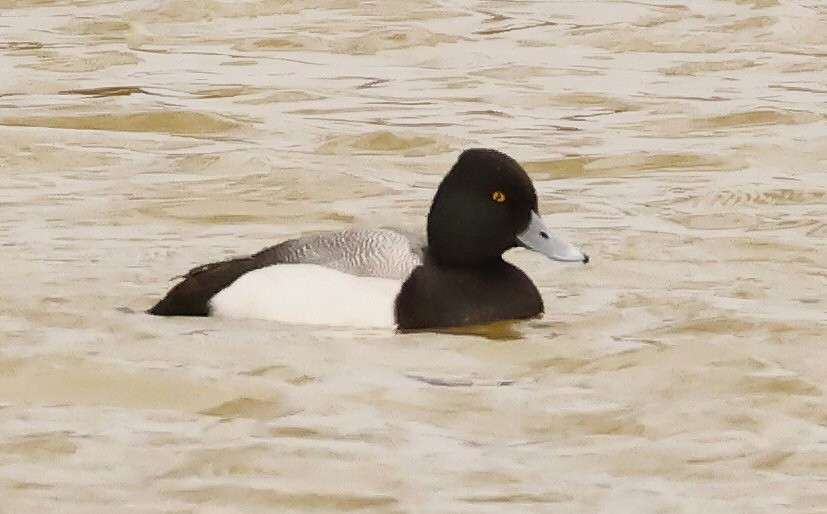
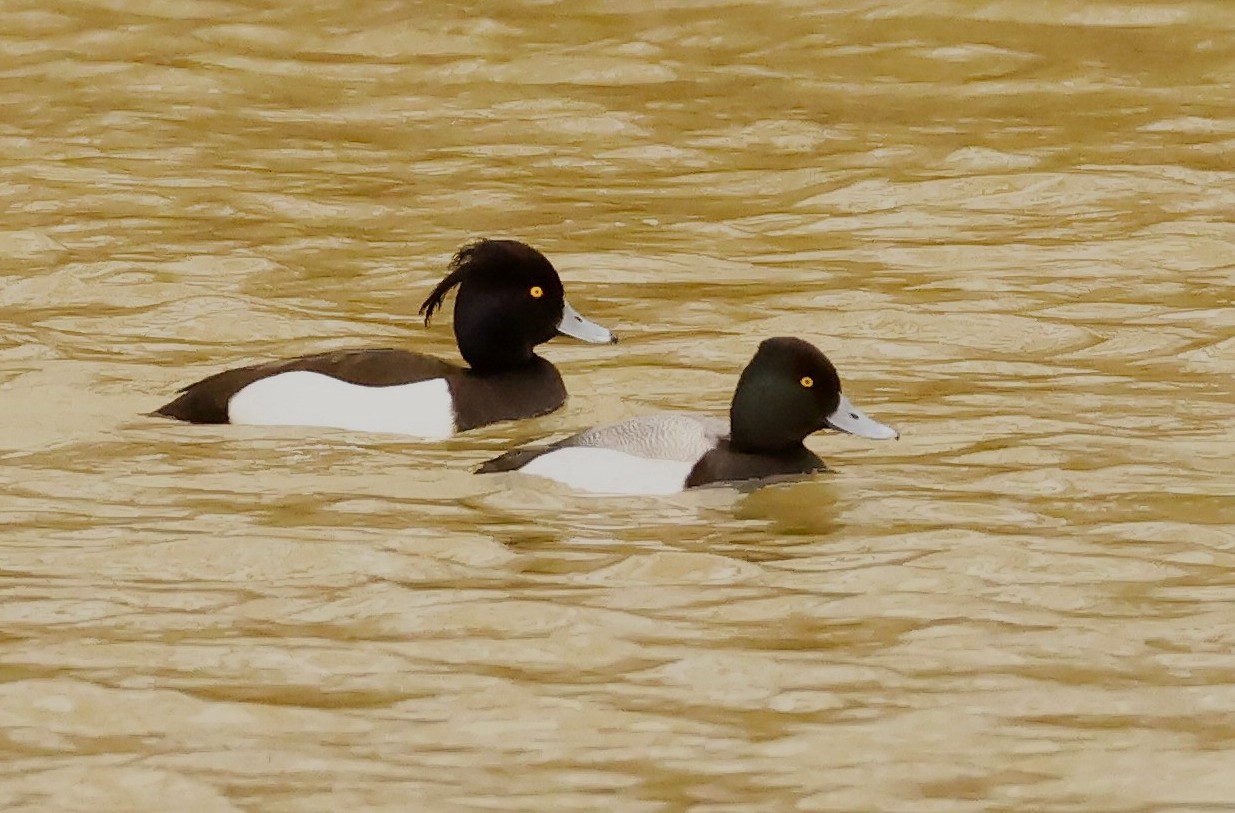
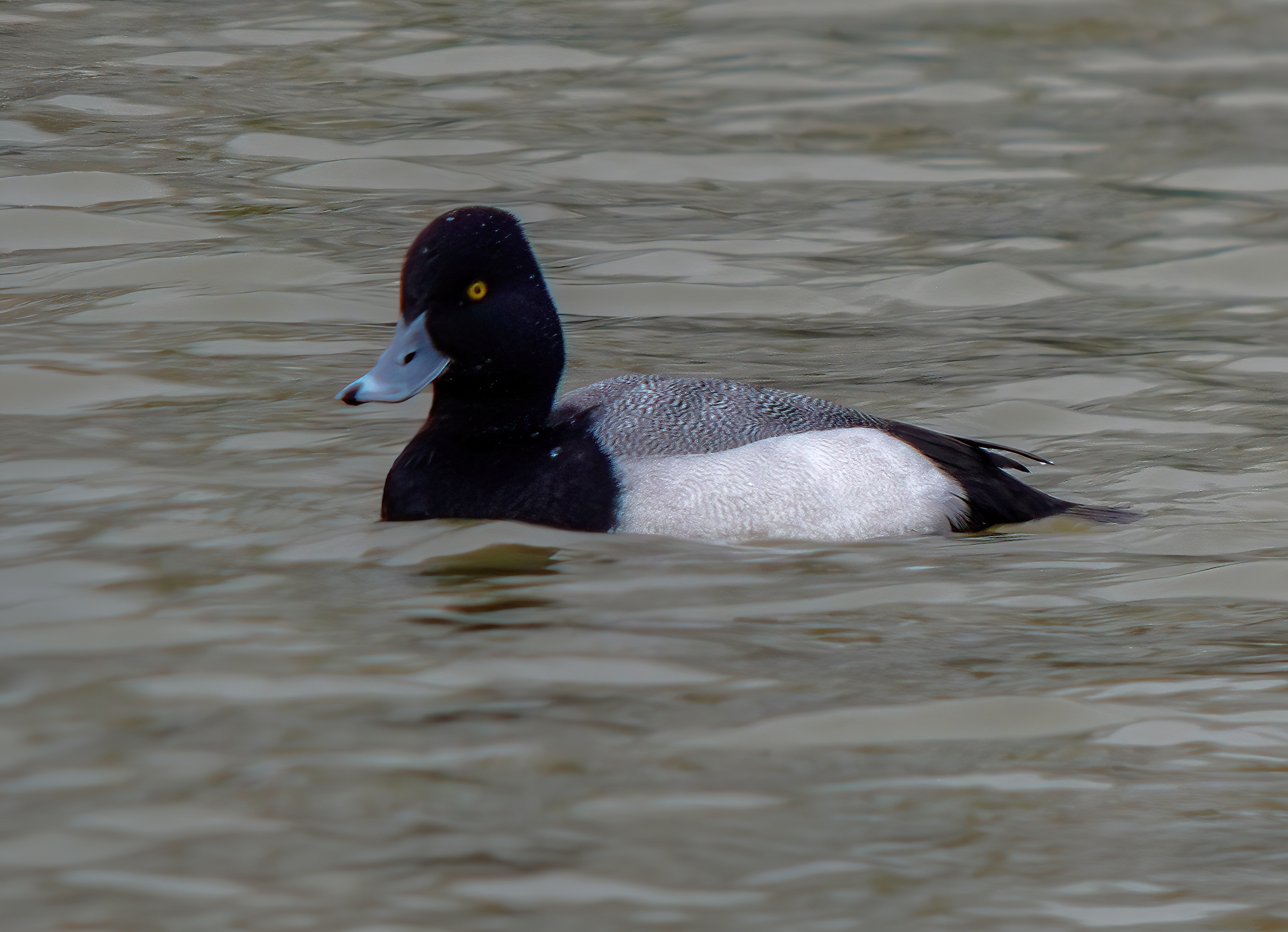
Likewise, the drake Lesser Scaup held out on the River Nene at Clifford Hill GP until the same date, while the long-staying drake Smew also enjoyed another week on the lakes there.
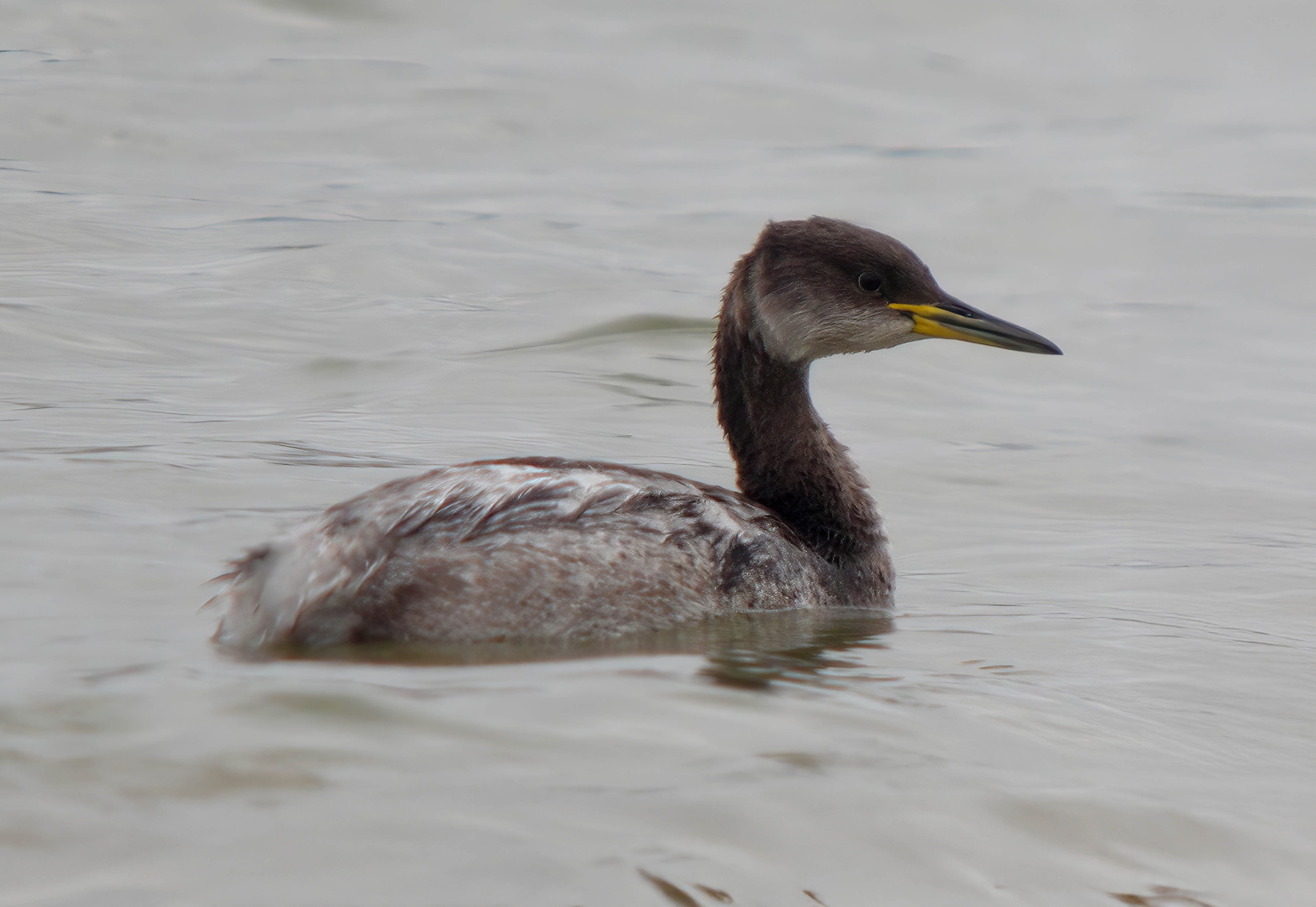
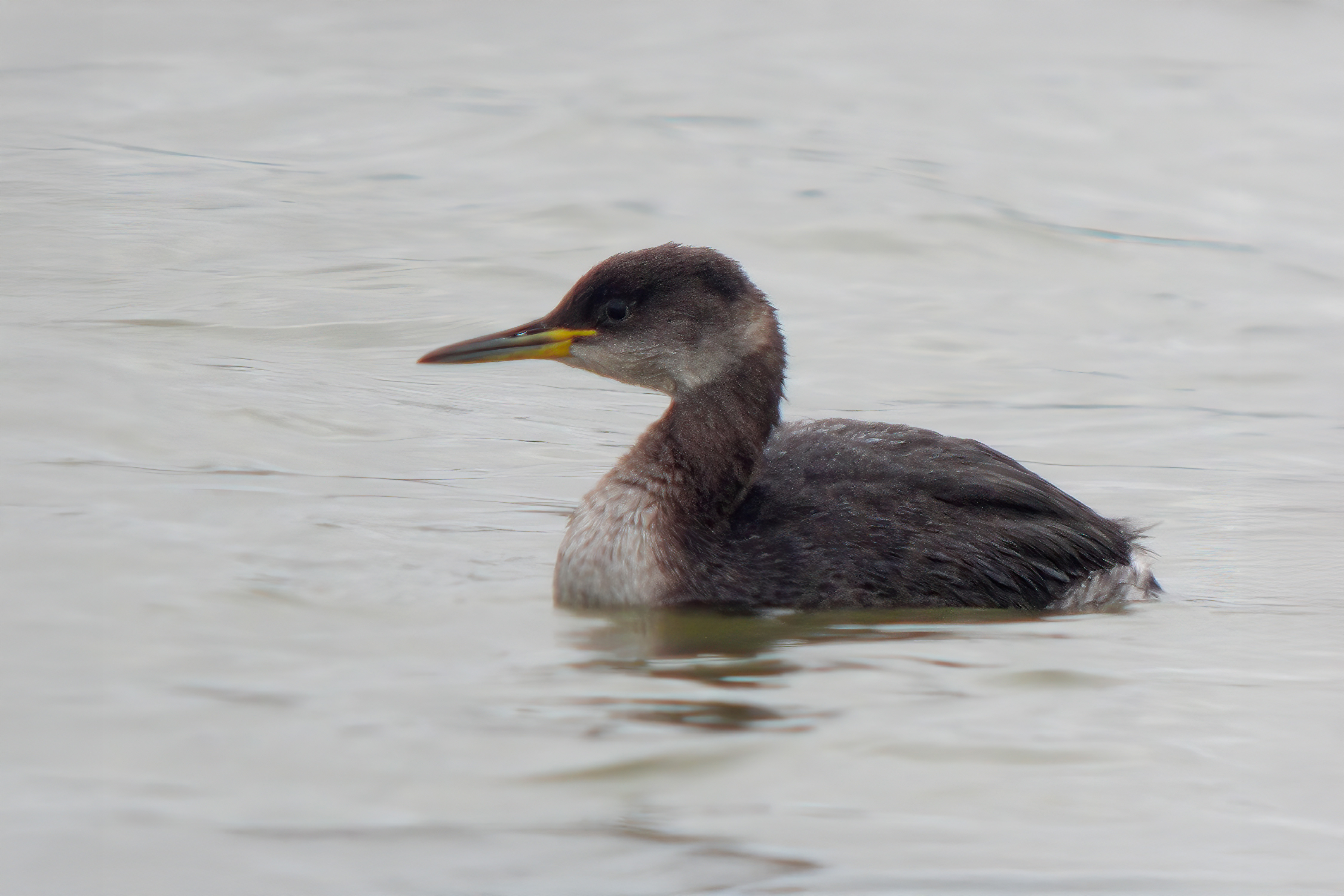
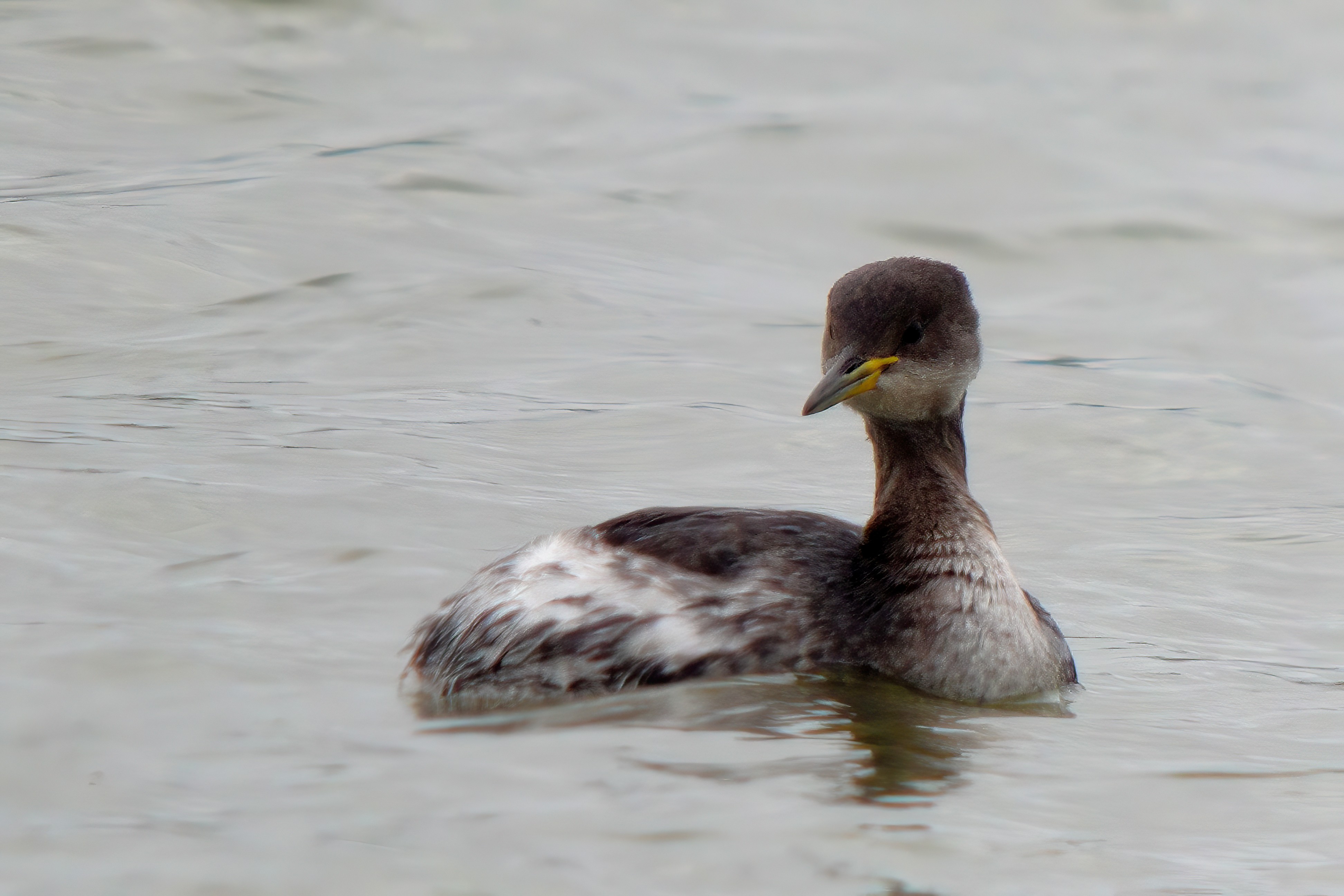
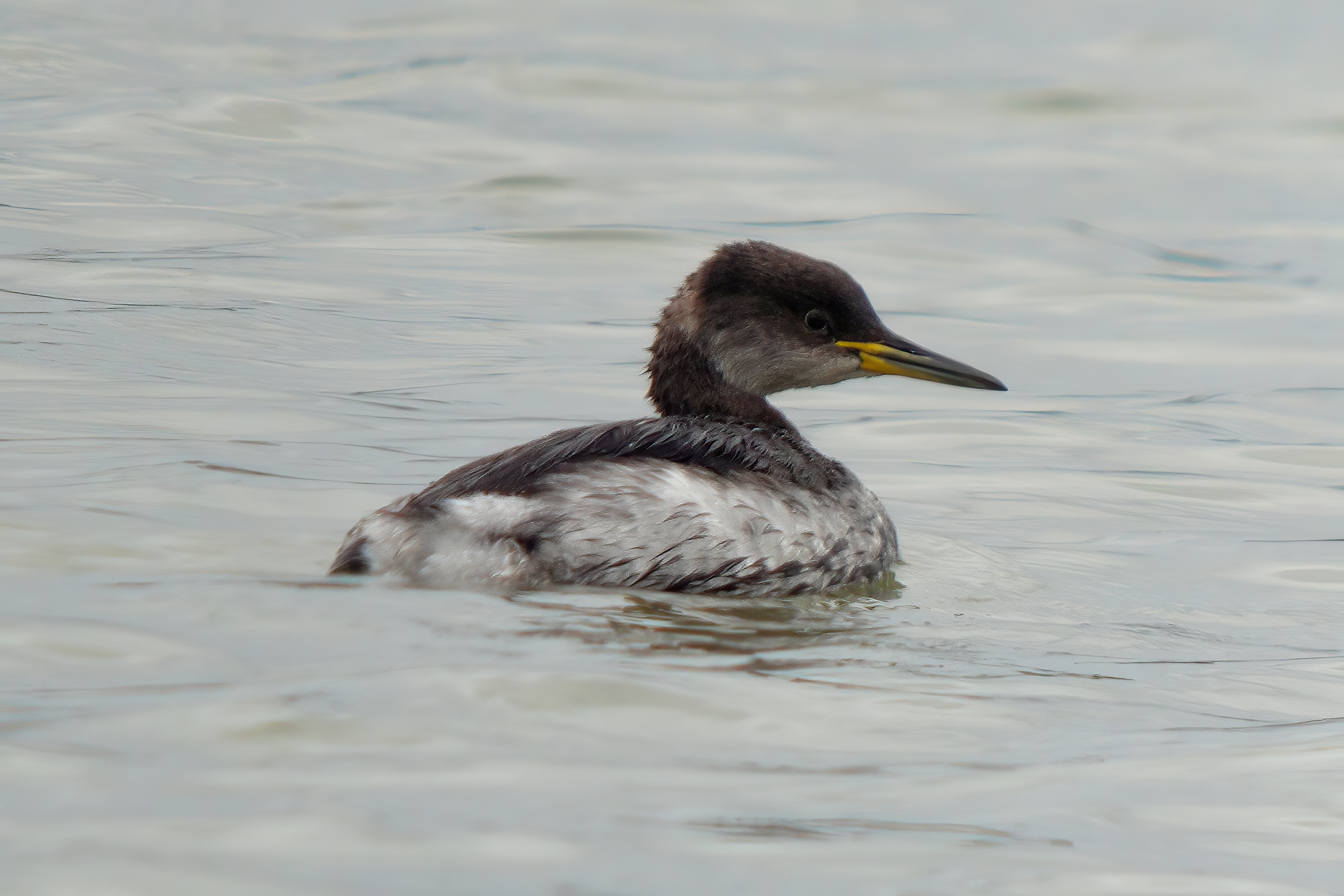
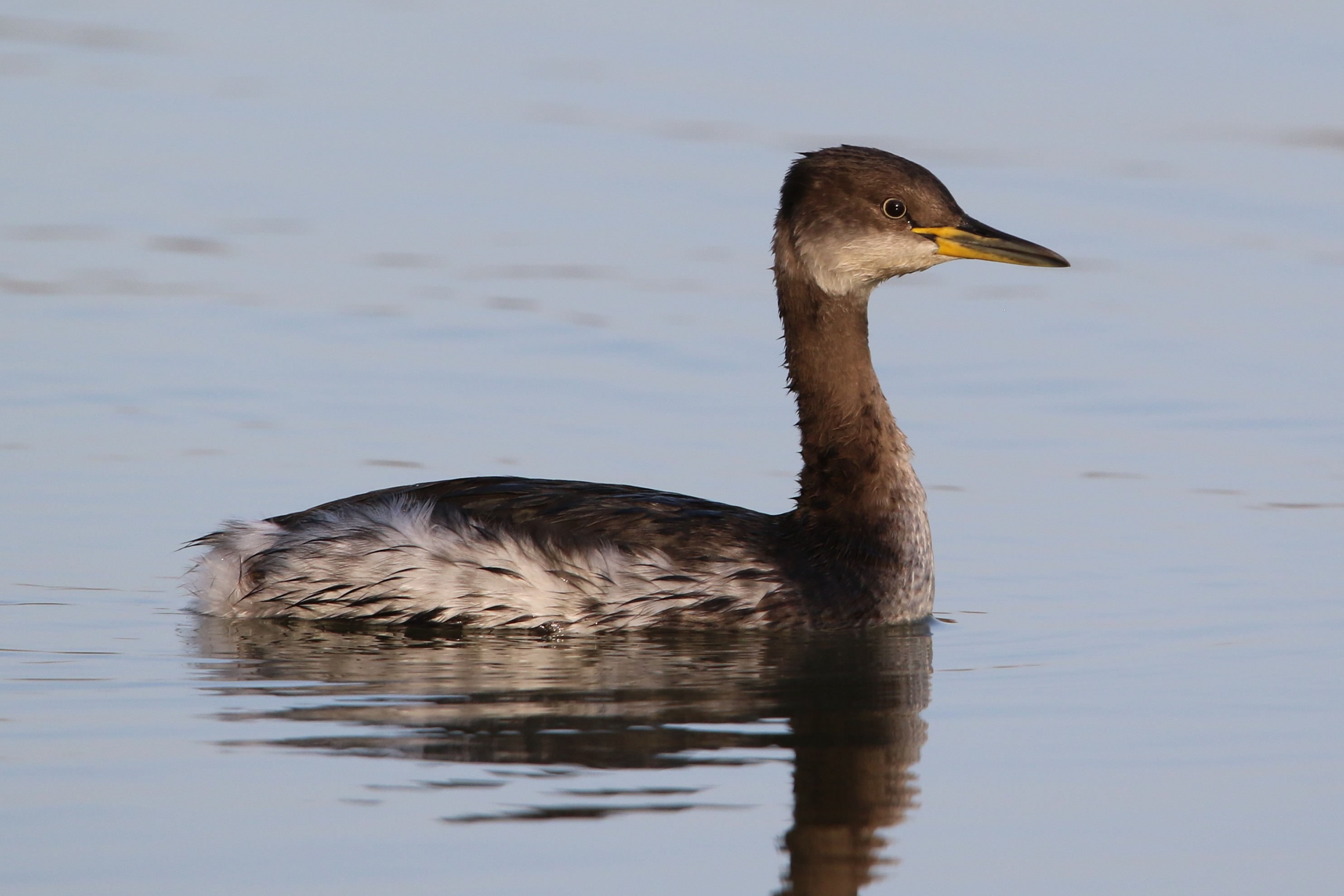
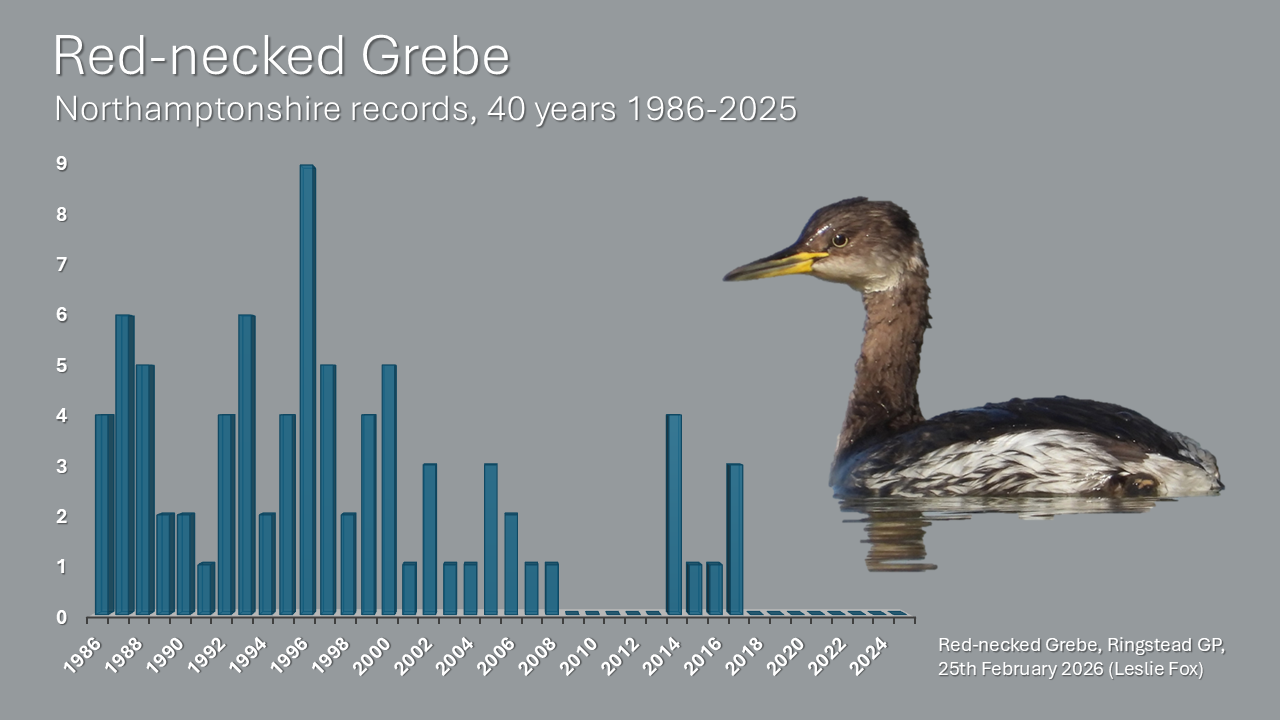
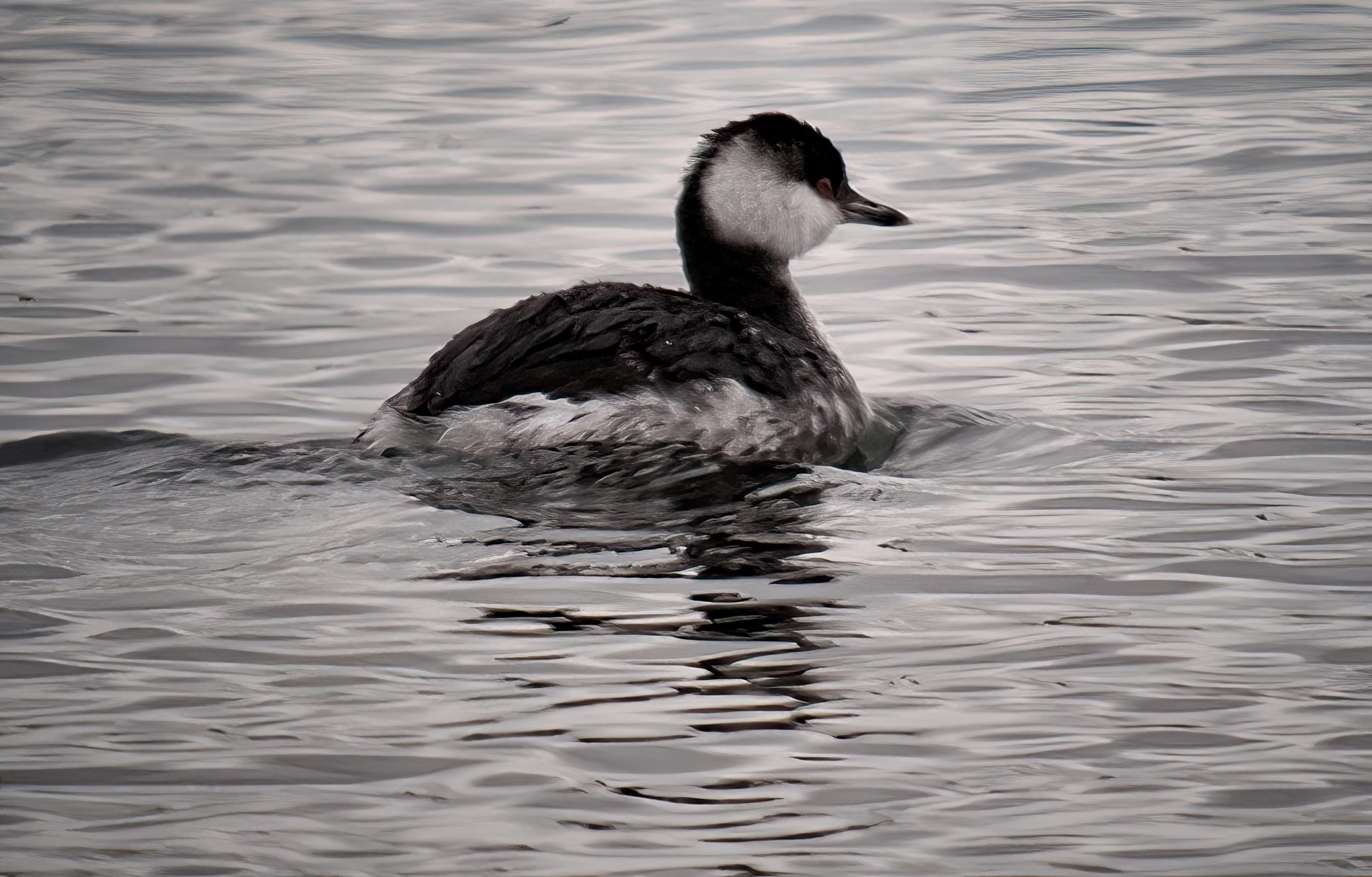
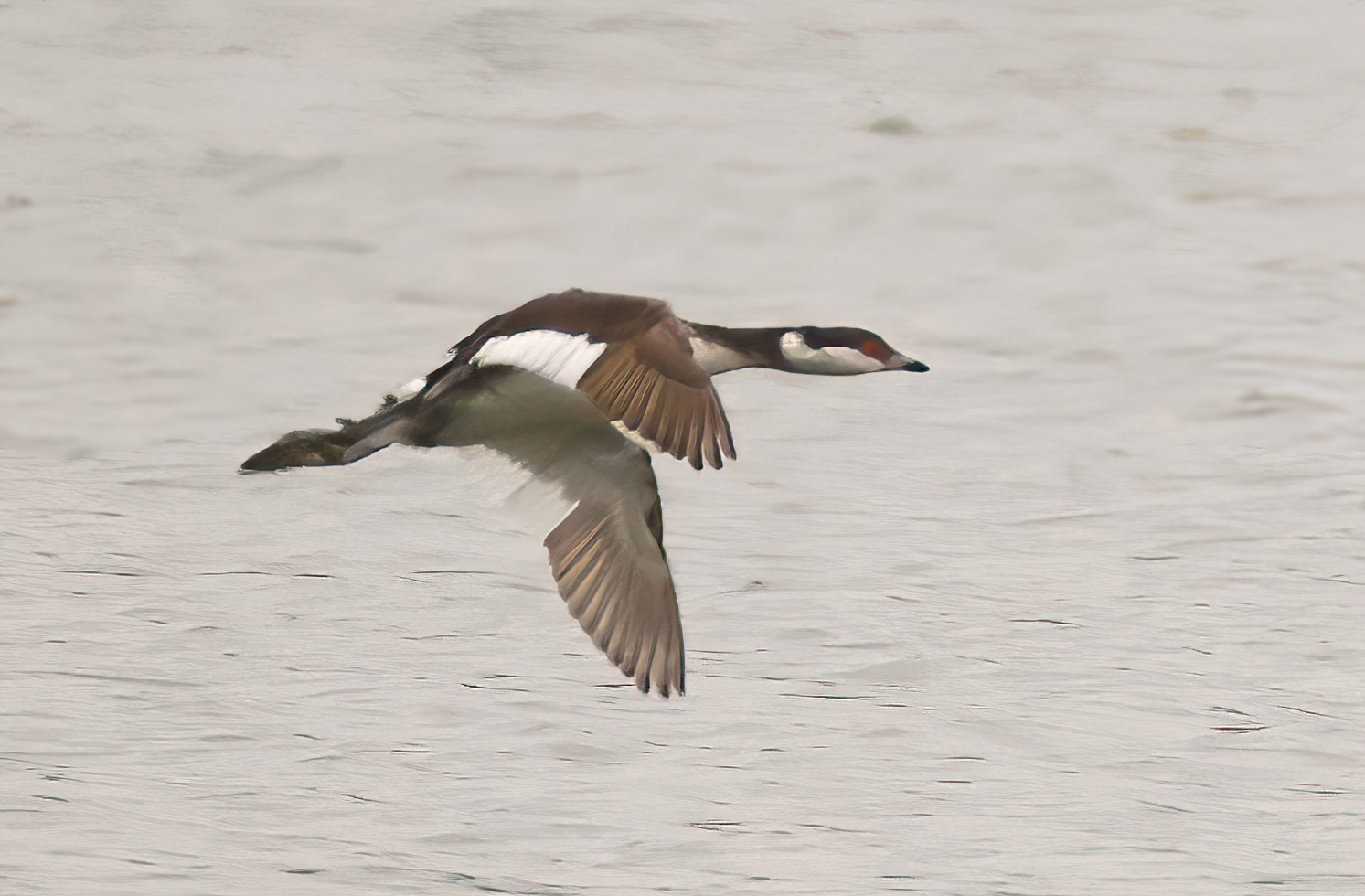
Having spent a full seven days at Ringstead, last week’s Red-necked Grebe was nowhere to be seen after the 28th until, that is, it resurfaced on 4th a mere 8 km up the river valley at Ditchford GP, where it was still present at the week’s end.
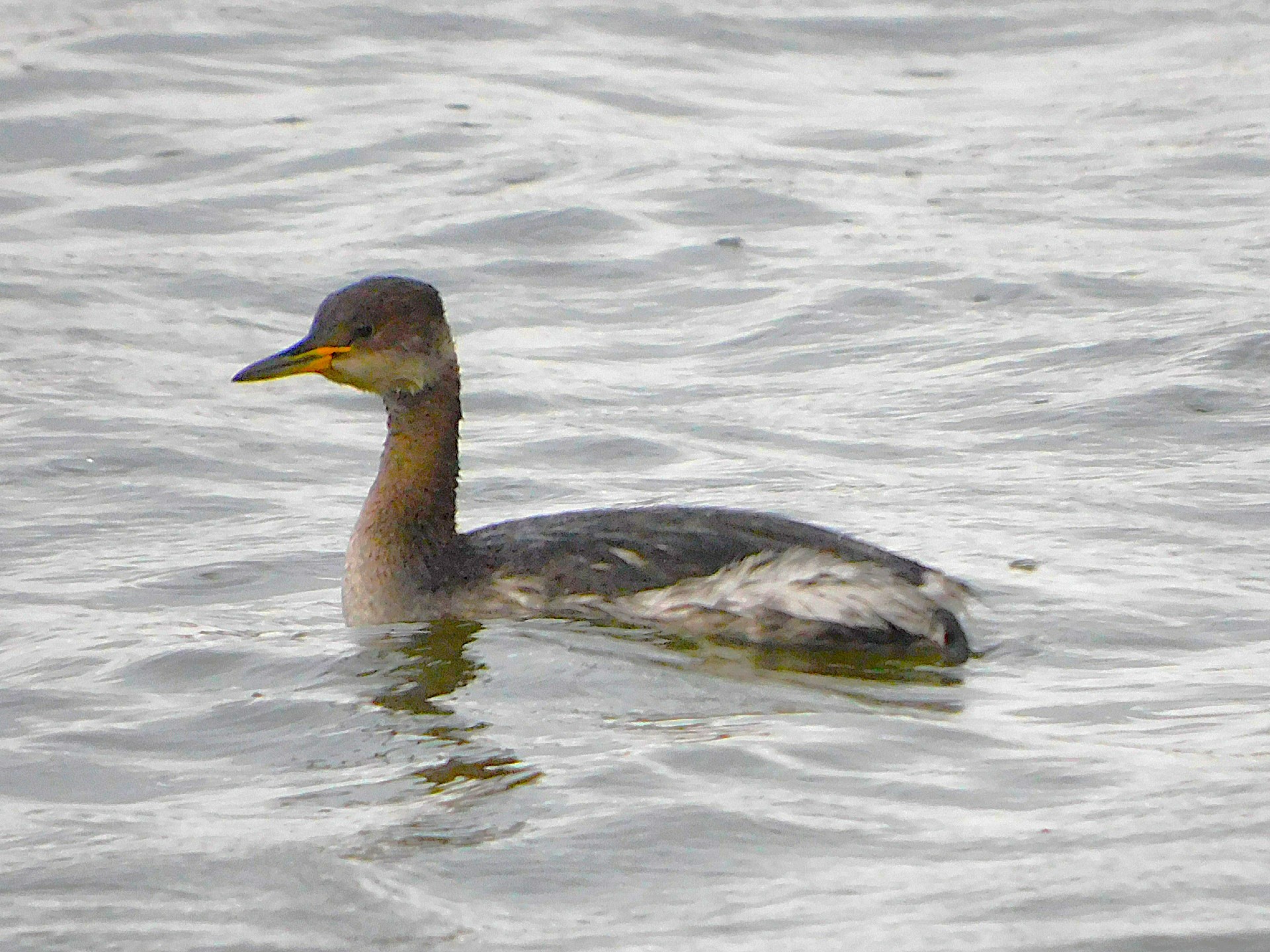
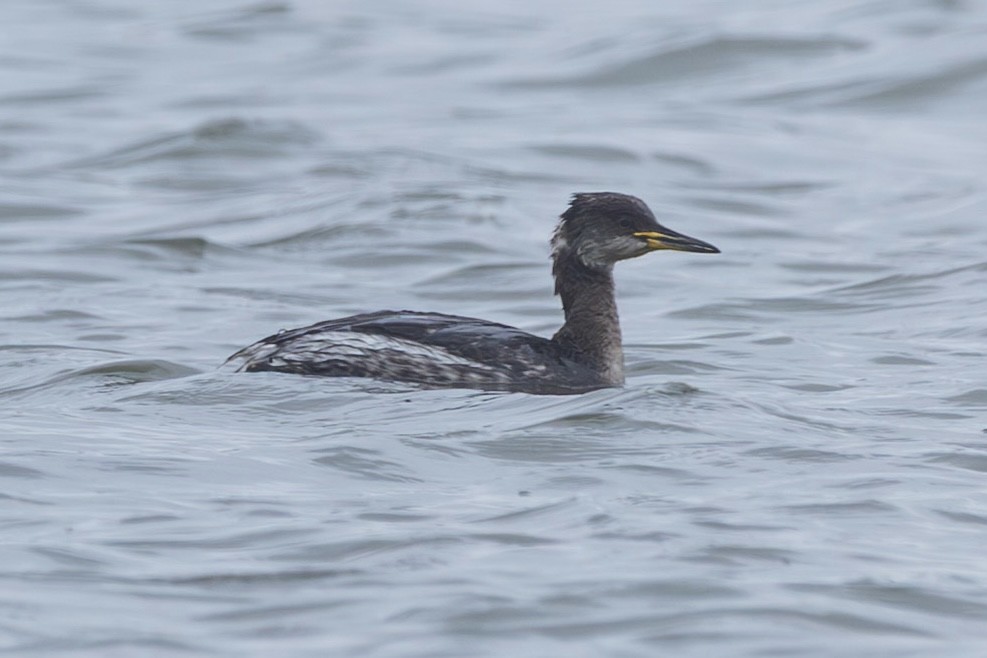
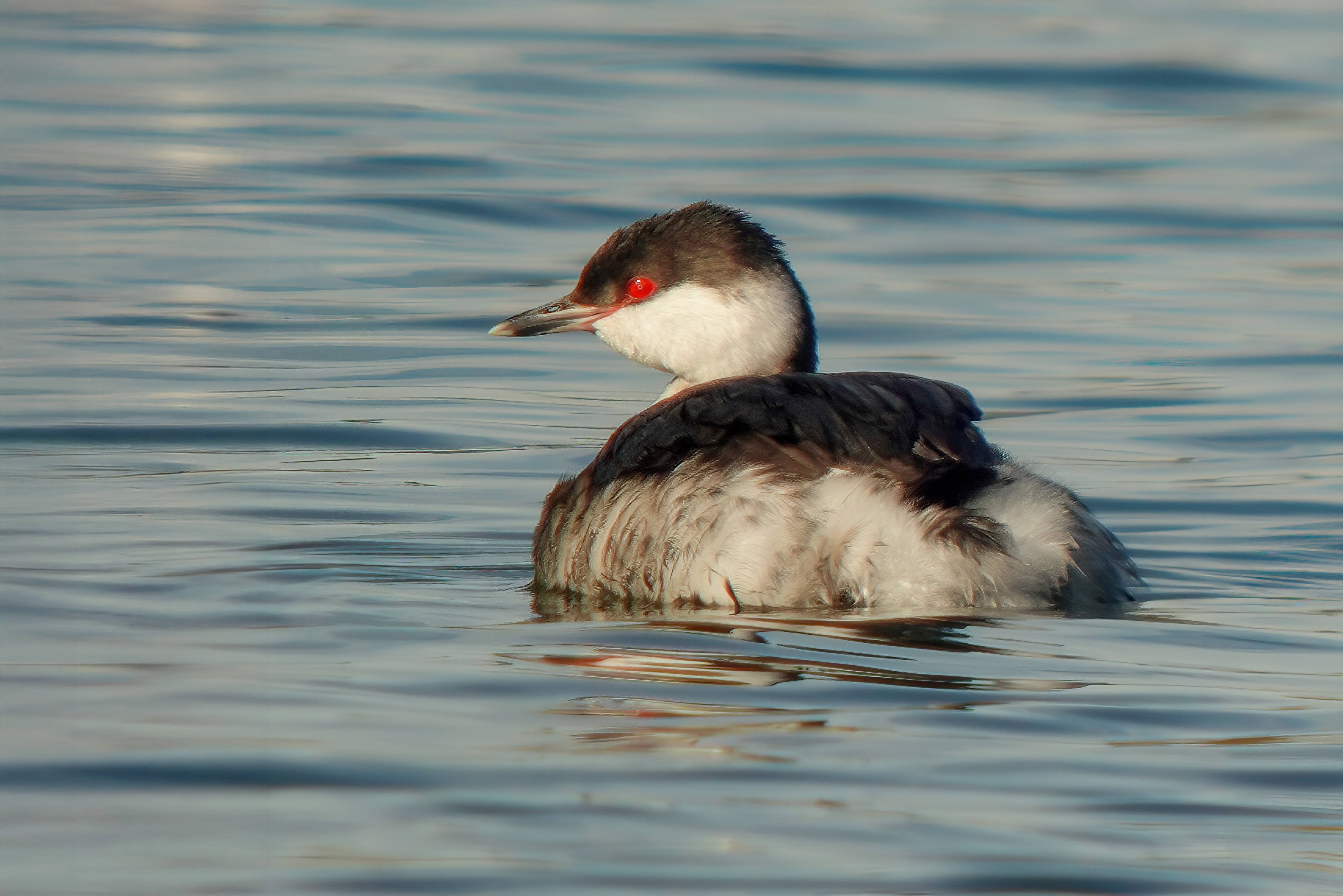
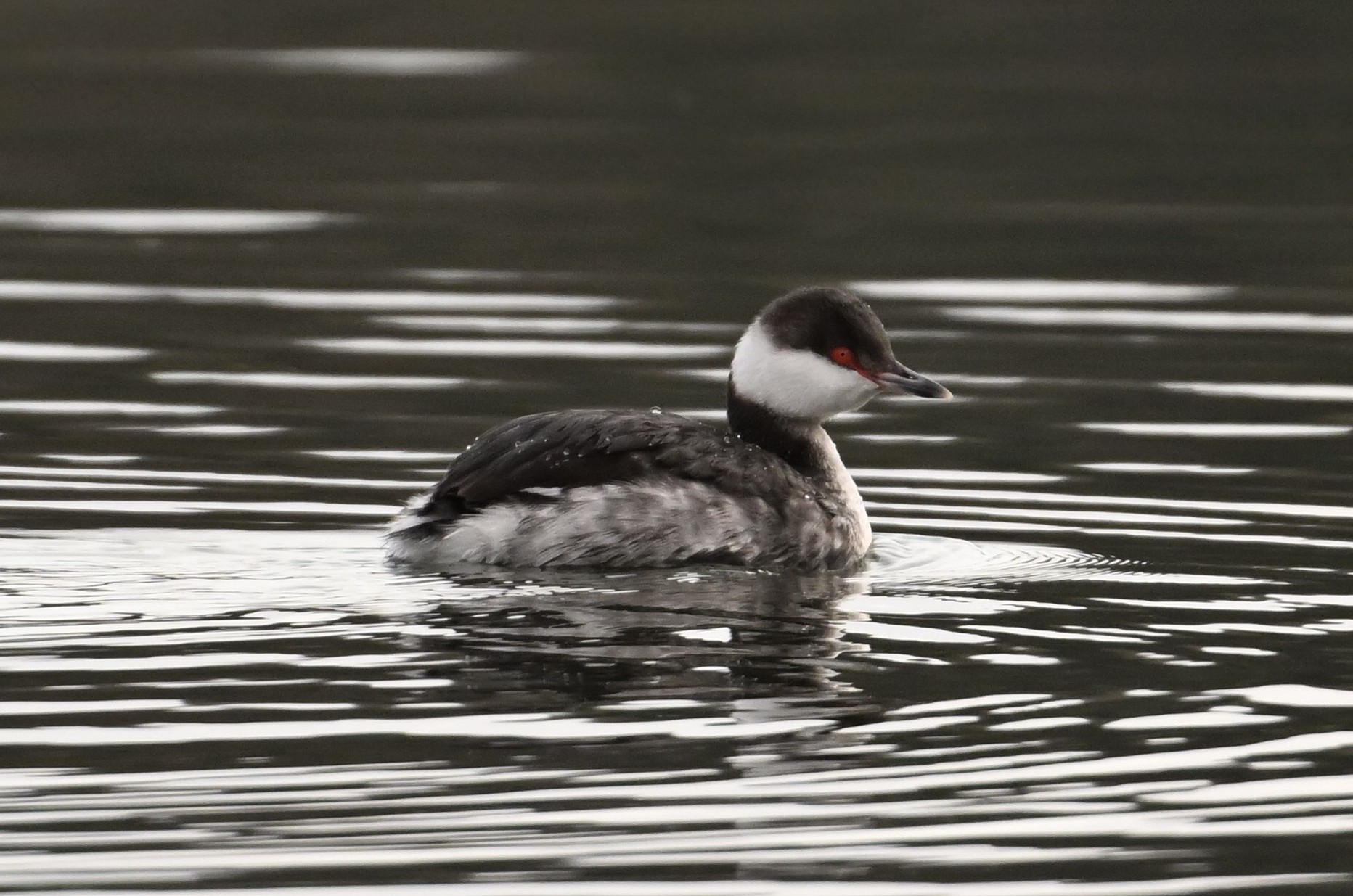
And the previous week’s Slavonian Grebe was still present at Ravensthorpe Res on the first day of the period, remaining there throughout the week. Despite appearing to have gone missing for the five days, 21st-25th February, it has proven itself a skulker, hiding in overhanging vegetation, where it can easily be overlooked.
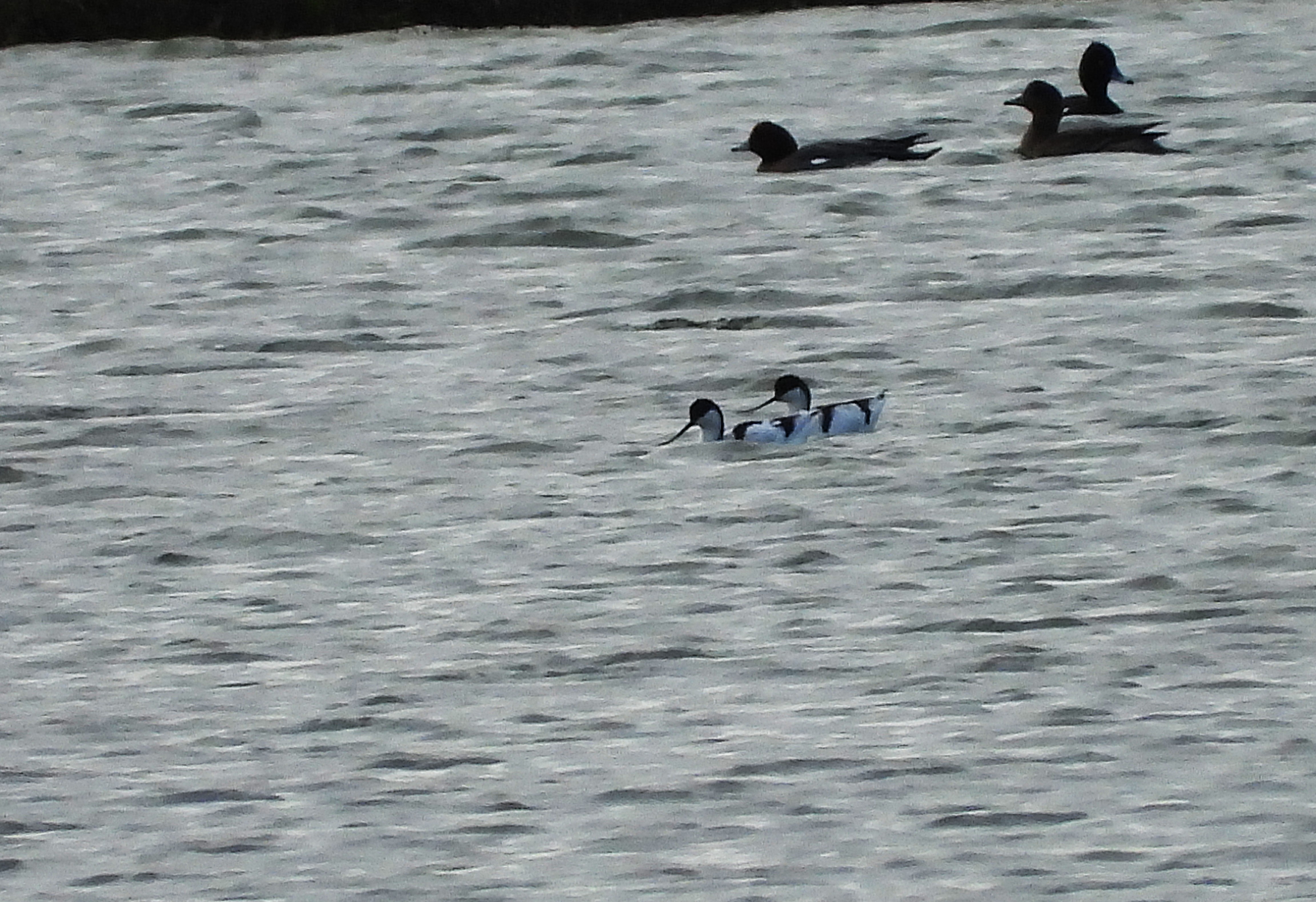
Although not a summer visitor, further representing waders as another first for the year were two Avocets at Earls Barton GP on 3rd, alongside other inland sightings in the UK during the week.
Other waders were on offer, even if thin on the ground, including a Black-tailed Godwit at Summer Leys LNR on 2nd, the same date also producing three Jack Snipes at Daventry CP and two at Hollowell. Classed as a summer visitor, although odd birds appear locally in winter, a Common Sandpiper at Pitsford on 5th was no doubt the wintering individual seen sporadically there during past weeks.
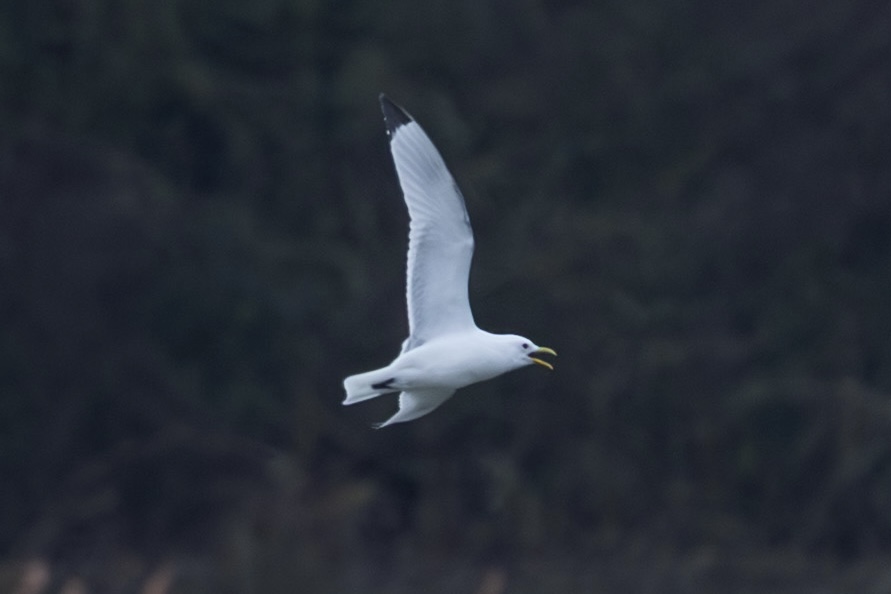
And another new bird for the year this week was an adult Kittiwake which spent a short period of time at Summer Leys on 28th. More to come, no doubt.
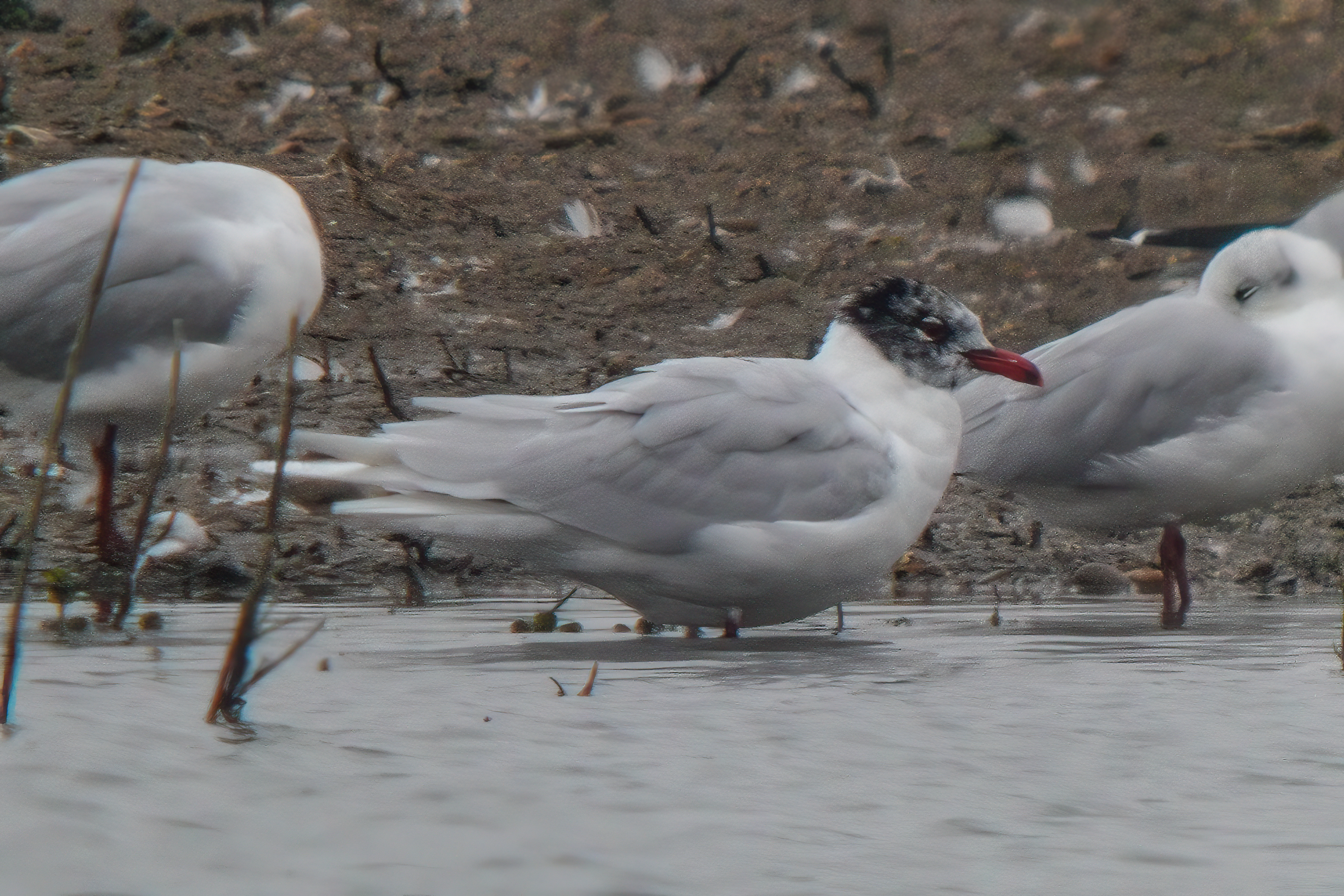
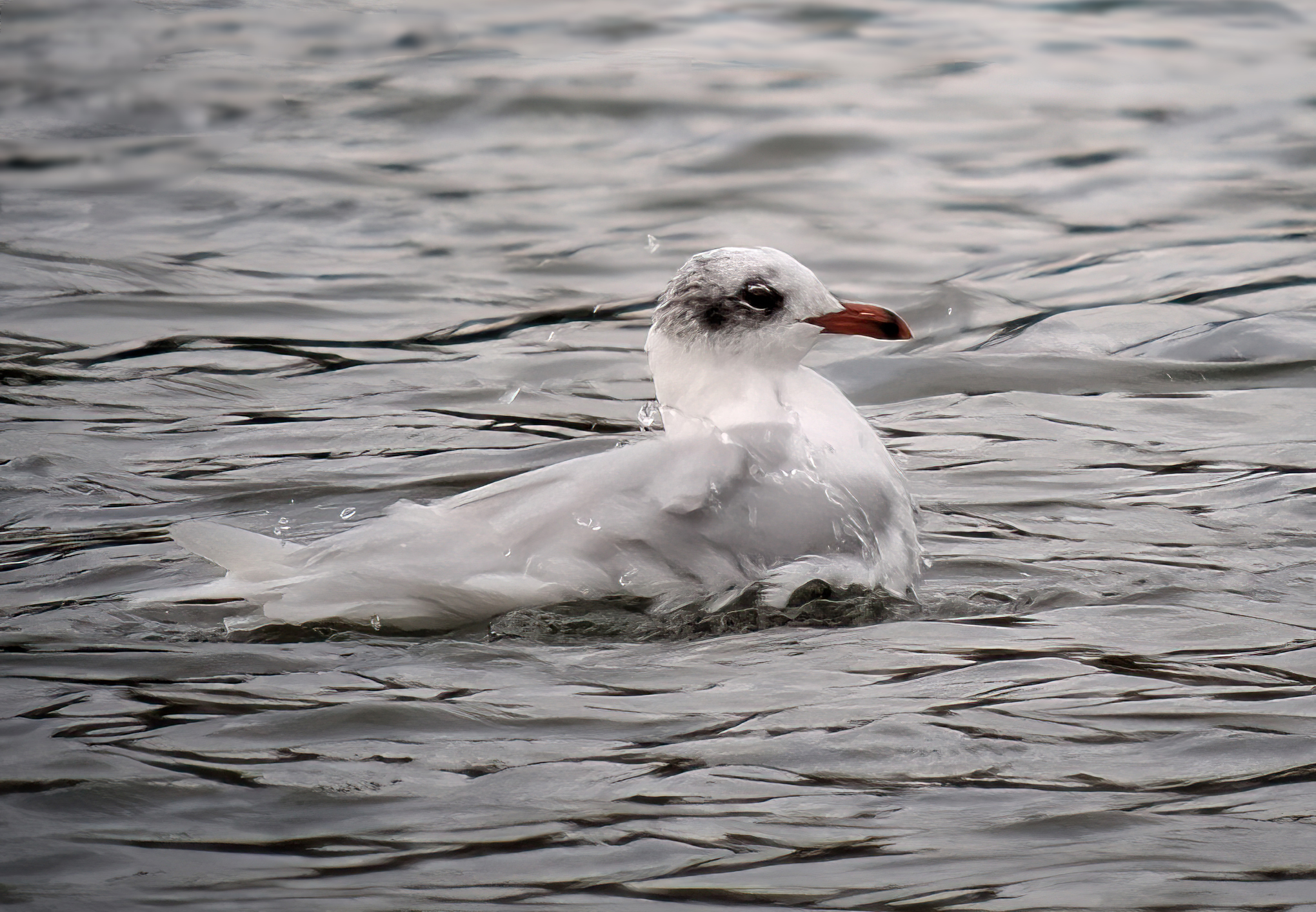
Sticking with larids, March begins to see spring movements of Mediterranean Gulls taking place, the 4th giving rise to two adults in the roost at Stanford Res and two – also adults – at Summer Leys. One of the latter two carried a metal ring on its right leg and was back on site, alone, on 6th.
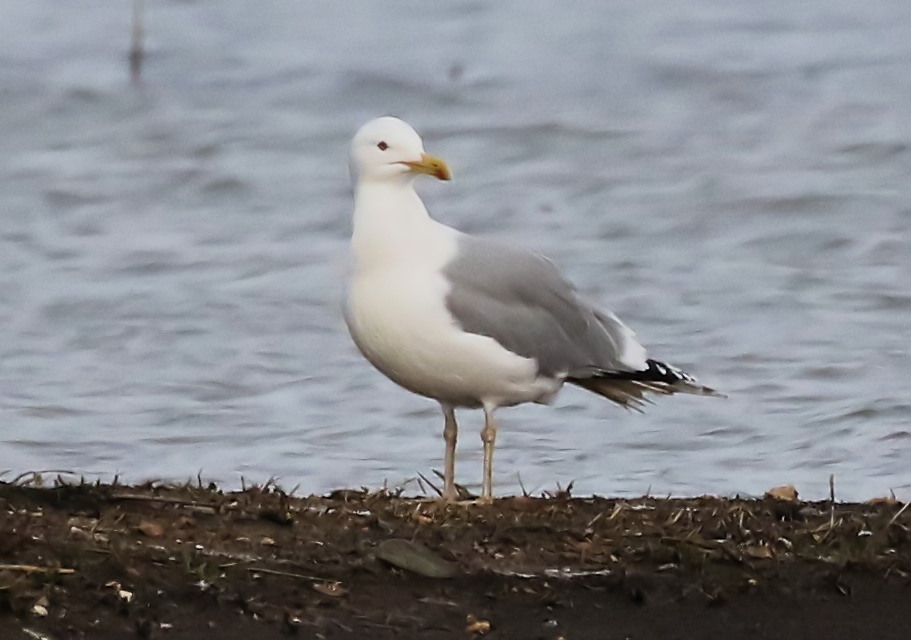
Caspian Gulls were present at Earls Barton GP, where there was a first-winter on 28th, down the road at Summer Leys, where the settled adult remained between 28th and 5th, and at Hollowell, where there was an adult on 2nd and two adults on 5th. A single adult Yellow-legged Gull was still to be found at Pitsford on 2nd.
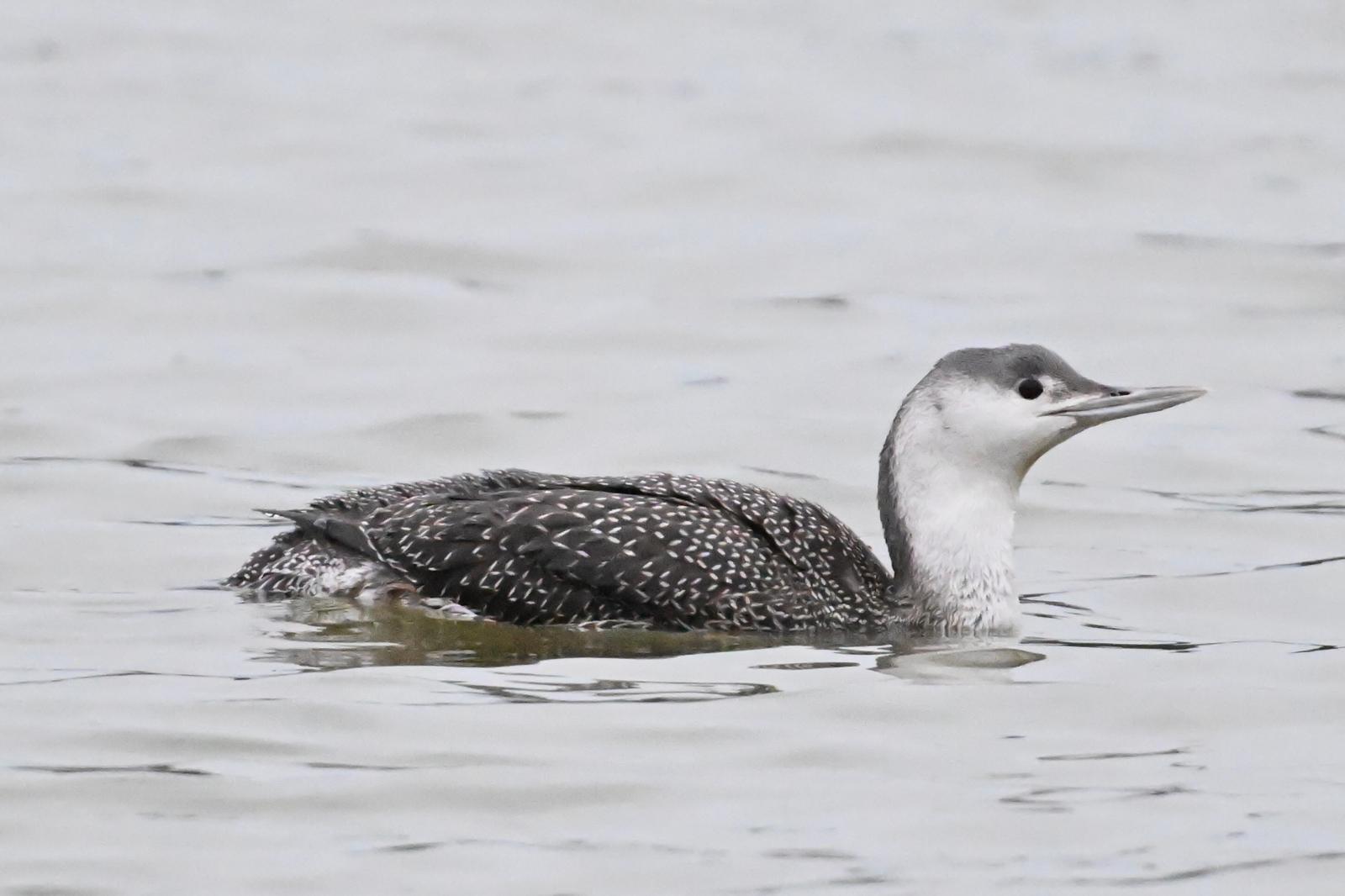
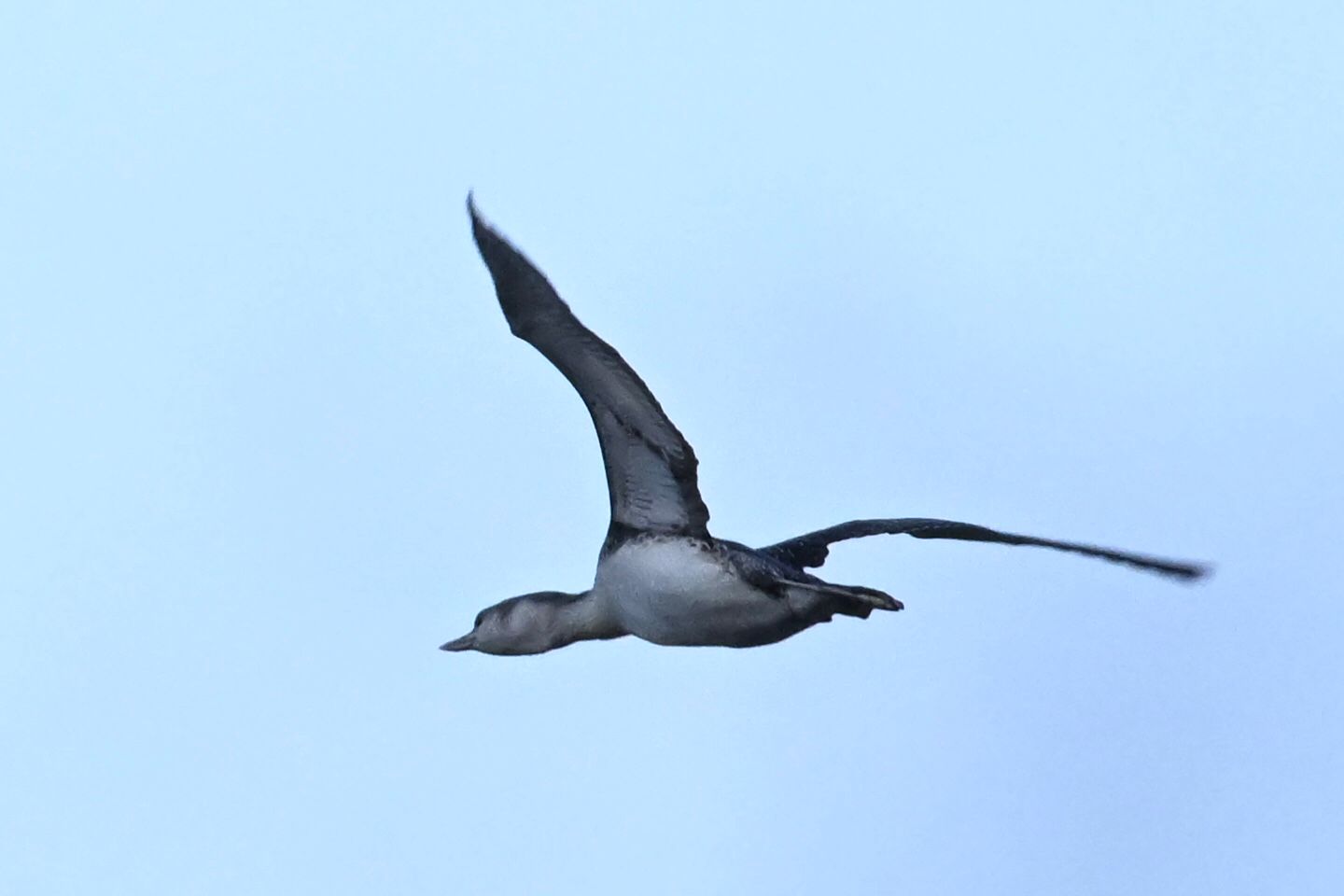
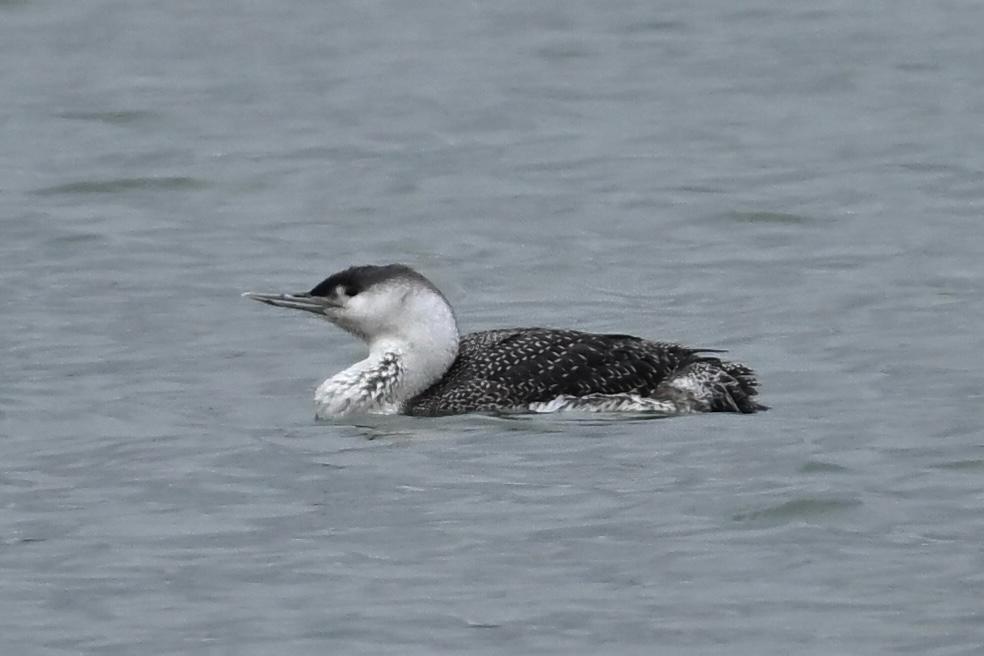
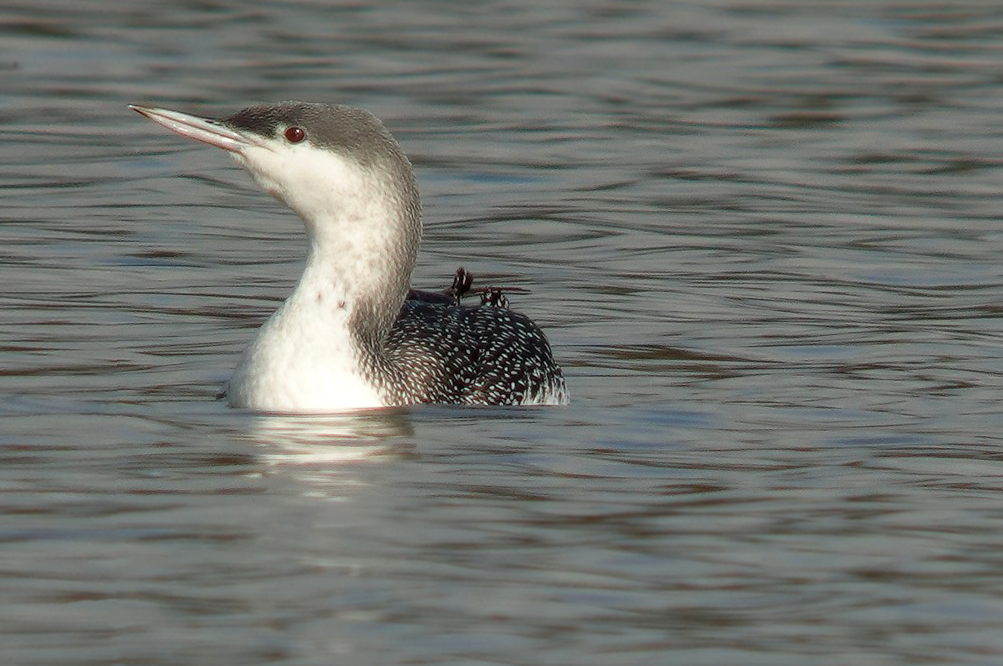
The Red-throated Diver, now in its fourth week, remained throughout the period, being seen at both Hollowell and Ravensthorpe, although apparently having now developed a preference for the first of these two sites.
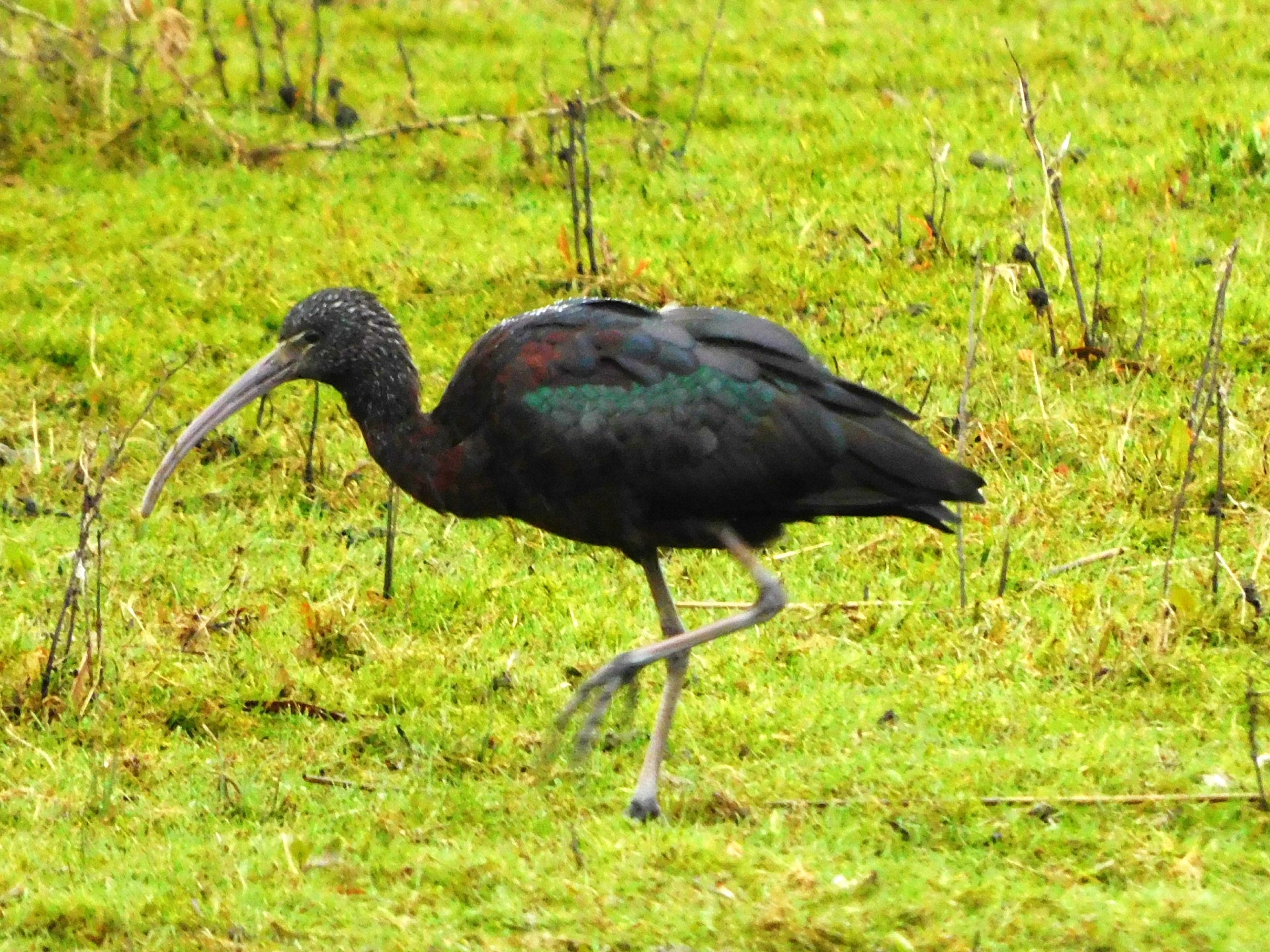
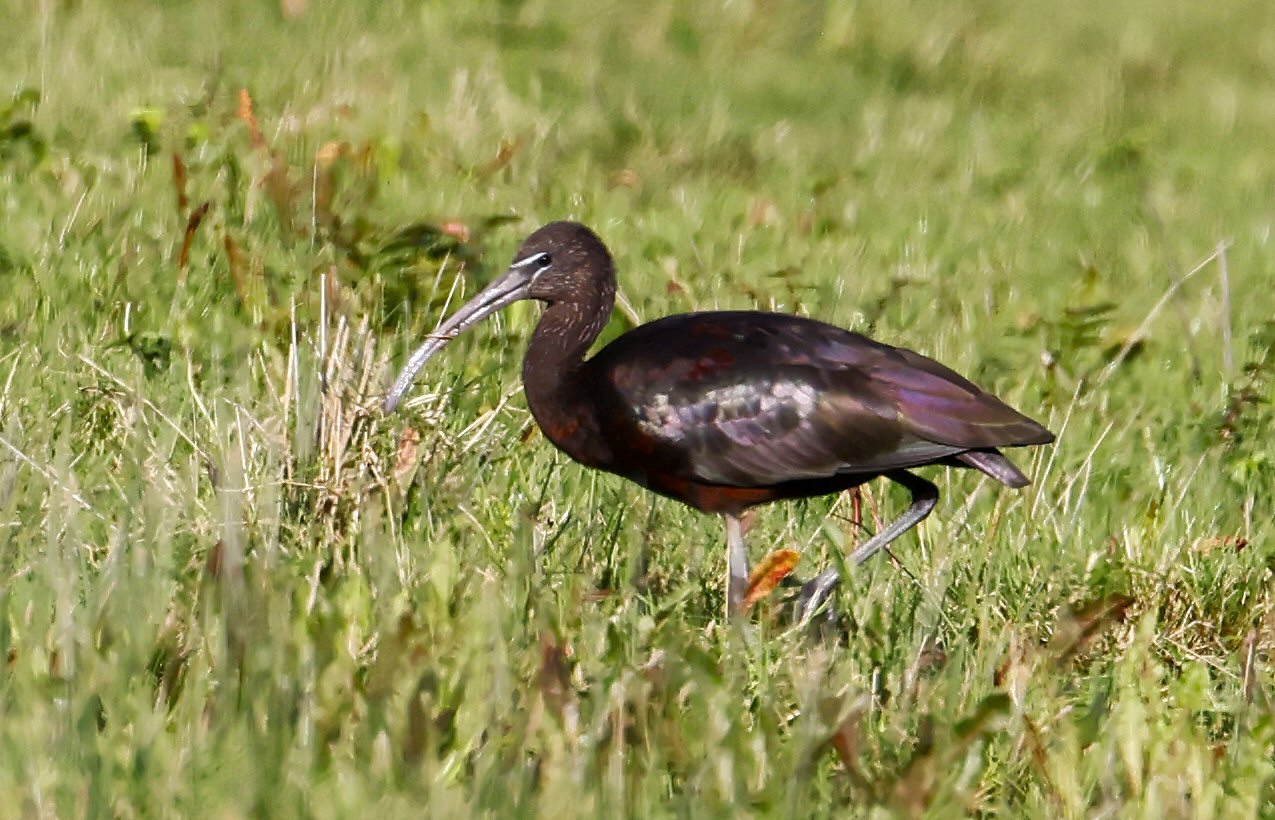
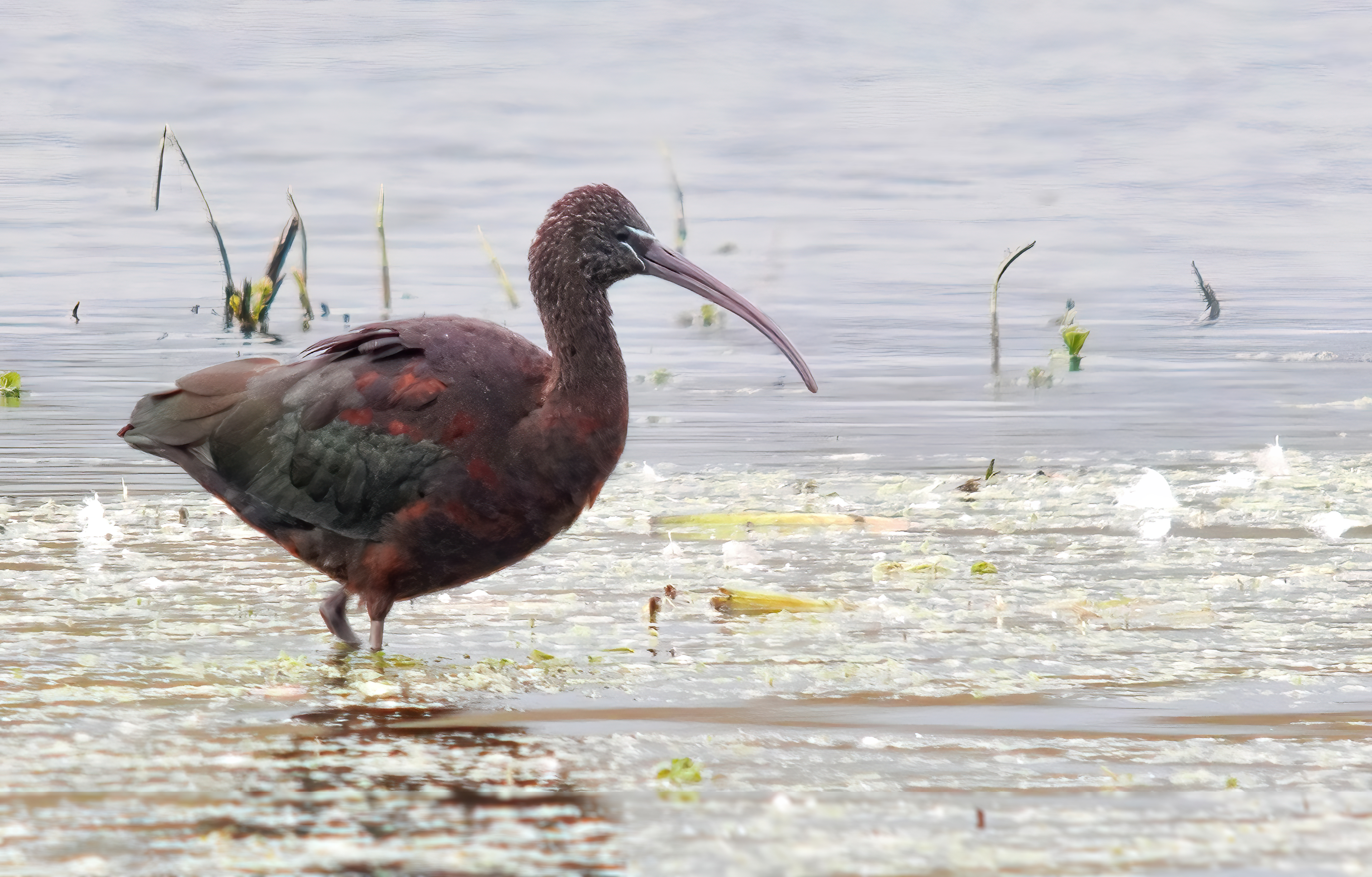
Back in the Nene Valley, Summer Leys continued to retain its showy Glossy Ibis, while a Bittern was caught on a trail camera at Ditchford GP’s Rushden Lakes and four Cattle Egrets visited Thrapston/Titchmarsh NR on 4th.
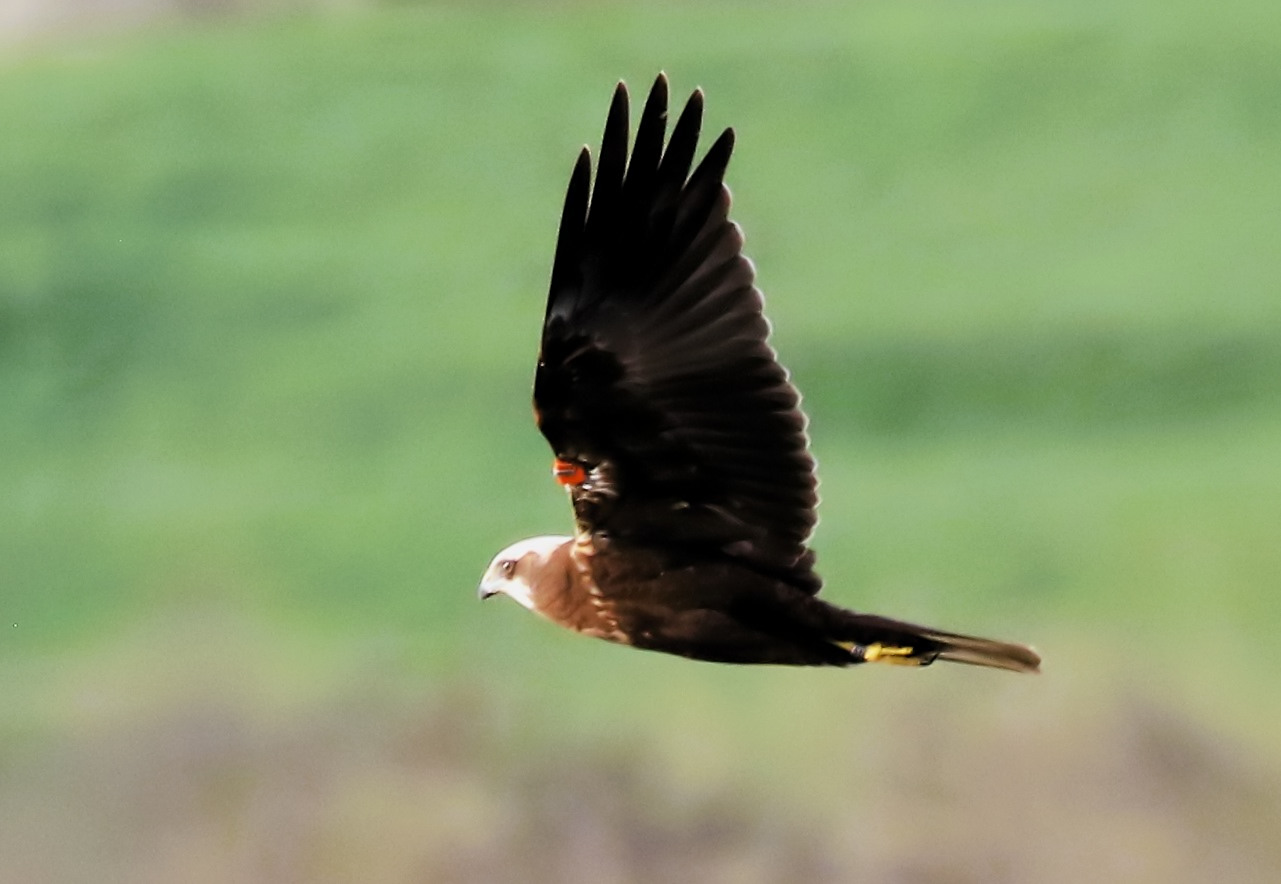
The recent flurry of Marsh Harriers calmed somewhat with singles at Summer Leys on 28th, 1st, 3rd and 6th and one at Stanwick on the last of these dates.
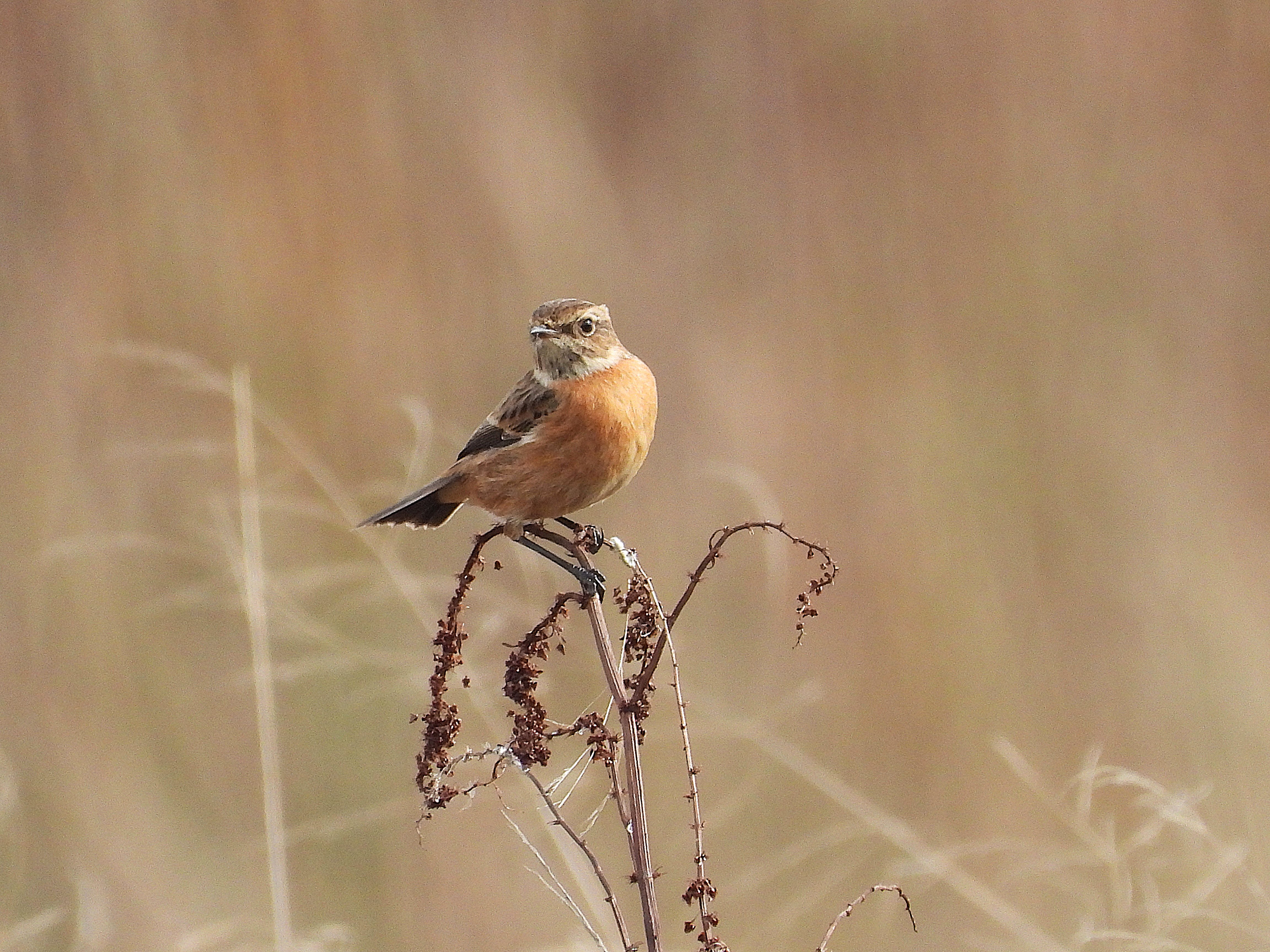
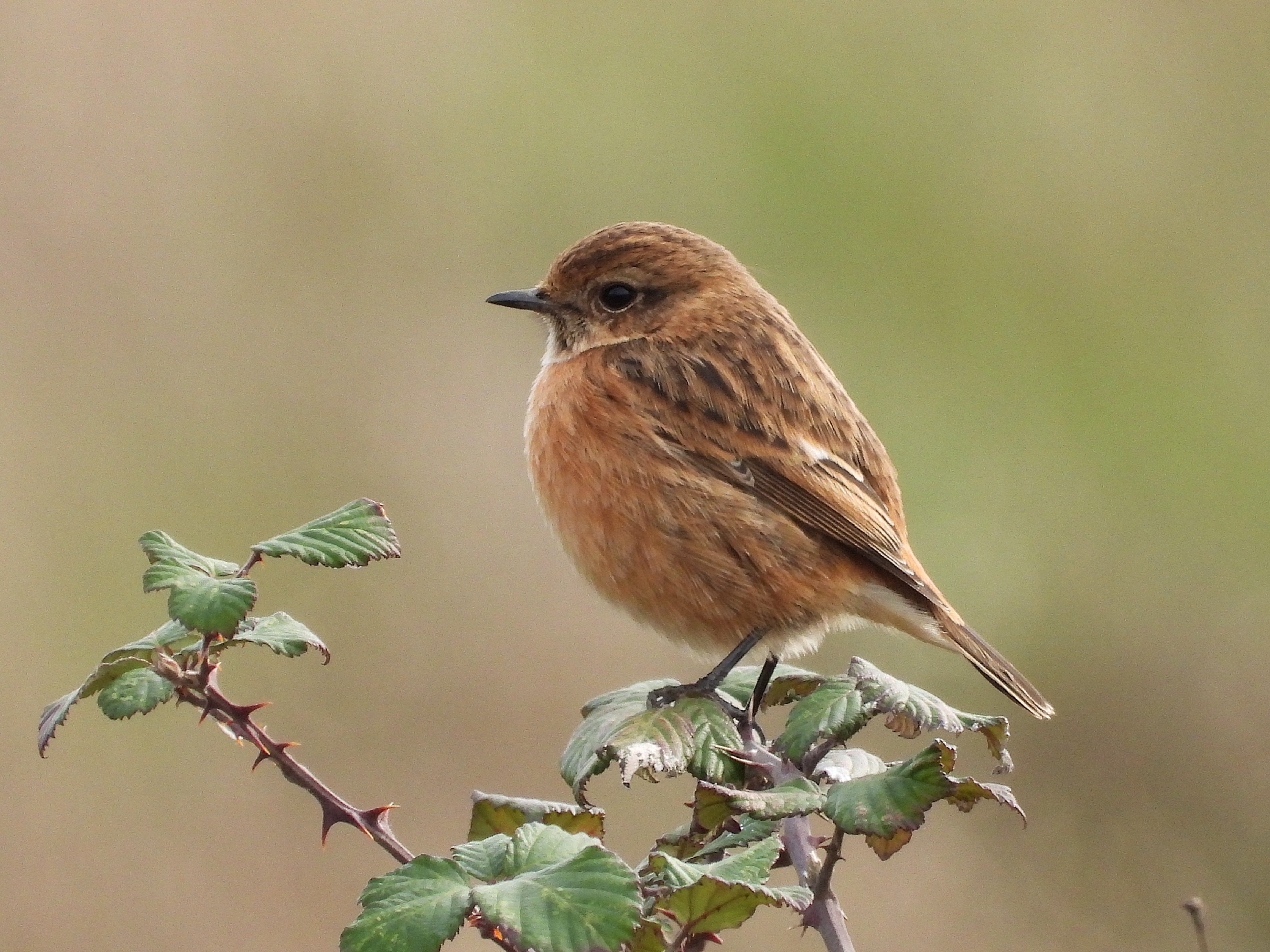
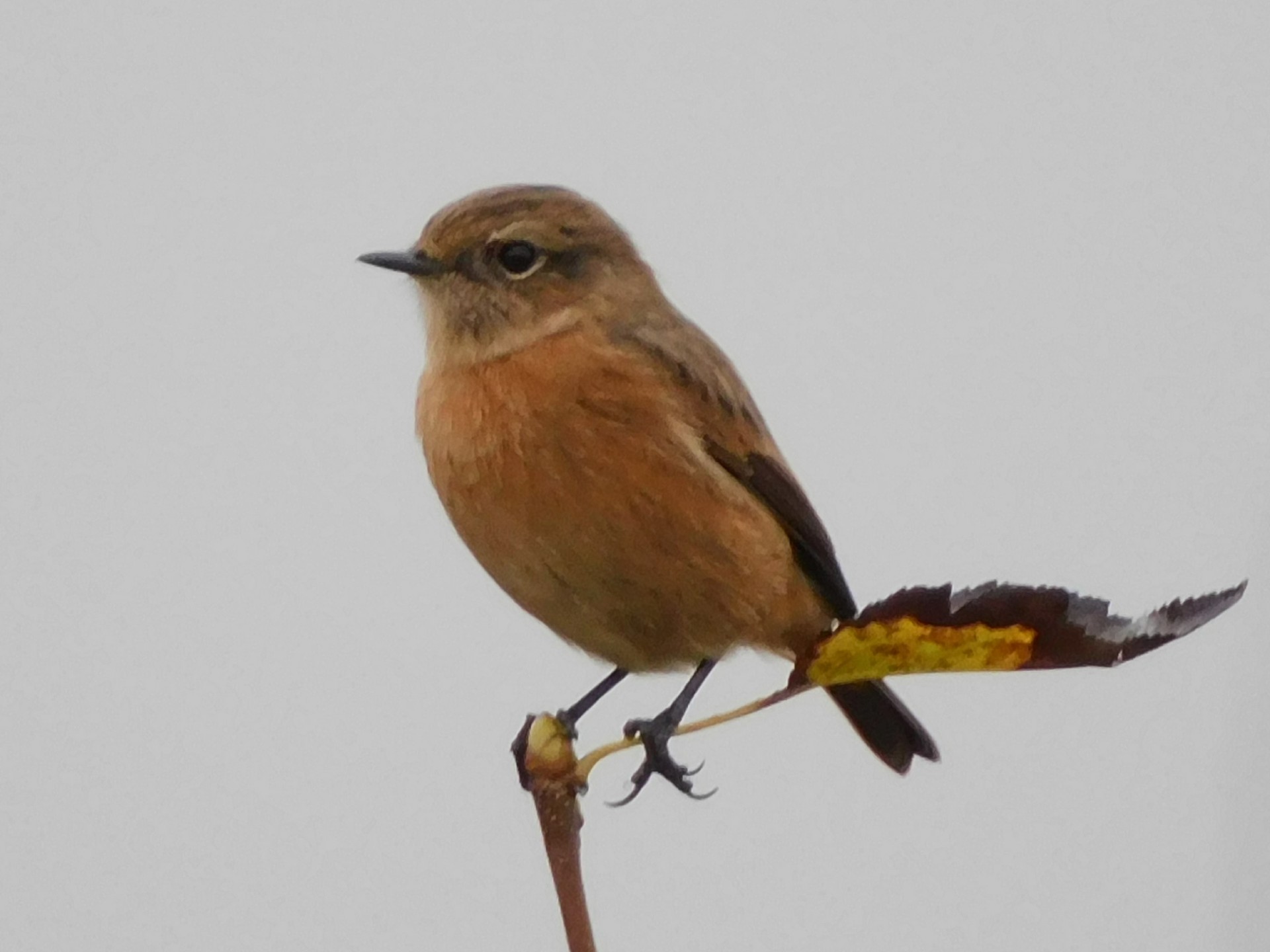
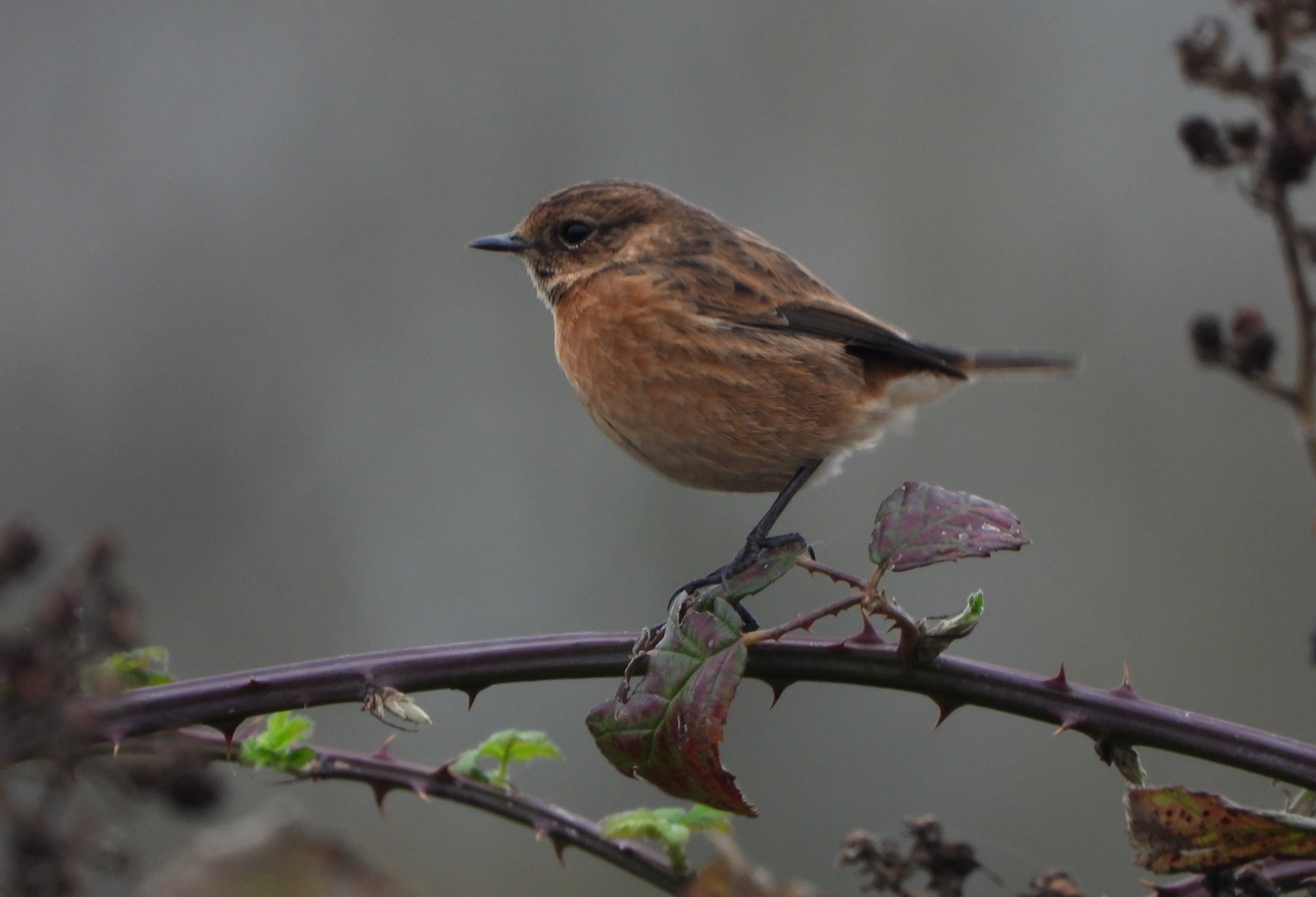
And propped up by the Daventry Siberian Chiffchaff on 2nd and 5th, the week’s passerines were at a low ebb with just four Stonechats at Ringstead GP on 1st and singles at Lilbourne Meadows on 1st and at Hollowell on 5th. Compared to recent weeks, the number of Crossbills dwindled to singles over Ravensthorpe Res on 3rd and at Scotland Wood, Kelmarsh on 5th.






 Northants birds