Sandwiched between low pressure systems driven in off the Atlantic by the jet stream and an area of high pressure stationed over Scandinavia, the UK was, by and large, under the influence of a south-easterly airstream that delivered a mixed bag of predominantly wet weather throughout the week. What effect this may have had on local birds has yet to be seen, although this last full week of January was largely quiet in terms of new arrivals.
Geese still featured prominently, though, kicking off with two Pink-footed Geese at Stanford Res on 26th-27th, followed the next day by a noteworthy skein of fifty-four flying north-east over Thrapston GP’s Titchmarsh NR.
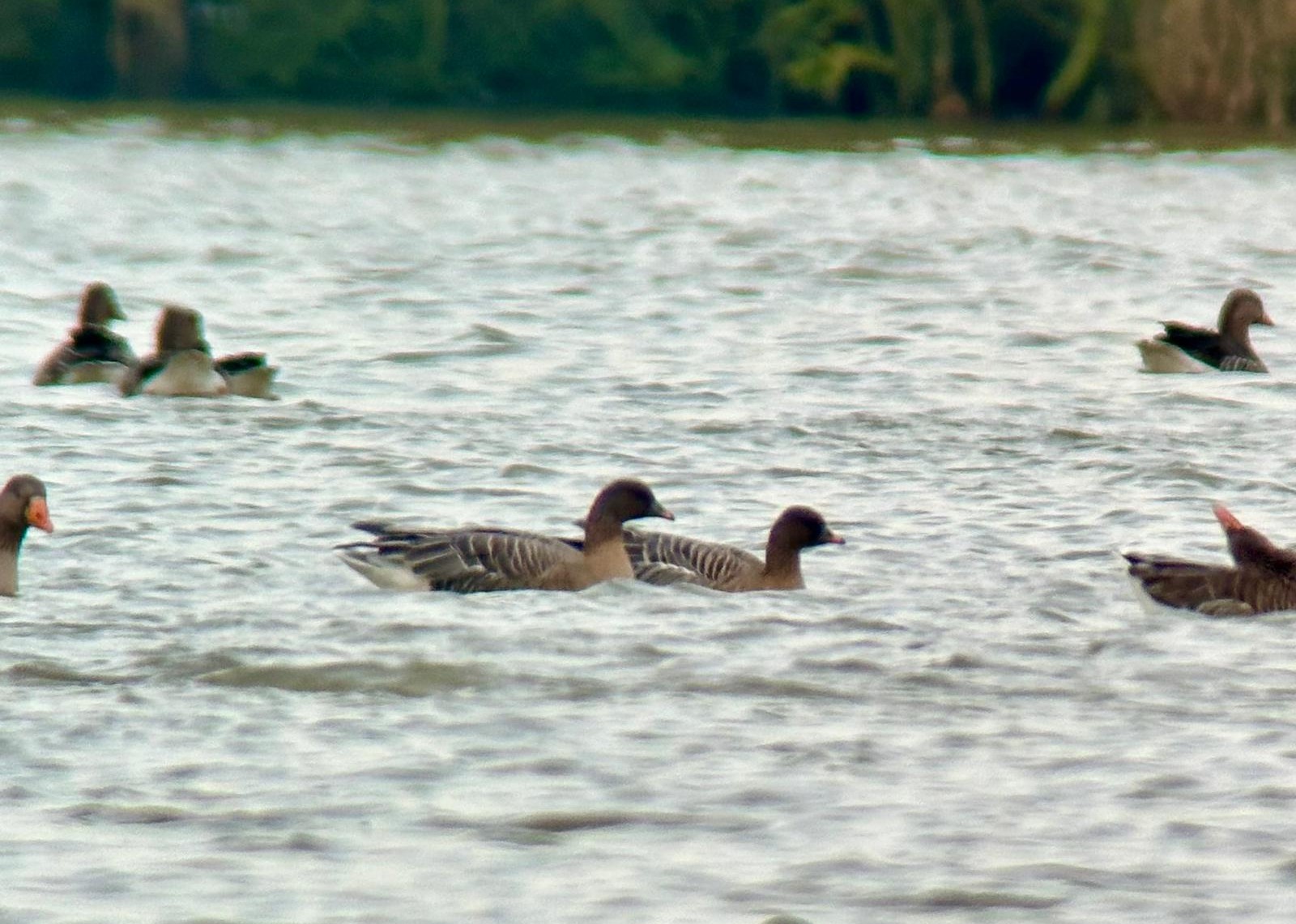
White-fronted Geese continued to feature reasonably strongly, with Stanford continuing to lead the way in terms of numbers. Fifty-eight were still there as the week opened and at least fifty remained on 28th. The latter date saw a respectable forty flying north-east over Stanwick GP, followed by four on the ground there on 30th, while nine were again present in fields at Warmington Mill on 24th, when last week’s seven were still to be seen at Summer Leys LNR.
Ducks of note were limited to three species. Five Red-crested Pochards on 26th comprised a drake and a female at Billing GP and two drakes and a female at Deene Lake, while a drake and female Greater Scaup were found on separate lakes at Stanwick on 28th. We can’t rule out the possibility that the latter are the displaced duo from Thrapston, the same site having been previously vacated by the drake American Wigeon, which subsequently relocated downriver to Peterborough’s Ferry Meadows CP, where it was showing down to a ridiculously close 20 metres during its stay there between 24th and 27th.
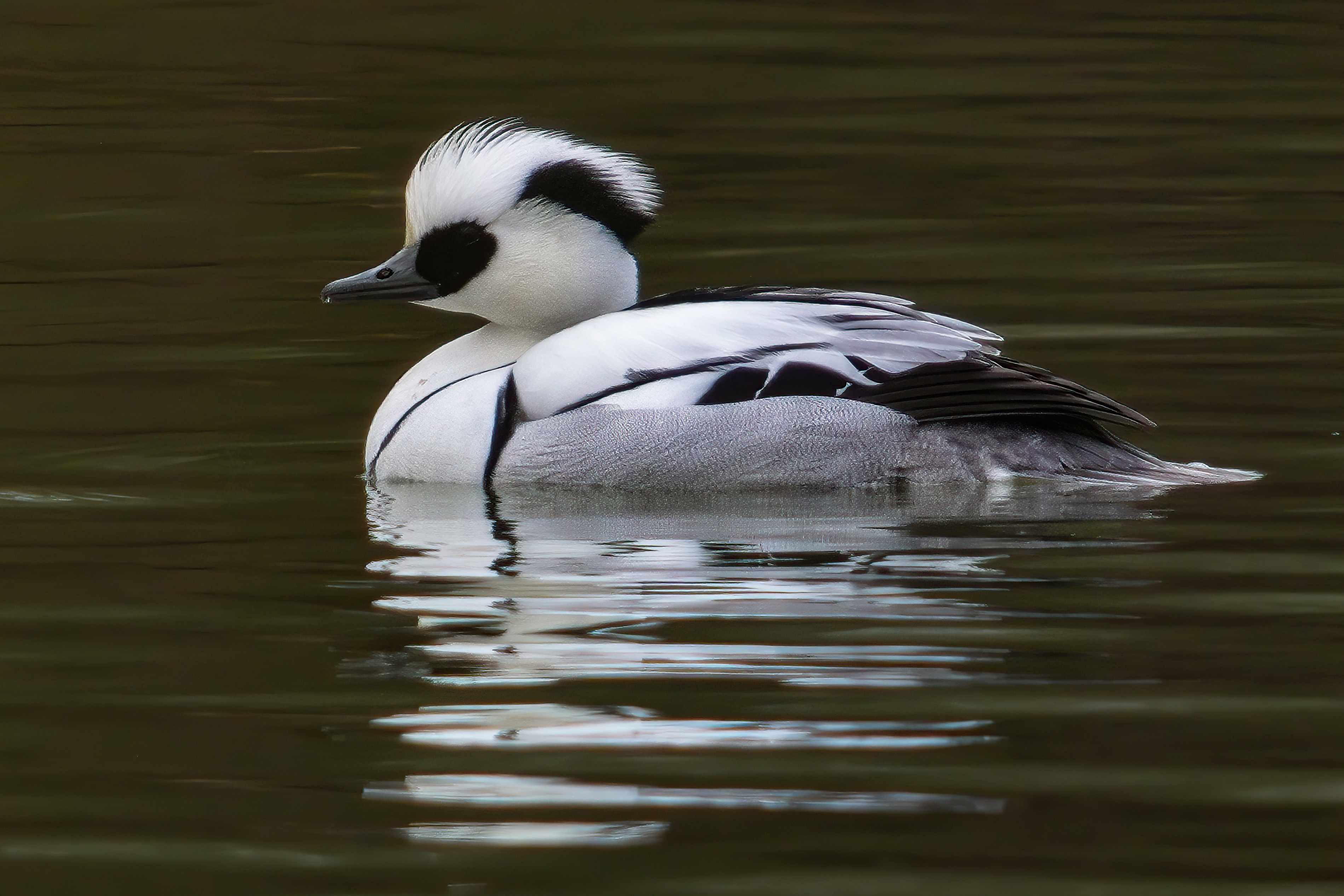
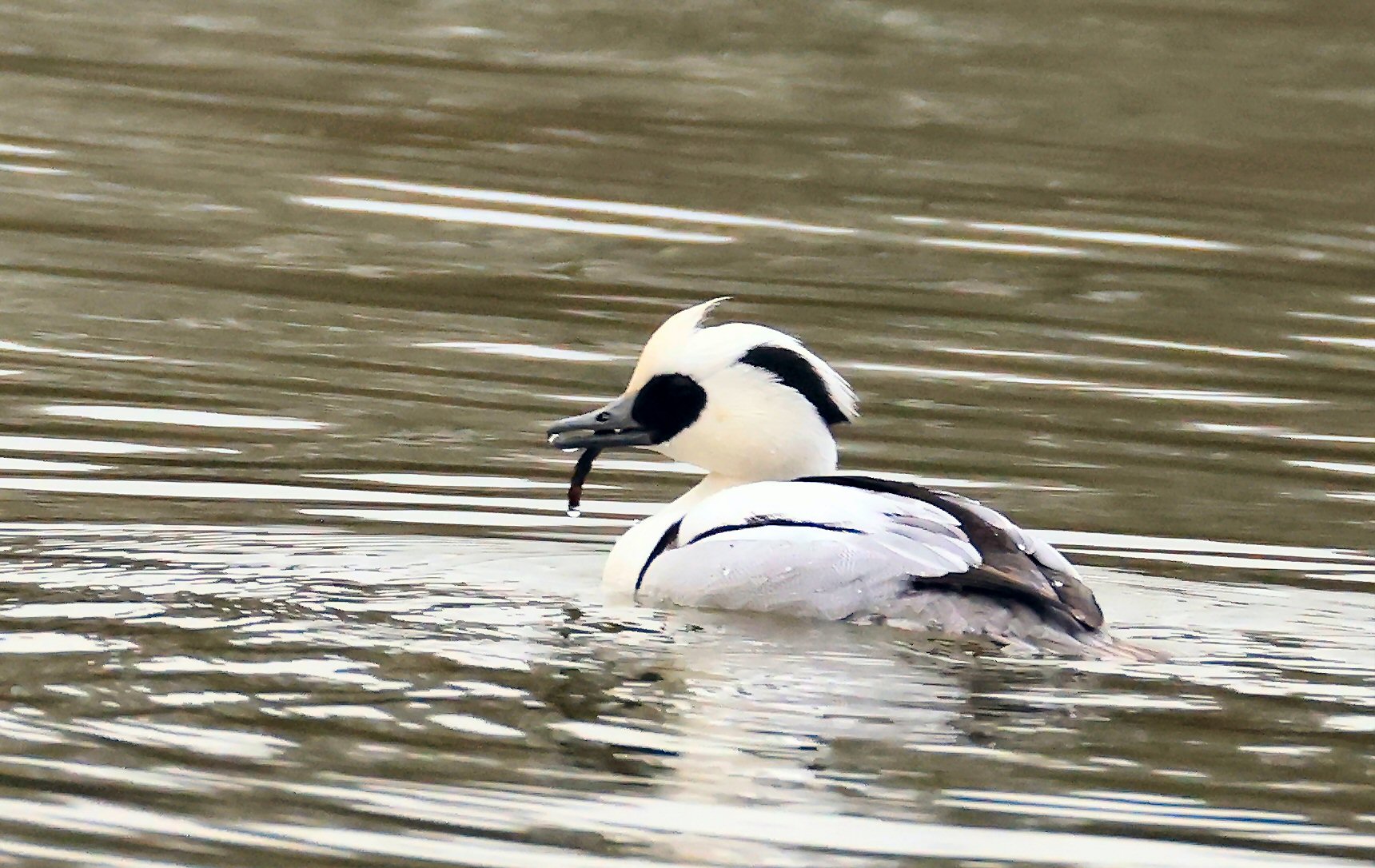
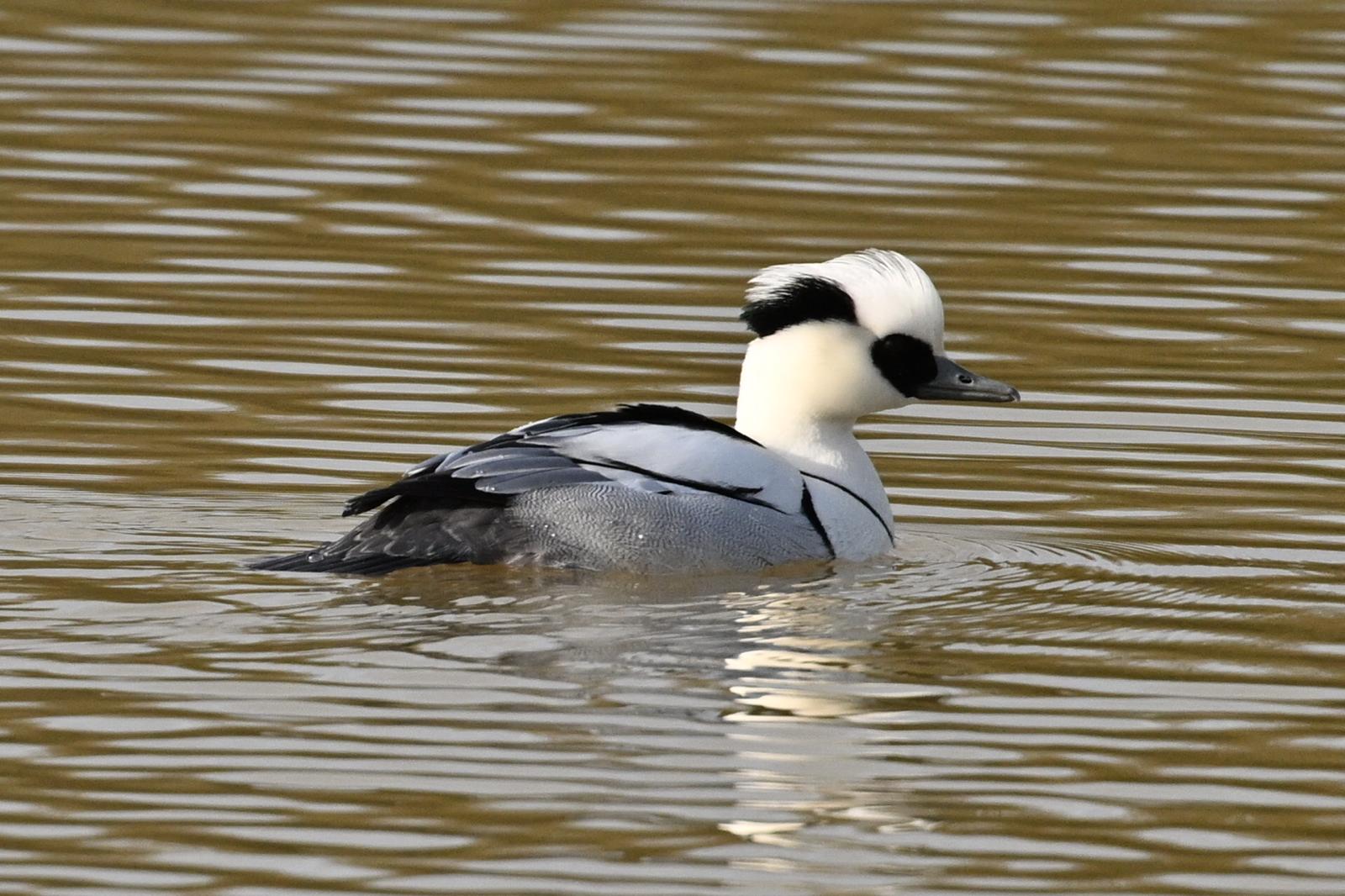
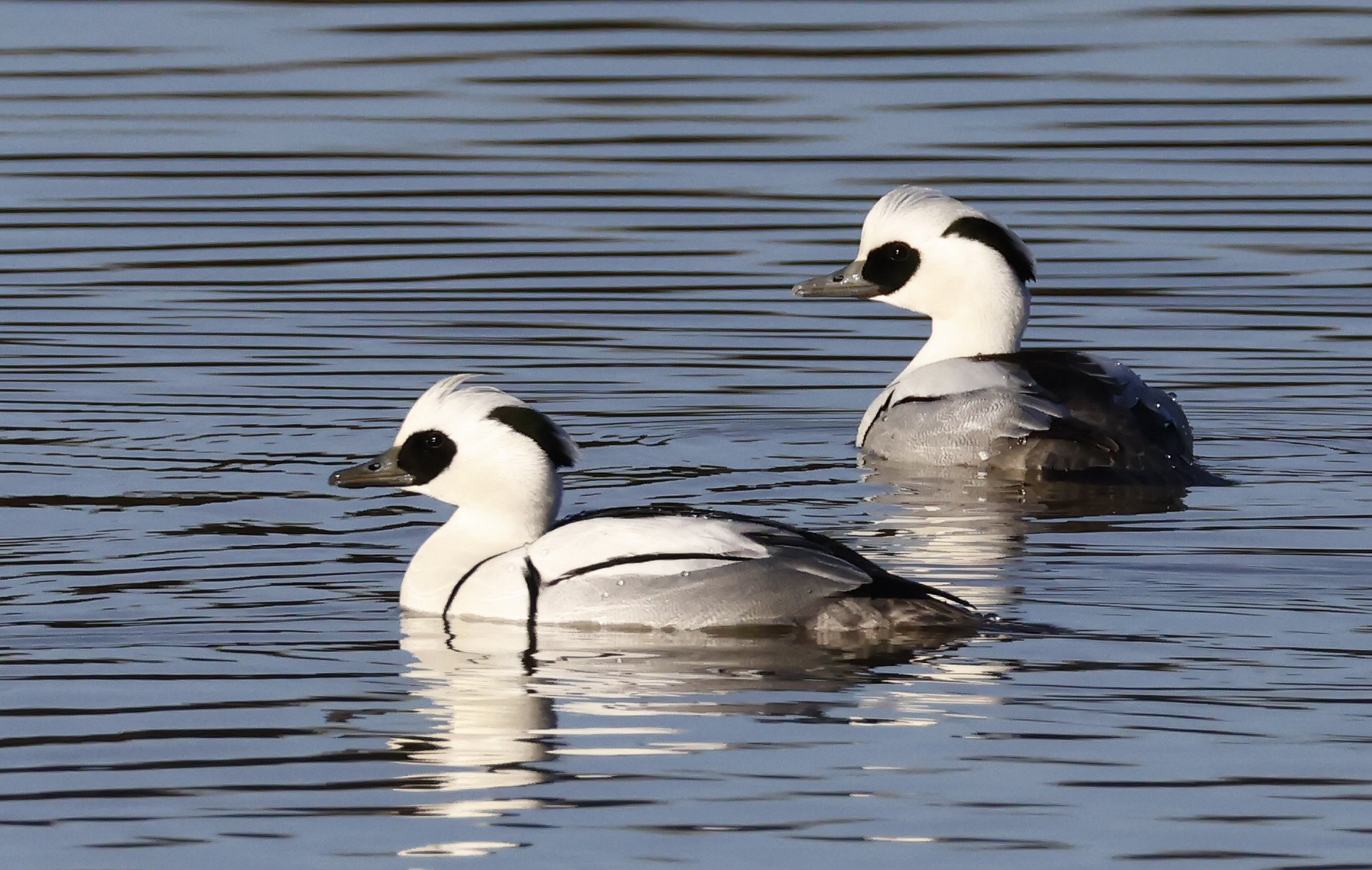
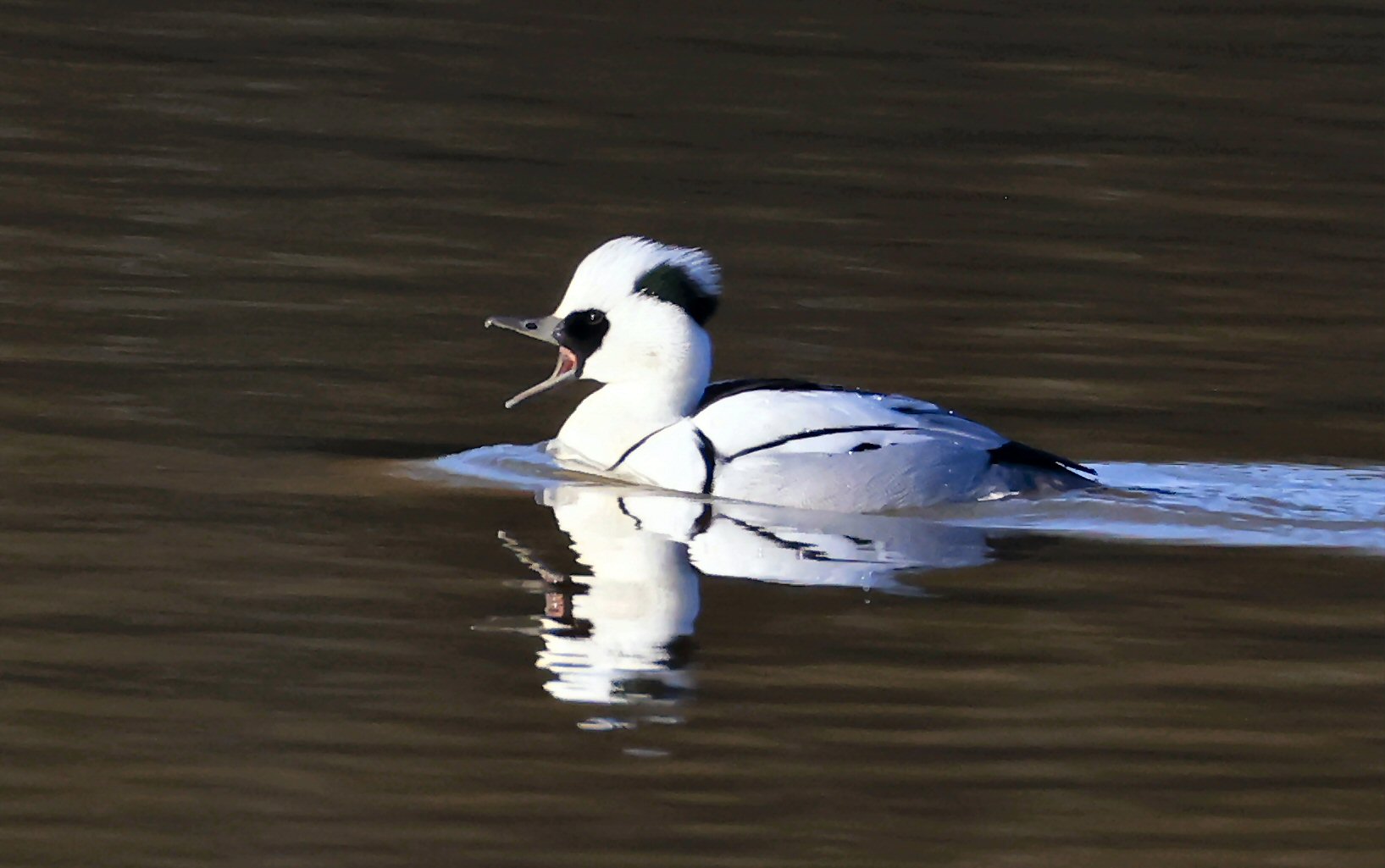
Very much a shining light in the dreary winter gloom, as well as being an easy ‘drive-up-and-see’, a drake Smew found at Ravensthorpe Res on 25th subsequently proved a popular pull throughout the following day but it was nowhere to be seen thereafter. This was not the case with the drake at Clifford Hill GP which, last seen on 5th Jan, was back there again and on view daily from 24th throughout the period.
A dearth of waders saw just a Jack Snipe in the Brampton Valley between Cottesbrooke and Hanging Houghton on 28th, the same day producing a wintering Common Sandpiper again at Pitsford Res.
There was a slight improvement on the gull front, however, with single adult Mediterranean Gulls in the reservoir roosts of Pitsford on 26th and Stanford on 28th and 30th. Summer Leys’ adult Caspian Gull remained into this week, being seen intermittently between 25th and 30th, while another adult visited the roost at Stanford on 26th and a first-winter was found at Stanwick on 28th.
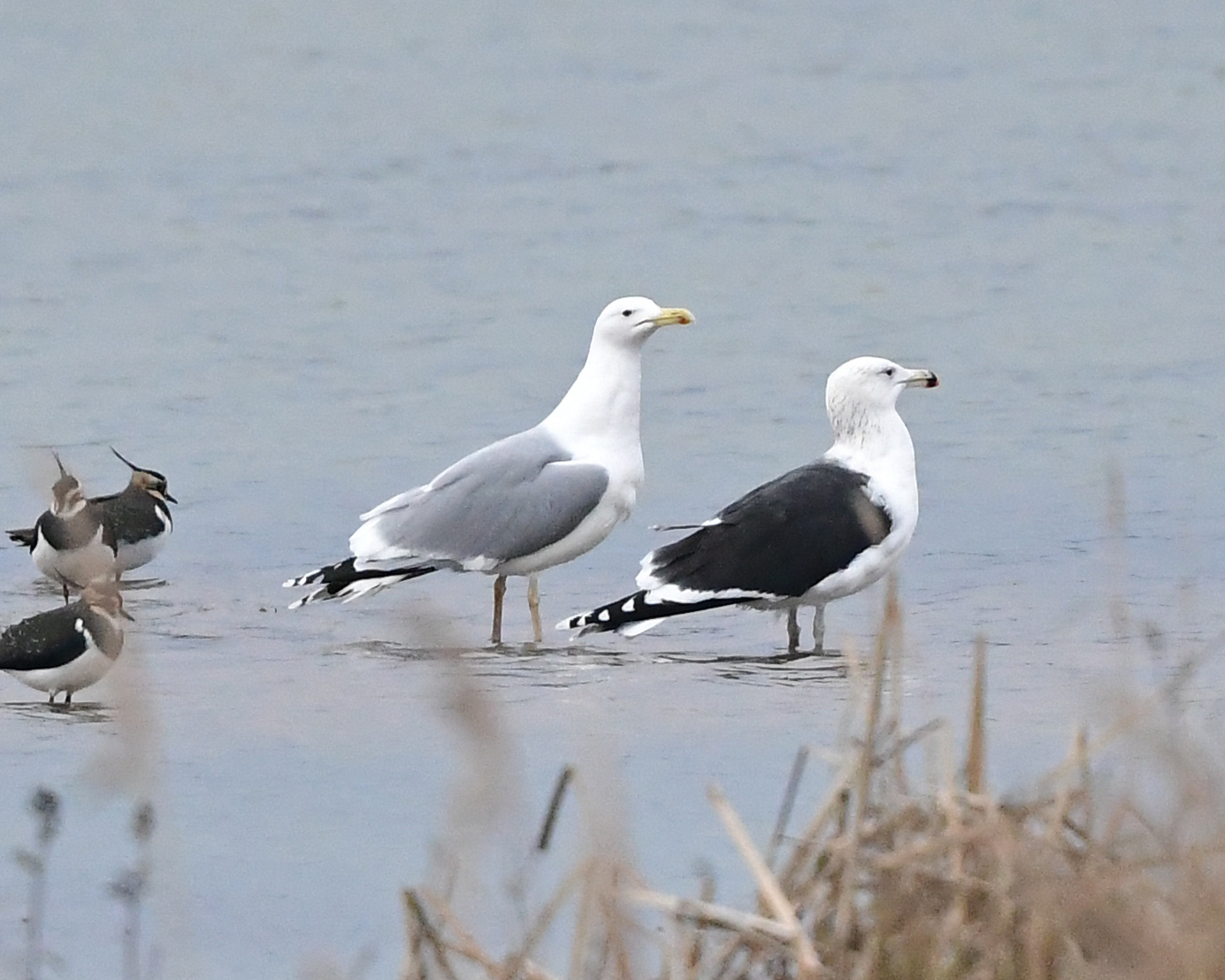
Yellow-legged Gulls were again at a low ebb and a single adult at Pitsford on 26th and 28th was all the week could muster.
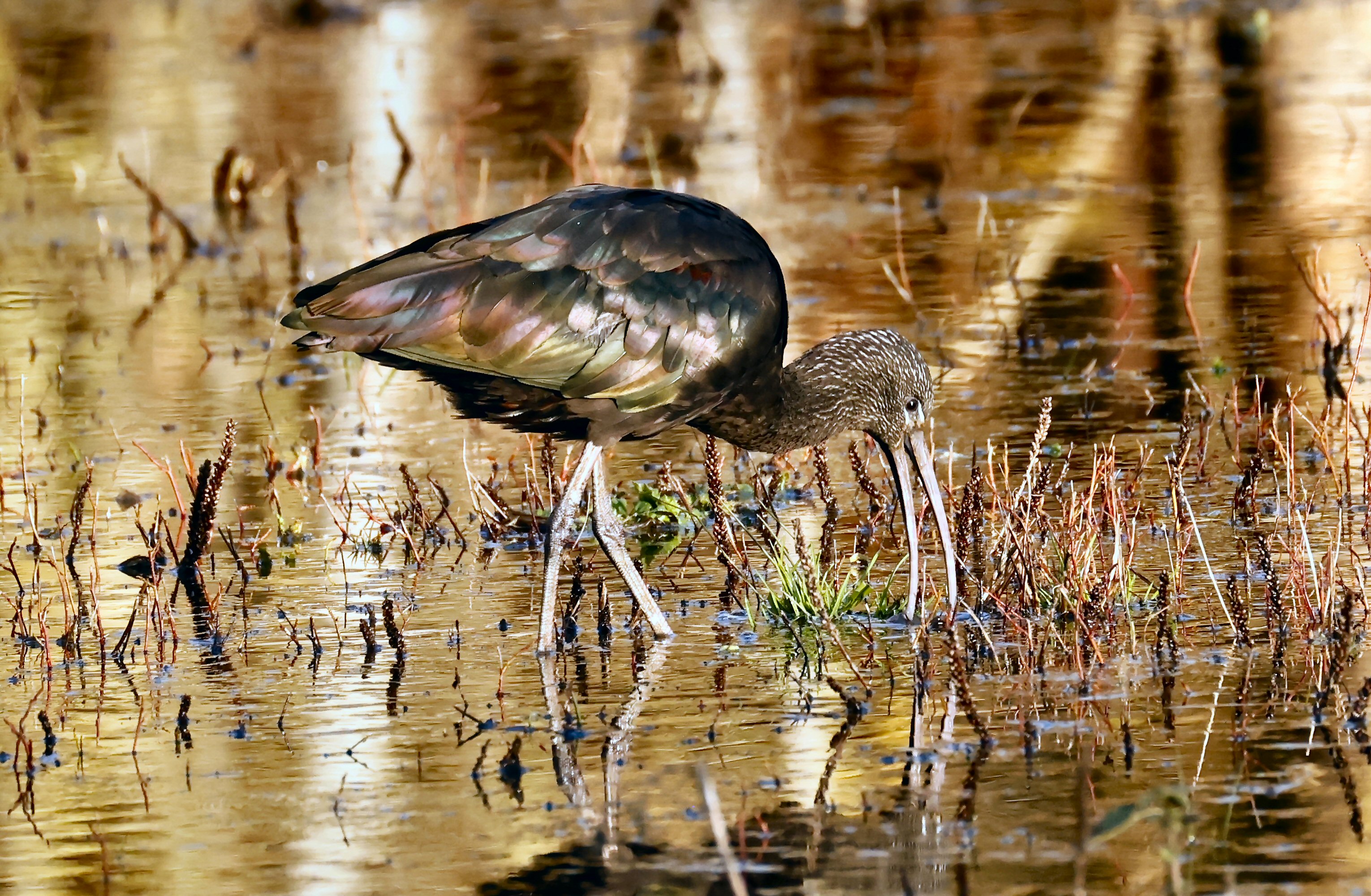
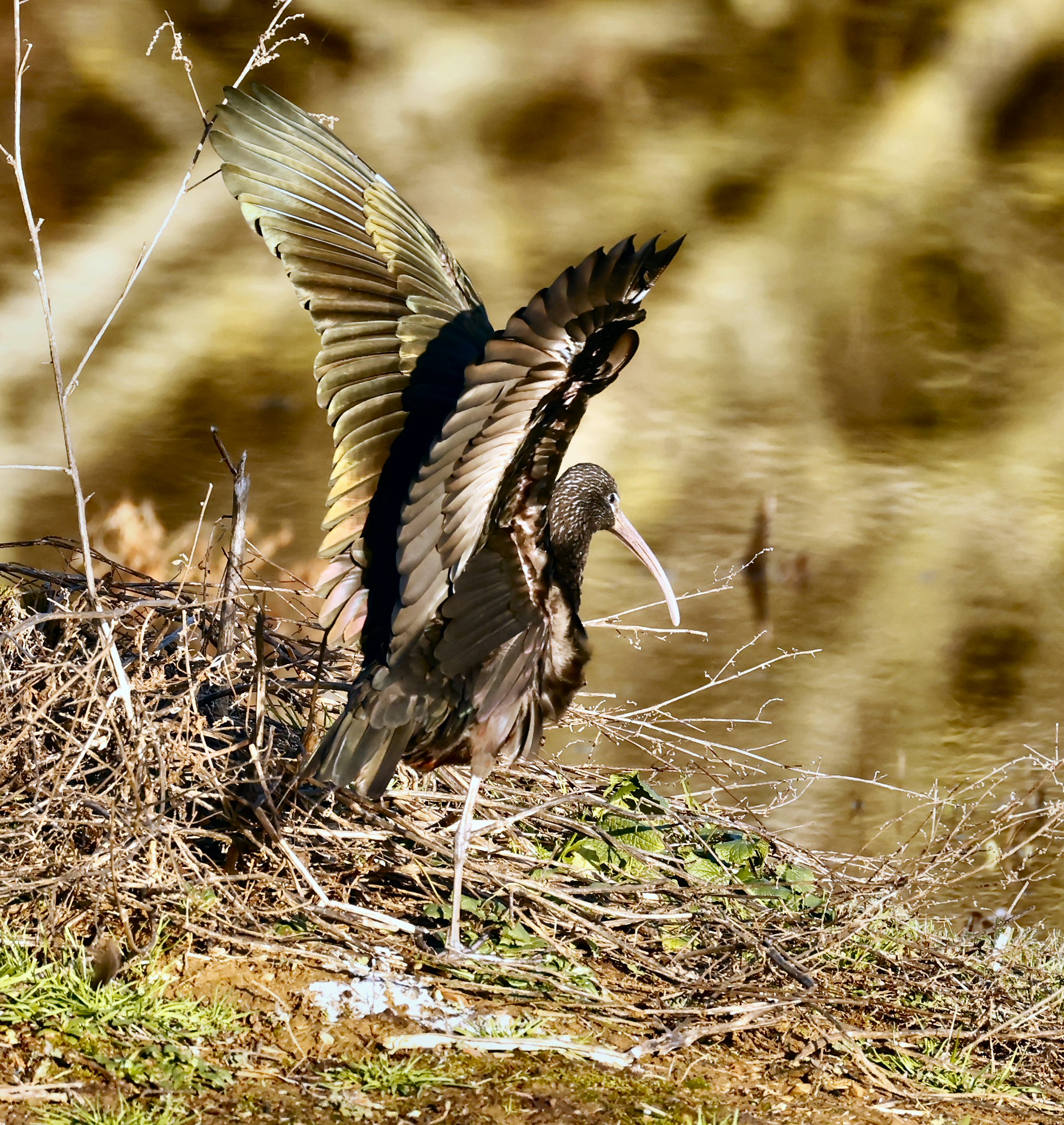
Just the one Glossy Ibis remained prominent at its preferred site of Wellingborough Embankment this week, being seen there on 24th and on 26th-29th, having visited Summer Leys on 25th.
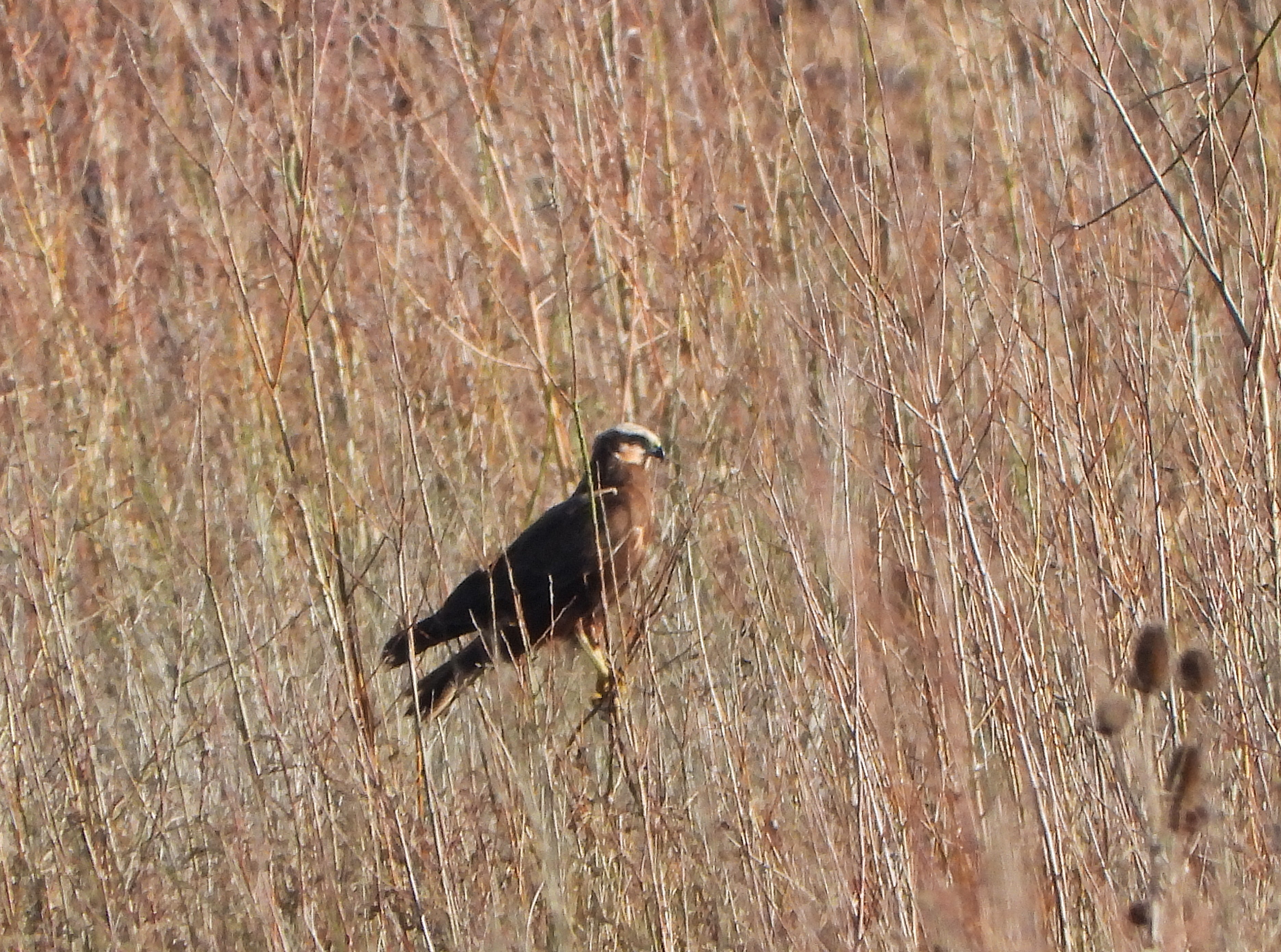
The latter locality was again prime for Marsh Harriers, the 24th seeing the immature male ‘J4’ on site there ahead of single birds on 25th, 28th and 29th. In the wider complex of Earls Barton GP singles were seen in the New Workings area on 24th and 30th, while Stanwick also produced one on 24th. Just how many are kicking around in the Nene Valley is difficult to assess.
Headlining the cast of the week’s passerines was a Siberian Chiffchaff at Daventry CP on 30th and likely to be the same one as previously seen there on 21st November and 22nd December last year.
And continuing as an integral part of the weekly billing so far this year, a Firecrest was on site at Ravensthorpe on 26th.
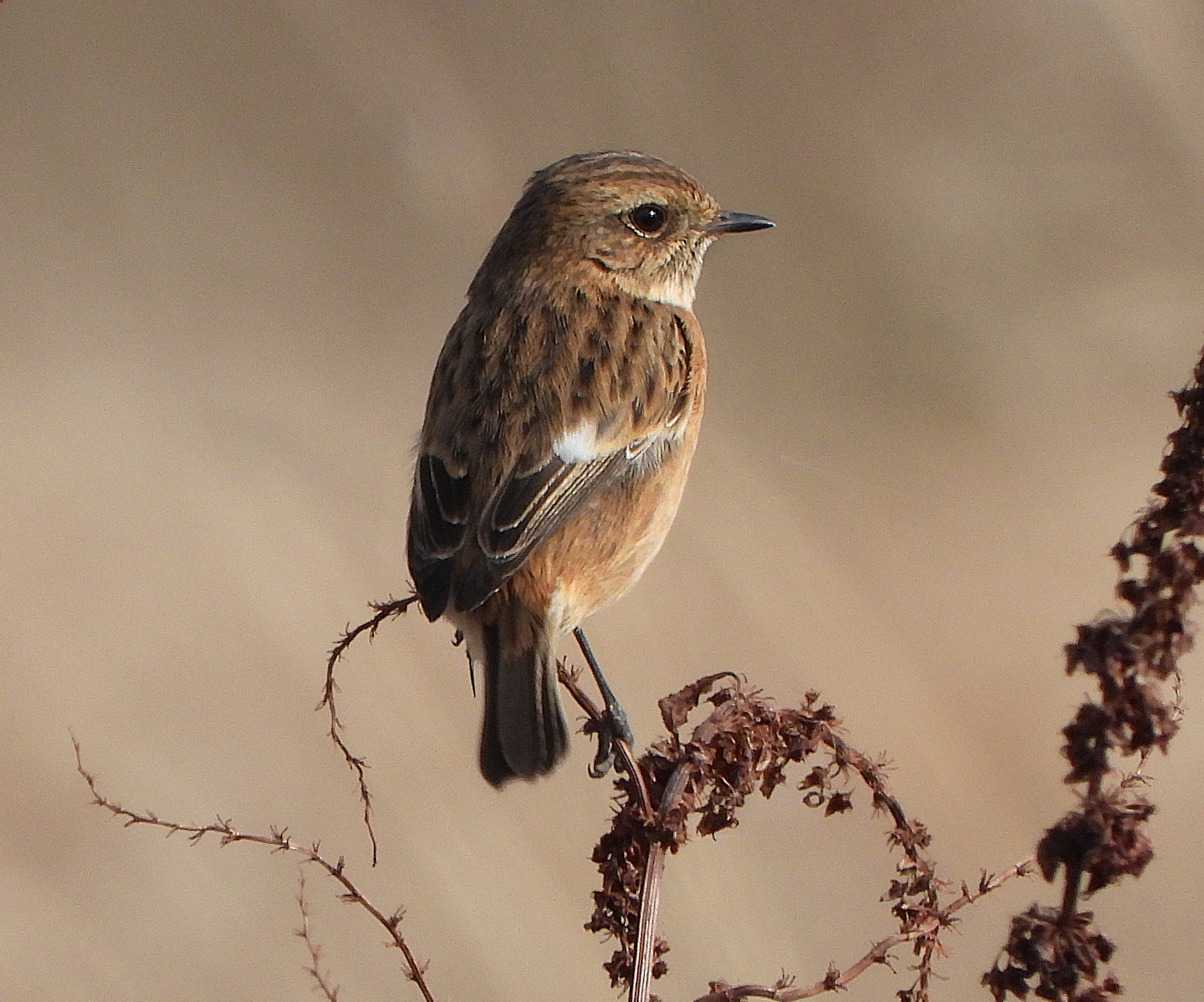
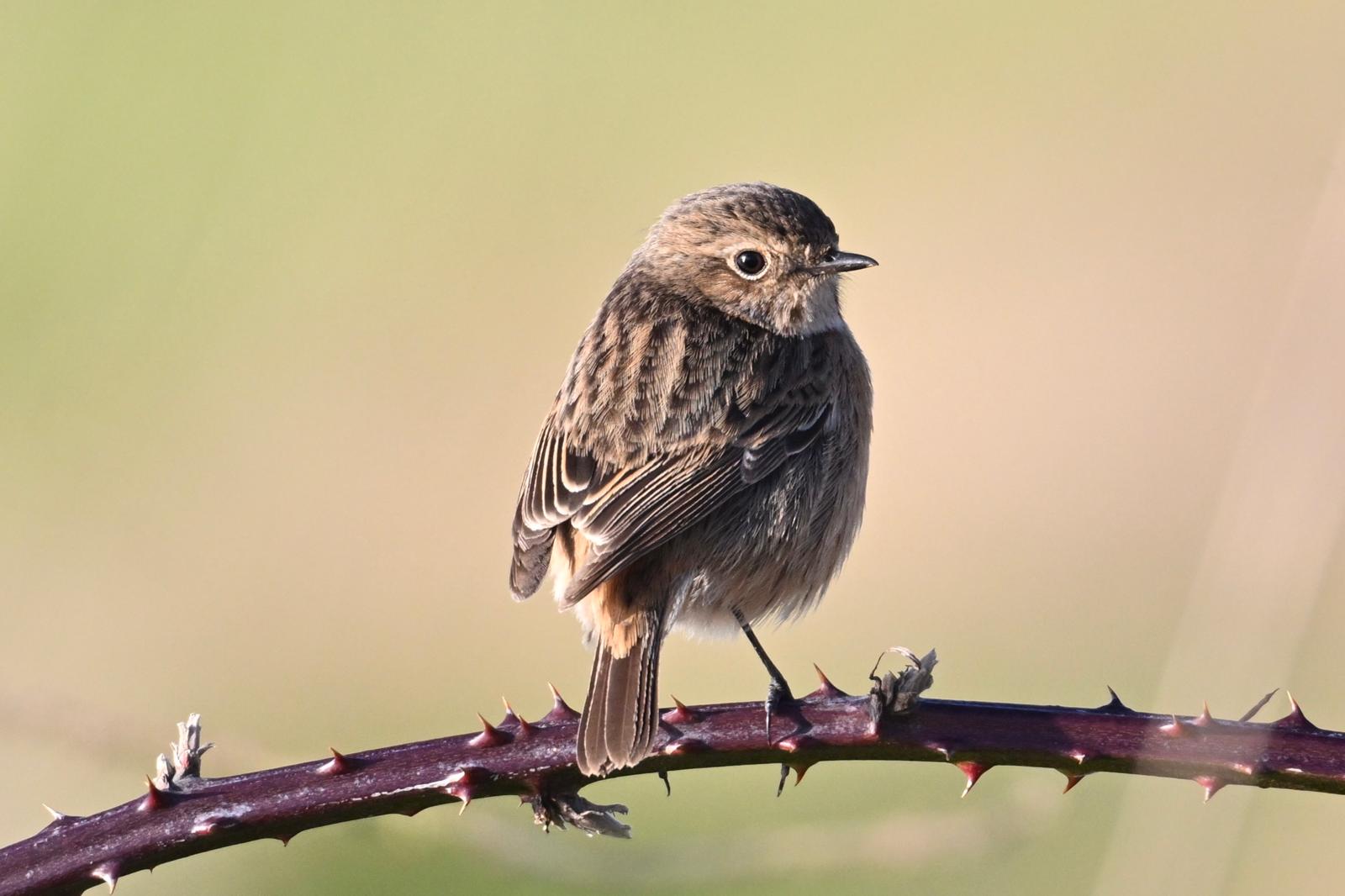
Meanwhile, Stonechats were to be found at six localities, four at Pitsford on 28th being the highest single site total, while two were present in the Brampton Valley between 25th and 28th, two were at Barnes Meadow NR on 24th and 30th and singles were to be found at Earls Barton GP on 24th and 30th, Clifford Hill on 28th and Thrapston on 29th.
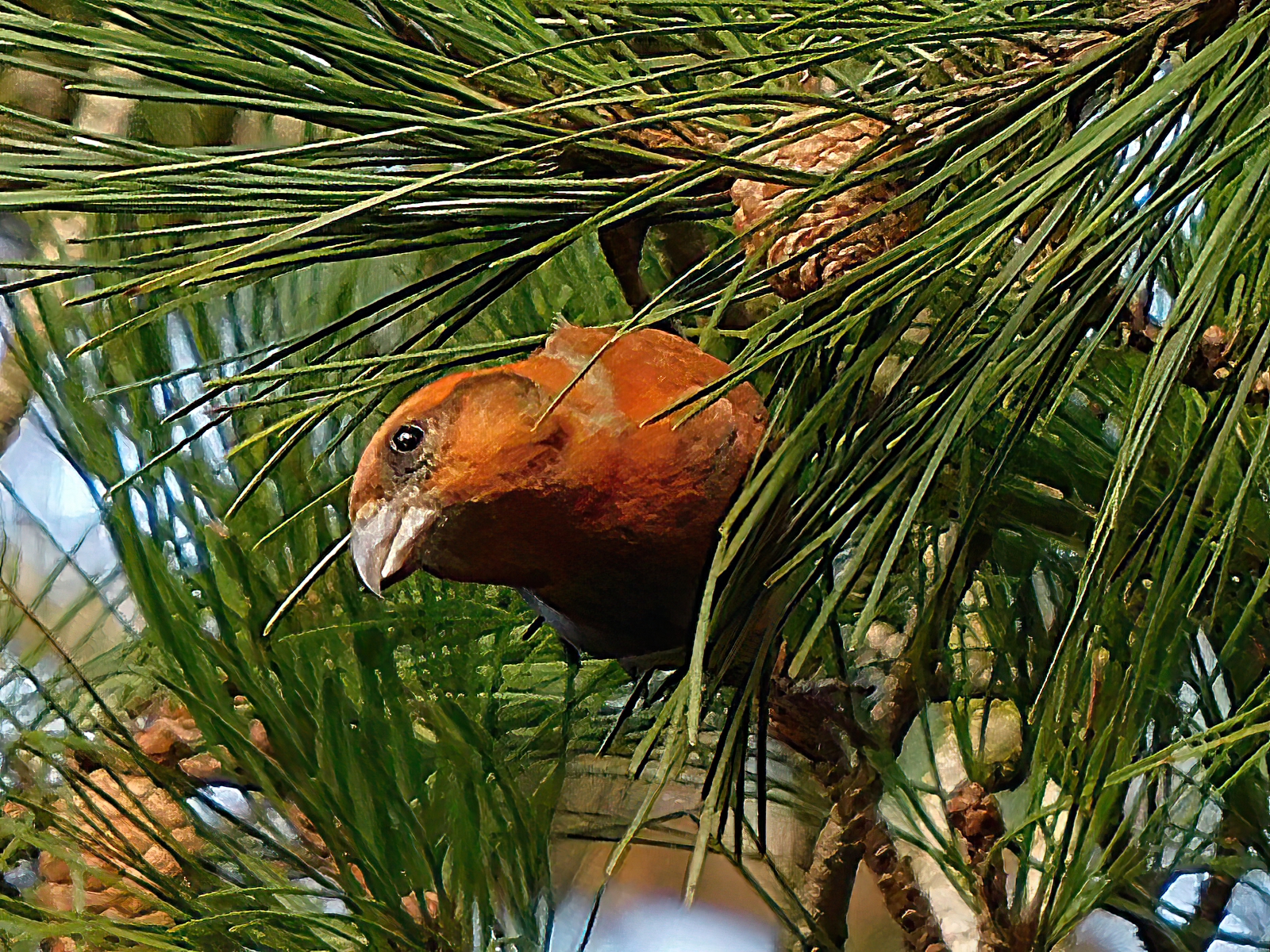
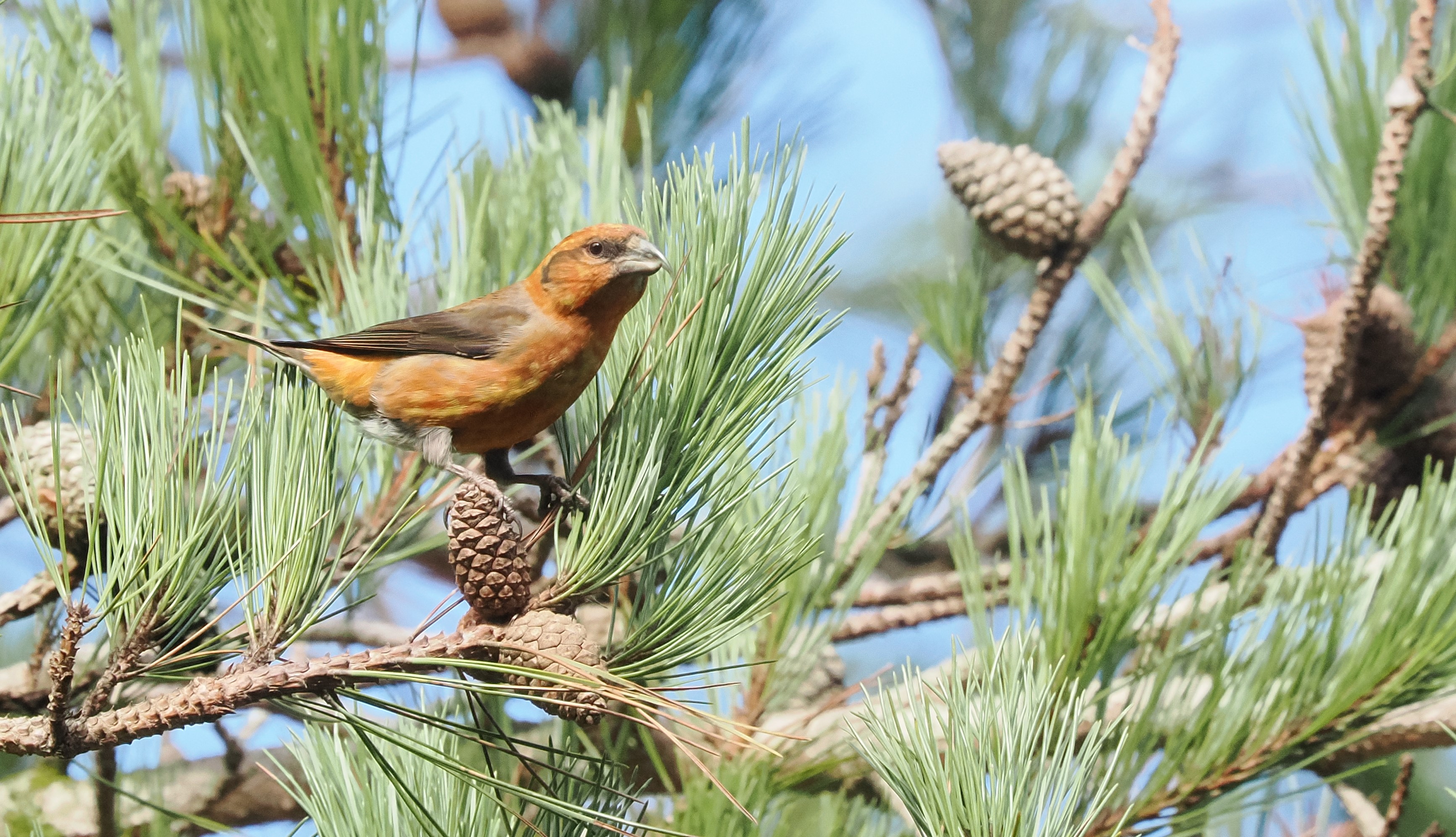
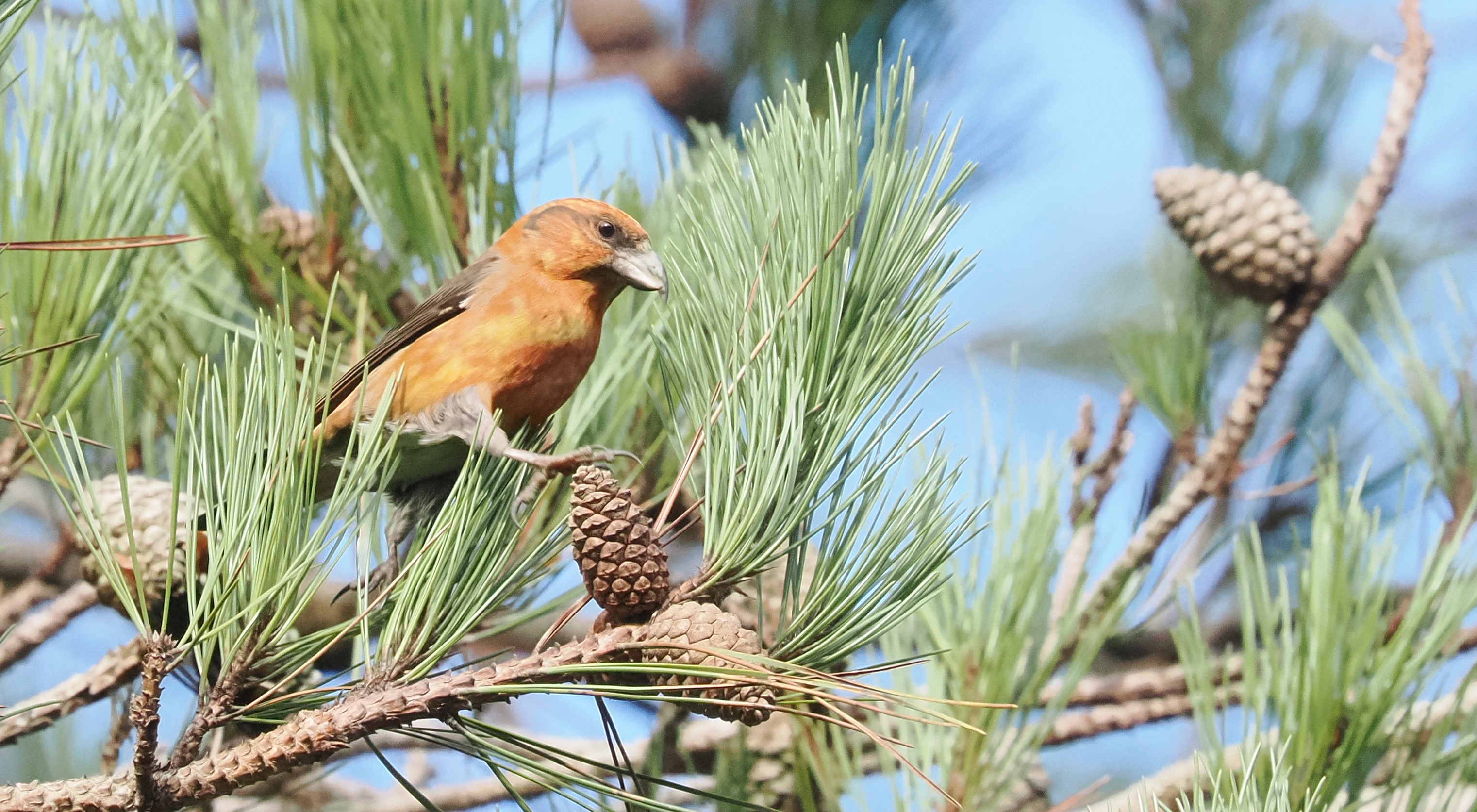
Which just leaves Crossbills, which have maintained quite a high profile over the past ten months. This week saw a minimum of twenty at Wakerley Great Wood, between twelve and sixteen at Gamboro Plantation near Cottesbrooke and at least seven at Harlestone Heath. Breeding must surely be on the cards this year …







 Northants birds