As July races by, more migrants are on the fly but it’s still early days and there’s much to play for …
Knocking around the reservoirs of Ravensthorpe and Stanford this week, the female Ruddy Shelduck was at the former site on 23rd-24th and the latter on 22nd and 26th, while the only other wildfowl were 3 Garganeys at Daventry CP on 20th, at least two remaining until 22nd.

Meanwhile, down in the Nene Valley, an ill-defined photo was the legacy left by what may have been a Red-necked Grebe at Summer Leys LNR on the morning 20th, although there were no reliable reports later in the day … or subsequently.
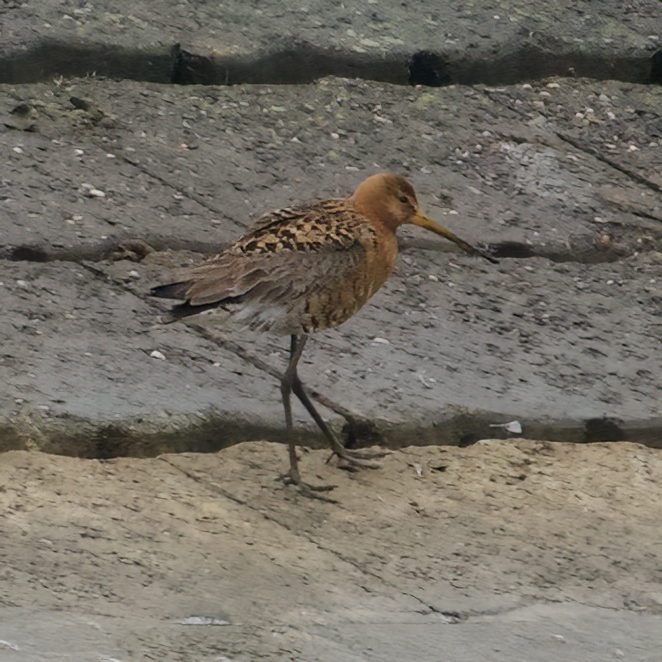
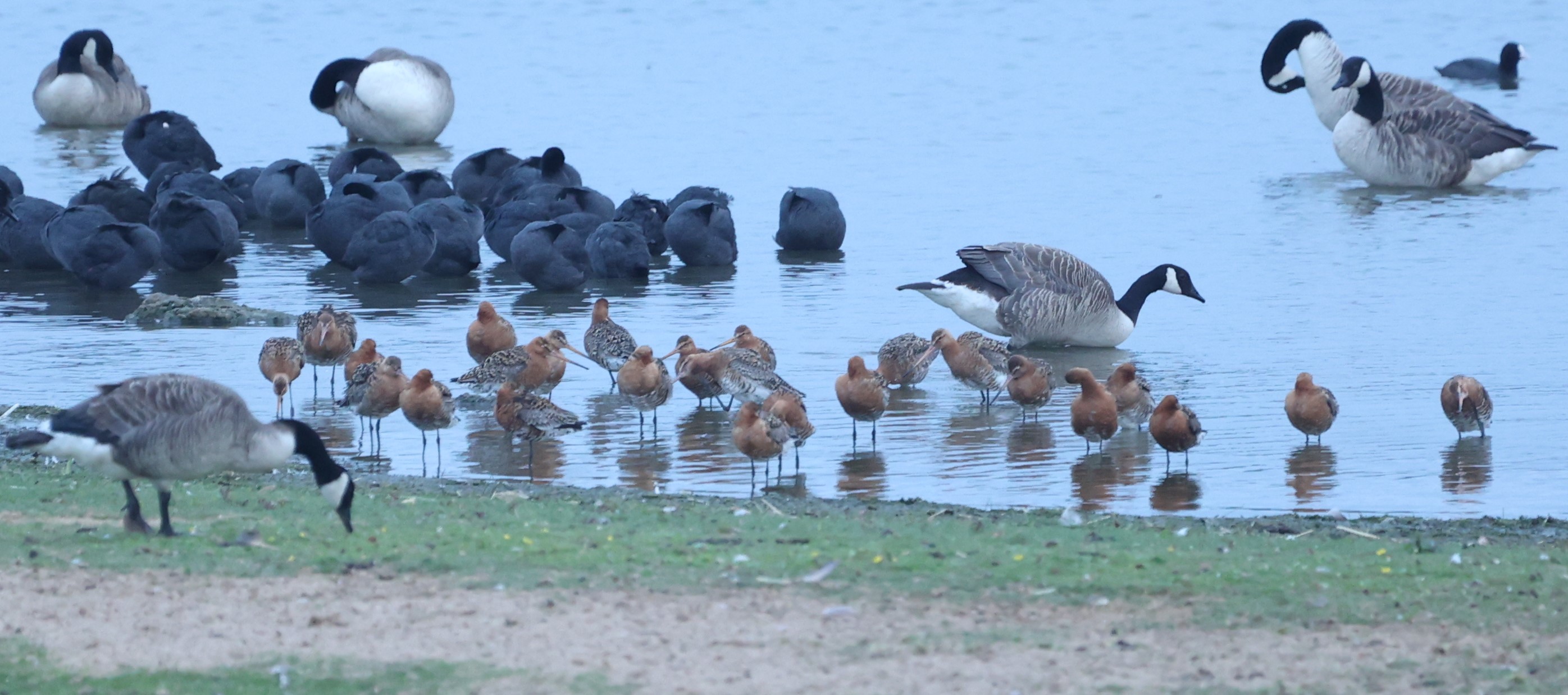
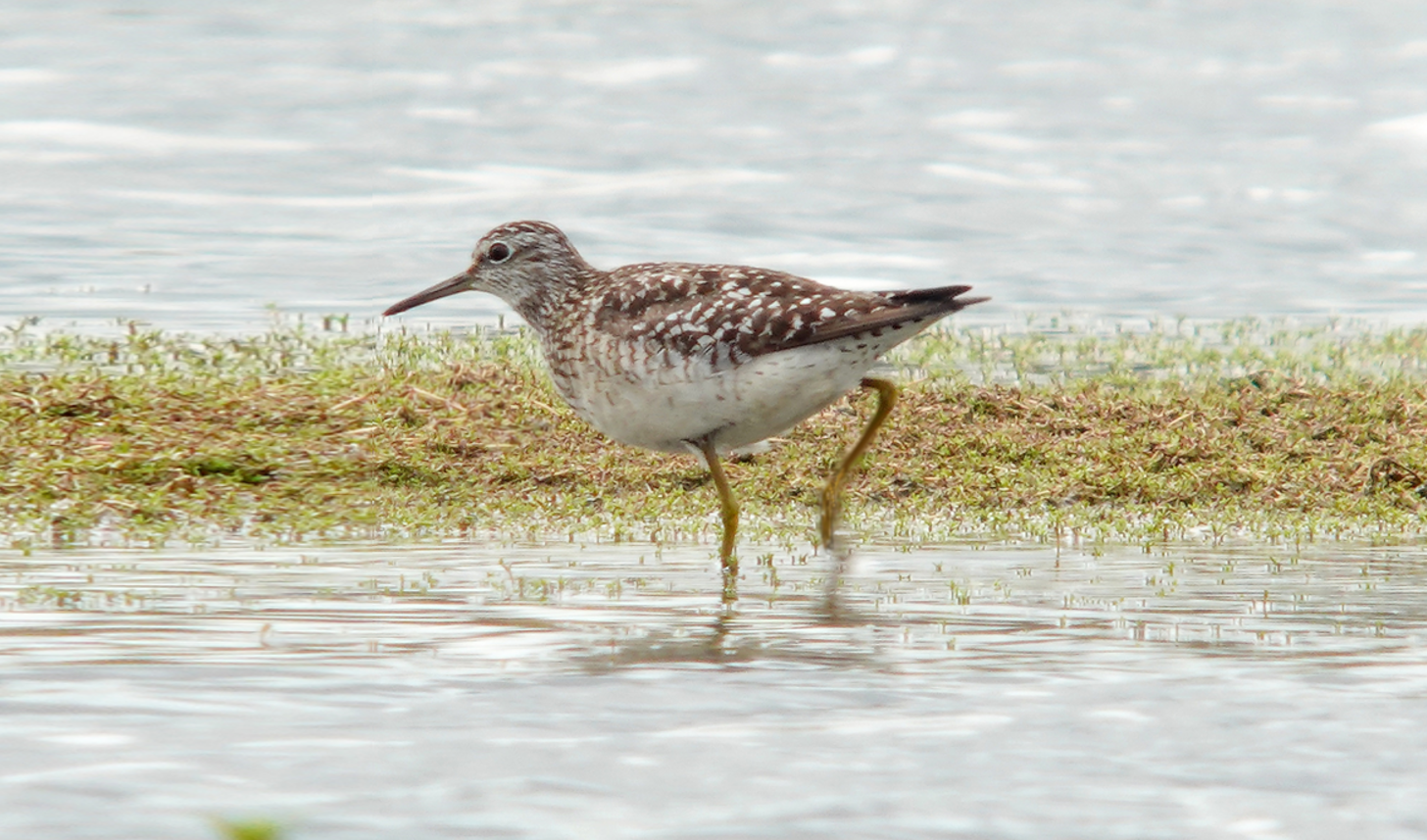
Sought-after waders were low in numbers and squeezing the cloth produced a mere trickle of Black-tailed Godwits, with one at Stanwick GP on 20th and two at Summer Leys on 23rd. A Wood Sandpiper was also reported from the latter site on 20th.
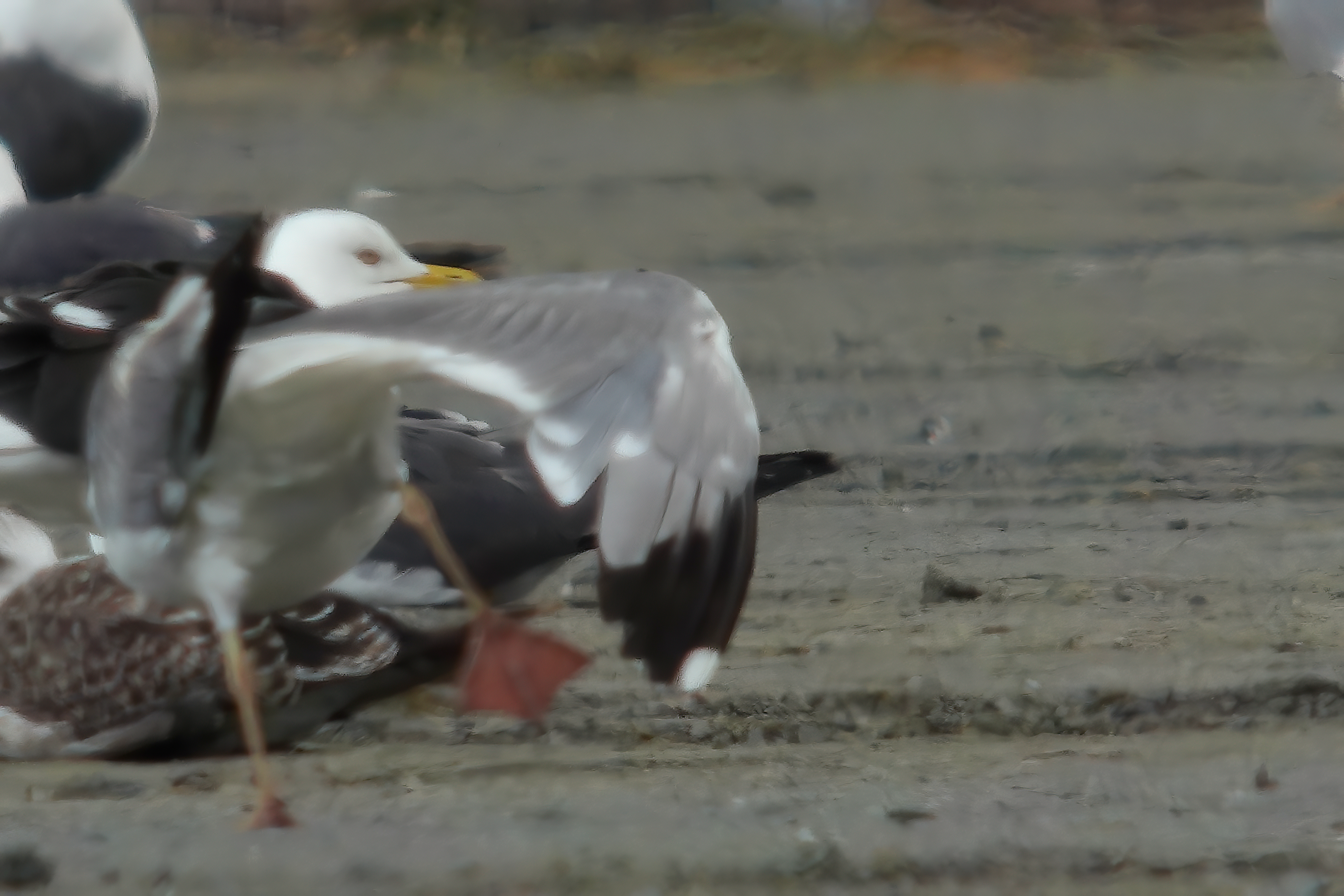
Post-breeding and non-breeding gull numbers have now begun to build and where better to look than DIRFT 3? If not to your taste then simply skip the next paragraph and related photos … The aforementioned site is in a state of constant flux and we’ve now seen the last nail go into the coffin as far as the formerly highly productive A5 pools are concerned. Bulldozed, flattened and now bone dry, it’s now a level playing field for loafing gulls, amid which, on 23rd, was an adult showing (controversial) mixed features of Caspian Gull and Yellow-legged Gull – see here for the ID discussion. A third-summer Caspian was present there on 26th.
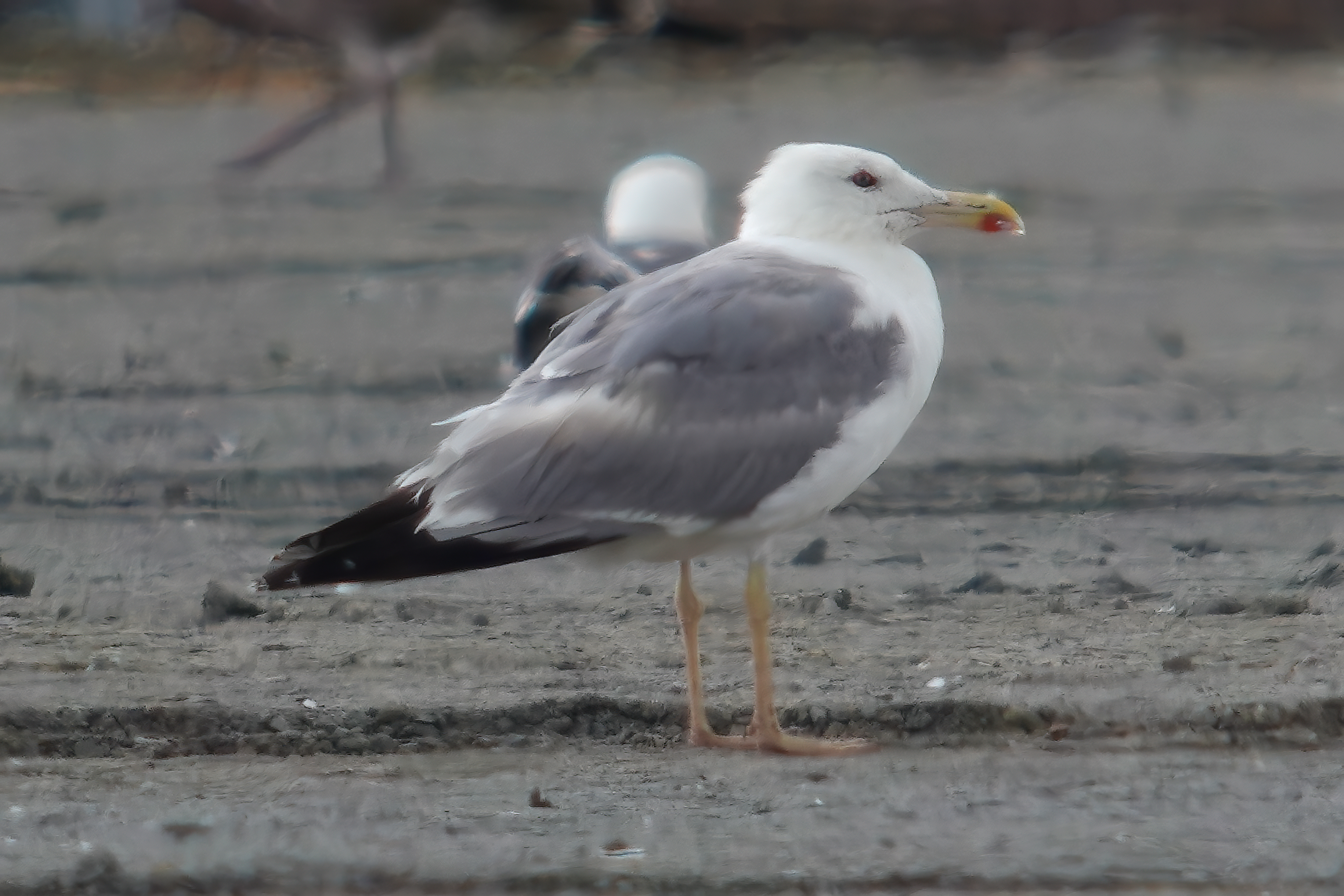
No such debate ensued over the identity of the ‘textbook’ Caspian that was found and photographed at Earls Barton GP on 24th. Handily wearing a yellow ring inscribed P:W37, it was traceable to its origins in Mietków Dolnośląskie, Poland, where it was ringed as a pullus on 31st May 2018 – and it has been visiting the UK annually ever since. The majority of sightings have come from the landfill at Shawell, Leicestershire but this bird was also seen in both Buckinghamshire and Somerset in 2019 and in Warwickshire in 2023.


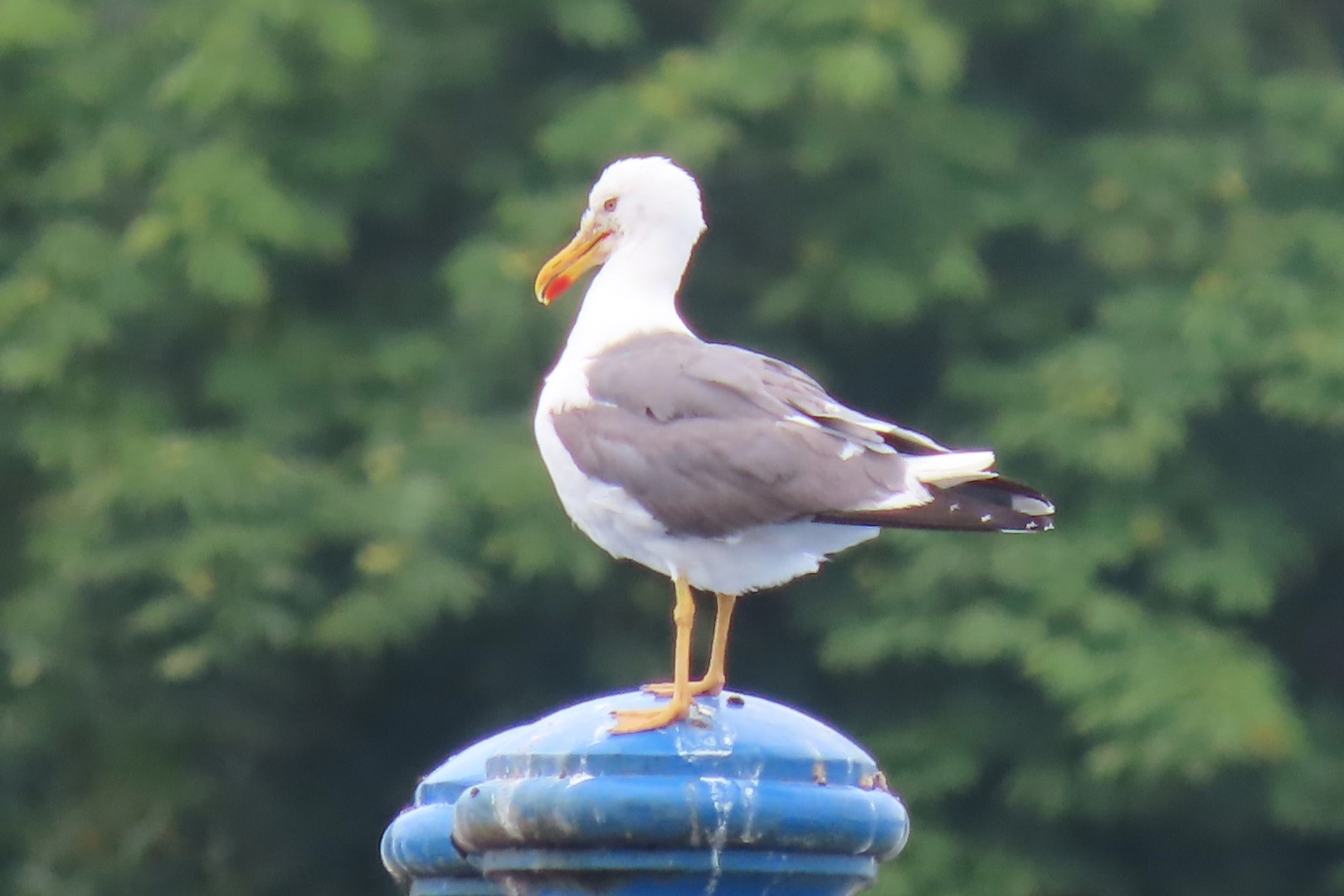
There were more Yellow-legged Gulls this week, with DIRFT 3 hosting the highest counts of eighteen on 26th and seven on 23rd. Elsewhere, singles were at Pitsford Res on 21st, Ravensthorpe Res and Stanwick GP on 24th and at Daventry CP and Thrapston GP on 25th.
Perhaps overshadowed by gulls, a second-summer Arctic Tern paid a brief morning visit to Daventry CP on 25th.
A Bittern was an unusual visitor to Stanford Res on 26th and Cattle Egrets seen at Stanwick GP included three on 20th, two on 23rd and six on 26th.
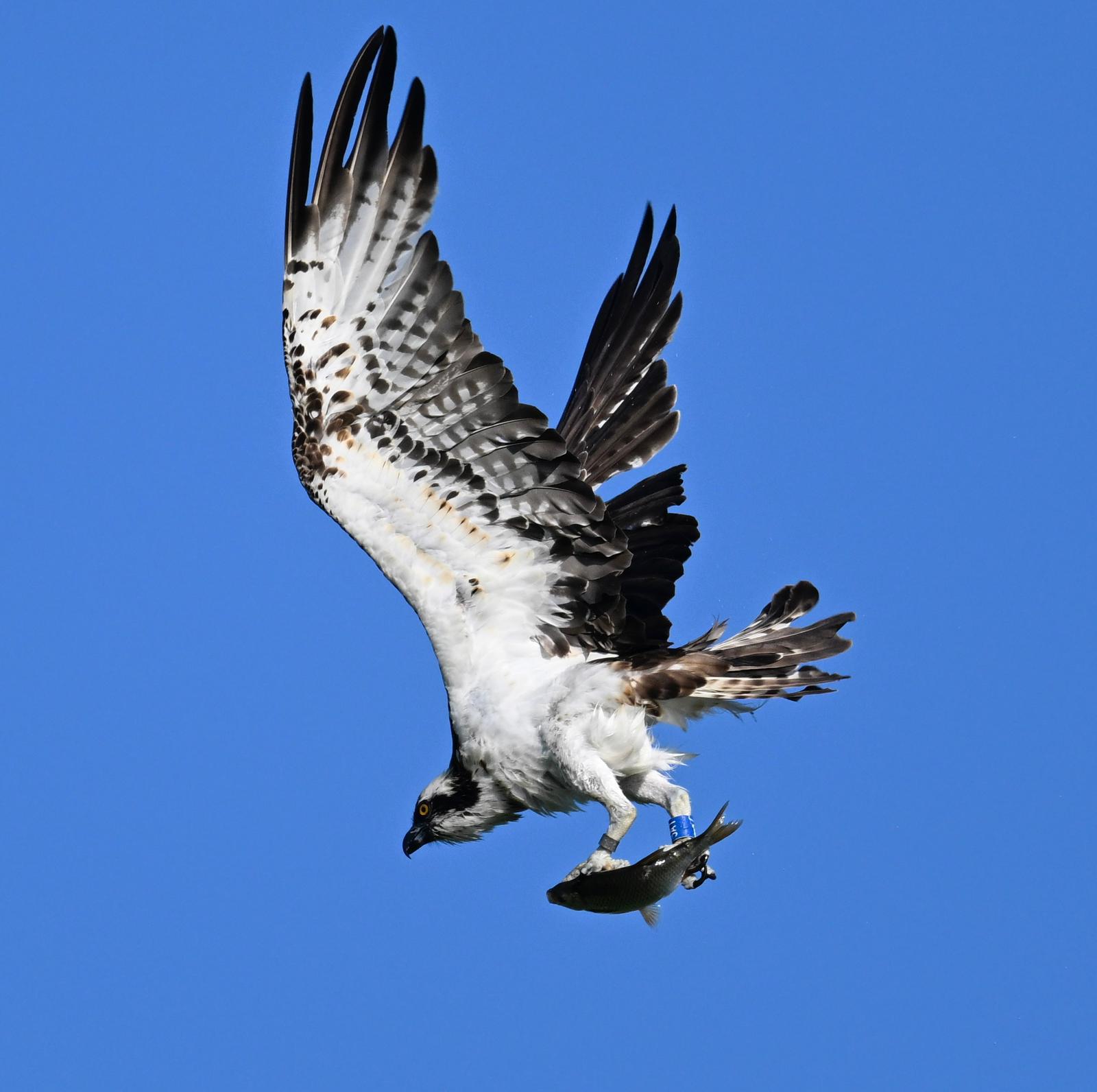
On the raptor front, Ospreys featured daily with one at Hollowell Res on 20th, up to two at Ravensthorpe Res between 21st and 23rd, one at Stanford on 20th, 24th, 25th and 26th and one at Pitsford on 26th.

Marsh Harriers, too, featured singles at Barnwel on 20th, Blueberry Farm (Maidwell) and Stanford on 22nd and Stanwick on 24th.
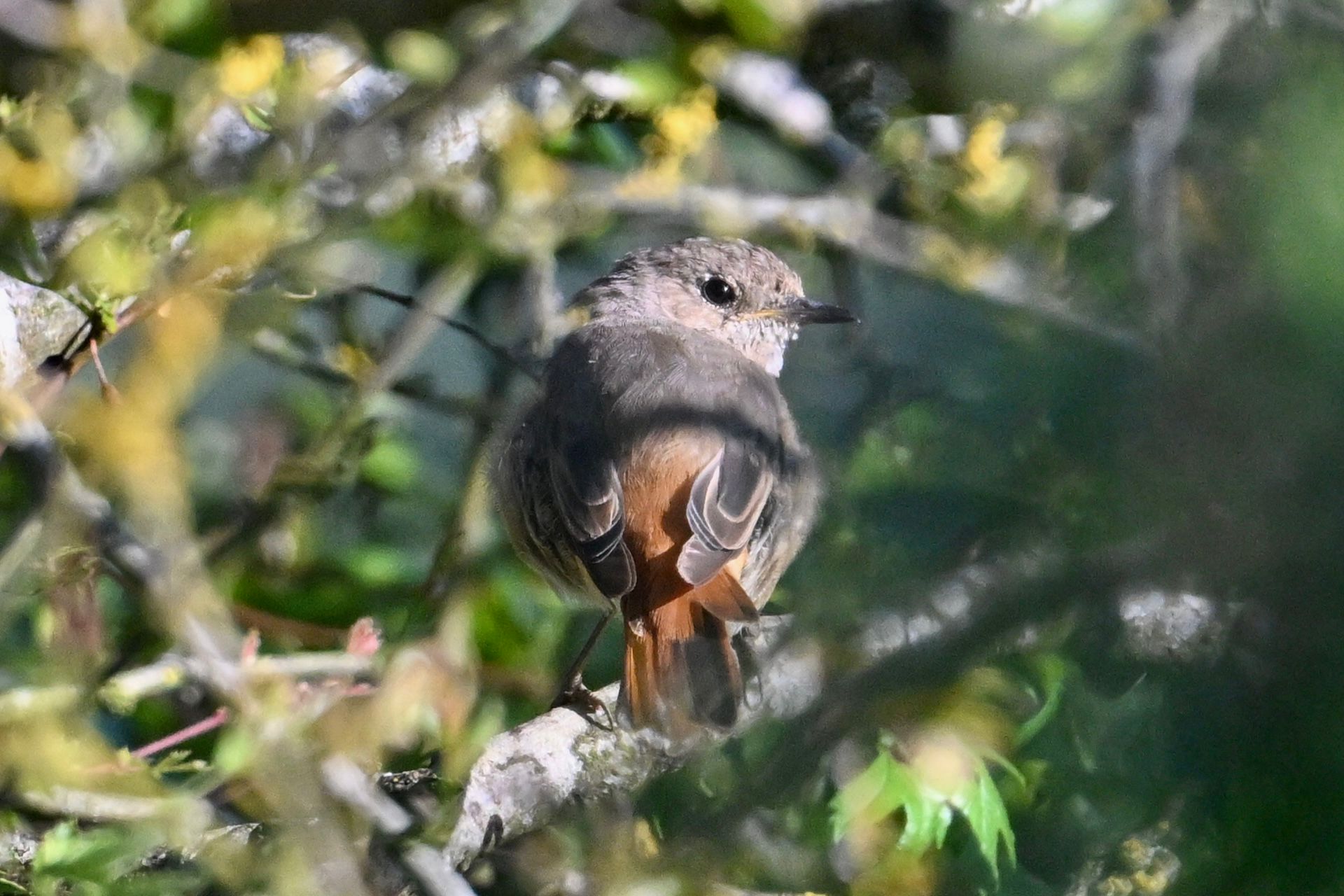
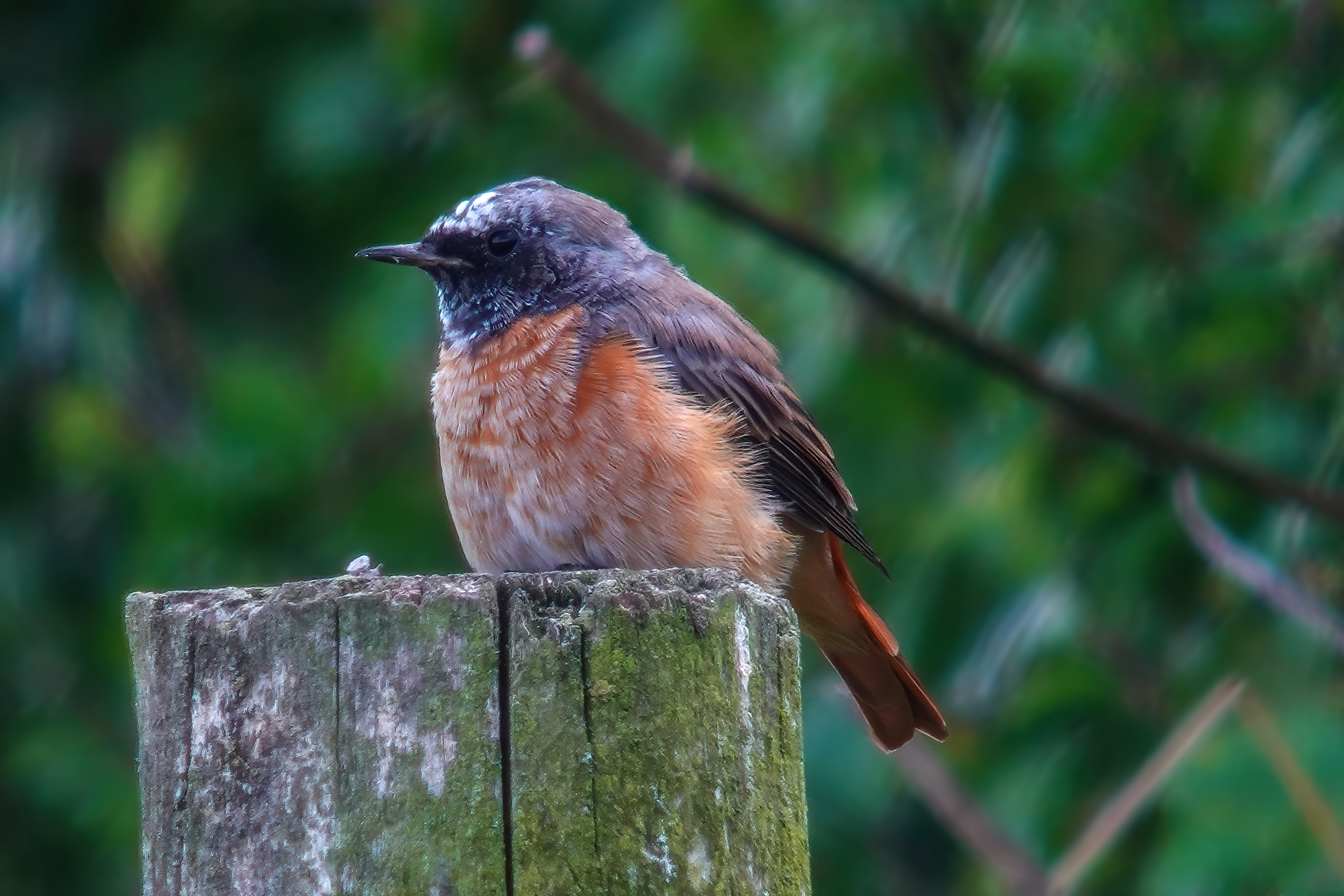
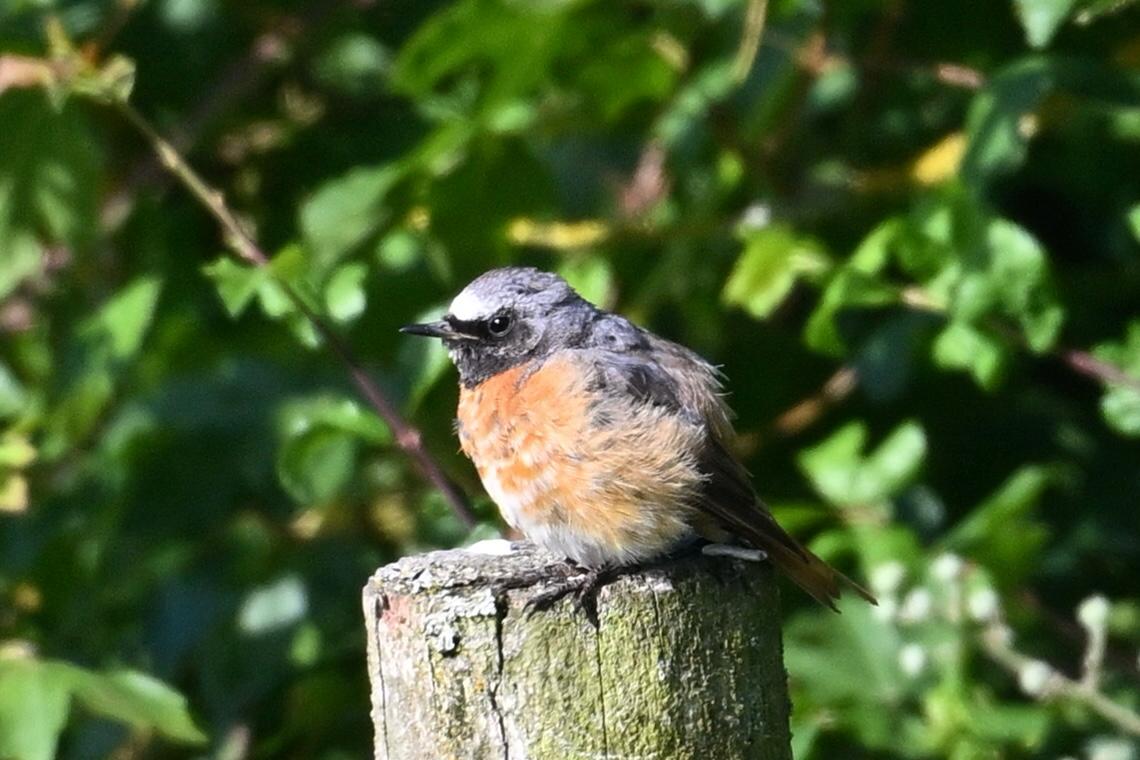
And at the passerine end of the spectrum, Common Redstarts remained the dominant species, appearing at eight localities which included up to two at Blueberry Farm between 21st and 26th, two between Old and Pitsford Res on 23rd, up to two at Lilbourne Meadows NR between 23rd and 26th and singles at both Clifford Hill GP and Honey Hill on 21st and at Lamport, Harrington AF and in the Brampton Valley on 23rd.
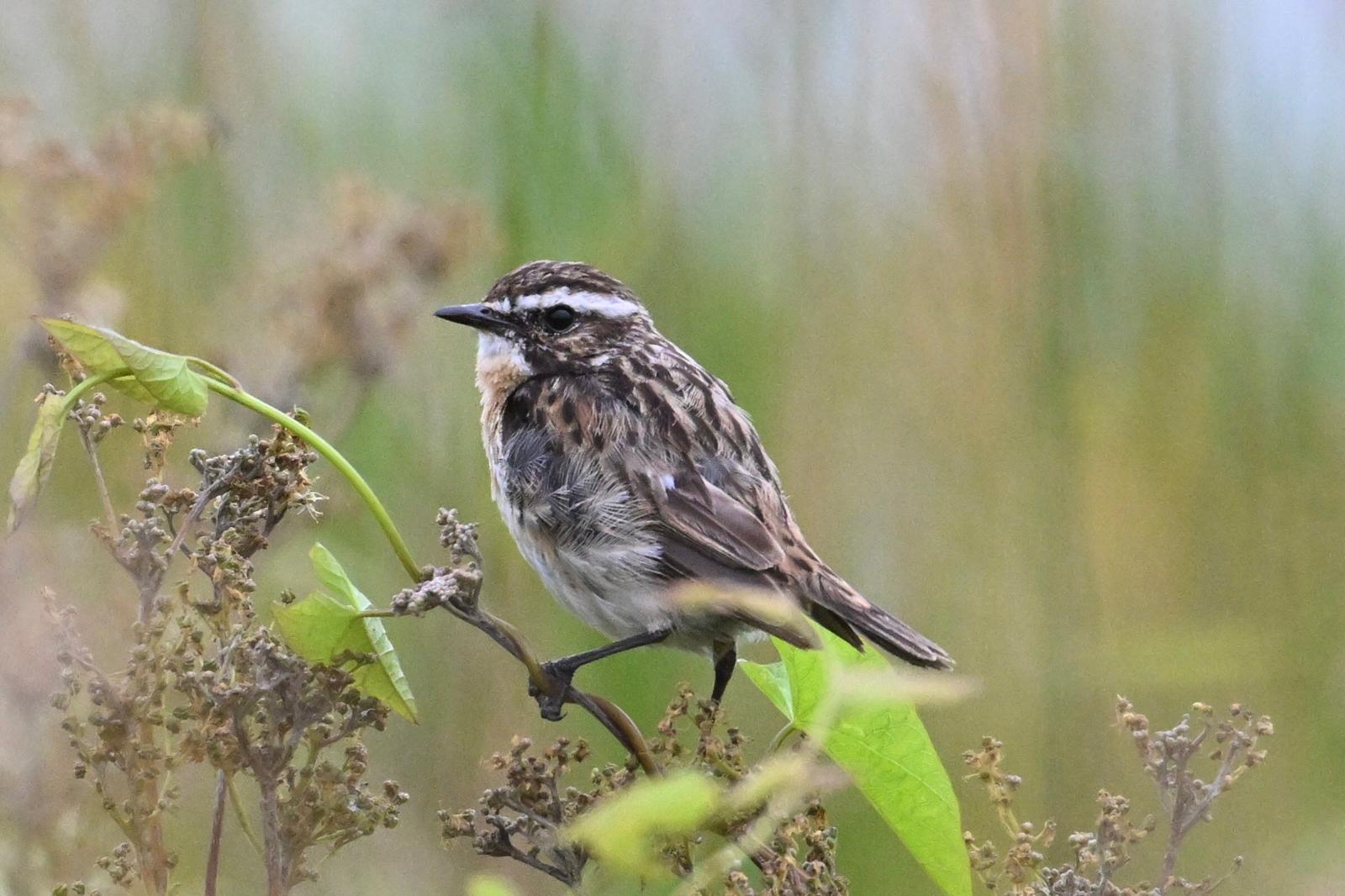
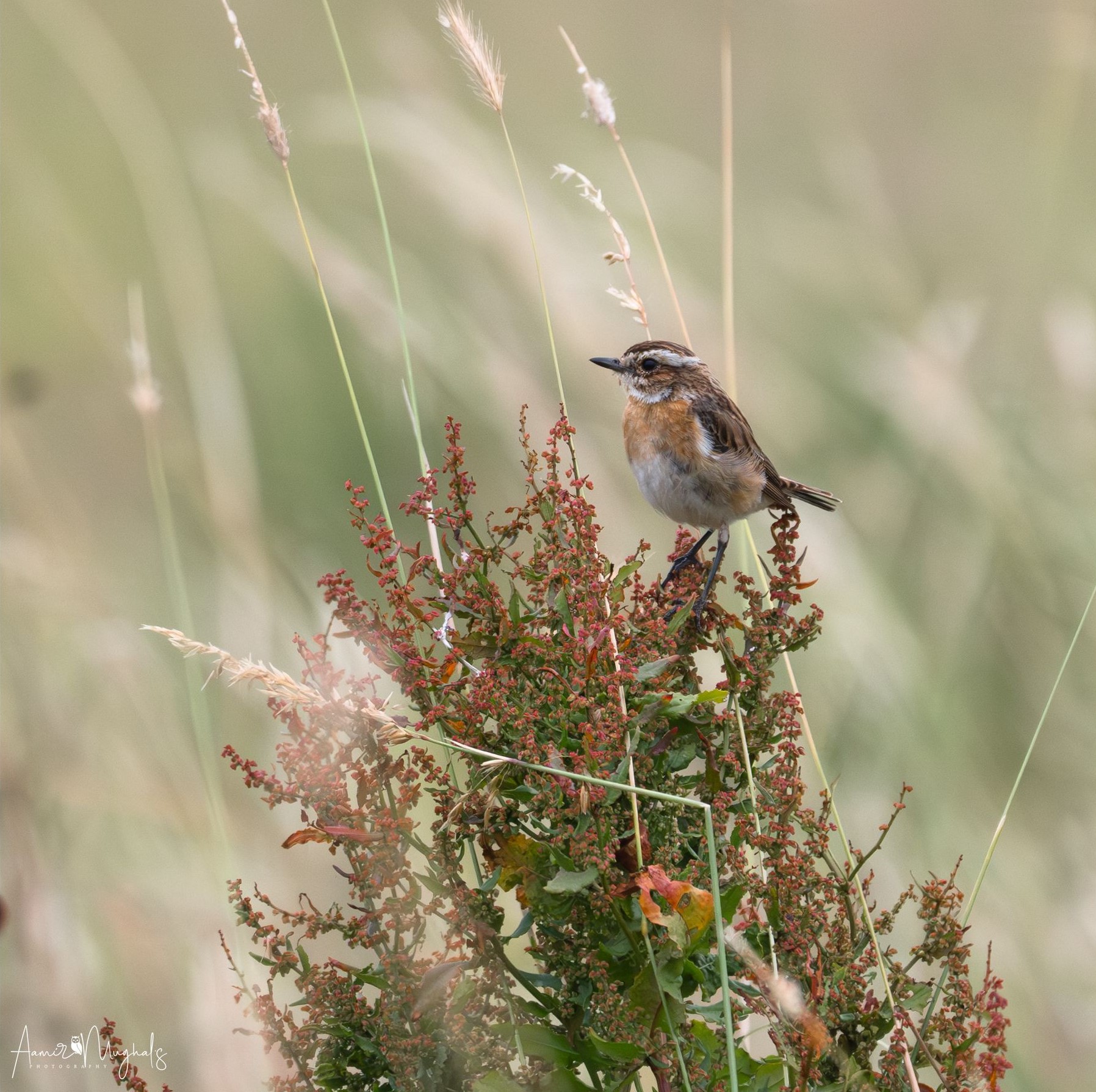
Two more Whinchats appeared this week with singles at Hollowell Res between 20th and 26th and in the Brampton Valley between 21st and 23rd.
And the first Crossbills for some time comprised two in flight over Blueberry Farm on 22nd.











 Northants birds