Newsround – 19th to 25th April 2025

The largely south-westerly airstream continued as the country became sandwiched between an Atlantic low and a North Sea high pressure system. Unsurprisingly, there were more firsts for the year, set against a dramatic backcloth of mostly rain-driven Arctic Terns and some interesting waders.

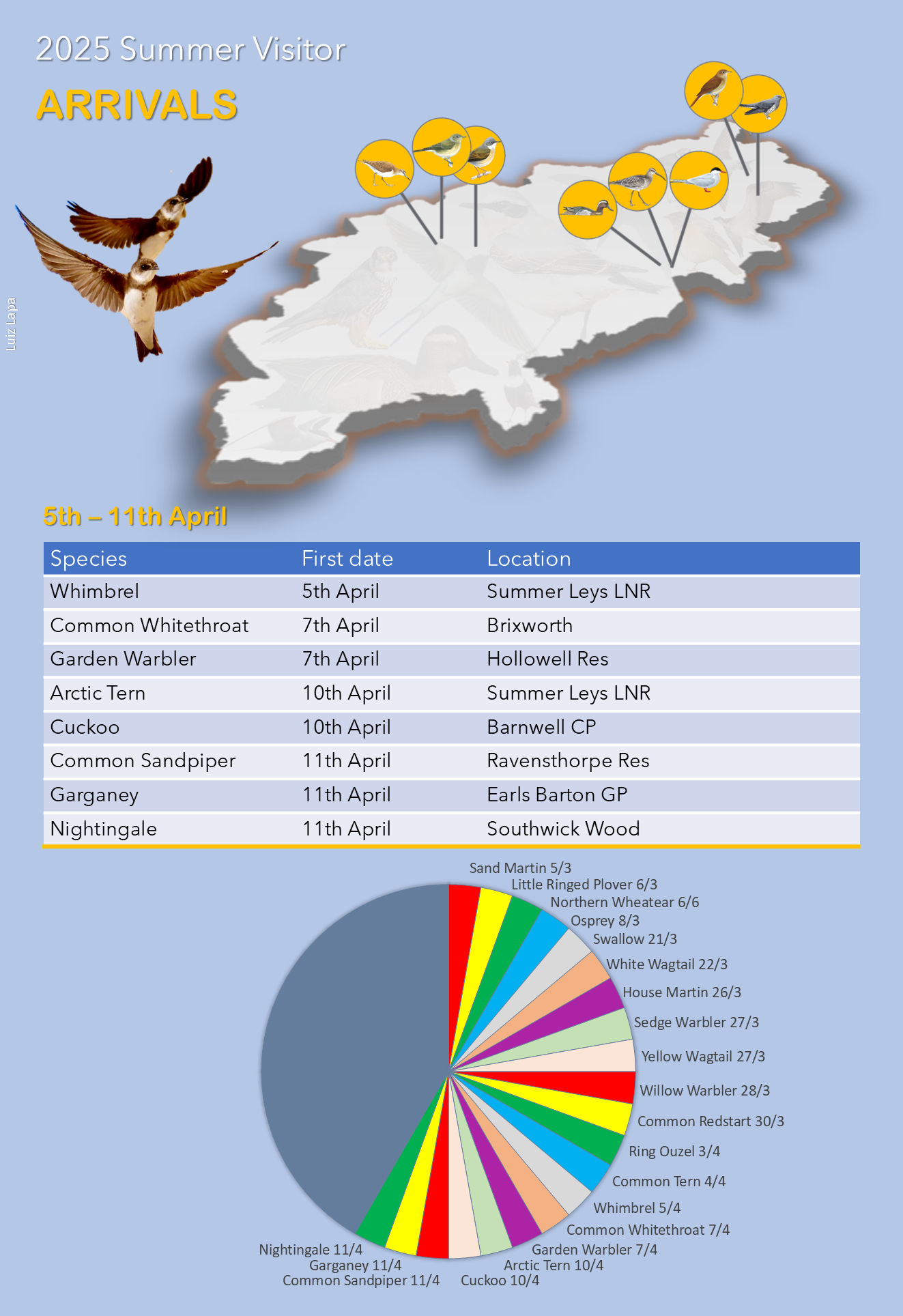
Added to the summer visitor clock this week were Common Swift, two rather less common species and one now deemed scarce.

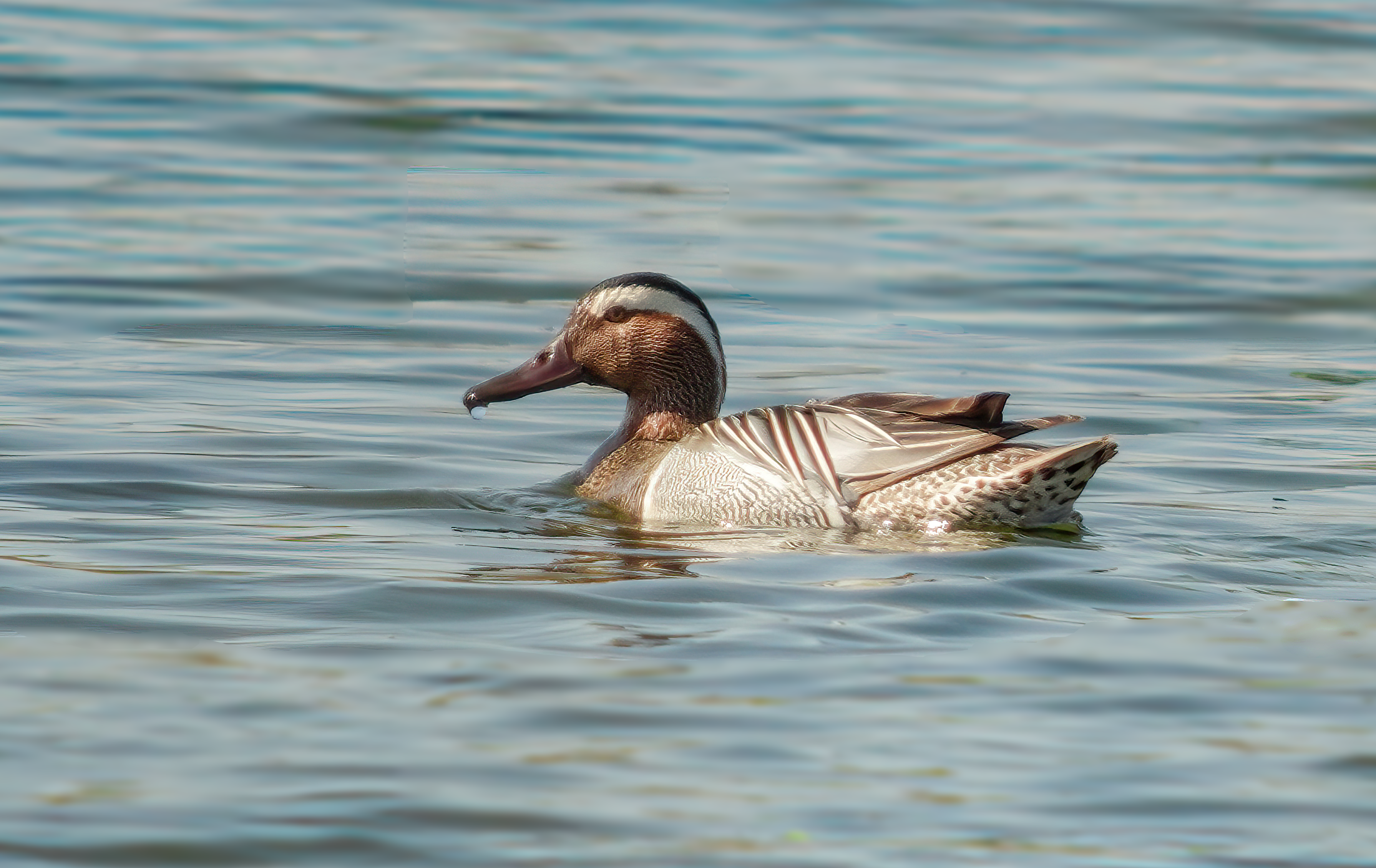
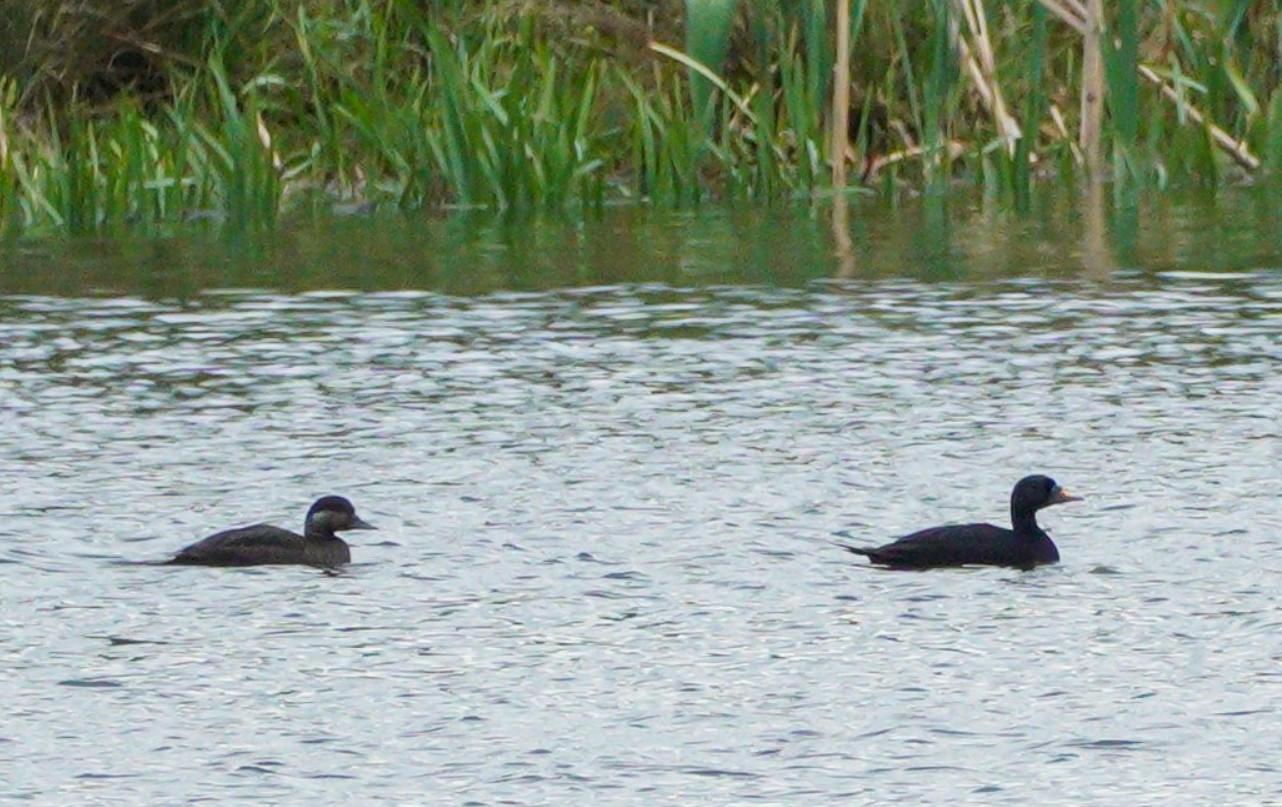
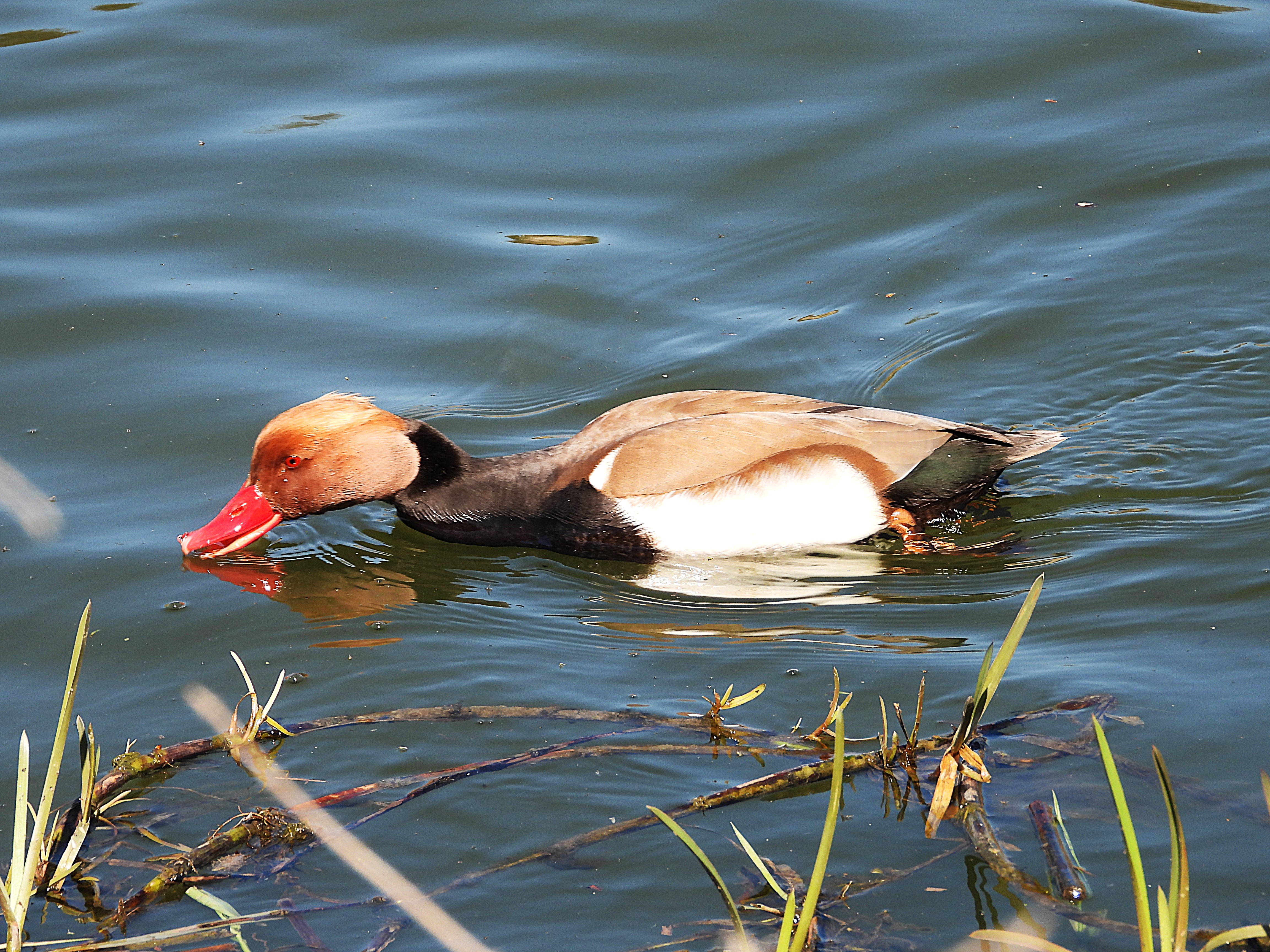
Aside from the lingering Pink-footed Goose and drake Red-crested Pochard – both in the Earls Barton GP’s New Workings (South) area, top wildfowl this week were a Garganey reported at the aforementioned site on 23rd and two Common Scoters at Ditchford GP’s Irthlingborough Lakes & Meadows NR on the same date.
And as we edge closer toward May – generally acknowledged as the prime month for rare and scarce waders (and much, much more) – the mix was up on last week and included up to five Avocets at Earls Barton GP at the period’s end, plus six at Clifford Hill GP on 19th, followed by another three there on 24th.

Having laid claim to all of this year’s Grey Plovers so far, the latter locality once again produced another, on 23rd.

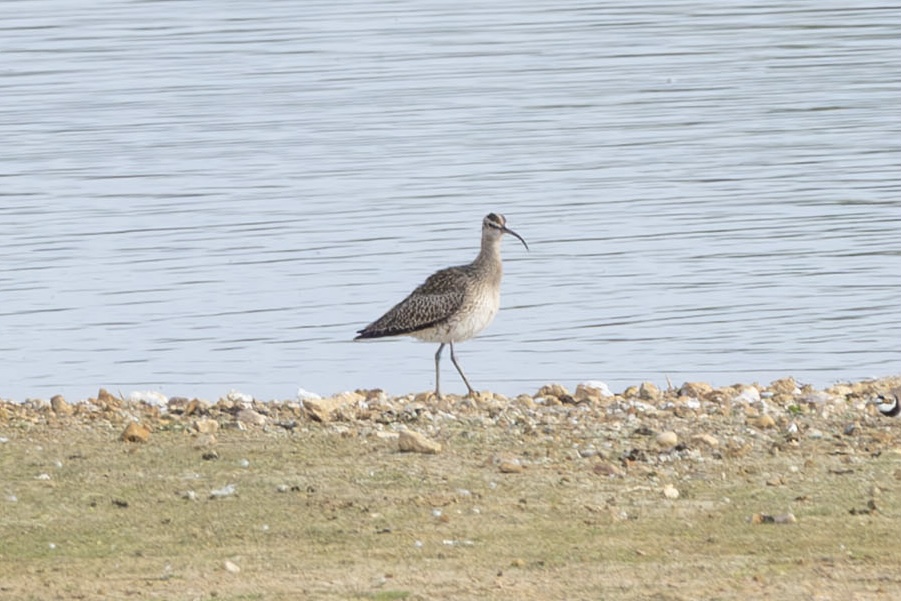
Not restricted to the Nene Valley and, therefore, unlike all of the above, single Whimbrels visited Clifford Hill on 19th, Pitsford Res on 22nd and both Lilbourne Meadows NR and Summer Leys LNR on 25th.

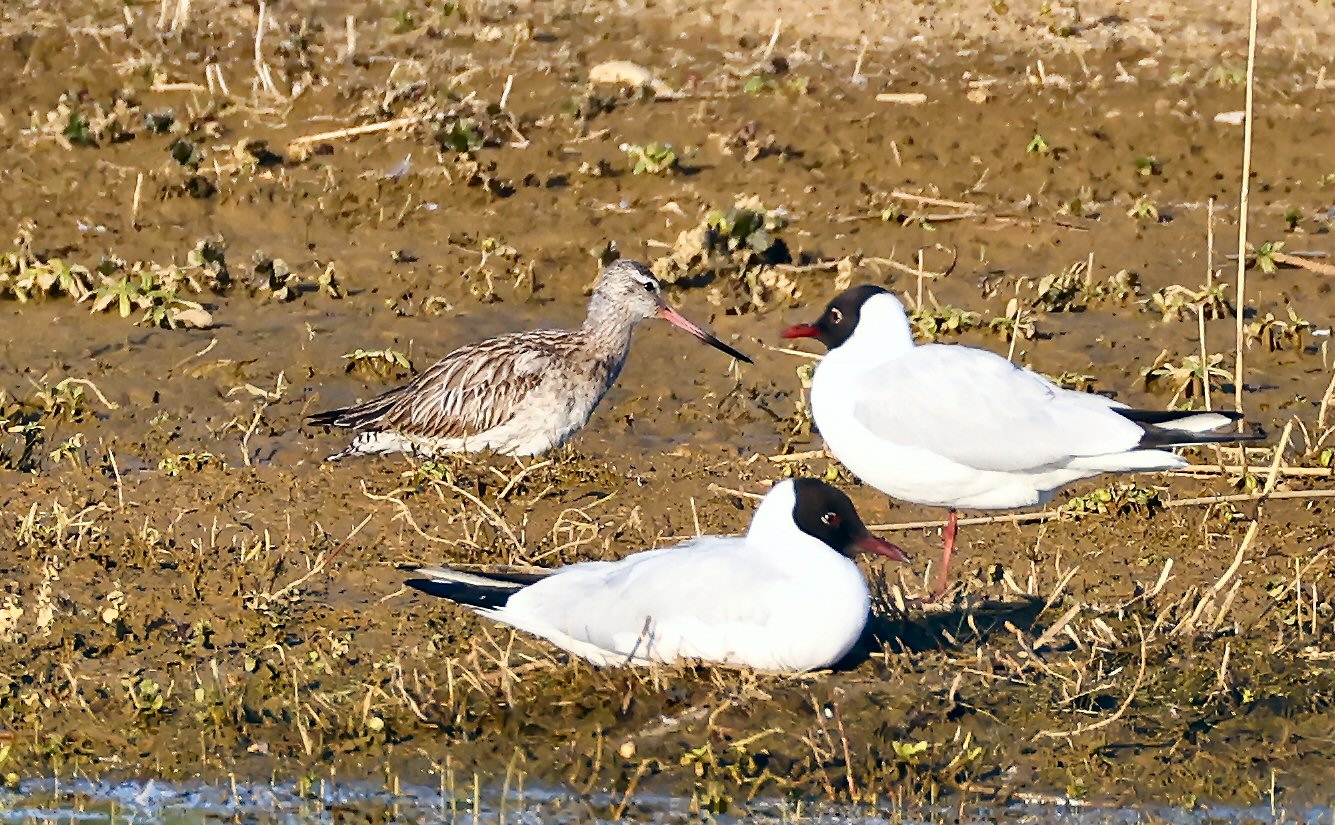
More Bar-tailed Godwits followed last week’s Summer Leys individual, with four single birds paying fleeting visits to both Clifford Hill and Stanwick GP on 21st and Clifford Hill and Irthlingborough Lakes & Meadows on 23rd.

Solitary Black-tailed Godwits were also on the week’s agenda, appearing at Summer Leys on 19th and 24th and at Stanwick on 21st and Ditchford on 23rd, the latter having been present for several days prior to this date. Meanwhile, Clifford Hill remained ever fruitful, delivering the year’s first Wood Sandpiper on 23rd, although the latter moved on very quickly, evading all but a handful of birders who were quick off the mark. More Greenshanks came through during the period, including five on the dam at Hollowell Res on 19th, when four also visited Summer Leys. The remainder of the week’s quota were all at Earls Barton GP, which held two on 24th and singles on 20th and 25th.

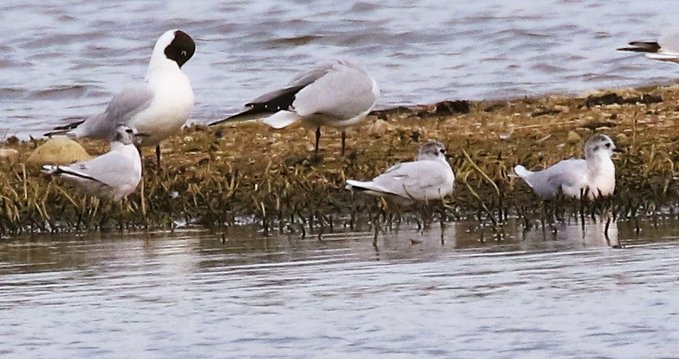
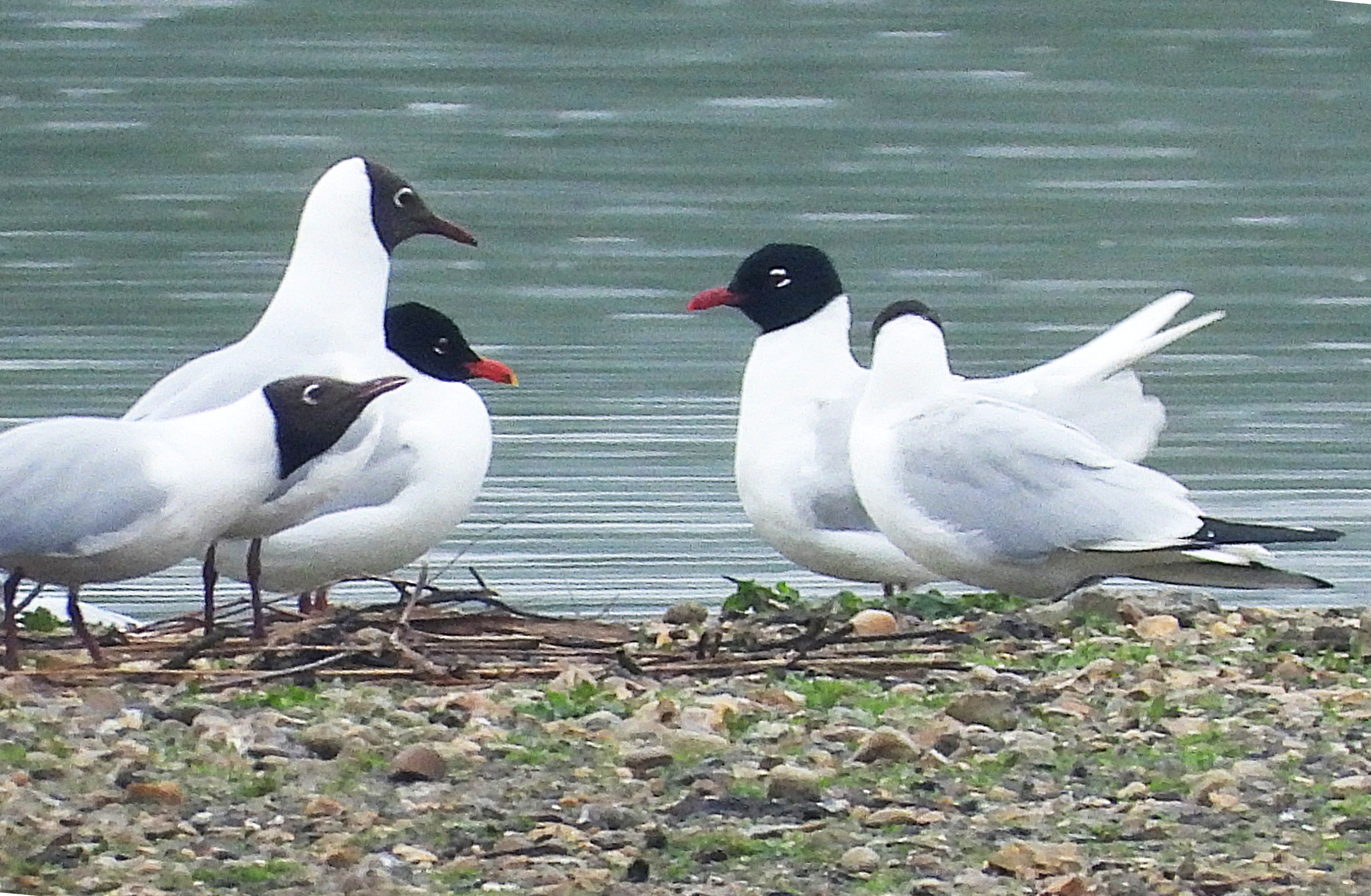
Late April is not renowned for producing numbers of scarce gulls and this week turned out to be no real exception. Two adult Mediterranean Gulls spent the best part of the day at Summer Leys and adjacent Mary’s Lake on 21st but moved on thereafter.
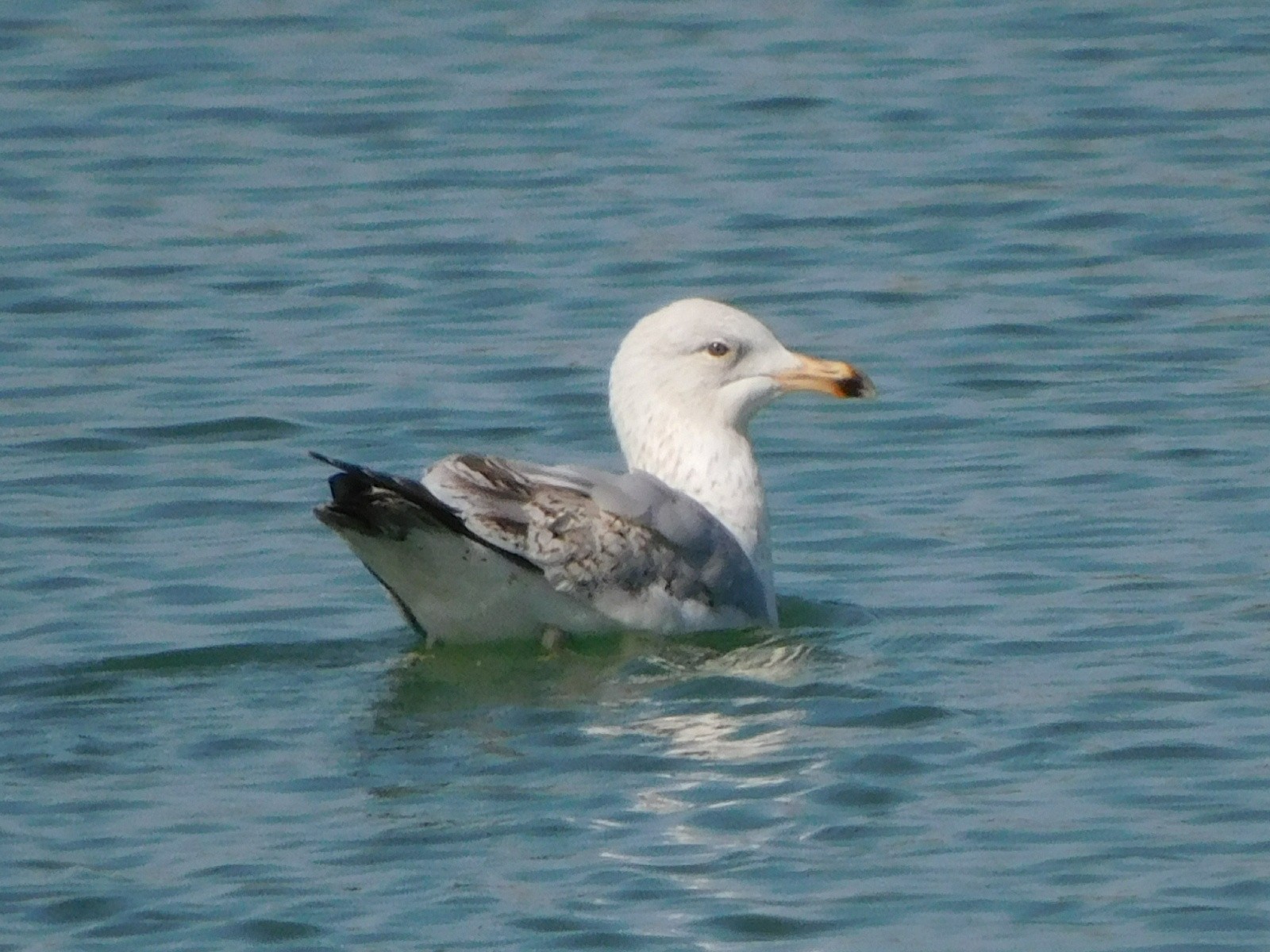
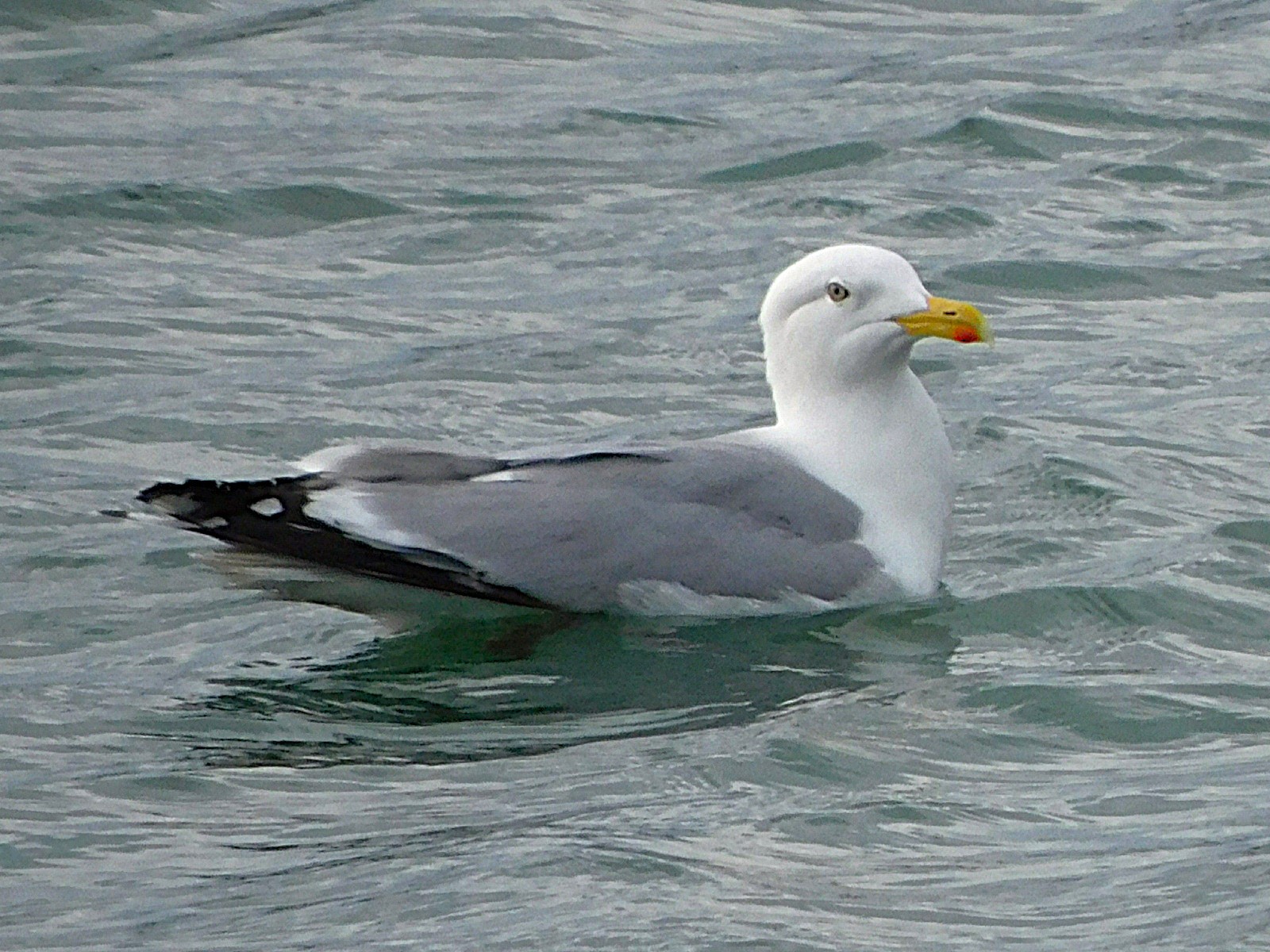
Single adult Yellow-legged Gulls were logged at Priors Hall Quarry Lake on 19th, Earls Barton on 21st and Pitsford on 21st and 25th.
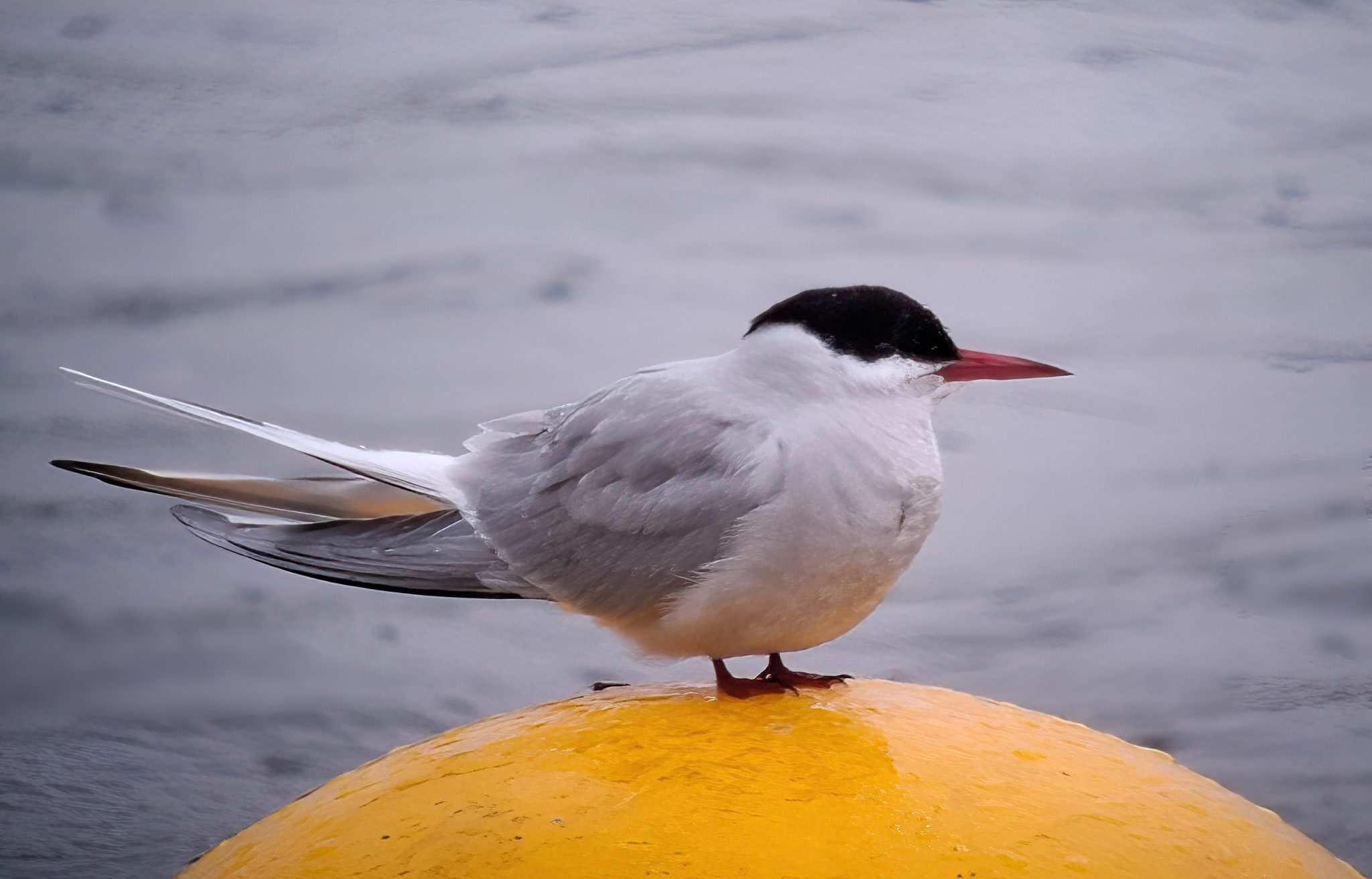
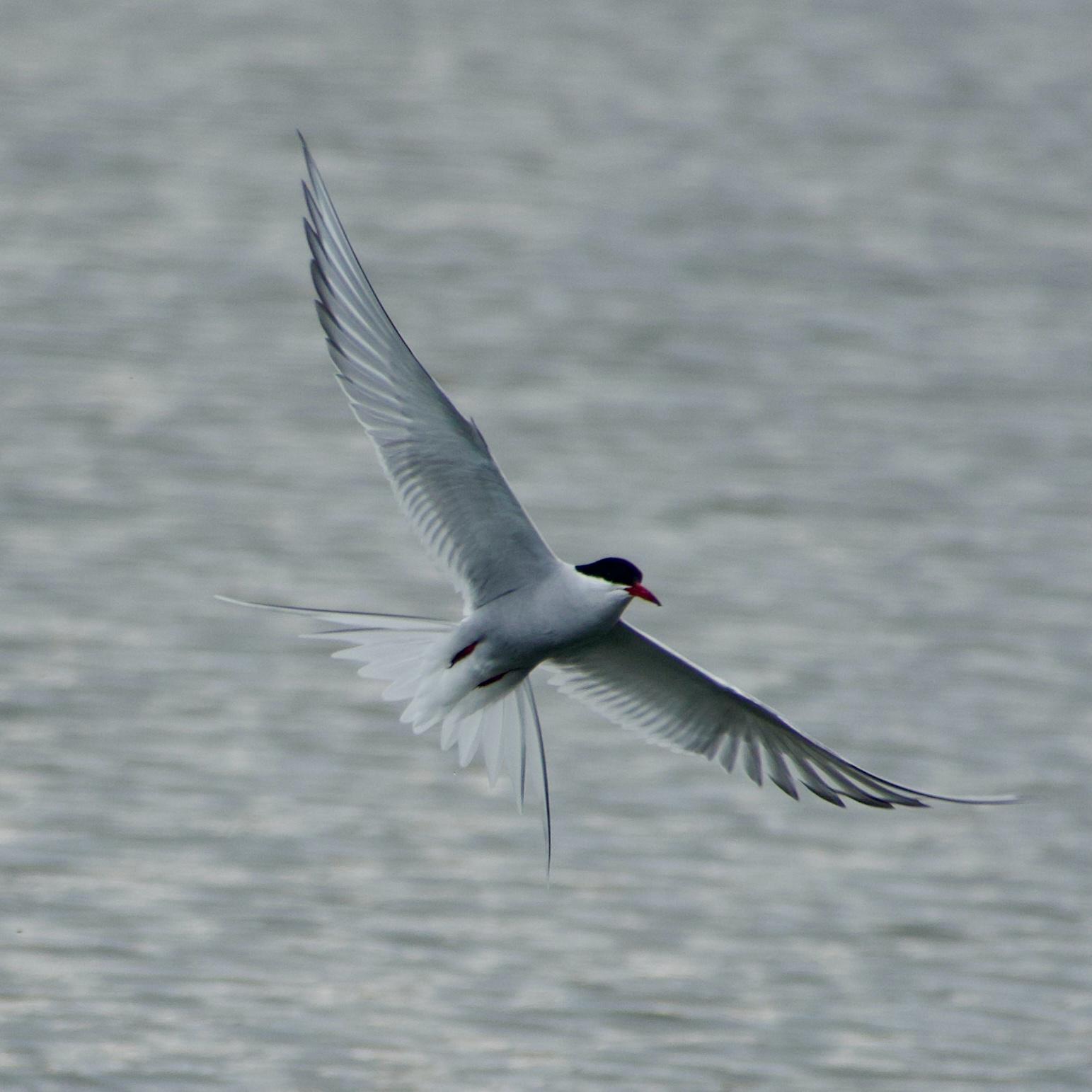
Leaving local Common Terns totally overshadowed, a significant standout feature of the week was the passage of Arctic Terns, impressive numbers of which pulsed through during, and immediately after, intermittent showers and heavy rain across the country. The largest flocks appeared on 21st, when approximate numbers were forty at Hollowell, at least twenty-five at Summer Leys and twenty at Clifford Hill. The following day saw sixteen at Thrapston GP and, on 23rd, Stanford Res scored twenty-eight, Stanwick’s total was nineteen in three separate groups, Clifford Hill’s sixteen and Boddington Res notched up eight. Lower numbers included four at Earls Barton on 24th and singles at both Boddington and Thrapston on 19th and one at Daventry CP on 21st.

Black Terns put in their first appearance of the year on 23rd, when two visited Stanford and one was seen at Summer Leys.

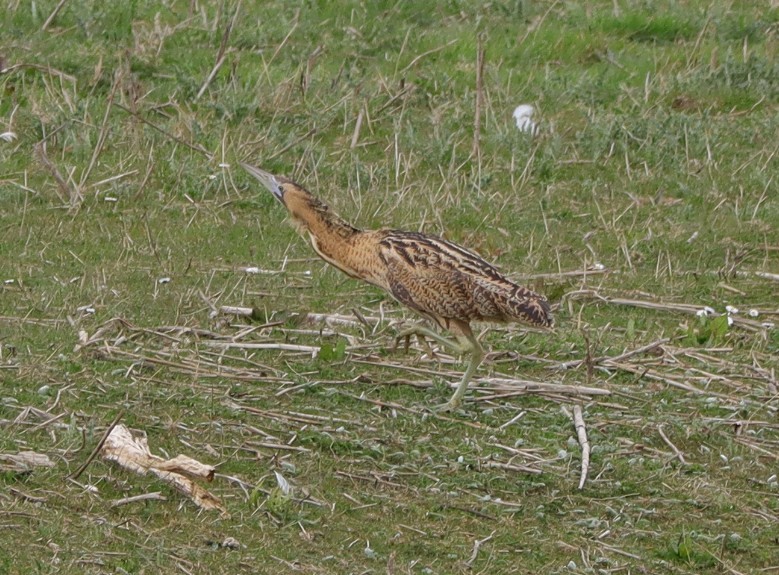
And, while we’re touching on Summer Leys, appearances by the Glossy Ibis there became increasingly intermittent and it went unreported after 20th. Making up for it – if only to a modest extent – two Spoonbills flew high north-east over the reserve late in the afternoon of 21st and at least one Bittern was present in the wider environs of the Earls Barton complex throughout, following two there on 19th. One was also at Cransley Res on 25th.

Continuing their relative scarcity, two Cattle Egrets paid a brief visit to Summer Leys on 21st and one was at Thrapston GP’s Elinor Trout Lake on the last day of the period.

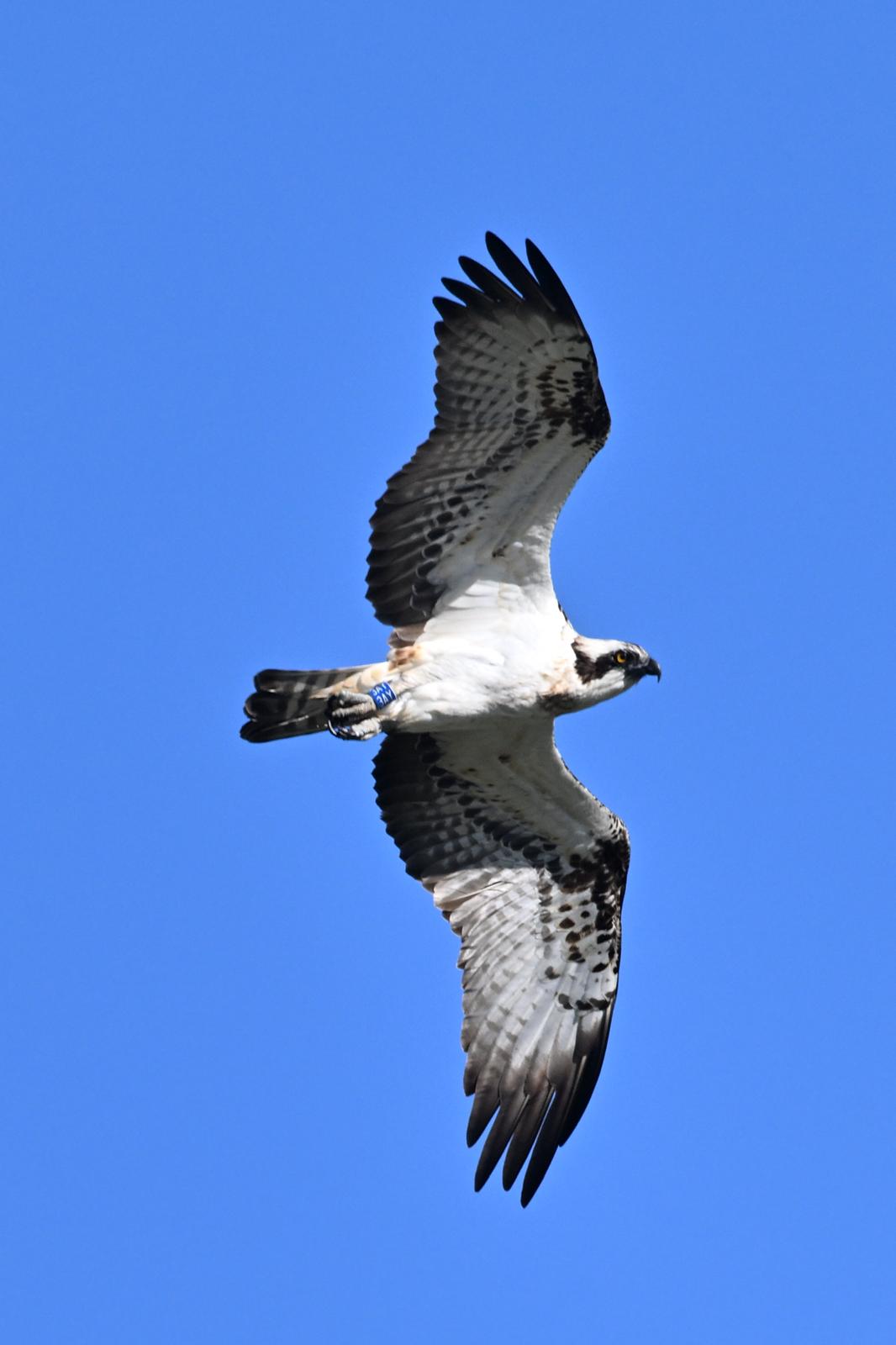
After a week with no reports, Ospreys were seen at three localities, starting with a blue-ringed male, ‘1H7’, over Summer Leys and adjacent Mary’s Lake on 22nd. This individual originated from a brood in Rutland, where it was ringed as a pullus in 2022, arriving back there on 17th April when it was photographed at a local trout farm. So, quite clearly a different male to the one that visited Summer Leys on 4th April. The other two Osprey sightings came from Hollowell and Pitsford, both of which were on 25th.

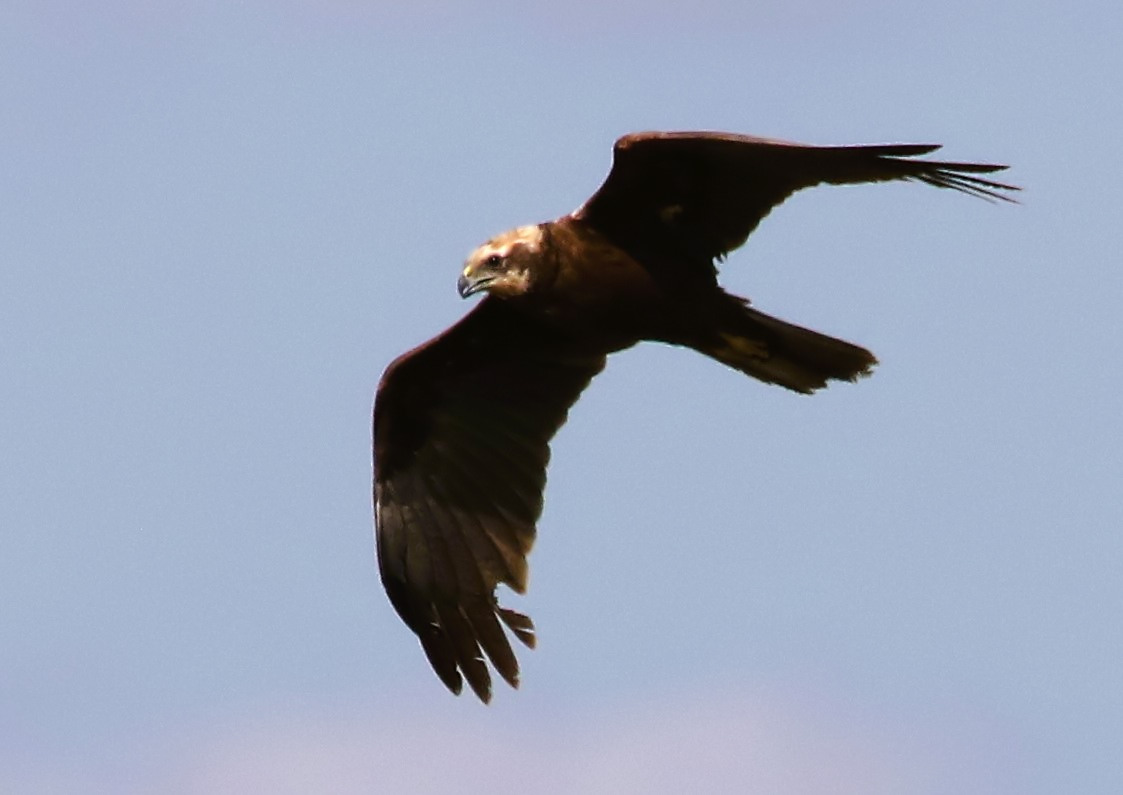
Encounters with Marsh Harriers fell to just the one, at Summer Leys on 21st.

Heading up the cast of passerines, the week’s two Ring Ouzels were where you’d expect them to be – where else than in a field below Hanging Houghton, where there was a male on 20th, and at Harrington AF, which produced what was likely to be one mobile female between 22nd and 25th … but we’re not ruling out two.

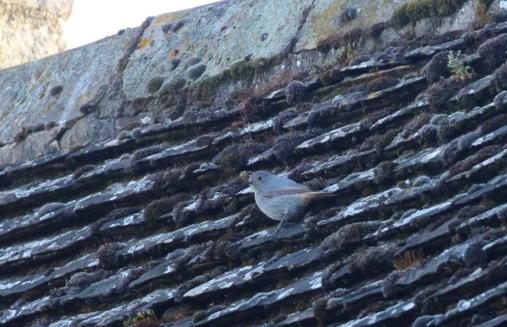
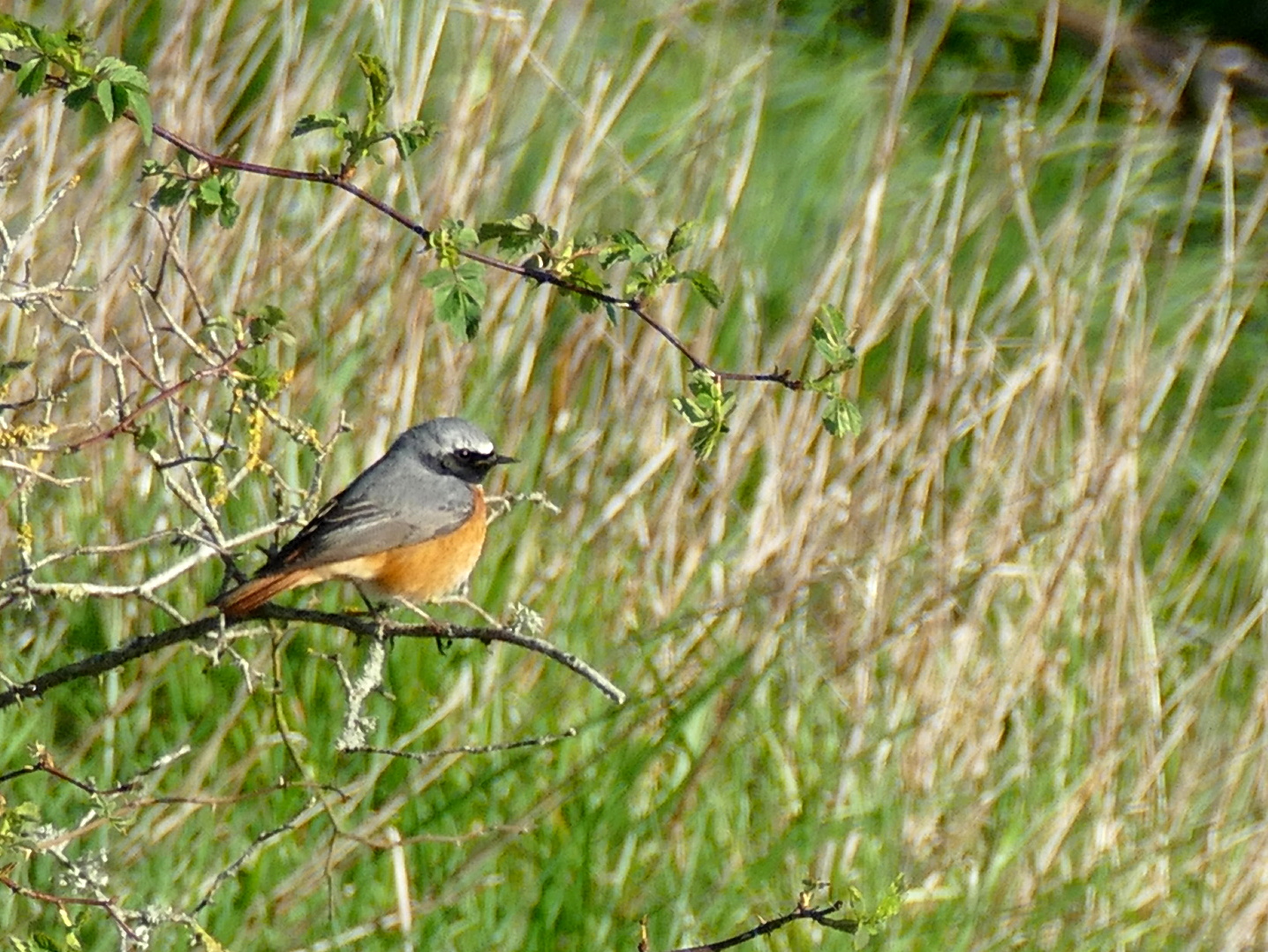
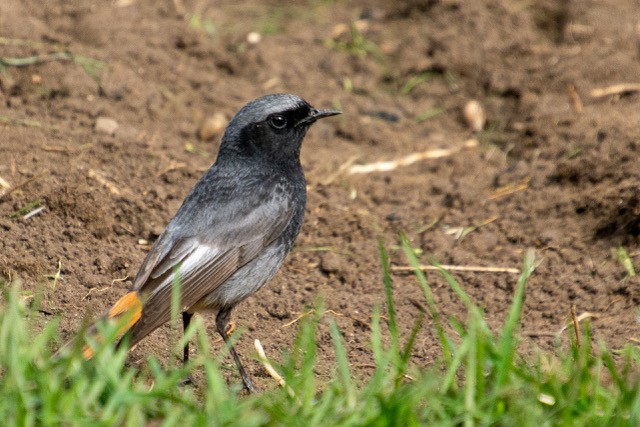
And, on 25th, a female-type Black Redstart in the car park at Yarwell Mill in the far flung reaches of eastern Northants was perhaps considered too far away for most to take a punt on … The week’s Common Redstarts were limited to singles at Stanford on 20th, Harrington on 21st and Blueberry Farm, Maidwell on 22nd.

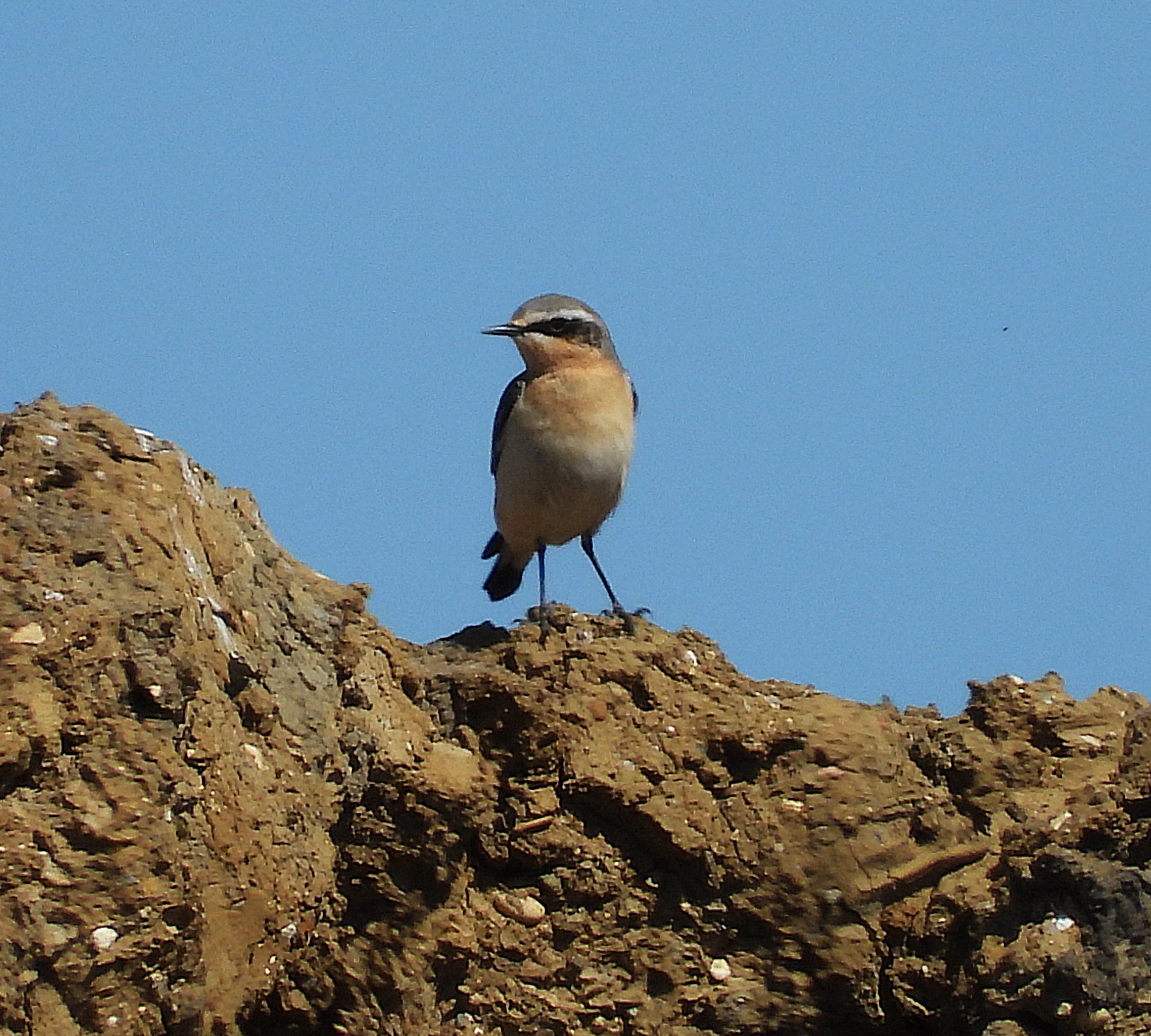
Northern Wheatears were about par for the time of year with a maximum count of four at Harrington AF on 21st and smaller numbers consisting of one at Earls Barton on 19th and one at Clifford Hill on the same date, followed by another there on 22nd, two on 22nd-23rd and one on 24th. Two were also at Harrington on 23rd.

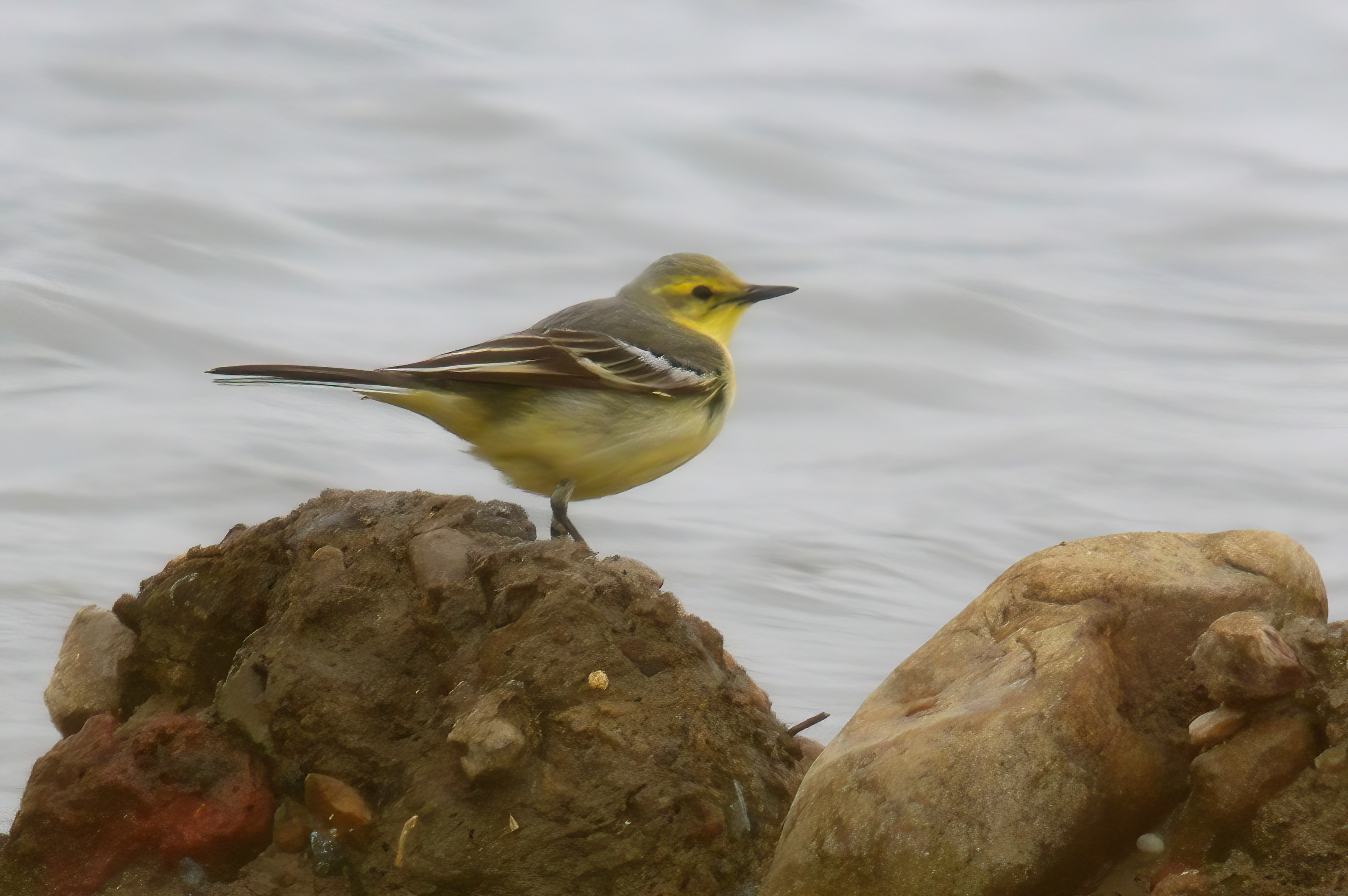
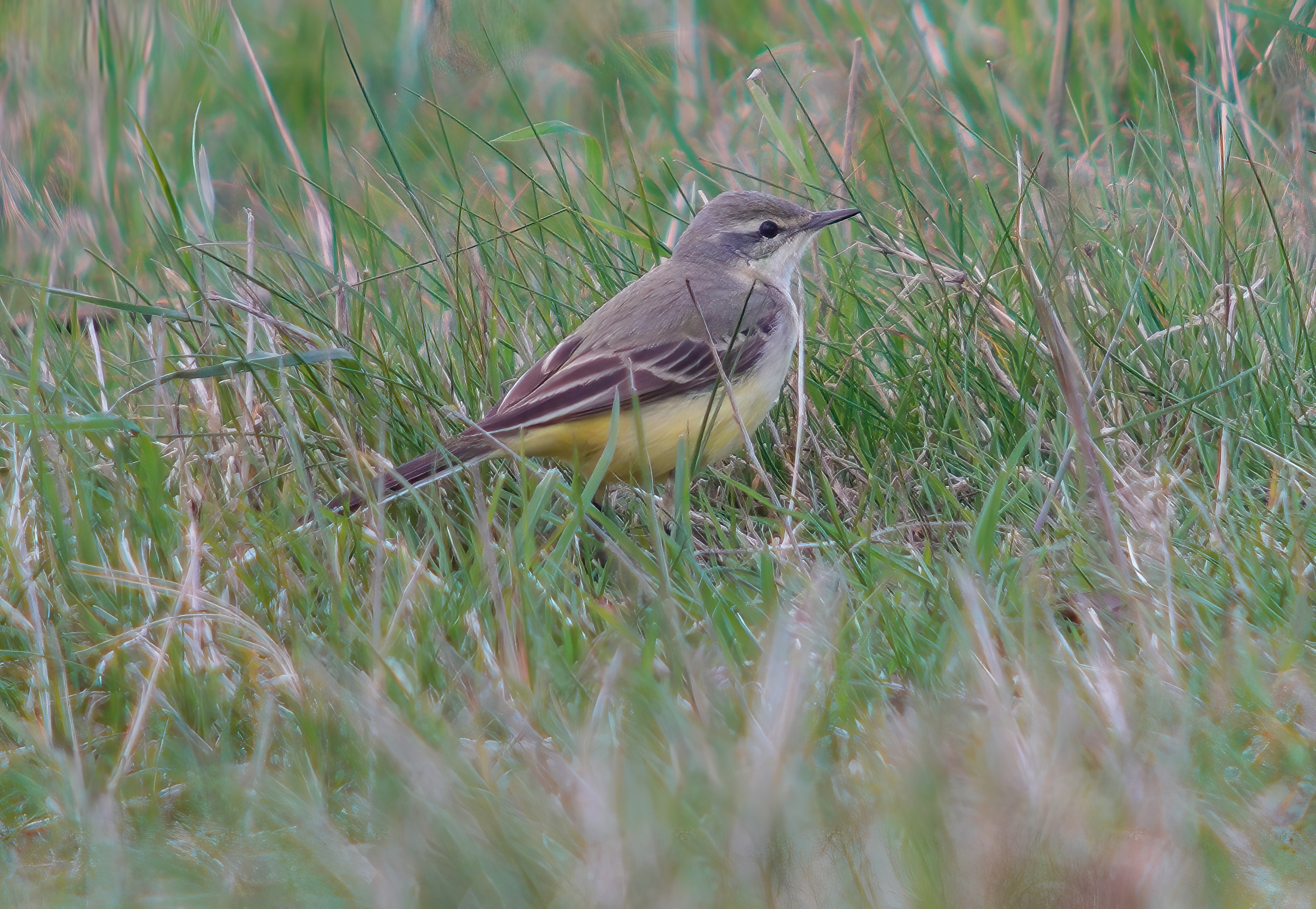
Clifford Hill was also the venue for a female Blue-headed Wagtail, present there with a small group of Yellow Wagtails on 23rd-24th.
Also in the wagtail camp, reasonably good numbers of White Wagtails coming through during the period included a super seven at Earls Barton on 19th, followed by between two and four there from 22nd to 24th and singles at Clifford Hill on 20th, Pitsford on 21st and Summer Leys on 22nd.

A Tree Pipit between Althorp and Little Brington on 23rd was the first of the year and, who knows, may turn out to be the only one …

Newsround – 12th to 18th April 2025

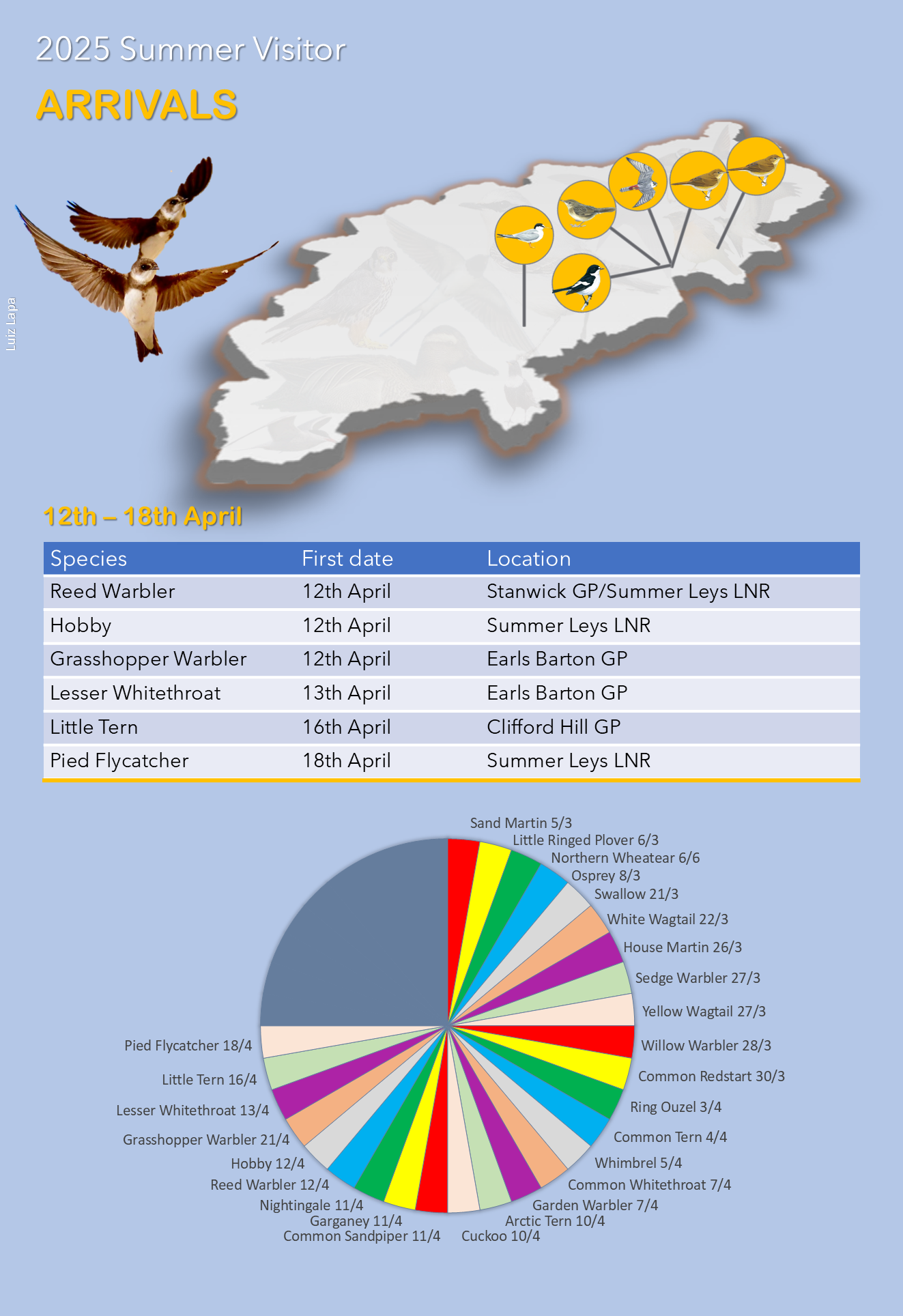
A cooler week by far, despite a run of strong southwesterlies delivering a temperate airstream off the Atlantic and western Europe. With more inbound spring migrants there was plenty to play for but, once again, the cream of the crop was well out of reach for all but those in the right place at the right time …

Summer visitors added to the clock during the period all occurred in the Nene Valley, although there was a Reed Warbler at Stanford Res the previous week but it was, alas, on the Leicestershire side of the county line.

Pink-footed Geese were still very much in evidence this week and, as well as the long-stayer in the Earls Barton GP/Cogenhoe area being present throughout, the period’s quota included one again at Stanford Res on 13th and 14th and nine flying east over Lilbourne Meadows NR on the latter date. Last week’s Garganey duo remained throughout at Earls Barton GP’s New Workings, moving to the northern section on 18th, while the drake Red-crested Pochard was also keeping up appearances on the adjacent River Nene.

And, while we’re still in the same area, this site laid claim to the fourth occurrence of Common Crane for the county this year as one flew over, calling, on 12th.

Further up the valley, Clifford Hill GP notched up its – and the county’s – second record of Grey Plover this year as an eastbound flock of five flew through without stopping on 15th. Whimbrels were also on the move, with singles at Earls Barton GP’s New Workings (South), Lower Barnwell Lock (Oundle) and Summer Leys – all on 12th and another paid a brief visit to Clifford Hill GP on 17th.

Last week’s solitary Bar-tailed Godwit at Summer Leys made it into the week, still being present there on 12th, while the same site produced a Black-tailed Godwit on 12th, 15th, 17th and 18th and two were at Stanford Res at different points in time on 15th.

More Greenshanks moved through during the period in which singles visited Lower Barwell Lock on 12th and 15th, Summer Leys on 12th, Earls Barton GP on 14th and Stanford on 15th and a single Jack Snipe was still holding out at Hollowell Res on 14th.

Compared to last week, this week’s Little Gull passage had reduced to a mere drip comprising three at Earls Barton GP on 12th, while a Mediterranean Gull dropped into Stanford on 17th. Larger gulls included a first-summer apparent hybrid Caspian x Herring Gull at DIRFT 3 on 13th, where there was also a first-summer Yellow-legged Gull on the same date.

The only other Yellow-legged Gulls were single adults at Pitsford Res on 13th and 16th.

A Little Tern at Clifford Hill on 16th was much appreciated as well as equalling the earliest ever county record – the latter being at Earls Barton GP in 1996.

And another week, another White Stork – this one visually tracked as it took its time in moving westward from Earls Barton/Whiston Lock toward Ecton. Surprisingly, there were no subsequent sightings in Northants but undoubtedly the same bird was logged later in the day over Napton Res in east Warwickshire, 37 km further west.

Once again, the Summer Leys Glossy Ibis clocked up another week, the latter site also producing a showy Bittern on 16th and 18th.

Four Cattle Egrets flying south-west over Stanwick GP on 17th once again represented a rather poor weekly showing for this species.

Not so for Marsh Harriers, though – that is, of course, for those in the right place at the right time. Favouring the reedbed, the immature male was again seen at Stanwick on 12th and 18th, Summer Leys produced two on 14th and one on 16th and one was nearby at Earls Barton GP’s Quarry Walk on the latter date.

We’ve become increasingly aware of this spring’s invasion of Hoopoes into the southern reaches of the UK and their subsequent penetration further north. Given that this week saw just over a hundred in the country, prior to the astoundingly higher total of one hundred and eighty the week before, it would have been surprising if we’d not managed to secure one in our own good county. And we did. Two, to be precise. Unfortunately, they were both off limits and appeared to be short-stayers only. The first was in a garden in Hanging Houghton on 13th before flying off, giving rise to a local search that yielded no result. The following day, one was photographed on the windowsill of a farmhouse at Silverstone prior to making a similar rapid departure. The wait for one nailed down goes on …
Meanwhile, there were more Ring Ouzels, unsurprisingly comprising one at Blueberry Farm, Maidwell on 14th and another at Harrington AF the following day – both favoured localities that have history for the species.

Conversely, Summer Leys does not have history when it comes to producing Pied Flycatchers, a male of which was seen briefly from the car park on 18th.

A Black Redstart at Harrington did a bunk before any would-be observers were on the scene on 17th, as did one photographed on a roof in Easton on the Hill the previous day. These are the fourth and fifth for the year, none of which has had the decency to stay put.

Single male Common Redstarts were found at Harrington on 13th-14th, Blueberry Farm on 15th and at Lilbourne Meadows on 17th.

There was a mini-surge in Northern Wheatears this week with, on 17th, Harrington producing nine, Hinton AF at least six, Clifford Hill four, and both Earls Barton and Mears Ashby one apiece.

On other dates, two were at Heathencote on 12th, three were at Harrington and two at Earls Barton on 14th, two were at Blueberry Farm and one below Great Doddington on 15th and one was at Borough Hill on 18th. A male Greenland Wheatear was at Clifford Hill on 17th.

With Earls Barton GP’s New Workings (South) rising in popularity and attracting more birders of late, it comes as no surprise that more interesting birds are being found there. One such individual – a ‘yellow’ wagtail – came under scrutiny on 15th when it exhibited some features inconsistent with the standard fare in the Yellow Wagtail group of races and may have been a hybrid (see here for a more detailed discussion).

No such queries were raised by this week’s White Wagtails, a maximum of at least five of which were at the latter site on 18th, while singles were logged at Lower Barnwell Lock on 12th, Clifford Hill on 15th and 17th, Pitsford on 16th and at Ditchford GP’s Rushden Lakes on 17th.

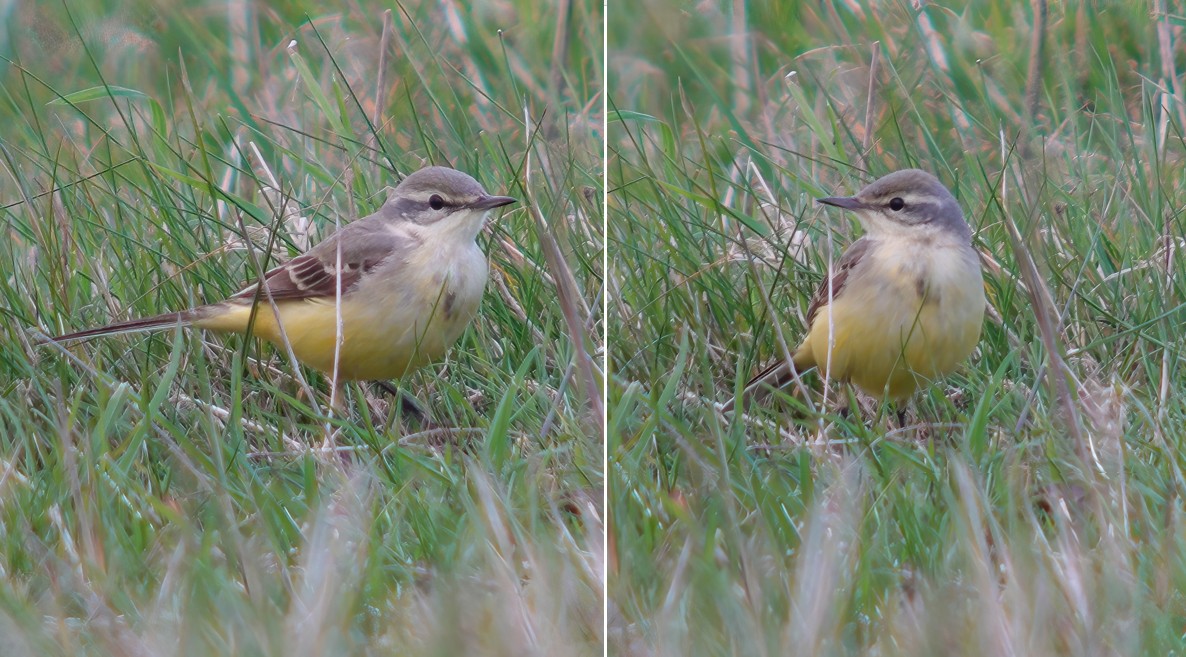
Citrine Wagtail x Yellow Wagtail hybrid … or what?

While talking to Martin Swannell and David Smith during a visit to Earls Barton GP late afternoon on Tuesday 15th April, MS picked up a ‘yellow’ wagtail in flight before it dropped down in a muddy corner at the eastern end of New Workings (South), about 60 metres away from where we were standing.

Looking through bins, it was immediately apparent that this was no ordinary Yellow Wagtail as it had strikingly grey upperparts and bold, white tips to the median coverts, which produced a noticeably strong white wing-bar. Scope views enabled more detail to be seen as the bird moved around feeding and, appearing fidgety, flying short distances within the area.

Looking like a female, to my eyes, the bird had a citreola vibe to it but it was certainly not identifiable as a Citrine Wagtail, as it lacked a number of diagnostic features of that species.

An interesting looking bird with a grey mantle that was concolourous with the nape and extended into the crown, the latter then merging into a yellowish-grey forehead, itself merging with the supercilium above the dark lores. On rear views, the rump had a slight greenish tinge to it.

Pro-citreola features are the grey upperparts, strong white median covert tips and strong(est) yellow colouration on the throat as opposed to the belly. Pro-flava features are off-white/yellow-buff-tinged greater covert tips, yellow undertail coverts and lack of supercilium curving around behind ear coverts.

After some 15 minutes, the bird flew off north and, unfortunately, was not heard to call.

Individuals with almost identical features to this have been recorded in the UK on previous occasions (see here) and a Citrine x Yellow Wagtail hybrid, photographed in July 2010, appears not too dissimilar but with a more Citrine-like head pattern (see here). Mixed pairs have bred in Poland, while hybrids have also been recorded in India, Israel and the United Arab Emirates, although images (here) appear to show birds with more striking head patterns, which are probably males.

The above bird, though exhibiting hybrid characteristics may, of course, be an established, unknown Yellow Wagtail variant – an alternative advocated by Martin Garner back in 2012 …

References and suggested reading for further information

Newsround – 5th to 11th April 2025

Easterlies persisted until mid-week, after which a more northerly vector dominated, although temperatures managed to reach an unseasonally high 20°C by the end of the period. With the weather highly conducive to migration, it was unusually busy for the second week of April, which produced an uplift in migrants as well as some class birds, but getting to grips with the latter remained the preserve of the lucky few …

On the summer visitor front, new birds for the year appeared thick and fast this week with seven new species on the clock. One Common Sandpiper had already been logged, of course, although the latter was a rogue, overwintering individual at Earls Barton GP during February and March.

Wildfowl bounced back from last week, with the long-staying Pink-footed Goose still seeing the week out in the Earls Barton GP New Workings (South) area, where the year’s first Garganeys – a duck and drake – were found on the last day of the period.

The above site also held on to its drake Red-crested Pochard, favouring the River Nene until at least 9th, while further up the Nene Valley, two Common Scoters made a stopover at Clifford Hill GP on 10th.

Two Avocets visited Summer Leys LNR on 7th but waders of the week and, at this juncture, of the year, were the two Dotterels that dropped in at Harrington AF the following day. Completing little more than a two-hour stay, they moved on without so much as a by your leave … This apparently constitutes the 15th county record and first since one at Hemington in April 2022, as well as appearing to be the earliest-ever in the county and generally very early for the UK as a whole. To put things in context, there were others in Dorset on 27th-28th March, Cumbria on 2nd April and in Ayrshire on 8th April.

The number of other waders moving through ramped up appreciably and included the first, second and third records of Whimbrel this year, kicking off with one at Summer Leys LNR on 5th, followed by four at Thrapston GP’s Titchmarsh NR on 10th and one flying north over Ravensthorpe Res the following day.

The first Bar-tailed Godwit of the year dropped into Summer Leys on 10th and was still to be found there on 11th, while four Black-tailed Godwits left over from last week also remained there on 5th-6th, dropping to three on 7th and one on 9th. One also visited Ditchford GP’s Irthlingborough Lakes & Meadows NR on 7th.

Single Ruffs visited the flooded meadow by the River Nene at Oundle’s Lower Barnwell Lock on 5th and one was at Titchmarsh NR two days later, on 7th. The first of these two sites produced an early spring record of no less than three Spotted Redshanks together on 5th, dropping to just one straggler there on 6th-7th. It has been a good few years since a ‘flock’ of Spotted Redshanks last visited the county …

Two Greenshanks at Summer Leys on 5th represented only the second record for the year after an exceptionally early one over Earls Barton GP in February. Up to two Jack Snipes remained at Hollowell Res throughout the period.

Clearly associated with the continuing easterly airflow, there was no let up in the number of Little Gulls moving through. The Nene Valley undoubtedly enjoyed the lion’s share, with fourteen at Clifford Hill GP, ten at Stanwick GP, 2 at Summer Leys and one at Thrapston GP – all on 5th, while five were at Ravensthorpe Res and one at Pitsford Res on the same date. The following day’s stragglers comprised twos at both Pitsford and Thrapston.

Larger gulls on the scarcity spectrum were a second-summer Caspian Gull at Priors Hall Quarry Lake on 11th, where there was also a second-summer Yellow-legged Gull on the same date. Pitsford continued to hold up to two Yellow-legged Gulls throughout.

An Arctic Tern at Summer Leys on 10th was new for the year.

Still to be had at Pitsford on 7th was the juvenile Great Northern Diver which has extended its winter occupancy well into spring.

Given its ongoing reintroduction project, perhaps only to be expected with increasing frequency in the county is White Stork, one of which flew over Warmington on 9th. Wild or not, a pulse-racer on a chance encounter.

Once again, the Summer Leys Glossy Ibis clocked up another week …

Cattle Egrets continued to maintain a low profile, with singles in the Nene Valley below Cogenhoe on 7th and at both Stanwick and Hollowell on 11th, the latter apparently a site first.

And so to raptors … and away from the Nene Valley it was, for Ospreys at least. Hollowell enjoyed a visit from the blue-ringed male, ‘3AY’ on 5th, which was the same individual that was photographed at Summer Leys last week. It originates from the Rutland project and was ringed as a pullus in 2019. So far, it remains unpaired. Up to two were also seen at Pitsford between 7th and 11th.

Back in the valley, though, Marsh Harriers were seen at Summer Leys on 5th, Stanwick on 5th and 11th and Titchmarsh NR on the latter date. Rather more upmarket, an adult male Hen Harrier was seen close to Everdon Stubbs on 5th.

The week’s passerines were not to be outdone, though, and a male Ring Ouzel at Blueberry Farm, Maidwell on 5th was considered to be a different individual to the bird present there last week. A splendid male Black Redstart in a private garden in Old was pretty much off limits for any would-be observers on 8th. It’s the third one this year, the previous two having also been inaccessible. There will be more …

Common Redstarts continued to trickle through, with one trapped and ringed at Stanford Res on 8th, followed the next day by single birds at Blueberry Farm and on farmland north of Ashby St Ledgers.

Northern Wheatears were also low in numbers, this week’s birds being compressed into a small, localised region of north-central Northants that included Blueberry Farm, where there was one on 5th and three on 10th, Harrington AF, which held one on 6th-8th and in the Brampton Valley, where two were present on 10th.

A male Blue-headed Wagtail appeared at Clifford Hill on 7th, while Lower Barnwell Lock held a single White Wagtail on 5th, followed by two there on 7th.

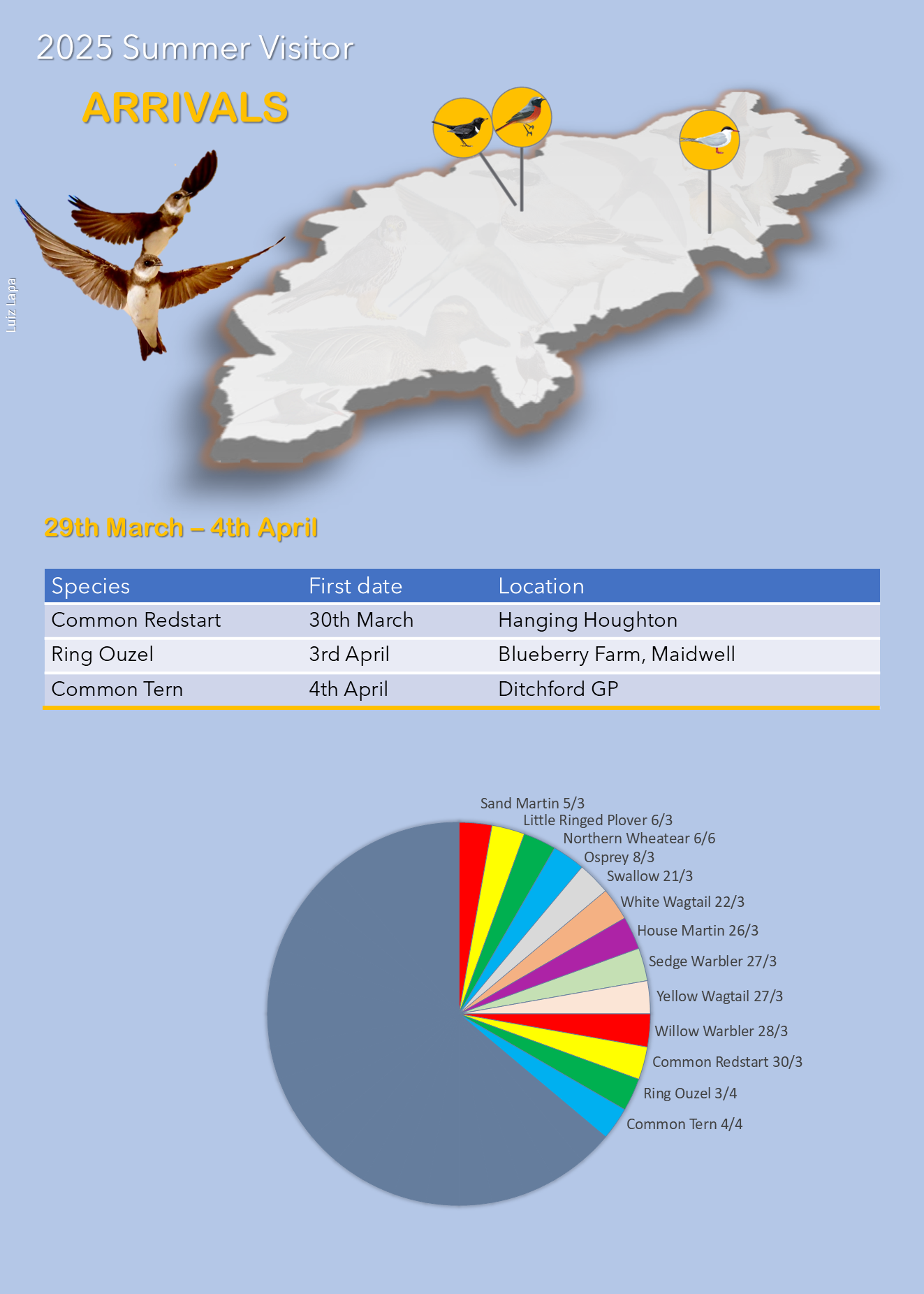
Newsround – 29th March to 4th April 2025

After the driest March since 1961, April continued in the same vein, kicking in with a lingering spell of high pressure and a hearty dose of easterlies. These near-perfect conditions resulted in a decent number of migrants, including a hefty passage of Little Gulls and another dollop of firsts for the year.

The week’s new-in summer visitors kicked off with a smart male Common Redstart on day 2, followed by a Ring Ouzel on day 6 and Common Tern on the final day of the week.

Otherwise, it was a week of unsurprisingly diminishing returns as far as wildfowl were concerned, with the long-staying Pink-footed Goose still in the Cogenhoe Mill/Earls Barton GP area until at least 3rd, the drake Red-crested Pochard still in the same vicinity on the River Nene until 1st and the first-winter female Greater Scaup hanging on at Blatherwycke Lake until at least 29th.

After two flyover records in the first half of March, Common Cranes were again on the radar this week as a group of four flew south over Whitfield, in the deep south of the county, on the last day of the period. One on the ground would surely prove itself extremely popular …

In terms of number of species, the week’s waders widened out to include the year’s first Grey Plover at Clifford Hill GP, for one day only, on 3rd. Avocets were again to be found at three Nene Valley localities, Thrapston GP’s Titchmarsh NR delivering two on 30th while, on 3rd, two visited Clifford Hill GP and Earls Barton GP dished up six.

Black-tailed Godwits were the sole preserve of Summer Leys LNR, where one lingered from last week until 30th, the number then swelling to four there from 31st until the week’s end on 4th.

Just one Jack Snipe made it into April, still on site at Hollowell Res on 1st.

Following the previous mini-run of Little Gulls on 21st-22nd March, two appeared at Thrapston GP’s Town Lake on 31st, ahead of three at Pitsford on 3rd, preceding a build-up of numbers across 8 localities the following day. The latter saw site maxima of at least thirty-four at Stanford Res, at least nineteen at Summer Leys, fourteen at Clifford Hill, thirteen at Earls Barton, nine at Stanwick GP, seven at Daventry CP, three at Pitsford and two flying north-east over Irthlingborough. All in all, a great start to April for this diminutive, much admired, pocket rocket of a gull.

Other gulls were, of course, available – only if you were at Pitsford, that is, where a third-winter Caspian Gull was present on 31st, as were up to two Yellow-legged Gulls throughout the period.

And another first for the year was inbound this week in the shape of Common Tern, four of which got themselves noticed at Ditchford GP on 4th.

Still hanging on in there was the juvenile Great Northern Diver, which saw another week out at Pitsford.

Copy that for the Summer Leys Glossy Ibis

Up to five Cattle Egrets were still to be found at Stanwick GP between 29th and 1st, while one put in an appearance by the River Nene at Cogenhoe Mill on the latter date.

The week’s Ospreys were to be seen at five localities and included two over Deene Lake on 29th, singles at Summer Leys on 29th and 4th and at Thrapston on 30th, Hollowell on 31st and Pitsford on 3rd.

The only Marsh Harriers, however, were at Summer Leys on 31st and 2nd.

The Northern Treecreeper, last photographed at Summer Leys on 20th, was reported there again on 30th-31st.

Returning once more to firsts for the year, a male Ring Ouzel was clearly ‘old hat’ for a local patch watcher at Blueberry Farm, Maidwell on 3rd and the first Common Redstart to break cover was a male at nearby Hanging Houghton on 30th, with the second one not far behind it at good old Blueberry Farm again the following day. These were followed by two more males – one in the Nene Valley near Great Doddington and the other at Harrington AF – both on 4th.

Other migrant passerines of note included single Northern Wheatears at Clifford Hill on 29th and 31st with two there on 30th, singles at Harrington on 29th and 31st with two there on 4th, one at Earls Barton on 29th and two at Blueberry Farm on 31st and one there on 3rd.

And in the grey area of the spectrum, two White Wagtails were found at Earls Barton GP on 29th, followed by singles at Lower Barnwell Lock on 30th and Hollowell on 31st.