Newsround 16th to 22nd August 2025

Not normally hot on the birding front, sliding into the latter half of August, for once, caused a phenomenal stir. From mid-week the winds turned favourably easterly, quickly followed by northeasterlies and then northerlies. Off the back of this came a first for Northamptonshire, as well as a second, and then two more firsts for the year. On the downside, being trapped and ringed, those apical birds were, sadly, not widely available to the masses, having apparently vanished into thin air immediately upon being released …

Having now moved from Ravensthorpe Res, the female Ruddy Shelduck was relocated at nearby Hollowell Res on the last day of the period.

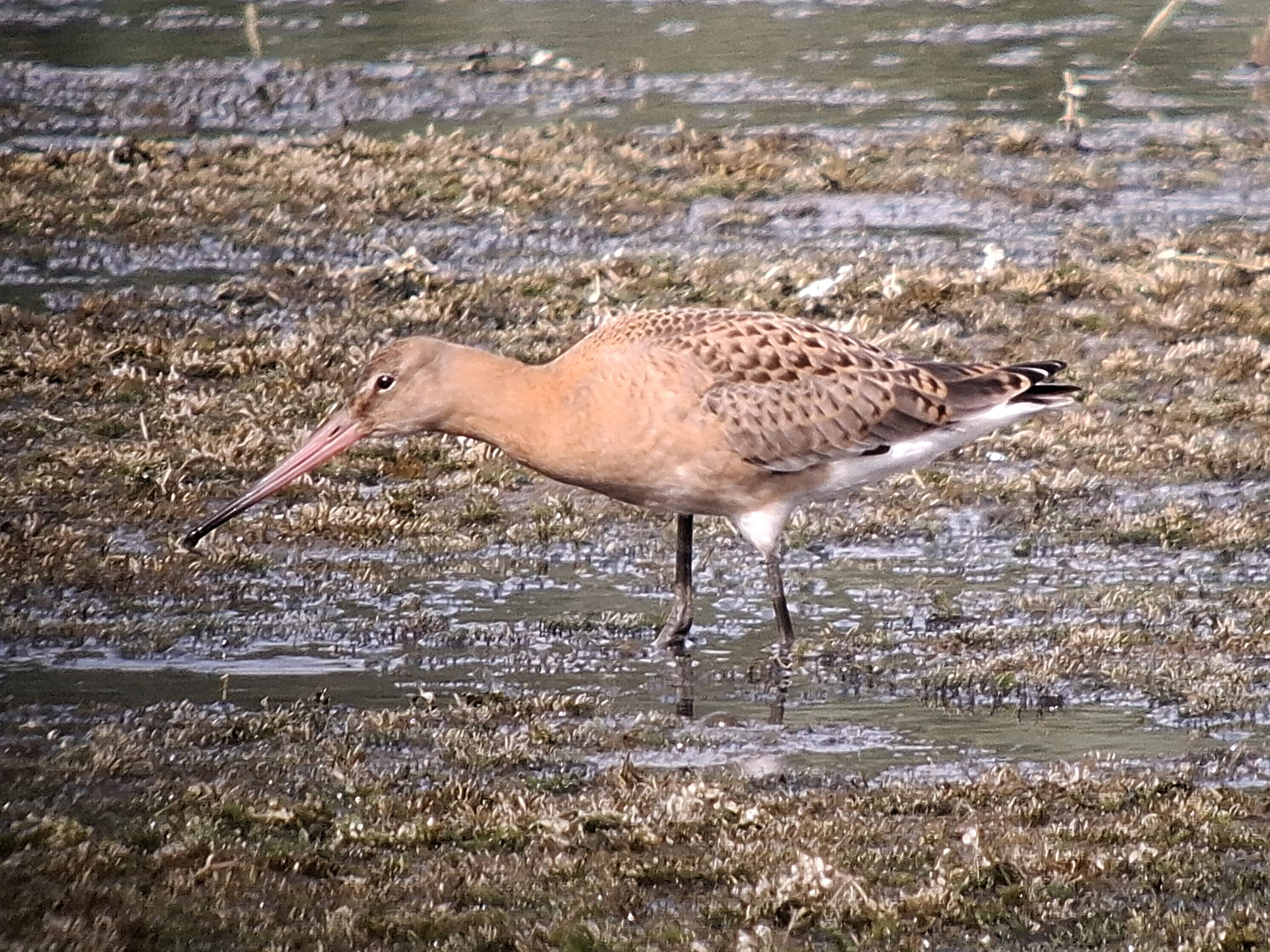
With the overwhelming majority of water bodies now at a low level, waders were the main focus of the week for many local birders. Single Curlews visited Lilbourne Meadows NR on 17th and Hollowell on 22nd, while the only other ‘large’ waders in evidence were Black-tailed Godwits, which included one at the latter locality on 18th and three at Thrapston GP’s Titchmarsh NR on 21st.

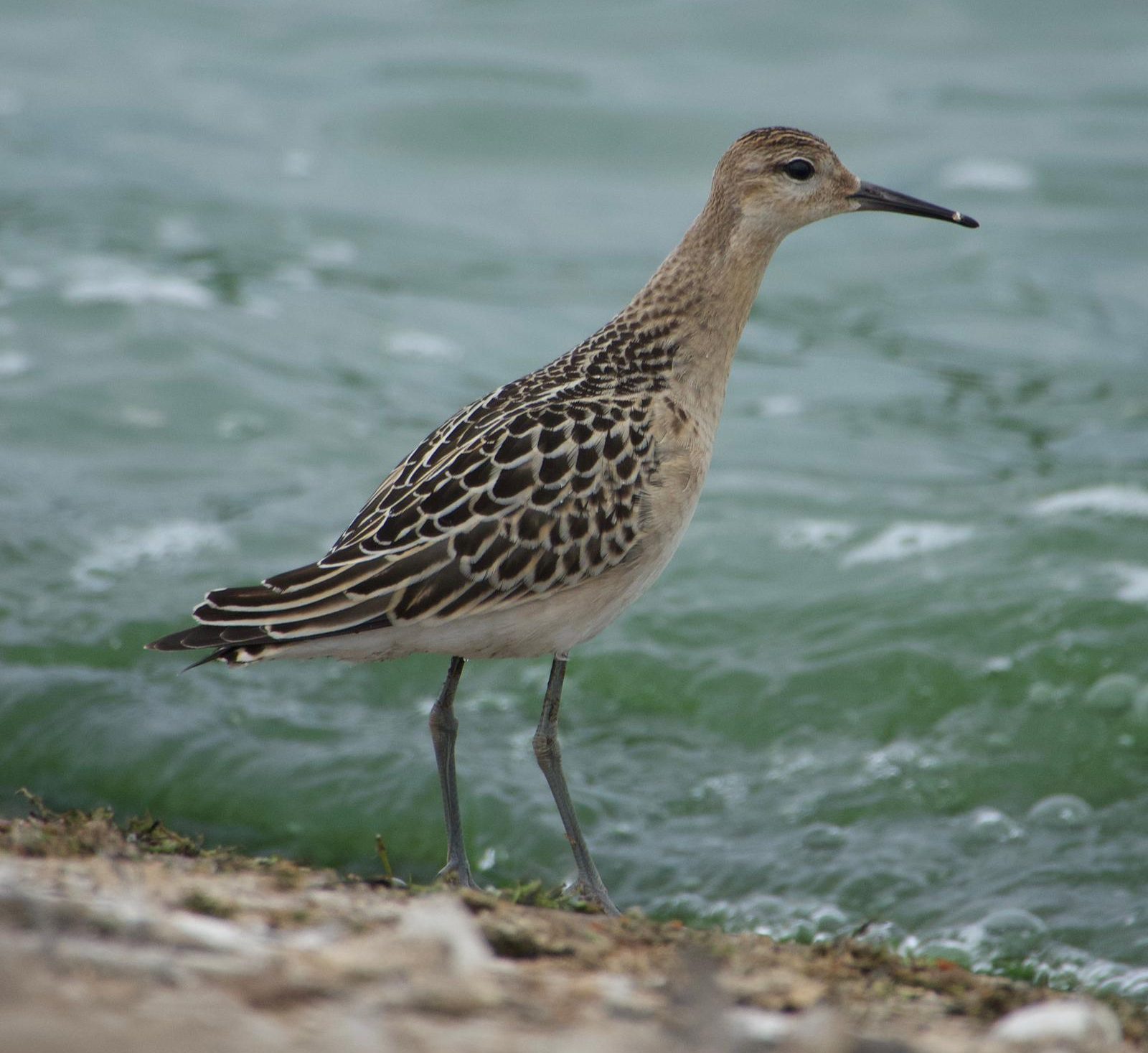
The second Turnstone of the autumn appeared at Summer Leys LNR on 17th and there was a decent run of Ruffs this week with birds present at eight sites. Pitsford Res was the standout locality, producing daily sightings, with three from 16th to 20th, five on 21st and four on 22nd. Stanwick GP held three on 21st, one remained at Boddington Res from 18th to 21st with two present on 22nd, one was at Summer Leys on 17th-18th and two were there on 21st. Elsewhere, singles were at Stanford Res from 18th to 21st, Clifford Hill GP from 18th to 22nd, Naseby Res on 21st-22nd and Hollowell Res on 22nd.
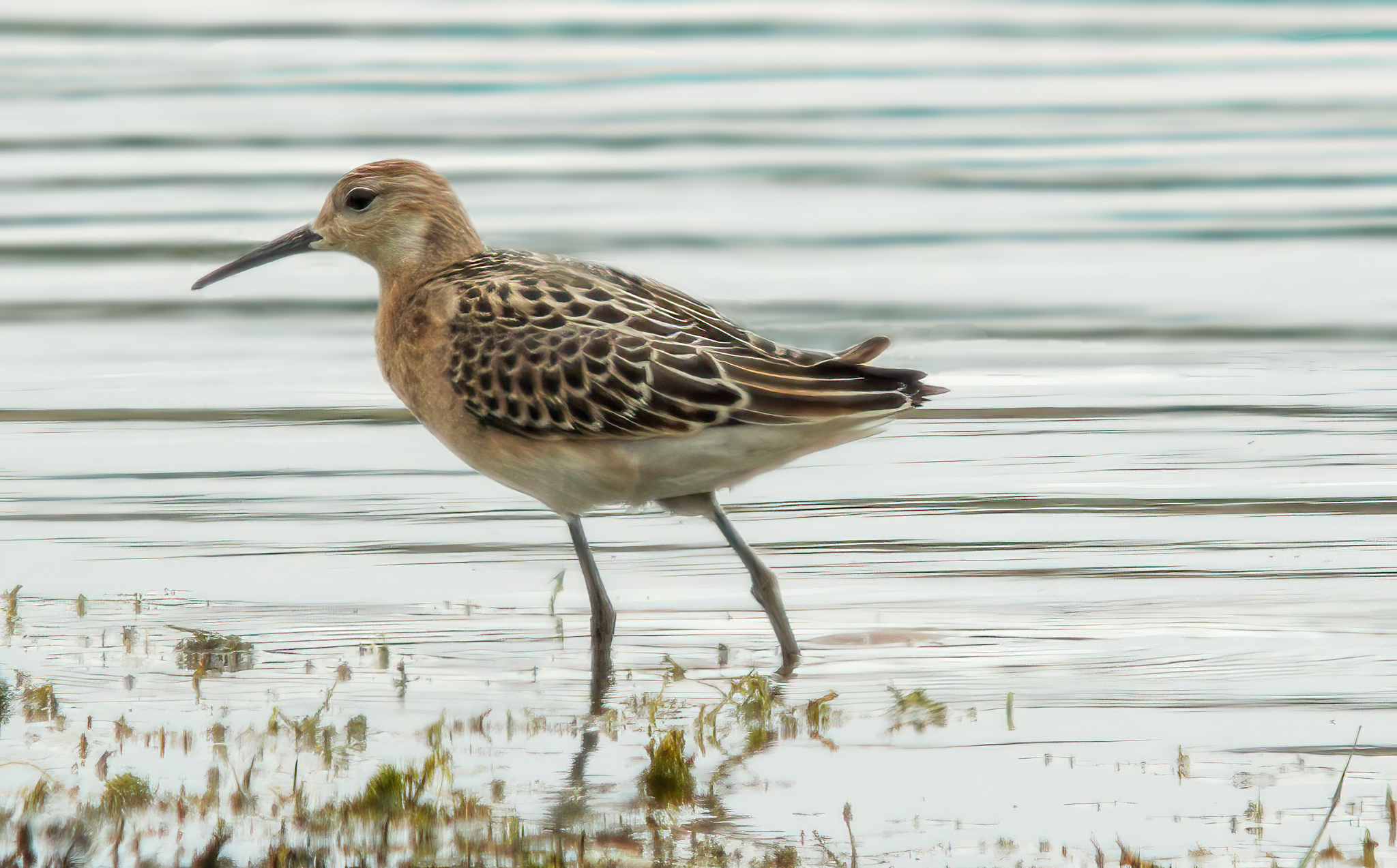
Upping the quality, somewhat, a Sanderling visited Naseby on 19th and the year’s first Little Stint was found at Clifford Hill the following day.

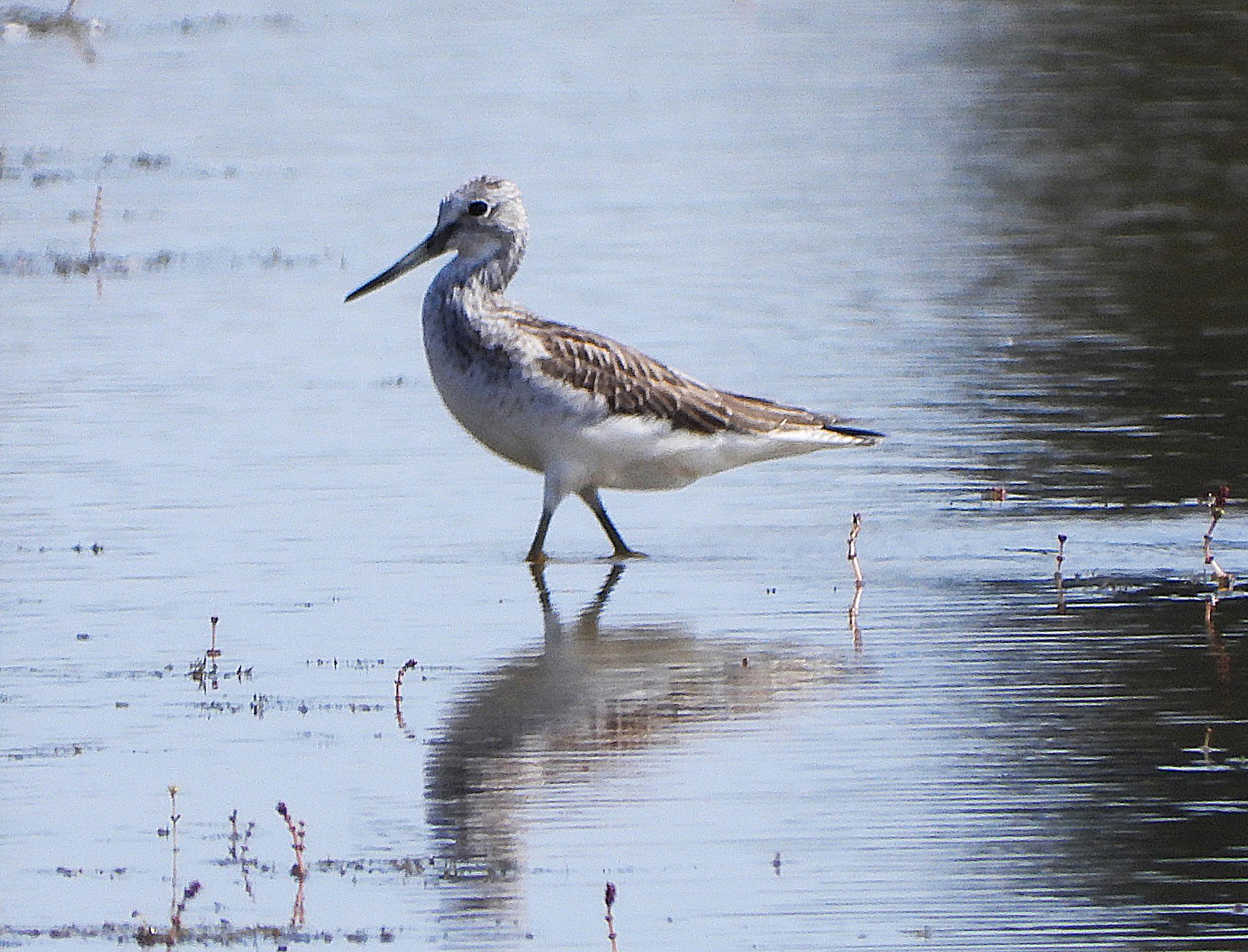
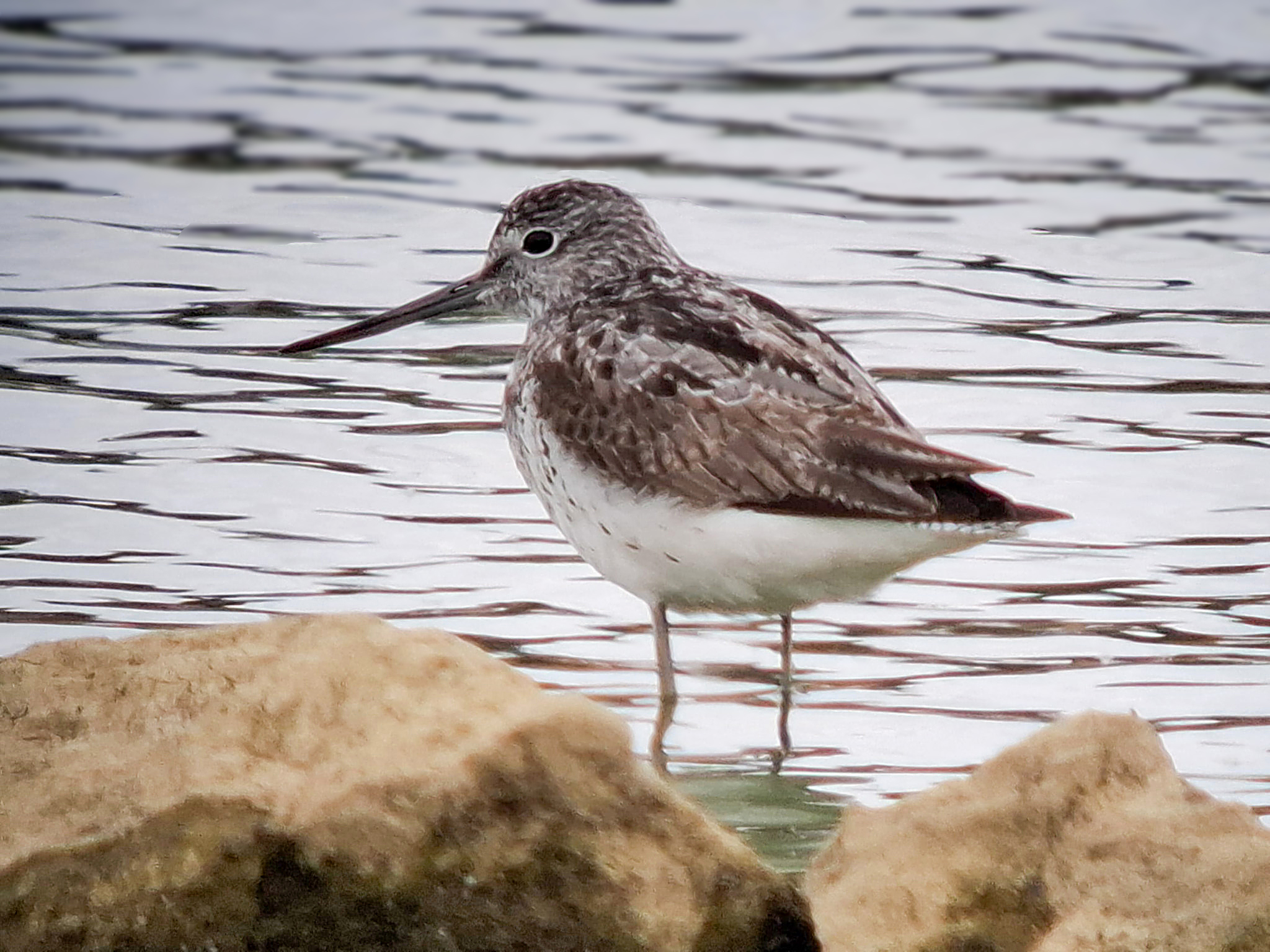
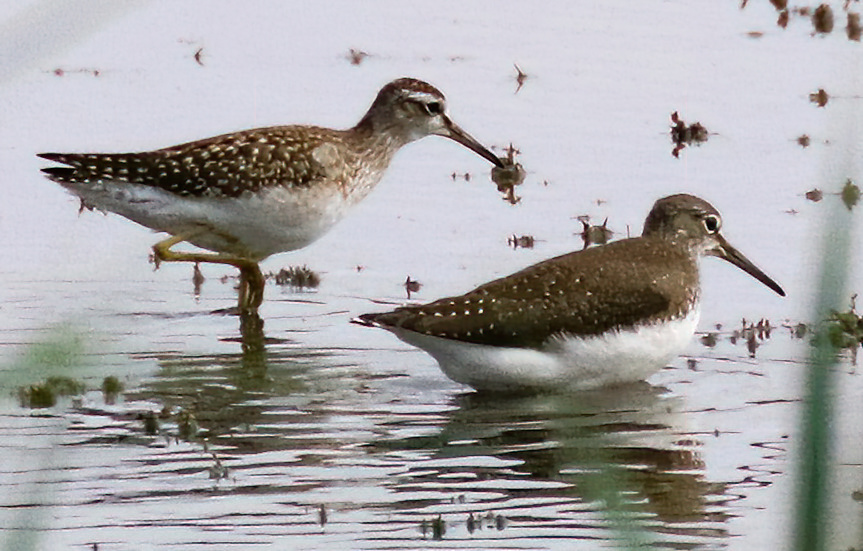
And then there were Wood Sandpipers. Following an exceptional spring, the autumn run continued with daily sightings from Pitsford, where one was present throughout the week, joined by a second individual on 17th. Earls Barton GP’s New Workings (South) produced one on the latter date, while Summer Leys held on to singles on 16th-17th and 22nd.

Keeping up appearances, too, were Greenshanks with numbers hitting double figures at one site – that locality being Pitsford, where birds were present daily, numbers peaking at eleven on 19th. Summer Leys held up to four between 16th and 19th and one on 22nd, while Naseby produced three on 19th-22nd after two there on 18th. Two at Earls Barton GP on 16th preceded three there the following day and one on 20th, three were at Ditchford on 19th, two visited Clifford Hill on 18th and singles were present at Boddington on 16th-17th and Hollowell on 18th.

Boddington also produced a juvenile Kittiwake, briefly, on 18th before it headed off south. This unfortunately short-stayer is only the second record for the county this year.

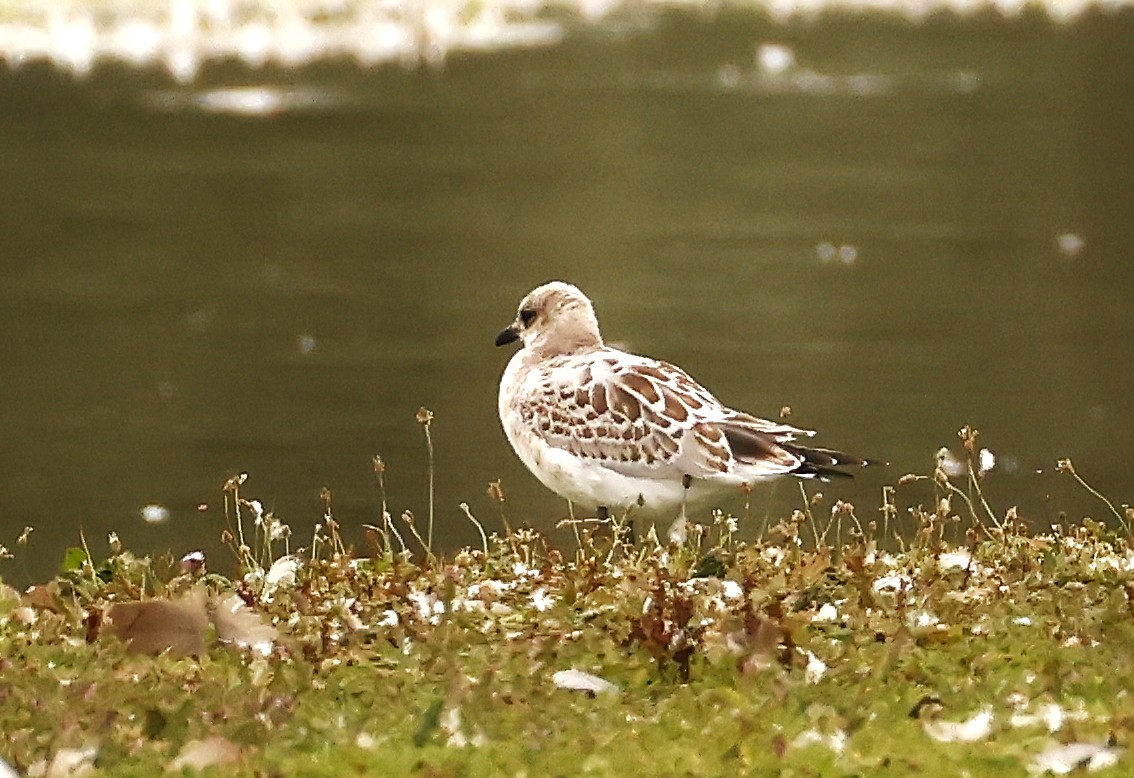
This week’s standard showing juvenile Mediterranean Gull was found at Stanwick on 21st, while the German-ringed adult male Caspian Gull continued its stay at Naseby throughout, being joined there by a first-summer on 18th. A juvenile (or hybrid) was also seen at Pitsford on 20th. By contrast, Yellow-legged Gulls were found at five localities, with Pitsford holding the highest total of five on 20th. Twos were at Thrapston on 18th and Stanwick on 20th, while singles visited Hollowell and Boddington on 18th and 19th, respectively.

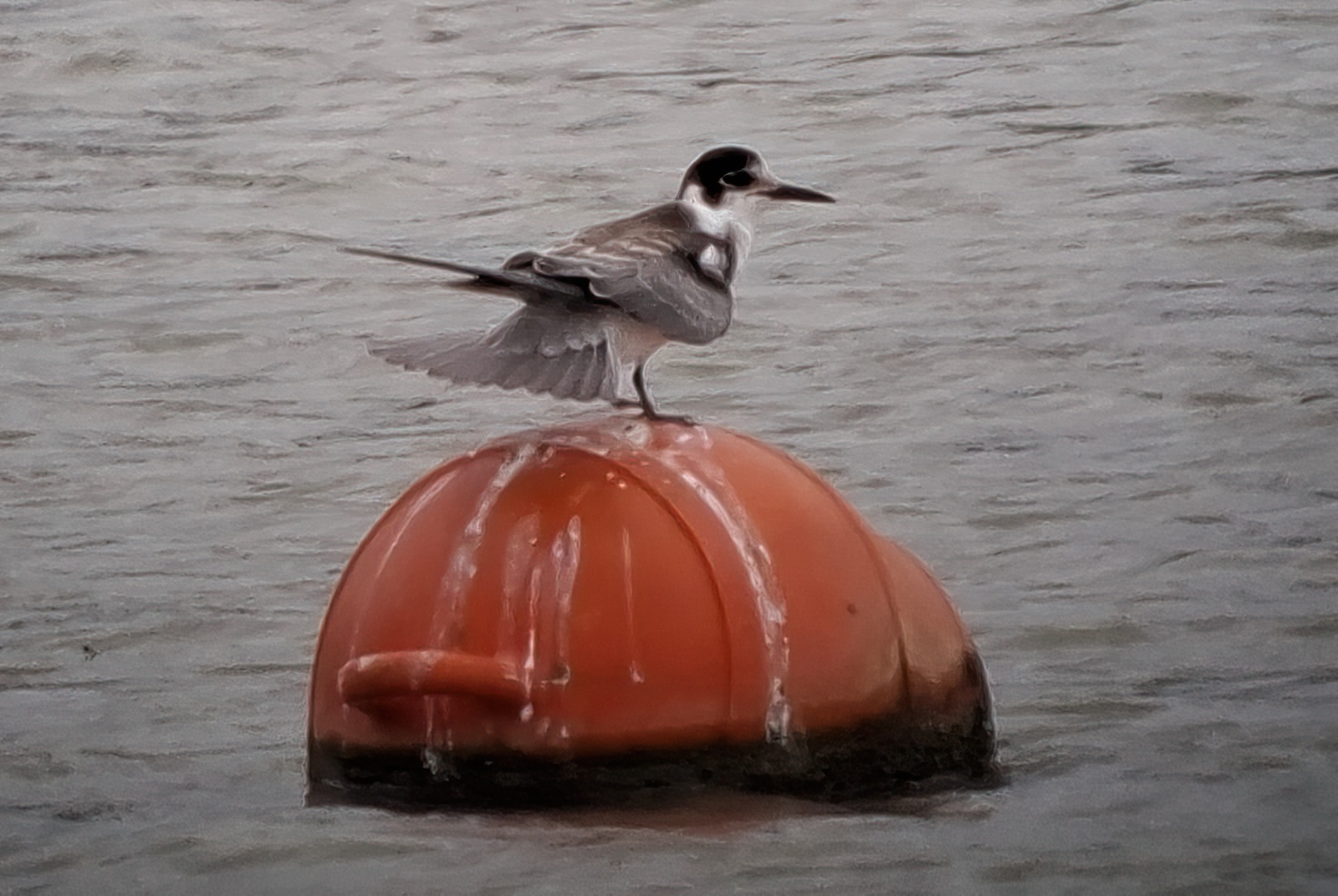
Terns were back on the books this week, with single juvenile Arctic Terns at Daventry CP on 16th and Naseby on 20th – both remaining for only a few minutes at each locality. Black Terns also put in an appearance, one being at Boddington on 16th and two spending a short time at Stanford on 19th.
Stanford birders also welcomed an unusual visitor to the site in the shape of a Bittern on 20th-21st, while further singles were at the more traditional Nene Valley localities of Stortons GP on 17th and Titchmarsh NR on 18th. The latter site also produced three of the period’s four Cattle Egrets on 16th, followed by a lone bird at Stanwick two days later, on 18th.

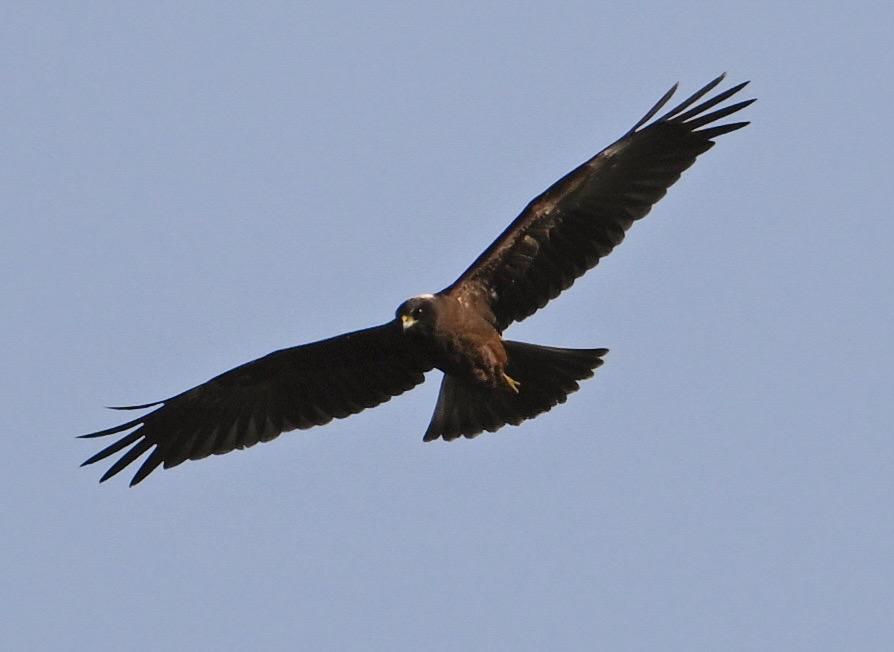
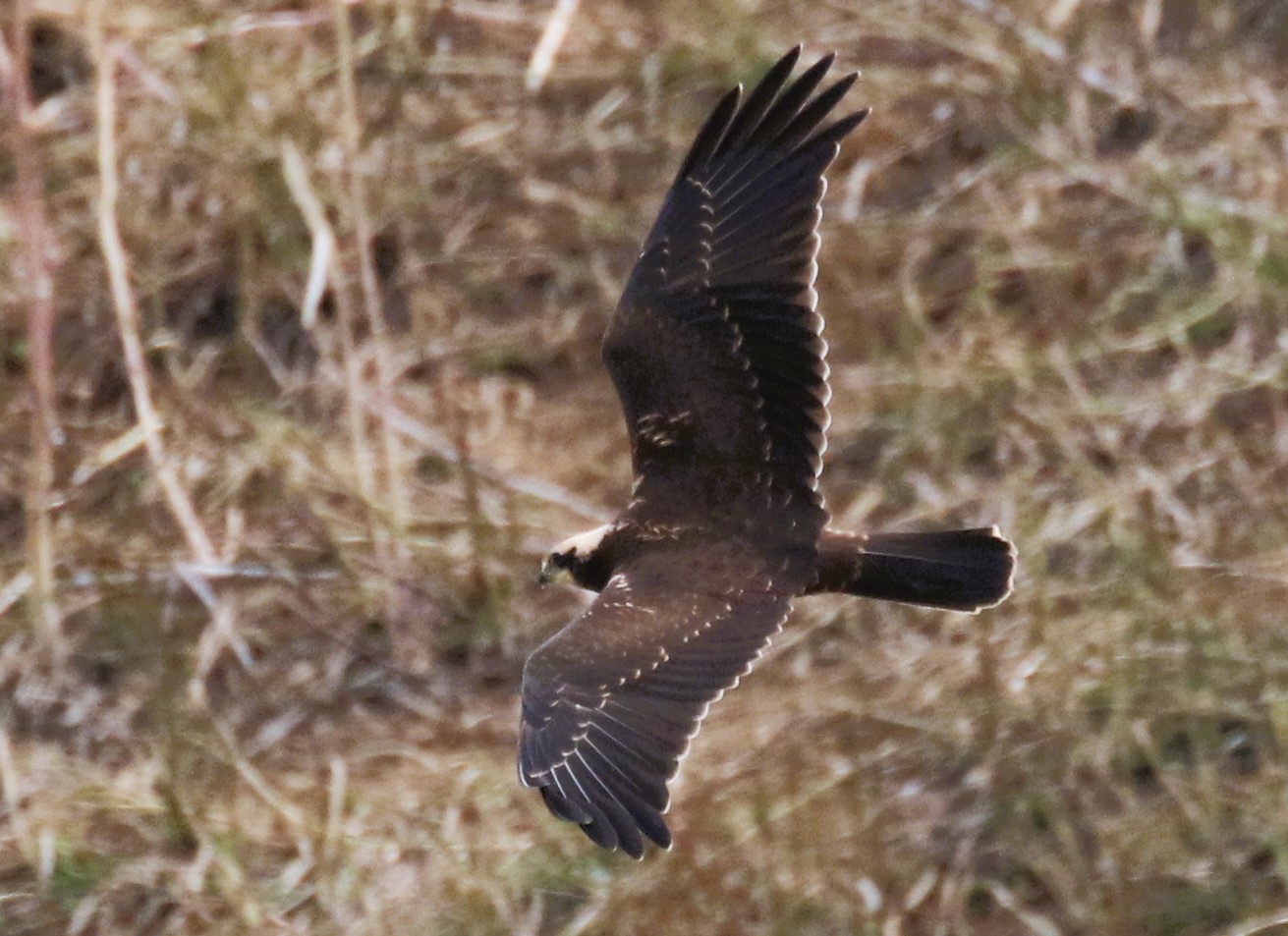
Raptors continued to feature throughout. Once again, Pitsford was the standout locality for Ospreys which were seen there on multiple occasions on at least four days during the period. Hollowell laid claim to two – possibly three – on 19th, followed by one there on 22nd, single birds flew over Stanwick on 16th and 18th, while Stanford and Titchmarsh logged one apiece on 18th and 22nd, respectively. And hardly a week now goes by without the presence of Marsh Harriers, the glut of which continued with what was presumably the same bird seen between 16th and 18th at Summer Leys and further singles at both Boddington and Titchmarsh on 16th, Stanford on 17th-18th and 21st, Pitsford on 19th, Stanwick on 20th, Harrington AF on 20th and in the Brampton Valley between Cottesbrooke and Hanging Houghton on 22nd. The latter site also produced a juvenile female Hen Harrier, showing well periodically, often toward Blueberry Farm, between 18th and 21st.

But it was up on the northern border of the county where this week’s action played out, as the hallowed nets of Stanford once again delivered … big time. With the way events unfolded at Stanford Res this week, the local ringers could be forgiven for thinking they were operating on the UK’s east coast. It wasn’t so long ago – 8th September 2022, in fact – that Northamptonshire’s first and only Blyth’s Reed Warbler was trapped and ringed there and, this week, the story was to be repeated with another Blyth’s extracted from the nets and ringed on 16th. A shock and a mega in no uncertain terms.
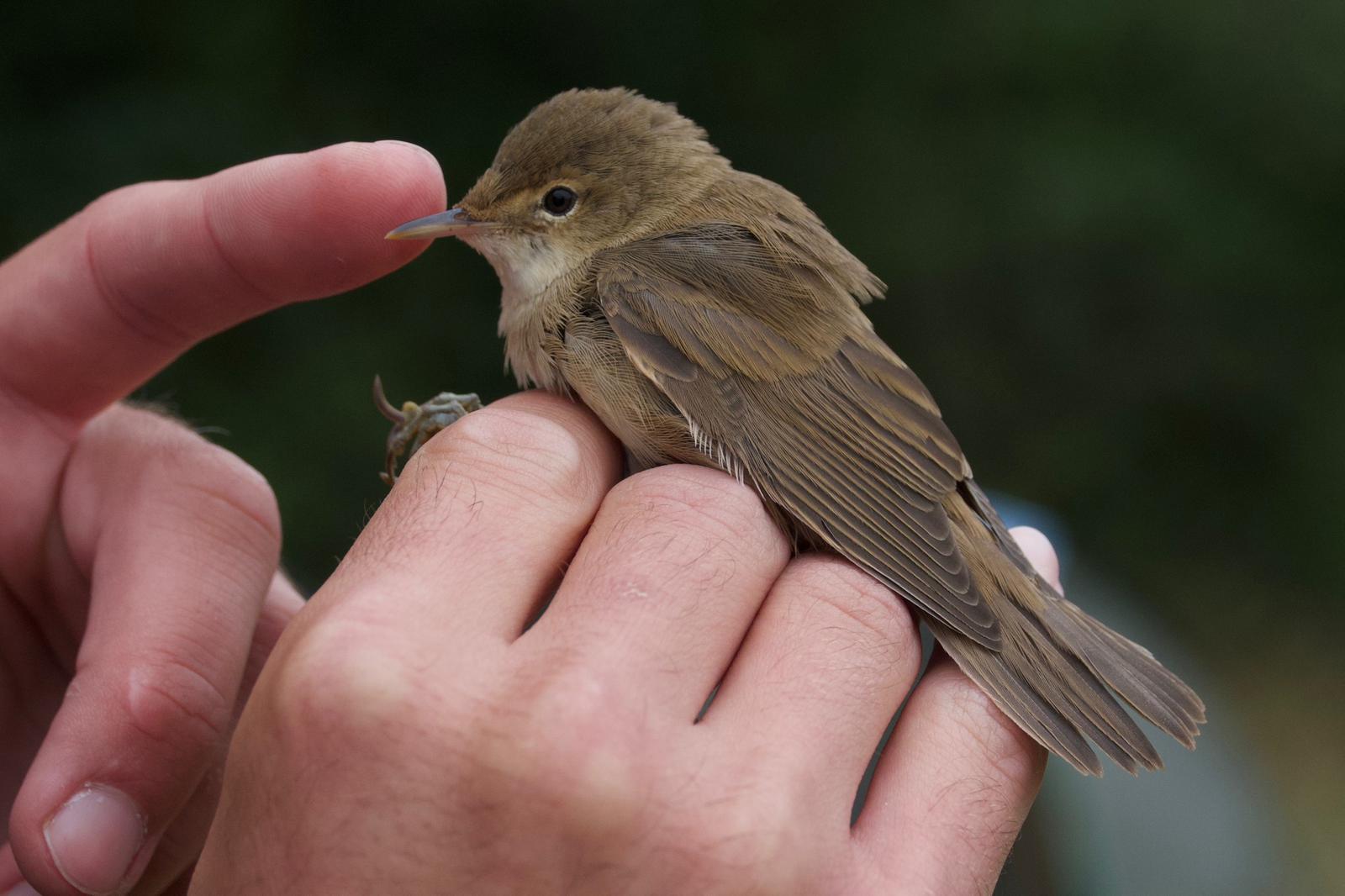
But as the week rolled out, the site was to become a warbler wonderland as, some four days later on 20th, during a somewhat drizzly spell, an early round of the nets yielded a rather meagre twenty-two birds, twenty-one of which were, shall we say, standard fare. Bird number twenty-two, however, was a different kettle of fish entirely. And there it was … Northamptonshire’s first-ever Barred Warbler – a sight to behold indeed. After being released it rapidly disappeared into the extensive swathe of waterside vegetation and largely impenetrable scrub that borders Blowers Lodge Bay and that, as they say, was that. It was never seen again, despite being searched for on and off throughout the day.

More was to come. The week went out with a bang as, on 22nd, a Wood Warbler – a latter-day local rarity – was also trapped and ringed, this being only the fifth for the site after previous records in 1977, 1982, 1999 and 2020. It’s also a first for the year in Northants.

And just for good measure, a Willow Warbler showing characteristics of the Northern race acredula was also trapped and ringed on 16th. Stanford has produced all of the county’s records of this race to date.

All of the above are arguably just reward for a week’s concerted effort on site by the Stanford Ringing Group.

Following one in a suburban Northampton setting last week, another Firecrest was found – this time at Hinton AF on 17th.

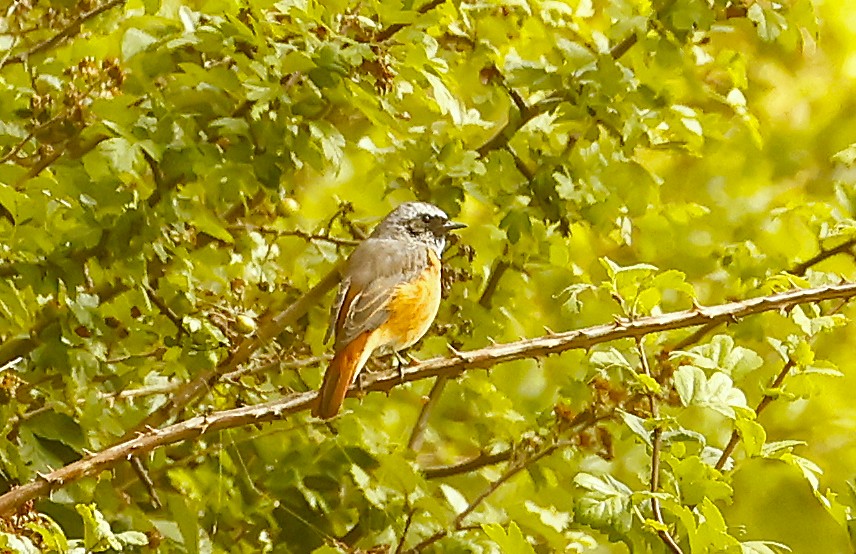
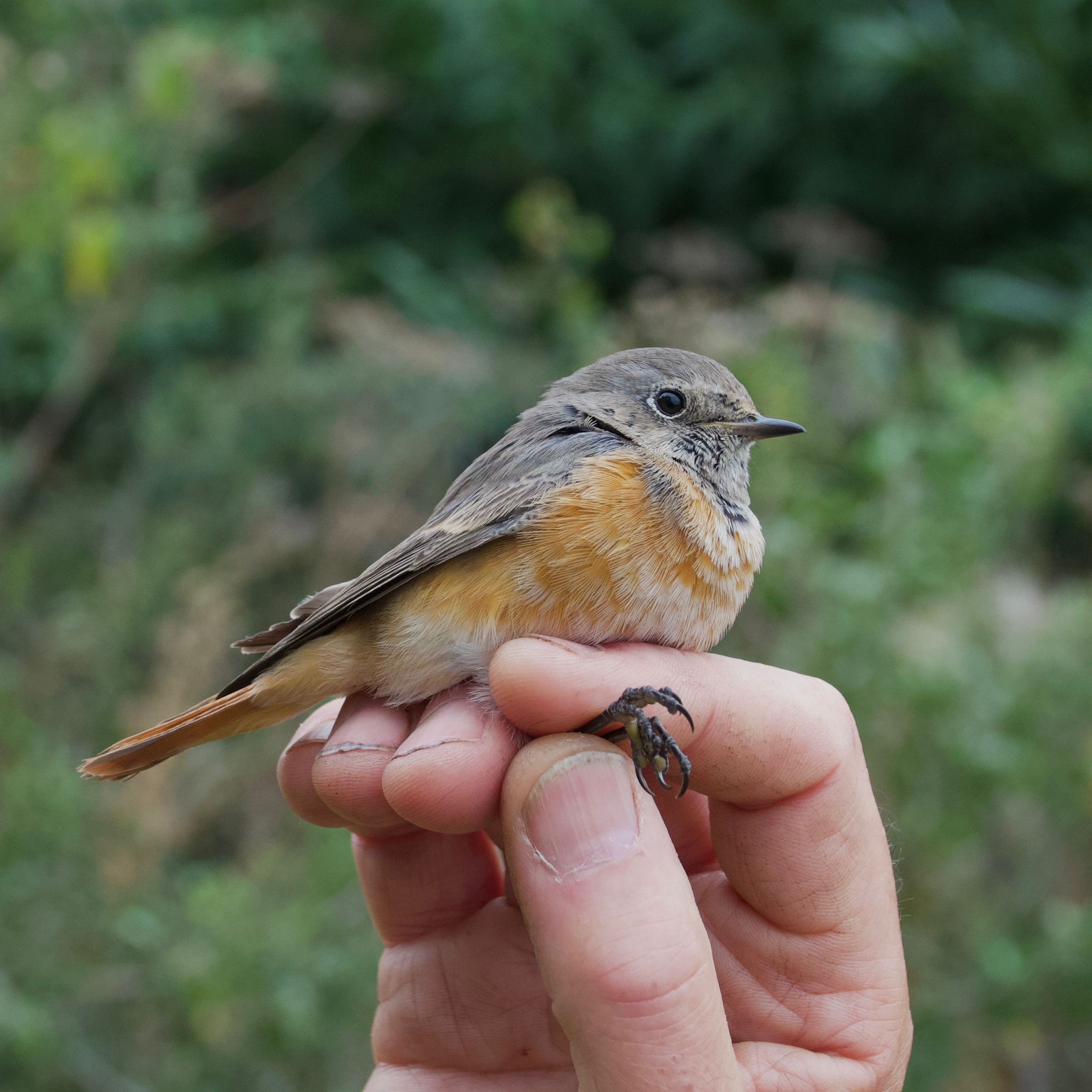
Back at Stanford the ringers were busy with Common Redstarts, at least a dozen of which were trapped and ringed during the period. Elsewhere, up to three were at Blueberry Farm (Maidwell), the same number in the Brampton Valley and singles at Harrington AF, Lamport Hall and Yardley Chase, on and off, throughout the week.
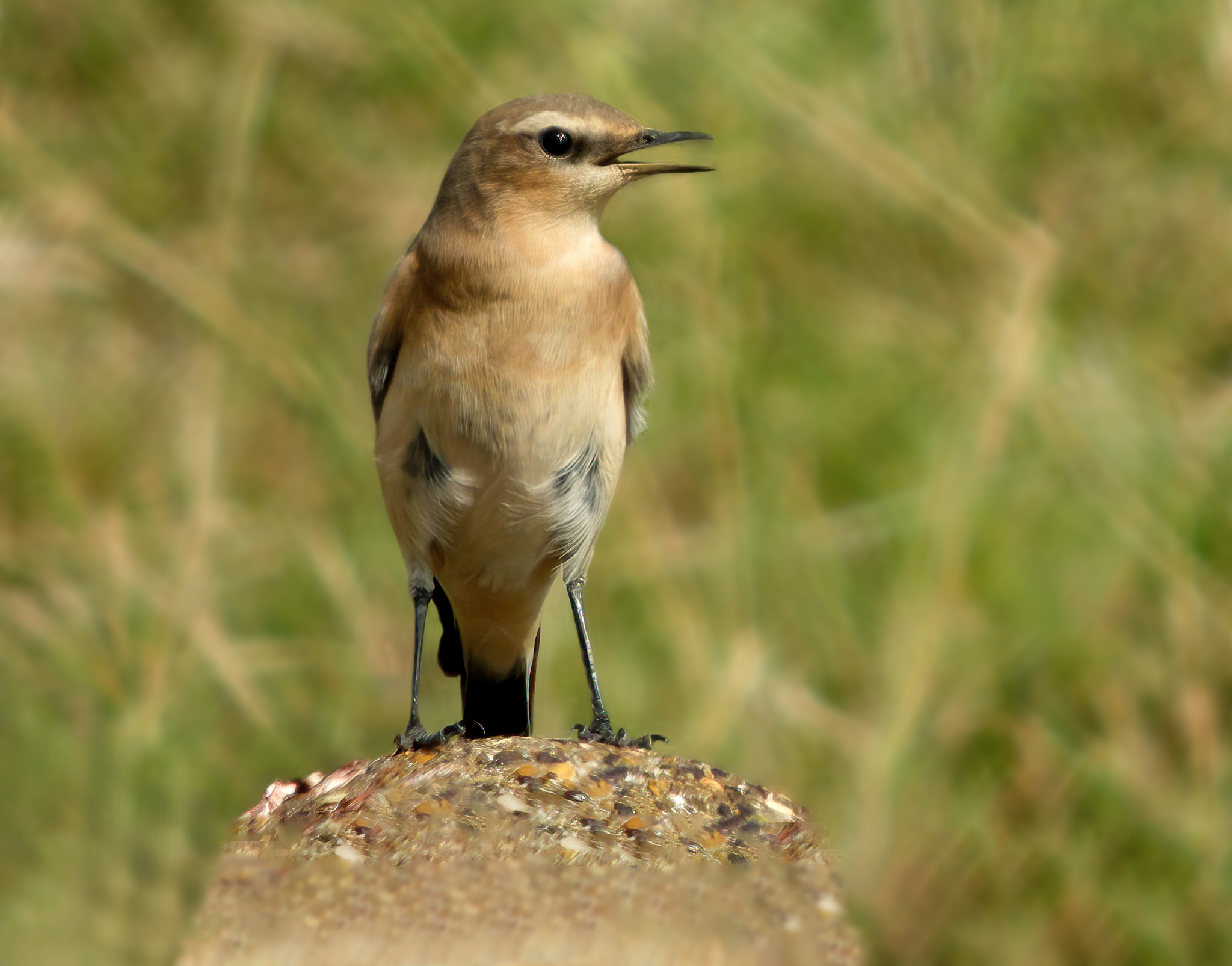
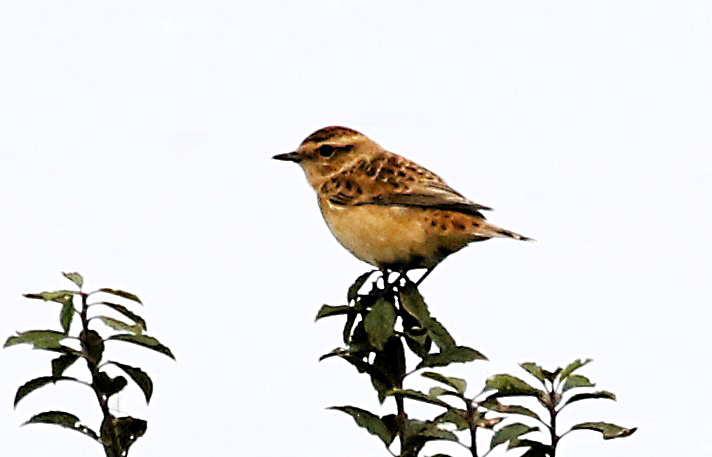
Whinchats were present at Blueberry Farm, Brampton Valley, Hollowell, Stanford and Thrapston with no more than two at any one site, while the week’s Northern Wheatears were limited to singles at Daventry CP on 16th, Lilbourne Meadows on 17th, Blueberry Farm on 21st, Pitsford on 22nd and two in Brampton Valley on the latter date.
Crossbills were poorly represented during the period, with just one just scraping in over Cavendish Drive, Northampton on 17th and, once again, still proving difficult to catch up with, Corn Buntings popped unexpectedly at Ditchford GP, where two were present briefly on 19th.

Newsround 9th to 15th August 2025

High pressure drifting east allowed the country to tap into hot and humid air off the continent, delivering a peak in local temperatures of 31°C on the 12th. The pick of the crop of this week’s hot birding saw a fly-over Goshawk and the year’s fourth Pied Flycatcher which, like the previous three, was not readily available to the masses, and the first of the autumn’s Tree Pipits …

Ducking but not diving, the female Ruddy Shelduck extended its stay on, and around, the dam at Ravensthorpe Res until at least 14th.

There was, however, a reasonable run of waders kicking off with a Curlew at Summer Leys LNR on 9th. The 13th saw two Black-tailed Godwits at Daventry CP and one at Pitsford Res, followed by six more, briefly, at Summer Leys on 15th, where a Ruff was also present on the same date.

The latter locality was also visited by two Wood Sandpipers on 14th-15th.

Greenshanks continued to proliferate, the maximum number being five, again at Summer Leys, on 11th, numbers having dropped to just two there by the week’s end. Both Hollowell Res and Pitsford produced numbers varying up to three apiece between 11th and 15th, while singles were to be had at Earls Barton GP on 10th, Naseby Res on 11th and Boddington Res from 12th to 15th.

Boddington also produced the week’s only Mediterranean Gull, a juvenile, on 9th.

The German-ringed adult male Caspian Gull was seen again at Naseby on 11th and 14th and one – possibly the same – visited Hollowell on 15th. Yellow-legged Gulls again crept into double figures with daily sightings at Pitsford peaking there at ten on the last day of the period. Boddington was the only other site to produce one, a first-summer on 9th.

Last week’s White Stork remained into this week, being seen at Round Spinney Industrial Estate on 11th and in flight south over Northampton General Hospital two days later, on 13th. The ring number, CV03 (not CY03 as previously stated) identifies the bird as a male released as part of the wider UK reintroduction scheme, at Cove Valley, Devon on 4th June this year.

The period’s Cattle Egrets were limited to two flying south-west over Stanwick GP on 11th and one briefly visiting Summer Leys the following day.

Topping the week’s raptors was a male Goshawk which flew north over the church at Byfield on 12th. The species has long been suspected a scarce breeder in the county … somewhere … but it is seldom seen. We can only pray for more … So it was down to the now run-of-the-mill Ospreys and Marsh Harriers to lift the spirits, so to speak. With singles on 9th, 11th and 12th, Pitsford produced the most Ospreys, Thrapston GP coming second with singles on 13th and 15th, while either side of the latter locality, Ringstead GP and Oundle’s Biggin Lake held fishing birds on 9th and 12th, respectively. Marsh Harriers made their biggest impact so far this year, being seen at Blueberry Farm, Maidwell on 13th-14th, Boddington Res on 13th, in the Brampton Valley and at Ditchford GP on 12th, Harrington AF on 11th, Pitsford village, where there were two circling, on 10th, Pitsford Res on 12th, Stanford Res on 9th, 11th, 13th, 14th-15th (two), Summer Leys on 10th-12th and 14th-15th and at Warmington on 12th.

Lighting up the passerines, a Firecrest was an unusual August visitor to a Duston, Northampton garden, moving off quickly with a mobile tit flock, on 12th, while the fourth Pied Flycatcher to be reported so far this year put in an equally brief appearance at Pitsford on 11th.

Common Redstarts maintained their prominence, being seen at thirteen localities. Stanford produced the most with a total of seven trapped and ringed during the week, while one to two were seen at Blueberry Farm, at two sites in the Brampton Valley, Hanging Houghton, Harrington AF, Lamport, Long Buckby, Old, Thrapston GP, Welford Quarry, Woodford and Woodford Halse.

Whinchats, on the other hand, were rather more scarce. Hollowell delivered the maximum of three on 14th, followed by just one there the next day. The 12th saw two in the Brampton Valley and one at Stanford, two were at Blueberry Farm on 14th with one there on 13th and one was at Thrapston on the latter date. The only Northern Wheatears were at Clifford Hill GP on 12th and at Blueberry Farm the following day.

After a meagre two in April, the first of the autumn’s Tree Pipits appeared, commencing on 9th with four in the Brampton Valley below Brixworth, two of which were trapped and ringed. These were followed the next day by two at Pitsford (one trapped and ringed), one over Abington Park, Northampton on 11th and one in the Brampton Valley between Cottesbrooke and Hanging Houghton on 12th.

And Crossbills continued to trickle through, with three south over Pitsford on 11th, six over Blueberry Farm on 14th and one south over Hollowell Res on the same date.

Newsround 2nd to 8th August 2025

An array of fronts in off the Atlantic produced a mixed bag of weather with winds at their peak on the 4th as a spin off from ‘Storm Floris’, after which more settled conditions conducive to migration ensued. Of unknown origin, a White Stork in the latter part of the period obstinately refused to be pinned down and continued to play hard to get as the week came to a close.

Continuing its stay at Ravensthorpe Res, the female Ruddy Shelduck remained settled there throughout the period, surprisingly drawing in a few admirers …

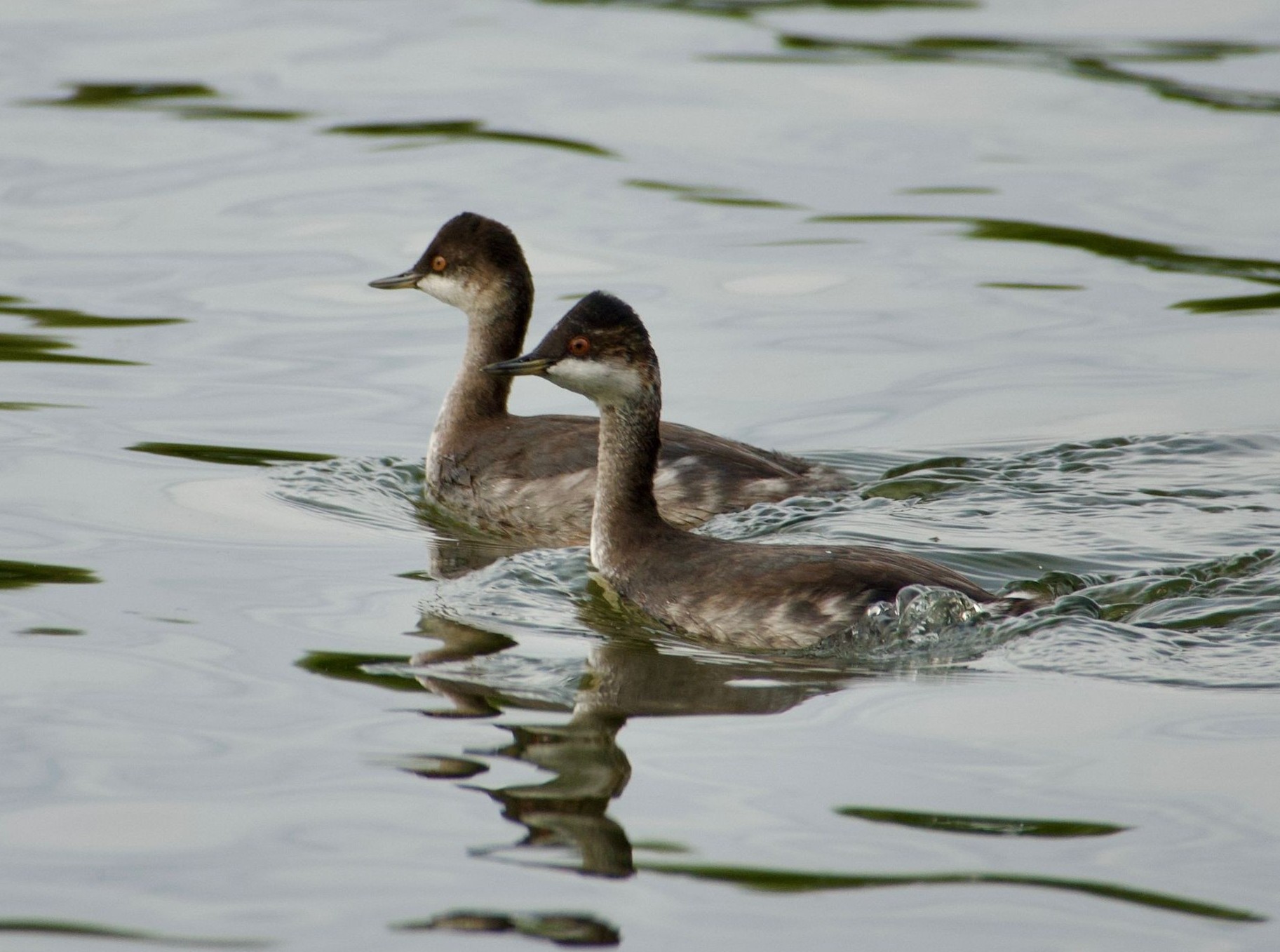
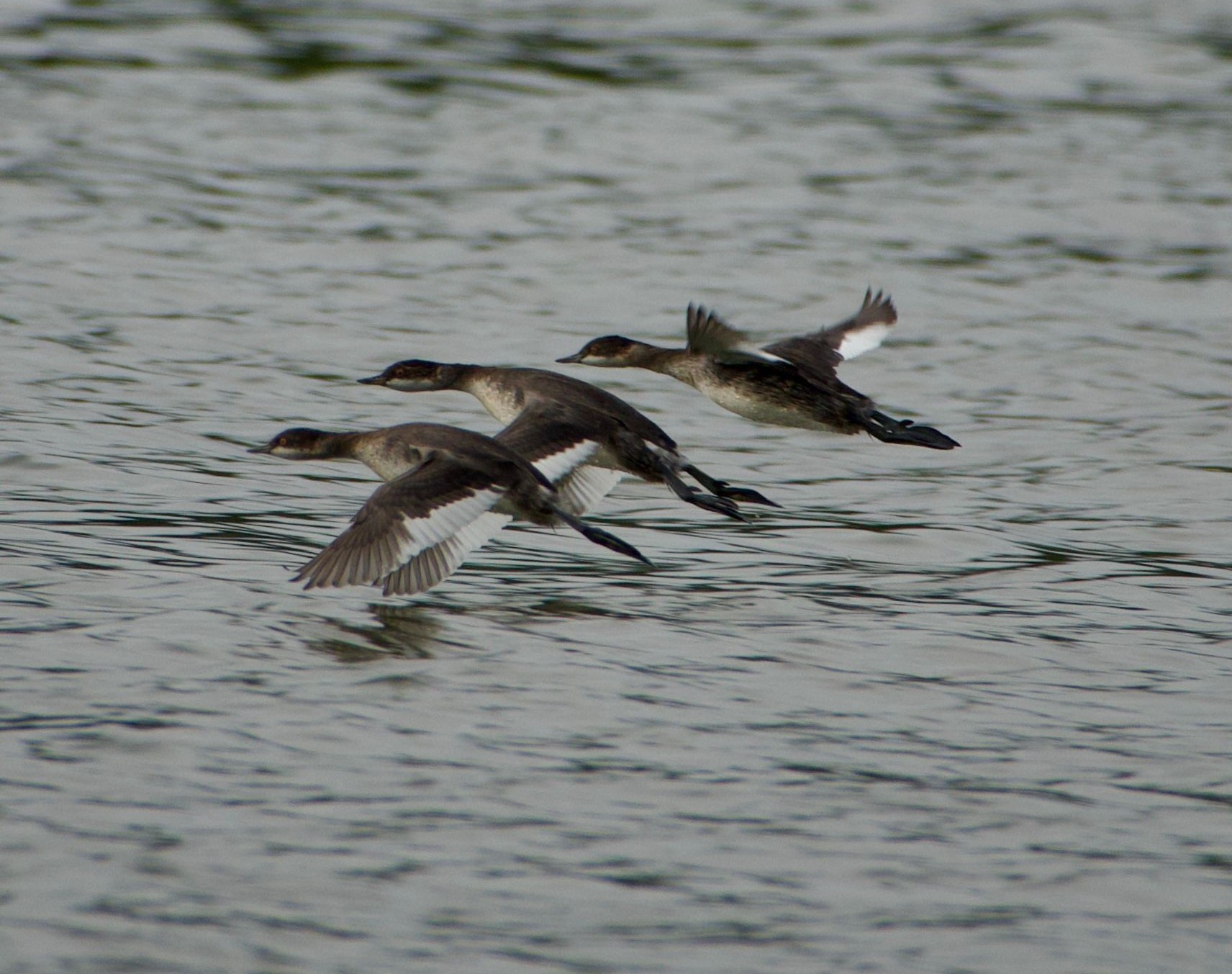
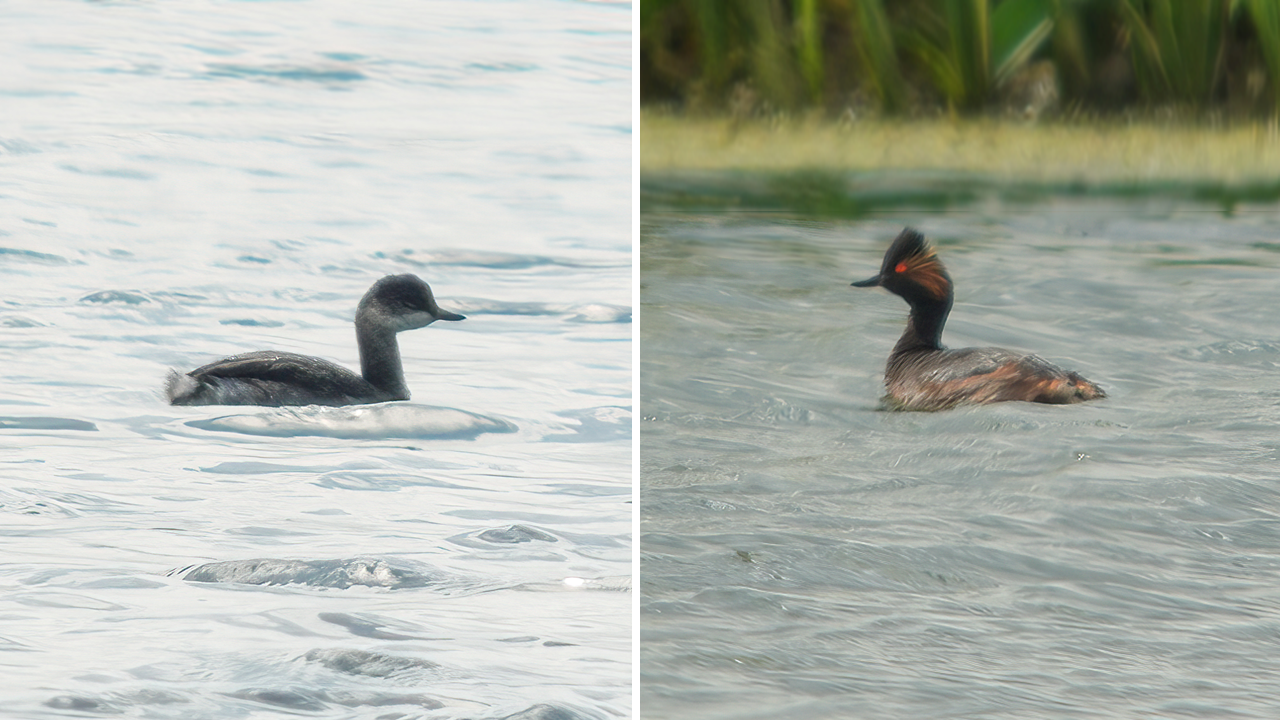
And after last week’s two one-day birds at Clifford Hill GP, three new Black-necked Grebes – all juveniles – turned up for an equally short stay at Stanford Res on 6th.

There was little new on the wader front, with a single Whimbrel at Pitsford Res on 7th and two Curlews over Hollowell village the following day, while the only Black-tailed Godwits was a respectable flock of sixteen at Summer Leys LNR on 5th. The county fared better for smaller waders, though, with the second and third Wood Sandpipers of the autumn, so far, found at both Cransley Res and Clifford Hill GP on 5th – the latter individual remaining until 7th.

Greenshanks were present at six sites, with maximum numbers of three at Ditchford GP’s Irthlingborough Lakes & Meadows NR on 7th and two at Boddington Res on the same date. Elsewhere, singles were at Earls Barton GP from 2nd to 6th, Hollowell Res from 3rd to 7th, Pitsford on 5th and Daventry CP on 7th.

Naseby Res welcomed back its returning adult male Caspian Gull on 4th, where it has been an annual visitor since being ringed at Gräbendorfer See, Germany in April 2021, when it was already at least four years old.

Seemingly in short supply, Yellow-legged Gulls were lower in numbers this week, with the ever-reliable Pitsford Res holding just two on 4th and three on 7th.

Pitsford also dished up two Little Terns north of the Causeway on 7th – the seventh record for 2025, which has so far turned out to be quite a decent year for them in the county.

But eliciting rather more interest was a mobile White Stork in the Moulton/Overstone area, where it was seen in the vicinity of the A43, both on the ground and in flight on 5th, 7th and 8th, following a belated report from Overstone on 1st. Perched on a house roof on 5th, it was snapped by a local resident, enabling the yellow ring, number CY03, to be read, so it’s only a matter of time before its origins become clear, but how long it will stick around is anyone’s guess …

A Cattle Egret at Thrapston GP’s Titchmarsh NR on 7th was the only one of its kind during the period.

And then there were raptors. A week without an Osprey or two is, nowadays, barely unthinkable and so it was that four localities delivered the goods, kicking off with two over Brampton Valley on 2nd, followed by singles at Hollowell Res on 3rd and 6th, Pitsford on 5th and 8th and Titchmarsh NR on 2nd and 7th. Marsh Harriers were again very much in evidence, with Stanford producing one on 4th and then holding on to two from 6th to 8th, while singles were on show at Summer Leys on 2nd, in the Brampton Valley on 2nd-4th and 7th-8th, at Harrington AF on 2nd and 5th and at Pitsford on the latter date.

On the passerine front, Common Redstarts continued to be a daily occurrence and a delight to many across the county, the hotspot being Cold Ashby, where up to three were present and readily accessible between 2nd and 6th. With potential to rival this site was Cotton End Park, Long Buckby, where there were three on 5th and a small copse between Brockhall and Little Brington at which three were also discovered on 6th. The Brampton Valley between Cottesbrooke and Hanging Houghton held up to two between 3rd and 8th, up to two remained at Woodford Halse between 3rd and 7th, two were between Old and Pitsford Res from 3rd to 5th and singles were at Blueberry Farm, Maidwell between 3rd and 5th, at Pitsford Res on 5th and at Harrington on 8th.

Two Whinchats were in the Brampton Valley on 3rd and 8th and Crossbills continued their southerly movement, with two over Wakerley Great Wood on 2nd, a small flock over Bucknell Wood on 3rd, two over Ditchford GP on 7th and one over Hanging Houghton on 8th.

Newsround 26th July to 1st August 2025

Atlantic low pressure systems moving across the UK delivered largely westerly and northerly airstreams and a mixed bag of weather conditions, along with close to average temperatures. Causing a stir, in old money, a ‘flying barn door’ lifted spirits for one birder and expectations for others … but it did not linger.

It was quiet, though, on the ducks deluxe front with, in a nod to the week, the female Ruddy Shelduck paying a visit to Ravensthorpe Res on 31st-1st.

Otherwise, it was down to two Black-necked Grebes together at Clifford Hill GP on 30th to keep things going on the water. Providing a second bite of the cherry for some, this is only the second record in what has so far proved to be a rather poor year for this species in the county after one – also at Clifford Hill – on 25th-26th March.

Scarcer waders were limited, in part, to the fast-declining trickle of Black-tailed Godwits, which included last week’s individual at Earls Barton GP on 26th and one at Stanwick GP from 29th until 31st. Add to that the first of the autumn’s Turnstones – at Clifford Hill, briefly, on 30th – plus single Greenshanks at Earls Barton on 27th and 30th-31st and at Pitsford Res on 1st and that’s the period’s meagre quota summed up.

The run of Mediterranean Gulls continued this week with single juveniles at both Hollowell Res and Pitsford on 29th, followed by one at Thrapston GP’s Titchmarsh NR on 1st.

Caspian Gulls were limited to a second-summer at Stanwick on 30th and a fourth-summer at Daventry CP the next day, while numbers of Yellow-legged Gulls began to build, with eight at Stanwick on 29th and at least eleven there on 31st. Smaller numbers elsewhere included four at Pitsford on 29th, two there on 31st and one on 26th, while one visited Titchmarsh NR on 30th.

The Nene Valley gravel pits continued to deliver this week’s run of Ardeidae, with single Bitterns at Summer Leys LNR on 27th, one in flight over the A45 before dropping into reeds at Ditchford GP on 28th and one at Titchmarsh on 30th-31st, where the local Cattle Egret count hit a potentially all-time high of sixteen on 28th, although just one was present two days later, on 30th. Another was seen at nearby Ringstead GP on 26th.

As the UK’s Osprey population continues to grow, we’ve seen a year-on-year increase in numbers and frequency of sightings in the county. Pitsford again produced the most this week, with singles there on 28th, 29th and 31st, plus one over nearby Scaldwell heading toward the reservoir on 29th. Elsewhere, singles were seen at both Ringstead GP’s Barker Lake and Stanford Res on 26th and at Titchmarsh on 30th. Marsh Harriers were also on the up, with singles at Summer Leys on 26th, 27th, 28th, 30th and 31st, at Titchmarsh on 29th, at both Ditchford GP’s Irthlingborough Lakes & Meadows NR and Harrington AF on 31st and in the Brampton Valley between Cottesbrooke and Hanging Houghton on 1st, with one over Stanford on the same date.

But these were overshadowed, literally, by that flying barn door – aka White-tailed Eagle – over Pitsford Res on 31st. This bird was quickly confirmed as a radio-tagged individual from the UK reintroduction scheme and fledged from a nest in Sussex in 2023. Having been tracked moving south from the Cairngorms, it had apparently roosted between Clipston and Naseby the previous night. It was present in the skies above Pitsford for the best part of twenty minutes before moving off south. Although a tremendous sight to witness, it is not yet bona fide in terms of being countable on any county list. How many years will it be before this species is granted the same status as introduced Red Kites in Britain? We’ll just have to wait and see …

And from large to something smaller, Common Redstarts were again well represented by birds at a very respectable nine locations, one of which, Woodford Halse, produced the highest site total of three on 28th. Between one and two were seen elsewhere, including Cold Ashby, Duston, Everdon, Fawsley Park, Guilsborough, Hollowell, Long Buckby and Stanford, where one was trapped and ringed on 30th.

A juvenile Stonechat at Boddington Res on 31st constituted the second of the autumn and a Northern Wheatear between Cottesbrooke and Hanging Houghton on 30th was the autumn’s third so far.

Crossbills were again very much in evidence this week, with the highest numbers of approximately twenty and eighteen in pines at Hollowell on 26th and 30th, respectably. Elsewhere, thirteen flew south over Boddington Res on 30th, seven flew north-west over Yardley Chase on 26th, five flew south over Daventry CP on 31st and singles flew over East Hunsbury, Northampton on 27th, Harrington on 31st and Hollowell on 1st.

However, Chelveston AF was the prime place to visit this week to be in with a chance of seeing what has now become a much sought after bird in Northamptonshire – Corn Bunting.

At least two present alongside the southern end of the old runway there on 27th were only the third record for the year following single birds in the Brampton Valley on 2nd January and one over Harrington on 27th April.