Newsround 19th to 25th September 2026

A persistent westerly airstream throughout a predominantly warm, dry week raised hopes of an Americano in the wader camp – especially in the light of recent national arrivals. It was not to be, of course, but instead, something big (quite literally) came in and was quickly out again while local birders had their backs turned …

This was not the case, however, for last week’s eight Barnacle Geese which were still lingering at Clifford Hill GP on 25th. Back on the scene this week was the female Ruddy Shelduck, once again at Hollowell Res, on 21st, while a drake Red-crested Pochard was found at Pitsford on 24th.

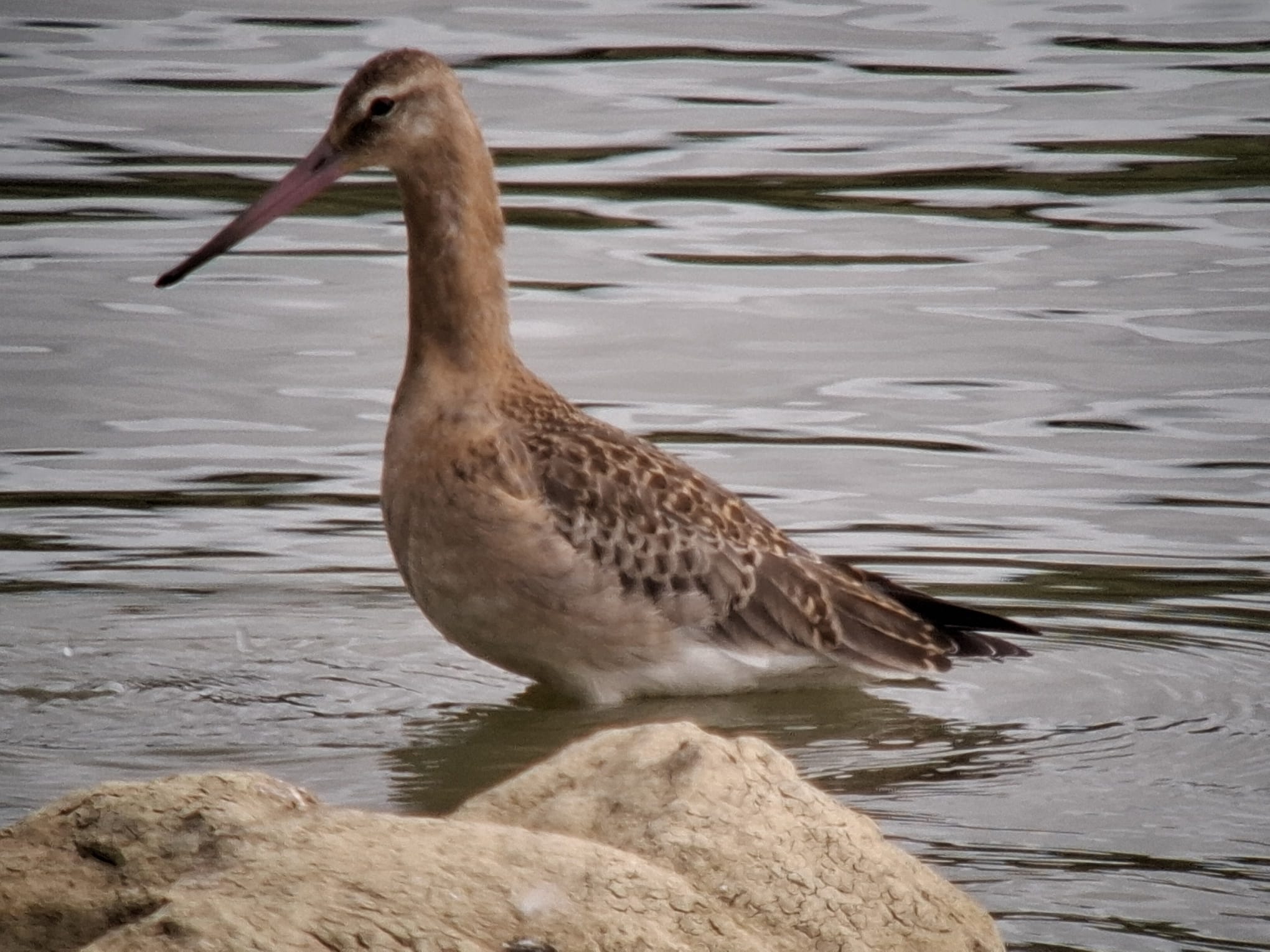
And apparently destined to go nowhere any time soon were the two juvenile Black-tailed Godwits seeing another full week out at Daventry CP. Single birds elsewhere included one at Hollowell on 21st and at Boddington Res from 21st to 23rd.
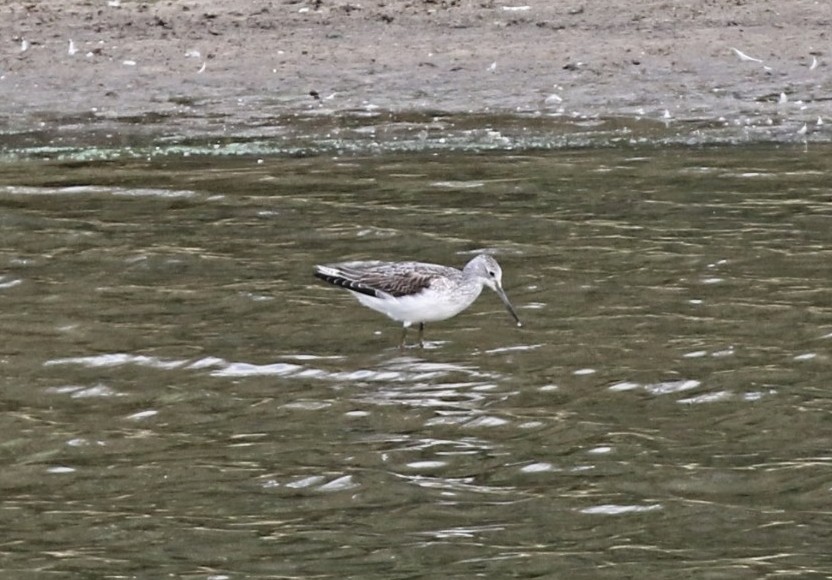
Meanwhile, Daventry’s long-staying Turnstone was nowhere to be seen after 20th. Three Ruffs at Earls Barton GP’s New Workings (South) on 25th was the period’s highest site total and singles were present at Summer Leys on 20th, at Pitsford from 20th to 25th and at Thrapston GP’s Titchmarsh NR from 21st to 25th. Greenshank numbers took a tumble with only singles at Pitsford from 19th until 25th and at Titchmarsh from 19th until 21st.
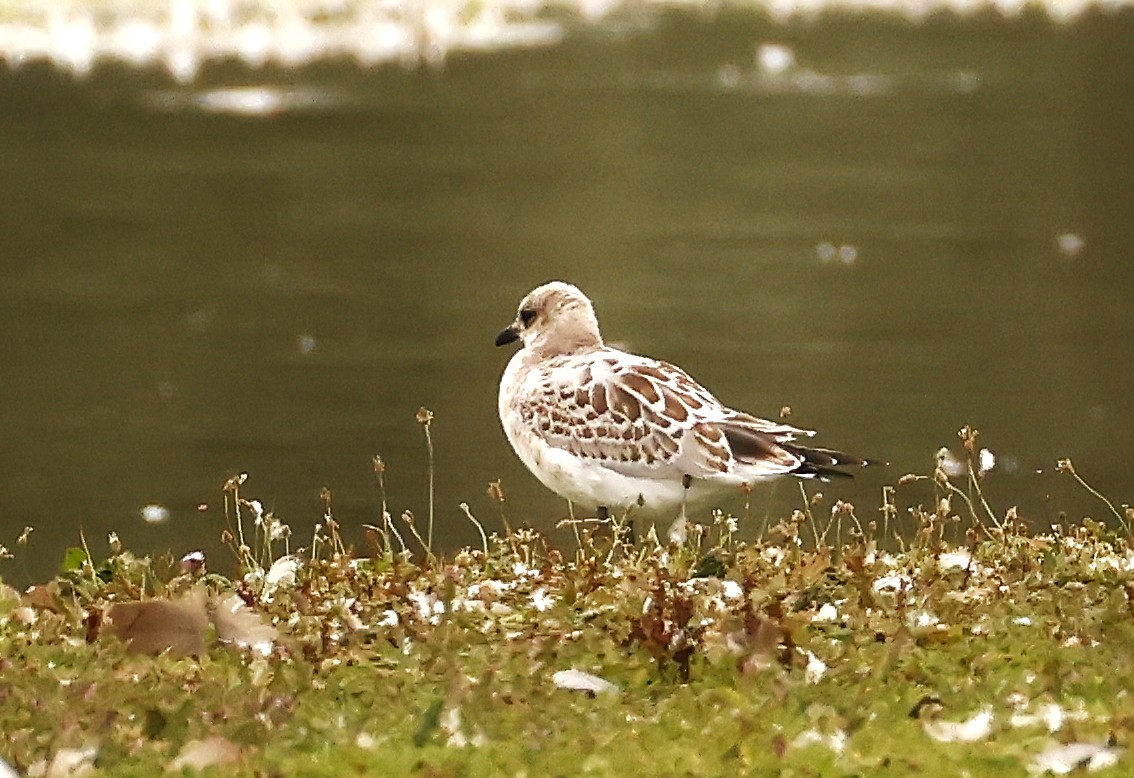
Caspian Gulls were found at four localities that included Pitsford, where there was a first-winter on 20th and 24th, Earls Barton GP, where an adult appeared on 21st, Naseby Res, where the usual German-ringed adult male was present on 23rd, and Stanford Res, where an adult turned up on 24th. As usual, Pitsford continued to deliver its weekly dose of Yellow-legged Gulls, with up to four there between 19th and 24th, while singles were at Thrapston on 19th and 23rd and at Clifford Hill GP on 25th.

The period’s only Bittern was seen at Ditchford GP on 24th and single Cattle Egrets were at Summer Leys on 20th and at Titchmarsh NR on 24th.

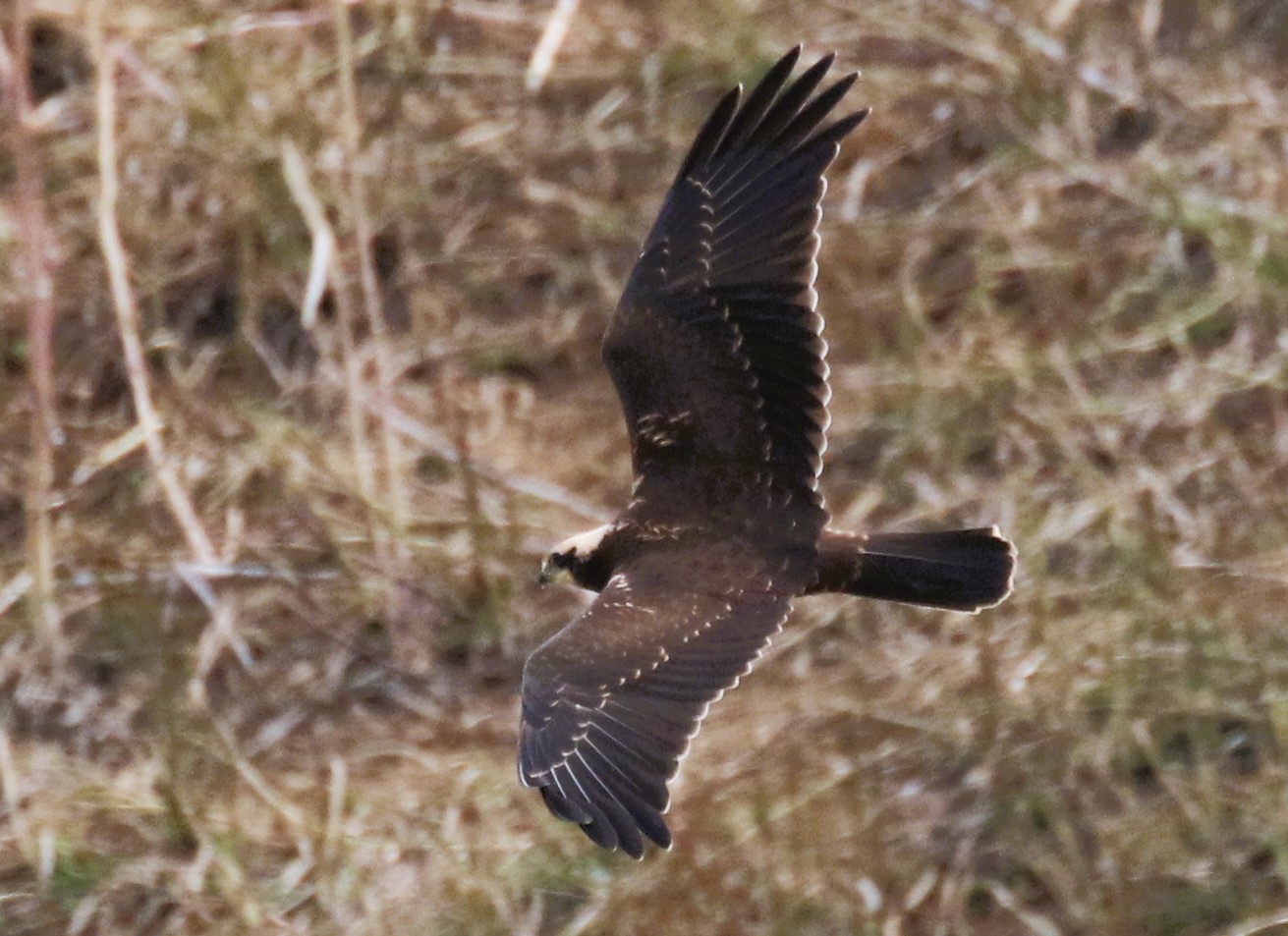
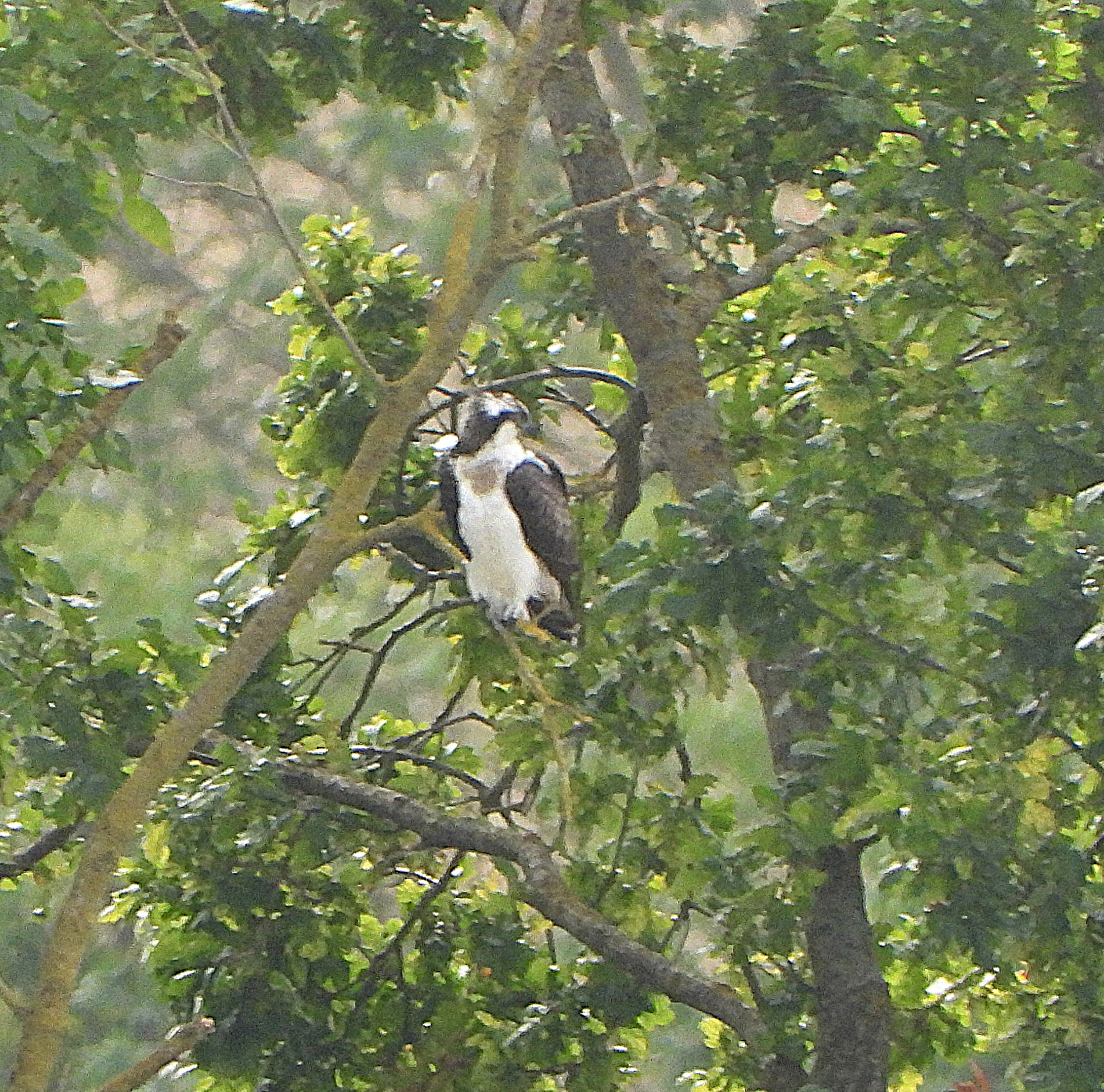
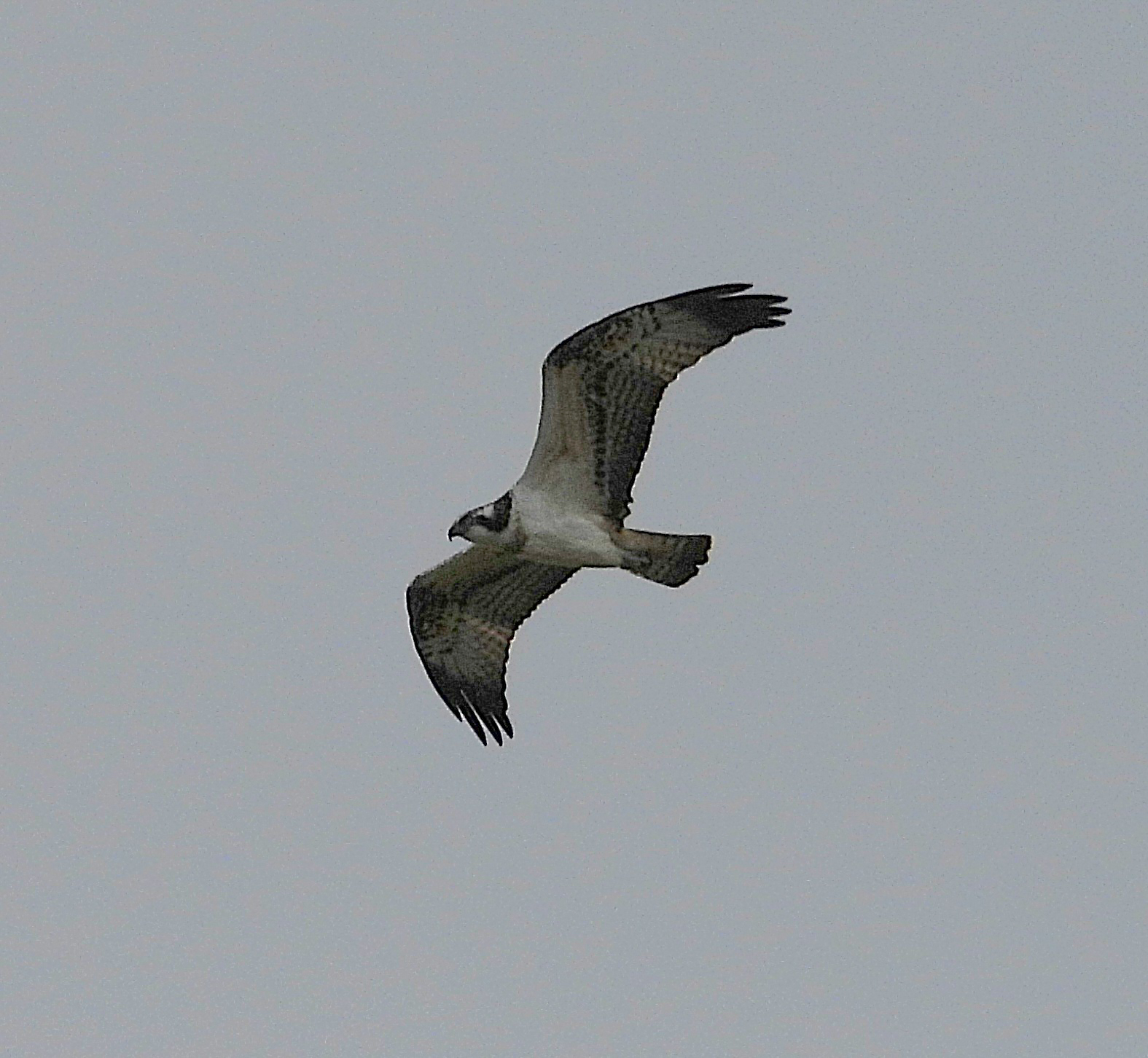
The weekly provision of raptors generated a surprisingly interesting turn-up for the books during the period. The juvenile Osprey at Earls Barton GP’s New Workings (South) extended its stay by another week and single Marsh Harriers visited Summer Leys on 19th, Brampton Valley on 20th, Pitsford on 22nd and Earls Barton GP on 24th, while twos were at Titchmarsh NR on 22nd and Summer Leys the following day.
But it was on the 24th that the skies turned dark over Pitsford. Somehow, it appeared that between birders departing from, and arriving at, the supposedly well-watched bays north of the Causeway, a potential monster rare blatantly breezed in and, apparently unimpressed with the locality, departed after only a few minutes. The word ‘potential’ applies in this case as we don’t really know if the White-tailed Eagle that graced the site, and ruffled the feathers of a couple of gobsmacked fishermen, is a truly wild bird or one from the English reintroduction scheme. Either way, it must have been a sight to behold and by good fortune one of the fishermen managed to capture it on video, the footage subsequently appearing on Ken Reeves’ Facebook page suggesting it’s a subadult.

Single Short-eared Owls were reported from Borough Hill on 19th and again in the Brampton Valley on 20th-21st.

A Merlin was present at the latter site on 24th.

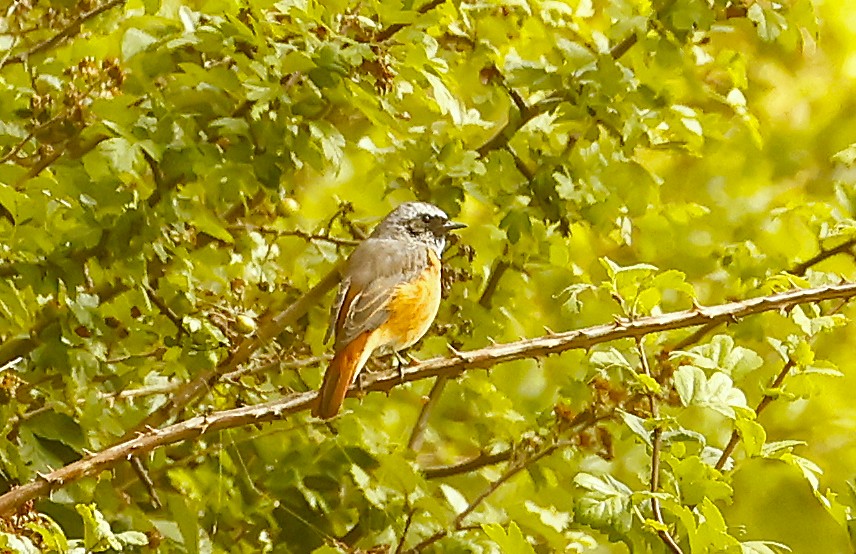
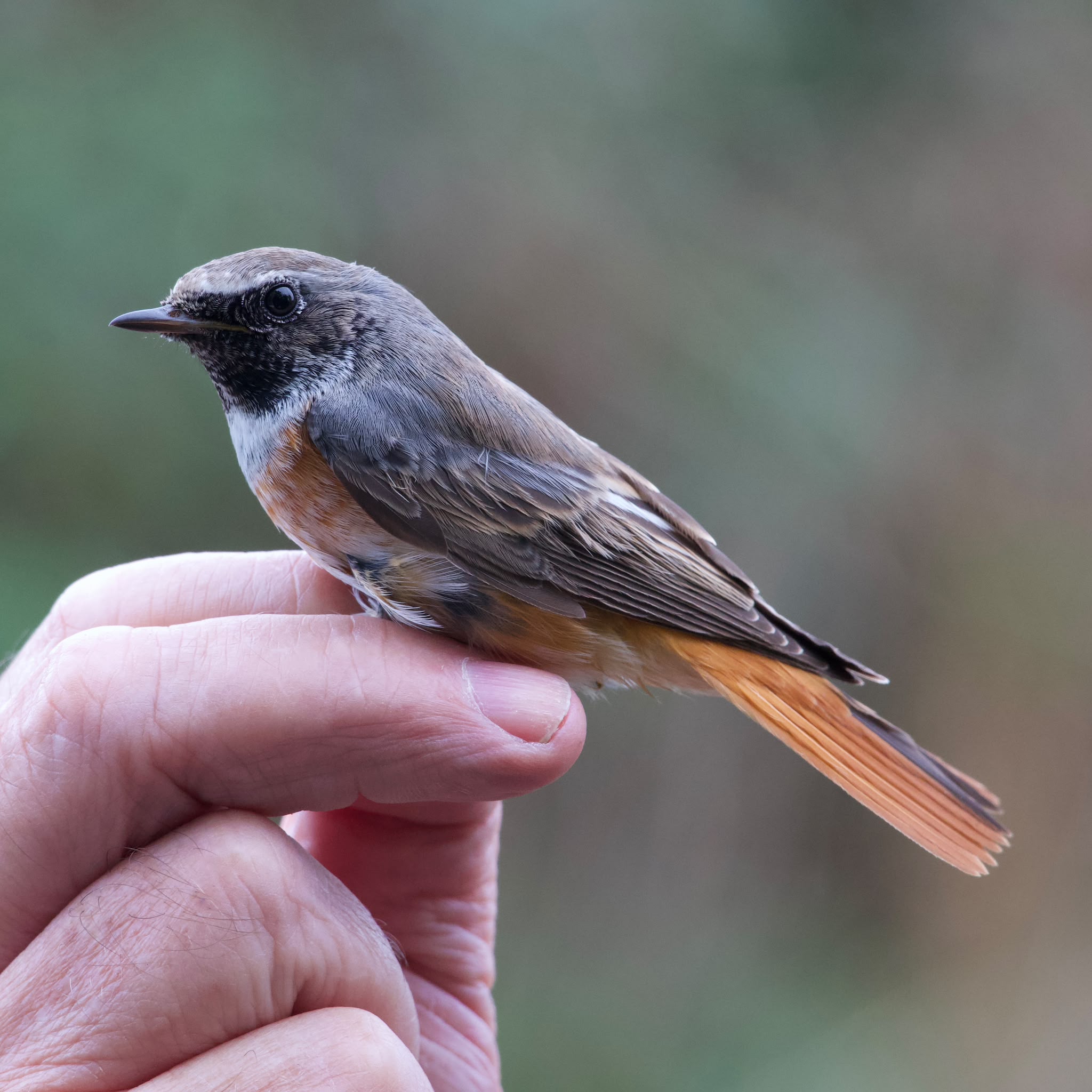
The Brampton Valley is also where we start the week’s summary of passerines, with a Common Redstart on 21st – one of only two reports this week, the other being a male and female trapped and ringed at Stanford on 24th.
Whinchat numbers were again low, with two at Borough Hill on 19th, two in the Brampton Valley on 20th, dwindling to one there on 21st and 24th and two at Harrington AF on 22nd. In stark contrast, numbers of Stonechats were up, being found near Arthingworth, in the Brampton Valley, and at Earls Barton, Hollowell, Pitsford, Summer Leys, Thrapston and Upton CP with the highest count of three to four at Pitsford on the last day of the week.

Northern Wheatears were also ebbing away, with just singles in the Brampton Valley between 21st and 25th and at Harrington on 22nd.

Newsround 26th July to 1st August 2025

Atlantic low pressure systems moving across the UK delivered largely westerly and northerly airstreams and a mixed bag of weather conditions, along with close to average temperatures. Causing a stir, in old money, a ‘flying barn door’ lifted spirits for one birder and expectations for others … but it did not linger.

It was quiet, though, on the ducks deluxe front with, in a nod to the week, the female Ruddy Shelduck paying a visit to Ravensthorpe Res on 31st-1st.

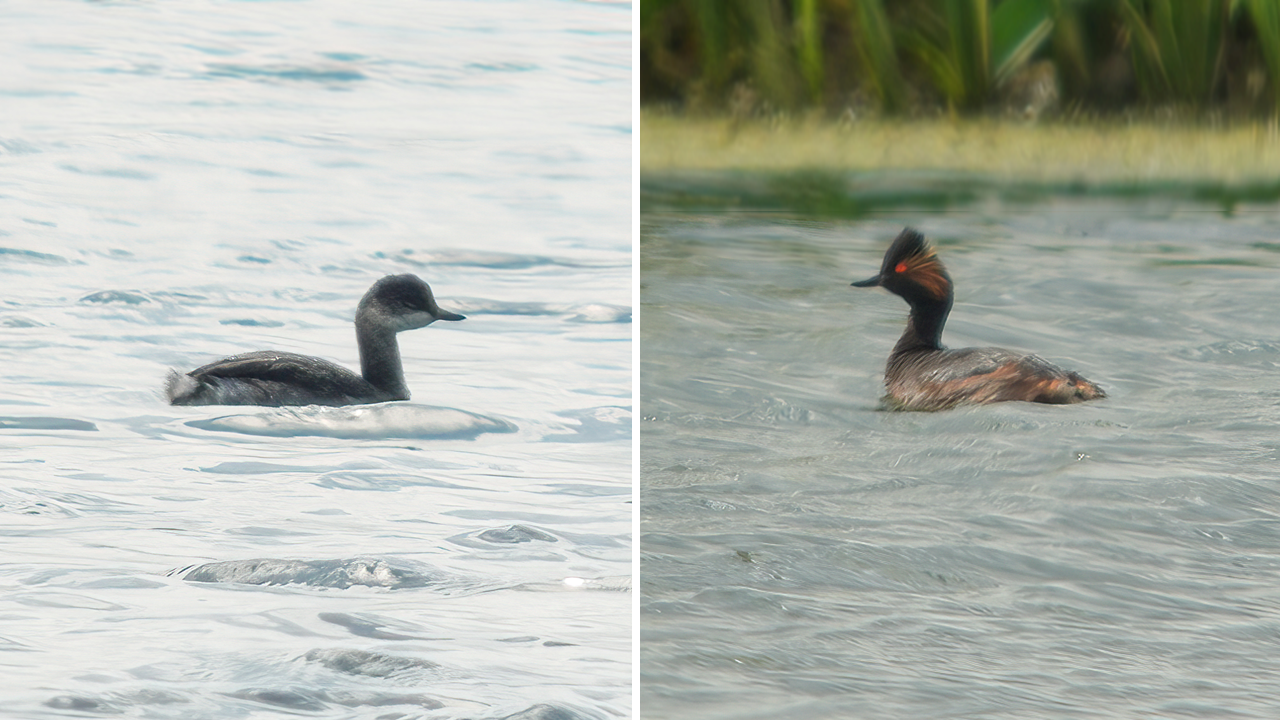
Otherwise, it was down to two Black-necked Grebes together at Clifford Hill GP on 30th to keep things going on the water. Providing a second bite of the cherry for some, this is only the second record in what has so far proved to be a rather poor year for this species in the county after one – also at Clifford Hill – on 25th-26th March.

Scarcer waders were limited, in part, to the fast-declining trickle of Black-tailed Godwits, which included last week’s individual at Earls Barton GP on 26th and one at Stanwick GP from 29th until 31st. Add to that the first of the autumn’s Turnstones – at Clifford Hill, briefly, on 30th – plus single Greenshanks at Earls Barton on 27th and 30th-31st and at Pitsford Res on 1st and that’s the period’s meagre quota summed up.

The run of Mediterranean Gulls continued this week with single juveniles at both Hollowell Res and Pitsford on 29th, followed by one at Thrapston GP’s Titchmarsh NR on 1st.

Caspian Gulls were limited to a second-summer at Stanwick on 30th and a fourth-summer at Daventry CP the next day, while numbers of Yellow-legged Gulls began to build, with eight at Stanwick on 29th and at least eleven there on 31st. Smaller numbers elsewhere included four at Pitsford on 29th, two there on 31st and one on 26th, while one visited Titchmarsh NR on 30th.

The Nene Valley gravel pits continued to deliver this week’s run of Ardeidae, with single Bitterns at Summer Leys LNR on 27th, one in flight over the A45 before dropping into reeds at Ditchford GP on 28th and one at Titchmarsh on 30th-31st, where the local Cattle Egret count hit a potentially all-time high of sixteen on 28th, although just one was present two days later, on 30th. Another was seen at nearby Ringstead GP on 26th.

As the UK’s Osprey population continues to grow, we’ve seen a year-on-year increase in numbers and frequency of sightings in the county. Pitsford again produced the most this week, with singles there on 28th, 29th and 31st, plus one over nearby Scaldwell heading toward the reservoir on 29th. Elsewhere, singles were seen at both Ringstead GP’s Barker Lake and Stanford Res on 26th and at Titchmarsh on 30th. Marsh Harriers were also on the up, with singles at Summer Leys on 26th, 27th, 28th, 30th and 31st, at Titchmarsh on 29th, at both Ditchford GP’s Irthlingborough Lakes & Meadows NR and Harrington AF on 31st and in the Brampton Valley between Cottesbrooke and Hanging Houghton on 1st, with one over Stanford on the same date.

But these were overshadowed, literally, by that flying barn door – aka White-tailed Eagle – over Pitsford Res on 31st. This bird was quickly confirmed as a radio-tagged individual from the UK reintroduction scheme and fledged from a nest in Sussex in 2023. Having been tracked moving south from the Cairngorms, it had apparently roosted between Clipston and Naseby the previous night. It was present in the skies above Pitsford for the best part of twenty minutes before moving off south. Although a tremendous sight to witness, it is not yet bona fide in terms of being countable on any county list. How many years will it be before this species is granted the same status as introduced Red Kites in Britain? We’ll just have to wait and see …

And from large to something smaller, Common Redstarts were again well represented by birds at a very respectable nine locations, one of which, Woodford Halse, produced the highest site total of three on 28th. Between one and two were seen elsewhere, including Cold Ashby, Duston, Everdon, Fawsley Park, Guilsborough, Hollowell, Long Buckby and Stanford, where one was trapped and ringed on 30th.

A juvenile Stonechat at Boddington Res on 31st constituted the second of the autumn and a Northern Wheatear between Cottesbrooke and Hanging Houghton on 30th was the autumn’s third so far.

Crossbills were again very much in evidence this week, with the highest numbers of approximately twenty and eighteen in pines at Hollowell on 26th and 30th, respectably. Elsewhere, thirteen flew south over Boddington Res on 30th, seven flew north-west over Yardley Chase on 26th, five flew south over Daventry CP on 31st and singles flew over East Hunsbury, Northampton on 27th, Harrington on 31st and Hollowell on 1st.

However, Chelveston AF was the prime place to visit this week to be in with a chance of seeing what has now become a much sought after bird in Northamptonshire – Corn Bunting.

At least two present alongside the southern end of the old runway there on 27th were only the third record for the year following single birds in the Brampton Valley on 2nd January and one over Harrington on 27th April.