The movement of the jet stream to the north of the UK brought us a settled and dry week with temperatures reaching the high twenties for three consecutive days, thereby designated a heatwave. But one bird in particular generated heat of a different kind in the northern reaches of the county, up on the border with Leicestershire …
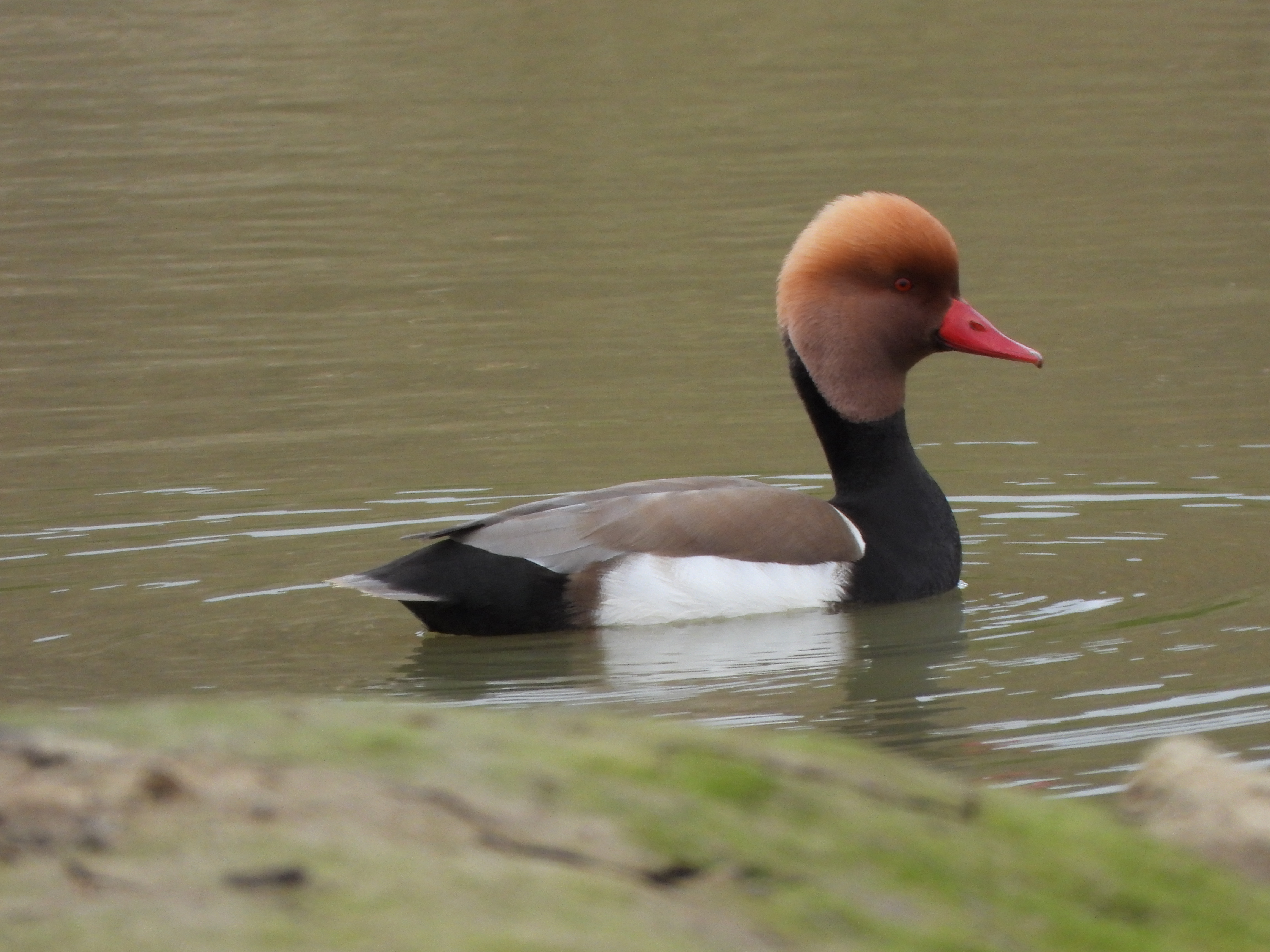
And it certainly wasn’t the female Ruddy Shelduck which, after its usual protracted absence at this time of the year, was back at Hollowell Res on 28th. Nor was it the Red-crested Pochard at Pitsford Res on the same date.
Following last week’s call for a Common Quail in the county, and after the suggestion that there may potentially be a long wait in the offing, as if by magic, three came along at once. Unlike buses, though, they were not easy to catch up with, or so it seems. On the evening of 25th, two males were singing north of Walgrave with one reportedly still present the following evening and two again on 28th. Meanwhile, another was discovered singing less than 5 km to the north-west, at Harrington AF, also on 26th.
A quick review of past occurrences suggests they are holding steady after a sharp peak in records between the late ‘80s and late ‘90s and there have been only four blank years in the last 55 years, namely 1985 and a run in 1973-75.
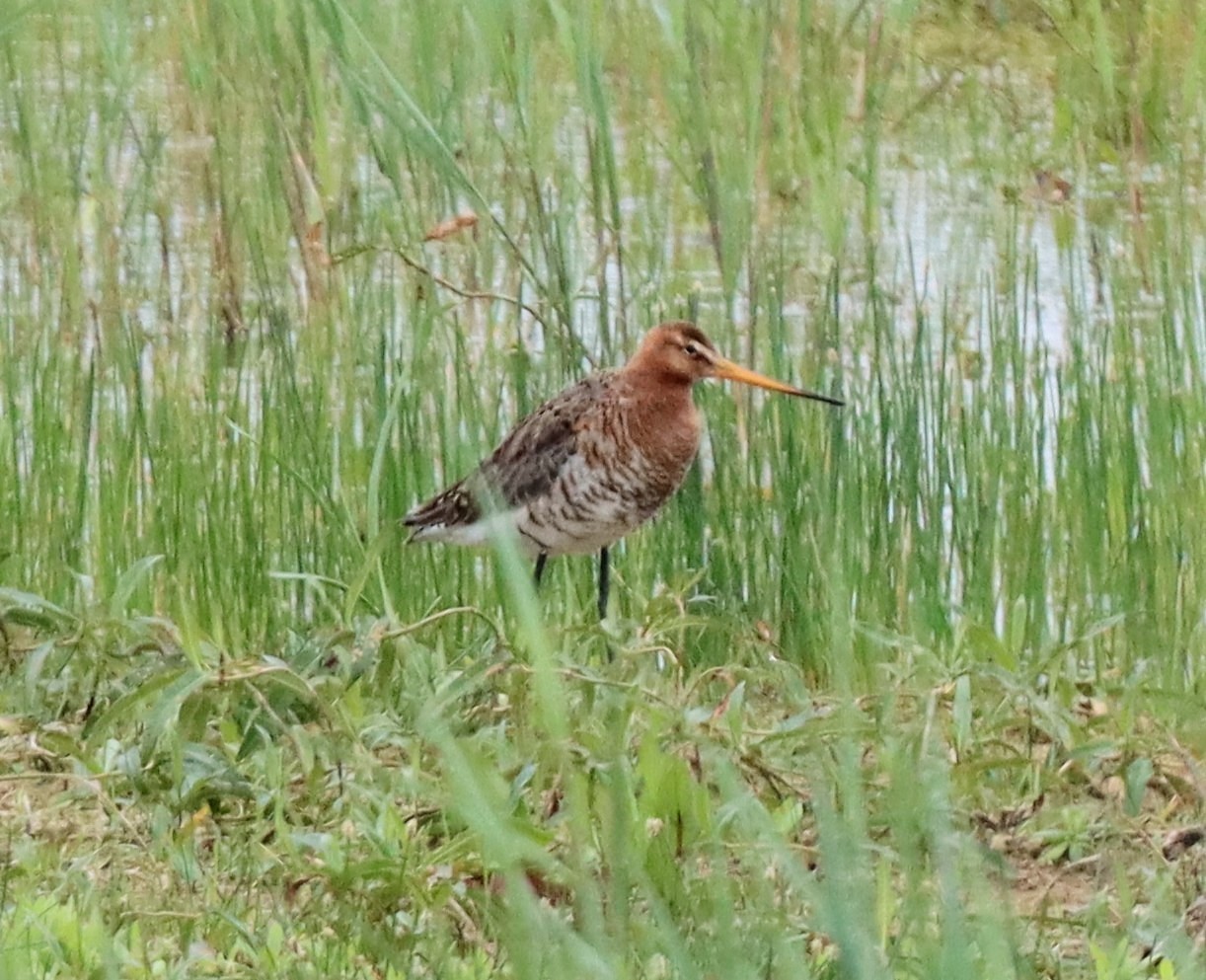
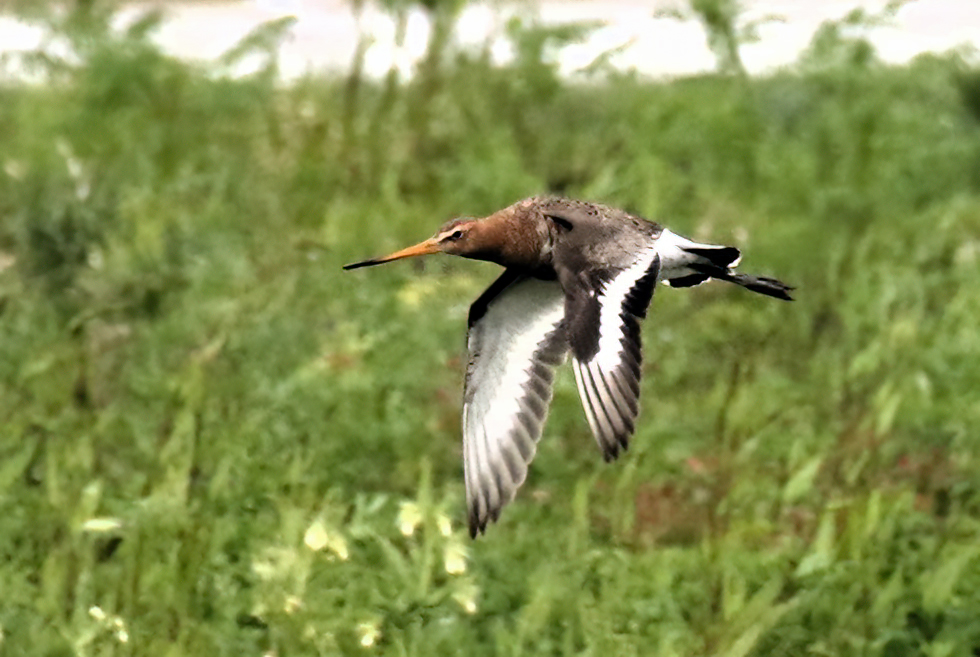
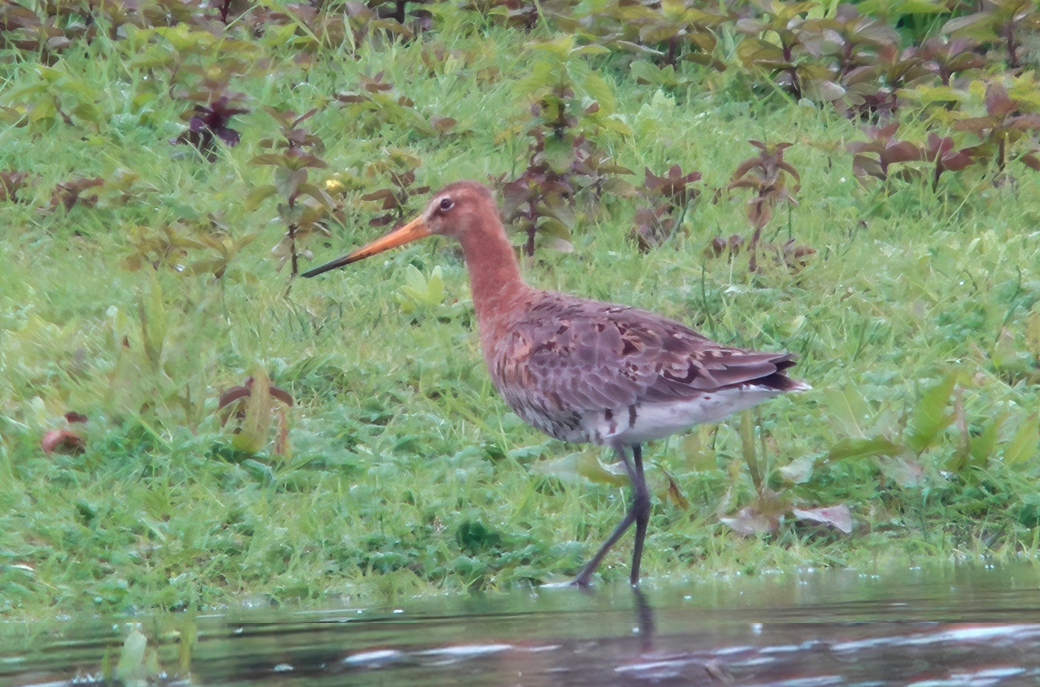
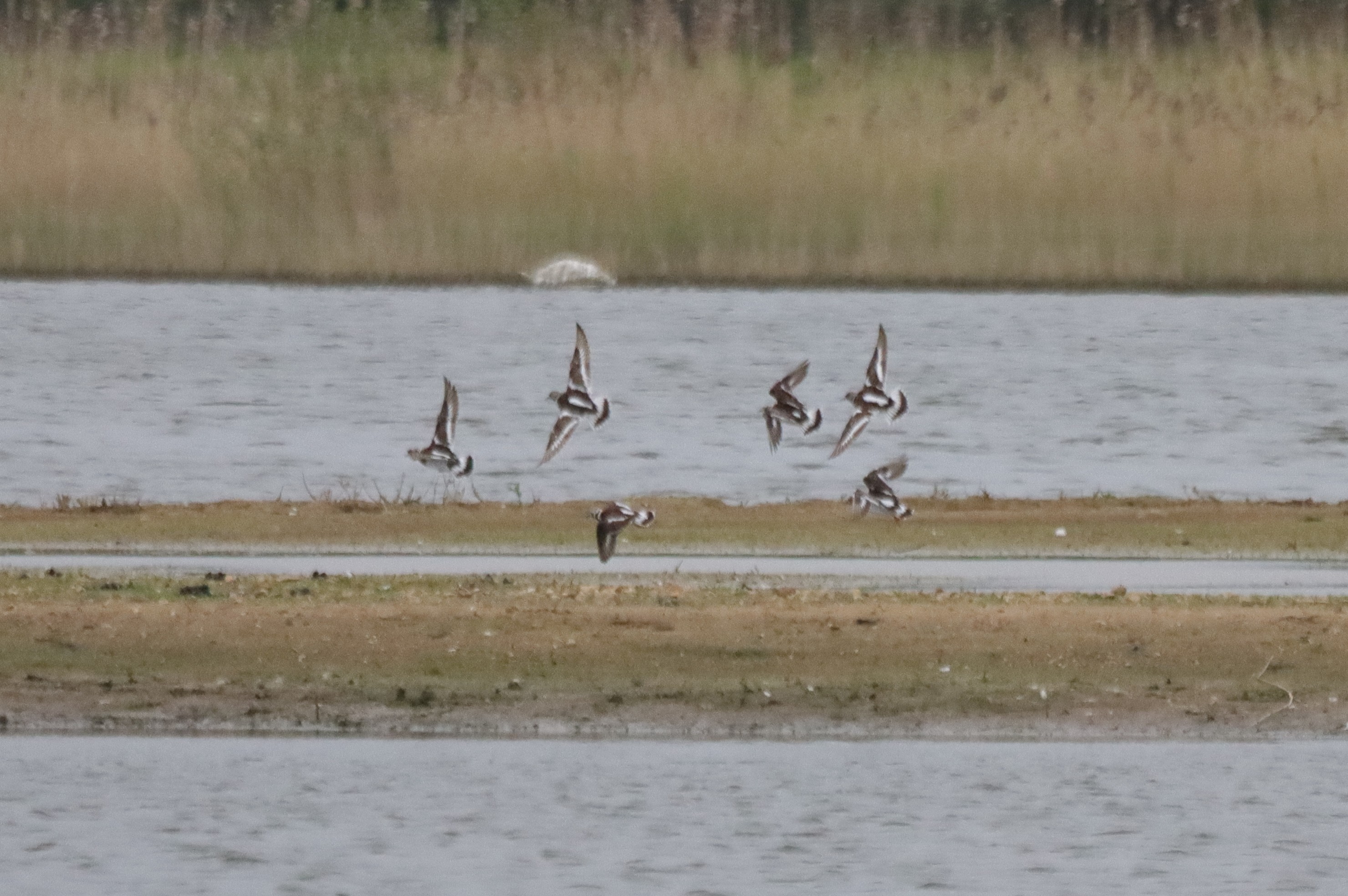
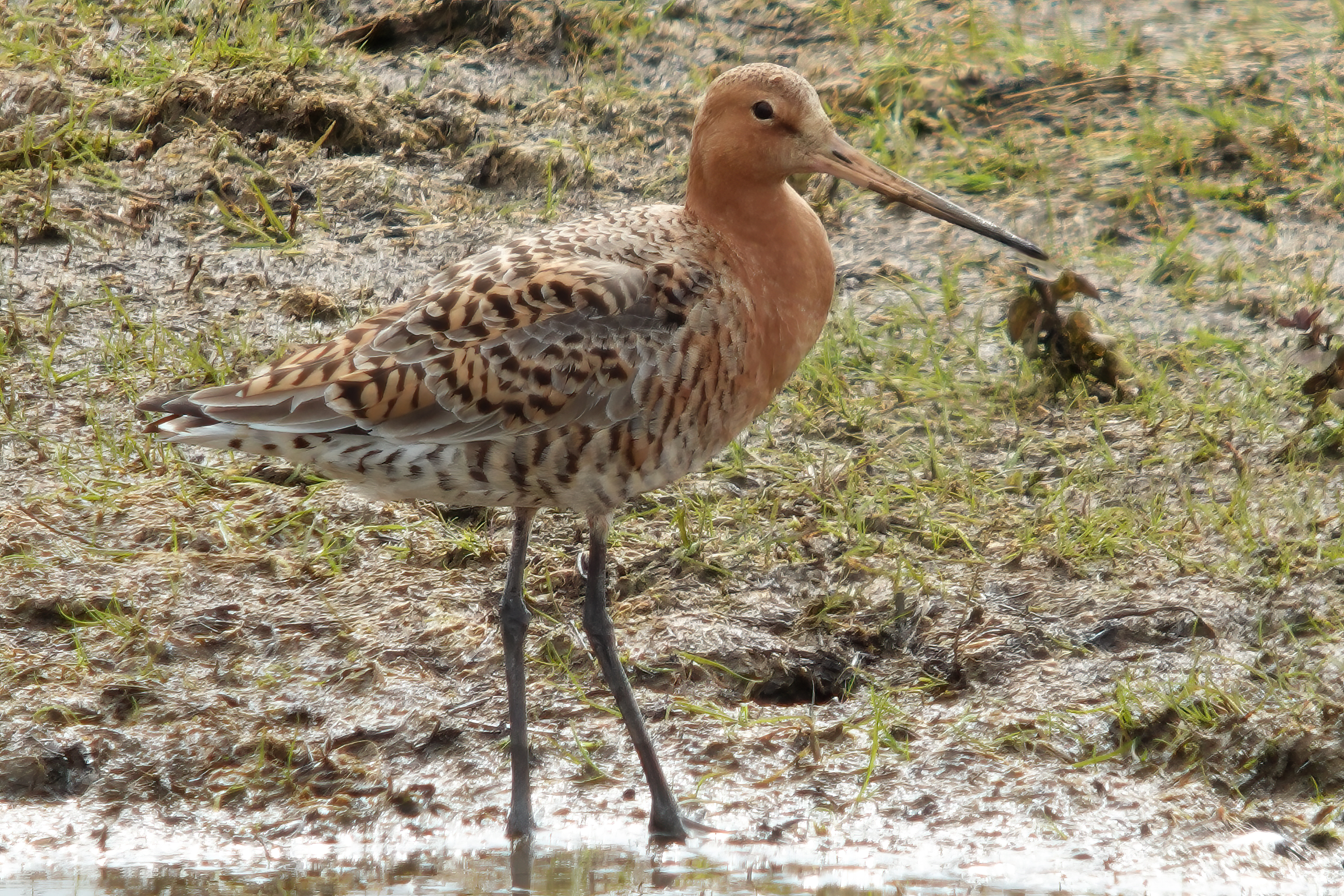
And while the aforementioned species is arriving, waders are on their way back. Against a countywide backcloth of smaller numbers of Green Sandpipers, Common Sandpipers and Dunlin, an impressive flock of thirty summer-plumaged Black-tailed Godwits dropped in at Stanwick GP’s Main Lake on the last day of the week.
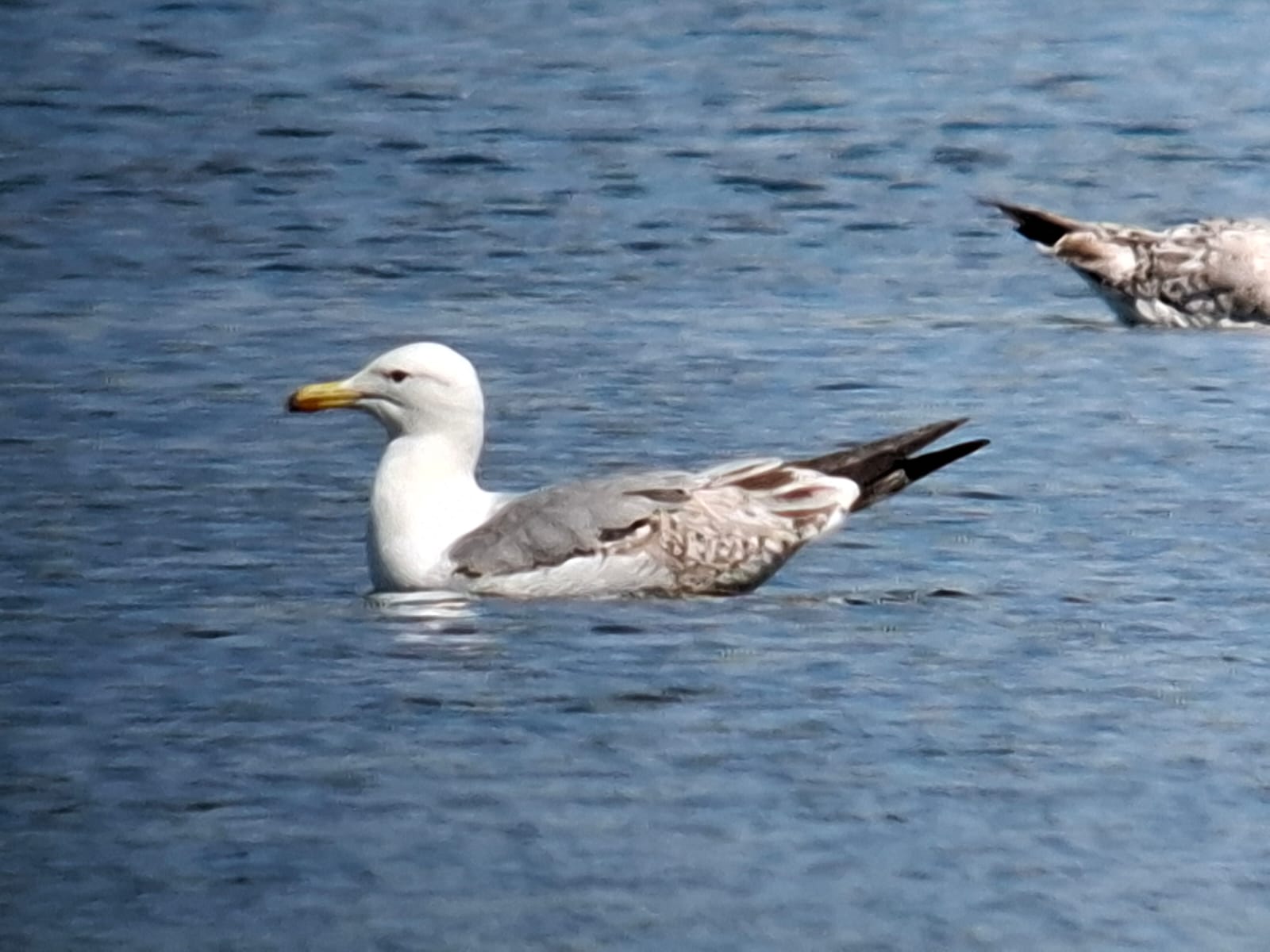
Sticking with Stanwick, three Mediterranean Gulls – two adults and a first-summer – flew south-west over the site on 25th, while a sub-adult Yellow-legged Gull visited Stanford Res on the same date.
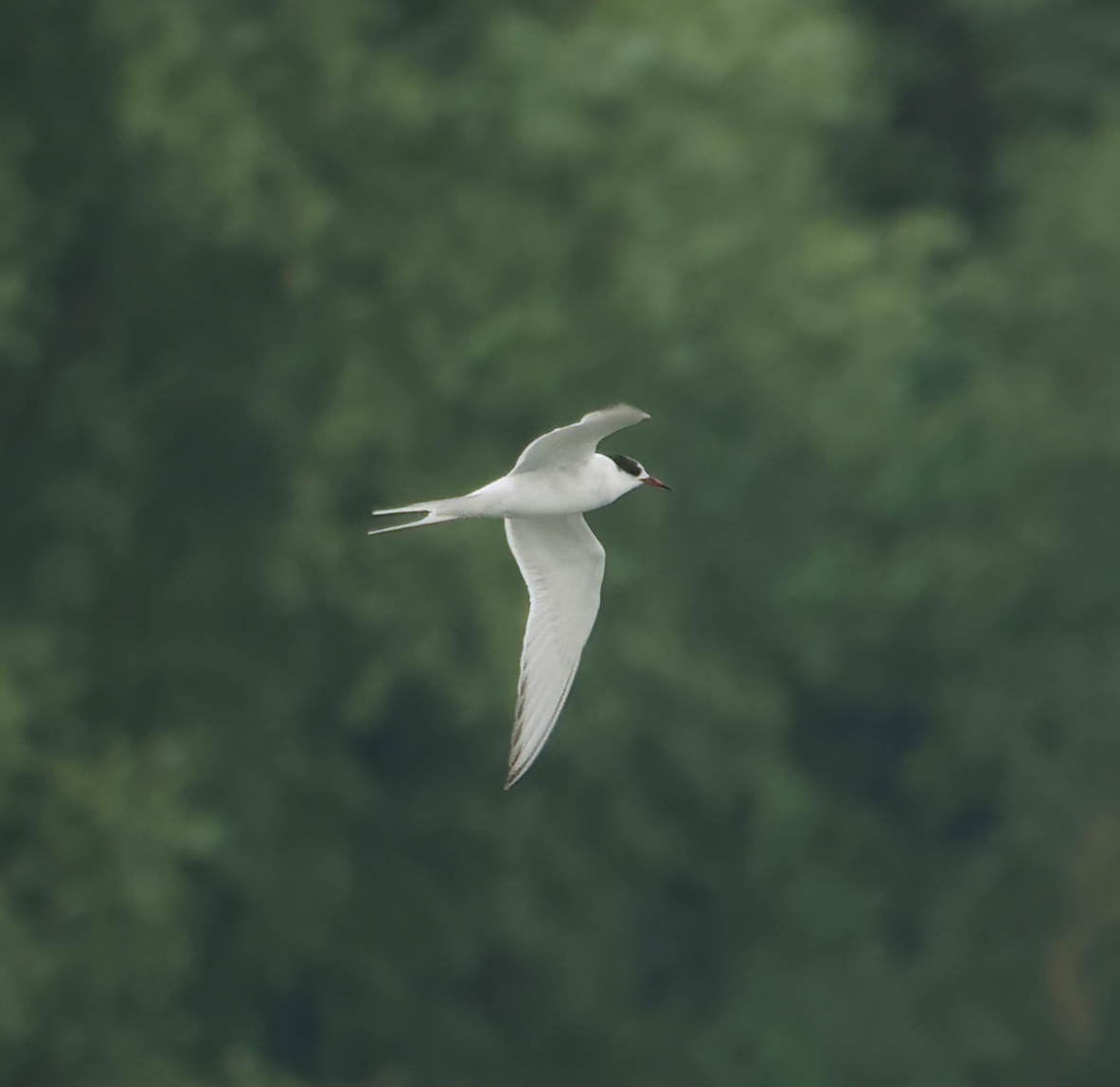
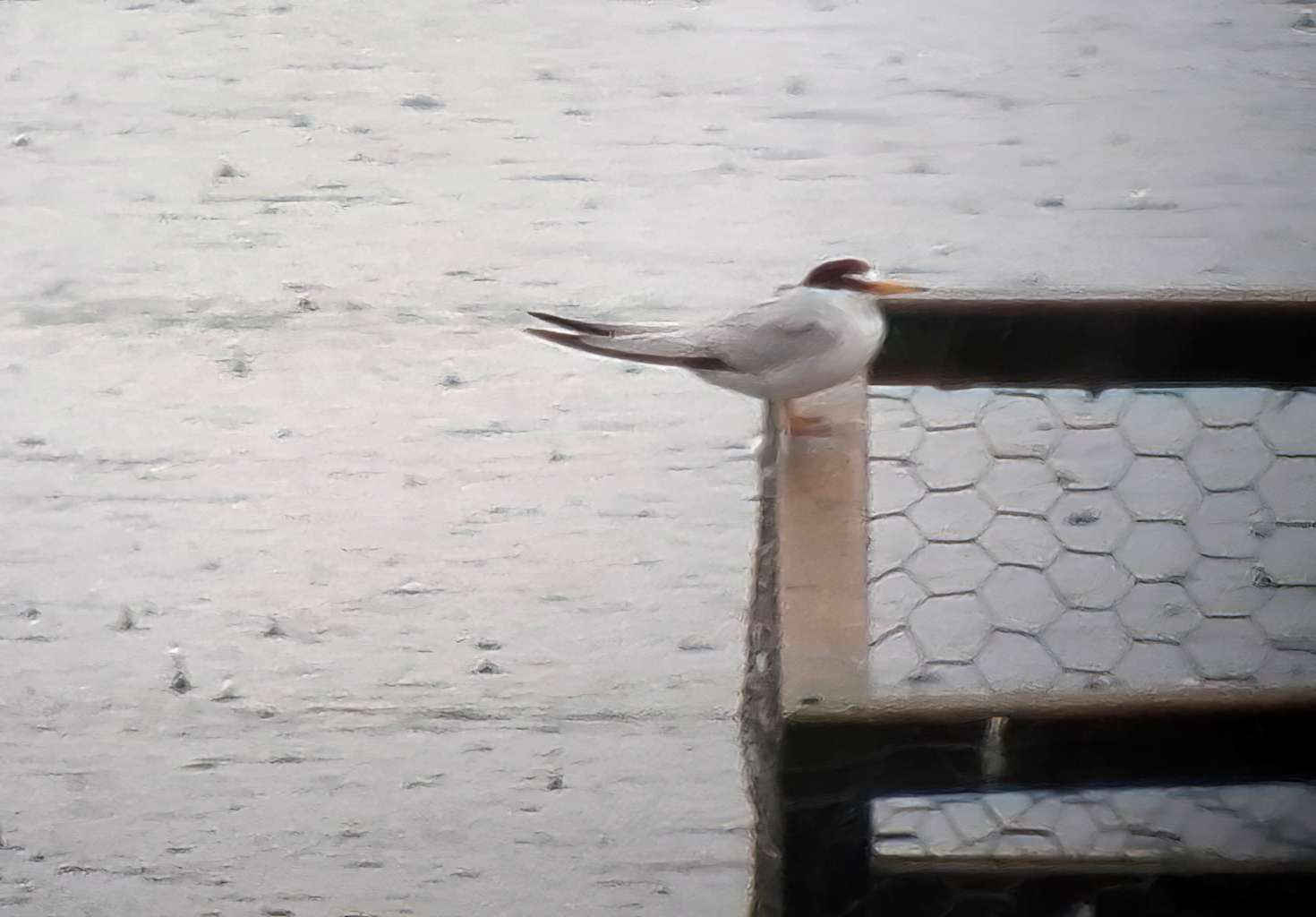
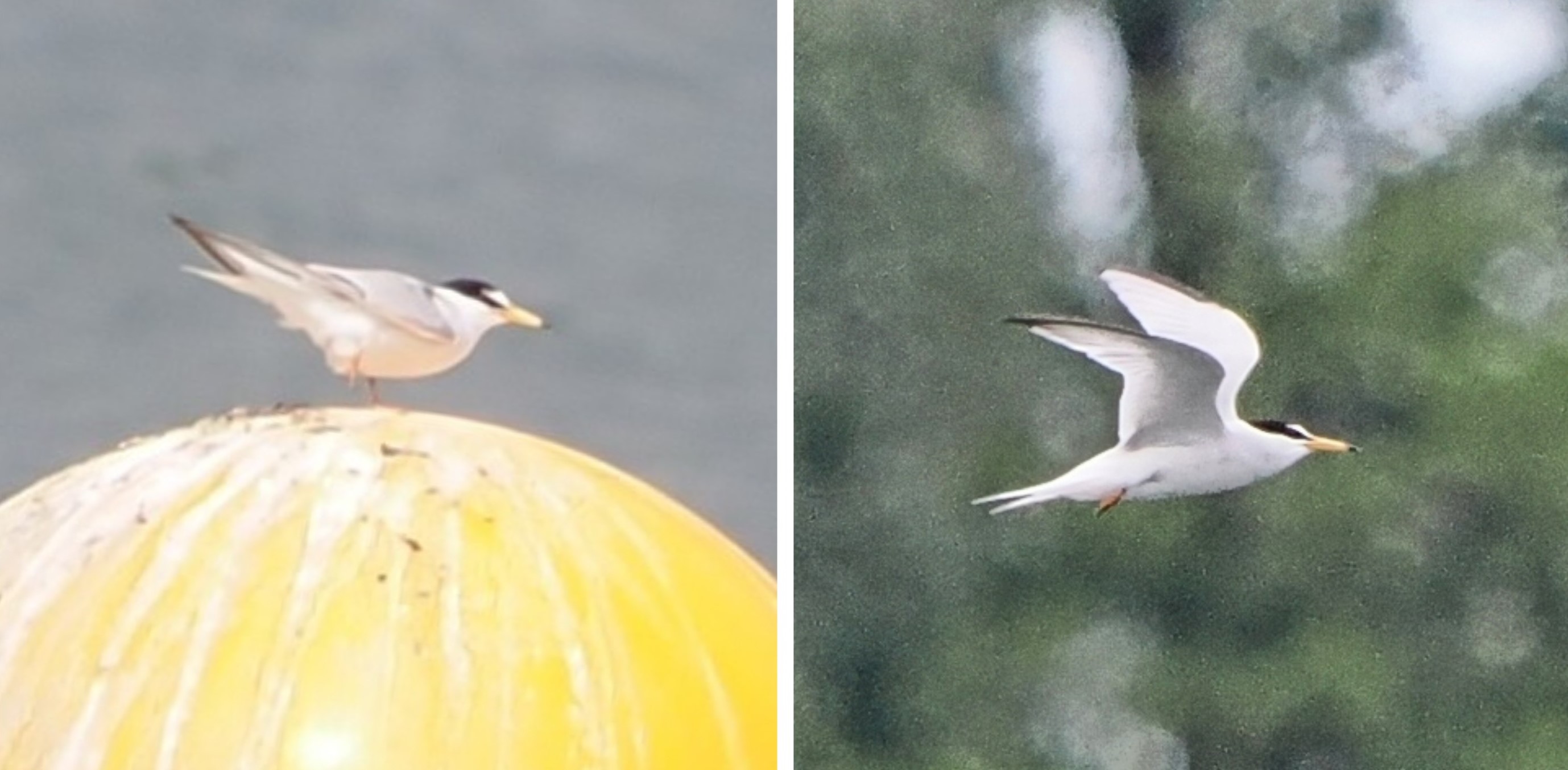
It’s not too late for a spring Little Tern and, to prove it, one was found mobile around Hollowell on 22nd – the fifth for the county this year.
Little Tern, Hollowell Res, 22nd June 2024 (Jon Cook)Little Tern, Hollowell Res, 22nd June 2024 (Jon Cook)
Bitterns continued to be seen at two sites, while Cattle Egrets maintained a low profile with singles at Stanwick on 27th and Earls Barton GP the following day.
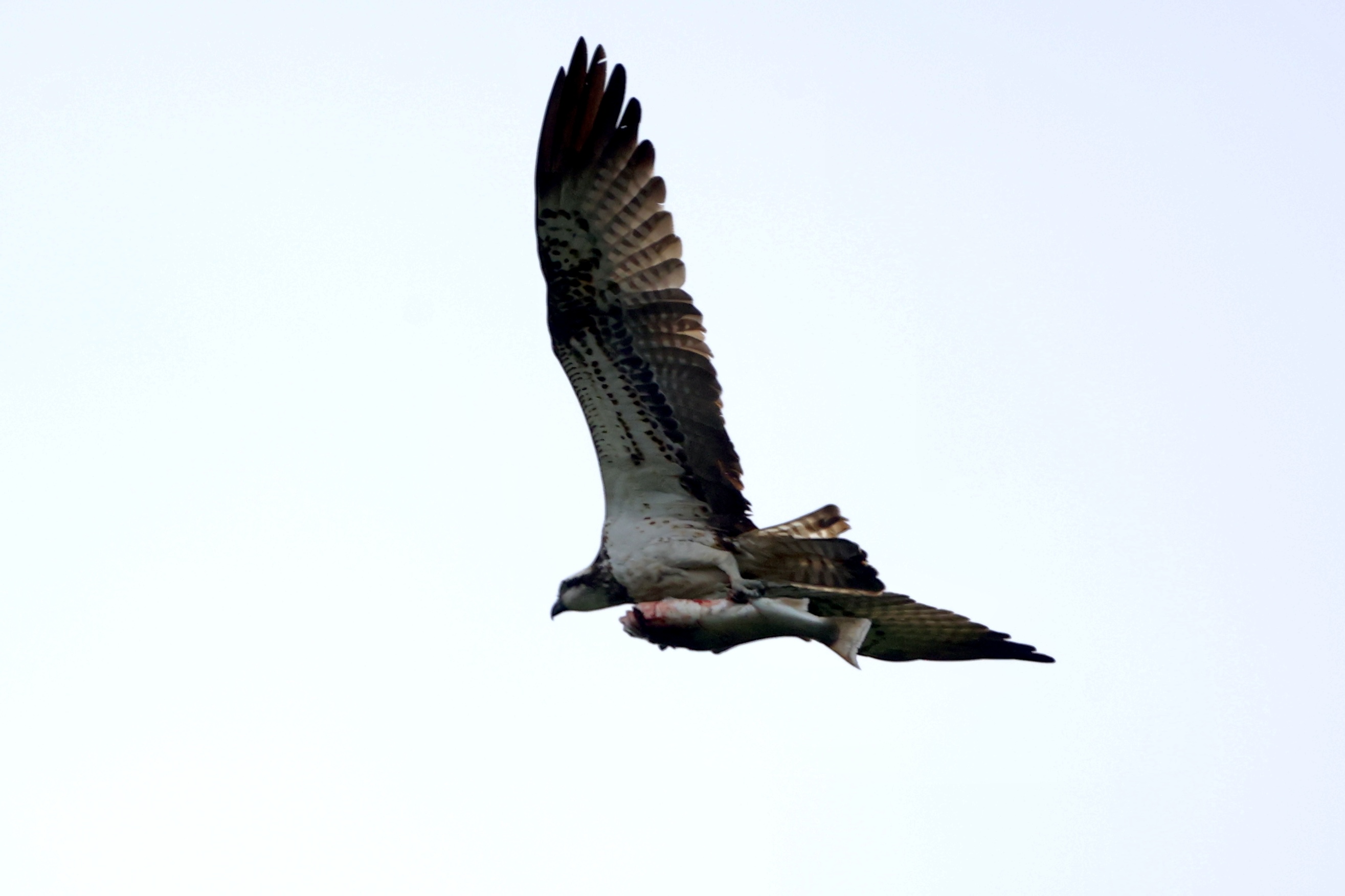
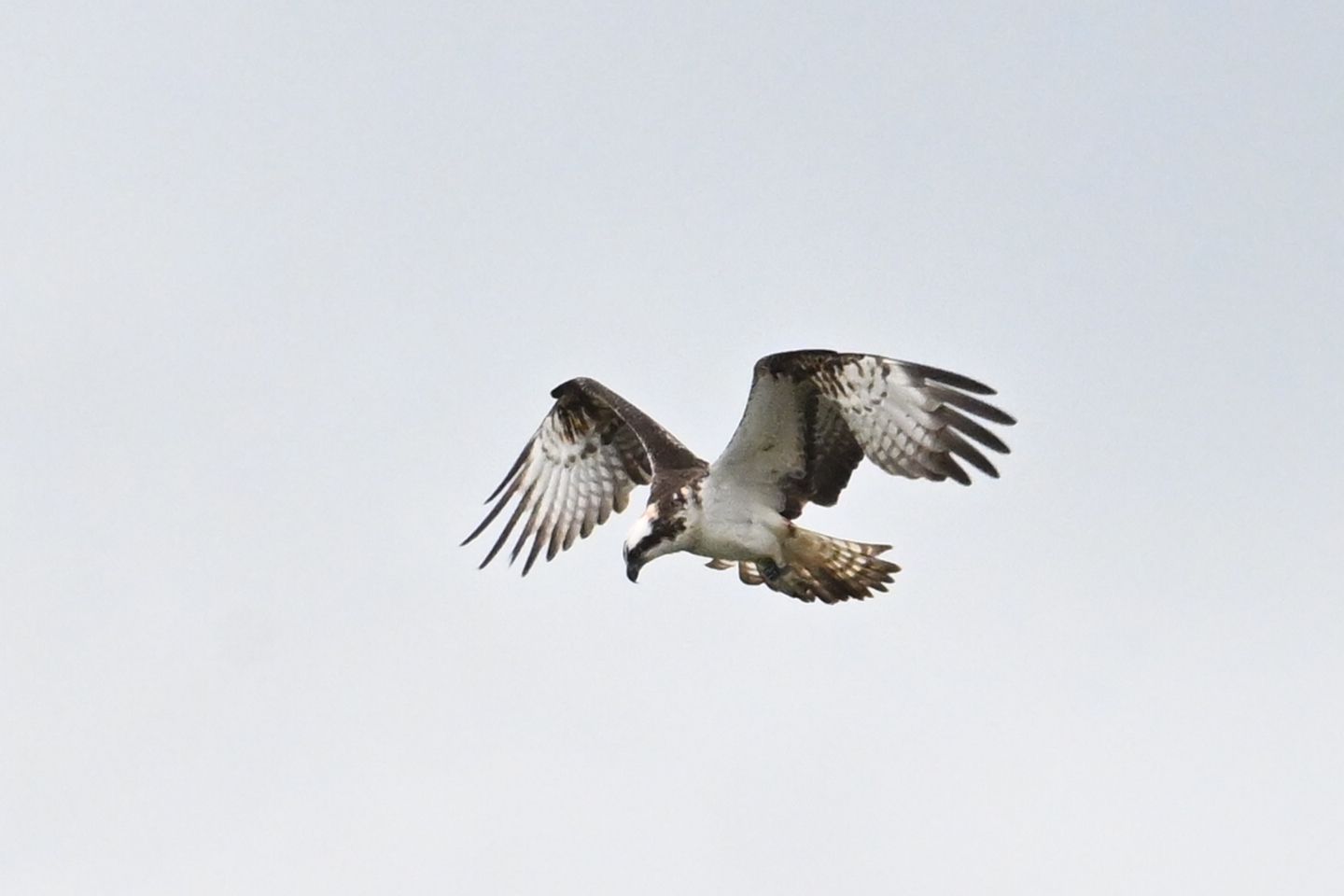
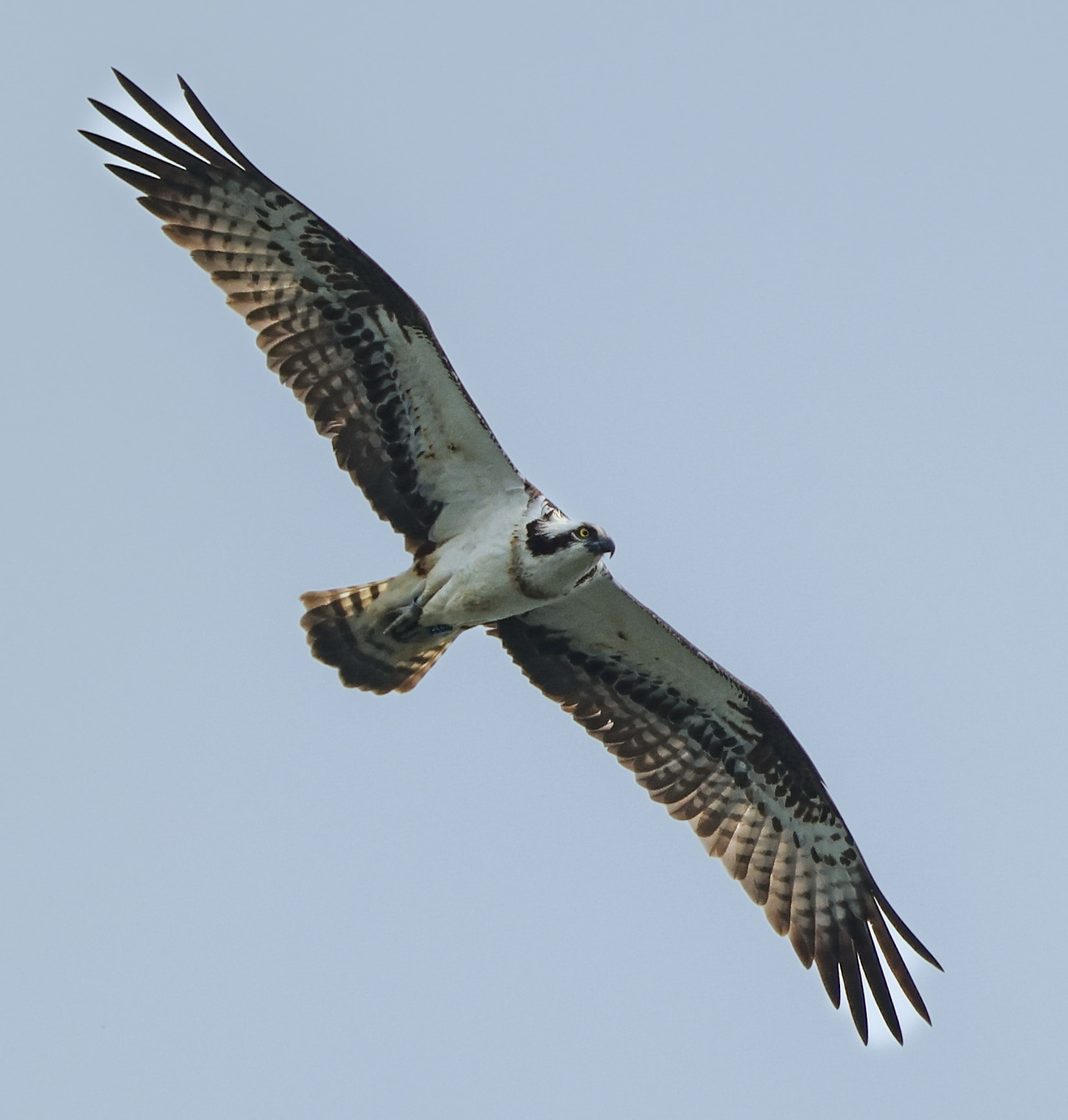
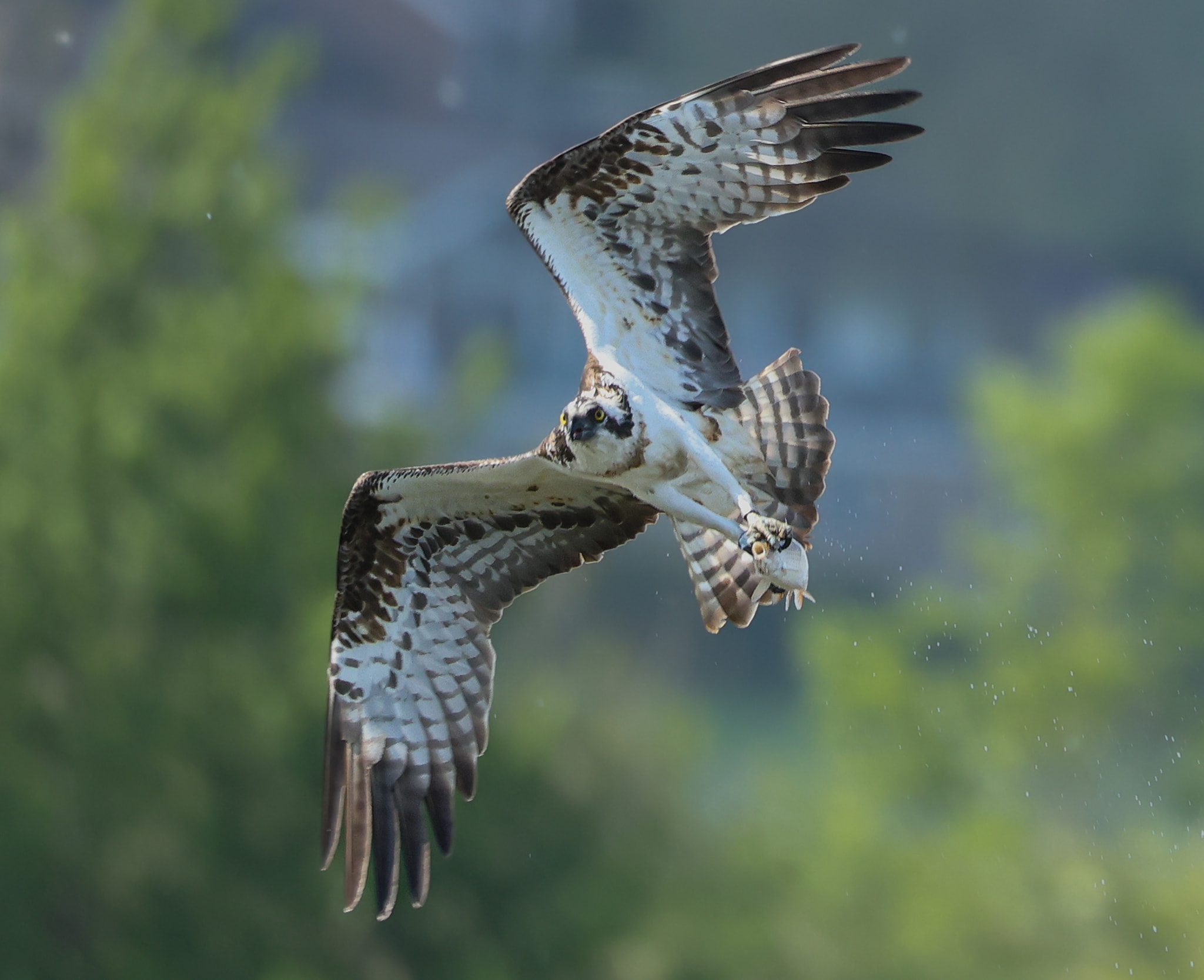
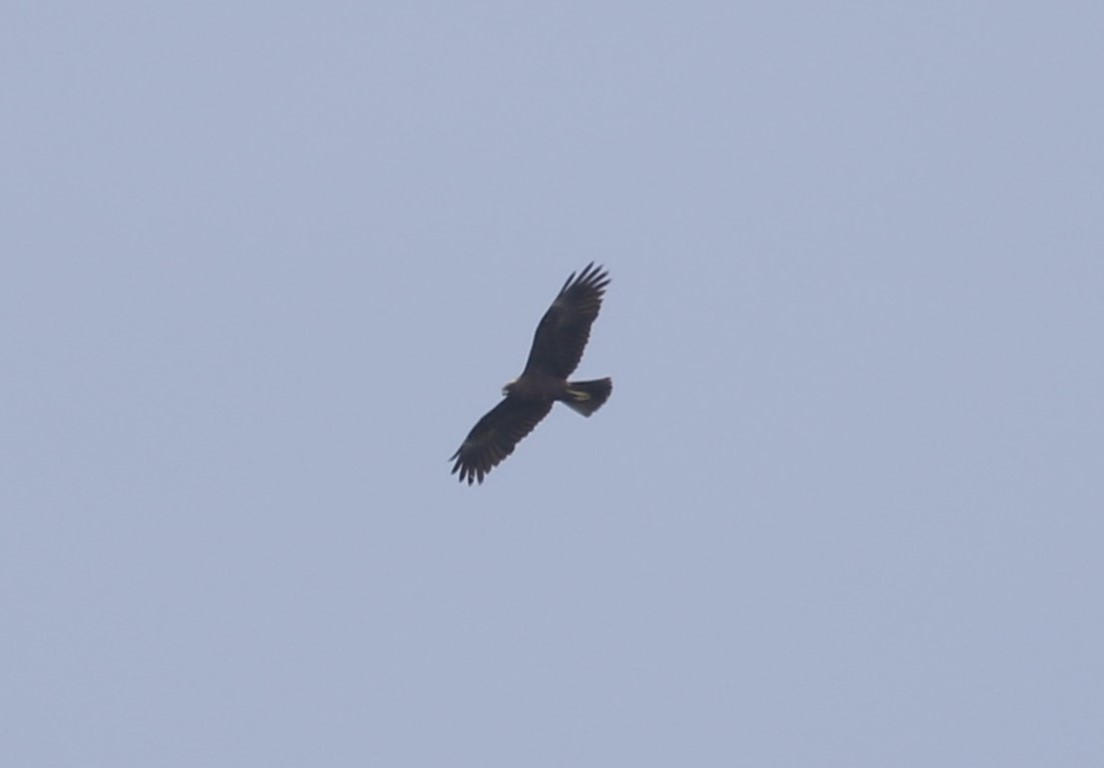
It was all quiet on the Osprey front, too, with singles at Pitsford on 25th-26th and 28th, and at Hollowell on the latter date, while a total of six young birds from nests in the county were ringed on 26th. This week’s Marsh Harrier was last week’s Marsh Harrier – a standout, abraded individual that again visited Stanwick GP on 24th.
Although set to tantalise and tease, the birding gods smiled on Northamptonshire – albeit momentarily – this week when a female Red-backed Shrike was found in the southern extremity of Leicestershire, just north of Cottingham. Discovered early in the morning of 23rd, it remained on the wrong side of the line until mid-afternoon, when it briefly border-hopped into our own good county before promptly returning to Leicestershire.
Female Red-backed Shrike, Cottingham, 23rd June 2024 (Steve Nichols)Female Red-backed Shrike, Cottingham, 23rd June 2024 (Steve Nichols)
Following the popular 2022 juvenile at Duston, this is only the fifteenth record for the county since 1971. In some respects, the occurrence of this week’s bird is not really out of context, given the phenomenal numbers recorded in the UK during late spring. The overwhelming majority were along the east coast, from Kent to Shetland, with more than 350 being recorded during the last ten days of May alone.
High pressure building over the last week ultimately delivered some weather which may be viewed as being loosely associated with ‘summer’. There was no pressure building on the birding front, however, as we drifted further into what is generally regarded locally as one of the quietest times of the year.
Another telltale sign of the period is the emergence of wildfowl ‘sporting’ eclipse plumage. One such bird was the drake Garganey that appeared on the dam at Stanford Res on 17th.
Eclipse drake Garganey, Stanford Res, 17th June 2024 (Chris Hubbard)
Not normally associated with this point in time, a second-summer Yellow-legged Gull was found at Daventry CP on 20th.
Second-summer Yellow-legged Gull, Daventry CP, 20th June 2024 (Gary Pullan)
The ongoing presence of Bitterns at a minimum of two locations in the Nene Valley this week continues to fuel speculation they are breeding … somewhere.
Bittern, Nene Valley, 15th June 2024
However, with a nest holding at least two young, Cattle Egrets are definitely breeding at one site in the Nene Valley – a welcome return after they last bred in 2020. Also in said valley, two visited Summer Leys LNR on 15th, one was at Stanwick GP on the same date and one was present at Thrapston GP’s Titchmarsh LNR on 18th.
The week’s raptors saw a fall in the number of Ospreys reported to singles at Ravensthorpe Res on 15th and at Pitsford Res on 16th and 21st, while a Marsh Harrier flew north-east over Stanwick on 20th.
Marsh Harrier, Stanwick GP, 20th June 2024 (Steve Fisher)
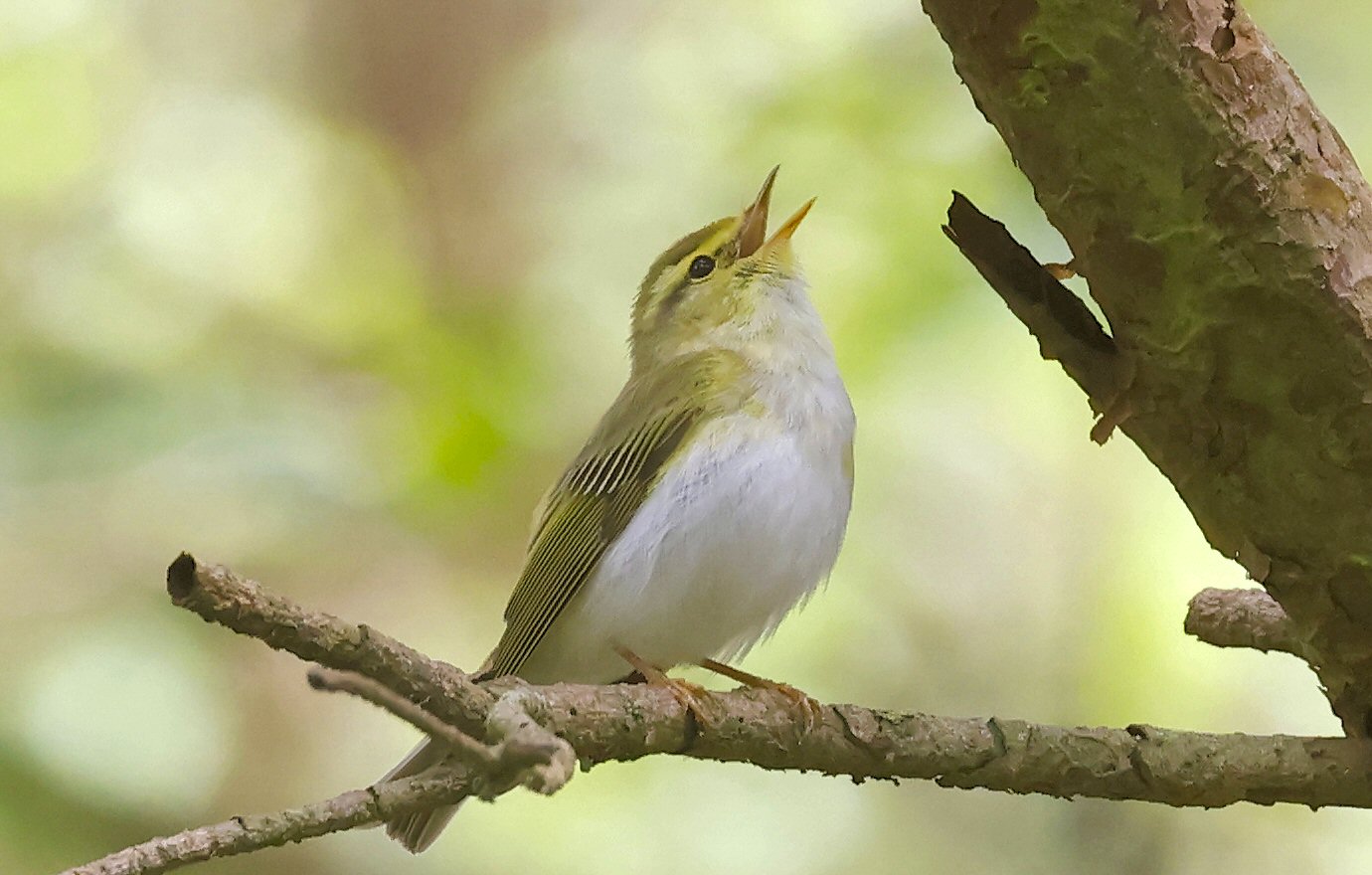
Almost seeing out a fourth week, the singing male Wood Warbler remained at Harry’s Park Wood until 20th but was nowhere to be seen subsequently.
And here’s something else to think about. Virtually three-quarters of the way through June and the fact that we have not yet had even a sniff of a CommonQuail in Northamptonshire is perhaps a sad reflection of the times. But, one singing east of Raunds and south of Keyston, Cambridgeshire, on the last day of the week, was less than one kilometre from the county boundary. There’s still time and the Brampton Valley’s always a good bet …
The second week in June comprised a largely lacklustre seven days, with nothing new and very little to shout about. ‘Ornithological autumn’ is, however, only a couple of weeks away for those prepared to sit things out …
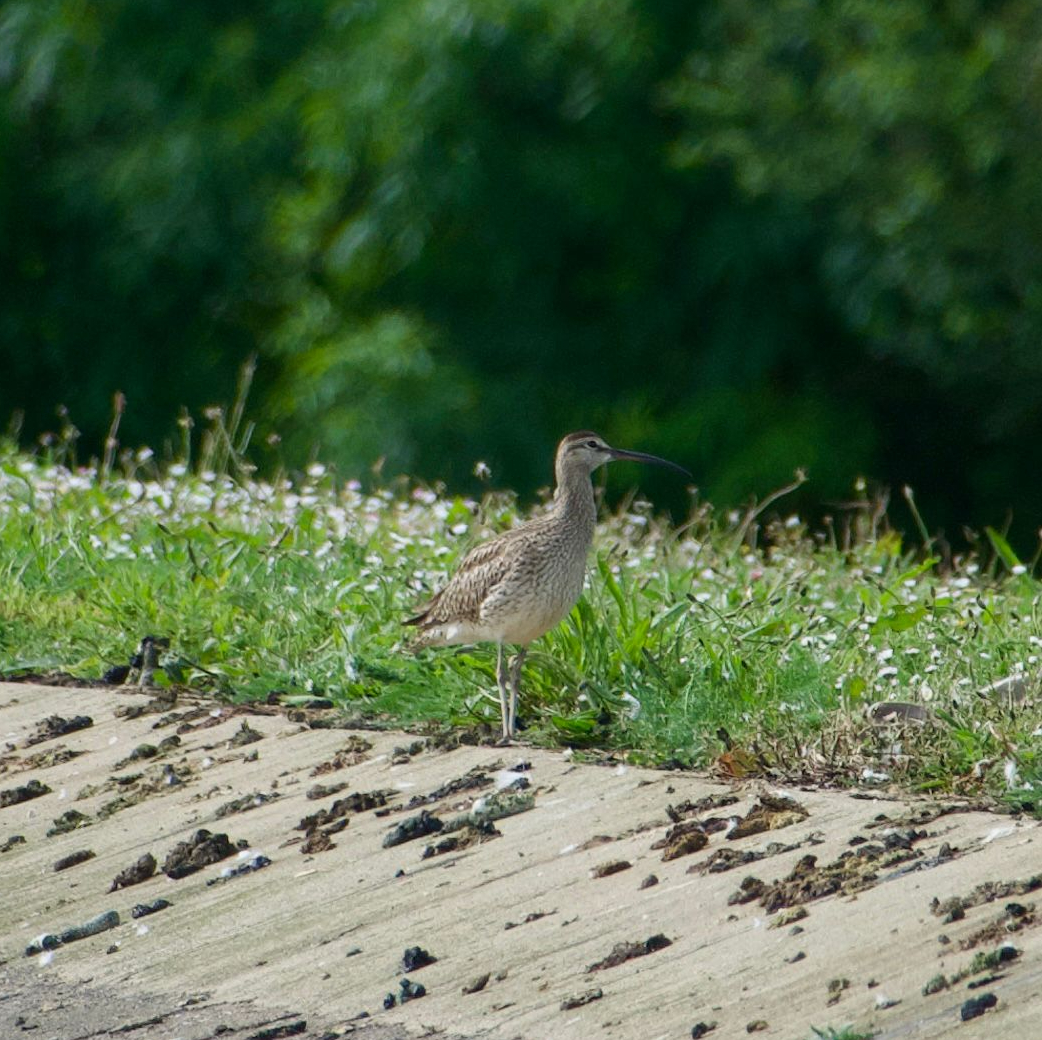
The Stanford Res Pink-footed Goose remained until at least 11th while, in terms of this week’s waders, the same site was the only one to pull the rabbit out of the hat by delivering a ‘Tundra’ Ringed Plover on 8th and a Whimbrel on 11th.
‘Tundra’ Ringed Plover, Stanford Res, 8th June 2024 (Chris Hubbard)Whimbrel, Stanford Res, 11th June 2024 (Chris Hubbard)
At least one locality produced a Bittern but Cattle Egrets were unusually lacking.
The same cannot be said for Ospreys this week, during which there was a surprise discovery of a new Northamptonshire breeding pair and wandering birds assumed a high profile. Individuals visited Pitsford Res on 8th, 9th, 10th and 13th, while further singles were seen over the River Nene between Achurch and Wadenhoe on 9th, over the River Ise near Desborough on 11th and flying east over the Brampton Valley below Brixworth on the same date.
Unringed female Osprey, Pitsford Res, 8th June 2024 (Tyler Atkinson)Unringed female Osprey, Pitsford Res, 8th June 2024 (Tyler Atkinson)
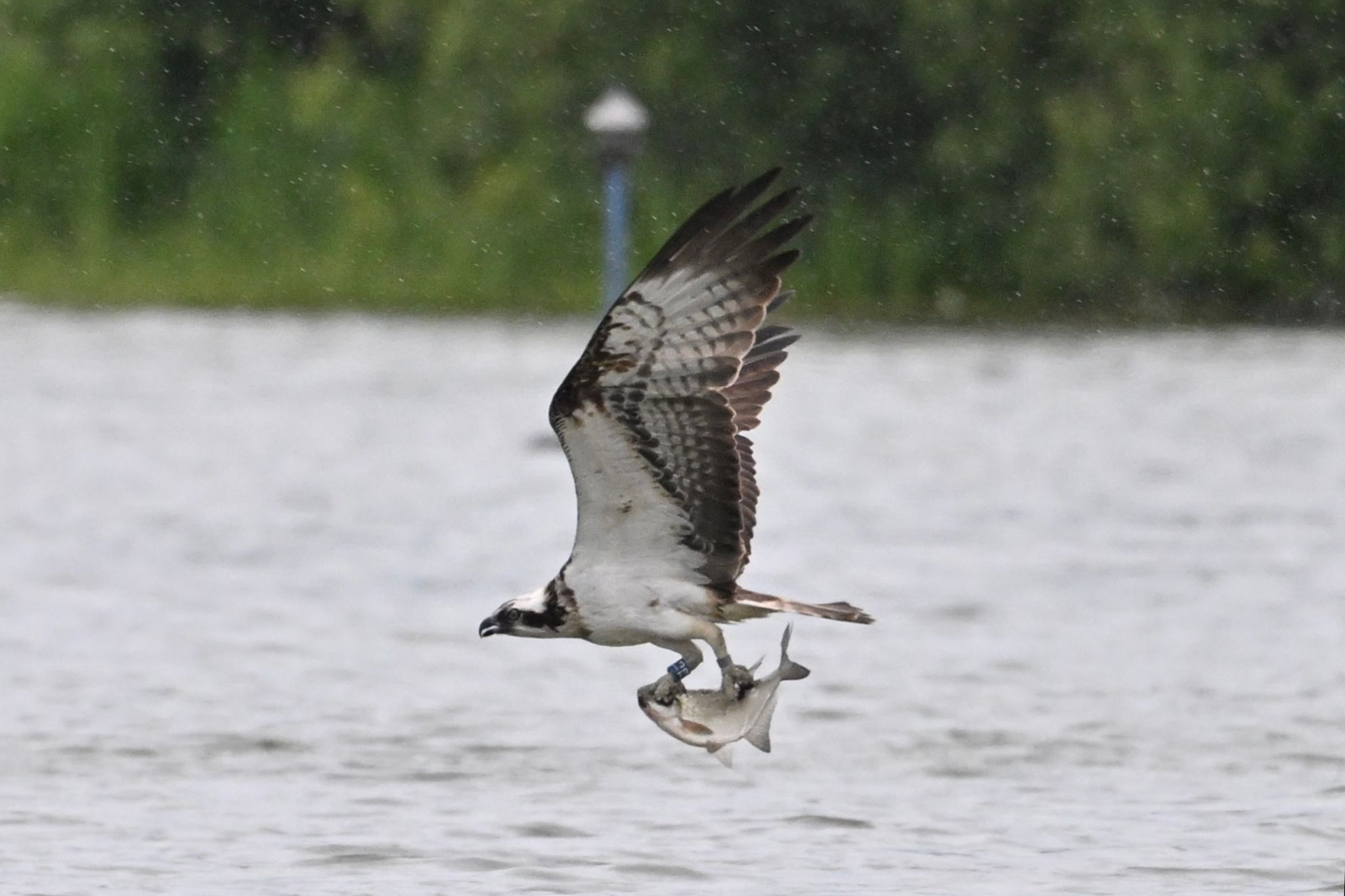
Back to Stanford again where some interesting information was unravelled regarding a visiting Osprey on 13th. Photographed as it drifted east during the first half of the morning, it was wearing a blue ring inscribed with ‘5H1’, making it a two-year-old female which had been seen last month in the River Usk Valley in South Wales. Later the same day, an unringed female also paid a visit to Stanford.
Blue-ringed ‘5H1’ female Osprey, Stanford Res, 13th June 2024 (Barry Silverman)Unringed female Osprey, Stanford Res, 13th June 2024 (Chris Hubbard)
Ending the Osprey week was an 8-year-old male, blue-ringed ‘T3’, successfully fishing at Hollowell Res on 14th.
Blue-ringed ‘T3’ male Osprey, Hollowell Res, 14th June 2024 (Jon Cook)Blue-ringed ‘T3’ male Osprey, Hollowell Res, 14th June 2024 (Jon Cook)
And then there was the Wood Warbler. Remaining faithful to the same spot, the popular singing male saw a third week out at Harry’s Park Wood near Weldon, although it has attracted less attention in recent days.
As we embarked upon meteorological summer, a polar airmass situated to the north delivered below-average temperatures from mid-week onwards. And with the weather a little on the dull side, this was reflected to some extent in the birding, although the first week of June is rarely awash with migrants …
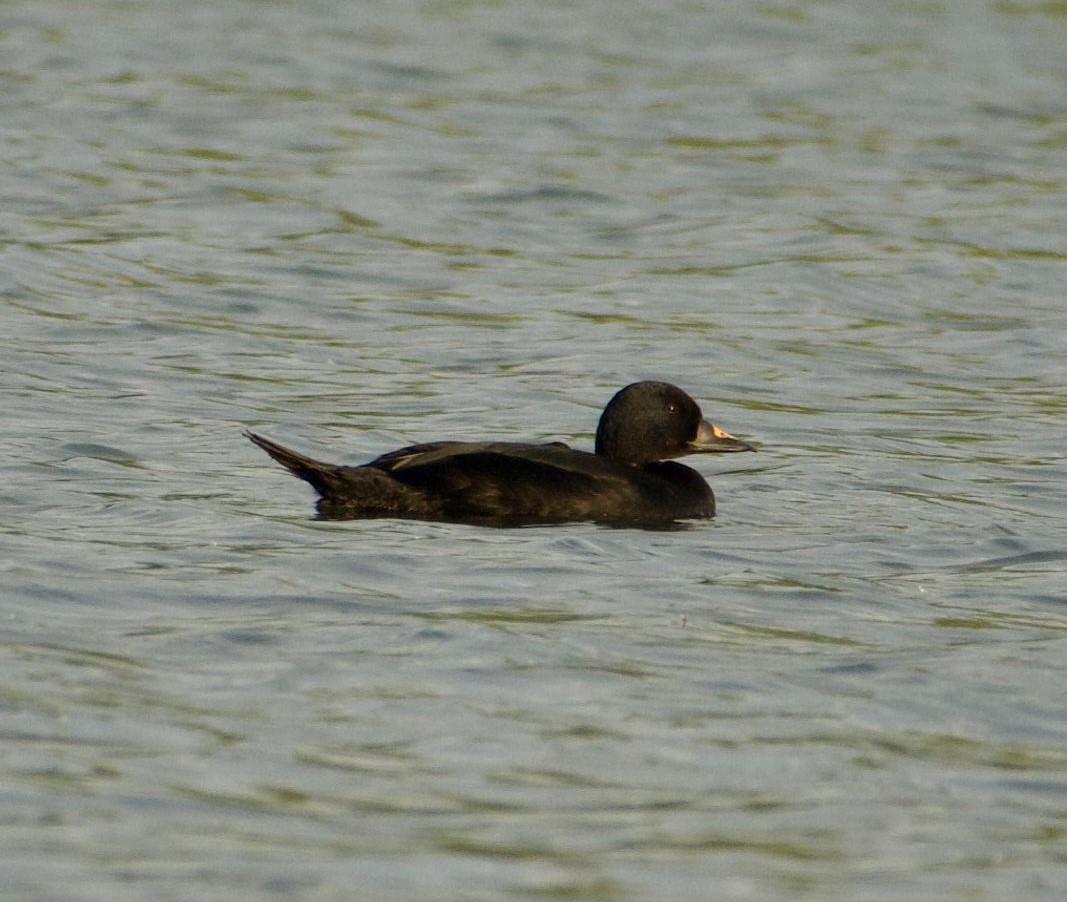
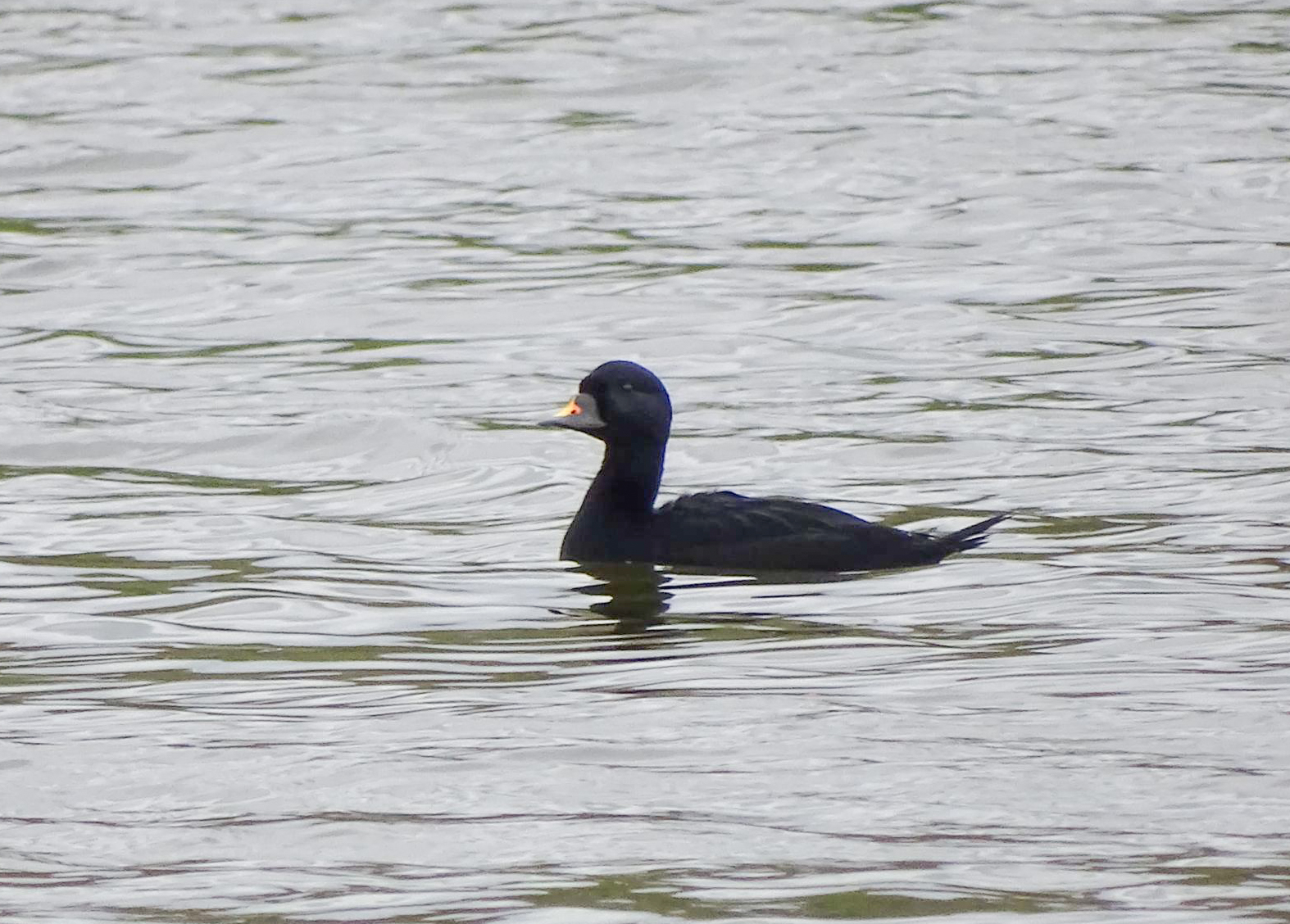
At Stanford Res this week, the unseasonal, rogue Pink-footed Goose was again present on 5th and again on 7th but it was easily overshadowed by a drake Common Scoter discovered there during the evening of 3rd.
Common Scoter, Stanford Res, 3rd June 2024 (Chris Hubbard)
A stone’s throw to the southwest, last week’s drake Garganey remained at Lilbourne Meadows NR until at least 4th.
Wader passage rallied after last week’s disappointing low, with the Nene Valley unsurprisingly producing all but one of the best birds. The highlight was the appearance of two Avocets at Summer Leys LNR for a half-day on 4th.
Avocets, Summer Leys LNR, 4th June 2024 (Tony Stanford)
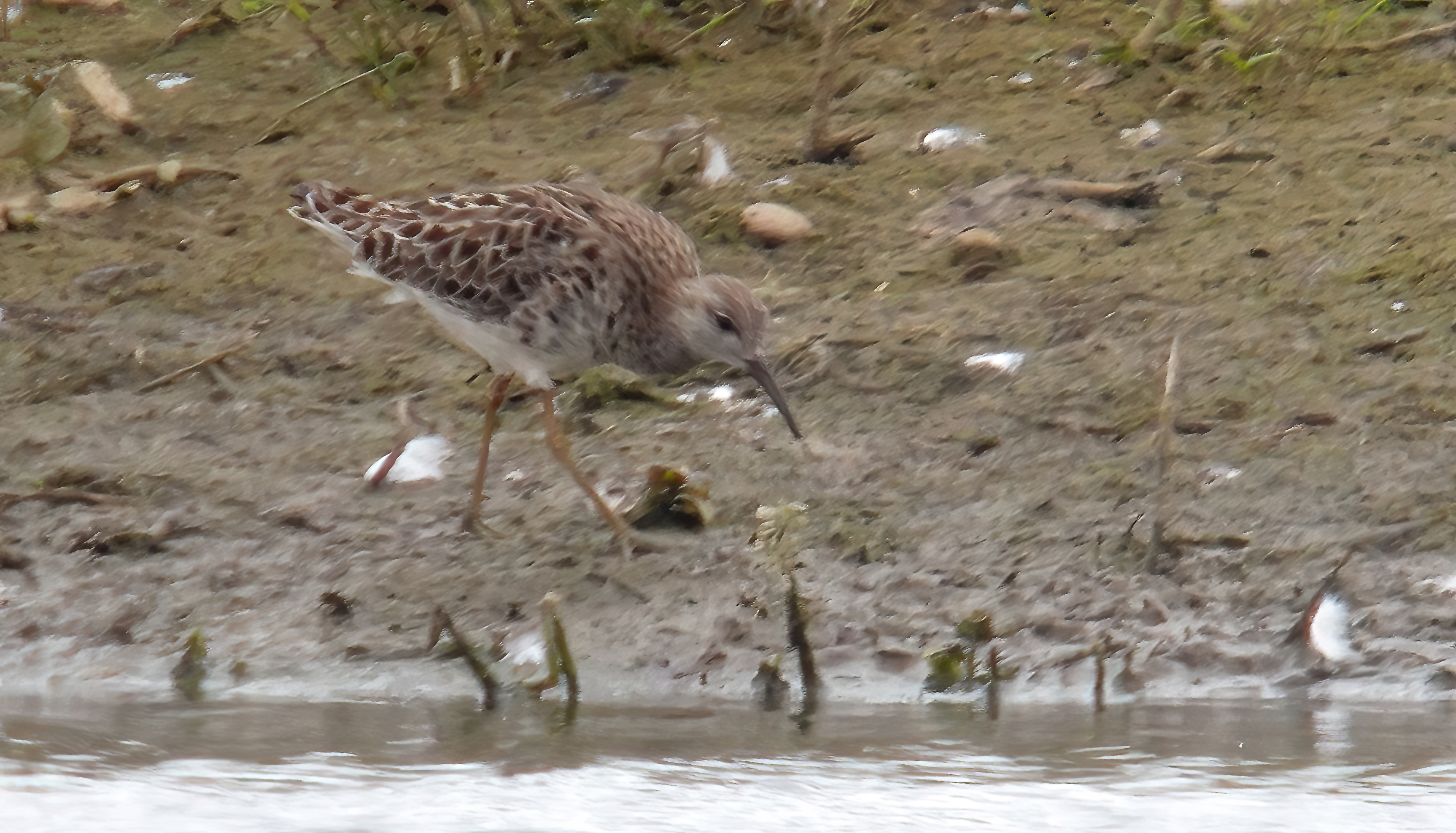
The same day also saw three ‘Tundra’ Ringed Plovers drop in to Stanwick GP, an early morning Whimbrel in flight over Hanging Houghton and a Ruff at Summer Leys, where a Wood Sandpiper also put in an appearance on 2nd.
Ruff, Summer Leys LNR, 4th June 2024 (Mike Alibone)
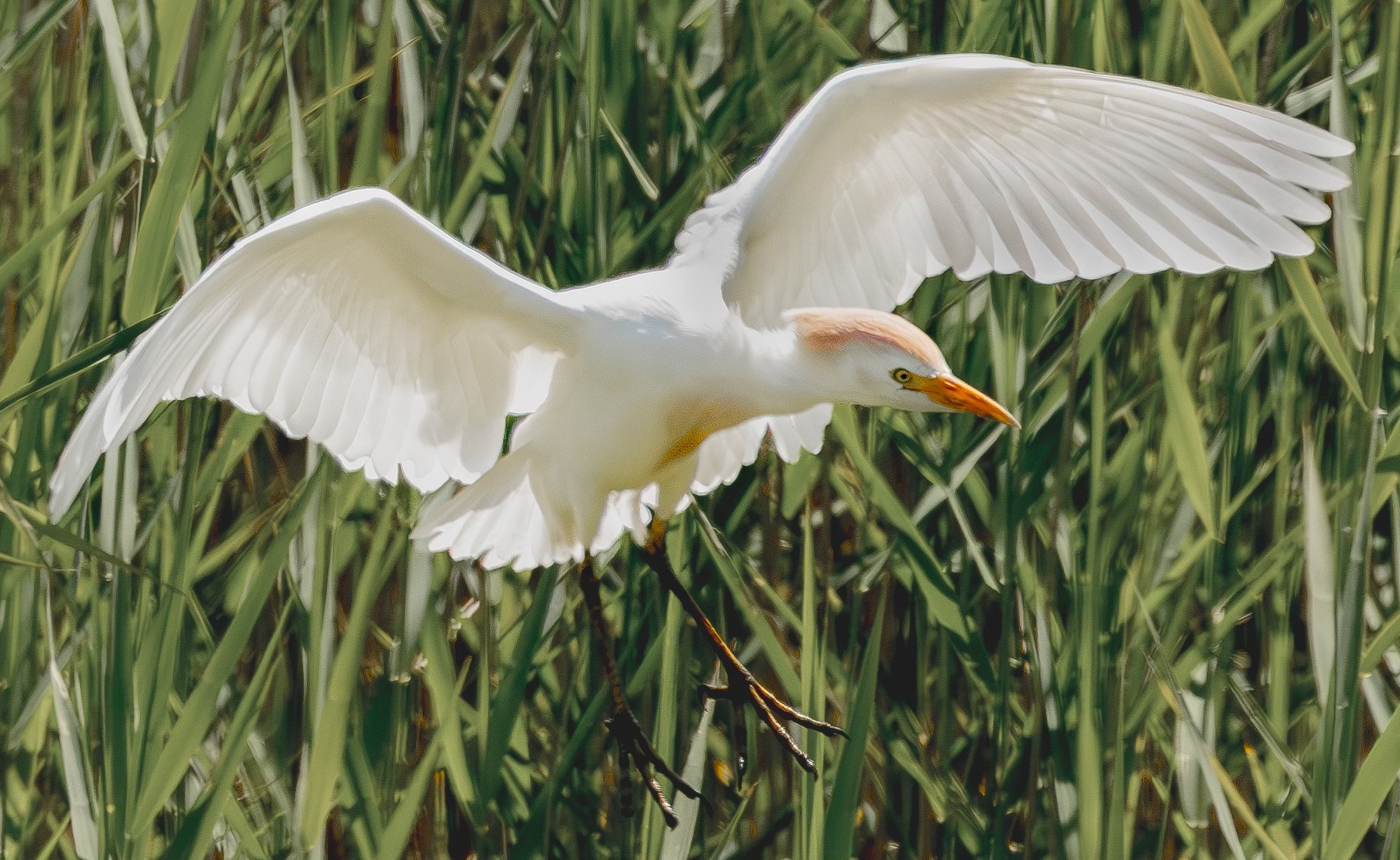
Bitterns continued to be seen in at least two locations but, this week, Cattle Egret numbers were restricted to single birds at Stanwick on 1st, Summer Leys and Thrapston GP’s Titchmarsh LNR on 2nd and between Ecton and Earls Barton on 7th.
Cattle Egret, Summer Leys LNR, 2nd June 2024 (Matt Cottrell)
Reports of Ospreys were down, with two birds at Pitsford Res on 3rd, followed by one there on 7th, while the Marsh Harrier slot was filled this week by one over Summer Leys on the last day of the period.
And still the Short-eared Owls rumble on. Making it into summer, one lingered in the Brampton Valley, mobile between Cottesbrooke, Hanging Houghton and Blueberry Farm from 1st to 5th and another remained at Harrington AF until at least 3rd.
Unsurprisingly, the sole representative of this week’s passerines was the singing male Wood Warbler, now having completed a two-week stint at Harry’s Park Wood. Will it remain throughout the summer? We’ll see …
Wood Warbler, Harry’s Park Wood, 1st June 2024 (James Underwood)
Singing male Wood Warbler, Harry’s Park Wood, 3rd June 2024 (Dave James)
While stuck mournfully under a slow-moving low pressure system, there were still birds out there to brighten up an otherwise dull week. Among these were two at opposite ends of the spectrum: a settled, singing male Wood Warbler throughout the period and, by contrast, a fleeting visit by Britain’s rarest breeding raptor – if it can still be called that …
We can, however, afford to gloss over the well out of season appearance of a Pink-footed Goose at Stanford Res on 28th and move swiftly on to the discovery on 25th of a smart drake Garganey at Lilbourne Meadows NR, where it remained throughout the week. Another – or perhaps the same individual on an awayday – visited Stanford, only 5.5 km distant as the duck flies, on 30th.
Drake Garganey, Lilbourne Meadows NR, 29th May 2024 (Mike Alibone)
Meanwhile, Earls Barton GP’s long-staying drake Red-crested Pochard remained at the site’s New Workings (North) on 25th.
In stark contrast to the previous one, this week was left wanting, though, when it came to waders. It was down solely to just two Sanderlings at Ditchford GP’s Irthlingborough Lakes & Meadows NR (IL&M) on 30th to prop up the group over the period.
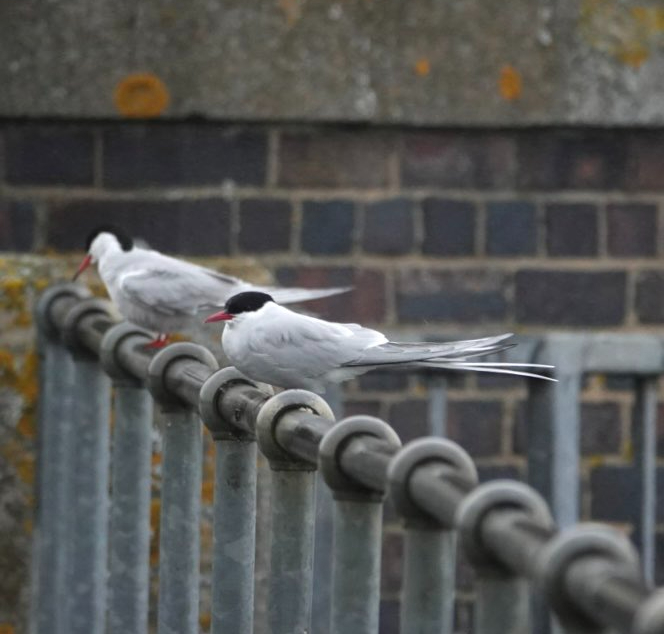
Continuing to prove difficult to catch up with so far this year, another fly-through Sandwich Tern – the third for 2024 – cruised south over Hollowell Res without stopping on 26th, while late in to Stanford on 31st was a first-summer Arctic Tern.
First-summer Arctic Tern, Stanford Res, 31st May 2024 (Chris Hubbard)
Characteristically more obliging, however, were two Black Terns – one at Summer Leys LNR on 30th and the other at IL&M on 30th-31st.
Black Tern, Summer Leys LNR, 30th May 2024 (Alan Coles)
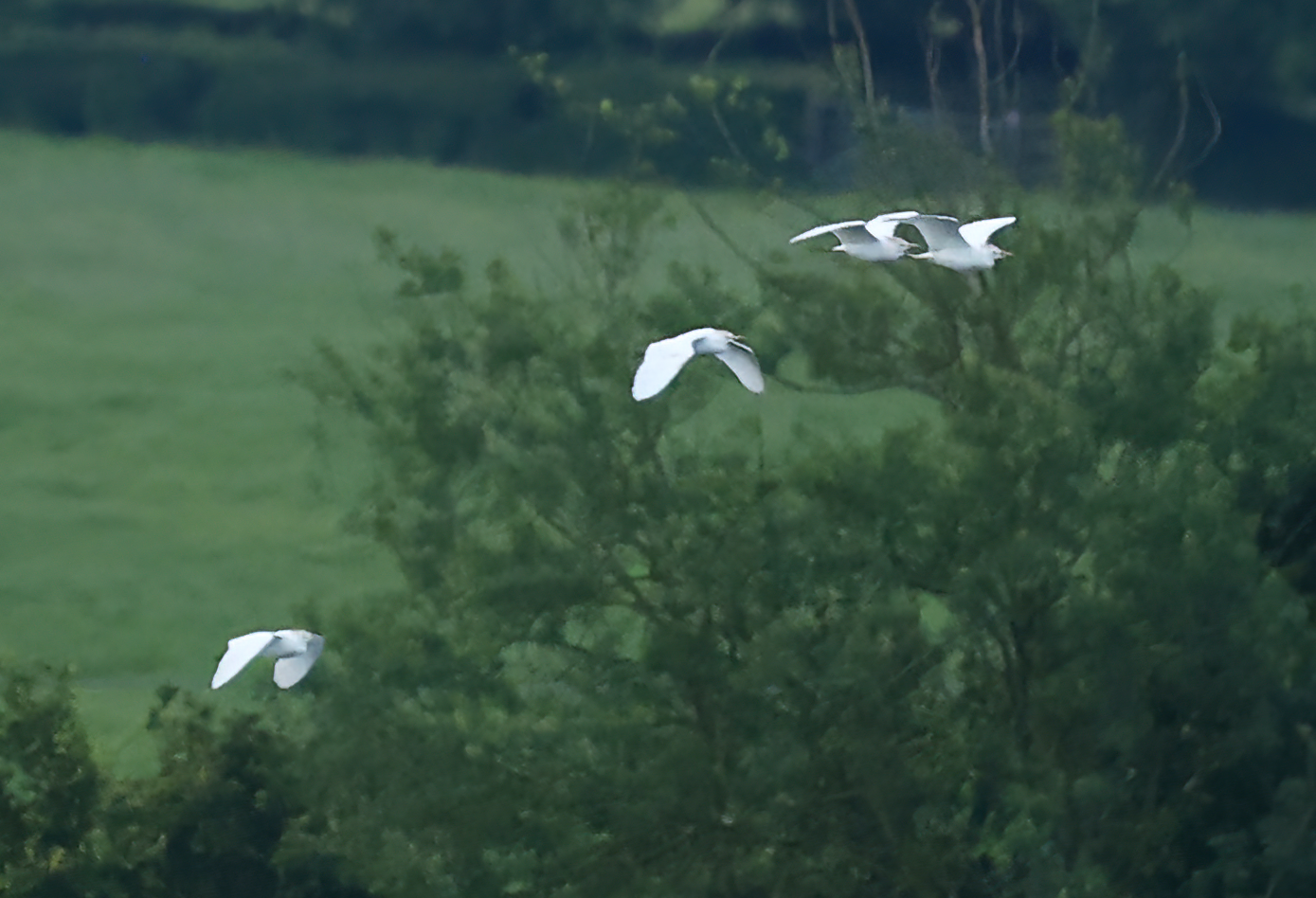
While Bitterns were again at two localities during the week, Cattle Egrets put in appearances at four, which included singles at Stanwick GP, Summer Leys and Thrapston GP’s Titchmarsh LNR – all on 27th, four over Clifford Hill GP on 29th and two again at Summer Leys on 30th. Breeding seems likely to be on the cards … somewhere.
Cattle Egrets, Clifford Hill GP, 28th May 2024 (Tyler Atkinson)
Now becoming fashionably late, Short-eared Owls maintained their unseasonally high profile as they continued to linger into the final days of spring. One was up and about at Harrington AF on 25th and 28th, another put in daily appearances at Summer Leys between 27th and 30th and a third bird was seen at Blueberry Farm, Maidwell on 28th.
Short-eared Owl, Summer Leys LNR, 27th May 2024 (Ricky Sinfield)
And this week’s raptors were thin on the ground or, more precisely, in the air. But what was missing in quantity was made up for handsomely by quality. A Marsh Harrier was an unusual site visitor to Hollowell Res on 30th.
First-summer Marsh Harrier, Hollowell Res, 30th May 2024 (Jon Cook)
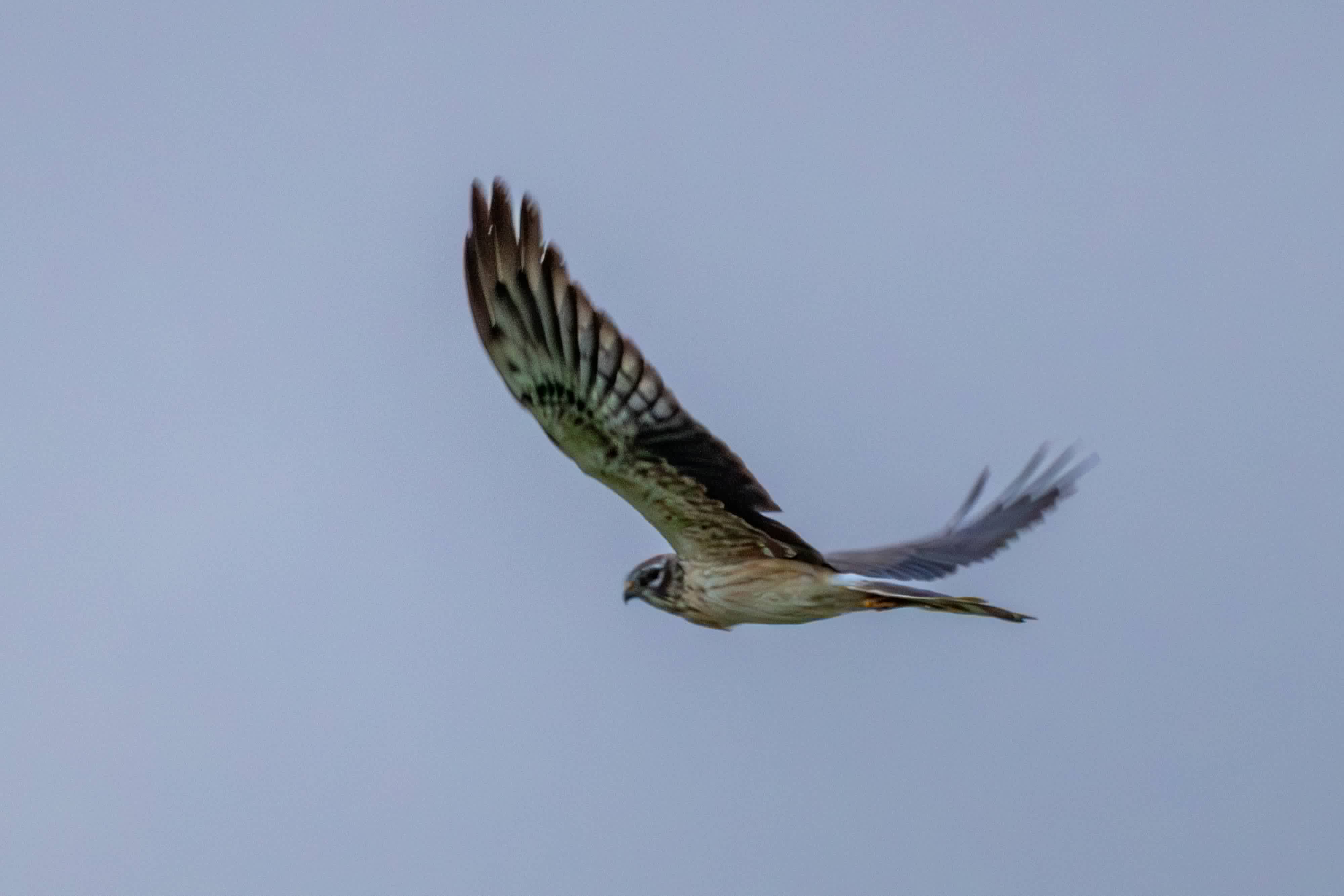
While this species may seem somewhat run-of-the-mill these days, a significant turn-up for the books this week emerged in the form of a nifty Montagu’s Harrier winging its way over farmland, just east of Bozeat, on the evening of 26th. Caught on camera by just one lucky observer, it was not seen again, despite subsequent visits to the area.
First-summer female Montagu’s Harrier, Bozeat, 26th May 2024 (Andy Howell)
This bird, only the eighteenth record for Northamptonshire, ties in nicely with a number of reports of others seen in the UK this year from late April and throughout May.
The overwhelming majority of previous county records have fallen into the same fly-by category but local birders of a certain vintage will no doubt have vivid recollections and fond memories of the bird which stuck around in the vicinity of Harrington AF for a week during May 1994. The presence of a male just over the border at Juniper Hill, Oxfordshire was hushed up during its stay in 2008 but it was seen in Northants on at least 4 dates in May of that year. Montagu’s Harrier is now Britain’s rarest ‘breeding’ raptor although, despite significant conservation efforts, it has not bred in the UK since 2019.
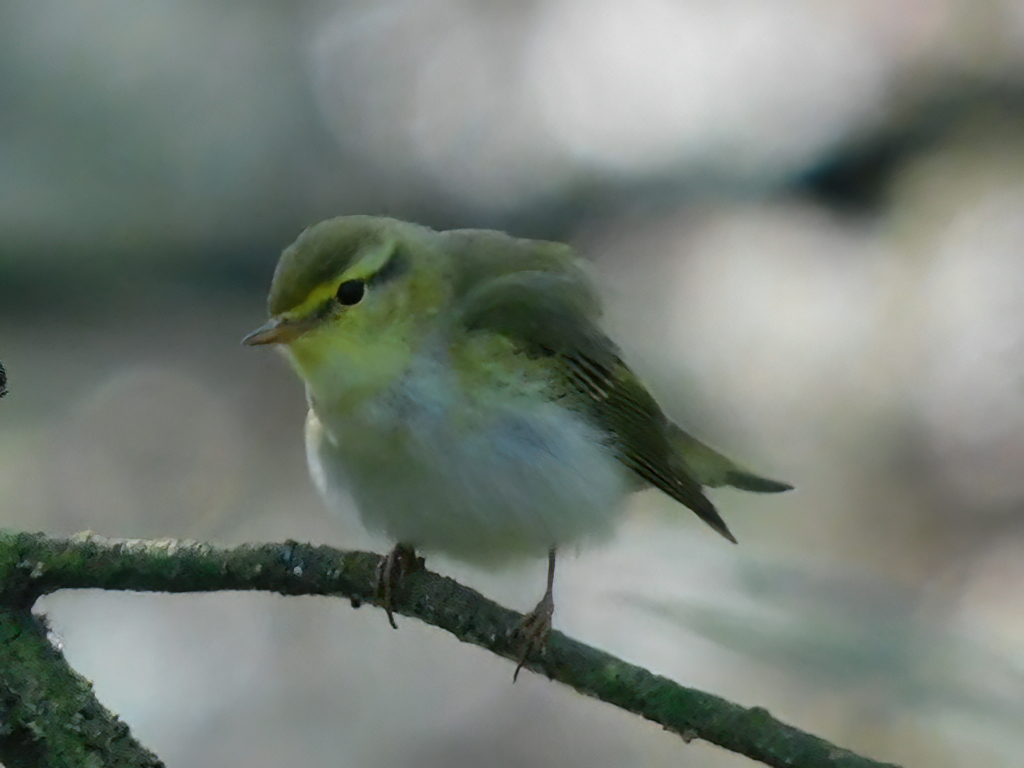
Unlike the above species, however, the bird of the week in terms of sheer popularity was a singing male Wood Warbler, on show to all comers at Harry’s Park Wood throughout the period.
Male Wood Warbler, Harry’s Park Wood, 25th May 2024 (James Underwood)Male Wood Warbler, Harry’s Park Wood, 25th May 2024 (Bob Bullock)Male Wood Warbler, Harry’s Park Wood, 29th May 2024 (Alan Coles)Male Wood Warbler, Harry’s Park Wood, 29th May 2024 (Nick Parker)
Having bred locally on occasions in the past, records over the last quarter century throw up a pattern of occurrence depicting a bird of consistent rarity, averaging less than two per year in the county.
Furthermore, the outlook for this species is bleak. The national Breeding Birds Survey shows a considerable and continuing decline, with a 76% decrease in the UK breeding population between 1995 and 2020 and declines also evident across northern and western Europe since 1980. It is now red-listed in the UK (BTO).
A varied week weatherwise saw, on average, a month’s rainfall over 36 hours during the middle of the period with the resultant effect of raising water levels, sadly to the detriment of a number of wetland breeding species. The same weather system also brought a class migrant or two into the county.
It was, as they say though, perfect weather for ducks and this week’s were limited to a drake Garganey at Stanwick GP between 18th and 21st and a now proven two drake Red-crested Pochards in the Nene Valley at their respective locations of Earls Barton GP and Ditchford GP’s Irthlingborough Lakes & Meadows LNR, also between 18th and 21st.
Drake Red-crested Pochard, Earls Barton GP, 18th May 2024 (Leslie Fox)Drake Red-crested Pochard, Ditchford GP, 20th May 2024 (Tony Vials)
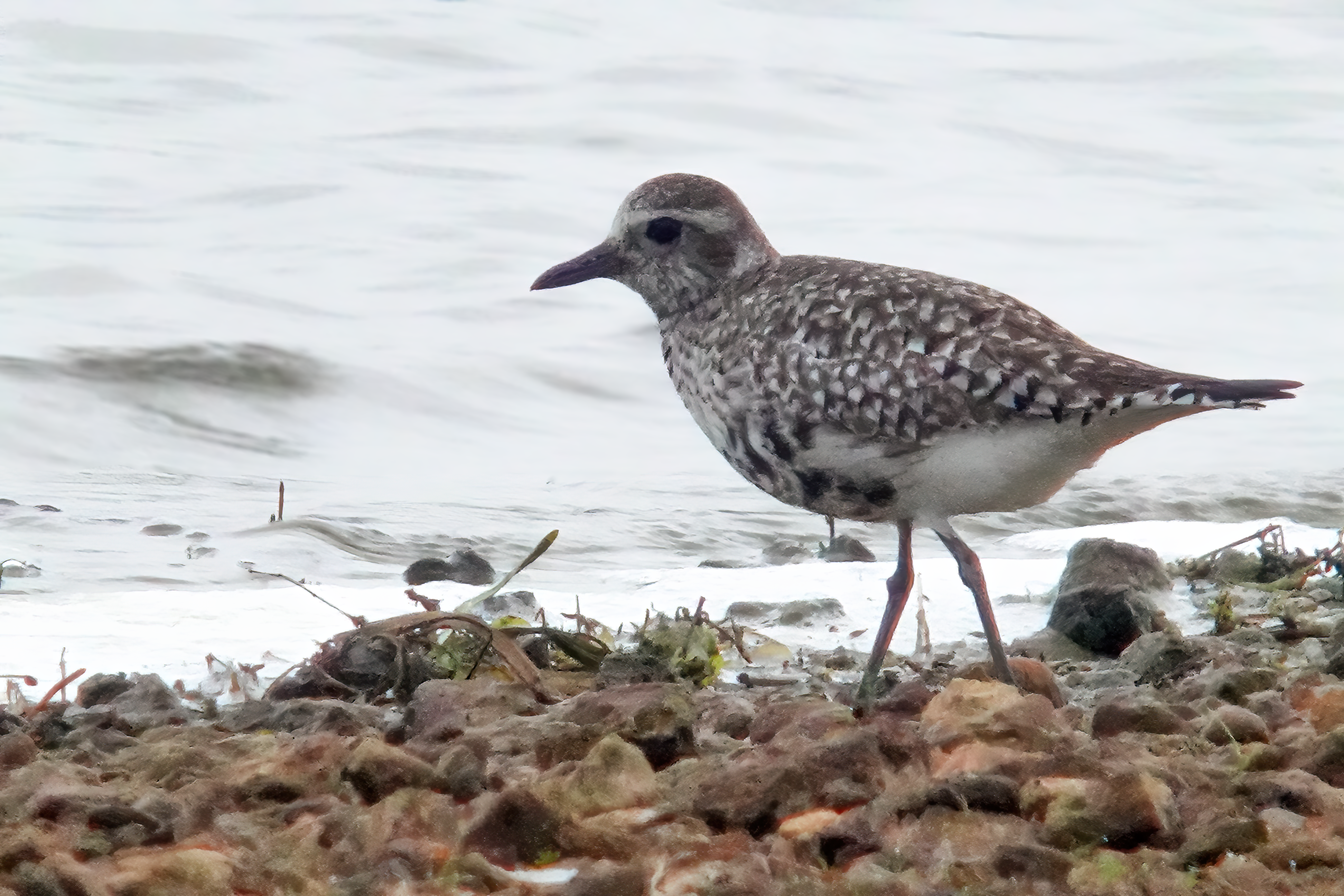
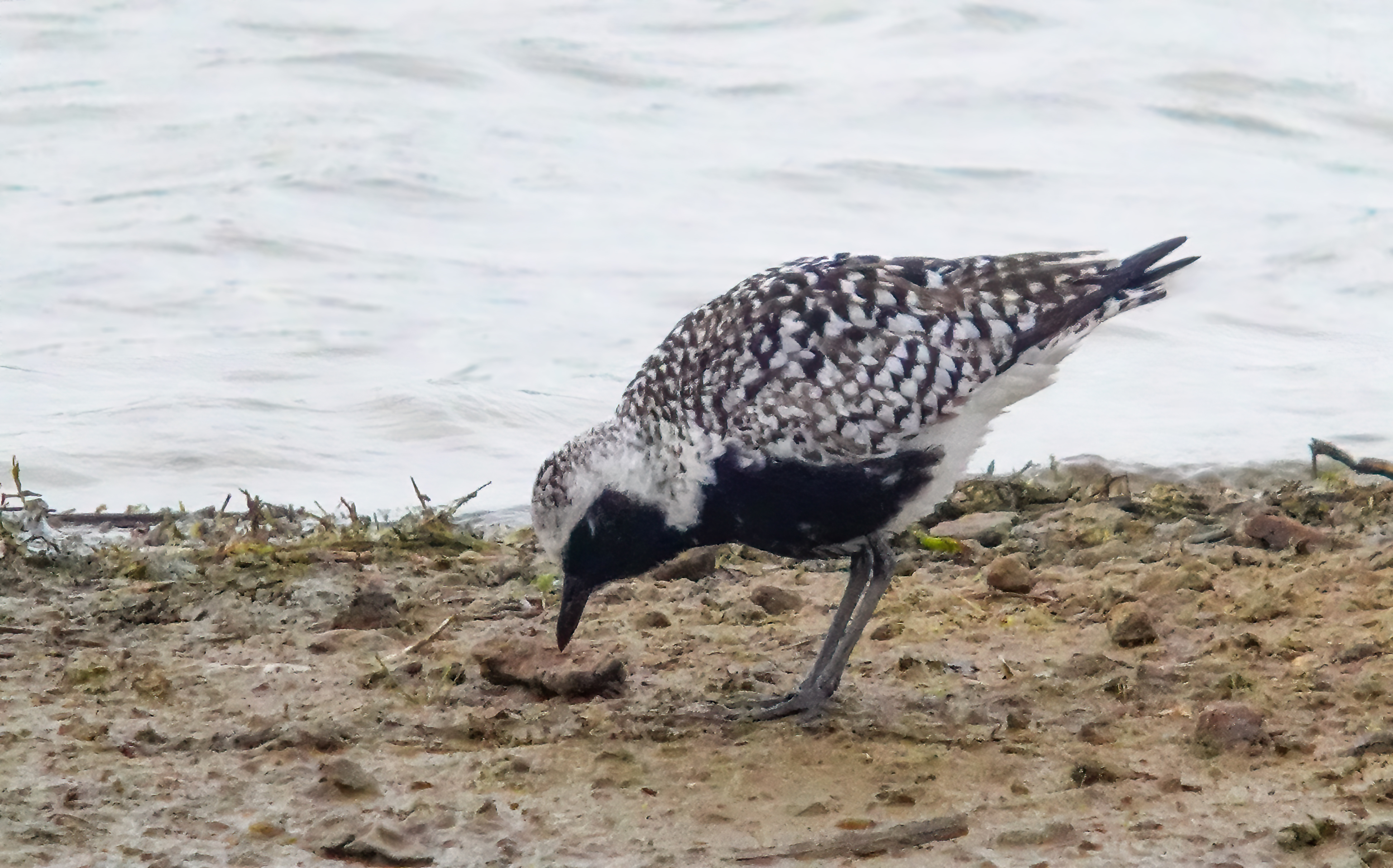
Out of the rain came another handsome summer-plumaged Grey Plover – this time at Stanwick GP on 22nd, while the following day saw at least two Tundra Ringed Plovers drop into Stanford Res. Late May is the peak time for a chance encounter with this subtly different subspecies as small numbers move through en route to their breeding grounds in the high Arctic. And, while we’re on the subject of subspecies, what should turn up this week but a smart, nominate limosa race ‘Continental’ Black-tailed Godwit at Summer Leys LNR. Found on 20th and identified on 21st, it remained on site until 22nd, after which rising water levels had an adverse impact on suitable wader habitat.
Although considered to be a rare passage migrant, the precise status and history of occurrence of this race in the county is unclear. What we do know is that they are very scarce in Northants and massively outnumbered during spring and autumn by the much commoner islandica race, known simply as ‘Icelandic’ Black-tailed Godwit.
Salient ID points, along with images of the Summer Leys bird in May 2020, can be found here and ‘Godwit Guru’, Mark Golley, who has kindly advised on the ID of some of our local birds, will be providing fully up-to-date coverage of how to separate these two races in the July issue of Birdwatch magazine, due out on 27th June.
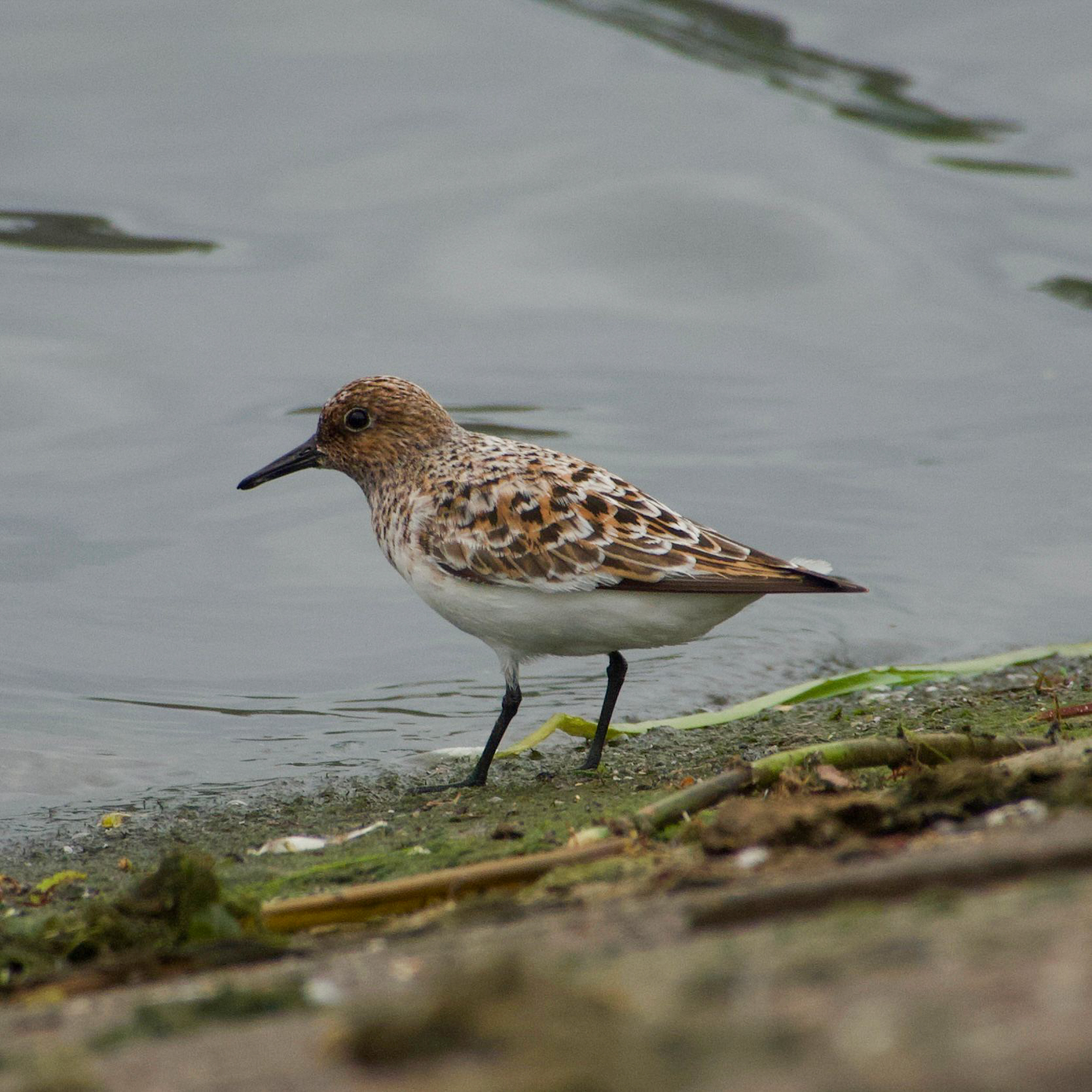
The week also brought another Sanderling – the county’s fourth of the year – to the dam at Stanford Res on 21st.
Sanderling, Stanford Res, 22nd May 2024 (Chris Hubbard)
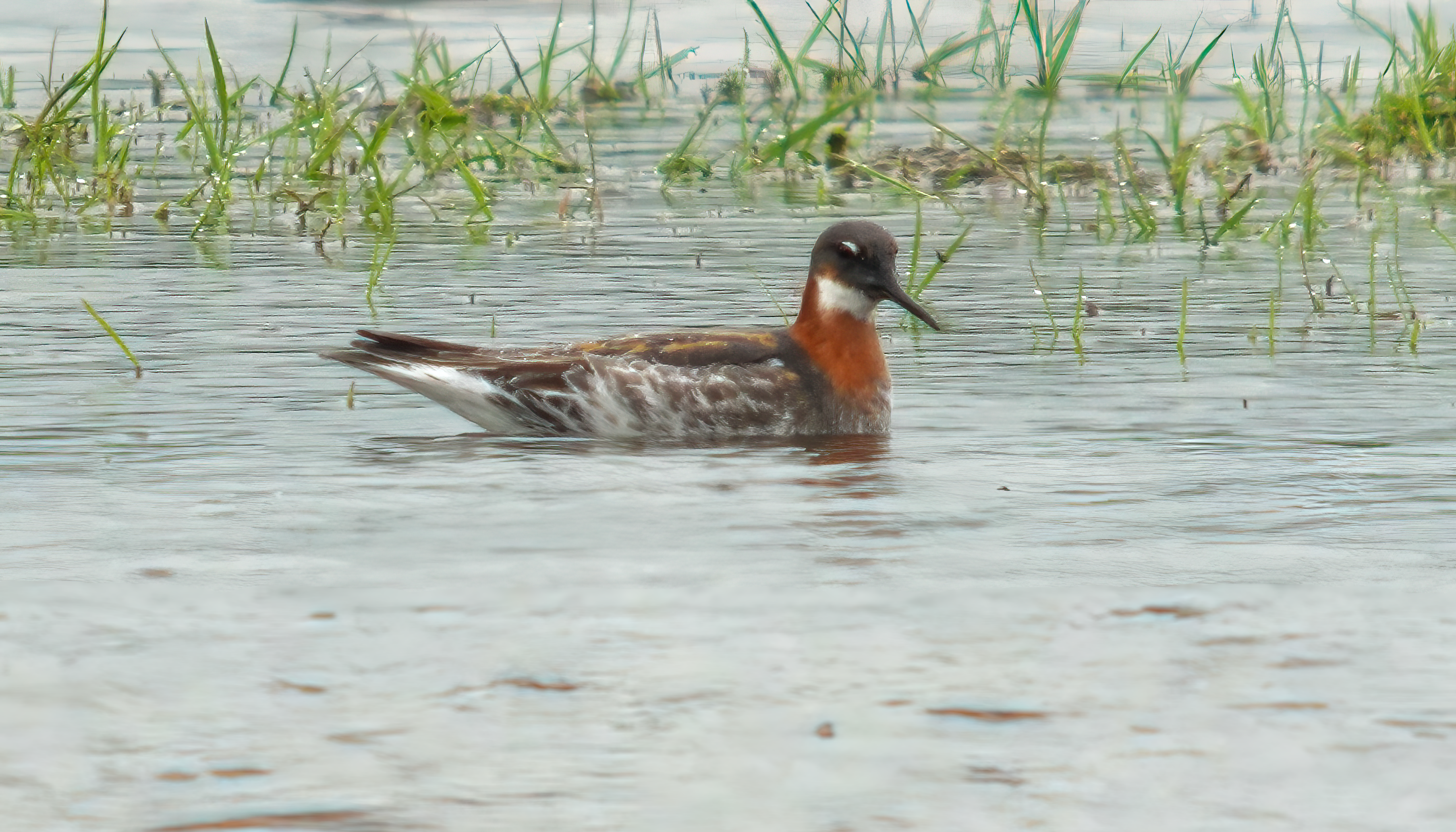
Few would argue that topping the bill this week, though, was a smart female Red-necked Phalarope at Lilbourne Meadows NR on 22nd. Found mid-afternoon, it remained late into the evening but was not present the following day. This is only the 21st record for Northants, the last being three years ago, at Summer Leys on 31st May 2021. Consequently, it drew a small crowd.
Female Red-necked Phalarope, Lilbourne Meadows NR, 22nd May 2024 (Mike Alibone)Female Red-necked Phalarope Lilbourne Meadows NR 22nd May 2024 (Mike Alibone)
Lilbourne Meadows was also the only site to attract Greenshank this week, with singles there on 20th and 23rd.
During the inclement weather on 22nd, and in contrast to previous weeks, it was the west of the county’s turn to dish up a Little Tern, this time at Daventry CP, which also pulled in four Arctic Terns at the same time, while a solitary Black Tern put in a brief appearance at Summer Leys on the same day.
Little Tern, Daventry CP, 22nd May 2024 (Gary Pullan)
Bitterns continued to be seen and, or, heard at two localities this week and single Cattle Egrets overflew Summer Leys at three-day intervals on 18th, 21st and 24th.
The first of these three dates saw a male Osprey again visiting Summer Leys, while others were duly noted at Hollowell Res on 18th, Biggin Lake (Oundle) on 19th, Cransley Res on 20th and Welford Res on 24th.
Male Osprey, Summer Leys LNR, 18th May 2024 (Ricky Sinfield)
The only other scarce raptor making it into the period was a male Marsh Harrier seen heading east over Earls Barton GP on 19th.
And as for scarce passerines, well they were exactly that, propped up by just the female Whinchat left over from the week before, at Clifford Hill GP on 18th.
A mixed bag of weather over the past week included a predominantly south-easterly airstream off the continent and, although devoid of new summer visitors, there was a run of decent birds that oozed quality rather than quantity. Representing the first of its kind in the county this century, one stood head and shoulders above the rest …
But it was not the easiest to catch up with as, after the news of its discovery broke on 15th, local birders had barely a two-hour window to see Northamptonshire’s first Common Eider for 25 years before it headed off high east from Boddington Res. A fine adult drake, it showed outrageously well at the northern end of the reservoir before swimming toward the sailing club prior to its departure.
Drake Common Eider, Boddington Res, 15th May 2024 (Gary Pullan)Drake Common Eider, Boddington Res, 15th May 2024 (John Friendship-Taylor)
There have been nineteen previous records, primarily in winter, with a notable run in the 1980s. An exceptional year, 1993, saw a remarkable influx into the county involving forty-six birds across eight localities, thirty-one of which occurred at Pitsford Res on 31st October. Smaller numbers of between one and four were subsequently found at Boddington, Cotterstock/Oundle, Daventry CP, Ditchford GP, Earls Barton GP, Hollowell Res and Sywell CP. This influx formed part of a wider movement of Common Eiders across the Midlands at the time.
Notable, too, for racking up an exceptional 93-day stay, was an immature drake at Croughton Quarry between December 1998 and March 1999 – the last to be seen in Northants before this week’s bird, which was clearly long awaited … and maybe long lamented by those who missed it.
Overshadowed but not overlooked, was a/the drake Garganey at Summer Leys LNR on 11th and 17th and single drake Red-crested Pochards – or perhaps just one mobile individual – at Summer Leys on 11th, Ditchford GP on 13th and 17th and at Earls Barton on 14th.
The week proved fruitful for more uncommon waders on the move. Boddington again featured, with its sailing club jetty hosting an Avocet on 16th.
Avocet, Boddington Res, 16th May 2024 (Gary Pullan)
Summer Leys hung on to its – and the county’s – second Grey Plover of the year on 11th, after which another dropped in to Clifford Hill GP on 14th to be joined by a second bird there the following day.
Grey Plovers, Clifford Hill GP, 15th May 2024 (Mike Alibone)Grey Plover, Clifford Hill GP, 15th May 2024 (Mike Alibone)Grey Plover, Clifford Hill GP, 15th May 2024 (Mike Alibone)
For those up and awake in the early hours, a ‘noc mig’ listen-in produced two parties of Whimbrels moving over Kettering on 14th, while daylight hours on 11th produced two Turnstones at Clifford Hill GP, followed by singles at Summer Leys on 12th and 14th. The second Sanderling of the year was found at Clifford Hill on 12th, hot on the heels of which was one at Summer Leys on 13th-14th.
Sanderling, Summer Leys LNR, 13th May 2024 (Mike Alibone)
Another ‘second’ to check in this week was a Wood Sandpiper at Lilbourne Meadows NR, obligingly staying three days from 13th to 15th, in stark contrast to last week’s brief appearance put in by the bird at Summer Leys.
Wood Sandpiper, Lilbourne Meadows NR, 14th May 2024 (Mike Alibone)
The latter site held the majority, such as it was, of this week’s Greenshanks, with two on 11th and 12th and one from 13th to 14th, while another was found at Thrapston GP’s Titchmarsh LNR on 12th.
Thrapston was also the venue for a showy Little Tern, present for a good 3 hours around Town Lake on 15th.
Little Tern, Thrapston GP, 15th May 2024 (Nick Parker)
Black Terns, too, continued to filter through, numbers of which included seven at Summer Leys on 11th, two at Stanwick GP on 12th and one at Stanford Res on 15th.
Bitterns continued to be seen and/or heard at three localities this week.
Bittern, undisclosed locality, 17th May 2024 (Alan Coles)
Seemingly becoming more regular in the Nene Valley this year, Ospreys were seen at Thrapston GP on 12th, Summer Leys on 12th and 13th and at Earls Barton on 17th. In more traditional reservoir settings, singles were at Pitsford on 14th, Hollowell on 16th and at both Boddington and Stanford on 17th.
Male Osprey, Summer Leys LNR, 12th May 2024 (Ricky Sinfield)
And after a blank week prior, Marsh Harriers were back, with one drifting high over Barton Seagrave on 11th and another mobile around Earls Barton/Summer Leys on 11th-12th.
Marsh Harrier, Barton Seagrave, 11th May 2024 (Julie Roe)
A lingering Short-eared Owl remained at Harrington AF on 15th.
Always much scarcer in spring than in autumn, single Whinchats found in the Brampton Valley on 11th and at Clifford Hill GP on 17th, were only the sixth and seventh of the year so far, as well as being the only passerines of note during the period.
Female Whinchat, Clifford Hill GP, 17th May 2024 (Mike Alibone)
Looking ahead, there are just five summer visitors left to clock in: Common Quail, Turtle Dove, Wood Warbler, Pied Flycatcher and Tree Pipit. Scarce though they are, surely one of these will make landfall in the county next week.
The week just gone can only be described as one of those which was neither good nor bad in terms of what it actually produced. A high pressure system firmly anchored over the country provided excellent conditions for non-stop migration and the majority of the week’s best birds seemingly took full advantage, moving rapidly through the county in little more than the blink of an eye.
Two more summer visitors clocked in – both of them on the same day.
Wood Sandpiper, Summer Leys LNR, 6th May 2024 (Andy Howell)
While the Wood Sandpiper arrived pretty much on cue, it could be argued that the Spotted Flycatcher had plenty of scope to do better, having set a record as long ago as 1971 and 1976 for the earliest arrival date of 20th April. It was quickly followed by singles at Braunston, Evenley Wood and Towcester, all on 8th.
This week’s ducks deluxe were represented by four species, starting with a drake Garganey at Summer Leys LNR on 6th-7th. Currently proving scarcer than usual this spring, this is only the fifth record so far and, aside from the early, lingering drake at Ditchford GP, the other three were limited to one-day birds.
Drake Garganey, Summer Leys LNR, 7th May 2024 (Mike Alibone)
The long-staying drake Red-crested Pochard remained in place at Earls Barton GP until at least 4th, while the female Ring-necked Duck, having moved from Ditchford to Clifford Hill GP on 2nd, remained at the latter site until 6th. The only other duck new in this week was a female Common Scoter found on Thrapston GP’s Town Lake on 7th.
In addition to the aforementioned Wood Sandpiper, which stayed only briefly at Summer Leys, more waders arrived and included another teasing Tringa in the shape of a fly-over Spotted Redshank, declining to drop in at Thrapston GP’s Titchmarsh LNR as it headed north-east over the reserve on 10th. This was the first – and maybe the last – of the year, for all we know but, by contrast, the week’s Greenshanks adopted a more leisurely approach to migration with singles at Summer Leys on 4th and 6th and two there on 10th.
Greenshank, Summer Leys LNR, 4th May 2024 (Stuart Mundy)
These were joined there by the second Grey Plover of 2024 on the latter date, following the first at the same site on 28th-30th March.
Compared to the previous week, the number of Arctic Terns appearing was somewhat subdued, with two on 4th and singles on 5th and 7th – all at Summer Leys.
Arctic Tern, Summer Leys LNR, 4th May 2024 (Alan Coles)
Filling the gap, Black Terns duly obliged, appearing at six localities, which included a build-up throughout the day, on 10th, of a respectable twenty at Stanford Res. Elsewhere, Summer Leys produced four on 4th and one on 6th-7th, Ditchford held two on 5th, Earls Barton and Thrapston two and one, respectively, on 6th – the latter site holding a further six on 9th, while two visited Ringstead GP on 10th.
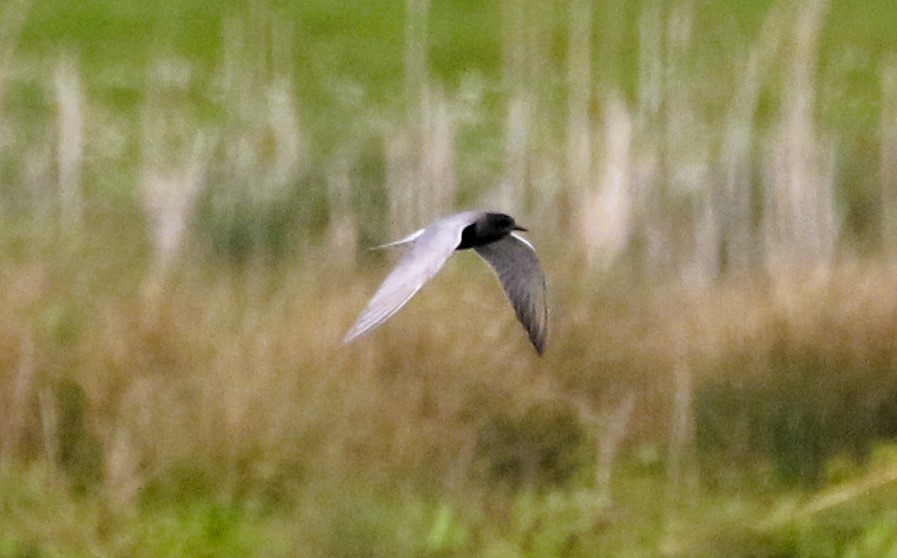
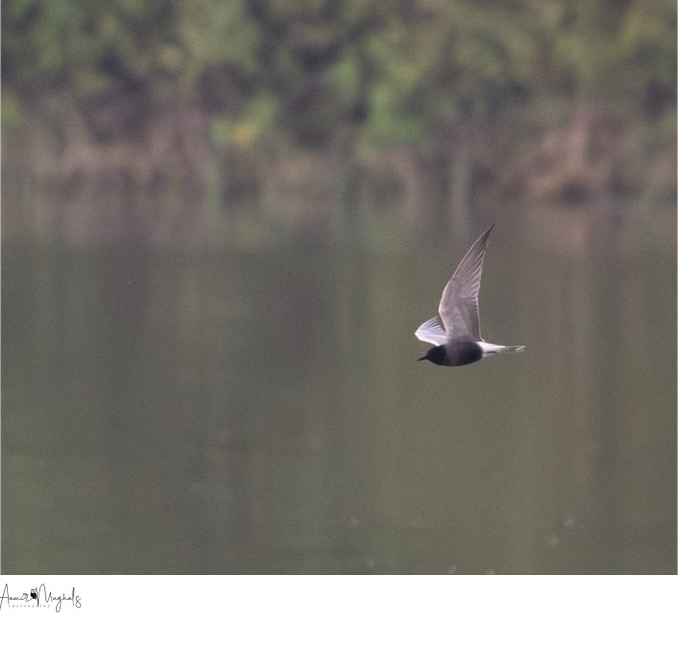
Black Tern, Summer Leys LNR, 4th May 2024 (Alan Coles)Black Tern. Summer Leys LNR, 4th May 2024 (Aamir Aziz Mughal)Black Tern, Stanford Res, 10th May 2024 (Paul Bunyard)
Two Bitterns were present at one locality on 8th and Cattle Egrets were keeping up appearances, with the highest total of four reported from Thrapston GP on 6th. Smaller numbers included two at Stanwick GP on 4th, two at Summer Leys on 5th and singles there on 6th and 8th, plus singles between the River Nene and Cogenhoe from 5th until at least 8th and between Nether Heyford and Upper Heyford on the latter date.
Ospreys graced Summer Leys on 4th and 8th, Stanford on 4th and 10th, Pitsford Res on 6th and 10th and Stanwick on 7th.
Male Osprey, Summer Leys LNR, 4th May 2024 (Kyle Smith)
And, once again, Short-eared Owls continued their late spring tenure with single birds hanging on all week at Harrington AF and in the Brampton Valley between Cottesbrooke and Hanging Houghton. One was also present at South Hill Farm near Wellingborough during the evening of 8th.
Passerine migrants were in short supply during the period and included a male Ring Ouzel between Brixworth and Hanging Houghton on 6th, two Northern Wheatears at Clifford Hill on 4th, followed by one at Harrington AF on 6th and a White Wagtail at Orlingbury on the same date.
This week we entered the merry month of May against a background of mixed weather conditions, including both southerly and easterly winds, with activity ramping up on the last day of the period. Once again, the Nene Valley laid claim to most of the action.
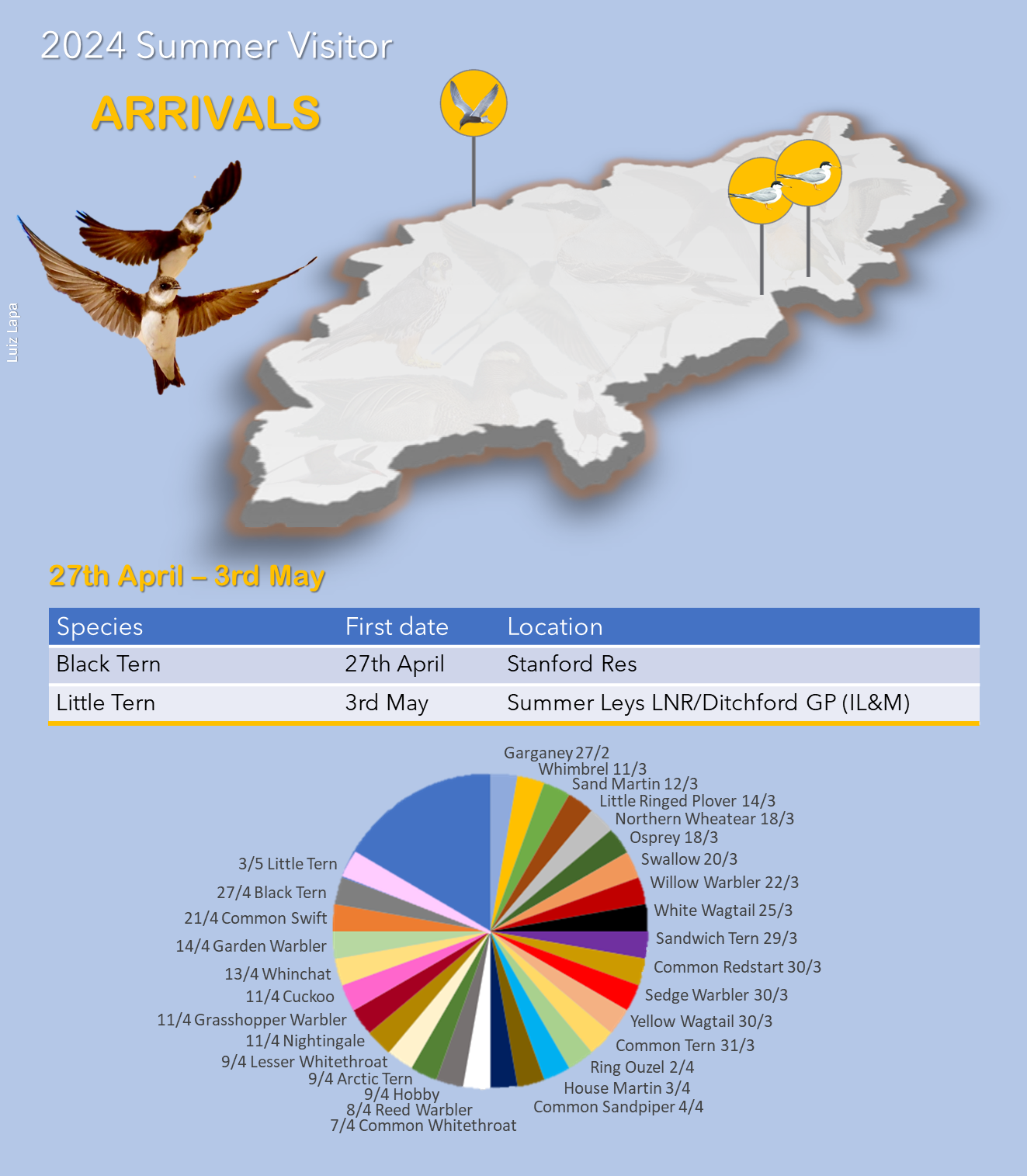
There were two new summer visitor arrivals in the shape of Black Terns and some pleasingly smart Little Terns, the dates of which were unremarkable in terms of timing.
Little Tern, Summer Leys LNR, 3rd May 2024 (Mike Alibone)
Unusual but not unprecedented for the time of year, a Pink-footed Goose turned up at Ditchford GP’s Irthlingborough Lakes & Meadows LNR on 28th but was not reported thereafter. Other wildfowl were, unsurprisingly, in short supply and included the lingering drake Red-crested Pochard at Earls Barton GP’s New Workings (North) – also on 28th – and a female Ring-necked Duck fresh in to Clifford Hill GP on 2nd, remaining there the following day. The logical conclusion is, of course, that this is the same female which had hitherto been present at Ditchford between 5th March and 26th April, now with itchy, spring feet.
Female Ring-necked Duck, Clifford Hill GP, 2nd May 2024 (Mike Alibone)
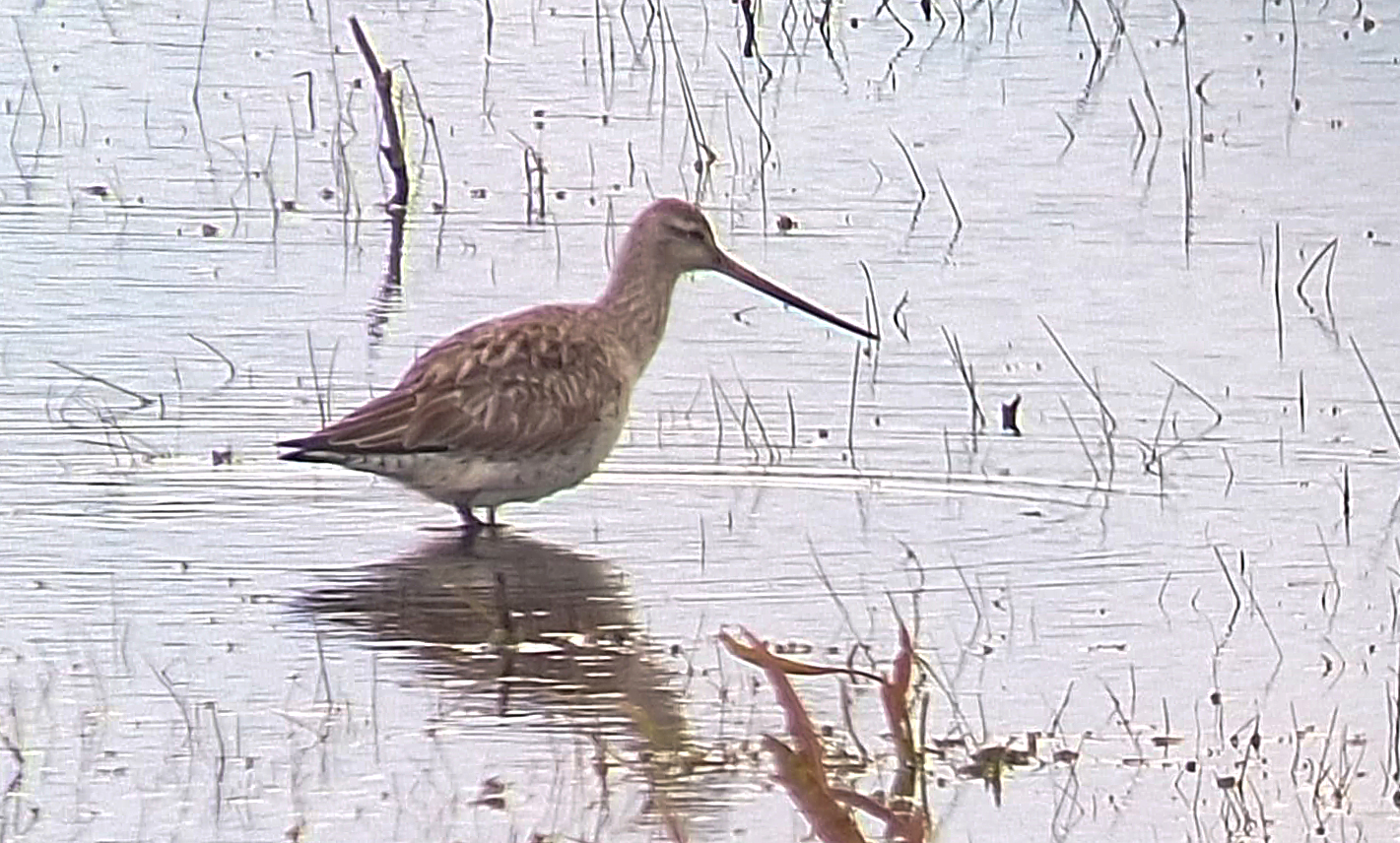
In terms of numbers, waders were, arguably, thin on the ground and fast-moving with none staying for any appreciable length of time. Four Whimbrels put in a brief appearance at Summer Leys LNR on 27th, when one also flew east over Earls Barton, while three flew west over Stanford Res on 3rd. So far proving difficult to catch up with at mainstream localities, just two individual Bar-tailed Godwits made it to the county this week, with one dropping in briefly at Clifford Hill on 27th and the other following suit at Summer Leys on 3rd. Seven Black-tailed Godwits visited Summer Leys on 27th.
Black-tailed Godwits, Summer leys LNR, 27th April 2024 (James Underwood)
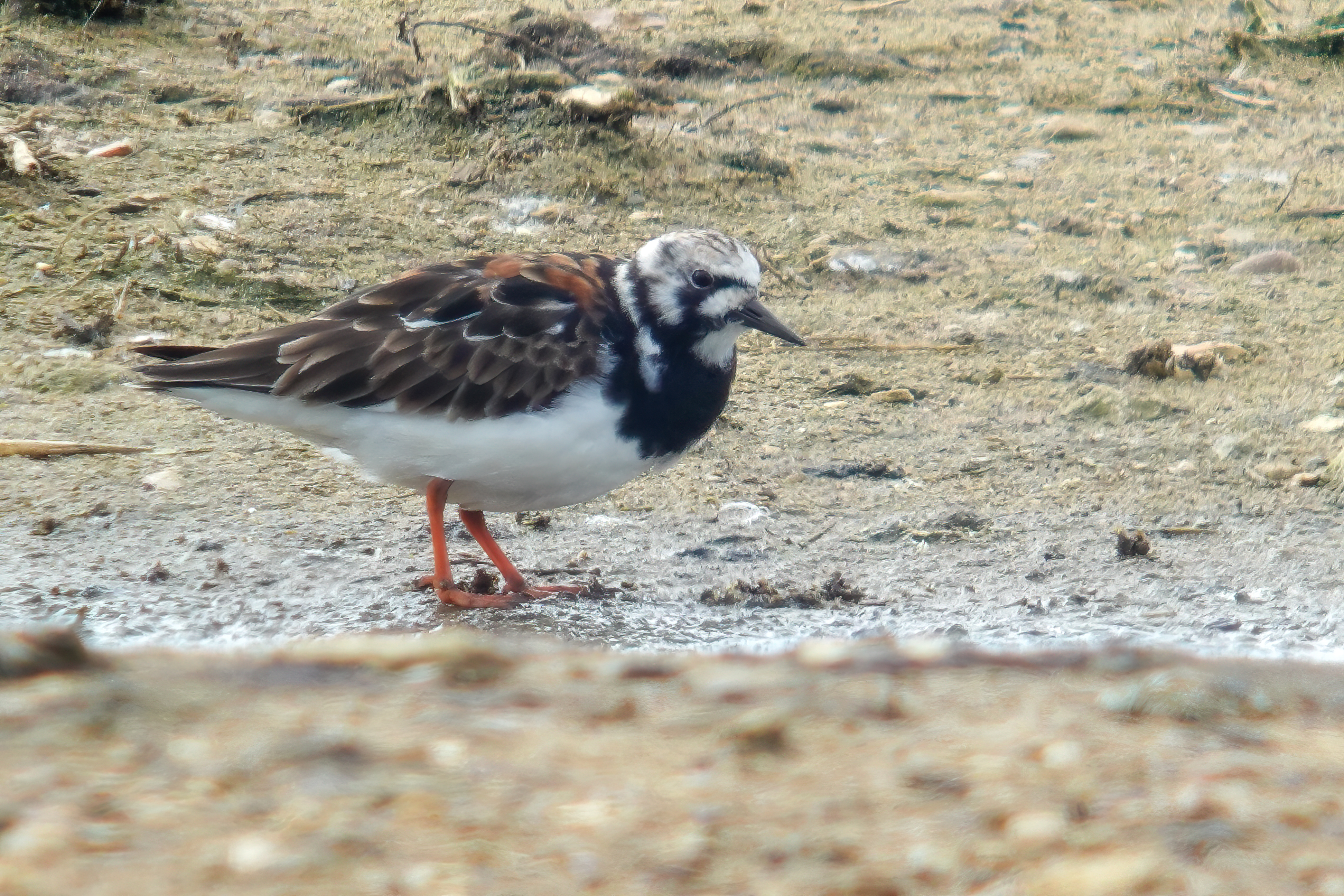
Following an obliging bird at Stanwick last week, six Turnstones at Summer Leys on 3rd were far less accommodating and were in and out in little more than a heartbeat.
Turnstones, Summer Leys LNR, 3rd May 2024 (Tony Stanford)
Also on 3rd, the year’s first Sanderling appeared at Clifford Hill, remaining there for much of the day, while single Greenshanks were found at both Ditchford and Summer Leys on 28th.
Sanderling, Clifford Hill GP, 3rd May 2024 (Mike Alibone)
Roundly kicked into second place by terns this week, gulls, small and large, were represented by just an adult Little Gull at Clifford Hill on 3rd and a Caspian Gull at Ravensthorpe Res on 1st.
Adult Little Gull, Clifford Hill GP, 3rd May 2024 (Mike Alibone)
Aside from the aforementioned Little Terns, after a rough deal on Arctic Terns last week, the county came back with some for everyone, starting with at least four at Summer Leys on 27th, followed by singles there on 28th and 2nd and then at least twelve on 3rd. Elsewhere, four visited Clifford Hill on 28th ahead of three more on 3rd, while at least nine were at Stanford on the latter date when six different birds – three, two and one – passed through Hollowell Res.
Arctic Tern, Stanford Res, 3rd May 2024 (Chris Hubbard)Arctic Tern, Clifford Hill GP, 3rd May 2024 (Mike Alibone)
Following the year’s first Black Terns, of which there were five at Stanford on 27th, further arrivals occurred during the week when singles were found at Ditchford and Thrapston GP on 28th and at Stanford again and Summer Leys on 2nd, with two at the latter site the following day, on 3rd.
While Bitterns were skulking and booming at two locations (undisclosed as they are potentially breeding) this week, numbers of the rather more showy Cattle Egrets peaked on 29th, when there were eight at Stanwick GP. Three were in the Nene Valley below Cogenhoe on 27th and up to two were seen, on and off, at Summer Leys throughout the period.
Bittern, undisclosed locality, 29th April 2024 (Alan Coles)
The week’s raptors were solely represented by Ospreys, all of which were found in north-central Northants. Singles visited Pitsford Res on 30th and 2nd, two flew east over Spratton on the latter date, and one was seen at both Hollowell and Ravensthorpe on 3rd.
Seemingly stretching out the winter, Short-eared Owls were again in evidence with single birds still in the Brampton Valley on 27th and 28th and at Harrington AF on the latter date, while one was over fields on the southern periphery of Clifford Hill on 2nd.
And while we’re on the subject of ‘winter’, a lone Waxwing was found on Brackmills Industrial Estate, Northampton on 29th. This bird clearly has some catching up to do …
In what has turned out to be an excellent spring for long-staying Ring Ouzels, one of the Harrington AF females remained on site until 27th, while the Weston Mill, Northampton bird appeared to have departed on 30th, having been in residence there for a good twelve days. Common Redstart numbers continued their downward trend with single males at Harrington and Blueberry Farm, Maidwell on 27th and 29th respectively and Whinchats remained thin on the ground with the Brampton Valley and Harrington producing one apiece on the last of these two dates. Northern Wheatears, too, were in short supply. Singles were at Clifford Hill GP on 27th and 1st while, on 29th, two were found in the Brampton Valley and one was at Upton CP. A Greenland Wheatear was a May Day visitor to fields north-east of Daventry CP on 1st.
Male Northern Wheatear, Upton CP, 29th April 2024 (Tony Stanford)
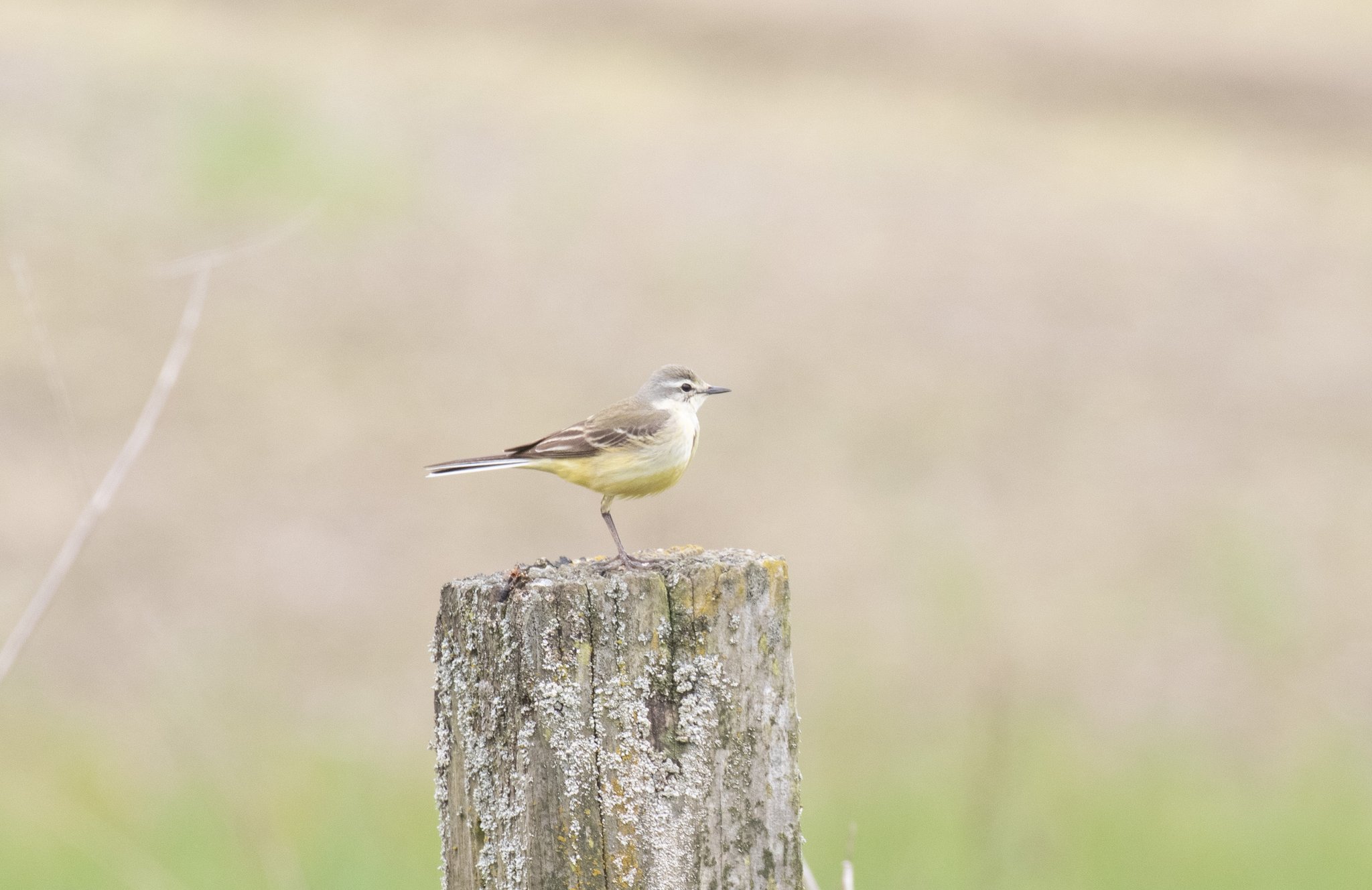
And for those who are of the view that a potential ‘Greenlander’ is best left unidentified, then spare a thought for the finders of the striking female Yellow Wagtail in fields adjacent to Stanford Res on 2nd. Initially believed to be a Channel Wagtail, or possibly a Blue-headed Wagtail, it’s fair to say that racial variation swilling around in the murky waters of hybridisation in this species produces much head-scratching, resulting in the safe relegation of these birds to ‘flava-type’ status. A fine bird, nonetheless.
Last week’s straightforward male Channel Wagtail at Aynho apparently had no such identificational baggage attached and was still present there on 27th, while the period’s only White Wagtail was found at Summer Leys on 27th.
Cool northerlies and arctic air were the order of the week as we approach the end of April, during which time it was revealed that England has experienced its wettest eighteen months since records began in 1836.
However, this did not put the dampeners on migration and the opening weekend saw the first widespread arrival of Common Swifts of the spring, particularly on Sunday, 21st, with birds arriving en masse across southern England. This was reflected in our own arrivals with reports from four localities across the county.
While the swift movement was underway, there were two ducks seemingly intent on going nowhere. Both long-stayers, the drake Red-crested Pochard at Earls Barton GP’s new workings area and the female Ring-necked Duck at Ditchford GP’s Irthlingborough Lakes & Meadows LNR saw another week out in the Nene Valley.
The same could not be said, though, for two different drake Common Scoters, a first-summer and an adult, both of which paid fleeting visits to Stanford Res on 21st and 24th, respectively.
Drake Common Scoter, Stanford Res, 24th April 2024 (Bob Morley)
But it was back to the Nene Valley in which, unsurprisingly, the majority of the week’s waders were to be found. Following last week’s two, more Whimbrels passed through the county, with singles at Summer Leys LNR on 21st, 23rd and 26th and at Clifford Hill GP on 25th – none of which stayed for any appreciable length of time. The opposite applied to last week’s Bar-tailed Godwit found on the established seasonal floodwater at Lower Barnwell Lock, Oundle on the last day of the preceding week, remaining in situ until 23rd. It’s been the only one to date this year and we’re now entering the peak time for this species, so more should surely be on the cards.
Otherwise it was down to Black-tailed Godwits to keep up the momentum. Taking the lion’s share, Clifford Hill produced five on 21st and three on 23rd while, on the latter date, three visited Stanwick GP and two were found on pools in the Brampton Valley below Brixworth. Summer Leys also supplied two on 24th-25th.
Female Black-tailed Godwit, Clifford Hill GP, 23rd April 2024 (Mike Alibone)Male Black-tailed Godwit, Clifford Hill GP, 23rd April 2024 (Mike Alibone)
Arguably though, it was Stanwick which produced ‘wader of the week’, that slot being filled by the year’s first Turnstone, which saw a full day out on 23rd.
Turnstone, Stanwick GP, 23rd April 2024 (Mike Alibone)
But now from wader of the week to wader flock of the week and, although not scare or rare as such, Redshank numbers swelled overnight to put on an impressive show at Clifford Hill GP on 22nd, when a record-breaking seventy-one were gathered together on the northern shoreline of the Main Barrage Lake. Unremarkable at a coastal location, perhaps, but in Northamptonshire this is something truly special! Tagging along with them was a solitary Greenshank, while further individuals of the latter were also seen at Summer Leys between 21st and 23rd and at Ditchford GP’s Irthlingborough Lakes & Meadows LNR on the latter date.
Greenshank, Clifford Hill GP, 22nd April 2024 (Mike Alibone)
A late Jack Snipe was found at Hollowell Res this week, also on 23rd.
And so we turn to terns. While numbers of the ‘Common’ variety built steadily as more continued to arrive, it was Arctic Terns that stimulated a little more interest. Against the background of a sizeable movement across the UK, we might consider ourselves short-changed given the pitifully small numbers dealt out to Northants. These can be duly summed up as three at Summer Leys on 22nd, followed by five there the next day, three at Clifford Hill on 23rd and one at Stanford on 26th.
Following an unconfirmed report of one in flight over Wood Burcote last week, a ‘subadult’ – probably third calendar year – Spoonbill materialised at Clifford Hill on 21st. Alas, its stay was short and it was up and away less than an hour after its discovery. Given the increase in numbers in the UK in recent years, the hope of more during this spring and beyond is well justified and there is every chance this will be fulfilled …
Spoonbill, Clifford Hill GP, 21st April 2024 (Bob Bullock)
For now, though, bread-and-butter Cattle Egrets continue to occupy the (formerly) rare heron slot and this week’s consisted of three in flight over Summer Leys on 23rd, when two were also at adjacent Hardwater Lake, one flying west over Earls Barton GP on 24th and two in flight over Thrapston GP’s Town Lake on 25th.
Raptor sightings were again unsurprisingly dominated by, but not limited to, Ospreys. All were seen in flight and included singles near Harrington on 20th, near Welford and over Weston Mill (Northampton) on 21st and at Pitsford on 24th, while two separate males visited Hollowell on 26th.
Male Osprey, Hollowell Res, 26th April 2024 (Jon Cook)
This last day of the week also saw a Marsh Harrier over Stanford and a smart male Hen Harrier over Bucknell Wood. Adult males of the latter are rarely encountered in Northants.
Male Hen Harrier, Bucknell Wood, 26th April 2024 (Paul Gibbs)
And the county continued to hold on to its ‘wintering’ Short-eared Owls. Two were still at Blueberry Farm, Maidwell, remaining there until at least 23rd, Harrington hung on to one throughout the period and one remained in the Brampton Valley on 25th-26th. A favourable change in the weather may yet hasten their departure.
But once again, the passerine spotlight was firmly on Ring Ouzels which, in common with the last species, appear to be determined to extend their stay in the county. Under the circumstances, it’s no surprise that the easily accessible Weston Mill bird again proved to be the most popular pull for local birders. Initially found last week on 18th, it remained settled in Miller’s Meadow, showing well to all comers throughout the period. Others were available, of course, with at least one – possibly two – at Harrington all week and two at Honey Hill between 20th and 22nd.
Ring Ouzel, Harrington AF, 20th April 2024 (David Arden)Ring Ouzel, Miller’s Meadow, Weston Mill, Northampton, 22nd April 2024 (Mike Alibone)
There were fewer Common Redstarts, however, comprising singles in the Brampton Valley and at Weston Mill on 20th and at Harrington on 20th, 22nd and 26th. A solitary, first-summer male Whinchat – the spring’s third – was discovered on Borough Hill on the last day of the week.
Whinchat, Borough Hill, 26th April 2024 (Steven Wright)
Meanwhile, Northern Wheatear numbers held steady. Harrington, where birds were seen almost daily, produced at least four on 22nd, three on 20th and two on 24th and 26th. Similarly, Clifford Hill held up to four between 22nd and 25th, four were between Harringworth and Laxton on 20th, three were at Blueberry Farm on 23rd, two were at Hartwell from 20th to 23rd and one was found on Borough Hill on 20th.
Now, that just leaves wagtails. Four sites held White Wagtails and, of these, Lower Barnwell Lock produced the highest total of four on 20th followed by one there on 23rd. Elsewhere, three were at Summer Leys on 22nd with two there on 23rd and singles on 21st and 25th, while further singles were present at Clifford Hill on 20th and on floodwater at Aynho on 23rd and 25th.
White Wagtail, Summer Leys LNR, 21st April 2024 (Ricky Sinfield)
This last site also produced a male ‘Channel’ Wagtail from 23rd until the week’s end.





































 Northants birds