
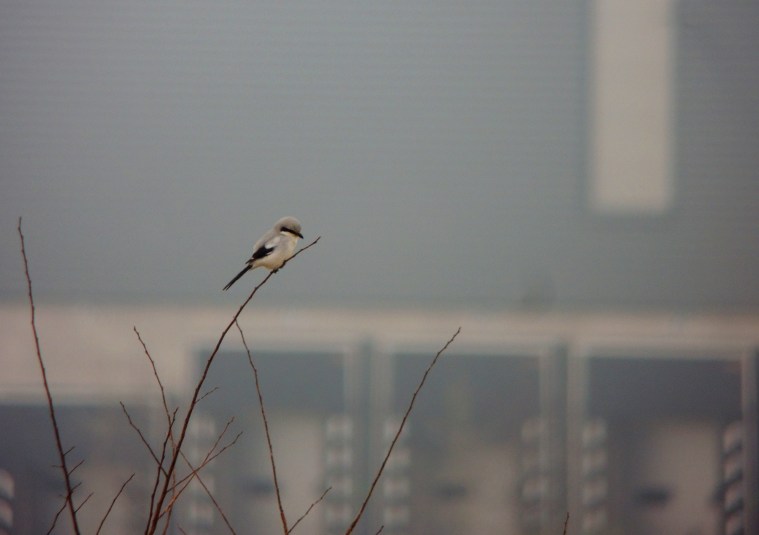
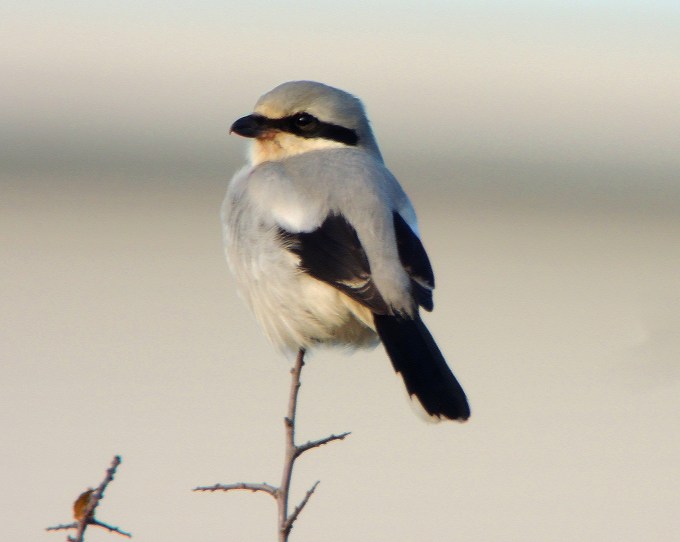
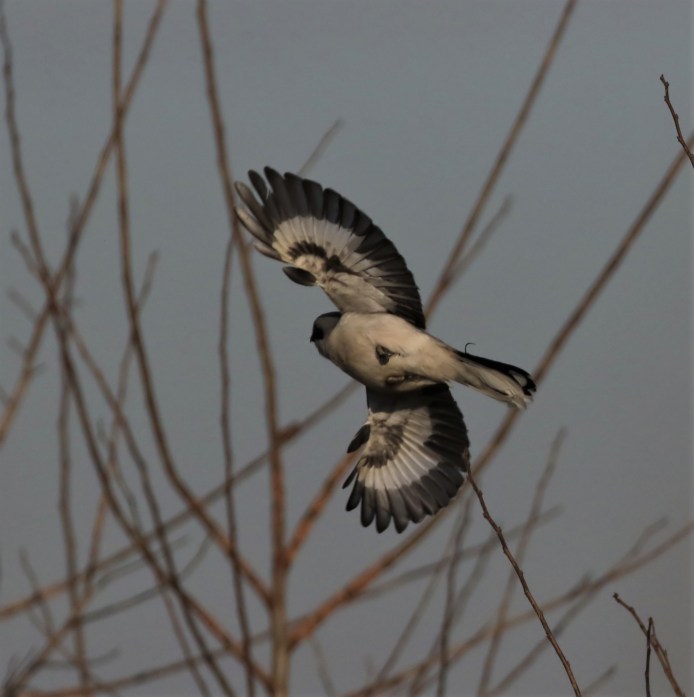
Exceptionally cold air across Greenland this week helped to fuel a strong Atlantic Jetstream, bringing wet, windy and very mild weather to the UK from as far south as the Azores. Not that it made any real difference to the birds we were seeing but it clearly put paid to any hard-weather movements which might have been in the offing at this time of the year. Highlights included the ever-popular, long-staying Great Grey Shrike and a newly discovered Siberian Chiffchaff.
Since the recent disappearance of the adult Whooper Swan which was on the cards to winter at Thrapston GP, this species looks set to revert to its former ‘connection not guaranteed’ status. However, seven dropping into Summer Leys LNR on the afternoon of 4th gave rise to hope they might remain until the following day which, unsurprisingly, they didn’t. On 5th, two flew from Oxfordshire into the upper Cherwell Valley but were not seen subsequently.
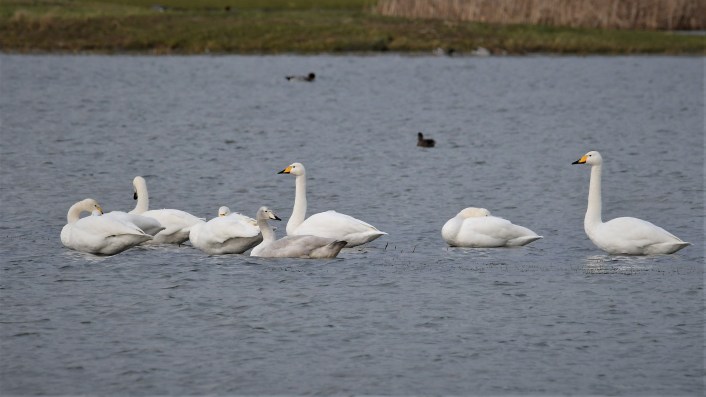
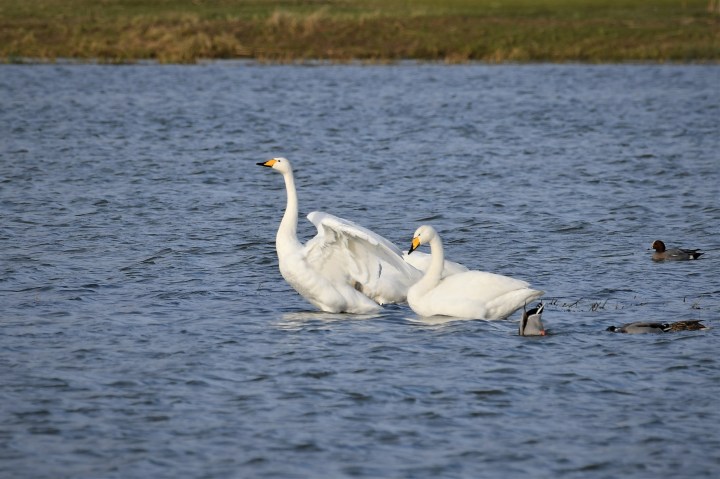
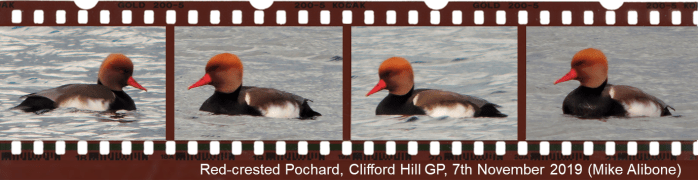
Meanwhile, the female Ruddy Shelduck was back at Hollowell Res on 4th, being seen there again on 10th. The female Greater Scaup continued to be seen at Stanwick GP until 4th and the elusive first-winter female was showing again at Daventry CP on 10th, while the drake Red-crested Pochard remained faithful to Summer Leys LNR’s Main Lake throughout the week.
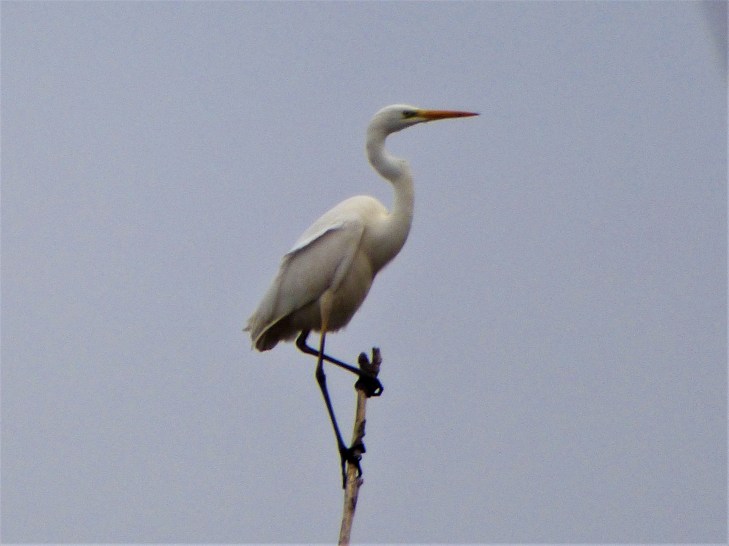
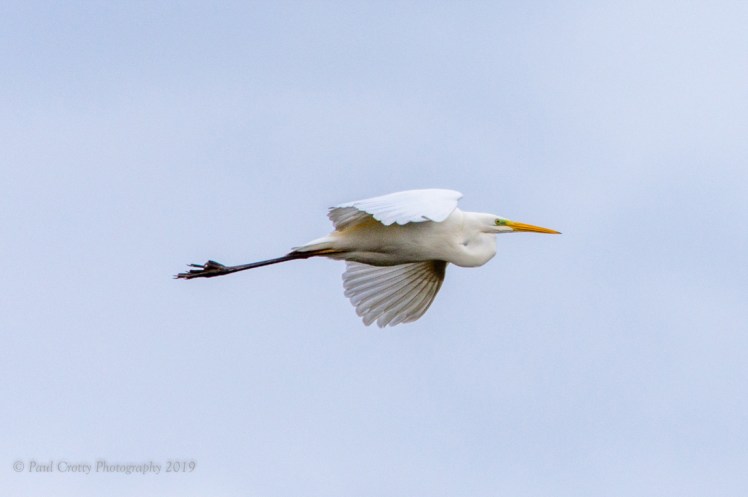
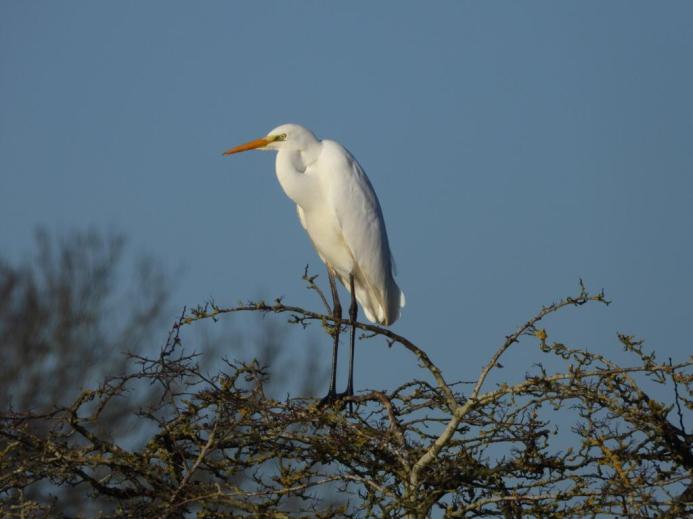
Great Egrets, now considered part of the winter furniture, were at eight localities, including Ditchford GP, Hollowell, Kislingbury GP, Pitsford, Stanford Res, Stanwick, Summer Leys and Thrapston, with Stanwick holding a maximum of four on 5th. In contrast to last week, however, Cattle Egrets maintained a low profile, with just one at Stanwick on 4th and three at Ditchford GP the following day, on 5th.
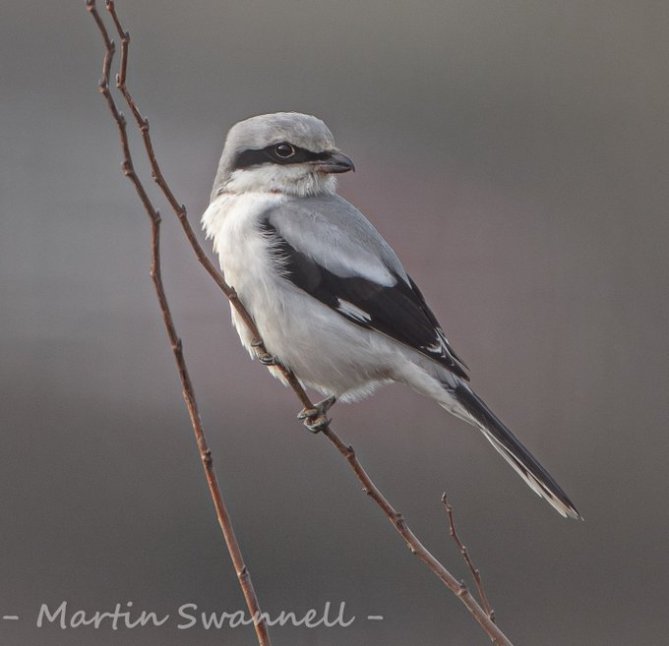
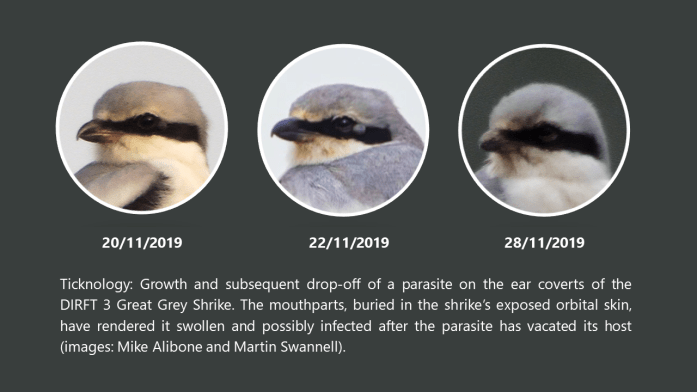
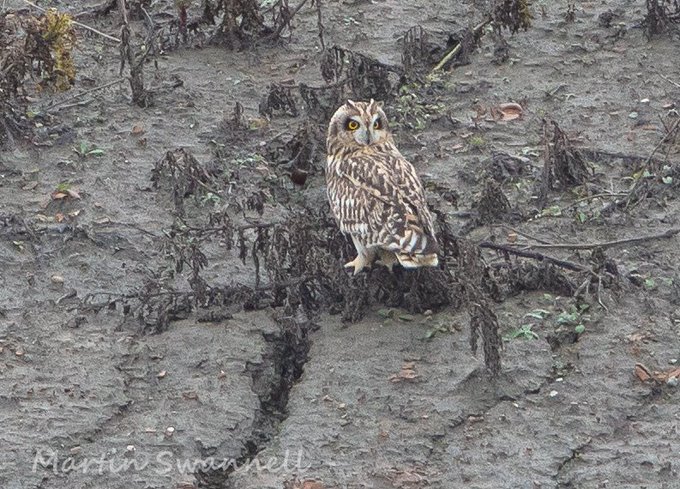
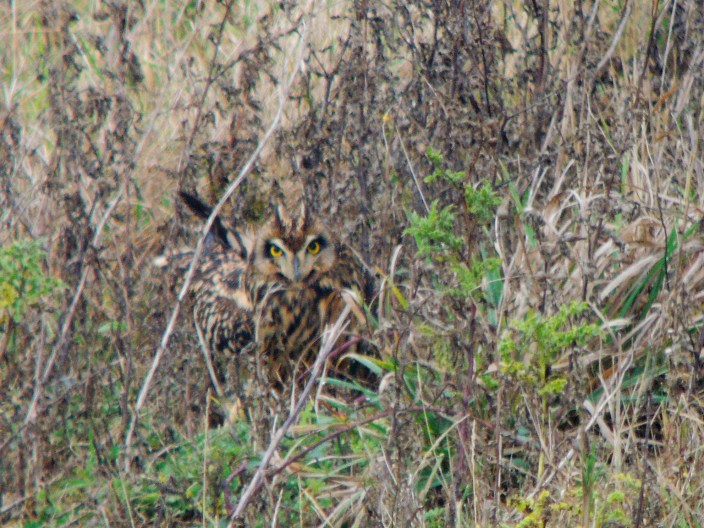
Waders remained uncommonly scarce with up to three Jack Snipe remaining at Hollowell throughout the week being the only species of note during the period, while a Yellow-legged Gull at Pitsford on 10th was the only one reported. Away from the wetlands, the Harrington AF Short-eared Owl was again seen on 5th and the Great Grey Shrike remained ever-popular at DIRFT 3 throughout the week.
Not quite matching the latter’s charisma but with its own unique, charming character, was a Siberian Chiffchaff, discovered on 7th in the insect-rich vegetation along the banks of the outflow from Ecton SF into the River Nene. For many years this has been a favoured site for wintering Common Chiffchaffs and it has attracted the odd wintering ‘sibe’ from time to time, including a popular trio in 2013.
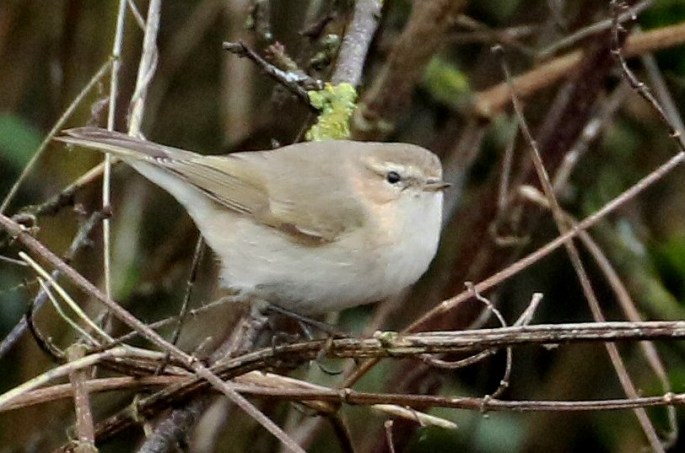

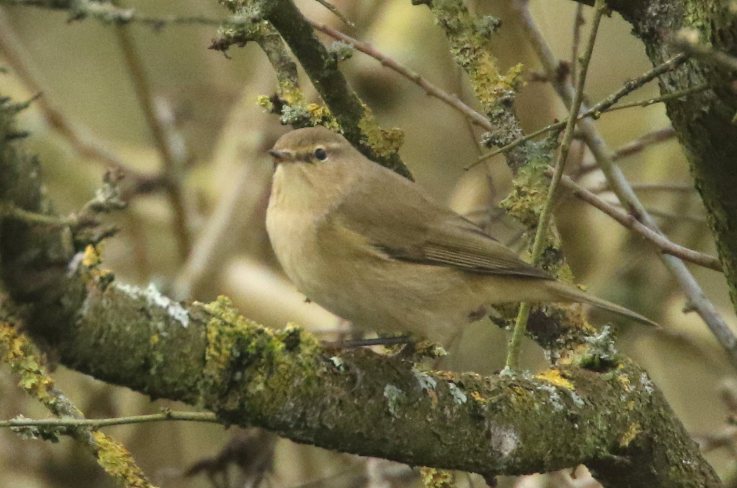
 Siberian Chiffchaff is an almost annual visitor to the county, averaging 1.6 records per year over the last two decades, with more recorded on passage during November than in any other month.

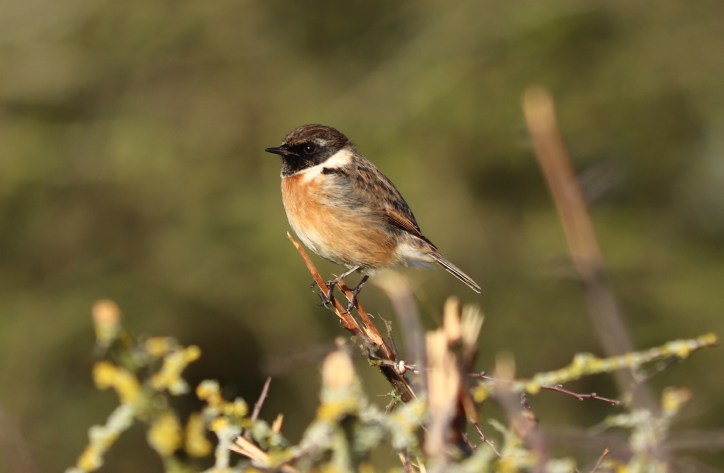
This week’s Stonechats were ensconced in their favoured wintering sites at Hollowell, Pitsford, Stanford, Thrapston and Wicksteed Park (Kettering), with a maximum of four at Pitsford.

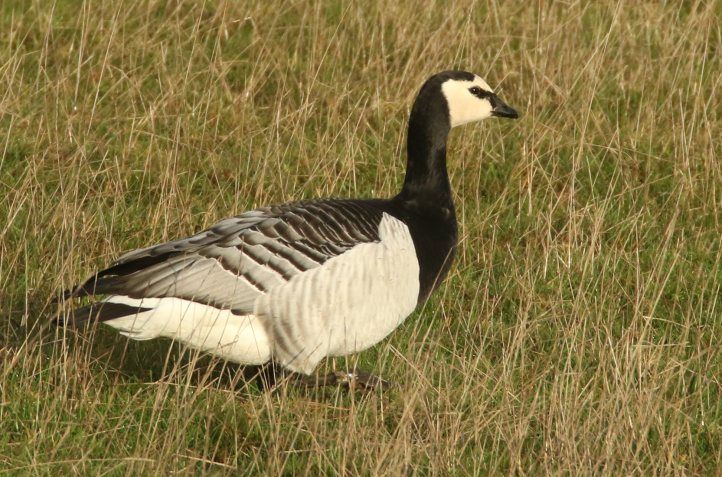
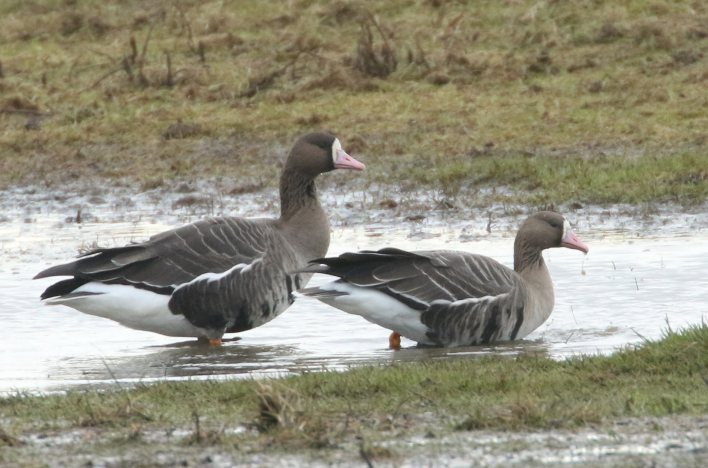
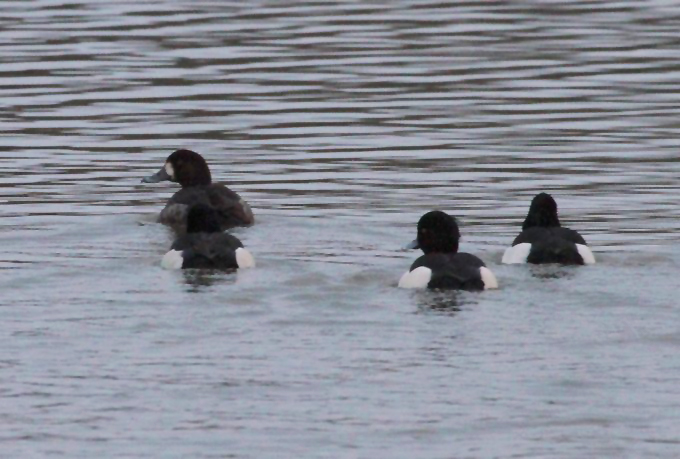

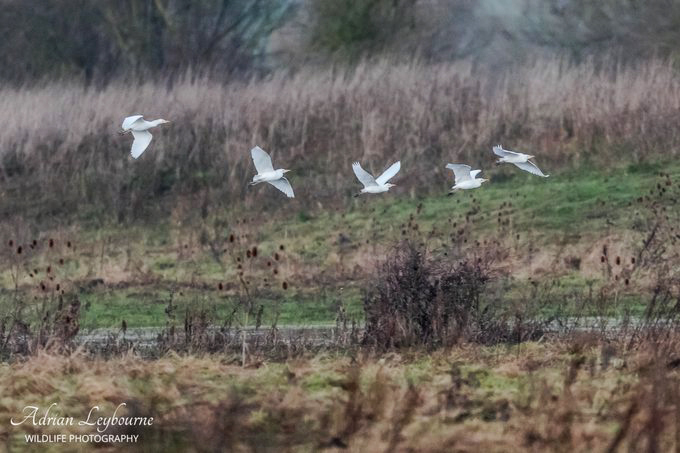

 The week kicked off with the winter solstice, the 24-hour period with the fewest daylight hours of the year. Not that there was anything new to be missed during this year’s shortest day and, despite being the holiday season, birding activities across both county and country were understandably curtailed by mid-week festive celebrations. Wildfowl took centre stage during the period, although Cattle Egrets made a welcome return after a prolonged absence.


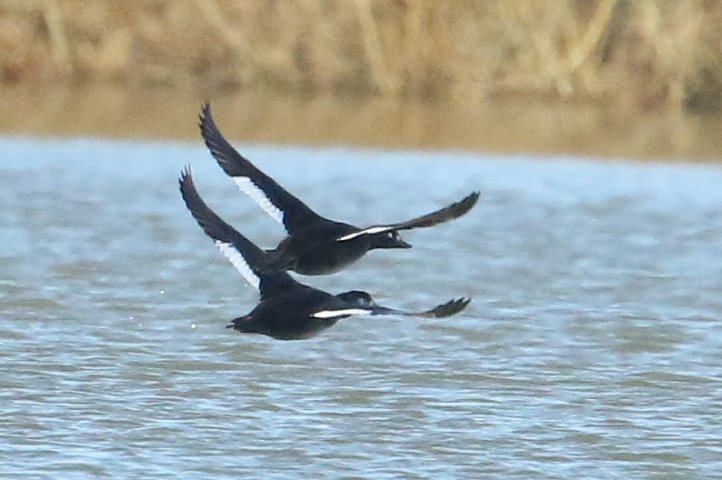


 A mixed bag of weather included strong westerly winds, sunshine, heavy rain, fog and a range of temperatures culminating in an unseasonally mild 13°C, as a result of southerly winds at the week’s end. New in, a couple of Velvet Scoters provided the week’s highlight, while the long-staying Great Grey Shrike remained as obliging as ever.

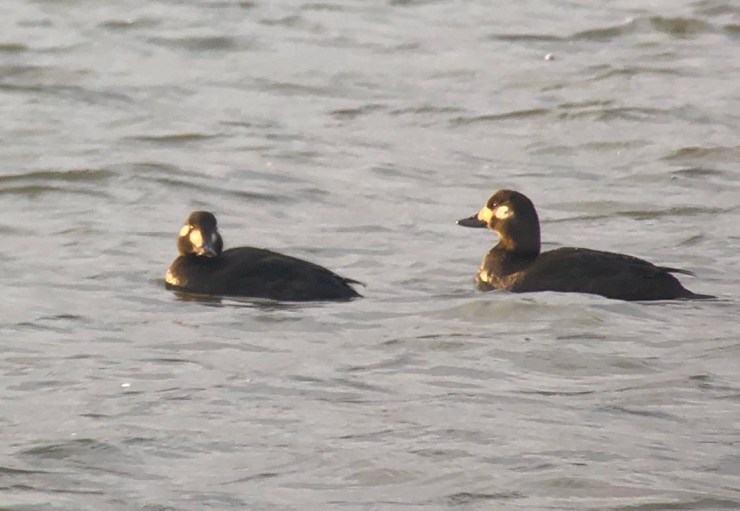
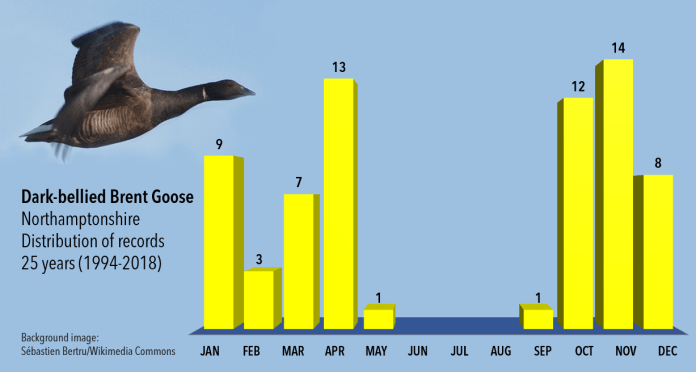
 Storm Atiyah’s brush with the UK did little for Northants as the cold, bright conditions at the beginning of the period were subsequently replaced by more rain, bluster and ever-changing wind direction. A lingering Dark-bellied Brent Goose and the well-installed Great Grey Shrike continued to provide the main attractions.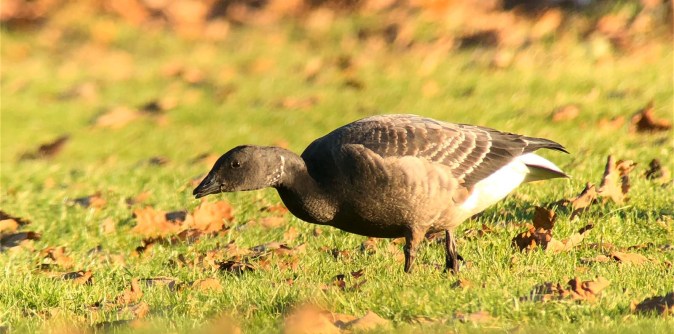
 In the east of the county, the adult Whooper Swan was still in place at Thrapston GP on 9th, while the female Ruddy Shelduck – seemingly absent for three weeks – again visited Ravensthorpe Res on 7th. At Summer Leys LNR, the drake Red-crested Pochard seemed settled throughout the period and the ‘redhead’ Smew was present until at least 7th, although there was a report of two there the following day.







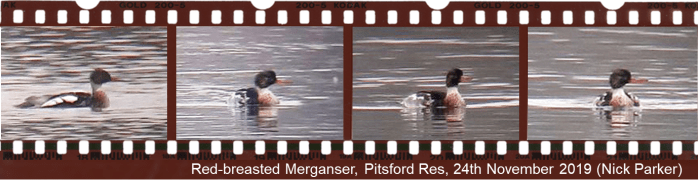 Dull, dank, murky drizzle dominated the week’s weather as low pressure once again dragged in copious moisture off the Atlantic. Notable wildfowl were back on the menu, while scarce passerines maintained their prominence.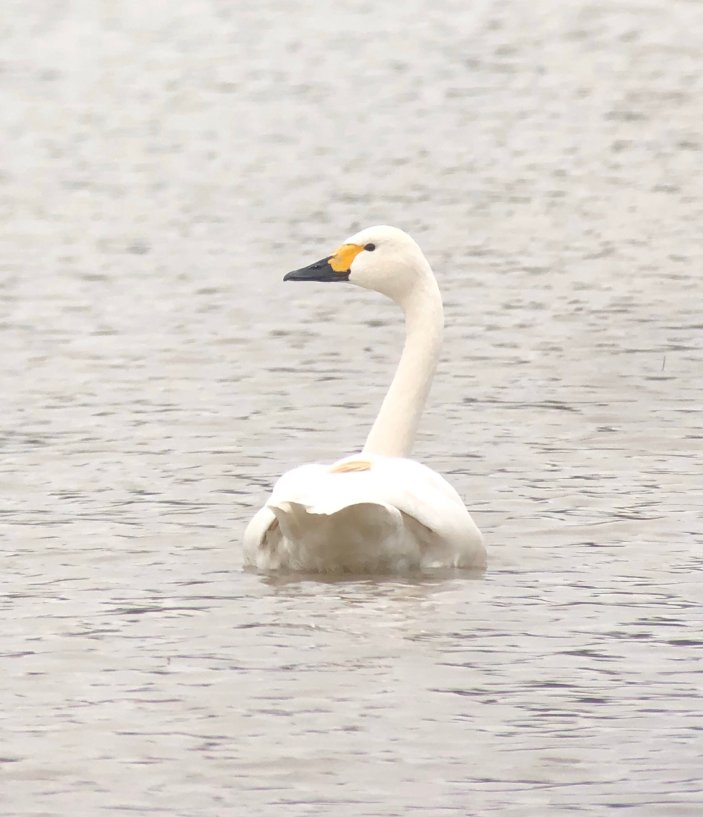


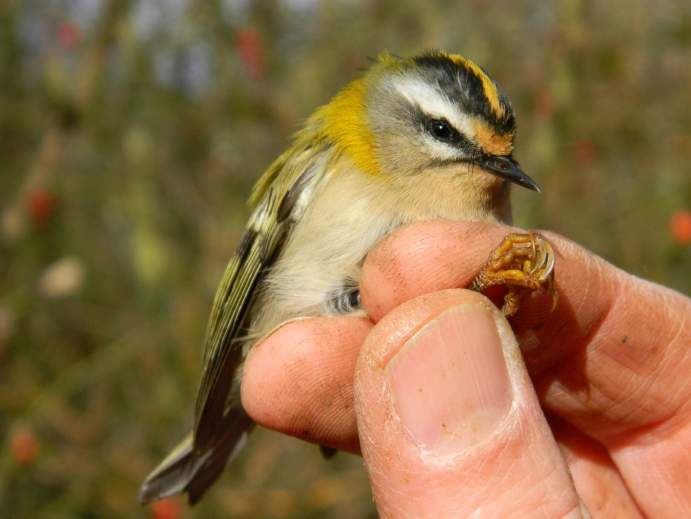
 A Firecrest showed well, if only briefly, to members of the Peterborough Bird Club on an awayday to Summer Leys on 24th. There must surely be more of these little gems just waiting to be found wintering in the extensive river valley scrub along the Nene. Meanwhile, Stonechats were reduced to just singles seen at Stanford, Summer Leys, Thrapston and Wicksteed Water Meadows (Kettering) and Hawfinch once again made it into the week’s round-up, with one in flight at Salcey Forest on 27th.
 Although the weather was again largely dominated by Atlantic low pressure systems, last week’s heavy rain subsided, allowing local floodwater a chance to drain away – at least in part. The end of the period saw milder conditions resulting from a warmer, continental airstream from the south-east. This week’s top birds were again all based on terra firma, further extending this great autumn’s run of passerines.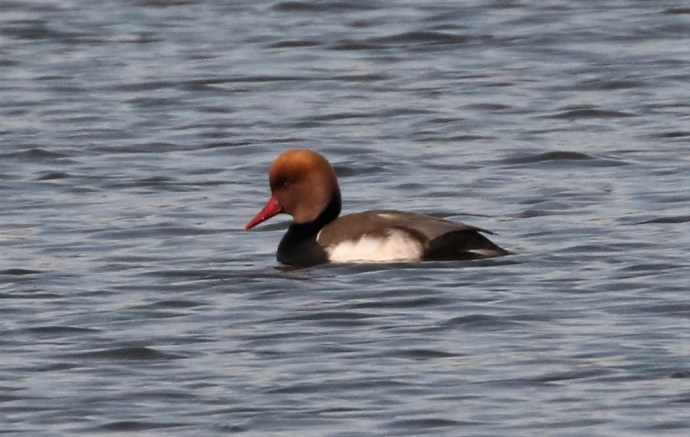






 An unsettled week with a variable wind direction, sporadic heavy showers, low cloud and drizzle. Against a backcloth of visible passerine migration, a Siberian Chiffchaff at Stanford Reservoir was arguably the week’s highlight.



 Northants birds