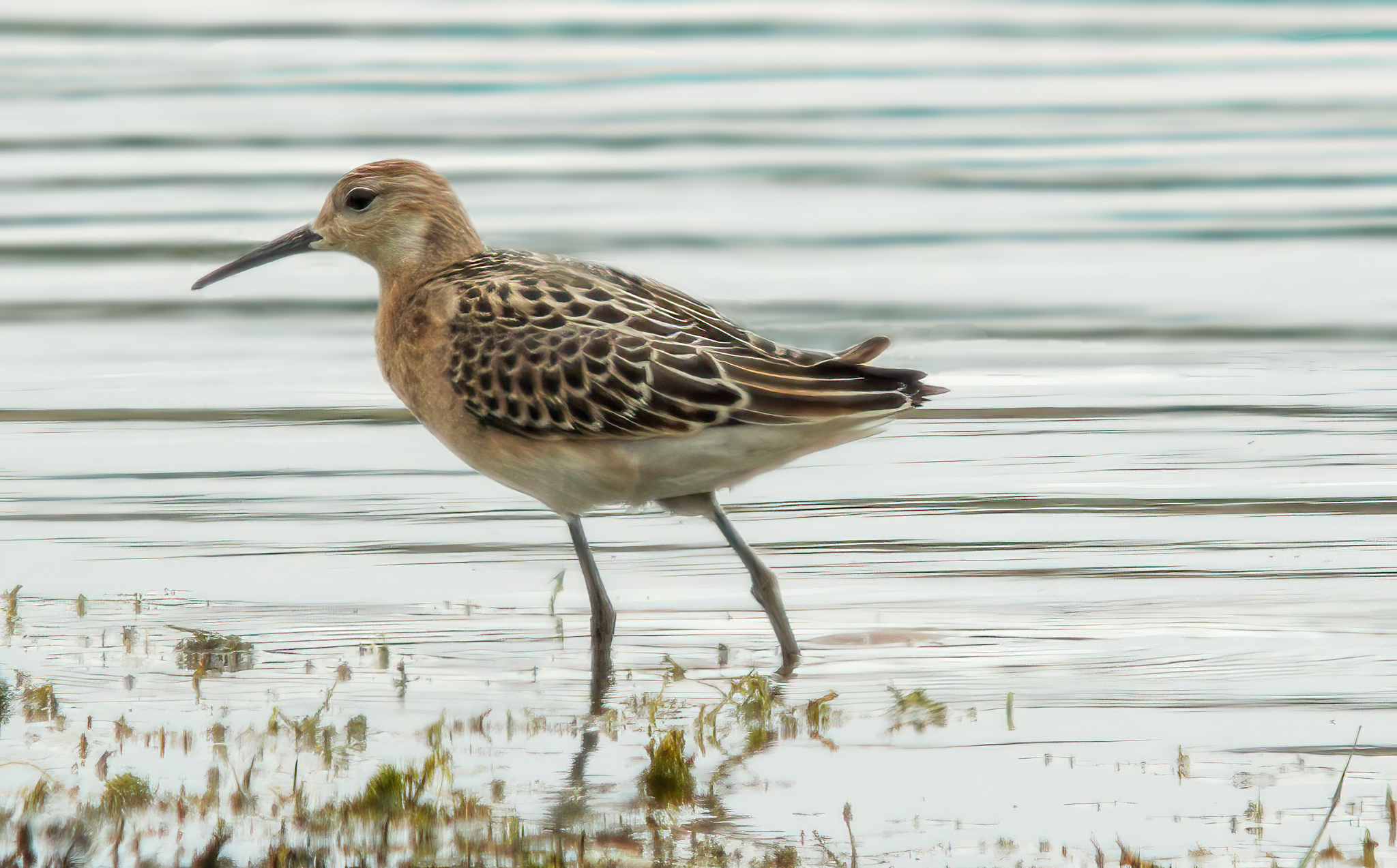
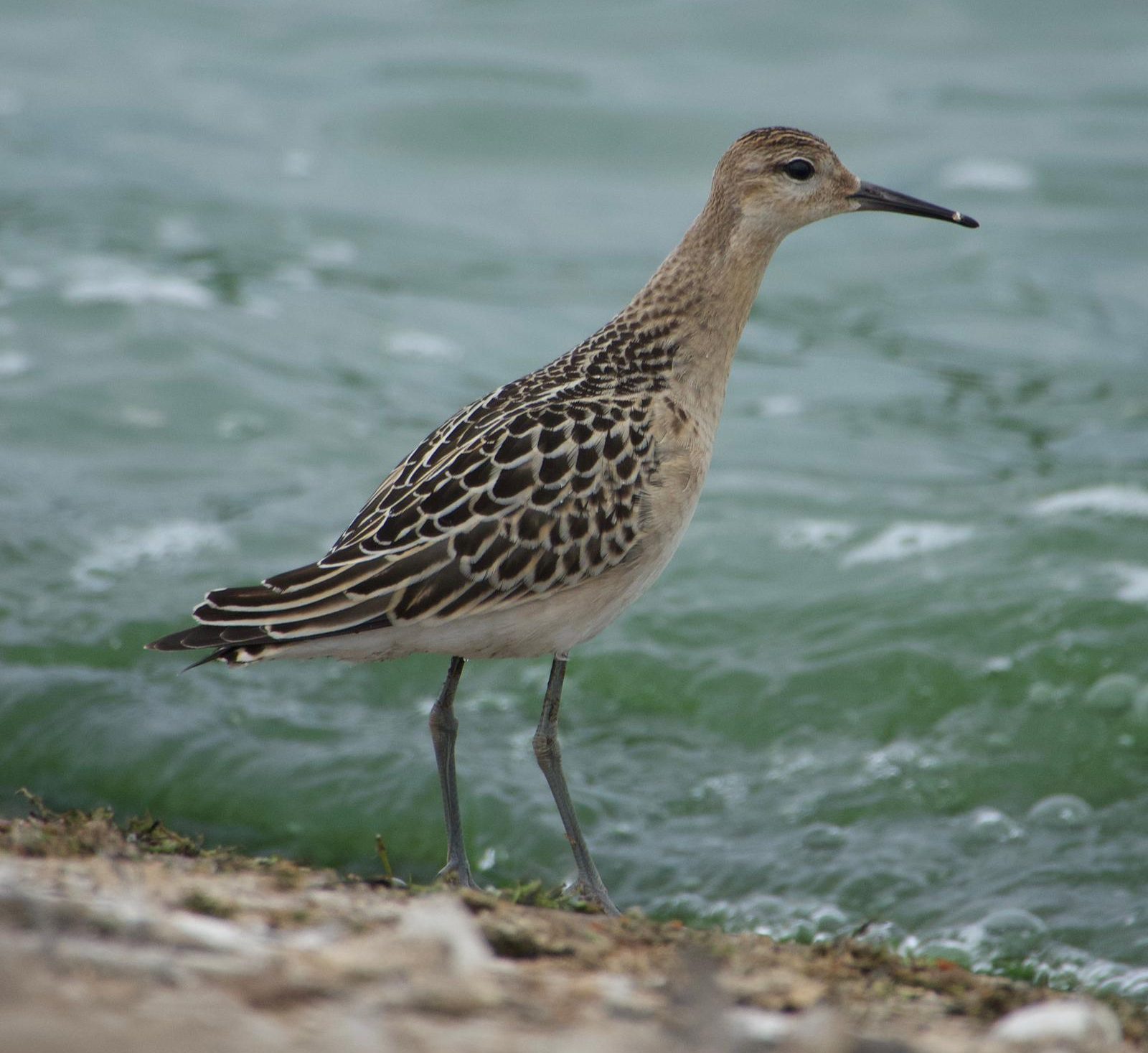
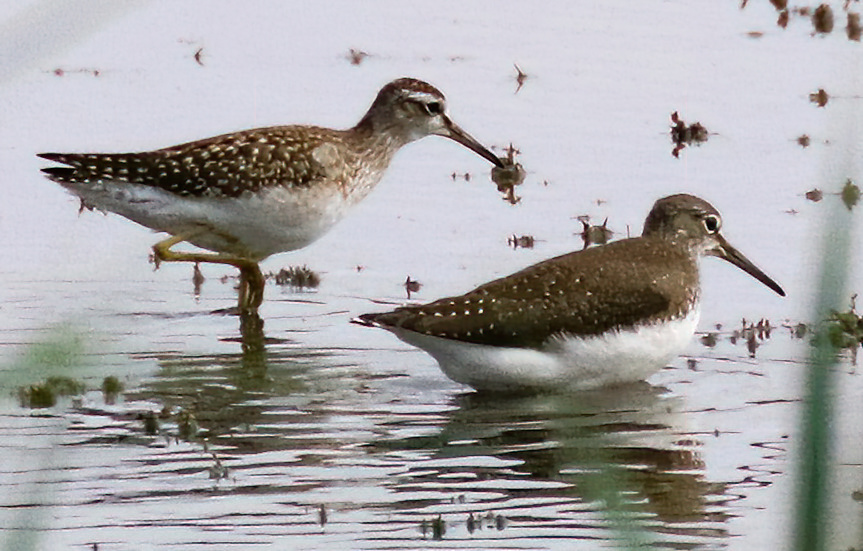
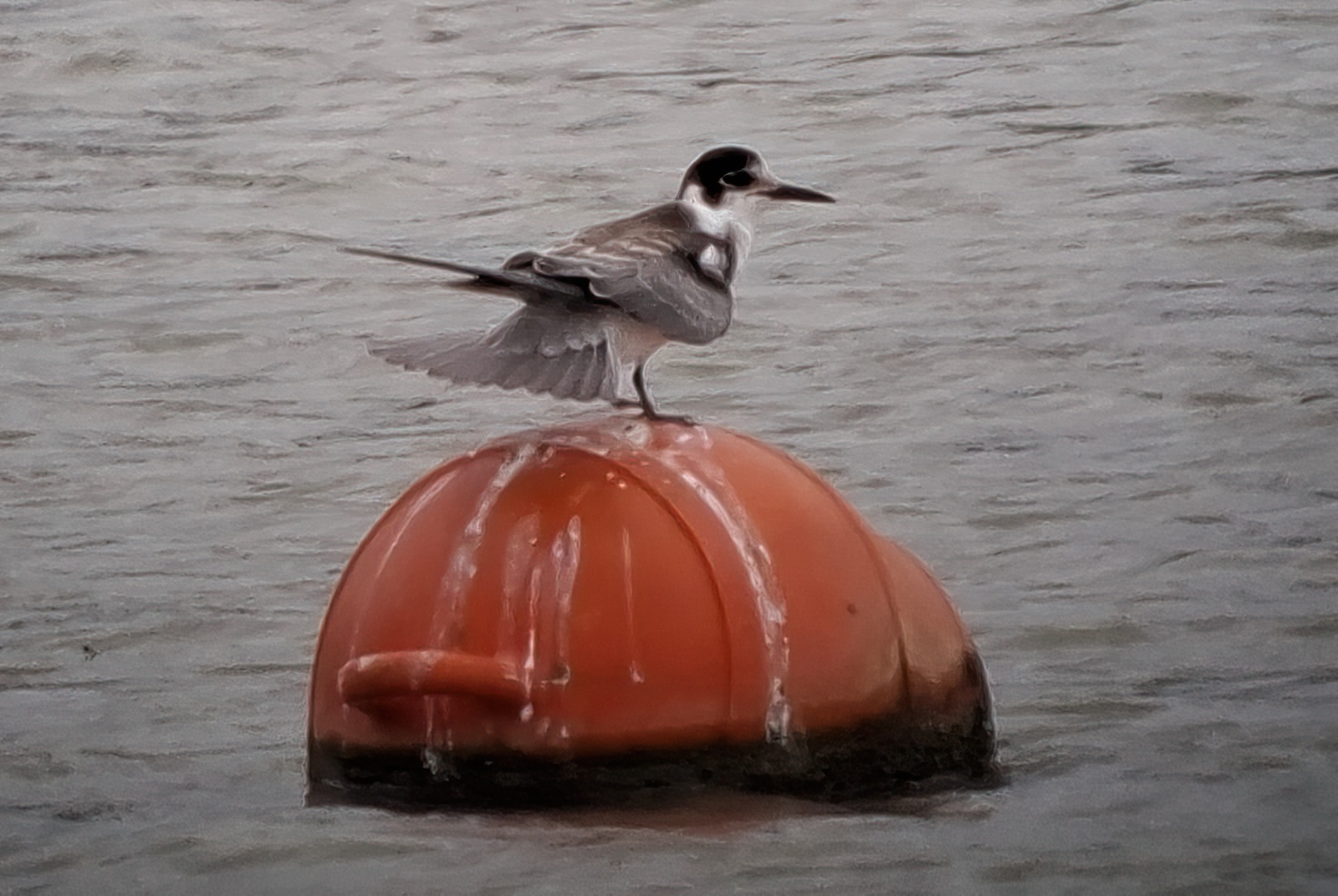
A short wet start preceded another ‘mini heatwave’ at the week’s end, during which the local temperature hit 31°C. Save the return of the female Ruddy Shelduck for its eleventh year, the ongoing wader passage and the continuing movement of Crossbills, there was little to tickle the taste buds during the period.
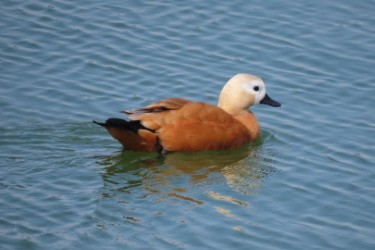
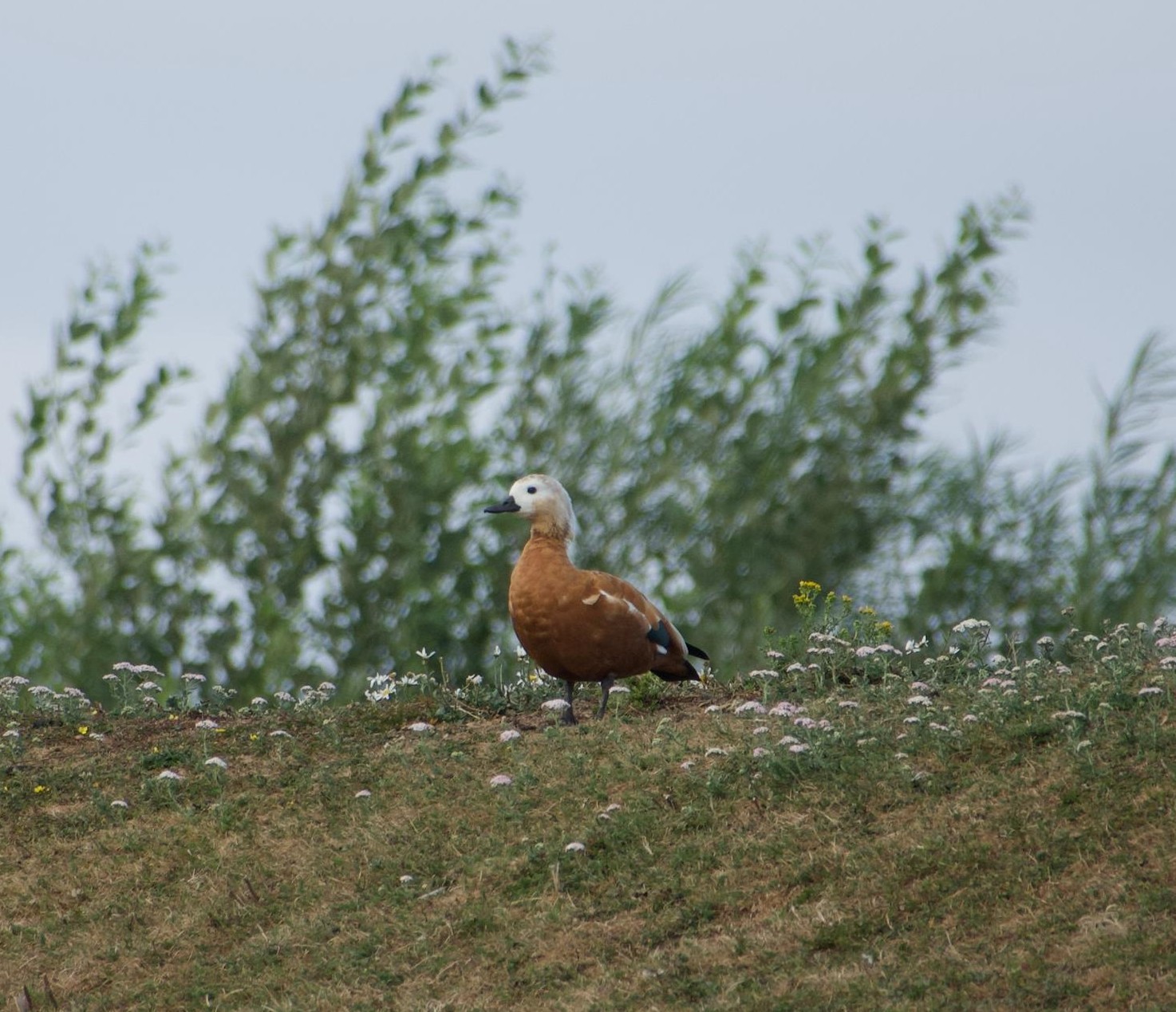
Back again, then, to enjoy another stayover in Northants, was the returning female Ruddy Shelduck at Stanford Res on 6th before moving on to its most favoured locality of Winwick Pools by 11th. In some people’s view, the less said the better …
Female Ruddy Shelduck, Stanford Res, 6th July 2025 (Chris Hubbard)Female Ruddy Shelduck, Winwick Pools, 11th July 2025 (James Urwin)
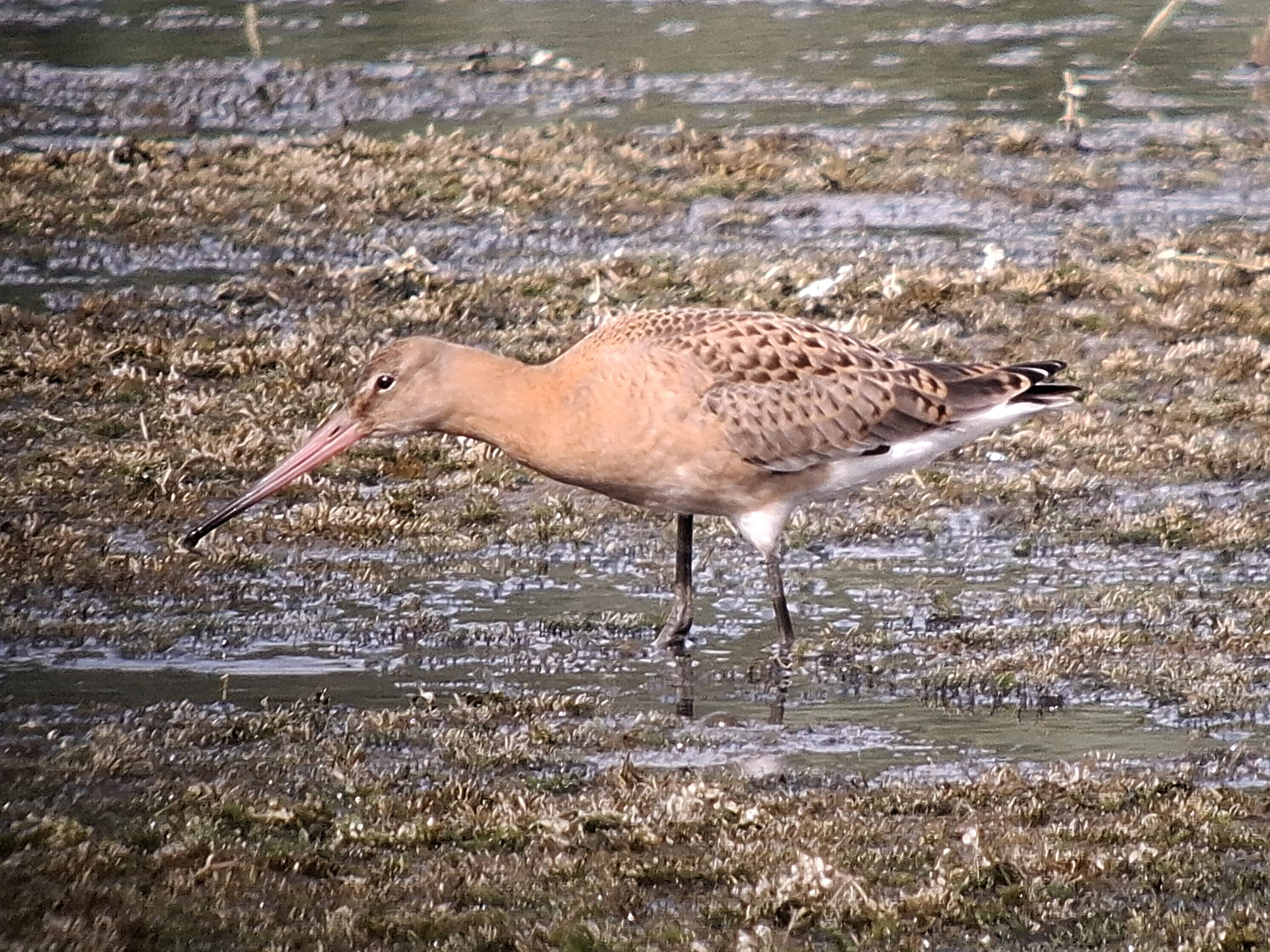
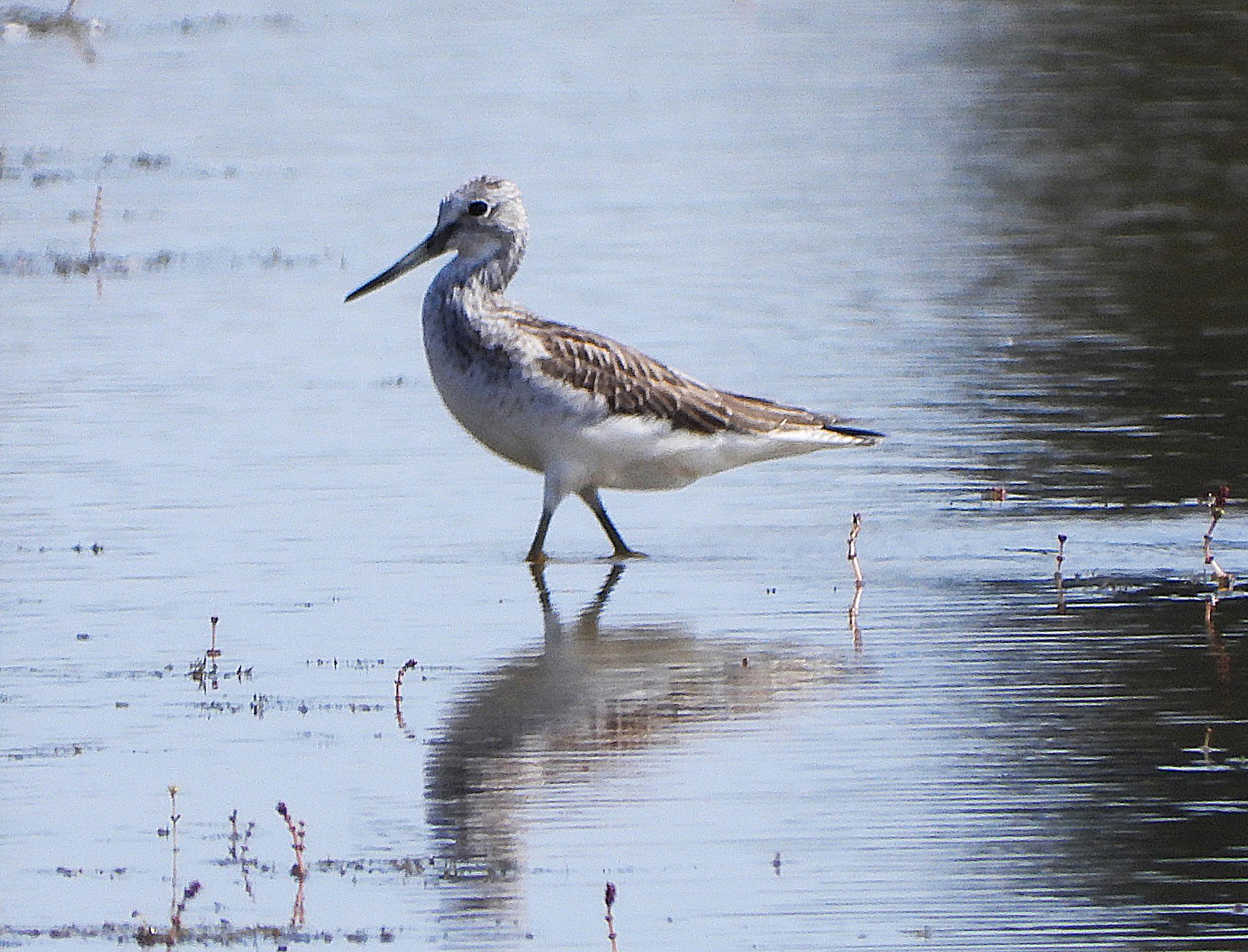
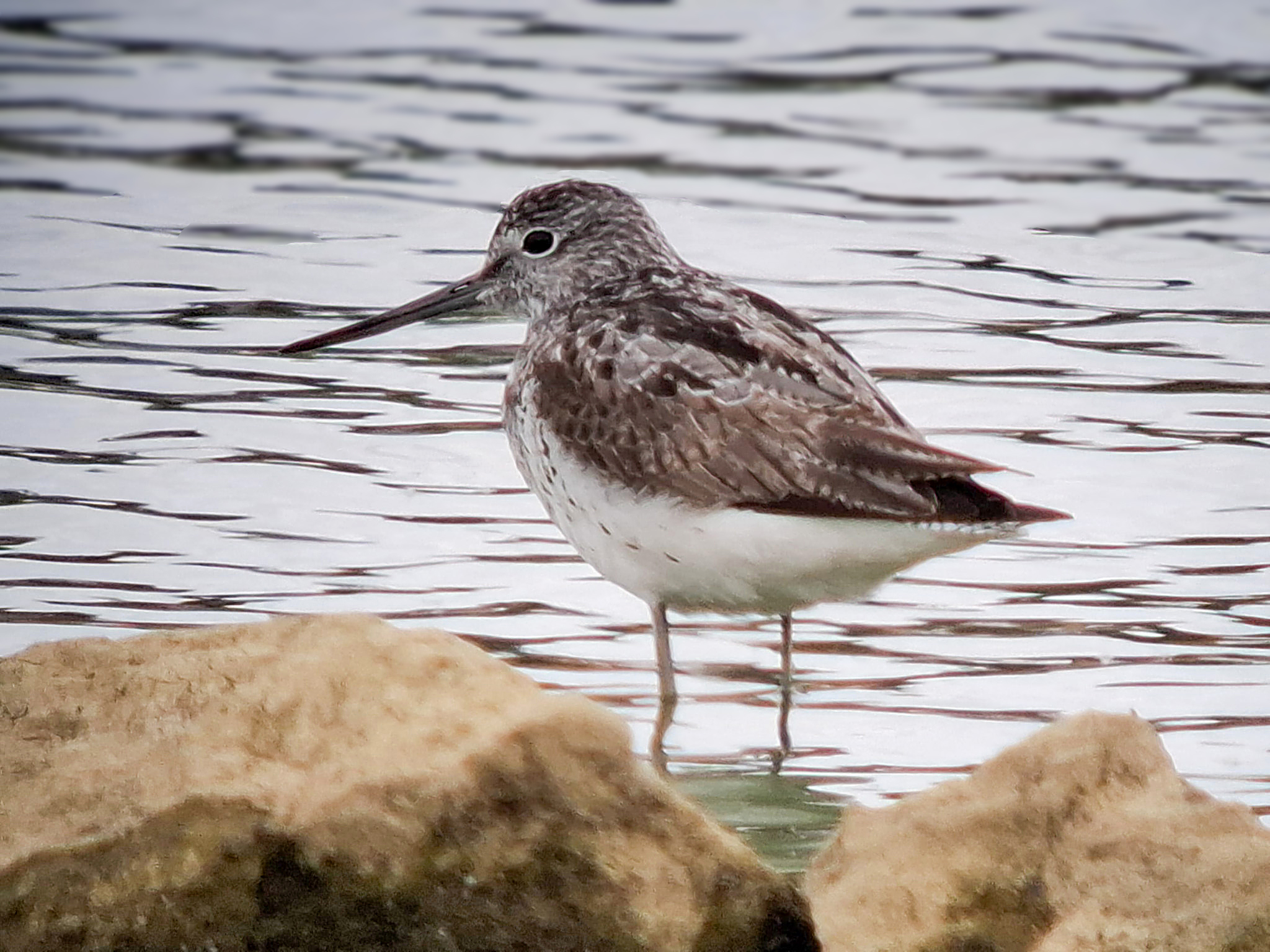
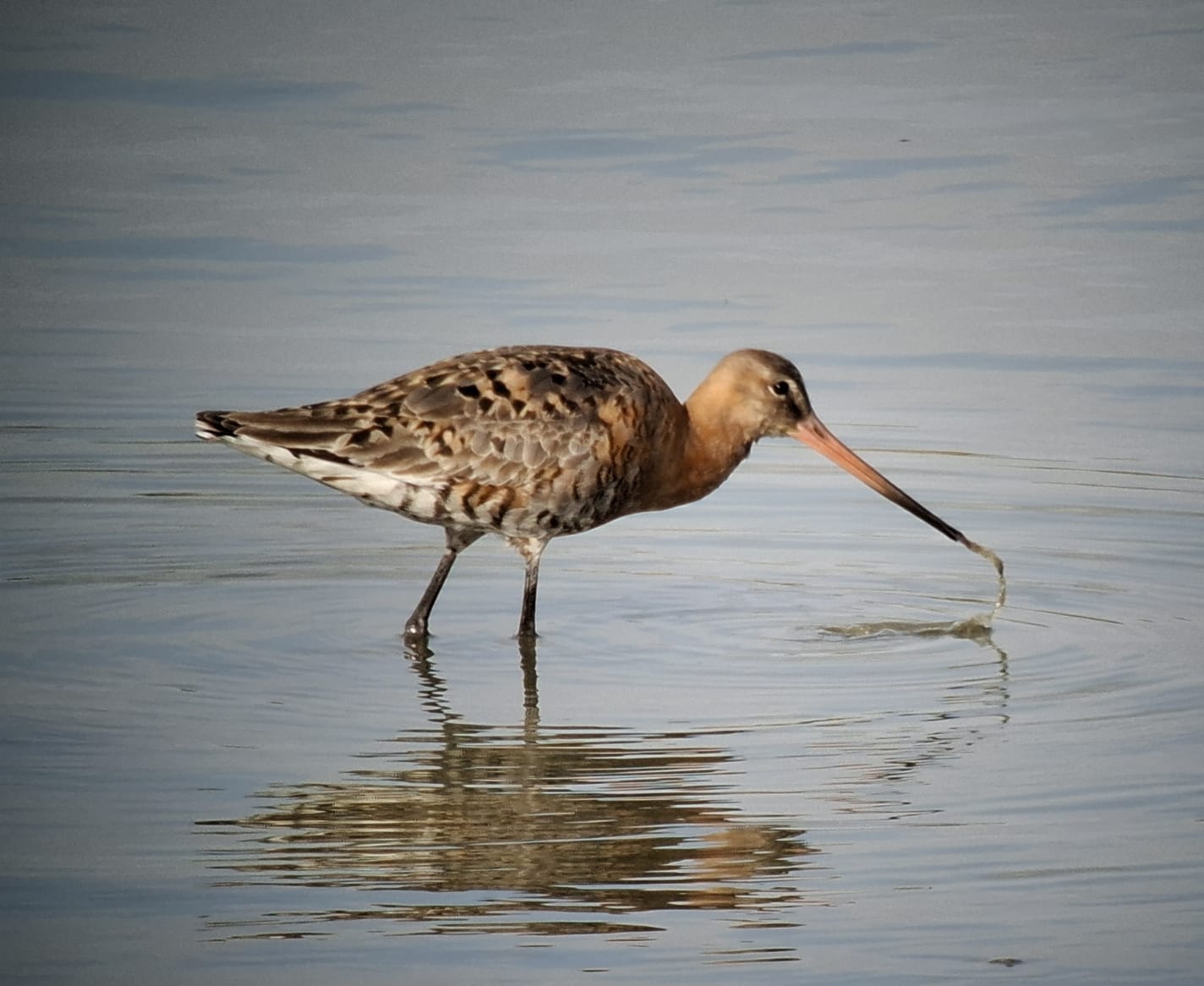
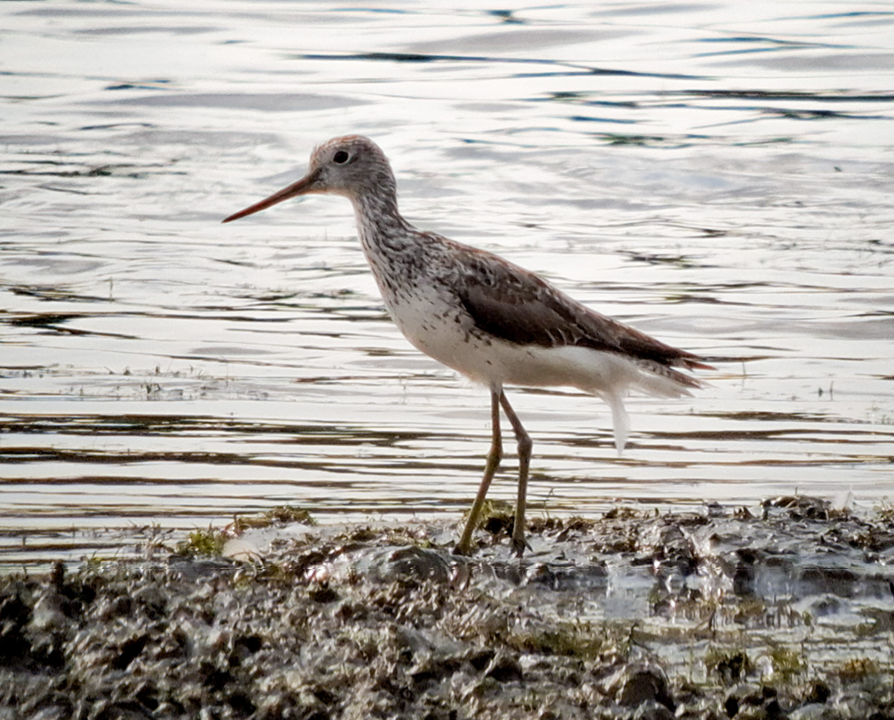
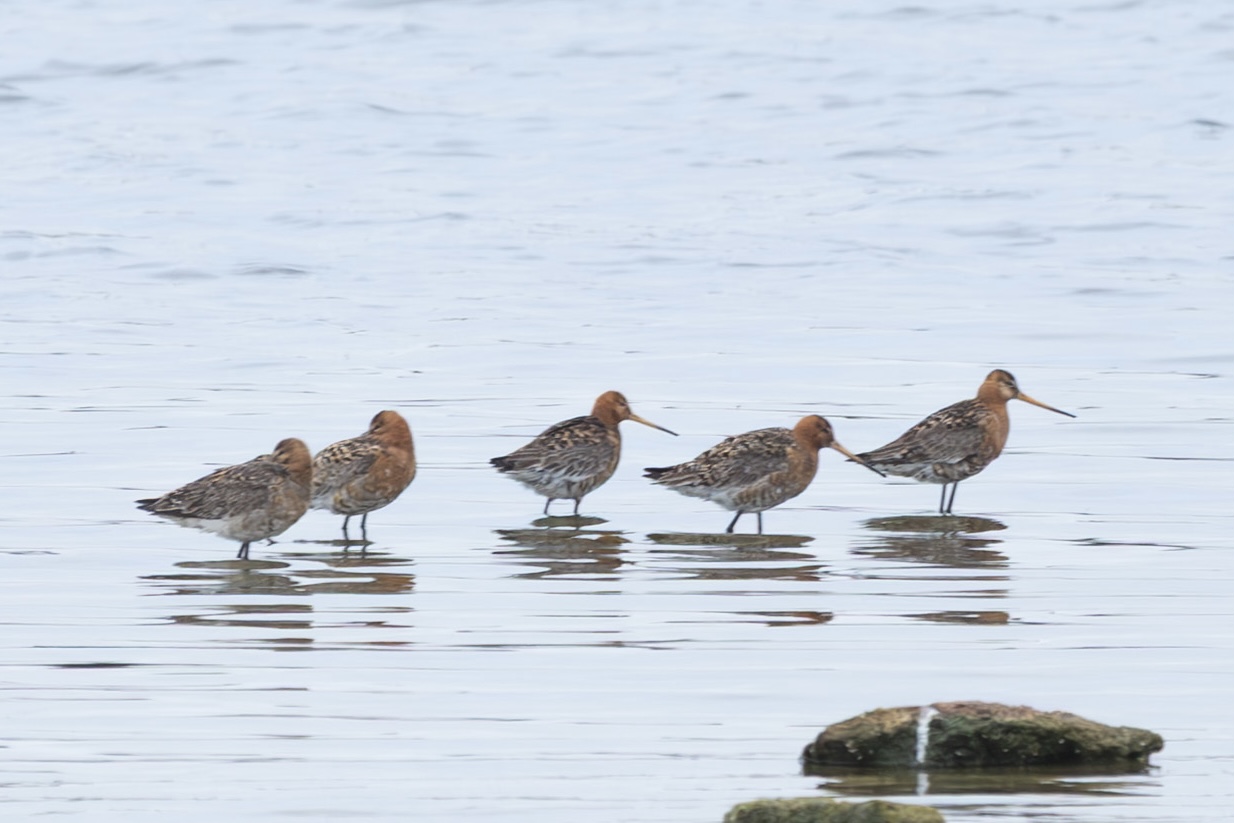
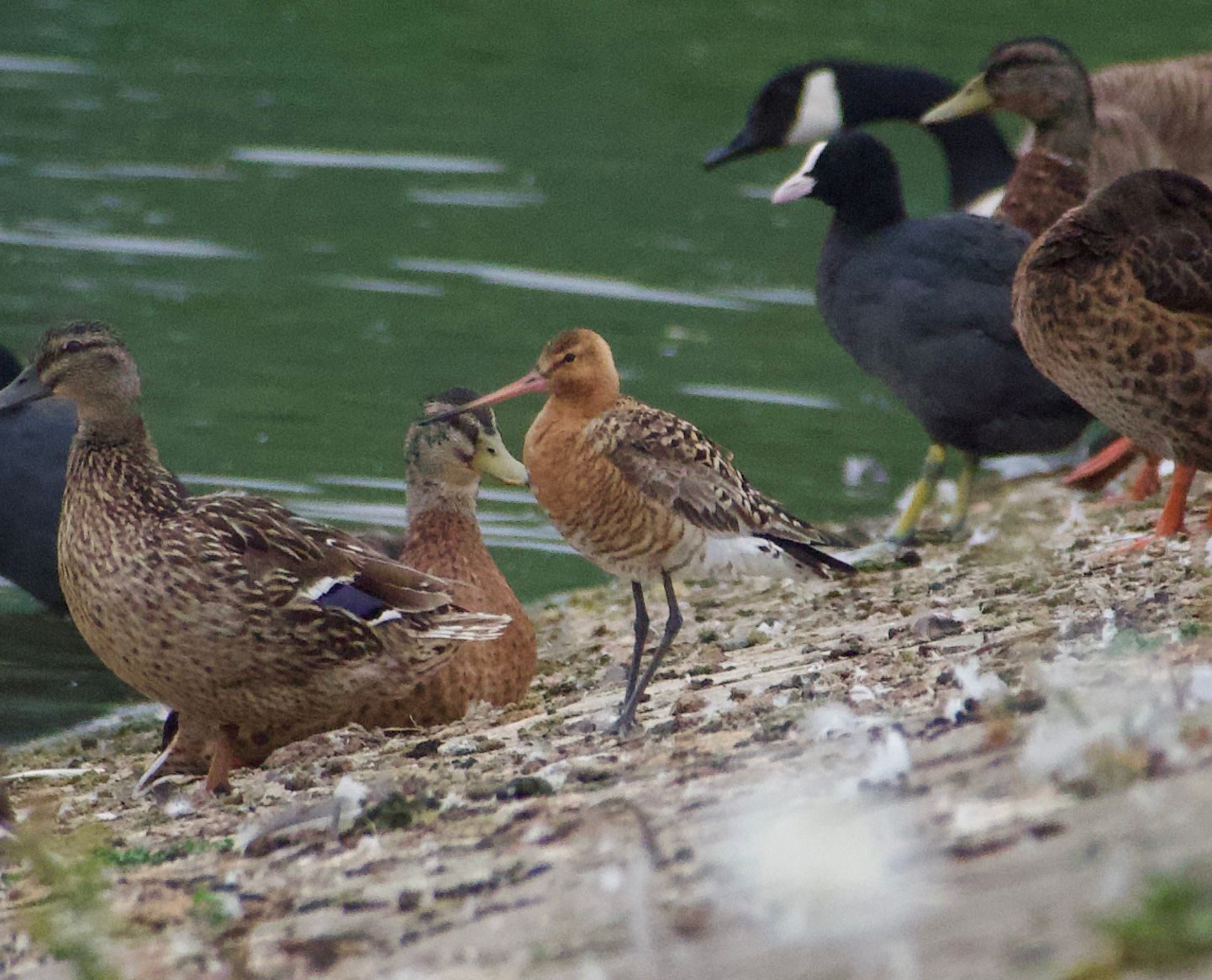
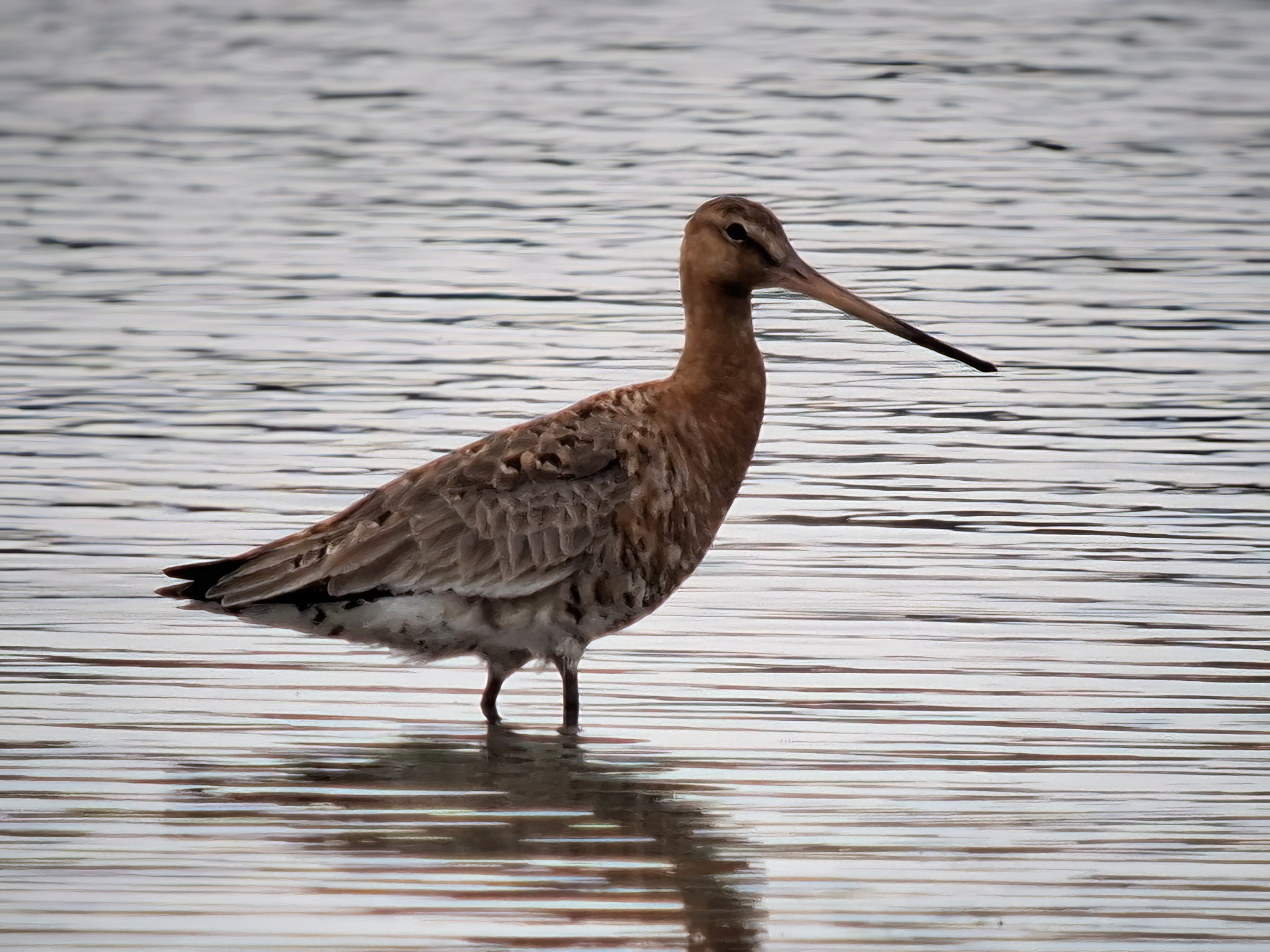
More typically in line with – and again dominating – July’s wader movements, were Black-tailed Godwits, Pitsford Res again seeing the greatest numbers with seventeen there on 6th. Next up was Summer Leys LNR, where there were four on 7th and one on 10th, followed by single birds at Daventry CP on 7th and 8th and Hollowell Res on the last of these dates. A Ruff at Boddington Res on 11th was the only one of its kind this week, while Greenshanks appeared at three sites with one at Pitsford on 8th followed by two there on 10th, plus singles at Thrapston GP’s Titchmarsh NR on 8th-9th and Summer Leys on 11th.
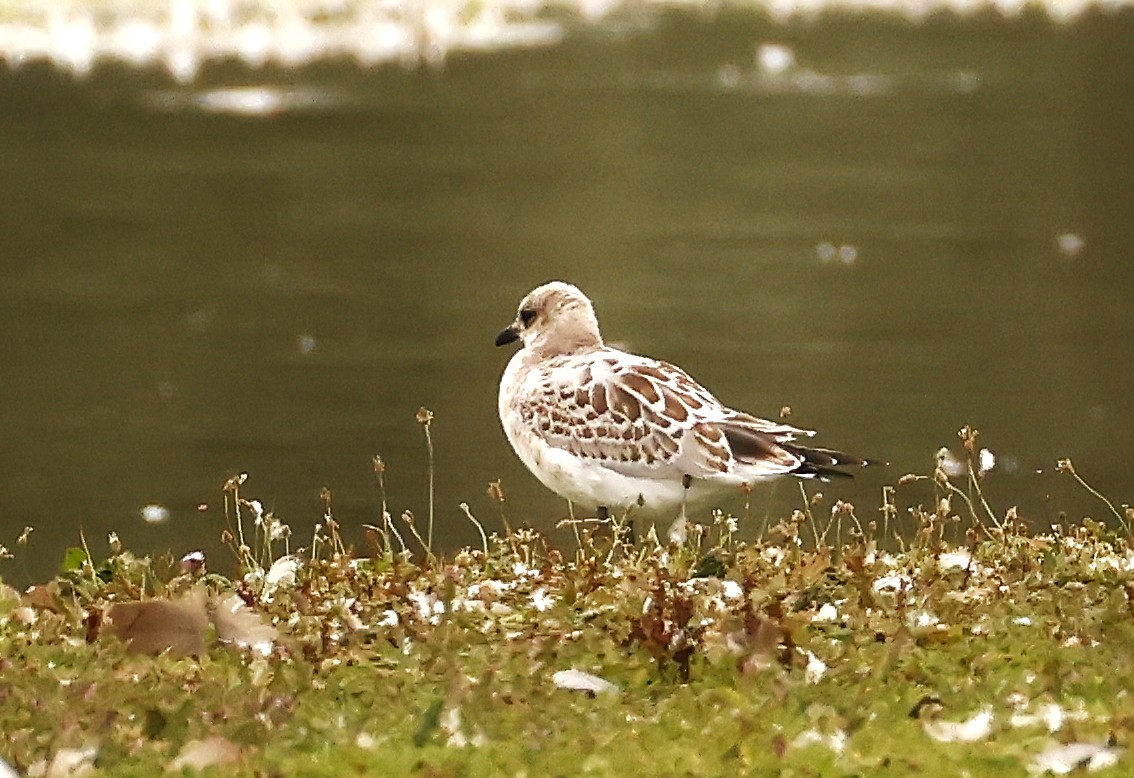
As for larids, single Yellow-legged Gulls at Pitsford on 7th and 8th filled the slot.
A Bittern again showed at Titchmarsh on 7th while, further up the Nene Valley, four Cattle Egrets visited Stanwick GP on 5th.
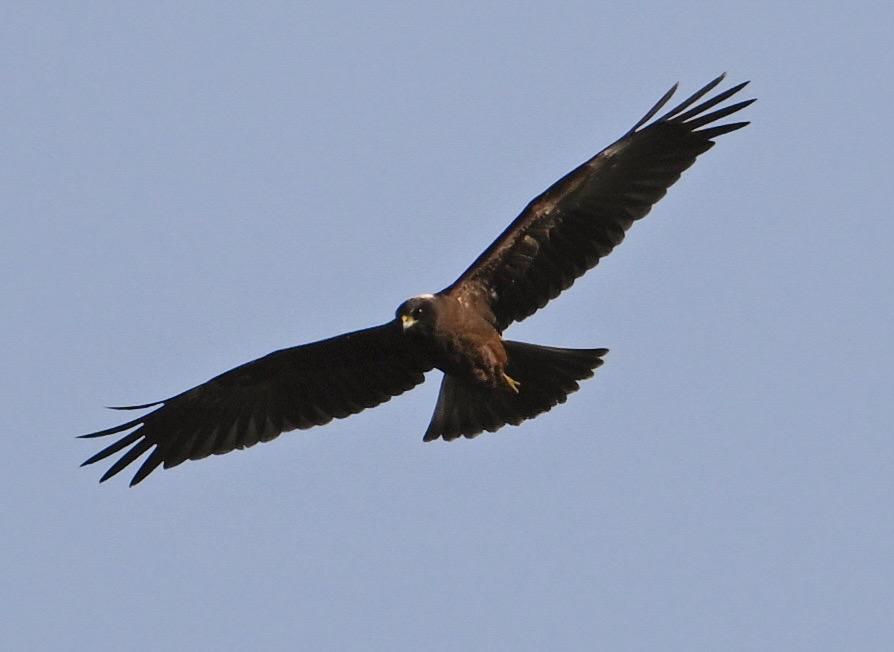
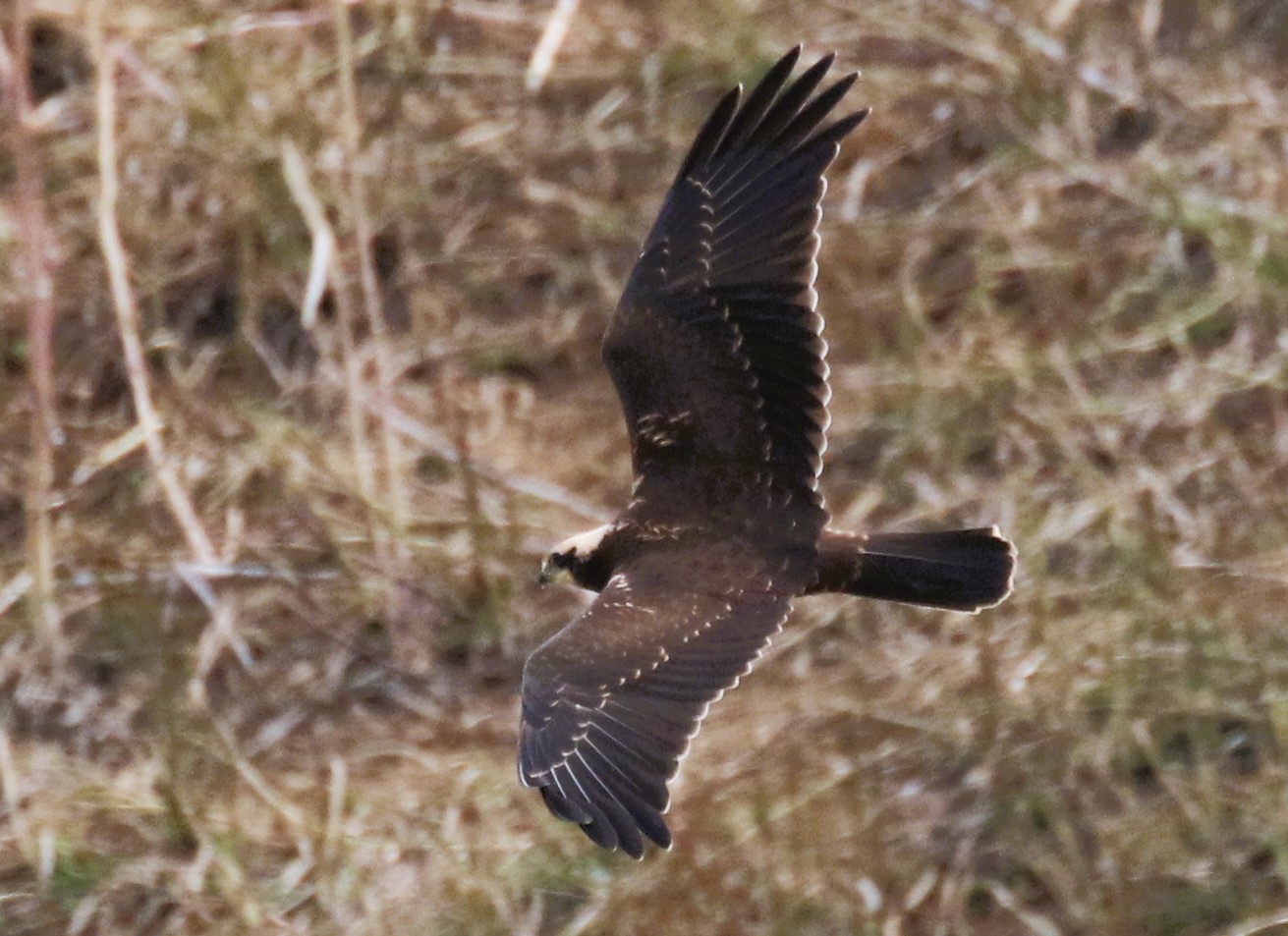
Raptors fared a tad better than last week, the period’s Ospreys consisting of two at Pitsford on 5th and singles on 6th and 10th, while one flew west over Preston Capes on 7th and Stanford produced sightings on 7th and 10th. A Marsh Harrier paid a brief visit to Titchmarsh on 10th.
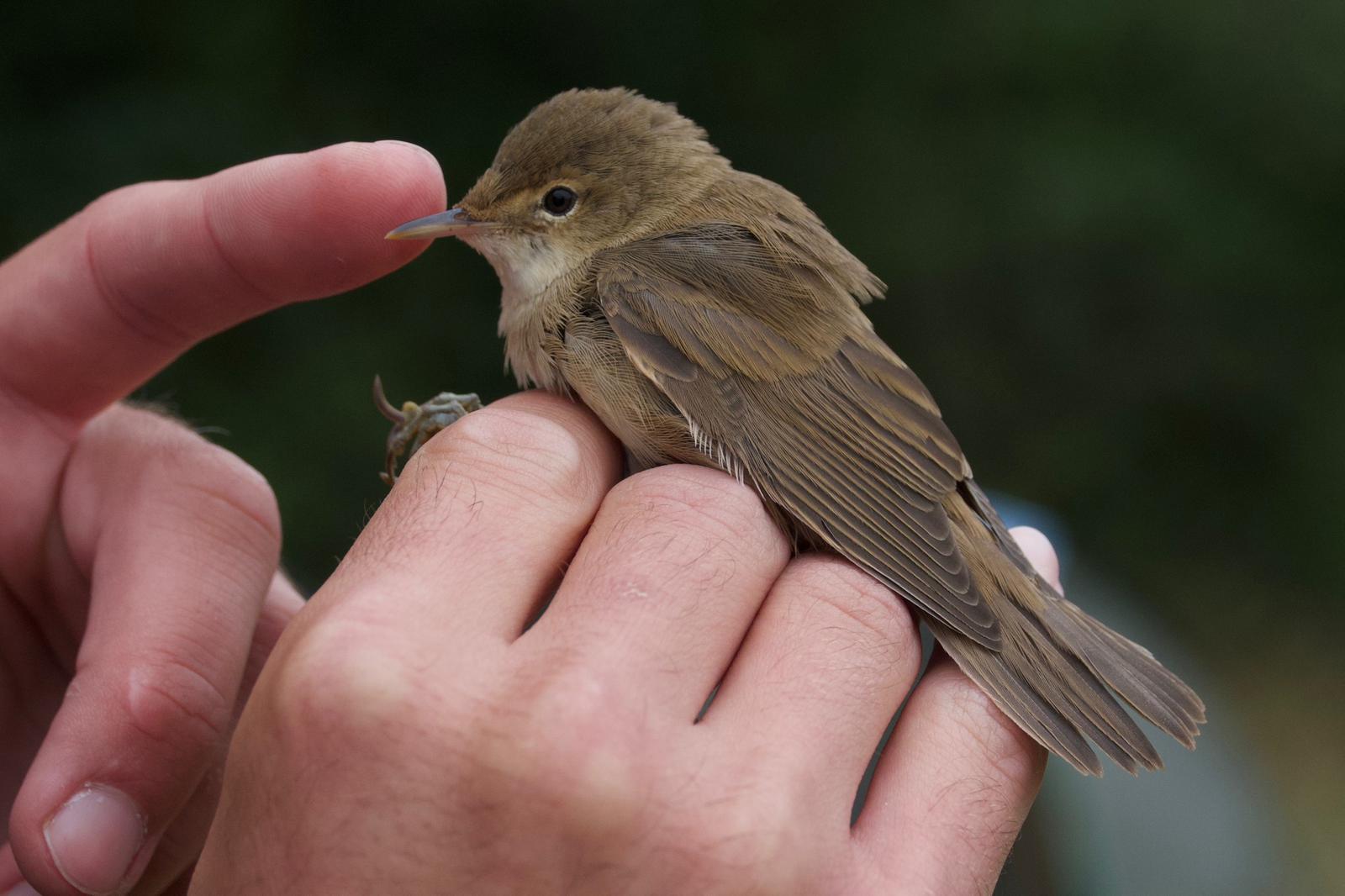
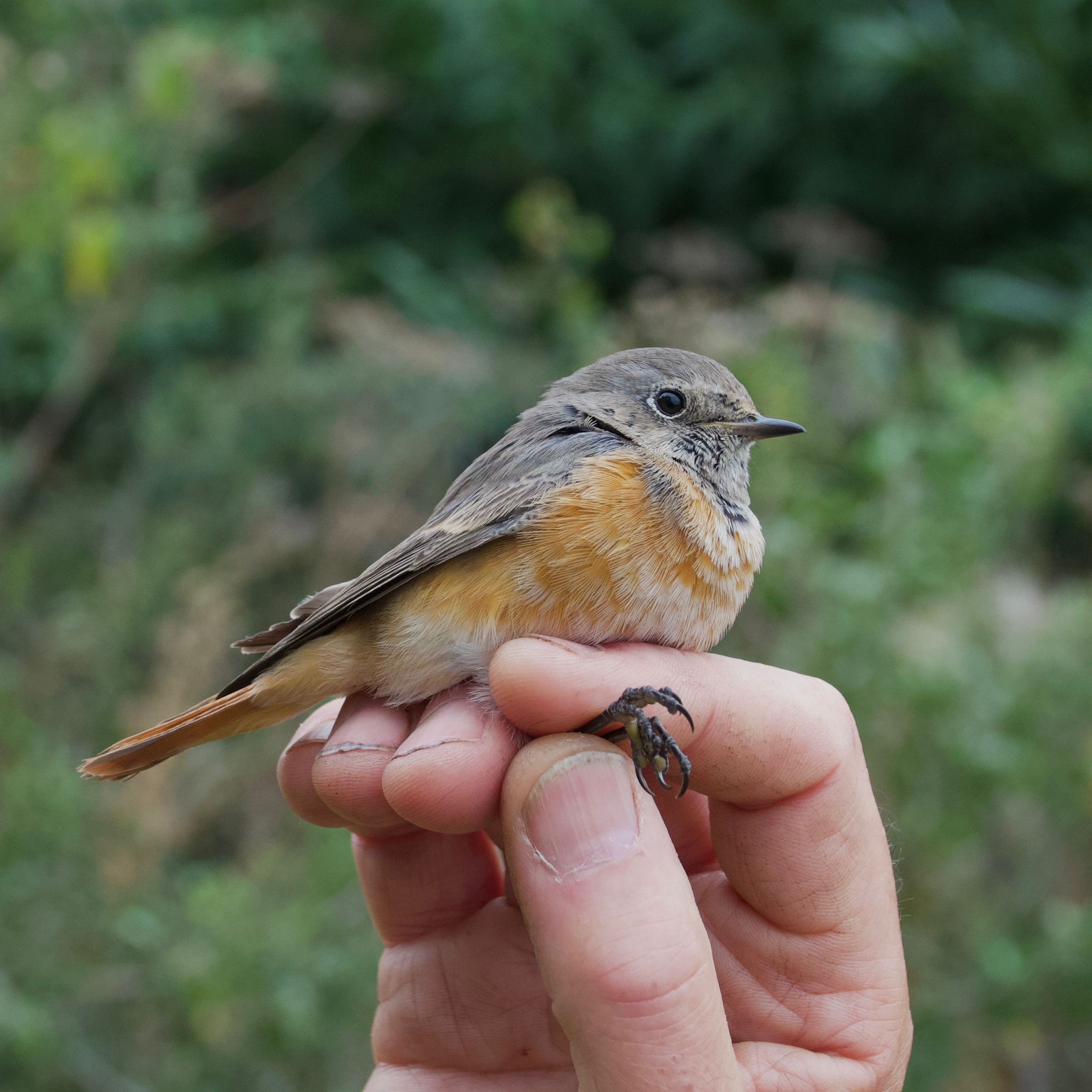
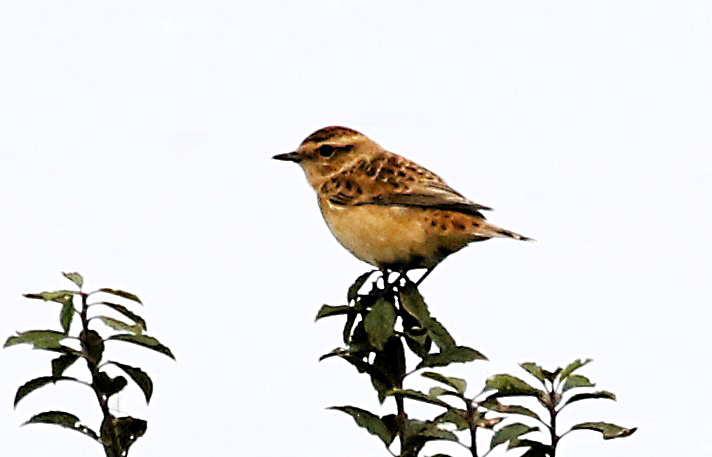
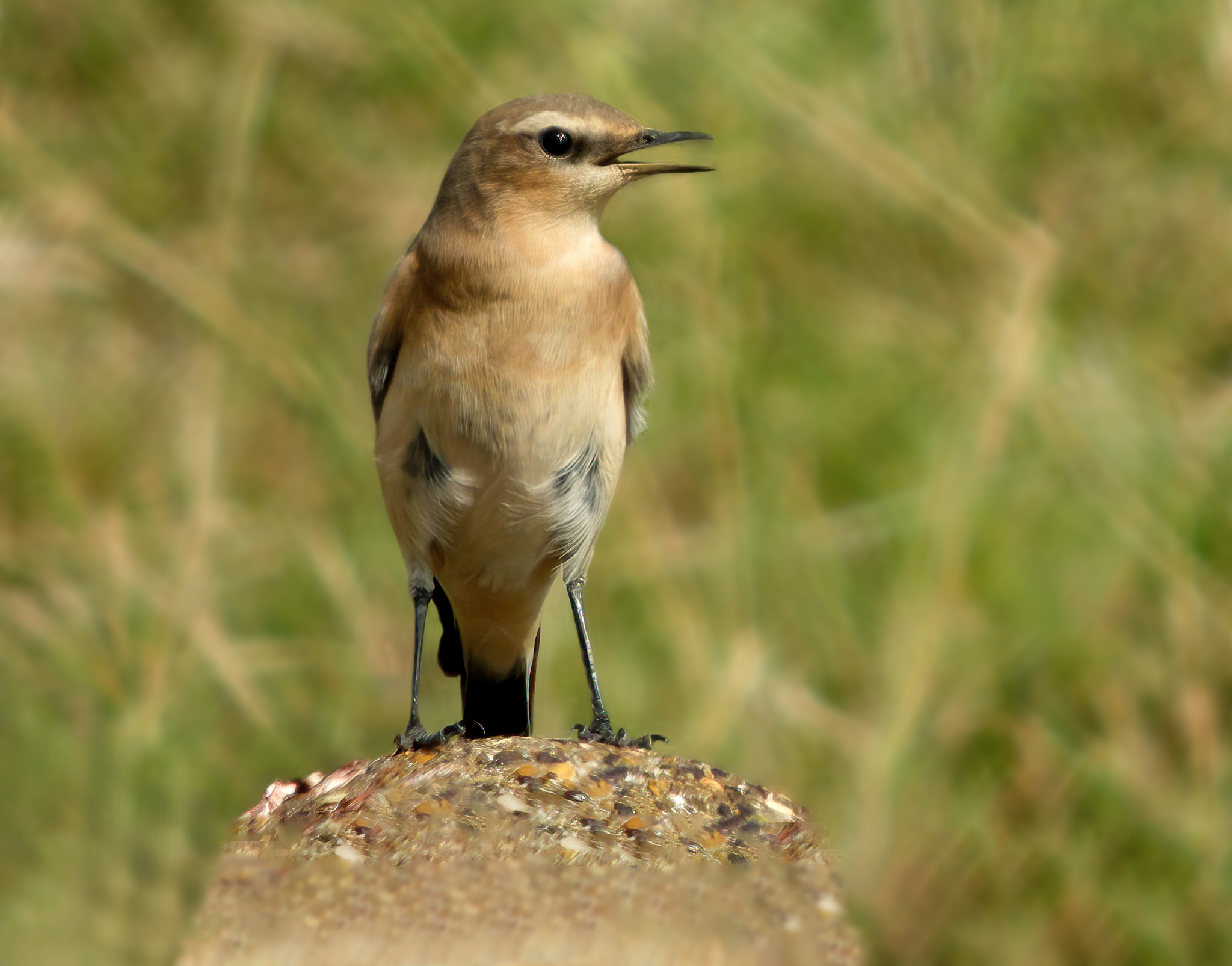
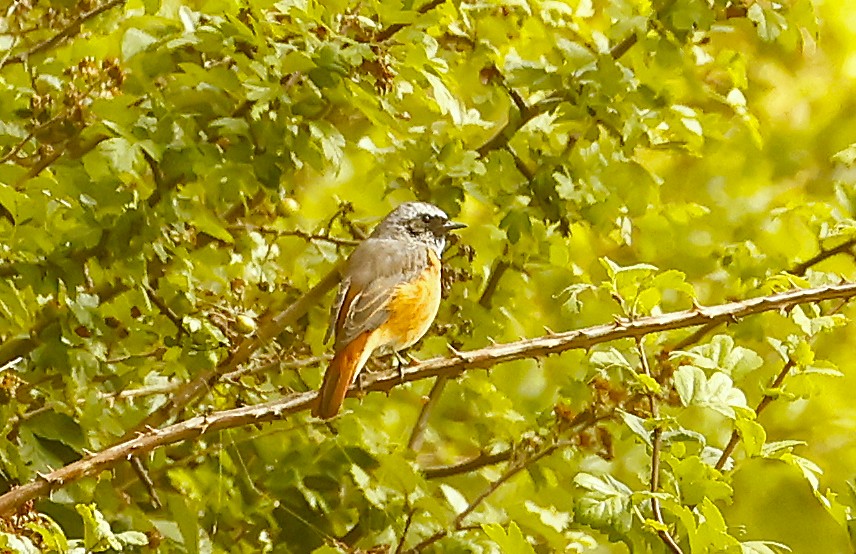
And passerines? The week saw the discovery of the autumn’s first Whinchat with one at Blueberry Farm, Maidwell on 8th, following a meagre five records in the county during the spring. More Common Redstarts were also found, comprising singles at Pitsford on 6th, Harrington AF on 7th and Blueberry Farm on 8th.
As the influx continued, very much on the up this week were Crossbills, which were seen at six localities. It was only a matter of time before the car park at Wakerley Great Wood – a much favoured location – delivered, holding at least fifteen on 9th. Ten in flight over Northampton’s Abington Park on 10th was a nifty suburban record ahead of two more over the same site the following day. Seven flew west over Pitsford on 7th, followed by two – possibly three – more there on the same day, at least two on 8th and one on 9th. Four flew over Yardley Chase’s Denton Wood on 9th, one or two flew east over Brackley on 7th and one flew over New Covert, Kelmarsh on 5th.
Local temperatures continued to climb this week, peaking at 31°C during the final day of June, on the eve of the first day of ornithological autumn. From ducks to passerines, numbers of migrants were on the up across the spectrum and out there to be found were, of course, godwits galore …
With duck numbers understandably having dipped down to the summertime low, the long-staying, static drake Red-crested Pochard, now moulting into eclipse, remained at Earls Barton GP throughout the period.
But, after at least two Common Scoters were heard on ‘noc mig’ last week, one turned up on the water at Clifford Hill GP on 1st, remaining there until the following day, constituting the fifth record for the county in 2025.
Female Common Scoter, Clifford Hill GP, 1st July 2025 (Tyler Atkinson)Female Common Scoter, Clifford Hill GP, 1st July 2025 (Mike Alibone)
Following their partly successful breeding attempts, the sad departure of the Avocets from Earls Barton last week left us with a trickle of commoner migrant waders alongside those a little more scarce. A Whimbrel turned up at Pitsford Res on 28th, followed by two more flying south-west over the dam there on 2nd. But the week was marked by a glut of Black-tailed Godwits across six localities, Pitsford maxing out with a mobile flock of approximately twenty-five on 1st, following one there on 28th. Clifford Hill produced the next highest numbers with five on 29th, fourteen on 1st and one on 3rd, while five were all equally brief visitors to Stanford Res on 2nd, Thrapston GP’s Titchmarsh NR held two on 3rd, when one also visited Summer Leys LNR. Finally, one made landfall at Daventry CP at the week’s end, on 4th.
Black-tailed Godwits, Clifford Hill GP, 29th June 2025 (Tyler Atkinson)Black-tailed Godwit, Stanford Res, 2nd July 2025 (Chris Hubbard)Black-tailed Godwit, Daventry CP, 4th July 2025 (Gary Pullan)
A first-summer Mediterranean Gull at Hollowell Res topped the week’s larids on 1st, otherwise there was little more than the usual loafing Yellow-legged Gulls at Pitsford, where there were four on 2nd.
Back in the Nene Valley, a Bittern reappeared at Titchmarsh NR on 1st, while three new juvenile Cattle Egrets were found with an older juvenile and an adult at an undisclosed breeding site on 4th.
The Northamptonshire reservoirs were again responsible for dishing up the week’s repast of Ospreys, Pitsford being the most reliable site for providing viewings. The latter location produced multiple sightings during the period, Hollowell also added to the tally with singles on 30th, 1st, 2nd and 4th, while Stanford saw flyovers on 2nd and 3rd and one drifted over Ravensthorpe Res on 2nd.
And with single Common Redstarts – the first of the autumn – at both Harrington AF and Lilbourne Meadows NR on 2nd, it was good to know that some quality passerines were on the move, the latter also including a Crossbill over Bucknell Wood on 1st and three in Christie’s Copse at Pitsford Res, briefly, before flying off south-west on 4th.
Another warm week, kicking off with the hottest day of the year so far, during which national temperatures exceeded 33°C and a shade under 29°C locally. While this was backed by a largely westerly airflow throughout the period, there was a hint of a southerly movement underway for some species …
One of these was at least two Common Scoters heard in flight over Byfield in the wee small hours of the 25th – a prime date for those commencing moult migration. And it goes without saying that, unsurprisingly, the idling drake Red-crested Pochard saw the first half of the week out – and probably more – at Earls Barton GP.
Also at the latter locality, at least six Avocets were still present during the same period. The ‘autumn’ saw its first Whimbrels this week, two of which flew south over Daventry CP on 26th and a Curlew – looking like it’s now rarer in Northants than the latter – flew south-west over Stanwick GP on 27th.
This week’s gulls were last week’s gulls, with an adult Yellow-legged Gull at Wicksteed Park Lake, Kettering on 22nd and two at Pitsford Res on 25th.
The Nene Valley produced two Cattle Egrets – at Stanwick on 24th and 27th and at not-too-distant Titchmarsh NR on 25th. Ospreys were more widespread than in the previous week, with Stanford Res producing one on 21st, Pitsford one on 22nd, Hollowell Res one on 22nd and two on 24th and Cransley Res one on 26th. The only other raptor of note was a Marsh Harrier which visited Stanford, briefly, on 22nd.
The third week of June and the heat was on, but was there owt to shout about? Well, not really …
Filling the period’s wildfowl slot, the idling drake Red-crested Pochard remained at Earls Barton GP throughout the week, the same site holding up to ten Avocets with one visiting Clifford Hill GP on 18th. At a time of year widely acknowledged as being in the migrational doldrums, last week’s Wood Sandpiper at Lilbourne Meadows NR stayed for two more days, until 15th.
A Yellow-legged Gull was present at Pitsford Res at the week’s end and a straggler of a Black Tern appeared at Thrapston GP on 18th, the latter site sporting a Bittern in the Titchmarsh area of the complex on the same date.
Cattle Egrets have again bred at a site in the Nene Valley, where an adult was watched feeding two juveniles on 20th.
Single Ospreys continued to be seen at Pitsford and were present on at least four dates this week but an intriguing report of an unidentified male ‘grey’ harrier sp. at Harrington AF on 16th elicited some speculation on its actual identity.
The Crossbill movement continued, with one in flight over Pitsford on 14th and, on 15th, one was heard at Bucknell Wood and two flew south-west over Hanging Houghton.
A mixed bag of weather saw the country under the influence of a south-easterly airstream during the latter part of the week but, as far as new birds were concerned, it was, as they say, all quiet on the western front …
Predictably, the idling drake Red-crested Pochard remained at Earls Barton GP until at least 12th, while it – or another – paid a visit to Clifford Hill GP on 13th.
The week’s top waders were down to just three species, Avocets heading the cast with up to seven at Earls Barton throughout the period and one at Clifford Hill on 11th and 13th.
Avocet, Earls Barton GP, 9th June 2025 (Mike Alibone)Avocets, Earls Barton GP, 9th June 2025 (Pete Grimbley)
A late-running Turnstone visited Earls Barton for a short time on 9th and the week ended with a Wood Sandpiper at Lilbourne Meadows NR on the evening of 13th.
Turnstone, Earls Barton GP, 9th June 2025 (Pete Grimbley)
There was an upturn in gull numbers this week, which kicked off nicely with two, apparently prospecting, adult Mediterranean Gulls at Summer Leys LNR on 7th-8th and a second-summer Caspian Gull there on the first of these two dates, while an adult Yellow-legged Gull appeared at Clifford Hill at the period’s end.
Keeping up weekly appearances, the period’s only Bittern was a decent record for Ravensthorpe Res on 12th, following a surprising lack of sightings from the Nene Valley.
A steady run of Osprey reports came from Pitsford Res, where singles were seen almost daily throughout.
And once again, following two flyovers last week, passerines were limited to Crossbills with a flock of fifteen flying south-east over the above site on 11th. Recent records from elsewhere in the UK suggest the beginnings of a southerly movement on a broad front so, wherever you’re birding, it’s eyes (and ears) to the skies for the foreseeable future …
A westerly airstream off the Atlantic remained in place for much of the period, bringing in numerous heavy showers along with largely below average temperatures and few new migrants. While what is likely to be the last of this year’s new summer visitors made it onto the clock, the week’s two potentially top birds fell into the unconfirmed bracket through hearsay, and all that …
Never common, but even scarcer than they used to be, a male Quail – the year’s first – was singing in a field adjacent to Stanford Res from 2nd until 4th.
The sole representative of its tribe was, once again, the idling drake Red-crested Pochard at Earls Barton GP, remaining there until at least 4th.
Constituting the fifth report for 2025, six Common Cranes in flight over Earls Barton GP’s Grendon Lakes during the closing hours of the week remains just that until further details emerge …
On the ground, though, Avocets were still very much in evidence, with two at Summer Leys LNR on 3rd and up to eight in the wider environs of Earls Barton GP throughout the period.
Avocets, Earls Barton GP, 6th June 2025 (Pete Grimbley)
Although in short supply, other waders were available and a, or the, Tundra Ringed Plover was again at Lilbourne Meadows NR on 3rd, a colour-ringed Black-tailed Godwit paid a brief visit to Earls Barton GP’s New Workings (South) on 4th and a straggling Sanderling remained at Clifford Hill GP from 4th until 6th.
Sanderling, Clifford Hill GP, 4th June 2025 (Mike Alibone)
Gulls were few and far between with, once again, Pitsford producing the week’s Yellow-legged Gull sightings, which were down to single adults there on 2nd and 4th.
Still statistically rare, but no longer the pulse-raiser it once was, the report of a Glossy Ibis at Summer Leys on 31st passed without event, although at Bittern there on the same day was solidly caught on camera. Another Bittern was present at Thrapston GP’s Titchmarsh NR early on the same date.
Bittern, Summer Leys LNR, 31st May 2025 (Martin Faulkner)
The week’s only Cattle Egret was again at Stanwick GP on 5th.
And the reservoirs laid claim to the period’s Ospreys, with single birds at Pitsford on 31st and 3rd, Stanford on 4th and 6th and a blue-ringed (3AY) six-year-old male – clocked earlier in the year at Summer Leys and Hollowell – visited the latter site again, also on 6th.
Osprey, Stanford Res, 6th June 2025 (Chris Hubbard)
Passerines this week were limited to Crossbills being heard at Pitsford on 2nd and over Irthlingborough on 4th.
The period’s weather was dominated by a slow-moving low pressure system to the north of the UK, delivering west to south-westerly winds and showers throughout, resulting in a somewhat tepid week, birdwise. While it’s commonplace for migration to take a dive as spring fizzles out, the last week of May has, over the years, been known to produce the stuff of legend in the county. Etched into the memories of those of us of a certain age will be the hallowed 29th, which has delivered Bridled Tern, Sooty Tern and Buff-breasted Sandpiper – rarities of the highest eminence, the likes of which may never be seen locally again …
However, the week’s best birds were rather more down to earth, exemplified by the idling drake Red-crested Pochard still present throughout the period at Earls Barton GP.
Avocets were again well represented with nine at the above locality on 30th and twos at Lilbourne Meadows NR from 24th to 27th and at Clifford Hill GP on 27th-28th.
Avocets, Lilbourne Meadows NR, 25th May 2025 (Mike Alibone)
A Grey Pover spent the afternoon and evening at Summer Leys LNR on 29th, the same site having produced a Sanderling on 25th, when one also visited Lilbourne Meadows.
Grey Plover, Summer Leys LNR, 29th May 2025 (Aamir Aziz Mughal)Grey Plover, Summer Leys LNR, 29th May 2025 (Alan Coles)
Lilbourne Meadows also held on to a Tundra Ringed Plover until 27th, while a Greenshank at Pitsford Res on 24th is likely to be the last one for the spring which has seen an unusually good run of them throughout.
The same cannot be said for Kittiwake, an adult – and the first for 2025 – putting in a brief appearance at Thrapston GP’s Titchmarsh NR on 28th before heading off south. This year is fast shaping up to become possibly the worst in recent history for the species … A couple of late Caspian Gulls included one at Pitsford on 24th and a first-summer on floodwater at Braunston on 29th, while Pitsford produced the week’s Yellow-legged Gulls, with two there on 27th and one on 28th.
Bitterns continued to be seen at Summer Leys, where there were two on 25th and single birds on 26th and 30th. With Cattle Egrets up and down of late, five were at the highly favoured North Lake of Stanwick GP on 25th and one dropped in at Clifford Hill on 28th.
Bittern, Summer Leys LNR, 25th May 2025 (Ricky Sinfield)Bittern, Summer Leys LNR, 30th May 2025 (Tony Stanford)
Rounding off this week’s raptors and all, single Ospreys graced the skies over Earls Barton on 24th and Pitsford on 28th-29th.
A more northerly component to the airstream took hold during the period although, despite our having lost conditions conducive to migration, the first White-winged Black Tern for a decade dropped in and a decent wader movement continued – along with some eyebrow-raising reports which went under the radar of mainstream news channels …
Shaking off ‘winter’ wildfowl, it appears, is never done and dusted these days and so it was that a Pink-footed Goose dropping in at Stanford Res on 18th and 21st kept things going in this respect, although the late spring timing perhaps hints at a potentially suspect origin. Unblemished in this respect, however, was the drake Garganey found at Pitsford Res on 22nd, still present there the following day. Astonishingly, this is only the fourth record so far in 2025, so it’s shaping up to become the worst spring for this species in recent years. Having chalked up another week at Earls Barton GP’s New Workings (South), the regular drake Red-crested Pochard seems set to be in it for the long haul …
Never out of the week’s wader lineup these days, Avocets were again at Clifford Hill GP, where four were present on 20th and two on 22nd. For some time now it’s been pretty much an open secret that they have bred at one site in the Nene Valley, where three pairs produced an unknown quantity of young, the first hatching as recently as 17th, but all are now at a point in time where they are facing their highest risk of predation as the site undergoes drainage.
Clifford Hill continued its run of Grey Plovers with one there on 19th-20th and we’re now into the prime season for ‘Tundra’ Ringed Plovers, one of which appeared at Lilbourne Meadows on 20th, still being there on 23rd.
Grey Plover, Clifford Hill GP, 19th May 2025 (Bob Bullock)Grey Plover, Clifford Hill GP, 19th May 2025 (Tony Stanford)
The week’s only Whimbrel – a lone individual –paid a brief visit to Clifford Hill GP on 22nd, the same site producing three Turnstones on 19th and one on 20th, while three visited Thrapston GP’s Titchmarsh NR, also on 19th.
Whimbrel, Clifford Hill GP, 22nd May 2025 (Tony Stanford)Turnstones, Clifford Hill GP, 19th May 2025 (Bob Bullock)
Clifford Hill was again in the spotlight for a first for the year in the shape of a Knot, again on 19th.
Knot, Clifford Hill GP, 19th May 2025 (Tyler Atkinson)Knot, Clifford Hill GP, 19th May 2025 (Bob Bullock)
Sticking with the Nene Valley, Earls Barton produced a Ruff at New Workings (South) on 19th-20th, the same bird moving downriver to Summer Leys on 22nd. The number of Sanderlings saw an increase on last week, with twos at both Clifford Hill and Earls Barton on 18th, one at the latter site on the following day, when three also visited Clifford Hill, where there was one again on 22nd.
Sanderling, Clifford Hill GP, 22nd May 2025 (Pete Grimbley)Sanderling, Clifford Hill GP, 19th May 2025 (Bob Bullock)
Adding to the wader mix, another Wood Sandpiper was found at Lilbourne Meadows, remaining there the next day. Greenshanks were still on the move, with Earls Barton holding up to three between 19th and 23rd, one at Clifford Hill on 19th, plus one at Pitsford at the week’s end.
Greenshank, Clifford Hill GP, 19th May 2025 (Bob Bullock)
Unsurprisingly, there was little to shout about as far as gulls were concerned, with just two Yellow-legged Gulls on offer – one at Pitsford on 17th and the other, a first-summer, on floodwater at Braunston on 22nd.
And, after a long wait for many, at the pinnacle of the week’s obtainable rarities was Northamptonshire’s seventeenth ever White-winged Black Tern – and we’ll stick with the old school name as it paints a much more vivid picture, summing up nicely the very essence of the bird itself. Found at Summer Leys, late in the morning on 18th, this, the first in the county for ten years, had the good grace to stick around for at least nine hours, thereby enabling plenty of local birders to catch up with it. And what a bird it was …
White-winged Black Tern, Summer Leys LNR, 18th May 2025 (Bob Bullock)White-winged Black Tern, Summer Leys LNR, 18th May 2025 (Alan Coles)White-winged Black Tern, Summer Leys LNR, 18th May 2025 (Tyler Atkinson)
Left very much in the shade were two Black Terns, downriver at Stanwick GP on the same date.
The period’s Bitterns consisted of just the one seen at Summer Leys on five days out of this week’s seven.
Bittern, Summer Leys LNR, 22nd May 2025 (Clive Bowley)Bittern, Summer Leys LNR, 22nd May 2025 (Stuart Mundy)
And while a Cattle Egret at Earls Barton on 23rd was the only one of its kind seen during the period, something a little more elevated in terms of appeal appeared in the shape of a Purple Heron reported in trees on the island in Ringstead GP’s Kinewell Lake, late in the afternoon of 19th. In a year that has produced a decent number already, another surely does not seem too unlikely.
The week’s Ospreys consisted of singles over Irchester CP on 17th, at Hollowell Res on 19th, Pitsford on 21st and 22nd and at Stanford, also on 22nd.
As for passerines, a Pied Flycatcher was seen briefly at Bucknell Wood on 18th but, going somewhat leftfield, how about the belated report of what could be inline to be Northamptonshire’s second ever Bluethroat – a male – being found between Kings Heath and Kingsthorpe Mill on 16th!? It’s been a long, long time since the first was seen at Ditchford GP on 26th June 1974 …
Seeing out another dry week with, initially, a warm, southerly airstream swinging round to a more northerly flow from mid-period, amid a not insignificant wader rush the county picked up two new birds for the year.
Another week, another Pink-footed Goose – or, more likely, one of last week’s, dropping into Clifford Hill GP on 12th – while the long staying drake Red-crested Pochard saw another week out on the River Nene in the vicinity of Earls Barton GP’s New Workings (South).
Apart from that, it was waders all the way and with Avocets now seemingly run of the mill – but always a pleasure, of course – it came as little surprise that more were to follow. New in were two at Ditchford GP’s Irthlingborough Lakes & Meadows NR on 13th, lingering there on Dragonfly Lake throughout the day, the same date seeing one at Clifford Hill, where it remained until the week’s end.
And after almost three weeks with none, two more Grey Plovers made it into the county, with one at Thrapston GP’s Titchmarsh NR on 10th and the second … where else but what seems to be the main attraction for the species this year, Clifford Hill, on 12th. Single Whimbrels were again to be had at Thrapston GP’s Elinor Trout Lake, where last week’s bird extended its stay until 13th, at Stanwick GP on 15th and at Titchmarsh NR the following day.
New for the year and constituting the very essence of mid-May, Turnstones and Sanderlings arrived on cue – the first of these two species being represented by a very confiding individual on the dam at Pitsford Res on 12th. This was followed the next day by one at Stanwick and three at Clifford Hill, two more turning up at the latter location on 15th, when two also visited Summer Leys LNR. To round the week off, one was found at Titchmarsh on 16th.
Turnstone, Pitsford Res, 12th May 2025 (Jon Cook)Turnstone, Pitsford Res, 12th May 2025 (Bob Bullock)
Sanderlings were in short supply, however, with just single birds at Titchmarsh on 12th and Irthlingborough Lakes & Meadows the following day.
Very much on its own this week, a Ruff made it onto the list for the period when one visited Lilbourne Meadows NR on 12th, while an already decent run of Wood Sandpipers this spring saw two more added, which included one at Lilbourne Meadows on 14th-15th followed by another at Summer Leys on 16th.
Scarce larids were at a premium, their sole representative being a fine adult Mediterranean Gull over Summer Leys on 10th.
Made of sterna stuff, the same did not apply to terns, however, and a remarkable flock of five Little Terns flying north-east through Irthlingborough Lakes & Meadows on 12th was, unfortunately, not picked up elsewhere along the Nene Valley. An Arctic Tern at Summer Leys on 15th was the only one of the week but Black Terns did a little better with singles at Stanford Res on 10th and Clifford Hill on 12th, when four were also found on Earls Barton GP’s Mary’s Lake.
Black Tern, Stanford Res, 10th May 2025 (Barry Silverman)
And just when we thought it was all over as far as Glossy Ibis is concerned – the Summer Leys long stayer now long gone – one pitched up at Lilbourne Meadows on 12th, remaining into the afternoon of the following day. On 14th it was no longer on site there but what was surely the same individual was discovered at Stanwick’s Main Lake, early in the morning on that date. Fidgety and flighty, by late morning it had made its way up the valley to Summer Leys, where it was equally skittish and difficult to pin down, before it was last seen flying off north-east in the evening.
Glossy Ibis, Summer Leys LNR, 14th May 2025 (Alan Coles)
It was subsequently seen again at Stanwick early in the mornings of 15th and 16th, after which there was no further sign. All this begs the question … was it our wintering bird from Summer Leys which, prior to this week, was last seen there on 20th April, or was it a new one entirely?
Given the latter’s showy, long winter stay, more desirable in view of its timing and brevity of visit was last week’s Spoonbill, which also made it into this week, hopping from Earls Barton’s New Workings (South) across the river to New Workings (North) on 10th.
Immature Spoonbill, Earls Barton GP, 10th May 2025 (Leslie Fox)Immature Spoonbill, Earls Barton GP, 10th May 2025 (Leslie Fox)
Meanwhile, Titchmarsh logged a Bittern on 10th-11th and 16th and one was in the vicinity of Summer Leys on 14th. Cattle Egrets popped up in two unexpected locations which included Upton CP, where there were two on 10th, and Thrapston GP, where one was present between Elinor Trout Lake and Harper’s Brook on 14th.
Cattle Egrets, Upton CP, 10th May 2025 (Tony Stanford)
The period’s large raptor slot was again filled by Ospreys, singles of which were over both Earls Barton GP and Summer Leys on 11th, Stanford on 15th and Hollowell Res on 16th.
Another Hoopoe – the fourth to be found in the county this year – came to post-observational light this week when one was reportedly flushed from the roadside just north of Watford, on the road to West Haddon, in the early evening of 16th. Another one that got away, leaving birders short-changed once again. One found in an accessible locality, combined with timely reporting, would be most welcome …
Late spring migrant passerines were restricted this week to 11th, when a Whinchat was in the Brampton Valley between Cottesbrooke and Hanging Houghton and a Northern Wheatear was found at Blueberry Farm, Maidwell.
A high pressure system stationed over the UK pulled in an easterly airstream off the continent for much of the period, turning north-easterly for a time during the latter part of the week. There were no new summer visitors recorded but this was more than made up for by some quality birds, topped by the county’s eleventh ever Red-footed Falcon …
Back on the week’s agenda, though, was Pink-footed Goose, appearing at three different locations but, in reality, it’s likely only two birds were involved. The Earls Barton GP’s New Workings (South) individual was again present on 6th, the date on which one was also found at Thrapston GP’s Titchmarsh NR before Summer Leys LNR produced one on 9th.
Equally enthralling was the now seemingly resident drake Red-crested Pochard still at the first of these three sites throughout the period.
In what has undeniably become the best ever year for the numbers of Avocets in Northamptonshire, two more turned up, spending the day at Summer Leys on 6th.
Avocets, Summer Leys LNR, 6th May 2025 (Mike Alibone)
Conversely, it’s been a poor spring so far for Bar-tailed Godwits, the year’s 6th being seen at Stanwick GP on the last day of the week. All have been single birds. A steady trickle of Whimbrels – mainly flyovers – continued throughout and included singles at Titchmarsh and Summer Leys on 4th, Stanwick GP on 5th and 8th where two also flew north-east on 6th. One flew over Clifford Hill GP on 7th and one was on the ground at Thrapston GP’s Elinor Trout Lake on 8th-9th.
And to date, it’s been a great spring for Wood Sandpipers, most of which have been at Summer Leys, which produced two on 3rd, at least four – if not five – on 4th, one on 5th and two on 6th. Greenshanks, too, have been above the usual spring level of abundance with, aside from a long staying bird at Lilbourne Meadows NR from 30th April until at least 9th and up to two at Earls Barton GP all week, three were at Stanwick on 3rd with one there on 4th, one was found at Ditchford GP’s Irthlingborough Lakes & Meadows NR on 5th and another at Pitsford Res on 9th.
Greenshank, Earls Barton GP, 3rd May 2025 (Leslie Fox)Greenshank, Pitsford Res, 9th May 2025 (Jon Cook)
While we were almost running on empty this week, as far as Little Gulls were concerned, with just single first-summers at Stanford Res on 7th and at Daventry CP on 8th-9th, there were even fewer Yellow-legged Gulls, with just a second-summer at Pitsford on 6th.
First-summer Little Gull, Stanford Res, 7th May 2025 (Paul Bunyard)First-summer Little Gull, Daventry CP, 8th May 2025 (Gary Pullan)First-summer Little Gull, Daventry CP, 8th May 2025 (Mike Alibone)
This was not the case for Arctic Terns however, with, after none last week, a decent passage during the early half of the period comprising, on 5th, flocks of twenty-seven and two separate individuals at Stanford, approximately twenty at Summer Leys, eleven at Stanwick, six at Thrapston and two at Earls Barton. Two were at Summer Leys on 6th and 8th, with one at Earls Barton on the first of these two dates.
Summer Leys also produced the week’s Black Terns, with one on 4th-5th and four on 8th.
And following last week’s short-stayer, local birders were offered a second bite of the cherry when it came to catching up with a Spoonbill on the ground. After one seen flying west over Earls Barton’s New Workings during the morning of 9th, it appears the same bird surreptitiously doubled back and landed to roost awhile there, only to be discovered by visiting birders mid-afternoon. It was present for a shade over two hours before taking to the air once again, after which it wasn’t relocated.
Immature Spoonbill, Earls Barton GP, 9th May 2025 (Mike Alibone)Immature Spoonbill, Earls Barton GP, 9th May 2025 (Mike Alibone)
But the story on this individual continues, as a peek at it stretching its left leg – the latter tucked up while roosting – revealed a green colour ring inscribed with the white alphanumeric code V463, identifying it as a bird from Denmark, where it was ringed as a nestling at Høje Sande, Ringkøbing Fjord on 10th June 2023. It subsequently appeared at Marazion Marsh, Cornwall on 28th September of the same year, before moving north to Potteric Carr, South Yorkshire, where it was seen on 10th-15th October, and then returning to Marazion Marsh four days later, commuting between there and the Hayle Estuary and remaining in the area until March 2024. It again returned to the Hayle in September 2024.
Single Bitterns were again seen and heard around the Summer Leys/Earls Barton area on 5th and 7th and the week’s Cattle Egrets were limited to a group of four at Stanwick on 3rd.
The period’s large raptor slot was filled by Ospreys including two together at Hollowell Res on 3rd and 9th, plus singles at Summer Leys on 3rd, Pitsford on 5th and 6th, Stanford on 8th and 9th and Earls Barton on the last of these dates.
Male Osprey, Stanford Res, 9th May 2025 (Paul Bunyard)
But occupying the week’s prime slot was the first Red-footed Falcon for five years – and rightly so as the county has done nothing to deserve being excluded from the nation’s hefty influx of at least fifty birds over the last week … which makes a refreshing change for Northamptonshire. The bird, a female, was found at Clifford Hill GP early in the day on 7th and remained in the area for nearly two and a half hours, allowing those quick off the mark to reap the benefit of its presence before it spiralled up, up and away … This is only the eleventh Redfoot for Northants, following the last, at Ringstead GP, in May 2020.
Female Red-footed Falcon, Clifford Hill GP, 7th May 2025 (Chris Gibbs)Female Red-footed Falcon, Clifford Hill GP, 7th May 2025 (Chris Gibbs)
And then there were passerines … just. A male Pied Flycatcher was reported fleetingly from Summer Leys on 8th and what might just turn out to be the last Common Redstart of the spring was at Cransley Res on the same date. More to come? We’ll see soon enough …