Newsround – 1st to 7th March 2025

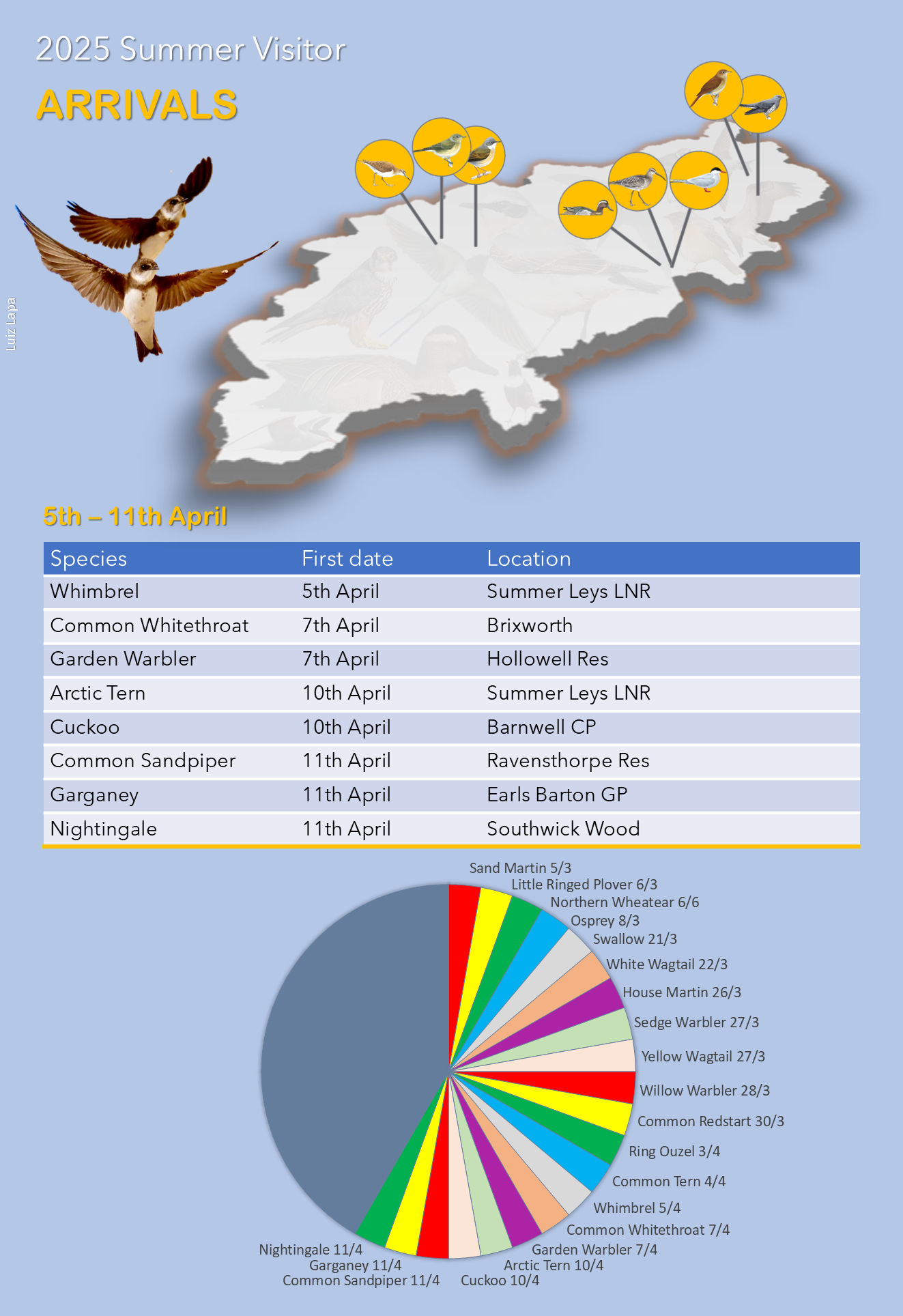
A high pressure system over eastern Europe and a low over the North Atlantic between them delivered a substantial and sustained, warm southerly airstream, providing what was no doubt a considerable catalyst for northward migration. No less than three summer visitors opened the gates of spring and set the clock ticking for more to follow as we headed into March …

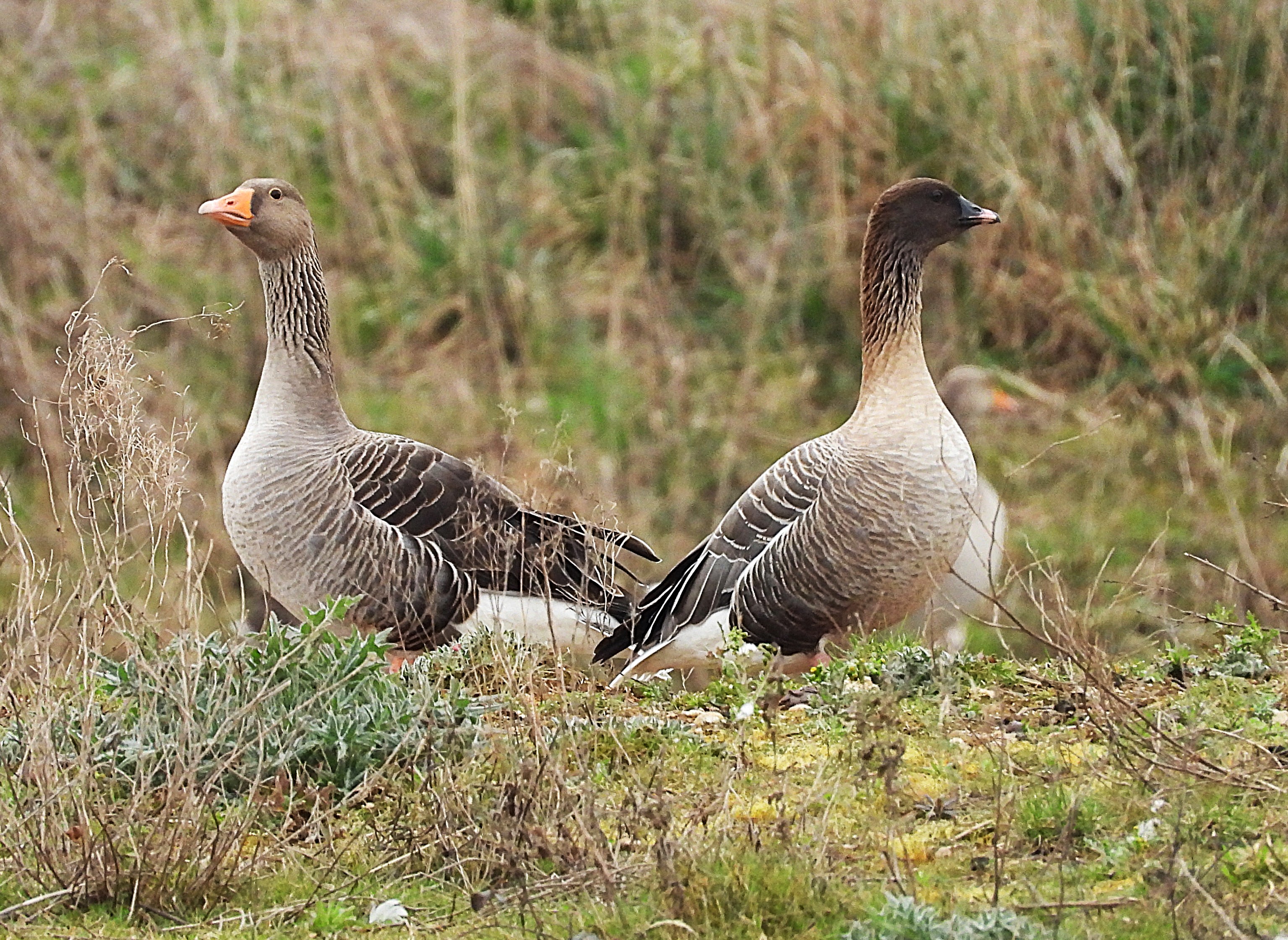
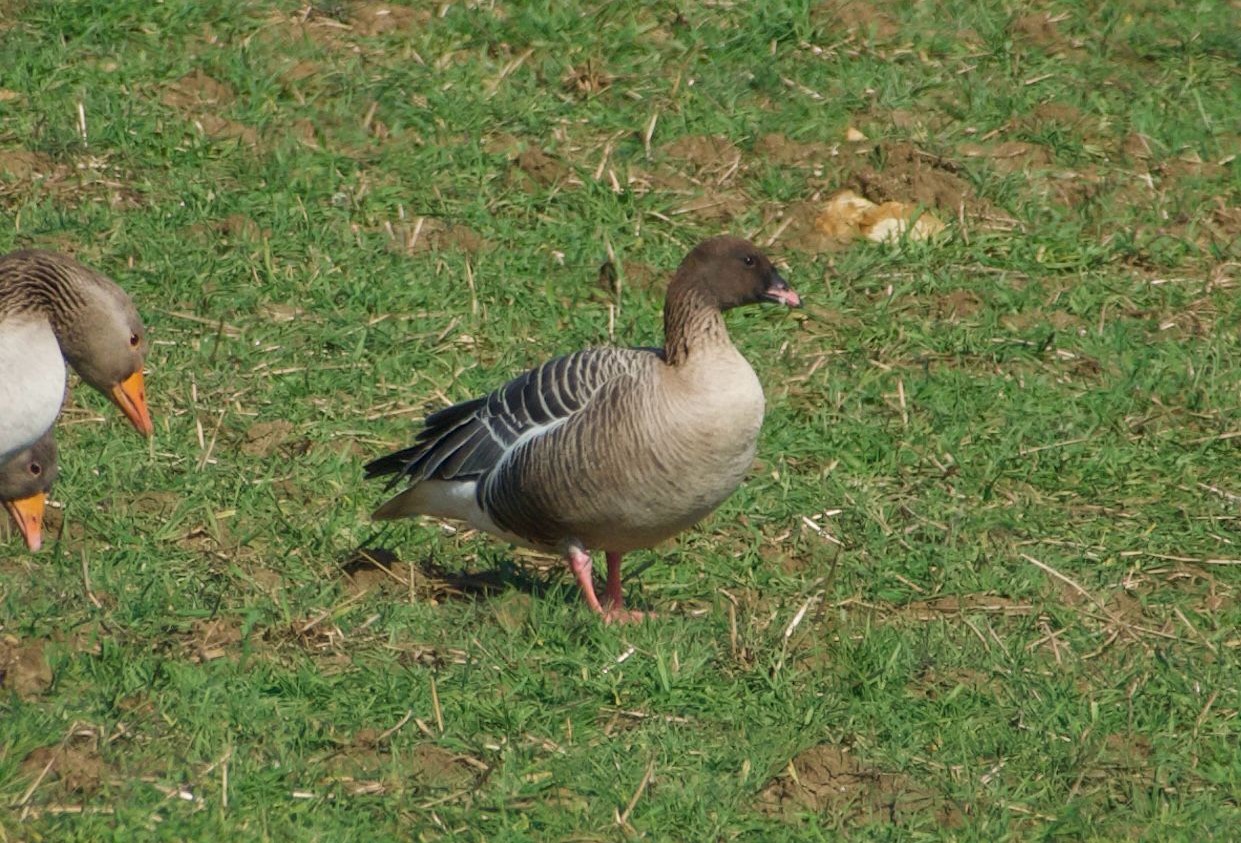
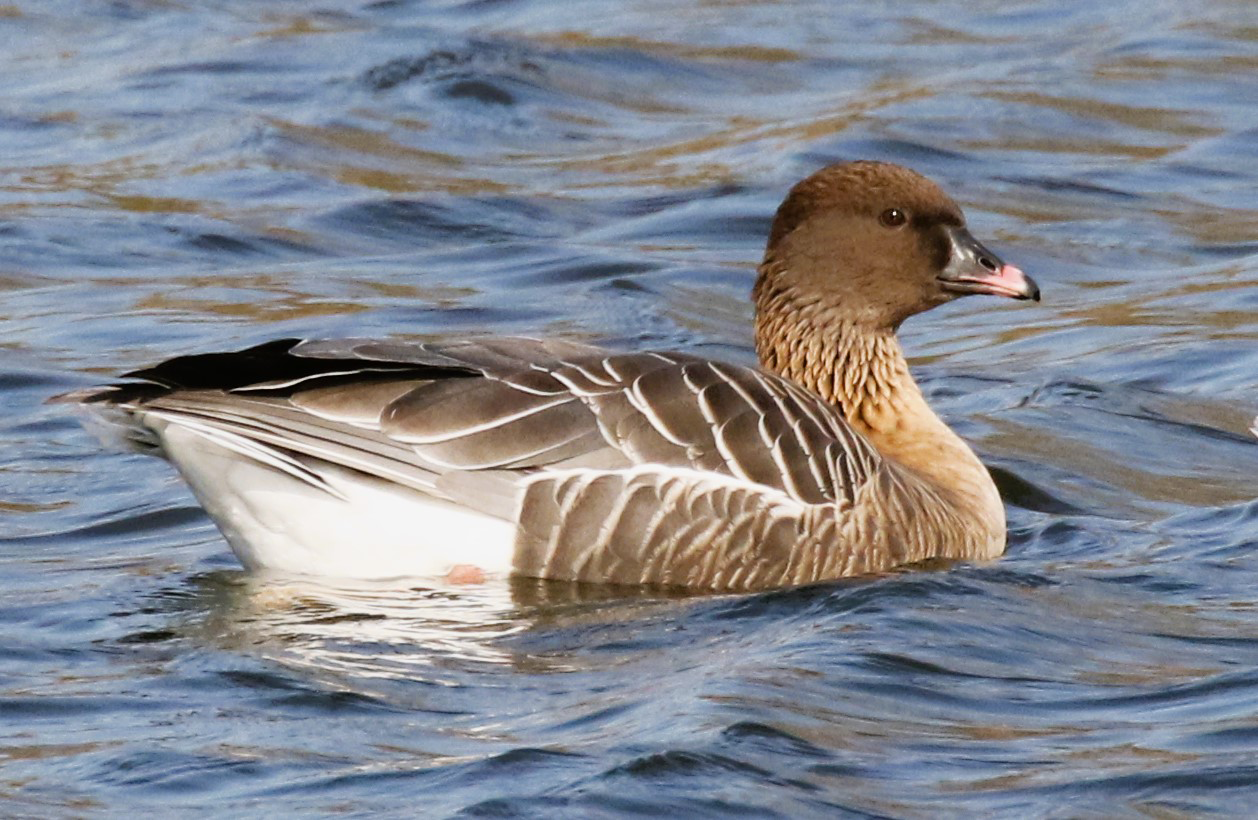
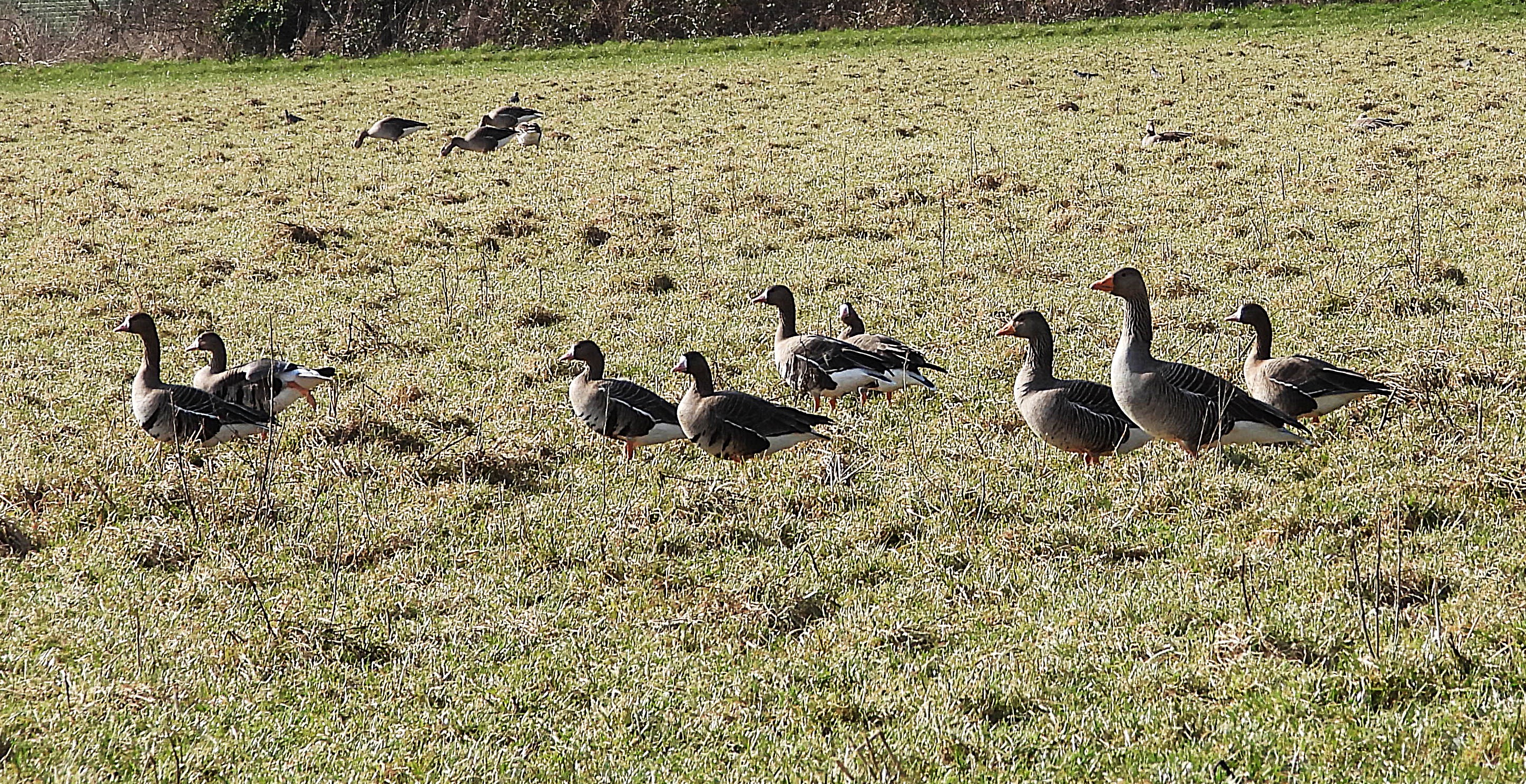
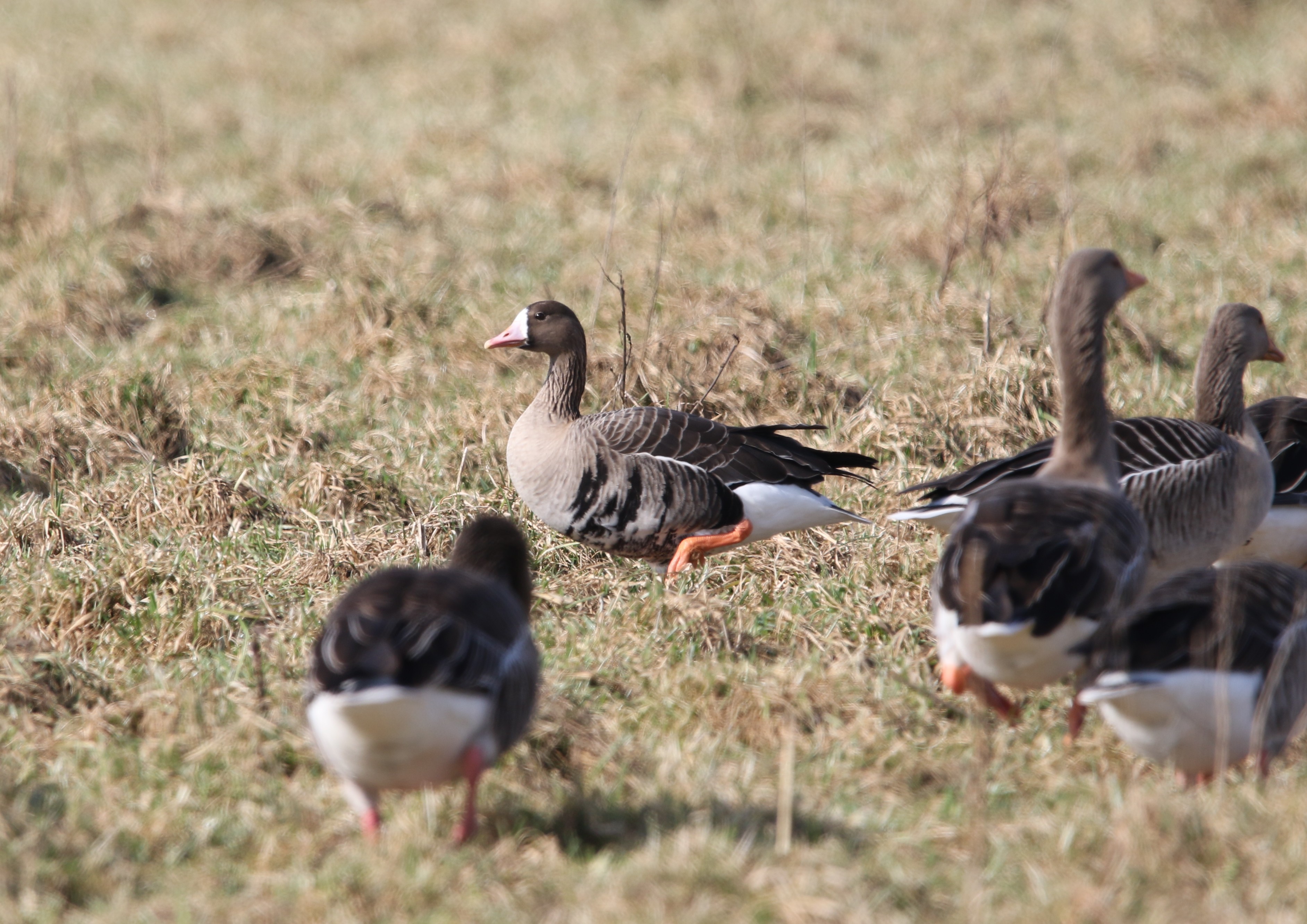
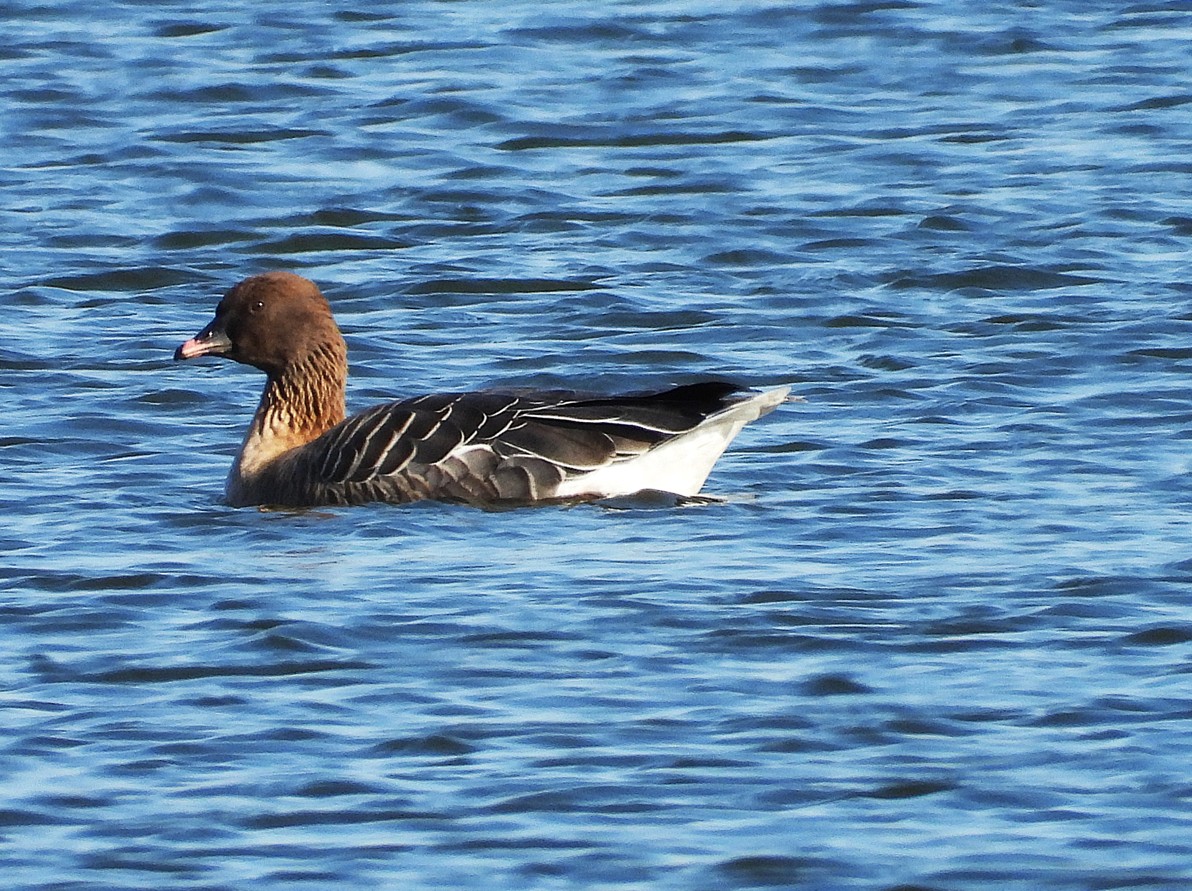
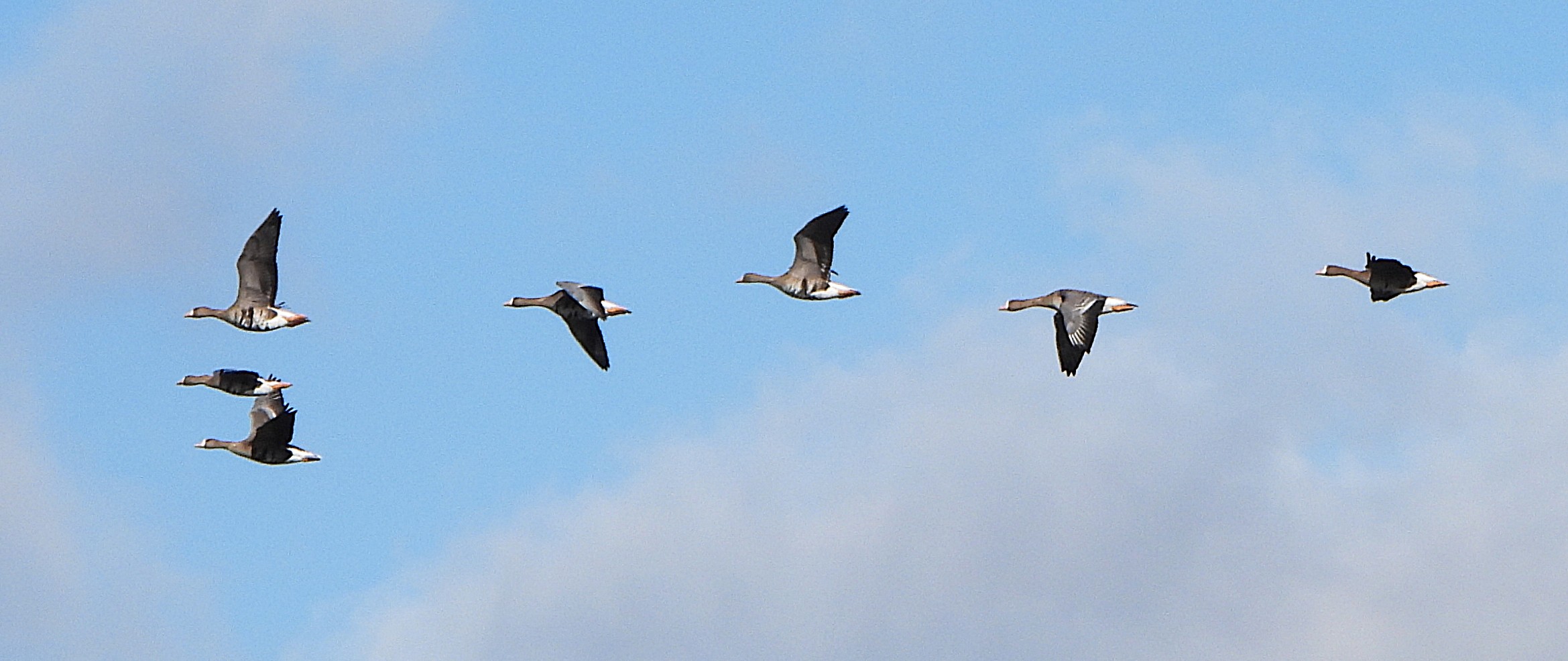
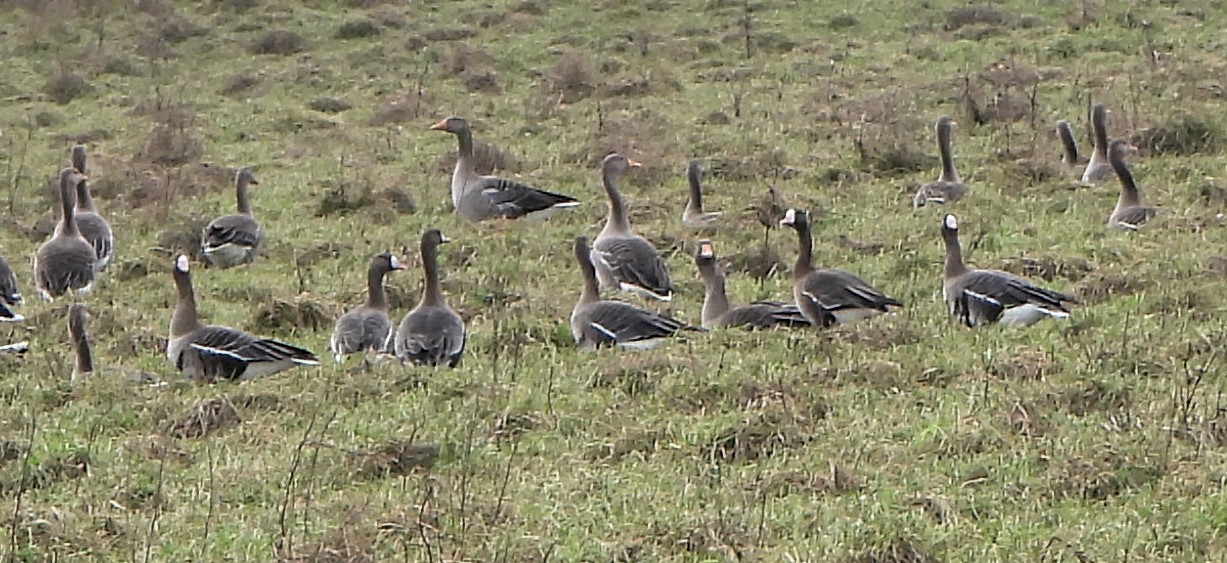
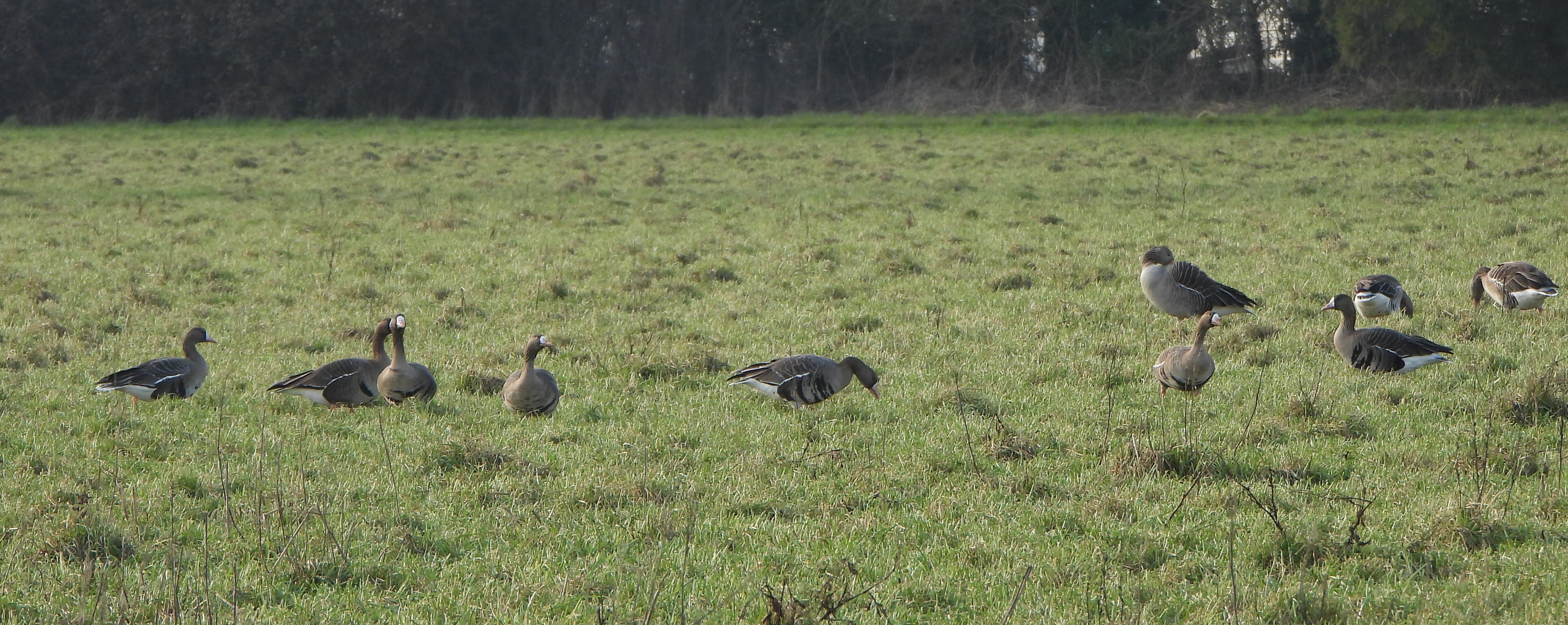
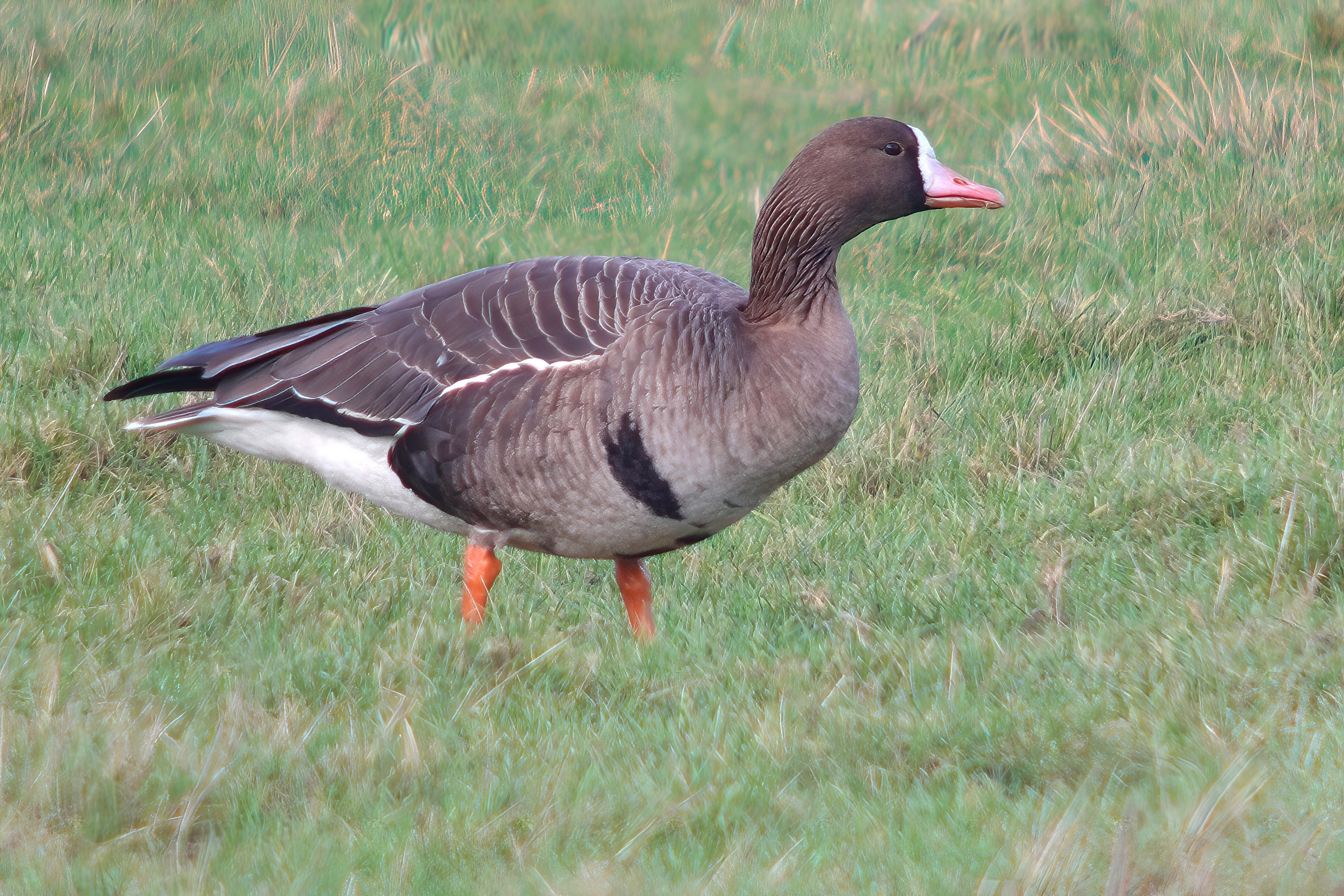
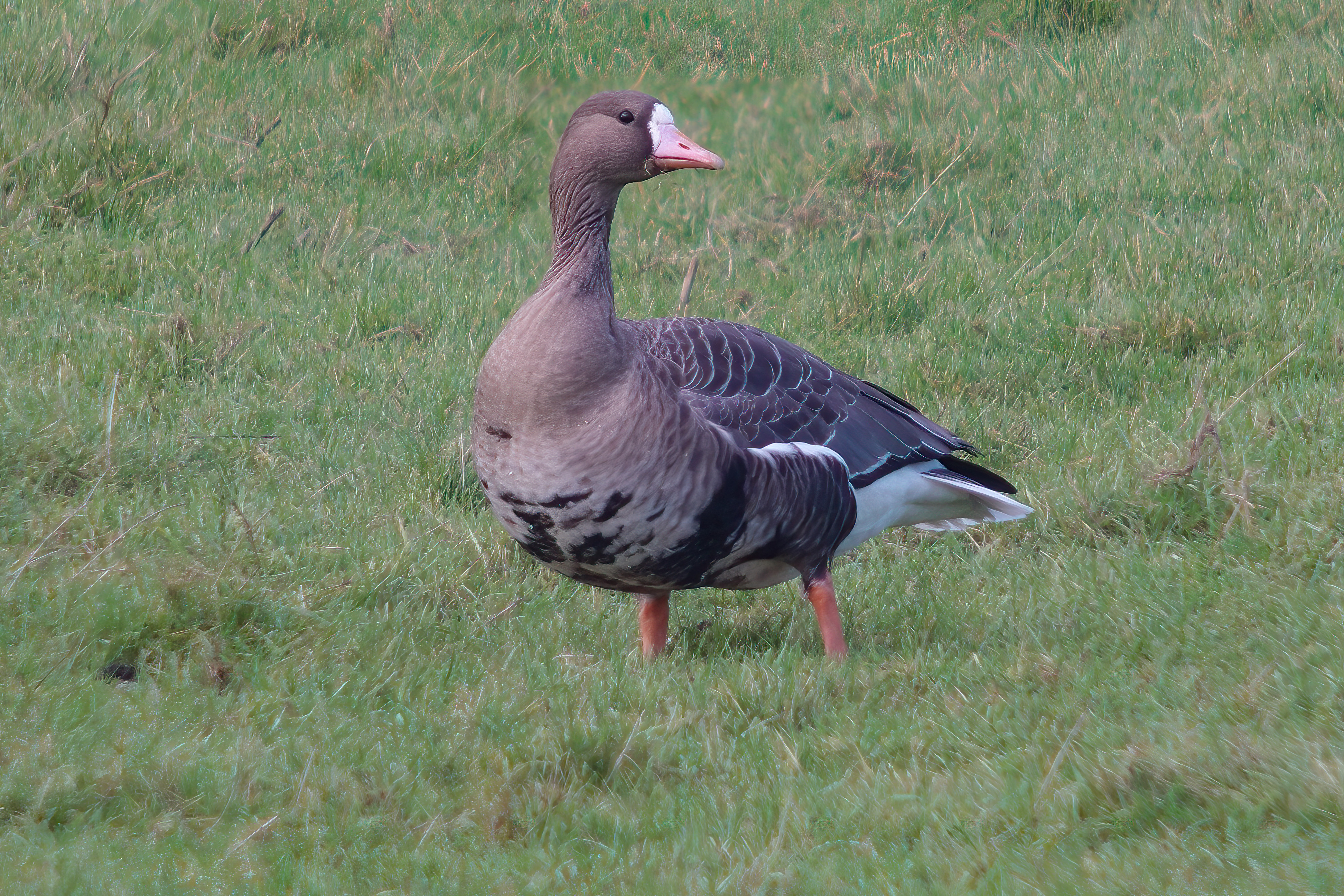
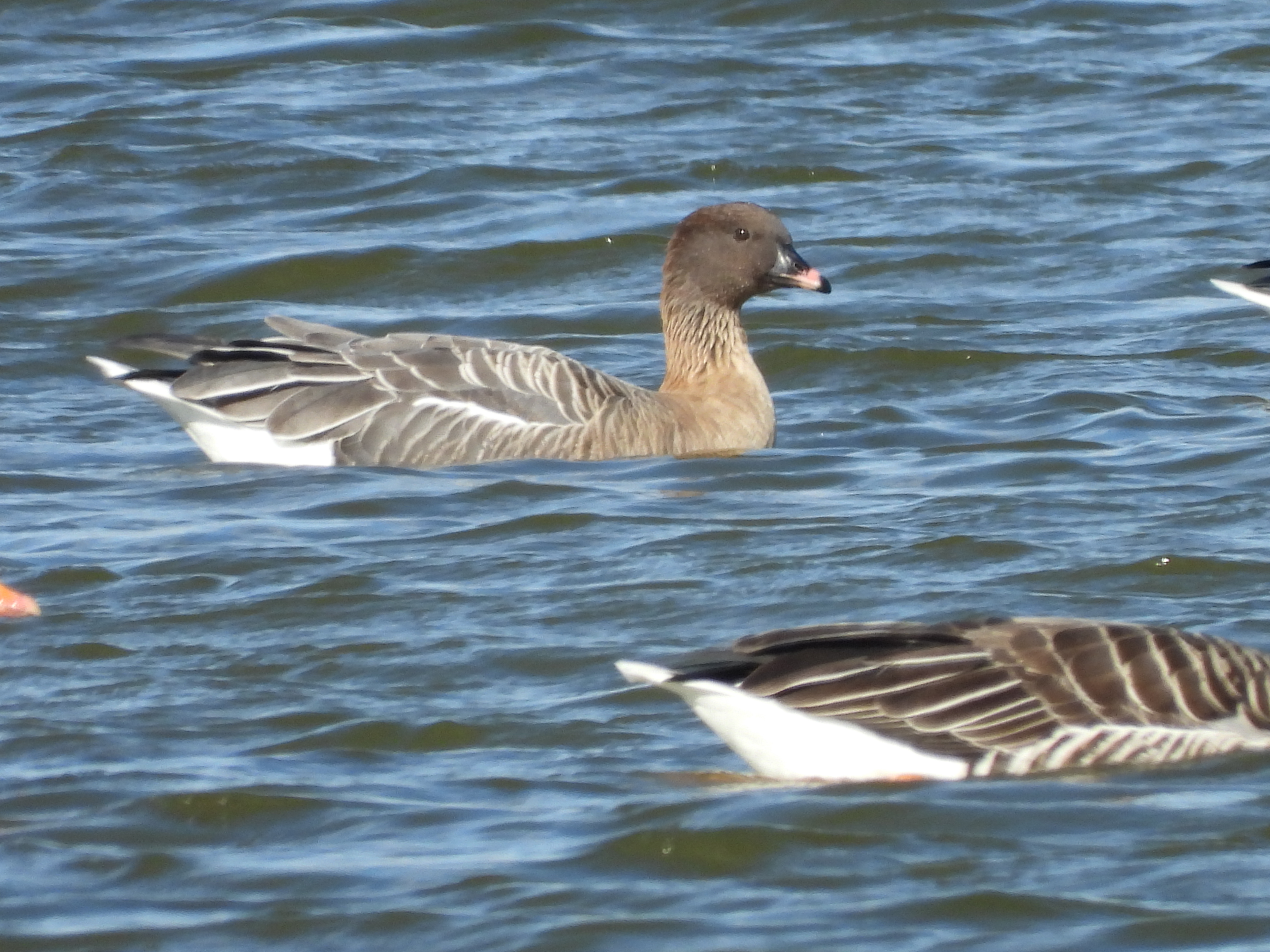
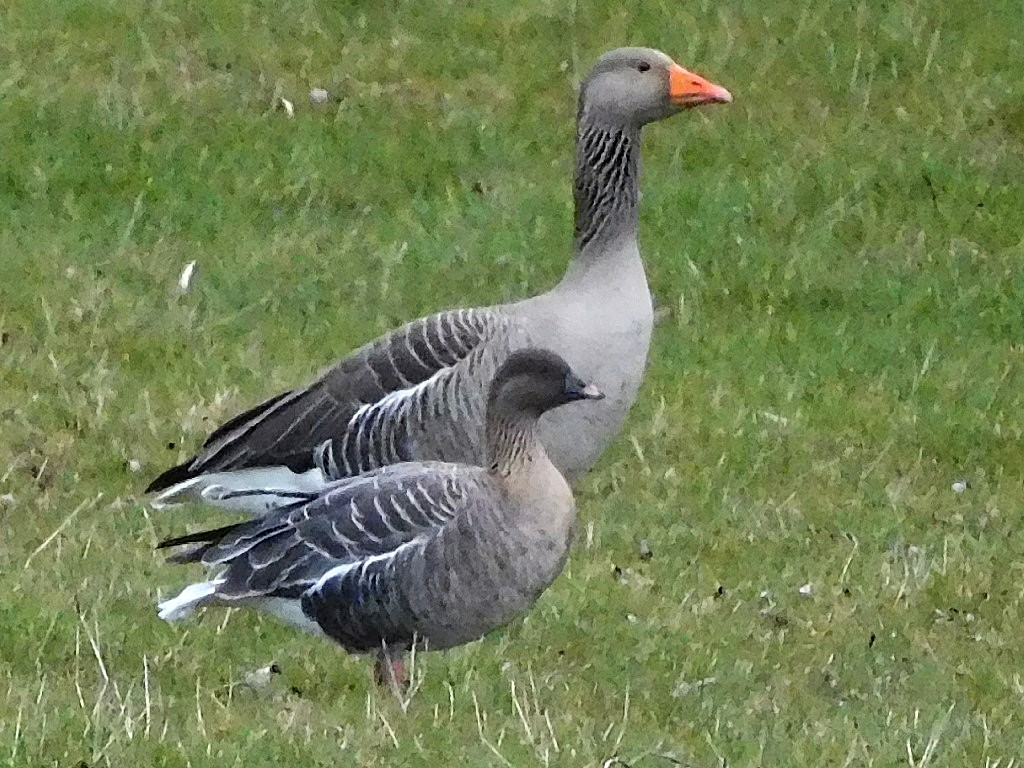
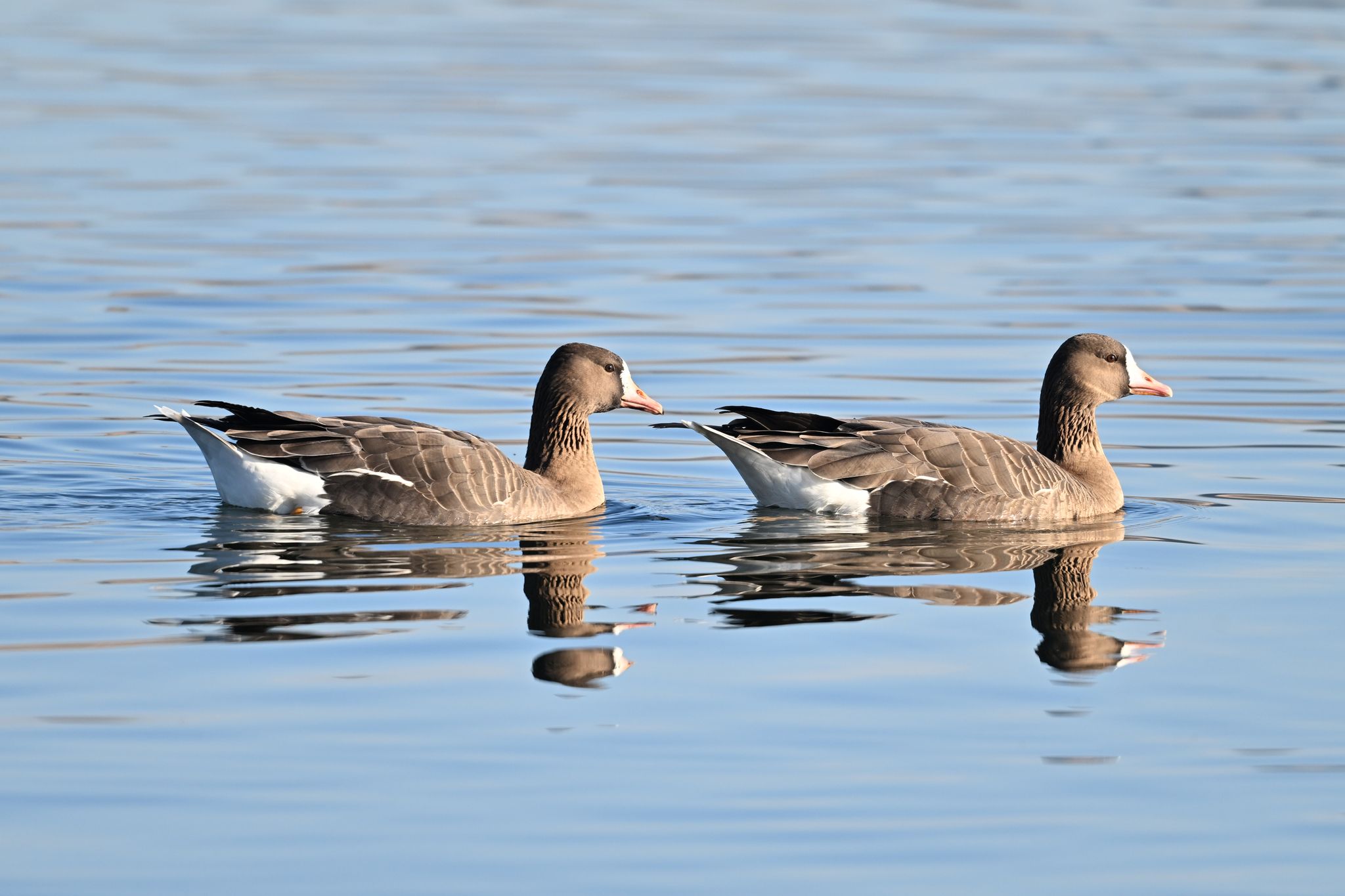
Before the first of these though, the usual scattering of wildfowl served as a reminder that we’re not quite done with winter, yet. All present and correct, then, were the geese we have been lucky to pull in and retain over the past few months, starting with the Pink-footed Goose with Greylags in the Cogenhoe Mill/Earls Barton GP area, which saw another week out there, along with the seven White-fronted Geese – the latter still present on 7th. The two longest staying Whitefronts also remained at Ravensthorpe Res until at least 5th.

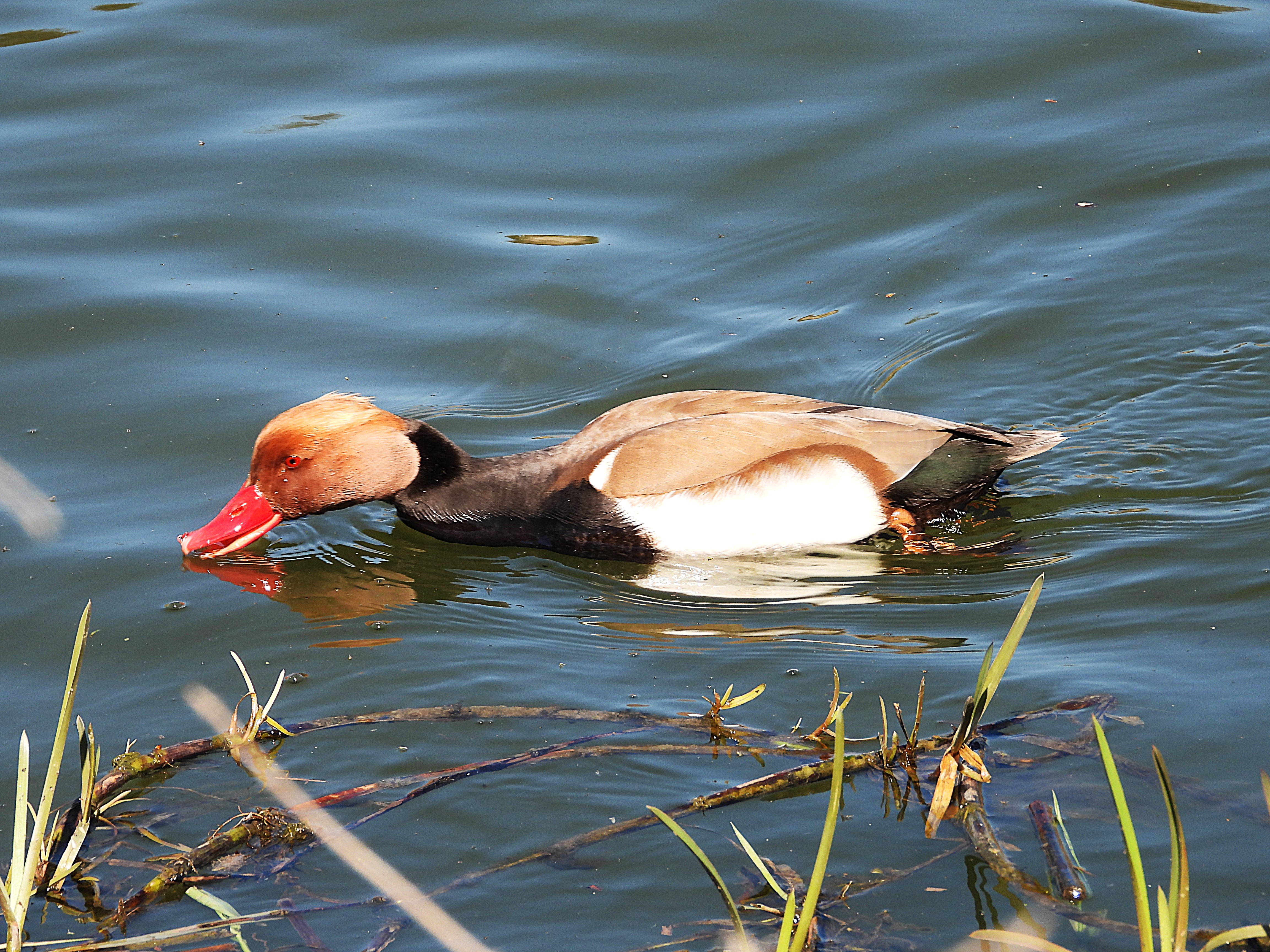
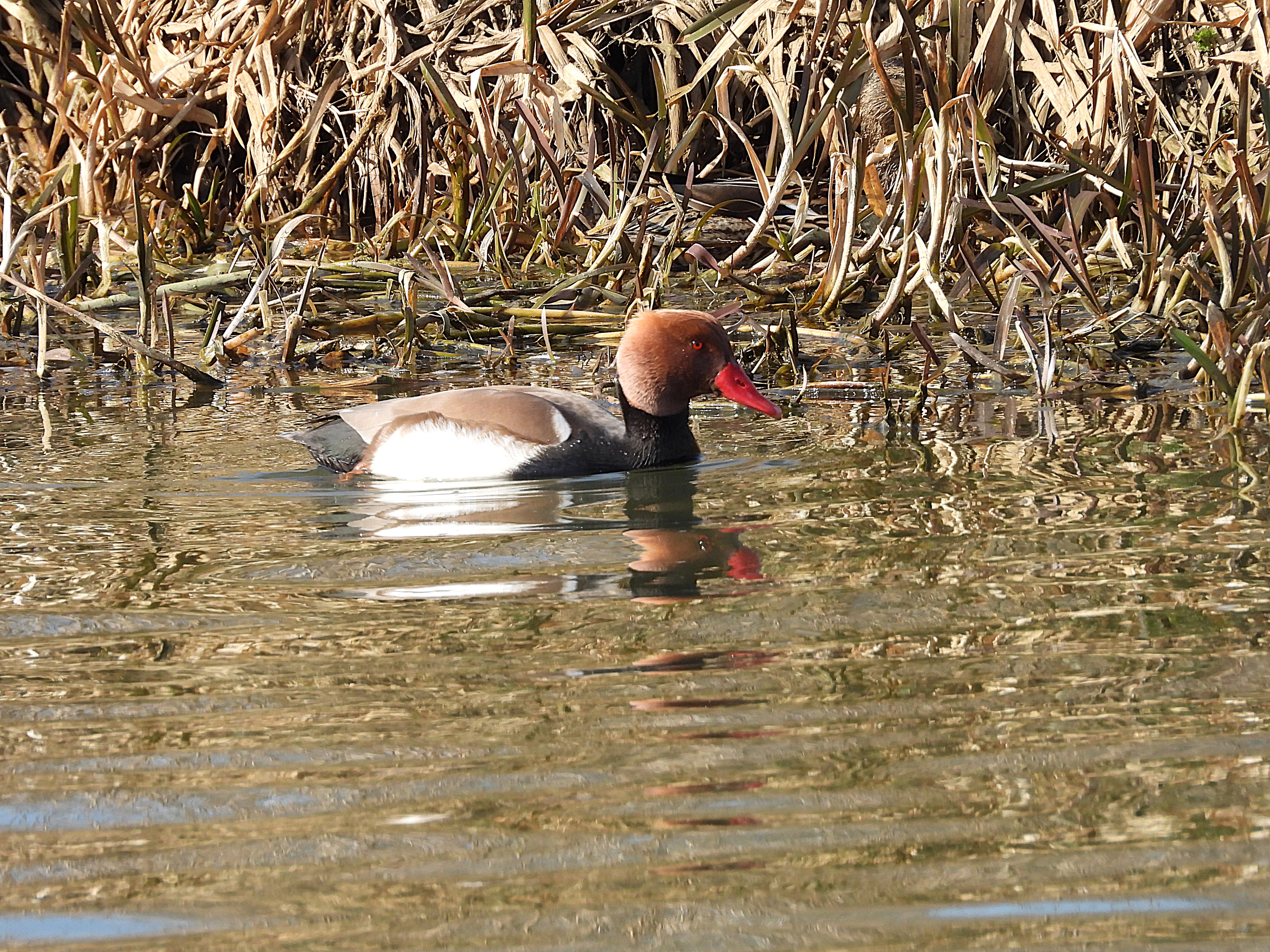
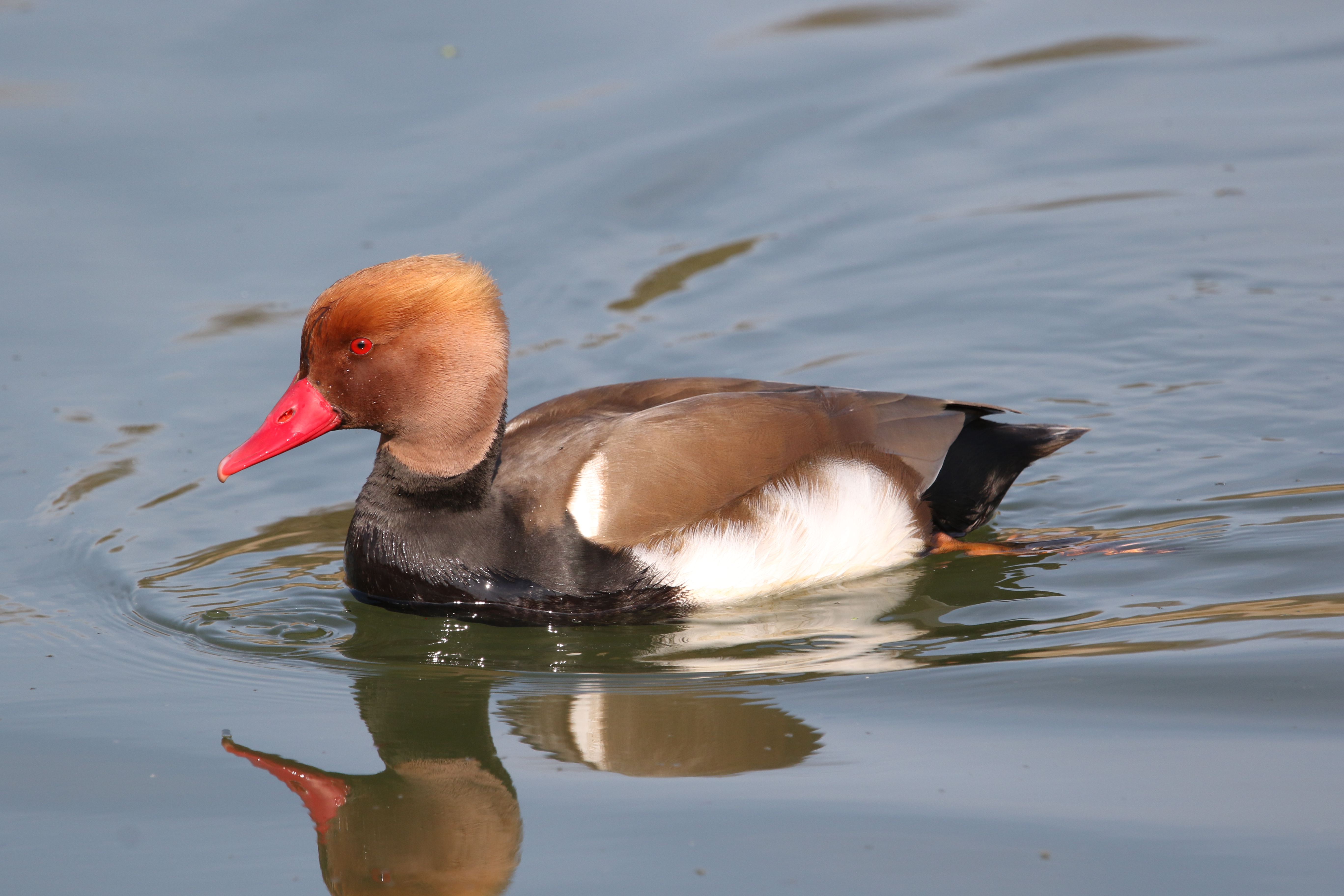
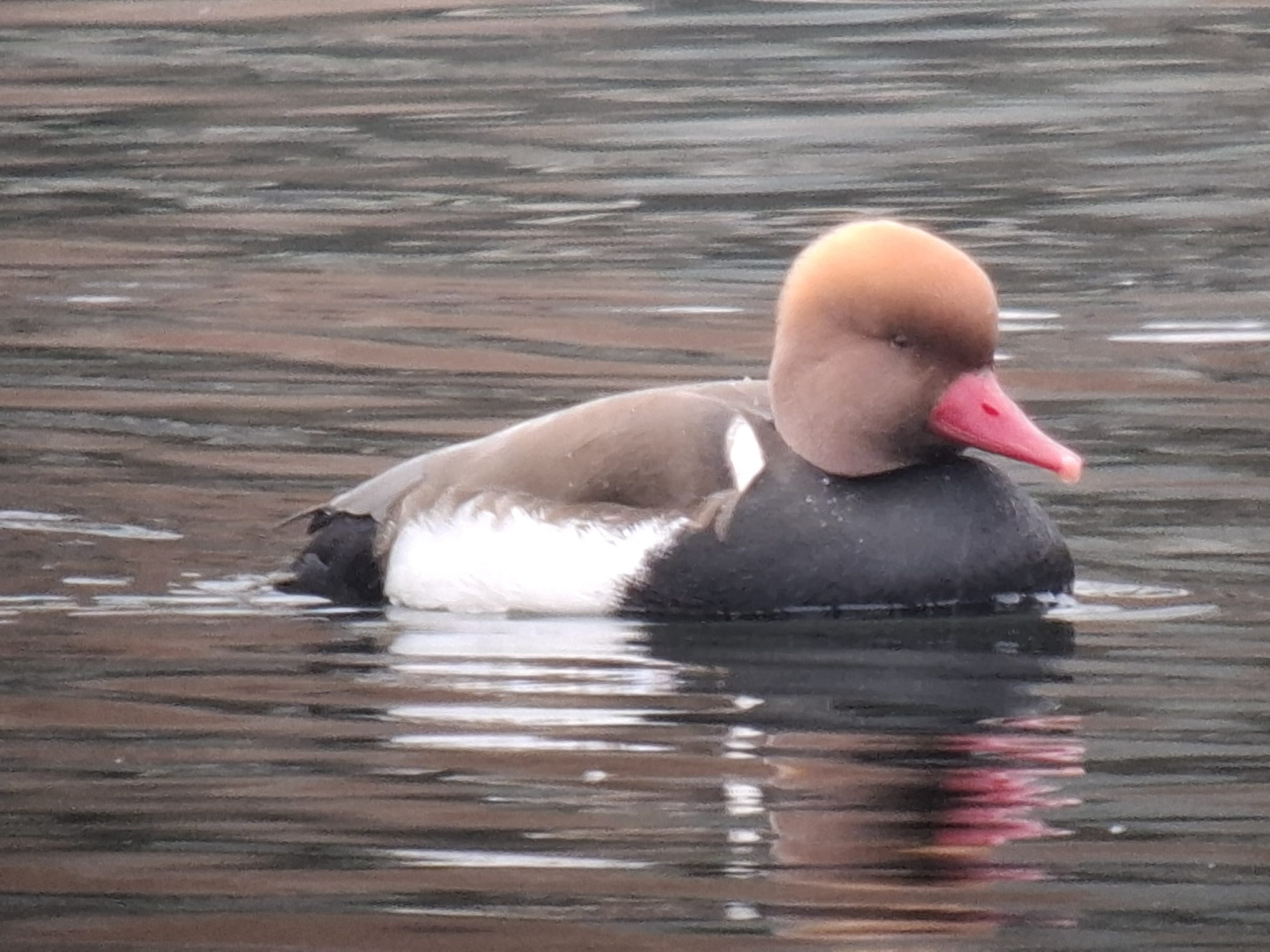
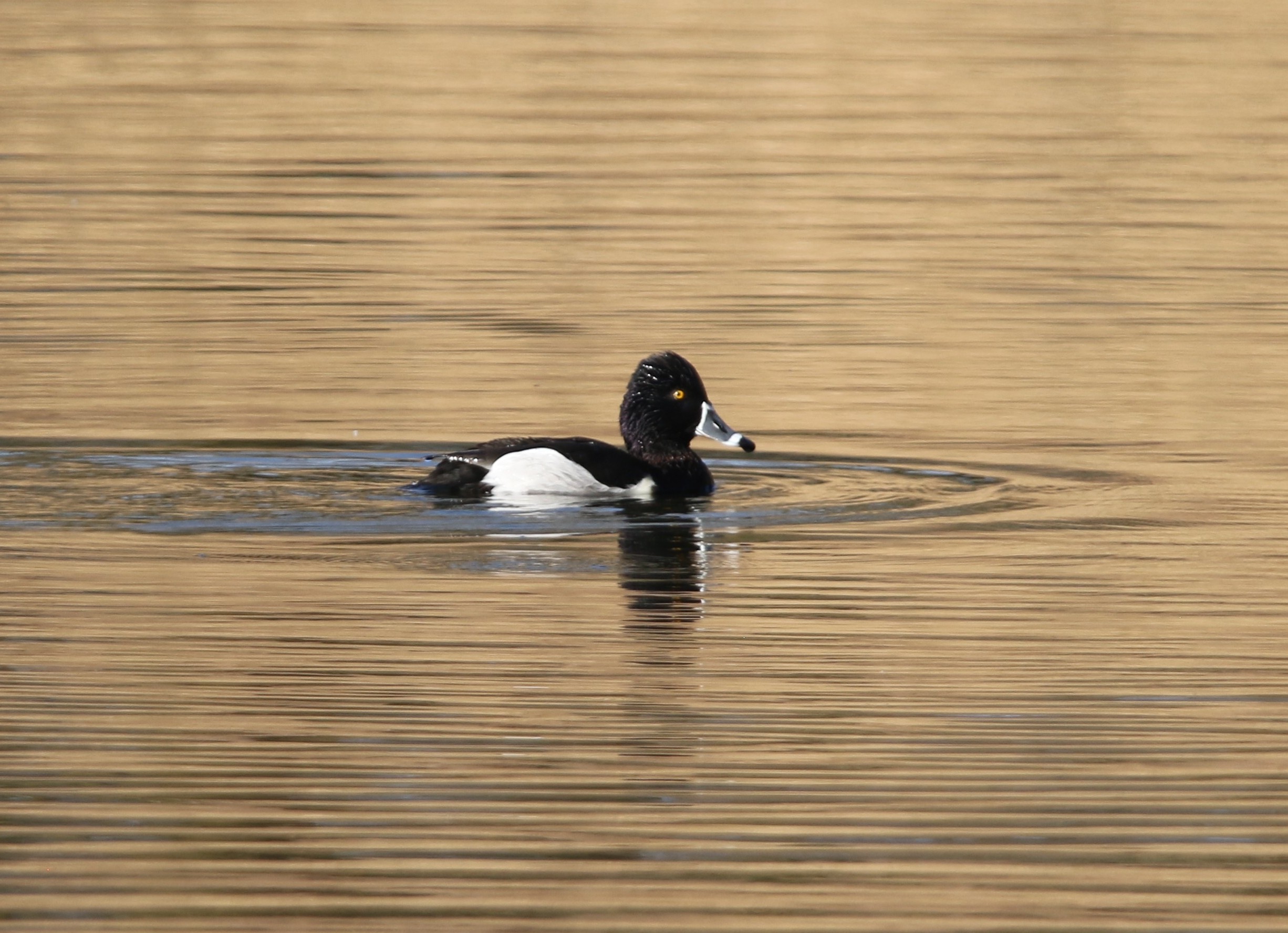
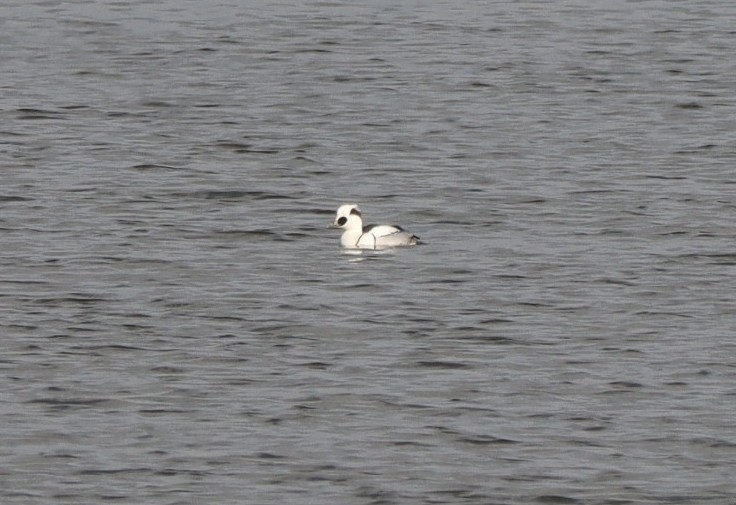
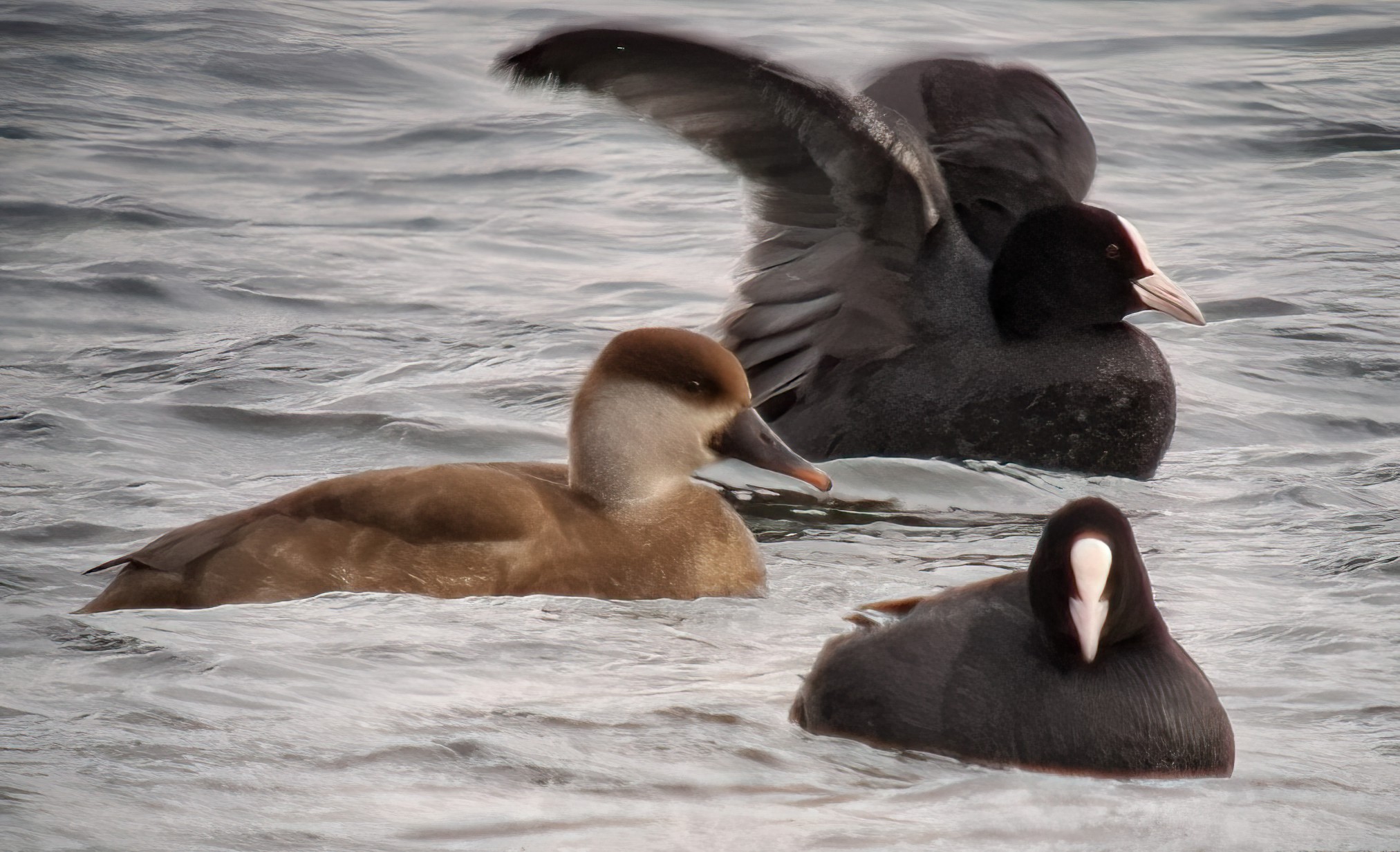
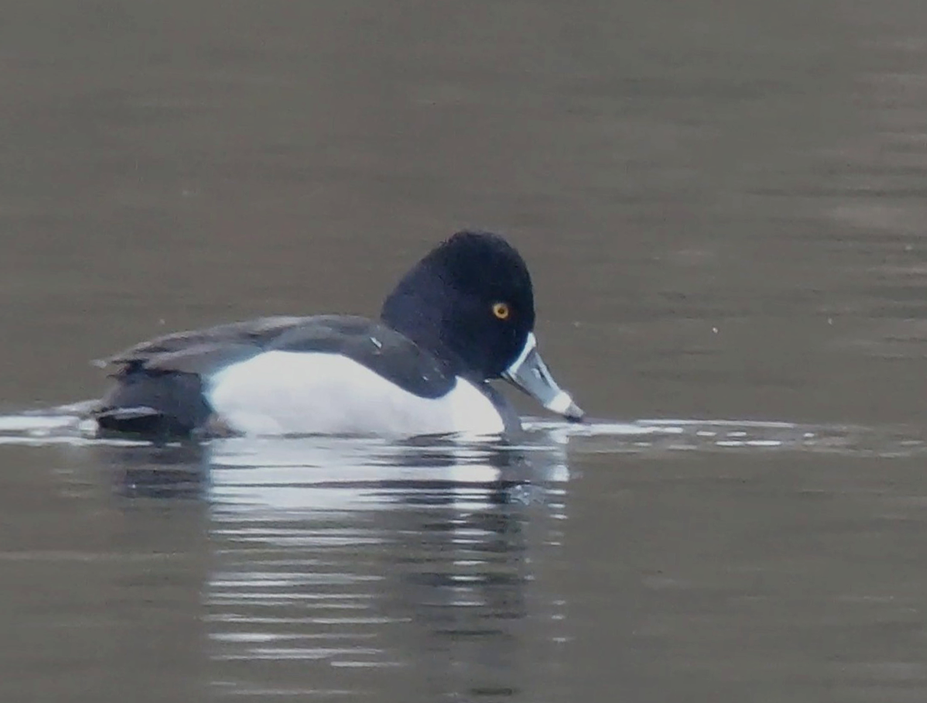
Remaining all week within spitting distance of the of the Cogenhoe cluster, the week’s sole Red-crested Pochard – a fine drake – was mobile along the River Nene as well as on the adjacent Earls Barton GP New Workings (South). More upmarket diving ducks were still to be had throughout the week in the shape of the drake Ring-necked Duck, seemingly now settled at Titchmarsh NR, and the drake Smew tucked in at the western end of Clifford Hill GP’s Main Barrage Lake.

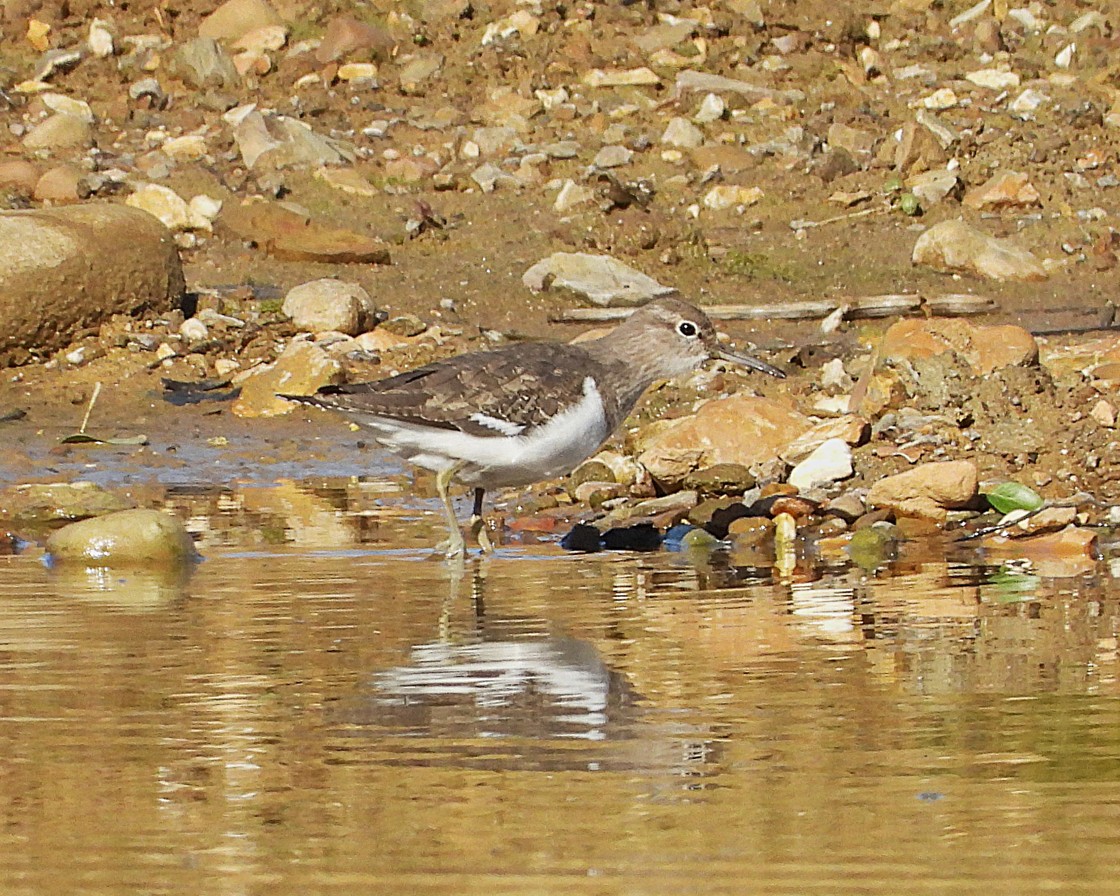
And now the first of those summer visitors to get a mention in this week’s lineup is Little Ringed Plover, one of which dropped into Clifford Hill GP. Its visit was brief, however, moving on shortly after its discovery there on 6th. Other waders were also available and included up to three Jack Snipes at Hollowell Res between 3rd and 7th and singles at Harrington AF on 4th and Stanford Res on 7th. The wintering Common Sandpiper was also still mobile around Earls Barton GP’s New Workings, being seen there on 4th and 7th.
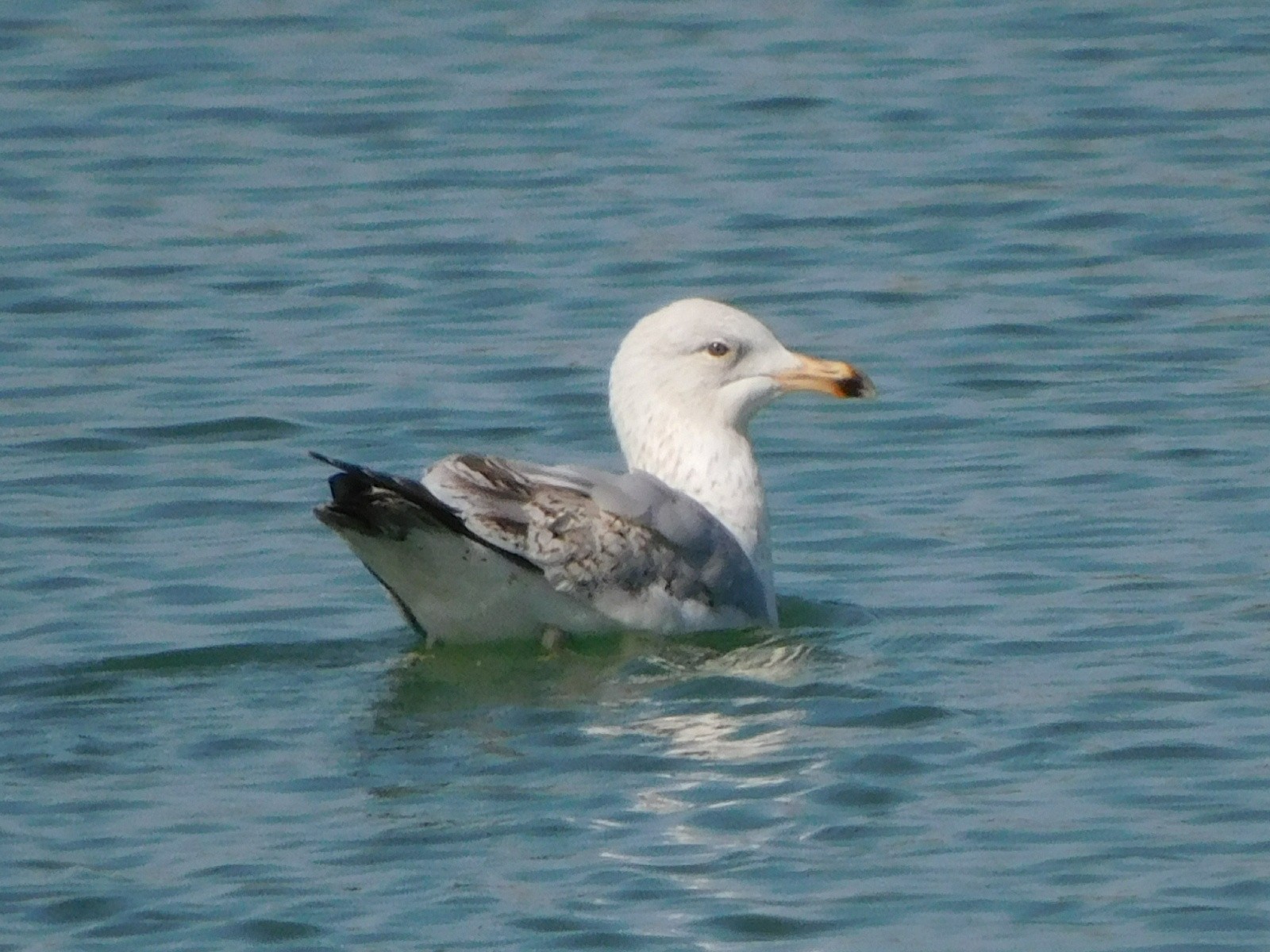
A Yellow-legged Gull at Clifford Hill on 5th was the sole representative of its kind during the period.

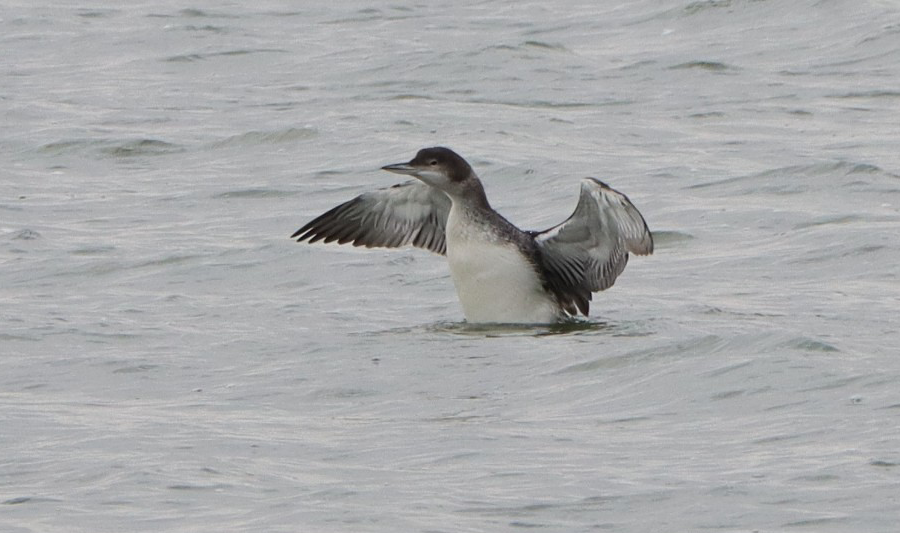
And the Pitsford Great Northern Diver? Still there until at least 6th.

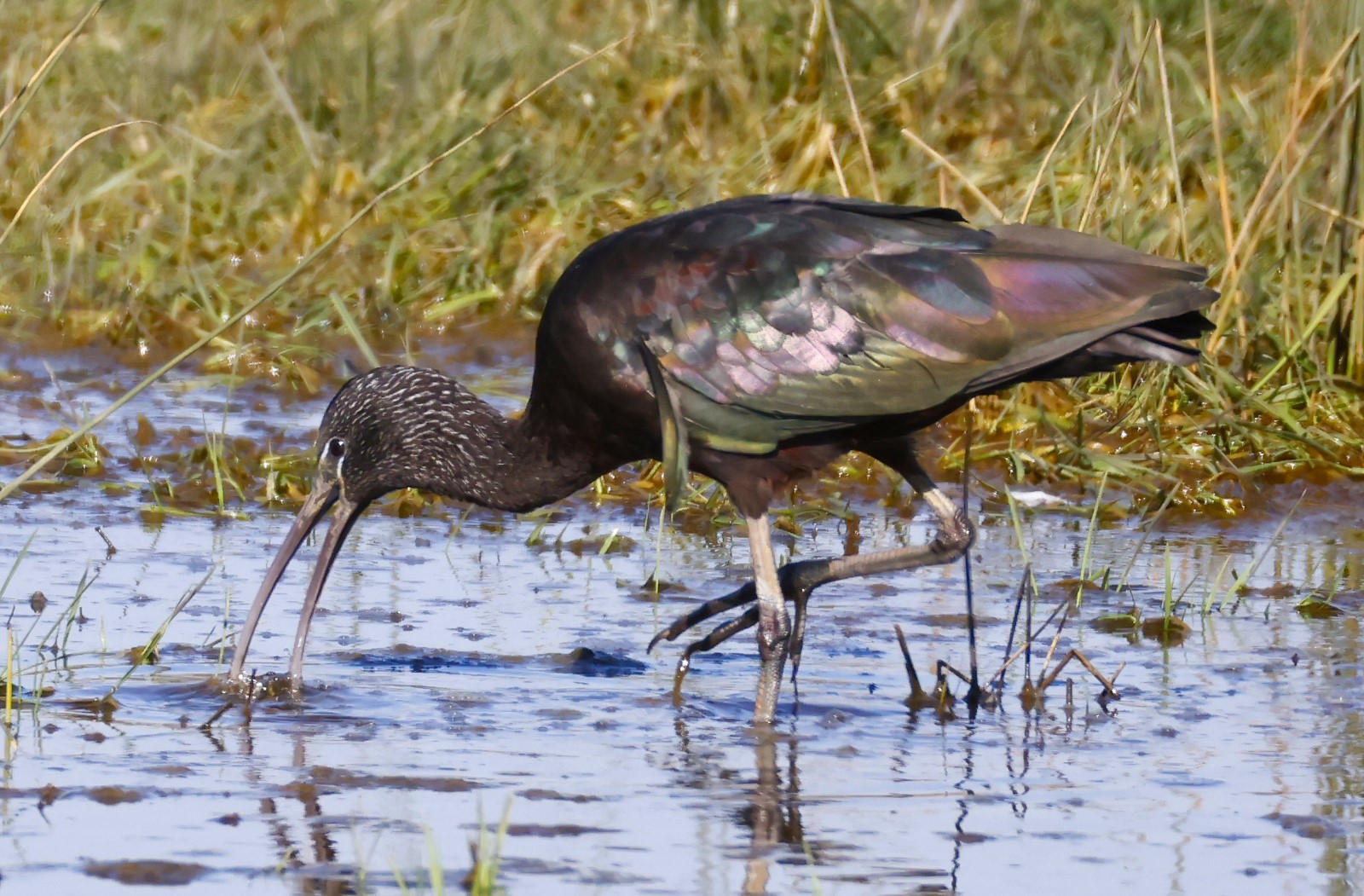
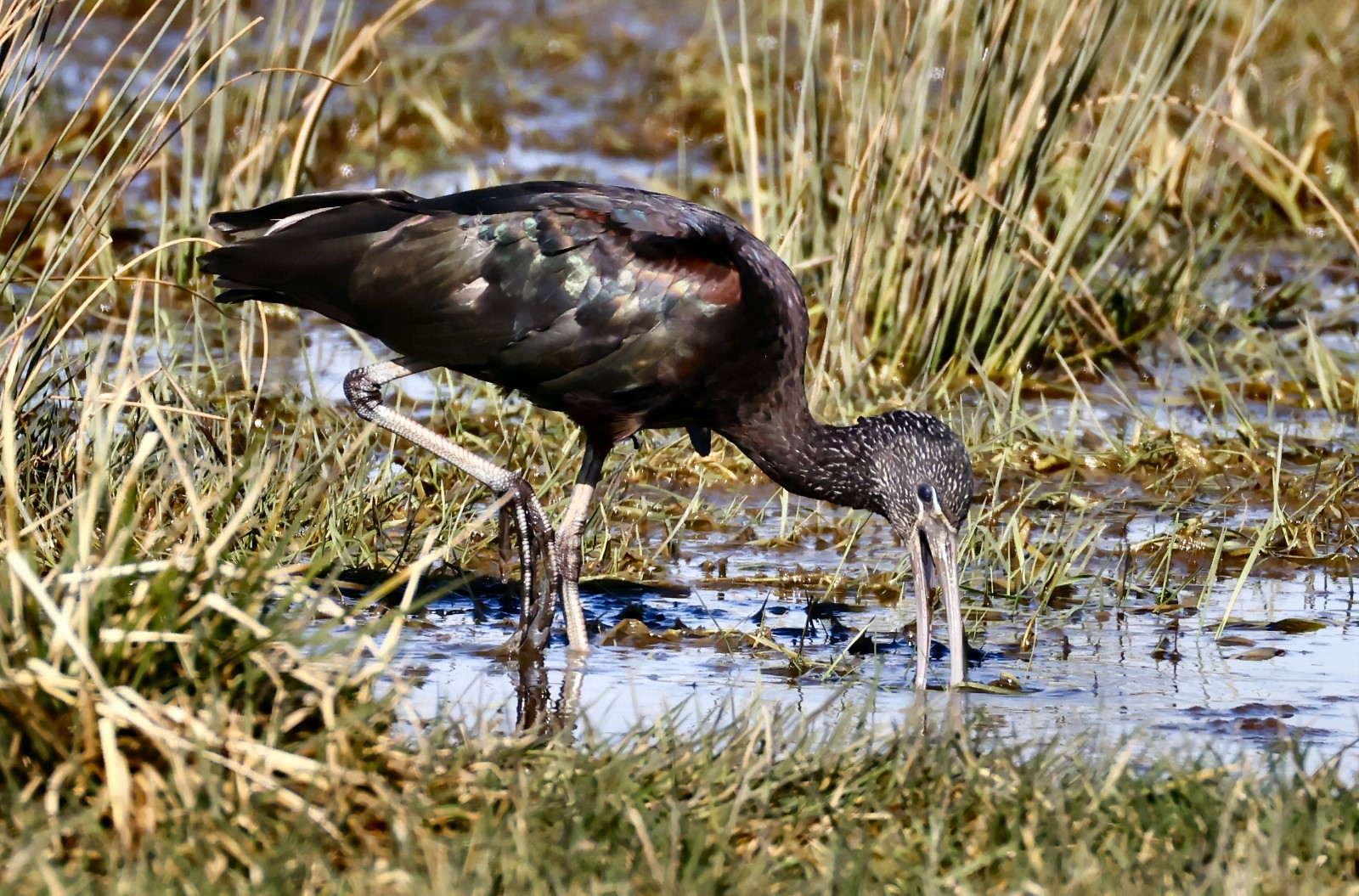
Meanwhile, back in the Nene Valley, the Glossy Ibis notched up another week at Summer Leys LNR. Its days on site must now surely be numbered …

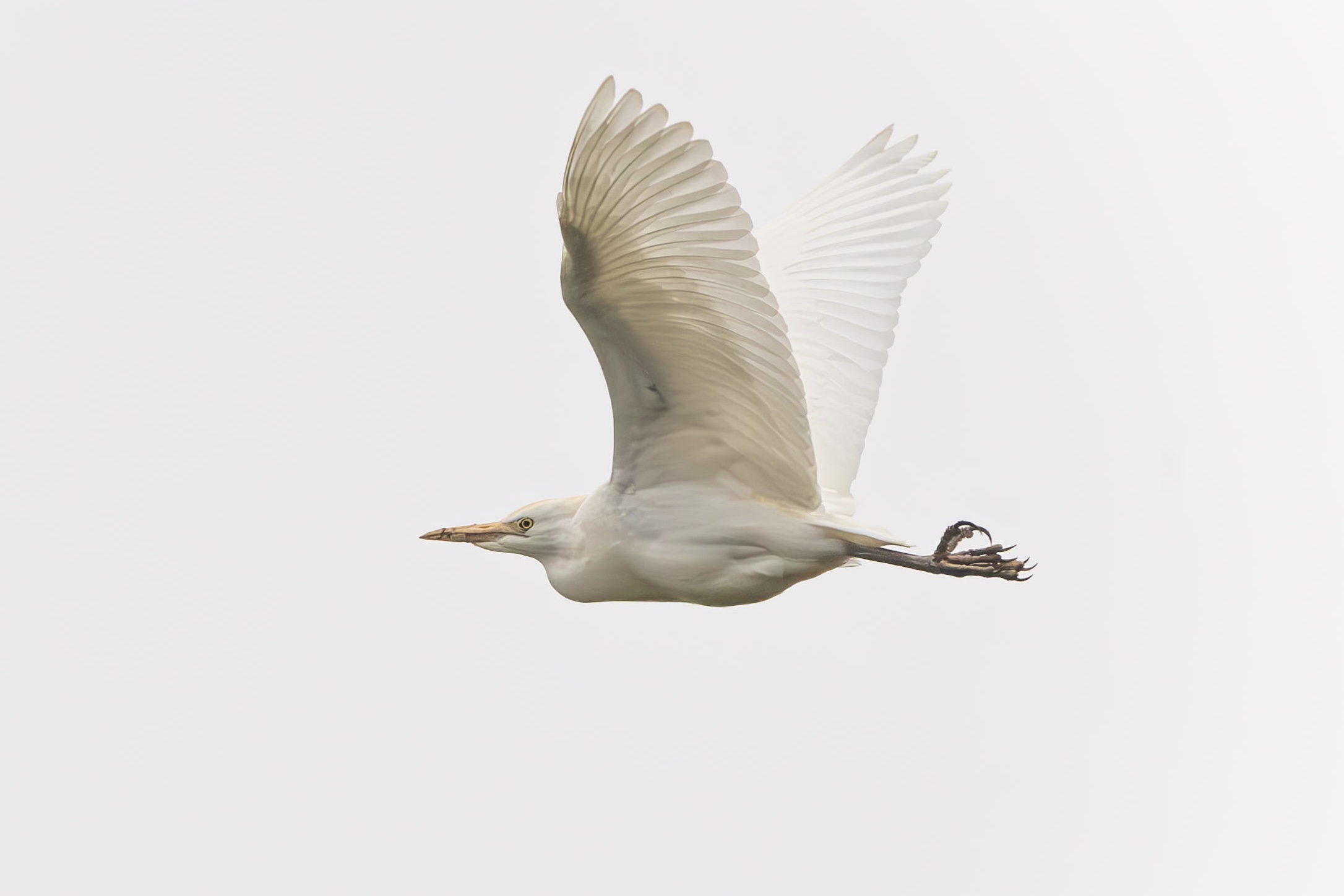
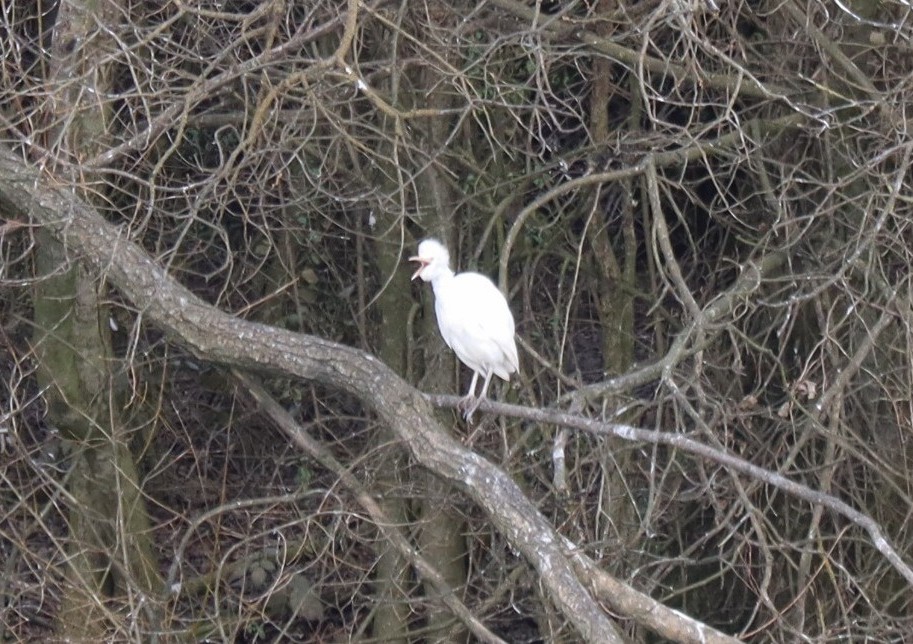
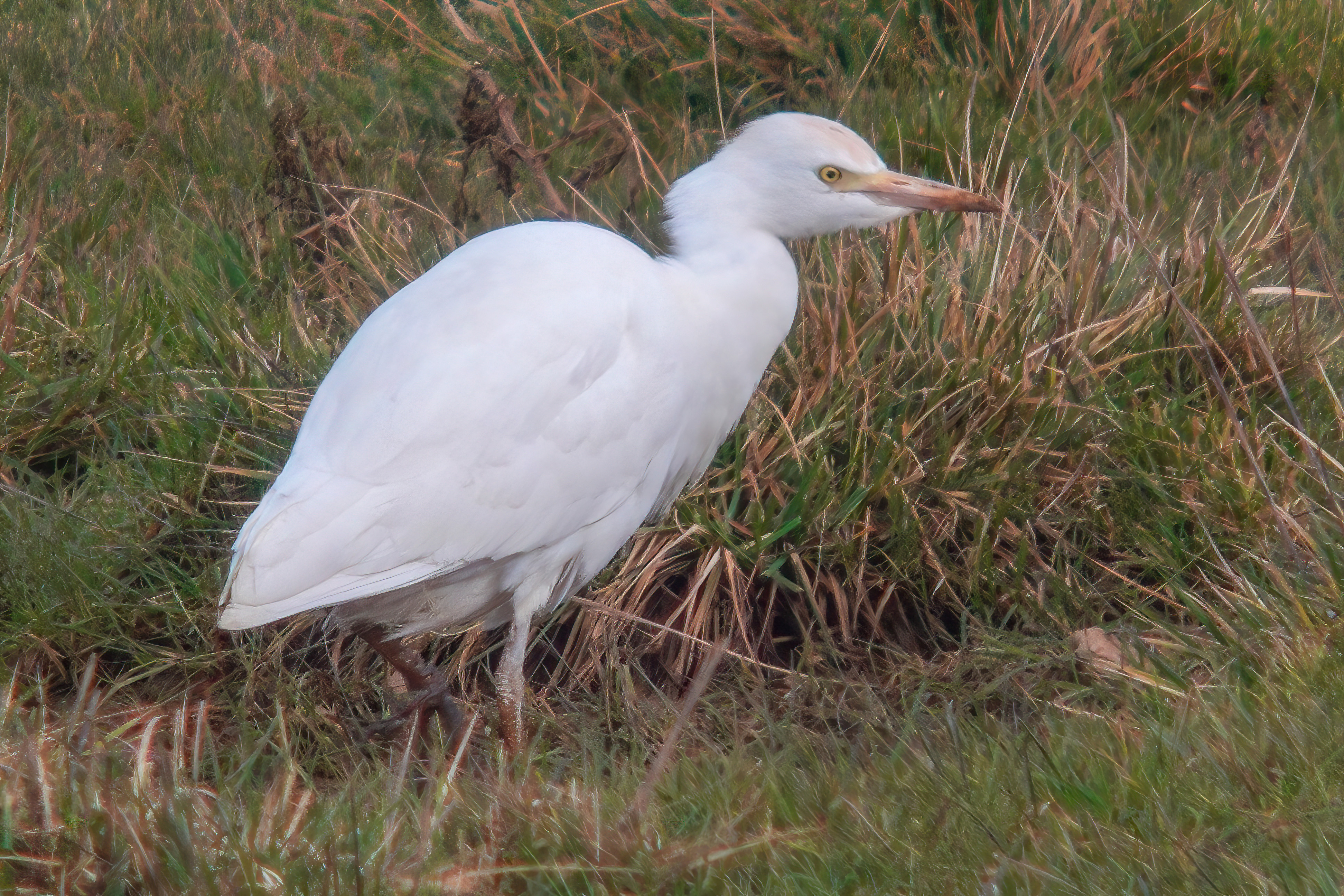
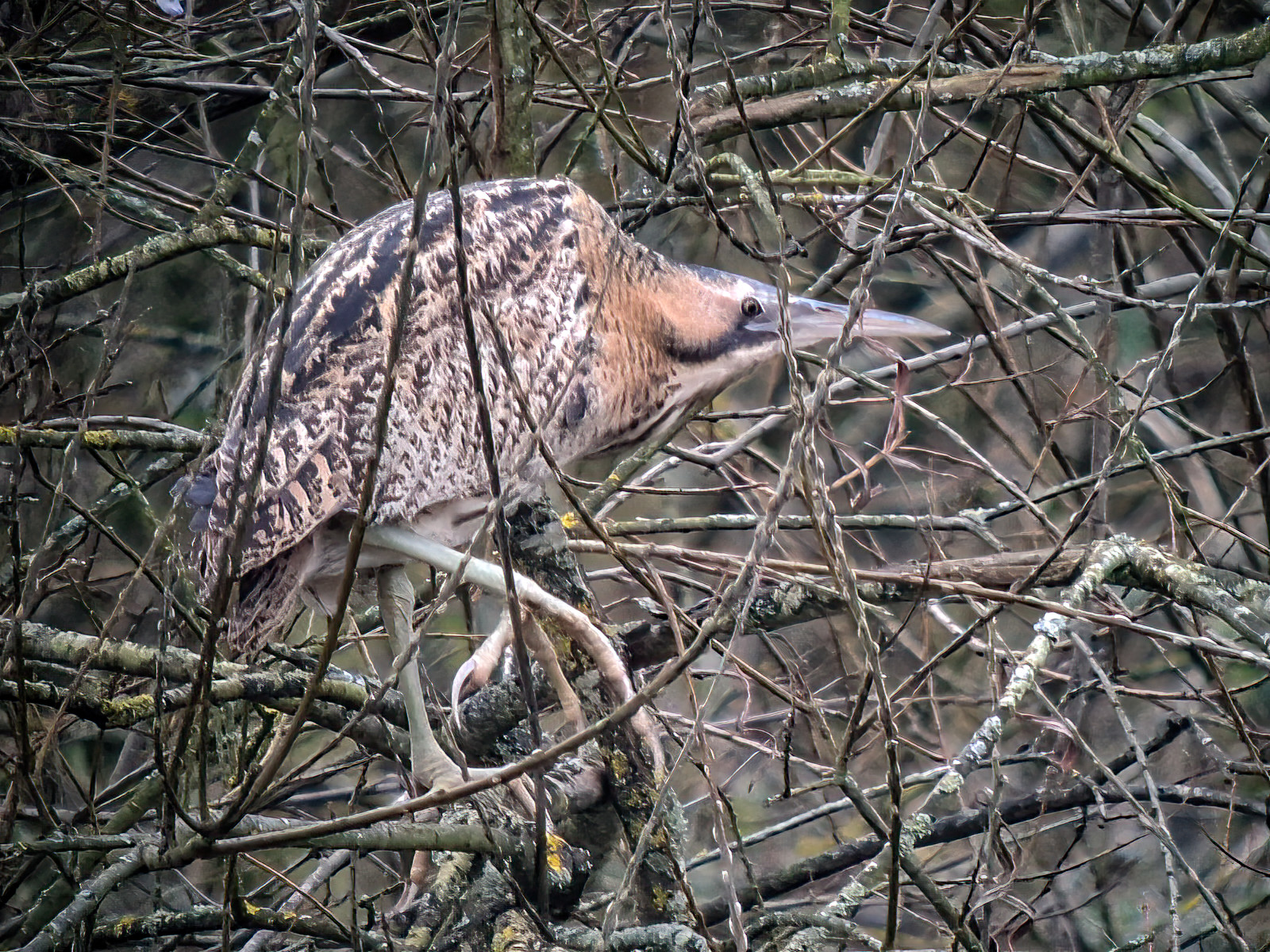
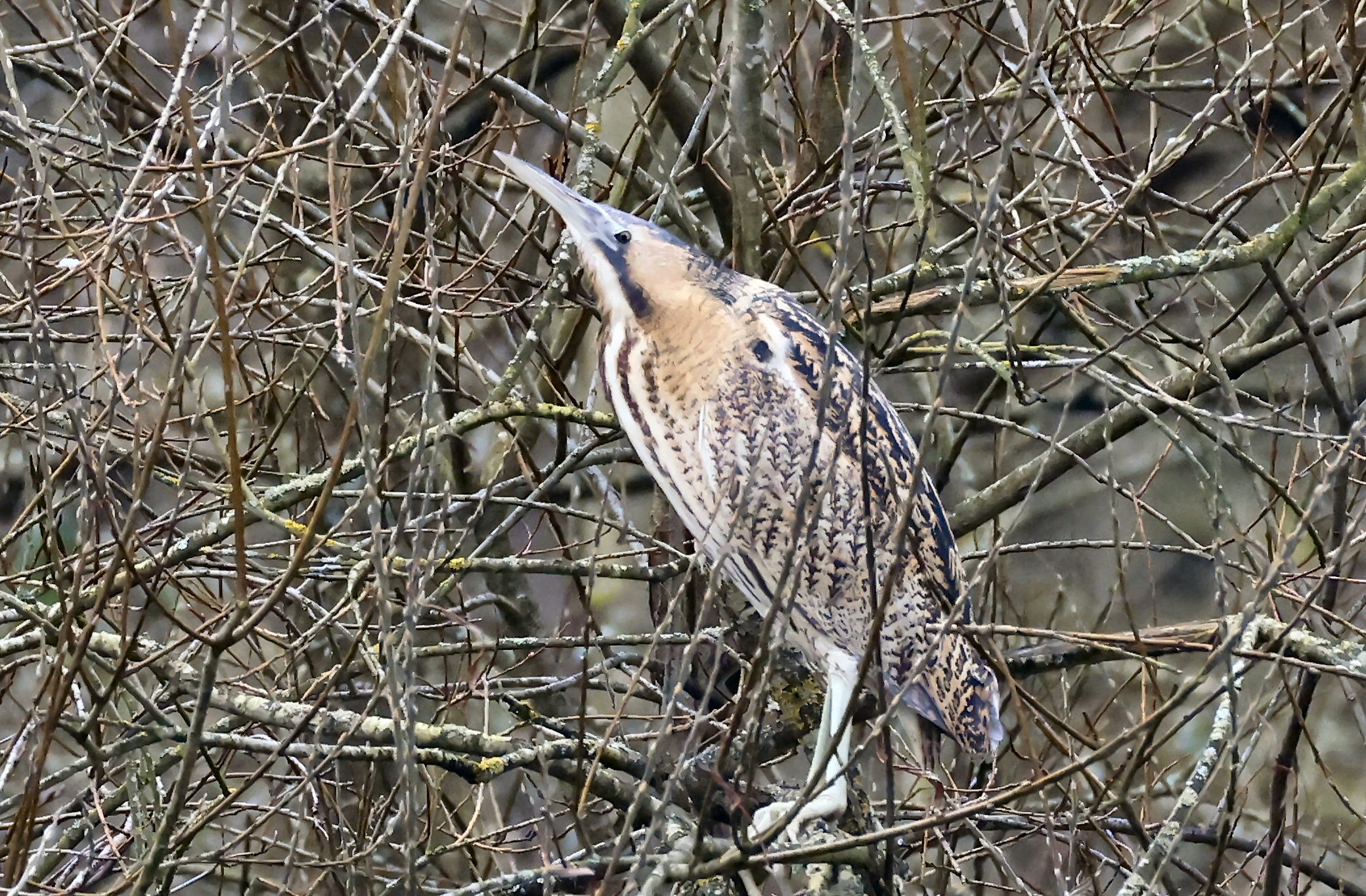
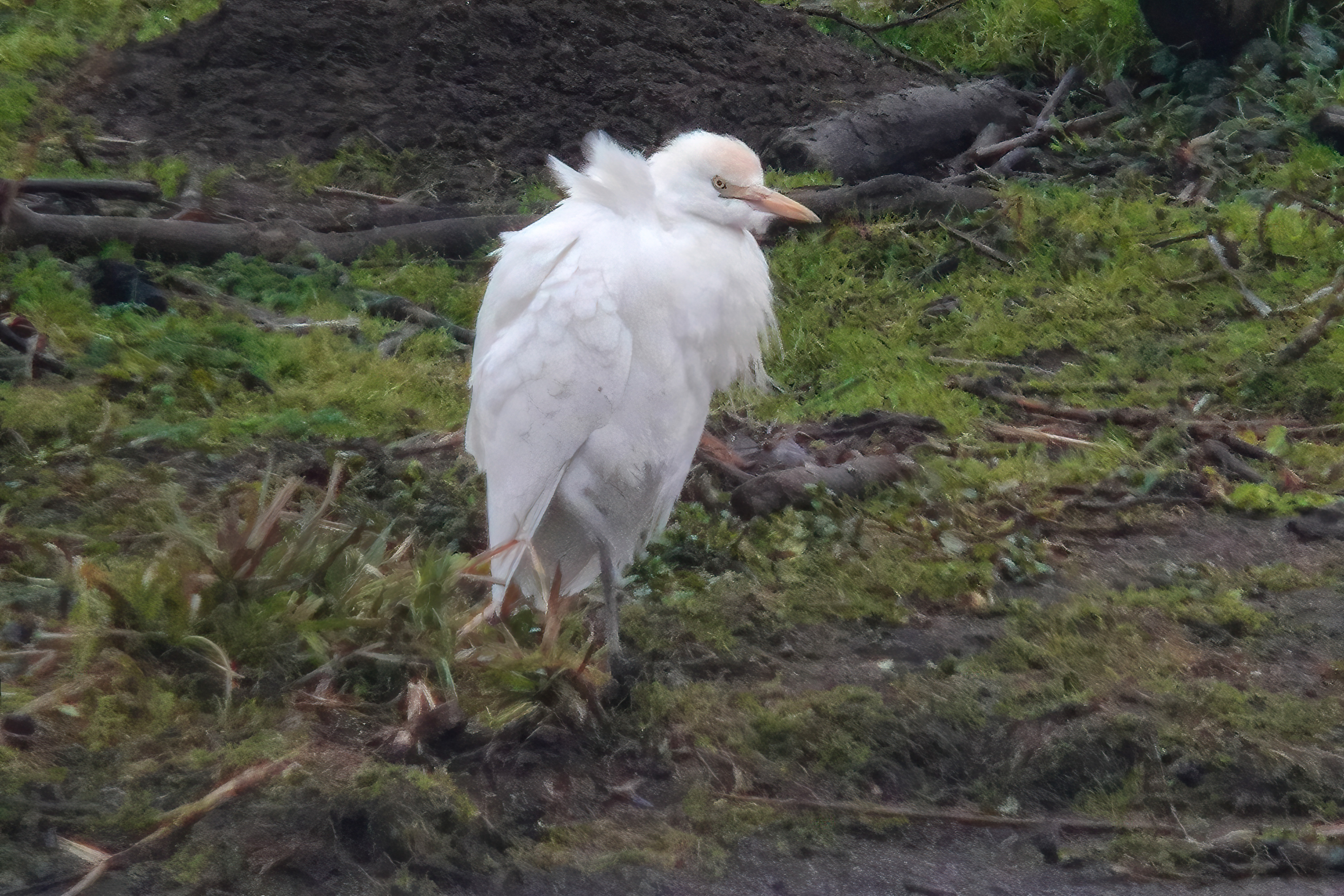
A Bittern was an unusual site record – but not the first – for Ravensthorpe Res on 3rd. Leaning toward standard patter, though, was a Cattle Egret at Clifford Hill on 6th and 7th.

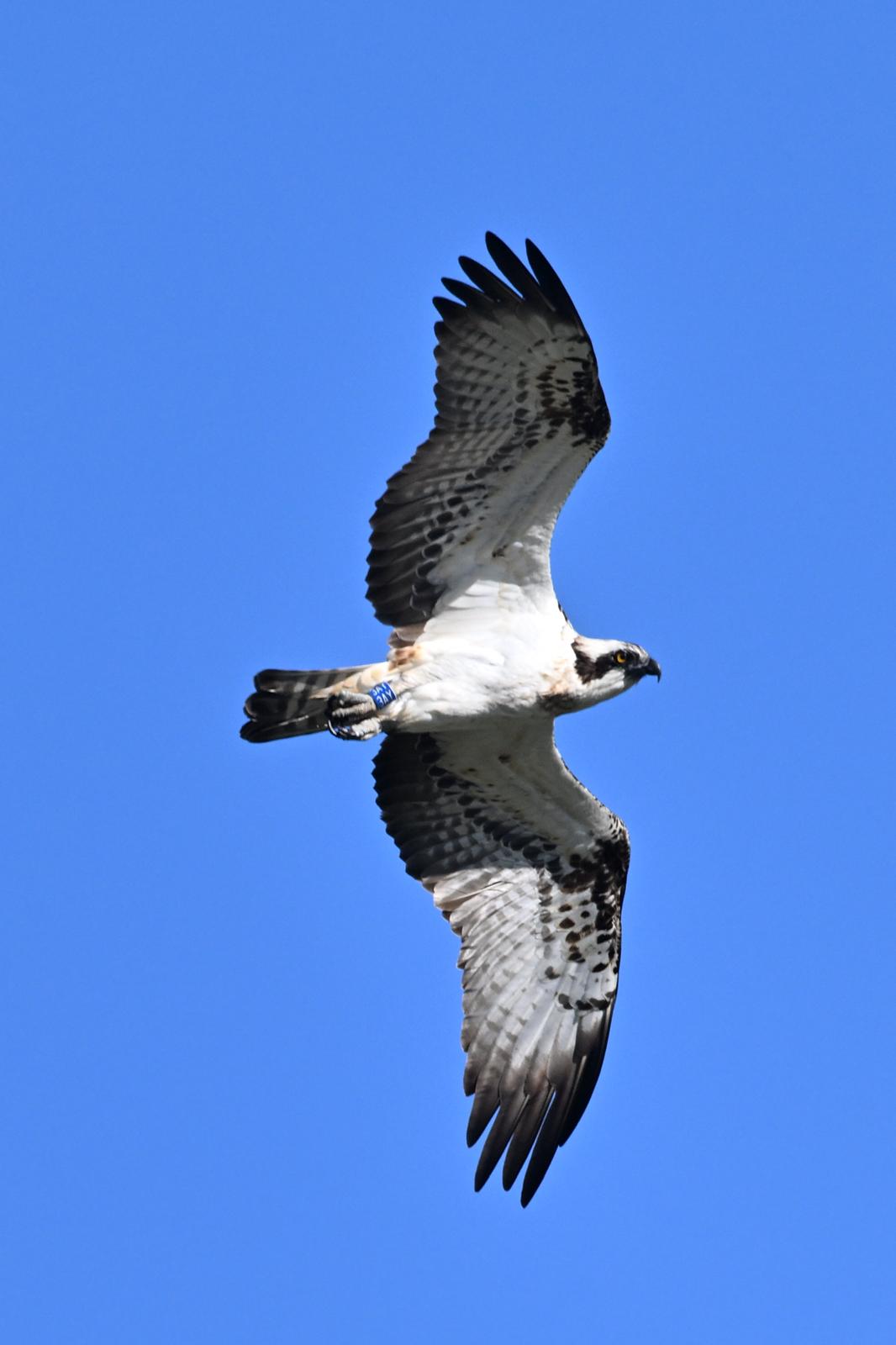
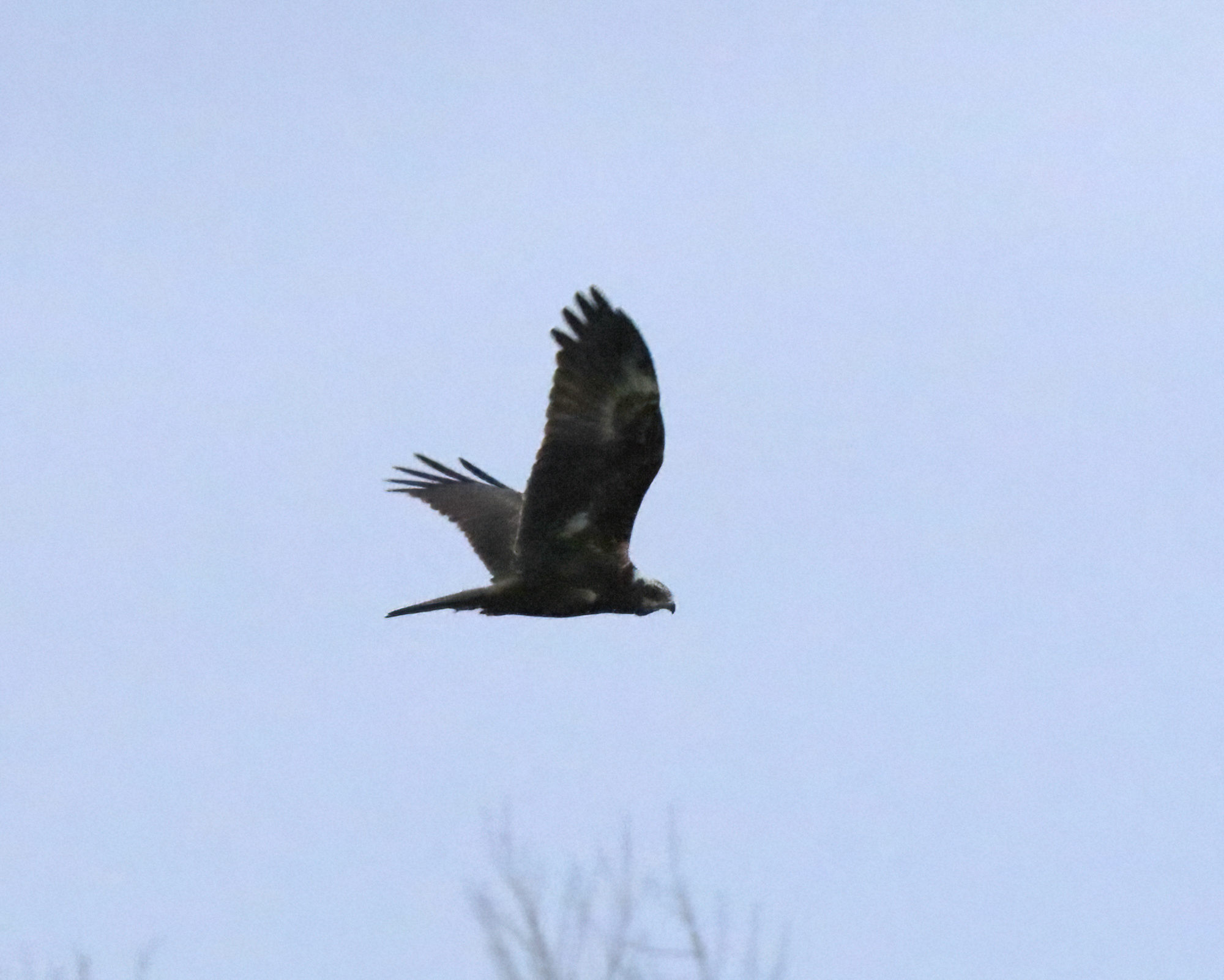
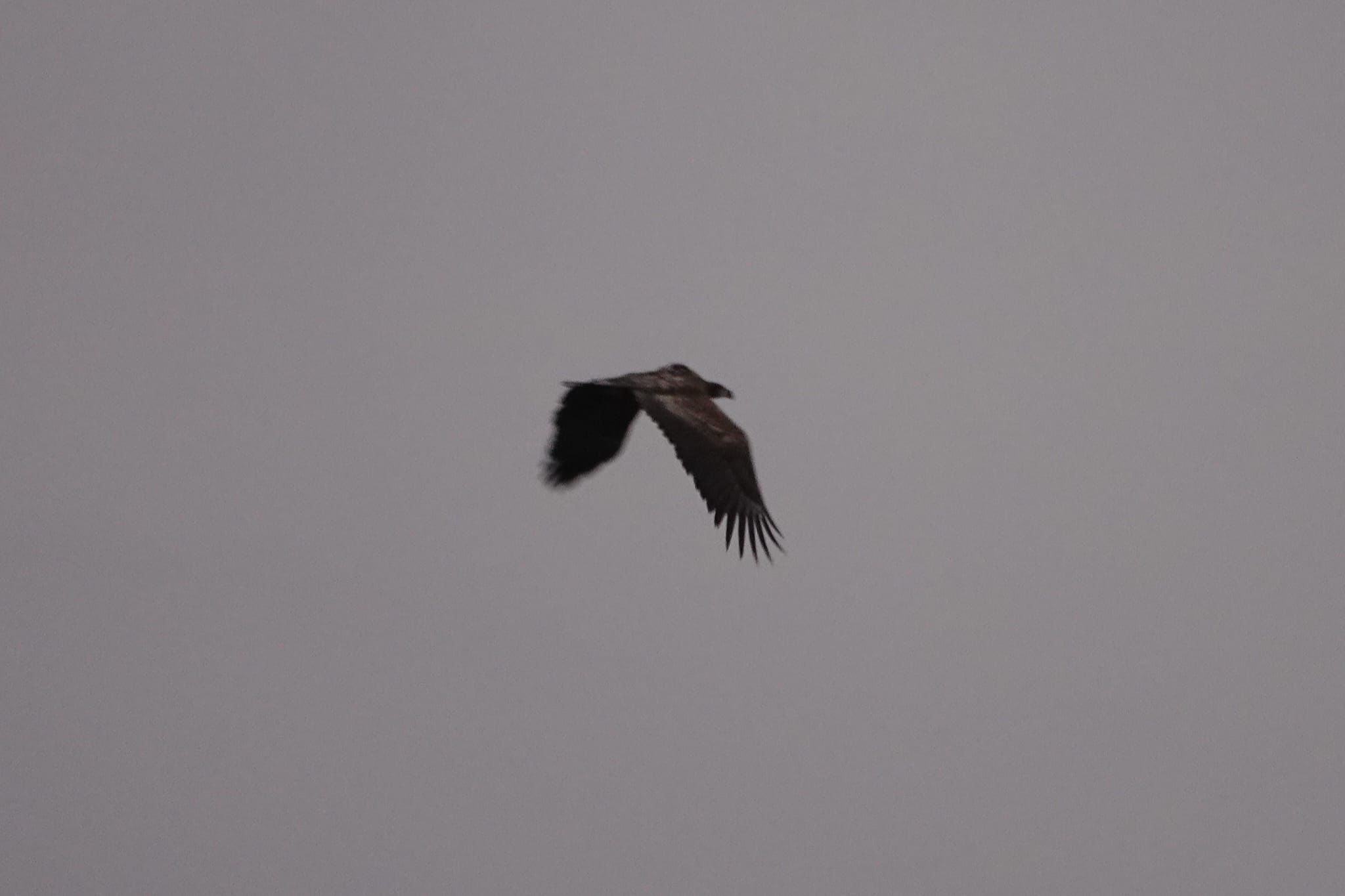
The week’s Marsh Harriers were widely spread, with single birds at Cransley Res on 6th and at both Earls Barton and Thrapston on the following day. Harrington AF delivered the week’s only Short-eared Owl on 4th and a Merlin was clocked in hot pursuit of Goldfinches over Sixfields, Northampton on 2nd.

The second of the period’s summer visitors appeared in the shape of two Sand Martins at Quarry Hall Lake, Priors Hall, Corby on 5th. There will no doubt be many more to come over the following weeks …

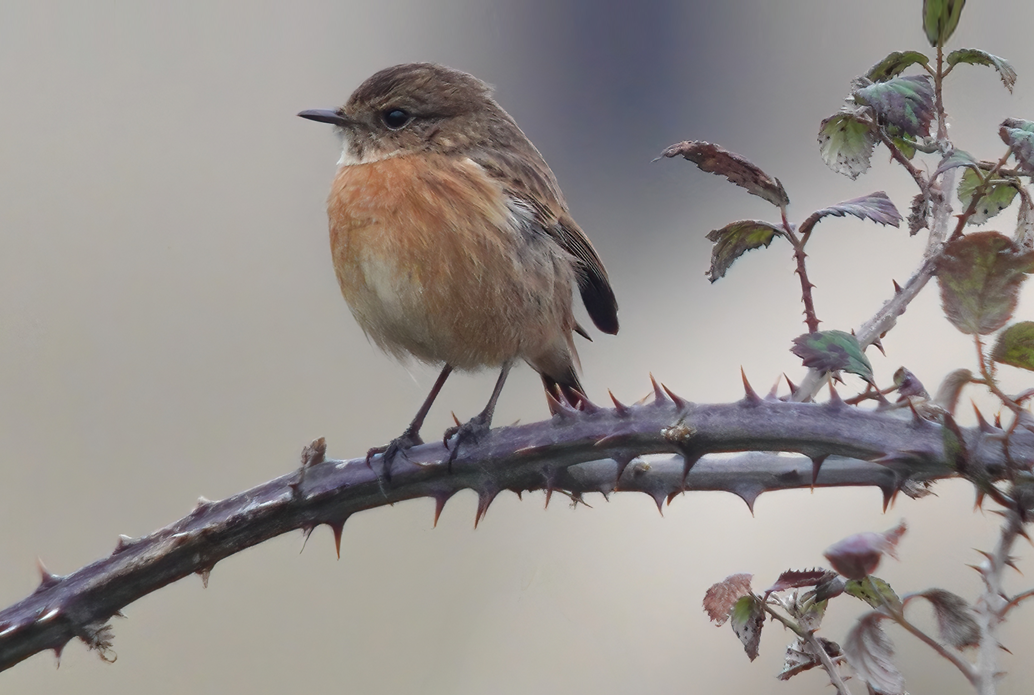
And with singles at Clifford Hill on 3rd and Earls Barton on 7th, Stonechats are seemingly melting away, being replaced by one of the most iconic of summer visitors, Northern Wheatear, a male of which was found at Clifford Hill on 6th. Like the Little Ringed Plover at the same site on the same date, its stay there was, however, somewhat short-lived …

And, as a final reminder of the winter’s Hawfinch invasion, at least one was still in and around Cottesbrooke on 1st.

Newsround – 22nd to 28th February 2025

February, now done and dusted, ended cleanly on the last day of the review period. But even before the first day of meteorological spring was upon us, the county notched up two new spring migrants for the year – well ahead of when we would normally expect to see them …

Aside from these, all of the winter wildfowl appeared to remain settled throughout the week and, although the Pink-footed Goose in the vicinity of Cogenhoe Mill was reported only on day one, the seven White-fronted Geese in the same area were seen almost daily. Away to the north, the county’s other two wintering whitefronts saw another week out at Ravensthorpe Res.

A mere stone’s throw away from the latter locality, the long-standing female Ruddy Shelduck was still present at Winwick Pools on 27th and, as the week progressed, it appears we became awash with Red-crested Pochards. Two made a short stopover at Ravensthorpe on 24th, the same date on which two were also seen at Clifford Hill GP and a drake appeared on the River Nene between Cogenhoe and Whiston on 25th, moving to Earls Barton GP on 27th. Meanwhile, the long-staying female remained at Daventry CP until at least 26th.

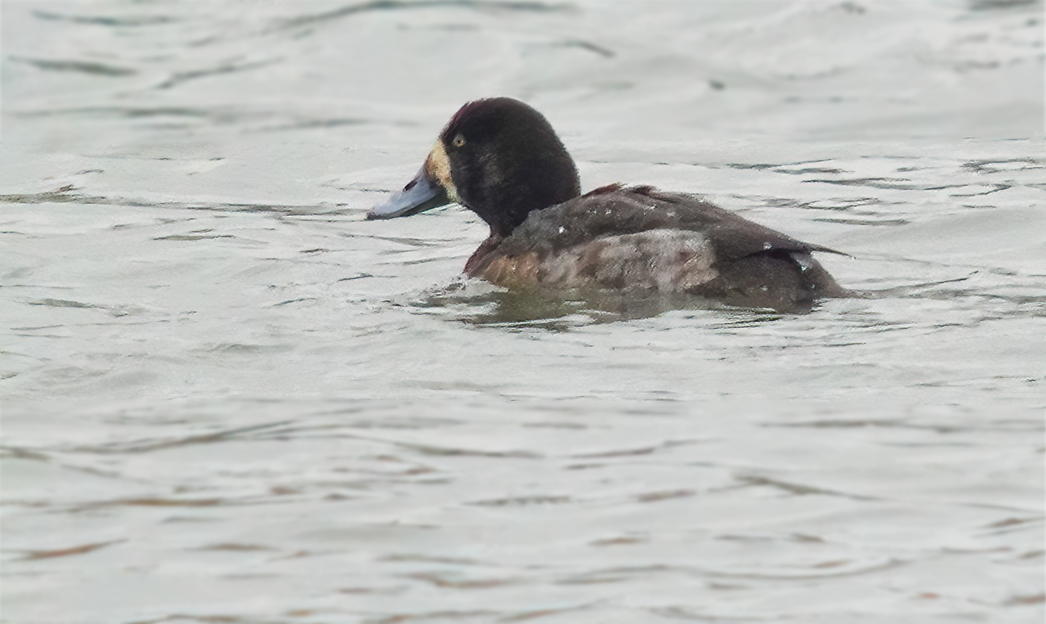
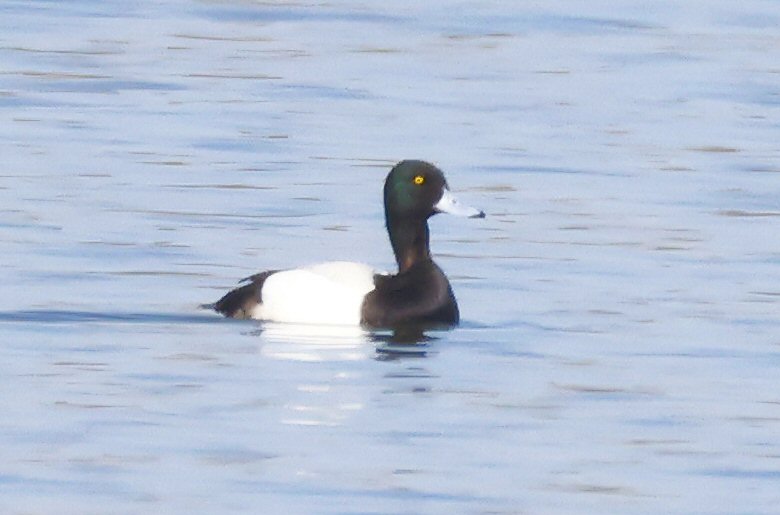
With no sign last week of the drake Ring-necked Duck at Thrapston GP – or anywhere else, for that matter – it was back there at Heronry Lake on the last day of the period. Further up the Nene Valley, the year’s third Greater Scaup, an advanced first-winter drake, was found at Summer Leys LNR on 23rd before relocating to adjacent Mary’s Lake on 25th, where it remained until at least the following day. Further north, the first-winter female remained at Blatherwycke Lake until at least 23rd.

The drake Smew chose to bide its time all week at Clifford Hill GP.

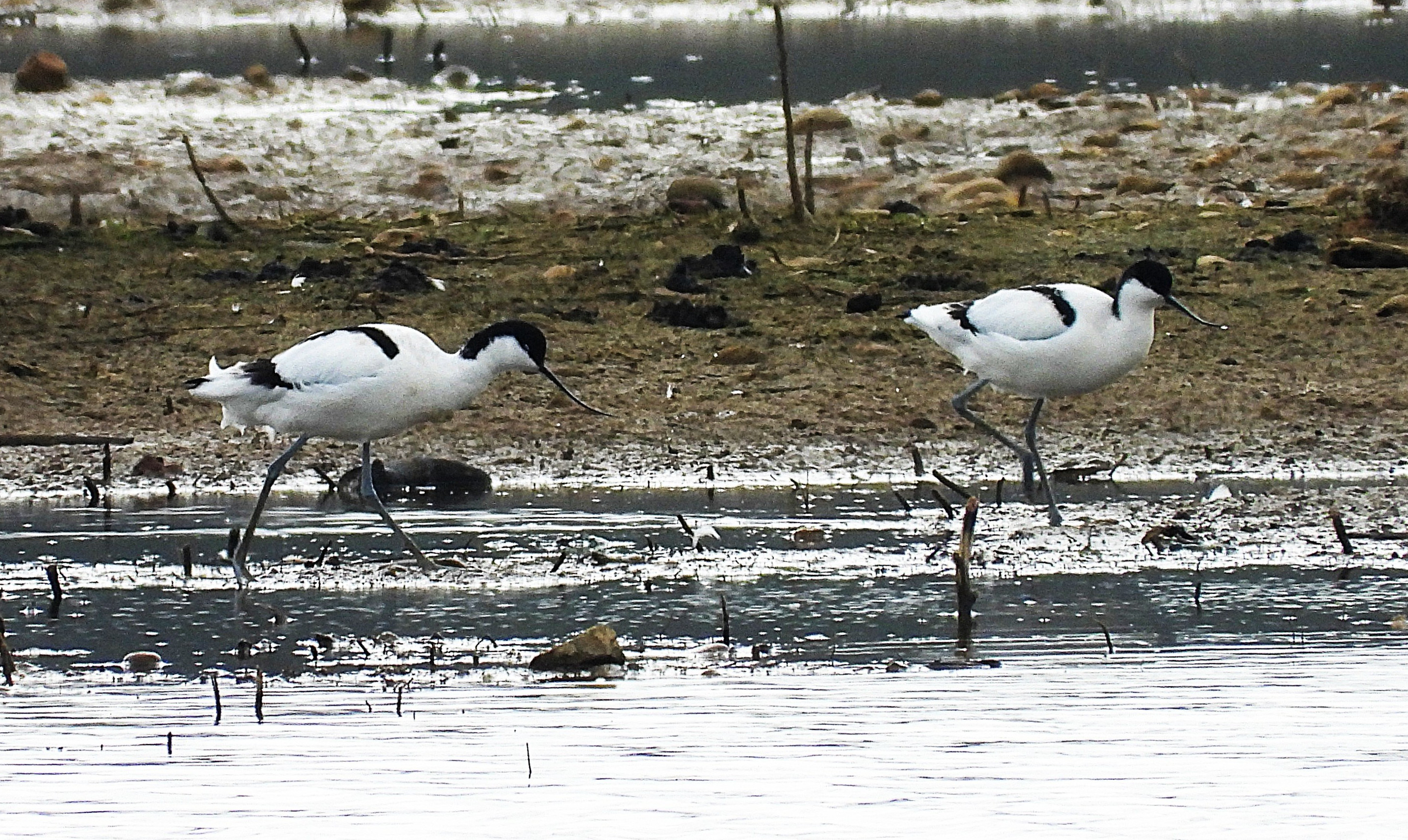
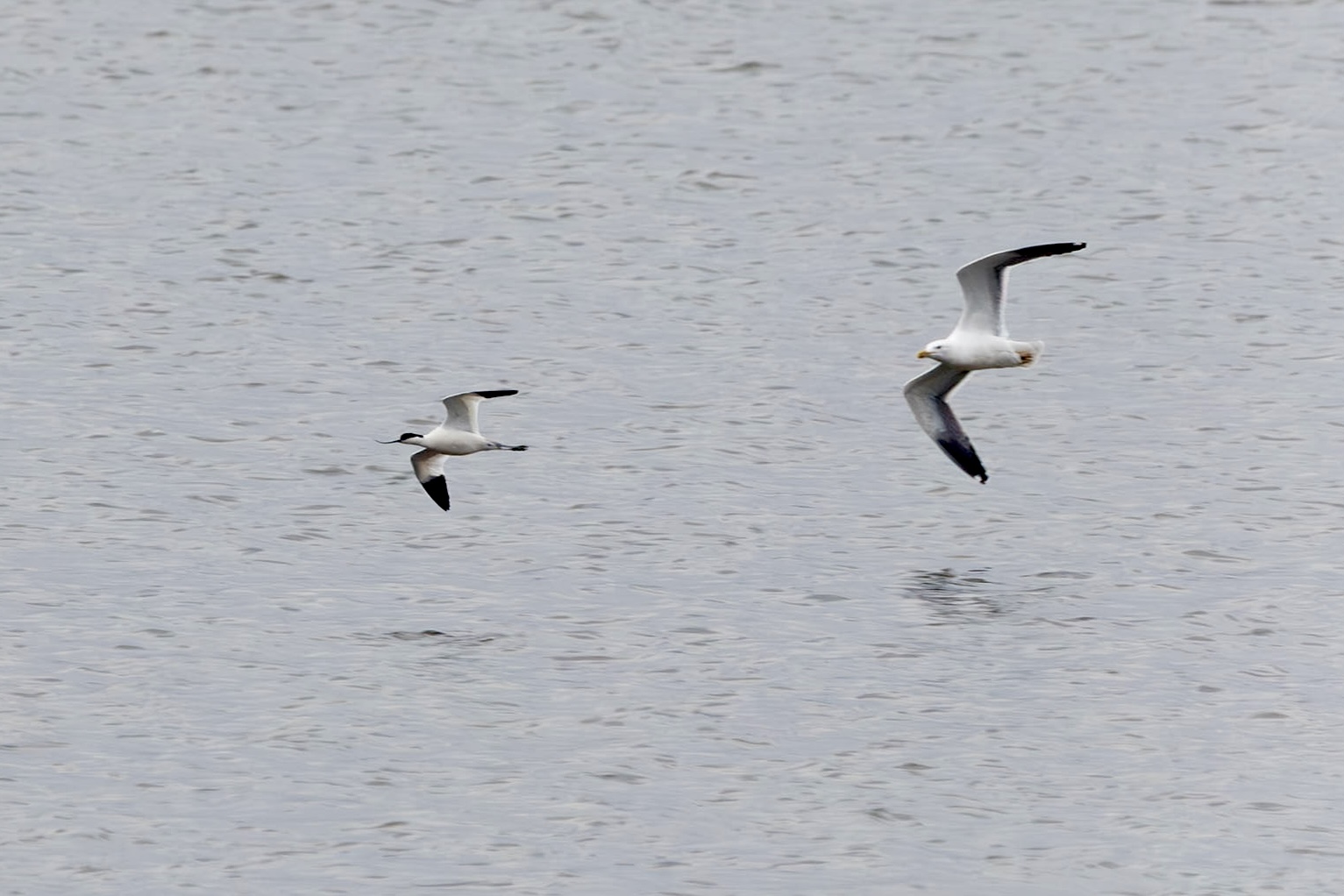
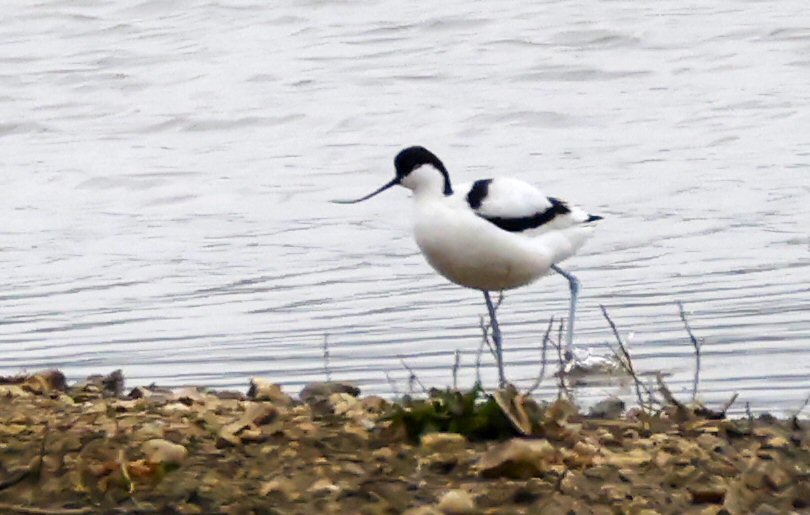
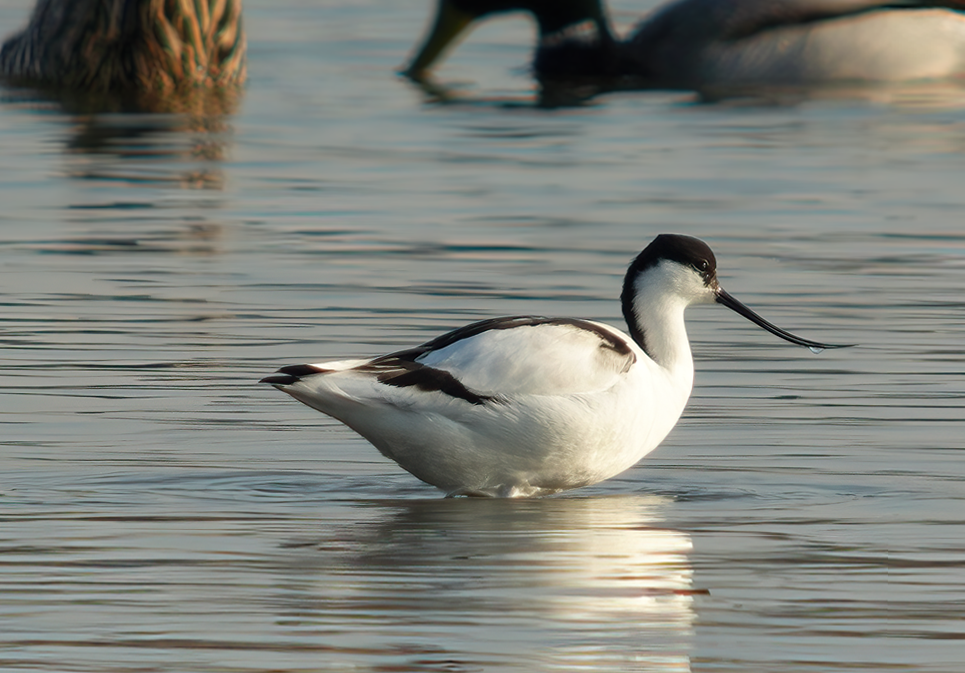
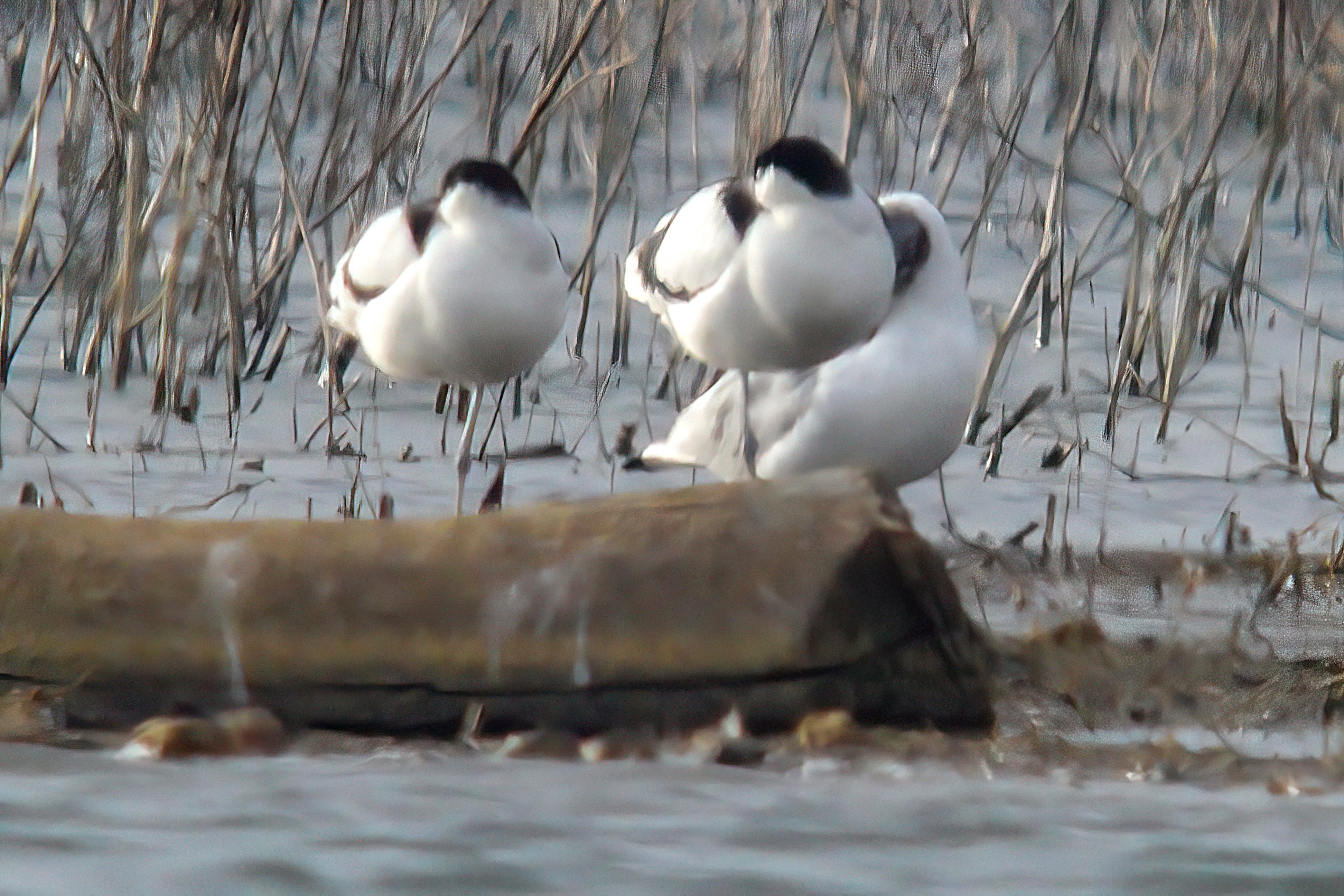
Fronting this week’s waders was a first for the year in the shape of a very early migrant Avocet at Summer Leys, first thing on 26th. But its stay was brief, moving on in haste as soon as the rainclouds lifted … Aside from this, two Jack Snipes were at Barnes Meadow NR on 22nd followed by up to two at Hollowell Res between 25th and 27th, while the wintering Common Sandpiper once more raised its head at Earls Barton GP’s New Workings (South) on the last of these two dates.

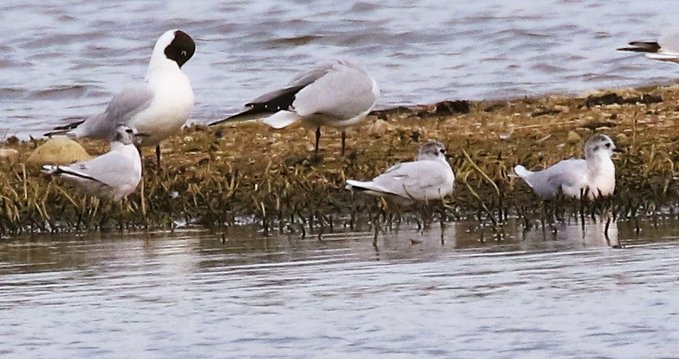
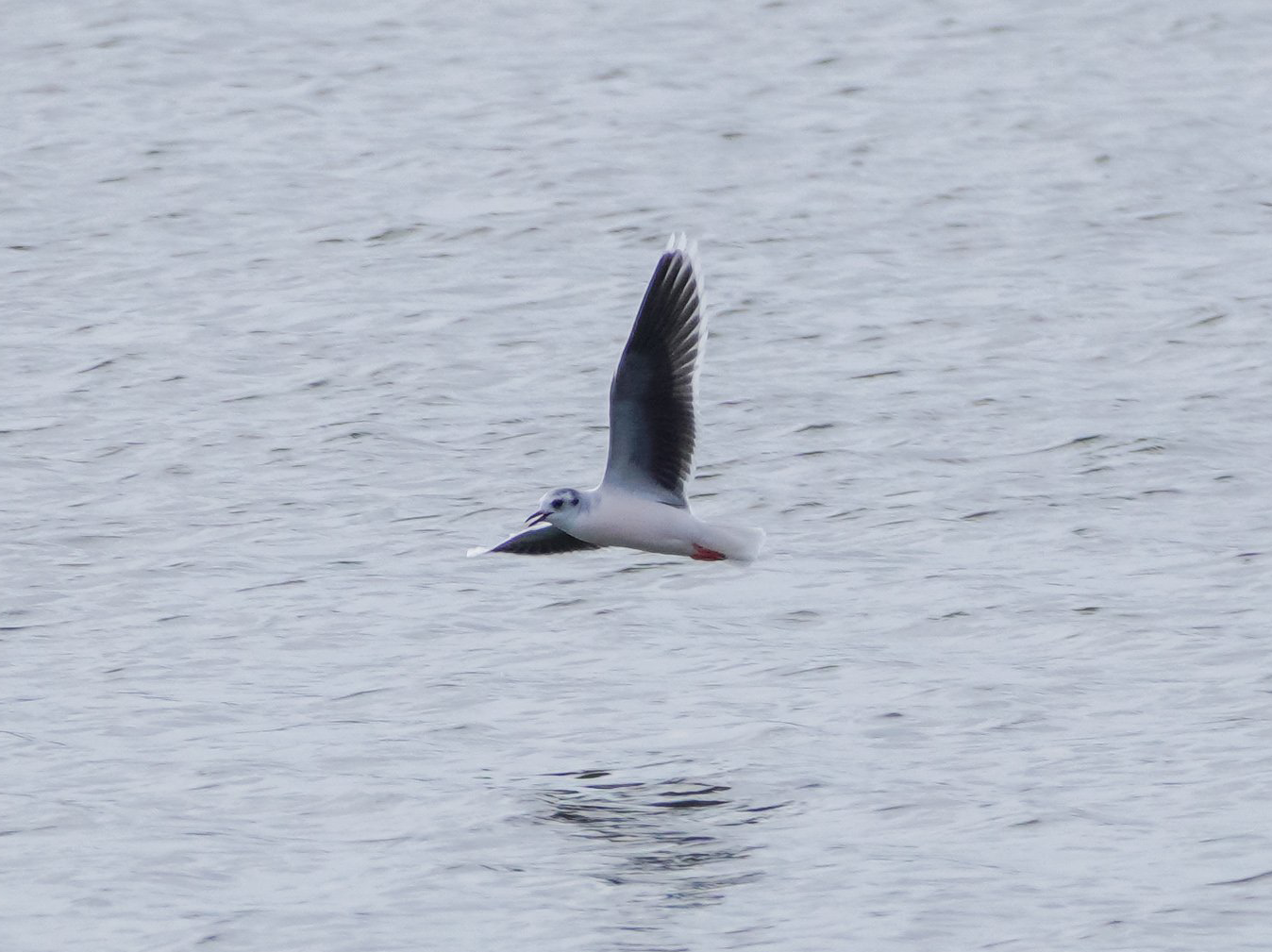
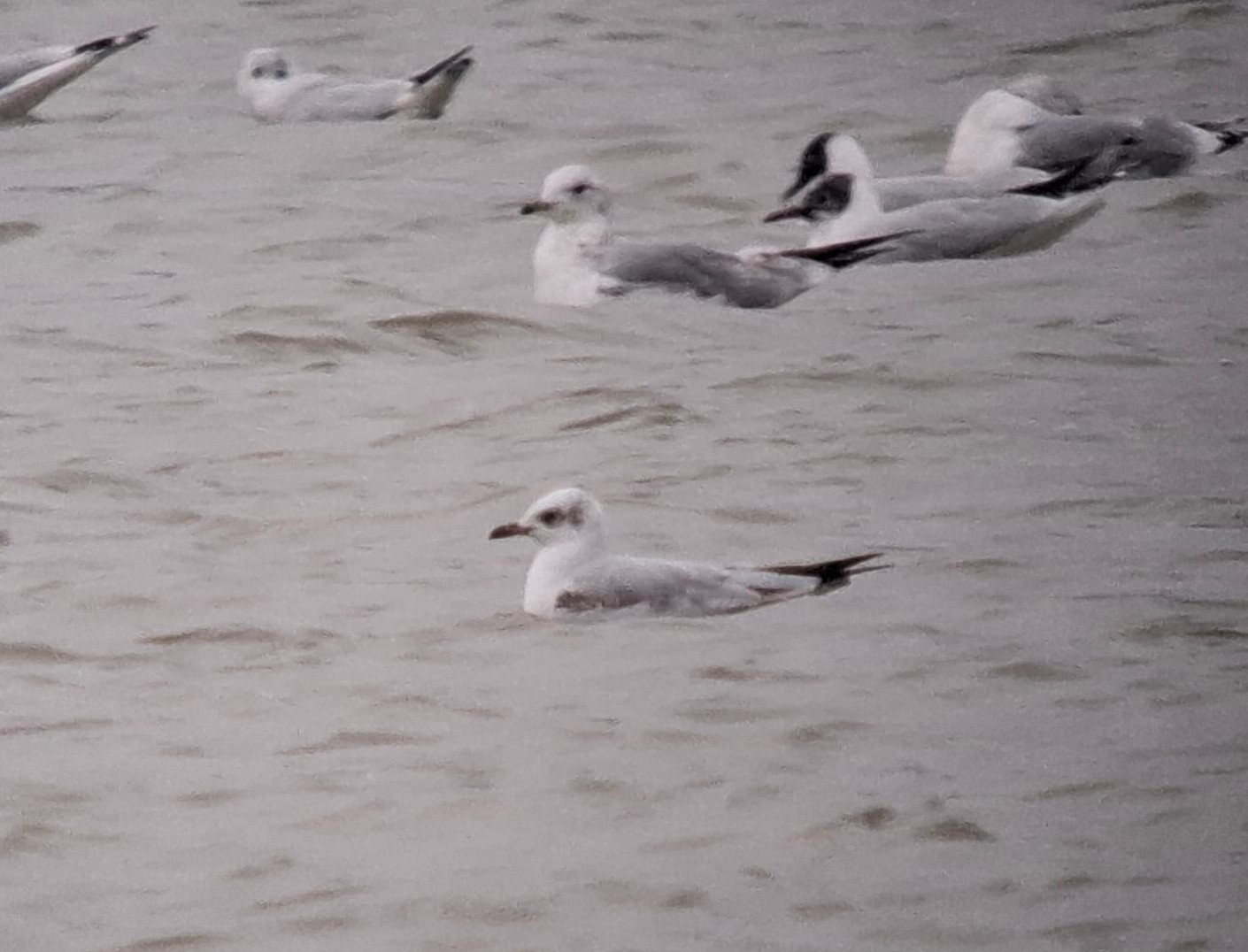
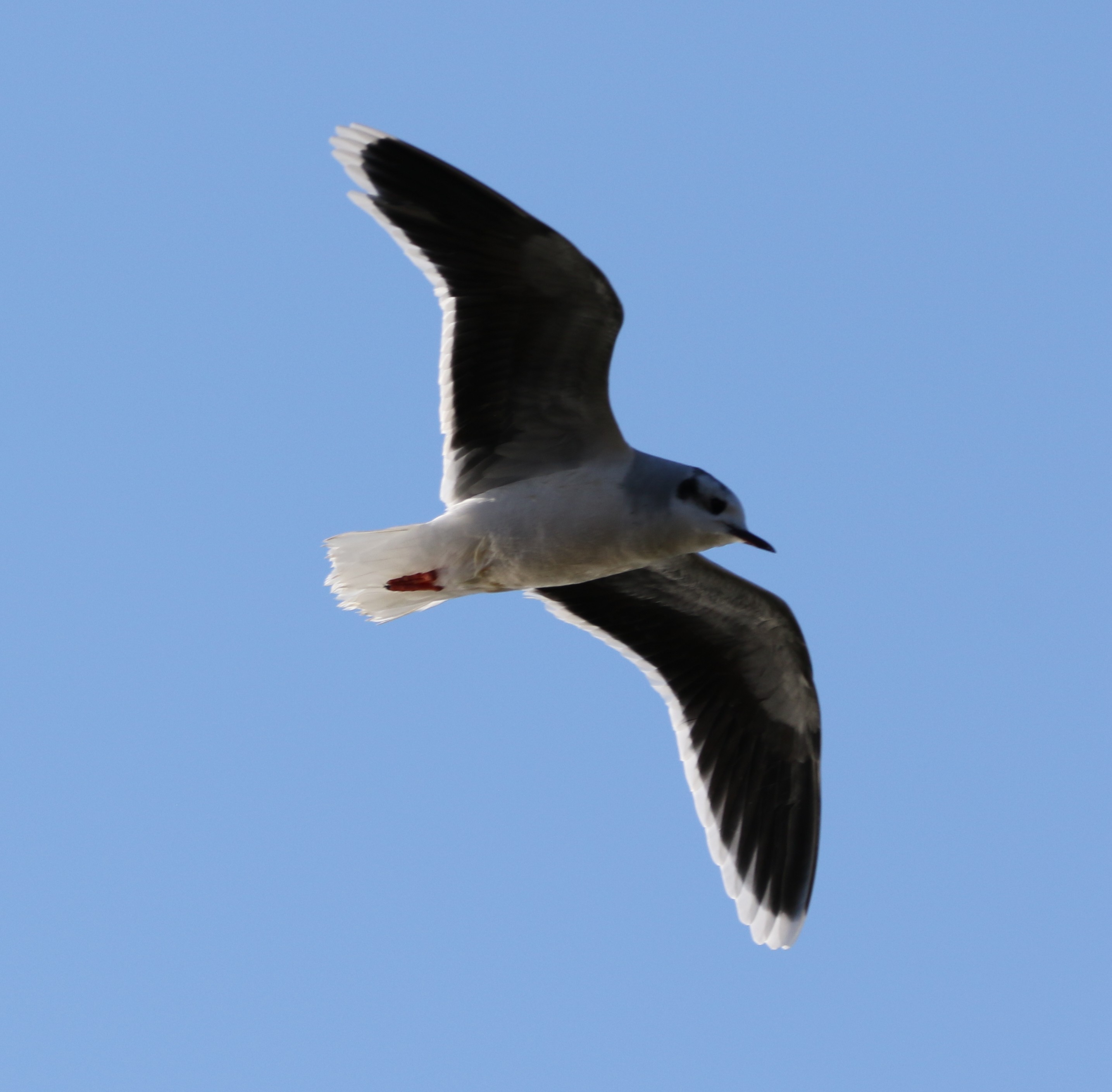
Another early bird – and the second new one for the year this week – was an adult Little Gull that clearly found Ravensthorpe to its liking, making an extended stay of five days between 23rd and 27th, during which it proved a popular draw.

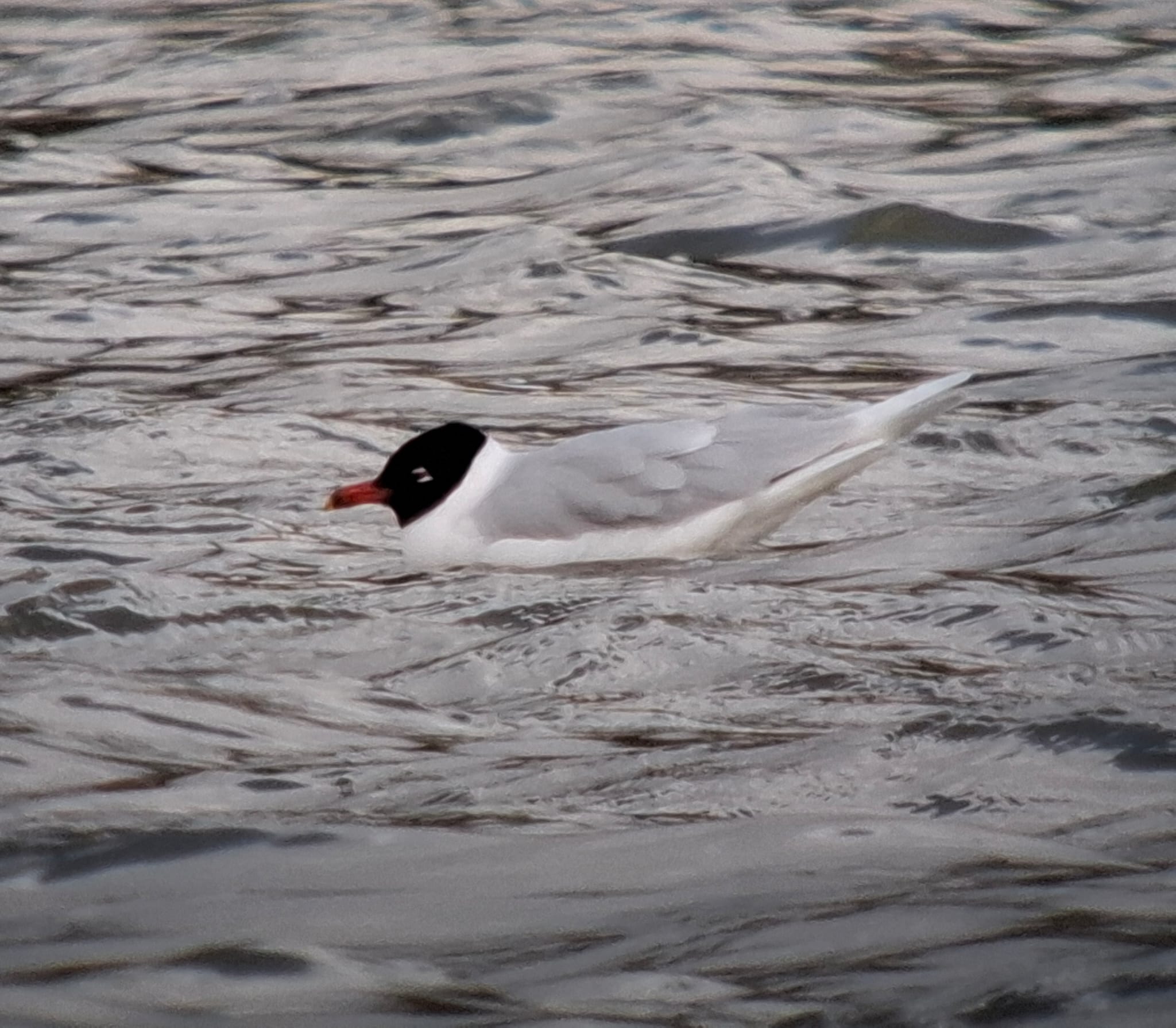
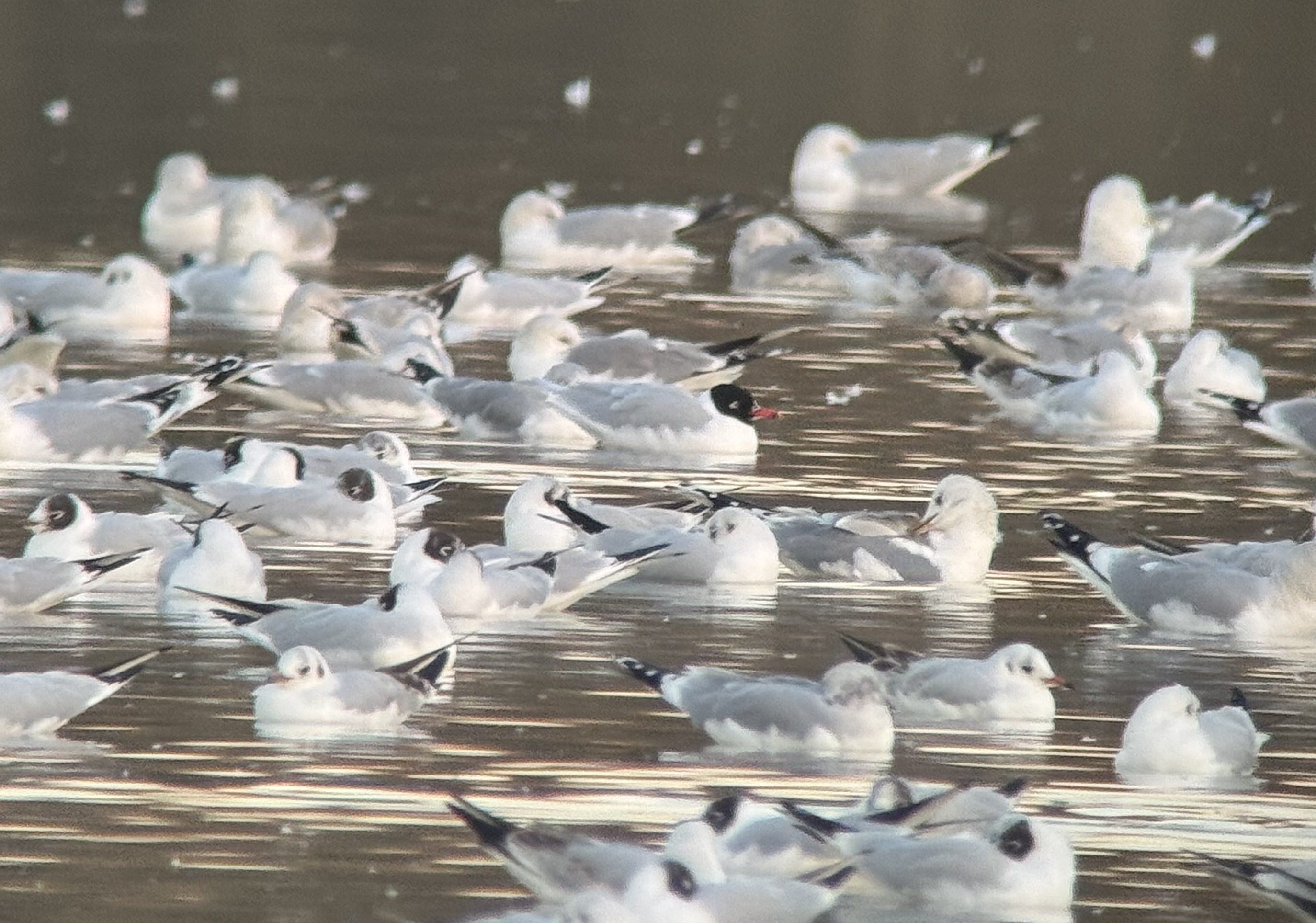
Otherwise, scarce larids were well down in numbers with just two adult Mediterranean Gulls appearing in the gull roost at Boddington Res on 28th – another sure sign of spring movement – and a first-winter Caspian Gull at Hollowell Res on 25th.

Meanwhile, the Summer Leys Glossy Ibis extended its five-month stay by another week …

A Cattle Egret also appeared at Summer Leys on 23rd and three were again in the vicinity of Stanwick GP’s North Lake two days later, on 25th.

With nothing to shout about on the raptor front, single Short-eared Owls – most likely just the one – were again on private land near Blueberry Farm, Maidwell on 22nd-23rd and at the adjacent site that is the Brampton Valley, between Cottesbrooke and Hanging Houghton, on 27th-28th, where a Merlin was also reported on 27th.

And it was left to Stonechats to prop up this week’s passerines, with Earls Barton producing the highest count of six on 27th, while Hollowell mustered five, Borough Hill two and Harrington AF one.

Newsround – 15th to 21st February 2025

Temperatures had leapt up to a balmy 15°C by the week’s end – the result of a south to south-westerly airstream off the near continent and, with the UK’s first Northern Wheatear of the year appearing in Avon on 18th, it appears that we are well and truly on the cusp of spring.

While the aforementioned wheatear seems, and is, early, in 2023 we went one better in our own good county when one put in an appearance near Lyveden New Bield on 15th February, the earliest-ever county record. In the meantime, we’ll just have to be content with the usual array of winter birds as the wait goes on for the first summer visitor to arrive locally …

And that array includes what has become part of the furniture of late: grey geese. For another week the Earls Barton GP/Cogenhoe Greylags held on to the visiting Pink-footed Goose, along with the seven White-fronted Geese which allow easy viewing in the riverside fields in this small area of the Nene Valley. Following an absence of reports the previous week, the two long-staying White-fronted Geese were still to be found at and around Ravensthorpe Res until at least 18th.

Still in place this week was the female Red-crested Pochard at Daventry CP, remaining there throughout the period.

With the trail for last week’s Ring-necked Duck now having gone cold, we were left with the first-winter female Greater Scaup at Blatherwycke Lake on 16th and the drake Smew at Clifford Hill GP throughout to keep the best of the wildfowl afloat.

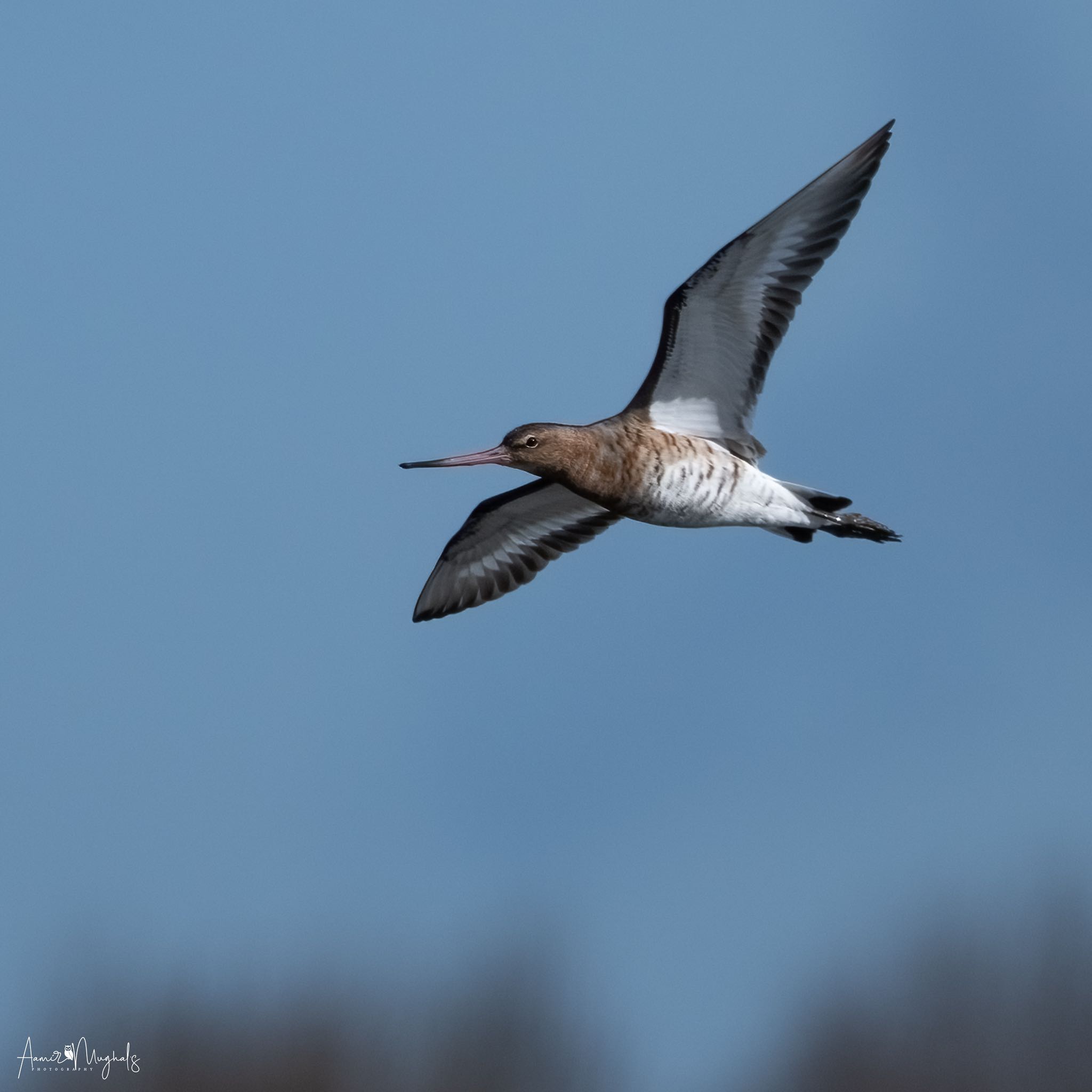
And this week’s waders appeared in the same guise as last week’s, with two Black-tailed Godwits visiting Summer Leys LNR on 15th and Jack Snipes again at Hollowell Res, where there were two on 17th and three on 19th, while two were at Ditchford GP on 18th.

An adult Caspian Gull at Hollowell Res on 17th was the only one of its kind during the period, while Yellow-legged Gulls were present at Summer Leys, where there were singles on 15th and 21st, Earls Barton GP with an adult on 18th, Pitsford Res where there were two adults on 20th and Daventry CP, where there was a third-winter on 21st.

The juvenile Great Northern Diver continued its stay at Pitsford until at least 17th.

And what more can we say about the Glossy Ibis, other than it saw out another week at Summer Leys.

New in during the period, though, was a couple of Bitterns – one at Summer Leys on 17th and the other at Daventry CP, showing well for one day only, on 19th. The latter has the prestigious honour of being the first record for the site.

The Blatherwycke Lake Cattle Egret remained until at least 16th, constituting the sole representative of its tribe this week.

Raptors fared a little better with at least two Marsh Harriers on show – one still roaming Titchmarsh NR and the wider environs of Thrapston GP until 19th, the other at Summer Leys on 18th, with likely the same individual close by at Earls Barton GP’s New Workings (South) on 20th.

A ‘ringtail’ Hen Harrier was at Blueberry Farm, Maidwell before flying toward nearby Cottesbrooke on 19th and the week’s only Short-eared Owl was seen at one of the species’ favoured localities, Harrington AF, on the same date.

On the passerine front, new in this week was Siberian Chiffchaff, found where else but at the famous ‘Bridge of Sibes’ – more formally known as bridge K121 – which runs over the processed sewage outflow from Ecton SF into the River Nene. Two were present on 16th with at least one remaining from 17th to 19th.

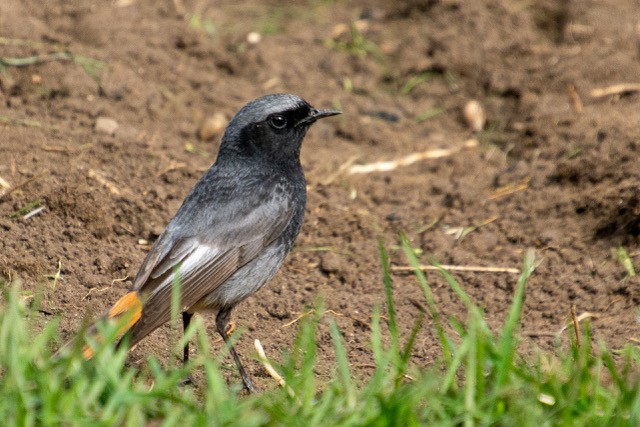
Adding further spice to the passerine mix, a male Black Redstart found on farm buildings near Creaton on 20th was the second of the year and, like the first, was at a location with no public access. This week’s Stonechats were to be found at Barnes Meadow NR, Borough Hill, Cogenhoe, Ditchford, Earls Barton, Hollowell and Stanford Res, with a maximum of five at Borough Hill on 15th.

Newsround – 8th to 14th February 2025

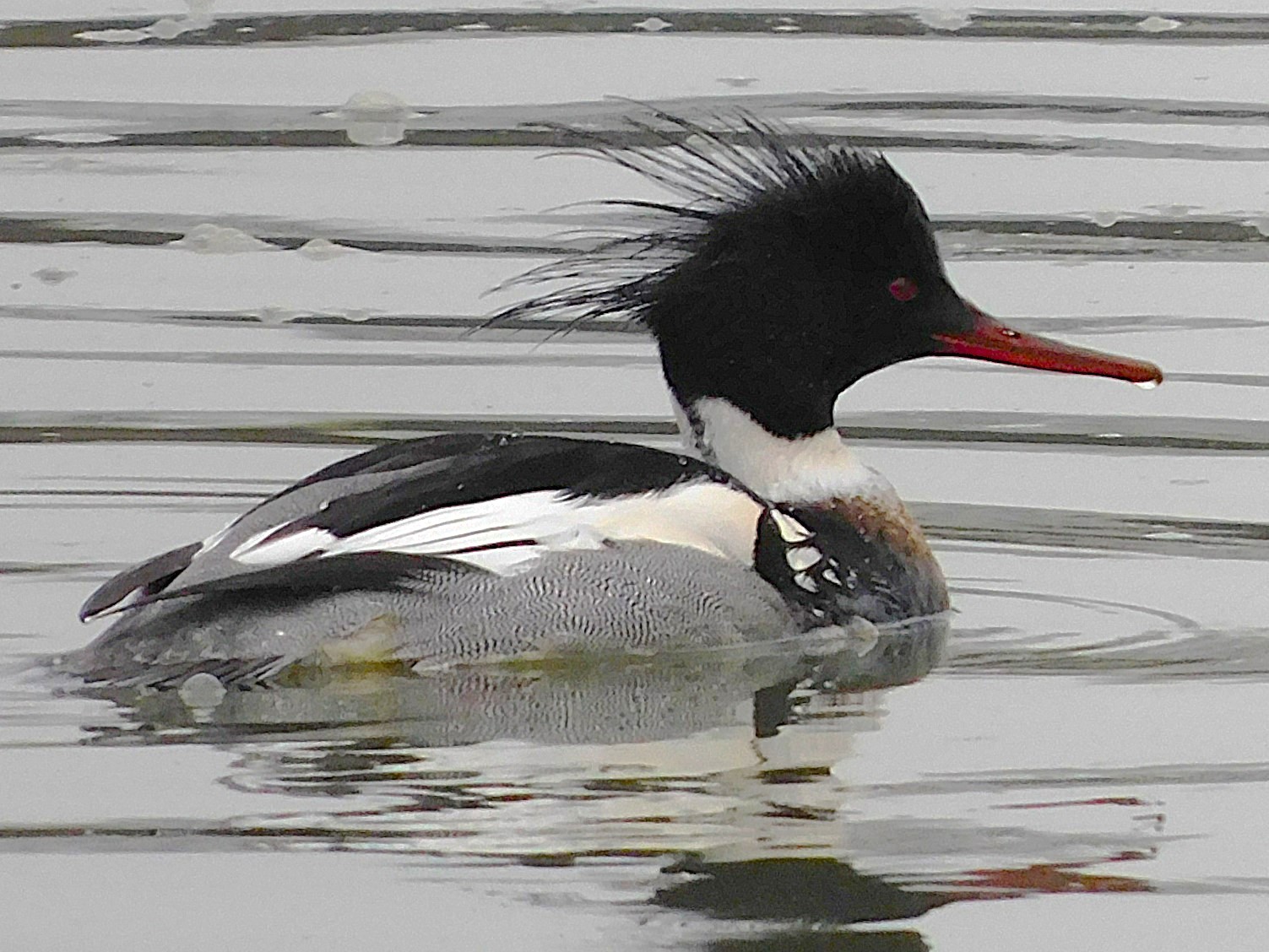
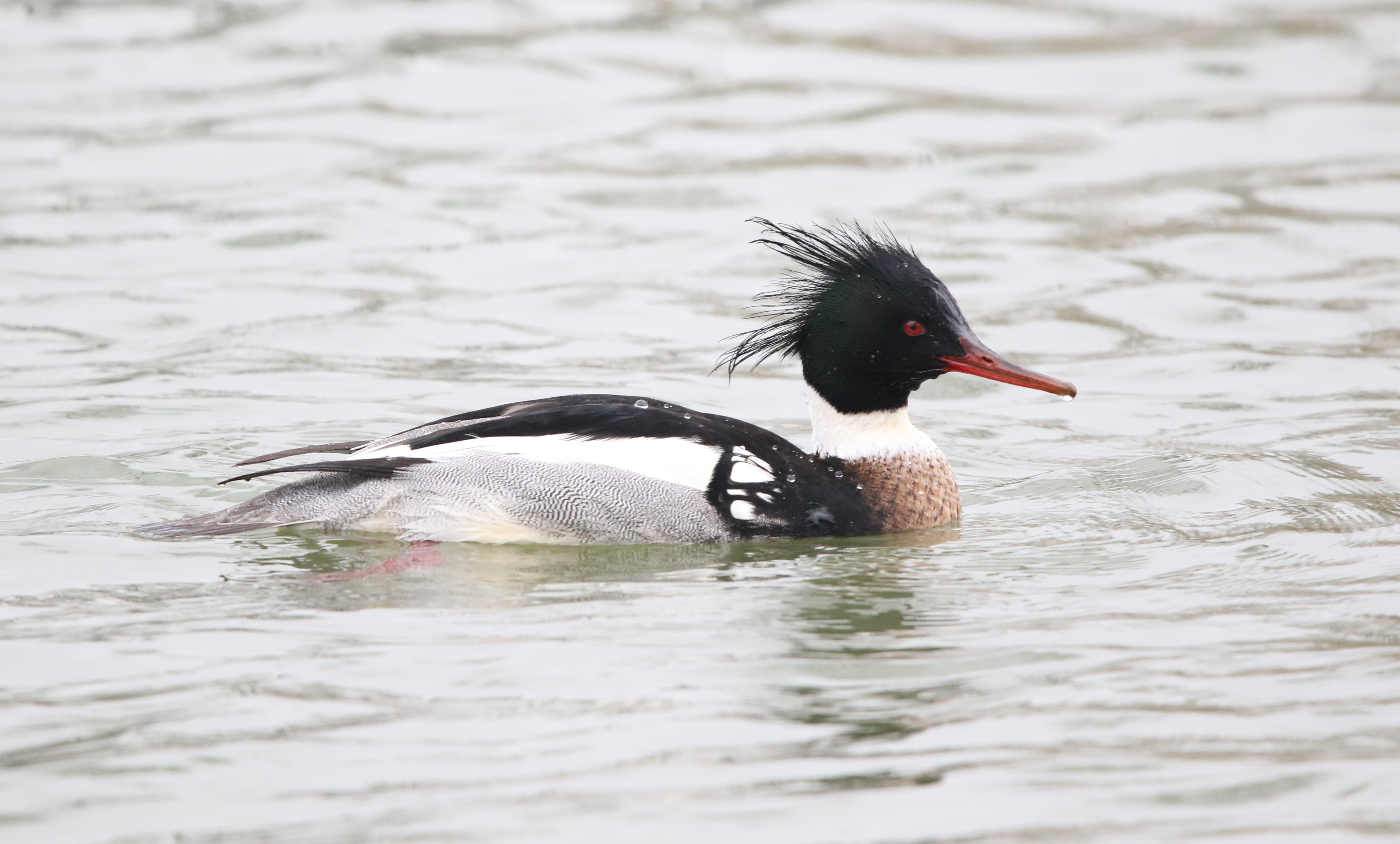
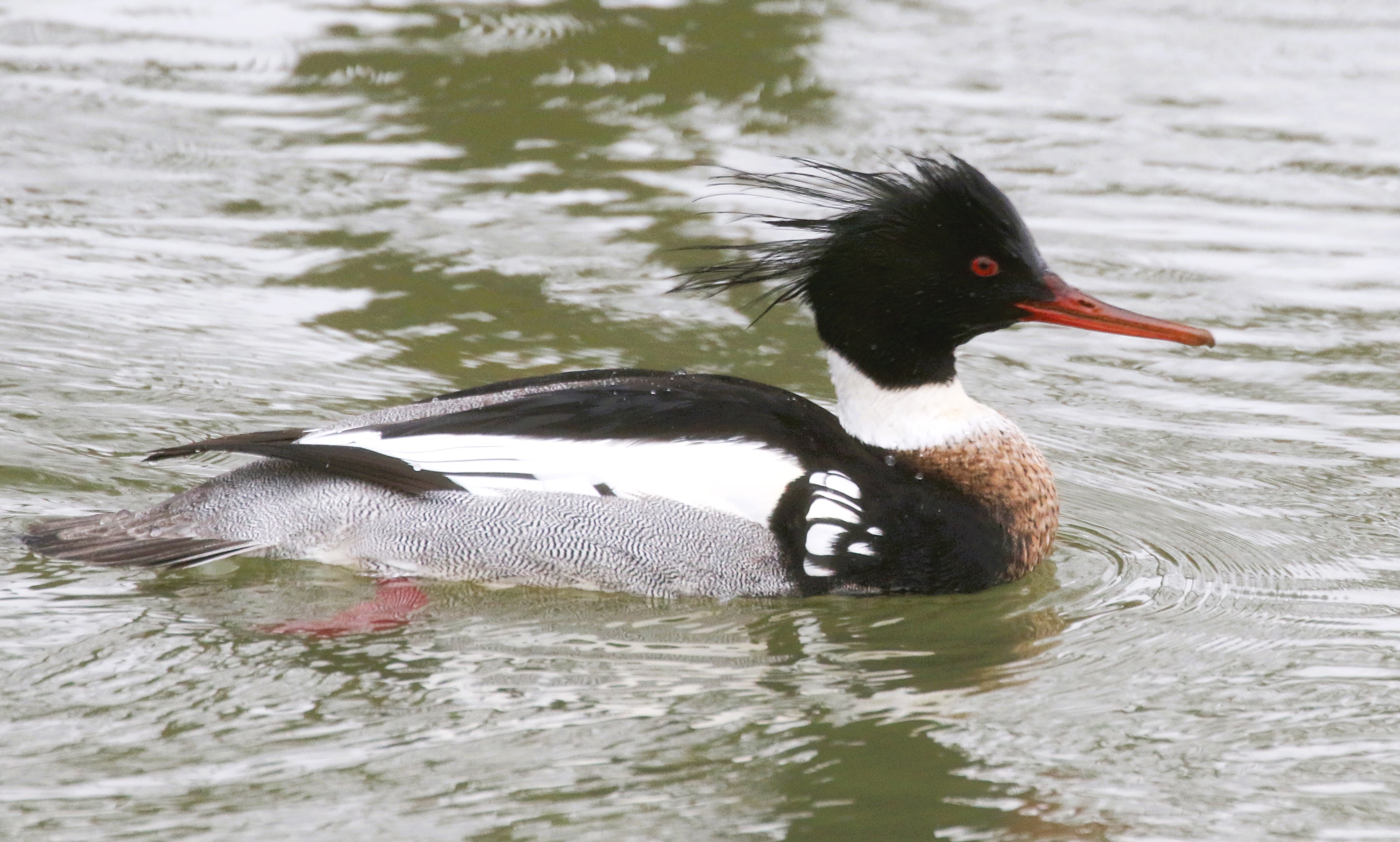
As we entered the second week of February, the cool, easterly influence carried over from the week before continued to keep temperatures low, while rain remained never too far away, with frequent, sporadic showers. Just what influence this had on the period’s avian mix may well remain the subject of conjecture but, whatever it was, the week kicked off nicely with the discovery of a splendid drake Red-breasted Merganser in the north of the county.

And it would seem that the focus this week was very much on wildfowl, whichever way you cut it, kicking off again with the lone Pink-footed Goose remaining in the thick of it among the sizeable Greylag and Canada Goose flock in the Cogenhoe Mill/Earls Barton GP area.

The same flock clearly proved attractive to more White-fronted Geese, numbers of which had increased to eight by the week’s end, although there were no reports of the previously long-staying two at Ravensthorpe Res during the period.

At Winwick Pools, the female Ruddy Shelduck was still present on 9th but there were no subsequent reports, while the county’s only known Red-crested Pochard, the female at Daventry CP, extended its presence there until at least 12th. And after appearing settled at Thrapston GP’s Titchmarsh NR through until the end of the previous week, the drake Ring-necked Duck was nowhere to be seen as the week opened on 8th. It subsequently resurfaced there on 12th, before moving up the Nene Valley to nearby Ringstead GP the following day – after which it again disappeared …

There were no reports of the first-winter female Greater Scaup at Blatherwycke Lake during the previous week but there she was again on 9th, remaining on site throughout the period.

And we’re not done with ducks just yet – far from it, in fact – as down in the Nene Valley it was the turn of Clifford Hill GP to offer up something new. Discovered first thing in the morning, the year’s first Common Scoters – three of them – spent the greater part of the day on 9th asleep on the Main Barrage Lake, clearly a short stopover before having moved on by the next day.

Clifford Hill also continued to host last week’s drake Smew throughout the period but, saving the best until last, it was a bird which is, arguably, the most flamboyant of its tribe, that left all others in the shade this week. Conjuring up thoughts of a daft punk, a drake Red-breasted Merganser found at Blatherwycke on 9th put on the best show in recent history for this dapper duck in the county. Seemingly oblivious to its many observers, it remained throughout the week, sometimes showing at point-blank range. With just six records over the past five years (none in both 2020 and 2022), Red-breasted Merganser remains a scarce visitor to the county.

The week’s waders comprised a Black-tailed Godwit at Clifford Hill GP on 12th and single Jack Snipes at both Hollowell Res and Stanford Res on 9th, followed by four at the first of these two sites on 11th and two-three at Pitsford Res on 12th.

Scarce gulls remained just that, with an adult Caspian Gull at Clifford Hill on 10th and an adult plus a third-winter at Hollowell the following day. Yellow-legged Gulls were down to single adults at Clifford Hill on 9th-10th, Stanford on 11th and Pitsford on 12th.

Meanwhile, Pitsford retained its long-staying Great Northern Diver throughout the period.

Summer Leys, too, held on to its Glossy Ibis

Also hanging on were our now depressed numbers of Cattle Egrets, with single birds at Blatherwycke Lake throughout the week, Ditchford GP on 10th and Stanwick GP the next day, the latter site hosting three on 14th.

Thrapston GP’s Marsh Harrier continued to be seen intermittently during the period while, similarly, a single Short-eared Owl remained on private land near Blueberry Farm, Maidwell.

Passerines continued their backseat ride with two Stonechats apiece at Earls Barton GP on 8th, Hollowell on 9th and Clifford Hill on 11th, while Earls Barton produced three on 14th.

And a single Hawfinch remained at Cottesbrooke on 8th.

Newsround – 1st to 7th February 2025

A moist and mild, westerly airstream had flipped to a cold easterly by the week’s end but it was the early part of the week that produced the goods, in the shape of a fine drake Ring-necked Duck …

This was, of course, in addition to the ongoing supporting cast of wildfowl we have become familiar with and grown accustomed to seeing since the turn of the year. There was little change in this respect, with the mobile Pink-footed Goose now seemingly more settled in the Cogenhoe Mill/Earls Barton GP area, where the adult White-fronted Goose also saw another week out with the local Greylags. The two long-staying Whitefronts at Ravensthorpe Res also put in another seven days on site.

Likewise, the female Ruddy Shelduck did another week at Winwick Pools, as did the female Red-crested Pochard at Daventry CP.

Thrapston GP’s reputation for delivering Ring-necked Ducks was upheld and brought into sharp focus this week, though, with the discovery of a splendid drake showing nicely there on 3rd. Bizarrely, despite a thorough search, it was nowhere to be seen the following day but it reappeared on 5th, favouring Heronry Lake until the end of the period.

Allowing for highly mobile individuals – particularly along the chain of Nene Valley wetlands – this bird would appear to be the 14th county record, Thrapston laying claim to at least four, if not five, of these, including a run of four consecutive years between 2021 and 2024. With some forty individuals currently present across Britain and Ireland, this species has shed its former rarity status, now having been replaced by Lesser Scaup – seen as the ‘new Ring-necked Duck’ – the first of which is eagerly awaited in Northants …

Not as rare but a whole lot smarter, drake Smews were available for the second week running, although with a pronounced tendency to be mobile they were not easy to catch up with. Ravensthorpe again produced one on 1st and one was at Clifford Hill GP on 2nd and 7th. Conceivably, only one bird may have accounted for all three sightings.

And things were looking up for waders this week with the pick of them coming from Earls Barton GP’s New Workings (South), where a Black-tailed Godwit and an unseasonal Common Sandpiper were photographed on 1st and a Greenshank was heard calling in flight on 2nd. As ever, Jack Snipes were also to be found during the period, including one at Stanford Res on 2nd, while twos were at Hollowell Res on 3rd and 6th, at Stanwick GP on 4th and Barnes Meadow NR (Northampton) on 7th.
Numbers of the scarcer gulls were also up, with an adult Caspian Gull at Ravensthorpe, briefly, on 4th, one at Boddington Res the next day and a first-winter at Daventry CP on 7th. Meanwhile, the Yellow-legged Gull collective comprised an adult at Hardingstone GP on 4th, two at Pitsford Res on 5th and a single adult there on 6th-7th.
Pitsford also retained its wintering juvenile Great Northern Diver throughout, interestingly being joined by another, with both birds seen together in Catwalk Bay on 5th.

Northamptonshire’s longest ever staying Glossy Ibis remained at and around Summer Leys LNR until at least 5th.
The period’s Cattle Egrets were restricted to the one remaining from last week at Blatherwycke Lake on 2nd and two at Stanwick on the same date, followed by three there on 3rd.
And a ‘new’ Marsh Harrier was seemingly taking up temporary residence at Thrapston, where it was present between 4th and 7th, while the one floating around the Summer Leys/Earls Barton area was again seen on the latter date.

Those Short-eared Owls whose whereabouts were disclosed this week included the two on private land near Blueberry Farm, Maidwell between 1st and 5th and one at Harrington AF on 6th – the latter believed to be one of the Blueberry birds, this being based upon a plumage anomaly visible in one of its wings.

With passerines few and far between, Stonechats were seen at Earls Barton, Hollowell, Pitsford and Towcester, with a maximum of four present at the first of these localities on 2nd, while Hawfinches were down to the bare minimum of one, at Cottesbrooke on 5th.

Newsround – 25th to 31st January 2025

Well, that’s January done and dusted and, with the birds it produced, as well as the hangers-on, it can be argued that it wasn’t a bad start to the year. The concluding week, while not explosively exciting, did deliver some class birds … in black and white.

There was little change when it came to the week’s geese, all of which appear to be steadfastly tucked in for the winter. At Clifford Hill GP, the Pink-footed Goose extended its stay until at least 29th, as did the two White-fronted Geese at Ravensthorpe Res and the lone adult at Cogenhoe Mill/Earls Barton GP.

And let’s not forget the now vintage female Ruddy Shelduck, still at Winwick Pools this week. It has evoked much discussion regarding its origin since its pattern of disappearing in spring and returning in autumn has become established over the last five years or so. While some thoughts on the status of Ruddy Shelduck in Northants and the UK in general are given here, we await the final conclusion from what seems to have become a rather long-winded, ongoing national review, after which birds from the large feral population in central Europe could become acceptable as vagrants from an external established population and added to Category C. We’ll see …

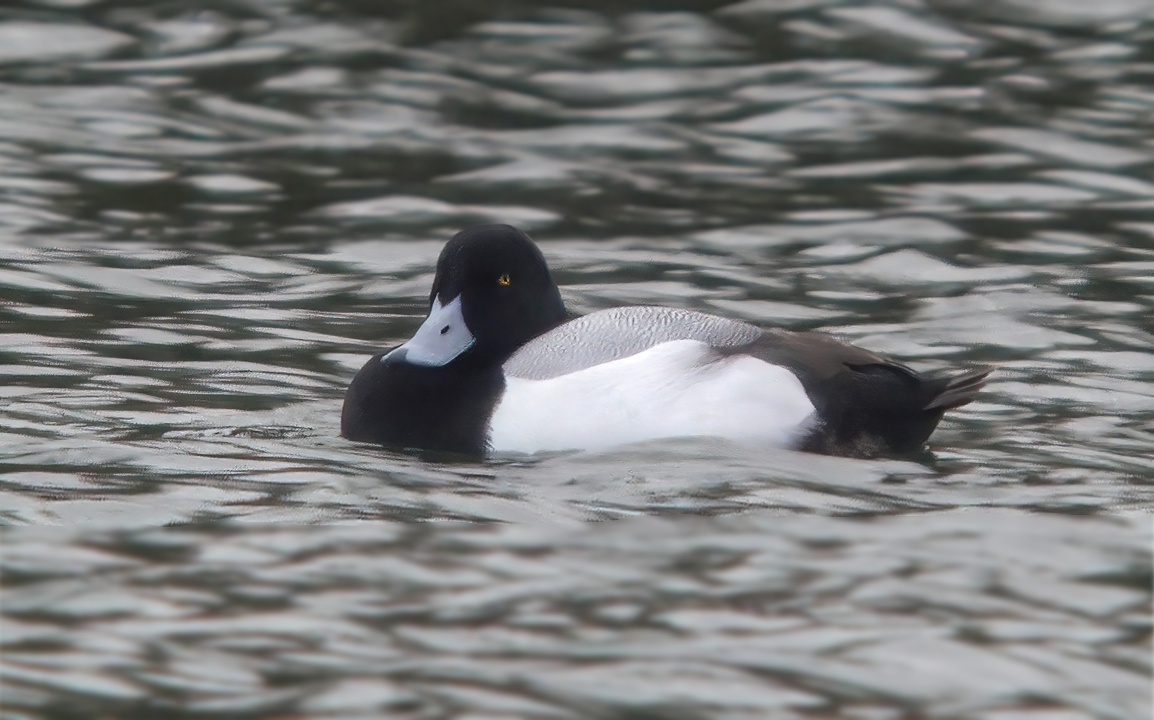
Not batting any eyelids anytime soon, the female Red-crested Pochard remained at Daventry CP until at least 29th. Also making it into the week once again was the first-winter female Greater Scaup, still present at Blatherwycke Lake on 26th, while an adult drake put in a brief appearance at Pitsford Res on 30th but was no longer on offer to those who looked the following day.

Indisputably topping the charts this week, though, were the two drake Smews found at Ravensthorpe on 29th. After one there on 12th, which had gone in a flash, found in the morning, this dynamic duo saw the day out, providing more than ample views and the opportunity for those with time on their hands to catch up with them. Alas, they had departed by the following day. Back in the day – and we’re talking ‘70s and 80’s – Ravensthorpe was the place for Smew, uncannily always turning up on the north-west side of the causeway in the same manner as this week’s birds.

A single Jack Snipe in the same place at Stanford Res on 28th and 31st served to keep this week’s waders afloat.

And the same can be said with regard to gulls – a single adult Yellow-legged Gull at Clifford Hill GP on 25th was the sole representative of their type during the period.

Once again, Pitsford retained its long-staying Great Northern Diver throughout.

The Summer Leys Glossy Ibis, too, remained in place, frequently commuting between the reserve and nearby fields close to the River Nene.

Cattle Egrets continued to be seen, this week branching out to Blatherwycke Lake, where one – likely to be a site first – was present on 26th. Two remained faithful to the sheep field and surrounding area close to Stanwick GP’s North Lake until at least 29th and one flew west over the A45 toward this area on the latter date.

The mid-Nene Marsh Harrier was again seen over Summer Leys on 27th.

So far this winter, Short-eared Owls have not been as easy to connect with as they have been in the past. A combination of some observers keeping shtum and others playing the ‘private land’ card continues to contribute to this, understandably so in the light of increasing disturbance to this hugely popular species by those keen to get up close and personal. So, like last week and the week before, they were again to be found in the Maidwell locale with two to the west, on private land near Blueberry Farm on 29th-31st, and one to the east, at Harrington AF on 25th-28th. One flew over the A45 Wilby roundabout on 26th and three were also at an undisclosed locality in the north of the county, apparently having been regularly present in recent weeks.

The period’s only Merlin was a female in flight over Milton Malsor on 31st.

And Stonechats were seemingly reduced to singles at Clifford Hill on 25th, Ditchford GP on 26th and Hollowell Res on 30th, while two were still at Earls Barton GP on the first of these dates.

After a lull in records, Hawfinches were back on this week, with one at Holy Trinity Churchyard, Blatherwycke on 25th and two at Cottesbrooke on 29th and 31st.

Newsround – 18th to 24th January 2025

January was deemed, back in the day, to be the only ‘migration-free’ month of the year and this third week reflected just that. With very little winter movement evident, the focus was as much on the long-stayers as on anything else and new birds were at a premium …

Continuing to sit tight at Clifford Hill GP, the Pink-footed Goose remained throughout while, just down the Nene Valley, the single adult White-fronted Goose also extended its stay with the growing gaggle of Greylags between Cogenhoe and Earls Barton GP until at least 22nd.  

Now occurring with increasing frequency, Whooper Swan again made it onto the week’s menu on 18th, when two flew west over Greens Norton, followed by one on 21st at Summer Leys, the latter rapidly moving on to the adjacent waters of Earls Barton GP’s Hardwater Lake.

It seems hard to believe that, given it’s mid-winter, numbers of scarce ducks are at rock bottom – the best on offer being the female Red-crested Pochard at Daventry CP and the first-winter female Greater Scaup at Blatherwycke Lake, both still present on 20th. A hybrid adult drake Pochard x Tufted Duck provided some passing interest at Clifford Hill on 21st.

On the wader front, single Jack Snipes were at Barnes Meadow LNR on 19th and 22nd and at Ditchford GP on 21st, while two were at Pitsford Res on 20th.

And gulls included the usual suspects: an adult Caspian Gull in the roost at Stanford Res between 18th and 23rd and two adults at Clifford Hill on 19th, while the only Yellow-legged Gull to be had was an adult at Pitsford on 19th.

Pitsford also retained its long-staying Great Northern Diver until at least 22nd.

Also hanging on, the Summer Leys Glossy Ibis chalked up another week at and around the reserve. A little less easy to pin down, though, were the week’s Cattle Egrets, one of which flew west over Ditchford GP on 21st, while two were in and around a sheep field next to Stanwick GP’s North Lake the following day.

A Marsh Harrier seen at Earls Barton GP’s New Workings (South) on 18th seems likely to have accounted for the subsequent appearance of one at Summer Leys on 22nd-23rd.

And, just like last week, Short-eared Owls remained the preserve of the Maidwell locale with one to the west, on private land near Blueberry Farm on 20th, and the other to the east, at Harrington AF on 22nd.

The period’s Merlins were limited to a female reported between Abthorpe and Wappenham on 18th and a male in the seemingly regular site that is the Brampton Valley between Cottesbrooke and Hanging Houghton, on 22nd.

The latter site, along with Clifford Hill, Ditchford, Earls Barton, Harrington, Pitsford and Sulby all produced the week’s run of Stonechats, the maximum count of which was four at Pitsford on 20th.

Newsround – 11th to 17th January 2025

A freezing start to the week saw many bodies of water become icebound with limited resources for birds associated with wetland habitats. Fortunately, this was short-lived, temperatures having risen somewhat by the end of the period. And yes, a couple of new birds showed up to tease, if not to entertain …

After its short visit to Cogenhoe last week, the Pink-footed Goose was back with the mobile Greylag flock in its favoured locality of Clifford Hill GP from 13th to 16th.

The White-fronted Goose also remained in the Nene Valley, being seen in flight with Greylags over Earls Barton GP on 11th and again on the ground there on 17th, while the two at Ravensthorpe Res continued their stay until at least 12th.

Meanwhile, also on 12th, mobile Whooper Swans included one flying east over Summer Leys LNR and two north-west over Deene Lake.

Daventry CP had the monopoly on Red-crested Pochards this week, its female still present until at least 16th and being joined by a drake on 12th-13th.

While we’re still in January the chances of stumbling across a first for the year remain suitably high and that was indeed the case at Ravensthorpe Res on 12th, when a drake Smew was discovered in the ice hole there. However, it turned out to be a disappointment for those who hotfooted it over to see it, having quickly vanished before their arrival. So far, it has not resurfaced elsewhere.

Single Jack Snipes were found at Pitsford Res on 11th and at Deene Lake the following day.

Whether you enjoy or endure them, scarce gulls were low in numbers this week, with what was presumably the same adult Caspian Gull in the roost at Stanford Res on 13th, 14th and 17th, out on the ice and displaying a yellow ring with the customary four black characters indicating a German origin on the middle of these three dates.

Three Yellow-legged Gulls were in the roost at Pitsford on 13th and an adult was present at Clifford Hill on the same date.

Pitsford again held on to its wintering juvenile Great Northern Diver, which remained there throughout the period, having now chalked up just shy of eight weeks on site.

Shunning Summer Leys for who knows where when the freezing conditions kicked in at the beginning of the week, the long-staying Glossy Ibis initially seemed to have vanished but it was back again in the nick of time to be included in the weekly round-up, reappearing there on the last day of the period. Cattle Egrets, too, remained elusive with just singles in the Nene Valley between Cogenhoe and Billing GP on 11th and at Ditchford GP’s Irthlingborough Lakes and Meadows NR two days later, on 13th.

And after an absence of sightings for seven weeks, Marsh Harrier made it back into the news when one was seen at Ecton SF on 11th.

Two Short-eared Owls remained in the vicinity of Blueberry Farm on 11th, with at least one still present on 13th, while one was seen not too far away at Harrington AF on 11th-12th.

In the same part of the county, one or two Merlins were present in the Brampton Valley, between Cottesbrooke and Hanging Houghton, daily between 13th and 15th.

The second ‘first’ for the year this week materialised in the form of a Black Redstart, found on the roof of the sizeable industrial complex that is Cummins Engine Plant in Daventry, on 13th. The location is not readily accessible and views from its periphery are limited, to say the least. It was not seen subsequently. While indeed an uncommon sight in January, it’s by no means the first to be seen in the winter months. Of those occurring most recently one was present at Borough Hill in December 2021, remaining there until 5th February 2022 and, later in that year, one was taken by a cat at Sywell CP on 7th December and another was discovered trapped inside Northampton General Hospital before being released on 12th December.

Not quite on the same level as the above species, Stonechats were to be found at Borough Hill, Deene Lake, Earls Barton GP, Ecton SF, Lilbourne Meadows NR, Pitsford and Stanford – the first of these producing the week’s maximum of four on 17th.

Newsround – 4th to 10th January 2025

The week kicked off with a messy mix of precipitation – snow, quickly followed by rain and gloomy conditions – before a sinking Arctic airmass brought below-average temperatures to the country as a whole. And with it came a few new birds …

Geese were very much in evidence this week with the occurrence of a Barnacle Goose on floodwater at Oundle on 9th and the reappearance on 4th and 7th of the Pink-footed Goose at Clifford Hill GP, following its initial discovery there last year on 16th December. What was clearly the same individual subsequently appeared within spitting distance accompanying the sizeable Greylag flock further down the Nene Valley, at Cogenhoe Mill, on 9th.

The long staying adult and first-winter White-fronted Geese saw another week out at Ravensthorpe Res but their exclusivity came to an end with the discovery on 9th of a new bird – an adult – again with the Greylags at Cogenhoe, where it was still present the following day.

Stanford Reservoir’s run of Whooper Swans continued this week when two adults dropped in on 9th.

After a week with no reports, the female Ruddy Shelduck was seen daily at Winwick Pools until 9th, after which it moved to Hollowell Res following the freezing over of its highly favoured site.

Diving ducks were in short supply with the female Red-crested Pochard seeing out another week at Daventry CP, while a ‘new’ drake was found at Barnwell CP on 5th.

Scarce waders hit rock bottom with a Jack Snipe at Stortons GP on 4th.

The gull roost at Stanford continued to attract a first-winter Mediterranean Gull, which was also present briefly on the reservoir’s partly frozen surface first thing in the morning on 10th. The roost there also produced a first-winter Caspian Gull on 4th, while single adult Caspians were present at Hollowell on the same date and at Summer Leys LNR and Earls Barton GP on 10th. Two Yellow-legged Gulls were at Pitsford Res on 5th, followed by one there on 9th and one was present at Daventry CP on 6th.

Pitsford also held on to its wintering juvenile Great Northern Diver, which remained there throughout the period.

Copy that for the Summer Leys Glossy Ibis, although it seems to have become a little more flighty since the colder weather kicked in. With just the one reported at Stanwick GP on 4th, Cattle Egret numbers now appear to be at a low ebb.

It’s been a while – exactly seven weeks, in fact – since we’ve seen a local Marsh Harrier and that situation remains unchanged, but single ‘ringtail’ Hen Harriers at Summer Leys on 4th and at Harrington AF on 4th and 10th represented rather more typical winter fare.  

Two Short-eared Owls on private land near Blueberry Farm, Maidwell were present throughout the week, while single Merlins were seen nearby in the Brampton Valley on 5th and at Irthlingborough on 8th.

The week’s passerines were limited to just two species. In ones and twos, Stonechats were to be found at Borough Hill, Cogenhoe, Catesby, Deene Lake, Oundle, Stanford, Summer Leys, Towcester and Upton CP, while four were seen at both Earls Barton and Hollowell.

Hawfinches remained on the weekly birding agenda, the largely reliable locality of the churchyard at Blatherwycke delivering four on 4th ahead of singles found at both Greens Norton and St Lawrence Churchyard, Towcester on 7th.

Newsround – 28th December 2024 to 3rd January 2025

With an unpleasantly wet and windy start to the New Year, the transition to 2025 was anything but smooth. Catching up with last year’s lingering leftovers was a priority for some, while the incentive to get out there and find something new was given a boost by the continuing discovery of rare and scarce birds at a national level.

Back on the radar this week were Pink-footed Geese, a fifteen-strong skein of which flew south-east over Hanging Houghton on 3rd. Meanwhile, the two White-fronted Geese chalked up a month’s stay at Ravensthorpe Res and were still present at the end of the period and the same site also produced two Whooper Swans, for one day only, on 29th.

The only Red-crested Pochard in the week’s proceedings was a female remaining at Daventry CP until at least 2nd, while the first-winter female Greater Scaup also extended its stay Blatherwycke Lake until at least 2nd.

Blatherwycke also produced an apparent Slavonian Grebe on 29th and another was reported from the River Nene at Perio Mill, Fotheringhay on 28th-29th, although neither could be found during subsequent searches.

The run of Black-tailed Godwits continued into the New Year with up to two at Summer Leys LNR throughout the period and one on floodwater at Braunston on 2nd, while Jack Snipes were still to be found in the same two localities as last week – namely Hollowell Res, where there was one on 30th, and Barnes Meadow NR, Northampton, where two were present on 2nd.

Scarcer gulls fared rather better than last week with a first-winter Mediterranean Gull in the roost at Stanford Res on 28th, 30th and 1st and a daytime adult in a field between Pitsford Res and Old on the latter date. The aforementioned roost also produced at least three Caspian Gulls – an adult on 30th, a near-adult on 31st and two adults on 1st while, further to the south, diurnal sightings at Hollowell included two adults on 30th plus an adult and a third-winter on 2nd. Yellow-legged Gulls appeared in the form of single adults at Summer Leys on 29th and Stanford on 1st, followed by three in the roost at Pitsford on 2nd. We’re currently thigh-deep into winter but, given the apparent nose-dive in numbers wintering in the UK, along with the closure two years back of Northamptonshire’s last remaining landfill, the prospect of coming across any Arctic ‘white-wingers’ now seems further off than ever …  

Pitsford continued to retain its juvenile Great Northern Diver into the New Year, remaining there throughout the period.

The Summer Leys Glossy Ibis similarly stayed put, while the only Cattle Egret to be reported was last week’s singleton in a field immediately north of Barnwell CP, Oundle, where it was still to be found on 1st.

A Merlin was again reported between Gayton and Tiffield on 2nd, when there was also one in the Brampton Valley, between Cottesbrooke and Hanging Houghton.

On the passerine front, a Bearded Tit was again reported from Stanwick GP on 28th, although no precise location details were forthcoming. Stonechats over the period appeared to be limited to Hollowell, Towcester and Stanford, with a peak of five at the latter locality on 2nd and twos at the other two sites on a range of different dates.

Hawfinches enjoyed a resurgence in popularity as we entered the New Year, the highly favoured, easyviewin’ localities of Blatherwycke and Cottesbrooke delivering as required, with peak counts of five at the first of these on 3rd and two at the latter between 28th and 2nd.

And who would ever have thought that they’d be rushing to see a Corn Bunting in Northants? The national decline – in excess of 86% since the late 1960s – has seen this species disappear from the county in recent years, so one in the Brampton Valley on 2nd marks a good start to 2025 and is likely to become a popular draw if it is seen again.