The Week in Focus: 2nd to 8th August 2014

Atlantic weather systems ensured a mainly south-westerly airstream for much of the week with passerine migration more marked than in previous weeks.

Last week’s two Barnacle Geese remained at Hollowell Res until at least 5th, while the two long-staying Ruddy Shelducks at Pitsford Res were still there on 4th with the autumn’s first Pintail appearing there on 8th. The only Garganeys this week were two at Daventry CP between 3rd and 8th, while the two drake Red-crested Pochards remained at Pitsford Res and single female Goldeneyes were also still at the latter locality and at Earls Barton GP all week. A Red-necked Grebe displaying at a Great Crested Grebe with young at Pitsford Res was a surprise find on 8th.

With no Ospreys reported this week Marsh Harriers took centre stage with the Harrington AF ‘cream-crown’ continuing to put in appearances there almost daily, also visiting nearby Blueberry Farm on 2nd-3rd, and one appearing at Summer Leys LNR on 6th with Peregrines there on the same date and at Hollowell Res on 8th.
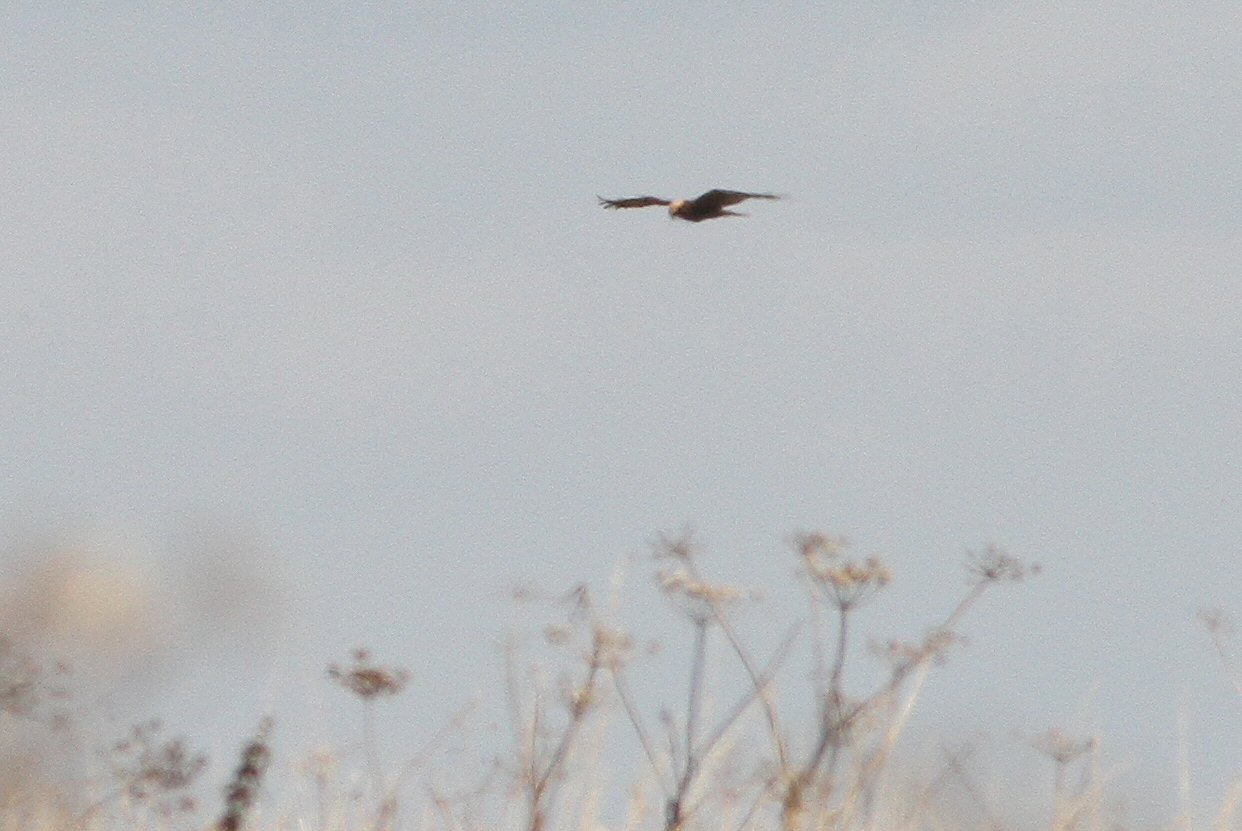
Marsh Harrier, Harrington AF, 6th August 2014 (Bob Bullock)

Little Ringed Plovers were thin on the ground this week with single juveniles at Summer Leys LNR on 3rd and 6th and at Hollowell Res on 5th and 8th, while single Dunlins visited both Hollowell Res and Clifford Hill GP on 5th and two were at the latter locality the following day. The male Ruff hung on at Summer Leys LNR/Earls Barton GP

Adult male Ruff, Summer Leys LNR, 2nd August 2014 (Simon Hales)

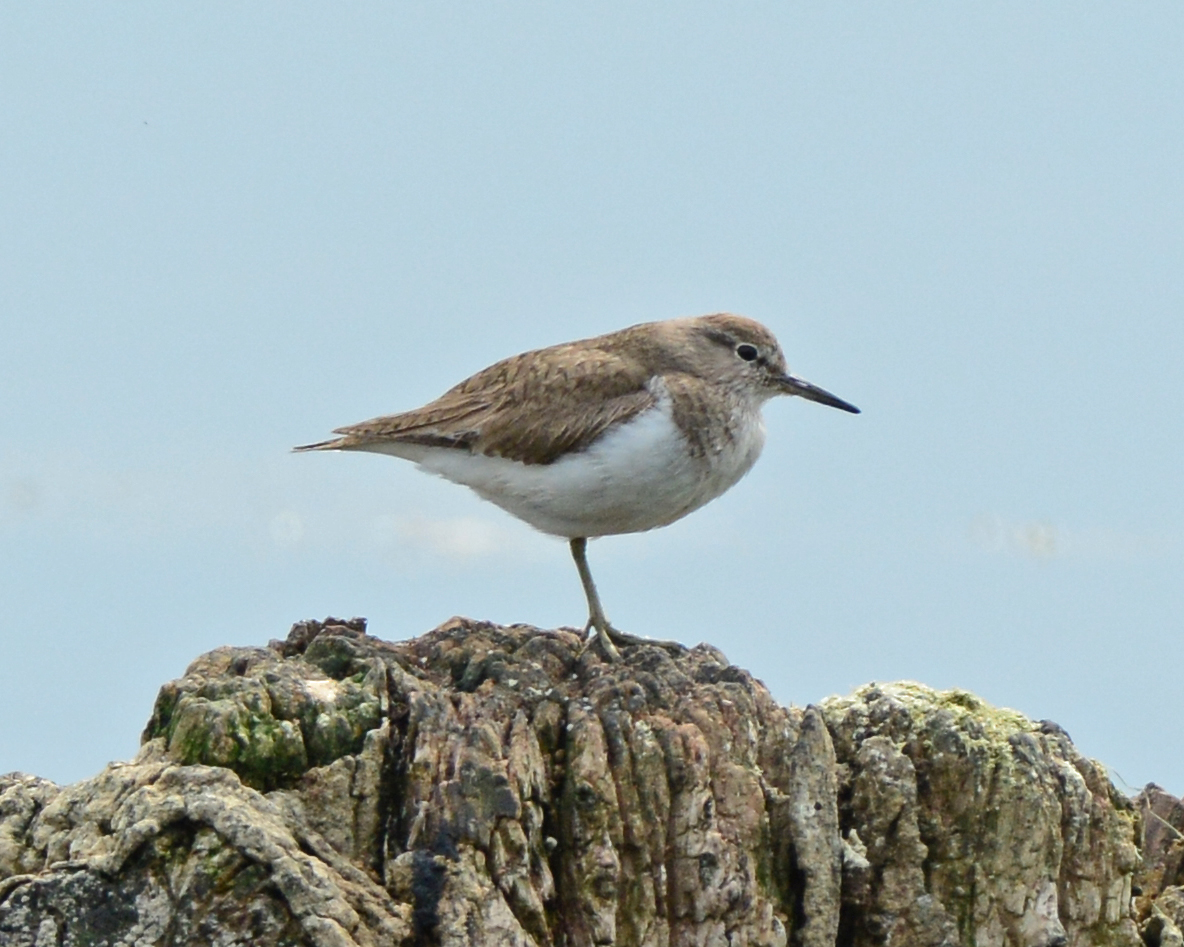
until 6th and the only Common Snipe of the week were singles at Stanwick GP on 5th and Pitsford Res on 8th, while three Whimbrels flew south at the latter locality on 2nd. Common Sandpipers were seen throughout the week at Clifford Hill GP, Daventry CP, Hollowell Res, Pitsford Res, Summer Leys LNR and Stanwick GP with no more than two at any one locality and Green Sandpipers were found at Clifford Hill GP, Summer Leys LNR, Stanwick GP and Daventry CP with a maximum of three at the latter locality from 5th to 8th. Following last week’s Wood Sandpiper at Hollowell Res, another visited Summer Leys LNR for one day only on 6th and a Greenshank was at the same site from 6th to 8th.

Capture

More juvenile Mediterranean Gulls appeared with two at Pitsford Res on 2nd and onethere on 4th and 8th and further singles in a ploughed field at Kelmarsh on 5th and at Clifford Hill GP on 7th. A juvenile Caspian Gull was found at Daventry CP on 8th, while up to four Yellow-legged Gulls were at Pitsford Res between 2nd and 4th, one was at Kelmarsh on 5th, singles visited Daventry CP on 6th and Clifford Hill GP on 5th-6th with two there on 7th. Surprisingly, none was reported from Stanwick GP this week.

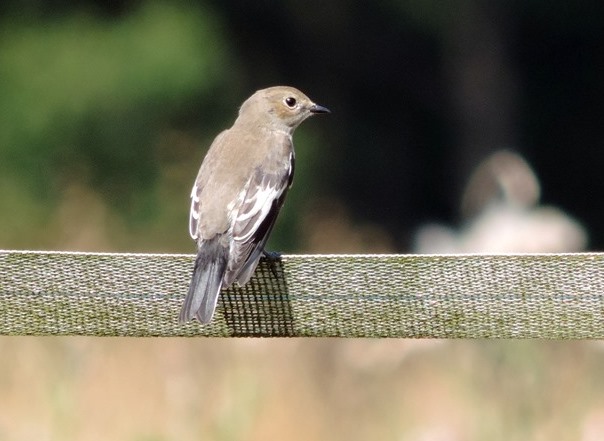
The two Turtle Doves continued their summer residence at Harrington AF throughout the week with the same site continuing to host a singing Grasshopper Warbler to the 7th (with another two nearby at Blueberry Farm, Maidwell on 4th) and a Pied Flycatcher plus a proliferation of Common Redstarts were also at Harrington AF, with one of the former reported on 7th and up to three of the latter throughout the week. Other Common Redstarts were reported from Blueberry Farm, Maidwell with singles on 2nd and 5th and three on 4th and Hellidon, where there was an unusually high count of eight on 7th.  A Whinchat was seen almost daily at Harrington AF, while up to two were nearby in the Brampton Valley and single Northern Wheatears were at Harrington AF on 5th and Hellidon on 7th. Harrington AF produced a Ring Ouzel briefly on 4th and two Crossbills flew over Hanging Houghton on 7th.

The Week in Focus: 26th July to 1st August 2014

Another mainly warm, dry week dominated by a largely westerly airstream continued to deliver early autumn migrants, albeit at steady trickle.

Two Barnacle Geese visited Hollowell Res on 28th, making themselves available for those desperate to add this ‘C lister’ to their county tally for the year, while the two Ruddy Shelducks at Pitsford Res remained all week. Both the Stanwick GP and the Summer Leys LNR Garganeys were still present on 29th, two drake Red-crested Pochards were at Pitsford Res on 30th and single female Goldeneyes were still at Stanford Res on 26th, Earls Barton GP on 27th and one at Pitsford res on 1st.

The fifth Spoonbill to be seen in the county this year flew north-east along the River Ise Valley between Wellingborough and Finedon on 1st. Ospreys featured again at favoured localities with two at Stanford Res on 26th, one there on 28th, one at Hollowell Res on 29th and one at Pitsford Res on 1st, while a Marsh Harrier was found at Harrington AF on 30th and an adult and juvenile Peregrine were food-passing over Irthlingborough on 27th and a juvenile visited Hollowell Res the next day.

Waders failed to soar to prominence with just one Ringed Plover remaining at Hollowell Res on 28th, where there were up to four Little Ringed Plovers and up to two of the same species at Stanwick GP and Summer Leys LNR. Single Dunlins visited both Daventry CP and Hollowell Res on 28th, while single Ruffs visited the latter locality on 27th, Pitsford Res on 28th and Summer Leys LNR/Earls Barton GP on 28th-1st. The only Common Snipe of the week was one at Hollowell Res on 27th, while the Icelandic Black-tailed Godwit present at Summer Leys at the end of last week remained until 28th, one appeared at Stanwick GP on the same date, increasing to two there on 29th, and three visited Clifford Hill GP briefly on 30th. A Curlew was at Pitsford Res on 30th, small numbers of Common Sandpipers were seen throughout the week at Hollowell Res, Pitsford Res, Summer Leys LNR and Stanwick GP with a maximum of four at the first of these sites on 28th and the same can be said for Green Sandpipers which, in addition to these sites were also found at Daventry CP and Thrapston GP, with no more than three at any locality. Last week’s Wood Sandpiper remained at Hollowell Res until 28th and a Turnstone was found there the following day.

Wood Sandpiper, Hollowell Res, 26th July 2014 (Derek Hales)

Juvenile Mediterranean Gulls continued to be seen with one again at Pitsford Res on 26th and two on 1st and one at Daventry CP on 28th, while the first of the autumn’s Caspian Gulls – a third- or fourth-summer – pitched up at Stanwick GP on 29th and was present again the following day. The same site has built a reputation for hosting large numbers of Yellow-legged Gulls – the majority of which gather during early evening, although a handful usually remains throughout the day; this week’s highest count was nudging fifty on 30th and the first juveniles appeared there on 26th. Smaller numbers elsewhere included three each at Pitsford Res and Stanford Res on 26th and 1st and singles at Daventry CP on 28th and Pitsford Res on 30th.

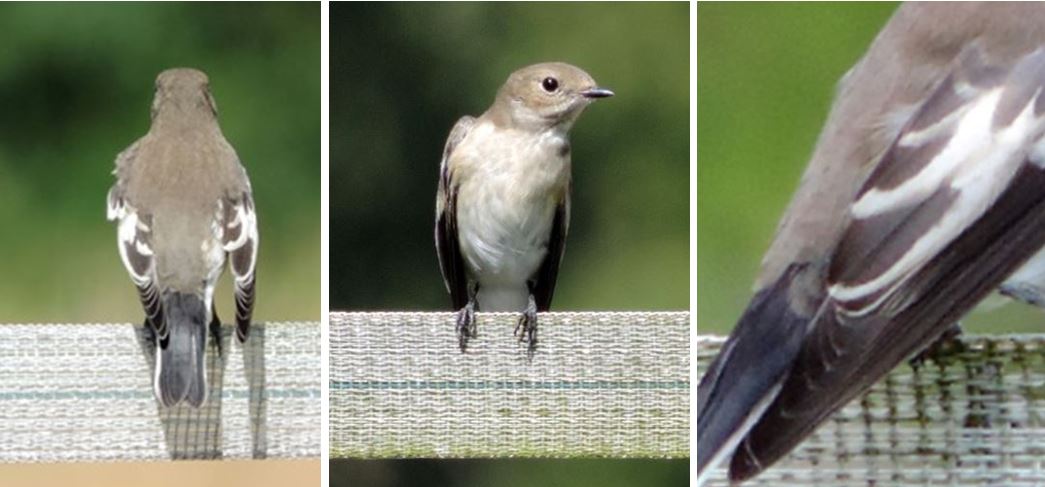
Two Turtle Doves remained at Harrington AF throughout the week, while up to two Ring-necked Parakeets were in the Abington Park/Norman Road/Church Way area of Northampton between 26th and 28th and a juvenile Grasshopper Warbler was trapped and ringed at Stortons GP on 26th with the male still singing at Harrington AF on 30th and one at Abington Park on 28th. Narrowly preserving its status as an annual visitor, a first-winter Pied Flycatcher spend a day at Denton Wood on 27th and up to three

First-winter Pied Flycatcher, Denton Wood, 27th July 2014 (Steve Brayshaw)
Common Redstart, Chapel Brampton, 26th JUly 2014 (Douglas McFarlane)

Common Redstarts were at Harrington AF between 26th and 1st with one near Chapel Brampton during the same period. In the same area, single Whinchats were at Harrington AF on 26th, 30th and 1st with up to two in the Brampton Valley on 27th-28th, followed by the autumn’s first Northern Wheatears there on 29th and 1st, one at Harrington AF also on 1st and four Crossbills at the same site on 29th with three there on 1st.

First-winter Pied Flycatcher

First-winter, in July and present for just one day. A local scarcity with only one or two records per year. Thanks to this excellent set of images by Steve Brayshaw we can confidently age last weekend’s Denton Wood Pied Flycatcher as a first-winter.

First-winter Pied Flycatcher, Denton Wood, 27th July 2014 (Steve Brayshaw)

A combination of characters set this bird apart from adult female and non-breeding male but the clincher is the pattern on the middle tertial: broad white fringe on the outer web, thickening at the tip while extending slightly down the shaft, creating a ‘step’ effect where it joins the thinner, white border on the inner web.

First-winter Pied Flycatcher, Denton Wood, 27th July 2014 (Steve Brayshaw)

In adults the white fringe is narrow and more uniform in width, like that on the lower tertial of this individual. Other first-winter features include the slightly darker throat, making the pale submoustacial stripe stand out, paler tips to some of the median coverts, curved white tips to the greater coverts forming a ‘sawtooth’ effect and the relatively pointed tail feathers.

First-winter Pied Flycatcher, Denton Wood, 27th July 2014 (Steve Brayshaw)

Black (not brown-black) tail and upper tail coverts suggest this is a young male. A very smart bird indeed!

Leucistic juvenile Starling revisited

More from Phil Jackman on the ‘leucistic’ juvenile Starling in his Kettering garden.  It – or one like it – is back, this time having moulted much more of its juvenile plumage during the intervening three weeks and, as suggested in the previous post on the topic, it appears that the bird’s ‘leucism’ may be/is age-related.

'Leucistic' juvenile Starling, Kettering, 28th July 2014 (Phil Jackman)
‘Leucistic’ juvenile Starling, Kettering, 28th July 2014 (Phil Jackman)

Juvenile Garganey

Thought I’d post some video of the Summer Leys Garganey. Never a lame duck but not one which stands out to anything like the extent of a fine spring drake and this juvenile has a not particularly well-marked face pattern compared to many.

This is because the dark horizontal cheek bar is reduced to a blob on the ear coverts and the pale loral spot is rather diffuse. It’s a juvenile – as opposed to a female – aged by the neat, fresh feather fringes giving it an immaculate appearance, the finely-streaked neck (adult females are more blotchy here and on the upperparts), the brown, streaky belly – not visible here, but hinted at where the flanks disappear below the water level – (females have a whitish, unmarked belly) and the warm, almost rusty-brown hue to the plumage compared to the colder tones of adults.

White Stuff

Albino House Sparrow – or at least a white one, anyway. It appears not to have pink eyes but this juvenile is from a small colony at Easton on the Hill. Comparatively rare but not without precedent. Many thanks to Jeff Davies for the image.

'Albino' House Sparrow, Easton on the Hill, July 2014 (Jeff Davies)
‘Albino’ House Sparrow, Easton on the Hill, July 2014 (Jeff Davies)

The Week in Focus: 19th to 25th July 2014

With high pressure sitting over the country for much of the week the warm spell continued as further signs of autumn became evident.

The two Ruddy Shelducks continued to be reported from Pitsford Res until the week’s end, while a Garganey remained at Stanwick GP on the same date, another was at Summer Leys LNR on 25th and last week’s female Goldeneye was still at Stanford Res on 20th with the long-stayer at Earls Barton GP on 25th.

Garganey, Summer Leys LNR, 25th July 2014 (Mike Alibone)

Single Ospreys were fishing at Pitsford Res on 22nd and 25th and Stanford Res on 24th, while two visited Hollowell Res on 25th along with a Marsh Harrier.

There was no substantial increase in passage waders which included single Ringed Plovers at Stanwick GP on 21st and Hollowell Res on 25th, while six Little Ringed Plovers were counted at Summer Leys LNR on 19th, four were at Stanwick GP on 21st and five at Hollowell Res on 25th.

Common Snipe were limited to two at Summer Leys LNR on 20th, where an Icelandic Black-tailed Godwit was present on 25th, up to 3 Green Sandpipers remained at Stanwick GP, the same number was at Broadholme SWT (Ditchford GP) on 22nd and two were at Daventry CP and one at Hollowell Res on 25th.  Single Wood Sandpipers – the first of the autumn’s few – were at Summer Leys LNR briefly on 19th and Hollowell Res on 25th and Common Sandpipers remained very much in evidence with up to five at Hollowell Res on 25th, three at both Stanwick and Summer Leys LNR and singles at Broadholme, Daventry CP and Pitsford Res.

Common Sandpiper, Pitsford Res, 20th July 2014 (Clive Bowley)

The first of the autumn’s Mediterranean Gulls – a smart juvenile – was at Daventry CP on the morning of 25th and another (or the same) visited Pitsford Res during the evening, while numbers of Yellow-legged Gulls continued to climb with 32 at Stanwick GP on 19th and smaller numbers elsewhere, including one at Pitsford Res on 19th, two there on 25th and one and Daventry CP on the same date.

Two Turtle Doves remained at Harrington AF until at least 22nd, while a Ring-necked Parakeet visited a garden in Denton on 21st-23rd and one was in Abington Park, Northampton on 24th and Grasshopper Warblers were still singing at Earls Barton GP on 20th and at Harrington AF on 22nd and 25th.

Grasshopper Warbler, Earls Barton GP, 20th July 2014 (Alan Coles)

The latter site produced a Whinchat and a Common Redstart on 22nd with two of the latter species there the following day and one on 25th, while a Black Redstart was seen briefly in gardens in Long Buckby on 19th and two Crossbills flew east at Harrington on 25th.

The Week in Focus: 12th to 18th July 2014

A predominantly dry week with temperatures starting to build to the high twenties in the latter part in advance of wet weather systems crossing the channel from the near continent.

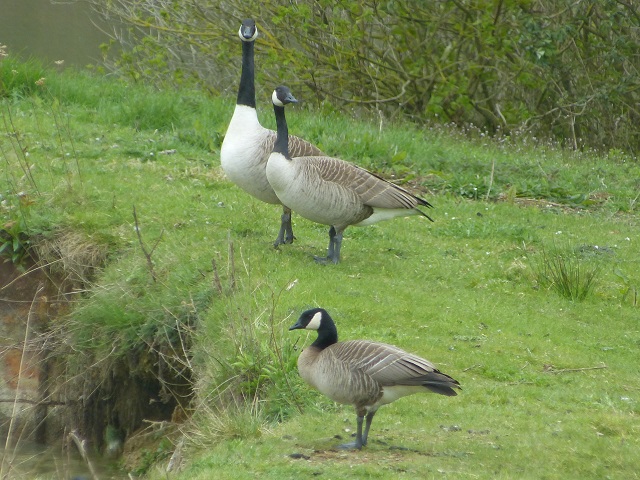
One of last week’s ‘Cackling’ Geese (or a hybrid) – apparently there had been two – remained at Daventry CP until at least 14th and the two Ruddy Shelducks continued to be prominent in the dam area of Pitsford Res all week, while a Garganey remained at Stanwick GP. A female Red-crested Pochard at Pitsford Res on 12th-13th had been joined by two more by 15th and two flew east at Stanwick GP on the same date, while the Earls Barton female Goldeneye was again on Mary’s Lake on 13th and another visited Stanford Res on 17th.

The latter site also produced Northamptonshire’s fifth-ever Glossy Ibis during the afternoon of 15th. True to form, it did not stay, arriving from the north and circling the reservoir before continuing south. This week’s Ospreys were singles at Brixworth on 13th and Hollowell Res on 18th, otherwise it was a lean week for raptors.

Waders continued to trickle through with a Ringed Plover and six Little Ringed Plovers at Hollowell Res on 18th, while top counts of the latter were nine at Stanwick on 13th and seven at Summer Leys on the same date. On 12th, Summer Leys also produced a Little Stint – uncommon in the county in recent years and exceptional in July. A Black-tailed Godwit was in a field adjacent to Stanwick GP on 14th and a Greenshank visited Hollowell Res on 18th while up to 7 Green Sandpipers remained at Stanwick all week with smaller numbers at Daventry CP, Hollowell Res and Summer Leys. Common Sandpipers topped the bill for numbers this week with a single flock of sixteen arriving at Stanwick GP on the morning of 15th, six were at Hollowell Res on 18th and up to four at Summer Leys on 13th. The leucistic Black-headed Gull appeared again at Stanwick GP on 14th with the Yellow-legged Gull count peaking at twenty-seven there on the same date, while smaller numbers elsewhere included three at Pitsford Res on 15th and singles there and at Hollowell Res on 18th.

Harrington AF continued to host up to two Turtle Doves throughout the week, while two Grasshopper Warblers were still singing there on 15th with singles of Common Redstart and Whinchat there on the same date

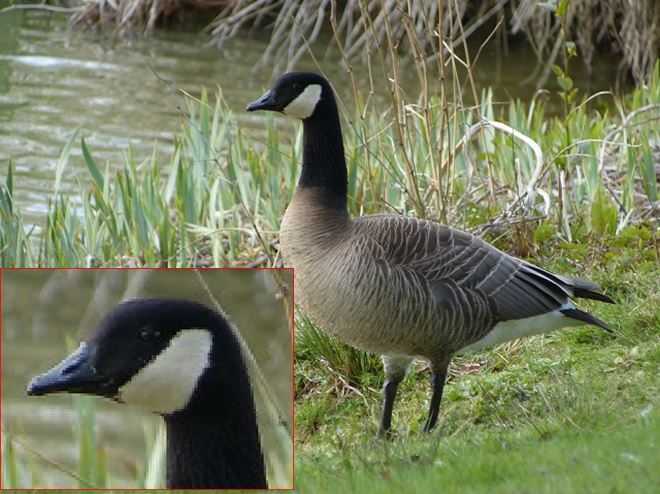
Which Cackler?

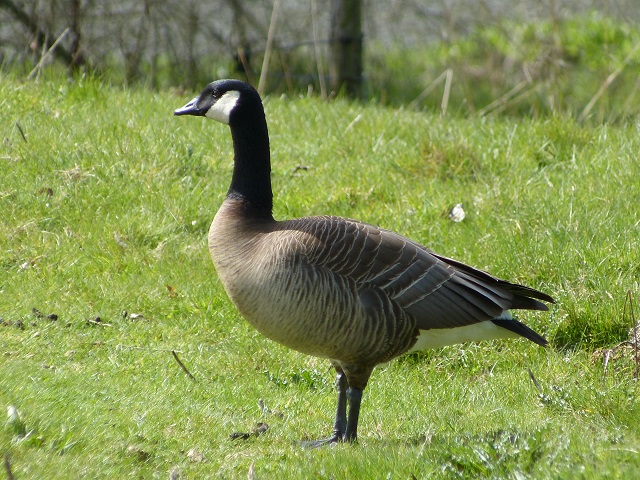
Prompted by the last post on the subject, Minimal Interest, Joan Chaplin sent me these images of a Cackling Goose at Foxholes Fisheries, Crick from 23rd April 2012.

Taverner's Cackling Goose, Foxholes Fisheries, Crick, 23rd April 2012 (Joan Chaplin)
Taverner’s Cackling Goose, Foxholes Fisheries, Crick, 23rd April 2012 (Joan Chaplin)

This bird arrived with visiting Canada Geese and was subsequently thought to be of the race minima. In common with the Daventry individual it shows a number of features which are inconsistent with that race: too large, too long-necked, the body is more elongated, the head not square enough and the bill – though small, is the wrong shape, i.e. too long.

Taverner's Cackling Goose, Foxholes Fisheries, Crick, 23rd April 2012 (Joan Chaplin)
Taverner’s Cackling Goose, Foxholes Fisheries, Crick, 23rd April 2012 (Joan Chaplin)
Taverner's Cackling Goose, Foxholes Fisheries, Crick, 23rd April 2012 (Joan Chaplin)
Taverner’s Cackling Goose, Foxholes Fisheries, Crick, 23rd April 2012 (Joan Chaplin)

All features are, however, spot-on for taverneri, Taverner’s Cackling Goose, right down to the thin, broken throat line which almost divides the two white cheek patches.

Taverner's Cackling Goose, Foxholes Fisheries, Crick, 23rd April 2012 (Joan Chaplin). The broken throat line is just visible.
Taverner’s Cackling Goose, Foxholes Fisheries, Crick, 23rd April 2012 (Joan Chaplin). The broken throat line is just visible.

Note how the bird’s size and shape appear to vary with pose and camera angle! While this western USA bird was surely an escape, Taverner’s has been recorded in Ireland in the recent past.

Minimal Interest

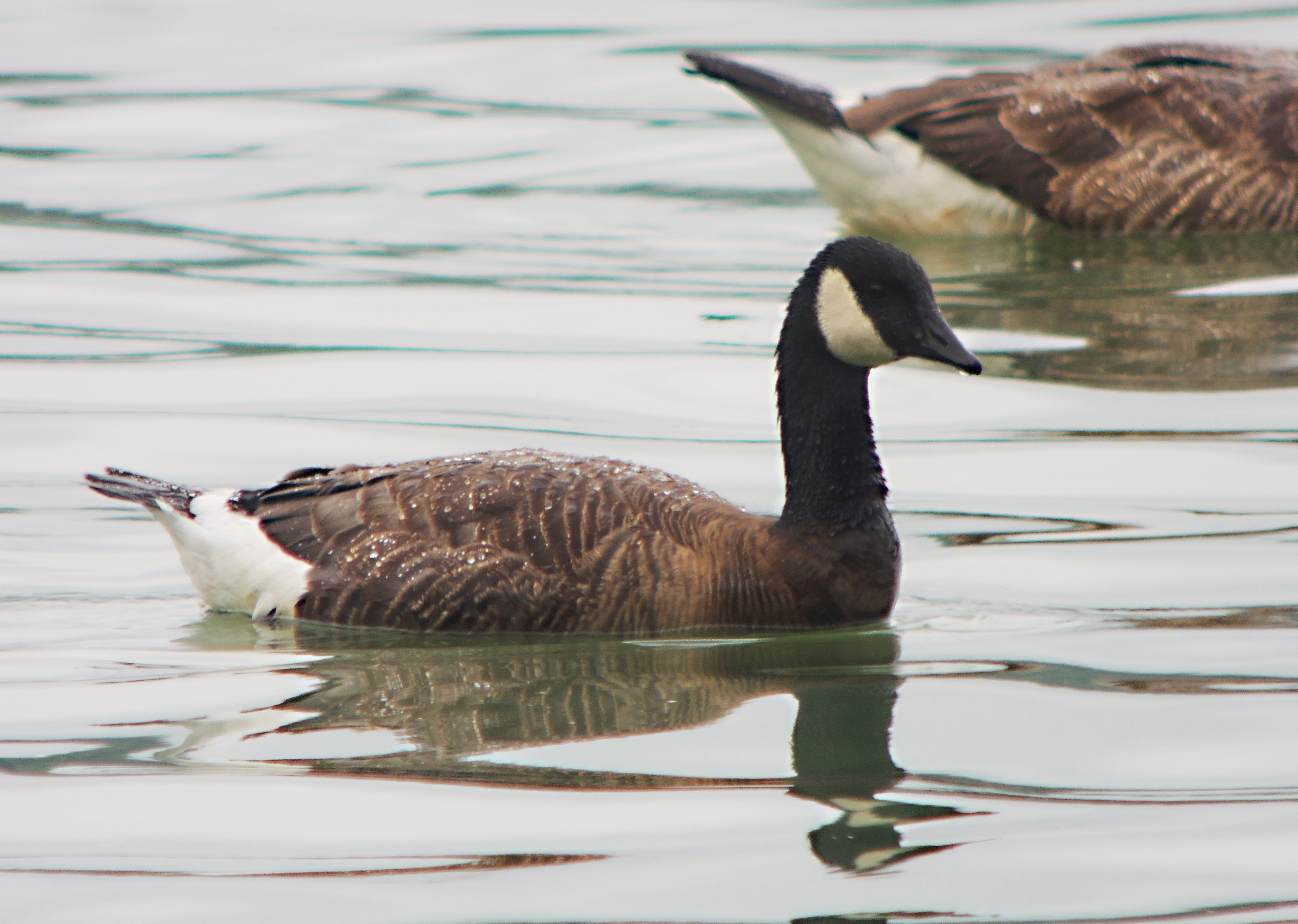
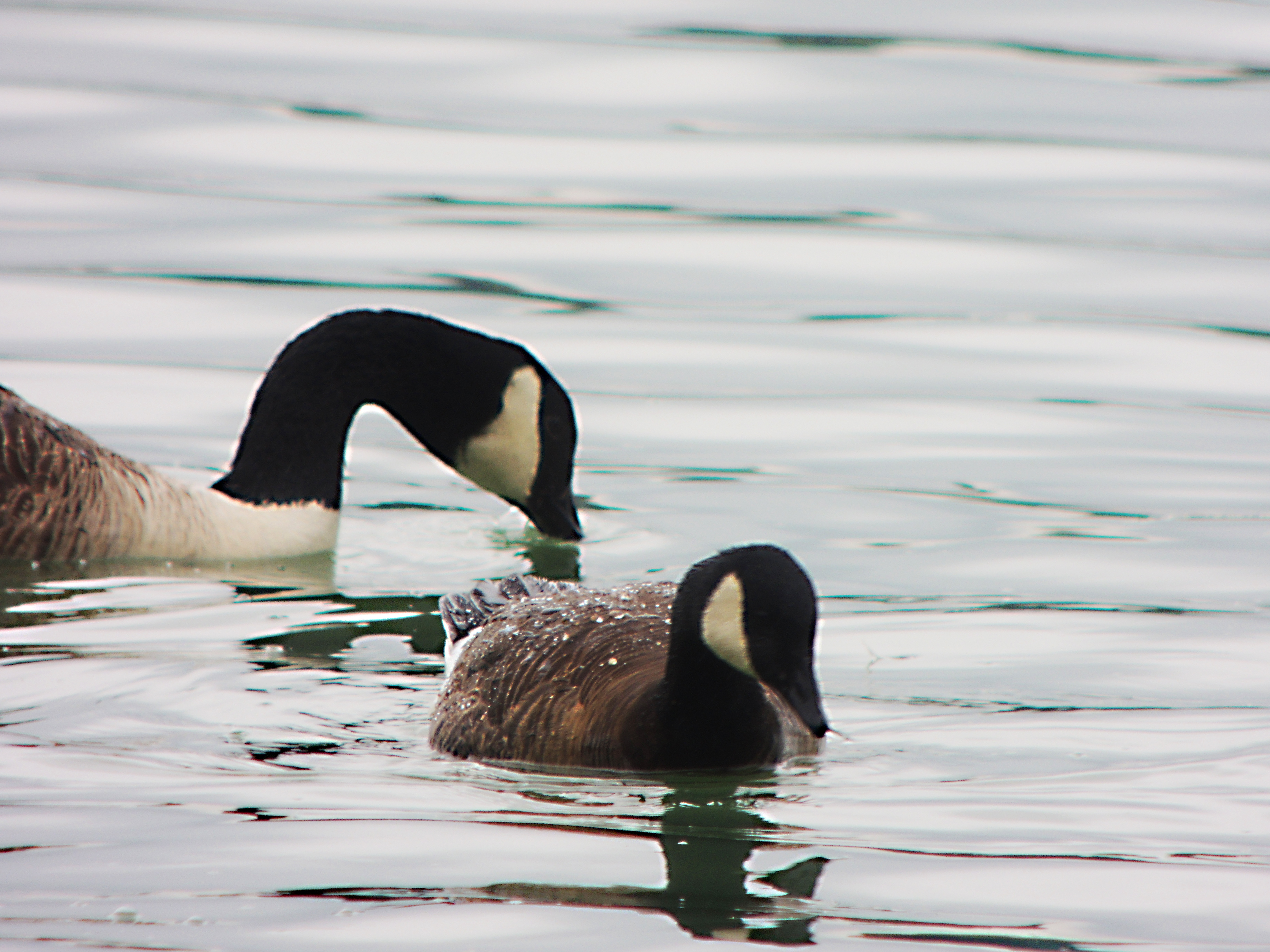
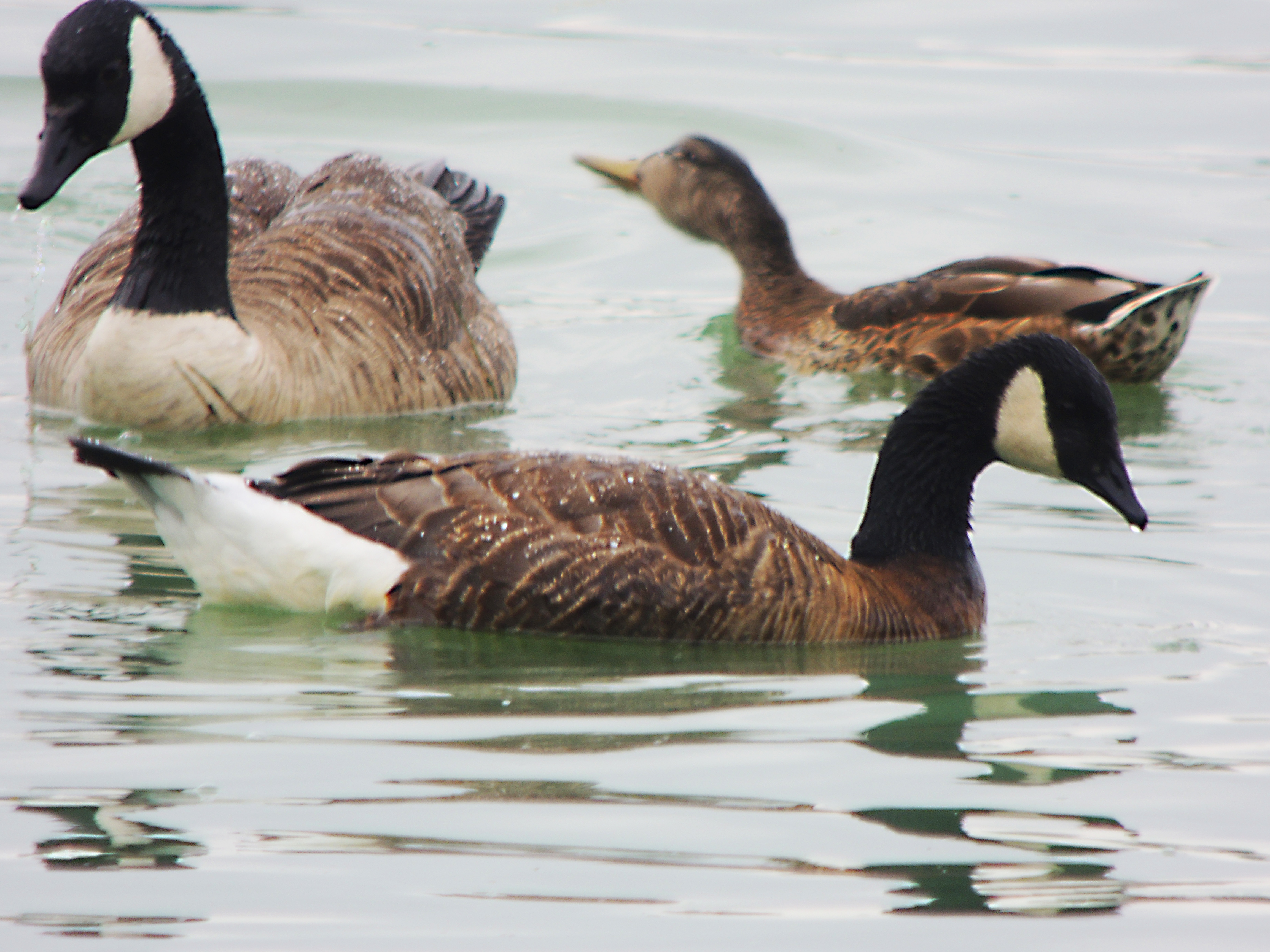
That’s what this Cackling Goose at Daventry CP today is likely to elicit. Apparently it has been present two weeks among the local Canada Geese and, given its range along the western seaboard of North America, and its time and place of occurrence, it is almost certainly an escape – although it is a long-distance migrant!

Cackling Goose Branta hutchinsii minima, Daventry CP 13th July 2014 (Mike Alibone)
Cackling Goose Branta hutchinsii minima?, Daventry CP 13th July 2014 (Mike Alibone)

Cackling Goose was split from Canada Goose as long ago as 2004 and four races are recognised: hutchinsii (‘Richardson’s Cackling Goose’), taverneri (‘Taverner’s Cackling Goose’), leucopareia (‘Aleutian Cackling Goose’) and minima (‘Ridgway’s Cackling Goose’). Each race is identifiable on a combination of structure and plumage characters and the individual at Daventry most closely resembles minima in plumage but it can sometimes appear a little larger than would be expected and the head shape is not quite right, minima should show a squarer head profile and shorter bill than this bird. So is it another race or a hybrid?

Cackling Goose Branta hutchinsii minima, Daventry CP 13th July 2014 (Mike Alibone)
Cackling Goose Branta hutchinsii minima?, Daventry CP 13th July 2014 (Mike Alibone)

It’s between half and two-thirds the size of the accompanying Canada Geese, darker, shorter-necked and much smaller-billed. The main plumage difference is the all dark brown breast and belly, with the black at the base of the neck ‘fuzzing’ into it.

Cackling Goose Branta hutchinsii minima, Daventry CP 13th July 2014 (Mike Alibone)
Cackling Goose Branta hutchinsii minima?, Daventry CP 13th July 2014 (Mike Alibone)

Richardson’s Cackling Goose is similar in size and can be almost as dark but has a clear cut neckline with normally a narrow white base dividing it from the brown breast.

Cackling Goose Branta hutchinsii minima, Daventry CP 13th July 2014 (Mike Alibone)
Cackling Goose Branta hutchinsii minima?, Daventry CP 13th July 2014 (Mike Alibone)

Cackling Goose is not on the British List though a number of records have been accepted by BBRC. The Daventry individual is a nice bird and well worth a look, even though it must surely be an escape …