The Week in Focus: 4th to 10th October 2014

A succession of Atlantic lows introduced intermittent periods of rain on predominantly south-westerly winds, which brought temperatures back in line with the average for the time of year.

A Cackling Goose – undoubtedly an escape – was found at Stanford Res on 5th and the two Barnacle Geese were still at Hollowell Res on 10th, while the number of Pintails at Pitsford Res had jumped to twelve by 5th. The same site continued to host a juvenile Garganey by the dam until at least 6th, while Ravensthorpe Res similarly held on to its long-staying juvenile until at least 7th.


Garganey, Pitsford Reservoir, 5th October 2014 (Mike Alibone)

Capture

Meanwhile, back at Pitsford, the lingering Red-crested Pochard flock had risen by three to sixteen on 5th and five drakes, plus a female hybrid, were at Stanford Res on the same date.

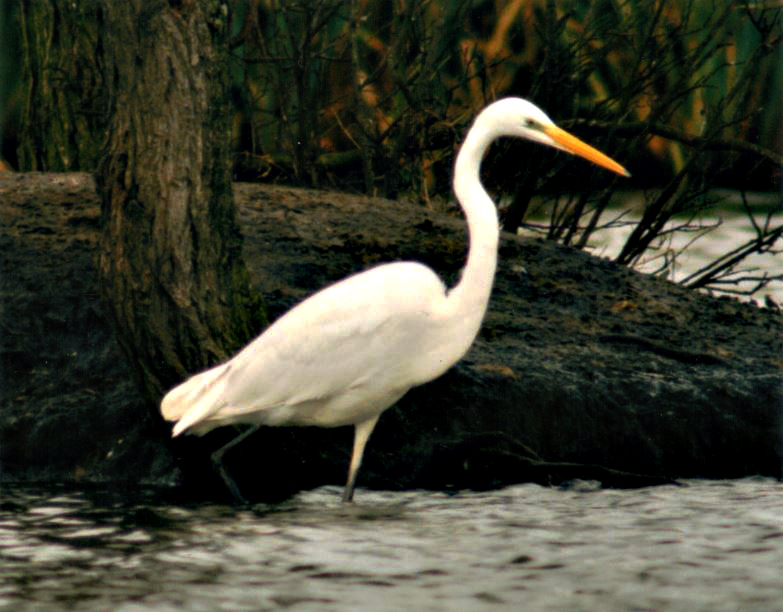
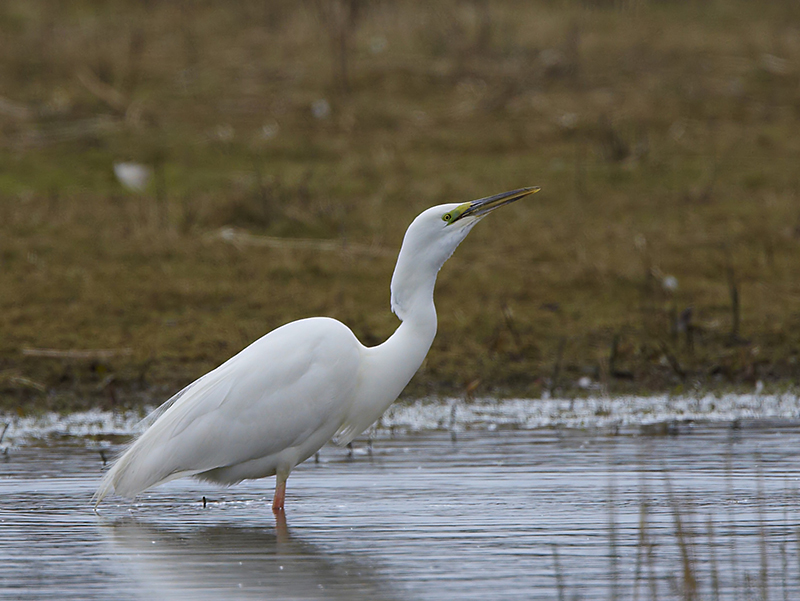
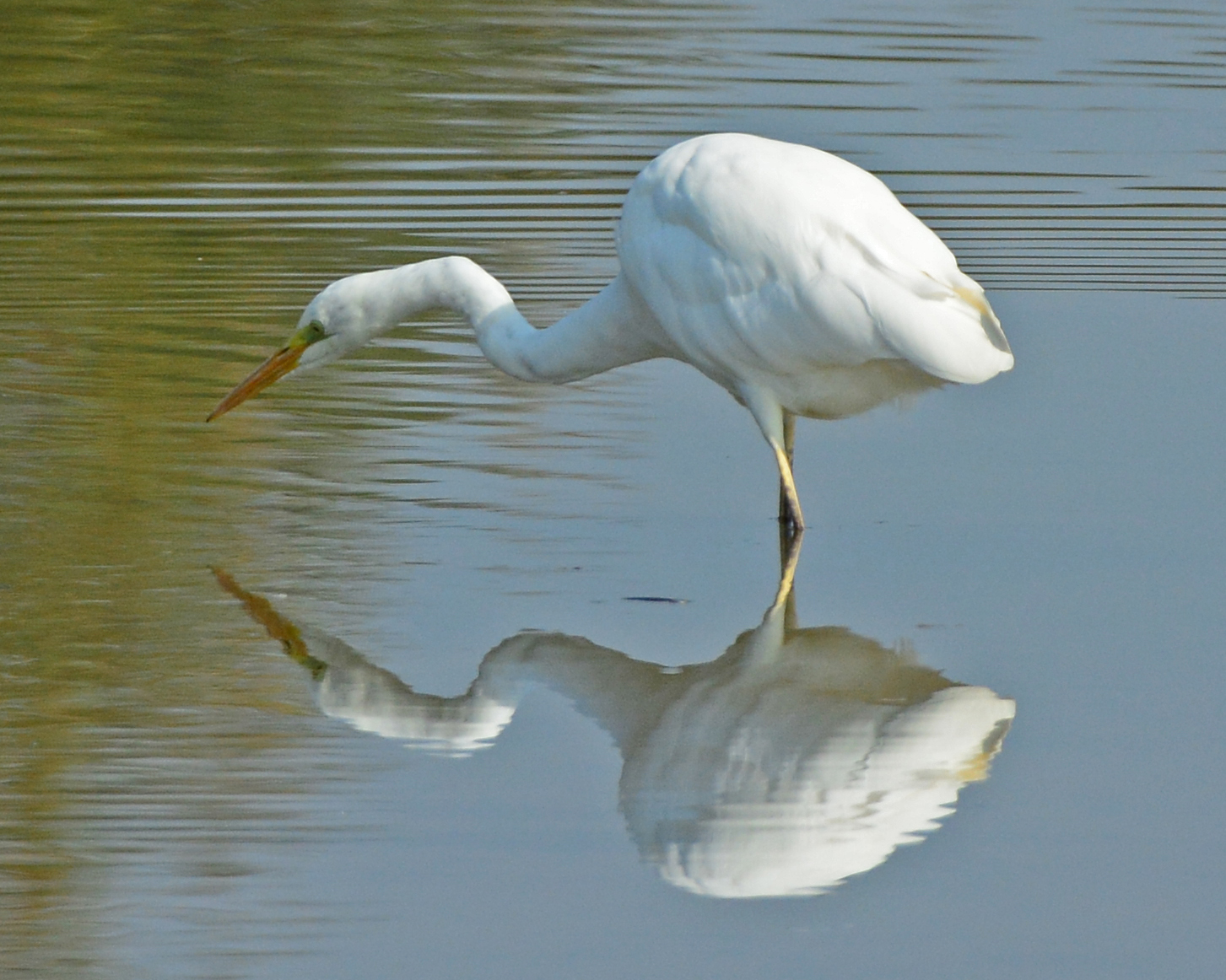
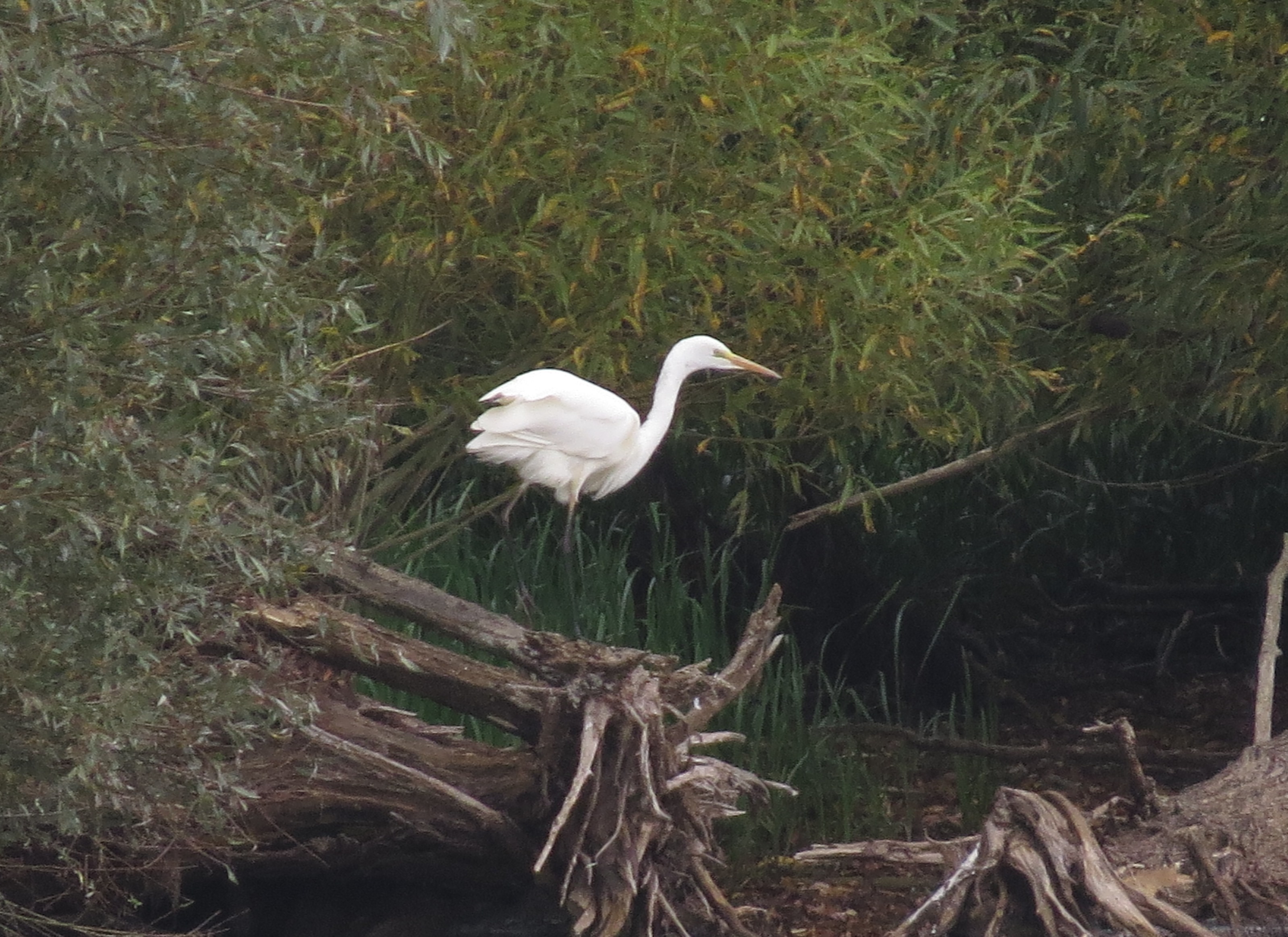
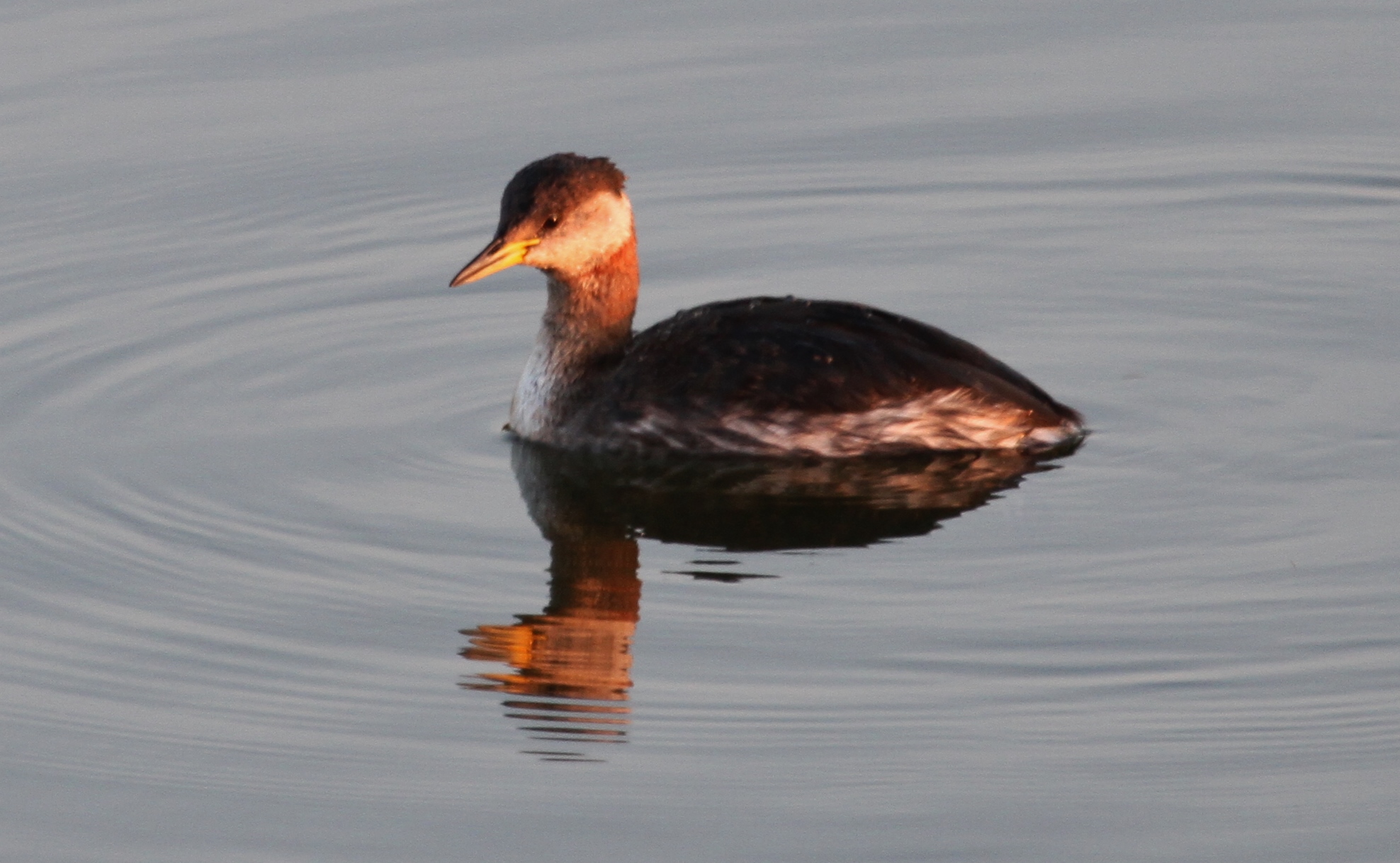
Great White Egrets came to the fore this week with the Summer Leys/Earls Barton GP individual remaining until at least 7th and new birds turning up at Pitsford Res on 5th, being joined there by another on 7th with both still present on 10th, while another was at Thrapston GP on 9th-10th. Two Black-necked Grebes appeared by the dam at Pitsford Res on 9th but appeared to be absent the next day.

Black-necked Grebe, Pitsford Res, 9th October 2014 (Bob Bullock). One of two present at this site.

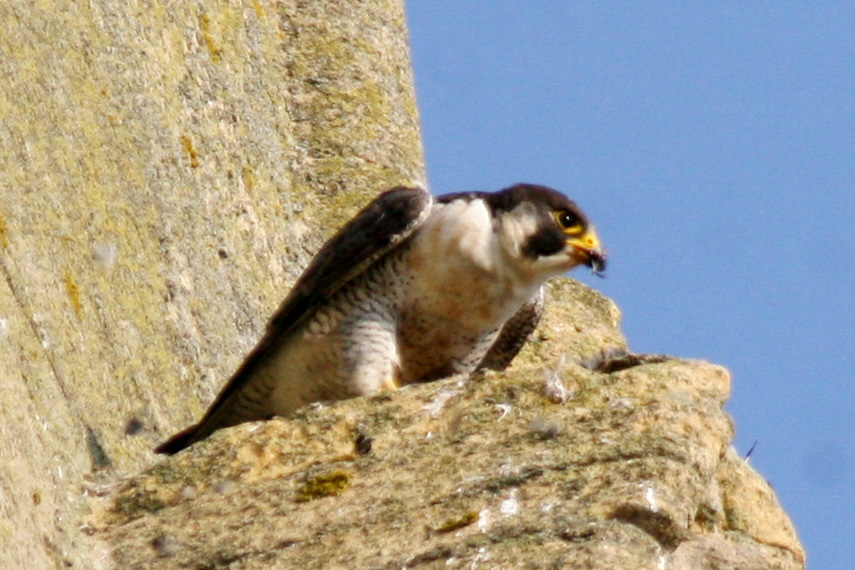
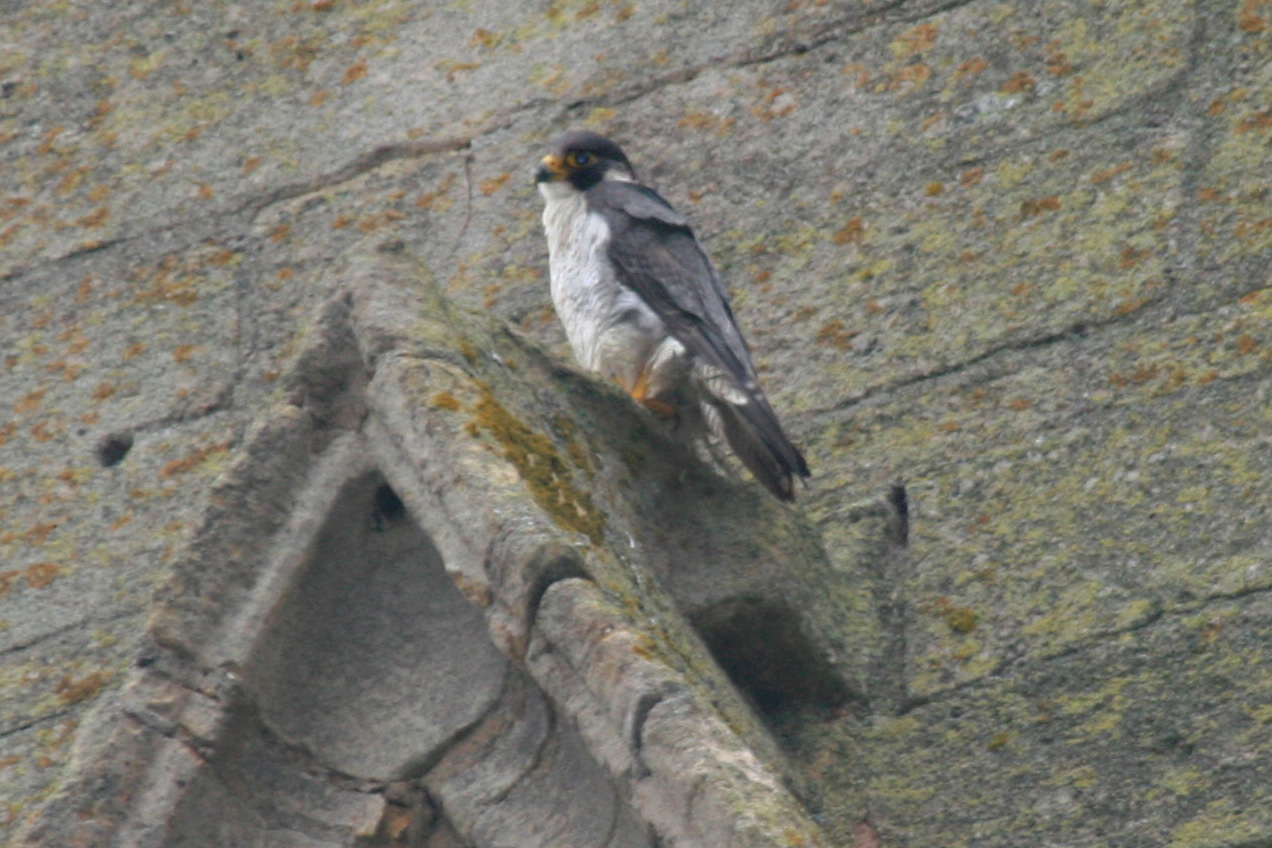
A female or immature Merlin visited Daventry CP on 10th, probably the last of the summer Hobbies were two at Thrapston GP on 4th and at least one adult Peregrine remained at a locality in the Nene Valley on the same date, otherwise the week was notable for its lack of raptor reports.

Adult Peregrine, Northamptonshire Nene Valley, 4th October 2014 (Simon Wantling)

Dwindling passage waders included four Ringed Plovers at Pitsford Res on 6th and a single Golden Plover at Stanford Res on 5th while numbers at Harrington AF built further with approximately eighty there on the same date. Two Ruff were still at Pitsford Res on 4th and single Common Sandpipers visited Stanford Res and Stanwick GP on 5th, while the same date produced single Green Sandpipers at Pitsford Res (and again on 10th) and Stanford Res, followed by one at Daventry CP on 8th and 10th and two at Ravensthorpe Res on 8th with four there on 10th. A handful of Common Snipe included up to three at Summer Leys LNR and two at Ravensthorpe Res and Pitsford Res mid-week.

Yellow-legged Gull numbers were again low with just single, lingering adults at Pitsford Res, Hollowell Res and Ravensthorpe Res on 5th and 8th plus an adult and a first-winter at Daventry CP on the last of those two dates.

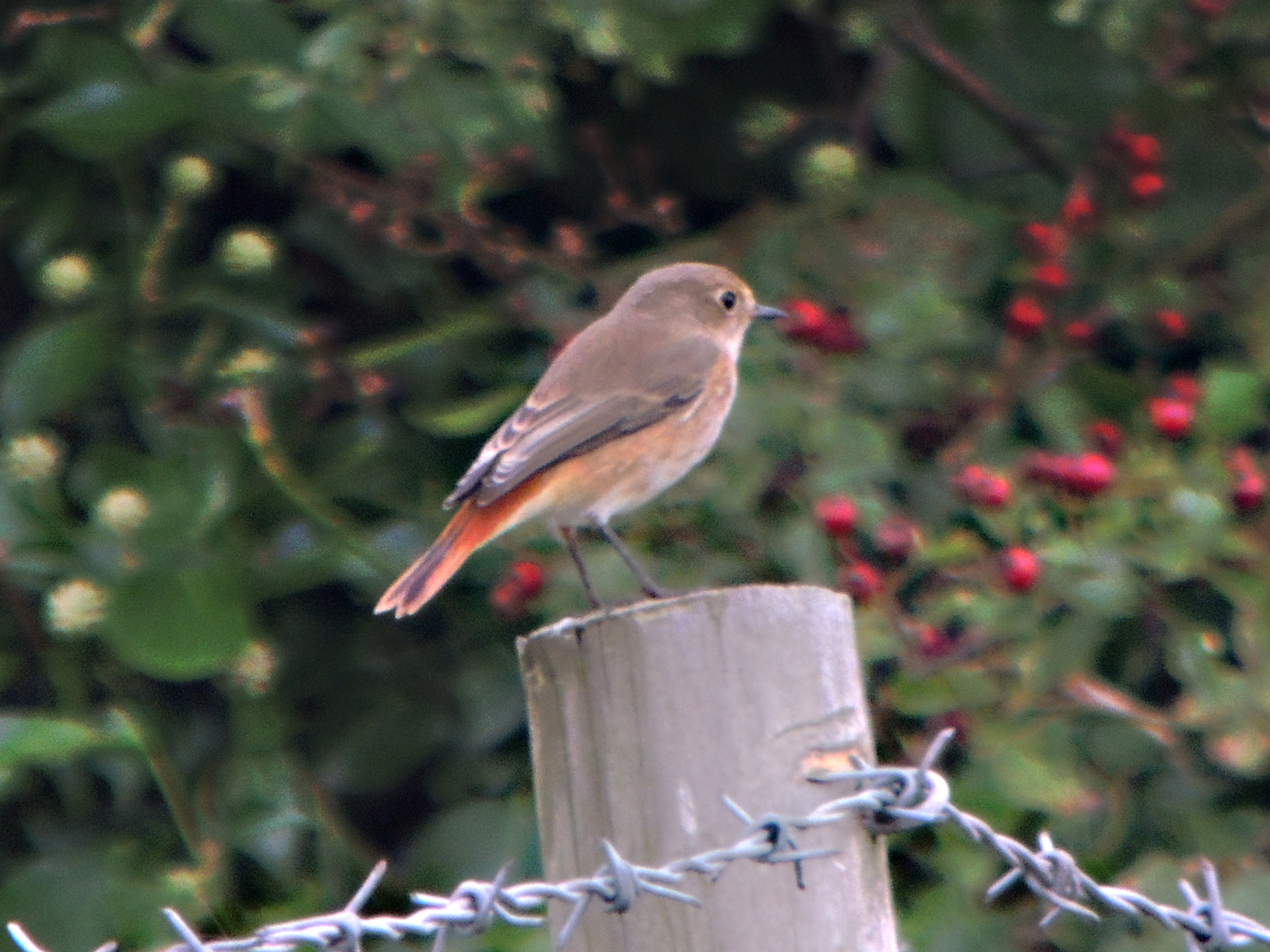
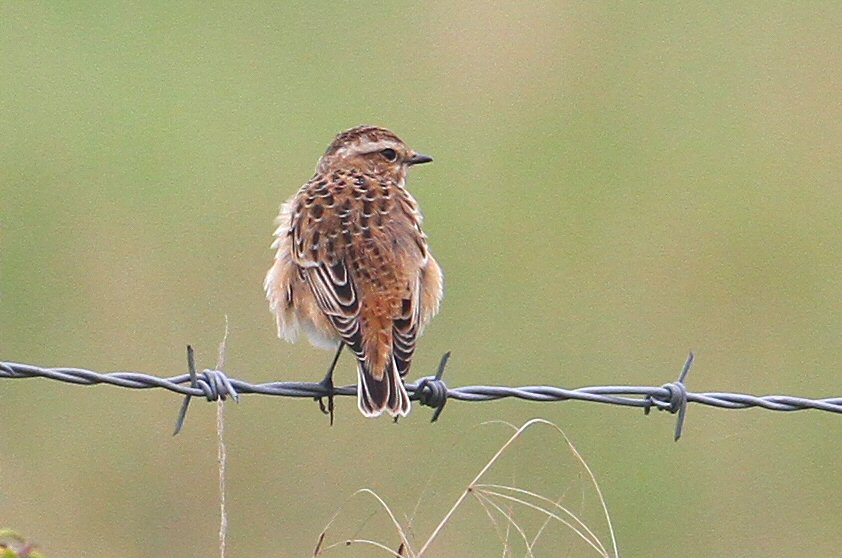
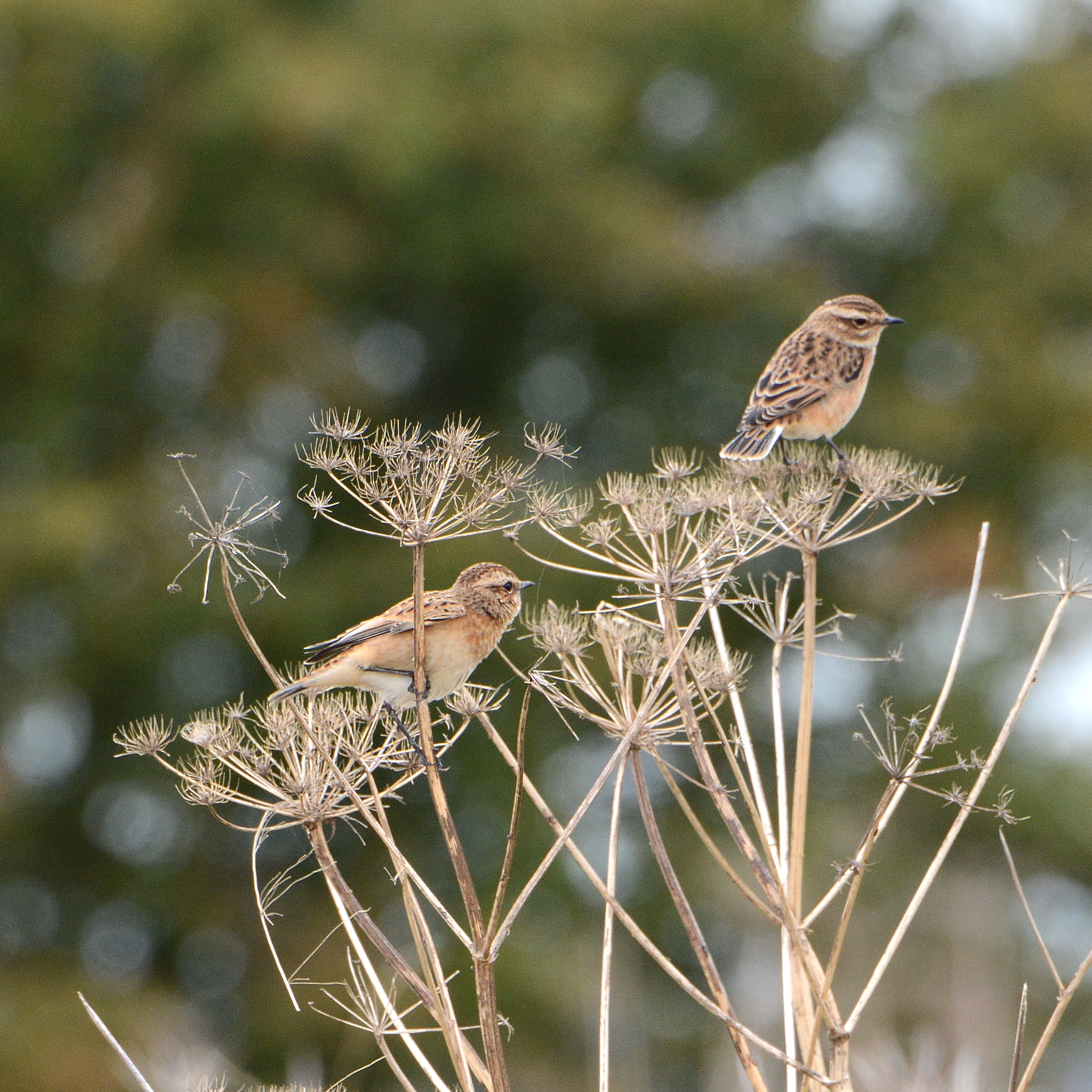
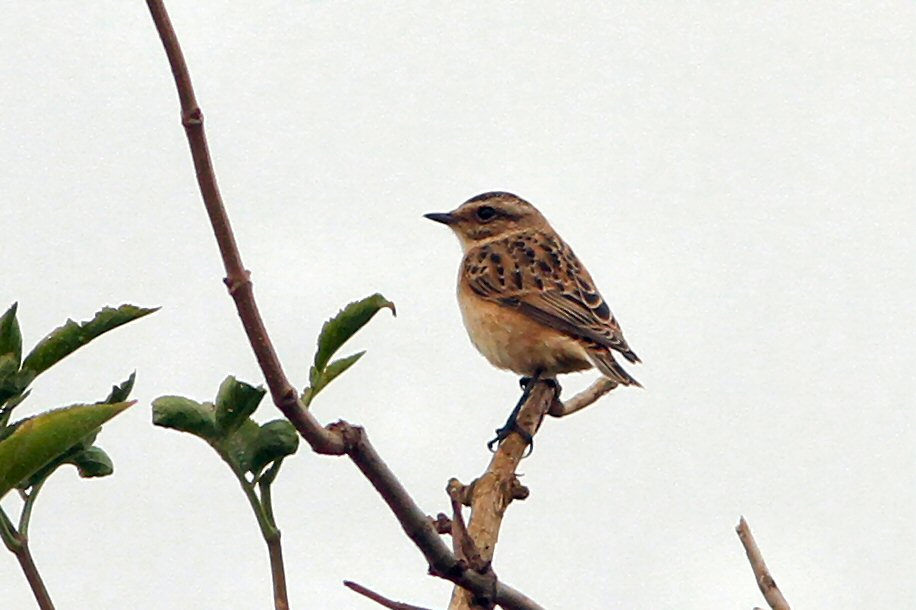
Passerines were poorly represented this week, the best being a late Reed Warbler trapped and ringed at Stortons GP on 5th, single Stonechats at Pitsford Res, Blueberry Farm (Maidwell) and Harrington AF on 5th and at least four at Hollowell Res until 8th
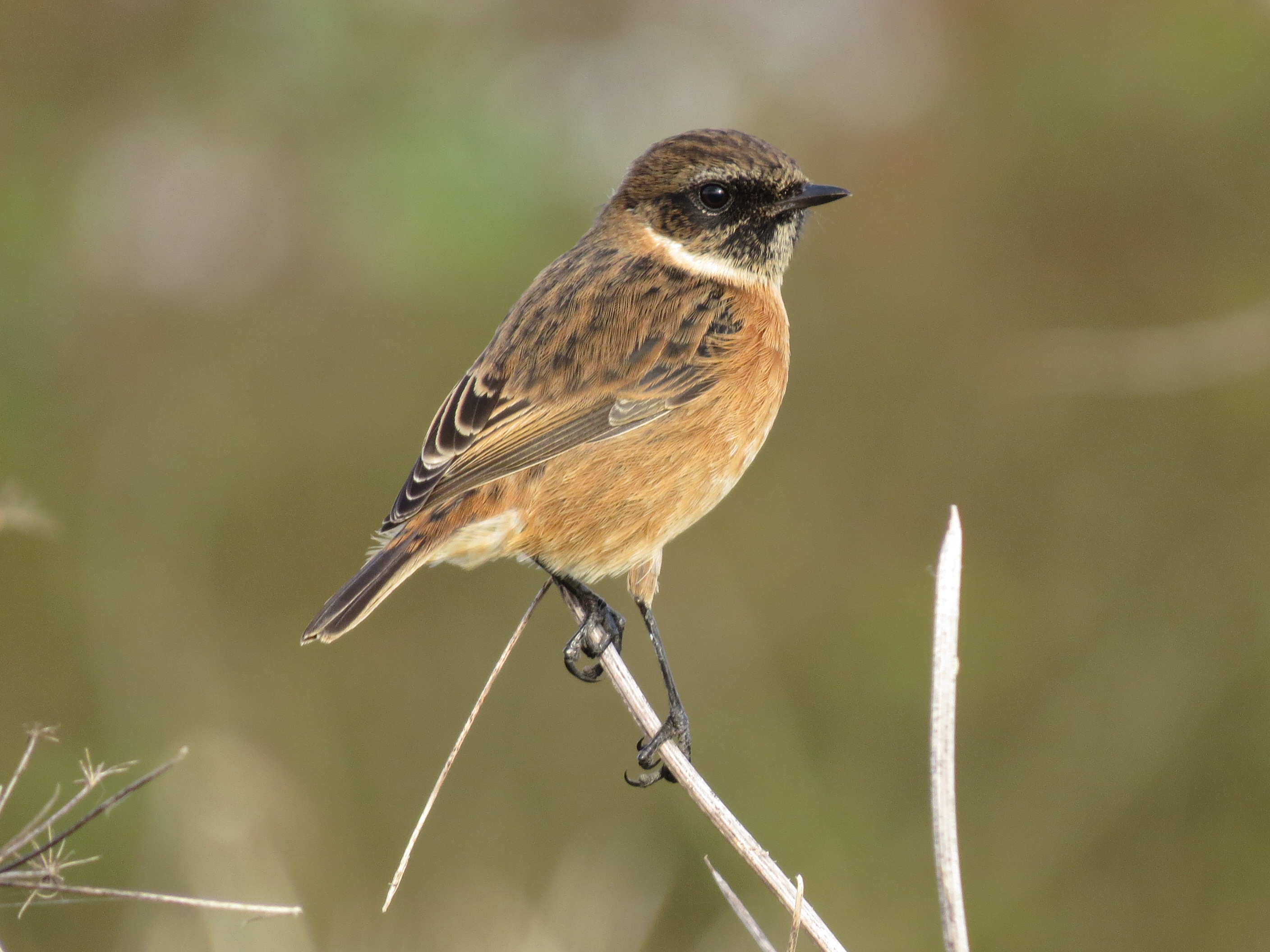
First-winter male Stonechat, Harrington AF, 5th October 2014 (Simon Hales)

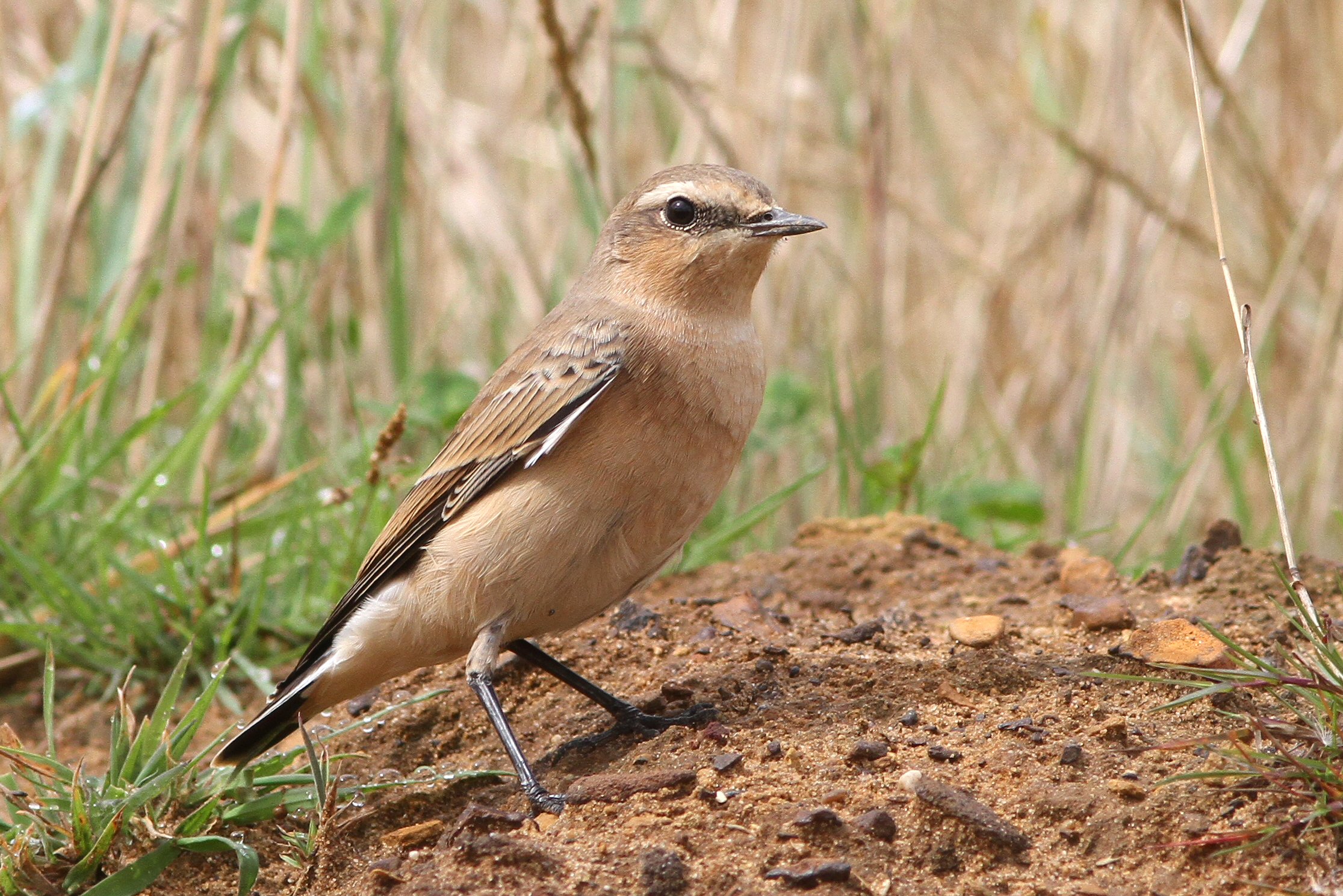
and one at Clifford Hill GP on 10th, while a Northern Wheatear visited Pitsford Res on6th and up to four Rock Pipits were at Hollowell Res between 6th and 10th and another at Ravensthorpe Res on the latter date and a White Wagtail was at Hollowell Res on 10th.
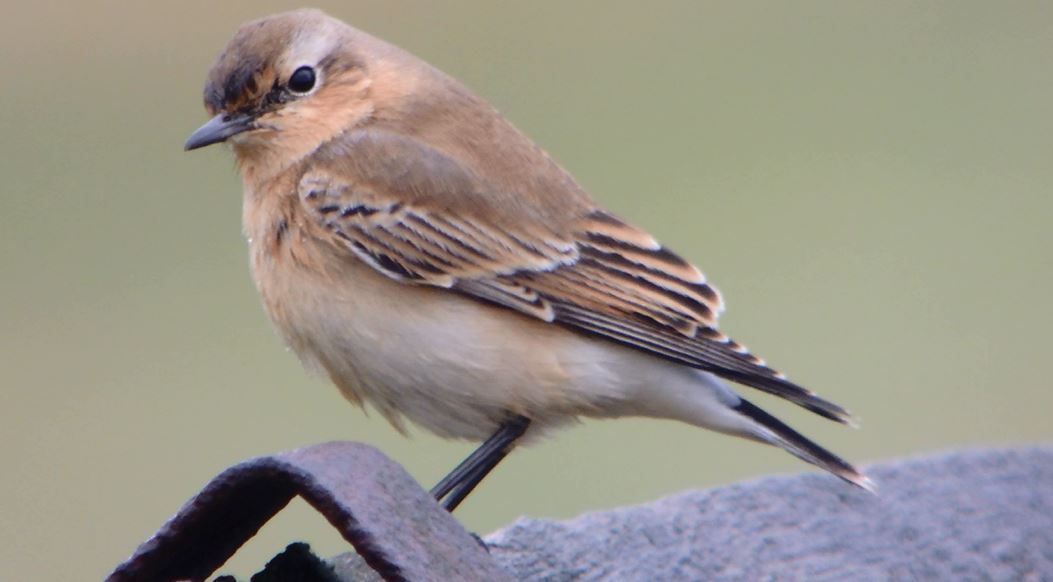
Northern Wheatear, Pitsford Res, 6th October 2014 (Mike Alibone)

Capture1

White Noise

Great White Egrets in Northamptonshire

CaptureI remember when they were rare. A long drive to Scaling Dam Reservoir in North Yorkshire with Chris Ingram in June 1974 ended in a car crash, the journey to site completed by bus, followed by a long train journey home, sadly returning empty-handed. At the time, it was only the 11th or 12th for Britain and it was to be a few more years before I eventually caught up with one.

News of Northamptonshire’s first (and, by now, Britain’s 57th) broke late in the afternoon on Sunday, 5th July 1992. A quick dash to Stanford Reservoir and there it was, feeding quietly in the shallows of Blower’s Lodge Bay – a shimmering vision in white on a sunny summer’s evening.

Further records followed – the next briefly at Thrapston GP on 18th February 1994, before being seen at Earls Barton GP two days later, and then the first long-stayer, which was found at Billing Aquadrome on 27th November 1997. It remained in the Nene Valley until March 1998, visiting Ecton SF, and gravel pits at Billing, Earls Barton, Ditchford, Stanwick and Thrapston during its four-month stay. As well as setting the trend for the now emerging pattern of records of overwintering in the county, this individual elicited considerable interest because of its apparently wholly black legs, including tibia, and bright orangey bill – characteristics which, at the time, were believed to be strongly indicative of the Nearctic race egretta. This race is not officially on the British list.

Great White Egret, Billing Aquadrome, November 1997 (Keith Stone)

We now know better as many of our visiting Great Whites appear to have blackish tibia in winter as standard, as well as brightly-coloured bills, while egretta is said to average 10% smaller, although determining the size of a lone individual in the field is likely to be problematic. According to the British Birds Rarities Committee differences in bare-part colours between European nominate alba and egretta do exist but they may be only average differences and efforts to establish practical identification guidelines are underway; biometrics are diagnostic, however.

The next occurrence in Northants was also interesting but for a different reason: it involved the first flock to occur locally. Three together in flight over Stortons GP on 7th October 2002 was an amazing sight for Chris Coe on his local lunchtime patch and three remains the largest number seen together anywhere in the county to date.

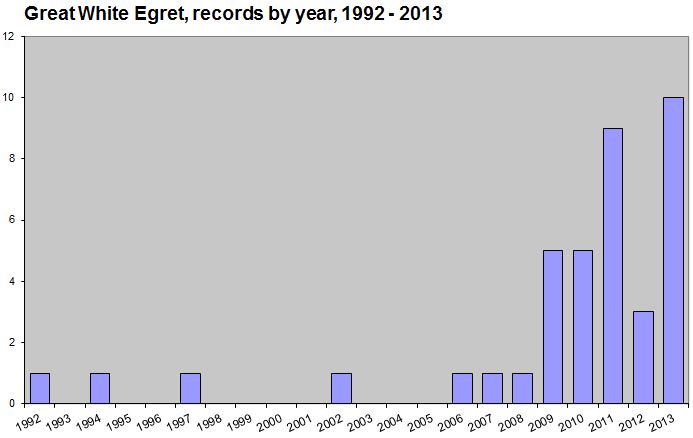
The graphs below provide an overview of occurrence since the species first appeared in Northants in 1992.

GWE Records by yearIn both histograms only the first date of arrival is used within the statistics, i.e. two birds arriving together at Pitsford Reservoir in October and staying until February the following year constitutes one record and appears just once, in the column for October, for that one year only.

GWE Records by monthThere is a clear trend emerging, with the highest number of birds arriving to winter during the last quarter with a distinct peak in October, clearly the best month in which to find your own.

Aside from the first breeding in Somerset in 2012, the records for Northants mirror those nationally and reflect this species’ recent increase on the near continent as this species continues to expand its range westward.

It seems likely that Great White Egrets will follow in the footsteps of Little Egret – at least to some degree – and they are therefore likely to become an increasingly regular sight at our local bodies of water during the winter months.

Great White Egret, Summer Leys, 28th March 2013 (Bob Bullock). Note signs of breeding condition - mainly dark bill and pinkish legs.
Great White Egret, Summer Leys, 28th March 2013 (Bob Bullock). Note signs of breeding condition – mainly dark bill and pinkish legs.
Great White Egret, Summer Leys, 28th March 2013 (Douglas McFarlane). Same individual as above.
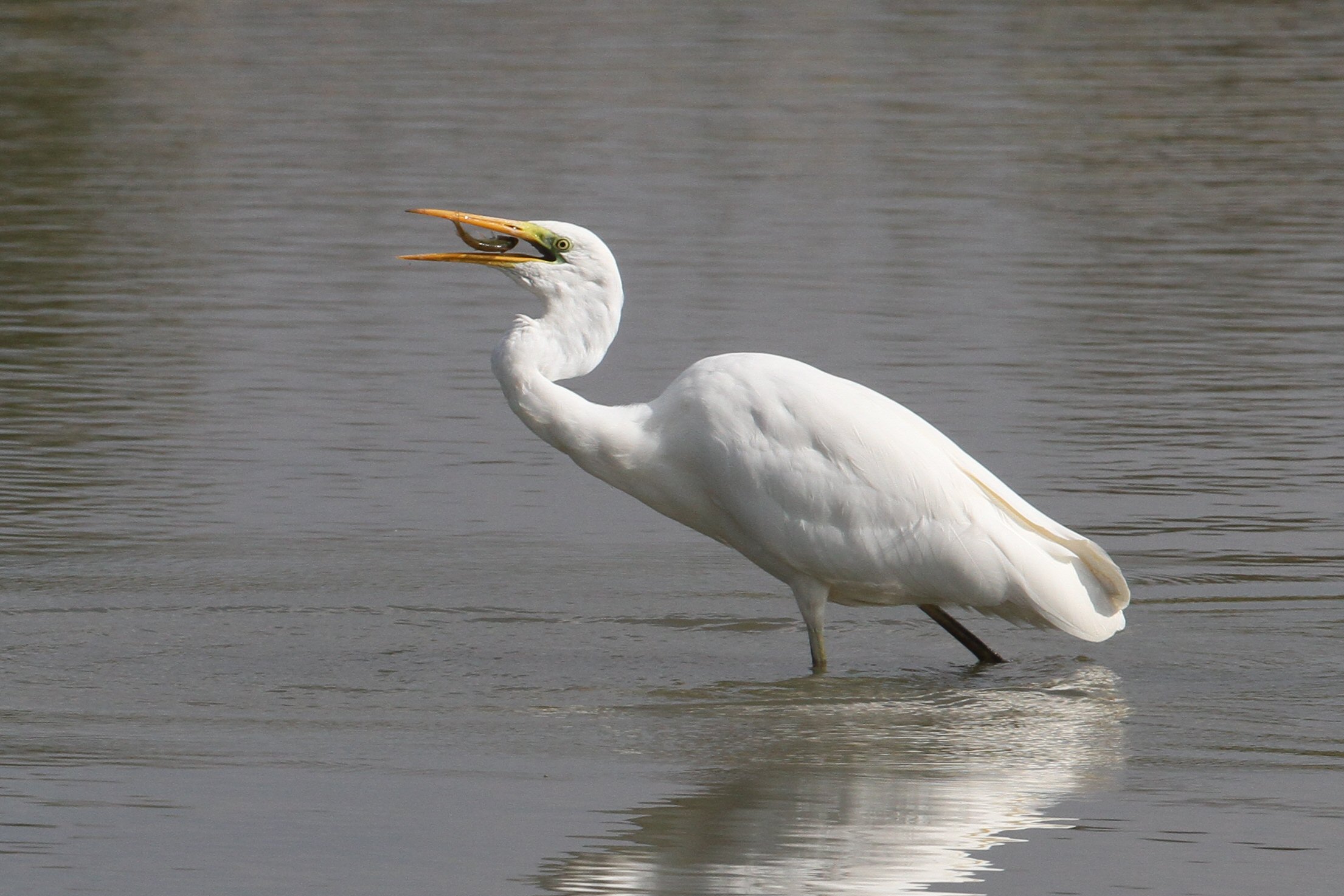
Great White Egret swallowing European Perch, Summer Leys, 30th September 2014 (Bob Bullock)
Great White Egret, Summer Leys LNR, 22nd September 2014 (Alan Coles)
Great White Egret, Summer Leys LNR, 22nd September 2014 (Clive Bowley)
Great White Egret, Summer Leys LNR, September 2014 (Simon Wantling) www.simonwantlingphotography.com
Great White Egret, Summer Leys LNR, September 2014 (Simon Wantling) http://www.simonwantlingphotography.com
Great White Egret, Summer Leys LNR, 27th September 2014 (Simon Hales)

I would like to thank Clive Bowley, Bob Bullock, Alan Coles, Simon Hales, Douglas McFarlane, Keith Stone and Simon Wantling for supplying the images used to illustrate this post.

Two Weeks in Focus: 20th September to 3rd October 2014

The dry weather persisted throughout the two weeks of this period, although the winds  became predominantly westerly and light. Some long-staying ‘favourites’ remained, wader passage predictably dwindled and a couple of scarce migrants made all too brief appearances in suburban gardens.

A Pink-footed Goose arrived from the north at Ravensthorpe Res and promptly joined the Greylag flock there on 25th, while the two Ruddy Shelducks at Pitsford Res were still present on 20th, although they were not reported again until 2nd. On site there the lingering flock of Red-crested Pochards remained at thirteen throughout, the leucistic drake was again at Clifford Hill GP on 21st and the eclipse drake was still at Stanford Res on 20th with three Pintail there on the same date. Up to two more Pintail were at Pitsford Res between 29th and 2nd and up to three Garganeys were on view at Summer Leys LNR between 20th and 28th, while one remained at Ravensthorpe Res until 25th and another was at Pitsford Res on the same date.

Garganey, Summer Leys LNR, 20th September 2014 (Simon Hales)

G&TA Bittern visited Summer Leys briefly before heading west on 21st and the same site hosted a Great White Egret the following day, remaining there until 30th. In the west of the county, Daventry CP’s Red-necked Grebe was last seen on 23rd.

Bittern, Summer Leys LNR, 21st September 2014 (Bob Bullock)
Great White Egret, Summer Leys LNR, 29th September 2014 (Martin Dove)

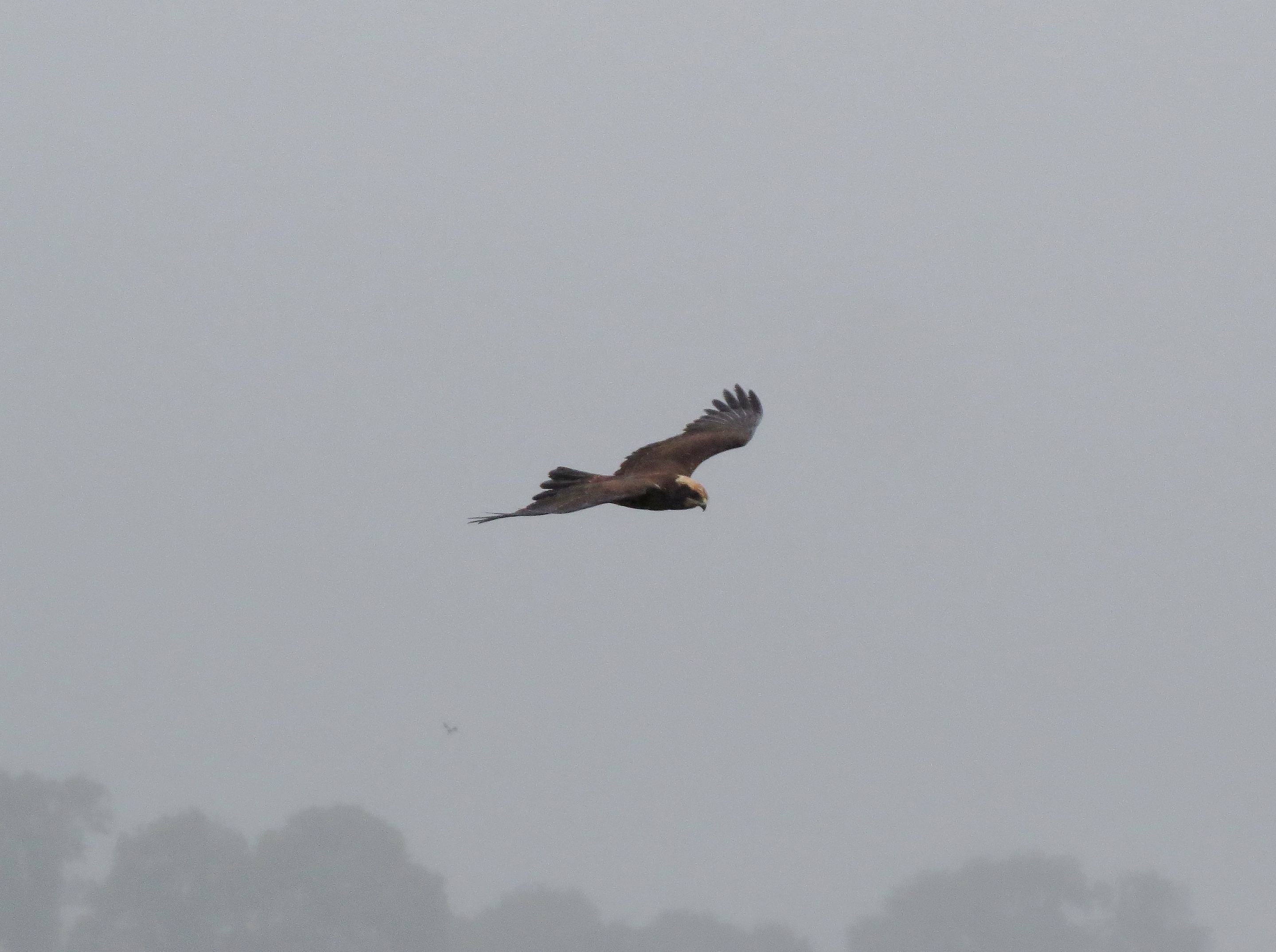
‘Cream-crown’ Marsh Harriers visited Blueberry Farm, Maidwell on 22nd and Harrington AF two days later and Ospreys visited Pitsford Res on 21st and Thrapston GP on 26th, while male Merlins appeared at Harrington AF on 20th and Blueberry Farm, Maidwell on 25th. Up to two adult Peregrines remained at a locality in the Nene Valley throughout the period, the regular adult female was seen at Blueberry Farm and Harrington AF on four dates and singles visited Summer Leys on 22nd and Hollowell Res on 25th.

Peregrine, Northamptonshire Nene Valley, 25th September 2014 (John Broadbent)

Two Little Ringed Plovers were still at Clifford Hill GP on 21st with single Ringed Plovers there on 23rd and 26th and further singles at Summer Leys on 23rd and Pitsford Res on 25th, while Golden Plovers were recorded at there, as well as Brampton Valley and Harrington AF, with a maximum of approximately fifty at the latter site on 22nd. The only Black-tailed Godwit this week was one at Clifford Hill GP on 23rd, where there were also two Ruff on 21st and 25th. Another Ruff visited Earls Barton GP on 20th and two were present at Pitsford Res from 27th to 30th and two Dunlin were at Clifford Hill GP on 21st and 26th. Just one Common Sandpiper – at Daventry CP on 23rd – preserved this species’ status as a weekly reportee in these summaries, while single Green Sandpipers were seen at Stanford Res on 20th and Hollowell Res on 25th and three were present at both Daventry CP on 23rd and Ravensthorpe Res on 24th-25th. Seven reports of Common Snipe included singles at Pitsford Res on 20th and 30th with three there on 25th, six at Moulton Quarry on 22nd with four there on 2nd, four at Summer Leys on 22nd and three at Ravensthorpe Res on 25th. Yellow-legged Gull numbers dwindled to just two at Hollowell Res on 24th and 30th and three at Pitsford Res on 25th with one there on 2nd but no counts were received from the established ‘stronghold’ at Stanwick GP, which had hosted ninety on 18th September.

A Ring-necked Parakeet flying over Riverside, Northampton on 27th was unremarkable but a Wryneck photographed in a Rushden garden on the same date was a bit more on the money, as was a probable Yellow-browed Warbler, glimpsed in a Great Billing garden on 23rd! Potentially the two best birds of the month, they were not seen again after their initial sightings. The first autumn Redwings, four, flew over Harrington AF on 28th and, after the huge run of Common Redstarts this autumn, only two were seen during the period: one between Pitsford Res and Walgrave on 21st and the other trapped and ringed at Stanford Res the following day. Similarly, Whinchat numbers began to tail off with one at Clifford Hill GP on 21st, at least four at Blueberry Farm until 23rd and singles at Thrapston GP on 23rd and at Hollowell Res on 27th and 30th but it’s proving to be a good autumn for Stonechats with records of singles at Pitsford Res and Clifford Hill GP, up to two at Blueberry Farm and up to four at Hollowell Res until 30th.

Stonechat, Hollowell Res, 27th September 2014 (Bob Bullock)

Northern Wheatears continued to remain scarce, however, with two still at Harrington AF to 23rd and one at Blueberry Farm the following day while two White Wagtails visited Hollowell Res on 24th and a Rock Pipit visited the scrape at Summer Leys LNR on 3rd before being flushed by a Sparrowhawk, never to return …

The Week in Focus: 13th to 19th September 2014

The week’s weather remained dry and rather cloudy under the influence of a high pressure system to the north-east, allowing an easterly airstream to become established throughout the period. While the east coast fared well for migrants, Northants failed to deliver any surprises, leaving observers somewhat vexed as they struggled to find anything outstanding. Even the extensive mud exposed at Hollowell Reservoir – arguably the county’s best wader habitat at present – failed to pull.

Much of the same old stuff remained from last week, namely the two Barnacle Geese at Hollowell and the two Ruddy Shelducks at Pitsford Res – where the lingering flock of Red-crested Pochards swelled to thirteen on 15th – while an eclipse drake of the latter species was found at Stanford Res on 13th and the leucistic bird remained at Clifford Hill GP.

Ruddy Shelducks, PItsford Res, 14th September 2014 (Simon Hales)

More dwelling ducks included up to two Garganeys at Summer Leys and one at Ravensthorpe Res all week and another visited Pitsford Res on 14th, while two Pintails were at Stanford Res on 13th-15th and up to two visited Pitsford Res between 14th and 17th.

Great White Egret, Pitsford Res, 14th September 2014 (Simon Hales)

The latter site continued to host last week’s Great White Egret and another was photographed in flight over Thrapston GP on 18th, while the smart adult Red-necked Grebe continued to delight visitors to Daventry CP throughout the period.

Red-necked Grebe with European Perch, Daventry CP, 15th September 2014 (John Moon)

‘Cream-crown’ Marsh Harriers visited Blueberry Farm, Maidwell on 15th and 18th and another was at Thrapston GP on 17th but the only Peregrine reported was the regularly visiting female at Blueberry Farm on four dates during the week. And so on to waders … This week’s highlight was a nice, scaly juvenile Curlew Sandpiper, present for just one day – the 15th – on the muddy spit between the dam and Moulton Grange Bay at Pitsford Res.

Juvenile Curlew Sandpiper, Pitsford Res, 15th September 2014 (John Moon)

The same small area attracted up to six Ruffs and a Dunlin. Further Dunlin included four at Clifford Hill GP on 19th and singles, all on 15th, at Ravensthorpe Res and Clifford Hill GP and two at Ditchford GP, while the same date saw single Ruffs at Ravensthorpe Res, Stanford Res and Clifford Hill GP and two at Hollowell Res; there were also three at Clifford Hill on 19th. Two juvenile Little Ringed Plovers were at Clifford Hill GP on 13th-19th and single Ringed Plovers visited Hollowell Res and Stanwick GP on 15th. Two Black-tailed Godwit dropped in at Clifford Hill GP on 13th where a Little Stint was found two days later. One or two Common Sandpipers were present at six localities with five at Daventry CP on 15th, while Green Sandpipers this week numbered no more than two at Pitsford Res, Ravensthorpe Res and Daventry CP.  Just one Greenshank made it on to the week’s list with Daventry CP being the favoured locality on 18th and only one Redshank was found, at Pitsford Res, on 15th, while up to four Common Snipe were at Daventry CP, Pitsford Res and Stanwick GP and three at Clifford Hill GP.

A first-winter Mediterranean Gull was at Daventry CP on 15th along with a juvenile Caspian Gull  with more of the latter species including one on the same date at Stanwick GP, where there were five present on 18th. Apart from two adults at Pitsford Res and the regular adult at Hollowell Res, the only other Yellow-legged Gulls were represented by a sizeable count of approximately ninety at Stanwick GP on 18th.

Pretty much the same species of passerines topped the bill as last week including, remarkably – hot on the heels of Northamptonshire’s third – another Northern Willow Warbler trapped and ringed at Stanford Res on 13th.

'Northern' Willow Warbler, Stanford Res, 13th September 2014 (Adam Homer)
‘Northern’ Willow Warbler, Stanford Res, 13th September 2014 (Adam Homer)

A Turtle Dove was at Harrington AF on 18th with the same site hosting a Common Redstart on 16th-18th, while up to two were in the Brampton Valley/Blueberry Farm area for most of the week and one visited Stanford Res on 15th. Up to six Whinchats were also in the vicinity of Blueberry Farm, as was a Stonechat, while the only other Whinchat was one at Stanwick GP on 15th. Northern Wheatears remained thin on the ground with one at Hollowell Res on 17th and two at Harrington AF on 17th-18th while a White Wagtail was identified at Clifford Hill GP on 15th and migrant Tree Pipits this week included singles on 18th at Harrington AF, Daventry CP and Blueberry Farm, Maidwell.

The Week in Focus: 6th to 12th September 2014

Summer almost returned as an area of high pressure remained over the country for the whole week and temperatures reached the low twenties. Winds were light and variable but contained a significantly easterly element.

The two Barnacle Geese remained at Hollowell Res all week as did the three Pintails and the two Ruddy Shelducks similarly remained at Pitsford Res after having returned there from Hollowell on 5th. Two more Garganeys were located, with the longer stayer at Summer Leys remaining all week, one at Clifford Hill GP on 8th and another at Ravensthorpe Res on 9th-10th, while Pitsford’s nine Red-crested Pochards had reduced to eight by the week’s end and three appeared at Clifford Hill GP on 7th, dwindling to one leucistic individual the following day.

leucistic Red-crested Pochard, Clifford Hill GP, 8th September 2014 (Mike Alibone)

The first Great White Egret of the autumn appeared at Pitsford Res on 10th and was still present at the week’s end. This species is becoming an increasingly common sight in Northamptonshire as well as in the UK as a whole; up to eleven were roosting at Britain’s breeding site in Somerset during the week.

Capture2A Red-necked Grebe, the fourth to have visited the county this year – or perhaps the same wandering individual – was found at Daventry CP on 10th, showing well from the dam and also remaining until the week’s end. This is the third for the site, the previous two records having been in 1991 and 1993.

Red-necked Grebe, Daventry CP, 10th September 2014 (Bob Bullock)
Red-necked Grebe, Daventry CP, 10th September 2014 (Alan Coles)

Capture1Two Marsh Harriers were reported at Thrapston GP on 8th while the week’s tally of Ospreys came to a grand total of two, with singles over the canal at Yardley Gobion on 6th and at Pitsford Res on 11th. The only Peregrine was a female at Blueberry Farm on three dates during the period.

Scarce waders remained just that, with single Little Stints at Clifford Hill GP on 6th-7th and 11th, and at Summer Leys LNR on 10th, topping the bill. Otherwise it was a similar picture to last week with five Golden Plovers over Blueberry Farm, Maidwell on 8th and two at Hollowell Res on 12th, up to two Little Ringed Plovers at Hollowell Res, Clifford Hill GP and Stanwick GP and one or two Ringed Plovers at Clifford Hill GP with six at Hollowell Res on 12th. A Black-tailed Godwit visited Summer Leys LNR on 8th and three were present there the next day, while Ruff were reported from six localities, with singles at Stanwick GP on 8th, Hollowell Res and Summer Leys LNR on 9th and Ravensthorpe Res the following day but two were at Pitsford Res on 9th and Hollowell Res on 12th and three were at Clifford Hill GP on 8th with six there on 11th. Up to seven Dunlin were at Clifford Hill GP until 11th and singles were at Daventry CP on 7th and Stanwick GP on 10th with one at Hollowell Res on 9th and two there on 12th. Common Sandpipers were found at Pitsford Res, Ravensthorpe Res, Daventry CP, Stanwick GP with a maximum of three at Pitsford on 7th, while Green Sandpipers this week were at Pitsford Res, Ravensthorpe Res, Daventry CP, Stanwick GP and over Hanging Houghton with a maximum of four at Daventry CP on 7th.  The small numbers of larger tringas included just four Greenshanks over Boddington Res on 9th and one Redshank at Hollowell Res on 12th, while the few Common Snipe included one at Clifford Hill GP on 6th, three at Summer Leys LNR and one at Ditchford GP on 8th, two at Hollowell Res and one at Stanwick GP on 9th and one again at Clifford Hill GP on 11th.

The only Mediterranean Gull this week was a juvenile at Pitsford Res on 7th while the highest number of Yellow-legged Gulls was six at Pitsford Res on 7th, with one there on 11th and two on 12th plus an adult at Hollowell Res on 9th-12th. Terns remained scarce with just one Black Tern reported at Thrapston GP on 8th.

Perhaps what will ultimately prove to be the last Common Swift of the year was seen over Raunds on 8th and Ring-necked Parakeets continued to be seen with two flying north over Clifford Hill GP on 6th and three in St Giles Street, Northampton on 9th. Despite being ‘only a sub’ arguably the best bird of the week was a Willow Warbler of the race acredula, colloquially known as Northern Willow Warbler, which was trapped and ringed at Stanford Res on 8th. This is only the third record of this race for Northamptonshire, the previous two also having been extracted from the mist-nets of Stanford in August 2008 and June 2011. An astonishing five hundred Blackcaps were also counted at Stanford Res on 8th following the lifting of early morning fog and ‘many’ were also said to have been present at Stanwick GP on the same date. Common Redstarts remained very much in evidence this week with up to four at both Borough Hill and Blueberry Farm, Maidwell, two at Harrington AF and one trapped at Stanford Res on 9th. What has proven to be the best year for Whinchats in recent times saw up to eight at Blueberry Farm, Maidwell, at least six at Stanwick GP, five at Borough Hill, three at Harrington AF, two at Clifford Hill GP and singles at Bozenham, Hollowell Res and Sywell CP, while a solitary Stonechat was found at Hollowell Res on 9th.

Whinchat, Harrington AF, 7th September 2014 (Simon Hales)

Northern Wheatears continued to remain scarce with two at Clifford Hill GP on 6th, one or two at Borough Hill on 7th and one at Summer Leys LNR on the same date and two at Harrington AF on 11th.  A White Wagtail was identified at Stanwick GP on 8th and migrant Tree Pipits this week comprised singles at Harrington AF on 6th, Borough Hill and Blueberry Farm, Maidwell on 7th and over Bozenham on 11th.

The Week in Focus: 30th August to 5th September 2014

A largely dry and relatively warm week, initially dominated by a light south-westerly airstream while the latter part saw coastal drift migrants arriving on easterlies resulting from a broad area of high pressure over Scandinavia. Perhaps associated with this was an exceptional total of two hundred and twenty-two Blackcaps trapped and ringed at Stanford Reservoir on 2nd, while more passerine migrants were clearly in evidence in other areas …

The two Barnacle Geese present at Hollowell Res all week were joined there by Pitsford’s two Ruddy Shelducks on 30th, although they had returned to Pitsford Res by 5th. Hollowell also produced three Pintails on 1st and two Garganeys on 30th, while another Garganey appeared at Summer Leys LNR on 4th, remaining there the next day. Red-crested Pochards remained at Pitsford Res all week, with numbers there rising from five on 30th to nine on 5th.

Unsurprisingly conforming to the local trend was another single-observer sighting of a fly-over Glossy Ibis, this time reported from Harrington AF on 1st, while raptors were thin on the ground but included single Ospreys on 30th at Pitsford Res and at Wakefield Lawn Lake and Peregrines were reported from Blatherwycke Lake, Blueberry Farm, Borough Hill and in the east Northants Nene Valley.

Peregrine, Northamptonshire Nene Valley, 4th September 2014 (John Broadbent)

Waders continued to trickle through in small numbers. The autumn’s first Golden Plover flew over Pitsford Res on 1st, four Little Ringed Plovers were at Hollowell Res between 30th and 2nd and one visited Clifford Hill GP on 5th, while three Ringed Plovers were also at Hollowell Res on 2nd and singles visited Clifford Hill GP on 30th and 5th and Pitsford Res on 4th.

Juvenile Ringed Plover, Clifford Hill GP, 5th September 2014 (Bob Bullock)

Fly-over Curlews appeared at Harrington AF on 3rd and Ravensthorpe Res on 5th, while a Knot dropped into Clifford Hill GP, also on 5th.

Adult Knot, Clifford Hill GP, 5th September 2014 (Bob Bullock)

Four Dunlin at Hollowell Res on 30th-31st had dwindled to one there on 1st, while six were at Clifford Hill GP on 30th with four there on 5th and one visited Pitsford Res on 2nd.

Juvenile Dunlin, Clifford Hill GP, 5th September 2014 (Bob Bullock)

A smart juvenile Ruff remained at Pitsford Res from 31st to 2nd while further singles visited Clifford Hill GP on 31st and Summer Leys the following day.

Juvenile Ruff, Pitsford Res, 31st August 2014 (Mike Alibone)

At least two Common Sandpipers were found at Pitsford Res, Hollowell Res, Clifford Hill GP, Stanwick GP and Moulton Quarry with no more than two at any one site, while the only Green Sandpipers this week were two at Wakefield Lawn Lake on 30th, one over Pitsford on 2nd and three at Daventry CP on 5th. Numbers of Greenshanks remained low with just one at Wakefield Lawn Lake on 30th and two at Sywell CP on 4th, while just one Redshank was found – at Hollowell Res on 31st – and another Spotted Redshank appeared briefly at Stanwick GP on 3rd with two Common Snipe there the following day.

Scarce gulls continued to feature, although not in any numbers. The only Mediterranean Gulls this week were a juvenile at Pitsford Res on 31st, an adult at Daventry CP on 2nd and a first-winter there on 5th, while Stanwick GP produced a juvenile Caspian Gull on 2nd and 3rd, while continuing to host reasonable numbers of Yellow-legged Gulls, with a maximum count of approximately fifty there on 4th.

Juvenile Mediterranean Gull, Pitsford Res, 31st August 2014
Juvenile Mediterranean Gull, Pitsford Res, 31st August 2014 (Mike Alibone)


CaptureSmaller numbers of Yellow-legged Gulls found elsewhere included singles at Daventry CP, Clifford Hill GP, Hollowell Res and Pitsford Res. The only Black Terns this week were two at Hollowell Res on 1st and 2nd and one at Pitsford Res on the last of these two dates.

The two Turtle Doves remained at Harrington AF until at least 1st and, on 30th, three Ring-necked Parakeets were in Brackmills Wood, Hardingstone briefly before flying toward Delapre Golf Course. In what has become the best year for a long time for migrant Common Redstarts, new individuals were found near Pitsford Res on 2nd (two), at Borough Hill on 4th and at Clifford Hill GP the following day, while the run of records from Harrington AF and the wider area of the nearby Brampton Valley continued, with up to two reported on several dates at both sites.

First-winter Common Redstart, Clifford Hill GP, 5th September 2014 (Mike Alibone)

Similarly, Whinchats were present throughout the week at the first of these latter two localities, with up to three present on 30th, the same date upon which eight were counted at Blueberry Farm, Maidwell, while one visited Hollowell Res on 2nd and, on 5th, two were at Borough Hill and five appeared at Clifford Hill GP.

First-winter Whinchat, Clifford Hill GP, 5th September 2014 (Bob Bullock)
Whinchats, Harrington AF, 30th August 2014 (John Moon)

By contrast, Northern Wheatears remained relatively scarce with singles in the Brampton Valley and at Harrington AF on 30th, two at the latter locality on 1st and one at Clifford Hill GP on 5th, while migrant Tree Pipits appeared to be more in evidence than is usual with singles at Pitsford Res on 30th, Brixworth on 1st and Borough Hill on 5th and two flew over Hanging Houghton on 2nd, four were at Borough Hill on 4th and one or two at Harrington AF the following day.

The Week in Focus: 23rd to 29th August 2014

With Britain firmly under the influence of a ‘further south than normal’ jet stream, a series of low pressure systems became a feature to the west of Britain, bringing south-westerly to south-easterly winds and persistent, heavy rain on 25th. Water levels rose at a number of well-watched locations but there was still just enough exposed mud remaining to attract passage waders. This week began to feel like autumn …

The two Barnacle Geese present at Hollowell Res all week seem set to be in it for the long haul and the two long-staying Ruddy Shelducks were still at Pitsford Res on 27th. There are normally more Garganeys around in late August but just one was reported this week, at Hollowell Res, on 26th-28th, while at least three Red-crested Pochards remained at Pitsford Res mid-week, along with summering female Goldeneyes there and at Earls Barton GP.

The ‘cream-crown’ Marsh Harrier continued to hunt in the Harrington AF area until at least 25th and others visited Summer Leys LNR on 25th and 28th while, for the second week running, a Goshawk was reported – this time flying over Broughton on 23rd. At least one Osprey remained in the vicinity of Hollowell Res, being seen on 23rd, 24th and 28th and single Peregrines visited Stanwick GP on 24th and Stortons GP on 26th, while two were in the Nene valley between Higham Ferrers and Irthlingborough on 26th-28th.

Marsh Harrier, Summer Leys LNR, 26th August 2014 (John Friendship-Taylor)
Adult Osprey, near Hollowell Res, 24th August 2014 (Simon Hales)
Peregrine, Northamptonshire Nene Valley, 26th August 2014 (John Broadbent)

Despite rising water levels, wader passage picked up – if only a little – this week. Little Ringed Plovers visited Stanwick GP on 27th and Clifford Hill GP on 25th and five juveniles were at Hollowell Res on the same date, dropping to three there on 27th and two on 29th, while two adult Ringed Plovers were there on 25th, five visited Summer Leys the following day and singles were at Stanwick GP and Clifford Hill GP on 27th. The latter site produced the autumn’s third Turnstone on 23rd-24th and a Dunlin on 23rd, followed by five there on 25th. Further Dunlins included three at Hollowell Res on 25th and singles visited Stanwick GP and Pitsford Res on the same date while, back at Hollowell Res, four were present on 28th-29th. Things appeared to be shaping up nicely with the arrival of two Little Stints on the scrape at Summer Leys LNR on 26th but they departed after staying only a few hours. In contrast to last week, when there was none, Ruff appeared at four localities with two at Clifford Hill on 24th and singles at Pitsford Res on 25th-28th, Summer Leys on 26th and Stanwick GP on 28th. At least two Common Sandpipers were at Pitsford Res throughout the week, while singles were at Clifford Hill GP on 24th and Hollowell Res on 28th, while Stanwick GP held two on 24th and three on 25th dropping to one by 28th. The only Green Sandpipers this week were singles at Stanwick GP on 25th-27th and Summer Leys on 26th and three at Bozeat GP on 28th but arguably the wader highlight of the week was a Spotted Redshank at Hollowell Res on 29th. Back in the day, this species was a regular feature – sometimes in double-figure flocks – of late autumn at Pitsford Res but it is now a very scarce visitor to the county. Numbers of visiting Greenshanks have also fallen but it’s still a fairly common passage migrant, although this week managed to muster only one at Clifford Hill GP on 23rd and two at Stanwick GP on 28th. Redshanks were in similarly short supply with singles at Stanwick GP on 26th and Clifford Hill GP the following day and the only Common Snipe were two at Stanwick GP on 25th.

While the only Mediterranean Gull – a juvenile – this week was at Pitsford Res on 27th, Stanwick laid claim to the rarest with two juvenile Caspian Gulls on 27th

Juvenile Caspian Gull, Stanwick GP, 27th August 2014 (Steve Fisher)

and a seriously good candidate for an adult Baltic Gull during the same evening gathering. Despite a showing a full suite of characters (small-billed, dainty, long-winged and pristine black upperparts apparently concolourous with primaries) records of this (sub)species are still not accepted by national records committees unless the individual in question comes adorned with a suitable leg-iron bearing a number proving its provenance.

Putative adult Baltic Gull, Stanwick GP, 27th August 2014 (Steve Fisher)

Stanwick also continued to produce Yellow-legged Gulls daily, with a maximum count of up to thirty, also on 27th, while smaller numbers continued to be found elsewhere, including up to three at Pitsford Res between 23rd and 27th and one at Clifford Hill GP on 26th. With only small numbers of Common Terns remaining, a juvenile Arctic Tern at Pitsford Res on 25th was new in and a Black Tern at Stanwick GP on 28th was the first of the autumn.

The two Turtle Doves remained at Harrington AF until at least 27th and, next day, a Ring-necked Parakeet surfaced on wires close to an area where this species has bred in the recent past, Stoke Bruerne. Common Redstarts were still very much in evidence this week with 23rd producing singles at Duston and Harrington AF and two in the

Male Redstart, Blueberry Farm, Maidwell, 24th August 2014 (Bob Bullock)

Brampton Valley, while the following day saw singles again at  Woodford Halse, Blueberry Farm (Maidwell), Pitsford Res (trapped) and Harrington AF and four at Hellidon and one was at Harrington AF on 25th and 27th. Similarly, Whinchats were widespread with two in the Brampton Valley on 23rd, singles at Pitsford Res and Sywell CP and two at Harrington AF on 27th and one at Bozeat GP the following day.

First-winter Whinchat, Bozeat GP, 28th August 2014 (Bob Bullock)

Two Northern Wheatears were at Hellidon on 24th and singles were at Harrington AF on 24th and 27th and at Bozeat GP on 28th, while Tree Pipits overflew Brampton Valley and Harrington AF on 23rd and 24th respectively.

First-winter Northern Wheatear, Bozeat GP, 28th August 2014 (Bob Bullock)

The Week in Focus: 16th to 22nd August 2014

A minor recovery from last week’s unseasonal cool, wet and blustery conditions saw a low pressure system stationed to the north-east, delivering a westerly or north-westerly airstream for much of the period, with no surprises.

The two Barnacle Geese remained at Hollowell Res all week and the two long-staying Ruddy Shelducks were still at Pitsford Res on 18th. It’s been a good year for Egyptian Geese breeding in the county and a pair with eight goslings found at Ditchford GP on 13th were still all present and correct on 17th. Up to six Red-crested Pochards remained at Pitsford Res all week with the female Goldeneye there on 16th and the summering female was still at Earls Barton GP the following day.

Egyptian Geese, Ditchford GP, 17th August 2014 (Simon Hales)

Ospreys continued to feature this week with singles at Thrapston GP on 16th, Pitsford Res on 16th and 20th, Hollowell Res on 18th, 21st and 22nd and Stanford Res on 20th while the ‘cream-crown’ Marsh Harrier remained in the Harrington AF/Maidwell area until at least 20th. A Goshawk flew over Raunds on 18th and Peregrines were at Stortons GP on 16th and Blueberry Farm, Maidwell on 20th.

Osprey, Hollowell Res, 22nd August 2014 (Alan Coles)

If wader passage was slow last week then it had almost ground to a halt this week. Two juvenile Little Ringed Plovers were still at Summer Leys on 17th with singles there on 22nd and Clifford Hill GP on 20th, while Hollowell Res held up to five plus a Ringed Plover at the week’s end. A juvenile Turnstone paid a brief visit to Stanwick GP on 17th and single Dunlins visited Summer Leys LNR on 17th and Clifford Hill GP on 20th, while the only Common Snipe this week were singles at Pitsford Res on 16th and Summer Leys LNR on 22nd. Up to six Common Sandpipers were at Pitsford Res throughout the week, while singles were at Stanwick GP on 17th-18th and Clifford Hill GP on 20th. Singles of Curlew and Redshank visited Pitsford Res on 16th and a Greenshank was at Hollowell Res on 22nd.

Capture

The only Mediterranean Gull this week was a juvenile in the Pitsford Res roost on 16th although Caspian Gulls stepped up to the fore at Stanwick GP with an adult on 18th, two juveniles and a sub-adult on 19th, an adult and a juvenile on 20th and a juvenile on 21st. Stanwick also continued to produce Yellow-legged Gulls daily, with a maximum count of fifty-one on 19th, while smaller numbers elsewhere included up to six at Pitsford Res and one at Clifford Hill GP.

The two Turtle Doves remained at Harrington AF until at least 21st, two Tree Pipits were at Borough Hill on 18th and singles flew over Pitsford Res and Blueberry Farm, Maidwell on 20th. Common Redstarts continued to filter through the county with one at Brackley on 19th, three at Blueberry Farm, Maidwell the next day and one at Harrington AF on 22nd while twos of Whinchat were at Blueberry Farm and in the wider Brampton Valley on 20th with one at Hollowell Res on 21st. Single Northern Wheatears were found at Brackley on 19th and Pitsford Res on 20th, while two visited Harrington AF on the last of these two dates.

The Week in Focus: 9th to 15th August 2014

The week kicked off with storm-force south-westerlies and heavy downpours as the remnants of Hurricane Bertha hit northern European shores and a low pressure system tracked north-east across the UK. With the exception of a Sabine’s Gull in neighbouring Warwickshire, the much hoped-for inland seabirds failed to materialise and the week passed by somewhat limply and at a few degrees cooler than the temperatures enjoyed during the preceding few weeks.

The two Barnacle Geese remained at Hollowell Res all week, as did the two long-staying Ruddy Shelducks – now capable of flight – at Pitsford Res, along with the two drake Red-crested Pochards, female Goldeneye and the only new arrival there – a juvenile Common Scoter on 11th-13th. The two Garganey from last week remained at Daventry CP until at least 11th with one still present there on 15th.

Two reports of Osprey this week included one at Pitsford Res on 11th and two at Hollowell Res on 15th, while the site-faithful Marsh Harrier continued to put in appearances at Harrington AF until 12th, followed by singles – or possibly one individual – at Ditchford GP and Summer Leys LNR the following day. The 9th saw Peregrines at Blueberry Farm (Maidwell), Daventry CP and Summer Leys LNR with one again at Blueberry Farm on 11th-12th and three at Ditchford GP on 13th.

The movement of waders was slow and unremarkable with just one Little Ringed Plover reported from Stanwick GP on 11th and three at Hollowell Res on 15th, while a Ringed Plover was at Stanwick on 14th – the same day as three at Hollowell Res and a Dunlin was at Clifford Hill GP on 9th, with two there on 11th and one at Stanwick GP on the same date. The only Common Snipe this week were six on 11th and one on 14th – also at Stanwick GP, while a Whimbrel flew north at Hollowell Res on 15th. Common Sandpipers were seen throughout the week at seven localities, with a maximum of five at Hollowell Res on 11th, and Green Sandpipers were found at five with a maximum of three at Daventry CP on 9th and at Ditchford GP’s Broadholme STW on 11th, while last week’s juvenile Greenshank remained at Summer Leys LNR until 9th and another visited Hollowell Res on 15th.

Juvenile Mediterranean Gulls continued to show in the Pitsford Res roost with up to three there between 10th and 15th and a juvenile Caspian Gull appeared at Stanwick GP on 14th, where in excess of twenty Yellow-legged Gulls were counted on 11th and more than eighteen on 14th. Elsewhere, Pitsford Res produced up to four adult and one juvenile Yellow-legged Gulls between 9th and 15th, two juveniles were at Clifford Hill GP on 9th and single adults visited Daventry CP on 9th and Hollowell Res on 11th and 15th.

The two Turtle Doves remained at Harrington AF until at least 12th and a Tree Pipit flew south over nearby Hanging Houghton early on 15th. Common Redstarts were still very much in evidence this week, the 9th seeing singles at Hellidon and Summer Leys LNR and two at Borough Hill, singles were also in the Brampton Valley on 10th and Blueberry Farm on 12th when three were also at Harrington AF. The latter site produced a Whinchat on 12th and two were at nearby Blueberry Farm between 9th and 12th, while single Northern Wheatears visited Hellidon on 9th, Harrington AF on 12th and Denton Wood on 14th.