The Week in Focus: 14th to 20th December 2013

The weather remained mixed and temperatures unseasonally high throughout the period, with a low pressure system centred just north of the UK bringing gale force west to south-westerly winds toward the week’s end. Another potential first for Northants was discovered on 14th, subsequently proving elusive.

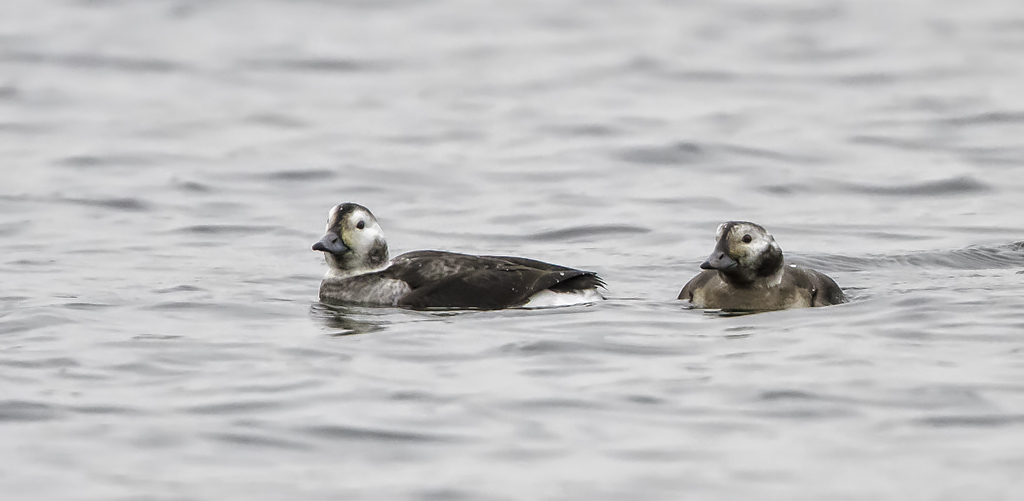
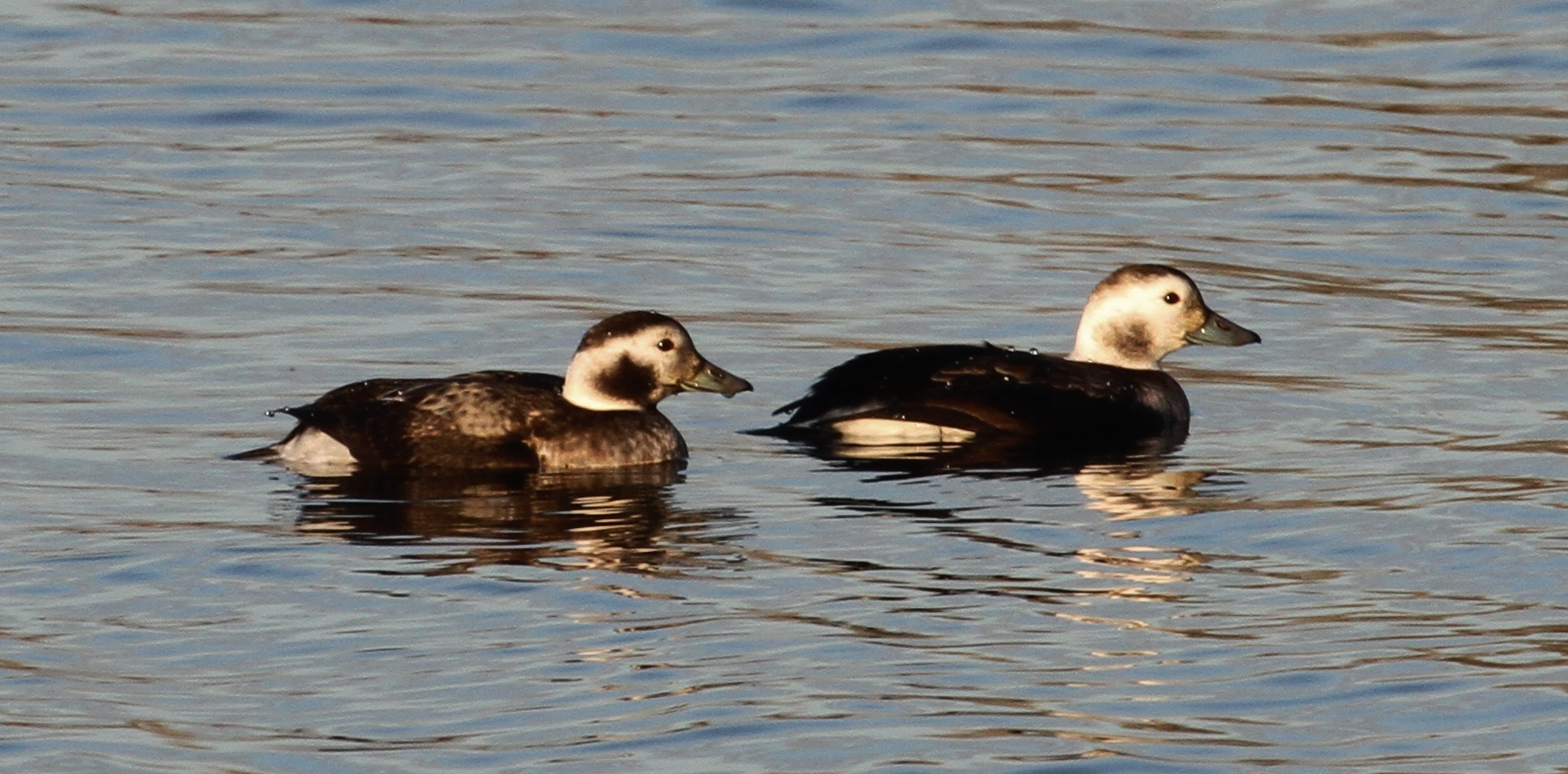
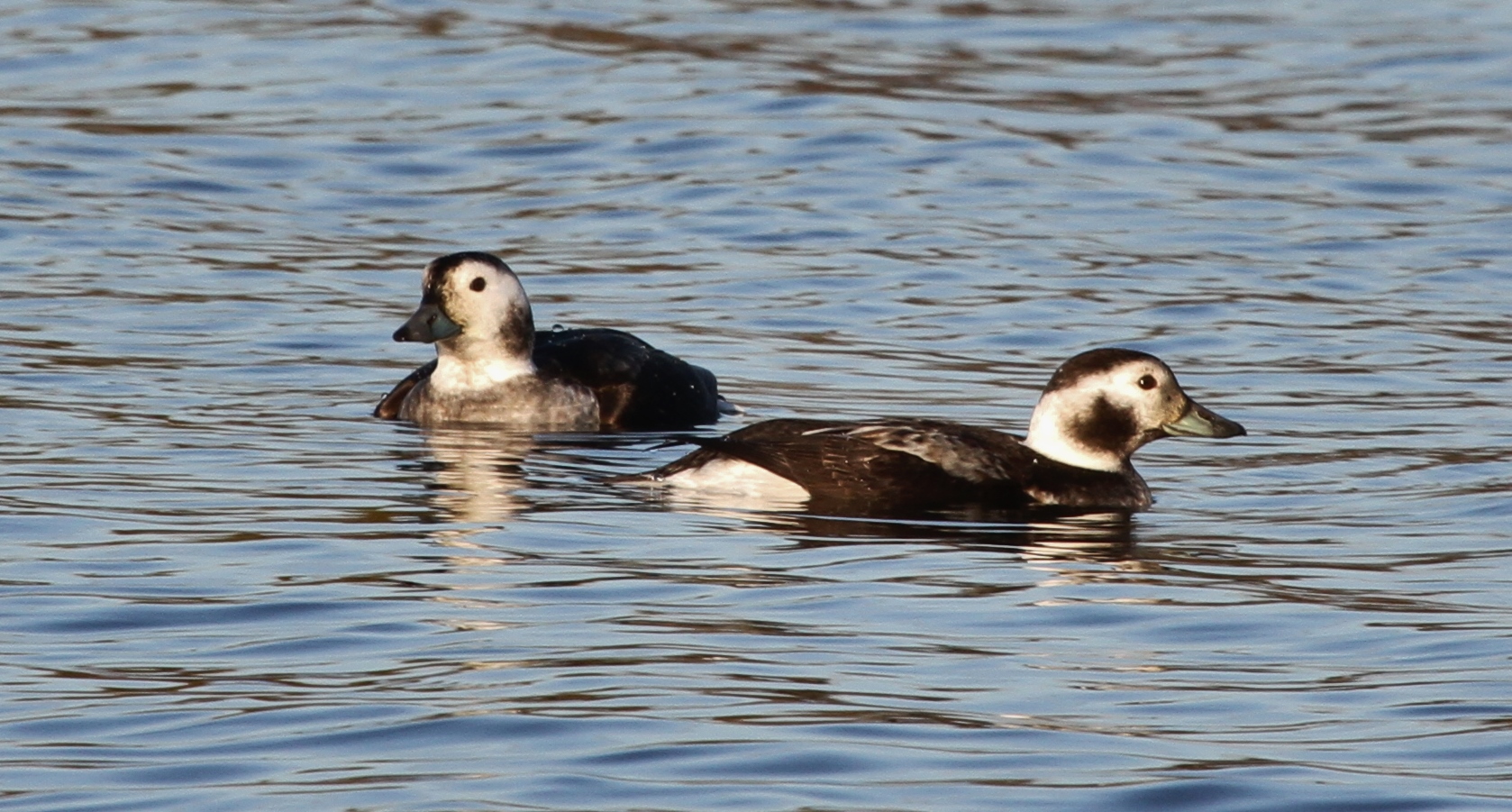
Two Egyptian Geese were at Ditchford GP on 19th with a drake Red-crested Pochard there at the same time, while eight of the latter species were found at Ravensthorpe Res on 14th and eleven were still at Pitsford Res on 17th. The drake Scaup remained at Ditchford GP all week while another was discovered at Pitsford Res on 15th and was still present there on 18th and the three Long-tailed Ducks – now qualifying as ‘long stayers’ – remained on Mary’s Lake at Earls Barton GP all week. At the beginning of the period, six Smew (two drakes) were at Pitsford Res and two ‘redheads’ were found at Ditchford GP on 19th while Goosanders were reported from just three localities.

New in this week was a juvenile Great Northern Diver at Pitsford Res from 15th to 20th, occasionally posing well for photographers but remaining elusive for some would-be observers.
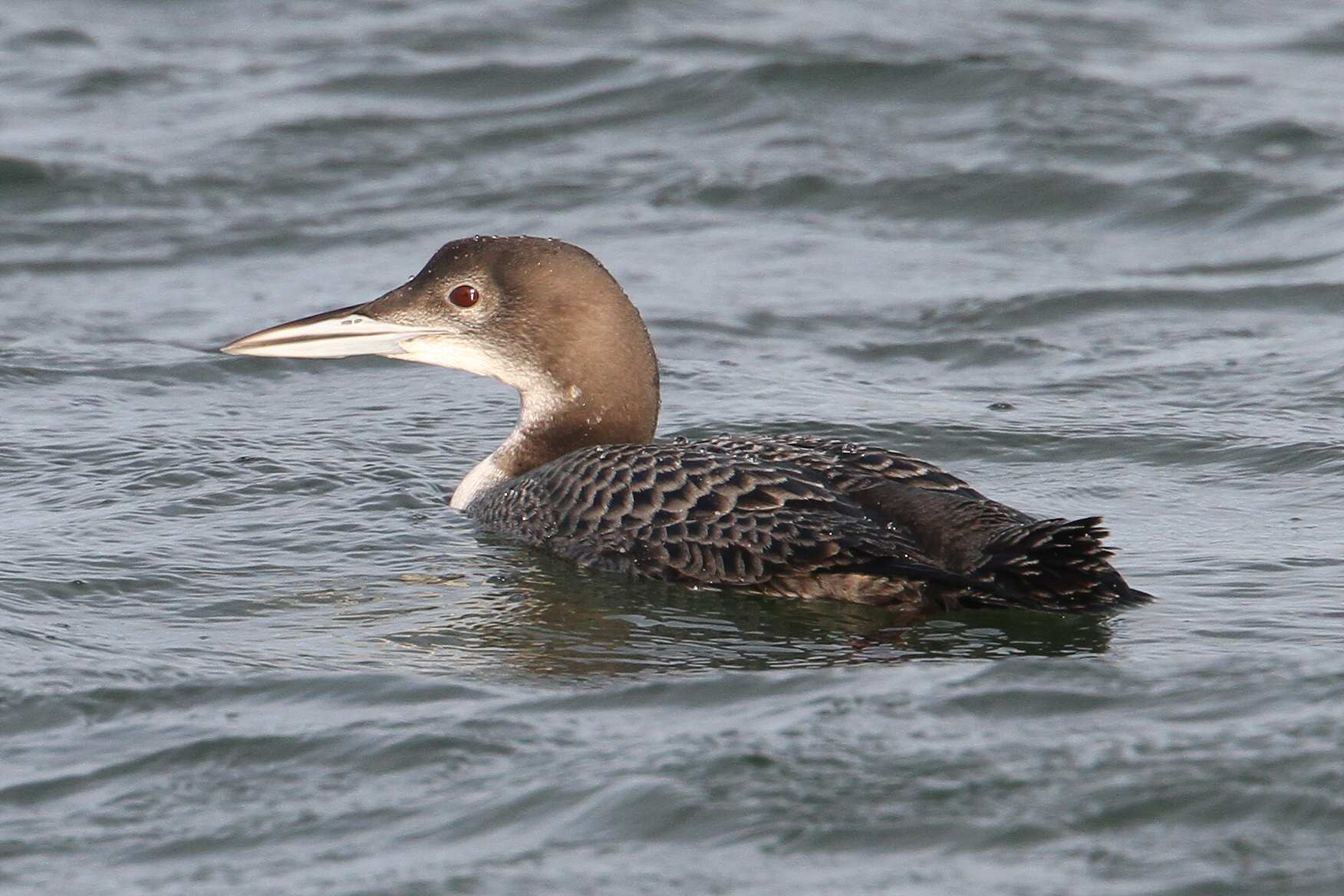
Juvenile Great Northern Diver, Pitsford Res, 20th December 2013 (Bob Bullock)

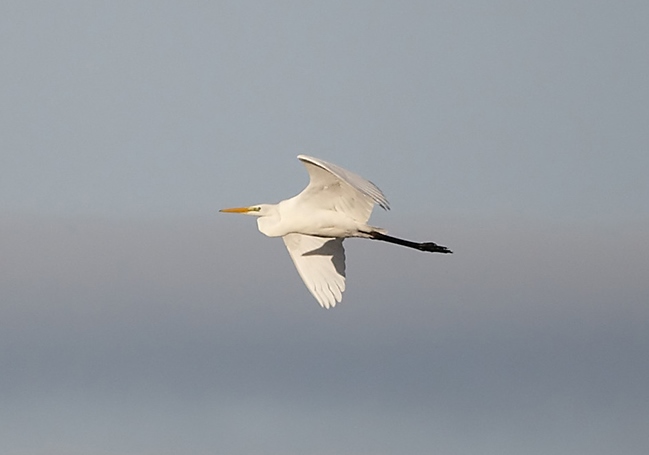
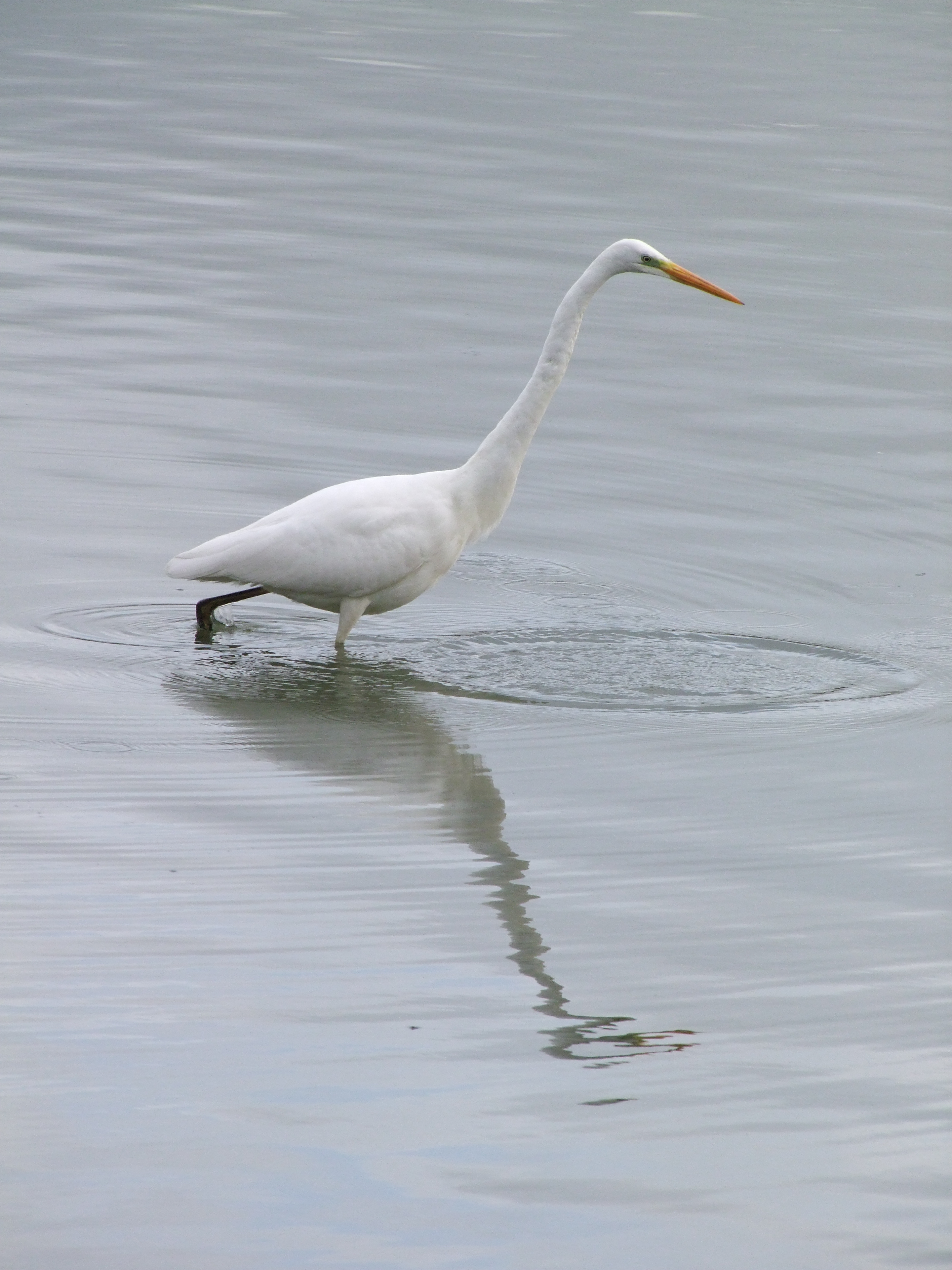
Up to three Great White Egrets remained at the same locality and another visited Summer Leys LNR on 15th and 17th. The only Merlin of the week was a male at Pitsford Res on 17th, while Peregrines were seen in the Brampton Valley on 16th and at Pitsford Res on 16th and 18th.

The same waders as last week’s were still around, including the early returning Oystercatcher at Stanwick GP on 15th-19th, the Pitsford Black-tailed Godwit reappearing on 15th, up to four Redshanks at the same locality throughout the week with seven at Stanwick GP on 19th and single Green Sandpipers at Pitsford Res on 16th and 18th and at Ditchford GP on 19th.

Ditchford GP was also the place to be for gulls this week, producing a potential County first in the shape of a probable second-winter American Herring Gull, which was found on the Watersports Pit late on 14th, reappearing there briefly the following day. The supporting cast comprised up to six different Caspian Gulls on various dates, a juvenile Glaucous Gull on 15th, 16th and 18th, a second-winter Iceland Gull on 16th and 18th and a juvenile on 19th plus three to five Yellow-legged Gulls and, for good measure, two

Juvenile Iceland Gull, Ditchford GP, 19th December 2013 (John Friendship-Taylor)

Glaucous x Herring Gull hybrids on 16th. Another Glaucous Gull was seen flying west at Thrapston GP’s Town Walk on 14th, while up to two adult and second-winter Caspian Gulls were at Stanwick GP between 15th and 19th, where there was also a first-winter Yellow-legged Gull on 17th.

At least one Short-eared Owl remained at Blueberry Farm on 17th and the Hume’s Warbler remained in residence on private land in north Northants all week, while Chiffchaffs were reported from Ecton SF, Ditchford GP, Kelmarsh, Pitsford Res and Stanwick GP with a maximum of three at the first of these localities on 14th. A single male Blackcap visited a garden in Kettering on 17th, two Stonechats were still at Blueberry Farm on 14th and 17th and a Water Pipit – locally very scarce this year – was located at Ditchford GP on 19th. Bramblings were seen only at Kelmarsh and Harrington AF, with a maximum of twelve at the latter site on 17th, while six Crossbills visited Brixworth CP on 18th, two were nearby at Pitsford Res and at least two at Sywell CP – both on 20th.

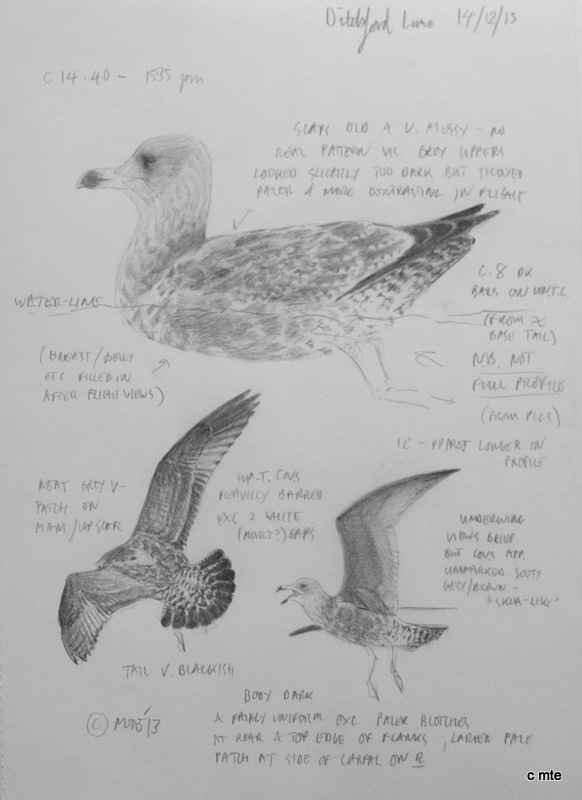
The probable American Herring Gull at Ditchford Gravel Pits

Yesterday, in the last hour of daylight, Martin Elliott found a promising candidate for a second-winter American Herring Gull on the Watersports Pit at Ditchford GP,  immediately west of Ditchford Lane. Fittingly, this was during one of Martin’s gull ageing and ID courses he is running throughout the winter, based out of Stanwick Lakes visitor centre a couple of miles east along the Nene Valley! 

Probable second-winter American Herring Gull, Ditchford GP, 14th December 2013 (Martin Elliott)

The bird was present again on the Watersports Pit, where I saw it albeit briefly, at 11.45 this morning before it flew off in the direction of Viaduct Pit, immediately to the west. It’s a distinctive and interesting-looking bird. Obviously dark compared to Herring Gulls of the same age, dark lower breast/belly, noticeably dark upperparts and black primaries, blackish tail with heavily barred uppertail coverts, bi-coloured bill, small grey ‘triangle’ of feathers on mantle and strikingly dark underwing. Martin’s notes say it all in detail and I would like to thank him for sharing them here.

robable second-winter American Herring Gull, Ditchford GP, 14th December 2013, sketches by Martin Elliott
Probable second-winter American Herring Gull, Ditchford GP, 14th December 2013, sketches by Martin Elliott
Tail pattern of probable second-winter American Herring Gull, Ditchford GP, 14th December 2013, sketch by Martin Elliott

Good quality photographs and/or video would be useful in helping to provide a fully detailed analysis and hopefully the bird will stick around long enough to allow this to be made possible.

The Week in Focus: 7th to 13th December 2013

A potential ‘first’ for Northamptonshire was identified at the beginning of a week which remained mild and mainly dry throughout with a warm south-westerly airstream bringing damp conditions towards its end.

Two Egyptian Geese remained at Thrapston GP until at least 8th and another visited Ditchford GP on 9th while a first-winter drake Scaup was found at the former locality on 8th and the adult drake was still at Ditchford GP the following day. The three Long-tailed Ducks remained on Mary’s Lake at Earls Barton GP until 11th with at least two of them still present on 13th, while one remained at Thrapston GP all week and two drake

Long-tailed Duck, Earls Barton GP, 11th December 2013 (Bob Bullock)

plus two ‘redhead’ Smew were at Pitsford Res until at least 10th and another ‘redhead’ visited Earls Barton GP on 13th.

Up to three Great White Egrets remained at Pitsford Res until at least 10th, last week’s individual at Summer Leys LNR remained until 9th and was probably the same bird which visited Ditchford GP on 9th.

Great White Egret, Earls Barton GP, 7th December 2013 (Doug McFarlane)

The only Merlin of the week was a female or immature at Stanwick GP on 12th, while Peregrines continued to be seen in the only to be expected localities of Blueberry Farm and Brixworth on 7th, Ditchford GP on 9th and near Maidwell on 13th.

Reports of waders dropped to a mere three: an unseasonal Oystercatcher at Stanwick GP on 8th (they do not normally return until very late winter) plus three Redshanks at Ditchford GP the following day, along with a Green Sandpiper there on 10th.

A first-winter Mediterranean Gull visited the A45 Lay-by Pit at Stanwick GP on 10th with the same site hosting an adult Caspian Gull on 8th, while another adult Caspian Gull was in the roost at Thrapston GP on 7th and an adult plus a second-winter were at Ditchford GP on 9th with a third-winter there on 13th. Ditchford also produced a juvenile Glaucous Gull on 8th and 9th plus a second-winter Iceland Gull on the latter date – which then put in a brief appearance at the Stanwick GP ‘pre-roost’ on 12th – and a juvenile on 13th. The only Yellow-legged Gulls this week were two at Stanwick GP on 8th and five at Ditchford GP the following day with one there on 13th.

Unusually scarce this year, a Ring-necked Parakeet paid a brief visit to a garden in Grange Park, Northampton on 13th, while Harrington Airfield produced two Short-eared Owls on 7th with one there again on 9th and another was at Blueberry Farm also on 7th. What must rank as Northamptonshire’s bird of the century so far (there are 87 years left!) was – if accepted by the British Birds Rarities Committee – the county’s first official record of Hume’s Warbler (but see further comment here), which was reidentified on 7th after being reported as a Yellow-browed Warbler last week, on 6th. The bird remained in residence on private land in north Northants all week and was seen well by numerous local visiting birders on a specially organised tour on 11th.

Hume’s Warbler, north Northants, 11th December 2013 (Jim Almond) www.shropshirebirder.blogspot.co.uk The first for Northamptonshire. Typically duller and plainer looking than Yellow-browed Warbler, lacking the latter’s darker lower border to the supercilium and darker bases to secondaries which, on Yellow-browed, lend contrast to the wing bars and supercilia, giving it a quite different character. Other pro-Hume’s features are the dark legs and bill, the latter with an extensive pale base to the lower mandible only.
Hume’s Warbler, north Northants, 11th December 2013 (Jim Almond) http://www.shropshirebirder.blogspot.co.uk  The first for Northamptonshire. Typically duller and plainer looking than Yellow-browed Warbler, lacking the latter’s darker lower border to the supercilium and darker bases to secondaries which, on Yellow-browed, lend contrast to the wing bars and supercilia, giving it a quite different character. Other pro-Hume’s features are the dark legs and bill, the latter with an extensive pale base to the lower mandible only.

Only one Chiffchaff was reported this week – at Ditchford GP on 9th while the two Stonechats remained at Blueberry Farm all week, Bramblings were seen only at Harrington AF, with a maximum of twelve there on 9th, while several Crossbills were at Pitsford Res on 10th and two at Harlestone Heath on 12th.

Twitching the Dutch Hawk Owl … on the fly

An out of county interlude – allowable, I think …

It was too good an opportunity to miss. A pre-planned business trip to Utrecht and a long-staying Hawk Owl less than an hour away (52 mins by train + 5 mins in a taxi). It all hinged on having enough daylight left and enough time to get back to the airport to catch the flight home. It was doable – kind of.

I went prepared. Bins, scope, camera and tripod centre column only (for what it was worth) stowed surreptitiously in one bag as hand-luggage. Bowling into to a customer’s premises with a tripod slung over my shoulder would have looked a bit odd. I wasn’t there for a photoshoot.

Visit concluded early afternoon. I could have gone and spent 3.5 hours sitting in the airport. The decision was easy: Zwolle here we come!

An hour later. Walking down Primulapad past the sports field where it is frequently seen. No sign. Then I catch sight of a guy with a tripod disappearing behind some bushes on the other side of Marsweg. He must be in the know. I crossed the road and followed him. As I rounded the bushes I could hear the whirs and clicks of camera shutters and was amazed to see some 20 birders with their equipment trained on some metal framework above an electricity substation. And there it was, ‘The Boy’, seemingly unfazed by the close proximity of its admirers.  Hawk Owl, Zwolle, 10th December 2013 (Mike Alibone) 253.21Hawk Owl, Zwolle, 10th December 2013 (Mike Alibone) 254.32Hawk Owl, Zwolle, 10th December 2013 (Mike Alibone) 255.27

Images & Video: Hawk Owl, Zwolle, The Netherlands, 10th December 2013 (Mike Alibone)

I have always wanted to see Hawk Owl – especially after missing them on a two-week trip to Scandinavia many years ago. Unique and charismatic. It was as beautiful as it was awesome (I hate that word – but it was!).  It spent much of its time loafing and looking and making a couple of short flights before flying off up Marsweg.  My photographic attempts won’t win any prizes. Camera attached to scope, scope rammed against chain-link fence and balanced on laptop bag, just off the ground.

In the excitement I had forgotten I had not moved the time on my watch forward to Dutch time. I had an hour less than I thought. Consequence: train arrives at airport 15 minutes after intended flight has departed. Recovery: caught next cheesyjet flight back to Luton late evening. Mission accomplished.

Hume’s Warbler in Northants … and how to see it

Hume’s Warbler, Hume’s Yellow-browed Warbler, Hume’s Leaf Warbler – it’s the same whichever way you cut it. Once regarded as a race of Yellow-browed, it was split by the BOU in the late nineties and, with approximately 123 UK records, it’s a national rarity.

This one, seen fleetingly on private land on 6th December, was initially identified as a Yellow-browed Warbler and the identification remained as such until yesterday afternoon (7th December), when it was seen well and heard calling frequently. Identification was confirmed beyond the shadow of a doubt based on the diagnostic call, which differs markedly from Yellow-browed Warbler. For an example listen here.

Hume's Warbler, Northamptonshire, 7th December 2013 (Neil Hasdell)
Hume’s Warbler, Northamptonshire, 7th December 2013 (Neil Hasdell)

Assuming this record is accepted by the British Birds Rarities Committee, this will be the first for Northamptonshire and only the second for an inland county following one at Westport Lake, Staffordshire on 20th December 1994 (although one in Essex in 2004 was also subsequently seen in Middlesex). However, it is not the first occurrence of this species in Northamptonshire. One discovered by Dave Jackson at Weston Mill, Northampton on 23rd-24th October 2010, remaining in deep sallow cover, was never seen well by local observers and its frequently uttered diagnostic call was impossible to sound record adequately against the background traffic noise from the nearby Nene Valley Way dual carriageway. As a result, the record found its way into the ‘not proven’ category of the British Birds Rarities Committee files.

Seeing it

At present there is no general access to the private Northamptonshire site. If the bird remains there is an intention to provide escorted access on Wednesday 11th December 2013. It is planned to accommodate three time slots of 9 am, 11 am and 1 pm for small numbers of birders only. Should anyone wish to attend please contact Neil McMahon neil.mcmahonoriole@btinternet.com who is arranging access and escorting observers on site. Anyone booking for the 9 am time slot is advised to be on-site in any event (the disadvantage of this early slot is that it may not be possible to confirm the presence of the bird by this time).

Please indicate which time slot is preferred. On confirming the appointment Neil will provide a rendezvous point and his mobile number.  Please be advised that there may be a delay in his being able to respond. Neil will visit the site early on Wednesday to establish if the bird is still present and update Birdguides and northantsbirds.com accordingly.  It is therefore advisable to monitor these websites on Wednesday for any relevant news.

Future access after Wednesday 11th December date may not be possible.

The Week in Focus: 30th November to 6th December 2013

A westerly airstream prevailed, turning northerly at the week’s end with severe gales and flooding devastating parts of east coast Britain while Northamptonshire remained relatively unscathed. A few more winter visitors and scarcities were found in the early part of the week.

Two Egyptian Geese were at Thrapston GP on 2nd with the drake Mandarin Duck still at Wicksteed Park Lake on the same date and single Pintails were at both Stanford Res and Pitsford Res on 30th with ten counted at the latter site on 2nd. Both reservoirs also hosted Red-crested Pochards with a pair at Stanford Res on 30th and at least sixteen at Pitsford on the same date with single-figure counts thereafter. A leucistic female was also at Ravensthorpe Res on 6th. This week’s ducks deluxe, however, were three Long-tailed Ducks found on Mary’s Lake at Earls Barton GP on 30th and remaining until at least 4th, along with last week’s individual at Thrapston GP, which was joined by a second bird on 1st.

Long-tailed Ducks, Earls Barton GP, 3rd December 2013 (Simon Wantling) www.simonwantlingphotography.co.uk
Long-tailed Ducks, Earls Barton GP, 3rd December 2013 (Simon Wantling) http://www.simonwantlingphotography.co.uk
 Long-tailed Ducks, Earls Barton GP, 3rd December 2013 (Simon Wantling) www.simonwantlingphotography.co.uk
Long-tailed Ducks, Earls Barton GP, 3rd December 2013 (Simon Wantling) http://www.simonwantlingphotography.co.uk

Two female or first-winter Common Scoters were a surprise discovery at Ditchford GP on 30th and, on the same date, a ‘redhead’ Smew was again at Clifford Hill GP, while three ‘redheads’ were at Ravensthorpe Res the following day and two at Pitsford Res from 2nd until 4th with four and two drakes there on 6th. Single-figure counts of Goosanders were made at Pitsford Res, Stanford Res and Thrapston GP with the maximum number of eleven coming from Abington Park Lake, Northampton on 6th.

Female Goosander, Abington Park Lake, Northampton, 6th December 2013 (Martin Dove). This urban site has consistently provided local birders with close    photographic opportunities in recent winters.
Female Goosander, Abington Park Lake, Northampton, 6th December 2013 (Martin Dove). This urban site has consistently provided local birders with close photographic opportunities in recent winters.

Great White Egrets maintained their high profile with up to three remaining at Pitsford Res all week and further singles at Ditchford GP on 30th-1st and at Summer Leys LNR on

Great White Egret. Ditchford GP, 1st December 2013 (Dave James)
Great White Egret, Pitsford Res, 6th December 2013 (Douglas Goddard)

6th, while the Stanford Res Black-necked Grebe performed an encore on 30th after many previous erratic stage appearances at the site over the past couple of months. Four records of Peregrines – Ditchford GP on 30th, Blueberry Farm and Hellidon on 1st and Pitsford Res on 4th – comprised the raptor count for the week.

The wader tally was not unexpectedly low. Five Jack Snipe were found at Hollowell Res on 30th, a Dunlin visited Clifford Hill GP on 6th and the lingering Black-tailed Godwit remained at Pitsford Res all week, while up to two Redshanks also remained there throughout the week with four at Stanwick GP and two at Ditchford GP on 2nd, along with a Green Sandpiper there on 1st and two at Pitsford Res on 2nd.

The first ‘white-winged’ gull of the winter proved to be an adult Iceland Gull, which put in a brief appearance at Ditchford GP on 1st, while up to three Caspian Gulls were also there on 1st and 2nd with another at Stanwick GP on the latter date.

Second-winter Caspian Gull, Ditchford GP, 1st December 2013 (John Friendship-Taylor)

Eight Yellow-legged Gulls were also at Ditchford GP on 30th with four there on 2nd and two at Hollowell Res on 6th when an adult Mediterranean Gull also visited Ravensthorpe Res

Although a Firecrest at Ringstead GP was a good find on 1st, the biggest surprise of the week, however, came in the form of a Yellow-browed Warbler, which was heard calling on three separate occasions on private land with no public access on 6th. Other wintering warblers included two Chiffchaffs at Summer Leys on 30th, three at Ecton SF on 1st plus two at Stanwick GP and one at Ditchford GP on 2nd, while single female Blackcaps were in gardens at both Spratton and Sywell on the same date. The two Stonechats remained at Blueberry Farm, Maidwell on 3rd when two were also discovered at Sywell CP and Bramblings were seen at Cottesbrooke, East Carlton CP, Fawsley Park and Harrington AF with a maximum of twelve at the latter site on 2nd, while fly-over Crossbills this week were two at Hanging Houghton on 3rd and one at Earls Barton GP on 4th.

Go Gulling !

1st December is officially the first day of winter and the first Iceland Gull of the season has already appeared at Ditchford Gravel Pits. Many birders find gull identification problematic although it need not be so. Help is at hand!

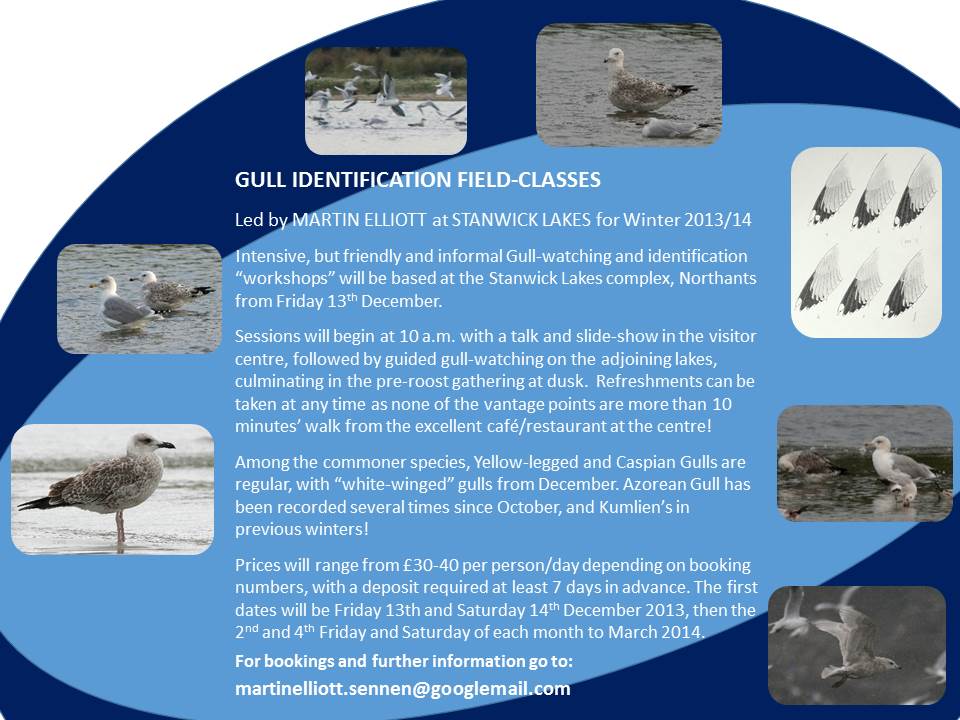
From 13th December, and on various weekends throughout the winter, confirmed Laridophile and gull ID aficionado Martin Elliott will be running gull identification field classes at Stanwick Gravel Pits, using the visitor centre as base. So now you’ve got no excuse …STANWICK LAKES PRESENTATION 4

Coal and Candlelight: the Earls Barton Long-tailed Ducks

You wait seven years for one and then three come along together – well, almost. After Neil Hasdell found the first Northants Long-tailed Duck since 2006, at Pitsford Reservoir on 23rd November, it promptly disappeared before another was discovered by Adrian Borley and Nick Parker the following day at Thrapston Gravel Pits, this bird still being present today.

That might have been the end of it if Tony Vials hadn’t run into another on Mary’s Lake at Earls Barton Gravel Pits this morning (30th November) and then, bizarrely, Alan Coles found two more on a different part of the same lake during the afternoon.

Long-tailed Ducks, Earls Barton GP, 30th November 2013 (Alan Coles)

Tremendous little sea ducks, rarely seen in Northants and seemingly with different behavioural traits. The Thrapston bird kept well away from the bank, preferring to stay in the middle of Town Lake and spend 90% of its time under water. Consequently very difficult to see. The loner in the south-east corner of Mary’s Lake showed well, though distantly, spending more time on the water’s surface than below it, while the two in the south-west corner of the same lake spent an estimated 75% of their time below the surface, although they were reasonably approachable.

Long-tailed Ducks, Earls Barton GP, 30th November 2013 (Mike Alibone). [Click on the cogwheel and change resolution to 720 to watch in HD]

Difficult to age/sex but all likely to be females or first-winters as adult males normally show some degree of pink on the bill. Of the two together, the individual with the whiter face and smaller dark spot on the cheeks possibly a first-winter male.

The Week in Focus: 23rd to 29th November 2013

A largely dry week with depressed temperatures, overnight frost on 25th and a north to north-westerly airstream saw the arrival of a few more winter visitors.

Two Egyptian Geese were at Ditchford GP on 24th, the floating drake Mandarin Duck was still at Wicksteed Park Lake on 25th and 28th and thirteen Pintail were counted at Pitsford Res on 29th. Pitsford also hosted up to twenty-four Red-crested Pochards at the beginning of the week, while a leucistic female was at Ravensthorpe Res on 27th and a bird considered to be a Red-crested Pochard x Mallard hybrid was found at Pitsford on 25th. Two Scaup appeared – a drake at Ditchford GP and a first-winter at Thrapston GP – both on 24th but the species generating the most interest this week was a female or first-winter Long-tailed Duck found in Pitsford Reservoir’s Walgrave Bay late in the day on 23rd. Unfortunately ‘coal and candlelight’ was no longer on the menu for birders who turned up to see it early the following morning but, as luck would have it, another was discovered on Town Lake at Thrapston GP later in the day – this one staying until at least 28th.

Female or first-winter Long-tailed Duck, Thrapston GP, 26th November 2013 (Mike Alibone). A slight difference in head pattern – the Thrapston individual had more extensively dark forehead and lores – confirmed this was a different individual to the bird at Pitsford.

These were the first in Northants for seven years and formed part of an inland mini-influx which saw others in Cambridgeshire, Leicestershire and Staffordshire. The first Smew of the winter also appeared this week with a ‘redhead’ at Clifford Hill GP on 23rd and a drake at Pitsford Res on 25th-26th.

Smew, Clifford Hill GP, 23rd November 2013 (Mike Alibone)

Goosanders were reported from seven localities but struggled to reach double figures with the maximum count of just eleven coming from Pitsford Res on 25th. Great White Egrets were again very much in evidence this week with up to three, possibly four, remaining at Pitsford Res and singles at both Thrapston GP and Stanwick GP on 24th and flying west at Summer Leys on 25th and west over Geddington on 27th, while a Black-necked Grebe was found at Pitsford Res on 25th.

Reports of raptors this week were few and far between, being restricted to a juvenile Marsh Harrier at Blatherwycke Lake on 23rd and a Peregrine at Pitsford Res on 25th and, apart from two Green Sandpipers at Ditchford GP on 24th, all of this week’s notable waders were also found at Pitsford Res. These included a Grey Plover on 25th, a Dunlin on 29th, the lingering Black-tailed Godwit until at least 25th, up to five Redshanks throughout the week and the potentially wintering Common Sandpiper again on 25th.

Scarce gulls included an adult Caspian Gull at Thrapston GP on 24th and first-winter at Ditchford GP on the same date, while another adult visited Rushton Landfill the following day. Less rare were a second-winter Yellow-legged Gull at Ditchford GP on 24th and up to two adults at Pitsford Res between 25th and 29th.

Wintering warblers included single Chiffchaffs at Thrapston GP on 23rd, Pitsford Res on 25th and Harrington AF on 27th, while four were counted at Ditchford GP on 24th and three were at Ecton SF on 28th. The same site produced a Siberian Chiffchaff, seen and sound-recorded there on the same date, while a Blackcap was at Thrapston GP also on 28th and the two Stonechats remained at Blueberry Farm, Maidwell all week. Single-figure counts of Bramblings came from Blueberry Farm, Brampton Valley, Brixworth CP, Harrington AF and Kelmarsh and the only Crossbills this week were two or three at Gamboro Plantation near Cottesbrooke on 26th.

The Week in Focus: 16th to 22nd November 2013

Westerly winds swung northerly during the week, bringing colder temperatures and a mixture of sunshine and showers.

A herd of twenty-four Bewick’s Swans – an impressive number by today’s standards – arrived at Clifford Hill GP prior to dusk in the afternoon on 21st but they had moved on by first light the following morning.

Bewick’s Swans, part of a herd of twenty-four at Clifford Hill GP, 21st November 2013 (Mike Alibone)

Blatherwycke Lake on continued to host a Barnacle Goose, an Egyptian Goose and four Mandarin Ducks were counted there on 19th while two more Egyptian Geese were at Thrapston GP on 17th and, in Kettering, the drake Mandarin was again present at Wicksteed Park Lake on the same date. The only Pintail reported this week were five at Pitsford Res on 16th and the same site held up to twelve Red-crested Pochards throughout the period. Much rarer, however, was one of the highlights of the year – Northamptonshire’s fourth-ever Ring-necked Duck, a female, at Stanwick GP. Found mid-afternoon on 20th, it remained until dusk and appeared to go to roost on the islands in the A45 Lay-by Pit but it could not be relocated the following day. This is the first in Northants for almost a quarter of a century. How long before the next one? Causing less of a stir were single female Scaup at Ditchford GP and Blatherwycke Lake on 21st and 22nd respectively.

A Bittern was evidently still at Stortons GP and put in a brief appearance there on 22nd while Great White Egrets continued to enjoy a run on records with singles at Thrapston GP on 16th and Blatherwycke Lake on 19th while up to three remained at Pitsford Res throughout the week and there may have been as many as four present there on 18th.

Raptors this week were limited to a ‘ringtail’ Hen Harrier near Lyveden New Bield on 19th with a Merlin there on the same date plus singles at Blueberry Farm, Maidwell on 18th and 20th and the only Peregrine was a female near Hanging Houghton on 22nd.

Eight hundred Golden Plovers were roosting at Clifford Hill GP on 21st and there were smaller numbers at three other localities while up to two Dunlins appear to be wintering at both Pitsford Res and Stanwick GP as perhaps are single Black-tailed Godwits at the same two localities. Similarly, up to four Redshanks were at these localities during the week while Pitsford Res produced a Green Sandpiper on 16th and 17th along with a late Common Sandpiper on the latter date.

Scarce gulls were limited to an adult Mediterranean Gull at Daventry CP on 18th, an adult Caspian Gull Stanwick GP on 19th, being joined there by a second-winter on 21st and up to five Yellow-legged Gulls there on the same dates while single adults of this species were at Pitsford Res on 16th-18th and at Boddington Res on 19th.

A Short-eared Owl was discovered close to East Carlton CP on 19th and the two Bearded Tits remained at Stortons GP until at least 17th, when they were trapped and ringed. Wintering warblers included two Chiffchaffs at Thrapston GP on 16th, singles at Pitsford Res on 17th and 18th and two at Daventry CP on the latter date, while a Blackcap was at East Carlton CP on 19th. The same site produced two Stonechats at the same time while the ‘Blueberry two’ remained until at least 20th. East Carlton CP also produced 10+ Bramblings on 19th and single-figure counts came from Blueberry Farm, Cottesbrooke, Fineshade Wood and Harrington AF but the only Crossbills this week were six flying over Harlestone Heath on 21st.