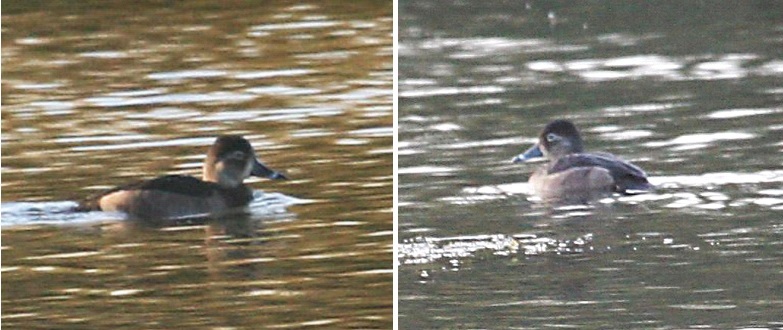
This afternoon Steve Fisher found Northamptonshire’s 4th Ring-necked Duck at Stanwick Gravel Pits. A female, it spent a couple of hours in the north-east corner of the A45 Lay-by Pit before flying to the island at around 16.15. Perhaps this is the recent long-stayer from Eyebrook Reservoir in neighbouring Leicestershire. Hopefully it will still be present tomorrow.
Female Ring-necked Duck, Stanwick GP, 20th November 2013 (Steve Fisher)
Previous Northants records are:
1979 Ditchford GP, 15th-18th April and Hollowell and Ravensthorpe Reservoirs, 3rd May 1987 Ditchford GP, 16th November 1987 1990 Pitsford Res, 16th-23rd September and Billing GP, 30th September
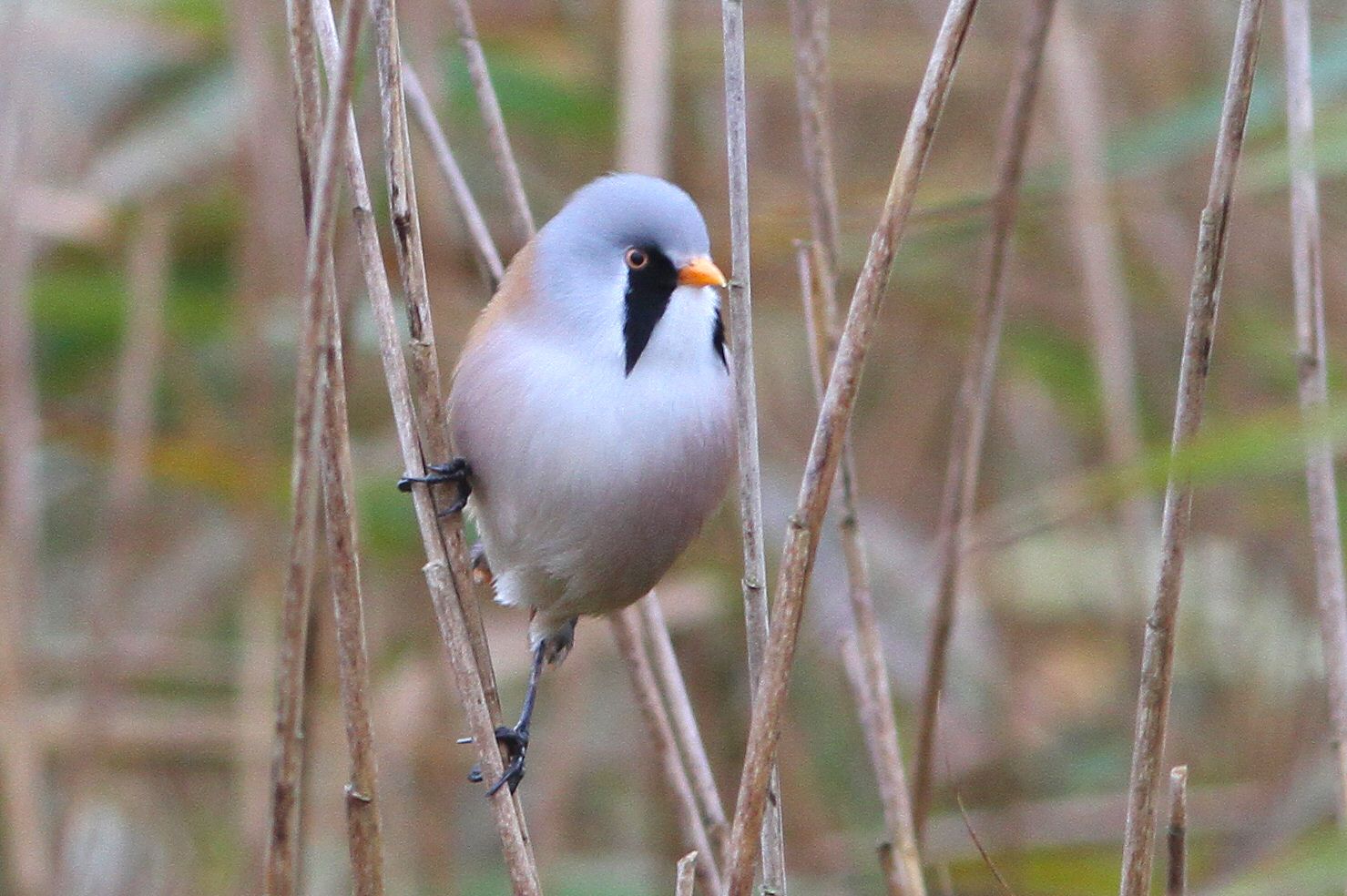
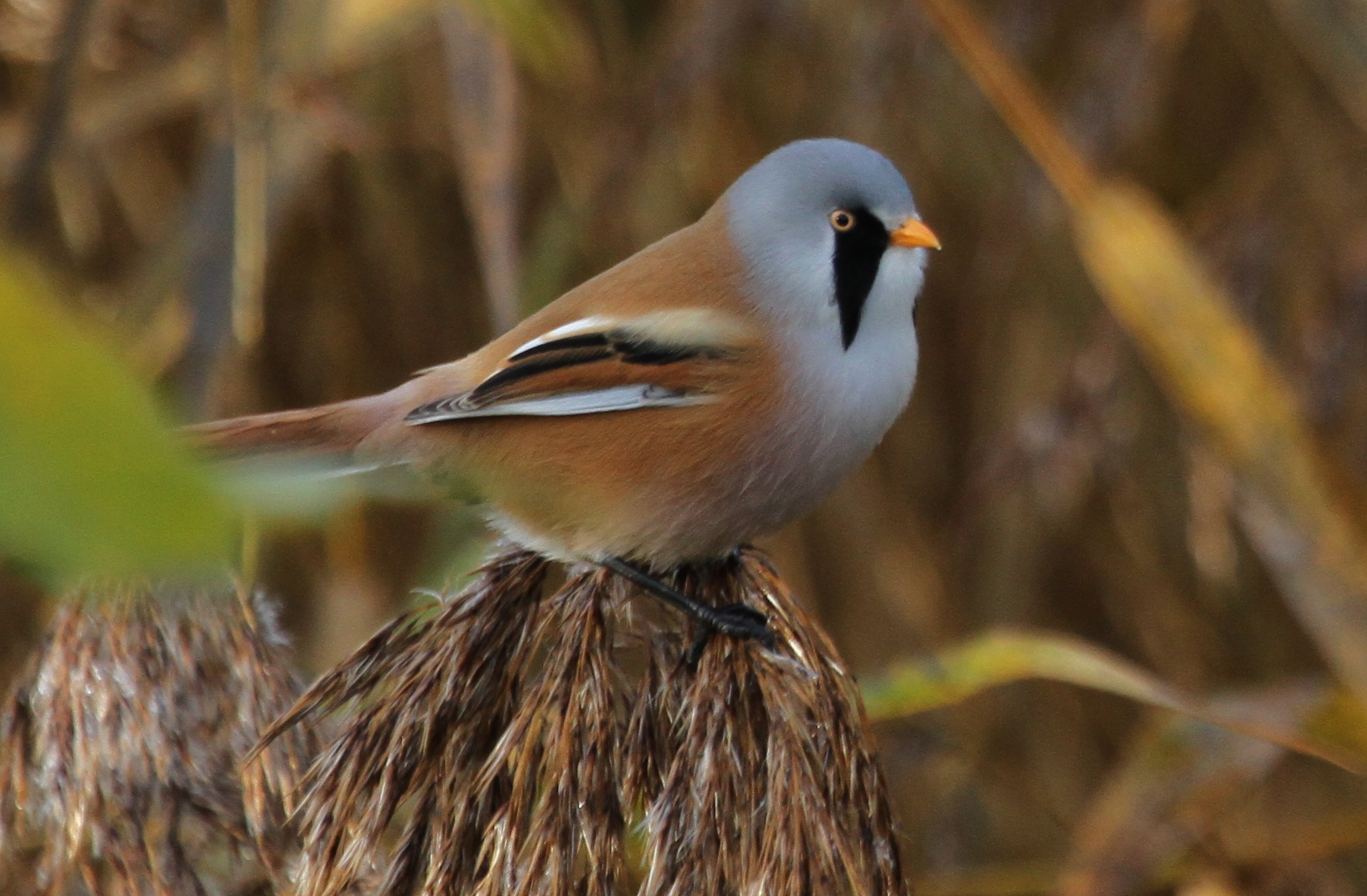
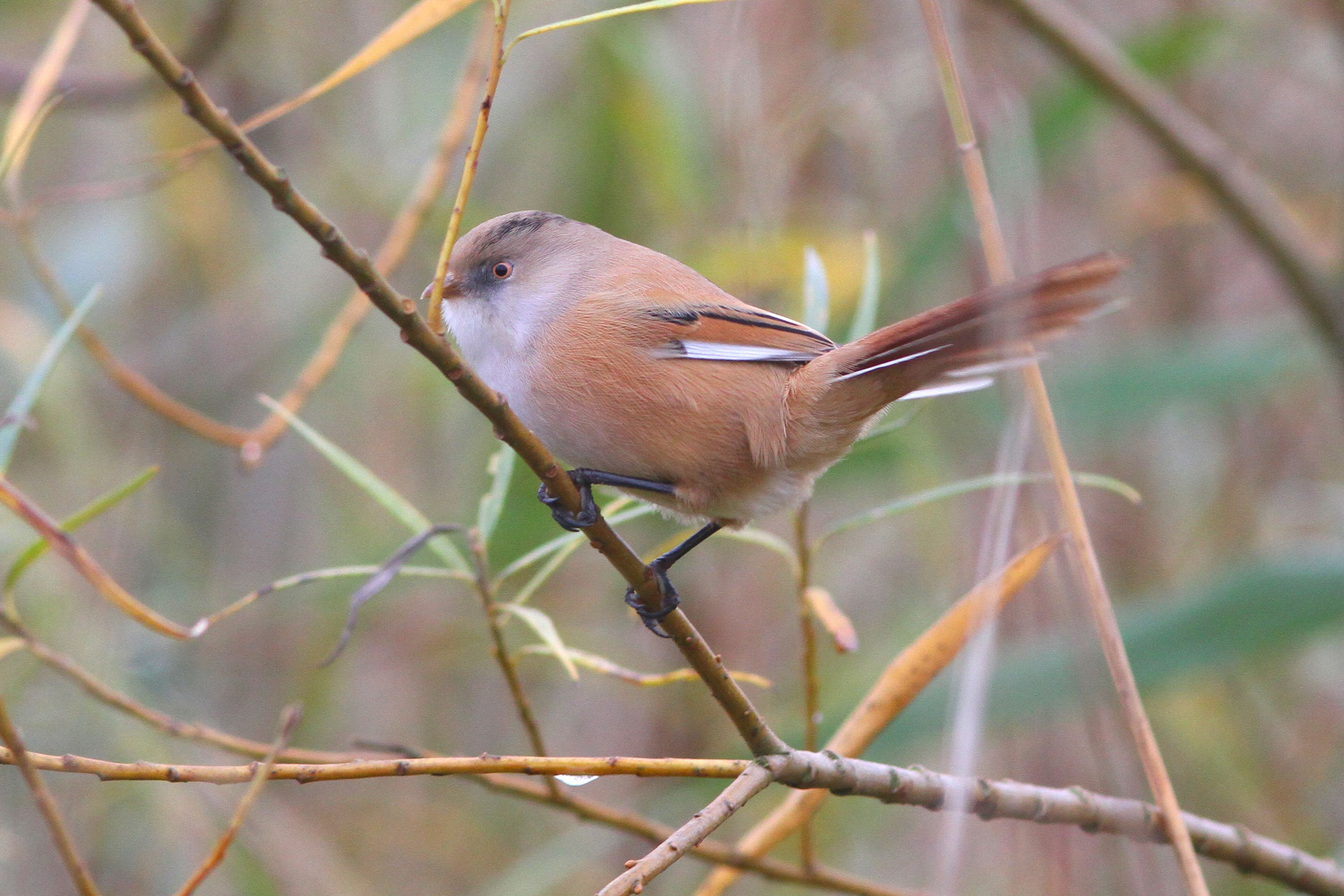
On 27th October I was pleased to find two Bearded Tits in the main reedbed at Stortons Gravel Pits. Always great to see, especially locally, I was alerted to their presence by the familiar ‘chuwing’ calls coming from the reeds on the southern side before a male and female broke cover and flew a short distance above the reed tops before dropping down out of sight. Not quite the long, drawn-out ‘sweee’ calls I had been hoping to hear while walking round: Penduline Tit has been seen only once in Northants (at Ditchford GP on 22nd October 1983), another is long overdue and October is the peak month … However, Bearded Tit is a fair consolation prize and with those elongated black moustaches set strikingly against that powder blue-grey head, bright yellow eye and russet plumage tones the male is without doubt a ‘looker’.
Male Bearded Tit, Stortons GP, 2nd November 2013 (Bob Bullock)Female Bearded Tit, Stortons GP, 2nd November 2013 (Bob Bullock)
Although there have been runs of consecutive blank years, Bearded Tits occur almost annually in Northants and any sizeable area of Phragmites is worth checking for them from late autumn and throughout the winter. Occurrences are limited to relatively ‘recent’ history and there are no records during the period 1849 to 1965. Subsequent records average below 1.5 per year. The number of birds making up the records is generally low, with most records comprising between two and four individuals. Exceptionally, however, double-figure flocks are encountered and the highest currently stands at 20+ at Ditchford GP on 12th November 1972.
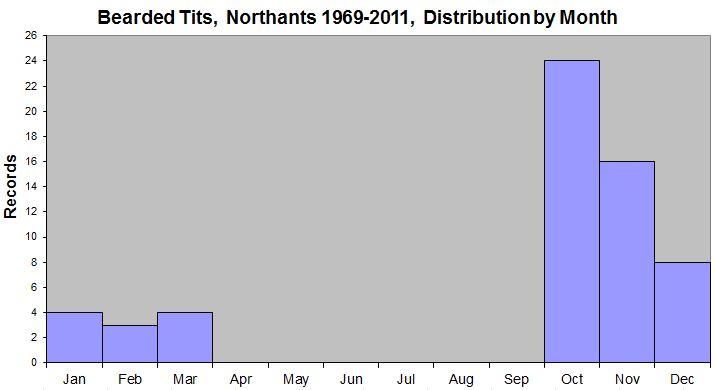
Records reflect month of initial observation, not length of stay.
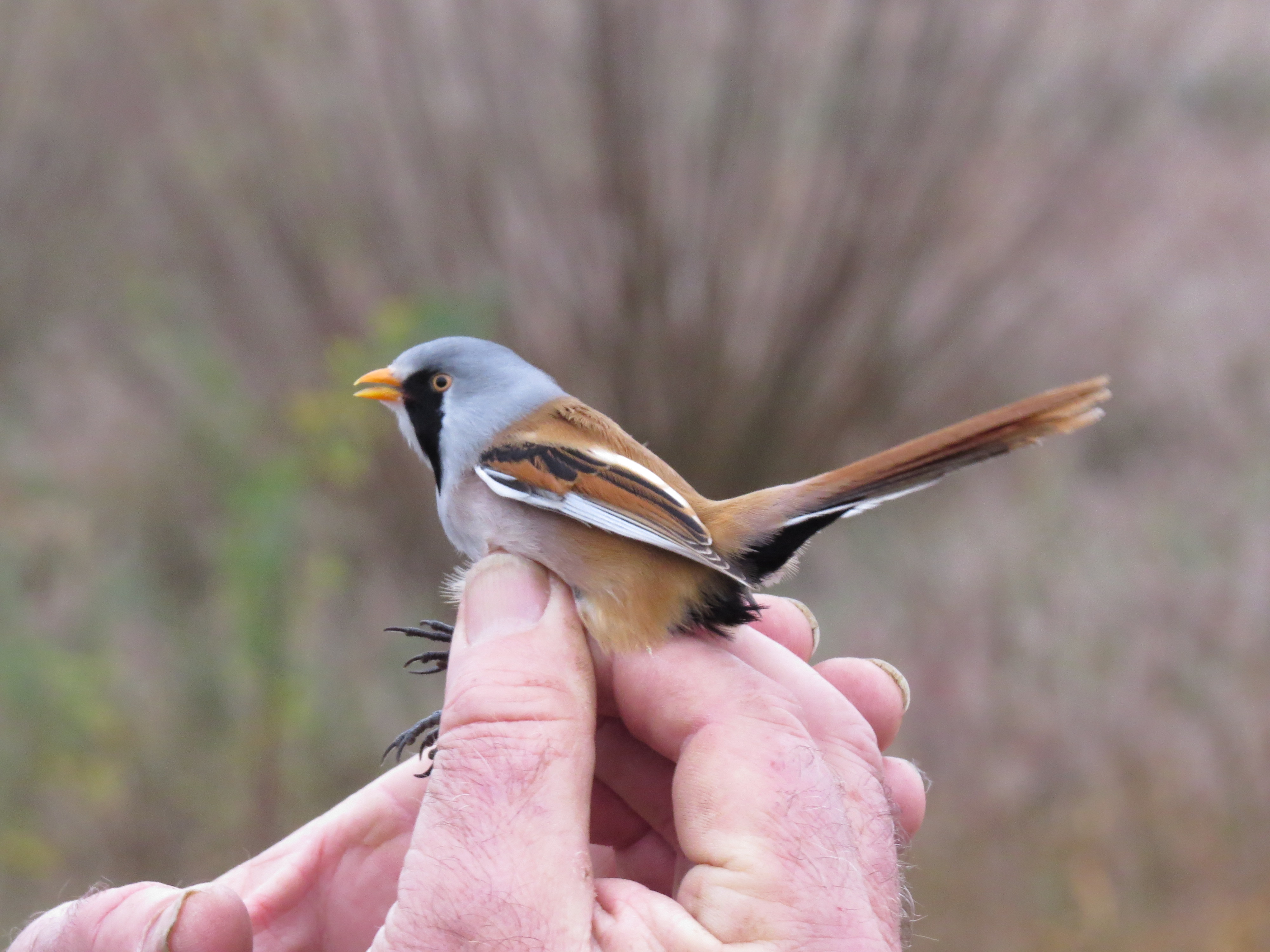
The above graph clearly indicates the peak month of occurrence is October, which is when many disperse from breeding areas in both Europe and the UK as indicated by ringing recoveries. That the Stortons pair was trapped and ringed locally on 17th November has sparked debate on the validity of ringing versus disturbance to these birds. One comment made was that ‘a recovery is unlikely’ and, while that may be so for these two individuals, the same argument could be made for all birds which are trapped and ringed.
Male Bearded Tit, trapped, Stortons GP, 17th November 2013 (Simon Hales)
Condemning ringing the Bearded Tits is, therefore, as good as condemning all bird ringing. The ringing group at Stortons is active most weekends and traps a broad spectrum of species from Reed Buntings and Cetti’s Warblers to Water Rails and Great Spotted Woodpeckers. Is it a problem if the Bearded Tits are also trapped during the course of a morning’s ringing?
Much of what we know about bird movements, distribution, migration and longevity has come from ringing and, although a recovery may be unlikely, it might be that the Bearded Tits are from a breeding population on a purpose-managed reserve in the UK (e.g. Minsmere, Leighton Moss) and could be retrapped at such a site. Proving our Northamptonshire wintering Bearded Tits come from a UK breeding population on a managed reserve (or elsewhere in the UK) surely strengthens the case for making the wintering site a conservation area, affording it a greater measure of protection from disturbance or development. Secure wintering sites are just as important to the survival of a species as protected breeding habitats. Stortons is one such site as records indicate it has held Bearded Tits on many occasions during past winters. Furthermore there are ringing recoveries in Northants of individuals ringed in Suffolk and Kent (multiple re-traps).
Bearded Tit is classed as ‘Amber’ in terms of its UK conservation status. There are an estimated 630 breeding pairs (BTO) so, in this instance, there is some value in trapping and ringing them if we can learn more about their movements and set aside protected wintering areas accordingly.
The week started cool with overnight frosts on 9th and 12th giving way to milder, though cold, mixed weather throughout, the winds remaining largely westerly. A number of new birds were found during the early part of the period.
An adult Whooper Swan was discovered at Blatherwycke Lake on 13th but could not be found there the following day, while the same site continued to host a Barnacle Goose, an Egyptian Goose and at least seventeen Mandarin Ducks mid-week; a pair of Mandarins was also present at Ravensthorpe Res on 11th. ‘Real’ geese, however, were limited to a skein of approximately one hundred Pink-footed over Blueberry Farm, Maidwell on 9th and two Dark-bellied Brents briefly at Boddington Res on 11th. Eight Pintail remained at Pitsford Res on 12th and one was at Blatherwycke Lake the following day and, at the former site, the Red-crested Pochard flock had risen to twenty-one on the same date. Elsewhere, one was at Stanford Res on 11th, another remained at Ravensthorpe Res between 11th and 13th and one was at Boddington Res on 11th with five there the following day. These last two reservoirs also produced ‘redhead’ Red-breasted Mergansers on 11th and 12th respectively, the occurrences considered to relate to different individuals.
A Bittern was found at Stortons GP on 9th and was again seen briefly there on 12th and 15th, while up to two Great White Egrets remained at Pitsford Res throughout the week and the Black-necked Grebe was seen again at Stanford Res on 11th and 12th.
Stanford also produced Northamptonshire’s latest-ever Osprey on 9th – presumably the lingering individual from late October – and both Merlin and Peregrine on 11th, while single Merlins were also at Harrington Airfield on 10th and 15th and at Stanwick GP on 11th and Peregrines were also seen at Harrington AF on 9th and 11th, Blueberry Farm, Maidwell on 10th and 15th, at Blatherwycke Lake on 13th and 14th and in Northampton on 15th.
On the wader front, single Dunlins were at Hollowell Res on 11th and Stanwick GP from 11th to 13th, while two visited Pitsford Res on 12th where there was also a Ruff on the same date. A Jack Snipe was found at Hollowell Res on 11th, the same date to which last week’s Black-tailed Godwit remained at Stanwick GP, where there were also three Redshanks on 11th and 13th and the same number at Pitsford Res on 12th.
An adult Mediterranean Gull visited the roost at Pitsford Res again on 10th and 13th, an adult and a second-winter Caspian Gull were at Stanwick GP on 9th along with seven Yellow-legged Gulls while single adults of the latter species were at Boddington, Hollowell and Pitsford Reservoirs on 11th.
A Northamptonshire record count of migrating Wood Pigeons was made at Stanwick GP on 13th, when 15,400 were logged moving south-west in just ninety minutes. In suburban Northampton the two Bearded Tits continued to be a popular draw at Stortons GP throughout the week while at least two more were calling from the reedbed at Stanwick GP
Male Bearded Tit, Stortons GP, 13th November 2013 (Alan Coles)
on 10th. Wintering or late migrant warblers included a Chiffchaff at Earls Barton GP’s Quarry Walk on 10th with two at nearby Mary’s Lake on 12th and two at Stanwick GP on 11th while a Siberian Chiffchaff put in a brief appearance by the screen hide at Quarry Walk on 10th along with a Blackcap in the same area. The two Stonechats remained at Blueberry Farm all week, while three localities held Bramblings with the usual site of Harrington AF producing a maximum of eight on 15th, and two Crossbills flew over there on the same date with three over nearby Pitsford Res on 10th.
A cool and blustery start to the week and, with the winds remaining largely westerly, few new birds were found locally.
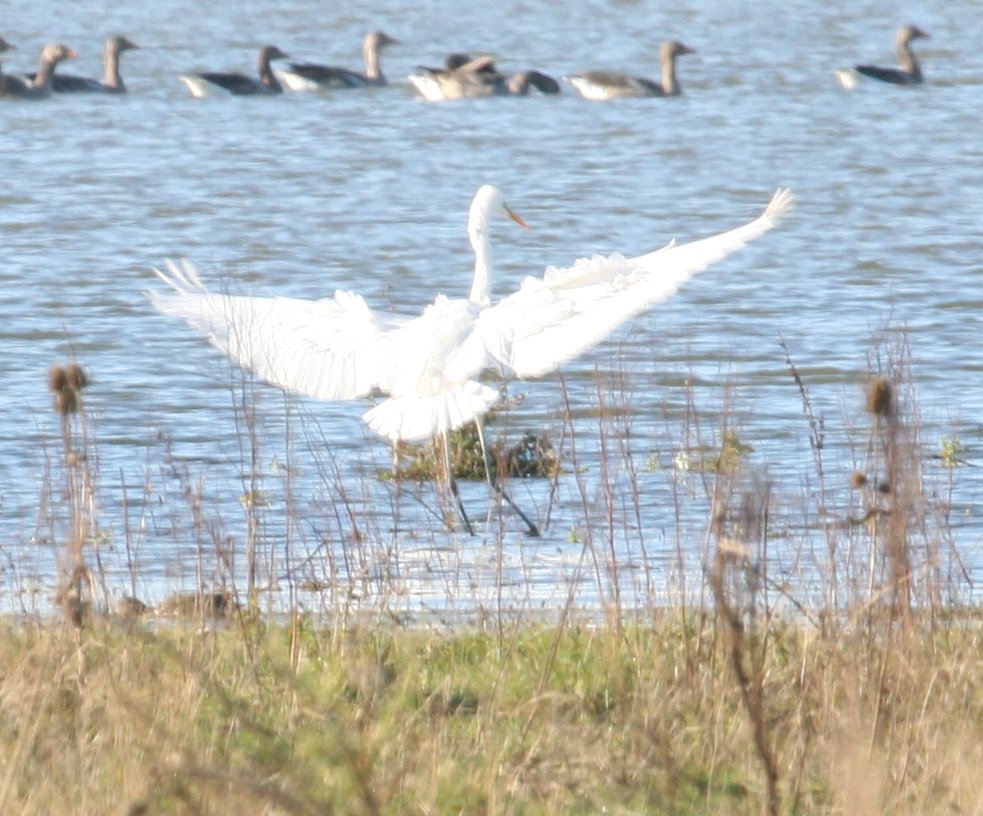
Two Barnacle Geese attracting the usual caveat ‘of unknown origin’ (but obviously feral) were found this week, with one at Stanford Res on 4th-6th and another at Blatherwycke Lake on 4th and twenty-two Mandarin Ducks were counted at the latter locality on the same date. The Pitsford Res Pintail count had risen and peaked at thirteen on 6th and one remained at Ravensthorpe Res until at least 5th, while both sites continued to hold Red-crested Pochards with twelve at Pitsford on 6th-8th and four at Ravensthorpe on 5th, with two there the following day. Up to three Great White Egrets remained mobile at Pitsford throughout the week while a Black-necked Grebe was seen again at Stanford Res on 2nd.
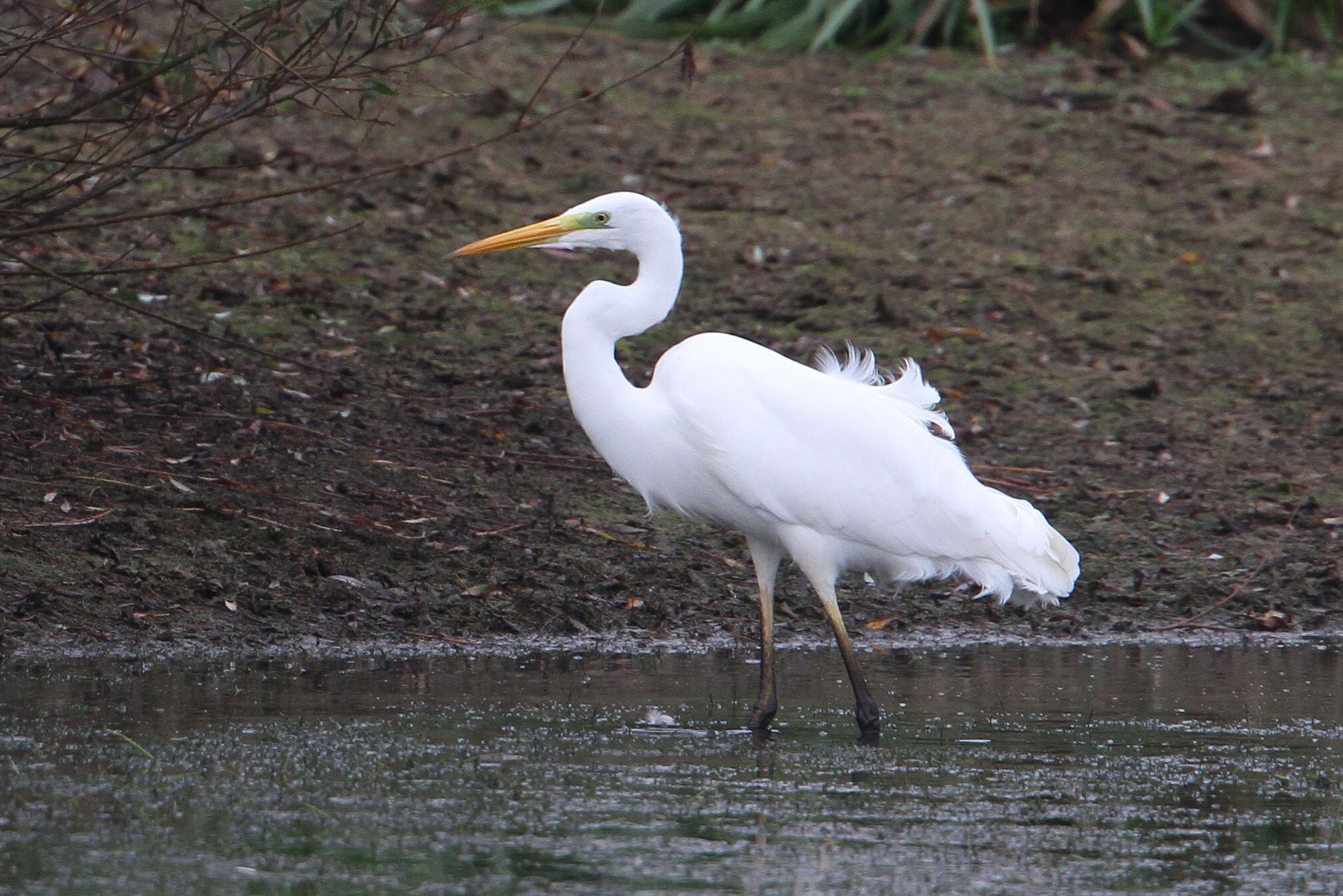
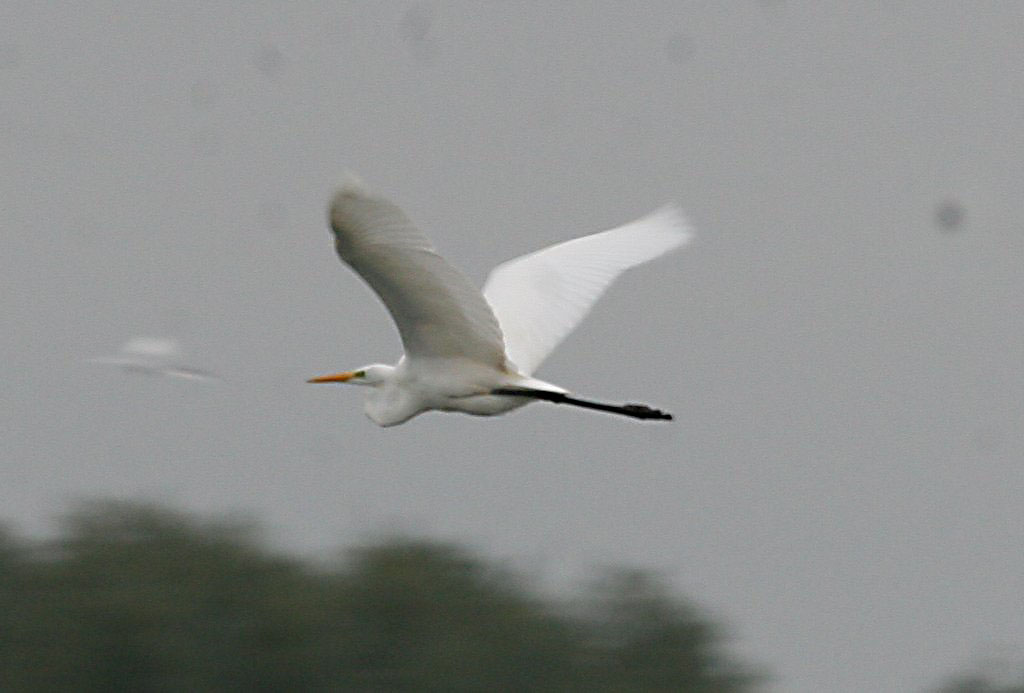
Great White Egret, Pitsford Res, 3rd November 2013 (Clive Bowley)Great White Egret, Pitsford Res, 5th November 2013 (Bob Bullock)
Raptors were thin on the ground (and in the air) with single Merlins continuing to be seen at Harrington AF and at Blueberry Farm, Maidwell during the week and ‘new’ ones at Ditchford GP on 4th and Wappenham on 6th while the only Peregrines were singles at Blueberry Farm on 2nd and at Stanford Res on 7th.
The autumn’s highest count so far of Golden Plovers was made at Stanwick GP with approximately eight hundred there on 7th-8th, while the same site continued to host a Black-tailed Godwit throughout the week. Green Sandpipers were present at four localities including Pitsford Res, where there were two all week, Ravensthorpe Res with one on 3rd and at College Farm, Blakesley and Sywell CP, where singles were present on 7th.
Adult Mediterranean Gulls visited the roosts at Pitsford Res on 3rd and Stanford Res on 7th and the latter site held an adult Caspian Gull on 2nd, while four – two adults and two first-winters – were at Stanwick GP on 4th with one or two adults there on 7th-8th. Once again the elusive adult Azorean Yellow-legged Gull materialised on the main lake there on 4th and 6th, evading would-be observers on subsequent evenings. Observations of ‘standard’ Yellow-legged Gulls were restricted to just a third-year at Pitsford Res on 3rd and an adult at Ravensthorpe Res on 5th.
Male Bearded Tit, Stortons GP, 2nd November 2013 (Bob Bullock)Female Bearded Tit, Stortons GP, 2nd November 2013 (Bob Bullock)
A Short-eared Owl was again at Blueberry Farm on 3rd while the two Bearded Tits found last week at Stortons GP were present all week and a first-winter Ring Ouzel – perhaps the same as last month’s individual – was (re)discovered at Harrington AF on 8th. At Blueberry Farm, the two Stonechats remained all week while five localities produced Bramblings with a maximum count of between ten and fourteen at Harrington AF on 2nd, and four Crossbills were counted at both Wakerley Great Wood and over Hanging Houghton on 4th and two were at both Harrington Airfield and Harlestone Heath on 6th.
The strong west to south-westerly airstream continued unabated, culminating in ‘Hurricane St Jude’, which brought devastating winds and rain to areas of southern Britain on 28th, although Northants remained unscathed. The hope of a wreck of inland seabirds went unfulfilled – a month earlier and it would likely have been a different story – but there was still plenty of interesting species around to keep local birders busy.
A Pintail was at Ravensthorpe Res on 27th and five were found at Stanwick GP on 30th but Pitsford Res produced the highest count, twelve, on 27th. On the same date the Red-crested Pochard total reached ten there, all of which remained until at least 31st with seven on 1st, while two drakes were at Stanford Res on 26th and another visited Stanwick GP on 29th. Last week’s two Great White Egrets at Pitsford Res became three on 28th, all of which were still present on 31st, although two were present on 1st and another was found at Stanwick GP on 30th.
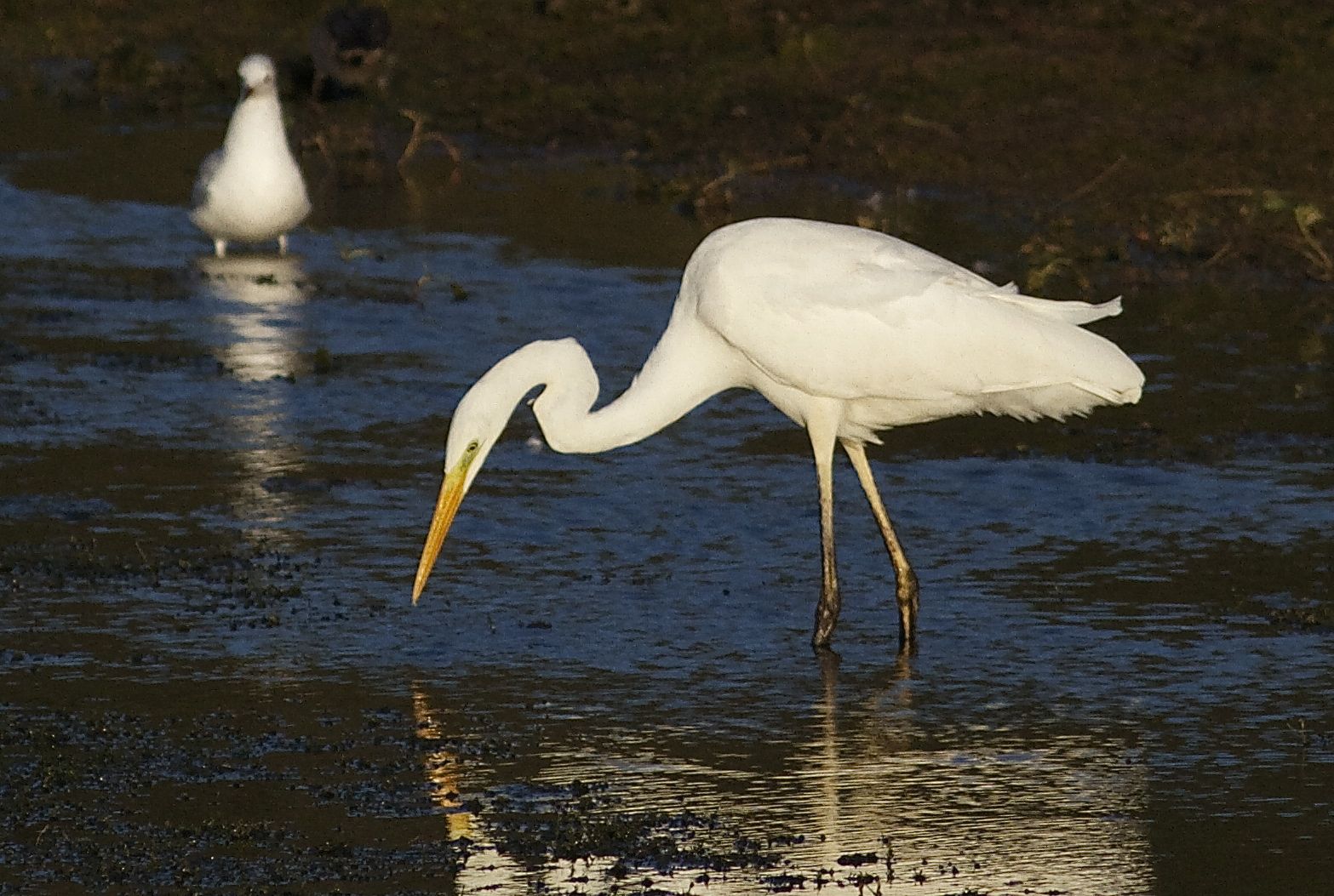
Great White Egret, Pitsford Res, 28th October 2013 (Dave Jackson)Great White Egret, Stanwick GP, 30th October 2012 (Steve Fisher)
Stanford Reservoir’s long-staying Osprey failed to make it into the record books as Northamptonshire’s latest ever as it was not seen beyond 30th. The county’s current latest record was one flying southwest over Kislingbury GP on 31st October 2008. Single Merlins were seen at Harrington AF on 26th and 29th, Stanwick GP on 30th and at Blueberry Farm, Maidwell on 31st, while the only Peregrines were singles at Ravensthorpe Res on 27th and Pitsford Res on 29th and 31st.
With wader passage all but over, the only Dunlin this week were three at Pitsford Res on 31st, a Jack Snipe was found at Stanwick GP on 30th with last week’s Black-tailed Godwit still present there on 31st. Pitsford Res produced a Redshank also on 31st and three Green Sandpipers on 27th, falling to two on 29th and one on 31st and 1st.
Three Caspian Gulls – two adults and a second-winter – were at Stanwick GP on 28th with just one adult there on 29th-30th and, once again, the elusive adult Azorean Yellow-legged Gull made one of its unpredictable appearances there on 26th, while single adult Yellow-legged Gulls were at Stanford Res and Pitsford Res on 26th and 31st respectively with two adults at the latter site on 28th.
Adult Caspian Gull, Stanwick GP, 30th October 2013 (Steve Fisher)
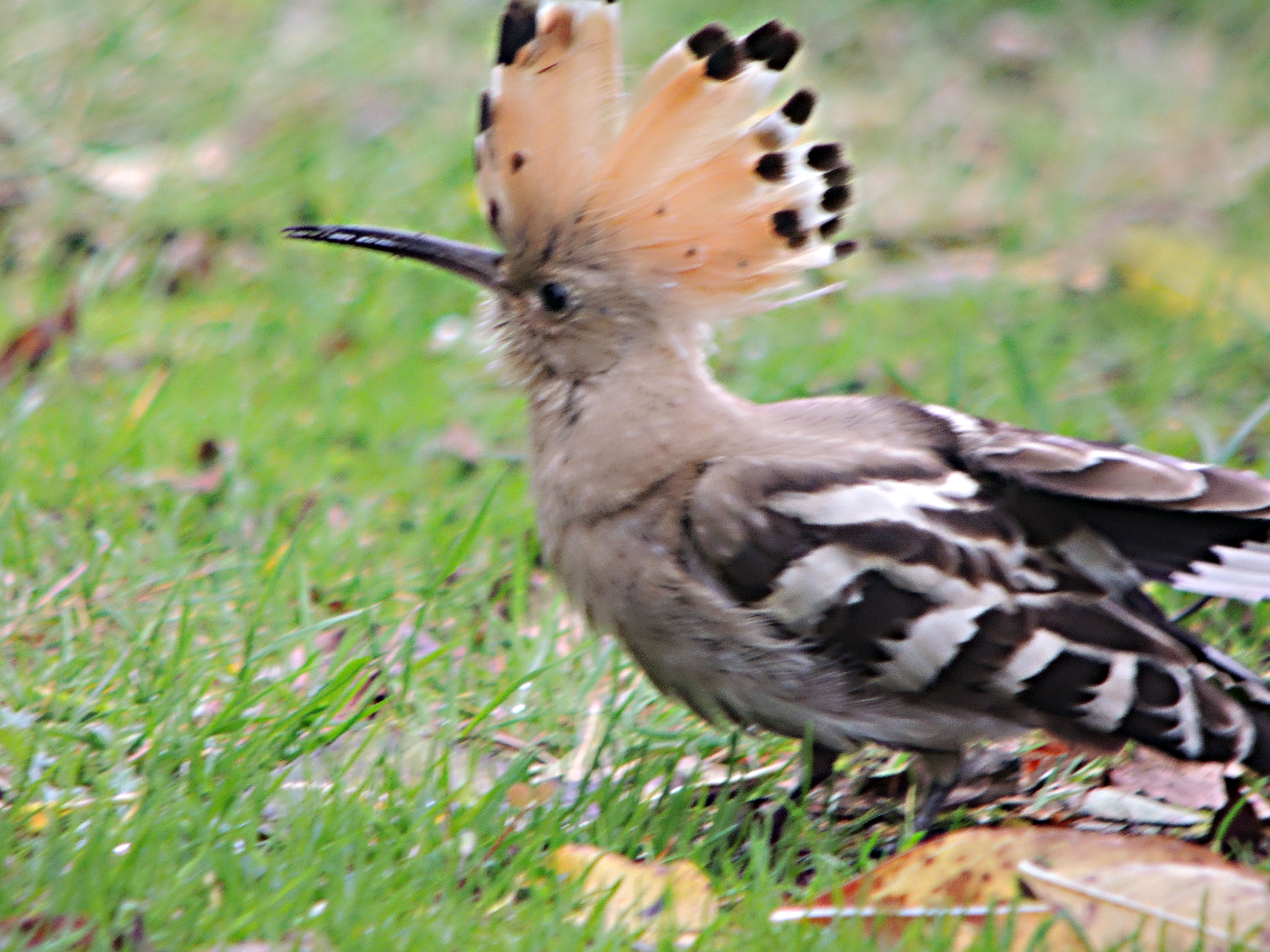
A Long-eared Owl was seen briefly in the Brampton Valley between Hanging Houghton and Brixworth on 31st with Short-eared Owls at nearby Blueberry Farm on 26th and near Salcey Forest on 1st but bird of the week for many, if not all, was the obliging Hoopoe at Brickhill Farm Fisheries, between Woodford Halse and Eydon. Discovered by the landowner on 26th and easily viewable from a minor road, it performed well for all comers until 29th.
Hoopoe, Woodford Halse, 27th October 2013 (Bob Bullock)Hoopoe, Woodford Halse, 28th October 2013 (Mike Alibone)
Hoopoe, Woodford Halse, 28th October 2013 (Mike Alibone)
Birders in Hoopoeland, 28th October 2013 (Mike Alibone). This popular bird attracted a steady trickle of admirers during its four-day stay.
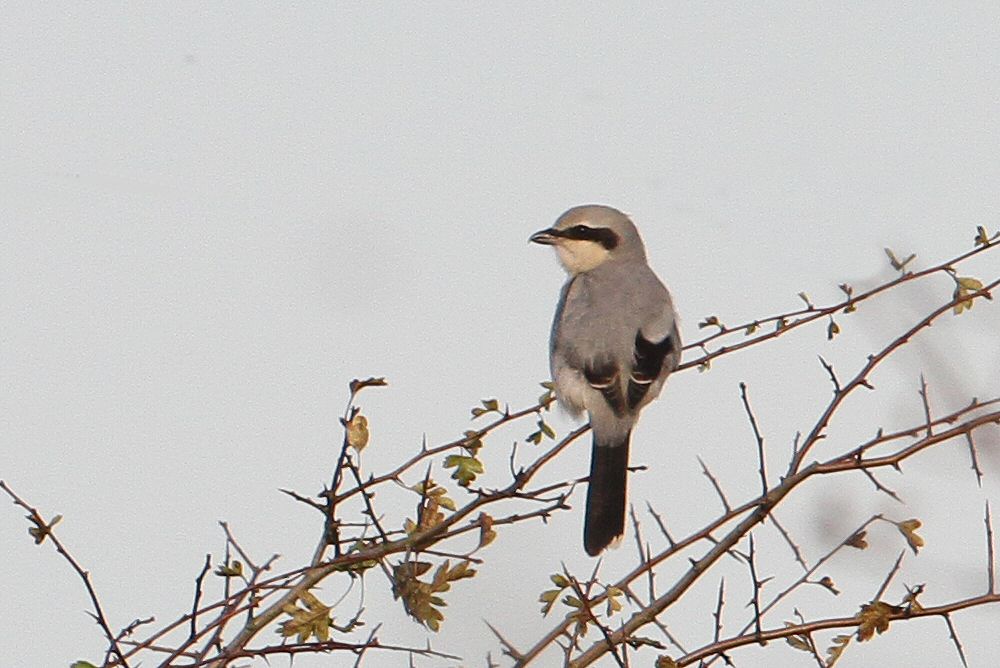
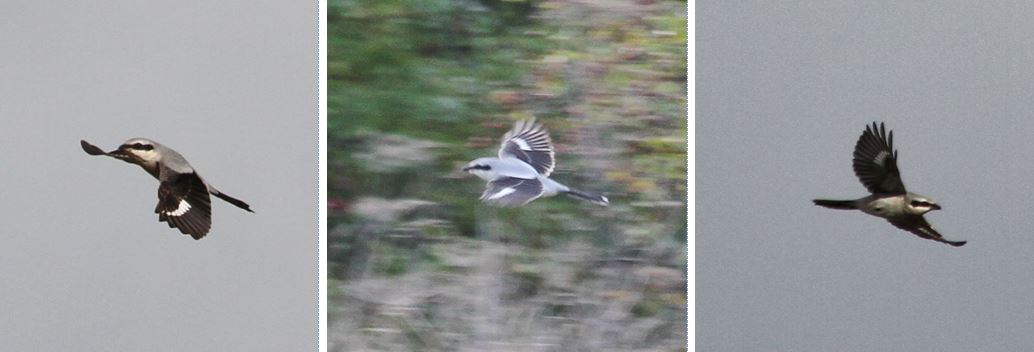
Last week’s Great Grey Shrike was also still a popular draw at Harrington AF until at least 29th while the first Bearded Tits of the autumn, a male and female, were found at Stortons GP on 27th and another was calling from the reedbed at Ecton SF on the same date.
Great Grey Shrike, Harrington AF, October 2013 (Bob Bullock)
A late departing Swallow was seen over Church Brampton on 28th and a Ring Ouzel was discovered close to the causeway car park at Pitsford Res on 31st with a Black Redstart at the dam there on the same date. At Blueberry Farm, two Stonechats were present between 26th and 29th and the same area held twelve Bramblings on 28th with smaller numbers reported from Stanwick GP and Harrington AF and a female Crossbill flew south-west over Stanford Res on 26th.
This week’s weather was dominated by westerly or southwesterly winds, which produced showers and some short periods of heavy rain. Some interesting migrants found their way to the county while several long-stayers seemed set to remain for a while to come.
Following last week’s Egyptian Goose at Stanwick GP, two more were found at adjacent Ditchford GP on 23rd and the drake Mandarin Duck from Wicksteed Park Lake had moved to nearby Kettering Leisure Village Lake on 19th. The long-staying eclipse drake Red-crested Pochard remained at Stanford Res until at least 19th and another joined the three at Pitsford Res on 23rd and the total had increased to nine by 25th. A Bittern was located at Stanwick GP on 25th while the two Great White Egrets remained at, or around, Pitsford Res to at least 23rd with one until 25th.
On the raptor front, a male Hen Harrier was found at Blueberry Farm, Maidwell on 22nd, where it remained until the next day when a ‘ringtail’ was also discovered at the same site, being reported again there on 24th. The lingering Osprey at Stanford Res was still present there on 22nd, single Merlins visited Harrington AF and Pytchley Golf Course on 24th and Peregrines were found at Blueberry Farm and at Ditchford GP on 22nd and 23rd respectively.
Late autumn migrant Ringed Plovers included singles at Pitsford Res and Stanwick GP on 19th while numbers of Golden Plovers continued to build at six localities, with a maximum of c.600 at Clifford Hill GP on 19th. The only Dunlin this week was one at Pitsford Res on 23rd and a Jack Snipe was discovered at Grange Park, Northampton on the same date, while a Black-tailed Godwit visited Summer Leys LNR on 19th before moving further along the Nene Valley to Stanwick on 20th, remaining there until 25th. The latter site produced a Redshank on the same date, single Green Sandpipers were at Ravensthorpe Res from 19th to 23rd and at Pitsford Res on the latter date and a late Common Sandpiper was also found at Pitsford Res on 22nd.
A first-winter Mediterranean Gull appeared at Ravensthorpe Res on 23rd and five Caspian Gulls included an adult at Stanwick GP on 19th with two adults and a first-winter there on 22nd and an adult at Pitsford Res on the latter date. The elusive adult Azorean Yellow-legged Gull made one of its unpredictable appearances at Stanwick GP on 19th and approximately twenty Yellow-legged Gulls were also there on the same date and on 22nd, when an adult was also at Pitsford Res and two adults there on 25th.
Short-eared Owls remained scarce with just one at Harrington AF on 19th and 24th, the same site holding a first-winter Ring Ouzel throughout the period as well as what for
First-winter Ring Ouzel, Harrington AF, 24th October 2013 (Mike Alibone)
many locals was ‘bird of the week’, a Great Grey Shrike on 24th and 25th. True to form,
Great Grey Shrike, Harrington AF, 24th October 2013 (Bob Bullock). The combination of lightly barred underparts, lack of whitish scapulars, pale tips to greater coverts and dark grey upperparts is indicative of a first-winter.Great Grey Shrike, Harrington AF, 24th and 25th October 2013 (Alan Coles)
Great Grey Shrike, Harrington AF, 24th October 2013 (Mike Alibone)
it remained highly mobile along the scrub belt between the first and third bunkers and the main concrete track as previous individuals have done in the past. Birders admiring the shrike also discovered a Black Redstart there on 24th.
Black Redstart, Harrington AF, 24th October 2013 (Bob Bullock)
Stonechats – locally scarce this year – were seen in Sywell early in the week and at Blueberry Farm on 24th but the title of rarest bird of the week goes to the Richard’s Pipit, which was flushed from a weedy field behind the dam at Daventry CP before moving to an adjacent field prior to flying off toward Borough Hill. This is only the 9th Northants record and follows hot on the heels of last year’s at almost the same locality. Single Rock Pipits, common by comparison, appeared at Stanford Res on 19th and at Stanwick GP on 22nd and two Crossbills flew over Harrington AF on 24th.
The week kicked off with a slow-moving low pressure system sitting just over south-eastern Britain and adjacent mainland Europe, which produced significant north-easterly winds accompanied by low cloud and rain – ideal conditions for pushing species more normally associated with the coast into Northants.
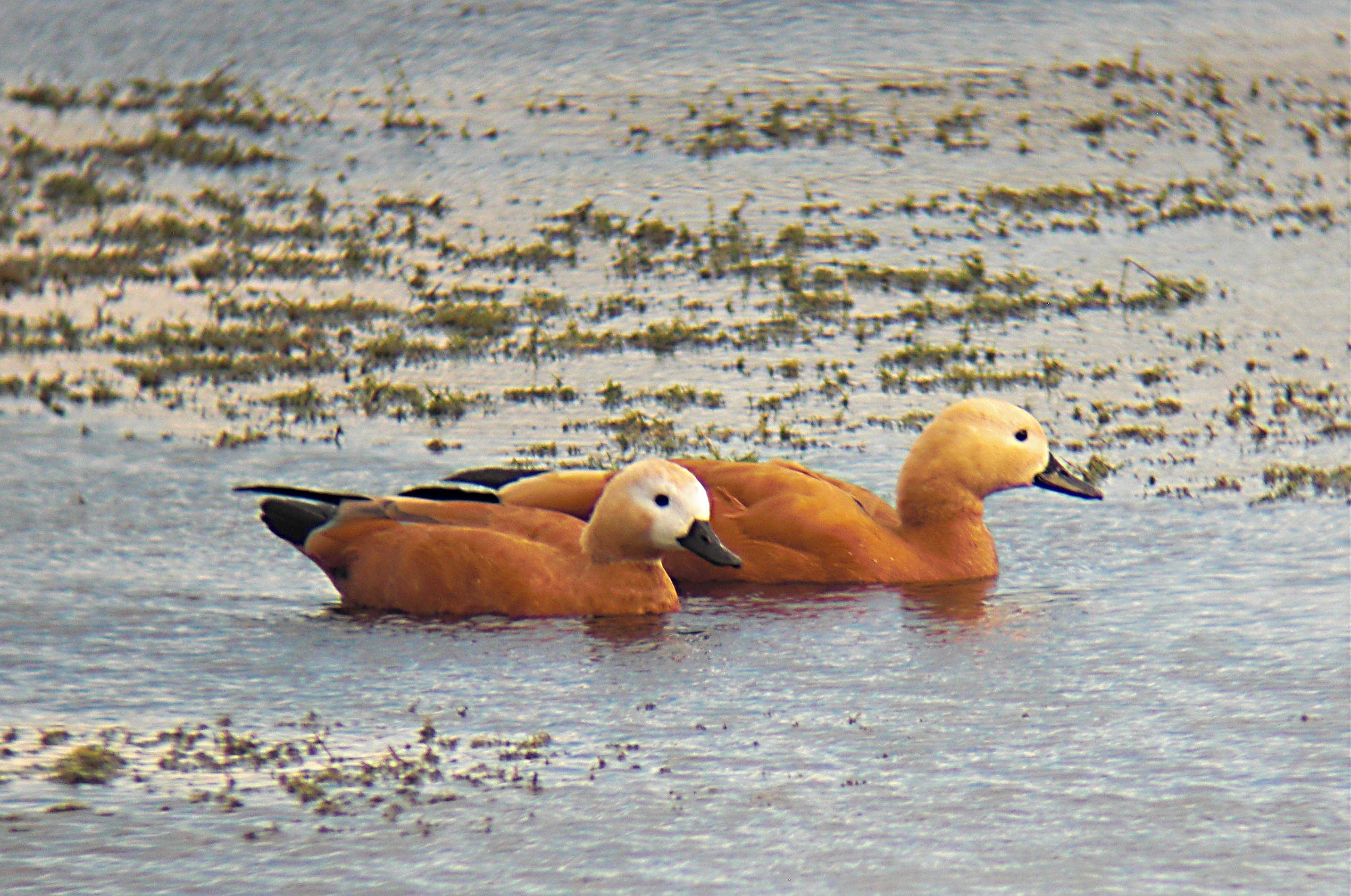
Part of last week’s Whooper Swan movement spilled over into this week with three adults flying north-east over Boddington Res just before dusk on 13th. An Egyptian Goose was at Stanwick GP on 16th, a Ruddy Shelduck was again reported fleetingly from Pitsford Res on 14th and a drake Mandarin Duck visited Wicksteed Park Lake on 15th. A single Pintail was found at Thrapston GP on 12th, two were at Stanwick GP the following day and up to eight were counted at Pitsford Res on 13th-14th, while the menu of scarce diving ducks became more extensive this week with the eclipse drake Red-crested Pochard still at Stanford Res to 17th, singles at Clifford Hill GP on 13th and Wicksteed Park Lake on 14th and three at Pitsford Res on the latter date. A female or first-winter Scaup visited Daventry CP on 17th and storm-driven drake Common Scoters appeared at Pitsford Res (two) and Clifford Hill GP on 13th
Drake Common Scoter, Clifford Hill GP, 13th October 2013 (Mike Alibone)
and Clifford Hill GP also hosted the year’s only Red-breasted Merganser on 12th, while last week’s Goosander remained on the fishing lake at Wicksteed Park all week.
Eclipse drake Red-breasted Merganser, Clifford Hill GP, 12th October 2013 (Mike Alibone). The ‘third’ white panel in the wing, comprising lesser and median coverts, serves to age this as an adult drake. These feather tracts are dark greyish in females and first-winter males.
Also from last week, the Stanford Res Black-necked Grebe reappeared on 18th.
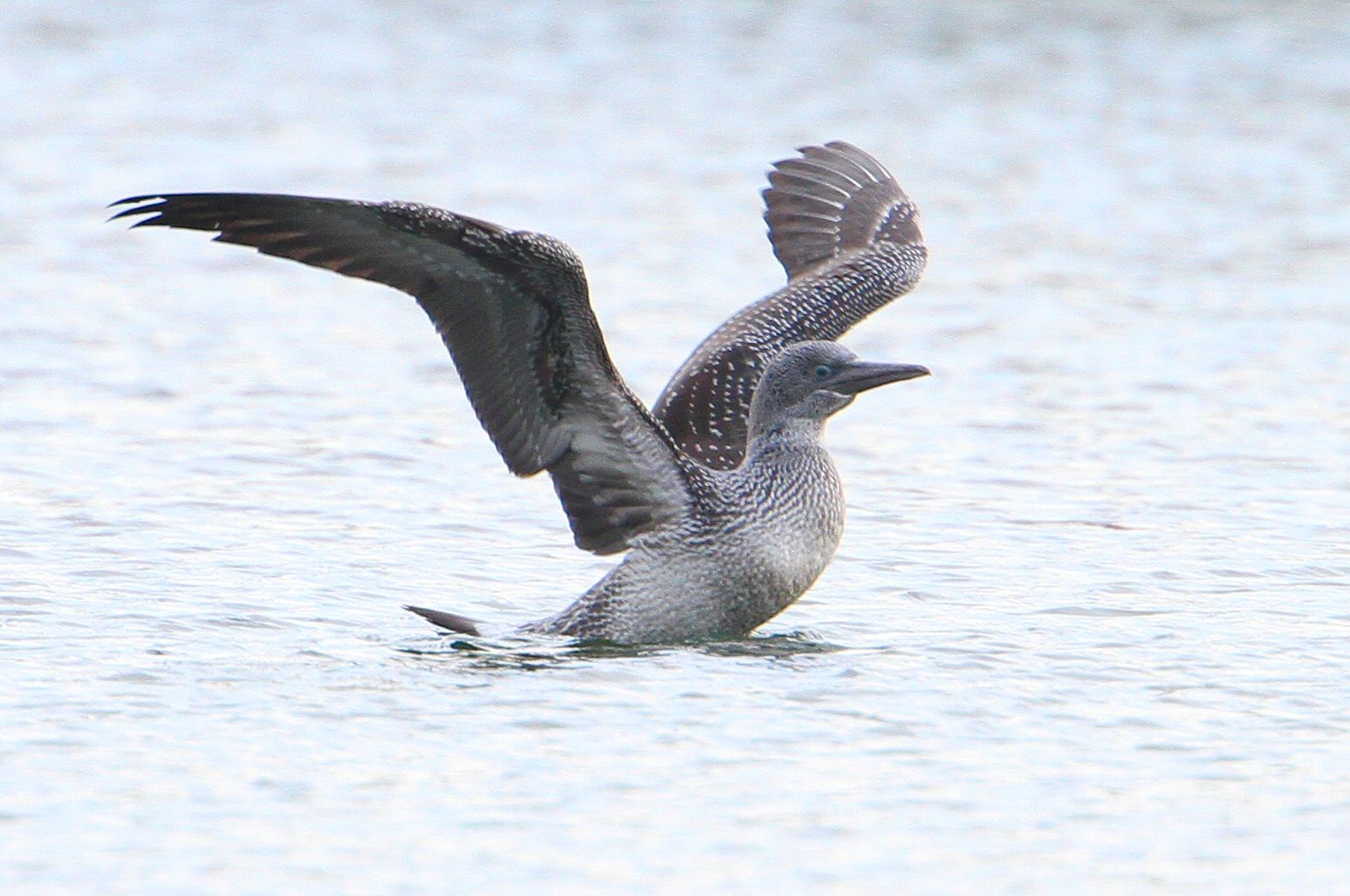
Hot in off the North Sea, Northamptonshire’s thirty-fourth Gannet, a juvenile, splashed down early in the afternoon of 14th on Thrapston GP’s Barclaycard Pit, where it remained, showing well, until dusk.
Juvenile Gannet, Thrapston GP, 14th October 2013 (Bob Bullock)
Juvenile Gannet, Thrapston GP, 14th October 2013 (Bob Bullock)
Juvenile Gannet, Thrapston GP, 14th Oct (Bob Bullock)
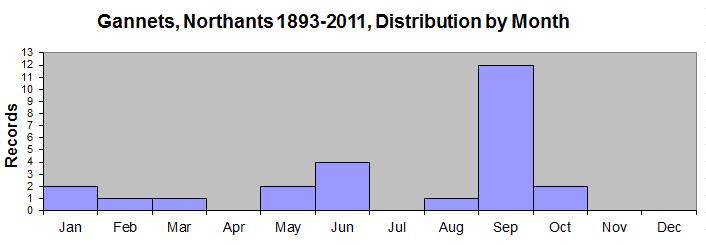
This species has appeared in no more than three years out of the past ten with September being the peak month of occurrence in the county.
All three of last week’s Great White Egrets – two at Pitsford Res and one at Stanwick GP – remained until at least 15th
Great White Egret, Stanwick GP, 12th October 2013 (Steve Fisher)
while the county’s third-ever Glossy Ibis appeared at the latter site on 12th. First seen flying high west over the eastern pits there, it whiffled down and appeared to land on the A45 Lay-by Pit. Despite a thorough search by a number of local observers it was not relocated. Uncannily – or perhaps predictably – this bird followed exactly the same pattern of occurrence as the previous two: one observer, less than twenty minutes, gone. This would have been the case other than for an unconfirmed report of its revisiting the same site briefly on 15th so it could still be lurking somewhere in the Nene Valley, although Northants appears to be a Teflon-coated county as far as this species is concerned. Will there ever be one which stays long enough for the birding masses to catch up with it?
The trio of notable raptors this week include an Osprey lingering at Stanford Res all week, a Merlin at Blueberry Farm, Maidwell on 17th and a couple of Peregrines at Hellidon on 12th.
While numbers of Golden Plovers began to build for the winter, with three hundred and fifty at Clifford Hill GP on 13th, wader passage in general continued to dwindle. Dunlin numbers were down with up to three at Pitsford Res between 12th and 15th, up to two at Clifford Hill GP during the same period and two at Stanwick GP on 12th. The only Ruff this week were singles at Pitsford Res on 12th and Clifford Hill GP on 14th, a Bar-tailed Godwit flew south at Pitsford Res on 13th along with a Curlew while another Curlew flew east at Stanford Res on 12th and two Green Sandpipers were also at Pitsford Res on 14th.
Two Caspian Gulls were found at Stanwick GP on 12th and an adult was again at Thrapston GP on 14th along with four Yellow-legged Gulls while single adult Yellow-legged Gulls visited Clifford Hill GP on 12th and Pitsford Res on 15th. The depression also dumped Little Gulls – all first-winters – at three localities: Summer Leys on 12th, Thrapston GP from 12th to 14th and Stanford Res from 13th to 15th as well as a typically late juvenile Arctic Tern at Clifford Hill GP on 13th.
On the passerine front, a Firecrest was discovered with a tit flock at Titchmarsh Wood on 17th, straggler Swallow duos were at Clifford Hill GP on 12th and Pitsford Res the following day and a Ring Ouzel showed well at Hellidon – if only for a short while – on 12th. The same locality also hosted a Greenland Wheatear at the same time and a male Stonechat was discovered at Pitsford Res on 14th while single Rock Pipits appeared on cue at Hollowell Res on 13th and at Thrapston GP the following day. More Bramblings arrived this week with singles at Hellidon and Stanford Res on 12th and at Woodend near Blakesley on 18th, with two at Geddington Chase on 17th and approximately twelve Crossbills flew over Spratton on 16th with another over on 17th and several over Daventry CP on the same date.
The relatively warm south-westerly airstream at the beginning of the week had given way to cold north-easterlies and rain by the week’s end. A phenomenal 33,000+ Redwings were counted migrating over one point in neighbouring Bedfordshire on 10th as more winter visitors appeared in Northants.
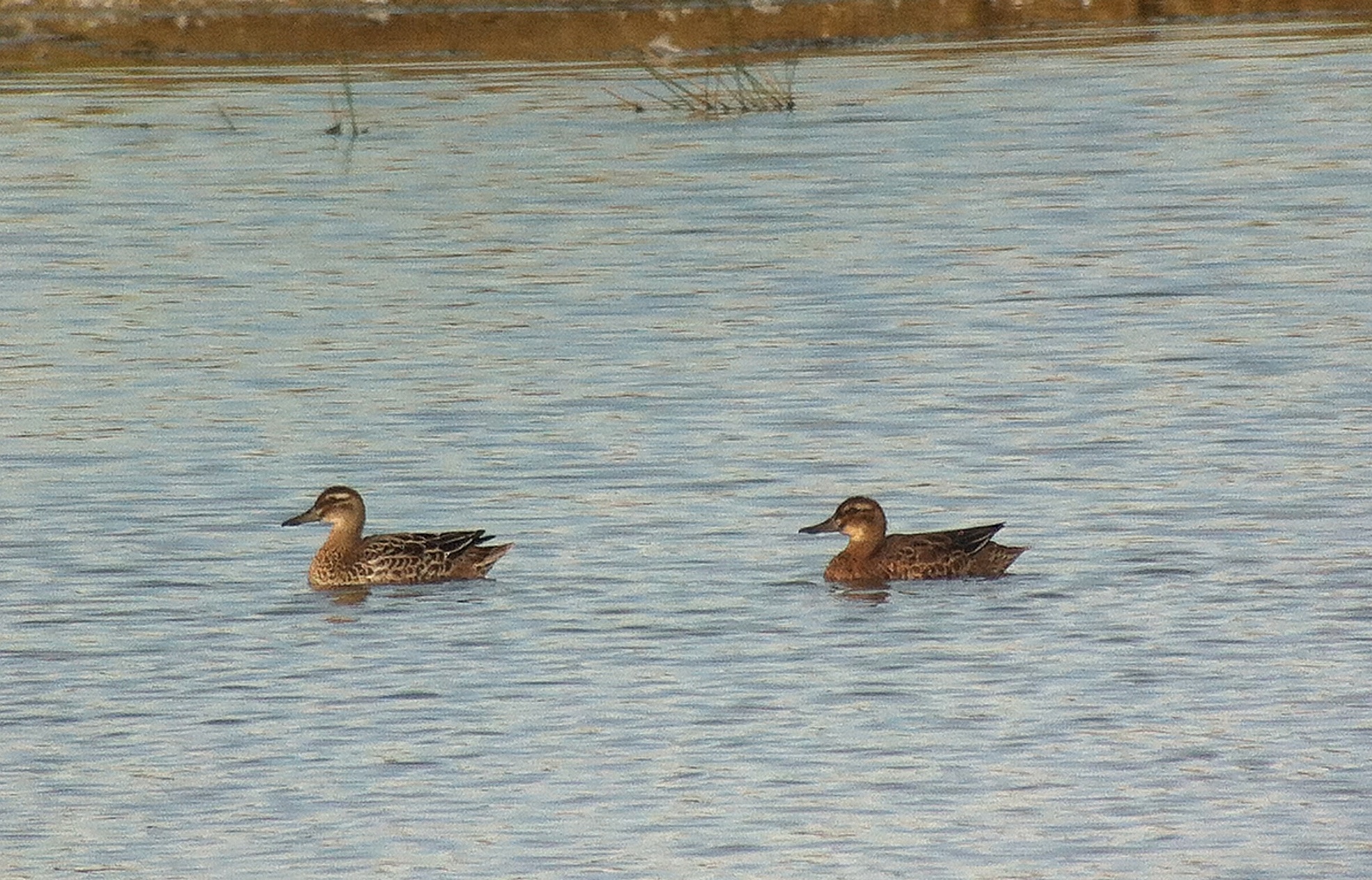
Yes, winter’s intent was announced by the arrival of several species this week, kicking off with six Whooper Swans flying east just before dusk fell at Stanwick GP on 10th. The same, or perhaps a different flock was seen flying south-west at Thrapston GP the following morning with a lone individual was also seen flying north-east there and nine adults briefly at Hollowell Res the same day. The Pitsford pair of Ruddy Shelducks was present until 8th but they have become highly mobile and may still be present somewhere on the reservoir. Elsewhere, scarcer wildfowl were represented by last week’s Pintail remaining at Hollowell Res until 10th, singles at Stanford Res on 5th and Thrapston GP on 11th and four or five at Summer Leys LNR on 7th, the latter being joined there by three Garganey on the same date, while an eclipse drake Garganey was also at Clifford Hill GP on 5th.
Garganey, Summer Leys LNR, 7th October 2013 (John Friendship-Taylor)
Last week’s eclipse drake Red-crested Pochard was still at Stanford Res on 5th, five Common Scoters (two drakes) appeared at Hollowell Res and another at nearby Ravensthorpe Res on 10th and the first Goosander of the season was on the fishing lake at Wicksteed Park on the same date.
Hot on the heels of last week’s two Great White Egrets, two more – this time together – arrived at Pitsford Res on 8th with at least one remaining there until 11th. Meanwhile, in the Nene Valley, another was found at Stanwick GP early morning also on 11th and a Black-necked Grebe – a species proving scarce this autumn – appeared at Stanford Res on 5th.
Raptors were also in short supply this week with a ‘ringtail’ Hen Harrier flying west at Summer Leys on 11th and a Peregrine there on 6th, while a juvenile visited Stanwick GP on the same day and an adult was there on 9th.
Wader passage is now at an understandably low ebb and there were few new arrivals. Ringed Plovers at Pitsford Res dropped from six on 5th to four by 9th and two were still at Clifford Hill GP on 5th where there were approximately two hundred Golden Plovers on 9th with five at Summer Leys on 6th. The long-staying Grey Plover remained at Stanwick GP until early morning on 6th and another flew east over Hollowell Res on 5th. The two Little Stints at the former locality remained until 5th and the same site held a Dunlin from 5th to 9th, three were at Pitsford Res from 5th to 7th with one there on 8th-9th and two on 11th and two were at Clifford Hill GP on 5th. The only Ruff this week was one at Daventry CP on 7th, the same site producing a flock of fifteen Black-tailed Godwits for just thirty minutes on 5th, while another was at Stanwick GP on the same date. Just one Common Sandpiper was found – at Pitsford Res – on 9th, the same site producing the week’s only Green Sandpiper on 8th.
Single first-winter Mediterranean Gulls were at Daventry CP on 8th and 11th and a fourth-winter Caspian Gull visited Stanwick GP on 5th, an adult was there on 8th and another adult was found at Thrapston GP on 11th. Amazingly, ‘the’ (or another) Azorean Yellow-legged Gull was back at Stanwick GP for just a couple of minutes on 8th, again giving observers no chance to catch up with it and approximately thirty Yellow-legged Gulls were there on the same date. Two more were at Hollowell Res on 5th, six were at Thrapston GP on 11th and an adult remained at Pitsford Res all week.
A late Willow Warbler was at Hardingstone on 11th, a male Ring Ouzel – only the second of the autumn – was found at Hollowell Res on 10th and the winter’s first Fieldfares – three of them – flew over Stanford Res on 9th. Departing summer visitors included last week’s Whinchat remaining at Clifford Hill GP until 5th and what were probably the last Yellow Wagtails of the year at Hollowell Res and Brackley on the same date. More inbound winter visitors included the first Bramblings at Stanford Res and Summer Leys on 5th, followed by one at Stanwick GP and six west over Thrapston GP on 11th.
The UK was sandwiched between a low pressure system to the southwest and a high pressure system over Scandinavia, producing a steady southeasterly airflow across the country throughout much of the week, turning southwesterly toward the week’s end.
The Pitsford female Ruddy Shelduck was present on 29th and then went unreported until 4th, when it was joined by a drake.
Ruddy Shelducks, Pitsford Res, 4th October 2013 (John Moon)
Ruddy Shelducks, Pitsford Res, 4th October 2013 (Jim Dunkley)
Twelve Pintails were also present there on 29th with four there on 4th, three were at Stanwick GP on 30th with one there the following day, three visited Summer Leys on 1st and one was found at Hollowell Res on 4th. There were just two records of Garganey with two at Clifford Hill GP on 30th and one at Ravensthorpe Res on 4th, while diving ducks were represented by an eclipse drake Red-crested Pochard at Stanford Res on 28th, a short-staying juvenile Scaup at Boddington Res on 3rd and a Goldeneye at Stanford Res on 28th with two at Earls Barton GP on 1st.
No longer a head-turner, a Great White Egret was found at Ditchford GP on 2nd, remaining until at least 14.00 the next day, while another arrived at Thrapston GP’s Barclaycard Pit during the morning of the same day. With an established North European population this species seems set to follow Little Egret in becoming a common sight in the UK. More welcome in the county, however, would be another Glossy Ibis, which has appeared only on two previous occasions (September 2002 at Ravensthorpe Res and September 2010 at Pitsford Res) each staying no more than twenty minutes. With western Britain currently enjoying another mini-invasion another is surely on the cards … On the raptor front a Marsh Harrier was again at Harrington AF on 30th and a Peregrine was at Summer Leys on 1st, while two were circling over Oundle on 3rd.
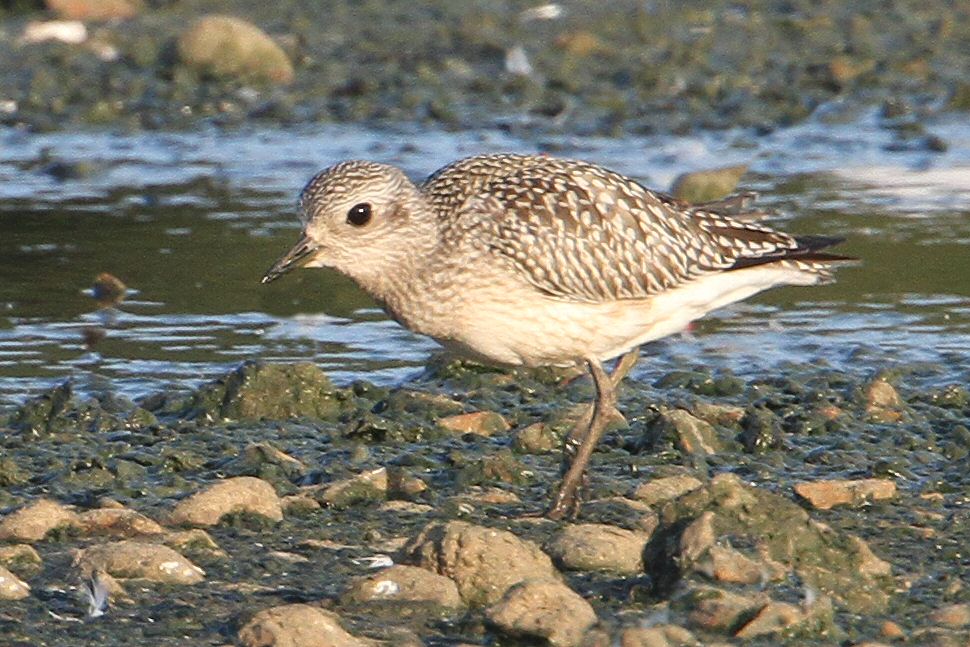
A few new waders arrived this week. A Little Ringed Plover was found at Pitsford Res on 4th, where eight Ringed Plovers were also present on 29th and 30th, dropping to four by 4th, while up to three were at Clifford Hill GP between 29th and 3rd. There was also a mini-influx of Grey Plovers, which included singles at Hollowell Res and Stanwick GP on 28th – the latter remaining all week – Pitsford Res on 29th and Daventry CP on 30th
Juvenile Grey Plover, Stanwick GP, 28th September 2013 (Bob Bullock)
Juvenile Grey Plover, Stanwick GP, 28th September 2013 (Mike Alibone)
and numbers of Golden Plovers started to build with forty-nine at Clifford Hill GP on 2nd and twenty-four at Stanwick GP on the same date. The latter locality also produced two Little Stints from 29th to 4th. Dunlins were found at four localities with site maxima of 4 at Daventry CP on 30th and the same number at Pitsford Res on 2nd, three at Clifford Hill GP on 28th and two at Stanwick GP on 3rd. The only Ruff this week were up to two at Clifford Hill GP between 28th and 3rd while the second Jack Snipe of the autumn was found at Daventry CP on 2nd and last week’s two Bar-tailed Godwits remained on the new scrapes at Thrapston GP until 29th. Just one Common Sandpiper was found – at Pitsford Res – on 29th when there were also three Green Sandpipers on the same date followed by singles at Daventry CP on 2nd and Ravensthorpe Res on 4th.
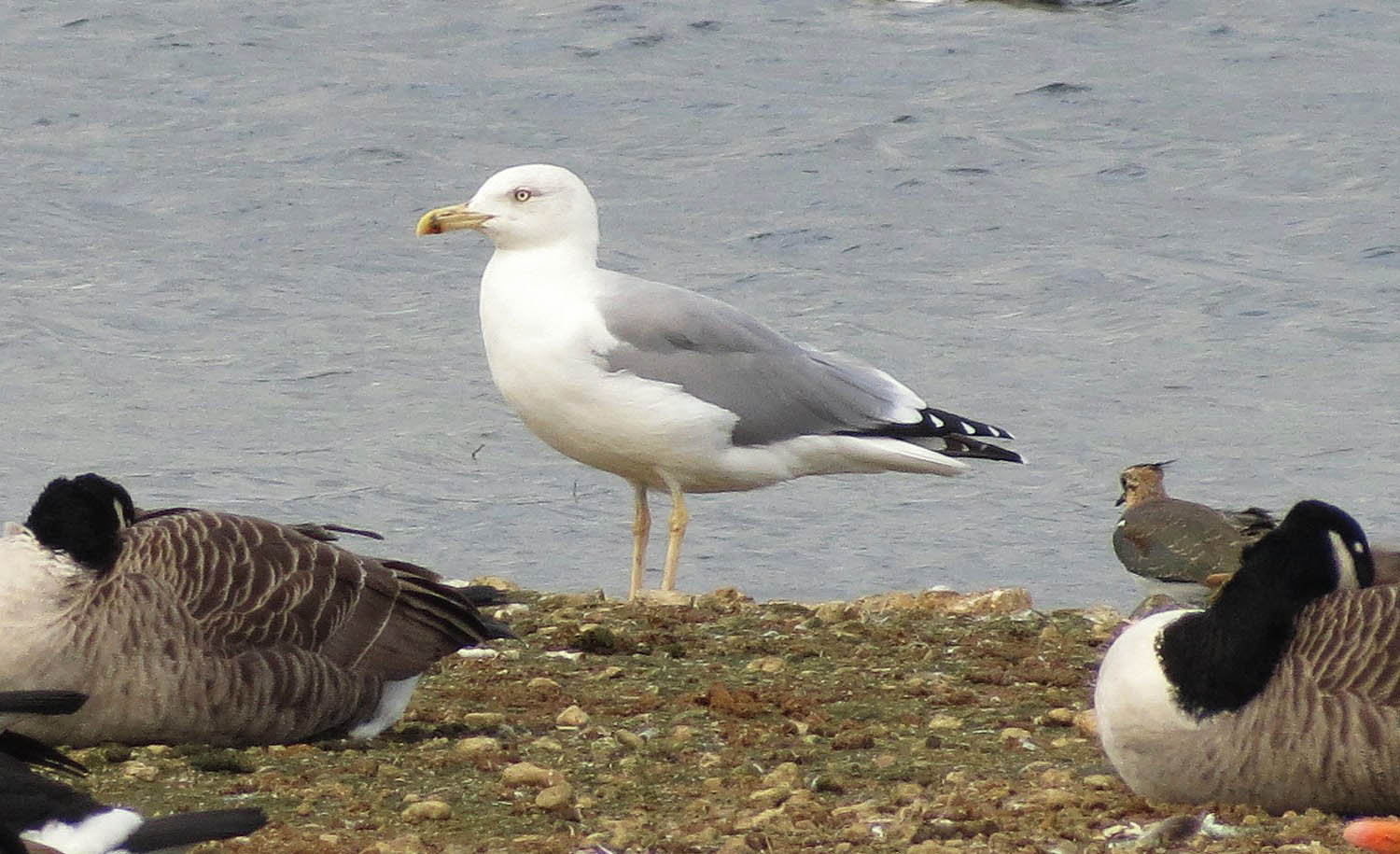
The only Mediterranean Gulls this week were at Boddington Res, where there were two first-winters on 2nd and one on 3rd. The same cannot be said for Yellow-legged Gulls, which maintained high numbers almost daily at Stanwick GP with a maximum of more than one hundred and ten there on 30th; elsewhere three were at Ravensthorpe Res on 4th, up to two were at Pitsford Res all week and singles visited Boddington Res on 3rd and Hollowell Res on 4th.
Adult Yellow-legged Gull, Pitsford Res, 4th October 2013 (Martin Dove)
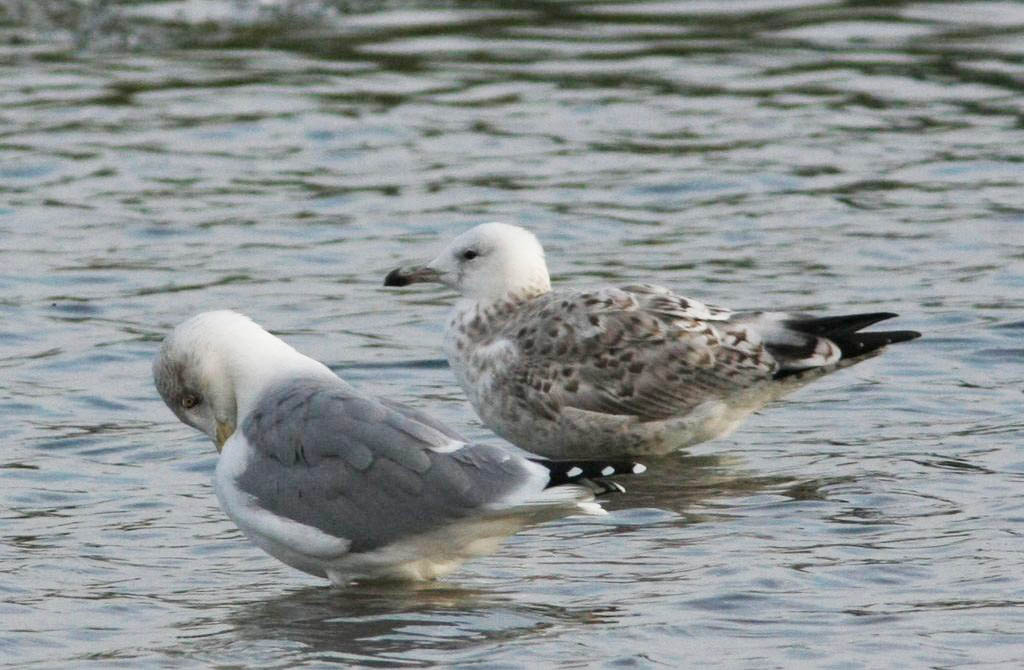
Good numbers of Caspian Gulls were also recorded this week with one at Stanwick GP on 29th, five there on 30th, three on 1st, four on 3rd and four on 4th. Four were also at Ditchford GP on 28th and 30th.
Second-winter Caspian Gull, Stanwick GP, 1st October 2013 (Steve Fisher)
Winter came one step closer this week with the arrival of the first Redwing, which was trapped and ringed at Stanford Res on 28th, while a Whinchat remained at Clifford Hill GP on 28th and single Northern Wheatears were at Harrington AF on 28th and 30th and at Clifford Hill GP on the last of these dates.
First-winter Northern Wheatear, Harrington Airfield, 28th September 2013 (Doug McFarlane). The richly coloured underparts and relatively late date suggest this may be a bird of the Greenland race.
Atlantis is not just a myth … but there is some doubt as to whether or not ‘real’ Azorean Yellow-legged Gulls Larus michahellis atlantis are occurring in the UK. There have been several good candidates in recent years, including this one, but this distinctive subspecies is still not (yet) officially on the British list. And then there’s always the spectre of variants and hybrids …
Azorean Yellow-legged Gull, Stanwick GP, 27th September 2013 (Martin Elliott)
Although its vagrancy potential is not in doubt, its potential as a future split is. According to Philippe Dubois (2001), from a genetic perspective, no differences have been found in mitochondrial DNA between nominate michahellis and atlantis – even in the Azorean population. Using other forms of genetic analysis, however, some differences have been found between ‘Atlantic’ Yellow-legged Gulls from the continent (the wider range of atlantis beyond the Azores) and michahellis from the Mediterranean – so who knows!
Azorean Yellow-legged Gull, Stanwick GP, 27th September 2013 (Martin Elliott)
This one at Stanwick was found by UK gull aficionado Martin Elliott, an ex-Northants birder who also found the country’s first atlantis, in Cornwall, in 2008. The Stanwick bird was present for only a few minutes in the pre-roost on the main lake early in the evening of Friday 27th September before flying off east. Subsequent pre-roost vigils by a handful (surprisingly a very small handful!) of local birders over the following four consecutive evenings drew a blank.
Azorean Yellow-legged Gull, Stanwick GP, 27th September 2013 (Martin Elliott)
Looks good, the densely streaked, sharply demarcated hood is spot on and draws immediate attention. The mantle colour was said to be between Yellow-legged Gull and Lesser Black-backed Gull (although it does not appear so obvious in the images) and the main flight shot shows a mirror on primary P10 with no mirror on P9. Overall the bird appeared a little stockier than Yellow-legged Gull, of which a record 135+ were counted at the site during the same evening.
All three of Martin’s images reproduced here show a bird with a prominent, broad, dark grey band on the underside of the secondaries extending on to the primaries. Yellow-legged also shows this to some variable extent but can it ever be as prominent as on this individual? This was also a feature on the Oxfordshire bird of October 2009, for which see here, so maybe it’s a function of the darker upperparts or it may not be at all related – either way, is it a potentially useful ID feature for adults of this form?
This is an interesting bird which may well still be lurking among the thousands of gulls currently roaming around in the River Nene Valley. Sidegate Landfill and Ditchford GP may pay dividends if visited now rather than in winter, when local birders traditionally step up their efforts to find white-winged gulls.
Many thanks to Martin for finding a potential first for Northamptonshire and for the use of his images













 Northants birds