The period’s weather was dominated by a slow-moving low pressure system to the north of the UK, delivering west to south-westerly winds and showers throughout, resulting in a somewhat tepid week, birdwise. While it’s commonplace for migration to take a dive as spring fizzles out, the last week of May has, over the years, been known to produce the stuff of legend in the county. Etched into the memories of those of us of a certain age will be the hallowed 29th, which has delivered Bridled Tern, Sooty Tern and Buff-breasted Sandpiper – rarities of the highest eminence, the likes of which may never be seen locally again …
However, the week’s best birds were rather more down to earth, exemplified by the idling drake Red-crested Pochard still present throughout the period at Earls Barton GP.
Avocets were again well represented with nine at the above locality on 30th and twos at Lilbourne Meadows NR from 24th to 27th and at Clifford Hill GP on 27th-28th.
Avocets, Lilbourne Meadows NR, 25th May 2025 (Mike Alibone)
A Grey Pover spent the afternoon and evening at Summer Leys LNR on 29th, the same site having produced a Sanderling on 25th, when one also visited Lilbourne Meadows.
Grey Plover, Summer Leys LNR, 29th May 2025 (Aamir Aziz Mughal)Grey Plover, Summer Leys LNR, 29th May 2025 (Alan Coles)
Lilbourne Meadows also held on to a Tundra Ringed Plover until 27th, while a Greenshank at Pitsford Res on 24th is likely to be the last one for the spring which has seen an unusually good run of them throughout.
The same cannot be said for Kittiwake, an adult – and the first for 2025 – putting in a brief appearance at Thrapston GP’s Titchmarsh NR on 28th before heading off south. This year is fast shaping up to become possibly the worst in recent history for the species … A couple of late Caspian Gulls included one at Pitsford on 24th and a first-summer on floodwater at Braunston on 29th, while Pitsford produced the week’s Yellow-legged Gulls, with two there on 27th and one on 28th.
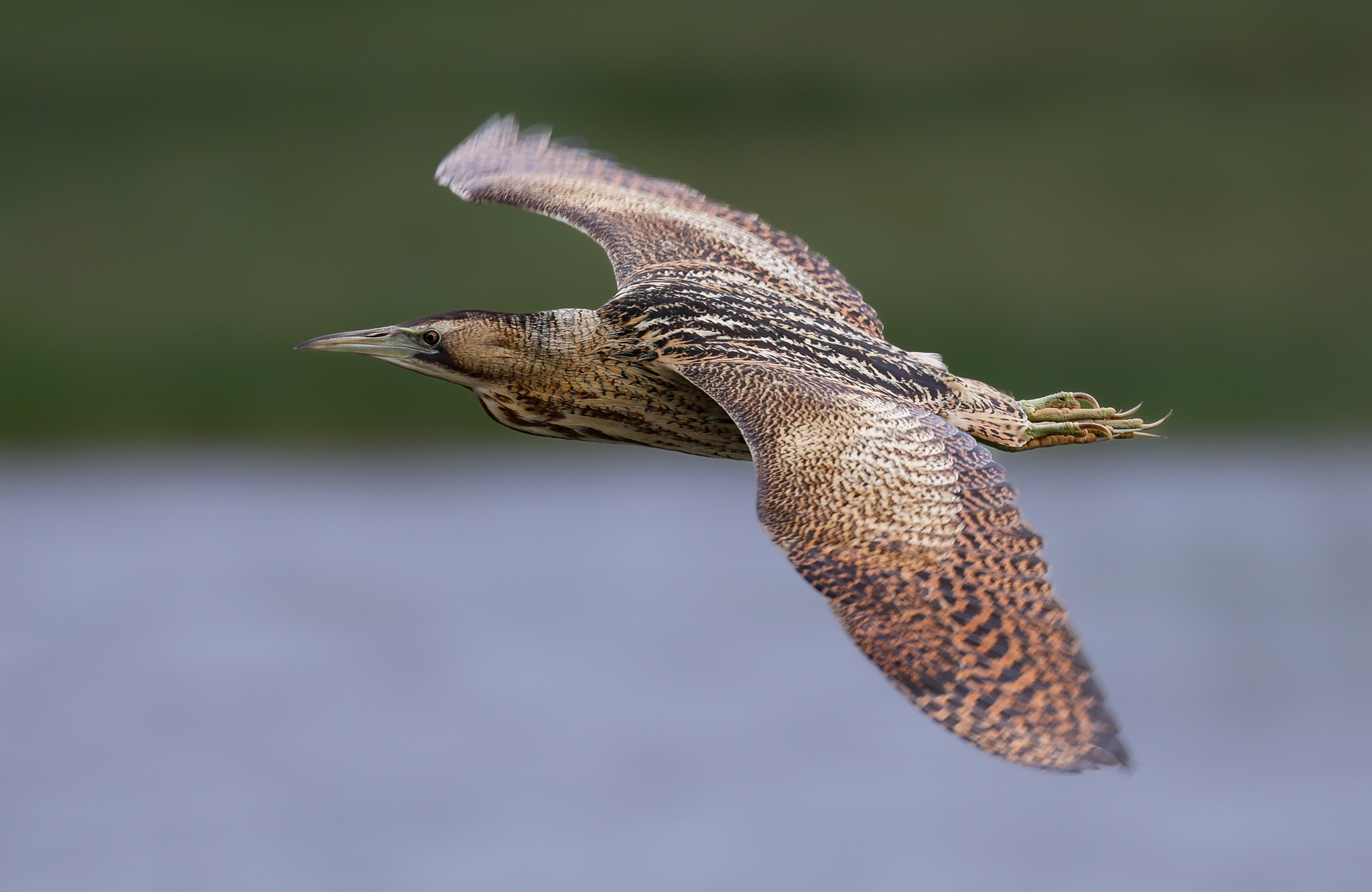
Bitterns continued to be seen at Summer Leys, where there were two on 25th and single birds on 26th and 30th. With Cattle Egrets up and down of late, five were at the highly favoured North Lake of Stanwick GP on 25th and one dropped in at Clifford Hill on 28th.
Bittern, Summer Leys LNR, 25th May 2025 (Ricky Sinfield)Bittern, Summer Leys LNR, 30th May 2025 (Tony Stanford)
Rounding off this week’s raptors and all, single Ospreys graced the skies over Earls Barton on 24th and Pitsford on 28th-29th.
The week just gone saw a flip back to warmer conditions as a southerly airmass moved in from the continent, giving rise to the UK’s warmest day of the year so far, with local temperatures reaching 18°C, while the wind took on an easterly vector during the final two days. Perfect conditions for northbound migrants … and in they came.
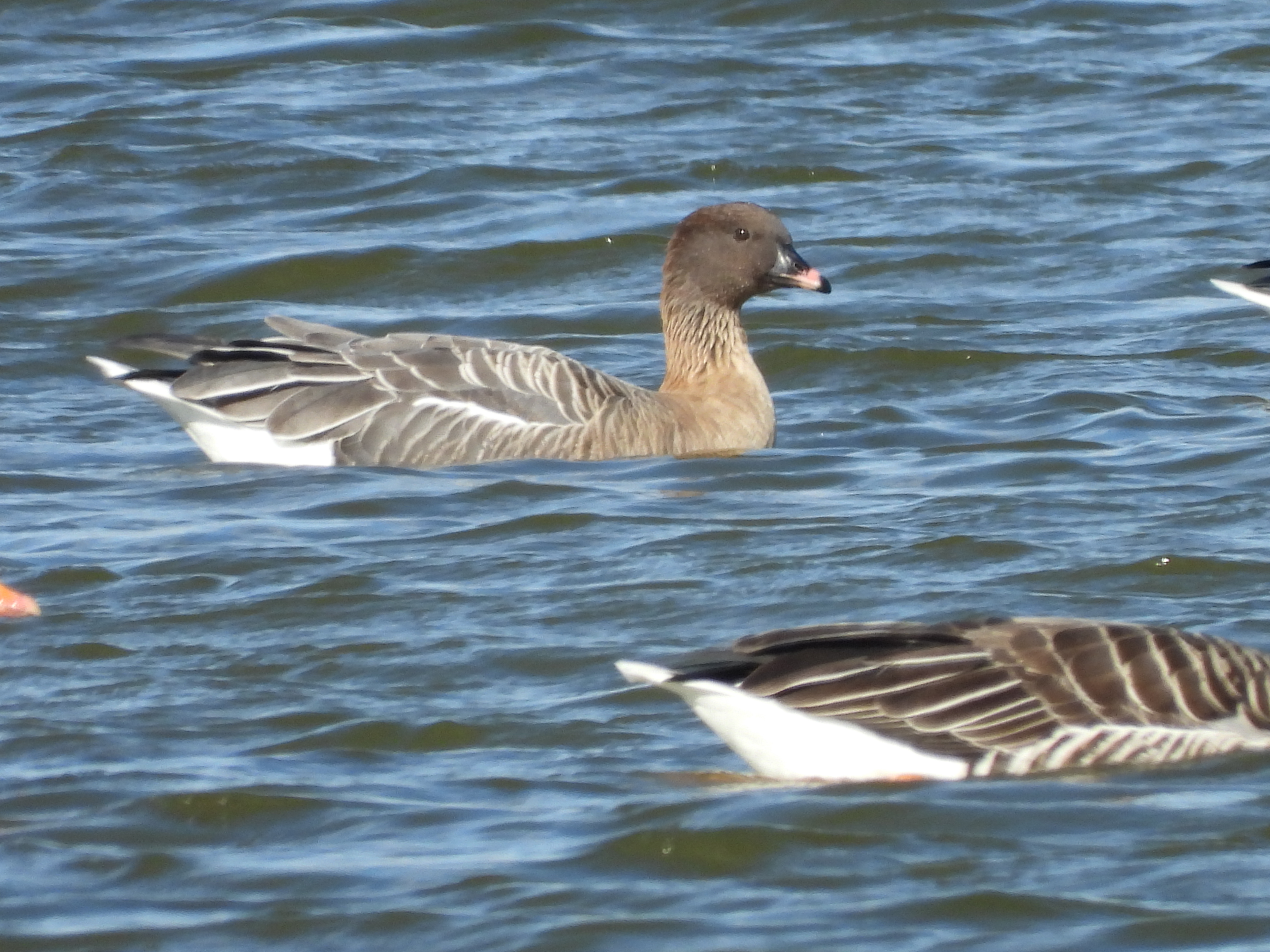
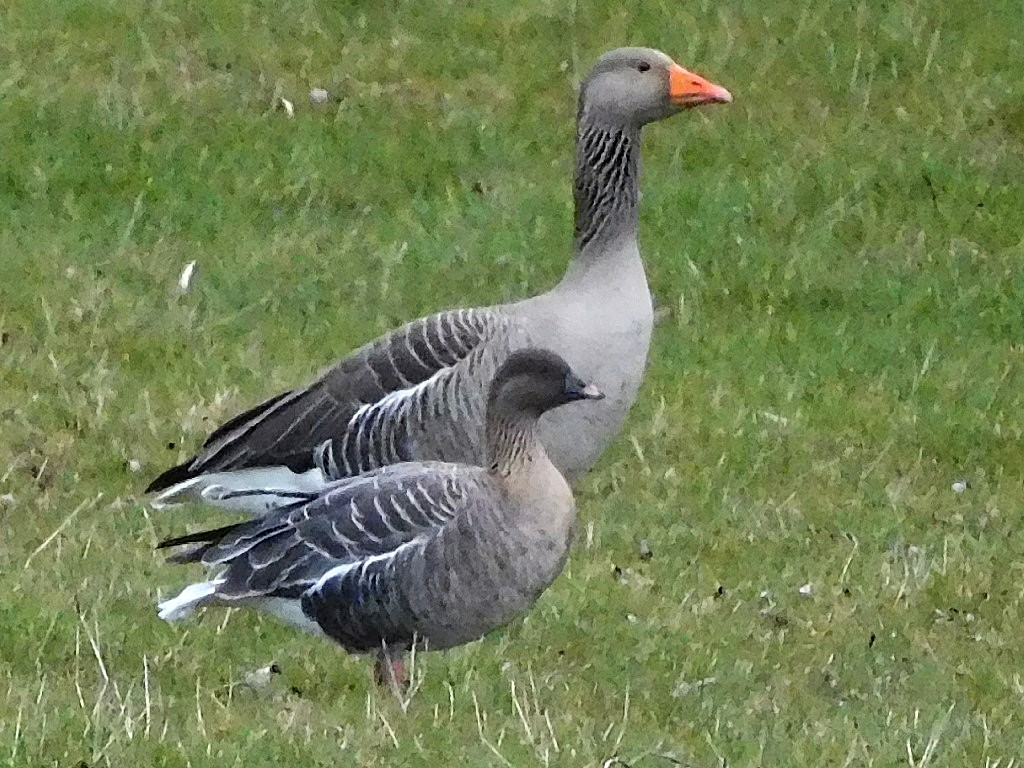
There were, however, some winter visitors that were simply refusing to budge and we’re referring here to the Pink-footed Goose, still with the Nene Valley Greylags in the Cogenhoe Mill/Earls Barton GP area all week, although there were no further reports of the two at Thrapston GP/Titchmarsh NR beyond 15th.
Pink-footed Goose, Earls Barton GP, 15th March 2025 (Leslie Fox)Pink-footed Goose, Thrapston GP, 15th March 2025 (James Underwood)
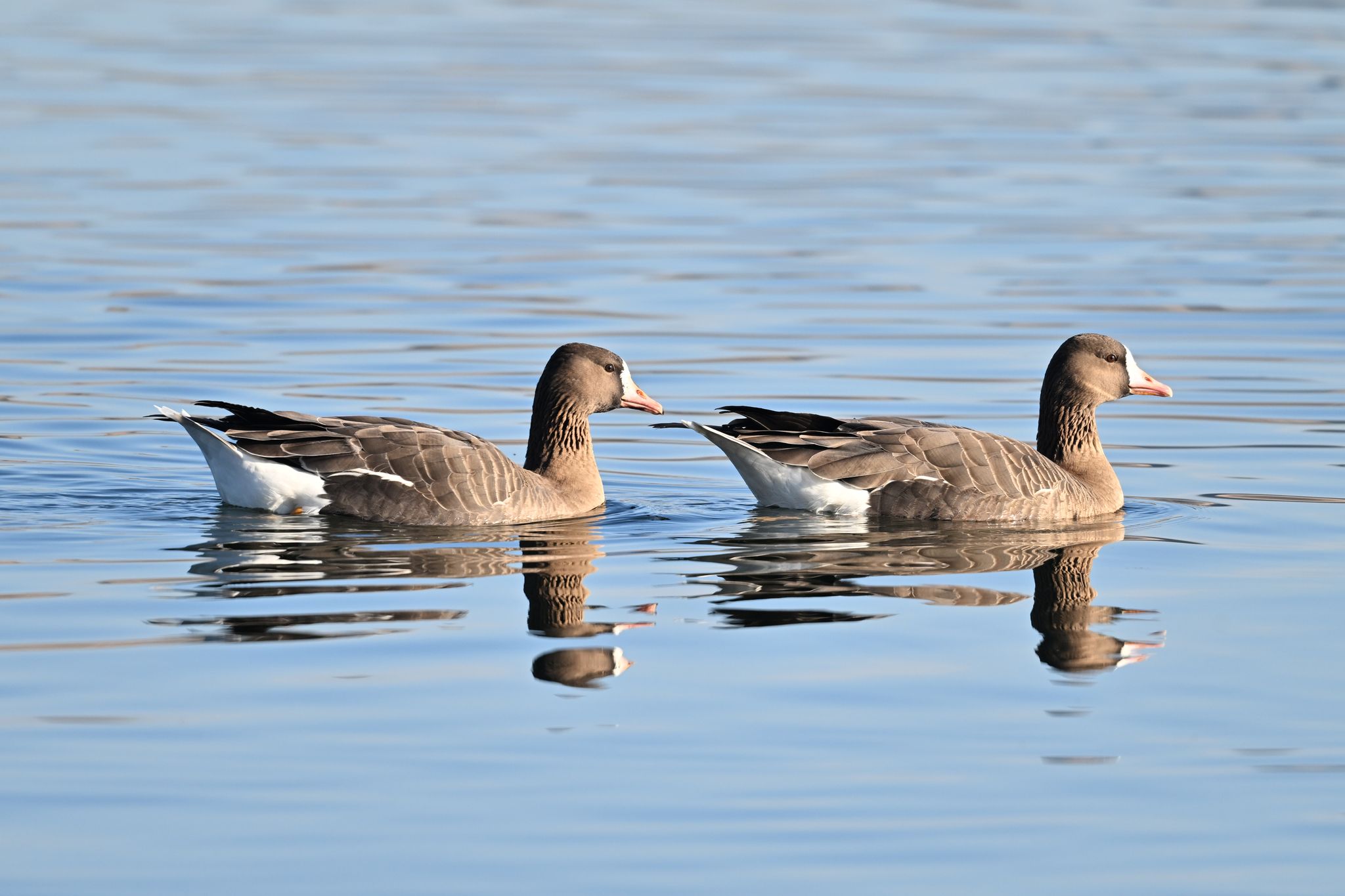
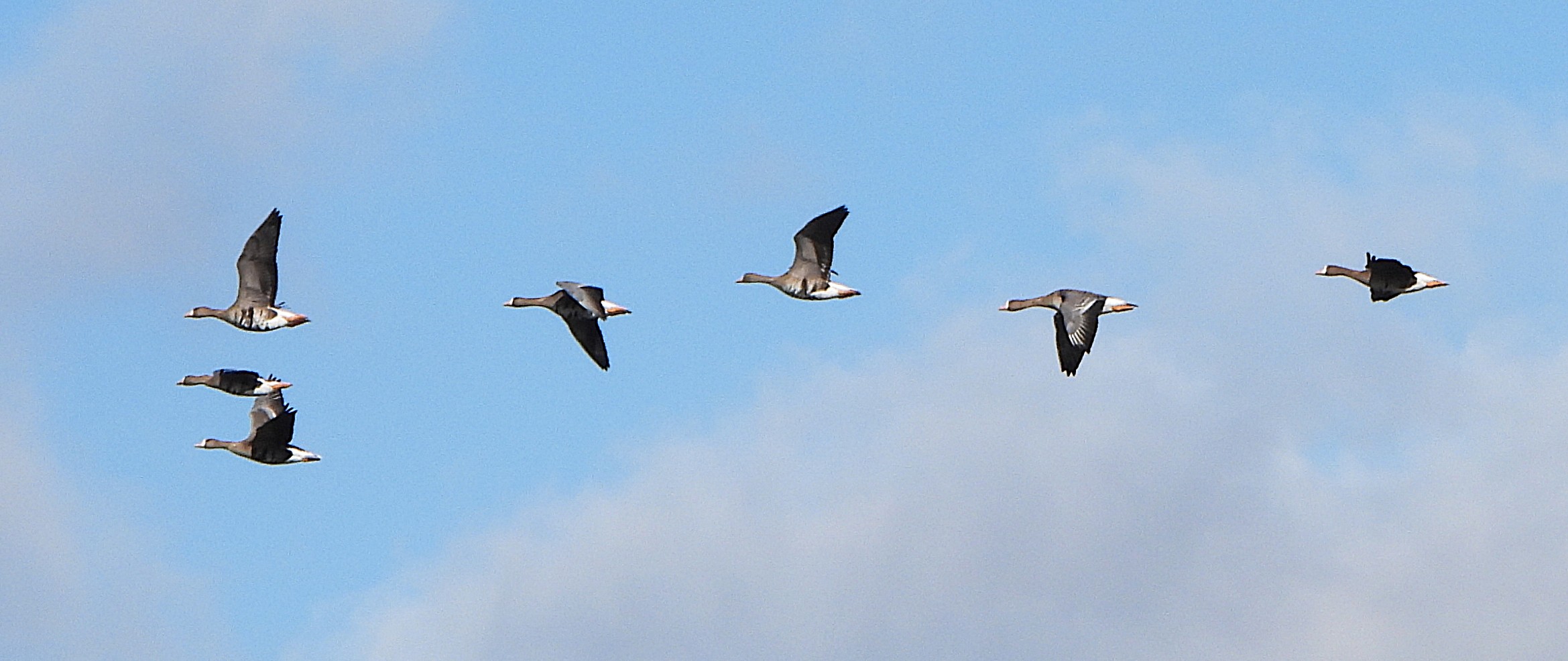
Also seeing the week out were the seven (eight on 18th) White-fronted Geese with the above Greylags, as did the two at Ravensthorpe Res, while last week’s three remained at Titchmarsh until at least 17th.
White-fronted Geese, Ravensthorpe Res, 20th March 2025 (Jon Cook)
Seemingly settled, too, was the drake Red-crested Pochard at Earls Barton GP and on the River Nene between Cogenhoe and Whiston Lock, where it was still to be found at the period’s end.
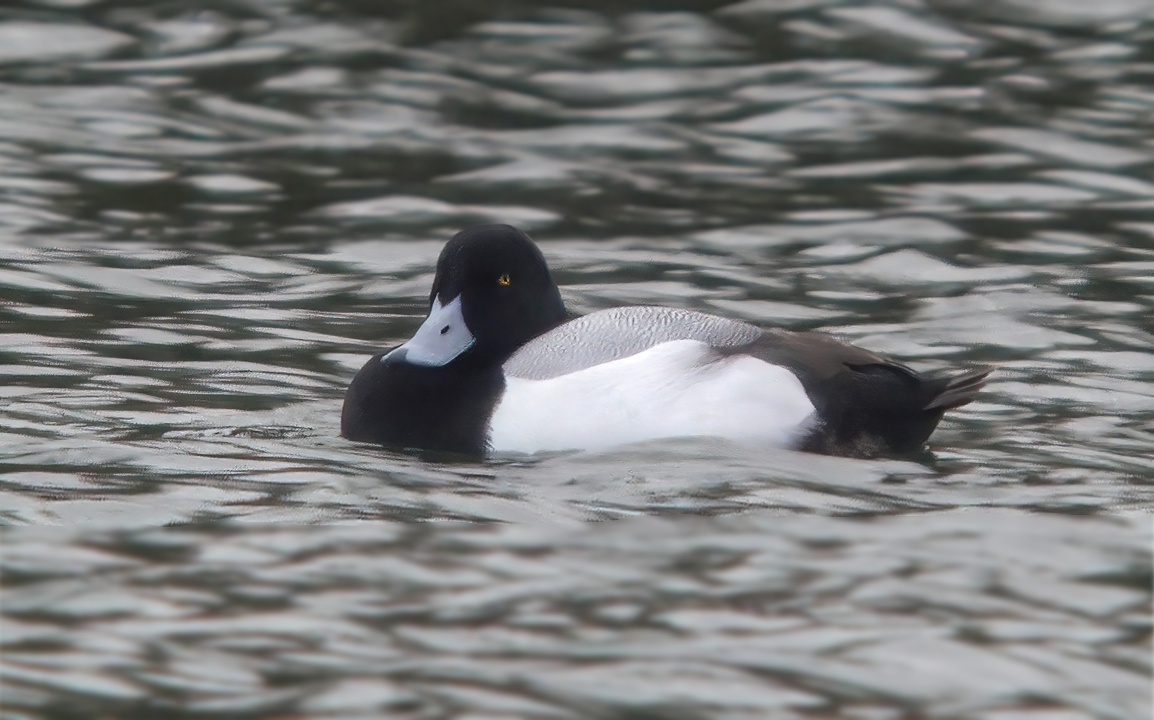
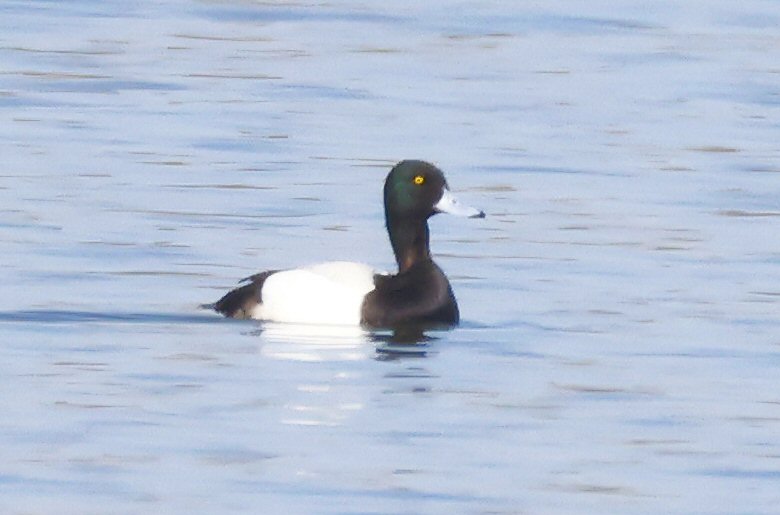
Greater Scaup was still on the radar this week, with the first-winter female remaining at Blatherwycke Lake until at least 15th and the drake continued to rub along with the Tufted Ducks on Mary’s Lake at Earls Barton throughout.
First-winter female Greater Scaup, Blatherwycke Lake, 15th March 2025 (James Underwood)Drake Greater Scaup, Earls Barton GP, 17th March 2025 (Mike Alibone)Drake Greater Scaup, Earls Barton GP, 19th March 2025 (Bob Bullock)
Perhaps having now vacated the area, the drake Smew was still to be seen at Clifford Hill GP until 19th, after which there were no further reports.
Following three in flight over Stanford Res the previous week, a Crane was reported flying west at Titchmarsh NR on 16th, although no further details were forthcoming.
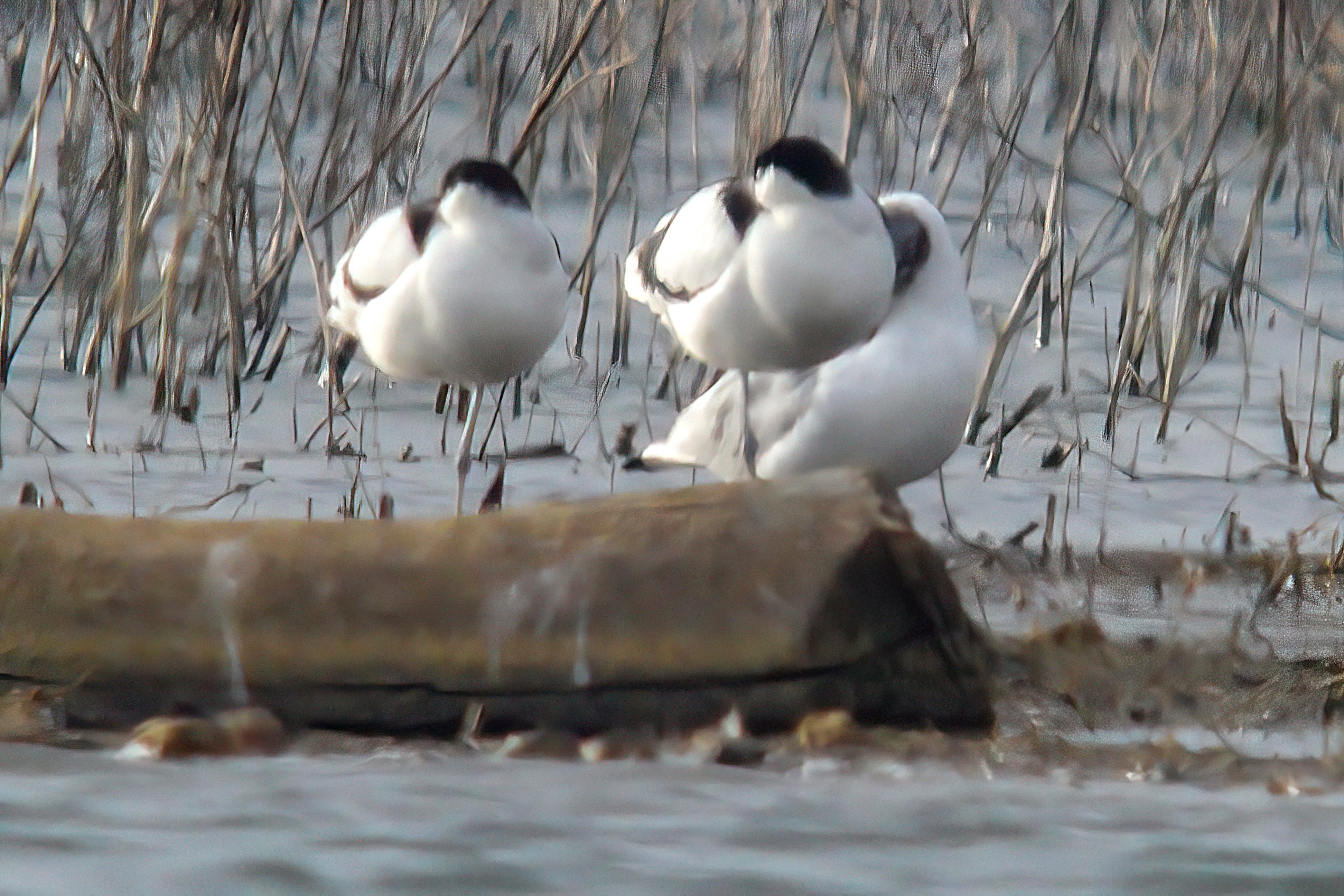
However, the waders on offer during the period served to lift the spirits, underlining that spring is now firmly established, if not yet in full flow. Four Avocets dropped into Clifford Hill early in the morning of 18th before swiftly moving east, after which they also paid a brief visit to Summer Leys LNR, some fifteen minutes later. For those – and that’s nigh on everyone – unable to catch up with them, two more were found on floodwater at Lower Barnwell Lock, Oundle, where they spent at least two and a half hours on 20th. More were still to follow, two subsequently being located at Earls Barton GP’s New Workings (South), mid-afternoon on 21st, seeing the rest of the day out asleep and choosing to extend their roost there. These are, so far, only the second, third and fourth records of the year, following one at Summer Leys on the unusually early date of 26th February.
Avocets, Clifford Hill GP, 18th March 2025 (Tyler Atkinson)Avocets, Lower Barnwell Lock, 20th March 2025 (Bob Bullock)Avocets, Earls Barton GP, 21st March 2025 (Mike Alibone)
Other waders were, of course, available and three Black-tailed Godwits dropped in at Summer Leys for a brief spell on 20th, followed by two at Ditchford GP’s Irthlingborough Lakes & Meadows NR the next day.
Black-tailed Godwit, Summer Leys LNR, 20th March 2025 (Clive Bowley)
Summer Leys also produced a couple of Ruffs – one on 17th-18th, joined by a second bird on 19th-20th.
Ruff, Summer Leys LNR, 18th March 2025 (Bob Bullock)Ruff, Summer Leys LNR, 18th March 2025 (Clive Bowley)Ruff, Summer Leys LNR, 19th March 2025 (Mike Alibone)
Aside from up to three Jack Snipes seeing out the back end of winter at Hollowell this week, two additional localities produced further singles, these being at Pitsford Res on 16th and Summer Leys on 19th.
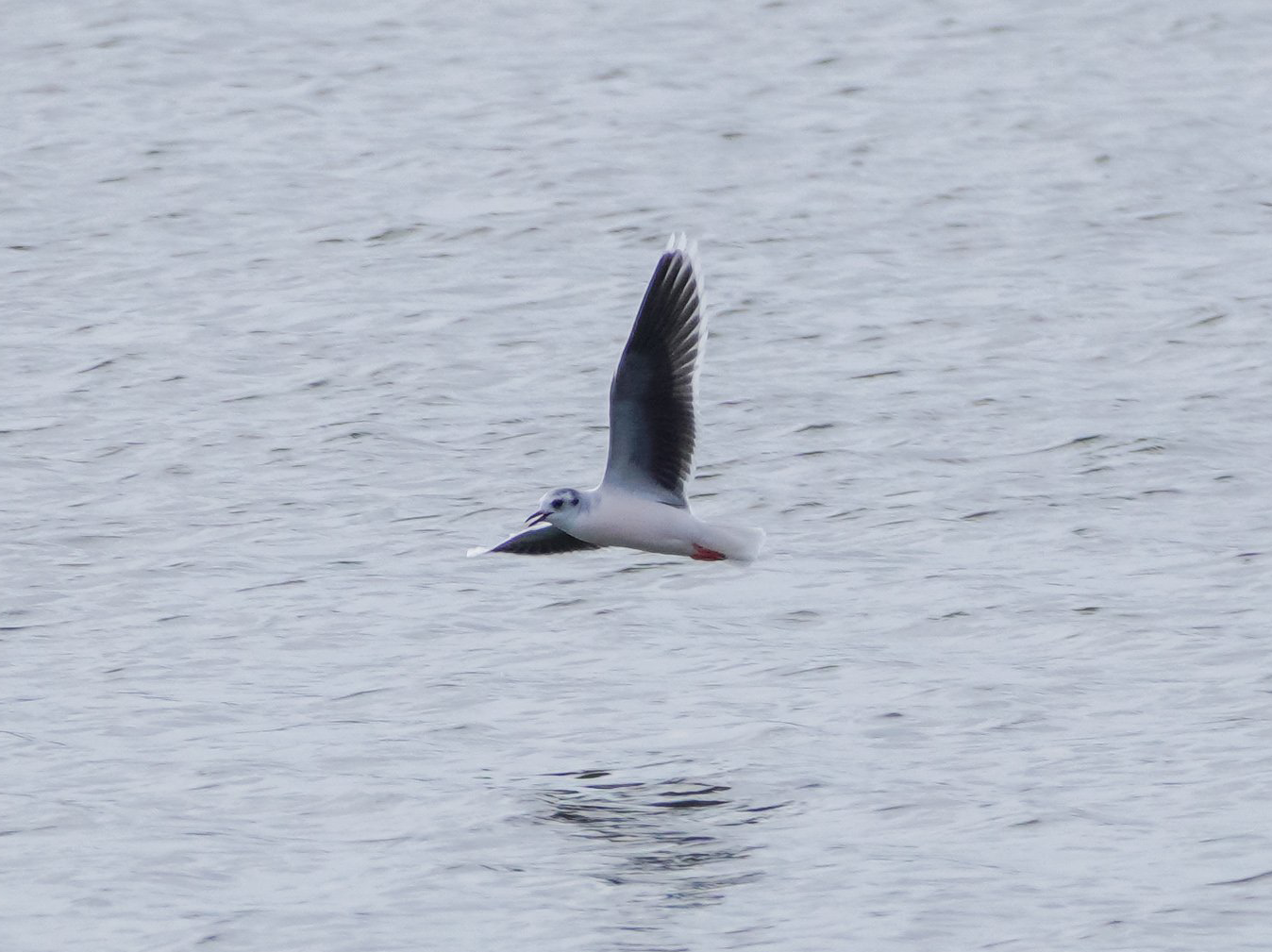
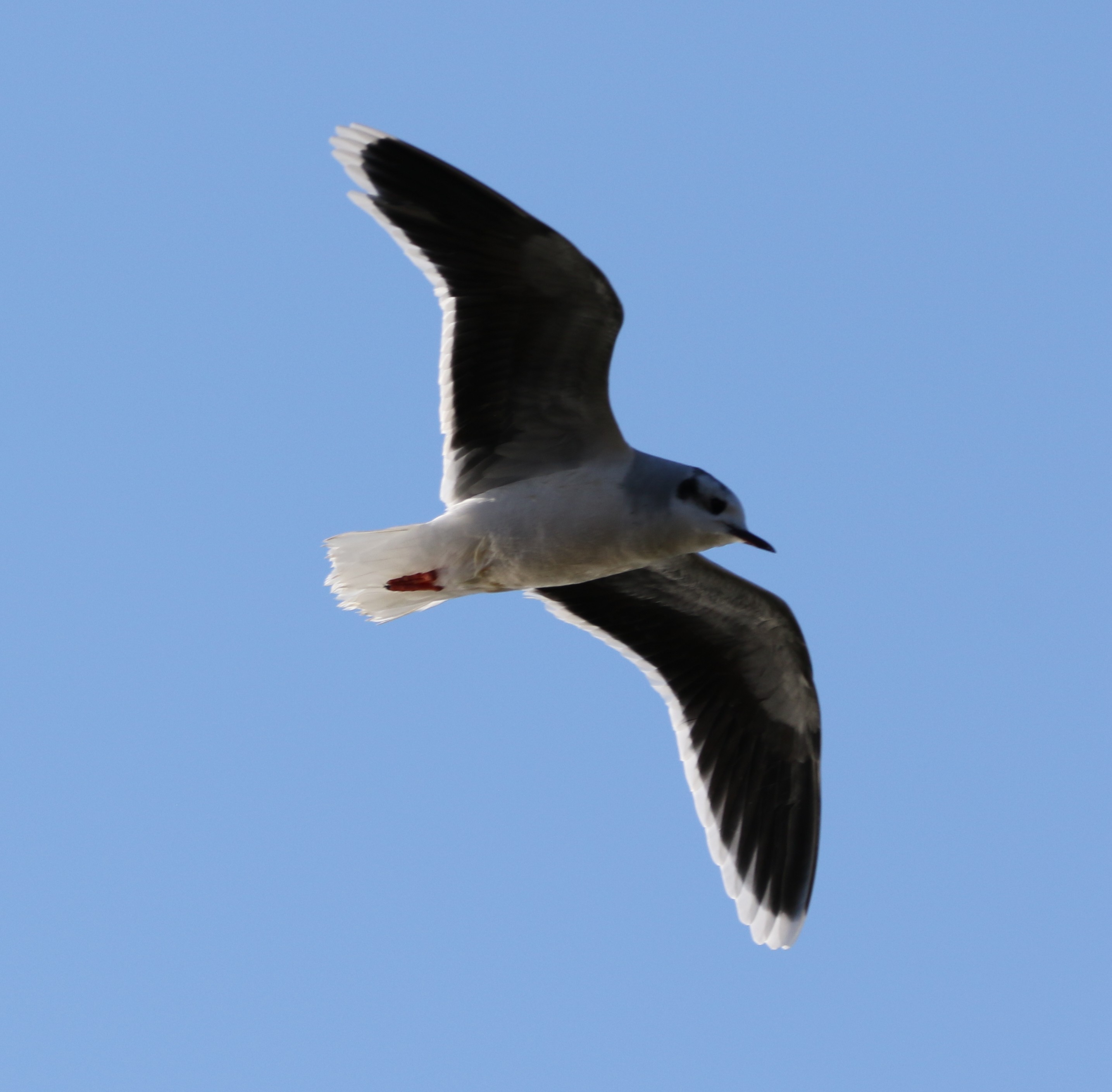
And we were to be treated to a new wave of Little Gulls as the week drew to a close on 21st. Ditchford produced at least three, while a respectable six turned up at Earls Barton GP’s New Workings (South), mid-afternoon, providing some prime viewing opportunities before choosing to roost there.
Little Gull, Ditchford GP, 21st March 2025 (Tony Vials)Little Gull, Ditchford GP, 21st March 2025 (Tony Vials)Little Gulls, Earls Barton GP, 21st March 2025 (Bob Bullock)
Though arguably less entertaining, other scarce larids showed up in the form of four transient adult Caspian Gulls – considered two be two pairs – at Ravensthorpe on 17th, followed by another adult at Summer Leys the following day. And aside from a first-summer at Hollowell on 21st, Yellow-legged Gulls were down to just the one adult at Pitsford between 17th and 20th.
Pitsford also continued to play host to the wintering Great Northern Diver, the latter clearly in no hurry to move on.
And the same applied to the Summer Leys Glossy Ibis … still there at the week’s end.
Bitterns are booming, or so it seems, with one heard on several days at an undisclosed locality and one was seen again at Hollowell Res, where it’s clearly keeping a low profile, on 17th. The same cannot be said for Cattle Egrets, numbers of which remain low in comparison to a couple of years ago. Aside from singles extending their stays at Blatherwycke and Clifford Hill, until at least 15th and 21st, respectively, up to four were seen exiting a roost site at Stanwick GP, early doors on 15th and on 19th-21st.
What was set to have been the county’s first Osprey of the year, at Pitsford on 17th, was superseded by belated news of an earlier one at Fawsley Park Lakes on 11th. One was also seen at Hollowell on 18th and on 20th-21st.
The period’s Marsh Harriers were limited to localities beginning with ‘S’, with one at Stortons GP on 15th, what was presumably last week’s individual continuing to put in appearances at Stanwick on 17th and 21st, and one also visiting Summer Leys on the last of these dates.
And another summer visitor crossed the line to become the first of its kind to enter the county this year in the shape of a Swallow at Hollowell on 21st.
The year’s second Northern Wheatear was also found on the same date at Earls Barton GP’s New Workings (South), a location which has more than proven itself attractive to wetland species of late and is becoming increasingly popular with birds and birders alike.
And in common with many of the winter visitors stubbornly refusing to up sticks and go, two Hawfinches remained in Cottesbrooke until at least 16th.
February, now done and dusted, ended cleanly on the last day of the review period. But even before the first day of meteorological spring was upon us, the county notched up two new spring migrants for the year – well ahead of when we would normally expect to see them …
Aside from these, all of the winter wildfowl appeared to remain settled throughout the week and, although the Pink-footed Goose in the vicinity of Cogenhoe Mill was reported only on day one, the seven White-fronted Geese in the same area were seen almost daily. Away to the north, the county’s other two wintering whitefronts saw another week out at Ravensthorpe Res.
Pink-footed Goose and White-fronted Goose, Cogenhoe Mill, 22nd February 2025 (James Underwood)White-fronted Geese, Cogenhoe Mill, 24th February 2025 (William Miller)White-fronted Geese, Earls Barton GP, 27th February 2025 (Leslie Fox)
A mere stone’s throw away from the latter locality, the long-standing female Ruddy Shelduck was still present at Winwick Pools on 27th and, as the week progressed, it appears we became awash with Red-crested Pochards. Two made a short stopover at Ravensthorpe on 24th, the same date on which two were also seen at Clifford Hill GP and a drake appeared on the River Nene between Cogenhoe and Whiston on 25th, moving to Earls Barton GP on 27th. Meanwhile, the long-staying female remained at Daventry CP until at least 26th.
With no sign last week of the drake Ring-necked Duck at Thrapston GP – or anywhere else, for that matter – it was back there at Heronry Lake on the last day of the period. Further up the Nene Valley, the year’s third Greater Scaup, an advanced first-winter drake, was found at Summer Leys LNR on 23rd before relocating to adjacent Mary’s Lake on 25th, where it remained until at least the following day. Further north, the first-winter female remained at Blatherwycke Lake until at least 23rd.
The drake Smew chose to bide its time all week at Clifford Hill GP.
Fronting this week’s waders was a first for the year in the shape of a very early migrant Avocet at Summer Leys, first thing on 26th. But its stay was brief, moving on in haste as soon as the rainclouds lifted … Aside from this, two Jack Snipes were at Barnes Meadow NR on 22nd followed by up to two at Hollowell Res between 25th and 27th, while the wintering Common Sandpiper once more raised its head at Earls Barton GP’s New Workings (South) on the last of these two dates.
Another early bird – and the second new one for the year this week – was an adult Little Gull that clearly found Ravensthorpe to its liking, making an extended stay of five days between 23rd and 27th, during which it proved a popular draw.
Adult Little Gull, Ravensthorpe Res, 23rd February 2025 (Jon Cook)Adult Little Gull, Ravensthorpe Res, 23rd February 2025 (Jon Cook)Adult Little Gull, Ravensthorpe Res, 23rd February 2025 (Bob Bullock)Adult Little Gull, Ravensthorpe Res, 23rd February 2025 (Bob Bullock)Adult Little Gull, Ravensthorpe Res, 24th February 2025 (Jon Cook)Adult Little Gull, Ravensthorpe Res, 25th February 2025 (Phil West)
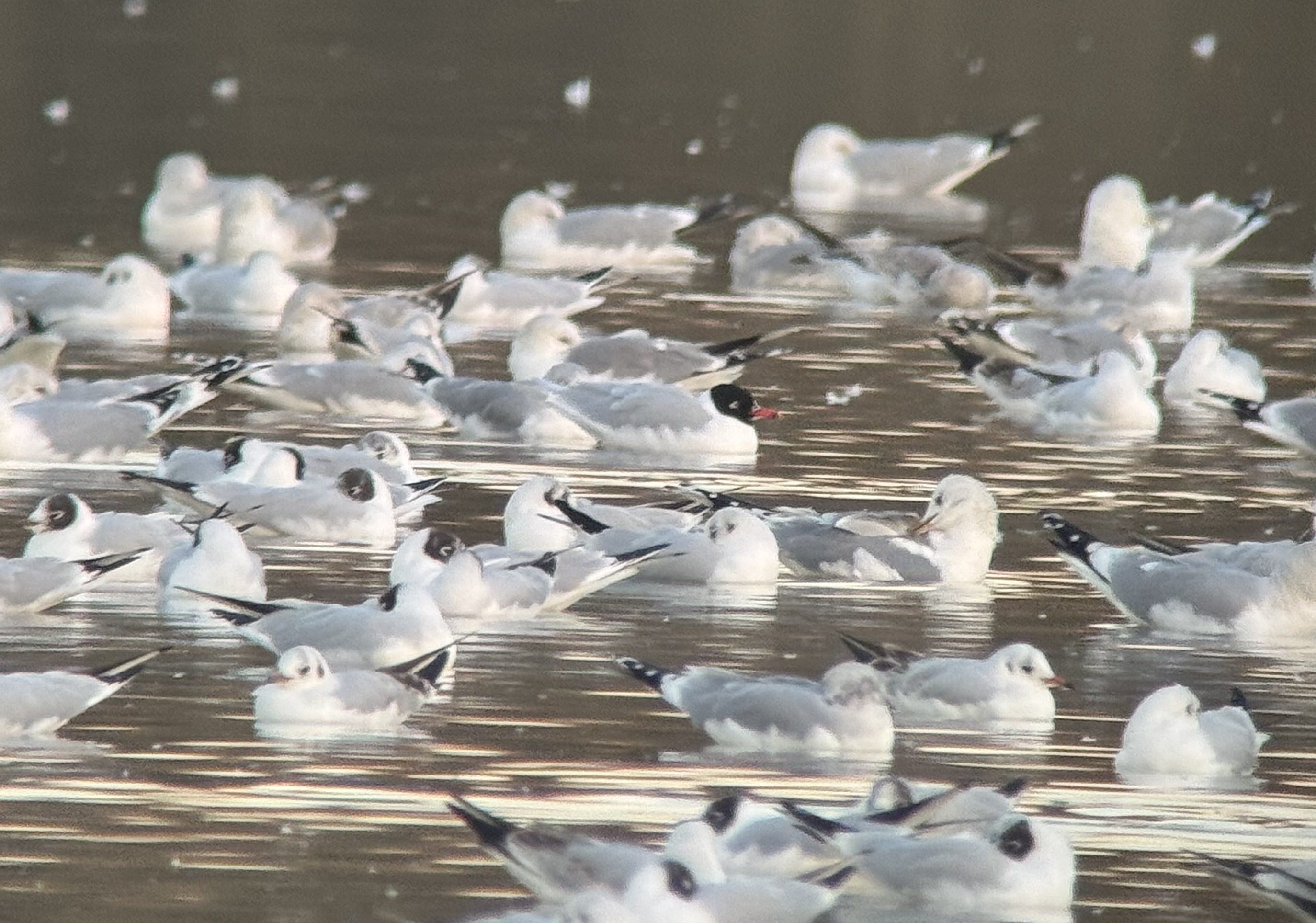
Otherwise, scarce larids were well down in numbers with just two adult Mediterranean Gulls appearing in the gull roost at Boddington Res on 28th – another sure sign of spring movement – and a first-winter Caspian Gull at Hollowell Res on 25th.
Adult Mediterranean Gull, Boddington Res, 28th February 2025 (John Friendship-Taylor)
Meanwhile, the Summer Leys Glossy Ibis extended its five-month stay by another week …
Glossy Ibis, Summer Leys LNR, 28th February 2025 (Leslie Fox)
A Cattle Egret also appeared at Summer Leys on 23rd and three were again in the vicinity of Stanwick GP’s North Lake two days later, on 25th.
With nothing to shout about on the raptor front, single Short-eared Owls – most likely just the one – were again on private land near Blueberry Farm, Maidwell on 22nd-23rd and at the adjacent site that is the Brampton Valley, between Cottesbrooke and Hanging Houghton, on 27th-28th, where a Merlin was also reported on 27th.
And it was left to Stonechats to prop up this week’s passerines, with Earls Barton producing the highest count of six on 27th, while Hollowell mustered five, Borough Hill two and Harrington AF one.
















 Northants birds