Newsround 28th February to 6th March 2026

We crossed the line into meteorological spring this week and to mark it came the first summer visitors of the year, aided and abetted by the continuing southerly airstream. Two additional firsts for the year also made their way to the county and with winter now firmly in recession, it’s time to reflect on some quality birds while at same time looking forward to what’s on the immediate horizon.

Yes, the summer visitor clock has again started ticking, spring is beginning to unfold …and not a moment too soon.
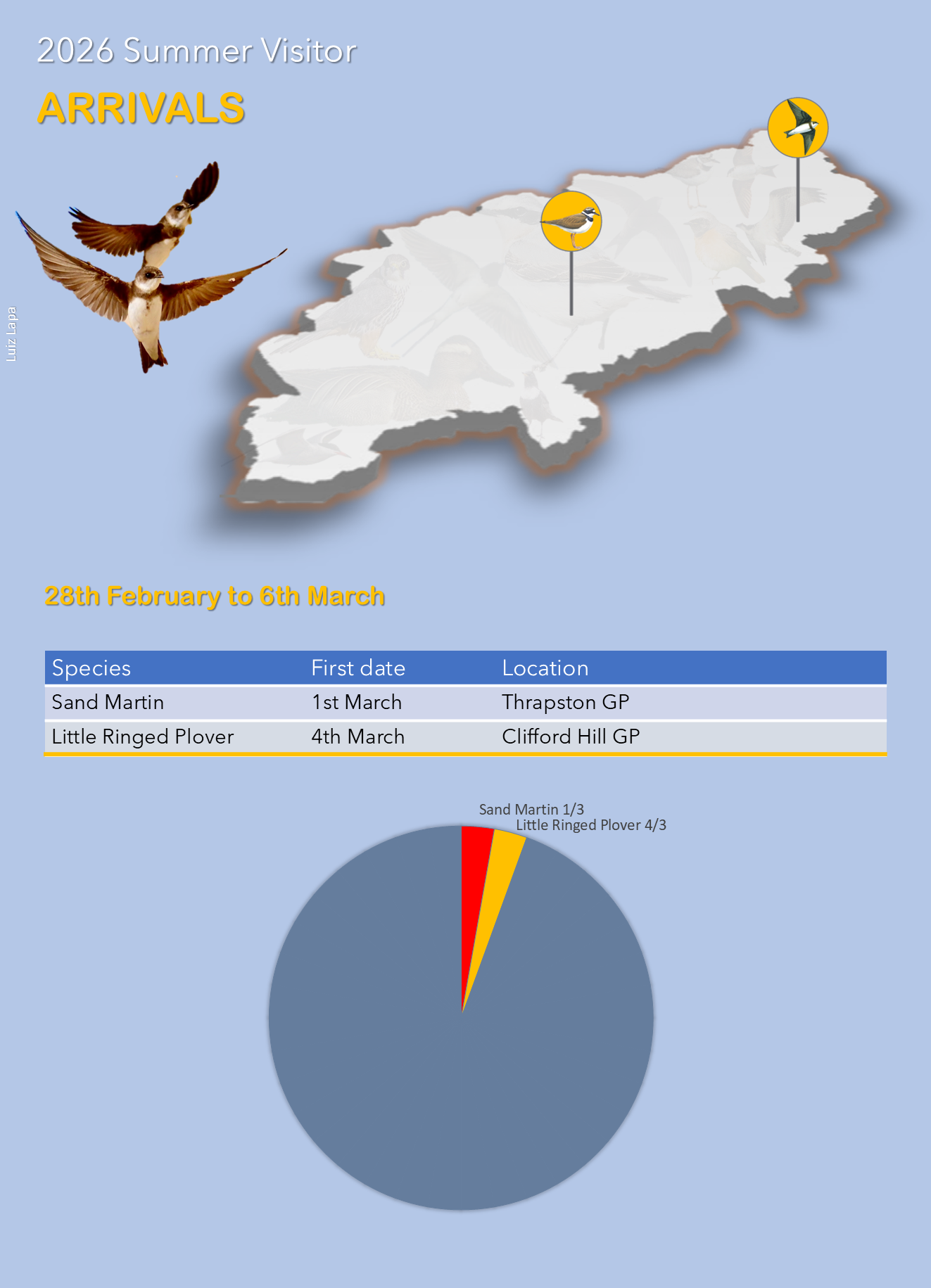
First up, predictably, was Sand Martin, with the initial arrival of three at Thrapston GP on 1st, quickly followed by one at Priors Hall, Corby on 3rd, two at Pitsford Res on 5th and, on 6th, three near Oundle and sixteen at Thrapston. But no sooner had this initial rush began than we saw a record-breaker in the shape of two Little Ringed Plovers at Clifford Hill GP on 4th, beating the county’s previous earliest, on 7th March in 2021, by a clear three days.

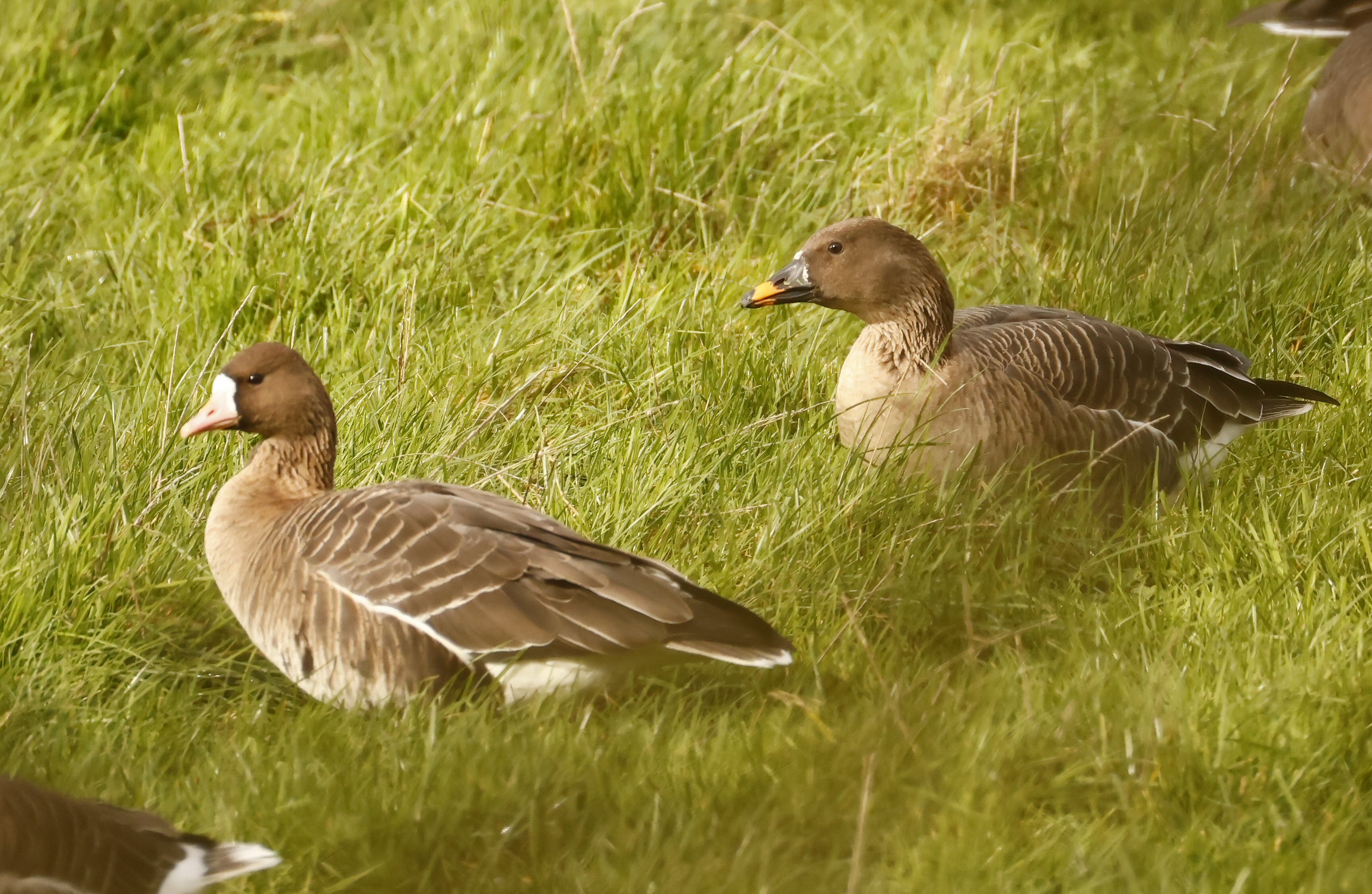
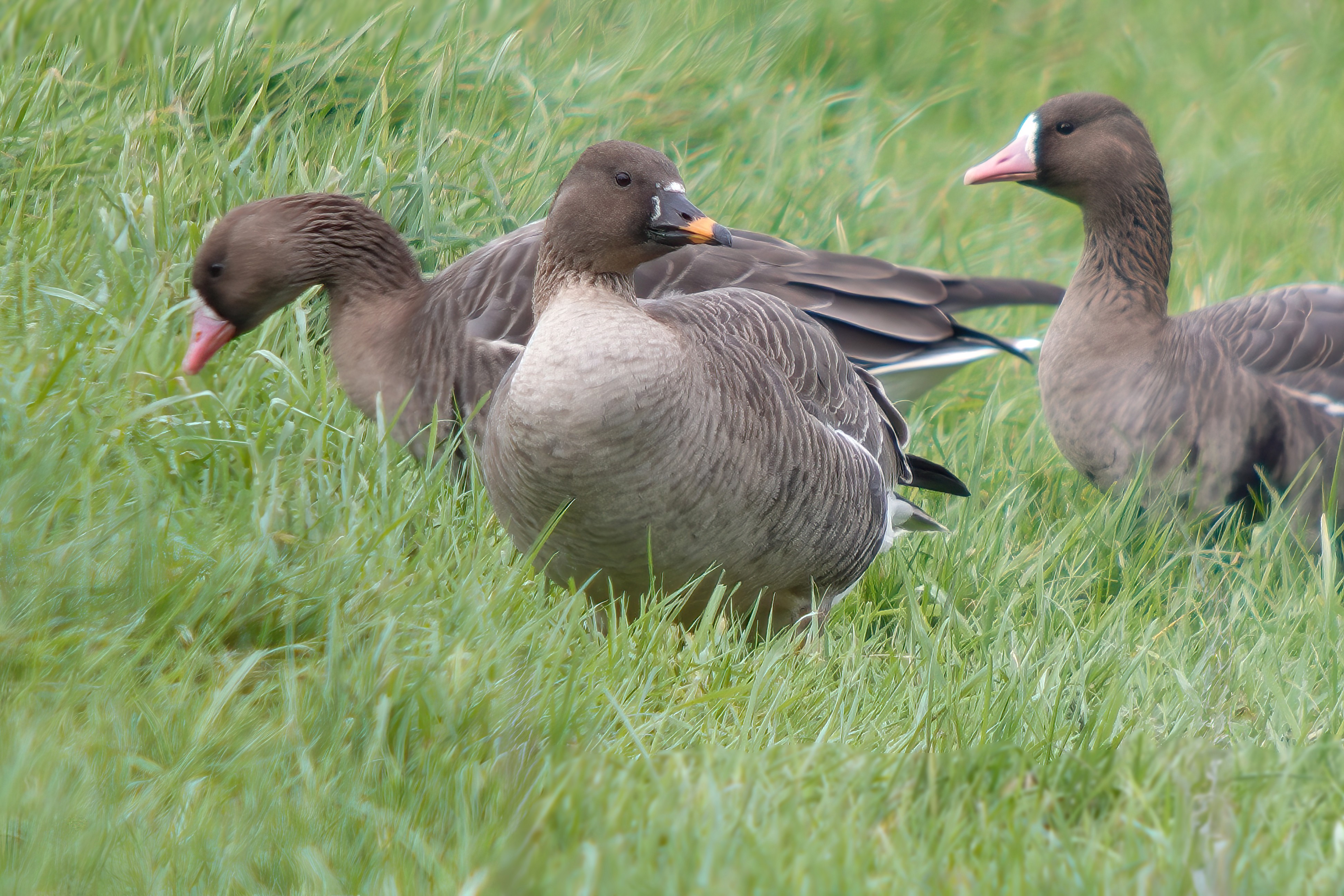
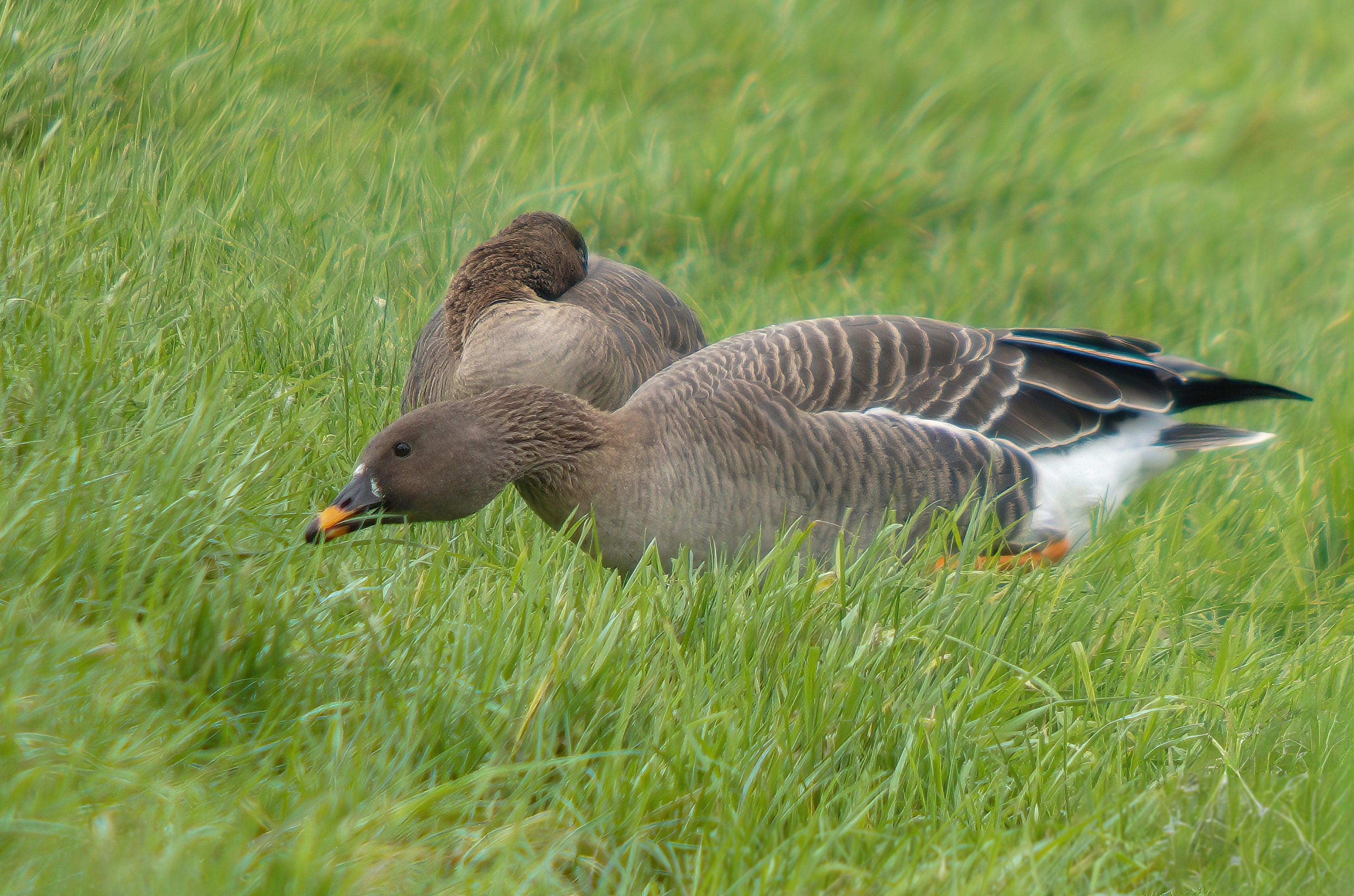
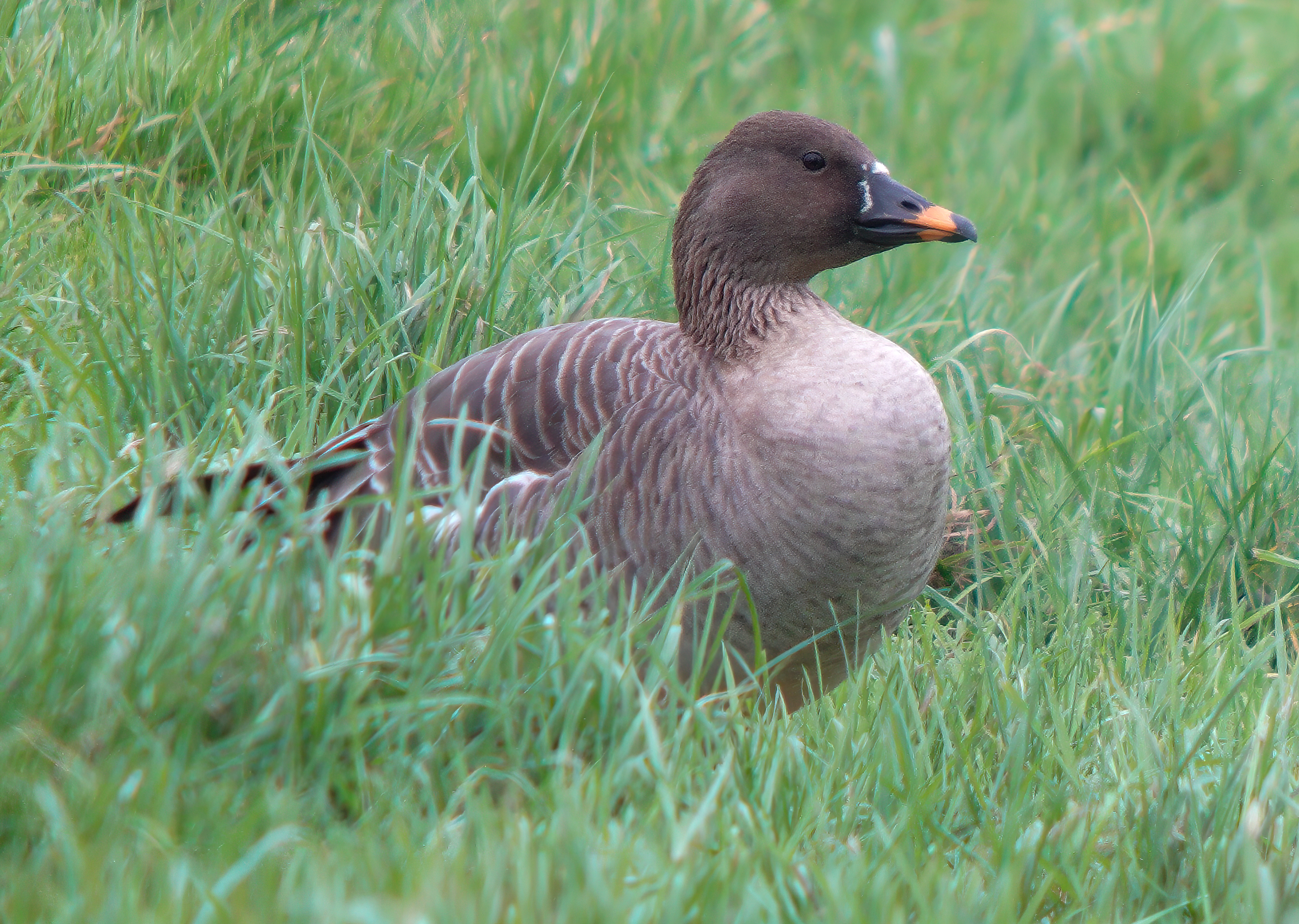
However, we’re not done with winter just yet – and what a winter it’s been. Class wildfowl continue to dominate with the Tundra Bean Goose seeing out another week in company with twenty-three White-fronted Geese in the Denford/Ringstead area.
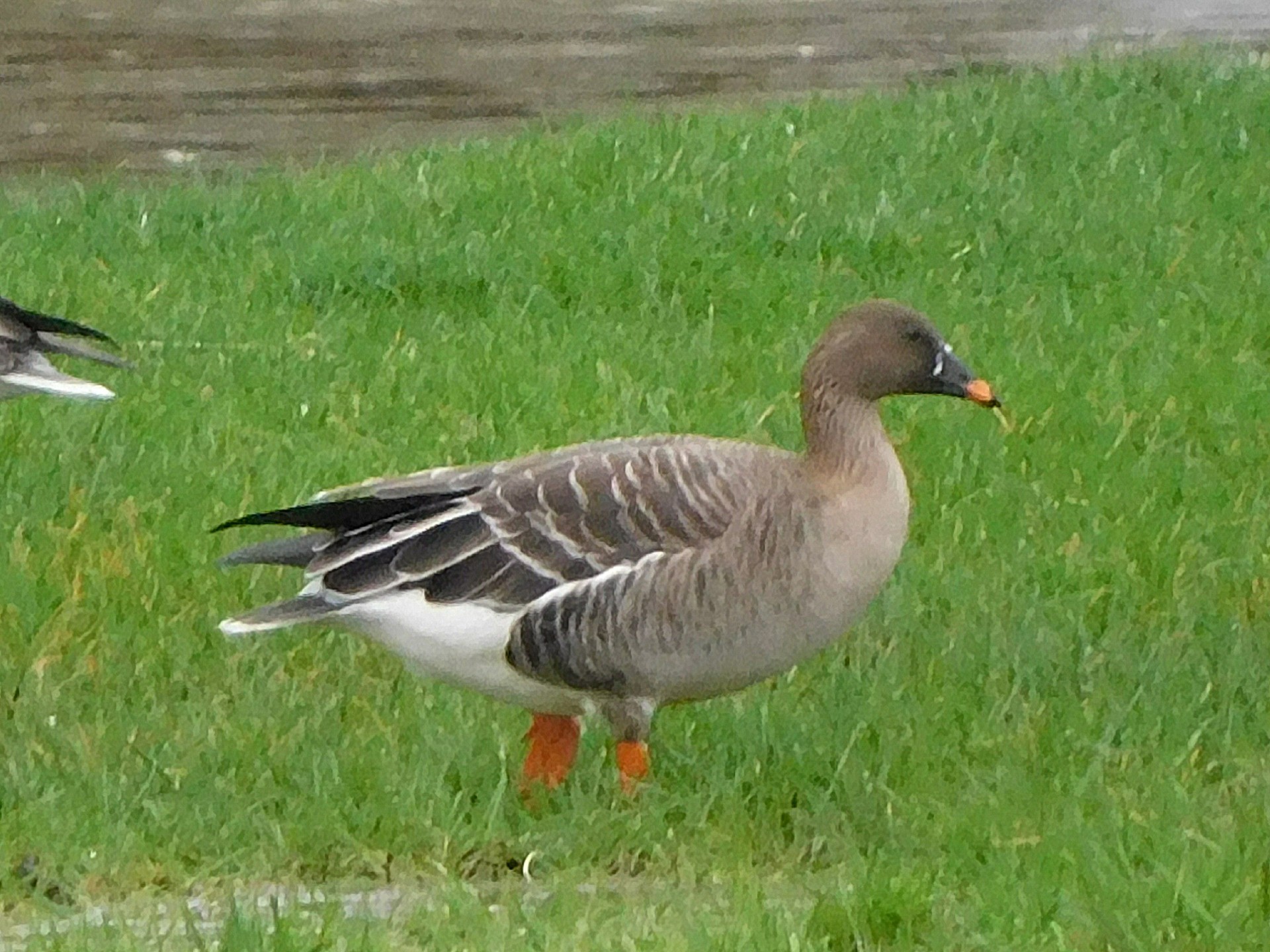
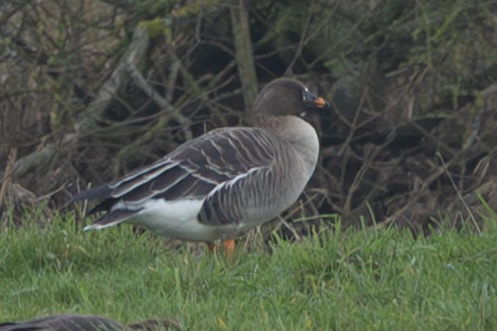
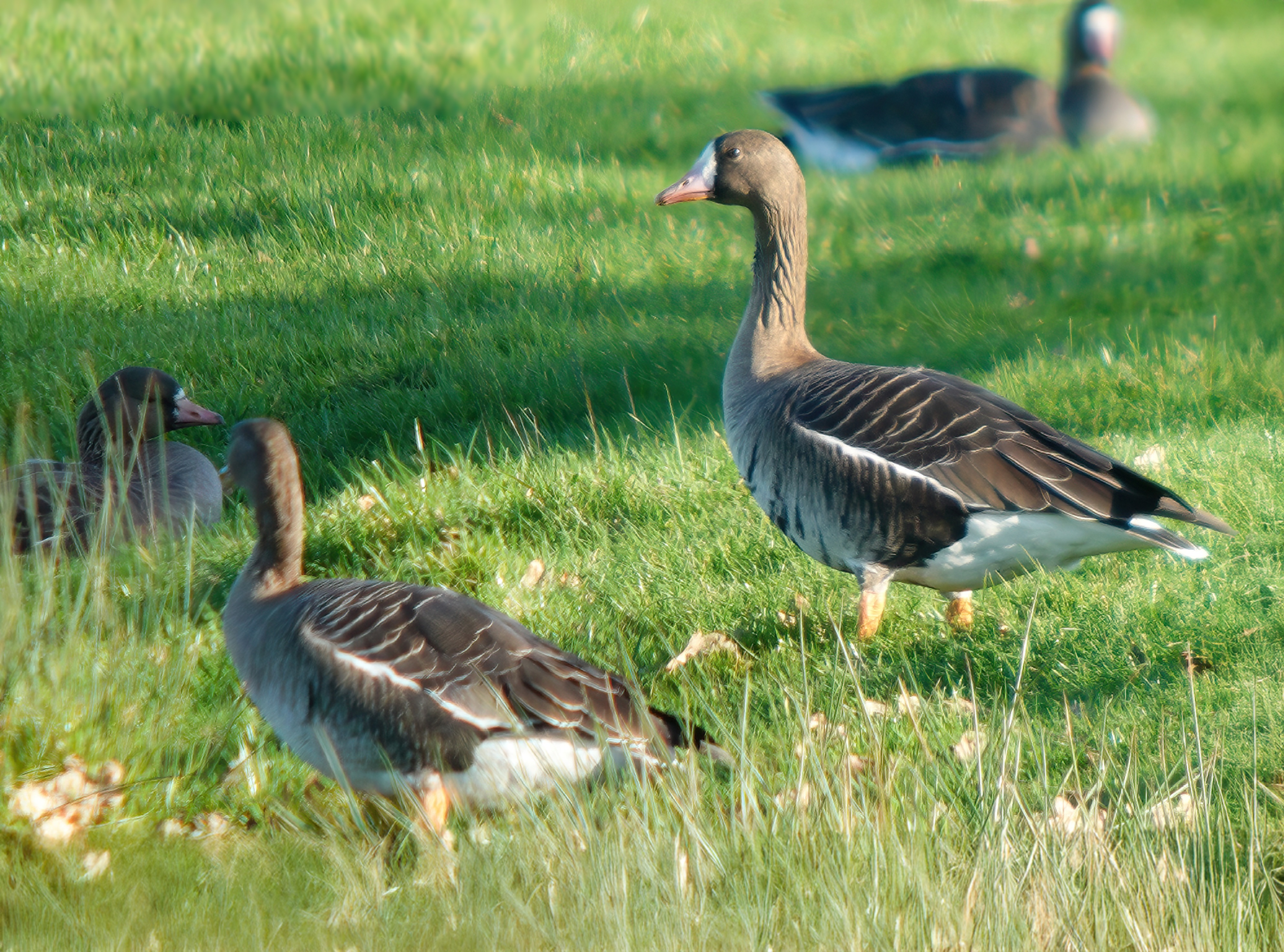
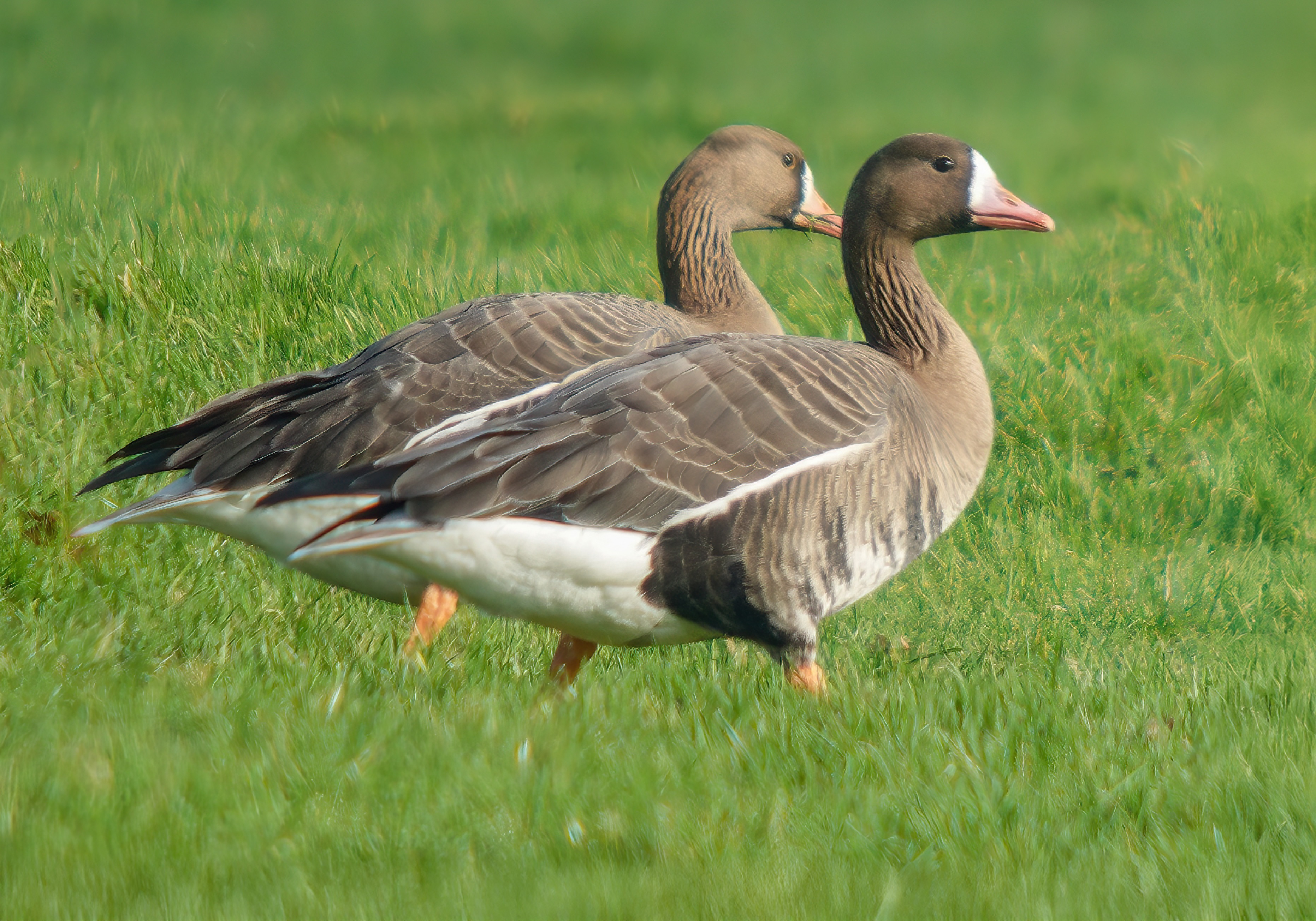
Other White-fronted Geese also remained settled in certain favoured localities, the largest concentration being up to thirty-eight at Stanford on Avon throughout the period. Eighteen lingered by the River Nene at Warmington Mill until at least 1st and seven extended their stay by another week at Stanwick GP.
Appearing on and off across a range of sites in northwestern Northants, the annually wintering female Ruddy Shelduck dropped into Lilbourne Meadows NR on 4th, remaining there until the end of the week.

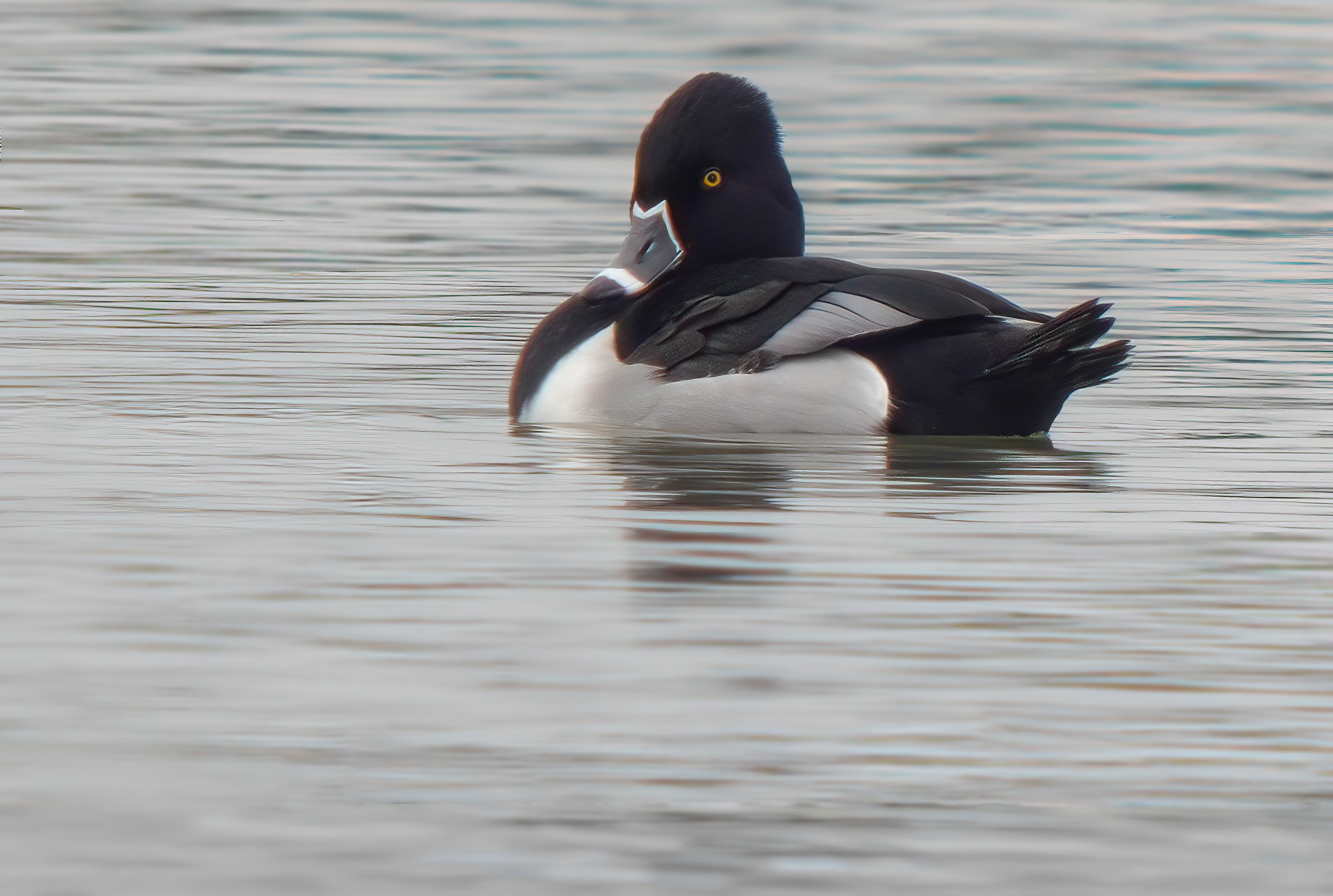
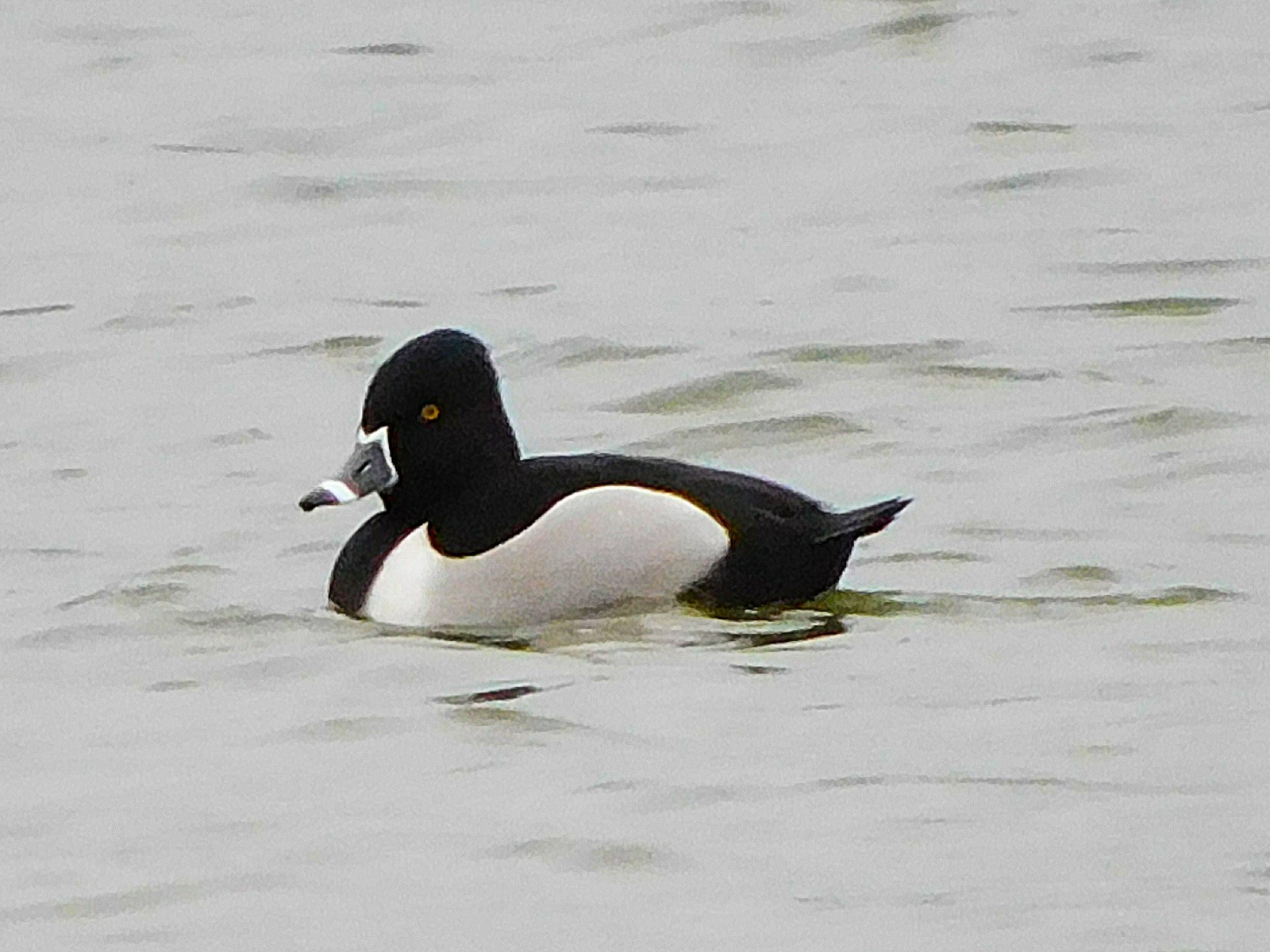
The drake Ring-necked Duck continued to attract interest at Ringstead GP, where it was showing until at least 5th.
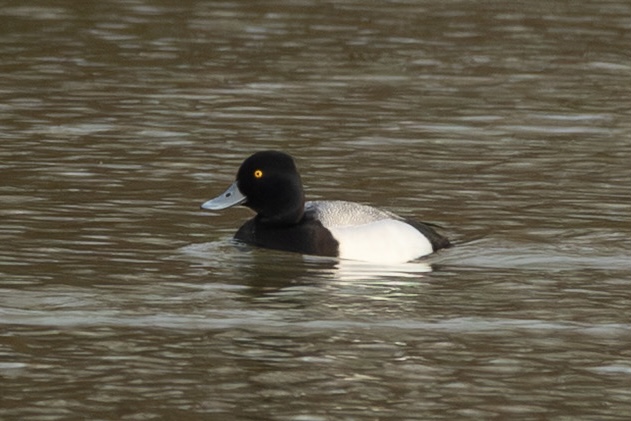
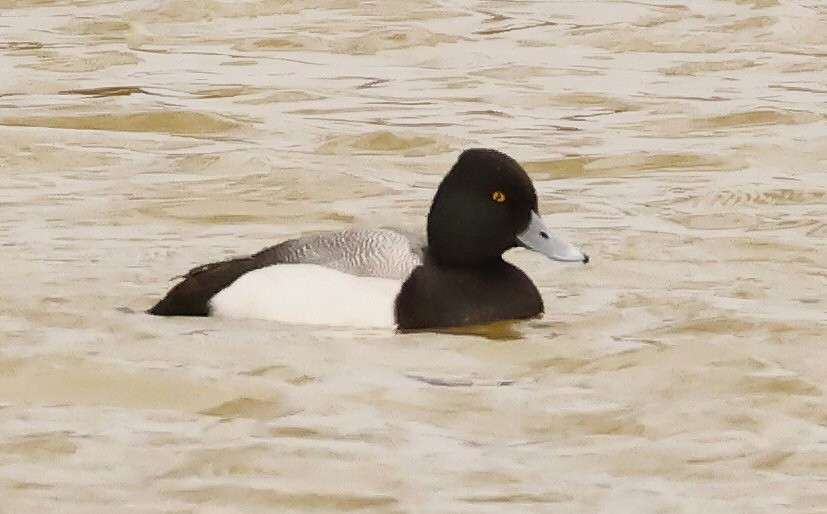
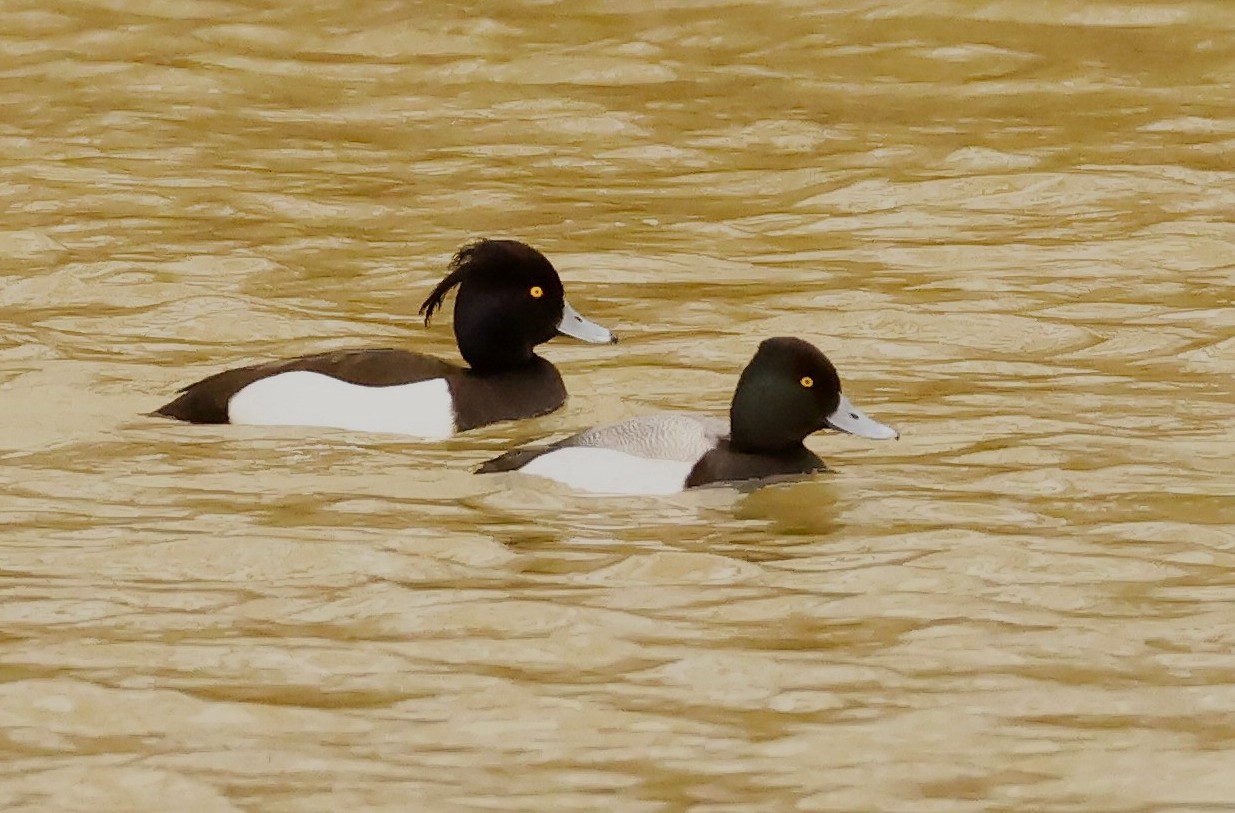
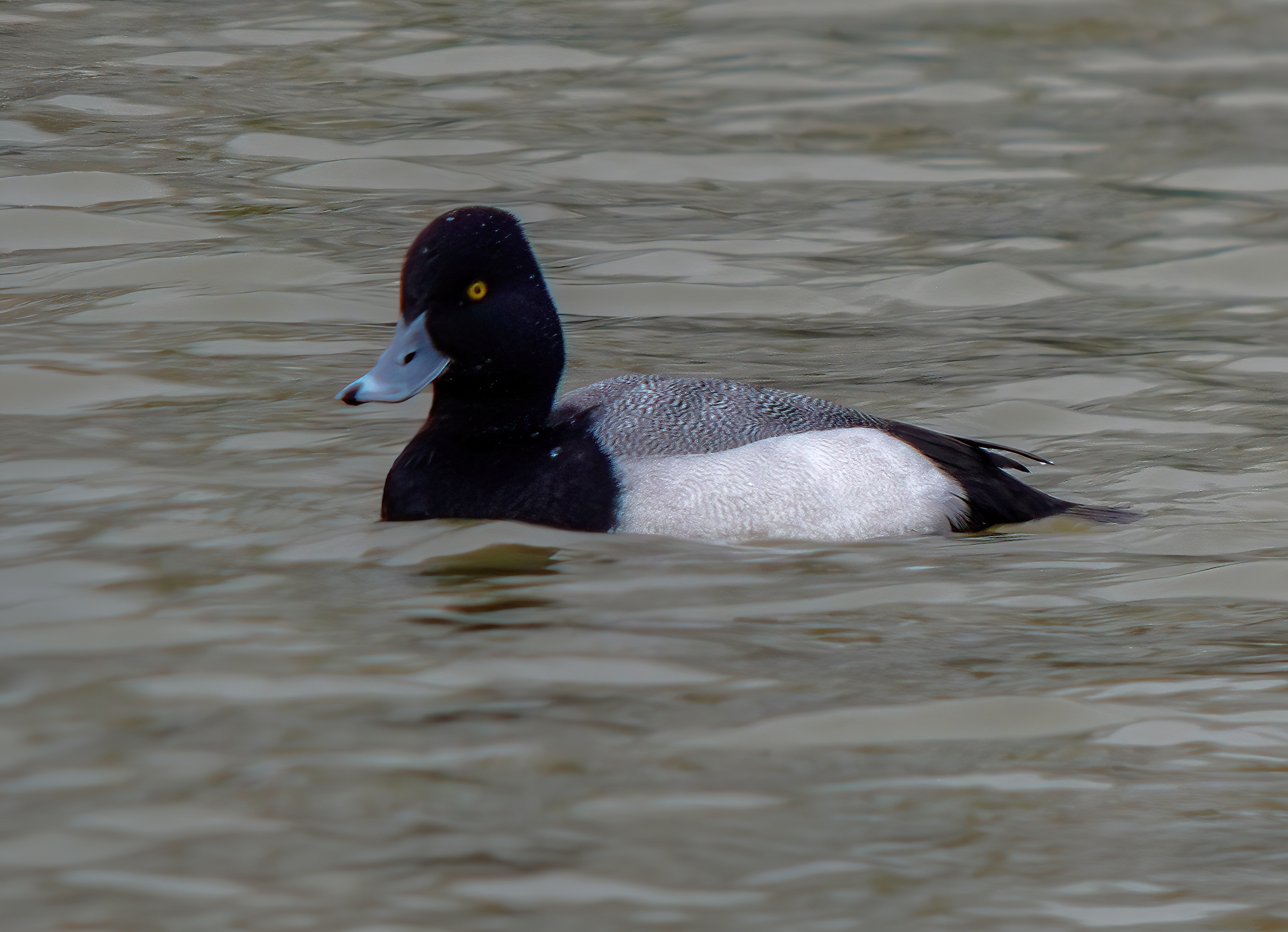
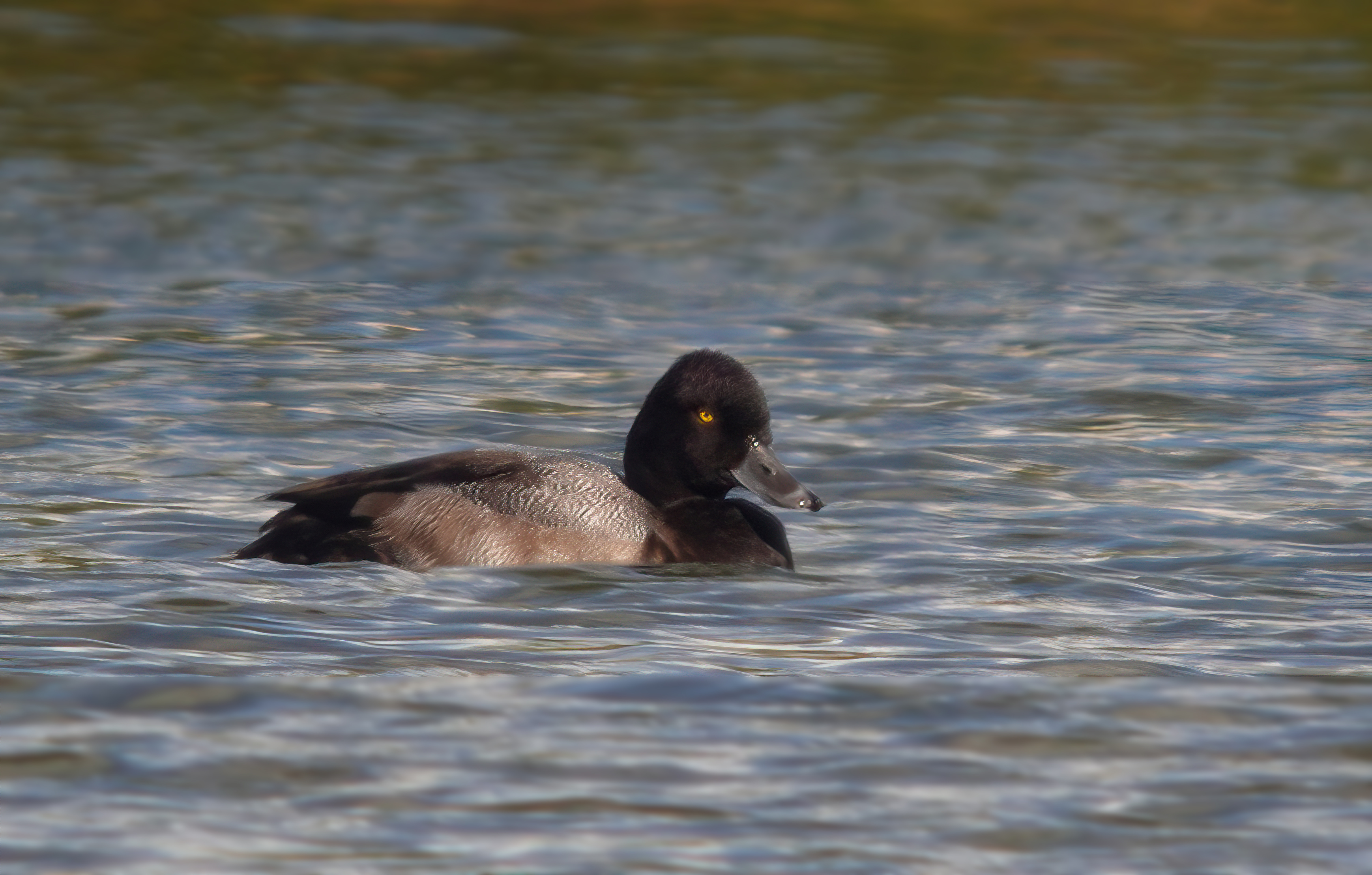
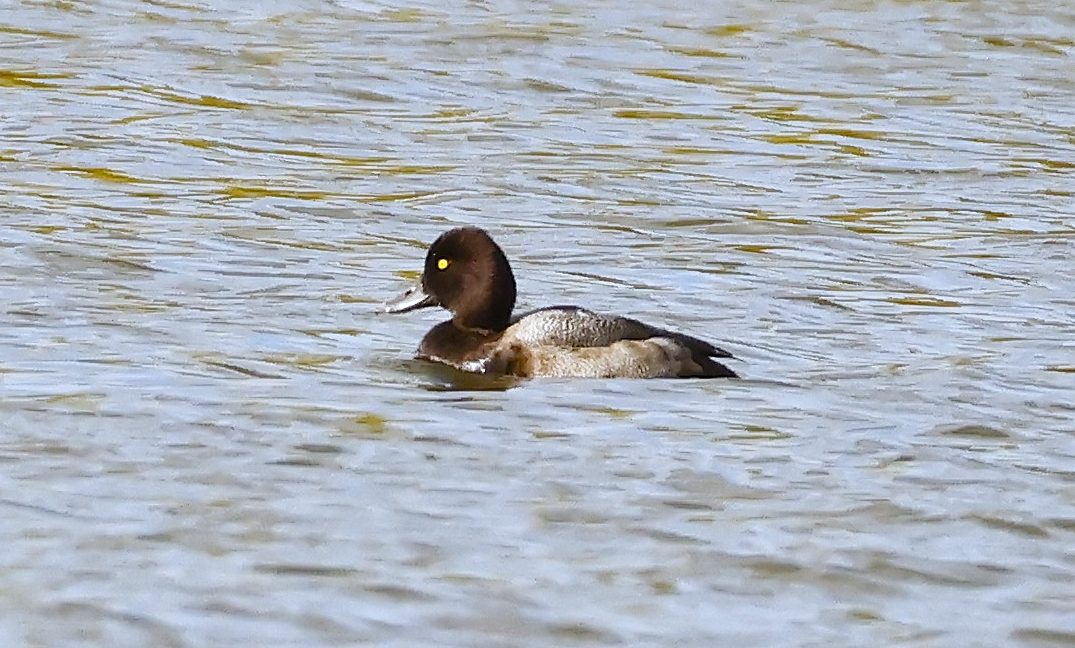
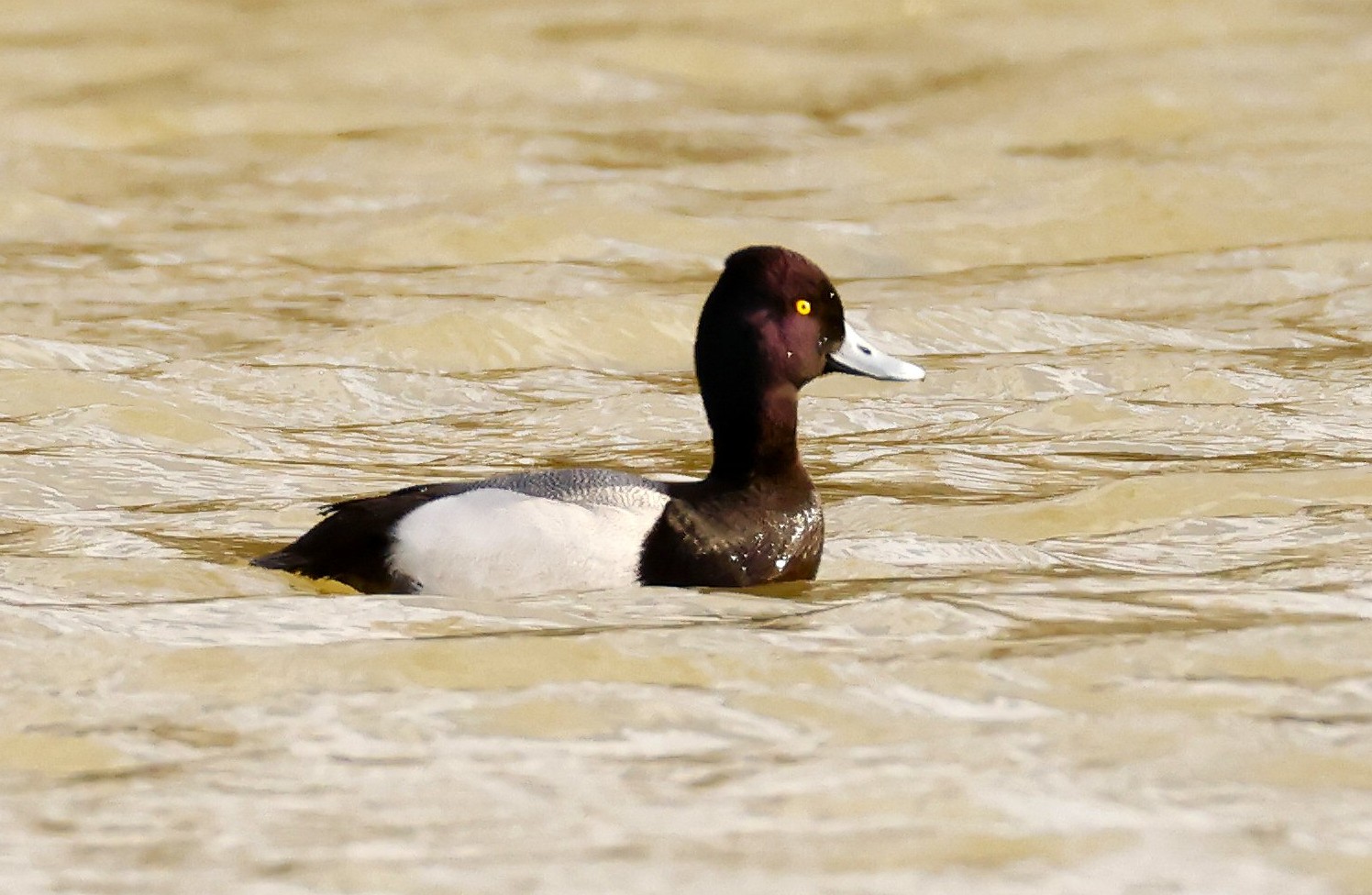
Likewise, the drake Lesser Scaup held out on the River Nene at Clifford Hill GP until the same date, while the long-staying drake Smew also enjoyed another week on the lakes there.
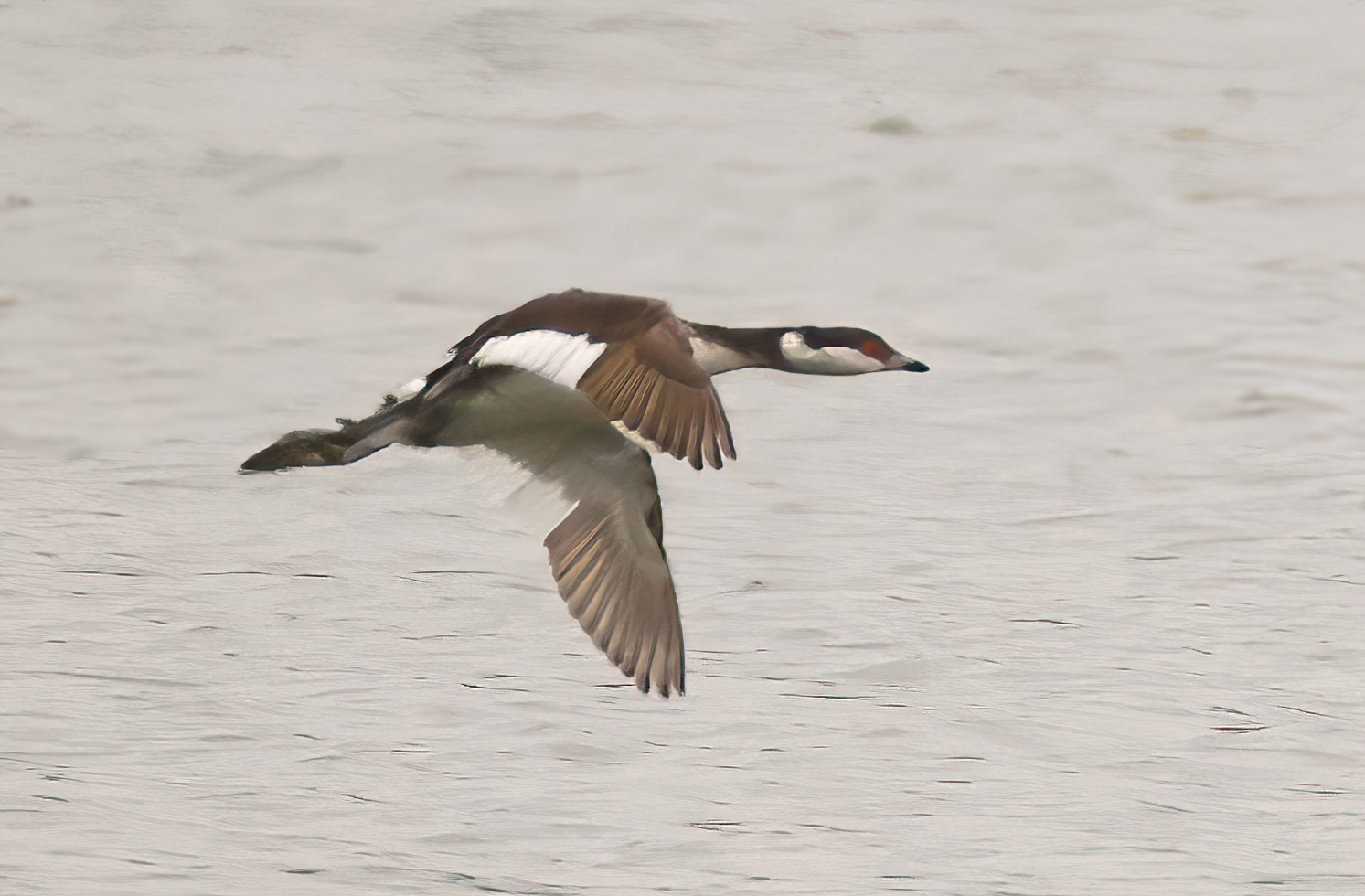
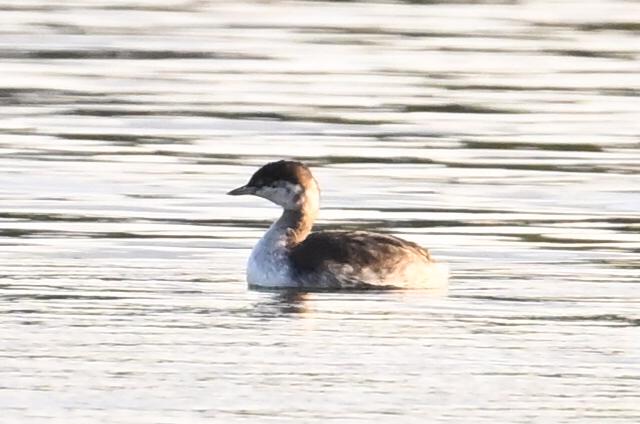
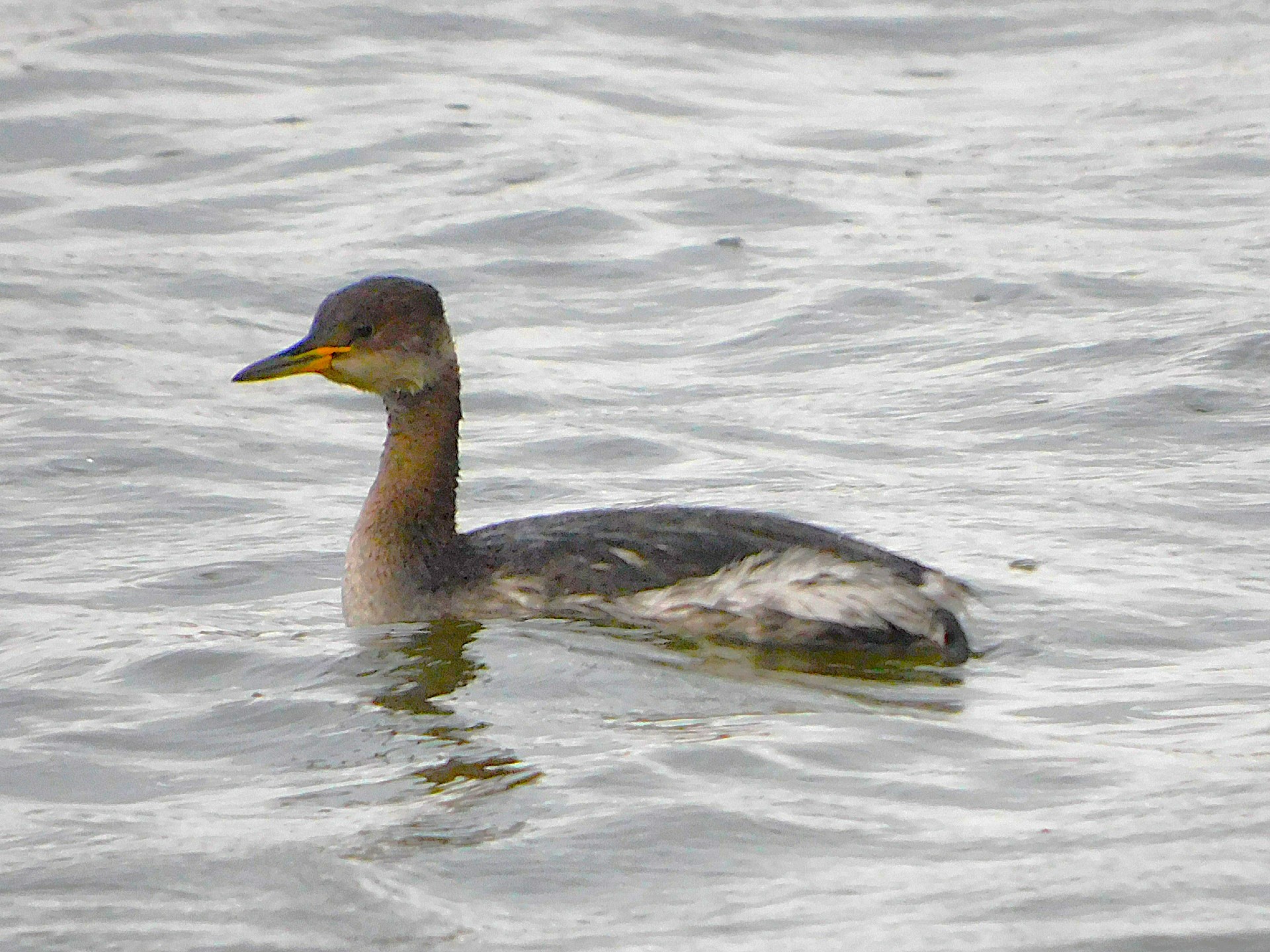
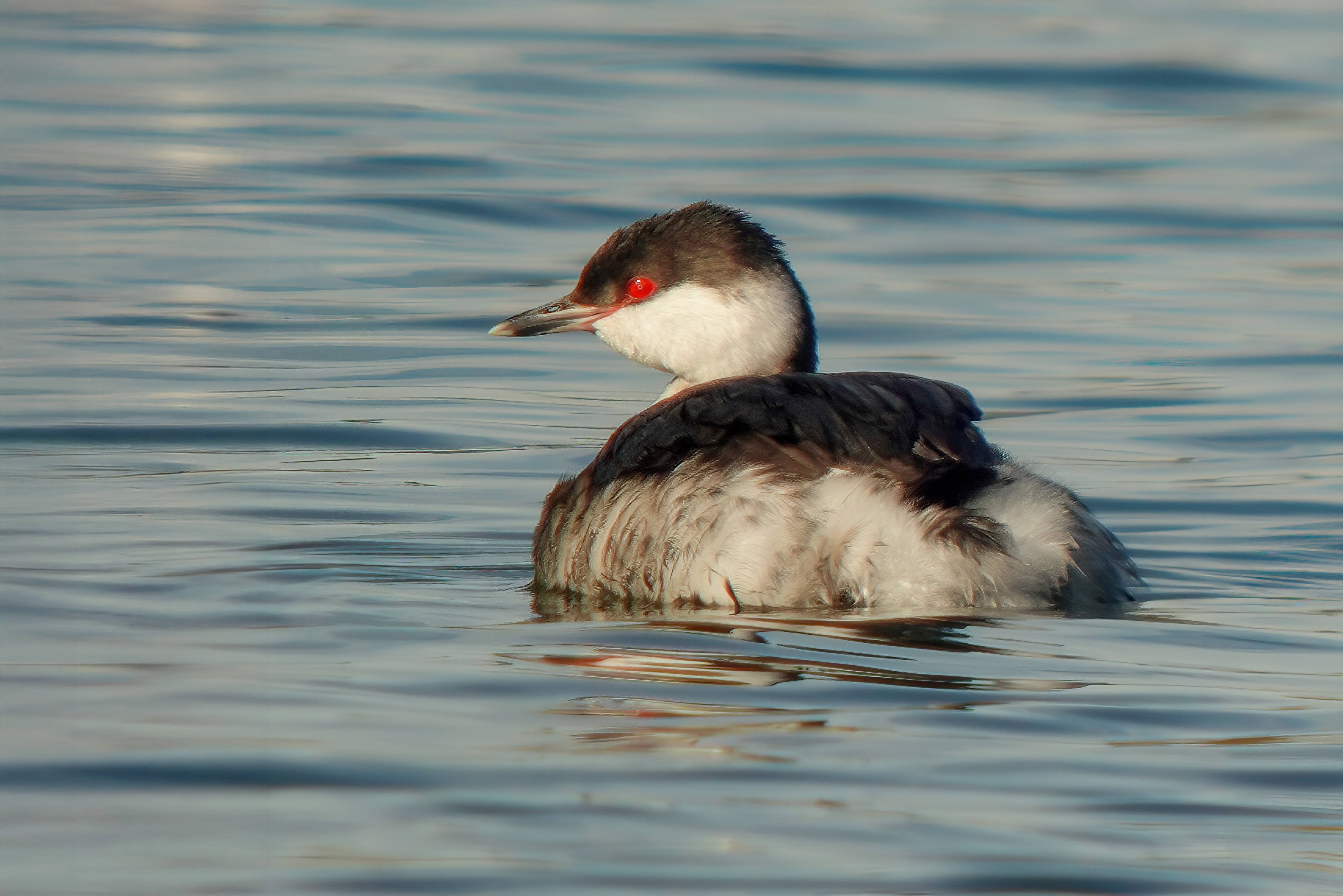
Having spent a full seven days at Ringstead, last week’s Red-necked Grebe was nowhere to be seen after the 28th until, that is, it resurfaced on 4th a mere 8 km up the river valley at Ditchford GP, where it was still present at the week’s end.
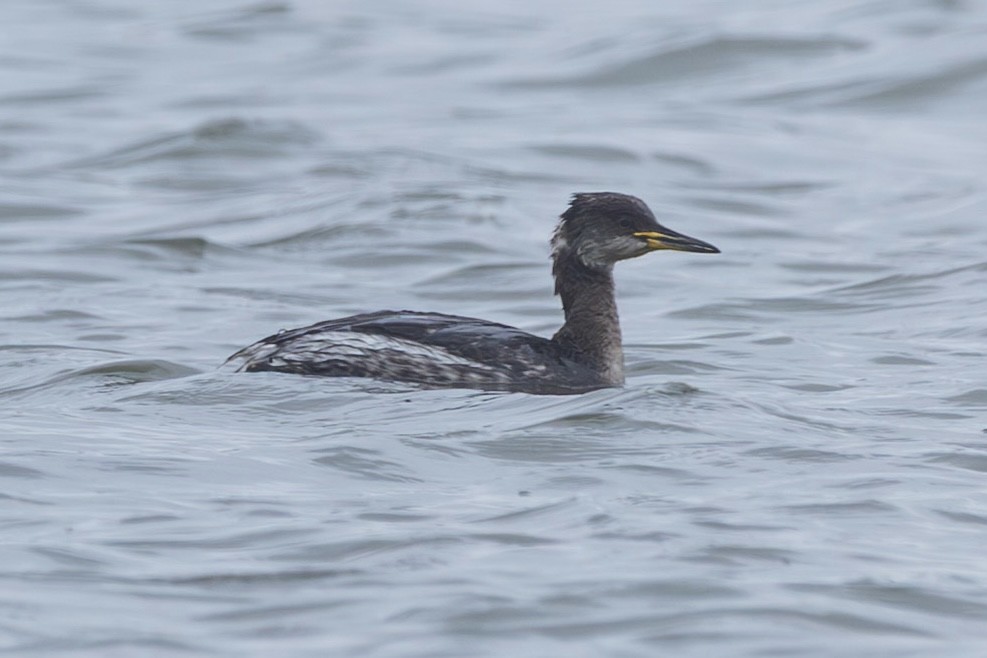
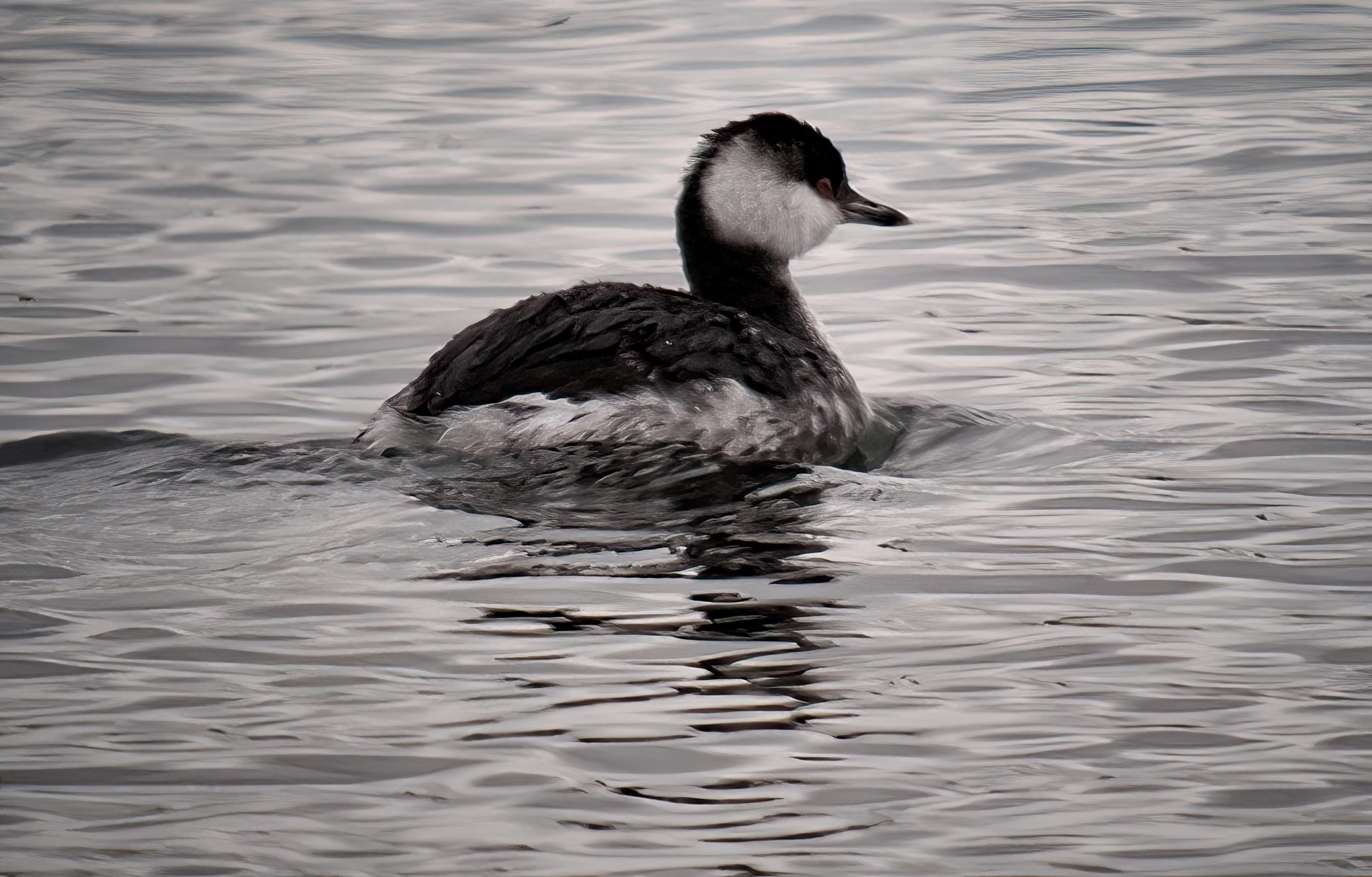
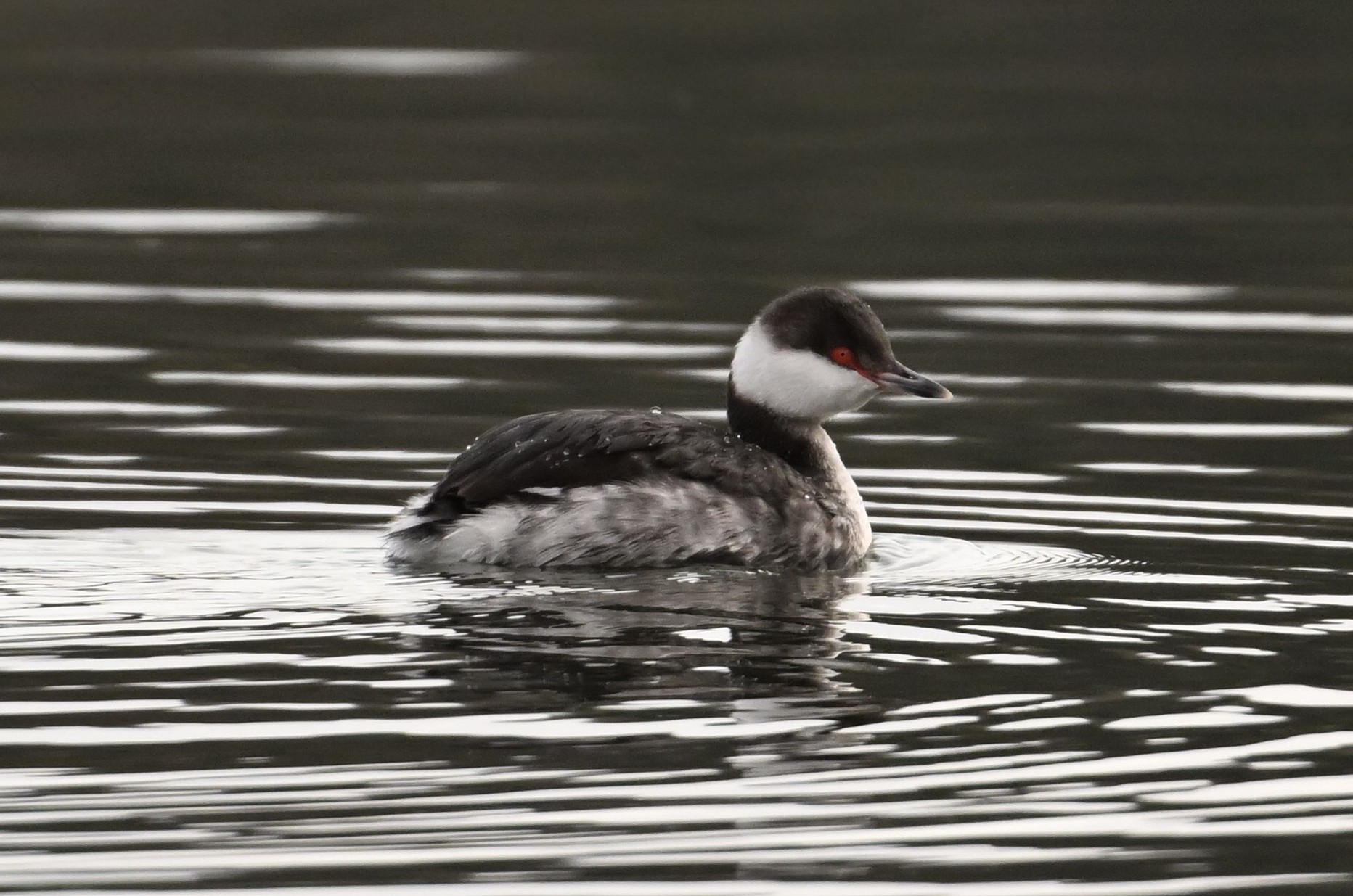
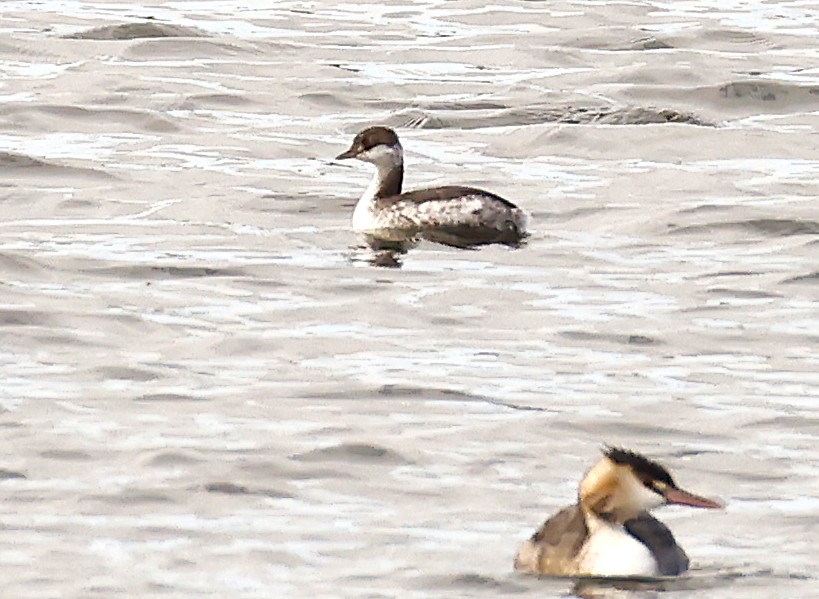
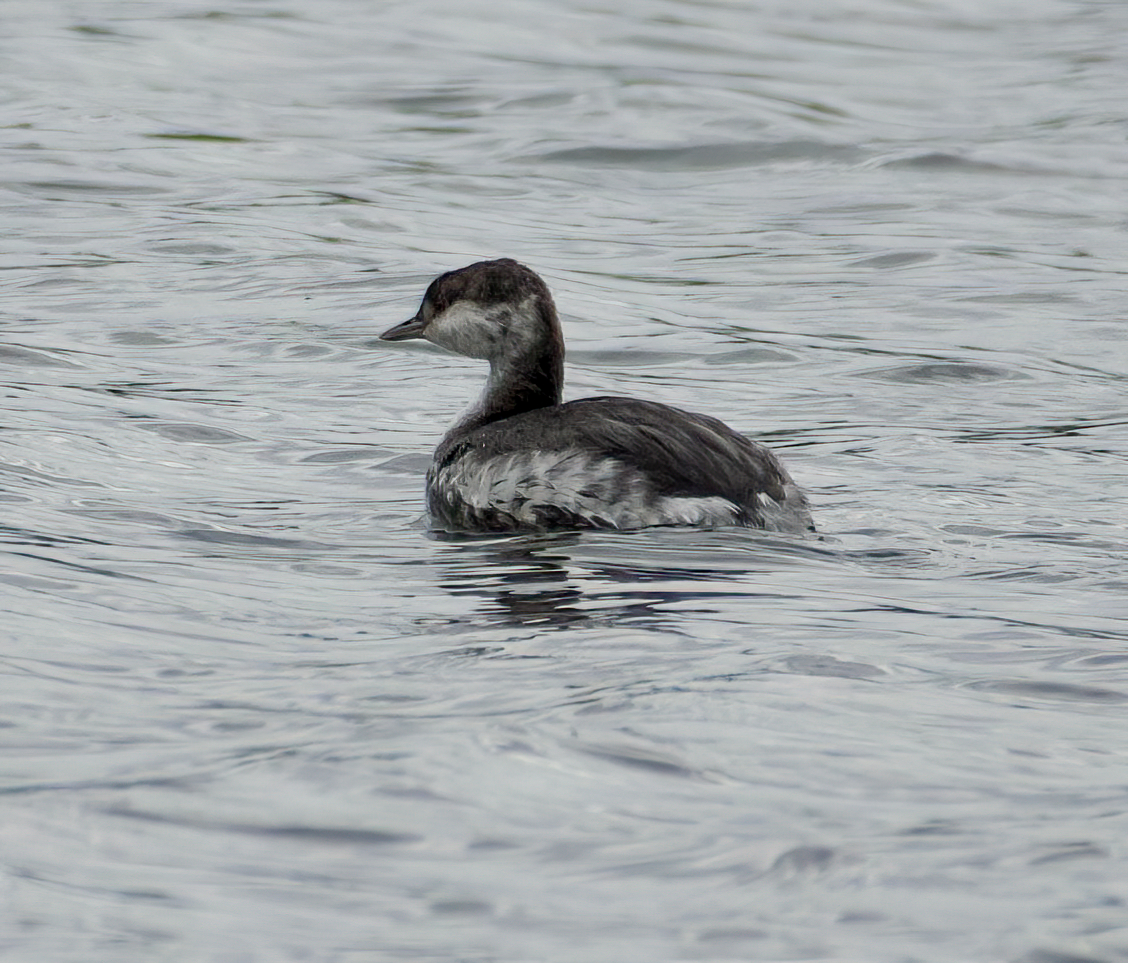
And the previous week’s Slavonian Grebe was still present at Ravensthorpe Res on the first day of the period, remaining there throughout the week. Despite appearing to have gone missing for the five days, 21st-25th February, it has proven itself a skulker, hiding in overhanging vegetation, where it can easily be overlooked.
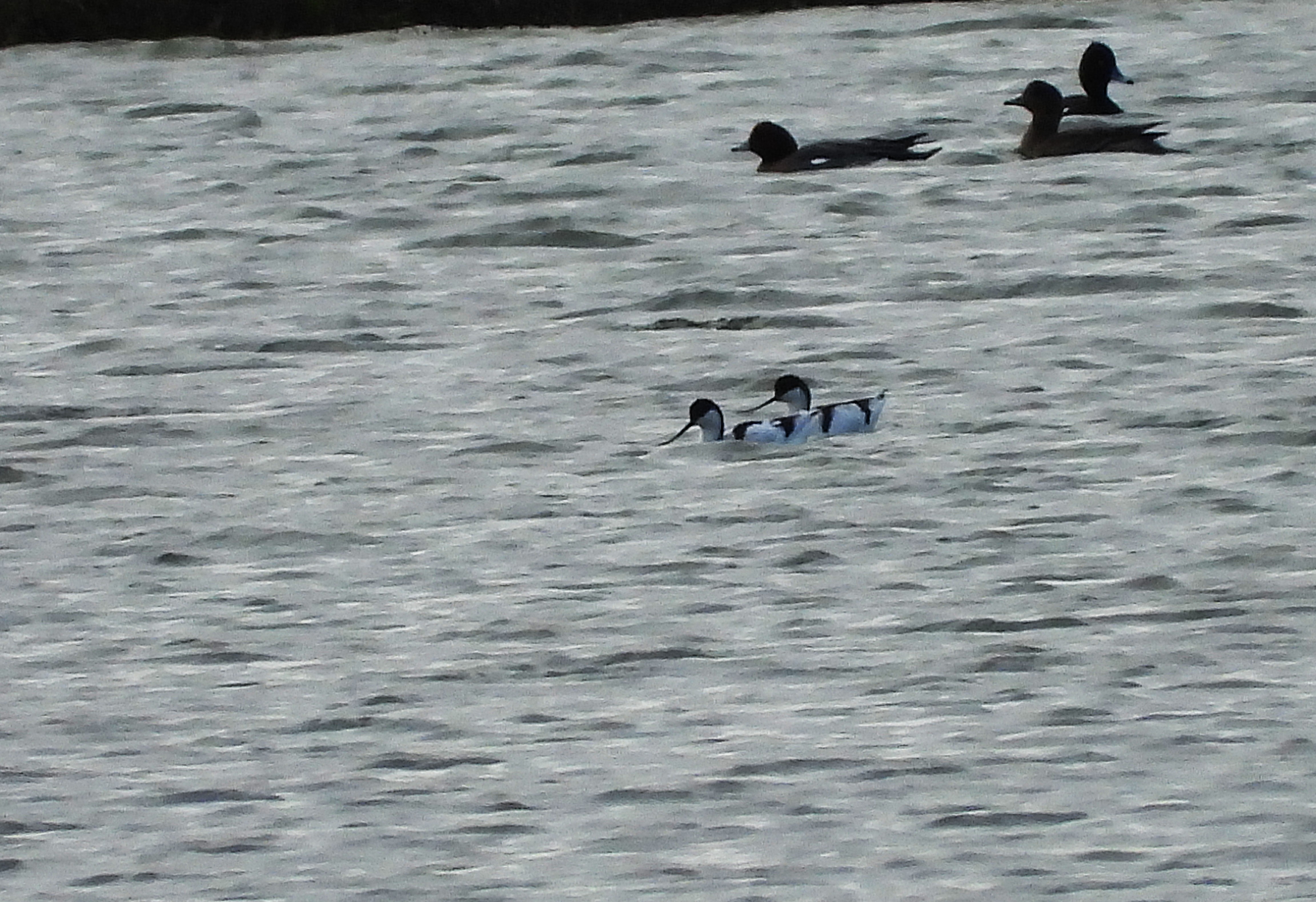
Although not a summer visitor, further representing waders as another first for the year were two Avocets at Earls Barton GP on 3rd, alongside other inland sightings in the UK during the week.
Other waders were on offer, even if thin on the ground, including a Black-tailed Godwit at Summer Leys LNR on 2nd, the same date also producing three Jack Snipes at Daventry CP and two at Hollowell. Classed as a summer visitor, although odd birds appear locally in winter, a Common Sandpiper at Pitsford on 5th was no doubt the wintering individual seen sporadically there during past weeks.

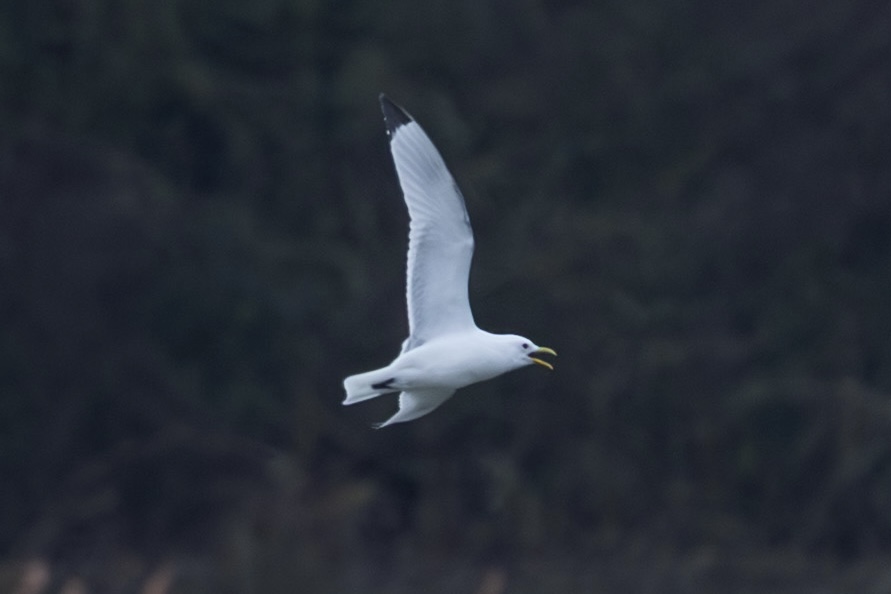
And another new bird for the year this week was an adult Kittiwake which spent a short period of time at Summer Leys on 28th. More to come, no doubt.
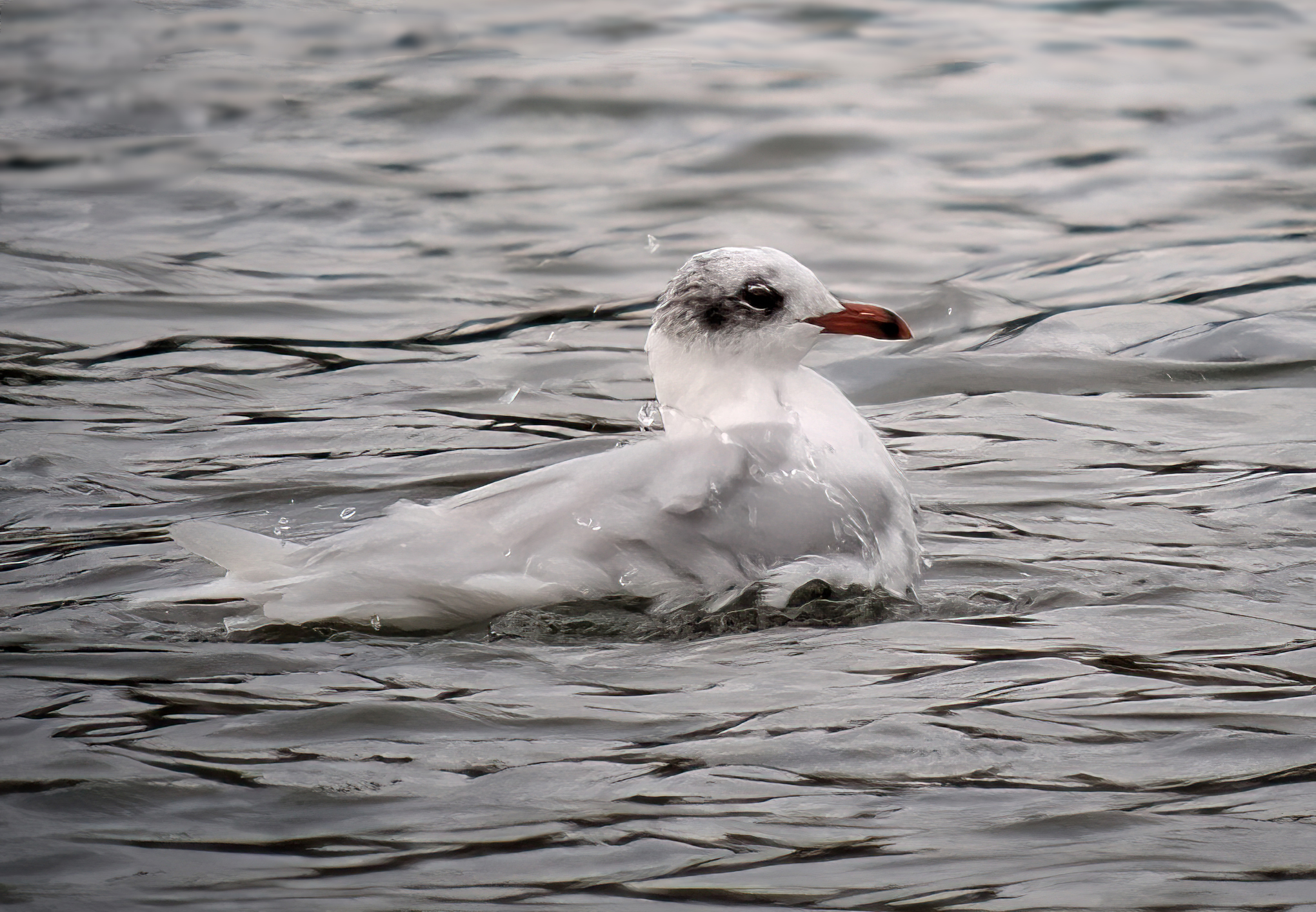
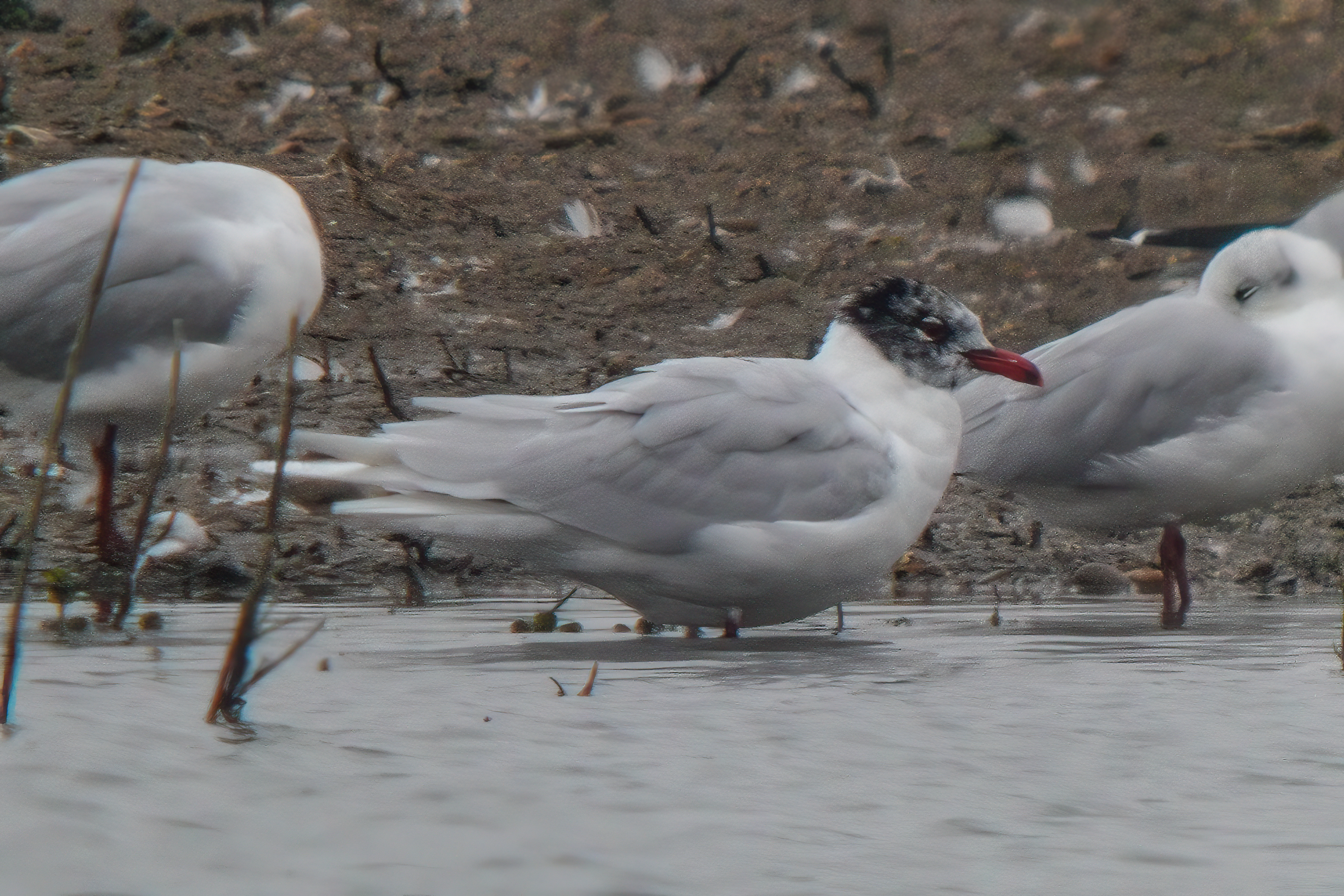
Sticking with larids, March begins to see spring movements of Mediterranean Gulls taking place, the 4th giving rise to two adults in the roost at Stanford Res and two – also adults – at Summer Leys. One of the latter two carried a metal ring on its right leg and was back on site, alone, on 6th.
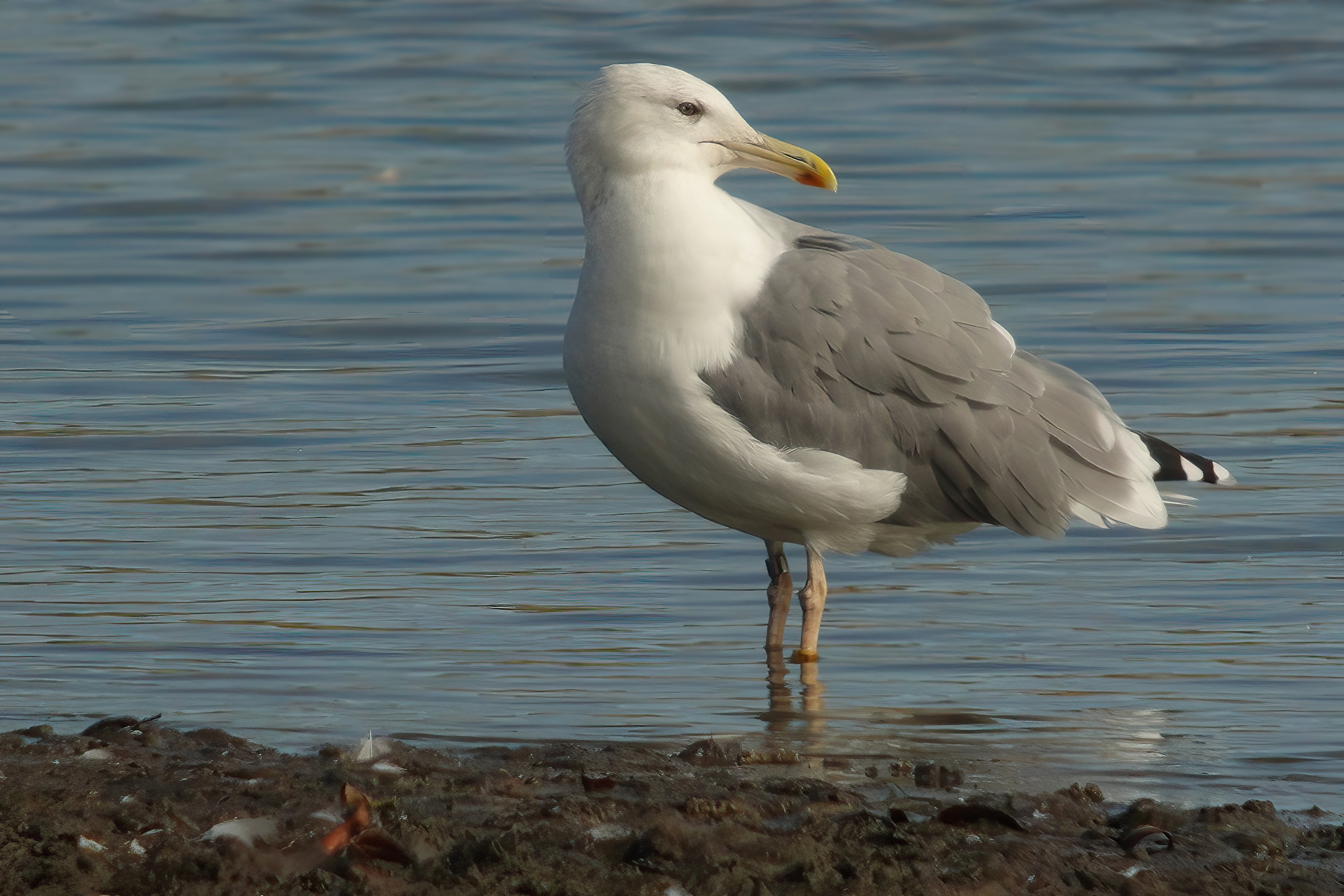
Caspian Gulls were present at Earls Barton GP, where there was a first-winter on 28th, down the road at Summer Leys, where the settled adult remained between 28th and 5th, and at Hollowell, where there was an adult on 2nd and two adults on 5th. A single adult Yellow-legged Gull was still to be found at Pitsford on 2nd.

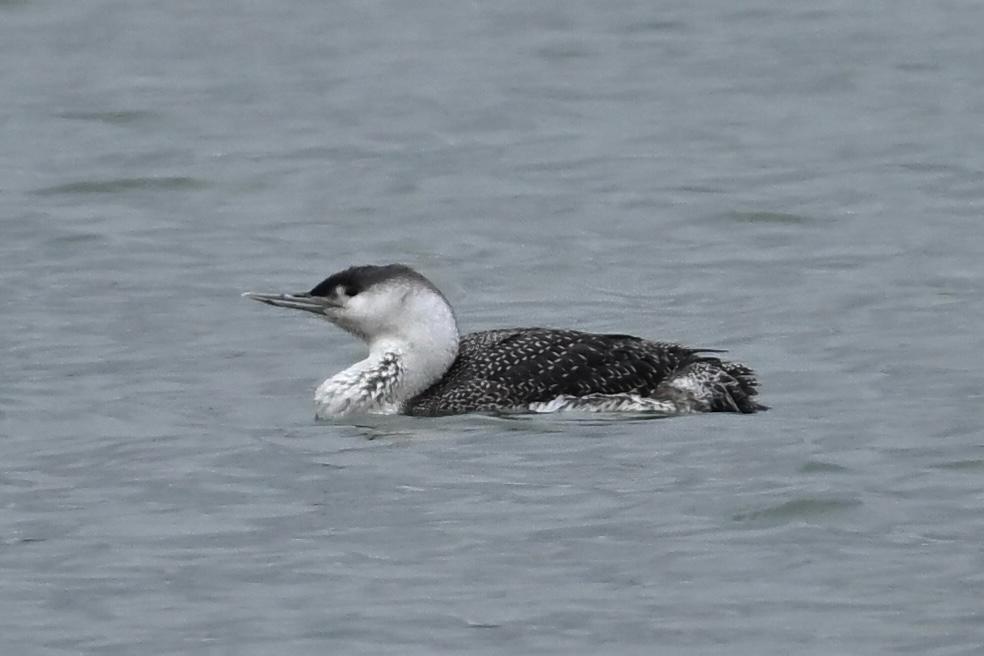
The Red-throated Diver, now in its fourth week, remained throughout the period, being seen at both Hollowell and Ravensthorpe, although apparently having now developed a preference for the first of these two sites.

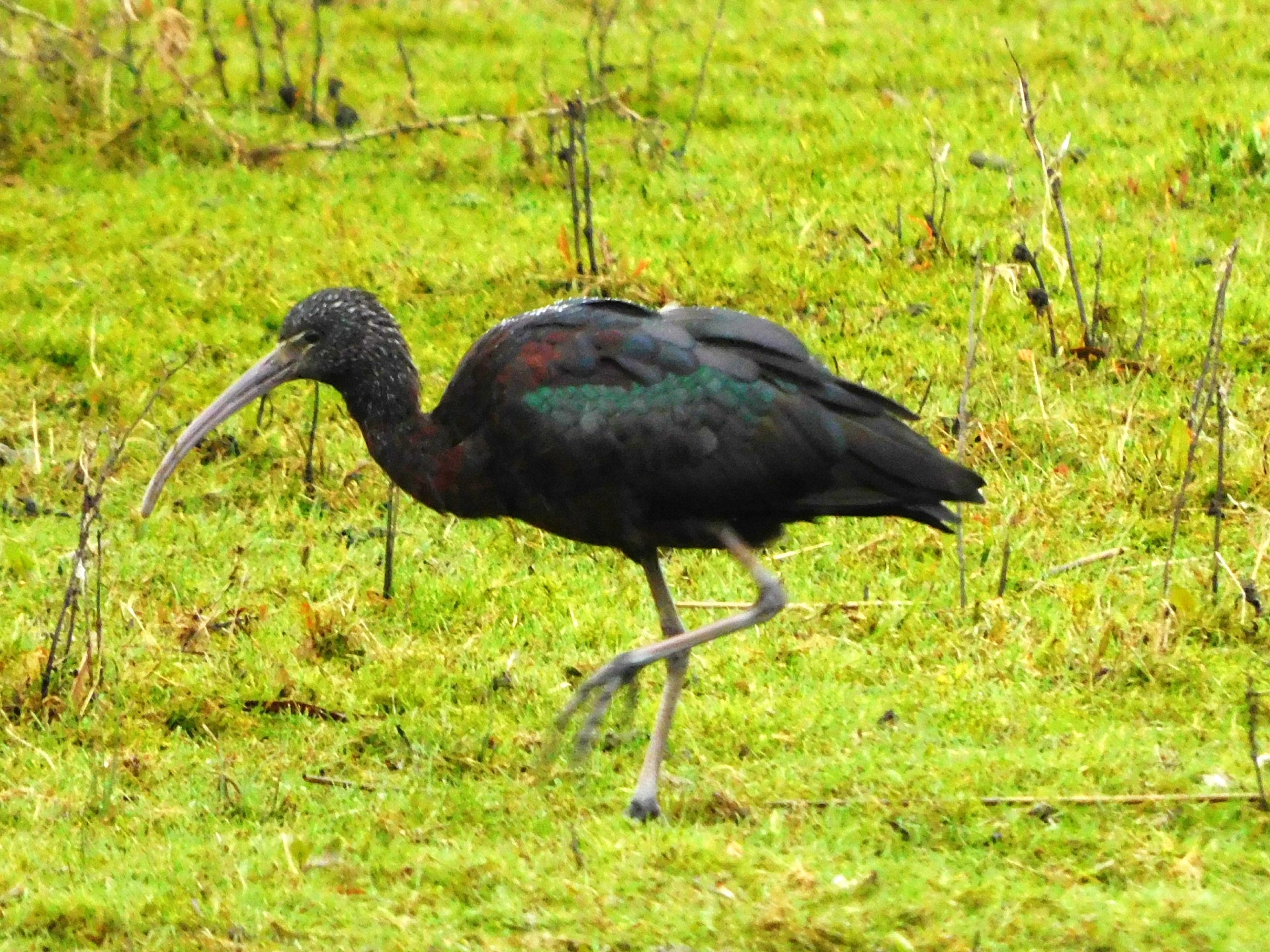
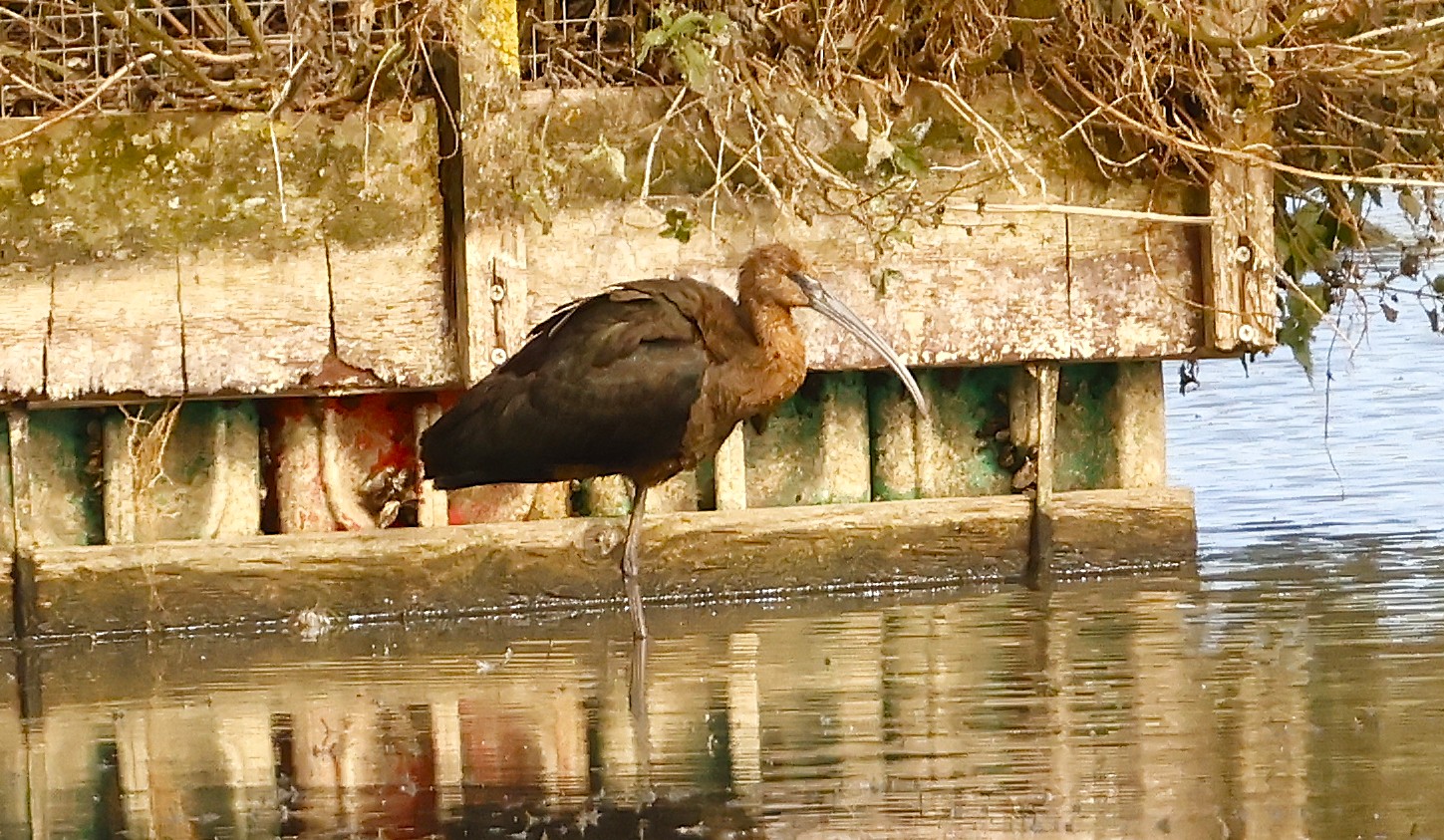
Back in the Nene Valley, Summer Leys continued to retain its showy Glossy Ibis, while a Bittern was caught on a trail camera at Ditchford GP’s Rushden Lakes and four Cattle Egrets visited Thrapston/Titchmarsh NR on 4th.
The recent flurry of Marsh Harriers calmed somewhat with singles at Summer Leys on 28th, 1st, 3rd and 6th and one at Stanwick on the last of these dates.

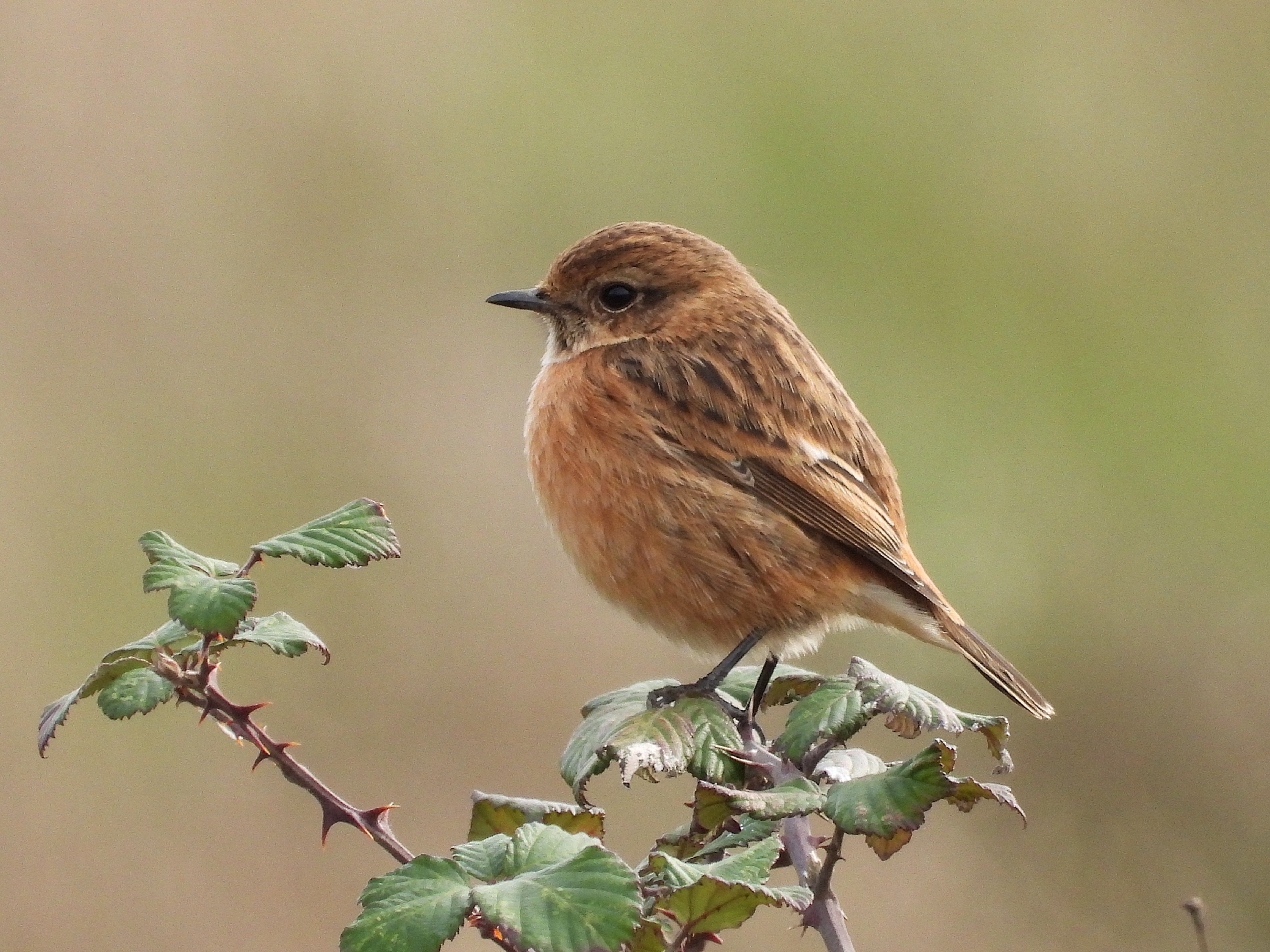
And propped up by the Daventry Siberian Chiffchaff on 2nd and 5th, the week’s passerines were at a low ebb with just four Stonechats at Ringstead GP on 1st and singles at Lilbourne Meadows on 1st and at Hollowell on 5th. Compared to recent weeks, the number of Crossbills dwindled to singles over Ravensthorpe Res on 3rd and at Scotland Wood, Kelmarsh on 5th.

Newsround 14th to 20th February 2026

Another late winter week saw cold, mostly overcast and foggy conditions with temperatures barely breaking 5°C, although the final day marked the beginning of something warmer to come. But the selection of birds on offer was not weather dependent and the surprise appearance of a certain duck at the week’s end went some considerable way toward breaking the ice …

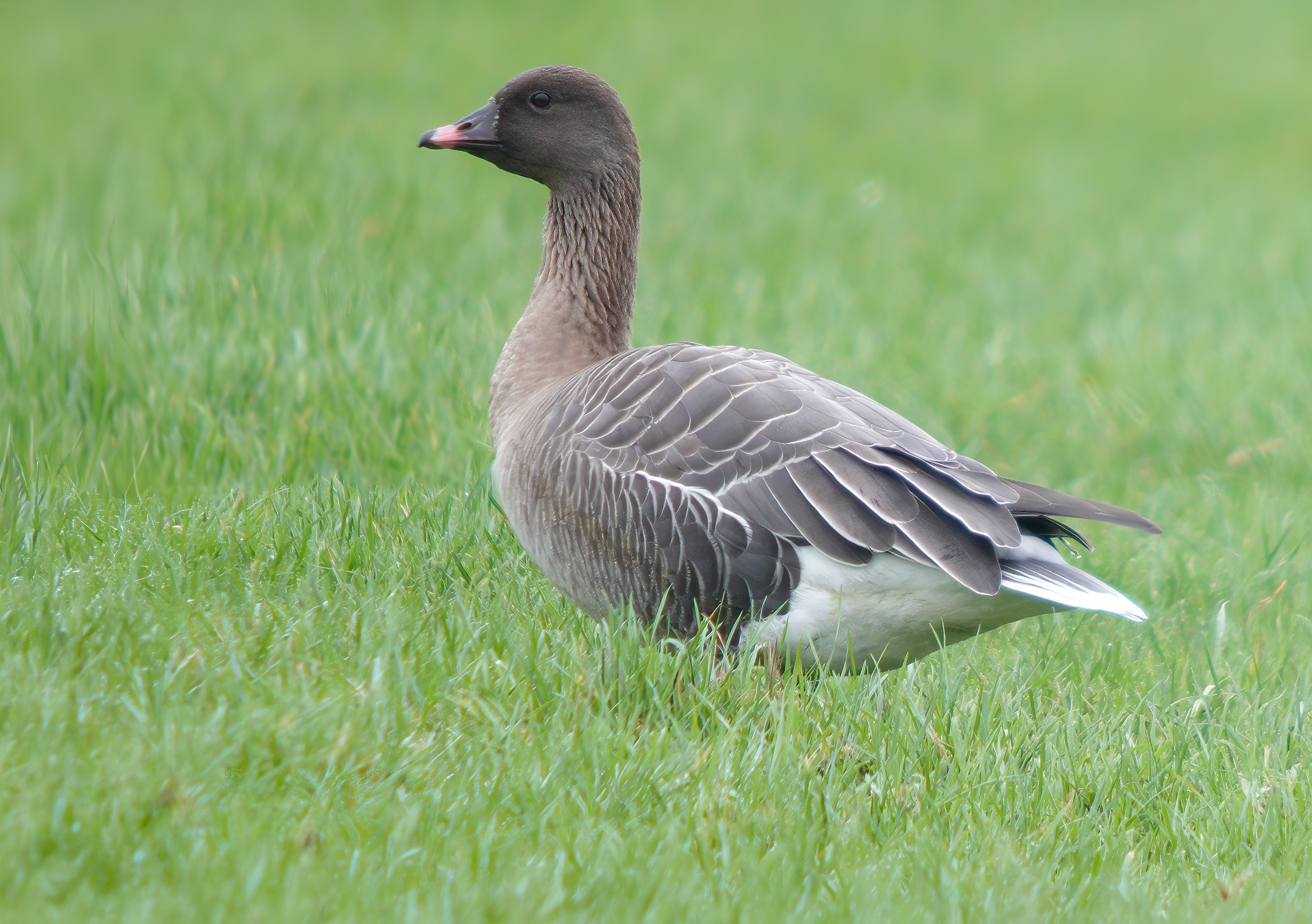
The beginning of the week, however, was still owned largely by wintering geese. Following last week’s three at Stanford Res, a lone Pink-footed Goose was found with local Greylags alongside Thrapston GP at Islip Water Meadows on 15th, remaining there until 18th.

And Tundra Bean Goose was again on the week’s menu when two distinctly separate birds were present in the northern reaches of the Nene Valley. Based on its unique pattern of white at the base of the bill, the first was the same individual which has been kicking around in the Thrapston GP area since early January, although remaining under the radar for a significant amount of time. Keeping company with twenty-three White-fronted Geese, it appeared at Ringstead GP on 14th before settling in fields at nearby Denford from 16th until the end of the period. The second bird paid the briefest of visits to Islip Water Meadows with Greylags on 16th and was not seen subsequently.

In addition to the aforementioned twenty-three, Stanford’s White-fronted Goose numbers remained high with at least forty mobile around fields between Stanford on Avon and the reservoir, on 15th. Lower numbers elsewhere included eight at Thrapston from 14th to 17th, visiting fields north of nearby Thorpe Waterville on 15th, and four at Stanwick GP between 15th and 18th.
Now seemingly settled on the Rosewater Fishing Lake at Ringstead, the drake Ring-necked Duck remained there from 14th until at least 18th and a Greater Scaup was reported on adjacent Kinewell Lake on 16th.
But the period’s highlight was found on the last day of the week, when a dapper drake Lesser Scaup broke water on the River Nene alongside Clifford Hill GP. Had it been Northamptonshire’s first – and maybe it is the same individual from last autumn – it would have drawn a sizeable crowd, given the easily accessible location and prime viewing conditions. As it was, a trickle observers dropped in to soak up the good views on offer.
Dramatically overshadowed by the above – at least in terms of rarity – was the drake Smew which saw out another week at the same location.

And hybrids? The drake Pochard x Tufted Duck remains also at Clifford Hill, as does the presumed female Pochard x Tufted Duck at Daventry CP.

Moving swiftly on … and following a recent uptick in records in the UK, another new bird for the year this week was a Slavonian Grebe. First seen at Daventry on 19th, it moved to Ravensthorpe Res on 20th, where it was still present at close of play. Hard evidence in the form of a unique, small dark stripe on the left side of its head identifies it as the same bird at both locations.

Two Jack Snipes at Hollowell Res on 16th sums up the week’s scarcer waders.

The week’s gulls once again comprised two adult Mediterranean Gulls – one at Daventry on 16th and the other in the roost at Stanford three days later, on 19th, with two adult Caspian Gulls at Hollowell on the same dates.

Hollowell also played second locality fiddle to the Red-throated Diver, which upped sticks from Ravensthorpe on 16th but returned to the latter site on 19th, still being in residence there at the week’s end. It attracted far less attention than in the previous week, the novelty likely having worn off …

Also, considered part of the winter furniture, the Glossy Ibis remained at Summer Leys LNR throughout.

Once again, a Cattle Egret dropped into the flooded area at Wellingborough Embankment on 15th.

Also in the Nene Valley, Marsh Harriers continued their right to roam, Summer Leys producing sightings on 14th, 15th and 17th that included the first-year male ‘J4’. Elsewhere, singles were at both Ditchford GP and Earls Barton GP’s New Workings (South) on 14th. A ringtail Hen Harrier in the Brampton Valley/Blueberry Farm area on 17th was the third of the year so far, one having been seen there on 1st January, followed the next day by one near Laxton.

There was close to nothing new on the passerine front this week. Daventry’s Siberian Chiffchaff extended its stay until at least 19th, while a Firecrest was reported from Thrapston on 17th.

Stonechat numbers were down, with twos seen at Earls Barton GP on 14th and 17th, in the Brampton Valley on 15th, at Hollowell on 16th and at Stanwick on 18th.

Up to eight Crossbills were still present at Gamboro Plantation near Cottesbrooke throughout the week and singles were at Scotland Wood, Kelmarsh on 16th and 20th.

Two Corn Buntings reappeared briefly in the Brampton Valley between Cottesbrooke and Hanging Houghton on 16th.

Newsround 20th to 26th September 2025

The week’s weather was dominated by a high pressure system drifting slowly east, keeping Atlantic weather fronts at bay and delivering an easterly airstream out of Eastern Europe and beyond. What impact this may ultimately have remains to be seen, but, clearly unrelated to this came a bolt from the blue in the shape of a long-awaited first for Northamptonshire …

While multiples have occurred in all of our surrounding counties, one species has been the bane of frustration for many a local birder, having managed to evade us for many years. Until now, that is. This week, finally, the sun shone on our own fair county, the clouds parted and there it was … Northamptonshire’s first Lesser Scaup – a fine adult drake coming out of eclipse, found on the morning of 23rd at a location that has already offered up another county first this autumn. Yes, Stanford Res has done it again but, thankfully, it was not the product of a mist-net which vanished into the ether. No, this bird was, of course, out on the water, found by Chris Hubbard as a just reward for his high level of commitment and dedication to his personal stomping ground. While showing throughout the afternoon, this bird remained into only the early morning of the following day before deciding to up sticks and move on, much to the annoyance of those who made the journey to see it and were left looking at a drake Pochard x Tufted Duck hybrid which had been present there for several days.

While other wildfowl were left in the shade, Stanford also dished up the next best duck of the week – certainly in the context of this year’s abnormally low numbers – a Garganey on 25th.

Vying for recognition, though, came Hollowell Res, where a female or immature Common Scoter was found on the same date as the aforementioned Garganey.

Which leaves us with two drake Red-crested Pochards at Daventry CP from 22nd until 26th and a solitary drake at Pitsford on the last day of the period.

And when it came to rare grebes, Daventry, Hollowell and Stanford were up there again when each produced its own Slavonian Grebe – the first ones for 2025. All proved to be one-day stayers, at Daventry and Hollowell on 24th and Stanford on 26th.

But it wasn’t over just yet for Stanford, which also added a Black-necked Grebe to its tally on 20th.

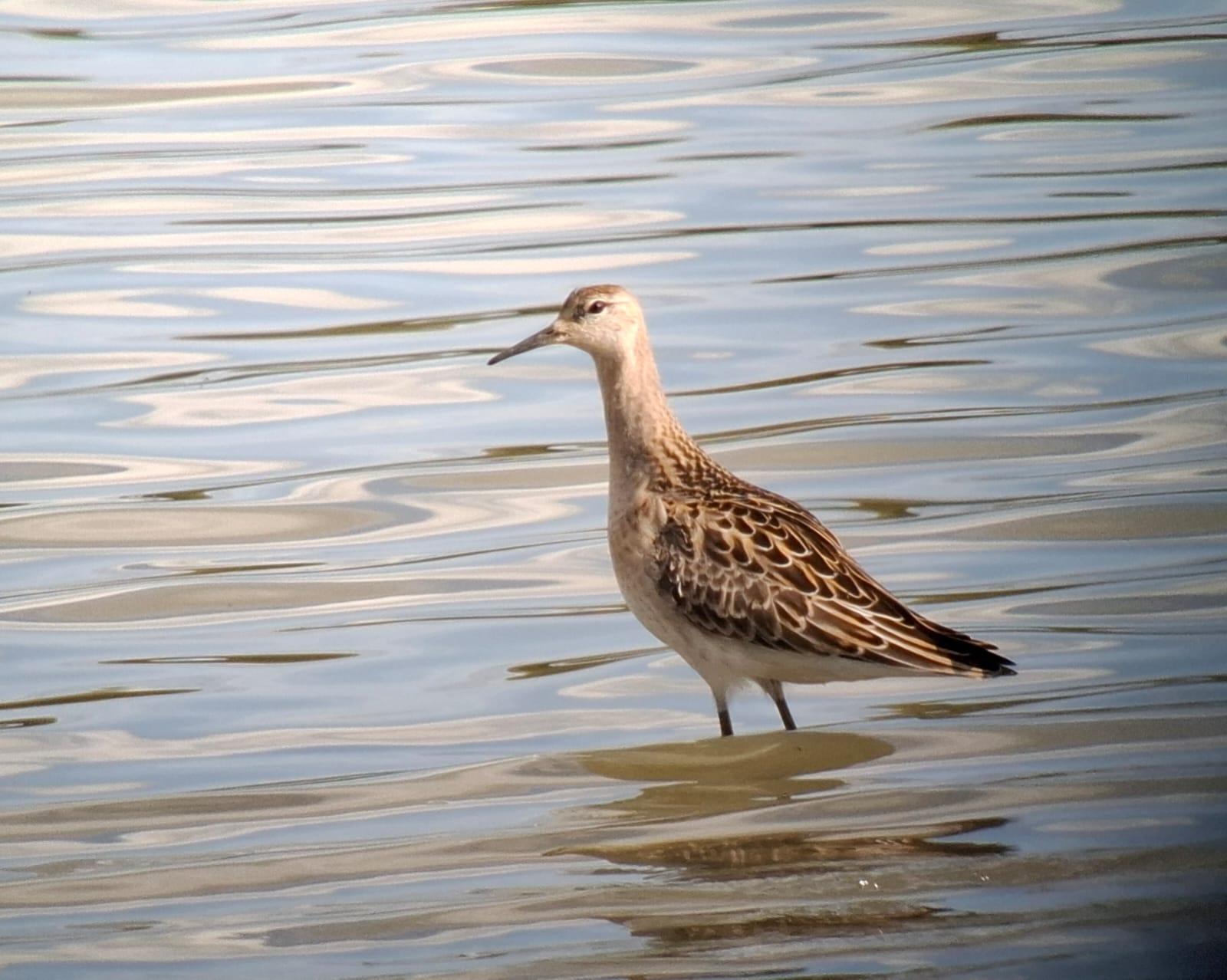
Moving into late September traditionally marks the period for declining numbers of passage waders, which is what we saw this week. At Boddington Res, a Curlew flew over on 20th, while three Ruffs were present there on 20th-21st, followed by one from 22nd to 23rd and two on 24th. The only other site to host this species was Pitsford Res, where up to three were to be found throughout the period.

Pitsford also produced the county’s fifth Little Stint of the year, from 22nd until the week’s end. Greenshank numbers took a further tumble, with two at Earls Barton GP on 20th, dropping to one there from 23rd until 26th. Two were found at Clifford Hill GP on 23rd, followed by one on 24th, when one was also at Pitsford.

Last week’s first-winter Mediterranean Gull at Boddington was again to be found there on 20th, while Caspian Gulls were the preserve of Hollowell and Naseby Reservoirs, the latter site holding on to its regular German-ringed adult male all week and Hollowell producing a first-winter on 22nd and an adult on 26th.

Three reservoirs also delivered the week’s quota of Yellow-legged Gulls, with an adult at Naseby on 21st, one at Pitsford on 21st and 24th-25th and one at Ravensthorpe Res on 26th.

A Sandwich Tern was seen in flight over Stanwick GP on 20th.

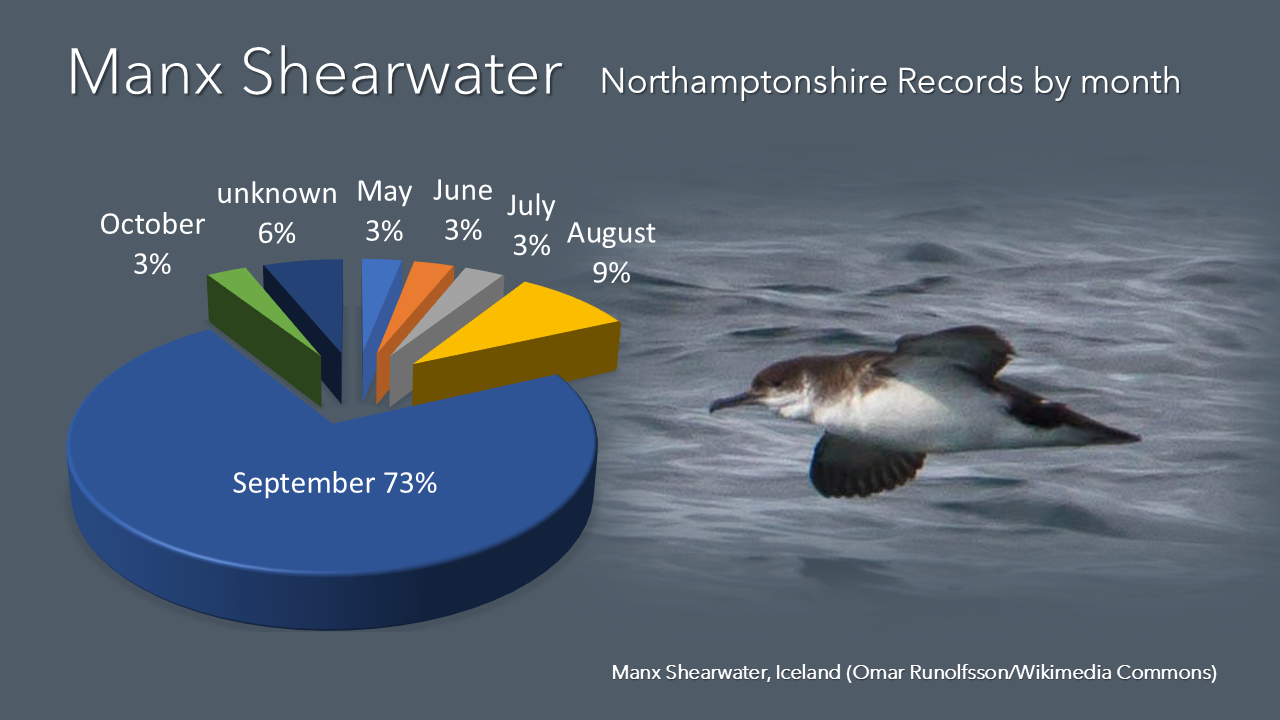
Following a south-westerly blow during the preceding week, significant numbers of Manx Shearwaters were driven inland with many apparently being taken into care. Northants was not to be left out of the proceedings and two – the first in the county since 2017 – duly appeared. The first was found exhausted at Blisworth on 22nd and was taken into care by Animals In Need, Little Irchester and, with no apparent injuries, was still in good health at the period’s end prior to its intended release at a coastal location next week. Sadly, the same could not be said for the second one – a corpse picked up on the A428 near Long Buckby on 23rd.

There have been approximately 33 previous county records, the overwhelming majority of which have occurred in September.

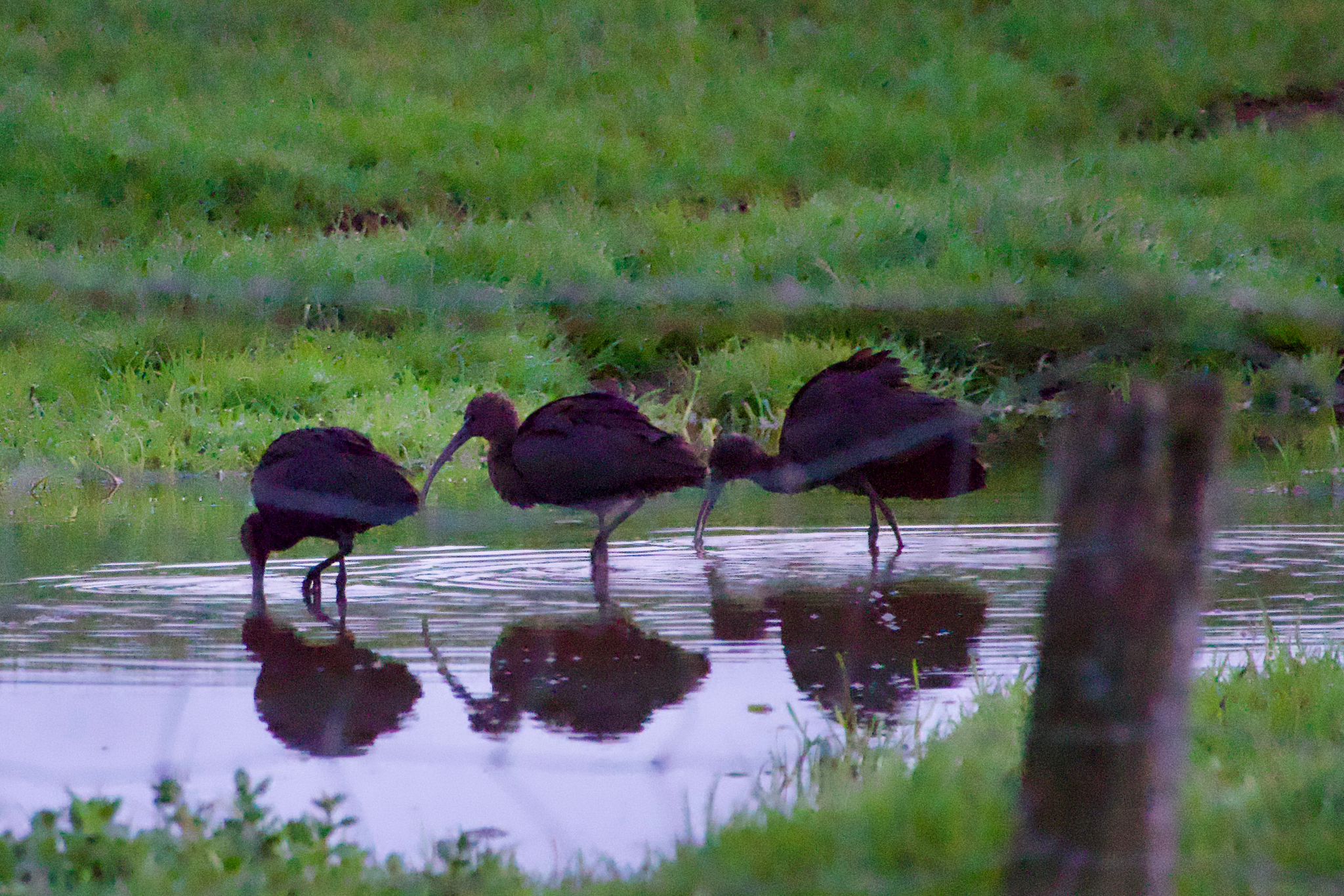
And, not unexpectedly, Glossy Ibises were on the up. Present for a month now, the Summer Leys individual remained throughout the period, while the Pitsford bird chalked up its third week, staying loyal to the site at the week’s end. Stanford’s trio were there for early risers, appearing to roost in the vicinity and flying in for no more than half an hour to feed near the Settling Pond from around 06.45. Their number had dropped to two from 24th, one of the three having exhibited a damaged wing prior to this. Its fate is not currently known. Two were also present at Thrapston GP’s Titchmarsh NR from 24th until the week’s end.

A Bittern was again at Stanford between 23rd and 26th and last week’s Cattle Egret was still to be found there on the first day of the period.

On the raptor front, Ospreys had all but faded away, with just one seen at Pitsford almost daily between 20th and 26th. Marsh Harriers were down, too, with singles at Summer Leys on 20th and 24th, Stanford on 22nd-23rd, Harrington on 24th and Pitsford on 25th. And the sky momentarily darkened over Byfield on 22nd as a White-tailed Eagle flew south during the afternoon. The Roy Dennis Wildlife Foundation has confirmed that satellite tracking shows this was ‘G602’, a second-calendar year male released on the Isle of Wight last year, having summered on the North Yorks Moors and is now heading south.

On to passerines and a single Common Redstart at Clifford Hill GP on 20th was the only one of its kind this week, being outnumbered by Whinchats, with up to two at Blueberry Farm, Maidwell between 20th and 24th, one at Hollowell Res on 23rd and two in the Brampton Valley between Cottesbrooke and Hanging Houghton from 23rd until 25th.

This week saw a significant increase in Stonechat numbers, which reached double figures at Hollowell where there were at least ten on 25th. Elsewhere, up to five were present in the Brampton Valley, four at Pitsford and one at Clifford Hill GP. Single Northern Wheatears were found at Lilbourne Meadows NR on 21st, in the Brampton Valley on 23rd and 25th and at Blueberry Farm on 24th.

Pitsford saw two fly-over Crossbills on 22nd and one flew south over Naseby on 26th, while a Corn Bunting remained elusive in the Brampton Valley between 20th and 25th.

Newsround – 7th to 13th December 2024

Even though we’ve now entered the final straight of 2024, it ain’t over ‘til the fat lady sings, as they say. And if proof was ever needed then it rightly materialised in the form of another first for the Northamptonshire yearlist: a rather skittish Slavonian Grebe at Hollowell Res toward the week’s end.

While we’ve grown accustomed to Pink-footed Geese turning up in small numbers over the past few weeks, there was none in the review period but a higher level of quality remained in the shape of last week’s two White-fronted Geese still with Greylags on, and around, Ravensthorpe Res, being seen over the three days 11th-13th.

And after just one Whooper Swan in the previous week, a few more were on offer for anyone out and about on 9th, when four flew north-east over Ditchford GP, three were in the Aldwincle/Thrapston GP area all day and one visited Stanford Res.

The female Ruddy Shelduck continued its occupancy of Winwick Pools, being seen there on 10th and 13th, while the week’s diving ducks were limited to the drake Red-crested Pochard still at Earls Barton GP’s New Workings (North) on 8th, a female at Daventry CP from 9th onwards and the female Greater Scaup once again at Blatherwycke Lake on 8th.

But it was a Slavonian Grebe that shone a light on Hollowell Res – albeit for a short duration – on 11th. Following an unconfirmed report of it on 12th, this first for the year proved to be a short-stayer and seemingly appeared to have done a bunk when looked for on 13th.

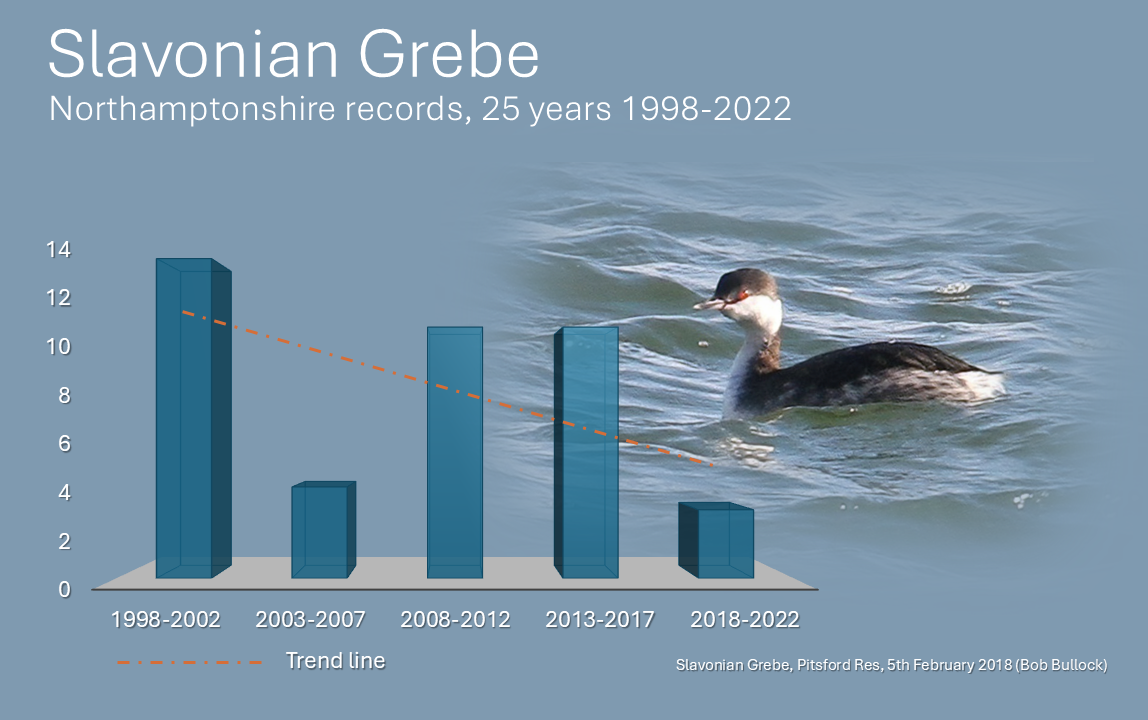
With just two records in 2023 and none in the three consecutive years prior to that, Slavonian Grebe has become hard to come by of late and records appear to be on a downward trend from a Northamptonshire perspective. This is perhaps a reflection of the recent fall in numbers breeding in Scotland which, in 2022, were at their lowest since 1971.

The week’s top wader was the week’s only wader – a Black-tailed Godwit at Clifford Hill GP on 13th.

Scarce gull numbers fell further, with single adult Caspian Gulls in the roost at Stanford on 9th and 13th and at Ravensthorpe and Hollowell on 10th and 12th, respectively, while a first-winter appeared at Daventry CP on the latter of these dates. The regular Pitsford adult Yellow-legged Gull was still present on 12th and another was seen at Clifford Hill on 13th.

Pitsford also hung on to its seemingly settled, young Great Northern Diver, still on site on 12th.

And the Summer Leys Glossy Ibis? Still there on 11th … but was anyone looking for it beyond that? With numbers down on the previous week, only two single Cattle Egrets made it into the news – one at Stanwick GP on 7th, the other at Earls Barton GP on 13th.

A Short-eared Owl in the Brampton Valley was the only one to grace this week’s roundup and passerines fared poorly, with a Stonechat at Pitsford on 9th and two at Earls Barton GP the following day, while Blatherwycke churchyard was the only locality to dish up the period’s Hawfinches, with four there on 7th and three on 9th.