January was deemed, back in the day, to be the only ‘migration-free’ month of the year and this third week reflected just that. With very little winter movement evident, the focus was as much on the long-stayers as on anything else and new birds were at a premium …
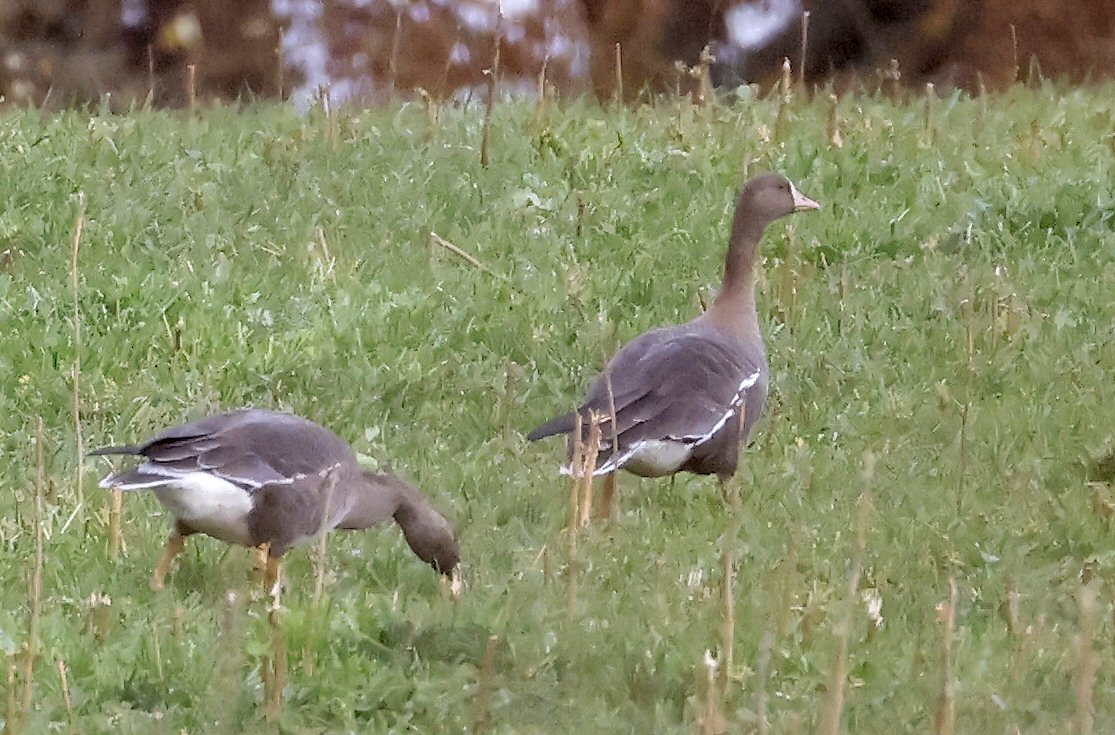
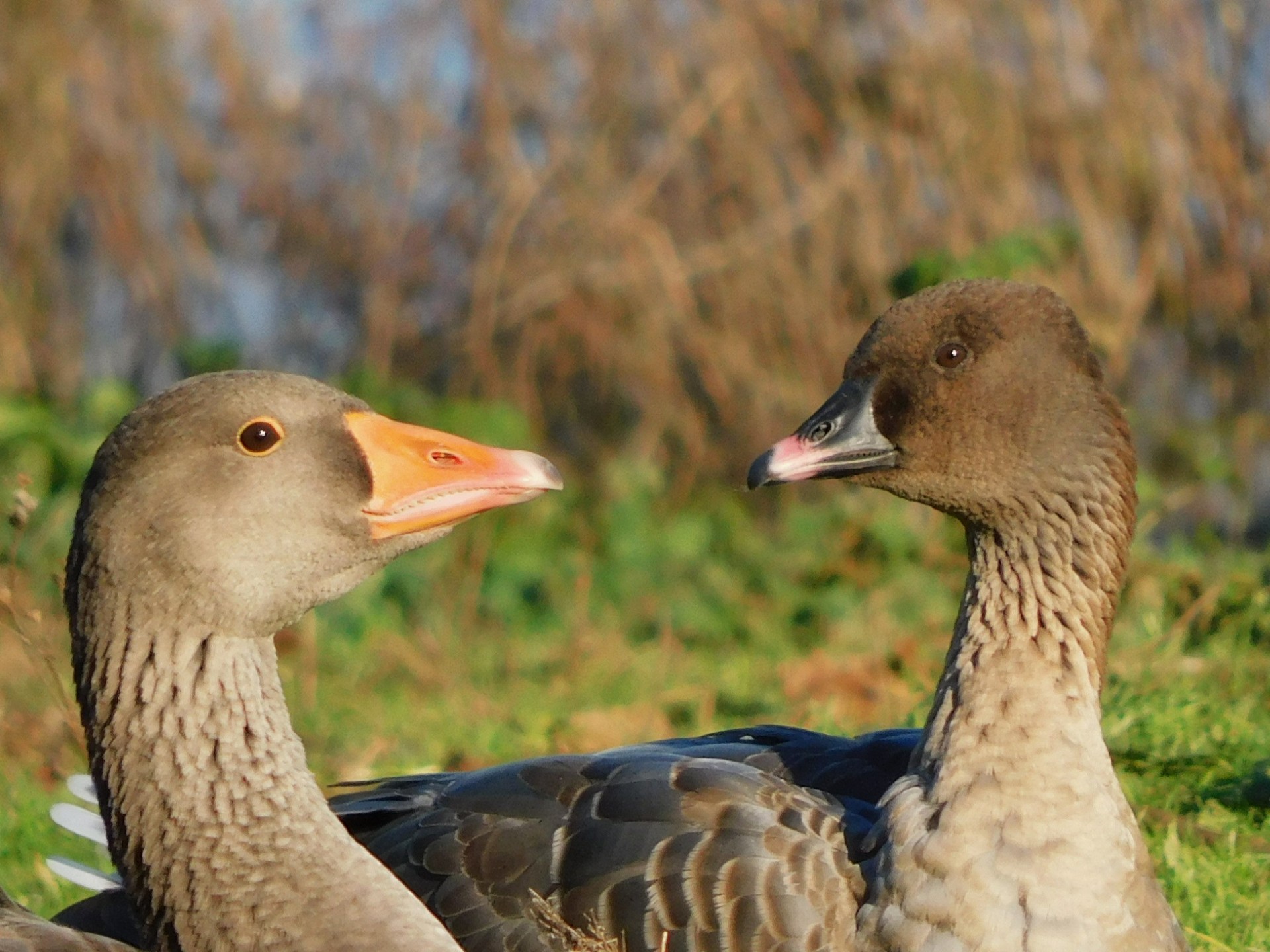
Continuing to sit tight at Clifford Hill GP, the Pink-footed Goose remained throughout while, just down the Nene Valley, the single adult White-fronted Goose also extended its stay with the growing gaggle of Greylags between Cogenhoe and Earls Barton GP until at least 22nd.
Pink-footed Goose, Clifford Hill GP, 23rd January 2025 (Mike Alibone)Adult White-fronted Goose, Earls Barton GP, 21st January 2025 (Leslie Fox)
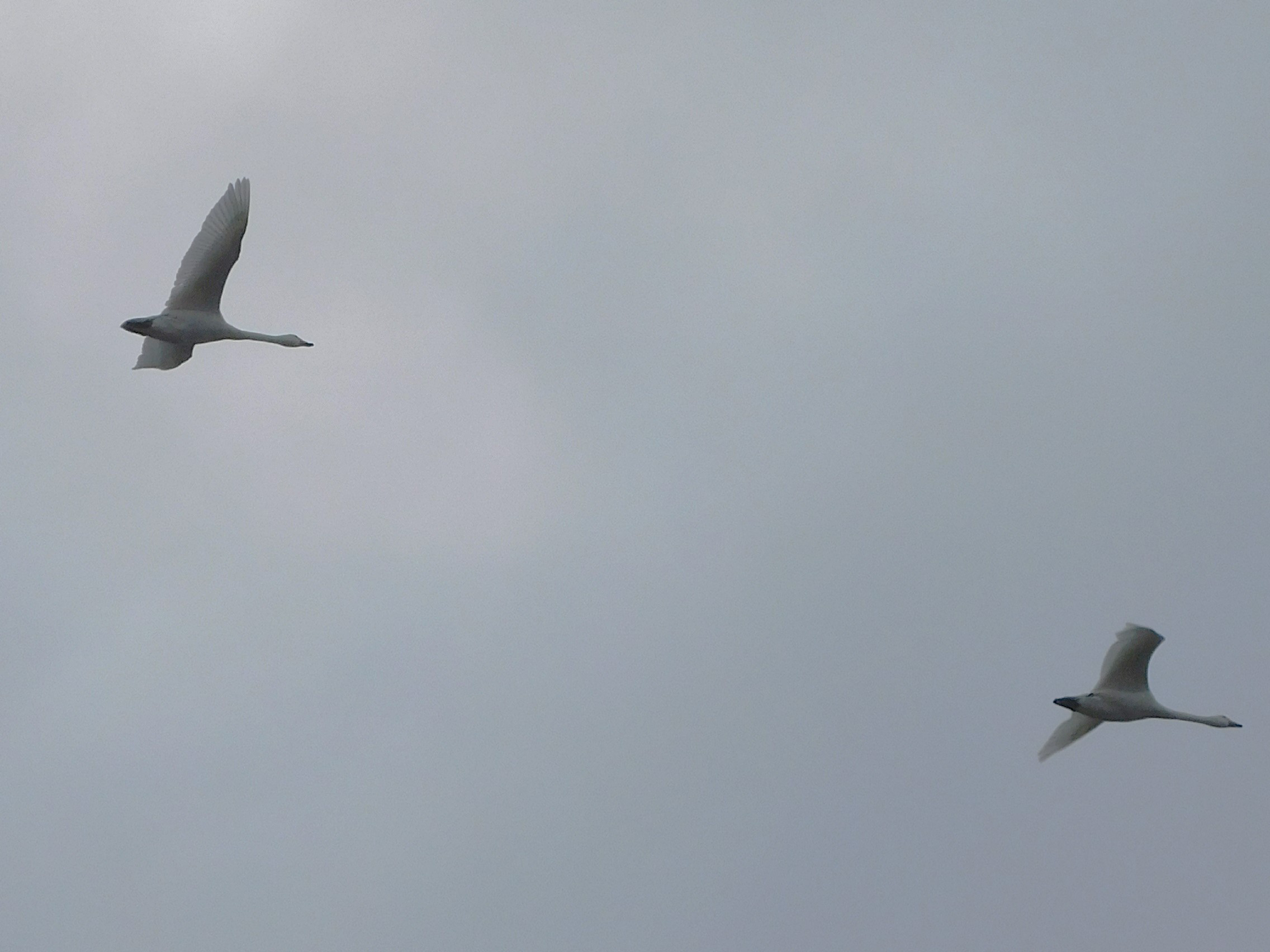
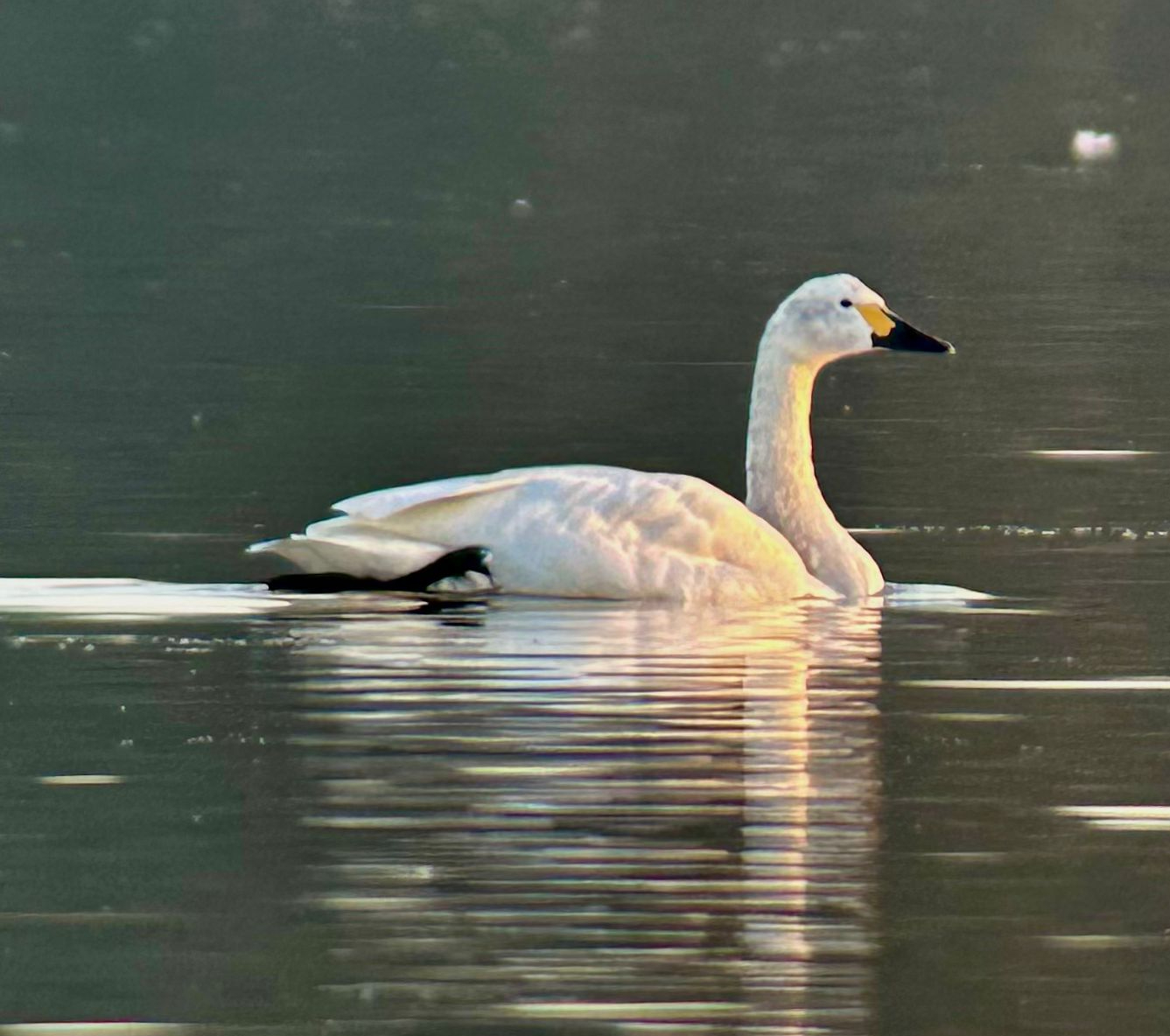
Now occurring with increasing frequency, Whooper Swan again made it onto the week’s menu on 18th, when two flew west over Greens Norton, followed by one on 21st at Summer Leys, the latter rapidly moving on to the adjacent waters of Earls Barton GP’s Hardwater Lake.
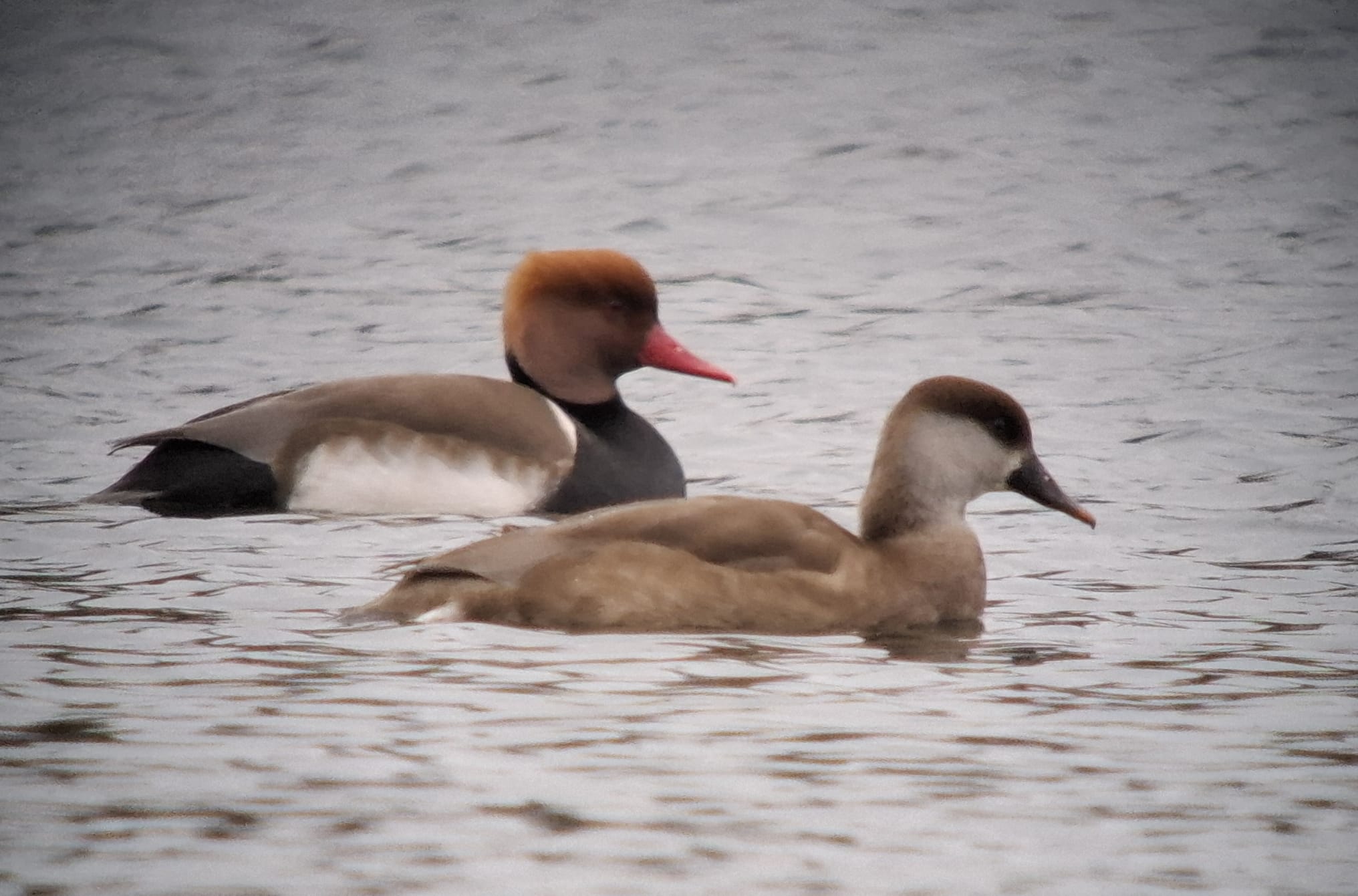
It seems hard to believe that, given it’s mid-winter, numbers of scarce ducks are at rock bottom – the best on offer being the female Red-crested Pochard at Daventry CP and the first-winter female Greater Scaup at Blatherwycke Lake, both still present on 20th. A hybrid adult drake Pochard x Tufted Duck provided some passing interest at Clifford Hill on 21st.
First-winter female Greater Scaup, Blatherwycke Lake, 18th January 2025 (James Underwood)
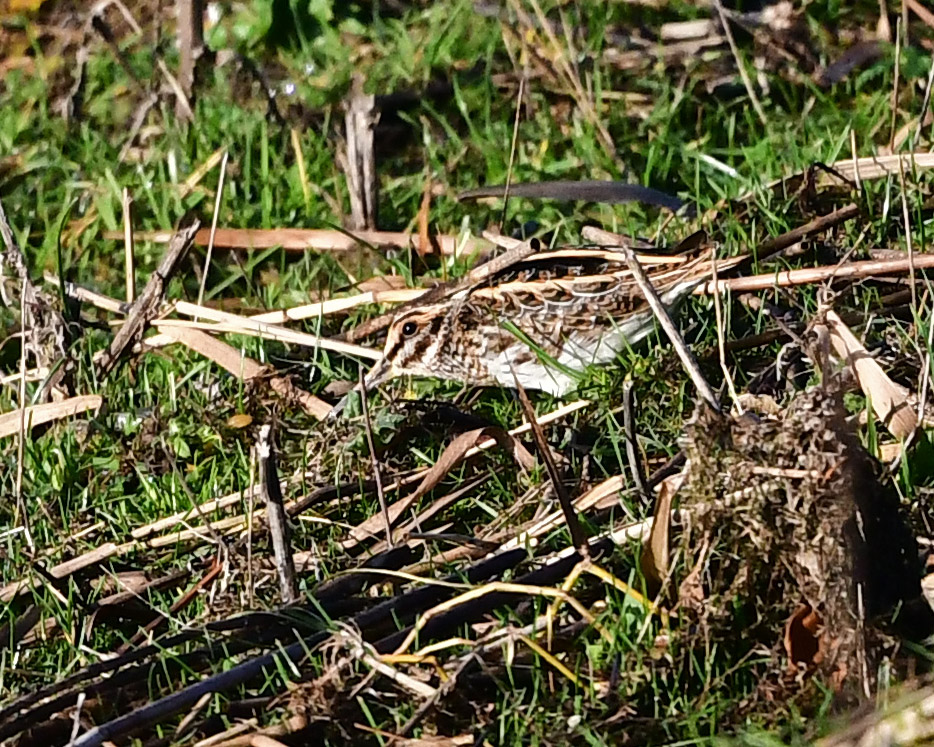
On the wader front, single Jack Snipes were at Barnes Meadow LNR on 19th and 22nd and at Ditchford GP on 21st, while two were at Pitsford Res on 20th.
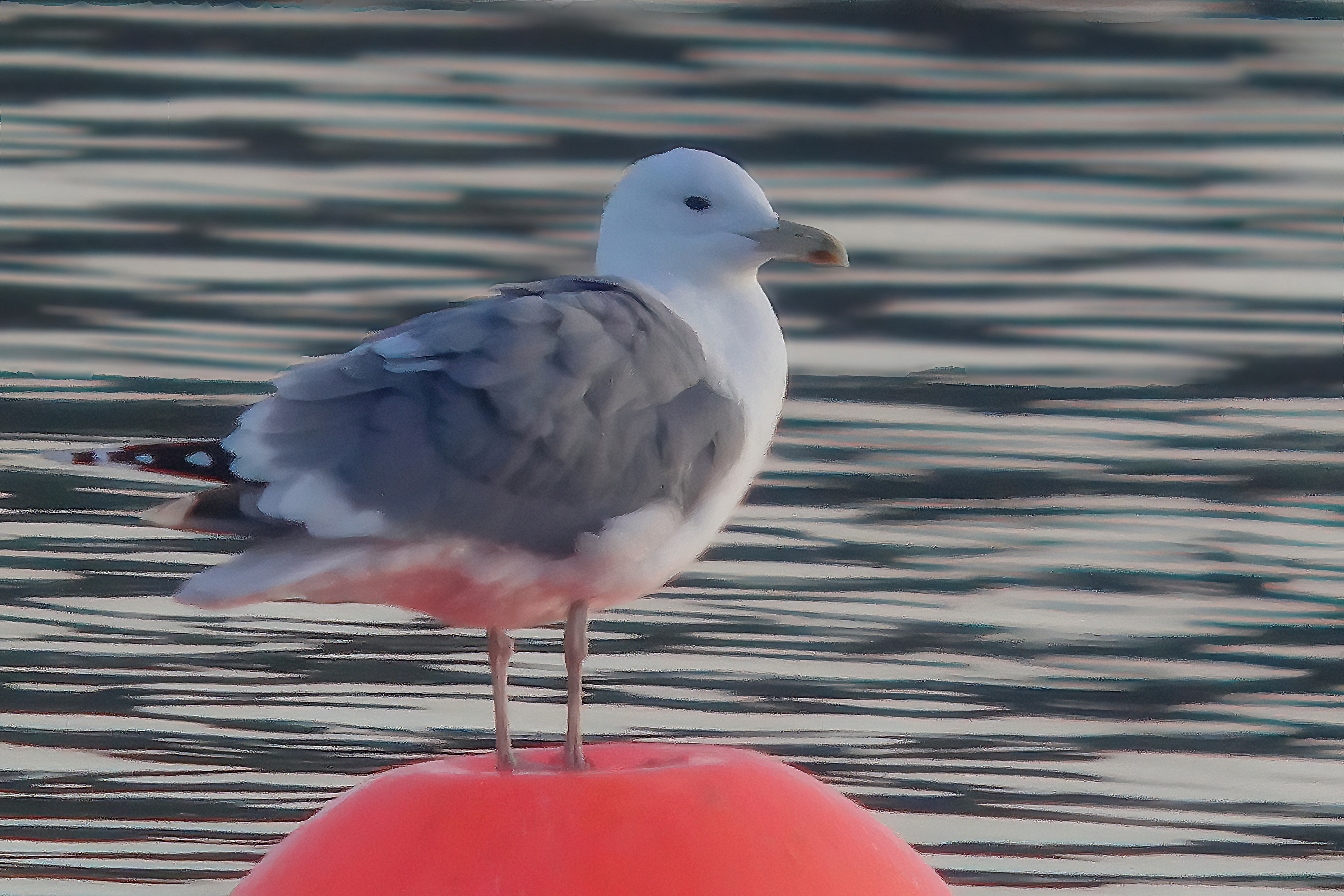
And gulls included the usual suspects: an adult Caspian Gull in the roost at Stanford Res between 18th and 23rd and two adults at Clifford Hill on 19th, while the only Yellow-legged Gull to be had was an adult at Pitsford on 19th.
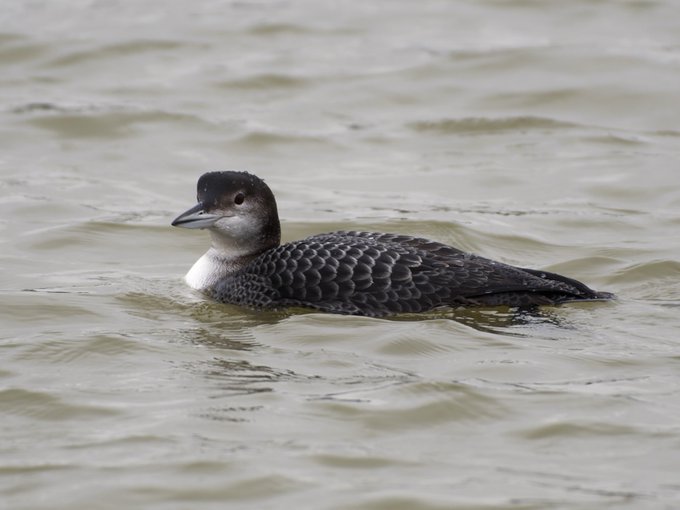
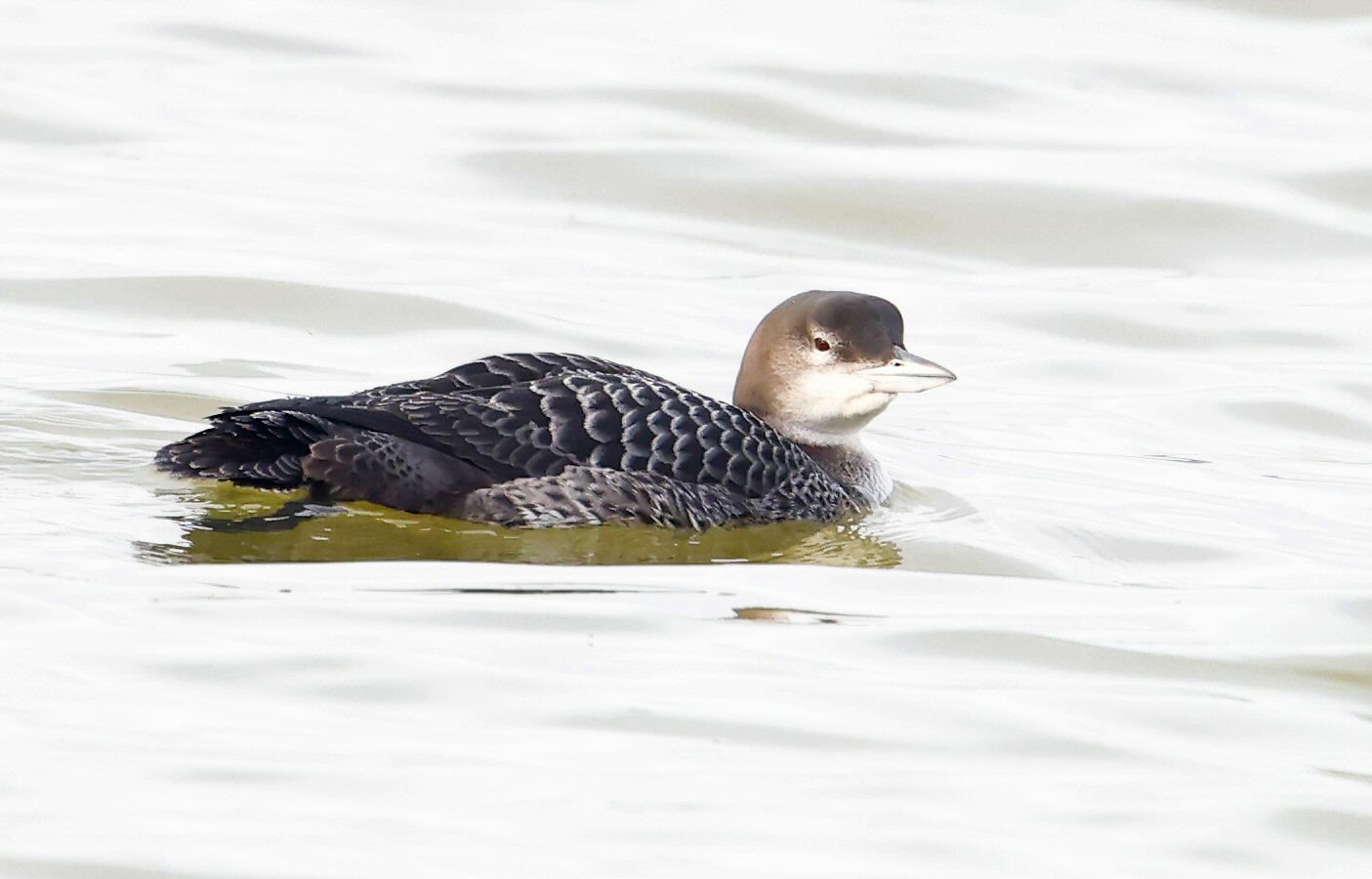
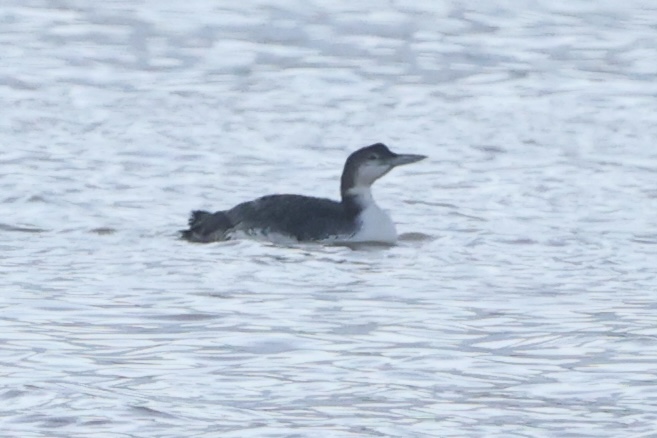
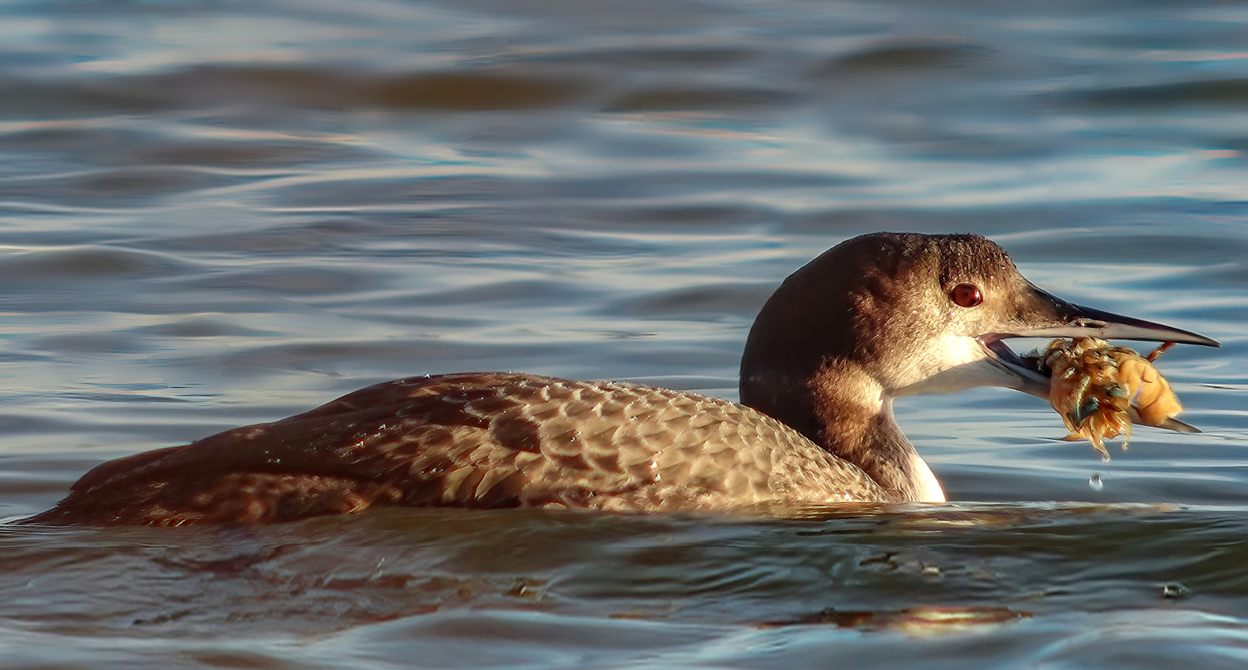
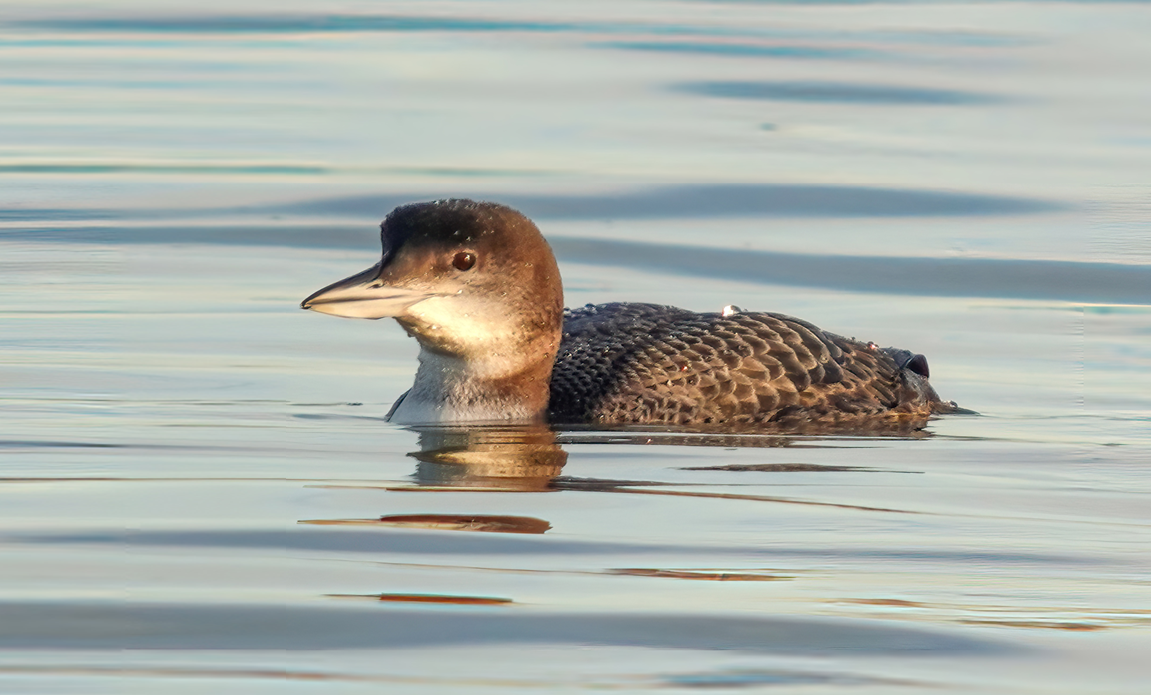
Pitsford also retained its long-staying Great Northern Diver until at least 22nd.
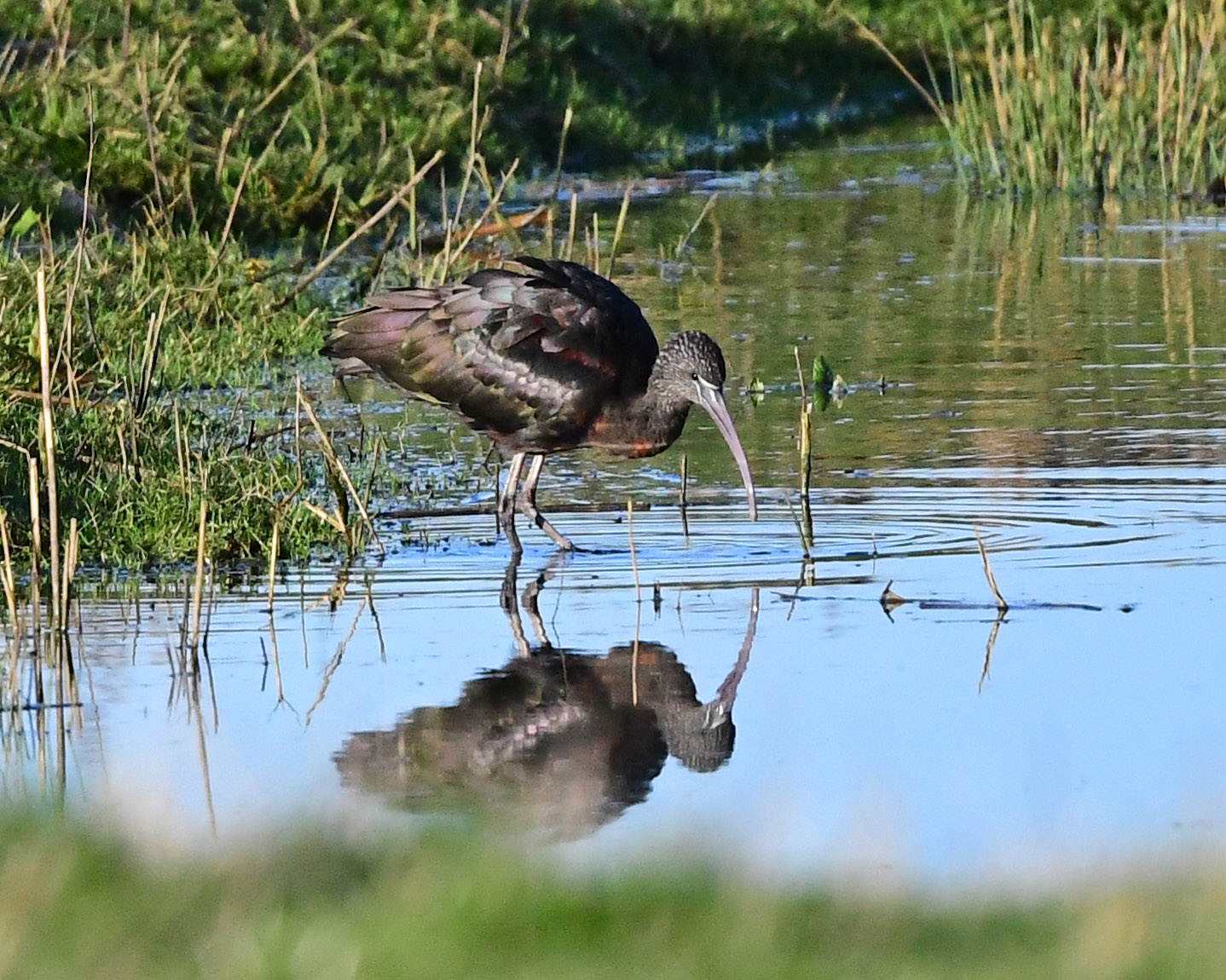
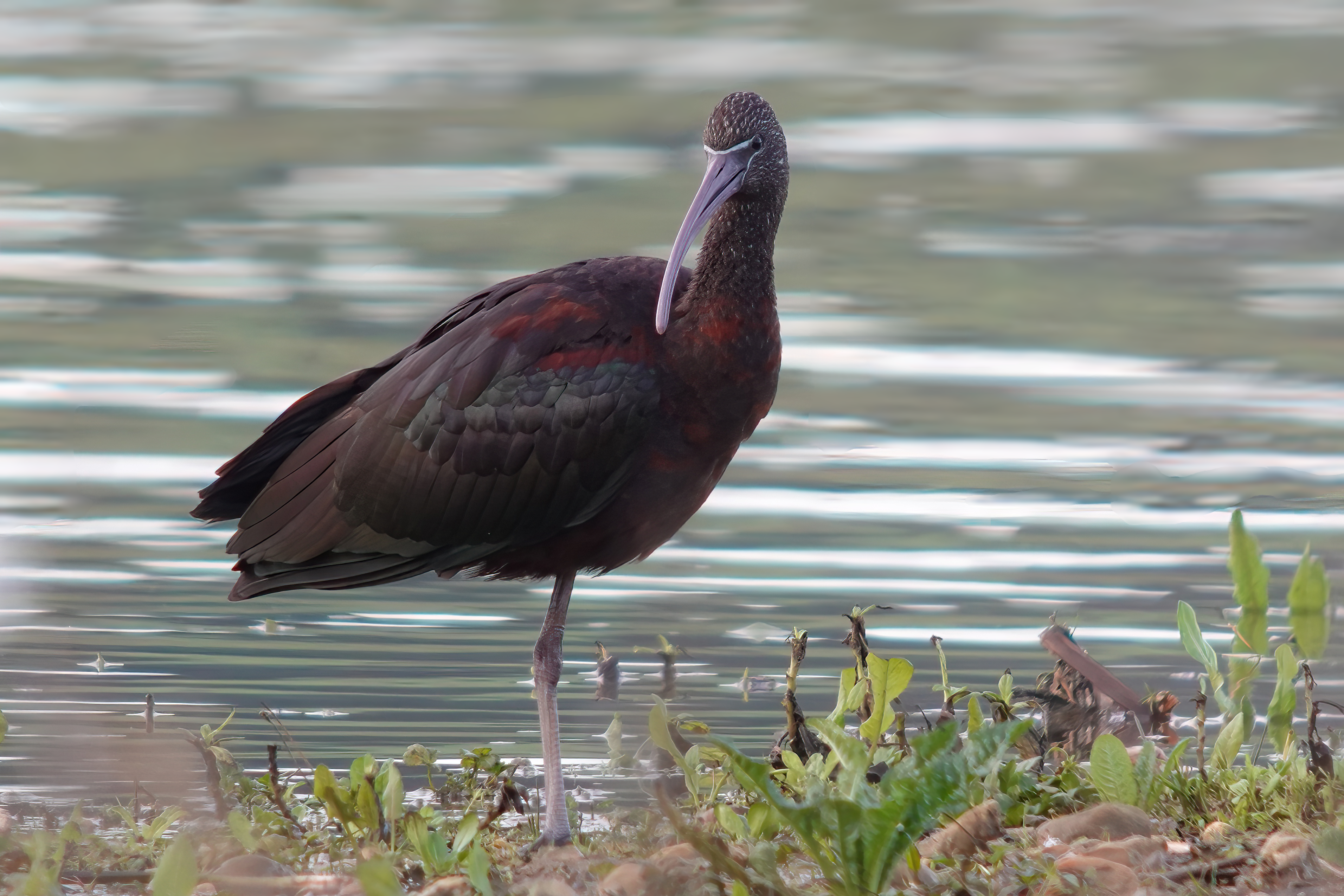
Also hanging on, the Summer Leys Glossy Ibis chalked up another week at and around the reserve. A little less easy to pin down, though, were the week’s Cattle Egrets, one of which flew west over Ditchford GP on 21st, while two were in and around a sheep field next to Stanwick GP’s North Lake the following day.
Cattle Egret, Stanwick GP, 22nd January 2025 (Mike Alibone)
A Marsh Harrier seen at Earls Barton GP’s New Workings (South) on 18th seems likely to have accounted for the subsequent appearance of one at Summer Leys on 22nd-23rd.
And, just like last week, Short-eared Owls remained the preserve of the Maidwell locale with one to the west, on private land near Blueberry Farm on 20th, and the other to the east, at Harrington AF on 22nd.
The period’s Merlins were limited to a female reported between Abthorpe and Wappenham on 18th and a male in the seemingly regular site that is the Brampton Valley between Cottesbrooke and Hanging Houghton, on 22nd.
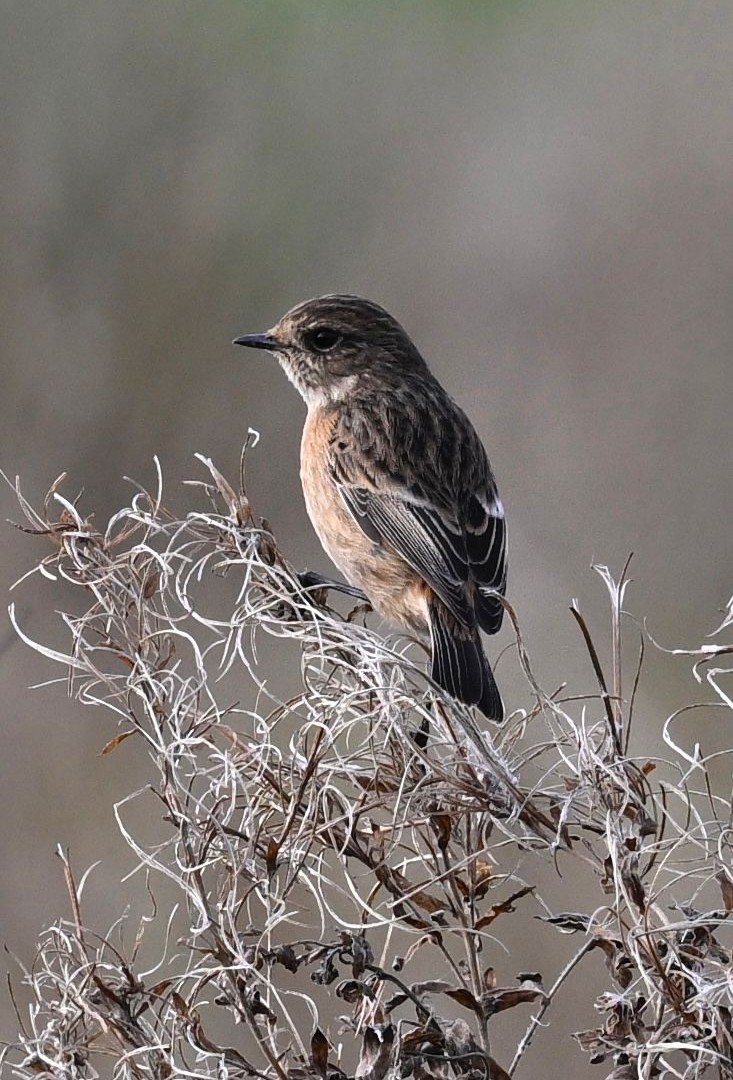
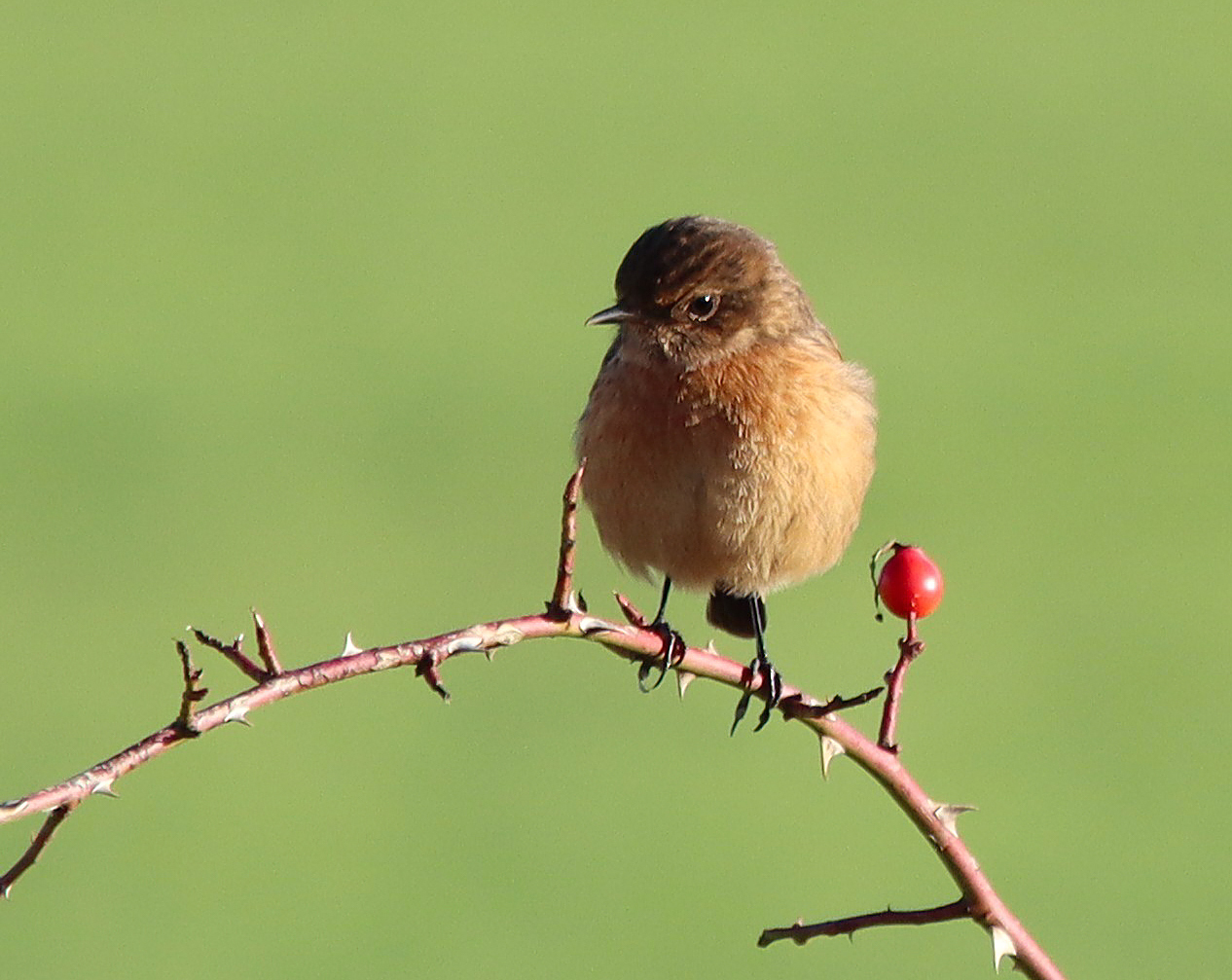
The latter site, along with Clifford Hill, Ditchford, Earls Barton, Harrington, Pitsford and Sulby all produced the week’s run of Stonechats, the maximum count of which was four at Pitsford on 20th.
Stonechat, Earls Barton GP, 21st January 2025 (Leslie Fox)
A freezing start to the week saw many bodies of water become icebound with limited resources for birds associated with wetland habitats. Fortunately, this was short-lived, temperatures having risen somewhat by the end of the period. And yes, a couple of new birds showed up to tease, if not to entertain …
After its short visit to Cogenhoe last week, the Pink-footed Goose was back with the mobile Greylag flock in its favoured locality of Clifford Hill GP from 13th to 16th.
Pink-footed Goose, Clifford Hill GP, 16th January 2025 (Leslie Fox)
The White-fronted Goose also remained in the Nene Valley, being seen in flight with Greylags over Earls Barton GP on 11th and again on the ground there on 17th, while the two at Ravensthorpe Res continued their stay until at least 12th.
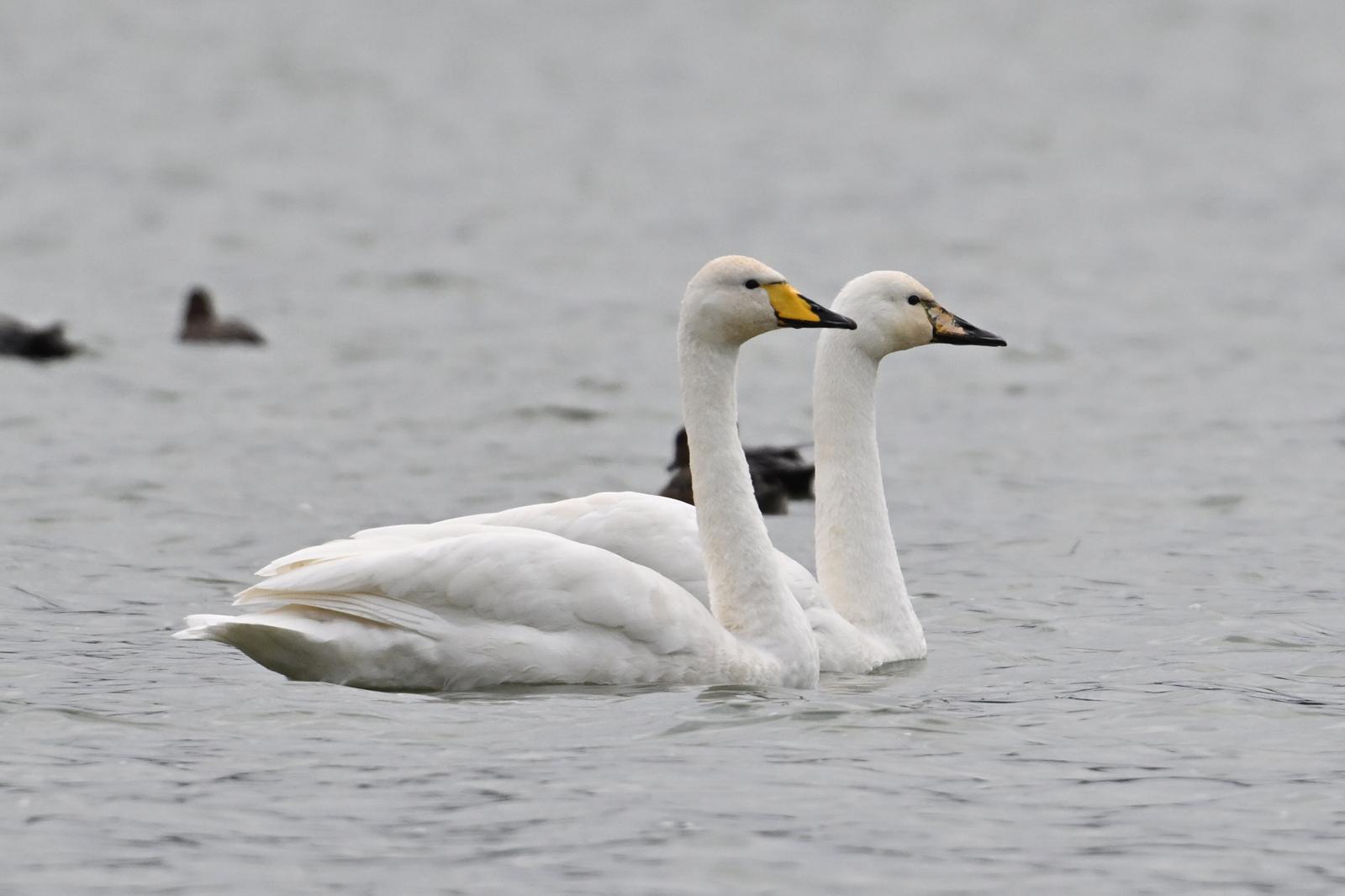
Meanwhile, also on 12th, mobile Whooper Swans included one flying east over Summer Leys LNR and two north-west over Deene Lake.
Whooper Swans, Deene Lake, 12th January 2025 (James Underwood)
Daventry CP had the monopoly on Red-crested Pochards this week, its female still present until at least 16th and being joined by a drake on 12th-13th.
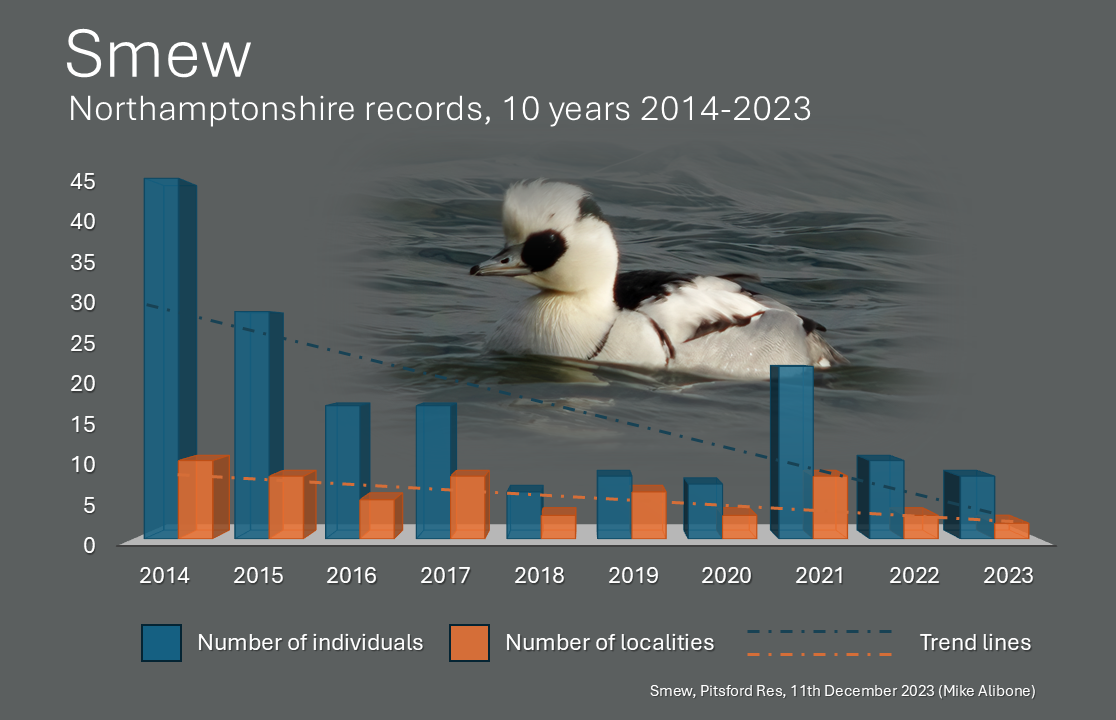
While we’re still in January the chances of stumbling across a first for the year remain suitably high and that was indeed the case at Ravensthorpe Res on 12th, when a drake Smew was discovered in the ice hole there. However, it turned out to be a disappointment for those who hotfooted it over to see it, having quickly vanished before their arrival. So far, it has not resurfaced elsewhere.
Single Jack Snipes were found at Pitsford Res on 11th and at Deene Lake the following day.
Whether you enjoy or endure them, scarce gulls were low in numbers this week, with what was presumably the same adult Caspian Gull in the roost at Stanford Res on 13th, 14th and 17th, out on the ice and displaying a yellow ring with the customary four black characters indicating a German origin on the middle of these three dates.
Three Yellow-legged Gulls were in the roost at Pitsford on 13th and an adult was present at Clifford Hill on the same date.
Pitsford again held on to its wintering juvenile Great Northern Diver, which remained there throughout the period, having now chalked up just shy of eight weeks on site.
Shunning Summer Leys for who knows where when the freezing conditions kicked in at the beginning of the week, the long-staying Glossy Ibis initially seemed to have vanished but it was back again in the nick of time to be included in the weekly round-up, reappearing there on the last day of the period. Cattle Egrets, too, remained elusive with just singles in the Nene Valley between Cogenhoe and Billing GP on 11th and at Ditchford GP’s Irthlingborough Lakes and Meadows NR two days later, on 13th.
And after an absence of sightings for seven weeks, Marsh Harrier made it back into the news when one was seen at Ecton SF on 11th.
Two Short-eared Owls remained in the vicinity of Blueberry Farm on 11th, with at least one still present on 13th, while one was seen not too far away at Harrington AF on 11th-12th.
In the same part of the county, one or two Merlins were present in the Brampton Valley, between Cottesbrooke and Hanging Houghton, daily between 13th and 15th.
The second ‘first’ for the year this week materialised in the form of a Black Redstart, found on the roof of the sizeable industrial complex that is Cummins Engine Plant in Daventry, on 13th. The location is not readily accessible and views from its periphery are limited, to say the least. It was not seen subsequently. While indeed an uncommon sight in January, it’s by no means the first to be seen in the winter months. Of those occurring most recently one was present at Borough Hill in December 2021, remaining there until 5th February 2022 and, later in that year, one was taken by a cat at Sywell CP on 7th December and another was discovered trapped inside Northampton General Hospital before being released on 12th December.
Not quite on the same level as the above species, Stonechats were to be found at Borough Hill, Deene Lake, Earls Barton GP, Ecton SF, Lilbourne Meadows NR, Pitsford and Stanford – the first of these producing the week’s maximum of four on 17th.
The week kicked off with a messy mix of precipitation – snow, quickly followed by rain and gloomy conditions – before a sinking Arctic airmass brought below-average temperatures to the country as a whole. And with it came a few new birds …
Geese were very much in evidence this week with the occurrence of a Barnacle Goose on floodwater at Oundle on 9th and the reappearance on 4th and 7th of the Pink-footed Goose at Clifford Hill GP, following its initial discovery there last year on 16th December. What was clearly the same individual subsequently appeared within spitting distance accompanying the sizeable Greylag flock further down the Nene Valley, at Cogenhoe Mill, on 9th.
Pink-footed Goose, Clifford Hill GP, 4th January 2025 (Tyler Atkinson)Pink-footed Goose, Clifford Hill GP, 7th January 2025 (Bob Bullock)Pink-footed Goose, Cogenhoe Mill, 9th January 2025 (Mike Alibone)
The long staying adult and first-winter White-fronted Geese saw another week out at Ravensthorpe Res but their exclusivity came to an end with the discovery on 9th of a new bird – an adult – again with the Greylags at Cogenhoe, where it was still present the following day.
Adult White-fronted Goose, Cogenhoe Mill, 9th January 2025 (Mike Alibone)Adult White-fronted Goose, Cogenhoe Mill, 10th January 2025 (Leslie Fox)
Stanford Reservoir’s run of Whooper Swans continued this week when two adults dropped in on 9th.
Whooper Swans, Stanford Res, 9th January 2025 (Barry Silverman)
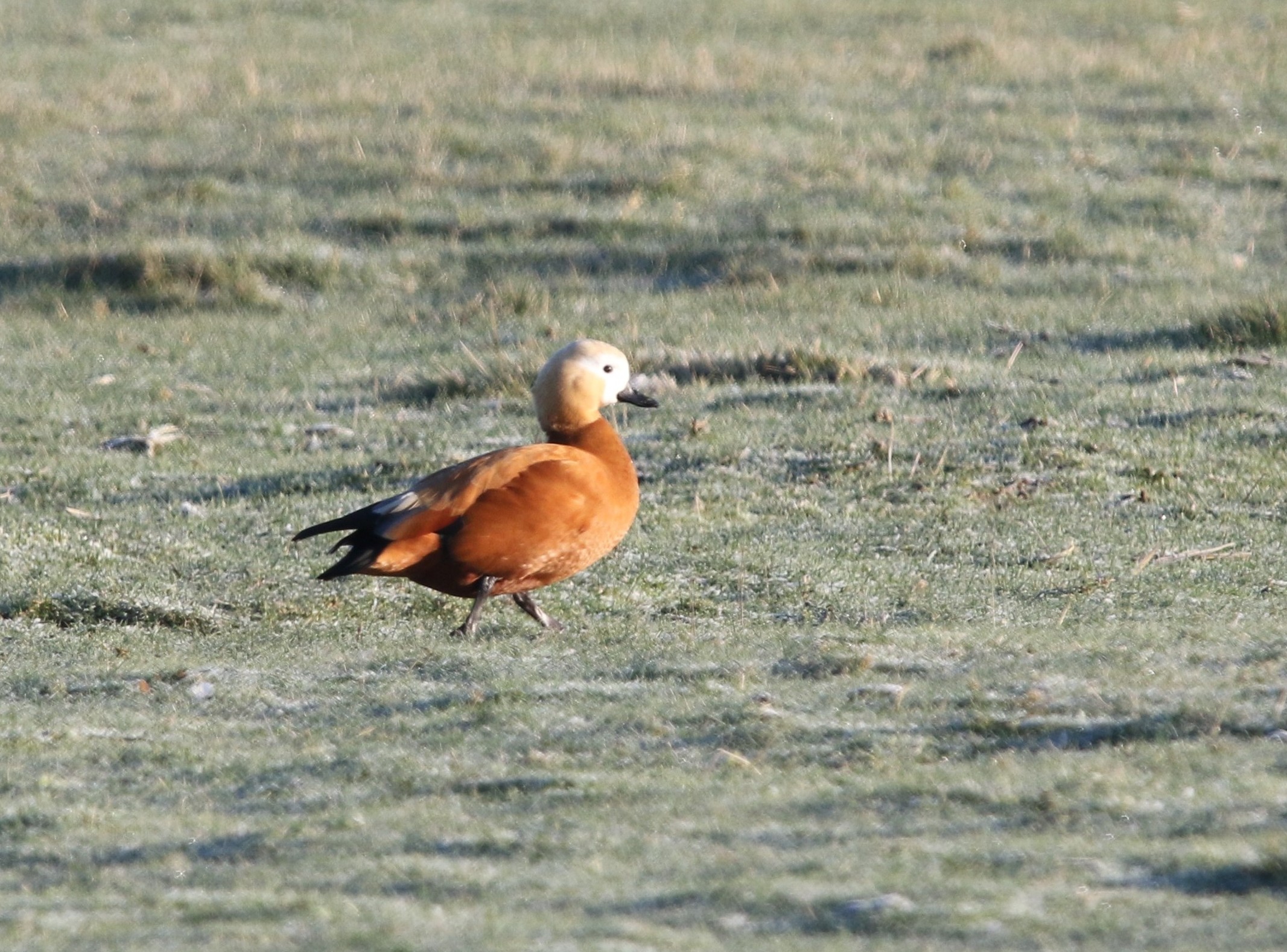
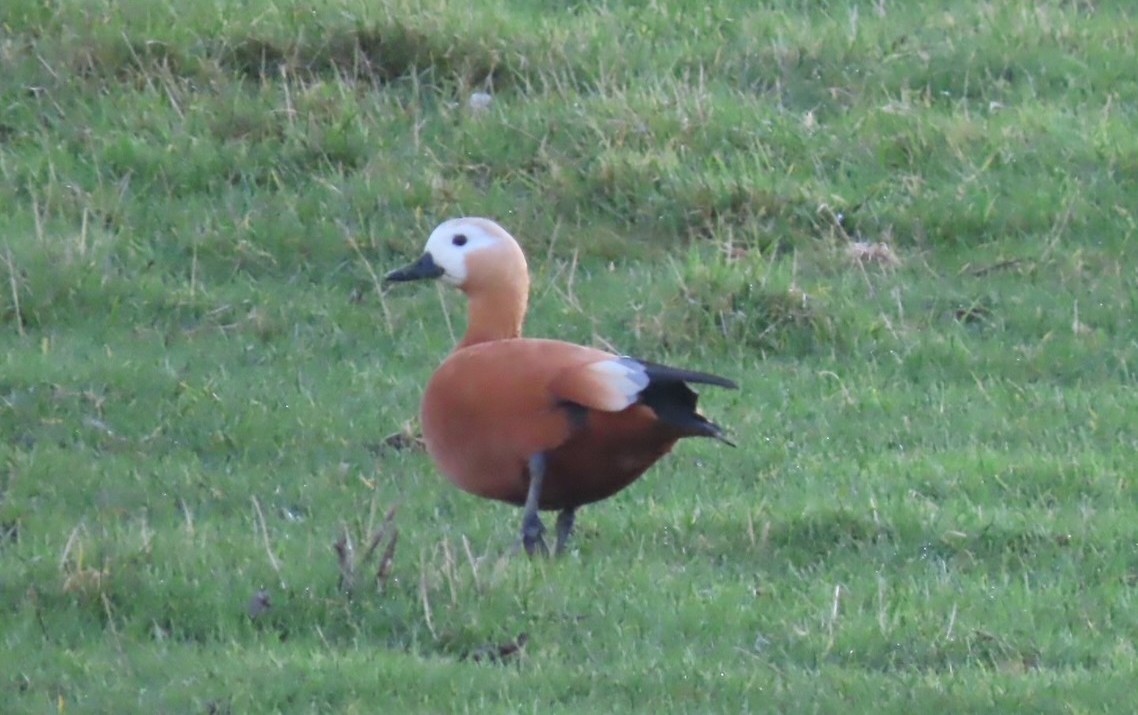
After a week with no reports, the female Ruddy Shelduck was seen daily at Winwick Pools until 9th, after which it moved to Hollowell Res following the freezing over of its highly favoured site.
Female Ruddy Shelduck, Winwick Pools, 9th January 2025 (Phil West)
Diving ducks were in short supply with the female Red-crested Pochard seeing out another week at Daventry CP, while a ‘new’ drake was found at Barnwell CP on 5th.
Scarce waders hit rock bottom with a Jack Snipe at Stortons GP on 4th.
The gull roost at Stanford continued to attract a first-winter Mediterranean Gull, which was also present briefly on the reservoir’s partly frozen surface first thing in the morning on 10th. The roost there also produced a first-winter Caspian Gull on 4th, while single adult Caspians were present at Hollowell on the same date and at Summer Leys LNR and Earls Barton GP on 10th. Two Yellow-legged Gulls were at Pitsford Res on 5th, followed by one there on 9th and one was present at Daventry CP on 6th.
Pitsford also held on to its wintering juvenile Great Northern Diver, which remained there throughout the period.
Copy that for the Summer Leys Glossy Ibis, although it seems to have become a little more flighty since the colder weather kicked in. With just the one reported at Stanwick GP on 4th, Cattle Egret numbers now appear to be at a low ebb.
It’s been a while – exactly seven weeks, in fact – since we’ve seen a local Marsh Harrier and that situation remains unchanged, but single ‘ringtail’ Hen Harriers at Summer Leys on 4th and at Harrington AF on 4th and 10th represented rather more typical winter fare.
Two Short-eared Owls on private land near Blueberry Farm, Maidwell were present throughout the week, while single Merlins were seen nearby in the Brampton Valley on 5th and at Irthlingborough on 8th.
The week’s passerines were limited to just two species. In ones and twos, Stonechats were to be found at Borough Hill, Cogenhoe, Catesby, Deene Lake, Oundle, Stanford, Summer Leys, Towcester and Upton CP, while four were seen at both Earls Barton and Hollowell.
Female Stonechat, Summer Leys LNR, 4th January 2025 (James Underwood)
Hawfinches remained on the weekly birding agenda, the largely reliable locality of the churchyard at Blatherwycke delivering four on 4th ahead of singles found at both Greens Norton and St Lawrence Churchyard, Towcester on 7th.
With an unpleasantly wet and windy start to the New Year, the transition to 2025 was anything but smooth. Catching up with last year’s lingering leftovers was a priority for some, while the incentive to get out there and find something new was given a boost by the continuing discovery of rare and scarce birds at a national level.
Back on the radar this week were Pink-footed Geese, a fifteen-strong skein of which flew south-east over Hanging Houghton on 3rd. Meanwhile, the two White-fronted Geese chalked up a month’s stay at Ravensthorpe Res and were still present at the end of the period and the same site also produced two Whooper Swans, for one day only, on 29th.
Adult White-fronted Goose, Ravensthorpe Res, 3rd January 2025 (Phil West)Whooper Swans, Ravensthorpe Res, 29th December 2024 (Jon Cook)
The only Red-crested Pochard in the week’s proceedings was a female remaining at Daventry CP until at least 2nd, while the first-winter female Greater Scaup also extended its stay Blatherwycke Lake until at least 2nd.
Blatherwycke also produced an apparent Slavonian Grebe on 29th and another was reported from the River Nene at Perio Mill, Fotheringhay on 28th-29th, although neither could be found during subsequent searches.
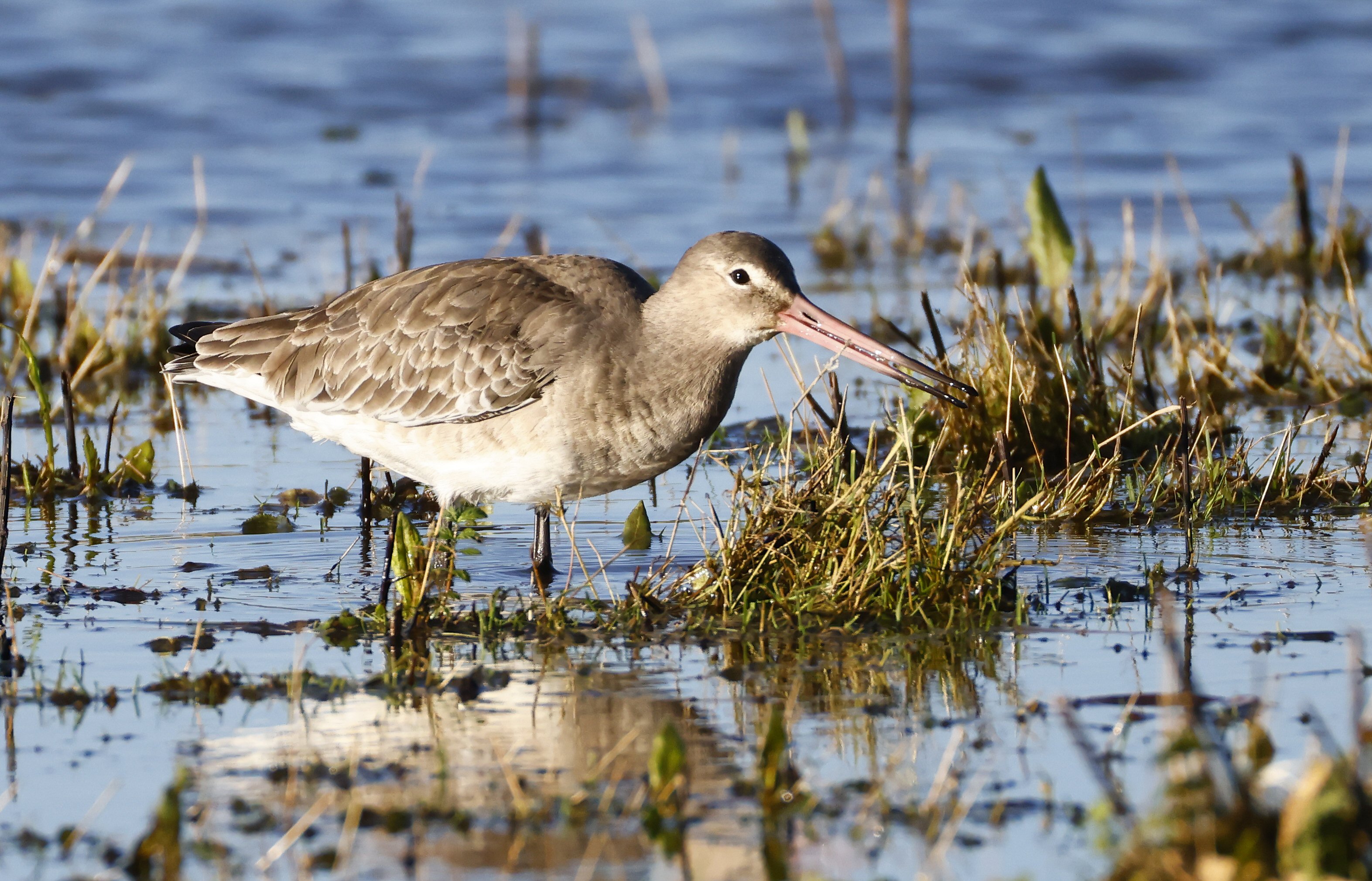
The run of Black-tailed Godwits continued into the New Year with up to two at Summer Leys LNR throughout the period and one on floodwater at Braunston on 2nd, while Jack Snipes were still to be found in the same two localities as last week – namely Hollowell Res, where there was one on 30th, and Barnes Meadow NR, Northampton, where two were present on 2nd.
Black-tailed Godwit, Summer Leys LNR, 2nd January 2025 (Bob Bullock)Black-tailed Godwit, Summer Leys LNR, 3rd January 2025 (Alan Coles)
Scarcer gulls fared rather better than last week with a first-winter Mediterranean Gull in the roost at Stanford Res on 28th, 30th and 1st and a daytime adult in a field between Pitsford Res and Old on the latter date. The aforementioned roost also produced at least three Caspian Gulls – an adult on 30th, a near-adult on 31st and two adults on 1st while, further to the south, diurnal sightings at Hollowell included two adults on 30th plus an adult and a third-winter on 2nd. Yellow-legged Gulls appeared in the form of single adults at Summer Leys on 29th and Stanford on 1st, followed by three in the roost at Pitsford on 2nd. We’re currently thigh-deep into winter but, given the apparent nose-dive in numbers wintering in the UK, along with the closure two years back of Northamptonshire’s last remaining landfill, the prospect of coming across any Arctic ‘white-wingers’ now seems further off than ever …
Pitsford continued to retain its juvenile Great Northern Diver into the New Year, remaining there throughout the period.
The Summer Leys Glossy Ibis similarly stayed put, while the only Cattle Egret to be reported was last week’s singleton in a field immediately north of Barnwell CP, Oundle, where it was still to be found on 1st.
Glossy Ibis, Summer Leys LNR, 2nd January 2025 (Clive Bowley)Cattle Egret, Oundle, 29th December 2024 (James Underwood)
A Merlin was again reported between Gayton and Tiffield on 2nd, when there was also one in the Brampton Valley, between Cottesbrooke and Hanging Houghton.
On the passerine front, a Bearded Tit was again reported from Stanwick GP on 28th, although no precise location details were forthcoming. Stonechats over the period appeared to be limited to Hollowell, Towcester and Stanford, with a peak of five at the latter locality on 2nd and twos at the other two sites on a range of different dates.
Hawfinches enjoyed a resurgence in popularity as we entered the New Year, the highly favoured, easyviewin’ localities of Blatherwycke and Cottesbrooke delivering as required, with peak counts of five at the first of these on 3rd and two at the latter between 28th and 2nd.
Hawfinch, Cottesbrooke, 30th December 2024 (Jon Cook)Hawfinch, Blatherwycke, 3rd January 2024 (Bob Bullock)
And who would ever have thought that they’d be rushing to see a Corn Bunting in Northants? The national decline – in excess of 86% since the late 1960s – has seen this species disappear from the county in recent years, so one in the Brampton Valley on 2nd marks a good start to 2025 and is likely to become a popular draw if it is seen again.
Dreary, low cloud and what can only be described as ‘festive fog’ marred the week just gone, although birdless it certainly wasn’t. While most of the long-stayers remained, there were still a few new kids on the block.
At Ravensthorpe Res the two White-fronted Geese stayed on, and around, the site until at least 24th, while the nearest thing we got to a white Christmas was the Whooper Swan which flew east over Summer Leys LNR on 25th.
Adult White-fronted Goose, Ravensthorpe Res, 22nd December 2024 (Mike Alibone)
With the two Red-crested Pochards still at Daventry CP on 27th and two first-winter female Greater Scaups at Blatherwycke Lake on 21st – one remaining on 27th – diving ducks were anything but in abundance.
First-winter female Greater Scaup, Blatherwycke Lake, 21st December 2024 (James Underwood)
An unusual winter sprinkling of Black-tailed Godwits occurred throughout the week, with Summer Leys claiming the lion’s share of one on 21st, seven on 23rd and three on 25th, while Earls Barton GP and Clifford Hill GP produced singles on 23rd and 27th, respectively. Solitary Jack Snipes were at Hollowell Res on 21st and at Barnes Meadow LNR, Northampton on 23rd and 27th.
Jack Snipe, Barnes Meadow LNR, 27th December 2024 (Tyler Atkinson)
Gull numbers were down to two adult Caspian Gulls at Hollowell on 23rd, the evening of the same day producing a bird showing some characteristics of an adult Azores Gull in the roost at Stanford Res, although it remains unproven at this stage. Two Mediterranean Gulls – an adult and a first-winter – were also present in the Stanford roost on the same date.
Adult gull showing characteristics of Azores Gull, Stanford Res, 23rd December 2023 (Chris Hubbard)
Pitsford continued to hold on to its juvenile Great Northern Diver, present until at least 24th.
The Summer Leys Glossy Ibis remained throughout the period, while five Cattle Egrets were still at Ringstead GP on 21st, four visited Stanwick GP on 23rd and one was found in a field immediately north of Barnwell CP on 26th.
Glossy Ibis, Summer Leys LNR, 27th December 2024 (Leslie Fox)Glossy Ibis, Summer Leys LNR, 27th December 2024 (Tony Stanford)
The 22nd saw a Short-eared Owl at Harrington AF, single ‘ringtail’ Hen Harriers reported at Wicken Wood and between Gayton and Tiffield, where there was also a Merlin, the latter being seen again in the same area the following day. Another Merlin was seen at Pitsford Res, also on 22nd.
Four Stonechats at Lilbourne Meadows NR on 24th was the highest single site total during the period, otherwise Earls Barton, Hollowell and Pitsford all held two apiece.
And Hawfinches showed in better numbers this week – Blatherwycke churchyard holding eight on 27th, Cottesbrooke hanging on to at least two between 21st and 26th and the churchyard at Deene still accommodating one on 21st.
A somewhat sombre but largely dry week saw fluctuations in both temperature and wind direction although, apart from a second for the year for one species in particular, the birding landscape pretty much maintained its status quo.
Geese continued to feature this week and what was presumably a ‘new’ Pink-footed Goose was found with Greylags at Clifford Hill GP on 16th, while the two White-fronted Geese, first found on 2nd December, remained at Ravensthorpe Res throughout.
Adult White-fronted Goose, Ravensthorpe Res, 15th December 2024 (Ant Hall)
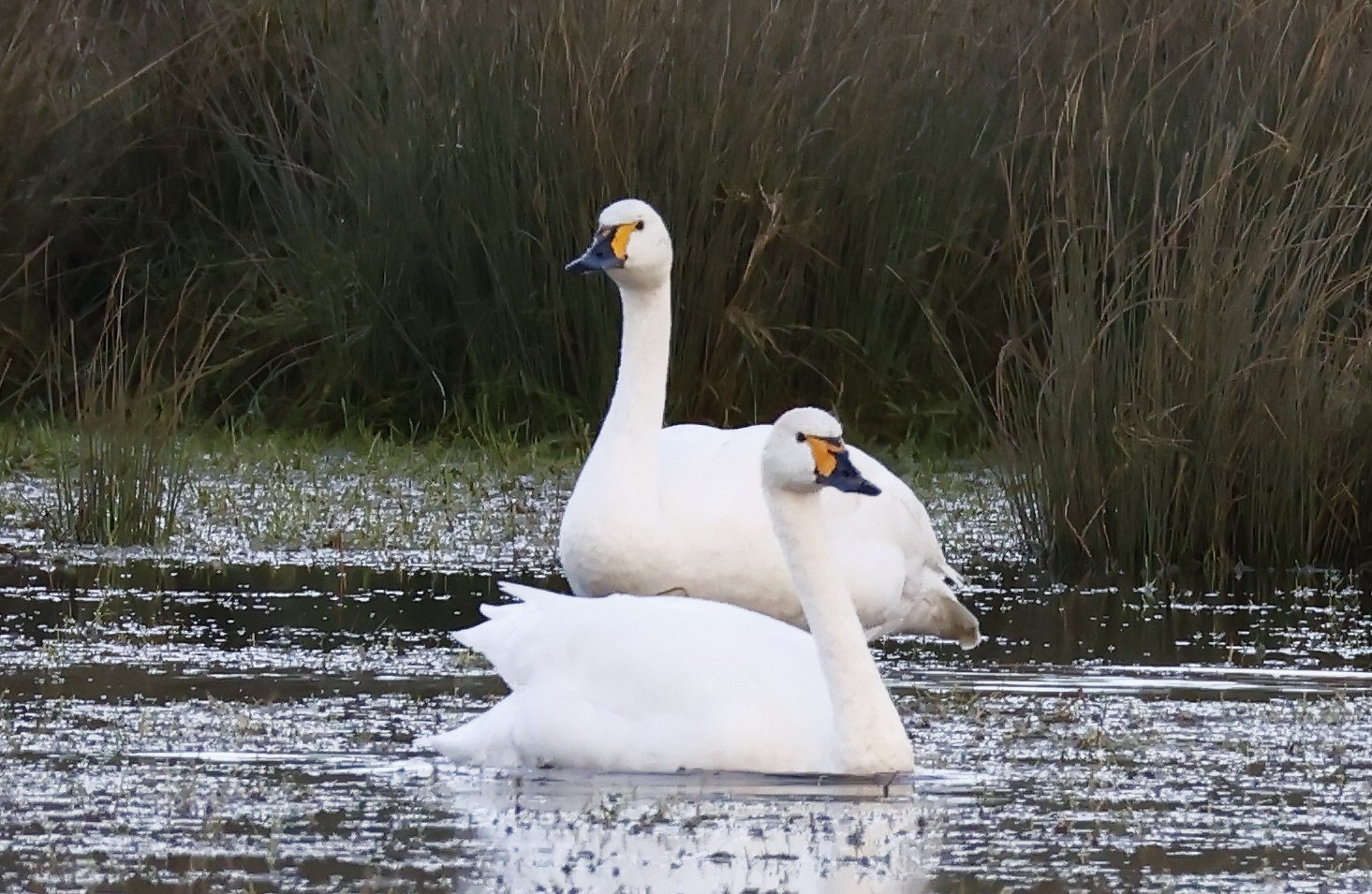
Following this year’s one and only at Stanford Res, very briefly, on 28th November, two Bewick’s Swans at Kislingbury GP/Upton CP on 14th offered a second bite of the cherry for anyone wanting to catch up with this now scarce visitor to the county. Discovered late morning, they were seen to depart mid-afternoon.
Adult Bewick’s Swans, Kislingbury GP, 14th December 2024 (Bob Bullock)Adult Bewick’s Swans, Kislingbury GP, 14th December 2024 (Bob Bullock)
The female Ruddy Shelduck was still to be found at Winwick Pools throughout the period, while last week’s female Red-crested Pochard at Daventry CP was joined by a drake from 16th onwards and four (two drakes) were found at Clifford Hill GP on the same date. The drake seen intermittently at Earls Barton GP was still present on 15th.
Red-crested Pochards, Daventry CP, 16th December 2024 (Gary Pullan)
Jack Snipe was the week’s only wader worthy of note and numbers included one at Summer Leys LNR on 14th and up to two at Hollowell Res throughout.
Jack Snipe, Summer Leys LNR, 14th December 2024 (Clive Bowley)
After none reported last week, Mediterranean Gulls were back in the frame on 16th, when a first-winter visited Stanford and a second-winter was found at Pitsford Res. Other scarce larids were also available in the shape of Caspian Gulls, with two adults in the roost at Stanford on 15th-16th, plus an adult there on 18th and an adult at Hollowell Res on 17th. Yellow-legged Gulls were limited to two at Pitsford on 15th, one there on 16th and a first-winter at DIRFT 3 on 17th.
Pitsford continued to hold on to its juvenile Great Northern Diver, present until at least 19th.
The Summer Leys Glossy Ibis chalked up another seven days on site, bringing its stay there to a perfectly round thirteen weeks. Just twelve more days there to see the new year in … Hollowell dished up a surprise this week in the shape of a Bittern on 14th and again on 19th. They are scarce away from the Nene Valley and, as far as Hollowell is concerned, this species is a very rare commodity indeed.
Bittern, Hollowell Res, 19th December 2024 (Jon Cook)Bittern, Hollowell Res, 19th December 2024 (Jon Cook)
Up to six Cattle Egrets were at, and around, Ringstead GP on 14th and again on 17th.
A ’ringtail’ Hen Harrier was reported from farmland east of Tiffield on 17th and, again, just one Short-eared Owl was seen – in the Brampton Valley between Cottesbrooke and Hanging Houghton, on 15th. How many more might be out there that are not being reported for fear of human disturbance – a topic which has featured prominently on social media of late.
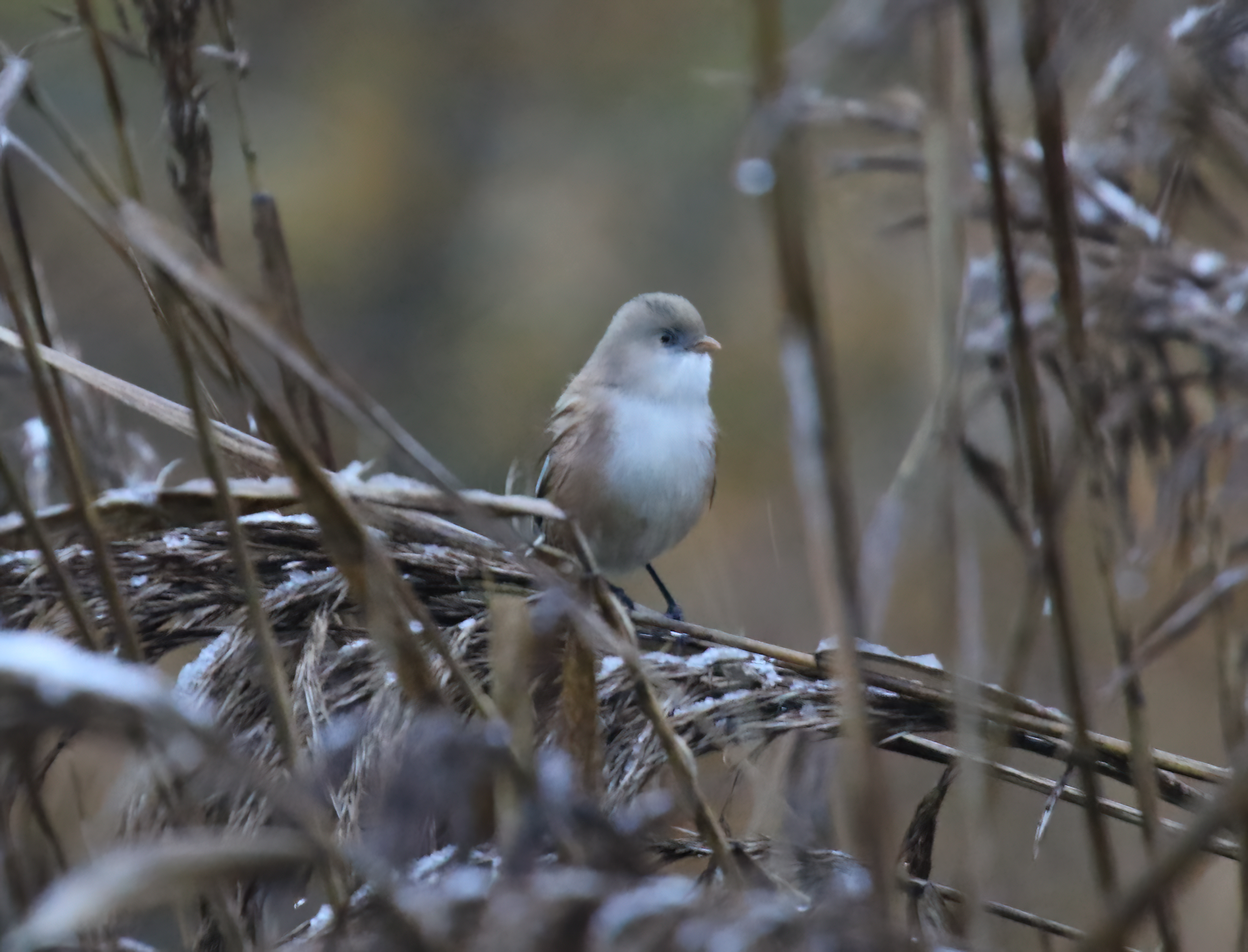
There was another isolated report of the Bearded Tit, photographed at Stanwick GP, on 14th. Stonechats bounced back this week with four near Towcester on 18th, three at Hollowell on 17th, plus ones and twos at Borough Hill, Earls Barton, Harrington AF, Holcot, Lilbourne Meadows NR, Pitsford, Stanford and Upton CP.
Female Stonechat, Stanford Res, 16th December 2024 (Barry Silverman)Female Stonechat, Upton CP, 20th December 2024 (Tony Stanford)
And no week during this winter so far would be complete without at least one Hawfinch popping up somewhere … and one duly obliged, the mature housing estate of Brixworth Hall Park being this week’s venue, on 16th.
Lastly, the discovery of a bird with a capricious taxonomic history. Following the announcement that all redpolls are effectively one species (yet again), an individual which would have formerly been firmly in the standalone Mealy camp was found between Delapre Abbey and Hardingstone GP on the last day of the week. We await a definitive, formal declaration as to whether ‘Mealy Redpoll’ is able to at least be given a retentional subspecific status or whether it will be totally lumped and absorbed into the ‘one name fits all’ fate that redpolls appear to await. More details here.
Even though we’ve now entered the final straight of 2024, it ain’t over ‘til the fat lady sings, as they say. And if proof was ever needed then it rightly materialised in the form of another first for the Northamptonshire yearlist: a rather skittish Slavonian Grebe at Hollowell Res toward the week’s end.
While we’ve grown accustomed to Pink-footed Geese turning up in small numbers over the past few weeks, there was none in the review period but a higher level of quality remained in the shape of last week’s two White-fronted Geese still with Greylags on, and around, Ravensthorpe Res, being seen over the three days 11th-13th.
Adult and first-winter White-fronted Geese, Ravensthorpe Res, 11th December 2024 (Mike Alibone)
And after just one Whooper Swan in the previous week, a few more were on offer for anyone out and about on 9th, when four flew north-east over Ditchford GP, three were in the Aldwincle/Thrapston GP area all day and one visited Stanford Res.
Adult Whooper Swans, Titchmarsh LNR, 9th December 2024 (Nick Parker)Adult Whooper Swan, Stanford Res, 9th December 2024 (Barry Silverman)
The female Ruddy Shelduck continued its occupancy of Winwick Pools, being seen there on 10th and 13th, while the week’s diving ducks were limited to the drake Red-crested Pochard still at Earls Barton GP’s New Workings (North) on 8th, a female at Daventry CP from 9th onwards and the female Greater Scaup once again at Blatherwycke Lake on 8th.
Female Red-crested Pochard, Daventry CP, 10th December 2024 (Gary Pullan)
But it was a Slavonian Grebe that shone a light on Hollowell Res – albeit for a short duration – on 11th. Following an unconfirmed report of it on 12th, this first for the year proved to be a short-stayer and seemingly appeared to have done a bunk when looked for on 13th.
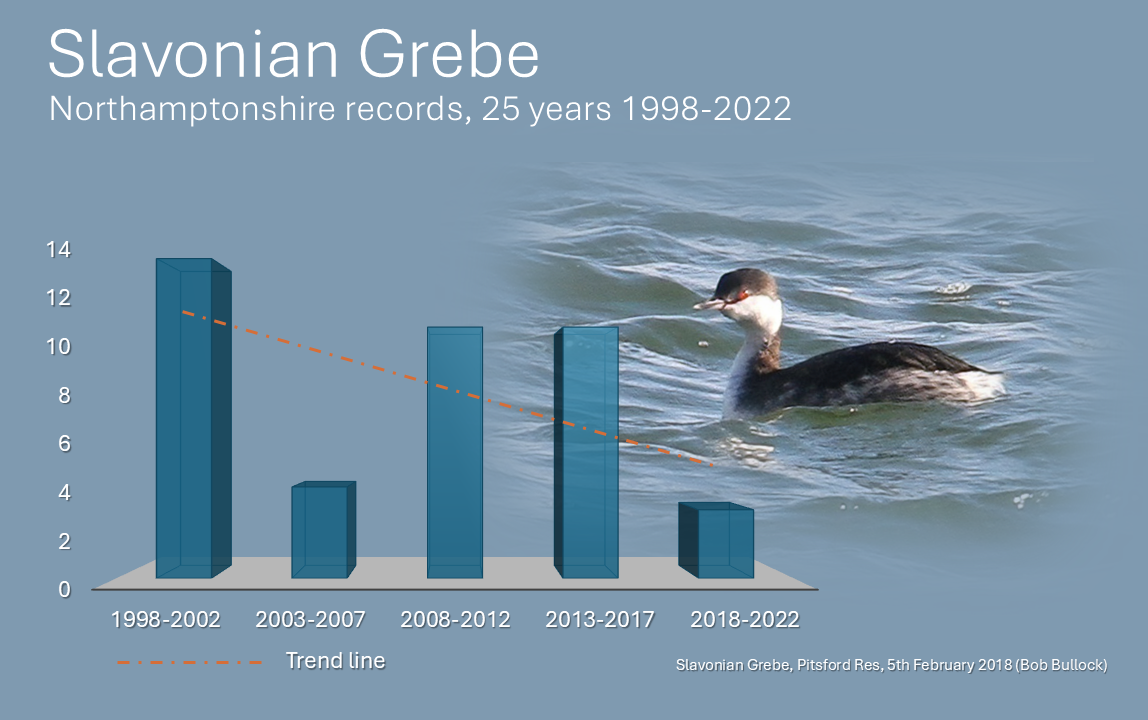
Slavonian Grebe, Hollowell Res, 11th December 2024 (Mike Alibone)
With just two records in 2023 and none in the three consecutive years prior to that, Slavonian Grebe has become hard to come by of late and records appear to be on a downward trend from a Northamptonshire perspective. This is perhaps a reflection of the recent fall in numbers breeding in Scotland which, in 2022, were at their lowest since 1971.
The week’s top wader was the week’s only wader – a Black-tailed Godwit at Clifford Hill GP on 13th.
Scarce gull numbers fell further, with single adult Caspian Gulls in the roost at Stanford on 9th and 13th and at Ravensthorpe and Hollowell on 10th and 12th, respectively, while a first-winter appeared at Daventry CP on the latter of these dates. The regular Pitsford adult Yellow-legged Gull was still present on 12th and another was seen at Clifford Hill on 13th.
Pitsford also hung on to its seemingly settled, young Great Northern Diver, still on site on 12th.
Juvenile Great Northern Diver, Pitsford Res, 8th December 2024 (Jon Cook)
And the Summer Leys Glossy Ibis? Still there on 11th … but was anyone looking for it beyond that? With numbers down on the previous week, only two single Cattle Egrets made it into the news – one at Stanwick GP on 7th, the other at Earls Barton GP on 13th.
A Short-eared Owl in the Brampton Valley was the only one to grace this week’s roundup and passerines fared poorly, with a Stonechat at Pitsford on 9th and two at Earls Barton GP the following day, while Blatherwycke churchyard was the only locality to dish up the period’s Hawfinches, with four there on 7th and three on 9th.
Male Stonechat, Earls Barton GP, 10th December 2024 (Leslie Fox)
Although having crossed the line into meteorological winter this week, new arrivals continued to materialise, adding a little extra spice to the mix of what was already on offer.
Two sites from last week continued to hold single Pink-footed Geese tagging along with local Greylags, these comprising Wicksteed Park Lake area on 2nd and Pitsford Res throughout the period. In addition to these, a new bird was discovered at Blatherwycke Lake on 3rd. But as Pinkfeet numbers continue to increase year on year, White-fronted Geese are becoming harder to connect with. Two found in fields alongside Ravensthorpe Res on 2nd were only second record for 2024, following four in the early part of the year which spent the majority of March in the Thrapston GP/Wadenhoe area.
Adult and first-winter White-fronted Geese, Ravensthorpe Res, 2nd December 2024 (Bob Bullock)
On 1st, a single adult Whooper Swan was picked up in flight over Ringstead, later being relocated in water meadows just south of Woodford.
The female Ruddy Shelduck continued to occupy its favoured locality of Winwick Pools, still to be found there on 1st and, as for this week’s Red-crested Pochards, well, there was just the one, at Earls Barton GP’s New Workings (North), on 4th.
Female Ruddy Shelduck, Winwick Pools, 1st December 2024 (James Urwin)
A drake Smew found in Pitsford’s Pintail Bay on 2nd spent little more than three hours there after its discovery before heading off in the direction of the causeway and not being relocated subsequently. With just single ‘redheads’ at Clifford Hill GP in January-March and at Pitsford in March, Smew is a locally rare commodity these days. It has recently been acknowledged that numbers wintering in Britain have declined significantly and, in some counties, e.g. Surrey and Sussex, its status has changed from being an expected winter visitor to that of a county rarity with a ‘description required’ tag attached to it. This downward trend is reflected in our own county and with only seven further individuals scattered across the UK during this week things are looking bleak indeed.
A Black-necked Grebe found at Stanford Res on 2nd was the second for the site this year, following a juvenile there on 23rd-25th August, as well as being only the sixth for the county in 2024.
Black-necked Grebe, Stanford Res, 2nd December 2024 (Barry Silverman)
For the second week running, Daventry CP was the only locality to produce Jack Snipe with just the one there on 3rd.
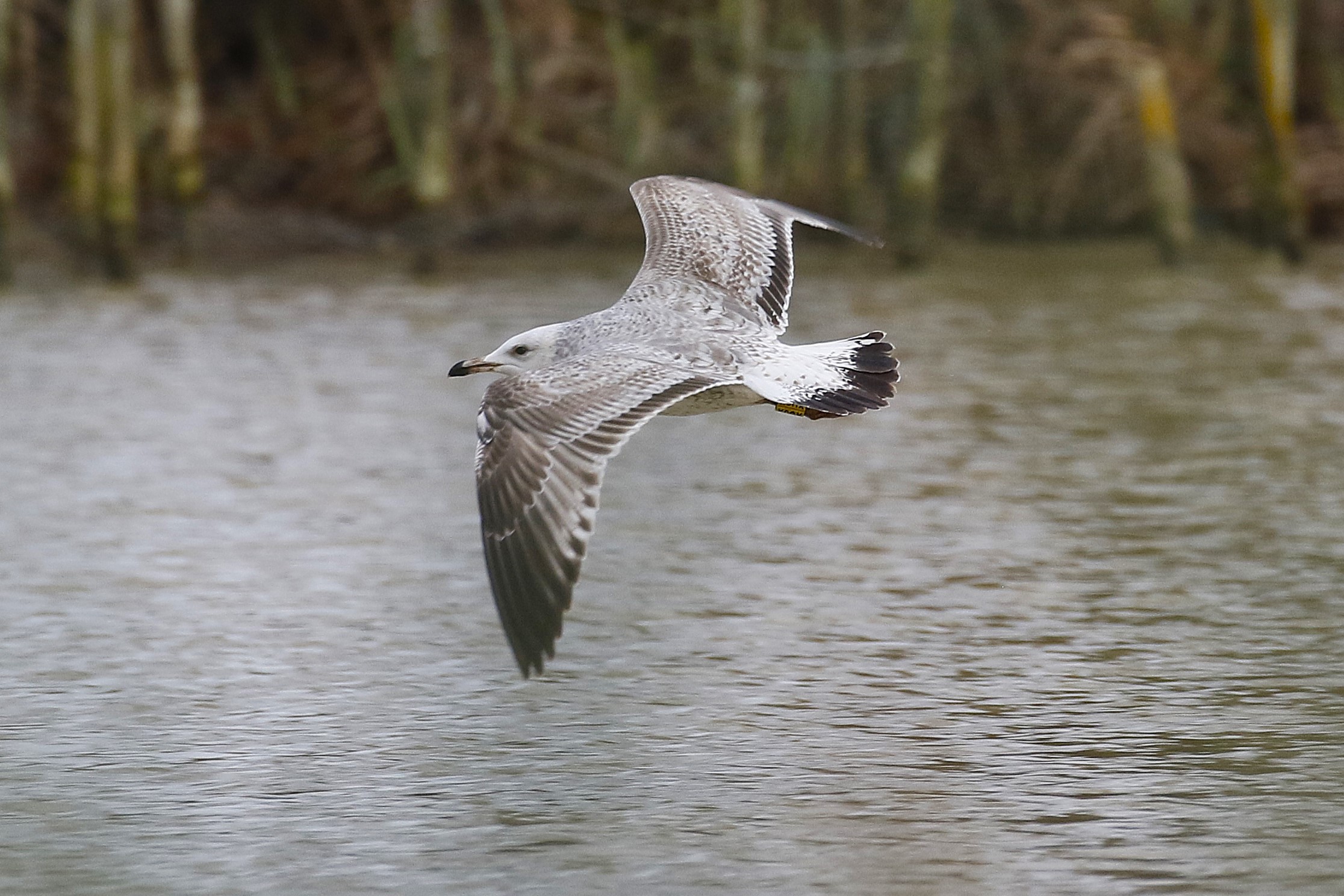
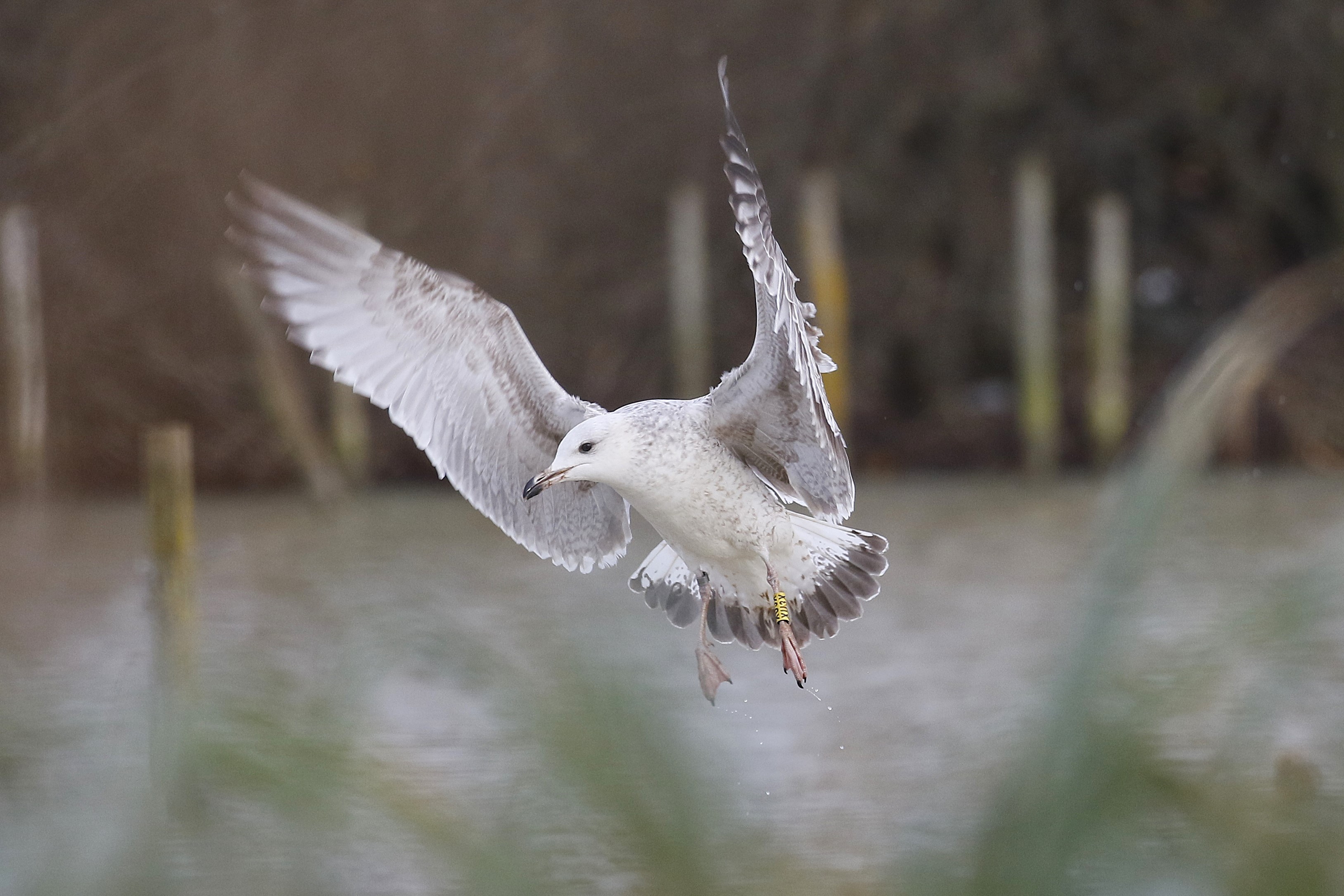
Gull numbers continued to bump along the bottom, the best of which were a second-winter Mediterranean Gull in the roost at Stanford on 30th and 1st and a daytime adult north of the causeway at Pitsford on 5th. Hollowell Res produced two Caspian Gulls – a first-winter on 30th and an adult on 3rd, while Stanford’s roost held an adult and a third-winter on 1st and single adults on 2nd and 5th. Way out west, the roost at Boddington Res contained an adult on 2nd and the last day of the week saw Wicksteed Park Lakes dish up a German-ringed XU3X first-winter, ringed as a pullus at Hiddensee on 5th June 2024. Only one Yellow-legged Gull came to light during the period, that being the regular Pitsford adult.
German-ringed first-winter Caspian Gull, Wicksteed Park Lake, 6th December (Julie Roe)German-ringed first-winter Caspian Gull, Wicksteed Park Lake, 6th December (Julie Roe)German-ringed first-winter Caspian Gull, Wicksteed Park Lake, 6th December (Julie Roe)
First-winter Caspian Gull, German-ringed XU3X, from Hiddensee to Kettering
Having shown a tendency to wander a little further north and east of its favoured on-site location, the popular crayfish-crunching Great Northern Diver saw out another week at Pitsford.
Juvenile Great Northern Diver, Pitsford Res, 30th November 2024 (Ant Hall)Juvenile Great Northern Diver, Pitsford Res, 4th December 2024 (Bob Bullock)
And so, too, did the Summer Leys Glossy Ibis – one of just ten largely static birds across the UK.
Glossy Ibis, Summer Leys LNR, 3rd December 2024 (Mike Alibone)
Just one Bittern was in evidence and that was the Titchmarsh LNR individual, showing again from the North Hide there on 1st and 3rd while, just up the Nene Valley, the Ringstead/Woodford area continued to hold its own as the current hotspot for Cattle Egrets with one there on 1st, three on 3rd and six on 6th. Elsewhere, three were in fields just west of Chacombe on 30th and one visited Stanwick GP on 3rd.
Bittern, Titchmarsh LNR, 1st December 2024 (Nick Parker)
Harrington AF produced the only birds resembling raptors in any way, shape or form during the period, namely a Merlin on 30th and two Short-eared Owls on 3rd.
Remaining elusive, the female Bearded Tit continued to be mobile about Stanwick and was present there until at least 4th.
Hollowell held the highest total of the week’s Stonechats – a respectable five on 6th – while ones and twos were seen at Deene Lake, Earls Barton GP and Pitsford.
And still out there to be had were Hawfinches – all of this week’s in their favoured churchyard locations, including one at Thenford on 30th and two at both Blatherwycke and Deene on 3rd.
The week kicked off with Storm Bert, which effectively put paid to any local birding for two days, as well as failing to deliver any much anticipated wrecked seabirds. But with the appearance of a showy Great Northern Diver and the first – and likely last – Bewick’s Swan of the year, the week certainly did not fall flat.
Pink-footed Geese continued to feature, too, with single birds accompanying local Greylags at Wicksteed Park Lake on 25th and at Pitsford Res on 27th-29th.
Pink-footed Goose, Pitsford Res, 29th November 2024 (James Underwood)
With no Whooper Swans for the first time in a while, the slot was filled with the welcome sight of a Bewick’s Swan at Stanford Res on the afternoon of 28th. Located only an hour before darkness fell, it provided little opportunity to connect with, having departed by the following morning.
Adult Bewick’s Swan, Stanford Res, 28th November 2024 (Chris Hubbard)
The majority of last week’s Red-crested Pochards appeared to have melted away, leaving just two at Stanford Res on 26th.
And the highlight of the week’s waders was a locally unseasonal Bar-tailed Godwit that paid a brief visit to Summer Leys LNR on 29th, while two Jack Snipes at Daventry CP on 26th were the only ones of their kind during the period.
Gulls formed another group significantly down in numbers, with just one Mediterranean Gull – a first-winter – in the Stanford roost on 27th. Caspian Gulls consisted of an adult at Hollowell Res on 25th, a first-winter at Daventry on 26th and an adult in the gull roost at Pitsford, along with the regular adult Yellow-legged Gull, on 28th.
Adult Caspian Gull, Pitsford Res, 28th November 2024 (Mike Alibone)
Following one at Clifford Hill GP, present on the Main Barrage Lake only in the early mornings of 25th and 26th before flying off, a Great Northern Diver was found on the latter date at Pitsford. Considered to be a different bird, it remained to see the week out, providing all comers with some splendidly rewarding views. November has proven to be a classic month for arrivals and these are only the second and third of the year, the first also having been at Pitsford between November 2023 and January 2024.
Great Northern Diver, Clifford Hill GP, 26th November 2024 (Tyler Atkinson)Great Northern Diver, Clifford Hill GP, 26th November 2024 (Tyler Atkinson)Great Northern Diver, Clifford Hill GP, 26th November 2024 (Tyler Atkinson)Juvenile Great Northern Diver, Pitsford Res, 28th November 2024 (Mike Alibone)Juvenile Great Northern Diver, Pitsford Res, 28th November 2024 (Mike Alibone)Juvenile Great Northern Diver, Pitsford Res, 28th November 2024 (Mike Alibone)
Slipping well down from its once headline-making position, the Summer Leys Glossy Ibis saw out another week on the reserve, having now chalked up 70 days on site. Summer Leys also produced a Cattle Egret on 28th, while up to three remained on the farm immediately north-east of Ringstead GP at the week’s end.
And raptors? A ‘ringtail’ Hen Harrier in flight over Gleneagles, Wellingborough on 29th was all the period could muster, unfortunately.
But things looked a little better as far as Short-eared Owls were concerned with, up on last week’s total, two near Blueberry Farm, Maidwell on 26th and one there on 27th, followed by singles in the Brampton Valley on the latter date and at Harrington AF on 29th.
The female Bearded Tit remained at Stanwick GP and was still present on 29th.
Stonechats were present Duston, Earls Barton GP, Harrington, Hollowell, Pitsford, Summer Leys and Upton CP with no more than two at any one site.
Stonechat, Earls Barton GP, 29th November 2024 (Leslie Fox)
And Hawfinches continued to be seen at last week’s two key localities of Blatherwycke and Cottesbrooke, with the first of these holding four on 26th and one on 28th and the latter with three on 26th and two on 29th.
A substantial freezing air mass sliding down from the Arctic brought us the first taste of winter this week, delivering sub-zero temperatures and snow showers which, although settling in some areas, were mercifully short-lived. And riding the wave of all this came the first Kittiwakes of the year …
Continuing the trend in their increase in occurrence, however, were Pink-footed Geese. Although not matching last week’s impressive numbers, eighteen flew east over Thrapston GP’s Titchmarsh LNR on 16th, the same date on which one dropped in briefly at Deene Lake, while seven flew east over Blueberry Farm, Maidwell on 20th.
Pink-footed Goose, Deene Lake, 16th November 2024 (James Underwood)
Whooper Swans also continued to move through with a small herd of two adults and four juveniles flying north along the Nene Valley at Oundle on 17th.
The same four localities as last week produced the period’s Red-crested Pochards, the maximum number being four at Blatherwycke Lake on 16th. Stanford Res held on to at least two throughout, while Kislingbury GP’s female also remained settled and the Pitsford Res drake was still present on 19th. Blatherwycke also retained its first-winter female Greater Scaup until at least 16th.
This week’s waders were limited to just one Jack Snipe, at Summer Leys, on 16th.
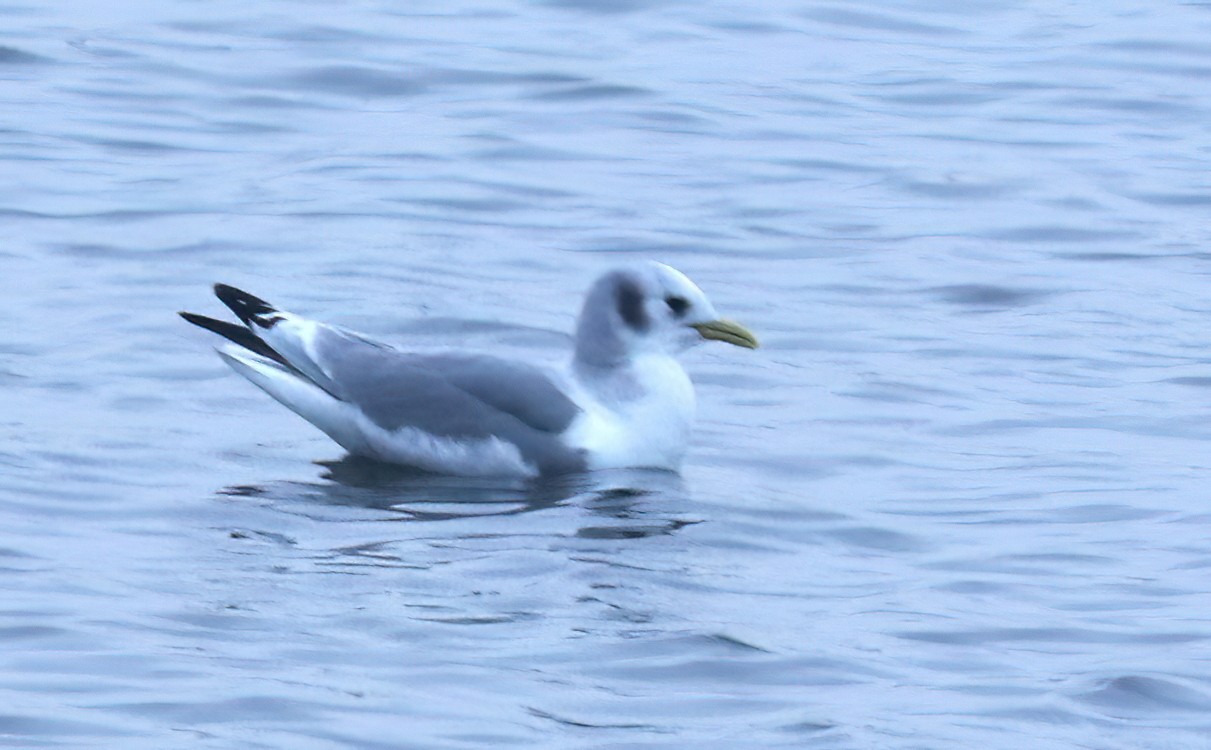
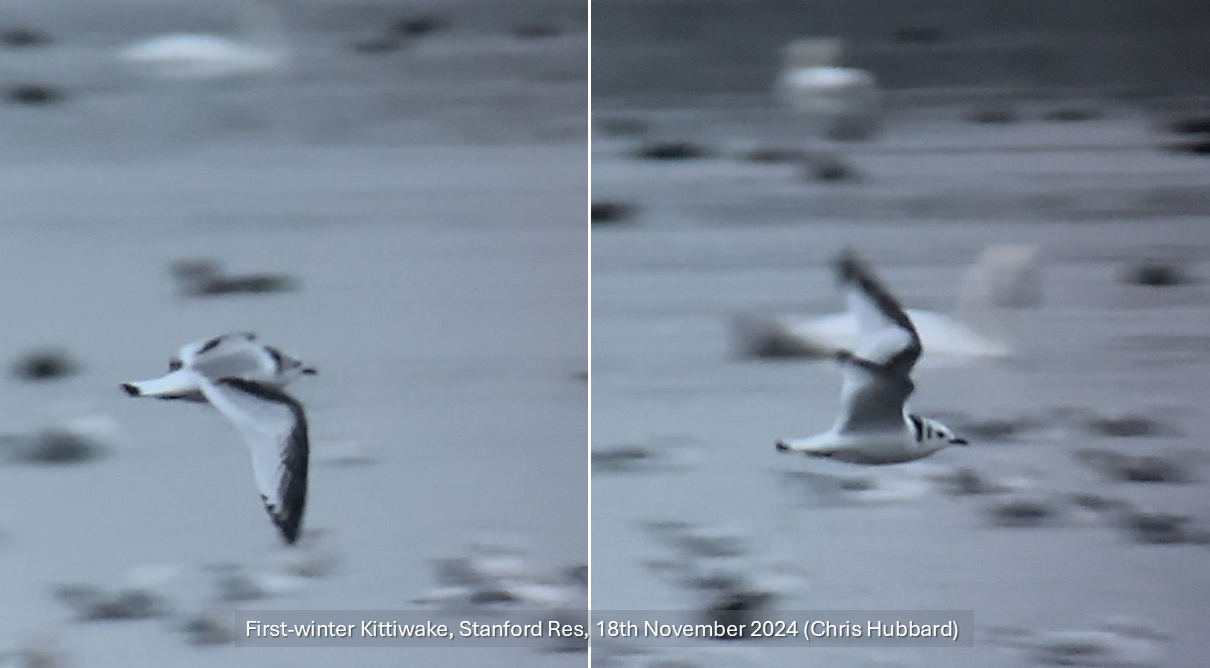
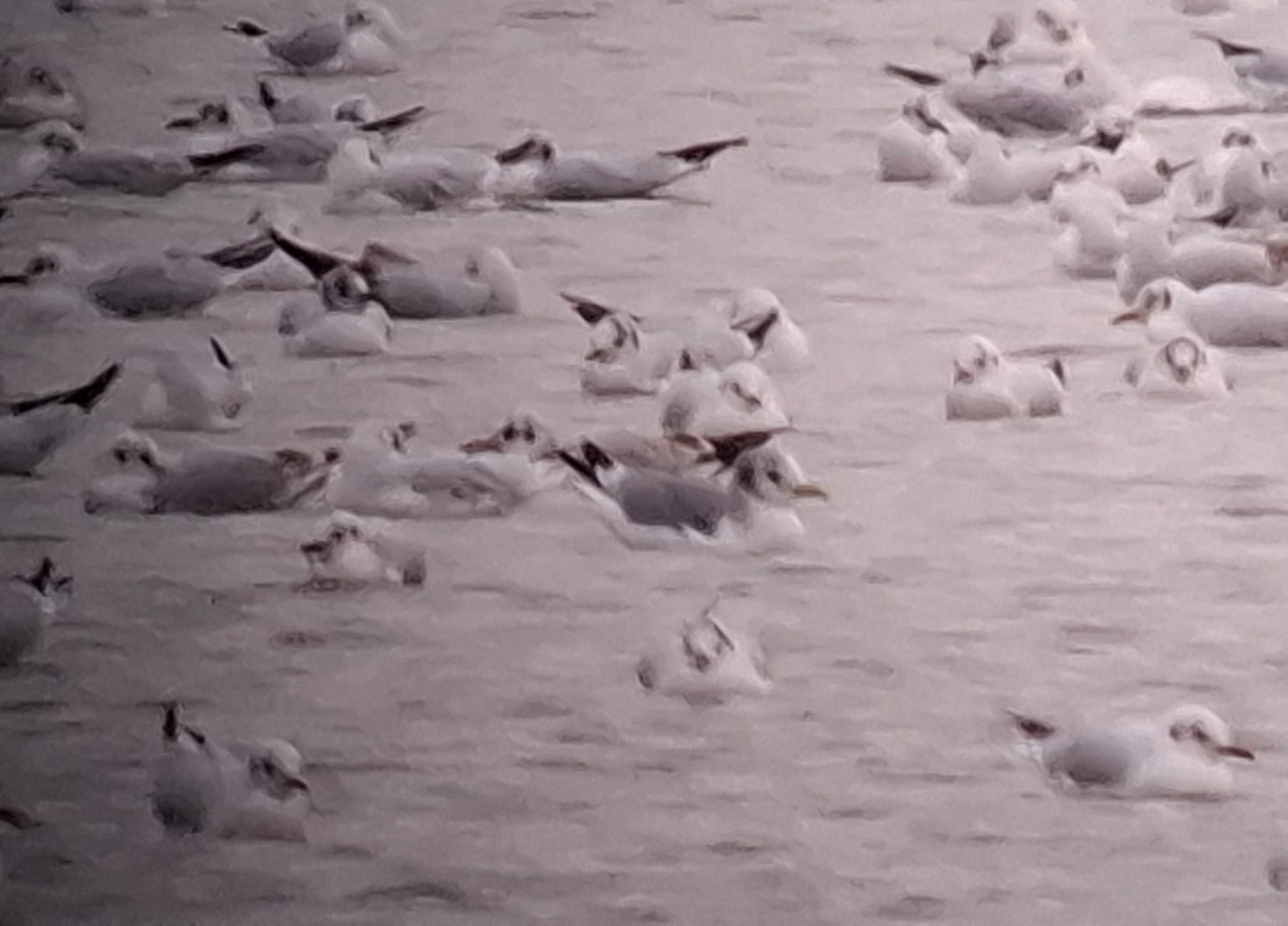
A first-winter Kittiwake off the dam at Pitsford on the afternoon of 18th, quickly joined by another and then a further five was, surprisingly, the first of the year so far in the county. All seven left high to the south in the fading light but Pitsford’s exclusivity for this species was short-lived as, away to the north-west, Stanford was enjoying its own first-winter which dropped into the gull roost before similarly disappearing.
Adult Kittiwake, Pitsford Res, 18th November 2024 (Bob Bullock)First-winter Kittiwake, Pitsford Res, 18th November 2024 (Bob Bullock)
The following evening saw an adult visiting the Boddington roost, further adding to the week’s total, all of which played their part in a wider influx across England, including birds in the neighbouring counties of Bedfordshire, Buckinghamshire, Leicestershire, Oxfordshire and Warwickshire.
Adult Kittiwake, Boddington Res, 19th November 2024 (Gary Pullan)
While Kittiwakes are no strangers to Northamptonshire in November, they are far more frequently encountered on passage in early spring, most records in that period being of single birds.
Flocks, on the other hand, are more likely in autumn, the largest of which was in excess of twenty at Ditchford GP way back on 12th November 1972 and, more recently, approximately twenty at Pitsford on 13th October 2014.
With the above having provided a momentary, though welcome, distraction for regular gull roost watchers, more standard fare was on offer in the form Mediterranean Gulls at Stanford, where a second-winter was present on 17th and 20th plus a first-winter on 19th, while Boddington Res dished up an adult on 22nd. These two bodies of water also produced all but one of the week’s Caspian Gulls, with an adult and a second-winter at Stanford on 16th and an adult there on 17th and 20th-21st. Boddington’s roost also held an adult on 19th. Bucking the trend, however, was an adult found on the small lake at Cottesbrooke Hall on 16th.
Adult Caspian Gull, Cottesbrooke, 16th November 2024 (Tyler Atkinson)
Small numbers of Yellow-legged Gulls across the board included an adult at Sywell CP on 16th, two in the Boddington roost on 19th and 22nd and single adults at Pitsford on 19th and at Earls Barton GP’s New Workings (South) on 21st.
After going unreported since 13th, the Glossy Ibis was back at Summer Leys on 22nd, while this week’s Bitterns were the preserve of Titchmarsh LNR, where one was seen on 16th and 19th. Cattle Egrets maintained a low profile with single birds at Titchmarsh 16th, Ditchford GP’s Irthlingborough Lakes and Meadows LNR on 18th and seven in a cattle field immediately north-east of, and viewable from, Kinewell Lake at Ringstead GP on 19th.
And as for raptors, they were in short supply during the period. After an impressive showing last week, Hen Harriers were off the scene completely, while a single Marsh Harrier continued to visit Summer Leys between 17th and 22nd after what was presumably the same individual seen at adjacent Earls Barton GP’s New Workings (South) on 16th.
Marsh Harrier Summer Leys LNR, 20th November 2024 (Alan Coles)
Single Short-eared Owls were seen just prior to dusk at Nobottle on 16th and at Harrington AF on 18th.
After no reports since 10th, the female Bearded Tit at least appeared still to be present on site at Stanwick on 19th.
Female Bearded Tit, Stanwick GP, 19th November 2024 (Steve Fisher)
Seen only at four sites compared to nine last week, another species seeing a drop in numbers over the period was Stonechat, of which three were at Earls Barton on 16th and Pitsford on 20th, while singles were also present at Summer Leys and Upton CP.
Male Stonechat, Earls Barton GP, 22nd November 2024 (Leslie Fox)
Following the county’s first of the year last week, another ‘in flight’ Rock Pipit was seen and heard over Daventry on 22nd, constituting another bizarrely late record.
And even though they were still out there to be found, the level of attention given to Hawfinches waned markedly during the period, compared to that of the previous week.
Hawfinch, Cottesbrooke, 16th November 2024 (Tyler Atkinson)
Just the two key localities of Blatherwycke and Cottesbrooke produced all of this week’s birds with the first of the these holding eight on 16th, five on 18th and 20th and two on 22nd, while the latter held three on 16th, five on 17th and one on 18th.