
In off the Atlantic, Storm Brendan struck in the early part of the week, while the winds were consistently from the south-westerly quarter, reaching thirty miles per hour locally on 14th. Considerable rain topped up and extended local floodwater and while temperatures remained relatively high throughout, a lull ensued in the discovery of new birds during the period.
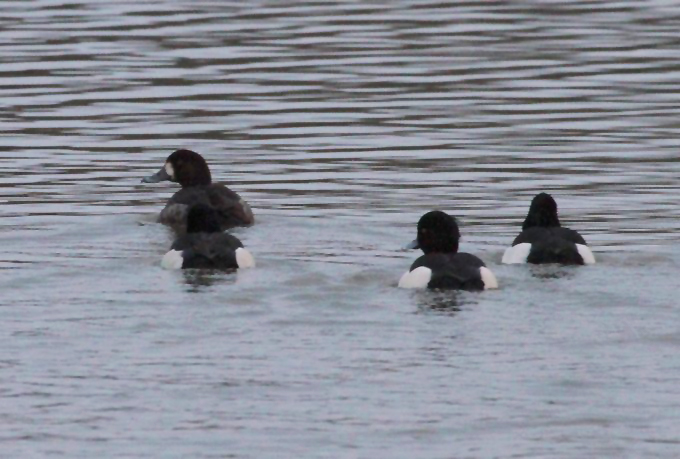
Perhaps ironically, waterfowl numbers were at a low ebb, with the female Ruddy Shelduck remaining at Hollowell Res on 11th and the drake Red-crested Pochard still present at Summer Leys LNR on 12th. Just along the Nene Valley, two Red-crested Pochards were found at Ditchford GP on 17th. A report of four Greater Scaup at Stanwick GP on 13th remained unconfirmed, while a presumed hybrid female – showing some Tufted Duck characteristics – was at Pitsford Res until at least 14th. The first-winter female, meanwhile, remained at Daventry CP throughout the week.
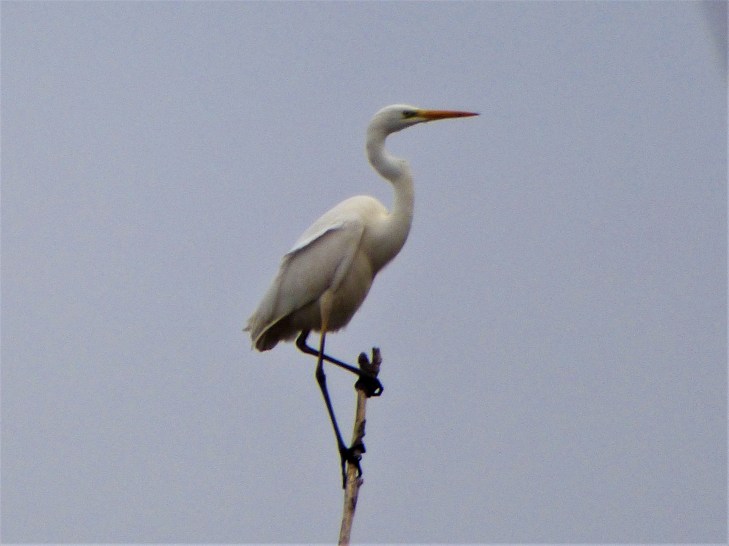
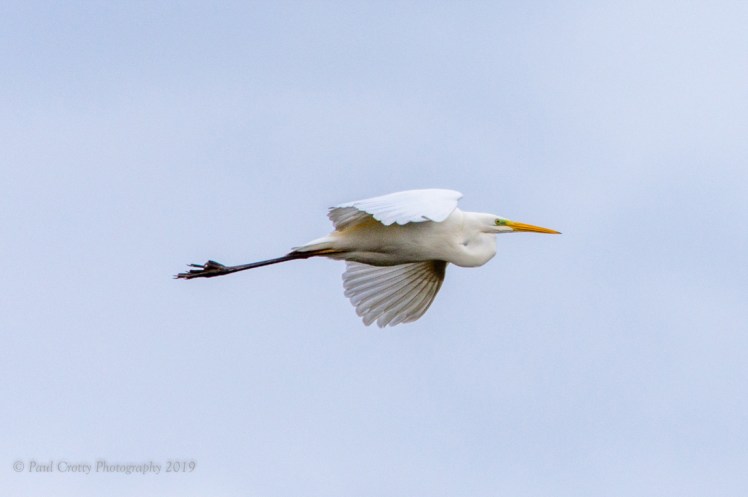
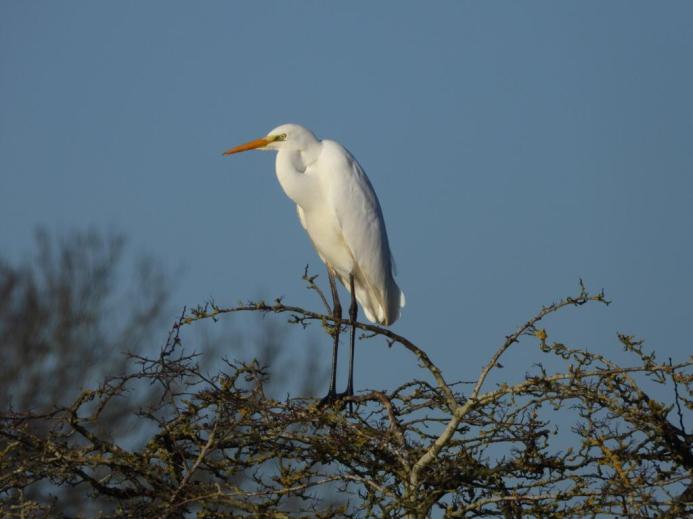
With no more than two at any one site, Great Egrets were all over the shop, appearing again at eight localities, this week including Clifford Hill GP, Daventry CP, Ditchford GP, Ecton SF, Pitsford, Stanford Res, Stanwick and Summer Leys.

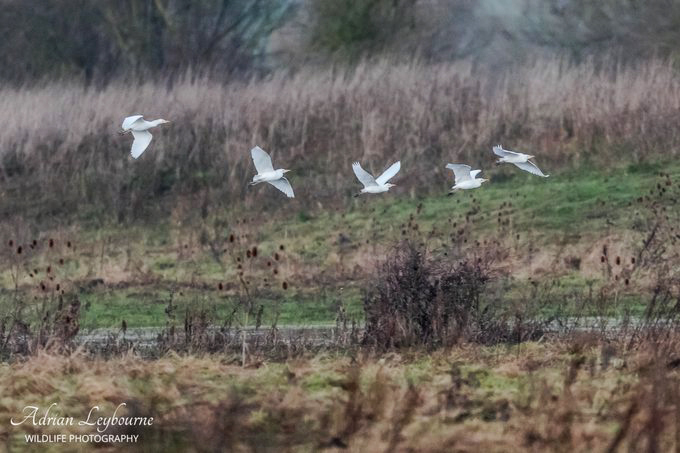
The five Cattle Egrets were present at Ditchford throughout the week, roosting on Wilson’s Pits and favouring the small area between the Watersports Pit and the River Nene during the day. Four of them strayed to nearby Stanwick on 15th.
Waders were again in short supply this week with just a Jack Snipe at Ditchford on 12th, while single third-winter Yellow-legged and Caspian Gulls at Daventry CP on 10th were the only scarce larids on offer.
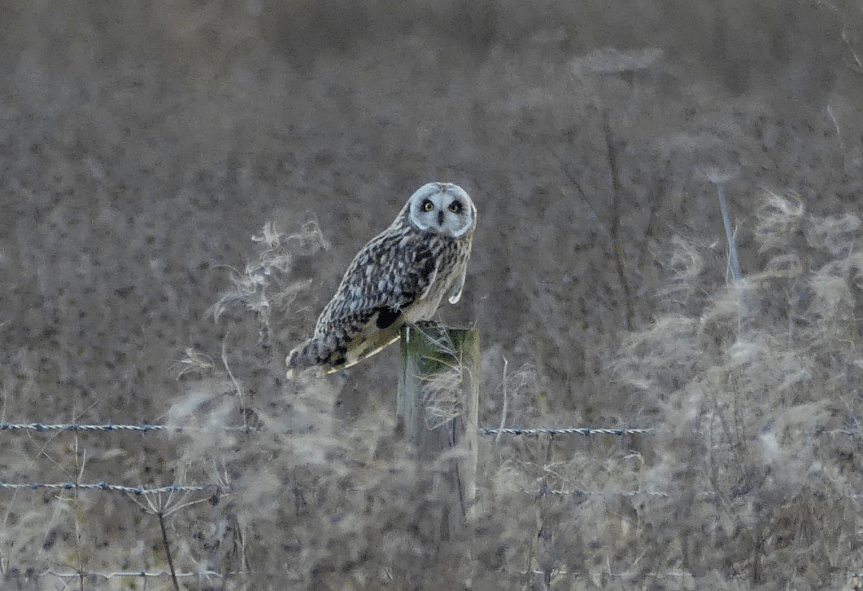
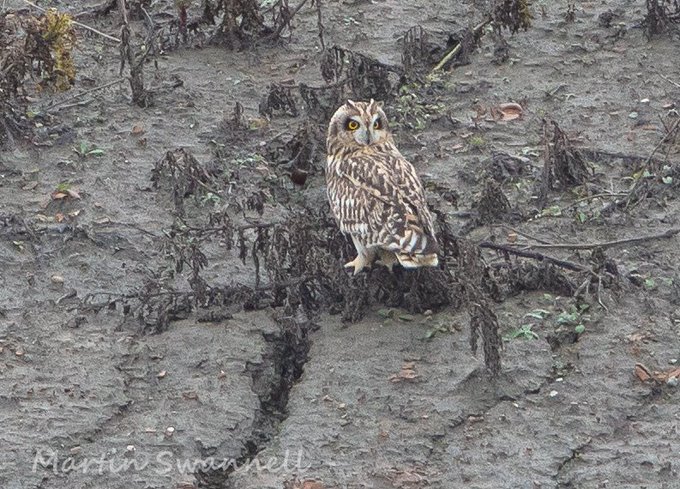
Hunting on both sides of the Leicestershire/Northamptonshire county boundary, a Short-eared Owl was found close to Stanford on 12th, another re-emerged at Neville’s Lodge (Finedon) – a proven reliable wintering site for this species in recent years – on 15th and was seen again on 17th, while the Harrington AF bird was seen again on 16th. Others are surely out there, aren’t they! A Merlin was also in the vicinity of Harrington AF on 15th.

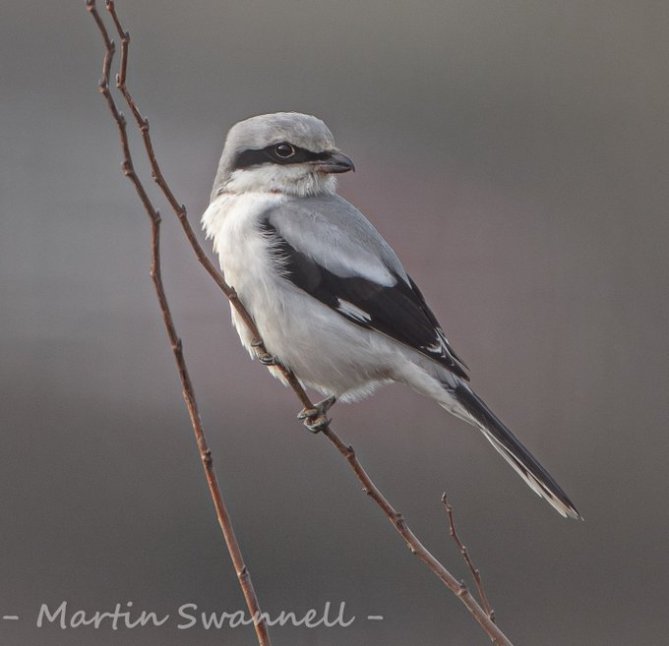
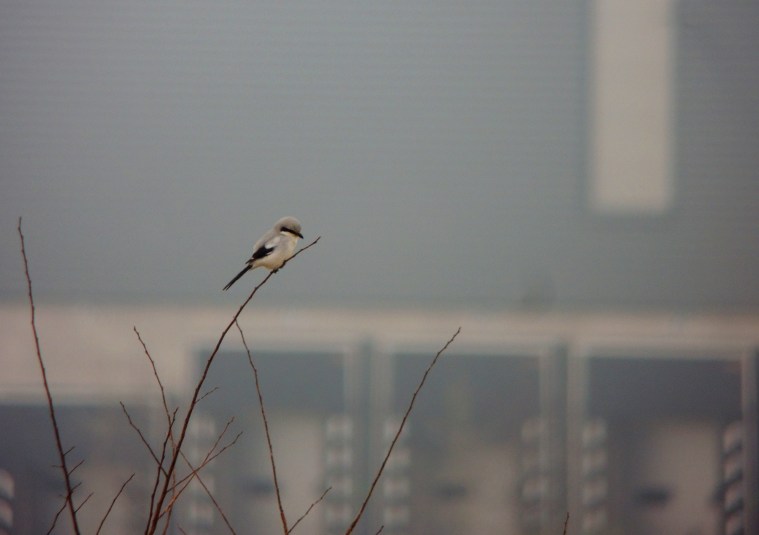
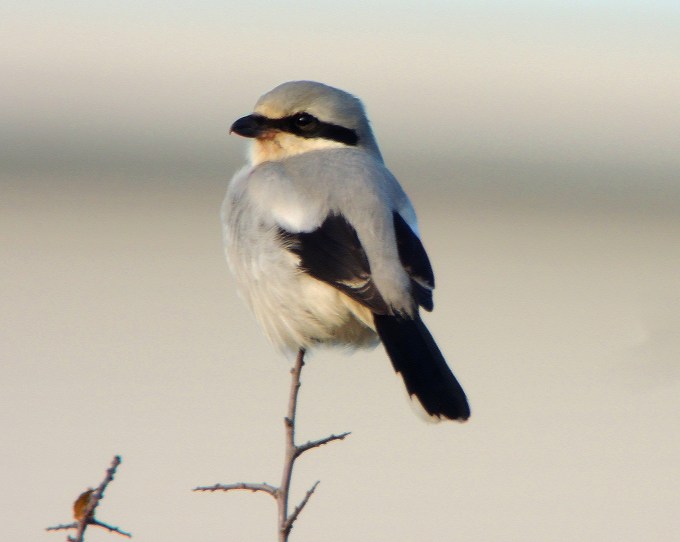
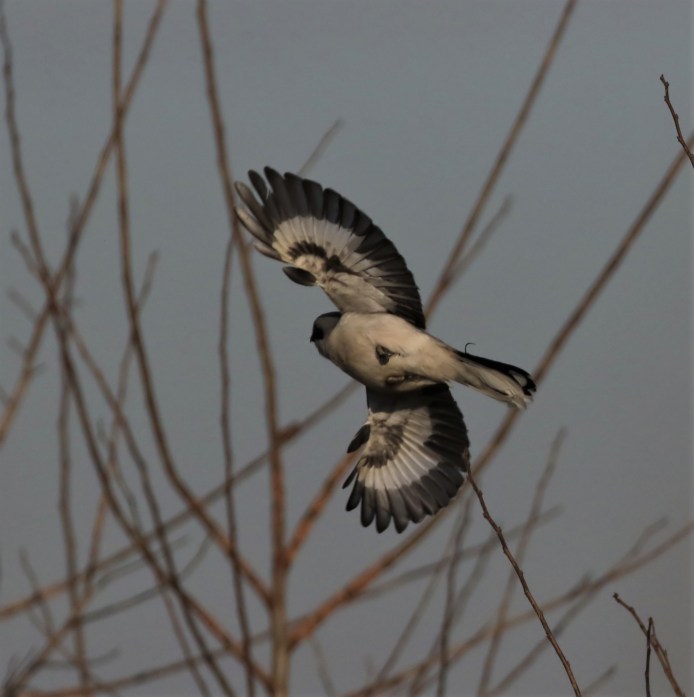
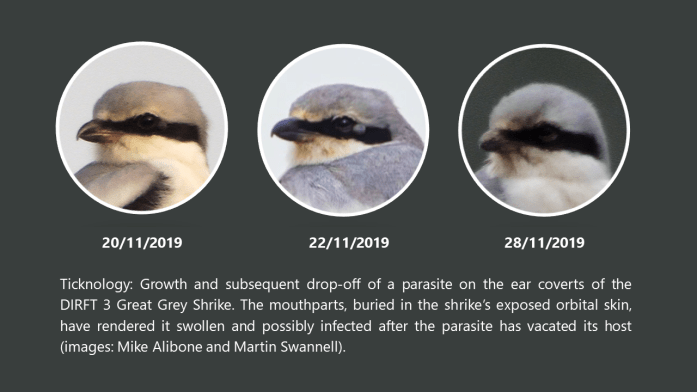
Sustained by an apparently inexhaustible supply of small mammals, the DIRFT 3 Great Grey Shrike repeatedly performed well during the period, while the constantly warm area around the processed sewage outflow stream at Ecton SF continued to provide the perfect microclimate for the Siberian Chiffchaff, still present on 14th, along with up to seven wintering Chiffchaffs.

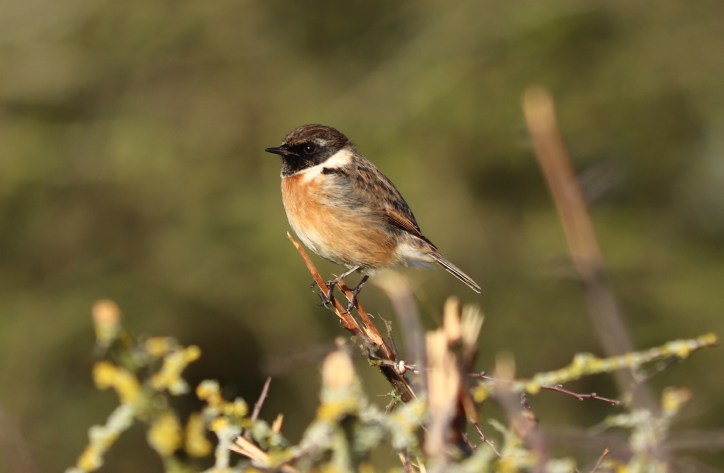
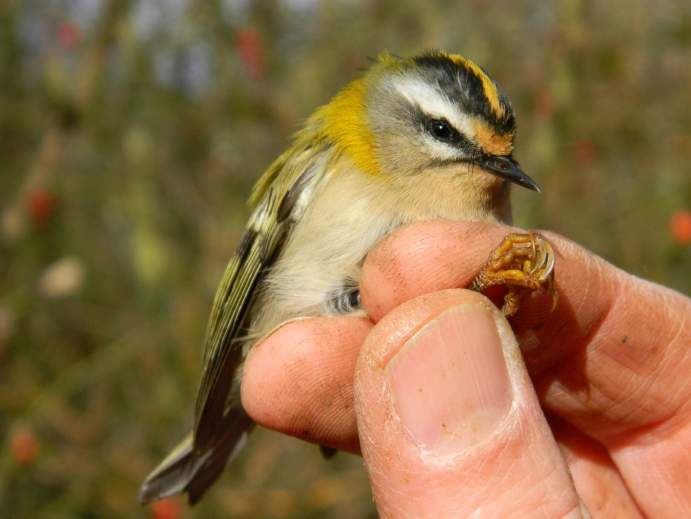
Just east of there, at Summer Leys, a Firecrest was reported along the old railway track on 14th. Stonechats were recorded at four sites, which included Earls Barton GP, Pitsford, Stanford and Wicksteed Water Meadows (Kettering), with a maximum of two at Pitsford on 14th.


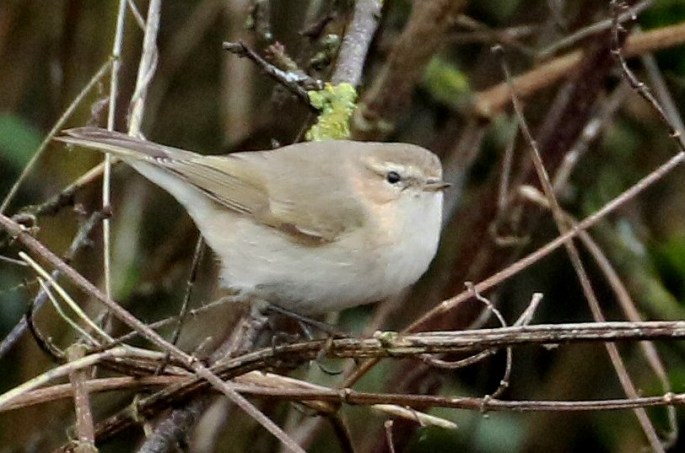

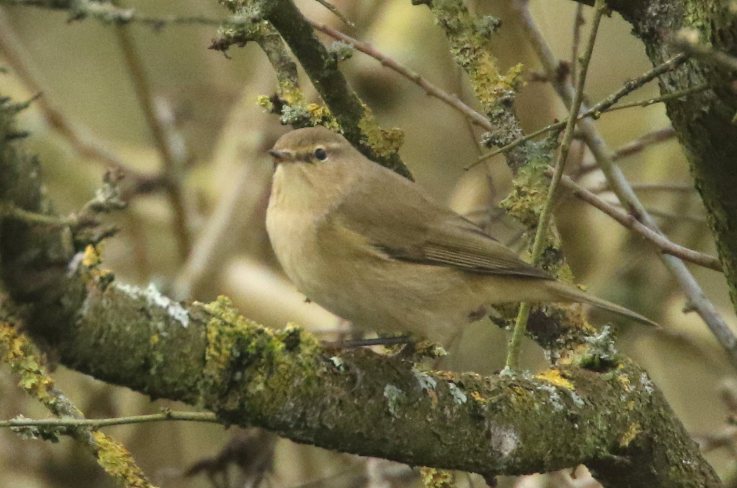
 Siberian Chiffchaff is an almost annual visitor to the county, averaging 1.6 records per year over the last two decades, with more recorded on passage during November than in any other month.

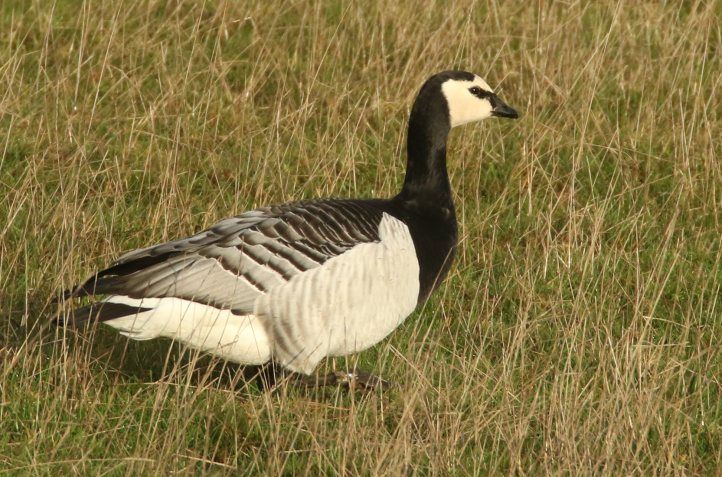
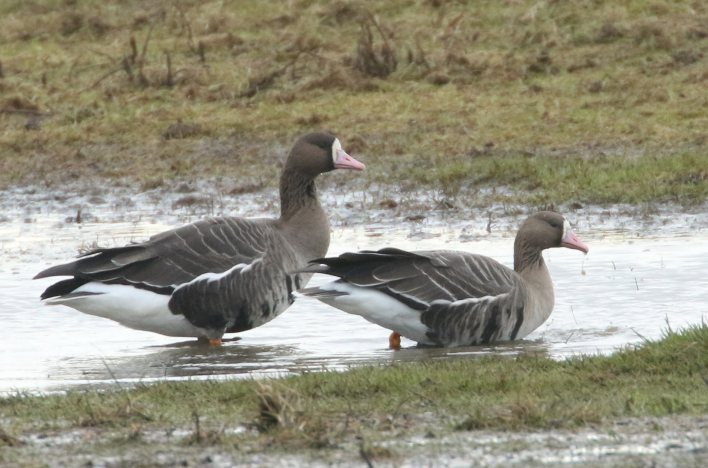

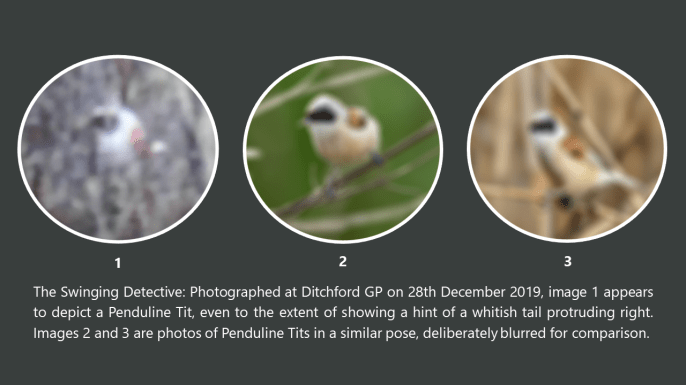

 The week kicked off with the winter solstice, the 24-hour period with the fewest daylight hours of the year. Not that there was anything new to be missed during this year’s shortest day and, despite being the holiday season, birding activities across both county and country were understandably curtailed by mid-week festive celebrations. Wildfowl took centre stage during the period, although Cattle Egrets made a welcome return after a prolonged absence.


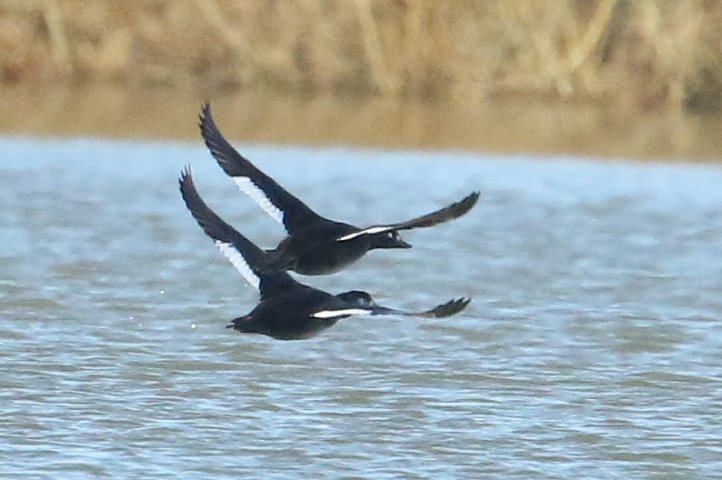


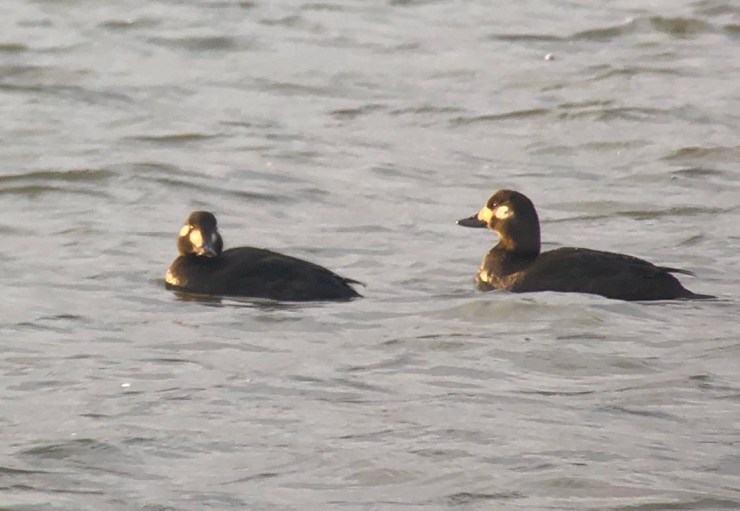
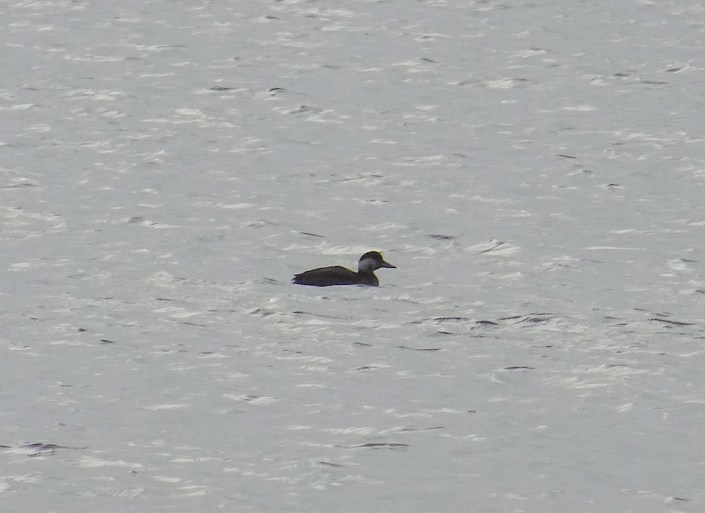
 A mixed bag of weather included strong westerly winds, sunshine, heavy rain, fog and a range of temperatures culminating in an unseasonally mild 13°C, as a result of southerly winds at the week’s end. New in, a couple of Velvet Scoters provided the week’s highlight, while the long-staying Great Grey Shrike remained as obliging as ever.

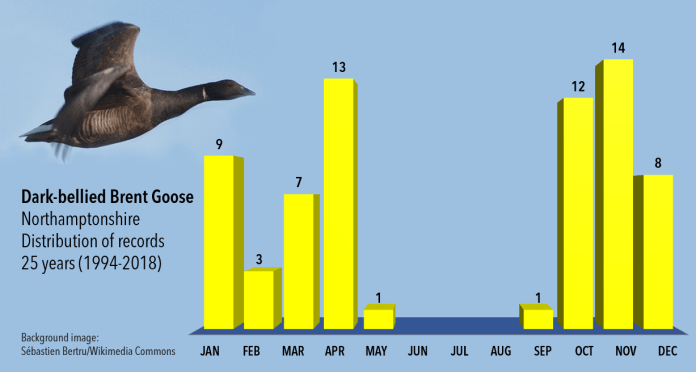
 Storm Atiyah’s brush with the UK did little for Northants as the cold, bright conditions at the beginning of the period were subsequently replaced by more rain, bluster and ever-changing wind direction. A lingering Dark-bellied Brent Goose and the well-installed Great Grey Shrike continued to provide the main attractions.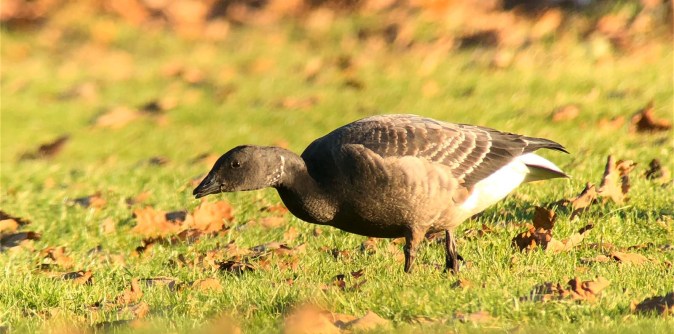
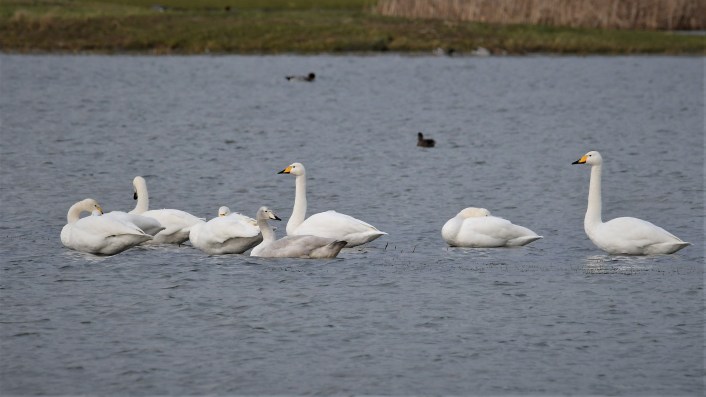
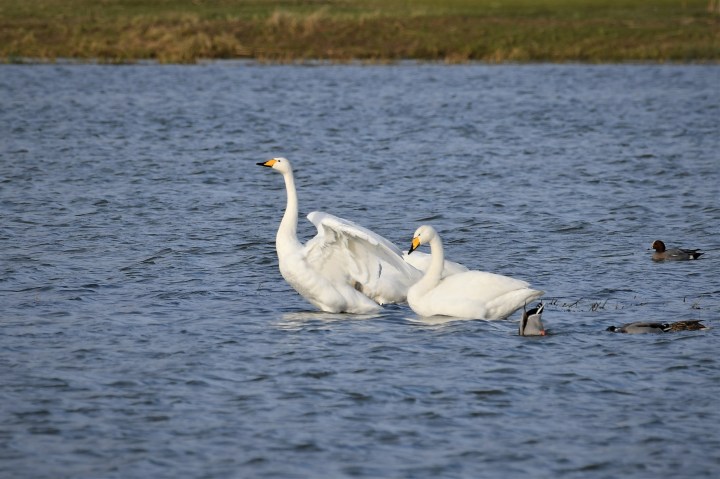
 In the east of the county, the adult Whooper Swan was still in place at Thrapston GP on 9th, while the female Ruddy Shelduck – seemingly absent for three weeks – again visited Ravensthorpe Res on 7th. At Summer Leys LNR, the drake Red-crested Pochard seemed settled throughout the period and the ‘redhead’ Smew was present until at least 7th, although there was a report of two there the following day.







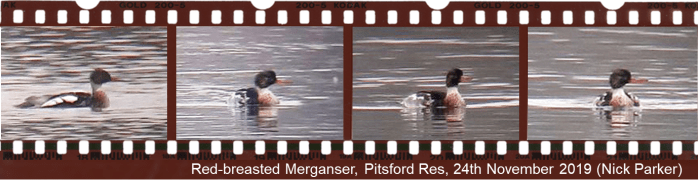 Dull, dank, murky drizzle dominated the week’s weather as low pressure once again dragged in copious moisture off the Atlantic. Notable wildfowl were back on the menu, while scarce passerines maintained their prominence.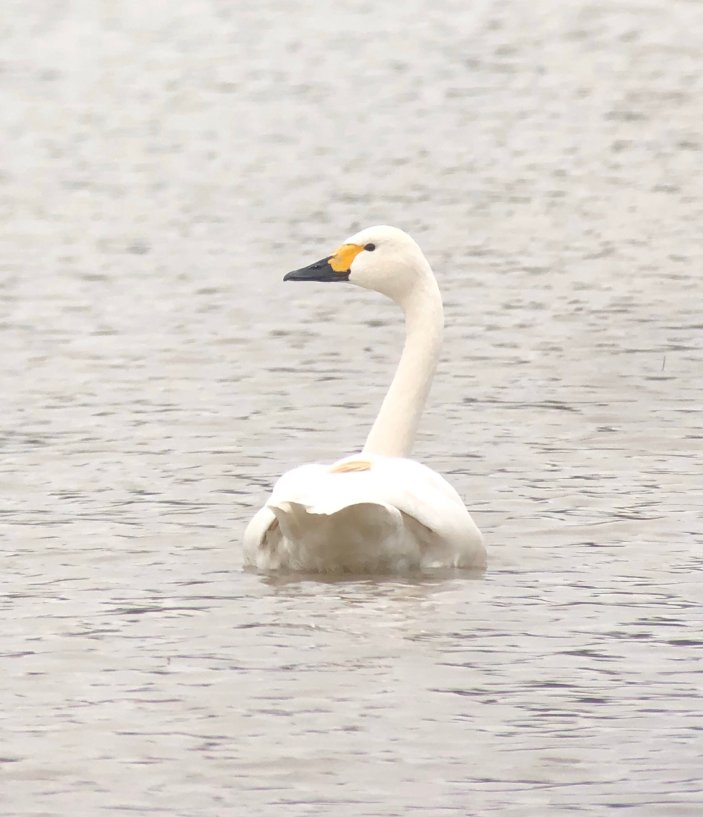


 A Firecrest showed well, if only briefly, to members of the Peterborough Bird Club on an awayday to Summer Leys on 24th. There must surely be more of these little gems just waiting to be found wintering in the extensive river valley scrub along the Nene. Meanwhile, Stonechats were reduced to just singles seen at Stanford, Summer Leys, Thrapston and Wicksteed Water Meadows (Kettering) and Hawfinch once again made it into the week’s round-up, with one in flight at Salcey Forest on 27th.
 Although the weather was again largely dominated by Atlantic low pressure systems, last week’s heavy rain subsided, allowing local floodwater a chance to drain away – at least in part. The end of the period saw milder conditions resulting from a warmer, continental airstream from the south-east. This week’s top birds were again all based on terra firma, further extending this great autumn’s run of passerines.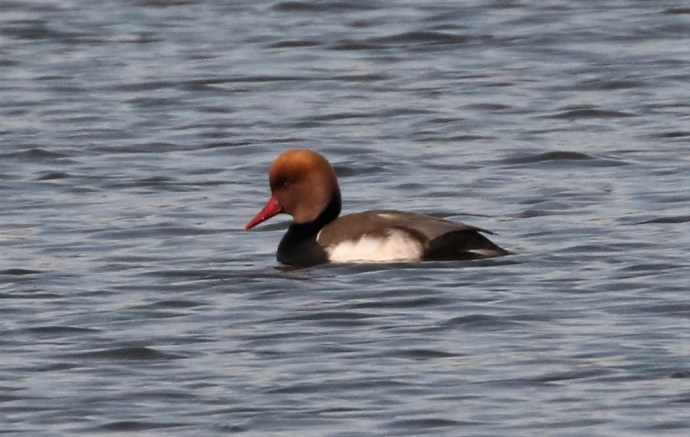






 Northants birds