A cooler week than the last, with temperatures ranging between the high teens and low twenties and, other than a hefty downpour on 11th, remaining dry. Winds varied between westerly and north-westerly, aiding the migration of Icelandic Black-tailed Godwits, which continued to arrive in appreciable numbers.
We are clearly experiencing the usual mid-summer lull, as far as ducks are concerned. Two Garganeys were the sole entry for the week – a juvenile at Stanford Res on 10th and an eclipse drake by the causeway at Pitsford Res on 10th and again on 13th-14th.

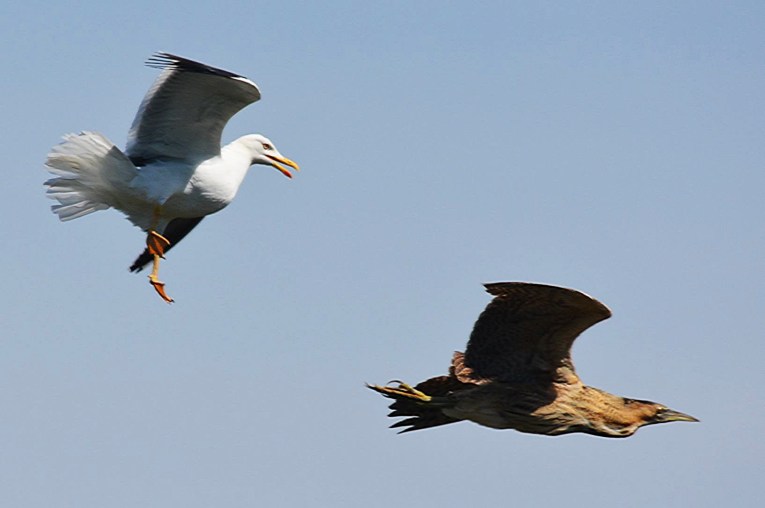
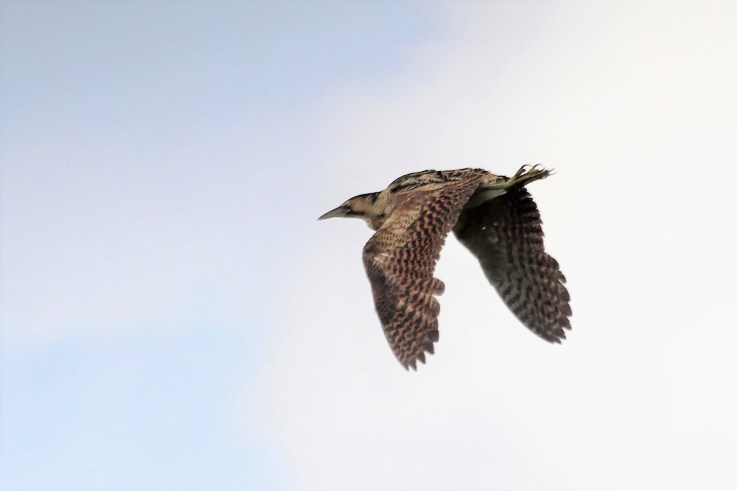
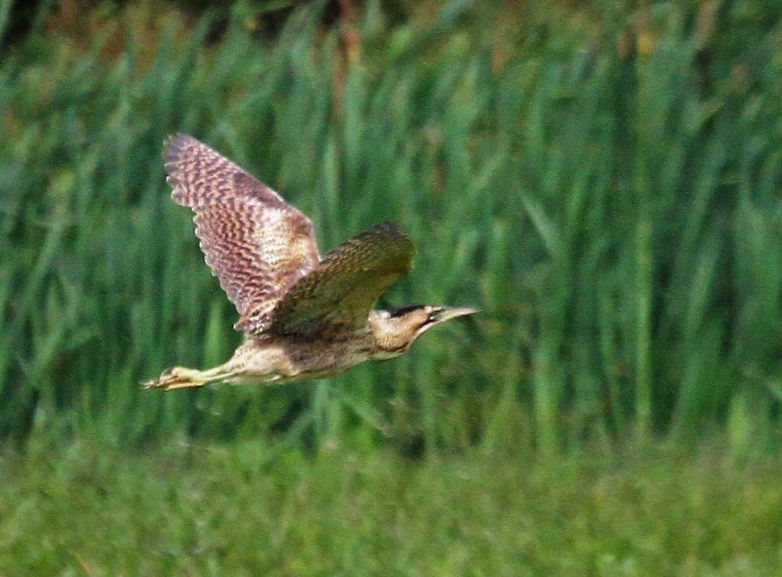
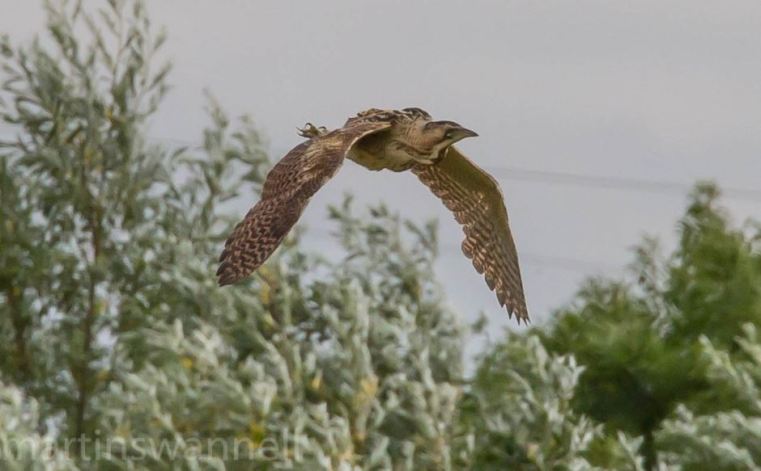
The intriguing run of summer Bittern records continued at Summer Leys with daily sightings, in flight over the scrape and the car park, throughout the week.
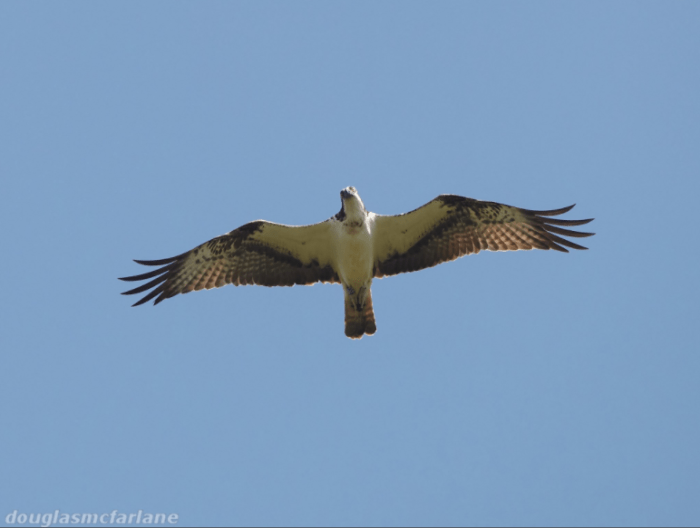
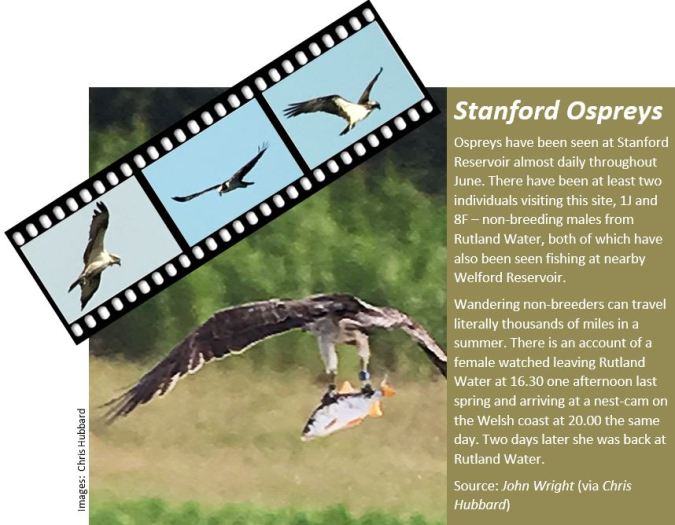
With the low water level it must be like shooting rats in a barrel for Ospreys visiting their now fondly favour’d site of Stanford Res, which drew one on 10th and two on 13th, while also continuing to attract Icelandic Black-tailed Godwits. Two were there on 9th, followed by twenty the next day and one from 11th to 13th. Elsewhere, thirteen arrived at Summer Leys on 9th with just two there the following day, two visited Pitsford Res on 8th, rising to three the next day, before falling to one on 10th and singles were at Stanwick GP on 8th and 10th and at Clifford Hill GP on 9th.

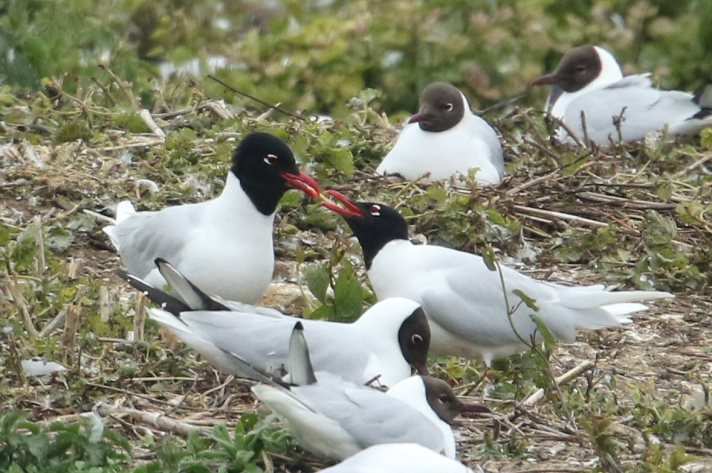
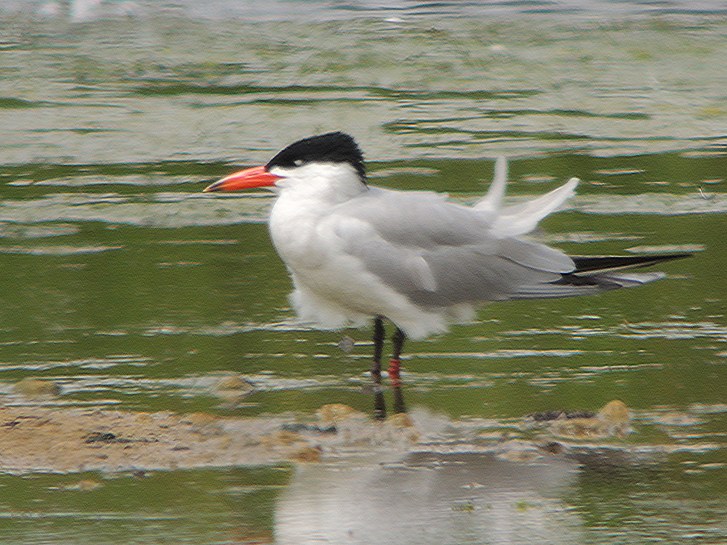
From one extreme to another, after last week’s one-day, Nene Valley ‘giant’, a Little Tern was picked up heading north over the causeway at Pitsford Res on 9th – however, it appeared not to be sticking around. The Mediterranean Gull family was still in residence in the Black-headed Gull colony at Stanwick GP this week. The two juveniles are now fully fledged and able to fly.

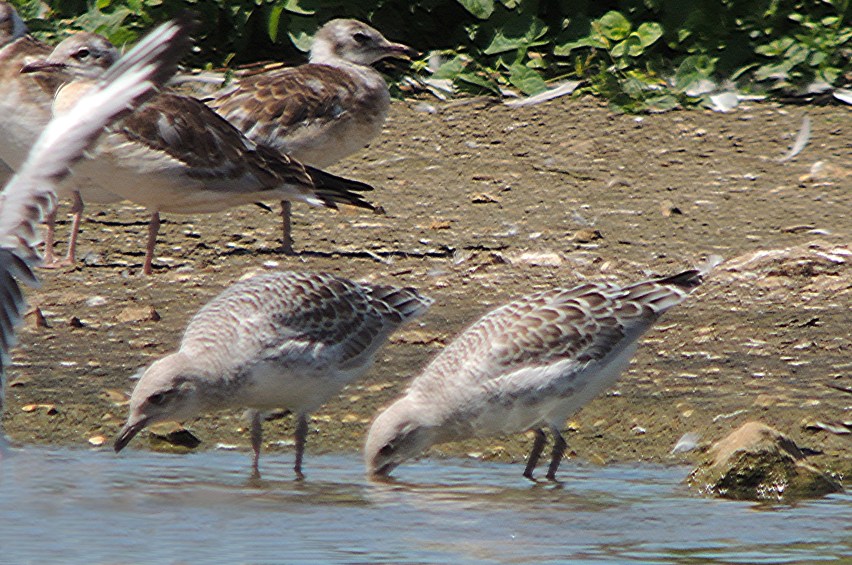
Elsewhere, an adult and an apparently unrelated juvenile visited Daventry CP on 11th and a juvenile was there on 14th. One size up, Caspian Gulls were also found at Stanwick, including an adult on 10th, a second-summer on 10th-11th and a first-summer on 13th. An adult also visited Pitsford Res on 10th. Yellow-legged Gull numbers increased dramatically this week with Stanwick GP accumulating a maximum of forty-two on 13th.

Away from here, a second-summer was at Pitsford Res on 8th-9th, a first-summer was there on 10th along with the autumn’s first juvenile on 12th and four on 14th. Elsewhere, an adult and a second-summer visited Daventry CP on 11th.
A juvenile Common Redstart was trapped and ringed at Stanford Res on 8th. It was a very young bird which appears, at first sight, not to have travelled far.

There is a possibility it fledged locally as this species once bred in some numbers in the grounds of Stanford Hall and a female with an active brood patch was also trapped at Stanford on 9th July 2015 so, who knows … Another young chat, a juvenile Northern Wheatear, was discovered at Pitsford Res on 13th – the first of the autumn and on a relatively early date for this species.





 It has been a very poor spring for Quail, with just two singing males reported – both of which appeared to be one-day wonders. One was near the railway close to Kings Sutton on 9th and the other in a flax field near Burton Latimer on 18th. Summer Leys produced both of the period’s rare herons, which included a Great White Egret on the scrape on 14th and a Bittern in flight over the car park on 20th and again on the scrape the following day.
 Stanford’s low water level continued to attract waders, including an Avocet for two days on 25th-26th, a late spring Grey Plover on 3rd and a presumably non-breeding first-summer Icelandic Black-tailed Godwit on 11th ahead of the first southbound Black-taileds – a nice flock of twenty-seven – on 25th.
 Clearly there was a Black-tailed Godwit movement taking place on 25th with further records of at least twenty-five at Summer Leys and one over St James, Northampton. More had arrived by the month’s end with 30th producing at least nine more at Stanford and singles at both Stanwick and Summer Leys. The autumn’s first Greenshank arrived at Stanford on 28th, lingering until the month’s end but further south, at Daventry CP, it was still spring when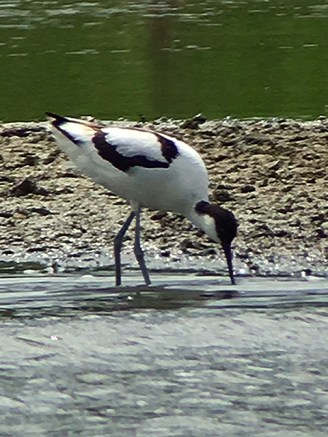




 Persistence is required, waiting for the next time it sits out on the bank … Interestingly more Buffleheads have been seen in June than in any other month and in central England than any other area in the UK. Thanks to Andrew Cook and Mark Hill for pointing this out (source: Rare Bird Alert).