The week’s westerly airstream appeared to have little impact on what turned up in the county during the period or, for that matter, what left the county at the end of the week prior. With reference to the latter, there was a notable clear-out of scarcer waders and numbers of those deemed more common also fell appreciably …
For one day only, the peripatetic female Ruddy Shelduck made an appearance at Ravensthorpe Res on 7th after last being seen at nearby Hollowell Res on 31st. Other one-day-only ducks this week were single Garganeys, both seen on 5th, at Pitsford Res and at Thrapston GP’s Titchmarsh NR.
In keeping with this autumn’s glut of Black-necked Grebes, another was found on Earls Barton GP’s Mary’s Lake on 10th but was not seen subsequently.
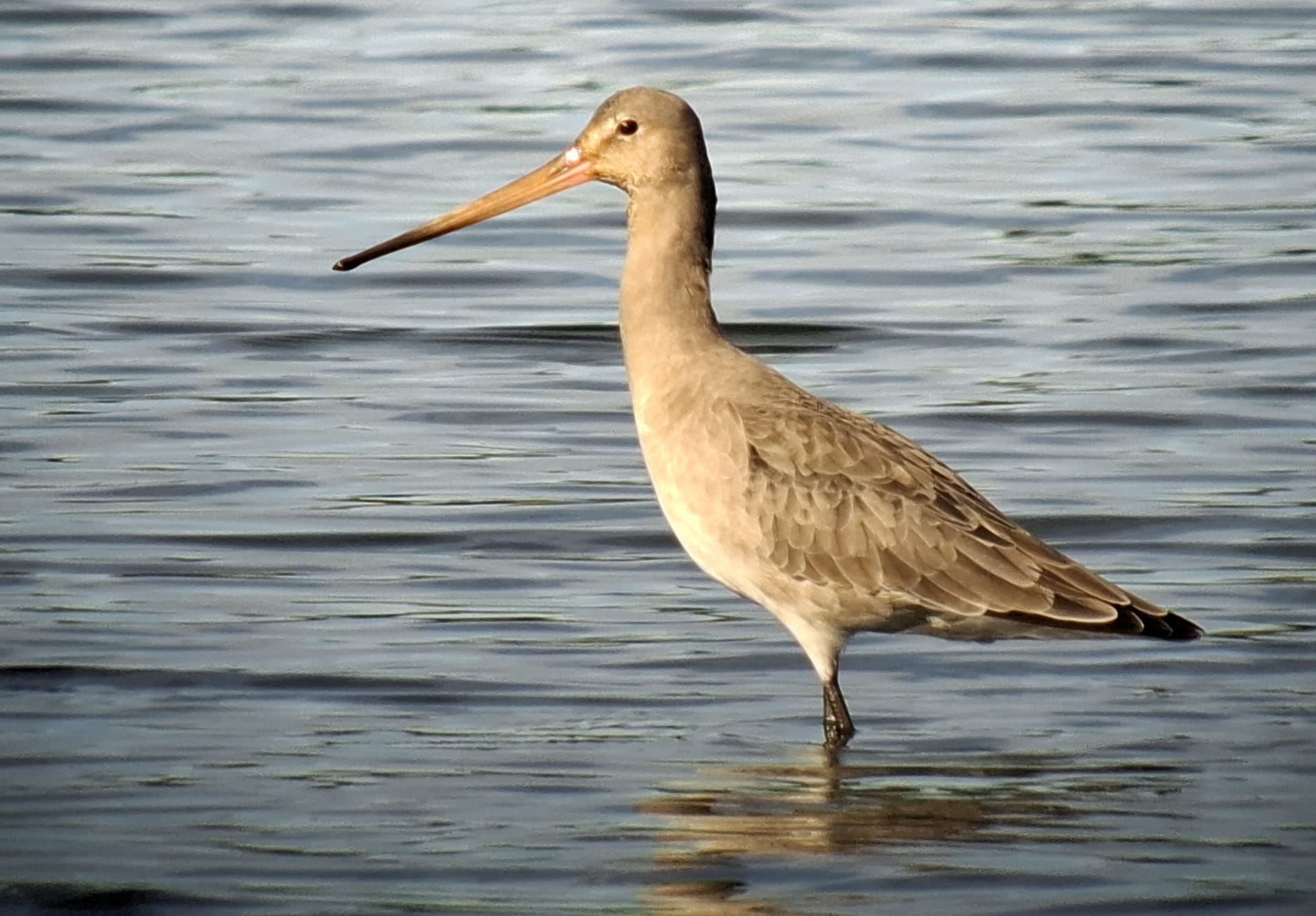
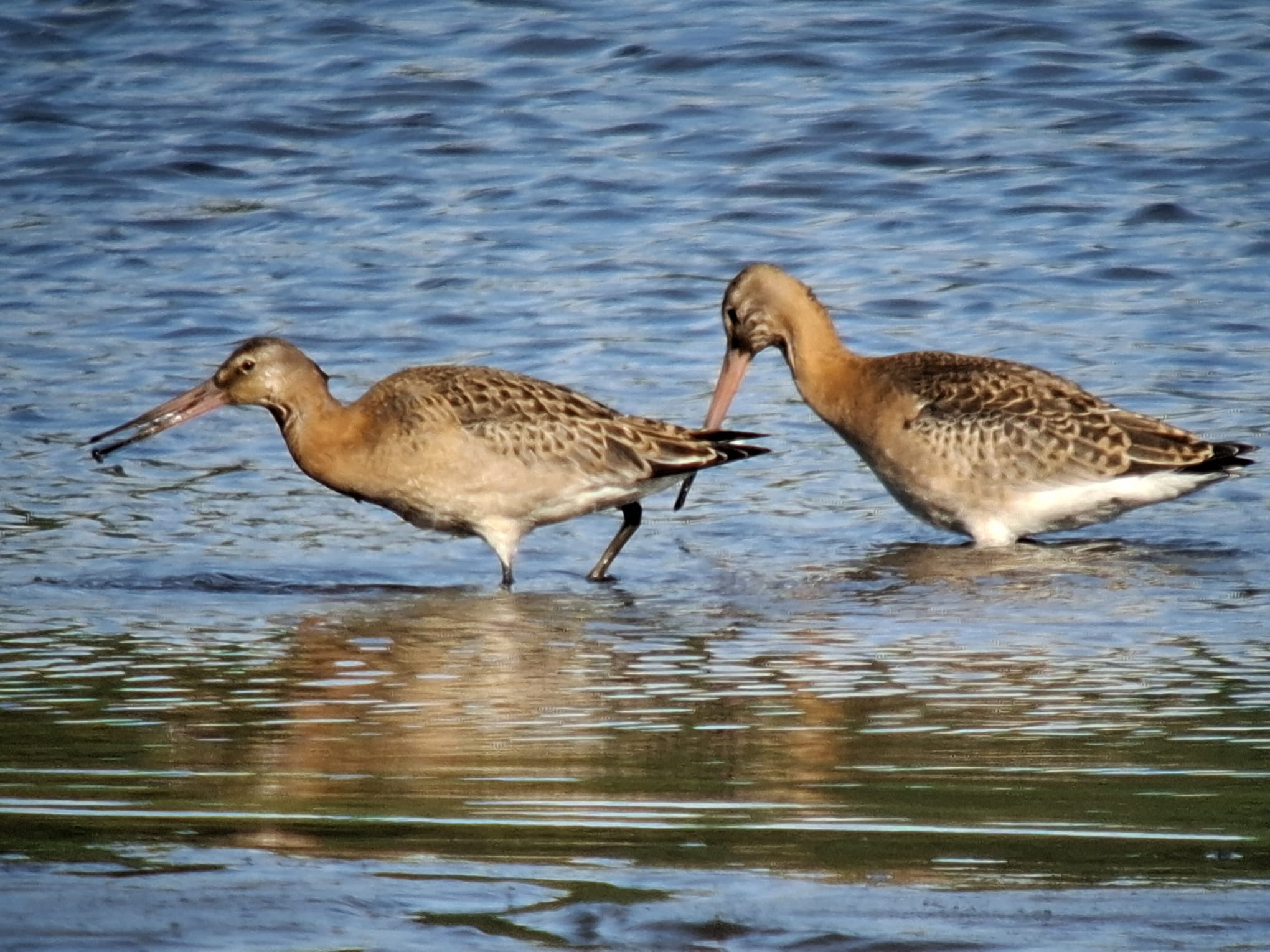
As already stated, wader numbers were down on last week and Black-tailed Godwits were a prime example, with just two at Pitsford on 5th and one there from 7th until 9th. Three were also at Daventry CP on 10th-11th.
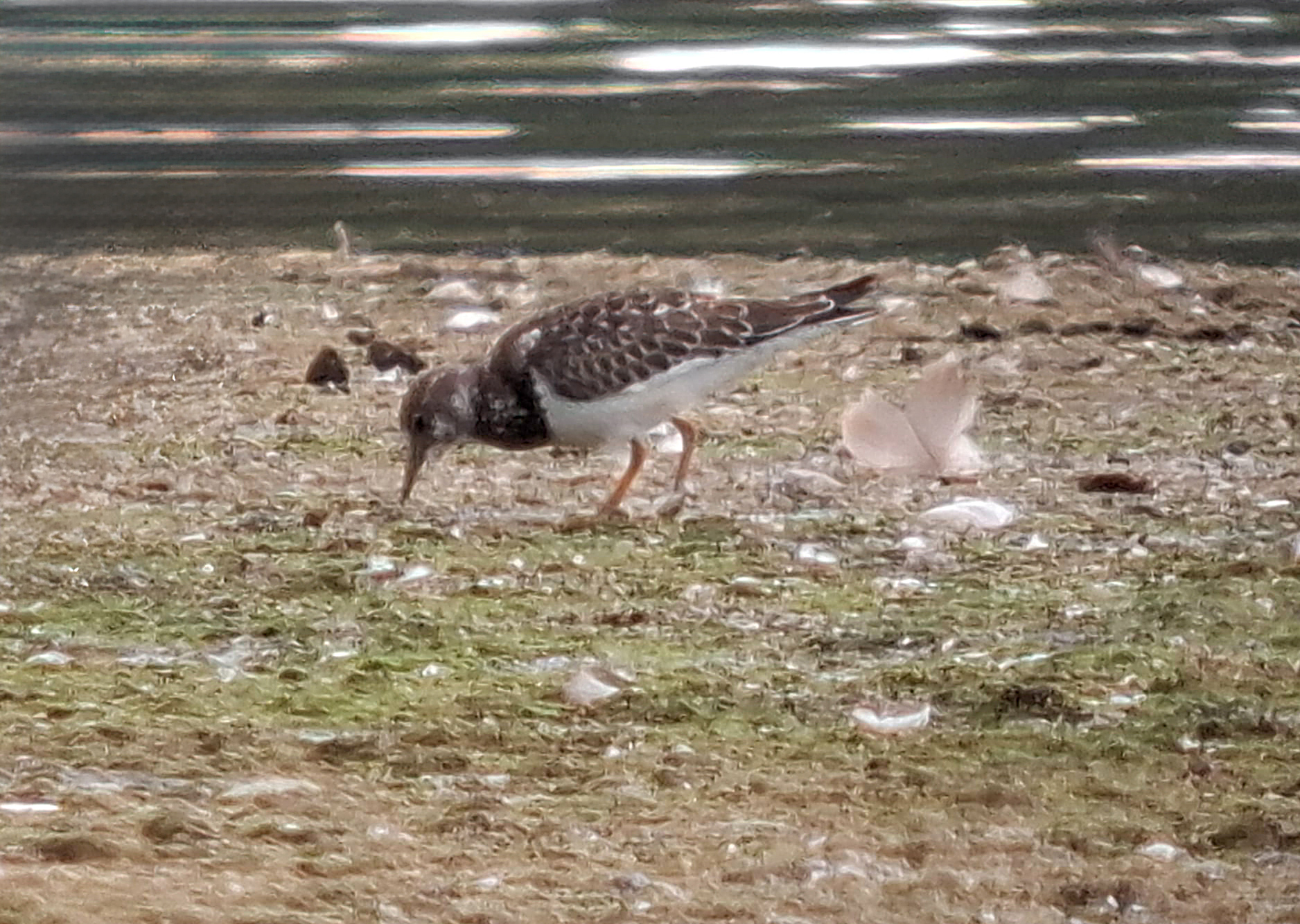
After a dearth of spring records this year, Turnstones have more than made up for their poor showing, with another being added to a now respectable autumn tally on 11th, when a juvenile was found at Daventry.
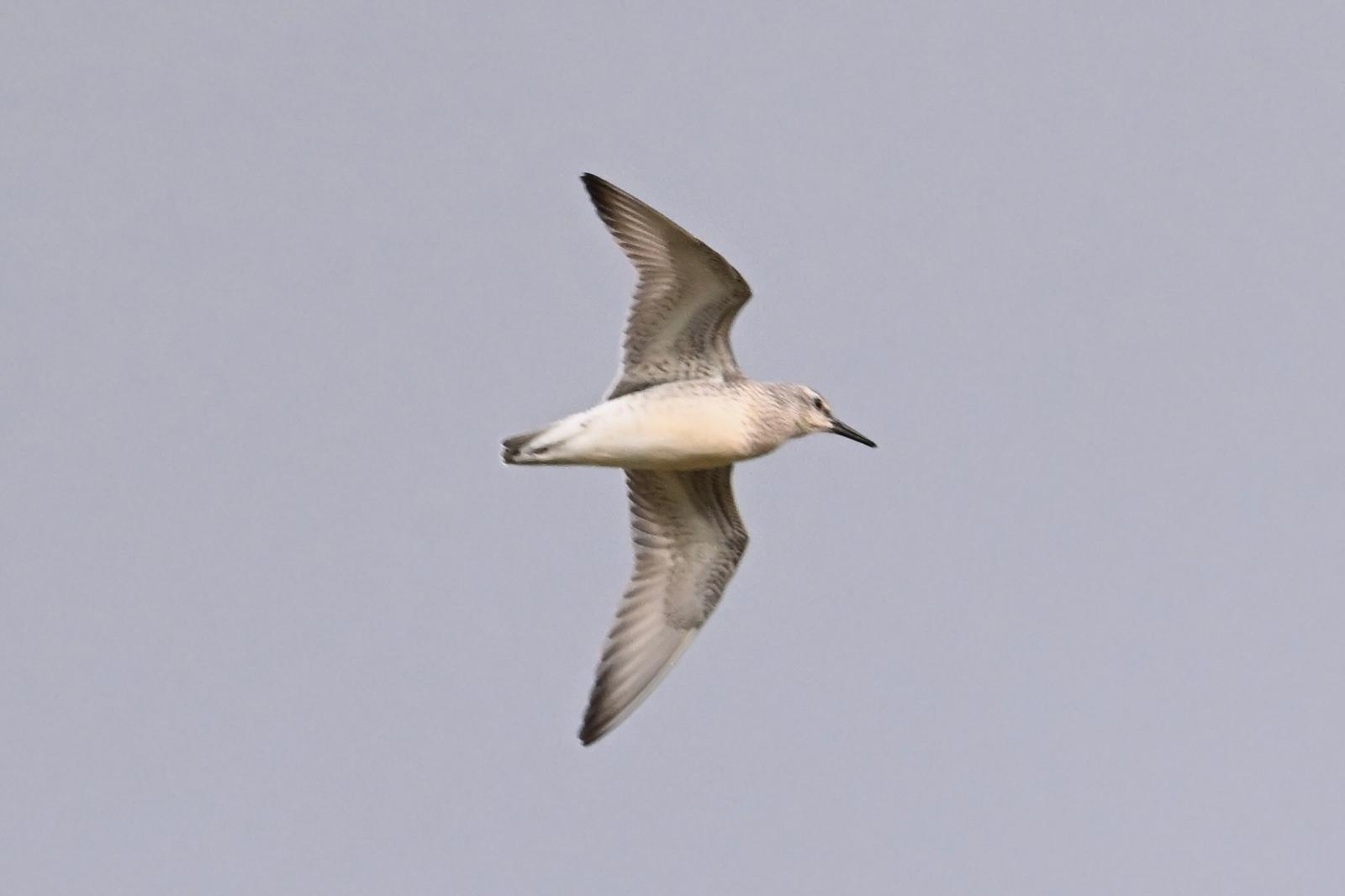
And, strange as it may seem, what appears to be the first Knot of the year made a brief touchdown at Hollowell on the evening of 8th, before quickly heading off west.
Ruffs were still to be found, albeit in lower numbers, with four sites producing birds. Three were at Pitsford on 5th, followed by one there on 8th, one was at Summer Leys LNR on 5th and again on 8th-9th and twos were present at Naseby Res and Ravensthorpe on 7th.
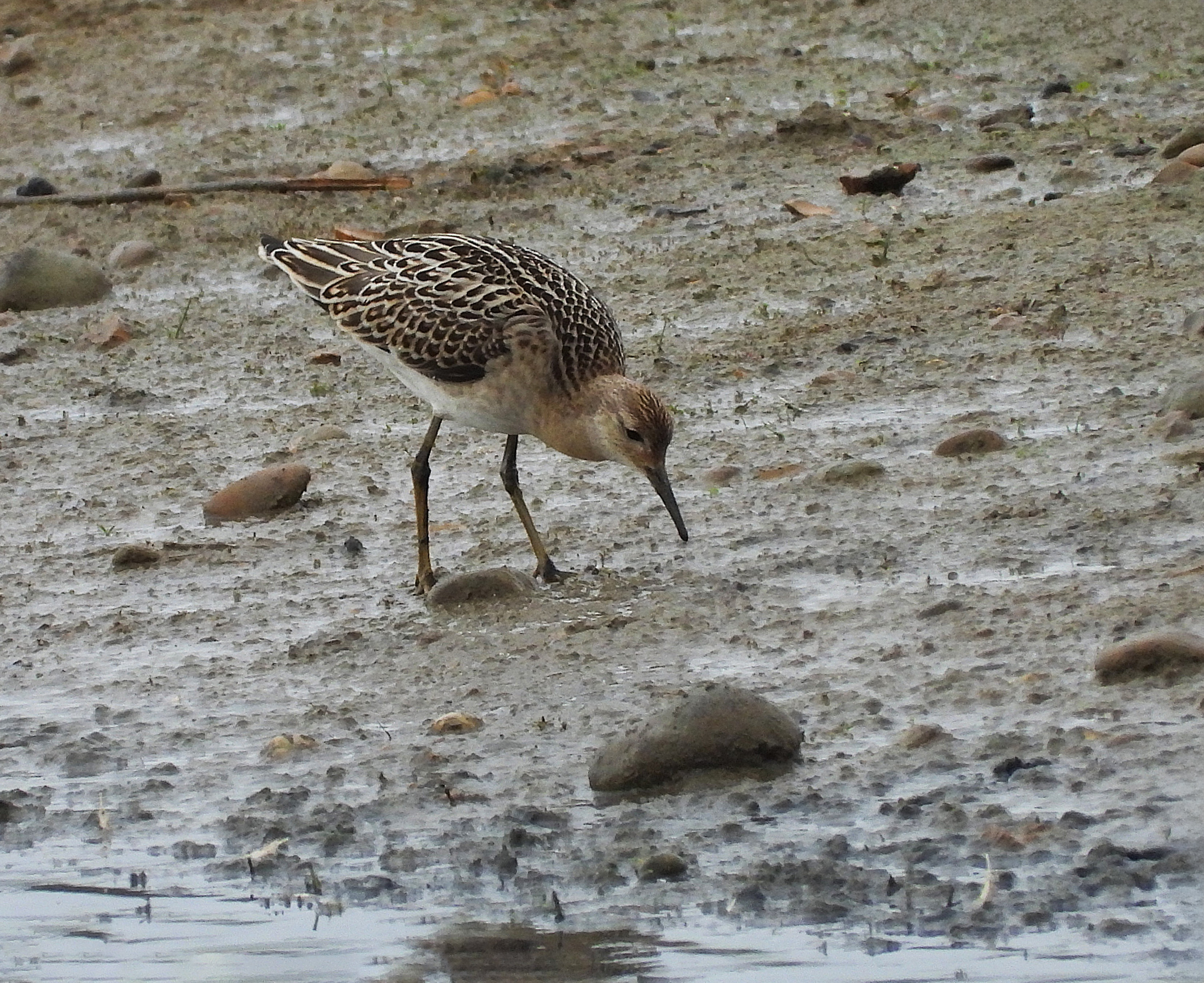
The previous week’s Little Stint at Clifford Hill stretched its stay by one more day, on 5th, while two early Jack Snipes – the first of the autumn/winter period – were found at Hollowell on 10th. They are not the earliest ever, however, that accolade falls again to Hollowell on 3rd September 1995.
Last week’s Wood Sandpiper at Ravensthorpe just managed to make it into this week, still being present there on 5th, as did Pitsford’s Spotted Redshank, also gone after 5th, while numbers of Greenshanks took a tumble. Pitsford produced two on 5th, one on 7th-8th, followed by three on 9th. One lingered at Titchmarsh from 7th until 10th and singles were found at Hollowell on 8th and Ditchford GP on 11th.
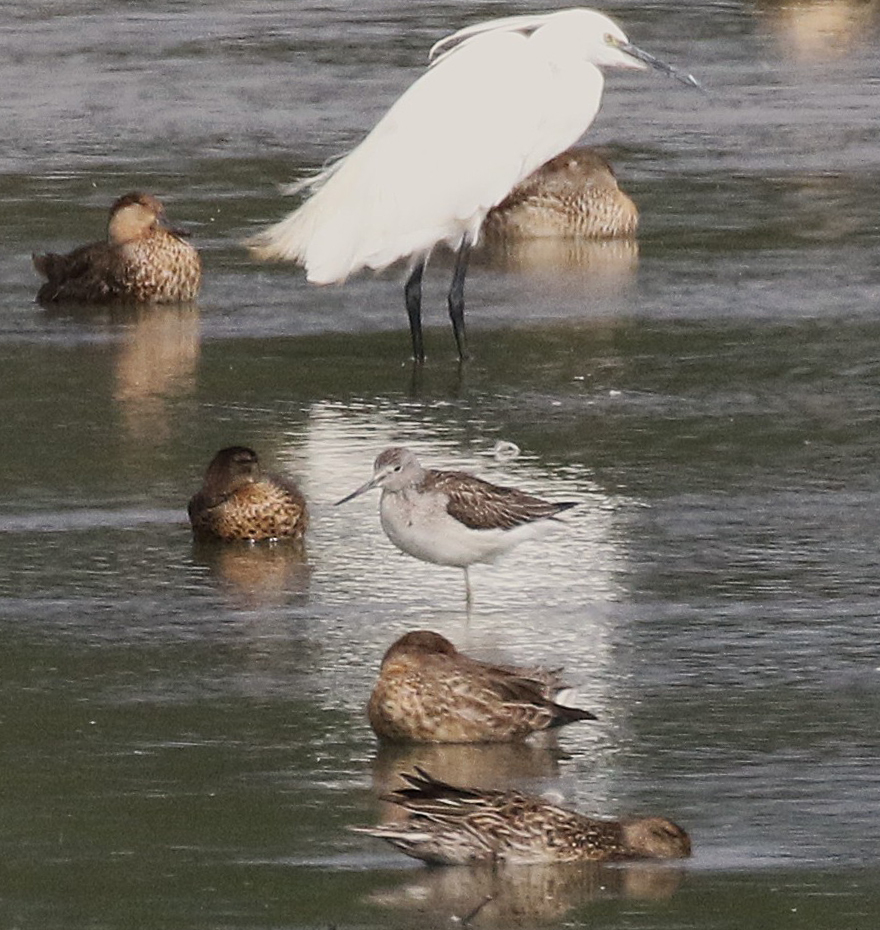
Gulls on display during the period were limited to the usual weekly fare, namely Caspian and Yellow-legged. Adult Caspian Gulls consisted of two at Naseby on 7th and singles at Hollowell on 9th and 10th and Earls Barton GP’s Mary’s Lake and New Workings (South) on the latter date. The number of Yellow-legged Gulls hit double-figures at the county’s most reliable site, Pitsford, where ten amassed on 8th, while singles were at Titchmarsh on 5th and 10th and at both Ditchford and Wicksteed Park Lake on 11th.
The week’s only Black Tern – a juvenile – was present at Thrapston GP’s Elinor Trout Lake on 10th.
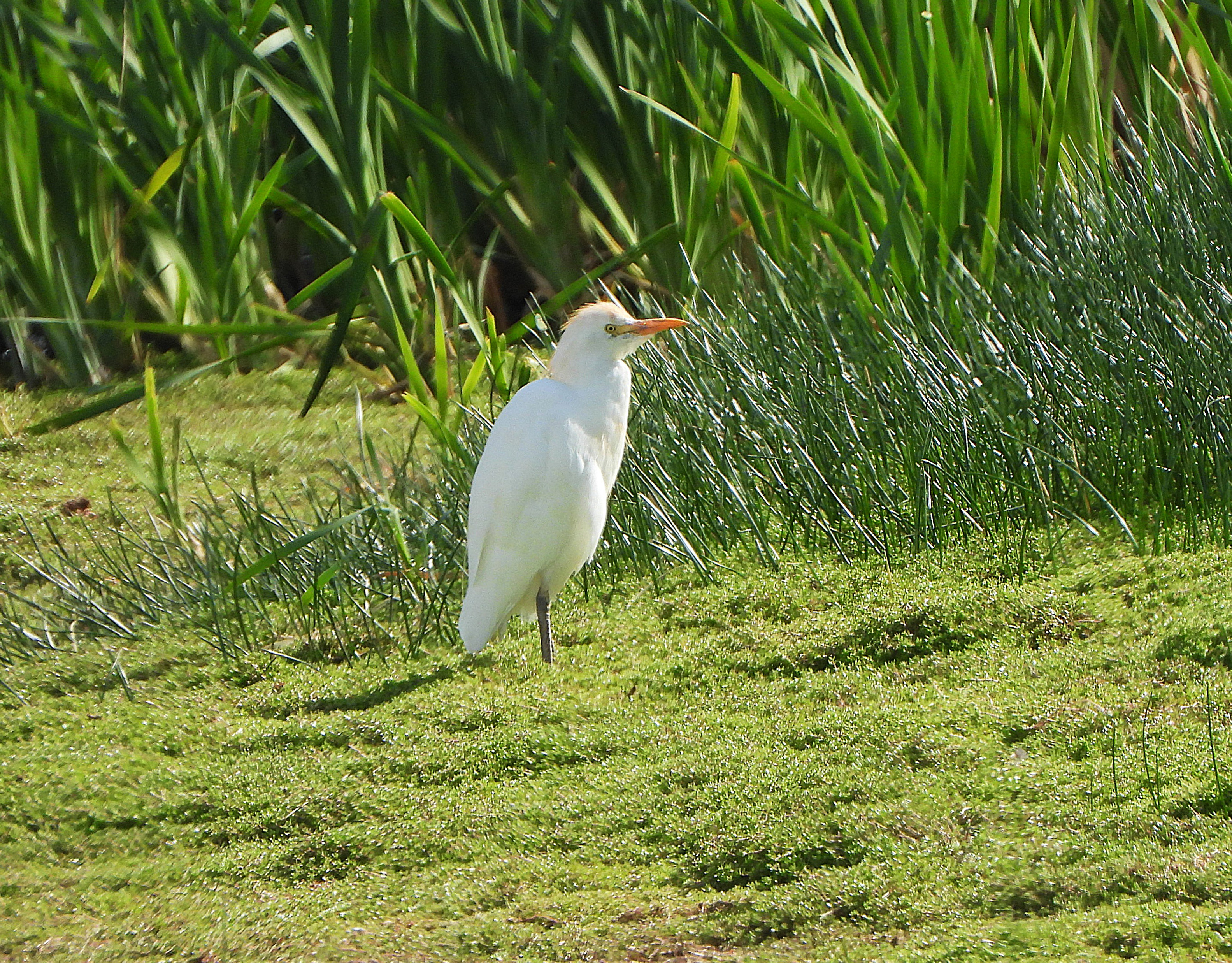
Summer Leys and Titchmarsh carved up the period’s Bitterns between them, providing fleeting views at the former on 5th, 9th and 11th and at the latter on 5th and 8th, while Cattle Egrets maintained a low profile, with one flying west over Stanford Res on 9th and another at Earls Barton GP’s New Workings (North and South) the next day.
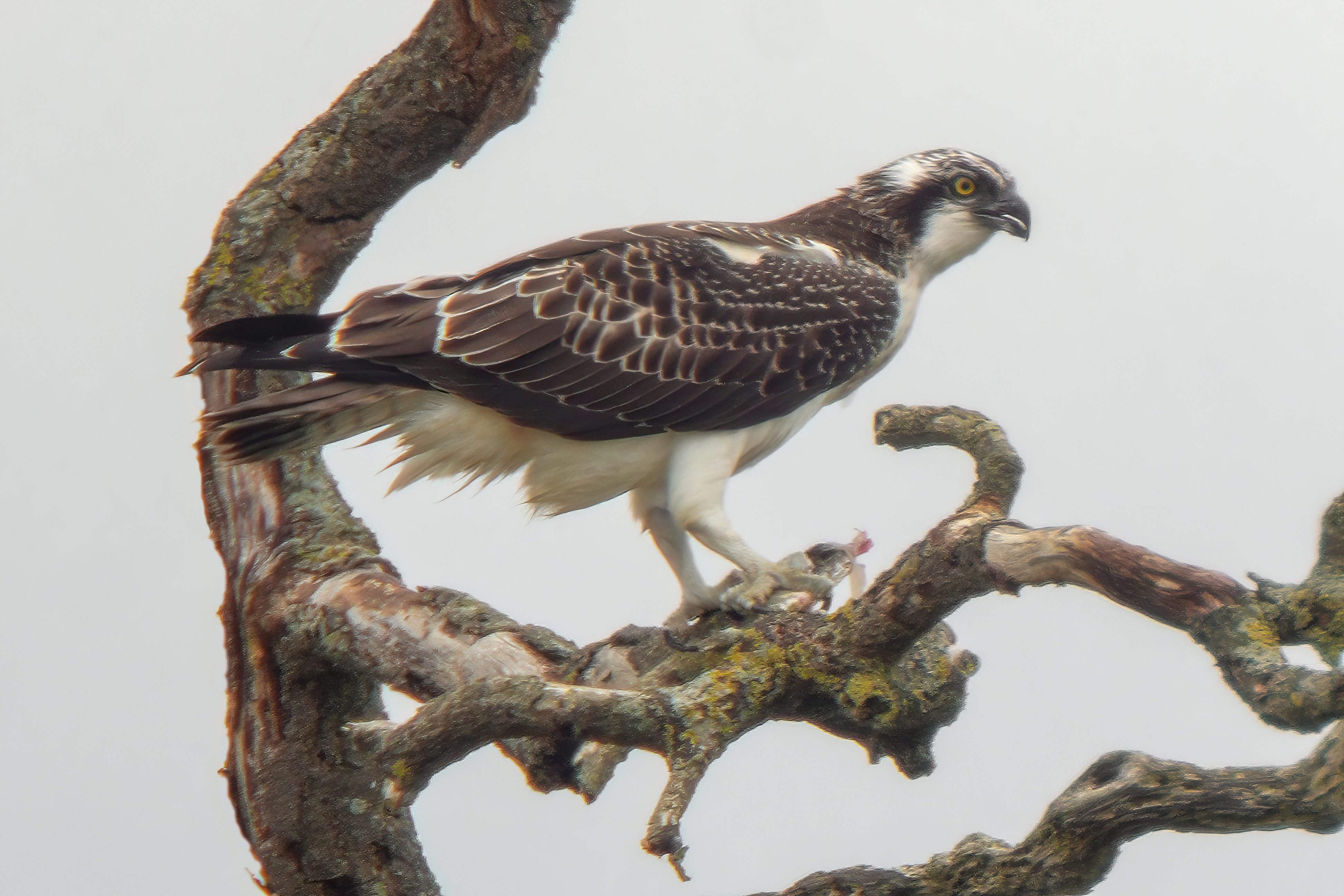
On the raptor front, Ospreys were to be found at four locations, with the usually favoured reservoir sites taking a back seat this week. Pitsford and Stanford saw one apiece on 8th, while one flew south between Borough Hill and Daventry on 9th. But it was Earls Barton’s New Workings (North and South) that turned out to be the hot spot, with one seen there last week clearly having put its stamp on it this week, remaining reliable in the area throughout the period.
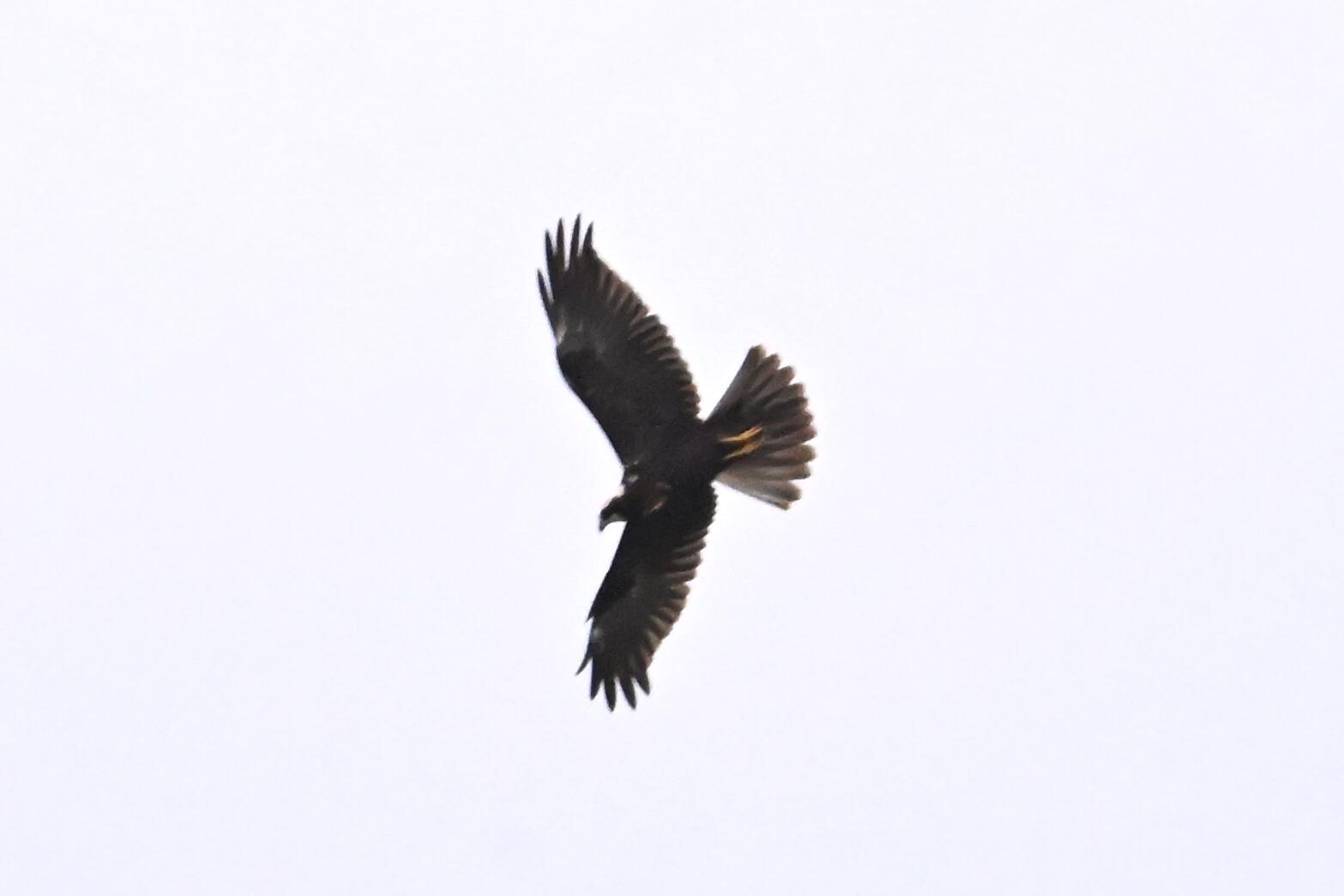
Though in short supply, Marsh Harriers were widely spread, this week’s birds comprising singles between Old and Walgrave and at Stanford on 6th and at both Hollowell and Blatherwycke Lake on 10th.
And as autumn unfolds it’s proving to be a rather productive one for yielding Pied Flycatchers. Following one reported at Irchester CP on 5th, two more were found on 9th – one at Denton Wood and the other at Lamport Hall, the latter considered to be a different bird to the previous two recently present there.
Up on last week’s figures, seven sites produced Common Redstarts with no more than two at any one of Blueberry Farm (Maidwell), Brampton Valley, Harrington AF, Hinton AF, Lamport, Naseby and between Old and Walgrave.
The Brampton Valley emerged as delivering the highest site total of Whinchats with four there on 11th, the latter date seeing two at Wicksteed Park, Kettering and one at Clifford Hill GP. Elsewhere, singles were at Summer Leys on 8th-9th, Harrington on 9th and Hollowell on 10th.
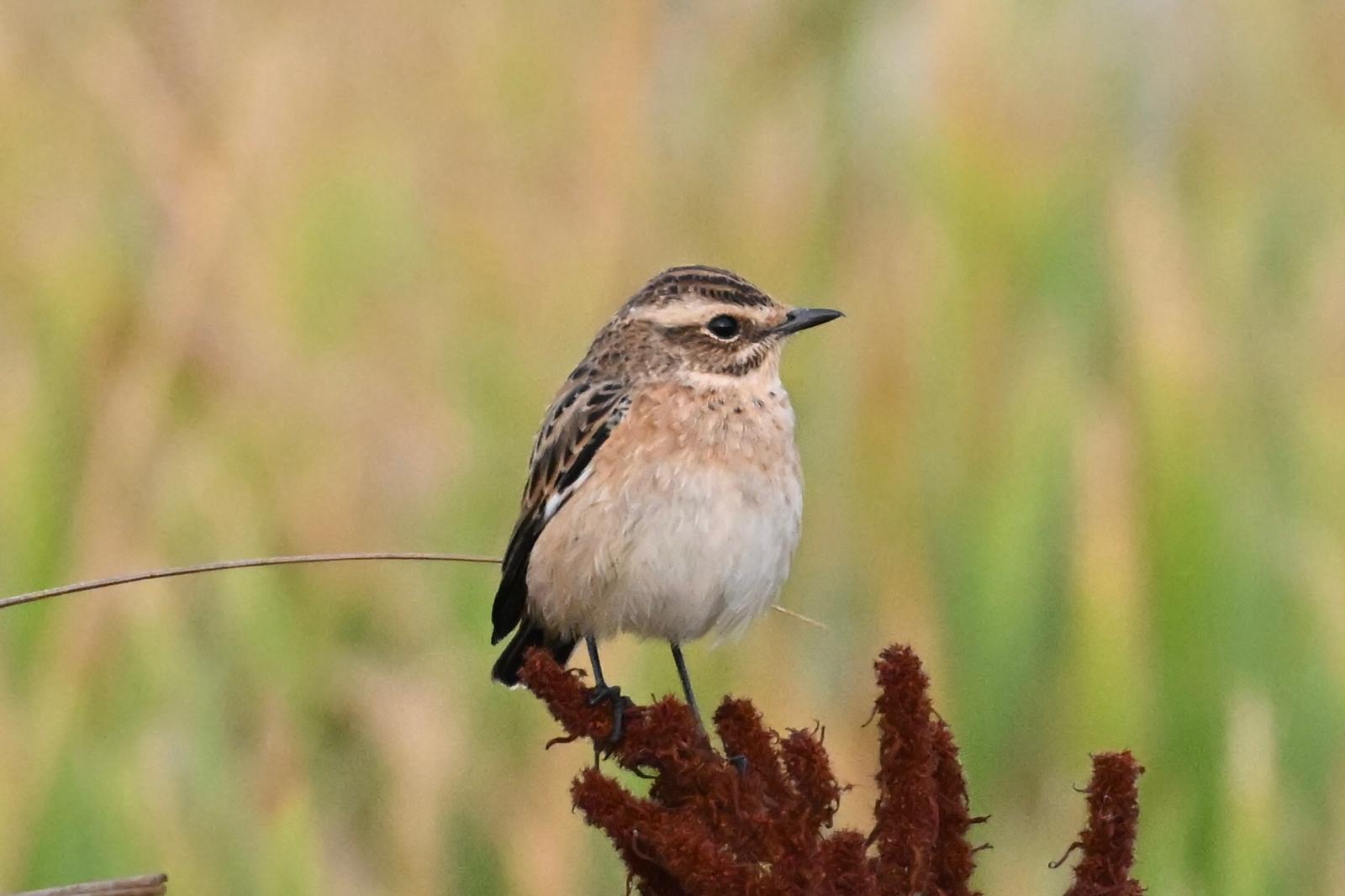
Hollowell also produced a Stonechat on 7th, while single Northern Wheatears were found at Harrington on 6th, Clifford Hill on 6th, 7th and 9th and Middleton Cheney on 9th, and two were at Hinton AF on 11th and one was present in the Brampton Valley between Cottesbrooke and Hanging Houghton on the latter date.
The 10th saw single White Wagtails at both Hollowell Res and Summer Leys.
A Tree Pipit was trapped and ringed at Brixworth STW on 6th – the same date that one flew over Harrington.
Harrington produced more flyovers in the shape of two Crossbills on 6th, ahead of a decent sized flock of at least thirty at Wakerley Great Wood on 10th.

Discover more from Northants birds
Subscribe to get the latest posts sent to your email.

