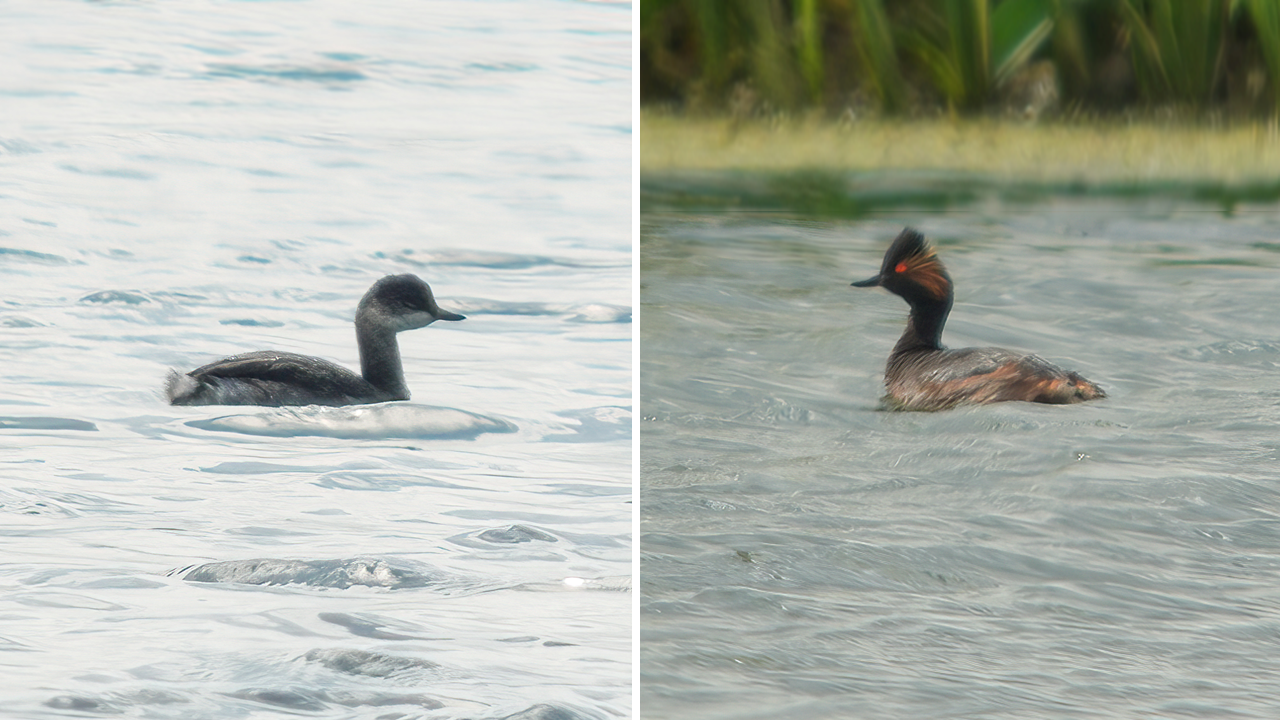
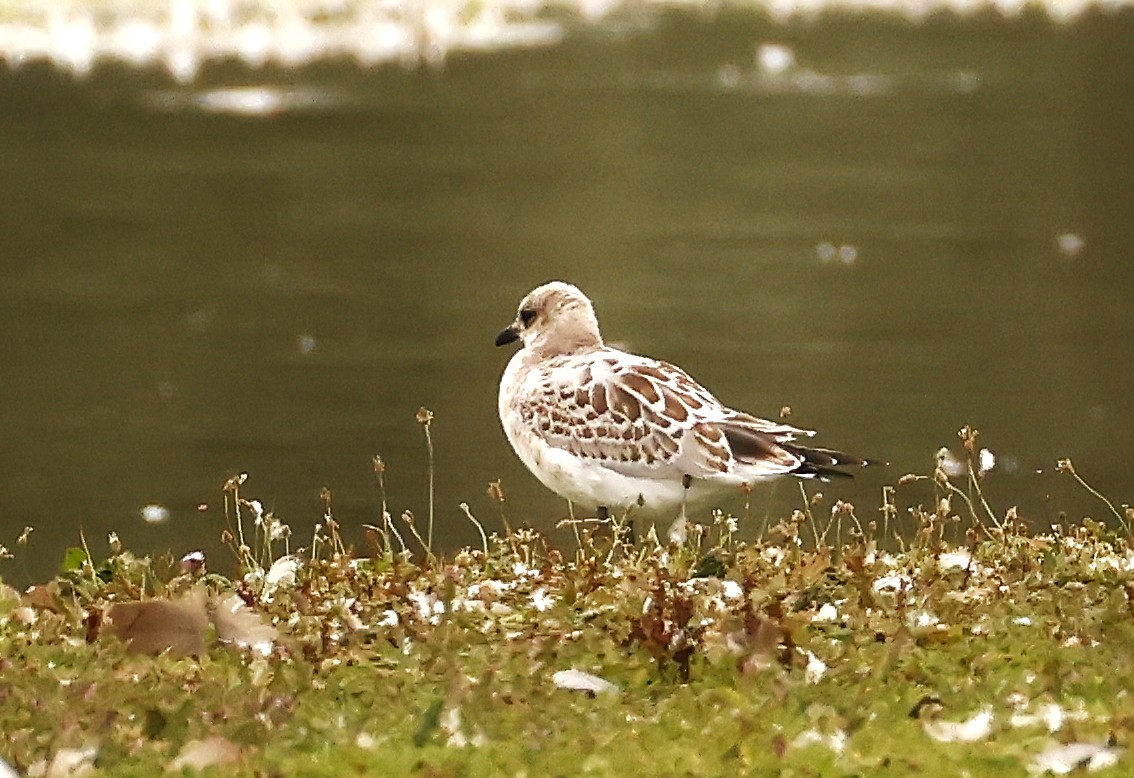
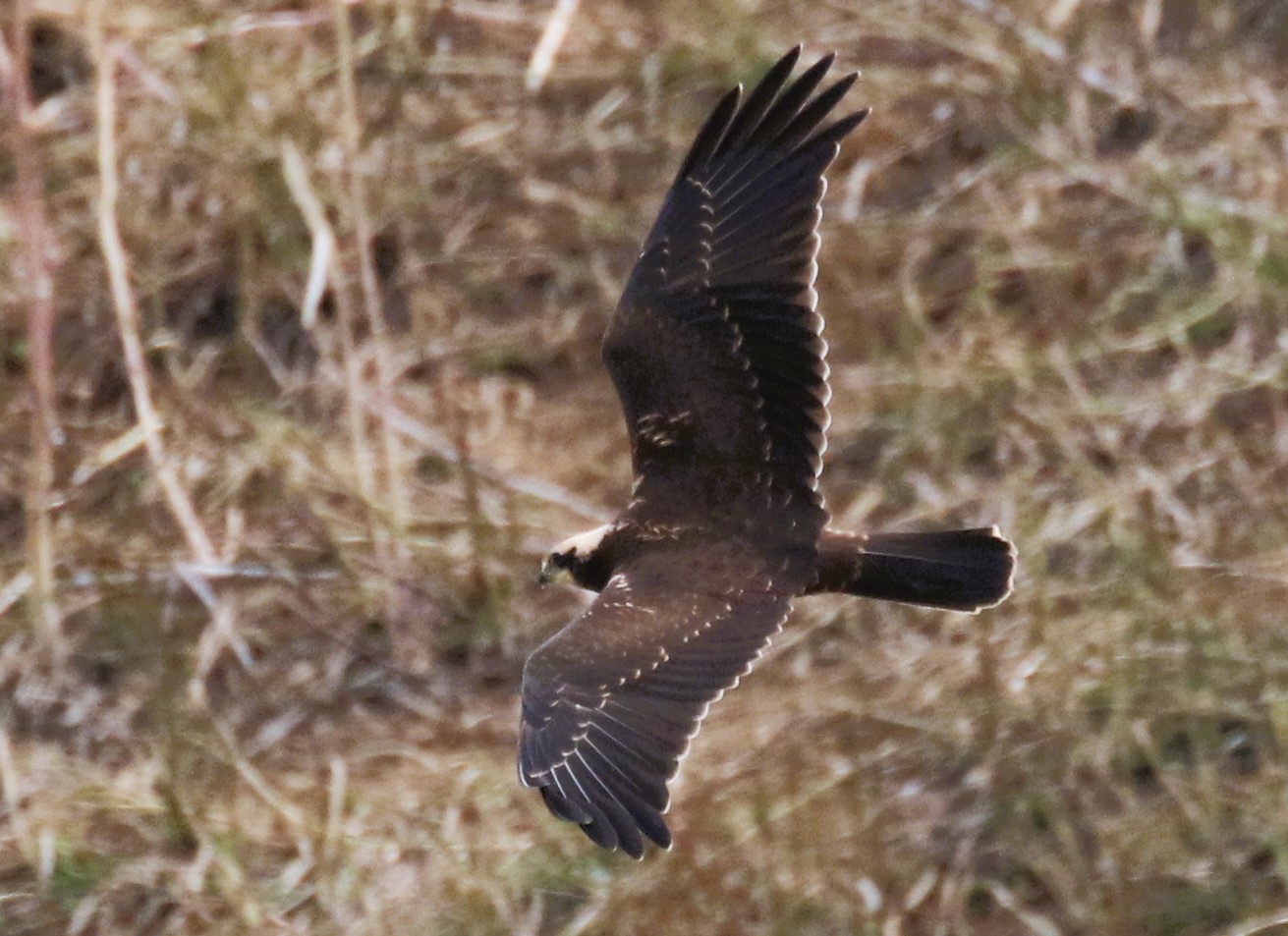
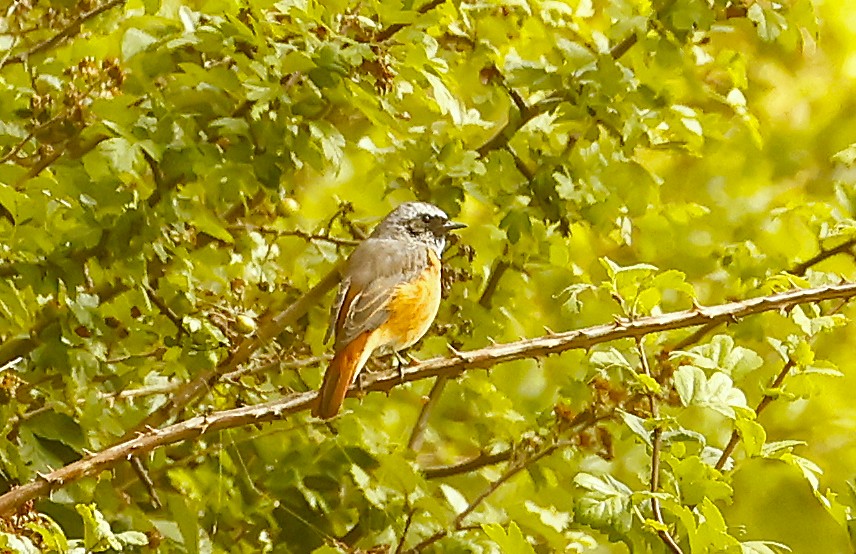
Newsround 7th to 13th June 2025

A mixed bag of weather saw the country under the influence of a south-easterly airstream during the latter part of the week but, as far as new birds were concerned, it was, as they say, all quiet on the western front …   

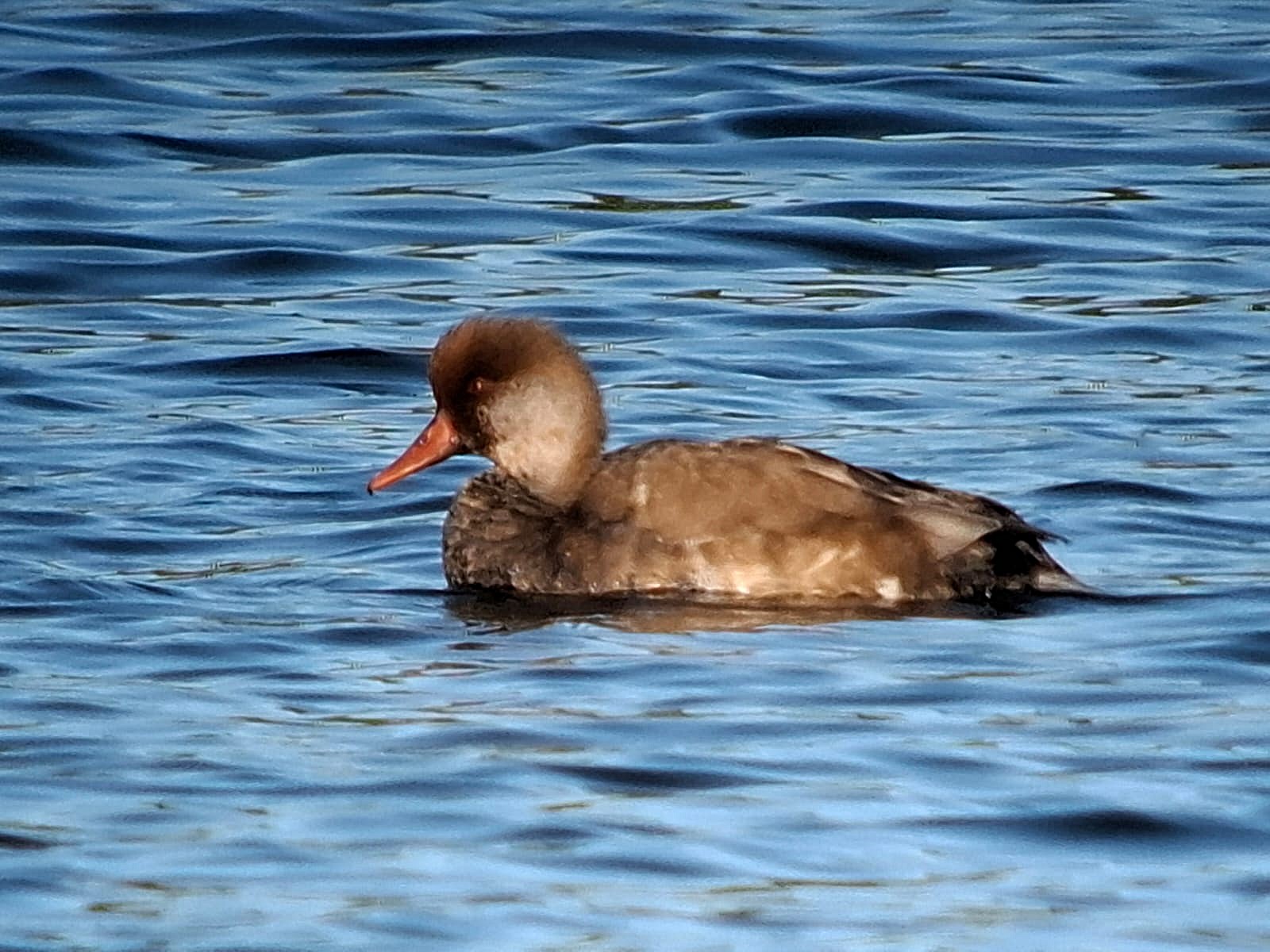
Predictably, the idling drake Red-crested Pochard remained at Earls Barton GP until at least 12th, while it – or another – paid a visit to Clifford Hill GP on 13th.

The week’s top waders were down to just three species, Avocets heading the cast with up to seven at Earls Barton throughout the period and one at Clifford Hill on 11th and 13th.

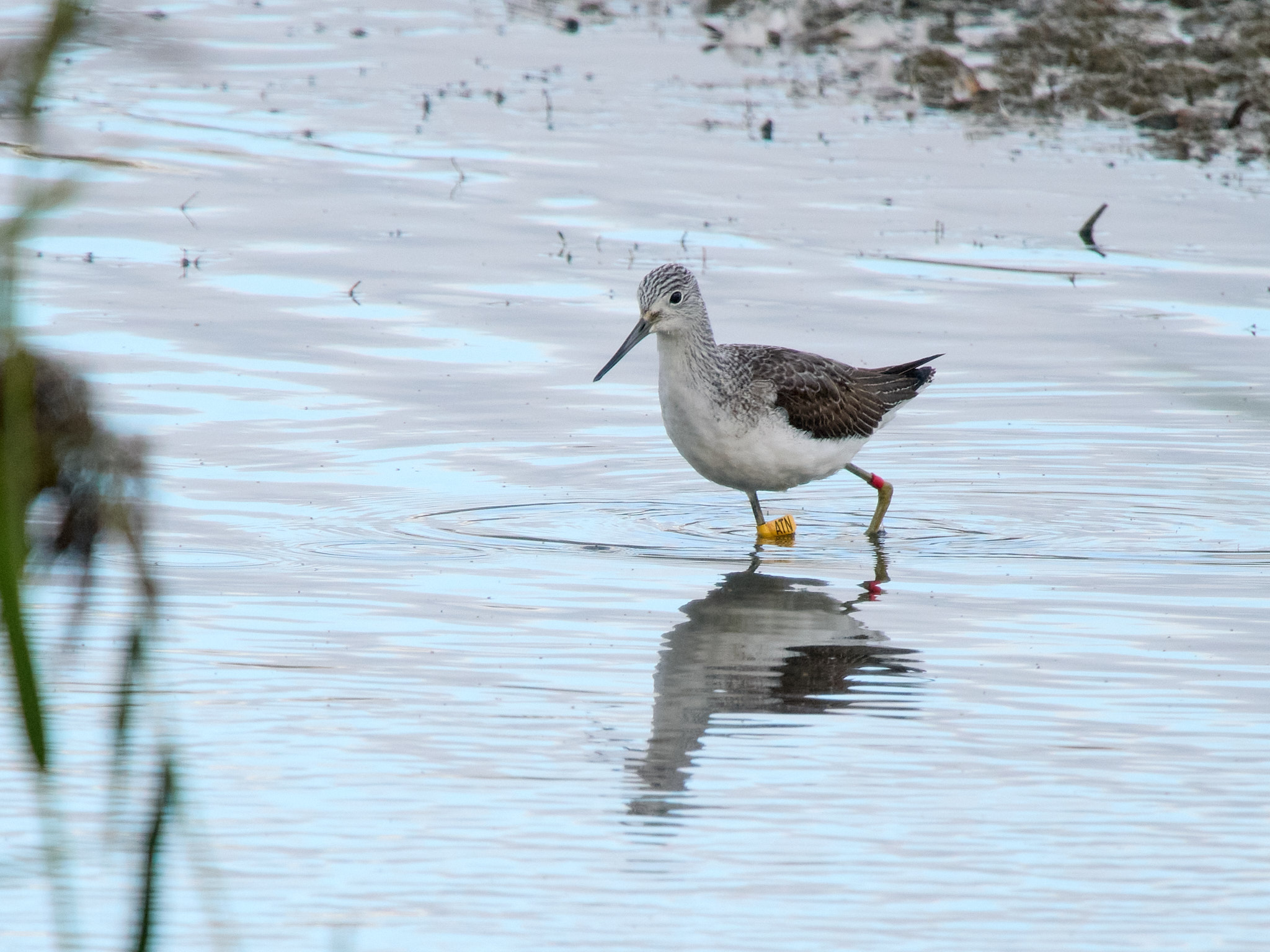
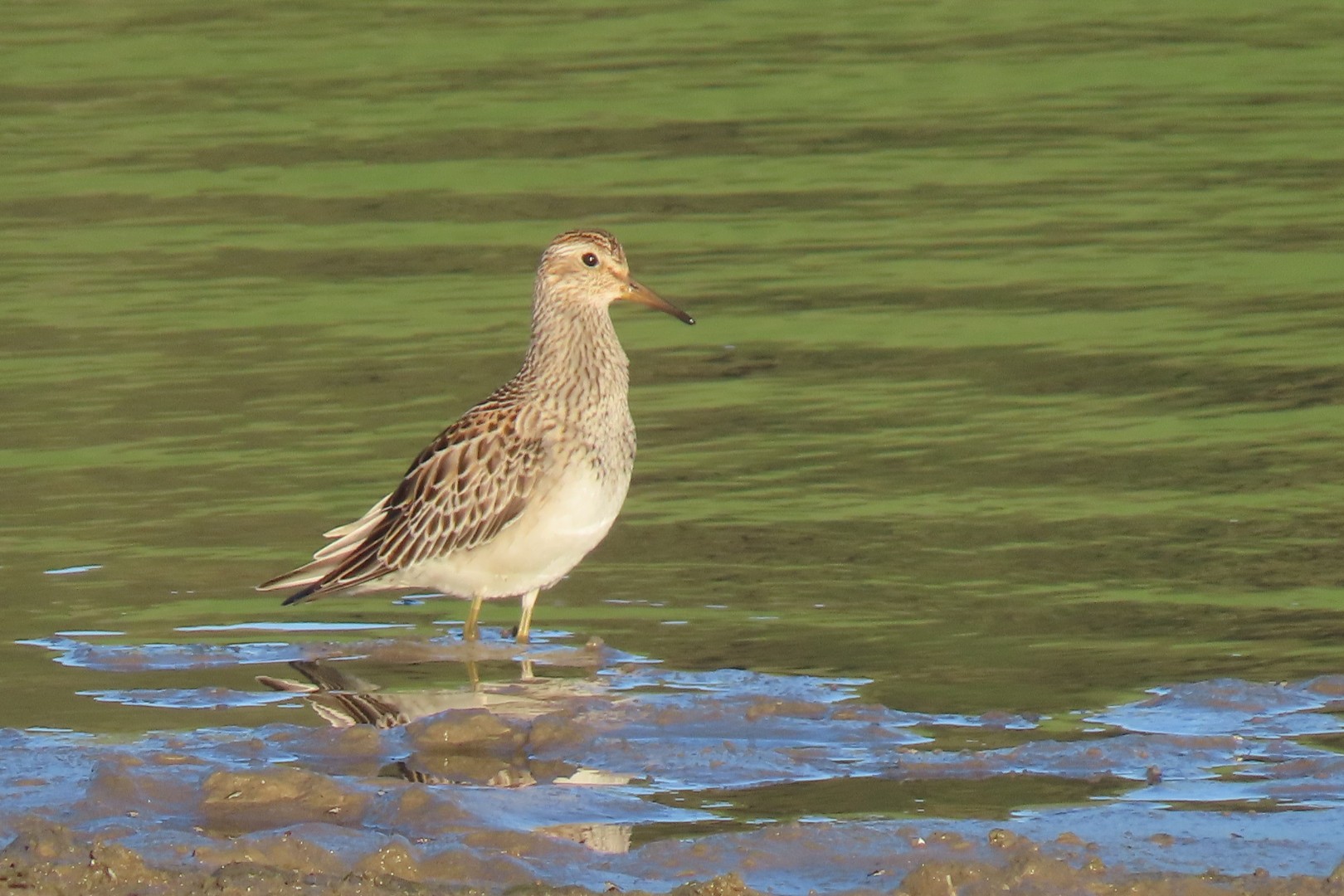
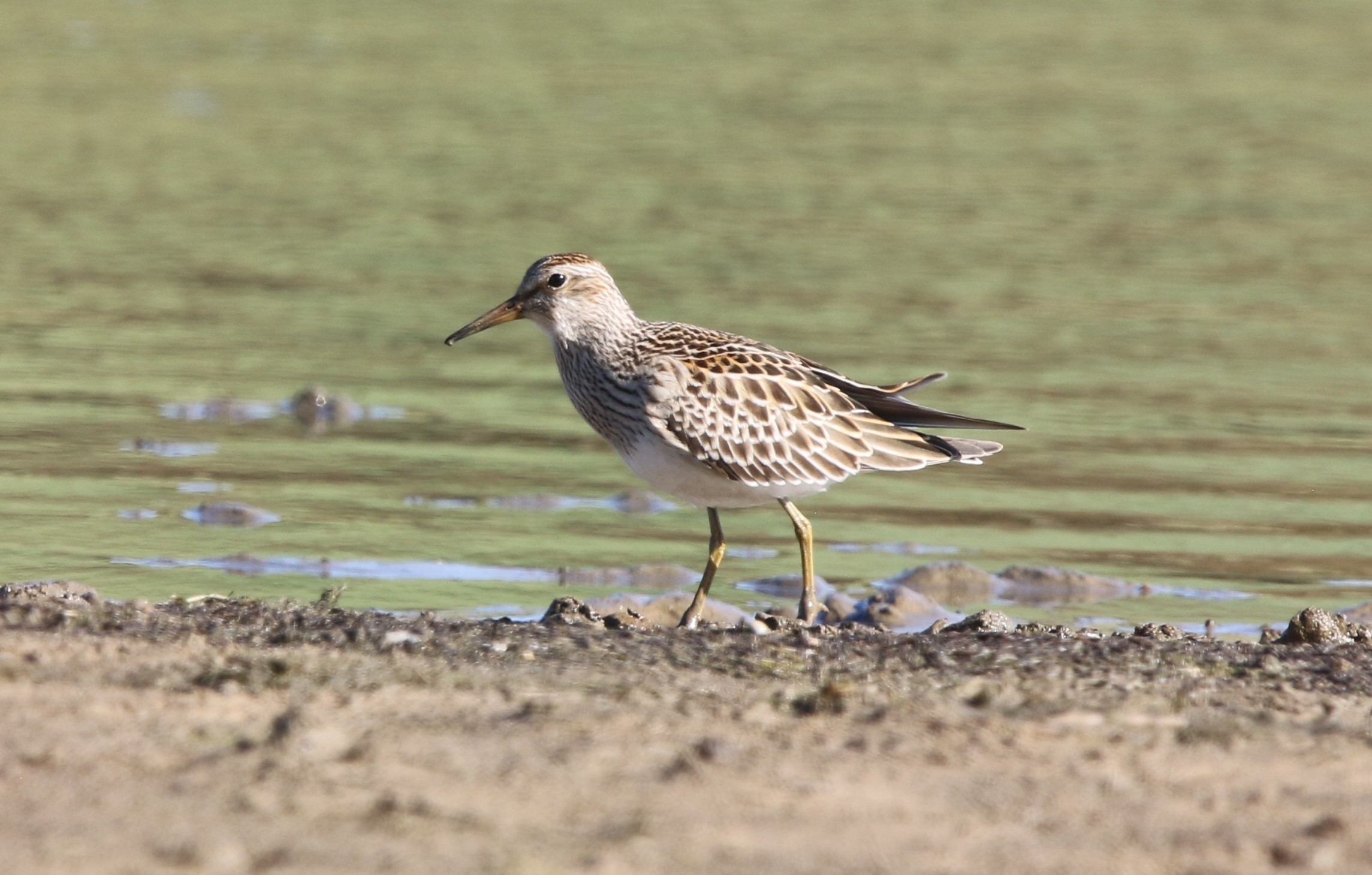
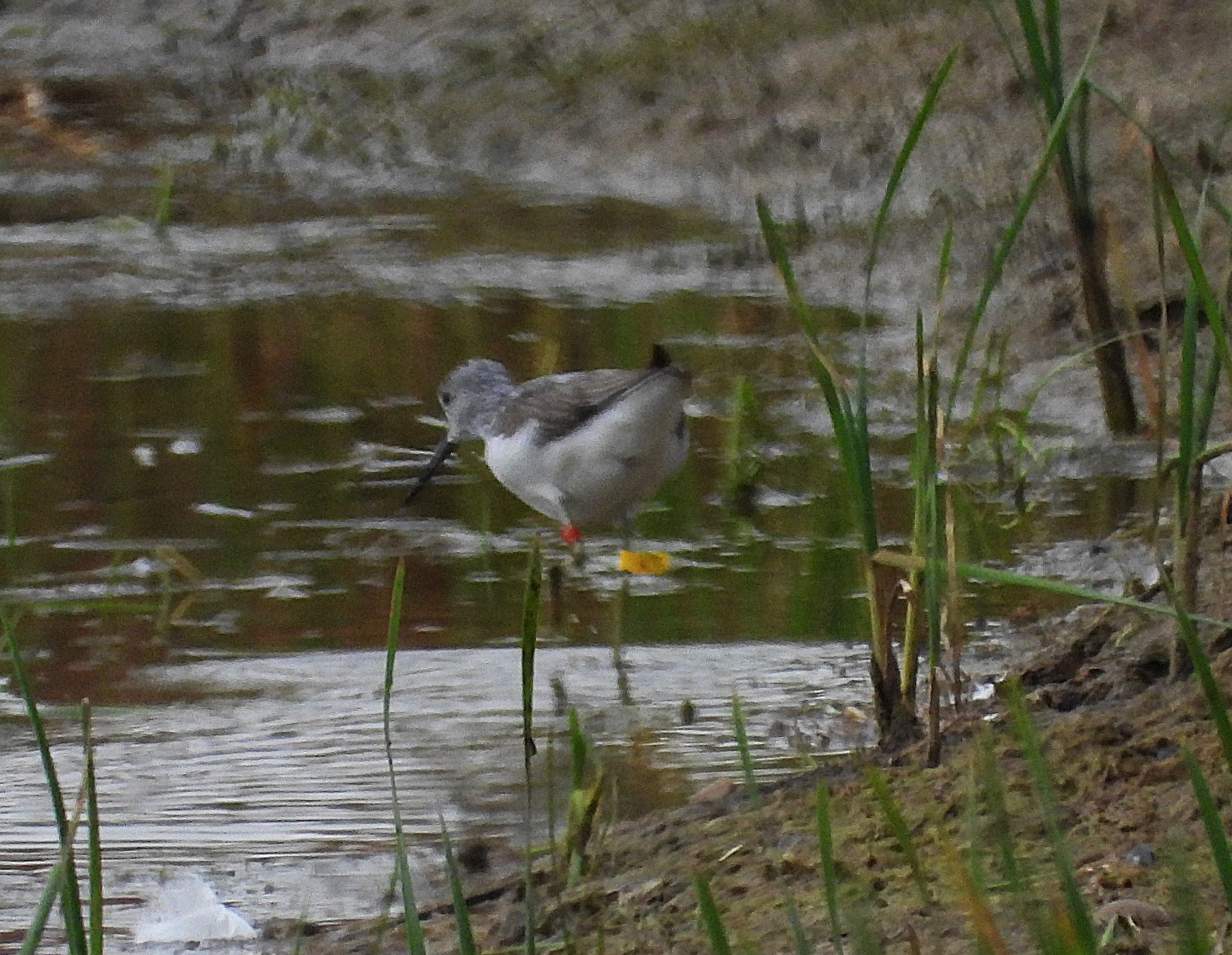
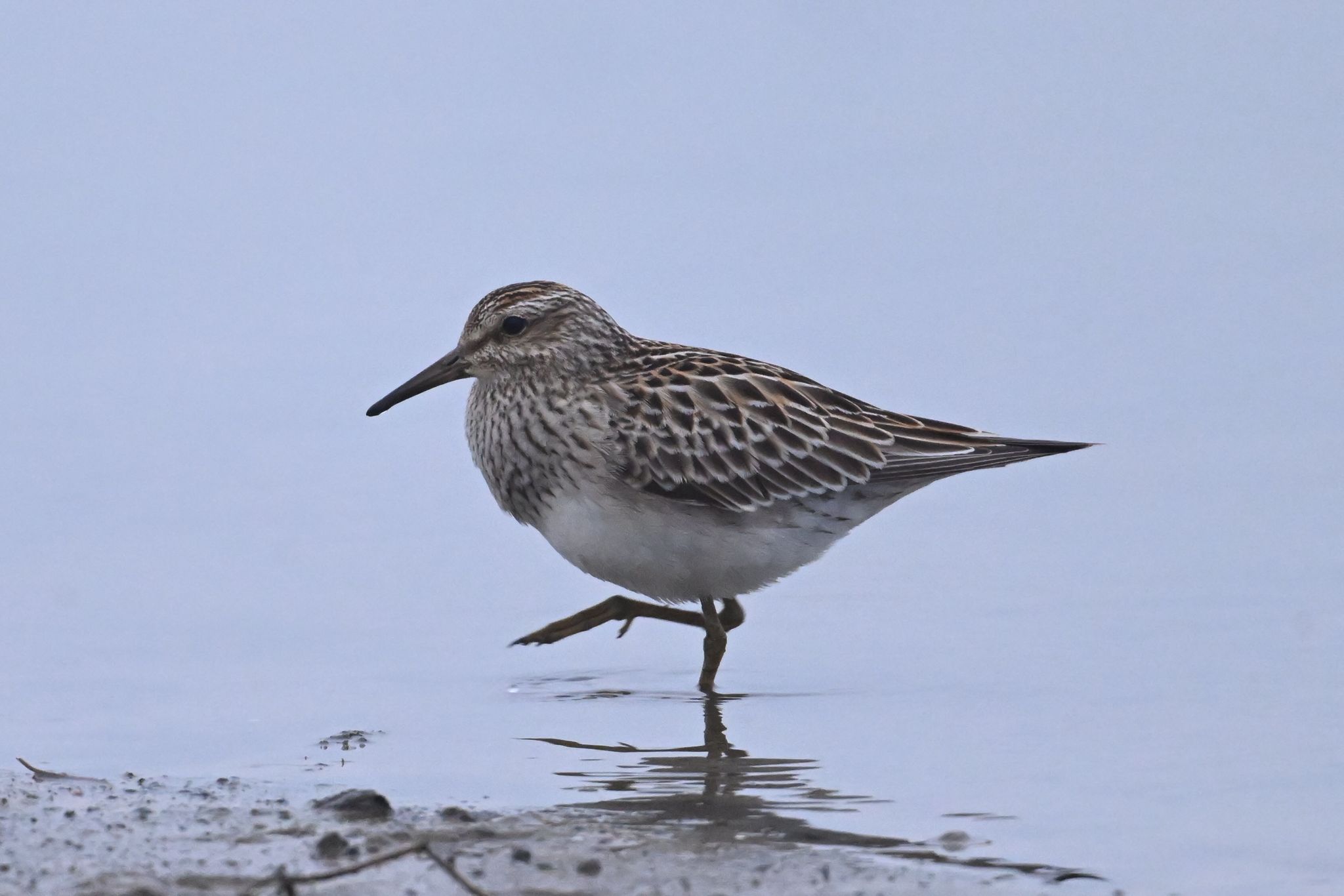
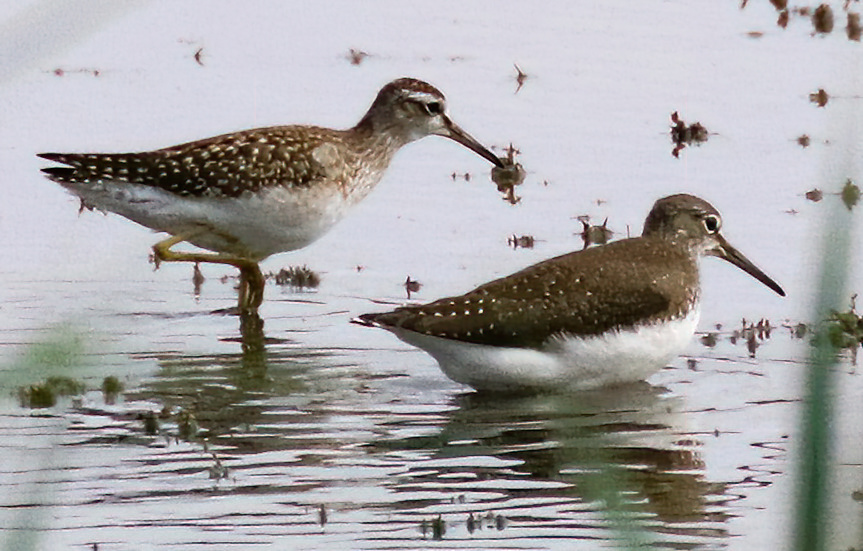
A late-running Turnstone visited Earls Barton for a short time on 9th and the week ended with a Wood Sandpiper at Lilbourne Meadows NR on the evening of 13th.

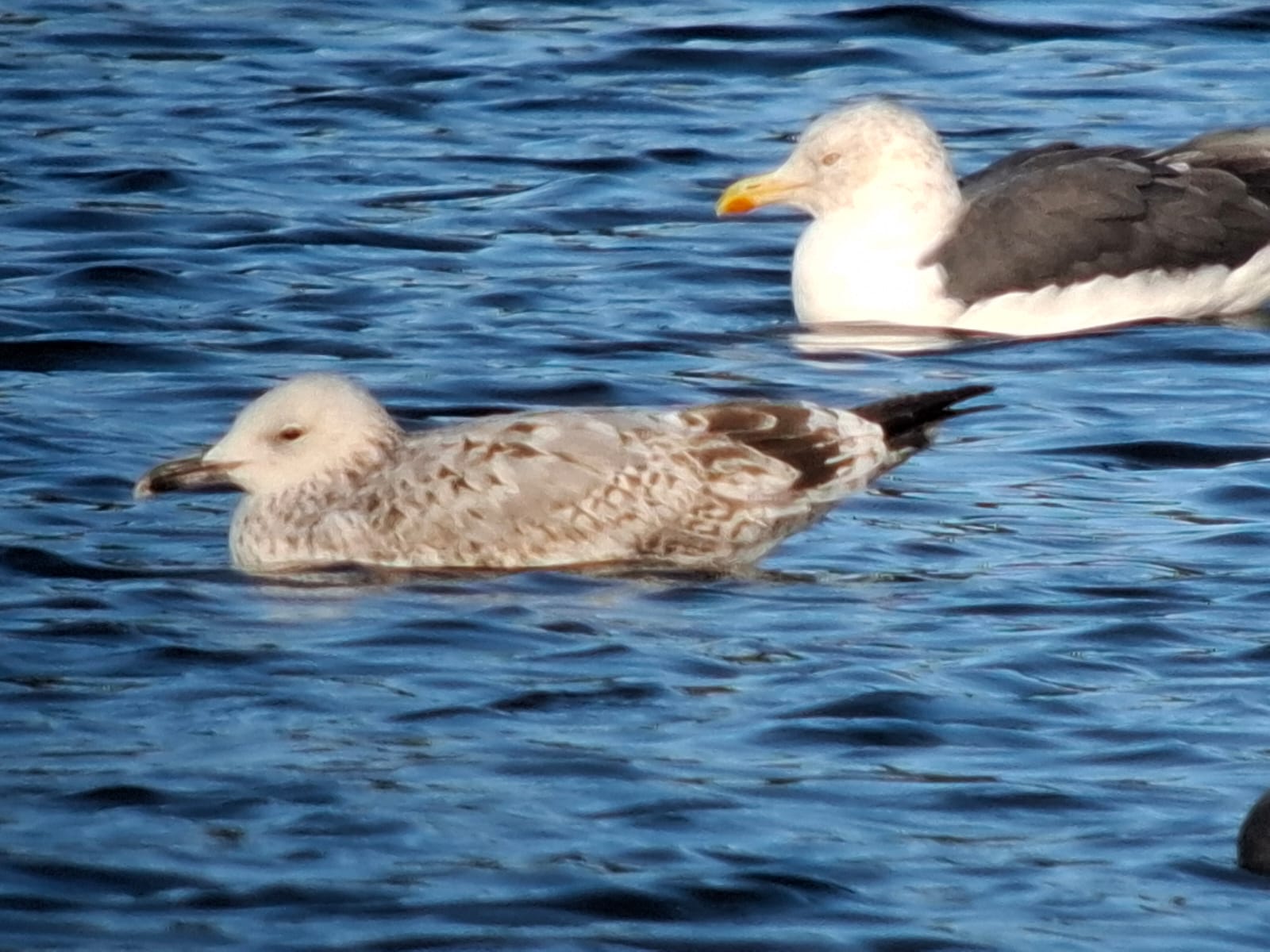
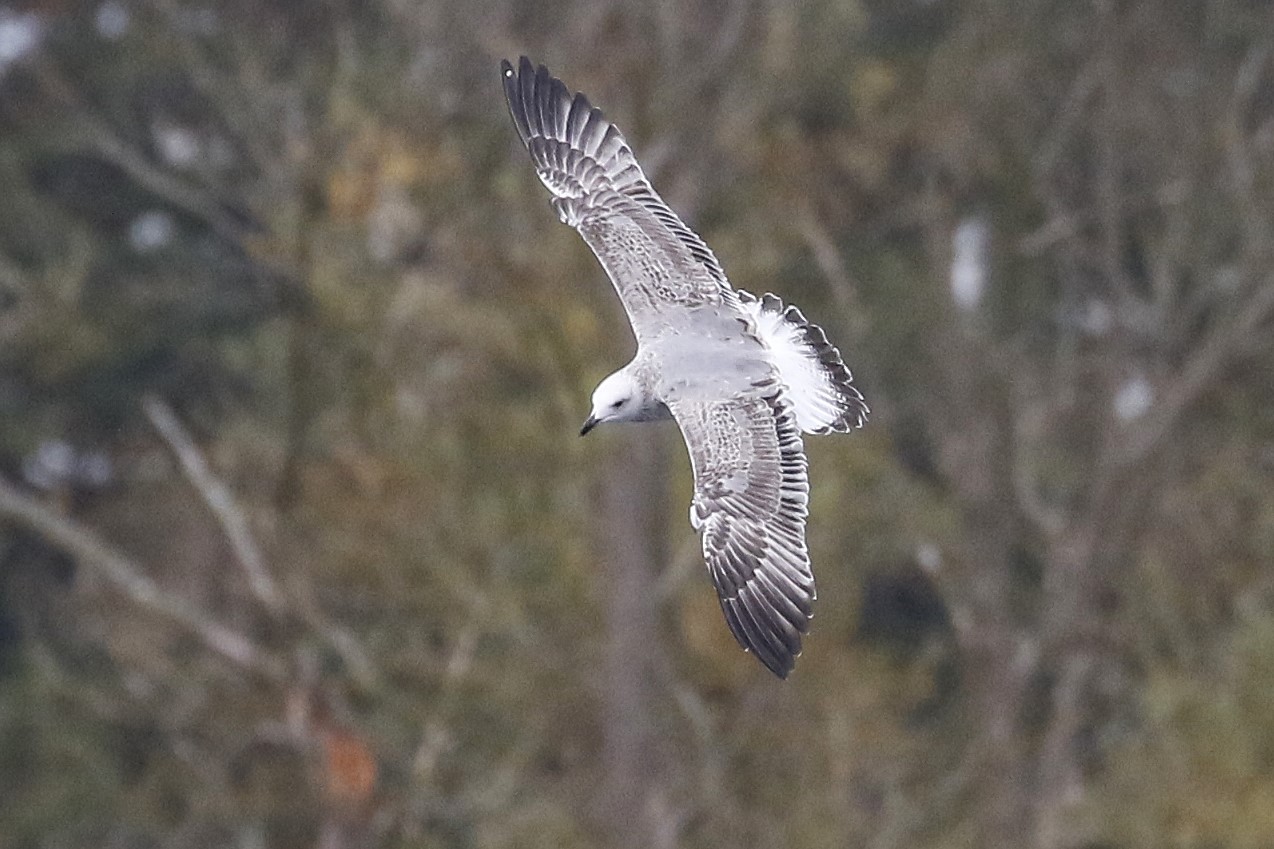
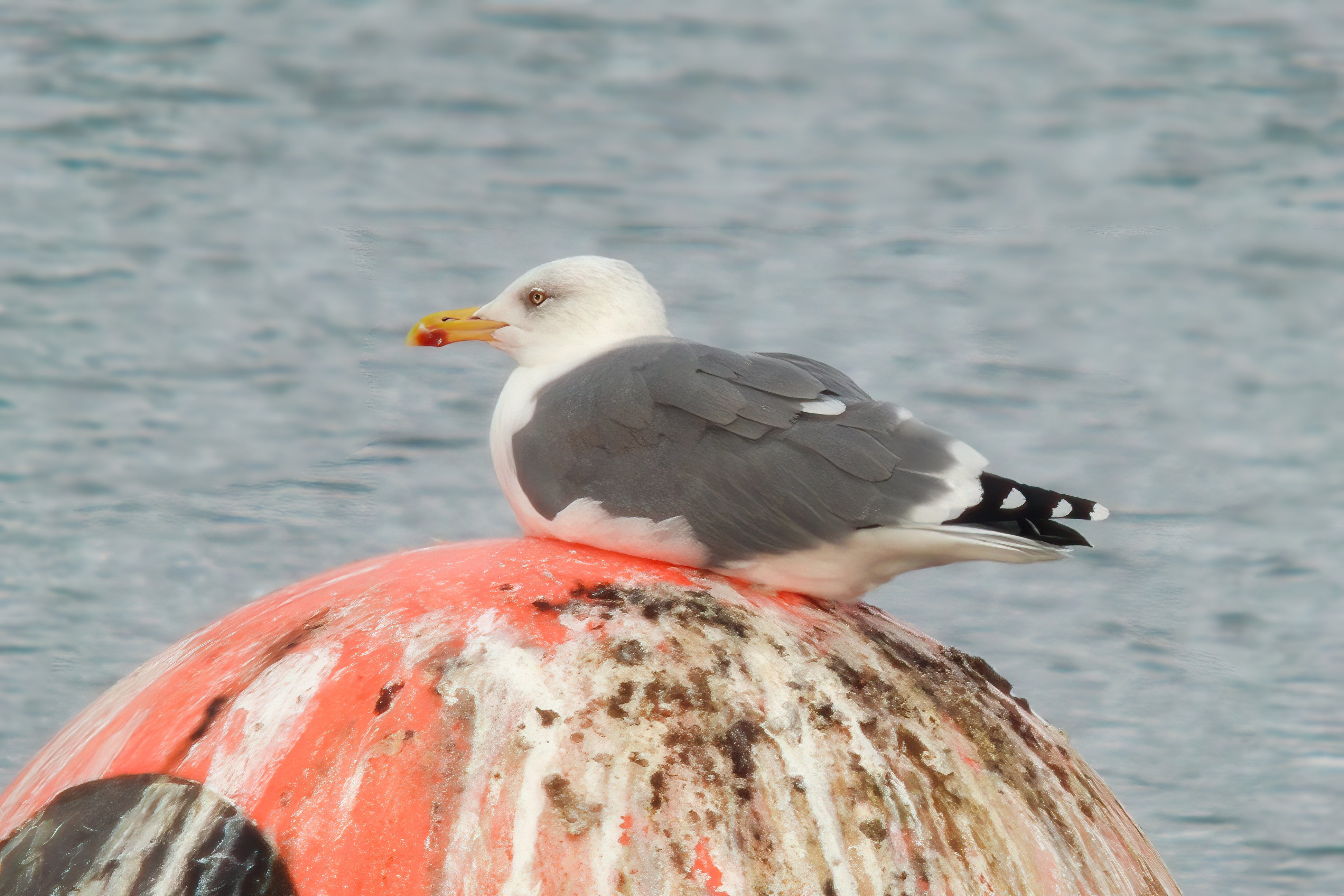
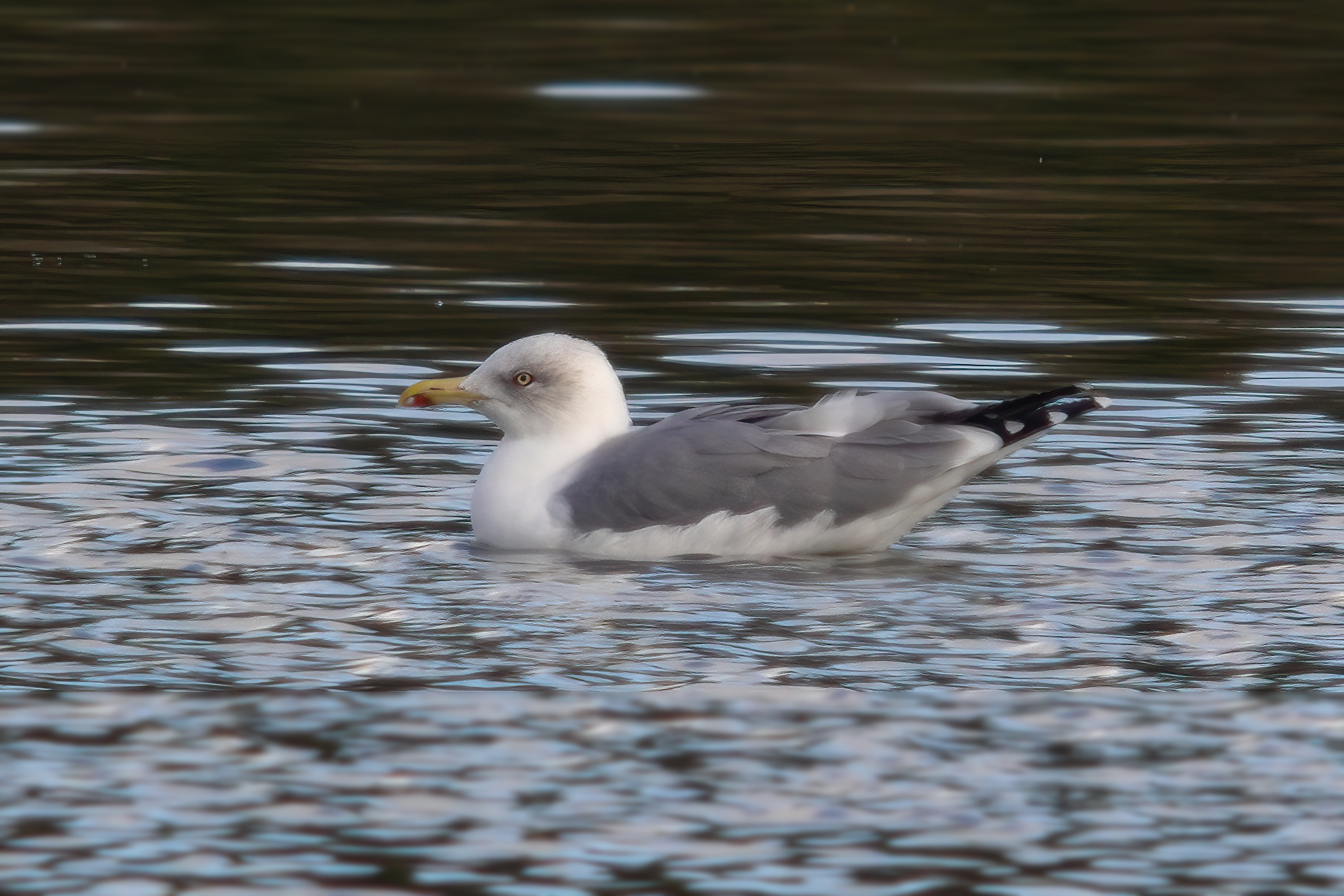
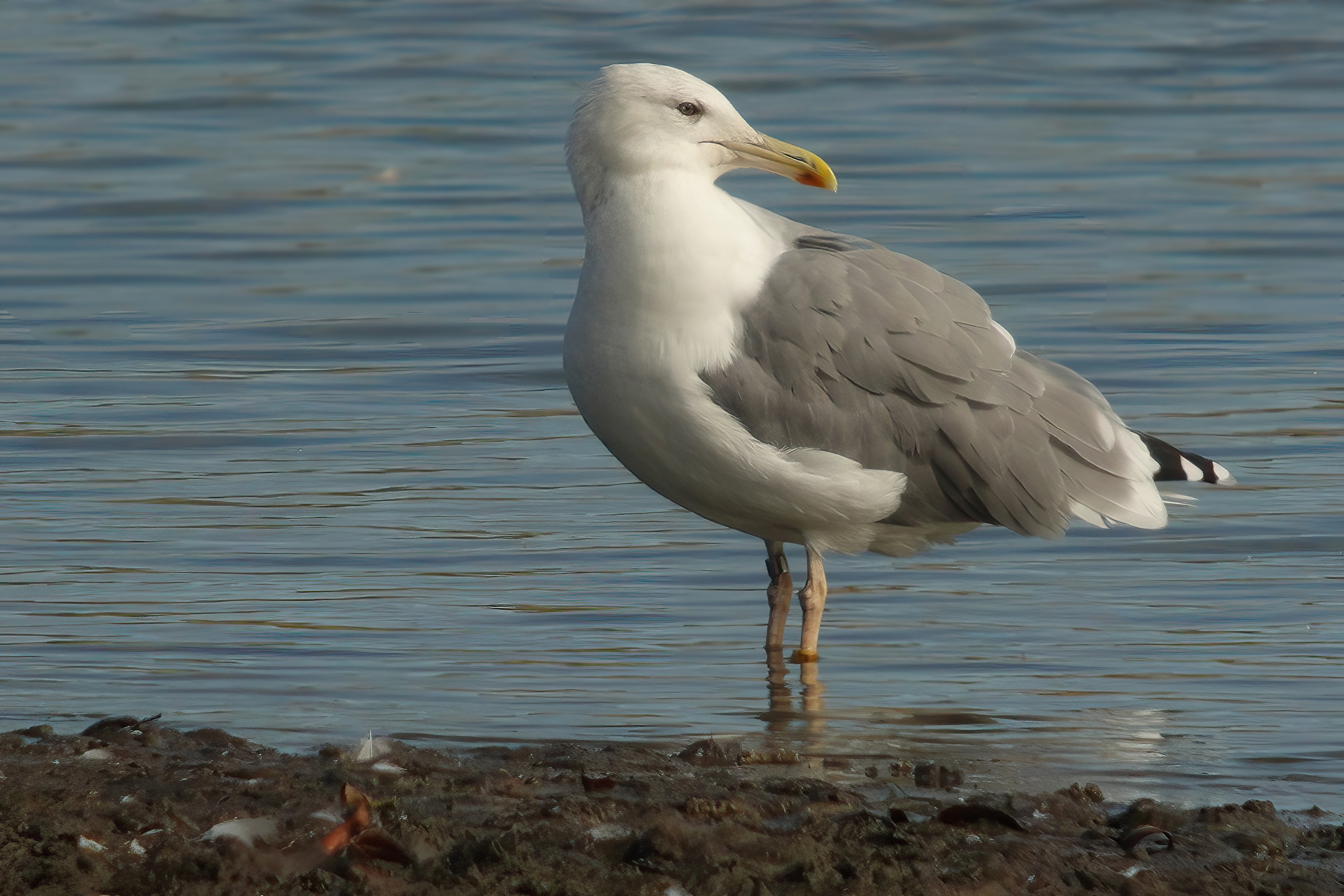
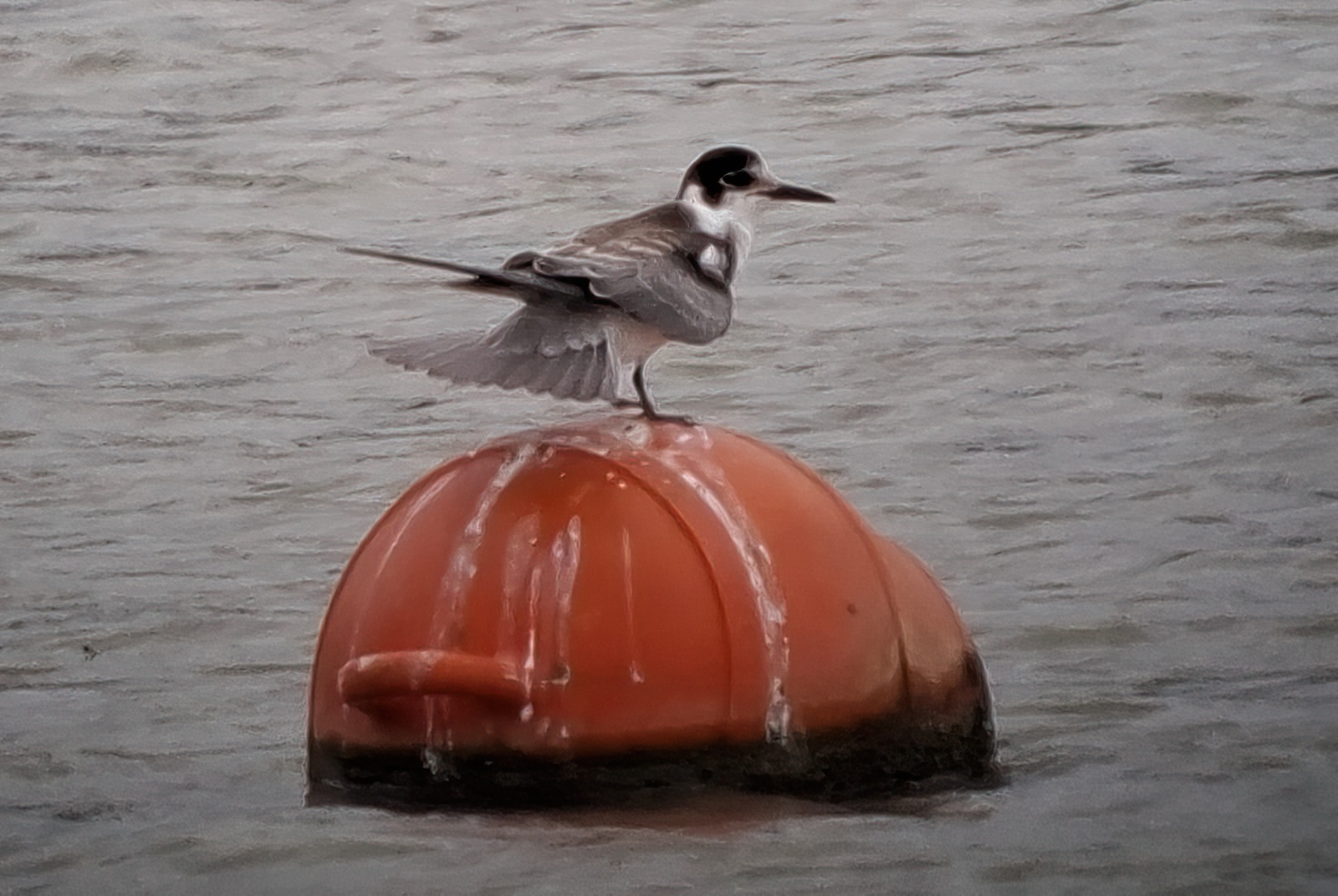
There was an upturn in gull numbers this week, which kicked off nicely with two, apparently prospecting, adult Mediterranean Gulls at Summer Leys LNR on 7th-8th and a second-summer Caspian Gull there on the first of these two dates, while an adult Yellow-legged Gull appeared at Clifford Hill at the period’s end.

Keeping up weekly appearances, the period’s only Bittern was a decent record for Ravensthorpe Res on 12th, following a surprising lack of sightings from the Nene Valley.

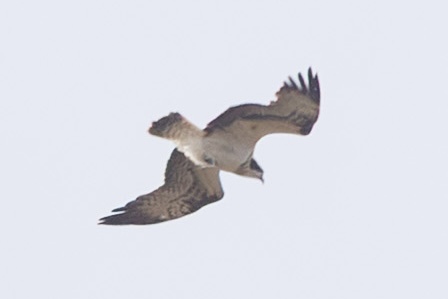
A steady run of Osprey reports came from Pitsford Res, where singles were seen almost daily throughout.

And once again, following two flyovers last week, passerines were limited to Crossbills with a flock of fifteen flying south-east over the above site on 11th. Recent records from elsewhere in the UK suggest the beginnings of a southerly movement on a broad front so, wherever you’re birding, it’s eyes (and ears) to the skies for the foreseeable future …

Newsround 24th to 30th May 2025

The period’s weather was dominated by a slow-moving low pressure system to the north of the UK, delivering west to south-westerly winds and showers throughout, resulting in a somewhat tepid week, birdwise. While it’s commonplace for migration to take a dive as spring fizzles out, the last week of May has, over the years, been known to produce the stuff of legend in the county. Etched into the memories of those of us of a certain age will be the hallowed 29th, which has delivered Bridled Tern, Sooty Tern and Buff-breasted Sandpiper – rarities of the highest eminence, the likes of which may never be seen locally again …

However, the week’s best birds were rather more down to earth, exemplified by the idling drake Red-crested Pochard still present throughout the period at Earls Barton GP.

Avocets were again well represented with nine at the above locality on 30th and twos at Lilbourne Meadows NR from 24th to 27th and at Clifford Hill GP on 27th-28th.

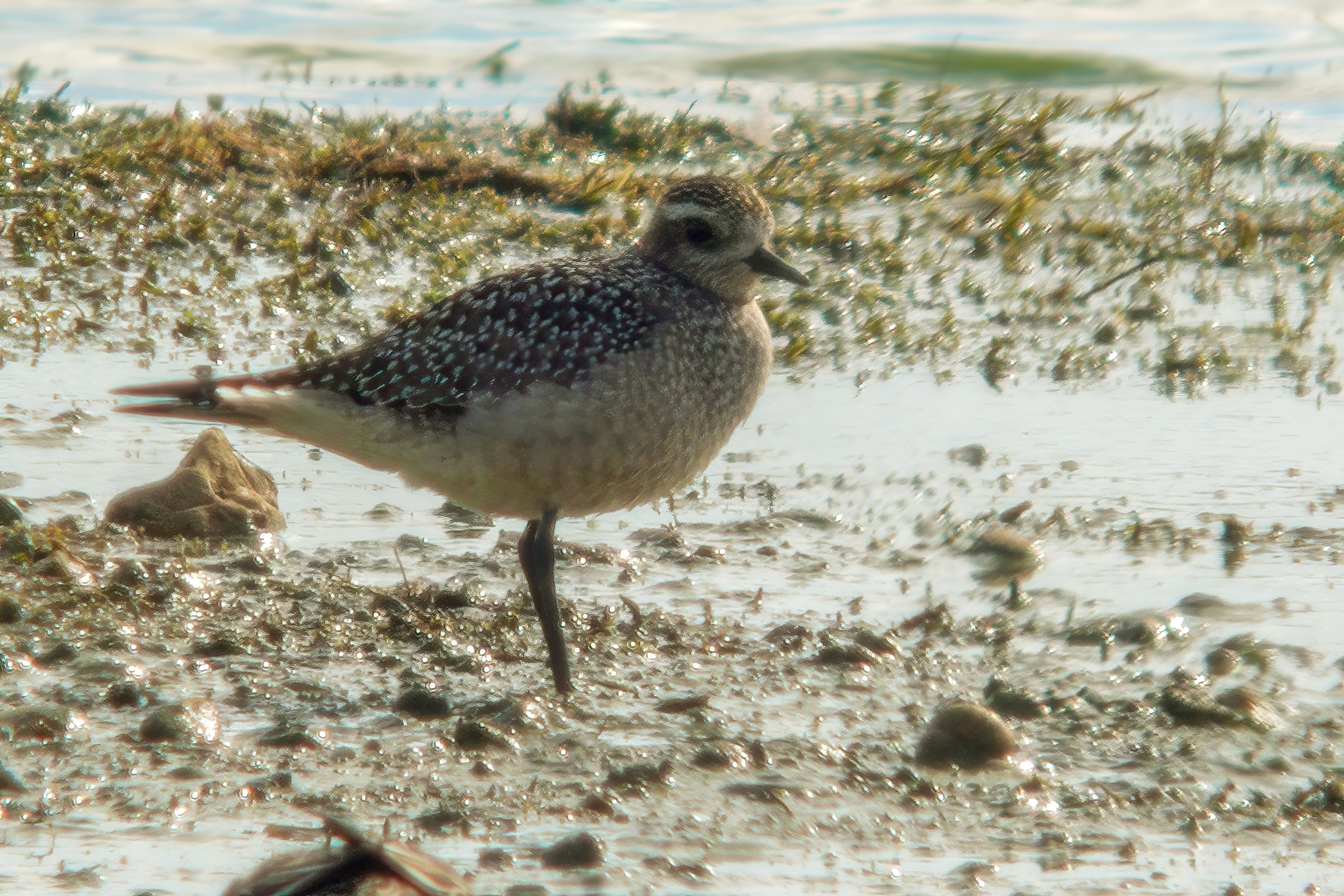
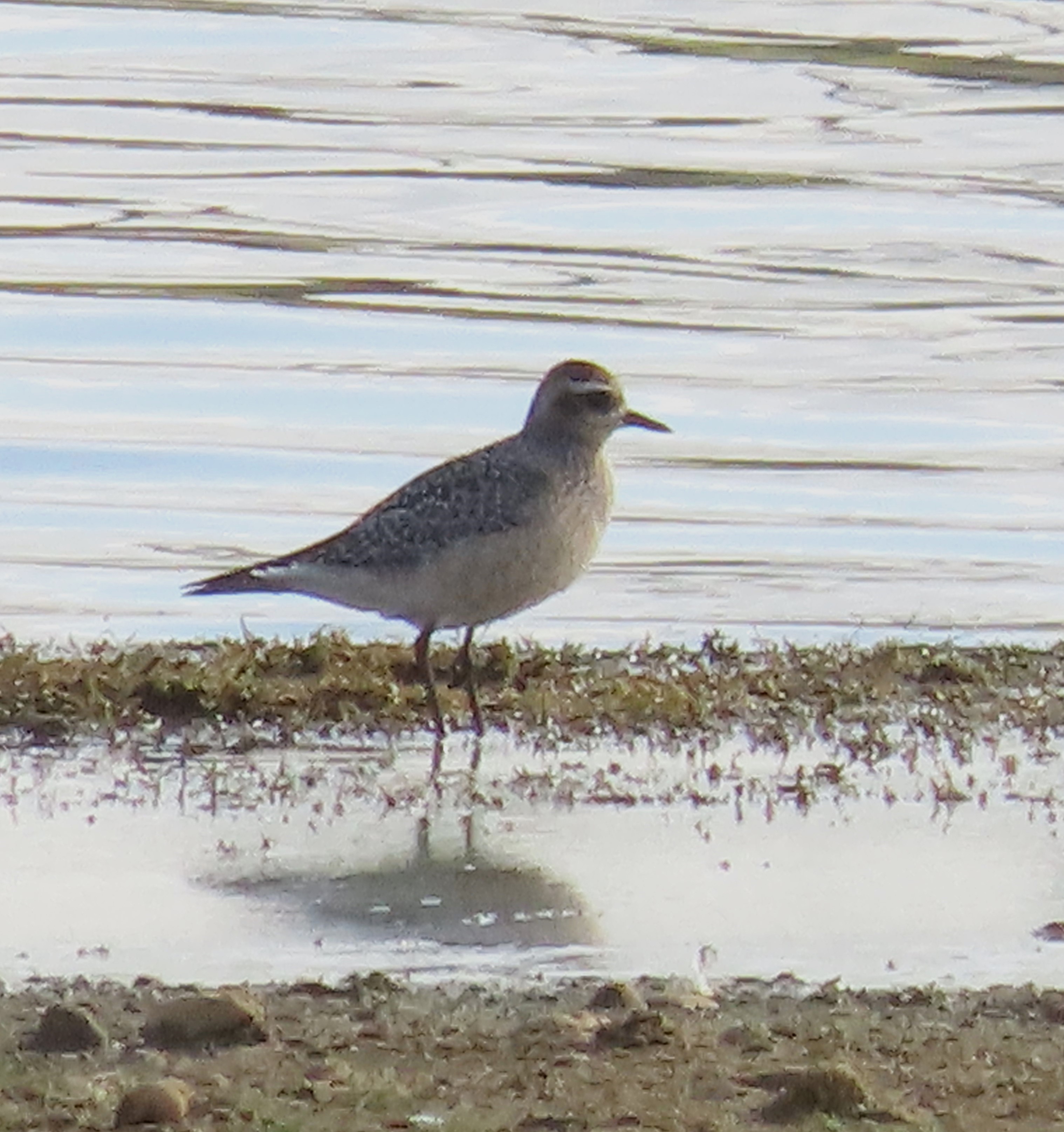
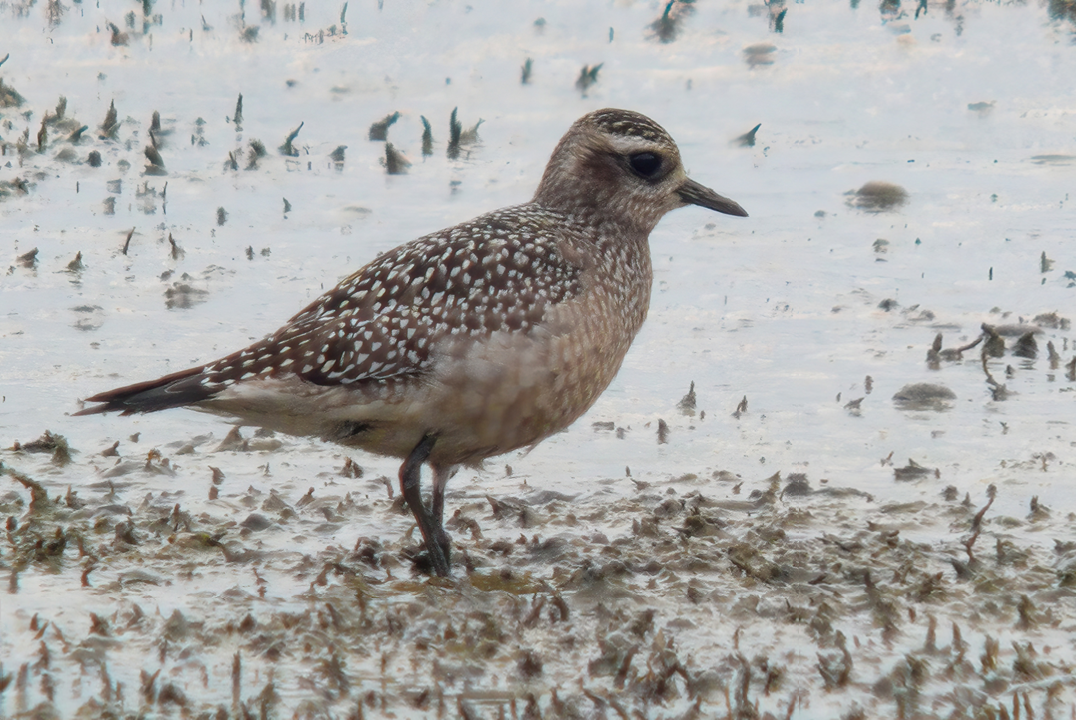
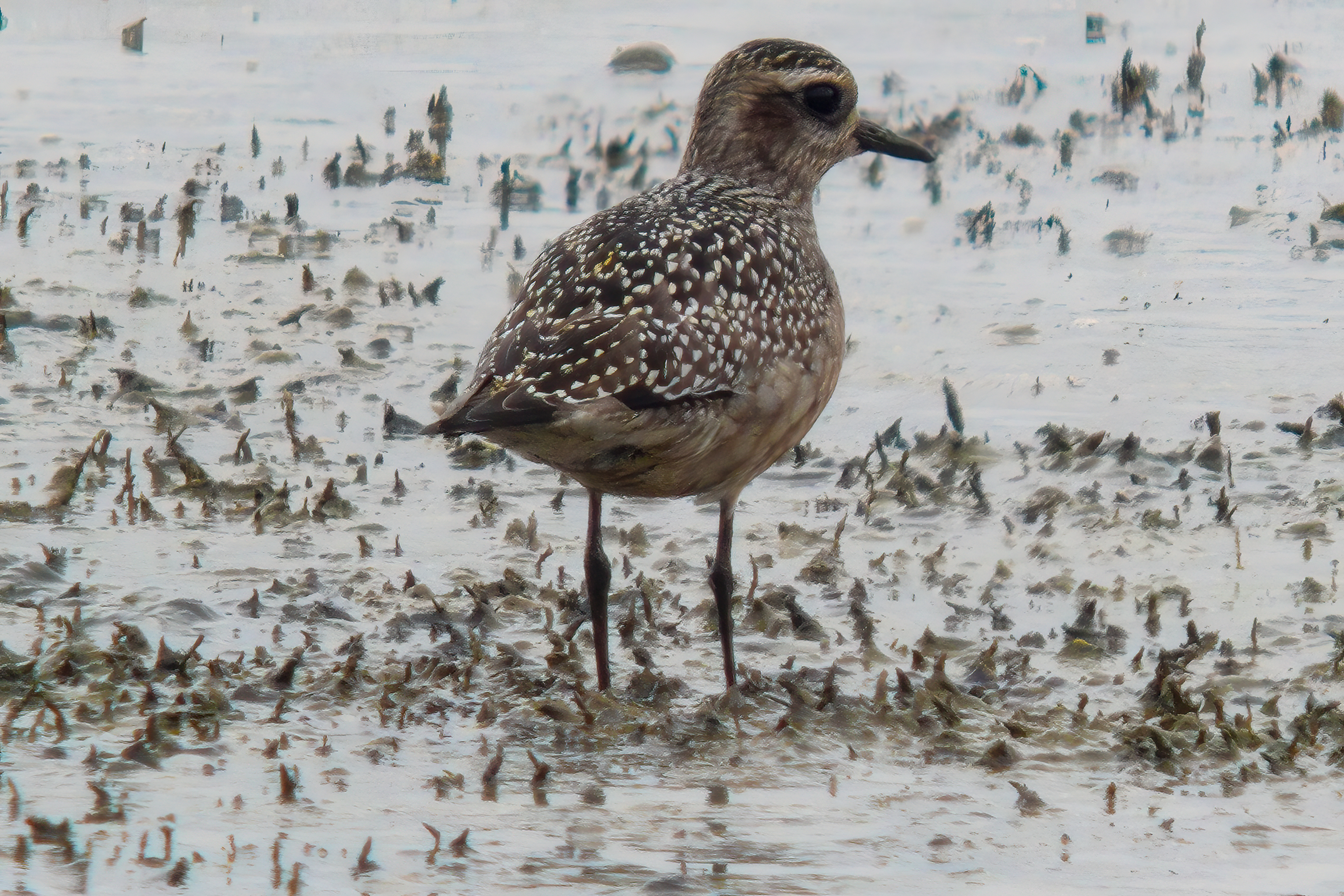
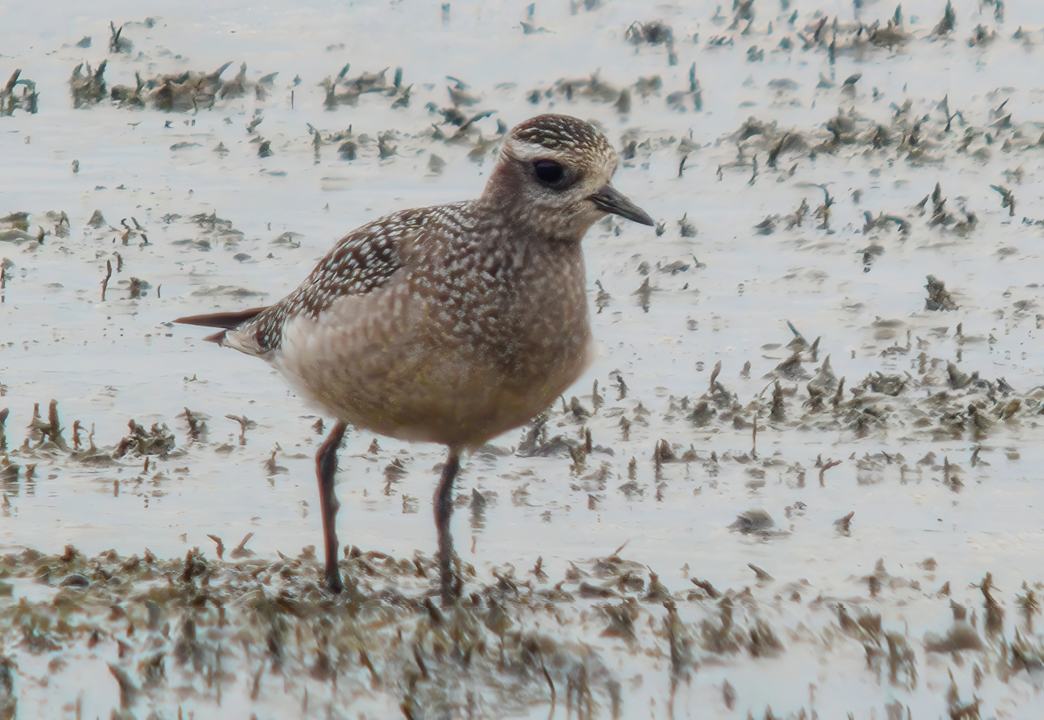
A Grey Pover spent the afternoon and evening at Summer Leys LNR on 29th, the same site having produced a Sanderling on 25th, when one also visited Lilbourne Meadows.

Lilbourne Meadows also held on to a Tundra Ringed Plover until 27th, while a Greenshank at Pitsford Res on 24th is likely to be the last one for the spring which has seen an unusually good run of them throughout.

The same cannot be said for Kittiwake, an adult – and the first for 2025 – putting in a brief appearance at Thrapston GP’s Titchmarsh NR on 28th before heading off south. This year is fast shaping up to become possibly the worst in recent history for the species … A couple of late Caspian Gulls included one at Pitsford on 24th and a first-summer on floodwater at Braunston on 29th, while Pitsford produced the week’s Yellow-legged Gulls, with two there on 27th and one on 28th.

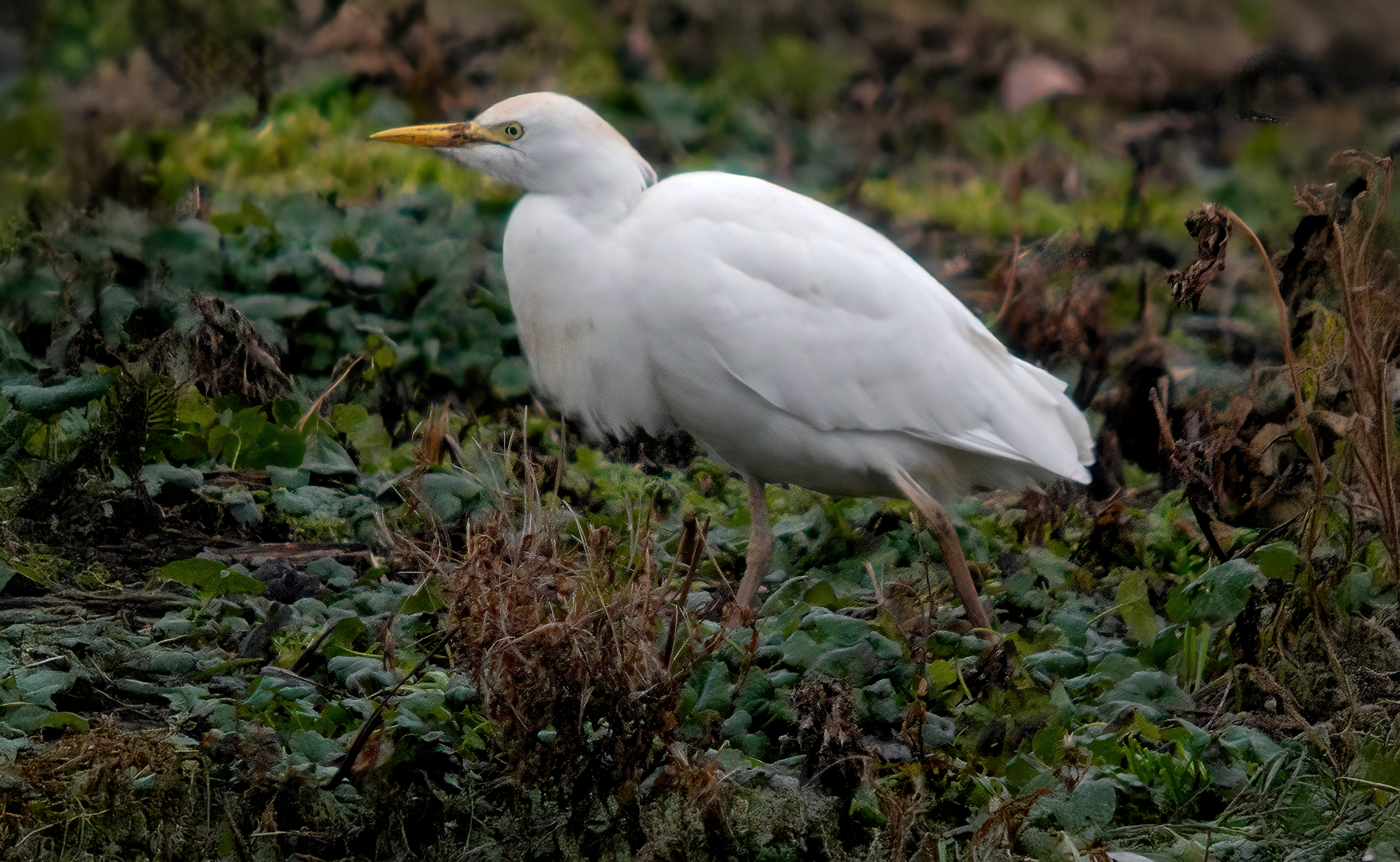
Bitterns continued to be seen at Summer Leys, where there were two on 25th and single birds on 26th and 30th. With Cattle Egrets up and down of late, five were at the highly favoured North Lake of Stanwick GP on 25th and one dropped in at Clifford Hill on 28th.

Rounding off this week’s raptors and all, single Ospreys graced the skies over Earls Barton on 24th and Pitsford on 28th-29th.

Citrine Wagtail x Yellow Wagtail hybrid … or what?

While talking to Martin Swannell and David Smith during a visit to Earls Barton GP late afternoon on Tuesday 15th April, MS picked up a ‘yellow’ wagtail in flight before it dropped down in a muddy corner at the eastern end of New Workings (South), about 60 metres away from where we were standing.

Looking through bins, it was immediately apparent that this was no ordinary Yellow Wagtail as it had strikingly grey upperparts and bold, white tips to the median coverts, which produced a noticeably strong white wing-bar. Scope views enabled more detail to be seen as the bird moved around feeding and, appearing fidgety, flying short distances within the area.

Looking like a female, to my eyes, the bird had a citreola vibe to it but it was certainly not identifiable as a Citrine Wagtail, as it lacked a number of diagnostic features of that species.

An interesting looking bird with a grey mantle that was concolourous with the nape and extended into the crown, the latter then merging into a yellowish-grey forehead, itself merging with the supercilium above the dark lores. On rear views, the rump had a slight greenish tinge to it.

Pro-citreola features are the grey upperparts, strong white median covert tips and strong(est) yellow colouration on the throat as opposed to the belly. Pro-flava features are off-white/yellow-buff-tinged greater covert tips, yellow undertail coverts and lack of supercilium curving around behind ear coverts.

After some 15 minutes, the bird flew off north and, unfortunately, was not heard to call.

Individuals with almost identical features to this have been recorded in the UK on previous occasions (see here) and a Citrine x Yellow Wagtail hybrid, photographed in July 2010, appears not too dissimilar but with a more Citrine-like head pattern (see here). Mixed pairs have bred in Poland, while hybrids have also been recorded in India, Israel and the United Arab Emirates, although images (here) appear to show birds with more striking head patterns, which are probably males.

The above bird, though exhibiting hybrid characteristics may, of course, be an established, unknown Yellow Wagtail variant – an alternative advocated by Martin Garner back in 2012 …

References and suggested reading for further information

Newsround – 29th March to 4th April 2025

After the driest March since 1961, April continued in the same vein, kicking in with a lingering spell of high pressure and a hearty dose of easterlies. These near-perfect conditions resulted in a decent number of migrants, including a hefty passage of Little Gulls and another dollop of firsts for the year.

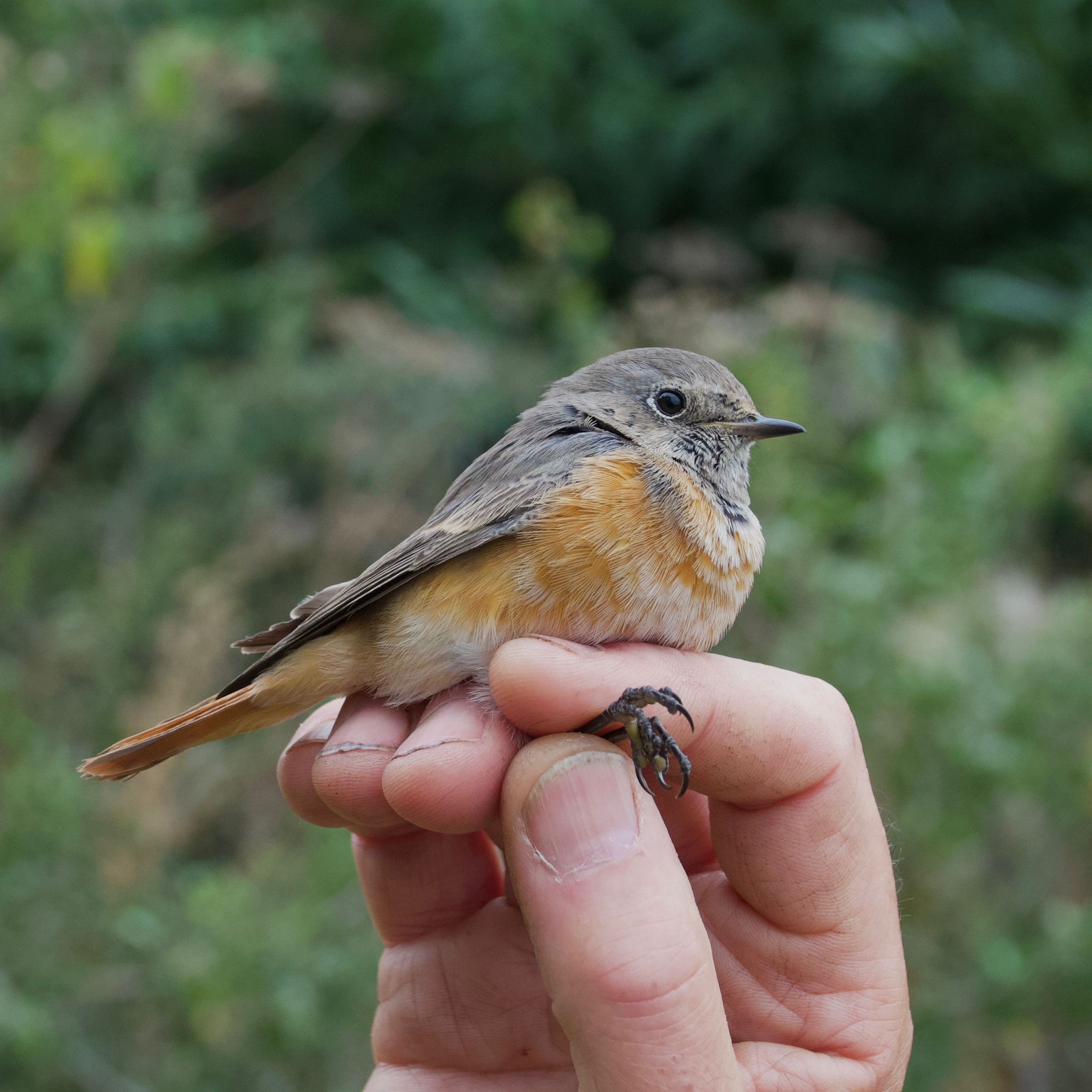
The week’s new-in summer visitors kicked off with a smart male Common Redstart on day 2, followed by a Ring Ouzel on day 6 and Common Tern on the final day of the week.

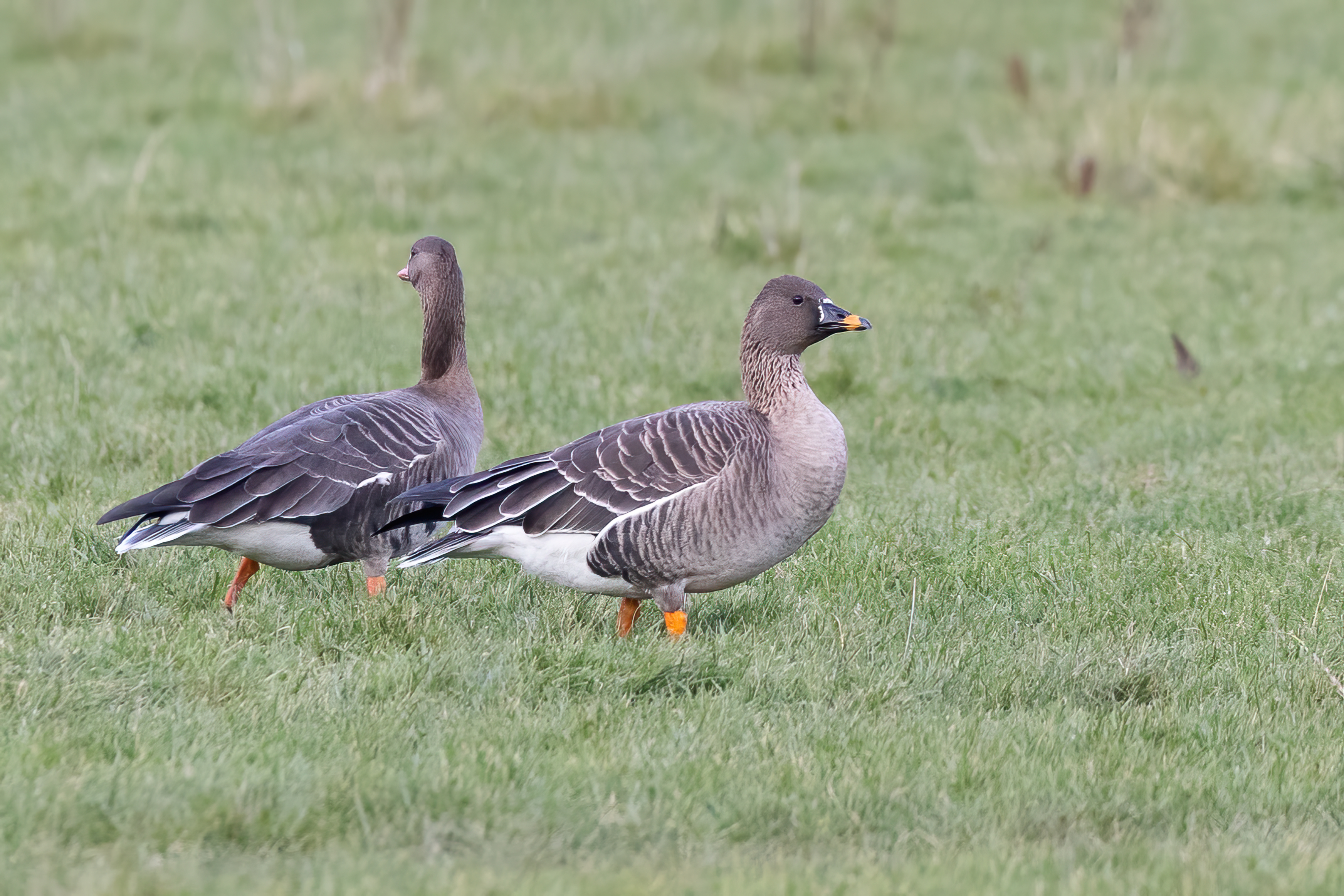
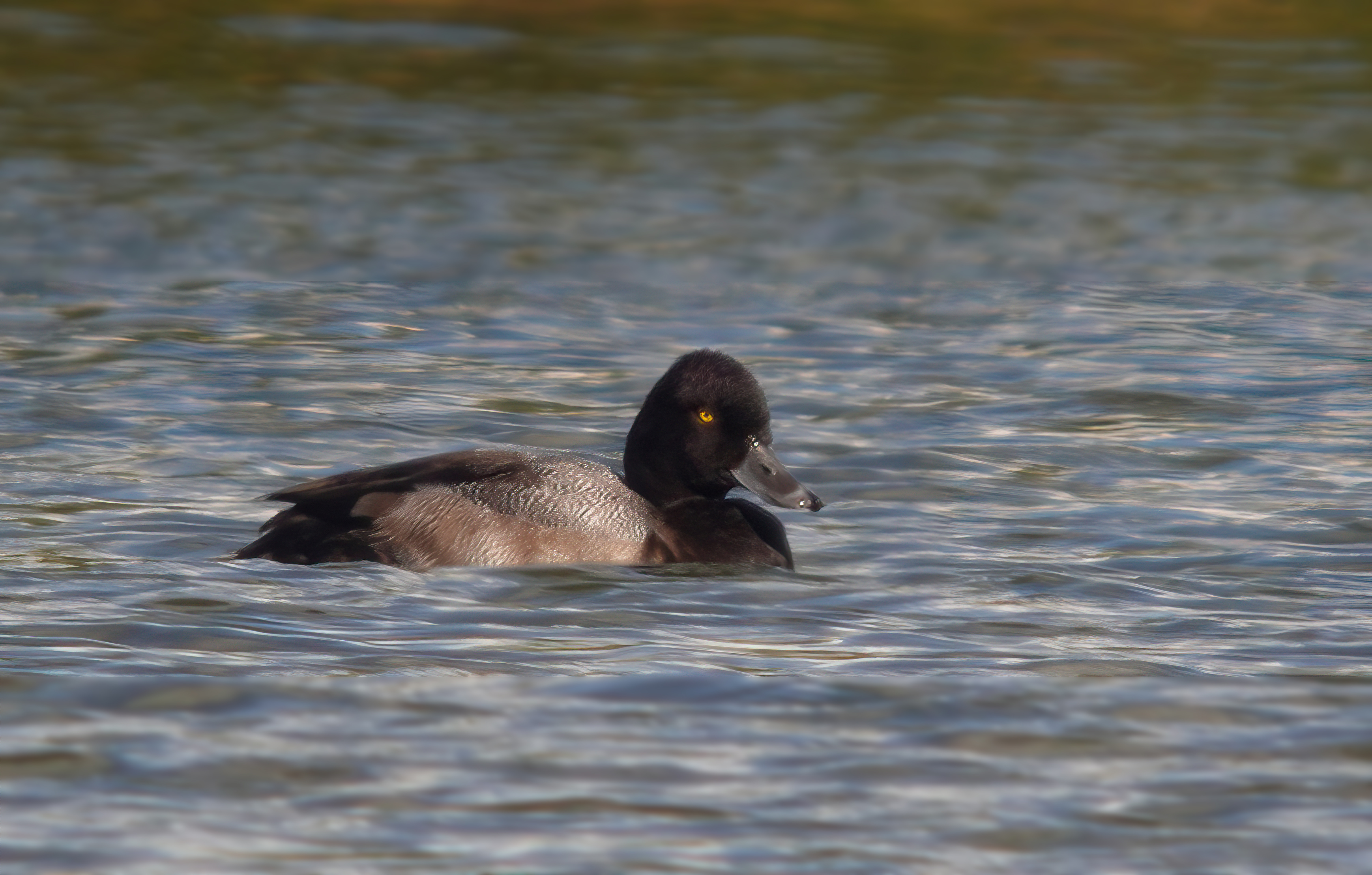
Otherwise, it was a week of unsurprisingly diminishing returns as far as wildfowl were concerned, with the long-staying Pink-footed Goose still in the Cogenhoe Mill/Earls Barton GP area until at least 3rd, the drake Red-crested Pochard still in the same vicinity on the River Nene until 1st and the first-winter female Greater Scaup hanging on at Blatherwycke Lake until at least 29th.

After two flyover records in the first half of March, Common Cranes were again on the radar this week as a group of four flew south over Whitfield, in the deep south of the county, on the last day of the period. One on the ground would surely prove itself extremely popular …

In terms of number of species, the week’s waders widened out to include the year’s first Grey Plover at Clifford Hill GP, for one day only, on 3rd. Avocets were again to be found at three Nene Valley localities, Thrapston GP’s Titchmarsh NR delivering two on 30th while, on 3rd, two visited Clifford Hill GP and Earls Barton GP dished up six.

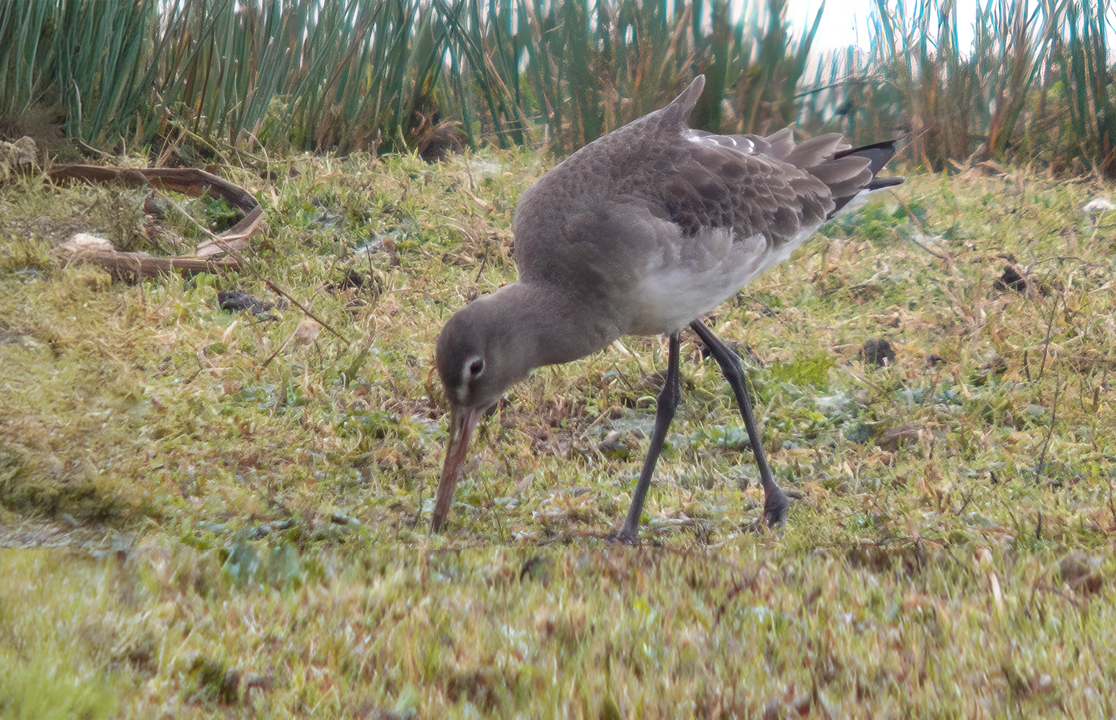
Black-tailed Godwits were the sole preserve of Summer Leys LNR, where one lingered from last week until 30th, the number then swelling to four there from 31st until the week’s end on 4th.

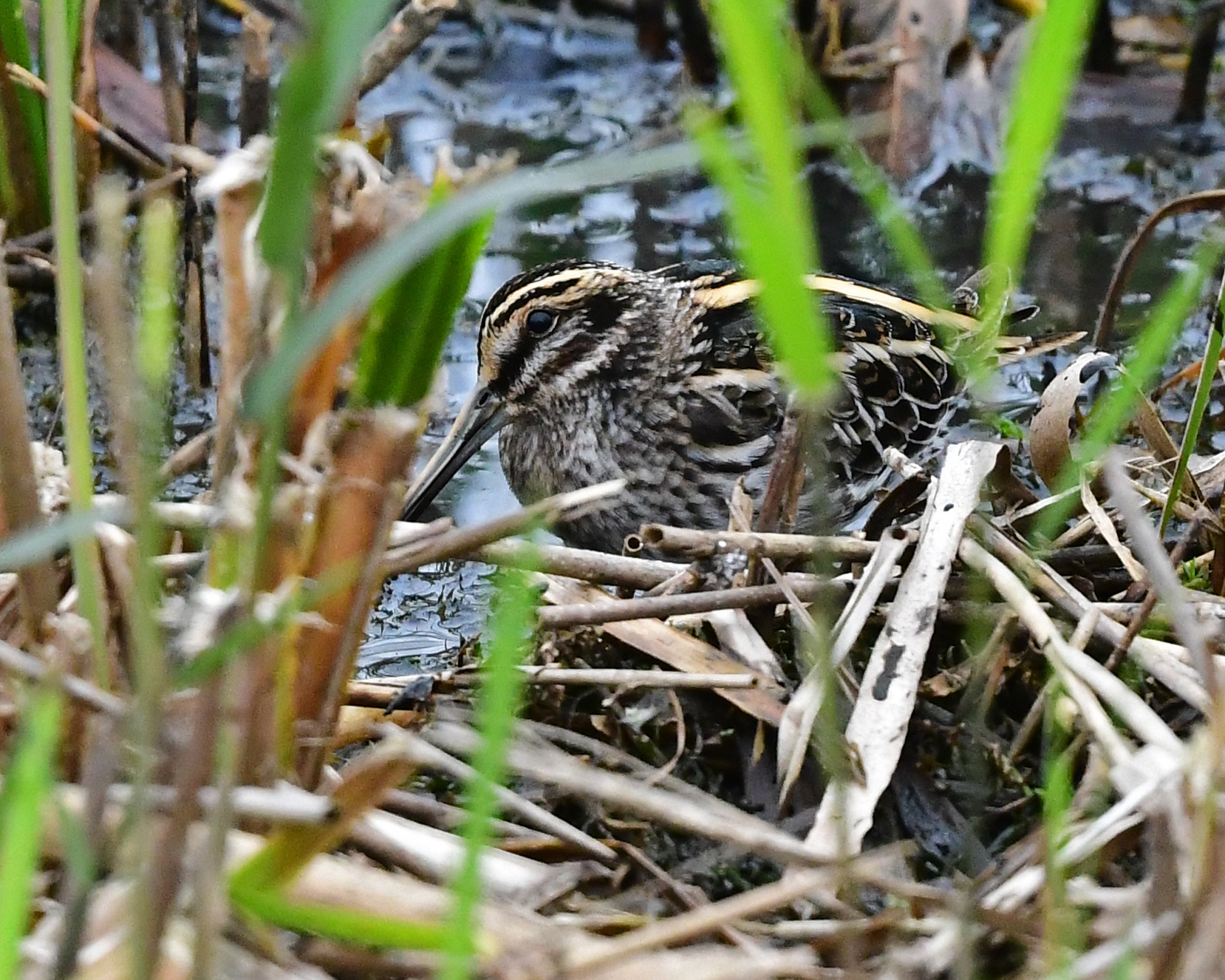
Just one Jack Snipe made it into April, still on site at Hollowell Res on 1st.

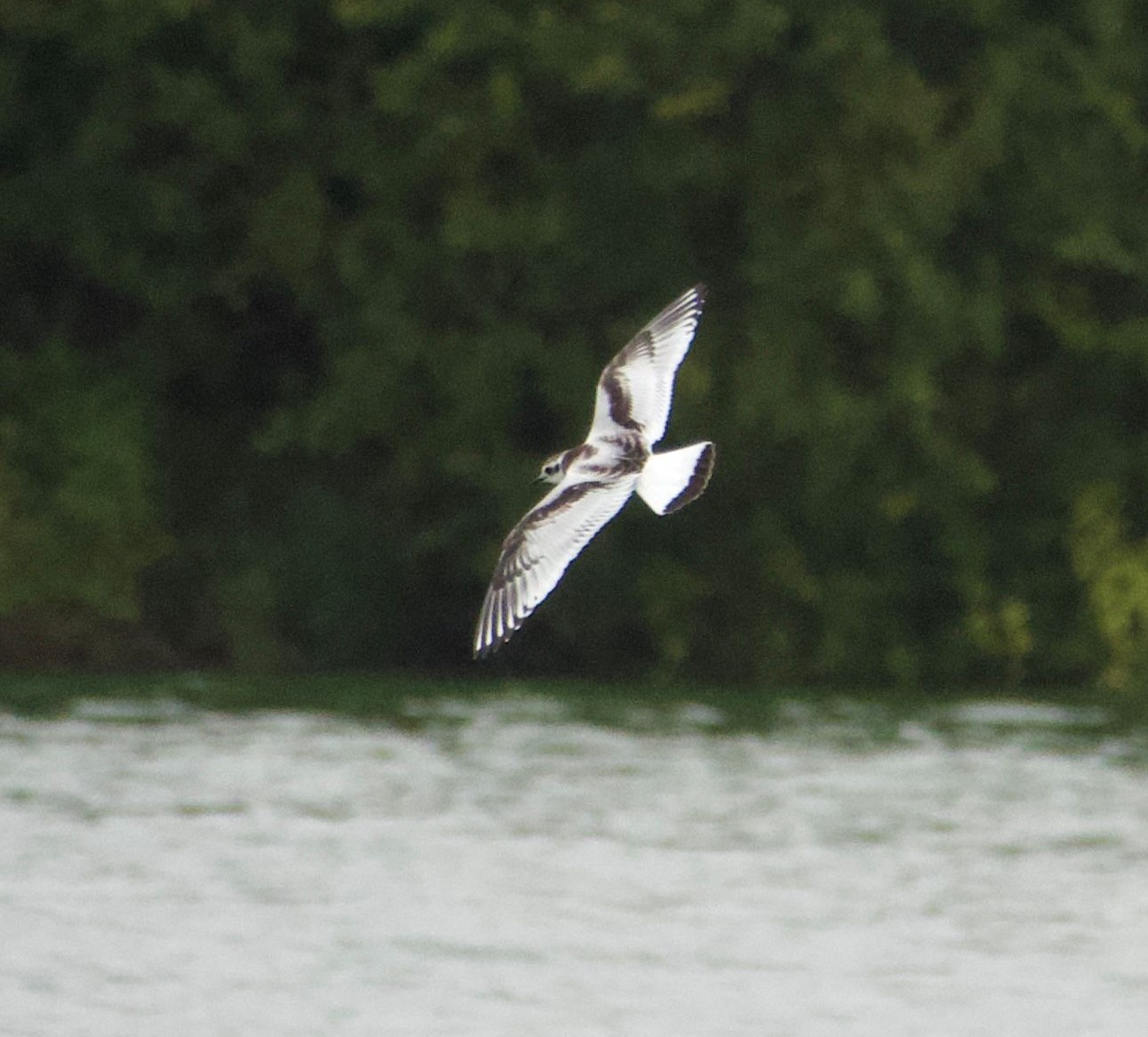
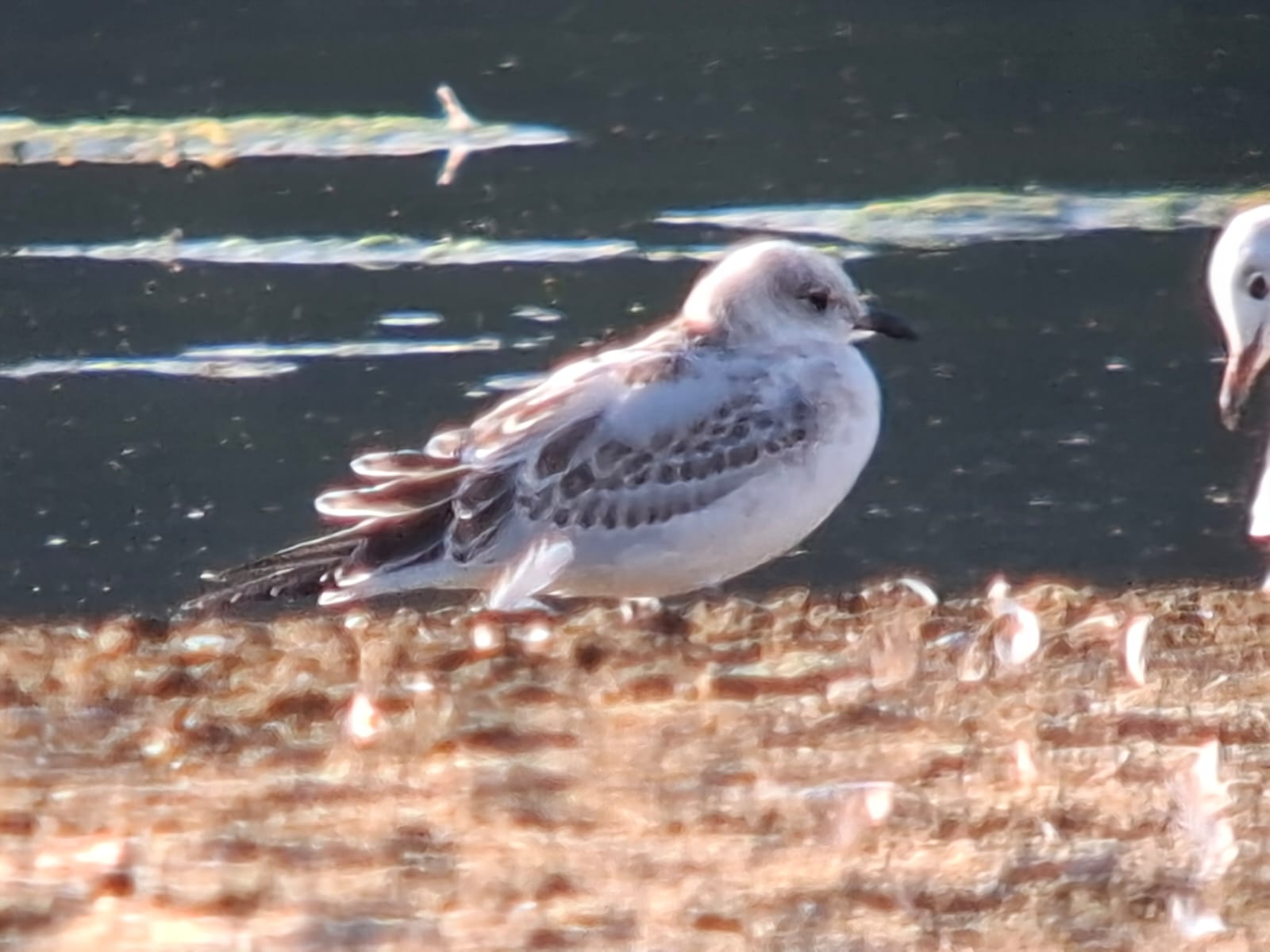
Following the previous mini-run of Little Gulls on 21st-22nd March, two appeared at Thrapston GP’s Town Lake on 31st, ahead of three at Pitsford on 3rd, preceding a build-up of numbers across 8 localities the following day. The latter saw site maxima of at least thirty-four at Stanford Res, at least nineteen at Summer Leys, fourteen at Clifford Hill, thirteen at Earls Barton, nine at Stanwick GP, seven at Daventry CP, three at Pitsford and two flying north-east over Irthlingborough. All in all, a great start to April for this diminutive, much admired, pocket rocket of a gull.

Other gulls were, of course, available – only if you were at Pitsford, that is, where a third-winter Caspian Gull was present on 31st, as were up to two Yellow-legged Gulls throughout the period.

And another first for the year was inbound this week in the shape of Common Tern, four of which got themselves noticed at Ditchford GP on 4th.

Still hanging on in there was the juvenile Great Northern Diver, which saw another week out at Pitsford.

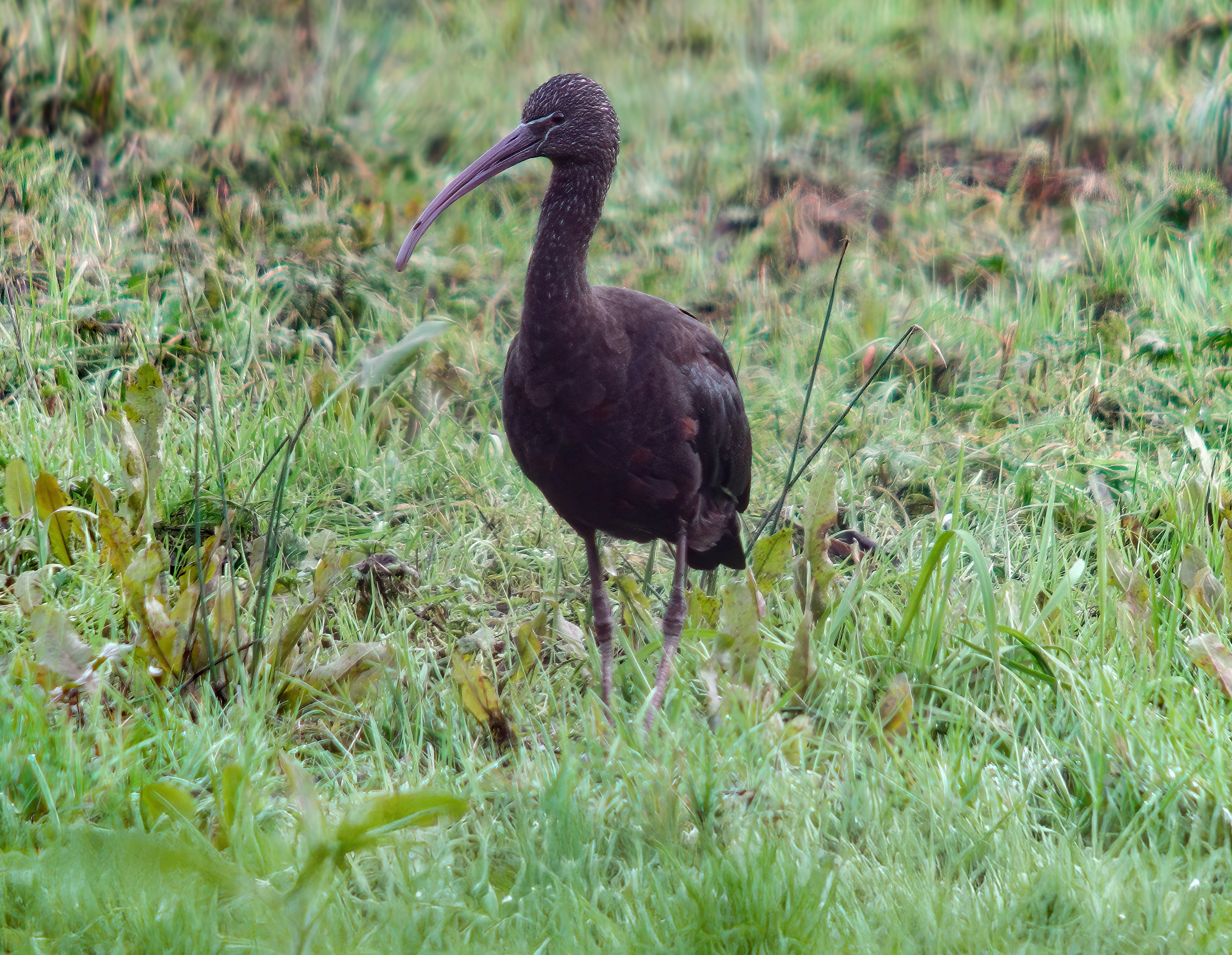
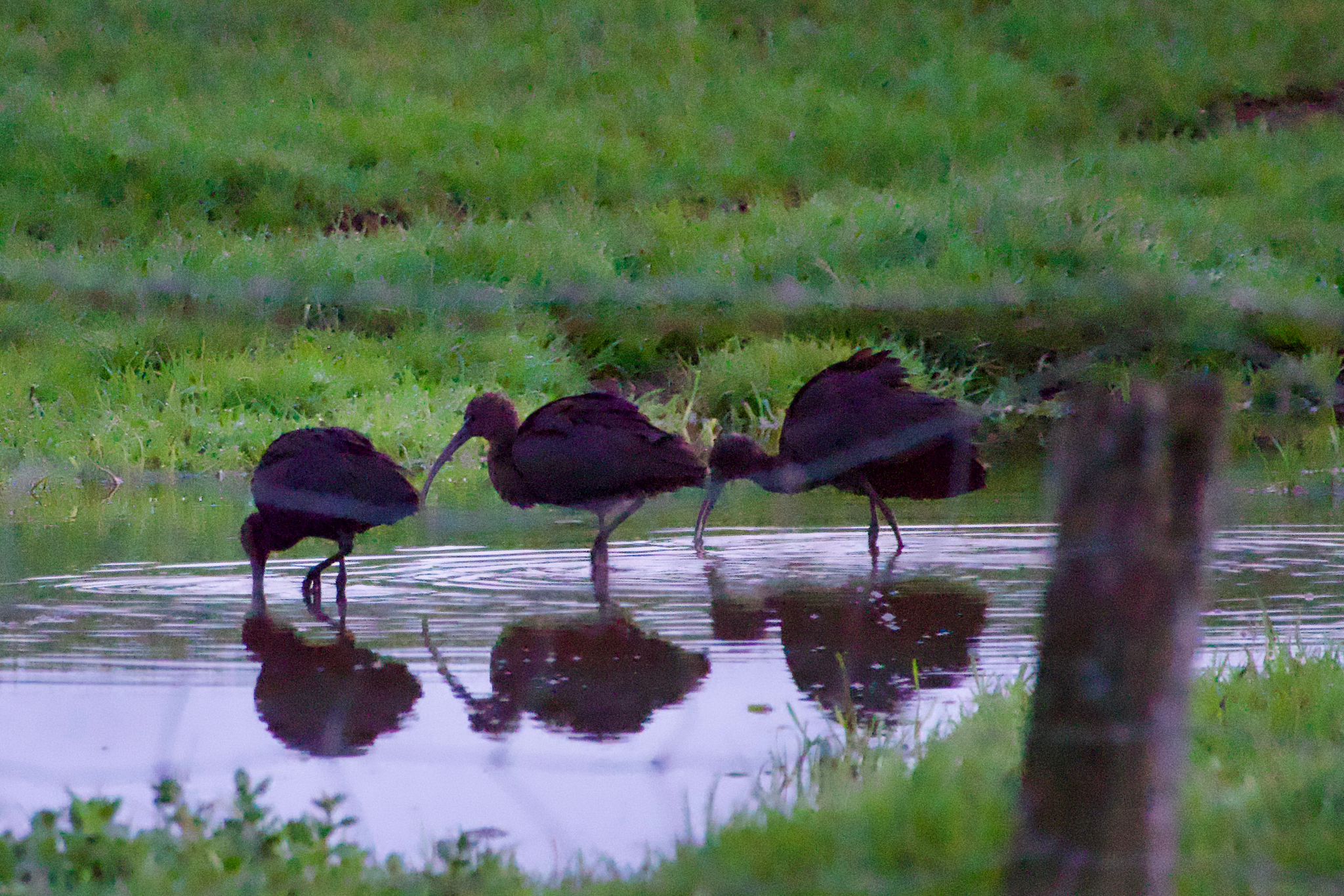
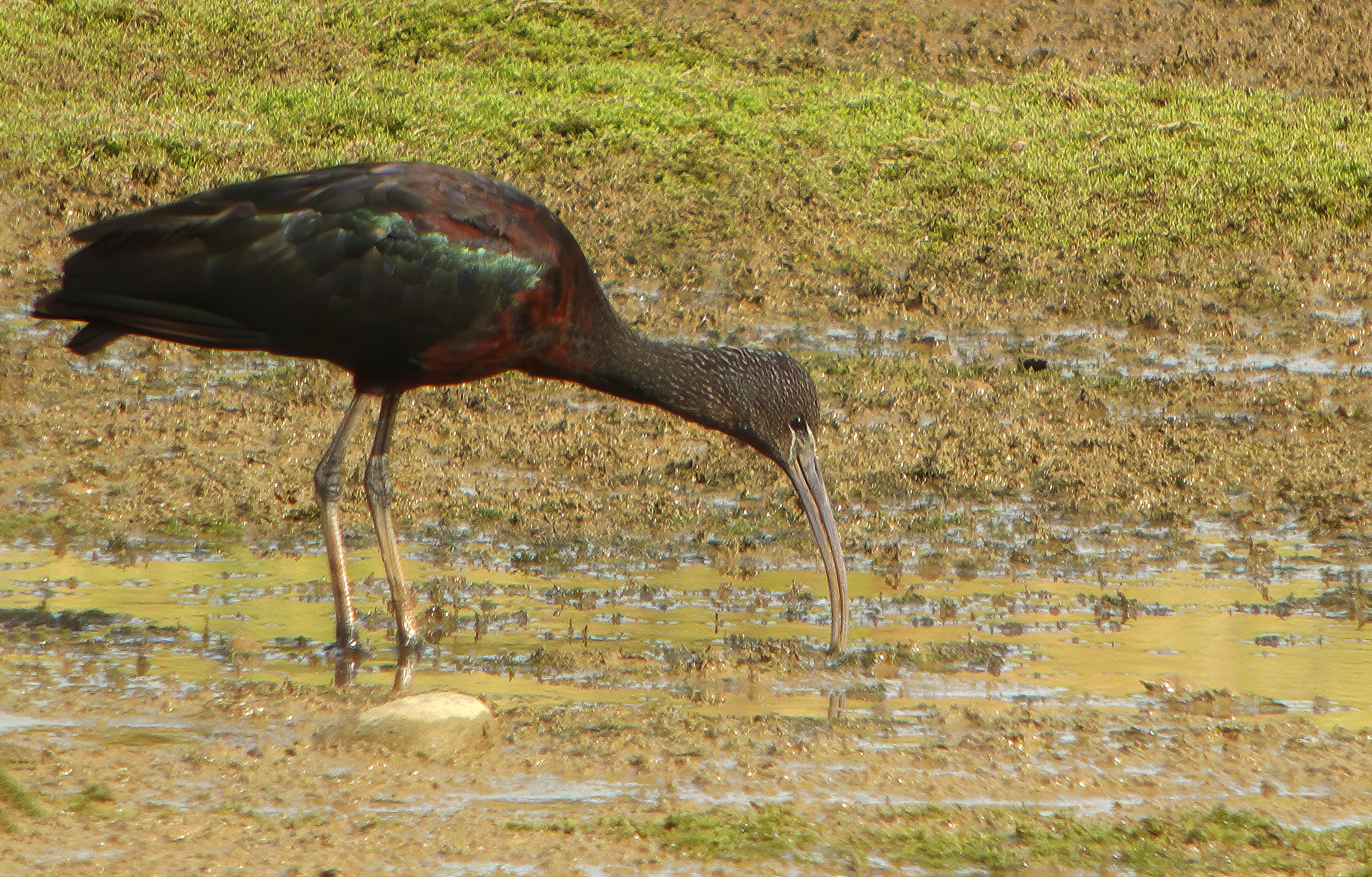
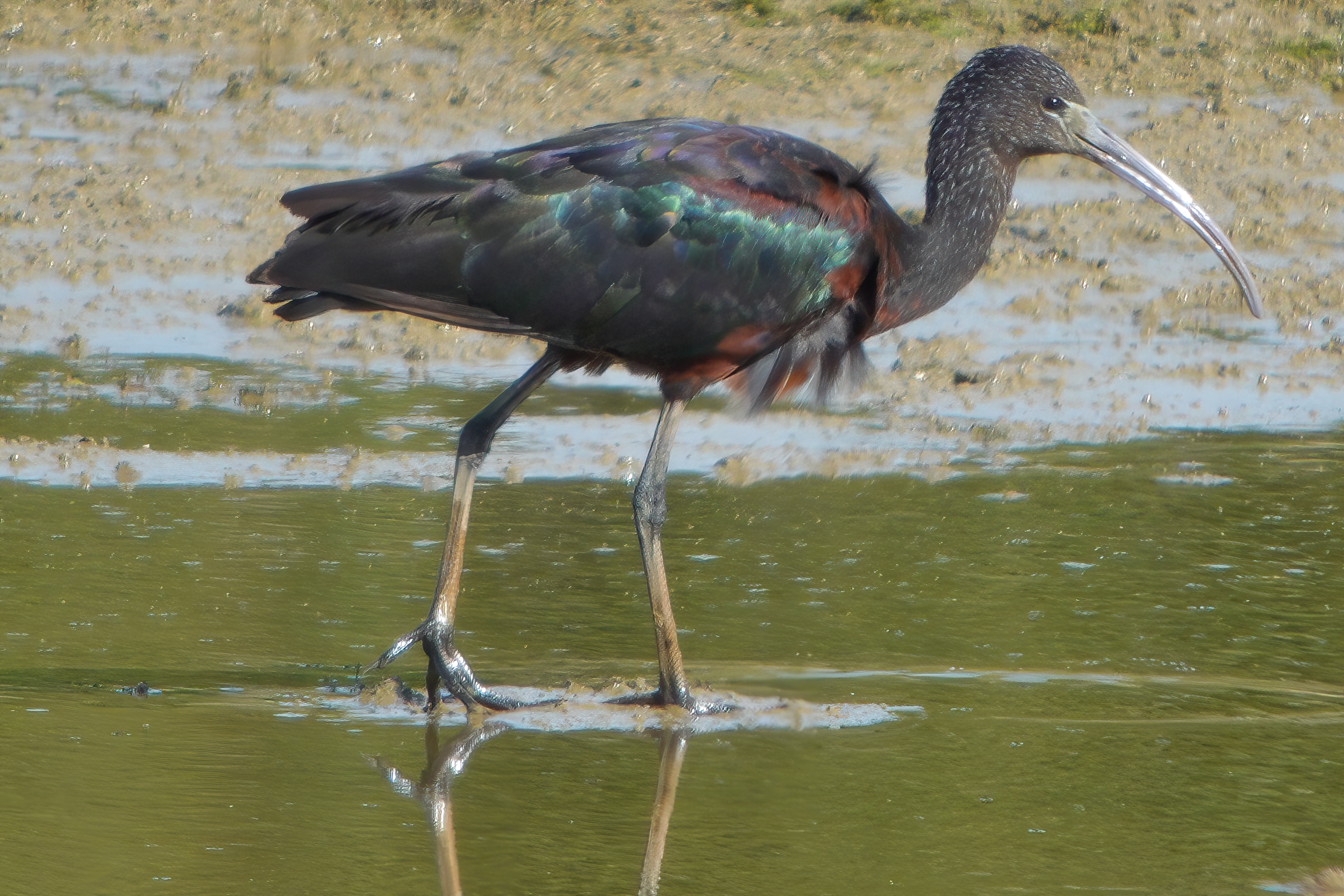
Copy that for the Summer Leys Glossy Ibis

Up to five Cattle Egrets were still to be found at Stanwick GP between 29th and 1st, while one put in an appearance by the River Nene at Cogenhoe Mill on the latter date.

The week’s Ospreys were to be seen at five localities and included two over Deene Lake on 29th, singles at Summer Leys on 29th and 4th and at Thrapston on 30th, Hollowell on 31st and Pitsford on 3rd.

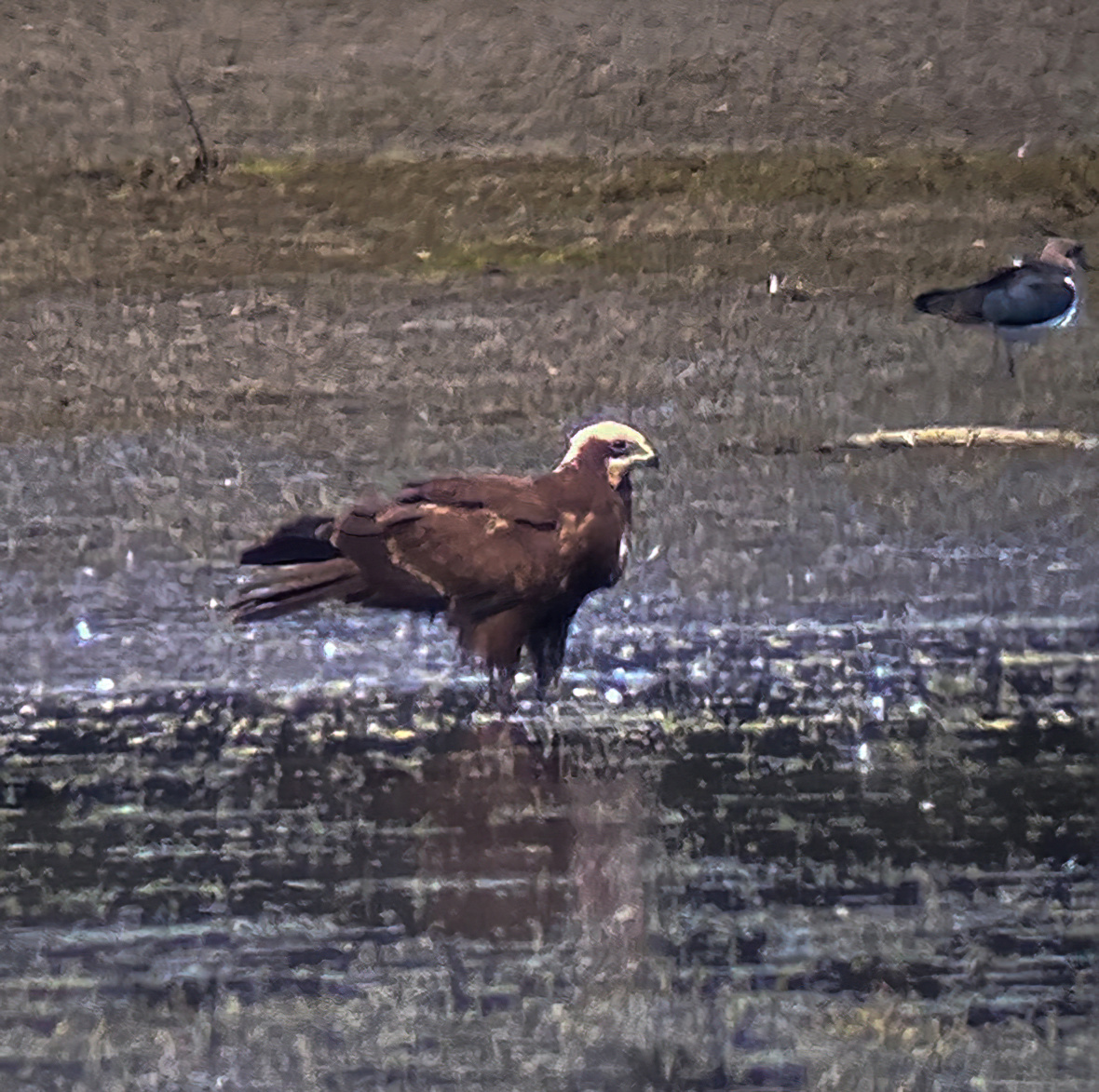
The only Marsh Harriers, however, were at Summer Leys on 31st and 2nd.

The Northern Treecreeper, last photographed at Summer Leys on 20th, was reported there again on 30th-31st.

Returning once more to firsts for the year, a male Ring Ouzel was clearly ‘old hat’ for a local patch watcher at Blueberry Farm, Maidwell on 3rd and the first Common Redstart to break cover was a male at nearby Hanging Houghton on 30th, with the second one not far behind it at good old Blueberry Farm again the following day. These were followed by two more males – one in the Nene Valley near Great Doddington and the other at Harrington AF – both on 4th.

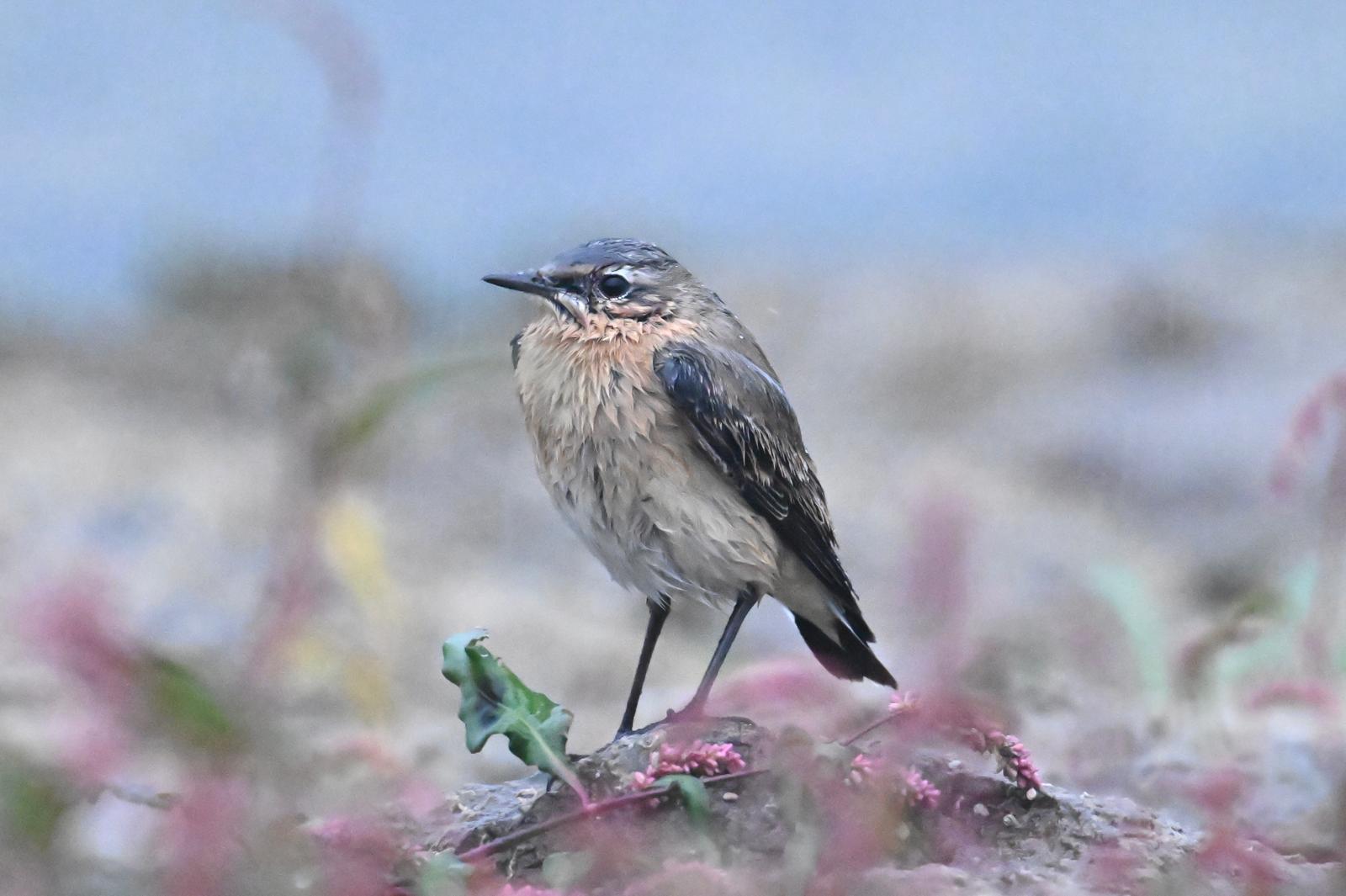
Other migrant passerines of note included single Northern Wheatears at Clifford Hill on 29th and 31st with two there on 30th, singles at Harrington on 29th and 31st with two there on 4th, one at Earls Barton on 29th and two at Blueberry Farm on 31st and one there on 3rd.

And in the grey area of the spectrum, two White Wagtails were found at Earls Barton GP on 29th, followed by singles at Lower Barnwell Lock on 30th and Hollowell on 31st.

Northern Treecreeper: The First Record for Northamptonshire

Currently considered a national rarity based on statistics, a Treecreeper showing characteristics of the northern European race familiaris – more commonly known as ‘Northern Treecreeper’ was found, photographed, and subsequently identified, by Julie Roe at Summer Leys LNR on 20th March. It was present in trees on the west side of the path between the Feeding Station and Screen Hide.

The bird, first noticed by its ‘frosty’ appearance, exhibited all the key identification features including the obvious white spots on the mantle, pale scapular feathers with white shafts and a warmer rump.

Its broad and startlingly white supercilium extended and flared into the upperparts as well as extending in front of the eye and over the lores. The underparts were gleamingly snow-white with only a slight buff tinge limited to rear flanks and undertail coverts.

The above features are spot-on for this race which occurs in Fennoscandia, eastern Europe and northern Russia as far east as western Siberia, while our own race britannica is restricted to Britain & Ireland.

One further feature outlined by the late, great Martin Garner in his Birding Frontiers Challenge Series – Autumn (2014) is that the forward-pointing claws of Northern Treecreeper are wholly pale/translucent compared to the usually slightly darker sides to the same claws on britannica. This feature is clearly evident in the images captured by Julie.

With only 36 accepted UK records up to 2022 and a further 11 in 2023 – deemed a bumper year for the occurrence of this race in the UK – records of Northern Treecreeper are currently considered by the British Birds Rarities Committee, although its national status is recognised as uncertain but possibly more common than statistics suggest.

The Northern Isles have accounted for the majority of records but they have also occurred further south along the east coast. Our bird in Northants is likely to be the only one to have knowingly occurred this far inland. The record will be submitted to BBRC in due course.

Suggested reading for further information on Northern Treecreeper identification and status

Newsround – 22nd to 28th February 2025

February, now done and dusted, ended cleanly on the last day of the review period. But even before the first day of meteorological spring was upon us, the county notched up two new spring migrants for the year – well ahead of when we would normally expect to see them …

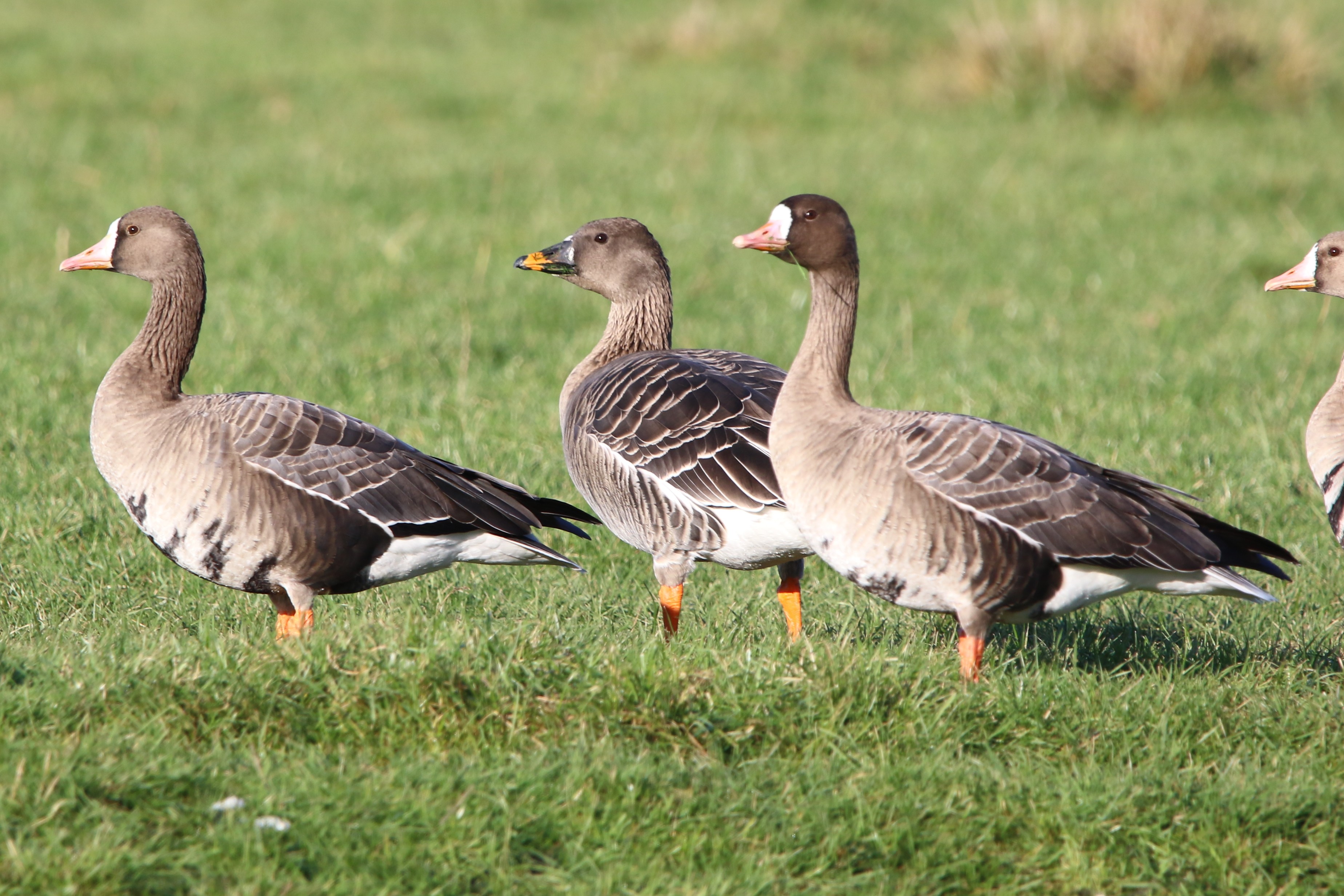
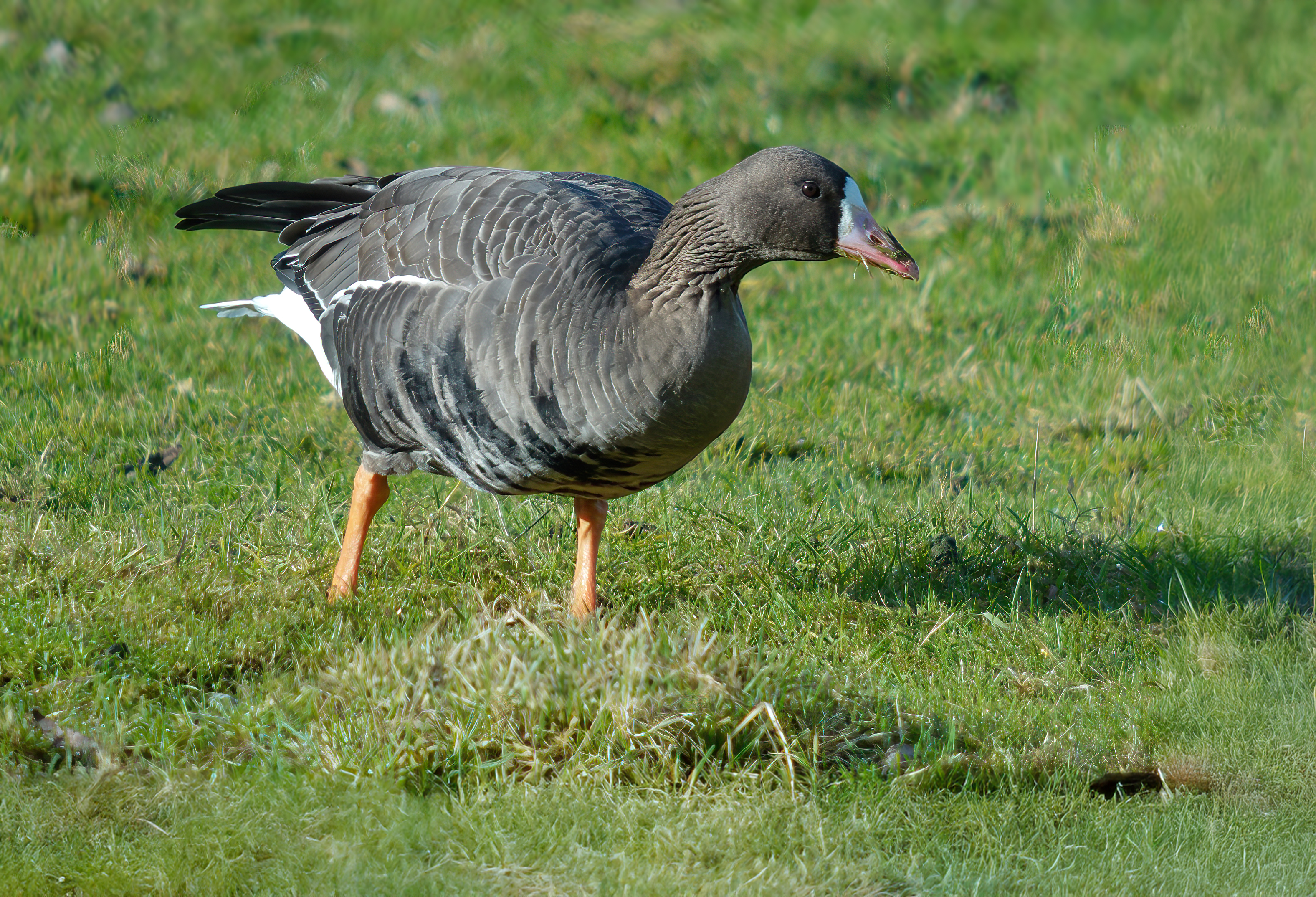
Aside from these, all of the winter wildfowl appeared to remain settled throughout the week and, although the Pink-footed Goose in the vicinity of Cogenhoe Mill was reported only on day one, the seven White-fronted Geese in the same area were seen almost daily. Away to the north, the county’s other two wintering whitefronts saw another week out at Ravensthorpe Res.

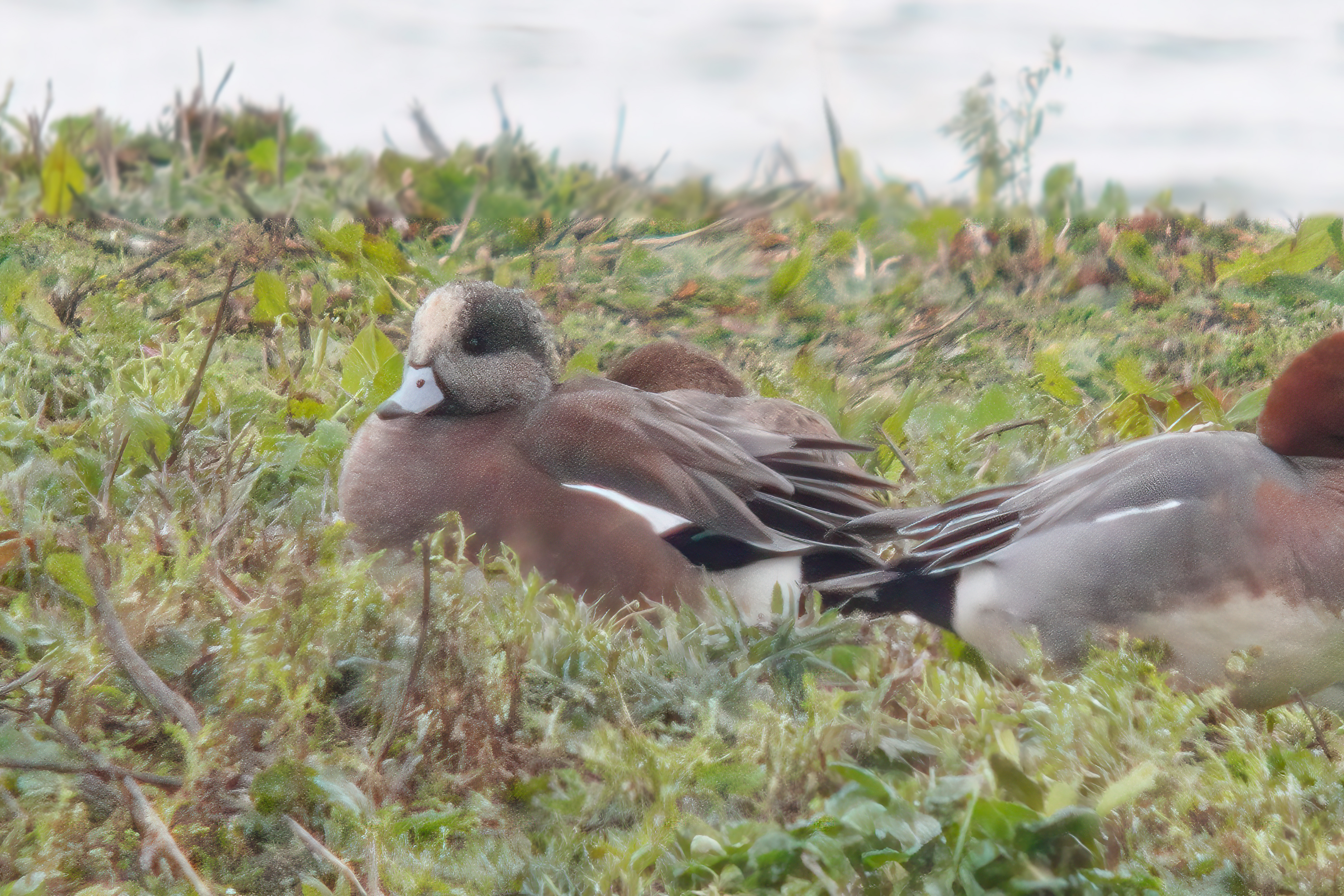
A mere stone’s throw away from the latter locality, the long-standing female Ruddy Shelduck was still present at Winwick Pools on 27th and, as the week progressed, it appears we became awash with Red-crested Pochards. Two made a short stopover at Ravensthorpe on 24th, the same date on which two were also seen at Clifford Hill GP and a drake appeared on the River Nene between Cogenhoe and Whiston on 25th, moving to Earls Barton GP on 27th. Meanwhile, the long-staying female remained at Daventry CP until at least 26th.

With no sign last week of the drake Ring-necked Duck at Thrapston GP – or anywhere else, for that matter – it was back there at Heronry Lake on the last day of the period. Further up the Nene Valley, the year’s third Greater Scaup, an advanced first-winter drake, was found at Summer Leys LNR on 23rd before relocating to adjacent Mary’s Lake on 25th, where it remained until at least the following day. Further north, the first-winter female remained at Blatherwycke Lake until at least 23rd.

The drake Smew chose to bide its time all week at Clifford Hill GP.

Fronting this week’s waders was a first for the year in the shape of a very early migrant Avocet at Summer Leys, first thing on 26th. But its stay was brief, moving on in haste as soon as the rainclouds lifted … Aside from this, two Jack Snipes were at Barnes Meadow NR on 22nd followed by up to two at Hollowell Res between 25th and 27th, while the wintering Common Sandpiper once more raised its head at Earls Barton GP’s New Workings (South) on the last of these two dates.

Another early bird – and the second new one for the year this week – was an adult Little Gull that clearly found Ravensthorpe to its liking, making an extended stay of five days between 23rd and 27th, during which it proved a popular draw.

Otherwise, scarce larids were well down in numbers with just two adult Mediterranean Gulls appearing in the gull roost at Boddington Res on 28th – another sure sign of spring movement – and a first-winter Caspian Gull at Hollowell Res on 25th.

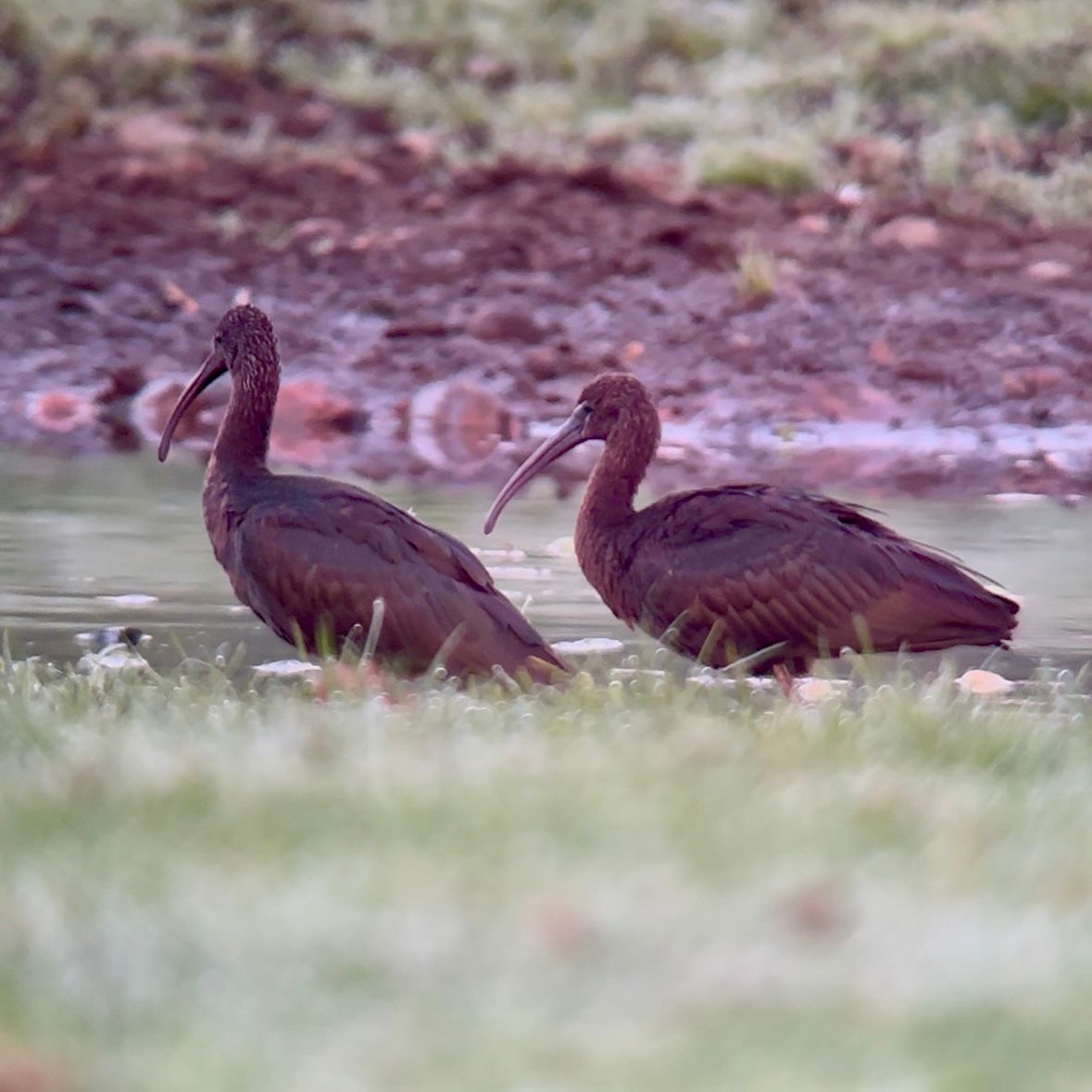
Meanwhile, the Summer Leys Glossy Ibis extended its five-month stay by another week …

A Cattle Egret also appeared at Summer Leys on 23rd and three were again in the vicinity of Stanwick GP’s North Lake two days later, on 25th.

With nothing to shout about on the raptor front, single Short-eared Owls – most likely just the one – were again on private land near Blueberry Farm, Maidwell on 22nd-23rd and at the adjacent site that is the Brampton Valley, between Cottesbrooke and Hanging Houghton, on 27th-28th, where a Merlin was also reported on 27th.

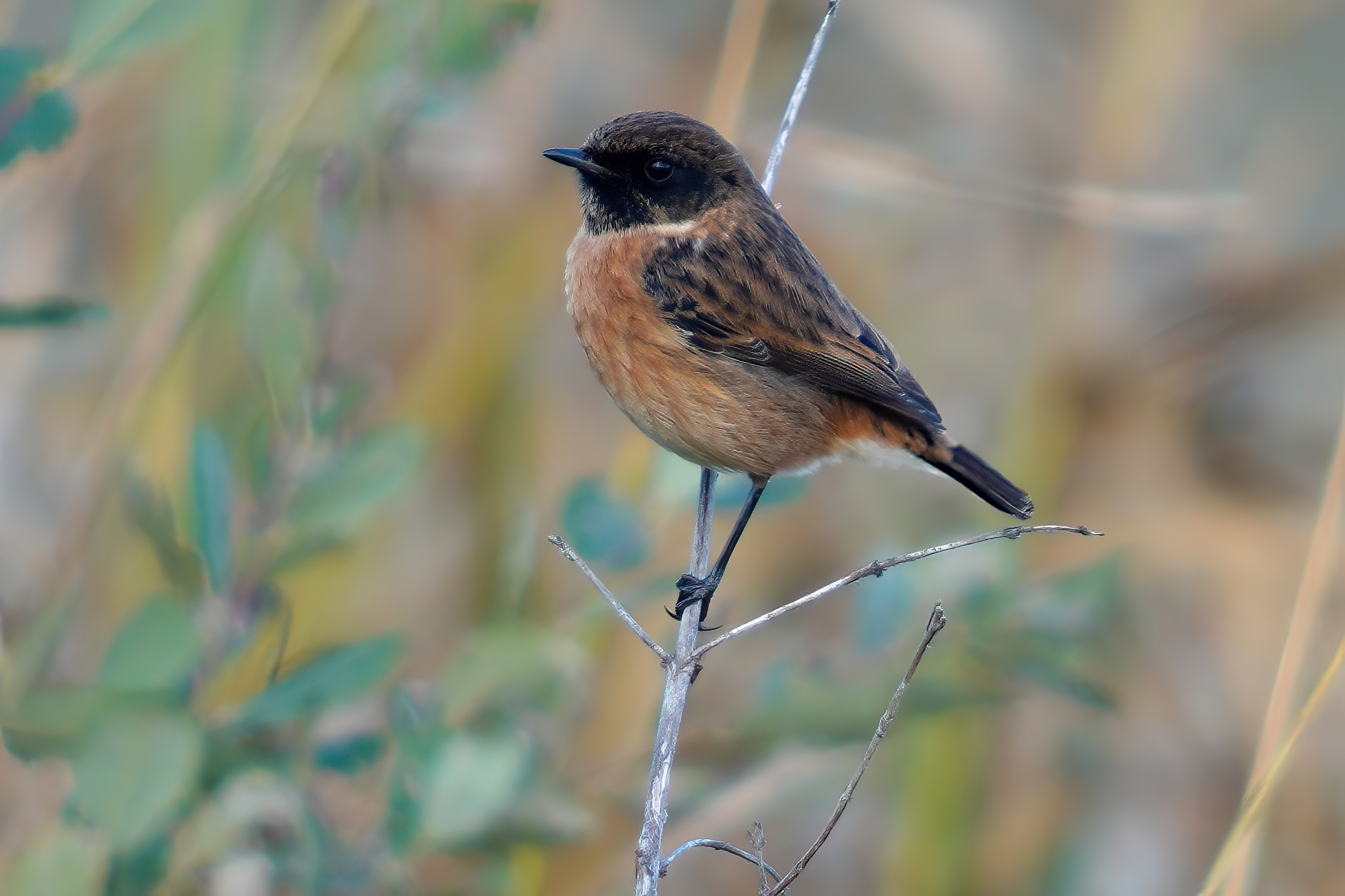
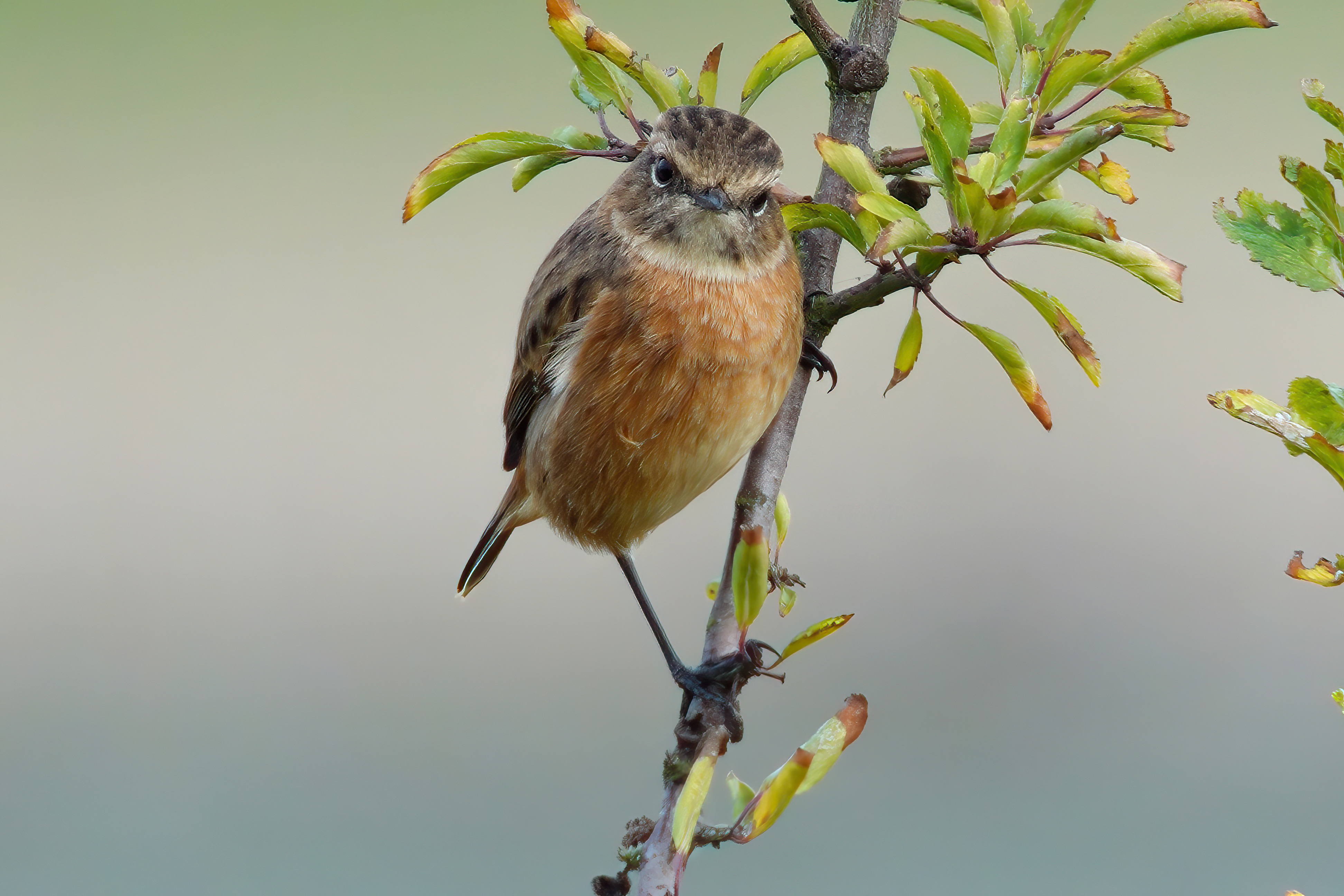
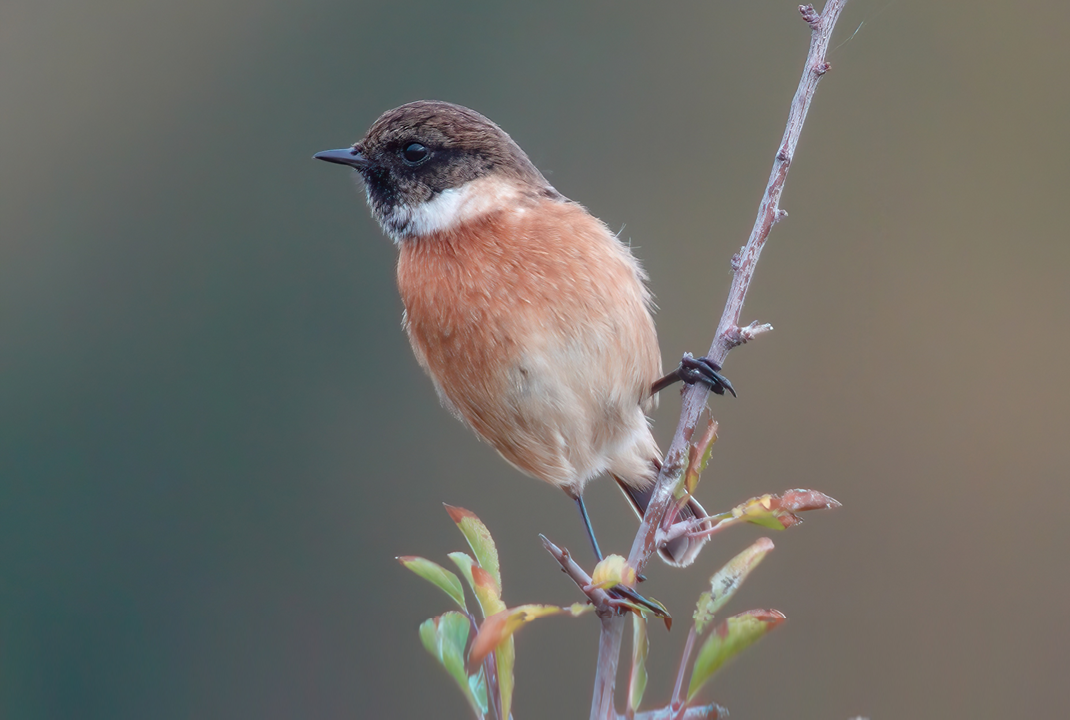
And it was left to Stonechats to prop up this week’s passerines, with Earls Barton producing the highest count of six on 27th, while Hollowell mustered five, Borough Hill two and Harrington AF one.

Newsround – 1st to 7th February 2025

A moist and mild, westerly airstream had flipped to a cold easterly by the week’s end but it was the early part of the week that produced the goods, in the shape of a fine drake Ring-necked Duck …

This was, of course, in addition to the ongoing supporting cast of wildfowl we have become familiar with and grown accustomed to seeing since the turn of the year. There was little change in this respect, with the mobile Pink-footed Goose now seemingly more settled in the Cogenhoe Mill/Earls Barton GP area, where the adult White-fronted Goose also saw another week out with the local Greylags. The two long-staying Whitefronts at Ravensthorpe Res also put in another seven days on site.

Likewise, the female Ruddy Shelduck did another week at Winwick Pools, as did the female Red-crested Pochard at Daventry CP.

Thrapston GP’s reputation for delivering Ring-necked Ducks was upheld and brought into sharp focus this week, though, with the discovery of a splendid drake showing nicely there on 3rd. Bizarrely, despite a thorough search, it was nowhere to be seen the following day but it reappeared on 5th, favouring Heronry Lake until the end of the period.

Allowing for highly mobile individuals – particularly along the chain of Nene Valley wetlands – this bird would appear to be the 14th county record, Thrapston laying claim to at least four, if not five, of these, including a run of four consecutive years between 2021 and 2024. With some forty individuals currently present across Britain and Ireland, this species has shed its former rarity status, now having been replaced by Lesser Scaup – seen as the ‘new Ring-necked Duck’ – the first of which is eagerly awaited in Northants …

Not as rare but a whole lot smarter, drake Smews were available for the second week running, although with a pronounced tendency to be mobile they were not easy to catch up with. Ravensthorpe again produced one on 1st and one was at Clifford Hill GP on 2nd and 7th. Conceivably, only one bird may have accounted for all three sightings.

And things were looking up for waders this week with the pick of them coming from Earls Barton GP’s New Workings (South), where a Black-tailed Godwit and an unseasonal Common Sandpiper were photographed on 1st and a Greenshank was heard calling in flight on 2nd. As ever, Jack Snipes were also to be found during the period, including one at Stanford Res on 2nd, while twos were at Hollowell Res on 3rd and 6th, at Stanwick GP on 4th and Barnes Meadow NR (Northampton) on 7th.

Numbers of the scarcer gulls were also up, with an adult Caspian Gull at Ravensthorpe, briefly, on 4th, one at Boddington Res the next day and a first-winter at Daventry CP on 7th. Meanwhile, the Yellow-legged Gull collective comprised an adult at Hardingstone GP on 4th, two at Pitsford Res on 5th and a single adult there on 6th-7th.

Pitsford also retained its wintering juvenile Great Northern Diver throughout, interestingly being joined by another, with both birds seen together in Catwalk Bay on 5th.

Northamptonshire’s longest ever staying Glossy Ibis remained at and around Summer Leys LNR until at least 5th.

The period’s Cattle Egrets were restricted to the one remaining from last week at Blatherwycke Lake on 2nd and two at Stanwick on the same date, followed by three there on 3rd.

And a ‘new’ Marsh Harrier was seemingly taking up temporary residence at Thrapston, where it was present between 4th and 7th, while the one floating around the Summer Leys/Earls Barton area was again seen on the latter date.

Those Short-eared Owls whose whereabouts were disclosed this week included the two on private land near Blueberry Farm, Maidwell between 1st and 5th and one at Harrington AF on 6th – the latter believed to be one of the Blueberry birds, this being based upon a plumage anomaly visible in one of its wings.

With passerines few and far between, Stonechats were seen at Earls Barton, Hollowell, Pitsford and Towcester, with a maximum of four present at the first of these localities on 2nd, while Hawfinches were down to the bare minimum of one, at Cottesbrooke on 5th.

Newsround – 30th November to 6th December 2024

Although having crossed the line into meteorological winter this week, new arrivals continued to materialise, adding a little extra spice to the mix of what was already on offer.

Two sites from last week continued to hold single Pink-footed Geese tagging along with local Greylags, these comprising Wicksteed Park Lake area on 2nd and Pitsford Res throughout the period. In addition to these, a new bird was discovered at Blatherwycke Lake on 3rd. But as Pinkfeet numbers continue to increase year on year, White-fronted Geese are becoming harder to connect with. Two found in fields alongside Ravensthorpe Res on 2nd were only second record for 2024, following four in the early part of the year which spent the majority of March in the Thrapston GP/Wadenhoe area.

On 1st, a single adult Whooper Swan was picked up in flight over Ringstead, later being relocated in water meadows just south of Woodford.

The female Ruddy Shelduck continued to occupy its favoured locality of Winwick Pools, still to be found there on 1st and, as for this week’s Red-crested Pochards, well, there was just the one, at Earls Barton GP’s New Workings (North), on 4th.

A drake Smew found in Pitsford’s Pintail Bay on 2nd spent little more than three hours there after its discovery before heading off in the direction of the causeway and not being relocated subsequently. With just single ‘redheads’ at Clifford Hill GP in January-March and at Pitsford in March, Smew is a locally rare commodity these days. It has recently been acknowledged that numbers wintering in Britain have declined significantly and, in some counties, e.g. Surrey and Sussex, its status has changed from being an expected winter visitor to that of a county rarity with a ‘description required’ tag attached to it. This downward trend is reflected in our own county and with only seven further individuals scattered across the UK during this week things are looking bleak indeed.

A Black-necked Grebe found at Stanford Res on 2nd was the second for the site this year, following a juvenile there on 23rd-25th August, as well as being only the sixth for the county in 2024.

For the second week running, Daventry CP was the only locality to produce Jack Snipe with just the one there on 3rd.

Gull numbers continued to bump along the bottom, the best of which were a second-winter Mediterranean Gull in the roost at Stanford on 30th and 1st and a daytime adult north of the causeway at Pitsford on 5th. Hollowell Res produced two Caspian Gulls – a first-winter on 30th and an adult on 3rd, while Stanford’s roost held an adult and a third-winter on 1st and single adults on 2nd and 5th. Way out west, the roost at Boddington Res contained an adult on 2nd and the last day of the week saw Wicksteed Park Lakes dish up a German-ringed XU3X first-winter, ringed as a pullus at Hiddensee on 5th June 2024. Only one Yellow-legged Gull came to light during the period, that being the regular Pitsford adult.

First-winter Caspian Gull, German-ringed XU3X, from Hiddensee to Kettering

Having shown a tendency to wander a little further north and east of its favoured on-site location, the popular crayfish-crunching Great Northern Diver saw out another week at Pitsford.

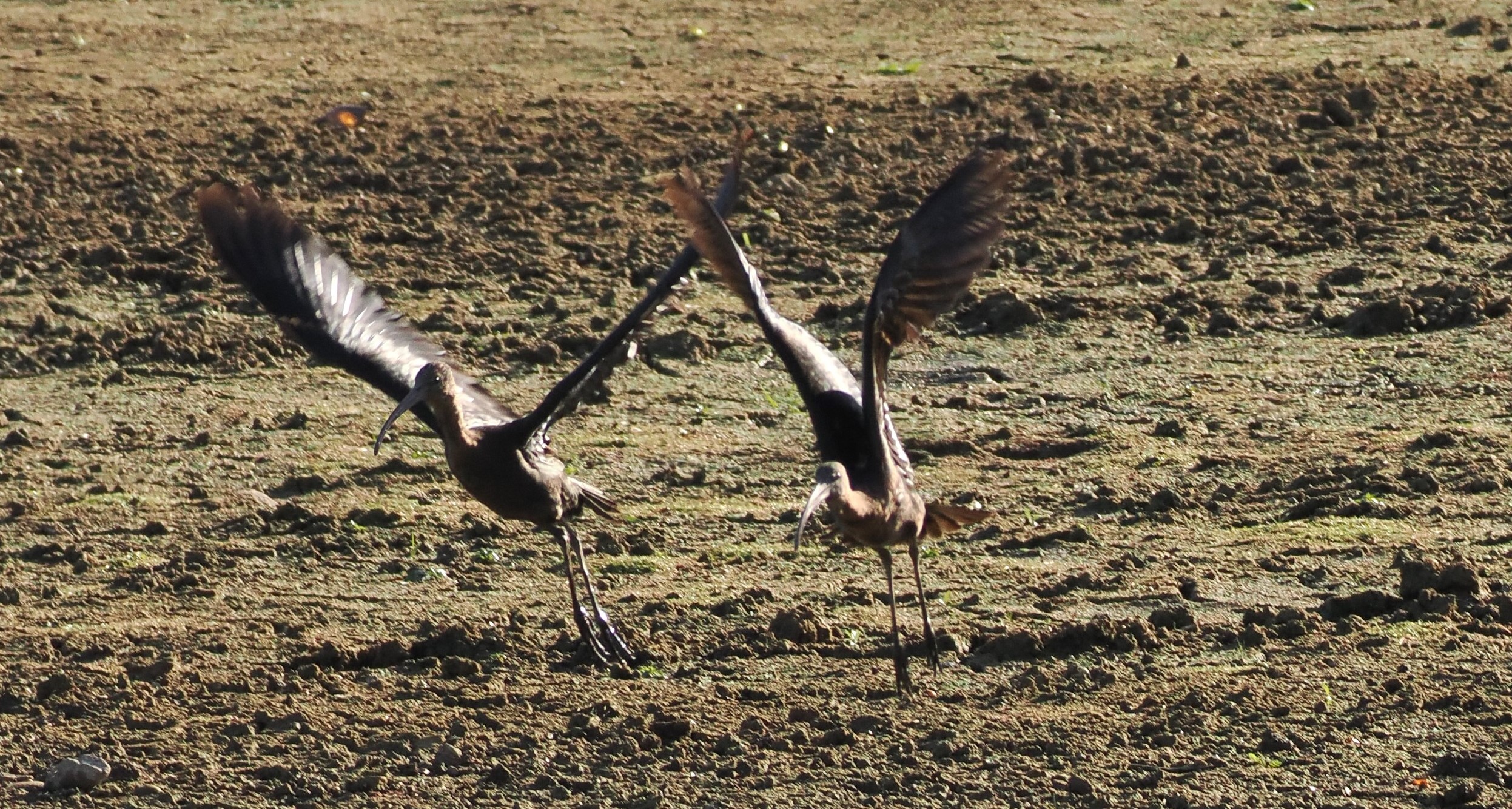
And so, too, did the Summer Leys Glossy Ibis – one of just ten largely static birds across the UK.

Just one Bittern was in evidence and that was the Titchmarsh LNR individual, showing again from the North Hide there on 1st and 3rd while, just up the Nene Valley, the Ringstead/Woodford area continued to hold its own as the current hotspot for Cattle Egrets with one there on 1st, three on 3rd and six on 6th. Elsewhere, three were in fields just west of Chacombe on 30th and one visited Stanwick GP on 3rd.

Harrington AF produced the only birds resembling raptors in any way, shape or form during the period, namely a Merlin on 30th and two Short-eared Owls on 3rd.

Remaining elusive, the female Bearded Tit continued to be mobile about Stanwick and was present there until at least 4th.

Hollowell held the highest total of the week’s Stonechats – a respectable five on 6th – while ones and twos were seen at Deene Lake, Earls Barton GP and Pitsford.

And still out there to be had were Hawfinches – all of this week’s in their favoured churchyard locations, including one at Thenford on 30th and two at both Blatherwycke and Deene on 3rd.

Newsround – 16th to 22nd November 2024

A substantial freezing air mass sliding down from the Arctic brought us the first taste of winter this week, delivering sub-zero temperatures and snow showers which, although settling in some areas, were mercifully short-lived. And riding the wave of all this came the first Kittiwakes of the year … 

Continuing the trend in their increase in occurrence, however, were Pink-footed Geese. Although not matching last week’s impressive numbers, eighteen flew east over Thrapston GP’s Titchmarsh LNR on 16th, the same date on which one dropped in briefly at Deene Lake, while seven flew east over Blueberry Farm, Maidwell on 20th.

Whooper Swans also continued to move through with a small herd of two adults and four juveniles flying north along the Nene Valley at Oundle on 17th.

The same four localities as last week produced the period’s Red-crested Pochards, the maximum number being four at Blatherwycke Lake on 16th. Stanford Res held on to at least two throughout, while Kislingbury GP’s female also remained settled and the Pitsford Res drake was still present on 19th. Blatherwycke also retained its first-winter female Greater Scaup until at least 16th.

This week’s waders were limited to just one Jack Snipe, at Summer Leys, on 16th.

A first-winter Kittiwake off the dam at Pitsford on the afternoon of 18th, quickly joined by another and then a further five was, surprisingly, the first of the year so far in the county. All seven left high to the south in the fading light but Pitsford’s exclusivity for this species was short-lived as, away to the north-west, Stanford was enjoying its own first-winter which dropped into the gull roost before similarly disappearing.

The following evening saw an adult visiting the Boddington roost, further adding to the week’s total, all of which played their part in a wider influx across England, including birds in the neighbouring counties of Bedfordshire, Buckinghamshire, Leicestershire, Oxfordshire and Warwickshire.

While Kittiwakes are no strangers to Northamptonshire in November, they are far more frequently encountered on passage in early spring, most records in that period being of single birds.

Flocks, on the other hand, are more likely in autumn, the largest of which was in excess of twenty at Ditchford GP way back on 12th November 1972 and, more recently, approximately twenty at Pitsford on 13th October 2014.

With the above having provided a momentary, though welcome, distraction for regular gull roost watchers, more standard fare was on offer in the form Mediterranean Gulls at Stanford, where a second-winter was present on 17th and 20th plus a first-winter on 19th, while Boddington Res dished up an adult on 22nd. These two bodies of water also produced all but one of the week’s Caspian Gulls, with an adult and a second-winter at Stanford on 16th and an adult there on 17th and 20th-21st. Boddington’s roost also held an adult on 19th. Bucking the trend, however, was an adult found on the small lake at Cottesbrooke Hall on 16th.

Small numbers of Yellow-legged Gulls across the board included an adult at Sywell CP on 16th, two in the Boddington roost on 19th and 22nd and single adults at Pitsford on 19th and at Earls Barton GP’s New Workings (South) on 21st.

After going unreported since 13th, the Glossy Ibis was back at Summer Leys on 22nd, while this week’s Bitterns were the preserve of Titchmarsh LNR, where one was seen on 16th and 19th. Cattle Egrets maintained a low profile with single birds at Titchmarsh 16th, Ditchford GP’s Irthlingborough Lakes and Meadows LNR on 18th and seven in a cattle field immediately north-east of, and viewable from, Kinewell Lake at Ringstead GP on 19th.

And as for raptors, they were in short supply during the period. After an impressive showing last week, Hen Harriers were off the scene completely, while a single Marsh Harrier continued to visit Summer Leys between 17th and 22nd after what was presumably the same individual seen at adjacent Earls Barton GP’s New Workings (South) on 16th.

Single Short-eared Owls were seen just prior to dusk at Nobottle on 16th and at Harrington AF on 18th.

After no reports since 10th, the female Bearded Tit at least appeared still to be present on site at Stanwick on 19th.

Seen only at four sites compared to nine last week, another species seeing a drop in numbers over the period was Stonechat, of which three were at Earls Barton on 16th and Pitsford on 20th, while singles were also present at Summer Leys and Upton CP.

Following the county’s first of the year last week, another ‘in flight’ Rock Pipit was seen and heard over Daventry on 22nd, constituting another bizarrely late record.

And even though they were still out there to be found, the level of attention given to Hawfinches waned markedly during the period, compared to that of the previous week.

Just the two key localities of Blatherwycke and Cottesbrooke produced all of this week’s birds with the first of the these holding eight on 16th, five on 18th and 20th and two on 22nd, while the latter held three on 16th, five on 17th and one on 18th.

Newsround – 12th to 18th October 2024

Edging that little bit closer to late autumn saw the arrival of large waves of winter thrushes pushing through the county, as well as the first Whooper Swans this side of the last winter period. Reluctant to move on, the Glossy Ibis dug its heels in, while yet more Yellow-browed Warblers seemed intent on making further advances on their already record high numbers.

Stanford was the top performing reservoir this week, with the birds on offer there including the locally roaming Pink-footed Goose again dropping in on 17th. Prior to this, four Whooper Swans flew east early on 13th, followed by what was believed to be a different quartet on the water there later in the afternoon. This latter herd remained overnight and was seen to depart to the east early the next day. Thrapston GP also got in on the action with four on Titchmarsh LNR on 13th, one of which bore rings – a white ‘65L’ on its right leg and a metal ring on its left. Observer research revealed it had been ringed as an adult male at Lake Sandvatn, Iceland on 8th August this year and that the Titchmarsh sighting was the first anywhere since this date.

Back at Stanford, Red-crested Pochard numbers fell from seven to four, all of which were still present at the week’s end. Elsewhere, the first-winter drake remained settled at Boddington Res throughout the period and two were present at Earls Barton GP’s New Workings (South) on 13th.

With waders well and truly off the radar, it fell to gulls to provide a little waterfront entertainment. Boddington Res and Stanwick GP were to carve up the Mediterranean Gulls between them, Boddington regularly producing a first-winter between 14th and 18th and Stanwick a second-winter on 14th-15th.

Stanwick also produced a first-winter Caspian Gull on 12th, while single adults visited both Boddington and Stanford on 15th and Hollowell Res held two adults on the latter date and one on 17th. The week’s Yellow-legged Gulls were found at three widely separated localities with singles at Stanwick on 12th, Boddington on 12th and 14th and Ravensthorpe Res on 17th, while five joined the roost at Boddington on 15th.

A late Black Tern was found at Pitsford Res, also on 15th.

Continuing its protracted stay, the Glossy Ibis notched up another week at Summer Leys LNR and surrounding area, where it has now been present for a solid 28 days. Interestingly, one was reported by a biodiversity survey team at Stanwick on 13th, which seems likely to be a different individual as the Summer Leys bird was being reported at, or about, the same time.

Stanwick was also the only site to record Bittern this week, with one there on 14th, while the same location saw three Cattle Egrets fly over on 12th and four on the ground there the following day. Further down the valley, fields immediately north-east of Ringstead GP produced the highest counts of the week, though, with one on 12th, eight on 15th and six on 18th, while one turning up to roost at Boddington on 14th was only the second record for the site.

Meanwhile, raptors were up on the last period with sightings of Marsh Harriers dominating. Seemingly now part of the Summer Leys furniture, one remained there throughout the week, also being seen in the wider area of the Earls Barton GP complex on 15th and 18th, while further reports came from Titchmarsh on 14th, Stanwick on 15th and Ditchford GP on 18th.

A Hen Harrier – the fifth of the autumn, so far – was present at Stanford on 17th-18th but was not seen thereafter and a Merlin stuck around in the Brampton Valley, between Cottesbrooke and Hanging Houghton, on 14th-15th.

After the last fortnight’s record-breaking four Yellow-browed Warblers, there was more to come and it seems we’re not done yet with this little Siberian gem. While the Ringstead bird was still to be had on the first day of the period, another was found at Stanford on 15th, followed by yet another at Earls Barton GP three days later, on 18th. And here’s the thing: over the last ten years (2014-2023) Yellow-broweds have outnumbered Wood Warblers in the county with a total of fourteen vs. thirteen of the latter. Throw in this year’s (2024) occurrences for both so far and Wood Warbler moves up one to fourteen, while Yellow-browed soars to nineteen – potentially twenty if this week’s individual at Stanford was indeed a new bird!

Rightly overshadowed, as well as likely overlooked, a Ring Ouzel at Harrington AF on 16th was about par for the autumn course as far as this species is concerned.

And as for other passerines, Stonechats were found in at least eight localities, comprising Brampton Valley, Ditchford, Earls Barton, Harrington, Hollowell, Pitsford, Stanford and Summer Leys, with maxima of six in the Brampton Valley and at Earls Barton.

It should be said that, given the numbers seen in the UK so far this autumn, ‘Eastern Stonechat’ is not impossible and, although it’s a bit of a long shot, inland records are not unprecedented …