 Storm Atiyah’s brush with the UK did little for Northants as the cold, bright conditions at the beginning of the period were subsequently replaced by more rain, bluster and ever-changing wind direction. A lingering Dark-bellied Brent Goose and the well-installed Great Grey Shrike continued to provide the main attractions.
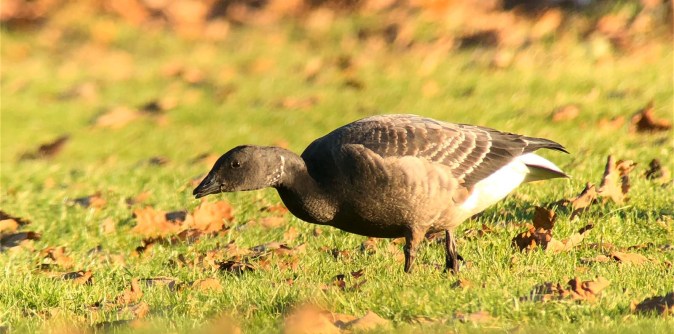
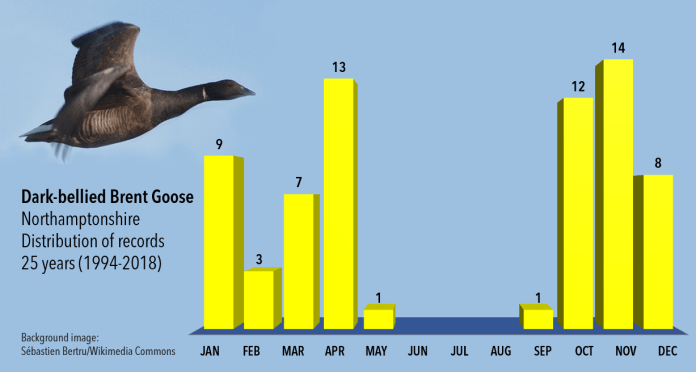
Following its frustratingly fleeting appearances at the beginning and end of last week, the Stanford Dark-bellied Brent Goose was finally pinned down to a regular feeding area alongside the River Avon, at Stanford Hall, from 8th until at least 11th. However, it didn’t always play ball, more often than not choosing to remain on the Leicestershire side of the river. Although there are more records in spring and autumn, winter probably provides the best opportunity for catching up with this species as its stays tend to be much more protracted than in passage periods. All previous records assigned to race appear to have been of the nominate dark-bellied form bernicla from Siberia. A pale-bellied hrota from the east Canadian Arctic, or Svalbard, would likely constitute a ‘first’ for the county and in these days of surprise splits, would be a welcome insurance addition to many a county list.
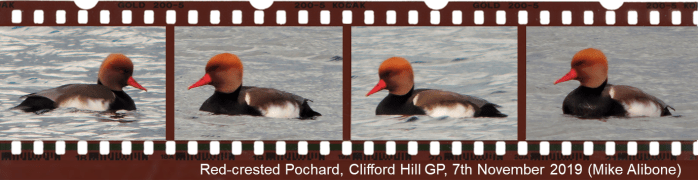
 In the east of the county, the adult Whooper Swan was still in place at Thrapston GP on 9th, while the female Ruddy Shelduck – seemingly absent for three weeks – again visited Ravensthorpe Res on 7th. At Summer Leys LNR, the drake Red-crested Pochard seemed settled throughout the period and the ‘redhead’ Smew was present until at least 7th, although there was a report of two there the following day.

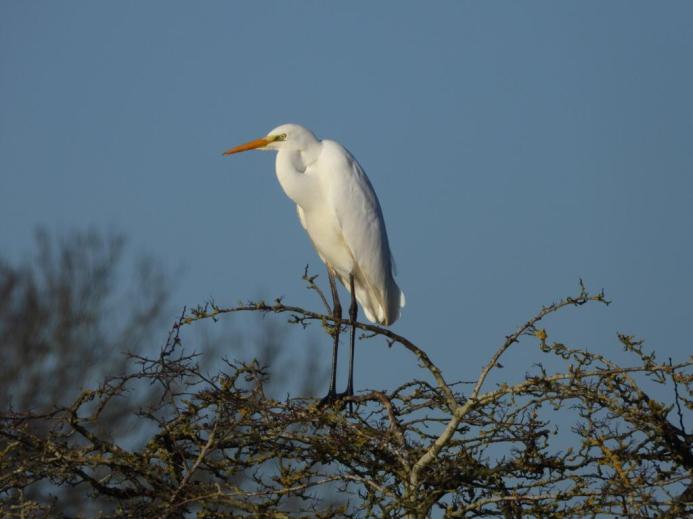
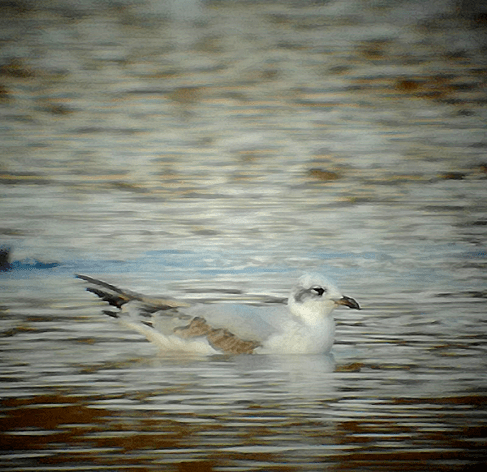
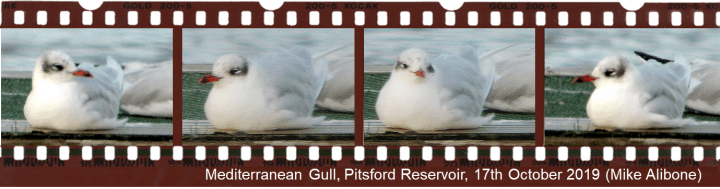
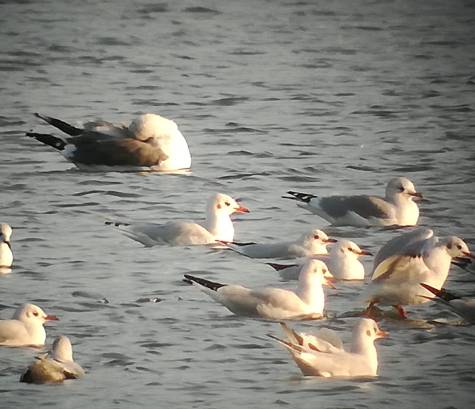
Up to two Great Egrets were on site at Stanwick GP, Summer Leys and Thrapston and singles were seen at Ditchford GP, Hollowell Res, Pitsford Res and Stanford Res. Waders this week were limited to five Ruffs at Summer Leys on 13th – really quite unseasonal for Northamptonshire and winter gulls remained low in numbers, with Stanford again producing an adult Mediterranean Gull on 10th, while an adult Caspian Gull was at Sulby Res on 7th and an adult Yellow-legged Gull visited Hollowell Res on the same date.

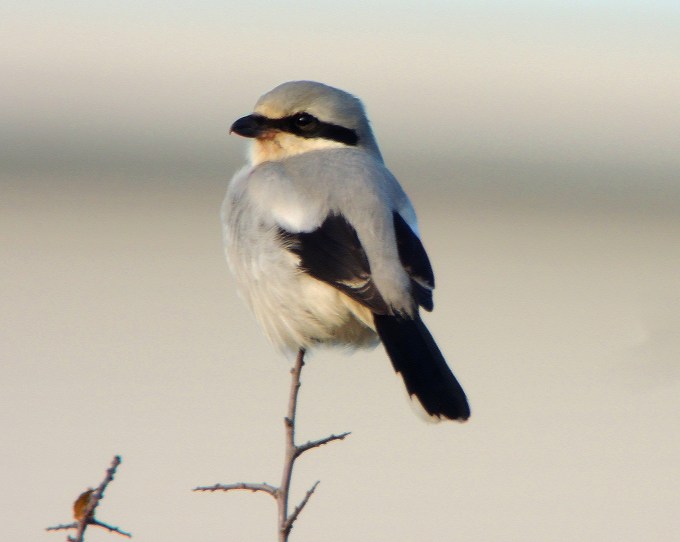
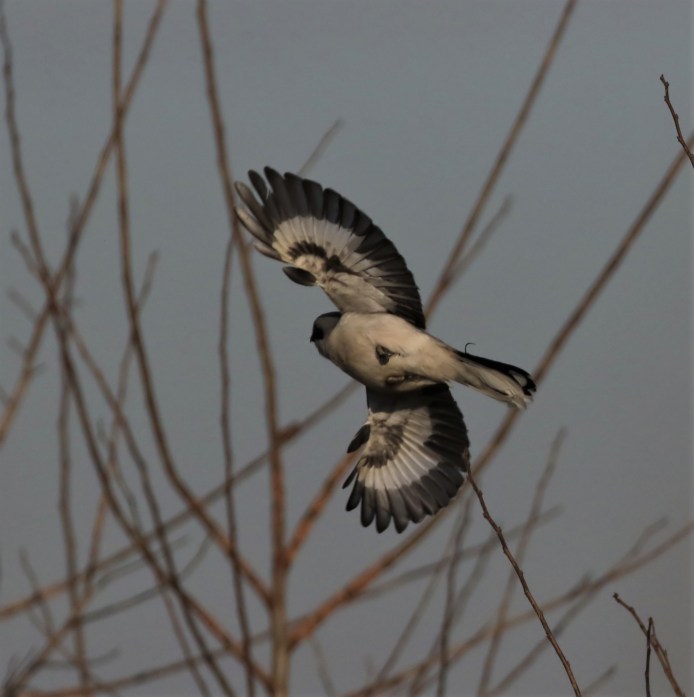
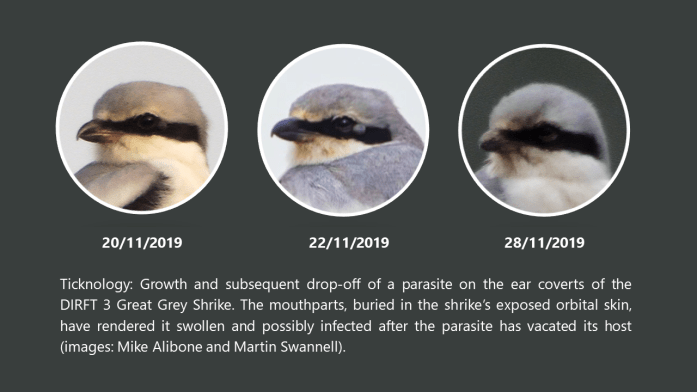
Looking settled for the long term, the DIRFT 3 Great Grey Shrike was still present on 11th, remaining faithful to a remarkably small area of scrub.

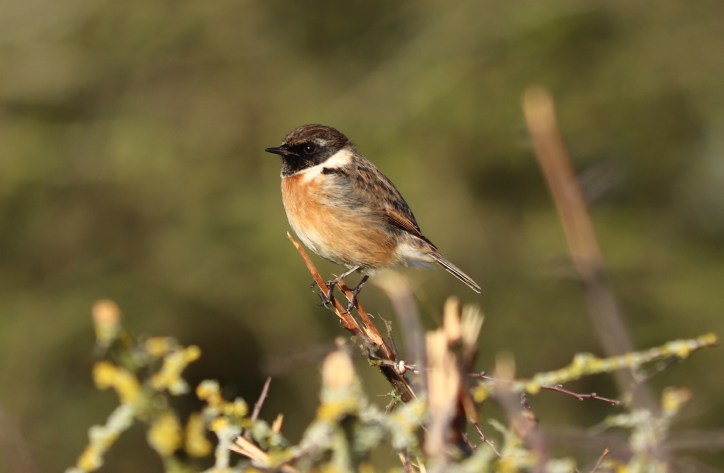
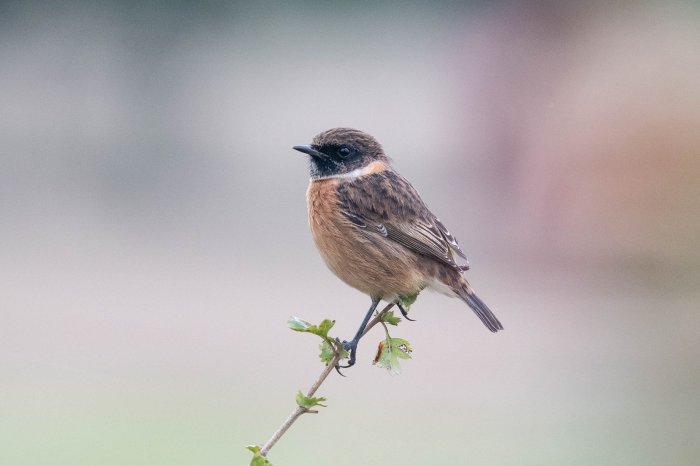
The same site held at least three Stonechats, although four were at both Hollowell on 7th and Pitsford on 13th while, elsewhere, singles were seen at Stanford, Thrapston and Wicksteed Water Meadows (Kettering).





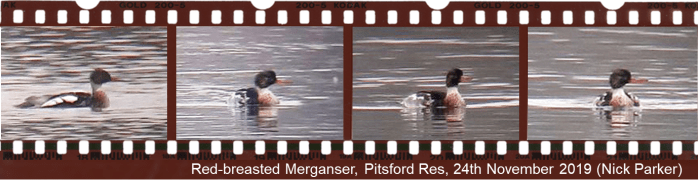 Dull, dank, murky drizzle dominated the week’s weather as low pressure once again dragged in copious moisture off the Atlantic. Notable wildfowl were back on the menu, while scarce passerines maintained their prominence.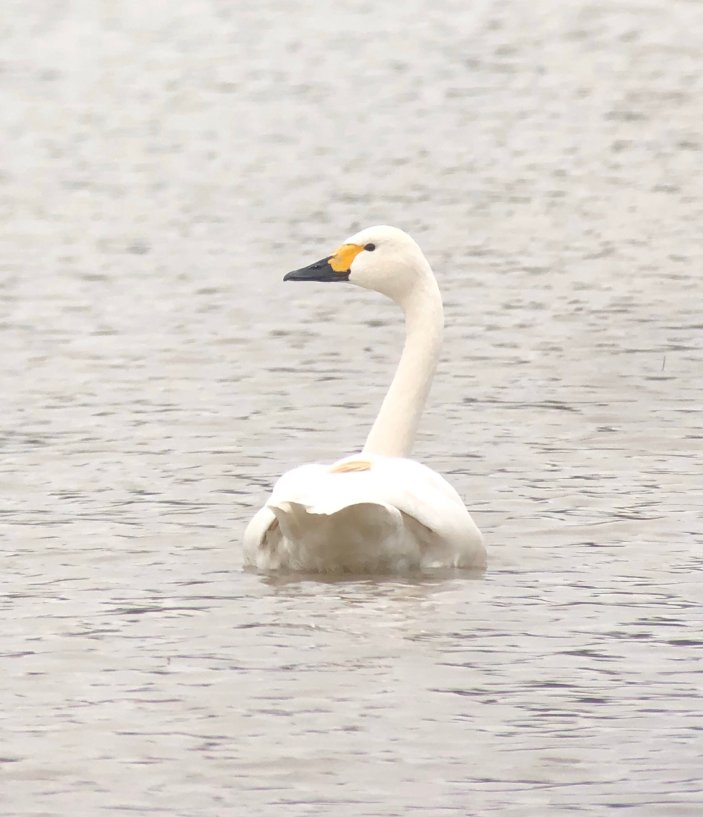


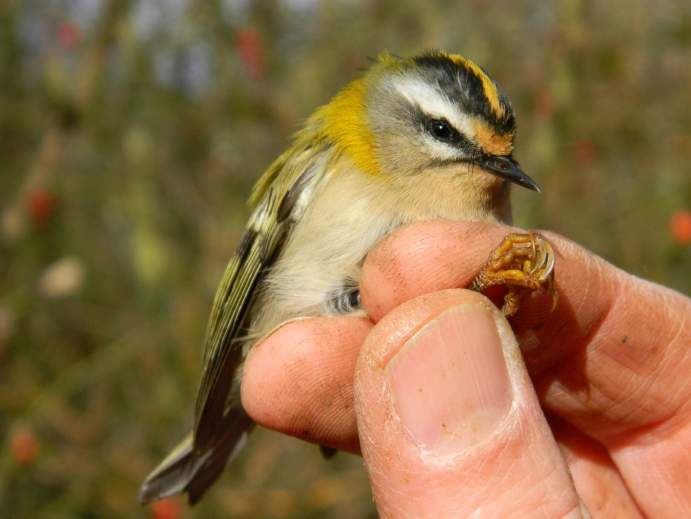
 A Firecrest showed well, if only briefly, to members of the Peterborough Bird Club on an awayday to Summer Leys on 24th. There must surely be more of these little gems just waiting to be found wintering in the extensive river valley scrub along the Nene. Meanwhile, Stonechats were reduced to just singles seen at Stanford, Summer Leys, Thrapston and Wicksteed Water Meadows (Kettering) and Hawfinch once again made it into the week’s round-up, with one in flight at Salcey Forest on 27th.
 Although the weather was again largely dominated by Atlantic low pressure systems, last week’s heavy rain subsided, allowing local floodwater a chance to drain away – at least in part. The end of the period saw milder conditions resulting from a warmer, continental airstream from the south-east. This week’s top birds were again all based on terra firma, further extending this great autumn’s run of passerines.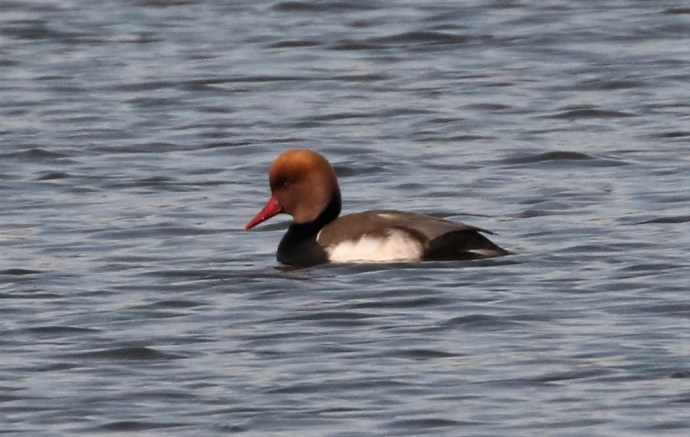






 An unsettled week with a variable wind direction, sporadic heavy showers, low cloud and drizzle. Against a backcloth of visible passerine migration, a Siberian Chiffchaff at Stanford Reservoir was arguably the week’s highlight.

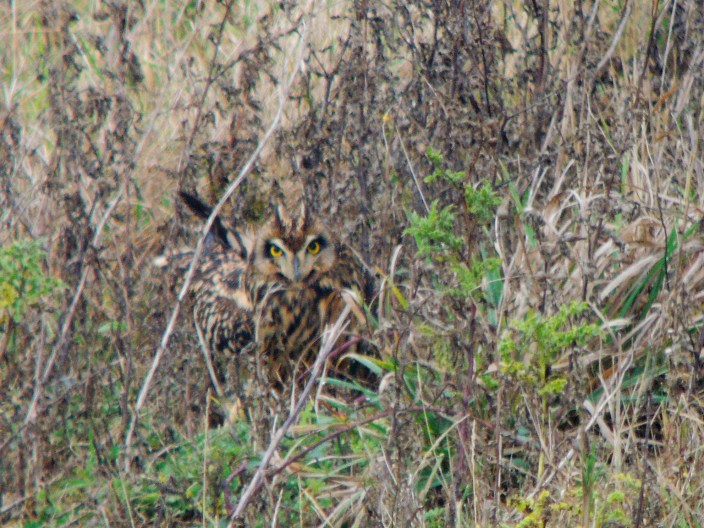


 A change of month, a change of clocks and a change of wind direction back to easterlies resulted in a few new birds, the first autumnal frost on 28th and the arrival of the county’s first Smew of the ‘winter’ at Summer Leys on the last day of the week.

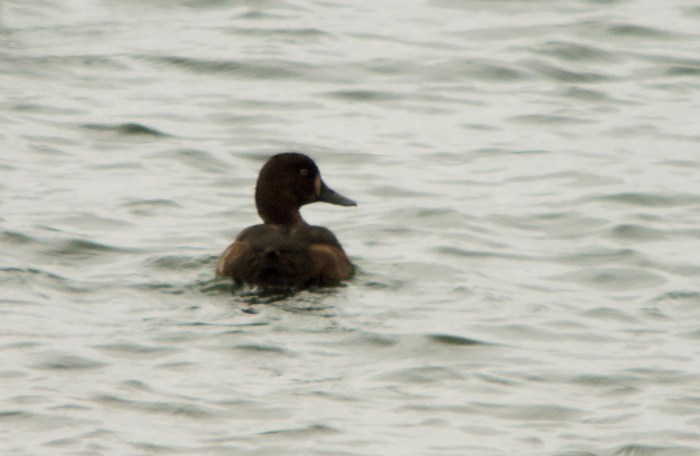


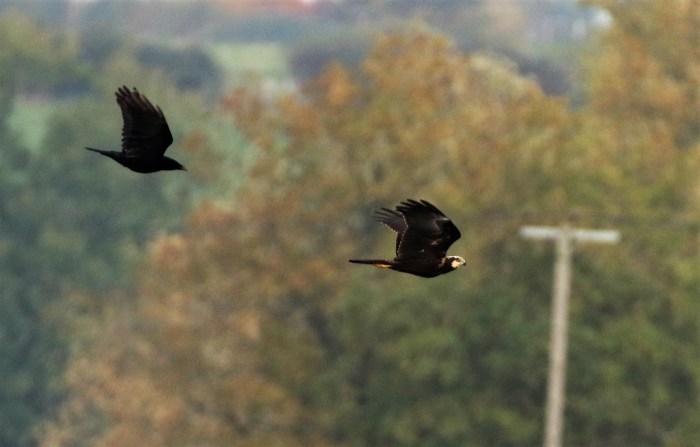


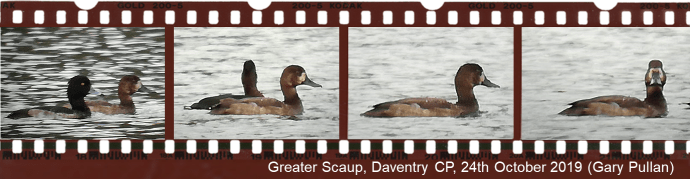 With more unsettled weather afoot, chilly northerlies swung quickly to south-westerlies, bringing rain, bluster and birds. In the last week before taking the unwelcome plunge into late afternoon darkness for the next few months, leaf-fall accelerated and migration continued apace – especially where passerines were concerned – with the reservoirs at Pitsford and Stanford again delivering the best in class.



 The weather remained largely unsettled, with heavy rain and sporadic showers, backed by blustery south to south-westerly winds during the early part of the week. The period’s highlight was a Yellow-browed Warbler, trapped and ringed … where else other than at Stanford Reservoir.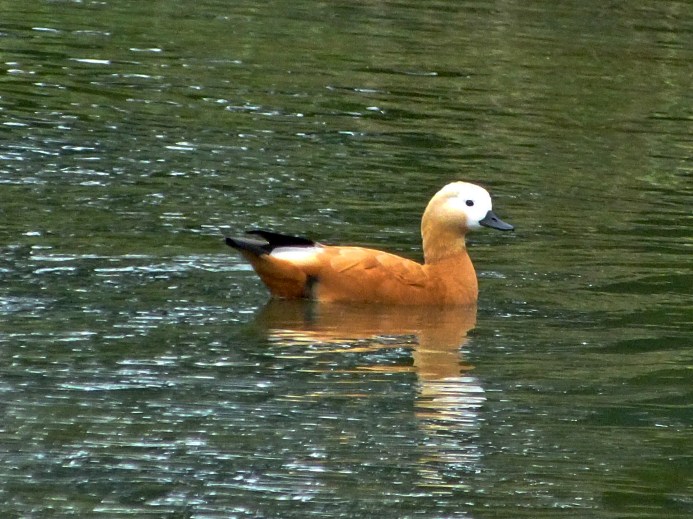


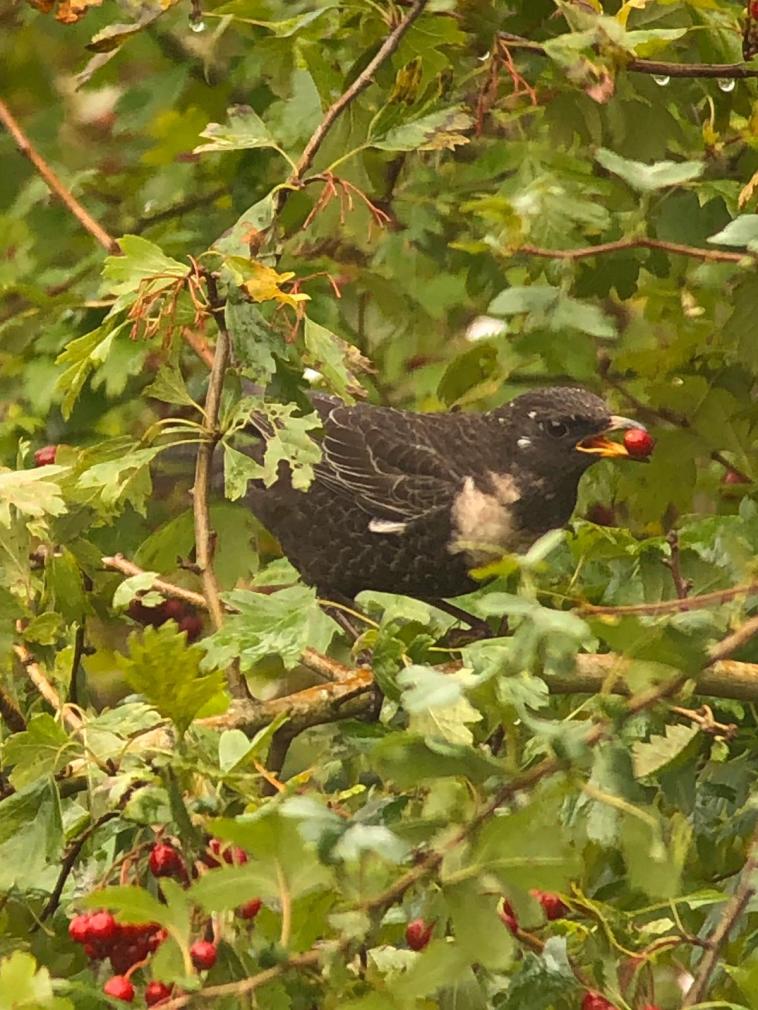
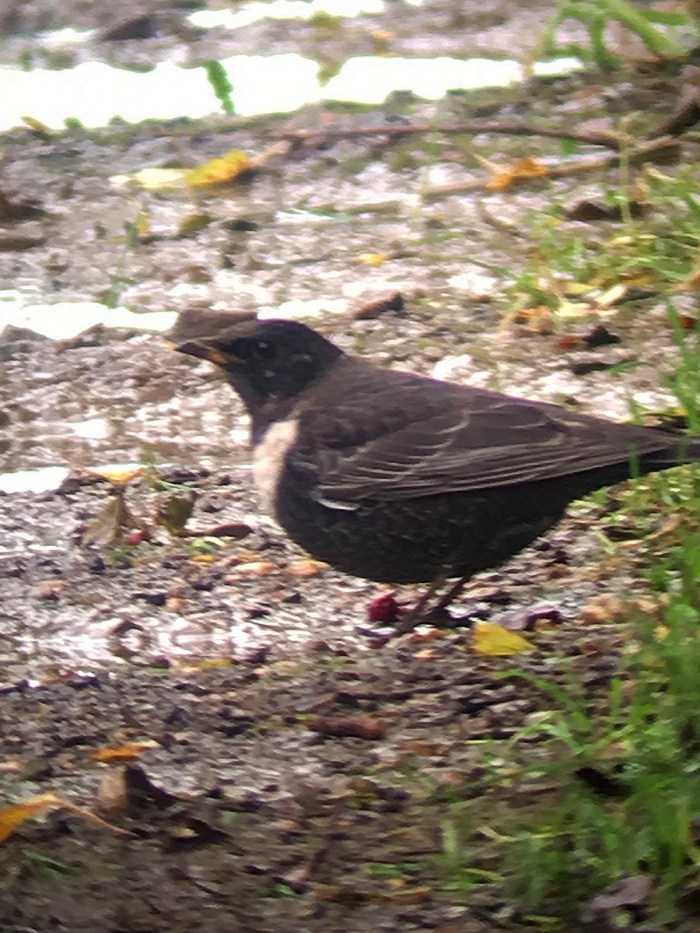
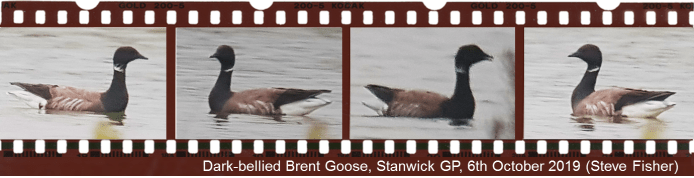 An unsettled week with a strong, predominantly westerly airflow saw a couple of potentially weather-related arrivals in the respective shapes of Dark-bellied Brent Goose and Gannet, amid more winter thrushes and the autumn’s first Bramblings.

 Northants birds