Edging closer toward spring saw rapidly extending daylight hours on both sides of the ‘dark zone’. There was also little in the way of frost and low temperatures, with most of the variations in weather resulting from a series of low pressure systems bringing mild, though wet and blustery conditions from a south-westerly airstream, which turned southerly at the end of the period. The first Sand Martins of the spring were seen at Pitsford Res on 6th and further evidence of northward migration came in the form of a Kittiwake moving over Ravensthorpe Res on 8th.
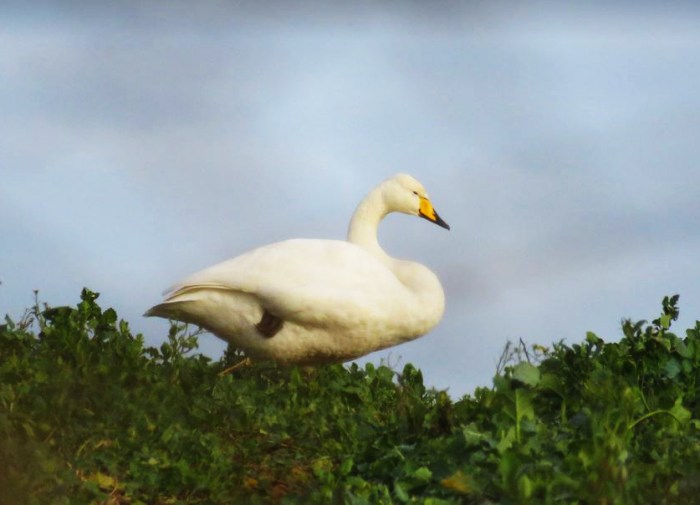
The wintering adult Whooper Swan remained at Sywell CP until at least 8th and, first discovered on 15th February, the only remaining Eurasian White-fronted Goose from this winter’s generous hand-out was the one at Pitsford Res until at least 7th.

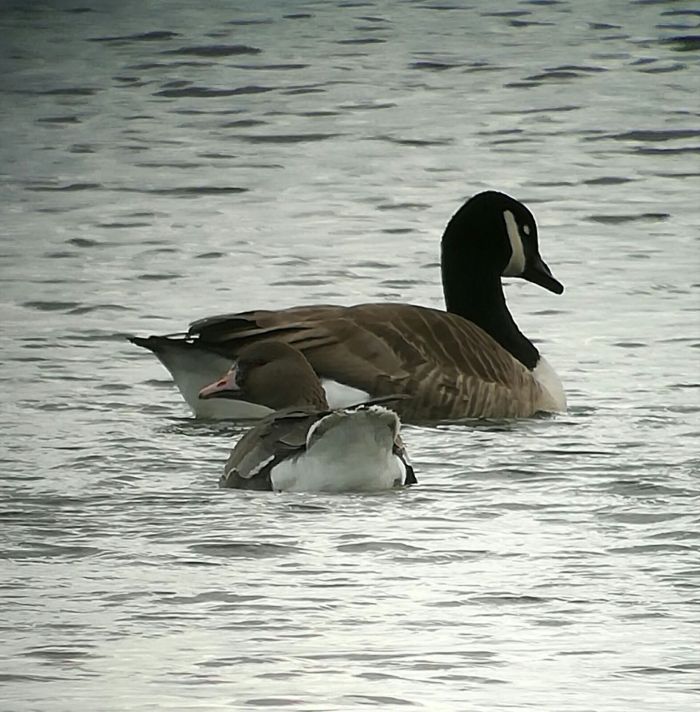
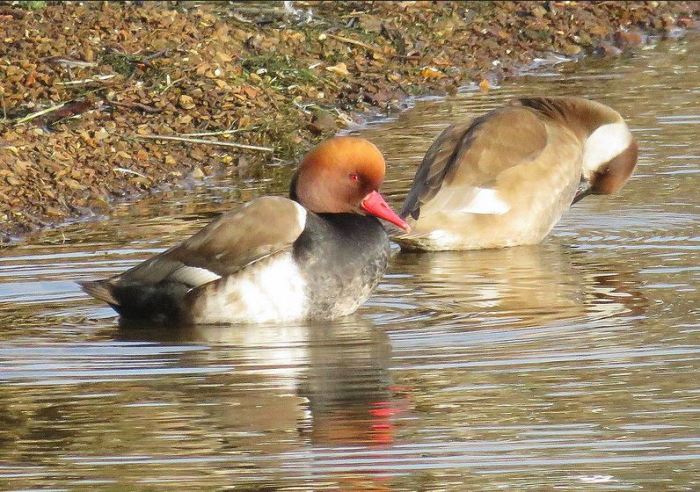
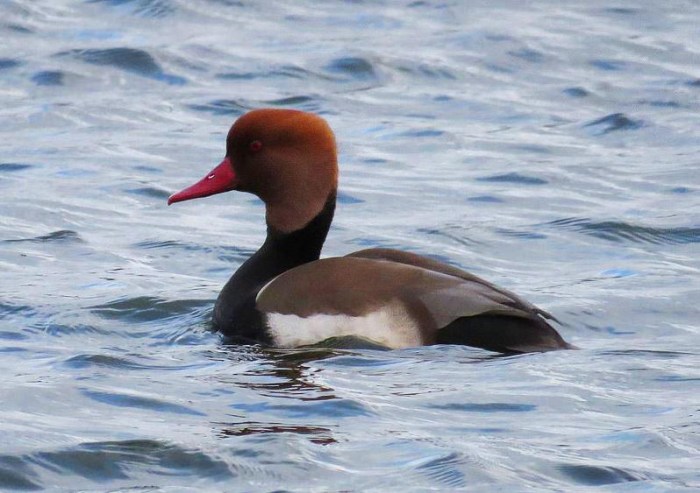
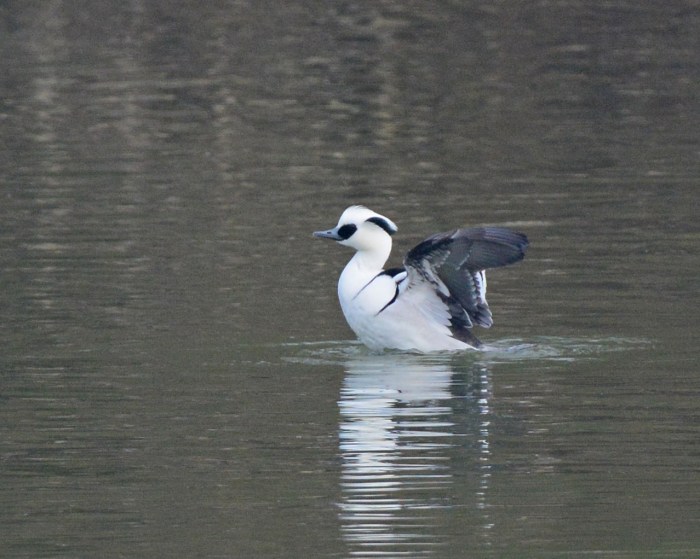
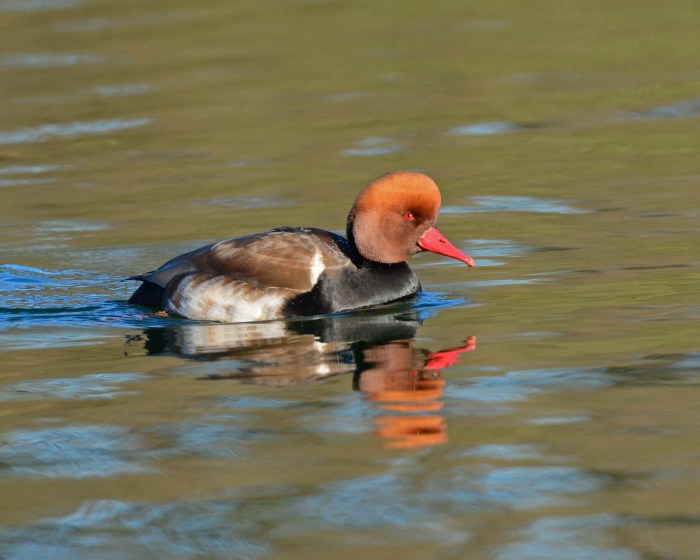
Two drake Red-crested Pochards also remained at Earls Barton GP/Summer Leys LNR until 3rd with one still present on 9th, while two (one drake) were at Thrapston GP on 28th. The long-staying female Scaup remained at on the main lake at Stanwick GP, where it was joined by a drake from 7th to 10th and the wintering Long-tailed Duck remained on site at Stanford Res throughout the period, as did the ‘redhead’ Smew, while another ‘redhead’ was again at Earls Barton GP on 25th and 26th.
As winter turned to spring there was a noticeable easing up on the number of Great White Egrets reported, with just two at Pitsford Res to 26th with one remaining until 2nd, one still at Thrapston GP until 7th, one at Summer Leys from 26th – joined by another on 8th and 9th – one flying east along the Welland Valley at Wakerley on 27th, one still at Ravensthorpe Res on 5th and it, or another, flying over Hollowell Res on 10th and one at Earls Barton GP on 10th. Pitsford’s Slavonian Grebe was still present on 8th, as was the Red-necked Grebe on 7th – the latter having moved north of the causeway during the period.

While scarce raptors were sadly lacking, a belated report of a ‘ringtail’ Hen Harrier came from the disused airfield at Grafton Underwood on 24th and scarce waders were limited to single Jack Snipe at Pitsford Res on 26th and Stanford Res on 4th with four at Hollowell Res on 10th.
Things were looking up on the gull front during the period with a Kittiwake flying low north over Ravensthorpe Res on 8th, a Little Gull reported from Clifford Hill GP on 6th and single first-winter Mediterranean Gulls at Pitsford Res roost on 26th and Hollowell Res on 6th, while an adult visited Daventry CP on 28th.

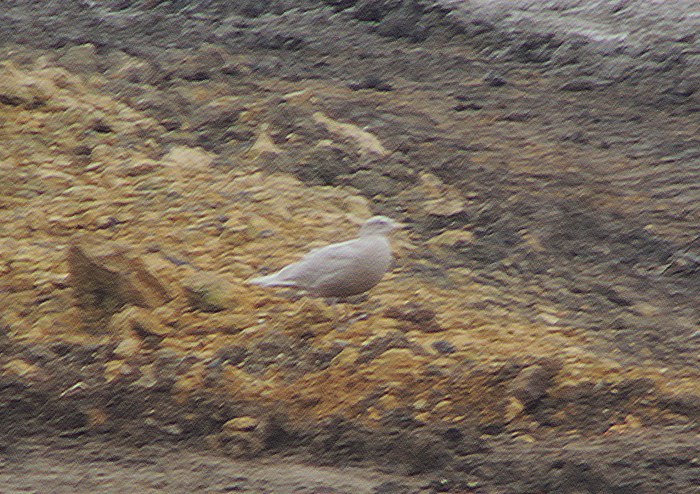
Three Yellow-legged Gulls comprised an adult at Rushton Landfill on 25th and single first-winters at Pitsford Res on 26th and Daventry CP on 28th. Caspian Gulls have consistently outnumbered the former species this winter and this trend continued, with Rushton Landfill providing the lion’s share, which included single adults on 25th and 28th, two adults on 1st and an adult plus a first-winter on 4th. Elsewhere, single first-winter Caspians were found at Stanford Res on 1st and at Hollowell Res on 6th with single third-winters at DIRFT 3 (near Lilbourne) on 5th and at Pitsford Res two days later. Stanford Res pulled in another roosting Iceland Gull – this time a juvenile – on 25th but, just like the last one on 2nd February, there was no repeat performance on subsequent dates.

More obliging, however, was the juvenile Glaucous Gull which was found at Rushton Landfill on 25th and seen almost daily, either in the roadside field at Storefield Lodge Farm or on the landfill itself, until 4th. This bird was considered to be a different individual to the juvenile present the week before. An adult Glaucous was also discovered roosting with Lesser Black-backed Gulls in heavy rain at DIRFT 3 before flying off east on 5th.
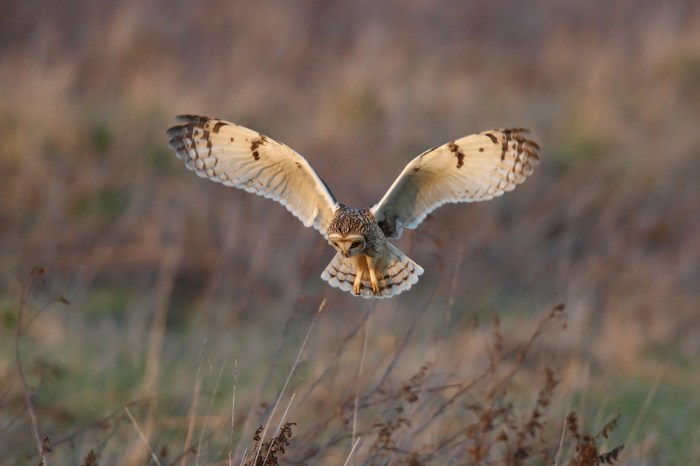
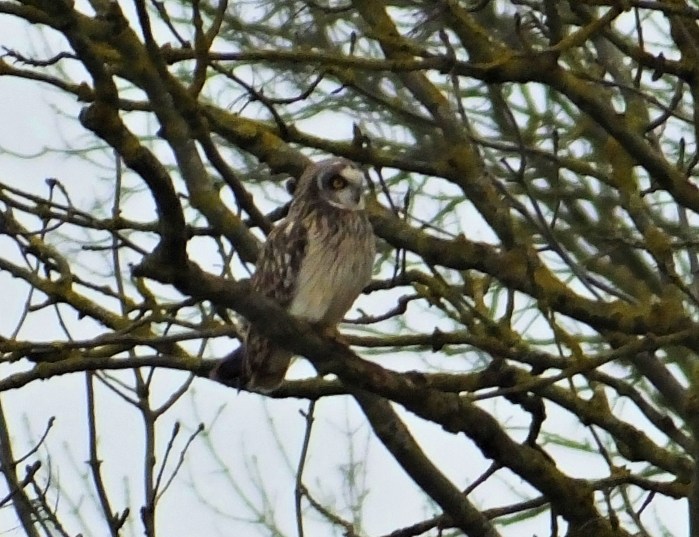
Up to four Short-eared Owls were still at Neville’s Lodge, near Finedon, until at least 1st but this number appeared to have dwindled to just two by 9th. Another was seen in the Brampton Valley on 3rd.




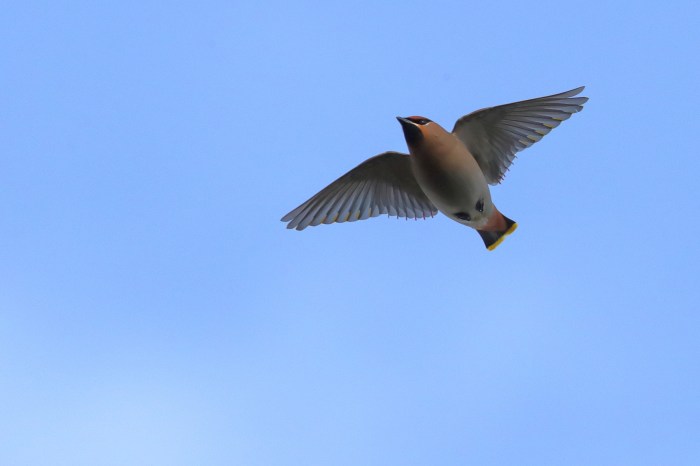
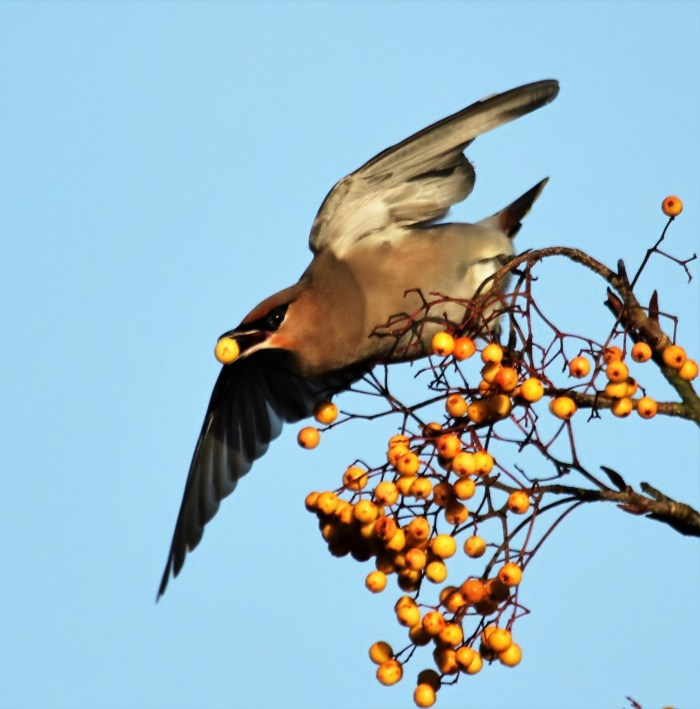
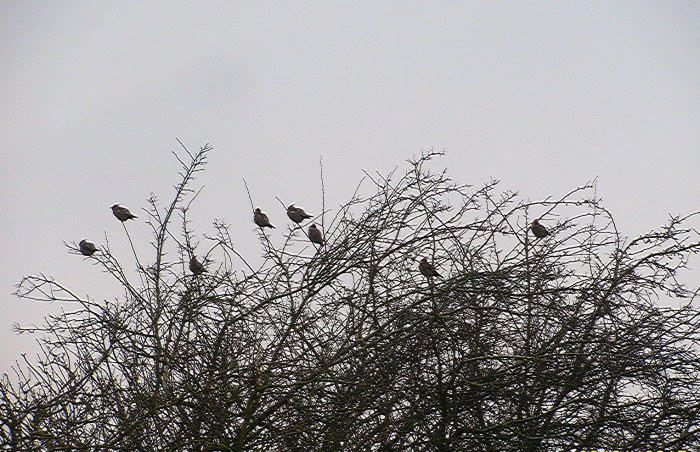
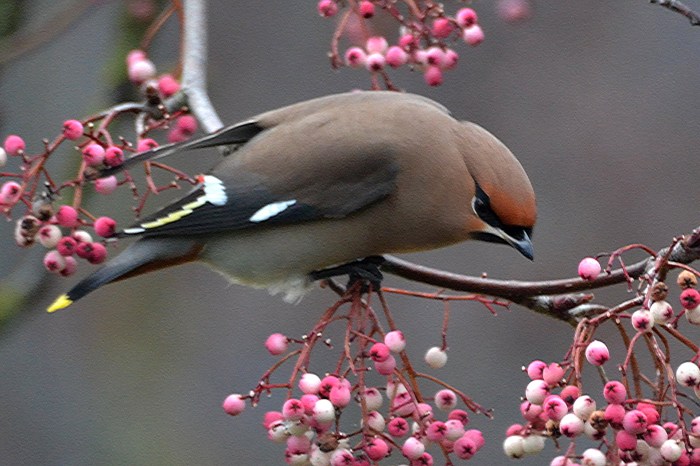
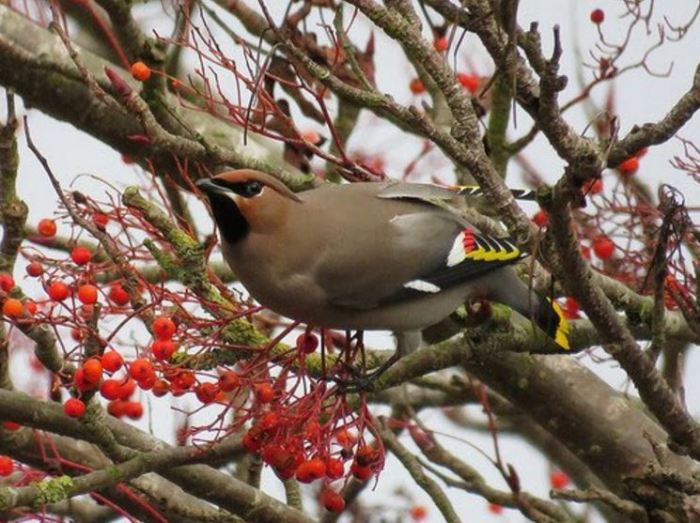
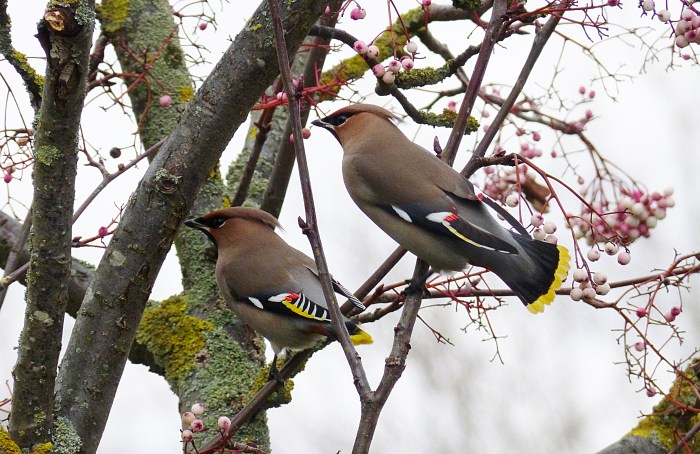
Waxwings were still very much in evidence throughout the period, with cotoneasters in East Hunsbury (Northampton) providing a ready source of food for more than fifty between 25th and 1st. The focus then shifted to Duston, where up to sixty-six were present in the Kent Road/St Crispin Drive area between 4th and 9th.
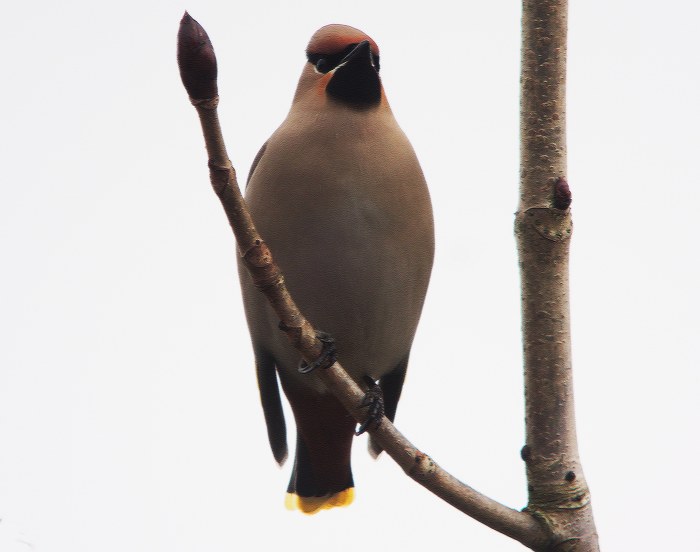


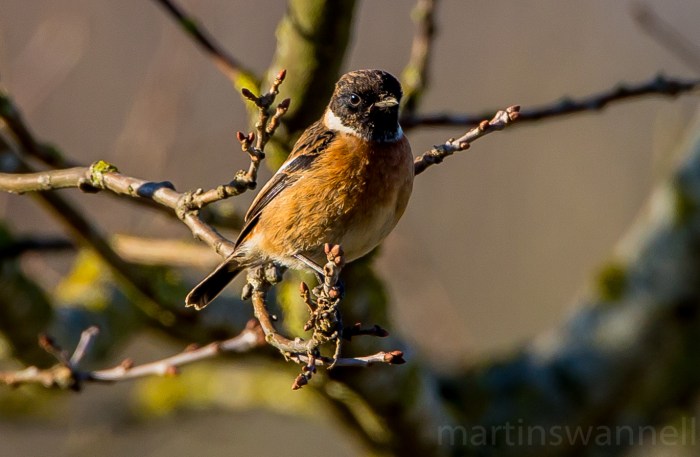
Elsewhere, two visited Brackley on 26th, two were in Hanging Houghton the following day and a dozen visited a garden in Nassington on 9th. Overshadowed and outnumbered was a single Crossbill idling at Kelmarsh on 4th and the lingering Corn Bunting near Warmington on 26th.
 On 28th March 2017, Birdwatch magazine and BirdGuides’ team The Birdwatch-BirdGuides Roadrunners – of which I am a member – will take part in the third Champions of the Flyway bird race, a major international event which is now being staged annually in Eilat, Israel – home of one of the world’s most desirable birding destinations and famous migration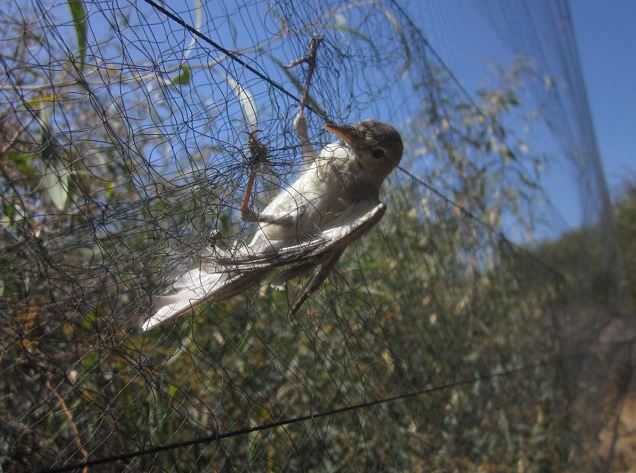

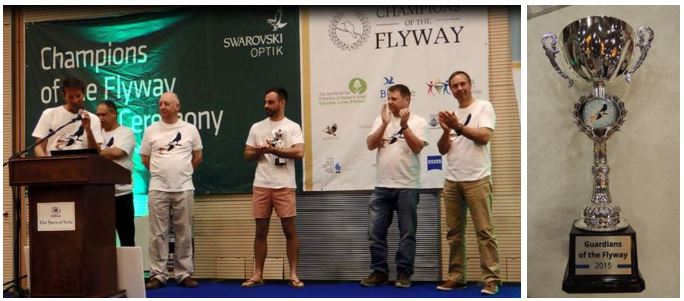 This year the team (Dawn Balmer, Mark Pearson and myself) is looking for individuals and corporate sponsors/donors to support our fundraising efforts. We are nearly halfway toward our minimum target.







 After convincing myself to go against my gut feel and better judgement, it would appear I was wrong in my post-observation photo-based identification assessment of the
 Recently, I was talking to Ben, the BB web designer. He had done some work on our website, including
  My immediate reaction was forth-winter
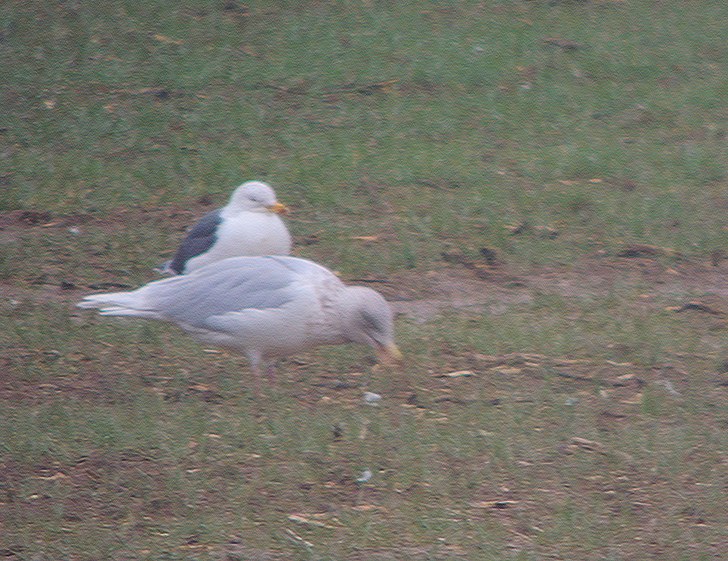 Glaucous as it seemed quite large, looked a little dingy and had a blackish subterminal band on the bill – otherwise it was a winter ‘adult’ with fairly well-marked head streaking, which extended to the neck and upper breast, albeit rather faded. I duly broadcast the news and then went back to getting a proper look.
 It was only after later examination of the images I managed to obtain that nagging doubts about the bird’s identity crept in. Although in the first three images reproduced here the bird appears large and ‘mean-looking’ (= Glaucous) in the last of the series of images the true proportions are visible. It lacks the truly hefty proportions of Glaucous Gull, appears attenuated with a long primary projection and has a more rounded head and relatively small, short bill, bearing a resemblance to a Common Gull. This all adds up to it being an Iceland Gull with the size and sometimes flattish, sloping forehead suggesting a ‘butch’ male.








 From the exciting to the more mundane, up to three Great White Egrets remained at Ravensthorpe Res, numbers between one and three were at Pitsford Res and one was again at Summer Leys all week. Also making it into the new week was the Pitsford Res Slavonian Grebe, which was still present around the dam/sailing club/Pintail Bay area until at least 11th.




 Lack of dark tip to bill (when not soil-covered) ages it as an adult. There have been 5 previous records, 4 of which have been in the same short stretch of the Nene Valley as this one. Previous accepted records are: